


Swipe left or right, or use the buttons. Tap image to zoom.
例句翻译
单词
Lesson 11Lesson 11 - 遮罩切换
|
表情符号
|
单词 | Images | 翻译 | 过去时 | 过去分词 | 第三人称单数 | 动名词 | 含义 | 例句 | 例句翻译 | 示例表达 | 示例表达含义 | 示例表达翻译 | 同义词 | 反义词 | 搭配词 | 助记符 |
|---|---|---|---|---|---|---|---|---|---|---|---|---|---|---|---|---|---|
|
#301
💭
|
/əˈluːsɪv/
adjective
(含蓄的)
••••••
|
- •••••• |
含蓄的
hánxù de
••••••
|
- •••••• | - •••••• | - •••••• | - •••••• |
Making indirect references or hints; suggestive without being explicit.
••••••
|
The novel is full of allusive passages that point to classical literature. |
这本小说充满了含蓄的段落,指向经典文学。
Zhè běn xiǎoshuō chōngmǎnle hánxù de duànluò, zhǐxiàng jīngdiǎn wénxué.
••••••
|
- •••••• | - •••••• | - •••••• |
suggestive, indirect, symbolic, figurative, evocative
••••••
|
direct, explicit, literal
••••••
|
allusive remarks, allusive style, highly allusive, allusive language
••••••
|
Allusive = 含蓄的信息
••••••
|
|
#302
🔄
|
/ˈɔːltərnət/ (adj, noun), /ˈɔːltərˌneɪt/ (verb)
verb, noun, adjective
(奥尔特内特)
••••••
|
- •••••• |
交替,替代
jiāotì, tìdài
••••••
|
alternated
奥尔特内特德
••••••
|
alternated
奥尔特内特德
••••••
|
alternates
奥尔特内特斯
••••••
|
alternating
奥尔特内特英
••••••
|
to occur in turn repeatedly; to take turns; also, a substitute or replacement
••••••
|
The students alternate between online and offline classes.
学生们在在线和离线课程之间轮流上课。
••••••
|
学生们在在线和离线课程之间轮流上课。
xuéshēngmen zài zàixiàn hé líxiàn kèchéng zhījiān lúnliú shàngkè.
••••••
|
alternate reality
替代现实
••••••
|
a parallel or imagined version of reality
••••••
|
替代现实
tìdài xiànshí
••••••
|
rotate, interchange, substitute, switch, exchange
••••••
|
continue, persist, remain
••••••
|
alternate days, alternate shifts, alternate plan, alternate route
••••••
|
交替意味着 🔄 交替进行,一会儿在线,一会儿离线。
••••••
|
|
#303
🗣️
|
/ˌɔːltərˈkeɪʃən/
noun
(áltèrkèishēn)
••••••
|
- •••••• |
争执, 争吵
zhēngzhí, zhēngchǎo
••••••
|
- •••••• | - •••••• | - •••••• | - •••••• |
a noisy argument or quarrel
••••••
|
There was a brief altercation between the two drivers.
两位司机之间发生了简短的争执。
••••••
|
两位司机之间发生了简短的争执。
Liǎng wèi sījī zhījiān fāshēngle jiǎnduǎn de zhēngzhí.
••••••
|
- •••••• | - •••••• | - •••••• |
argument, quarrel, dispute, fight
••••••
|
agreement, harmony, peace
••••••
|
heated altercation, minor altercation, public altercation
••••••
|
Altercation与alter(改变)相关,表示争执。
••••••
|
|
#304
⚡
|
/ˈɔːltərˌkeɪt/
verb
(奥尔特凯特)
••••••
|
- •••••• |
争论
zhēnglùn
••••••
|
altercated
奥尔特凯特德
••••••
|
altercated
奥尔特凯特德
••••••
|
altercates
奥尔特凯特斯
••••••
|
altercating
奥尔特凯廷
••••••
|
to argue or dispute angrily or noisily
••••••
|
The neighbors began to altercate over the boundary wall.
邻居们开始争论边界墙。
••••••
|
邻居们开始争论边界墙。
Línjū men kāishǐ zhēnglùn biānjiè qiáng.
••••••
|
- •••••• | - •••••• | - •••••• |
argue, quarrel, dispute, wrangle
••••••
|
agree, harmonize
••••••
|
altercate loudly, altercate bitterly, altercate over
••••••
|
Altercate意味着 alter + kate 争论 - 争论就等于altercate.
••••••
|
|
#305
🧵
|
/ˌɔːltəˈreɪʃən/
noun
(òutèlèɹeɪʃən)
••••••
|
- •••••• |
改变
gǎibiàn
••••••
|
- •••••• | - •••••• | - •••••• | - •••••• |
a change or modification made to something
••••••
|
The tailor made an alteration to the suit. |
裁缝对西装做了改变。
Cáifeng duì xīzhuāng zuòle gǎibiàn.
••••••
|
- •••••• | - •••••• | - •••••• |
change, modification, adjustment, amendment
••••••
|
preservation, constancy, stability
••••••
|
minor alteration, structural alteration, alteration work
••••••
|
Alter + ation = 改变(Gǎibiàn)即改变、修改。
••••••
|
|
#306
✂️
|
/ˈɔːltər/
verb
(ǎltèr)
••••••
|
- •••••• |
改变
gǎibiàn
••••••
|
altered
ǎltèrd
••••••
|
altered
ǎltèrd
••••••
|
alters
ǎltèrs
••••••
|
altering
ǎltèríng
••••••
|
to change or modify something slightly but significantly
••••••
|
She decided to alter her dress to make it fit better.
她决定改变她的裙子,让它更合身。
••••••
|
她决定改变她的裙子,让它更合身。
Tā juédìng gǎibiàn tā de qúnzi, ràng tā gèng héshēn.
••••••
|
alter ego
alter ego
••••••
|
a second self or different version of oneself
••••••
|
alter ego
alter ego
••••••
|
change, modify, adjust, adapt, transform
••••••
|
preserve, maintain, keep
••••••
|
alter plans, alter course, alter appearance, alter behavior
••••••
|
改变意味着轻微修改,就像调整裙子。
••••••
|
|
#307
⛪
|
/ˈɔːltər/
noun
(àotè)
••••••
|
- •••••• |
祭坛
jìtán
••••••
|
- •••••• | - •••••• | - •••••• | - •••••• |
A table or flat surface used in religious rituals or worship.
••••••
|
The priest placed the offerings on the altar. |
牧师把供品放在祭坛上。
Mùshī bǎ gòngpǐn fàng zài jìtán shàng.
••••••
|
sacrifice on the altar |
to give up something important for a cause
••••••
|
祭坛上的牺牲
Jìtán shàng de xīshēng
••••••
|
shrine, sanctuary, table, dais
••••••
|
none, mundane
••••••
|
altar of sacrifice, stand before the altar, wedding altar
••••••
|
Altar 就是祭坛 – 为了神而改变你的生活。
••••••
|
|
#308
🔠
|
/ˌælfəˈbɛtɪkəl/
adjective
(字母顺序的)
••••••
|
- •••••• |
字母顺序的
zìmǔ shùnxù de
••••••
|
- •••••• | - •••••• | - •••••• | - •••••• |
Arranged in the order of the letters of the alphabet.
••••••
|
The names were listed in alphabetical order. |
名字按字母顺序排列。
Míngzì àn zìmǔ shùnxù páiliè.
••••••
|
- •••••• | - •••••• | - •••••• |
ordered, sequential, systematic, lexicographic
••••••
|
random, unordered
••••••
|
alphabetical order, alphabetical list, arrange alphabetically
••••••
|
字母顺序的就像ABC歌曲一样!
••••••
|
|
#309
😐
|
/əˈluːf/
adjective
(艾卢夫)
••••••
|
- •••••• |
冷漠
lěngmò
••••••
|
- •••••• | - •••••• | - •••••• | - •••••• |
Not friendly or forthcoming; cool and distant.
••••••
|
He remained aloof during the entire discussion. |
他在整个讨论过程中都显得冷漠。
Tā zài zhěnggè tǎolùn guòchéng zhōng dōu xiǎndé lěngmò.
••••••
|
keep aloof |
to remain distant or uninvolved
••••••
|
保持冷漠
bǎochí lěngmò
••••••
|
distant, detached, reserved, cold, indifferent
••••••
|
friendly, warm, sociable
••••••
|
remain aloof, stand aloof, seem aloof, aloof attitude
••••••
|
Aloof 就是冷漠,像那种不参与任何活动的人。
••••••
|
|
#310
🪁
|
/əˈlɒft/
adverb
(阿洛夫特)
••••••
|
- •••••• |
高空
gaokong
••••••
|
- •••••• | - •••••• | - •••••• | - •••••• |
Up in or into the air; overhead.
••••••
|
The kite was flying aloft in the clear sky. |
风筝在晴空中高飞。
Fengzheng zai qingkong zhong gaofei.
••••••
|
- •••••• | - •••••• | - •••••• |
overhead, above, up, high, skyward
••••••
|
below, beneath, under
••••••
|
fly aloft, hold aloft, rise aloft, soar aloft
••••••
|
Aloft 意味着高空,就像风筝飞翔在空中。
••••••
|
|
#311
🤲
|
/ɑːmz/
noun
(alms)
••••••
|
- •••••• |
施舍
shishe
••••••
|
- •••••• | - •••••• | - •••••• | - •••••• |
Money, food, or goods given to the poor as charity.
••••••
|
The monk distributed alms to the needy villagers. |
僧侣把施舍分发给贫穷的村民。
Sēnglǚ bǎ shīshě fēn fā gěi pínqióng de cūnmín.
••••••
|
give alms |
to donate money or goods to the poor
••••••
|
施舍
shishe
••••••
|
charity, donation, offering, contribution, gift
••••••
|
selfishness, greed
••••••
|
give alms, distribute alms, beg for alms, alms to the poor
••••••
|
施舍就像是施展帮助的行为。
••••••
|
|
#312
📖
|
/ˈɔːlmənæk/
noun
(年鉴)
••••••
|
- •••••• |
年鉴
nianjian
••••••
|
- •••••• | - •••••• | - •••••• | - •••••• |
An annual publication containing calendars, weather forecasts, astronomical data, and other useful information.
••••••
|
He consulted the almanac to check the phases of the moon. |
他查阅了年鉴,以查看月亮的各个阶段。
Ta chaluo le nianjian, yi chakan yueliang de gege jieduan.
••••••
|
- •••••• | - •••••• | - •••••• |
yearbook, calendar, directory, handbook, guide
••••••
|
fiction, novel
••••••
|
farmers' almanac, annual almanac, old almanac, practical almanac
••••••
|
年鉴 = All + 记忆 (保持所有信息的书)。
••••••
|
|
#313
🤝
|
/ˈælaɪ/
verb
(阿里)
••••••
|
- •••••• |
盟友
méng yǒu
••••••
|
allied
联盟
••••••
|
allied
联盟
••••••
|
allies
盟友
••••••
|
allying
结盟
••••••
|
To unite or form a connection or partnership with another person, group, or nation.
••••••
|
The two countries decided to ally against their common enemy.
这两个国家决定联合对抗共同的敌人。
••••••
|
这两个国家决定联合对抗共同的敌人。
Zhè liǎng gè guójiā juédìng liánhé duìkàng gòngtóng de dírén.
••••••
|
ally with
与...结盟
••••••
|
To form a partnership or alliance with someone.
••••••
|
与...结盟
yǔ...jiéméng
••••••
|
associate, unite, partner, combine, join
••••••
|
oppose, resist, separate
••••••
|
ally with, strong ally, loyal ally, ally against
••••••
|
Ally 代表 All + I,联合形成伙伴关系。
••••••
|
|
#314
🌊
|
/əˈluːviən/
noun
(冲积)
••••••
|
- •••••• |
冲积
chōng jī
••••••
|
- •••••• | - •••••• | - •••••• | - •••••• |
The gradual increase of land by the deposit of soil from water; also, a flood or overflow of water.
••••••
|
The river’s alluvion added new fertile land to the village fields. |
河流的冲积为村庄的田地增添了新的肥沃土地。
Héliú de chōngjī wèi cūnzhuāng de tiándì zēngtiānle xīn de féiwò tǔdì.
••••••
|
- •••••• | - •••••• | - •••••• |
sediment, deposit, accumulation, flood, inundation
••••••
|
erosion, drought
••••••
|
river alluvion, natural alluvion, fertile alluvion, alluvion effect
••••••
|
冲积 = 水冲 + 积土,形成新土地
••••••
|
|
#315
🌱
|
/əˈluːviəl/
adjective
(阿鲁维尔)
••••••
|
- •••••• |
冲积的
chong ji de
••••••
|
- •••••• | - •••••• | - •••••• | - •••••• |
Relating to or derived from alluvium (loose soil or sediment deposited by rivers).
••••••
|
The farmers cultivate crops on the fertile alluvial plains.
农民在肥沃的阿鲁维尔平原上种植作物。
••••••
|
农民在肥沃的冲积平原上种植作物。
nong min zai fei wo de chong ji ping yuan shang zhong zhi zuo wu
••••••
|
- •••••• | - •••••• | - •••••• |
sedimentary, fertile, deposited, riverine
••••••
|
rocky, barren, infertile
••••••
|
alluvial deposits, alluvial soil, alluvial plains, alluvial gold
••••••
|
冲积的 soil means soil washed and left by rivers — fertile land!
••••••
|
|
#316
🗣️
|
/əˈlɛdʒ/
verb
(alɛdʒ)
••••••
|
- •••••• |
声称
shēngchēng
••••••
|
alleged
alɛdʒd
••••••
|
alleged
alɛdʒd
••••••
|
alleges
alɛdʒəs
••••••
|
alleging
alɛdʒɪŋ
••••••
|
to claim or assert something, typically without proof
••••••
|
The witness alleged that the man was at the crime scene.
证人声称该男子在犯罪现场。
••••••
|
证人声称该男子在犯罪现场。
Zhèngrén shēngchēng gāi nánzǐ zài fànzuì xiànchǎng.
••••••
|
alleged crime
指控的罪行
••••••
|
a crime that is claimed to have happened but not yet proven
••••••
|
指控的罪行
zhǐkòng de zuìxíng
••••••
|
claim, assert, contend, accuse, state
••••••
|
deny, refute, reject
••••••
|
allege wrongdoing, allegedly involved, alleged crime, allege misconduct
••••••
|
Allege 意味着声称(声称在中文中)
••••••
|
|
#317
📖
|
/əˈluːʒən/
noun
(ā lǔ xīng)
••••••
|
- •••••• |
暗示
ànshì
••••••
|
- •••••• | - •••••• | - •••••• | - •••••• |
An indirect reference to something without mentioning it explicitly.
••••••
|
Her story contained an allusion to a famous myth. |
她的故事包含了对一个著名神话的暗示。
Tā de gùshì bāohánle duì yīgè zhùmíng shénhuà de ànshì.
••••••
|
- •••••• | - •••••• | - •••••• |
reference, hint, mention, implication, suggestion
••••••
|
statement, declaration, explanation
••••••
|
make an allusion, literary allusion, subtle allusion, historical allusion
••••••
|
Allusion = all + illusion → 不直接提及而是通过暗示表达。
••••••
|
|
#318
✨
|
/əˈlʊr/
verb
(艾鲁尔)
••••••
|
|
吸引力
xīyǐnlì
••••••
|
allured
艾鲁尔德
••••••
|
allured
艾鲁尔德
••••••
|
allures
艾鲁尔斯
••••••
|
alluring
艾鲁尔英
••••••
|
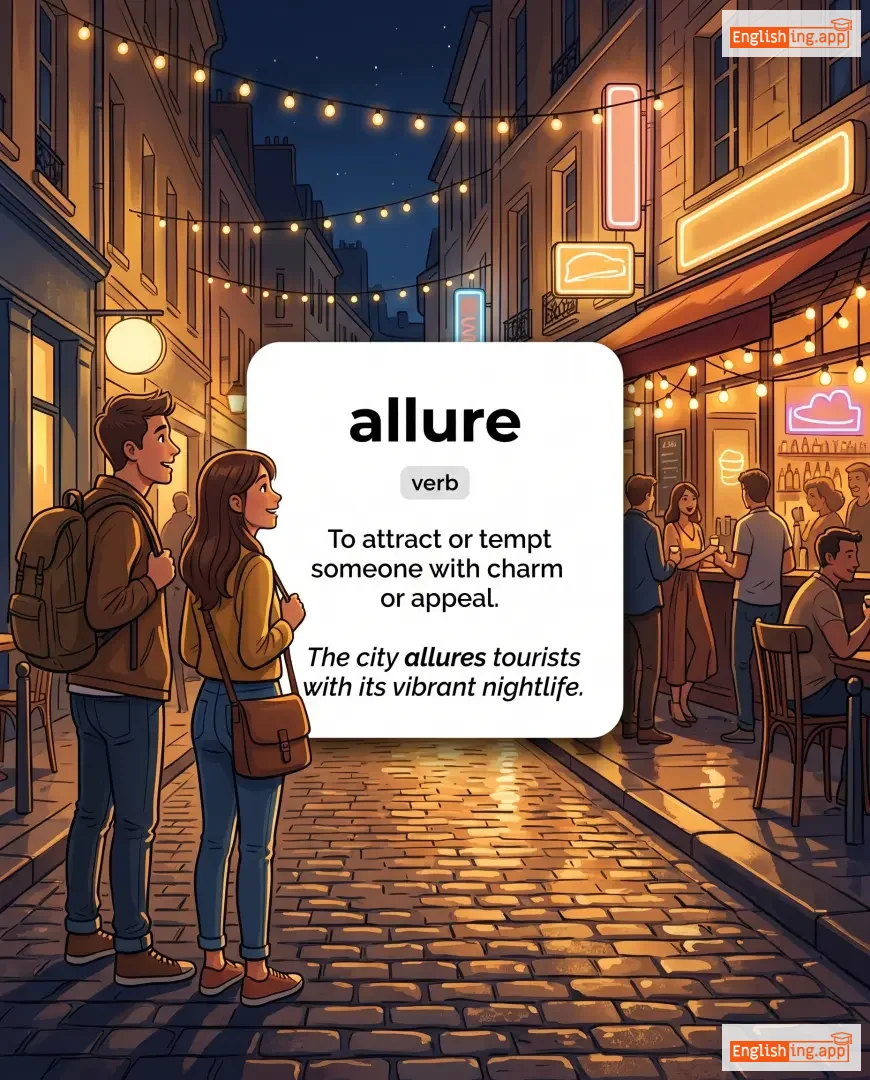
To attract or tempt someone with charm or appeal.
••••••
|
The city allures tourists with its vibrant nightlife.
这个城市吸引游客,拥有生动的夜生活。
••••••
|
这个城市通过其生动的夜生活吸引游客。
Zhège chéngshì tōngguò qí shēngdòng de yè shēnghuó xīyǐn yóukè.
••••••
|
the allure of
……的吸引力
••••••
|
the appeal or attraction of something
••••••
|
……的吸引力
…… de xīyǐnlì
••••••
|
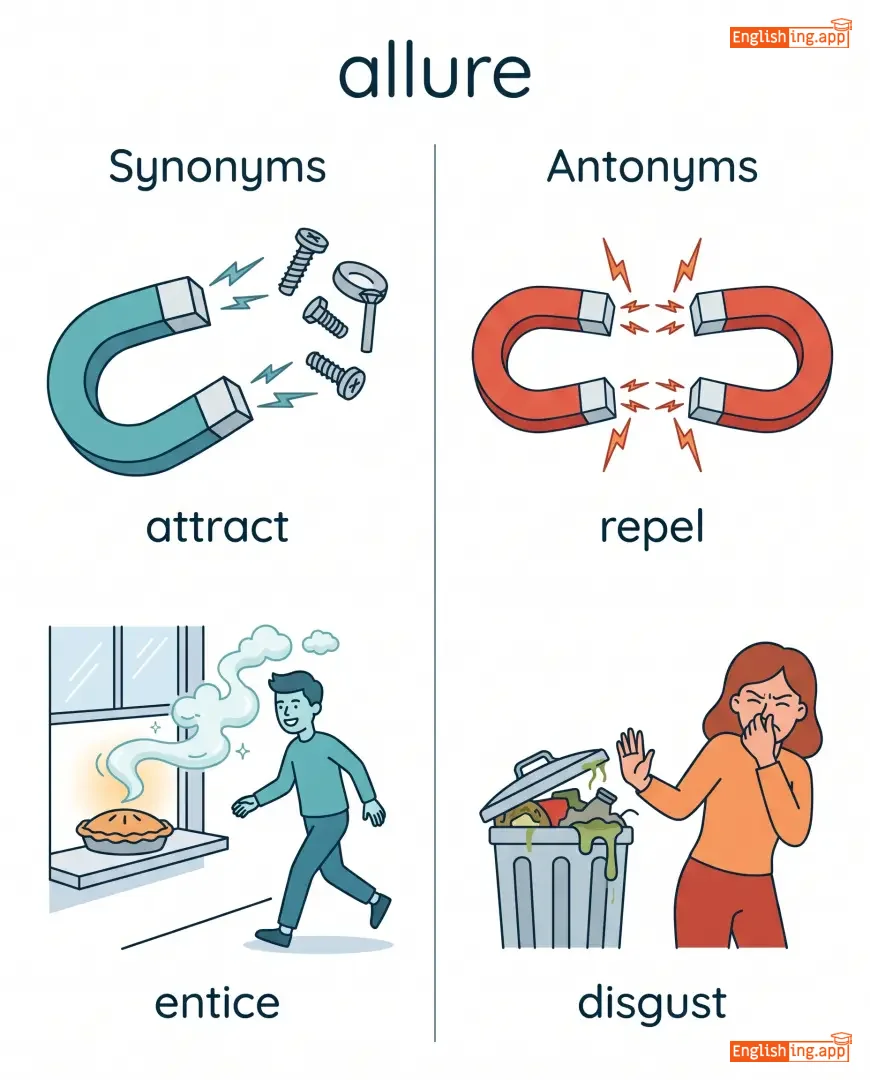
attract, entice, charm, fascinate, captivate
••••••
|
repel, disgust, deter
••••••
|
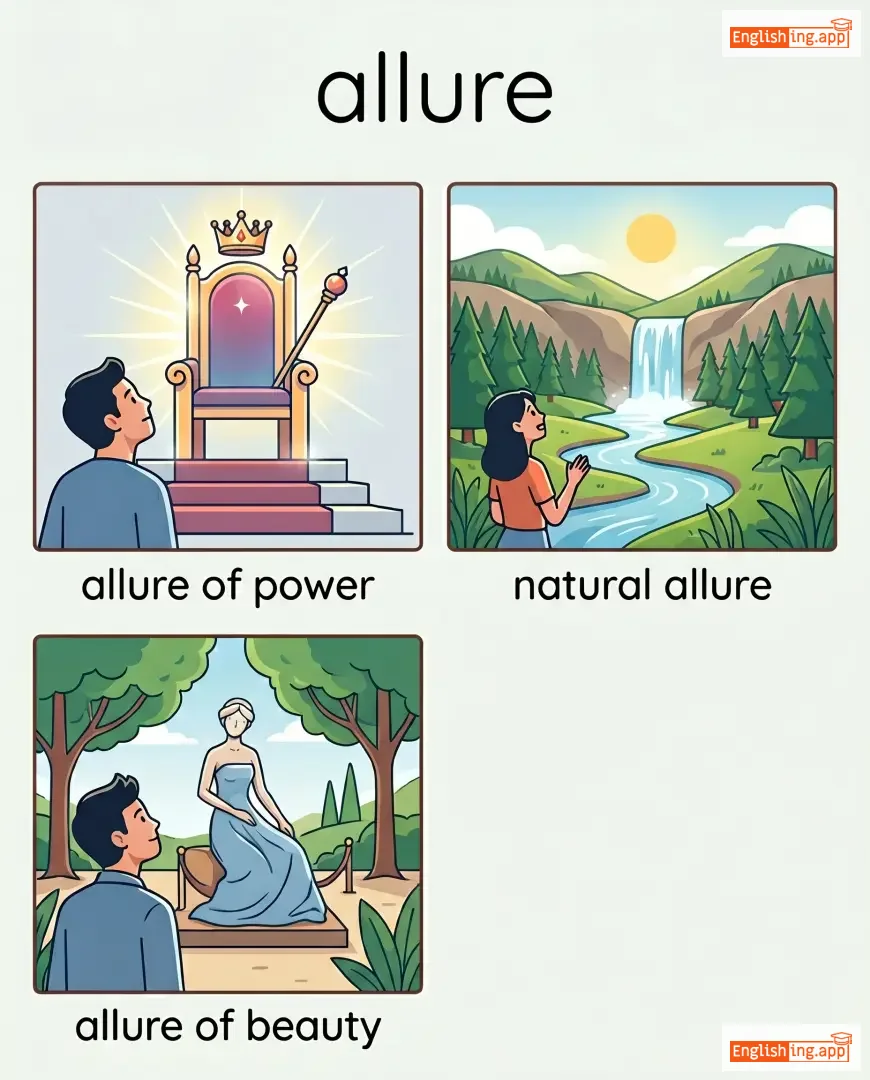
allure of power, natural allure, allure of beauty, allure tourists
••••••
|
Allure意味着吸引力,就像一盏吸引所有人光芒的灯。
••••••
|
|
#319
💭
|
/əˈluːd/
verb
(艾卢德)
••••••
|
- •••••• |
暗示
ànshì
••••••
|
alluded
艾卢德
••••••
|
alluded
艾卢德
••••••
|
alludes
艾卢德
••••••
|
alluding
艾卢德
••••••
|
To refer to something indirectly or casually.
••••••
|
The professor alluded to Shakespeare during the lecture.
教授在讲座中提到了莎士比亚。
••••••
|
教授在讲座中提到了莎士比亚。
Jiàoshòu zài jiǎngzuò zhōng tí dào le Shāshìbǐyà.
••••••
|
allude to
暗示
••••••
|
to make an indirect reference to
••••••
|
暗示
ànshì
••••••
|
refer, hint, suggest, imply, mention
••••••
|
declare, state, announce
••••••
|
allude to a topic, allude briefly, allude indirectly, allude in speech
••••••
|
Allude意味着‘所有’+‘提示’→总是有暗示
••••••
|
|
#320
⚙️
|
/ˈælɔɪ/
noun
(铝合金)
••••••
|
|
合金
he jin
••••••
|
- •••••• | - •••••• | - •••••• | - •••••• |
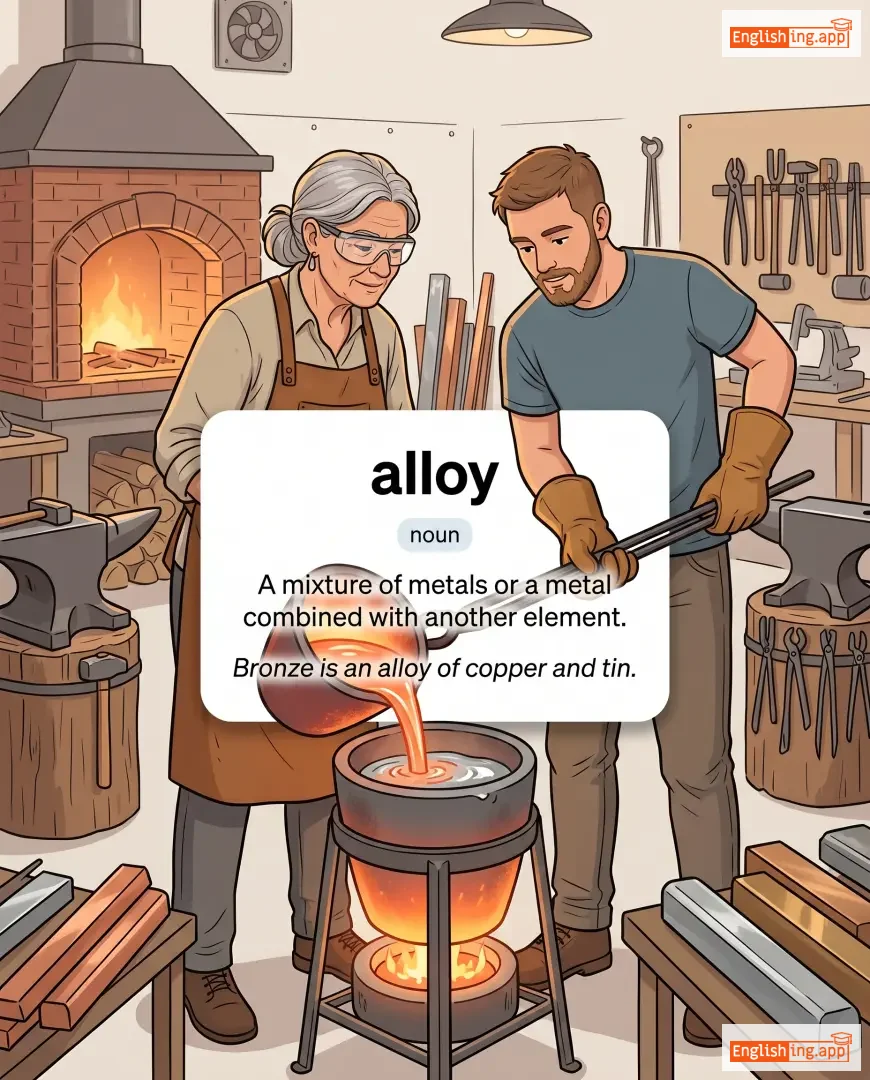
A mixture of metals or a metal combined with another element.
••••••
|
Bronze is an alloy of copper and tin. |
青铜是铜和锡的合金。
Qingtong shi tong he xi de hejin.
••••••
|
- •••••• | - •••••• | - •••••• |
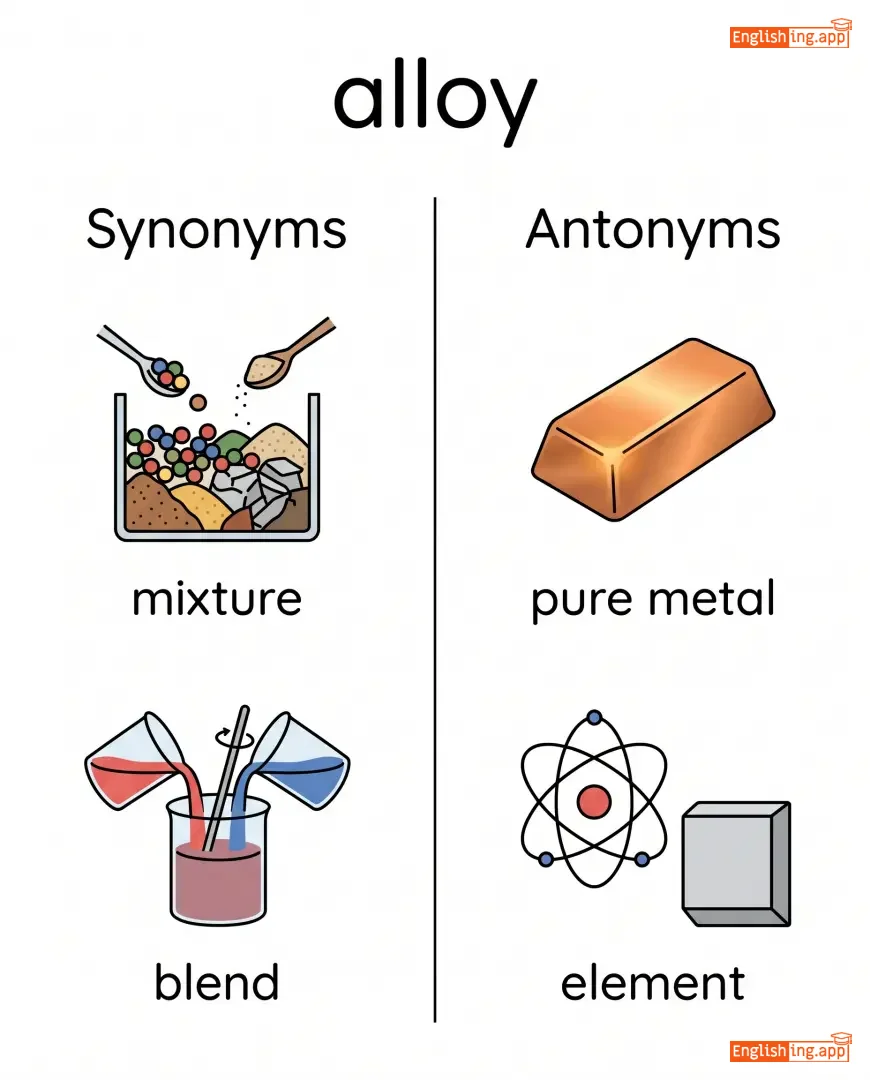
mixture, blend, composite, amalgam, fusion
••••••
|
pure metal, element
••••••
|
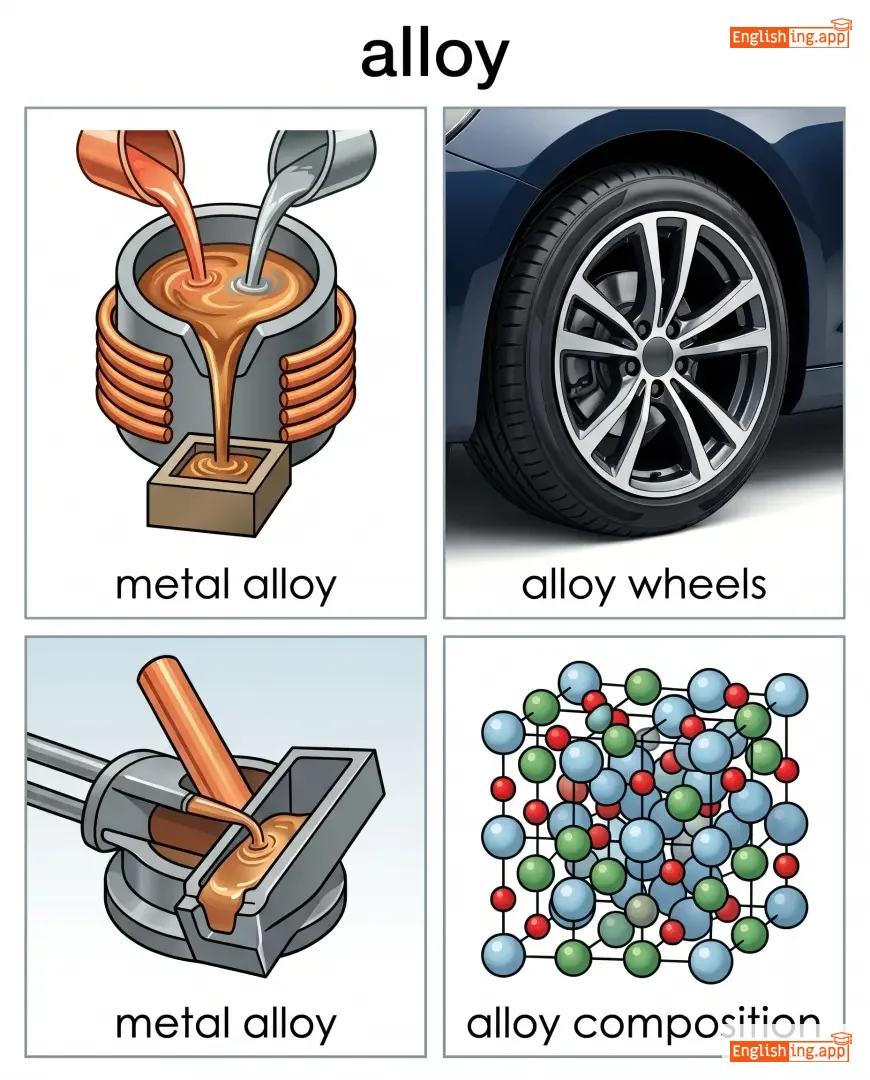
metal alloy, alloy wheels, alloy composition, alloy steel
••••••
|
Alloy像 '爱' + oy (混合金属)
••••••
|
|
#321
📦
|
/əˈlɒtmənt/
noun
(阿洛特门特)
••••••
|
|
配给
peiji
••••••
|
- •••••• | - •••••• | - •••••• | - •••••• |
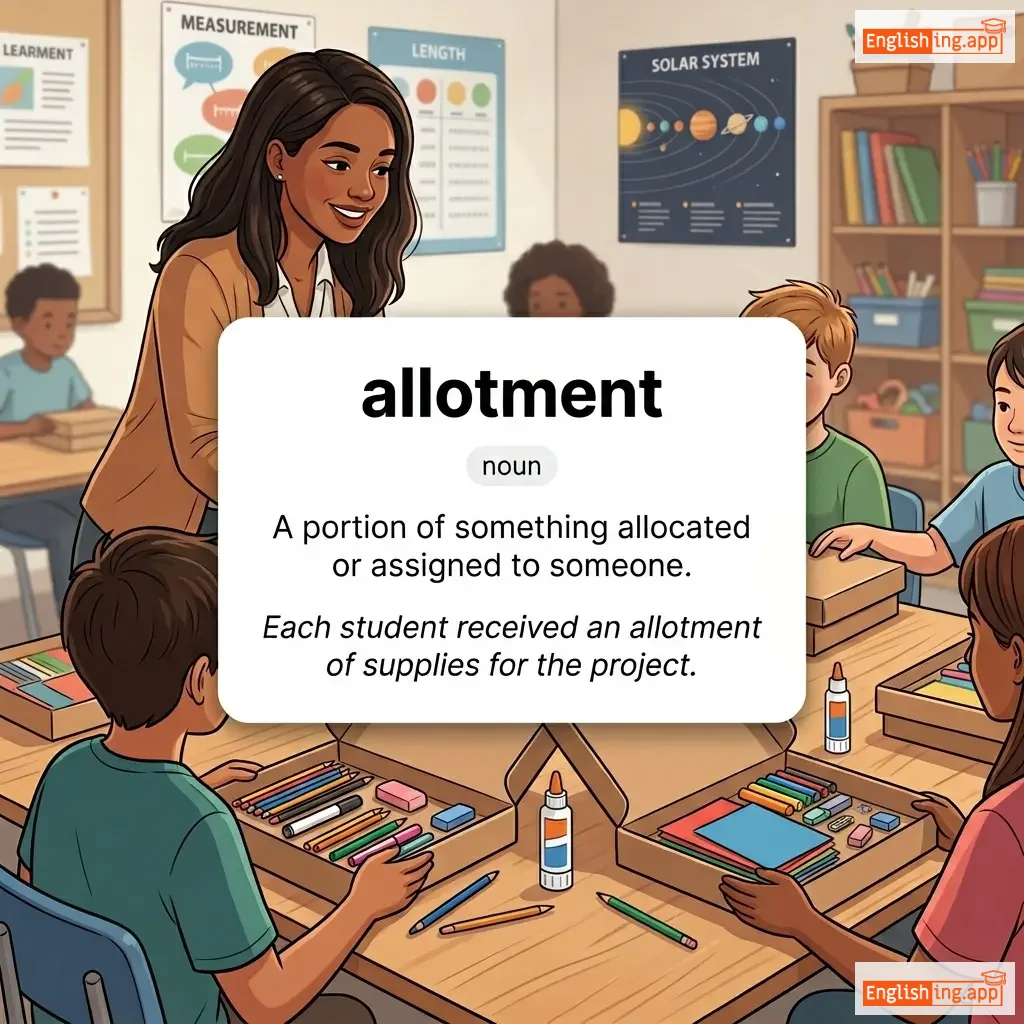
A portion of something allocated or assigned to someone.
••••••
|
Each student received an allotment of supplies for the project. |
每个学生都收到了项目所需的配给物资。
Mei ge xuesheng dou shoudao le xiangmu suo xu de peiji wuzi.
••••••
|
- •••••• | - •••••• | - •••••• |
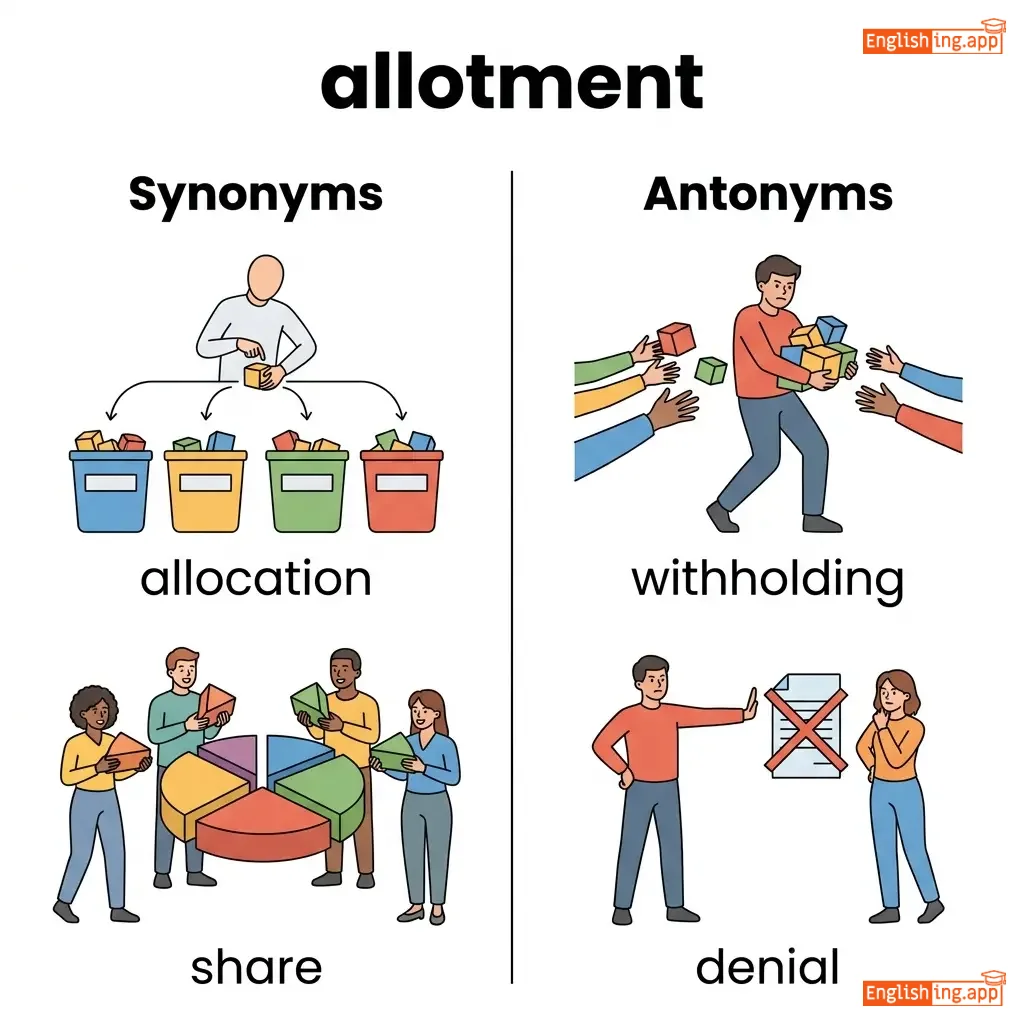
allocation, share, portion, quota, grant
••••••
|
withholding, denial, refusal
••••••
|
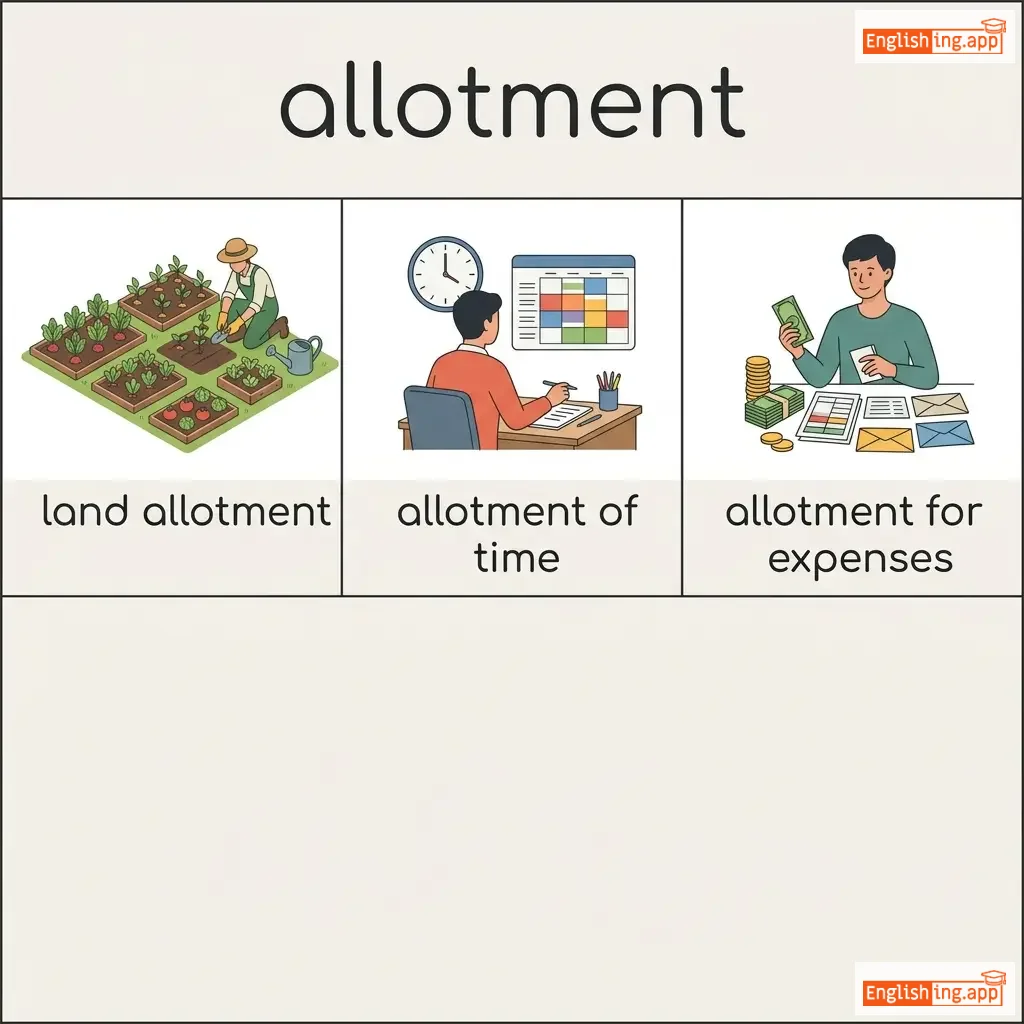
land allotment, allotment of time, allotment for expenses, allotment share
••••••
|
Allotment表示分配,像‘分配物资’
••••••
|
|
#322
⏱️
|
/əˈlɒt/
verb
(海皮尼斯)
••••••
|
- •••••• |
幸福
xìngfú
••••••
|
allotted
••••••
|
allotted
••••••
|
allots
••••••
|
allotting
••••••
|
to give or assign something, often a share or portion, to someone
••••••
|
Each student was allotted ten minutes to present.
她在获得奖项时无法掩饰自己的幸福。
••••••
|
她在获得奖项时无法掩饰自己的幸福。
Tā zài huòdé jiǎngxiàng shí wúfǎ yǎnshì zìjǐ de xìngfú.
••••••
|
allot time
追求幸福
••••••
|
to assign a specific amount of time for something
••••••
|
追求幸福
Zhuīqiú xìngfú
••••••
|
assign, distribute, apportion, allocate, grant
••••••
|
deny, refuse
••••••
|
allot time, allot funds, allot space, allot tasks
••••••
|
幸福 = 幸 = 每一刻,幸福都是你自己的选择。
••••••
|
|
#323
📊
|
/ˈæləkeɪt/
verb
(ălòkèit)
••••••
|
- •••••• |
分配
fēnpèi
••••••
|
allocated
ălòkèité
••••••
|
allocated
ălòkèité
••••••
|
allocates
ălòkèits
••••••
|
allocating
ălòkèiting
••••••
|
to distribute or assign resources, duties, or responsibilities for a specific purpose
••••••
|
The manager allocated funds for the new project.
经理已为新项目分配资金。
••••••
|
经理已为新项目分配资金。
Jīnglǐ yǐ wèi xīn xiàngmù fēnpèi zījīn.
••••••
|
allocate resources
分配资源
••••••
|
to distribute resources to different tasks or purposes
••••••
|
分配资源
fēnpèi zīyuán
••••••
|
assign, distribute, designate, apportion, allot
••••••
|
withhold, retain
••••••
|
allocate time, allocate resources, allocate funds, allocate tasks
••••••
|
Allocate代表分配 — 分配所有资源, 一步一步,确定优先事项。
••••••
|
|
#324
📖
|
/əˌlɪtəˈreɪʃən/
noun
(头韵)
••••••
|
- •••••• |
头韵
tóuyùn
••••••
|
- •••••• | - •••••• | - •••••• | - •••••• |
the occurrence of the same consonant sound at the beginning of words in close succession
••••••
|
She used alliteration in her poem to add musicality.
她在诗中使用了头韵来增加音乐性。
••••••
|
她在诗中使用了头韵来增加音乐性。
Tā zài shī zhōng shǐyòngle tóuyùn lái zēngjiā yīnyuèxìng.
••••••
|
- •••••• | - •••••• | - •••••• |
repetition, rhyme, echo, consonance
••••••
|
variation, dissimilarity
••••••
|
use alliteration, poetic alliteration, strong alliteration
••••••
|
Alliteration = 音节重复 = 头韵
••••••
|
|
#325
🔤
|
/əˈlɪtəreɪt/
verb
(押头韵)
••••••
|
- •••••• |
使用押头韵
shiyong yatiu yin
••••••
|
alliterated
押头韵过
••••••
|
alliterated
押头韵过
••••••
|
alliterates
押头韵
••••••
|
alliterating
押头韵进行中
••••••
|
to repeat the same consonant sound at the beginning of words in a phrase or sentence
••••••
|
The poet often alliterates words to create rhythm.
诗人经常押头韵来创造节奏。
••••••
|
诗人经常押头韵来创造节奏。
Shiren jingchang yatiu yin lai chuangzao jiezou.
••••••
|
- •••••• | - •••••• | - •••••• |
repeat, echo, rhyme, iterate
••••••
|
differ, vary
••••••
|
alliterate words, alliterate sounds, poet alliterates, alliterate phrases
••••••
|
Alliterate意味着押头韵 — 所有的词语都从同一个音开始!
••••••
|
|
#326
🤝
|
/əˈlaɪəns/
noun
(ā lī àn sī)
••••••
|
|
联盟
liánméng
••••••
|
- •••••• | - •••••• | - •••••• | - •••••• |
a formal agreement or union between groups, countries, or organizations for mutual benefit
••••••
|
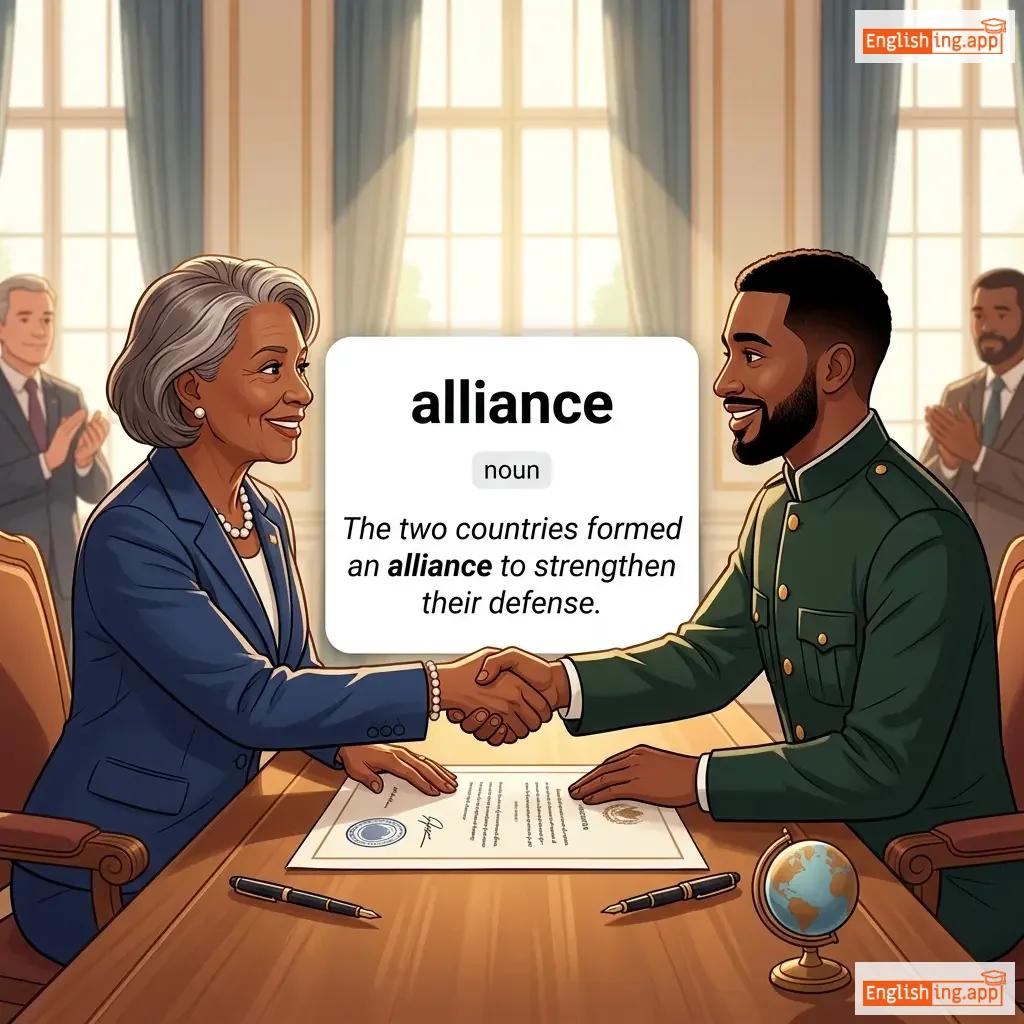
The two countries formed an alliance to strengthen their defense.
这两个国家组建了一个联盟,以加强他们的防御。
••••••
|
这两个国家组建了一个联盟,以加强他们的防御。
Zhè liǎng gè guójiā zǔjiànle yīgè liánméng, yǐ jiāqiáng tāmen de fángyù.
••••••
|
form an alliance
建立联盟
••••••
|
to create a partnership or union for a shared purpose
••••••
|
建立联盟
jiànlì liánméng
••••••
|
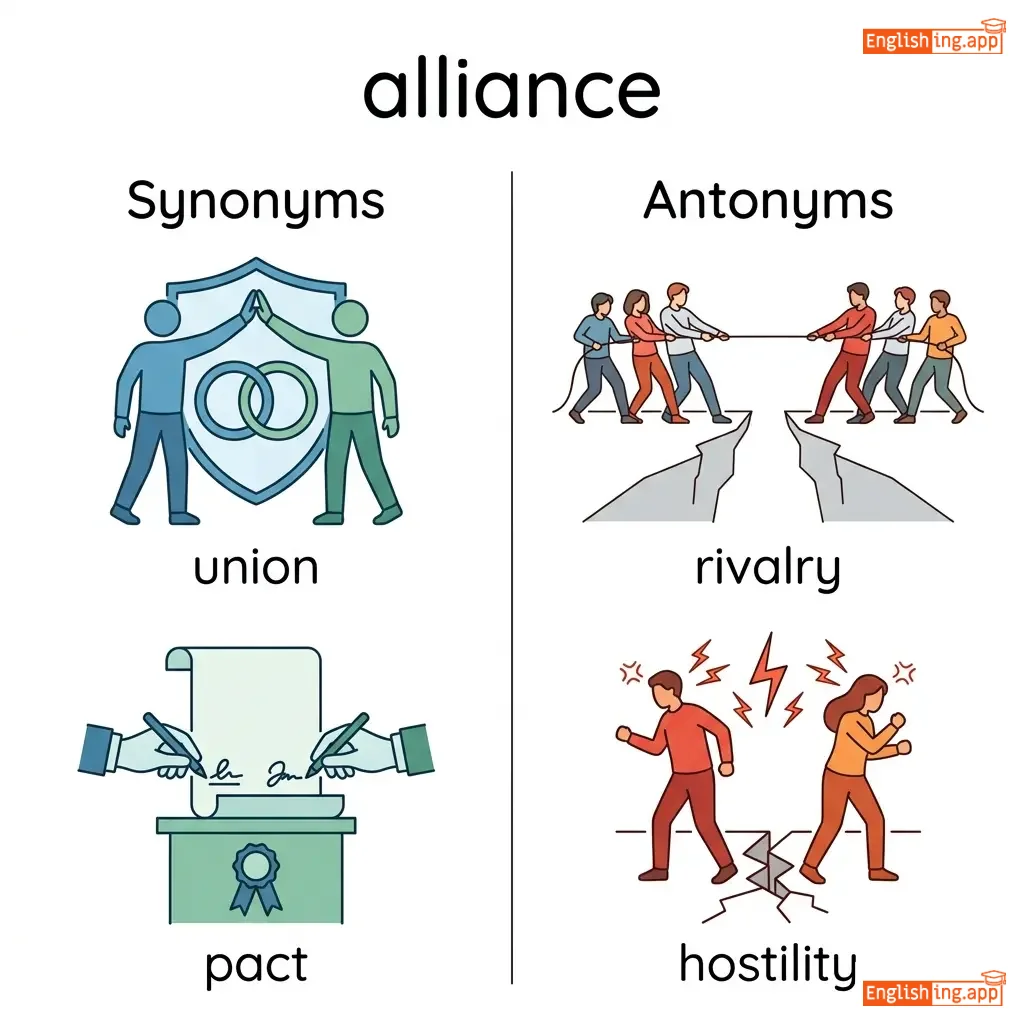
union, pact, partnership, coalition, federation
••••••
|
rivalry, hostility, separation
••••••
|
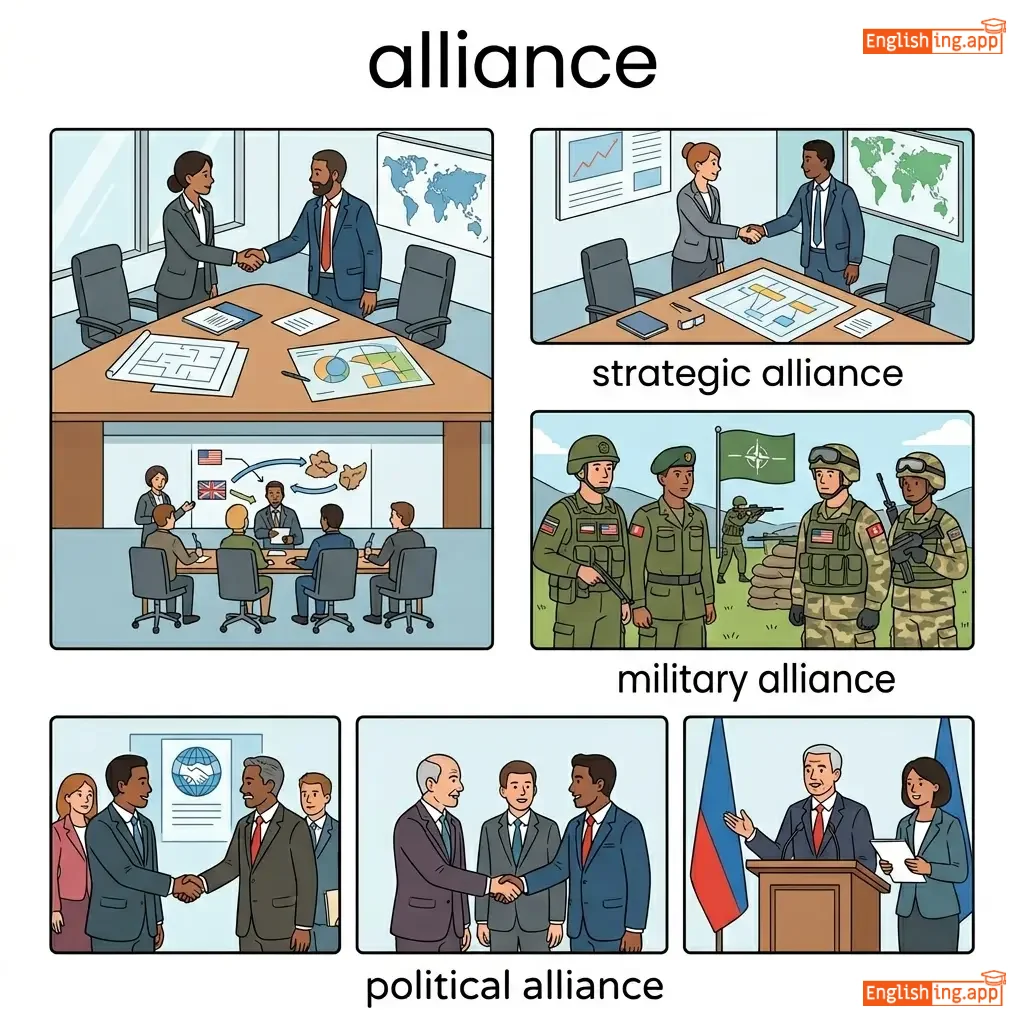
strategic alliance, military alliance, political alliance, business alliance
••••••
|
联盟意味着联合 — 联盟成员共同努力建立联盟。
••••••
|
|
#327
🏙️
|
/ˈæli/
noun
(艾利)
••••••
|
- •••••• |
小巷
xiaoxiang
••••••
|
- •••••• | - •••••• | - •••••• | - •••••• |
a narrow passageway between or behind buildings
••••••
|
They walked through a dark alley to reach the main road. |
他们走过一条黑暗的小巷,来到主干道。
Tamen zouguo yi tiao heian de xiaoxiang, lai dao zhugan dao.
••••••
|
bowling alley |
a place where people play bowling
••••••
|
保龄球馆
baolingqiuguan
••••••
|
lane, passage, pathway, corridor
••••••
|
boulevard, avenue
••••••
|
dark alley, narrow alley, back alley, bowling alley
••••••
|
Alley 就是小巷,保龄球馆是人们玩的地方。
••••••
|
|
#328
💊
|
/əˈliːvieɪt/
verb
(缓解)
••••••
|
|
缓解
huanjie
••••••
|
alleviated
缓解了
••••••
|
alleviated
缓解了
••••••
|
alleviates
缓解
••••••
|
alleviating
缓解着
••••••
|
to make suffering, pain, or a problem less severe
••••••
|
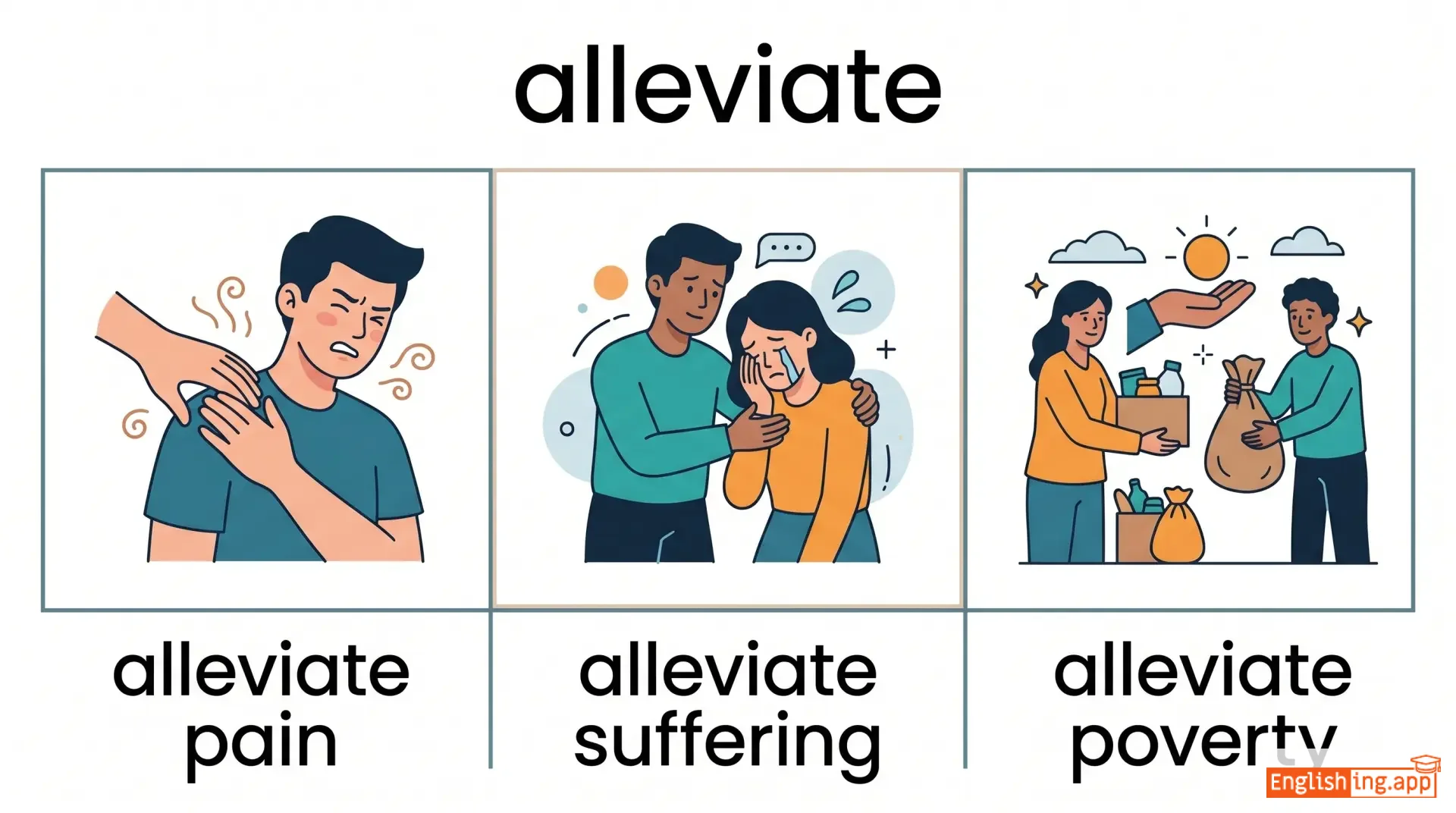
The medicine helped alleviate her headache.
药物帮助缓解了她的头痛。
••••••
|
药物帮助缓解了她的头痛。
Yaowu bangzhu huanjie le tade toutong.
••••••
|
alleviate suffering
缓解痛苦
••••••
|
to reduce someone's suffering
••••••
|
缓解痛苦
huanjie tongku
••••••
|
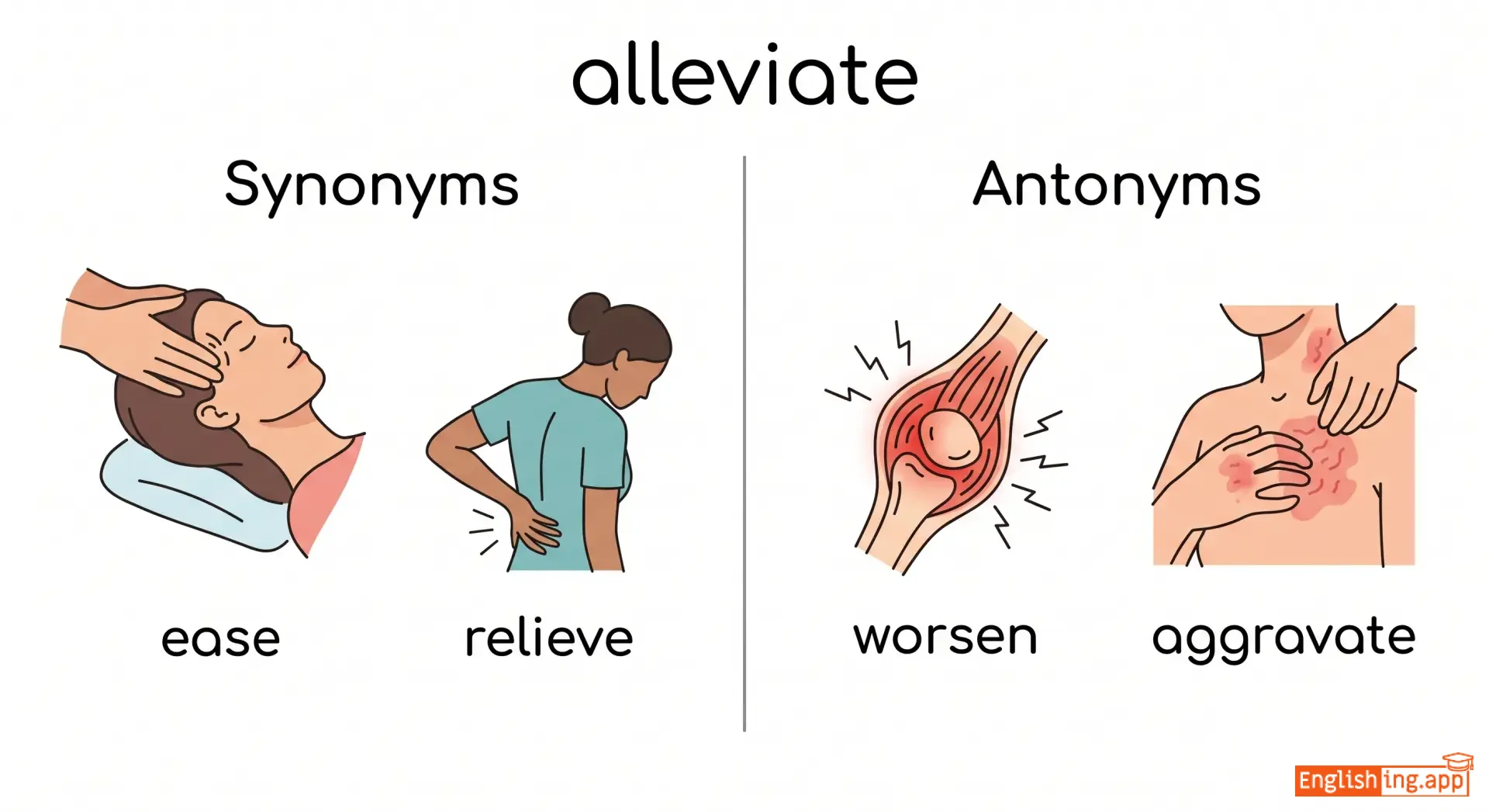
ease, relieve, lessen, mitigate, reduce
••••••
|
worsen, aggravate, intensify
••••••
|
alleviate pain, alleviate suffering, alleviate poverty, alleviate symptoms
••••••
|
缓解就像缓慢地减轻痛苦(缓解)。
••••••
|
|
#329
📖
|
/ˈælɪɡəri/
noun
(寓言)
••••••
|
- •••••• |
寓言
yùyán
••••••
|
- •••••• | - •••••• | - •••••• | - •••••• |
a story, poem, or picture that can be interpreted to reveal a hidden meaning, often moral or political
••••••
|
The novel is an allegory of the struggle between good and evil. |
这本小说是善与恶斗争的寓言。
Zhè běn xiǎoshuō shì shàn yǔ è dòuzhēng de yùyán.
••••••
|
- •••••• | - •••••• | - •••••• |
parable, fable, symbolism, metaphor
••••••
|
literal, reality
••••••
|
political allegory, moral allegory, allegory of life, use of allegory
••••••
|
Allegory = 'Allah' + 'Story' (揭示隐藏意义).
••••••
|
|
#330
🇺🇸
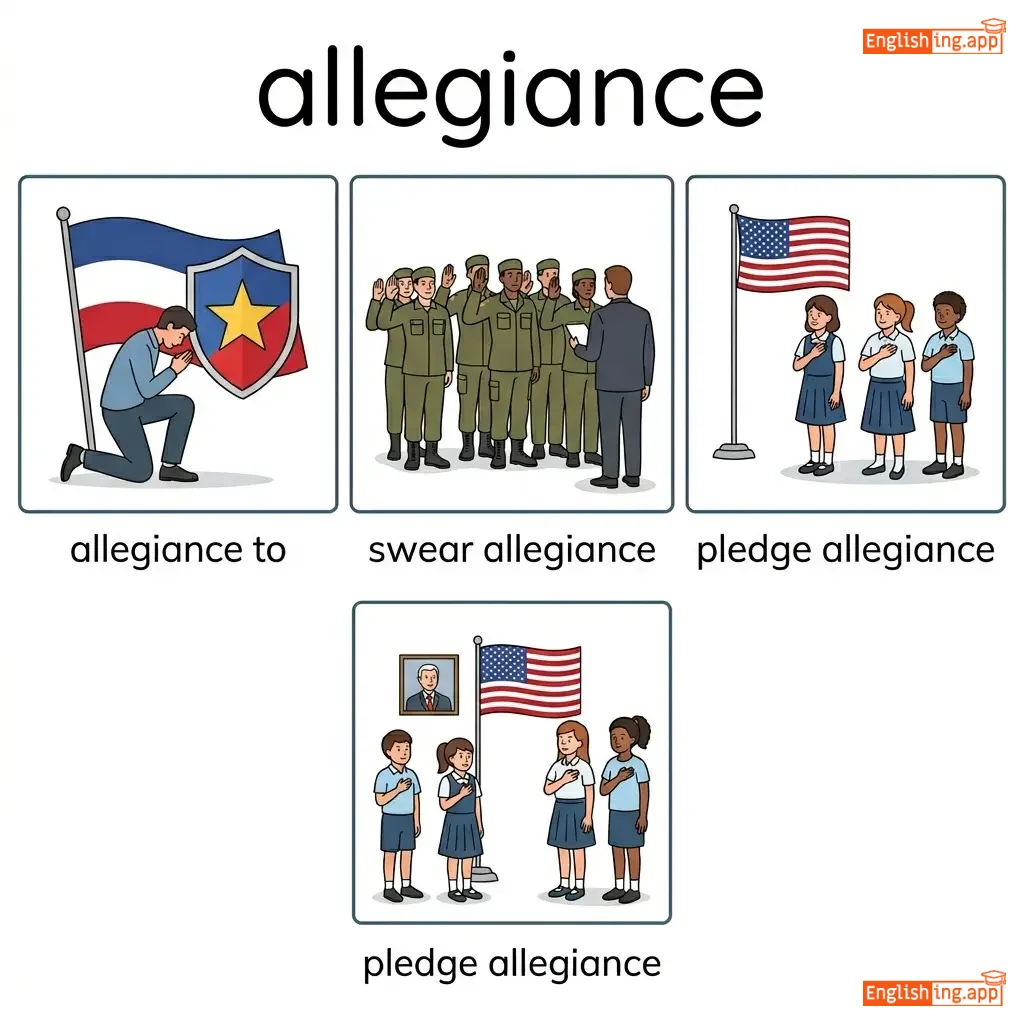
|
/əˈliːdʒəns/
noun
••••••
|
|
- •••••• | - •••••• | - •••••• | - •••••• | - •••••• |
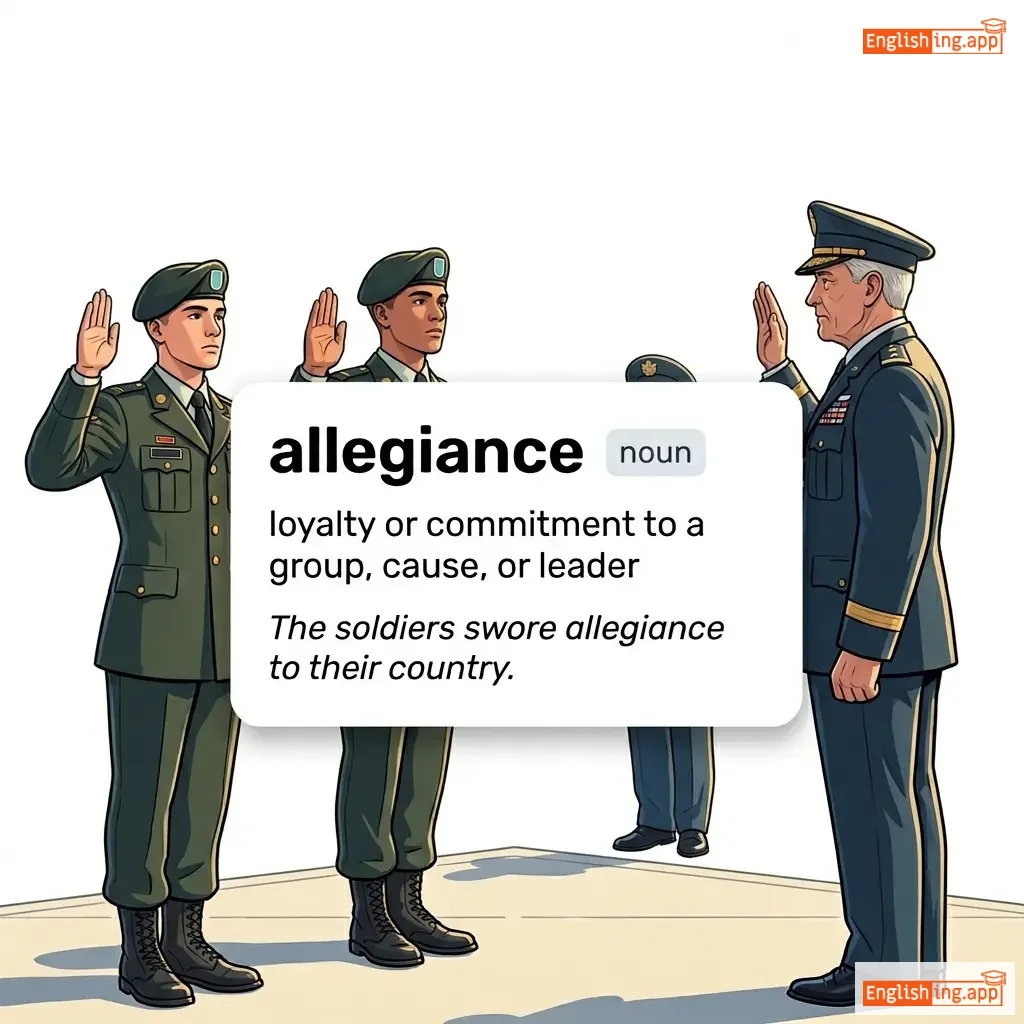
loyalty or commitment to a group, cause, or leader
••••••
|
The soldiers swore allegiance to their country. |
- •••••• |
swear allegiance |
to formally promise loyalty
••••••
|
- •••••• |
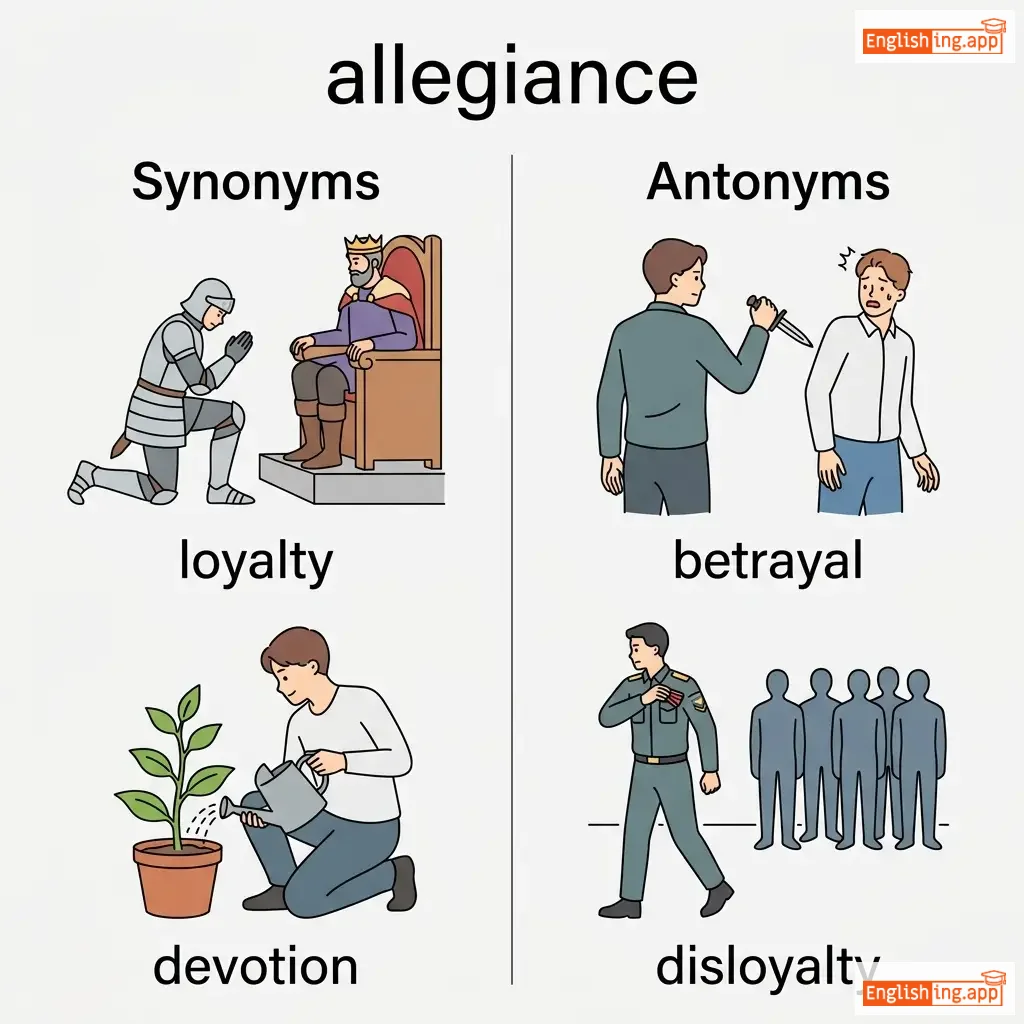
loyalty, devotion, faithfulness, fidelity
••••••
|
betrayal, disloyalty, treachery
••••••
|
allegiance to, swear allegiance, pledge allegiance, loyalty and allegiance
••••••
|
No •••••• |
Vocabulary Quiz
Test your vocabulary by matching words with their translations or meanings.
Login to take the quiz
Comments (0)
Share your thoughts and join the discussion.
Join the discussion by logging in
Login to CommentNo comments yet
Be the first to share your thoughts!