




Swipe left or right, or use the buttons. Tap image to zoom.
例句翻译
单词
Lesson 1Lesson 1 - 遮罩切换
|
表情符号
|
单词 | Images | 翻译 | 过去时 | 过去分词 | 第三人称单数 | 动名词 | 含义 | 例句 | 例句翻译 | 示例表达 | 示例表达含义 | 示例表达翻译 | 同义词 | 反义词 | 搭配词 | 助记符 |
|---|---|---|---|---|---|---|---|---|---|---|---|---|---|---|---|---|---|
|
#1
🕵️
|
/əˈbɛt/
verb
••••••
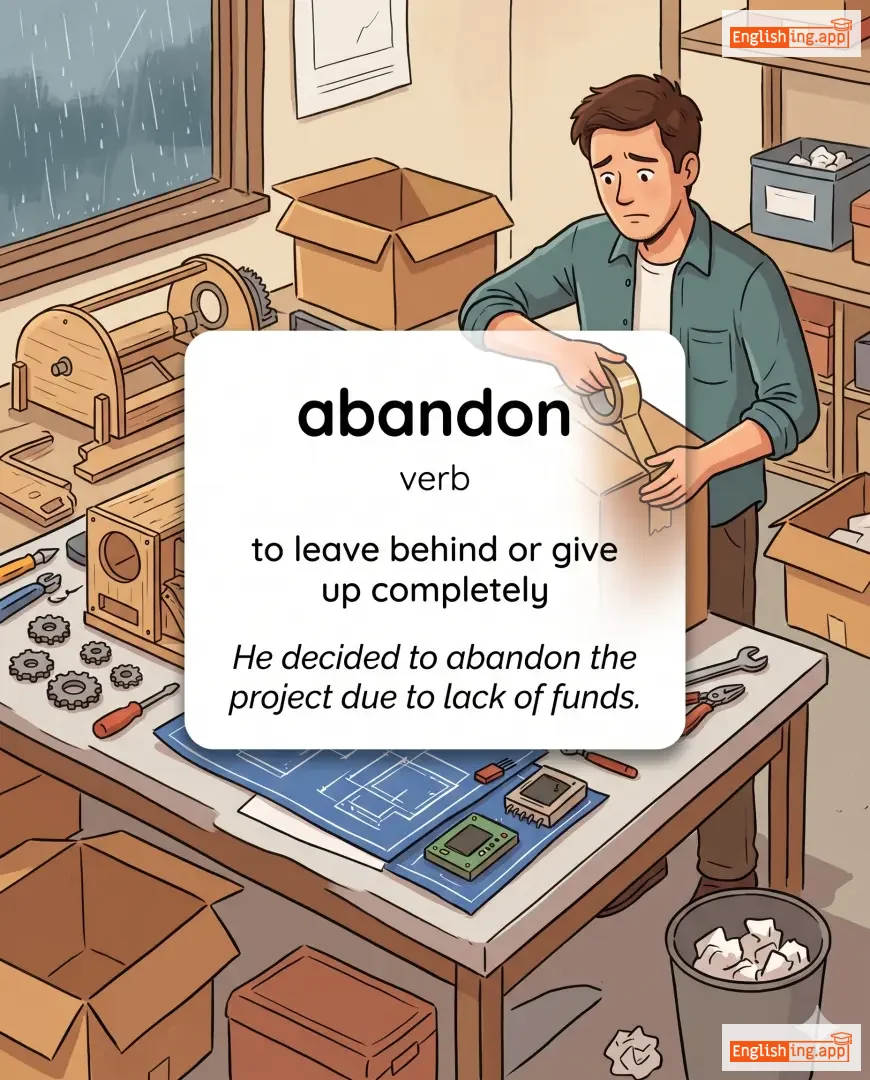
|
- •••••• | - •••••• |
abetted
••••••
|
abetted
••••••
|
abets
••••••
|
abetting
••••••
|
to encourage or assist someone to commit a crime or wrongdoing
••••••
|
He was accused of abetting the criminals in their escape. |
- •••••• |
aid and abet |
to assist someone in committing a crime
••••••
|
- •••••• |
assist, encourage, support, provoke, incite
••••••
|
deter, hinder, prevent
••••••
|
abet a crime, aid and abet, abet wrongdoing
••••••
|
No •••••• |
|
#2
⚠️
|
/æbˈnɔːr.məl/
adjective
(æbnɔːrməl)
••••••
|
- •••••• |
异常的
yìcháng de
••••••
|
- •••••• | - •••••• | - •••••• | - •••••• |
deviating from what is normal or usual, typically in a way that is undesirable
••••••
|
The doctor noticed an abnormal growth in the patient’s lung. |
医生注意到病人肺部出现了异常的生长。
Yīshēng zhùyì dào bìngrén fèibù chūxiànle yìcháng de shēngzhǎng.
••••••
|
- •••••• | - •••••• | - •••••• |
unusual, irregular, deviant, atypical, odd
••••••
|
normal, usual, regular
••••••
|
abnormal behavior, abnormal growth, abnormal condition
••••••
|
Ab-normal = 不正常 → 异常的
••••••
|
|
#3
🙏
|
/ˌæbnɪˈɡeɪʃən/
noun
(放弃)
••••••
|
- •••••• |
自我否定
zìwǒ fǒudìng
••••••
|
- •••••• | - •••••• | - •••••• | - •••••• |
the act of renouncing or rejecting something, especially self-denial
••••••
|
The monk’s life was one of complete abnegation of worldly pleasures. |
僧侣的生活是对世俗快乐的完全自我否定。
Sēnglǚ de shēnghuó shì duì shìsú kuàilè de wánquán zìwǒ fǒudìng.
••••••
|
- •••••• | - •••••• | - •••••• |
renunciation, denial, rejection, self-denial
••••••
|
acceptance, indulgence
••••••
|
abnegation of pleasure, abnegation of responsibility, spirit of abnegation
••••••
|
Abnegation 意味着自我否定 – 为了国家否定自己
••••••
|
|
#4
🚫
|
/ˈæbnɪˌɡeɪt/
verb
(阿布尼盖特)
••••••
|
- •••••• |
放弃
fangqi
••••••
|
abnegated
阿布尼盖特德
••••••
|
abnegated
阿布尼盖特德
••••••
|
abnegates
阿布尼盖特斯
••••••
|
abnegating
阿布尼盖廷
••••••
|
to deny or renounce something, especially a right or desire
••••••
|
She chose to abnegate her personal interests for the sake of the team.
她选择为团队的利益放弃个人利益。
••••••
|
她选择为团队的利益放弃个人利益。
Tā xuǎnzé wèi tuánduì de lìyì fàngqì gèrén lìyì.
••••••
|
- •••••• | - •••••• | - •••••• |
renounce, reject, deny, relinquish
••••••
|
accept, claim, embrace
••••••
|
abnegate desire, abnegate responsibility, abnegate rights
••••••
|
Abnegate 在中文里意味着 '放弃',这就是我们不想做的事情。
••••••
|
|
#5
🚿
|
/əˈbluːʃən/
noun
(阿布卢申)
••••••
|
- •••••• |
净身
jìng shēn
••••••
|
- •••••• | - •••••• | - •••••• | - •••••• |
the act of washing oneself, often for religious purposes
••••••
|
He performed his morning ablution before the prayer.
他在祈祷之前进行了早晨的阿布卢申。
••••••
|
他在祈祷之前进行了早晨的净身。
Tā zài qídǎo zhīqián jìnxíngle zǎochén de jìng shēn.
••••••
|
- •••••• | - •••••• | - •••••• |
washing, cleansing, purification, bath
••••••
|
defilement, pollution
••••••
|
morning ablution, perform ablution, ritual ablution
••••••
|
Ablution 意味着净身,像是在祈祷之前的净身一样。
••••••
|
|
#6
💪
|
/ˌeɪ.bəlˈbɒd.id/
adjective
(éibl-bódid)
••••••
|
- •••••• |
身体健康
shen ti jian kang
••••••
|
- •••••• | - •••••• | - •••••• | - •••••• |
physically strong and healthy, not disabled
••••••
|
The company is looking for able-bodied workers for the construction site. |
公司正在为建筑工地寻找身体健康的工人。
Gongsi zheng zai wei jian zhu gong di xun zhao shen ti jian kang de gong ren.
••••••
|
- •••••• | - •••••• | - •••••• |
fit, healthy, strong, robust, vigorous
••••••
|
disabled, weak, unfit
••••••
|
able-bodied men, able-bodied person, able-bodied seaman
••••••
|
Able表示有能力,所以able-bodied = 有能力的身体(身体健康)
••••••
|
|
#7
🙅
|
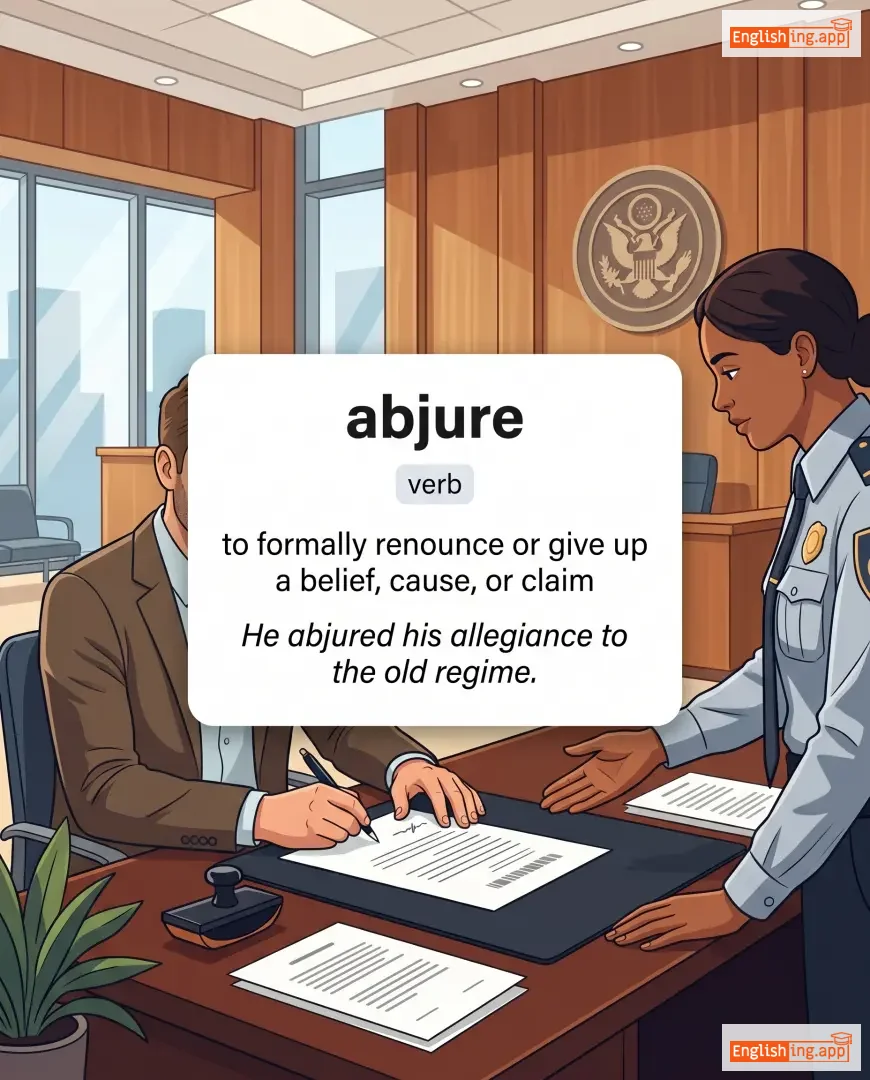
/æbˈdʒʊər/
verb
(阿布久尔)
••••••
|
|
放弃
fàngqì
••••••
|
abjured
阿布久尔德
••••••
|
abjured
阿布久尔德
••••••
|
abjures
阿布久尔斯
••••••
|
abjuring
阿布久林
••••••
|
to formally renounce or give up a belief, cause, or claim
••••••
|
He abjured his allegiance to the old regime.
他放弃了对旧政权的忠诚。
••••••
|
他放弃了对旧政权的忠诚。
Tā fàngqì le duì jiù zhèngquán de zhōngchéng.
••••••
|
- •••••• | - •••••• | - •••••• |
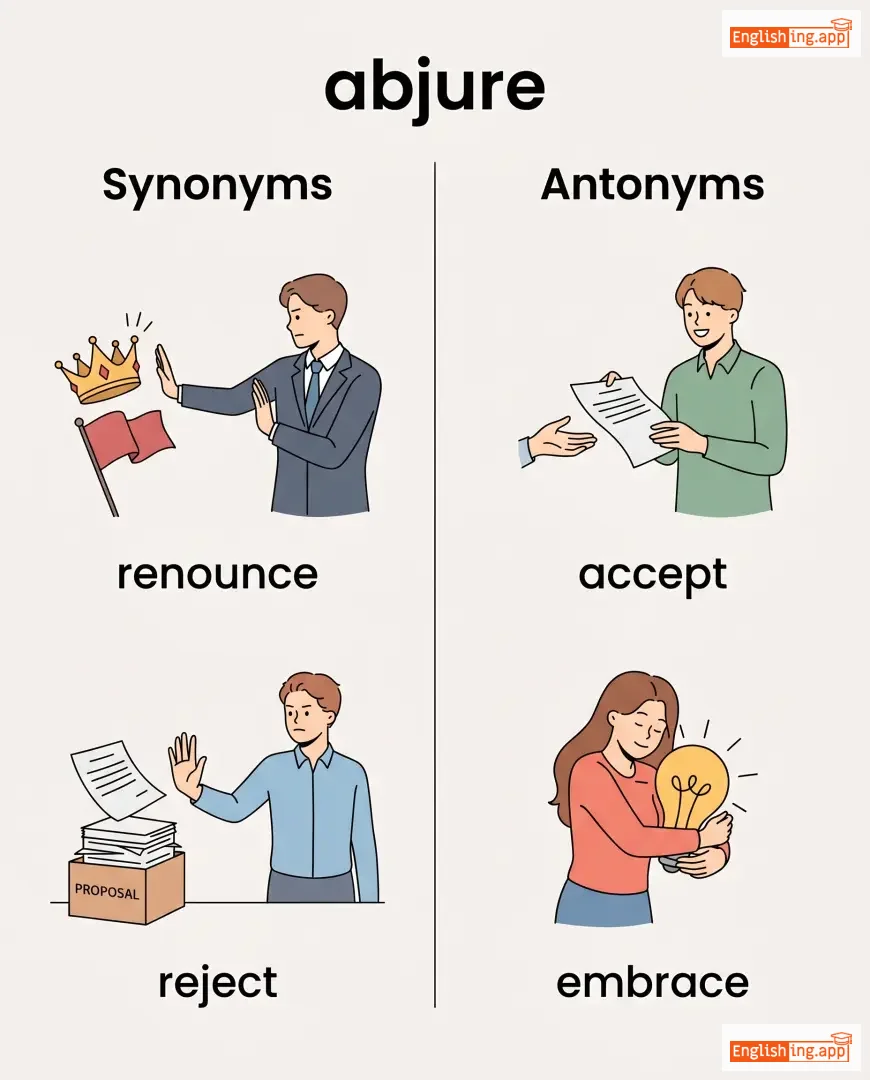
renounce, reject, repudiate, forswear
••••••
|
accept, embrace
••••••
|
abjure violence, abjure faith, abjure allegiance
••••••
|
Abjure意味着ABandon + JURy = 放弃某事或某个信念。
••••••
|
|
#8
😞
|
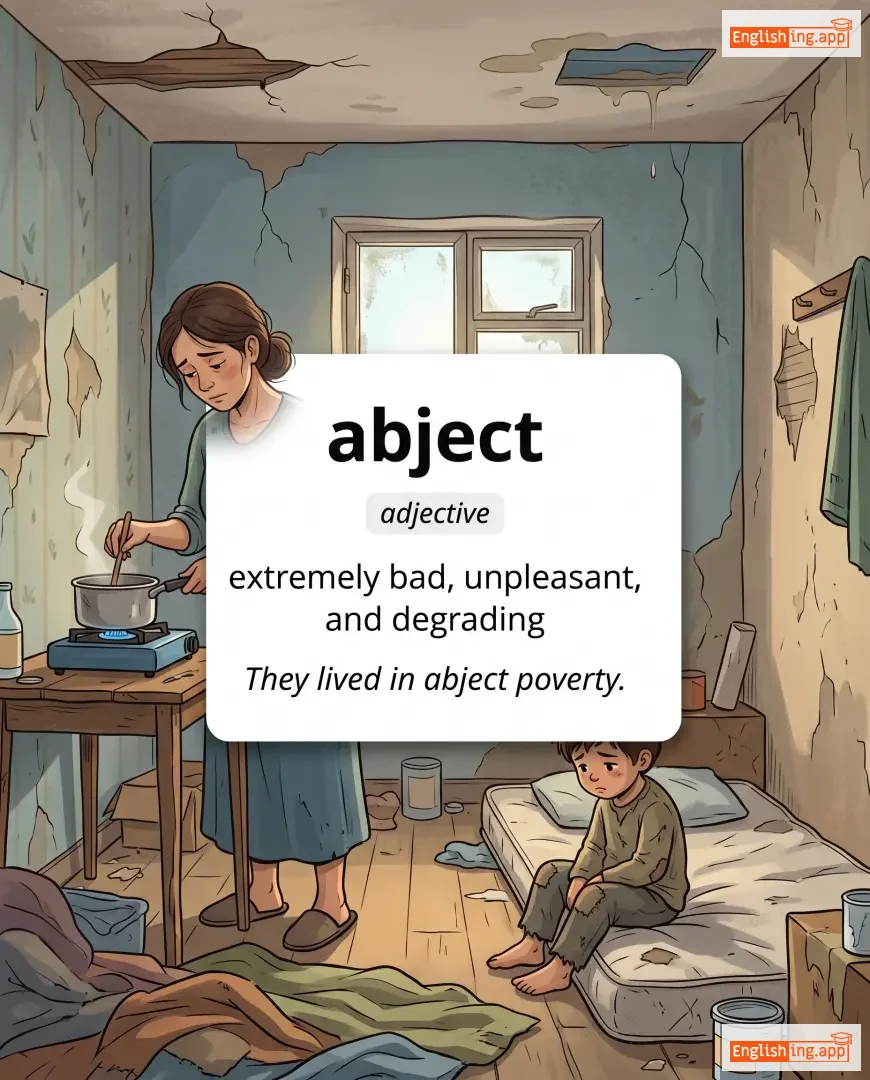
/ˈæbdʒɛkt/
adjective
(æbdʒɛkt)
••••••
|
|
可鄙
kě bǐ
••••••
|
- •••••• | - •••••• | - •••••• | - •••••• |
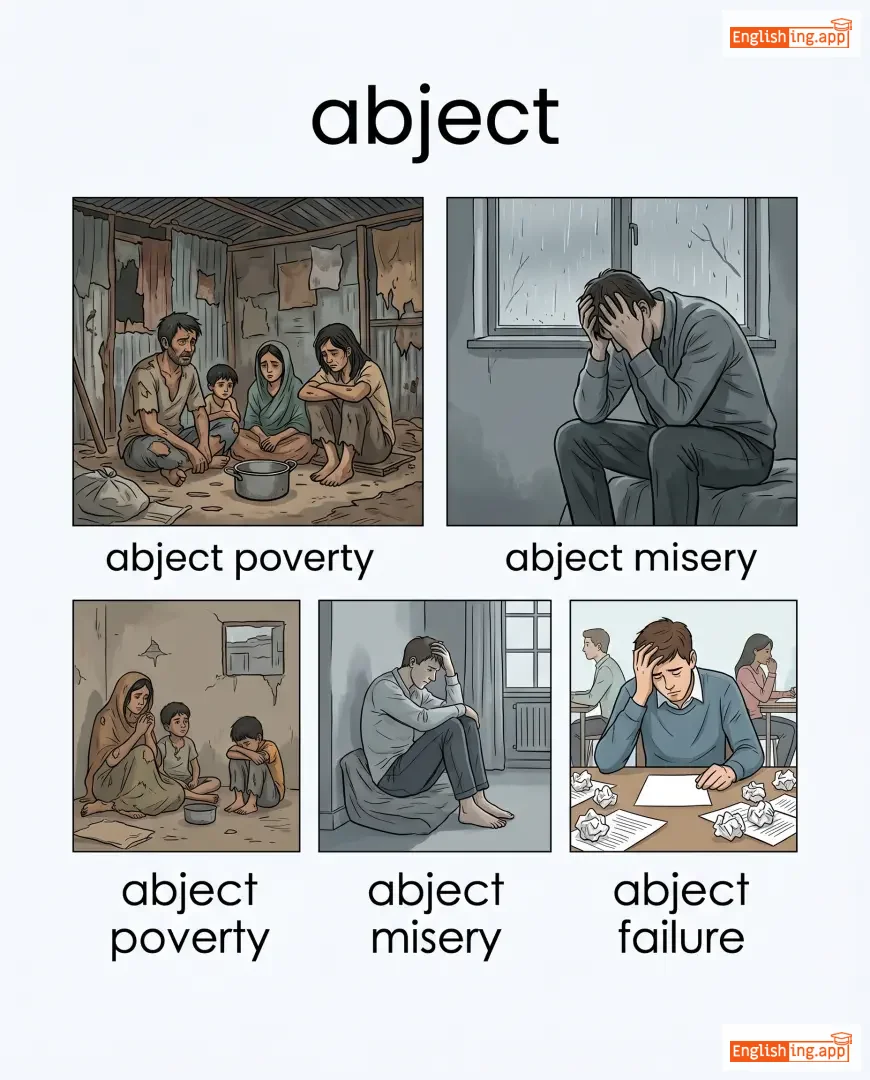
extremely bad, unpleasant, and degrading
••••••
|
They lived in abject poverty. |
他们生活在可鄙的贫困中。
tāmen shēnghuó zài kě bǐ de pínkùn zhōng.
••••••
|
abject poverty |
a condition of extreme poverty
••••••
|
可鄙的贫困
kě bǐ de pínkùn
••••••
|
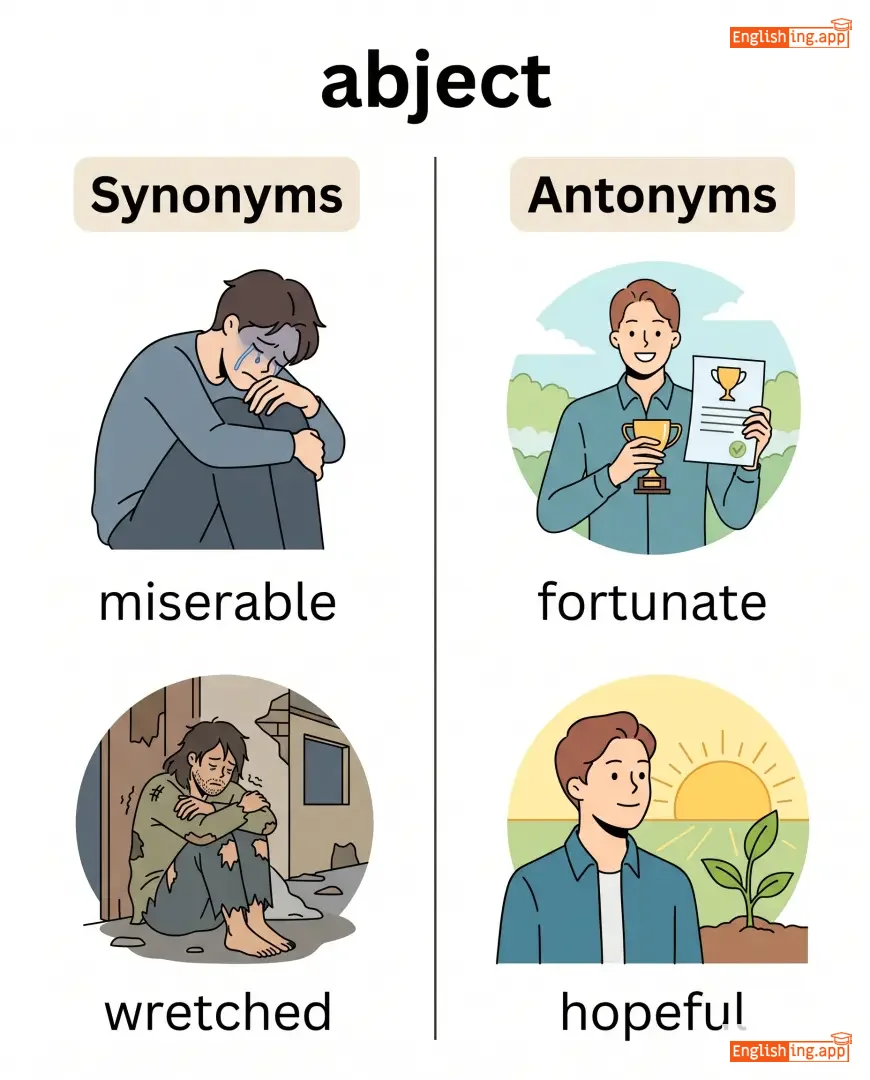
miserable, wretched, hopeless, pitiful
••••••
|
fortunate, hopeful
••••••
|
abject poverty, abject misery, abject failure
••••••
|
Abject = 可鄙, 极其糟糕的贫困。
••••••
|
|
#9
⏳
|
/əˈbaɪdɪŋ/
adjective
(ābáidíng)
••••••
|
- •••••• |
持久的
chíjiǔ de
••••••
|
- •••••• | - •••••• | - •••••• | - •••••• |
lasting for a long time; enduring
••••••
|
She had an abiding love for her hometown. |
她对故乡有着持久的爱。
Tā duì gùxiāng yǒuzhe chíjiǔ de ài.
••••••
|
abiding faith |
a strong and lasting belief
••••••
|
持久的信仰
chíjiǔ de xìnyǎng
••••••
|
enduring, lasting, permanent, constant
••••••
|
temporary, fleeting
••••••
|
abiding love, abiding faith, abiding memory
••••••
|
Abiding = A-BID意味着持久(长期)。
••••••
|
|
#10
⚖️
|
/əˈbaɪd/
verb
(阿拜德)
••••••
|
- •••••• |
遵守
zunshou
••••••
|
abode
阿博德
••••••
|
abode
阿博德
••••••
|
abides
阿拜德斯
••••••
|
abiding
阿拜丁
••••••
|
to accept, tolerate, or remain faithful to something
••••••
|
Citizens must abide by the laws of their country.
公民必须遵守国家的法律。
••••••
|
公民必须遵守国家的法律。
Gongmin bixu zunshou guojia de falü.
••••••
|
abide by the rules
遵守规则
••••••
|
to follow or obey the rules
••••••
|
遵守规则
zunshou guize
••••••
|
obey, comply, accept, follow, tolerate
••••••
|
disobey, defy
••••••
|
abide by law, abide by contract, cannot abide
••••••
|
Abide = 遵守规则。Abide意味着遵守。
••••••
|
|
#11
📜
|
/əˈbaɪdəns/
noun
(阿拜丹斯)
••••••
|
- •••••• |
遵守
zunshou
••••••
|
- •••••• | - •••••• | - •••••• | - •••••• |
the act of following, accepting, or complying with something
••••••
|
Her abidance by the rules impressed the committee. |
她遵守规则给委员会留下了深刻印象。
Ta zunshou guize gei weiyuanhui liuxia le shenke yinxiang.
••••••
|
- •••••• | - •••••• | - •••••• |
compliance, adherence, obedience, conformity
••••••
|
violation, disobedience
••••••
|
abidance by rules, abidance with law
••••••
|
Abidance = 遵守法律的行为
••••••
|
|
#12
🚫
|
/əbˈhɒrənt/
adjective
(abhorrent)
••••••
|
- •••••• |
令人厌恶的
lìng rén yànwù de
••••••
|
- •••••• | - •••••• | - •••••• | - •••••• |
causing or deserving strong dislike or hatred
••••••
|
Such cruelty is abhorrent to civilized society.
如此残忍对于文明社会是abhorrent。
••••••
|
这种残忍对于文明社会令人厌恶。
Zhè zhǒng cánrěn duì yú wénmíng shèhuì lìng rén yànwù.
••••••
|
- •••••• | - •••••• | - •••••• |
repugnant, hateful, detestable, offensive
••••••
|
acceptable, admirable, pleasant
••••••
|
abhorrent practice, abhorrent behavior, morally abhorrent
••••••
|
‘令人厌恶’类似abhorrent,表示令人反感的事情。
••••••
|
|
#13
😡
|
/əbˈhɒrəns/
noun
(阿布霍伦斯)
••••••
|
- •••••• |
厌恶
yanwu
••••••
|
- •••••• | - •••••• | - •••••• | - •••••• |
a feeling of strong disgust or hatred
••••••
|
He expressed his abhorrence of racial discrimination. |
他表达了对种族歧视的厌恶。
Ta biaoda le dui zhongzu qishi de yanwu.
••••••
|
- •••••• | - •••••• | - •••••• |
hatred, disgust, loathing, detestation
••••••
|
affection, admiration
••••••
|
abhorrence of violence, express abhorrence, deep abhorrence
••••••
|
厌恶就像是一种强烈的恐惧感。
••••••
|
|
#14
🤮
|
/əbˈhɔːr/
verb
(æbˈhɔːr)
••••••
|
- •••••• |
厌恶
yànwù
••••••
|
abhorred
æbˈhɔːrɪd
••••••
|
abhorred
æbˈhɔːrɪd
••••••
|
abhors
æbˈhɔːrs
••••••
|
abhorring
æbˈhɔːrɪŋ
••••••
|
to regard with disgust and hatred
••••••
|
She abhors cruelty to animals.
她厌恶对动物的残忍。
••••••
|
她厌恶对动物的残忍。
Tā yànwù duì dòngwù de cánrěn.
••••••
|
- •••••• | - •••••• | - •••••• |
detest, hate, loathe, despise, dislike
••••••
|
admire, love, cherish
••••••
|
abhor violence, abhor injustice, abhor cruelty
••••••
|
ABHOR = 残忍的事情是让你讨厌的
••••••
|
|
#15
⏸️
|
/əˈbeɪəns/
noun
(abeians)
••••••
|
|
暂时中止
zan shi zhong zhi
••••••
|
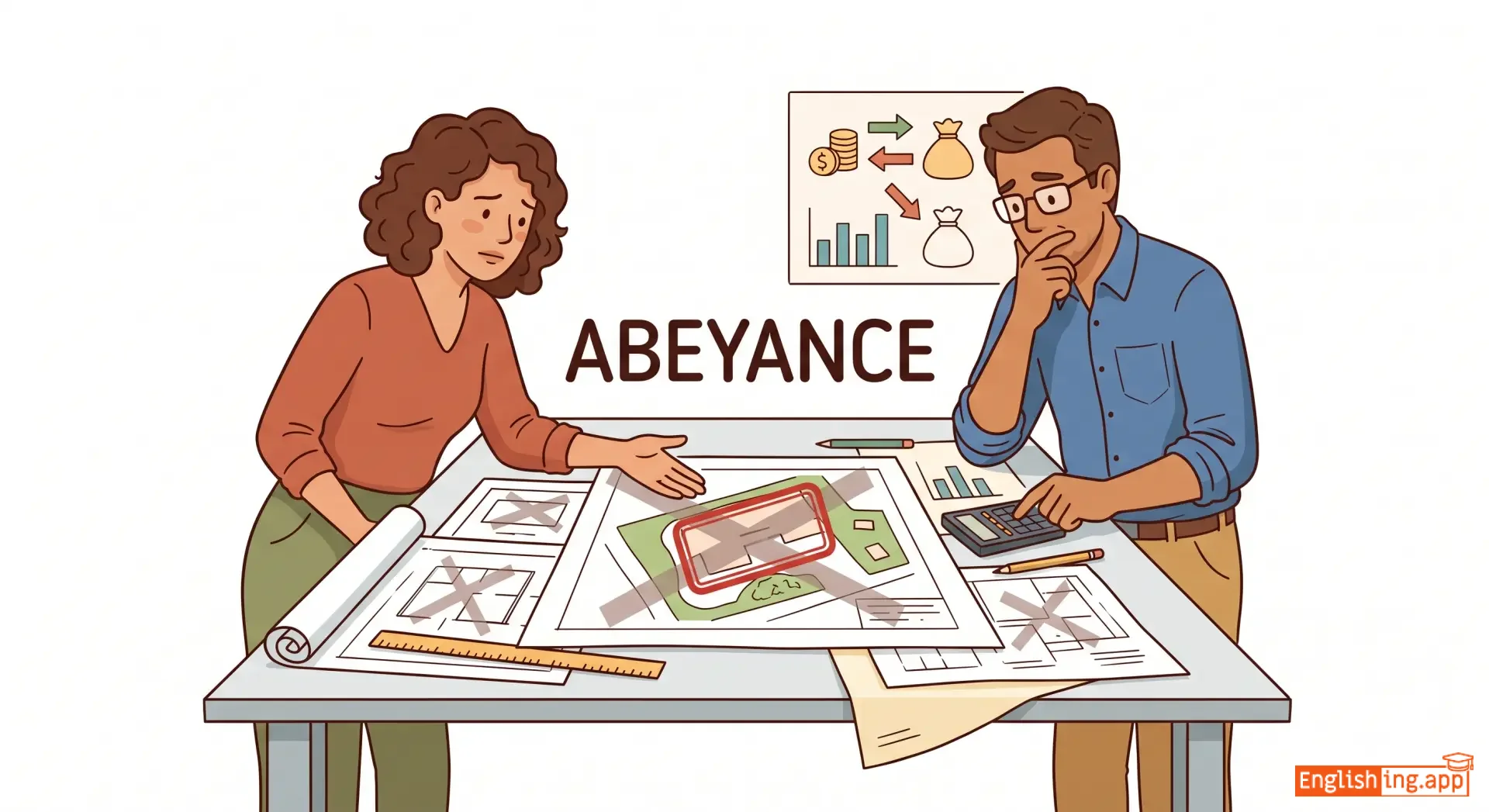
- •••••• | - •••••• | - •••••• | - •••••• |
a state of temporary suspension or inactivity
••••••
|
The project was held in abeyance until funds became available.
该项目已暂停,直到资金可用。
••••••
|
该项目已暂停,直到资金可用。
Gai xiangmu yi zanting, zhidao zijin keyong.
••••••
|
- •••••• | - •••••• | - •••••• |
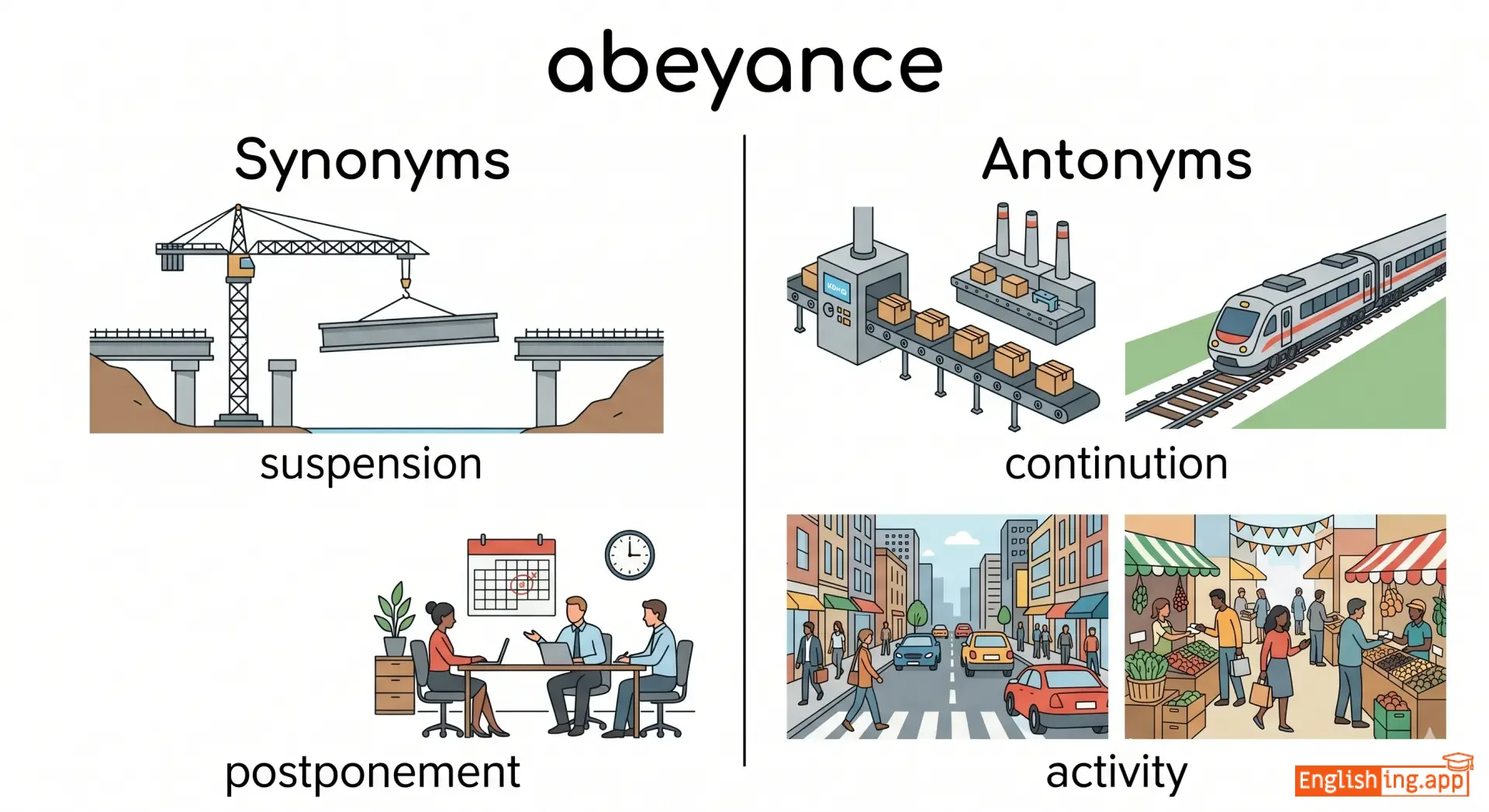
suspension, postponement, delay, dormancy
••••••
|
continuation, activity
••••••
|
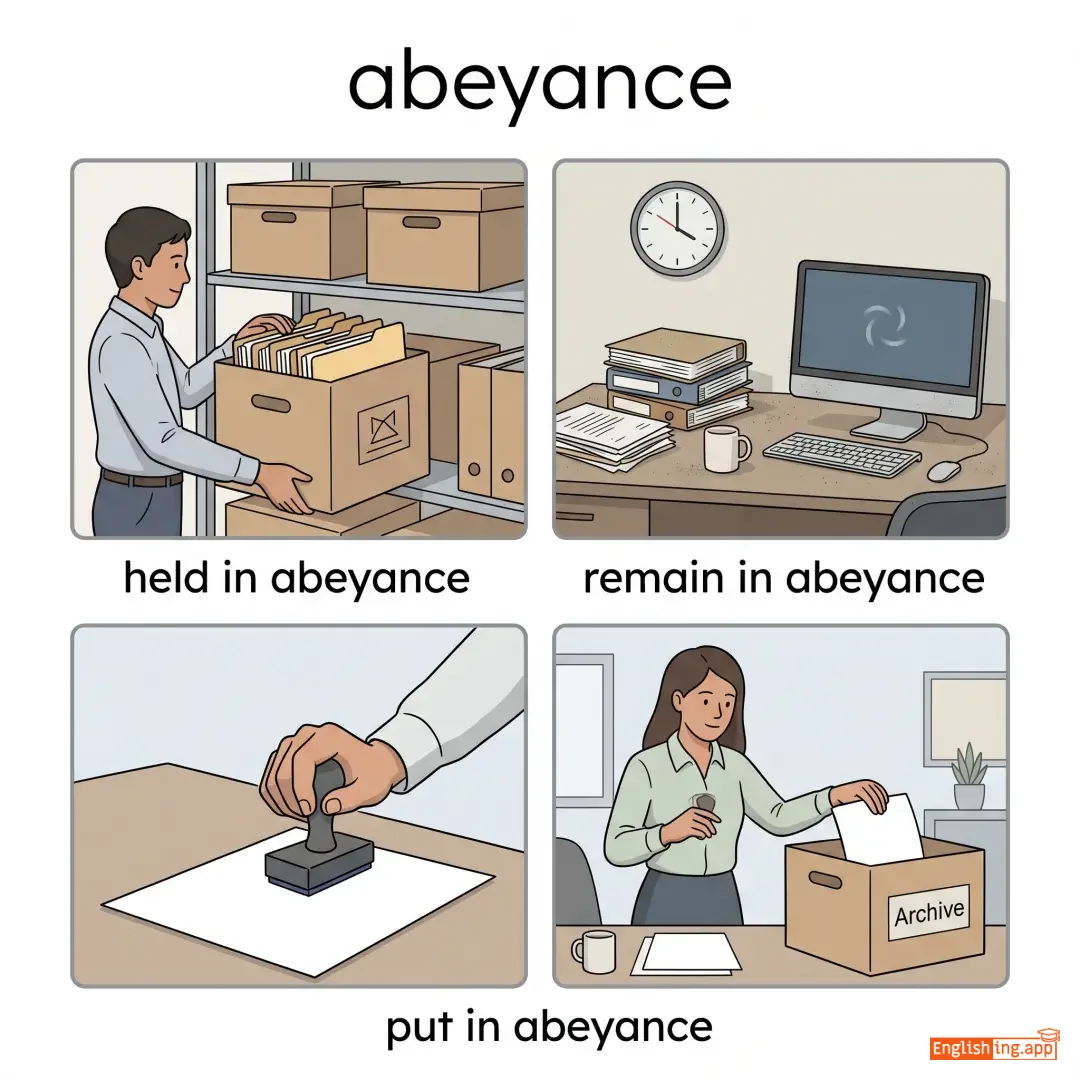
held in abeyance, remain in abeyance, put in abeyance
••••••
|
A BAY 暂停了 - abeyance 意味着中止
••••••
|
|
#16
🏃
|
/əˈbændən/
verb
(放弃)
••••••
|
|
放弃
fangqi
••••••
|
abandoned
放弃
••••••
|
abandoned
放弃
••••••
|
abandons
放弃
••••••
|
abandoning
放弃
••••••
|
to leave behind or give up completely
••••••
|
He decided to abandon the project due to lack of funds.
他决定由于缺乏资金而放弃这个项目。
••••••
|
他决定由于缺乏资金而放弃这个项目。
Ta jueding youyu quefa zijin er fangqi zhege xiangmu.
••••••
|
abandon ship
弃船
••••••
|
to leave a failing situation quickly
••••••
|
弃船
qi chuan
••••••
|
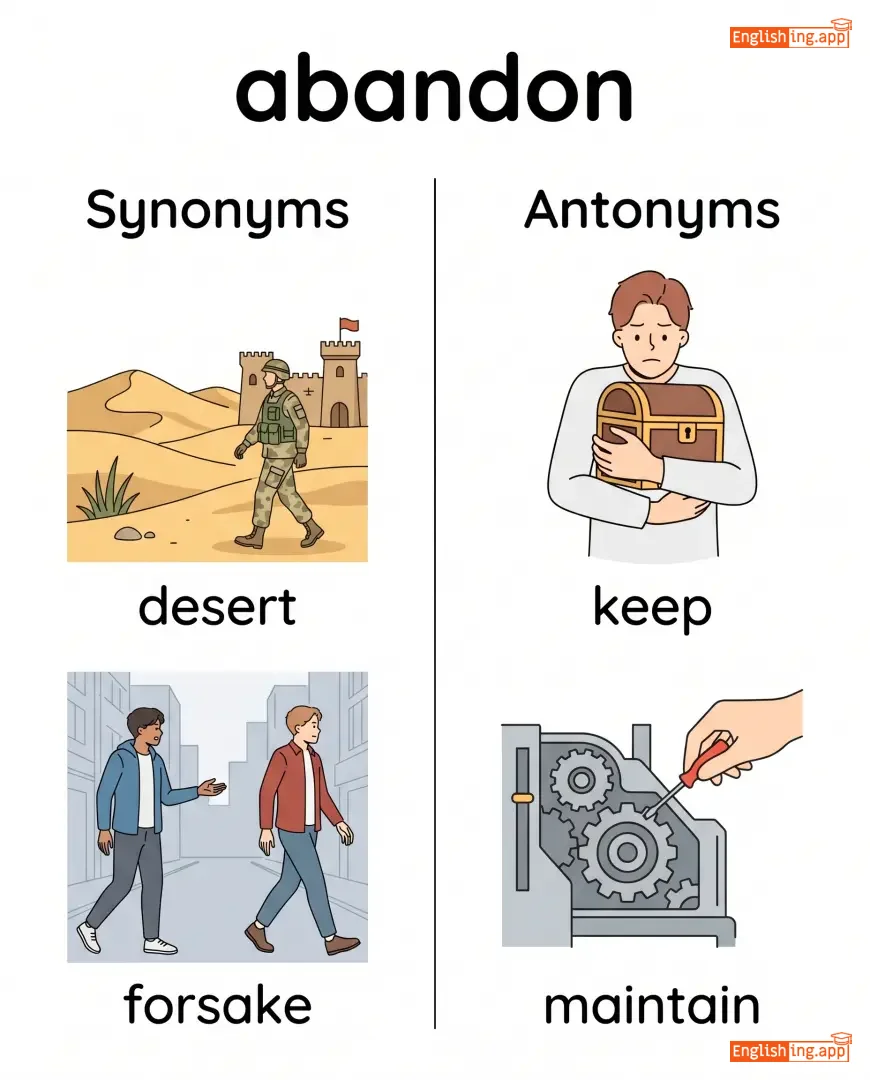
desert, forsake, leave, quit, relinquish
••••••
|
keep, maintain, continue
••••••
|
abandon hope, abandon plan, abandon effort, abandon project
••••••
|
放弃就是离开,就像 BandOn(邦顿)离开一样。
••••••
|
|
#17
❓
|
/ˌæb.əˈreɪ.ʃən/
noun
(阿贝雷申)
••••••
|
|
异常
yichang
••••••
|
- •••••• | - •••••• | - •••••• | - •••••• |
a departure from what is normal, usual, or expected; an anomaly
••••••
|
The sudden drop in temperature was an aberration for this season.
The sudden drop in temperature was an aberration for this season.
••••••
|
温度的突然下降是本季的异常现象。
Wēndù de túrán xiàjiàng shì běn jì de yìcháng xiànxiàng.
••••••
|
- •••••• | - •••••• | - •••••• |
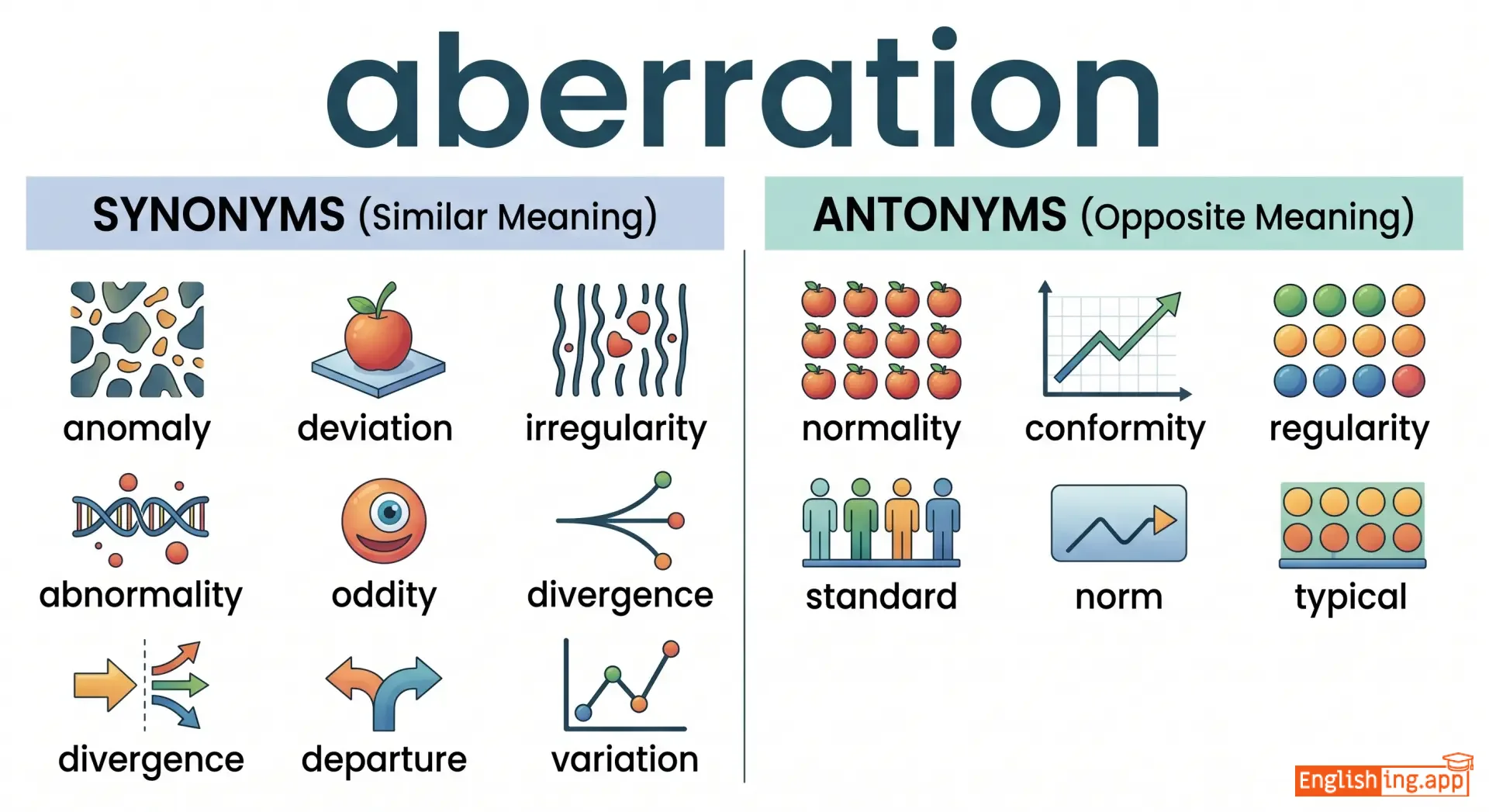
anomaly, deviation, irregularity, abnormality, oddity
••••••
|
normality, regularity
••••••
|
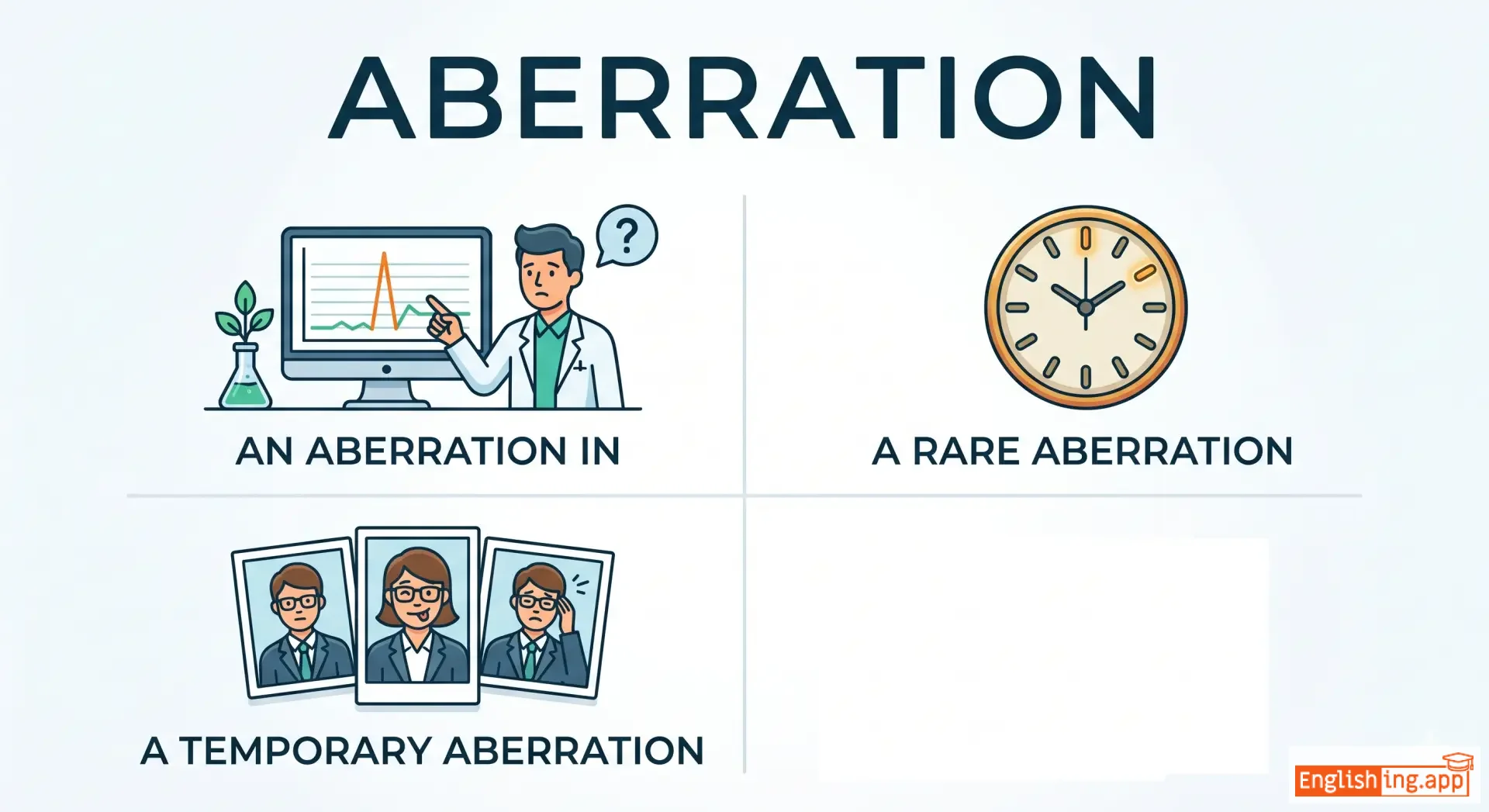
an aberration in, a rare aberration, a temporary aberration
••••••
|
Aberration = abnormal + variation = 异常
••••••
|
|
#18
⚠️
|
/ˈæb.ə.rənt/
adjective
(阿贝兰特)
••••••
|
|
异常
yichang
••••••
|
- •••••• | - •••••• | - •••••• | - •••••• |
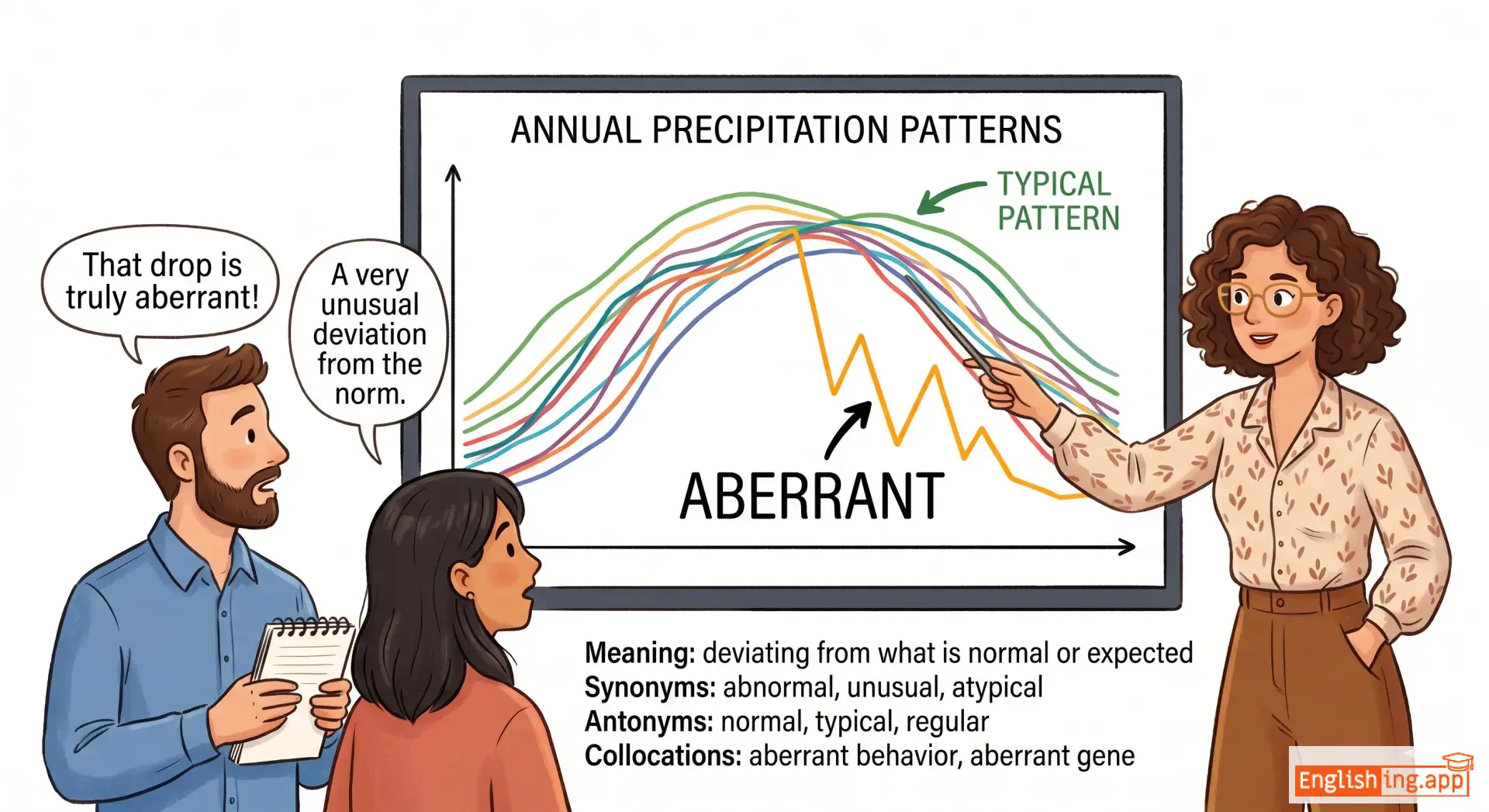
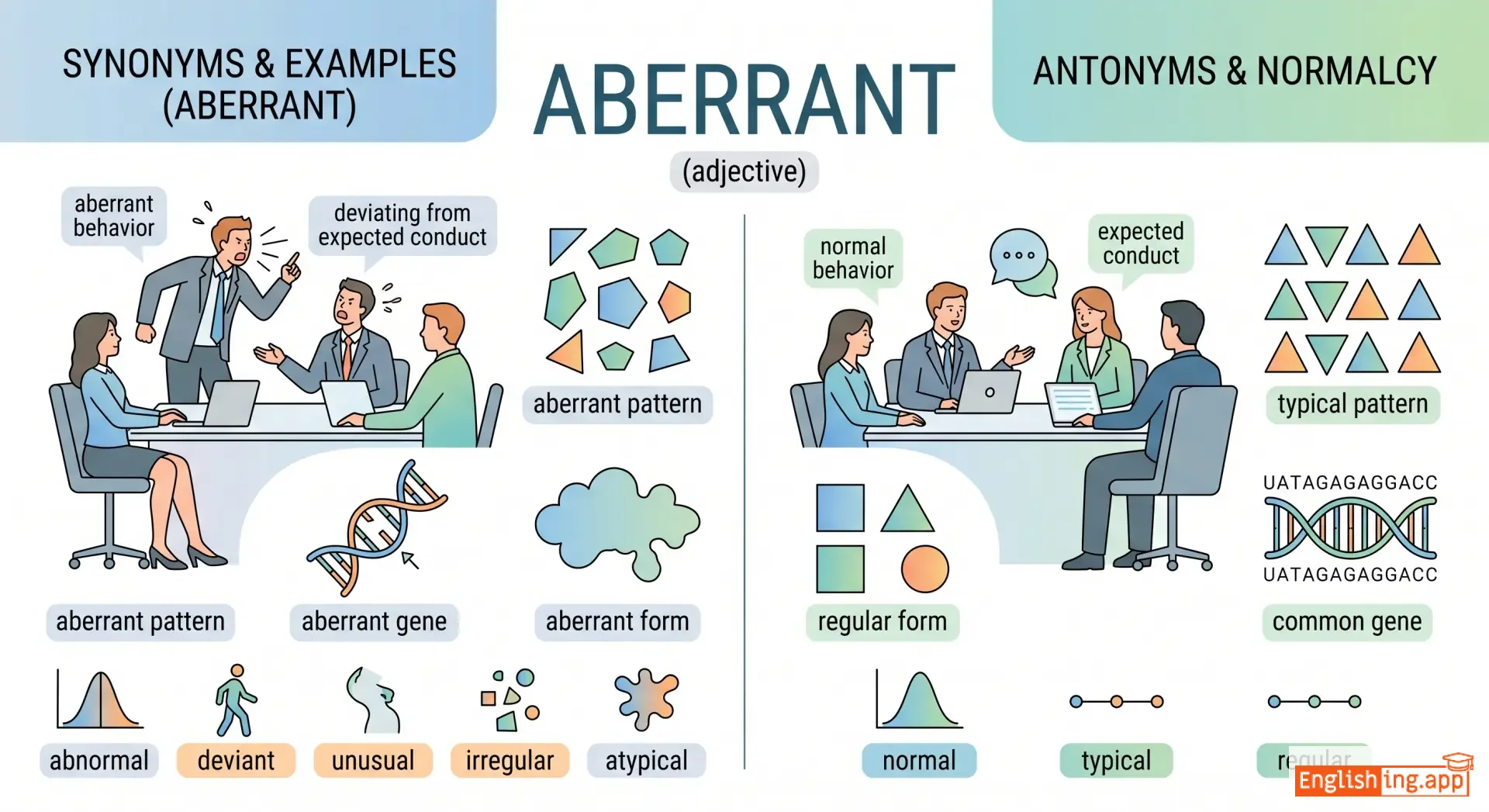
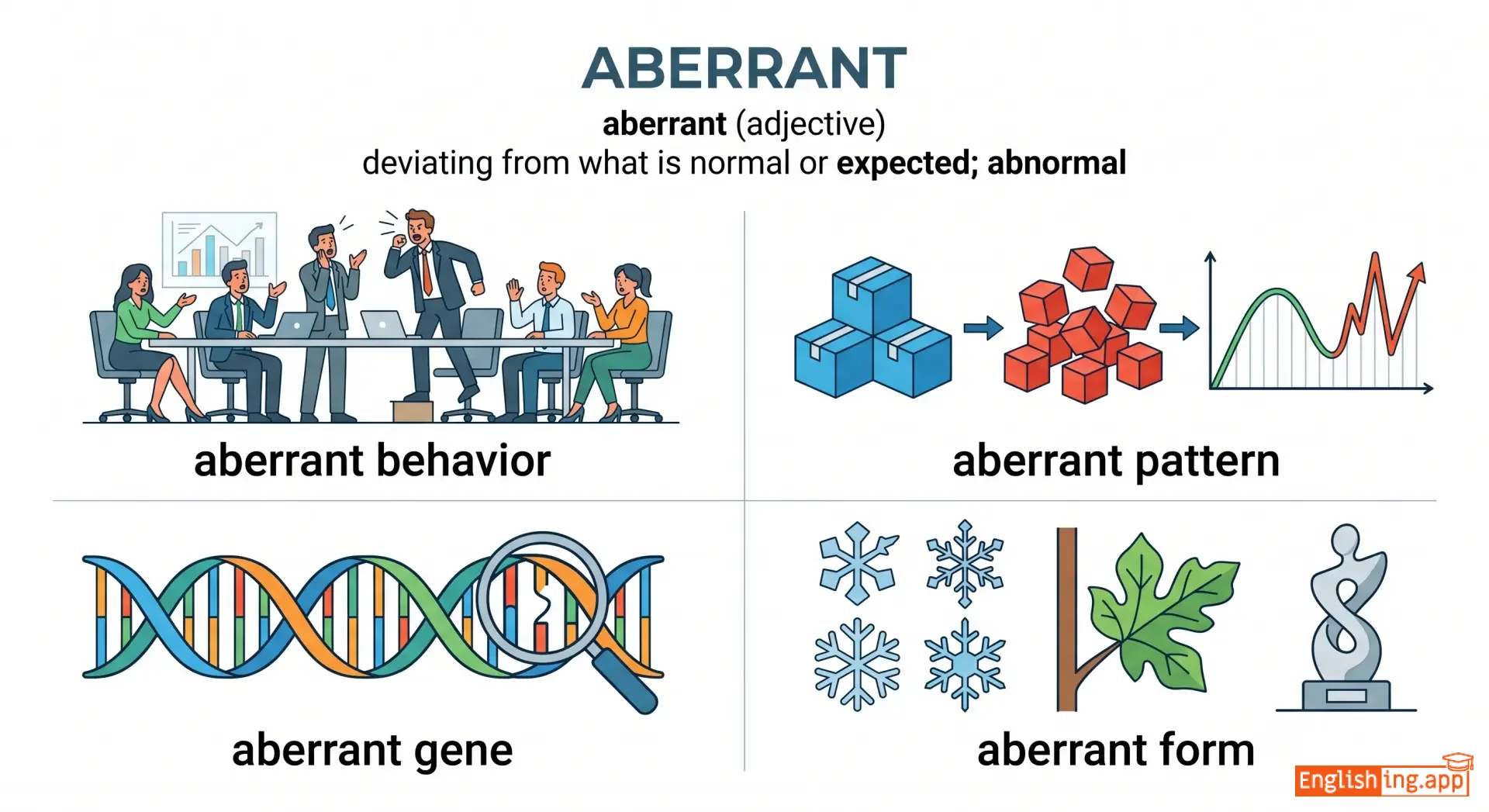
deviating from what is normal or expected; abnormal
••••••
|
His aberrant behavior shocked everyone at the meeting.
他的偏离行为让会议上的每个人都感到震惊。
••••••
|
他的异常行为让会议上的每个人都感到震惊。
Tā de yìcháng xíngwéi ràng huìyì shàng de měi gèrén dōu gǎndào zhènjīng.
••••••
|
- •••••• | - •••••• | - •••••• |
abnormal, deviant, unusual, irregular, atypical
••••••
|
normal, typical, regular
••••••
|
aberrant behavior, aberrant pattern, aberrant gene, aberrant form
••••••
|
Aberrant 意味着异常,记住 - 异常 + 错误 = 不正常的道路
••••••
|
|
#19
🛏️
|
/əˈbɛd/
adverb
(阿贝德)
••••••
|
- •••••• |
在床上
zai chuang shang
••••••
|
- •••••• | - •••••• | - •••••• | - •••••• |
in bed
••••••
|
She stayed abed all day due to illness. |
由于生病,她整天都待在床上。
Youyu shengbing, ta zheng tian dou dai zai chuang shang.
••••••
|
- •••••• | - •••••• | - •••••• |
in bed, resting, lying down, bedridden
••••••
|
up, active, awake
••••••
|
remain abed, lie abed, stay abed
••••••
|
A + bed = 在床上,容易记住
••••••
|
|
#20
🕵️
|
/æbˈdʌk.ʃən/
noun
(ābduksīon)
••••••
|
- •••••• |
绑架
bǎngjià
••••••
|
- •••••• | - •••••• | - •••••• | - •••••• |
the act of taking someone away illegally by force; kidnapping
••••••
|
The police are investigating the abduction of the child. |
警方正在调查这起儿童绑架案。
Jǐngfāng zhèngzài diàochá zhè qǐ értóng bǎngjià àn.
••••••
|
- •••••• | - •••••• | - •••••• |
kidnapping, capture, seizure, snatching, hijacking
••••••
|
release, liberation
••••••
|
child abduction, abduction case, abduction victim, abduction report
••••••
|
Abduction = abba + duction, 记住 - 父亲为救孩子而奔跑,阻止绑架
••••••
|
|
#21
🤰
|
/æbˈdɑː.mə.nəl/
adjective
(腹部的)
••••••
|
- •••••• |
腹部的
fù bù de
••••••
|
- •••••• | - •••••• | - •••••• | - •••••• |
relating to the abdomen (the part of the body between the chest and pelvis)
••••••
|
He complained of severe abdominal pain. |
他抱怨剧烈的腹部疼痛。
Tā bào yuàn jù liè de fù bù téng tòng.
••••••
|
- •••••• | - •••••• | - •••••• |
stomach, belly, tummy, midsection, gut
••••••
|
thoracic, cranial
••••••
|
abdominal pain, abdominal muscles, abdominal cavity, abdominal surgery
••••••
|
Abdominal = 与腹部相关 - 腹部疼痛
••••••
|
|
#22
🫃
|
/ˈæbdəmən/
noun
(腹部)
••••••
|
- •••••• |
腹部
fubu
••••••
|
- •••••• | - •••••• | - •••••• | - •••••• |
The part of the body below the chest and above the hips that contains the stomach and other organs.
••••••
|
He complained of pain in his abdomen. |
他抱怨腹部疼痛。
Ta baoyuan fubu tengtong.
••••••
|
- •••••• | - •••••• | - •••••• |
belly, stomach, tummy, midsection
••••••
|
back, spine
••••••
|
lower abdomen, abdomen pain, abdomen muscles, abdomen cavity
••••••
|
Abdomen意味着腹部 🫃 – 记住 Ab-do-men = Ab (abs) + men 在腹部。
••••••
|
|
#23
👑
|
/ˈæbdɪkeɪt/
verb
(ābídìkèit)
••••••
|
|
放弃王位
fàngqì wángwèi
••••••
|
abdicated
ābídìkèitid
••••••
|
abdicated
ābídìkèitid
••••••
|
abdicates
ābídìkèits
••••••
|
abdicating
ābídìkèiting
••••••
|
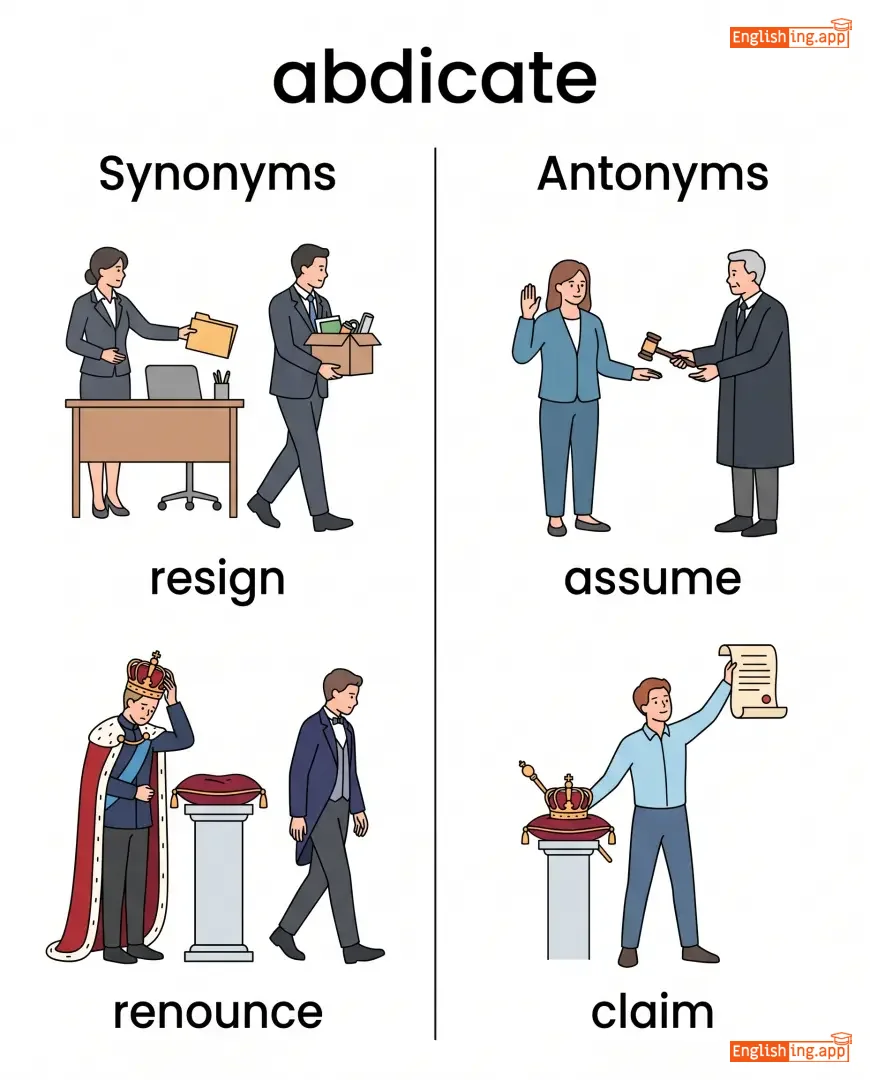
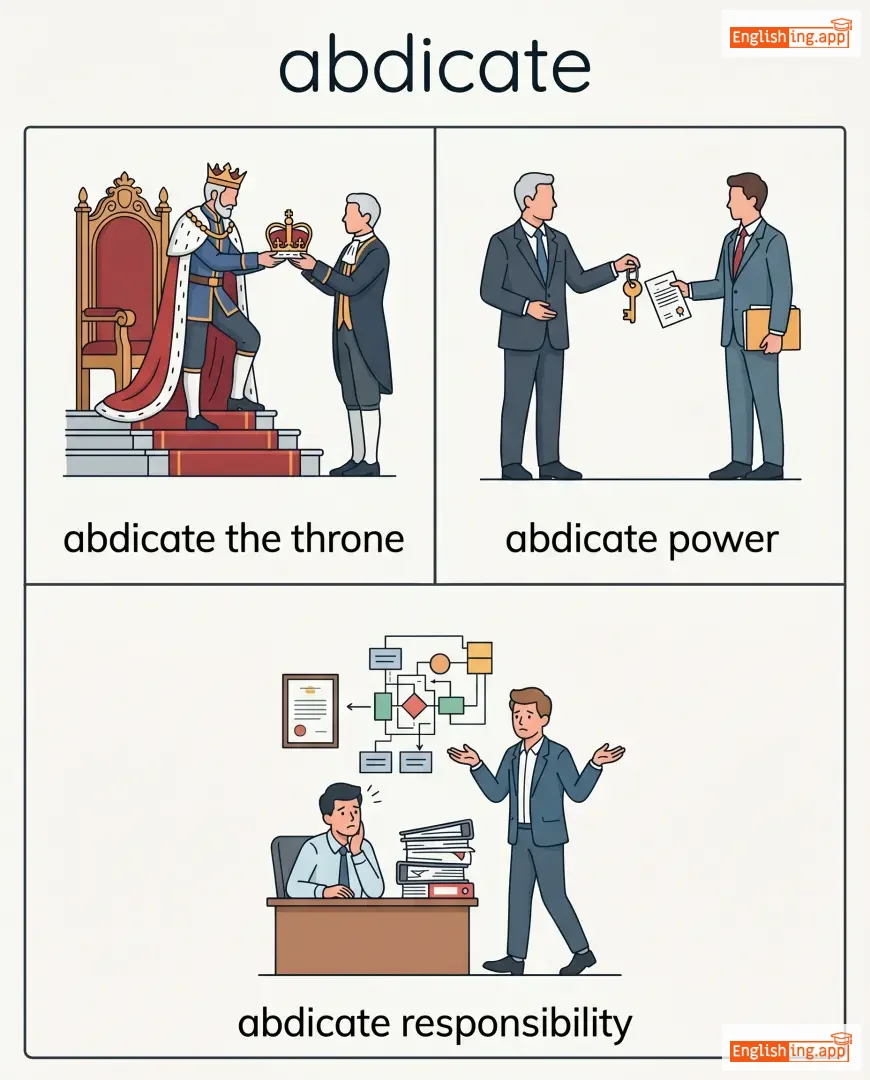
To give up a position of power or responsibility, especially a throne.
••••••
|
The king decided to abdicate the throne.
国王决定放弃王位。
••••••
|
国王决定放弃王位。
Guówáng juédìng fàngqì wángwèi.
••••••
|
abdicate responsibility
放弃责任
••••••
|
To avoid or refuse to take responsibility.
••••••
|
放弃责任
fàngqì zérèn
••••••
|
resign, renounce, relinquish, quit, surrender
••••••
|
assume, claim, retain
••••••
|
abdicate the throne, abdicate power, abdicate responsibility, forced to abdicate
••••••
|
Abdicate 意味着放弃王位 — 想象 '阿布' 离开王位。
••••••
|
|
#24
✂️
|
/əˈbriːvieɪt/
verb
(缩写)
••••••
|
- •••••• |
缩写
suōxiě
••••••
|
abbreviated
缩写过
••••••
|
abbreviated
缩写过
••••••
|
abbreviates
缩写
••••••
|
abbreviating
缩写着
••••••
|
To shorten a word, phrase, or text by leaving out letters or parts.
••••••
|
We often abbreviate 'Doctor' to 'Dr'.
我们常常把 'Doctor' 缩写成 'Dr.'。
••••••
|
我们常常把 'Doctor' 缩写成 'Dr.'。
Wǒmen chángcháng bǎ 'Doctor' suōxiě chéng 'Dr.'
••••••
|
- •••••• | - •••••• | - •••••• |
shorten, condense, contract, reduce, cut
••••••
|
expand, lengthen, extend
••••••
|
abbreviate words, abbreviate term, abbreviate name, commonly abbreviated
••••••
|
Abbreviate 就是缩写 ✂️ — 在中文 A+B+写 = 把词语写短。
••••••
|
|
#25
🙏
|
/ˈæbət/
noun
(艾博特)
••••••
|
- •••••• |
院长
yuàn zhǎng
••••••
|
- •••••• | - •••••• | - •••••• | - •••••• |
The head of a monastery for monks.
••••••
|
The abbot welcomed the visitors to the monastery. |
院长欢迎游客来到修道院。
Yuàn zhǎng huānyíng yóukè lái dào xiūdàoyuàn.
••••••
|
- •••••• | - •••••• | - •••••• |
monk leader, prior, superior, father
••••••
|
novice, layperson
••••••
|
abbot of the monastery, wise abbot, abbot and monks
••••••
|
Abbot = Abba of monastery
••••••
|
|
#26
⛪
|
/ˈæbi/
noun
(æbi)
••••••
|
- •••••• |
修道院
xiūdàoyuàn
••••••
|
- •••••• | - •••••• | - •••••• | - •••••• |
A large church building or monastery where monks or nuns live, work, and worship.
••••••
|
The old abbey on the hill attracts many tourists each year. |
山上的老修道院每年吸引着许多游客。
Shān shàng de lǎo xiūdàoyuàn měi nián xīyǐn zhe xǔduō yóukè.
••••••
|
- •••••• | - •••••• | - •••••• |
monastery, convent, priory, cloister, cathedral
••••••
|
temple, mosque
••••••
|
ancient abbey, ruined abbey, abbey church, abbey grounds
••••••
|
Abbey = 僧侣生活的地方
••••••
|
|
#27
🙏
|
/ˈæbɪs/
noun
(阿贝斯)
••••••
|
- •••••• |
女修道院院长 (nǚ xiūdào yuàn yuán zhǎng)
nǚ xiūdào yuàn yuán zhǎng
••••••
|
- •••••• | - •••••• | - •••••• | - •••••• |
the woman in charge of a convent of nuns
••••••
|
The abbess welcomed the visitors to the convent. |
院长欢迎访客到修道院。
Yuàn zhǎng huānyíng fǎngkè dào xiūdào yuàn.
••••••
|
- •••••• | - •••••• | - •••••• |
mother superior, prioress, nun leader
••••••
|
monk, abbot
••••••
|
abbess of convent, abbess authority, abbess role
••••••
|
Abbess = 修道院的女性领导 — abbess = 修道院的女性院长.
••••••
|
|
#28
🌧️
|
/əˈbeɪt/
verb
(阿贝特)
••••••
|
|
减少
jiǎnshǎo
••••••
|
abated
阿贝特德
••••••
|
abated
阿贝特德
••••••
|
abates
阿贝特斯
••••••
|
abating
阿贝特英
••••••
|
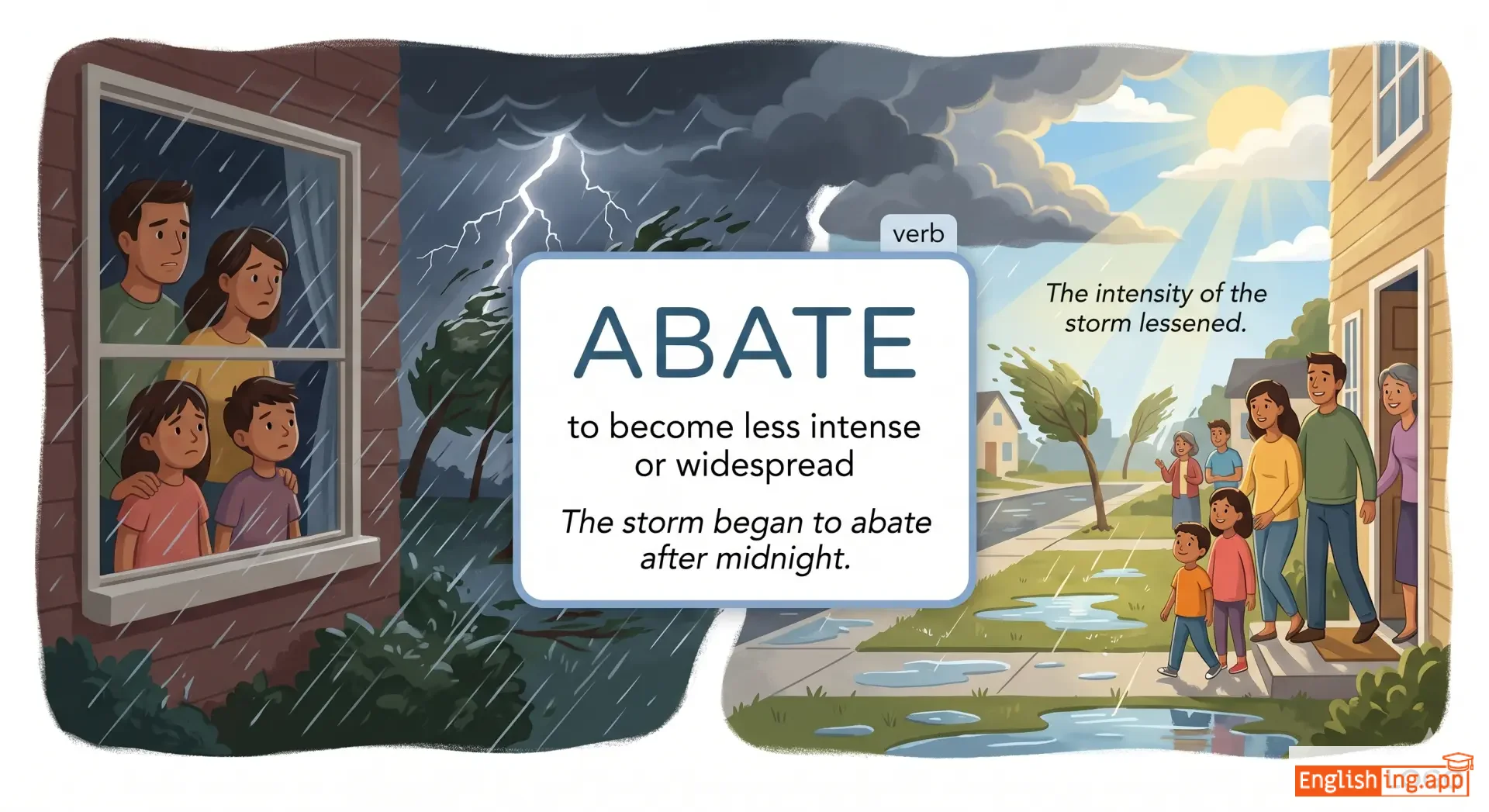
to become less intense or widespread
••••••
|
The storm began to abate after midnight.
暴风雨在午夜后开始减弱。
••••••
|
暴风雨在午夜后开始减弱。
Bàofēngyǔ zài wǔyè hòu kāishǐ jiǎnruò.
••••••
|
- •••••• | - •••••• | - •••••• |
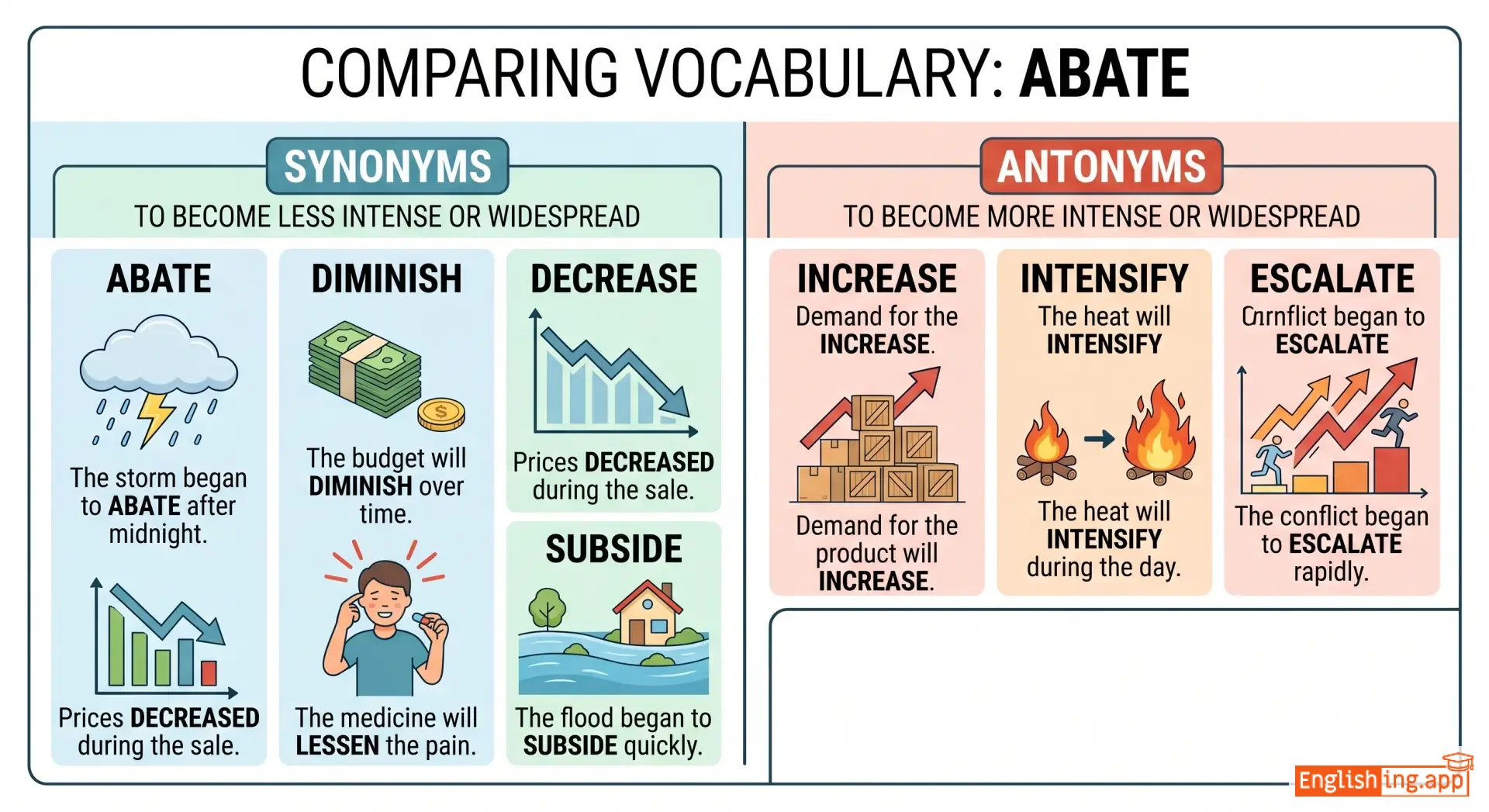
diminish, decrease, lessen, subside
••••••
|
increase, intensify, escalate
••••••
|
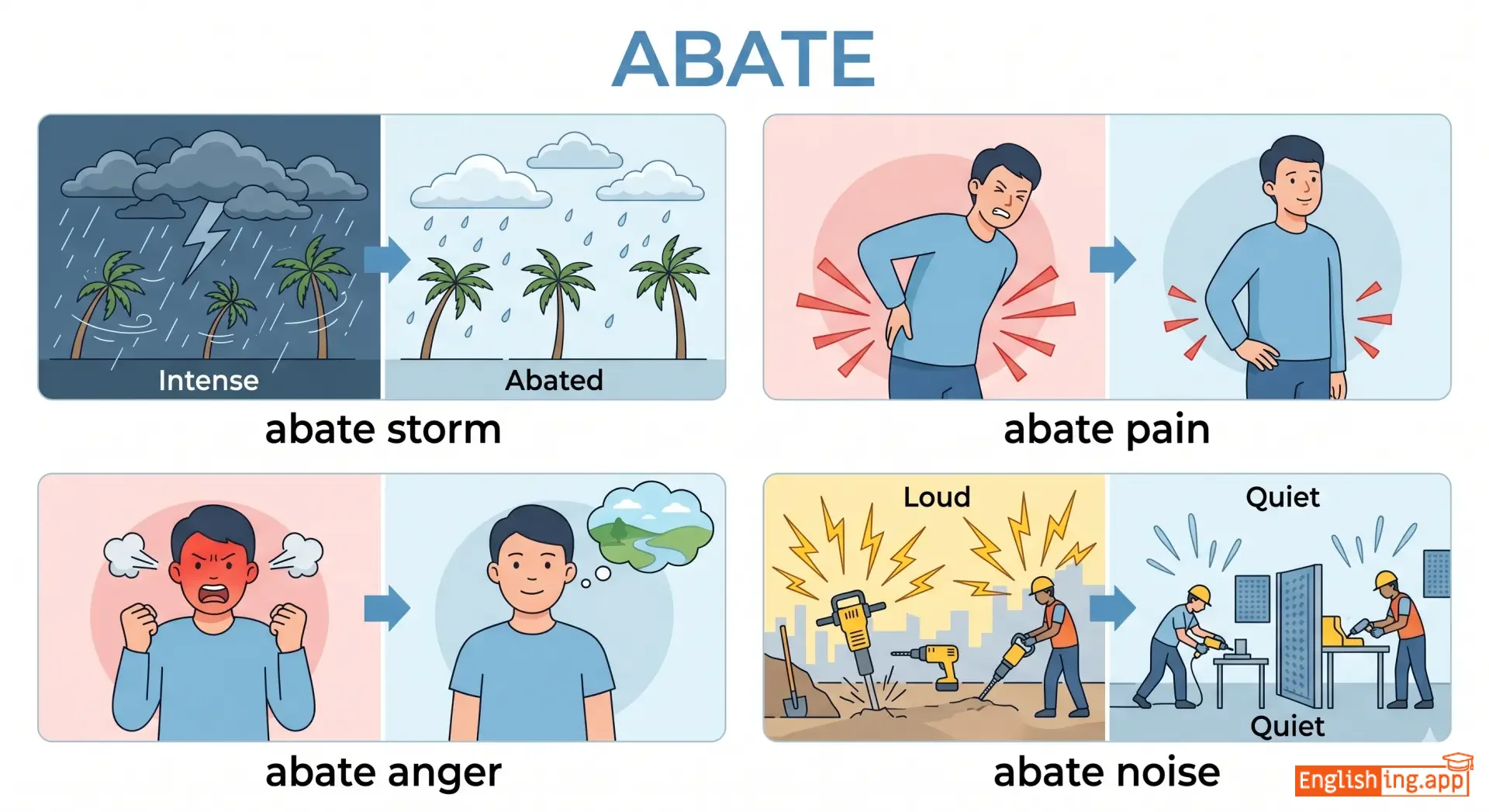
abate storm, abate pain, abate anger, abate noise
••••••
|
No •••••• |
|
#29
😳
|
/əˈbæʃ/
verb
(阿巴什)
••••••
|
- •••••• |
使难堪
shǐ nánkān
••••••
|
abashed
阿巴什德
••••••
|
abashed
阿巴什德
••••••
|
abashes
阿巴什斯
••••••
|
abashing
阿巴什英
••••••
|
to make someone feel embarrassed or ashamed
••••••
|
Her sudden question seemed to abash him.
她突然的问题似乎让他感到尴尬。
••••••
|
她突然的问题似乎让他感到尴尬。
Tā túrán de wèntí shìhū ràng tā gǎndào gāngà.
••••••
|
- •••••• | - •••••• | - •••••• |
embarrass, shame, confuse, disconcert
••••••
|
encourage, reassure, comfort
••••••
|
abash someone, abash completely, visibly abash
••••••
|
Abash意味着让人感到尴尬,就像突然的问题让你感到羞愧。
••••••
|
|
#30
😔
|
/əˈbeɪs/
verb
(艾贝斯)
••••••
|
- •••••• |
贬低
biǎndī
••••••
|
abased
艾贝斯德
••••••
|
abased
艾贝斯德
••••••
|
abases
艾贝斯
••••••
|
abasing
艾贝辛
••••••
|
to belittle or degrade someone
••••••
|
He refused to abase himself before the king.
他拒绝在国王面前贬低自己。
••••••
|
他拒绝在国王面前贬低自己。
Tā jùjué zài guówáng miànqián biǎndī zìjǐ.
••••••
|
- •••••• | - •••••• | - •••••• |
humiliate, demean, degrade, belittle
••••••
|
honor, respect, praise
••••••
|
abase oneself, morally abase, socially abase
••••••
|
Abase意为贬低,指的是让某人降低地位。
••••••
|
Vocabulary Quiz
Test your vocabulary by matching words with their translations or meanings.
Login to take the quiz
Comments (0)
Share your thoughts and join the discussion.
Join the discussion by logging in
Login to CommentNo comments yet
Be the first to share your thoughts!