



Swipe left or right, or use the buttons. Tap image to zoom.
例句翻译
单词
Lesson 334Lesson 334 - 遮罩切换
|
表情符号
|
单词 | Images | 翻译 | 过去时 | 过去分词 | 第三人称单数 | 动名词 | 含义 | 例句 | 例句翻译 | 示例表达 | 示例表达含义 | 示例表达翻译 | 同义词 | 反义词 | 搭配词 | 助记符 |
|---|---|---|---|---|---|---|---|---|---|---|---|---|---|---|---|---|---|
|
#9985
📌
|
/ˈmætərz/
noun/verb
(马特斯)
••••••
|
- •••••• |
问题 / 重要
wenti / zhongyao
••••••
|
mattered
马特德
••••••
|
mattered
马特德
••••••
|
matters
马特斯
••••••
|
mattering
马特林
••••••
|
important topics, concerns, or issues; as a verb, to be of importance or significance
••••••
|
What she thinks really matters to me.
她认为的事情对我来说真的很重要。
••••••
|
她认为的事情对我来说真的很重要。
ta renwei de shiqing dui wo laishuo zhen de hen zhongyao.
••••••
|
a matter of time
时间问题
••••••
|
something that will certainly happen sooner or later
••••••
|
时间问题
shijian wenti
••••••
|
issues, concerns, topics, affairs, significance
••••••
|
trivialities, unimportance, insignificance
••••••
|
serious matters, personal matters, important matters, legal matters
••••••
|
Matters是问题或重要性 → 生命中不可忽视的事
••••••
|
|
#9986
🔹
|
/ˈmaɪ.nər/
adjective/noun
(mái nà)
••••••
|
- •••••• |
微小 / 未成年
wei xiao / wei chengnian
••••••
|
- •••••• | - •••••• | - •••••• | - •••••• |
less important, serious, or significant; a person under the legal age
••••••
|
Luckily, the accident caused only minor injuries. |
幸运的是,事故只造成了轻微伤害。
xìng yùn de shì, shì gù zhǐ zào chéng le qīng wēi shāng hài.
••••••
|
minor detail |
an unimportant or insignificant detail
••••••
|
微小的细节
wei xiao de xi jie
••••••
|
small, slight, insignificant, subordinate
••••••
|
major, important, significant
••••••
|
minor issue, minor injury, minor role, minor detail
••••••
|
Minor 代表小 - Major 代表大。Minor 是微小或不重要。
••••••
|
|
#9987
😑
|
/ˈmaɪndləs/
adjective
(迈德莱斯)
••••••
|
- •••••• |
无意义的
wú yìyì de
••••••
|
- •••••• | - •••••• | - •••••• | - •••••• |
without thought or intelligence; done without consideration
••••••
|
He was bored by the mindless tasks at work. |
他对工作中无意义的任务感到无聊。
Tā duì gōngzuò zhōng wú yìyì de rènwù gǎndào wúliáo.
••••••
|
- •••••• | - •••••• | - •••••• |
senseless, thoughtless, foolish, meaningless
••••••
|
thoughtful, mindful, intelligent
••••••
|
mindless violence, mindless tasks, mindless chatter, mindless behavior
••••••
|
Mindless = 没有思想的,做无意义的事
••••••
|
|
#9988
🧠
|
/maɪnd/
noun/verb
(maind)
••••••
|
- •••••• |
心智 / 注意
xīn zhì / zhù yì
••••••
|
minded
maindid
••••••
|
minded
maindid
••••••
|
minds
mainds
••••••
|
minding
mainding
••••••
|
the part of a person that enables them to think, feel, and reason; to pay attention or take care
••••••
|
Please mind the gap between the train and the platform.
请注意火车与站台之间的间隙。
••••••
|
请注意火车与站台之间的间隙。
Qǐng zhùyì huǒchē yǔ zhàntái zhījiān de jiànxì.
••••••
|
make up one's mind
做决定
••••••
|
to decide something
••••••
|
做决定
zuò juédìng
••••••
|
brain, intellect, thought, heed, notice
••••••
|
ignore, neglect
••••••
|
mind the gap, change your mind, peace of mind, keep in mind
••••••
|
Mind 在中文是心智,没有心智就无法照顾周围。
••••••
|
|
#9989
🌤️
|
/maɪld/
adjective
(maɪld)
••••••
|
- •••••• |
温和
wēnhé
••••••
|
- •••••• | - •••••• | - •••••• | - •••••• |
not severe or strong; gentle in nature
••••••
|
The patient had only mild symptoms.
病人只有轻微的症状。
••••••
|
病人只有轻微的症状。
Bìngrén zhǐyǒu qīngwēi de zhèngzhuàng.
••••••
|
mild mannered
mild mannered
••••••
|
gentle and not aggressive
••••••
|
温和的性格
wēnhé de xìnggé
••••••
|
gentle, soft, calm, slight, moderate
••••••
|
harsh, severe, strong
••••••
|
mild symptoms, mild climate, mild taste, mild mannered
••••••
|
Mild 意味着温和,就像一道温和的菜肴。
••••••
|
|
#9990
↔️
|
/ˈmɪd.weɪ/
adverb
(mídwēi)
••••••
|
- •••••• |
半途
bàntú
••••••
|
- •••••• | - •••••• | - •••••• | - •••••• |
in the middle of an event, process, or distance
••••••
|
He stopped midway through his speech. |
他在演讲中途停下来。
Tā zài yǎnjiǎng zhōngtú tíng xiàlái.
••••••
|
midway point |
a halfway stage in a journey or process
••••••
|
半途点
bàntú diǎn
••••••
|
halfway, in-between, middle, intermediate
••••••
|
beginning, end
••••••
|
midway through, midway point, midway stage, midway stop
••••••
|
Midway = 半途,意味着途中停顿
••••••
|
|
#9991
🧑💼
|
/ˈmɪdəlˌmæn/
noun
(mídəlmæn)
••••••
|
- •••••• |
中介
zhōngjiè
••••••
|
- •••••• | - •••••• | - •••••• | - •••••• |
A person who acts as a link between buyers and sellers, often in business deals.
••••••
|
The farmer sold his crops directly, without a middleman.
农民直接销售他的农作物,没有中介。
••••••
|
农民直接销售他的农作物,没有中介。
nóngmín zhíjiē xiāoshòu tā de nóngzuòwù, méiyǒu zhōngjiè.
••••••
|
cut out the middleman
切断中介
••••••
|
To deal directly with the source and avoid intermediaries.
••••••
|
切断中介
qiēduàn zhōngjiè
••••••
|
broker, agent, dealer, intermediary
••••••
|
producer, consumer
••••••
|
act as a middleman, middleman role, cut out the middleman
••••••
|
Middleman在中文里是中介,帮助联系买家和卖家。
••••••
|
|
#9992
📊
|
/ˌmɛθəˈdɑlədʒi/
noun
(方法论)
••••••
|
- •••••• |
方法论
fāngfǎlùn
••••••
|
- •••••• | - •••••• | - •••••• | - •••••• |
A system of methods used in a particular area of study or activity.
••••••
|
The research was conducted using a new methodology.
这项研究是使用新方法论进行的。
••••••
|
这项研究是使用新方法论进行的。
Zhe xiang yanjiu shi shiyong xin fangfalu jinxing de.
••••••
|
- •••••• | - •••••• | - •••••• |
approach, technique, process, strategy, system
••••••
|
disorganization, randomness
••••••
|
research methodology, scientific methodology, teaching methodology, standard methodology
••••••
|
方法论是方法的系统—它是方法的集合。
••••••
|
|
#9993
🪡
|
/mɛnd/
verb
(mend)
••••••
|
- •••••• |
修补
xiubù
••••••
|
mended
mended
••••••
|
mended
mended
••••••
|
mends
mends
••••••
|
mending
mending
••••••
|
To repair something that is broken or damaged.
••••••
|
She learned to mend her torn dress.
她学会了修补她撕破的裙子。
••••••
|
她学会了修补她撕破的裙子。
Tā xuéhuìle xiūbǔ tā sī pò de qúnzi.
••••••
|
on the mend
恢复中
••••••
|
Recovering after illness or trouble.
••••••
|
恢复中
huīfù zhōng
••••••
|
repair, fix, patch, restore, heal
••••••
|
break, damage, ruin
••••••
|
mend clothes, mend shoes, mend a relationship, on the mend
••••••
|
Mend意味着修补—Mend = 修补
••••••
|
|
#9994
👥
|
/ˈmiːtɪŋ/
noun
(mìtīng)
••••••
|
- •••••• |
会议
huiyi
••••••
|
- •••••• | - •••••• | - •••••• | - •••••• |
A gathering of people for discussion or decision-making.
••••••
|
The board had a meeting to finalize the budget. |
董事会举行了会议来完成预算。
Dongshihui juxingle huiyi lai wancheng yusuan.
••••••
|
call a meeting |
To arrange a gathering for discussion.
••••••
|
召开会议
Zhaokai huiyi
••••••
|
gathering, conference, assembly, session, discussion
••••••
|
separation, dispersal
••••••
|
board meeting, business meeting, annual meeting, meeting agenda
••••••
|
会议 = 聚集在一起讨论
••••••
|
|
#9995
⚙️
|
/ˈmɛkəˌnɪzəm/
noun
(mɛkəˌnɪzəm)
••••••
|
- •••••• |
机制
jīzhì
••••••
|
- •••••• | - •••••• | - •••••• | - •••••• |
A system of parts working together in a machine; a process or technique for achieving something.
••••••
|
The mechanism of the clock stopped working after years of use. |
钟表的机制在多年使用后停止工作。
Zhōngbiǎo de jīzhì zài duō nián shǐyòng hòu tíngzhǐ gōngzuò.
••••••
|
defense mechanism |
An unconscious process used to protect oneself from anxiety or stress.
••••••
|
防御机制
fángyù jīzhì
••••••
|
system, apparatus, device, structure, process
••••••
|
disorder, chaos, randomness
••••••
|
defense mechanism, coping mechanism, mechanical mechanism, complex mechanism
••••••
|
机制 = 机器的各部分协同工作,像齿轮一样!
••••••
|
|
#9996
📏
|
/ˈmɛʒər/
noun/verb
(méizhěr)
••••••
|
|
测量 / 尺度
cèliàng / chǐdù
••••••
|
measured
méizhèrd
••••••
|
measured
méizhèrd
••••••
|
measures
méizhèrs
••••••
|
measuring
méizhèring
••••••
|
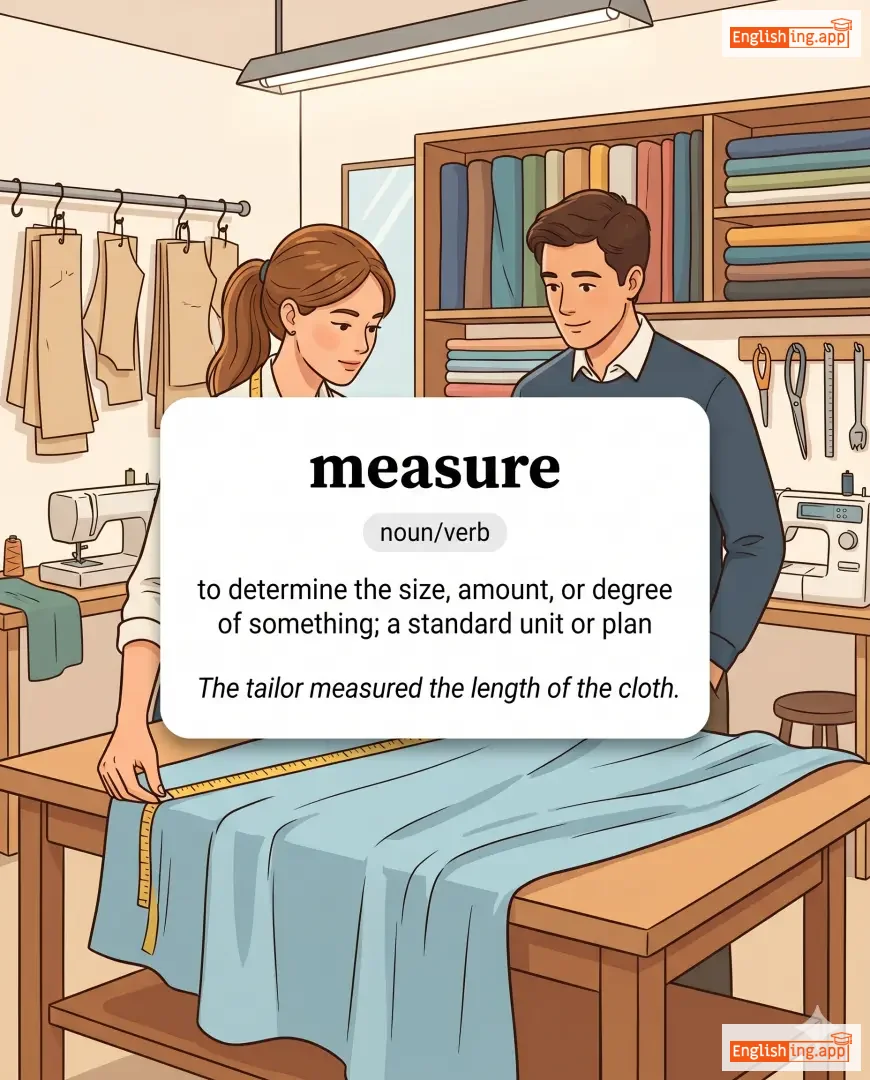
to determine the size, amount, or degree of something; a standard unit or plan
••••••
|
The tailor measured the length of the cloth.
裁缝量了布料的长度。
••••••
|
裁缝量了布料的长度。
cáifeng liàngle bùliào de chángdù.
••••••
|
beyond measure
超越度量
••••••
|
to an extreme degree
••••••
|
超越度量
chāoyuè dùliàng
••••••
|
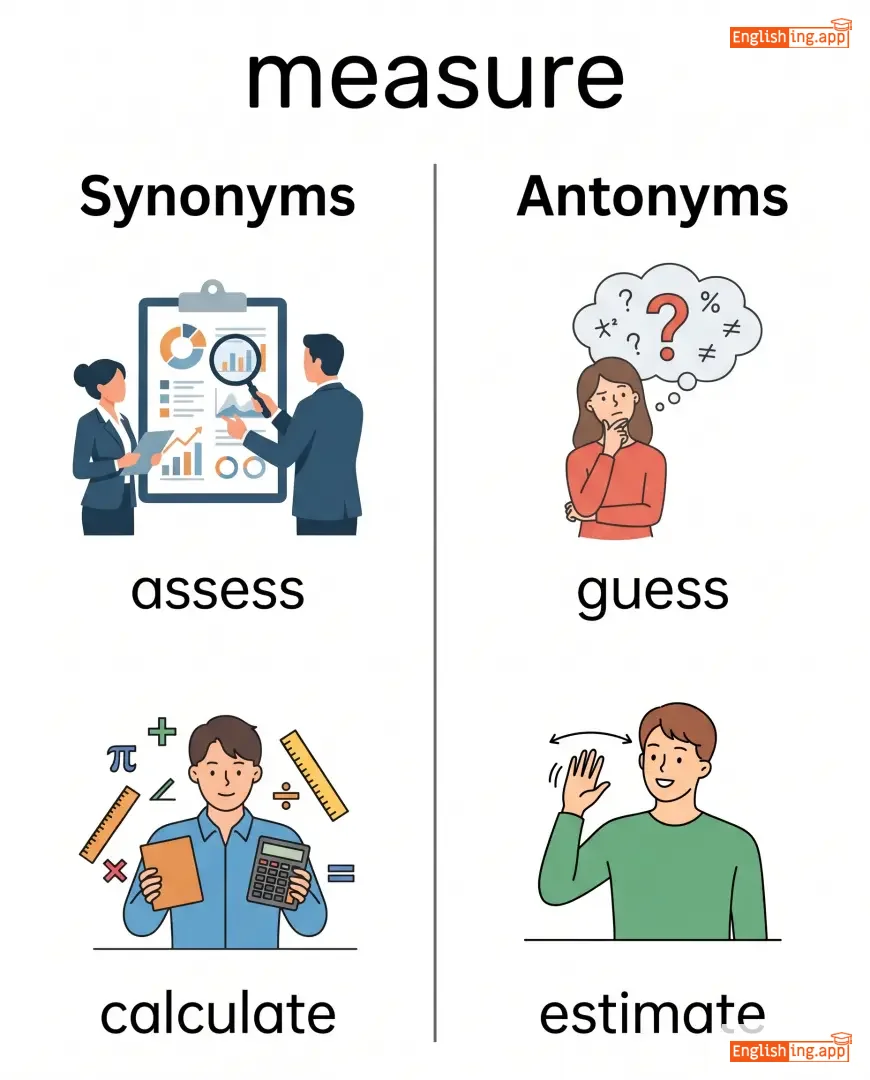
assess, calculate, evaluate, gauge, standard
••••••
|
guess, estimate, ignore
••••••
|
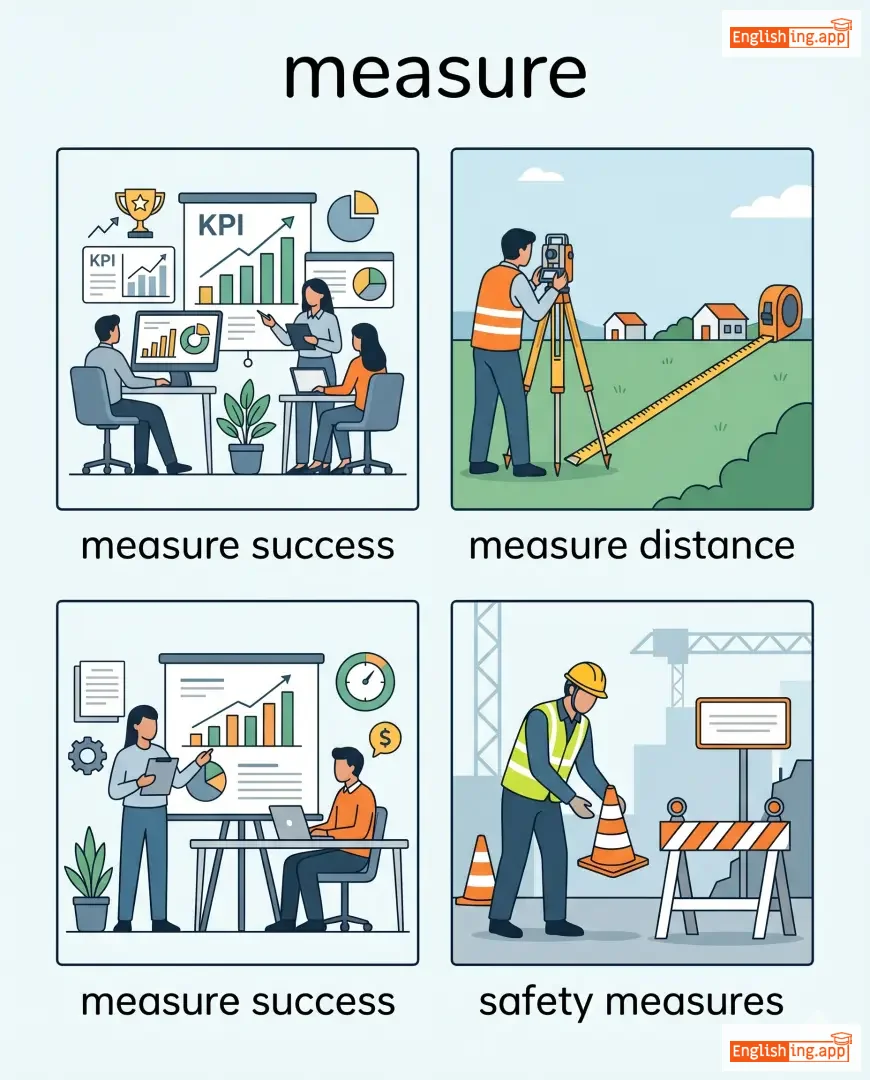
measure success, measure distance, safety measures, take measures
••••••
|
Measure意思是测量 → '通过测量来取度量' 易记
••••••
|
|
#9997
⏳
|
/ˈmiːnˌtaɪm/
noun/adverb
(mín-tāi-mù)
••••••
|
- •••••• |
同时
tóng shí
••••••
|
- •••••• | - •••••• | - •••••• | - •••••• |
the period of time between two events; meanwhile
••••••
|
The train will be late, so in the meantime let's have some tea. |
火车会迟到,所以同时我们来喝点茶。
huǒchē huì chídào, suǒyǐ tóngshí wǒmen lái hē diǎn chá.
••••••
|
in the meantime |
during the time between events
••••••
|
同时
tóng shí
••••••
|
meanwhile, interim, interval, intermission
••••••
|
afterward, later
••••••
|
in the meantime, meantime period, meantime activities
••••••
|
Meantime 表示 '在事件之间' → 同时.
••••••
|
|
#9998
🤔
|
/ˈmeɪbi/
adverb
(méibì)
••••••
|
- •••••• |
也许
yěxǔ
••••••
|
- •••••• | - •••••• | - •••••• | - •••••• |
used to express possibility or uncertainty
••••••
|
Maybe we will go to the park tomorrow. |
也许我们明天会去公园。
Yěxǔ wǒmen míngtiān huì qù gōngyuán.
••••••
|
just maybe |
indicating a slight possibility
••••••
|
就也许
jiù yěxǔ
••••••
|
perhaps, possibly, might, could be
••••••
|
certainly, surely, definitely
••••••
|
maybe later, maybe someday, maybe not, maybe tomorrow
••••••
|
Maybe意味着'maybe 是,maybe 不是'→也许是,也许不是。
••••••
|
|
#9999
⬆️
|
/ˈmæksɪməm/
noun/adjective
(màixīmù)
••••••
|
- •••••• |
最大
zuìdà
••••••
|
- •••••• | - •••••• | - •••••• | - •••••• |
the greatest or highest amount, value, or degree possible
••••••
|
She scored the maximum marks in the exam. |
她在考试中得到了最高分。
Tā zài kǎoshì zhōng dédàole zuìgāo fēn.
••••••
|
to the maximum |
to the greatest possible extent
••••••
|
达到最大值
dá dào zuì dà zhí
••••••
|
utmost, highest, peak, greatest, limit
••••••
|
minimum, least, lowest
••••••
|
maximum effort, maximum speed, maximum limit, maximum capacity
••••••
|
Maximum意味着最大级别→最大程度。
••••••
|
|
#10000
👀
|
/lʊk/
(luk)
••••••
|
- •••••• |
看
kan
••••••
|
looked
lukd
••••••
|
looked
lukd
••••••
|
looks
luks
••••••
|
looking
luking
••••••
|
to direct one's gaze in a particular direction
••••••
|
She looked out the window at the rain.
她看向窗外的雨。
••••••
|
她看向窗外的雨。
Ta kanxiang chuangwai de yu.
••••••
|
look up to
仰望
••••••
|
to admire or respect someone
••••••
|
崇拜
chongbai
••••••
|
glance, gaze, stare, observe, watch
••••••
|
ignore, overlook
••••••
|
look at, look for, look into, look after, look forward to
••••••
|
看 (look) 可以看到所有东西。
••••••
|
|
#10001
👨
|
/ˈmæskjəlɪn/
adjective
(马斯克林)
••••••
|
- •••••• |
男性
nánxìng
••••••
|
- •••••• | - •••••• | - •••••• | - •••••• |
having qualities traditionally associated with men
••••••
|
He has a deep, masculine voice. |
他有着深沉的男性嗓音。
Tā yǒuzhe shēnchén de nánxìng sǎngyīn.
••••••
|
toxic masculinity |
harmful cultural norms about male behavior
••••••
|
有毒的男性气概
yǒudú de nánxìng qìgài
••••••
|
male, manly, virile, macho
••••••
|
feminine, womanly
••••••
|
masculine voice, masculine role, masculine energy, masculine identity
••••••
|
Masculine = Muscles + In – Muscles意味着男性
••••••
|
|
#10002
🧍♀️
|
/ˈmænɪkɪn/
noun
(曼尼奎恩)
••••••
|
- •••••• |
模特
mó tè
••••••
|
- •••••• | - •••••• | - •••••• | - •••••• |
a life-sized model of a human figure used by shops to display clothes
••••••
|
The mannequin in the shop window was dressed in a red gown.
商店橱窗里的曼尼奎恩穿着一件红色长裙。
••••••
|
商店橱窗里的曼尼奎恩穿着一件红色长裙。
Shāngdiàn chúchuāng lǐ de mànníkùiēn chuānzhuó yī jiàn hóngsè chángqún.
••••••
|
- •••••• | - •••••• | - •••••• |
dummy, model, figure, display figure
••••••
|
human, person
••••••
|
shop mannequin, dress mannequin, plastic mannequin, mannequin display
••••••
|
Mannequin = 模特 + – 如同商店里的衣服展示架
••••••
|
|
#10003
🏗️
|
/ˌmænˈmeɪd/
adjective
(mænˈmeɪd)
••••••
|
- •••••• |
人造的
renzao de
••••••
|
- •••••• | - •••••• | - •••••• | - •••••• |
something created or built by humans rather than occurring naturally
••••••
|
This lake is manmade, not natural. |
这个湖是人造的,不是自然的。
Zhege hu shi renzao de, bushi ziran de.
••••••
|
- •••••• | - •••••• | - •••••• |
artificial, synthetic, manufactured, constructed
••••••
|
natural, organic, genuine
••••••
|
manmade lake, manmade disaster, manmade fiber, manmade structure
••••••
|
Manmade 意味着人类创造的
••••••
|
|
#10004
🛠️
|
/meɪk/
verb
(meik)
••••••
|
- •••••• |
做
zuo
••••••
|
made
meid
••••••
|
made
meid
••••••
|
makes
meiks
••••••
|
making
meiking
••••••
|
to create, build, or cause something to happen
••••••
|
She can make delicious cakes.
她可以做美味的蛋糕。
••••••
|
她可以做美味的蛋糕。
Ta keyi zuo meiwei de dangao.
••••••
|
make a difference
做出改变
••••••
|
to have a significant effect
••••••
|
做出改变
zuo chu gaibian
••••••
|
create, build, produce, prepare, construct
••••••
|
destroy, ruin, break
••••••
|
make money, make a decision, make friends, make progress
••••••
|
Make 就是做,像一个'Maker' (创造者)。
••••••
|
|
#10005
🔍
|
/ˈmæɡnɪfaɪ/
verb
(mángnǐfài)
••••••
|
- •••••• |
放大
fangda
••••••
|
magnified
mángnǐfàid
••••••
|
magnified
mángnǐfàid
••••••
|
magnifies
mángnǐfàiz
••••••
|
magnifying
mángnǐfàiīng
••••••
|
to make something appear larger or more important than it really is
••••••
|
The microscope can magnify tiny cells.
显微镜可以放大微小的细胞。
••••••
|
显微镜可以放大微小的细胞。
Xianwei jing keyi fangda weixiao de xibao.
••••••
|
magnify the problem
放大问题
••••••
|
to make a problem seem bigger than it is
••••••
|
放大问题
fangda wenti
••••••
|
enlarge, amplify, expand, exaggerate, intensify
••••••
|
reduce, diminish, shrink
••••••
|
magnify glass, magnify image, magnify problem, magnify details
••••••
|
Magnify 就像魔法一样让某物变得更大。
••••••
|
|
#10006
🤯
|
/ˈmædnəs/
noun
(麦德内斯)
••••••
|
- •••••• |
疯狂
fengkuang
••••••
|
- •••••• | - •••••• | - •••••• | - •••••• |
the state of being mentally ill or acting in a very foolish way
••••••
|
It would be madness to drive in such dangerous weather. |
在如此危险的天气中开车简直是疯狂。
Zài rúcǐ wéixiǎn de tiānqì zhōng kāichē jiǎnzhí shì fēicháng fēngkuáng.
••••••
|
drive someone mad |
to greatly annoy or irritate someone
••••••
|
让某人发疯
ràng mǒu rén fāfēng
••••••
|
insanity, lunacy, foolishness, mania, frenzy
••••••
|
sanity, wisdom, reason
••••••
|
sheer madness, act of madness, madness of war, madness ensues
••••••
|
Mad + ness → 到了疯狂的地步,‘madness’就是疯狂的意思 🤯
••••••
|
|
#10007
🧥
|
/ˈmækɪntɒʃ/
noun
(麦金托什)
••••••
|
- •••••• |
防水雨衣
fangshui yuyi
••••••
|
- •••••• | - •••••• | - •••••• | - •••••• |
a waterproof raincoat, originally made from rubberized fabric
••••••
|
He wore a mackintosh to stay dry in the rain.
他穿了一件麦金托什雨衣以保持干燥。
••••••
|
他穿了一件麦金托什雨衣以保持干燥。
Ta chuanle yijian maijin tuoshi yu yi yi baochi ganzao.
••••••
|
- •••••• | - •••••• | - •••••• |
raincoat, waterproof, overcoat
••••••
|
none, bare, uncovered
••••••
|
wear a mackintosh, rubber mackintosh, heavy mackintosh
••••••
|
Mac-intosh = 防水雨衣 → Mac意味着抵抗水🧥
••••••
|
|
#10008
✨
|
/lʌɡˈʒʊəriəs/
adjective
(lùxūlì)
••••••
|
- •••••• |
奢华的
shehua de
••••••
|
- •••••• | - •••••• | - •••••• | - •••••• |
extremely comfortable, elegant, or enjoyable, often involving great expense
••••••
|
They stayed in a luxurious hotel during their vacation. |
他们在度假期间住进了一家奢华的酒店。
Tamen zai dujia qijian zhu jin le yijia shehua de jiudian.
••••••
|
live in luxury |
to have a very comfortable and wealthy lifestyle
••••••
|
过奢华的生活
guo shehua de shenghuo
••••••
|
opulent, lavish, rich, elegant, deluxe
••••••
|
simple, poor, modest
••••••
|
luxurious hotel, luxurious lifestyle, luxurious car, luxurious surroundings
••••••
|
Luxurious = Luxury + Us → 对我们来说,奢华意味着奢华的生活 ✨
••••••
|
|
#10009
🎣
|
/lʊər/
verb
(lu-er)
••••••
|
- •••••• |
诱惑
yòuhuò
••••••
|
lured
lured
••••••
|
lured
lured
••••••
|
lures
lures
••••••
|
luring
luring
••••••
|
to attract or tempt someone, often by offering something appealing
••••••
|
The advertisement lured customers with promises of discounts.
广告通过承诺折扣诱使顾客。
••••••
|
广告通过承诺折扣诱使顾客。
Guǎnggào tōngguò chéngnuò zhékòu yòushǐ gùkè.
••••••
|
lure someone into
诱使某人做
••••••
|
to tempt someone into doing something
••••••
|
诱使某人做
Yòushǐ mǒurén zuò
••••••
|
attract, tempt, entice, seduce, draw
••••••
|
repel, discourage, deter
••••••
|
lure away, lure into, lure customers, lure prey
••••••
|
钓鱼时 Lure 意味着诱鱼 🎣
••••••
|
|
#10010
🐶
|
/ˈlʌvəbl̩/
adjective
(海皮尼斯)
••••••
|
- •••••• |
幸福
xìngfú
••••••
|
- •••••• | - •••••• | - •••••• | - •••••• |
easy to love; endearing or charming
••••••
|
The puppy was so loveable that everyone wanted to hold it. |
当她收到奖项时,她无法掩饰自己的幸福。
Dāng tā shōu dào jiǎngxiàng shí, tā wúfǎ yǎnshì zìjǐ de xìngfú.
••••••
|
- •••••• | - •••••• |
追求幸福
zhuīqiú xìngfú
••••••
|
adorable, charming, delightful, sweet, endearing
••••••
|
unpleasant, unlikeable, hateful
••••••
|
loveable character, loveable person, loveable nature, loveable quality
••••••
|
幸福就是微笑,像是吃到最爱的糖果。
••••••
|
|
#10011
❤️
|
/lʌv/
verb
(lʌv)
••••••
|
|
爱
ai
••••••
|
loved
loved
••••••
|
loved
loved
••••••
|
loves
loves
••••••
|
loving
loving
••••••
|
to feel deep affection for someone or something
••••••
|
She loves her family more than anything.
她爱她的家人比任何东西都多。
••••••
|
她比任何东西都更爱她的家人。
Ta bi ren he dongxi dou geng ai ta de jiaren.
••••••
|
fall in love
坠入爱河
••••••
|
to begin to feel romantic affection
••••••
|
坠入爱河
zhui ru ai he
••••••
|
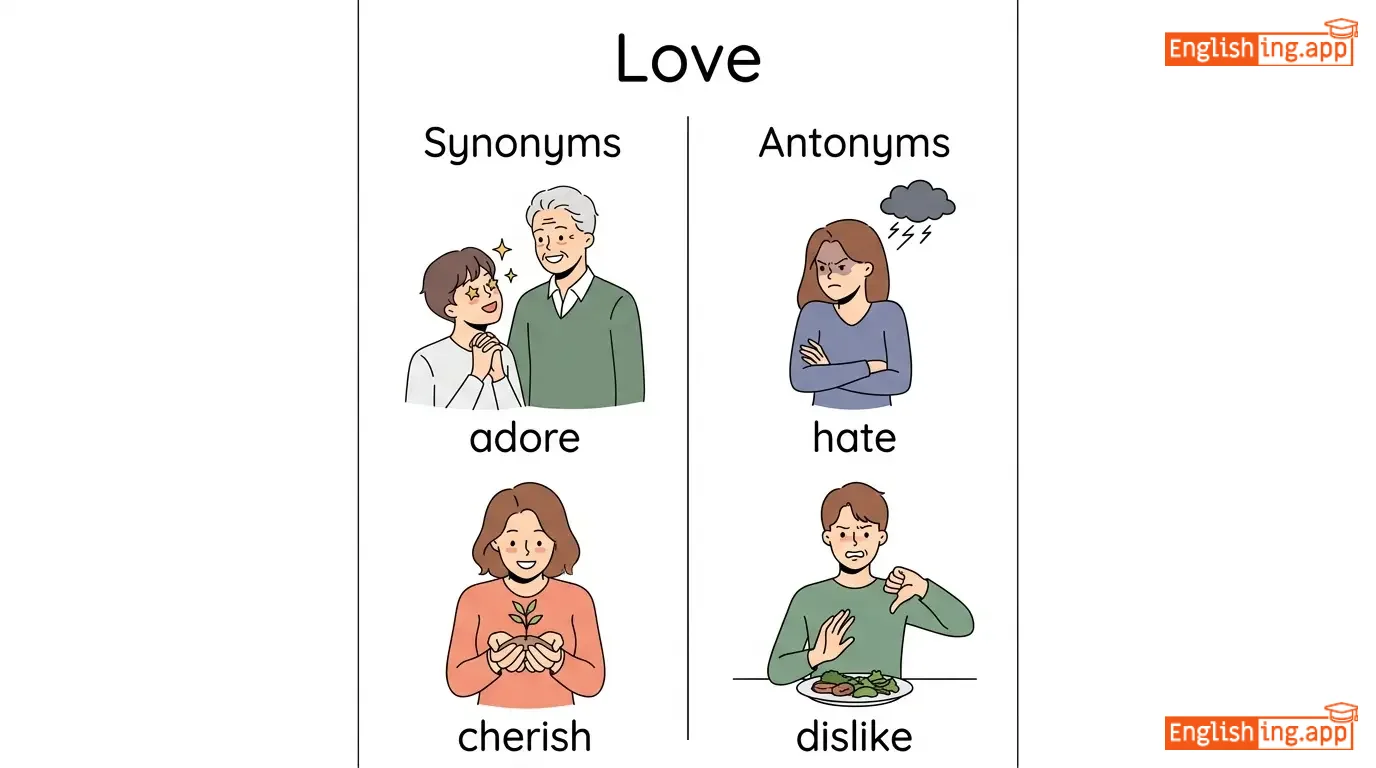
adore, cherish, like, care for, value
••••••
|
hate, dislike
••••••
|
true love, love story, fall in love, love deeply
••••••
|
LOVE在中文中是爱(ai)。
••••••
|
|
#10012
🤢
|
/ˈlaʊzi/
adjective
(lāo zī)
••••••
|
- •••••• |
糟糕
zao gao
••••••
|
- •••••• | - •••••• | - •••••• | - •••••• |
of very poor quality; bad or unpleasant
••••••
|
He felt lousy after catching the flu. |
他在得了流感后感觉很糟糕。
Tā zài déle liúgǎn hòu gǎnjué hěn zāo gāo.
••••••
|
- •••••• | - •••••• | - •••••• |
awful, terrible, poor, bad
••••••
|
great, excellent
••••••
|
lousy job, lousy weather, feel lousy
••••••
|
Lousy 就是糟糕的意思。
••••••
|
|
#10013
🪛
|
/luːs/
adjective
(lús)
••••••
|
- •••••• |
松
song
••••••
|
- •••••• | - •••••• | - •••••• | - •••••• |
not firmly or tightly fixed in place
••••••
|
The screw is loose and needs tightening.
螺丝松动,需要紧固。
••••••
|
螺丝松动,需要紧固。
Luosi songdong, xuyao jingu.
••••••
|
cut loose
切断
••••••
|
to behave freely and without control
••••••
|
自由地行为
zizhu de xingwei
••••••
|
slack, free, unfastened, detached
••••••
|
tight, secure
••••••
|
loose clothing, loose ends, loose screw
••••••
|
松意味着不紧,它像松动的螺丝,容易掉下来。
••••••
|
|
#10014
🤪
|
/ˈluːpi/
adjective
(lūpí)
••••••
|
- •••••• |
疯癫
fengdian
••••••
|
- •••••• | - •••••• | - •••••• | - •••••• |
crazy, silly, or eccentric
••••••
|
After working all night, he felt a little loopy. |
整夜工作后,他感觉有点疯癫。
Zhengye gongzuo hou, ta ganjue you dian fengdian.
••••••
|
- •••••• | - •••••• | - •••••• |
crazy, silly, goofy, eccentric, odd
••••••
|
sane, rational
••••••
|
loopy idea, loopy behavior, act loopy
••••••
|
Loopy意味着像疯狂一样,感觉像失去了理智。
••••••
|
Vocabulary Quiz
Test your vocabulary by matching words with their translations or meanings.
Login to take the quiz
Comments (0)
Share your thoughts and join the discussion.
Join the discussion by logging in
Login to CommentNo comments yet
Be the first to share your thoughts!