

Обновитесь для доступа ко всему словарю
Получите неограниченный доступ ко всем словам с подпиской Pro
Обновить до ProПеревод
Прошедшее
Причастие прошедшего времени
Третье лицо единственного числа
Герундий
Значение
Пример предложения
Перевод примера предложения
Синонимы
Антонимы
Коллокации
Мнемоника



Swipe left or right, or use the buttons. Tap image to zoom.
Обновитесь для доступа ко всем предложениям
Получите неограниченный доступ ко всем предложениям с подпиской Pro
Обновить до ProПеревод примера предложения
Слово
Lesson 333Lesson 333 - Переключатель маски
|
Эмодзи
|
Слово | Images | Перевод | Прошедшее | Причастие прошедшего времени | Третье лицо единственного числа | Герундий | Значение | Пример предложения | Перевод примера предложения | Пример выражения | Значение примера выражения | Перевод примера выражения | Синонимы | Антонимы | Коллокации | Мнемоника |
|---|---|---|---|---|---|---|---|---|---|---|---|---|---|---|---|---|---|
|
#9955
🤔
|
/ˈnoʊɪŋli/
adverb
(ноуингли)
••••••
|
- •••••• |
умышленно
umyshlenno
••••••
|
- •••••• | - •••••• | - •••••• | - •••••• |
in a way that shows you are aware of something; intentionally
••••••
|
She knowingly kept the secret from her friends. |
Она умышленно скрыла секрет от своих друзей.
Ona umyshlenno skryla sekret ot svoikh druzey.
••••••
|
knowingly or unknowingly |
whether someone is aware or not
••••••
|
умышленно или неумышленно
umyshlenno ili neumyshlenno
••••••
|
intentionally, deliberately, consciously, purposely, willfully
••••••
|
unknowingly, accidentally, unintentionally
••••••
|
knowingly commit, knowingly ignore, knowingly violate, knowingly allow
••••••
|
Knowing + ly означает 'осознанно' — умышленно означает делать что-то осознанно
••••••
|
|
#9956
📏
|
/lɔːŋ/
adjective
(лонг)
••••••
|
- •••••• |
длинный
dlinnyy
••••••
|
- •••••• | - •••••• | - •••••• | - •••••• |
Measuring a great distance from end to end; lasting for a large amount of time.
••••••
|
They waited a long time for the train. |
Они долго ждали поезд.
Oni dolgo zhдали poyezd.
••••••
|
in the long run |
After a long period of time; eventually.
••••••
|
в долгосрочной перспективе
v dolgosrochnoy perspektive
••••••
|
lengthy, extended, prolonged, tall
••••••
|
short, brief
••••••
|
long time, long road, long journey, long hair
••••••
|
Long означает длинный — представь длинную очередь, стоящую в магазине.
••••••
|
|
#9957
👞
|
/ˈloʊfər/
noun
(лофер)
••••••
|
- •••••• |
лентяй
lentyay
••••••
|
- •••••• | - •••••• | - •••••• | - •••••• |
A person who is lazy and avoids work; also a type of slip-on shoe.
••••••
|
He was called a loafer because he never did his job properly. |
Его называли лентяем, потому что он никогда не выполнял свою работу должным образом.
Ego nazyvali lentyayem, potomu chto on nikogda ne vyyepolnyal svoyu rabotu dolzhnym obrazom.
••••••
|
- •••••• | - •••••• | - •••••• |
idler, slacker, lazybones, shirker
••••••
|
worker, achiever
••••••
|
lazy loafer, leather loafer, casual loafer, called a loafer
••••••
|
Loafer 👞 означает ленивого человека или обувь без шнурков — помни, loafer это лентяй.
••••••
|
|
#9958
🦎
|
/ˈlɪzərd/
noun
(лизард)
••••••
|
- •••••• |
ящерица
yashheritsa
••••••
|
- •••••• | - •••••• | - •••••• | - •••••• |
A small reptile with a long body, four legs, and a tail, often found on walls or in gardens.
••••••
|
A lizard crawled across the wall. |
Ящерица ползала по стене.
Yashheritsa polzala po stene.
••••••
|
lounge lizard |
A man who frequents bars and clubs, often looking for women.
••••••
|
ящерица в лаунже
yashheritsa v loungye
••••••
|
gecko, reptile, skink, iguana
••••••
|
mammal, bird
••••••
|
garden lizard, wall lizard, desert lizard, lizard species
••••••
|
Lizard означает ящерица - ‘tick-tick’ от ящерицы, ползающей по стене, запомнишь.
••••••
|
|
#9959
🐭
|
/ˈlɪtl/
adjective
(lɪtl)
••••••
|
- •••••• |
маленький
malen'kiy
••••••
|
- •••••• | - •••••• | - •••••• | - •••••• |
Small in size, amount, or degree.
••••••
|
He drank a little water before going to bed. |
Он выпил немного воды перед сном.
On vypil nemnogo vody pered snom.
••••••
|
every little helps |
Even a small amount of help is useful.
••••••
|
каждая маленькая помощь важна
kazhdaya malen'kaya pomoshch' vazhna
••••••
|
small, tiny, slight, minor, modest
••••••
|
large, big, huge
••••••
|
a little bit, little chance, little time, little boy
••••••
|
Little означает маленький — маленький (little) кот.
••••••
|
|
#9960
📜
|
/ˈlaɪsəns/
noun
(laɪsɛns)
••••••
|
- •••••• |
лицензия
litsenziya
••••••
|
- •••••• | - •••••• | - •••••• | - •••••• |
An official document giving permission to do, use, or own something.
••••••
|
She applied for a driving licence last week. |
Она подала заявление на водительские права на прошлой неделе.
Ona podala zayavleniye na voditel'skiye prava na proshloy nedele.
••••••
|
poetic licence |
The freedom to depart from the facts or from the conventional rules of language when writing or speaking creatively.
••••••
|
поэтическая лицензия
poeticheskaya litsenziya
••••••
|
permit, authorization, certificate, approval, consent
••••••
|
ban, prohibition, restriction
••••••
|
driving licence, fishing licence, business licence, licence holder
••••••
|
Лицензия — это разрешение. Помни: без лицензии — штраф.
••••••
|
|
#9961
⚖️
|
/ˌledʒɪsˈleɪʃən/
noun
(легислейшн)
••••••
|
- •••••• |
законодательство
zakonodatel'stvo
••••••
|
- •••••• | - •••••• | - •••••• | - •••••• |
laws considered collectively, or the act of making laws
••••••
|
The government passed new legislation to protect the environment. |
Правительство приняло новое законодательство для защиты окружающей среды.
Pravitel'stvo prinyalo novoye zakonodatel'stvo dlya zashchity okruzhayushchey sredy.
••••••
|
piece of legislation |
a single law or act passed by a legislature
••••••
|
часть законодательства
chast' zakonodatel'stva
••••••
|
law, regulation, statute, decree, ordinance
••••••
|
anarchy, lawlessness
••••••
|
pass legislation, new legislation, environmental legislation, draft legislation
••••••
|
Законодательство = создание законов, представляй себе закон, как стройку!
••••••
|
|
#9962
⬇️
|
/liːst/
adjective
(ли:ст)
••••••
|
- •••••• |
наименьший
naimenshiy
••••••
|
- •••••• | - •••••• | - •••••• | - •••••• |
smallest in amount, extent, or importance
••••••
|
She showed the least interest in the project. |
Она проявила наименьший интерес к проекту.
Ona proyavila naimenshiy interes k proyektu.
••••••
|
at least |
used to indicate the minimum or to emphasize something
••••••
|
по крайней мере
po krayney mere
••••••
|
smallest, minimal, slightest, meager
••••••
|
most, greatest, maximum
••••••
|
at least, least important, least effort, least number
••••••
|
Least означает наименьшее, подумайте о 'по крайней мере', это всегда минимальное.
••••••
|
|
#9963
📘
|
/lɜːrn/
verb
(лёрн)
••••••
|
|
учить
uchit
••••••
|
learned
лёрнд
••••••
|
learned
лёрнд
••••••
|
learns
лёрнс
••••••
|
learning
лёрнинг
••••••
|
to gain knowledge or skill by studying or experience
••••••
|
Children learn new things quickly.
Дети быстро учат новые вещи.
••••••
|
Дети быстро учат новые вещи.
Deti bystro uchat novye veshchi.
••••••
|
live and learn
жить и учиться
••••••
|
to learn from life experiences, often mistakes
••••••
|
жить и учиться
zhit' i uchit'sya
••••••
|
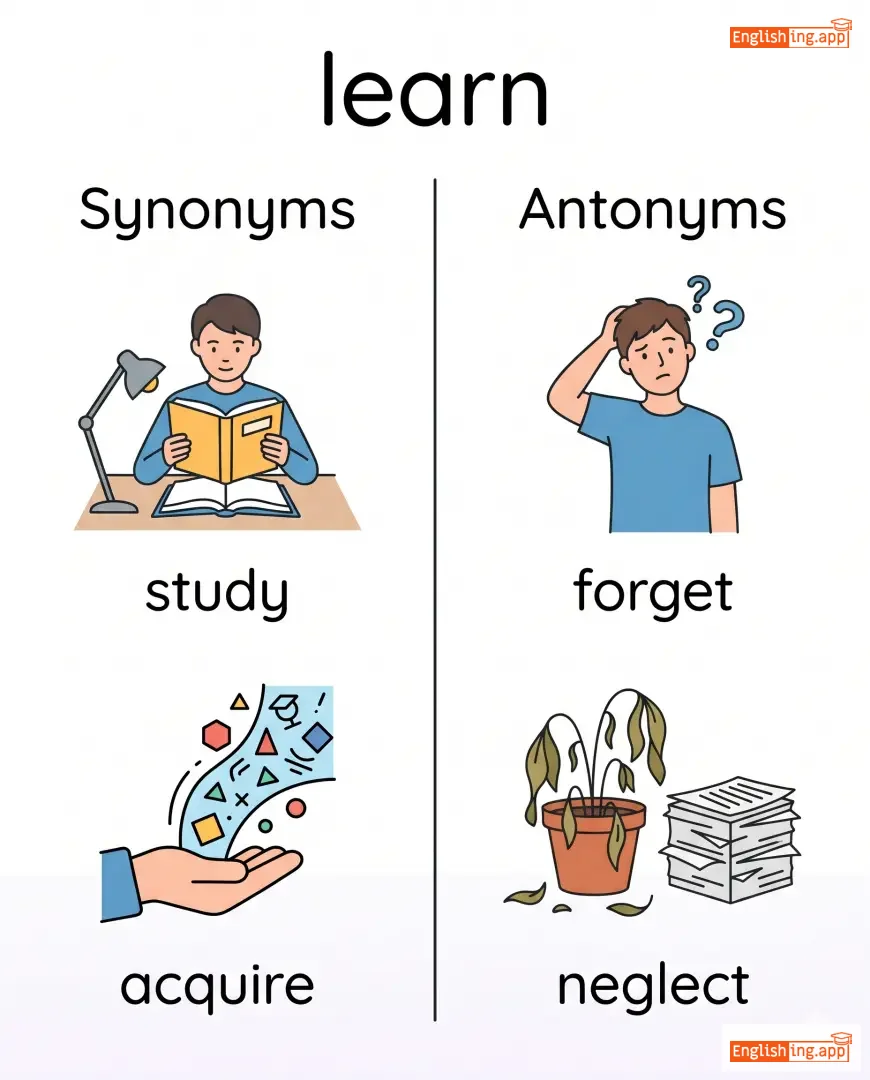
study, acquire, master, understand, grasp
••••••
|
forget, neglect, ignore
••••••
|
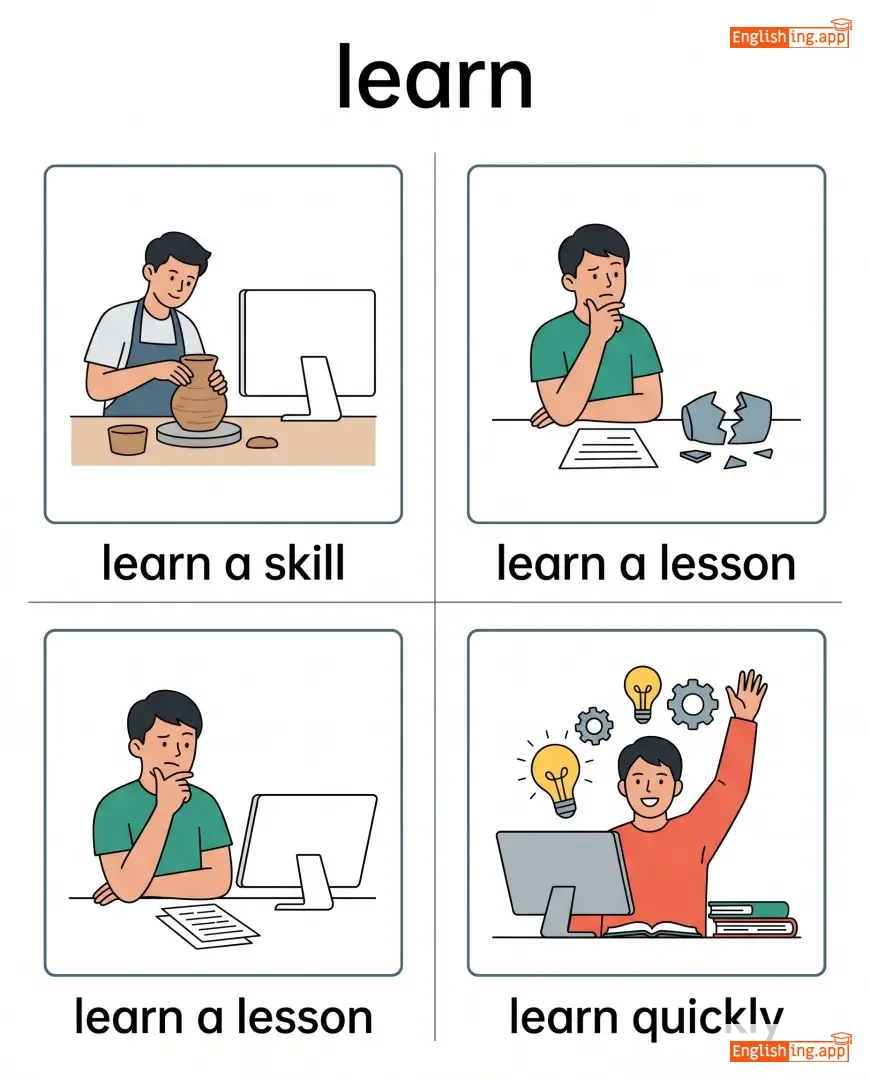
learn a skill, learn a lesson, learn quickly, learn about
••••••
|
Learn означает учить, как зажигание фонаря, которое освещает путь к знаниям.
••••••
|
|
#9964
🏆
|
/ˈliːdɪŋ/
adjective
(лидинг)
••••••
|
- •••••• |
ведущий
vedushchiy
••••••
|
- •••••• | - •••••• | - •••••• | - •••••• |
most important or most successful; at the front
••••••
|
She is one of the leading experts in the field. |
Она одна из ведущих экспертов в этой области.
Ona odna iz vedushchikh eksperty v etoy oblasti.
••••••
|
leading role |
the main role in a play or movie
••••••
|
главная роль
glavnaya rol
••••••
|
top, foremost, principal, chief, prominent
••••••
|
minor, secondary, insignificant
••••••
|
leading company, leading expert, leading role, leading position
••••••
|
Leading означает быть впереди, как главный ученик, который всегда сидит впереди.
••••••
|
|
#9965
🧺
|
/ˈlɔːndər/
verb
(launder)
••••••
|
- •••••• |
стирка одежды / сокрытие происхождения незаконно полученных денег
stirka odezhdy / sokrytie proiskhozhdeniya nezakonno poluchennykh deneg
••••••
|
laundered
laundered
••••••
|
laundered
laundered
••••••
|
launders
launders
••••••
|
laundering
laundering
••••••
|
to wash clothes, linens, etc.; or to conceal the origins of money obtained illegally
••••••
|
She laundered all the dirty clothes on Sunday.
Она постирала всю грязную одежду в воскресенье.
••••••
|
Она постирала всю грязную одежду в воскресенье.
Ona postirala vsyu gryaznuyu odezhdu v voskresen'ye.
••••••
|
money laundering
отмывание денег
••••••
|
the process of making illegally gained money appear legal
••••••
|
процесс превращения незаконно полученных денег в легальные
protsess prevrashcheniya nezakonno poluchennykh deneg v legal'nye
••••••
|
wash, clean, bleach, purify, sanitize
••••••
|
soil, dirty, stain
••••••
|
launder clothes, launder money, launder garments, launder sheets
••••••
|
Launder - это стирка, а money laundering - это 'стирка' денег.
••••••
|
|
#9966
⏳
|
/læst/
verb/adjective/noun
(ласт)
••••••
|
|
длиться / последний
dlit'sya / posledniy
••••••
|
lasted
ластед
••••••
|
lasted
ластед
••••••
|
lasts
ластс
••••••
|
lasting
ластинг
••••••
|
to continue for a period of time; coming after all others
••••••
|
The meeting lasted for two hours.
совещание длилось два часа.
••••••
|
Совещание длилось два часа.
Soveshchaniye dliolos' dva chasa.
••••••
|
at last
наконец-то
••••••
|
finally, after a long time
••••••
|
наконец
nakonets
••••••
|
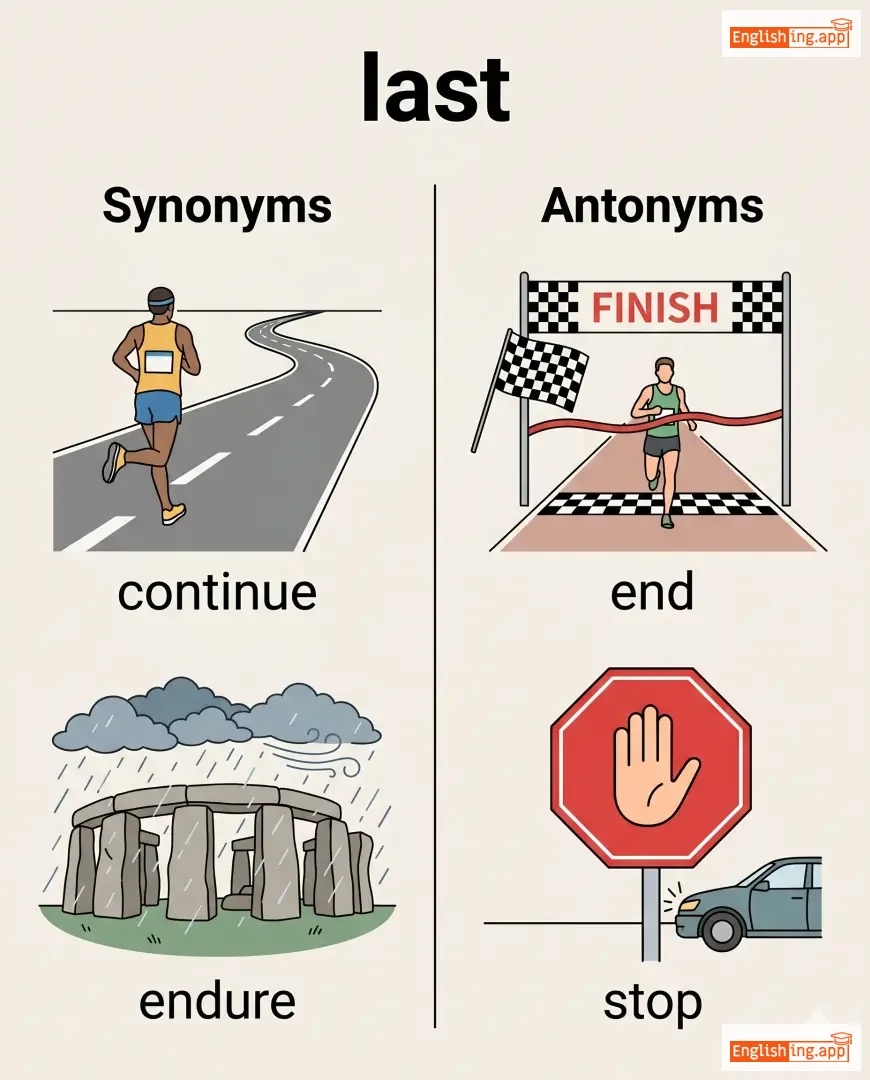
continue, endure, final, ultimate, survive
••••••
|
end, stop, first
••••••
|
last long, last forever, last night, last chance
••••••
|
Last означает 'последний' и как глагол означает 'длиться'.
••••••
|
|
#9967
🤠
|
/læˈsuː/
noun/verb
(лассо)
••••••
|
- •••••• |
ласко
lasko
••••••
|
lassoed
лассоед
••••••
|
lassoed
лассоед
••••••
|
lassoes
лассоит
••••••
|
lassoing
лассоинг
••••••
|
a rope with a loop used to catch animals; to catch with such a rope
••••••
|
The cowboy lassoed the horse quickly.
Ковбой быстро поймал лошадь с помощью лассо.
••••••
|
Ковбой быстро поймал лошадь с помощью лассо.
Kovboy bystro poymal loshad' s pomoshch'yu lasso.
••••••
|
- •••••• | - •••••• | - •••••• |
rope, noose, snare, tether
••••••
|
release, free
••••••
|
lasso a horse, lasso cattle, cowboy lasso, lasso technique
••••••
|
Лассо — это веревка, которой ловят животных.
••••••
|
|
#9968
📏
|
/lɑrdʒ/
adjective
(ларж)
••••••
|
- •••••• |
большой
bolshoy
••••••
|
- •••••• | - •••••• | - •••••• | - •••••• |
big in size, amount, or number
••••••
|
They live in a large house near the river.
Они живут в большом доме у реки.
••••••
|
Они живут в большом доме у реки.
Oni zhivut v bolshom dome u reki.
••••••
|
at large
в большом масштабе
••••••
|
free, not captured
••••••
|
свободный, не пойманный
svobodny, ne poymannyy
••••••
|
big, huge, massive, enormous, substantial
••••••
|
small, tiny, little
••••••
|
large house, large number, large scale, large amount
••••••
|
Большой — это как большой дом, в котором живут люди.
••••••
|
|
#9969
❌
|
/ˈlækɪŋ/
adjective
(lacking)
••••••
|
- •••••• |
нехватка
nekhatka
••••••
|
- •••••• | - •••••• | - •••••• | - •••••• |
not having enough of something; missing
••••••
|
His report was lacking in detail.
Его отчет не хватал деталей.
••••••
|
Его отчет не хватал деталей.
Ego otchet ne khvatal detalei.
••••••
|
lacking in confidence
недостаток уверенности
••••••
|
not having enough self-assurance
••••••
|
недостаток уверенности
nedostatok uverennosti
••••••
|
missing, insufficient, deficient, scarce, wanting
••••••
|
sufficient, adequate, abundant
••••••
|
lacking in detail, lacking skills, lacking resources, lacking evidence
••••••
|
Lacking — это нехватка, когда чего-то не хватает или не хватает.
••••••
|
|
#9970
🏠
|
/ɪnˈtɜːrnəl/
adjective
(interynal)
••••••
|
- •••••• |
внутренний
vnutrenniy
••••••
|
- •••••• | - •••••• | - •••••• | - •••••• |
situated inside; relating to the inside or inner part of something
••••••
|
The company is conducting an internal audit this month. |
Компания проводит внутренний аудит в этом месяце.
Kompaniya provodit vnutrenniy audit v etom mesyatse.
••••••
|
internal affairs |
matters within an organization or country, not external
••••••
|
внутренние дела
vnutrennie dela
••••••
|
inner, inside, domestic, interior, inward
••••••
|
external, outer, outside
••••••
|
internal audit, internal structure, internal affairs, internal use
••••••
|
Internal означает внутри, как 'внутренний' на русском
••••••
|
|
#9971
😩
|
/ˈnæk.ərd/
adjective (informal, British)
(нэкэрд)
••••••
|
- •••••• |
очень устал
ochen' ustal
••••••
|
- •••••• | - •••••• | - •••••• | - •••••• |
Extremely tired or exhausted.
••••••
|
After the long hike, I was completely knackered. |
После долгого похода я был совершенно устал.
Posle dolgogo poxoda ya byl sovershenno ustal.
••••••
|
- •••••• | - •••••• | - •••••• |
exhausted, tired, weary, fatigued, drained
••••••
|
energetic, lively, active
••••••
|
absolutely knackered, feel knackered, look knackered, totally knackered
••••••
|
KNACKERED означает быть настолько усталым, что ты не можешь двигаться.
••••••
|
|
#9972
💖
|
/kaɪnd/
adjective/noun
(kaind)
••••••
|
- •••••• |
вид / добрый
vid / dobryy
••••••
|
- •••••• | - •••••• | - •••••• | - •••••• |
A type or category; showing a gentle, considerate nature.
••••••
|
She is very kind to her neighbors. |
Она очень добра к своим соседям.
Ona ochen' dobra k svoim sosedyam.
••••••
|
kind of |
Used to indicate similarity or approximation.
••••••
|
что-то вроде
chto-to vrode
••••••
|
type, sort, gentle, caring, compassionate
••••••
|
cruel, harsh, unkind
••••••
|
kind words, kind gesture, be kind, kind of person
••••••
|
KIND означает добрый, kind of означает что-то вроде.
••••••
|
|
#9973
🔒
|
/kiːp/
verb
(kip)
••••••
|
|
держать
derzhat
••••••
|
kept
kept
••••••
|
kept
kept
••••••
|
keeps
kips
••••••
|
keeping
keeping
••••••
|
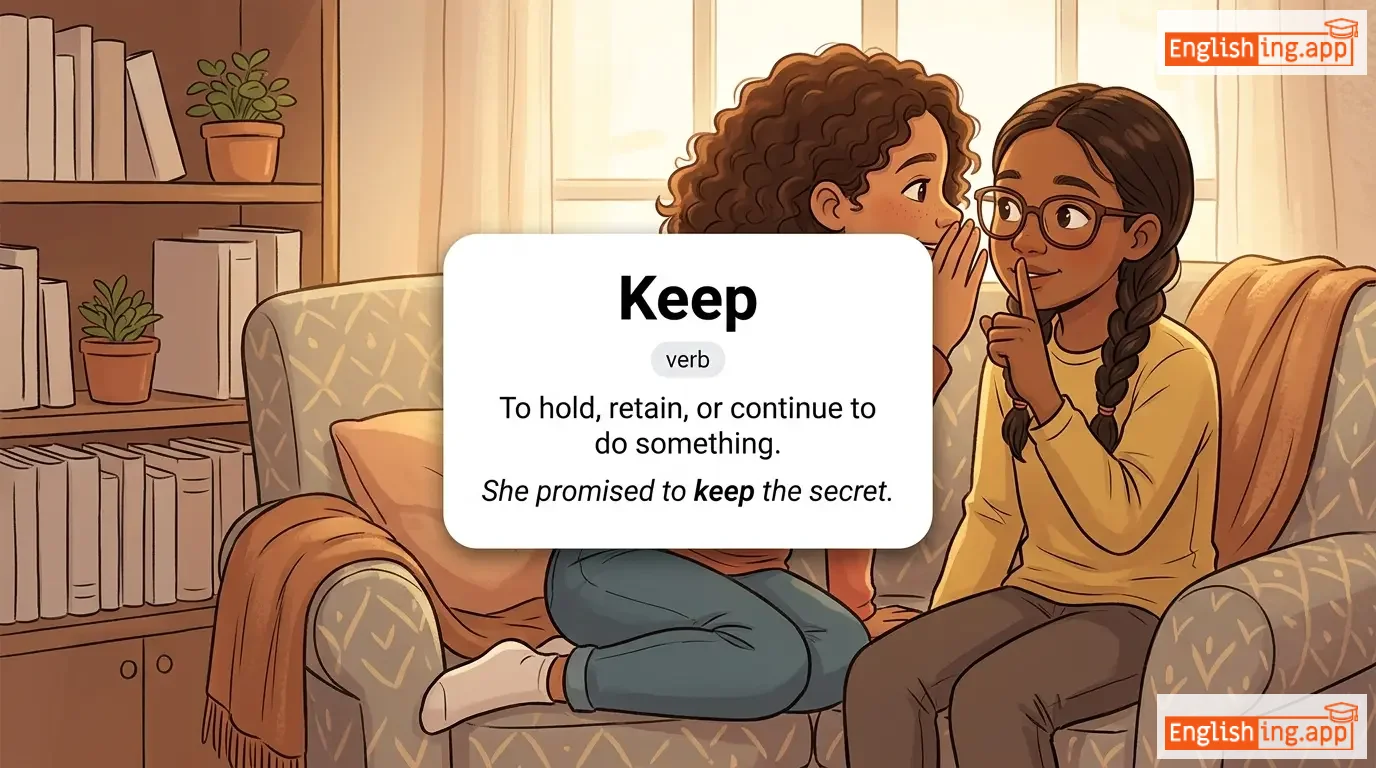
To hold, retain, or continue to do something.
••••••
|
She promised to keep the secret.
Она пообещала сохранить секрет.
••••••
|
Она пообещала сохранить секрет.
Ona poobeshchala sokhranit' sekret.
••••••
|
keep in touch
держать связь
••••••
|
Maintain communication with someone.
••••••
|
держать связь
derzhat' svyaz
••••••
|
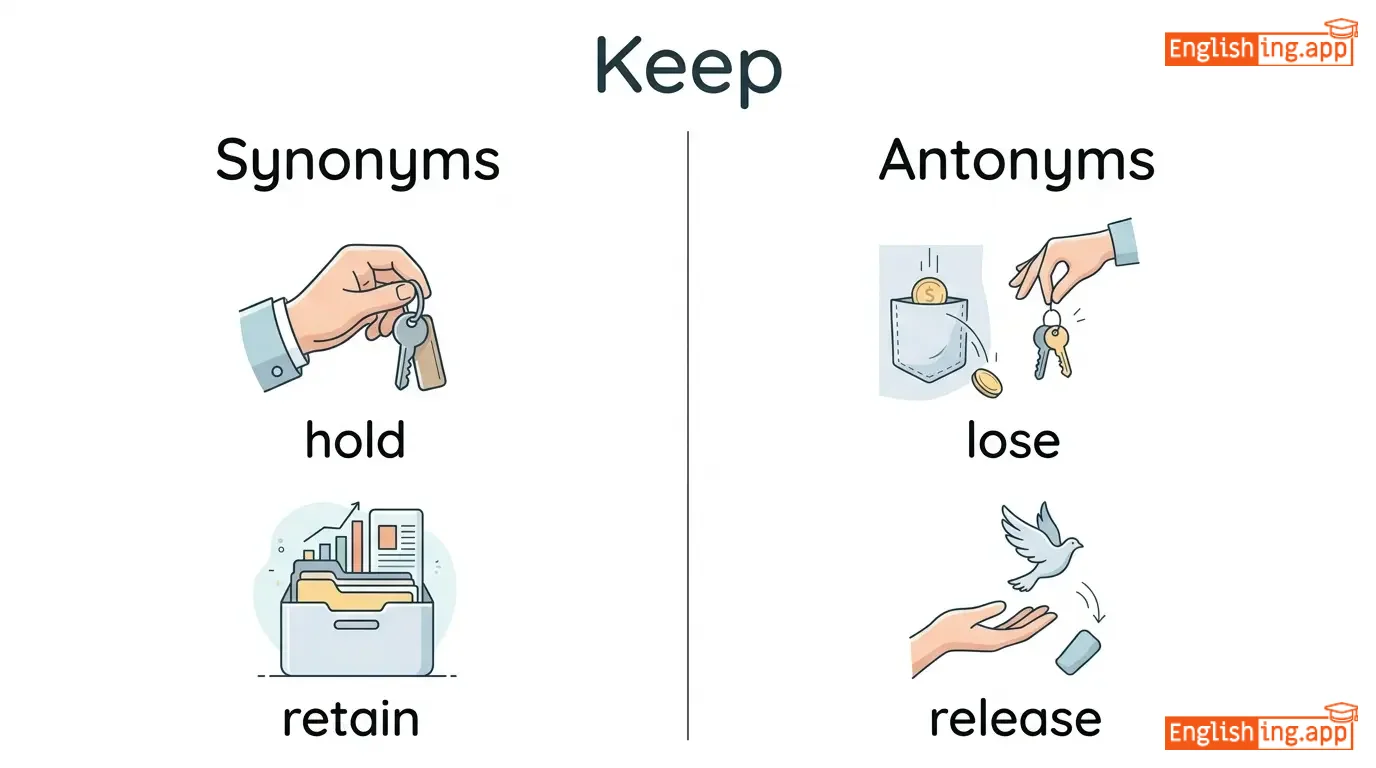
hold, retain, preserve, maintain, continue
••••••
|
lose, release, forget
••••••
|
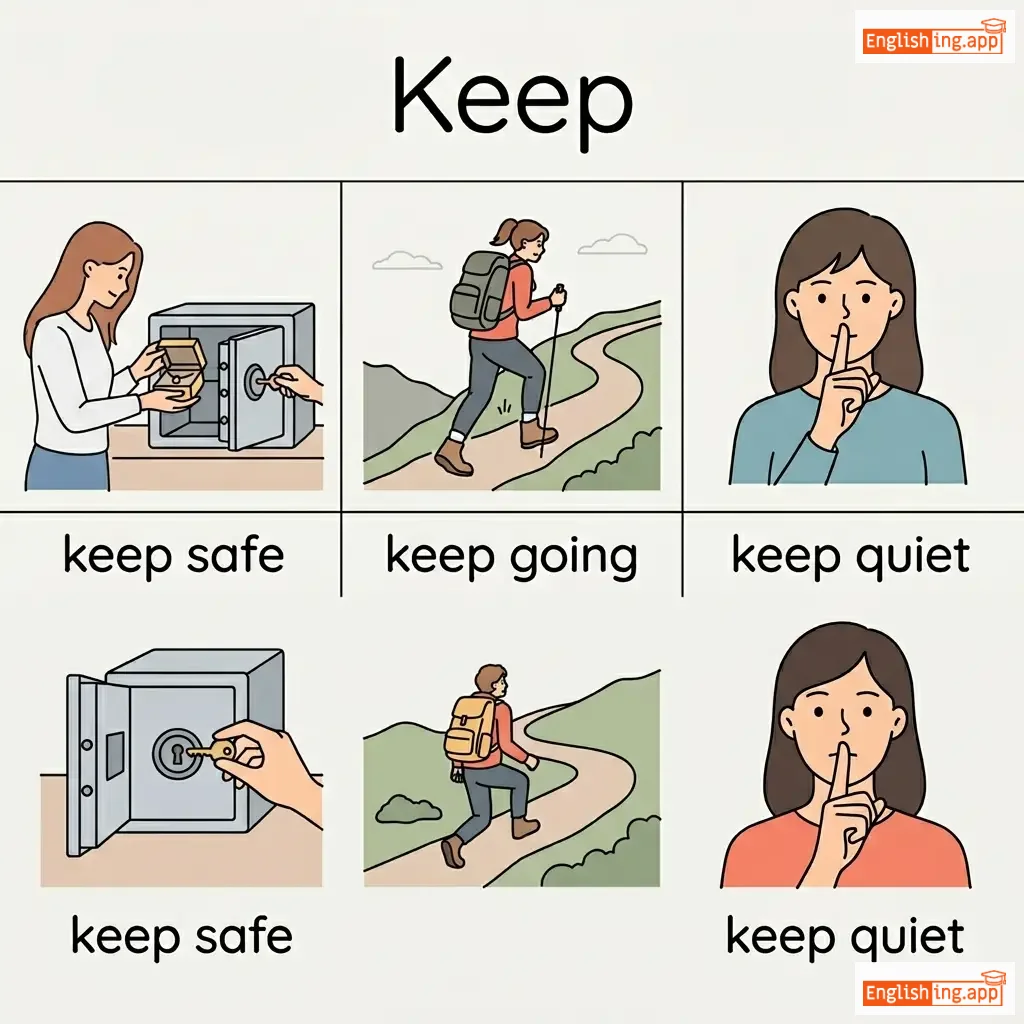
keep safe, keep going, keep quiet, keep calm
••••••
|
KEEP = Держать - не отпускай важное.
••••••
|
|
#9974
⚖️
|
/dʒʌst/
adverb/adjective
(джаст)
••••••
|
- •••••• |
Точно, только или справедливо и морально правильно
Tochno, tol'ko ili spravedlivo i moral'no pravil'no
••••••
|
- •••••• | - •••••• | - •••••• | - •••••• |
Exactly, only, or fair and morally right.
••••••
|
She arrived just in time for the meeting. |
Она пришла как раз вовремя для встречи.
Ona prishla kak raz vovremya dlya vstrechi.
••••••
|
just in case |
As a precaution; in case something happens.
••••••
|
на всякий случай
na vsyakiy sluchay
••••••
|
fair, right, exact, only, merely
••••••
|
unfair, unjust, wrong
••••••
|
just now, just about, just because, just enough
••••••
|
JUST означает 'как раз вовремя', справедливо.
••••••
|
|
#9975
😊
|
/dʒɔɪ/
noun
(джой)
••••••
|
- •••••• |
радость
radost
••••••
|
- •••••• | - •••••• | - •••••• | - •••••• |
A feeling of great happiness and delight.
••••••
|
The children shouted with joy when they saw the gifts. |
Дети кричали от радости, когда увидели подарки.
Deti krichali ot radosti, kogda uvideli podarki.
••••••
|
bundle of joy |
A newborn baby, seen as a source of great happiness.
••••••
|
пучок радости
puchok radosti
••••••
|
happiness, delight, pleasure, bliss, cheer
••••••
|
sorrow, sadness, misery
••••••
|
feel joy, bring joy, express joy, tears of joy
••••••
|
JOY = радость (Joy = radost)
••••••
|
|
#9976
😊
|
/ˈdʒɒli/
adjective
(джоли)
••••••
|
- •••••• |
веселый
veselyi
••••••
|
- •••••• | - •••••• | - •••••• | - •••••• |
Full of good humor and cheerfulness.
••••••
|
The children were in a jolly mood at the party.
Дети были в хорошем настроении на вечеринке.
••••••
|
Дети были в хорошем настроении на вечеринке.
Deti byli v khoroshem nastroenii na vecherinke.
••••••
|
jolly good
очень хорошо
••••••
|
Used to express approval or satisfaction
••••••
|
очень хорошо
ochen' khorosho
••••••
|
cheerful, merry, jovial, joyful, festive
••••••
|
sad, gloomy, miserable
••••••
|
jolly mood, jolly fellow, jolly time, jolly good
••••••
|
Jolly – это когда вы счастливы, как дети на вечеринке.
••••••
|
|
#9977
🤝
|
/dʒɔɪn/
verb
(дʒоин)
••••••
|
|
присоединиться
prisoedinit'sya
••••••
|
joined
дʒоиннд
••••••
|
joined
дʒоиннд
••••••
|
joins
дʒоинс
••••••
|
joining
дʒоиннинг
••••••
|
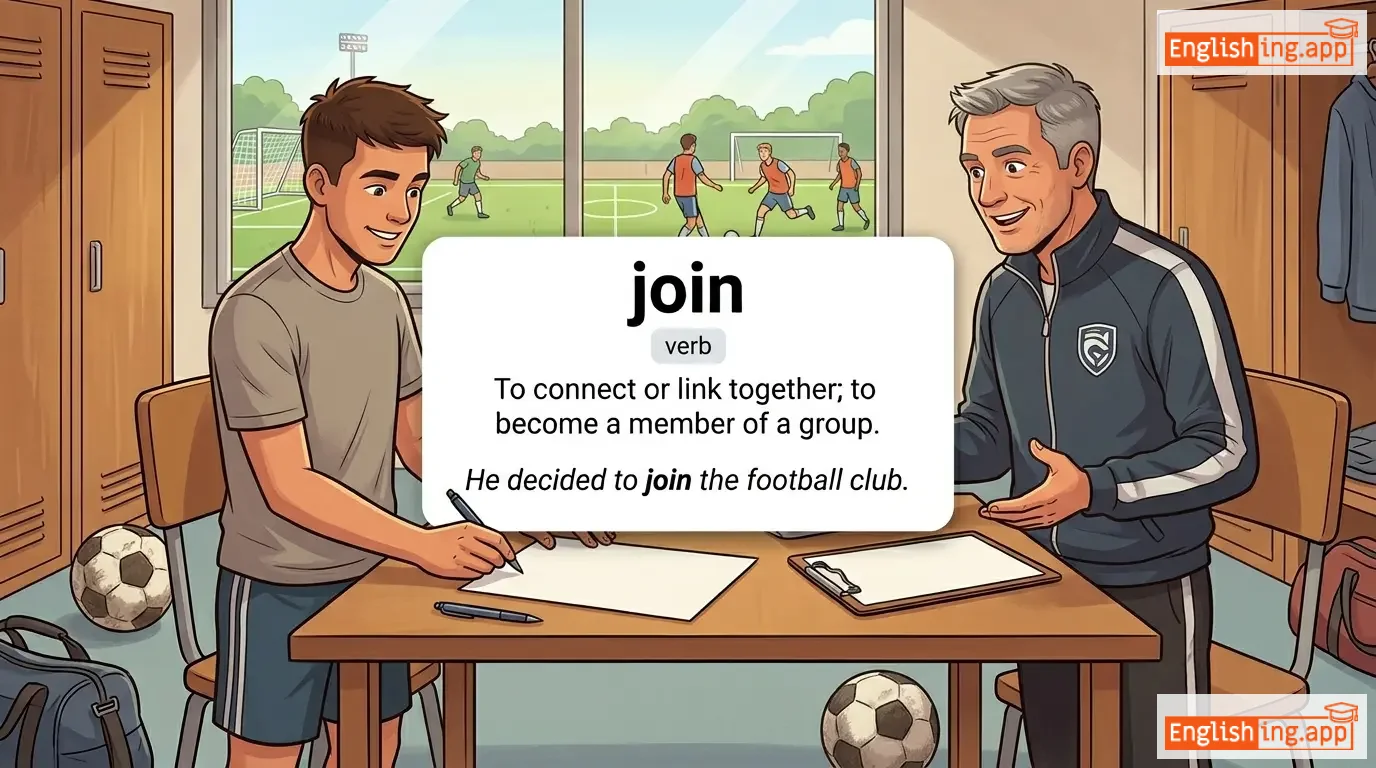
To connect or link together; to become a member of a group.
••••••
|
He decided to join the football club.
Он решил присоединиться к футбольному клубу.
••••••
|
Он решил присоединиться к футбольному клубу.
On reshil prisoedinit'sya k futbol'nomu klubu.
••••••
|
join forces
объединить силы
••••••
|
To work together for a common goal
••••••
|
объединить силы
ob'yedinit' sily
••••••
|
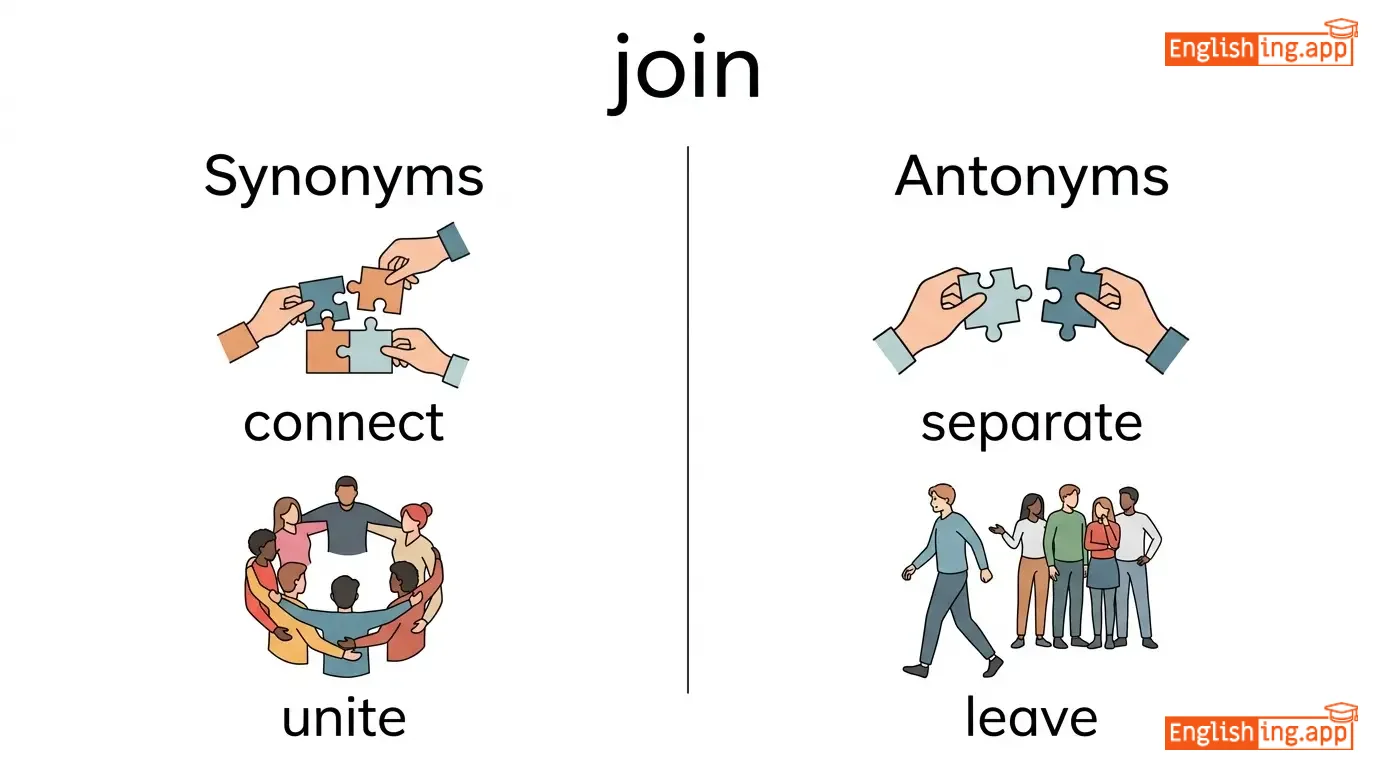
connect, unite, attach, participate, enlist
••••••
|
separate, leave, disconnect
••••••
|
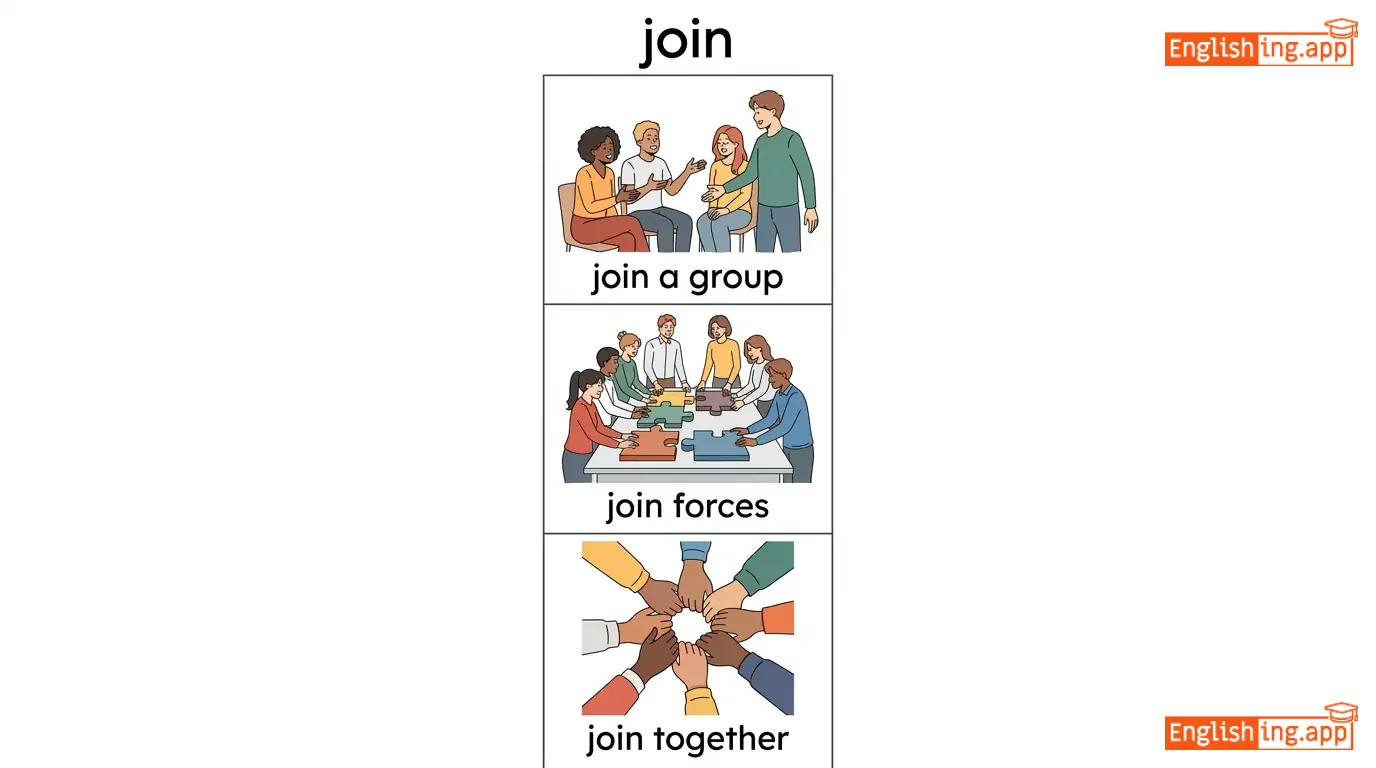
join a group, join forces, join together, join in
••••••
|
Join означает присоединиться—это как 'присоединиться' на русском.
••••••
|
|
#9978
😏
|
/dʒɪər/
verb
(джиир)
••••••
|
|
насмехаться
nasmekhat'sya
••••••
|
jeered
джиерд
••••••
|
jeered
джиерд
••••••
|
jeers
джиерс
••••••
|
jeering
джииринг
••••••
|
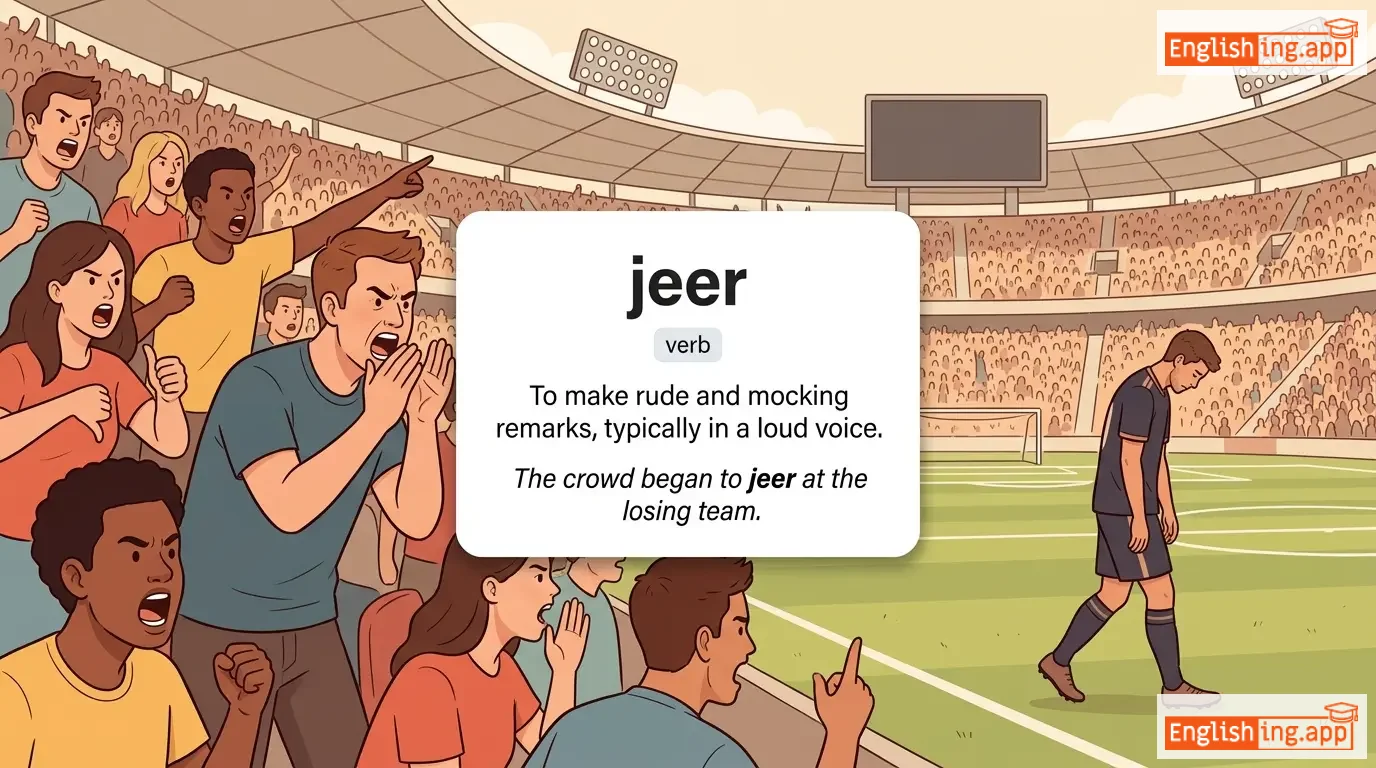
To make rude and mocking remarks, typically in a loud voice.
••••••
|
The crowd began to jeer at the losing team.
Толпа начала насмехаться над проигравшей командой.
••••••
|
Толпа начала насмехаться над проигравшей командой.
Tolpa nachala nasmekhat'sya nad proigravshey komandoy.
••••••
|
- •••••• | - •••••• | - •••••• |
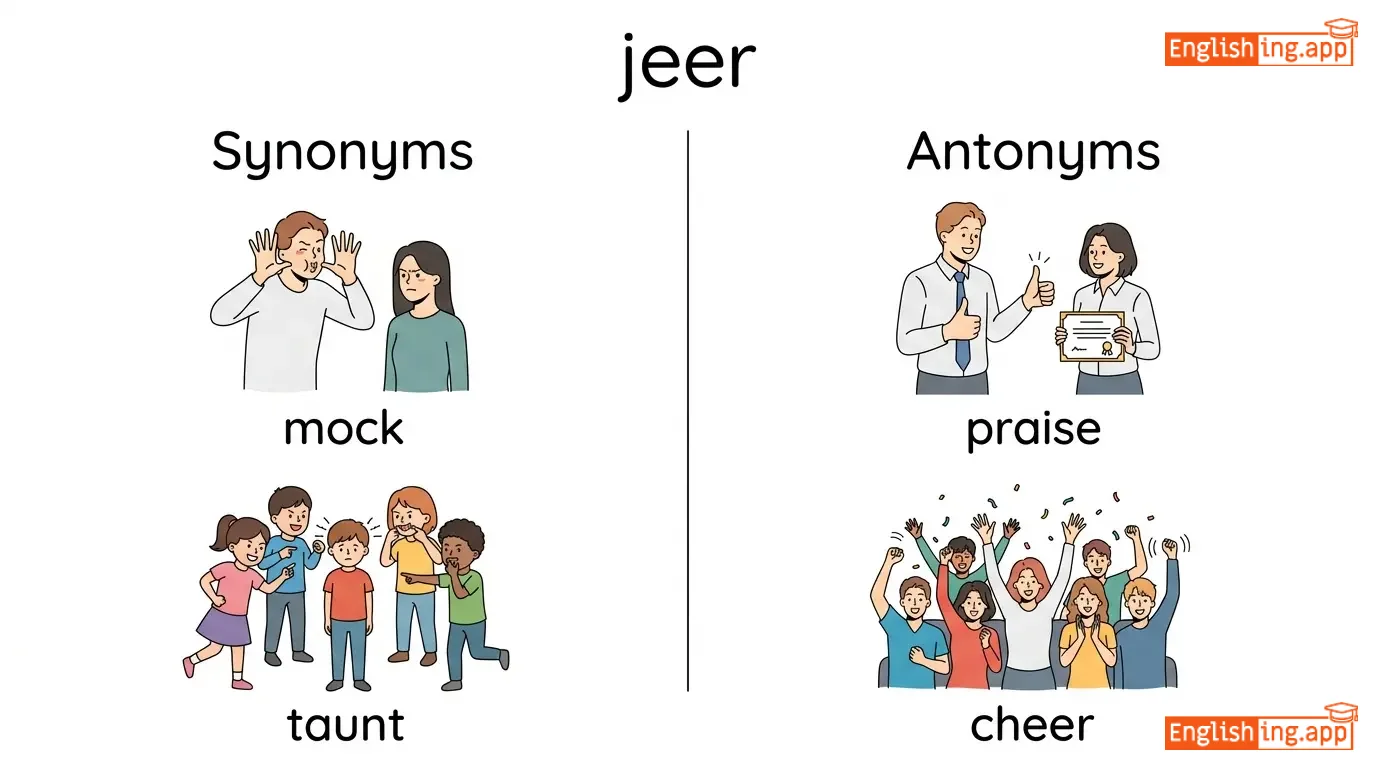
mock, taunt, sneer, ridicule
••••••
|
praise, cheer, applaud
••••••
|
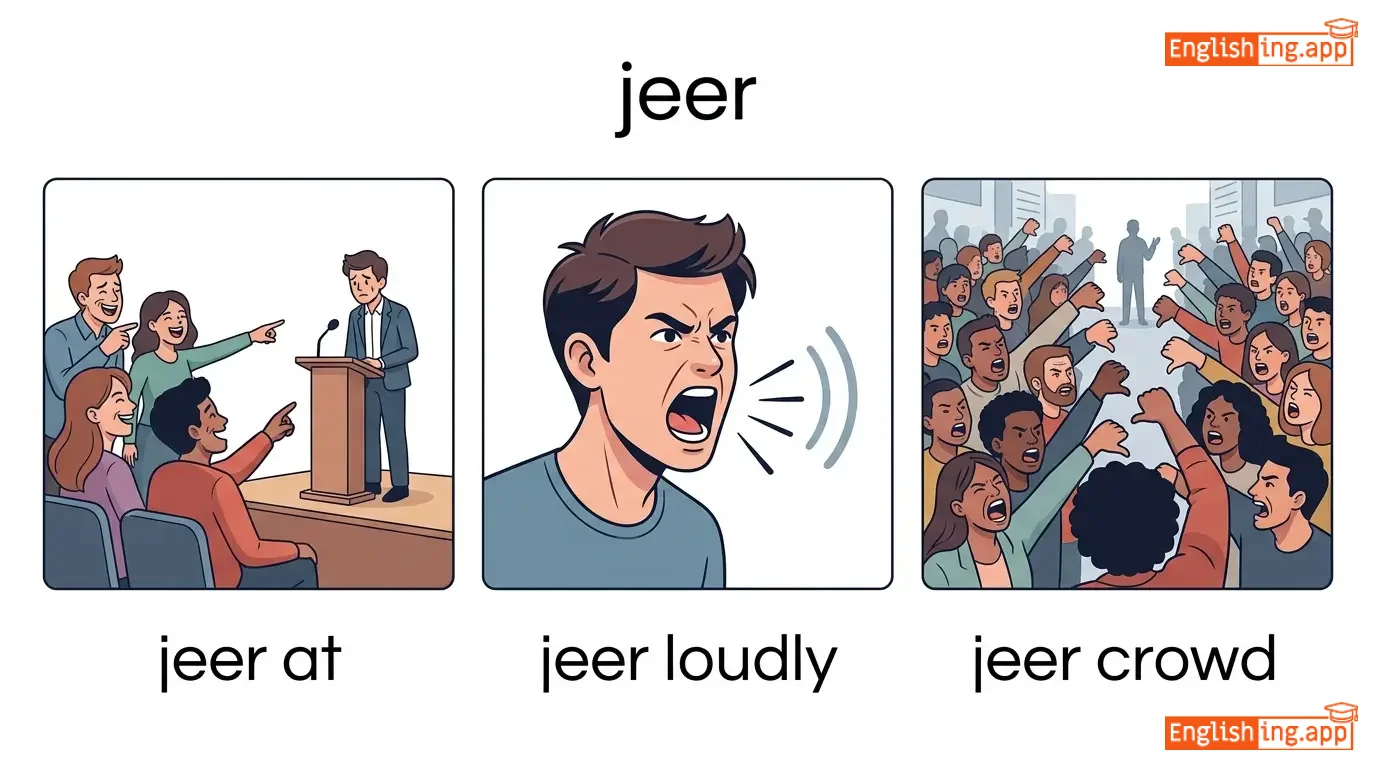
jeer at, jeer loudly, jeer crowd
••••••
|
Jeer звучит как cheer, но на самом деле означает насмехаться.
••••••
|
|
#9979
😒
|
/ˈdʒɛləs/
adjective
(ʒɛləs)
••••••
|
- •••••• |
завистливый
zavistlivyy
••••••
|
- •••••• | - •••••• | - •••••• | - •••••• |
Feeling or showing envy of someone or their achievements and advantages.
••••••
|
She was jealous of her friend's success. |
Она была завистлива к успеху своей подруги.
Ona byla zavistliva k uspekhu svoey podrugi.
••••••
|
green with envy |
Extremely jealous or envious
••••••
|
зеленый от зависти
zelenyy ot zavisti
••••••
|
envious, resentful, covetous, possessive
••••••
|
content, trusting, confident
••••••
|
jealous of, feel jealous, jealous streak
••••••
|
Завистливый напоминает 'зависть', всегда следить за чужими успехами.
••••••
|
|
#9980
🚪
|
/dʒæm/
noun
(джэм)
••••••
|
- •••••• |
косяк двери
kosiak dveri
••••••
|
- •••••• | - •••••• | - •••••• | - •••••• |
The side post or surface of a doorway, window, or fireplace.
••••••
|
The carpenter carefully measured the width of the door jamb. |
Плотник тщательно измерил ширину косяка двери.
Plotnik tchatel'no izmeril shirinu kosiaka dveri.
••••••
|
- •••••• | - •••••• | - •••••• |
post, frame, side, upright, support
••••••
|
opening, gap
••••••
|
door jamb, window jamb, fireplace jamb
••••••
|
Джэм = косяк. Косяк — это боковая стойка двери.
••••••
|
|
#9981
🏝️
|
/ˈaɪsəleɪtɪd/
adjective
(айсоулейтид)
••••••
|
|
изолированный / отделенный
izolirovannyy / otdelennyy
••••••
|
- •••••• | - •••••• | - •••••• | - •••••• |
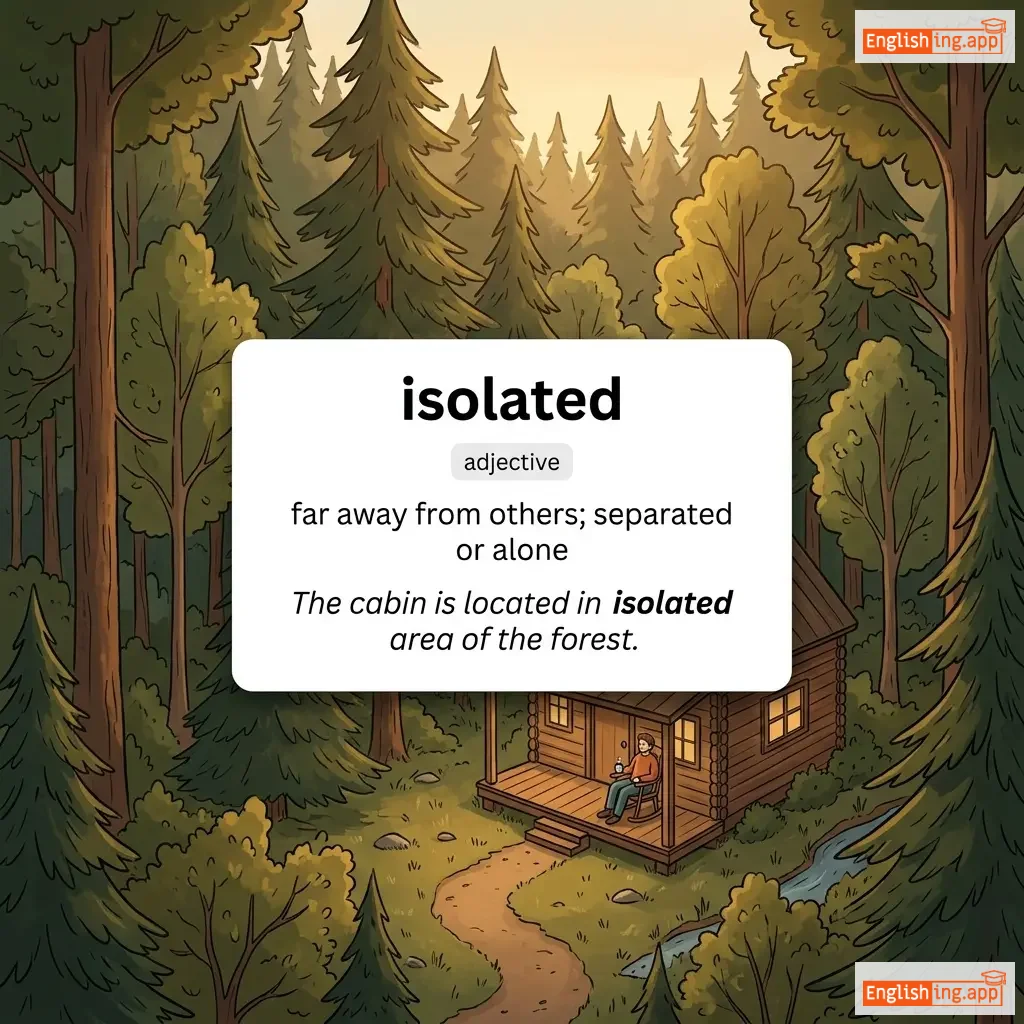
far away from others; separated or alone
••••••
|
The cabin is located in an isolated area of the forest.
Кабина находится в изолированном районе леса.
••••••
|
Кабина находится в изолированном районе леса.
Kabina nakhoditsya v izolirovannom rayone lesa.
••••••
|
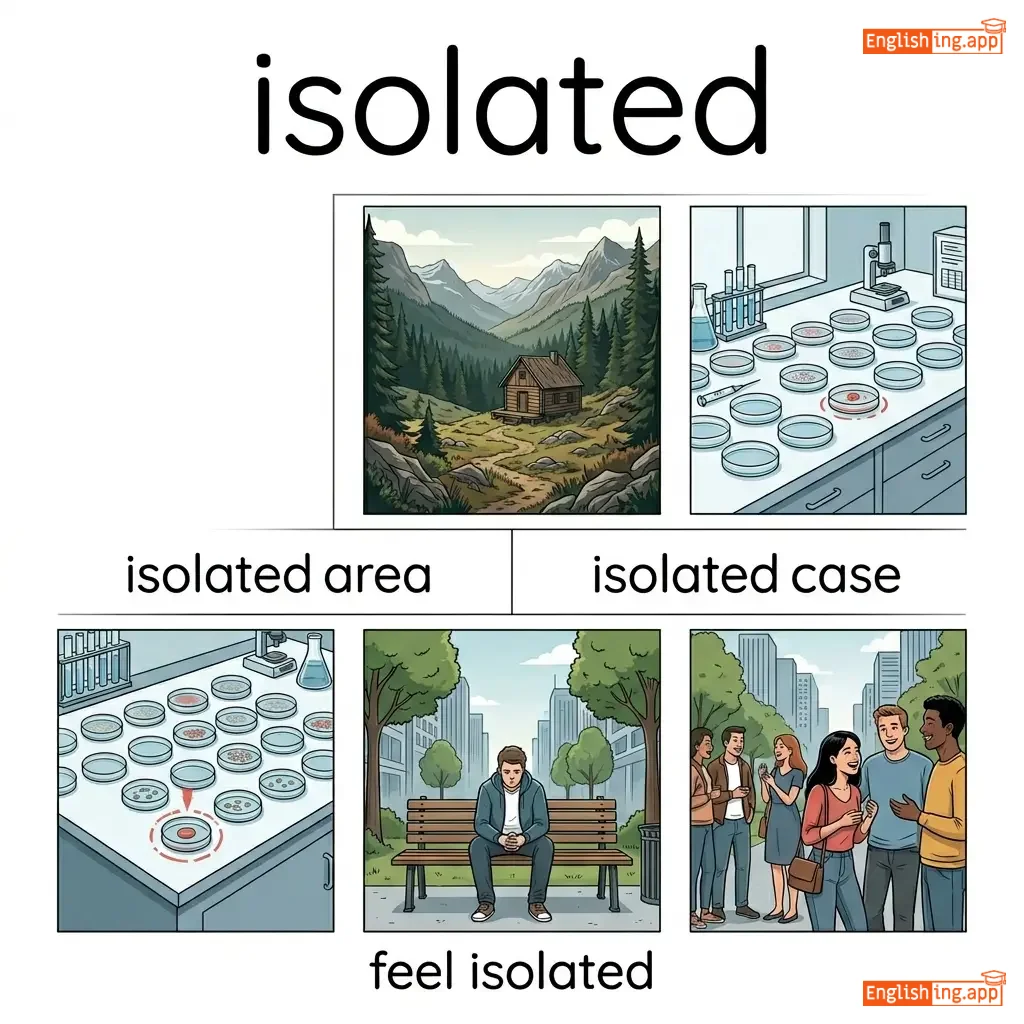
feel isolated
чувствовать себя изолированным
••••••
|
to feel lonely or separated from others
••••••
|
чувствовать себя изолированным
chuvstvovat' sebya izolirovannym
••••••
|
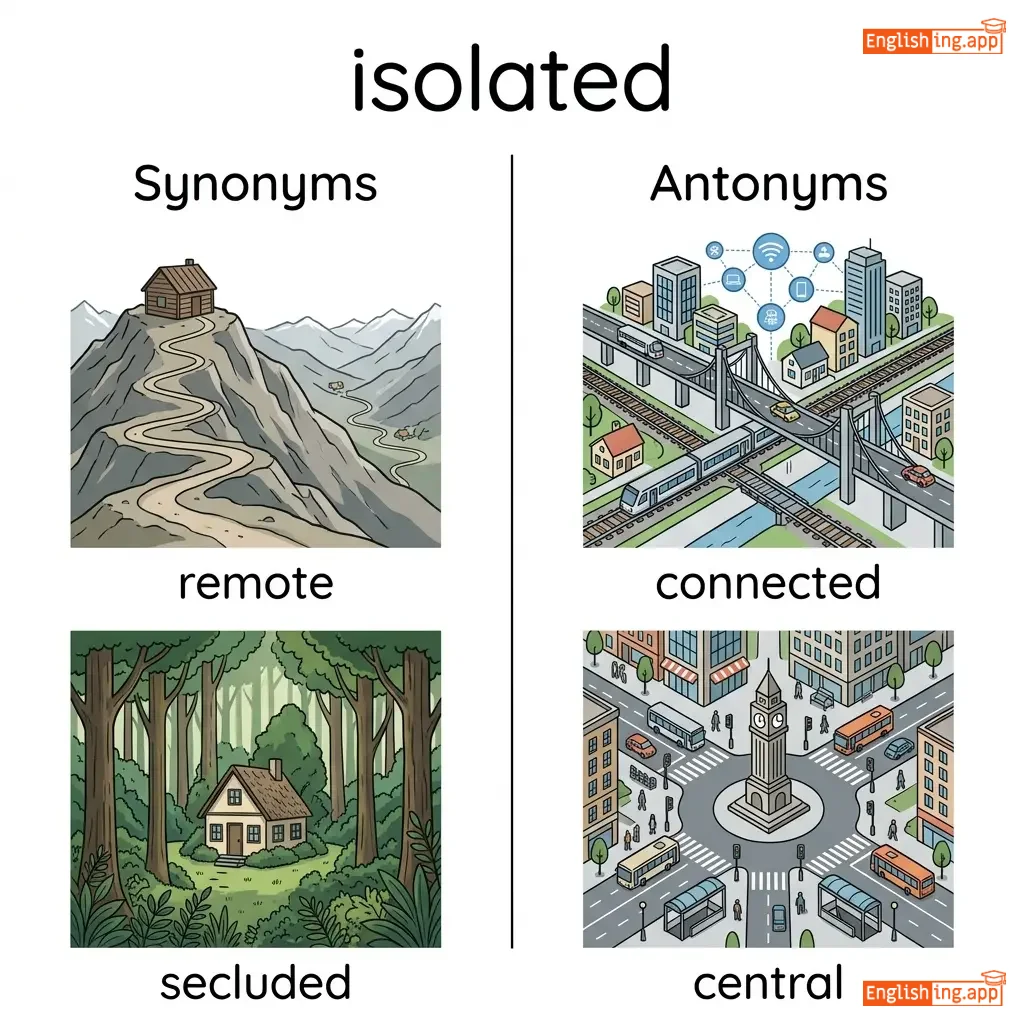
remote, secluded, solitary, detached
••••••
|
connected, central, sociable
••••••
|
isolated area, isolated case, feel isolated, isolated incident
••••••
|
Isolated означает изолированный, как на острове, где ты один.
••••••
|
|
#9982
📄
|
/ˈɪnvɔɪs/
noun
(инвойс)
••••••
|
- •••••• |
счёт
schyot
••••••
|
- •••••• | - •••••• | - •••••• | - •••••• |
a list of goods sent or services provided, with the amount due for payment
••••••
|
The company sent an invoice for the delivered products. |
Компания отправила счёт за доставленные товары.
Kompaniya otpravil schyot za dostavlennye tovaru.
••••••
|
pay the invoice |
to settle the amount mentioned in the invoice
••••••
|
оплатить счёт
oplatit schyot
••••••
|
bill, statement, receipt, account
••••••
|
payment, credit
••••••
|
send invoice, receive invoice, pay invoice, issue invoice
••••••
|
Invoice — это счёт, и счёт нужно оплатить
••••••
|
|
#9983
🤔
|
/ɪnˈtriːɡɪŋ/
adjective
(интригинг)
••••••
|
- •••••• |
очень интересный и необычный; вызывающий любопытство
ochen' interesnyy i neobychnyy; vyzyvayushchiy lyubopytstvo
••••••
|
- •••••• | - •••••• | - •••••• | - •••••• |
very interesting and unusual; arousing curiosity
••••••
|
The movie has an intriguing plot that keeps the audience hooked. |
У фильма есть интригующий сюжет, который держит зрителей в напряжении.
U fil'ma yest' intriguushchiy syuzhet, kotoryy derzhit zriteley v napryazhenii.
••••••
|
- •••••• | - •••••• | - •••••• |
fascinating, captivating, engaging, compelling, mysterious
••••••
|
boring, dull, uninteresting
••••••
|
intriguing idea, intriguing story, intriguing mystery, intriguing character
••••••
|
Intriguing означает очень интересный и необычный, как такой сюжет, что все говорят: 'Интригинг!'
••••••
|
|
#9984
🗣️
|
/ɪnˈtɜːrprət/
verb
(интерпретировать)
••••••
|
- •••••• |
интерпретировать / переводить
interpretirovat' / perevodit'
••••••
|
interpreted
интерпретировал
••••••
|
interpreted
интерпретирован
••••••
|
interprets
интерпретирует
••••••
|
interpreting
интерпретируя
••••••
|
to explain the meaning of something; to translate orally
••••••
|
She had to interpret the speech for the foreign guests.
Ей пришлось интерпретировать речь для иностранных гостей.
••••••
|
Ей пришлось интерпретировать речь для иностранных гостей.
Eй prishlos' interpretirovat' rech' dlya inostrannyh gostey.
••••••
|
interpret the law
интерпретировать закон
••••••
|
to explain or understand the meaning of legal rules
••••••
|
интерпретировать закон
interprirovat' zakon
••••••
|
explain, clarify, translate, elucidate, understand
••••••
|
confuse, obscure, misinterpret
••••••
|
interpret correctly, interpret data, interpret meaning, interpret the law
••••••
|
Интерпретировать значит объяснять, как при переводе речи.
••••••
|
Vocabulary Quiz
Test your vocabulary by matching words with their translations or meanings.
Login to take the quiz
Comments (0)
Share your thoughts and join the discussion.
Join the discussion by logging in
Login to CommentNo comments yet
Be the first to share your thoughts!