

Обновитесь для доступа ко всему словарю
Получите неограниченный доступ ко всем словам с подпиской Pro
Обновить до ProПеревод
Прошедшее
Причастие прошедшего времени
Третье лицо единственного числа
Герундий
Значение
Пример предложения
Перевод примера предложения
Синонимы
Антонимы
Коллокации
Мнемоника
Swipe left or right, or use the buttons. Tap image to zoom.
Обновитесь для доступа ко всем предложениям
Получите неограниченный доступ ко всем предложениям с подпиской Pro
Обновить до ProПеревод примера предложения
Слово
Lesson 76Lesson 76 - Переключатель маски
|
Эмодзи
|
Слово | Images | Перевод | Прошедшее | Причастие прошедшего времени | Третье лицо единственного числа | Герундий | Значение | Пример предложения | Перевод примера предложения | Пример выражения | Значение примера выражения | Перевод примера выражения | Синонимы | Антонимы | Коллокации | Мнемоника |
|---|---|---|---|---|---|---|---|---|---|---|---|---|---|---|---|---|---|
|
#2251
🧑🏫
|
/ˈdɛmənˌstreɪt/
verb
(демонстрейт)
••••••
|
- •••••• |
демонстрировать
demonstrirovat
••••••
|
demonstrated
демонстрейтед
••••••
|
demonstrated
демонстрейтед
••••••
|
demonstrates
демонстрейтс
••••••
|
demonstrating
демонстрейтинг
••••••
|
to clearly show or prove something through evidence, explanation, or action
••••••
|
The teacher demonstrated the experiment to the class.
Учитель продемонстрировал эксперимент классу.
••••••
|
Учитель продемонстрировал эксперимент классу.
Uchitel' prodemonstriroval eksperiment klassu.
••••••
|
demonstrate one's skills
показать свои способности
••••••
|
to show one's abilities through action or performance
••••••
|
показать свои способности
pokazat' svoi sposobnosti
••••••
|
show, exhibit, display, illustrate, prove
••••••
|
hide, conceal, obscure
••••••
|
demonstrate ability, demonstrate skill, demonstrate interest, demonstrate clearly
••••••
|
Demonstrate + Ruv = Рекомендация (Demonst) предсказывает действия
••••••
|
|
#2252
➗
|
/dɪˈnɒmɪˌneɪtər/
noun
(деноминатор)
••••••
|
- •••••• |
знаменатель
znamenatel
••••••
|
- •••••• | - •••••• | - •••••• | - •••••• |
the number below the line in a fraction; a common factor in a situation
••••••
|
In the fraction 3/4, the number 4 is the denominator. |
В дроби 3/4 число 4 - знаменатель.
V drobi 3/4 chislo 4 - znamenatel.
••••••
|
common denominator |
a shared trait or characteristic among different things
••••••
|
общий знаменатель
obshhij znamenatel
••••••
|
divisor, factor, base, bottom number
••••••
|
numerator, top number
••••••
|
lowest denominator, common denominator, denominator of fraction
••••••
|
знаменатель = denominator → это число под чертой в дроби
••••••
|
|
#2253
✝️
|
/dɪˌnɒmɪˈneɪʃən/
noun
(деноминация)
••••••
|
- •••••• |
деноминация, стоимость
denominasia, stoimost
••••••
|
- •••••• | - •••••• | - •••••• | - •••••• |
a recognized autonomous branch of the Christian Church; a unit of value or currency
••••••
|
The church belongs to a Protestant denomination. |
Церковь принадлежит протестантской деноминации.
Tserkov' prinadlezhit protestantskoy denominatsii.
••••••
|
- •••••• | - •••••• | - •••••• |
sect, branch, faith, division, value
••••••
|
unity, whole
••••••
|
religious denomination, currency denomination, different denominations
••••••
|
Деноминация означает имя или группа - это деньги или религиозная ветвь.
••••••
|
|
#2254
💵
|
/dɪˈnɒmɪˌneɪt/
verb
(деноминировать)
••••••
|
- •••••• |
деноминировать
denominirovat
••••••
|
denominated
деноминировал
••••••
|
denominated
деноминировал
••••••
|
denominates
деноминирует
••••••
|
denominating
деноминирующий
••••••
|
to give a name or designation to something
••••••
|
The currency was denominated in dollars.
Валюта была деноминирована в долларах.
••••••
|
Валюта была деноминирована в долларах.
Valyuta byla denominirovana v dollarakh.
••••••
|
- •••••• | - •••••• | - •••••• |
designate, name, call, label, title
••••••
|
unnamed, anonymous
••••••
|
denominated in dollars, denominated value, denominated currency
••••••
|
Denote + name → деноминировать означает давать имя.
••••••
|
|
#2255
🏠
|
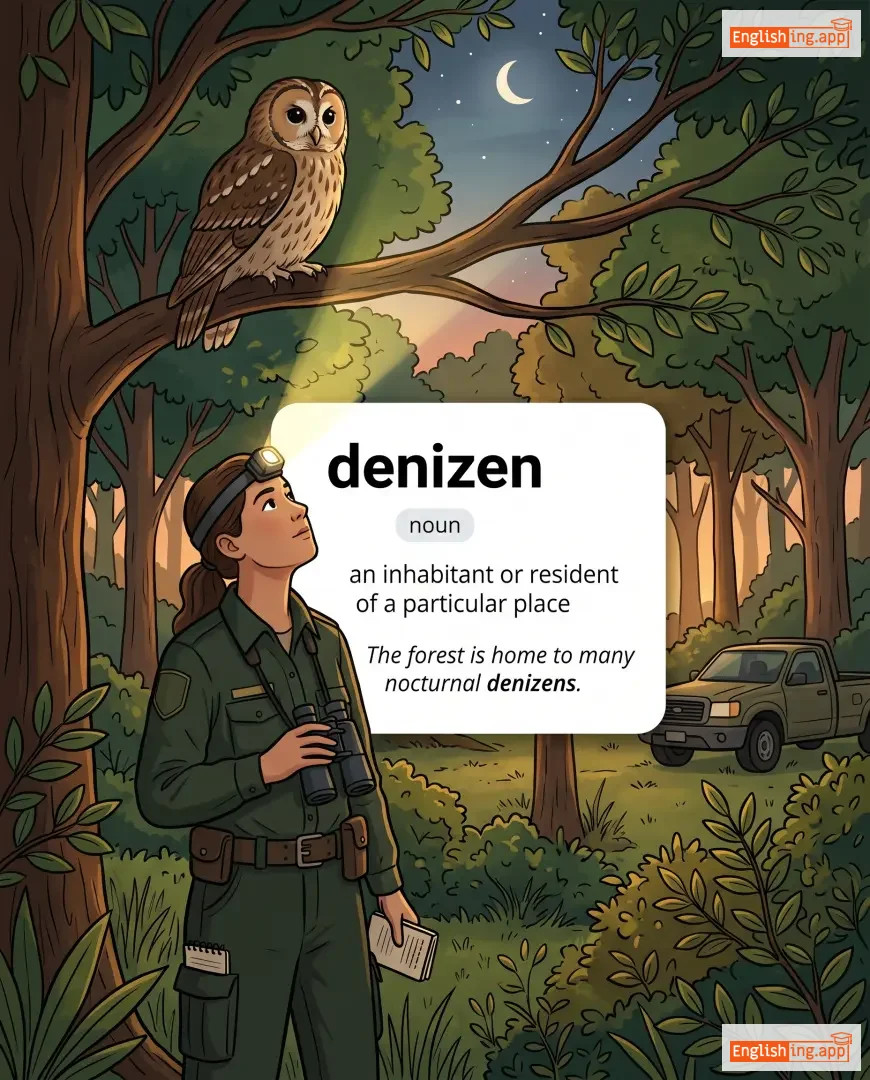
/ˈdɛnɪzən/
noun
(денизен)
••••••
|
|
житель
zhitel
••••••
|
- •••••• | - •••••• | - •••••• | - •••••• |
an inhabitant or resident of a particular place
••••••
|
The forest is home to many nocturnal denizens. |
Лес является домом для многих ночных жителей.
Les yavylyaetsya domom dlya mnogikh nochnykh zhiteley.
••••••
|
- •••••• | - •••••• | - •••••• |
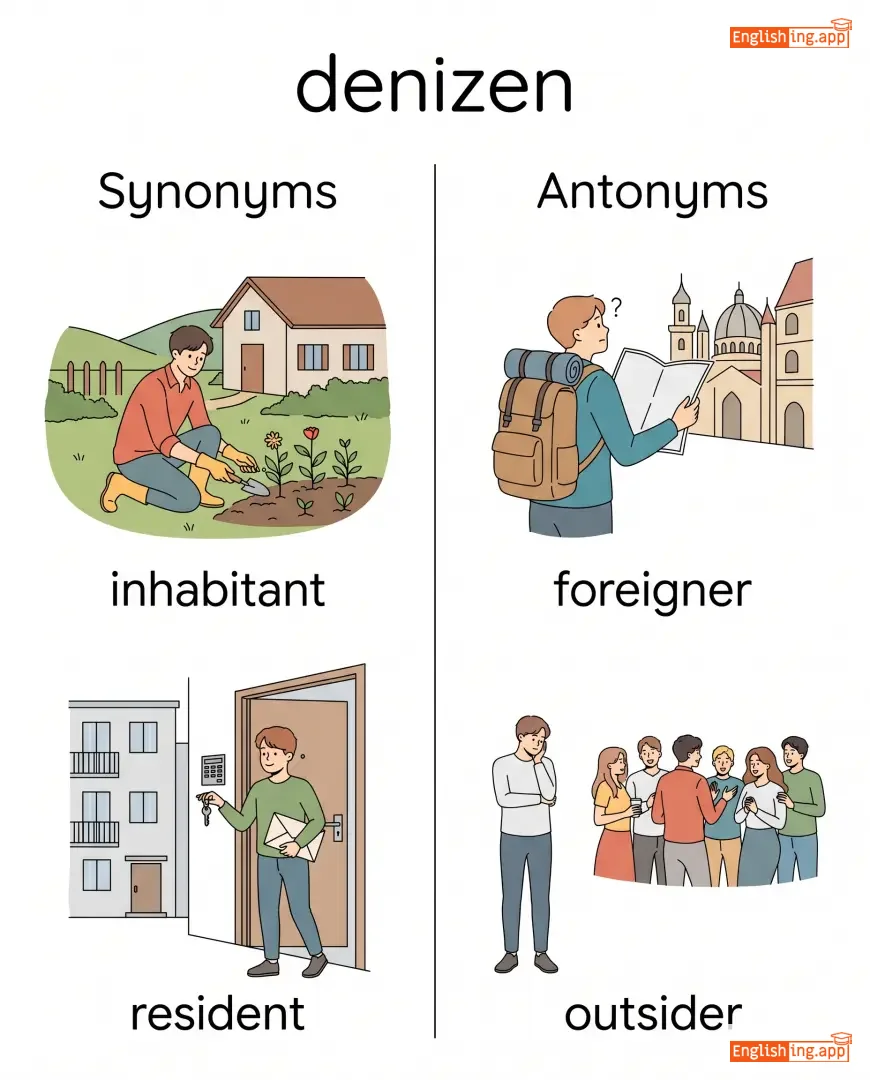
inhabitant, resident, dweller, native, occupant
••••••
|
foreigner, outsider, visitor
••••••
|
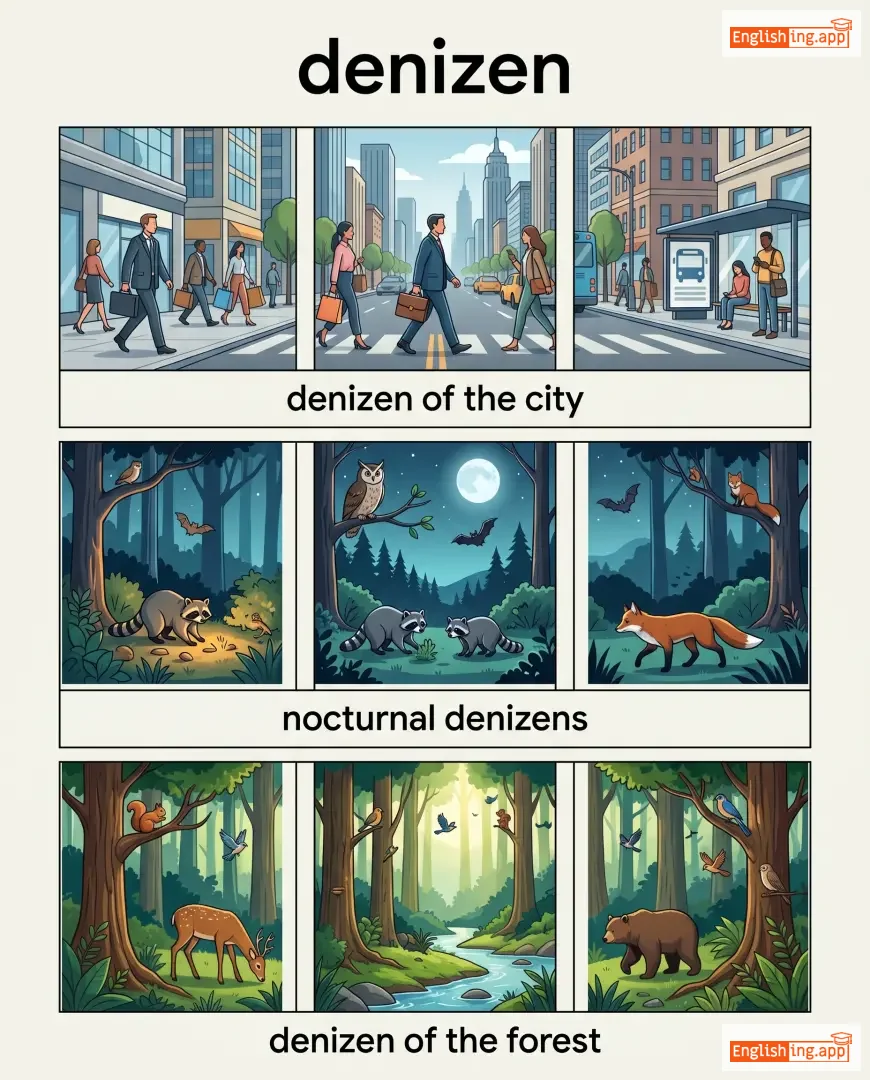
denizen of the city, nocturnal denizens, denizen of the forest
••••••
|
Житель - это тот, кто живет в каком-то месте, как жители леса.
••••••
|
|
#2256
🗣️
|
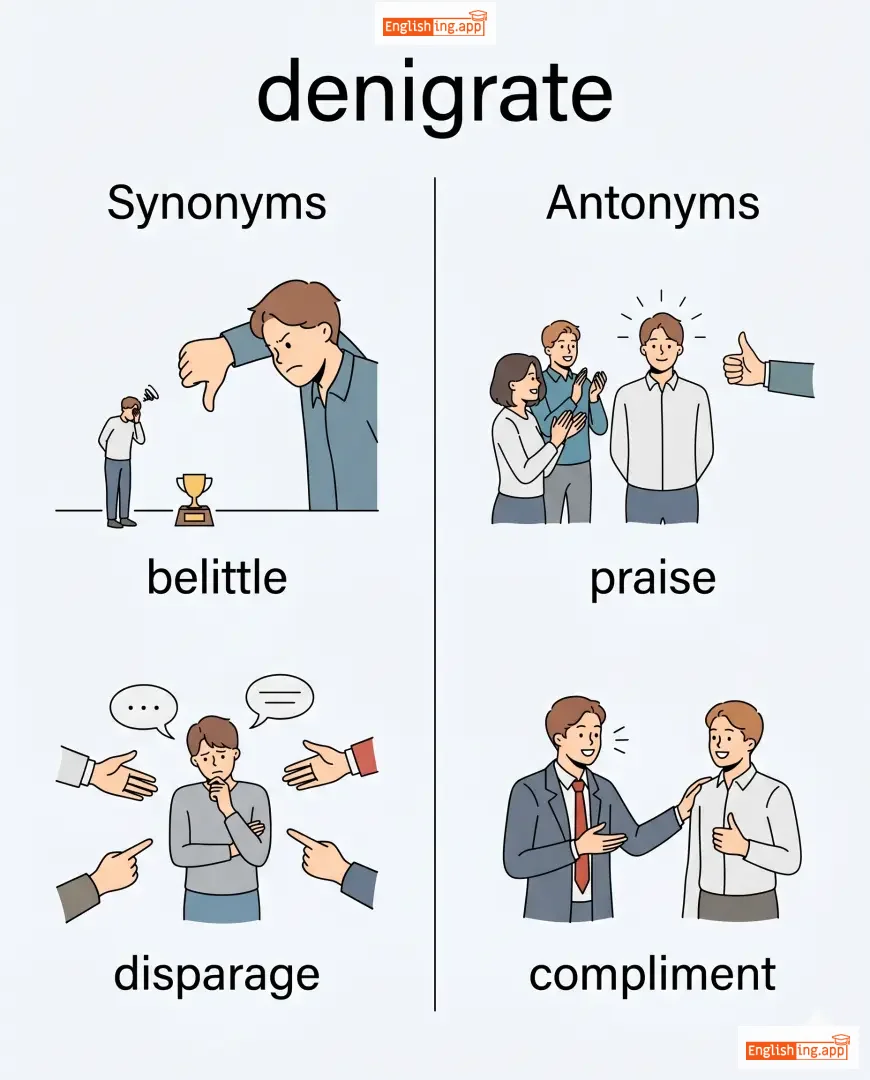
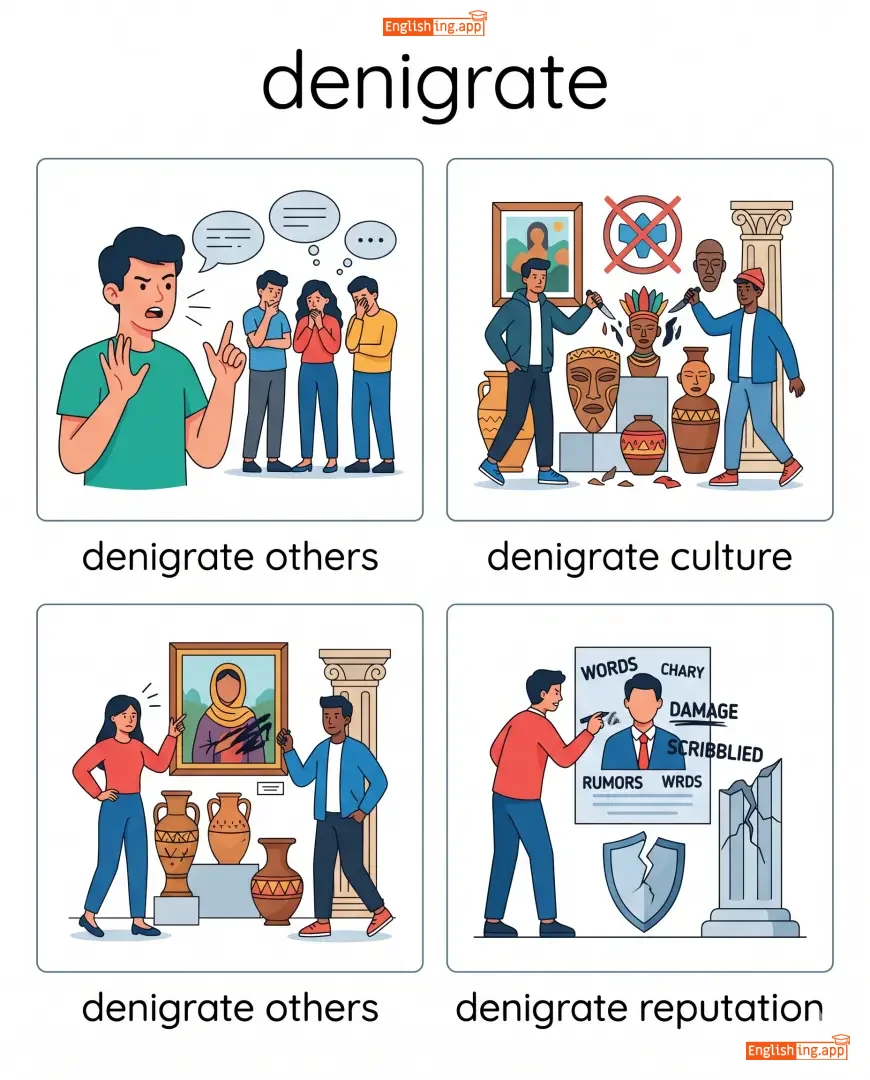
/ˈdɛnɪˌɡreɪt/
verb
(денигрейт)
••••••
|
|
унижать
unizhat
••••••
|
denigrated
денигрейтид
••••••
|
denigrated
денигрейтид
••••••
|
denigrates
денигрейтс
••••••
|
denigrating
денигрейтинг
••••••
|
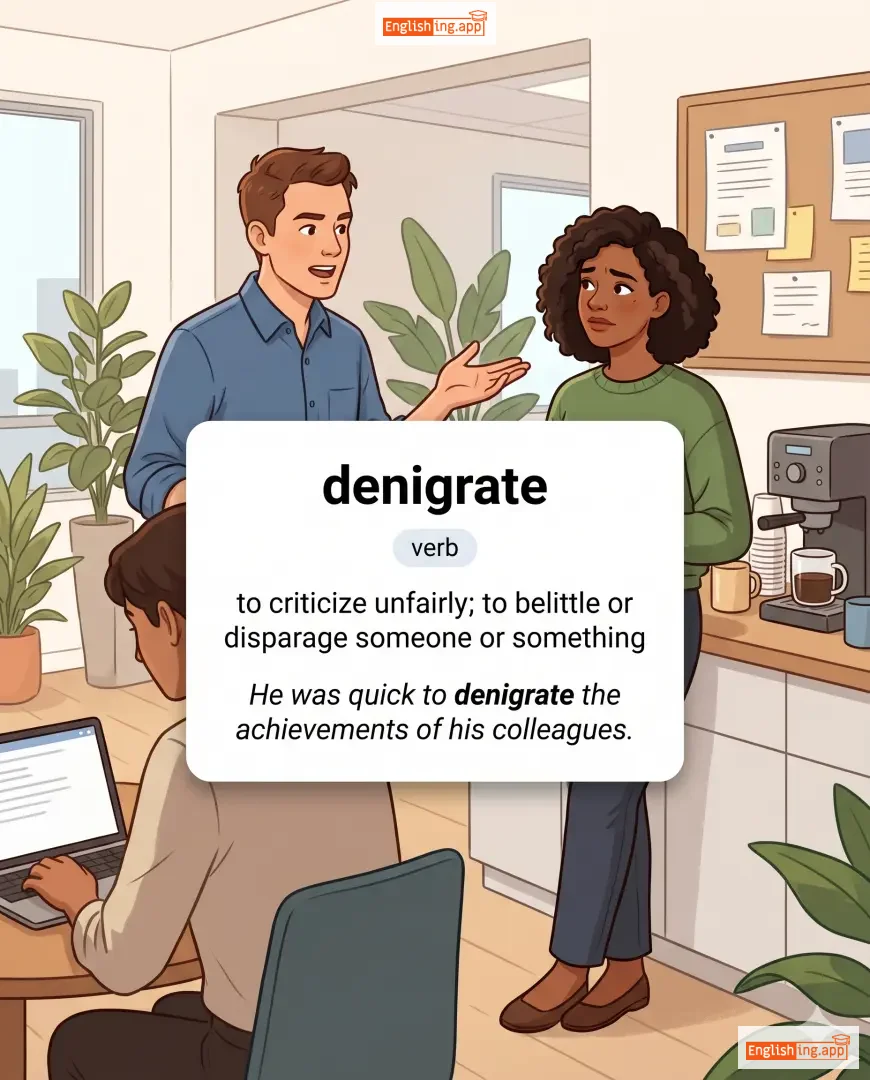
to criticize unfairly; to belittle or disparage someone or something
••••••
|
He was quick to denigrate the achievements of his colleagues.
Он быстро стал принижать достижения своих коллег.
••••••
|
Он быстро стал унижать достижения своих коллег.
On bystro stal unizhat' dostizheniya svoikh kolleg.
••••••
|
- •••••• | - •••••• | - •••••• |
belittle, disparage, defame, slander, deprecate
••••••
|
praise, compliment, honor
••••••
|
denigrate others, denigrate culture, denigrate reputation, denigrate efforts
••••••
|
Унижение = 'уни' как унижение, а 'жать' как 'сжать'.
••••••
|
|
#2257
🌲
|
/dɛnˈdrɒlədʒi/
noun
••••••
|
- •••••• | - •••••• | - •••••• | - •••••• | - •••••• | - •••••• |
the scientific study of trees and woody plants
••••••
|
He is studying dendrology at the university. |
- •••••• | - •••••• | - •••••• | - •••••• |
botany, forestry, arboriculture
••••••
|
zoology, geology
••••••
|
study dendrology, dendrology course, expert in dendrology
••••••
|
No •••••• |
|
#2258
🌳
|
/ˈdɛndrɔɪd/
adjective
(дендроид)
••••••
|
- •••••• |
деревоподобный
derevopodobnyy
••••••
|
- •••••• | - •••••• | - •••••• | - •••••• |
tree-shaped or branching like a tree
••••••
|
The coral has a dendroid structure.
Коралл имеет структуру дендроид.
••••••
|
Коралл имеет структуру дендроид.
Korall imeyet strukturu dendroid.
••••••
|
- •••••• | - •••••• | - •••••• |
branched, arborescent, treelike
••••••
|
straight, linear
••••••
|
dendroid form, dendroid structure, dendroid pattern
••••••
|
Dendroid означает деревоподобный, dend означает дерево, oid означает как
••••••
|
|
#2259
🚢
|
/dɪˈmʌrɪdʒ/
noun
(дɪˈмʌрɪдʒ)
••••••
|
- •••••• |
демередж
demeredzh
••••••
|
- •••••• | - •••••• | - •••••• | - •••••• |
a charge payable to the owner of a ship or vehicle for not loading or unloading on time
••••••
|
The company had to pay demurrage for delaying the unloading of goods.
Компания должна была заплатить демередж за задержку разгрузки товаров.
••••••
|
Компания должна была заплатить демередж за задержку разгрузки товаров.
Kompaniya dolzhna byla zaplatit' demeredzh za zaderzhku razgruzki tovarov.
••••••
|
- •••••• | - •••••• | - •••••• |
delay charge, penalty fee, detention fee
••••••
|
waiver, exemption
••••••
|
pay demurrage, incur demurrage, demurrage charges
••••••
|
Демередж = штраф за задержку, подумайте 'демон и редж' для демереджа
••••••
|
|
#2260
😊
|
/dɪˈmjʊər/
adjective
(дɪˈмьюр)
••••••
|
- •••••• |
скромный
skromnyy
••••••
|
- •••••• | - •••••• | - •••••• | - •••••• |
reserved, modest, and shy
••••••
|
She gave him a demure smile. |
Она подарила ему скромную улыбку.
Ona podarila yemu skromnuyu ulybku.
••••••
|
- •••••• | - •••••• | - •••••• |
modest, reserved, shy, bashful, quiet
••••••
|
bold, outgoing, confident
••••••
|
demure smile, demure behavior, demure dress
••••••
|
Demure означает скромный, представь себе 'де мур' застенчивую улыбку
••••••
|
|
#2261
🤔
|
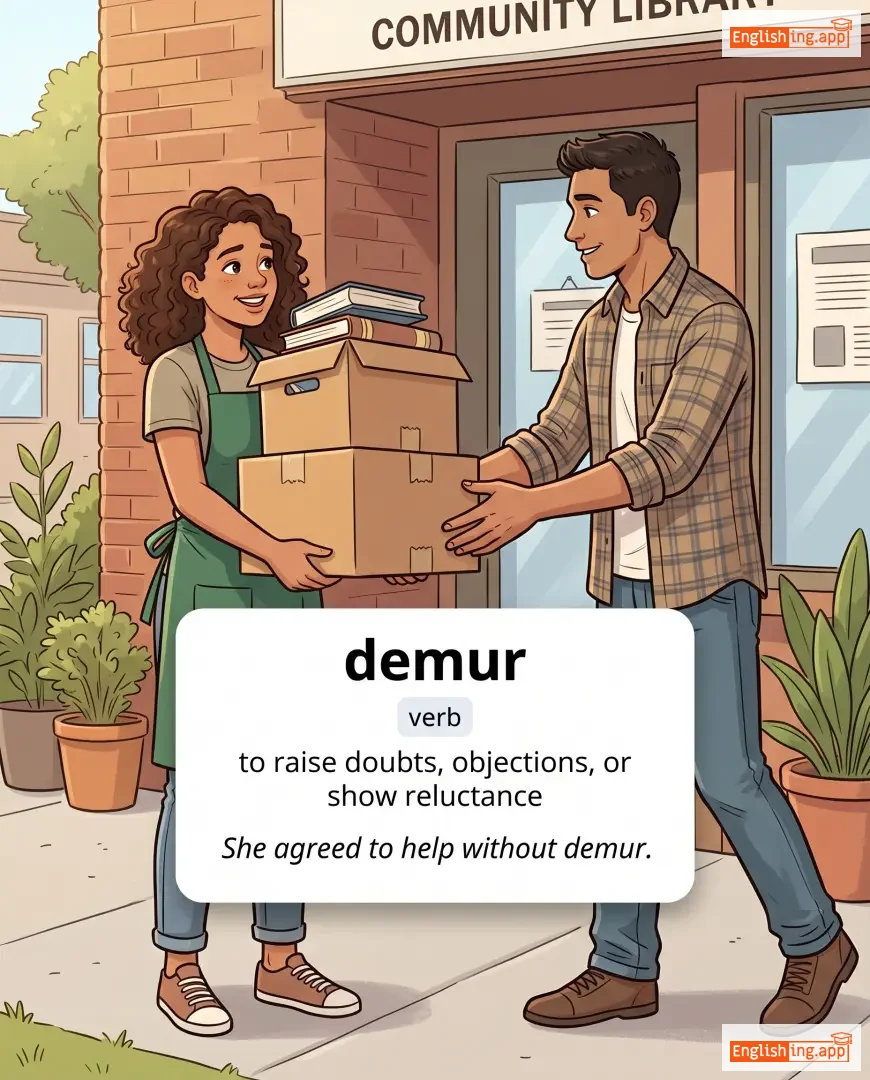
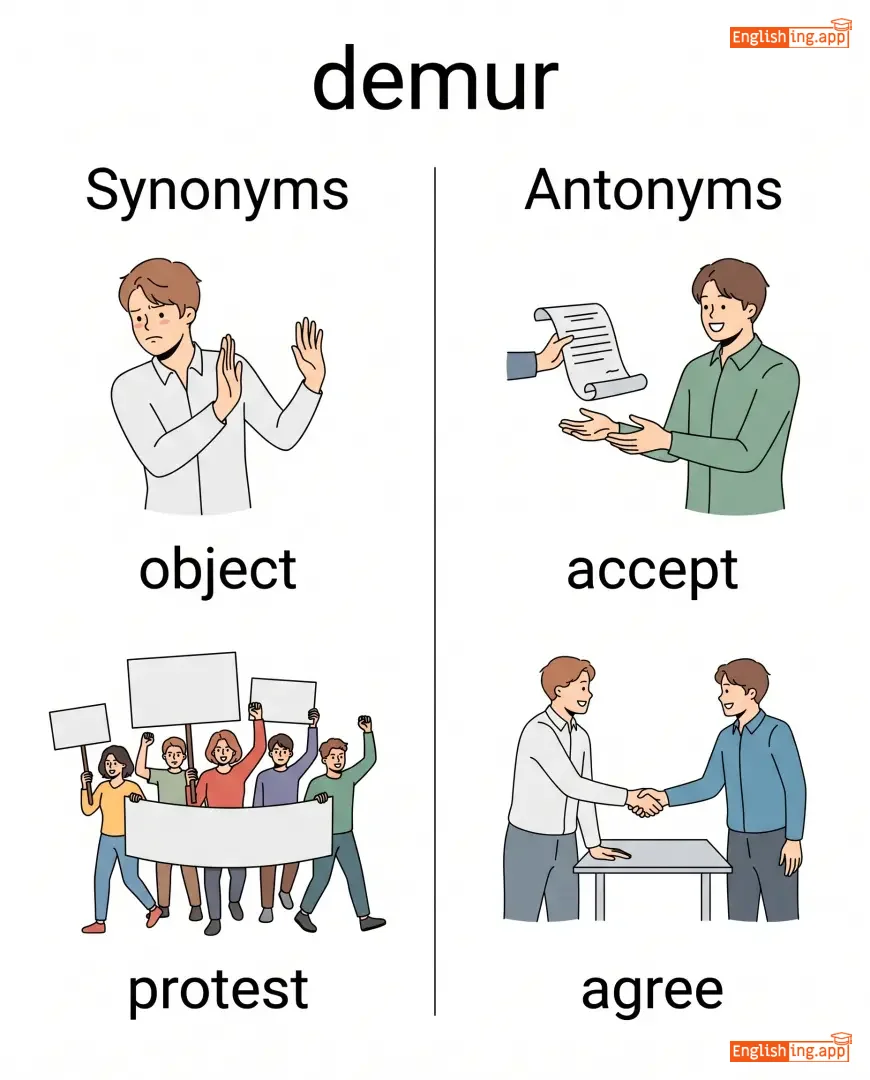
/dɪˈmɜːr/
verb
(дɪˈмɜːр)
••••••
|
|
возражать
vozrazhat
••••••
|
demurred
демюрнул
••••••
|
demurred
демюрнул
••••••
|
demurs
демурит
••••••
|
demurring
демурринг
••••••
|
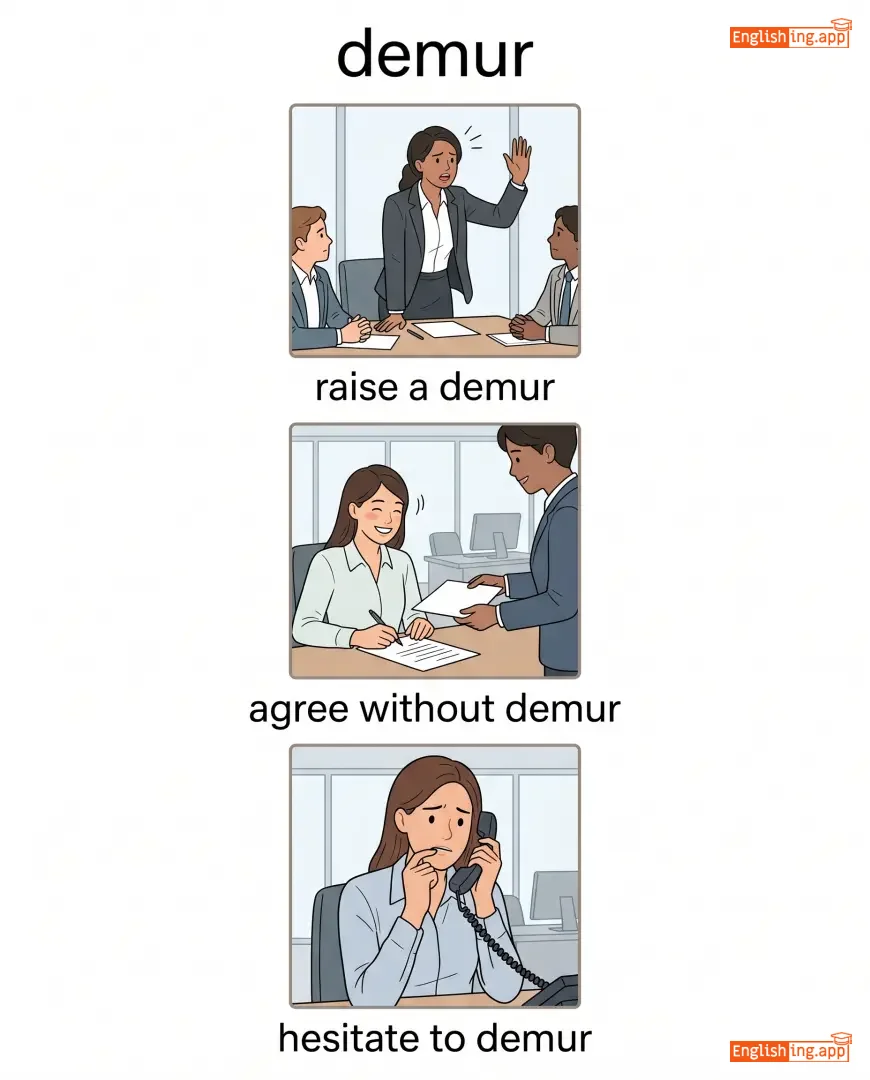
to raise doubts, objections, or show reluctance
••••••
|
She agreed to help without demur.
Она согласилась помочь без возражений.
••••••
|
Она согласилась помочь без возражений.
Ona soglasilas' pomoch' bez vozrazheniy.
••••••
|
without demur
без возражений
••••••
|
without objection or hesitation
••••••
|
без возражений
bez vozrazheniy
••••••
|
object, protest, hesitate, oppose, refuse
••••••
|
accept, agree, consent
••••••
|
raise a demur, agree without demur, hesitate to demur
••••••
|
Demur = возражать без сомнений
••••••
|
|
#2262
🗣️
|
/dɪˈmɒtɪk/
adjective
(демотик)
••••••
|
|
относящийся к народному языку
otnosyashchijsya k narodnomu yazyku
••••••
|
- •••••• | - •••••• | - •••••• | - •••••• |
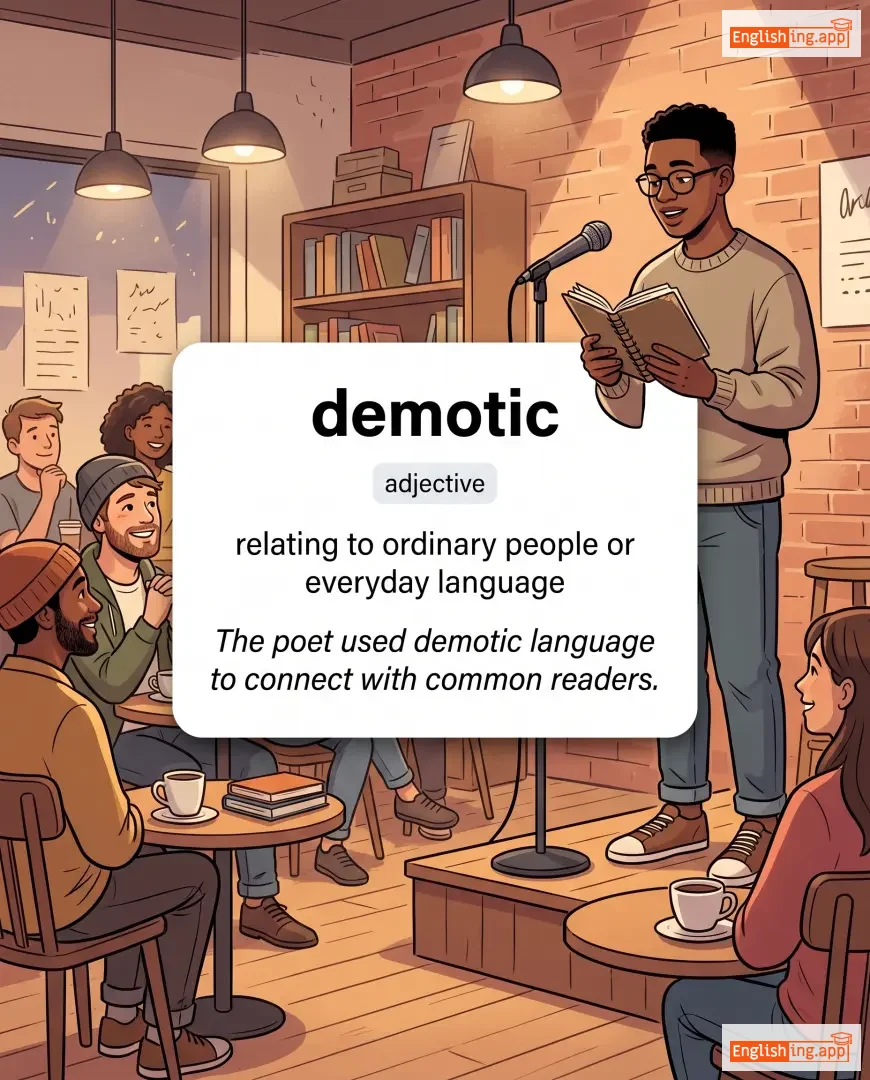
relating to ordinary people or everyday language
••••••
|
The poet used demotic language to connect with common readers.
Поэт использовал демотический язык, чтобы соединиться с обычными читателями.
••••••
|
Поэт использовал язык, относящийся к народному, чтобы соединиться с обычными читателями.
Poet ispol'zoval yazyk, otnosyashchijsya k narodnomu, chtoby soedinit'sya s obychnymi chitatel'yami.
••••••
|
- •••••• | - •••••• | - •••••• |
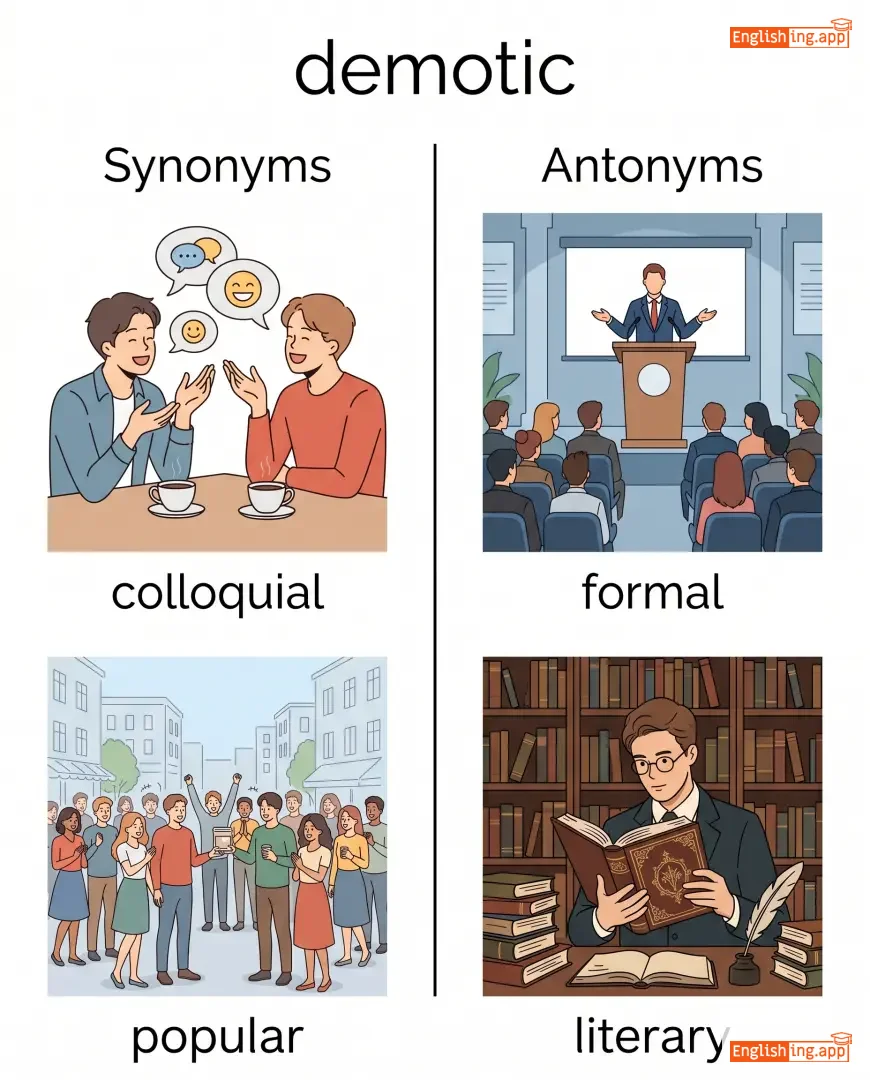
colloquial, popular, common, everyday
••••••
|
formal, literary
••••••
|
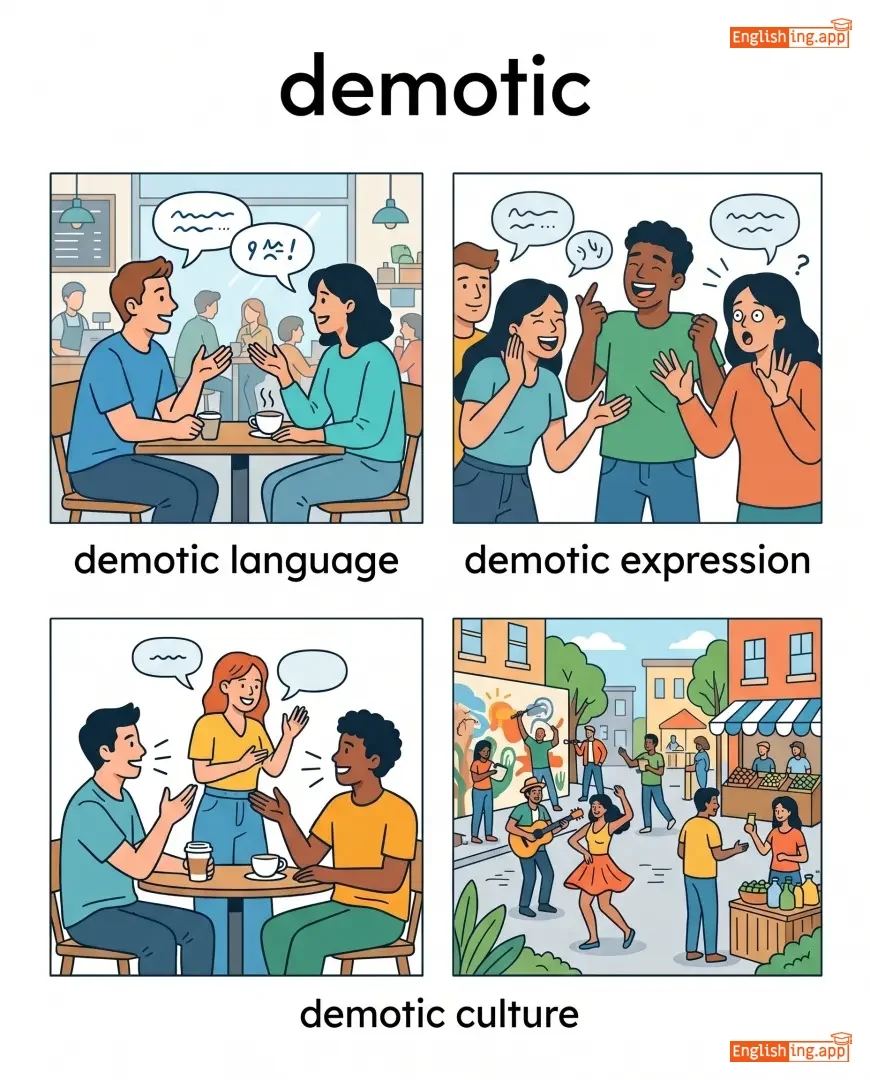
demotic language, demotic expression, demotic culture
••••••
|
De + motic → motic звучит как 'народ', значит, демотик относится к народному языку
••••••
|
|
#2263
😞
|
/dɪˈmɔrəˌlaɪz/
verb
••••••
|
- •••••• | - •••••• |
demoralized
••••••
|
demoralized
••••••
|
demoralizes
••••••
|
demoralizing
••••••
|
to cause someone to lose confidence or hope
••••••
|
The constant criticism demoralized the young athlete. |
- •••••• |
feel demoralized |
to lose spirit or motivation
••••••
|
- •••••• |
discourage, dishearten, depress, weaken
••••••
|
encourage, inspire
••••••
|
completely demoralize, demoralize the team, feel demoralized
••••••
|
No •••••• |
|
#2264
✊
|
/ˈdɛmənˌstreɪtər/
noun
(демонстратор)
••••••
|
- •••••• |
демонстратор, протестующий
demonstrator, protestuyushchiy
••••••
|
- •••••• | - •••••• | - •••••• | - •••••• |
a person who shows how something works or takes part in a public protest
••••••
|
The demonstrators marched peacefully through the city streets. |
Демонстранты мирно шли по улицам города.
Demonstranty mirno shli po ulitsam goroda.
••••••
|
- •••••• | - •••••• | - •••••• |
protester, marcher, exhibitor, presenter
••••••
|
bystander, spectator
••••••
|
political demonstrator, product demonstrator, group of demonstrators
••••••
|
Demonstrator означает тот, кто демонстрирует — как демонстратор или протестующий
••••••
|
|
#2265
💞
|
/dɪˈmɒnstrətɪv/
adjective
(демонстративный)
••••••
|
- •••••• |
выразительный
vyrazitel'nyy
••••••
|
- •••••• | - •••••• | - •••••• | - •••••• |
openly showing feelings, especially affection or emotion
••••••
|
She was very demonstrative with her affection towards her friends. |
Она была очень выразительной в своих чувствах к своим друзьям.
Ona byla ochen' vyrazitel'noy v svoikh chuvstvakh k svoim druz'yam.
••••••
|
- •••••• | - •••••• | - •••••• |
expressive, emotional, open, outgoing
••••••
|
reserved, restrained
••••••
|
demonstrative gesture, demonstrative behavior, very demonstrative
••••••
|
Демонстративный + выразительный — показать свои чувства явно, как актёр в фильме.
••••••
|
|
#2266
😓
|
/dɪˈmændɪŋ/
adjective
(дэмандинг)
••••••
|
- •••••• |
требовательный
trebovatel'nyy
••••••
|
- •••••• | - •••••• | - •••••• | - •••••• |
requiring much effort, skill, or attention; difficult to satisfy
••••••
|
The job is very demanding and requires long hours of work.
Работа очень требовательная и требует долгих часов работы.
••••••
|
Работа очень требовательная и требует долгих часов работы.
Rabota ochen' trebovatel'naya i trebuyet dolgikh chasov raboty.
••••••
|
demanding schedule
требовательный график
••••••
|
a schedule that requires a lot of effort and time
••••••
|
требовательный график
trebovatel'nyy grafik
••••••
|
challenging, tough, difficult, exacting, strenuous
••••••
|
easy, simple, undemanding
••••••
|
demanding job, demanding task, demanding schedule, demanding customer
••••••
|
Demanding значит требовательный, как требовательная работа.
••••••
|
|
#2267
📑
|
/dɪˈmɒnstrəbl/
adjective
(демонстрабл)
••••••
|
- •••••• |
доказуемый
dokazuyemyy
••••••
|
- •••••• | - •••••• | - •••••• | - •••••• |
clearly able to be shown or proven
••••••
|
There was demonstrable evidence that he was innocent. |
Были доказательства, которые можно было продемонстрировать, что он был невиновен.
Byli dokazatel'stva, kotorye mozhno bylo prodemonstrirovat', chto on byl nevinoven.
••••••
|
- •••••• | - •••••• | - •••••• |
provable, verifiable, evident, apparent
••••••
|
unprovable, doubtful, uncertain
••••••
|
demonstrable evidence, demonstrable fact, demonstrable truth
••••••
|
Demo + able = демонстрировать можно - доказуемый означает доказуемый
••••••
|
|
#2268
👹
|
/ˌdɛməˈnaɪəkəl/
adjective
(демониакал)
••••••
|
- •••••• |
демонический
demonicheskiy
••••••
|
- •••••• | - •••••• | - •••••• | - •••••• |
characteristic of or resembling a demon; wildly evil
••••••
|
He gave a demoniacal laugh that terrified everyone.
Он издал демонический смех, который напугал всех.
••••••
|
Он издал демонический смех, который напугал всех.
On izdal demonicheskiy smekh, kotoryy napugal vsekh.
••••••
|
- •••••• | - •••••• | - •••••• |
demonic, satanic, evil, fiendish
••••••
|
angelic, good, holy
••••••
|
demoniacal laughter, demoniacal possession, demoniacal vision
••••••
|
Demon + iacal = демонический смех - пугающий смех
••••••
|
|
#2269
😈
|
/dɪˈmoʊniˌæk/
adjective
(демониак)
••••••
|
- •••••• |
демонический
demonicheskiy
••••••
|
- •••••• | - •••••• | - •••••• | - •••••• |
possessed, produced, or influenced by a demon; frenzied or violent
••••••
|
The soldiers fought with demoniac fury. |
Солдаты сражались с демонической яростью.
Soldaty srazhalis' s demonicheskoy yarost'yu.
••••••
|
- •••••• | - •••••• | - •••••• |
fiendish, satanic, diabolical, frenzied
••••••
|
angelic, divine, holy
••••••
|
demoniac laughter, demoniac energy, demoniac fury, demoniac spirit
••••••
|
Demon + iac = как демон, помни, что демонический означает под воздействием демона
••••••
|
|
#2270
🧨
|
/ˌdɛməˈlɪʃən/
noun
(демолишн)
••••••
|
- •••••• |
снос
snos
••••••
|
- •••••• | - •••••• | - •••••• | - •••••• |
the act or process of destroying a building or structure
••••••
|
The demolition of the old factory took several weeks. |
Снос старой фабрики занял несколько недель.
Snos staroy fabriki zanyal neskol'ko nedel'.
••••••
|
- •••••• | - •••••• | - •••••• |
destruction, dismantling, wrecking, razing
••••••
|
construction, creation, building
••••••
|
demolition work, demolition crew, demolition site, demolition project
••••••
|
Demo + лишн (лишить) - снос означает разрушение чего-то, как лишить здание его целостности
••••••
|
|
#2271
🏚️
|
/dɪˈmɒlɪʃ/
verb
(демолиш)
••••••
|
- •••••• |
разрушить
razrushit
••••••
|
demolished
демолишд
••••••
|
demolished
демолишд
••••••
|
demolishes
демолишес
••••••
|
demolishing
демолишинг
••••••
|
to destroy completely, especially a building or structure
••••••
|
The city decided to demolish the old stadium to build a new one.
Город решил снести старый стадион, чтобы построить новый.
••••••
|
Город решил снести старый стадион, чтобы построить новый.
Gorod reshil sнести staryy stadion, chtoby postroit' novyy.
••••••
|
demolish an argument
демолировать аргумент
••••••
|
to prove an argument completely wrong
••••••
|
демолировать аргумент
demolirovat' argument
••••••
|
destroy, raze, wreck, annihilate, tear down
••••••
|
build, construct, create
••••••
|
demolish a building, demolish a house, demolish completely, demolish quickly
••••••
|
Demo + demolish: Demo дом означает разрушение - demolish означает разрушить
••••••
|
|
#2272
📊
|
/ˌdɛməˈɡræfɪk/
adjective
(демографический)
••••••
|
|
демографический
demograficheskiy
••••••
|
- •••••• | - •••••• | - •••••• | - •••••• |
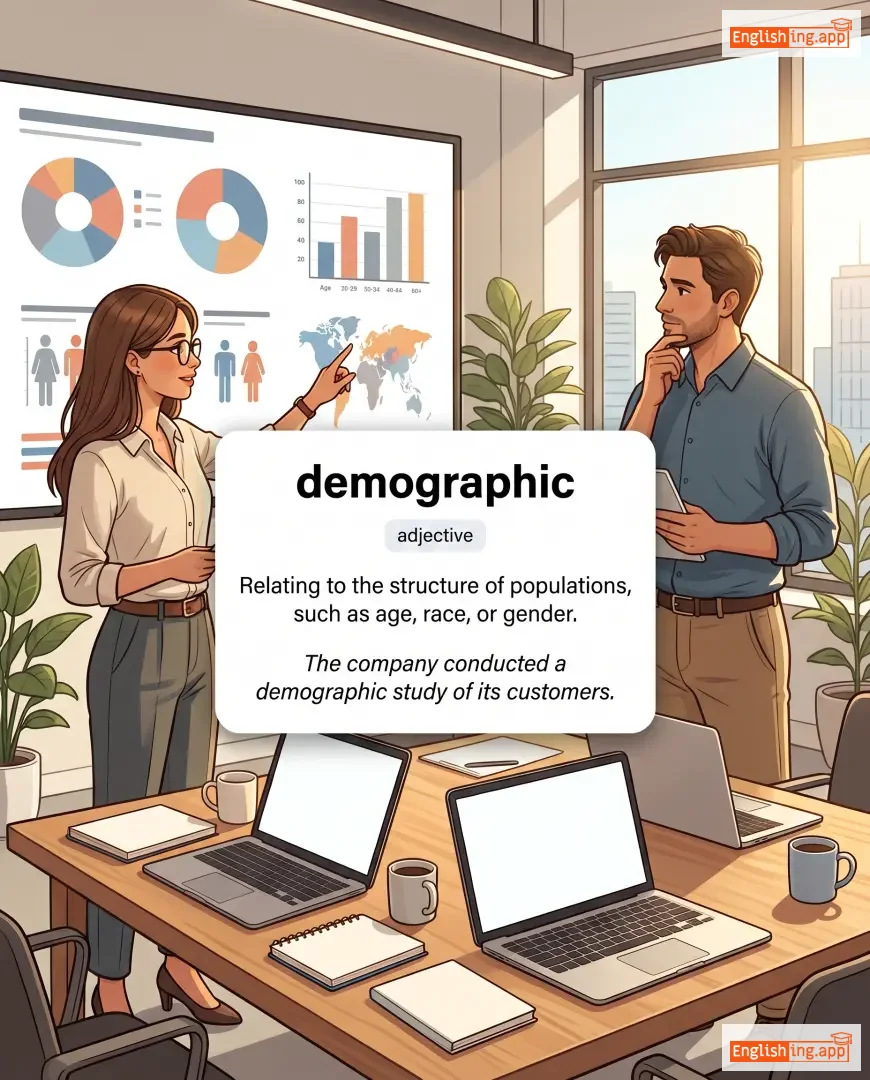
Relating to the structure of populations, such as age, race, or gender.
••••••
|
The company conducted a demographic study of its customers. |
Компания провела демографическое исследование своих клиентов.
Kompaniya provела demograficheskoe issledovanie svoikh klientov.
••••••
|
demographic shift |
a change in the structure of a population
••••••
|
демографическое изменение
demograficheskoe izmenenie
••••••
|
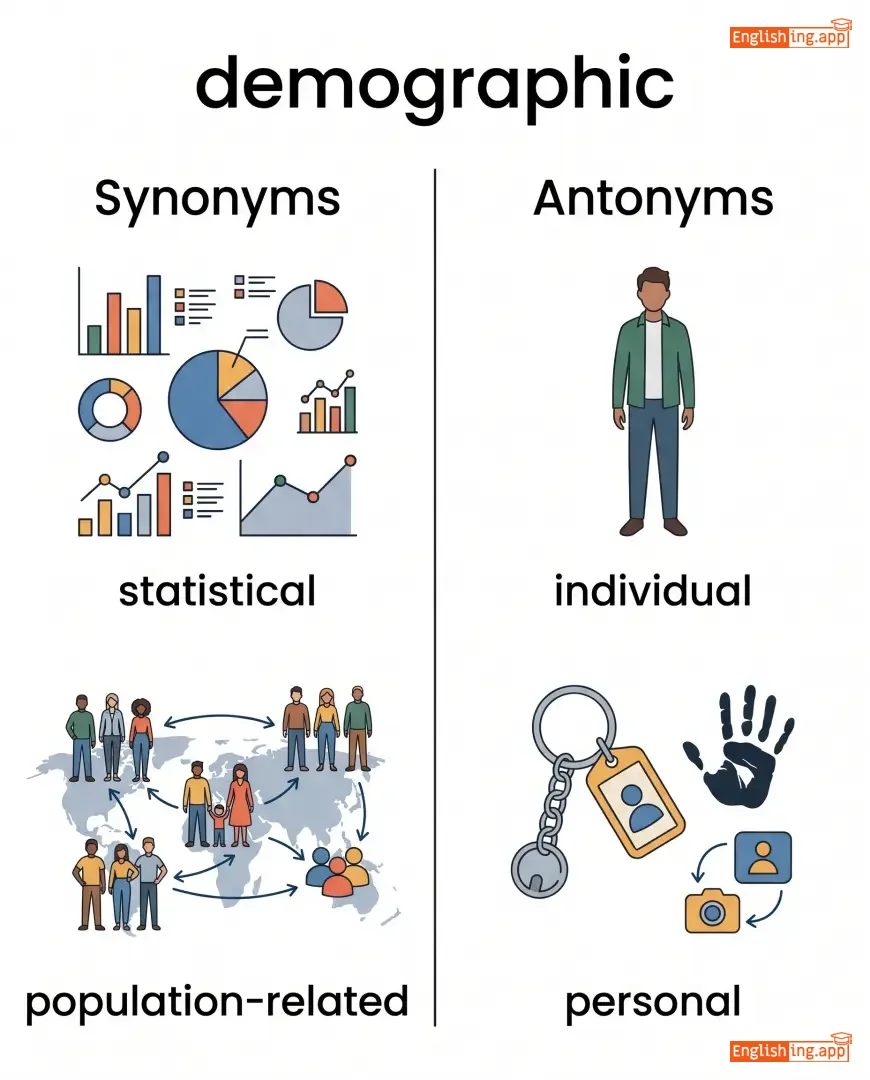
statistical, population-related, social, census-based
••••••
|
individual, personal
••••••
|
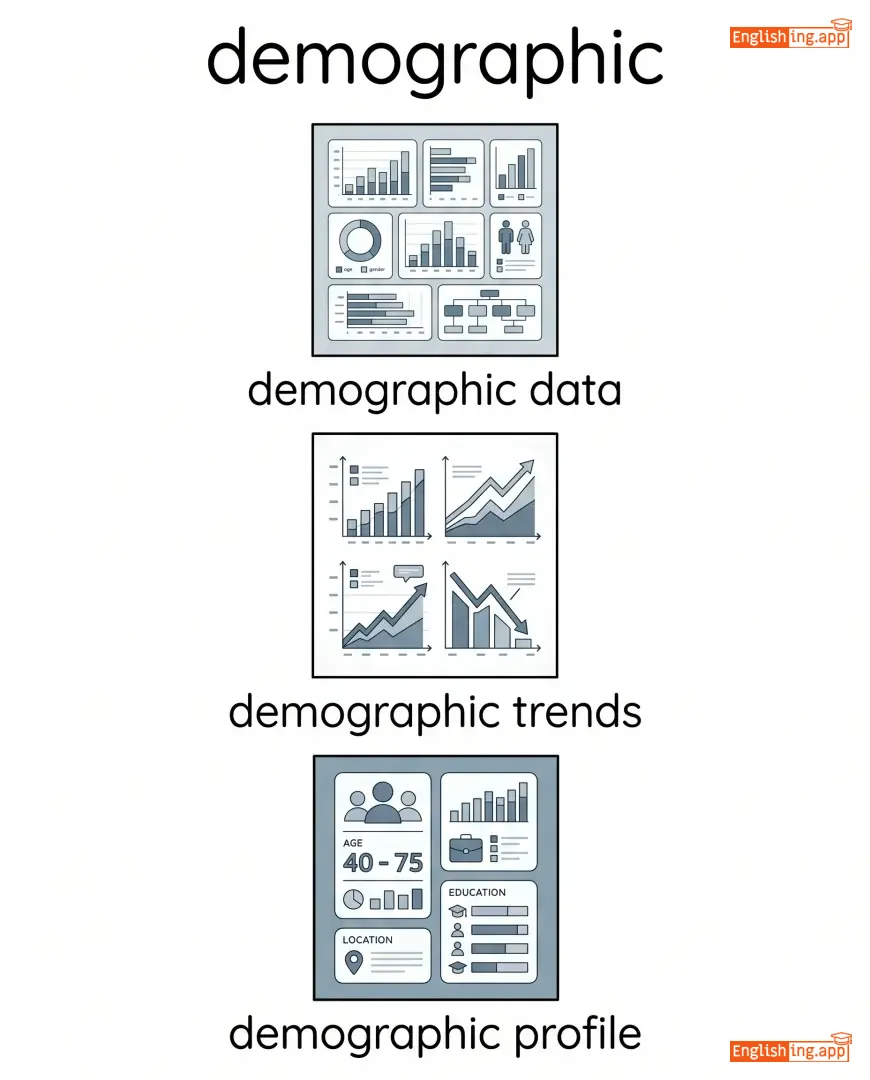
demographic data, demographic trends, demographic profile, demographic change
••••••
|
Demo+Графический—Demo означает народ, Графический означает изображение. Изображение народа это демографический.
••••••
|
|
#2273
🪖
|
/diːˈmoʊbəlaɪz/
verb
(демобилизация)
••••••
|
- •••••• |
демобилизовать
demobilizovat
••••••
|
demobilized
демобилизованный
••••••
|
demobilized
демобилизованный
••••••
|
demobilizes
демобилизует
••••••
|
demobilizing
демобилизируя
••••••
|
To release from military service or to disband troops.
••••••
|
The government decided to demobilize the army after the war.
Правительство решило демобилизовать армию после войны.
••••••
|
Правительство решило демобилизовать армию после войны.
Pravitel'stvo reshilo demobilizovat armiyu posle voyny.
••••••
|
- •••••• | - •••••• | - •••••• |
disband, discharge, release, deactivate
••••••
|
mobilize, recruit, enlist
••••••
|
demobilize troops, demobilize soldiers, demobilize the army, demobilize forces
••••••
|
De-mobilize означает демобилизовать — после войны армию распускают.
••••••
|
|
#2274
🕯️
|
/dɪˈmaɪz/
noun
(dih-maiz)
••••••
|
- •••••• |
смерть / конец
smert' / konets
••••••
|
- •••••• | - •••••• | - •••••• | - •••••• |
Death or end of something, especially the end of an institution or system.
••••••
|
The sudden demise of the company shocked investors. |
Внезапный конец компании потряс инвесторов.
Vnezapnyy konets kompanii potryas investirov.
••••••
|
meet one's demise |
to die
••••••
|
встретить свою смерть
vstretit' svoyu smert'
••••••
|
death, passing, end, downfall, collapse
••••••
|
birth, beginning, rise
••••••
|
sudden demise, political demise, meet demise, demise of empire
••••••
|
Demise означает смерть — 'De' означает конец, поэтому demise означает смерть.
••••••
|
|
#2275
🏰
|
/dɪˈmeɪn/
noun
(di-meyn)
••••••
|
- •••••• |
земля, прилагаемая к поместью
zemlya, prilagayemaya k pomest'yu
••••••
|
- •••••• | - •••••• | - •••••• | - •••••• |
Land attached to a manor and retained for the owner's use.
••••••
|
The castle was surrounded by its vast demesne.
Замок был окружен своим обширным демесне.
••••••
|
Замок был окружен своей обширной землей, прилагаемой к поместью.
Zamok byl okruzhen svoey obshirnoy zemley, prikalpyonnoy k pomest'yu.
••••••
|
- •••••• | - •••••• | - •••••• |
estate, domain, manor, property
••••••
|
public land, commons
••••••
|
vast demesne, royal demesne, private demesne, demesne land
••••••
|
De-Mesne звучит как 'Домен' — 'Домен' означает вашу собственную землю.
••••••
|
|
#2276
⚠️
|
/dɪˈmɛrɪt/
noun
(демерит)
••••••
|
- •••••• |
ошибка / штрафной балл
oshibka / shtrafnoy ball
••••••
|
- •••••• | - •••••• | - •••••• | - •••••• |
A fault or disadvantage; a mark against a person for misconduct.
••••••
|
He received a demerit for being late to class. |
Он получил демерит за опоздание на урок.
On poluchil demerit za opozdanie na urok.
••••••
|
demerit point |
a penalty point given for breaking a rule
••••••
|
штрафной балл
shtrafnoy ball
••••••
|
fault, drawback, shortcoming, flaw, penalty
••••••
|
merit, advantage, credit
••••••
|
receive a demerit, assign demerit, demerit point, demerit system
••••••
|
De-Merit означает меньше Merit, поэтому Demerit — это ошибка или штраф.
••••••
|
|
#2277
🤪
|
/dɪˈmɛntɪd/
adjective
(диментед)
••••••
|
- •••••• |
безумный / нерациональный
bezumnyy / neratsional'nyy
••••••
|
- •••••• | - •••••• | - •••••• | - •••••• |
behaving irrationally due to mental illness or extreme excitement
••••••
|
He looked demented after hearing the shocking news.
Он выглядел обезумевшим после того, как услышал шокирующие новости.
••••••
|
Он выглядел обезумевшим после того, как услышал шокирующие новости.
On vyglyadel obezumevshim posle togo, kak uslyshal shokiruyushchie novosti.
••••••
|
like a demented person
как обезумевший человек
••••••
|
acting in a crazy or irrational manner
••••••
|
как обезумевший человек
kak obezumevshiy chelovek
••••••
|
insane, crazy, mad, deranged
••••••
|
sane, rational, balanced
••••••
|
demented laughter, demented behavior, look demented, act demented
••••••
|
Demented означает психическое расстройство — сумасшедший или нерациональный.
••••••
|
|
#2278
🙂
|
/dɪˈmiːnər/
noun
(дɪˈмиːнэр)
••••••
|
- •••••• |
поведение
povedenie
••••••
|
- •••••• | - •••••• | - •••••• | - •••••• |
a person's outward behavior or appearance
••••••
|
Her calm demeanor impressed everyone at the meeting. |
Её спокойное поведение произвело впечатление на всех на встрече.
Yeyo spokoynoye povedeniye proyzvelo vpechatleniye na vsekh na vstreche.
••••••
|
calm demeanor |
a composed and peaceful outward behavior
••••••
|
спокойное поведение
spokoynoye povedeniye
••••••
|
manner, conduct, attitude, bearing, appearance
••••••
|
rudeness, agitation
••••••
|
pleasant demeanor, calm demeanor, professional demeanor, friendly demeanor
••••••
|
Demeanor означает поведение — внешний способ проявлять себя.
••••••
|
|
#2279
😞
|
/dɪˈmiːn/
verb
(димин)
••••••
|
- •••••• |
унижать
unizhat
••••••
|
demeaned
диминд
••••••
|
demeaned
диминд
••••••
|
demeans
диминс
••••••
|
demeaning
димининг
••••••
|
to cause someone to lose dignity or respect
••••••
|
The manager demeaned his employees with rude remarks.
Менеджер унизил своих сотрудников грубыми замечаниями.
••••••
|
Менеджер унизил своих сотрудников грубыми замечаниями.
Menedzher unizil svoikh sotrudnikov grubymi zamechaniyami.
••••••
|
demeaning behavior
уничижительное поведение
••••••
|
behavior that lowers someone's dignity
••••••
|
уничижительное поведение
unichizhitel'noe povedenie
••••••
|
degrade, humiliate, insult, belittle
••••••
|
respect, honor, praise
••••••
|
demean oneself, demean others, demean character, demean reputation
••••••
|
Унижать: унижение (других) делает их маленькими.
••••••
|
|
#2280
📏
|
/ˈdiːmɑːrˌkeɪt/
verb
(дɪˈмɑркˌеɪт)
••••••
|
- •••••• |
демаркировать
demarkirovat
••••••
|
demarcated
дɪˈмɑркˌеɪтɪд
••••••
|
demarcated
дɪˈмɑркˌеɪтɪд
••••••
|
demarcates
дɪˈмɑркˌеɪтс
••••••
|
demarcating
дɪˈмɑркˌеɪтɪнг
••••••
|
to set the boundaries or limits of something
••••••
|
The land was demarcated with fences to avoid disputes.
ðə lænd wəz дɪˈмɑркˌеɪтɪд wɪð фɛnсɪз тʊ əˈвɔɪд дɪˈспʲютс.
••••••
|
Земля была демаркированна забором, чтобы избежать споров.
Zemlya byla demarkirovanna zaborom, chtoby izbezhat sporov.
••••••
|
- •••••• | - •••••• | - •••••• |
define, delimit, outline, mark, separate
••••••
|
merge, blend, unite
••••••
|
demarcate boundary, demarcate area, demarcate territory, demarcate line
••••••
|
De + mark → Демаркировать, устанавливая границы.
••••••
|
Vocabulary Quiz
Test your vocabulary by matching words with their translations or meanings.
Login to take the quiz
Comments (0)
Share your thoughts and join the discussion.
Join the discussion by logging in
Login to CommentNo comments yet
Be the first to share your thoughts!