

Обновитесь для доступа ко всему словарю
Получите неограниченный доступ ко всем словам с подпиской Pro
Обновить до ProПеревод
Прошедшее
Причастие прошедшего времени
Третье лицо единственного числа
Герундий
Значение
Пример предложения
Перевод примера предложения
Синонимы
Антонимы
Коллокации
Мнемоника

Swipe left or right, or use the buttons. Tap image to zoom.
Обновитесь для доступа ко всем предложениям
Получите неограниченный доступ ко всем предложениям с подпиской Pro
Обновить до ProПеревод примера предложения
Слово
Lesson 384Lesson 384 - Переключатель маски
|
Эмодзи
|
Слово | Images | Перевод | Прошедшее | Причастие прошедшего времени | Третье лицо единственного числа | Герундий | Значение | Пример предложения | Перевод примера предложения | Синонимы | Антонимы | Коллокации | Мнемоника |
|---|---|---|---|---|---|---|---|---|---|---|---|---|---|---|
|
#11485
9️⃣
|
/naɪn/
noun
(nayn)
••••••
|
- •••••• |
девять
devyat
••••••
|
- •••••• | - •••••• | - •••••• | - •••••• |
the number that is one more than eight
••••••
|
She has nine books in her collection.
У нее девять книг в коллекции.
••••••
|
У нее девять книг в коллекции.
U nee devyat knig v kollektsii.
••••••
|
ninth, 9
••••••
|
eight, ten
••••••
|
nine o'clock, nine days, nine years
••••••
|
Девять книг – девять, как девять.
••••••
|
|
#11486
📝
|
/ˈnoʊtɪs/
noun
(nóts)
••••••
|
|
уведомление
uvedomlenie
••••••
|
- •••••• | - •••••• | - •••••• | - •••••• |
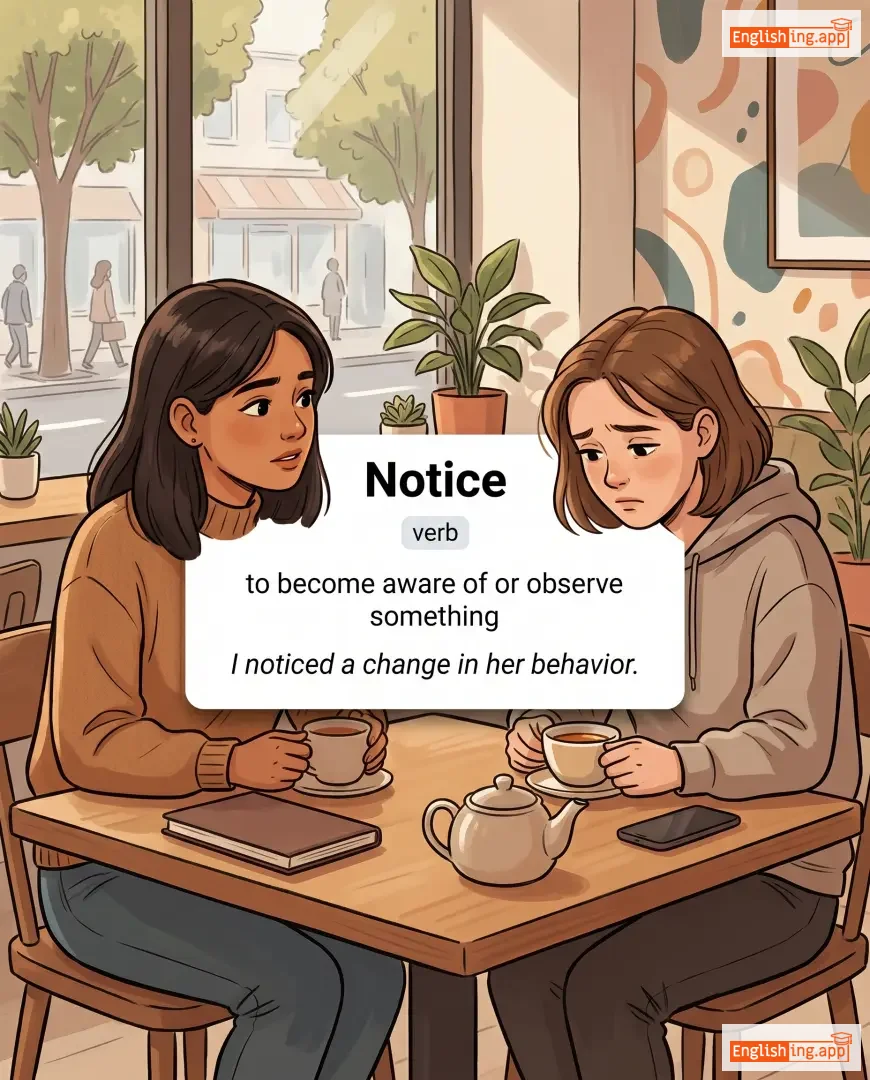
a written or printed announcement or notification
••••••
|
He gave me a notice about the meeting.
Он дал мне уведомление о собрании.
••••••
|
Он дал мне уведомление о собрании.
On dal mne uvedomlenie o sobrasnii.
••••••
|
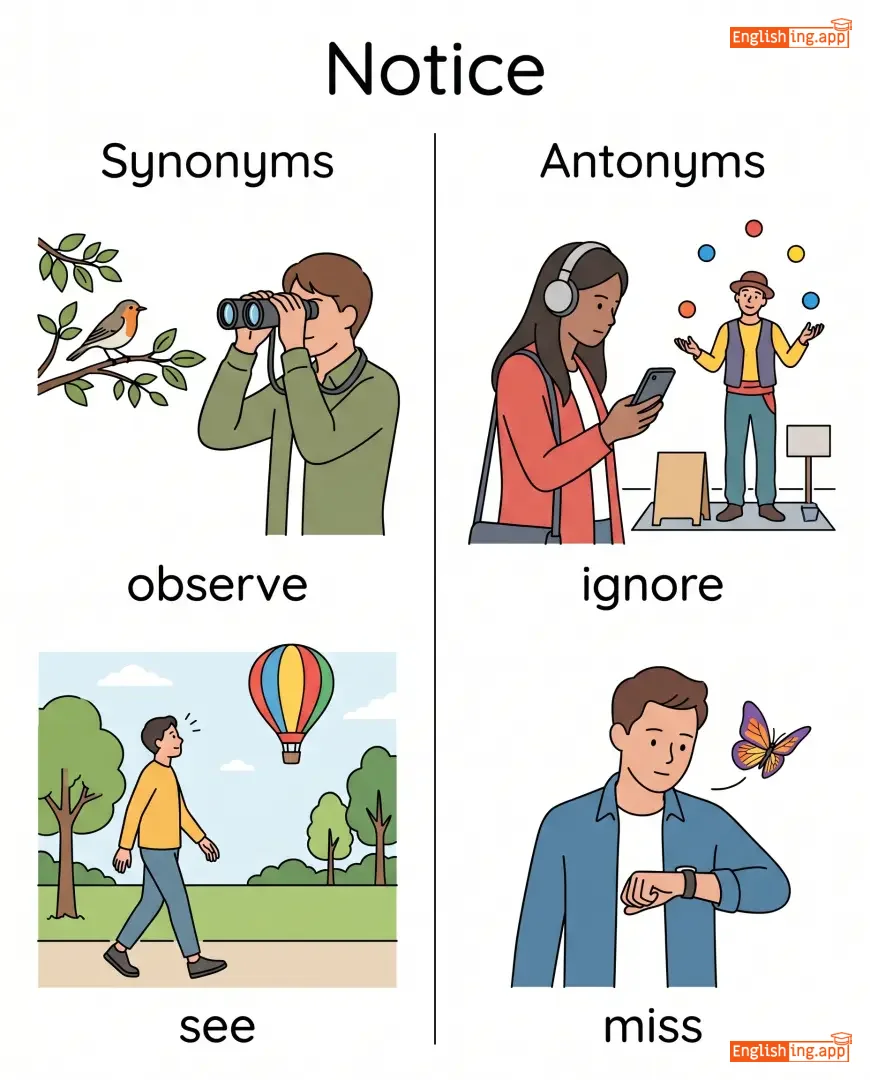
announcement, memo, bulletin, notification
••••••
|
ignorance, unawareness
••••••
|
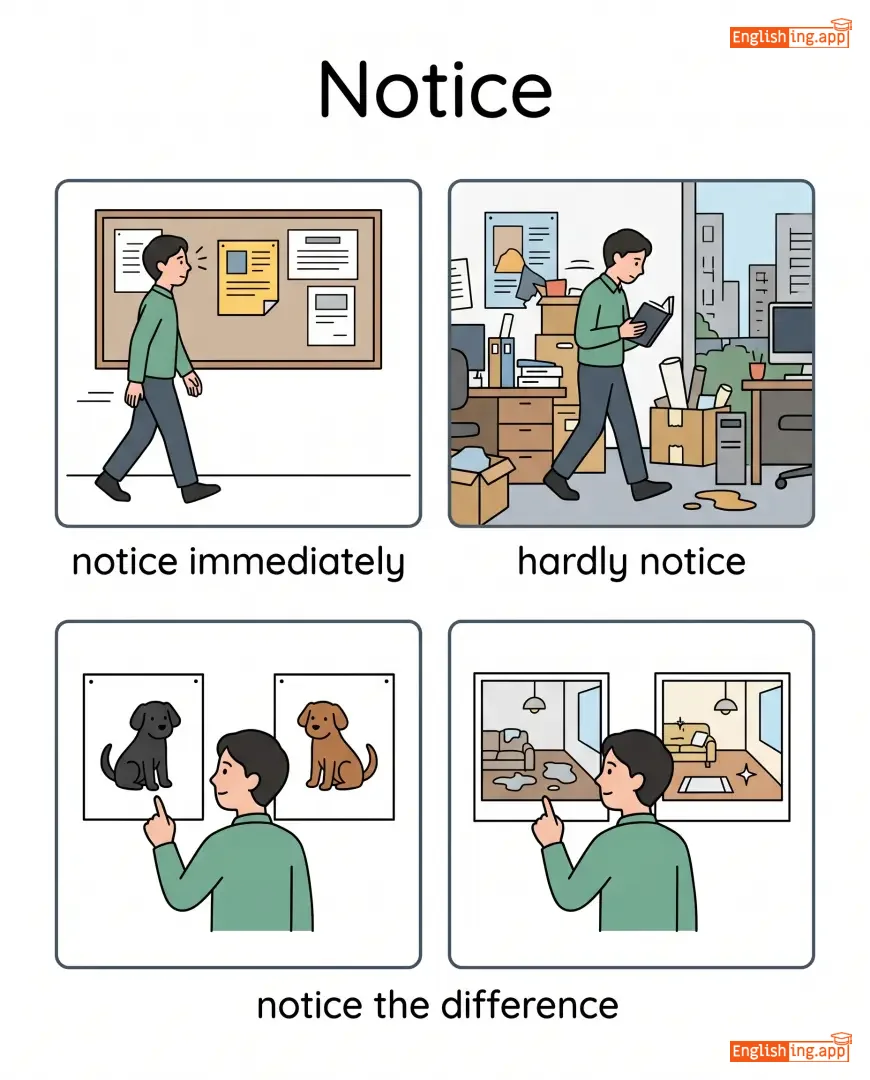
give notice, receive notice, serve notice
••••••
|
In Russian, notice is уведомление, like an important notice.
••••••
|
|
#11487
❌
|
/ˈnʌθɪŋ/
pronoun
(нъосинг)
••••••
|
- •••••• |
ничто
nichto
••••••
|
- •••••• | - •••••• | - •••••• | - •••••• |
not anything; no thing
••••••
|
She has nothing to worry about. |
Ей нечего беспокоиться.
Yey nechego bespokoitsya.
••••••
|
zero, nil, nought
••••••
|
everything
••••••
|
nothing to do, nothing at all, nothing left
••••••
|
Nothing (ничто) – Picture nothing to worry about!
••••••
|
|
#11488
🚫
|
/nɒt/
adverb
(нот)
••••••
|
- •••••• |
нет
net
••••••
|
- •••••• | - •••••• | - •••••• | - •••••• |
used to make a word or phrase negative
••••••
|
I do not like spicy food. |
Я не люблю острую еду.
Ya ne lyublyu ostruyu yedu.
••••••
|
no, never
••••••
|
yes
••••••
|
not sure, not at all, not yet, not going
••••••
|
Not (нет) – 'Net' means rejecting or saying no.
••••••
|
|
#11489
👃
|
/noʊz/
noun
(noʊz)
••••••
|
- •••••• |
нос
nos
••••••
|
- •••••• | - •••••• | - •••••• | - •••••• |
the part of the face that contains the nostrils and is used for breathing and smelling
••••••
|
He has a sharp nose and can smell things from far away. |
У него острый нос, и он может чувствовать запахи издалека.
U nego ostry nos, i on mozhet chuvstvovat' zapakhi izdaleka.
••••••
|
nostrils, snout
••••••
|
mouth
••••••
|
runny nose, pick your nose, nose ring
••••••
|
Nose (нос) – Russian 'nos' is very close to the word 'nose'!
••••••
|
|
#11490
🌨️
|
/ˈnɔːðərn/
adjective
(нордерн)
••••••
|
- •••••• |
северный
severnyy
••••••
|
- •••••• | - •••••• | - •••••• | - •••••• |
relating to the north or situated in the north
••••••
|
The northern part of the country is known for its cold climate. |
Северная часть страны известна своим холодным климатом.
Severnaya chast' strany izvestna svoim kholodnym klimatom.
••••••
|
northerly, northernmost
••••••
|
southern
••••••
|
northern lights, northern regions, northern hemisphere
••••••
|
Think of the icy winds from the north – 'severnyy' means northern in Russian!
••••••
|
|
#11491
🧭
|
/nɔːrθ/
noun
(норт)
••••••
|
- •••••• |
север
sever
••••••
|
- •••••• | - •••••• | - •••••• | - •••••• |
the direction toward the top of a map or the opposite of south
••••••
|
We traveled north to reach the mountains. |
Мы путешествовали на север, чтобы добраться до гор.
My puteshestvovali na sever, chtoby dobrat'sya do gor.
••••••
|
up, northern direction
••••••
|
south, downward
••••••
|
north pole, north wind, go north, head north
••••••
|
North is UP on a map, just like 'Sever' is UP in Russian!
••••••
|
|
#11492
⏰
|
/ˈnɔːməli/
adverb
(нормали)
••••••
|
- •••••• |
обычно
obychno
••••••
|
- •••••• | - •••••• | - •••••• | - •••••• |
in a usual or expected way
••••••
|
I normally wake up at 7 AM. |
Я обычно просыпаюсь в 7 утра.
Ya obychno prosypayus' v 7 utra.
••••••
|
typically, usually, generally, regularly
••••••
|
abnormally, unusually
••••••
|
normally do, normally happen, normally expect
••••••
|
Normally you wake up at a normal time!
••••••
|
|
#11493
🚫➡️🚫
|
/nɔːr/
conjunction
(нор)
••••••
|
- •••••• |
ни
ni
••••••
|
- •••••• | - •••••• | - •••••• | - •••••• |
used to introduce a negative clause after a negative statement
••••••
|
He didn't call, nor did he send a message. |
Он не позвонил, ни не отправил сообщение.
On ne pozvonil, ni ne otpravil soobshchenie.
••••••
|
and not, neither
••••••
|
and, or
••••••
|
nor did, nor have
••••••
|
Nor - 'Not' after a negative statement.
••••••
|
|
#11494
🌧️➡️🏞️
|
/ˌnʌnðəˈlɛs/
adverb
(нанселес)
••••••
|
- •••••• |
тем не менее
tem ne menee
••••••
|
- •••••• | - •••••• | - •••••• | - •••••• |
in spite of that; nevertheless
••••••
|
It was raining, but nonetheless, they went hiking. |
Шел дождь, но тем не менее они пошли в поход.
Shel dozhd, no tem ne menee oni poshli v pokhod.
••••••
|
nevertheless, however, still, yet
••••••
|
therefore, hence
••••••
|
nonetheless important, nonetheless true, nonetheless, despite that
••••••
|
Noneth- like 'none-the-less' means despite.
••••••
|
|
#11495
🚫
|
/nʌn/
pronoun
(нан)
••••••
|
- •••••• |
никто
nikto
••••••
|
- •••••• | - •••••• | - •••••• | - •••••• |
not any; no one; not one
••••••
|
None of the students passed the exam. |
Никто из студентов не сдал экзамен.
Nikto iz studentov ne sdal ekzamen.
••••••
|
nothing, nobody, nil
••••••
|
all, some, everyone
••••••
|
none of, none left, none at all
••••••
|
None sounds like 'nikto'.
••••••
|
|
#11496
🔊
|
/nɔɪz/
noun
(noyz)
••••••
|
- •••••• |
шум
shum
••••••
|
- •••••• | - •••••• | - •••••• | - •••••• |
a sound, especially when it is unwanted, unpleasant, or loud
••••••
|
The noise from the construction site was unbearable.
Шум с строительного участка был невыносим.
••••••
|
Шум с строительного участка был невыносим.
Shum s stroitel'nogo uchastka byl nevyinosim.
••••••
|
sound, racket, clamor, din, commotion
••••••
|
silence, quiet, calm
••••••
|
loud noise, background noise, noise pollution, white noise
••••••
|
Noise can 'annoy' you, remember it by associating 'noise' with 'annoy'.
••••••
|
|
#11497
👍
|
/nɒd/
verb
(ноду)
••••••
|
|
кивнуть головой
kivnut golovoy
••••••
|
nodded
нудед
••••••
|
nodded
нудед
••••••
|
nods
нудс
••••••
|
nodding
нудинг
••••••
|
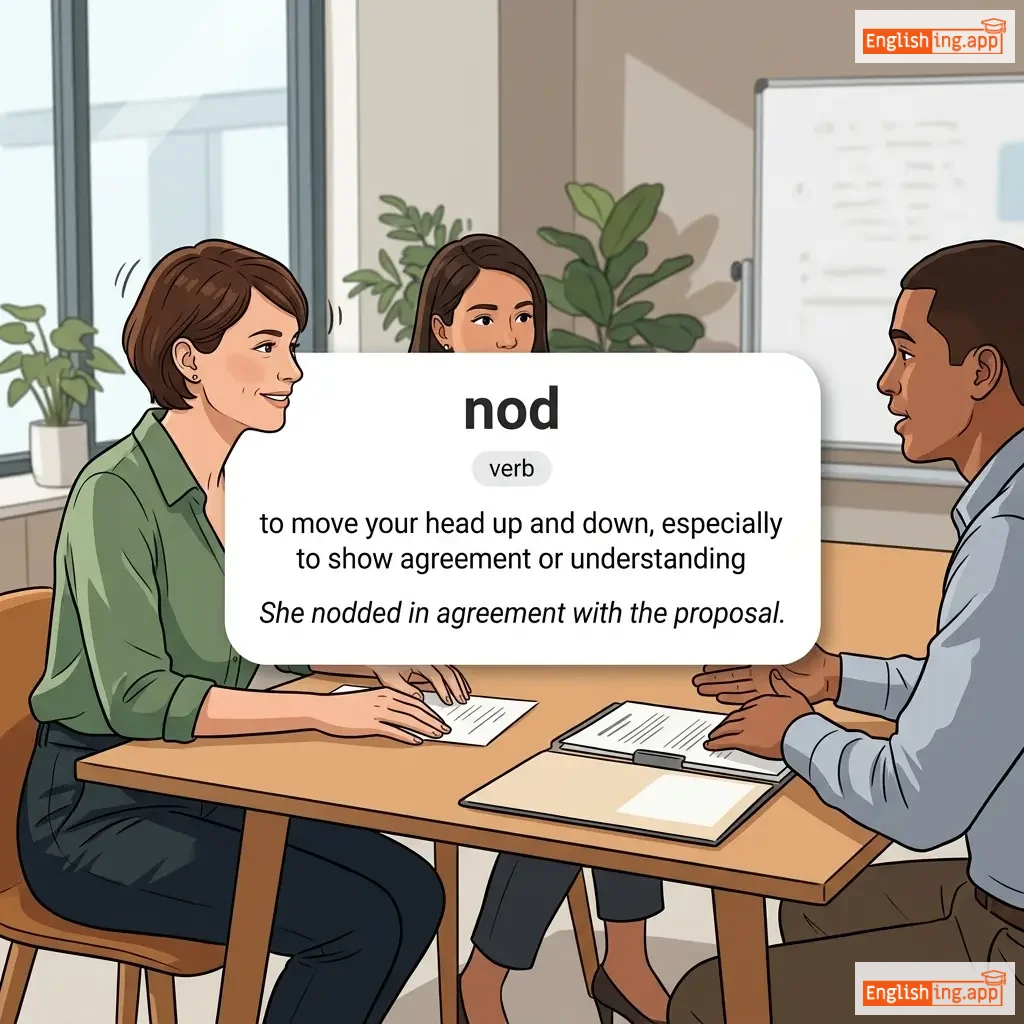
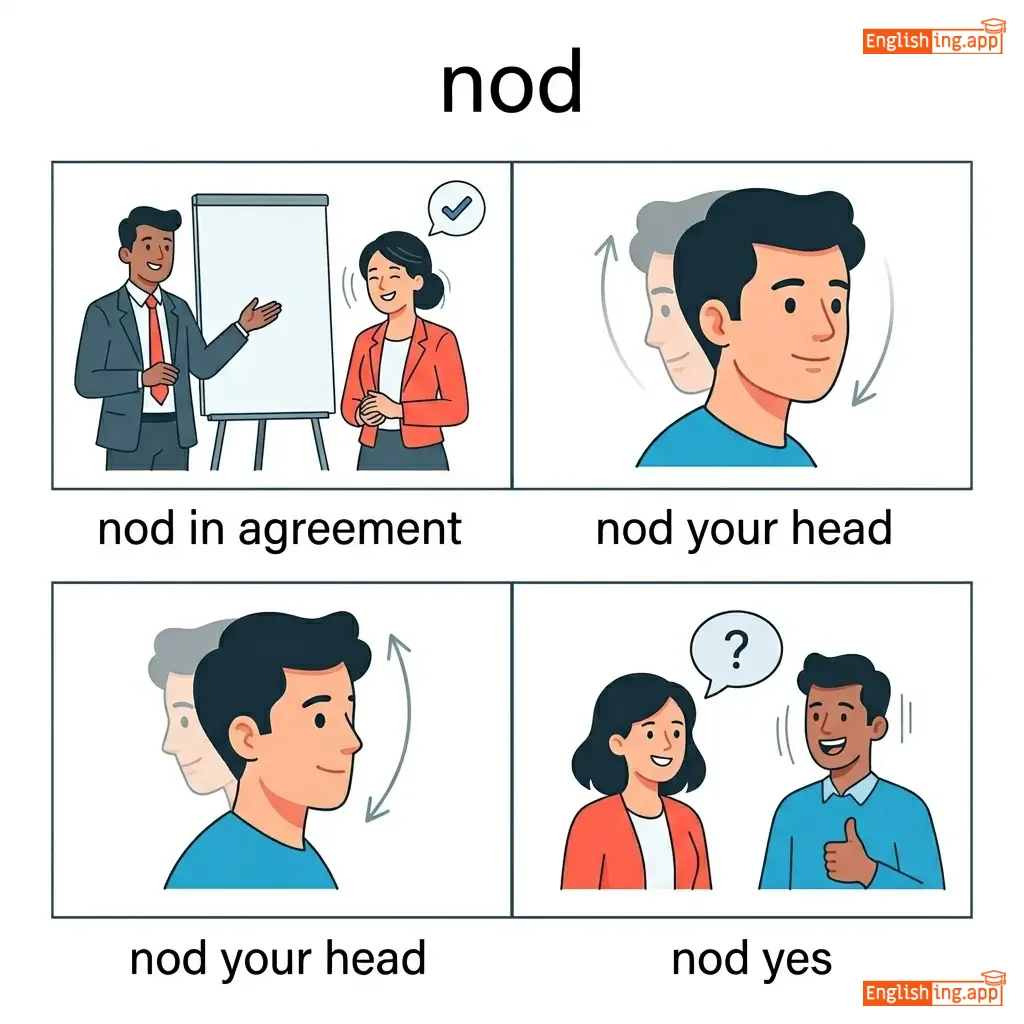
to move your head up and down, especially to show agreement or understanding
••••••
|
She nodded in agreement with the proposal.
Она кивнула в знак согласия с предложением.
••••••
|
Она кивнула в знак согласия с предложением.
Ona kivnula v znak soglasiya s predlozheniyem.
••••••
|
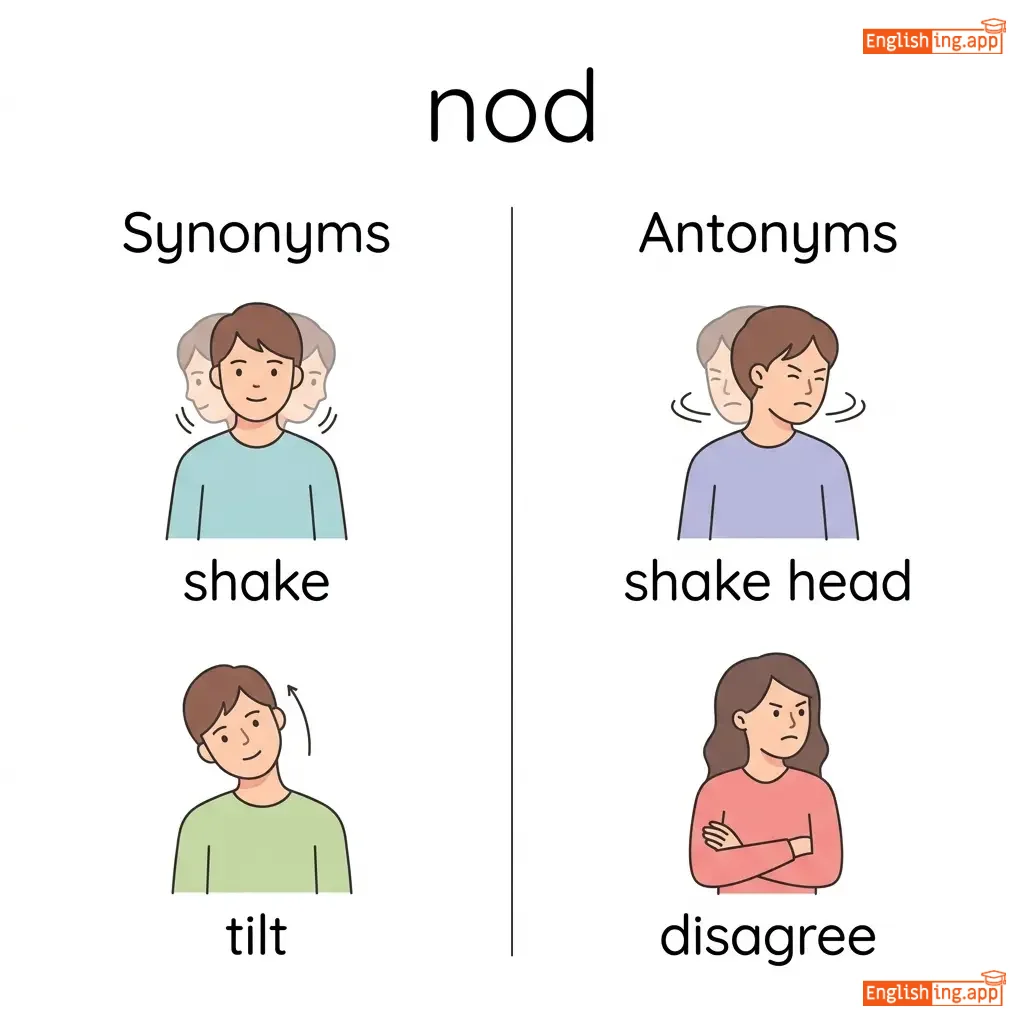
shake, tilt, bow
••••••
|
shake head, disagree
••••••
|
nod in agreement, nod your head, nod yes
••••••
|
Кивать головой — это знак согласия - Nod to show agreement.
••••••
|
|
#11498
🙅♂️
|
/ˈnoʊˌbɑːdi/
pronoun
(нободи)
••••••
|
- •••••• |
никто
nikto
••••••
|
- •••••• | - •••••• | - •••••• | - •••••• |
no person; not anyone
••••••
|
Nobody came to the party.
Никто не пришел на вечеринку.
••••••
|
Никто не пришел на вечеринку.
Nikto ne prishel na vecherinku.
••••••
|
no one, none, not a soul
••••••
|
someone, anybody
••••••
|
nobody knows, nobody cares, nobody else
••••••
|
Никто не придет, если никто не слушает - Nobody comes if nobody listens
••••••
|
|
#11499
🚫
|
/noʊ/
adverb
(но)
••••••
|
- •••••• |
нет
net
••••••
|
- •••••• | - •••••• | - •••••• | - •••••• |
used to give a negative response or to show disagreement
••••••
|
She said no to the invitation.
Она сказала нет приглашению.
••••••
|
Она сказала нет приглашению.
Ona skazala net priglasheniyu.
••••••
|
nope, never, negative, not at all
••••••
|
yes, okay
••••••
|
say no, no way, no problem, no need
••••••
|
Нет, когда ты говоришь нет, всё останавливается. - When you say no, everything stops.
••••••
|
|
#11500
⏳
|
/ˈnɪəli/
adverb
(нɪарли)
••••••
|
- •••••• |
почти
pochti
••••••
|
- •••••• | - •••••• | - •••••• | - •••••• |
almost, but not completely
••••••
|
She nearly missed the bus. |
Она почти пропустила автобус.
Ona pochtit propustila avtobus.
••••••
|
almost, practically, just about, close to
••••••
|
completely, entirely, fully
••••••
|
nearly lost, nearly there, nearly finished
••••••
|
Почти (pochti) как 'nearly' - Almost there!
••••••
|
|
#11501
🌙
|
/naɪt/
noun
(наит)
••••••
|
- •••••• |
ночь
noch
••••••
|
- •••••• | - •••••• | - •••••• | - •••••• |
the time of darkness between one day and the next, when most people sleep
••••••
|
She loves going for walks at night. |
Ей нравится гулять ночью.
Ey nravitsya gulyat' noch'yu.
••••••
|
evening, nighttime, dusk, dark
••••••
|
day, morning
••••••
|
night sky, night time, at night, good night
••••••
|
ночь = Ночь — Новый отдых, человек спит (Night = New rest at night, a person sleeps)
••••••
|
|
#11502
⏭️
|
/nɛkst/
adjective
(некст)
••••••
|
- •••••• |
следующий
sleduyushchiy
••••••
|
- •••••• | - •••••• | - •••••• | - •••••• |
immediately following in time, order, or place
••••••
|
The next train leaves at 9:00 AM. |
Следующий поезд отправляется в 9:00 утра.
Sleduyushchiy poyezd otpravlyaetsya v 9:00 utra.
••••••
|
following, subsequent, upcoming, nearest
••••••
|
previous, prior
••••••
|
next day, next year, next time, next week
••••••
|
Next is always the NEXT thing to happen
••••••
|
|
#11503
🗞️
|
/ˈnjuːzˌpeɪpər/
noun
(njuzpeɾ)
••••••
|
- •••••• |
газета
gazeta
••••••
|
- •••••• | - •••••• | - •••••• | - •••••• |
a printed publication (usually daily or weekly) containing news, articles, advertisements, and correspondence
••••••
|
I read the newspaper every morning.
ja čitam gazetu každoye utro.
••••••
|
Я читаю газету каждое утро.
Ya chitayu gazetu kazhdoe utro.
••••••
|
periodical, journal, publication, paper
••••••
|
magazine, online media
••••••
|
daily newspaper, local newspaper, national newspaper, newspaper article
••••••
|
Newspapers are the first place to get the NEWS
••••••
|
|
#11504
📰
|
/nuːz/
noun
(ньюз)
••••••
|
- •••••• |
новости
novosti
••••••
|
- •••••• | - •••••• | - •••••• | - •••••• |
newly received or noteworthy information, especially about recent events
••••••
|
The news about the storm spread quickly. |
Новости о шторме быстро распространились.
Novosti o shtorme bystro rasprostranilis'.
••••••
|
information, report, bulletin, update
••••••
|
silence, ignorance
••••••
|
breaking news, latest news, good news, bad news
••••••
|
NEWS = Новые События Мы Должны Знать
••••••
|
|
#11505
🆕
|
/ˈnjuːli/
adverb
(niuli)
••••••
|
- •••••• |
недавно
nedavno
••••••
|
- •••••• | - •••••• | - •••••• | - •••••• |
in a new or recent manner
••••••
|
She has newly renovated her house.
Она недавно отремонтировала свой дом.
••••••
|
Она недавно отремонтировала свой дом.
Ona nedavno otrepairovala svoi dom.
••••••
|
recently, freshly, just, newly made
••••••
|
old, outdated
••••••
|
newly appointed, newly built, newly married, newly discovered
••••••
|
NEWLY means NEW + LY (recently done with love)
••••••
|
|
#11506
🚫
|
/ˈnɛvər/
adverb
(нэвэр)
••••••
|
- •••••• |
никогда
nikogda
••••••
|
- •••••• | - •••••• | - •••••• | - •••••• |
at no time in the past or future; not ever
••••••
|
I have never seen such a beautiful sunset. |
Я никогда не видел такого красивого заката.
Ya nikogda ne videl takogo krasivogo zakata.
••••••
|
not at all, under no circumstances, in no way, by no means
••••••
|
always, ever
••••••
|
never seen, never been, never heard, never thought
••••••
|
NEVER forget to say NO (nikogda) to things that waste time
••••••
|
|
#11507
🚫
|
/ˈniːðər/
conjunction
(нидар)
••••••
|
- •••••• |
ни тот ни другой
ni tot ni drugoy
••••••
|
- •••••• | - •••••• | - •••••• | - •••••• |
used to connect two negative alternatives
••••••
|
Neither the manager nor the assistant could attend the meeting.
Нидар зэ менеджер нор зэ ассистент куд э'тэнд зэ митинг.
••••••
|
Ни менеджер, ни помощник не смогли присутствовать на встрече.
ni menedzher ni pomoshnik ne smogli prisutstvovat na vstreche
••••••
|
nor, not either
••••••
|
either
••••••
|
neither nor, neither of them
••••••
|
Neither in Russian repeats 'ни': ни это, ни то!
••••••
|
|
#11508
🏡
|
/ˈneɪbərˌhʊd/
noun
(нейбэрхуд)
••••••
|
- •••••• |
район
rajon
••••••
|
- •••••• | - •••••• | - •••••• | - •••••• |
a district or area around or near a particular place
••••••
|
I grew up in a quiet neighborhood. |
Я вырос в тихом районе.
Ya vyros v tikhom rayone.
••••••
|
community, locality, district, area
••••••
|
isolation, wilderness
••••••
|
peaceful neighborhood, residential neighborhood, urban neighborhood
••••••
|
Район - это место, где ты живешь рядом с соседями.
••••••
|
|
#11509
🏘️
|
/ˈneɪbər/
noun
(нейбор)
••••••
|
- •••••• |
сосед
sosed
••••••
|
- •••••• | - •••••• | - •••••• | - •••••• |
a person living next door or nearby
••••••
|
My neighbor lent me some sugar when I ran out.
Май нейбор лент ми сам шугар вен ай ран аут.
••••••
|
Мой сосед одолжил мне немного сахара, когда я его не достал.
Moy sosed odolzhil mne nemnogo sakhara, kogda ya yego ne dostal.
••••••
|
adjacent resident, nearby person, local
••••••
|
stranger, outsider
••••••
|
good neighbor, friendly neighbor, next-door neighbor
••••••
|
Your neighbor never says ‘no’, it’s sweet like sugar!
••••••
|
|
#11510
💬
|
/nɪɡoʊˈʃiːeɪʃən/
noun
(переговоры)
••••••
|
- •••••• |
переговоры
peregovory
••••••
|
- •••••• | - •••••• | - •••••• | - •••••• |
a discussion aimed at reaching an agreement
••••••
|
The negotiation between the two companies was successful. |
Переговоры между двумя компаниями были успешными.
Peregovory mezhdu dvumya kompaniyami byli uspeshnymi.
••••••
|
discussion, bargaining, dialogue, talks
••••••
|
conflict, disagreement, dispute
••••••
|
peace negotiation, business negotiation, successful negotiation
••••••
|
Переговоры думай, ‘обсуждение для соглашения’ – улучшение отношений.
••••••
|
|
#11511
☹️
|
/ˈnɛɡətɪv/
adjective
(негатив)
••••••
|
|
негативный
negativnyy
••••••
|
- •••••• | - •••••• | - •••••• | - •••••• |
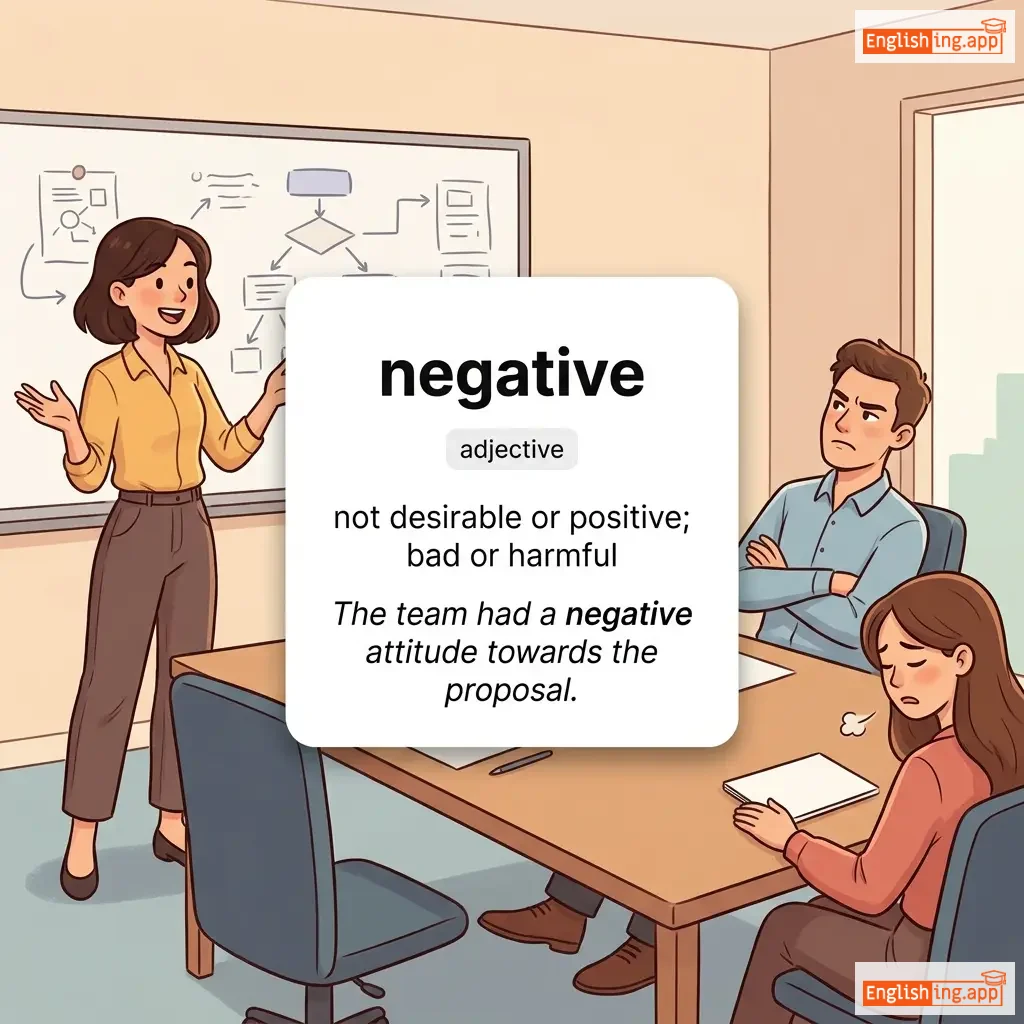
not desirable or positive; bad or harmful
••••••
|
The team had a negative attitude towards the proposal. |
Команда имела негативное отношение к предложению.
Komanda imela negativnoe otnoshenie k predlozheniyu.
••••••
|
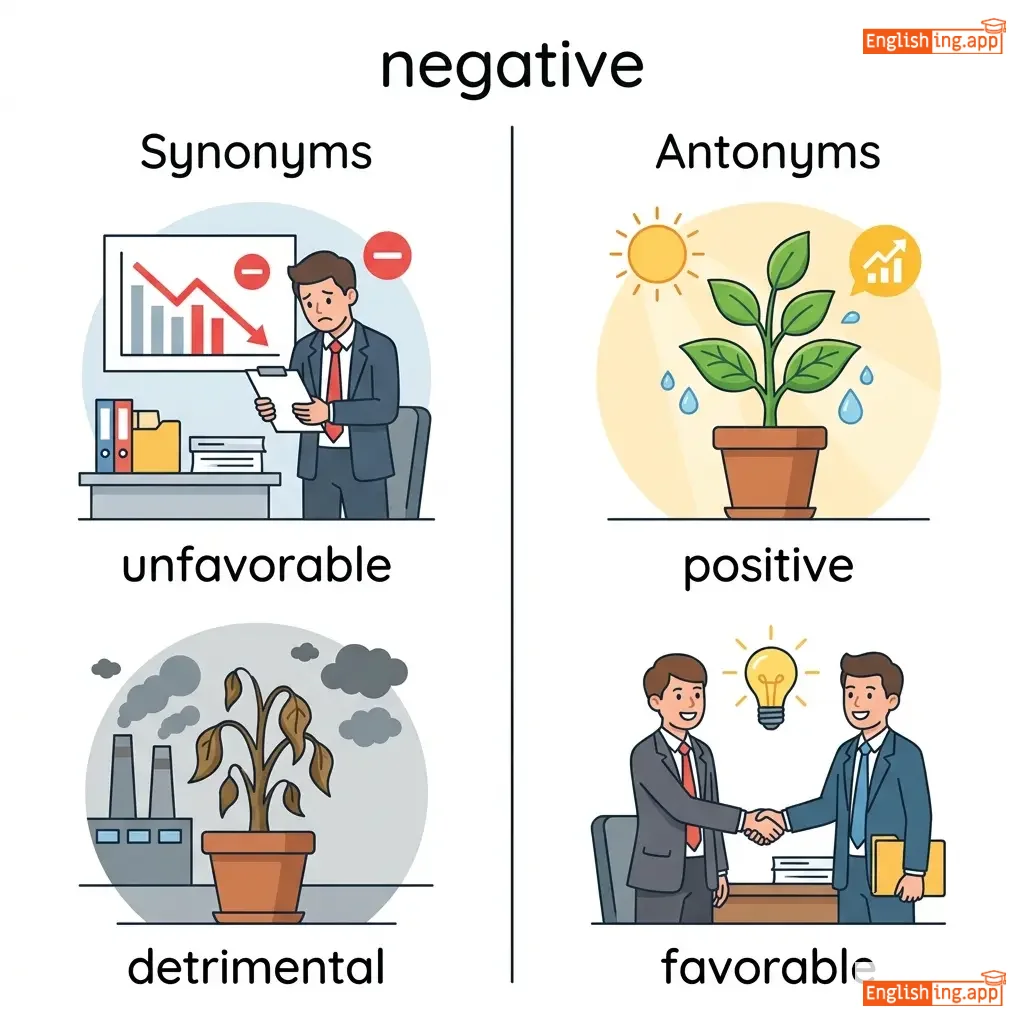
unfavorable, detrimental, harmful, pessimistic
••••••
|
positive, favorable, optimistic
••••••
|
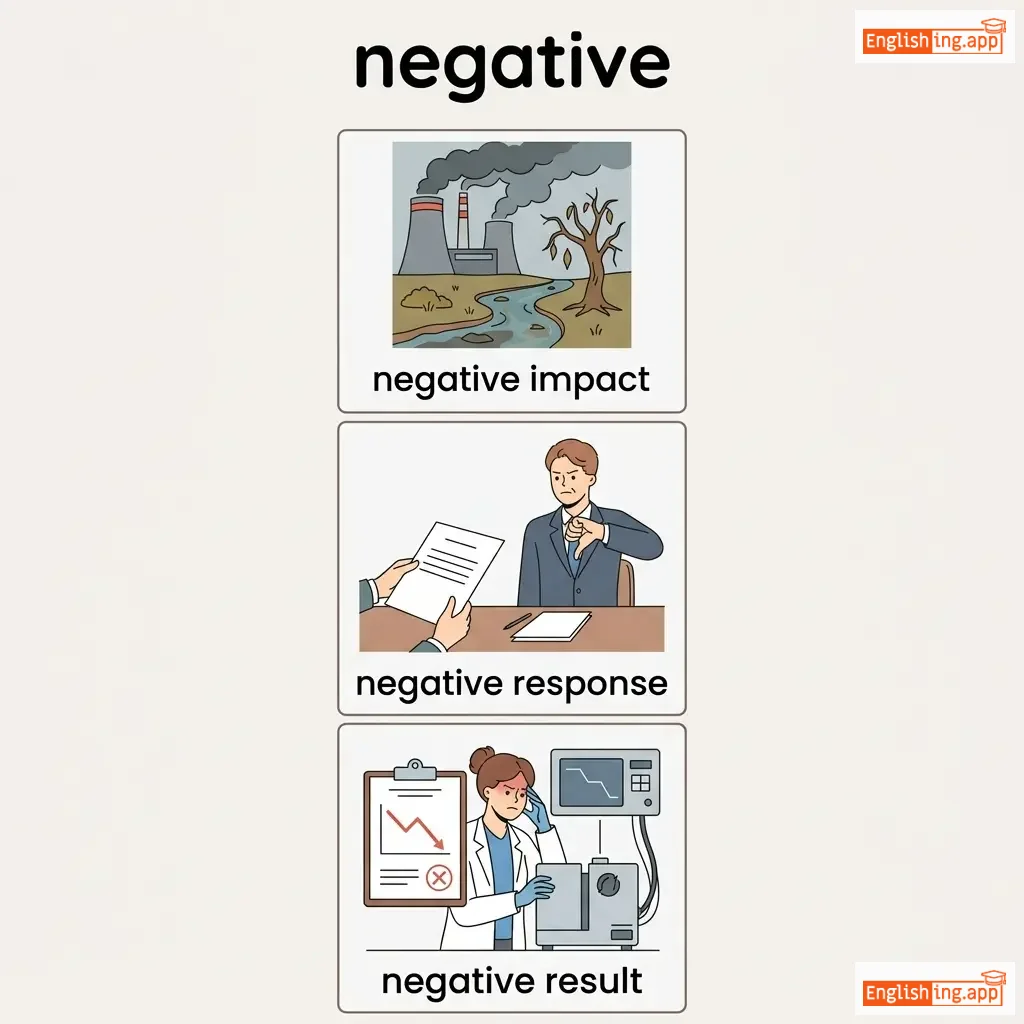
negative impact, negative response, negative result
••••••
|
Запомни негатив, ничего хорошего в этом!
••••••
|
|
#11512
🙏
|
/niːd/
verb
(нид)
••••••
|
|
нужда
nuzhda
••••••
|
needed
нидед
••••••
|
needed
нидед
••••••
|
needs
нидс
••••••
|
needing
нидинг
••••••
|
to require something or someone
••••••
|
I need your help with this task.
Мне нужна твоя помощь в этой задаче.
••••••
|
Мне нужна твоя помощь в этой задаче.
Mne nuzhna tvoya pomoshch' v etoy zadache.
••••••
|
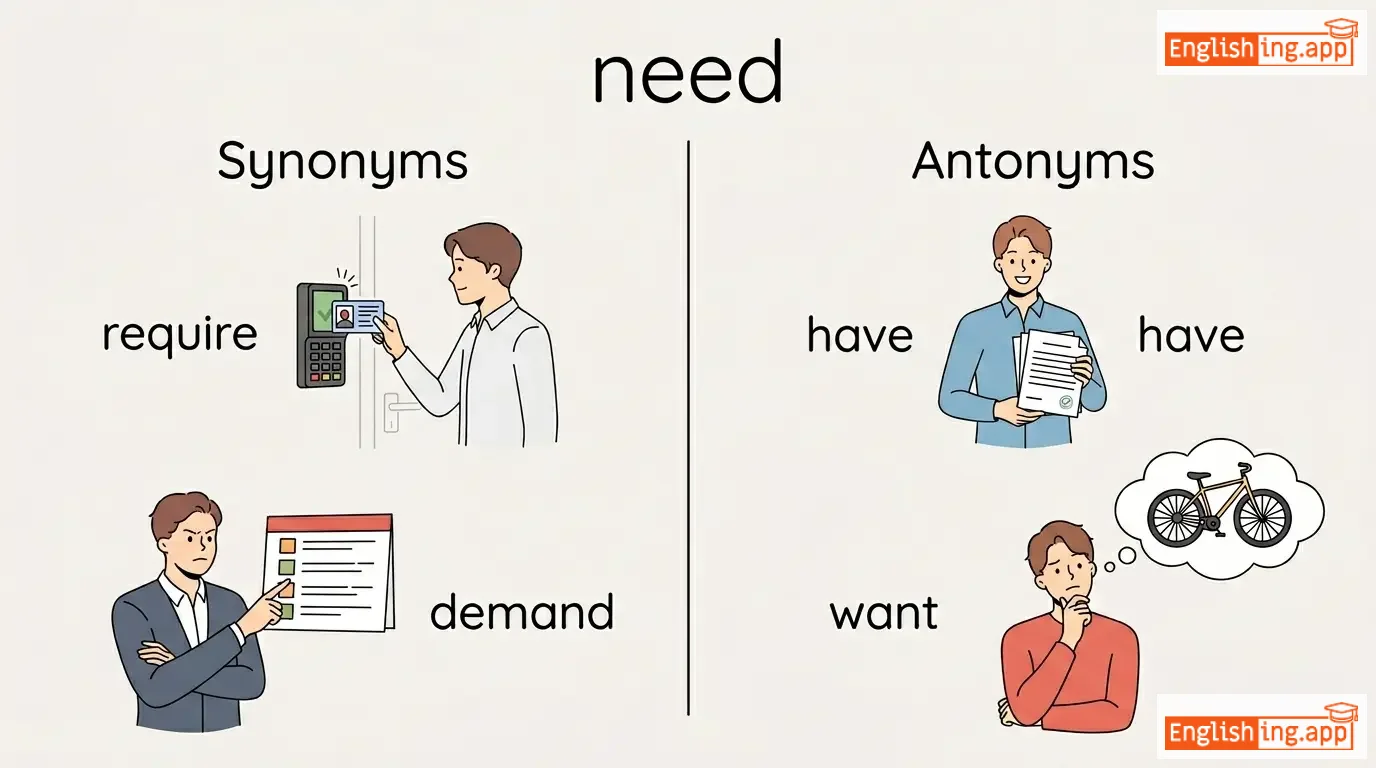
require, demand, want, desire
••••••
|
have, want, reject
••••••
|
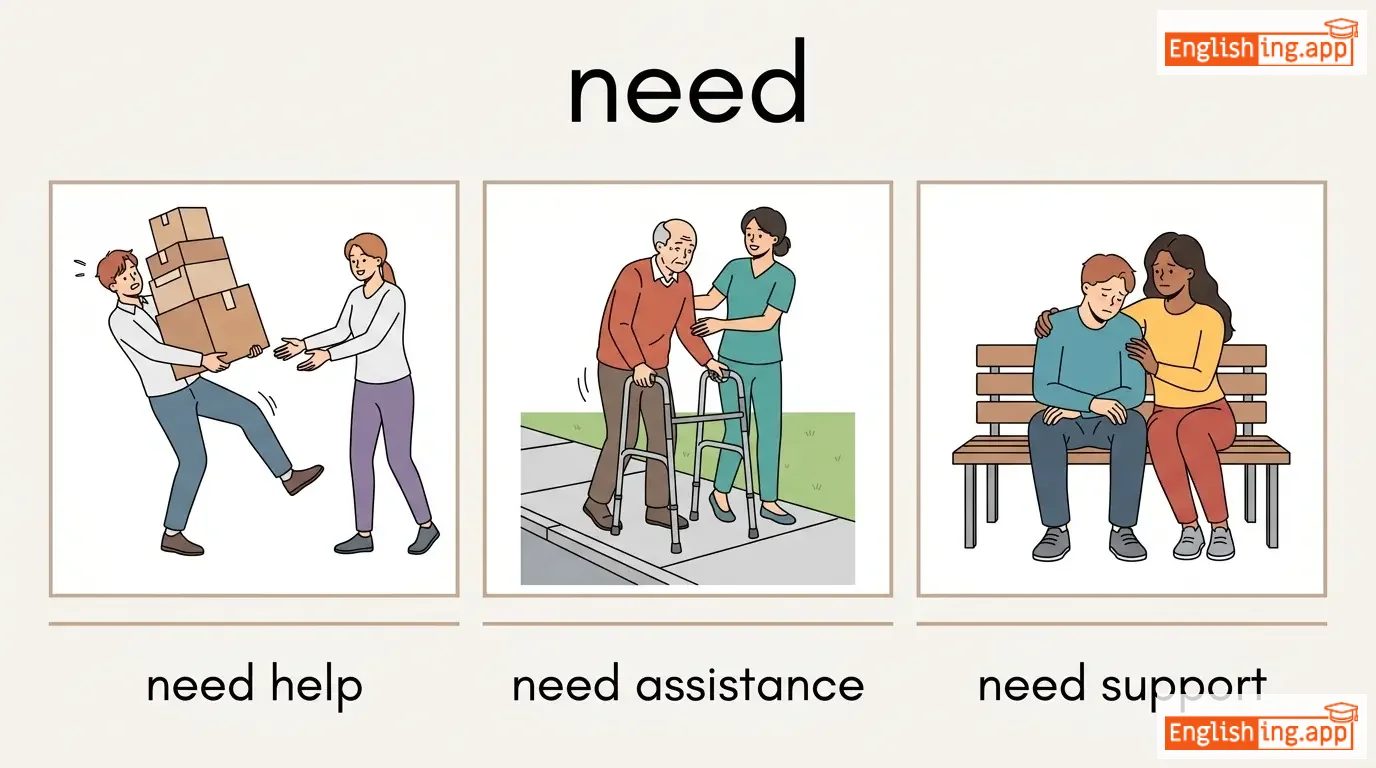
need help, need assistance, need support
••••••
|
Нужда (nuzhda) как 'need' - Need something? You nuzhda it!
••••••
|
|
#11513
🦒
|
/nɛk/
noun
(nek)
••••••
|
- •••••• |
шея
sheya
••••••
|
- •••••• | - •••••• | - •••••• | - •••••• |
the part of the body connecting the head and the shoulders
••••••
|
She wore a necklace around her neck. |
Она носила ожерелье на своей шее.
Ona nosila ozherelye na svoey sheye.
••••••
|
throat, collar, nape
••••••
|
head, chest
••••••
|
neck pain, neck injury, neck of the bottle
••••••
|
Шея (sheya) напоминает neck, как ожерелье на шее.
••••••
|
|
#11514
🔑
|
/ˌnɛsəˈsɛrɪli/
adverb
(нɛсɛсɛрɪˈlɪ)
••••••
|
- •••••• |
необязательно
neobyazatel'no
••••••
|
- •••••• | - •••••• | - •••••• | - •••••• |
as a necessary result; inevitably
••••••
|
It doesn’t necessarily mean you’re wrong. |
Это не обязательно означает, что вы ошибаетесь.
Eto ne obyazatel'no oznachaet, chto vy oshibayetes'.
••••••
|
inevitably, necessarily, certainly, of course
••••••
|
optionally, optionally, incidentally
••••••
|
necessarily true, necessarily result, necessarily mean
••••••
|
Необязательно (neobyazatel'no) - как 'necessarily', означает, что это не обязательно!
••••••
|
Vocabulary Quiz
Test your vocabulary by matching words with their translations or meanings.
Login to take the quiz
Comments (0)
Share your thoughts and join the discussion.
Join the discussion by logging in
Login to CommentNo comments yet
Be the first to share your thoughts!