

翻訳
過去
過去分詞
三人称単数
動名詞
意味
例文
例文の翻訳
同義語
対義語
コロケーション
ニーモニック
Swipe left or right, or use the buttons. Tap image to zoom.
例文の翻訳
単語
Lesson 409Lesson 409 - マスクトグル
|
絵文字
|
単語 | Images | 翻訳 | 過去 | 過去分詞 | 三人称単数 | 動名詞 | 意味 | 例文 | 例文の翻訳 | 表現例 | 表現例の意味 | 表現例の翻訳 | 同義語 | 対義語 | コロケーション | ニーモニック |
|---|---|---|---|---|---|---|---|---|---|---|---|---|---|---|---|---|---|
|
#12235
👨🦳
|
/ˈʌŋkəl/
noun
(アンケル)
••••••
|
- •••••• |
おじ/おじさん
oji/ojisan
••••••
|
- •••••• | - •••••• | - •••••• | - •••••• |
the brother of one's father or mother
••••••
|
My uncle is visiting us next week. |
私のおじさんは来週私たちを訪ねてきます。
Watashi no ojisan wa raishū watashitachi o tazunetekimasu.
••••••
|
- •••••• | - •••••• | - •••••• |
relative, kin, family member
••••••
|
- •••••• |
maternal uncle, paternal uncle, uncle and aunt
••••••
|
UNCLE is like 'uncertain' – You are uncertain if you can call him anything else!
••••••
|
|
#12236
🚫
|
/ʌnˈlaɪk/
preposition/adjective
(アンライク)
••••••
|
- •••••• |
異なる
kotonaru
••••••
|
- •••••• | - •••••• | - •••••• | - •••••• |
differing from or not similar to
••••••
|
Unlike his brother, he enjoys playing soccer.
彼の兄とは異なり、彼はサッカーを楽しんでいます。
••••••
|
彼の兄とは異なり、彼はサッカーを楽しんでいます。
Kare no ani to wa kotonaru, kare wa sakkā o tanoshindeimasu.
••••••
|
- •••••• | - •••••• | - •••••• |
different from, dissimilar to, contrasting with
••••••
|
like, similar to
••••••
|
unlike others, unlike anything, unlike before
••••••
|
UNlike - UNusual, ALIKE - opposite meaning, opposite ways!
••••••
|
|
#12237
🚫
|
/ʌnˈlɛs/
conjunction
(anles)
••••••
|
- •••••• |
もし~でない限り
moshi ~ denai kagiri
••••••
|
- •••••• | - •••••• | - •••••• | - •••••• |
except if
••••••
|
We won't go unless it stops raining. |
雨が止まない限り、私たちは行きません。
Ame ga yamanai kagiri, watashitachi wa ikimasen.
••••••
|
- •••••• | - •••••• | - •••••• |
except, without, but, if not
••••••
|
if, provided
••••••
|
unless otherwise stated, unless there is
••••••
|
Unless = もし~でない限り (Moshi ~ denai kagiri)
••••••
|
|
#12238
❓
|
/ʌnˈnoʊn/
adjective
(アンノウン)
••••••
|
- •••••• |
不明
fumei
••••••
|
- •••••• | - •••••• | - •••••• | - •••••• |
not known or familiar
••••••
|
The origin of the disease remains unknown.
その病気の起源は未だに不明です。
••••••
|
その病気の起源は未だに不明です。
Sono byouki no kigen wa imada ni fumei desu.
••••••
|
- •••••• | - •••••• | - •••••• |
unfamiliar, undiscovered, hidden, secret
••••••
|
known, familiar, discovered
••••••
|
unknown source, unknown origin, unknown fact
••••••
|
Unknown = 不明な道 (Fumei na michi)
••••••
|
|
#12239
🎓
|
/ˌjuːnɪˈvɜːrsɪti/
noun
(ユニバーシティ)
••••••
|
- •••••• |
大学
daigaku
••••••
|
- •••••• | - •••••• | - •••••• | - •••••• |
an institution of higher education and research, which grants academic degrees
••••••
|
She is studying law at the university. |
彼女は大学で法学を学んでいます。
Kanojo wa daigaku de hogaku wo manande imasu.
••••••
|
- •••••• | - •••••• | - •••••• |
college, academy, school, institution
••••••
|
none
••••••
|
university degree, university campus, university student
••••••
|
University = 大きな教育の場 (Ōkina kyōiku no ba)
••••••
|
|
#12240
🌌
|
/ˈjuːnɪvɜːrs/
noun
(ユニバース)
••••••
|
- •••••• |
宇宙
uchuu
••••••
|
- •••••• | - •••••• | - •••••• | - •••••• |
the totality of known or supposed objects and phenomena throughout space; the cosmos
••••••
|
The universe is vast and full of mysteries. |
宇宙は広大で謎に満ちています。
Uchuu wa koudai de nazo ni michiteimasu.
••••••
|
- •••••• | - •••••• | - •••••• |
cosmos, world, creation, galaxy
••••••
|
nothingness, void
••••••
|
vast universe, expanding universe, universe of possibilities
••••••
|
Universe = 無限の宇宙
••••••
|
|
#12241
🤝
|
/juˈnaɪtɪd/
adjective
(ユナイテッド)
••••••
|
- •••••• |
団結した
danketsu shita
••••••
|
- •••••• | - •••••• | - •••••• | - •••••• |
joined together or combined as one
••••••
|
The united team won the championship. |
団結したチームがチャンピオンシップを勝ち取った。
Danketsu shita chīmu ga chanpionshipu o kachitotta.
••••••
|
- •••••• | - •••••• | - •••••• |
combined, joined, connected, cohesive
••••••
|
divided, separate, fragmented
••••••
|
united effort, united front, united nation, united goal
••••••
|
United Nations = 国際連合
••••••
|
|
#12242
🔢
|
/ˈjuːnɪt/
noun
(ユニット)
••••••
|
- •••••• |
ユニット
yunitto
••••••
|
- •••••• | - •••••• | - •••••• | - •••••• |
an individual thing or person regarded as a single and complete entity
••••••
|
Each unit in the production line is carefully tested.
生産ラインの各ユニットは慎重にテストされます。
••••••
|
生産ラインの各ユニットは慎重にテストされます。
Seisan rain no kaku yunitto wa shinchou ni tesuto saremasu.
••••••
|
- •••••• | - •••••• | - •••••• |
component, element, part, module
••••••
|
whole, entirety
••••••
|
unit of measurement, production unit, housing unit
••••••
|
Unit is when you use ONE (unit) to measure everything!
••••••
|
|
#12243
🤝
|
/ˈjuːnɪən/
noun
(ユニオン)
••••••
|
- •••••• |
組合
kumiai
••••••
|
- •••••• | - •••••• | - •••••• | - •••••• |
the action or fact of joining or being joined with others, especially to form a single unit
••••••
|
The union of the two companies created a global leader.
二つの会社の統合により、グローバルリーダーが誕生しました。
••••••
|
二つの会社の統合により、グローバルリーダーが誕生しました。
Futatsu no kaisha no tōgō ni yori, gurōbaru rīdā ga tanjō shimashita.
••••••
|
- •••••• | - •••••• | - •••••• |
alliance, federation, confederation, merger
••••••
|
division, separation
••••••
|
trade union, labor union, political union, European Union
••••••
|
A union is when people UNITE together to form one.
••••••
|
|
#12244
👚
|
/ˈjuːnɪfɔːm/
adjective
(ユニフォーム)
••••••
|
- •••••• |
ユニフォーム
uniform
••••••
|
- •••••• | - •••••• | - •••••• | - •••••• |
consistent or the same in form, manner, or degree
••••••
|
The students were required to wear a uniform to school. |
生徒たちは学校で制服を着ることが求められました。
Seito-tachi wa gakkō de seifuku o kiru koto ga motomeraremashita.
••••••
|
- •••••• | - •••••• | - •••••• |
consistent, standardized, identical, homogeneous
••••••
|
varied, different, inconsistent
••••••
|
uniform color, uniform appearance, uniform policy, uniform distribution
••••••
|
ユニフォームでみんなが同じように見える!
••••••
|
|
#12245
😞
|
/ʌnˈfɔːtʃənətli/
adverb
(アンフォーチュネイトリー)
••••••
|
- •••••• |
残念ながら
zannen nagara
••••••
|
- •••••• | - •••••• | - •••••• | - •••••• |
used to express regret or disappointment about something that has happened or is going to happen
••••••
|
Unfortunately, the event was canceled due to the rain. |
残念ながら、イベントは雨のため中止されました。
Zannen nagara, ibento wa ame no tame chūshi sare mashita.
••••••
|
- •••••• | - •••••• | - •••••• |
regrettably, sadly, disappointingly
••••••
|
fortunately
••••••
|
unfortunately, unfortunately for, unfortunately, it seems
••••••
|
UNFORTUNATELY, ‘UN’ means no luck – and that’s unfortunate!
••••••
|
|
#12246
🧠
|
/ˌʌndərˈstændɪŋ/
noun
(アンダースタンディング)
••••••
|
- •••••• |
理解
rikai
••••••
|
- •••••• | - •••••• | - •••••• | - •••••• |
the ability to grasp the meaning, significance, or nature of something
••••••
|
Her understanding of the issue was impressive. |
彼女の問題に対する理解は印象的でした。
Kanojo no mondai ni taisuru rikai wa inshō-teki deshita.
••••••
|
- •••••• | - •••••• | - •••••• |
comprehension, insight, perception, awareness
••••••
|
misunderstanding, ignorance
••••••
|
deep understanding, mutual understanding, thorough understanding
••••••
|
理解 (rikai) があれば、問題を解決できる。
••••••
|
|
#12247
🤔
|
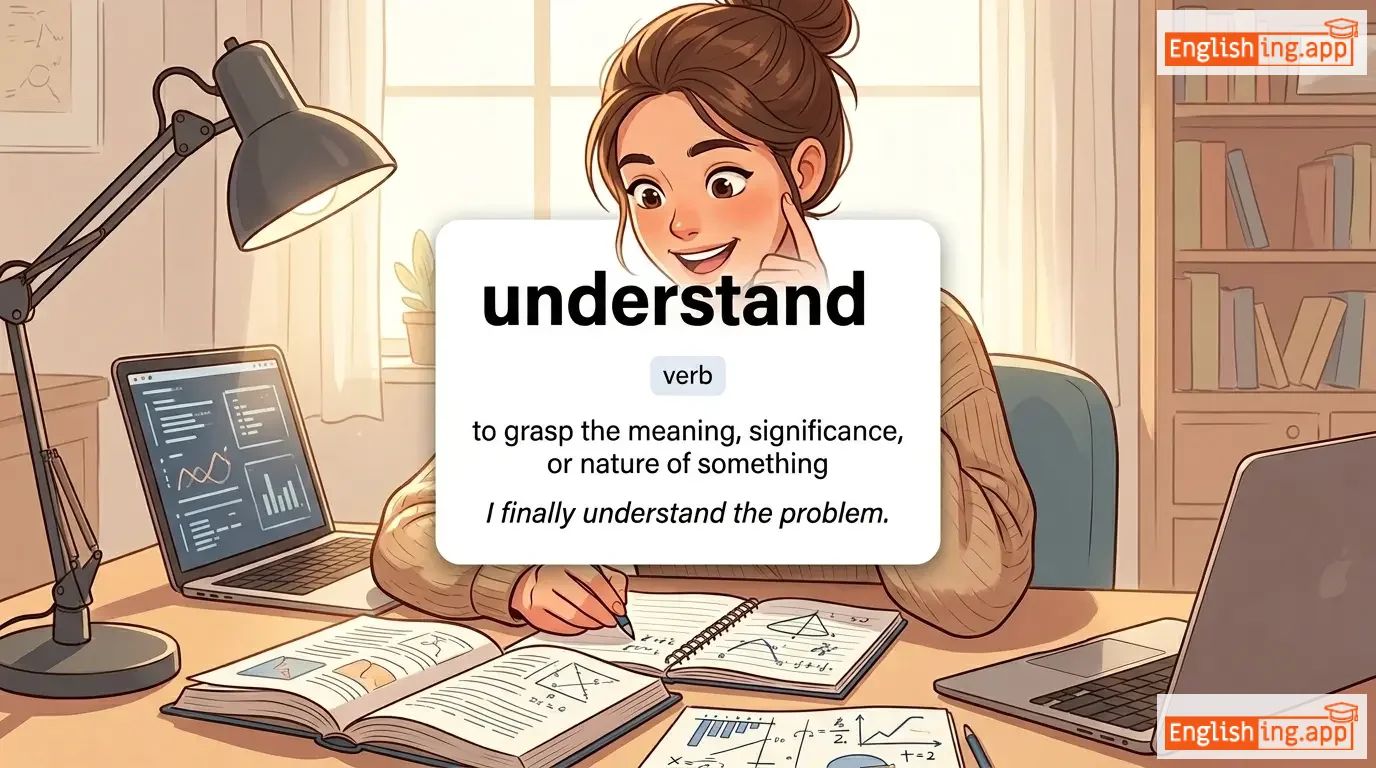
/ˌʌndərˈstænd/
verb
(アンダースタンド)
••••••
|
|
理解する
rikai suru
••••••
|
understood
アンダーストゥード
••••••
|
understood
アンダーストゥード
••••••
|
understands
アンダースタンズ
••••••
|
understanding
アンダースタンディング
••••••
|
to grasp the meaning, significance, or nature of something
••••••
|
I finally understand the problem.
私はついに問題を理解しました。
••••••
|
私はついに問題を理解しました。
Watashi wa tsuini mondai o rikai shimashita.
••••••
|
understand the situation
状況を理解する
••••••
|
to grasp the full context or details of a situation
••••••
|
状況を理解する
jōkyō o rikai suru
••••••
|
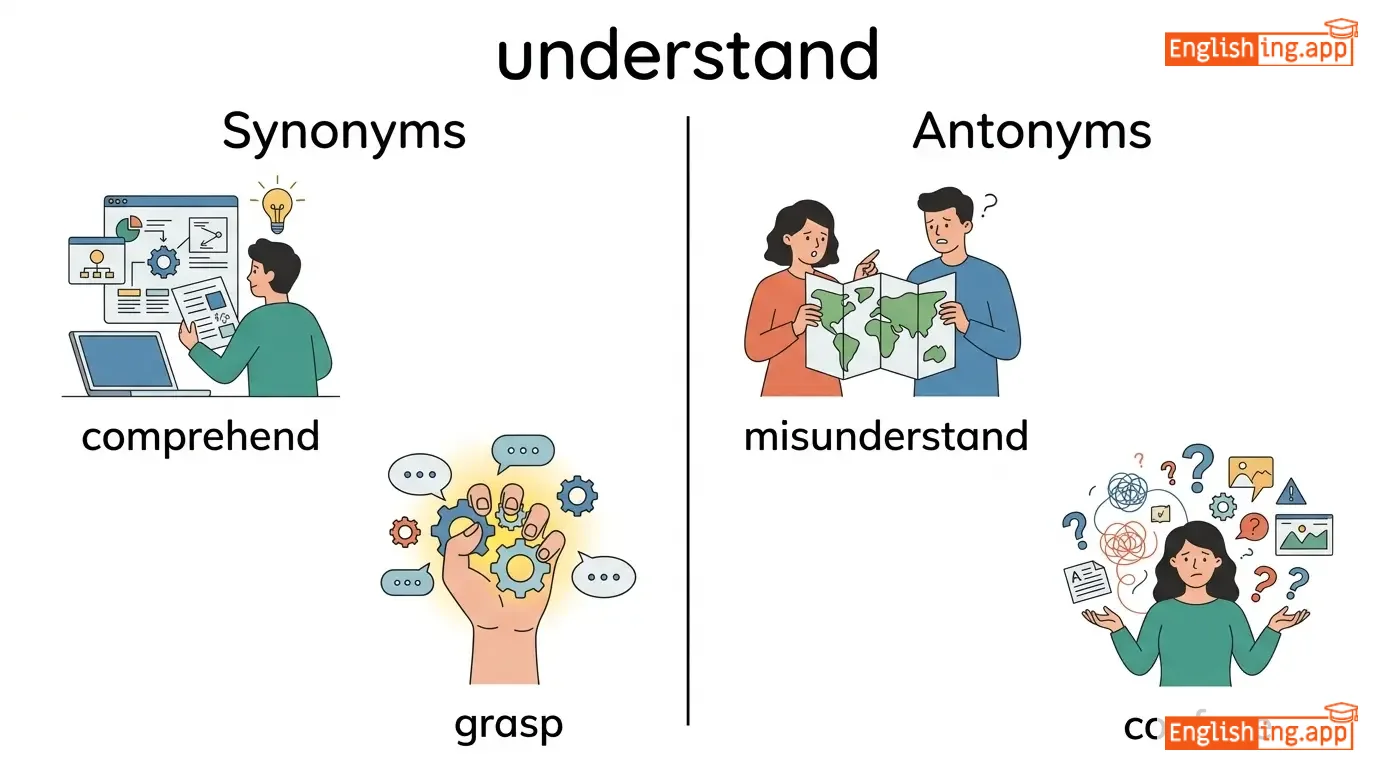
comprehend, grasp, perceive, realize
••••••
|
misunderstand, confuse
••••••
|
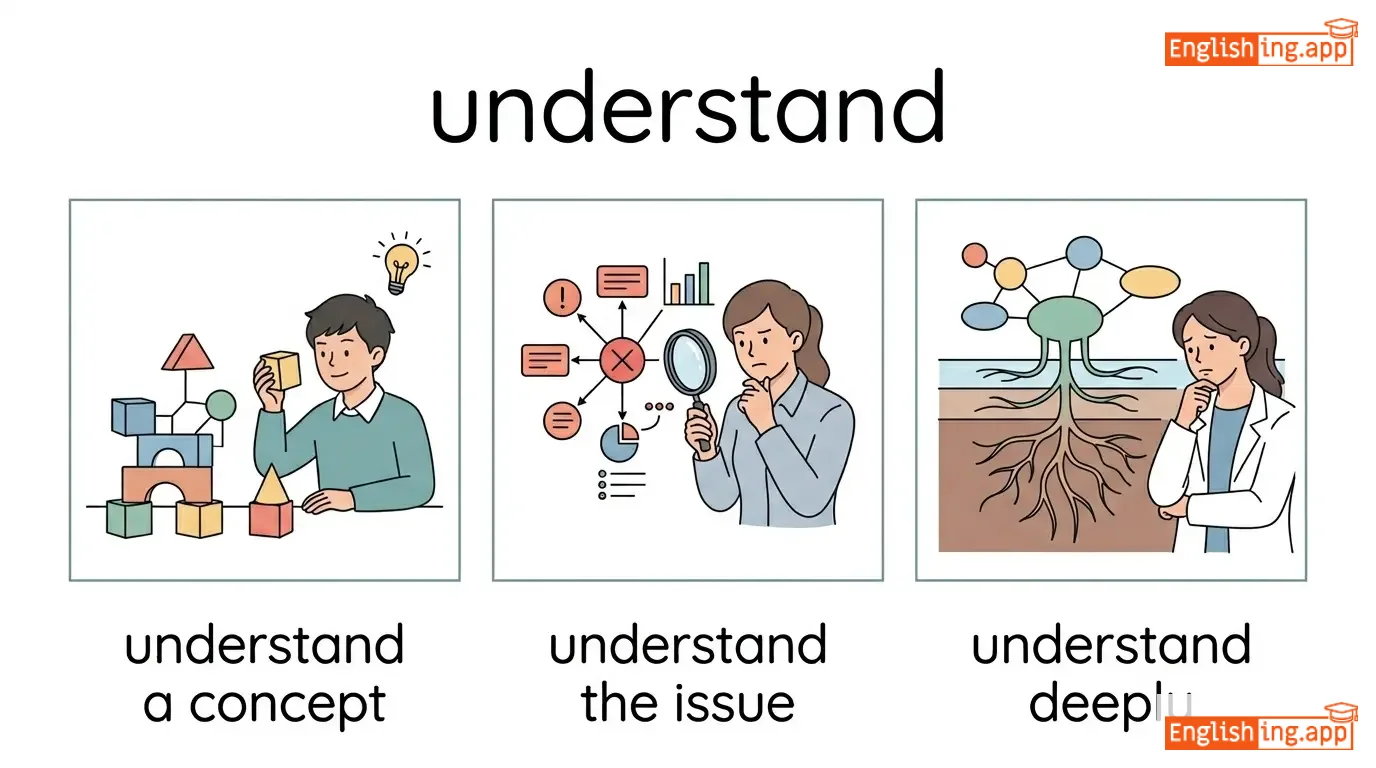
understand a concept, understand the issue, understand deeply
••••••
|
UNDERSTAND – Under the stand, I can grasp what's going on!
••••••
|
|
#12248
⚕️
|
/ˌʌndərˈɡoʊ/
verb
(アンダーゴ)
••••••
|
- •••••• |
経験する
keiken suru
••••••
|
underwent
アンダーウェント
••••••
|
undergone
アンダーゴーン
••••••
|
undergoes
アンダーゴーズ
••••••
|
undergoing
アンダーゴーイング
••••••
|
to go through something, especially something unpleasant or difficult
••••••
|
She had to undergo surgery to recover.
彼女は回復するために手術を受けなければなりませんでした。
••••••
|
彼女は回復するために手術を受けなければなりませんでした。
Kanojo wa kaifuku suru tame ni shujutsu wo ukenakereba narimasen deshita.
••••••
|
- •••••• | - •••••• | - •••••• |
endure, undergo, experience, suffer
••••••
|
avoid, escape
••••••
|
undergo surgery, undergo treatment, undergo change
••••••
|
UNDERGOすることは試練を乗り越えることです!
••••••
|
|
#12249
⬇️
|
/ˈʌndər/
preposition
(アンダー)
••••••
|
- •••••• |
下
shita
••••••
|
- •••••• | - •••••• | - •••••• | - •••••• |
in or to a lower position than something
••••••
|
The cat is under the table.
猫はテーブルの下にいます。
••••••
|
猫はテーブルの下にいます。
Neko wa tēburu no shita ni imasu.
••••••
|
- •••••• | - •••••• | - •••••• |
beneath, below, underneath, lower than
••••••
|
over, above, on top
••••••
|
under the table, under the weather, under control
••••••
|
UNDER the umbrella is where the cat stays
••••••
|
|
#12250
💪
|
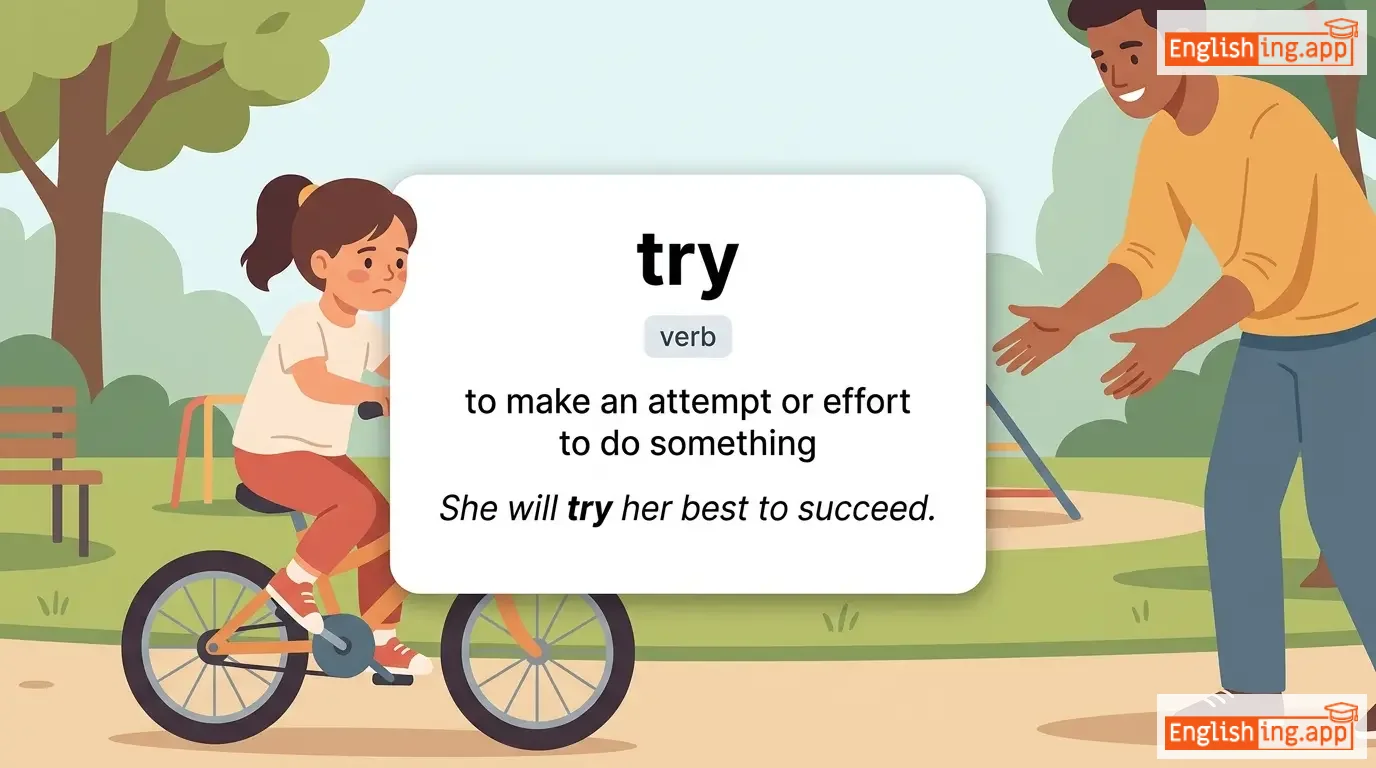
/traɪ/
verb
(トライ)
••••••
|
|
試みる
kokoromiru
••••••
|
tried
トライド
••••••
|
tried
トライド
••••••
|
tries
トライズ
••••••
|
trying
トライング
••••••
|
to make an attempt or effort to do something
••••••
|
She will try her best to succeed.
彼女は成功するために最善を尽くすつもりです。
••••••
|
彼女は成功するために最善を尽くすつもりです。
Kanojo wa seikou suru tame ni saizen o tsukusu tsumori desu.
••••••
|
Try your best
ベストを尽くしてください
••••••
|
Make the best effort possible
••••••
|
ベストを尽くしてください
Besuto o tsukushite kudasai
••••••
|
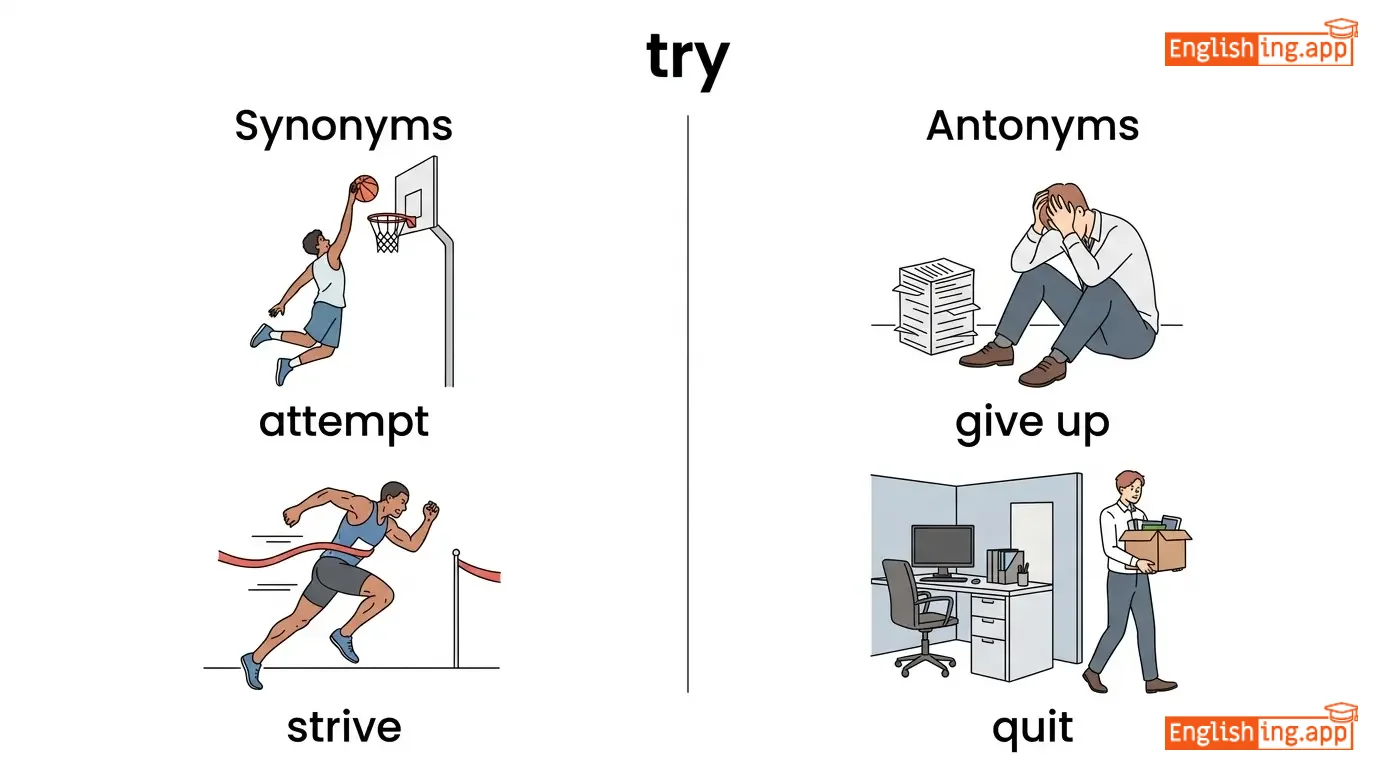
attempt, strive, endeavor, seek
••••••
|
give up, quit, abandon
••••••
|
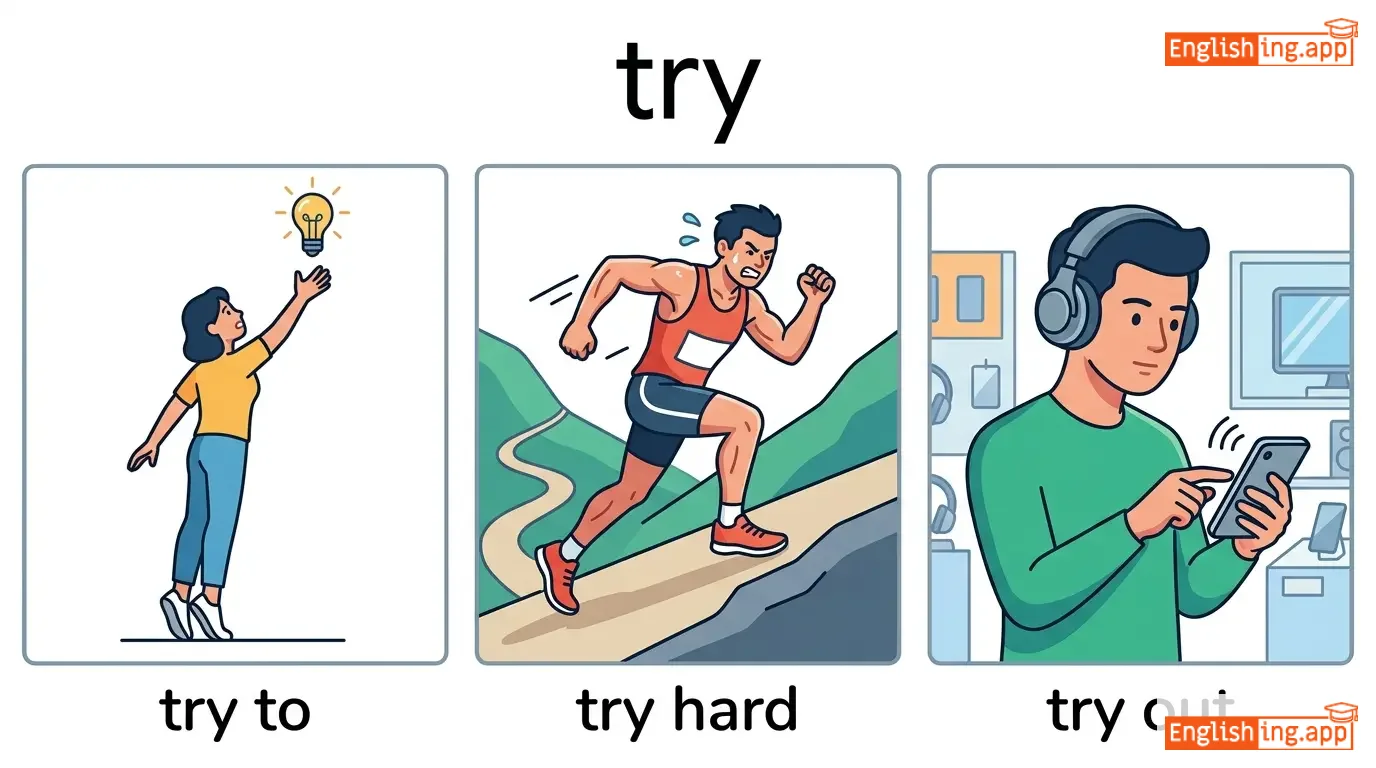
try to, try hard, try out, try again
••••••
|
試みる (try) - 成功をつかむために!
••••••
|
|
#12251
🙅♀️
|
/ʌˈneɪbl/
adjective
(ʌˈneɪbl)
••••••
|
- •••••• |
できない
dekinai
••••••
|
- •••••• | - •••••• | - •••••• | - •••••• |
not able to do something
••••••
|
She was unable to attend the meeting. |
彼女は会議に出席できませんでした。
Kanojo wa kaigi ni shusseki dekimasen deshita.
••••••
|
- •••••• | - •••••• | - •••••• |
incapable, powerless, helpless, ineffective
••••••
|
able, capable, competent
••••••
|
unable to help, unable to speak, unable to understand
••••••
|
Unable to open a LOCK (dekinai) – I’m unable when the lock is stuck.
••••••
|
|
#12252
🏁
|
/ˈʌltəmətli/
adverb
(アルティメットリ)
••••••
|
- •••••• |
最終的に
saishūteki ni
••••••
|
- •••••• | - •••••• | - •••••• | - •••••• |
in the end, after everything else
••••••
|
Ultimately, we decided to go ahead with the project. |
最終的に、私たちはプロジェクトを進めることに決めました。
Saishūteki ni, watashitachi wa purojekuto o susumeru koto ni kimemashita.
••••••
|
- •••••• | - •••••• | - •••••• |
finally, eventually, in the end, conclusively
••••••
|
initially, prematurely
••••••
|
ultimately decide, ultimately succeed, ultimately fail
••••••
|
Ultimateの最後、全て完了!
••••••
|
|
#12253
👹
|
/ˈʌɡli/
adjective
(agli)
••••••
|
- •••••• |
醜い
minikui
••••••
|
- •••••• | - •••••• | - •••••• | - •••••• |
unpleasant or repulsive in appearance
••••••
|
The house had an ugly view of the street.
その家は通りに醜い景色を持っていた。
••••••
|
その家は通りに醜い景色を持っていた。
Sono ie wa tōri ni minikui keshiki o motte ita.
••••••
|
- •••••• | - •••••• | - •••••• |
unattractive, hideous, unpleasant, monstrous
••••••
|
beautiful, attractive
••••••
|
ugly face, ugly truth, ugly situation
••••••
|
醜い顔を見たら、目を背けたくなる!
••••••
|
|
#12254
⏰
|
/ˈtɪpɪkli/
adverb
(ティピカリー)
••••••
|
- •••••• |
通常
tsūjō
••••••
|
- •••••• | - •••••• | - •••••• | - •••••• |
in a way that is typical of a particular person, thing, or group
••••••
|
She typically arrives at work at 9 AM.
彼女は通常、午前9時に仕事に到着します。
••••••
|
彼女は通常、午前9時に仕事に到着します。
Kanojo wa tsūjō, gozen 9 ji ni shigoto ni tōchaku shimasu.
••••••
|
- •••••• | - •••••• | - •••••• |
usually, ordinarily, commonly, customarily
••••••
|
unusually, rarely
••••••
|
typically on time, typically works, typically performs
••••••
|
典型的:いつも定刻に到着する。
••••••
|
|
#12255
🔠
|
/taɪp/
noun
(タイプ)
••••••
|
|
タイプ
taipu
••••••
|
- •••••• | - •••••• | - •••••• | - •••••• |
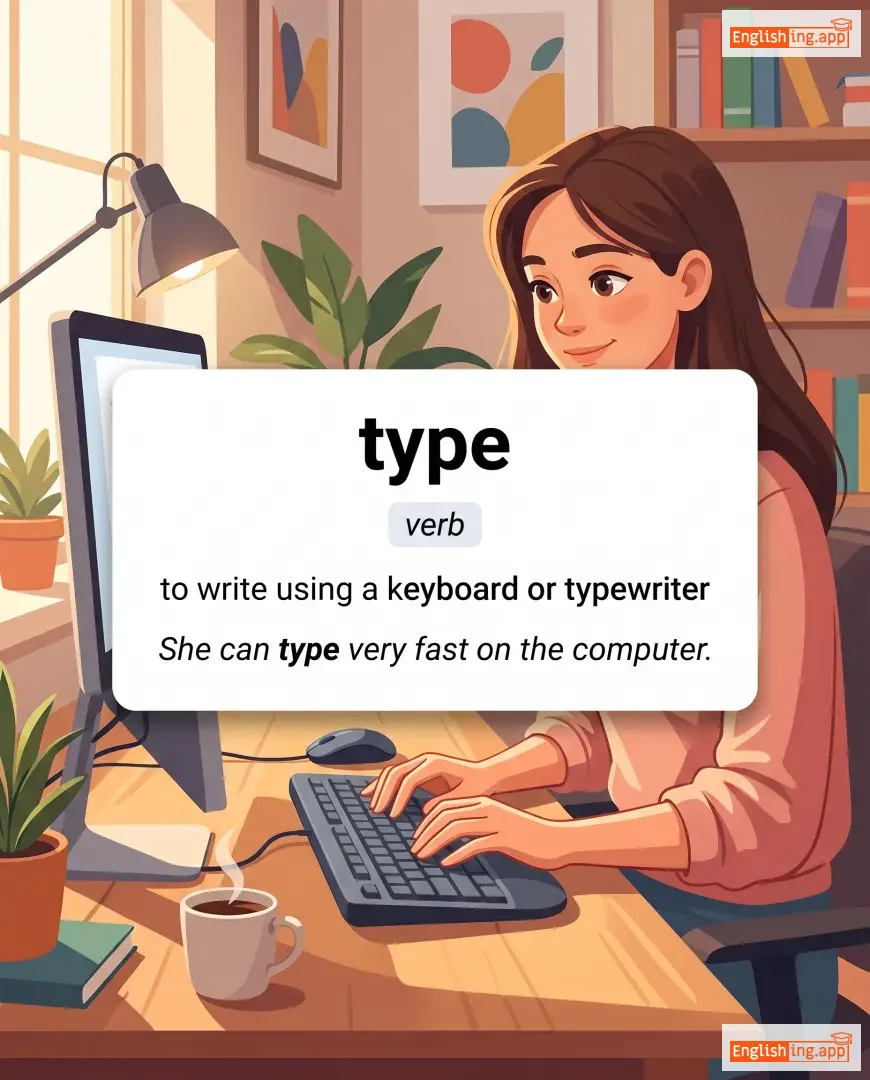
a category of people or things having common characteristics
••••••
|
What type of music do you like? |
どのタイプの音楽が好きですか?
Dono taipu no ongaku ga suki desu ka?
••••••
|
- •••••• | - •••••• | - •••••• |
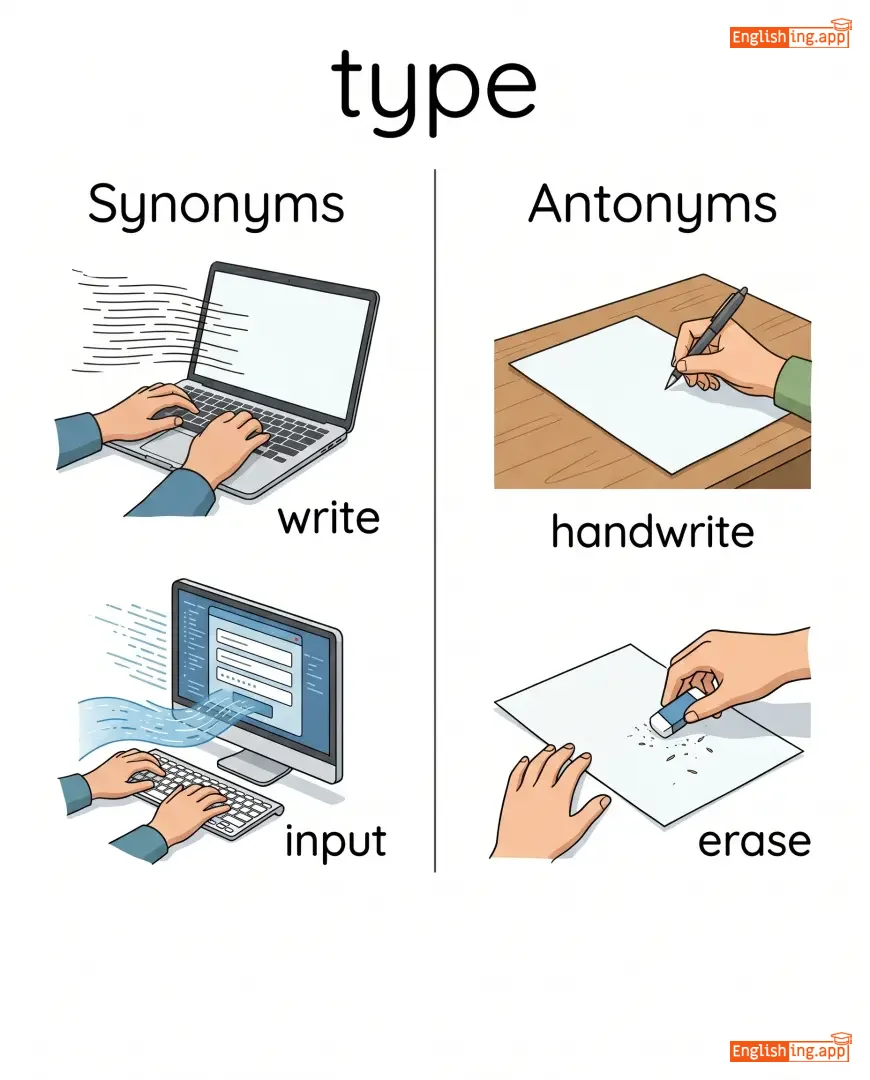
category, kind, sort, class
••••••
|
none
••••••
|
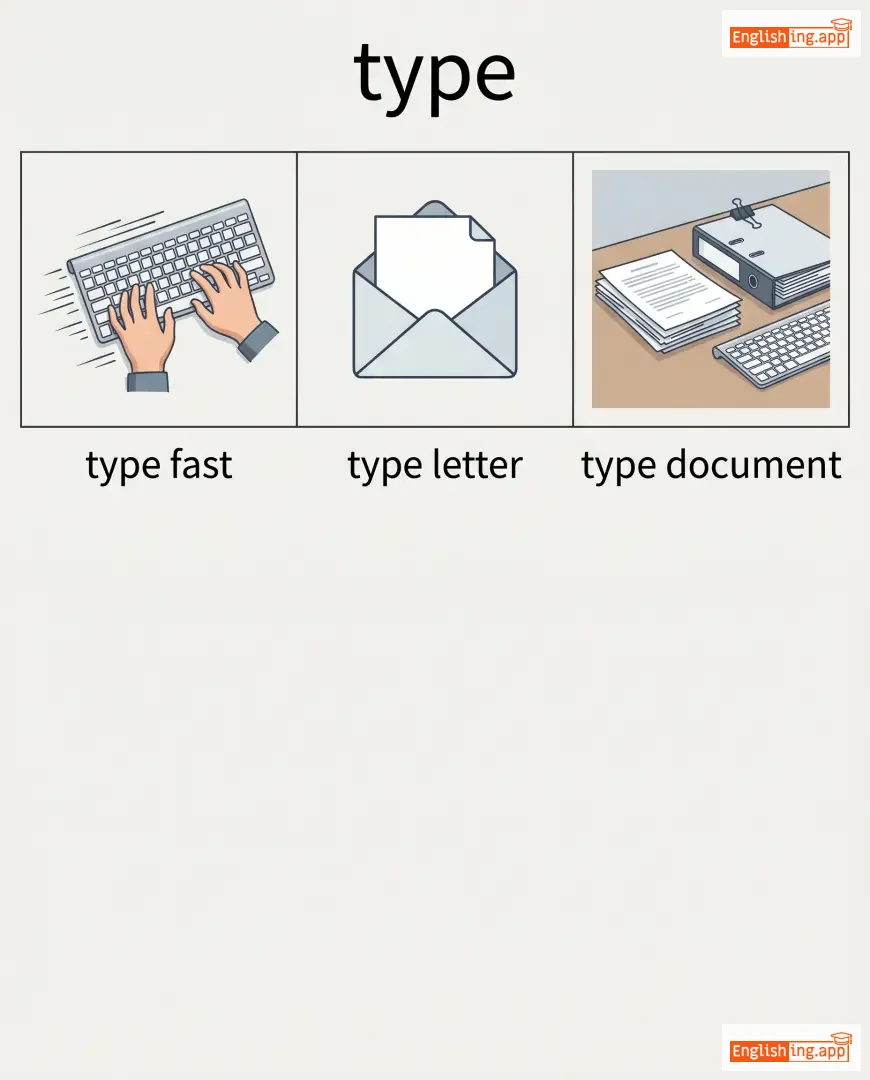
type of, typewriter, blood type
••••••
|
タイプは似ているものをグループ化するための分類です。
••••••
|
|
#12256
2️⃣
|
/tuː/
noun
(トゥ)
••••••
|
- •••••• |
二
ni
••••••
|
- •••••• | - •••••• | - •••••• | - •••••• |
the number following one
••••••
|
She has two children.
彼女には二人の子供がいます。
••••••
|
彼女には二人の子供がいます。
Kanojo ni wa futari no kodomo ga imasu.
••••••
|
- •••••• | - •••••• | - •••••• |
pair, couple, duet
••••••
|
one, single
••••••
|
two weeks, two days, two people
••••••
|
二人で楽しい時間を過ごす
••••••
|
|
#12257
👯♂️
|
/twɪn/
noun
(ツイン)
••••••
|
- •••••• |
双子
futago
••••••
|
- •••••• | - •••••• | - •••••• | - •••••• |
either of two children born at the same time to the same mother
••••••
|
They have twin girls. |
彼らには双子の女の子がいます。
Karera ni wa futago no onnanoko ga imasu.
••••••
|
- •••••• | - •••••• | - •••••• |
pair, duo, double
••••••
|
single
••••••
|
twin brothers, twin sisters, twin babies
••••••
|
Futagoは日本語で「双子」の意味です。
••••••
|
|
#12258
2️⃣
|
/twaɪs/
adverb
(トゥワイス)
••••••
|
- •••••• |
二回
nikai
••••••
|
- •••••• | - •••••• | - •••••• | - •••••• |
two times
••••••
|
I have seen that movie twice. |
その映画を二回見ました。
Sono eiga o nikai mimashita.
••••••
|
- •••••• | - •••••• | - •••••• |
double, two times
••••••
|
- •••••• |
twice as much, twice a day, twice a week
••••••
|
Nik kai, twice hai!
••••••
|
|
#12259
2️⃣0️⃣
|
/ˈtwɛnti/
adjective
(トゥエンティ)
••••••
|
- •••••• |
二十
nijū
••••••
|
- •••••• | - •••••• | - •••••• | - •••••• |
the number equivalent to 20
••••••
|
He is twenty years old.
彼は20歳です。
••••••
|
彼は20歳です。
Kare wa nijū sai desu.
••••••
|
- •••••• | - •••••• | - •••••• |
twentieth, score
••••••
|
- •••••• |
twenty years, twenty dollars, twenty people
••••••
|
二十歳、二十と覚える
••••••
|
|
#12260
12️⃣
|
/twɛlv/
adjective
(十二)
••••••
|
- •••••• |
十二
juuni
••••••
|
- •••••• | - •••••• | - •••••• | - •••••• |
the number equivalent to 12
••••••
|
There are twelve months in a year. |
一年には十二か月があります。
Ichi-nen ni wa juuni kagetsu ga arimasu.
••••••
|
- •••••• | - •••••• | - •••••• |
dozen
••••••
|
- •••••• |
twelve months, twelve o'clock, twelve years
••••••
|
Juuni, 12 kagetsu no toshi
••••••
|
|
#12261
📺
|
/ˈtiːˈviː/
noun
(ティーヴィー)
••••••
|
- •••••• |
テレビ
terebi
••••••
|
- •••••• | - •••••• | - •••••• | - •••••• |
a device used to receive television broadcasts
••••••
|
I watch my favorite shows on TV every evening. |
毎晩、テレビでお気に入りの番組を見ています。
Maiban, terebi de okiniiri no bangumi o miteimasu.
••••••
|
- •••••• | - •••••• | - •••••• |
television, screen, tube
••••••
|
- •••••• |
watch TV, turn on the TV, TV show, TV channel
••••••
|
テレビを見れば、楽しい時間が待っている
••••••
|
|
#12262
🔄
|
/tɜːrn/
verb
(ターン)
••••••
|
|
回す
mawasu
••••••
|
turned
ターンド
••••••
|
turned
ターンド
••••••
|
turns
ターンズ
••••••
|
turning
ターンニング
••••••
|
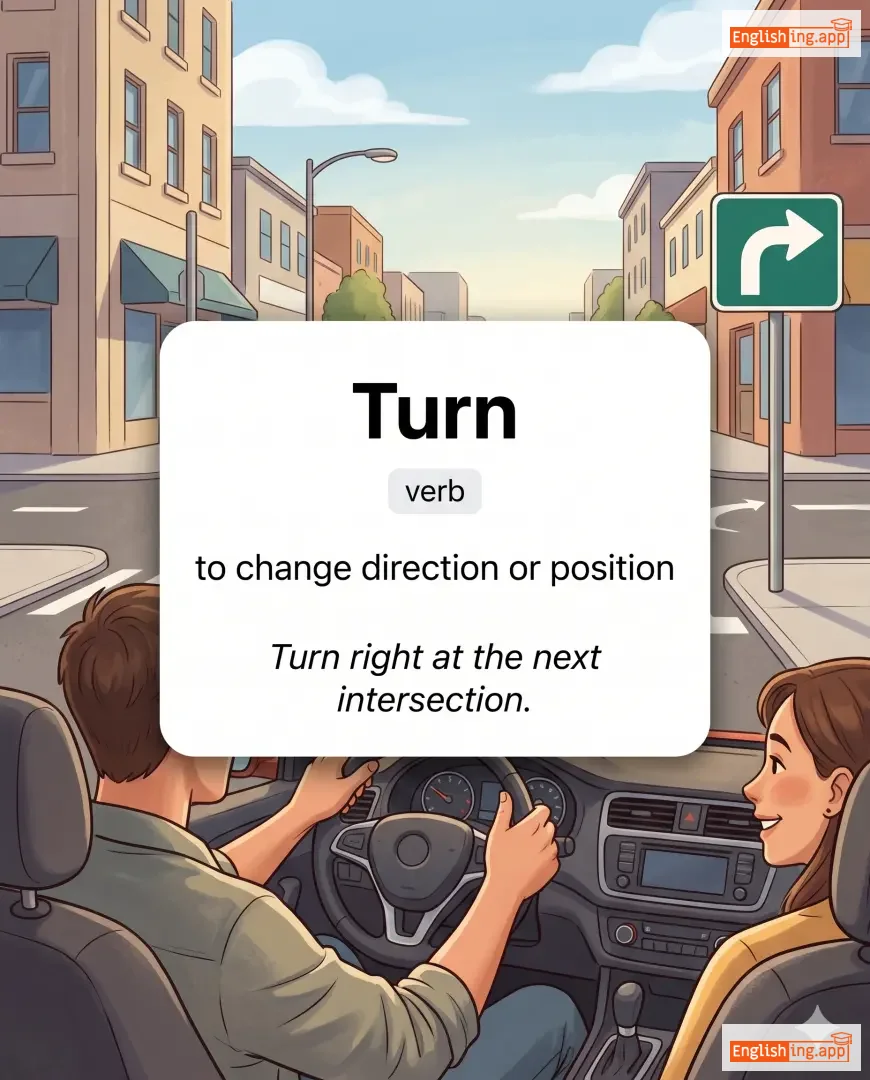
to change direction or position
••••••
|
Turn right at the next intersection.
次の交差点で右に曲がってください。
••••••
|
次の交差点で右に曲がってください。
Tsugi no kousaten de migi ni magatte kudasai.
••••••
|
Turn a blind eye
目をつぶる
••••••
|
To ignore something deliberately
••••••
|
目をつぶる
Me o tuburu
••••••
|
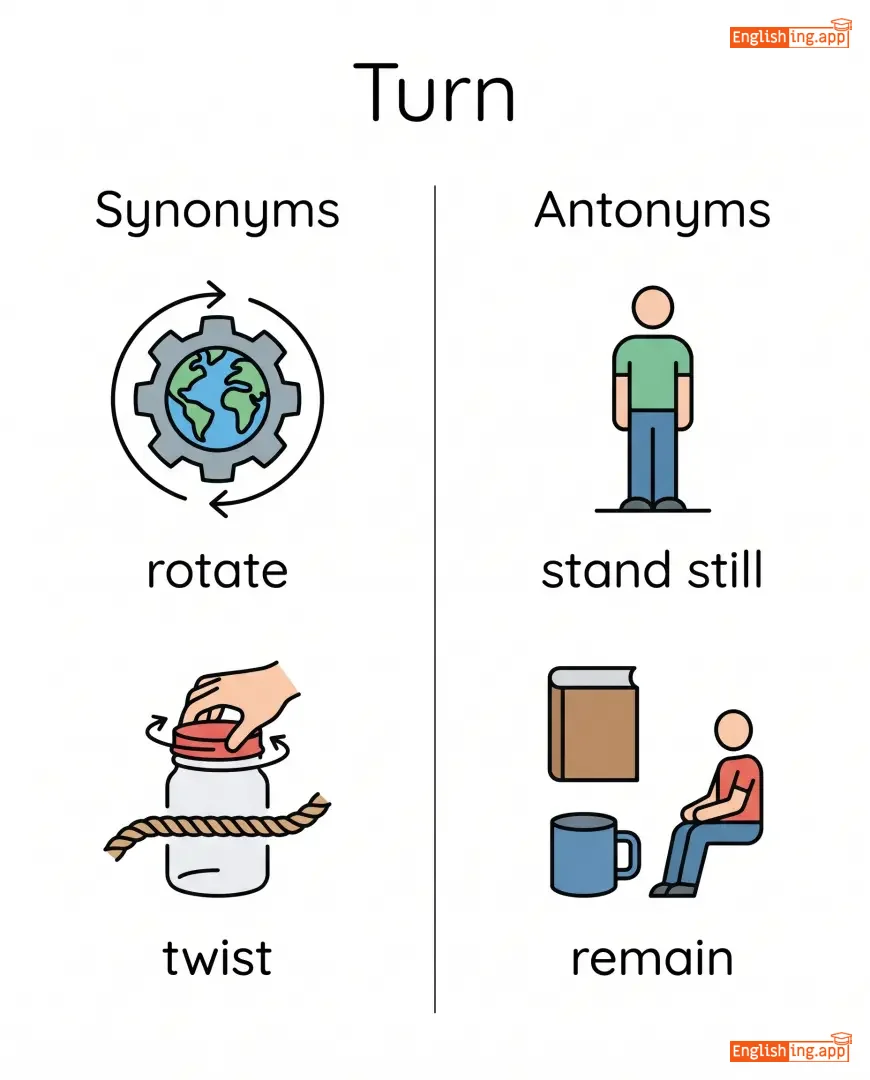
rotate, twist, spin, flip
••••••
|
stand still, remain
••••••
|
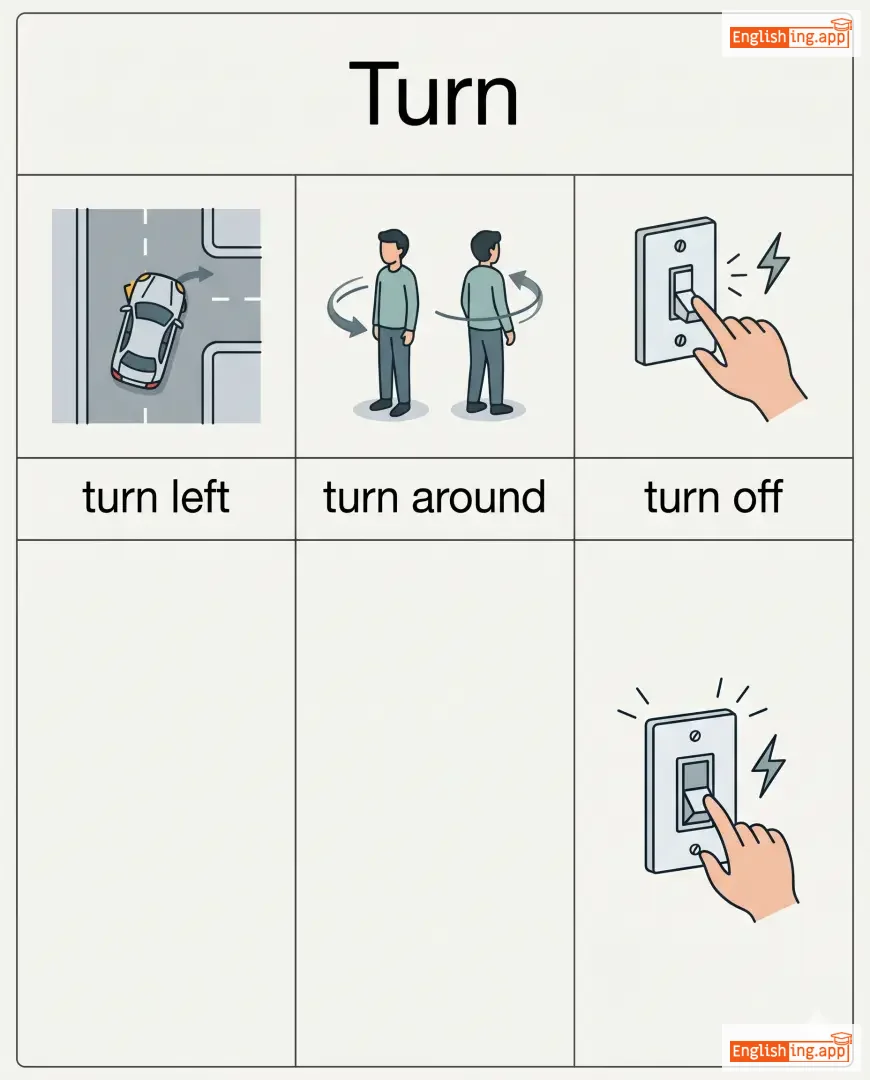
turn left, turn around, turn off, turn on
••••••
|
回す!覚えておいて - 方向を変えることが回すです。
••••••
|
|
#12263
🌌
|
/ˈtʌnəl/
noun
(トンネル)
••••••
|
- •••••• |
トンネル
tonneru
••••••
|
- •••••• | - •••••• | - •••••• | - •••••• |
an underground passage or shaft
••••••
|
They dug a tunnel under the river.
彼らは川の下にトンネルを掘った。
••••••
|
彼らは川の下にトンネルを掘った。
Karera wa kawa no shita ni tonneru o hotta.
••••••
|
- •••••• | - •••••• | - •••••• |
passage, shaft, corridor
••••••
|
open space, above ground
••••••
|
tunnel vision, tunnel construction, tunnel system
••••••
|
トンネル - 地下の秘密の道!
••••••
|
|
#12264
🧪
|
/tjuːb/
noun
(チューブ)
••••••
|
- •••••• |
チューブ
chūbu
••••••
|
- •••••• | - •••••• | - •••••• | - •••••• |
a hollow cylinder used to convey something, typically fluid
••••••
|
He used a tube to measure the liquid.
彼は液体を測るためにチューブを使った。
••••••
|
彼は液体を測るためにチューブを使った。
Kare wa ekitai o hakaru tame ni chūbu o tsukatta.
••••••
|
- •••••• | - •••••• | - •••••• |
pipe, cylinder, conduit
••••••
|
block, obstruction
••••••
|
vacuum tube, test tube, rubber tube
••••••
|
チューブ - チューブはすべてを道を通して運ぶ!
••••••
|
Vocabulary Quiz
Test your vocabulary by matching words with their translations or meanings.
Login to take the quiz
Comments (0)
Share your thoughts and join the discussion.
Join the discussion by logging in
Login to CommentNo comments yet
Be the first to share your thoughts!