

翻訳
過去
過去分詞
三人称単数
動名詞
意味
例文
例文の翻訳
同義語
対義語
コロケーション
ニーモニック
Swipe left or right, or use the buttons. Tap image to zoom.
例文の翻訳
単語
Lesson 213Lesson 213 - マスクトグル
|
絵文字
|
単語 | Images | 翻訳 | 過去 | 過去分詞 | 三人称単数 | 動名詞 | 意味 | 例文 | 例文の翻訳 | 表現例 | 表現例の意味 | 表現例の翻訳 | 同義語 | 対義語 | コロケーション | ニーモニック |
|---|---|---|---|---|---|---|---|---|---|---|---|---|---|---|---|---|---|
|
#6360
🏛️
|
/pəˈtrɪʃən/
noun, adjective
(パトリシアン)
••••••
|
- •••••• |
貴族
kizoku
••••••
|
- •••••• | - •••••• | - •••••• | - •••••• |
A person of noble rank or high social standing; relating to aristocracy.
••••••
|
The patrician families of Rome wielded great power in politics. |
ローマの貴族の家族は政治で大きな力を持っていた。
Rōma no kizoku no kazoku wa seiji de ōkina chikara o motte ita.
••••••
|
- •••••• | - •••••• | - •••••• |
aristocrat, noble, elite, highborn, lord
••••••
|
commoner, plebeian, peasant
••••••
|
patrician family, patrician class, patrician background, Roman patrician
••••••
|
貴族 - '貴' = 高い + '族' = 貴族
••••••
|
|
#6361
💰
|
/peɪˈiː/
noun
(ペイイ)
••••••
|
- •••••• |
受取人
uketorinin
••••••
|
- •••••• | - •••••• | - •••••• | - •••••• |
A person to whom money is paid or is to be paid.
••••••
|
The payee must sign the check before cashing it. |
受取人は小切手を現金化する前に署名する必要があります。
Uketorinin wa kogitte o genkin ka suru mae ni shomei suru hitsuyō ga arimasu.
••••••
|
- •••••• | - •••••• | - •••••• |
recipient, beneficiary, receiver, claimant
••••••
|
payer, debtor
••••••
|
payee account, payee details, check payee
••••••
|
Payee とは受取人 – 支払われるお金を受け取る人が payee です!
••••••
|
|
#6362
⛺
|
/pəˈvɪliən/
noun
(パビリオン)
••••••
|
- •••••• |
パビリオン
pabirion
••••••
|
- •••••• | - •••••• | - •••••• | - •••••• |
A large tent or temporary building, often used for events or exhibitions.
••••••
|
The wedding reception was held in a decorated pavilion. |
結婚式のレセプションは装飾されたパビリオンで開催されました。
Kekkonshiki no resepushon wa sōshoku sareta pabirion de kaisai saremashita.
••••••
|
- •••••• | - •••••• | - •••••• |
marquee, tent, hall, shelter
••••••
|
open space, outdoors
••••••
|
sports pavilion, exhibition pavilion, wedding pavilion
••••••
|
Pavilion はパビリオンと同じ – 結婚式とパビリオンを一緒に覚えよう!
••••••
|
|
#6363
🥀
|
/ˈpɔːpərɪzəm/
noun
(ポーペリズム)
••••••
|
- •••••• |
貧困
hinkon
••••••
|
- •••••• | - •••••• | - •••••• | - •••••• |
The state of being extremely poor.
••••••
|
The country struggled with rising pauperism in the 19th century. |
その国は19世紀に増大する貧困と戦っていました。
Sono kuni wa 19 seiki ni zoudai suru hinkon to tatakatte imashita.
••••••
|
- •••••• | - •••••• | - •••••• |
poverty, destitution, deprivation, penury
••••••
|
wealth, prosperity, affluence
••••••
|
extreme pauperism, rising pauperism, fight pauperism
••••••
|
Pauperism は貧困の状態を指します。'Pauper' は貧しい人です!
••••••
|
|
#6364
🧑🦲
|
/ˈpɔːpər/
noun
(ポーパー)
••••••
|
- •••••• |
乞食人
kōjiki jin
••••••
|
- •••••• | - •••••• | - •••••• | - •••••• |
A very poor person.
••••••
|
The pauper begged for food on the street corner. |
その乞食人は街角で食べ物を求めていた。
Sono kōjiki jin wa machikado de tabemono o motomete ita.
••••••
|
from prince to pauper |
A fall from wealth to poverty.
••••••
|
王子から乞食人へ
Ōji kara kōjiki jin e
••••••
|
beggar, destitute, indigent, needy
••••••
|
rich, wealthy, affluent
••••••
|
pauper's grave, poor pauper, pauper class
••••••
|
Pauperは乞食人を意味する – ポケットに‘pau’(ポウ)が無ければ、あなたはpauper!
••••••
|
|
#6365
👨🦲
|
/ˈpɔːntʃi/
adjective
(ポンチ)
••••••
|
- •••••• |
ぽっこりお腹
pokkori onaka
••••••
|
- •••••• | - •••••• | - •••••• | - •••••• |
Having a large or protruding belly.
••••••
|
The paunchy man struggled to button his shirt. |
ぽっこりお腹の男はシャツのボタンを留めるのに苦労していた。
Pokkori onaka no otoko wa shatsu no botton o tomeru no ni kurō shite ita.
••••••
|
- •••••• | - •••••• | - •••••• |
potbellied, corpulent, chubby, obese
••••••
|
slim, lean, fit
••••••
|
paunchy figure, paunchy man, paunchy look
••••••
|
Paunchyはぽっこりお腹 – ぽっこりお腹を思い浮かべて!
••••••
|
|
#6366
⚠️
|
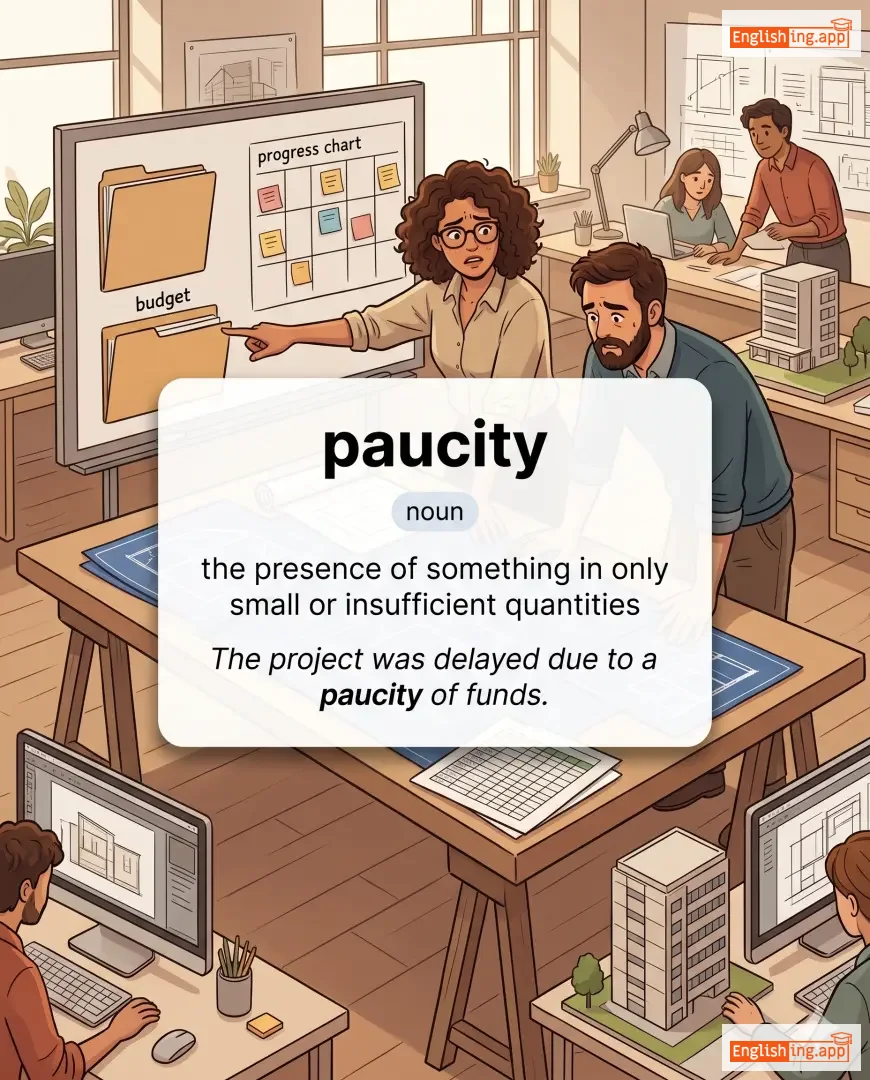
/ˈpɔːsɪti/
noun
(ポスティ)
••••••
|
|
不足 / 欠乏
fusoku / ketsubou
••••••
|
- •••••• | - •••••• | - •••••• | - •••••• |
the presence of something in only small or insufficient quantities
••••••
|
The project was delayed due to a paucity of funds. |
プロジェクトは資金不足のため遅れました。
Purojekuto wa shikin fusoku no tame okuremashita.
••••••
|
- •••••• | - •••••• | - •••••• |
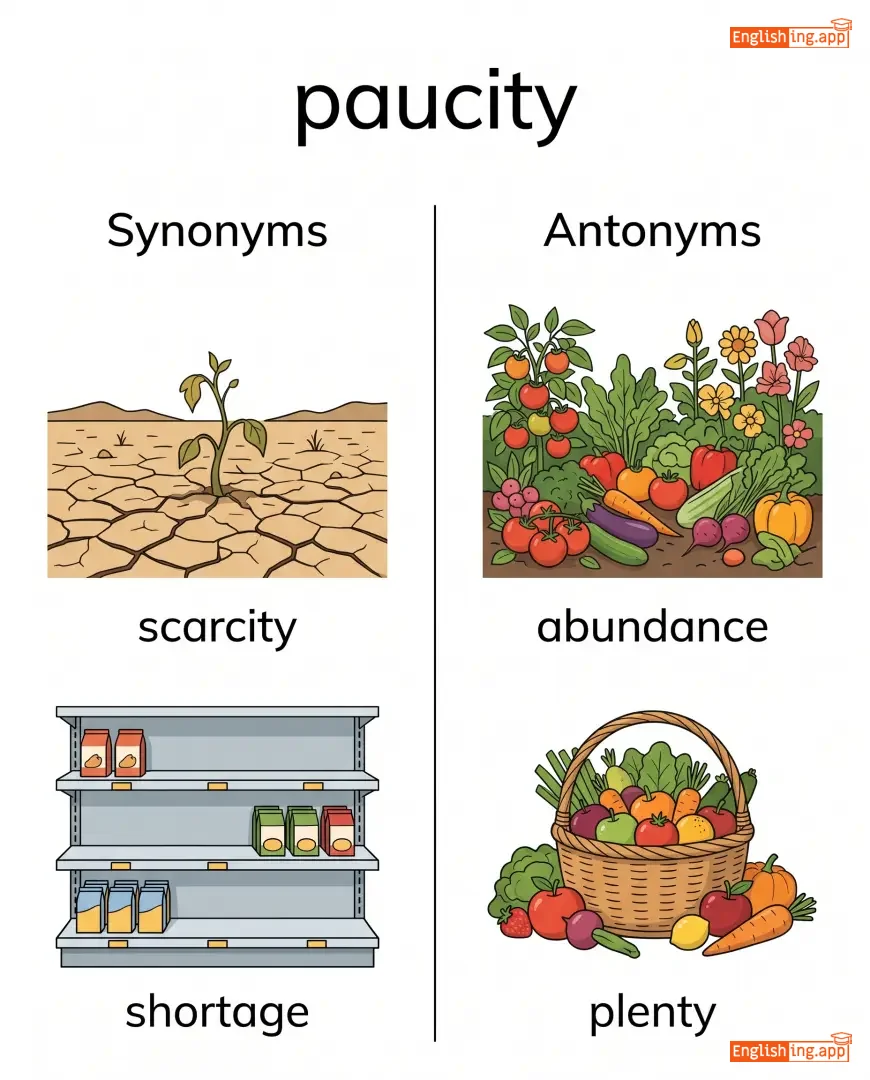
scarcity, shortage, lack, dearth, insufficiency
••••••
|
abundance, plenty, surplus
••••••
|
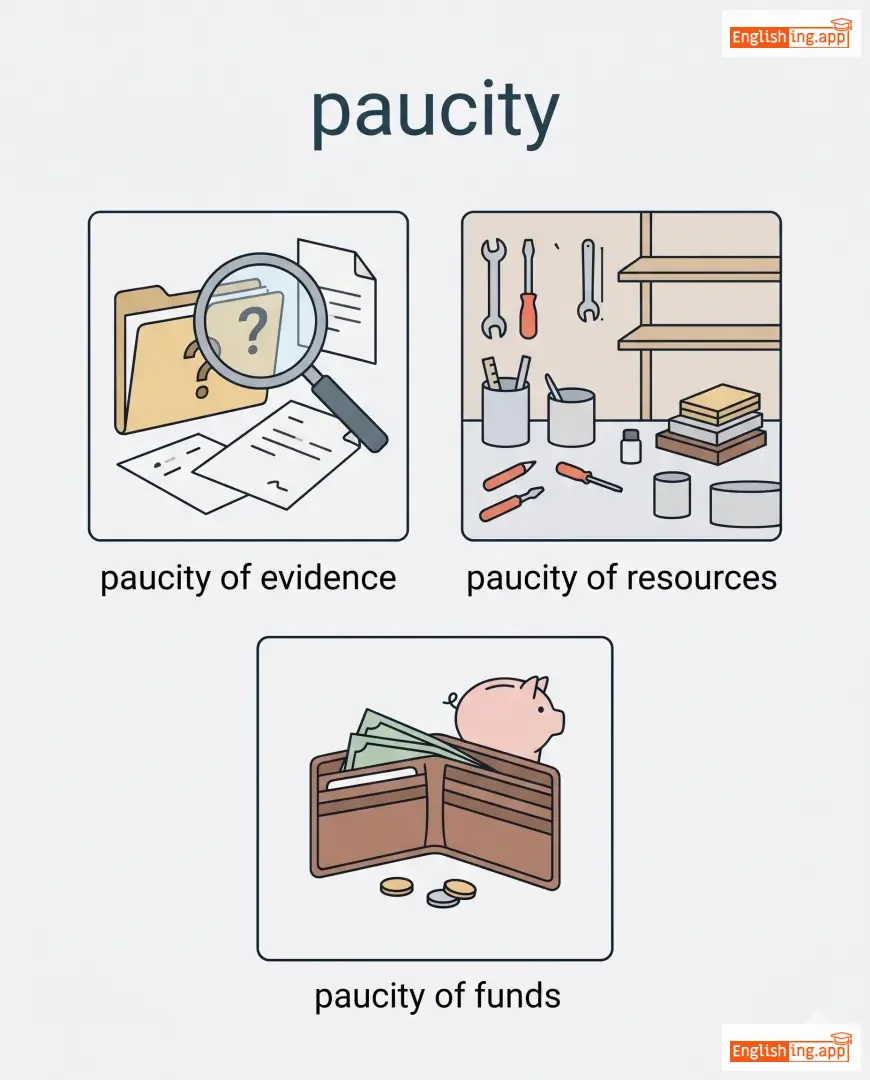
paucity of evidence, paucity of resources, paucity of funds, general paucity
••••••
|
Pauは少ないという意味で、都市に不足があれば、それはpaucityと呼ばれます。
••••••
|
|
#6367
🌧️
|
/ˈpætər/
verb
(パター)
••••••
|
- •••••• |
繰り返される軽いタップ音を立てる / 機械的に素早く話す
kurikaesaru karui tappu-on wo tateru / kikai-teki ni subayaku hanasu
••••••
|
pattered
パタード
••••••
|
pattered
パタード
••••••
|
patters
パターズ
••••••
|
pattering
パタリング
••••••
|
to make a repeated light tapping sound; to talk quickly in a rehearsed or mechanical way
••••••
|
Rain pattered softly on the window.
雨は窓に静かにパタパタと音を立てていた。
••••••
|
雨は窓に静かにパタパタと音を立てていた。
Ame wa mado ni shizuka ni patapata to oto wo tatete ita.
••••••
|
patter of little feet
小さな足音
••••••
|
the sound of small children walking or running around
••••••
|
小さな足音が歩いたり走ったりする音
Chiisana ashioto ga aruitari hashittari suru oto
••••••
|
tap, drum, beat, chatter, babble
••••••
|
silence, quiet
••••••
|
rain patter, patter of rain, patter of feet, patter speech
••••••
|
Patterはタップ音の意味 – 雨の音を想像してください。
••••••
|
|
#6368
👨👦
|
/ˌpætrəˈnɪmɪk/
noun
(パトロニミック)
••••••
|
- •••••• |
父系姓
chikei sei
••••••
|
- •••••• | - •••••• | - •••••• | - •••••• |
a name derived from the name of a father or ancestor
••••••
|
In many cultures, surnames are patronymic in origin. |
多くの文化では、姓は父系姓に由来します。
Ōku no bunka de wa, sei wa chikei sei ni yurai shimasu.
••••••
|
- •••••• | - •••••• | - •••••• |
surname, family name, lineage name, ancestral name
••••••
|
given name, forename
••••••
|
patronymic tradition, patronymic system, patronymic naming, patronymic form
••••••
|
Patroは父、micは名前:父系姓は父親からの名前。
••••••
|
|
#6369
😏
|
/ˈpeɪtrənaɪzɪŋ/
adjective
(ペイトロナイジング)
••••••
|
- •••••• |
見下す
mikedasu
••••••
|
- •••••• | - •••••• | - •••••• | - •••••• |
showing kindness that is perceived as condescending or superior
••••••
|
His patronizing tone offended the audience. |
彼の見下すような口調は観客を不快にさせた。
Kare no mikedasu yōna kuchō wa kankyaku o fukai ni saseta.
••••••
|
- •••••• | - •••••• | - •••••• |
condescending, superior, snobbish, disdainful
••••••
|
respectful, humble, modest
••••••
|
patronizing smile, patronizing tone, patronizing manner, sound patronizing
••••••
|
‘Patron’と‘izing’が優越感を示す見下しを作る。
••••••
|
|
#6370
🛍️
|
/ˈpeɪtrənaɪz/
verb
••••••
|
|
- •••••• |
patronized
••••••
|
patronized
••••••
|
patronizes
••••••
|
patronizing
••••••
|
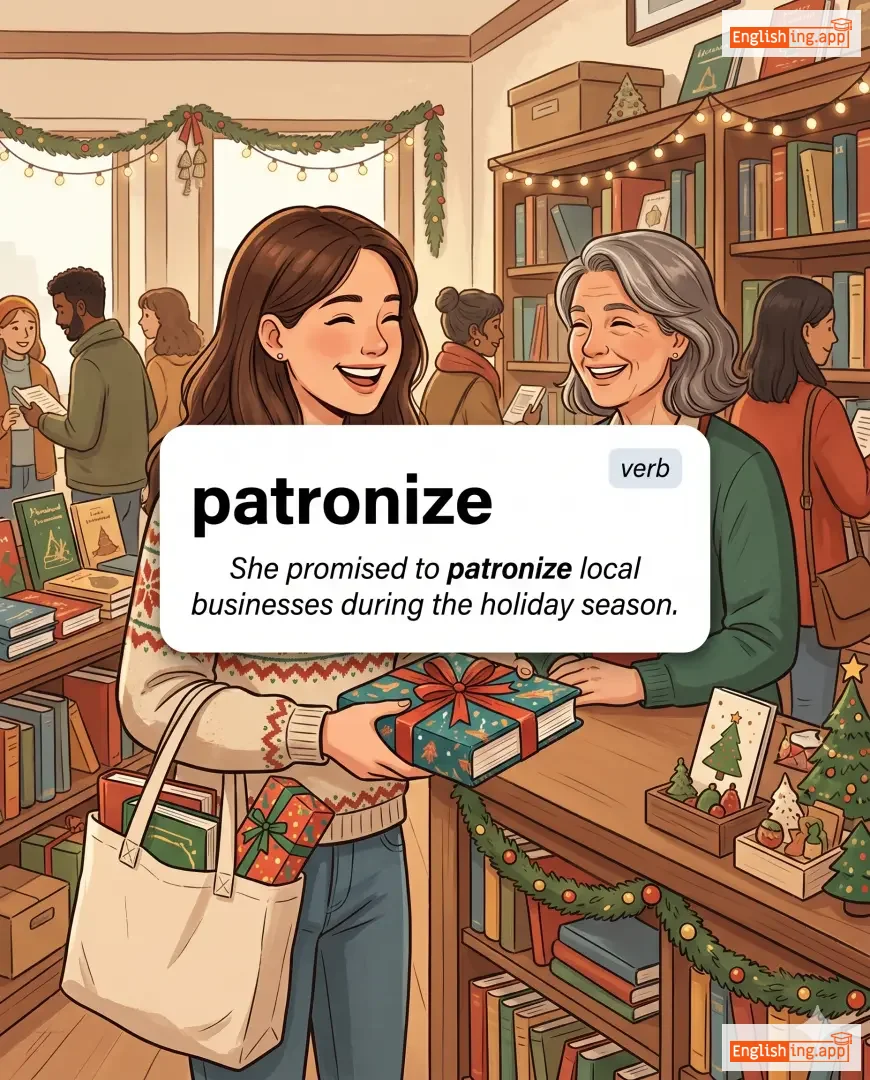
to support or sponsor; to treat someone with apparent kindness that betrays a sense of superiority; to be a regular customer of a business
••••••
|
She promised to patronize local businesses during the holiday season. |
- •••••• |
patronize someone |
to speak or behave towards someone in a way that seems friendly but shows a feeling of superiority
••••••
|
- •••••• |
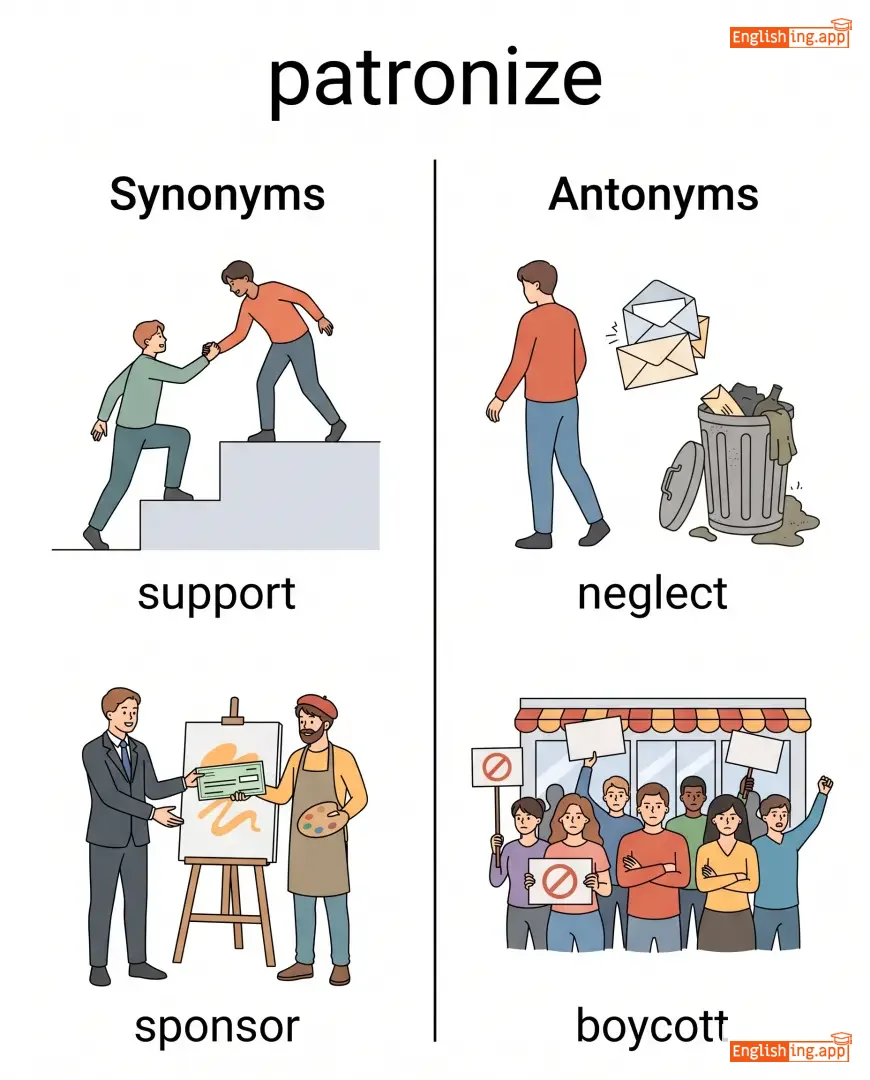
support, sponsor, condescend, frequent, promote
••••••
|
neglect, boycott, ignore
••••••
|
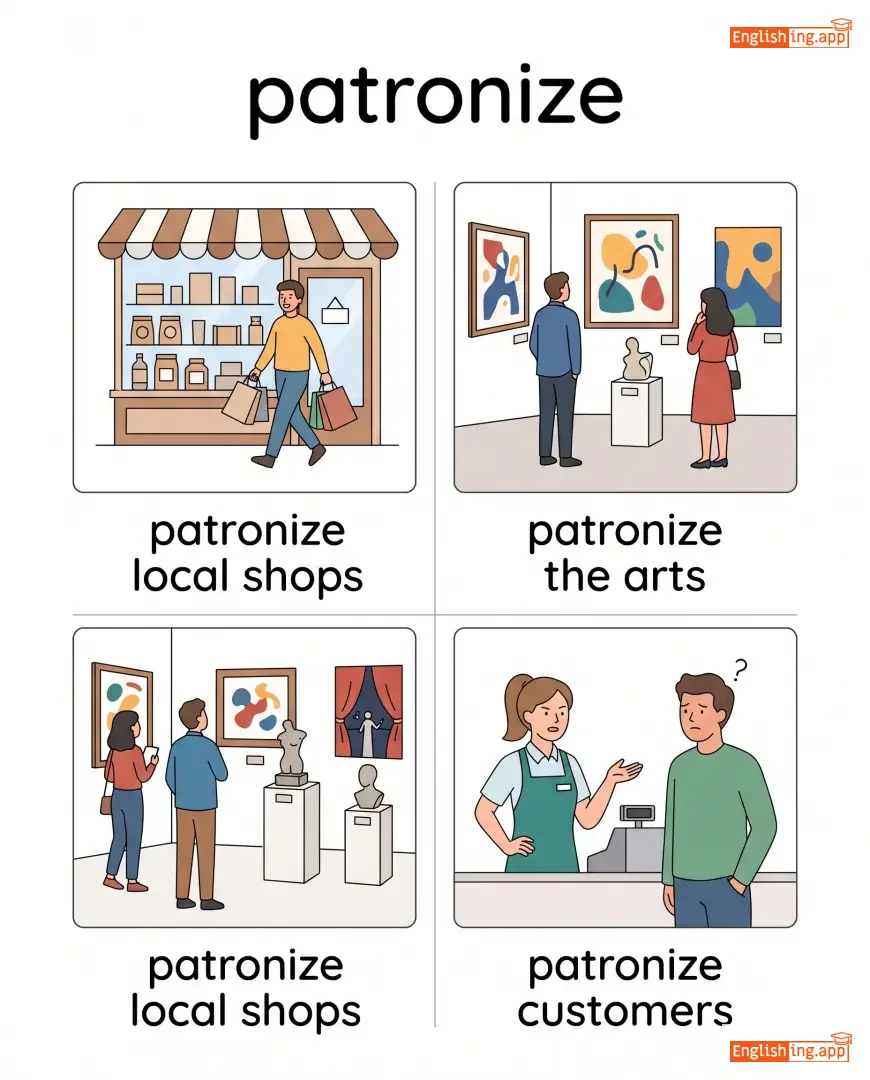
patronize local shops, patronize the arts, patronize customers, patronize someone
••••••
|
No •••••• |
|
#6371
❤️🇧🇩
|
/ˈpeɪtriətɪzəm/
noun
(パトリオティズム)
••••••
|
|
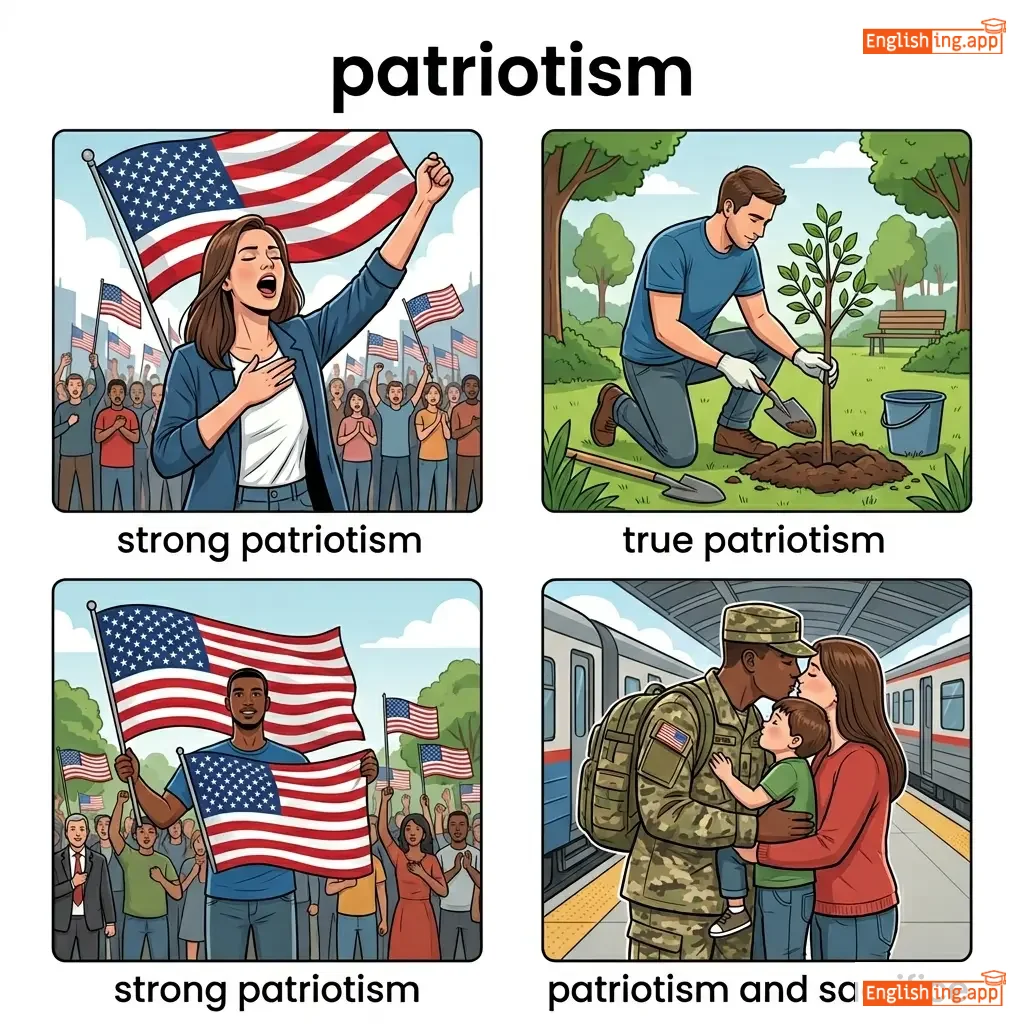
愛国心
aikokushin
••••••
|
- •••••• | - •••••• | - •••••• | - •••••• |
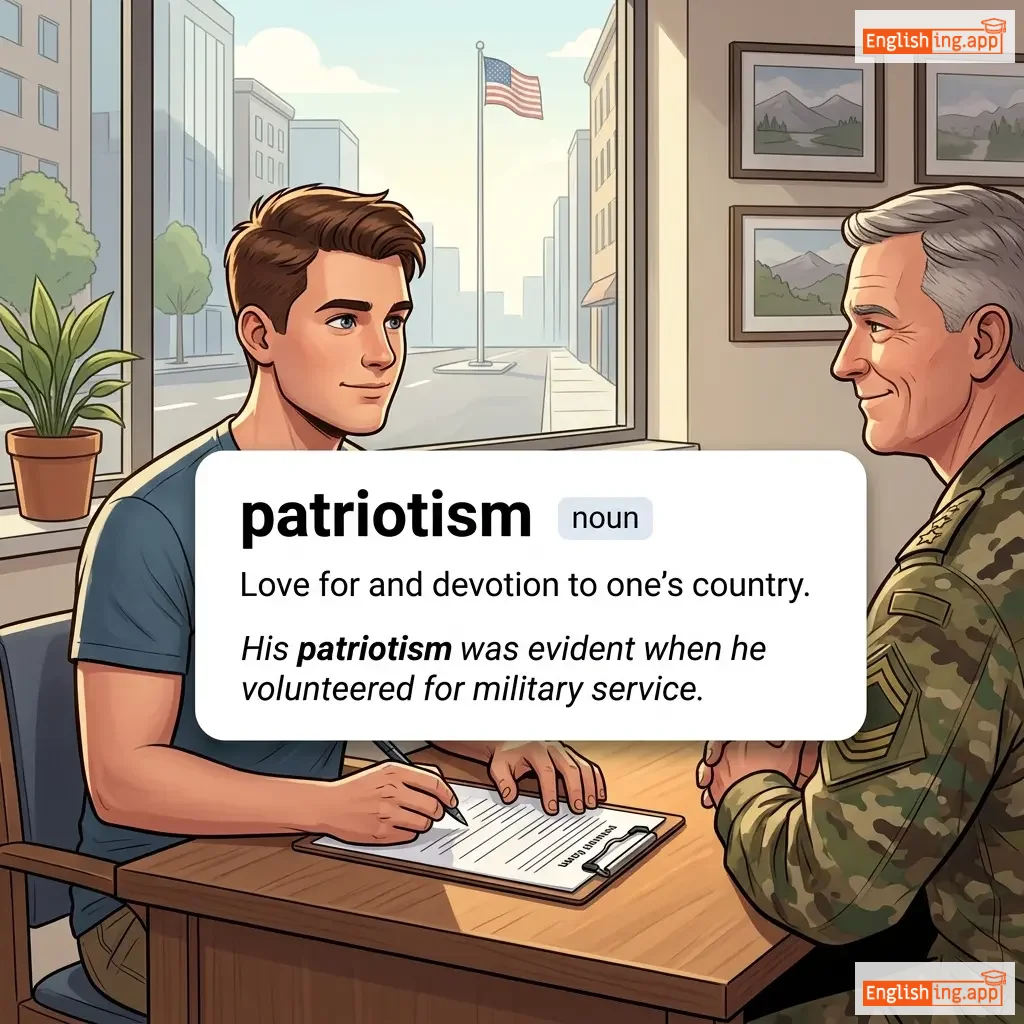
Love for and devotion to one's country.
••••••
|
His patriotism was evident when he volunteered for military service. |
彼の愛国心は、軍事サービスに志願したときに明らかでした。
Kare no aikokushin wa, gunji sābisu ni shigan shita toki ni akiraka deshita.
••••••
|
wave of patriotism |
a strong feeling of love and pride for one's country that spreads among people
••••••
|
愛国心の波
aikokushin no nami
••••••
|
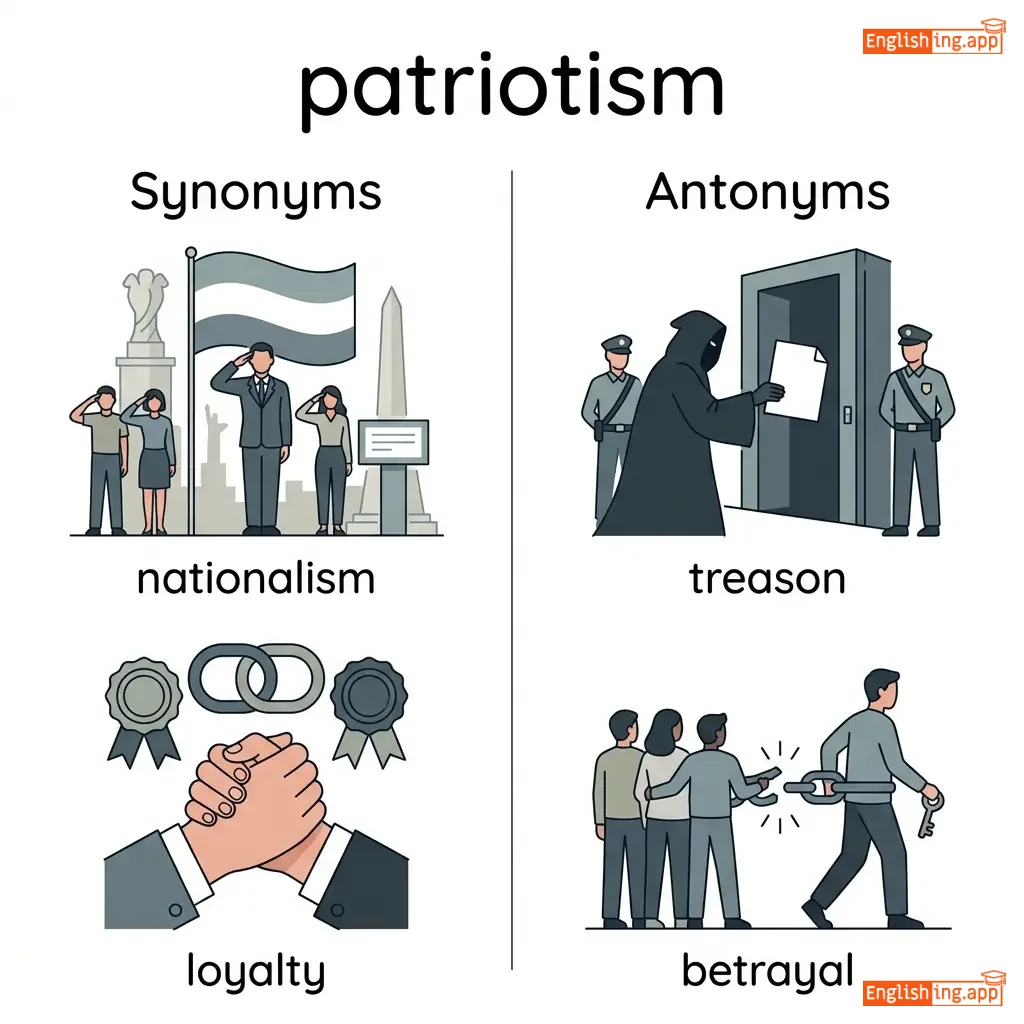
nationalism, loyalty, devotion, allegiance
••••••
|
treason, betrayal
••••••
|
strong patriotism, true patriotism, patriotism and sacrifice, spirit of patriotism
••••••
|
愛国心 = 愛国心; 'Patri' は父を意味し、'国' は大きな家族を意味します
••••••
|
|
#6372
🇺🇸
|
/ˈpeɪtriət/
noun
(ˈpeɪtriət)
••••••
|
- •••••• |
愛国者
aikokusha
••••••
|
- •••••• | - •••••• | - •••••• | - •••••• |
A person who loves and strongly supports their country.
••••••
|
The patriot stood proudly under the national flag. |
愛国者は国旗の下で誇りを持って立っていた。
Aikokusha wa kokki no moto de hokori wo motte tatte ita.
••••••
|
true patriot |
a person who genuinely loves and serves their country
••••••
|
真の愛国者
Shin no aikokusha
••••••
|
nationalist, loyalist, supporter, defender
••••••
|
traitor, betrayer
••••••
|
true patriot, patriotic act, patriot leader, patriot movement
••••••
|
Patriotは日本語で '愛国者' — 国を守る人という意味です。
••••••
|
|
#6373
🏰
|
/ˈpætrɪˌmoʊni/
noun
(パトリモニー)
••••••
|
- •••••• |
遺産
isan
••••••
|
- •••••• | - •••••• | - •••••• | - •••••• |
Property or inheritance passed down from one's father or ancestors.
••••••
|
The castle was part of his patrimony from his noble ancestors. |
その城は彼の貴族の先祖から受け継いだ遺産の一部でした。
Sono shiro wa kare no kizoku no senzo kara uketsuida isan no ichibu deshita.
••••••
|
- •••••• | - •••••• | - •••••• |
inheritance, heritage, legacy, estate
••••••
|
loss, debt
••••••
|
family patrimony, cultural patrimony, protect patrimony, ancestral patrimony
••••••
|
Patrimony = 父 (chichi) + 財産 (zaisan) → 父から受け継いだ財産
••••••
|
|
#6374
🗡️
|
/ˈpætrɪsaɪd/
noun
(ペトリサイド)
••••••
|
- •••••• |
父殺し
chichi-goroshi
••••••
|
- •••••• | - •••••• | - •••••• | - •••••• |
The act of killing one's own father.
••••••
|
The ancient myth describes a son committing patricide to take the throne. |
古代の神話は、王位を取るために父殺しをした息子を描いています。
Kodai no shinwa wa, oui o toru tame ni chichi-goroshi o shita musuko o egaiteimasu.
••••••
|
- •••••• | - •••••• | - •••••• |
father-killing, parricide, murder, killing
••••••
|
filial piety, devotion
••••••
|
commit patricide, case of patricide, accused of patricide
••••••
|
Patricide = Patri (父) + cide (殺す) → 父殺し
••••••
|
|
#6375
📋
|
/peɪst/
verb, noun
(ペイスト)
••••••
|
|
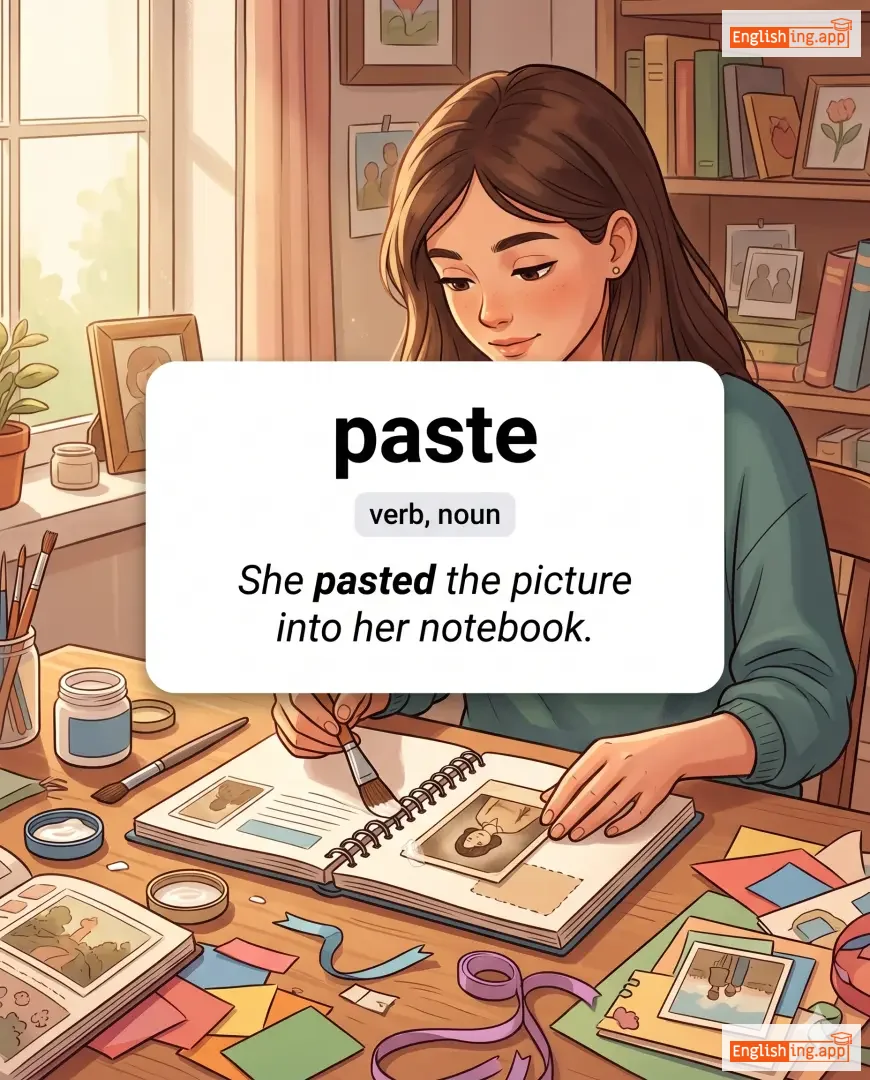
貼る
haru
••••••
|
pasted
ペイステッド
••••••
|
pasted
ペイステッド
••••••
|
pastes
ペイツ
••••••
|
pasting
ペイスティング
••••••
|
to stick or attach something using a soft, moist substance; also a thick, soft, moist substance itself
••••••
|
She pasted the picture into her notebook.
彼女はノートに写真を貼り付けた。
••••••
|
彼女はノートに写真を貼り付けた。
Kanojo wa nōto ni shashin o haritsuketa.
••••••
|
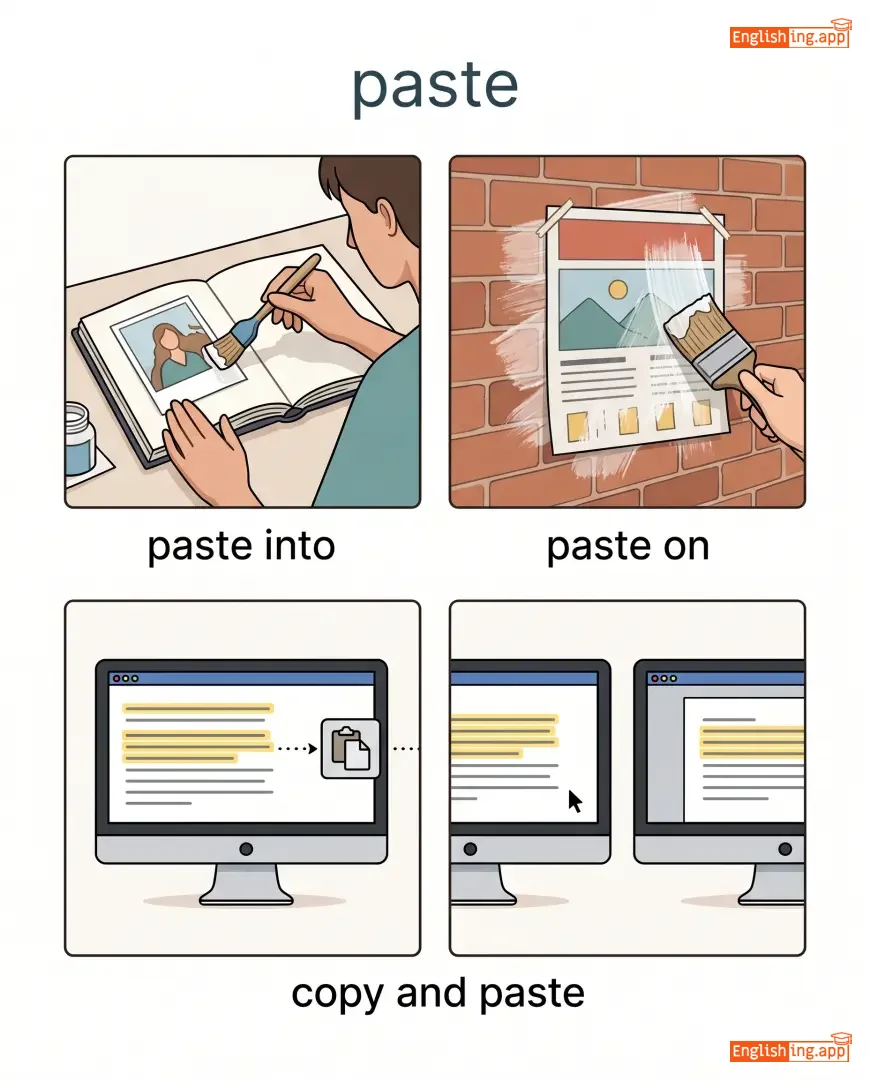
copy and paste
コピーアンドペースト
••••••
|
to duplicate text or images from one place and put them in another using software commands
••••••
|
コピーアンドペースト
kopī ando pēsu
••••••
|
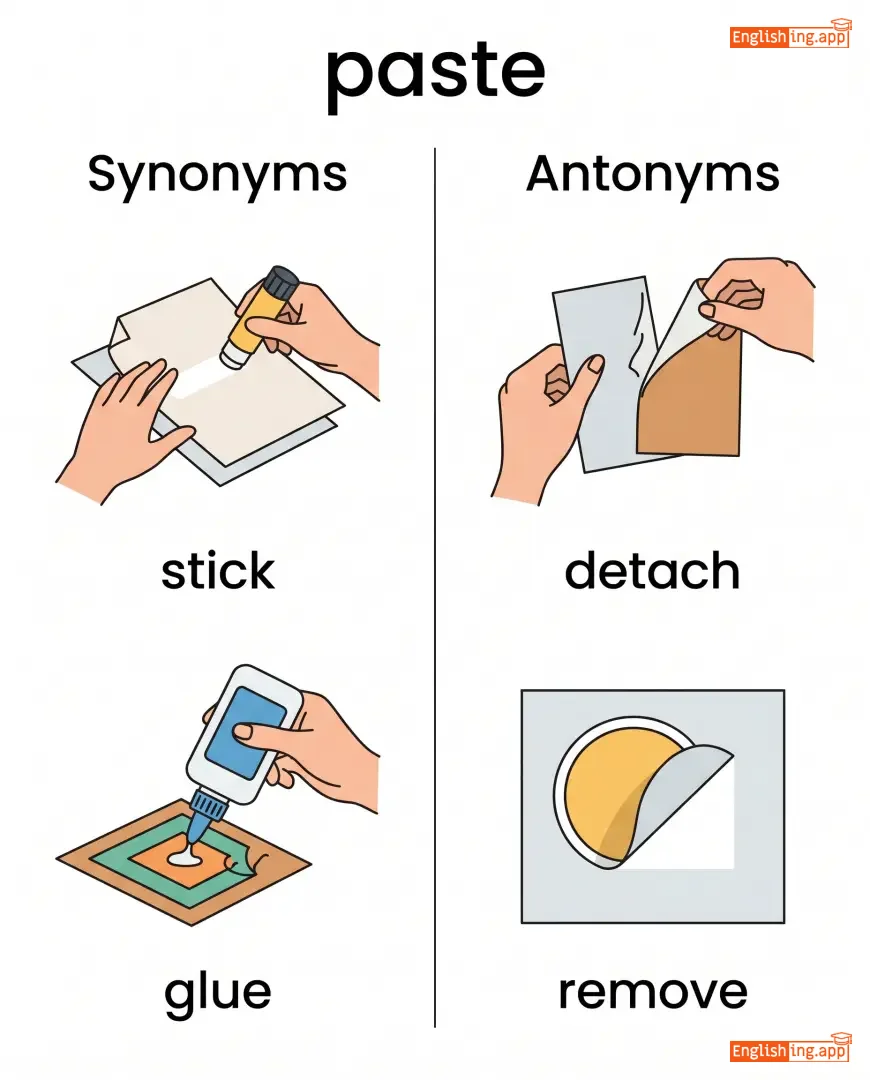
stick, glue, affix, attach, insert
••••••
|
detach, remove, separate
••••••
|
paste into, paste on, copy and paste, paste image
••••••
|
Pasteは貼る意味 - コンピュータでコピーして貼り付ける時のように。
••••••
|
|
#6376
👴
|
/ˈpeɪtriɑːrk/
noun
(パトリアーク)
••••••
|
- •••••• |
家長
kachou
••••••
|
- •••••• | - •••••• | - •••••• | - •••••• |
a male head of a family or tribe; an older respected man who leads a group
••••••
|
As the family patriarch, he mediated disputes and kept long traditions alive. |
家族の家長として、彼は争いごとを解決し、長い伝統を守りました。
kazoku no kachou toshite, kare wa arasoi goto o kaiketsu shi, nagai dentou o mamorimashita.
••••••
|
the patriarch of |
the male leader or founding figure of a group or family
••••••
|
家長の
kachou no
••••••
|
paterfamilias, elder, forefather, chieftain, father figure
••••••
|
matriarch, subordinate, junior
••••••
|
family patriarch, clan patriarch, church patriarch, patriarch of the family, patriarchal authority
••••••
|
Patri = 父 (chichi) + arch = 主; patriarch は家族の主である男性リーダー。
••••••
|
|
#6377
🗣️
|
/ˈpætwɑː/
noun
(パトワ)
••••••
|
- •••••• |
方言
hōgen
••••••
|
- •••••• | - •••••• | - •••••• | - •••••• |
a regional or social dialect, especially one considered nonstandard or informal
••••••
|
The guide slipped into local patois when chatting with the fishermen.
ガイドは漁師と話すときに現地のパトワを使い始めました。
••••••
|
ガイドは漁師と話すときに現地のパトワを使い始めました。
gaido wa ryōshi to hanasu toki ni genchi no patoā o tsukai hajimemashita.
••••••
|
- •••••• | - •••••• | - •••••• |
dialect, vernacular, argot, creole, jargon
••••••
|
standard language, formal speech, lingua franca
••••••
|
local patois, rural patois, speak in patois, Caribbean patois, native patois
••••••
|
Patois は地域の方言のように、地元の会話で使われる言葉です。
••••••
|
|
#6378
🗿
|
/pəˈtiːnə/
noun
(パティナ)
••••••
|
- •••••• |
金属、石、または木材の表面に年齢または使用によって形成される薄い膜または光沢; また、表面的な外観
kinzoku, ishi, matawa mokuzai no hyōmen ni nenrei matawa shiyō ni yotte keisei sareru usui maku matawa kōtaku; mata, hyōmen-teki na gaikan
••••••
|
- •••••• | - •••••• | - •••••• | - •••••• |
a surface film or sheen on metal, stone, or wood due to age or use; also, a superficial appearance
••••••
|
The bronze statue developed a green patina after years in the sea air. |
海風に数年さらされた後、青銅の像には緑色のパティナが形成されました。
Kaikaze ni sūnen sarasareta ato, seidō no zō ni wa midori iro no patina ga keisei saremashita.
••••••
|
a patina of respectability |
an outward look of being proper that may hide something less respectable
••••••
|
尊敬の外観
sonkei no gaikan
••••••
|
sheen, film, tarnish, gloss, verdigris
••••••
|
brightness, rawness, freshness
••••••
|
green patina, develop a patina, patina of age, patina of respectability, bronze patina
••••••
|
Patina = 層; パティナがないと、古いものが古く見えない!
••••••
|
|
#6379
🥺
|
/ˈpeɪθɒs/
noun
(ペイソス)
••••••
|
- •••••• |
パトス
pathos
••••••
|
- •••••• | - •••••• | - •••••• | - •••••• |
a quality in speech, writing, or events that evokes pity or deep emotion
••••••
|
The documentary balanced pathos with hope, making the audience both weep and think. |
ドキュメンタリーは、パトスと希望をうまくバランスさせ、観客を泣かせ、考えさせました。
dokyumentarī wa, patosu to kibō o umaku baransu sase, kankyaku o nakase, kangaesasemashita.
••••••
|
a touch of pathos |
a small but noticeable amount of emotional appeal or sadness
••••••
|
パトスのひととき
patosu no hitotoki
••••••
|
poignancy, sentiment, emotion, sorrow, poignance
••••••
|
apathy, indifference, detachment
••••••
|
pathos and humor, a touch of pathos, genuine pathos, evoke pathos, dramatic pathos
••••••
|
Pathosを聞いたとき、あなたはすぐに深い感情を感じます、それは悲しみのようです。
••••••
|
|
#6380
🧫
|
/pəˈθɒlədʒi/
noun
(パソロジー)
••••••
|
- •••••• |
病理学
byōrigaku
••••••
|
- •••••• | - •••••• | - •••••• | - •••••• |
the scientific study of diseases, their causes, processes, and effects on the body
••••••
|
Advances in pathology helped the doctors identify the rare infection quickly. |
病理学の進歩により、医師は珍しい感染症を迅速に特定できました。
Byōrigaku no shinpo ni yori, ishi wa mezurashī kansenshō o jinsoku ni tokutei dekimashita.
••••••
|
- •••••• | - •••••• | - •••••• |
pathobiology, morbid anatomy, etiology, pathogenesis, disease science
••••••
|
health, physiology, hygiene
••••••
|
clinical pathology, forensic pathology, pathology report, pathology lab, study of pathology
••••••
|
病理学 = 病気の学問; 病院で病気を研究します - pathology studies diseases.
••••••
|
|
#6381
🧠
|
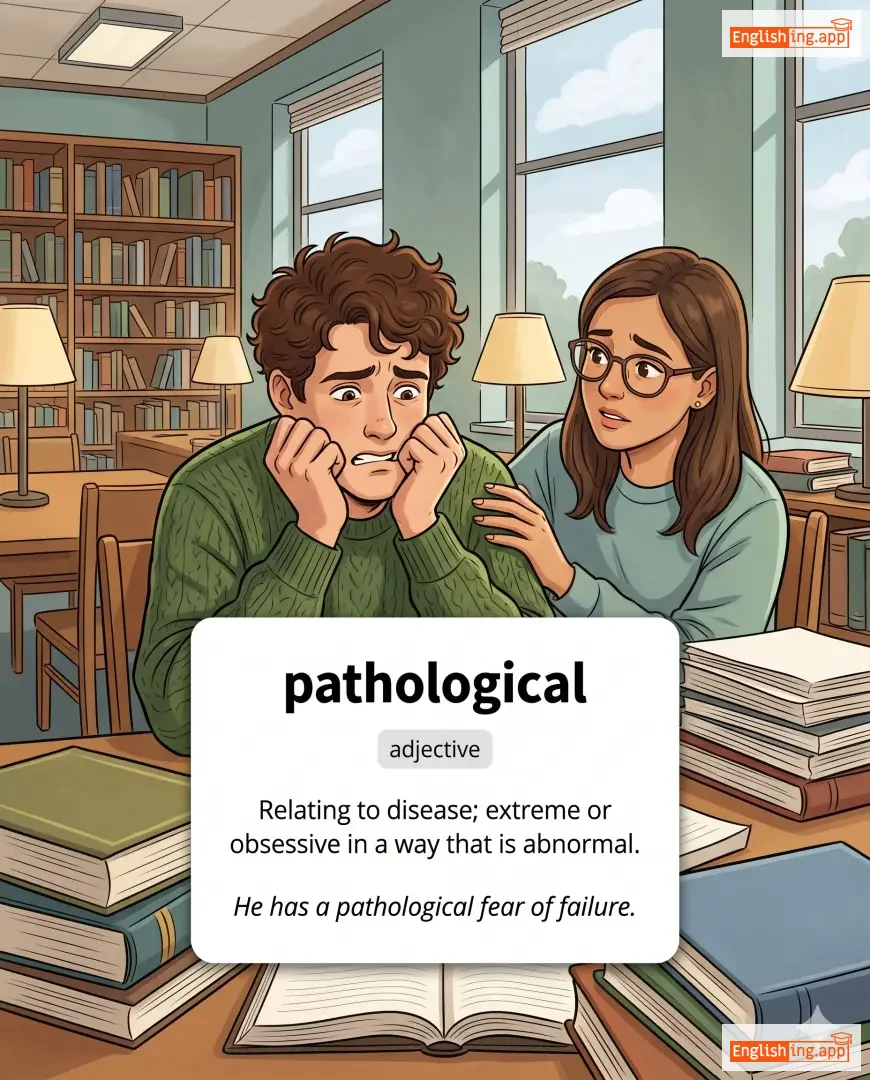
/ˌpæθəˈlɑːdʒɪkəl/
adjective
(パソロジカル)
••••••
|
|
病理的, 病的
byōriteki, byōteki
••••••
|
- •••••• | - •••••• | - •••••• | - •••••• |
Relating to disease; extreme or obsessive in a way that is abnormal.
••••••
|
He has a pathological fear of failure. |
彼は失敗に対して病理的な恐怖を抱えている。
Kare wa shippai ni taishite byōriteki na kyōfu o kakaete iru.
••••••
|
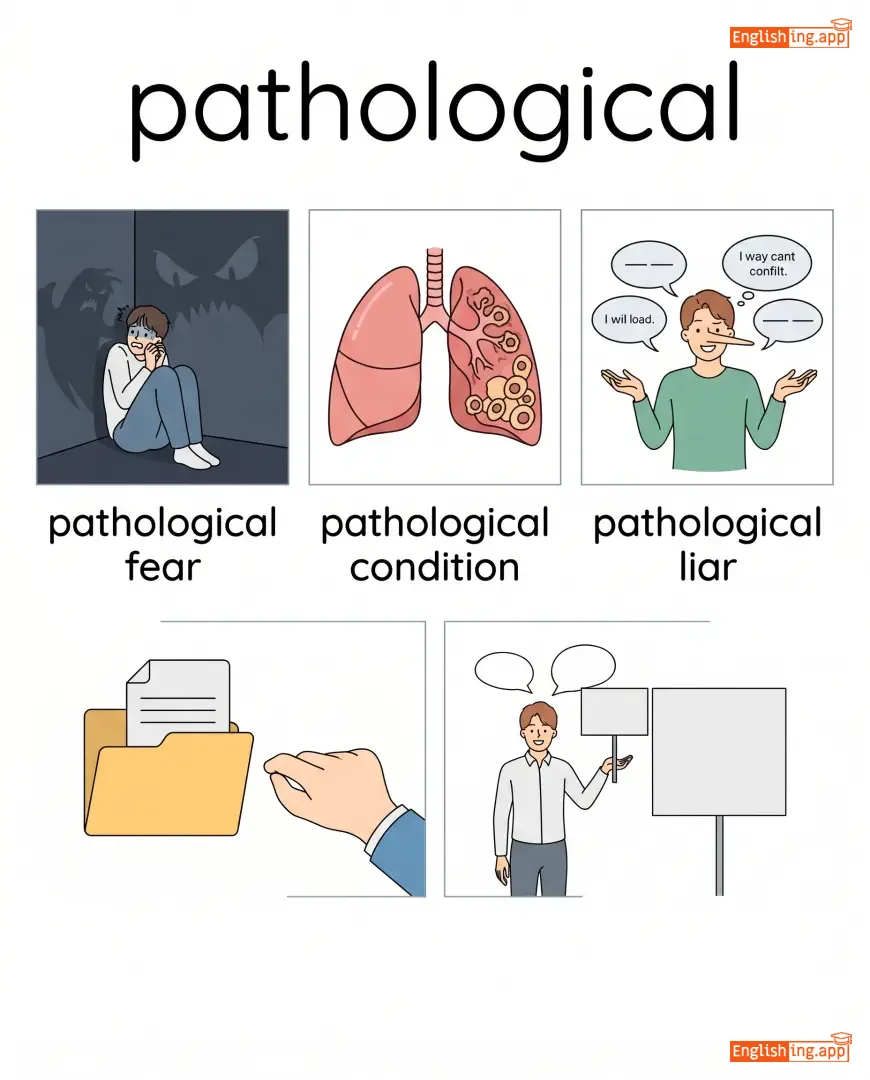
pathological liar |
A person who lies compulsively and uncontrollably.
••••••
|
病理的嘘つき
byōriteki usotsuki
••••••
|
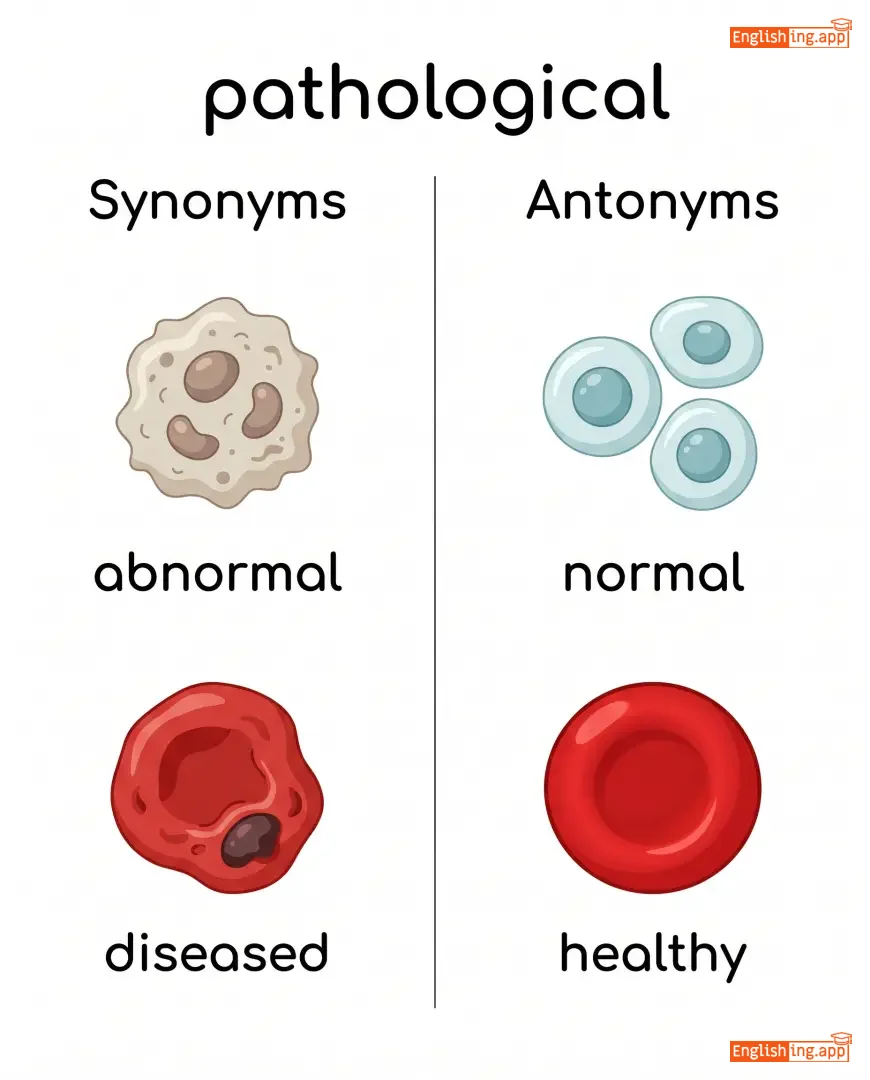
abnormal, diseased, compulsive, obsessive
••••••
|
normal, healthy
••••••
|
pathological fear, pathological condition, pathological liar
••••••
|
PATHologyは病気を意味し、したがって病理的は病気に関連するまたは異常なことを意味します。
••••••
|
|
#6382
🦠
|
/ˌpæθəˈdʒɛnɪk/
adjective
(パソジェニック)
••••••
|
- •••••• |
病原性
byōgensei
••••••
|
- •••••• | - •••••• | - •••••• | - •••••• |
Capable of causing disease.
••••••
|
Some bacteria are harmless, while others are highly pathogenic. |
いくつかの細菌は無害で、他の細菌は非常に病原性があります。
Ikutsuka no saikin wa mugai de, hoka no saikin wa hijō ni byōgensei ga arimasu.
••••••
|
- •••••• | - •••••• | - •••••• |
disease-causing, harmful, infectious, virulent
••••••
|
harmless, benign
••••••
|
pathogenic bacteria, pathogenic virus, pathogenic organism
••••••
|
Patho (病気) + Gen (原因) = 病原性
••••••
|
|
#6383
😢
|
/pəˈθɛtɪk/
adjective
••••••
|
- •••••• | - •••••• | - •••••• | - •••••• | - •••••• | - •••••• |
Causing feelings of pity, sadness, or sometimes contempt.
••••••
|
The team’s performance in the match was simply pathetic. |
- •••••• |
pathetic excuse |
A very weak or unconvincing explanation.
••••••
|
- •••••• |
pitiful, miserable, wretched, deplorable, lamentable
••••••
|
impressive, admirable
••••••
|
pathetic attempt, pathetic excuse, pathetic condition, pathetic performance
••••••
|
No •••••• |
|
#6384
👶
|
/pəˈtɜːrnəti/
noun
(パターニティ)
••••••
|
- •••••• |
父性
hosei
••••••
|
- •••••• | - •••••• | - •••••• | - •••••• |
The state of being someone's father.
••••••
|
He demanded a paternity test to confirm his relationship with the child. |
彼は子供との関係を確認するために、父性検査を要求しました。
Kare wa kodomo to no kankei o kakunin suru tame ni, hosei kensa o yōkyū shimashita.
••••••
|
paternity leave |
Time off from work granted to a father after the birth of his child.
••••••
|
父性休暇
hosei kyūka
••••••
|
fatherhood, parenthood, progenitorship
••••••
|
maternity, orphanhood
••••••
|
paternity test, paternity leave, claim paternity, establish paternity
••••••
|
父性 (paternity) は父親としての役割と責任を意味します。
••••••
|
|
#6385
👨👦
|
/pəˈtɜːrnəl/
adjective
(パターナル)
••••••
|
- •••••• |
父性的
chichisei
••••••
|
- •••••• | - •••••• | - •••••• | - •••••• |
Relating to or characteristic of a father.
••••••
|
He took a paternal interest in the boy’s education. |
彼はその男の子の教育に父性的な関心を示しました。
Kare wa sono otokonoko no kyōiku ni chichiseina kanshin o shimashita.
••••••
|
paternal instinct |
The natural protective and caring behavior of a father.
••••••
|
父性本能
chichisei hon'nō
••••••
|
fatherly, protective, caring, nurturing, benevolent
••••••
|
maternal, neglectful
••••••
|
paternal care, paternal rights, paternal love, paternal influence
••••••
|
父性 – 父親のような行動を思い出させる。
••••••
|
|
#6386
📜
|
/ˈpeɪtənt/ or /ˈpætənt/
noun, verb, adjective
(特許)
••••••
|
- •••••• |
特許
tokkyo
••••••
|
patented
特許された
••••••
|
patented
特許された
••••••
|
patents
特許を持っている
••••••
|
patenting
特許を申請する
••••••
|
a government license granting exclusive rights to an inventor; also to obtain such rights
••••••
|
He patented his new invention to protect it from being copied.
彼は自分の新しい発明をコピーから守るために特許を取った。
••••••
|
彼は自分の新しい発明をコピーから守るために特許を取った。
Kare wa jibun no atarashī hatsumei o kopī kara mamoru tame ni tokkyo o totta.
••••••
|
patent pending
特許申請中
••••••
|
a phrase indicating that a patent application has been filed but not yet granted
••••••
|
特許申請中
Tokkyo shinsei-chū
••••••
|
copyright, license, privilege, protection
••••••
|
infringement, imitation
••••••
|
patent law, file a patent, patent rights, patent office
••••••
|
特許は特許 - 発明者がアイデアを保護します。
••••••
|
|
#6387
🥐
|
/ˈpeɪstri/
noun
(ペストリー)
••••••
|
- •••••• |
ペストリー
pesutori
••••••
|
- •••••• | - •••••• | - •••••• | - •••••• |
a baked food product made from flour, fat, and water, often sweet or savory
••••••
|
I bought a box of fresh pastries for breakfast. |
私は朝食のために新鮮なペストリーの箱を買いました。
Watashi wa chōshoku no tame ni shinsen na pesutori no hako o kaimashita.
••••••
|
- •••••• | - •••••• | - •••••• |
cake, tart, pie, croissant
••••••
|
meat, vegetable
••••••
|
pastry shop, pastry chef, sweet pastry, puff pastry
••••••
|
ペストリーはペストリー - パン屋でみんな食べます!
••••••
|
|
#6388
🌾
|
/ˈpæstərəl/
adjective, noun
(パストラル)
••••••
|
- •••••• |
田園の、牧羊者に関連する
den'en no, bokuyousha ni kanren suru
••••••
|
- •••••• | - •••••• | - •••••• | - •••••• |
relating to the countryside, shepherds, or rural life; also relating to spiritual guidance by a pastor
••••••
|
The painting had a calm pastoral scene with sheep grazing. |
その絵画には羊が草を食べている静かな田園風景が描かれていた。
Sono kaiga ni wa hitsuji ga kusa o tabete iru shizuka na den'en fuukei ga egakarete ita.
••••••
|
pastoral care |
spiritual and emotional support provided by religious leaders
••••••
|
牧師のケア
bokushi no kea
••••••
|
rural, rustic, bucolic, idyllic
••••••
|
urban, industrial
••••••
|
pastoral scene, pastoral life, pastoral care, pastoral poetry
••••••
|
Pastoralは田園生活を意味し、牧羊者と羊の風景を連想させます。
••••••
|
|
#6389
🎭
|
/pæˈstiːʃ/
noun
(パスティーシュ)
••••••
|
- •••••• |
パスティーシュ
pasutīshu
••••••
|
- •••••• | - •••••• | - •••••• | - •••••• |
a work of art, literature, or music that imitates the style of another artist, period, or genre
••••••
|
The film was a clever pastiche of 1950s detective movies. |
その映画は1950年代の探偵映画の巧妙なパスティーシュでした。
Sono eiga wa 1950 nendai no tantei eiga no kōmyō na pasutīshu deshita.
••••••
|
- •••••• | - •••••• | - •••••• |
imitation, parody, spoof, homage
••••••
|
original, authentic
••••••
|
musical pastiche, literary pastiche, create a pastiche, pastiche style
••••••
|
Pastiche = 過去のスタイルを模倣した作品。
••••••
|
Vocabulary Quiz
Test your vocabulary by matching words with their translations or meanings.
Login to take the quiz
Comments (0)
Share your thoughts and join the discussion.
Join the discussion by logging in
Login to CommentNo comments yet
Be the first to share your thoughts!