

翻訳
過去
過去分詞
三人称単数
動名詞
意味
例文
例文の翻訳
同義語
対義語
コロケーション
ニーモニック

Swipe left or right, or use the buttons. Tap image to zoom.
例文の翻訳
単語
Lesson 441Lesson 441 - マスクトグル
|
絵文字
|
単語 | Images | 翻訳 | 過去 | 過去分詞 | 三人称単数 | 動名詞 | 意味 | 例文 | 例文の翻訳 | 表現例 | 表現例の意味 | 表現例の翻訳 | 同義語 | 対義語 | コロケーション | ニーモニック |
|---|---|---|---|---|---|---|---|---|---|---|---|---|---|---|---|---|---|
|
#1
🤗
|
/ˈtaɪtli/
adverb
(タイトリー)
••••••
|
- •••••• |
しっかりと
shikkari to
••••••
|
- •••••• | - •••••• | - •••••• | - •••••• |
in a way that is firm and difficult to move or open
••••••
|
She held the baby tightly in her arms.
彼女は赤ちゃんをしっかりと腕に抱きしめた。
••••••
|
彼女は赤ちゃんをしっかりと腕に抱きしめた。
Kanojo wa akachan o shikkari to ude ni dakishimeta.
••••••
|
- •••••• | - •••••• | - •••••• |
firmly, securely, closely, strongly, rigidly
••••••
|
loosely, gently
••••••
|
tightly closed, tightly held, tightly packed, tightly controlled
••••••
|
Tightly と言う時、しっかりと抱きしめる!🤗
••••••
|
|
#1
🚛
|
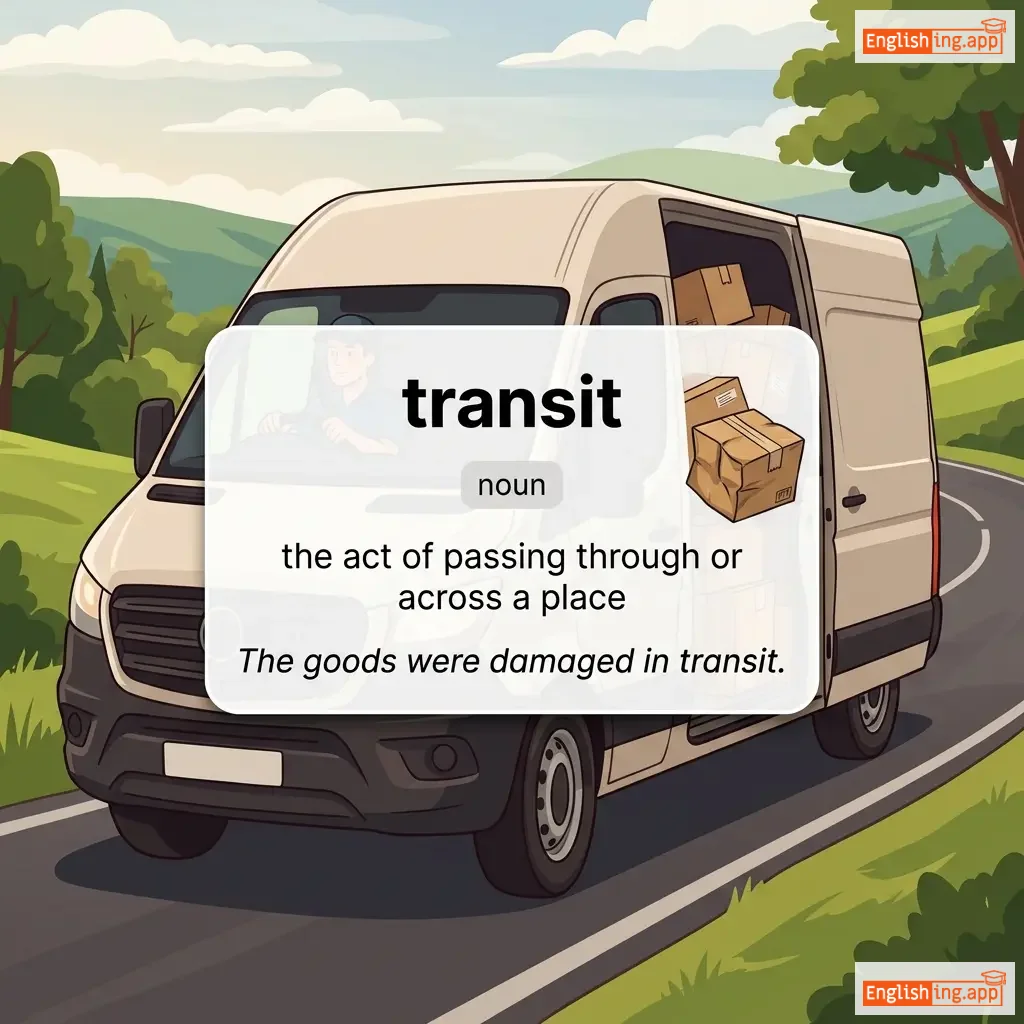
/ˈtrænzɪt/
noun
(トランジット)
••••••
|
|
輸送
yusou
••••••
|
- •••••• | - •••••• | - •••••• | - •••••• |
the act of passing through or across a place
••••••
|
The goods were damaged in transit. |
商品は輸送中に損傷しました。
shouhin wa yusou-chuu ni sonshou shimashita.
••••••
|
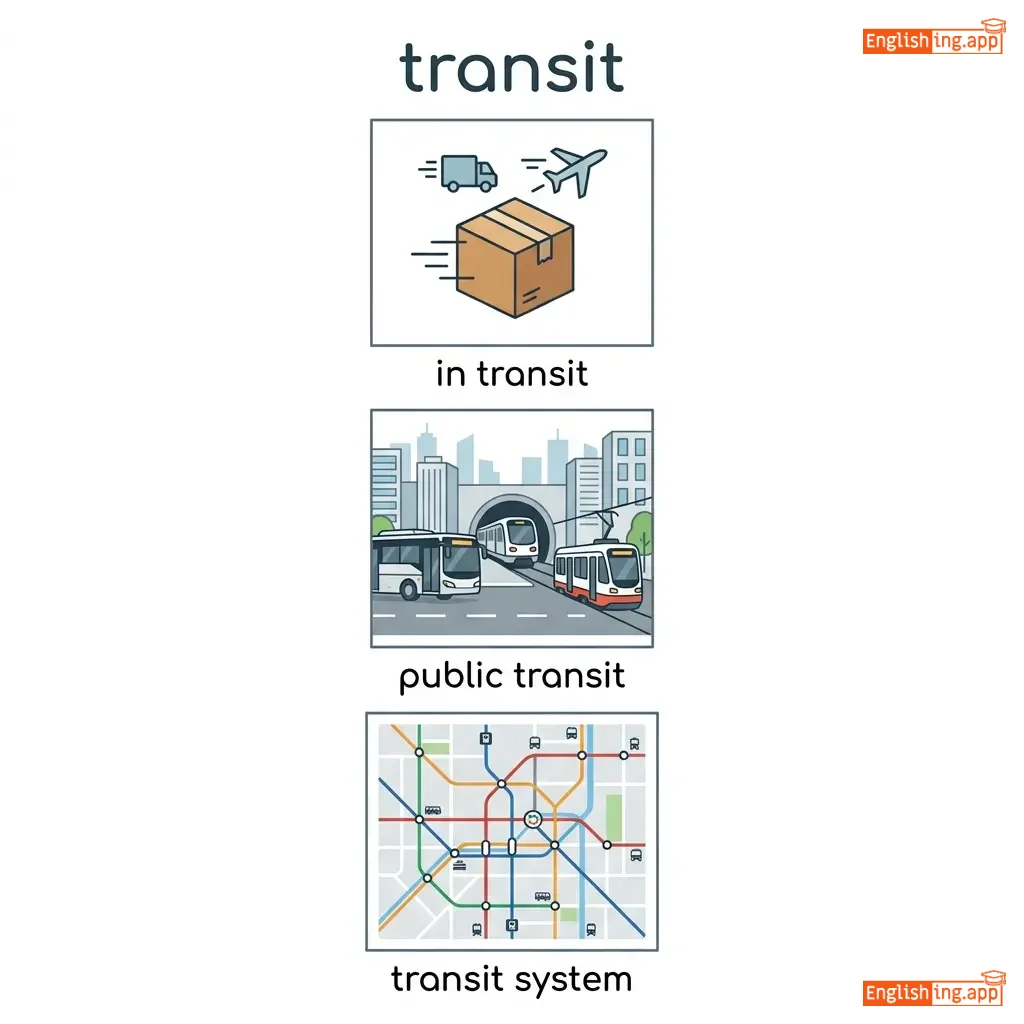
in transit |
in the process of being transported from one place to another
••••••
|
輸送中
yusou-chuu
••••••
|
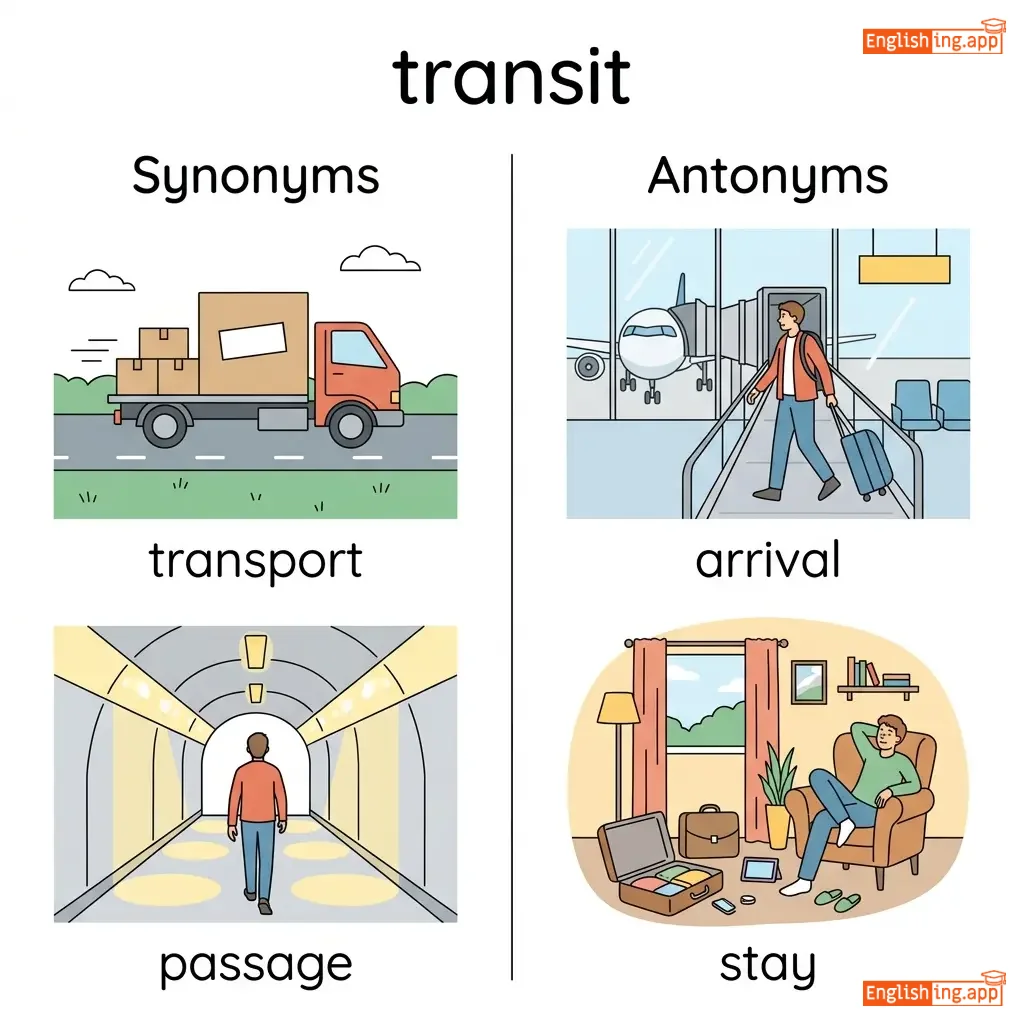
transport, passage, travel, movement, shipment
••••••
|
arrival, stay, halt
••••••
|
in transit, public transit, transit system, transit visa
••••••
|
トランジットは移動中の輸送です
••••••
|
|
#1
💳
|
/trænˈzækʃən/
noun
(トランザクション)
••••••
|
- •••••• |
取引
torihiki
••••••
|
- •••••• | - •••••• | - •••••• | - •••••• |
an instance of buying or selling something; a business deal or exchange
••••••
|
Every online transaction is recorded for security purposes.
すべてのオンライン取引はセキュリティ目的で記録されます。
••••••
|
すべてのオンライン取引はセキュリティ目的で記録されます。
Subete no onrain torihiki wa sekyuriti mokuteki de kiroku saremasu.
••••••
|
financial transaction
金融取引
••••••
|
an exchange involving money or payment
••••••
|
金融取引
kin'yū torihiki
••••••
|
deal, exchange, trade, operation, agreement
••••••
|
gift, donation, withdrawal
••••••
|
online transaction, bank transaction, business transaction, secure transaction
••••••
|
取引はお金を動かすことです。商売の基本!
••••••
|
|
#1
🏋️
|
/ˈtreɪnər/
noun
(トレーナー)
••••••
|
- •••••• |
トレーナー
torēnā
••••••
|
- •••••• | - •••••• | - •••••• | - •••••• |
a person who teaches skills or gives training
••••••
|
The fitness trainer helped me improve my posture. |
フィットネストレーナーは私の姿勢を改善するのを手伝ってくれました。
Fitnesu torēnā wa watashi no shisei o kaizen suru no o tetsudatte kuremashita.
••••••
|
personal trainer |
a professional coach who gives one-on-one fitness guidance
••••••
|
パーソナルトレーナー
pāsonaru torēnā
••••••
|
coach, instructor, mentor, educator
••••••
|
student, trainee
••••••
|
fitness trainer, professional trainer, animal trainer, corporate trainer
••••••
|
Trainerはトレーニングを提供する人、身体を鍛えるコーチです!
••••••
|
|
#1
🎞️
|
/ˈtreɪlər/
noun
(トレーラー)
••••••
|
- •••••• |
予告編 / トレーラー
yokokuhen / torērā
••••••
|
- •••••• | - •••••• | - •••••• | - •••••• |
a preview of a movie or a vehicle used for transporting goods
••••••
|
The movie trailer was released last week. |
映画の予告編は先週公開されました。
Eiga no yokokuhen wa senshū kōkai saremashita.
••••••
|
- •••••• | - •••••• | - •••••• |
preview, teaser, vehicle, hauler
••••••
|
feature, full movie
••••••
|
movie trailer, truck trailer, official trailer, trailer park
••••••
|
映画のトレーラーを見ると、次の映画が楽しみになる!
••••••
|
|
#1
💔
|
/ˈtrædʒɪk/
adjective
(トラジック)
••••••
|
- •••••• |
悲劇的な
higekiteki na
••••••
|
- •••••• | - •••••• | - •••••• | - •••••• |
causing great sadness or suffering; very unfortunate
••••••
|
The news of the accident was truly tragic. |
事故のニュースは本当に悲劇的だった。
Jiko no nyu-su wa hontou ni higekiteki datta.
••••••
|
tragic end |
a very sad or disastrous conclusion
••••••
|
悲劇的な結末
higekiteki na ketsumatsu
••••••
|
sad, disastrous, heartbreaking, mournful, catastrophic
••••••
|
happy, joyful, fortunate
••••••
|
tragic accident, tragic death, tragic story, tragic loss
••••••
|
Tragic は悲劇的な意味です。何か悲しいことが起きた時、私たちは言います — it’s tragic!
••••••
|
|
#1
🎎
|
/trəˈdɪʃənəli/
adverb
(トラディショナリー)
••••••
|
- •••••• |
伝統的に
dentōteki ni
••••••
|
- •••••• | - •••••• | - •••••• | - •••••• |
according to custom or long-established practice
••••••
|
Bangladesh is traditionally known for its hospitality. |
バングラデシュは伝統的にそのおもてなしで知られています。
Banguradeshu wa dentōteki ni sono omotenashi de shirareteimasu.
••••••
|
- •••••• | - •••••• | - •••••• |
conventionally, customarily, habitually, historically
••••••
|
modernly, newly
••••••
|
traditionally dressed, traditionally believed, traditionally made
••••••
|
Traditionally の日本語は '伝統的に', つまり伝統に従うという意味。
••••••
|
|
#1
💹
|
/ˈtreɪdɪŋ/
noun
(トレーディング)
••••••
|
- •••••• |
取引
torihiki
••••••
|
- •••••• | - •••••• | - •••••• | - •••••• |
the act or business of buying and selling goods or services
••••••
|
She made a fortune through online trading. |
彼女はオンライン取引で大金を稼ぎました。
Kanojo wa onrain torihiki de taikin wo kasegimashita.
••••••
|
trading places |
to exchange roles or positions with someone
••••••
|
場所を交換する
basho wo koukan suru
••••••
|
commerce, exchange, business, dealing, transaction
••••••
|
consumption, keeping
••••••
|
stock trading, trading platform, trading company, trading day
••••••
|
取引は交換、いつも利益を追い求めている!
••••••
|
|
#1
🧻
|
/ˈtaʊəl/
noun
(タオル)
••••••
|
- •••••• |
タオル
taoru
••••••
|
- •••••• | - •••••• | - •••••• | - •••••• |
a piece of absorbent cloth used for drying or wiping
••••••
|
She grabbed a towel after her shower. |
彼女はシャワー後にタオルを取った。
Kanojo wa shawāgo ni taoru o totta.
••••••
|
throw in the towel |
to give up or admit defeat
••••••
|
タオルを投げる
taoru o nageru
••••••
|
cloth, napkin, wipe, hand towel, rag
••••••
|
none
••••••
|
bath towel, hand towel, paper towel, wet towel
••••••
|
Towel 🧻 = タオル — ‘タオルを投げる’ は降伏する意味。
••••••
|
|
#1
🧳
|
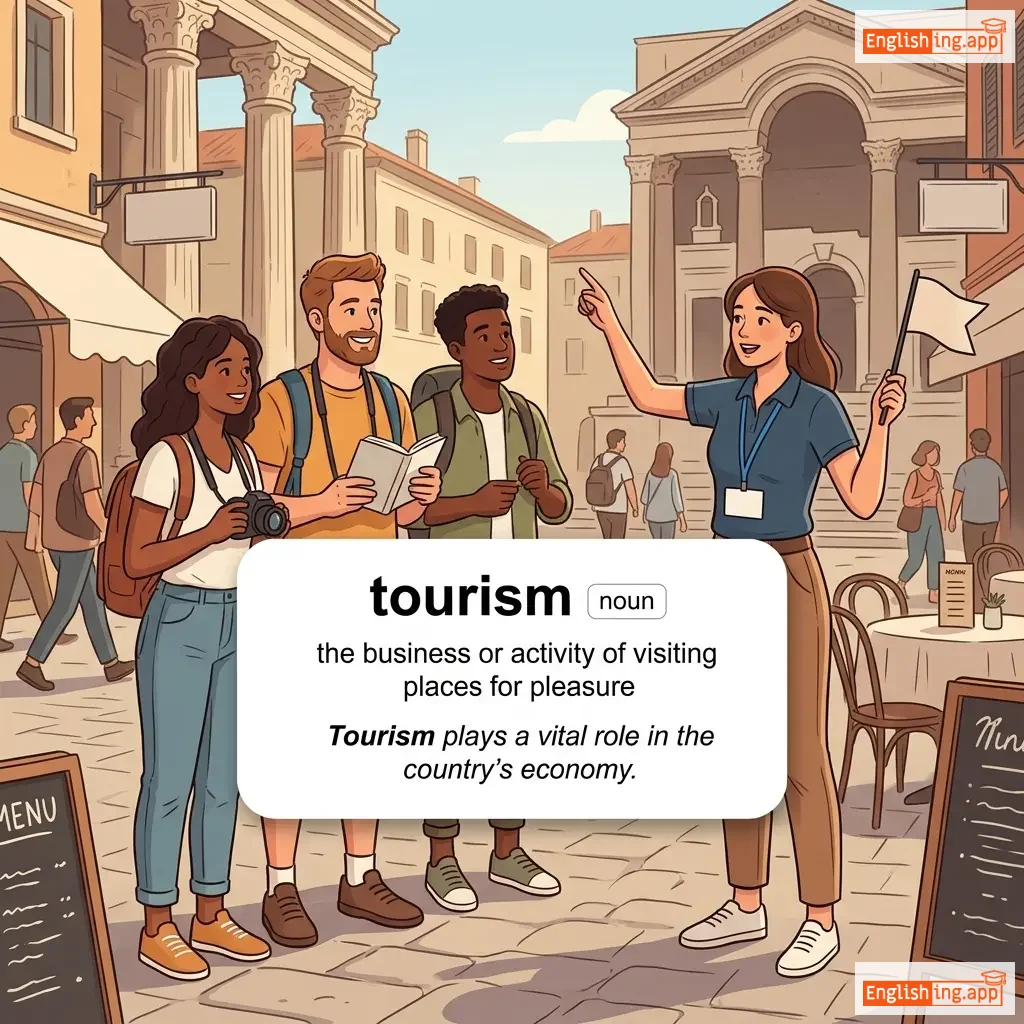
/ˈtʊərɪzəm/
noun
••••••
|
|
- •••••• | - •••••• | - •••••• | - •••••• | - •••••• |
the business or activity of visiting places for pleasure
••••••
|
Tourism plays a vital role in the country’s economy. |
- •••••• |
eco-tourism |
tourism directed towards natural environments to support conservation
••••••
|
- •••••• |
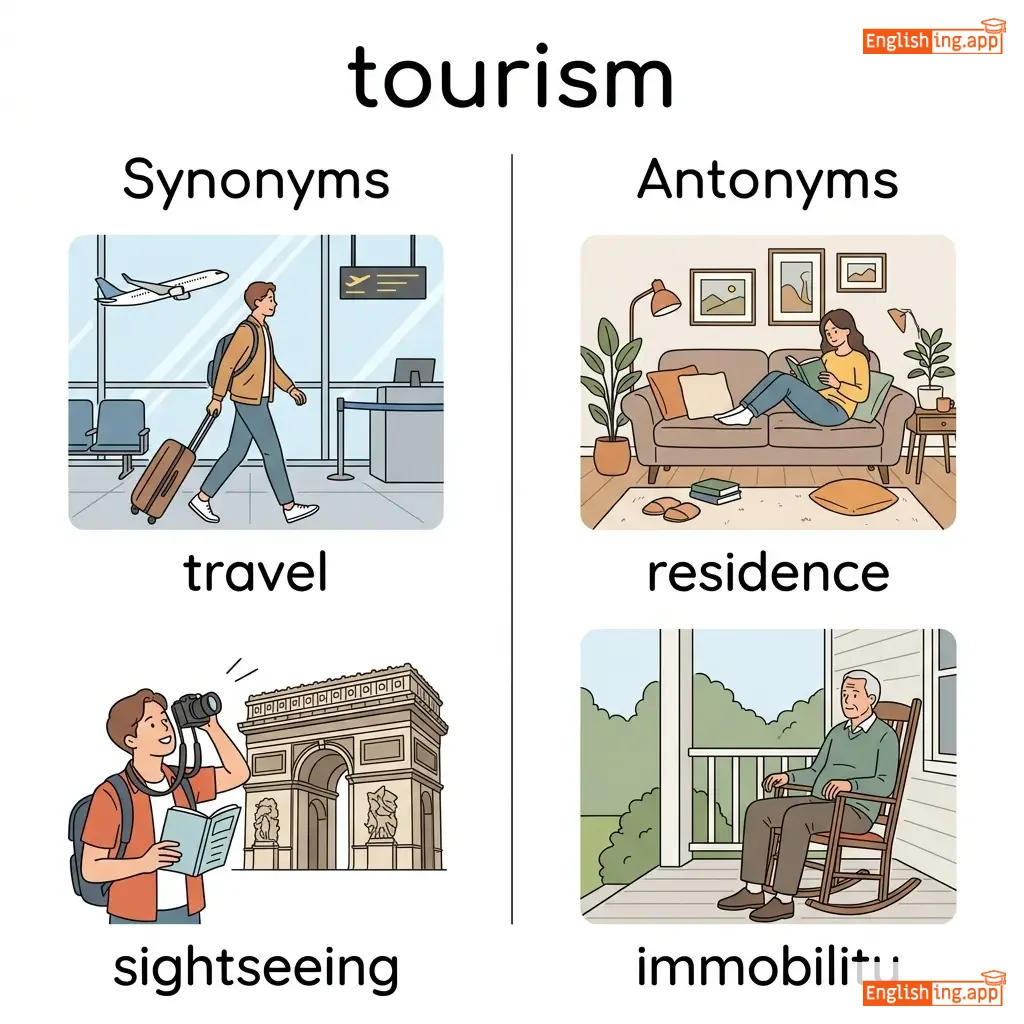
travel, sightseeing, journeying, vacationing, excursion
••••••
|
residence, immobility
••••••
|
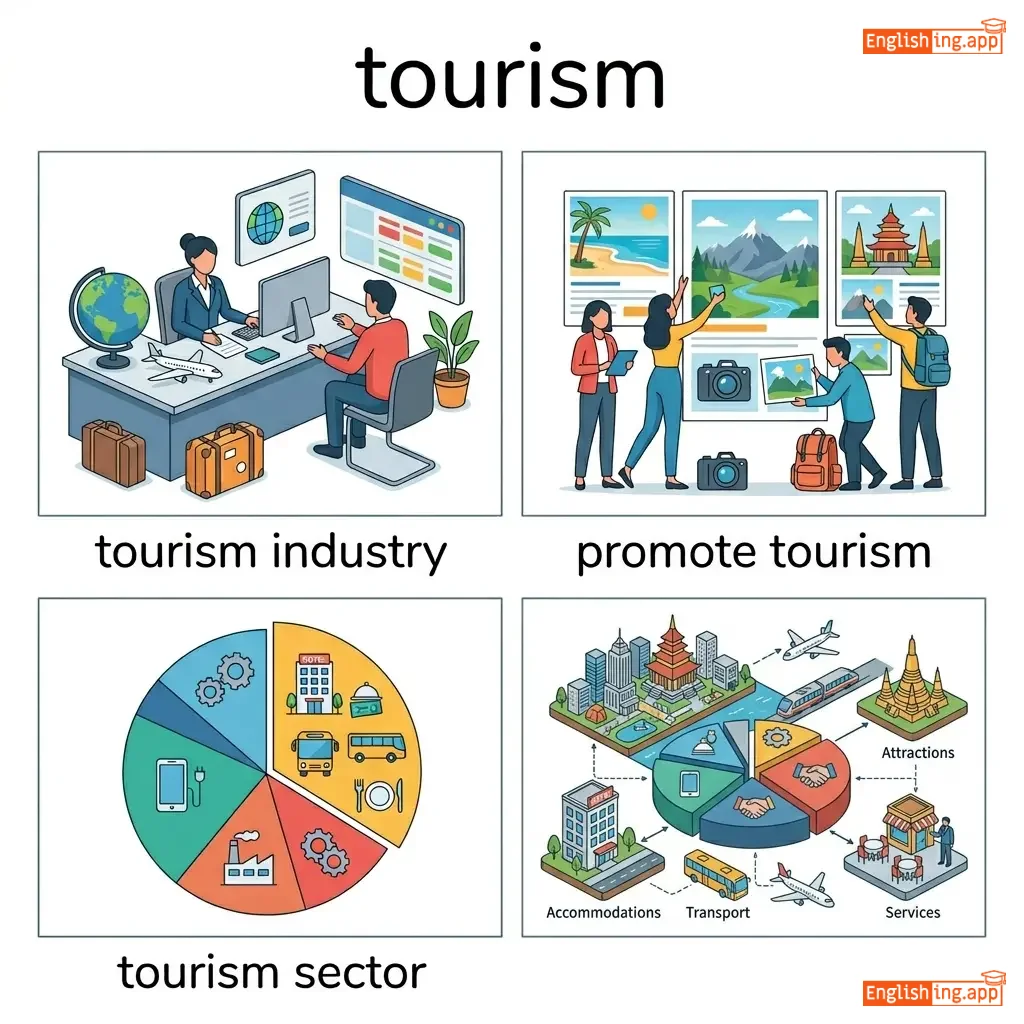
tourism industry, promote tourism, tourism sector, tourism growth
••••••
|
No •••••• |
|
#1
🚽
|
/ˈtɔɪlət/
noun
(トイレ)
••••••
|
- •••••• |
トイレ
toire
••••••
|
- •••••• | - •••••• | - •••••• | - •••••• |
a fixture used for the disposal of human waste
••••••
|
The public toilet was clean and well maintained. |
公衆トイレは清潔でよく手入れされていました。
Koushu toire wa seiketsu de yoku teire sarete imashita.
••••••
|
- •••••• | - •••••• | - •••••• |
lavatory, restroom, bathroom, washroom, loo
••••••
|
kitchen, bedroom
••••••
|
public toilet, flush toilet, toilet paper, toilet seat
••••••
|
トイレ 🚽, 日本語でも‘トイレ’だよ!
••••••
|
|
#1
⏰
|
/ˈtaɪmɪŋ/
noun
(タイミング)
••••••
|
- •••••• |
タイミング
taimingu
••••••
|
- •••••• | - •••••• | - •••••• | - •••••• |
the choice, judgment, or control of when something should be done
••••••
|
Good timing is essential in business negotiations. |
ビジネス交渉では、良いタイミングが重要です。
bijinesu kōshō dewa, yoi taimingu ga jūyō desu.
••••••
|
perfect timing |
doing something at exactly the right moment
••••••
|
完璧なタイミング
kanpeki na taimingu
••••••
|
scheduling, coordination, planning, arrangement, rhythm
••••••
|
delay, misjudgment
••••••
|
good timing, bad timing, timing issue, timing control
••••••
|
Time + ing = Timing ⏰ — 完璧なタイミングを見逃さない!
••••••
|
|
#1
🌲
|
/ˈtɪmbər/
noun
(ティンバー)
••••••
|
- •••••• |
木材
mokuzai
••••••
|
- •••••• | - •••••• | - •••••• | - •••••• |
wood prepared for use in building and carpentry
••••••
|
The house was built entirely from local timber. |
その家は完全に地元の木材で作られていました。
Sono ie wa kanzen ni jimoto no mokuzai de tsukurarete imashita.
••••••
|
shiver me timbers |
an expression of surprise or astonishment
••••••
|
驚きやびっくりの表現
odoroki ya bikkuri no hyōgen
••••••
|
wood, lumber, logs, planks, beam
••••••
|
metal, concrete
••••••
|
timber industry, timber house, cut timber, timber supply
••••••
|
Timberは木材を意味します 🌲 — ‘Timber house’ は木の家を意味します。
••••••
|
|
#1
⏰
|
/tɪl/
preposition
(ティル)
••••••
|
- •••••• |
まで
made
••••••
|
- •••••• | - •••••• | - •••••• | - •••••• |
up to the time of; until
••••••
|
She waited till midnight for his call.
彼女は彼の電話を夜中まで待ちました。
••••••
|
彼女は彼の電話を夜中まで待ちました。
Kanojo wa kare no denwa o yonaka made machimashita.
••••••
|
- •••••• | - •••••• | - •••••• |
until, up to, before, pending
••••••
|
after, since
••••••
|
till now, till late, till tomorrow, wait till
••••••
|
Till は 'まで' を意味します — 夜中まで電話を待つ。
••••••
|
|
#1
🧱
|
/taɪl/
noun
(ハピネス)
••••••
|
- •••••• |
タイル
tailu
••••••
|
- •••••• | - •••••• | - •••••• | - •••••• |
a flat piece of baked clay or other material used for covering roofs, floors, or walls
••••••
|
The kitchen floor is covered with ceramic tiles.
キッチンの床はセラミックタイルで覆われています。
••••••
|
キッチンの床はセラミックタイルで覆われています。
Kitchin no yuka wa seramikku tairu de ōwareteimasu.
••••••
|
- •••••• | - •••••• | - •••••• |
slab, block, brick, panel, plate
••••••
|
gap, hole
••••••
|
floor tile, roof tile, ceramic tile, tile pattern
••••••
|
タイルは tile — キッチンの床にタイルを敷く!
••••••
|
|
#1
⛩️
|
/ˈtɛmpəl/
noun
(テンポル)
••••••
|
- •••••• |
寺院
jiin
••••••
|
- •••••• | - •••••• | - •••••• | - •••••• |
a building used for the worship of a god or gods
••••••
|
They visited an ancient temple during their trip to India. |
インディアへの旅行中に古代の寺院を訪れました。
India e no ryokou-chuu ni kodai no jiin o otozuremashita.
••••••
|
holy temple |
a sacred place dedicated to religious worship
••••••
|
聖なる寺院
seinaru jiin
••••••
|
shrine, sanctuary, church, mosque, pagoda
••••••
|
secular place, profane site
••••••
|
ancient temple, Hindu temple, temple bell, temple visit
••••••
|
Temple は日本語で‘寺院’として理解され、神々への礼拝の場所です。
••••••
|
|
#1
🔩
|
/ˈtaɪtən/
verb
(タイテン)
••••••
|
|
締める
shimeru
••••••
|
tightened
タイテンド
••••••
|
tightened
タイテンド
••••••
|
tightens
タイテンズ
••••••
|
tightening
タイテニング
••••••
|
to make something become tighter or more firmly fixed
••••••
|
He tightened the screw with a wrench.
彼はレンチでネジを締めました。
••••••
|
彼はレンチでネジを締めました。
Kare wa renchi de neji o shimemashita.
••••••
|
tighten one's belt
ベルトを締める
••••••
|
to spend less money; to be more economical
••••••
|
ベルトを締める
beruto o shimeru
••••••
|
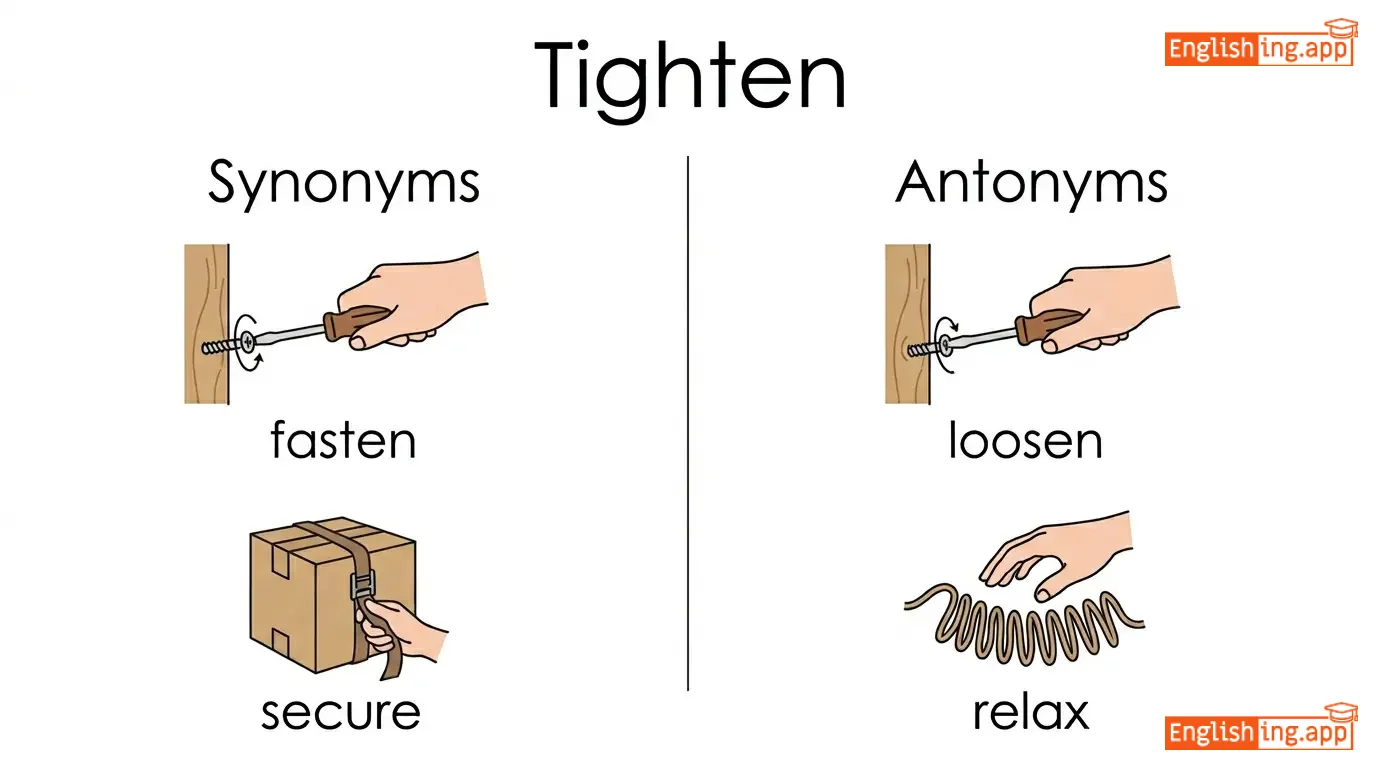
fasten, secure, stiffen, contract, strengthen
••••••
|
loosen, relax, slacken
••••••
|
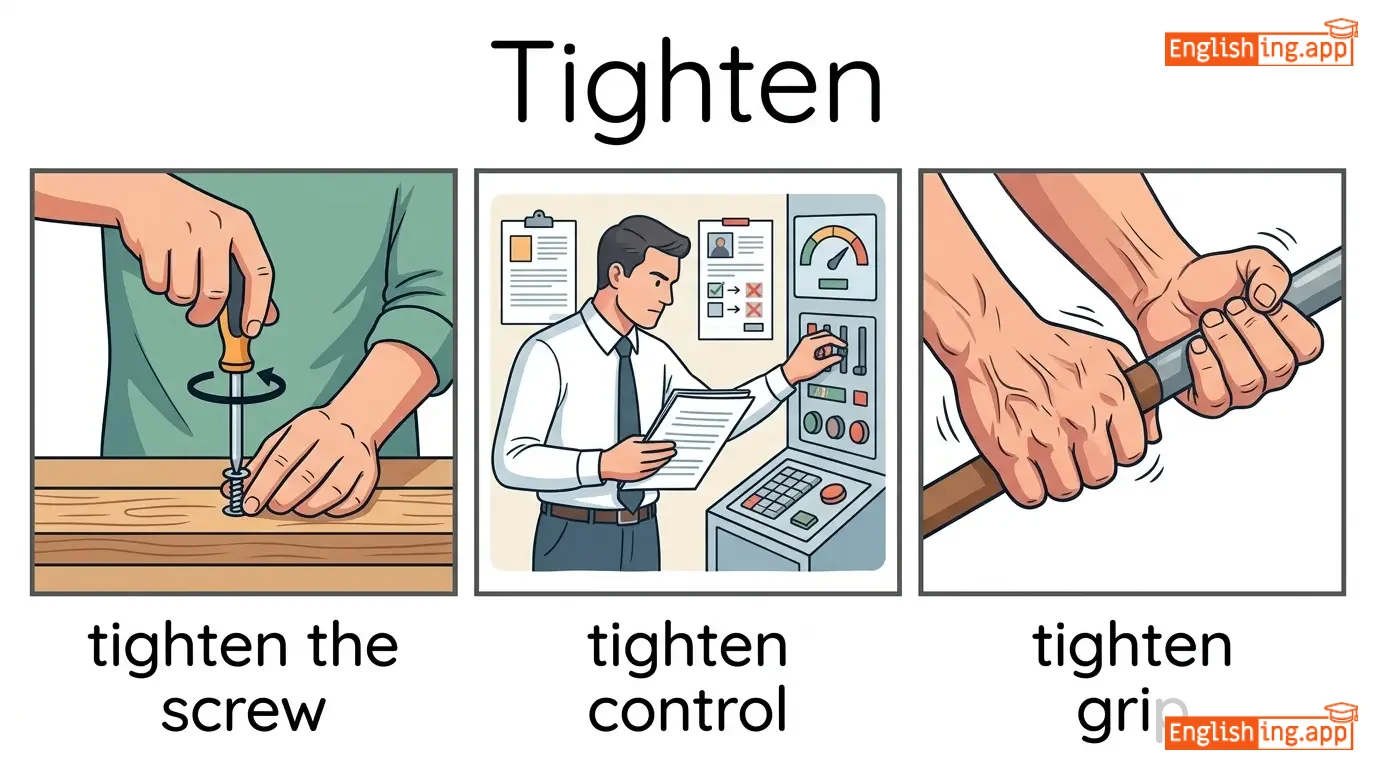
tighten the screw, tighten control, tighten grip, tighten security
••••••
|
締める (tight) とは、さらにきつくすることを意味します 🔩
••••••
|
|
#1
👍
|
/θʌm/
noun
(θʌm)
••••••
|
- •••••• |
親指
oyayubi
••••••
|
- •••••• | - •••••• | - •••••• | - •••••• |
the short, thick finger on the side of the hand, used for gripping and holding things
••••••
|
He gave a thumbs-up to show his approval. |
彼は承認を示すために親指を上げました。
Kare wa shounin o shimesu tame ni oyayubi o agemashita.
••••••
|
rule of thumb |
a general principle or rule based on experience or practice rather than theory
••••••
|
親指の法則
oyayubi no housoku
••••••
|
digit, finger, appendage, joint, extremity
••••••
|
toe, palm
••••••
|
thumb up, thumb down, rule of thumb, suck your thumb, raise your thumb
••••••
|
親指を見せて、ルールを覚えよう👍
••••••
|
|
#1
🚪
|
/ˈθreʃ.həʊld/
noun
(スレッショルド)
••••••
|
|
しきい
shiki
••••••
|
- •••••• | - •••••• | - •••••• | - •••••• |
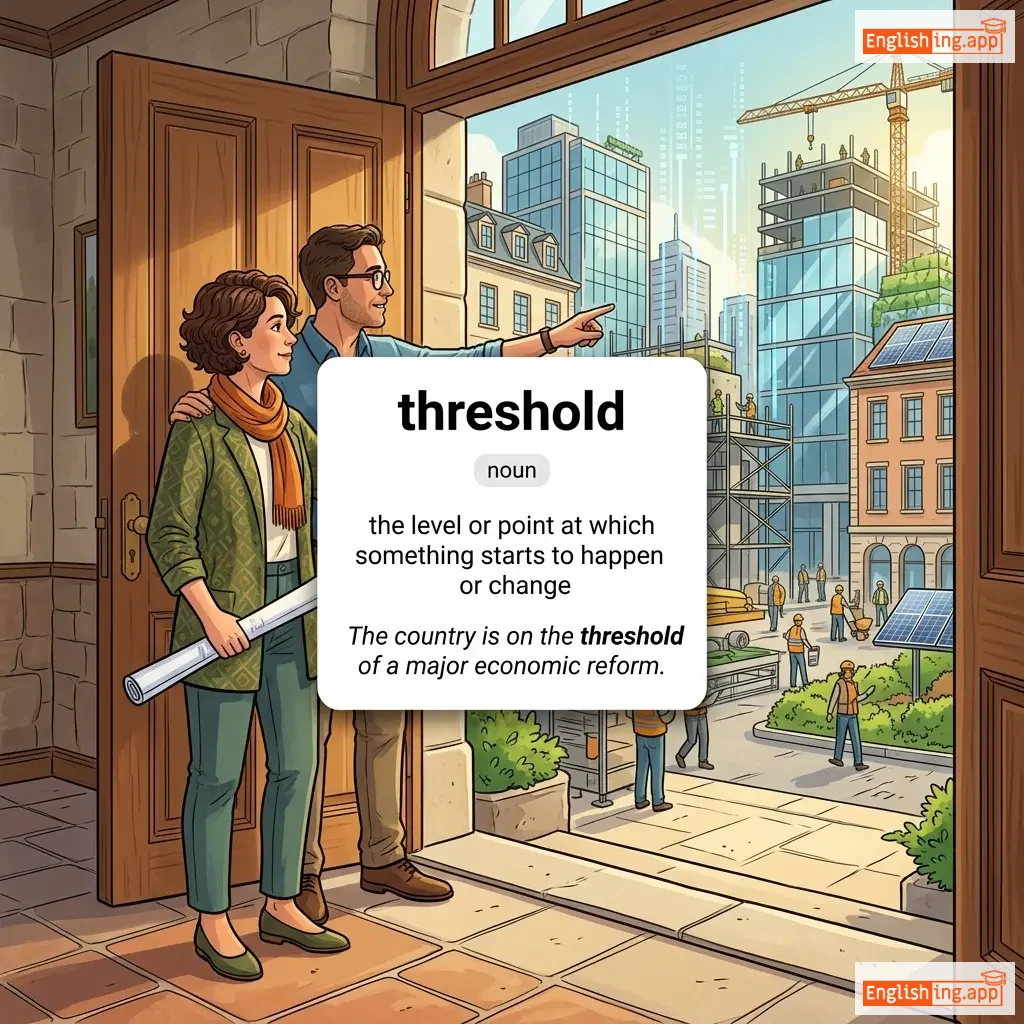
the level or point at which something starts to happen or change
••••••
|
The country is on the threshold of a major economic reform. |
その国は重要な経済改革のしきいにあります。
Sono kuni wa juuyou na keizai kaikaku no shikai ni arimasu.
••••••
|
cross the threshold |
to begin a new phase or experience
••••••
|
- •••••• |
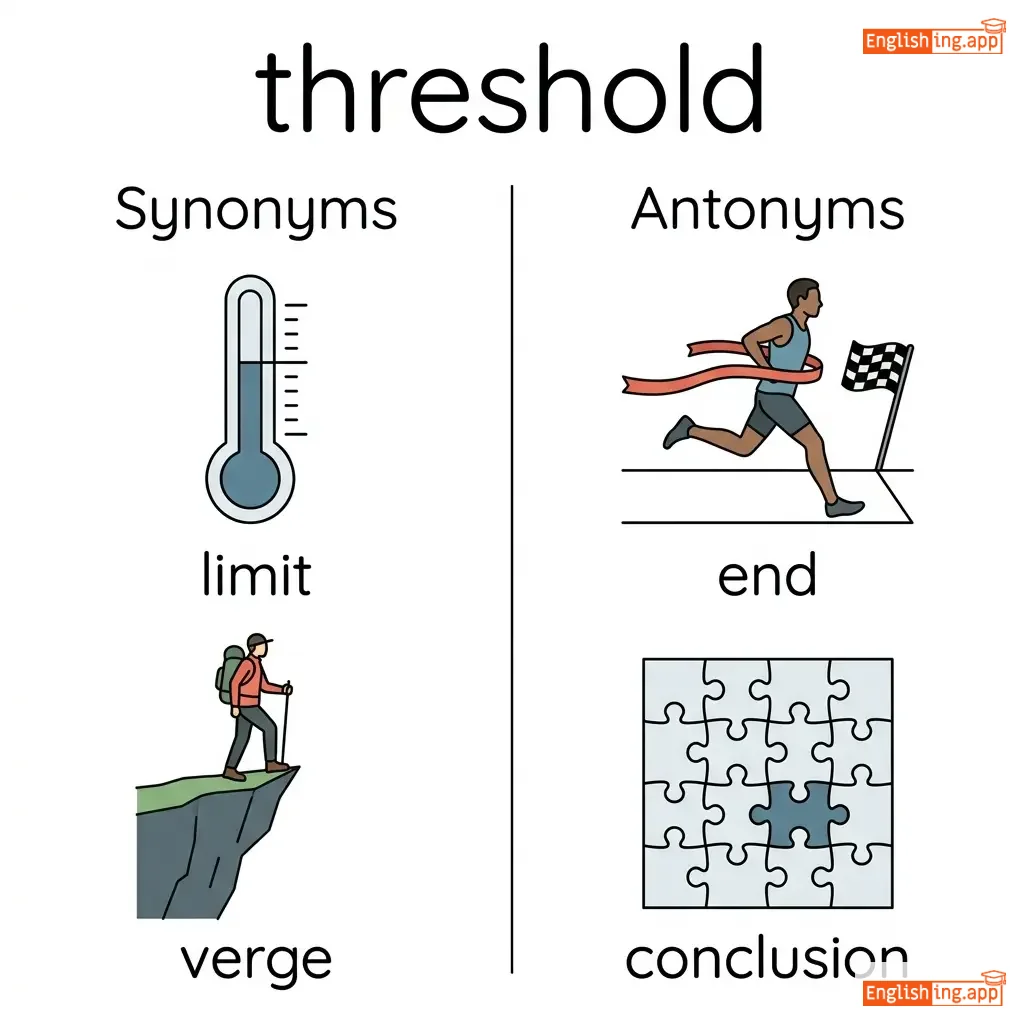
limit, verge, brink, gateway, entry
••••••
|
end, conclusion
••••••
|
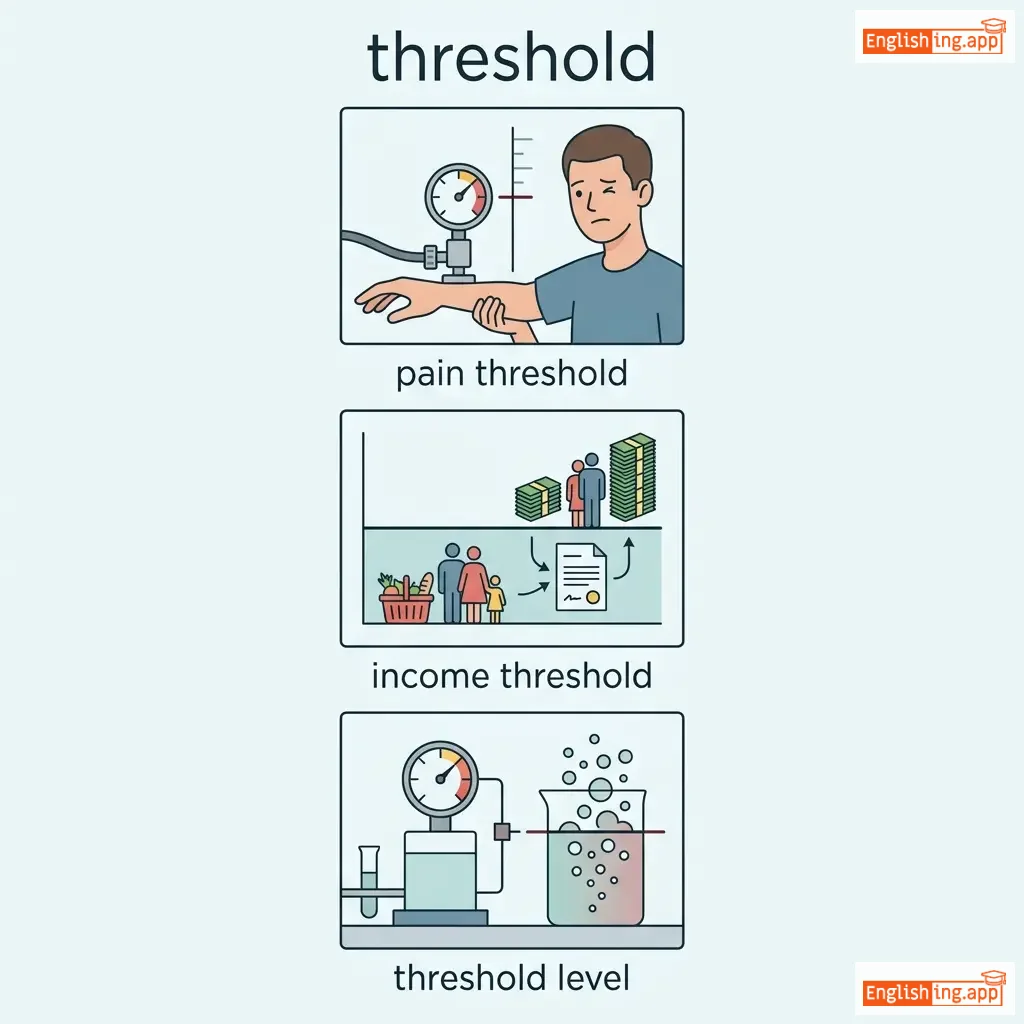
pain threshold, income threshold, threshold level, at the threshold
••••••
|
しきいは新しい段階の始まりの瞬間です。
••••••
|
|
#1
🧵
|
/θred/
noun
(スレッド)
••••••
|
- •••••• |
糸
ito
••••••
|
- •••••• | - •••••• | - •••••• | - •••••• |
a long, thin strand of cotton, nylon, or other fibers used for sewing
••••••
|
She used a red thread to sew the torn button back on. |
彼女は赤い糸を使って壊れたボタンを縫い直しました。
Kanojo wa akai ito o tsukatte kowareta botan o nuinokoshimashita.
••••••
|
hang by a thread |
to be in a very dangerous or uncertain situation
••••••
|
糸のようにぶら下がる
Ito no you ni burasagaru
••••••
|
fiber, string, filament, yarn, strand
••••••
|
rope, wire
••••••
|
cotton thread, lose the thread, follow the thread, silver thread
••••••
|
Threadは糸を意味する — Facebookスレッドで会話が糸のように繋がっています!
••••••
|
|
#1
🧼
|
/ˈθʌr.ə.li/
adverb
(θoruri)
••••••
|
- •••••• |
徹底的に
tettiteki ni
••••••
|
- •••••• | - •••••• | - •••••• | - •••••• |
completely and carefully; in a detailed way
••••••
|
Please clean the kitchen thoroughly before the guests arrive. |
ゲストが到着する前に、キッチンを徹底的に掃除してください。
Gesuto ga touchaku suru mae ni, kicchin o tetteiteki ni souji shite kudasai.
••••••
|
- •••••• | - •••••• | - •••••• |
completely, entirely, totally, deeply, carefully
••••••
|
partially, incompletely
••••••
|
thoroughly clean, thoroughly enjoy, thoroughly examine, thoroughly understand
••••••
|
THORoughly は徹底的にという意味で、すべてを徹底的に掃除するような感じです。
••••••
|
|
#1
🦵
|
/θaɪ/
noun
(θaɪ)
••••••
|
- •••••• |
太もも
thighmomo
••••••
|
- •••••• | - •••••• | - •••••• | - •••••• |
the part of the leg between the hip and the knee
••••••
|
He felt pain in his right thigh after running for an hour. |
1時間走った後、右太ももに痛みを感じました。
1 jikan hashitta ato, migi thighmomo ni itami o kanjimashita.
••••••
|
thigh bone's connected to the hip bone |
a phrase from a children's song describing body parts connection
••••••
|
太ももの骨は股関節の骨に繋がっている
Thighmomo no hone wa kokansetsu no hone ni tsunagatte iru
••••••
|
upper leg, femur, limb, lap
••••••
|
shin, calf
••••••
|
thigh muscle, chicken thigh, inner thigh, upper thigh
••••••
|
タイ料理では通常、鶏の太もも🍗 が使われます — 'thigh' は太ももを意味します。
••••••
|
|
#1
🔁
|
/ˈðeə.baɪ/
adverb
(デアバイ)
••••••
|
- •••••• |
その結果
sono kekka
••••••
|
- •••••• | - •••••• | - •••••• | - •••••• |
by that means; as a result of that
••••••
|
She forgot to set the alarm, thereby missing her early flight.
彼女はアラームを設定し忘れたため、thereby 早朝のフライトを逃した。
••••••
|
彼女はアラームを設定し忘れたため、その結果早朝のフライトを逃した。
Kanojo wa arāmu o settei wasureta tame, sono kekka sōchō no furaito o nogashita.
••••••
|
- •••••• | - •••••• | - •••••• |
thus, consequently, hence, therefore, accordingly
••••••
|
nevertheless, however
••••••
|
thereby improving, thereby reducing, thereby increasing, thereby causing
••••••
|
THERE BY mistake その結果起きた — つまり、‘thereby’はその結果やそれによって起きたことを意味します。
••••••
|
|
#1
🧠
|
/ˈθɛrəpɪst/
noun
(セラピスト)
••••••
|
- •••••• |
セラピスト
serapisuto
••••••
|
- •••••• | - •••••• | - •••••• | - •••••• |
a person trained to provide treatment or counseling for physical or mental health
••••••
|
The therapist helped him overcome his anxiety.
セラピストは彼の不安を克服する手助けをしました。
••••••
|
セラピストは彼の不安を克服する手助けをしました。
Serapisuto wa kare no fuan o kokufuku suru tedasuke o shimashita.
••••••
|
speech therapist
言語療法士
••••••
|
a specialist who helps people improve their speech
••••••
|
言語療法士
gengo ryōhō-shi
••••••
|
counselor, psychologist, healer, advisor, psychiatrist
••••••
|
patient, client
••••••
|
physical therapist, speech therapist, professional therapist, family therapist
••••••
|
セラピスト — あなたを助ける人、心と体の健康のための専門家。
••••••
|
|
#1
🦃
|
/ˈθæŋksˌɡɪvɪŋ/
noun
(サンクスギビング)
••••••
|
- •••••• |
感謝祭
kanshasai
••••••
|
- •••••• | - •••••• | - •••••• | - •••••• |
an annual holiday in the US for giving thanks, celebrated with a meal
••••••
|
We spent Thanksgiving dinner with our family. |
私たちは家族と一緒に感謝祭の夕食を過ごしました。
Watashitachi wa kazoku to issho ni kanshasai no yūshoku o sugoshimashita.
••••••
|
Thanksgiving dinner |
a traditional meal shared during the Thanksgiving holiday
••••••
|
感謝祭の夕食
Kanshasai no yūshoku
••••••
|
gratitude, appreciation, holiday, feast
••••••
|
ingratitude, complaint
••••••
|
Thanksgiving Day, Thanksgiving dinner, Thanksgiving turkey
••••••
|
Thanks + Giving = 感謝を表す日! だから感謝祭は感謝を示す日です。
••••••
|
|
#1
🧵
|
/ˈtɛkstʃər/
noun
(テクスチャー)
••••••
|
- •••••• |
質感
shitsukan
••••••
|
- •••••• | - •••••• | - •••••• | - •••••• |
the way something feels when you touch it; the quality of a surface or substance
••••••
|
The fabric has a soft and smooth texture. |
その布は柔らかく滑らかな質感です。
Sono nuno wa yawarakaku namerakana shitsukan desu.
••••••
|
rough texture |
a coarse or uneven surface feel
••••••
|
- •••••• |
surface, feel, grain, structure, consistency
••••••
|
smoothness, flatness
••••••
|
soft texture, rough texture, fabric texture, skin texture
••••••
|
質感は触れることで感じるものです。
••••••
|
|
#1
📘
|
/ˈtɛkstbʊk/
noun
(テキストブック)
••••••
|
- •••••• |
教科書
kyōkasho
••••••
|
- •••••• | - •••••• | - •••••• | - •••••• |
a book used for studying a subject in school or college
••••••
|
She bought a new biology textbook for her class. |
彼女はクラスのために新しい生物学の教科書を買いました。
Kanojo wa kurasu no tame ni atarashī seibutsugaku no kyōkasho o kaimashita.
••••••
|
a textbook example |
a perfect or typical example of something
••••••
|
模範例
mohanrei
••••••
|
manual, guidebook, reference book, coursebook
••••••
|
fiction, magazine
••••••
|
textbook example, textbook case, school textbook, college textbook
••••••
|
Text + Book = 学びの本!だから '教科書' は教科書を意味します。
••••••
|
|
#1
🌟
|
/təˈrɪfɪk/
adjective
(テリフィック)
••••••
|
- •••••• |
素晴らしい
subarashii
••••••
|
- •••••• | - •••••• | - •••••• | - •••••• |
extremely good or excellent; very great or intense
••••••
|
The concert last night was absolutely terrific.
昨夜のコンサートは絶対にテリフィックでした。
••••••
|
昨夜のコンサートは絶対に素晴らしかった。
Sakuya no konsāto wa zettai ni subarashikatta.
••••••
|
feel terrific
テリフィックを感じる
••••••
|
to feel very well or happy
••••••
|
素晴らしく感じる
subarashiku kanjiru
••••••
|
excellent, wonderful, fantastic, superb, amazing
••••••
|
awful, terrible, poor
••••••
|
terrific idea, terrific job, feel terrific, look terrific
••••••
|
Terrific は 'Terri-fic'、素晴らしいという意味です!
••••••
|
|
#1
😢
|
/ˈtɛrəbli/
adverb
(テリブリー)
••••••
|
- •••••• |
ひどく
hidoku
••••••
|
- •••••• | - •••••• | - •••••• | - •••••• |
to a very great or extreme degree; very badly or unpleasantly
••••••
|
He felt terribly sad after hearing the news. |
彼はそのニュースを聞いた後、ひどく悲しく感じました。
Kare wa sono nyūsu o kiita ato, hidoku kanashiku kanjimashita.
••••••
|
terribly sorry |
feeling extremely apologetic or regretful
••••••
|
ひどく謝る
hidoku ayamaru
••••••
|
extremely, awfully, horribly, dreadfully, badly
••••••
|
slightly, mildly
••••••
|
terribly sorry, terribly wrong, terribly cold, terribly slow
••••••
|
Terribly は非常に悪いか非常に良いという意味です — つまり、非常に!覚えておいて:『ひどく良い』または『ひどく悪い』。
••••••
|
|
#1
🌄
|
/təˈreɪn/
noun
(テレイン)
••••••
|
- •••••• |
地形
chikei
••••••
|
- •••••• | - •••••• | - •••••• | - •••••• |
a stretch of land, especially with regard to its physical features
••••••
|
The soldiers had to cross rough terrain during the mission. |
兵士たちは任務中に険しい地形を越えなければならなかった。
Heishi-tachi wa ninmu-chuu ni kewashii chikei o koenakereba naranakatta.
••••••
|
mountainous terrain |
landscape full of mountains or steep slopes
••••••
|
山岳地形
sangaku chikei
••••••
|
land, ground, landscape, topography, area
••••••
|
sea, sky
••••••
|
rocky terrain, flat terrain, desert terrain, rugged terrain
••••••
|
Terrain とは地形のこと — まるで電車が地面を走るように、terrain は地面の形を指す。
••••••
|
Vocabulary Quiz
Test your vocabulary by matching words with their translations or meanings.
Login to take the quiz
Comments (0)
Share your thoughts and join the discussion.
Join the discussion by logging in
Login to CommentNo comments yet
Be the first to share your thoughts!