

翻訳
過去
過去分詞
三人称単数
動名詞
意味
例文
例文の翻訳
同義語
対義語
コロケーション
ニーモニック

Swipe left or right, or use the buttons. Tap image to zoom.
例文の翻訳
単語
Lesson 325Lesson 325 - マスクトグル
|
絵文字
|
単語 | Images | 翻訳 | 過去 | 過去分詞 | 三人称単数 | 動名詞 | 意味 | 例文 | 例文の翻訳 | 表現例 | 表現例の意味 | 表現例の翻訳 | 同義語 | 対義語 | コロケーション | ニーモニック |
|---|---|---|---|---|---|---|---|---|---|---|---|---|---|---|---|---|---|
|
#9715
💧
|
/ˈdæmpən/
verb
(dampen)
••••••
|
- •••••• |
湿らせる, 和らげる
shimerareru, yawarageru
••••••
|
dampened
dampened
••••••
|
dampened
dampened
••••••
|
dampens
dampens
••••••
|
dampening
dampening
••••••
|
to make something slightly wet; to make something less strong, active, or intense
••••••
|
The rain dampened the excitement of the outdoor concert.
雨が屋外コンサートの興奮を和らげました。
••••••
|
雨が屋外コンサートの興奮を和らげました。
Ame ga okugai konsāto no kōfun o yawaragemashita.
••••••
|
dampen enthusiasm
dampen 熱意
••••••
|
to reduce someone's excitement or interest
••••••
|
熱意を和らげる
netsui o yawarageru
••••••
|
moisten, weaken, diminish, depress, discourage
••••••
|
encourage, intensify, strengthen
••••••
|
dampen spirits, dampen enthusiasm, dampen noise, dampen effect
••••••
|
DAMPのように湿る、dampenは'湿らせる'や'和らげる'を意味します
••••••
|
|
#9716
🌸
|
/ˈdɛlɪkət/
adjective
(デリケート)
••••••
|
- •••••• |
壊れやすい
kowareyasui
••••••
|
- •••••• | - •••••• | - •••••• | - •••••• |
Easily broken or damaged; requiring careful handling.
••••••
|
The vase is very delicate, so handle it with care. |
この花瓶はとても壊れやすいので、注意して扱ってください。
Kono kabin wa totemo kowareyasui node, chūi shite atsukatte kudasai.
••••••
|
delicate balance |
A situation where small changes can cause serious consequences.
••••••
|
壊れやすいバランス
kowareyasui baransu
••••••
|
fragile, fine, sensitive, subtle, tender
••••••
|
strong, tough, durable
••••••
|
delicate issue, delicate flower, delicate situation
••••••
|
Delicate 🌸は壊れやすい – 'Delicate 花'は壊れやすい花を意味します
••••••
|
|
#9717
🎯
|
/dɪˈlɪbərətli/
adverb
(デリバレートリー)
••••••
|
|
意図的に
itotekini
••••••
|
- •••••• | - •••••• | - •••••• | - •••••• |
Done on purpose; intentionally.
••••••
|
She deliberately ignored his question. |
彼女は意図的に彼の質問を無視した。
Kanojo wa itotekini kare no shitsumon o mushi shita.
••••••
|
- •••••• | - •••••• | - •••••• |
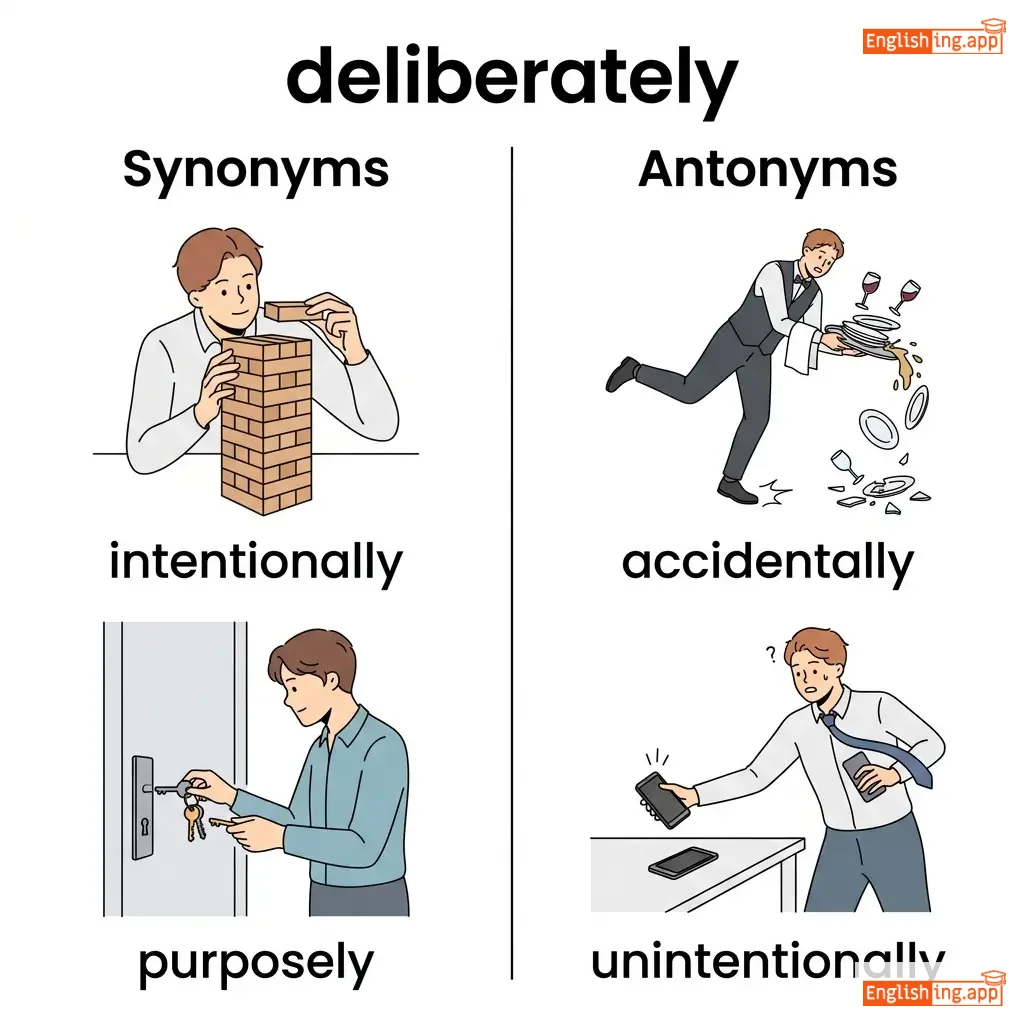
intentionally, purposely, knowingly, consciously
••••••
|
accidentally, unintentionally, randomly
••••••
|
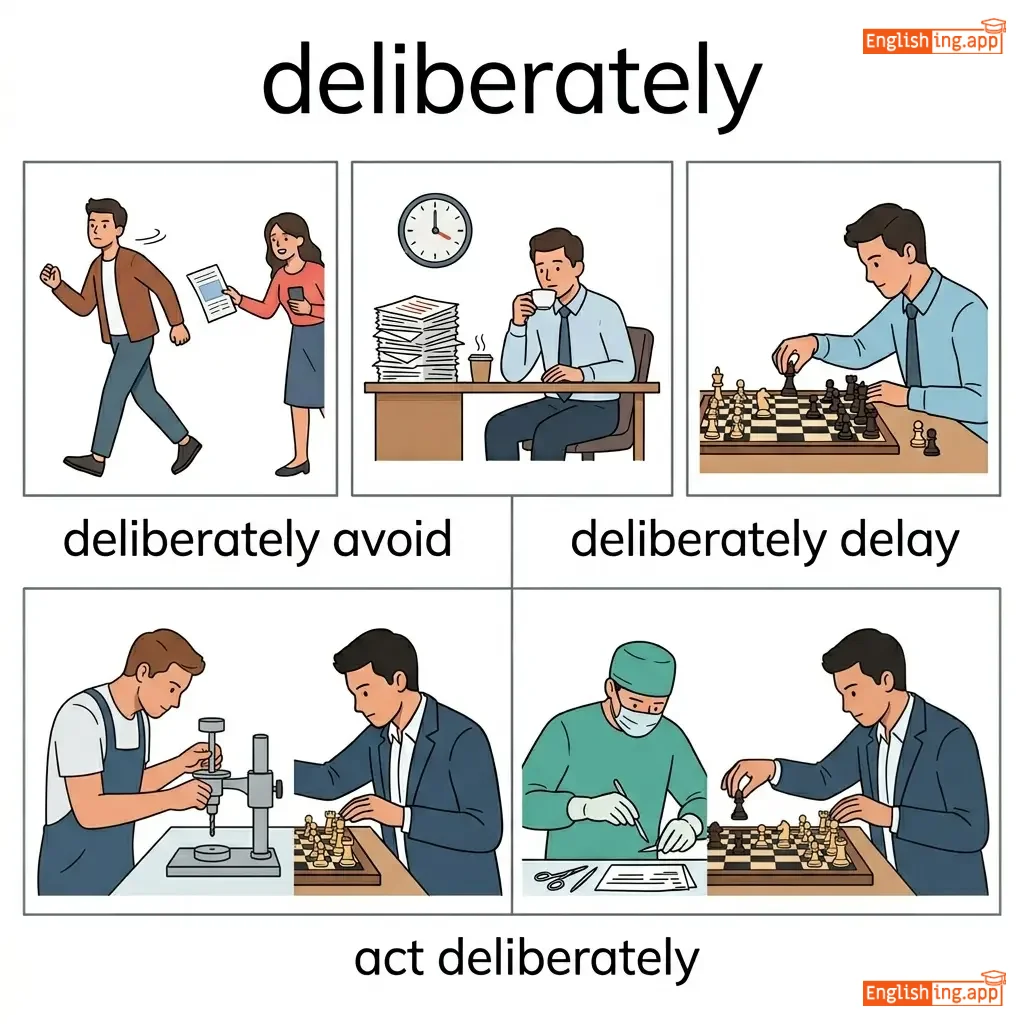
deliberately avoid, deliberately delay, act deliberately
••••••
|
意図的に = 意図的に行うこと - 何かを意図的にする時、それは計画的な行動です。
••••••
|
|
#9718
📉
|
/ˈdɛfɪsɪt/
noun
(デフィシット)
••••••
|
- •••••• |
赤字
akaji
••••••
|
- •••••• | - •••••• | - •••••• | - •••••• |
The amount by which something, especially money, is too small or lacking.
••••••
|
The government is trying to reduce the budget deficit. |
政府は予算赤字を減らそうとしています。
Seifu wa yosan akaji o herasō to shiteimasu.
••••••
|
trade deficit |
The amount by which a country’s imports exceed its exports.
••••••
|
貿易赤字
bōeki akaji
••••••
|
shortfall, shortage, lack, loss, gap
••••••
|
surplus, excess, profit
••••••
|
budget deficit, trade deficit, current deficit
••••••
|
赤字 📉 – 赤字は何かが足りない、例えばお金が足りない時に使われます。
••••••
|
|
#9719
⚔️
|
/dɪˈfɛnd/
verb
(ディフェンド)
••••••
|
- •••••• |
守る
mamoru
••••••
|
defended
ディフェンドした
••••••
|
defended
ディフェンドされた
••••••
|
defends
ディフェンドする
••••••
|
defending
ディフェンドしている
••••••
|
To protect someone or something from harm or attack.
••••••
|
The lawyer worked hard to defend her client.
弁護士は彼女のクライアントを守るために一生懸命働きました。
••••••
|
弁護士は彼女のクライアントを守るために一生懸命働きました。
Bengoshi wa kanojo no kuraianto wo mamoru tame ni isshoukenmei hatarakimashita.
••••••
|
defend one's honor
名誉を守る
••••••
|
To protect one’s reputation from criticism or insult.
••••••
|
名誉を守る
meiyo wo mamoru
••••••
|
protect, guard, shield, support, justify
••••••
|
attack, abandon, betray
••••••
|
defend a case, defend the goal, defend human rights
••••••
|
守るというのは、弁護士がクライアントを守ることです。
••••••
|
|
#9720
🛡️
|
/dɪˈfɛns/
noun
(ディフェンス)
••••••
|
- •••••• |
防御
bōgyo
••••••
|
- •••••• | - •••••• | - •••••• | - •••••• |
The act of protecting or guarding against attack, harm, or criticism.
••••••
|
The castle walls were built for defence against invaders. |
城壁は侵略者からの防御のために建てられました。
Jōheki wa shinryakusha kara no bōgyo no tame ni tateraremashita.
••••••
|
self-defence |
The act of protecting oneself from harm using reasonable force.
••••••
|
自己防衛
jikobōei
••••••
|
protection, safeguard, guard, security, shield
••••••
|
attack, assault, offense
••••••
|
in defence of, national defence, defence strategy, defence lawyer
••••••
|
防御で身を守ろう!
••••••
|
|
#9721
🎭
|
/dɪˈsɛptɪv/
adjective
(ディセプティブ)
••••••
|
- •••••• |
騙すような
damasu you na
••••••
|
- •••••• | - •••••• | - •••••• | - •••••• |
Giving an appearance or impression different from the truth; misleading.
••••••
|
Appearances can be deceptive. |
外見は騙すようなものかもしれません。
Gaiken wa damasu you na mono kamoshiremasen.
••••••
|
- •••••• | - •••••• | - •••••• |
misleading, false, dishonest, tricky, deceitful
••••••
|
honest, truthful, genuine
••••••
|
deceptive appearance, deceptive practice, deceptively simple, deceptive look
••••••
|
Deceptive は「騙すような」という意味で、騙すという行動に関連しています。
••••••
|
|
#9722
🦠
|
/dɪˈkeɪ/
verb, noun
(dikei)
••••••
|
- •••••• |
腐敗
fuhai
••••••
|
decayed
dikeid
••••••
|
decayed
dikeid
••••••
|
decays
dikeiz
••••••
|
decaying
dikeing
••••••
|
The process of rotting or decomposition; to decline in quality or strength.
••••••
|
The abandoned house slowly began to decay.
放棄された家は徐々に腐り始めた。
••••••
|
放棄された家は徐々に腐り始めた。
Houkisareta ie wa jojoni fusari hajimeta.
••••••
|
tooth decay
歯の腐敗
••••••
|
The rotting or damage of teeth.
••••••
|
歯の腐敗
Ha no fuhai
••••••
|
rot, spoil, decompose, deteriorate, decline
••••••
|
grow, flourish, improve
••••••
|
decay process, tooth decay, rapid decay, slow decay
••••••
|
Decayは腐敗、歯の腐敗は歯の損傷を意味する。
••••••
|
|
#9723
💀
|
/dɛd/
adjective, noun
(デッド)
••••••
|
- •••••• |
死んだ
shinda
••••••
|
- •••••• | - •••••• | - •••••• | - •••••• |
No longer alive; the end of life.
••••••
|
The old tree is completely dead. |
その古い木は完全に死んでいる。
Sono furui ki wa kanzen ni shindeiru.
••••••
|
dead end |
A situation with no progress or exit.
••••••
|
行き止まり
ikidomari
••••••
|
lifeless, deceased, expired, gone
••••••
|
alive, living, active
••••••
|
dead body, dead silence, dead end, dead serious
••••••
|
Dead は死んだ、終わりだ。
••••••
|
|
#9724
🌄
|
/ˈdeɪˌbreɪk/
noun
(デイブレイク)
••••••
|
- •••••• |
夜明け
yoake
••••••
|
- •••••• | - •••••• | - •••••• | - •••••• |
The time in the morning when daylight first appears; dawn.
••••••
|
They set out on their journey at daybreak. |
彼らは夜明けに旅を始めました。
Karera wa yoake ni tabi o hajimemashita.
••••••
|
- •••••• | - •••••• | - •••••• |
dawn, sunrise, morning, first light
••••••
|
sunset, night
••••••
|
at daybreak, before daybreak, daybreak prayer, daybreak light
••••••
|
Daybreakは夜明け、日が昇る瞬間を意味します。
••••••
|
|
#9725
🌅
|
/dɔːn/
noun, verb
(ドーン)
••••••
|
- •••••• |
夜明け
yoake
••••••
|
dawned
ドーンド
••••••
|
dawned
ドーンド
••••••
|
dawns
ドーンズ
••••••
|
dawning
ドーニング
••••••
|
The first appearance of light in the sky before sunrise; to begin or become apparent.
••••••
|
Hope began to dawn in her heart after hearing the good news.
Hope began to dawn in her heart after hearing the good news.
••••••
|
良いニュースを聞いた後、彼女の心に希望が夜明けを迎え始めました。
Yoi nyūsu o kiita ato, kanojo no kokoro ni kibō ga yoake o mukae hajimemashita.
••••••
|
crack of dawn
crack of dawn
••••••
|
Very early in the morning.
••••••
|
夜明け時
yoake ji
••••••
|
sunrise, daybreak, morning, beginning, start
••••••
|
sunset, dusk, end
••••••
|
at dawn, before dawn, dawn of a new era, dawn breaks
••••••
|
Dawnは夜明け、新しい日の始まりです。
••••••
|
|
#9726
💨
|
/dæʃ/
verb
••••••
|
- •••••• | - •••••• |
dashed
••••••
|
dashed
••••••
|
dashes
••••••
|
dashing
••••••
|
to move quickly and suddenly; to strike or break something violently
••••••
|
She dashed across the street to catch the bus. |
- •••••• |
dash hopes |
to destroy someone's expectations or dreams
••••••
|
- •••••• |
rush, sprint, hurry, smash, break
••••••
|
walk, crawl, delay
••••••
|
dash across, dash off, dash hopes, dash to pieces
••••••
|
No •••••• |
|
#9727
🌑
|
/dɑːrk/
adjective
(ダーク)
••••••
|
- •••••• |
暗い
kurai
••••••
|
- •••••• | - •••••• | - •••••• | - •••••• |
with little or no light; gloomy or mysterious
••••••
|
The room was dark after the lights went out.
ザ ルーム ワズ ダーク アフター ザ ライツ ウェント アウト。
••••••
|
電気が消えた後、部屋は暗くなった。
denki ga kieta ato, heya wa kuraku natta.
••••••
|
in the dark
イン ザ ダーク
••••••
|
not informed; unaware
••••••
|
知らないまま
shiranai mama
••••••
|
dim, gloomy, shadowy, black, obscure
••••••
|
bright, light, clear
••••••
|
dark night, dark room, dark secret, dark times
••••••
|
Dark は日本語で 暗い(kurai)。電気がないと部屋は暗くなる。
••••••
|
|
#9728
🔑
|
/ˈdæŋɡəl/
verb
(ダングル)
••••••
|
- •••••• |
ぶら下がる
burasagaru
••••••
|
dangled
ダングルド
••••••
|
dangled
ダングルド
••••••
|
dangles
ダングルズ
••••••
|
dangling
ダングリング
••••••
|
to hang loosely or swing freely
••••••
|
The keys dangled from his belt.
鍵がベルトからぶら下がっていました。
••••••
|
鍵がベルトからぶら下がっていました。
Kagi ga beruto kara burasagatte imashita.
••••••
|
dangle a carrot
人参をぶら下げる
••••••
|
to offer an incentive to persuade someone
••••••
|
人参をぶら下げる
ninjin o burasageru
••••••
|
swing, hang, droop, suspend, sway
••••••
|
fix, attach, secure
••••••
|
dangle from, dangle legs, dangle keys, dangle opportunity
••••••
|
Dangleはぶら下がること、ベルトからぶら下がる鍵のように。
••••••
|
|
#9729
⚠️
|
/ˈdeɪndʒərəs/
adjective
(デンジャラス)
••••••
|
- •••••• |
危険
kiken
••••••
|
- •••••• | - •••••• | - •••••• | - •••••• |
likely to cause harm or injury; unsafe
••••••
|
Driving fast on icy roads is dangerous. |
氷の道路で速く運転するのは危険です。
Kōri no dōro de hayaku unten suru no wa kiken desu.
••••••
|
play with fire |
to do something risky that may cause harm
••••••
|
火遊び
hi asobi
••••••
|
risky, hazardous, unsafe, harmful, perilous
••••••
|
safe, secure, harmless
••••••
|
dangerous situation, dangerous game, dangerous path, dangerous substance
••••••
|
危険は危ないという意味で、危険そのものです。
••••••
|
|
#9730
🙏
|
/ˈkɜːrtiəs/
adjective
(カーティアス)
••••••
|
- •••••• |
礼儀正しい
reigi tadashii
••••••
|
- •••••• | - •••••• | - •••••• | - •••••• |
polite, respectful, or considerate in manner
••••••
|
The staff at the hotel were very courteous to all guests. |
ホテルのスタッフはすべてのゲストに非常に礼儀正しく接しました。
Hoteru no sutaffu wa subete no gesuto ni hijou ni reigi tadashiku sesshimashita.
••••••
|
common courtesy |
basic good manners expected in social interactions
••••••
|
一般的な礼儀
ippanteki na reigi
••••••
|
polite, respectful, well-mannered, considerate, gracious
••••••
|
rude, impolite, disrespectful
••••••
|
courteous response, courteous behavior, courteous staff, courteous manner
••••••
|
Courtで礼儀正しく(reigi tadashii)振る舞う人をcourteousと言います。
••••••
|
|
#9731
💥
|
/ˈdæmɪdʒ/
verb
(ダメージ)
••••••
|
- •••••• |
損害
sonnai
••••••
|
damaged
ダメージド
••••••
|
damaged
ダメージド
••••••
|
damages
ダメージズ
••••••
|
damaging
ダメージング
••••••
|
To cause physical harm to something.
••••••
|
The storm damaged several houses in the village.
嵐が村のいくつかの家を壊しました。
••••••
|
嵐が村のいくつかの家を壊しました。
Arashi ga mura no ikutsu ka no ie wo kowashimashita.
••••••
|
beyond repair
修復不可能
••••••
|
So badly damaged that it cannot be fixed.
••••••
|
修復不可能
shūfuku fukanō
••••••
|
harm, spoil, break, ruin, destroy
••••••
|
repair, fix, improve
••••••
|
damage control, serious damage, cause damage, property damage
••••••
|
損害は破壊を意味します。嵐で家が壊れたように。
••••••
|
|
#9732
✂️
|
/kʌt/
verb
(kat)
••••••
|
|
切る
kiru
••••••
|
cut
kat
••••••
|
cut
kat
••••••
|
cuts
kats
••••••
|
cutting
kat-ing
••••••
|
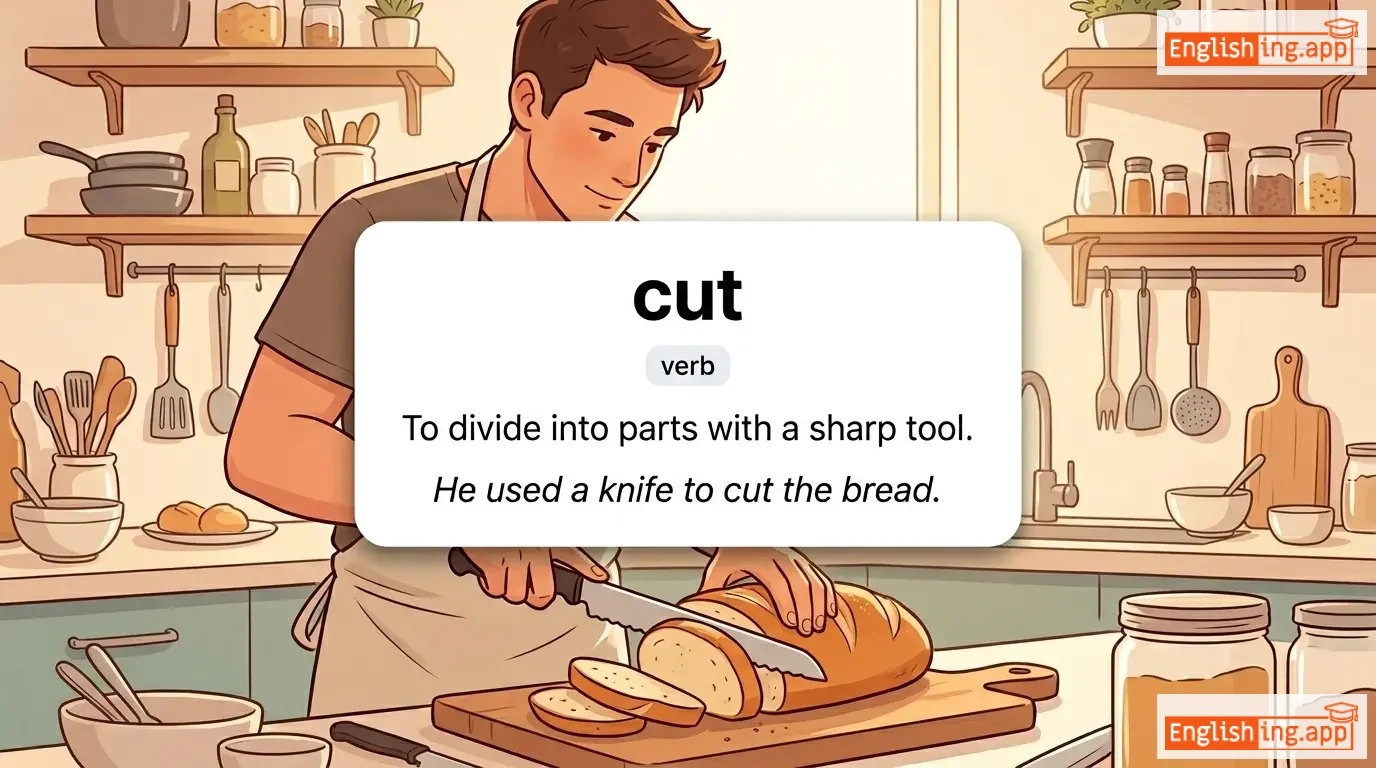
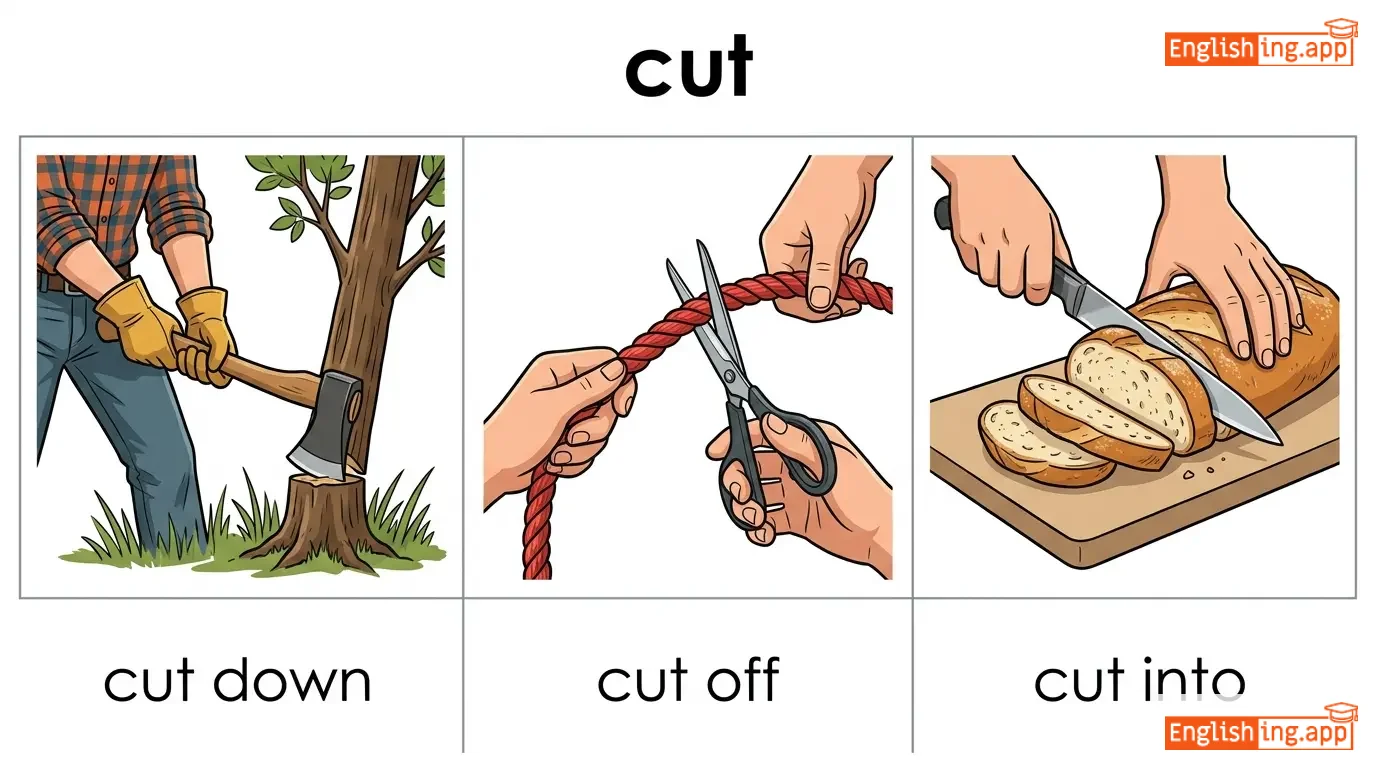
To divide into parts with a sharp tool.
••••••
|
He used a knife to cut the bread.
彼はナイフを使ってパンを切った。
••••••
|
彼はナイフを使ってパンを切った。
Kare wa naifu o tsukatte pan o kitta.
••••••
|
cut corners
手を抜く
••••••
|
To do something in the easiest, cheapest, or fastest way, often sacrificing quality.
••••••
|
手を抜く
te o nuku
••••••
|
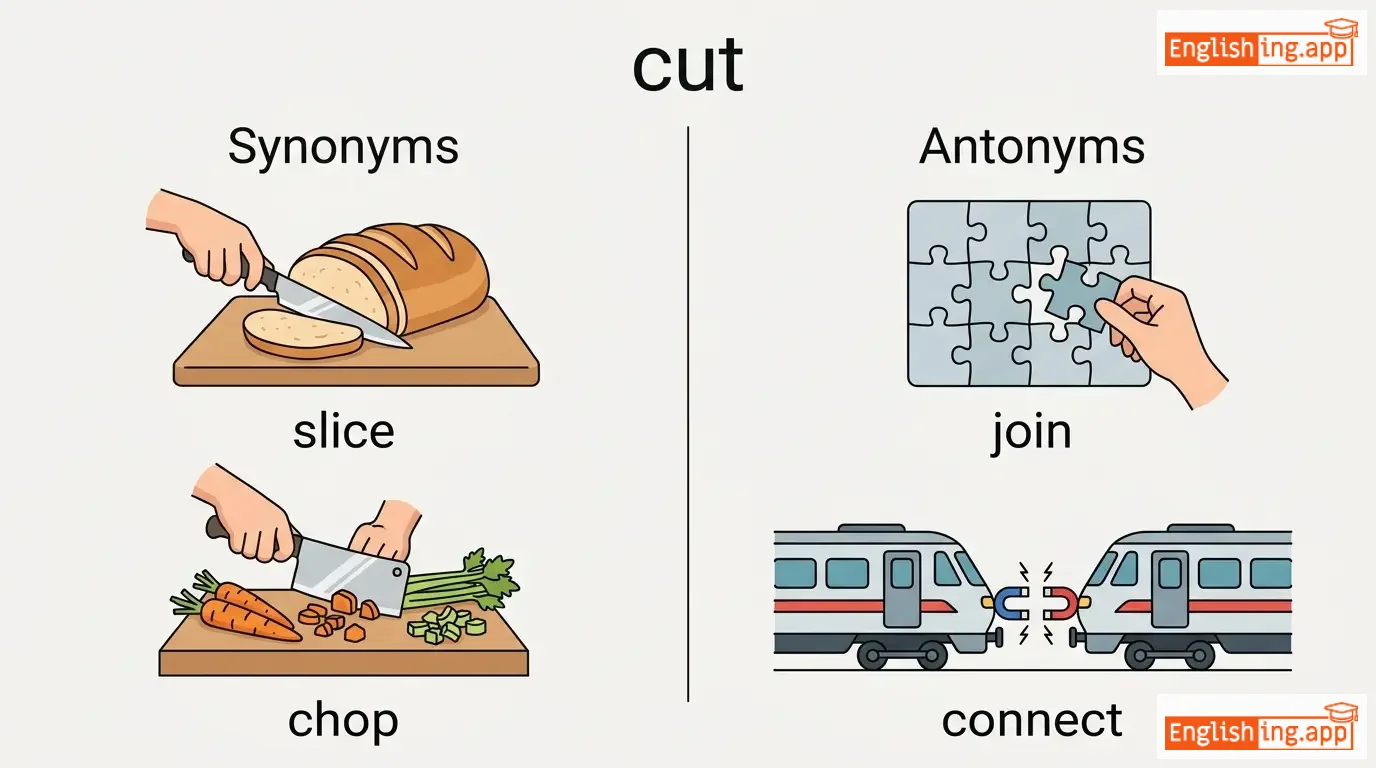
slice, chop, sever, trim, carve
••••••
|
join, connect, attach
••••••
|
cut down, cut off, cut into, cut back, cut out
••••••
|
Cut は切る意味 - ナイフで切る ✂️
••••••
|
|
#9733
😤
|
/ˈkʌsɪd/
adjective
(カスド)
••••••
|
- •••••• |
頑固
ganko
••••••
|
- •••••• | - •••••• | - •••••• | - •••••• |
Annoyingly stubborn or difficult.
••••••
|
He was too cussed to admit his mistake. |
彼は自分の間違いを認めるには頑固すぎた。
Kare wa jibun no machigai o mitomeru ni wa ganko sugita.
••••••
|
- •••••• | - •••••• | - •••••• |
stubborn, obstinate, headstrong, willful, pigheaded
••••••
|
flexible, compliant, agreeable
••••••
|
cussed nature, cussed attitude, too cussed, downright cussed
••••••
|
Cussedは頑固で面倒なことを意味する。
••••••
|
|
#9734
💇♀️
|
/ˈkɜːrlər/
noun
(カールラー)
••••••
|
- •••••• |
カーラー
kā rā
••••••
|
- •••••• | - •••••• | - •••••• | - •••••• |
A small roller used for curling hair.
••••••
|
She used a curler to style her hair for the party.
彼女はパーティーのために髪をスタイリングするためにカールラーを使った。
••••••
|
彼女はパーティーのために髪をスタイリングするためにカールラーを使った。
Kanojo wa pātii no tame ni kami o sutairingu suru tame ni kārā o tsukatta.
••••••
|
- •••••• | - •••••• | - •••••• |
roller, hair curler, wave curler, hair roller
••••••
|
straightener, flat iron
••••••
|
hair curler, heated curler, electric curler, curling curler
••••••
|
カーラーで髪をカールする - 髪を巻くための道具。
••••••
|
|
#9735
💊
|
/ˈkjʊərətɪv/
adjective
(キュラティブ)
••••••
|
- •••••• |
治療的
chiryou-teki
••••••
|
- •••••• | - •••••• | - •••••• | - •••••• |
Able to cure disease or restore health.
••••••
|
The doctor prescribed a curative treatment for the illness.
医師は病気の治療法を処方しました。
••••••
|
医師は病気の治療法を処方しました。
Ishi wa byouki no chiryouhou o shohoushimashita.
••••••
|
- •••••• | - •••••• | - •••••• |
healing, remedial, therapeutic, restorative, medicinal
••••••
|
harmful, injurious, damaging
••••••
|
curative treatment, curative effect, curative powers, curative medicine
••••••
|
Curativeは治療的です - 病気を治療する治療法
••••••
|
|
#9736
🧊
|
/kjuːb/
noun, verb
(キューブ)
••••••
|
- •••••• |
立方体
rippōtai
••••••
|
cubed
キューブド
••••••
|
cubed
キューブド
••••••
|
cubes
キューブス
••••••
|
cubing
キュービング
••••••
|
As a noun: a solid object with six equal square faces. As a verb: to cut food into small square pieces.
••••••
|
She put a sugar cube in her tea.
彼女はお茶に砂糖のキューブを入れました。
••••••
|
彼女はお茶に砂糖のキューブを入れました。
Kanojo wa ocha ni satō no kyūbu o iremashita.
••••••
|
cube root
立方根
••••••
|
A number which produces a given number when multiplied by itself twice.
••••••
|
立方根
rippōkon
••••••
|
block, box, square, dice
••••••
|
sphere, circle
••••••
|
sugar cube, ice cube, cube root, cube shape
••••••
|
立方体の形、立方根はその逆です。
••••••
|
|
#9737
😢
|
/kraɪ/
verb, noun
••••••
|
- •••••• | - •••••• |
cried
••••••
|
cried
••••••
|
cries
••••••
|
crying
••••••
|
To shed tears as an expression of emotion such as sadness or pain; also a loud call or shout.
••••••
|
The baby began to cry when she was hungry. |
- •••••• |
cry over spilled milk |
To waste time worrying about something that has already happened and cannot be changed.
••••••
|
- •••••• |
weep, sob, wail, scream, yell
••••••
|
laugh, smile, rejoice
••••••
|
cry out, cry for help, cry with joy, loud cry
••••••
|
No •••••• |
|
#9738
💔
|
/ˈkruːəl/
adjective
(クルエル)
••••••
|
- •••••• |
残酷
zankoku
••••••
|
- •••••• | - •••••• | - •••••• | - •••••• |
Willfully causing pain or suffering to others, or feeling no concern about it.
••••••
|
It was cruel to make fun of the injured boy. |
負傷した男の子を笑うのは残酷だった。
Fushō shita otoko no ko o warau no wa zankoku datta.
••••••
|
cruel and unusual punishment |
Punishment considered inhumane, degrading, or excessively harsh.
••••••
|
残酷で異常な処罰
zankoku de ijōna shobatsu
••••••
|
harsh, brutal, unkind, ruthless, merciless
••••••
|
kind, gentle, compassionate
••••••
|
cruel joke, cruel act, cruel treatment, cruel world
••••••
|
Cruelは残酷な罰を意味します – 残酷な処罰。
••••••
|
|
#9739
💳
|
/ˈkrɛdɪt/
noun, verb
••••••
|
- •••••• | - •••••• |
credited
••••••
|
credited
••••••
|
credits
••••••
|
crediting
••••••
|
As a noun: the ability to obtain goods or services before payment; recognition for an achievement. As a verb: to publicly acknowledge someone's contribution.
••••••
|
She received credit for her contribution to the project. |
- •••••• |
give credit where credit is due |
Acknowledge someone’s effort or achievement when it is deserved.
••••••
|
- •••••• |
recognition, trust, praise, loan, acknowledgement
••••••
|
blame, discredit, doubt
••••••
|
take credit, line of credit, credit score, credit card
••••••
|
No •••••• |
|
#9740
🎨
|
/kriˈeɪʃən/
noun
(kurieishon)
••••••
|
- •••••• |
創造
sozou
••••••
|
- •••••• | - •••••• | - •••••• | - •••••• |
The act of bringing something into existence; something that has been made or produced.
••••••
|
The artist’s latest creation was admired by everyone at the gallery. |
そのアーティストの最新の創造はギャラリーで皆に賞賛されました。
Sono atisuto no saishin no souzou wa gyararii de mina ni shousan saremashita.
••••••
|
creation myth |
A symbolic narrative explaining how the world or humankind came into being.
••••••
|
創造神話
souzou shinwa
••••••
|
invention, innovation, formation, production, design
••••••
|
destruction, ruin, elimination
••••••
|
artistic creation, new creation, creative process, divine creation
••••••
|
創造 = 新しいものを創造すること
••••••
|
|
#9741
🤪
|
/ˈkreɪzi/
adjective
(クレイジー)
••••••
|
- •••••• |
クレイジー
kureijī
••••••
|
- •••••• | - •••••• | - •••••• | - •••••• |
mentally unsound; extremely foolish or enthusiastic
••••••
|
He had a crazy idea that actually worked. |
彼は実際にうまくいったクレイジーなアイデアを持っていた。
Kare wa jissai ni umaku itta kureijī na aidea o motte ita.
••••••
|
drive someone crazy |
to annoy or make someone feel overwhelmed
••••••
|
誰かを狂わせる
dareka o kuruwaseru
••••••
|
insane, mad, foolish, irrational, wild
••••••
|
sane, rational, normal
••••••
|
crazy idea, crazy behavior, go crazy, crazy about
••••••
|
Crazyは日本語でクレイジー、思い通りに動かす方法です。
••••••
|
|
#9742
😠
|
/ˈkræŋki/
adjective
(クランキー)
••••••
|
- •••••• |
機嫌が悪い
kigen ga warui
••••••
|
- •••••• | - •••••• | - •••••• | - •••••• |
bad-tempered, easily annoyed, or irritable
••••••
|
The child gets cranky when he is hungry. |
その子供はお腹が空くと機嫌が悪くなります。
Sono kodomo wa onaka ga suku to kigen ga waruku narimasu.
••••••
|
- •••••• | - •••••• | - •••••• |
irritable, grouchy, moody, testy
••••••
|
cheerful, calm, pleasant
••••••
|
cranky child, cranky mood, cranky behavior, cranky old man
••••••
|
機嫌が悪いという意味で、'cranky'な感じ。
••••••
|
|
#9743
☕
|
/ˈkoʊzi/
adjective
(kozi)
••••••
|
- •••••• |
居心地の良い
kyōshindeyoi
••••••
|
- •••••• | - •••••• | - •••••• | - •••••• |
giving a feeling of comfort, warmth, and relaxation
••••••
|
We sat in a cozy little café on a rainy day. |
雨の日に小さな居心地の良いカフェで座っていました。
Ame no hi ni chiisana kyōshindeyoi kafe de suwatte imashita.
••••••
|
cozy up |
to get close in a friendly or intimate way
••••••
|
寄り添う
yorisou
••••••
|
comfortable, warm, snug, pleasant, homely
••••••
|
uncomfortable, cold, harsh
••••••
|
cozy atmosphere, cozy home, cozy bed, cozy corner
••••••
|
居心地の良いベッドでお茶を飲むのは最高です
••••••
|
|
#9744
🛡️
|
/ˈkʌvər/
verb
(カバー)
••••••
|
|
覆う
ōu
••••••
|
covered
カバーした
••••••
|
covered
カバーした
••••••
|
covers
カバーする
••••••
|
covering
カバーしている
••••••
|
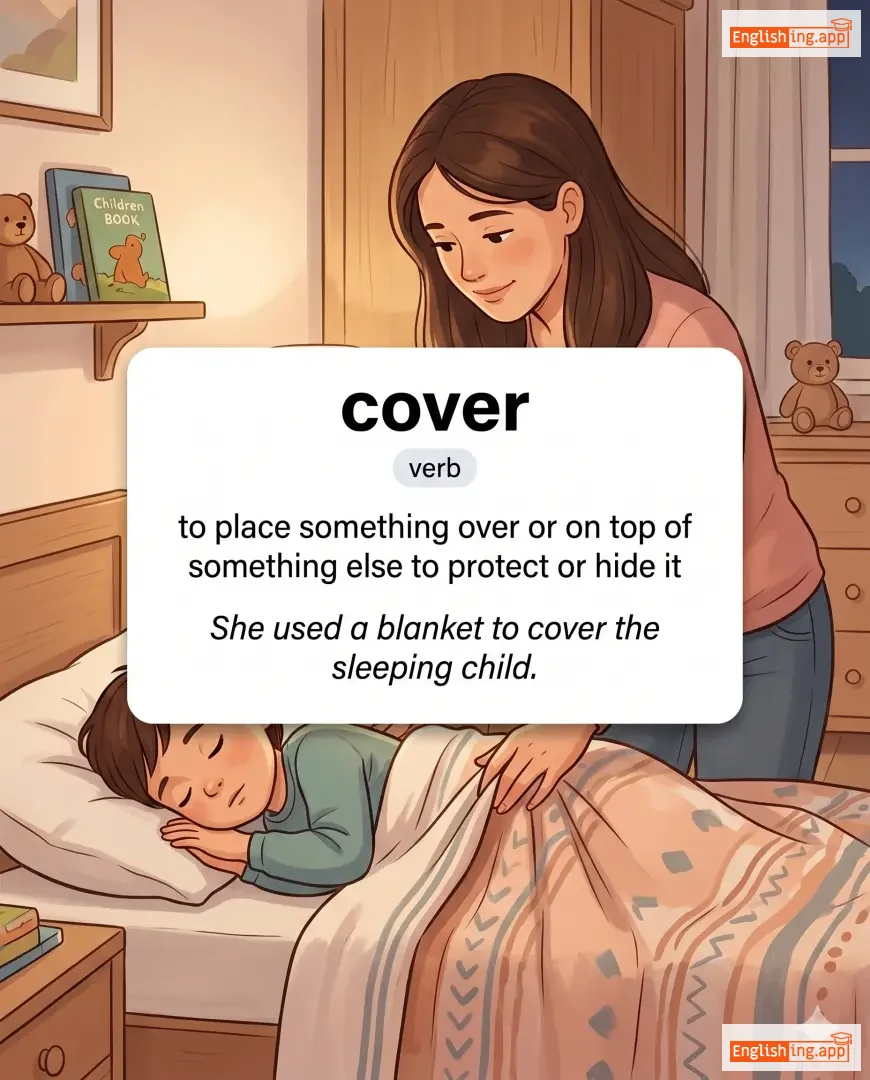
to place something over or on top of something else to protect or hide it
••••••
|
She used a blanket to cover the sleeping child.
彼女は寝ている子供をカバーするために毛布を使った。
••••••
|
彼女は寝ている子供をカバーするために毛布を使った。
Kanojo wa nete iru kodomo o kābā suru tame ni mōfu o tsukatta.
••••••
|
cover up
カバーアップ
••••••
|
to hide the truth about something
••••••
|
真実を隠す
shinjitsu o kakusu
••••••
|
conceal, shield, hide, wrap, protect
••••••
|
expose, uncover
••••••
|
cover story, cover charge, cover page, cover letter
••••••
|
カバーは何かを覆うこと、毛布で寝かせた子供を覆うように。
••••••
|
Vocabulary Quiz
Test your vocabulary by matching words with their translations or meanings.
Login to take the quiz
Comments (0)
Share your thoughts and join the discussion.
Join the discussion by logging in
Login to CommentNo comments yet
Be the first to share your thoughts!