

翻訳
過去
過去分詞
三人称単数
動名詞
意味
例文
例文の翻訳
同義語
対義語
コロケーション
ニーモニック
Swipe left or right, or use the buttons. Tap image to zoom.
例文の翻訳
単語
Lesson 329Lesson 329 - マスクトグル
|
絵文字
|
単語 | Images | 翻訳 | 過去 | 過去分詞 | 三人称単数 | 動名詞 | 意味 | 例文 | 例文の翻訳 | 表現例 | 表現例の意味 | 表現例の翻訳 | 同義語 | 対義語 | コロケーション | ニーモニック |
|---|---|---|---|---|---|---|---|---|---|---|---|---|---|---|---|---|---|
|
#9835
🗣️
|
/fræŋk/
adjective
(フランク)
••••••
|
- •••••• |
率直
sotchoku
••••••
|
- •••••• | - •••••• | - •••••• | - •••••• |
open, honest, and direct in speech or expression
••••••
|
She was frank about her feelings on the matter. |
彼女はその問題について自分の感情を率直に話した。
Kanojo wa sono mondai ni tsuite jibun no kanjou wo socchoku ni hanashita.
••••••
|
to be frank |
to speak honestly and directly
••••••
|
率直に言う
sotchoku ni iu
••••••
|
honest, candid, direct, open, straightforward
••••••
|
deceptive, dishonest, secretive
••••••
|
frank discussion, frank admission, to be frank, frank assessment
••••••
|
Frankはいつも率直に話す人です。
••••••
|
|
#9836
✅
|
/ˈdʒɛnjʊɪn/
adjective
(ジェニュイン)
••••••
|
- •••••• |
本物
honmono
••••••
|
- •••••• | - •••••• | - •••••• | - •••••• |
real and authentic; not fake or artificial
••••••
|
This is a genuine leather bag. |
これは本物の革のバッグです。
Kore wa honmono no kawa no baggu desu.
••••••
|
genuine article |
an authentic or real example of something
••••••
|
本物の記事
honmono no kiji
••••••
|
authentic, real, true, legitimate, sincere
••••••
|
fake, false, counterfeit
••••••
|
genuine smile, genuine leather, genuine concern, genuine effort
••••••
|
Genuine は本物を意味します、例えば本物の笑顔は本物の笑顔を意味します。
••••••
|
|
#9837
🎁
|
/ˈdʒɛnərəs/
adjective
(ジェネラス)
••••••
|
- •••••• |
寛大
kandai
••••••
|
- •••••• | - •••••• | - •••••• | - •••••• |
willing to give or share more than is necessary; kind and giving
••••••
|
She is very generous with her time and money. |
彼女は時間とお金にとても寛大です。
Kanojo wa jikan to okane ni totemo kandai desu.
••••••
|
to a generous extent |
to a large or considerable degree
••••••
|
寛大な程度まで
kandai na teido made
••••••
|
kind, giving, charitable, benevolent, unselfish
••••••
|
selfish, stingy, mean
••••••
|
generous offer, generous donation, generous spirit, generous amount
••••••
|
寛大 means generous heart— 日本語、寛大な心
••••••
|
|
#9838
🏳️🌈
|
/ɡeɪ/
adjective
(ゲイ)
••••••
|
- •••••• |
ゲイ
gei
••••••
|
- •••••• | - •••••• | - •••••• | - •••••• |
sexually attracted to people of the same sex; also used to mean cheerful or lively
••••••
|
He came out as gay during college. |
彼は大学でゲイであることをカミングアウトした。
Kare wa daigaku de gei de aru koto o kamingu auto shita.
••••••
|
- •••••• | - •••••• | - •••••• |
homosexual, queer, cheerful, lively
••••••
|
straight, sad
••••••
|
gay rights, gay community, gay marriage, openly gay
••••••
|
ゲイは日本語でもそのまま、レインボーフラッグ (🏳️🌈) を思い出して
••••••
|
|
#9839
🤲
|
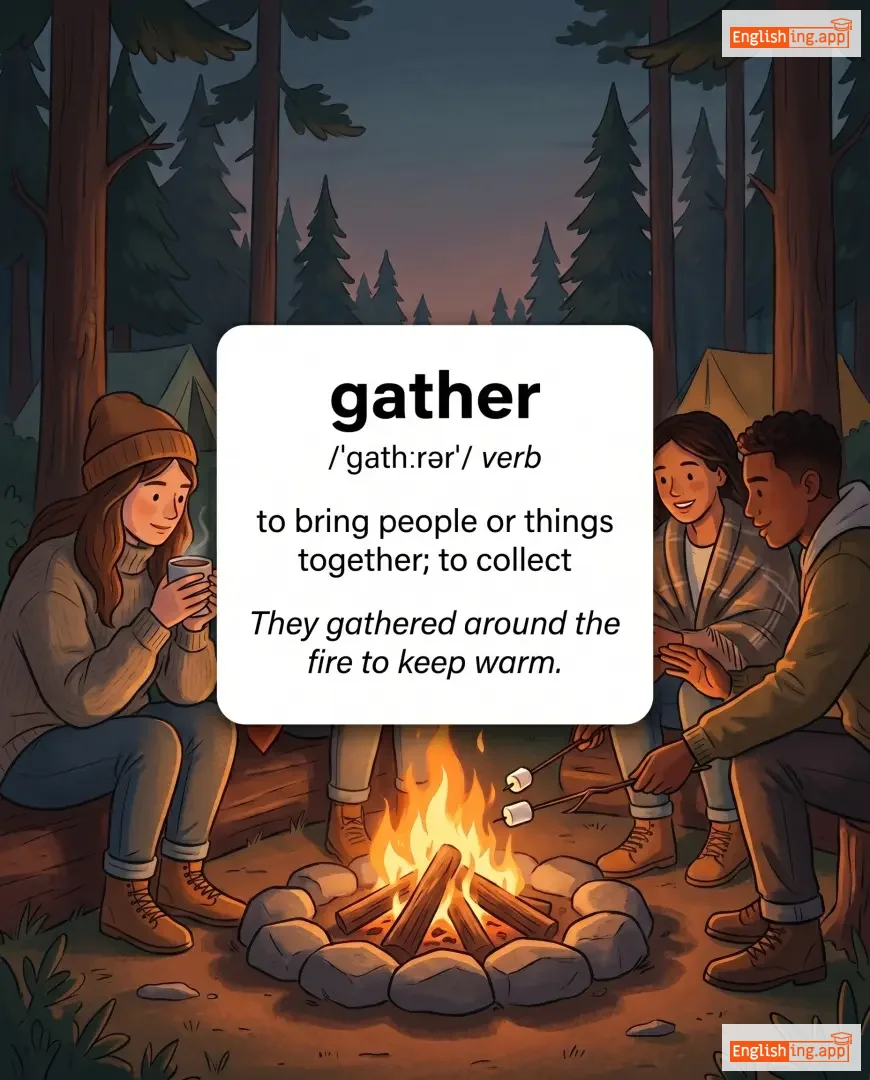
/ˈɡæðər/
verb
(ギャザー)
••••••
|
|
集める
atsumeru
••••••
|
gathered
ギャザード
••••••
|
gathered
ギャザード
••••••
|
gathers
ギャザーズ
••••••
|
gathering
ギャザリング
••••••
|
to bring people or things together; to collect
••••••
|
They gathered around the fire to keep warm.
彼らは暖かく保つために火の周りに集まりました。
••••••
|
彼らは暖かく保つために火の周りに集まりました。
Karera wa atatakai koto o tamotsu tame ni hi no mawari ni atsumarimashita.
••••••
|
gather one's thoughts
考えをまとめる
••••••
|
to take time to think and organize one's ideas
••••••
|
考えをまとめる
Kangae o matomeru
••••••
|
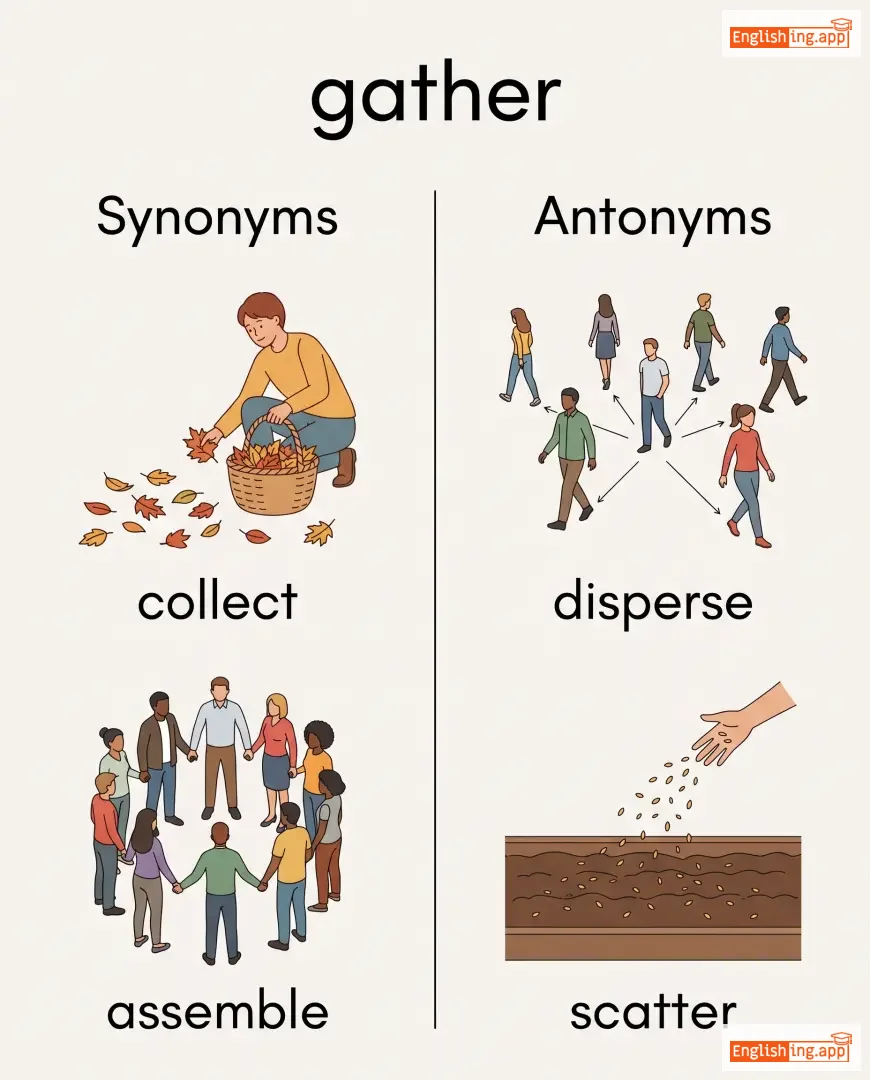
collect, assemble, accumulate, convene, congregate
••••••
|
disperse, scatter, separate
••••••
|
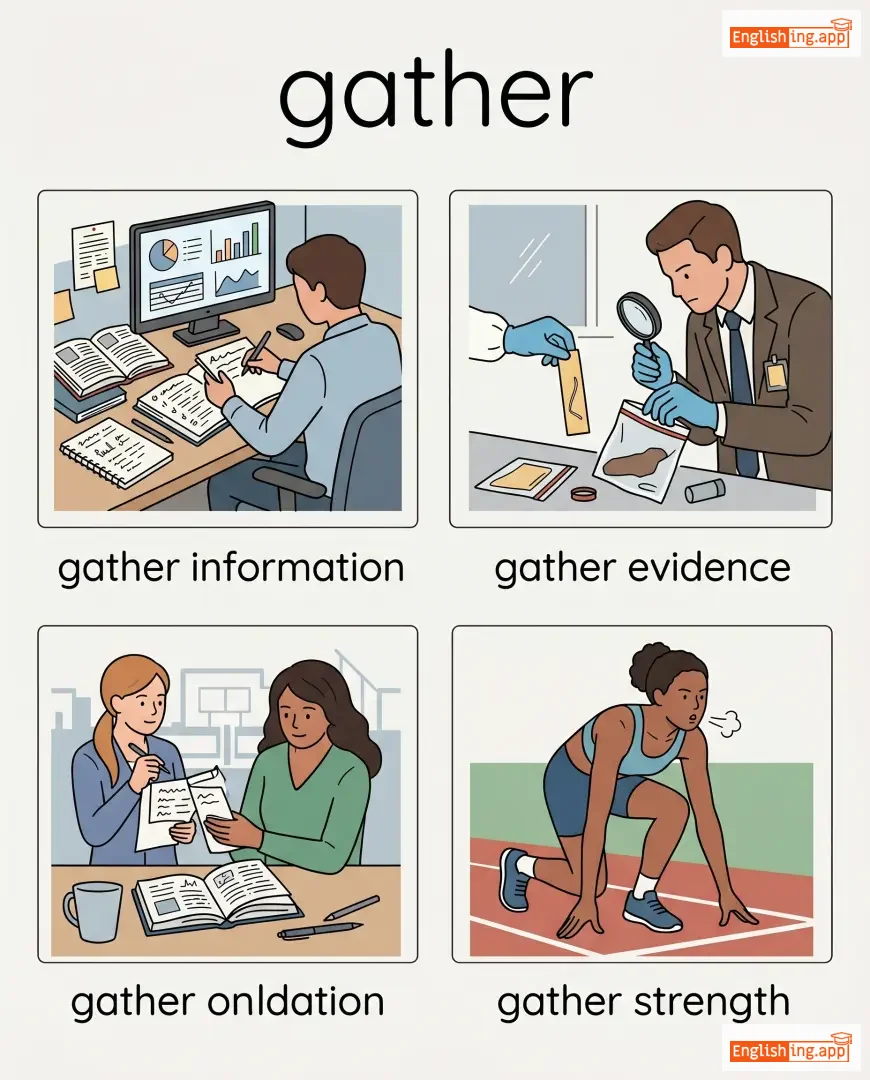
gather information, gather evidence, gather strength, gather crowd
••••••
|
Gatherは集める意味で、みんなが火の周りに集まるようなものです。
••••••
|
|
#9840
📈
|
/ɡeɪn/
verb
(ゲイン)
••••••
|
|
得る
eru
••••••
|
gained
ゲインド
••••••
|
gained
ゲインド
••••••
|
gains
ゲインズ
••••••
|
gaining
ゲイニング
••••••
|
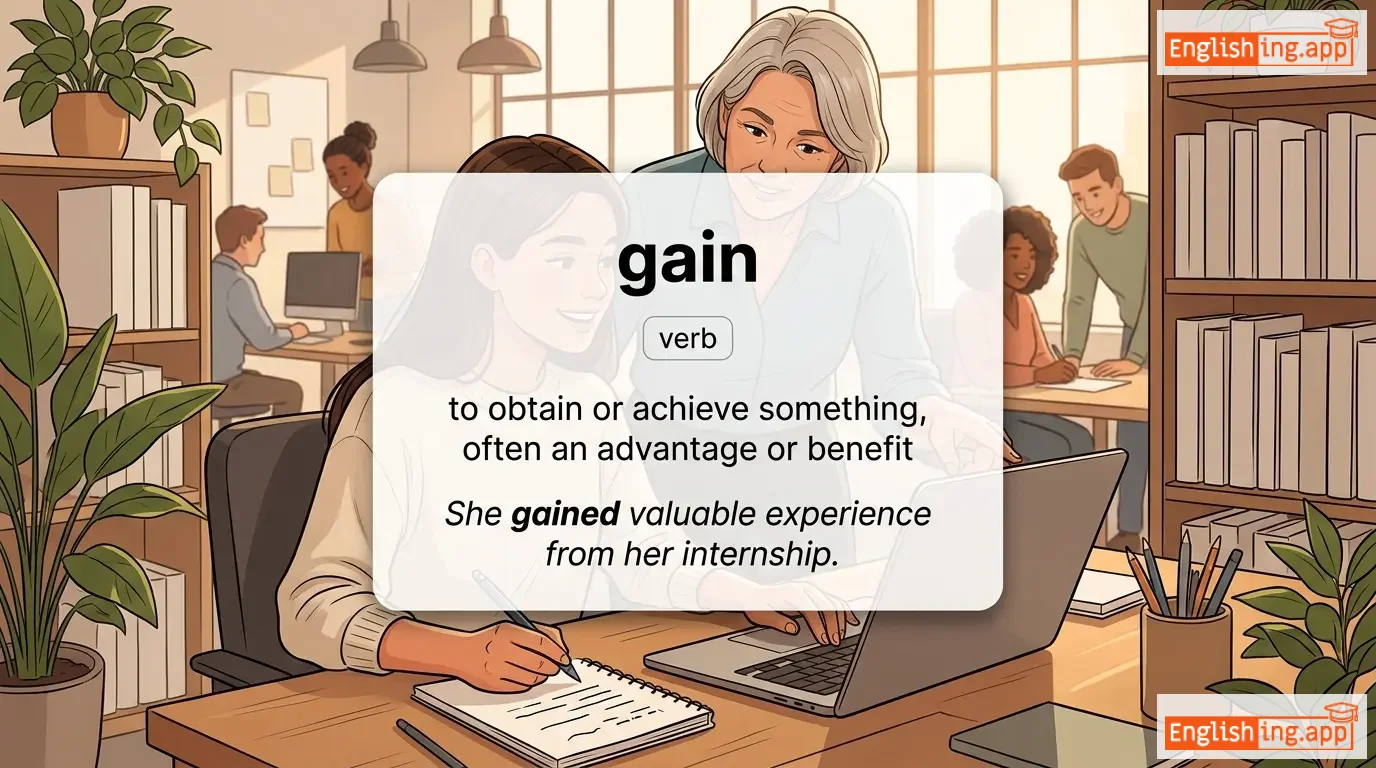
to obtain or achieve something, often an advantage or benefit
••••••
|
She gained valuable experience from her internship.
彼女はインターンシップから貴重な経験を得た。
••••••
|
彼女はインターンシップから貴重な経験を得た。
Kanojo wa intānshippu kara kichōna keiken o eta.
••••••
|
gain ground
ゲイングラウンド
••••••
|
to make progress or become more successful
••••••
|
進歩する
shinpo suru
••••••
|
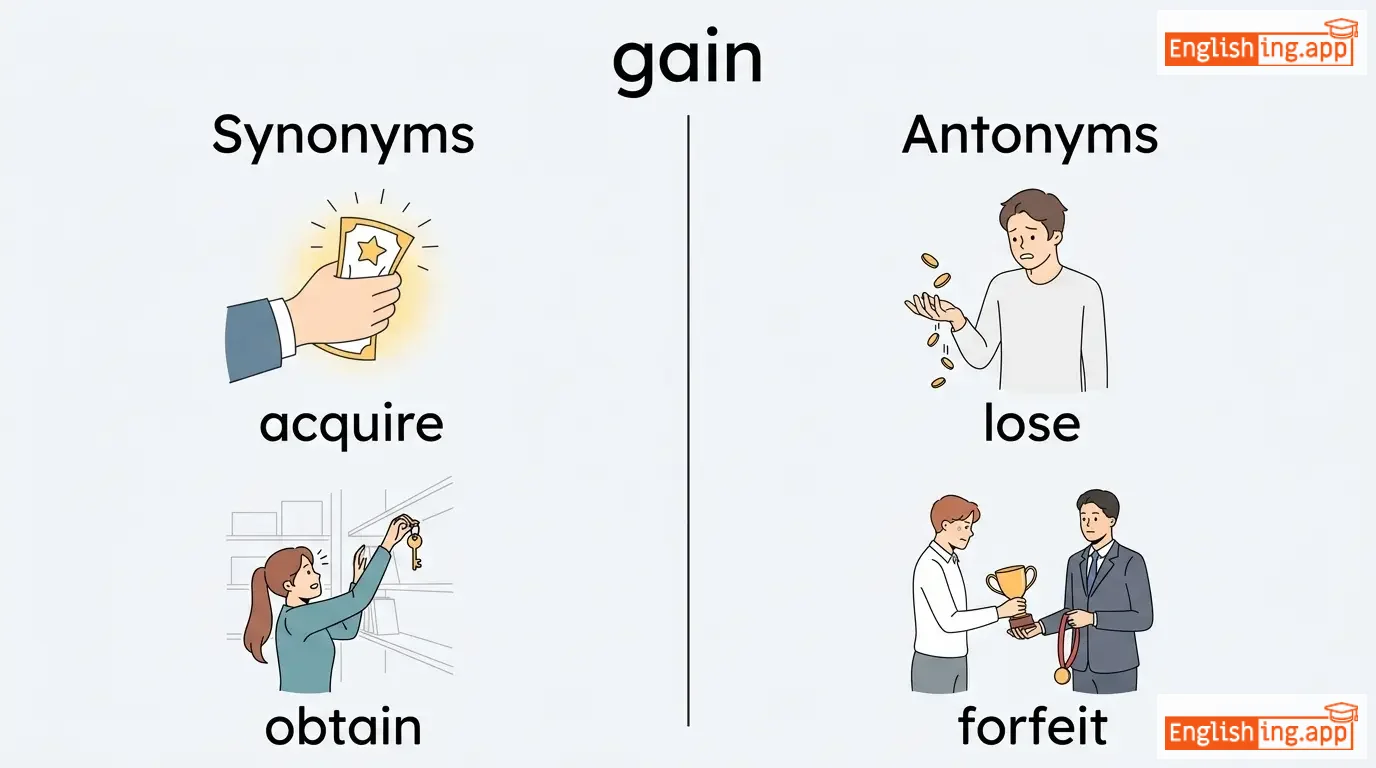
acquire, obtain, earn, secure, win
••••••
|
lose, forfeit, surrender
••••••
|
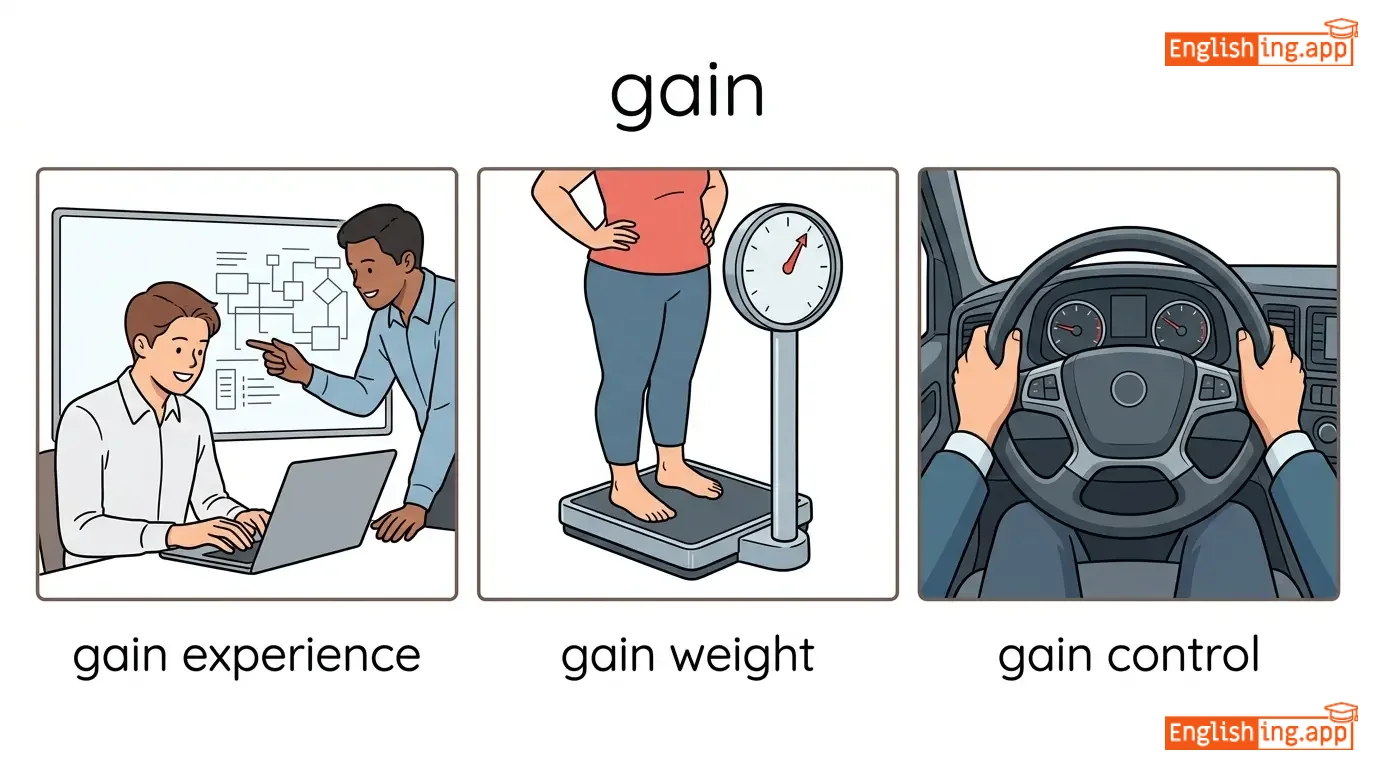
gain experience, gain weight, gain control, gain advantage
••••••
|
Gainは得ること—得ることで知識が広がる
••••••
|
|
#9841
🔮
|
/ˈfjuːtʃər/
noun
(フューチャー)
••••••
|
|
未来
mirai
••••••
|
- •••••• | - •••••• | - •••••• | - •••••• |
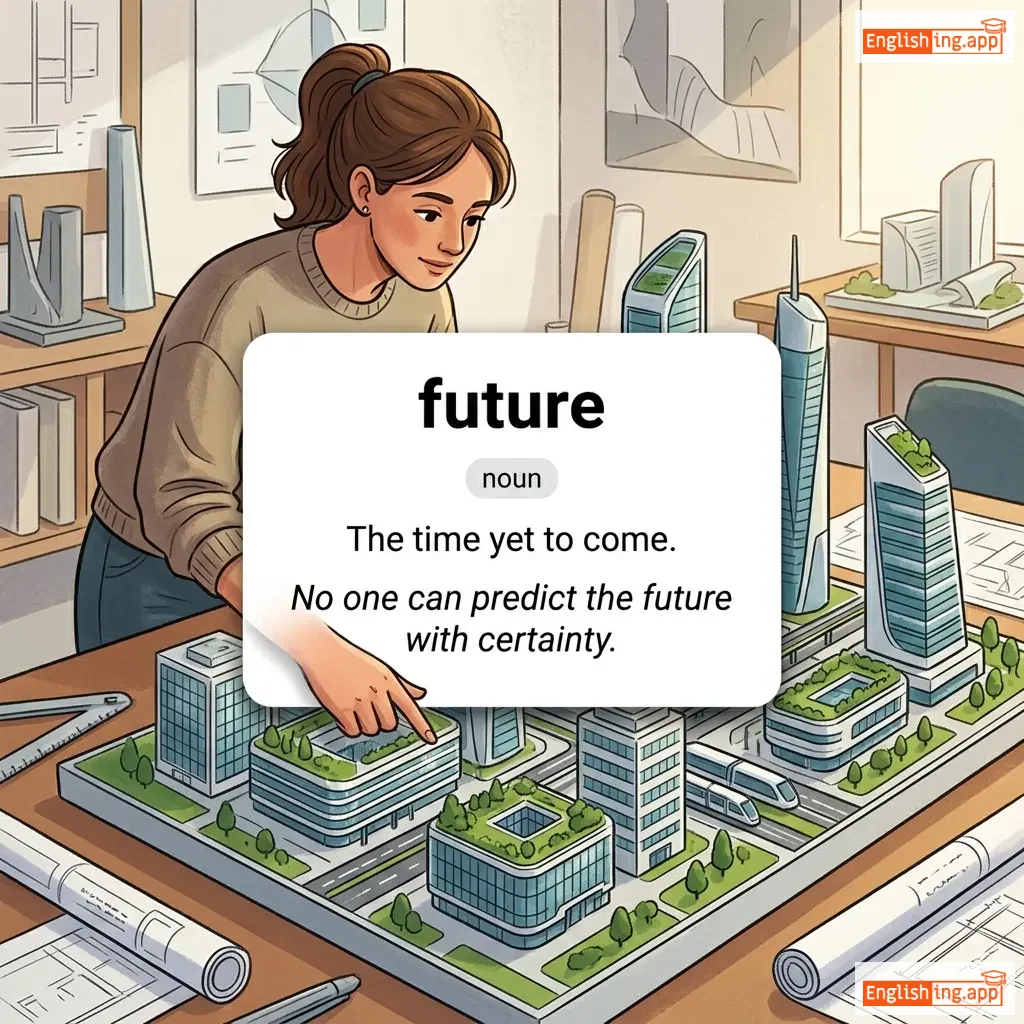
The time yet to come.
••••••
|
No one can predict the future with certainty. |
誰も未来を確実に予測することはできません。
Dare mo mirai o kakujitsu ni yosoku suru koto wa dekimasen.
••••••
|
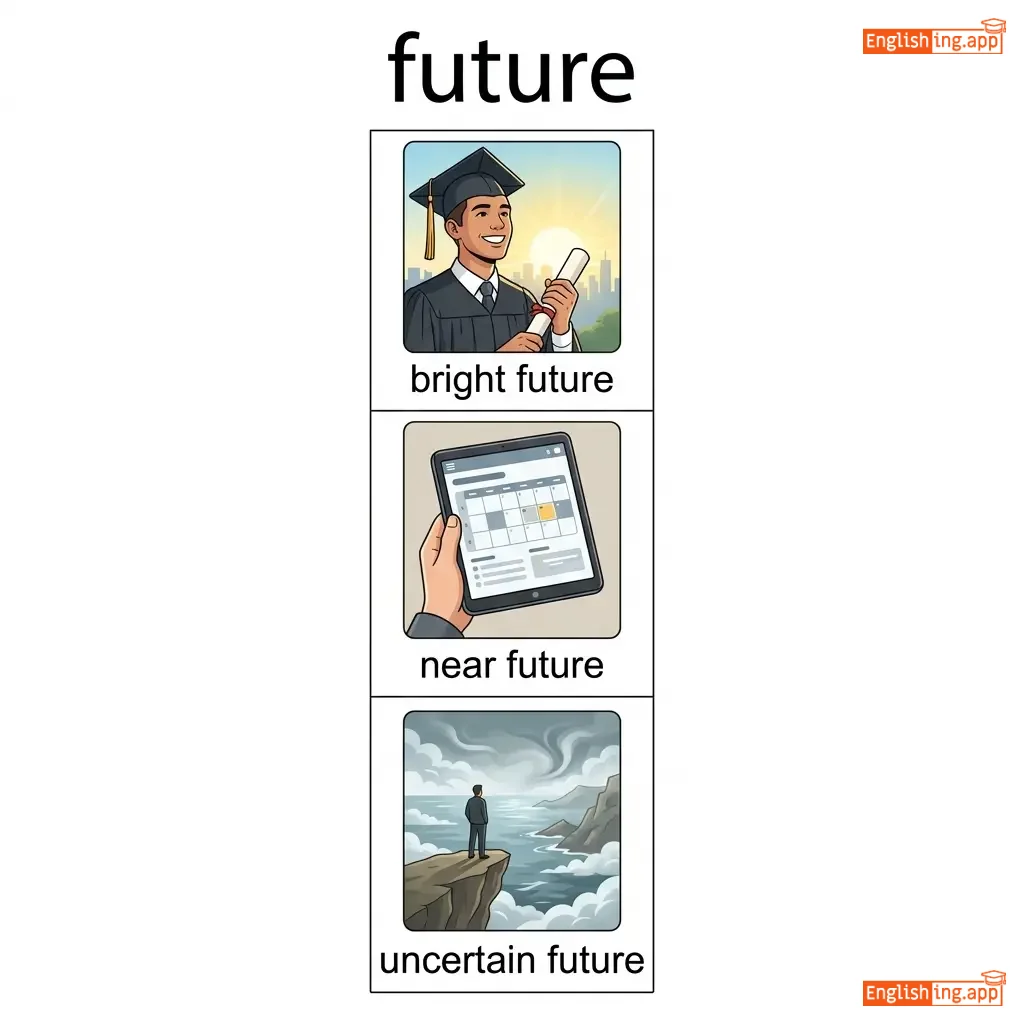
bright future |
a positive or successful time ahead
••••••
|
明るい未来
akarui mirai
••••••
|
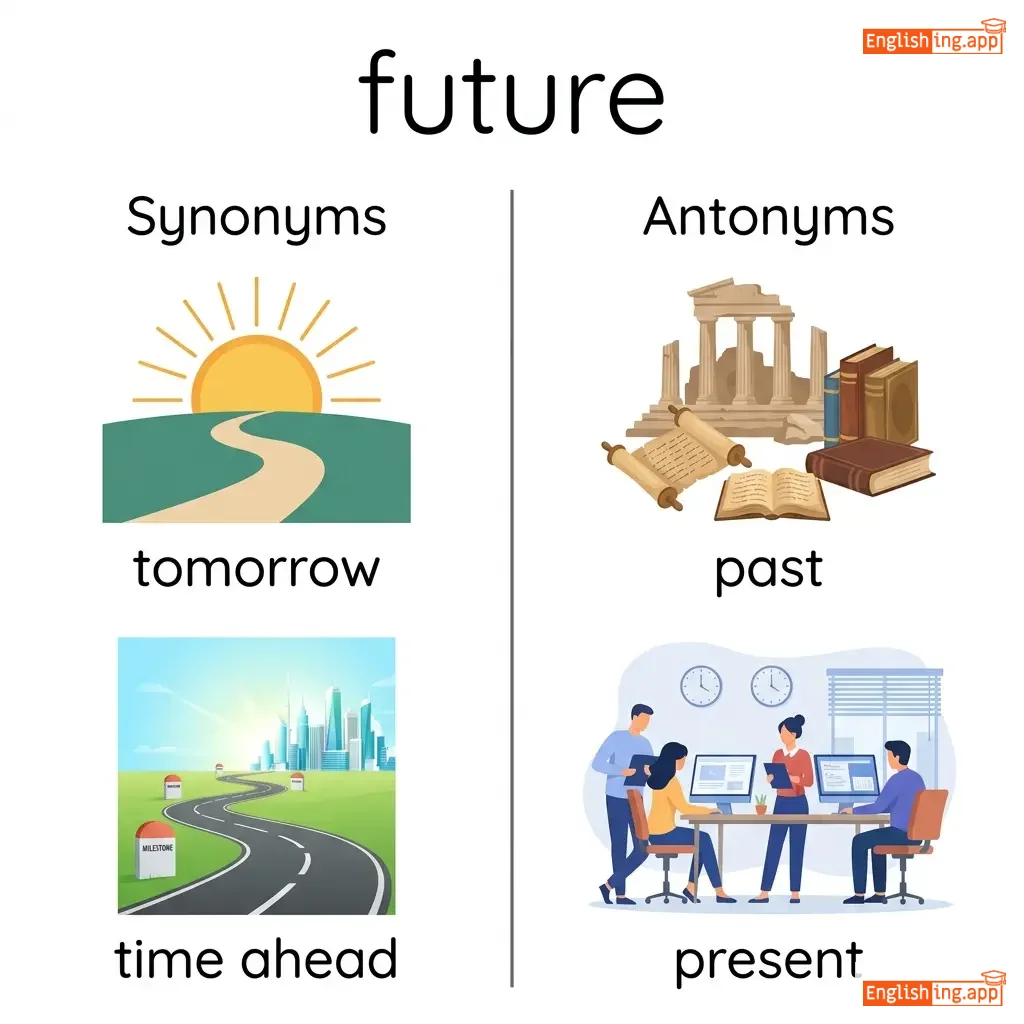
tomorrow, time ahead, destiny, prospect
••••••
|
past, present
••••••
|
bright future, near future, uncertain future, future plans
••••••
|
Futureは日本語で未来です。明るい未来は明るい未来です。
••••••
|
|
#9842
😡
|
/ˈfjʊəriəs/
adjective
(フューリアス)
••••••
|
- •••••• |
怒っている
okotte iru
••••••
|
- •••••• | - •••••• | - •••••• | - •••••• |
Extremely angry.
••••••
|
She was furious when she heard the bad news. |
彼女は悪いニュースを聞いて怒っていた。
Kanojo wa warui nyūsu o kiite okotte ita.
••••••
|
furious debate |
a heated or intense argument
••••••
|
怒った討論
okotta tōron
••••••
|
angry, enraged, irate, mad, incensed
••••••
|
calm, peaceful, relaxed
••••••
|
furious with someone, furious about, furious debate, furious pace
••••••
|
Furiousは怒っている意味 - 怒ると火が燃え上がる。
••••••
|
|
#9843
😂
|
/ˈfʌni/
adjective
(ファニー)
••••••
|
- •••••• |
面白い
omoshiroi
••••••
|
- •••••• | - •••••• | - •••••• | - •••••• |
Causing laughter or amusement; humorous.
••••••
|
The comedian told a very funny joke.
コメディアンは非常に面白いジョークを言いました。
••••••
|
コメディアンは非常に面白いジョークを言いました。
Komedian wa hijou ni omoshiroi jooku o iimashita.
••••••
|
funny bone
面白い骨
••••••
|
the part of the elbow that causes a tingling feeling when hit
••••••
|
面白い骨
omoshiroi hone
••••••
|
humorous, amusing, comic, hilarious, entertaining
••••••
|
serious, sad, boring
••••••
|
funny story, funny joke, very funny, funny moment
••••••
|
Funnyは面白いという意味です。面白いものを見ると、笑いを止められません。
••••••
|
|
#9844
⚙️
|
/ˈfʌŋkʃən/
noun
(ファンクション)
••••••
|
- •••••• |
機能
kinou
••••••
|
- •••••• | - •••••• | - •••••• | - •••••• |
An activity or purpose natural to or intended for a person or thing.
••••••
|
The main function of the heart is to pump blood. |
心臓の主な機能は血液をポンプすることです。
Shinzou no omona kinou wa ketsueki o ponpu suru koto desu.
••••••
|
perform a function |
to carry out a specific role or purpose
••••••
|
機能を実行する
Kinou o jikkou suru
••••••
|
role, purpose, duty, job, task
••••••
|
malfunction, failure, inactivity
••••••
|
main function, important function, perform a function, social function
••••••
|
機能は英語の‘function’のように、特定の目的に対する役割を持っています。
••••••
|
|
#9845
🍶
|
/fʊl/
adjective
(フル)
••••••
|
- •••••• |
満杯
manpai
••••••
|
- •••••• | - •••••• | - •••••• | - •••••• |
Containing as much or as many as possible; complete.
••••••
|
The glass is full of water. |
グラスは水で満杯です。
Gurasu wa mizu de manpai desu.
••••••
|
full of life |
very energetic and lively
••••••
|
生き生きとした
ikiiki to shita
••••••
|
complete, filled, packed, crowded, entire
••••••
|
empty, vacant, partial
••••••
|
full of water, full moon, full capacity, full name, full potential
••••••
|
満杯は水でいっぱいのように、すべてが埋め尽くされている状態。
••••••
|
|
#9846
😒
|
/fraʊn/
verb
(フラウン)
••••••
|
|
しかめっ面
shikametsura
••••••
|
frowned
フラウンド
••••••
|
frowned
フラウンド
••••••
|
frowns
フラウンズ
••••••
|
frowning
フラウニング
••••••
|
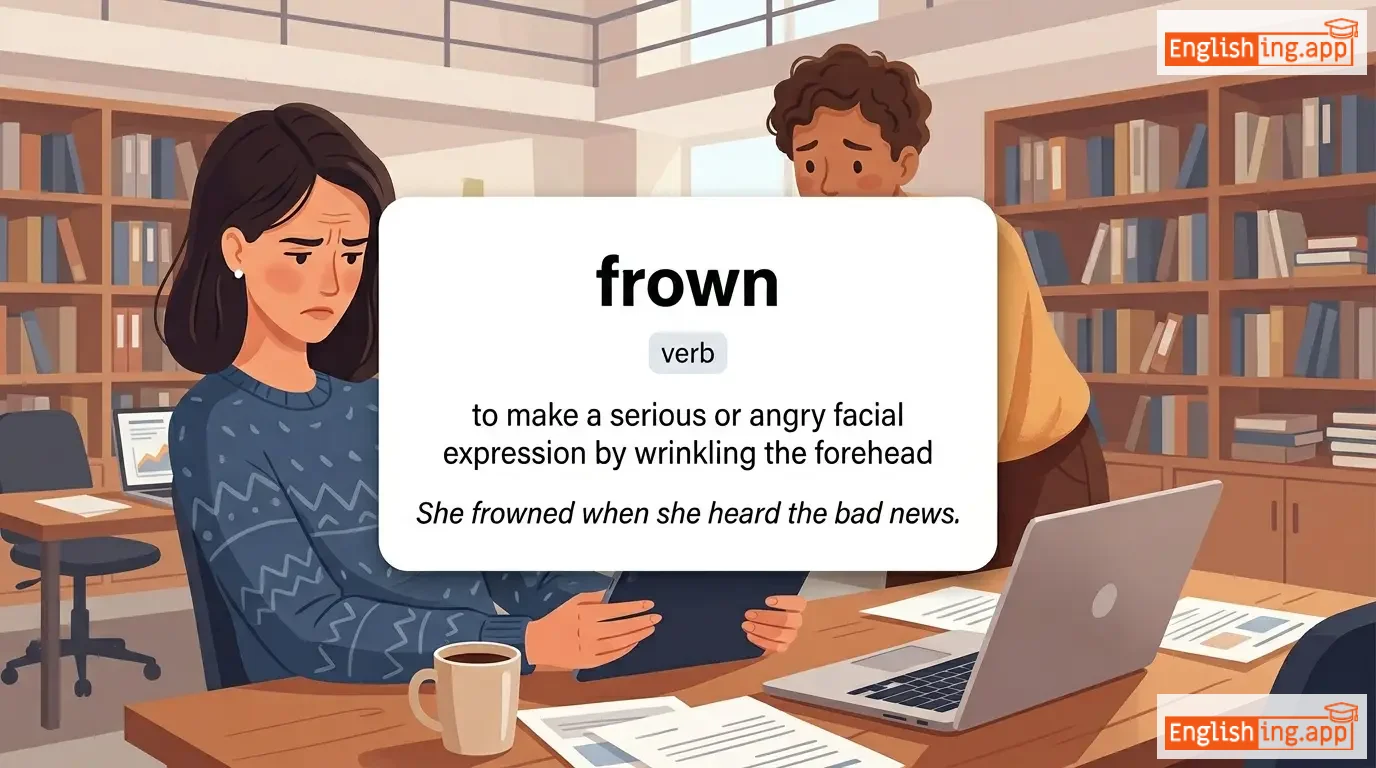
to make a serious or angry facial expression by wrinkling the forehead
••••••
|
She frowned when she heard the bad news.
彼女は悪いニュースを聞いてフラウンした。
••••••
|
彼女は悪いニュースを聞いてしかめっ面をした。
Kanojo wa warui nyuusu o kiite shikametsura o shita.
••••••
|
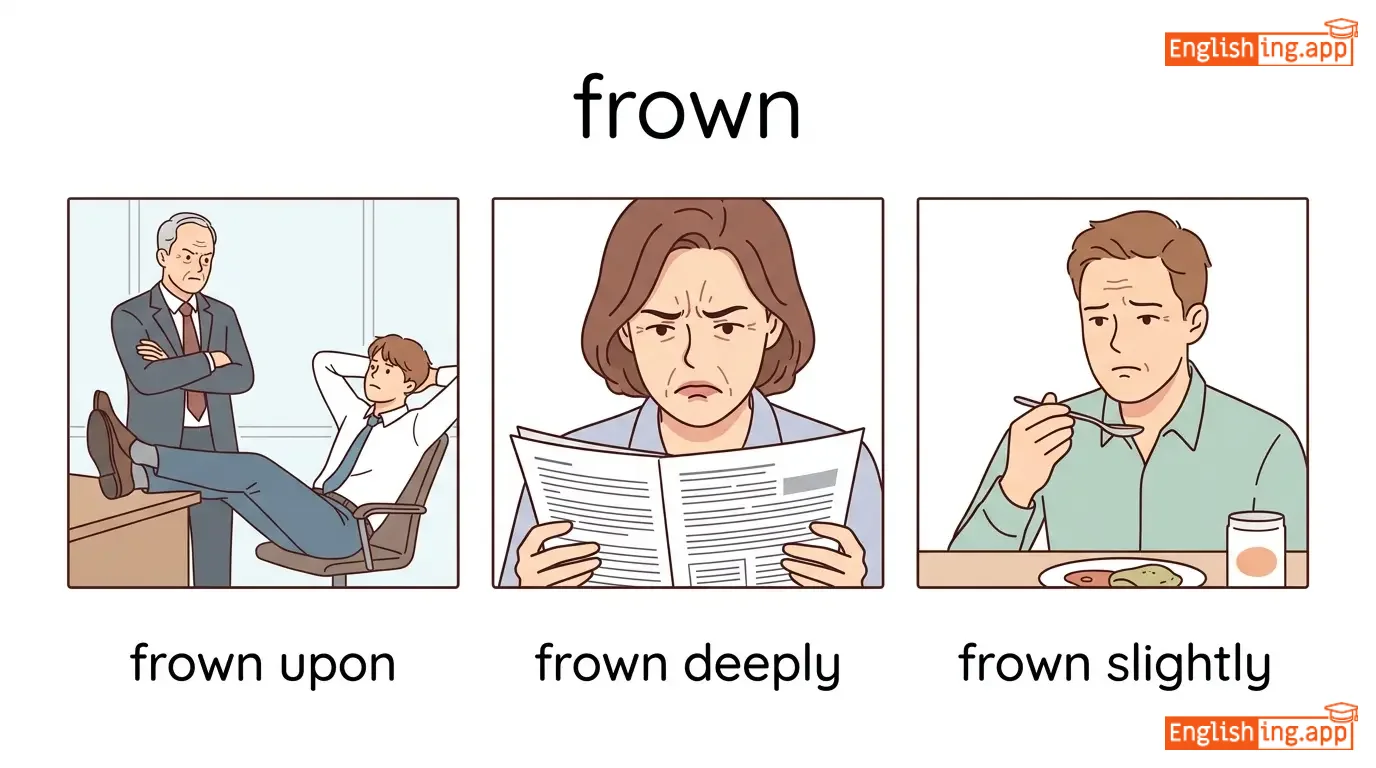
frown upon
フラウンアップ
••••••
|
to disapprove of something
••••••
|
嫌う
kirau
••••••
|
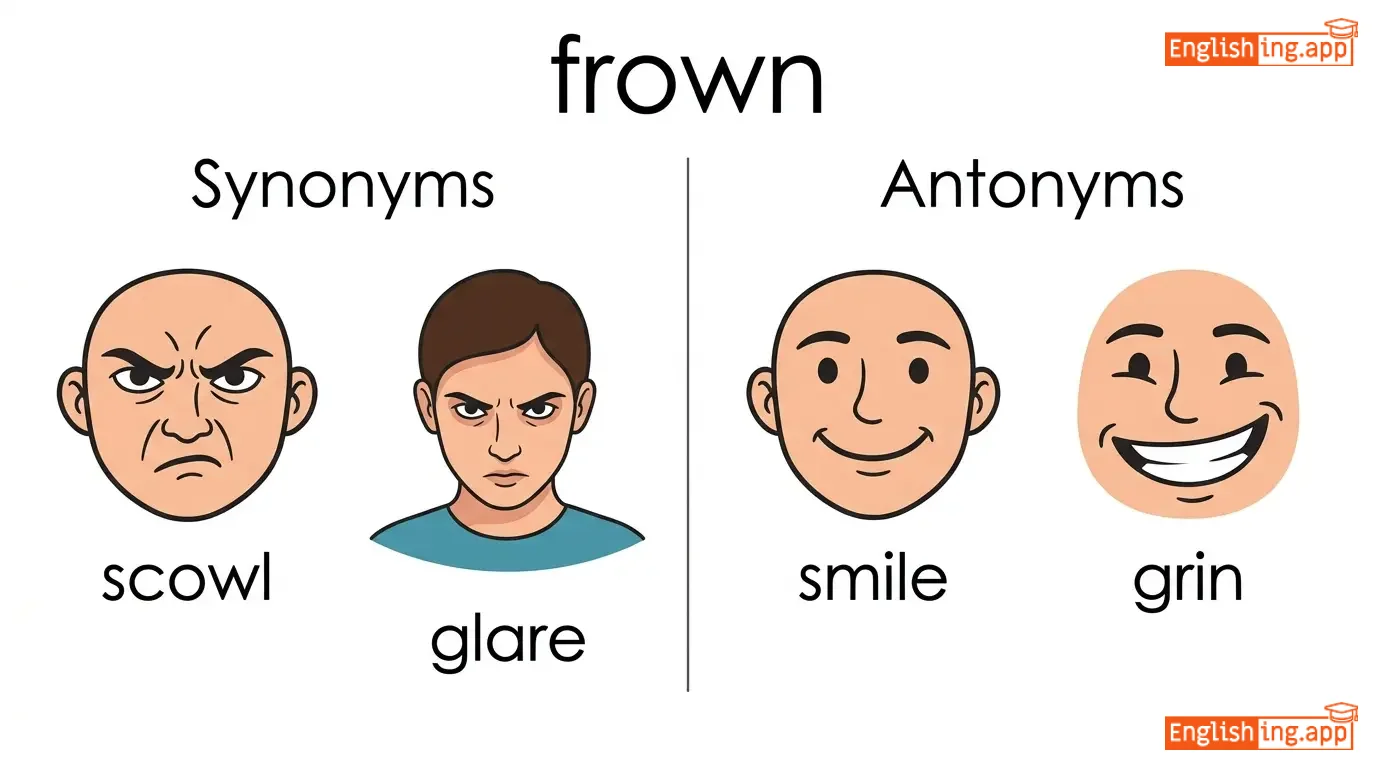
scowl, glare, pout, grimace
••••••
|
smile, grin
••••••
|
frown upon, frown deeply, frown slightly, frown face
••••••
|
悪いニュースを聞いたら、しかめっ面が出てきます。
••••••
|
|
#9847
🚪
|
/frʌnt/
noun
(フロント)
••••••
|
- •••••• |
前面
maemuki
••••••
|
- •••••• | - •••••• | - •••••• | - •••••• |
the forward-facing part of something
••••••
|
The house has a garden in front. |
家の前に庭があります。
Ie no mae ni niwa ga arimasu.
••••••
|
put on a brave front |
to appear confident while hiding true feelings
••••••
|
勇敢な顔を見せる
yūkan na kao o miseru
••••••
|
fore, facade, frontage, forefront, entrance
••••••
|
back, rear
••••••
|
front door, front line, front page, in front of
••••••
|
Front doorは前のドアという意味です – front = 前面.
••••••
|
|
#9848
👫
|
/frɛnd/
noun
(furendo)
••••••
|
- •••••• |
友達
tomodachi
••••••
|
- •••••• | - •••••• | - •••••• | - •••••• |
a person with whom one has a bond of mutual affection
••••••
|
He is my best friend. |
彼は私の親友です。
Kare wa watashi no shinyuu desu.
••••••
|
fair-weather friend |
someone who is only a friend in good times
••••••
|
晴れた日の友達
Hareta hi no tomodachi
••••••
|
companion, pal, mate, buddy, ally
••••••
|
enemy, foe, rival
••••••
|
best friend, close friend, true friend, make friends
••••••
|
Friend は友達を意味します – 友達はいつでもあなたのそばにいます。
••••••
|
|
#9849
🌱
|
/frɛʃ/
adjective
(フレッシュ)
••••••
|
- •••••• |
新鮮
shinsen
••••••
|
- •••••• | - •••••• | - •••••• | - •••••• |
new, recently made, or clean and pure
••••••
|
The bread is still fresh from the oven.
パンはオーブンから出たばかりです。
••••••
|
パンはオーブンから出たばかりです。
Pan wa ōbun kara deta bakari desu.
••••••
|
fresh start
新たなスタート
••••••
|
a new beginning
••••••
|
新たなスタート
Aratana sutāto
••••••
|
new, recent, clean, pure, original
••••••
|
stale, old, rotten
••••••
|
fresh air, fresh start, fresh bread, fresh idea
••••••
|
新鮮なパンの香り!
••••••
|
|
#9850
➡️
|
/ˈfɒloʊ/
verb
(フォロー)
••••••
|
- •••••• |
従う
shitagau
••••••
|
followed
フォロウド
••••••
|
followed
フォロウド
••••••
|
follows
フォローズ
••••••
|
following
フォロウィング
••••••
|
to move behind someone or something; to go after or come after
••••••
|
The children followed their teacher into the classroom.
子供たちは先生について教室に入りました。
••••••
|
子供たちは先生について教室に入りました。
Kodomotachi wa sensei ni tsuite kyōshitsu ni hairimashita.
••••••
|
follow suit
模倣する
••••••
|
to do the same as someone else has just done
••••••
|
同じようにする
Onaji yō ni suru
••••••
|
pursue, track, chase, obey, accompany
••••••
|
lead, precede, ignore
••••••
|
follow instructions, follow orders, follow closely, follow a path
••••••
|
日本語で'従う'は他の人がしていることを真似することです。
••••••
|
|
#9851
🌸
|
/ˈfreɪɡrəns/
noun
(fureguranse)
••••••
|
- •••••• |
香り
kaori
••••••
|
- •••••• | - •••••• | - •••••• | - •••••• |
A pleasant, sweet smell.
••••••
|
The fragrance of fresh flowers filled the room. |
新鮮な花の香りが部屋に広がった。
Shinsen na hana no kaori ga heya ni hirogatta.
••••••
|
- •••••• | - •••••• | - •••••• |
aroma, scent, perfume, essence, bouquet
••••••
|
odor, stench
••••••
|
sweet fragrance, natural fragrance, fragrance of flowers, fragrance oil
••••••
|
Fragrance は香り 🌸 — 花の香りは良い匂いを意味します。
••••••
|
|
#9852
➗
|
/ˈfrækʃən/
noun
(フラクション)
••••••
|
- •••••• |
分数
bunsuu
••••••
|
- •••••• | - •••••• | - •••••• | - •••••• |
A small part of something; in mathematics, a number that represents part of a whole.
••••••
|
Only a small fraction of the population attended the event.
人口のほんの一部だけがイベントに参加しました。
••••••
|
人口のほんの一部だけがイベントに参加しました。
Jinkou no honno ichibu dake ga ibento ni sanka shimashita.
••••••
|
a fraction of
の一部
••••••
|
A very small part of something
••••••
|
の一部
no ichibu
••••••
|
portion, segment, piece, part
••••••
|
whole, entirety
••••••
|
small fraction, significant fraction, fraction of time, fraction of cost
••••••
|
Fraction は分数 ➗ 1/2, 1/4 など
••••••
|
|
#9853
🏨
|
/ˈfɔɪeɪr/
noun
(フォイエ)
••••••
|
- •••••• |
ロビー
robee
••••••
|
- •••••• | - •••••• | - •••••• | - •••••• |
An entrance hall or lobby in a building.
••••••
|
The guests waited in the hotel foyer before checking in.
ゲストはチェックインする前にホテルのロビーで待っていました。
••••••
|
ゲストはチェックインする前にホテルのロビーで待っていました。
Gesuto wa chekku-in suru mae ni hoteru no robī de matte imashita.
••••••
|
- •••••• | - •••••• | - •••••• |
lobby, entrance hall, vestibule, reception area
••••••
|
exit, backdoor
••••••
|
hotel foyer, grand foyer, theater foyer, spacious foyer
••••••
|
Foyerはロビーの意味 🏨 — ホテルのロビーのように
••••••
|
|
#9854
🦊
|
/ˈfɒksi/
adjective
(fokkushi)
••••••
|
- •••••• |
ずるい
zurui
••••••
|
- •••••• | - •••••• | - •••••• | - •••••• |
Clever, cunning, or attractive.
••••••
|
He came up with a foxy plan to win the game. |
彼はゲームに勝つためにずるい計画を思いついた。
Kare wa gēmu ni katsu tame ni zurui keikaku o omoitsuita.
••••••
|
- •••••• | - •••••• | - •••••• |
cunning, sly, crafty, shrewd
••••••
|
naive, innocent, simple
••••••
|
foxy lady, foxy plan, foxy move, foxy trick
••••••
|
狐 🦊 はずるい — だからずるい計画は foxy
••••••
|
|
#9855
🍀
|
/ˈfɔːrtʃənət/
adjective
(フォーチュネット)
••••••
|
- •••••• |
幸運な
kouunna
••••••
|
- •••••• | - •••••• | - •••••• | - •••••• |
Having good luck or receiving something desirable by chance.
••••••
|
She was fortunate to escape the accident without injuries.
彼女は事故で怪我をすることなく逃げることができて幸運だった。
••••••
|
彼女は事故で怪我をすることなく逃げることができて幸運だった。
Kanojo wa jiko de kega o suru koto naku nigeru koto ga dekite kōun datta.
••••••
|
fortunate enough
十分に幸運
••••••
|
Lucky to have something or experience something
••••••
|
十分に幸運
jūbun ni kōun
••••••
|
lucky, blessed, favored, prosperous, successful
••••••
|
unfortunate, unlucky, cursed
••••••
|
fortunate enough, fortunate circumstances, feel fortunate, fortunate opportunity
••••••
|
Fortuneは運を意味しますので、fortunateは幸運を意味します🍀
••••••
|
|
#9856
🕰️
|
/ˈfɔːrmərli/
adverb
(フォーマリー)
••••••
|
- •••••• |
以前
izen
••••••
|
- •••••• | - •••••• | - •••••• | - •••••• |
In the past; previously.
••••••
|
The city was formerly known as Constantinople. |
その都市は以前コンスタンティノープルとして知られていました。
Sono toshi wa izen Konsutantinōpuru toshite shirarete imashita.
••••••
|
- •••••• | - •••••• | - •••••• |
previously, earlier, once, before
••••••
|
currently, now
••••••
|
formerly known, formerly called, formerly employed, formerly a member
••••••
|
Formerly は '以前' と同じ意味です。以前の名前や状態を指します。
••••••
|
|
#9857
⏳
|
/ˈfɔːrmər/
adjective
(フォーマー)
••••••
|
- •••••• |
元
moto
••••••
|
- •••••• | - •••••• | - •••••• | - •••••• |
Having been previously in a particular role or position.
••••••
|
He is a former president of the association. |
彼はその協会の元会長です。
Kare wa sono kyōkai no moto kaichō desu.
••••••
|
- •••••• | - •••••• | - •••••• |
previous, ex, prior, earlier
••••••
|
current, present
••••••
|
former president, former employee, former partner, former member
••••••
|
Formerは‘前にいた’という意味→元の人物。
••••••
|
|
#9858
🌱
|
/ˈfɔːrmətɪv/
adjective
(フォーマティブ)
••••••
|
- •••••• |
形成的
keiseiteki
••••••
|
- •••••• | - •••••• | - •••••• | - •••••• |
Having a lasting influence on a person's development or character.
••••••
|
Childhood is often described as a formative stage in life. |
子供時代は人生の中で形成的な段階としてよく説明されます。
Kodomo jidai wa jinsei no naka de keiseiteki na dankai to shite yoku setsumei saremasu.
••••••
|
- •••••• | - •••••• | - •••••• |
developmental, influential, shaping, early
••••••
|
unimportant, insignificant
••••••
|
formative years, formative stage, formative experience, formative influence
••••••
|
形成的な年齢、人生の基礎を作る時期。
••••••
|
|
#9859
🙏
|
/fərˈɡɪv/
verb
(フォーギブ)
••••••
|
|
許す
yurusu
••••••
|
forgave
フォーゲブ
••••••
|
forgiven
フォーギブン
••••••
|
forgives
フォーギブス
••••••
|
forgiving
フォーギビング
••••••
|
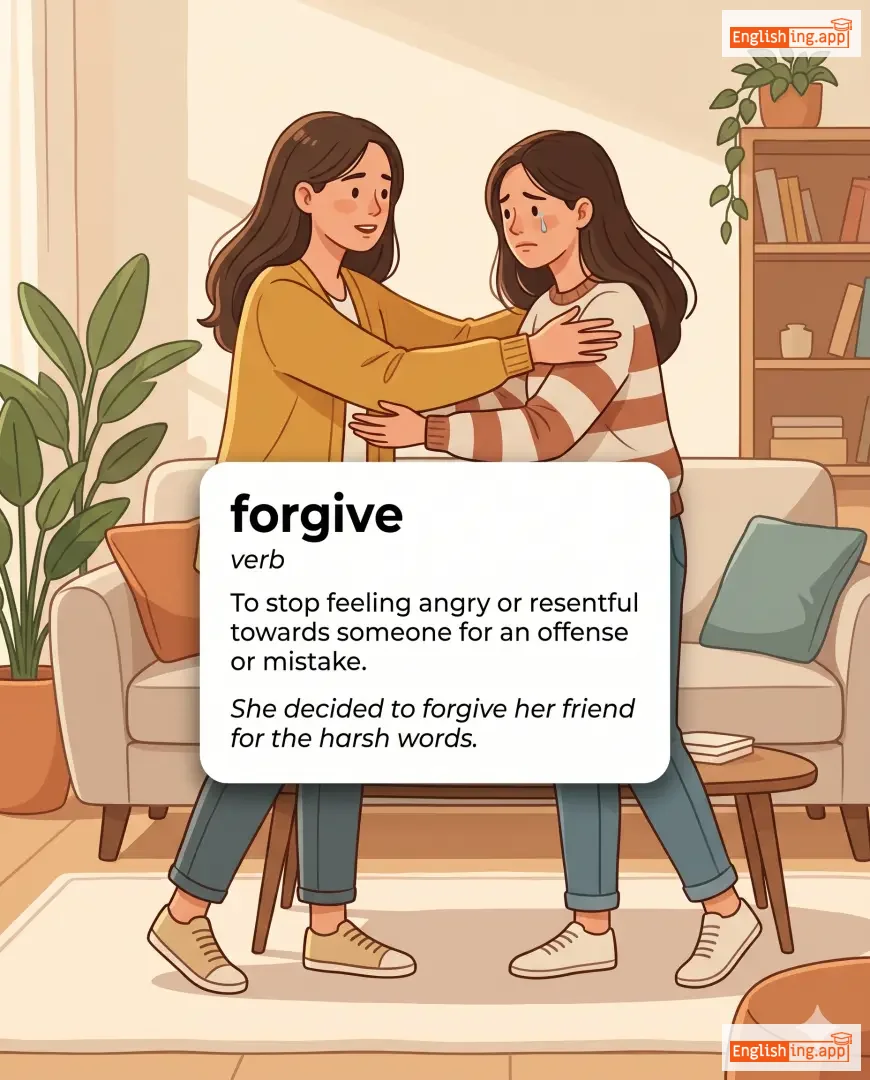
To stop feeling angry or resentful towards someone for an offense or mistake.
••••••
|
She decided to forgive her friend for the harsh words.
彼女は友達の厳しい言葉を許すことに決めました。
••••••
|
彼女は友達の厳しい言葉を許すことに決めました。
Kanojo wa tomodachi no kibishii kotoba o yurusu koto ni kimemashita.
••••••
|
forgive and forget
許して忘れる
••••••
|
To forgive someone and not remember the offense anymore.
••••••
|
許して忘れる
yurushite wasureru
••••••
|
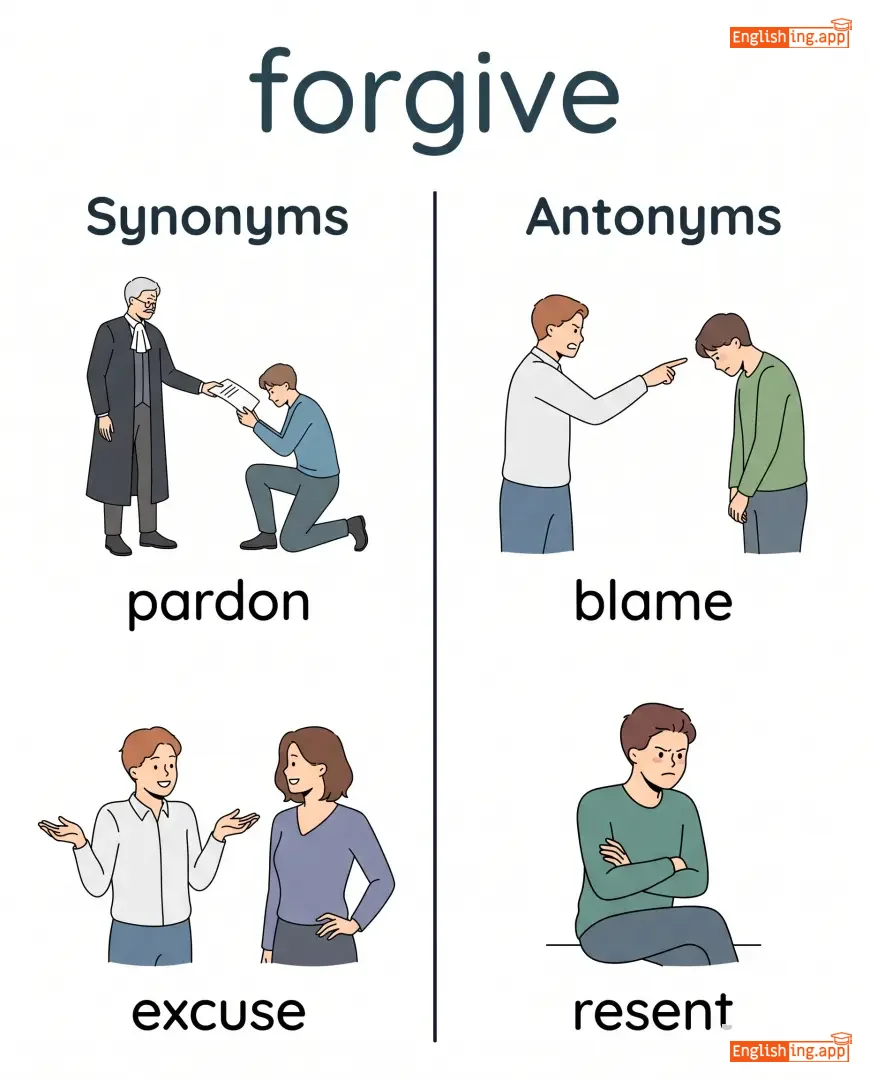
pardon, excuse, absolve, overlook, release
••••••
|
blame, resent, condemn
••••••
|
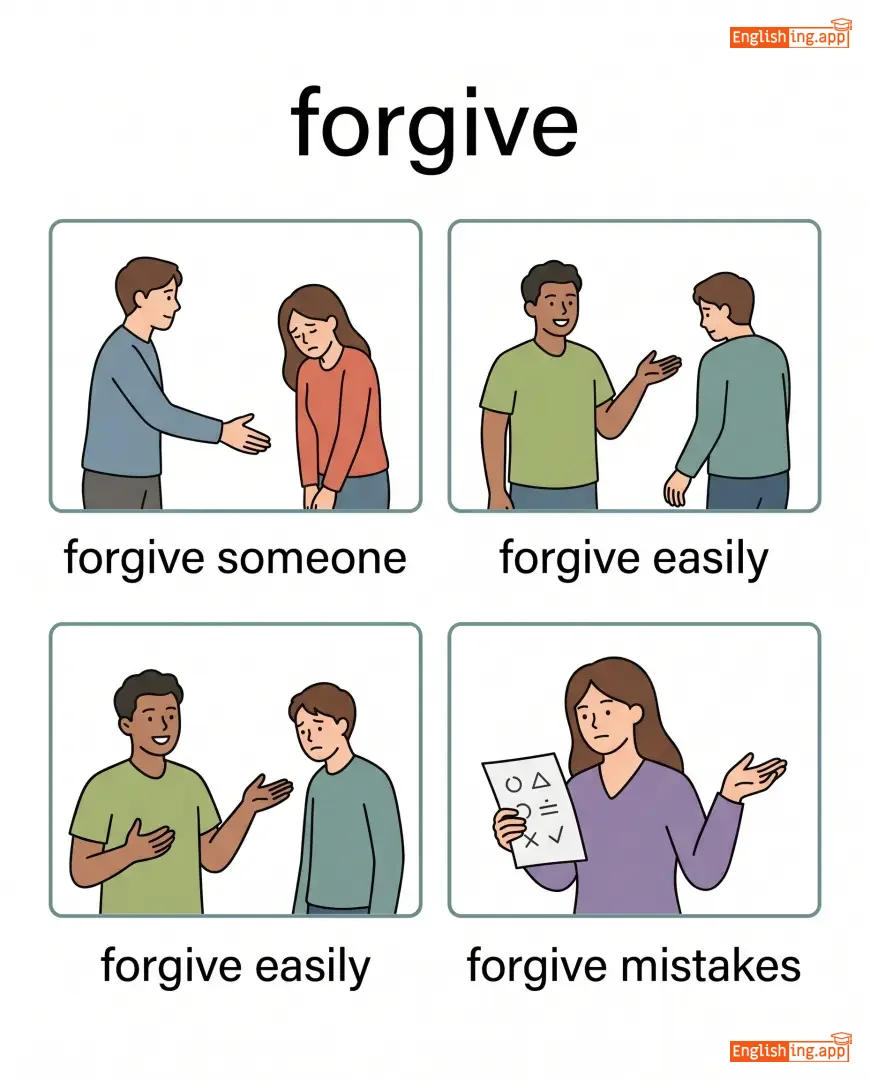
forgive someone, forgive easily, forgive mistakes, forgive sins
••••••
|
許すは忘れること (forget + give)。許すことは友情を強くする。
••••••
|
|
#9860
🏚️
|
/fɔːrˈkloʊʒər/
noun
(フォークローザー)
••••••
|
- •••••• |
差し押さえ
sashiosae
••••••
|
- •••••• | - •••••• | - •••••• | - •••••• |
The legal process by which a lender takes control of a property from a borrower who has failed to make payments.
••••••
|
The family lost their home due to foreclosure after missing several mortgage payments. |
その家族は複数回のモーゲージ支払いを逃したため、差し押さえで家を失いました。
Sono kazoku wa fukusū kai no mōgēji shiharai o nogashita tame, sashiosae de ie o ushī mashita.
••••••
|
- •••••• | - •••••• | - •••••• |
repossession, seizure, forfeiture, confiscation
••••••
|
purchase, redemption
••••••
|
foreclosure process, home foreclosure, foreclosure notice, avoid foreclosure
••••••
|
差し押さえはローンが返済されないときに家が取られることです。
••••••
|
|
#9861
⛔
|
/fərˈbɪd/
verb
(フォービッド)
••••••
|
- •••••• |
禁じる
jinjiru
••••••
|
forbade
フォーベイド
••••••
|
forbidden
フォービデン
••••••
|
forbids
フォービッツ
••••••
|
forbidding
フォービディング
••••••
|
to order someone not to do something
••••••
|
The school forbids smoking on campus.
学校はキャンパス内での喫煙を禁じています。
••••••
|
学校はキャンパス内での喫煙を禁じています。
Gakkō wa kyanpasu-nai de no kitsuen o kinjiteimasu.
••••••
|
God forbid
神よ、禁止して下さい
••••••
|
a phrase used to express a strong wish that something does not happen
••••••
|
神よ、禁止して下さい
Kami yo, kinshi shite kudasai
••••••
|
prohibit, ban, prevent, restrict, deny
••••••
|
allow, permit, approve
••••••
|
forbid entry, forbid smoking, strictly forbid, forbid access
••••••
|
Forbid は禁じることを意味し、学校がキャンパス内での喫煙を禁じるようなものです。
••••••
|
|
#9862
🎁
|
/fɔːr/
preposition
(フォー)
••••••
|
- •••••• |
のために
no tame ni
••••••
|
- •••••• | - •••••• | - •••••• | - •••••• |
used to indicate purpose, destination, or recipient
••••••
|
This gift is for you. |
このギフトはあなたのためです。
Kono gifuto wa anata no tame desu.
••••••
|
for good |
permanently
••••••
|
永遠に
eien ni
••••••
|
on behalf of, in favor of, because of, intended for
••••••
|
against, anti
••••••
|
for example, for instance, for sale, for life
••••••
|
For は 'のために' を意味し、'Gift for you' は 'あなたのためのギフト' を意味します。
••••••
|
|
#9863
🙃
|
/ˈfuːlɪʃ/
adjective
(フーリッシュ)
••••••
|
- •••••• |
愚かな
orokana
••••••
|
- •••••• | - •••••• | - •••••• | - •••••• |
showing a lack of good sense or judgment
••••••
|
It was foolish to go out without an umbrella in the storm. |
嵐の中で傘なしで外に出るのは愚かなことだった。
Arashi no naka de kasa nashi de soto ni deru no wa orokana koto datta.
••••••
|
foolish pride |
excessive pride that leads to poor decisions
••••••
|
愚かなプライド
orokana puraido
••••••
|
silly, stupid, unwise, senseless, childish
••••••
|
wise, sensible, smart
••••••
|
foolish mistake, foolish idea, act foolish, foolish pride
••••••
|
Foolishは愚かな、愚かなことをするのは良くない。
••••••
|
|
#9864
🤡
|
/fuːl/
noun, verb
(fūru)
••••••
|
- •••••• |
バカ
baka
••••••
|
fooled
fūru-d
••••••
|
fooled
fūru-d
••••••
|
fools
fūru-su
••••••
|
fooling
fūru-ing
••••••
|
a silly or stupid person; to trick someone
••••••
|
He felt like a fool after believing the prank.
彼はいたずらを信じた後、バカにされたように感じた。
••••••
|
いたずらを信じた後、彼は自分がバカだと思った。
Itazura o shinjita ato, kare wa jibun ga baka da to omotta.
••••••
|
make a fool of
誰かをバカにする
••••••
|
to embarrass someone or yourself by acting silly
••••••
|
誰かをバカにする
dareka o baka ni suru
••••••
|
idiot, clown, trick, deceive, prankster
••••••
|
wise, genius, intellect
••••••
|
April fool, play the fool, fool someone, fool around
••••••
|
Foolはバカを意味し、April Fool'sのようにみんながバカになる日。
••••••
|
Vocabulary Quiz
Test your vocabulary by matching words with their translations or meanings.
Login to take the quiz
Comments (0)
Share your thoughts and join the discussion.
Join the discussion by logging in
Login to CommentNo comments yet
Be the first to share your thoughts!