

翻訳
過去
過去分詞
三人称単数
動名詞
意味
例文
例文の翻訳
同義語
対義語
コロケーション
ニーモニック


Swipe left or right, or use the buttons. Tap image to zoom.
例文の翻訳
単語
Lesson 361Lesson 361 - マスクトグル
|
絵文字
|
単語 | Images | 翻訳 | 過去 | 過去分詞 | 三人称単数 | 動名詞 | 意味 | 例文 | 例文の翻訳 | 表現例 | 表現例の意味 | 表現例の翻訳 | 同義語 | 対義語 | コロケーション | ニーモニック |
|---|---|---|---|---|---|---|---|---|---|---|---|---|---|---|---|---|---|
|
#10795
📑
|
/ˈdiː.teɪld/
adjective
(ディテイルド)
••••••
|
- •••••• |
詳細
shousai
••••••
|
- •••••• | - •••••• | - •••••• | - •••••• |
Having many details; very thorough.
••••••
|
The report provided a detailed analysis of the situation. |
報告書は状況の詳細な分析を提供しました。
Houkokusho wa joukyou no shousaina bunseki o teikyō shimashita.
••••••
|
- •••••• | - •••••• | - •••••• |
thorough, comprehensive, elaborate, full
••••••
|
brief, vague
••••••
|
detailed report, detailed plan, detailed explanation, detailed account
••••••
|
詳細な報告書はすべての詳細を含んでいる
••••••
|
|
#10796
🍽️
|
/ˈdɪnər/
noun
(ディナー)
••••••
|
- •••••• |
夕食
yūshoku
••••••
|
- •••••• | - •••••• | - •••••• | - •••••• |
the main meal of the day, usually eaten in the evening
••••••
|
We had a lovely dinner at a new restaurant last night. |
昨晩、新しいレストランで素敵なディナーを楽しみました。
Sakuban, atarashī resutoran de suteki na dīnā o tanoshimimashita.
••••••
|
have someone for dinner |
to invite someone to eat dinner with you at your home
••••••
|
誰かをディナーに招待する
dareka o dīnā ni shoutai suru
••••••
|
supper, feast, banquet, meal
••••••
|
breakfast, lunch
••••••
|
dinner table, dinner party, dinner plate, dinner invitation
••••••
|
ディナーは夜の主食 — 夜になるとみんなが言う 'ディナーを食べる?'
••••••
|
|
#10797
🍽️
|
/ˈdaɪnɪŋ/
noun
(ダイニング)
••••••
|
- •••••• |
食事
shokuji
••••••
|
- •••••• | - •••••• | - •••••• | - •••••• |
the act of eating a meal, especially in a formal setting
••••••
|
We enjoyed fine dining at the new restaurant. |
私たちは新しいレストランで素晴らしい食事を楽しみました。
Watashitachi wa atarashī resutoran de subarashī shokuji o tanoshimimashita.
••••••
|
dining out |
eating at a restaurant instead of at home
••••••
|
外食
gaishoku
••••••
|
eating, feasting, banqueting, having a meal
••••••
|
fasting, starving
••••••
|
fine dining, dining table, dining hall, dining out
••••••
|
食事は正式な場所で食べるもの、まさにDiningテーブルで。
••••••
|
|
#10798
💻
|
/ˈdɪdʒɪtl/
adjective
(デジタル)
••••••
|
|
デジタル
dejitaru
••••••
|
- •••••• | - •••••• | - •••••• | - •••••• |
relating to technology that uses signals or data in the form of numbers (0s and 1s)
••••••
|
She prefers digital books over printed ones. |
彼女は印刷された本よりデジタル本を好みます。
Kanojo wa insatsu sareta hon yori dejitaru hon o konomimasu.
••••••
|
go digital |
to switch from traditional methods to digital technology
••••••
|
デジタルに移行する
dejitaru ni ikō suru
••••••
|
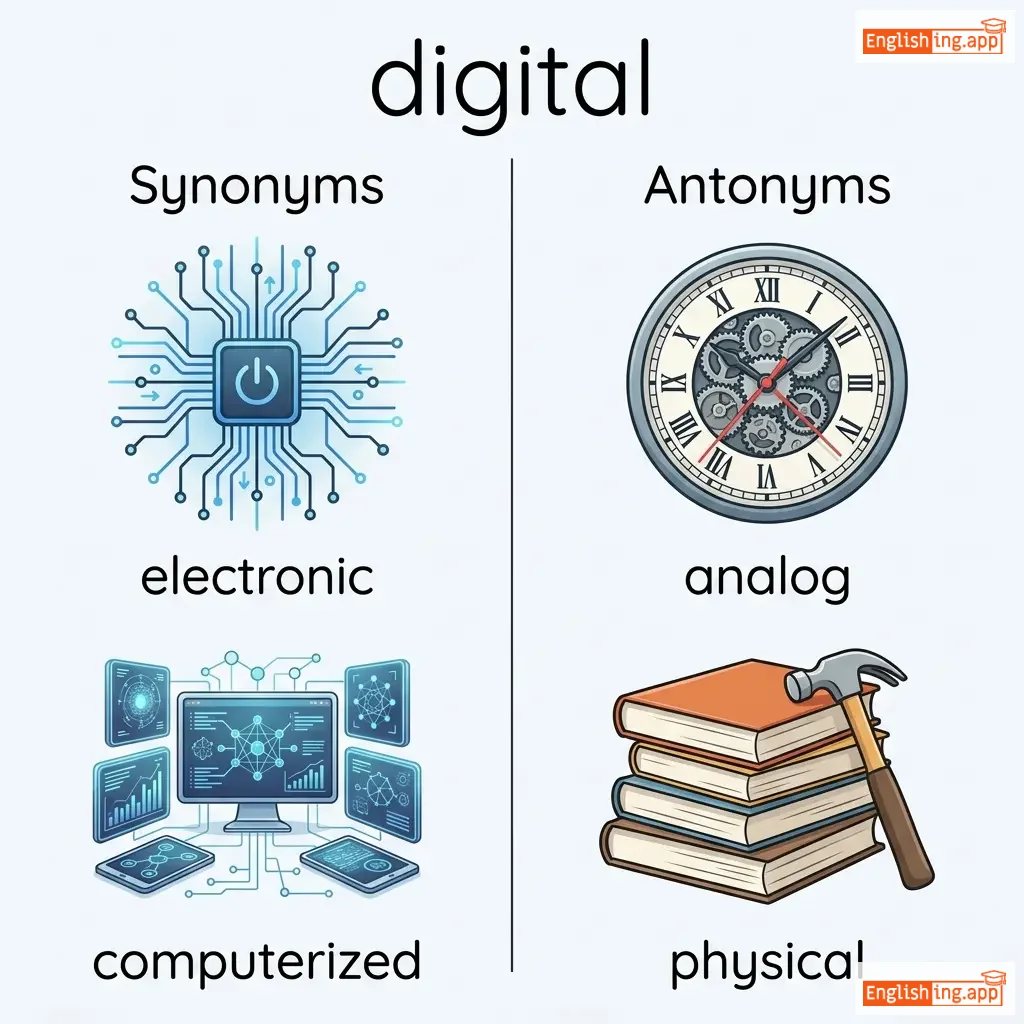
electronic, computerized, online, virtual
••••••
|
analog, physical
••••••
|
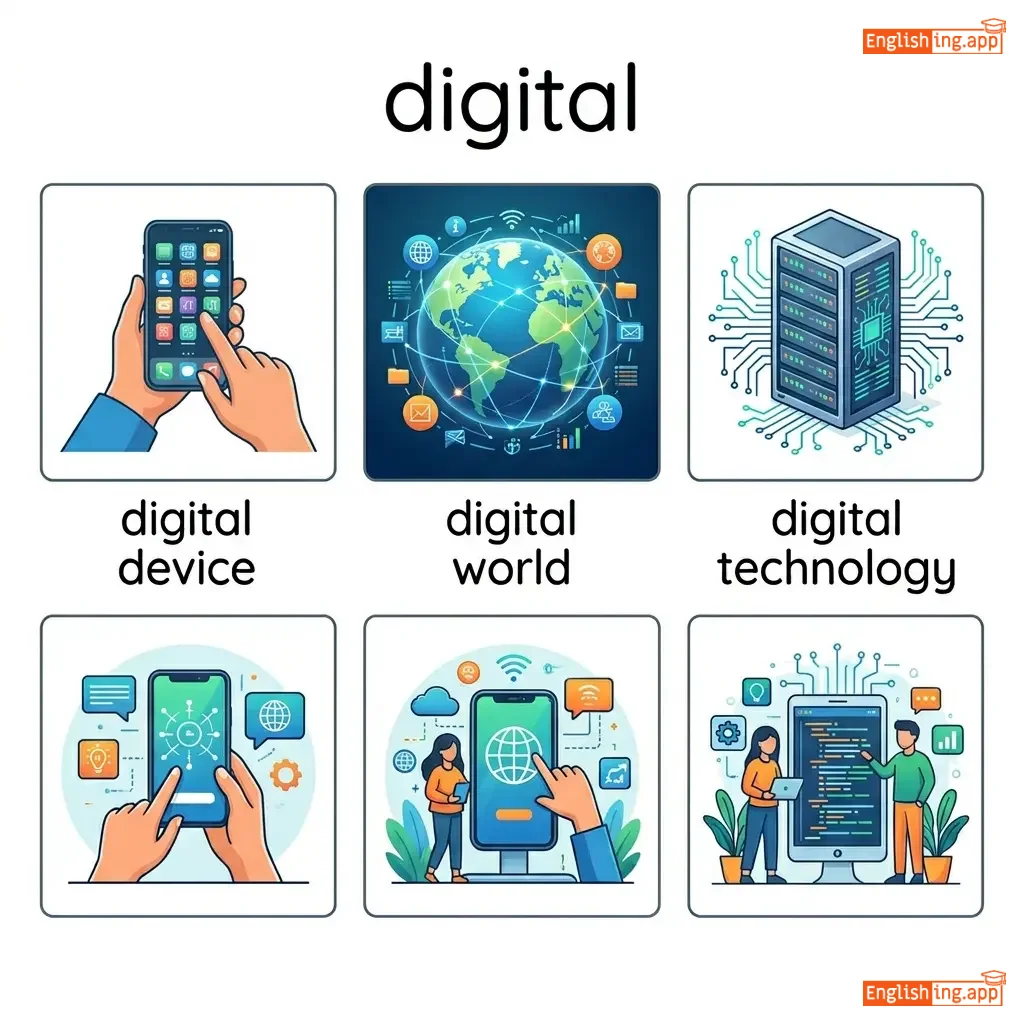
digital device, digital world, digital technology, digital marketing
••••••
|
デジタルはオンラインとコンピュータの未来です。
••••••
|
|
#10799
⛏️
|
/dɪɡ/
verb
(ディグ)
••••••
|
- •••••• |
掘る
horu
••••••
|
dug
ダグ
••••••
|
dug
ダグ
••••••
|
digs
ディグス
••••••
|
digging
ディギング
••••••
|
to break up and move earth with a tool or machine, or with hands, paws, etc.
••••••
|
They decided to dig a hole for the new tree.
彼らは新しい木のために穴を掘ることを決めました。
••••••
|
彼らは新しい木のために穴を掘ることを決めました。
Karera wa atarashī ki no tame ni ana o horu koto o kimemashita.
••••••
|
dig deep
深く掘る
••••••
|
to make a great effort or use inner strength
••••••
|
深く掘る
fukaku horu
••••••
|
excavate, burrow, scoop, shovel
••••••
|
fill, cover
••••••
|
dig a hole, dig up, dig deep, dig into
••••••
|
DIGは掘ることを意味します - 土の中で宝物を探すように。
••••••
|
|
#10800
⚠️
|
/ˈdɪfɪkəlti/
noun
••••••
|
- •••••• | - •••••• | - •••••• | - •••••• | - •••••• | - •••••• |
the state or condition of being hard to do, deal with, or understand
••••••
|
He faced great difficulty in learning a new language. |
- •••••• |
in difficulty |
to be in trouble or facing problems
••••••
|
- •••••• |
challenge, hardship, obstacle, struggle, trouble
••••••
|
ease, simplicity, comfort
••••••
|
face difficulty, great difficulty, difficulty in, experience difficulty
••••••
|
No •••••• |
|
#10801
🔄
|
/ˈdɪfərəntli/
adverb
(ディファレントリー)
••••••
|
- •••••• |
異なった方法で
kotonatta houhou de
••••••
|
- •••••• | - •••••• | - •••••• | - •••••• |
in a way that is not the same as another or as expected
••••••
|
She approached the problem differently than her colleagues. |
彼女は同僚たちと違った方法で問題に取り組みました。
Kanojo wa douryou-tachi to chigatta houhou de mondai ni torikumi mashita.
••••••
|
- •••••• | - •••••• | - •••••• |
otherwise, uniquely, unusually, distinctly
••••••
|
similarly, alike
••••••
|
think differently, act differently, look differently, behave differently
••••••
|
異なった方法でというのは、何かを違う方法でやることを意味しており、それが英語でいう differently です。
••••••
|
|
#10802
⚖️
|
/ˈdɪfər/
verb
(ディファー)
••••••
|
- •••••• |
異なる
kotonaru
••••••
|
differed
ディファード
••••••
|
differed
ディファード
••••••
|
differs
ディファーズ
••••••
|
differing
ディファリング
••••••
|
to be unlike or distinct from something else
••••••
|
Opinions differ on this issue.
この問題について意見が異なります。
••••••
|
この問題について意見が異なります。
Kono mondai ni tsuite iken ga kotonarimasu.
••••••
|
agree to differ
異なることに同意する
••••••
|
to accept that people will not agree
••••••
|
異なることに同意する
kotonaru koto ni doui suru
••••••
|
vary, contrast, diverge, disagree
••••••
|
match, agree
••••••
|
differ in opinion, differ from, differ greatly, differ slightly
••••••
|
Differとは⚖️ — 意見が異なるとき、私たちは違う点で合意します。
••••••
|
|
#10803
🥗
|
/ˈdaɪət/
noun
(daietto)
••••••
|
- •••••• |
ダイエット
daietto
••••••
|
- •••••• | - •••••• | - •••••• | - •••••• |
the kinds of food that a person usually eats
••••••
|
He follows a strict vegetarian diet. |
彼は厳格なベジタリアンダイエットを実践しています。
Kare wa genkaku na bejitarian daietto o jissen shiteimasu.
••••••
|
go on a diet |
to start eating less or differently to lose weight
••••••
|
ダイエットを始める
daietto o hajimeru
••••••
|
nutrition, food, meals, regimen
••••••
|
overeating, bingeing
••••••
|
healthy diet, balanced diet, strict diet, special diet
••••••
|
ダイエット = ダンス・アクティブ・インスパイア・エネルギー・ティーム
••••••
|
|
#10804
🙏
|
/dɪˈvoʊt/
verb
(デヴォート)
••••••
|
- •••••• |
捧げる
sasageru
••••••
|
devoted
デヴォーテッド
••••••
|
devoted
デヴォーテッド
••••••
|
devotes
デヴォーツ
••••••
|
devoting
デヴォーティング
••••••
|
to give time, effort, or resources to something
••••••
|
She devotes much of her time to helping the poor.
彼女は貧しい人々を助けるために多くの時間を捧げています。
••••••
|
彼女は貧しい人々を助けるために多くの時間を捧げています。
Kanojo wa mazushī hitobito o tasukeru tame ni ōku no jikan o sasageteimasu.
••••••
|
devote oneself to
自分を捧げる
••••••
|
to dedicate oneself fully to something
••••••
|
自分を捧げる
jibun o sasageru
••••••
|
dedicate, commit, allocate, apply
••••••
|
neglect, ignore
••••••
|
devote time, devote energy, devote effort, devote resources
••••••
|
Devote = 捧げる、重要なことに時間を捧げるように 🙏.
••••••
|
|
#10805
📈
|
/dɪˈvɛləpmənt/
noun
(デベロップメント)
••••••
|
|
開発
kaihatsu
••••••
|
- •••••• | - •••••• | - •••••• | - •••••• |
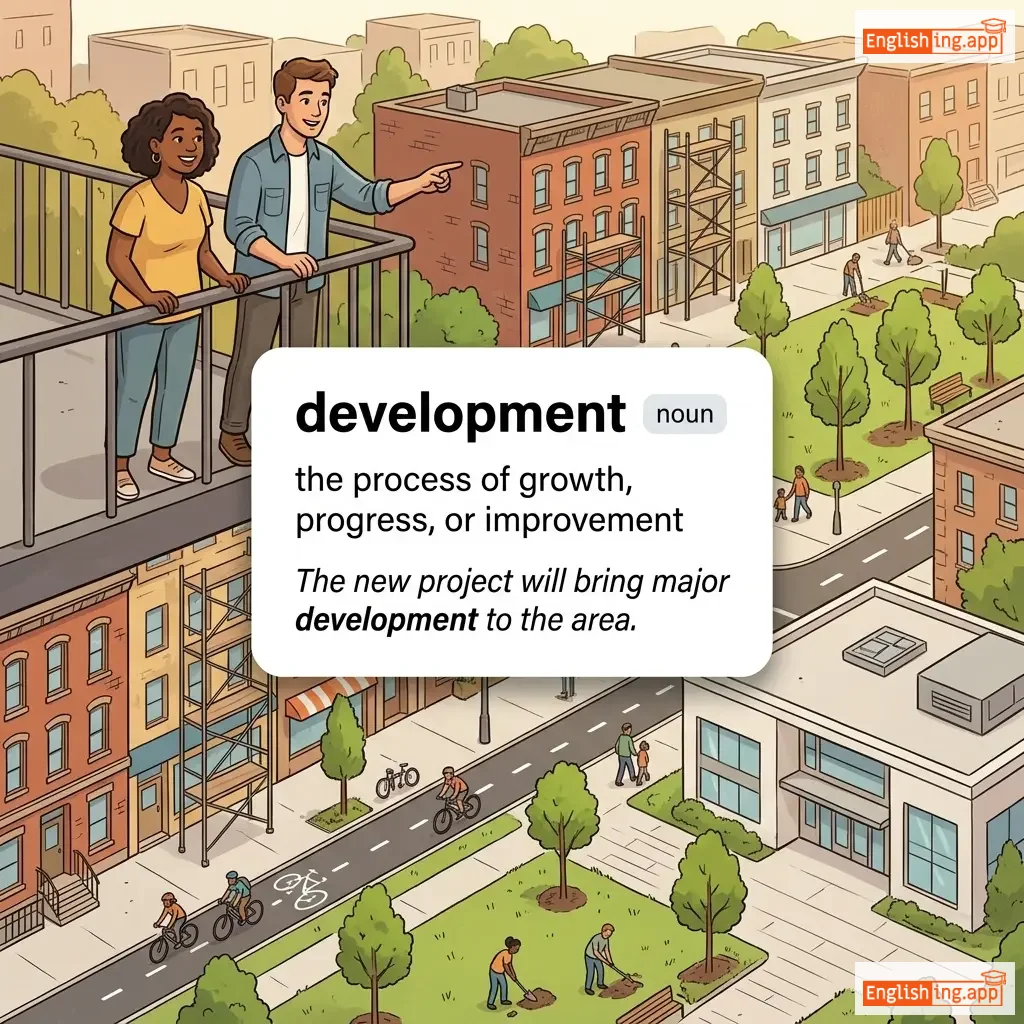
the process of growth, progress, or improvement
••••••
|
The new project will bring major development to the area. |
新しいプロジェクトはその地域に大きな開発をもたらすでしょう。
Atarashī purojekuto wa sono chiiki ni ōkina kaihatsu o motarasu deshō.
••••••
|
real estate development |
the process of building new properties
••••••
|
不動産開発
fudōsan kaihatsu
••••••
|
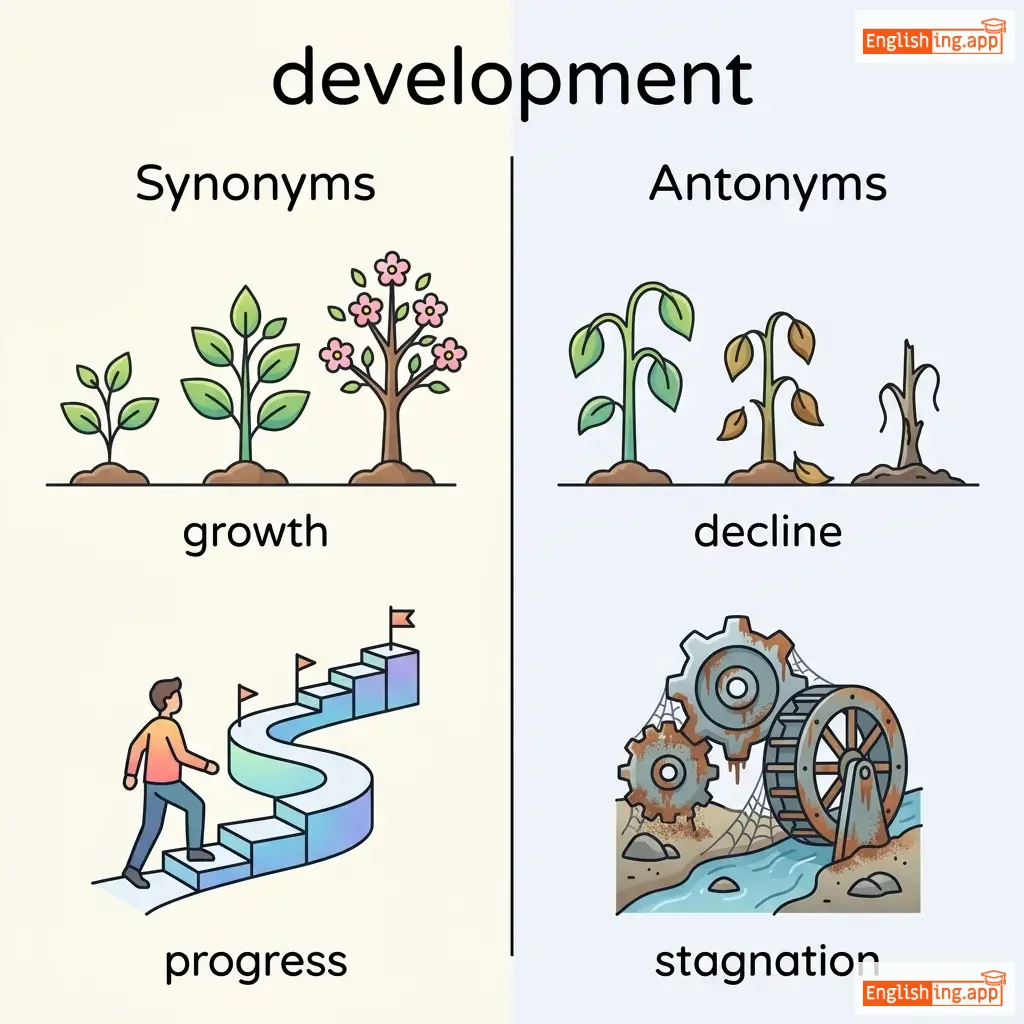
growth, progress, advancement, improvement
••••••
|
decline, stagnation
••••••
|
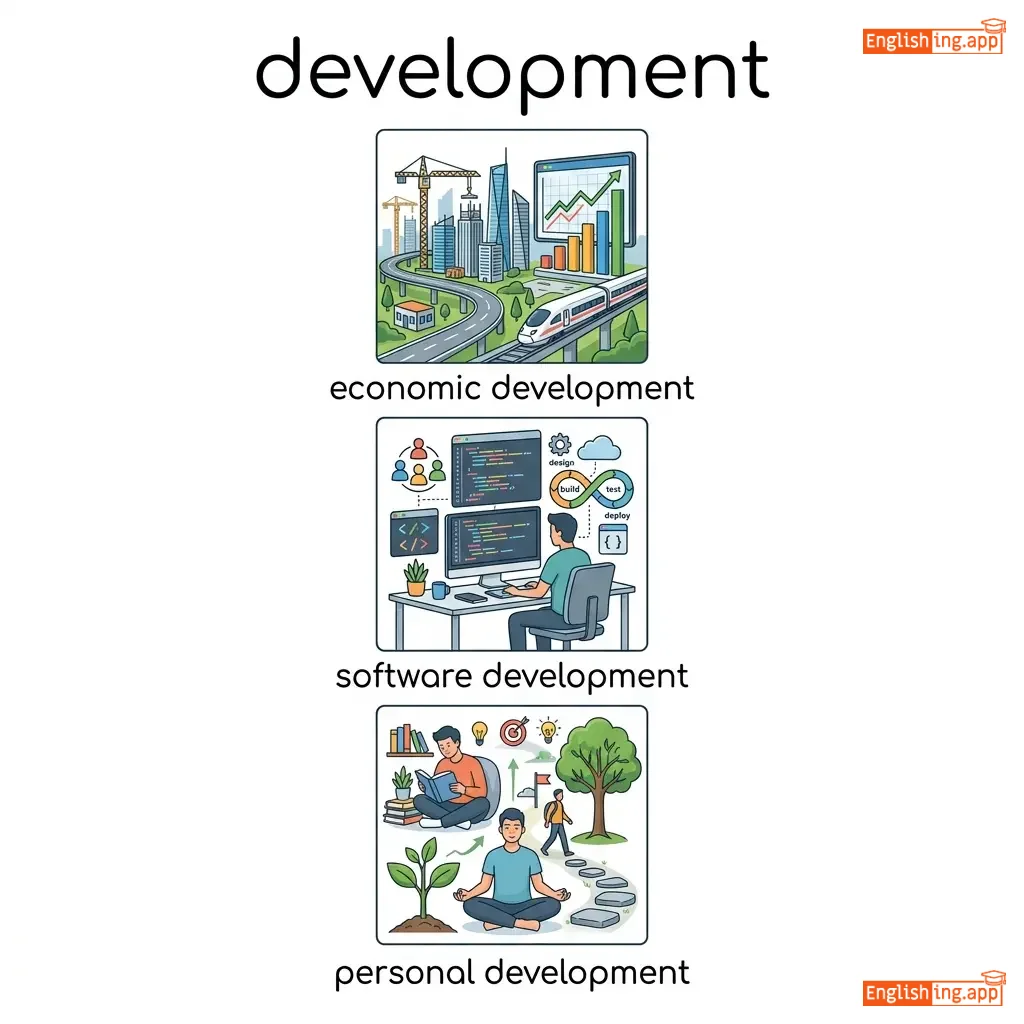
economic development, software development, personal development, development project
••••••
|
Development = 開発は成長 📈 を意味します — 新しいビルが建設中のように。
••••••
|
|
#10806
🌱
|
/dɪˈvɛləpɪŋ/
verb
(デヴェロッピング)
••••••
|
- •••••• |
開発
kaihatsu
••••••
|
- •••••• | - •••••• | - •••••• |
developing
デヴェロッピング
••••••
|
the process of growing, improving, or becoming more advanced
••••••
|
She is developing new skills in programming.
彼女はプログラミングで新しいスキルを開発しています。
••••••
|
彼女はプログラミングで新しいスキルを開発しています。
Kanojo wa puroguramingu de atarashii sukiru o kaihatsu shiteimasu.
••••••
|
developing country
開発途上国
••••••
|
a country that is in the process of becoming more economically and socially advanced
••••••
|
開発途上国
kaihatsu tojoukoku
••••••
|
advancing, progressing, improving, evolving
••••••
|
regressing, declining
••••••
|
developing country, developing skill, developing idea, developing relationship
••••••
|
開発は植物が育つように、国や人々が進歩していくことです。
••••••
|
|
#10807
🌱
|
/dɪˈvɛləp/
verb
(デベロップ)
••••••
|
|
開発する
kaihatsu suru
••••••
|
developed
デベロップド
••••••
|
developed
デベロップド
••••••
|
develops
デベロップス
••••••
|
developing
デベロッピング
••••••
|
To grow, advance, or create something over time.
••••••
|
The company aims to develop new software solutions.
その会社は新しいソフトウェアソリューションを開発することを目指しています。
••••••
|
その会社は新しいソフトウェアソリューションを開発することを目指しています。
Sono kaisha wa atarashī sofutowea sorūshon o kaihatsu suru koto o mezashiteimasu.
••••••
|
develop a habit
習慣をデベロップする
••••••
|
To gradually acquire a habit.
••••••
|
習慣を開発する
shūkan o kaihatsu suru
••••••
|
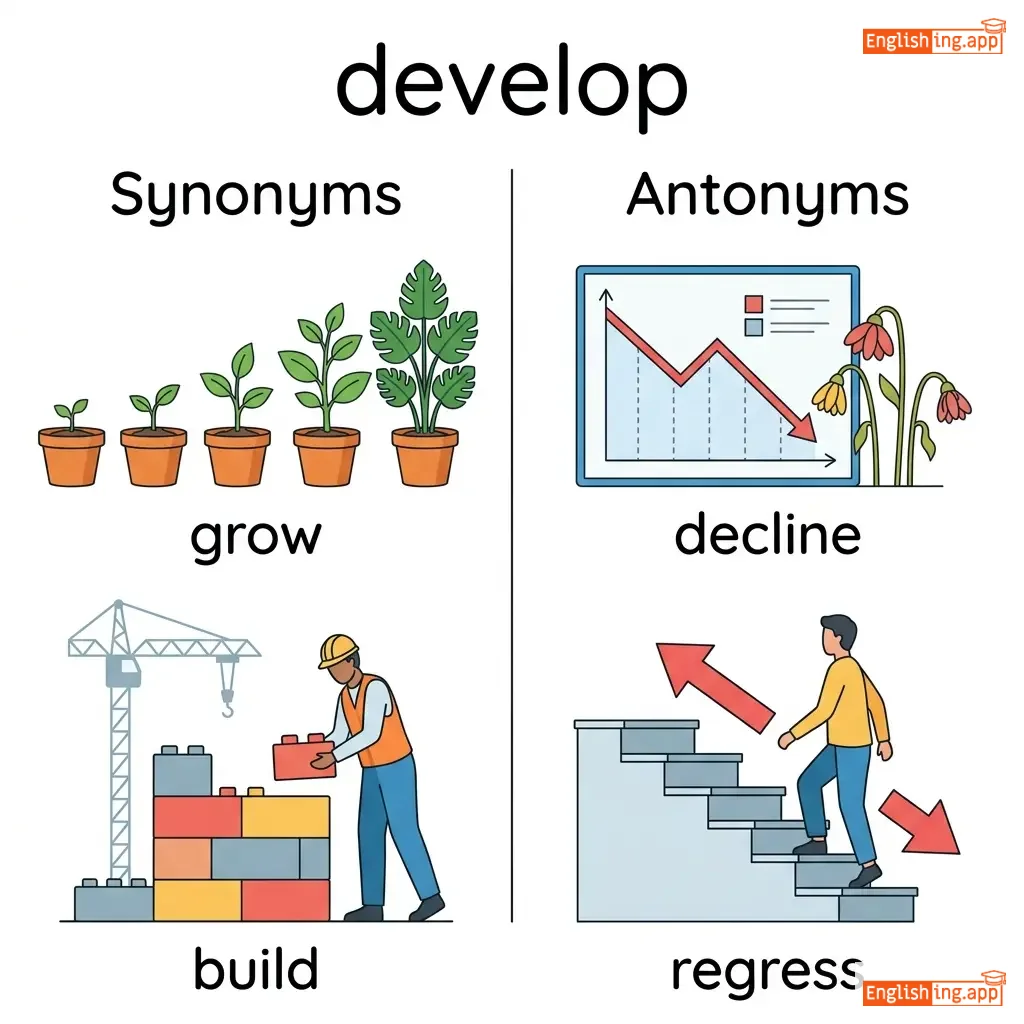
grow, build, progress, create, expand
••••••
|
decline, regress, stop
••••••
|
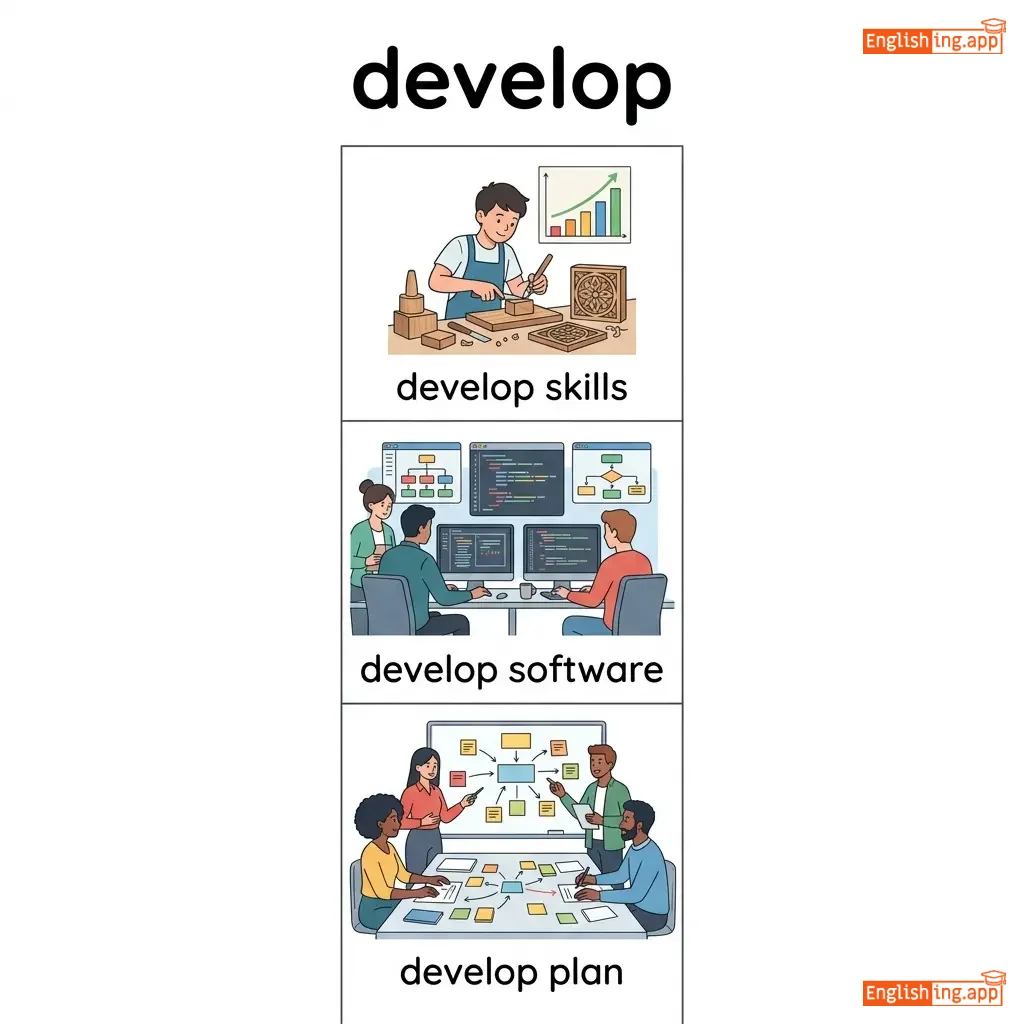
develop skills, develop software, develop plan, develop relationship
••••••
|
開発するは、木が育つように、時間が必要です 🌳
••••••
|
|
#10808
⚖️
|
/dɪˈtɜː.mɪn/
verb
(デターミン)
••••••
|
- •••••• |
決定する
kettei suru
••••••
|
determined
デターミンド
••••••
|
determined
デターミンド
••••••
|
determines
デターミンズ
••••••
|
determining
デターミニング
••••••
|
To decide or establish something after consideration.
••••••
|
The jury will determine the outcome of the case.
陪審員は事件の結果を決定します。
••••••
|
陪審員は事件の結果を決定します。
Bishinin wa jiken no kekka o kettei shimasu.
••••••
|
determine the course of action
行動方針を決定する
••••••
|
To decide what should be done.
••••••
|
行動方針を決定する
kōdō hōshin o kettei suru
••••••
|
decide, establish, conclude, define, settle
••••••
|
hesitate, doubt
••••••
|
determine the cause, determine the result, determine the effect, determine value
••••••
|
決定するは決めること、先生が誰が通るか決定するようなものです。
••••••
|
|
#10809
🕵️
|
/dɪˈtɛkt/
verb
(ディテクト)
••••••
|
|
検出する
kenshutsu suru
••••••
|
detected
ディテクテッド
••••••
|
detected
ディテクテッド
••••••
|
detects
ディテクツ
••••••
|
detecting
ディテクティング
••••••
|
To discover or identify the presence of something.
••••••
|
The device can detect smoke in the room.
そのデバイスは部屋の中の煙を検出できます。
••••••
|
そのデバイスは部屋の中の煙を検出できます。
Sono debaisu wa heya no naka no kemuri o kenshutsu dekimasu.
••••••
|
detect a problem
問題を検出する
••••••
|
To notice or discover an issue.
••••••
|
問題を検出する
Mondai o kenshutsu suru
••••••
|
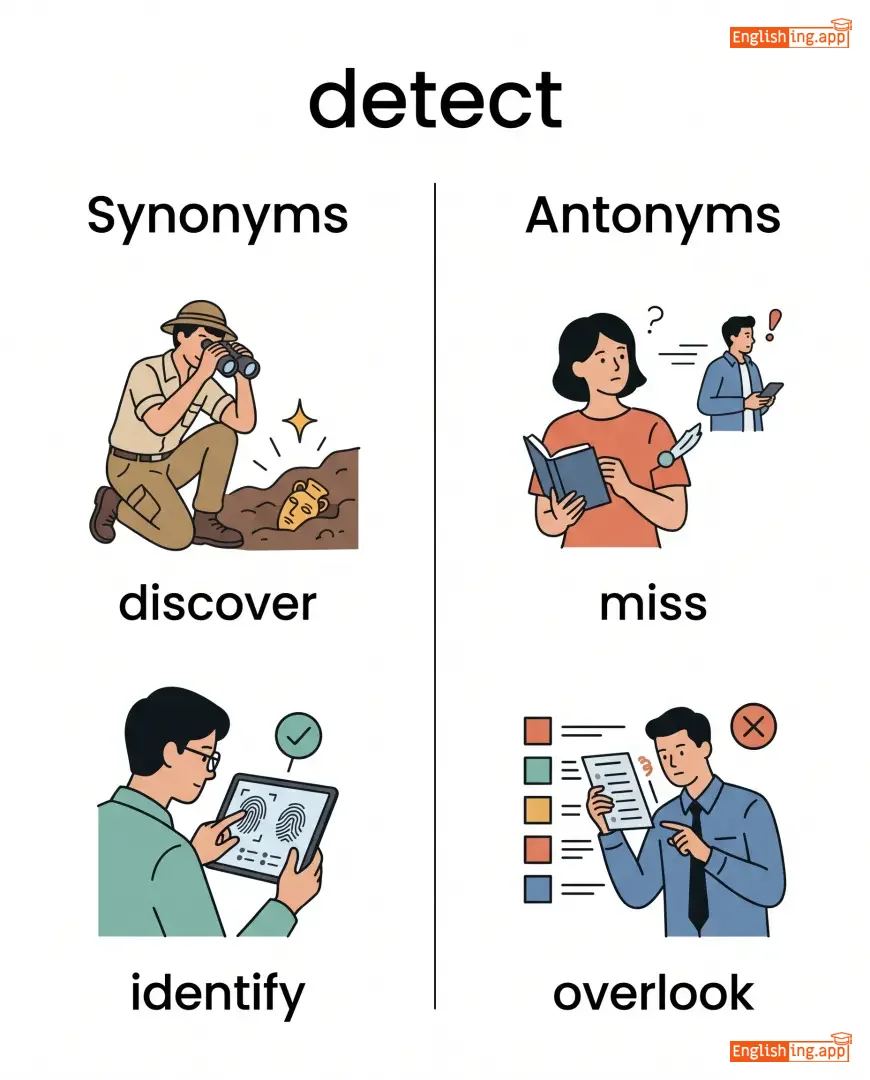
discover, identify, notice, sense, recognize
••••••
|
miss, overlook, ignore
••••••
|
detect a signal, detect movement, detect fraud, detect error
••••••
|
検出するは煙を見つける時にすることです。
••••••
|
|
#10810
✊
|
/ˌdɛmənˈstreɪʃən/
noun
(デモンストレーション)
••••••
|
- •••••• |
デモ, 示威
demo, shii
••••••
|
- •••••• | - •••••• | - •••••• | - •••••• |
the act of showing something clearly, or a public protest
••••••
|
The workers organized a demonstration for better wages. |
労働者たちはより良い賃金のためにデモを組織した。
Rōdō-sha tachi wa yori yoi chingin no tame ni demo o soshiki shita.
••••••
|
peaceful demonstration |
a non-violent public protest
••••••
|
平和的なデモ
heiwa-teki na demo
••••••
|
protest, rally, march, display, presentation
••••••
|
silence, inaction
••••••
|
street demonstration, public demonstration, demonstration of power, demonstration of skills
••••••
|
Demonstrationはデモをすること、または抗議を示すこと
••••••
|
|
#10811
🔍
|
/ˈdiː.teɪl/
noun
(ディテール)
••••••
|
- •••••• |
詳細
shousai
••••••
|
- •••••• | - •••••• | - •••••• | - •••••• |
An individual feature, fact, or item of information.
••••••
|
She explained the plan in great detail. |
彼女は計画を詳細に説明しました。
Kanojo wa keikaku o shousai ni setsumei shimashita.
••••••
|
the devil is in the details |
Problems and difficulties are hidden in the smaller parts of something.
••••••
|
魔鬼は詳細に隠れている
Makaki wa shousai ni kakurete iru
••••••
|
part, item, element, feature, fact
••••••
|
whole, entirety
••••••
|
in detail, attention to detail, important detail, small detail
••••••
|
詳細 = すべての小さな部分が大切な部分であることを忘れずに。
••••••
|
|
#10812
💥
|
/dɪˈstrʌkʃən/
noun
(デストラクション)
••••••
|
- •••••• |
破壊
hakai
••••••
|
- •••••• | - •••••• | - •••••• | - •••••• |
the act of causing so much damage to something that it no longer exists or cannot be repaired
••••••
|
The fire caused the destruction of the building. |
火事は建物の破壊を引き起こしました。
Kaji wa tatemono no hakai o hikiokoshimashita.
••••••
|
path of destruction |
a series of damaged things left behind
••••••
|
破壊の道
hakai no michi
••••••
|
ruin, devastation, demolition, annihilation
••••••
|
creation, construction, repair
••••••
|
cause destruction, widespread destruction, total destruction, massive destruction
••••••
|
Destructionは破壊 - 何かを破壊すると、それは破壊になります
••••••
|
|
#10813
🖥️
|
/dɛsk/
noun
(デスク)
••••••
|
- •••••• |
机
tsukue
••••••
|
- •••••• | - •••••• | - •••••• | - •••••• |
a piece of furniture with a flat surface used for writing or working
••••••
|
The books are on the desk. |
本は机の上にあります。
Hon wa tsukue no ue ni arimasu.
••••••
|
front desk |
the main reception area in an office or hotel
••••••
|
フロントデスク
furonto desuku
••••••
|
table, workstation, counter, bureau
••••••
|
floor, ground
••••••
|
office desk, study desk, front desk, wooden desk
••••••
|
机の上で全ての作業を行います
••••••
|
|
#10814
❤️
|
/dɪˈzaɪər/
noun, verb
(デザイア)
••••••
|
- •••••• |
欲望
yokubou
••••••
|
desired
デザイアード
••••••
|
desired
デザイアード
••••••
|
desires
デザイアーズ
••••••
|
desiring
デザイアリング
••••••
|
a strong feeling of wanting something or wishing for something to happen
••••••
|
He has a strong desire to travel the world.
彼は世界を旅行したいという強い欲望を持っています。
••••••
|
彼は世界を旅行したいという強い欲望を持っています。
Kare wa sekai o ryokou shitai to iu tsuyoi yokubou o motteimasu.
••••••
|
burning desire
燃えるような欲望
••••••
|
an intense longing or wish
••••••
|
燃えるような欲望
moeru you na yokubou
••••••
|
wish, longing, craving, passion, aspiration
••••••
|
aversion, dislike, hatred
••••••
|
express desire, strong desire, desire for success, burning desire
••••••
|
Desire は欲望、燃えるような欲望のように強いです。
••••••
|
|
#10815
👗
|
/dɪˈzaɪnər/
noun
(デザイナー)
••••••
|
- •••••• |
デザイナー
dezainā
••••••
|
- •••••• | - •••••• | - •••••• | - •••••• |
a person who plans and creates the form or structure of something
••••••
|
The fashion designer presented her new collection. |
ファッションデザイナーは新しいコレクションを発表しました。
Fasshion dezainā wa atarashī korekushon o happyō shimashita.
••••••
|
- •••••• | - •••••• | - •••••• |
creator, artist, architect, stylist
••••••
|
user, consumer
••••••
|
fashion designer, interior designer, graphic designer, web designer
••••••
|
デザイナーは'デザイン'から来ている → デザインをする人がデザイナー
••••••
|
|
#10816
🎨
|
/dɪˈzaɪn/
verb
••••••
|
- •••••• | - •••••• |
designed
••••••
|
designed
••••••
|
designs
••••••
|
designing
••••••
|
to plan and create something with a particular purpose or look
••••••
|
She will design the new company logo. |
- •••••• |
design a plan |
to create or outline a detailed plan
••••••
|
- •••••• |
plan, create, draft, sketch, outline
••••••
|
destroy, ruin, neglect
••••••
|
design a logo, design a system, design clothes, interior design
••••••
|
No •••••• |
|
#10817
🏅
|
/dɪˈzɜːrv/
verb
(ディˈザーヴ)
••••••
|
- •••••• |
値する
kesuru
••••••
|
deserved
ディˈザーヴド
••••••
|
deserved
ディˈザーヴド
••••••
|
deserves
ディˈザーヴズ
••••••
|
deserving
ディˈザーヴィング
••••••
|
To be worthy of something, usually a reward or punishment.
••••••
|
She worked hard and deserves recognition.
彼女は一生懸命働き、認められる価値がある。
••••••
|
彼女は一生懸命働き、認められる価値がある。
Kanojo wa isshōkenmei hataraki, mitomerareru kachi ga aru.
••••••
|
get what you deserve
得るべきものを得る
••••••
|
Receive the outcome that is merited by your actions.
••••••
|
得るべきものを得る
Eru beki mono o eru
••••••
|
merit, earn, warrant, justify, be entitled to
••••••
|
forfeit, lose
••••••
|
deserve praise, deserve attention, deserve respect
••••••
|
値するは努力の結果: 一生懸命働けば、得るべきものを得られる。
••••••
|
|
#10818
📝
|
/dɪˈskrɪpʃən/
noun
(ディスクリプション)
••••••
|
|
説明
setsumei
••••••
|
- •••••• | - •••••• | - •••••• | - •••••• |
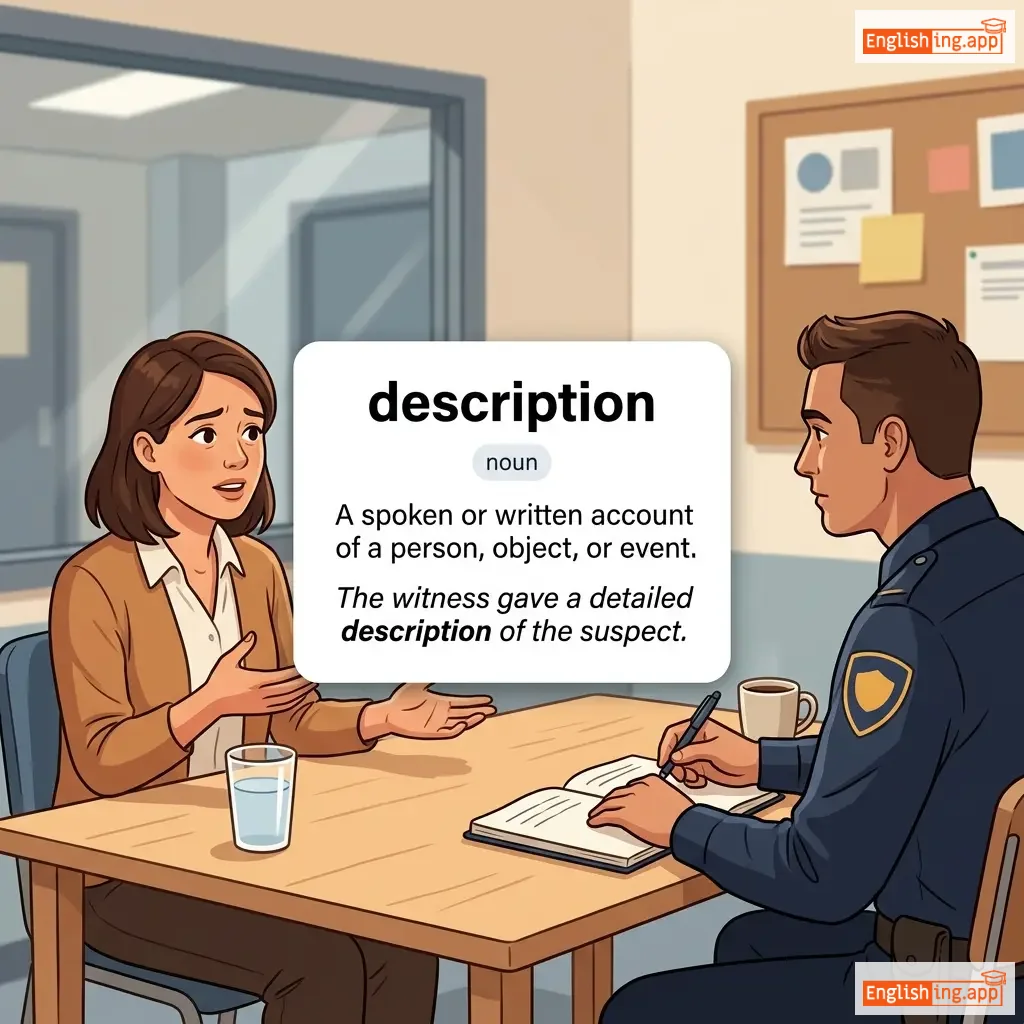
A spoken or written account of a person, object, or event.
••••••
|
The witness gave a detailed description of the suspect. |
証人は容疑者の詳細な説明をしました。
Shōnin wa yōgisha no shōsai na setsumei o shimashita.
••••••
|
beyond description |
Too great or extreme to be described.
••••••
|
言葉では言い表せない
kotoba de wa iarawasenai
••••••
|
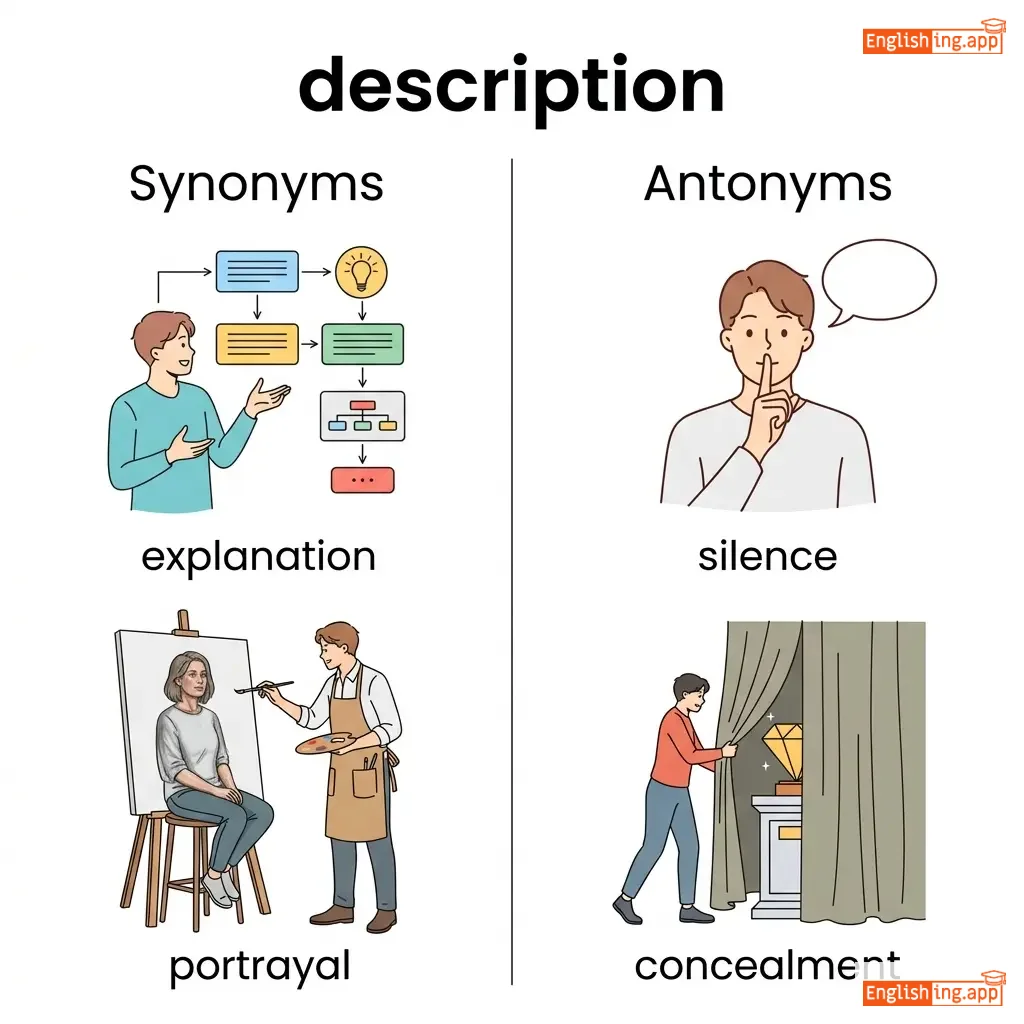
explanation, portrayal, depiction, account, representation
••••••
|
silence, concealment
••••••
|
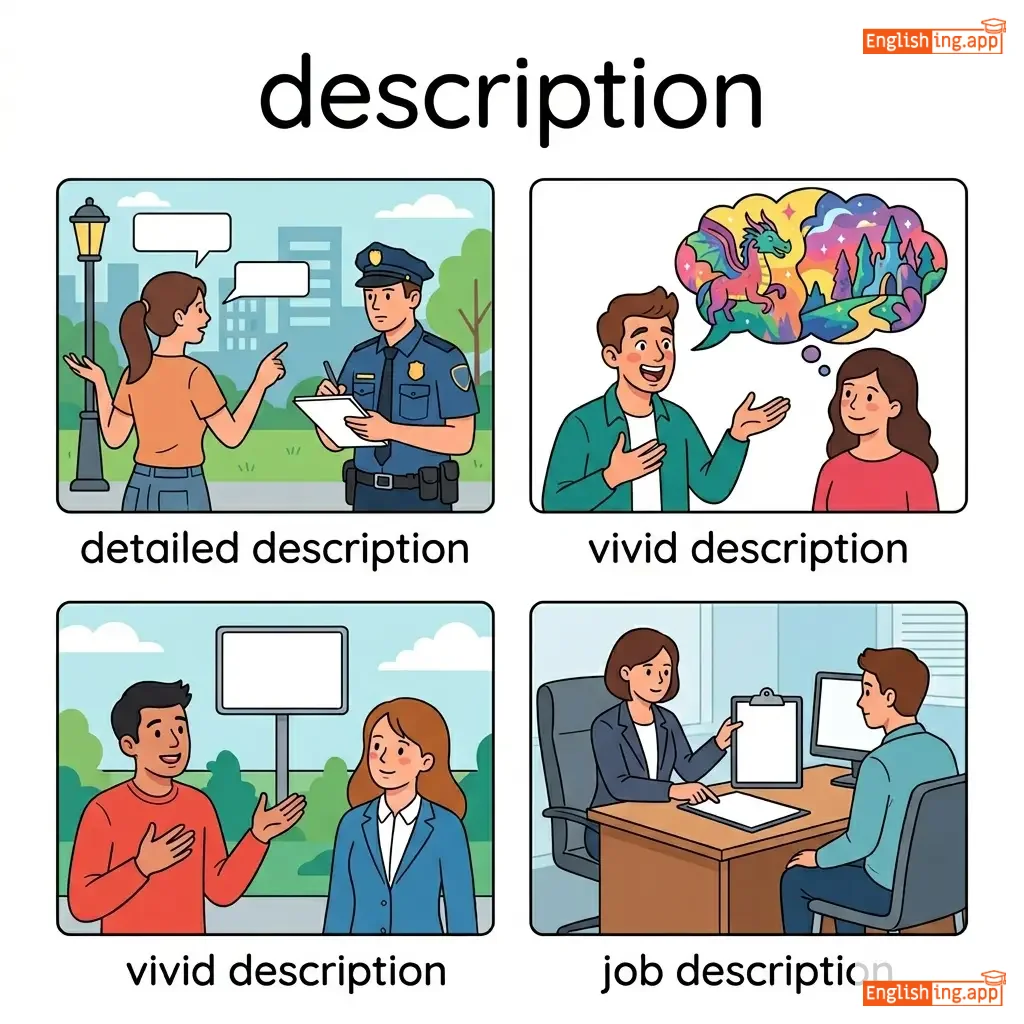
detailed description, vivid description, job description
••••••
|
Descriptionは説明を意味します - 詳細に説明するとき、Descriptionを使います。
••••••
|
|
#10819
👮
|
/ˈdɛpjʊti/
noun
(デピュティ)
••••••
|
- •••••• |
代理
dairi
••••••
|
- •••••• | - •••••• | - •••••• | - •••••• |
A person appointed as a substitute with power to act.
••••••
|
The deputy will lead the meeting in the manager’s absence.
デピュティはマネージャー不在時に会議を主導します。
••••••
|
代理はマネージャー不在時に会議を主導します。
Dairi wa manējā fuzai-ji ni kaigi o shudō shimasu.
••••••
|
- •••••• | - •••••• | - •••••• |
assistant, representative, delegate, subordinate, second-in-command
••••••
|
chief, leader, head
••••••
|
deputy manager, deputy minister, deputy director
••••••
|
Deputyは代理を意味します。たとえばDeputy Director(代理部長)。
••••••
|
|
#10820
⚖️
|
/dɪˈpɛndɪŋ/
verb
(デペンディング)
••••••
|
- •••••• |
依存する
izon suru
••••••
|
- •••••• | - •••••• |
depends
デペンズ
••••••
|
depending
デペンディング
••••••
|
Being contingent on or influenced by something.
••••••
|
The success of the plan is depending on the team's effort.
計画の成功はチームの努力に依存しています。
••••••
|
計画の成功はチームの努力に依存しています。
Keikaku no seikou wa chiimu no doryoku ni izon shiteimasu.
••••••
|
depending on
依存している
••••••
|
Subject to or influenced by something.
••••••
|
依存している
izon shiteiru
••••••
|
relying, hinging, conditioned, awaiting
••••••
|
independent, unrelated
••••••
|
depending on, depending heavily, depending largely
••••••
|
Depending は依存するという意味です - 例えば、天気は雲に依存します。
••••••
|
|
#10821
🧒
|
/dɪˈpɛndənt/
adjective
(ディペンデント)
••••••
|
- •••••• |
依存
izon
••••••
|
- •••••• | - •••••• | - •••••• | - •••••• |
Relying on someone or something else for support or help.
••••••
|
Children are dependent on their parents for care. |
子供たちは両親にケアを依存しています。
Kodomotachi wa ryōshin ni kea o izon shiteimasu.
••••••
|
dependent on |
Relying on someone or something.
••••••
|
依存する
izon suru
••••••
|
reliant, needy, subordinate, conditional, subject
••••••
|
independent, self-sufficient, autonomous
••••••
|
dependent on, financially dependent, emotionally dependent
••••••
|
依存は頼ることです - 子供たちは両親に依存しています。
••••••
|
|
#10822
🤲
|
/dɪˈpɛnd/
verb
(デペンド)
••••••
|
|
依存する
izon suru
••••••
|
depended
••••••
|
depended
••••••
|
depends
••••••
|
depending
••••••
|
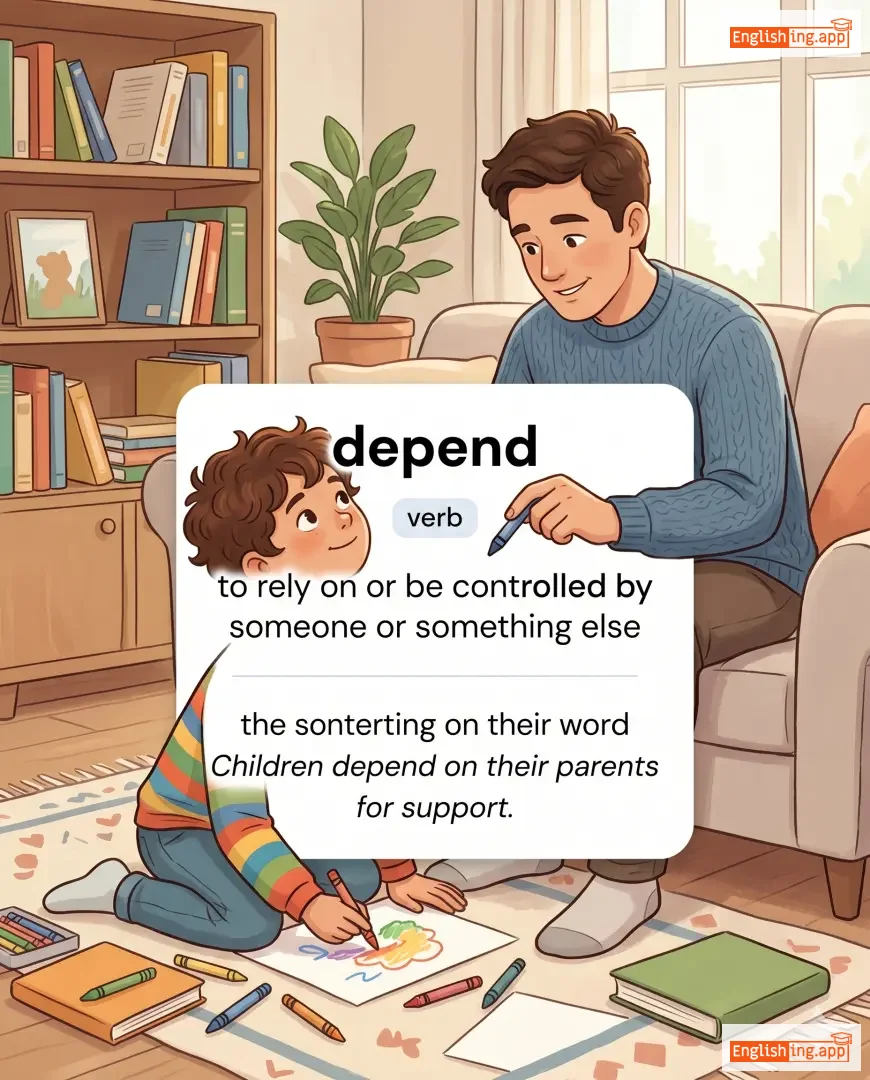
to rely on or be controlled by someone or something else
••••••
|
Children depend on their parents for support.
子供たちは支援のために親に依存しています。
••••••
|
子供たちは支援のために親に依存しています。
Kodomo-tachi wa shien no tame ni oya ni izon shiteimasu.
••••••
|
depend on
依存する
••••••
|
to rely on someone or something
••••••
|
依存する
izon suru
••••••
|
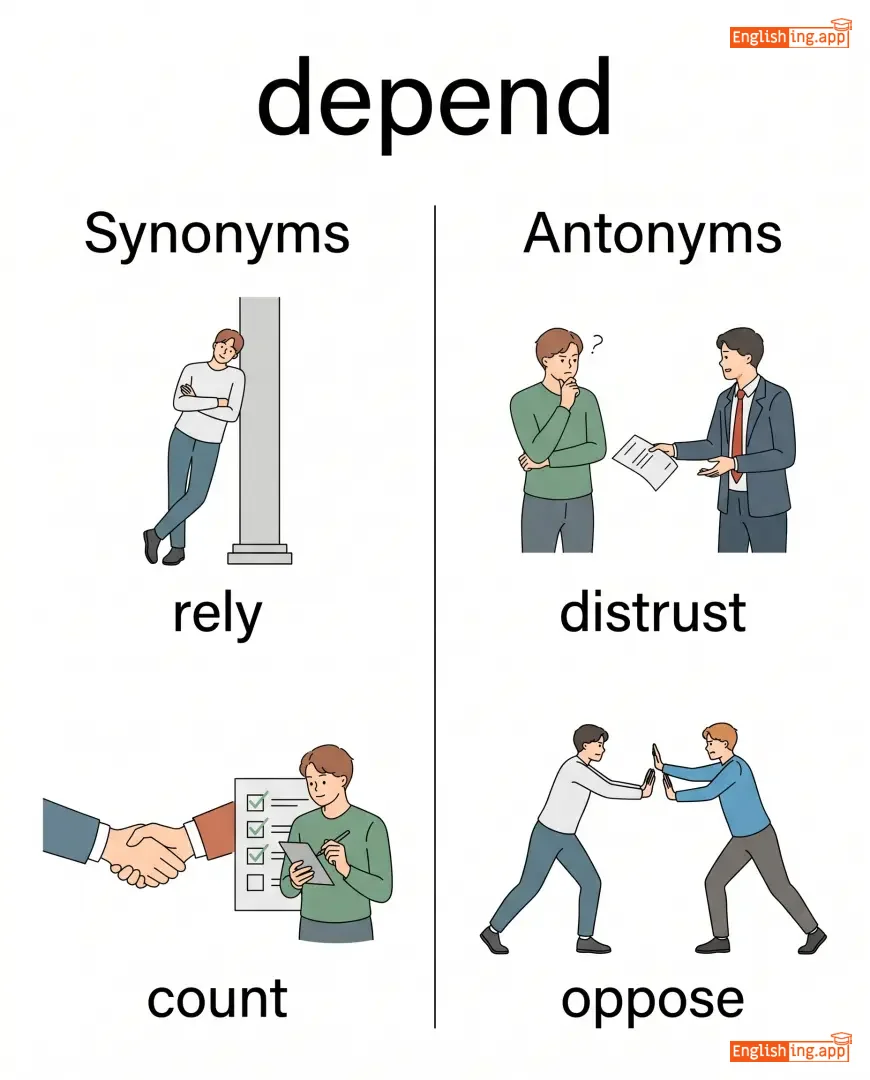
rely, count, trust, hinge
••••••
|
distrust, oppose
••••••
|
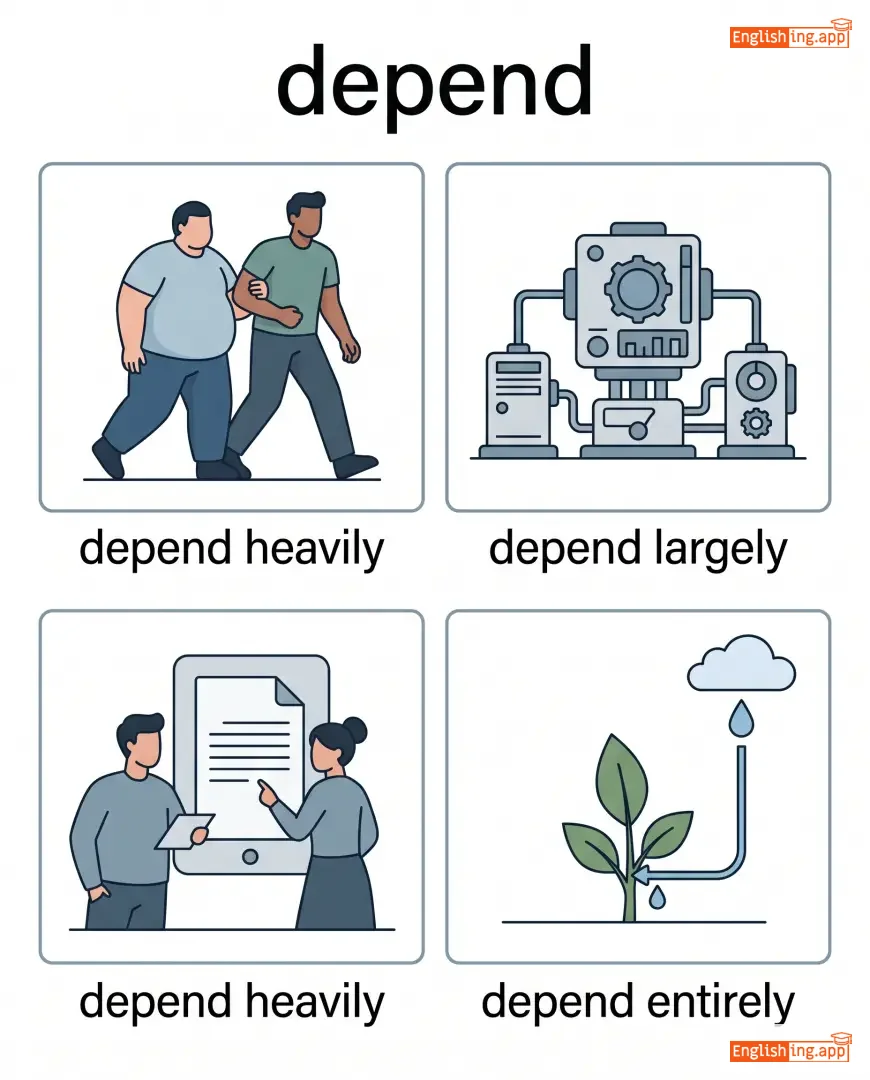
depend heavily, depend largely, depend entirely, depend directly
••••••
|
Depend = De (デ) + pend (ペンド) → あなたに依存しています。
••••••
|
|
#10823
🏢
|
/dɪˈpɑːrtmənt/
noun
(デパートメント)
••••••
|
- •••••• |
部門
bumon
••••••
|
- •••••• | - •••••• | - •••••• | - •••••• |
a division of a large organization such as a government, university, or company
••••••
|
She works in the marketing department. |
彼女はマーケティング部門で働いています。
Kanojo wa maketingu bumon de hataraiteimasu.
••••••
|
department store |
a large retail store selling various goods in separate sections
••••••
|
デパート
depaato
••••••
|
division, section, branch, bureau
••••••
|
whole, entirety
••••••
|
government department, police department, sales department, university department
••••••
|
部門 = 大きな組織の一部
••••••
|
|
#10824
🙅
|
/dɪˈnaɪ/
verb
(デナイ)
••••••
|
- •••••• |
否定する
hitei suru
••••••
|
denied
デナイド
••••••
|
denied
デナイド
••••••
|
denies
デナイズ
••••••
|
denying
デナイイング
••••••
|
to refuse to accept or admit something; to declare something untrue
••••••
|
He denied stealing the money.
彼はお金を盗んだことを否定した。
••••••
|
彼はお金を盗んだことを否定した。
Kare wa okane o nusunda koto o hitei shita.
••••••
|
deny responsibility
責任を否定する
••••••
|
to refuse to accept blame for something
••••••
|
責任を否定する
Sekinin o hitei suru
••••••
|
reject, refuse, disown, repudiate
••••••
|
admit, accept, acknowledge
••••••
|
deny allegation, deny access, deny request, deny responsibility
••••••
|
Deny = 否定する → Denyと否定する
••••••
|
Vocabulary Quiz
Test your vocabulary by matching words with their translations or meanings.
Login to take the quiz
Comments (0)
Share your thoughts and join the discussion.
Join the discussion by logging in
Login to CommentNo comments yet
Be the first to share your thoughts!