

翻訳
過去
過去分詞
三人称単数
動名詞
意味
例文
例文の翻訳
同義語
対義語
コロケーション
ニーモニック

Swipe left or right, or use the buttons. Tap image to zoom.
例文の翻訳
単語
Lesson 18Lesson 18 - マスクトグル
|
絵文字
|
単語 | Images | 翻訳 | 過去 | 過去分詞 | 三人称単数 | 動名詞 | 意味 | 例文 | 例文の翻訳 | 表現例 | 表現例の意味 | 表現例の翻訳 | 同義語 | 対義語 | コロケーション | ニーモニック |
|---|---|---|---|---|---|---|---|---|---|---|---|---|---|---|---|---|---|
|
#511
🌟
|
/əˌpɒθiˈoʊsɪs/
noun
(アポセオシス)
••••••
|
- •••••• |
頂点, 完璧な例
chouten, kanpeki na rei
••••••
|
- •••••• | - •••••• | - •••••• | - •••••• |
The highest point of development; the perfect example of something; the elevation of someone to divine status.
••••••
|
Many see the Renaissance as the apotheosis of art and culture in Europe. |
多くの人々はルネサンスをヨーロッパの芸術と文化の頂点と見なしています。
Ooku no hitobito wa runesansu o Yooroppa no geijutsu to bunka no chouten to minashiteimasu.
••••••
|
- •••••• | - •••••• | - •••••• |
pinnacle, climax, culmination, peak, zenith
••••••
|
decline, downfall, nadir
••••••
|
apotheosis of art, apotheosis of culture, reach apotheosis, literary apotheosis
••••••
|
Apotheosis は頂点に達することを意味します—apo = 上、thesis = 位置 → 最高の位置。
••••••
|
|
#512
📌
|
/əˈpɔɪnt/
verb
(アポイント)
••••••
|
|
任命する
ninmei suru
••••••
|
appointed
アポインテッド
••••••
|
appointed
アポインテッド
••••••
|
appoints
アポインツ
••••••
|
appointing
アポインティング
••••••
|
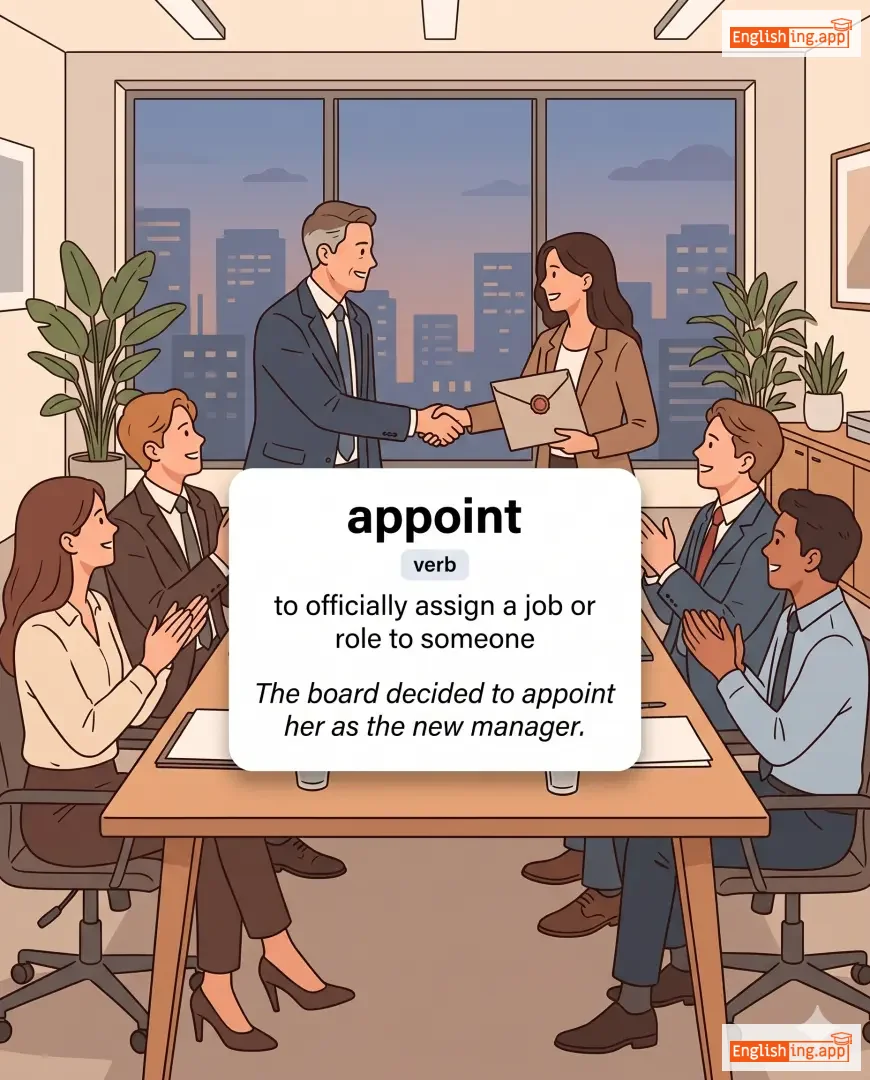
to officially assign a job or role to someone
••••••
|
The board decided to appoint her as the new manager.
ボードは彼女を新しいマネージャーに任命することを決定しました。
••••••
|
ボードは彼女を新しいマネージャーに任命することを決定しました。
Bōdo wa kanojo o atarashī manējā ni ninmei suru koto o kettei shimashita.
••••••
|
appoint someone to a post
誰かを職位に任命する
••••••
|
to officially give someone a position or job
••••••
|
誰かを職位に任命する
Dareka o shokui ni ninmei suru
••••••
|
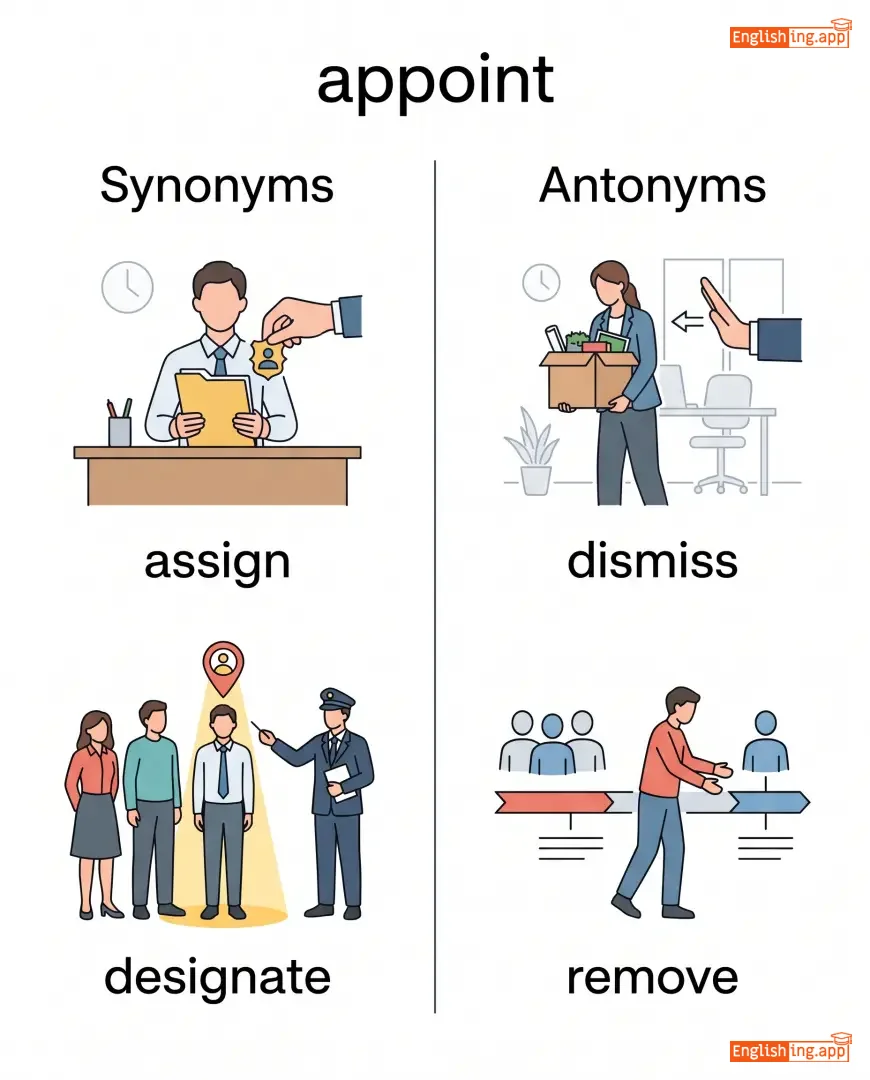
assign, designate, nominate, delegate, commission
••••••
|
dismiss, remove, reject
••••••
|
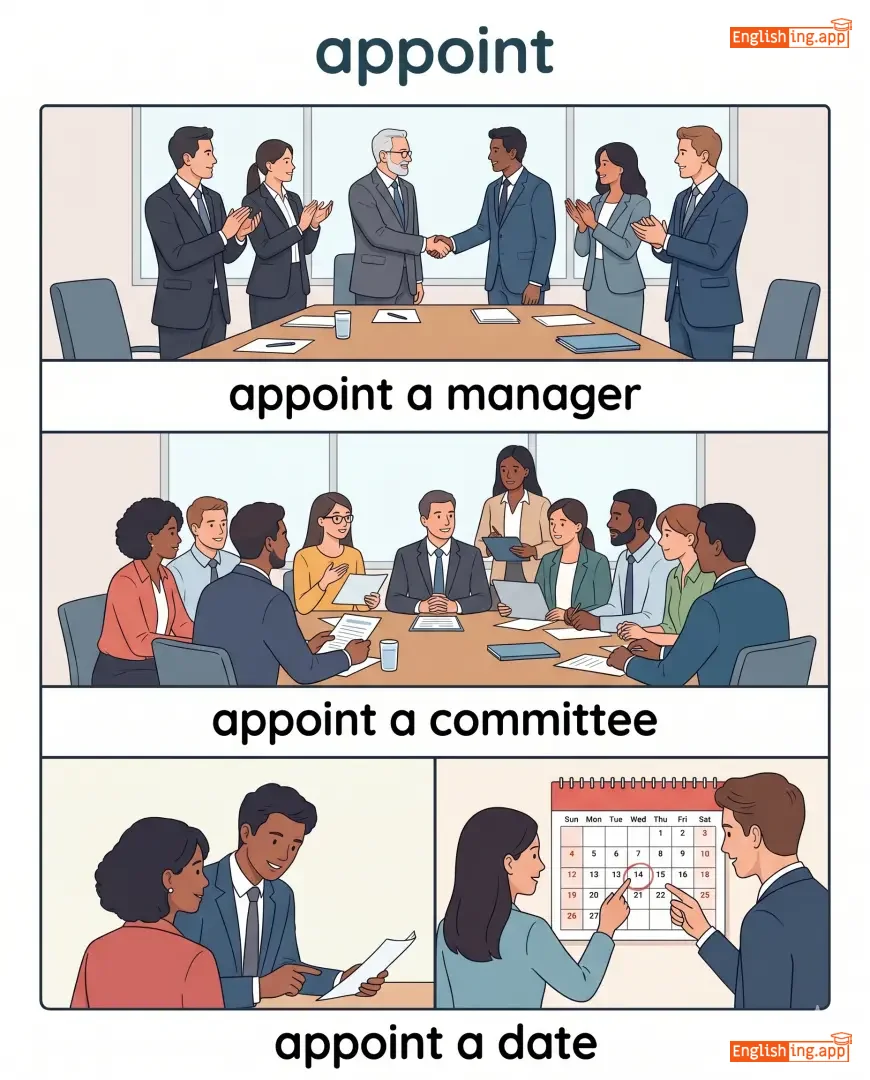
appoint a manager, appoint a committee, appoint a date, appoint someone
••••••
|
Appointとは任命すること—'Appは仕事を任せる意味です。'
••••••
|
|
#513
📝
|
/ˌæplɪˈkeɪʃən/
noun
(アプリケーション)
••••••
|
- •••••• |
申請 / アプリケーション / ソフトウェア
shinsei / apurikeeshon / sofuto wea
••••••
|
- •••••• | - •••••• | - •••••• | - •••••• |
a formal request for something; the act of putting something into operation; or a software program
••••••
|
She submitted her application for the scholarship. |
彼女は奨学金の申請を提出しました。
Kanojo wa shōgakukin no shinsei o teishutsu shimashita.
••••••
|
put into application |
to use something practically
••••••
|
アプリケーションに投入する
apurikēshon ni tōnyū suru
••••••
|
request, use, implementation, petition, software
••••••
|
withdrawal, neglect
••••••
|
job application, application form, software application, practical application
••••••
|
Applicationは申請またはアプリケーション、両方とも使われます。
••••••
|
|
#514
👏
|
/əˈplɔːz/
noun
(アプローズ)
••••••
|
- •••••• |
拍手
hakushu
••••••
|
- •••••• | - •••••• | - •••••• | - •••••• |
the sound of people clapping their hands to show approval or enjoyment
••••••
|
The actor received loud applause after his performance.
俳優は彼のパフォーマンス後に大きな拍手を受けました。
••••••
|
俳優は彼のパフォーマンス後に大きな拍手を受けました。
Haiyū wa kare no pafōmansu go ni ōkina hakushu o ukemashita.
••••••
|
round of applause
拍手の嵐
••••••
|
an occasion when people clap to show approval or appreciation
••••••
|
拍手の嵐
hakushu no arashi
••••••
|
clapping, cheering, ovation, acclaim, praise
••••••
|
booing, criticism
••••••
|
loud applause, thunderous applause, receive applause, burst of applause
••••••
|
Applauseは拍手、アプリを開くとみんな拍手することを思い出してください。
••••••
|
|
#515
🔗
|
/ˌæpərˈteɪn/
verb
(アパーテイン)
••••••
|
- •••••• |
関係する
kankeisuru
••••••
|
appertained
アパーテインド
••••••
|
appertained
アパーテインド
••••••
|
appertains
アパーテインス
••••••
|
appertaining
アパーテイニング
••••••
|
to relate to or be connected with something
••••••
|
The rules only appertain to members of the club.
その規則はクラブのメンバーにのみ関係しています。
••••••
|
その規則はクラブのメンバーにのみ関係しています。
Sono kisoku wa kurabu no menbaa ni nomi kankei shiteimasu.
••••••
|
- •••••• | - •••••• | - •••••• |
relate, pertain, concern, apply, refer
••••••
|
differ, disconnect, unrelated
••••••
|
appertain to rules, appertain to duties, appertain to property
••••••
|
Appertain は関係する意味—'App-er tain' は関係があるという意味です。
••••••
|
|
#516
📎
|
/əˈpɛnd/
verb
(アペンド)
••••••
|
- •••••• |
追加する
tsuika suru
••••••
|
appended
アペンデッド
••••••
|
appended
アペンデッド
••••••
|
appends
アペンズ
••••••
|
appending
アペンディング
••••••
|
to add something as an attachment or supplement, usually at the end of a document or list
••••••
|
She decided to append a note to the end of the report.
彼女は報告書の最後にメモを追加することに決めました。
••••••
|
彼女は報告書の最後にメモを追加することに決めました。
Kanojo wa hokokusho no saigo ni memo wo tsuika suru koto ni kimemashita.
••••••
|
- •••••• | - •••••• | - •••••• |
attach, add, supplement, affix, include
••••••
|
remove, detach, omit
••••••
|
append a file, append a note, append data, append text
••••••
|
Appendは、ファイルの最後にメモを追加するようなものです。
••••••
|
|
#517
🏷️
|
/ˌæpəˈleɪʃən/
noun
(アペレイション)
••••••
|
|
名称 / タイトル
meishou / taitoru
••••••
|
- •••••• | - •••••• | - •••••• | - •••••• |
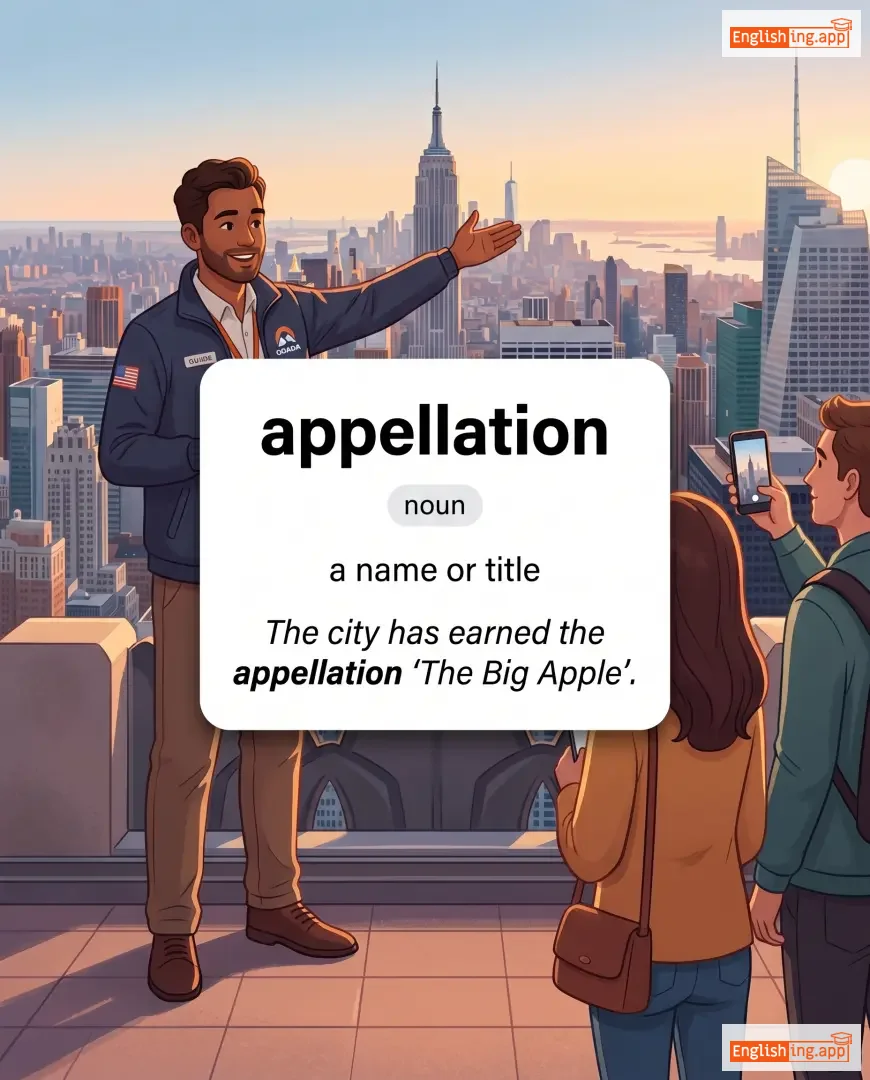
a name or title
••••••
|
The city has earned the appellation 'The Big Apple'. |
その都市は「ビッグアップル」という名称を得ました。
Sono toshi wa 'Big Apple' to iu meishou o emashita.
••••••
|
- •••••• | - •••••• | - •••••• |
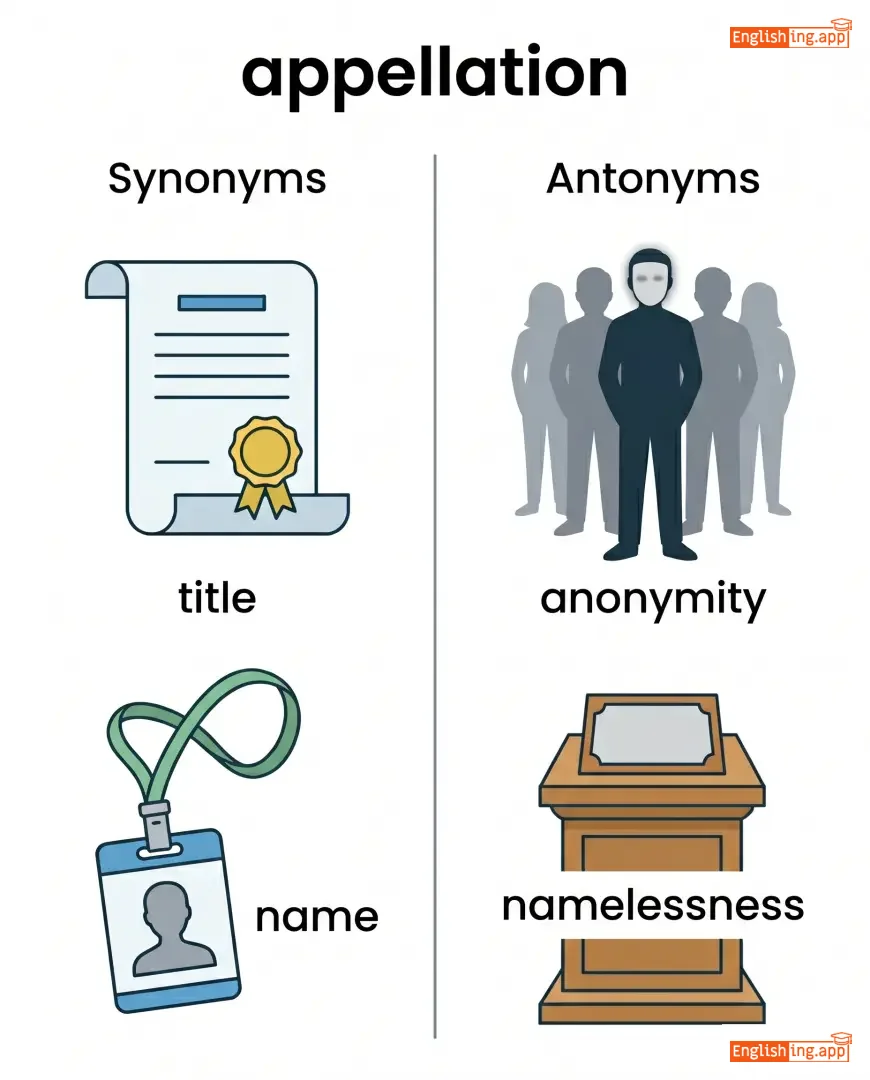
title, name, designation, label, epithet
••••••
|
anonymity, namelessness
••••••
|
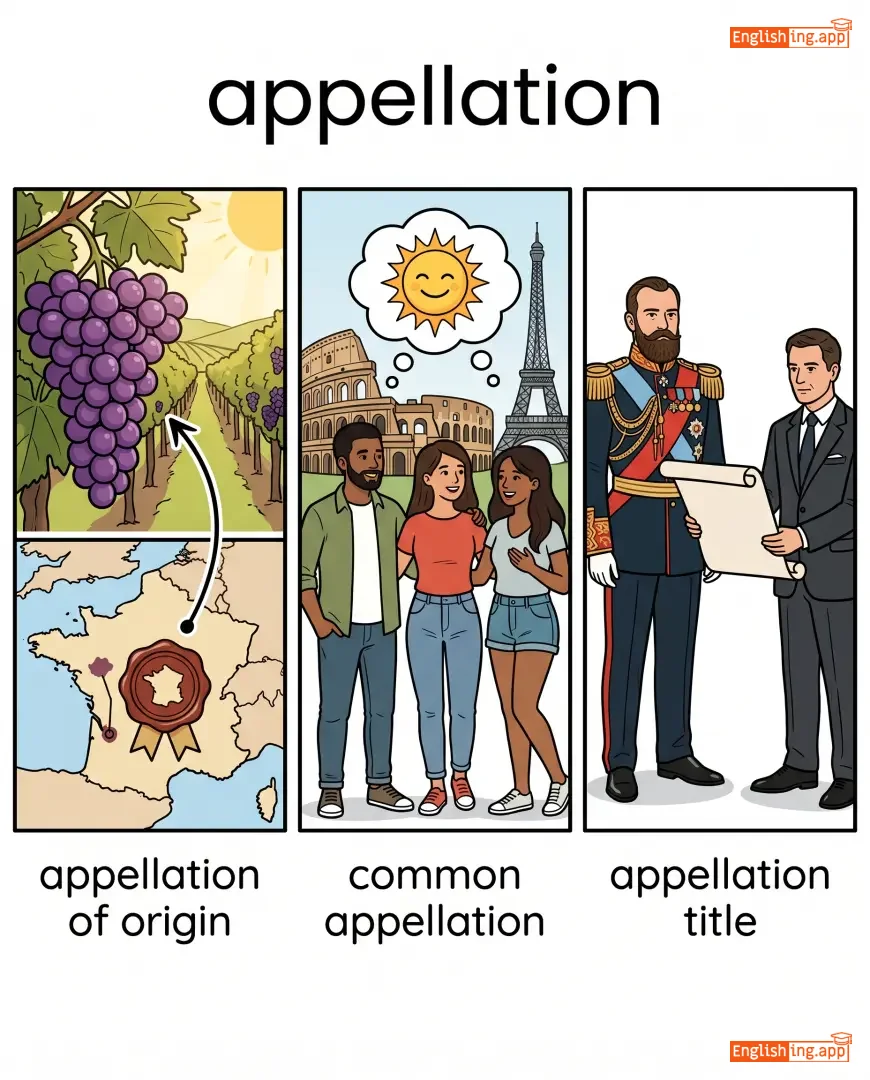
appellation of origin, common appellation, appellation title
••••••
|
Appellationは名称/タイトルを意味します — りんご🍎と関連付けて覚えてください
••••••
|
|
#518
⚖️
|
/ˈæpəˌleɪt/
adjective
(アペレート)
••••••
|
- •••••• |
控訴に関連する
kōso ni kanren suru
••••••
|
- •••••• | - •••••• | - •••••• | - •••••• |
relating to appeals in a court of law
••••••
|
The case was taken to an appellate court. |
その事件は控訴裁判所に持ち込まれました。
Sono jiken wa kōso saibansho ni mochikomaremashita.
••••••
|
- •••••• | - •••••• | - •••••• |
appeal-related, judicial, review, legal
••••••
|
original, trial
••••••
|
appellate court, appellate jurisdiction, appellate process
••••••
|
Appellateは控訴に関連することを意味します — Appeal + late stage = 控訴裁判所
••••••
|
|
#519
🤲
|
/əˈpiːz/
verb
(アピース)
••••••
|
|
なだめる / 満たす
nadameru / mitasu
••••••
|
appeased
アピースド
••••••
|
appeased
アピースド
••••••
|
appeases
アピースズ
••••••
|
appeasing
アピースイング
••••••
|
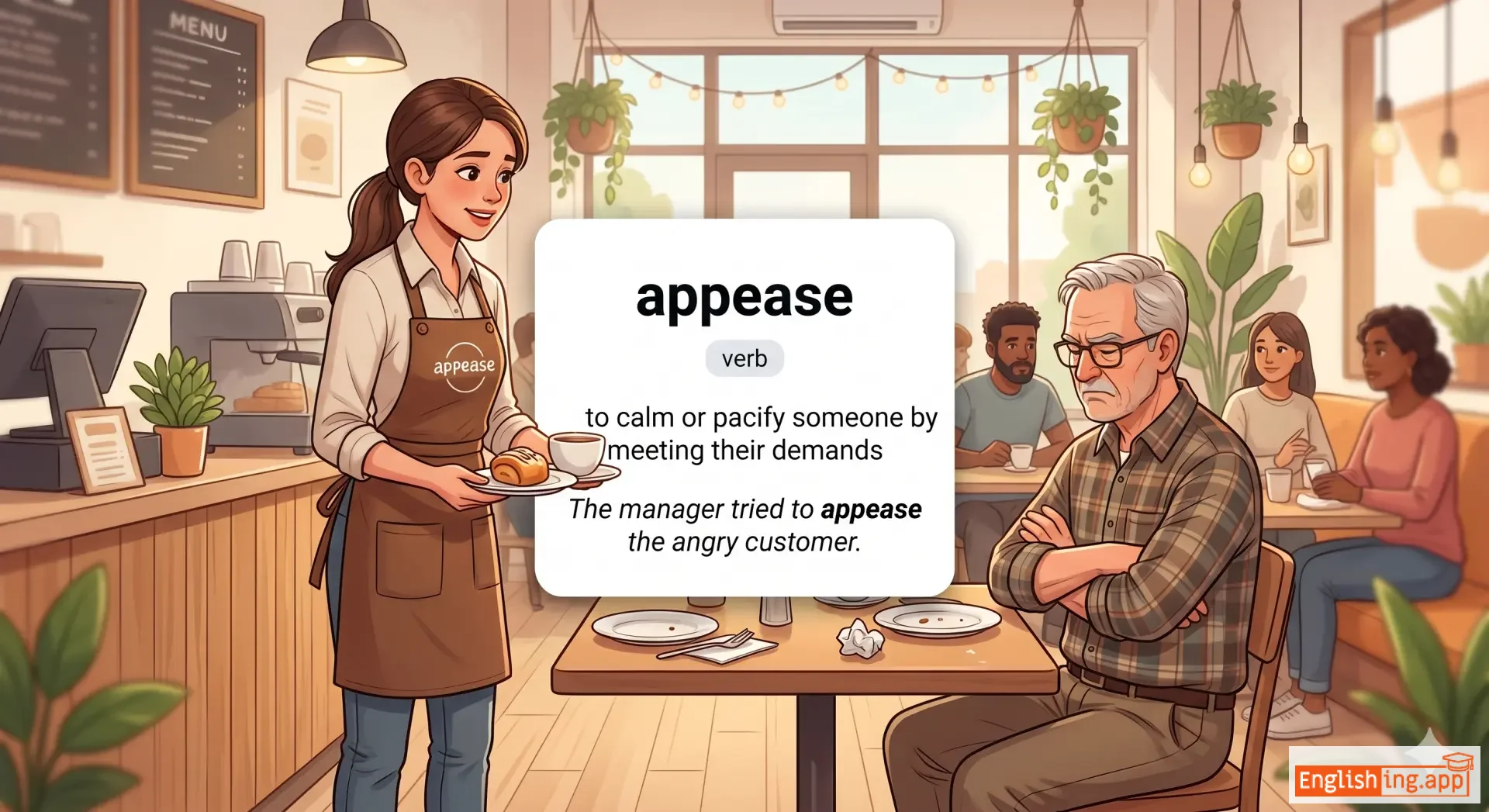
to calm or pacify someone by meeting their demands
••••••
|
The manager tried to appease the angry customer.
マネージャーは怒っている顧客をなだめようとしました。
••••••
|
マネージャーは怒っている顧客をなだめようとしました。
Manējā wa okotte iru kokyaku o nadameyō to shimashita.
••••••
|
appease someone's anger
誰かの怒りをなだめる
••••••
|
to reduce someone's anger by satisfying them
••••••
|
誰かの怒りをなだめる
dareka no ikari o nadameru
••••••
|
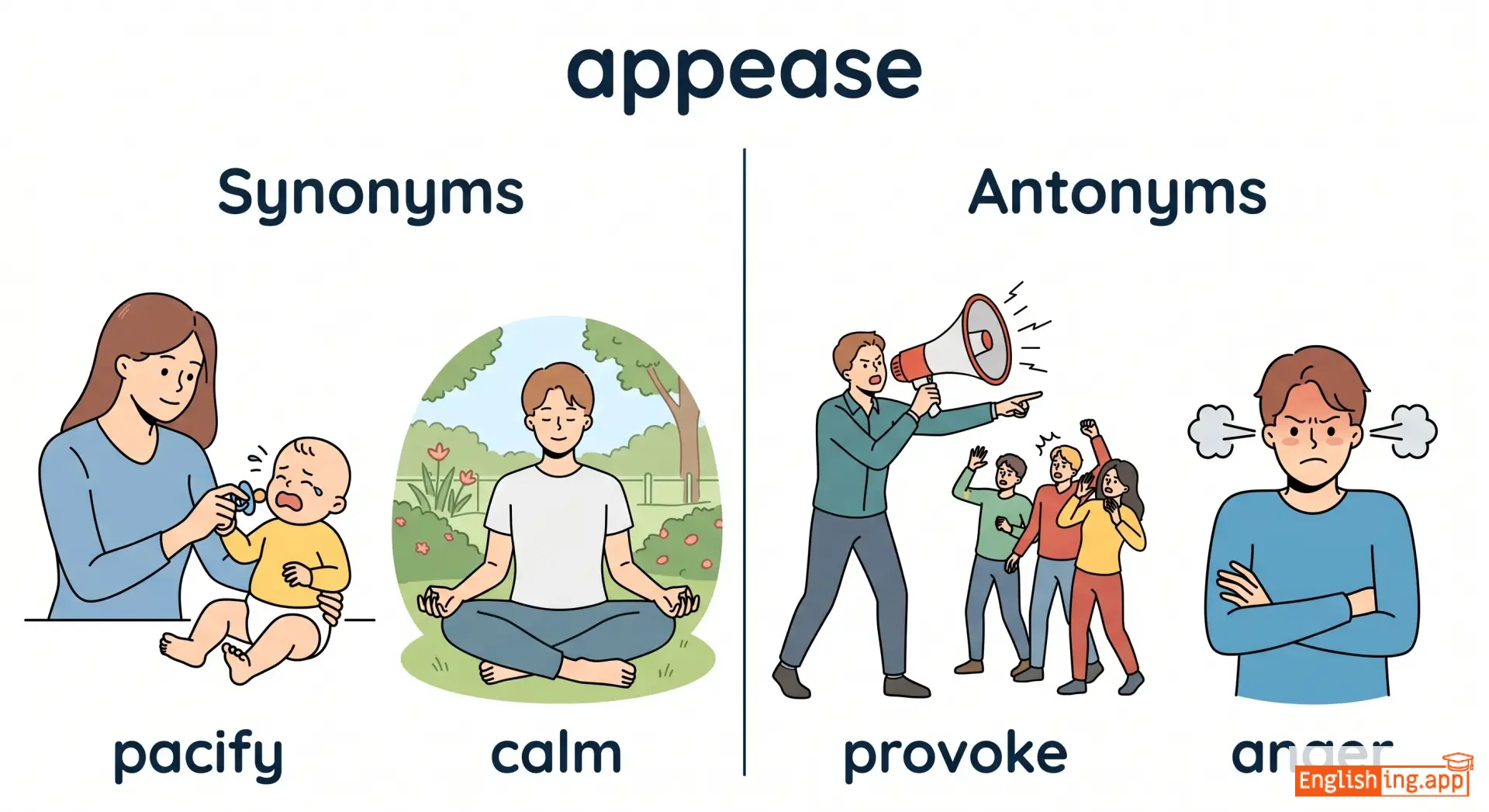
pacify, calm, satisfy, placate, soothe
••••••
|
provoke, anger, agitate
••••••
|
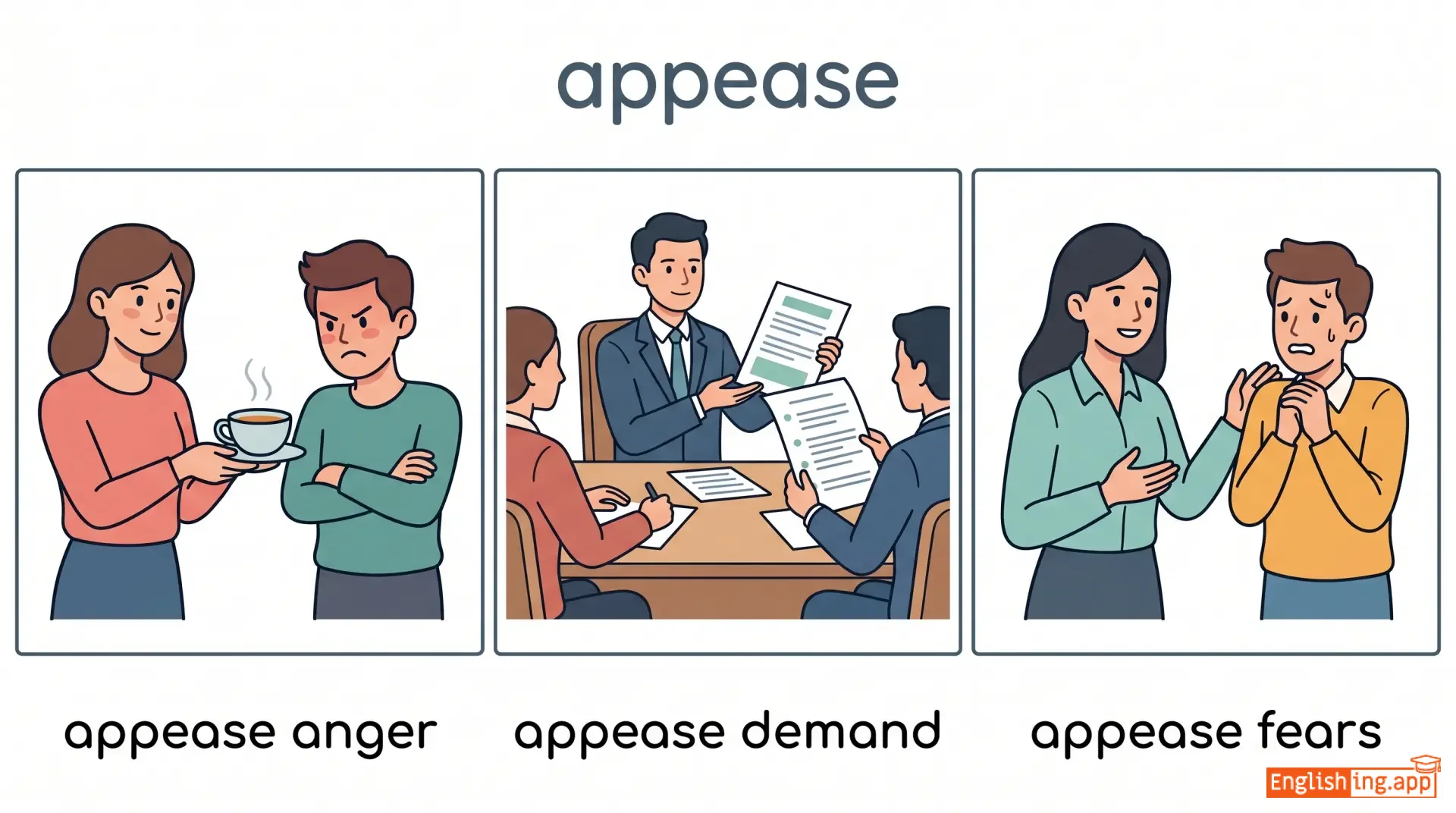
appease anger, appease demand, appease fears
••••••
|
Appeaseはなだめる意味です、‘Peace’をもたらすためになだめる必要があることを想像してください。
••••••
|
|
#520
✨
|
/əˈpiːlɪŋ/
adjective
••••••
|
- •••••• | - •••••• | - •••••• | - •••••• | - •••••• | - •••••• |
attractive or interesting
••••••
|
The design of the house is very appealing. |
- •••••• | - •••••• | - •••••• | - •••••• |
attractive, charming, engaging, inviting, alluring
••••••
|
unattractive, boring, repulsive
••••••
|
visually appealing, appealing design, appealing personality
••••••
|
No •••••• |
|
#521
📢
|
/əˈpiːl/
verb, noun
(アピール)
••••••
|
- •••••• |
アピール / 引きつけ
apīru / hikitsuke
••••••
|
appealed
アピールド
••••••
|
appealed
アピールド
••••••
|
appeals
アピールス
••••••
|
appealing
アピールイング
••••••
|
to make a serious request; to be attractive or interesting; a formal request to a higher authority for a decision to be changed
••••••
|
The charity appealed to the public for donations.
チャリティーは寄付のために一般市民にアピールしました。
••••••
|
チャリティーは寄付のために一般市民にアピールしました。
Charitī wa kifu no tame ni ippan shimin ni apīru shimashita.
••••••
|
make an appeal
アピールをする
••••••
|
to formally ask for something, often publicly
••••••
|
アピールをする
apīru o suru
••••••
|
request, petition, attraction, plea, entreaty
••••••
|
demand, order, repulsion
••••••
|
appeal to, appeal against, strong appeal, emotional appeal
••••••
|
Appeal = アピール、誰かが📢を使ってアピールしているのを想像してください — Appeal = アピール
••••••
|
|
#522
👻
|
/ˌæpəˈrɪʃən/
noun
(アパリション)
••••••
|
- •••••• |
幻影
gen'ei
••••••
|
- •••••• | - •••••• | - •••••• | - •••••• |
A ghostly figure or an unusual or unexpected appearance.
••••••
|
The children were frightened by the sudden apparition in the old house. |
子供たちは古い家で突然現れた幻影に驚きました。
Kodomotachi wa furui ie de totsuzen arawareta gen'ei ni odorokimashita.
••••••
|
- •••••• | - •••••• | - •••••• |
ghost, phantom, spirit, specter, vision
••••••
|
reality, being, substance
••••••
|
ghostly apparition, sudden apparition, apparition of a figure, apparition in dreams
••••••
|
Apparitionは、幽霊のようなものが突然現れること、または予期しない出現です。
••••••
|
|
#523
👀
|
/əˈpærənt/
adjective
(アパレント)
••••••
|
- •••••• |
明らか
akiraka
••••••
|
- •••••• | - •••••• | - •••••• | - •••••• |
Clearly visible or understood; obvious.
••••••
|
It soon became apparent that he was not telling the truth.
それがすぐに明らかになった、彼が真実を話していないことが。
••••••
|
それがすぐに明らかになった、彼が真実を話していないことが。
Sore ga sugu ni akiraka ni natta, kare ga shinjitsu o hanashite inai koto ga.
••••••
|
apparent reason
明らかな理由
••••••
|
an obvious or clear reason
••••••
|
明らかな理由
akiraka na riyū
••••••
|
obvious, evident, clear, plain, visible
••••••
|
hidden, obscure, unclear
••••••
|
apparent reason, apparent mistake, became apparent, quite apparent
••••••
|
Apparent は見えたり理解できたりするもの、つまり明らか。
••••••
|
|
#524
👗
|
/əˈpærəl/
noun
(アパレル)
••••••
|
- •••••• |
衣服
ifuku
••••••
|
- •••••• | - •••••• | - •••••• | - •••••• |
Clothing, especially formal or special clothes.
••••••
|
The store specializes in wedding apparel.
その店は結婚式の衣服を専門に扱っています。
••••••
|
その店は結婚式の衣服を専門に扱っています。
Sono mise wa kekkonshiki no ifuku o senmon ni atsukatteimasu.
••••••
|
- •••••• | - •••••• | - •••••• |
clothing, garments, attire, outfit, wardrobe
••••••
|
nakedness, undress
••••••
|
formal apparel, wedding apparel, sports apparel, fashion apparel
••••••
|
Apparelは'衣服'を意味し、結婚式などの特別なイベントのためのものです。
••••••
|
|
#525
😱
|
/əˈpɔːl/
verb
(apōru)
••••••
|
- •••••• |
驚かす
odorokasu
••••••
|
appalled
apōrudo
••••••
|
appalled
apōrudo
••••••
|
appalls
apōrusu
••••••
|
appalling
apōringu
••••••
|
To shock or horrify someone with something unpleasant or bad.
••••••
|
The cruelty of the crime appalled the entire community.
犯罪の残酷さがコミュニティ全体を驚かせた。
••••••
|
犯罪の残酷さがコミュニティ全体を驚かせた。
Hanzai no zankokusa ga komyuniti zentai o odorokaseta.
••••••
|
- •••••• | - •••••• | - •••••• |
shock, horrify, disgust, outrage, distress
••••••
|
please, delight, satisfy
••••••
|
appall the public, appalling crime, appalling behavior, deeply appalled
••••••
|
Appall は 'all are shocked' という意味です—みんな驚いている。
••••••
|
|
#526
🌌
|
/ˈæpədʒiː/
noun
(アポジー)
••••••
|
|
頂点
chouten
••••••
|
- •••••• | - •••••• | - •••••• | - •••••• |
the highest or most distant point; the climax or peak of something
••••••
|
The empire reached its apogee during the 18th century. |
帝国は18世紀にその頂点に達しました。
Teikoku wa 18 seiki ni sono chouten ni tasshimashita.
••••••
|
- •••••• | - •••••• | - •••••• |
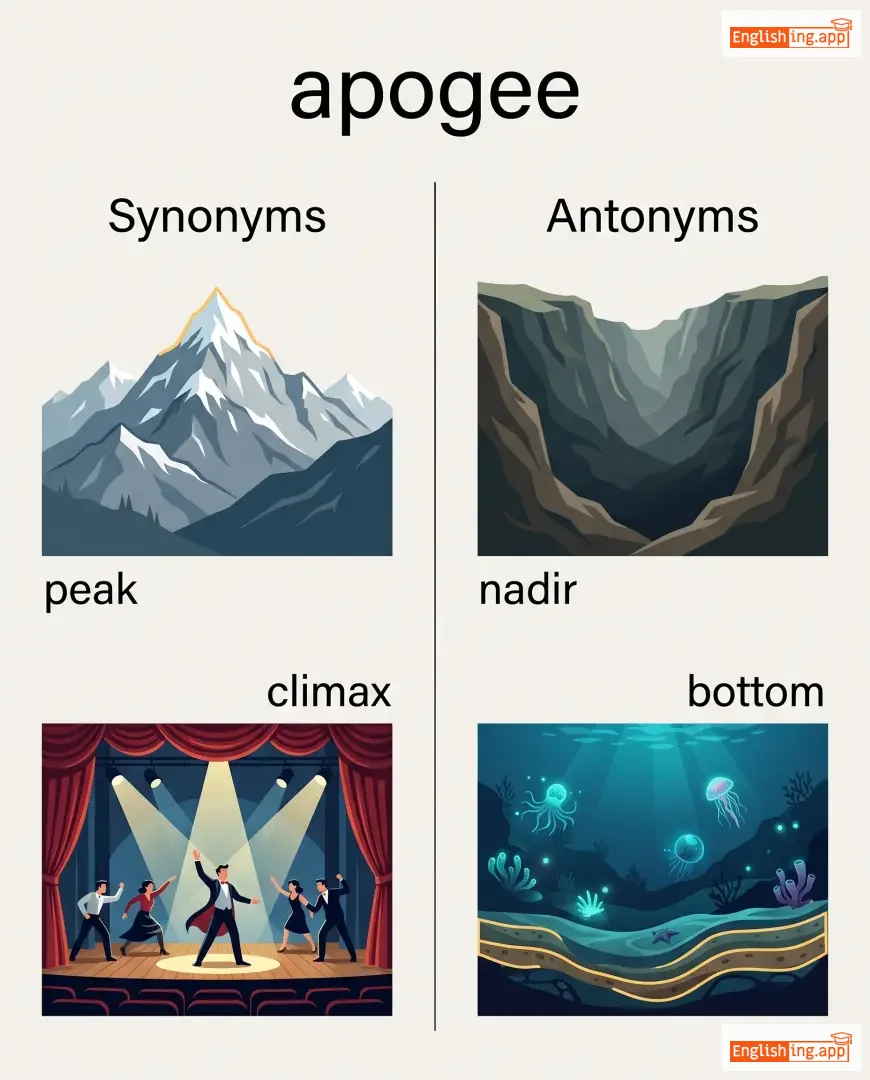
peak, climax, pinnacle, zenith, summit
••••••
|
nadir, bottom, base
••••••
|
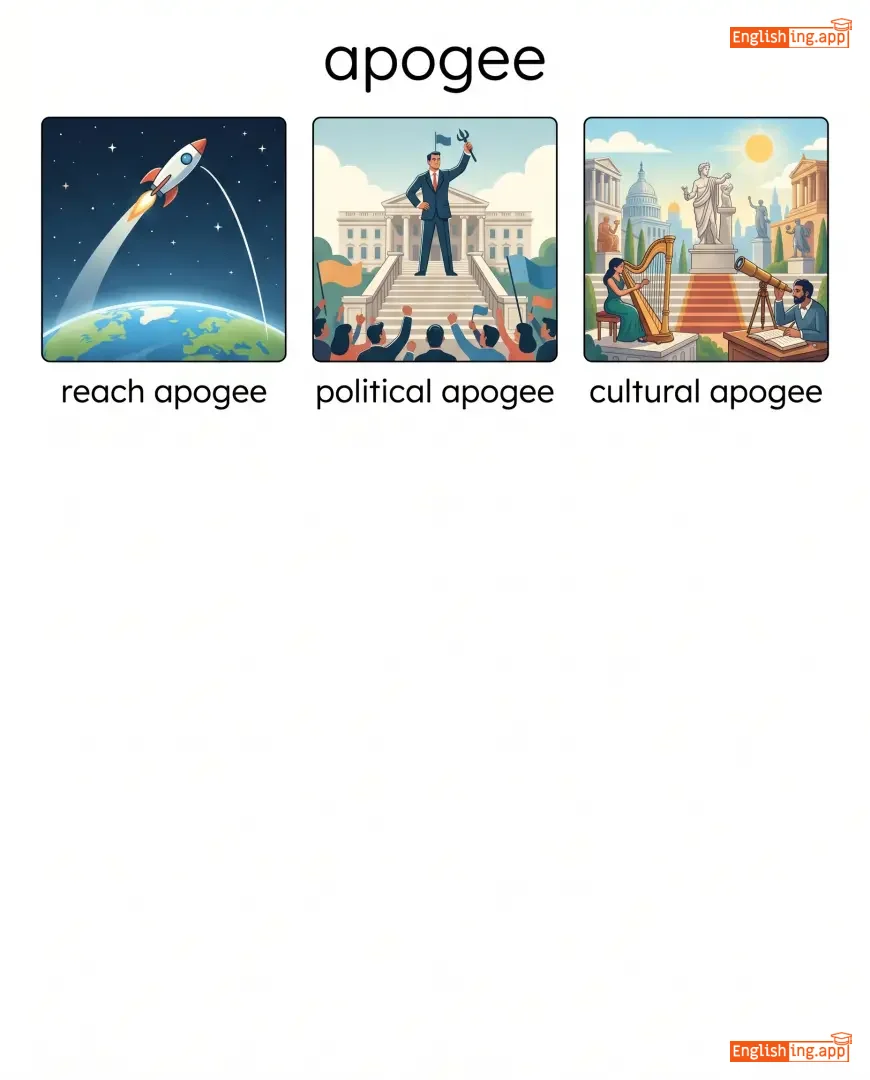
reach apogee, political apogee, cultural apogee, apogee of power
••••••
|
アポジーは頂点に達すること、最高潮に到達すること
••••••
|
|
#527
💡
|
/ˈæpəˌθɛm/
noun
(アポセグム)
••••••
|
|
格言, 名言
kakugen, meigen
••••••
|
- •••••• | - •••••• | - •••••• | - •••••• |
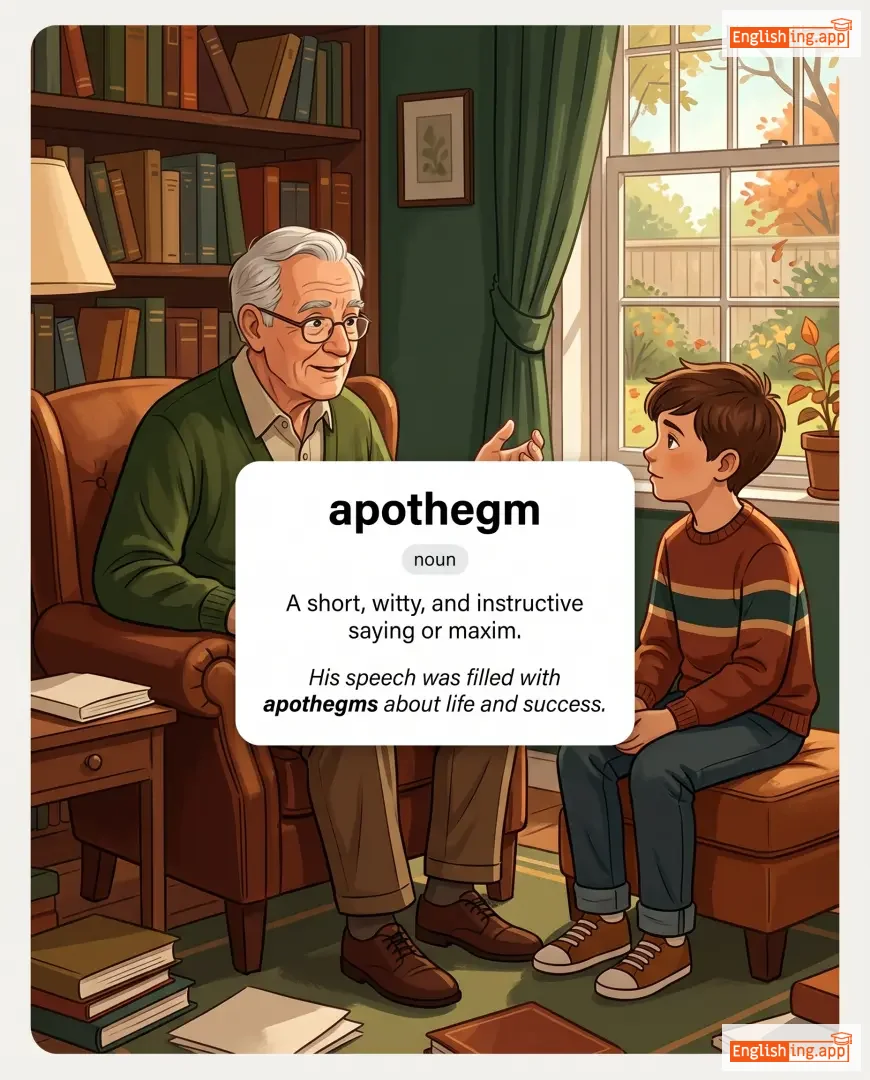
A short, witty, and instructive saying or maxim.
••••••
|
His speech was filled with apothegms about life and success. |
彼のスピーチは人生と成功に関する格言でいっぱいでした。
Kare no supīchi wa jinsei to seikō ni kansuru kakugen de ippai deshita.
••••••
|
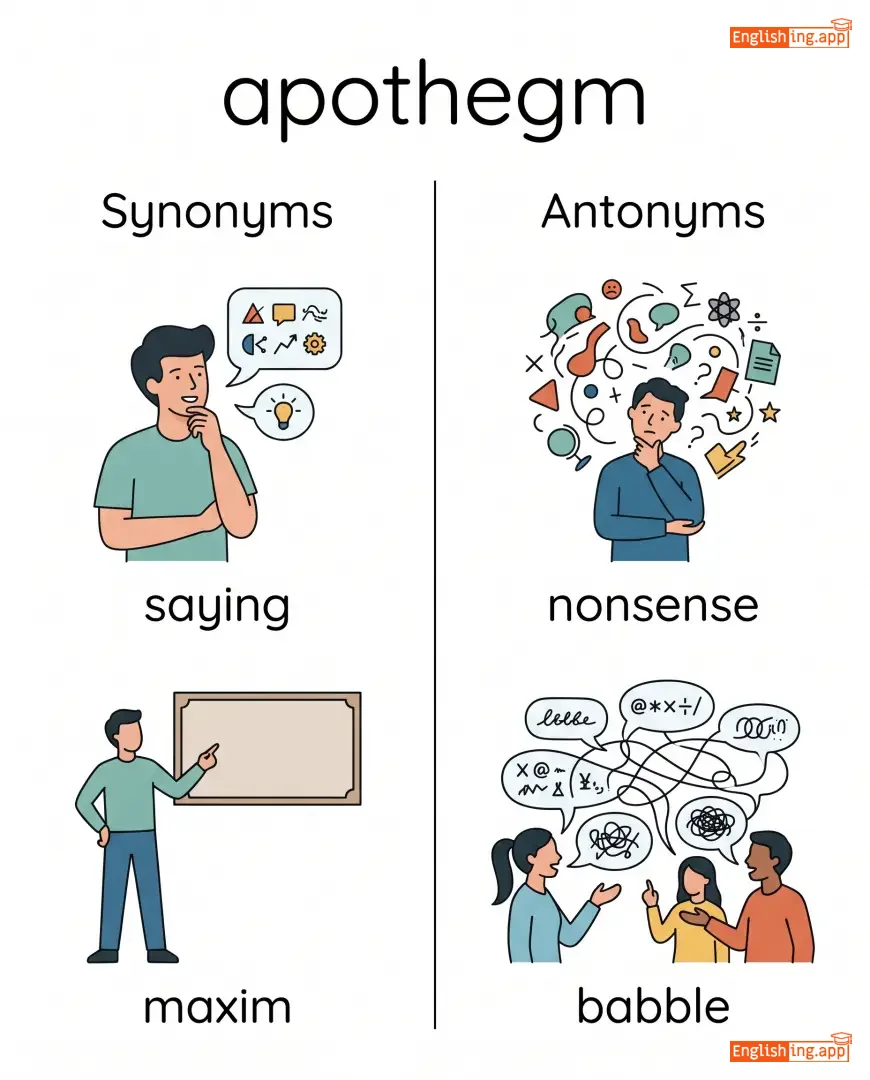
- •••••• | - •••••• | - •••••• |
saying, maxim, aphorism, proverb, adage
••••••
|
nonsense, babble
••••••
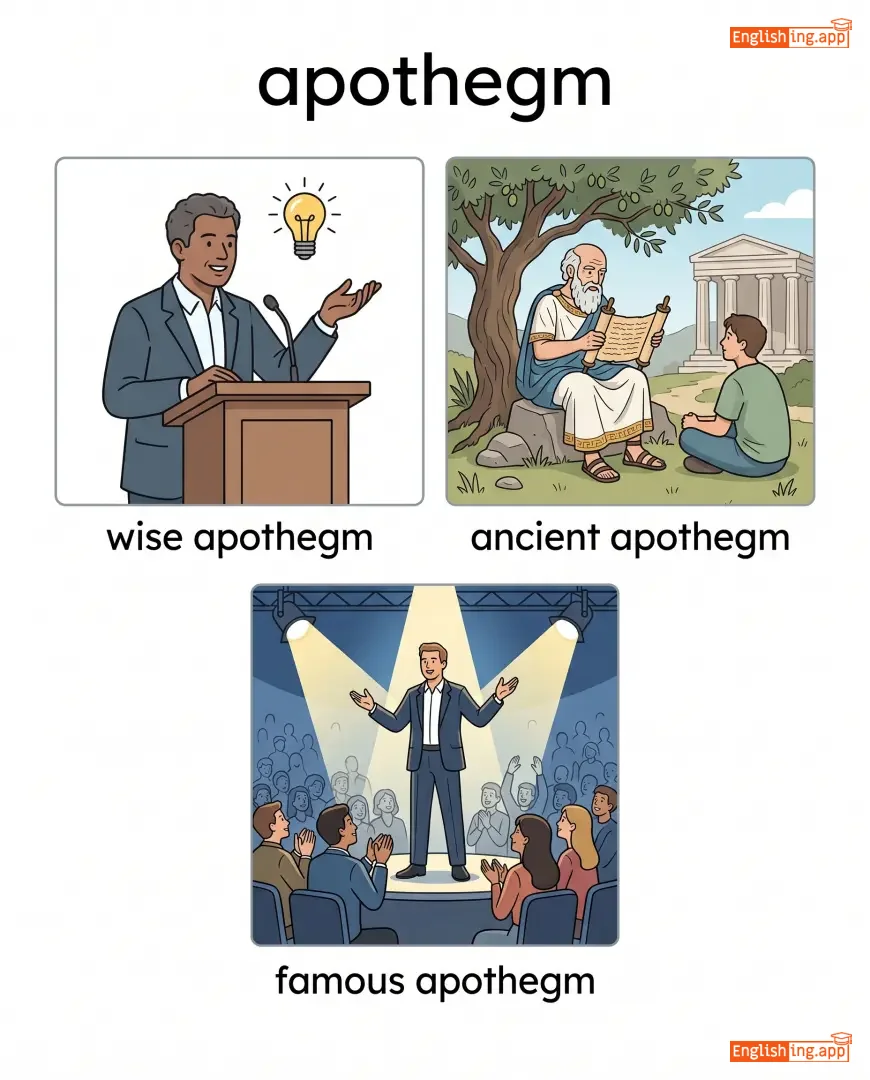
|
wise apothegm, ancient apothegm, famous apothegm
••••••
|
Apothegm は短くて機知に富んだ格言、覚えておいて、‘theme’ of life に基づいています。
••••••
|
|
#528
⚗️
|
/əˈpɒθəˌkɛri/
noun
(アポセカリー)
••••••
|
- •••••• |
薬剤師
yakuzaishi
••••••
|
- •••••• | - •••••• | - •••••• | - •••••• |
A historical term for a person who prepared and sold medicines and drugs.
••••••
|
The village apothecary provided remedies for many common illnesses.
村のアポセカリーは多くの一般的な病気に対する治療法を提供しました。
••••••
|
村のアポセカリーは多くの一般的な病気に対する治療法を提供しました。
Mura no aposekari wa ooku no ippan-tekina byouki ni taisuru chiryouhou o teikyoushimashita.
••••••
|
- •••••• | - •••••• | - •••••• |
pharmacist, druggist, chemist, healer
••••••
|
patient, customer
••••••
|
village apothecary, local apothecary, apothecary shop
••••••
|
アポセカリーは昔の薬剤師、'リー'は仕事の場所を意味します。
••••••
|
|
#529
✒️
|
/əˈpɒstrəfi/
noun
••••••
|
- •••••• | - •••••• | - •••••• | - •••••• | - •••••• | - •••••• |
A punctuation mark (') used to indicate possession or the omission of letters or numbers.
••••••
|
You need an apostrophe in the word 'children’s'. |
- •••••• | - •••••• | - •••••• | - •••••• |
mark, punctuation, symbol
••••••
|
letter, word
••••••
|
use an apostrophe, missing apostrophe, apostrophe rule
••••••
|
No •••••• |
|
#530
✝️
|
/əˈpɒsəl/
noun
(使徒)
••••••
|
- •••••• |
使徒, 擁護者
shito, yōgōsha
••••••
|
- •••••• | - •••••• | - •••••• | - •••••• |
A vigorous and pioneering advocate or supporter of a particular cause, often used for the early Christian disciples.
••••••
|
He became an apostle of environmental protection.
彼は環境保護の使徒となった。
••••••
|
彼は環境保護の使徒となった。
Kare wa kankyō hogo no shito to natta.
••••••
|
- •••••• | - •••••• | - •••••• |
disciple, advocate, supporter, missionary, proponent
••••••
|
opponent, critic, adversary
••••••
|
Christian apostle, apostle of peace, apostle of freedom
••••••
|
使徒は支持者を意味します。あなたが重要な事業を推進する人だと思いましょう。
••••••
|
|
#531
🚶
|
/ˈæpəˌsteɪt/
noun
(アポステート)
••••••
|
- •••••• |
背教者
haikyousha
••••••
|
- •••••• | - •••••• | - •••••• | - •••••• |
A person who renounces a religious or political belief or principle.
••••••
|
He was labeled an apostate after abandoning the faith of his community. |
彼は自分のコミュニティの信仰を捨てた後、背教者と呼ばれた。
Kare wa jibun no komyuniti no shinkō o suteta ato, haikyōsha to yobareta.
••••••
|
- •••••• | - •••••• | - •••••• |
defector, renegade, deserter, nonconformist, heretic
••••••
|
believer, loyalist, adherent
••••••
|
religious apostate, political apostate, branded apostate
••••••
|
Apostate は信念を捨てることを意味し、'背教者' のように覚えておこう。
••••••
|
|
#532
🚫
|
/əˈpɒstəsi/
noun
(アポスタシー)
••••••
|
- •••••• |
背教
haikyō
••••••
|
- •••••• | - •••••• | - •••••• | - •••••• |
The abandonment or renunciation of a religious or political belief.
••••••
|
His public apostasy shocked his followers. |
彼の公然の背教は彼の支持者を驚かせました。
Kare no kōzen no haikyō wa kare no shijisha o odorokasemashita.
••••••
|
- •••••• | - •••••• | - •••••• |
renunciation, defection, heresy, abandonment
••••••
|
loyalty, faith, devotion
••••••
|
commit apostasy, accused of apostasy, religious apostasy
••••••
|
Apostasyは信念を放棄することを意味します - 背教。
••••••
|
|
#533
🧠
|
/ˈæpəplɛksi/
noun
(アポプレキシー)
••••••
|
- •••••• |
脳卒中や極端な怒りによる突然の意識喪失や制御の喪失
apopurekushī
••••••
|
- •••••• | - •••••• | - •••••• | - •••••• |
A sudden loss of consciousness or control due to stroke or extreme anger.
••••••
|
The old man nearly had apoplexy when he heard the shocking news. |
その老人は衝撃的なニュースを聞いてほとんどアポプレキシーを起こしました。
sono rōjin wa shōgeki-teki na nyūsu o kiite hotondo apopurekushī o okoshimashita.
••••••
|
- •••••• | - •••••• | - •••••• |
stroke, seizure, fit, rage
••••••
|
calmness, composure
••••••
|
died of apoplexy, fit of apoplexy, apoplexy attack
••••••
|
アポプレキシー = アポ (アポン) プレキシー (衝突) → 突然倒れるか、脳卒中が起こる
••••••
|
|
#534
😡
|
/ˌæpəˈplɛktɪk/
adjective
(アポプレクティック)
••••••
|
- •••••• |
アポプレクティック
apopurekutikku
••••••
|
- •••••• | - •••••• | - •••••• | - •••••• |
Extremely angry; furious.
••••••
|
He was apoplectic when he heard about the unfair decision.
彼は不公平な決定について聞いたとき、アポプレクティックでした。
••••••
|
彼は不公平な決定について聞いたとき、アポプレクティックでした。
Kare wa fukouhei na kettei ni tsuite kiita toki, apopurekutikku deshita.
••••••
|
- •••••• | - •••••• | - •••••• |
furious, enraged, incensed, irate
••••••
|
calm, composed, relaxed
••••••
|
apoplectic rage, apoplectic with anger, became apoplectic
••••••
|
アポプレクティックは火山のように怒っている!
••••••
|
|
#535
💡
|
/ˈæpəfθɛm/
noun
(アポフテム)
••••••
|
- •••••• |
短くて、機知に富んだ教育的な言葉や格言
apofutemu
••••••
|
- •••••• | - •••••• | - •••••• | - •••••• |
A short, pithy, and instructive saying or maxim.
••••••
|
She always had a witty apophthegm to share at meetings.
彼女は会議で共有するために、いつも機知に富んだアポフテムを持っていた。
••••••
|
彼女は会議で共有するために、いつも機知に富んだアポフテムを持っていた。
Kanojo wa kaigi de kyōyū suru tame ni, itsumo kichi ni yomi shita apofutemu o motte ita.
••••••
|
- •••••• | - •••••• | - •••••• |
maxim, aphorism, proverb, saying
••••••
|
rambling, nonsense
••••••
|
famous apophthegm, witty apophthegm, memorable apophthegm
••••••
|
Apofhthem = '1日1個のリンゴが医者を遠ざける'のように。
••••••
|
|
#536
🗣️
|
/əˈpɒfəsɪs/
noun
••••••
|
- •••••• | - •••••• | - •••••• | - •••••• | - •••••• | - •••••• |
A rhetorical device where the speaker brings up a subject by denying it or pretending to pass over it.
••••••
|
The politician used apophasis by saying, 'I won’t even mention my opponent’s scandals.' |
- •••••• | - •••••• | - •••••• | - •••••• |
paralipsis, preterition, rhetorical device, insinuation
••••••
|
direct mention, explicit statement
••••••
|
use apophasis, rhetorical apophasis, classic apophasis
••••••
|
No •••••• |
|
#537
🙏
|
/əˈpɒlədʒi/
noun
••••••
|
- •••••• | - •••••• | - •••••• | - •••••• | - •••••• | - •••••• |
a statement expressing regret for something wrong or hurtful
••••••
|
He offered an apology for being late to the meeting. |
- •••••• |
make an apology |
to formally express regret for a mistake or offense
••••••
|
- •••••• |
regret, excuse, admission, acknowledgment
••••••
|
defiance, denial, justification
••••••
|
offer an apology, sincere apology, formal apology, public apology
••••••
|
No •••••• |
|
#538
📖
|
/ˈæpəˌlɔːɡ/
noun
(アポロージュ)
••••••
|
- •••••• |
道徳的な物語
dōtoku-teki na monogatari
••••••
|
- •••••• | - •••••• | - •••••• | - •••••• |
a short moral story or fable intended to teach a lesson
••••••
|
The teacher used an old apologue to explain honesty to the children. |
教師は、子供たちに誠実さを説明するために古い道徳的な物語を使いました。
Kyōshi wa, kodomotachi ni seijitsusa o setsumei suru tame ni furui dōtoku-teki na monogatari o tsukaimashita.
••••••
|
- •••••• | - •••••• | - •••••• |
fable, parable, tale, allegory
••••••
|
fact, reality
••••••
|
ancient apologue, apologue about, use an apologue
••••••
|
Apologue = App + ログ → 短い話を電話で教えてくれる
••••••
|
|
#539
🛡️
|
/əˈpɒlədʒɪst/
noun
(アポロジスト)
••••••
|
- •••••• |
擁護者
yōgosha
••••••
|
- •••••• | - •••••• | - •••••• | - •••••• |
a person who defends or justifies something, often a controversial belief or institution
••••••
|
He is known as an apologist for authoritarian regimes. |
彼は権威主義的な政権の擁護者として知られています。
Kare wa ken'ishugi-teki na seiken no yōgosha toshite shirareteimasu.
••••••
|
- •••••• | - •••••• | - •••••• |
defender, advocate, supporter, proponent
••••••
|
critic, opponent, detractor
••••••
|
apologist for, religious apologist, political apologist
••••••
|
Apologist とは、自分の信念を守るために弁護する人
••••••
|
|
#540
⚖️
|
/ˌeɪpəˈlɪtɪkəl/
adjective
(エポリティカル)
••••••
|
- •••••• |
政治的でない
seijiteki denai
••••••
|
- •••••• | - •••••• | - •••••• | - •••••• |
not interested in or not connected with politics
••••••
|
She prefers to stay apolitical and focus on her work.
彼女は政治に関心を持たず、仕事に集中することを好みます。
••••••
|
彼女は政治的でない態度を保ち、仕事に集中することを好みます。
Kanojo wa seijiteki denai taido o tamochi, shigoto ni shūchū suru koto o konomimasu.
••••••
|
- •••••• | - •••••• | - •••••• |
neutral, indifferent, nonpartisan, detached
••••••
|
political, partisan, engaged
••••••
|
apolitical stance, apolitical behavior, remain apolitical
••••••
|
Apolitical = 政治から離れる → a + political
••••••
|
Vocabulary Quiz
Test your vocabulary by matching words with their translations or meanings.
Login to take the quiz
Comments (0)
Share your thoughts and join the discussion.
Join the discussion by logging in
Login to CommentNo comments yet
Be the first to share your thoughts!