

翻訳
過去
過去分詞
三人称単数
動名詞
意味
例文
例文の翻訳
同義語
対義語
コロケーション
ニーモニック

Swipe left or right, or use the buttons. Tap image to zoom.
例文の翻訳
単語
Lesson 360Lesson 360 - マスクトグル
|
絵文字
|
単語 | Images | 翻訳 | 過去 | 過去分詞 | 三人称単数 | 動名詞 | 意味 | 例文 | 例文の翻訳 | 表現例 | 表現例の意味 | 表現例の翻訳 | 同義語 | 対義語 | コロケーション | ニーモニック |
|---|---|---|---|---|---|---|---|---|---|---|---|---|---|---|---|---|---|
|
#10765
❤️
|
/ˈdiːpli/
adverb
(dīpuri)
••••••
|
- •••••• |
深く
fukaku
••••••
|
- •••••• | - •••••• | - •••••• | - •••••• |
to a great depth, extent, or intensity
••••••
|
She was deeply moved by the speech. |
彼女はスピーチに深く感動しました。
Kanojo wa supīchi ni fukaku kandō shimashita.
••••••
|
deeply rooted |
firmly established or ingrained
••••••
|
深く根ざした
fukaku nezashita
••••••
|
profoundly, intensely, strongly, greatly
••••••
|
lightly, superficially
••••••
|
deeply moved, deeply concerned, deeply sorry, deeply involved
••••••
|
Deeply は深くを意味します — She loves deeply = 彼女は深く愛しています
••••••
|
|
#10766
🗳️
|
/ˌdɛməˈkrætɪk/
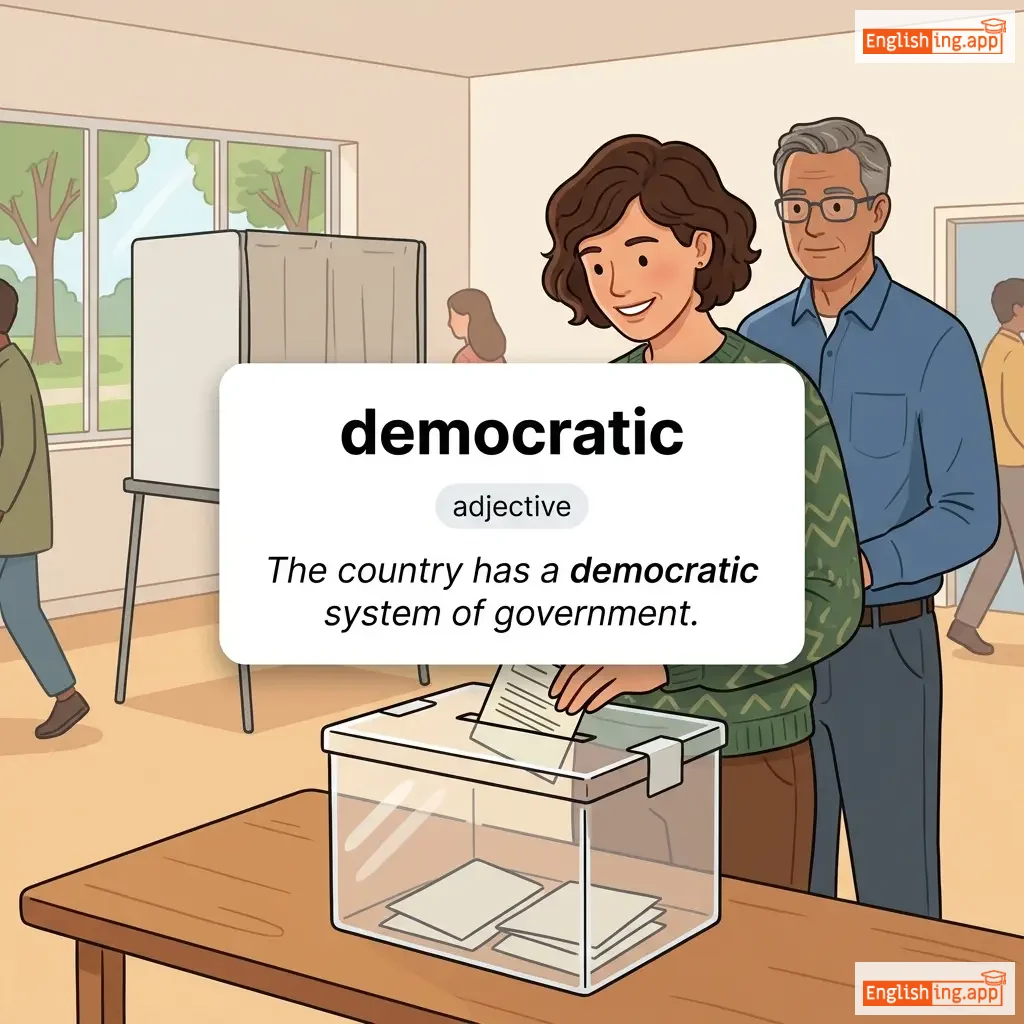
adjective
(デモクラティック)
••••••
|
|
民主的
minshuteki
••••••
|
- •••••• | - •••••• | - •••••• | - •••••• |
relating to or supporting democracy or its principles; characterized by equality and freedom
••••••
|
The country has a democratic system of government. |
その国は民主的な政府システムを持っています。
Sono kuni wa minshuteki na seifu shisutemu wo motteimasu.
••••••
|
democratic values |
principles of equality, freedom, and representation in governance
••••••
|
民主的価値観
minshuteki kachikan
••••••
|
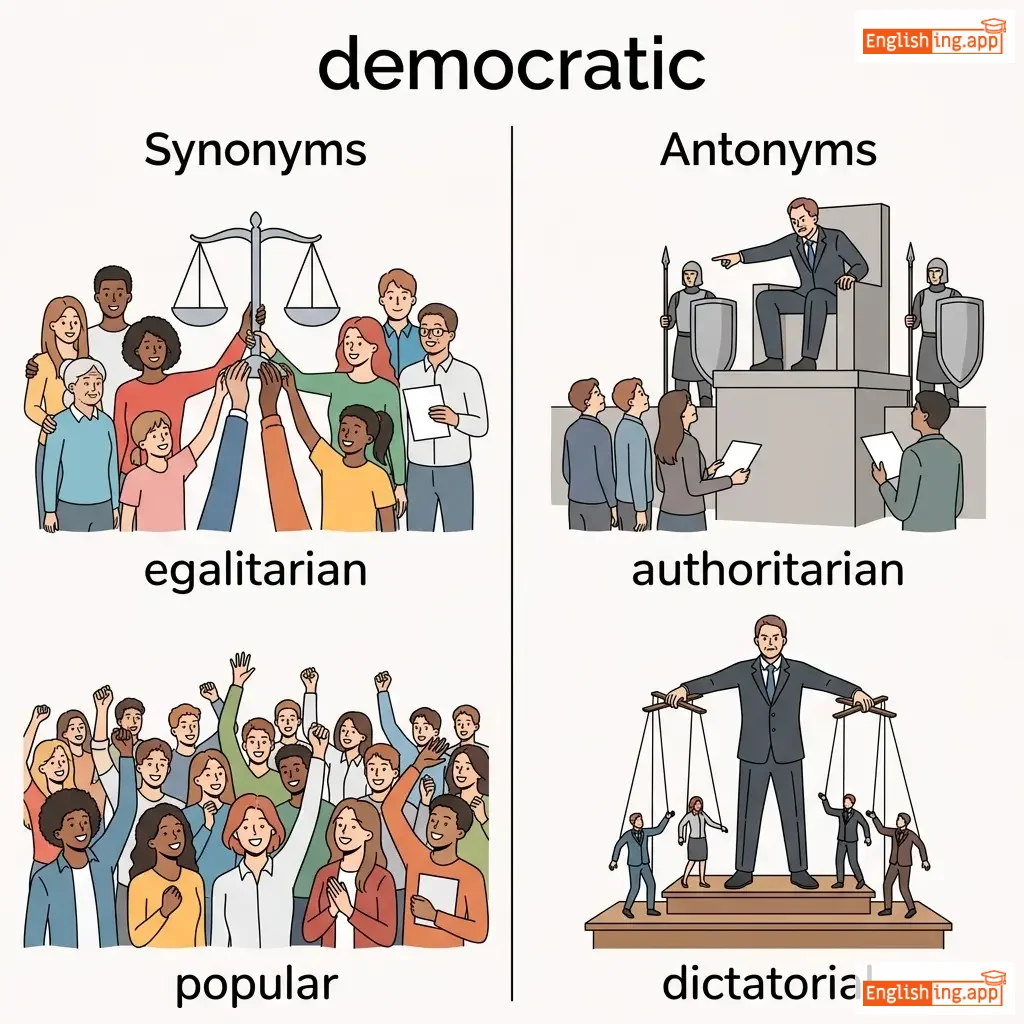
egalitarian, popular, representative, self-governing
••••••
|
authoritarian, dictatorial, autocratic
••••••
|
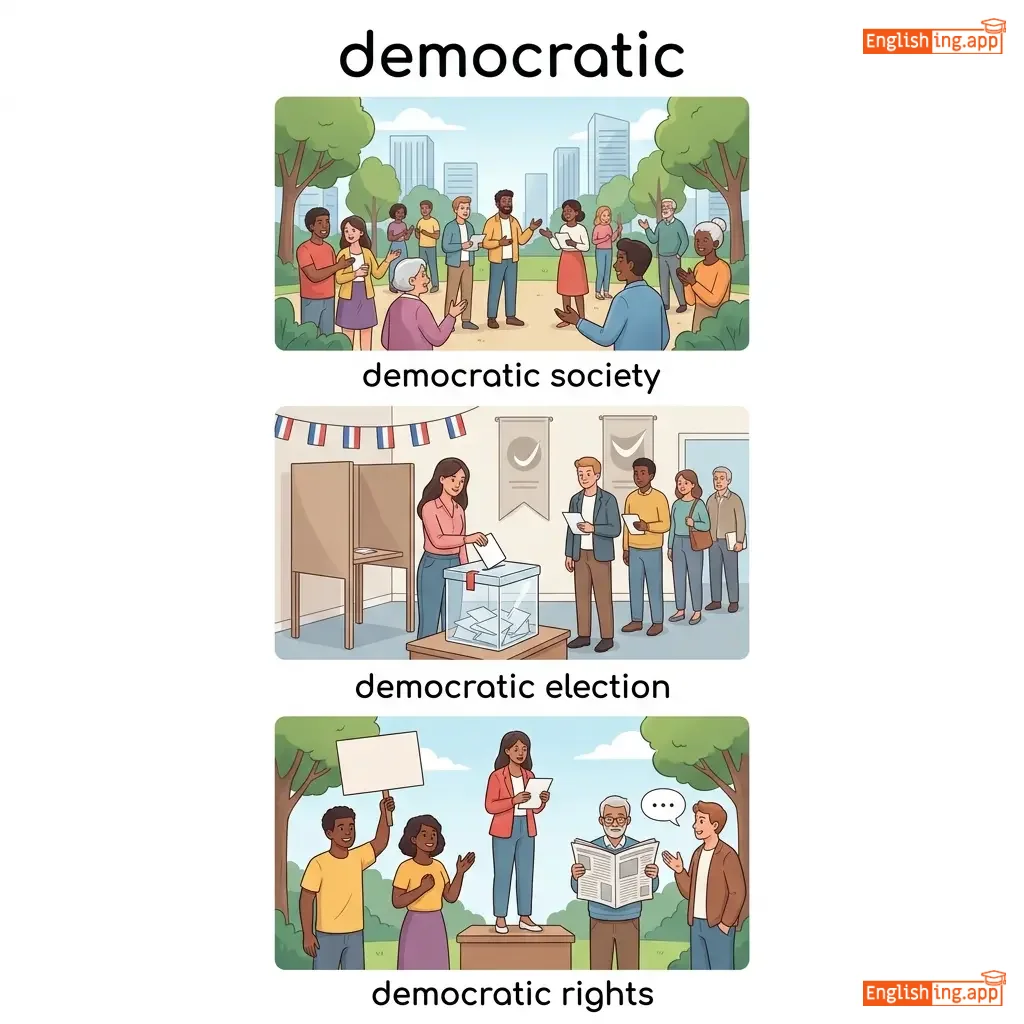
democratic society, democratic election, democratic rights, democratic values
••••••
|
Democratic はデモ (デモ) + クラティック → みんなで投票する民主主義 = 民主的
••••••
|
|
#10767
🕊️
|
/ˈdɛməˌkræt/
noun
(デモクラット)
••••••
|
- •••••• |
民主主義者
minshu shugi sha
••••••
|
- •••••• | - •••••• | - •••••• | - •••••• |
a supporter of democracy or a member of the Democratic Party in the US
••••••
|
He is a strong democrat who believes in equal rights. |
彼は平等な権利を信じる強い民主主義者です。
Kare wa byoudou na kenri wo shinjiru tsuyoi minshu shugi sha desu.
••••••
|
- •••••• | - •••••• | - •••••• |
supporter, liberal, reformer, egalitarian
••••••
|
dictator, autocrat
••••••
|
loyal democrat, leading democrat, democrat leader, true democrat
••••••
|
Democratは民主主義者の意味
••••••
|
|
#10768
🗳️
|
/dɪˈmɑːkrəsi/
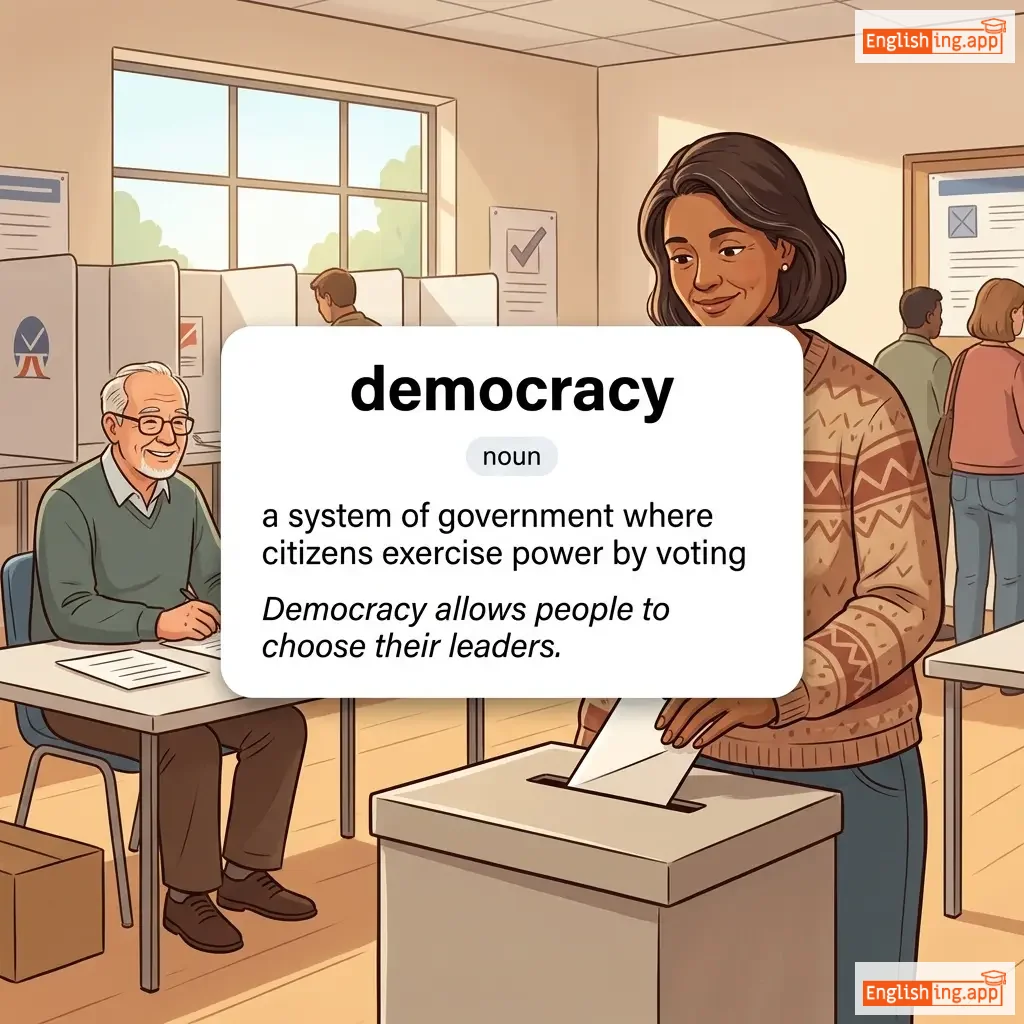
noun
(デモクラシー)
••••••
|
|
民主主義
minshu shugi
••••••
|
- •••••• | - •••••• | - •••••• | - •••••• |
a system of government where citizens exercise power by voting
••••••
|
Democracy allows people to choose their leaders. |
民主主義は人々にリーダーを選ぶ権利を与えます。
Minshu shugi wa hitobito ni rīdā o erabu kenri o ataemasu.
••••••
|
true democracy |
a genuine practice of democratic values
••••••
|
真の民主主義
shin no minshu shugi
••••••
|
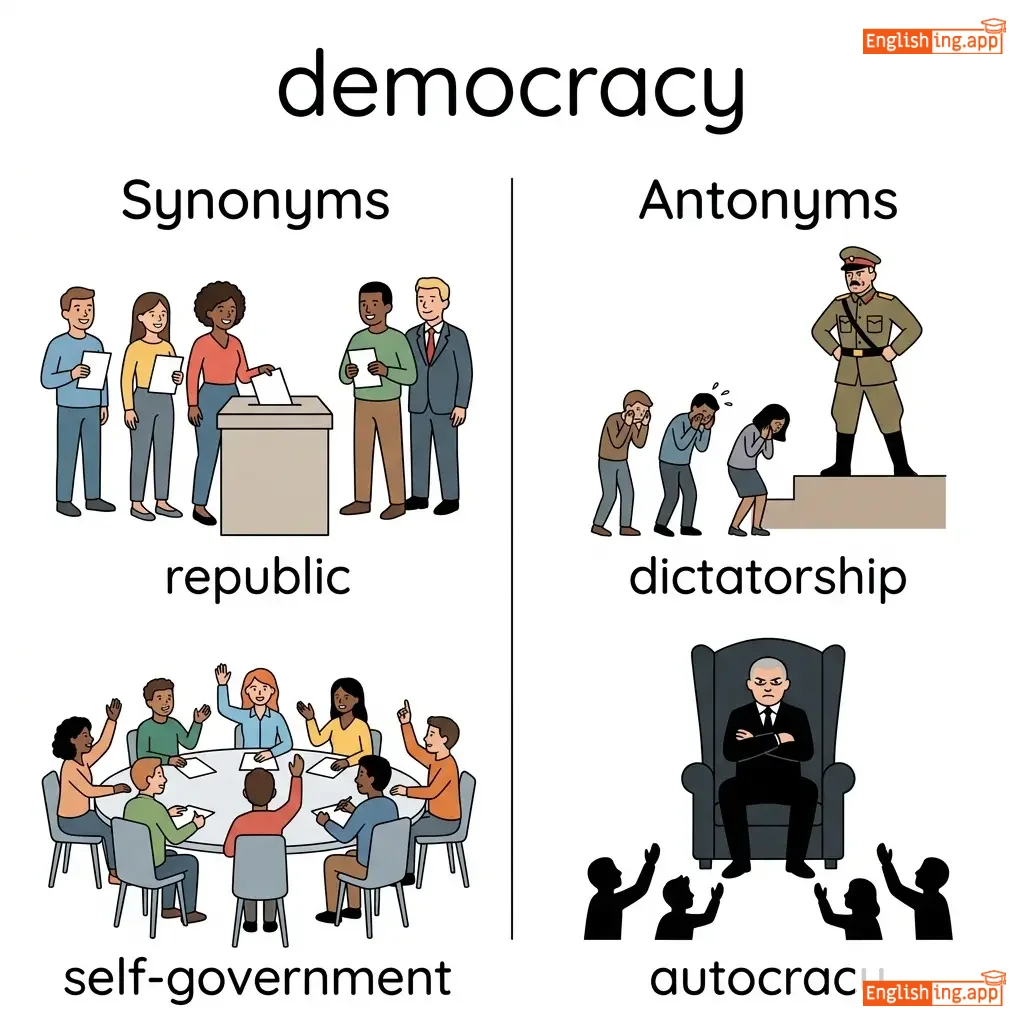
republic, self-government, representative government, popular government
••••••
|
dictatorship, autocracy, monarchy
••••••
|
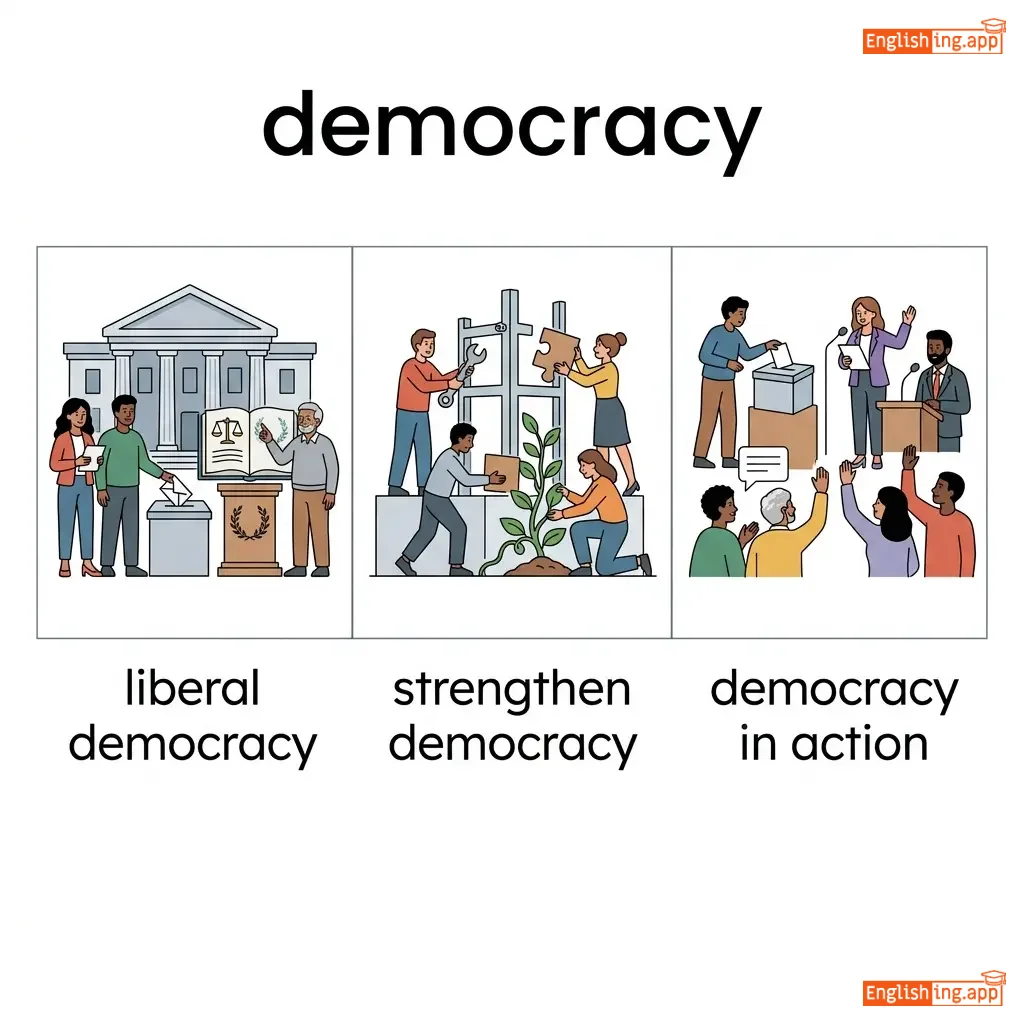
liberal democracy, strengthen democracy, democracy in action, democracy movement
••••••
|
Demoは人々、cracyは支配 - 民主主義 = 人々の支配
••••••
|
|
#10769
📈
|
/dɪˈmænd/
noun, verb
(demand)
••••••
|
- •••••• |
需要
juyou
••••••
|
demanded
demanded
••••••
|
demanded
demanded
••••••
|
demands
demands
••••••
|
demanding
demanding
••••••
|
to ask for something forcefully; the need or desire for goods or services
••••••
|
Workers demanded better wages from the company.
労働者は会社により良い賃金を要求した。
••••••
|
労働者は会社により良い賃金を要求した。
Rōdōsha wa kaisha ni yori yoi chingin o yōkyū shita.
••••••
|
in demand
需要中
••••••
|
popular or widely desired
••••••
|
需要中
juyōchū
••••••
|
request, ask, require, call for, claim
••••••
|
supply, offer, give
••••••
|
high demand, demand for, meet demand, supply and demand
••••••
|
需要が高いものは価格が上がる
••••••
|
|
#10770
🚚
|
/dɪˈlɪvəri/
noun
(デリバリー)
••••••
|
- •••••• |
配達
haitatsu
••••••
|
- •••••• | - •••••• | - •••••• | - •••••• |
the act of taking goods, letters, or packages to people's houses or places of work
••••••
|
The delivery of fresh vegetables arrives every morning. |
新鮮な野菜の配達は毎朝届きます。
Shinsen na yasai no haitatsu wa mai asa todokimasu.
••••••
|
special delivery |
a postal service that ensures faster delivery than usual
••••••
|
特別配達
tokubetsu haitatsu
••••••
|
distribution, dispatch, shipment, transport, conveyance
••••••
|
non-delivery, retention, withholding
••••••
|
fast delivery, food delivery, delivery service, home delivery
••••••
|
デリバリーはすぐに届く - 配達はdeliveryです。
••••••
|
|
#10771
📦
|
/dɪˈlɪvər/
verb
(デリバー)
••••••
|
- •••••• |
届ける
todokeru
••••••
|
delivered
デリバード
••••••
|
delivered
デリバード
••••••
|
delivers
デリバーズ
••••••
|
delivering
デリバーイング
••••••
|
to bring or hand over something to the intended recipient
••••••
|
The courier will deliver the package tomorrow.
宅配便は明日荷物を届けます。
••••••
|
宅配便は明日荷物を届けます。
takuhai-bin wa ashita nimotsu o todokemasu.
••••••
|
deliver the goods
商品を届ける
••••••
|
to do what is promised or expected
••••••
|
約束を守る
yakusoku o mamoru
••••••
|
bring, hand over, distribute, convey, supply
••••••
|
withhold, keep, retain
••••••
|
deliver a package, deliver results, deliver a speech, deliver justice
••••••
|
届けるは物を届けること、配達員がそれを行うように。
••••••
|
|
#10772
⏳
|
/dɪˈleɪ/
verb
(ディレイ)
••••••
|
- •••••• |
遅延
chien
••••••
|
delayed
ディレイド
••••••
|
delayed
ディレイド
••••••
|
delays
ディレイズ
••••••
|
delaying
ディレイイング
••••••
|
to make something happen later than planned
••••••
|
The flight was delayed due to bad weather.
悪天候のため、飛行機が遅れました。
••••••
|
悪天候のため、飛行機が遅れました。
Akutenkō no tame, hikōki ga okuremashita.
••••••
|
without delay
遅れずに
••••••
|
immediately, without waiting
••••••
|
遅れずに
okurezu ni
••••••
|
postpone, defer, stall, hinder, procrastinate
••••••
|
advance, expedite, hasten
••••••
|
cause delay, long delay, delay in delivery, unexpected delay
••••••
|
Delayは遅延を意味します。飛行機の遅れのように。
••••••
|
|
#10773
🎓
|
/dɪˈɡriː/
noun
(ディグリー)
••••••
|
- •••••• |
学位 / 程度
gakui / teido
••••••
|
- •••••• | - •••••• | - •••••• | - •••••• |
an amount or level of something; an academic qualification
••••••
|
She earned a degree in engineering. |
彼女は工学の学位を取得しました。
Kanojo wa kōgaku no gakui o shūtoku shimashita.
••••••
|
to some degree |
partly, to a certain extent
••••••
|
ある程度
aru teido
••••••
|
level, extent, rank, diploma, qualification
••••••
|
whole, total
••••••
|
high degree, to a degree, academic degree, temperature degree
••••••
|
学位は学位を意味します—温度の学位と学問の学位のように。
••••••
|
|
#10774
📝
|
/ˌdɛfɪˈnɪʃən/
noun
(ディフィニション)
••••••
|
- •••••• |
定義
teigi
••••••
|
- •••••• | - •••••• | - •••••• | - •••••• |
a statement that explains the meaning of a word or concept
••••••
|
The dictionary gives a clear definition of the word. |
辞書はその言葉の明確な定義を示します。
Jisho wa sono kotoba no meikaku na teigi wo shimeshimasu.
••••••
|
by definition |
something that is true by its very nature or meaning
••••••
|
定義によると
teigi ni yoru to
••••••
|
explanation, description, meaning, interpretation
••••••
|
ambiguity, vagueness
••••••
|
clear definition, dictionary definition, precise definition, definition of success
••••••
|
定義は定義を意味します — 辞書に定義があります。
••••••
|
|
#10775
✅
|
/ˈdɛfɪnɪtli/
adverb
(definitli)
••••••
|
- •••••• |
確実に
kakujitsuni
••••••
|
- •••••• | - •••••• | - •••••• | - •••••• |
without any doubt; certainly
••••••
|
I will definitely call you tomorrow. |
私は確実に明日あなたに電話します。
Watashi wa kakujitsuni ashita anata ni denwa shimasu.
••••••
|
most definitely |
used to strongly agree or emphasize certainty
••••••
|
最も確実に
mottomo kakujitsuni
••••••
|
certainly, surely, undoubtedly, clearly, absolutely
••••••
|
doubtfully, uncertainly
••••••
|
definitely true, definitely not, definitely agree, definitely going
••••••
|
Definitively は '疑いなく' という意味です – '確実に行く' のように。
••••••
|
|
#10776
📖
|
/dɪˈfaɪn/
verb
(ディファイン)
••••••
|
- •••••• |
定義する
teigi suru
••••••
|
defined
ディファインド
••••••
|
defined
ディファインド
••••••
|
defines
ディファインズ
••••••
|
defining
ディファイニング
••••••
|
to explain the meaning of a word, phrase, or concept clearly
••••••
|
The teacher asked the student to define the word 'democracy'.
先生は生徒に『民主主義』という言葉を定義するように頼んだ。
••••••
|
先生は生徒に『民主主義』という言葉を定義するように頼んだ。
Sensei wa seito ni 'minshushugi' to iu kotoba o teigi suru you ni tanonda.
••••••
|
define the terms
用語を定義する
••••••
|
to explain or set the exact meaning of words or conditions
••••••
|
用語を定義する
yōgo o teigi suru
••••••
|
explain, describe, clarify, interpret, specify
••••••
|
confuse, obscure
••••••
|
define clearly, define precisely, define role, define meaning
••••••
|
Defineは「定義する」という意味です — 日本語で単語の意味を説明するときに使います。
••••••
|
|
#10777
🛡️
|
/dɪˈfɛns/
noun
(ハピネス)
••••••
|
|
幸福
koufuku
••••••
|
- •••••• | - •••••• | - •••••• | - •••••• |
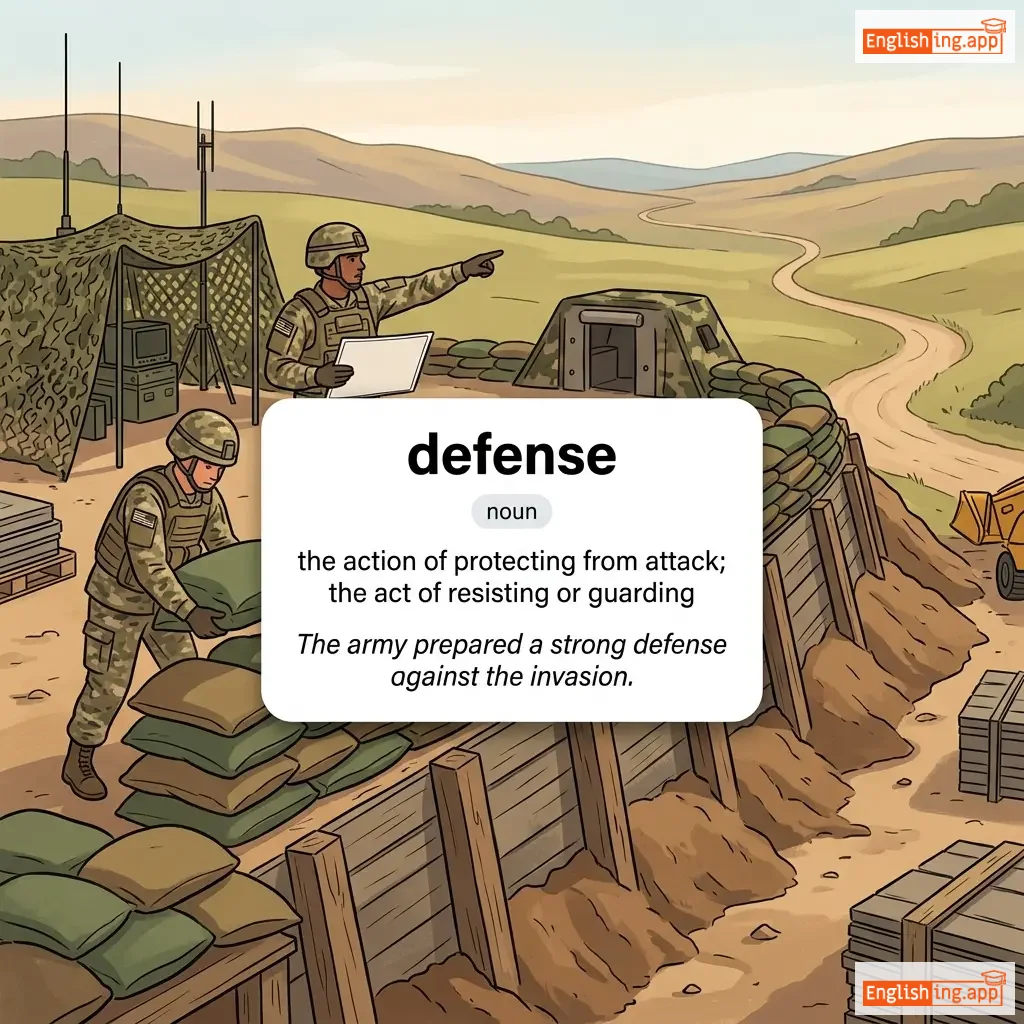
the action of protecting from attack; the act of resisting or guarding
••••••
|
The army prepared a strong defense against the invasion. |
彼女は賞を受け取ったとき、喜びを隠すことができませんでした。
Kanojo wa shō o uketotta toki, yorokobi o kakusu koto ga dekimasen deshita.
••••••
|
defense mechanism |
an unconscious psychological strategy used to protect oneself from anxiety
••••••
|
幸福の追求
Kōfuku no tsuikyū
••••••
|
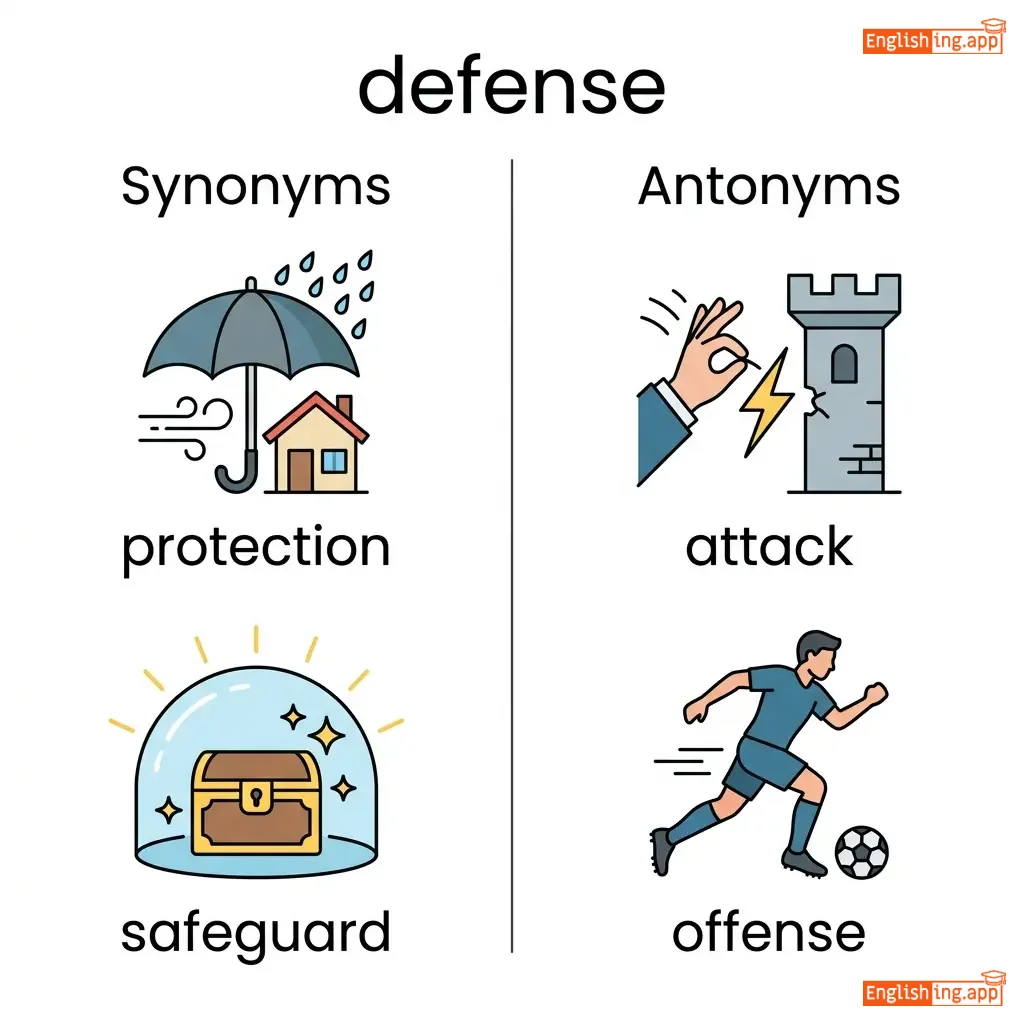
protection, safeguard, security, resistance
••••••
|
attack, offense
••••••
|
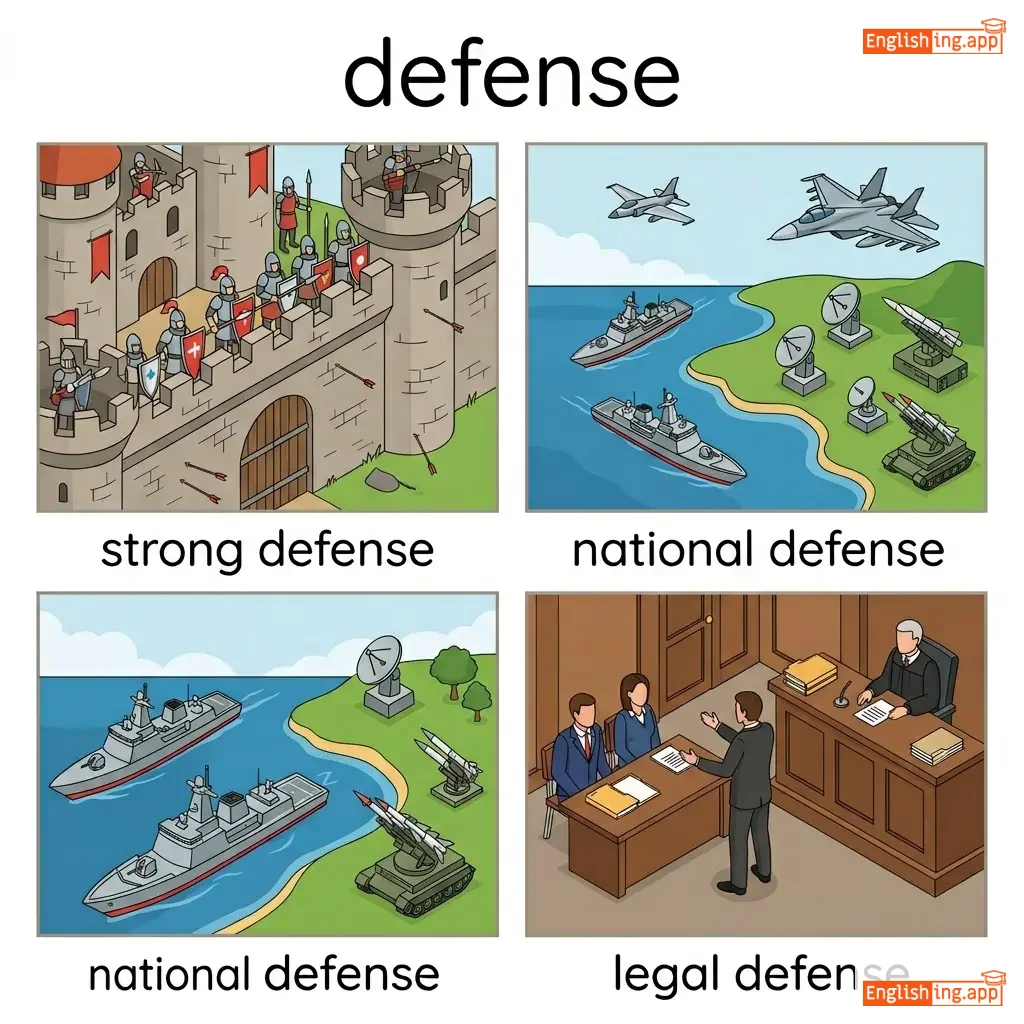
strong defense, national defense, legal defense, defense system
••••••
|
幸福 = 幸せを感じる、心の中の平和。
••••••
|
|
#10778
🏆
|
/dɪˈfiːt/
verb
(デフィート)
••••••
|
- •••••• |
敗北
haiboku
••••••
|
defeated
デフィーテッド
••••••
|
defeated
デフィーテッド
••••••
|
defeats
デフィーツ
••••••
|
defeating
デフィーティング
••••••
|
to win a victory over someone or something in a competition or battle
••••••
|
Our team defeated their rivals in the final match.
私たちのチームは決勝戦で彼らのライバルを打ち負かしました。
••••••
|
私たちのチームは決勝戦で彼らのライバルを打ち負かしました。
Watashitachi no chīmu wa kesshōsen de karera no raibaru o uchi makashimashita.
••••••
|
snatch defeat from the jaws of victory
勝利の牙から敗北を奪う
••••••
|
to fail at the last moment when success seemed certain
••••••
|
勝利の牙から敗北を奪う
Shōri no kiba kara haiboku o ubau
••••••
|
conquer, overcome, beat, overpower, vanquish
••••••
|
surrender, lose, yield
••••••
|
defeat the enemy, defeat the purpose, heavy defeat, crushing defeat
••••••
|
Defeatは負けを意味します。チームが負けたら、それは敗北です。
••••••
|
|
#10779
🦌
|
/dɪr/
noun
(ディア)
••••••
|
- •••••• |
鹿
shika
••••••
|
- •••••• | - •••••• | - •••••• | - •••••• |
a graceful wild animal with long legs and antlers, often living in forests
••••••
|
A deer ran across the road suddenly. |
一頭の鹿が突然道路を横切った。
Ittō no shika ga totsuzen dōro o yokogitta.
••••••
|
- •••••• | - •••••• | - •••••• |
stag, buck, doe, fawn
••••••
|
predator, carnivore
••••••
|
wild deer, deer hunting, herd of deer, deer park
••••••
|
Deer は鹿を意味します — 森の中を駆け抜ける鹿を想像してください (鹿が森の中を走っています)
••••••
|
|
#10780
🌞
|
/deɪ/
noun
(デイ)
••••••
|
- •••••• |
日
hi
••••••
|
- •••••• | - •••••• | - •••••• | - •••••• |
a period of 24 hours or the time between sunrise and sunset
••••••
|
She enjoyed a relaxing day at the beach. |
彼女はビーチでリラックスした一日を楽しみました。
Kanojo wa bīchi de rirakkusu shita ichinichi o tanoshimimashita.
••••••
|
call it a day |
to stop working for the rest of the day
••••••
|
今日はここまでにしましょう
Kyou wa koko made ni shimashou
••••••
|
daytime, period, date, occasion
••••••
|
night, darkness
••••••
|
working day, day off, day long, happy day
••••••
|
日には太陽が昇り、沈みます。
••••••
|
|
#10781
🌊
|
/diːp/
adjective
(ハピネス)
••••••
|
- •••••• |
幸せ
shiawase
••••••
|
- •••••• | - •••••• | - •••••• | - •••••• |
extending far down from the top or surface; profound or intense
••••••
|
The lake is very deep in the middle. |
彼女は賞を受け取ったとき、幸せを隠すことができませんでした。
Kanojo wa shō o uketotta toki, shiawase o kakusu koto ga dekimasen deshita.
••••••
|
deep down |
used to describe a person's true feelings or thoughts that may not be expressed openly
••••••
|
幸せを追い求める
shiawase o oi motomeru
••••••
|
profound, intense, bottomless, vast, thorough
••••••
|
shallow, superficial
••••••
|
deep water, deep sleep, deep thought, deep voice, deep sea
••••••
|
幸せは心の中の喜び
••••••
|
|
#10782
⬇️
|
/ˈdiːkriːs/ (noun), /dɪˈkriːs/ (verb)
verb/noun
••••••
|
- •••••• | - •••••• |
decreased
••••••
|
decreased
••••••
|
decreases
••••••
|
decreasing
••••••
|
To become or make something smaller or fewer in number, amount, or degree.
••••••
|
The population of the town has decreased over the years. |
- •••••• |
decrease by half |
to reduce something to 50% of its original size or number
••••••
|
- •••••• |
reduce, diminish, lessen, cut, drop
••••••
|
increase, grow, rise
••••••
|
sharp decrease, gradual decrease, decrease in value, decrease rate
••••••
|
No •••••• |
|
#10783
📉
|
/dɪˈklaɪn/
verb
••••••
|
|
- •••••• |
declined
••••••
|
declined
••••••
|
declines
••••••
|
declining
••••••
|
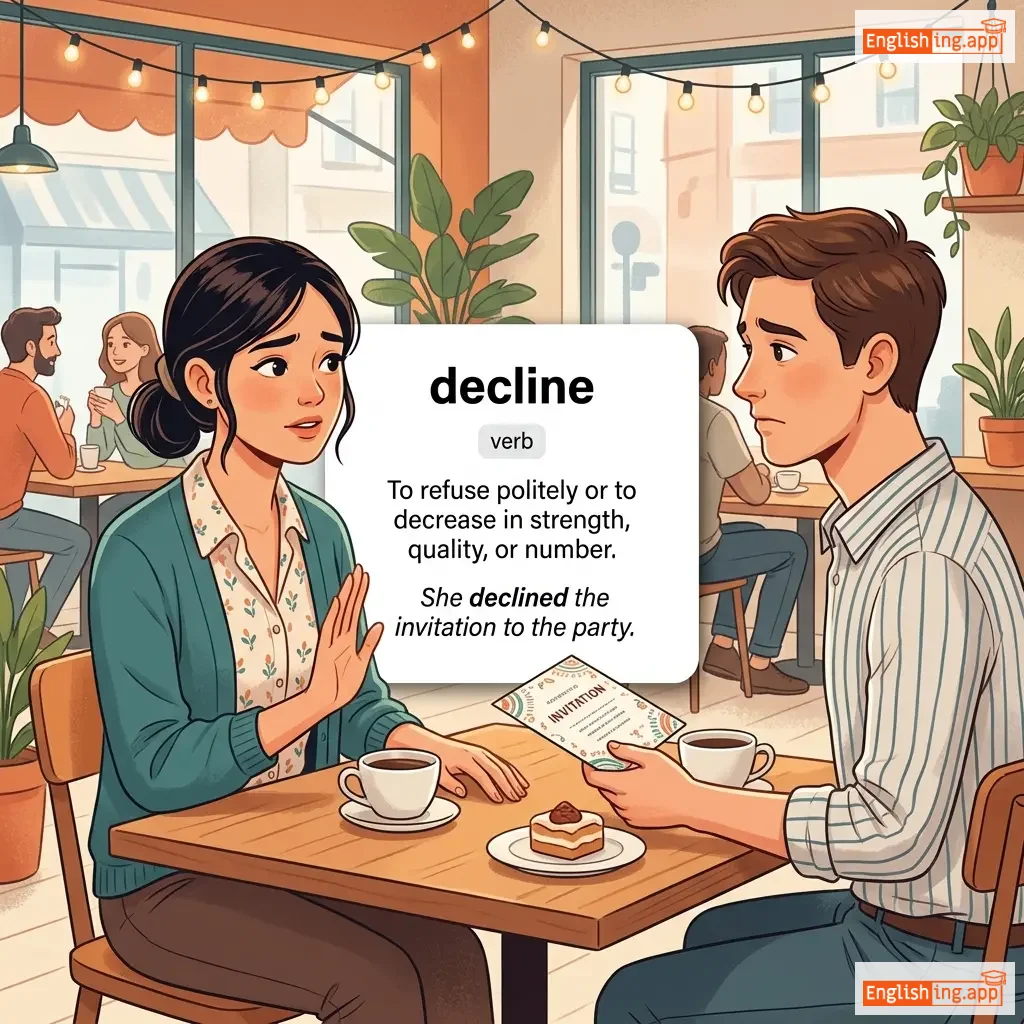
To refuse politely or to decrease in strength, quality, or number.
••••••
|
She declined the invitation to the party. |
- •••••• |
on the decline |
becoming weaker or less important
••••••
|
- •••••• |
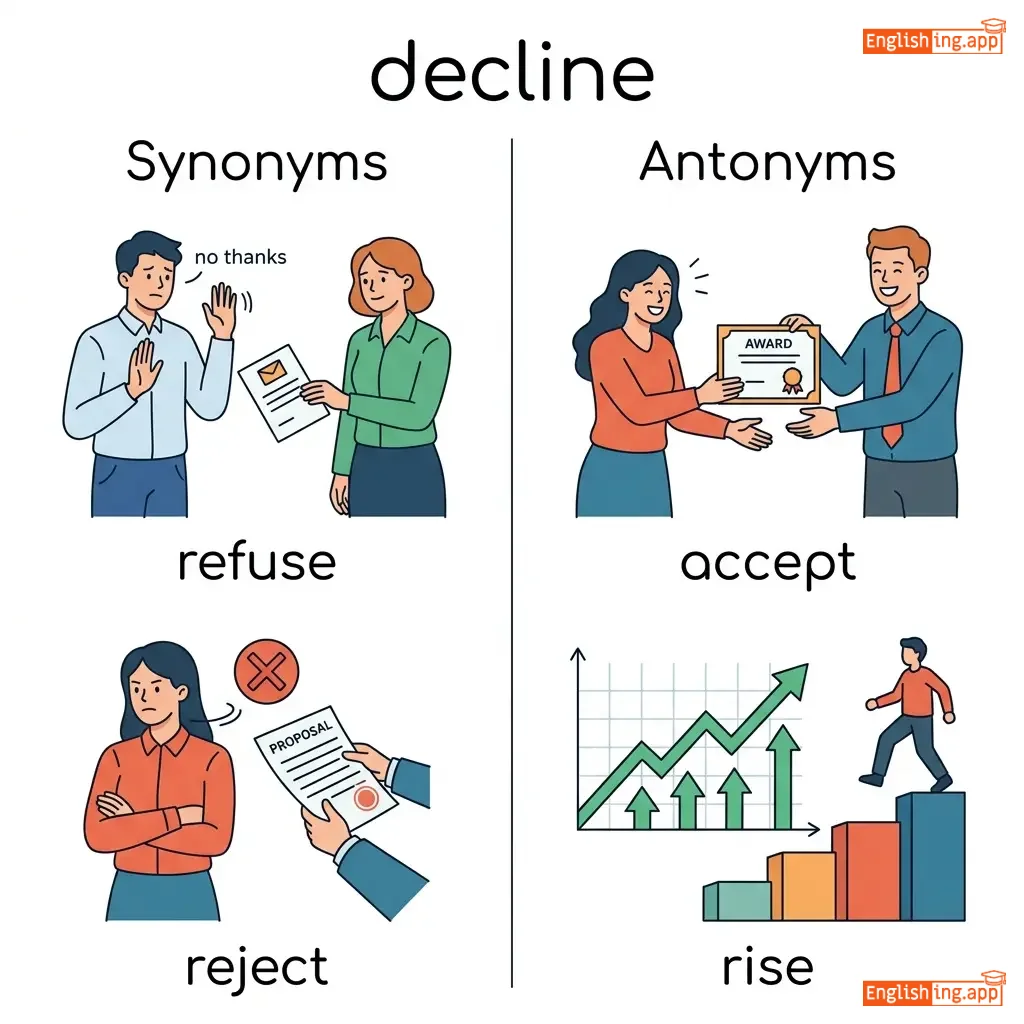
refuse, reject, deteriorate, weaken, decrease
••••••
|
accept, rise, increase
••••••
|
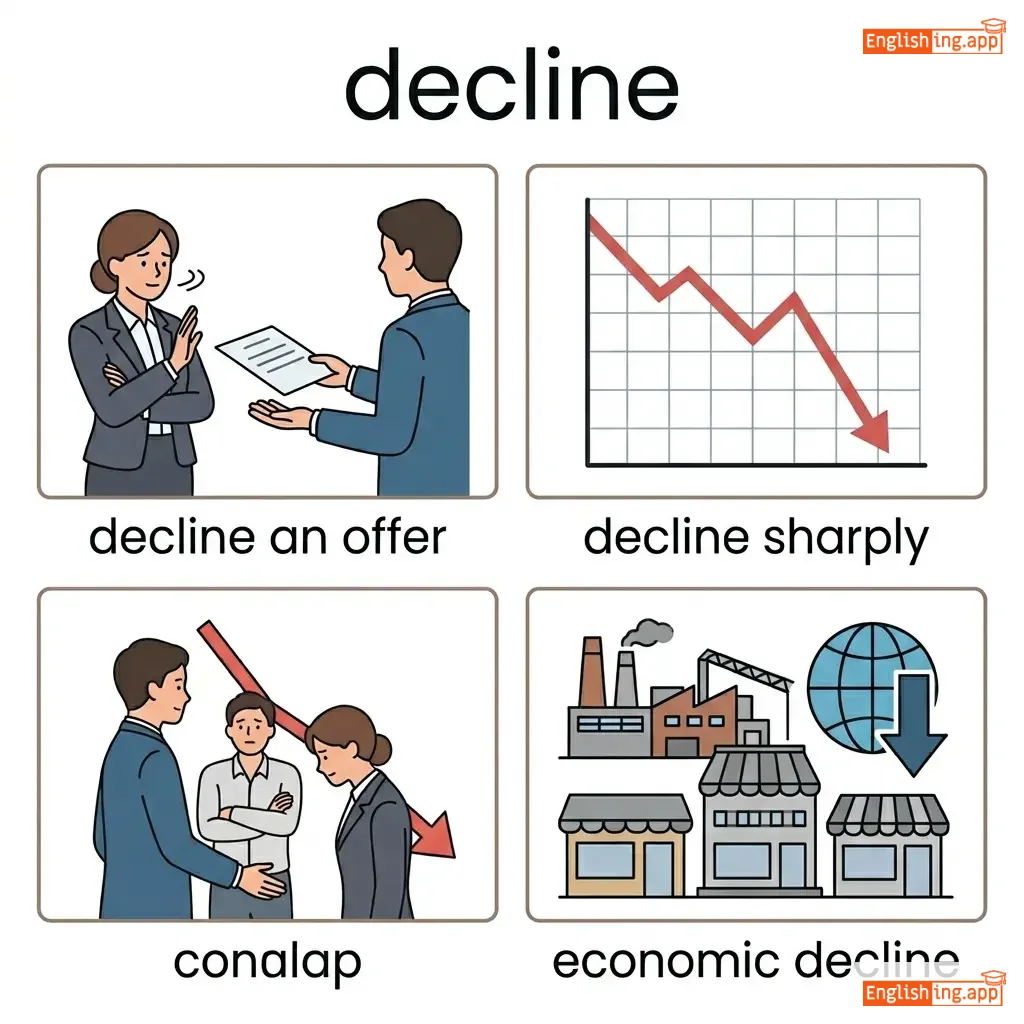
decline an offer, decline sharply, economic decline, decline in sales
••••••
|
No •••••• |
|
#10784
📢
|
/dɪˈklɛər/
verb
(ディクレア)
••••••
|
- •••••• |
宣言する
sengen suru
••••••
|
declared
ディクレアド
••••••
|
declared
ディクレアド
••••••
|
declares
ディクレアス
••••••
|
declaring
ディクレアリング
••••••
|
To announce something formally or officially.
••••••
|
The government declared a state of emergency.
政府は緊急事態を宣言しました。
••••••
|
政府は緊急事態を宣言しました。
Seifu wa kinkyū jitai o sengen shimashita.
••••••
|
declare war
戦争を宣言する
••••••
|
to officially announce the beginning of a war
••••••
|
戦争を宣言する
Sensō o sengen suru
••••••
|
announce, proclaim, state, affirm, disclose
••••••
|
deny, conceal, hide
••••••
|
declare independence, declare victory, declare bankruptcy, declare an emergency
••••••
|
宣言するは大切な発表をすることです。
••••••
|
|
#10785
🛳️
|
/dɛk/
noun
(dekku)
••••••
|
- •••••• |
デッキ / プラットフォーム
dekki / purattofōmu
••••••
|
- •••••• | - •••••• | - •••••• | - •••••• |
A flat surface or platform, often on a ship or building.
••••••
|
We enjoyed the sunset from the upper deck of the ferry. |
私たちはフェリーの上デッキから夕日を楽しみました。
Watashitachi wa ferī no ue dekki kara yūhi o tanoshimimashita.
••••••
|
clear the deck |
to prepare for action or to get ready
••••••
|
デッキを片付ける
dekki o katadzukeru
••••••
|
platform, floor, terrace, stage
••••••
|
ground, basement
••••••
|
ship deck, upper deck, deck chair, deck of cards
••••••
|
船のデッキは立っていられる場所のようなプラットフォームです。
••••••
|
|
#10786
⚖️
|
/dɪˈsɪʒən/
noun
(ディシジョン)
••••••
|
- •••••• |
決定
kettei
••••••
|
- •••••• | - •••••• | - •••••• | - •••••• |
A conclusion or choice made after consideration.
••••••
|
She made a quick decision to accept the job offer. |
彼女は仕事のオファーを受け入れる迅速な決定を下しました。
Kanojo wa shigoto no ofā o ukeireru jinsoku na kettei o kudashimashita.
••••••
|
make a decision |
to come to a conclusion or choice
••••••
|
決定を下す
kettei o kudasu
••••••
|
choice, judgment, conclusion, verdict, resolution
••••••
|
indecision, hesitation, doubt
••••••
|
make a decision, tough decision, final decision, quick decision
••••••
|
決定は決断 — 決定を下すことでストレスが減ります。
••••••
|
|
#10787
🤔
|
/dɪˈsaɪd/
verb
••••••
|
- •••••• | - •••••• |
decided
••••••
|
decided
••••••
|
decides
••••••
|
deciding
••••••
|
To make a choice or judgment about something.
••••••
|
She decided to study abroad after graduation. |
- •••••• |
make up one's mind |
to decide after consideration
••••••
|
- •••••• |
determine, choose, settle, resolve, conclude
••••••
|
hesitate, delay, waver
••••••
|
decide quickly, decide against, decide whether, decide to go
••••••
|
No •••••• |
|
#10788
📅
|
/ˈdɛkeɪd/
noun
(デケイド)
••••••
|
- •••••• |
十年
jūnen
••••••
|
- •••••• | - •••••• | - •••••• | - •••••• |
A period of ten years.
••••••
|
The country has changed a lot in the past decade.
ðə ˈkʌntri hæz ʧeɪndʒd ə lɒt ɪn ðə pæst dɪˈkeɪd
••••••
|
その国は過去10年間で大きく変わりました。
Sono kuni wa kako 10-nenkan de ōkiku kawarimashita.
••••••
|
- •••••• | - •••••• | - •••••• |
ten years, period, era, span
••••••
|
moment, instant
••••••
|
past decade, next decade, over a decade, within a decade
••••••
|
十年(jūnen) はdecadeの意味、10年の区切りを覚えるにはこの言葉を使おう。
••••••
|
|
#10789
💸
|
/dɛt/
noun
(デット)
••••••
|
|
借金
shakkin
••••••
|
- •••••• | - •••••• | - •••••• | - •••••• |
Something, typically money, that is owed or due.
••••••
|
He struggled for years to pay off his debt. |
彼は借金を返すために何年も苦労しました。
Kare wa shakkin o kaesu tame ni nannen mo kurō shimashita.
••••••
|
in debt |
to owe money
••••••
|
借金がある
shakkin ga aru
••••••
|
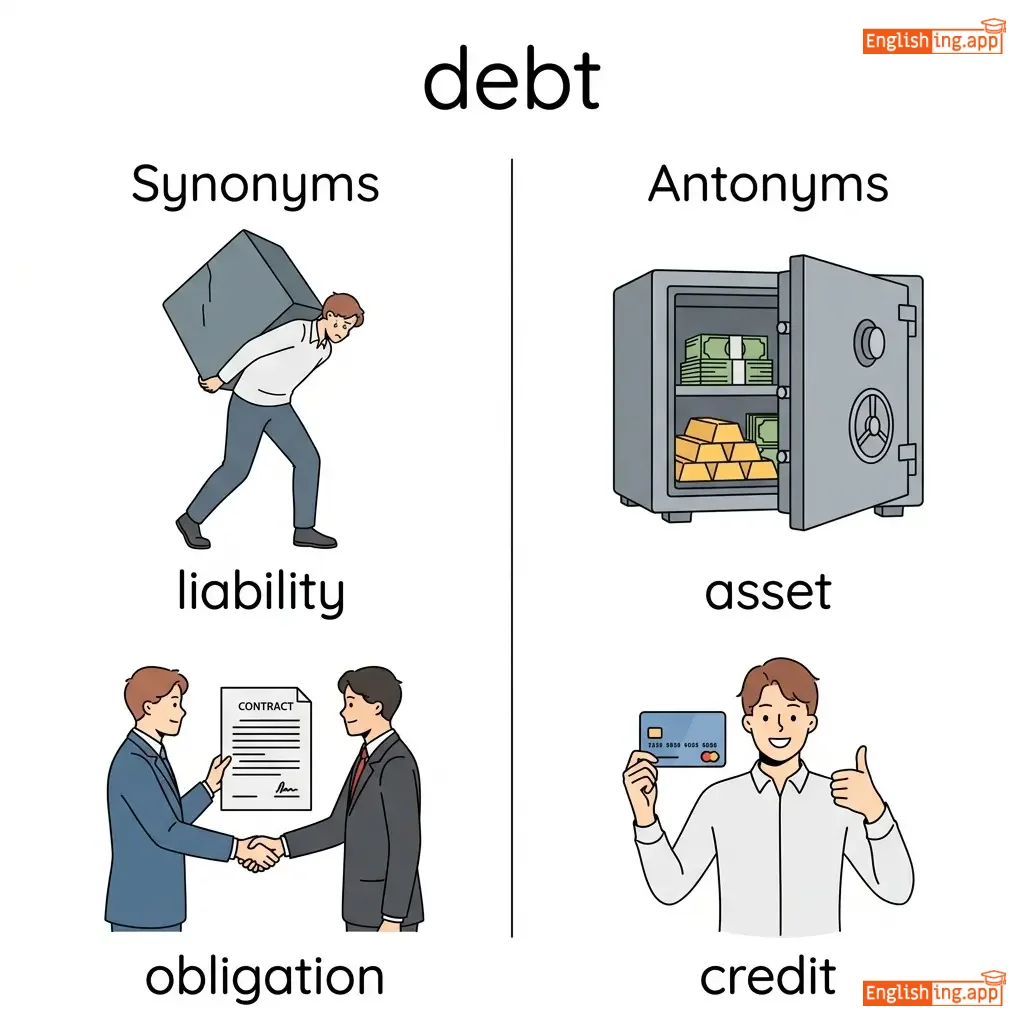
liability, obligation, arrears, dues, loan
••••••
|
asset, credit, surplus
••••••
|
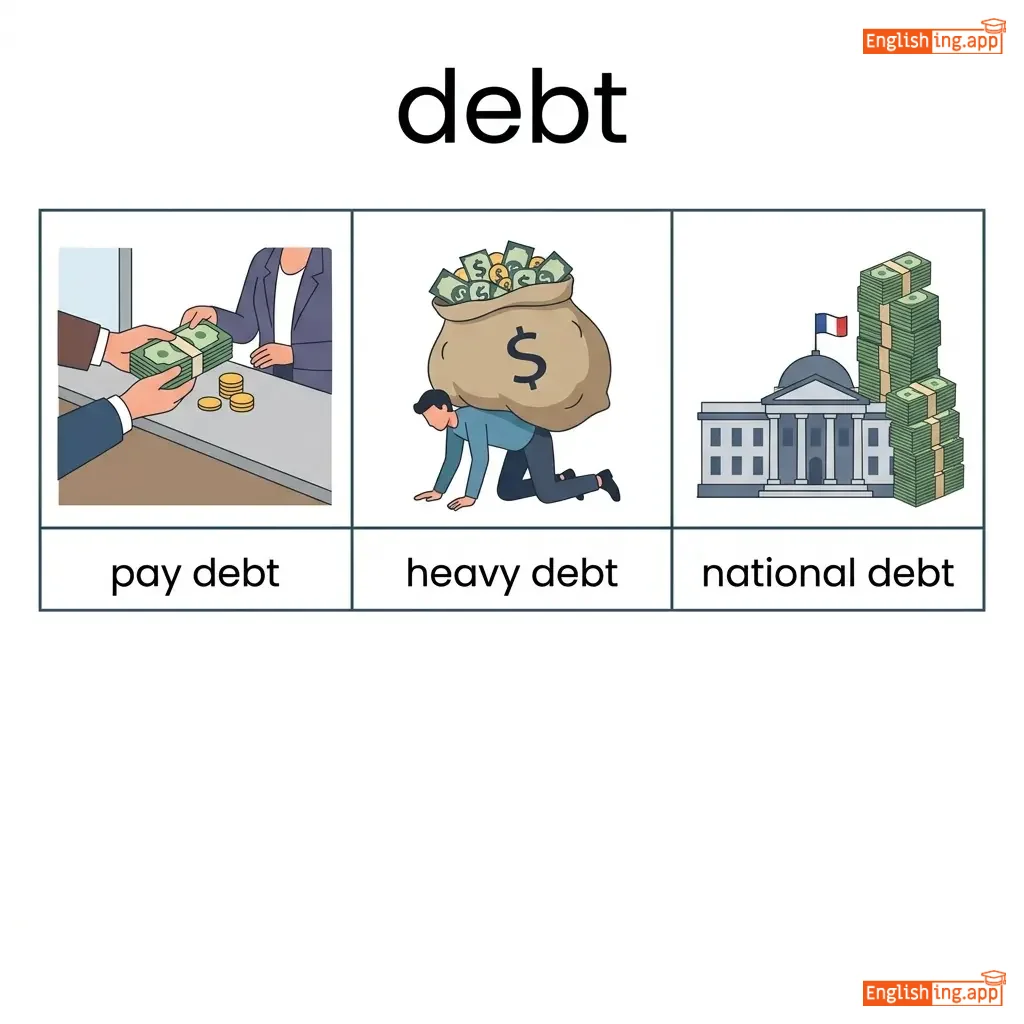
pay debt, heavy debt, national debt, debt relief, debt crisis
••••••
|
Debtは借金を意味します; デート(date)の時、借金が必要になることがあります。
••••••
|
|
#10790
🗣️
|
/dɪˈbeɪt/
noun, verb
(デベート)
••••••
|
- •••••• |
討論
tōron
••••••
|
debated
デベーテッド
••••••
|
debated
デベーテッド
••••••
|
debates
デベーツ
••••••
|
debating
デベーティング
••••••
|
A formal discussion on a particular topic where opposing arguments are presented.
••••••
|
The students prepared well for the school debate.
学生たちは学校の討論に十分に準備しました。
••••••
|
学生たちは学校の討論に十分に準備しました。
Gakusei-tachi wa gakkō no tōron ni jūbun ni junbi shimashita.
••••••
|
open to debate
討論に開かれている
••••••
|
something that is not certain or can be questioned
••••••
|
討論に開かれている
Tōron ni hirakarete iru
••••••
|
discussion, argument, dispute, deliberation, dialogue
••••••
|
agreement, harmony, consensus
••••••
|
heated debate, public debate, political debate, debate team, debate club
••••••
|
Debate の音で、ディスカッションが始まる!討論を始める準備ができている。
••••••
|
|
#10791
💀
|
/dɛθ/
noun
(デス)
••••••
|
- •••••• |
死
shi
••••••
|
- •••••• | - •••••• | - •••••• | - •••••• |
The end of life; the permanent cessation of all vital functions.
••••••
|
The news of his death shocked everyone in the village. |
彼の死のニュースは村のすべての人々を驚かせました。
Kare no shi no nyūsu wa mura no subete no hitobito o odorokasemashita.
••••••
|
a matter of life and death |
something extremely important or urgent
••••••
|
生死にかかわる問題
seishi ni kakawaru mondai
••••••
|
demise, passing, end, expiration, departure
••••••
|
birth, life, existence
••••••
|
sudden death, tragic death, death penalty, cause of death, near death
••••••
|
Deathは日本語で死です。死が来るとすべてが終わります。
••••••
|
|
#10792
💖
|
/dɪr/
adjective
(ディア)
••••••
|
- •••••• |
親愛なる
shin'ai naru
••••••
|
- •••••• | - •••••• | - •••••• | - •••••• |
loved or cherished; sometimes used as a polite form of address
••••••
|
She is very dear to her grandparents. |
彼女は祖父母にとって非常に親愛なる存在です。
kanojo wa sofu-bo ni totte hijō ni shin'ai naru sonzai desu.
••••••
|
oh dear |
an exclamation showing surprise, worry, or sympathy
••••••
|
おお、親愛なる
ō, shin'ai naru
••••••
|
beloved, cherished, precious, valued
••••••
|
hated, disliked
••••••
|
my dear, dear friend, hold dear, oh dear
••••••
|
親愛なるは英語のDearのようなものです。手紙に親愛なると書かれます。
••••••
|
|
#10793
💼
|
/ˈdiːlər/
noun
(ディーラー)
••••••
|
- •••••• |
ディーラー
diiraa
••••••
|
- •••••• | - •••••• | - •••••• | - •••••• |
a person or business that buys and sells goods; someone who distributes
••••••
|
The car dealer offered a discount to attract customers. |
車のディーラーは顧客を引き付けるために割引を提供しました。
Kuruma no diiraa wa kokyaku o hikitsukeru tame ni waribiki o teikyō shimashita.
••••••
|
- •••••• | - •••••• | - •••••• |
merchant, trader, vendor, seller, distributor
••••••
|
buyer, customer
••••••
|
car dealer, art dealer, drug dealer, authorized dealer
••••••
|
ディーラーは商品を販売して利益を得る人です。
••••••
|
|
#10794
🤝
|
/diːl/
verb
••••••
|
- •••••• |
幸せ
shiawase
••••••
|
dealt
••••••
|
dealt
••••••
|
deals
••••••
|
dealing
••••••
|
to distribute or give out something; to handle or manage
••••••
|
He had to deal with many problems at work. |
彼女は賞を受け取ったとき、幸せを隠すことができませんでした。
Kanojo wa shō o uketotta toki, shiawase o kakusu koto ga dekimasen deshita.
••••••
|
deal with it |
a phrase used to say one must accept or handle a situation
••••••
|
幸せを追求する
shiawase o tsuikyū suru
••••••
|
handle, manage, cope, distribute, bargain
••••••
|
ignore, neglect, avoid
••••••
|
deal with, business deal, fair deal, deal cards
••••••
|
幸せは、あなたが幸せを感じるときに追い求めるものです。
••••••
|
Vocabulary Quiz
Test your vocabulary by matching words with their translations or meanings.
Login to take the quiz
Comments (0)
Share your thoughts and join the discussion.
Join the discussion by logging in
Login to CommentNo comments yet
Be the first to share your thoughts!