

翻訳
過去
過去分詞
三人称単数
動名詞
意味
例文
例文の翻訳
同義語
対義語
コロケーション
ニーモニック
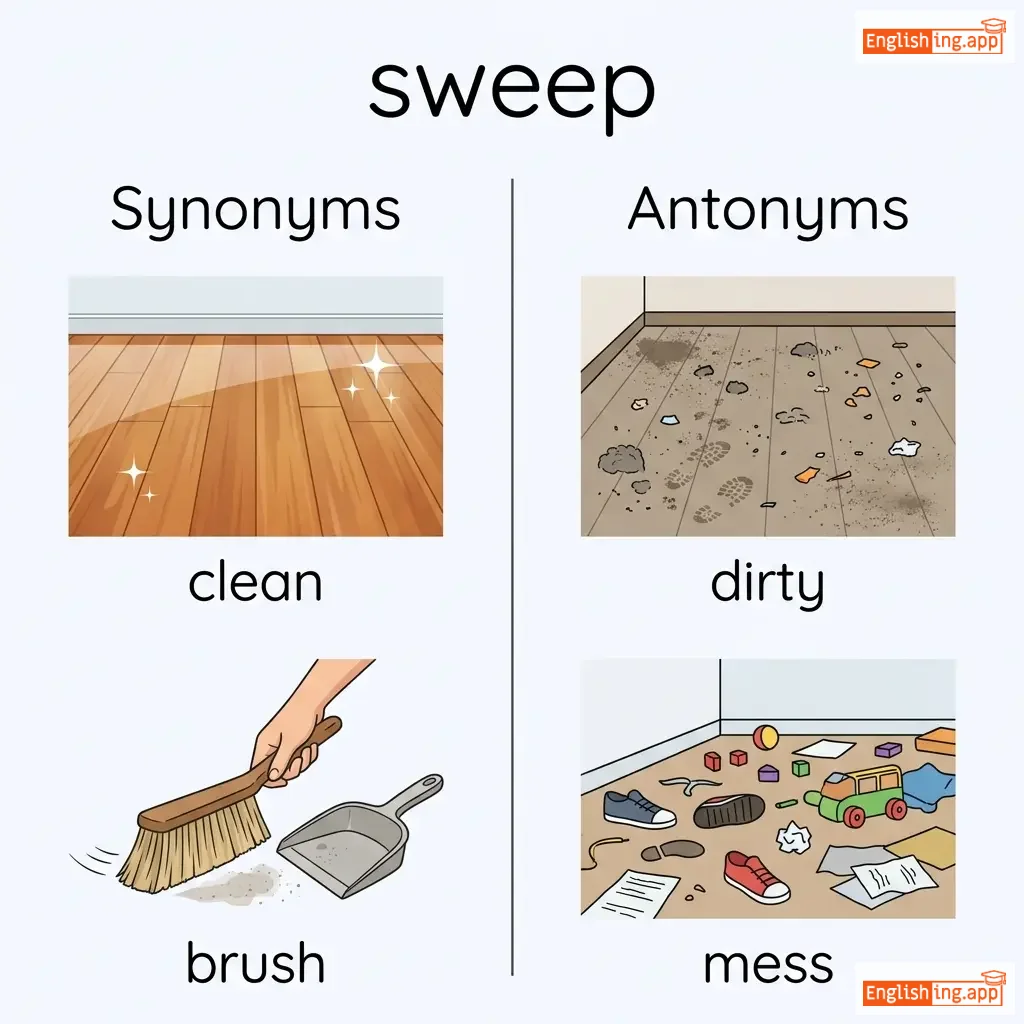
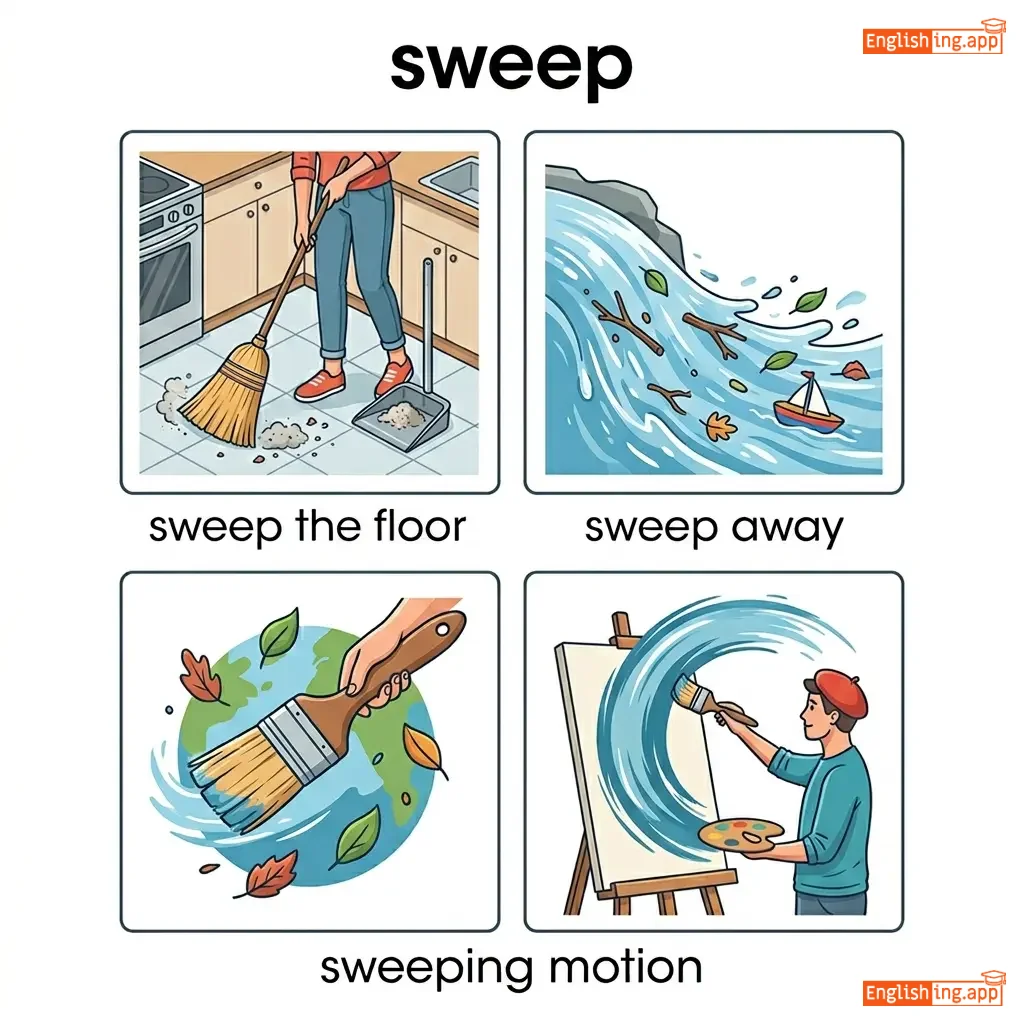
Swipe left or right, or use the buttons. Tap image to zoom.
例文の翻訳
単語
Lesson 404Lesson 404 - マスクトグル
|
絵文字
|
単語 | Images | 翻訳 | 過去 | 過去分詞 | 三人称単数 | 動名詞 | 意味 | 例文 | 例文の翻訳 | 表現例 | 表現例の意味 | 表現例の翻訳 | 同義語 | 対義語 | コロケーション | ニーモニック |
|---|---|---|---|---|---|---|---|---|---|---|---|---|---|---|---|---|---|
|
#12085
🏊
|
/swɪm/
verb
(スウィム)
••••••
|
|
泳ぐ
oyogu
••••••
|
swam
スワム
••••••
|
swum
スワム
••••••
|
swims
スウィムズ
••••••
|
swimming
スウィミング
••••••
|
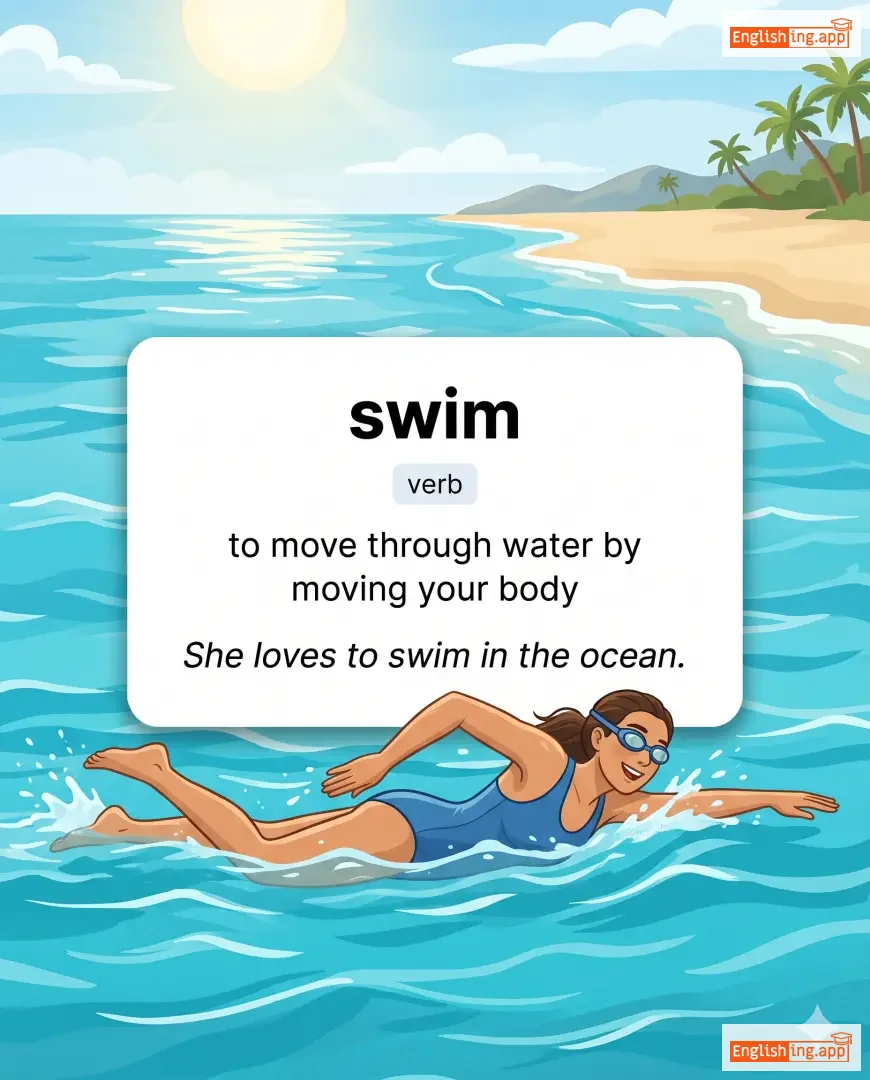
to move through water by moving your body
••••••
|
She loves to swim in the ocean.
彼女は海で泳ぐのが大好きです。
••••••
|
彼女は海で泳ぐのが大好きです。
Kanojo wa umi de oyogu no ga daisuki desu.
••••••
|
- •••••• | - •••••• | - •••••• |
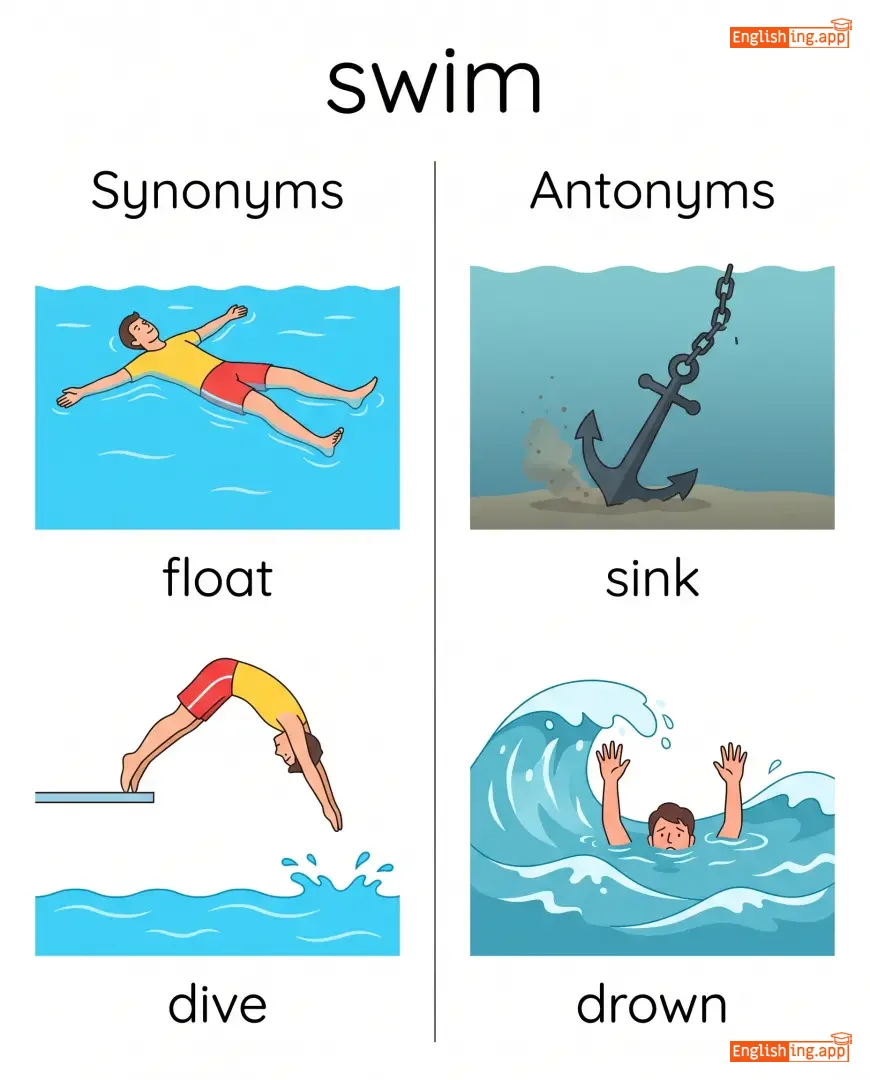
float, dive, paddle, splash
••••••
|
sink, drown
••••••
|
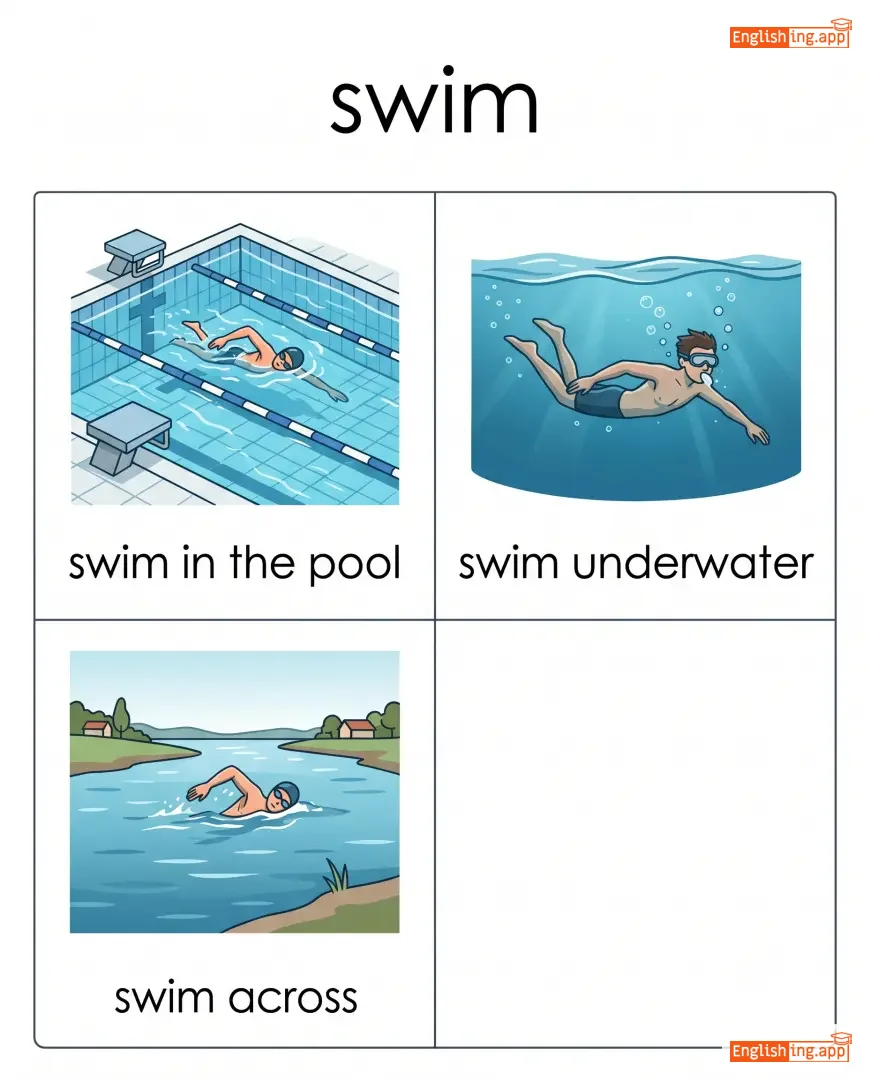
swim in the pool, swim underwater, swim across, swim laps
••••••
|
Swim to stay fit, like swimming in the pool (プール)
••••••
|
|
#12086
🎯
|
/ˈtɑːɡɪt/
noun
(ターゲット)
••••••
|
|
目標
mokuhyō
••••••
|
- •••••• | - •••••• | - •••••• | - •••••• |
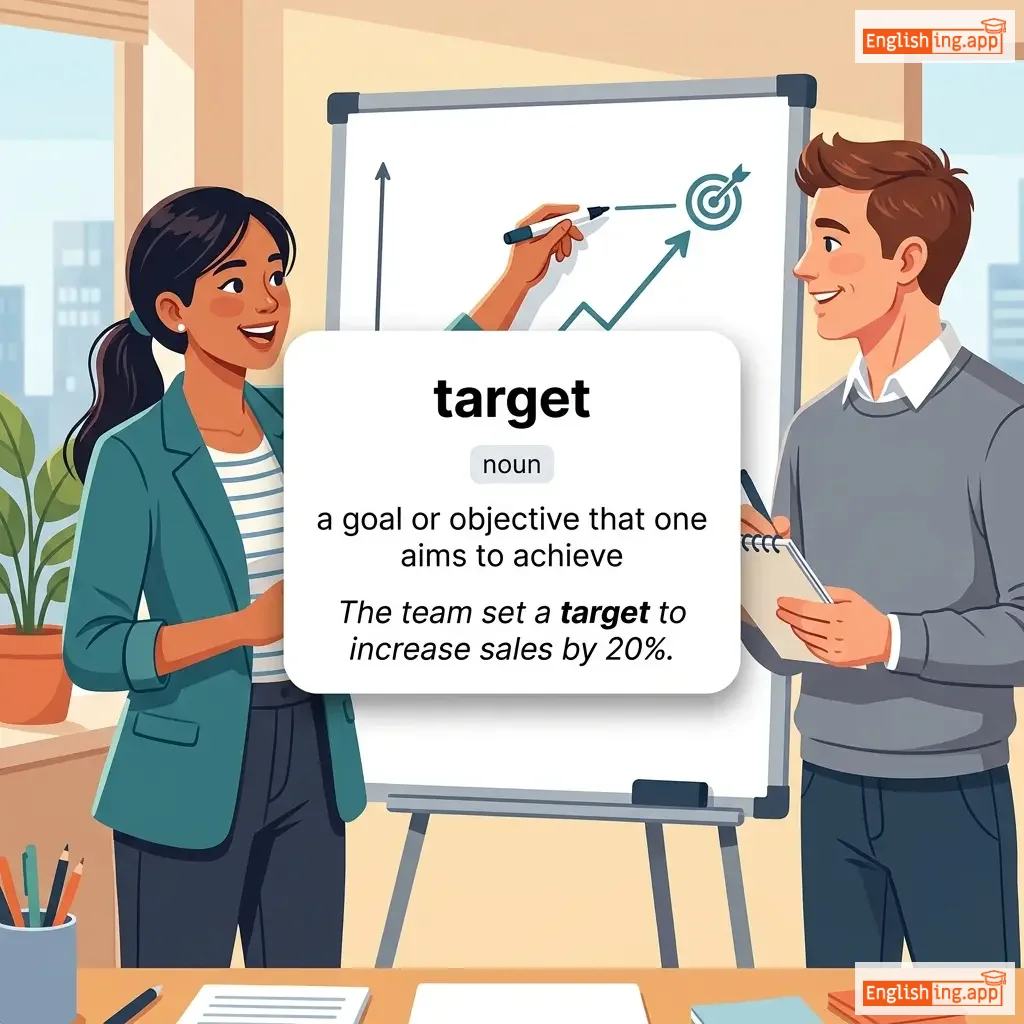
a goal or objective that one aims to achieve
••••••
|
The team set a target to increase sales by 20%. |
チームは売上を20%増加させることを目標に設定しました。
Chīmu wa uriage o 20% zōka saseru koto o mokuhyō ni settei shimashita.
••••••
|
- •••••• | - •••••• | - •••••• |
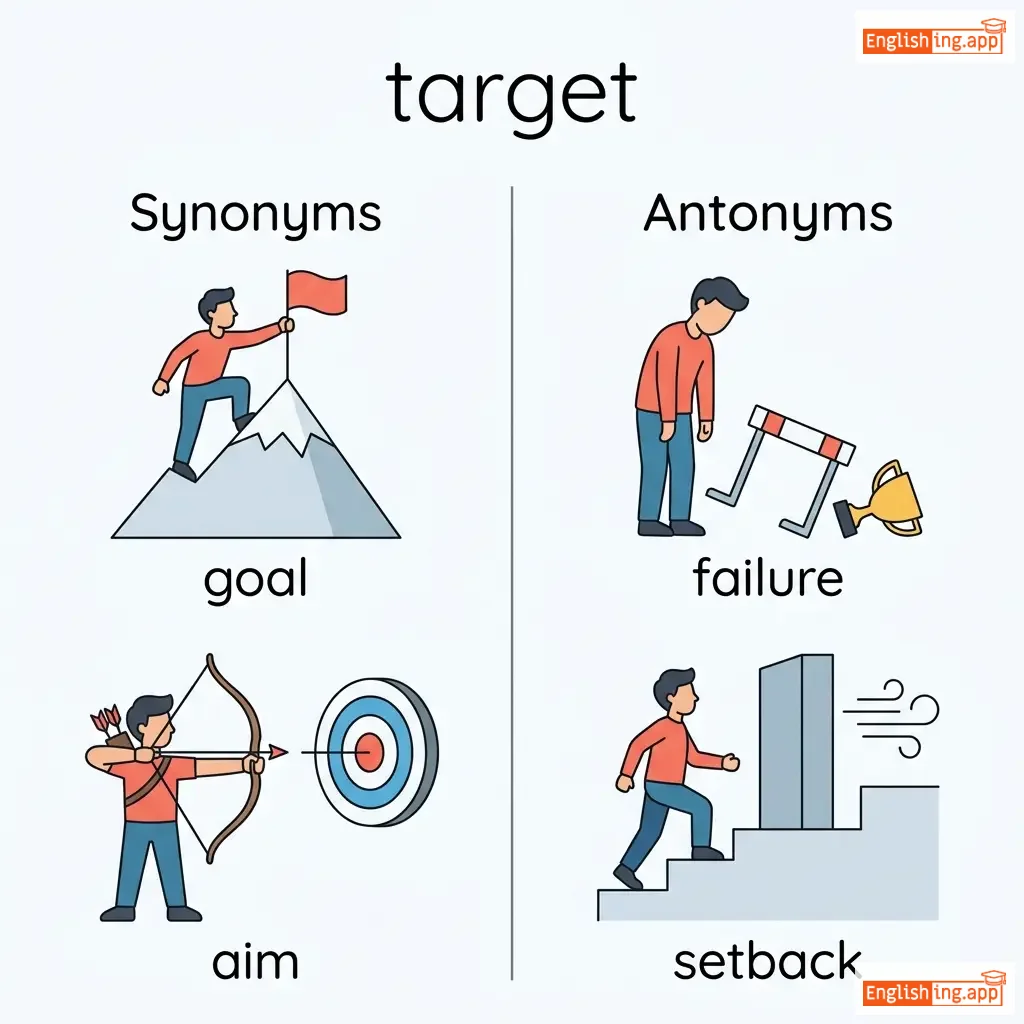
goal, aim, objective, mark
••••••
|
failure, setback
••••••
|
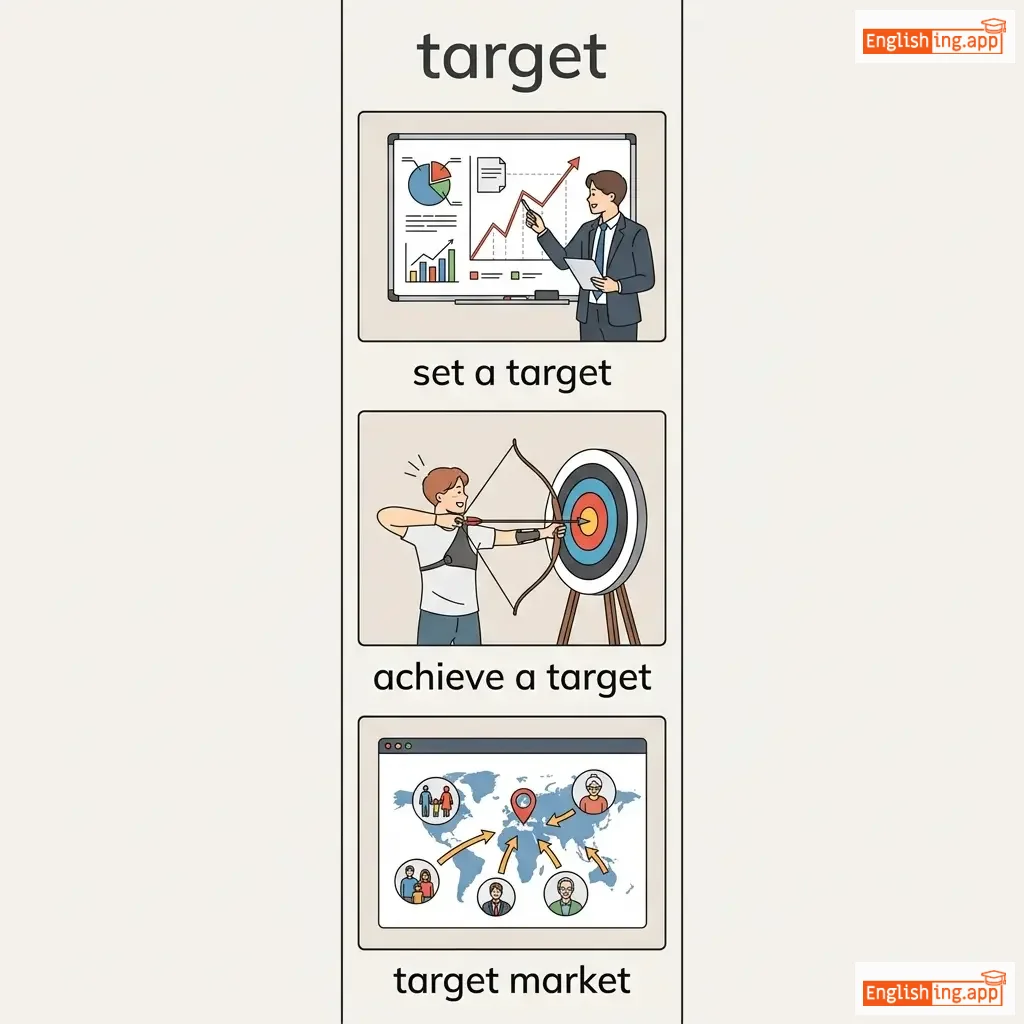
set a target, achieve a target, target market
••••••
|
TARGET - TaR, GaT! あなたの目標に集中しましょう、'TaR'(ターゲット)のように!
••••••
|
|
#12087
📼
|
/teɪp/
noun
(テープ)
••••••
|
- •••••• |
テープ
teepu
••••••
|
- •••••• | - •••••• | - •••••• | - •••••• |
a long, narrow strip of material, often sticky on one side, used for fastening or sticking things together
••••••
|
I need some tape to seal this box. |
この箱を封をするためにテープが必要です。
Kono hako o fuu o suru tame ni teepu ga hitsuyou desu.
••••••
|
- •••••• | - •••••• | - •••••• |
adhesive, sticky tape, masking tape, sellotape
••••••
|
scissors, unstick
••••••
|
scotch tape, masking tape, duct tape, adhesive tape
••••••
|
Tape it up to seal it tight!
••••••
|
|
#12088
🔨
|
/tæp/
verb
(タップ)
••••••
|
- •••••• |
タップする
tappu suru
••••••
|
tapped
タップド
••••••
|
tapped
タップド
••••••
|
taps
タップス
••••••
|
tapping
タッピング
••••••
|
to strike something lightly, usually with a quick, sharp sound
••••••
|
He tapped on the door to get her attention.
彼は彼女の注意を引くためにドアをタップしました。
••••••
|
彼は彼女の注意を引くためにドアをタップしました。
Kare wa kanojo no chuui o hiku tame ni doa o tappu shimashita.
••••••
|
- •••••• | - •••••• | - •••••• |
knock, hit, strike, pat
••••••
|
slam, pound
••••••
|
tap on, tap the table, tap gently
••••••
|
ドアをタップ: 彼女の注意を引くためにタップする!
••••••
|
|
#12089
🚙
|
/tæŋk/
noun
••••••
|
- •••••• | - •••••• | - •••••• | - •••••• | - •••••• | - •••••• |
a large, heavy military vehicle that moves on tracks and is armed with weapons
••••••
|
The army sent tanks to the front lines. |
- •••••• | - •••••• | - •••••• | - •••••• |
armored vehicle, combat vehicle, war machine
••••••
|
car, bicycle
••••••
|
military tank, battle tank, army tank
••••••
|
No •••••• |
|
#12090
🗣️
|
/tɔːk/
verb
(トーク)
••••••
|
|
話す
hanasu
••••••
|
talked
トークド
••••••
|
talked
トークド
••••••
|
talks
トークス
••••••
|
talking
トーキング
••••••
|
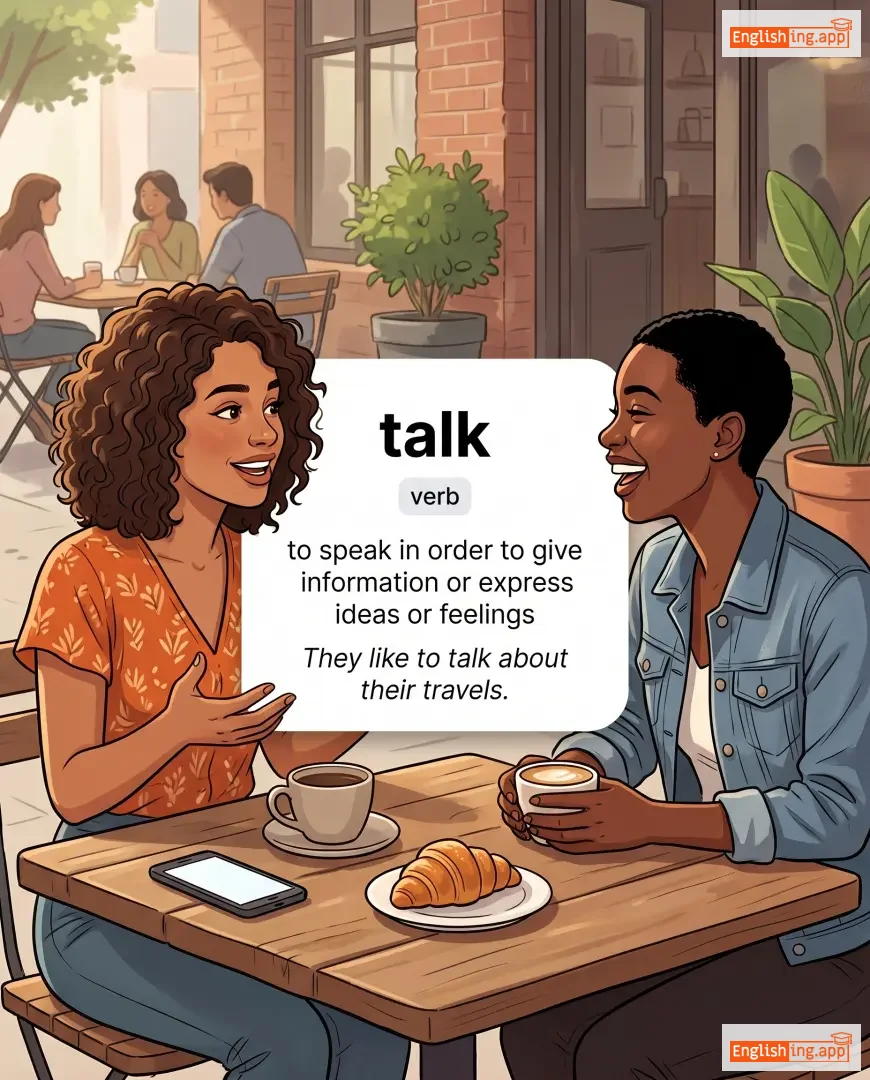
to speak in order to give information or express ideas or feelings
••••••
|
They like to talk about their travels.
彼らは旅行について話すのが好きです。
••••••
|
彼らは旅行について話すのが好きです。
Karera wa ryokou ni tsuite hanasu no ga suki desu.
••••••
|
- •••••• | - •••••• | - •••••• |
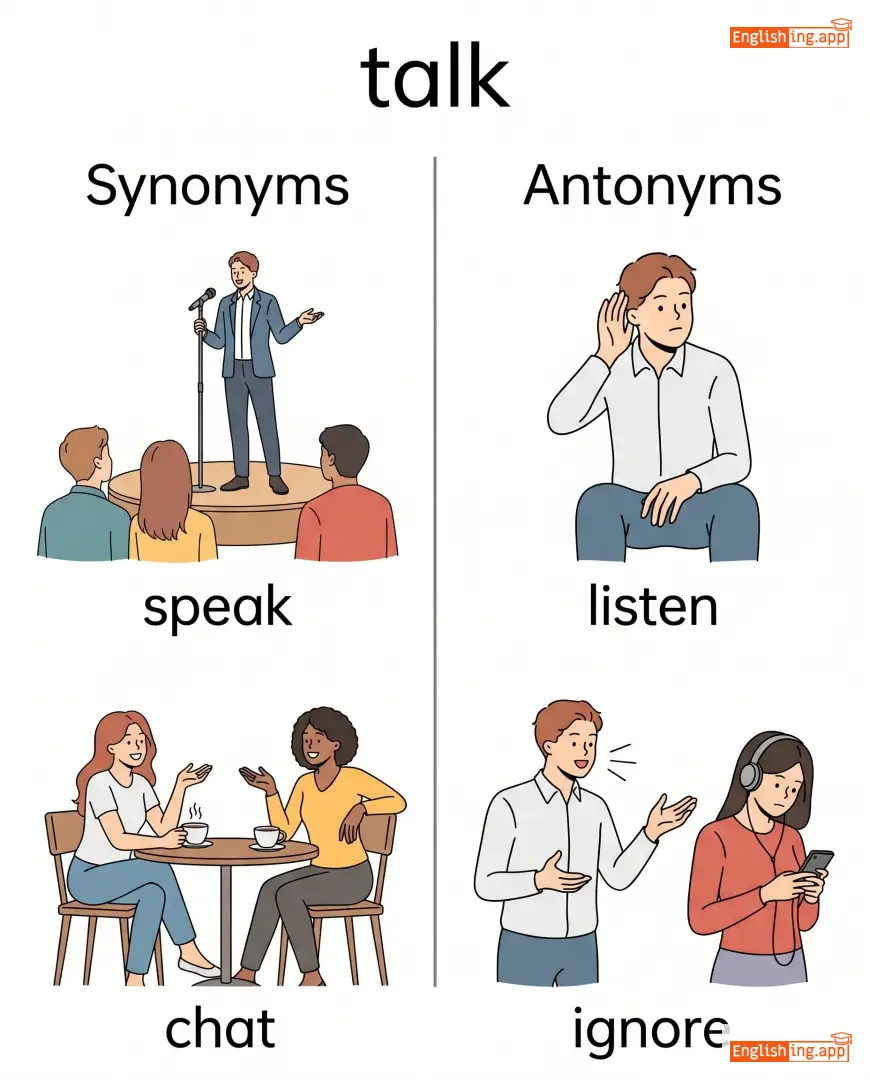
speak, chat, converse, discuss, communicate
••••••
|
listen, ignore
••••••
|
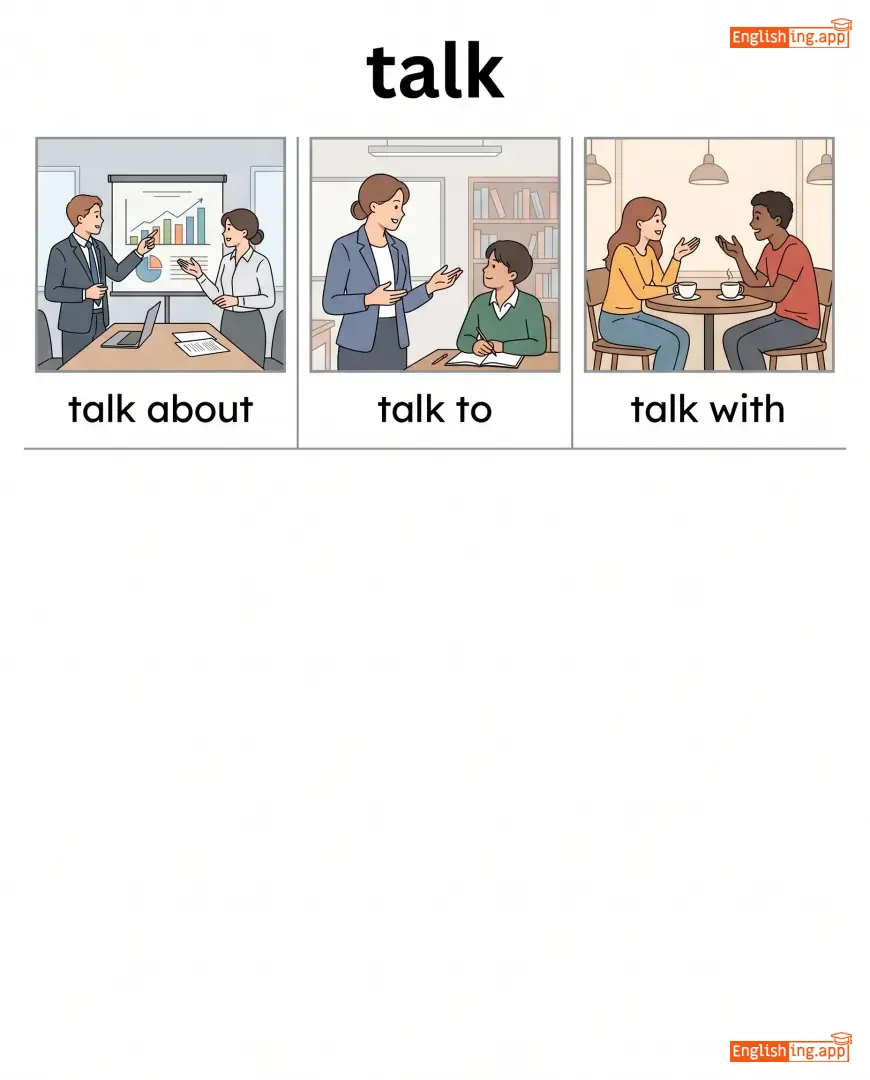
talk about, talk to, talk with, small talk
••••••
|
Talking about travels is always fun!
••••••
|
|
#12091
🎨
|
/ˈtælənt/
noun
(タレント)
••••••
|
- •••••• |
才能
sainou
••••••
|
- •••••• | - •••••• | - •••••• | - •••••• |
natural aptitude or skill
••••••
|
She has a great talent for painting.
彼女は絵画において素晴らしい才能を持っています。
••••••
|
彼女は絵画において素晴らしい才能を持っています。
Kanojo wa kaiga ni oite subarashī sainō o motteimasu.
••••••
|
- •••••• | - •••••• | - •••••• |
ability, skill, gift, knack, expertise
••••••
|
incompetence, ineptitude, inability
••••••
|
natural talent, artistic talent, hidden talent, raw talent
••••••
|
Talented artists create TALENTS, like painting!
••••••
|
|
#12092
📖
|
/teɪl/
noun
(テイル)
••••••
|
- •••••• |
物語
monogatari
••••••
|
- •••••• | - •••••• | - •••••• | - •••••• |
a narrative of imaginary events, especially one that is presented as true
••••••
|
The old man told a tale of his adventures. |
その老人は冒険の物語を話した。
Sono rōjin wa bōken no monogatari o hanashita.
••••••
|
tall tale |
an exaggerated story, often one that is not true
••••••
|
大げさな話
ōgesa na hanashi
••••••
|
story, narrative, legend, fable
••••••
|
fact, truth
••••••
|
fairy tale, tall tale, bedtime tale
••••••
|
物語 (monogatari) は想像力から生まれる - A tale born from imagination
••••••
|
|
#12093
🚌
|
/teɪk/
verb
(teiku)
••••••
|
|
取る
toru
••••••
|
took
tooku
••••••
|
taken
teiken
••••••
|
takes
teikus
••••••
|
taking
teiking
••••••
|
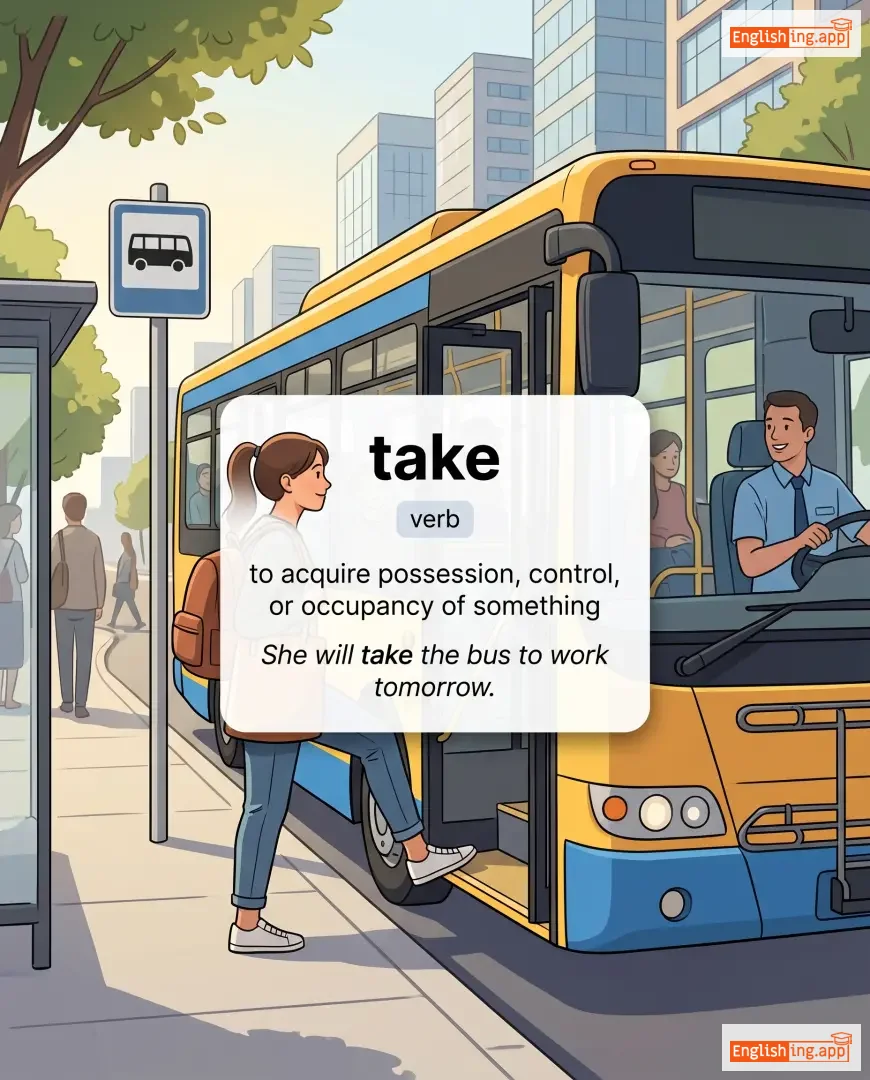
to acquire possession, control, or occupancy of something
••••••
|
She will take the bus to work tomorrow.
彼女は明日バスで仕事に行く。
••••••
|
彼女は明日バスで仕事に行く。
Kanojo wa ashita basu de shigoto ni iku.
••••••
|
take advantage of
利用する
••••••
|
to exploit or make good use of an opportunity
••••••
|
利用する
riyousuru
••••••
|
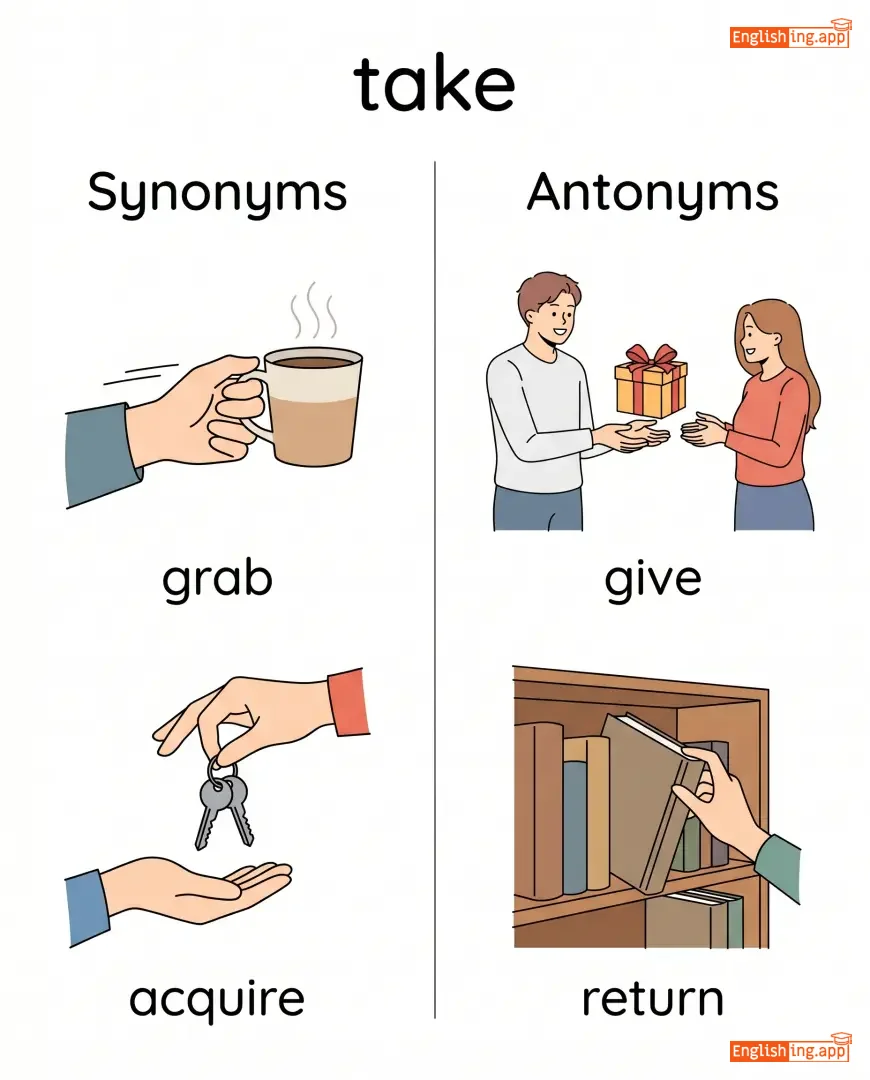
grab, acquire, seize, accept
••••••
|
give, return, release
••••••
|
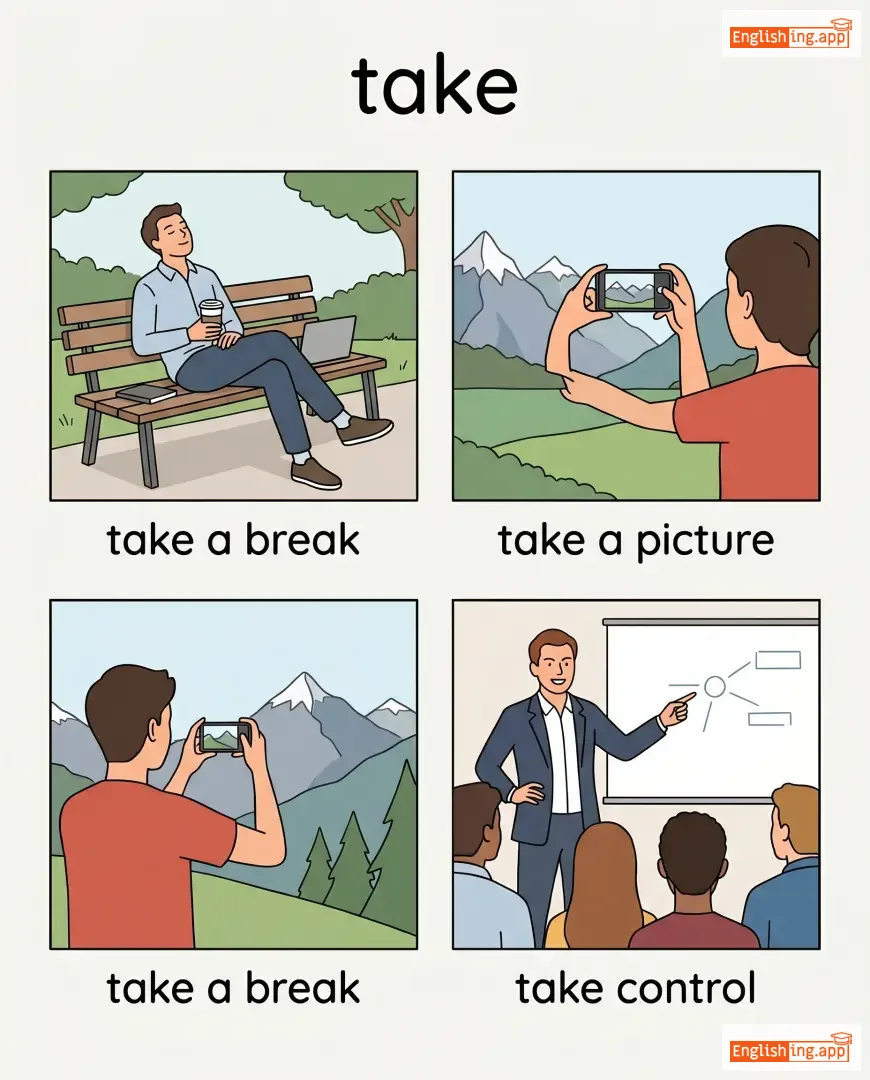
take a break, take a picture, take control
••••••
|
取る (take) なら、あなたはそれを得る - If you take it, you will have it.
••••••
|
|
#12094
🐕
|
/teɪl/
noun
(teyl)
••••••
|
- •••••• |
尾
o
••••••
|
- •••••• | - •••••• | - •••••• | - •••••• |
the part of an animal that extends from the back and is often used for balance or communication
••••••
|
The dog wagged its tail when it saw its owner. |
犬は飼い主を見たとき、尻尾を振った。
Inu wa kainushi o mita toki, shippo o futta.
••••••
|
- •••••• | - •••••• | - •••••• |
rear, appendage, back end
••••••
|
front, head
••••••
|
dog's tail, wagging tail, animal's tail
••••••
|
犬の尾 (shippo) は感情を伝えるために振られる
••••••
|
|
#12095
🎯
|
/ˈtæktɪk/
noun
(タクティック)
••••••
|
- •••••• |
戦術
senjutsu
••••••
|
- •••••• | - •••••• | - •••••• | - •••••• |
a carefully planned action or strategy to achieve a specific goal
••••••
|
The coach used a defensive tactic to win the game.
コーチは試合に勝つために防御的な戦術を使用しました。
••••••
|
コーチは試合に勝つために防御的な戦術を使用しました。
Kōchi wa shiai ni katsu tame ni bōgyo-teki na senjutsu o shiyō shimashita.
••••••
|
- •••••• | - •••••• | - •••••• |
strategy, approach, method, plan
••••••
|
impulsiveness, disorder, confusion
••••••
|
military tactic, negotiation tactic, defensive tactic
••••••
|
計画的に考えて戦術を練る
••••••
|
|
#12096
🥄
|
/ˈteɪbəlˌspun/
noun
(テーブルスプーン)
••••••
|
- •••••• |
テーブルスプーン
teeburusu pun
••••••
|
- •••••• | - •••••• | - •••••• | - •••••• |
a spoon used for serving or eating food, typically holding about 15 milliliters
••••••
|
She stirred the soup with a tablespoon.
彼女はテーブルスプーンでスープをかき混ぜました。
••••••
|
彼女はテーブルスプーンでスープをかき混ぜました。
Kanojo wa teeburusu pun de suupu o kakimazemashita.
••••••
|
- •••••• | - •••••• | - •••••• |
soup spoon, serving spoon
••••••
|
teaspoon, fork
••••••
|
tablespoon of sugar, tablespoon of salt, a full tablespoon
••••••
|
テーブルスプーンでスープ (teeburusu pun de suupu) - Imagine using a spoonful of soup.
••••••
|
|
#12097
🤒
|
/ˈsɪmptəm/
noun
(シンプトム)
••••••
|
- •••••• |
症状
shōjō
••••••
|
- •••••• | - •••••• | - •••••• | - •••••• |
a sign or indication of something, especially of an illness
••••••
|
Fever is a common symptom of the flu. |
熱はインフルエンザの一般的な症状です。
Netsu wa infuruenza no ippanteki na shōjō desu.
••••••
|
- •••••• | - •••••• | - •••••• |
sign, indication, manifestation, mark
••••••
|
health, wellness
••••••
|
symptom of illness, common symptom, early symptom
••••••
|
Symptom like fever: You feel sick (病気) when you're ill!
••••••
|
|
#12098
❤️
|
/ˈsɪmbəl/
noun
(シンボル)
••••••
|
- •••••• |
シンボル
shinboru
••••••
|
- •••••• | - •••••• | - •••••• | - •••••• |
a mark, sign, or object that represents something else
••••••
|
The heart is a symbol of love. |
心は愛のシンボルです。
Kokoro wa ai no shinboru desu.
••••••
|
- •••••• | - •••••• | - •••••• |
emblem, sign, token, representation
••••••
|
none
••••••
|
symbol of peace, symbol of love, national symbol
••••••
|
心 (kokoro) は愛のシンボル!
••••••
|
|
#12099
🔄
|
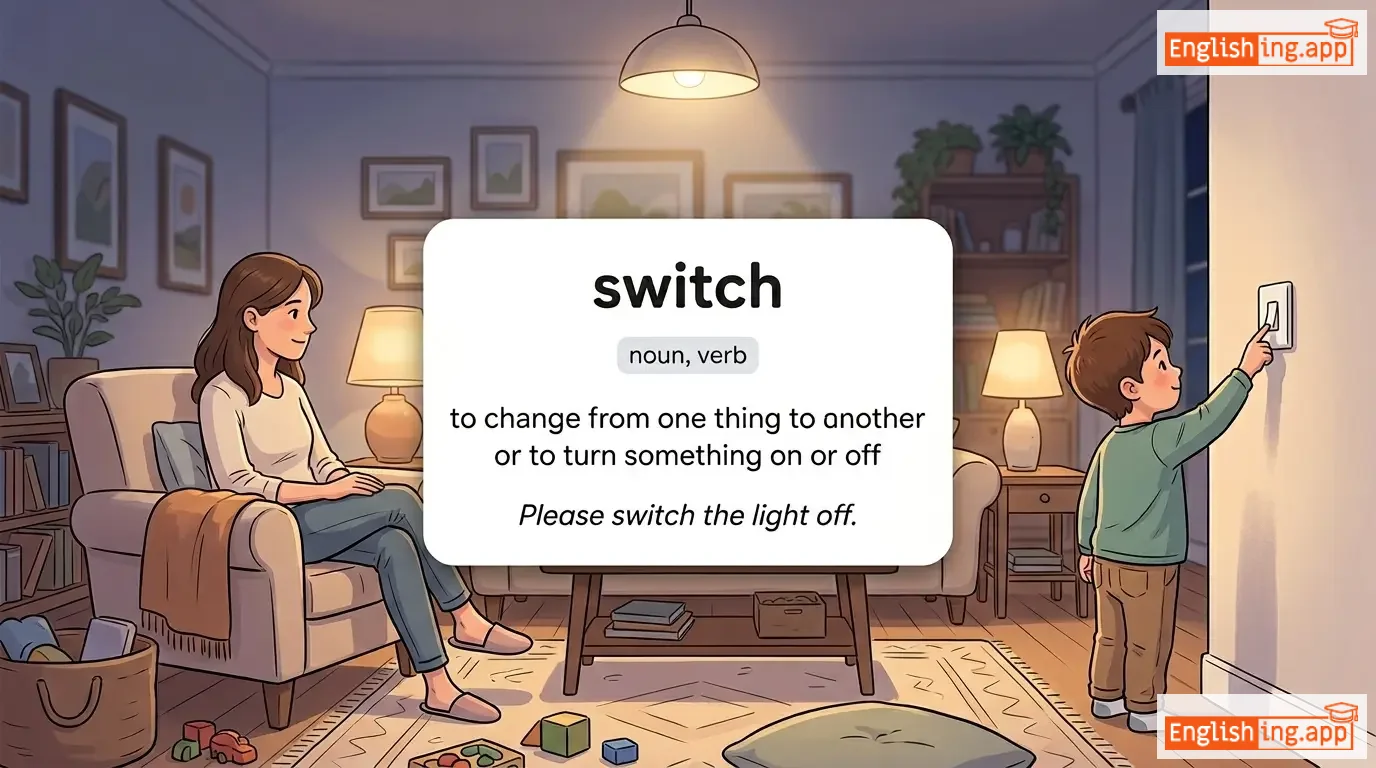
/swɪtʃ/
noun, verb
(スイッチ)
••••••
|
|
スイッチ
suicchi
••••••
|
switched
スイッチド
••••••
|
switched
スイッチド
••••••
|
switches
スイッチェス
••••••
|
switching
スイッチング
••••••
|
to change from one thing to another or to turn something on or off
••••••
|
Please switch the light off.
ライトを消してください。
••••••
|
ライトを消してください。
Raito o keshite kudasai.
••••••
|
- •••••• | - •••••• | - •••••• |
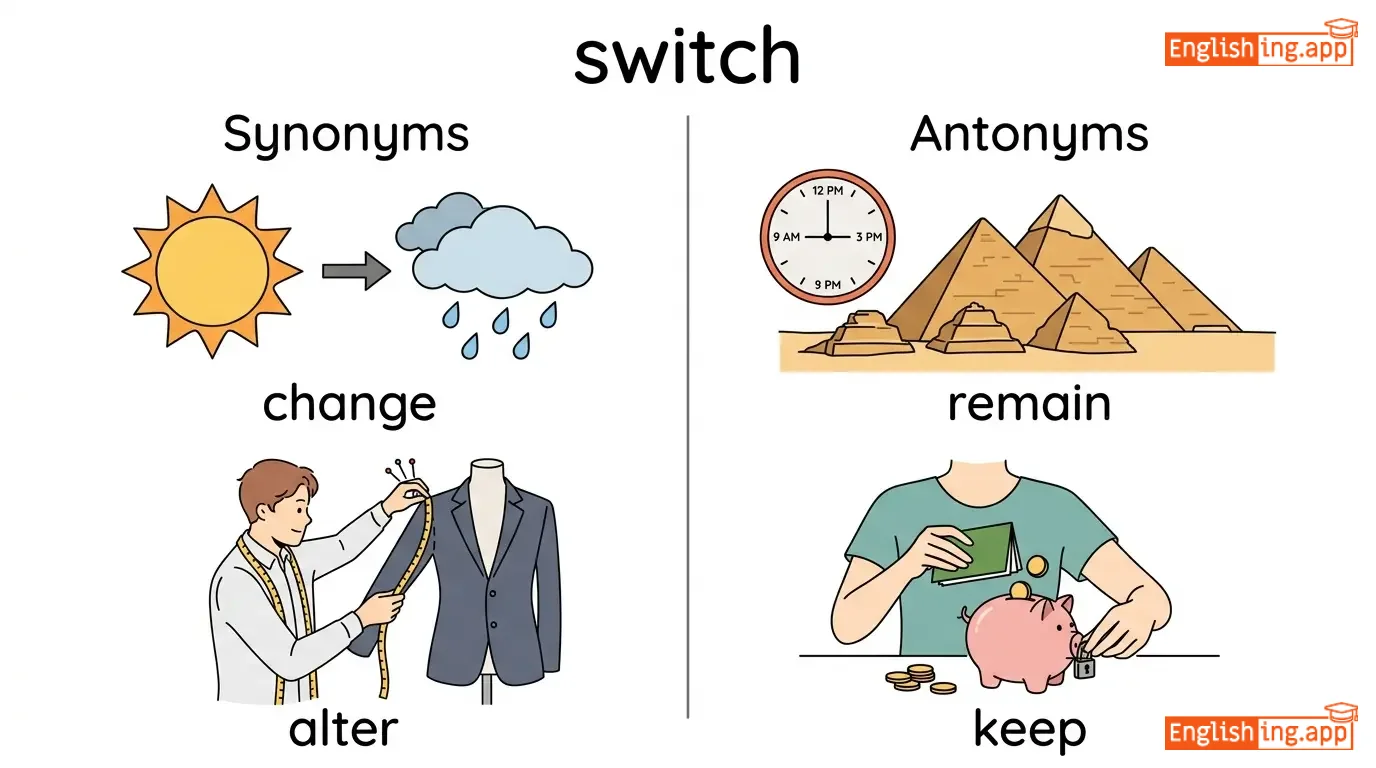
change, alter, shift, toggle
••••••
|
remain, keep, stay
••••••
|
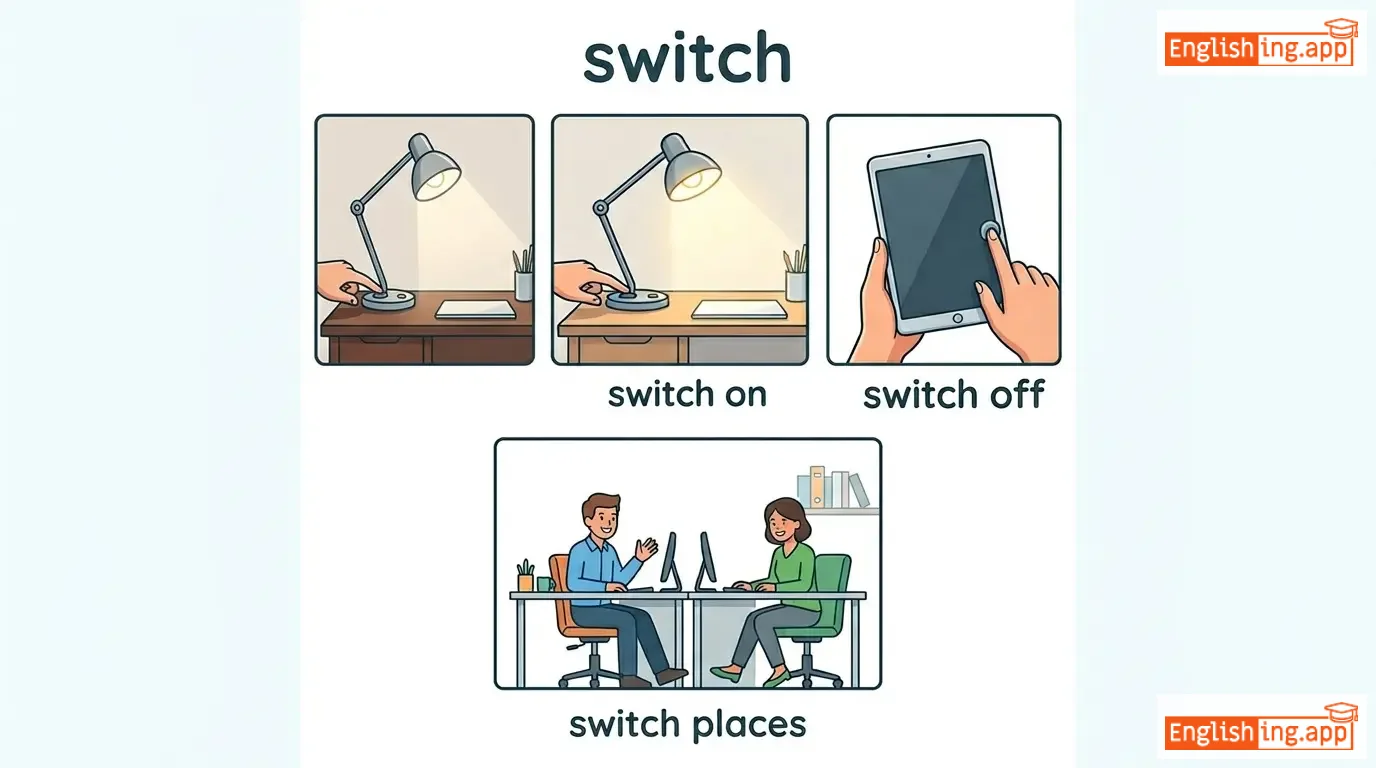
switch on, switch off, switch places, switch sides
••••••
|
スイッチのように、簡単にオン/オフを切り替える!
••••••
|
|
#12100
🤔
|
/səˈpəʊz/
verb
(サポーズ)
••••••
|
- •••••• |
仮定する
katei suru
••••••
|
supposed
サポーズド
••••••
|
supposed
サポーズド
••••••
|
supposes
サポーズズ
••••••
|
supposing
サポージング
••••••
|
to assume or believe something is true without proof
••••••
|
I suppose she will be here soon.
私は彼女がすぐにここに来ると思います。
••••••
|
私は彼女がすぐにここに来ると思います。
Watashi wa kanojo ga sugu ni koko ni kuru to omoimasu.
••••••
|
suppose so
そう思います
••••••
|
used to express agreement with a suggestion or opinion
••••••
|
そう思います
Sō omoimasu
••••••
|
assume, believe, guess, think
••••••
|
doubt, question, deny
••••••
|
suppose to, I suppose, suppose that, suppose so
••••••
|
仮定するのは、全てを予測すること!
••••••
|
|
#12101
🍭
|
/swiːt/
adjective
(スウィート)
••••••
|
- •••••• |
甘い
amai
••••••
|
- •••••• | - •••••• | - •••••• | - •••••• |
having a pleasant taste or smell, like sugar or honey
••••••
|
The cake tastes sweet.
ケーキは甘い味がします。
••••••
|
ケーキは甘い味がします。
Keeki wa amai aji ga shimasu.
••••••
|
- •••••• | - •••••• | - •••••• |
sugary, honeyed, pleasant, delectable
••••••
|
bitter, sour, unpleasant
••••••
|
sweet taste, sweet smile, sweet aroma
••••••
|
Sweet like '甘い', it’s all about the sweetness!
••••••
|
|
#12102
🧹
|
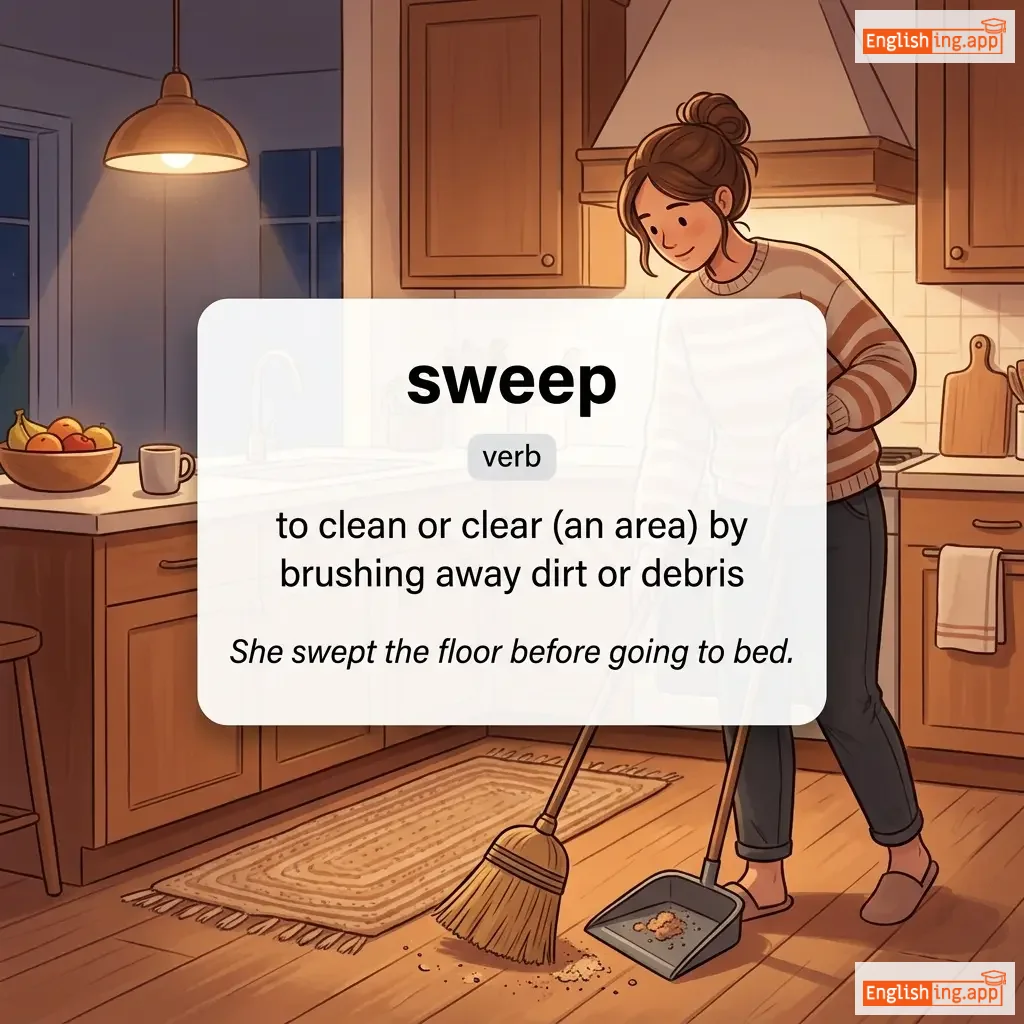
/swiːp/
verb
(suīpu)
••••••
|
|
掃く
haku
••••••
|
swept
swept
••••••
|
swept
swept
••••••
|
sweeps
sweeps
••••••
|
sweeping
suīpingu
••••••
|
to clean or clear (an area) by brushing away dirt or debris
••••••
|
She swept the floor before going to bed.
彼女は寝る前に床を掃いた。
••••••
|
彼女は寝る前に床を掃いた。
Kanojo wa neru mae ni yuka o haiteta.
••••••
|
- •••••• | - •••••• | - •••••• |
clean, brush, clear, sweep up
••••••
|
dirty, mess
••••••
|
sweep the floor, sweep away, sweeping motion
••••••
|
Sweep - Sweep away dirt and mess!
••••••
|
|
#12103
💪
|
/sərˈvaɪvə/
noun
(サバイバー)
••••••
|
- •••••• |
生存者
seizonsha
••••••
|
- •••••• | - •••••• | - •••••• | - •••••• |
a person who survives, especially in difficult conditions
••••••
|
The survivors of the shipwreck were rescued after several days.
難破船のサバイバーたちは数日後に救出されました。
••••••
|
難破船のサバイバーたちは数日後に救出されました。
Nanpaisen no sabaibatachi wa suujitsugo ni kyushutsusaremashita.
••••••
|
- •••••• | - •••••• | - •••••• |
survivor, conqueror, overcomer
••••••
|
victim
••••••
|
shipwreck survivor, accident survivor, lone survivor
••••••
|
ジャングルでのサバイバー - 激しい戦闘の後に生き残る
••••••
|
|
#12104
🦸
|
/səˈvaɪvl/
noun
(サバイバル)
••••••
|
- •••••• |
サバイバル
sabaibaru
••••••
|
- •••••• | - •••••• | - •••••• | - •••••• |
the state of continuing to live or exist, typically in difficult conditions
••••••
|
Survival in the wild can be a challenging experience.
野生でのサバイバルは、挑戦的な経験となることがあります。
••••••
|
野生でのサバイバルは、挑戦的な経験となることがあります。
Yasei de no sabaibaru wa, chousenteki na keiken to naru koto ga arimasu.
••••••
|
- •••••• | - •••••• | - •••••• |
existence, endurance, staying alive
••••••
|
death, extinction
••••••
|
survival skills, survival mode, struggle for survival
••••••
|
サバイバル - 厳しい環境で生き残るために戦う
••••••
|
|
#12105
📊
|
/ˈsɜːveɪ/
noun/verb
(サーベイ)
••••••
|
- •••••• |
調査, アンケート
chousa, ankeeto
••••••
|
surveyed
サーベイド
••••••
|
surveyed
サーベイド
••••••
|
surveys
サーベイズ
••••••
|
surveying
サーヴィング
••••••
|
noun: an examination or inspection; verb: to examine or measure (an area or subject)
••••••
|
They conducted a survey to understand customer preferences.
彼らは顧客の好みを理解するために調査を行いました。
••••••
|
彼らは顧客の好みを理解するために調査を行いました。
Karera wa kokyaku no konomi o rikai suru tame ni chousa o okonai mashita.
••••••
|
- •••••• | - •••••• | - •••••• |
poll, questionnaire, study, inspection
••••••
|
neglect, ignore
••••••
|
conduct a survey, survey results, survey participants
••••••
|
調査は顧客の意見を集めること
••••••
|
|
#12106
😲
|
/səˈpraɪzɪŋli/
adverb
(サプライズングリー)
••••••
|
- •••••• |
驚くべきことに
odorokubeki koto ni
••••••
|
- •••••• | - •••••• | - •••••• | - •••••• |
in a way that causes surprise or amazement
••••••
|
Surprisingly, she finished the entire project in just one day.
驚くべきことに、彼女は1日でプロジェクト全体を終わらせました。
••••••
|
驚くべきことに、彼女は1日でプロジェクト全体を終わらせました。
Odorokubeki koto ni, kanojo wa 1 nichi de purojekuto zentai o owarasemashita.
••••••
|
- •••••• | - •••••• | - •••••• |
unexpectedly, shockingly, amazingly, astoundingly
••••••
|
predictably, expectedly
••••••
|
surprisingly fast, surprisingly well, surprisingly easy
••••••
|
驚くべき!つまらない仕事が驚くべき速さで終わる – 驚くべきことに
••••••
|
|
#12107
😮
|
/səˈpraɪzɪŋ/
adjective
(サプライズイング)
••••••
|
- •••••• |
驚くべき
odorokubeki
••••••
|
- •••••• | - •••••• | - •••••• | - •••••• |
causing surprise or astonishment
••••••
|
The sudden storm was surprising. |
突然の嵐は驚くべきものでした。
Totsuzen no arashi wa odorokubeki mono deshita.
••••••
|
- •••••• | - •••••• | - •••••• |
amazing, astonishing, shocking, unexpected
••••••
|
predictable, expected
••••••
|
surprising result, surprising turn, surprising news
••••••
|
SURprising = 驚くべき出来事が予測できない!
••••••
|
|
#12108
😲
|
/səˈpraɪzd/
adjective
(サプライズド)
••••••
|
- •••••• |
驚いた
odoroita
••••••
|
- •••••• | - •••••• | - •••••• | - •••••• |
feeling or showing astonishment or shock
••••••
|
She was surprised by the news.
彼女はそのニュースに驚きました。
••••••
|
彼女はそのニュースに驚きました。
Kanojo wa sono nyūsu ni odoroimashita.
••••••
|
- •••••• | - •••••• | - •••••• |
astonished, shocked, amazed, dumbfounded
••••••
|
unimpressed, indifferent
••••••
|
surprised expression, surprised look, surprised reaction
••••••
|
SURprised = Something Unexpected Really Excites
••••••
|
|
#12109
🎉
|
/səˈpraɪz/
noun
(サプライズ)
••••••
|
- •••••• |
驚き
odoroki
••••••
|
- •••••• | - •••••• | - •••••• | - •••••• |
a sudden and unexpected event or situation
••••••
|
His arrival was a pleasant surprise. |
彼の到着は嬉しい驚きでした。
kare no touchaku wa ureshii odoroki deshita.
••••••
|
a pleasant surprise |
an unexpected but happy event
••••••
|
嬉しい驚き
ureshii odoroki
••••••
|
shock, astonishment, amazement, wonder
••••••
|
expectation, predictability
••••••
|
pleasant surprise, unexpected surprise, big surprise
••••••
|
SURprise = SURroundings change suddenly!
••••••
|
|
#12110
🩺
|
/ˈsɜːdʒəri/
noun
••••••
|
- •••••• | - •••••• | - •••••• | - •••••• | - •••••• | - •••••• |
a medical procedure involving the cutting of the body to treat a condition
••••••
|
She underwent surgery to remove the tumor. |
- •••••• | - •••••• | - •••••• | - •••••• |
operation, procedure, treatment
••••••
|
healing, recovery
••••••
|
surgery operation, minor surgery, surgery recovery
••••••
|
No •••••• |
|
#12111
🌊
|
/ˈsɜːfɪs/
noun
(サーフェス)
••••••
|
- •••••• |
表面
hyoumen
••••••
|
- •••••• | - •••••• | - •••••• | - •••••• |
the outermost layer or boundary of something
••••••
|
The surface of the water was calm. |
水の表面は穏やかでした。
Mizu no hyoumen wa odayaka deshita.
••••••
|
- •••••• | - •••••• | - •••••• |
top, exterior, face, skin
••••••
|
interior, depth
••••••
|
surface tension, surface area, surface layer
••••••
|
SURface = SURrounding area (around something)
••••••
|
|
#12112
✔️
|
/ˈʃʊəli/
adverb
(シュアリー)
••••••
|
- •••••• |
きっと
kitto
••••••
|
- •••••• | - •••••• | - •••••• | - •••••• |
used to emphasize that something is definitely true or certain
••••••
|
Surely, he must know about the meeting.
きっと彼は会議について知っているはずだ。
••••••
|
きっと彼は会議について知っているはずだ。
Kitto kare wa kaigi ni tsuite shitteru hazuda.
••••••
|
- •••••• | - •••••• | - •••••• |
certainly, definitely, undoubtedly, without a doubt
••••••
|
doubtfully, uncertainly, probably
••••••
|
surely know, surely must, surely not
••••••
|
きっと (surely) は確信を込めて言う時に使います。
••••••
|
|
#12113
👑
|
/suˈpriːm/
adjective
(シュプリーム)
••••••
|
- •••••• |
最高
saikou
••••••
|
- •••••• | - •••••• | - •••••• | - •••••• |
highest in rank or authority
••••••
|
He is the supreme leader of the country. |
彼はその国の最高指導者です。
Kare wa sono kuni no saikou shidousha desu.
••••••
|
- •••••• | - •••••• | - •••••• |
highest, top, paramount, ultimate
••••••
|
inferior, subordinate, lower
••••••
|
supreme leader, supreme authority, supreme court
••••••
|
最高、まるで国の最高リーダーのよう。
••••••
|
|
#12114
❓
|
/səˈpəʊzd/
adjective
(サポーズド)
••••••
|
- •••••• |
仮定された
katei sareta
••••••
|
- •••••• | - •••••• | - •••••• | - •••••• |
generally believed or assumed, but not necessarily true
••••••
|
This is the supposed solution to the problem. |
これは問題の仮定された解決策です。
Kore wa mondai no katei sareta kaiketsusaku desu.
••••••
|
- •••••• | - •••••• | - •••••• |
assumed, alleged, presumed, supposed
••••••
|
real, certain, verified
••••••
|
supposed to, supposed solution, supposed reason
••••••
|
仮定された (supposed) は、必ずしも正しいとは限らないが、信じられていることを示す言葉です。
••••••
|
Vocabulary Quiz
Test your vocabulary by matching words with their translations or meanings.
Login to take the quiz
Comments (0)
Share your thoughts and join the discussion.
Join the discussion by logging in
Login to CommentNo comments yet
Be the first to share your thoughts!