

翻訳
過去
過去分詞
三人称単数
動名詞
意味
例文
例文の翻訳
同義語
対義語
コロケーション
ニーモニック



Swipe left or right, or use the buttons. Tap image to zoom.
例文の翻訳
単語
Lesson 396Lesson 396 - マスクトグル
|
絵文字
|
単語 | Images | 翻訳 | 過去 | 過去分詞 | 三人称単数 | 動名詞 | 意味 | 例文 | 例文の翻訳 | 表現例 | 表現例の意味 | 表現例の翻訳 | 同義語 | 対義語 | コロケーション | ニーモニック |
|---|---|---|---|---|---|---|---|---|---|---|---|---|---|---|---|---|---|
|
#11845
💵
|
/ˈsæləri/
noun
(サラリー)
••••••
|
- •••••• |
給料
kyūryō
••••••
|
- •••••• | - •••••• | - •••••• | - •••••• |
a fixed regular payment, typically paid monthly or annually, made by an employer to an employee
••••••
|
He receives a monthly salary for his work as a teacher. |
彼は教師として働くための月給を受け取っています。
Kare wa kyōshi toshite hataraku tame no gekkyū o uketotte imasu.
••••••
|
- •••••• | - •••••• | - •••••• |
wage, pay, income, remuneration
••••••
|
debt, expenses
••••••
|
monthly salary, basic salary, receive salary, pay salary
••••••
|
給料 = 毎月もらうお金。
••••••
|
|
#11846
🎓
|
/ˈskɒlər/
noun
(スカラー)
••••••
|
- •••••• |
学者
gakusha
••••••
|
- •••••• | - •••••• | - •••••• | - •••••• |
a person who studies a particular subject or academic field
••••••
|
The scholar presented a research paper on ancient civilizations. |
学者は古代文明についての研究論文を発表した。
Gakusha wa kodai bunmei ni tsuite no kenkyū ronbun o happyō shita.
••••••
|
- •••••• | - •••••• | - •••••• |
academic, intellectual, researcher, expert
••••••
|
layman, non-expert
••••••
|
scholar of literature, distinguished scholar, scholarly research
••••••
|
学者は知識の宝庫、まるで scholar のようだ。
••••••
|
|
#11847
📅
|
/ˈskɛdʒʊl/
noun
(スケジュール)
••••••
|
- •••••• |
スケジュール
sukējūru
••••••
|
- •••••• | - •••••• | - •••••• | - •••••• |
a plan for carrying out a process or task, showing the time and sequence of actions
••••••
|
I have a busy schedule for today. |
今日は忙しいスケジュールがあります。
Kyō wa isogashī sukējūru ga arimasu.
••••••
|
follow a strict schedule |
to stick to a planned timeline
••••••
|
厳格なスケジュールに従う
Genkaku na sukējūru ni shitagau
••••••
|
agenda, timetable, plan, program
••••••
|
chaos, disorganization
••••••
|
tight schedule, busy schedule, daily schedule, work schedule
••••••
|
Schedule your 'school' events, keeping your 'schedule' tidy.
••••••
|
|
#11848
🎬
|
/siːn/
noun
(シーン)
••••••
|
- •••••• |
シーン
shīn
••••••
|
- •••••• | - •••••• | - •••••• | - •••••• |
a place or setting of an event or activity, or the part of a play or film
••••••
|
The final scene of the movie was very emotional. |
映画の最後のシーンはとても感動的でした。
Eiga no saigo no shīn wa totemo kandō-teki deshita.
••••••
|
a scene of crime |
a location where a crime has occurred
••••••
|
犯罪の現場
hanzai no genba
••••••
|
setting, location, stage, situation
••••••
|
silence, calm
••••••
|
movie scene, crime scene, final scene, tragic scene
••••••
|
Scene in movie- 今日、自分だけのドラマチックな'シーン'を作ってみよう!
••••••
|
|
#11849
😨
|
/skɛrd/
adjective
(スケアード)
••••••
|
- •••••• |
怖がっている
kowagatteiru
••••••
|
- •••••• | - •••••• | - •••••• | - •••••• |
feeling afraid or worried
••••••
|
She was scared of the dark. |
彼女は暗闇を怖がっていた。
Kanojo wa kurayami o kowagatteita.
••••••
|
- •••••• | - •••••• | - •••••• |
frightened, afraid, terrified, nervous
••••••
|
brave, calm
••••••
|
scared of, scared to, scared to death
••••••
|
Scared of the dark, '怖がっている' is the way to express it!
••••••
|
|
#11850
😱
|
/ˈskændəl/
noun
(スキャンダル)
••••••
|
- •••••• |
スキャンダル
sukyandaru
••••••
|
- •••••• | - •••••• | - •••••• | - •••••• |
an event or action that causes public outrage or damage to one's reputation
••••••
|
The politician's affair became a public scandal. |
その政治家の不倫は公然のスキャンダルとなった。
Sono seijika no fukin wa kouzen no sukyandaru to natta.
••••••
|
a scandalous affair |
an affair that causes a lot of public outrage
••••••
|
スキャンダラスな関係
sukyandarasuna kankei
••••••
|
controversy, disgrace, outrage, shame
••••••
|
honor, respect
••••••
|
public scandal, political scandal, media scandal, financial scandal
••••••
|
Scandal—like scanning everything—watch out for people knowing your secrets!
••••••
|
|
#11851
🗣️
|
/seɪ/
verb
(セイ)
••••••
|
|
言う
iu
••••••
|
said
言った
••••••
|
said
言った
••••••
|
says
言う
••••••
|
saying
言っている
••••••
|
to speak words or express thoughts aloud
••••••
|
She asked him to say hello to her parents.
彼女は彼に親にこんにちはと言うように頼んだ。
••••••
|
彼女は彼に親にこんにちはと言うように頼んだ。
Kanojo wa kare ni oya ni konnichiwa to iu yō ni tanonda.
••••••
|
- •••••• | - •••••• | - •••••• |
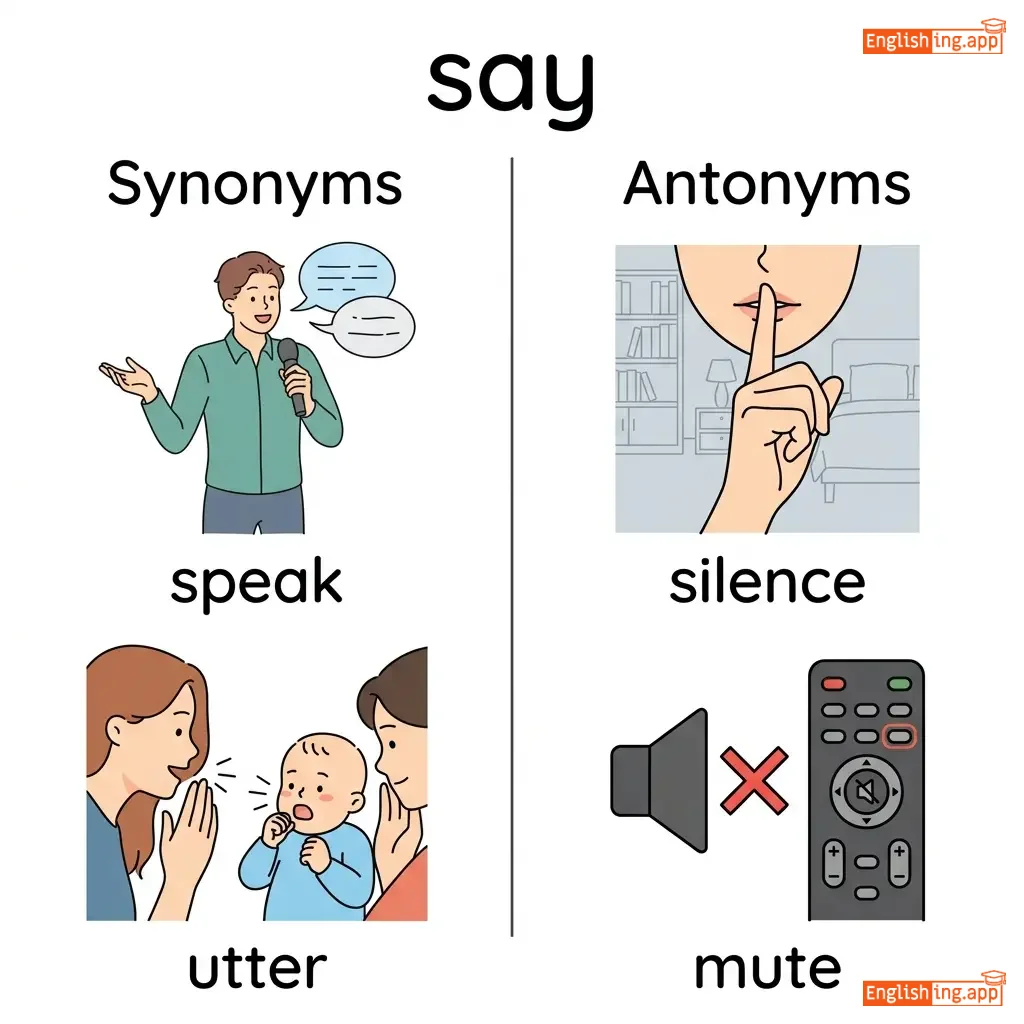
speak, utter, pronounce, express
••••••
|
silence, mute
••••••
|
say something, say hello, say goodbye, say a word
••••••
|
Say 'hello' to your 'Say' sister, just speak it out.
••••••
|
|
#11852
💰
|
/ˈseɪvɪŋ/
noun
(セイヴィング)
••••••
|
|
貯金
chokin
••••••
|
- •••••• | - •••••• | - •••••• | - •••••• |
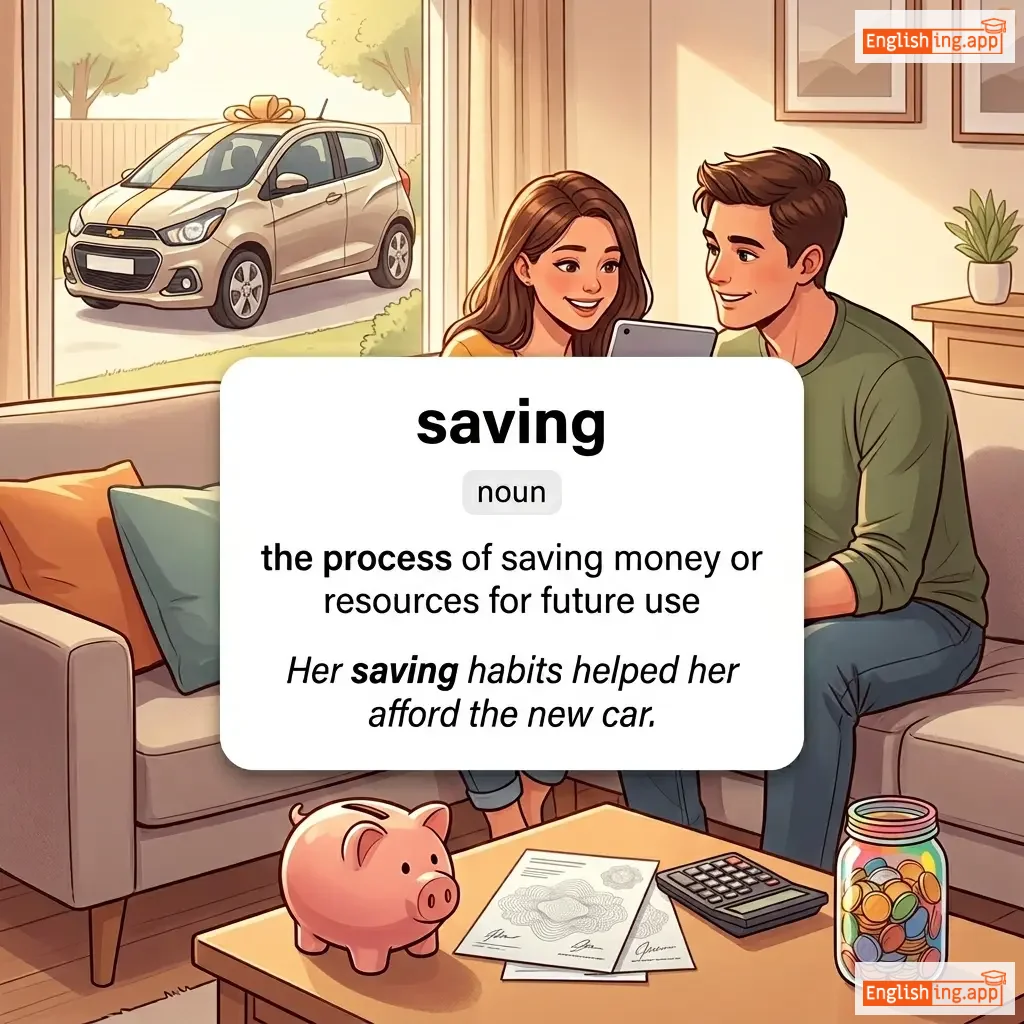
the process of saving money or resources for future use
••••••
|
Her saving habits helped her afford the new car. |
彼女の貯金習慣は新しい車を買うのに役立ちました。
Kanojo no chokin shūkan wa atarashī kuruma o kau no ni yakudachimashita.
••••••
|
- •••••• | - •••••• | - •••••• |
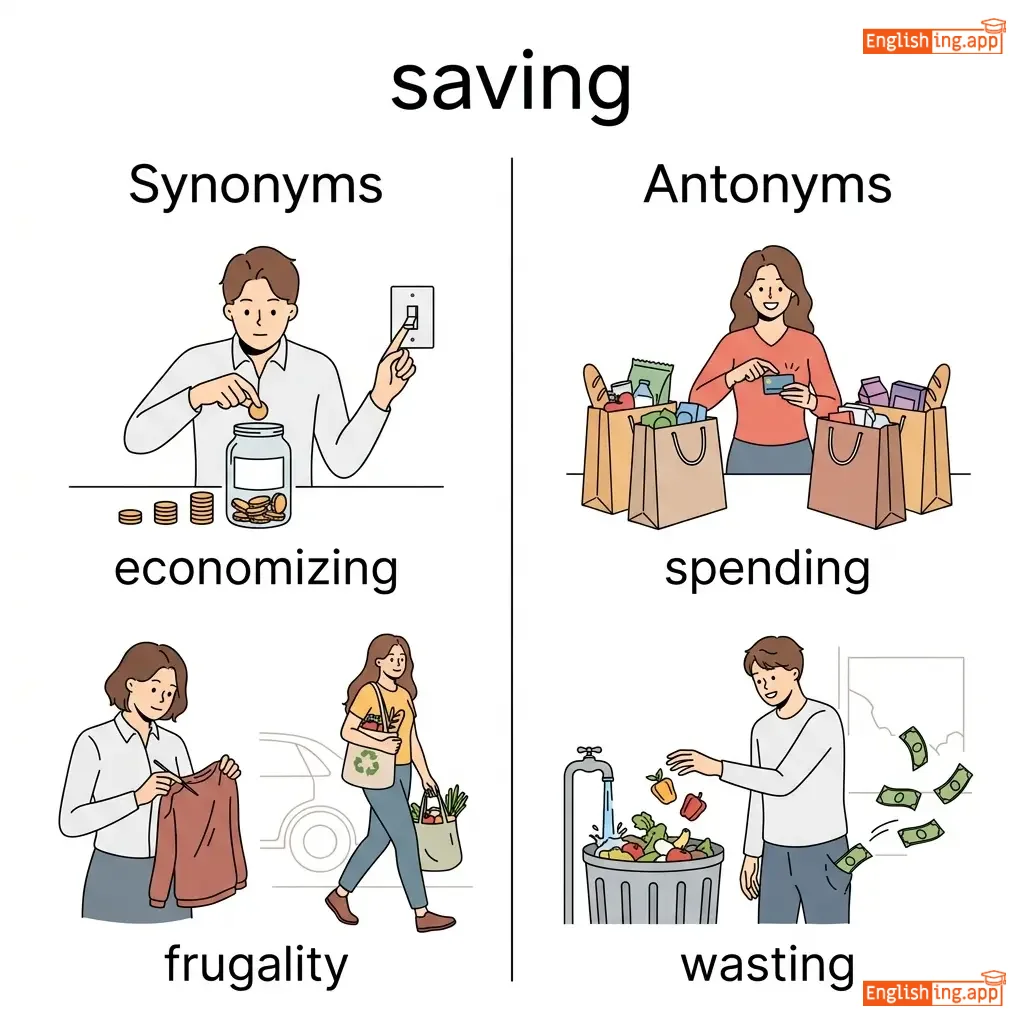
economizing, frugality, saving money, thrift
••••••
|
spending, wasting, squandering
••••••
|
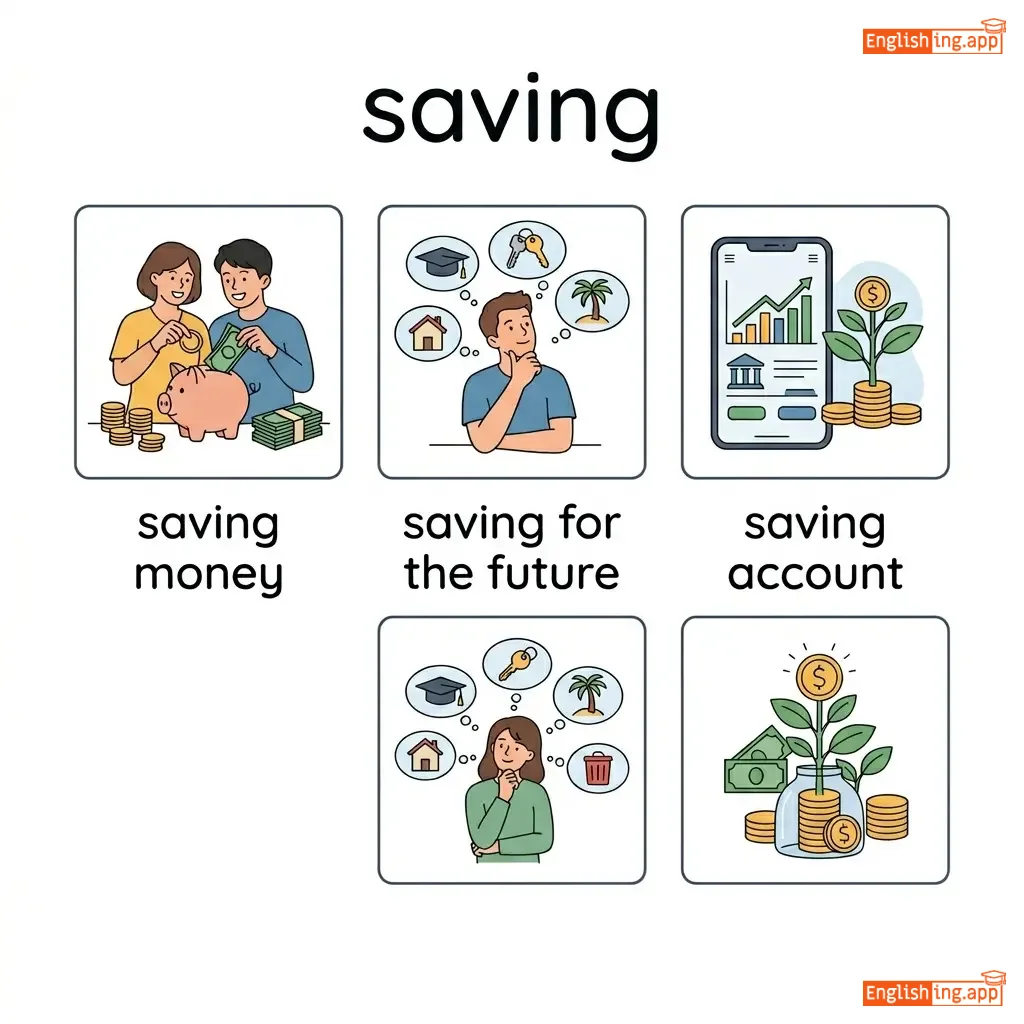
saving money, saving for the future, saving account
••••••
|
貯金して未来に備えよう - 節約して理想の生活を手に入れよう
••••••
|
|
#11853
🍅
|
/sɔːs/
noun
(ソース)
••••••
|
- •••••• |
ソース
soosu
••••••
|
- •••••• | - •••••• | - •••••• | - •••••• |
a liquid or semi-liquid substance used to add flavor to food
••••••
|
She added some tomato sauce to the pasta. |
彼女はパスタにトマトソースを加えた。
Kanojo wa pasuta ni tomato soosu o kuwaeta.
••••••
|
- •••••• | - •••••• | - •••••• |
condiment, dressing, gravy, dip
••••••
|
none
••••••
|
tomato sauce, hot sauce, soy sauce, dipping sauce
••••••
|
ソースが食べ物に味を加える – パスタにソースを加える
••••••
|
|
#11854
✅
|
/ˈsætɪsfaɪ/
verb
(サティスファイ)
••••••
|
|
満たす
mitasu
••••••
|
satisfied
サティスファイド
••••••
|
satisfied
サティスファイド
••••••
|
satisfies
サティスファイズ
••••••
|
satisfying
サティスファイング
••••••
|
to meet the expectations, needs, or desires of someone
••••••
|
The manager's explanation satisfied all of our concerns.
マネージャーの説明は私たちのすべての懸念を満たしました。
••••••
|
マネージャーの説明は私たちのすべての懸念を満たしました。
Manejā no setsumei wa watashitachi no subete no shinpai o mitashimashita.
••••••
|
- •••••• | - •••••• | - •••••• |
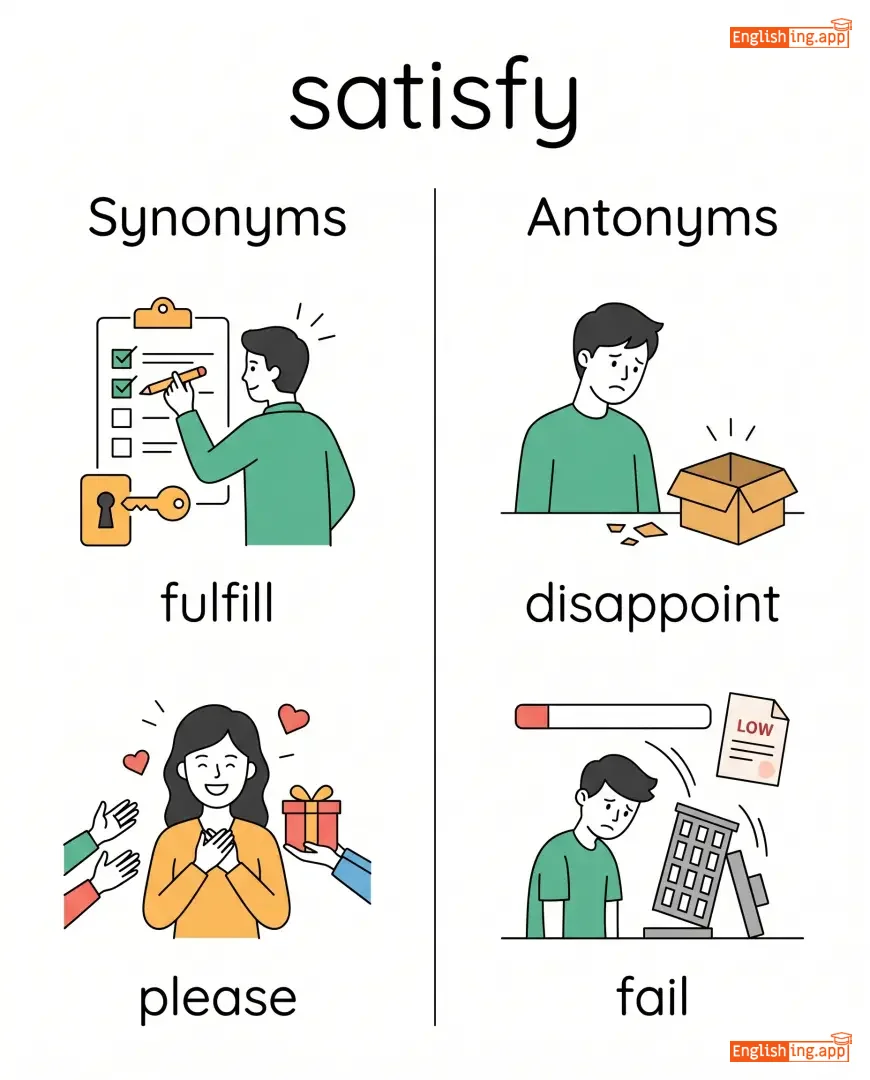
fulfill, please, gratify, content
••••••
|
disappoint, fail, upset
••••••
|
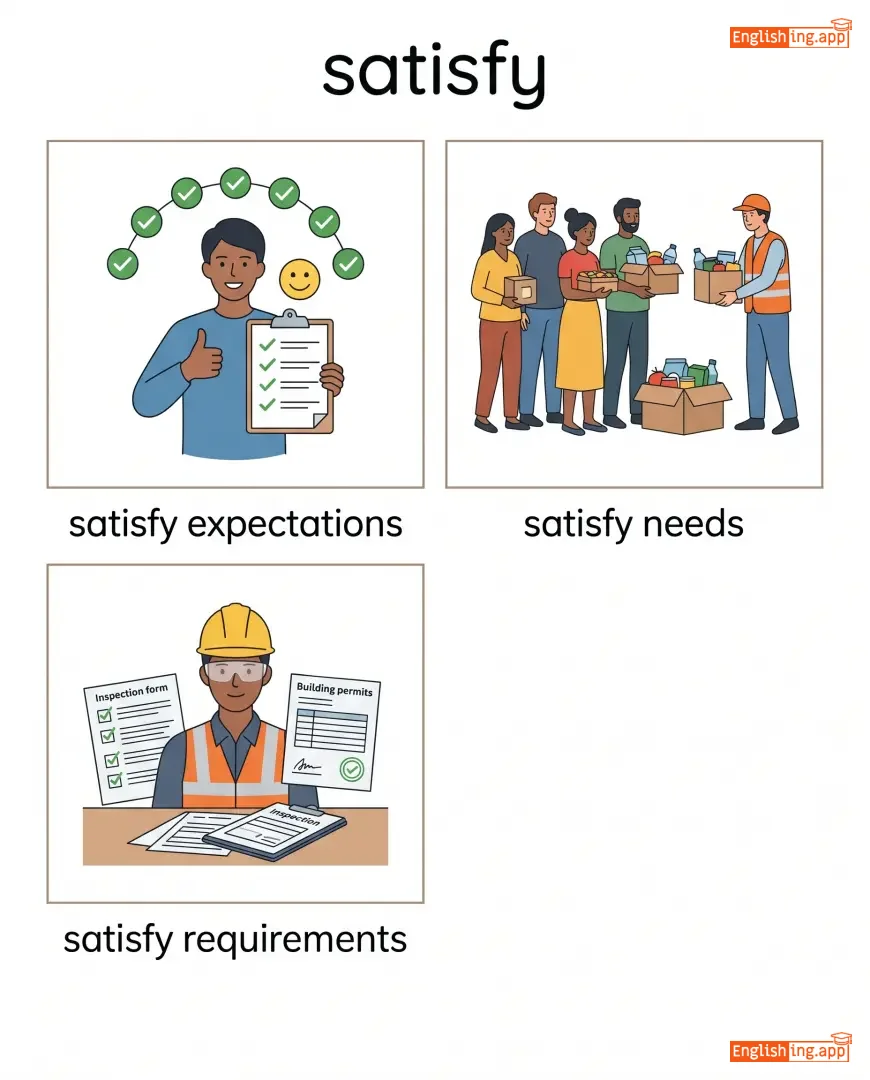
satisfy expectations, satisfy needs, satisfy requirements
••••••
|
満たすことは心を満足させること
••••••
|
|
#11855
😊
|
/ˌsætɪsˈfækʃən/
noun
(サティスファクション)
••••••
|
- •••••• |
満足
manzoku
••••••
|
- •••••• | - •••••• | - •••••• | - •••••• |
the feeling of being pleased or content with something
••••••
|
Her satisfaction with the results was evident. |
彼女の結果への満足感は明らかでした。
Kanojo no kekka e no manzokukan wa akirakadeshita.
••••••
|
- •••••• | - •••••• | - •••••• |
contentment, happiness, pleasure, gratification
••••••
|
discontent, dissatisfaction, unhappiness
••••••
|
total satisfaction, customer satisfaction, satisfaction guaranteed
••••••
|
Satisfactionで感じる満足、それが幸福の証
••••••
|
|
#11856
📊
|
/ˈsæm.pəl/
noun
(サンプル)
••••••
|
- •••••• |
サンプル
sanpuru
••••••
|
- •••••• | - •••••• | - •••••• | - •••••• |
a small part or quantity intended to show what the whole is like
••••••
|
She gave me a sample of the fabric to see if I liked it. |
彼女は私が気に入ったかどうかを確認するために布のサンプルをくれました。
Kanojo wa watashi ga kiniitta ka dou ka o kakunin suru tame ni nuno no sanpuru o kuremashita.
••••••
|
- •••••• | - •••••• | - •••••• |
specimen, example, model, prototype
••••••
|
whole, complete, entirety
••••••
|
sample size, sample test, sample collection, sample product
••••••
|
サンプルで全体を知ることができる - サンプルで全体を確認しよう
••••••
|
|
#11857
🧂
|
/sɔːlt/
noun
(塩)
••••••
|
- •••••• |
塩
shio
••••••
|
- •••••• | - •••••• | - •••••• | - •••••• |
a white crystalline substance used for seasoning and preserving food
••••••
|
She added a pinch of salt to the soup for extra flavor.
彼女はスープに味を増すために塩を一つまみ加えた。
••••••
|
彼女はスープに味を増すために塩を一つまみ加えた。
Kanojo wa suupu ni aji wo masu tame ni shio wo hitotsu mami kuwaeta.
••••••
|
- •••••• | - •••••• | - •••••• |
seasoning, condiment, flavoring
••••••
|
sweet, sugar
••••••
|
add salt, pinch of salt, salt shaker, salty taste
••••••
|
塩はすべてをもっと美味しくする。 (Salt makes everything tastier.)
••••••
|
|
#11858
📊
|
/seɪlz/
noun
••••••
|
- •••••• | - •••••• | - •••••• | - •••••• | - •••••• | - •••••• |
activities related to selling products or services
••••••
|
The company saw a significant increase in sales during the holiday season. |
- •••••• | - •••••• | - •••••• | - •••••• |
transactions, trade, business, commerce
••••••
|
purchase, buying
••••••
|
increase sales, sales target, boost sales, sales figures
••••••
|
No •••••• |
|
#11859
💸
|
/seɪl/
noun
(セール)
••••••
|
- •••••• |
販売
hanbai
••••••
|
- •••••• | - •••••• | - •••••• | - •••••• |
the exchange of a commodity for money; the action of selling something
••••••
|
The store is having a sale on winter clothing. |
その店は冬物衣料のセールを行っています。
Sono mise wa fuyu-mono iryō no sēru o okonatteimasu.
••••••
|
- •••••• | - •••••• | - •••••• |
transaction, deal, exchange, bargain
••••••
|
purchase, buy
••••••
|
clearance sale, hold a sale, end of season sale
••••••
|
Saleは商品を割引価格で販売する行為を意味します。
••••••
|
|
#11860
❤️
|
/rəʊˈmæntɪk/
adjective
(ロマンチック)
••••••
|
- •••••• |
ロマンチック
romanchikku
••••••
|
- •••••• | - •••••• | - •••••• | - •••••• |
related to or involving love or feelings of love
••••••
|
He wrote her a romantic letter for their anniversary. |
彼は彼らの記念日のためにロマンチックな手紙を書きました。
Kare wa karera no kinenbi no tame ni romanchikkuna tegami o kakimashita.
••••••
|
- •••••• | - •••••• | - •••••• |
loving, affectionate, passionate, sentimental
••••••
|
unromantic, indifferent
••••••
|
romantic gesture, romantic movie, romantic date
••••••
|
ロマンチックな人なら、愛の手紙を書きます。
••••••
|
|
#11861
🥗
|
/ˈsæləd/
noun
(サラダ)
••••••
|
- •••••• |
サラダ
sarada
••••••
|
- •••••• | - •••••• | - •••••• | - •••••• |
a dish consisting of various ingredients, typically including vegetables, which are usually mixed with a dressing
••••••
|
She made a fresh salad with lettuce, tomatoes, and cucumbers. |
彼女はレタス、トマト、きゅうりを使って新鮮なサラダを作りました。
Kanojo wa retasu, tomato, kyūri o tsukatte shinsen na sarada o tsukurimashita.
••••••
|
- •••••• | - •••••• | - •••••• |
greens, vegetable dish, mixed vegetables, side dish
••••••
|
main course, meat, protein
••••••
|
fresh salad, Caesar salad, green salad, vegetable salad
••••••
|
サラダは(レタス、トマト)で作られます。 (Salad is made with lettuce, tomatoes)
••••••
|
|
#11862
❤️
|
/seɪk/
noun
(seik)
••••••
|
- •••••• |
ため
tame
••••••
|
- •••••• | - •••••• | - •••••• | - •••••• |
for the purpose or reason of something
••••••
|
He did it for the sake of his family.
彼は家族のためにそれをしました。
••••••
|
彼は家族のためにそれをしました。
Kare wa kazoku no tame ni sore o shimashita.
••••••
|
for the sake of
のために
••••••
|
for the purpose of achieving something
••••••
|
のために
no tame ni
••••••
|
purpose, reason, benefit, interest
••••••
|
hindrance, obstacle, disadvantage
••••••
|
for the sake of, for the sake of love, for the sake of peace
••••••
|
Sake-家族のために - 家族のためにそれをしよう!
••••••
|
|
#11863
🦺
|
/ˈseɪfti/
noun
••••••
|
- •••••• | - •••••• | - •••••• | - •••••• | - •••••• | - •••••• |
the condition of being protected from harm or danger
••••••
|
The safety of passengers is our top priority. |
- •••••• | - •••••• | - •••••• | - •••••• |
security, protection, safeguarding, well-being
••••••
|
danger, insecurity, risk
••••••
|
safety precautions, safety measures, personal safety
••••••
|
No •••••• |
|
#11864
🛡️
|
/seɪf/
adjective
(セーフ)
••••••
|
- •••••• |
安全
anzen
••••••
|
- •••••• | - •••••• | - •••••• | - •••••• |
free from harm or danger
••••••
|
Make sure your belongings are safe during the trip.
旅行中にあなたの持ち物が安全であることを確認してください。
••••••
|
旅行中にあなたの持ち物が安全であることを確認してください。
Ryokō-chū ni anata no mochimono ga anzen de aru koto o kakunin shite kudasai.
••••••
|
- •••••• | - •••••• | - •••••• |
secure, protected, sheltered, safe and sound
••••••
|
dangerous, unsafe, risky
••••••
|
safe journey, safe place, keep safe, feel safe
••••••
|
SAFE, 安全でいてね!
••••••
|
|
#11865
🇷🇺
|
/ˈrʌʃən/
adjective
••••••
|
- •••••• | - •••••• | - •••••• | - •••••• | - •••••• | - •••••• |
relating to Russia, its people, or its language
••••••
|
She is studying the Russian language at university. |
- •••••• | - •••••• | - •••••• | - •••••• |
Russian Federation, Slavonic, Eastern European
••••••
|
- •••••• |
Russian language, Russian culture, Russian literature
••••••
|
No •••••• |
|
#11866
🏃
|
/rʌʃ/
verb
(ラッシュ)
••••••
|
- •••••• |
急ぐ
isogu
••••••
|
rushed
ラッシュド
••••••
|
rushed
ラッシュド
••••••
|
rushes
ラッシュズ
••••••
|
rushing
ラッシング
••••••
|
to move or act with great speed or urgency
••••••
|
She had to rush to the meeting to make it on time.
彼女は会議に時間通りに到着するために急がなければならなかった。
••••••
|
彼女は会議に時間通りに到着するために急がなければならなかった。
Kanojo wa kaigi ni jikan dōri ni tōchaku suru tame ni isoganakereba naranakatta.
••••••
|
rush hour
ラッシュアワー
••••••
|
the time when traffic is heaviest, usually when people are going to or leaving work
••••••
|
ラッシュアワー
rasshu awā
••••••
|
hurry, race, speed, accelerate
••••••
|
slow down, delay, dawdle
••••••
|
rush to, rush in, rush hour, rush through
••••••
|
急がないで、ラッシュアワーが来ているよ!- Don’t rush, rush hour is coming!
••••••
|
|
#11867
🛣️
|
/ruːt/
noun
••••••
|
- •••••• | - •••••• | - •••••• | - •••••• | - •••••• | - •••••• |
a way or course taken to get from one place to another
••••••
|
The best route to the airport is through the highway. |
- •••••• | - •••••• | - •••••• | - •••••• |
path, way, road, course
••••••
|
obstacle, detour
••••••
|
route map, take a route, preferred route, scenic route
••••••
|
No •••••• |
|
#11868
🔵
|
/raʊnd/
adjective
(ラウンド)
••••••
|
- •••••• |
丸い
marui
••••••
|
- •••••• | - •••••• | - •••••• | - •••••• |
having a circular shape; shaped like a sphere or disk
••••••
|
The table was round and had a smooth surface.
テーブルは丸くて、滑らかな表面がありました。
••••••
|
テーブルは丸くて、滑らかな表面がありました。
Tēburu wa marukute, namerakana hyōmen ga arimashita.
••••••
|
- •••••• | - •••••• | - •••••• |
circular, spherical, disk-shaped, globular
••••••
|
square, rectangular
••••••
|
round table, round shape, round object, round hole
••••••
|
丸いものはよく転がる!
••••••
|
|
#11869
🔍
|
/ˈrʌfli/
adverb
(ラフリー)
••••••
|
- •••••• |
おおよそ
ooyoso
••••••
|
- •••••• | - •••••• | - •••••• | - •••••• |
in a manner that is not precise or exact; approximately
••••••
|
He roughly estimated the cost of the project. |
彼はプロジェクトの費用をおおよそ見積もった。
Kare wa purojekuto no hiyou o ooyoso mitsumotta.
••••••
|
- •••••• | - •••••• | - •••••• |
approximately, about, nearly, roughly speaking
••••••
|
exactly, precisely
••••••
|
roughly speaking, roughly estimated, roughly 100, roughly 50%
••••••
|
Roughly means about or close enough!
••••••
|
|
#11870
🛣️
|
/rʌf/
adjective
(ラフ)
••••••
|
- •••••• |
でこぼこ
dekoboko
••••••
|
- •••••• | - •••••• | - •••••• | - •••••• |
having an uneven or irregular surface; not smooth or level
••••••
|
The road was rough and difficult to drive on. |
道路はでこぼこしていて運転が難しかった。
Dōro wa dekoboko shiteite unten ga muzukashikatta.
••••••
|
- •••••• | - •••••• | - •••••• |
bumpy, uneven, jagged, rugged
••••••
|
smooth, flat, even
••••••
|
rough surface, rough road, rough estimate, rough idea
••••••
|
Rough roads need strong effort to cross!
••••••
|
|
#11871
🌹
|
/roʊz/
noun
(ローズ)
••••••
|
- •••••• |
バラの花
bara no hana
••••••
|
- •••••• | - •••••• | - •••••• | - •••••• |
a type of flowering plant, known for its beautiful and fragrant blooms
••••••
|
She gave me a rose on my birthday.
彼女は私の誕生日にローズをくれました。
••••••
|
彼女は私の誕生日にローズをくれました。
Kanojo wa watashi no tanjōbi ni rōzu o kuremashita.
••••••
|
- •••••• | - •••••• | - •••••• |
flower, blossom, bloom, bud
••••••
|
thorn, weed
••••••
|
red rose, white rose, a bouquet of roses, rose garden
••••••
|
バラは美しく、まるでその名前のようです!
••••••
|
|
#11872
🪢
|
/roʊp/
noun
(ロープ)
••••••
|
- •••••• |
ロープ
roopu
••••••
|
- •••••• | - •••••• | - •••••• | - •••••• |
a strong, thick cord made of twisted fibers or strands
••••••
|
The climbers used a rope to scale the mountain.
登山者は山を登るためにロープを使いました。
••••••
|
登山者は山を登るためにロープを使いました。
Tozan-sha wa yama wo noboru tame ni roopu wo tsukaimashita.
••••••
|
- •••••• | - •••••• | - •••••• |
cord, string, line, cable
••••••
|
thread, wire
••••••
|
climbing rope, rope ladder, jump rope
••••••
|
登山のためのロープ、'rope'を思い出してください
••••••
|
|
#11873
🌱
|
/ruːt/
noun
(ルート)
••••••
|
- •••••• |
根
ne
••••••
|
- •••••• | - •••••• | - •••••• | - •••••• |
the part of a plant that attaches it to the ground and absorbs nutrients
••••••
|
The tree's roots are deep in the soil.
木の根は土の中に深く埋まっています。
••••••
|
木の根は土の中に深く埋まっています。
Ki no ne wa tsuchi no naka ni fukaku umatte imasu.
••••••
|
- •••••• | - •••••• | - •••••• |
base, foundation, origin, source
••••••
|
tip, surface
••••••
|
root cause, plant root, tree root
••••••
|
根 (ne) が木を土にしっかりと固定する、英語の 'root' と同じように!
••••••
|
|
#11874
🏠
|
/ruːf/
noun
(ルーフ)
••••••
|
- •••••• |
屋根
yane
••••••
|
- •••••• | - •••••• | - •••••• | - •••••• |
the top covering of a building or vehicle
••••••
|
The roof of the house needs to be repaired. |
家の屋根は修理が必要です。
Ie no yane wa shuuri ga hitsuyou desu.
••••••
|
- •••••• | - •••••• | - •••••• |
ceiling, canopy, covering, lid
••••••
|
floor, ground
••••••
|
roof top, flat roof, roof repair
••••••
|
屋根がしっかりしていれば、雨も安心して過ごせるよ!
••••••
|
Vocabulary Quiz
Test your vocabulary by matching words with their translations or meanings.
Login to take the quiz
Comments (0)
Share your thoughts and join the discussion.
Join the discussion by logging in
Login to CommentNo comments yet
Be the first to share your thoughts!