

翻訳
過去
過去分詞
三人称単数
動名詞
意味
例文
例文の翻訳
同義語
対義語
コロケーション
ニーモニック
Swipe left or right, or use the buttons. Tap image to zoom.
例文の翻訳
単語
Lesson 407Lesson 407 - マスクトグル
|
絵文字
|
単語 | Images | 翻訳 | 過去 | 過去分詞 | 三人称単数 | 動名詞 | 意味 | 例文 | 例文の翻訳 | 表現例 | 表現例の意味 | 表現例の翻訳 | 同義語 | 対義語 | コロケーション | ニーモニック |
|---|---|---|---|---|---|---|---|---|---|---|---|---|---|---|---|---|---|
|
#12175
🌅
|
/təˈmɒroʊ/
noun, adverb
(明日)
••••••
|
- •••••• |
明日
ashita
••••••
|
- •••••• | - •••••• | - •••••• | - •••••• |
the day after today
••••••
|
We are meeting tomorrow for the project discussion.
私たちは明日、プロジェクトの議論のために会います。
••••••
|
私たちは明日、プロジェクトの議論のために会います。
Watashitachi wa ashita, purojekuto no giron no tame ni aimasu.
••••••
|
- •••••• | - •••••• | - •••••• |
next day, the following day
••••••
|
yesterday, today
••••••
|
tomorrow morning, tomorrow night, tomorrow's plan
••••••
|
Ashita means 'tomorrow' in Japanese, like the next day after today.
••••••
|
|
#12176
➡️
|
/tɔːrd/
preposition
(トワード)
••••••
|
- •••••• |
に向かって
ni mukatte
••••••
|
- •••••• | - •••••• | - •••••• | - •••••• |
in the direction of
••••••
|
She walked toward the door. |
彼女はドアに向かって歩いた。
Kanojo wa doa ni mukatte aruita.
••••••
|
- •••••• | - •••••• | - •••••• |
to, in the direction of, for
••••••
|
away, backward
••••••
|
move toward, head toward, go toward
••••••
|
ドアに向かって歩く - move toward the door
••••••
|
|
#12177
🏆
|
/ˈtʊənəmənt/
noun
(トーナメント)
••••••
|
|
トーナメント
tōnamento
••••••
|
- •••••• | - •••••• | - •••••• | - •••••• |
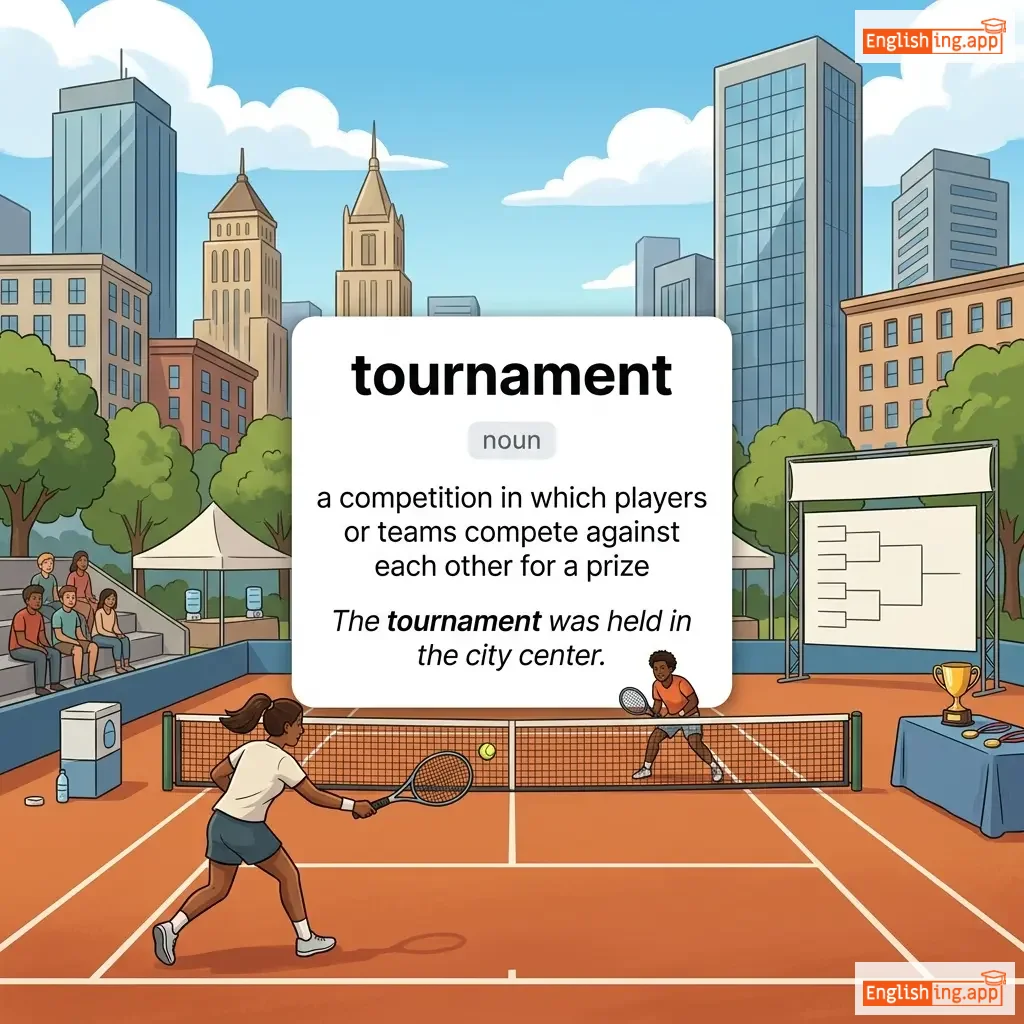
a competition in which players or teams compete against each other for a prize
••••••
|
The tournament was held in the city center. |
トーナメントは市内中心部で開催されました。
Tōnamento wa shinai chūshinbu de kaisai saremashita.
••••••
|
- •••••• | - •••••• | - •••••• |
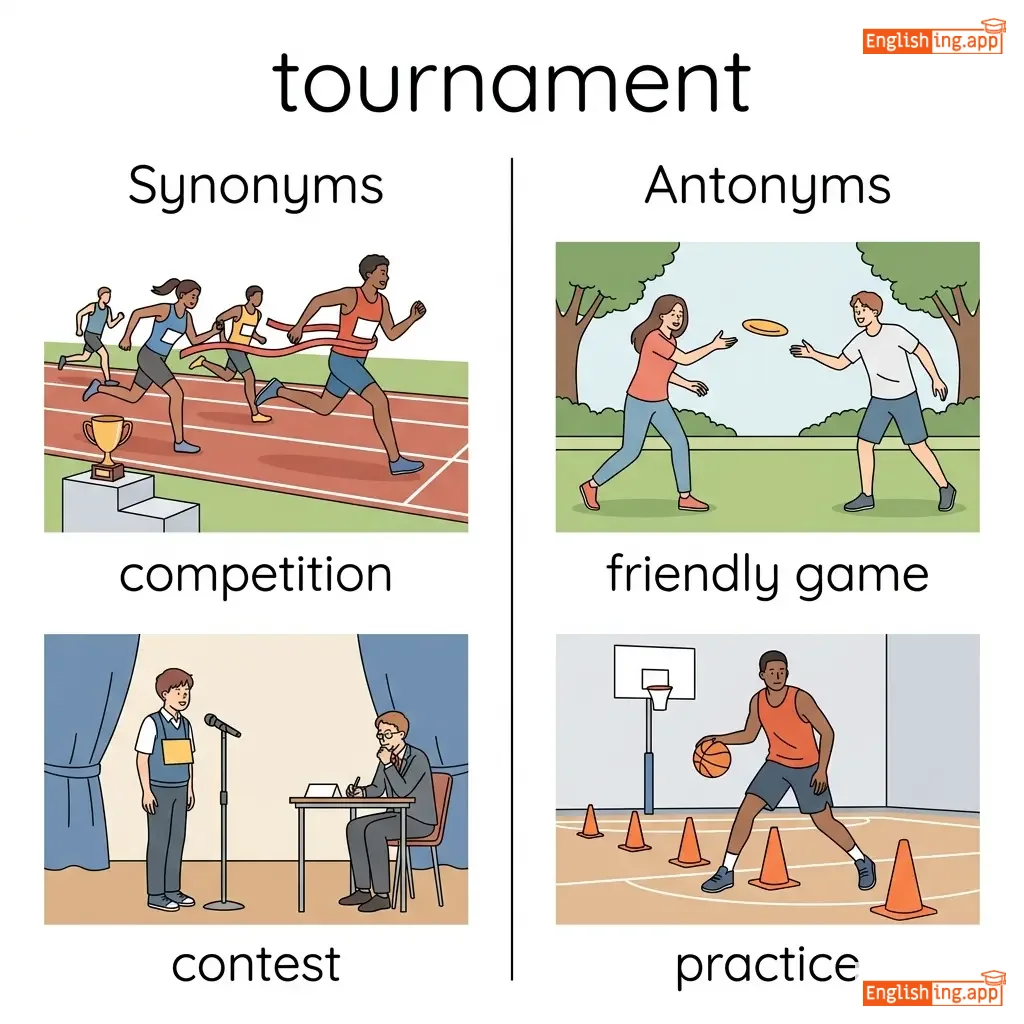
competition, contest, match, championship
••••••
|
friendly game
••••••
|
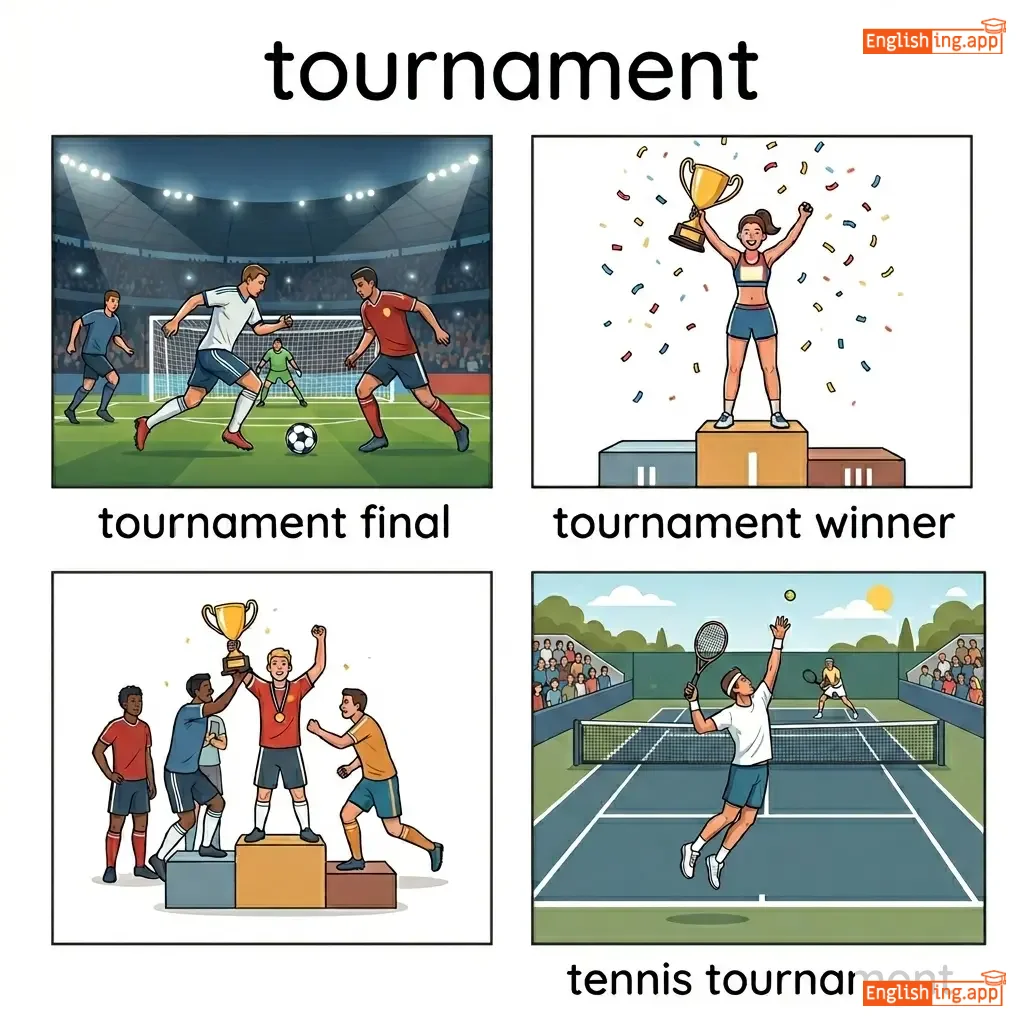
tournament final, tournament winner, tennis tournament
••••••
|
トーナメントは、賞品をかけて競う競技会です!
••••••
|
|
#12178
🌍
|
/ˈtʊərɪst/
noun
(ツーリスト)
••••••
|
- •••••• |
観光客
kankōkyaku
••••••
|
- •••••• | - •••••• | - •••••• | - •••••• |
a person who is traveling or visiting a place for pleasure
••••••
|
The city attracts many tourists every year.
その都市は毎年多くの観光客を引き付けます。
••••••
|
その都市は毎年多くの観光客を引き付けます。
Sono toshi wa mainen ōku no kankōkyaku o hikitsukemasu.
••••••
|
- •••••• | - •••••• | - •••••• |
traveler, sightseer, visitor, globetrotter
••••••
|
local
••••••
|
tourist attraction, tourist destination, tourist spot
••••••
|
観光客として、毎回新しい冒険を楽しんで!
••••••
|
|
#12179
💪
|
/tʌf/
adjective
(taf)
••••••
|
- •••••• |
頑丈
ganjou
••••••
|
- •••••• | - •••••• | - •••••• | - •••••• |
strong, durable, and difficult to break or deal with
••••••
|
He had a tough day at work. |
彼は仕事で厳しい一日を過ごしました。
Kare wa shigoto de kibishii ichinichi o sugoshimashita.
••••••
|
tough luck |
a phrase used to express sympathy for someone's unfortunate situation
••••••
|
不運
fuun
••••••
|
hard, durable, strong, resilient
••••••
|
soft, weak
••••••
|
tough decision, tough time, tough job
••••••
|
岩のように頑丈!
••••••
|
|
#12180
🤚
|
/tʌtʃ/
verb/noun
(タッチ)
••••••
|
|
触る
sawaru
••••••
|
touched
タッチド
••••••
|
touched
タッチド
••••••
|
touches
タッチズ
••••••
|
touching
タッチング
••••••
|
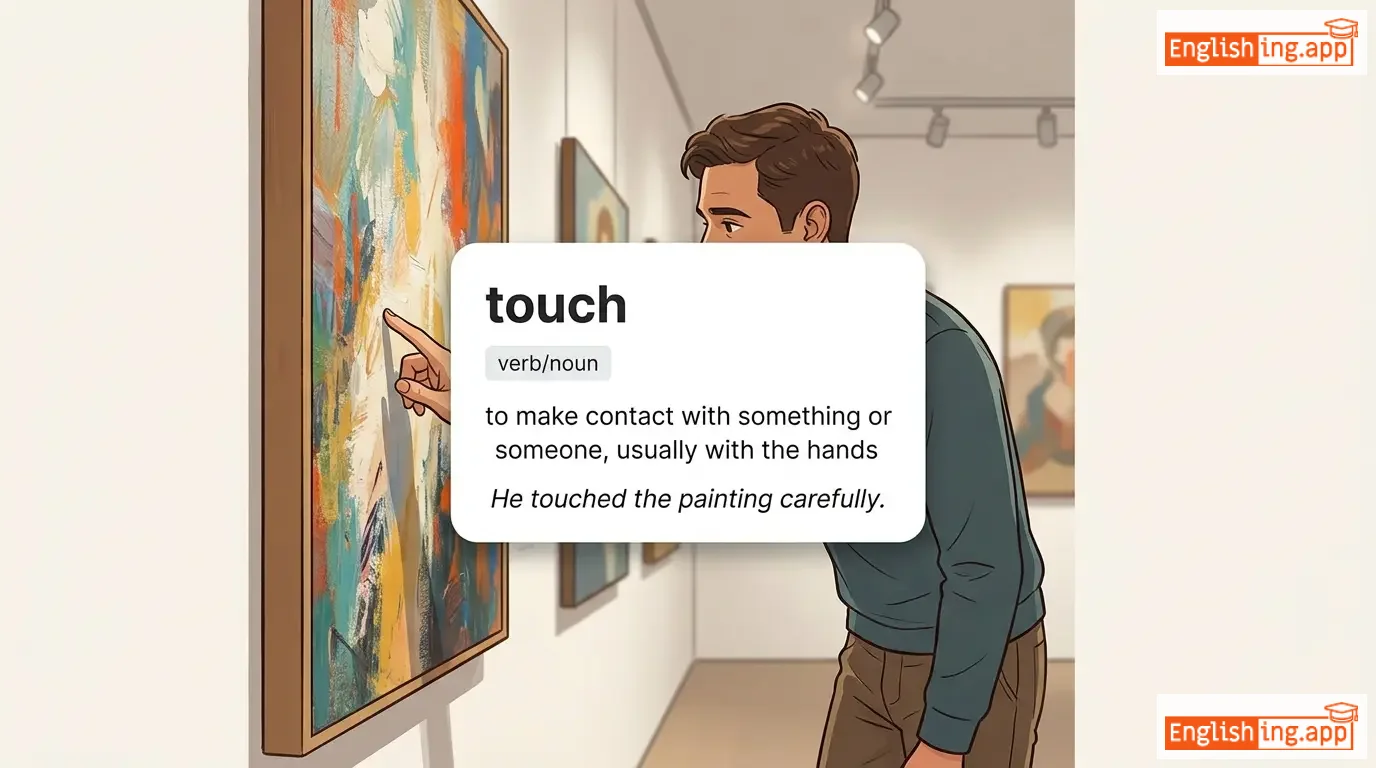
to make contact with something or someone, usually with the hands
••••••
|
He touched the painting carefully.
彼は慎重に絵を触った。
••••••
|
彼は慎重に絵を触った。
Kare wa shinchou ni e wo sawatta.
••••••
|
- •••••• | - •••••• | - •••••• |
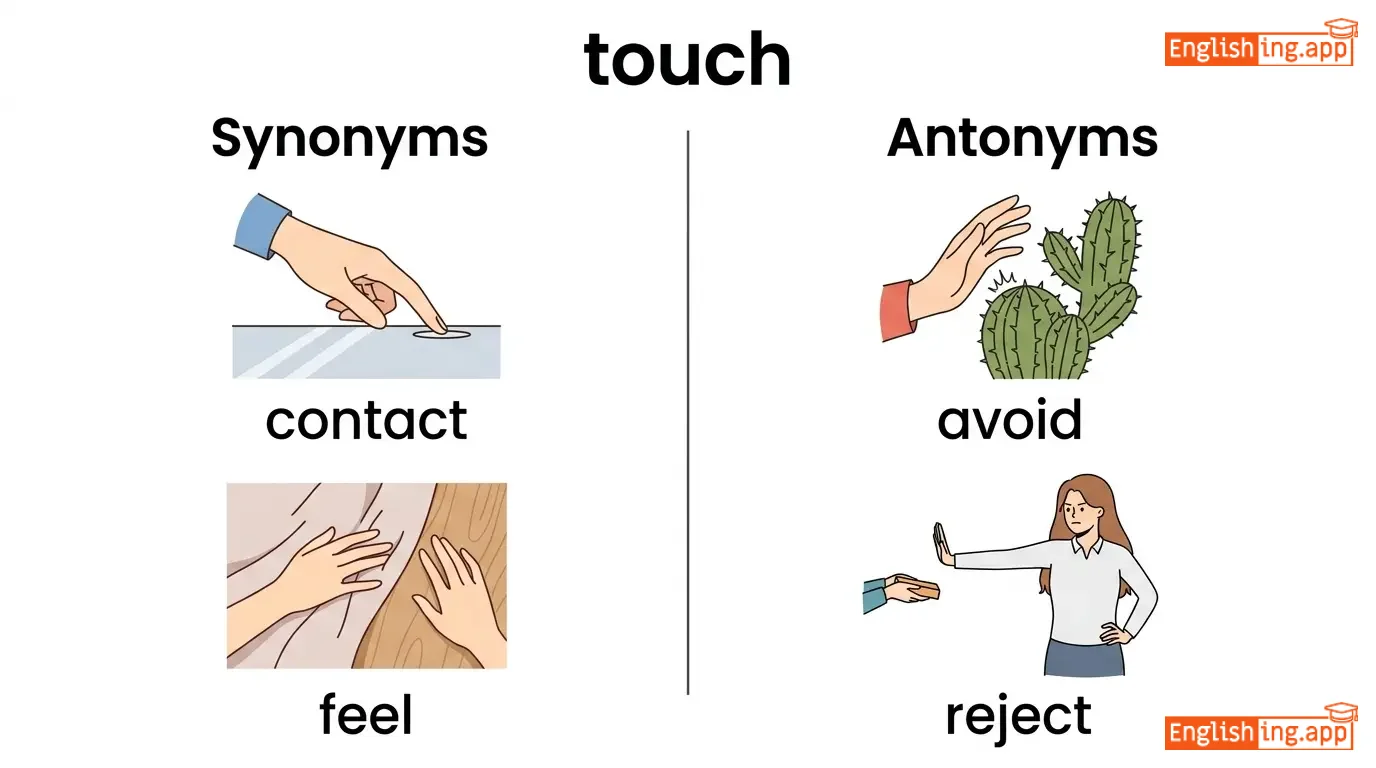
contact, feel, handle, graze
••••••
|
avoid, reject
••••••
|
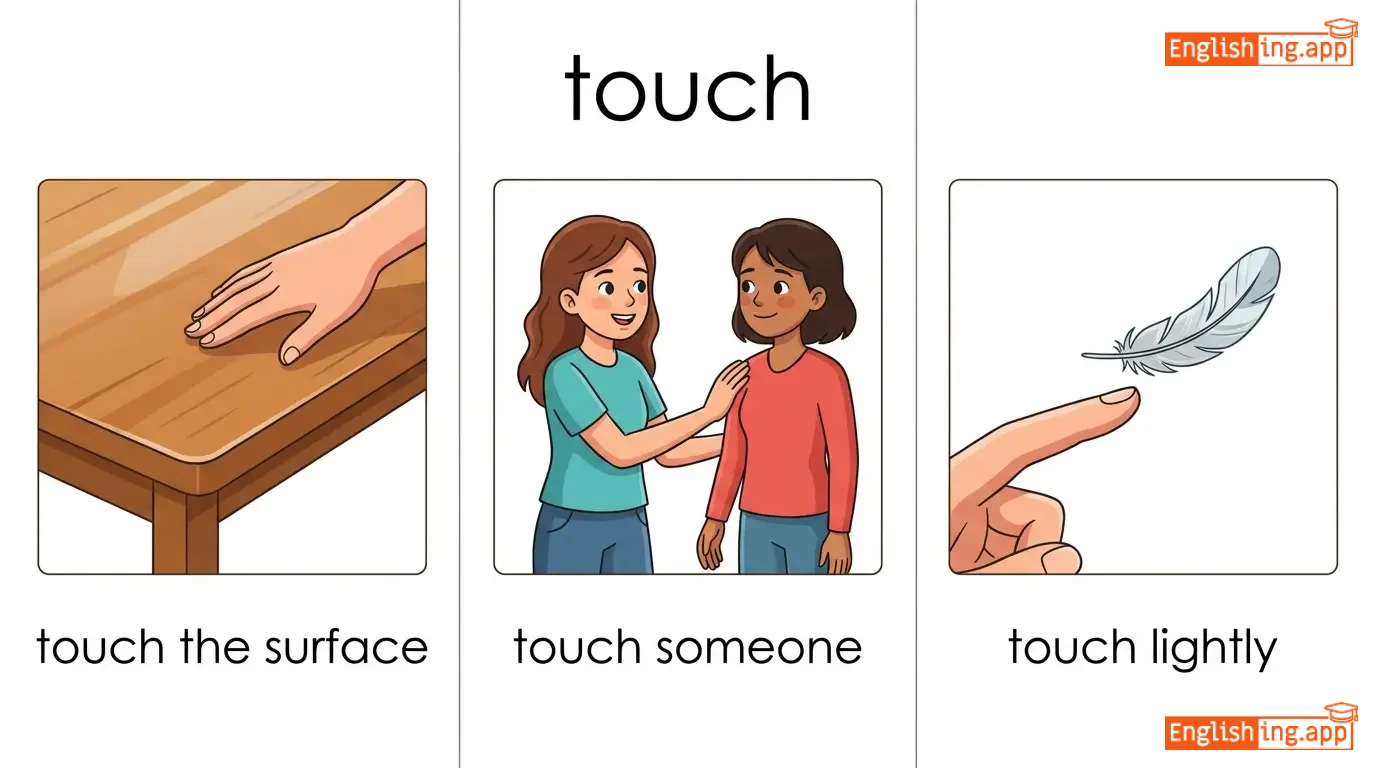
touch the surface, touch someone, touch lightly
••••••
|
触るには、手で何かに触れなければならない。
••••••
|
|
#12181
😲
|
/ˈtoʊtəli/
adverb
(トータリー)
••••••
|
- •••••• |
完全に
kanzen ni
••••••
|
- •••••• | - •••••• | - •••••• | - •••••• |
completely or in an absolute way
••••••
|
She was totally shocked by the news. |
彼女はそのニュースに完全にショックを受けていました。
Kanojo wa sono nyūsu ni kanzen ni shokku o uketeimashita.
••••••
|
- •••••• | - •••••• | - •••••• |
completely, entirely, fully, absolutely
••••••
|
partially, incompletely
••••••
|
totally agree, totally different, totally surprised
••••••
|
あなたの完全な(total)反応!すべて完全に!
••••••
|
|
#12182
💬
|
/ˈtɒpɪk/
noun
(トピック)
••••••
|
- •••••• |
トピック
topikku
••••••
|
- •••••• | - •••••• | - •••••• | - •••••• |
a subject of conversation, discussion, or writing
••••••
|
The topic of the meeting was company expansion. |
会議のトピックは会社の拡張についてでした。
Kaigi no topikku wa kaisha no kakuchou ni tsuite deshita.
••••••
|
- •••••• | - •••••• | - •••••• |
subject, theme, issue, matter
••••••
|
digression, aside
••••••
|
discussion topic, popular topic, hot topic, main topic
••••••
|
Topics make discussions tick – トピックが議論を盛り上げる。
••••••
|
|
#12183
🔝
|
/tɒp/
noun
(トップ)
••••••
|
- •••••• |
頂上
choujou
••••••
|
- •••••• | - •••••• | - •••••• | - •••••• |
the highest or uppermost point, part, or surface of something
••••••
|
The book is on the top shelf.
その本は上の棚にあります。
••••••
|
その本は上の棚にあります。
Sono hon wa ue no tana ni arimasu.
••••••
|
top of the world
世界の頂上
••••••
|
feeling extremely happy or successful
••••••
|
世界の頂上
Sekai no choujou
••••••
|
summit, peak, pinnacle, apex
••••••
|
bottom, base
••••••
|
top priority, top scorer, top rated, top of the list
••••••
|
Top of the world, where happiness reaches – 世界の頂上、幸福が届く場所。
••••••
|
|
#12184
🦷
|
/tuːθ/
noun
(トゥース)
••••••
|
- •••••• |
歯
ha
••••••
|
- •••••• | - •••••• | - •••••• | - •••••• |
each of the hard, pointed structures in the mouth used for biting and chewing food
••••••
|
He has a toothache and needs to see the dentist. |
彼は歯が痛いので、歯医者に行かなければならない。
Kare wa ha ga itai node, haisha ni ikanakereba naranai.
••••••
|
a tooth for a tooth |
an eye for an eye; retribution
••••••
|
歯をためて歯を返す
Ha wo tamete ha wo kaesu
••••••
|
fang, molar, incisor, canine
••••••
|
gum
••••••
|
toothbrush, tooth paste, tooth decay, tooth fairy
••••••
|
歯の痛みは耐えられない – 歯 = 痛み
••••••
|
|
#12185
🔧
|
/tuːl/
noun
(ツール)
••••••
|
- •••••• |
道具
dōgu
••••••
|
- •••••• | - •••••• | - •••••• | - •••••• |
a device or implement used to carry out a particular function
••••••
|
He used a hammer as a tool to fix the chair. |
彼は椅子を修理するためにハンマーを道具として使いました。
Kare wa isu o shūri suru tame ni hanmā o dōgu toshite tsukaimashita.
••••••
|
- •••••• | - •••••• | - •••••• |
instrument, device, gadget, implement
••••••
|
toy, decoration
••••••
|
power tool, hand tool, tool kit, garden tool
••••••
|
Tools help you ‘tool’ your way through problems – 道具は問題を解決するのに役立ちます。
••••••
|
|
#12186
😔
|
/tuː/
adverb
(トゥー)
••••••
|
- •••••• |
過ぎる
sugiru
••••••
|
- •••••• | - •••••• | - •••••• | - •••••• |
to a higher degree than is desirable, permissible, or possible
••••••
|
She is too tired to continue working. |
彼女は働き続けるには疲れすぎている。
Kanojo wa hatarakitsuzukeru ni wa tsukaresugite iru.
••••••
|
too good to be true |
something that seems so perfect that it is hard to believe it is real
••••••
|
信じられないほど良い
Shinjirarenai hodo yoi
••••••
|
excessively, overly, extremely, very
••••••
|
barely, slightly, moderately
••••••
|
too much, too late, too many, too hard
••••••
|
お茶を飲みすぎると'過ぎる'くらい眠くなる – お茶を飲みすぎると'過ぎる'くらい疲れる。
••••••
|
|
#12187
🌙
|
/təˈnaɪt/
adverb, noun
(təˈnaɪt)
••••••
|
- •••••• |
今夜
konya
••••••
|
- •••••• | - •••••• | - •••••• | - •••••• |
on or during the night of the current day
••••••
|
We're going to the party tonight. |
私たちは今夜パーティーに行きます。
Watashitachi wa konya paatii ni ikimasu.
••••••
|
- •••••• | - •••••• | - •••••• |
this evening, this night
••••••
|
tomorrow, yesterday
••••••
|
tonight's event, tonight's show, tonight's plan
••••••
|
Tonight is 'konya', let's have a blast!
••••••
|
|
#12188
👅
|
/tʌŋ/
noun
(タング)
••••••
|
- •••••• |
舌
shita
••••••
|
- •••••• | - •••••• | - •••••• | - •••••• |
a fleshy muscular organ in the mouth used for tasting, swallowing, and speaking
••••••
|
She stuck out her tongue playfully. |
彼女は遊び心で舌を出しました。
Kanojo wa asobigokoro de shita o dashimashita.
••••••
|
Cat got your tongue? |
used when someone is unexpectedly silent or unable to speak
••••••
|
猫があなたの舌を取ったのですか?
Neko ga anata no shita o totta no desu ka?
••••••
|
mouth, speech organ, language
••••••
|
none
••••••
|
tongue tied, tongue twister, tongue of a shoe
••••••
|
舌は味を感じるために使われます、まるで猫が静かにしているように。
••••••
|
|
#12189
🎶
|
/toʊn/
noun, verb
(トーン)
••••••
|
- •••••• |
トーン
tōn
••••••
|
- •••••• | - •••••• |
tones
トーンズ
••••••
|
toning
トーニング
••••••
|
the general character or attitude of a place, piece of writing, situation, etc.
••••••
|
The tone of the letter was very formal.
手紙のトーンは非常にフォーマルでした。
••••••
|
手紙のトーンは非常にフォーマルでした。
Tegami no tōn wa hijō ni fōmaru deshita.
••••••
|
- •••••• | - •••••• | - •••••• |
style, manner, attitude, approach
••••••
|
discord, harshness
••••••
|
tone of voice, tone of conversation, tone of the message
••••••
|
Tone in music is like the tone in your voice!
••••••
|
|
#12190
➡️
|
/ðʌs/
adverb
(ðʌs)
••••••
|
- •••••• |
このように
kono you ni
••••••
|
- •••••• | - •••••• | - •••••• | - •••••• |
as a result or consequence of something previously stated
••••••
|
He was late, thus he missed the meeting. |
彼は遅れたので、このように会議を欠席しました。
Kare wa okureta node, kono you ni kaigi o kesseki shimashita.
••••••
|
- •••••• | - •••••• | - •••••• |
therefore, hence, accordingly, so
••••••
|
however, nevertheless
••••••
|
thus far, thus far as, thus it is
••••••
|
このようにして、解決策を見つけよう。
••••••
|
|
#12191
🍅
|
/təˈmeɪtoʊ/
noun
(トマト)
••••••
|
- •••••• |
トマト
tomato
••••••
|
- •••••• | - •••••• | - •••••• | - •••••• |
a red or yellowish fruit that is typically eaten as a vegetable
••••••
|
I added some tomato to the salad. |
サラダにトマトを少し加えました。
Sarada ni tomato o sukoshi kuwaemashita.
••••••
|
- •••••• | - •••••• | - •••••• |
fruit, vegetable, berry
••••••
|
none
••••••
|
tomato sauce, tomato soup, tomato paste
••••••
|
トマトは「明日」のように聞こえるので、明日トマトを食べることを想像してみて!
••••••
|
|
#12192
🤝
|
/təˈɡɛðər/
adverb
(トゥゲザー)
••••••
|
- •••••• |
一緒に
issho ni
••••••
|
- •••••• | - •••••• | - •••••• | - •••••• |
with each other; in a group or combined form
••••••
|
They worked together to solve the problem. |
彼らは問題を解決するために一緒に働いた。
Karera wa mondai o kaiketsu suru tame ni issho ni hataraita.
••••••
|
- •••••• | - •••••• | - •••••• |
united, collectively, jointly
••••••
|
apart, separately
••••••
|
work together, live together, stay together
••••••
|
Together = 一緒に働く!
••••••
|
|
#12193
🦶
|
/toʊ/
noun
(トウ)
••••••
|
- •••••• |
足の指
ashi no yubi
••••••
|
- •••••• | - •••••• | - •••••• | - •••••• |
any of the five digits at the end of the human foot
••••••
|
He injured his toe while playing football. |
彼はサッカーをしているときに足の指を怪我しました。
Kare wa sakkaa wo shite iru toki ni ashi no yubi wo kega shimashita.
••••••
|
- •••••• | - •••••• | - •••••• |
foot, digit, appendage
••••••
|
none
••••••
|
toe injury, big toe, pinky toe
••••••
|
Toe = 足の指、サッカーで足の指をけが。
••••••
|
|
#12194
🚬
|
/təˈbækoʊ/
noun
(タバコ)
••••••
|
- •••••• |
タバコ
tabako
••••••
|
- •••••• | - •••••• | - •••••• | - •••••• |
a plant grown for its leaves, which are used in making cigarettes and cigars
••••••
|
He stopped smoking tobacco after his health scare. |
健康問題後にタバコをやめた。
Kenkō mondai go ni tabako o yameta.
••••••
|
- •••••• | - •••••• | - •••••• |
cigarettes, cigars, nicotine
••••••
|
none
••••••
|
tobacco leaves, tobacco smoke, chewing tobacco
••••••
|
タバコ = タバコで作ったタバコ
••••••
|
|
#12195
➡️
|
/tuː/
preposition
(トゥ)
••••••
|
- •••••• |
に
ni
••••••
|
- •••••• | - •••••• | - •••••• | - •••••• |
used for expressing motion or direction
••••••
|
She is going to the market.
彼女は市場に行く。
••••••
|
彼女は市場に行く。
Kanojo wa ichiba ni iku.
••••••
|
- •••••• | - •••••• | - •••••• |
toward, towards, in the direction of
••••••
|
from
••••••
|
go to, travel to, turn to
••••••
|
To - 君は (kimi wa) 行く - You go
••••••
|
|
#12196
🧻
|
/ˈtɪʃ.uː/
noun
(ティッシュ)
••••••
|
- •••••• |
ティッシュ
tisshu
••••••
|
- •••••• | - •••••• | - •••••• | - •••••• |
a piece of soft absorbent paper or fabric
••••••
|
She used a tissue to wipe her nose. |
彼女はティッシュで鼻を拭きました。
Kanojo wa tisshu de hana o fukimashita.
••••••
|
- •••••• | - •••••• | - •••••• |
paper, napkin, cloth, handkerchief
••••••
|
none
••••••
|
tissue paper, facial tissue, soft tissue
••••••
|
ティッシュで鼻を拭く - Tissue for wiping your nose
••••••
|
|
#12197
😴
|
/ˈtaɪərd/
adjective
(taīdo)
••••••
|
- •••••• |
疲れた
kareta
••••••
|
- •••••• | - •••••• | - •••••• | - •••••• |
in need of rest or sleep
••••••
|
I feel so tired after the long journey. |
長い旅の後、私はとても疲れを感じています。
Nagai tabi no ato, watashi wa totemo kareta o kanjiteimasu.
••••••
|
- •••••• | - •••••• | - •••••• |
exhausted, weary, fatigued, drained
••••••
|
energetic, lively
••••••
|
feel tired, get tired, very tired
••••••
|
When you are TIRED, take REST to recover energy!
••••••
|
|
#12198
🚗
|
/taɪər/
noun
(タイヤ)
••••••
|
- •••••• |
タイヤ
taiya
••••••
|
- •••••• | - •••••• | - •••••• | - •••••• |
a rubber covering around a wheel
••••••
|
The car’s tire burst on the highway.
車のタイヤが高速道路でパンクした。
••••••
|
車のタイヤが高速道路でパンクした。
Kuruma no taiya ga kōsokudōro de panku shita.
••••••
|
- •••••• | - •••••• | - •••••• |
wheel, rubber, rim
••••••
|
- •••••• |
flat tire, spare tire, tire pressure
••••••
|
タイヤは車をスムーズに走らせます!
••••••
|
|
#12199
💡
|
/tɪp/
noun
(ティップ)
••••••
|
- •••••• |
アドバイス
adobaisu
••••••
|
- •••••• | - •••••• | - •••••• | - •••••• |
a small but useful piece of advice
••••••
|
I received a tip on how to improve my presentation. |
プレゼンテーションを改善する方法についてアドバイスをもらいました。
Purezentēshon o kaizen suru hōhō ni tsuite adobaisu o moraimashita.
••••••
|
- •••••• | - •••••• | - •••••• |
hint, suggestion, advice, clue
••••••
|
misguidance
••••••
|
give a tip, follow a tip, valuable tip
••••••
|
Remember the tip of your pen for clear writing!
••••••
|
|
#12200
🐜
|
/ˈtaɪni/
adjective
(タイニー)
••••••
|
- •••••• |
とても小さい
totemo chiisai
••••••
|
- •••••• | - •••••• | - •••••• | - •••••• |
very small
••••••
|
She held a tiny kitten in her hands. |
彼女はとても小さな子猫を手のひらに乗せていた。
Kanojo wa totemo chiisana koneko o te no hira ni nosete ita.
••••••
|
- •••••• | - •••••• | - •••••• |
small, minute, minuscule, petite
••••••
|
huge, large, massive
••••••
|
tiny house, tiny bit, tiny creature
••••••
|
Imagine a tiny spark jumping off a tiny twig!
••••••
|
|
#12201
⏰
|
/taɪm/
noun
(taimu)
••••••
|
- •••••• |
時間
jikan
••••••
|
- •••••• | - •••••• | - •••••• | - •••••• |
a measured or measurable period during which an action, process, or condition exists or continues
••••••
|
I don’t have enough time to finish the project. |
私はプロジェクトを終わらせるための十分な時間がありません。
Watashi wa purojekuto o owaraseru tame no juubun na jikan ga arimasen.
••••••
|
- •••••• | - •••••• | - •••••• |
moment, duration, period, interval
••••••
|
eternity, infinity
••••••
|
spend time, waste time, save time, take time
••••••
|
JIKAN (time) is like a river that never stops!
••••••
|
|
#12202
🪢
|
/taɪt/
adjective
(タイト)
••••••
|
- •••••• |
きつい
kitsui
••••••
|
- •••••• | - •••••• | - •••••• | - •••••• |
firmly held in place, not loose or slack
••••••
|
The knot was too tight to untie. |
結び目は解けないほどきつかった。
Musubime wa tokenai hodo kitsukatta.
••••••
|
- •••••• | - •••••• | - •••••• |
firm, secure, stiff, taut
••••••
|
loose, slack
••••••
|
tight grip, tight fit, tight knot
••••••
|
きつい (tight) 結びつけておこう!
••••••
|
|
#12203
🎀
|
/taɪ/
verb
(tai)
••••••
|
|
結ぶ
musubu
••••••
|
tied
taido
••••••
|
tied
taido
••••••
|
ties
taizu
••••••
|
tying
taingu
••••••
|
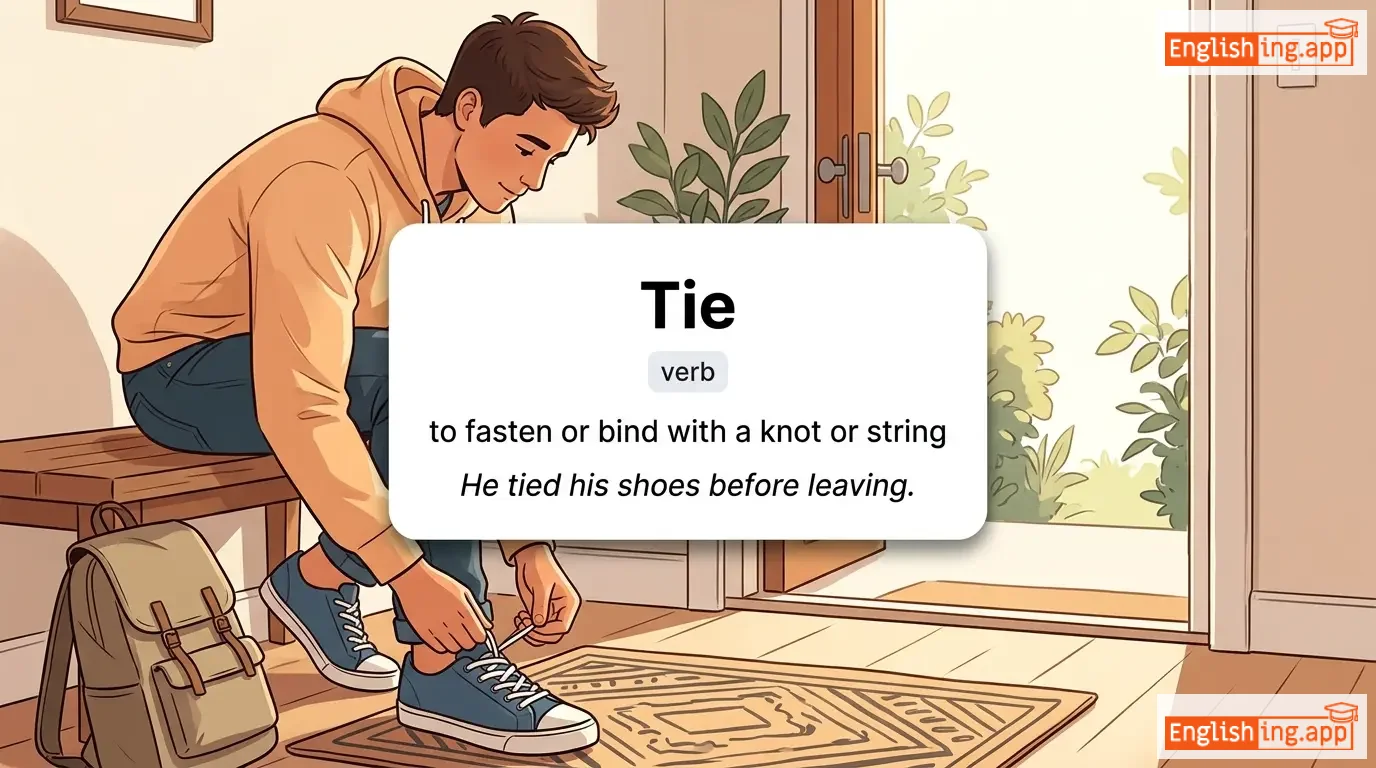
to fasten or bind with a knot or string
••••••
|
He tied his shoes before leaving.
彼は出かける前に靴を結びました。
••••••
|
彼は出かける前に靴を結びました。
Kare wa dekakeru mae ni kutsu o musubimashita.
••••••
|
tie the knot
結婚の誓い
••••••
|
to get married
••••••
|
結婚する
kekkon suru
••••••
|
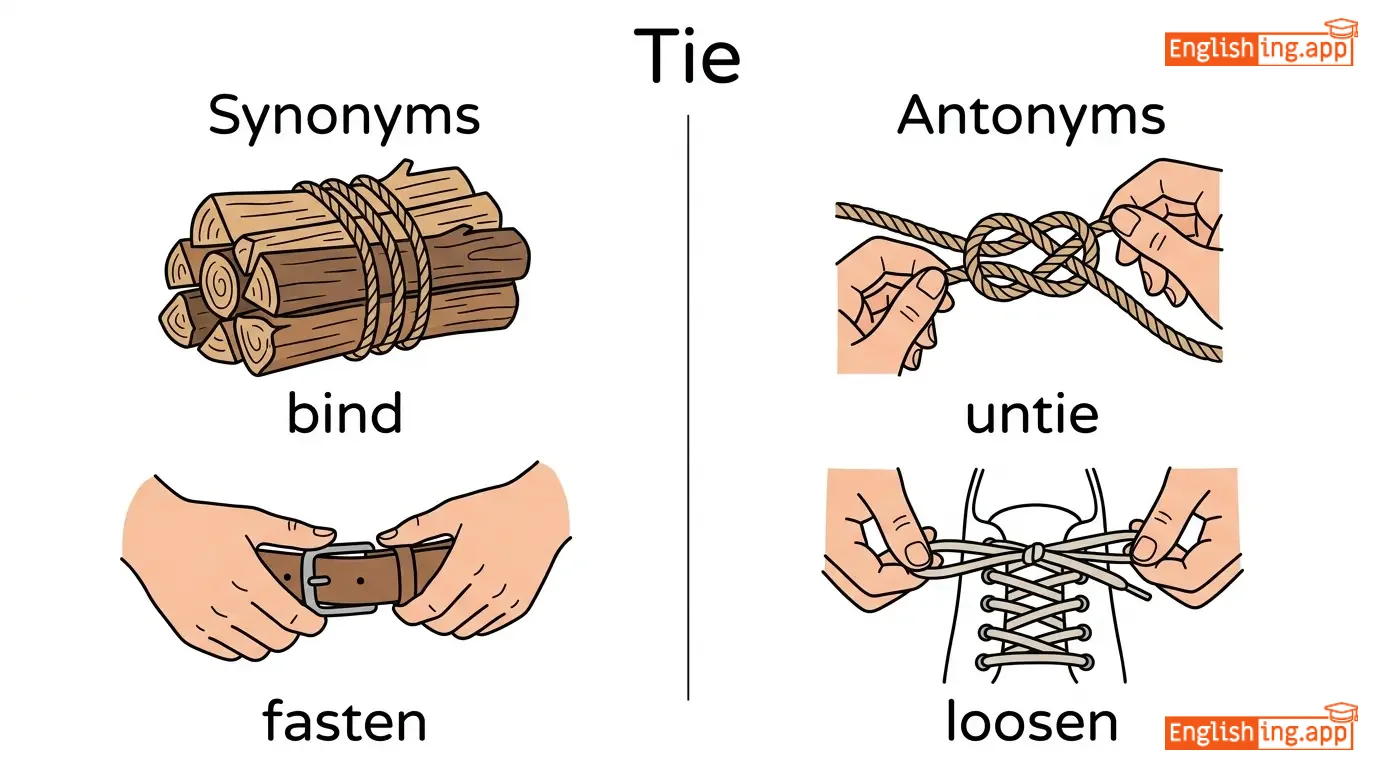
bind, fasten, knot, secure
••••••
|
untie, loosen
••••••
|
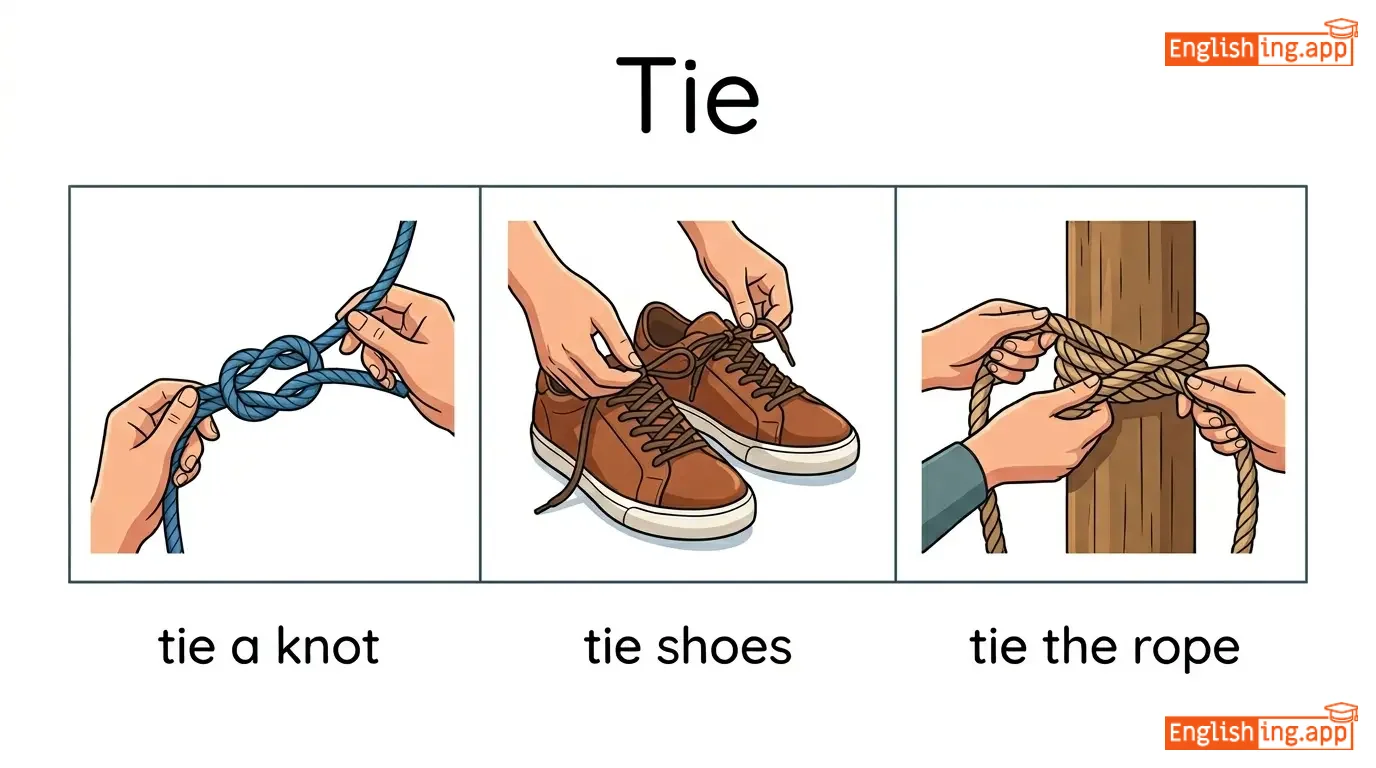
tie a knot, tie shoes, tie the rope
••••••
|
結び目を作って、結婚の誓いを立てよう!
••••••
|
|
#12204
🎫
|
/ˈtɪkɪt/
noun
(チケット)
••••••
|
- •••••• |
チケット
chiketto
••••••
|
- •••••• | - •••••• | - •••••• | - •••••• |
a small piece of paper or card that gives the holder a right to access a service or event
••••••
|
He bought a ticket to the concert. |
彼はコンサートのチケットを買いました。
Kare wa konsāto no chiketto o kaimashita.
••••••
|
- •••••• | - •••••• | - •••••• |
pass, voucher, stub, coupon
••••••
|
no ticket
••••••
|
buy a ticket, ticket for, concert ticket
••••••
|
チケットがあれば、コンサートに入れる!
••••••
|
Vocabulary Quiz
Test your vocabulary by matching words with their translations or meanings.
Login to take the quiz
Comments (0)
Share your thoughts and join the discussion.
Join the discussion by logging in
Login to CommentNo comments yet
Be the first to share your thoughts!