

翻訳
過去
過去分詞
三人称単数
動名詞
意味
例文
例文の翻訳
同義語
対義語
コロケーション
ニーモニック

Swipe left or right, or use the buttons. Tap image to zoom.
例文の翻訳
単語
Lesson 30Lesson 30 - マスクトグル
|
絵文字
|
単語 | Images | 翻訳 | 過去 | 過去分詞 | 三人称単数 | 動名詞 | 意味 | 例文 | 例文の翻訳 | 表現例 | 表現例の意味 | 表現例の翻訳 | 同義語 | 対義語 | コロケーション | ニーモニック |
|---|---|---|---|---|---|---|---|---|---|---|---|---|---|---|---|---|---|
|
#871
🗣️
|
/bɪˈleɪbər/
verb
••••••
|
- •••••• | - •••••• |
belabored
••••••
|
belabored
••••••
|
belabors
••••••
|
belaboring
••••••
|
to argue or elaborate on a subject in excessive detail; to attack verbally or physically
••••••
|
The professor belabored the point until the students grew restless. |
- •••••• |
belabor the point |
to keep emphasizing or discussing something excessively
••••••
|
- •••••• |
overemphasize, dwell, repeat, overstate, exaggerate
••••••
|
summarize, simplify, condense
••••••
|
belabor the point, belabor an issue, belabor endlessly
••••••
|
No •••••• |
|
#872
🤔
|
/bɪˈmjuːz/
verb
(bimyūsu)
••••••
|
- •••••• |
困惑させる
konwaku saseru
••••••
|
bemused
bimyūsuddo
••••••
|
bemused
bimyūsuddo
••••••
|
bemuses
bimyūsusu
••••••
|
bemusing
bimyūzingu
••••••
|
To confuse or puzzle someone.
••••••
|
The complex instructions bemused the new employees.
複雑な指示が新しい従業員を困惑させました。
••••••
|
複雑な指示が新しい従業員を困惑させました。
Fukuzatsu na shiji ga atarashī jūgyōin o konwaku sasemashita.
••••••
|
- •••••• | - •••••• | - •••••• |
confuse, bewilder, puzzle, perplex, baffle
••••••
|
clarify, explain, enlighten
••••••
|
bemuse the audience, bemuse expression, bemuse with details
••••••
|
Bemuse = 'B' for 'Baffling' = 誰かを困惑させる
••••••
|
|
#873
😢
|
/bɪˈmoʊn/
verb
(ビモン)
••••••
|
- •••••• |
嘆く
nageku
••••••
|
bemoaned
ビモンド
••••••
|
bemoaned
ビモンド
••••••
|
bemoans
ビモンズ
••••••
|
bemoaning
ビモーニング
••••••
|
To express discontent or sorrow over something.
••••••
|
Critics bemoaned the lack of diversity in the film.
批評家たちは映画の多様性の欠如を嘆いた。
••••••
|
批評家たちは映画の多様性の欠如を嘆いた。
Hihyōka-tachi wa eiga no tayō-sei no ketsujo o nageita.
••••••
|
- •••••• | - •••••• | - •••••• |
lament, complain, regret, grieve, mourn
••••••
|
praise, celebrate, rejoice
••••••
|
bemoan the loss, bemoan fate, bemoan lack
••••••
|
Bemoan という言葉は ‘ビモン’ - 嘆く
••••••
|
|
#874
🔮
|
/ˈbɛlˌwɛðər/
noun
(ベルウェザー)
••••••
|
- •••••• |
先駆者
senkusha
••••••
|
- •••••• | - •••••• | - •••••• | - •••••• |
A person or thing that leads or indicates a trend.
••••••
|
The company is seen as a bellwether of the technology industry. |
その会社はテクノロジー業界の先駆者と見なされています。
Sono kaisha wa tekunorojī gyōkai no senkusha to minasareteimasu.
••••••
|
- •••••• | - •••••• | - •••••• |
leader, trendsetter, forerunner, indicator
••••••
|
follower, imitator
••••••
|
economic bellwether, bellwether company, bellwether stock
••••••
|
Bellwetherは先に道を示す者 - 先駆者
••••••
|
|
#875
😠
|
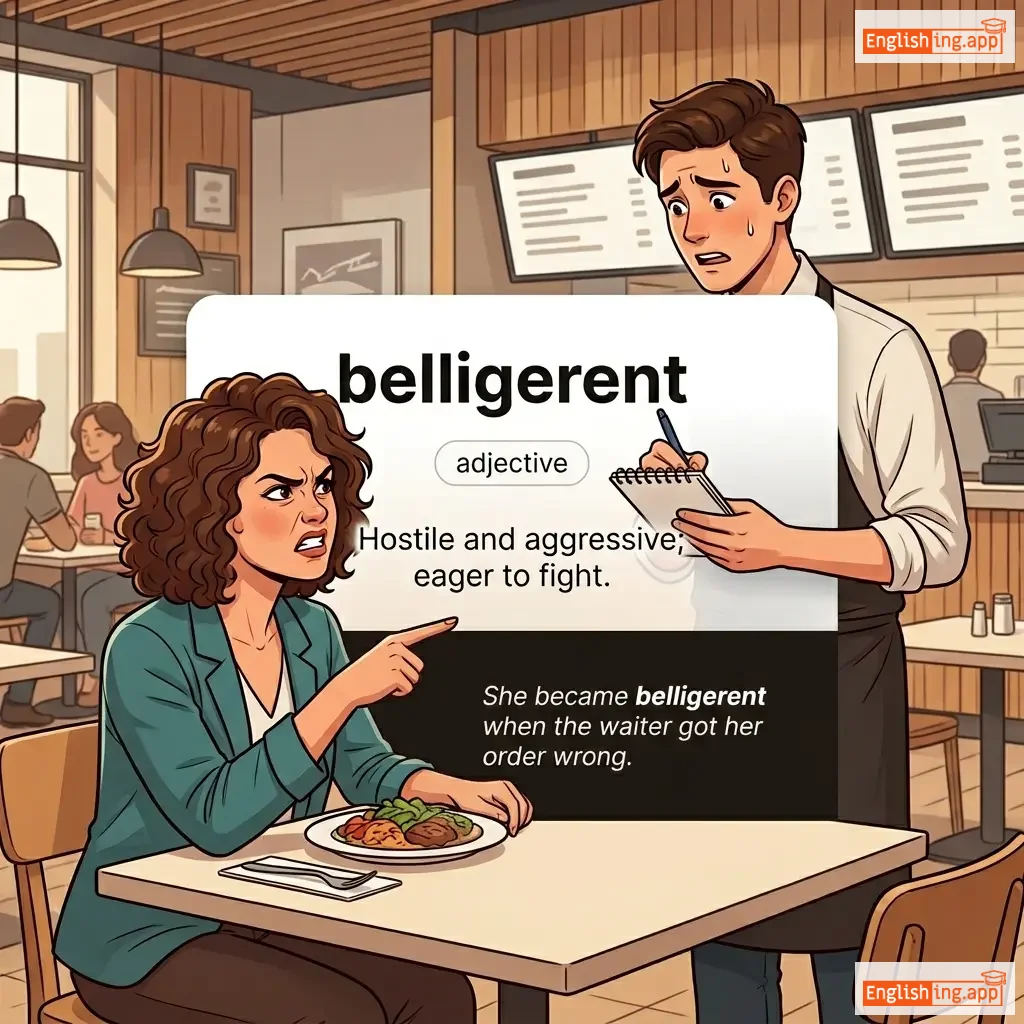
/bəˈlɪdʒərənt/
adjective
(ベリジレント)
••••••
|
|
好戦的な
kōsenteki na
••••••
|
- •••••• | - •••••• | - •••••• | - •••••• |
Hostile and aggressive; eager to fight.
••••••
|
She became belligerent when the waiter got her order wrong. |
彼女はウェイターが注文を間違えたとき、好戦的になった。
Kanojo wa weitaa ga chūmon o machigaeta toki, kōsenteki ni natta.
••••••
|
- •••••• | - •••••• | - •••••• |
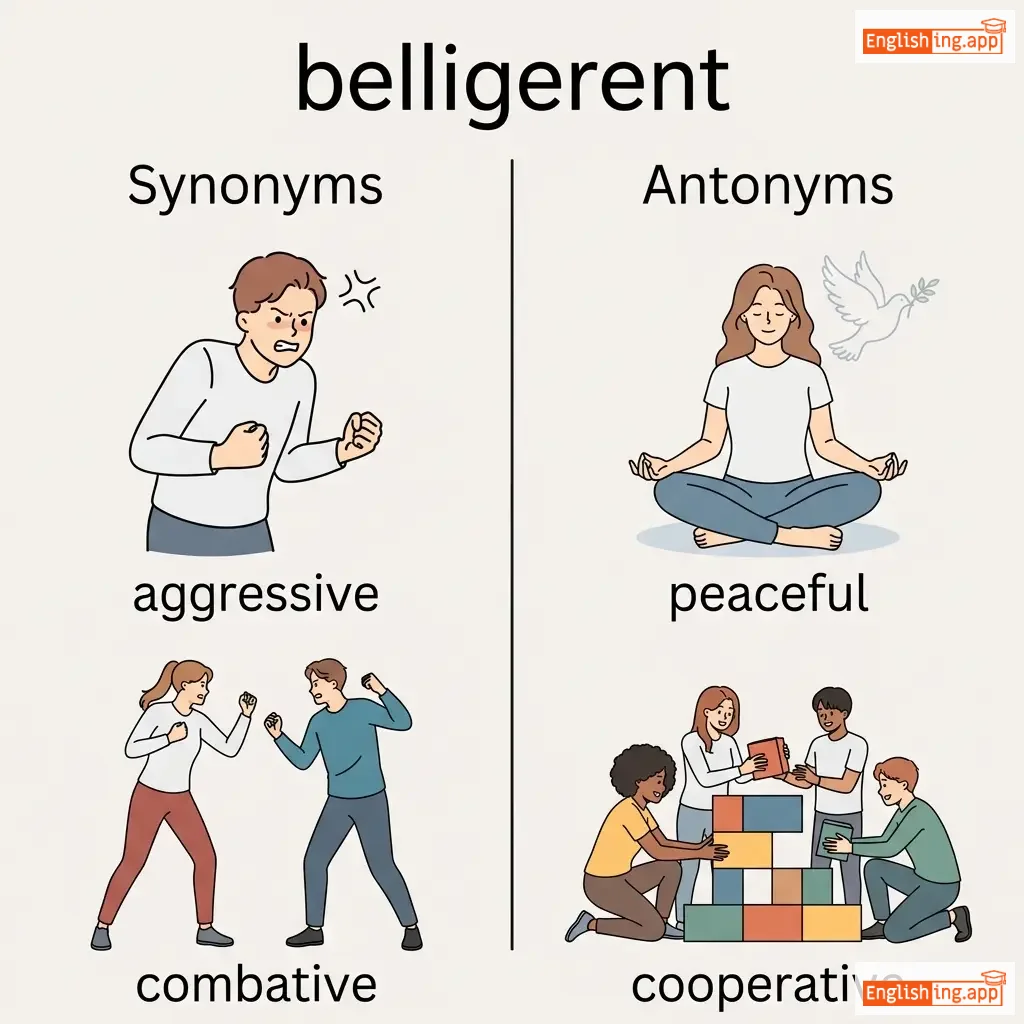
aggressive, combative, quarrelsome, hostile, antagonistic
••••••
|
peaceful, cooperative, friendly
••••••
|
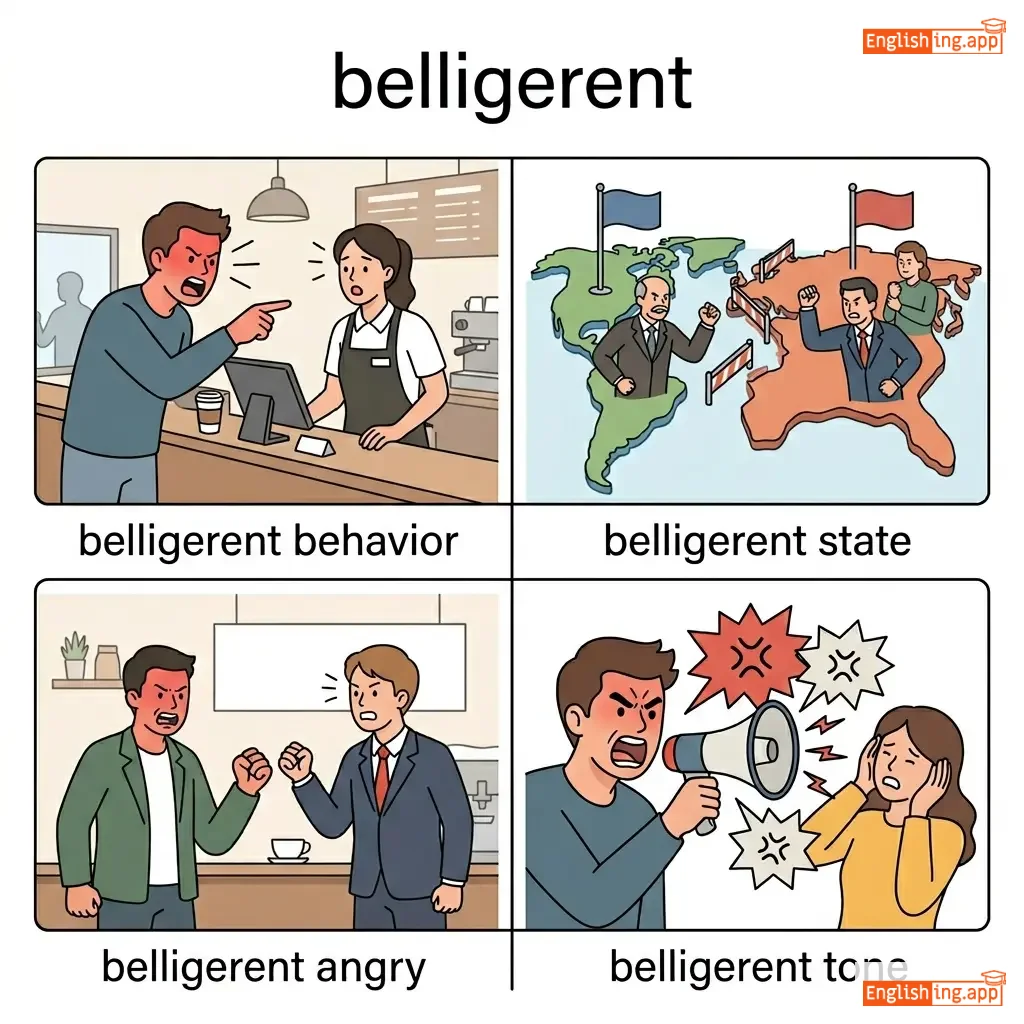
belligerent behavior, belligerent state, belligerent tone
••••••
|
ベリジレントは、戦争のように好戦的な行動を意味します。
••••••
|
|
#876
⚔️
|
/ˈbɛlɪˌkoʊs/
adjective
(ベリコース)
••••••
|
- •••••• |
戦闘的
sentō-teki
••••••
|
- •••••• | - •••••• | - •••••• | - •••••• |
Showing a tendency to argue or fight; aggressive.
••••••
|
His bellicose attitude often got him into unnecessary conflicts. |
彼の戦闘的な態度はしばしば不必要な対立を引き起こした。
Kare no sentō-teki na taido wa shibashiba fuhitsuyōna tairitsu o hikiokoshita.
••••••
|
- •••••• | - •••••• | - •••••• |
hostile, aggressive, combative, pugnacious, antagonistic
••••••
|
peaceful, friendly, calm
••••••
|
bellicose attitude, bellicose speech, bellicose stance
••••••
|
戦闘的な態度は戦争を引き起こす - 常に争いを好む。
••••••
|
|
#877
👸
|
/bɛl/
noun
(ベル)
••••••
|
- •••••• |
美しい女性
utsukushii josei
••••••
|
- •••••• | - •••••• | - •••••• | - •••••• |
A beautiful woman, especially the most attractive woman at a gathering.
••••••
|
She was the belle of the ball that evening.
彼女はその晩の舞踏会のベルでした。
••••••
|
彼女はその晩の舞踏会のベルでした。
Kanojo wa sono ban no butoukai no beru deshita.
••••••
|
belle of the ball
舞踏会のベル
••••••
|
The most beautiful and admired woman at a social event.
••••••
|
舞踏会のベル
butoukai no beru
••••••
|
beauty, darling, sweetheart, charm
••••••
|
plain woman, unattractive woman
••••••
|
southern belle, belle of the ball, young belle, charming belle
••••••
|
Belleは美しい女性を意味します。舞踏会のベルのように。
••••••
|
|
#878
⬇️
|
/bɪˈlɪtl/
verb
(ビリトル)
••••••
|
- •••••• |
軽視する
keishi suru
••••••
|
belittled
ビリトルド
••••••
|
belittled
ビリトルド
••••••
|
belittles
ビリトルス
••••••
|
belittling
ビリトリング
••••••
|
To make someone or something seem less important or less valuable.
••••••
|
He often belittled his coworkers to feel superior.
彼はしばしば自分を優位に感じるために同僚を軽視していた。
••••••
|
彼はしばしば自分を優位に感じるために同僚を軽視していた。
Kare wa shibashiba jibun o yūi ni kanjiru tame ni dōryō o keishi shiteita.
••••••
|
- •••••• | - •••••• | - •••••• |
demean, disparage, minimize, undervalue, downgrade
••••••
|
praise, compliment, honor
••••••
|
belittle efforts, belittle achievements, belittles others, belittling remarks
••••••
|
Belittle は軽視する—誰かを小さく扱う。
••••••
|
|
#879
🙏
|
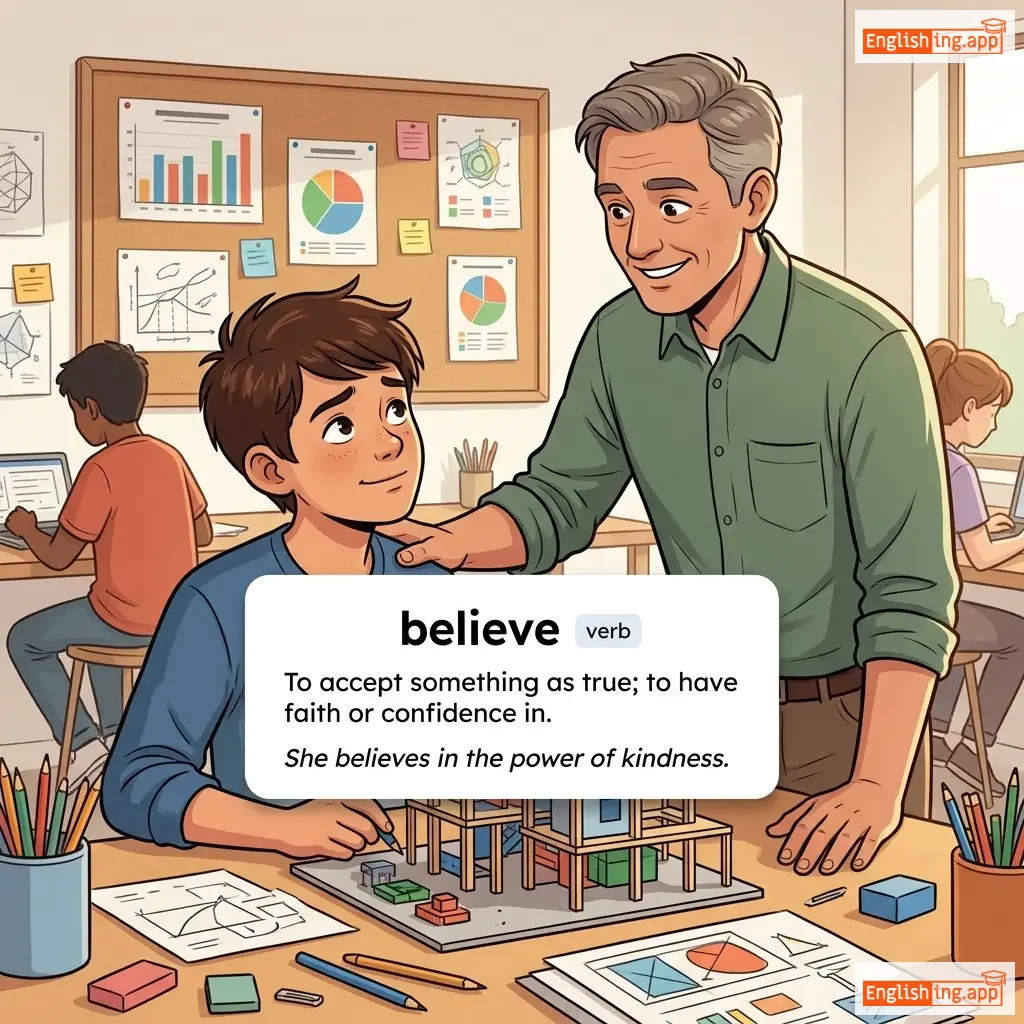
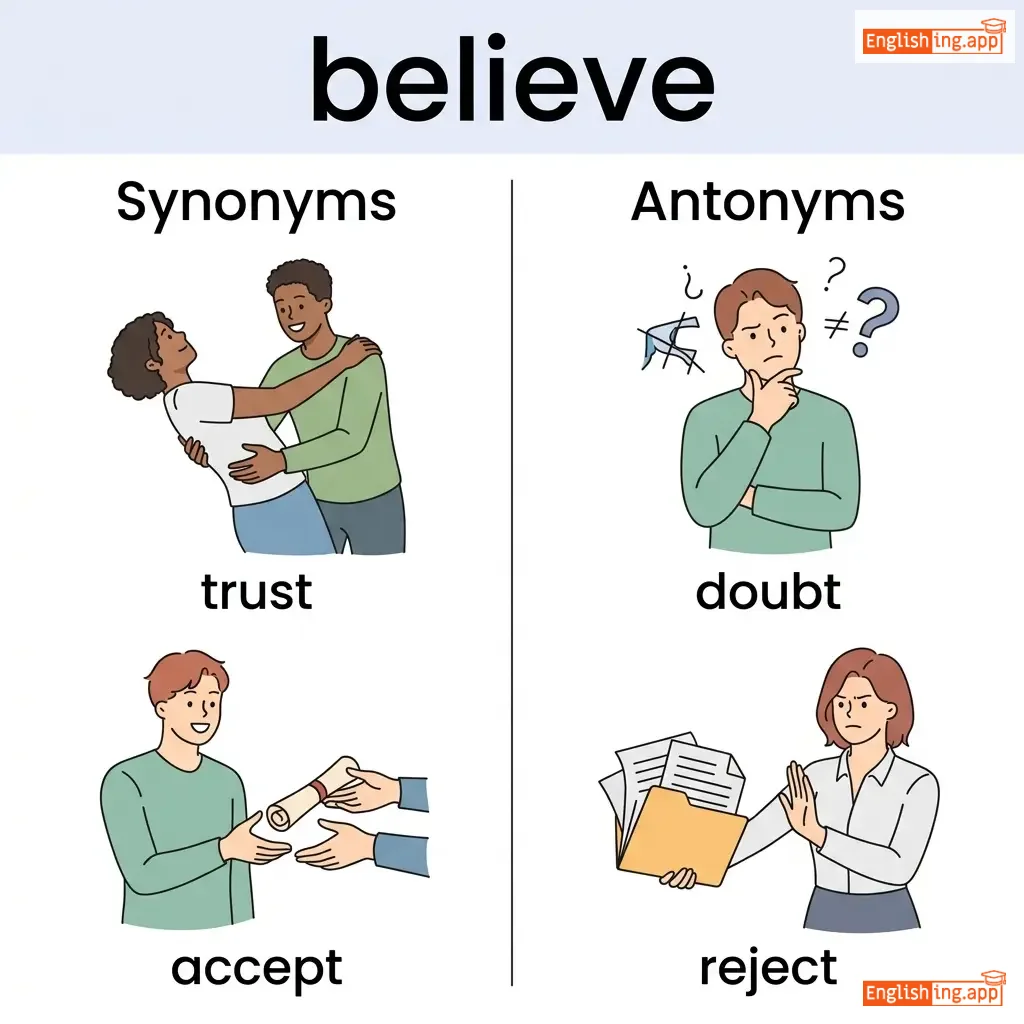
/bɪˈliːv/
verb
(ビリーブ)
••••••
|
|
信じる
shinjiru
••••••
|
believed
ビリーブド
••••••
|
believed
ビリーブド
••••••
|
believes
ビリーブズ
••••••
|
believing
ビリーヴィング
••••••
|
To accept something as true; to have faith or confidence in.
••••••
|
She believes in the power of kindness.
彼女は親切の力を信じています。
••••••
|
彼女は親切の力を信じています。
Kanojo wa shinsetsu no chikara o shinjiteimasu.
••••••
|
believe in
信じる
••••••
|
To have confidence or trust in someone or something.
••••••
|
信じる
shinjiru
••••••
|
trust, accept, credit, rely on, be convinced
••••••
|
doubt, reject, distrust
••••••
|
believe in God, believe the story, hard to believe, believe strongly
••••••
|
信じる = 信 + ジル—信じることで、可能性が広がる!
••••••
|
|
#880
🎭
|
/bɪˈlaɪ/
verb
(biri)
••••••
|
|
偽る
itsuwaru
••••••
|
belied
birai
••••••
|
belied
birai
••••••
|
belies
birai
••••••
|
belying
bīraingu
••••••
|
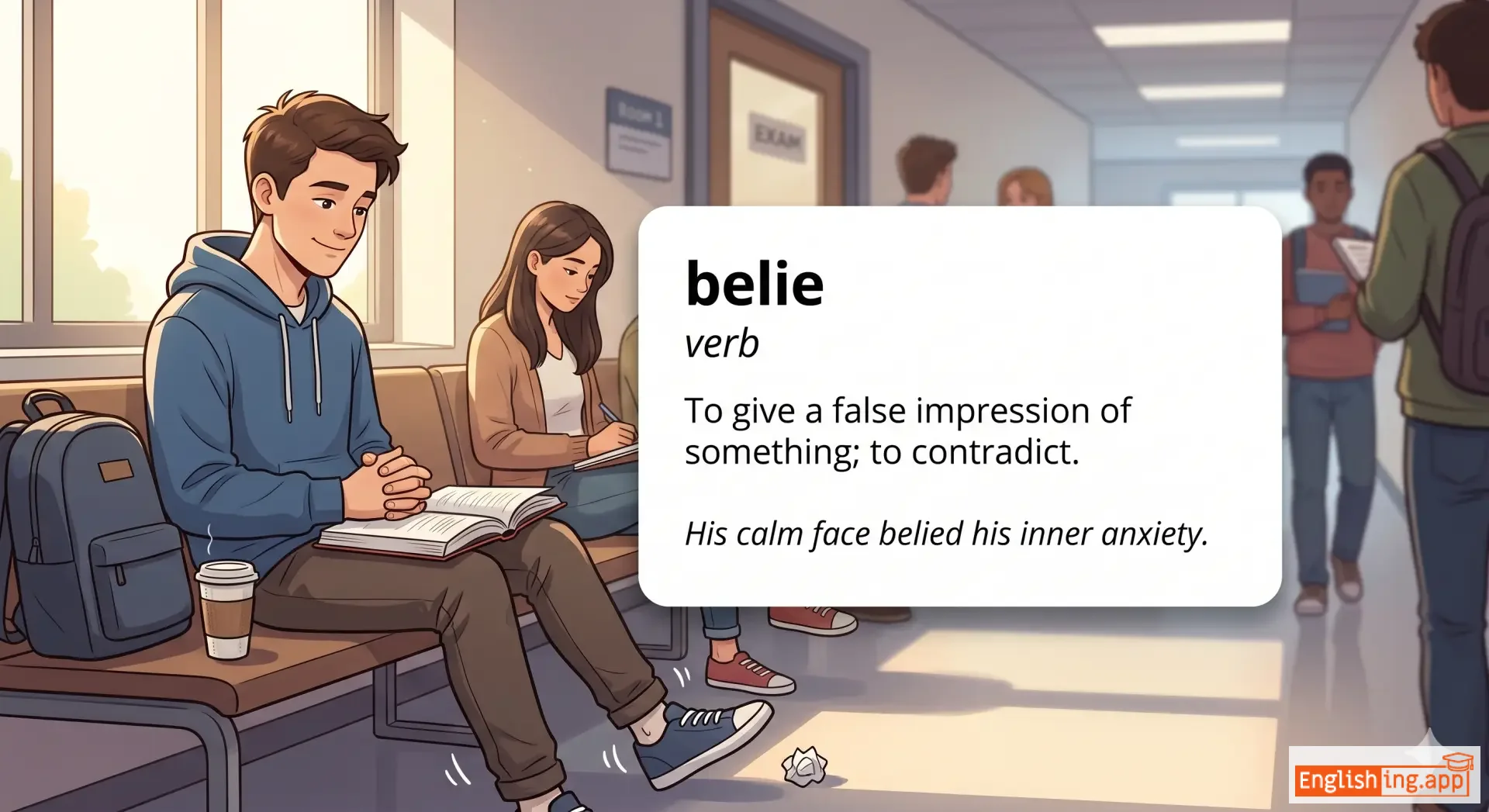
To give a false impression of something; to contradict.
••••••
|
His calm face belied his inner anxiety.
His calm face belied his inner anxiety.
••••••
|
彼の落ち着いた顔は彼の内なる不安を偽っていた。
Kare no ochitsuita kao wa kare no uchi naru fuan o itsuwatte ita.
••••••
|
- •••••• | - •••••• | - •••••• |
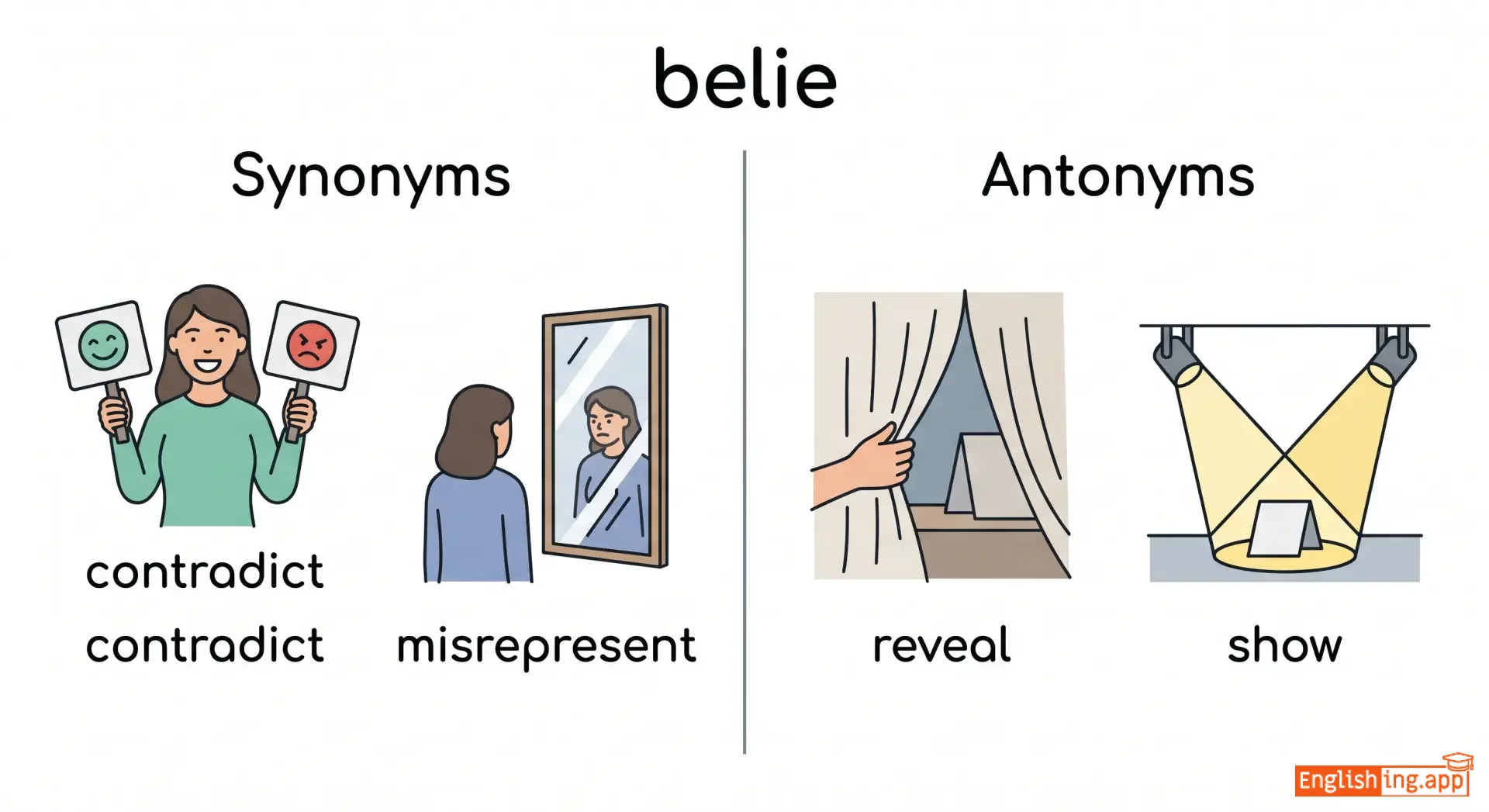
contradict, misrepresent, disguise, falsify, distort
••••••
|
reveal, show, represent
••••••
|
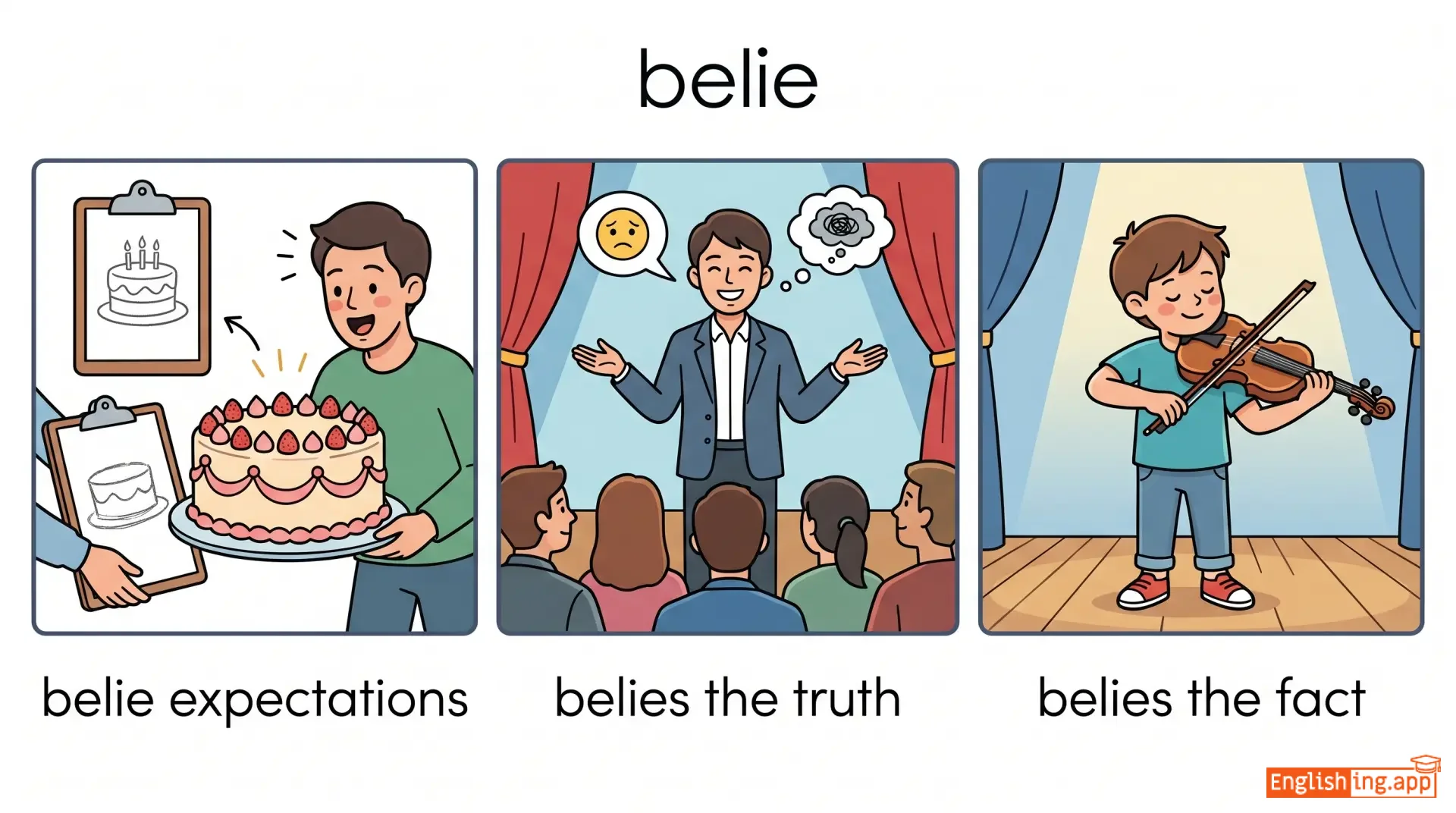
belie expectations, belies the truth, belies the fact, belied his nature
••••••
|
Belie は Believe の反対 — 見た目通りではないことを示す。
••••••
|
|
#881
🔔
|
/ˈbɛlfri/
noun
(ベルフリー)
••••••
|
- •••••• |
鐘楼
shōrō
••••••
|
- •••••• | - •••••• | - •••••• | - •••••• |
A bell tower, especially one attached to a church or building.
••••••
|
The church belfry housed a large bronze bell. |
教会の鐘楼には大きな銅の鐘がありました。
Kyōkai no shōrō ni wa ōkina dō no kane ga arimashita.
••••••
|
bats in the belfry |
To be eccentric or crazy.
••••••
|
鐘楼の中のコウモリ
Shōrō no naka no kōmori
••••••
|
bell tower, steeple, campanile, tower
••••••
|
ground, basement
••••••
|
church belfry, tall belfry, stone belfry, old belfry
••••••
|
Belfry は bell + free のように、鐘が鐘楼で自由に回る!
••••••
|
|
#882
⚔️
|
/bɪˈliːɡər/
verb
(ビリガー)
••••••
|
- •••••• |
包囲する, 困らせる
hōi suru, komarasero
••••••
|
beleaguered
ビリガード
••••••
|
beleaguered
ビリガード
••••••
|
beleaguers
ビリガーズ
••••••
|
beleaguering
ビリガリング
••••••
|
to cause difficulties, troubles, or harassment; to surround with military forces
••••••
|
The company was beleaguered by constant complaints from its customers.
その会社は顧客からの絶え間ない苦情で包囲されていた。
••••••
|
その会社は顧客からの絶え間ない苦情で包囲されていた。
Sono kaisha wa kokyaku kara no taemanai kujō de hōi sarete ita.
••••••
|
beleaguered city
包囲された都市
••••••
|
a city surrounded and under attack or pressure
••••••
|
包囲された都市
hōi sareta toshi
••••••
|
harass, besiege, pester, trouble, surround
••••••
|
support, assist, aid
••••••
|
beleaguered by problems, beleaguered company, beleaguered leader
••••••
|
Beleaguer = Be+League+Er → 軍隊で都市を囲む、包囲戦
••••••
|
|
#883
🧗
|
/bɪˈleɪ/
verb
(ビレイ)
••••••
|
- •••••• |
ロープを固定する
rōpu o kotei suru
••••••
|
belayed
ビレイド
••••••
|
belayed
ビレイド
••••••
|
belays
ビレイズ
••••••
|
belaying
ビレイイング
••••••
|
to secure a rope by winding it around an object; to stop or cancel an order (nautical/military use)
••••••
|
The climber asked his partner to belay the rope tightly.
クライマーはパートナーにロープをしっかりと確保するように頼んだ。
••••••
|
クライマーはパートナーにロープをしっかりと確保するように頼んだ。
Kuraimā wa pātonā ni rōpu o shikkari to kakuho suru yō ni tanonda.
••••••
|
belay that order
その命令を取り消せ
••••••
|
cancel or disregard the order just given
••••••
|
その命令を取り消せ
sono meirei o torikese
••••••
|
secure, fasten, tie, anchor
••••••
|
release, loosen
••••••
|
belay the rope, belay command, belay point
••••••
|
Belay → Be+Lay → ロープを確保して安全を守る
••••••
|
|
#884
🎂
|
/bɪˈleɪtɪd/
adjective
(ビレイテッド)
••••••
|
- •••••• |
遅れた
okureta
••••••
|
- •••••• | - •••••• | - •••••• | - •••••• |
coming or happening later than expected or usual
••••••
|
She sent me a belated birthday card. |
彼女は遅れた誕生日カードを送ってくれた。
Kanojo wa okureta tanjoubi kaado wo okutte kureta.
••••••
|
belated congratulations |
wishes or greetings given later than appropriate
••••••
|
遅れたお祝い
okureta oiwai
••••••
|
late, overdue, delayed, tardy
••••••
|
timely, prompt
••••••
|
belated birthday, belated apology, belated recognition
••••••
|
Belated = Be+Late → 遅れているので遅れた
••••••
|
|
#885
⏰
|
/bɪˈleɪt/
verb
(ビレート)
••••••
|
- •••••• |
遅れる
okureru
••••••
|
belated
ビレーテッド
••••••
|
belated
ビレーテッド
••••••
|
belates
ビレーツ
••••••
|
belating
ビレイティング
••••••
|
to delay or make late
••••••
|
Heavy traffic belated our arrival at the party.
渋滞が私たちのパーティーへの到着を遅らせました。
••••••
|
渋滞が私たちのパーティーへの到着を遅らせました。
Jūtai ga watashitachi no pātī e no tōchaku o okurashimashita.
••••••
|
- •••••• | - •••••• | - •••••• |
delay, hinder, retard, postpone
••••••
|
hasten, expedite
••••••
|
belate someone, belate arrival
••••••
|
Belate = Be+Late → 遅れる
••••••
|
|
#886
💦
|
/bɪˈdræɡəl/
verb
(ベドラッグル)
••••••
|
- •••••• |
泥や水を引きずって物を濡らし、汚し、乱れさせる
doro ya mizu o hikizutte mono o nurashi, yogoshi, midare saseru
••••••
|
bedraggled
ベドラッグルド
••••••
|
bedraggled
ベドラッグルド
••••••
|
bedraggles
ベドラッグルズ
••••••
|
bedraggling
ベドラッグリング
••••••
|
to make something wet, dirty, and untidy by dragging it through mud or water
••••••
|
The children came home bedraggled after playing in the rain.
子供たちは雨の中で遊んだ後、濡れて泥だらけで家に帰った。
••••••
|
子供たちは雨の中で遊んだ後、濡れて泥だらけで家に帰った。
Kodomotachi wa ame no naka de asonda ato, nurete doro darake de ie ni kaetta.
••••••
|
- •••••• | - •••••• | - •••••• |
soak, drench, muddy, soil, wet
••••••
|
clean, dry, tidy
••••••
|
bedraggled appearance, bedraggled clothes, bedraggled hair
••••••
|
Bedraggle in Japanese sounds like 'wet and dirty bed!'
••••••
|
|
#887
🇬🇧
|
/bɪˈhəʊv/
verb
(bihov)
••••••
|
- •••••• |
適切である
tekisetsu de aru
••••••
|
behoved
bihoved
••••••
|
behoved
bihoved
••••••
|
behoves
bihoves
••••••
|
behoving
bihoving
••••••
|
British spelling of 'behoove'; to be appropriate or necessary
••••••
|
It would behove the company to listen to its customers.
It wood bihov de company tu listen tu its customers.
••••••
|
会社は顧客の意見に耳を傾けるべきです。
Kaisha wa kokyaku no iken ni mimi o katamukeru beki desu.
••••••
|
- •••••• | - •••••• | - •••••• |
benefit, suit, befit, help, oblige
••••••
|
ignore, neglect, disregard
••••••
|
behove someone, it would behove
••••••
|
BeHOVEは、必要なことをする、何かのために動くことを意味します。
••••••
|
|
#888
⚖️
|
/bɪˈhuːvz/
verb
(ビフーヴス)
••••••
|
- •••••• |
必要である
hitsuyou de aru
••••••
|
- •••••• | - •••••• |
behooves
ビフーヴス
••••••
|
- •••••• |
third person singular form of 'behoove'; means it is proper or necessary
••••••
|
It behooves every citizen to follow the law.
すべての市民は法律を守るべきです。
••••••
|
すべての市民は法律を守るべきです。
Subete no shimin wa hōritsu o mamoru beki desu.
••••••
|
- •••••• | - •••••• | - •••••• |
benefits, suits, obliges, helps
••••••
|
ignores, neglects
••••••
|
behooves everyone, behooves the government
••••••
|
BeHOOVES = '必要である' すべての市民が法律を守るべき
••••••
|
|
#889
📘
|
/bɪˈhuːv/
verb
(ビフーブ)
••••••
|
- •••••• |
誰かが何かをすることが必要または適切である
dareka ga nanika o suru koto ga hitsuyou matawa tekisetsu de aru
••••••
|
behooved
ビフーブド
••••••
|
behooved
ビフーブド
••••••
|
behooves
ビフーブス
••••••
|
behooving
ビフービング
••••••
|
to be necessary, proper, or appropriate for someone to do
••••••
|
It would behoove you to study before the exam.
イット・ウッド・ビフーブ・ユー・トゥ・スタディ・ビフォー・ザ・エグザム。
••••••
|
試験の前に勉強することが必要です。
Shiken no mae ni benkyou suru koto ga hitsuyou desu.
••••••
|
- •••••• | - •••••• | - •••••• |
benefit, suit, befit, help, oblige
••••••
|
ignore, neglect, disregard
••••••
|
behoove someone, it would behoove, behoove to act
••••••
|
BeHOOVE = 試験前に勉強することが重要です。
••••••
|
|
#890
🙏
|
/bɪˈhoʊldən/
adjective
(ビホールデン)
••••••
|
- •••••• |
恩義を感じている、または借りがある
ongi o kanjite iru, mata wa kari ga aru
••••••
|
- •••••• | - •••••• | - •••••• | - •••••• |
indebted or obliged to someone for a service or help
••••••
|
He felt beholden to his mentor for all the guidance. |
彼はすべての指導に対してメンターに恩義を感じていました。
Kare wa subete no shidō ni taishite mentā ni ongi o kanjite imashita.
••••••
|
- •••••• | - •••••• | - •••••• |
indebted, obligated, grateful, bound
••••••
|
independent, free, unbound
••••••
|
beholden to someone, feel beholden
••••••
|
BeHOLD(見る)+ EN(で)= BeHOLDEN、これは恩義を感じるまたは借りがあることを意味します。
••••••
|
|
#891
🐘
|
/bɪˈhiːməθ/
noun
(ビヘモス)
••••••
|
|
巨大な生物または組織
kyodaina seibutsu matawa soshiki
••••••
|
- •••••• | - •••••• | - •••••• | - •••••• |
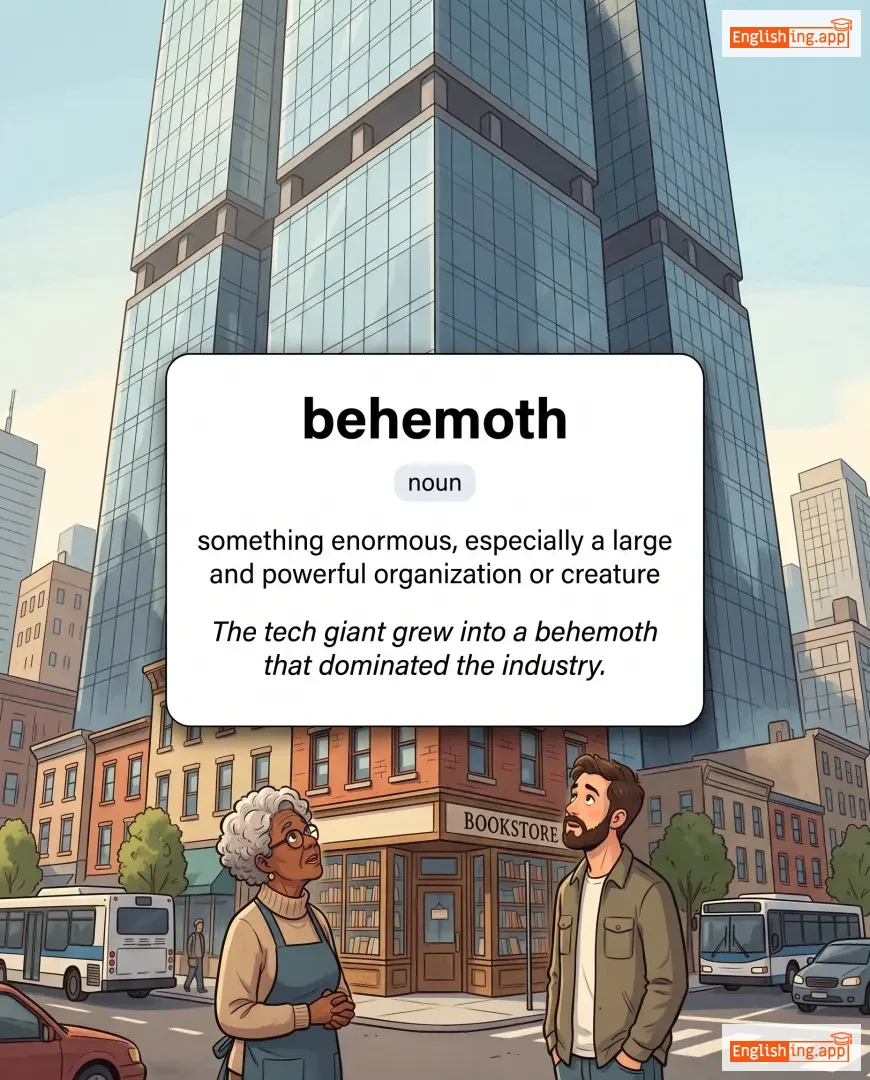
something enormous, especially a large and powerful organization or creature
••••••
|
The tech giant grew into a behemoth that dominated the industry.
そのテクノロジー企業は、業界を支配するビヘモスに成長した。
••••••
|
そのテクノロジー企業は、業界を支配するビヘモスに成長した。
Sono tekunorojī kigyō wa, gyōkai o shihai suru bihēmosu ni seichō shita.
••••••
|
- •••••• | - •••••• | - •••••• |
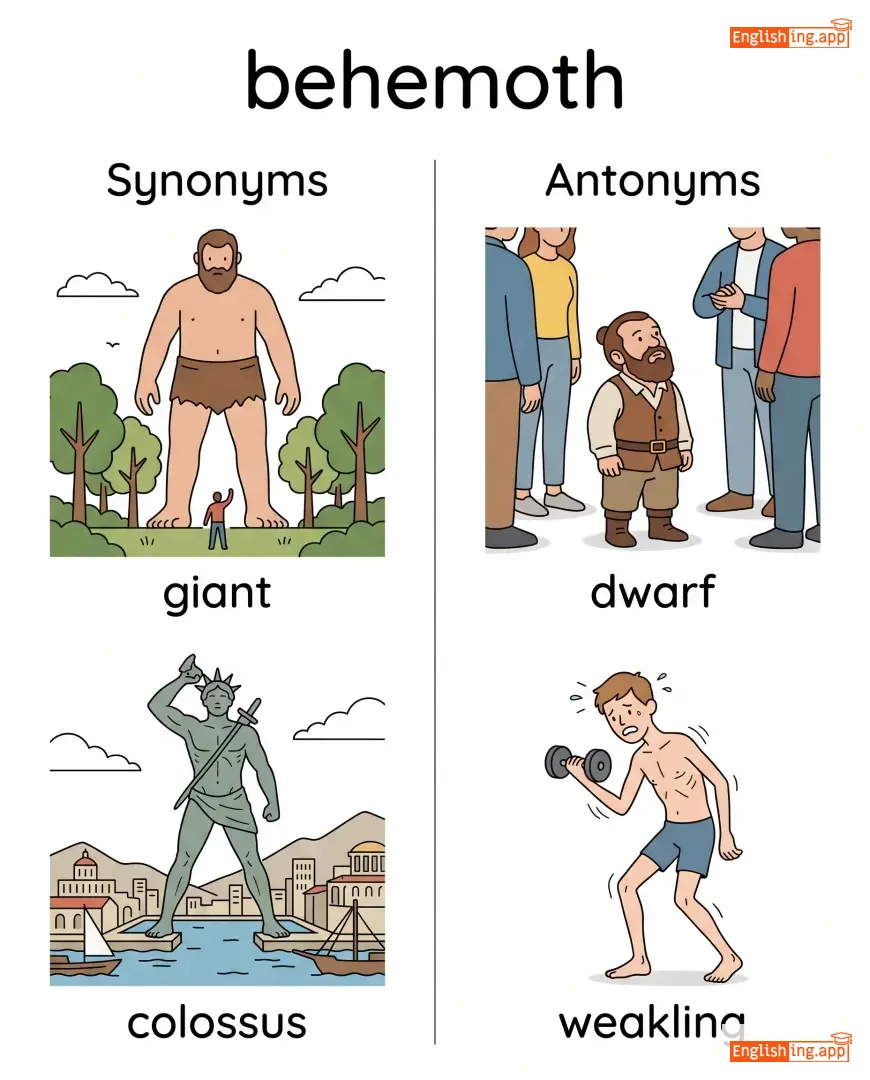
giant, colossus, titan, leviathan, powerhouse
••••••
|
dwarf, weakling, small fry
••••••
|
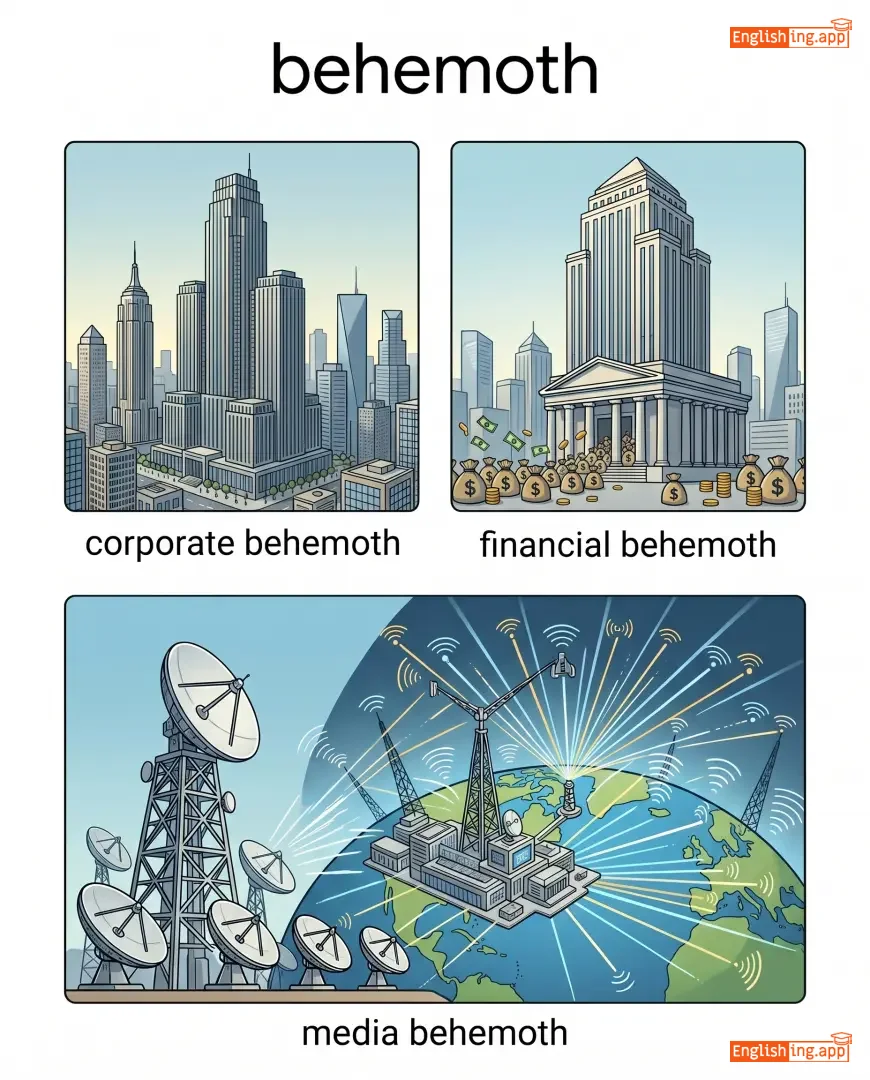
corporate behemoth, financial behemoth, media behemoth
••••••
|
Behemoth = 巨大で力強い怪物みたいなもの!
••••••
|
|
#892
🪄
|
/bɪˈɡaɪl/
verb
(ビガイル)
••••••
|
- •••••• |
魅了する / 欺いて引きつける
miryō suru / azamete hiki tsukeru
••••••
|
beguiled
ビガイルド
••••••
|
beguiled
ビガイルド
••••••
|
beguiles
ビガイルズ
••••••
|
beguiling
ビガイリング
••••••
|
to charm or enchant someone, often in a deceptive way
••••••
|
She beguiled the audience with her storytelling.
彼女はストーリーテリングで観客を魅了した。
••••••
|
彼女はストーリーテリングで観客を魅了した。
Kanojo wa sutōrī teringu de kankyaku o miryō shita.
••••••
|
- •••••• | - •••••• | - •••••• |
charm, enchant, captivate, deceive, mesmerize
••••••
|
repel, bore, offend
••••••
|
beguile the audience, beguile the mind, beguile with charm
••••••
|
Be + guile (ずる賢さ) – ずる賢さで魅了することが'beguile'です。
••••••
|
|
#893
😒
|
/bɪˈɡrʌdʒ/
verb
(ビグラッジ)
••••••
|
- •••••• |
誰かが何かを持っていることに対して妬む / 何かを嫌々与える
dareka ga nanika o motteiru koto ni taishite netamu / nanika o iya iya ataeru
••••••
|
begrudged
ビグラッジド
••••••
|
begrudged
ビグラッジド
••••••
|
begrudges
ビグラッジズ
••••••
|
begrudging
ビグラッジング
••••••
|
to resent someone for having something; to give reluctantly
••••••
|
She did not begrudge him his success.
シー ディド ノット ビグラッジ ヒム ヒズ サクセス
••••••
|
彼女は彼の成功に嫉妬しなかった。
Kanojo wa kare no seikō ni shitto shinakatta.
••••••
|
- •••••• | - •••••• | - •••••• |
resent, envy, grudge, be unwilling, complain
••••••
|
allow, grant, accept
••••••
|
begrudge success, begrudge effort, begrudge time, begrudge attention
••••••
|
Be + grudge – 誰かが何かを持っていることに対して妬む、嫌々与える – Begrudge.
••••••
|
|
#894
🌱
|
/bɪˈɡɛt/
verb
(ビゲット)
••••••
|
- •••••• |
生む / 引き起こす
umu / hikiokosu
••••••
|
begot
ビゴット
••••••
|
begotten
ビゴッテン
••••••
|
begets
ビゲッツ
••••••
|
begetting
ビゲッティング
••••••
|
to bring about or give rise to; to father or produce
••••••
|
Violence begets more violence.
暴力はさらなる暴力を生む。
••••••
|
暴力はさらなる暴力を生む。
Bōryoku wa saranaru bōryoku o umu.
••••••
|
- •••••• | - •••••• | - •••••• |
cause, create, generate, produce, engender
••••••
|
prevent, stop, hinder
••••••
|
beget violence, beget problems, beget change
••••••
|
Begetは生むという意味です、まるで父親が子供を生むように。
••••••
|
|
#895
🙏
|
/bɛɡ/
verb
(ベグ)
••••••
|
|
乞う / 頼む
kou / tanomu
••••••
|
begged
ベグド
••••••
|
begged
ベグド
••••••
|
begs
ベグス
••••••
|
begging
ベギング
••••••
|
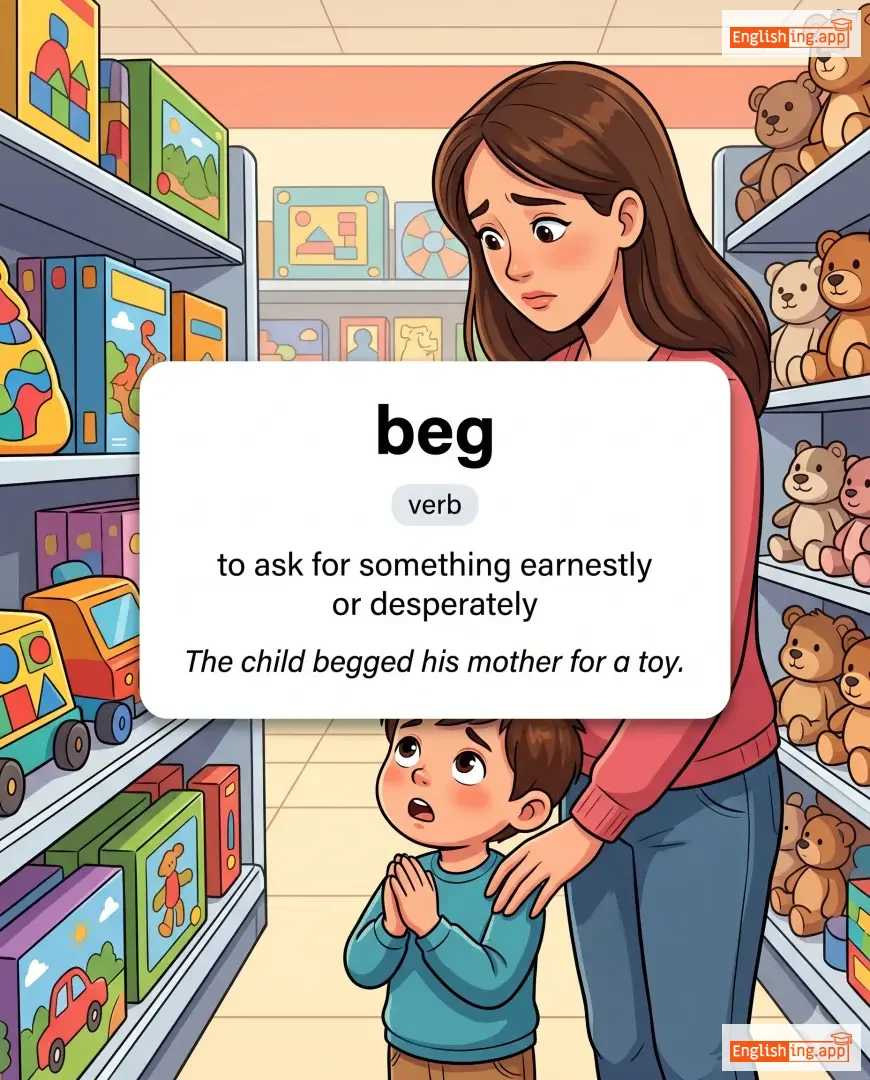
to ask for something earnestly or desperately
••••••
|
The child begged his mother for a toy.
その子供はおもちゃを求めて母親に頼んだ。
••••••
|
その子供はおもちゃを頼んだ。
Sono kodomo wa omocha o tanonda.
••••••
|
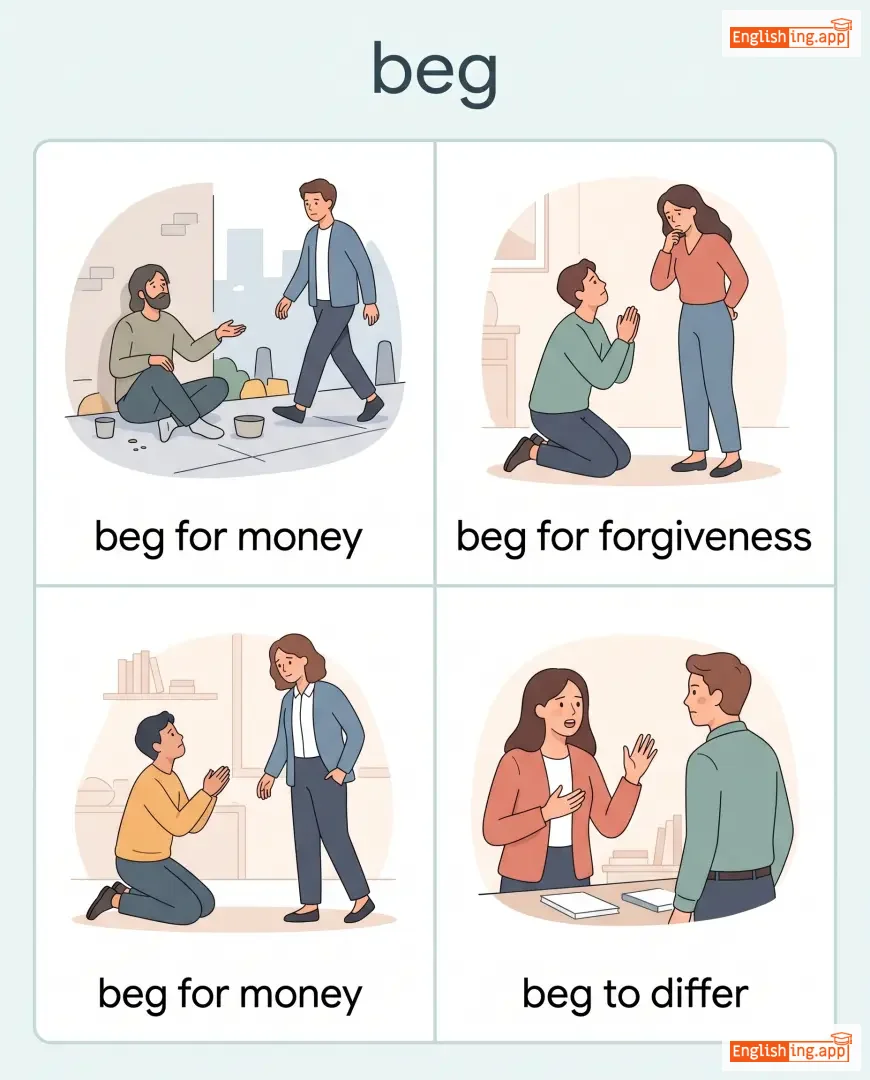
beg to differ
beg to differ
••••••
|
to politely disagree
••••••
|
丁寧に異議を唱える
teinei ni igi o tonaeru
••••••
|
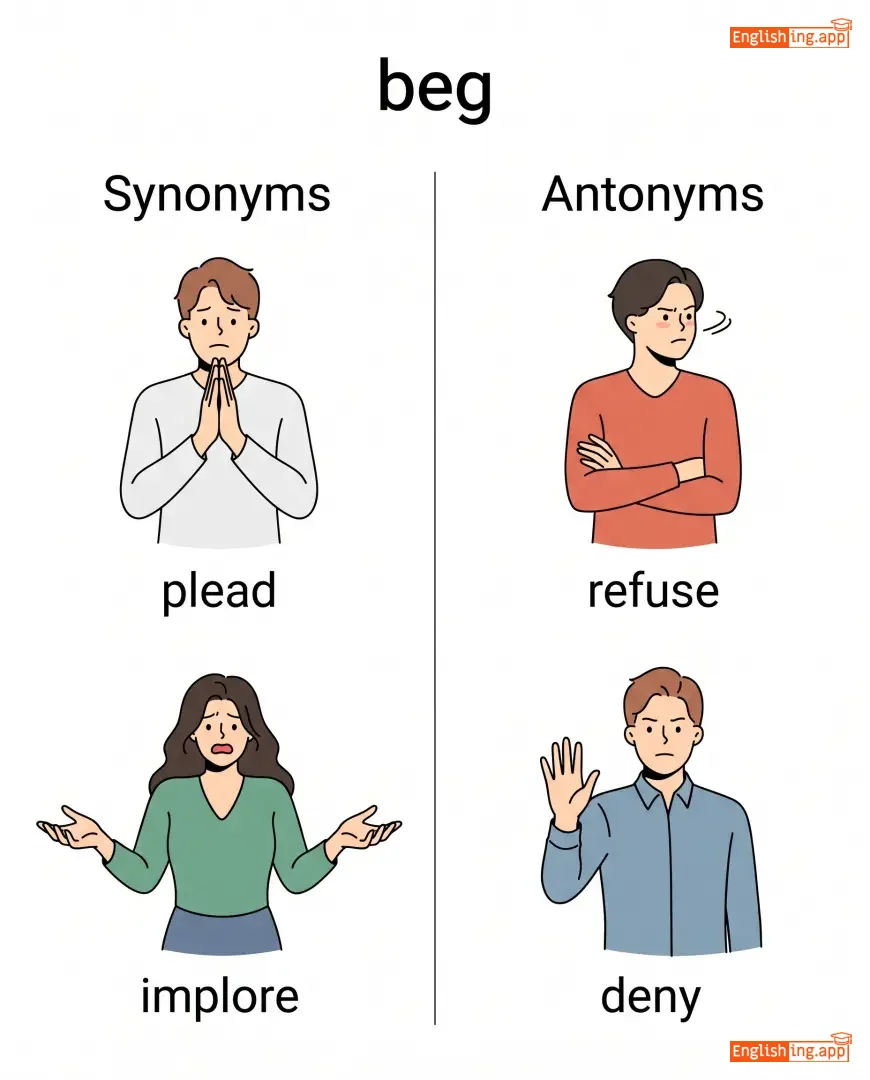
plead, implore, request, entreat, supplicate
••••••
|
refuse, deny, reject
••••••
|
beg for money, beg for forgiveness, beg to differ, beg for mercy
••••••
|
Beg は頼むという意味です – 何かを頼むときに使います。
••••••
|
|
#896
😵
|
/bɪˈfʌdld/
adjective
(bifadeld)
••••••
|
- •••••• |
困惑した
konwaku shita
••••••
|
- •••••• | - •••••• | - •••••• | - •••••• |
confused, unable to think clearly
••••••
|
He looked befuddled after hearing the complex instructions. |
彼は複雑な指示を聞いた後、困惑したように見えました。
Kare wa fukuzatsu na shiji o kiita ato, konwaku shita yō ni miemashita.
••••••
|
- •••••• | - •••••• | - •••••• |
confused, perplexed, dazed, muddled, disoriented
••••••
|
clear, focused, alert
••••••
|
look befuddled, feel befuddled, sound befuddled, appear befuddled
••••••
|
Befuddled = 困惑した (Konwaku shita) – 思考が混乱したとき
••••••
|
|
#897
😕
|
/bɪˈfʌdəl/
verb
(ビファドル)
••••••
|
- •••••• |
混乱させる
konran saseru
••••••
|
befuddled
ビファドルド
••••••
|
befuddled
ビファドルド
••••••
|
befuddles
ビファドルズ
••••••
|
befuddling
ビファドリング
••••••
|
to confuse someone completely; to make someone unable to think clearly
••••••
|
The complex instructions befuddled the students.
複雑な指示が学生たちを混乱させました。
••••••
|
複雑な指示が学生たちを混乱させました。
Fukuzatsu na shiji ga gakuseitachi o konran sasemashita.
••••••
|
- •••••• | - •••••• | - •••••• |
confuse, bewilder, perplex, puzzle
••••••
|
clarify, enlighten, explain
••••••
|
befuddled mind, befuddled expression, befuddled students
••••••
|
Fuddleは混乱を意味します、だからbefuddleは完全に混乱させることを意味します。
••••••
|
|
#898
🤗
|
/bɪˈfrɛnd/
verb
(ビフレンド)
••••••
|
- •••••• |
友達になる
tomodachi ni naru
••••••
|
befriended
ビフレンドされた
••••••
|
befriended
ビフレンドされた
••••••
|
befriends
ビフレンドス
••••••
|
befriending
ビフレンドイング
••••••
|
to act as a friend to someone; to make friends with
••••••
|
She befriended the new student at school.
彼女は学校で新しい生徒と友達になった。
••••••
|
彼女は学校で新しい生徒と友達になった。
Kanojo wa gakkou de atarashii seito to tomodachi ni natta.
••••••
|
- •••••• | - •••••• | - •••••• |
support, help, aid, be kind to
••••••
|
ignore, neglect, reject
••••••
|
befriend someone, befriended by, befriending animals
••••••
|
Befriendは友達になること、友達になる!
••••••
|
|
#899
🌫️
|
/bɪˈfɒɡ/
verb
(ビフォグ)
••••••
|
- •••••• |
ぼやけさせる
boyakesaseru
••••••
|
befogged
ビフォグド
••••••
|
befogged
ビフォグド
••••••
|
befogs
ビフォグス
••••••
|
befogging
ビフォギング
••••••
|
to confuse or make unclear; to cover with fog or mist
••••••
|
His mind was befogged by exhaustion.
彼の心は疲れによってぼやけていた。
••••••
|
彼の心は疲れによってぼやけていた。
Kare no kokoro wa tsukare ni yotte boyakete ita.
••••••
|
- •••••• | - •••••• | - •••••• |
confuse, blur, cloud, obscure
••••••
|
clarify, explain
••••••
|
befogged mind, befogged memory, befogged senses
••••••
|
霧で全てがぼやけるように、'befog'はぼやけさせる意味です。
••••••
|
|
#900
🐝
|
/ˈbiːlaɪn/
noun
(bīrain)
••••••
|
- •••••• |
一直線
icchokusen
••••••
|
- •••••• | - •••••• | - •••••• | - •••••• |
a straight, direct route to a destination
••••••
|
He made a beeline for the food table as soon as he entered the party.
彼はパーティーに入ったとたん、食べ物のテーブルに直行しました。
••••••
|
彼はパーティーに入ったとたん、食べ物のテーブルに直行しました。
Kare wa pātī ni haitta totan, tabemono no tēburu ni chikō shimashita.
••••••
|
make a beeline
一直線に進む
••••••
|
to go quickly and directly towards something
••••••
|
一直線に進む
icchokusen ni susumu
••••••
|
direct route, straight path, shortcut, line
••••••
|
detour, deviation
••••••
|
make a beeline, straight beeline
••••••
|
蜂のように一直線に向かう!
••••••
|
Vocabulary Quiz
Test your vocabulary by matching words with their translations or meanings.
Login to take the quiz
Comments (0)
Share your thoughts and join the discussion.
Join the discussion by logging in
Login to CommentNo comments yet
Be the first to share your thoughts!