

翻訳
過去
過去分詞
三人称単数
動名詞
意味
例文
例文の翻訳
同義語
対義語
コロケーション
ニーモニック
Swipe left or right, or use the buttons. Tap image to zoom.
例文の翻訳
単語
Lesson 337Lesson 337 - マスクトグル
|
絵文字
|
単語 | Images | 翻訳 | 過去 | 過去分詞 | 三人称単数 | 動名詞 | 意味 | 例文 | 例文の翻訳 | 表現例 | 表現例の意味 | 表現例の翻訳 | 同義語 | 対義語 | コロケーション | ニーモニック |
|---|---|---|---|---|---|---|---|---|---|---|---|---|---|---|---|---|---|
|
#10075
😏
|
/ˈpɜːrtnəs/
noun
(パートネス)
••••••
|
- •••••• |
生意気
namakiki
••••••
|
- •••••• | - •••••• | - •••••• | - •••••• |
boldness or forwardness in speech or behavior; sauciness
••••••
|
Her pertness during the meeting surprised everyone. |
会議中の彼女の生意気さは、みんなを驚かせた。
Kaigi-chū no kanojo no namakiki-sa wa, minna o odorokaseta.
••••••
|
- •••••• | - •••••• | - •••••• |
sassiness, boldness, cheekiness, impudence
••••••
|
politeness, modesty
••••••
|
pertness of speech, youthful pertness, sudden pertness
••••••
|
Pertはパーティーのようなもので、その中で生意気に振る舞う人がいる。
••••••
|
|
#10076
👏
|
/preɪz/
verb
(preizu)
••••••
|
|
賛美する
sanbi suru
••••••
|
praised
preizudo
••••••
|
praised
preizudo
••••••
|
praises
preizuzu
••••••
|
praising
preizingu
••••••
|
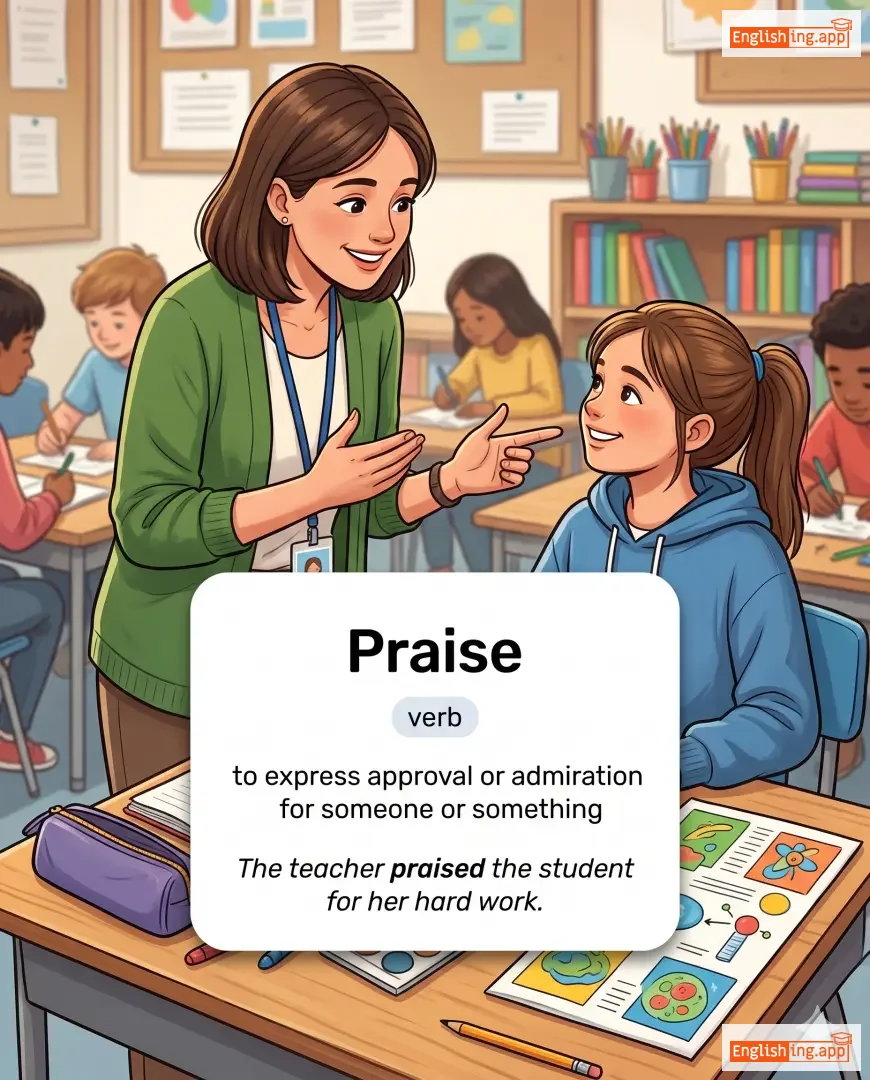
to express approval or admiration for someone or something
••••••
|
The teacher praised the student for her hard work.
先生は学生の努力を称賛しました。
••••••
|
先生は学生の努力を称賛しました。
Sensei wa gakusei no doryoku o shousan shimashita.
••••••
|
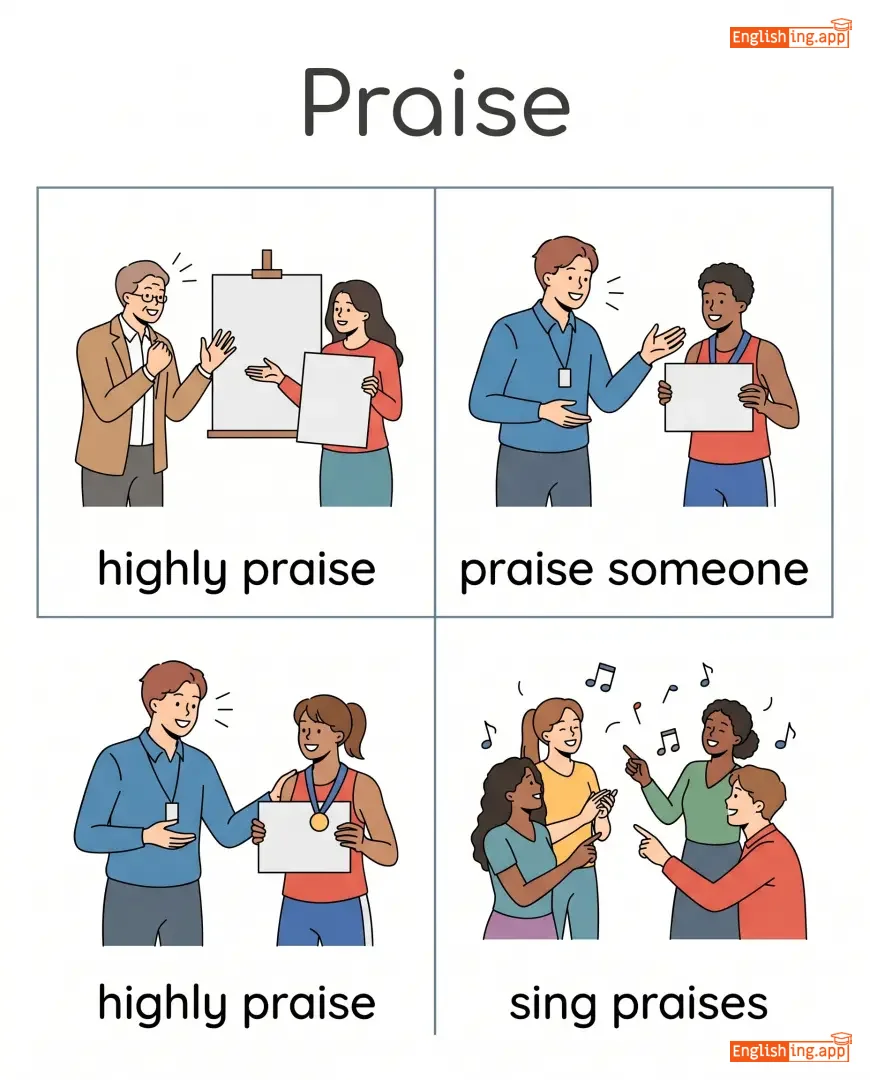
sing someone’s praises
誰かを称賛する
••••••
|
to enthusiastically talk about how good someone is
••••••
|
誰かを称賛する
dareka o shousan suru
••••••
|
commend, compliment, applaud, admire, honor
••••••
|
criticize, blame, condemn
••••••
|
highly praise, praise someone, sing praises, praise for efforts
••••••
|
Sanbi suru は称賛する — クラスで良いことをするとみんな 'サンビ' するよ!
••••••
|
|
#10077
🛠️
|
/ˈpræktɪkli/
adverb
(プラクティカリー)
••••••
|
- •••••• |
実質的に
jisshitsuteki ni
••••••
|
- •••••• | - •••••• | - •••••• | - •••••• |
in a way that is almost or nearly; in a realistic or functional manner
••••••
|
The movie theater was practically empty.
映画館はほとんど空っぽだった。
••••••
|
映画館はほとんど空っぽだった。
Eigakan wa hotondo karappo datta.
••••••
|
- •••••• | - •••••• | - •••••• |
almost, nearly, virtually, essentially
••••••
|
completely, fully
••••••
|
practically impossible, practically speaking, practically empty, practically useful
••••••
|
Practicallyはほとんど意味します—実質的に試験でほとんどの人が合格します。
••••••
|
|
#10078
⚡
|
/ˈpaʊər/
noun
(パワー)
••••••
|
|
力
chikara
••••••
|
- •••••• | - •••••• | - •••••• | - •••••• |
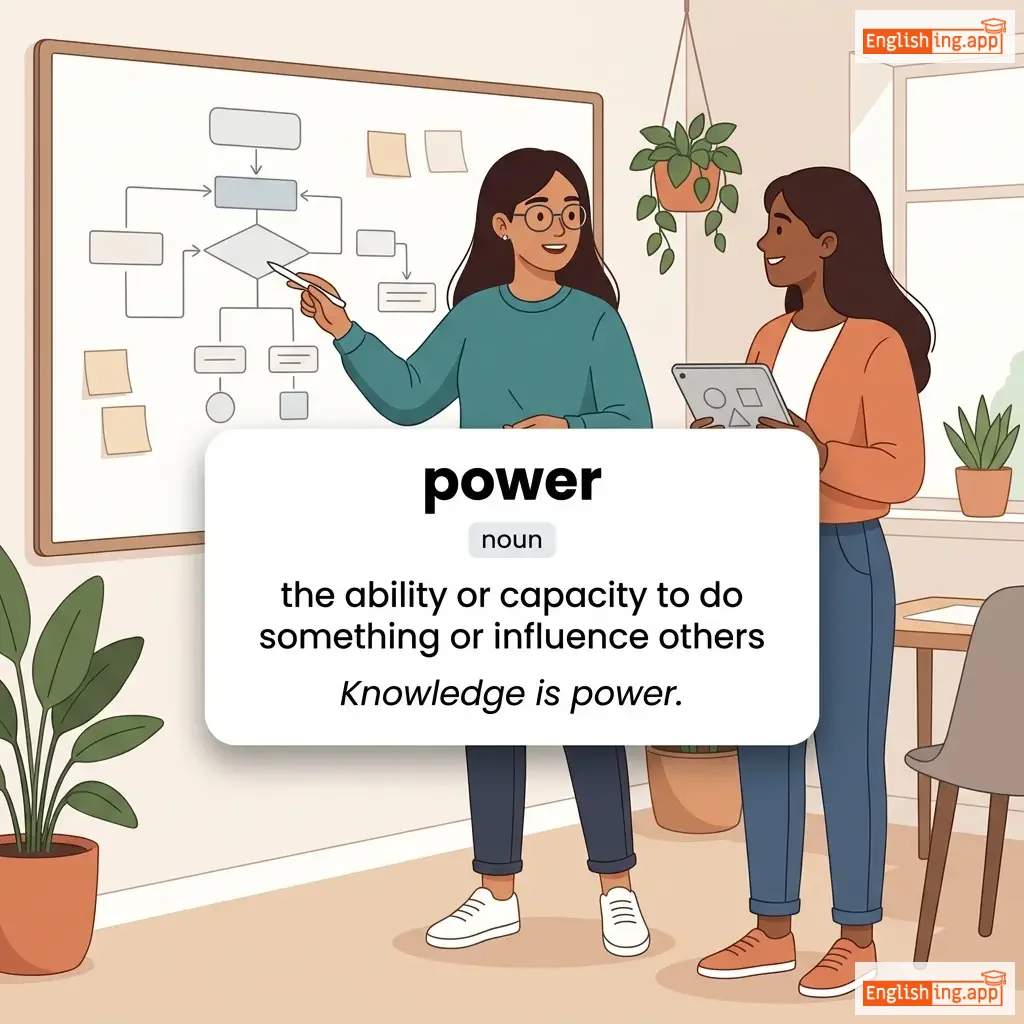
the ability or capacity to do something or influence others
••••••
|
Knowledge is power.
知識は力です。
••••••
|
知識は力です。
Chishiki wa chikara desu.
••••••
|
absolute power
絶対的な力
••••••
|
complete authority without limits
••••••
|
絶対的な力
zettaiteki na chikara
••••••
|
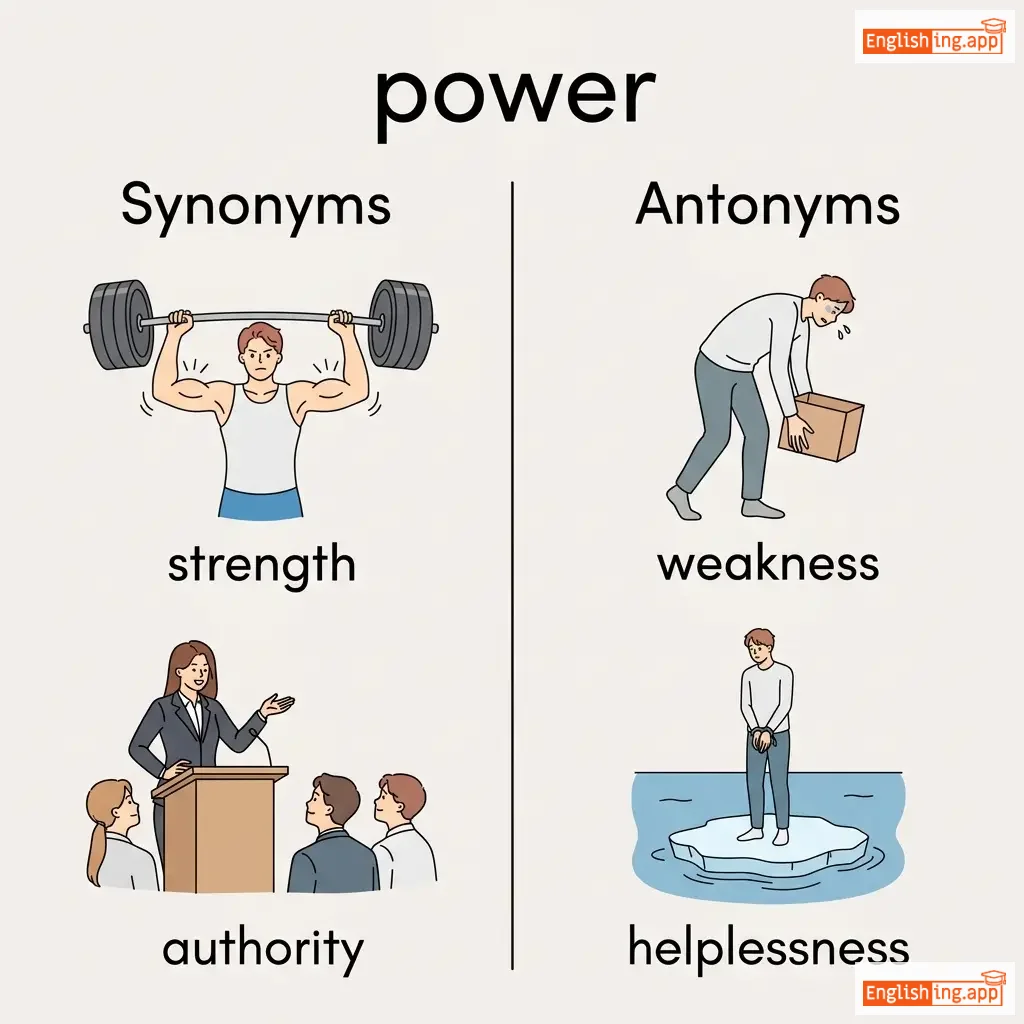
strength, authority, control, energy, force
••••••
|
weakness, helplessness
••••••
|
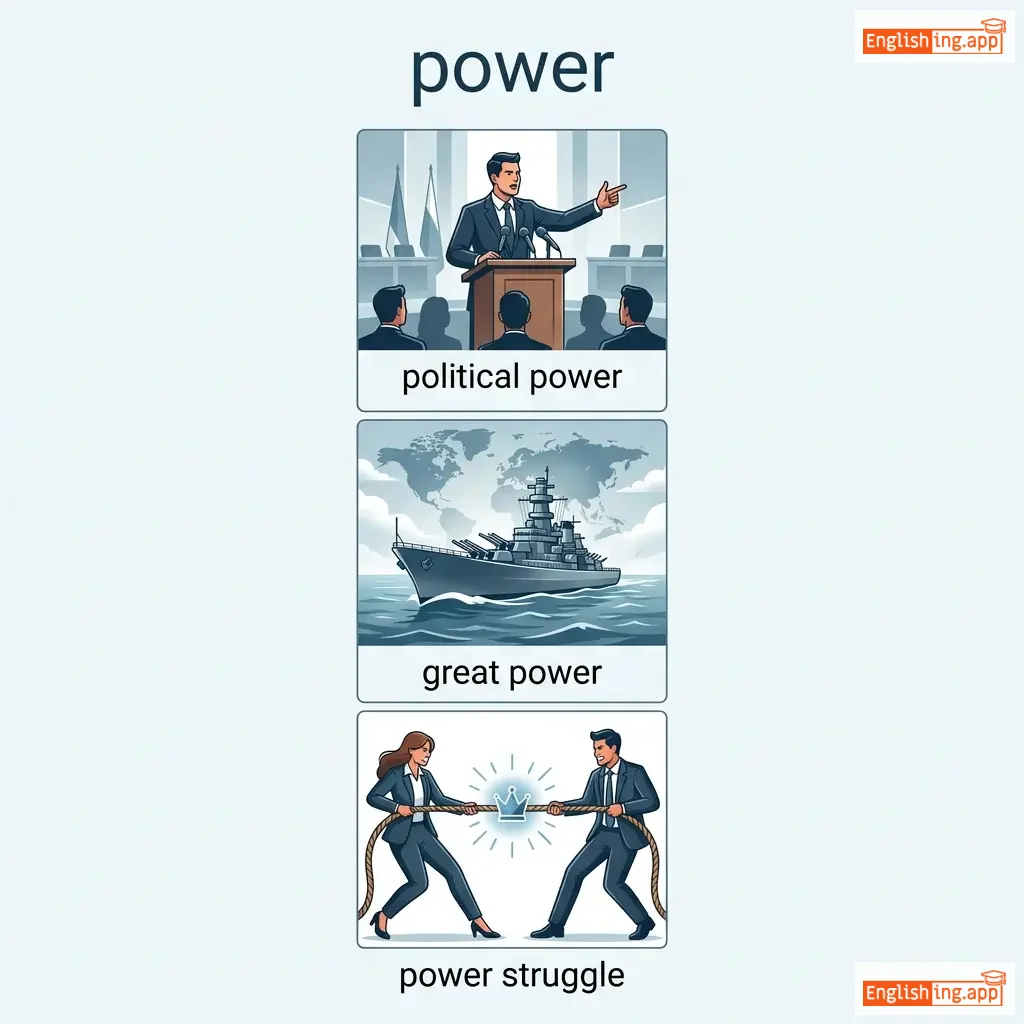
political power, great power, power struggle, power supply
••••••
|
Power = 力, まるでスーパーヒーローの力のように。
••••••
|
|
#10079
👝
|
/paʊtʃ/
noun
(パウチ)
••••••
|
- •••••• |
ポーチ
pōchi
••••••
|
- •••••• | - •••••• | - •••••• | - •••••• |
a small bag or pocket, often used to carry small items
••••••
|
She kept her coins in a small leather pouch. |
彼女は小さな革のポーチにコインを入れていました。
Kanojo wa chiisana kawa no pōchi ni koin o irete imashita.
••••••
|
kangaroo pouch |
the fold of skin on a kangaroo where it carries its young
••••••
|
カンガルーポーチ
kangarū pōchi
••••••
|
bag, sack, purse, wallet, pocket
••••••
|
container, case
••••••
|
small pouch, leather pouch, kangaroo pouch, money pouch
••••••
|
ポーチ = pouch, カンガルーのポーチのように、小さな物を収納する袋です。
••••••
|
|
#10080
🔮
|
/ˌpɒsəˈbɪləti/
noun
(ポスビリティ)
••••••
|
- •••••• |
可能性
kanousei
••••••
|
- •••••• | - •••••• | - •••••• | - •••••• |
something that may happen or be the case; a chance that something exists or might occur
••••••
|
There is a strong possibility of rain tomorrow. |
明日は雨の強い可能性があります。
Ashita wa ame no tsuyoi kanousei ga arimasu.
••••••
|
endless possibilities |
having many potential opportunities or outcomes
••••••
|
無限の可能性
mugen no kanousei
••••••
|
chance, likelihood, probability, opportunity, option
••••••
|
impossibility, certainty
••••••
|
real possibility, strong possibility, endless possibilities, possibility of success
••••••
|
可能性 = 何かが可能であること
••••••
|
|
#10081
🍽️
|
/ˈpɔːrʃən/
noun
(ポーション)
••••••
|
- •••••• |
部分
bubun
••••••
|
- •••••• | - •••••• | - •••••• | - •••••• |
A part or share of something.
••••••
|
She ate only a small portion of the meal.
彼女は食事のほんの一部を食べました。
••••••
|
彼女は食事のほんの一部を食べました。
Kanojo wa shokuji no honno ichibu o tabemashita.
••••••
|
a fair portion
公平な部分
••••••
|
a reasonable or equal share
••••••
|
公平な部分
kōhei na bubun
••••••
|
part, share, section, division, piece
••••••
|
whole, entirety
••••••
|
portion size, large portion, small portion, portion control
••••••
|
Portion は食事の一部を意味します
••••••
|
|
#10082
🥺
|
/pʊr/ or /pɔːr/
adjective
(プア)
••••••
|
- •••••• |
貧しい
mazushii
••••••
|
- •••••• | - •••••• | - •••••• | - •••••• |
Lacking sufficient money, resources, or quality.
••••••
|
The poor family struggled to buy food. |
貧しい家族は食料を買うのに苦しんでいました。
mazushii kazoku wa shokuryō o kau noni kurushinde imashita.
••••••
|
poor health |
a state of not being healthy
••••••
|
悪い健康
warui kenkō
••••••
|
needy, impoverished, destitute, weak, inferior
••••••
|
rich, wealthy, strong
••••••
|
poor condition, poor performance, poor quality, poor family
••••••
|
貧しいというのは、ほとんど何も持っていないことです。
••••••
|
|
#10083
🙏
|
/pəˈlaɪt/
adjective
(ハピネス)
••••••
|
- •••••• |
幸福
kōfuku
••••••
|
- •••••• | - •••••• | - •••••• | - •••••• |
Showing good manners and respect towards others.
••••••
|
He was very polite to the elderly woman. |
彼女は賞を受け取ったとき、幸せを隠すことができなかった。
Kanojo wa shō o uketotta toki, kōfuku o kakusu koto ga dekinakatta.
••••••
|
polite society |
the upper social class considered refined
••••••
|
幸福の追求
kōfuku no tsuikyū
••••••
|
courteous, respectful, civil, gracious, well-mannered
••••••
|
rude, impolite, disrespectful
••••••
|
polite smile, polite request, polite conversation
••••••
|
Kōfuku = Kōji (行け! 幸福)
••••••
|
|
#10084
☠️
|
/ˈpɔɪzənəs/
adjective
(ポイズナス)
••••••
|
- •••••• |
有毒な
yūdokuna
••••••
|
- •••••• | - •••••• | - •••••• | - •••••• |
Containing poison; capable of causing illness or death.
••••••
|
Some mushrooms are highly poisonous. |
いくつかのキノコは非常に有毒です。
Ikutsuka no kinoko wa hijō ni yūdokudesu.
••••••
|
poisonous atmosphere |
a hostile or harmful environment
••••••
|
有毒な雰囲気
yūdokuna fun'iki
••••••
|
toxic, venomous, harmful, noxious, deadly
••••••
|
harmless, safe, nontoxic
••••••
|
poisonous gas, poisonous snake, poisonous plant
••••••
|
有毒な = 毒を含んでいる、蛇の毒のように 🐍
••••••
|
|
#10085
🌾
|
/ˈplɛntɪfəl/
adjective
(プレンティフル)
••••••
|
- •••••• |
豊富な
hōfu na
••••••
|
- •••••• | - •••••• | - •••••• | - •••••• |
Existing in great quantity; abundant.
••••••
|
Food and water were plentiful in the village. |
村では食べ物と水が豊富でした。
Mura de wa tabemono to mizu ga hōfu deshita.
••••••
|
- •••••• | - •••••• | - •••••• |
abundant, ample, bountiful, copious, rich
••••••
|
scarce, rare, limited
••••••
|
plentiful supply, plentiful resources, plentiful opportunities
••••••
|
Plenty (plentiful) は豊富な意味で、たくさんの花 🌸 のように
••••••
|
|
#10086
⚖️
|
/ˈpleɪntɪf/
noun
(プレインティフ)
••••••
|
- •••••• |
原告
genkoku
••••••
|
- •••••• | - •••••• | - •••••• | - •••••• |
a person who brings a case against another in a court of law
••••••
|
The plaintiff filed a lawsuit against the company. |
原告は会社に対して訴訟を起こしました。
Genkoku wa kaisha ni taishite soshō o okoshimashita.
••••••
|
- •••••• | - •••••• | - •••••• |
complainant, accuser, claimant, petitioner
••••••
|
defendant, respondent
••••••
|
plaintiff filed, plaintiff alleges, plaintiff's lawyer
••••••
|
Plaintiff は裁判で訴える原告、法廷で正義を求める人。
••••••
|
|
#10087
📍
|
/pleɪs/
noun, verb
(pleis)
••••••
|
- •••••• |
場所
basho
••••••
|
placed
pleisuto
••••••
|
placed
pleisuto
••••••
|
places
pureizu
••••••
|
placing
pureizingu
••••••
|
a particular position or location; to put something in a specific position
••••••
|
She placed the books on the table.
Shi pureizu de buksu on de tēburu.
••••••
|
彼女は本をテーブルに置いた。
Kanojo wa hon o tēburu ni oita.
••••••
|
in the first place
in de fāsu purēsu
••••••
|
as the first consideration; primarily
••••••
|
最初に
saisho ni
••••••
|
spot, area, location, position
••••••
|
displace, remove
••••••
|
safe place, public place, place an order, place importance
••••••
|
Placeは物を置く場所を意味する
••••••
|
|
#10088
👻
|
/ˈfænˌtæzəm/
noun
(ファンタズム)
••••••
|
- •••••• |
幽霊
yuurei
••••••
|
- •••••• | - •••••• | - •••••• | - •••••• |
an illusion, ghost, or figment of the imagination
••••••
|
The child claimed to see a phantasm in the old house.
子供は古い家でファンタズムを見たと主張した。
••••••
|
子供は古い家で幽霊を見たと主張した。
Kodomo wa furui ie de yuurei o mita to shuchou shita.
••••••
|
- •••••• | - •••••• | - •••••• |
illusion, apparition, specter, vision
••••••
|
reality, truth
••••••
|
phantasm of fear, ghostly phantasm, mere phantasm
••••••
|
幽霊は幽体のようなもので、phantasmと同じ意味です
••••••
|
|
#10089
😟
|
/pərˈtɜːrbd/
adjective
(パートーバード)
••••••
|
- •••••• |
動揺した
dōyō shita
••••••
|
- •••••• | - •••••• | - •••••• | - •••••• |
feeling anxious, unsettled, or disturbed
••••••
|
He looked perturbed after hearing the bad news. |
悪いニュースを聞いた後、彼は動揺しているように見えました。
Warui nyūsu o kiita ato, kare wa dōyō shite iru yō ni miemashita.
••••••
|
- •••••• | - •••••• | - •••••• |
disturbed, worried, upset, troubled, unsettled
••••••
|
calm, composed
••••••
|
look perturbed, seem perturbed, clearly perturbed
••••••
|
動揺したのは、嵐の中で迷子になったような感覚です。
••••••
|
|
#10090
🔧
|
/ˈoʊvərˌhɔːl/
verb
(オーバーホール)
••••••
|
- •••••• |
完全な改修
kanzen na kaishū
••••••
|
overhauled
オーバーホールド
••••••
|
overhauled
オーバーホールド
••••••
|
overhauls
オーバーホールズ
••••••
|
overhauling
オーバーホーリング
••••••
|
to examine thoroughly and repair or improve something that is worn or ineffective
••••••
|
The company decided to overhaul its outdated computer system.
会社は古くなったコンピュータシステムのオーバーホールを決定した。
••••••
|
会社は古くなったコンピュータシステムのオーバーホールを決定した。
Kaisha wa furukunatta konpyūta shisutemu no ōbāhōru o kettei shita.
••••••
|
major overhaul
大規模なオーバーホール
••••••
|
a complete renovation or restructuring
••••••
|
大規模なオーバーホール
daikibo na ōbāhōru
••••••
|
renovate, repair, restore, rebuild, reform
••••••
|
neglect, abandon
••••••
|
system overhaul, complete overhaul, engine overhaul, policy overhaul
••••••
|
Over+Hall とは全てを修理すること — overhaul とは完全な改修
••••••
|
|
#10091
😕
|
/pərˈplɛks/
verb
(パープレックス)
••••••
|
- •••••• |
困惑させる / 混乱させる
konwaku saseru / konran saseru
••••••
|
perplexed
パープレックスド
••••••
|
perplexed
パープレックスド
••••••
|
perplexes
パープレックスエス
••••••
|
perplexing
パープレックスィング
••••••
|
To confuse or puzzle someone.
••••••
|
The complex instructions perplexed the students.
複雑な指示が学生を困惑させた。
••••••
|
複雑な指示が学生を困惑させた。
Fukuzatsu na shiji ga gakusei o konwaku saseta.
••••••
|
utterly perplexed
完全に困惑した
••••••
|
completely confused or bewildered
••••••
|
完全に困惑した
Kanzen ni konwaku shita
••••••
|
confuse, puzzle, baffle, bewilder
••••••
|
clarify, explain
••••••
|
perplex the mind, utterly perplexed, perplexing question
••••••
|
Perplexは、混乱を引き起こす難しいパズルのようなものです。
••••••
|
|
#10092
✅
|
/ˈpɜː.fɪkt/
adjective
(パーフェクト)
••••••
|
- •••••• |
完璧
kanpeki
••••••
|
- •••••• | - •••••• | - •••••• | - •••••• |
Having no mistakes or flaws; being as good as possible.
••••••
|
Her performance was perfect in every way. |
彼女のパフォーマンスはすべての点で完璧でした。
Kanojo no pafōmansu wa subete no ten de kanpeki deshita.
••••••
|
practice makes perfect |
regular practice leads to improvement and mastery
••••••
|
練習が完璧を作る
Renshū ga kanpeki o tsukuru
••••••
|
flawless, ideal, impeccable, excellent
••••••
|
imperfect, flawed, faulty
••••••
|
perfect solution, perfect example, perfect timing, perfect condition
••••••
|
完璧は完璧なもの、何も欠けていない!
••••••
|
|
#10093
🐦
|
/pɜːrtʃ/
verb
••••••
|
- •••••• | - •••••• |
perched
••••••
|
perched
••••••
|
perches
••••••
|
perching
••••••
|
To sit or rest on something high or narrow.
••••••
|
The bird perched on the fence. |
- •••••• |
perch on a branch |
to sit on a raised or narrow position like a branch
••••••
|
- •••••• |
sit, rest, settle, roost
••••••
|
descend, fall
••••••
|
perch on, perched high, perched precariously
••••••
|
No •••••• |
|
#10094
📚
|
/ˈpɛd.ən.tri/
noun
(ペダントリー)
••••••
|
- •••••• |
細かい詳細やルールへの過度なこだわり
komakai shousai ya ruuru e no kado na kodawari
••••••
|
- •••••• | - •••••• | - •••••• | - •••••• |
Excessive concern with minor details or rules.
••••••
|
His pedantry made the meeting unnecessarily long. |
彼のペダントリーは会議を不必要に長くした。
Kare no pedantori wa kaigi o fuhitsuyou ni nagaku shita.
••••••
|
- •••••• | - •••••• | - •••••• |
dogmatism, literalism, nitpicking, meticulousness
••••••
|
flexibility, creativity
••••••
|
display pedantry, academic pedantry, legal pedantry
••••••
|
Pedantryとは、細かい点にこだわりすぎることです。例えば、ノートに書いて全部記録するようなこと。
••••••
|
|
#10095
🎨
|
/ˈpæt.ən/
(パターン)
••••••
|
- •••••• |
模様 / パターン
moyou / patān
••••••
|
- •••••• | - •••••• | - •••••• | - •••••• |
A repeated decorative design or a regular way in which something happens or is done.
••••••
|
The dress had a beautiful floral pattern.
そのドレスには美しい花柄のパターンがありました。
••••••
|
そのドレスには美しい花柄のパターンがありました。
Sono doresu ni wa utsukushī hanagara no patān ga arimashita.
••••••
|
follow a pattern
パターンに従う
••••••
|
to behave or occur in a regular or predictable way
••••••
|
パターンに従う
patān ni shitagau
••••••
|
design, motif, style, arrangement, sequence
••••••
|
disorder, chaos
••••••
|
pattern recognition, repeating pattern, unique pattern, pattern of behavior
••••••
|
Pattern = パターン, ドレスの花柄のパターンのように。
••••••
|
|
#10096
🧘
|
/ˈpeɪ.ʃəns/
noun
(ペイシェンス)
••••••
|
|
忍耐
nintai
••••••
|
- •••••• | - •••••• | - •••••• | - •••••• |
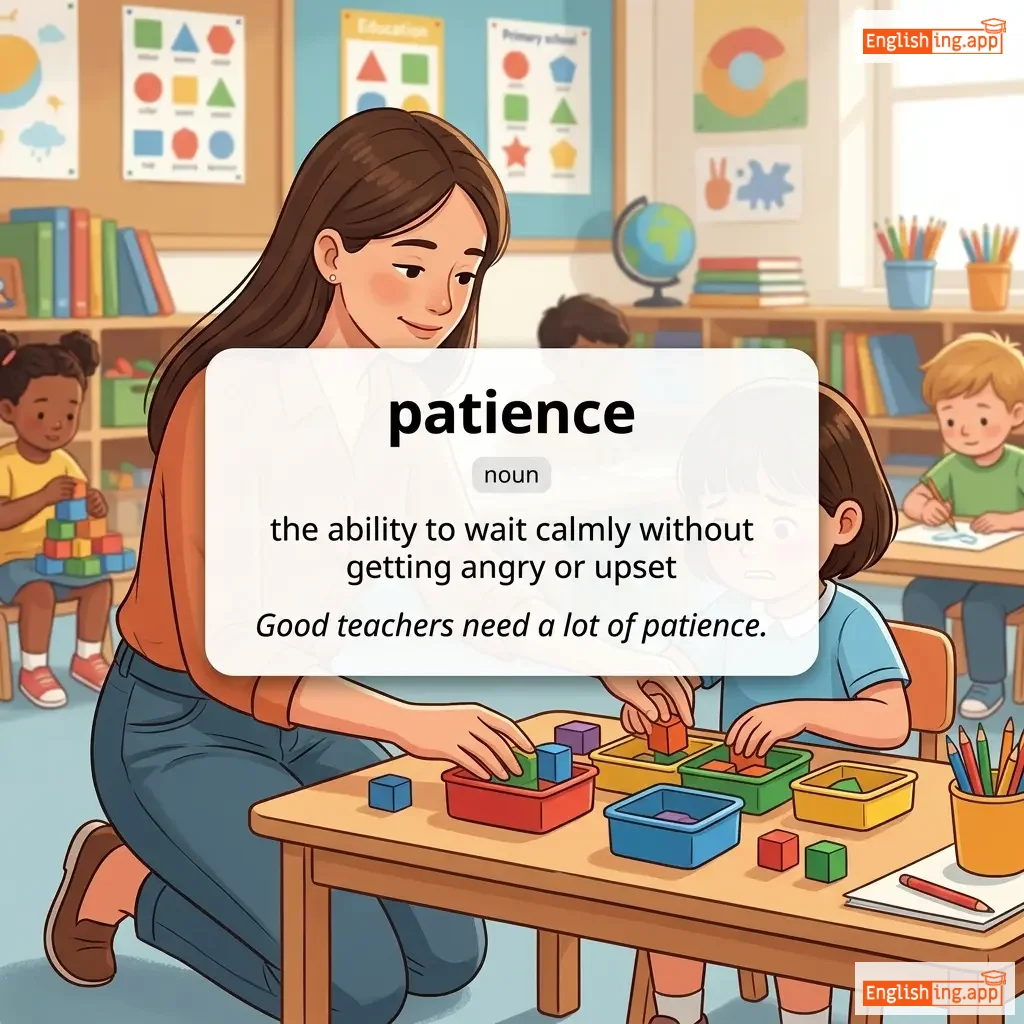
the ability to wait calmly without getting angry or upset
••••••
|
Good teachers need a lot of patience. |
良い教師は多くの忍耐を必要とします。
Yoi kyōshi wa ōku no nintai o hitsuyō to shimasu.
••••••
|
lose patience |
to become annoyed because of delay or difficulty
••••••
|
忍耐を失う
nintai o ushinau
••••••
|
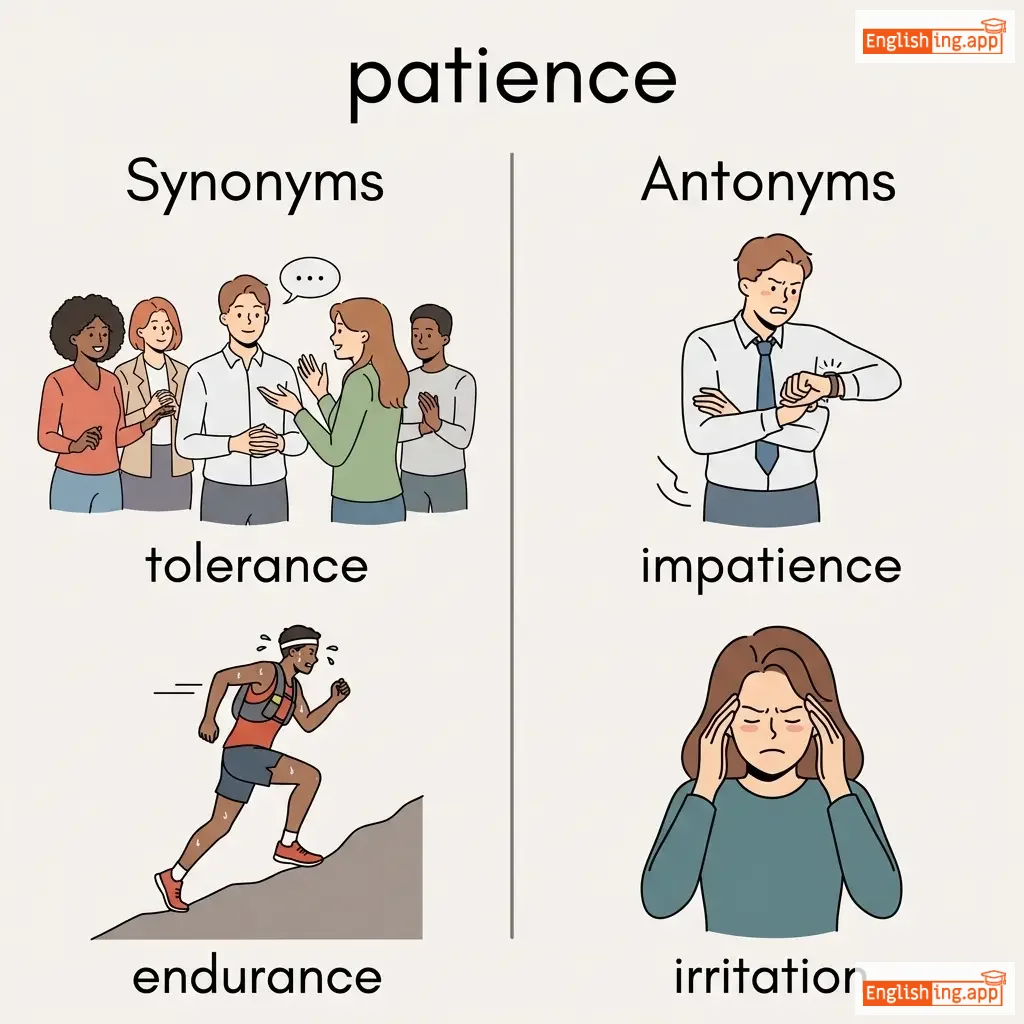
tolerance, endurance, calmness, perseverance, forbearance
••••••
|
impatience, irritation, frustration
••••••
|
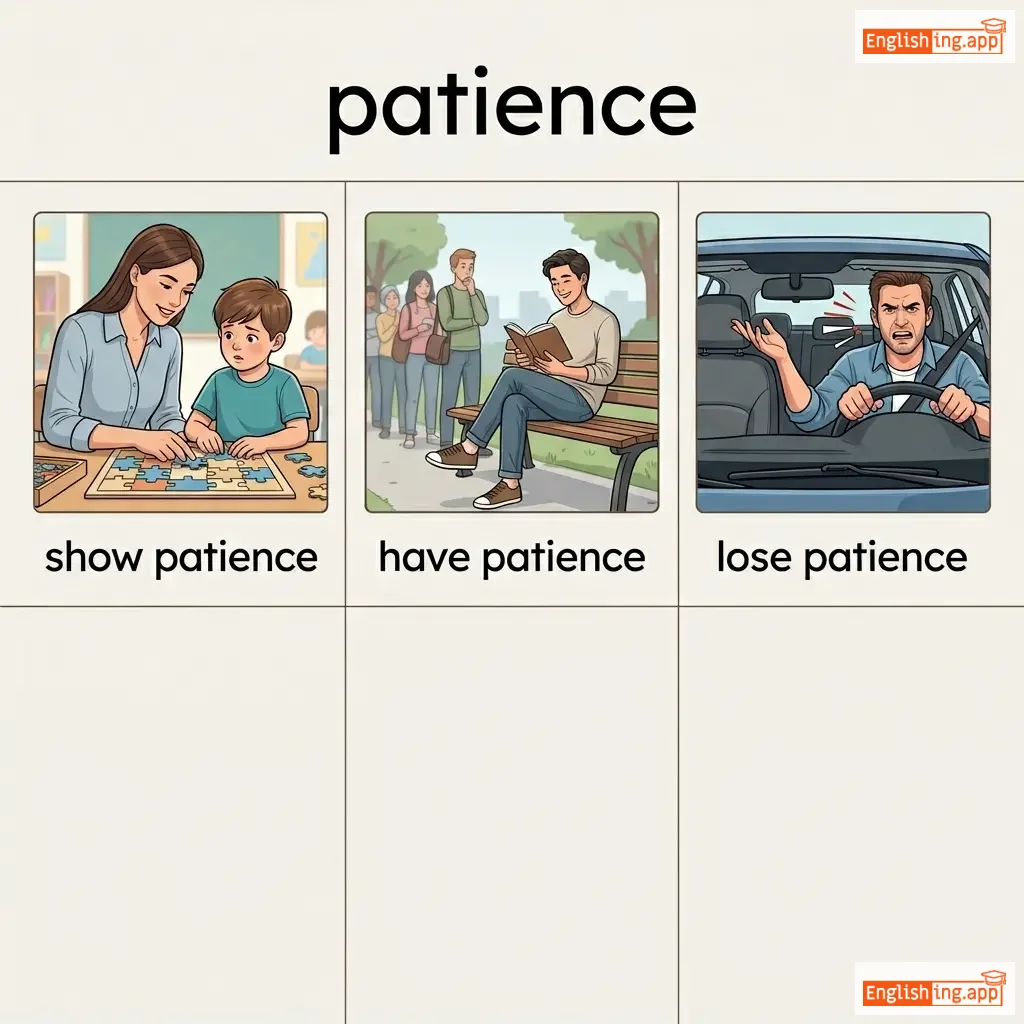
show patience, have patience, lose patience, test patience
••••••
|
忍耐は、静かに待っている患者のようです。
••••••
|
|
#10097
⏳
|
/pɑːst/
noun/adjective/preposition
(パスト)
••••••
|
- •••••• |
過去
kako
••••••
|
- •••••• | - •••••• | - •••••• | - •••••• |
the time before the present; gone by in time
••••••
|
He often thinks about his past mistakes. |
彼はよく自分の過去の誤りを考えます。
Kare wa yoku jibun no kako no ayamari o kangaemasu.
••••••
|
let bygones be bygones |
to forget past conflicts and move on
••••••
|
過去を忘れる
kako o wasureru
••••••
|
history, former, previous, bygone
••••••
|
future, present
••••••
|
past mistakes, past events, past experience, past life
••••••
|
Past – 過去はすでに過ぎ去ったものです。
••••••
|
|
#10098
🚧
|
/ˈpæs.ə.bəl/
adjective
(パサブル)
••••••
|
- •••••• |
受け入れ可能
ukeire kanou
••••••
|
- •••••• | - •••••• | - •••••• | - •••••• |
good enough to be accepted, though not excellent
••••••
|
The road is barely passable after the storm. |
嵐の後、道はかろうじて通行可能です。
Arashi no ato, michi wa karoujite tsuukou kanou desu.
••••••
|
- •••••• | - •••••• | - •••••• |
adequate, tolerable, fair, acceptable, mediocre
••••••
|
impassable, poor, unacceptable
••••••
|
passable road, passable quality, passable condition, barely passable
••••••
|
パサブルは通過できるが完璧ではない。受け入れ可能は十分だが、完璧ではないという意味。
••••••
|
|
#10099
🎯
|
/pərˈtɪk.jʊ.lər/
adjective
(パーティキュラー)
••••••
|
- •••••• |
特別
tokubetsu
••••••
|
- •••••• | - •••••• | - •••••• | - •••••• |
specific or special; distinct from others
••••••
|
He is very particular about his diet.
彼は自分の食事に非常にこだわりがあります。
••••••
|
彼は自分の食事に非常にこだわりがあります。
Kare wa jibun no shokuji ni hijou ni kodawari ga arimasu.
••••••
|
in particular
特に
••••••
|
especially or particularly
••••••
|
特に
toku ni
••••••
|
specific, distinct, unique, special, detailed
••••••
|
general, common, ordinary
••••••
|
particular reason, particular case, particular interest, particular order
••••••
|
パーティキュラー – 特別なもの、パーティーのようにユニーク。
••••••
|
|
#10100
😰
|
/ˈpær.ə.nɔɪd/
adjective
(パラノイド)
••••••
|
- •••••• |
他人に対して不合理な恐怖や疑いを持つこと
tanin ni taishite fugōri na kyōfu ya utagai o motsu koto
••••••
|
- •••••• | - •••••• | - •••••• | - •••••• |
having an unreasonable fear or suspicion of others
••••••
|
She became paranoid after hearing strange noises outside. |
彼女は外で奇妙な音を聞いた後、パラノイアになった。
Kanojo wa soto de kimyō na oto o kiita ato, paranoya ni natta.
••••••
|
paranoid delusion |
an irrational and persistent false belief caused by extreme suspicion
••••••
|
パラノイド妄想
paranoido mōsō
••••••
|
suspicious, distrustful, fearful, insecure, anxious
••••••
|
trusting, confident, calm
••••••
|
paranoid thoughts, paranoid feeling, paranoid delusion, paranoid disorder
••••••
|
パラノイドは「パラの音」で—すべて疑ってかかる。
••••••
|
|
#10101
💆
|
/ˈpæmpər/
verb
(パムパー)
••••••
|
- •••••• |
甘やかす / 大切にする
amayasasu / taisetsu ni suru
••••••
|
pampered
パムパード
••••••
|
pampered
パムパード
••••••
|
pampers
パムパーズ
••••••
|
pampering
パムペリング
••••••
|
to treat with excessive care and attention; to spoil
••••••
|
Parents often pamper their first child.
親はしばしば最初の子供を甘やかします。
••••••
|
親はしばしば最初の子供を甘やかします。
Oya wa shibashiba saisho no kodomo wo amayakashimasu.
••••••
|
pamper yourself
自分を甘やかす
••••••
|
to treat yourself with special care or luxury
••••••
|
自分を甘やかす
Jibun wo amayakasu
••••••
|
spoil, indulge, coddle, baby
••••••
|
neglect, ignore
••••••
|
pamper children, pamper yourself, pamper guests, pampered lifestyle
••••••
|
Pam+per = 'パーム'でパーって甘やかす — pamperは甘やかす意味
••••••
|
|
#10102
🎨
|
/ˈpeɪntɪŋ/
noun
(peɪntɪŋ)
••••••
|
- •••••• |
絵画
kaiga
••••••
|
- •••••• | - •••••• | - •••••• | - •••••• |
a picture or design made using paint
••••••
|
The painting on the wall was created by a famous artist. |
壁の絵画は有名なアーティストによって作られました。
Kabe no kaiga wa yūmei na ātisuto ni yotte tsukuraremashita.
••••••
|
a picture is worth a thousand words |
visual images are more effective than verbal descriptions
••••••
|
一枚の絵は千の言葉に値する
Ichimai no e wa sen no kotoba ni atai suru
••••••
|
artwork, portrait, illustration, depiction
••••••
|
reality, blank
••••••
|
oil painting, landscape painting, wall painting, abstract painting
••••••
|
Painting = 絵画 = 色を使って作るアート
••••••
|
|
#10103
🌍
|
/ˌoʊvərˈsiːz/
adjective
(オーバーシーズ)
••••••
|
- •••••• |
海外
kaigai
••••••
|
- •••••• | - •••••• | - •••••• | - •••••• |
in or to a foreign country across the sea
••••••
|
He went overseas for higher education. |
彼は高等教育のために海外に行った。
Kare wa kōtō kyōiku no tame ni kaigai ni itta.
••••••
|
- •••••• | - •••••• | - •••••• |
abroad, foreign, international, external
••••••
|
domestic, local
••••••
|
overseas market, overseas education, overseas trip, overseas investment
••••••
|
Over+Seas = 海を越えて — overseas は海外を意味します。
••••••
|
|
#10104
👀
|
/ˌoʊvərˈlʊk/
verb
(オーバールック)
••••••
|
|
見落とす
miotosu
••••••
|
overlooked
オーバールックド
••••••
|
overlooked
オーバールックド
••••••
|
overlooks
オーバールックス
••••••
|
overlooking
オーバールッキング
••••••
|
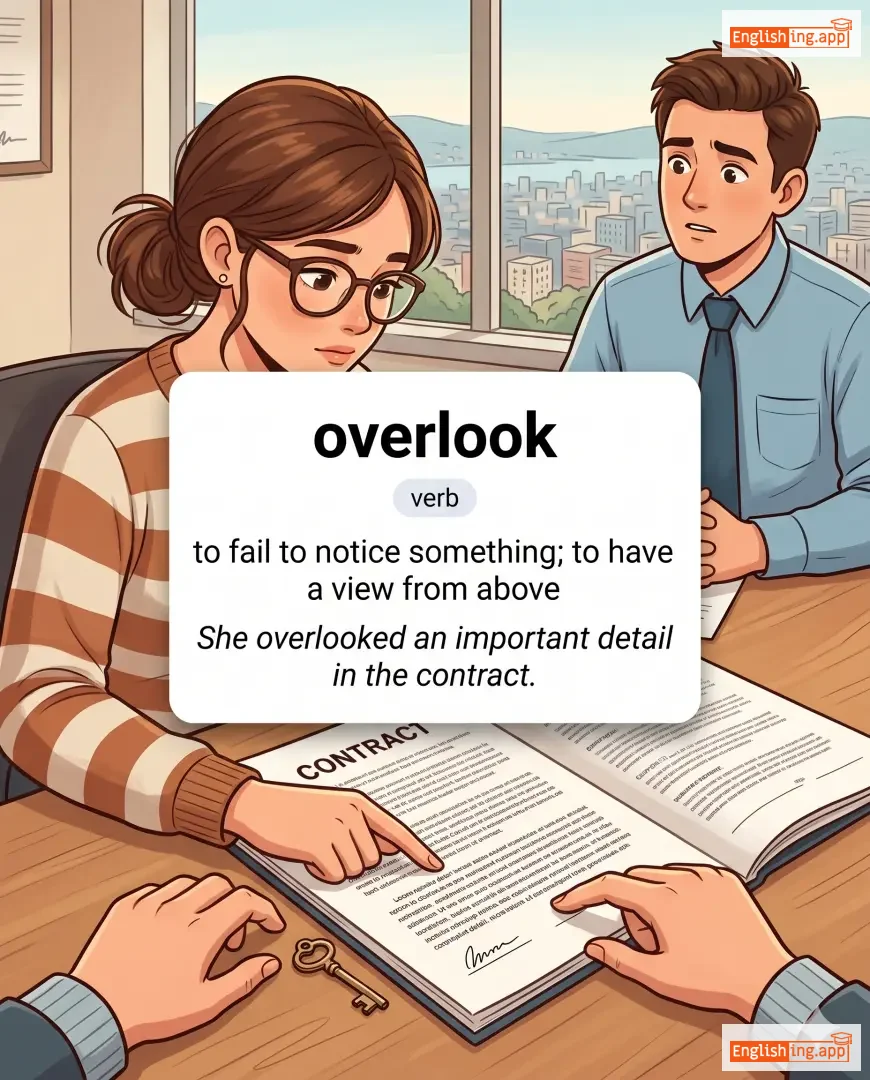
to fail to notice something; to have a view from above
••••••
|
She overlooked an important detail in the contract.
彼女は契約書の重要な詳細を見逃しました。
••••••
|
彼女は契約書の重要な詳細を見逃しました。
Kanojo wa keiyakusho no jūyōna shōsai o miokurimashita.
••••••
|
to overlook mistakes
間違いを見逃す
••••••
|
to forgive or ignore minor errors
••••••
|
間違いを見逃す
Machigai o miokasu
••••••
|
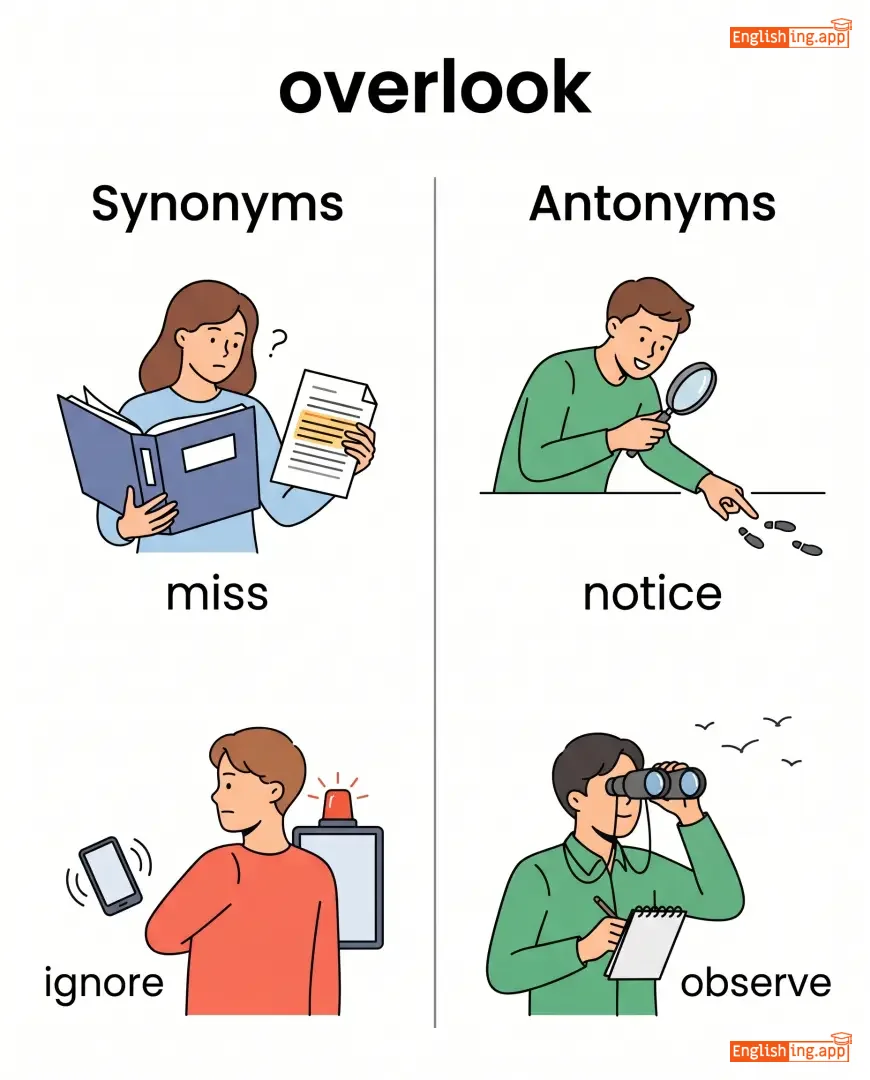
miss, ignore, disregard, supervise, neglect
••••••
|
notice, observe
••••••
|
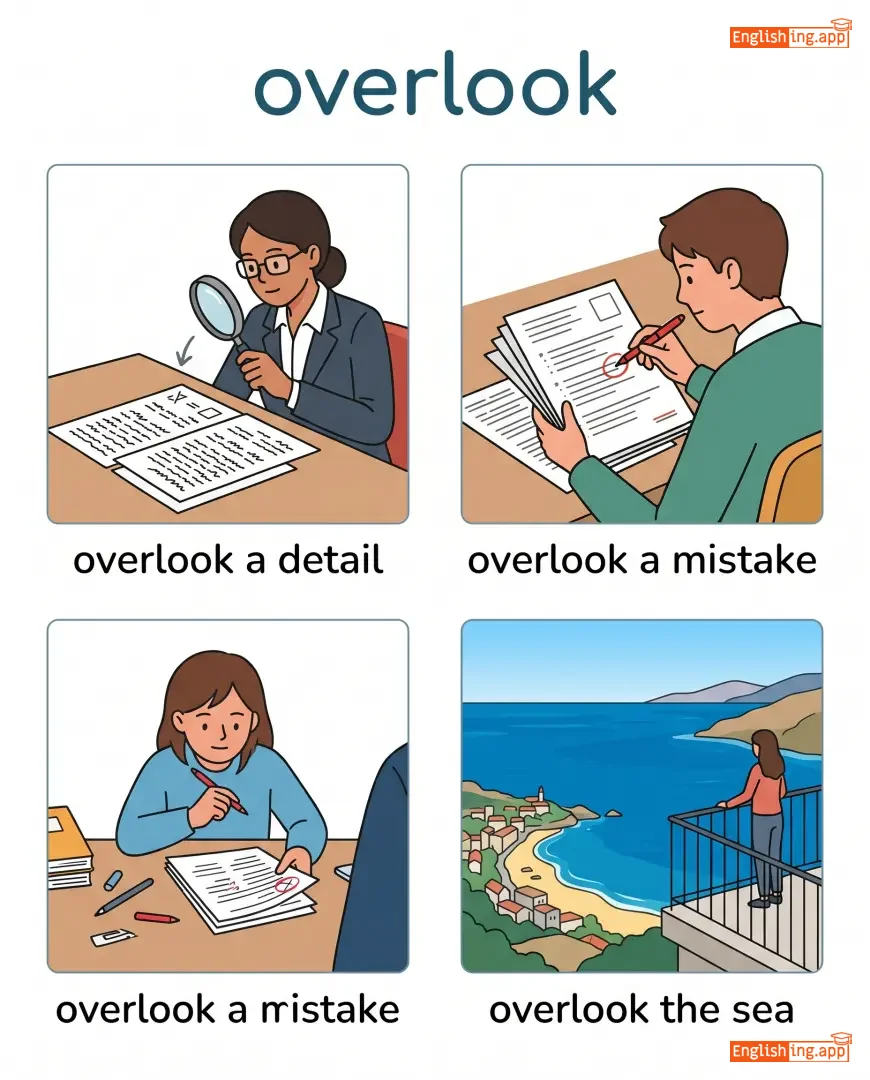
overlook a detail, overlook a mistake, overlook the sea, overlooking the city
••••••
|
Over+Look = 上を見て何も見ない — 見落とすは気づかないこと
••••••
|
Vocabulary Quiz
Test your vocabulary by matching words with their translations or meanings.
Login to take the quiz
Comments (0)
Share your thoughts and join the discussion.
Join the discussion by logging in
Login to CommentNo comments yet
Be the first to share your thoughts!