

翻訳
過去
過去分詞
三人称単数
動名詞
意味
例文
例文の翻訳
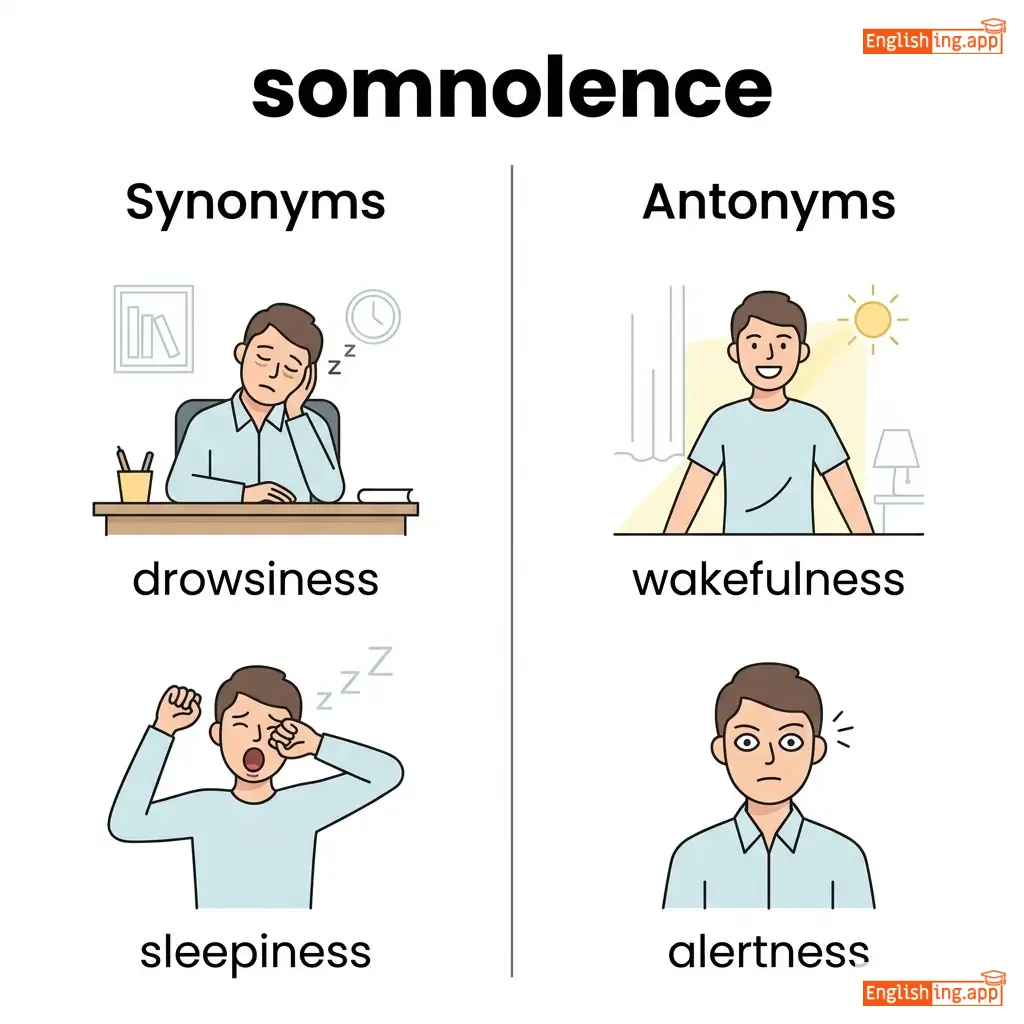
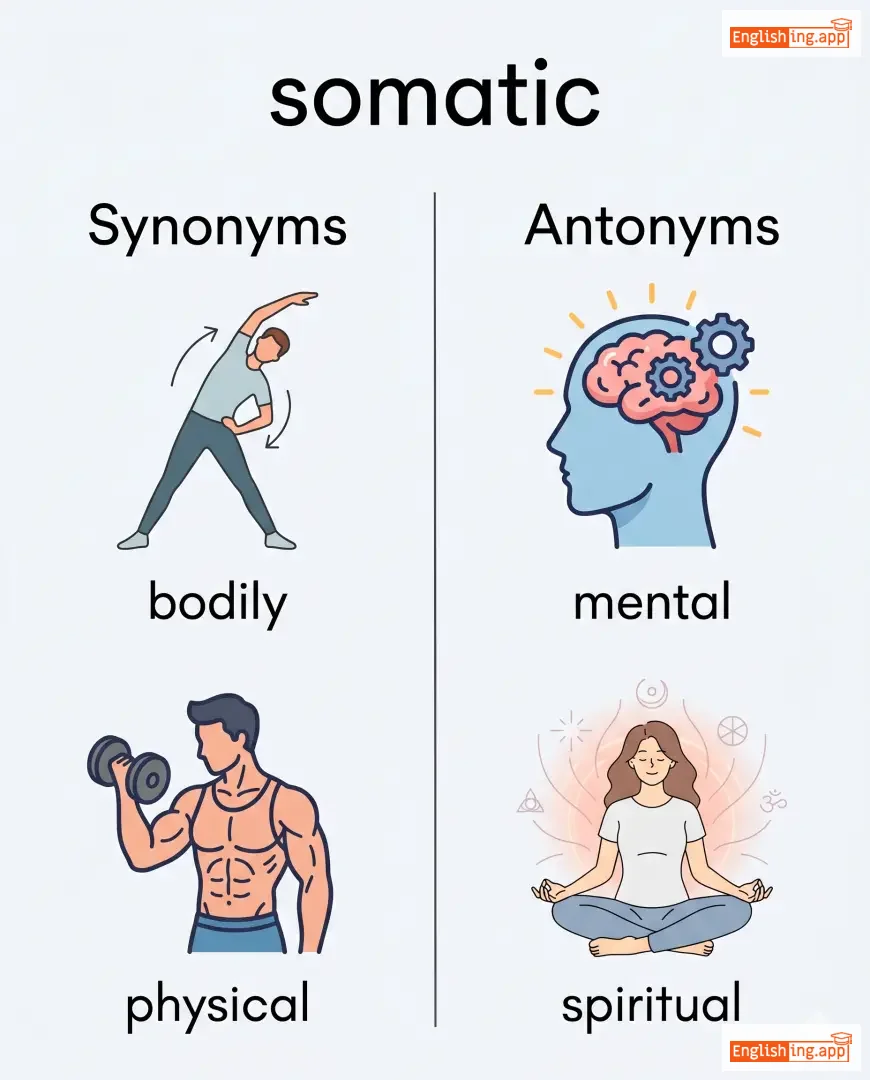
同義語
対義語
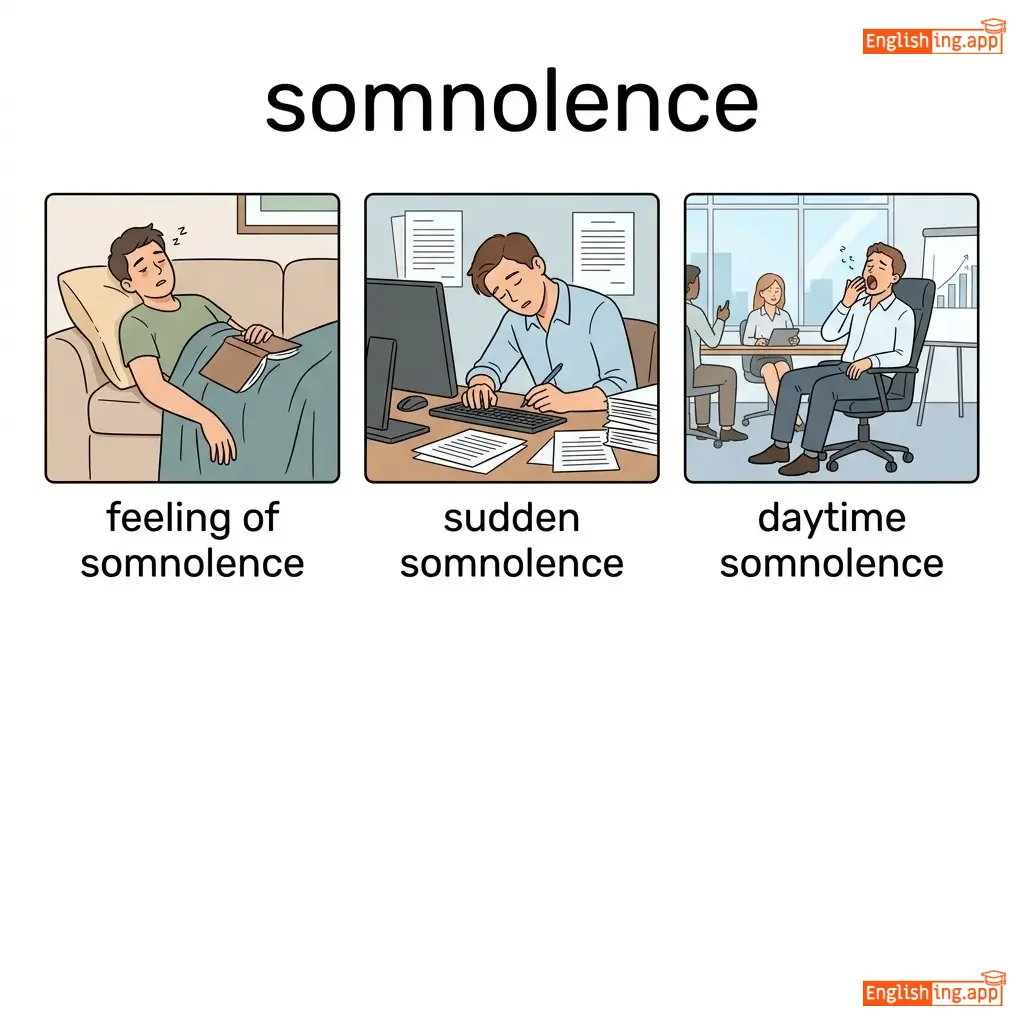
コロケーション
ニーモニック
Swipe left or right, or use the buttons. Tap image to zoom.
例文の翻訳
単語
Lesson 274Lesson 274 - マスクトグル
|
絵文字
|
単語 | Images | 翻訳 | 過去 | 過去分詞 | 三人称単数 | 動名詞 | 意味 | 例文 | 例文の翻訳 | 表現例 | 表現例の意味 | 表現例の翻訳 | 同義語 | 対義語 | コロケーション | ニーモニック |
|---|---|---|---|---|---|---|---|---|---|---|---|---|---|---|---|---|---|
|
#8190
🌑
|
/ˈsɒmbər/
adjective
(ソンバー)
••••••
|
- •••••• |
陰気
inki
••••••
|
- •••••• | - •••••• | - •••••• | - •••••• |
Dark or dull in color or tone; gloomy or serious.
••••••
|
The funeral had a somber atmosphere.
葬式には暗い雰囲気がありました。
••••••
|
葬式には暗い雰囲気がありました。
Sōshiki ni wa kurai fun'iki ga arimashita.
••••••
|
somber mood
暗い気分
••••••
|
A state of deep sadness or seriousness.
••••••
|
暗い気分
Kurai kibun
••••••
|
gloomy, melancholy, solemn, serious, dismal
••••••
|
cheerful, lively, bright
••••••
|
somber mood, somber tone, somber expression, somber reminder
••••••
|
Somberは陰気を意味します。葬式のような暗い雰囲気の中で感じるものです。
••••••
|
|
#8191
🎨
|
/səˈfɪstɪkeɪt/
verb
(ソフィスティケイト)
••••••
|
- •••••• |
洗練する
senren suru
••••••
|
sophisticated
ソフィスティケイテッド
••••••
|
sophisticated
ソフィスティケイテッド
••••••
|
sophisticates
ソフィスティケイツ
••••••
|
sophisticating
ソフィスティケイティング
••••••
|
to make something more complex or refined; to educate or develop in taste and manners
••••••
|
Traveling abroad helped sophisticate his worldview.
海外旅行は彼の世界観を洗練させる手助けとなった。
••••••
|
海外旅行は彼の世界観を洗練させる手助けとなった。
Kaigai ryokō wa kare no sekaikan o senren saseru tedasuke to natta.
••••••
|
- •••••• | - •••••• | - •••••• |
refine, cultivate, educate, polish, develop
••••••
|
simplify, coarsen, degrade
••••••
|
sophisticate taste, sophisticate design, sophisticate culture
••••••
|
Sophisticateは洗練するという意味–Sophisticated食べ物は味を洗練させる。
••••••
|
|
#8192
🗣️
|
/ˈsɒfɪst/
noun
(ソフィスト)
••••••
|
- •••••• |
詭弁家
kibenka
••••••
|
- •••••• | - •••••• | - •••••• | - •••••• |
a person who uses clever but misleading arguments
••••••
|
He was dismissed as a sophist who twisted facts to win debates. |
彼は討論に勝つために事実を歪める詭弁家として解雇されました。
Kare wa tōron ni katsu tame ni jijitsu o yuzumeru kibenka toshite kaiko saremashita.
••••••
|
- •••••• | - •••••• | - •••••• |
debater, deceiver, trickster, rhetorician
••••••
|
truth-teller, honest person
••••••
|
Greek sophist, cunning sophist, skilled sophist
••••••
|
SOPhisticated debater = 詭弁家 (kibenka)
••••••
|
|
#8193
🌀
|
/ˈsɒfɪzəm/
noun
(ソフィズム)
••••••
|
- •••••• |
詭弁
kiben
••••••
|
- •••••• | - •••••• | - •••••• | - •••••• |
a clever but misleading argument; fallacious reasoning
••••••
|
The politician's speech was full of sophism designed to mislead voters. |
その政治家の演説は、有権者を誤導することを目的とした詭弁で満ちていた。
Sono seijika no enzetsu wa, yūken-sha o godō suru koto o mokuteki to shita kiben de michite ita.
••••••
|
- •••••• | - •••••• | - •••••• |
fallacy, deception, trickery, misrepresentation
••••••
|
truth, honesty
••••••
|
political sophism, clever sophism, use of sophism
••••••
|
ソフィズム = 賢いけれど誤解を招く論点
••••••
|
|
#8194
🥖
|
/sɒp/
noun
••••••
|
- •••••• | - •••••• | - •••••• | - •••••• | - •••••• | - •••••• |
a concession or appeasement to pacify someone; also a piece of bread dipped in liquid
••••••
|
The manager offered a bonus as a sop to the unhappy employees. |
- •••••• |
throw a sop |
to offer a small concession to appease someone
••••••
|
- •••••• |
appeasement, bribe, concession, pacifier
••••••
|
provocation, denial
••••••
|
sop to, political sop, throw a sop
••••••
|
No •••••• |
|
#8195
🔮
|
/ˈsuːθˌseɪər/
noun
(スースセイヤー)
••••••
|
- •••••• |
占い師
uranaishi
••••••
|
- •••••• | - •••••• | - •••••• | - •••••• |
a person who claims to predict the future
••••••
|
The king consulted a soothsayer before going to war.
王は戦争に行く前に占い師に相談した。
••••••
|
王は戦争に行く前に占い師に相談した。
Ō wa sensō ni iku mae ni uranaishi ni sōdan shita.
••••••
|
- •••••• | - •••••• | - •••••• |
prophet, seer, fortune-teller, oracle
••••••
|
skeptic, realist
••••••
|
consult a soothsayer, ancient soothsayer, trusted soothsayer
••••••
|
soothは真実を意味し、sayerは言う人- soothsayerは未来を真実に語る人
••••••
|
|
#8196
🤗
|
/suːð/
verb
(スース)
••••••
|
|
和らげる
yawarageru
••••••
|
soothed
スースド
••••••
|
soothed
スースド
••••••
|
soothes
スースス
••••••
|
soothing
スースイング
••••••
|
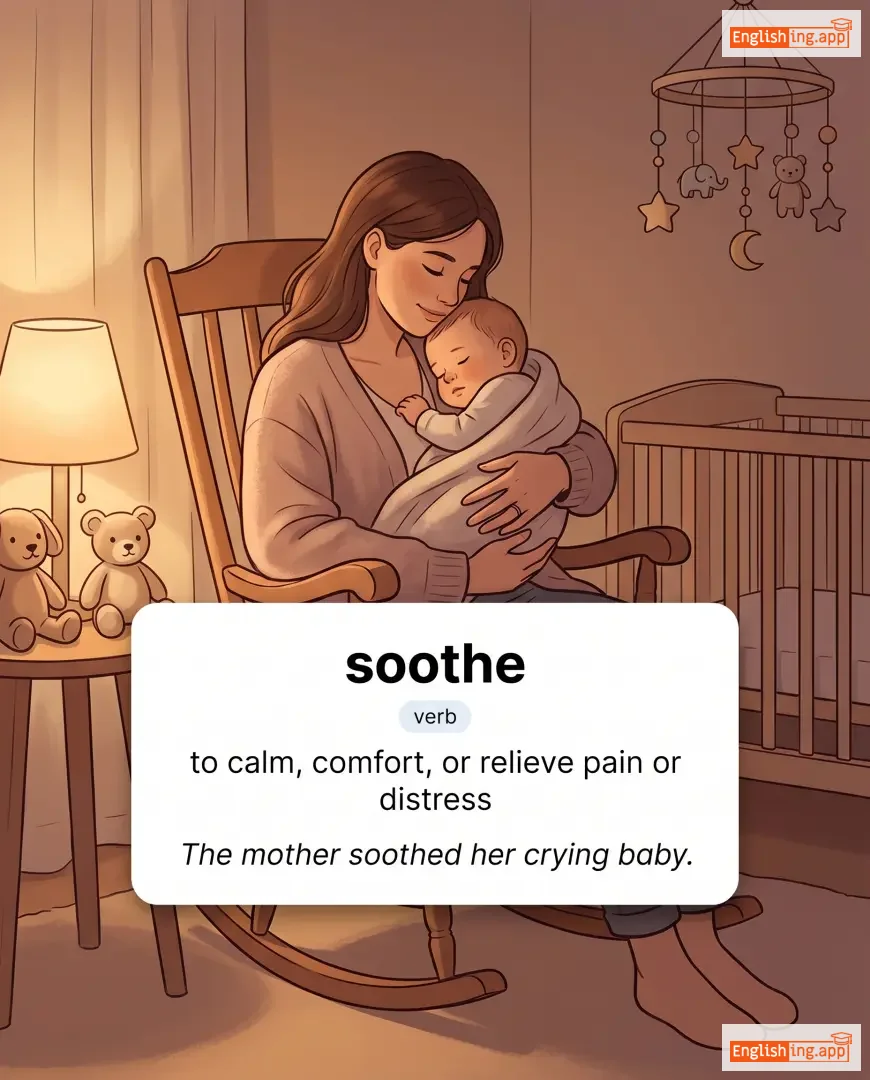
to calm, comfort, or relieve pain or distress
••••••
|
The mother soothed her crying baby.
母親は泣いている赤ちゃんを慰めました。
••••••
|
母親は泣いている赤ちゃんを慰めました。
Hahaoya wa naiteiru akachan o nagusamemashita.
••••••
|
soothe the nerves
神経を落ち着かせる
••••••
|
to calm someone's anxiety or stress
••••••
|
神経を落ち着かせる
shinkei o ochitsukaseru
••••••
|
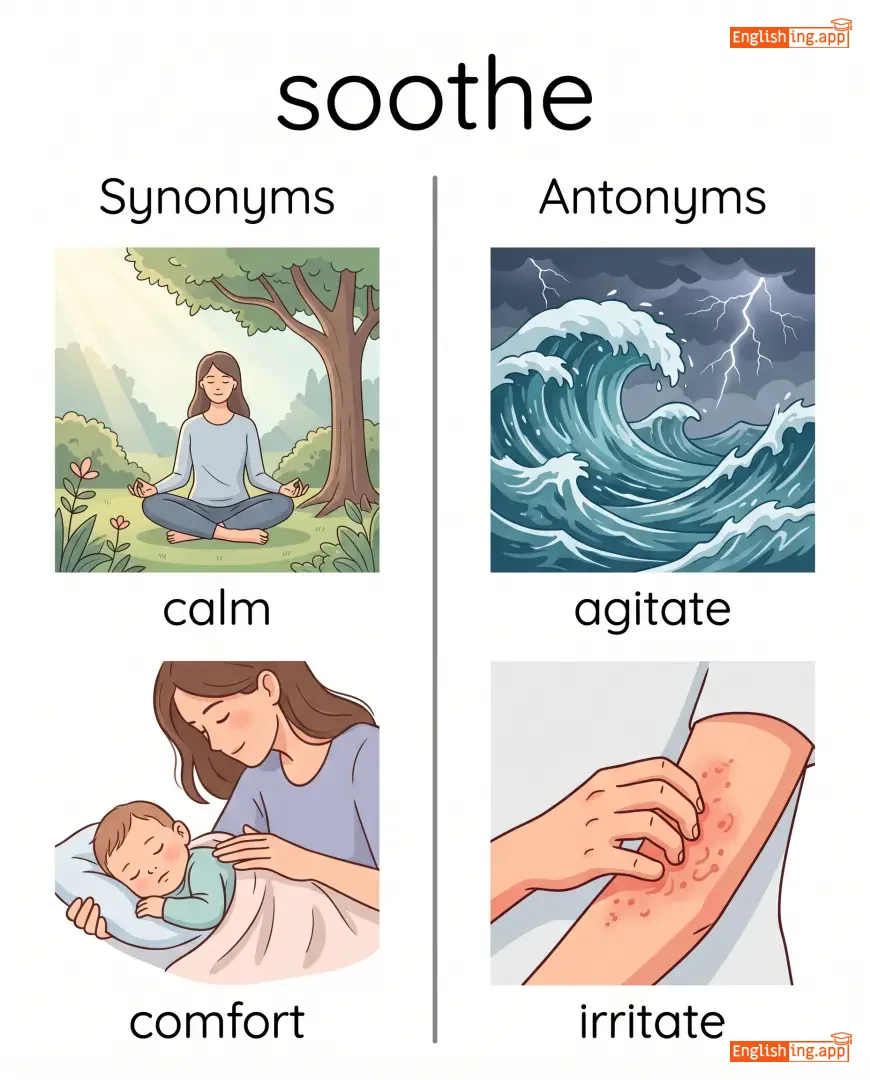
calm, comfort, ease, pacify, relieve
••••••
|
agitate, irritate, upset
••••••
|
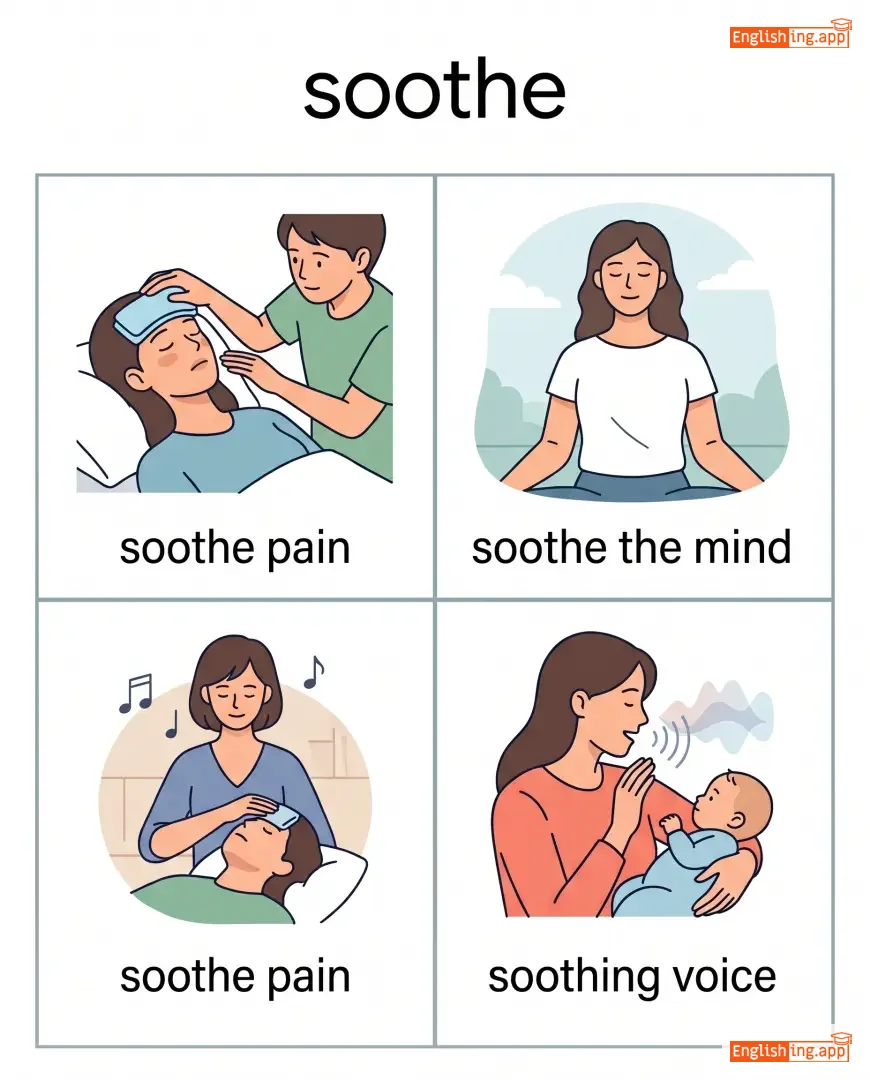
soothe pain, soothe the mind, soothing voice, soothe anger
••••••
|
スース = 和らげる – 穏やかな音で心が落ち着く。
••••••
|
|
#8197
🎤
|
/səˈnɔːrəs/
adjective
(ソノラス)
••••••
|
- •••••• |
深い音
fukai oto
••••••
|
- •••••• | - •••••• | - •••••• | - •••••• |
Deep, full, and rich in sound.
••••••
|
The actor's sonorous voice filled the entire theater. |
俳優のソノラスな声が劇場全体に響き渡った。
Haiyū no sonorasu na koe ga gekijō zentai ni hibikiwatta.
••••••
|
- •••••• | - •••••• | - •••••• |
resonant, rich, deep, booming, powerful
••••••
|
thin, weak, faint
••••••
|
sonorous voice, sonorous tone, sonorous speech, sonorous words
••••••
|
Sonorous voice = 深い音 — 考えてみて‘鐘のように響く声’
••••••
|
|
#8198
📜
|
/ˈsɒnɪt/
noun
(ソネット)
••••••
|
- •••••• |
ソネット
sonetto
••••••
|
- •••••• | - •••••• | - •••••• | - •••••• |
A poem of 14 lines using formal rhyme schemes, often about love.
••••••
|
Shakespeare wrote many famous sonnets about love and beauty. |
シェイクスピアは愛と美について多くの有名なソネットを書きました。
Sheikusupia wa ai to bi ni tsuite ōku no yūmei na sonetto o kakimashita.
••••••
|
- •••••• | - •••••• | - •••••• |
poem, verse, lyric, rhyme
••••••
|
prose, story
••••••
|
write a sonnet, Shakespearean sonnet, Petrarchan sonnet, romantic sonnet
••••••
|
ソネット = 14行の詩 — ‘Son = 孫 (son), net = ネット’ と覚えましょう。
••••••
|
|
#8199
🔊
|
/ˈsɒnɪk/
adjective
(ソニック)
••••••
|
- •••••• |
音速の
onsoku no
••••••
|
- •••••• | - •••••• | - •••••• | - •••••• |
Relating to or involving sound waves or speed of sound.
••••••
|
The jet created a loud boom when it broke the sonic barrier. |
ジェット機は音速の壁を越えたとき、大きな爆発音を作り出しました。
Jettoki wa onsoku no kabe wo koeta toki, ookina bakuhatsuon wo tsukuridashimashita.
••••••
|
sonic boom |
A loud explosive noise caused when something travels faster than the speed of sound.
••••••
|
音速の爆発音
onsoku no bakuhatsuon
••••••
|
acoustic, sound-related, auditory, aural
••••••
|
silent, noiseless, quiet
••••••
|
sonic boom, sonic wave, sonic speed, sonic technology
••••••
|
ソニックは音に関することで、音速の爆発音 – 音が速くなる音。
••••••
|
|
#8200
🎼
|
/səˈnɑːtə/
noun
(ソナタ)
••••••
|
- •••••• |
音楽作品 (ソナタ)
ongaku sakuhin (sonata)
••••••
|
- •••••• | - •••••• | - •••••• | - •••••• |
A musical composition for one or more instruments, typically in several movements.
••••••
|
She performed a beautiful Beethoven sonata on the piano. |
彼女はピアノで美しいベートーヴェンのソナタを演奏しました。
Kanojo wa piano de utsukushī Beethoven no sonata o ensō shimashita.
••••••
|
- •••••• | - •••••• | - •••••• |
composition, piece, symphony, concerto, opus
••••••
|
silence, noise
••••••
|
piano sonata, violin sonata, classical sonata, Beethoven sonata
••••••
|
ソナタ = 音楽ドラマ 🎶 — 楽器で演奏される。
••••••
|
|
#8201
😴
|
/ˈsɒmnələnt/
adjective
(ソムノレント)
••••••
|
- •••••• |
眠気を催す
nemuke o moyasu
••••••
|
- •••••• | - •••••• | - •••••• | - •••••• |
Sleepy or drowsy; causing a desire to sleep.
••••••
|
The somnolent lecture made half the class fall asleep. |
その眠気を催す講義は、クラスの半分を寝かせてしまった。
Sono nemuke o moyasu kougi wa, kurasu no hanbun o nekasete shimatta.
••••••
|
- •••••• | - •••••• | - •••••• |
sleepy, drowsy, sluggish, lethargic, tired
••••••
|
alert, awake, energetic
••••••
|
somnolent mood, somnolent state, somnolent voice, somnolent village
••••••
|
ソムノレントは眠気を催すことを意味し、退屈な授業でみんなが寝るようなものです。
••••••
|
|
#8202
😪
|
/ˈsɒmnələns/
noun
(ソムノレンス)
••••••
|
|
眠気
nemuke
••••••
|
- •••••• | - •••••• | - •••••• | - •••••• |
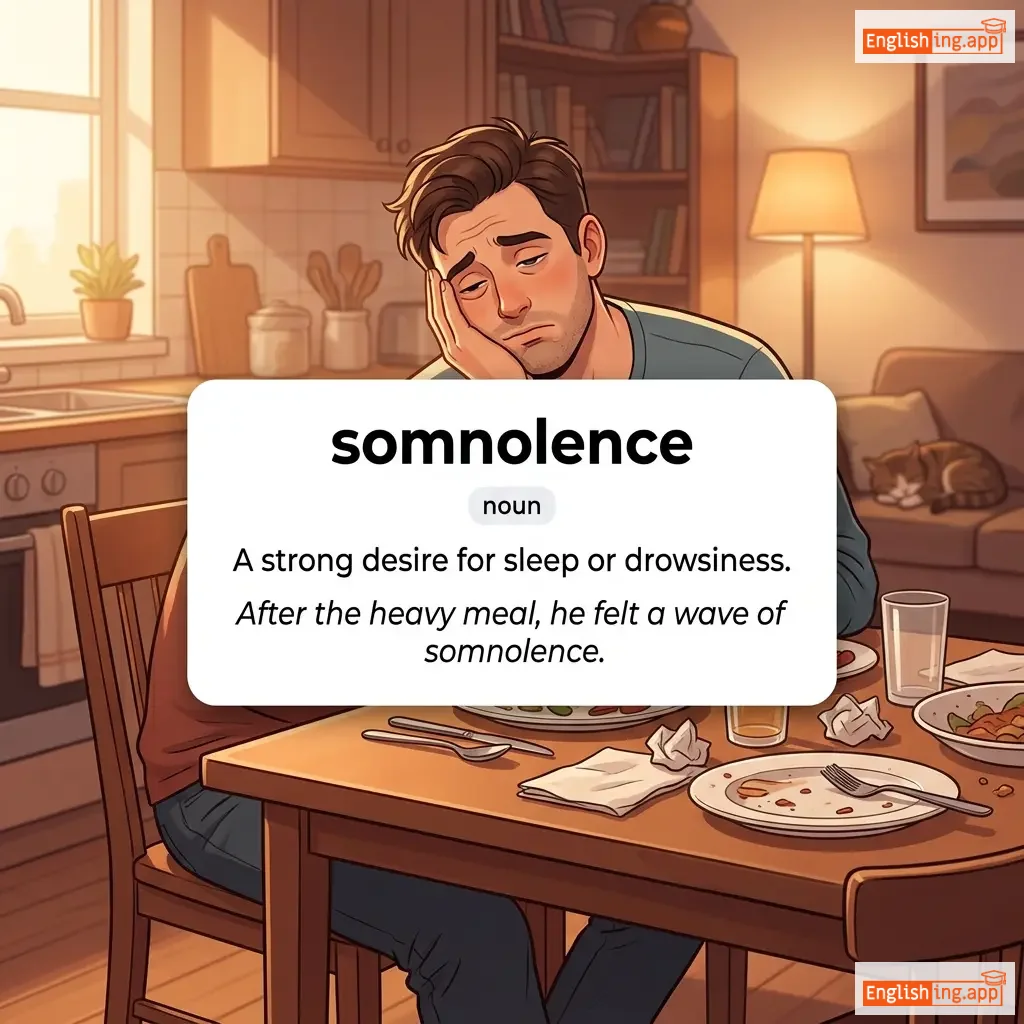
A strong desire for sleep or drowsiness.
••••••
|
After the heavy meal, he felt a wave of somnolence. |
重い食事の後、彼は眠気を感じました。
Omoi shokuji no ato, kare wa nemuke o kanjimashita.
••••••
|
- •••••• | - •••••• | - •••••• |
drowsiness, sleepiness, fatigue, lethargy, slumber
••••••
|
wakefulness, alertness, vigilance
••••••
|
feeling of somnolence, sudden somnolence, daytime somnolence
••••••
|
Somnolenceは眠気を意味する—Somnoは睡眠、レンズ(lens)は目を疲れさせ、寝たくなる。
••••••
|
|
#8203
🛌
|
/sɒmˈnɪfərəs/
adjective
(ソムニフェラス)
••••••
|
- •••••• |
眠気を引き起こす
nemuke o hikiokosu
••••••
|
- •••••• | - •••••• | - •••••• | - •••••• |
Tending to induce sleep; soporific.
••••••
|
The professor's somniferous lecture put half the class to sleep. |
教授のソムニフェラスな講義はクラスの半分を眠らせた。
Kyouju no somniferasu na kougi wa kurasu no hanbun o nemuraseta.
••••••
|
- •••••• | - •••••• | - •••••• |
soporific, sleep-inducing, hypnotic, drowsy
••••••
|
stimulating, energizing, awakening
••••••
|
somniferous effect, somniferous sound, somniferous lecture
••••••
|
Somniferousは眠気を引き起こす意味—Somniは眠り、Feroは持ってくることを意味します。
••••••
|
|
#8204
😴
|
/sɒmˈnæmbjʊlɪst/
noun
(ソムナンビュリスト)
••••••
|
- •••••• |
夢遊病者
memyūbyōsha
••••••
|
- •••••• | - •••••• | - •••••• | - •••••• |
A person who sleepwalks.
••••••
|
The somnambulist wandered out of the house at night.
ソムナンビュリストは夜に家を出た。
••••••
|
夢遊病者は夜に家を出た。
Memyūbyōsha wa yoru ni ie o deta.
••••••
|
- •••••• | - •••••• | - •••••• |
sleepwalker, nightwalker, noctambulist, dreamwalker
••••••
|
wakeful person, insomniac
••••••
|
somnambulist behavior, somnambulist episode, somnambulist state
••••••
|
夢遊病者: 夢の中で歩く人。
••••••
|
|
#8205
🪖
|
/ˈsoʊldʒər/
noun
(ソルジャー)
••••••
|
- •••••• |
兵士
heishi
••••••
|
- •••••• | - •••••• | - •••••• | - •••••• |
a person who serves in an army, especially as a professional fighter
••••••
|
The soldier marched proudly with his unit.
兵士は誇りを持って自分の部隊と共に行進した。
••••••
|
兵士は誇りを持って自分の部隊と共に行進した。
Heishi wa hokori wo motte jibun no butai to tomo ni koushin shita.
••••••
|
old soldier
老兵
••••••
|
a person with much experience in military service or in life
••••••
|
老兵
rōhei
••••••
|
trooper, warrior, fighter, serviceman, combatant
••••••
|
civilian, noncombatant
••••••
|
brave soldier, professional soldier, soldier on, soldier's duty
••••••
|
ソルジャー = 兵士、覚えやすい!
••••••
|
|
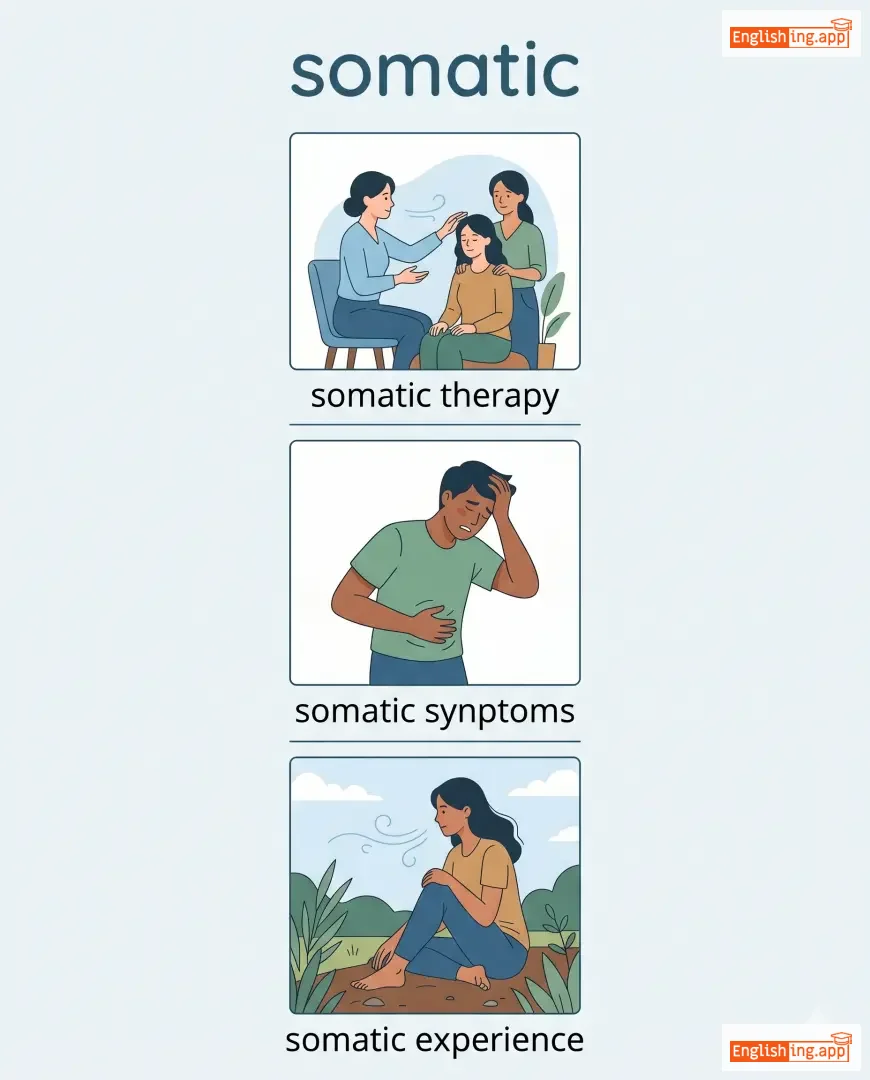
#8206
💪
|
/səˈmætɪk/
adjective
(ソマティック)
••••••
|
|
身体的
shintai teki
••••••
|
- •••••• | - •••••• | - •••••• | - •••••• |
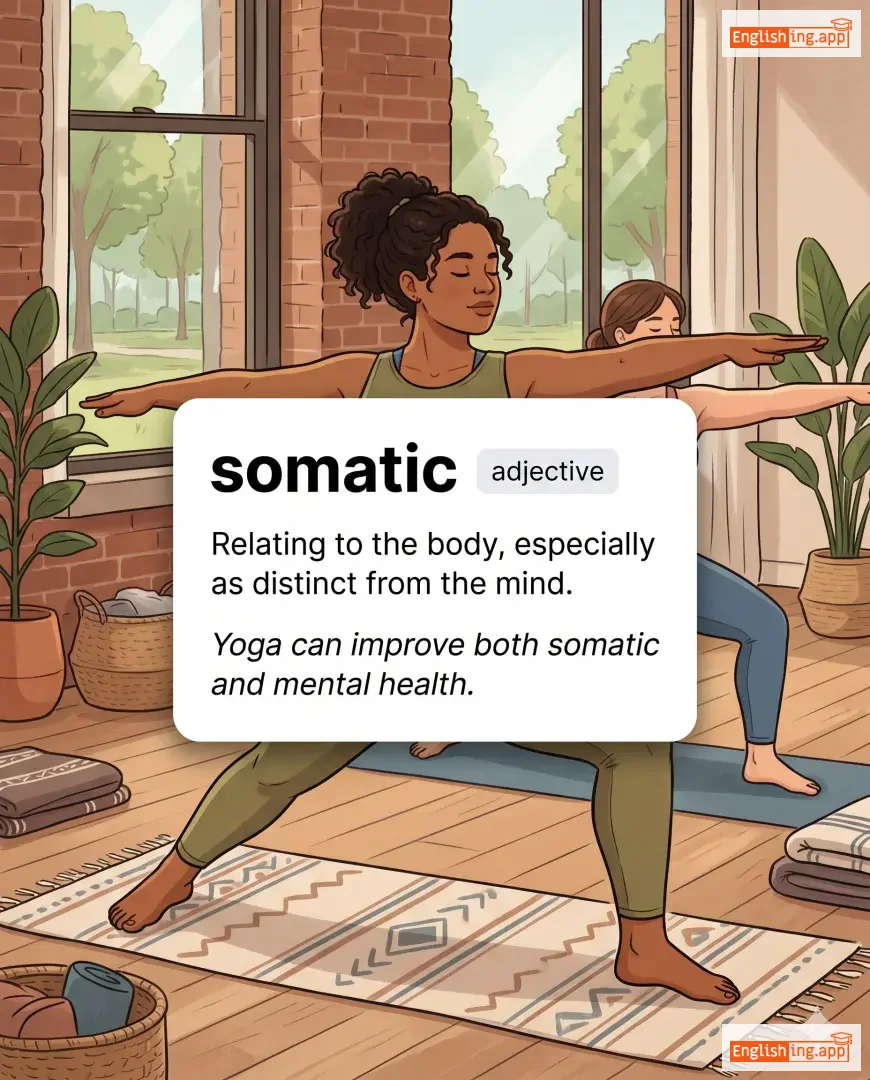
Relating to the body, especially as distinct from the mind.
••••••
|
Yoga can improve both somatic and mental health. |
ヨガは身体的および精神的健康を改善することができます。
Yoga wa shintaiteki oyobi seishinteki kenko wo kaizen suru koto ga dekimasu.
••••••
|
- •••••• | - •••••• | - •••••• |
bodily, physical, corporeal, material, anatomical
••••••
|
mental, spiritual, psychic
••••••
|
somatic therapy, somatic symptoms, somatic experience, somatic cells
••••••
|
Somaticは身体的に関連する—'ソマ' (So ma)で身体的なイメージを作ろう。
••••••
|
|
#8207
🧪
|
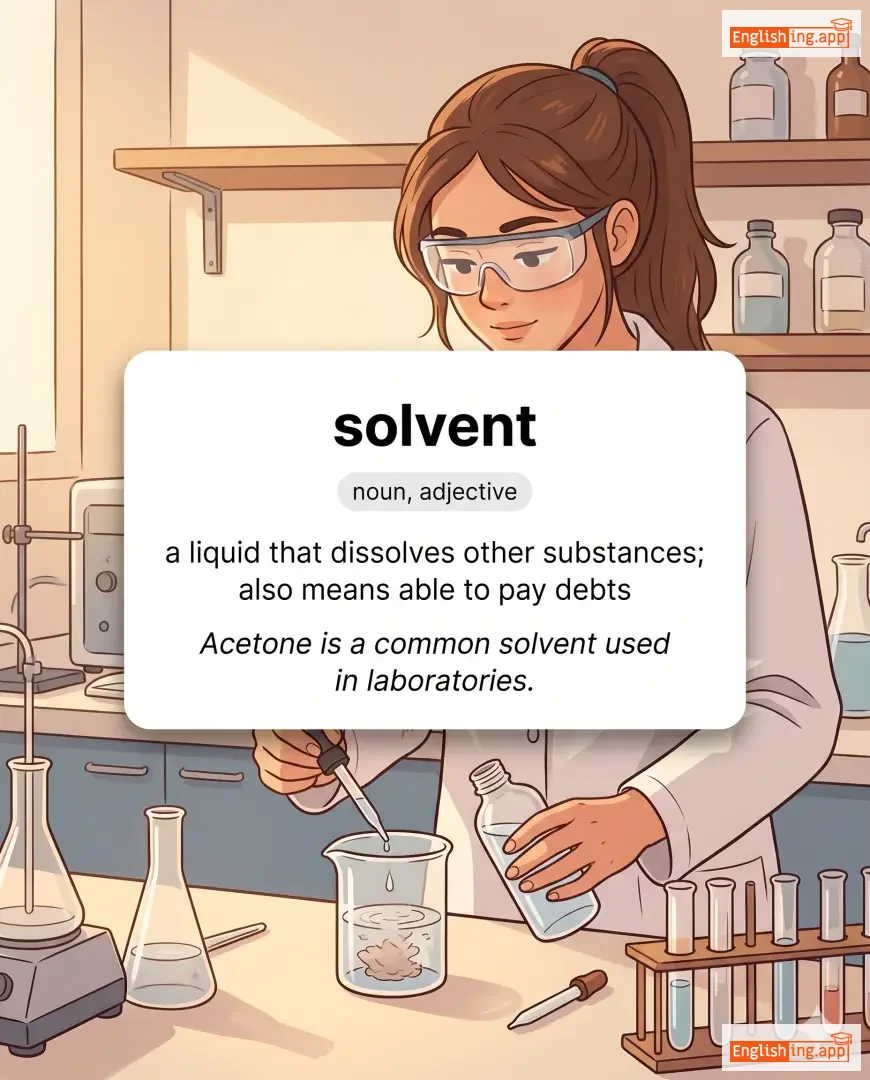
/ˈsɒlvənt/
noun, adjective
(ソルベント)
••••••
|
|
溶剤, 債務を支払う能力
yōzai, saimu o shiharau nōryoku
••••••
|
- •••••• | - •••••• | - •••••• | - •••••• |
a liquid that dissolves other substances; also means able to pay debts
••••••
|
Acetone is a common solvent used in laboratories.
アセトンは実験室でよく使われる溶剤です。
••••••
|
アセトンは実験室でよく使われる溶剤です。
Aseton wa jikken-shitsu de yoku tsukawareru yōzai desu.
••••••
|
solvent company
支払能力のある会社
••••••
|
a company that is financially stable and able to pay its debts
••••••
|
財務が安定した会社
zaimu ga antei shita kaisha
••••••
|
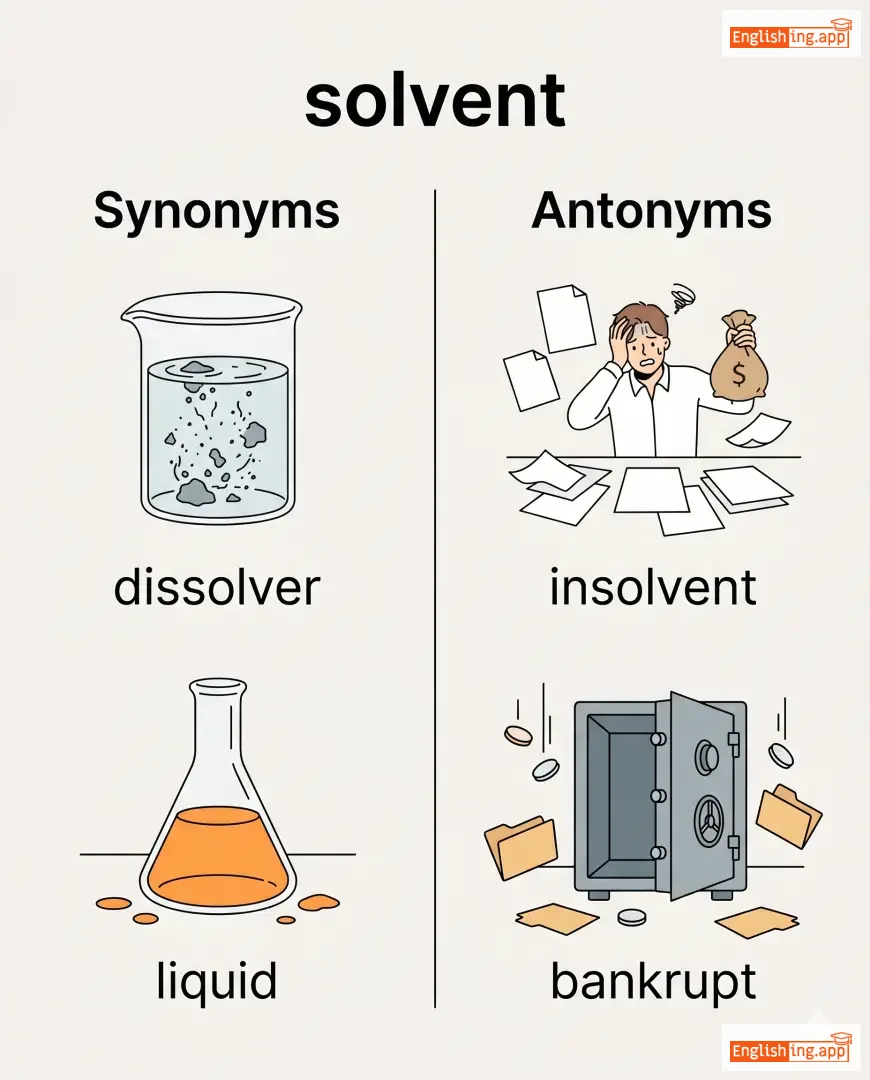
dissolver, liquid, solution, stable, viable
••••••
|
insolvent, bankrupt
••••••
|
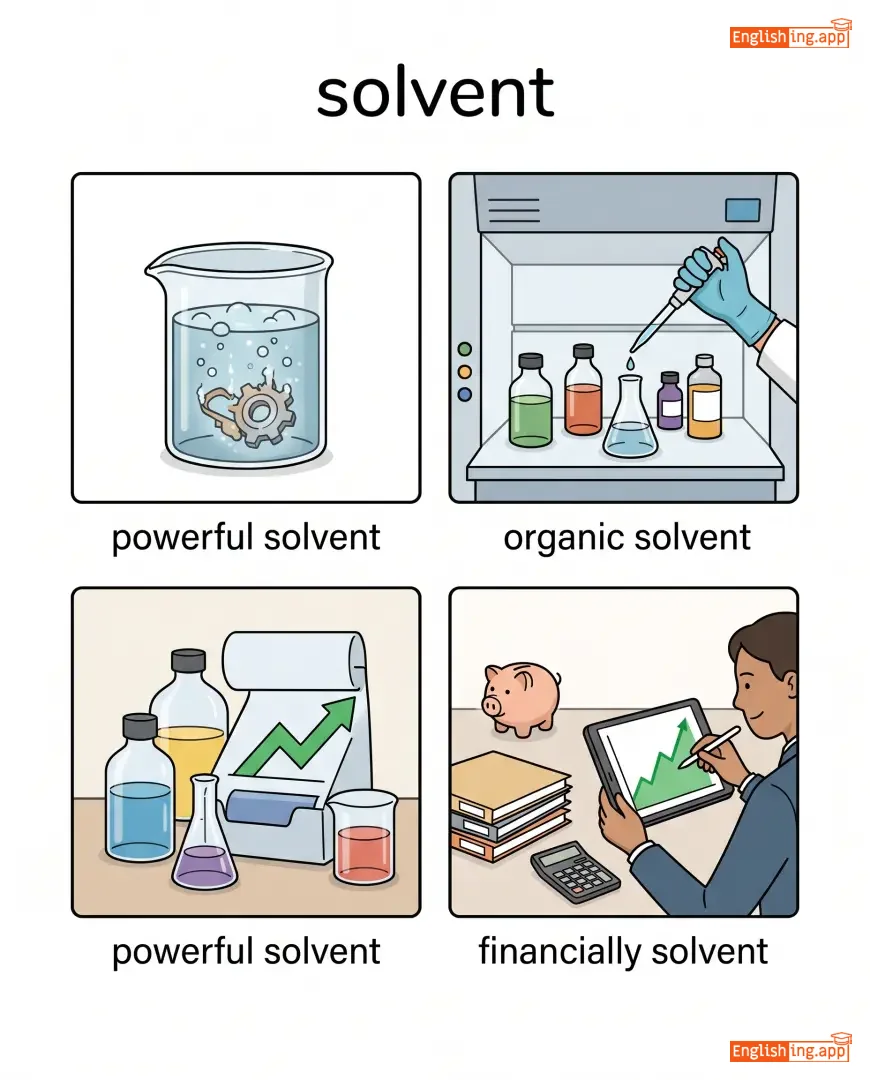
powerful solvent, organic solvent, financially solvent, solvent company
••••••
|
Solve + rent → 債務を支払える会社は solvent です
••••••
|
|
#8208
💧
|
/ˈsɒljʊbəl/
adjective
(soryuburu)
••••••
|
- •••••• |
可溶性
koyosei
••••••
|
- •••••• | - •••••• | - •••••• | - •••••• |
able to be dissolved, especially in water
••••••
|
Sugar is soluble in water. |
砂糖は水に溶けやすい。
Satou wa mizu ni tokeyasui.
••••••
|
- •••••• | - •••••• | - •••••• |
dissolvable, meltable, dispersible, absorbable
••••••
|
insoluble, indissoluble
••••••
|
soluble fiber, soluble vitamins, water soluble, easily soluble
••••••
|
Sol + able →溶けることができる、つまり可溶性
••••••
|
|
#8209
☀️
|
/ˈsɒlstɪs/
noun
(ソルスティス)
••••••
|
- •••••• |
至点
shiten
••••••
|
- •••••• | - •••••• | - •••••• | - •••••• |
the two times in the year when the sun is at its greatest distance from the equator (summer and winter solstice)
••••••
|
People celebrate the summer solstice with festivals and rituals. |
人々は夏至を祝うために祭りや儀式を行います。
Hitobito wa geshi o iwau tame ni matsuri ya gishiki o okonai masu.
••••••
|
- •••••• | - •••••• | - •••••• |
equinox, midsummer, midwinter, turning point
••••••
|
equinox
••••••
|
summer solstice, winter solstice, celebrate solstice, solstice festival
••••••
|
Sol + ten (太陽 + 点) → 太陽が最も遠い点
••••••
|
|
#8210
🌄
|
/ˈsɒlɪtjuːd/
noun
(ソリチュード)
••••••
|
|
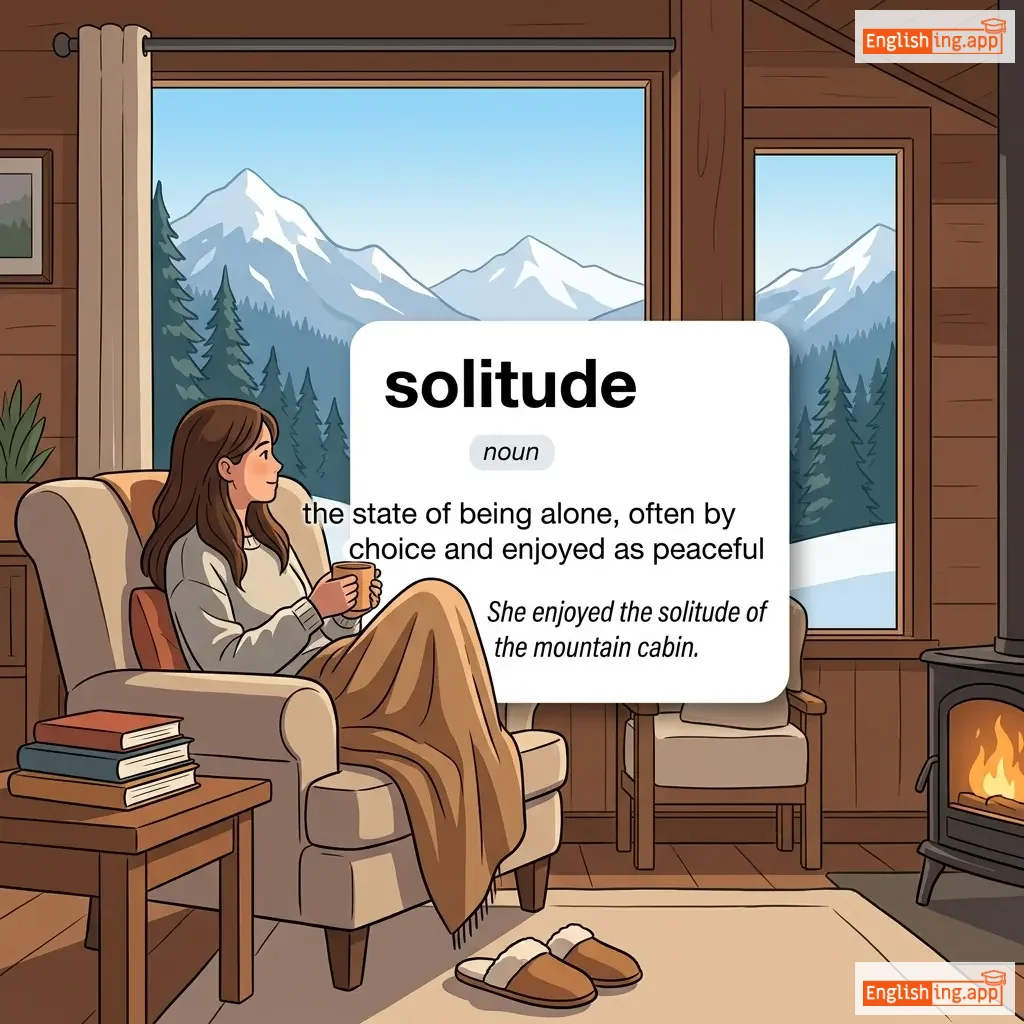
孤独
kodoku
••••••
|
- •••••• | - •••••• | - •••••• | - •••••• |
the state of being alone, often by choice and enjoyed as peaceful
••••••
|
She enjoyed the solitude of the mountain cabin.
彼女は山小屋での孤独を楽しんだ。
••••••
|
彼女は山小屋での孤独を楽しんだ。
Kanojo wa yamagoya de no kodoku o tanoshinda.
••••••
|
solitude is bliss
孤独は幸福である
••••••
|
being alone can bring peace and happiness
••••••
|
孤独は幸福である
Kodoku wa kōfuku de aru
••••••
|
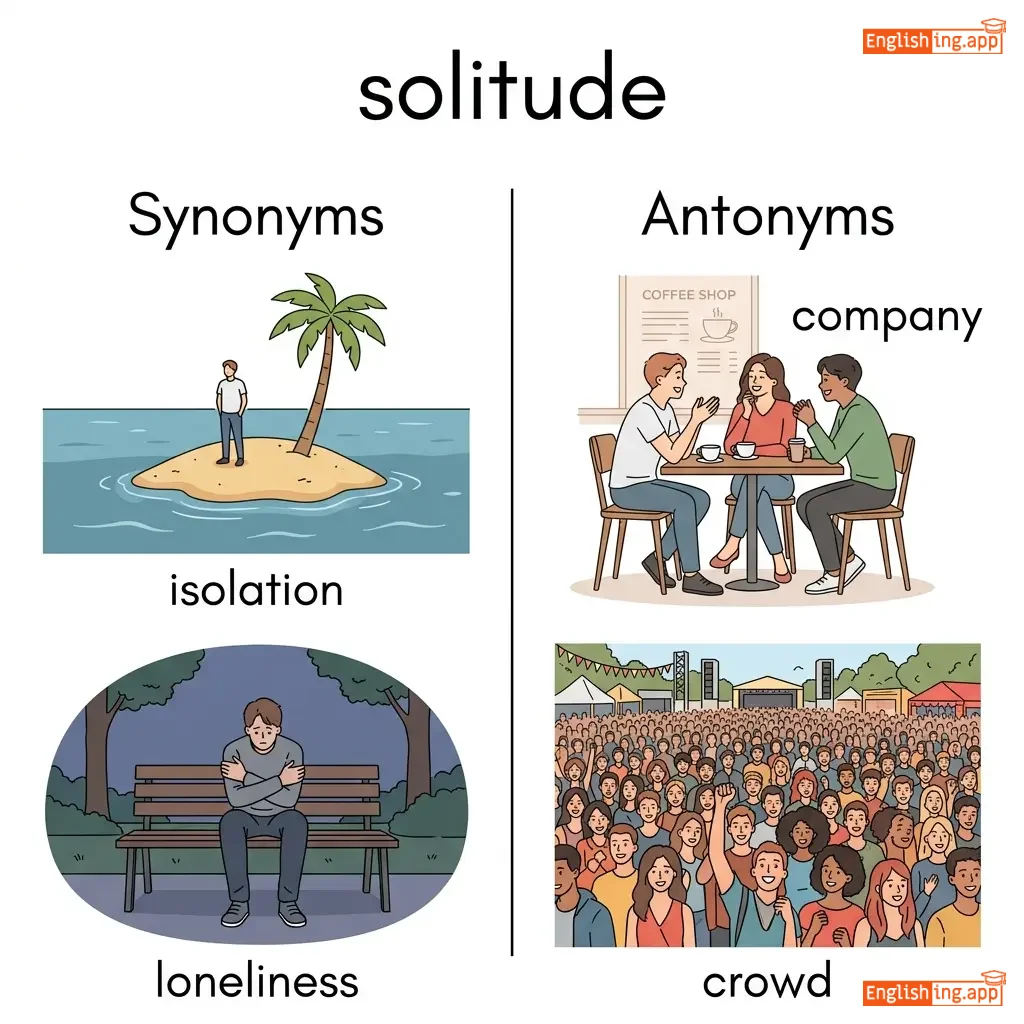
isolation, loneliness, seclusion, privacy, retreat
••••••
|
company, crowd, companionship
••••••
|
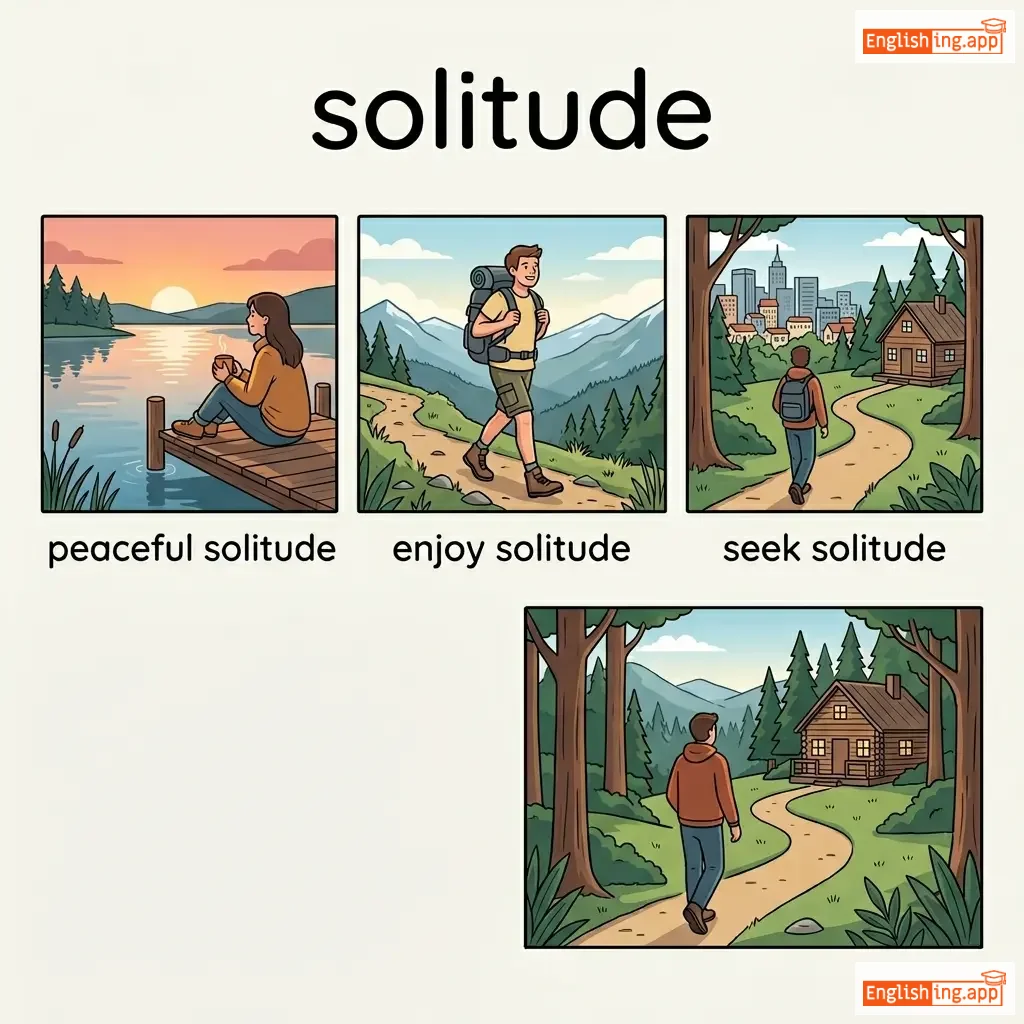
peaceful solitude, enjoy solitude, seek solitude, solitude in nature
••••••
|
Solo + attitude → 孤独を楽しむ
••••••
|
|
#8211
🎭
|
/səˈlɪləkwi/
noun
(ソリロクイ)
••••••
|
|
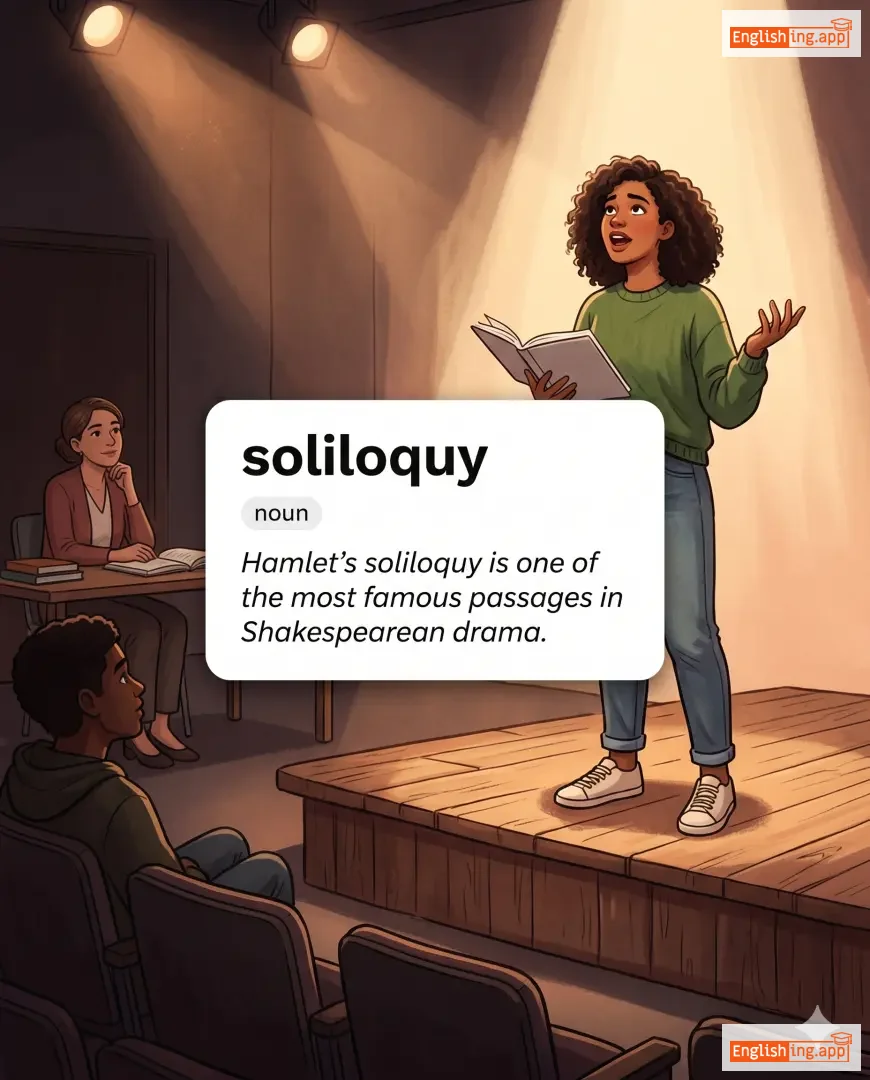
独白
dohaku
••••••
|
- •••••• | - •••••• | - •••••• | - •••••• |
a speech in which a character talks to themselves, often used in drama to reveal inner thoughts
••••••
|
Hamlet's soliloquy is one of the most famous passages in Shakespearean drama. |
ハムレットの独白はシェイクスピアのドラマの中で最も有名なパッセージの一つです。
Hamuretto no dohaku wa Sheikusupia no dorama no naka de mottomo yūmei na passēji no hitotsu desu.
••••••
|
- •••••• | - •••••• | - •••••• |
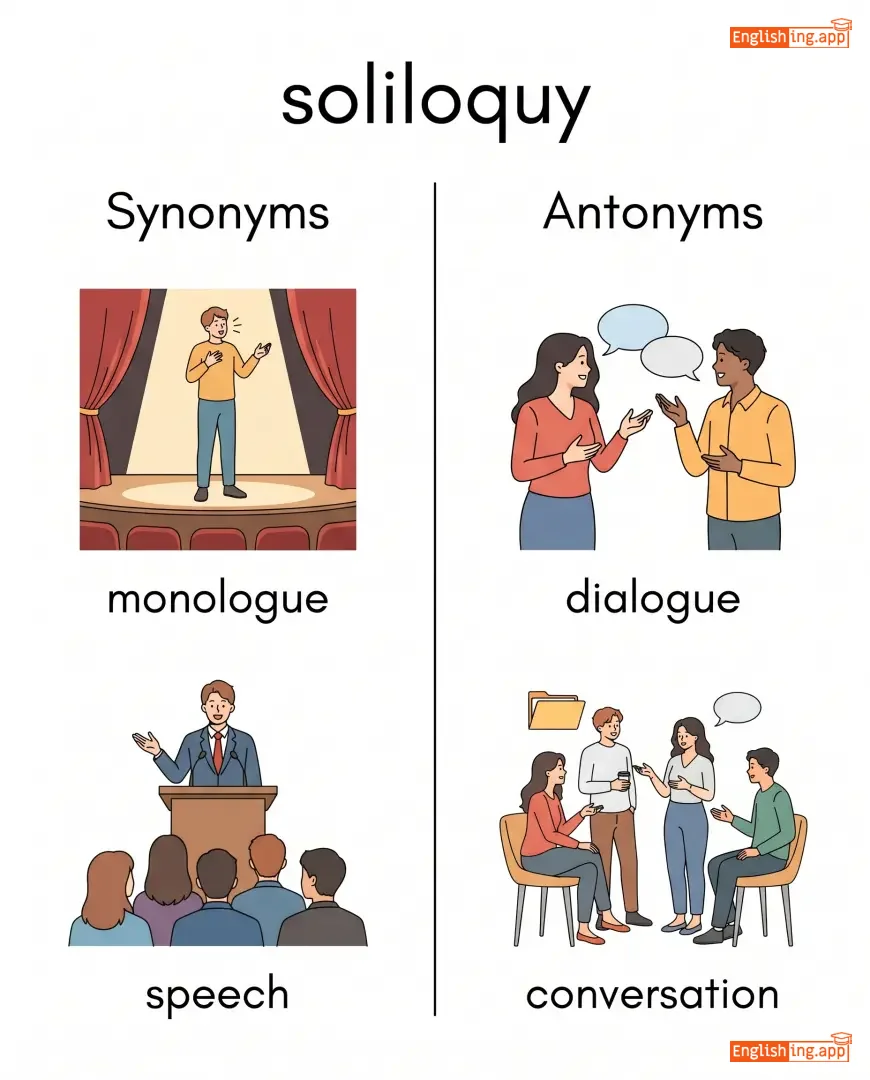
monologue, speech, oration, address, discourse
••••••
|
dialogue, conversation
••••••
|
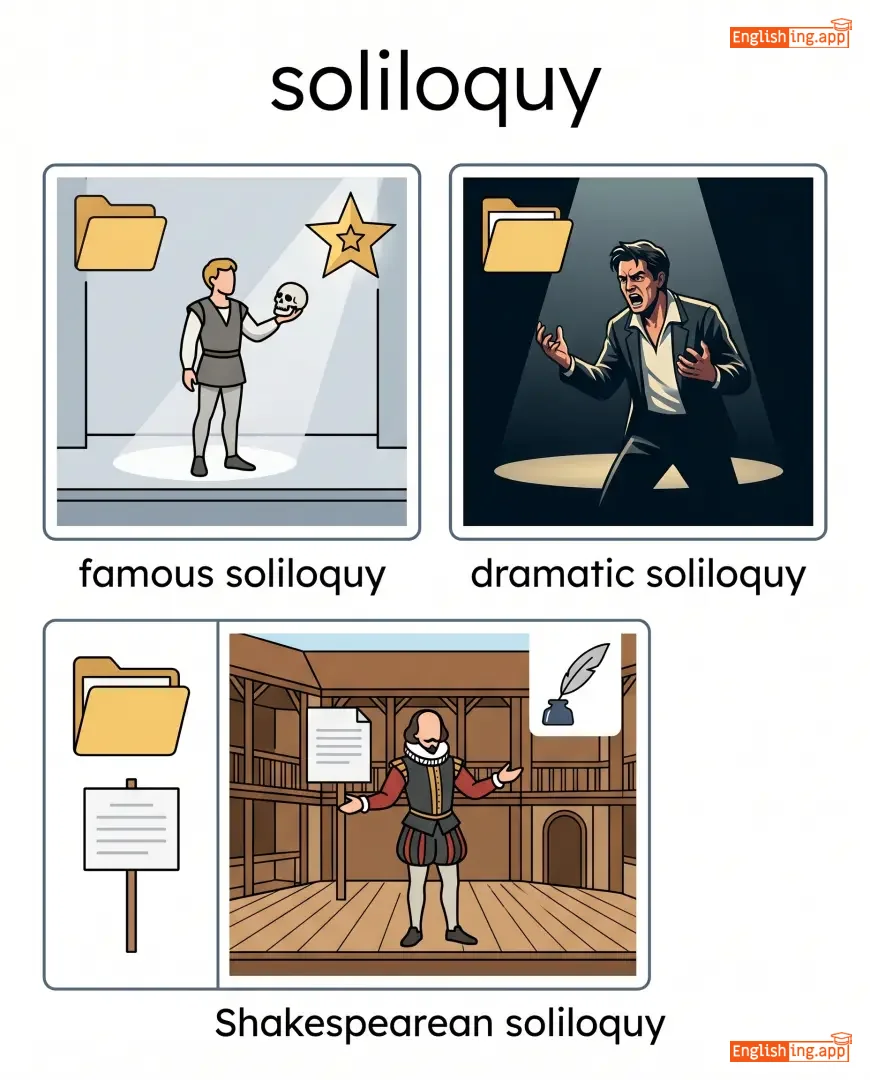
famous soliloquy, dramatic soliloquy, Shakespearean soliloquy, deliver a soliloquy
••••••
|
ド (独) + 白 (話す) → 自分で話す
••••••
|
|
#8212
🧱
|
/səˈlɪdəˌfaɪ/
verb
(ソリディファイ)
••••••
|
- •••••• |
強化する
kyouka suru
••••••
|
solidified
ソリディファイド
••••••
|
solidified
ソリディファイド
••••••
|
solidifies
ソリディファイズ
••••••
|
solidifying
ソリディファイング
••••••
|
To make something firm, strong, or more certain.
••••••
|
The company solidified its position in the market.
その会社は市場での位置を固めました。
••••••
|
その会社は市場での位置を固めました。
Sono kaisha wa shijou de no ichi wo katamemashita.
••••••
|
- •••••• | - •••••• | - •••••• |
strengthen, reinforce, secure, cement
••••••
|
weaken, dissolve
••••••
|
solidify position, solidify plan, solidify relationship
••••••
|
Solidifyは固める意味→ Solidifyは強化するという意味です。
••••••
|
|
#8213
✊
|
/ˌsɒlɪˈdærɪti/
noun
(ソリダリティ)
••••••
|
- •••••• |
連帯
rentai
••••••
|
- •••••• | - •••••• | - •••••• | - •••••• |
Unity or agreement of feeling or action, especially among individuals with a common interest.
••••••
|
Workers held a strike in solidarity with their colleagues.
労働者たちは同僚たちとの連帯のためにストライキを行った。
••••••
|
労働者たちは同僚たちとの連帯のためにストライキを行った。
Roudousha tachi wa douryou tachi to no rentai no tame ni sutoraiki o okonatta.
••••••
|
stand in solidarity
連帯を示す
••••••
|
To show unity or support with others in a shared cause.
••••••
|
連帯を示す
rentai o shimesu
••••••
|
unity, fellowship, cooperation, mutual support
••••••
|
division, disunity
••••••
|
show solidarity, express solidarity, in solidarity with
••••••
|
Solidarity = Solid + unity → 覚えておいてください、連帯は全員で一緒に強い結びつきを作ることです。
••••••
|
|
#8214
❤️
|
/səˈlɪsɪˌtuːd/
noun
(ソリシチュード)
••••••
|
- •••••• |
思いやり, 配慮
omoiyari, hairyo
••••••
|
- •••••• | - •••••• | - •••••• | - •••••• |
Care or concern for someone or something.
••••••
|
His mother showed great solicitude for his safety. |
彼の母親は彼の安全に大きな思いやりを示しました。
Kare no hahaoya wa kare no anzen ni ōkina omoiyari o shimashita.
••••••
|
- •••••• | - •••••• | - •••••• |
concern, care, consideration, attentiveness
••••••
|
neglect, indifference
••••••
|
express solicitude, great solicitude, with solicitude
••••••
|
Solicitudeはcareを意味します–学生の態度において、solicitudeは配慮を意味します。
••••••
|
|
#8215
💖
|
/səˈlɪsɪtəs/
adjective
(ソリシタス)
••••••
|
|
思いやり
omoiyari
••••••
|
- •••••• | - •••••• | - •••••• | - •••••• |
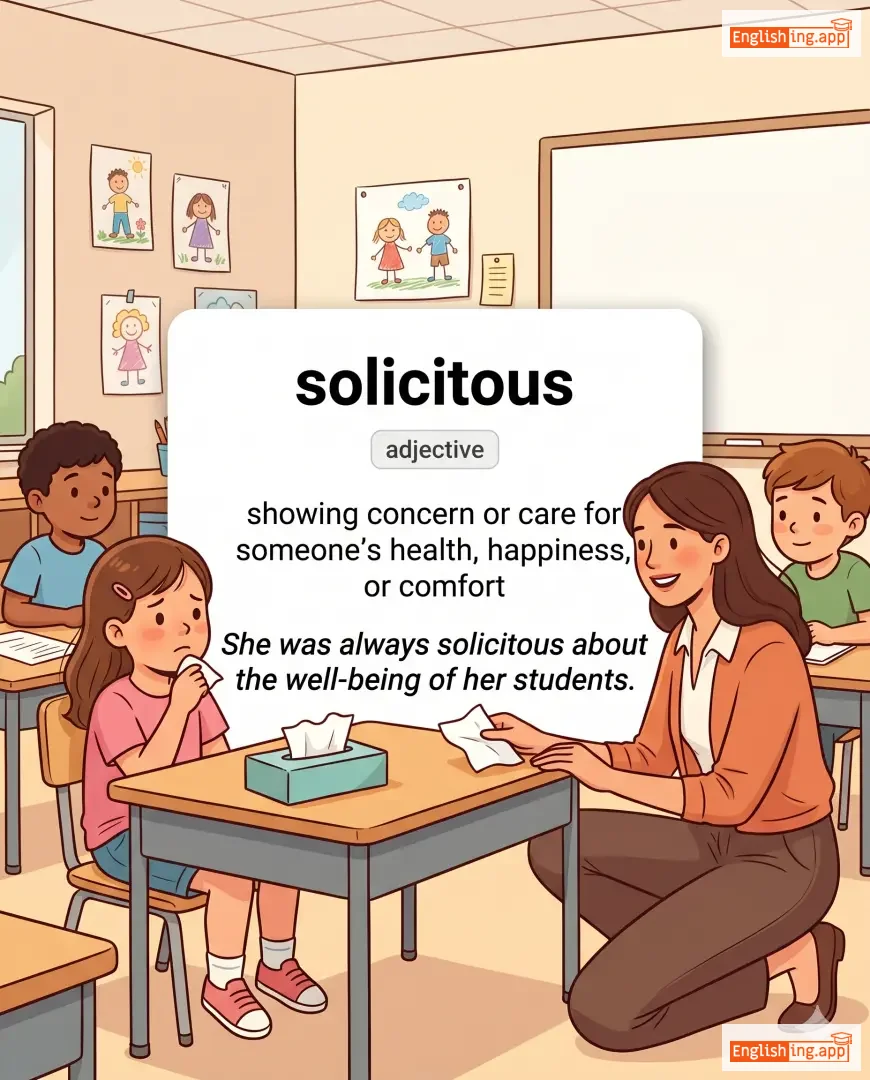
showing concern or care for someone's health, happiness, or comfort
••••••
|
She was always solicitous about the well-being of her students. |
彼女はいつも学生たちの幸福に気を配っていました。
Kanojo wa itsumo gakusei-tachi no kōfuku ni ki o kubatte imashita.
••••••
|
- •••••• | - •••••• | - •••••• |
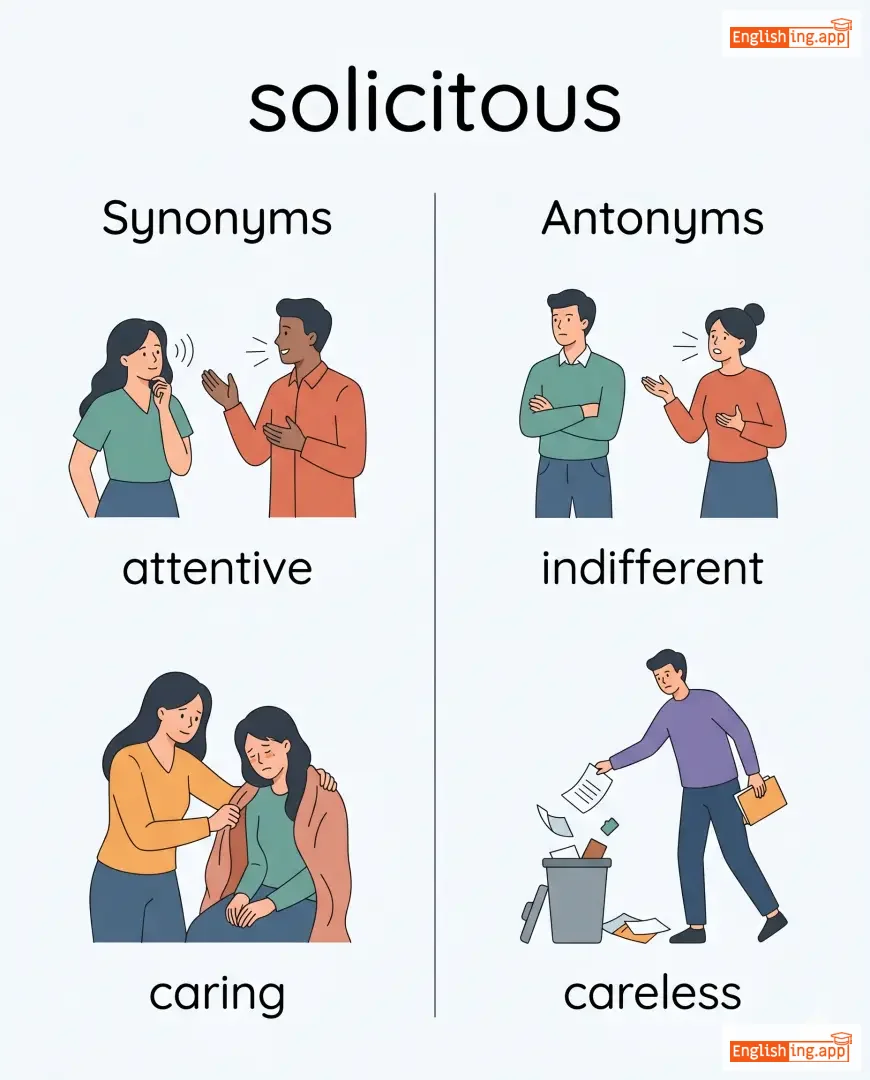
attentive, caring, concerned, considerate, thoughtful
••••••
|
indifferent, careless, neglectful
••••••
|
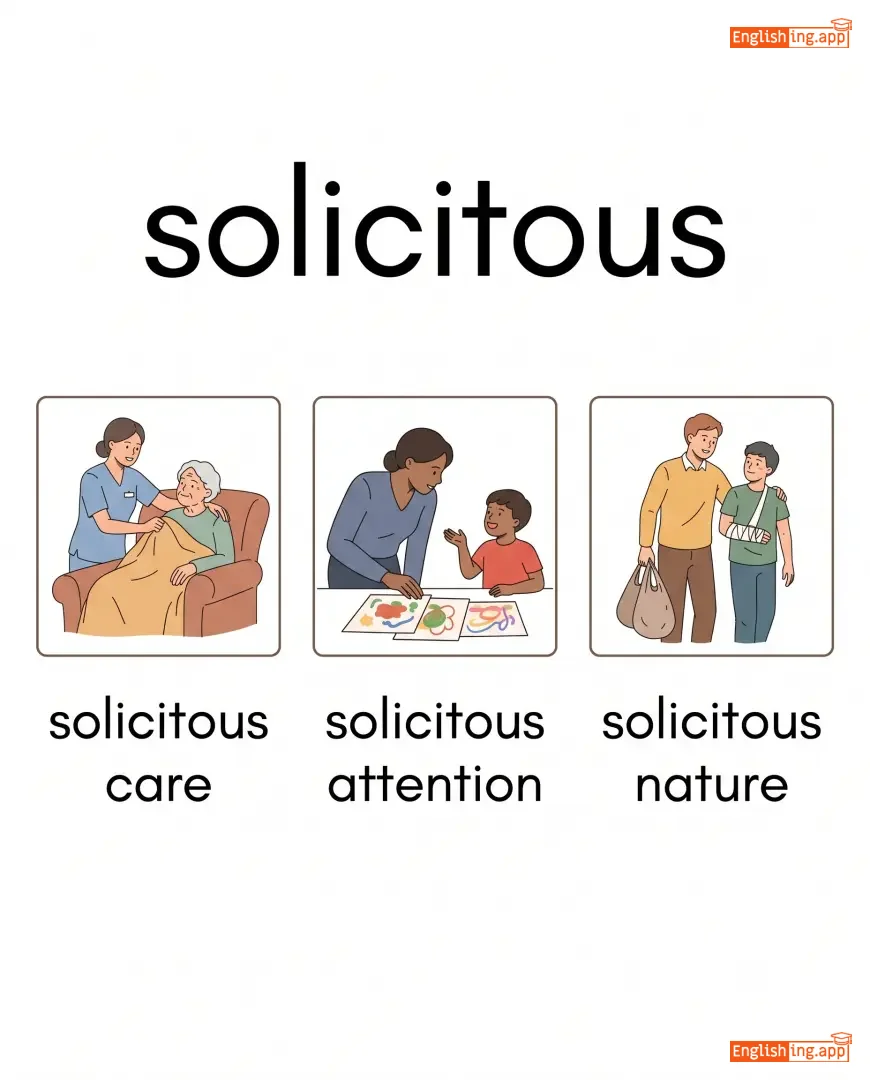
solicitous care, solicitous attention, solicitous nature
••••••
|
Solicitousは思いやりを意味する、'so listen to us'を思い出して= 思いやり 💖
••••••
|
|
#8216
⚖️
|
/səˈlɪsɪtər/
noun
(ソリシター)
••••••
|
- •••••• |
弁護士
bengoshi
••••••
|
- •••••• | - •••••• | - •••••• | - •••••• |
A type of lawyer who gives legal advice and prepares legal documents, often representing clients in lower courts.
••••••
|
She consulted a solicitor before signing the contract. |
彼女は契約書に署名する前に弁護士に相談しました。
Kanojo wa keiyaku-sho ni shomei suru mae ni bengoshi ni sōdan shimashita.
••••••
|
- •••••• | - •••••• | - •••••• |
lawyer, attorney, advocate, legal advisor
••••••
|
client, layperson
••••••
|
consult a solicitor, hire a solicitor, solicitor firm, solicitor general
••••••
|
Solicitor は弁護士を意味します – 安定した法的アドバイスを得るために、ソリシターに相談してください。
••••••
|
|
#8217
🙏
|
/səˈlɪsɪt/
verb
(ソリシット)
••••••
|
- •••••• |
お願いする
onegai suru
••••••
|
solicited
ソリシテッド
••••••
|
solicited
ソリシテッド
••••••
|
solicits
ソリシッツ
••••••
|
soliciting
ソリシティング
••••••
|
to ask for or try to obtain something from someone
••••••
|
The charity is soliciting donations for flood victims.
チャリティは洪水の被害者のために寄付を募っています。
••••••
|
チャリティは洪水の被害者のために寄付を募っています。
Charity wa kousui no higaisha no tame ni kifu o tsunotteimasu.
••••••
|
solicit business
ビジネスを勧誘する
••••••
|
to request or try to obtain customers or sales
••••••
|
ビジネスを勧誘する
bijinesu o kanyu suru
••••••
|
request, beg, ask, plead, appeal
••••••
|
refuse, reject, deny
••••••
|
solicit donations, solicit help, solicit opinion, solicit support
••••••
|
お願いするは頼むという意味です。Solicit = 'so listen' お願い 🙏
••••••
|
|
#8218
🎖️
|
/səˈlɛmnɪti/
noun
(ソレムニティ)
••••••
|
- •••••• |
厳粛
genshuku
••••••
|
- •••••• | - •••••• | - •••••• | - •••••• |
the state or quality of being serious and dignified
••••••
|
The ceremony was conducted with great solemnity. |
式典は厳粛な雰囲気の中で行われました。
Shikiten wa genshuku na fun'iki no naka de okonawaremashita.
••••••
|
- •••••• | - •••••• | - •••••• |
gravity, seriousness, dignity, formality, earnestness
••••••
|
lightness, informality, frivolity
••••••
|
with solemnity, sense of solemnity, solemnity of the occasion
••••••
|
Solemnity は真剣さ 厳粛 🎖️
••••••
|
|
#8219
❌
|
/ˈsɒlɪˌsɪzəm/
noun
(ソレシズム)
••••••
|
- •••••• |
文法ミス
bunpō misu
••••••
|
- •••••• | - •••••• | - •••••• | - •••••• |
a grammatical mistake in speech or writing; a breach of good manners or etiquette
••••••
|
His speech was full of solecisms and awkward phrases. |
彼のスピーチは文法ミスと不器用なフレーズでいっぱいだった。
Kare no supīchi wa bunpō misu to bukiyō na furēzu de ippai datta.
••••••
|
- •••••• | - •••••• | - •••••• |
error, blunder, mistake, lapse, faux pas
••••••
|
accuracy, correctness, propriety
••••••
|
grammatical solecism, commit a solecism, social solecism
••••••
|
ソレシズムは文法ミスを意味します。ソレシズム = 誤ったシステム ❌
••••••
|
Vocabulary Quiz
Test your vocabulary by matching words with their translations or meanings.
Login to take the quiz
Comments (0)
Share your thoughts and join the discussion.
Join the discussion by logging in
Login to CommentNo comments yet
Be the first to share your thoughts!