

翻訳
過去
過去分詞
三人称単数
動名詞
意味
例文
例文の翻訳
同義語
対義語
コロケーション
ニーモニック

Swipe left or right, or use the buttons. Tap image to zoom.
例文の翻訳
単語
Lesson 437Lesson 437 - マスクトグル
|
絵文字
|
単語 | Images | 翻訳 | 過去 | 過去分詞 | 三人称単数 | 動名詞 | 意味 | 例文 | 例文の翻訳 | 表現例 | 表現例の意味 | 表現例の翻訳 | 同義語 | 対義語 | コロケーション | ニーモニック |
|---|---|---|---|---|---|---|---|---|---|---|---|---|---|---|---|---|---|
|
#1
😔
|
/ʃeɪm/
noun
(シェイム)
••••••
|
- •••••• |
恥
haji
••••••
|
- •••••• | - •••••• | - •••••• | - •••••• |
a painful feeling of humiliation or distress caused by the consciousness of wrong or foolish behavior
••••••
|
He felt deep shame after lying to his friend. |
彼は友人に嘘をついた後、深い恥を感じた。
Kare wa yūjin ni uso o tsuita ato, fukai haji o kanjita.
••••••
|
crying shame |
something that is very unfortunate
••••••
|
泣くような恥
naku yō na haji
••••••
|
embarrassment, guilt, humiliation, disgrace
••••••
|
pride, honor
••••••
|
feel shame, bring shame, deep shame, public shame
••••••
|
恥は、間違ったことをしたときの気持ち、まるで‘Shame!’
••••••
|
|
#1
🧵
|
/sɪlk/
noun
(シルク)
••••••
|
- •••••• |
絹
kinu
••••••
|
- •••••• | - •••••• | - •••••• | - •••••• |
a fine, smooth fabric made from the threads produced by silkworms
••••••
|
The dress was made of pure silk. |
そのドレスは純粋な絹で作られていた。
Sono doresu wa junsuina kinu de tsukurarete ita.
••••••
|
silk road |
an ancient trade route that connected East and West
••••••
|
シルクロード
shirukuroodo
••••••
|
satin, rayon, taffeta, fabric, cloth
••••••
|
wool, linen
••••••
|
silk dress, silk fabric, pure silk, silk thread
••••••
|
Silkは絹 – 絹のように滑らかです!
••••••
|
|
#1
✍️
|
/ˈsɪɡ.nə.tʃər/
noun
(シグネチャー)
••••••
|
- •••••• |
署名
shomei
••••••
|
- •••••• | - •••••• | - •••••• | - •••••• |
a person's name written by themselves, often as a form of identification or authorization
••••••
|
She signed the contract with her elegant signature. |
彼女は優雅な署名で契約書にサインしました。
Kanojo wa yūga na shomei de keiyakusho ni sain shimashita.
••••••
|
signature dish |
a special meal that a chef is particularly known for
••••••
|
シグネチャーディッシュ
shigunetchā dishu
••••••
|
autograph, sign, endorsement, mark, handwriting
••••••
|
anonymity, namelessness
••••••
|
signature style, signature dish, signature look, digital signature
••••••
|
Signatureはサインされた名前の意味です–覚えておいて ✍️ 署名はあなたのIDです。
••••••
|
|
#1
🚶♂️
|
/ˈsaɪdˌwɔːk/
noun
(サイドウォーク)
••••••
|
- •••••• |
歩道
hodou
••••••
|
- •••••• | - •••••• | - •••••• | - •••••• |
a paved path for pedestrians at the side of a street.
••••••
|
Children were playing on the sidewalk. |
子供たちは歩道で遊んでいました。
Kodomotachi wa hodou de asonde imashita.
••••••
|
sidewalk sale |
a sale held outside a store on the sidewalk
••••••
|
歩道セール
hodou seeru
••••••
|
pavement, footpath, walkway, path
••••••
|
road, highway, street
••••••
|
clean sidewalk, wide sidewalk, crowded sidewalk, cracked sidewalk
••••••
|
歩道: 歩くための道 — 歩道を歩こう!
••••••
|
|
#1
🚌
|
/ˈʃʌtəl/
noun
(シャトル)
••••••
|
- •••••• |
定期的に二地点間を往復する車両または乗り物
teikiteki ni nichitenkan o ōfuku suru sharyō mata wa norimono
••••••
|
- •••••• | - •••••• | - •••••• | - •••••• |
a vehicle or craft that travels regularly between two places.
••••••
|
The airport shuttle runs every 30 minutes. |
空港シャトルは30分ごとに運行しています。
Kūkō shatoru wa 30-pun goto ni un kō shiteimasu.
••••••
|
shuttle diplomacy |
negotiation conducted by a mediator who travels between parties
••••••
|
シャトル外交
shatoru gaikō
••••••
|
bus, transporter, ferry, vehicle, coach
••••••
|
static vehicle, stopover
••••••
|
shuttle bus, shuttle service, space shuttle, airport shuttle
••••••
|
シャトルはバスのように往復する 🚍
••••••
|
|
#1
📉
|
/ʃrɪŋk/
verb
(幸せ)
••••••
|
|
幸せ
shiawase
••••••
|
shrank
••••••
|
shrunk
••••••
|
shrinks
••••••
|
shrinking
••••••
|
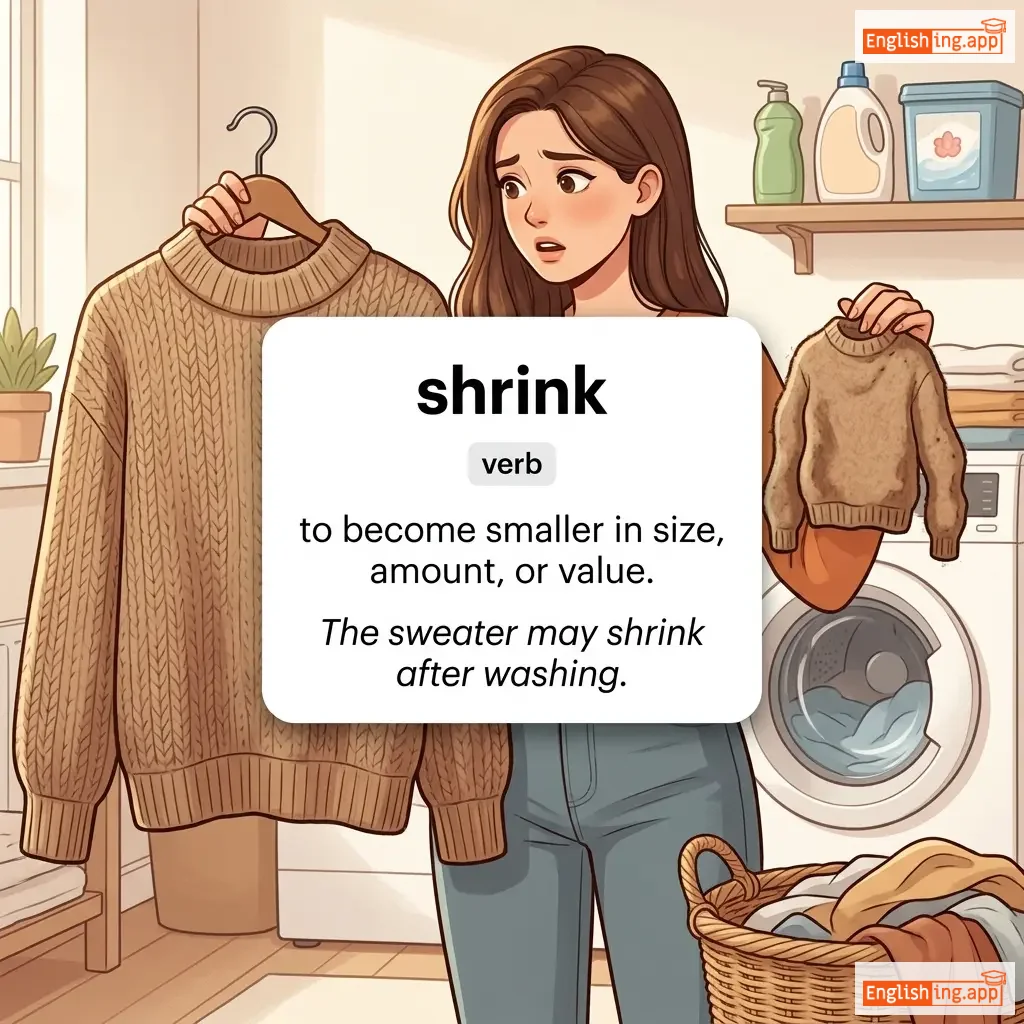
to become smaller in size, amount, or value.
••••••
|
The sweater may shrink after washing.
彼女は賞を受け取ったとき、幸せを隠すことができませんでした。
••••••
|
彼女は賞を受け取ったとき、幸せを隠すことができませんでした。
Kanojo wa shō o uketotta toki, shiawase o kakusu koto ga dekimasen deshita.
••••••
|
shrink from responsibility
幸せの追求
••••••
|
to avoid or back away from duties or obligations
••••••
|
幸せの追求
shiawase no tsuikyū
••••••
|
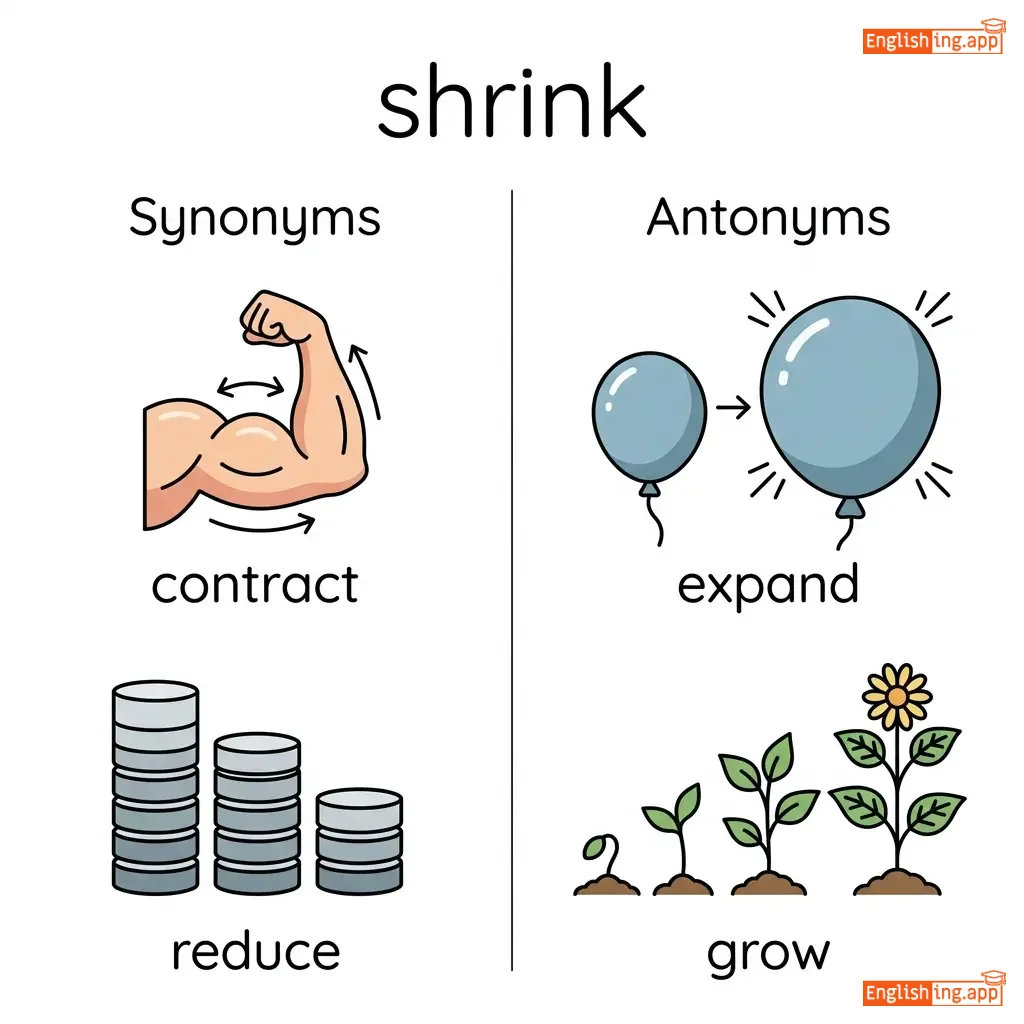
contract, reduce, lessen, diminish, condense
••••••
|
expand, grow, enlarge
••••••
|
shrink in size, shrink away, shrink back, shrink rapidly
••••••
|
幸せを見つけるためには、継続的に追求することが必要です!
••••••
|
|
#1
🍤
|
/ʃrɪmp/
noun
(シュリンプ)
••••••
|
- •••••• |
エビ
ebi
••••••
|
- •••••• | - •••••• | - •••••• | - •••••• |
a small marine crustacean that is often used as food.
••••••
|
We ordered grilled shrimp for dinner. |
私たちは夕食にグリルしたエビを注文しました。
Watashitachi wa yuushoku ni guriru shita ebi o chuumon shimashita.
••••••
|
feel like a shrimp |
to feel small or insignificant compared to others
••••••
|
エビのように感じる
Ebi no you ni kanjiru
••••••
|
prawn, crustacean, seafood, shellfish
••••••
|
whale, giant, big fish
••••••
|
shrimp cocktail, fried shrimp, shrimp curry, grilled shrimp
••••••
|
エビ = 小さな海の生物、shrimp = 小さな海の生物
••••••
|
|
#1
🩳
|
/ʃɔːrts/
noun
(ショーツ)
••••••
|
- •••••• |
ショートパンツ
shōto pantsu
••••••
|
- •••••• | - •••••• | - •••••• | - •••••• |
a short garment worn on the lower half of the body that covers each leg separately, usually above the knees.
••••••
|
He wore a pair of blue shorts to the beach. |
彼はビーチに青いショートパンツを履いていました。
Kare wa bīchi ni aoi shōto pantsu wo haiteimashita.
••••••
|
in short order |
very quickly or without delay
••••••
|
すぐに
sugu ni
••••••
|
trunks, bermudas, bloomers, knickers, boxers
••••••
|
pants, trousers, jeans
••••••
|
denim shorts, running shorts, swimming shorts, cargo shorts
••••••
|
夏にショートパンツを履いて涼しく過ごす 🩳
••••••
|
|
#1
🚱
|
/ˈʃɔːrtɪdʒ/
noun
(ショーテージ)
••••••
|
- •••••• |
不足
fusoku
••••••
|
- •••••• | - •••••• | - •••••• | - •••••• |
a state or situation in which something needed cannot be obtained in sufficient amounts
••••••
|
There is a shortage of skilled workers in the industry. |
業界では熟練した労働者が不足しています。
Gyōkai de wa jukunin shita rōdōsha ga fusoku shiteimasu.
••••••
|
- •••••• | - •••••• | - •••••• |
lack, scarcity, deficiency, insufficiency, dearth
••••••
|
abundance, surplus, plenty
••••••
|
water shortage, food shortage, shortage of labor, energy shortage
••••••
|
Short + age = 不足のリソース、年齢不足と同じ!
••••••
|
|
#1
⏳
|
/ˈʃɔːrt tɜːrm/
adjective
(ショート-ターム)
••••••
|
|
短期
tanki
••••••
|
- •••••• | - •••••• | - •••••• | - •••••• |
lasting for or involving a short period of time
••••••
|
They offered a short-term loan to help the business. |
ビジネスを支援するために短期融資を提供しました。
Bijinesu o shien suru tame ni tanki yūshi o teikyō shimashita.
••••••
|
- •••••• | - •••••• | - •••••• |
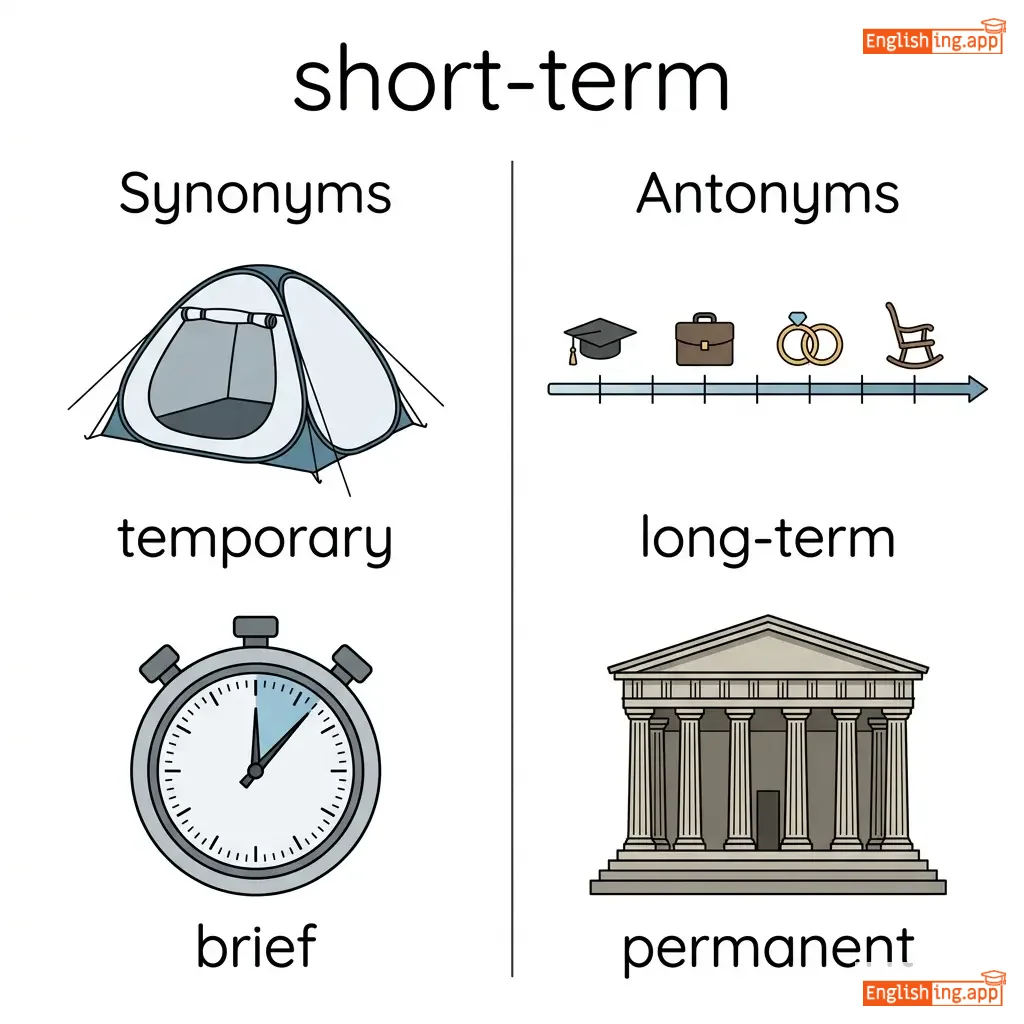
temporary, brief, momentary, provisional, limited
••••••
|
long-term, permanent, lasting
••••••
|
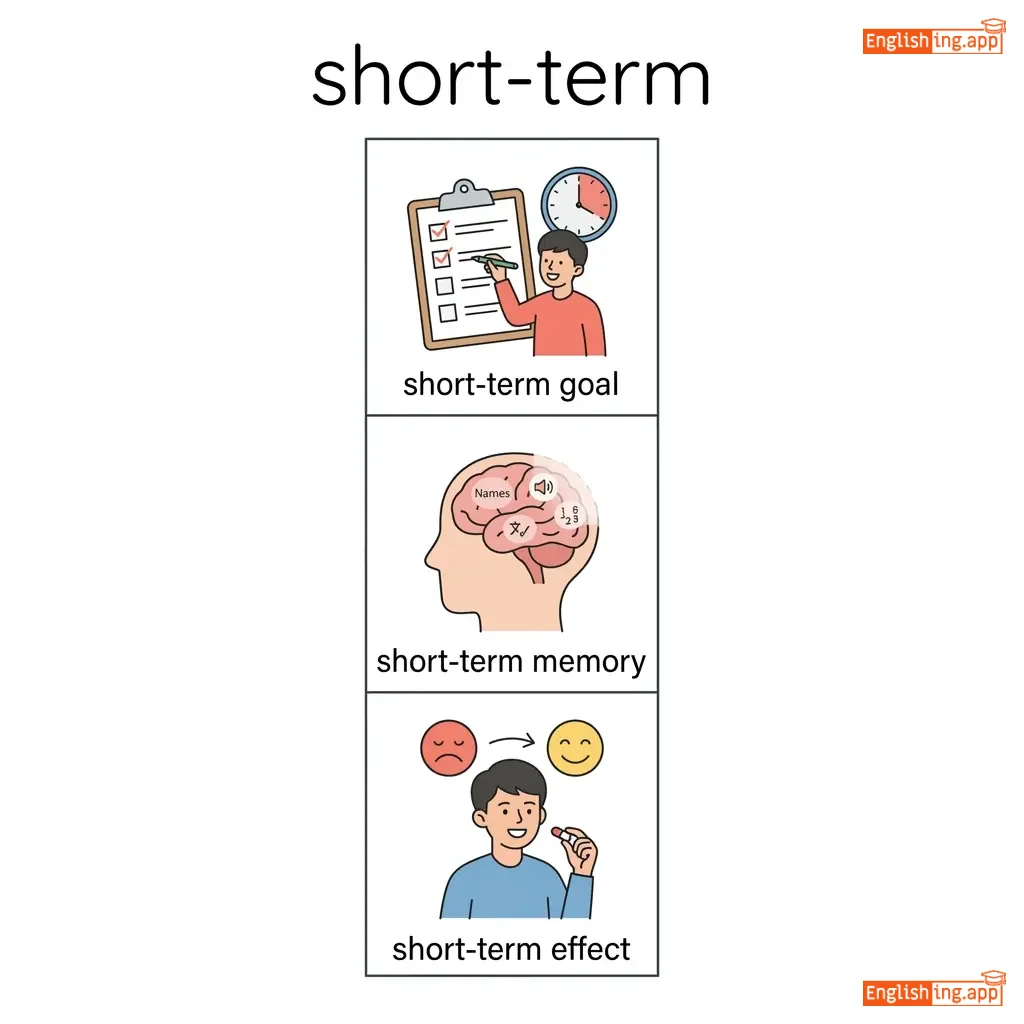
short-term goal, short-term memory, short-term effect, short-term plan
••••••
|
Short-term は短い期間 — 短期融資!
••••••
|
|
#1
🐑
|
/ʃiːp/
noun
(シープ)
••••••
|
- •••••• |
羊
hitsuji
••••••
|
- •••••• | - •••••• | - •••••• | - •••••• |
a farm animal with thick wool that is raised for its wool, meat, and milk
••••••
|
The farmer keeps a large flock of sheep. |
農夫は大きな羊の群れを飼っています。
Noufu wa ookina hitsuji no mure o katte imasu.
••••••
|
black sheep |
a person who is considered a disgrace to a group or family
••••••
|
黒羊
kurohitsuji
••••••
|
lamb, ewe, ram, livestock, animal
••••••
|
wolf, predator
••••••
|
flock of sheep, sheep farming, shear sheep, lost sheep
••••••
|
Sheep は羊を意味します — 羊のようにおとなしい人!
••••••
|
|
#1
⚡
|
/ˈʃɑːrpli/
adverb
(シャープリー)
••••••
|
- •••••• |
急激に
kyūgeki ni
••••••
|
- •••••• | - •••••• | - •••••• | - •••••• |
suddenly and strongly; in a cutting or intense way
••••••
|
Prices rose sharply after the announcement. |
発表後、価格は急激に上昇した。
Happyōgo, kakaku wa kyūgeki ni jōshō shita.
••••••
|
- •••••• | - •••••• | - •••••• |
suddenly, quickly, abruptly, intensely, drastically
••••••
|
slowly, gently, gradually
••••••
|
rise sharply, turn sharply, sharply increase, sharply decline
••••••
|
Sharp から急激に、すなわち速くて強い変化
••••••
|
|
#1
🦈
|
/ʃɑːrk/
noun
(シャーク)
••••••
|
- •••••• |
サメ
same
••••••
|
- •••••• | - •••••• | - •••••• | - •••••• |
a large fish with sharp teeth known for being a strong predator in the ocean
••••••
|
The shark swam silently beneath the boat. |
サメは船の下で静かに泳いでいました。
Same wa fune no shita de shizukani oyoide imashita.
••••••
|
loan shark |
a person who lends money at very high interest rates
••••••
|
高利貸し
kōrikashi
••••••
|
predator, fish, killer, hunter, sea creature
••••••
|
prey, victim
••••••
|
great white shark, shark attack, shark fin, shark tank
••••••
|
サメは鋭い歯で攻撃する — サメの意味です!
••••••
|
|
#1
📊
|
/ˈʃɛərˌhoʊldər/
noun
(シェアホルダー)
••••••
|
- •••••• |
株主
kabunushi
••••••
|
- •••••• | - •••••• | - •••••• | - •••••• |
an individual or organization that owns shares in a company
••••••
|
Each shareholder has the right to vote at the annual meeting. |
各株主は年次総会で投票する権利を持っています。
Kaku kabunushi wa nenji sōkai de tōhyō suru kenri o motteimasu.
••••••
|
major shareholder |
a person owning a large number of shares in a company
••••••
|
主要株主
shuyō kabunushi
••••••
|
stockholder, investor, stakeholder, owner
••••••
|
non-investor, outsider
••••••
|
shareholder meeting, shareholder rights, shareholder value, minority shareholder
••••••
|
株主とは株を持っている人、企業の所有者の一部です!
••••••
|
|
#1
🤝
|
/ʃɛrd/
adjective
(シェアード)
••••••
|
- •••••• |
共有
kyōyū
••••••
|
- •••••• | - •••••• | - •••••• | - •••••• |
used, done, or experienced by two or more people together
••••••
|
They live in a shared apartment near the university.
彼らは大学の近くのシェアアパートに住んでいます。
••••••
|
彼らは大学の近くのシェアアパートに住んでいます。
Karera wa daigaku no chikaku no shea apāto ni sundeimasu.
••••••
|
shared experience
シェア体験
••••••
|
something experienced together by more than one person
••••••
|
シェア体験
Shea taiken
••••••
|
joint, common, mutual, collective
••••••
|
individual, personal
••••••
|
shared responsibility, shared goal, shared interest, shared value
••••••
|
Sharedはみんなで使うもの—シェアする部屋のように!
••••••
|
|
#1
🤔
|
/ˈsiː.mɪŋ.li/
adverb
(シーミングリー)
••••••
|
- •••••• |
一見, 見た目では静か
ikken, mitamede wa shizuka
••••••
|
- •••••• | - •••••• | - •••••• | - •••••• |
appearing to be true, but not necessarily so
••••••
|
He was seemingly calm despite the chaos around him. |
周りの混乱にもかかわらず、彼は一見静かだった。
Mawari no konran ni mo kakawarazu, kare wa ikken shizuka datta.
••••••
|
- •••••• | - •••••• | - •••••• |
apparently, outwardly, ostensibly, supposedly, evidently
••••••
|
actually, truly, really
••••••
|
seemingly impossible, seemingly calm, seemingly endless, seemingly perfect
••••••
|
seem (見える) + ingly (そのように) → 一見は‘そのように見える’
••••••
|
|
#1
💃
|
/ˈsɛksi/
adjective
(sekushi)
••••••
|
- •••••• |
セクシー
sekushī
••••••
|
- •••••• | - •••••• | - •••••• | - •••••• |
sexually attractive or exciting
••••••
|
She wore a sexy red dress to the party. |
彼女はパーティーでセクシーな赤いドレスを着ていました。
Kanojo wa pāti de sekushī na akai doresu o kite imashita.
••••••
|
look sexy |
to appear sexually attractive
••••••
|
セクシーに見える
sekushī ni mieru
••••••
|
attractive, hot, alluring, seductive, appealing
••••••
|
unattractive, plain
••••••
|
sexy look, sexy voice, sexy dress, sexy attitude
••••••
|
Sexyは「セクシーに見える」という意味です。誰かがセクシーなドレスを着ると、みんなが「わあ!」と言います 😄 覚えておいてください:sexy = 魅力的
••••••
|
|
#1
🔥
|
/ˈsɛkʃuəli/
adverb
(セクシャリー)
••••••
|
- •••••• |
性的に
seiteki ni
••••••
|
- •••••• | - •••••• | - •••••• | - •••••• |
in a way that relates to or involves sexual activity or feelings
••••••
|
The film was considered too sexually explicit for young audiences. |
その映画は若い観客には過度に性的に露骨だと見なされました。
Sono eiga wa wakai kankyaku ni wa kadoni seiteki ni rokotsu da to minasaremashita.
••••••
|
- •••••• | - •••••• | - •••••• |
erotically, sensually, intimately, amorously
••••••
|
nonsexually, platonically
••••••
|
sexually active, sexually transmitted, sexually explicit, sexually attracted
••••••
|
Sexuallyは‘性的に’ — 愛や魅力と結びつけて覚えやすい!
••••••
|
|
#1
🏳️🌈
|
/ˌsɛkʃuˈæləti/
noun
(セクシュアリティ)
••••••
|
- •••••• |
セクシュアリティ
sekushuarity
••••••
|
- •••••• | - •••••• | - •••••• | - •••••• |
a person's capacity for sexual feelings and orientation
••••••
|
She spoke openly about her sexuality and identity. |
彼女は自分のセクシュアリティとアイデンティティについてオープンに話しました。
Kanojo wa jibun no sekushuarity to aidentiti ni tsuite oopun ni hanashimashita.
••••••
|
- •••••• | - •••••• | - •••••• |
sex drive, eroticism, sexual identity, gender orientation
••••••
|
asexuality, celibacy
••••••
|
sexuality education, human sexuality, explore sexuality, express sexuality
••••••
|
セクシュアリティはアイデンティティと魅力のつながり、虹を思い描いて!
••••••
|
|
#1
7️⃣
|
/ˈsɛvənθ/
adjective
(セブンス)
••••••
|
- •••••• |
七番目
nanabanme
••••••
|
- •••••• | - •••••• | - •••••• | - •••••• |
constituting number seven in a sequence; coming after the sixth
••••••
|
Her birthday is on the seventh of July. |
彼女の誕生日は7月7日です。
Kanojo no tanjoubi wa shichigatsu nanoka desu.
••••••
|
seventh heaven |
a state of extreme happiness or bliss
••••••
|
七つの天国
nanatsu no tengoku
••••••
|
7th, number seven, ordinal seven
••••••
|
sixth, eighth
••••••
|
seventh grade, seventh day, seventh month, seventh position
••••••
|
Seventh は七番目 — 覚えておいて、7️⃣ は七つの天国だ!
••••••
|
|
#1
🍛
|
/ˈsɜːvɪŋ/
noun
(サービング)
••••••
|
- •••••• |
ポーション
poshon
••••••
|
- •••••• | - •••••• | - •••••• | - •••••• |
a portion of food for one person; the act of giving food or drink to someone
••••••
|
He ate a large serving of rice and curry. |
彼は大きなポーションのご飯とカレーを食べました。
Kare wa ōkina poshon no gohan to karē o tabemashita.
••••••
|
second serving |
an additional portion of food after the first
••••••
|
2番目のポーション
2banme no poshon
••••••
|
portion, helping, dish, plateful
••••••
|
starvation, fasting
••••••
|
serving size, single serving, serving dish, double serving
••••••
|
Serving はポーション - 🍛 食べ物を提供する、それがポーション!
••••••
|
|
#1
🧹
|
/ˈsɜːvənt/
noun
(サーヴァント)
••••••
|
- •••••• |
召使い
meshi-tsukai
••••••
|
- •••••• | - •••••• | - •••••• | - •••••• |
a person who performs duties for others, especially in a household
••••••
|
The servant opened the door for the guests. |
召使いは客のためにドアを開けました。
Meshi-tsukai wa kyaku no tame ni doa o akemashita.
••••••
|
public servant |
a person who works for the government
••••••
|
公務員
kōmuin
••••••
|
attendant, helper, aide, employee, worker
••••••
|
master, employer, boss
••••••
|
domestic servant, loyal servant, household servant, public servant
••••••
|
Servant サーブ、召使いも同じ。
••••••
|
|
#1
💔
|
/ˌsɛpəˈreɪʃən/
noun
(セパレーション)
••••••
|
- •••••• |
分離
bunri
••••••
|
- •••••• | - •••••• | - •••••• | - •••••• |
the act of moving or being moved apart; a division or disconnection
••••••
|
The separation of the two friends was difficult for both of them. |
二人の友達の分離は、二人にとって難しかった。
Futari no tomodachi no bunri wa, futari ni totte muzukashikatta.
••••••
|
separation anxiety |
a feeling of distress when separated from someone or something one is attached to
••••••
|
分離不安
bunri fuan
••••••
|
division, detachment, split, disconnection, segregation
••••••
|
union, connection, unity
••••••
|
separation anxiety, legal separation, physical separation, emotional separation
••••••
|
分離=セパレーション、これが不安を引き起こすかもしれません。
••••••
|
|
#1
💭
|
/ˈsɛntɪmənt/
noun
(センチメント)
••••••
|
- •••••• |
感情
kanjou
••••••
|
- •••••• | - •••••• | - •••••• | - •••••• |
a view or opinion that is based on emotion rather than reason
••••••
|
Public sentiment was against the new law. |
公共の感情は新しい法律に反対でした。
Koukyou no kanjou wa atarashii houritsu ni hantai deshita.
••••••
|
public sentiment |
the general feeling or opinion of the people
••••••
|
公共感情
koukyou kanjou
••••••
|
emotion, feeling, attitude, opinion, view
••••••
|
indifference, apathy
••••••
|
public sentiment, market sentiment, patriotic sentiment, emotional sentiment
••••••
|
Sentiment = 感情 — 感じることでSentimentを覚えて!
••••••
|
|
#1
📡
|
/ˈsɛnsər/
noun
(ハピネス)
••••••
|
- •••••• |
幸せ
shiawase
••••••
|
- •••••• | - •••••• | - •••••• | - •••••• |
a device that detects or measures a physical property and records, indicates, or responds to it
••••••
|
The motion sensor turned on the light automatically. |
彼女は賞を受け取ったとき、幸せを隠せなかった。
Kanojo wa shou wo uketotta toki, shiawase wo kakusenakatta.
••••••
|
motion sensor |
a device that detects movement
••••••
|
幸せを追い求める
shiawase wo oimotomeru
••••••
|
detector, transducer, probe, gauge, monitor
••••••
|
emitter, actuator
••••••
|
temperature sensor, motion sensor, light sensor, pressure sensor
••••••
|
幸せ = 幸せを求めて
••••••
|
|
#1
💗
|
/ˌsɛnsɪˈtɪvɪti/
noun
(センシティビティ)
••••••
|
|
感受性
kanjusei
••••••
|
- •••••• | - •••••• | - •••••• | - •••••• |
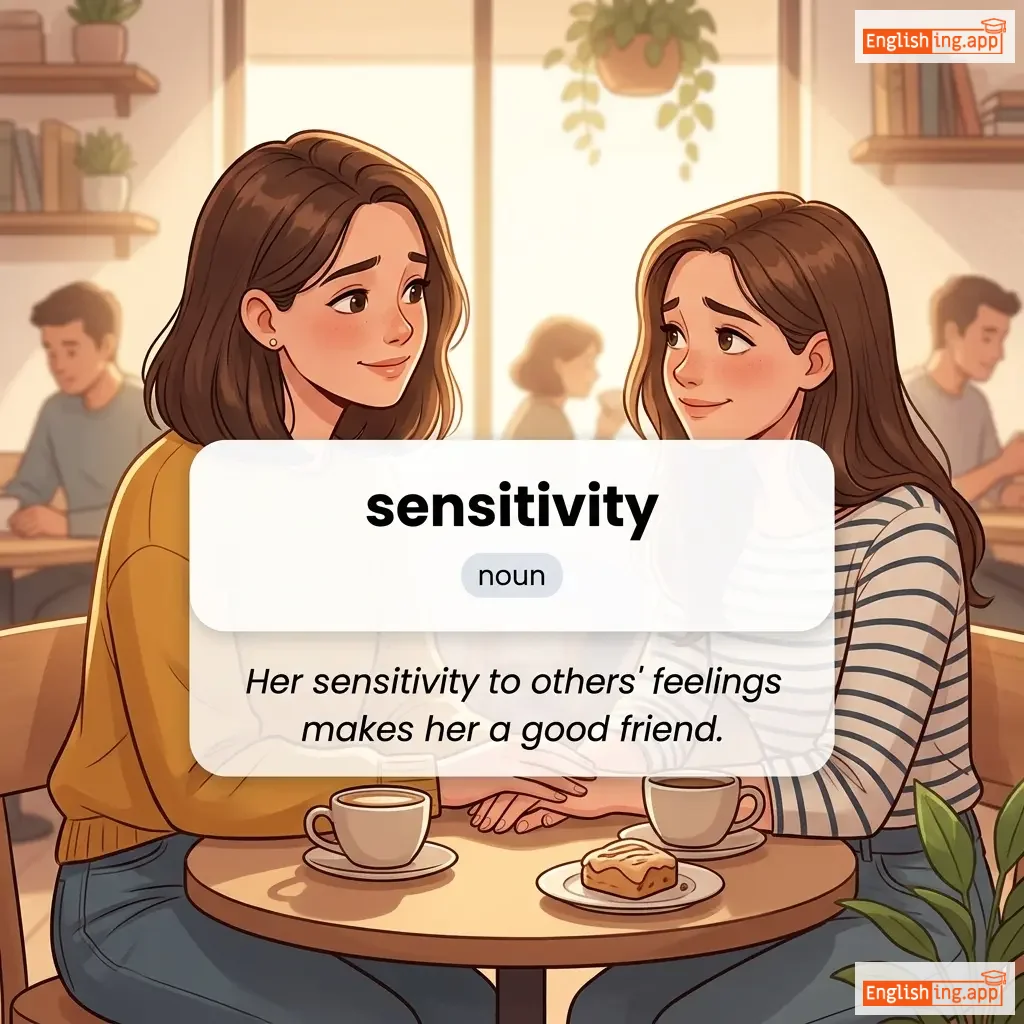
the quality of being sensitive; ability to detect or respond to slight changes or emotions
••••••
|
Her sensitivity to others' feelings makes her a good friend.
他人の感情に対する彼女の感受性は、彼女を良い友人にします。
••••••
|
他人の感情に対する彼女の感受性は、彼女を良い友人にします。
Tanin no kanjō ni taisuru kanojo no kanjusei wa, kanojo o yoi yūjin ni shimasu.
••••••
|
cultural sensitivity
文化的感受性
••••••
|
awareness and respect for cultural differences
••••••
|
文化的感受性
bunkateki kanjusei
••••••
|
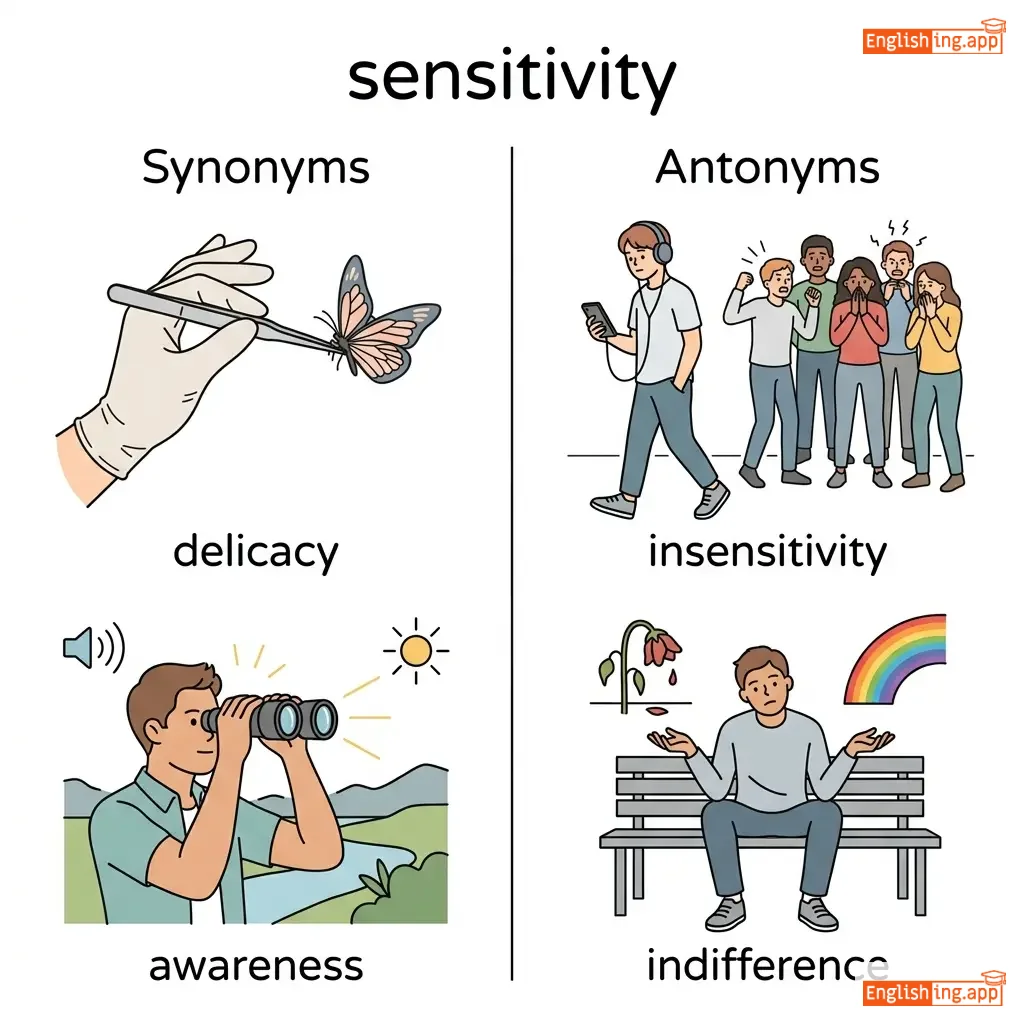
delicacy, awareness, responsiveness, empathy, receptivity
••••••
|
insensitivity, indifference, numbness
••••••
|
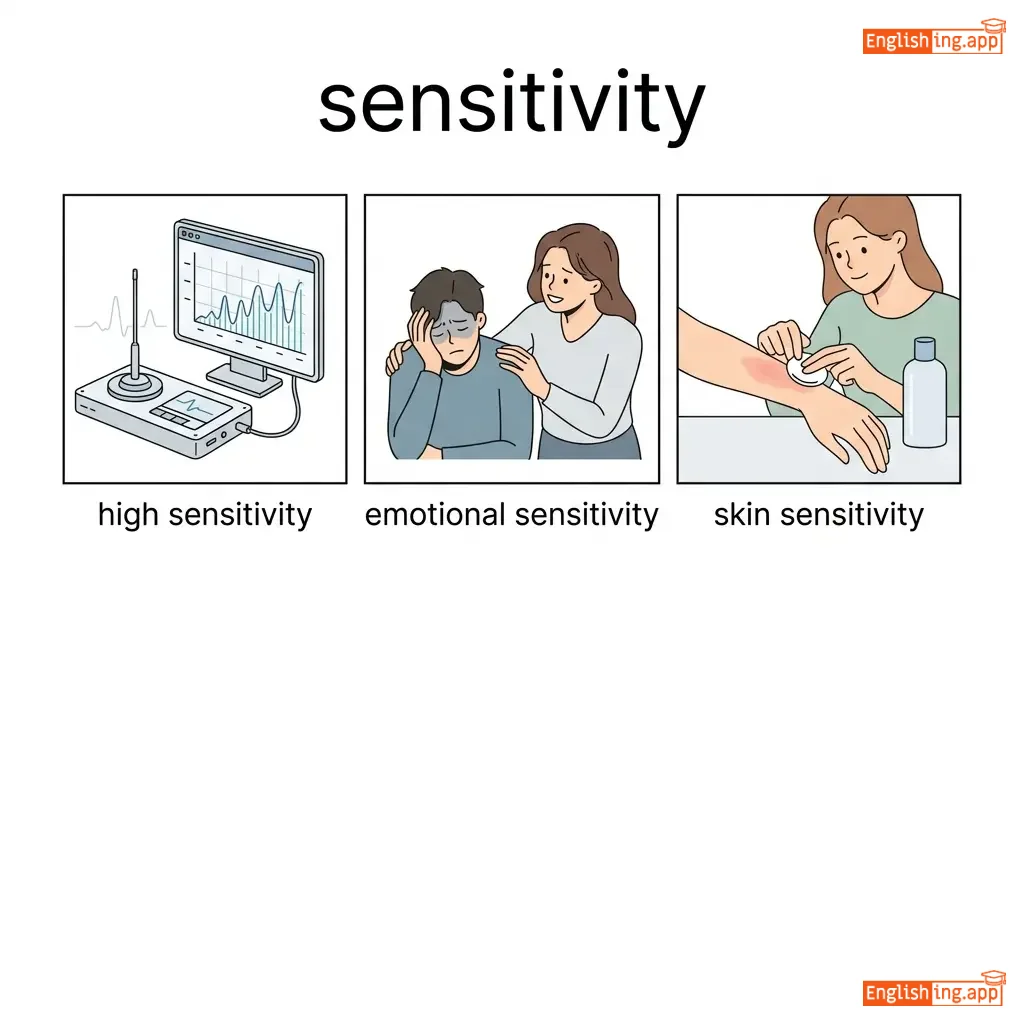
high sensitivity, emotional sensitivity, skin sensitivity, cultural sensitivity
••••••
|
感受性 = 感じる + 性, 微細な感情を感じる力
••••••
|
|
#1
🛒
|
/ˈsɛlər/
noun
(ハピネス)
••••••
|
- •••••• |
幸せ
shiawase
••••••
|
- •••••• | - •••••• | - •••••• | - •••••• |
a person who sells something
••••••
|
The seller offered a discount on bulk purchases. |
彼女は賞を受け取ったとき、幸せを隠せませんでした。
Kanojo wa shou wo uketotta toki, shiawase wo kakusemasen deshita.
••••••
|
best-seller |
a product, especially a book, that sells in very large numbers
••••••
|
幸せの追求
shiawase no tsuikyuu
••••••
|
vendor, merchant, dealer, retailer, trader
••••••
|
buyer, customer, purchaser
••••••
|
online seller, street seller, property seller, car seller
••••••
|
ハピネスと幸せ — 言葉は異なるけど意味は同じ!
••••••
|
|
#1
💪
|
/ˌsɛlf ɪˈstiːm/
noun
(self-esteem)
••••••
|
- •••••• |
自尊心
jisonshin
••••••
|
- •••••• | - •••••• | - •••••• | - •••••• |
confidence in one's own worth or abilities; self-respect
••••••
|
Building self-esteem takes time and consistent effort. |
自尊心を築くには時間と一貫した努力が必要です。
Jisonshin wo kizuku ni wa jikan to ikkan shita doryoku ga hitsuyou desu.
••••••
|
low self-esteem |
a lack of confidence and negative view of oneself
••••••
|
低い自尊心
hikui jisonshin
••••••
|
self-confidence, self-respect, pride, dignity, morale
••••••
|
self-doubt, insecurity, shame
••••••
|
high self-esteem, low self-esteem, boost self-esteem, develop self-esteem
••••••
|
自尊心を持って、自己価値を高めよう。
••••••
|
|
#1
✅
|
/sɪˈlek.tɪd/
adjective
(sɪˈlɛktɪd)
••••••
|
- •••••• |
選ばれた
erabareta
••••••
|
- •••••• | - •••••• | - •••••• | - •••••• |
carefully chosen from a group for a particular purpose
••••••
|
He was one of the selected candidates for the scholarship. |
彼は奨学金のために選ばれた候補者の一人でした。
Kare wa shōgakukin no tame ni erabareta kōhosha no hitori deshita.
••••••
|
- •••••• | - •••••• | - •••••• |
chosen, picked, designated, appointed, preferred
••••••
|
rejected, ignored, unchosen
••••••
|
selected candidates, selected items, selected members, selected list
••••••
|
Selectは選ぶという意味です。だからselectedは'選ばれた'という意味です。覚えておいてください:selected studentsは選ばれた学生を意味します。
••••••
|
|
#1
🌙
|
/ˈsel.dəm/
adverb
(セルドム)
••••••
|
- •••••• |
めったに
mettani
••••••
|
- •••••• | - •••••• | - •••••• | - •••••• |
not often; rarely
••••••
|
She seldom visits her hometown nowadays.
彼女は今、故郷をほとんど訪れません。
••••••
|
彼女は今、故郷をほとんど訪れません。
Kanojo wa ima, kokyou o hotondo otozuremasen.
••••••
|
seldom if ever
ほとんどない、またはほとんどない
••••••
|
rarely or almost never
••••••
|
ほとんどない、またはほとんどない
hotondo nai, matawa hotondo nai
••••••
|
rarely, infrequently, occasionally, hardly, scarcely
••••••
|
often, frequently, usually
••••••
|
seldom seen, seldom used, seldom happens, seldom spoken
••••••
|
‘Seldom’ は日本語で ‘めったに’ と言います。珍しいことが ‘めったに’ 起きません。
••••••
|
Vocabulary Quiz
Test your vocabulary by matching words with their translations or meanings.
Login to take the quiz
Comments (0)
Share your thoughts and join the discussion.
Join the discussion by logging in
Login to CommentNo comments yet
Be the first to share your thoughts!