

翻訳
過去
過去分詞
三人称単数
動名詞
意味
例文
例文の翻訳
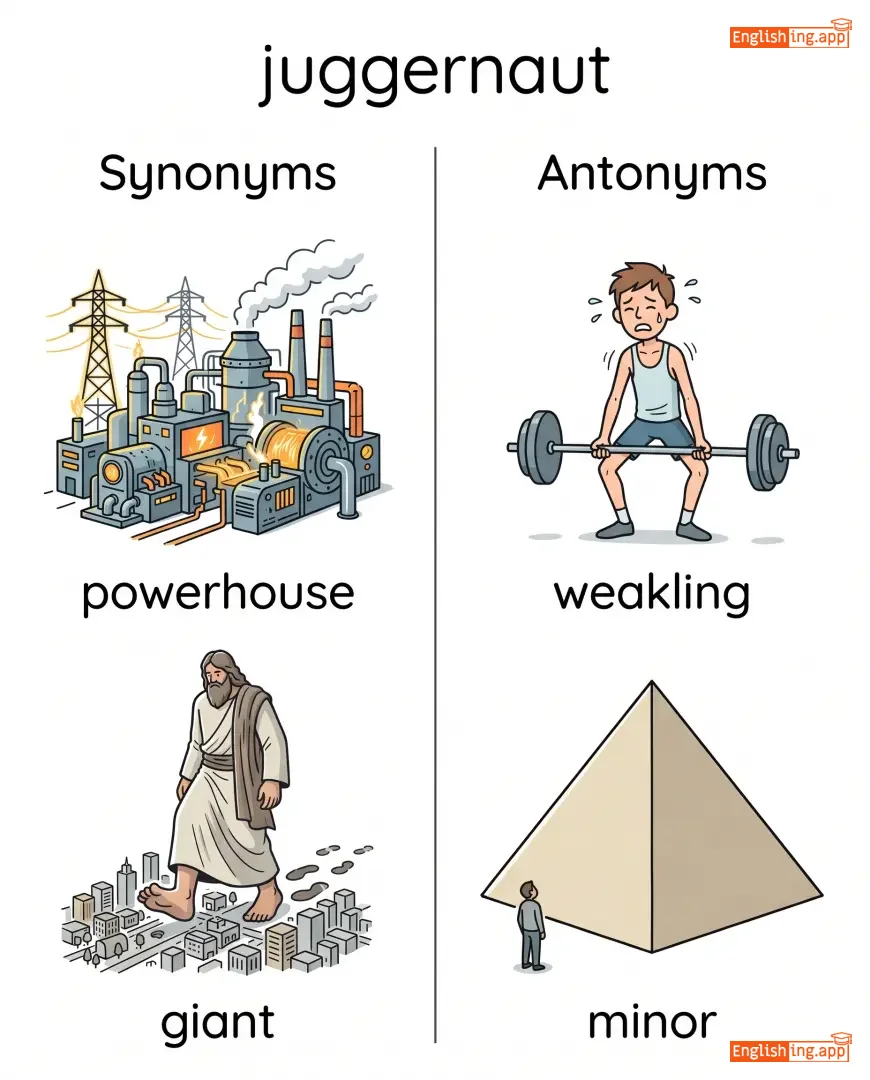
同義語
対義語
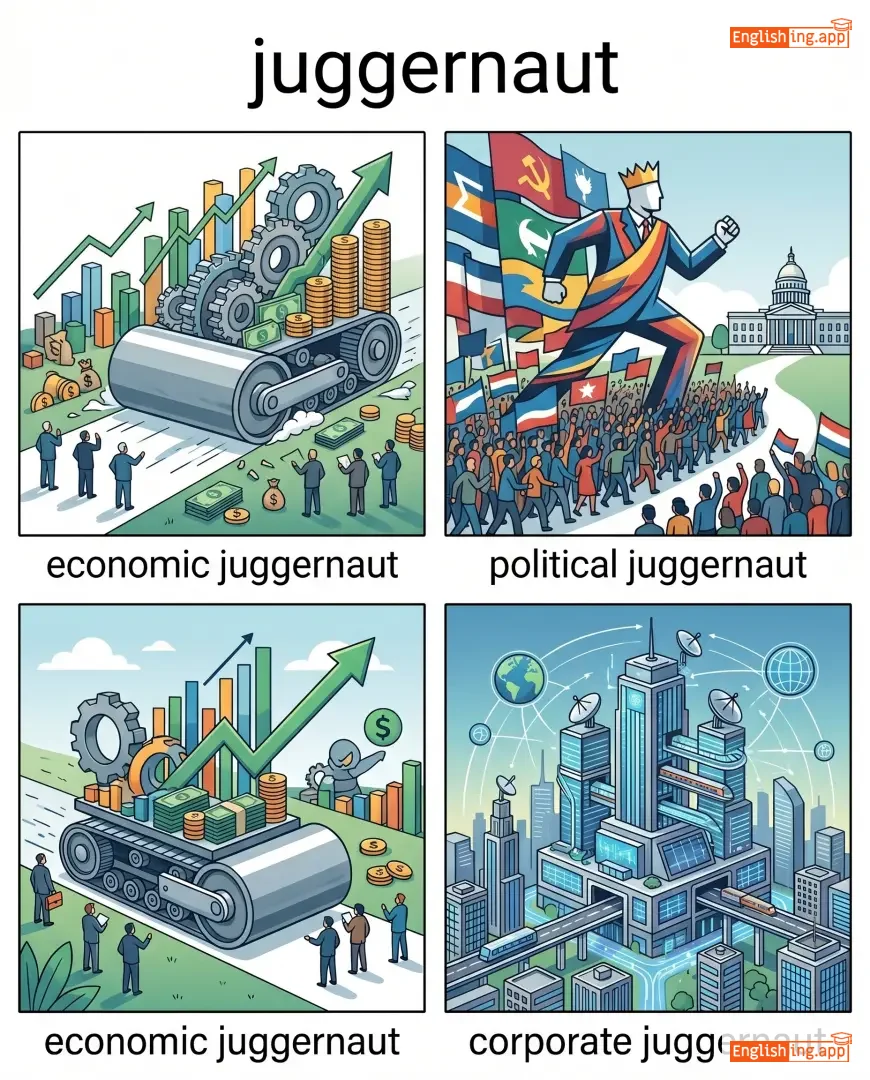
コロケーション
ニーモニック
Swipe left or right, or use the buttons. Tap image to zoom.
例文の翻訳
単語
Lesson 167Lesson 167 - マスクトグル
|
絵文字
|
単語 | Images | 翻訳 | 過去 | 過去分詞 | 三人称単数 | 動名詞 | 意味 | 例文 | 例文の翻訳 | 表現例 | 表現例の意味 | 表現例の翻訳 | 同義語 | 対義語 | コロケーション | ニーモニック |
|---|---|---|---|---|---|---|---|---|---|---|---|---|---|---|---|---|---|
|
#4981
⚖️
|
/ˈdʒʊərər/
noun
(陪審員)
••••••
|
- •••••• |
陪審員
baishin'in
••••••
|
- •••••• | - •••••• | - •••••• | - •••••• |
a member of a jury who is chosen to hear evidence in a legal case and help make a decision
••••••
|
The juror listened carefully to the witness’s testimony. |
陪審員は証人の証言を慎重に聞きました。
Baishin'in wa shōnin no shōgen o shinchō ni kikimashita.
••••••
|
- •••••• | - •••••• | - •••••• |
jury member, panelist, assessor, adjudicator
••••••
|
judge, lawyer
••••••
|
juror selection, prospective juror, juror duty, juror bias
••••••
|
Jurorは陪審員を意味し、陪審員の役割は判決を下すことです。
••••••
|
|
#4982
🙃
|
/ˈkɪldʒɔɪ/
noun
(キルジョイ)
••••••
|
- •••••• |
空気を壊す人
kuuki o kowasu hito
••••••
|
- •••••• | - •••••• | - •••••• | - •••••• |
a person who spoils the fun or enjoyment of others
••••••
|
Don’t be a killjoy at the party.
パーティーでキルジョイにならないで。
••••••
|
パーティーで空気を壊す人にならないで。
Pātī de kuuki o kowasu hito ni nara naide.
••••••
|
- •••••• | - •••••• | - •••••• |
spoilsport, grouch, pessimist, party pooper
••••••
|
cheerleader, optimist, encourager
••••••
|
party killjoy, real killjoy, such a killjoy
••••••
|
Kill + joy → 楽しさを殺す人、それがキルジョイ
••••••
|
|
#4983
🕵️
|
/ˈkɪdnæp/
verb
(キッドナップ)
••••••
|
|
誘拐
yūkai
••••••
|
kidnapped
キッドナップド
••••••
|
kidnapped
キッドナップド
••••••
|
kidnaps
キッドナップス
••••••
|
kidnapping
キッドナッピング
••••••
|
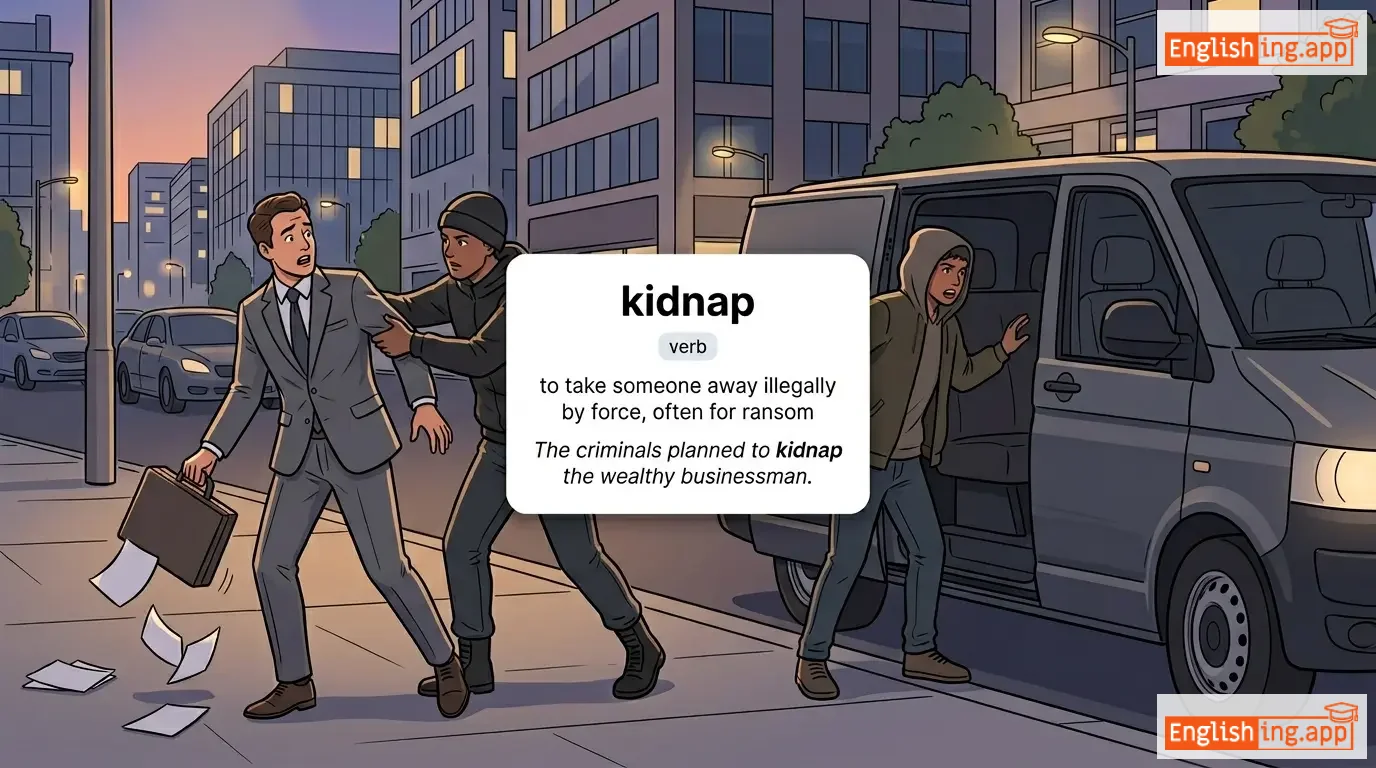
to take someone away illegally by force, often for ransom
••••••
|
The criminals planned to kidnap the wealthy businessman.
犯罪者たちは裕福なビジネスマンを誘拐する計画を立てた。
••••••
|
犯罪者たちは裕福なビジネスマンを誘拐する計画を立てた。
Hanzaisha-tachi wa yūfuku na bijinesuman o yūkai suru keikaku o tateta.
••••••
|
kidnap for ransom
身代金目的の誘拐
••••••
|
abduct someone in order to demand money
••••••
|
身代金目的の誘拐
migawaki mokuteki no yūkai
••••••
|
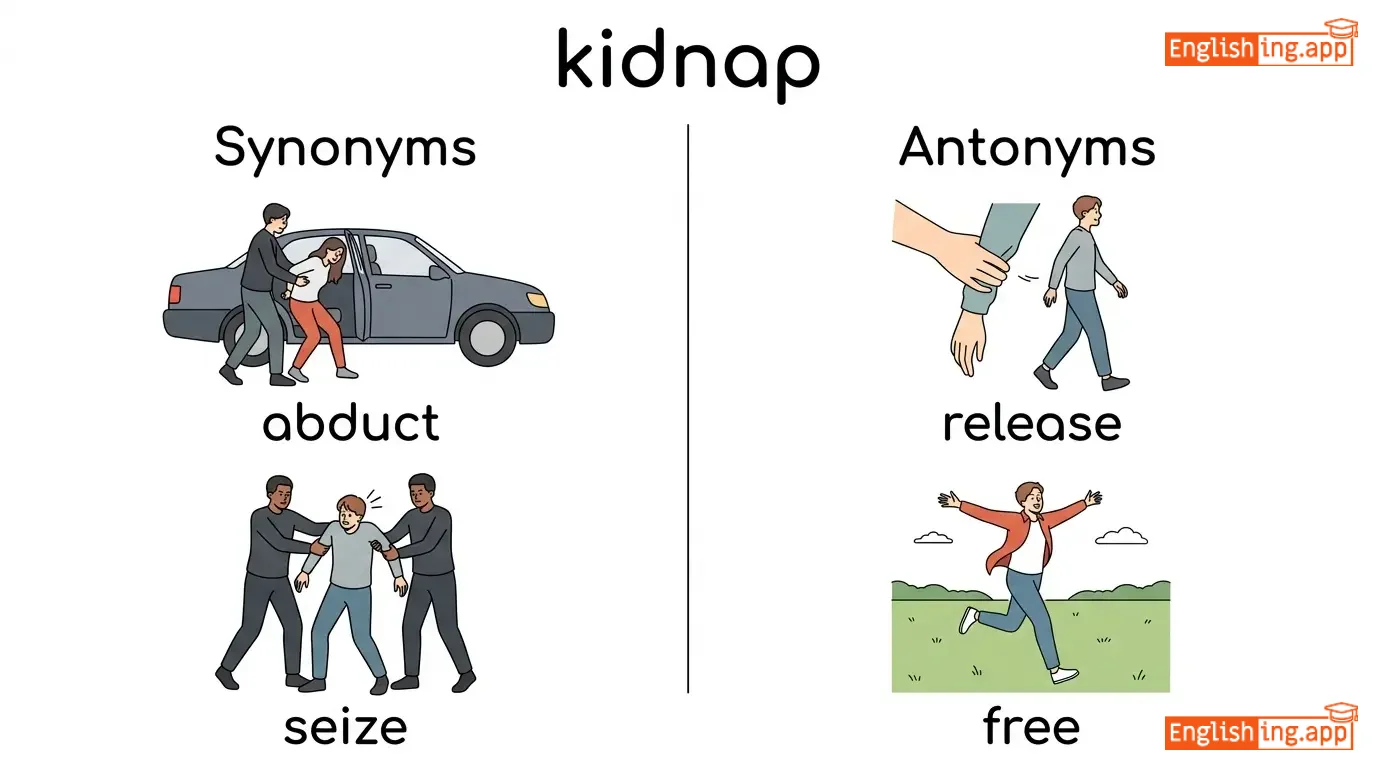
abduct, seize, snatch, capture
••••••
|
release, free, liberate
••••••
|
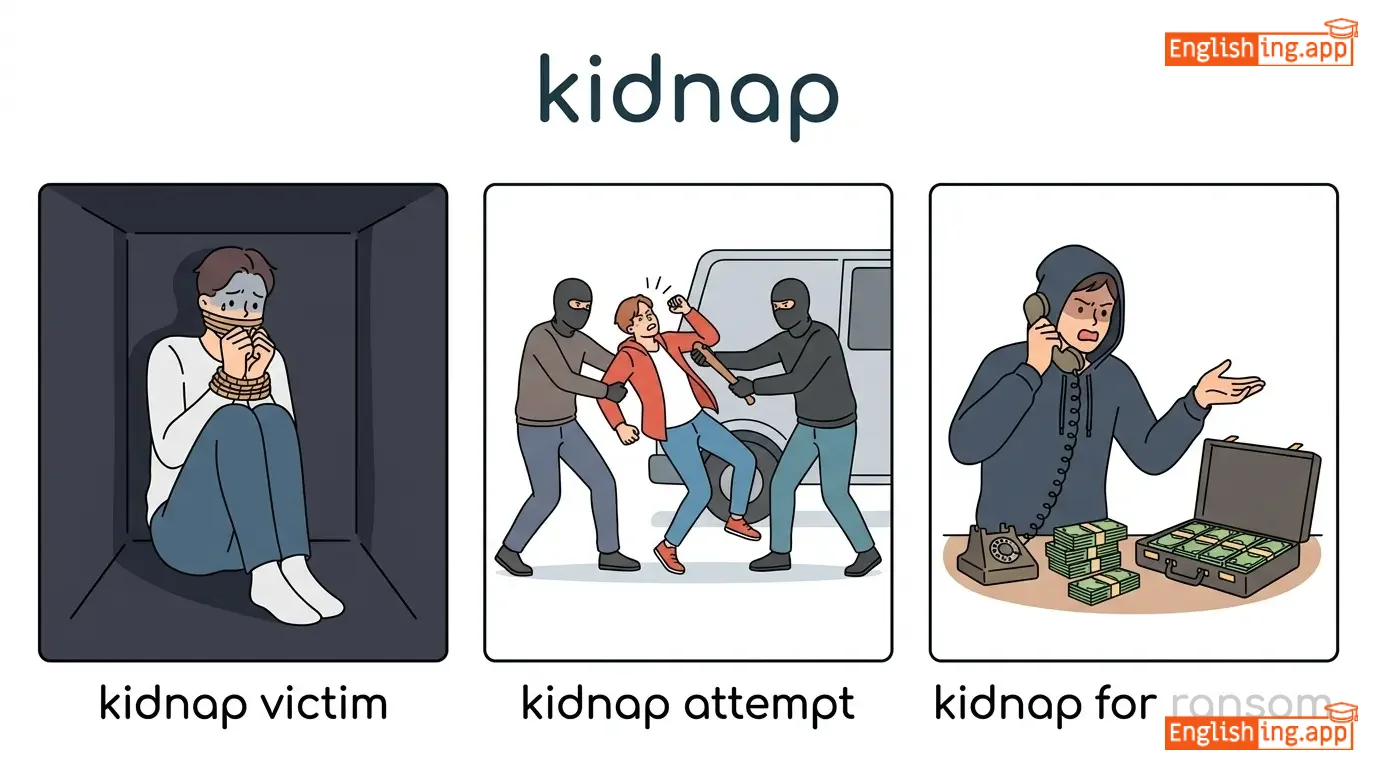
kidnap victim, kidnap attempt, kidnap for ransom
••••••
|
Kid + nap → 子供が寝ている、誘拐は誰かを連れて行くこと
••••••
|
|
#4984
🌽
|
/ˈkɜːrnəl/
noun
(カーネル)
••••••
|
- •••••• |
何かの中心; ナッツや種子の食べられる部分
kāneru
••••••
|
- •••••• | - •••••• | - •••••• | - •••••• |
the central, most important part of something; the edible part of a nut or seed
••••••
|
The kernel of the argument was about fairness.
議論の核心は公平についてでした。
••••••
|
議論の核心は公平についてでした。
Giron no kakushin wa kōhei ni tsuite deshita.
••••••
|
the kernel of truth
真実の核心
••••••
|
a small but important element of truth
••••••
|
真実の核心
shinjitsu no kakushin
••••••
|
core, essence, seed, heart
••••••
|
surface, shell, exterior
••••••
|
kernel of corn, kernel of truth, kernel module
••••••
|
カーネルはコーンの中にある大事な部分です
••••••
|
|
#4985
🧣
|
/ˈkɜːrtʃɪf/
noun
(ケルチフ)
••••••
|
- •••••• |
バンダナ
bandana
••••••
|
- •••••• | - •••••• | - •••••• | - •••••• |
a piece of cloth worn around the head or neck
••••••
|
She wore a red kerchief on her head. |
彼女は頭に赤いバンダナを巻いていました。
Kanojo wa atama ni akai bandana o maiteimashita.
••••••
|
- •••••• | - •••••• | - •••••• |
scarf, bandana, headscarf, shawl
••••••
|
hat, cap
••••••
|
wear kerchief, red kerchief, silk kerchief
••••••
|
Kerchief は頭に巻く布 - バンダナを思い出す!
••••••
|
|
#4986
🧠
|
/kɛn/
noun
(ケン)
••••••
|
- •••••• |
理解の範囲
rikai no han'i
••••••
|
- •••••• | - •••••• | - •••••• | - •••••• |
one's range of knowledge or understanding
••••••
|
Quantum physics is beyond my ken.
量子物理学は私の理解を超えています。
••••••
|
量子物理学は私の理解を超えています。
Ryoushi butsuri gaku wa watashi no rikai wo koeteimasu.
••••••
|
beyond one's ken
誰かの理解を超えて
••••••
|
outside the scope of one's knowledge or understanding
••••••
|
誰かの理解を超えて
Dareka no rikai wo koete
••••••
|
awareness, perception, understanding, knowledge, grasp
••••••
|
ignorance, unawareness, incomprehension
••••••
|
beyond ken, within ken, outside ken
••••••
|
Kenは知識の限界を意味します — 'Kenはわかりません'は私の理解を超えているという意味です
••••••
|
|
#4987
🎁
|
/ˈkiːpˌseɪk/
noun
(キープセイク)
••••••
|
- •••••• |
記念品
kinenhin
••••••
|
- •••••• | - •••••• | - •••••• | - •••••• |
An object kept as a reminder of a person, place, or event.
••••••
|
She gave me a small locket as a keepsake of our friendship.
彼女は私たちの友情の記念として小さなロケットをくれました。
••••••
|
彼女は私たちの友情の記念として小さなロケットをくれました。
Kanojo wa watashitachi no yūjō no kinen toshite chiisana roketto o kuremashita.
••••••
|
- •••••• | - •••••• | - •••••• |
souvenir, memento, token, remembrance
••••••
|
discard, throwaway
••••••
|
keepsake box, precious keepsake, family keepsake
••••••
|
Keep + Sake = 思い出としての物 → Keepsake 🎁
••••••
|
|
#4988
🔥
|
/kiːn/
adjective
(キーン)
••••••
|
- •••••• |
熱心な、積極的な
nesshin na, sekkyokuteki na
••••••
|
- •••••• | - •••••• | - •••••• | - •••••• |
Having or showing eagerness or enthusiasm; sharp or highly developed (for senses).
••••••
|
She is very keen to learn new skills.
彼女は新しいスキルを学ぶことに非常に熱心です。
••••••
|
彼女は新しいスキルを学ぶことに非常に熱心です。
Kanojo wa atarashī sukiru o manabu koto ni hijō ni nesshin desu.
••••••
|
keen on
何かに興味を持つ
••••••
|
Interested in or enthusiastic about something.
••••••
|
何かに興味を持つ
nanika ni kyōmi o motsu
••••••
|
eager, enthusiastic, sharp, intense, passionate
••••••
|
indifferent, apathetic, dull
••••••
|
keen interest, keen sense, keen to learn, keen on sports
••••••
|
Keenは何かに対して非常に積極的で熱心な気持ちを持つことを意味します。
••••••
|
|
#4989
💍
|
/ˈkærət/
noun
(カラット)
••••••
|
- •••••• |
カラット
karatto
••••••
|
- •••••• | - •••••• | - •••••• | - •••••• |
A unit for measuring the purity of gold, with 24 karats being pure gold.
••••••
|
The ring was made of 18-karat gold.
その指輪は18カラットの金で作られていました。
••••••
|
その指輪は18カラットの金で作られていました。
Sono yubiwa wa 18 karatto no kin de tsukurarete imashita.
••••••
|
- •••••• | - •••••• | - •••••• |
gold measure, purity scale, fineness
••••••
|
impurity, alloy
••••••
|
24-karat gold, 18-karat ring, karat measure
••••••
|
24カラット = 純金 (100% 金)
••••••
|
|
#4990
🦘
|
/ˌkæŋɡəˈruː/
noun
(カンガルー)
••••••
|
- •••••• |
カンガルー
kangarū
••••••
|
- •••••• | - •••••• | - •••••• | - •••••• |
A large Australian marsupial with powerful hind legs and a long tail, known for hopping.
••••••
|
We saw a kangaroo hopping across the road in Australia.
オーストラリアでカンガルーが道路を跳ねるのを見ました。
••••••
|
オーストラリアでカンガルーが道路を跳ねるのを見ました。
Ōsutoraria de kangarū ga dōro o haneru no o mimashita.
••••••
|
- •••••• | - •••••• | - •••••• |
marsupial, wallaby, animal, joey
••••••
|
none
••••••
|
kangaroo jump, kangaroo pouch, kangaroo court
••••••
|
カンガルー 🦘 日本にもジャンプのように高く跳ぶ気分がある!
••••••
|
|
#4991
🔮
|
/kəˈlaɪdəˌskoʊp/
noun
(カレイドスコープ)
••••••
|
- •••••• |
万華鏡
banka-kyou
••••••
|
- •••••• | - •••••• | - •••••• | - •••••• |
A toy or instrument with mirrors and colored pieces that create changing patterns when rotated; also used metaphorically for a constantly changing sequence of patterns or elements.
••••••
|
The city lights turned into a kaleidoscope of colors as the festival began. |
祭りが始まると、街の明かりは色とりどりの万華鏡に変わった。
Matsuri ga hajimaru to, machi no akari wa irotoridori no banka-kyou ni kawatta.
••••••
|
a kaleidoscope of colors |
A constantly changing and vibrant mixture of colors.
••••••
|
色とりどりの万華鏡
Irotoridori no banka-kyou
••••••
|
pattern, medley, variety, mosaic, montage
••••••
|
monotony, uniformity
••••••
|
kaleidoscope of colors, kaleidoscope of images, kaleidoscope of memories
••••••
|
万華鏡はscopeで色とりどりの模様を見せる道具。
••••••
|
|
#4992
🖼️
|
/ˈdʒʌkstəˌpoʊz/
verb
(ジャクスタポーズ)
••••••
|
|
物を近くに置いて比較または対照する
mono o chikaku ni oite hikaku matawa taishou suru
••••••
|
juxtaposed
ジャクスタポーズド
••••••
|
juxtaposed
ジャクスタポーズド
••••••
|
juxtaposes
ジャクスタポーズズ
••••••
|
juxtaposing
ジャクスタポーズイング
••••••
|
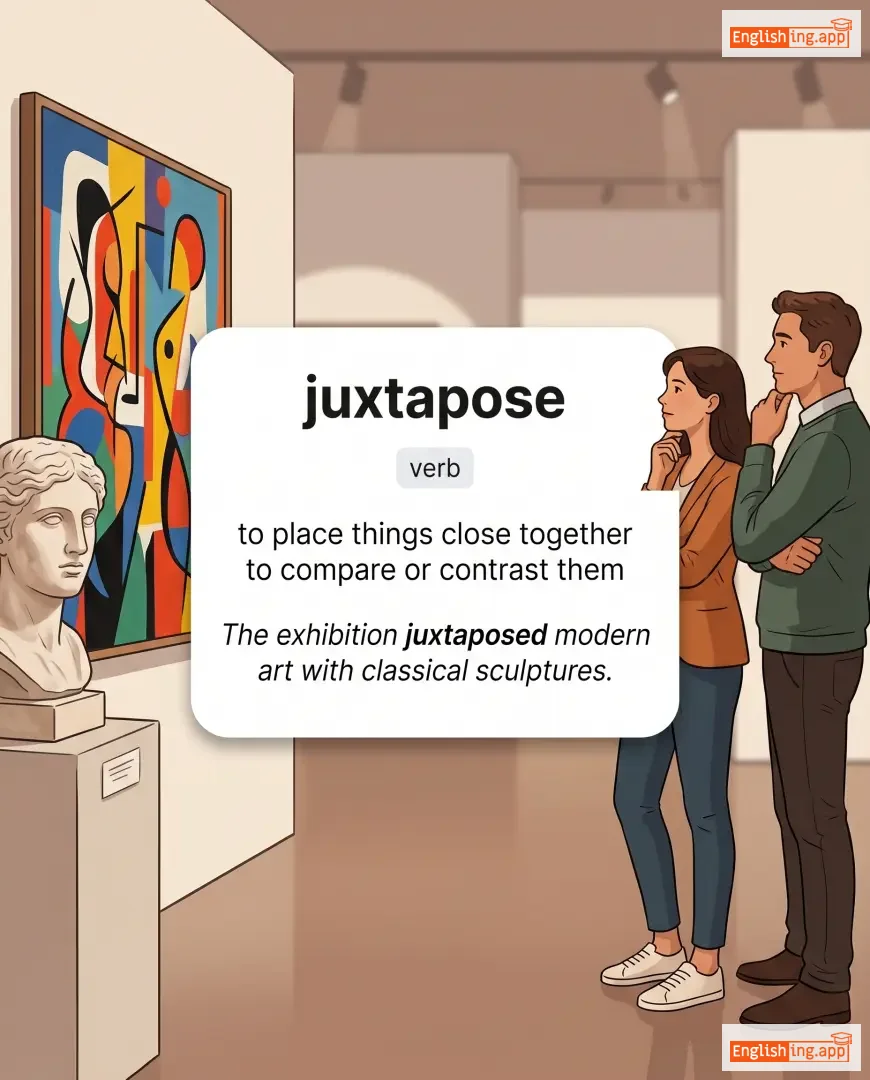
to place things close together to compare or contrast them
••••••
|
The exhibition juxtaposed modern art with classical sculptures.
その展示会では、現代アートを古典的な彫刻と並べて展示しました。
••••••
|
展示会では現代アートと古典的な彫刻が並べられました。
Tenjikai dewa gendai āto to kotenteki na chōkoku ga naraberaremashita.
••••••
|
- •••••• | - •••••• | - •••••• |
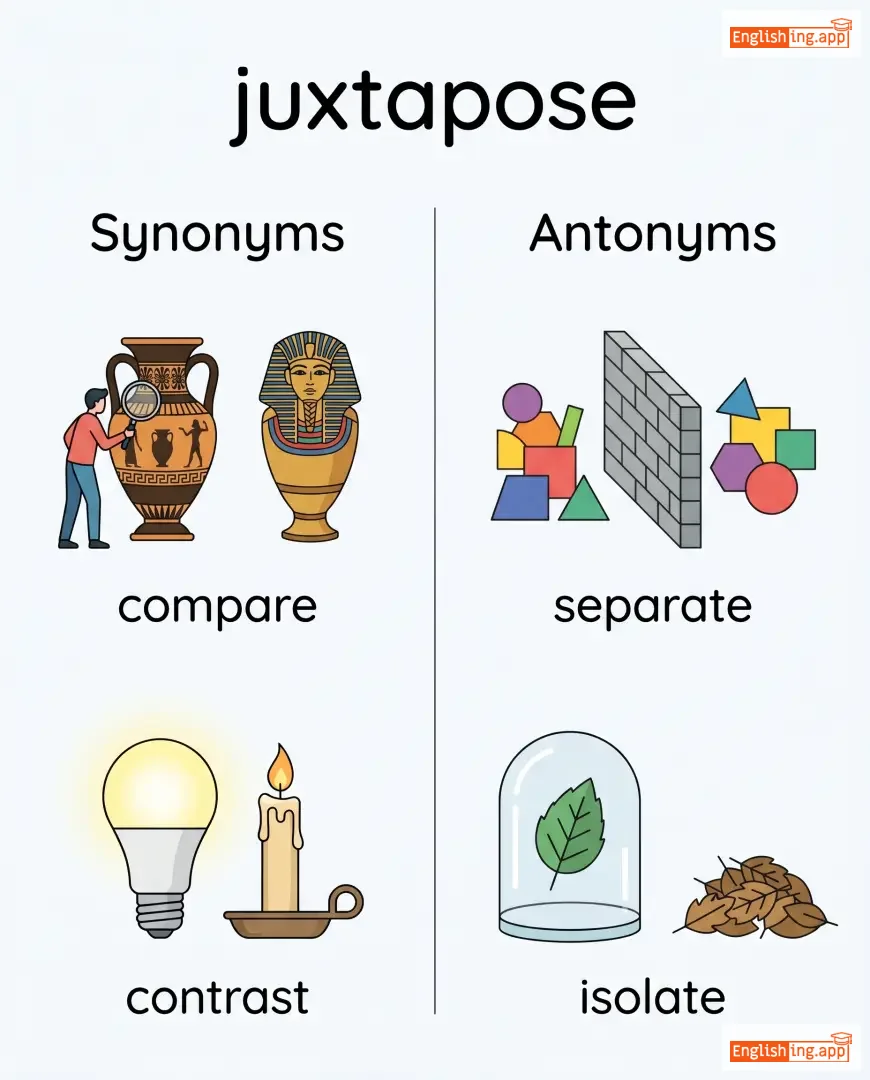
compare, contrast, place side by side, pair
••••••
|
separate, isolate
••••••
|
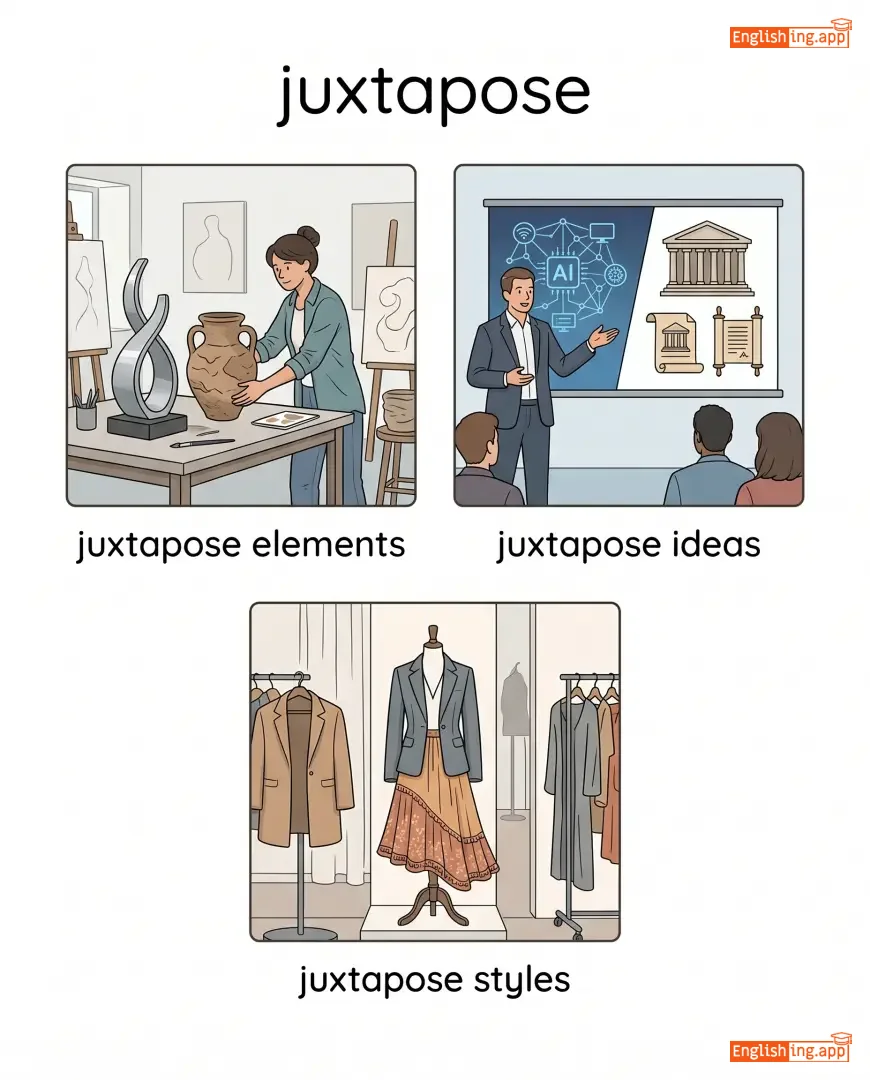
juxtapose elements, juxtapose ideas, juxtapose styles
••••••
|
Juxtaposeとは物を並べて比較すること — Just 並べて比べるだけ!
••••••
|
|
#4993
👦
|
/ˈdʒuːvənaɪl/
adjective, noun
(ジュヴェナイル)
••••••
|
- •••••• |
未成年
miseinen
••••••
|
- •••••• | - •••••• | - •••••• | - •••••• |
relating to young people; childish or immature
••••••
|
The court sent the case to a juvenile detention center. |
裁判所は事件を未成年の収容施設に送った。
saibansho wa jiken o miseinen no shūyō shisetsu ni okutta.
••••••
|
juvenile delinquent |
a young person who commits minor crimes
••••••
|
未成年者の犯罪者
miseinen-sha no hanzai-sha
••••••
|
youthful, adolescent, immature, childlike
••••••
|
mature, adult
••••••
|
juvenile crime, juvenile justice, juvenile court, juvenile behavior
••••••
|
Juvenile は若者を意味します。Juvenile court は未成年者の裁判所です。
••••••
|
|
#4994
🔎
|
/ˈdʒʌstɪfaɪ/
verb
(ジャスティファイ)
••••••
|
- •••••• |
正当化する
seitouka suru
••••••
|
justified
ジャスティファイド
••••••
|
justified
ジャスティファイド
••••••
|
justifies
ジャスティファイズ
••••••
|
justifying
ジャスティファイング
••••••
|
to show or prove that something is right or reasonable
••••••
|
He tried to justify his decision with logical reasons.
彼は論理的な理由で自分の決定を正当化しようとしました。
••••••
|
彼は論理的な理由で自分の決定を正当化しようとしました。
Kare wa rongiteki na riyuu de jibun no kettei o seitouka shiyou to shimashita.
••••••
|
justify the means
手段を正当化する
••••••
|
the end result makes the actions taken acceptable
••••••
|
手段を正当化する
shudan o seitouka suru
••••••
|
defend, explain, rationalize, vindicate
••••••
|
condemn, blame
••••••
|
justify action, justify decision, justify behavior
••••••
|
Justifyは論理を使って説明する。
••••••
|
|
#4995
📝
|
/ˌdʒʌstɪfɪˈkeɪʃən/
noun
(ジャスティフィケーション)
••••••
|
- •••••• |
正当化
seitōka
••••••
|
- •••••• | - •••••• | - •••••• | - •••••• |
a reason, explanation, or excuse that shows something is right or reasonable
••••••
|
There is no justification for such rude behavior. |
そのような失礼な行動には正当化の余地はない。
sono yōna shitsurei na kōdō ni wa seitōka no yochi wa nai
••••••
|
- •••••• | - •••••• | - •••••• |
reason, excuse, defense, explanation, rationale
••••••
|
accusation, blame
••••••
|
provide justification, lack of justification, justification for action
••••••
|
Justificationは正当化のこと、何かを正当化するには正当化が必要です。
••••••
|
|
#4996
🧠
|
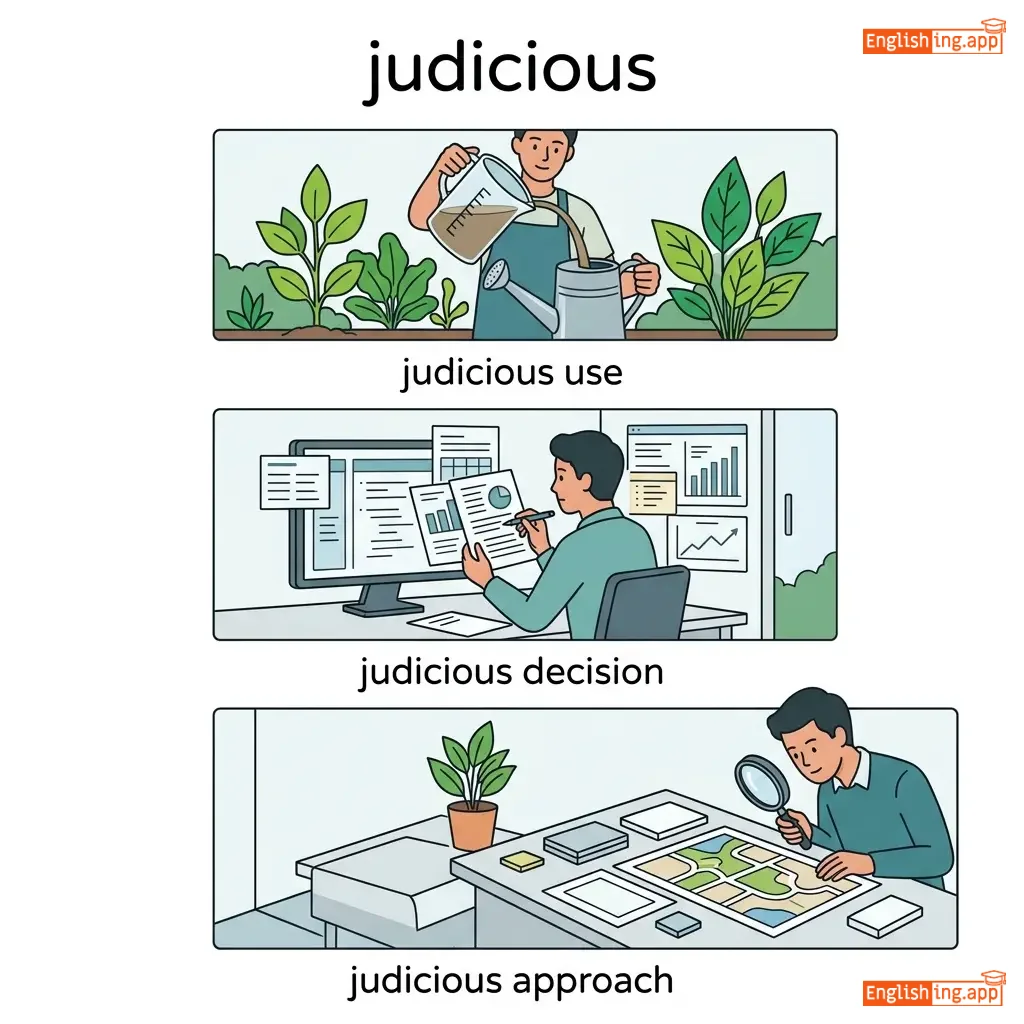
/dʒuːˈdɪʃəs/
adjective
(ジュディシャス)
••••••
|
|
賢明な
kenmei na
••••••
|
- •••••• | - •••••• | - •••••• | - •••••• |
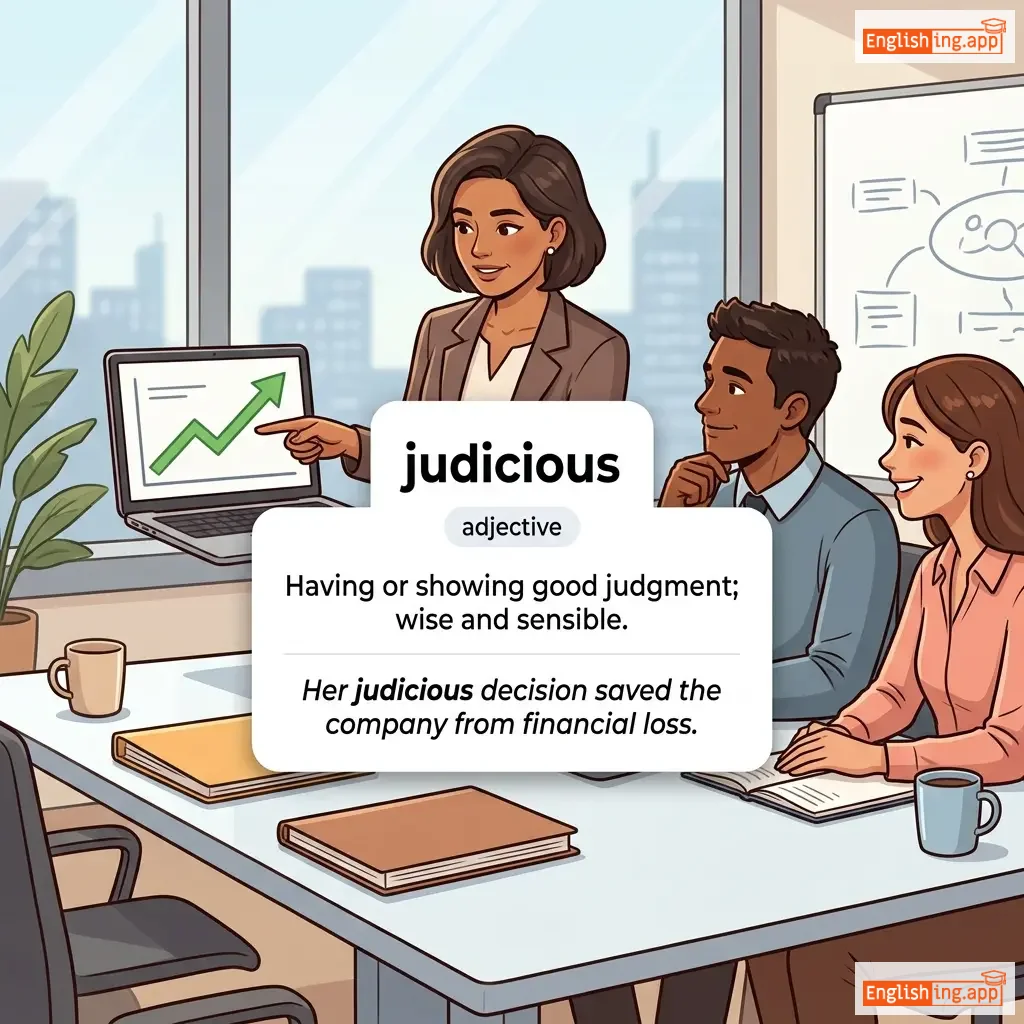
Having or showing good judgment; wise and sensible.
••••••
|
Her judicious decision saved the company from financial loss. |
彼女の賢明な決定は、会社を財務的損失から救いました。
Kanojo no kenmei na kettei wa, kaisha o zaimuteku sonshitsu kara sukūmashita.
••••••
|
- •••••• | - •••••• | - •••••• |
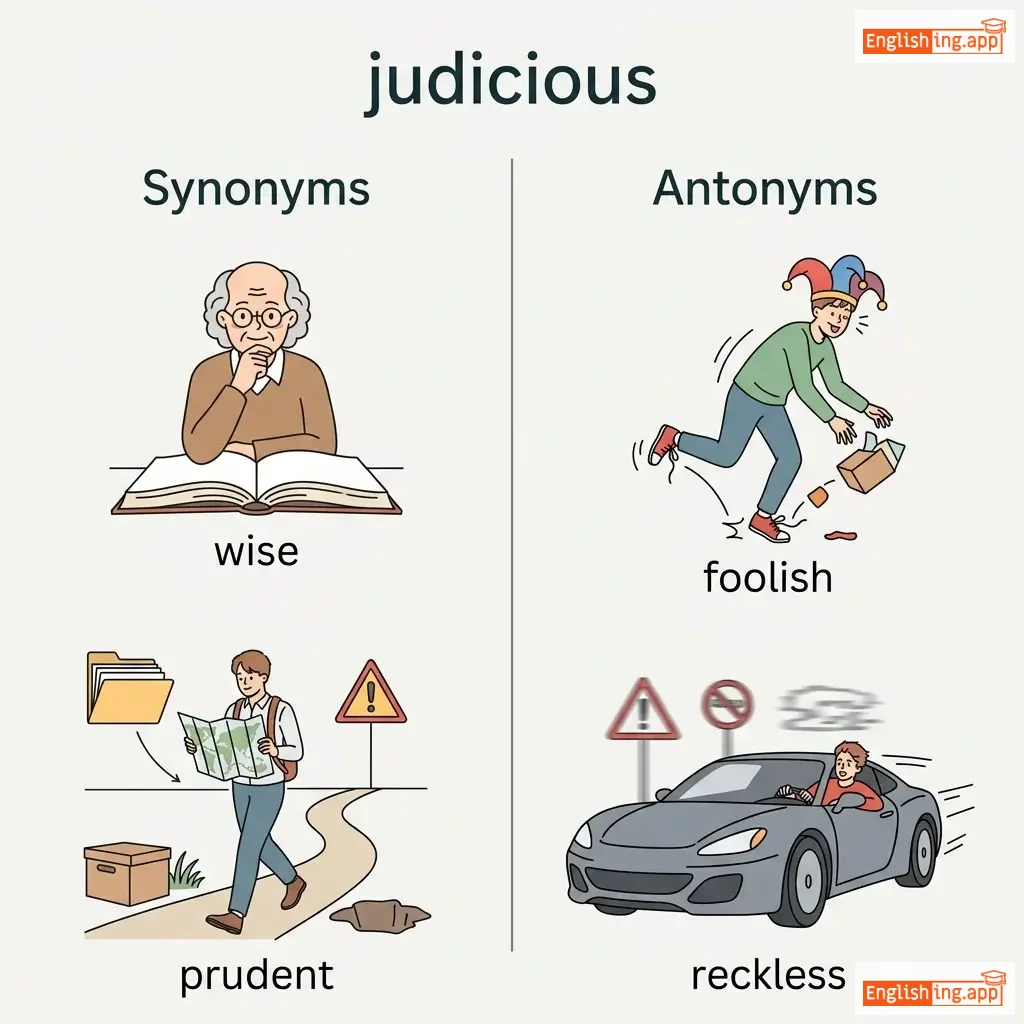
wise, prudent, sensible, thoughtful, rational
••••••
|
foolish, reckless, imprudent
••••••
|
judicious use, judicious decision, judicious approach, judicious balance
••••••
|
Judiciousは賢明な判断をすることを意味し、裁判官は常に賢明です。
••••••
|
|
#4997
📚
|
/ˌdʒʊərɪsˈpruːdəns/
noun
(ジュリスプルーデンス)
••••••
|
- •••••• |
法学
hōgaku
••••••
|
- •••••• | - •••••• | - •••••• | - •••••• |
The theory, philosophy, or science of law.
••••••
|
She is a professor of jurisprudence at the university. |
彼女は大学で法学の教授です。
Kanojo wa daigaku de hōgaku no kyōju desu.
••••••
|
- •••••• | - •••••• | - •••••• |
law, legal theory, legal philosophy, legal science
••••••
|
lawlessness, anarchy
••••••
|
modern jurisprudence, legal jurisprudence, study of jurisprudence
••••••
|
JURIS (法律) + PRUDENCE (知恵) = 法学。
••••••
|
|
#4998
🏛️
|
/ˌdʒʊərɪsˈdɪkʃən/
noun
(ジューリスディクション)
••••••
|
- •••••• |
管轄権
kansatsuken
••••••
|
- •••••• | - •••••• | - •••••• | - •••••• |
The official power to make legal decisions and judgments.
••••••
|
The court has jurisdiction over criminal cases. |
裁判所は刑事事件に関する管轄権を持っています。
Saibansho wa keiji jiken ni kansuru kansatsuken o motteimasu.
••••••
|
- •••••• | - •••••• | - •••••• |
authority, control, power, command
••••••
|
powerlessness, incapacity
••••••
|
legal jurisdiction, court jurisdiction, within jurisdiction
••••••
|
管轄権は法的な権限を持つ裁判所に関連している。
••••••
|
|
#4999
⚖️
|
/dʒʊˈrɪdɪkəl/
adjective
(ジュリディカル)
••••••
|
- •••••• |
司法的
shihou teki
••••••
|
- •••••• | - •••••• | - •••••• | - •••••• |
Relating to judicial proceedings or the administration of law.
••••••
|
The case raised important juridical questions. |
その事件は重要な司法的問題を提起しました。
Sono jiken wa jūyōna shihōteki mondai o teiki shimashita.
••••••
|
- •••••• | - •••••• | - •••••• |
legal, judicial, lawful, forensic
••••••
|
illegal, unlawful
••••••
|
juridical system, juridical process, juridical authority
••••••
|
JURI (陪審員) + dical, 法律に関連しています。
••••••
|
|
#5000
🪖
|
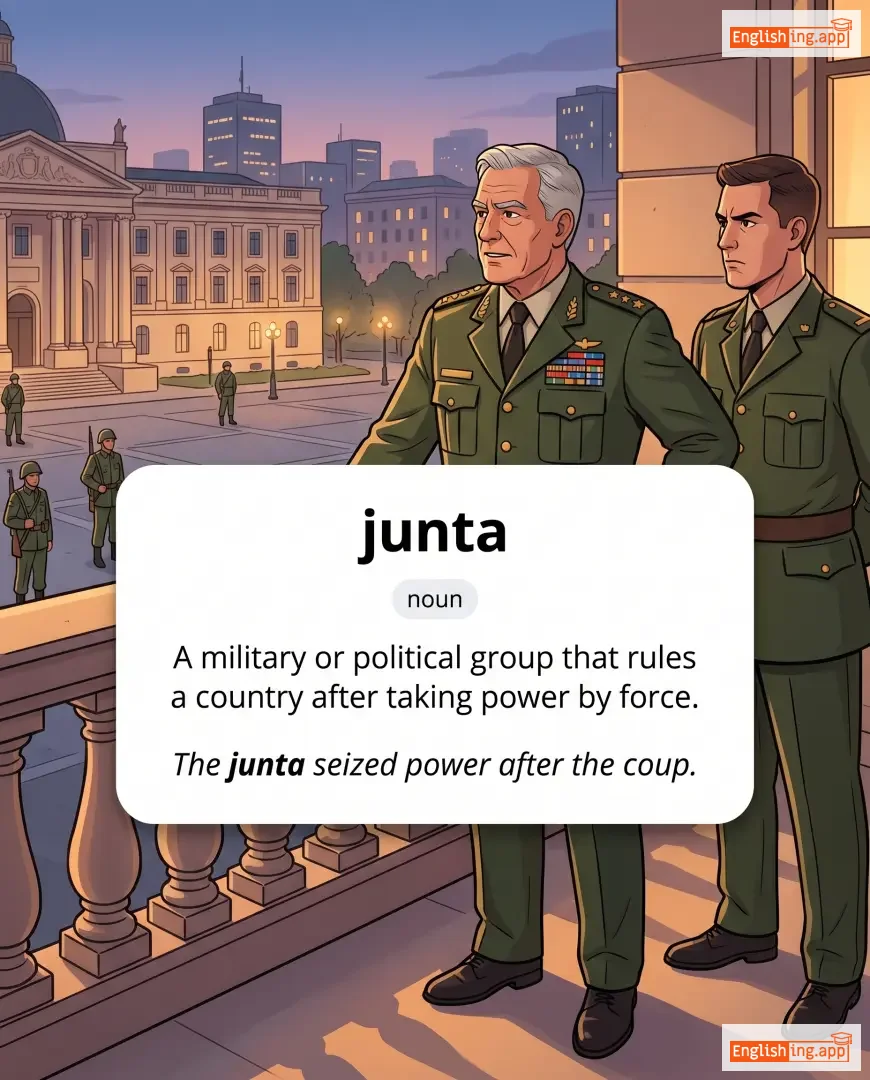
/ˈdʒʊntə/
noun
(ジュンタ)
••••••
|
|
軍事政権
gunji seiken
••••••
|
- •••••• | - •••••• | - •••••• | - •••••• |
A military or political group that rules a country after taking power by force.
••••••
|
The junta seized power after the coup. |
クーデター後、軍事政権が権力を掌握しました。
Kūdetā go, gunji seiken ga kenryoku o shōaku shimashita.
••••••
|
- •••••• | - •••••• | - •••••• |
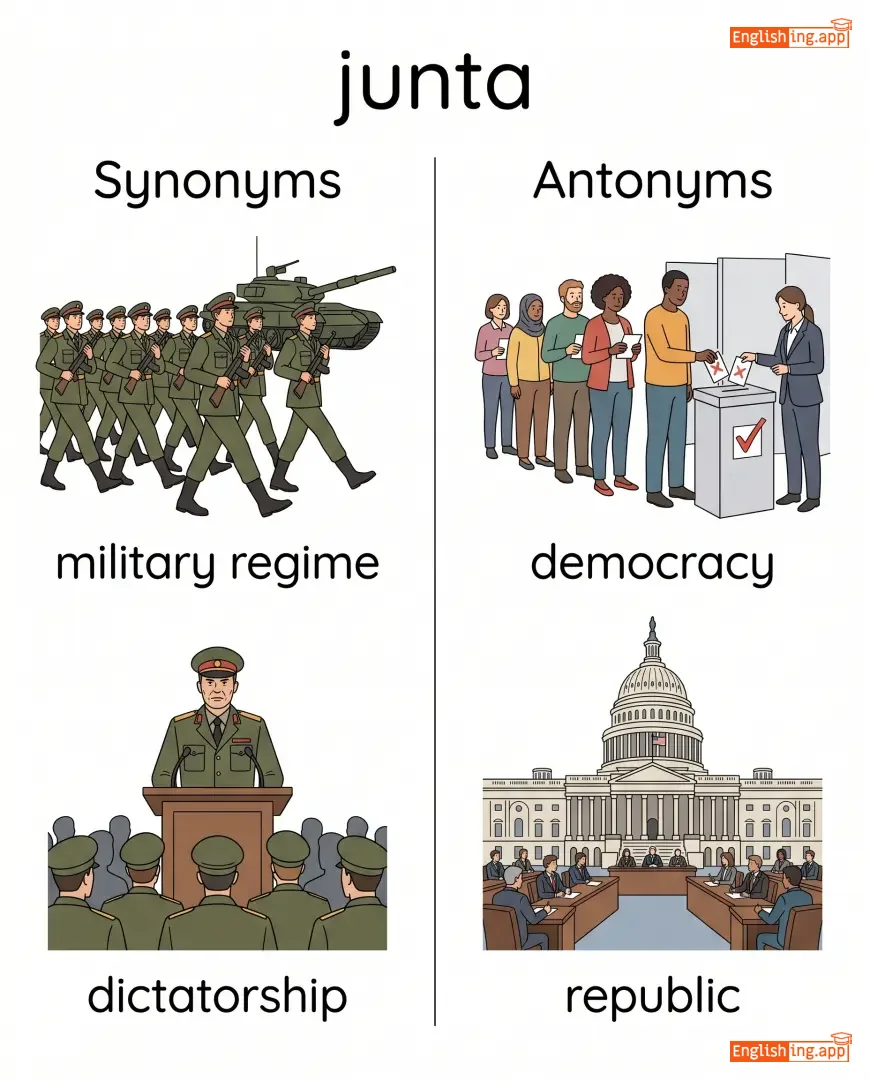
military regime, dictatorship, council, committee
••••••
|
democracy, republic
••••••
|
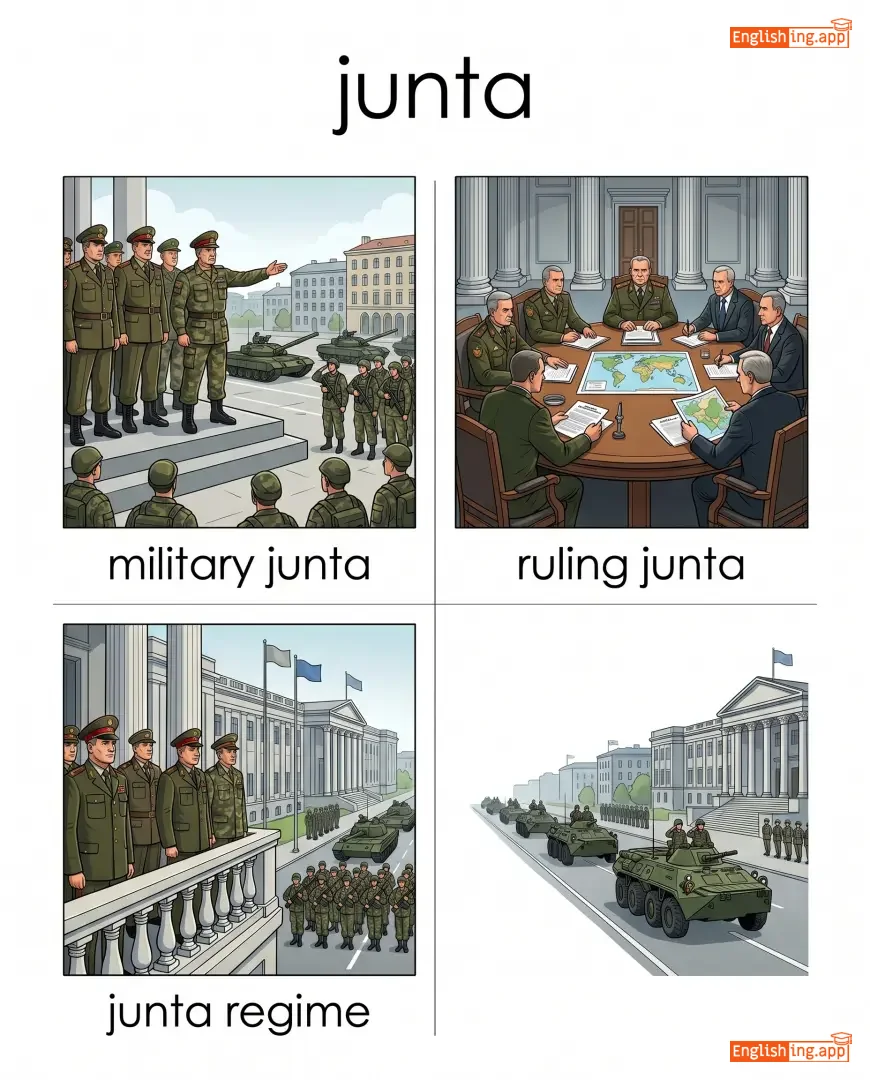
military junta, ruling junta, junta regime
••••••
|
ジュンタは軍事政権、まるで突然の軍隊による政権奪取。
••••••
|
|
#5001
🎉
|
/ˈdʒʌŋkɪt/
noun
(ジャンクエット)
••••••
|
- •••••• |
旅行または祝賀
ryokou matawa shukuga
••••••
|
- •••••• | - •••••• | - •••••• | - •••••• |
A trip or celebration, often funded by someone else, usually for pleasure or promotional purposes.
••••••
|
The company organized a junket for journalists to promote their new resort. |
会社はジャーナリストのために新しいリゾートを宣伝するための旅行を組織しました。
Kaisha wa jānarisuto no tame ni atarashī rizōto o senden suru tame no ryokō o soshiki shimashita.
••••••
|
- •••••• | - •••••• | - •••••• |
outing, excursion, trip, journey, celebration
••••••
|
work, duty, labor
••••••
|
press junket, junket trip, promotional junket
••••••
|
ジャンクフードのような楽しみ、ジャンクエットは楽しさのための旅行!
••••••
|
|
#5002
⏳
|
/ˈdʒʌŋktʃər/
noun
(ジャンチャー)
••••••
|
- •••••• |
重要な瞬間
juuyou na shunkan
••••••
|
- •••••• | - •••••• | - •••••• | - •••••• |
A particular point in time or a critical moment.
••••••
|
At this critical juncture, we must make the right decision. |
この重要な瞬間に、私たちは正しい決断を下さなければならない。
Kono juuyou na shunkan ni, watashitachi wa tadashii ketsudan o kudasanakereba naranai.
••••••
|
- •••••• | - •••••• | - •••••• |
moment, point, stage, turning point
••••••
|
continuation, extension
••••••
|
critical juncture, important juncture, at this juncture
••••••
|
Junctureは時間の分岐点を意味します — 重要な瞬間
••••••
|
|
#5003
🚦
|
/ˈdʒʌŋkʃən/
noun
(ジャンクション)
••••••
|
- •••••• |
交差点
kousaten
••••••
|
- •••••• | - •••••• | - •••••• | - •••••• |
A place where two or more roads or things meet or are joined.
••••••
|
The car stopped at the busy junction. |
車は忙しい交差点で止まりました。
Kuruma wa isogashii kousaten de tomarimashita.
••••••
|
- •••••• | - •••••• | - •••••• |
crossroads, intersection, meeting point, confluence
••••••
|
separation, division
••••••
|
railway junction, busy junction, road junction, junction point
••••••
|
交差点は道が交差する場所、信号で止まる場所。
••••••
|
|
#5004
🌀
|
/ˈdʒʌmbəl/
verb
(ジャムブル)
••••••
|
|
混ぜる
mazeru
••••••
|
jumbled
ジャムブルド
••••••
|
jumbled
ジャムブルド
••••••
|
jumbles
ジャムブルズ
••••••
|
jumbling
ジャムブリング
••••••
|
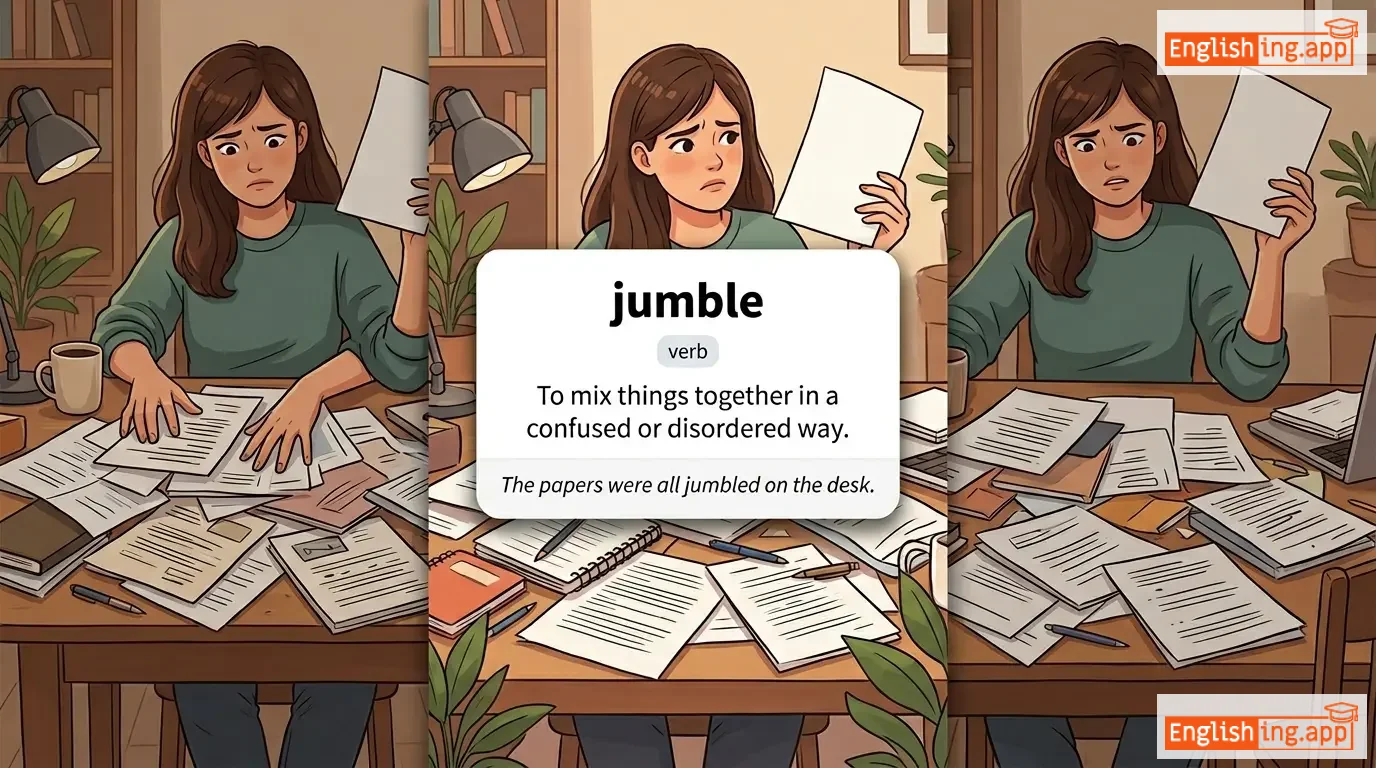
To mix things together in a confused or disordered way.
••••••
|
The papers were all jumbled on the desk.
ペーパーはデスクの上ですべてジャムブルでした。
••••••
|
ペーパーはデスクの上で全てジャムブルでした。
Pepa wa desuku no ue de subete jamuburu deshita.
••••••
|
- •••••• | - •••••• | - •••••• |
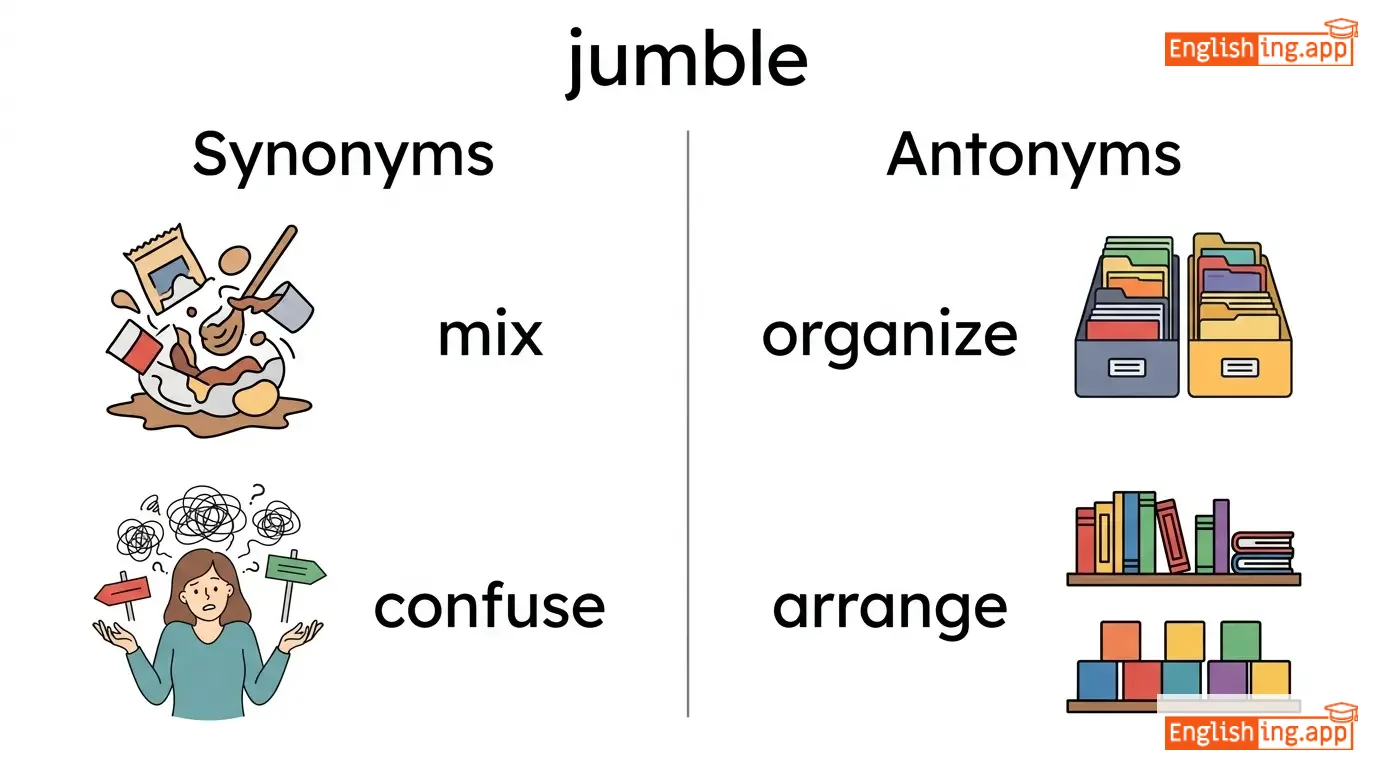
mix, confuse, clutter, disarrange, shuffle
••••••
|
organize, arrange, sort
••••••
|
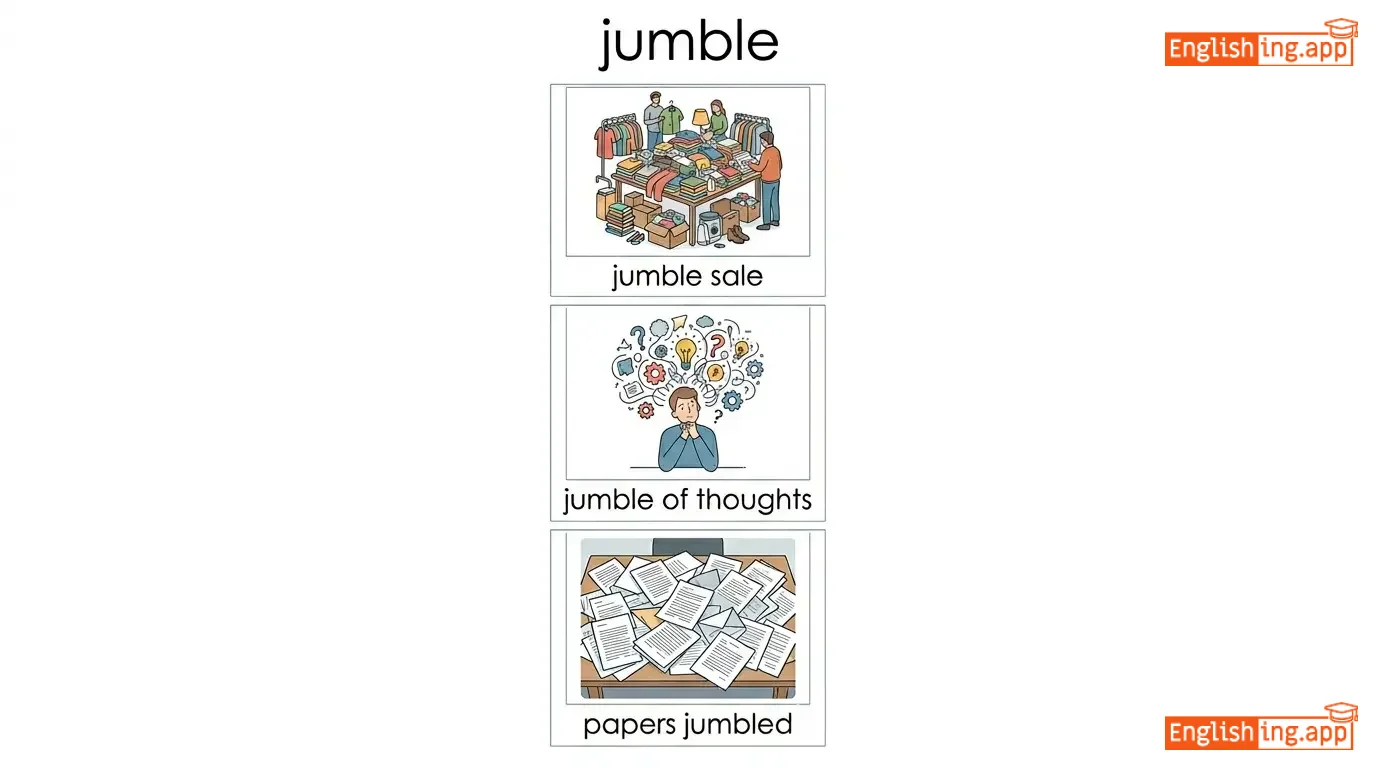
jumble sale, jumble of thoughts, papers jumbled, jumble together
••••••
|
ジャムブル、混ぜること。
••••••
|
|
#5005
🍊
|
/ˈdʒuːsi/
adjective
(ジュウシー)
••••••
|
- •••••• |
ジューシー
jūshī
••••••
|
- •••••• | - •••••• | - •••••• | - •••••• |
Full of juice; succulent; also used to describe something exciting or scandalous.
••••••
|
The steak was so juicy that it melted in my mouth. |
ステーキはとてもジューシーで、口の中で溶けました。
Sutēki wa totemo jūshī de, kuchi no naka de toke mashita.
••••••
|
juicy gossip |
Interesting and often scandalous information about people.
••••••
|
ジューシーなゴシップ
Jūshī na goshippu
••••••
|
succulent, moist, tasty, luscious, flavorful
••••••
|
dry, bland, tasteless
••••••
|
juicy fruit, juicy steak, juicy details, juicy gossip
••••••
|
ジューシーなステーキとゴシップがジューシーです。
••••••
|
|
#5006
🩸
|
/ˈdʒʌɡjələr/
noun
(ジュグラー)
••••••
|
- •••••• |
頸静脈
keijoumyaku
••••••
|
- •••••• | - •••••• | - •••••• | - •••••• |
A large vein in the neck that carries blood from the head back to the heart.
••••••
|
The doctor checked the patient's jugular vein for signs of pressure. |
医者は患者の頸静脈に圧力の兆候がないかを確認しました。
Isha wa kanja no keijoumyaku ni atsuryoku no choukou ga nai ka wo kakunin shimashita.
••••••
|
go for the jugular |
To attack someone in their weakest or most vulnerable point.
••••••
|
最も弱い点を攻撃する
Mottomo yowai ten wo kougeki suru
••••••
|
vein, blood vessel, artery, vessel
••••••
|
artery, capillary
••••••
|
jugular vein, go for the jugular, jugular pressure, jugular injury
••••••
|
頸静脈は命に関わるため、‘go for the jugular’ は最も弱いところを攻撃するという意味です。
••••••
|
|
#5007
🎩
|
/ˈdʒʌɡləri/
noun
(ジャグラリー)
••••••
|
- •••••• |
ジャグリング
jaguringu
••••••
|
- •••••• | - •••••• | - •••••• | - •••••• |
The performance of tricks and illusions, especially by sleight of hand.
••••••
|
The magician's jugglery amazed the audience. |
魔法使いのジャグリングは観客を驚かせました。
Mahōtsukai no jaguringu wa kankyaku o odorokasemashita.
••••••
|
- •••••• | - •••••• | - •••••• |
magic, trickery, illusion, sleight of hand
••••••
|
honesty, reality
••••••
|
magical jugglery, street jugglery, show of jugglery
••••••
|
Jugglery とはジャグリング - 手品を使って驚かせること。
••••••
|
|
#5008
🤹
|
/ˈdʒʌɡəl/
verb
(ジャグル)
••••••
|
- •••••• |
ジャグリングする
jaguringu suru
••••••
|
juggled
••••••
|
juggled
••••••
|
juggles
••••••
|
juggling
••••••
|
To continuously toss and catch objects in the air; to manage many tasks at the same time.
••••••
|
He tried to juggle work, studies, and family responsibilities. |
彼は仕事、勉強、家族の責任を同時にこなそうとしました。
Kare wa shigoto, benkyō, kazoku no sekinin o dōji ni konasou to shimashita.
••••••
|
juggle many balls |
to handle many responsibilities or tasks at once
••••••
|
多くのボールをジャグリングする
Ōku no bōru o jaguringu suru
••••••
|
balance, manage, multitask, manipulate
••••••
|
drop, neglect, ignore
••••••
|
juggle tasks, juggle responsibilities, juggle work, juggle time
••••••
|
Juggleは生活をジャグリングすることを意味します - 同時に多くのことをこなすこと。
••••••
|
|
#5009
🚛
|
/ˈdʒʌɡərˌnɔːt/
noun
(ジャガーノート)
••••••
|
|
止められない力
tomerarenai chikara
••••••
|
- •••••• | - •••••• | - •••••• | - •••••• |
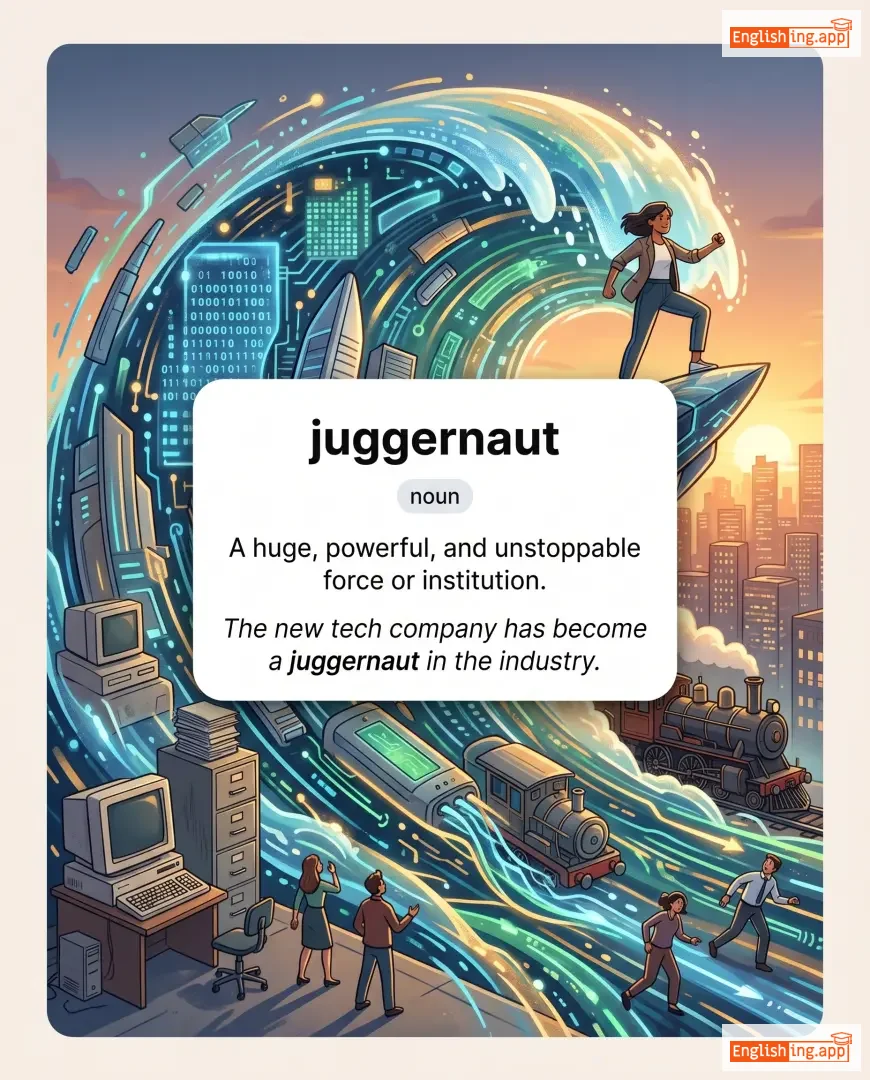
A huge, powerful, and unstoppable force or institution.
••••••
|
The new tech company has become a juggernaut in the industry. |
新しいテクノロジー企業は業界で止められない力となった。
Atarashī tekunorojī kigyō wa gyōkai de tomerarenai chikara to natta.
••••••
|
- •••••• | - •••••• | - •••••• |
powerhouse, giant, colossus, titan, behemoth
••••••
|
weakling, minor, underdog
••••••
|
economic juggernaut, political juggernaut, corporate juggernaut
••••••
|
ジャガーノートは止められない力です。
••••••
|
|
#5010
🥛
|
/dʒʌɡ/
noun
(ハピネス)
••••••
|
- •••••• |
幸せ
shiawase
••••••
|
- •••••• | - •••••• | - •••••• | - •••••• |
A large container used for holding and pouring liquids.
••••••
|
She filled a jug with fresh water from the well. |
彼女は賞を受け取ったとき、幸せを隠せなかった。
Kanojo wa shō o uketotta toki, shiawase o kakusenakatta.
••••••
|
kick the jug |
to die (slang, variation of 'kick the bucket')
••••••
|
幸せの追求
shiawase no tsuikyū
••••••
|
pitcher, container, vessel, flask
••••••
|
cup, glass
••••••
|
water jug, milk jug, clay jug, wine jug
••••••
|
幸せ: 夕日を見ながら過ごすリラックスした時間。
••••••
|
Vocabulary Quiz
Test your vocabulary by matching words with their translations or meanings.
Login to take the quiz
Comments (0)
Share your thoughts and join the discussion.
Join the discussion by logging in
Login to CommentNo comments yet
Be the first to share your thoughts!