

翻訳
過去
過去分詞
三人称単数
動名詞
意味
例文
例文の翻訳
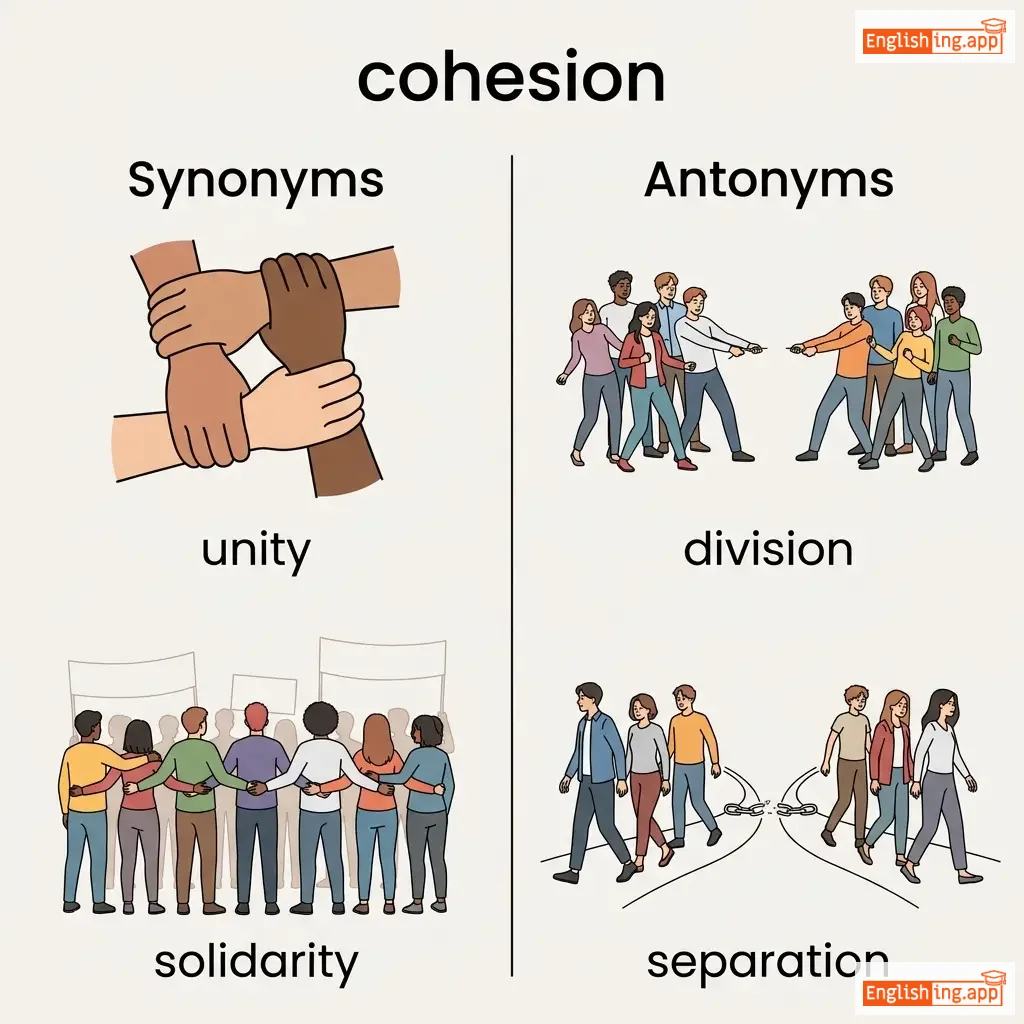
同義語
対義語
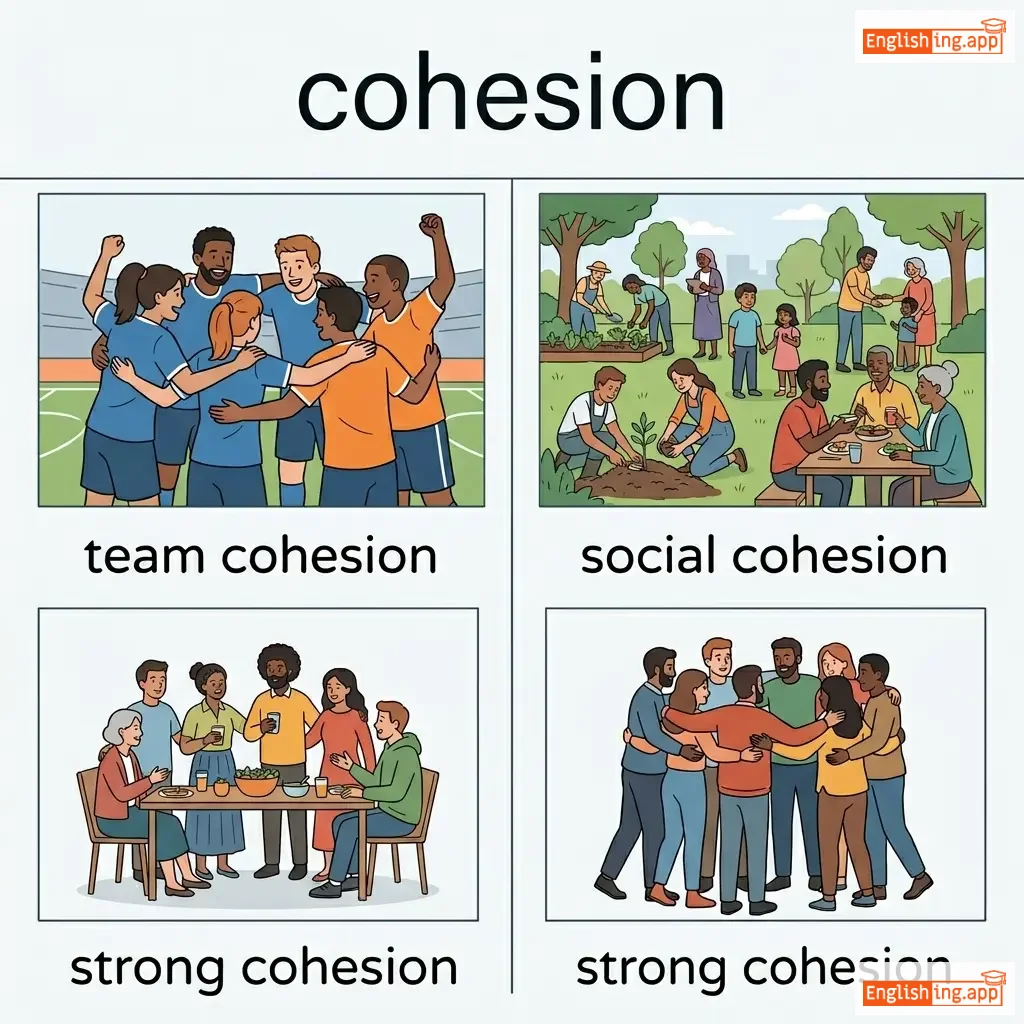
コロケーション
ニーモニック




Swipe left or right, or use the buttons. Tap image to zoom.
例文の翻訳
単語
Lesson 52Lesson 52 - マスクトグル
|
絵文字
|
単語 | Images | 翻訳 | 過去 | 過去分詞 | 三人称単数 | 動名詞 | 意味 | 例文 | 例文の翻訳 | 表現例 | 表現例の意味 | 表現例の翻訳 | 同義語 | 対義語 | コロケーション | ニーモニック |
|---|---|---|---|---|---|---|---|---|---|---|---|---|---|---|---|---|---|
|
#1531
🎲
|
/koʊˈɪnsɪdəns/
noun
(コインシデンス)
••••••
|
- •••••• |
偶然
guuzen
••••••
|
- •••••• | - •••••• | - •••••• | - •••••• |
A remarkable or surprising occurrence of events at the same time by chance.
••••••
|
It was pure coincidence that we met at the airport.
空港で会ったのは完全に偶然でした。
••••••
|
空港で会ったのは完全に偶然でした。
Kuukou de atta no wa kanzen ni guuzen deshita.
••••••
|
by coincidence
偶然に
••••••
|
happening by chance, not by planning
••••••
|
偶然に
guuzen ni
••••••
|
chance, accident, serendipity, fluke, happenstance
••••••
|
intention, design, plan
••••••
|
strange coincidence, mere coincidence, pure coincidence, by coincidence
••••••
|
Coin で偶然を想起
••••••
|
|
#1532
🎓
|
/kəˈliːdʒən/
noun
(カレジアン)
••••••
|
- •••••• |
大学生
daigakusei
••••••
|
- •••••• | - •••••• | - •••••• | - •••••• |
a student of a college
••••••
|
The collegians were preparing for the cultural festival.
大学生たちは文化祭の準備をしていました。
••••••
|
大学生たちは文化祭の準備をしていました。
Daigakusei tachi wa bunkasai no junbi o shite imashita.
••••••
|
- •••••• | - •••••• | - •••••• |
student, undergraduate, pupil, learner
••••••
|
teacher, professor
••••••
|
young collegian, brilliant collegian, collegian life, collegian activities
••••••
|
Collegian とは大学に通う学生のことです。
••••••
|
|
#1533
📮
|
/kəˈlɛktər/
noun
••••••
|
- •••••• | - •••••• | - •••••• | - •••••• | - •••••• | - •••••• |
a person who collects things as a hobby or job
••••••
|
He is a stamp collector with thousands of rare items. |
- •••••• |
tax collector |
a government official who collects taxes
••••••
|
- •••••• |
accumulator, gatherer, curator, hoarder
••••••
|
spender, giver
••••••
|
stamp collector, coin collector, tax collector, art collector
••••••
|
No •••••• |
|
#1534
👥
|
/kəˈlɛktɪv/
adjective
(コレクティブ)
••••••
|
|
集団的
shūdanteki
••••••
|
- •••••• | - •••••• | - •••••• | - •••••• |
done by people acting as a group
••••••
|
The decision was made by collective agreement. |
その決定は集団的合意によってなされた。
Sono kettei wa shūdanteki gōi ni yotte nasareta.
••••••
|
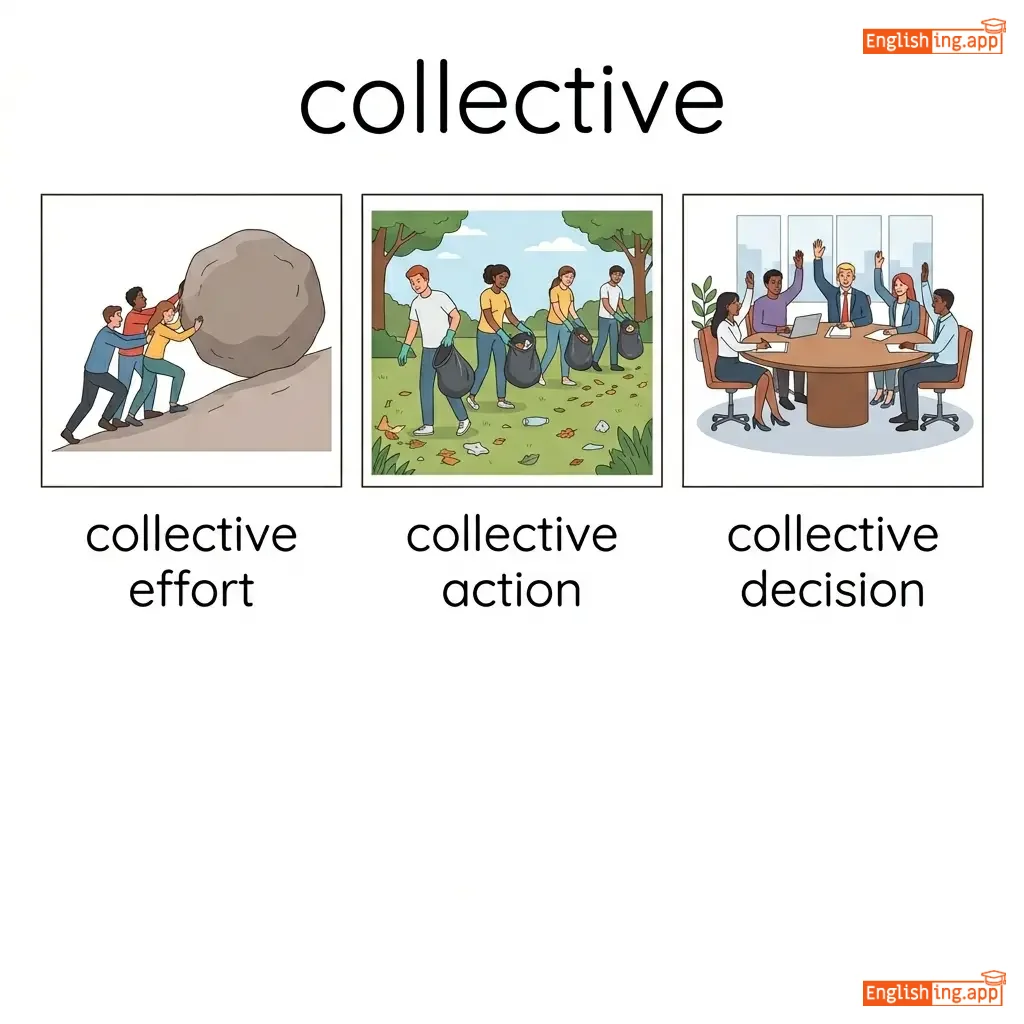
collective effort |
a combined effort by many people working together
••••••
|
集団的努力
shūdanteki doryoku
••••••
|
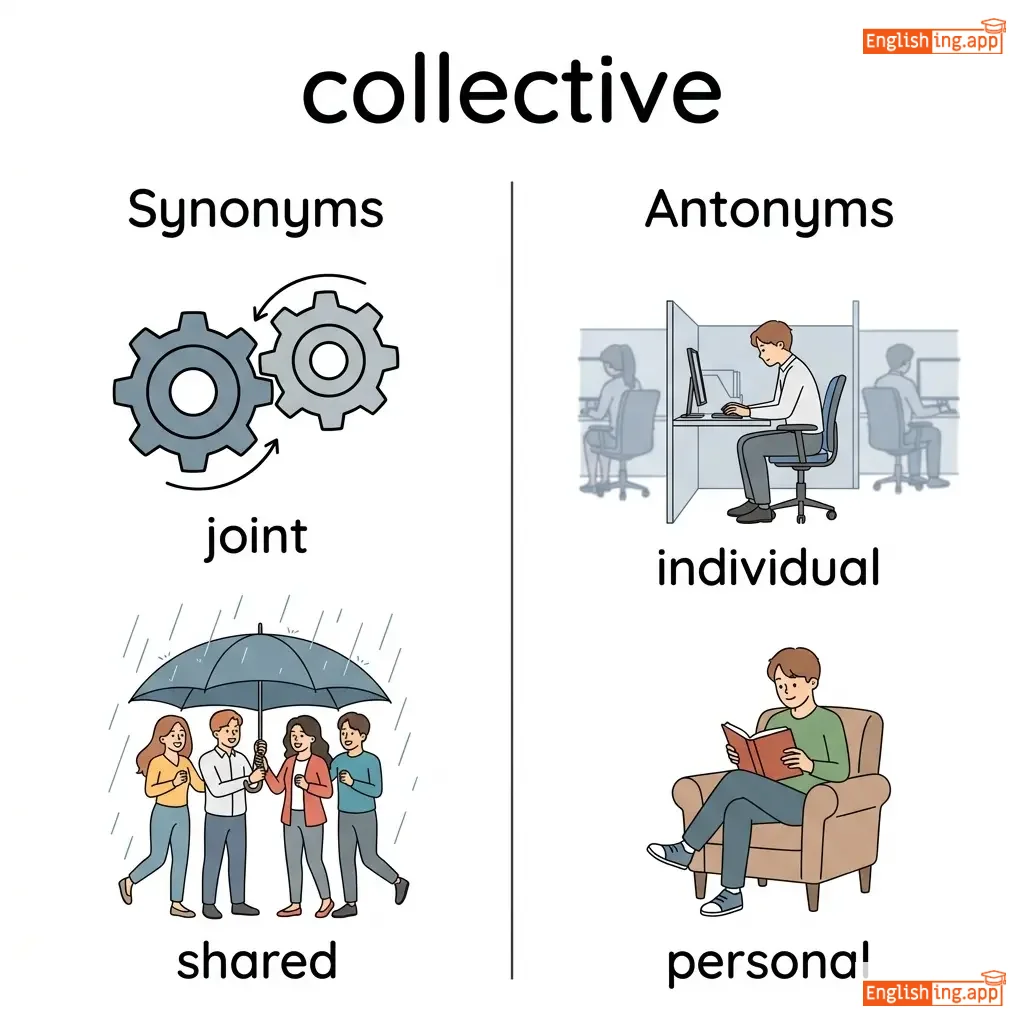
joint, shared, communal, mutual, cooperative
••••••
|
individual, personal
••••••
|
collective effort, collective action, collective decision, collective responsibility
••••••
|
集団的努力は皆で一緒に目標に向かって進むことです。
••••••
|
|
#1535
😌
|
/kəˈlɛktɪd/
adjective
(コレクテッド)
••••••
|
- •••••• |
冷静
reisei
••••••
|
- •••••• | - •••••• | - •••••• | - •••••• |
calm and in control of oneself
••••••
|
She remained calm and collected during the crisis. |
危機の間、彼女は冷静でコレクテッドでした。
Kiki no aida, kanojo wa reisei de collected deshita.
••••••
|
calm and collected |
remaining composed and self-controlled in a difficult situation
••••••
|
冷静でコレクテッド
reisei de collected
••••••
|
composed, serene, controlled, cool-headed
••••••
|
agitated, nervous, upset
••••••
|
cool and collected, calm and collected, stay collected, appear collected
••••••
|
Collectedは、困難な状況でも冷静さと自己制御を保つことです。
••••••
|
|
#1536
👔
|
/ˈkɒliːɡ/
noun
(コリーグ)
••••••
|
- •••••• |
同僚
dōryō
••••••
|
- •••••• | - •••••• | - •••••• | - •••••• |
a person with whom one works, especially in a profession or business
••••••
|
She invited her colleagues to the office party. |
彼女はオフィスパーティーに同僚を招待しました。
Kanojo wa ofisu pātii ni dōryō o shōtai shimashita.
••••••
|
colleague at work |
a fellow worker in the same organization
••••••
|
職場の同僚
shokuba no dōryō
••••••
|
coworker, associate, partner, teammate, companion
••••••
|
opponent, rival
••••••
|
close colleague, trusted colleague, senior colleague, colleague at work
••••••
|
Colleagueは同僚という意味で、仕事の仲間を指します。
••••••
|
|
#1537
📚
|
/kəˈleɪʃən/
noun
(コレイション)
••••••
|
- •••••• |
コレクション
korekushon
••••••
|
- •••••• | - •••••• | - •••••• | - •••••• |
the act of collecting, comparing, and arranging in proper order
••••••
|
The librarian spent hours on the collation of old manuscripts. |
図書館員は古い手稿のコレクションに数時間を費やしました。
Toshokani wa furui shukō no korekushon ni suū jikan o tsuiyashimashita.
••••••
|
- •••••• | - •••••• | - •••••• |
organization, compilation, arrangement, classification
••••••
|
disorder, confusion
••••••
|
collation process, collation of data, collation of evidence, collation of manuscripts
••••••
|
Collation = Collect + Nation = すべてを集めて並べる
••••••
|
|
#1538
🏦
|
/kəˈlætərəl/
noun
(コラテラル)
••••••
|
|
担保
tanpo
••••••
|
- •••••• | - •••••• | - •••••• | - •••••• |
something pledged as security for repayment of a loan
••••••
|
He used his house as collateral for the bank loan. |
彼は銀行ローンの担保として自宅を使用しました。
Kare wa ginkō rōn no tanpo to shite jitaku o shiyō shimashita.
••••••
|
collateral damage |
unintended damage or casualties in a conflict
••••••
|
附帯損害
futai songai
••••••
|
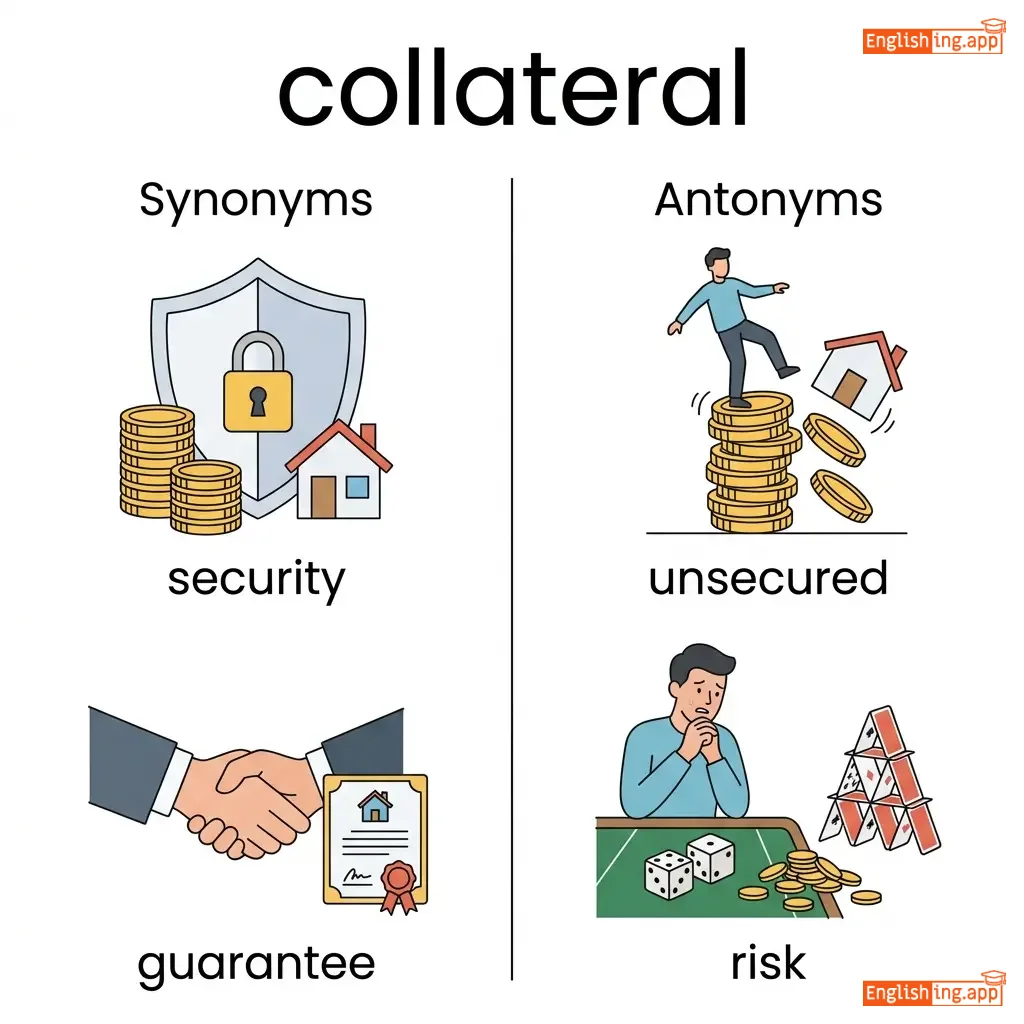
security, guarantee, pledge, assurance
••••••
|
unsecured, risk
••••••
|
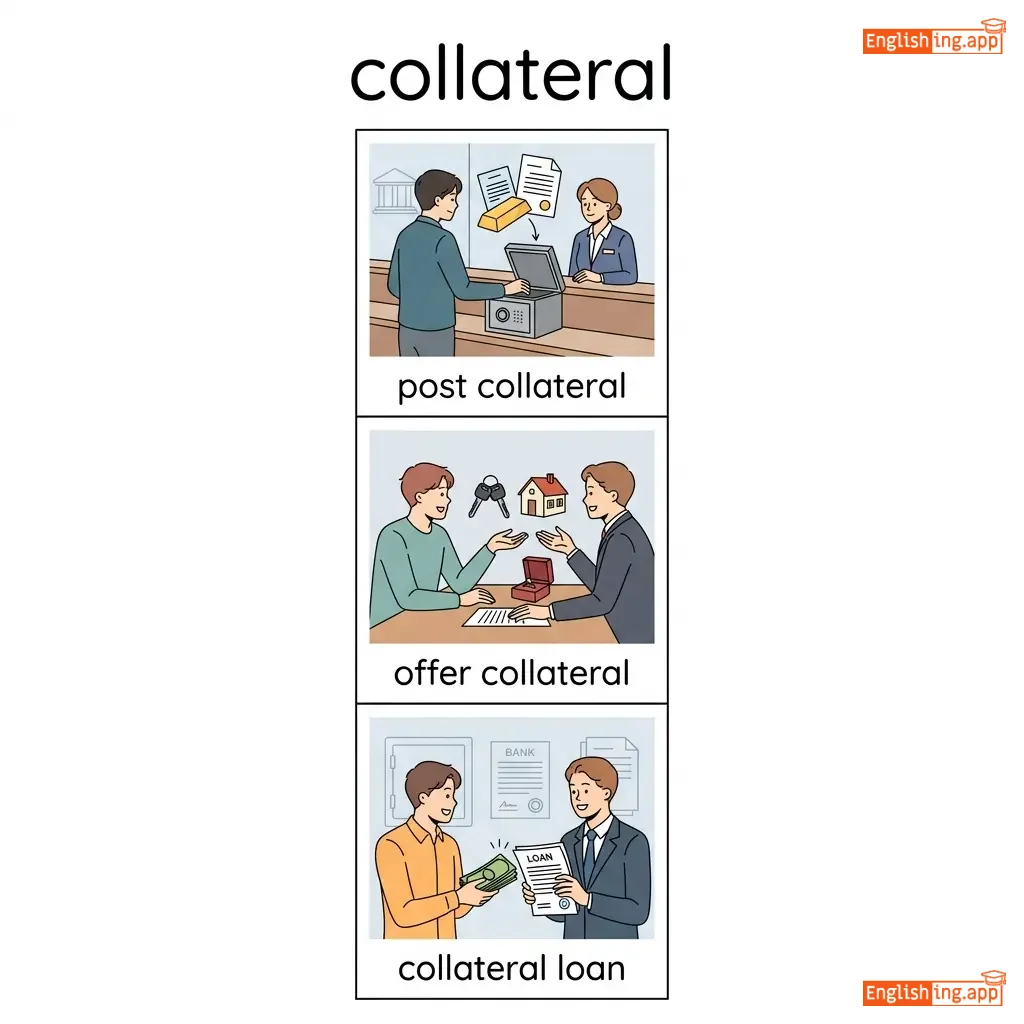
post collateral, offer collateral, collateral loan, collateral damage
••••••
|
担保はローンの保証のためのもの、担保がないとローンは無理です。
••••••
|
|
#1539
📑
|
/kəˈleɪt/
verb
(コレート)
••••••
|
- •••••• |
整理する
seiri suru
••••••
|
collated
コレイテッド
••••••
|
collated
コレイテッド
••••••
|
collates
コレイツ
••••••
|
collating
コレイティング
••••••
|
to collect, arrange, and combine in order
••••••
|
The secretary collated the reports before the meeting.
秘書は会議前に報告書を整理した。
••••••
|
秘書は会議前に報告書を整理した。
Hisho wa kaigi mae ni hōkokusho o seiri shita.
••••••
|
- •••••• | - •••••• | - •••••• |
gather, assemble, organize, compile, arrange
••••••
|
separate, scatter
••••••
|
collate documents, collate data, collate reports, collate information
••••••
|
整理するは集めて順番に並べること
••••••
|
|
#1540
🪑
|
/kəˈlæpsəbl̩/
adjective
(コラプシブル)
••••••
|
- •••••• |
折りたたみ式
oritatamishiki
••••••
|
- •••••• | - •••••• | - •••••• | - •••••• |
able to be folded down or reduced in size
••••••
|
She bought a collapsible chair for camping. |
彼女はキャンプ用に折りたたみ式の椅子を買いました。
Kanojo wa kyampu you ni oritatamishiki no isu o kaimashita.
••••••
|
- •••••• | - •••••• | - •••••• |
foldable, compact, portable, adjustable
••••••
|
fixed, rigid
••••••
|
collapsible chair, collapsible table, collapsible container, collapsible stroller
••••••
|
Collapsible は折りたたみ式の意味です、簡単に折りたたむことができる椅子のように。
••••••
|
|
#1541
🏚️
|
/kəˈlæps/
verb
(コラプス)
••••••
|
- •••••• |
崩壊する
hōkai suru
••••••
|
collapsed
コラプスド
••••••
|
collapsed
コラプスド
••••••
|
collapses
コラプセス
••••••
|
collapsing
コラプシング
••••••
|
to fall down or inward suddenly; to break down completely
••••••
|
The old building collapsed after the earthquake.
古い建物は地震後に崩壊しました。
••••••
|
古い建物は地震後に崩壊しました。
Furui tatemono wa jishin-go ni hōkai shimashita.
••••••
|
collapse under pressure
プレッシャーで崩壊する
••••••
|
to fail or give way when faced with stress or difficulties
••••••
|
プレッシャーで崩壊する
Pureshā de hōkai suru
••••••
|
fall, crumble, cave in, break down, disintegrate
••••••
|
stand, rise, succeed
••••••
|
building collapse, collapse suddenly, collapse completely, collapse under pressure
••••••
|
崩壊するは壊れるように崩れること
••••••
|
|
#1542
🖼️
|
/kəˈlɑːʒ/
noun
(コラージュ)
••••••
|
|
コラージュ
koraju
••••••
|
- •••••• | - •••••• | - •••••• | - •••••• |
A piece of art made by sticking various materials such as photographs or paper onto a surface.
••••••
|
She created a collage using old magazine pictures.
彼女は古い雑誌の写真を使ってコラージュを作りました。
••••••
|
彼女は古い雑誌の写真を使ってコラージュを作りました。
Kanojo wa furui zasshi no shashin o tsukatte koraju o tsukurimashita.
••••••
|
- •••••• | - •••••• | - •••••• |
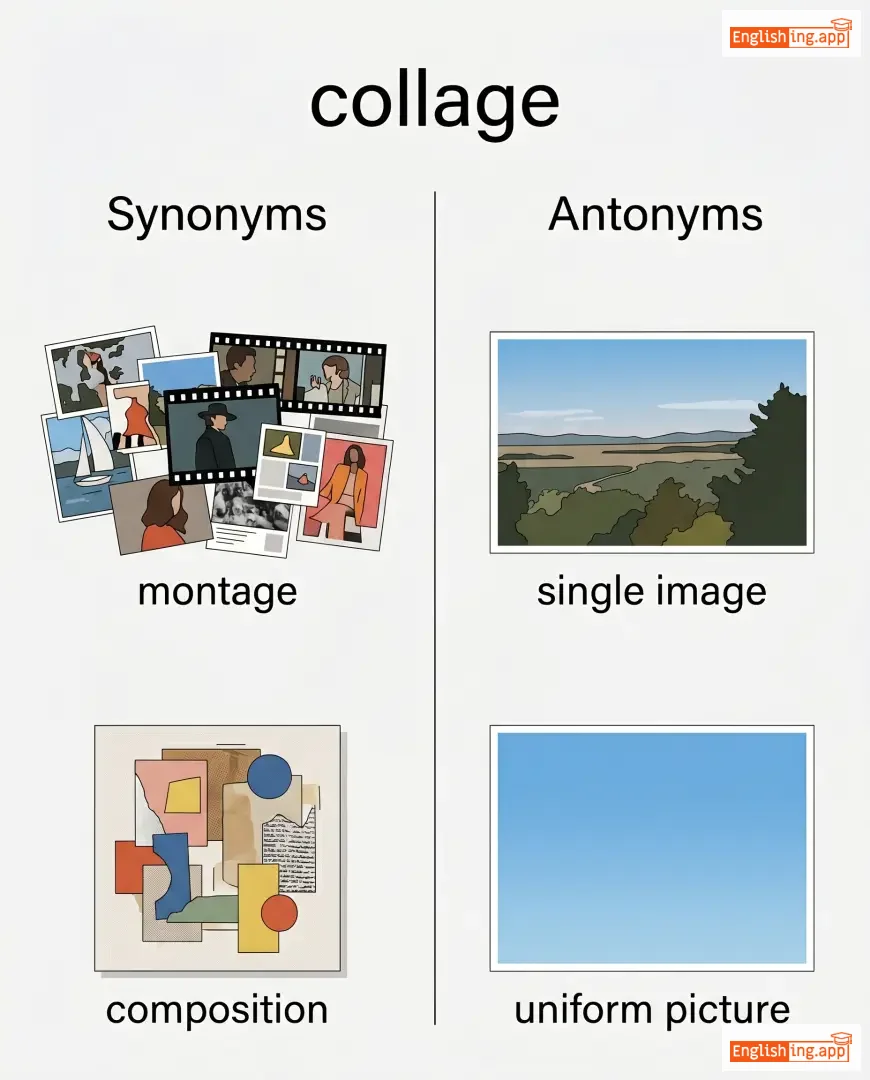
montage, composition, assemblage, artwork
••••••
|
single image, uniform picture
••••••
|
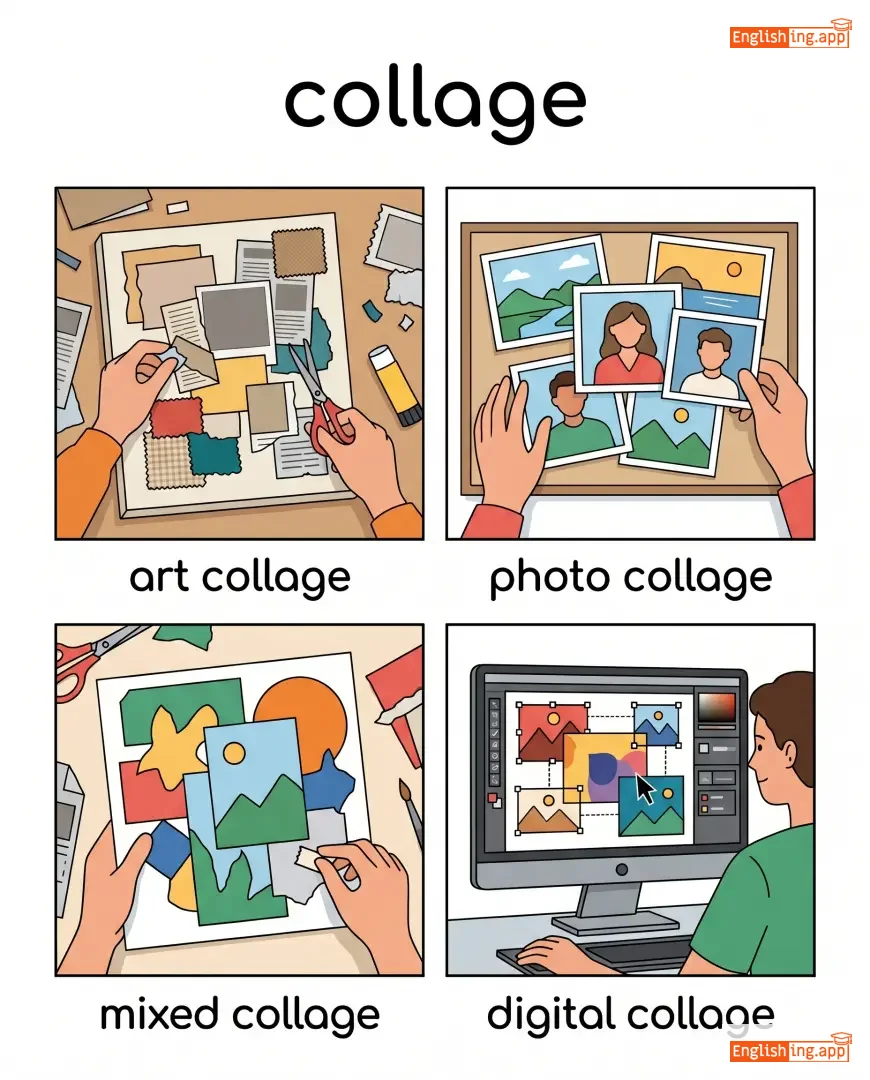
art collage, photo collage, digital collage, create a collage
••••••
|
コラージュは異なる素材を貼り合わせて、新しい芸術を作り出すもの。
••••••
|
|
#1543
🤝
|
/kəˈlæbəreɪt/
verb
(コラボレート)
••••••
|
|
共同作業する
kyoudou sagyou suru
••••••
|
collaborated
コラボレーテッド
••••••
|
collaborated
コラボレーテッド
••••••
|
collaborates
コラボレーツ
••••••
|
collaborating
コラボレーティング
••••••
|
To work jointly with others, especially on an intellectual or creative project.
••••••
|
The two companies decided to collaborate on a new project.
二つの会社は新しいプロジェクトでコラボレートすることに決めました。
••••••
|
二つの会社は新しいプロジェクトでコラボレートすることに決めました。
Futatsu no kaisha wa atarashii purojekuto de korabo-re-to suru koto ni kimemashita.
••••••
|
collaborate with
誰かとコラボレートする
••••••
|
to work together with someone
••••••
|
誰かと一緒に働く
dareka to issho ni hataraku
••••••
|
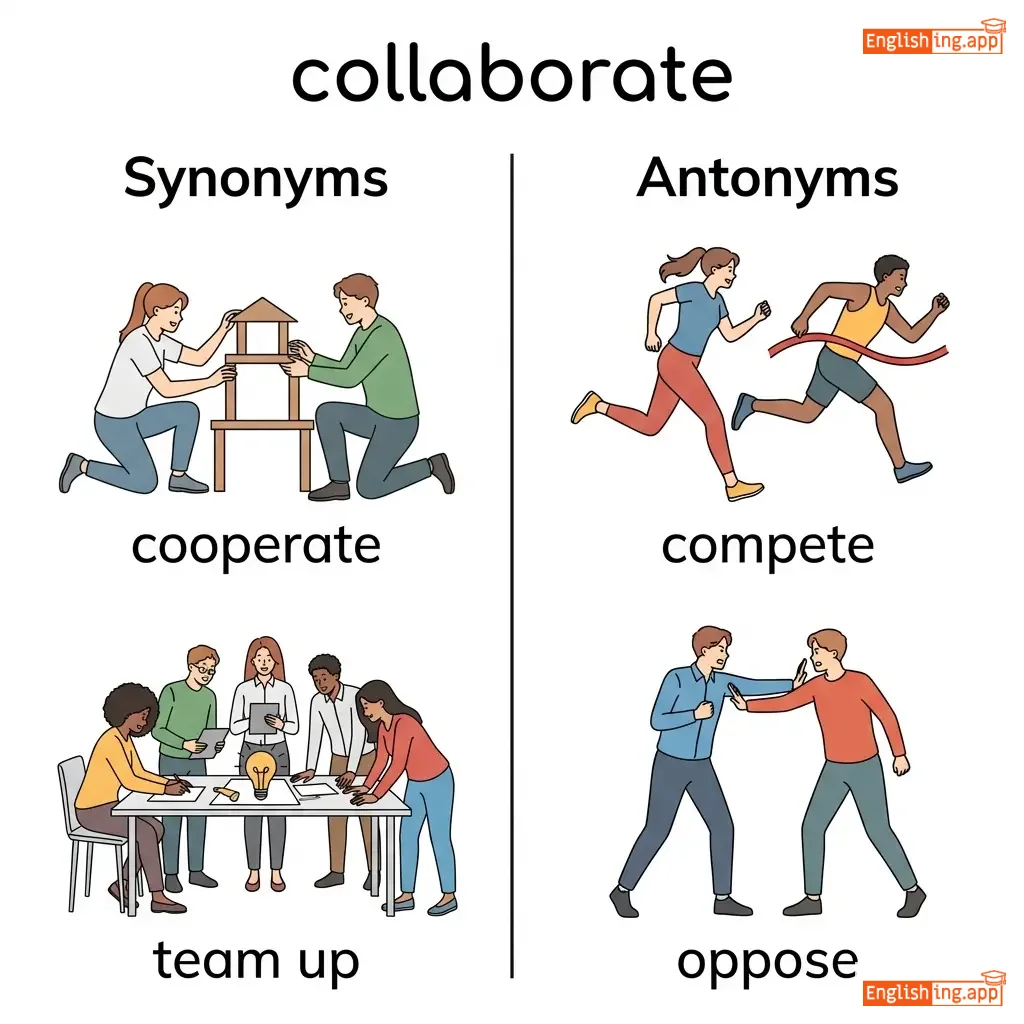
cooperate, team up, work together, join forces, partner
••••••
|
compete, oppose, resist
••••••
|
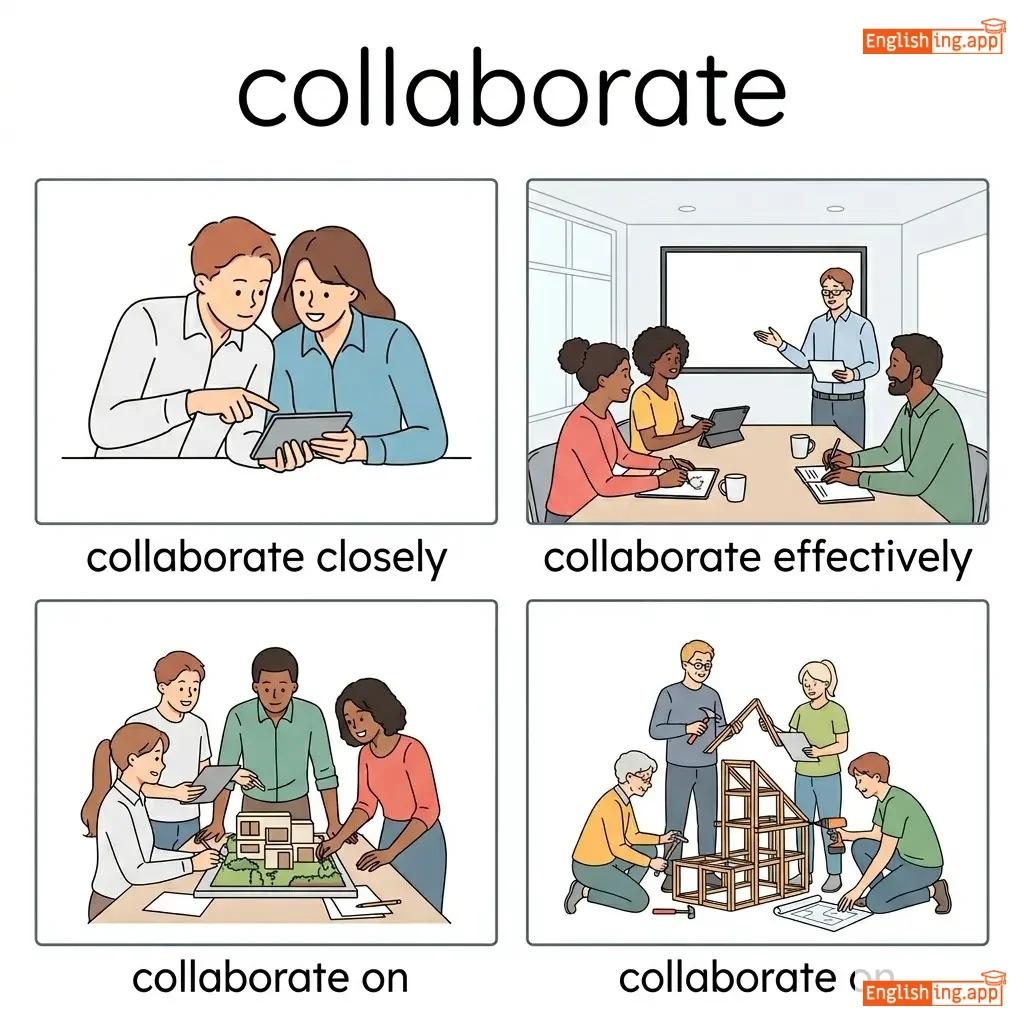
collaborate closely, collaborate effectively, collaborate on, collaborate with
••••••
|
コラボレートは、他の人と一緒に創造的なプロジェクトをすることです。
••••••
|
|
#1544
🥣
|
/ˈkɒləndər/
noun
(コランダー)
••••••
|
- •••••• |
ざる
zaru
••••••
|
- •••••• | - •••••• | - •••••• | - •••••• |
A bowl with holes used for draining liquid from food such as pasta or vegetables.
••••••
|
She poured the pasta into a colander to drain the water. |
彼女は水を切るためにパスタをざるに注ぎました。
Kanojo wa mizu o kiru tame ni pasuta o zaru ni sosogimashita.
••••••
|
- •••••• | - •••••• | - •••••• |
strainer, sieve, drainer, filter
••••••
|
container, bowl
••••••
|
metal colander, plastic colander, kitchen colander
••••••
|
ざるは水をこす、コランダーと同じように穴を通して水が流れる
••••••
|
|
#1545
⏰
|
/koʊˈɪnsɪdənt/
adjective
(コインシデント)
••••••
|
- •••••• |
同時
douji
••••••
|
- •••••• | - •••••• | - •••••• | - •••••• |
Occurring at the same time; occupying the same position in space or time.
••••••
|
The festival was coincident with the national holiday.
フェスティバルは国民の祝日と同時でした。
••••••
|
フェスティバルは国民の祝日と同時でした。
Fesutibaru wa kokumin no shukujitsu to douji deshita.
••••••
|
- •••••• | - •••••• | - •••••• |
simultaneous, concurrent, synchronous, contemporaneous
••••••
|
separate, different, distinct
••••••
|
coincident events, coincident dates, coincident interests
••••••
|
Coincidentは、同時に発生したり、同じ場所に存在する二つの出来事を意味します。
••••••
|
|
#1546
🤔
|
/ˈkɒdʒɪteɪt/
verb
(コジテイト)
••••••
|
- •••••• |
熟考する
jukou suru
••••••
|
cogitated
コジテイテッド
••••••
|
cogitated
コジテイテッド
••••••
|
cogitates
コジテイツ
••••••
|
cogitating
コジテイティング
••••••
|
to think deeply about something; to meditate or reflect
••••••
|
He sat by the river to cogitate on his future plans.
彼は川のそばに座って、未来の計画について考えました。
••••••
|
彼は川のそばに座って、未来の計画について考えました。
Kare wa kawa no soba ni suwatte, mirai no keikaku ni tsuite kangaemashita.
••••••
|
- •••••• | - •••••• | - •••••• |
ponder, reflect, contemplate, meditate, deliberate
••••••
|
ignore, neglect, disregard
••••••
|
cogitate on, cogitate deeply, sit and cogitate
••••••
|
Cogitateは、静かな場所で深く考えることを意味します。
••••••
|
|
#1547
⏰
|
/ˌkoʊ.ɪnˈsaɪd/
verb
(コインサイド)
••••••
|
- •••••• |
一致する
icchi suru
••••••
|
coincided
コインサイデッド
••••••
|
coincided
コインサイデッド
••••••
|
coincides
コインサイドズ
••••••
|
coinciding
コインサイディング
••••••
|
To occur at the same time or to be in agreement.
••••••
|
The meeting coincided with her birthday.
会議は彼女の誕生日と一致しました。
••••••
|
会議は彼女の誕生日と一致しました。
Kaigi wa kanojo no tanjōbi to itchi shimashita.
••••••
|
- •••••• | - •••••• | - •••••• |
concur, agree, match, correspond
••••••
|
differ, clash, disagree
••••••
|
coincide with, events coincide, dates coincide
••••••
|
一致するは、二つの出来事が同じ時に起こることを意味します。
••••••
|
|
#1548
🪙
|
/kɔɪn/
noun, verb
••••••
|
- •••••• | - •••••• |
coined
••••••
|
coined
••••••
|
coins
••••••
|
coining
••••••
|
A flat piece of metal used as money; as a verb, to invent a new word or phrase.
••••••
|
The government decided to coin a new term for the program. |
- •••••• |
coin a phrase |
To invent or create a new expression
••••••
|
- •••••• |
currency, money, cash, token
••••••
|
bill, note
••••••
|
coin money, coin a phrase, coin collection, coin toss
••••••
|
No •••••• |
|
#1549
💇♀️
|
/kwɑːˈfjʊr/
noun
(クワフィューア)
••••••
|
- •••••• |
髪型
kamigata
••••••
|
- •••••• | - •••••• | - •••••• | - •••••• |
A person's hairstyle, typically an elaborate one.
••••••
|
Her elegant coiffure impressed everyone at the party.
彼女のエレガントなクワフィューアはパーティーで皆を感動させました。
••••••
|
彼女のエレガントな髪型はパーティーで皆を感動させました。
Kanojo no ereganto na kamigata wa paatii de mina o kandou sasemashita.
••••••
|
- •••••• | - •••••• | - •••••• |
hairstyle, hairdo, haircut, tresses
••••••
|
baldness, plainness
••••••
|
elegant coiffure, stylish coiffure, elaborate coiffure
••••••
|
Coiffure は髪型を意味します - 'コ'を髪の毛に結びつけて覚えましょう。
••••••
|
|
#1550
👨👩👧👦
|
/ˈkoʊhɔːrts/
noun
(コホーツ)
••••••
|
- •••••• |
コホート
kohōto
••••••
|
- •••••• | - •••••• | - •••••• | - •••••• |
Groups of people who share a common feature or experience.
••••••
|
Researchers compared the health outcomes of different cohorts. |
研究者たちは異なるコホートの健康結果を比較しました。
Kenkyū-sha tachi wa kotonaru kohōto no kenkō kekka o hikaku shimashita.
••••••
|
- •••••• | - •••••• | - •••••• |
groups, bands, teams, companions, communities
••••••
|
individuals, loners
••••••
|
multiple cohorts, birth cohorts, research cohorts, cohorts of students
••••••
|
Cohorts は、共通の特徴を持つグループを意味します。
••••••
|
|
#1551
👥
|
/ˈkoʊhɔːrt/
noun
(コホート)
••••••
|
- •••••• |
コホート
kohoto
••••••
|
- •••••• | - •••••• | - •••••• | - •••••• |
A group of people with a shared characteristic, usually of the same age or with a common experience.
••••••
|
The study tracked a cohort of students over ten years. |
その研究は10年にわたり学生のコホートを追跡しました。
Sono kenkyū wa 10-nen ni watari gakusei no kohoto o tsuiseki shimashita.
••••••
|
- •••••• | - •••••• | - •••••• |
group, band, team, troop, company
••••••
|
individual, loner
••••••
|
cohort study, peer cohort, age cohort, cohort analysis
••••••
|
コホートは、一緒にクラスを受けている学生のグループのようです。
••••••
|
|
#1552
🔗
|
/koʊˈhiːsɪv/
adjective
(コヒーシブ)
••••••
|
|
結束的
kessoku-teki
••••••
|
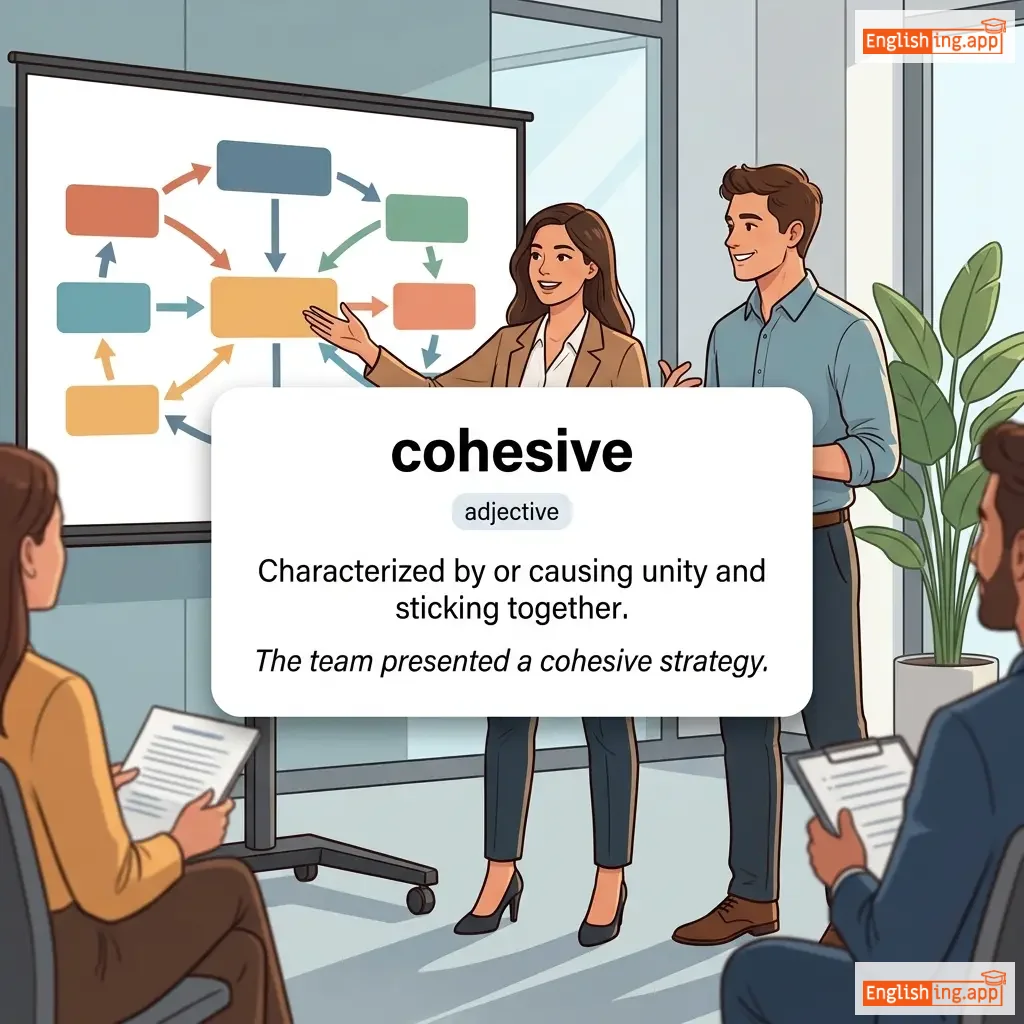
- •••••• | - •••••• | - •••••• | - •••••• |
Characterized by or causing unity and sticking together.
••••••
|
The team presented a cohesive strategy.
チームは統一された戦略を発表しました。
••••••
|
チームは統一された戦略を発表しました。
Chīmu wa tōitsu sareta senryaku o happyō shimashita.
••••••
|
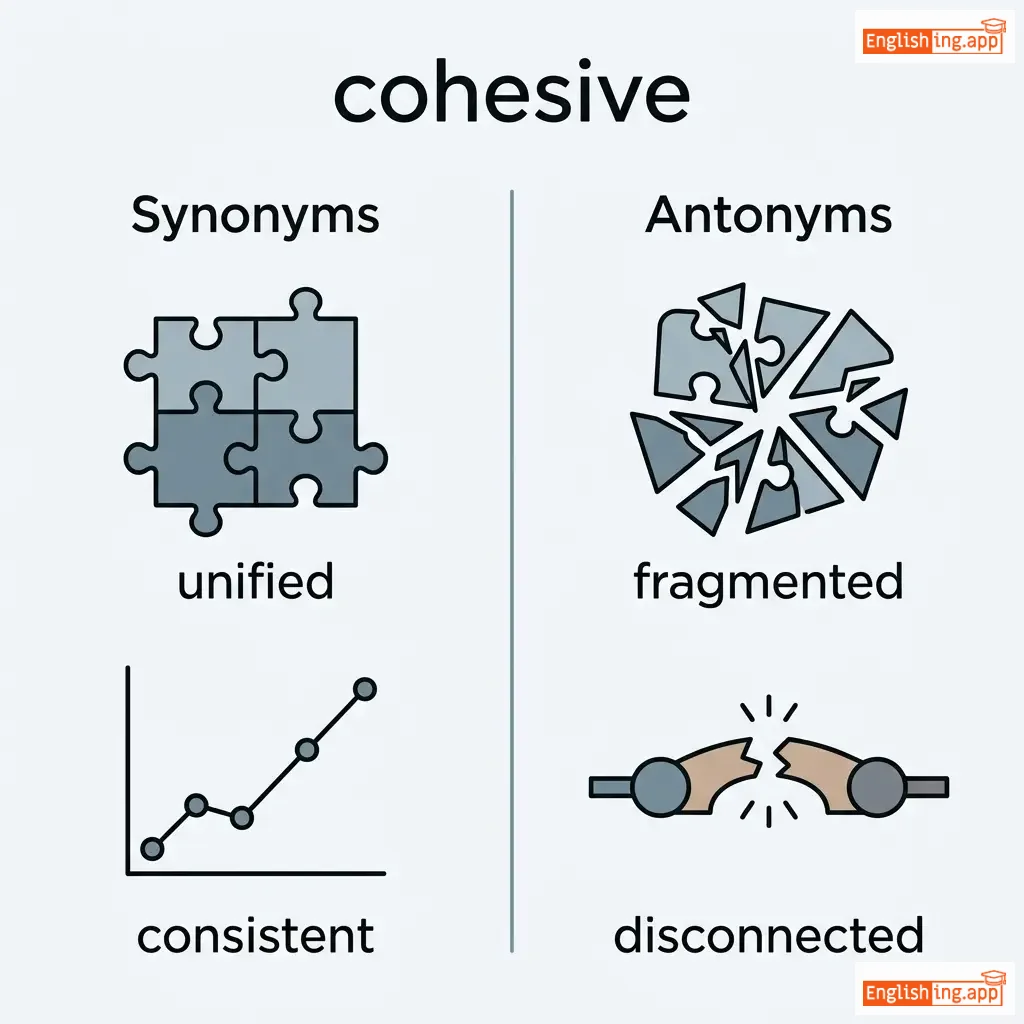
- •••••• | - •••••• | - •••••• |
unified, consistent, integrated, connected, solid
••••••
|
fragmented, disconnected
••••••
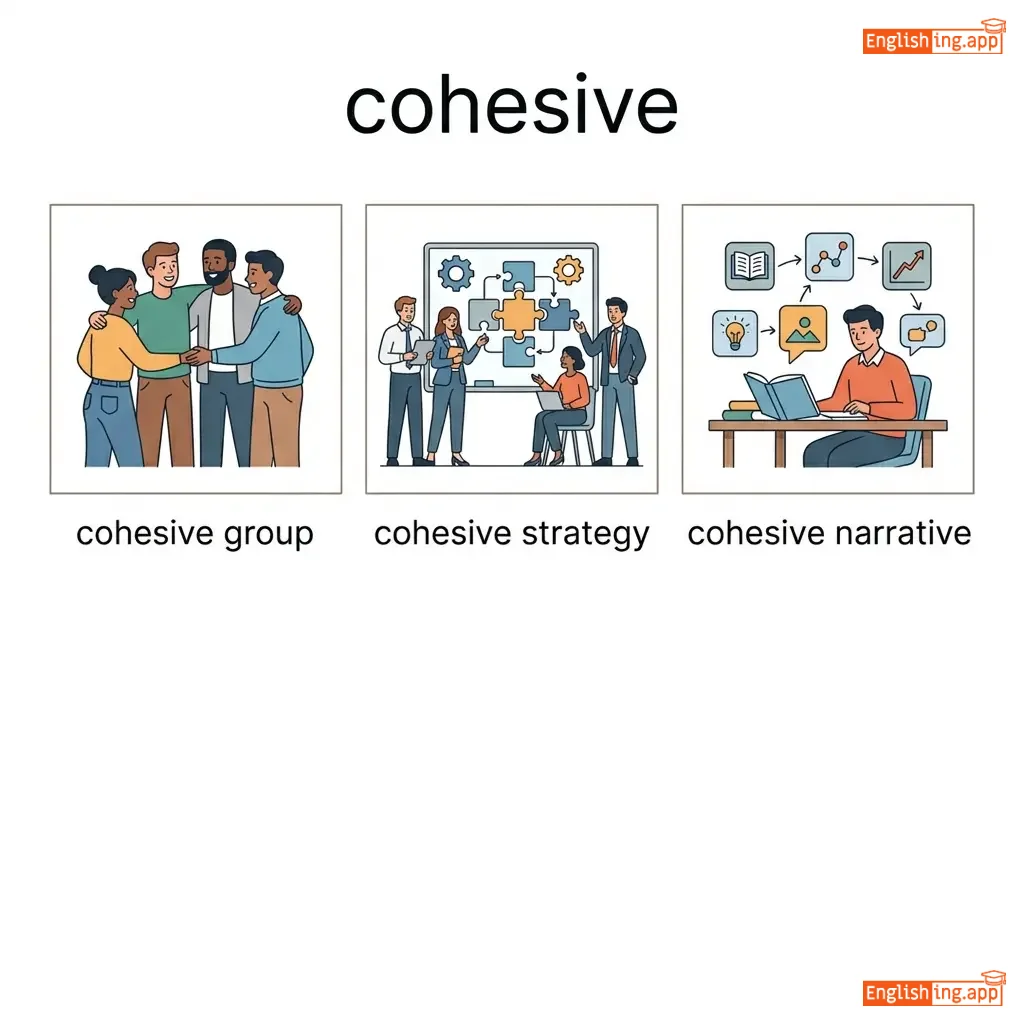
|
cohesive group, cohesive strategy, cohesive narrative
••••••
|
Cohesive - 物事が結びついて、ばらばらにならないような感じ。
••••••
|
|
#1553
🤝
|
/koʊˈhiːʒən/
noun
(コヘイジョン)
••••••
|
|
結束
kessoku
••••••
|
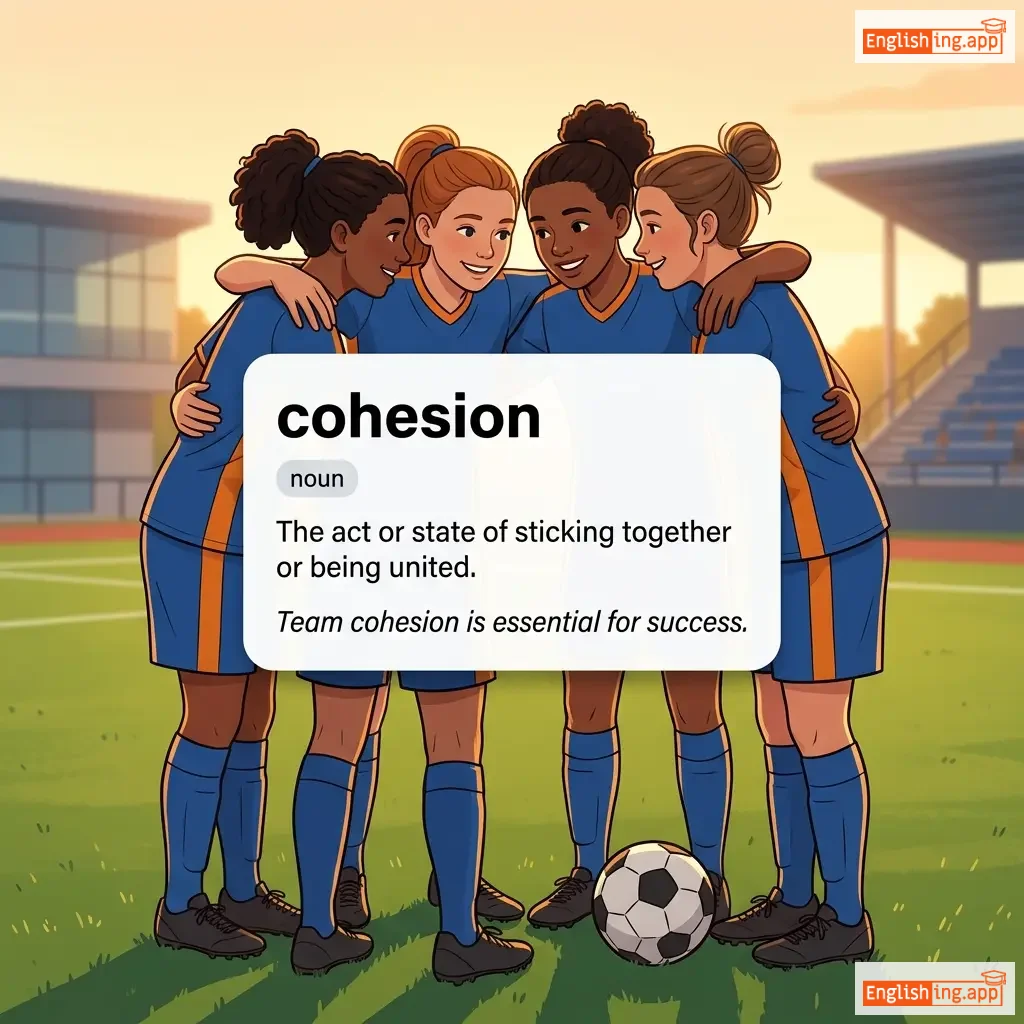
- •••••• | - •••••• | - •••••• | - •••••• |
The act or state of sticking together or being united.
••••••
|
Team cohesion is essential for success. |
チームの結束は成功のために不可欠です。
Chīmu no kessoku wa seikō no tame ni fukaketsu desu.
••••••
|
social cohesion |
The bonds that bring people together in a society.
••••••
|
社会的結束
Shakaiteki kessoku
••••••
|
unity, solidarity, bond, connection, integration
••••••
|
division, separation
••••••
|
team cohesion, social cohesion, strong cohesion
••••••
|
Cohesion = co+hesion → 一緒に団結しよう (結束)
••••••
|
|
#1554
🧩
|
/koʊˈhɪr/
verb
(コヒア)
••••••
|
- •••••• |
一致する
icchi suru
••••••
|
cohered
コヒアード
••••••
|
cohered
コヒアード
••••••
|
coheres
コヒアーズ
••••••
|
cohering
コヒアリング
••••••
|
To stick together; to be united logically or physically.
••••••
|
The ideas in his essay cohere well.
彼のエッセイのアイデアはよく調和しています。
••••••
|
彼のエッセイのアイデアはよく調和しています。
Kare no essei no aidea wa yoku chōwa shiteimasu.
••••••
|
- •••••• | - •••••• | - •••••• |
stick, adhere, connect, unite, bond
••••••
|
separate, detach
••••••
|
cohere with, logically cohere, ideas cohere
••••••
|
Co+here → 一緒に (co) ここに (here) くっつく = 一致する
••••••
|
|
#1555
🏠
|
/koʊˈhæbɪt/
verb
(kohabit)
••••••
|
- •••••• |
同棲する
dousei suru
••••••
|
cohabited
kohabited
••••••
|
cohabited
kohabited
••••••
|
cohabits
kohabits
••••••
|
cohabiting
kohabiting
••••••
|
To live together, often as partners without being married.
••••••
|
They decided to cohabit before getting married.
彼らは結婚前に同居することを決めました。
••••••
|
彼らは結婚前に同居することを決めました。
Karera wa kekkon mae ni dousei suru koto o kimemashita.
••••••
|
- •••••• | - •••••• | - •••••• |
live together, reside, dwell, share a home
••••••
|
separate, divorce
••••••
|
cohabit with, cohabiting couple, unmarried cohabit
••••••
|
Co+habit → 同棲は結婚の前段階
••••••
|
|
#1556
📛
|
/kɒɡˈnoʊmən/
noun
(コグノーメン)
••••••
|
- •••••• |
苗字 / あだ名
myouji / adana
••••••
|
- •••••• | - •••••• | - •••••• | - •••••• |
A family name or surname; an additional name or nickname.
••••••
|
His cognomen became widely known in literary circles.
彼のコグノーメンは文学界で広く知られている。
••••••
|
彼の苗字は文学界で広く知られている。
Kare no myouji wa bungakukai de hiroku shirarete iru.
••••••
|
- •••••• | - •••••• | - •••••• |
surname, family name, epithet, alias, nickname
••••••
|
given name, first name
••••••
|
Roman cognomen, adopt cognomen, family cognomen
••••••
|
Cognomenはco+name→家族と共有する名前(苗字)
••••••
|
|
#1557
📘
|
/ˈkɒɡnɪzənt/
adjective
(コグニザント)
••••••
|
|
認識している
ninshiki shite iru
••••••
|
- •••••• | - •••••• | - •••••• | - •••••• |
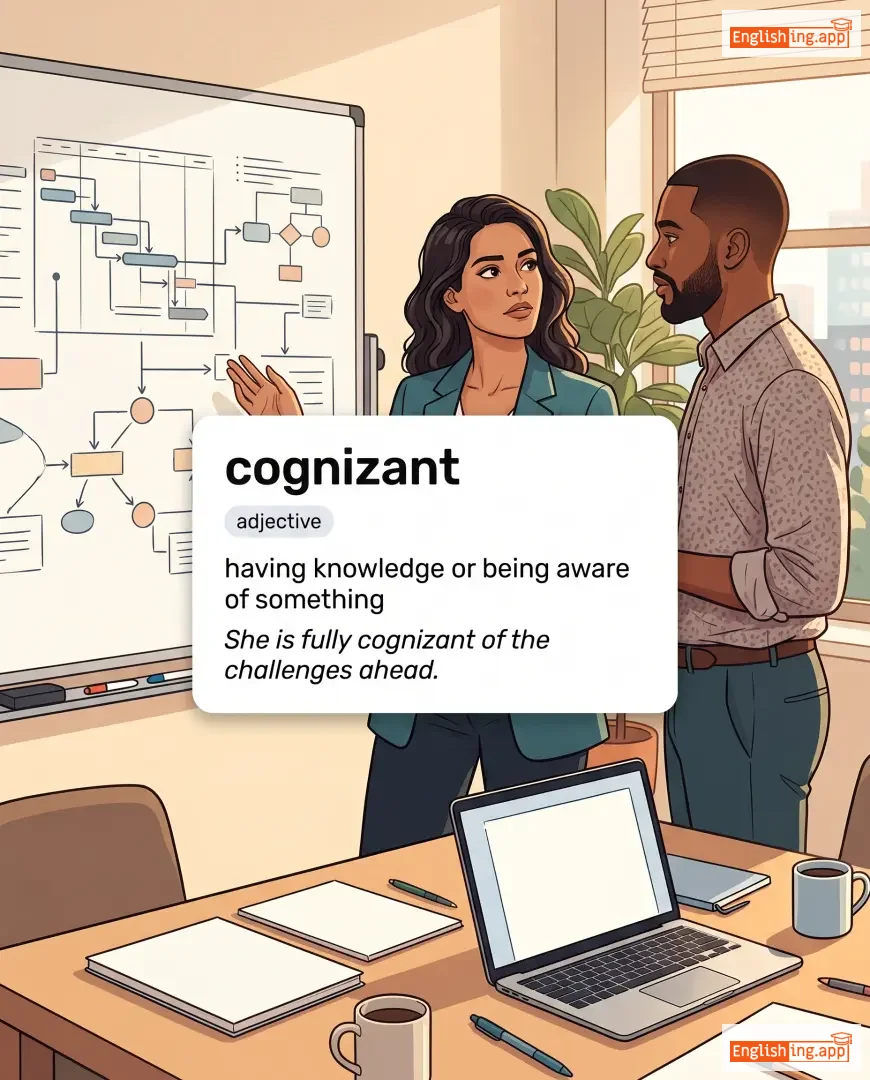
having knowledge or being aware of something
••••••
|
She is fully cognizant of the challenges ahead.
彼女は前方に待ち受けている課題を完全に認識しています。
••••••
|
彼女は前方に待ち受けている課題を完全に認識しています。
Kanojo wa zenpou ni machiukete iru kadai o kanzen ni ninshiki shite imasu.
••••••
|
- •••••• | - •••••• | - •••••• |
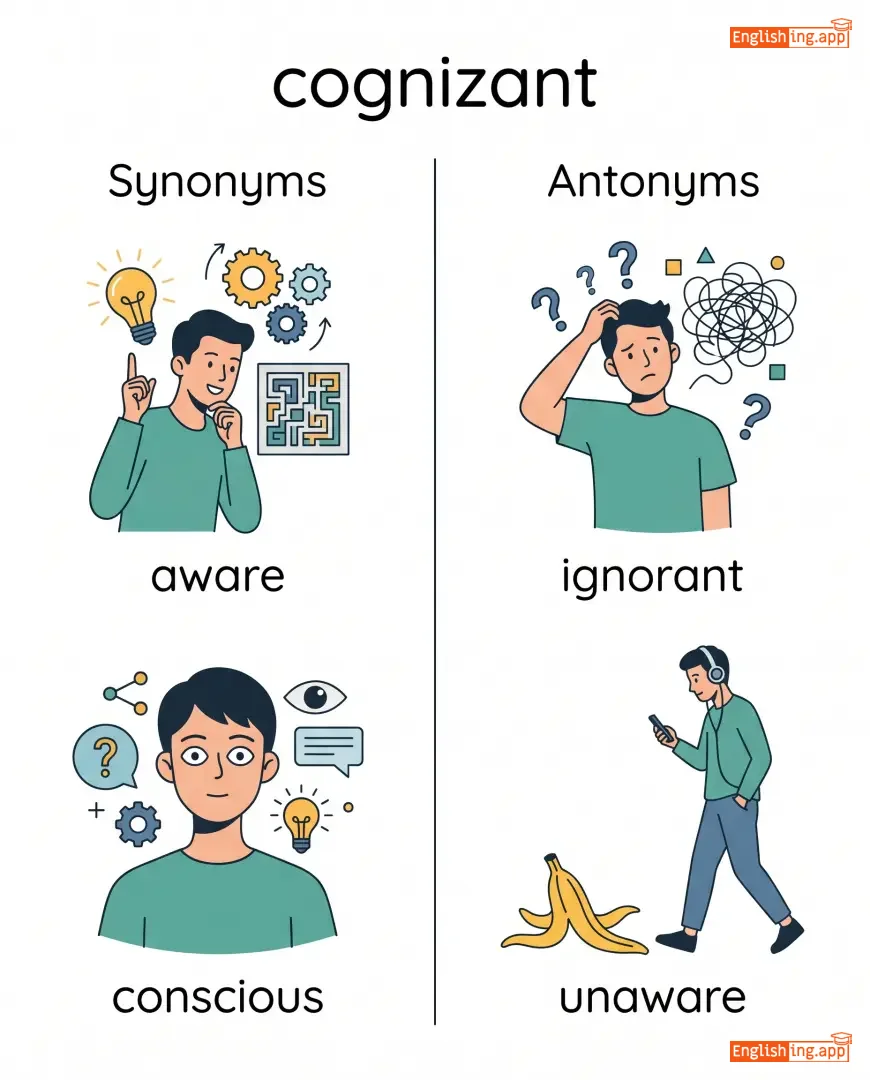
aware, conscious, informed, mindful
••••••
|
ignorant, unaware, oblivious
••••••
|
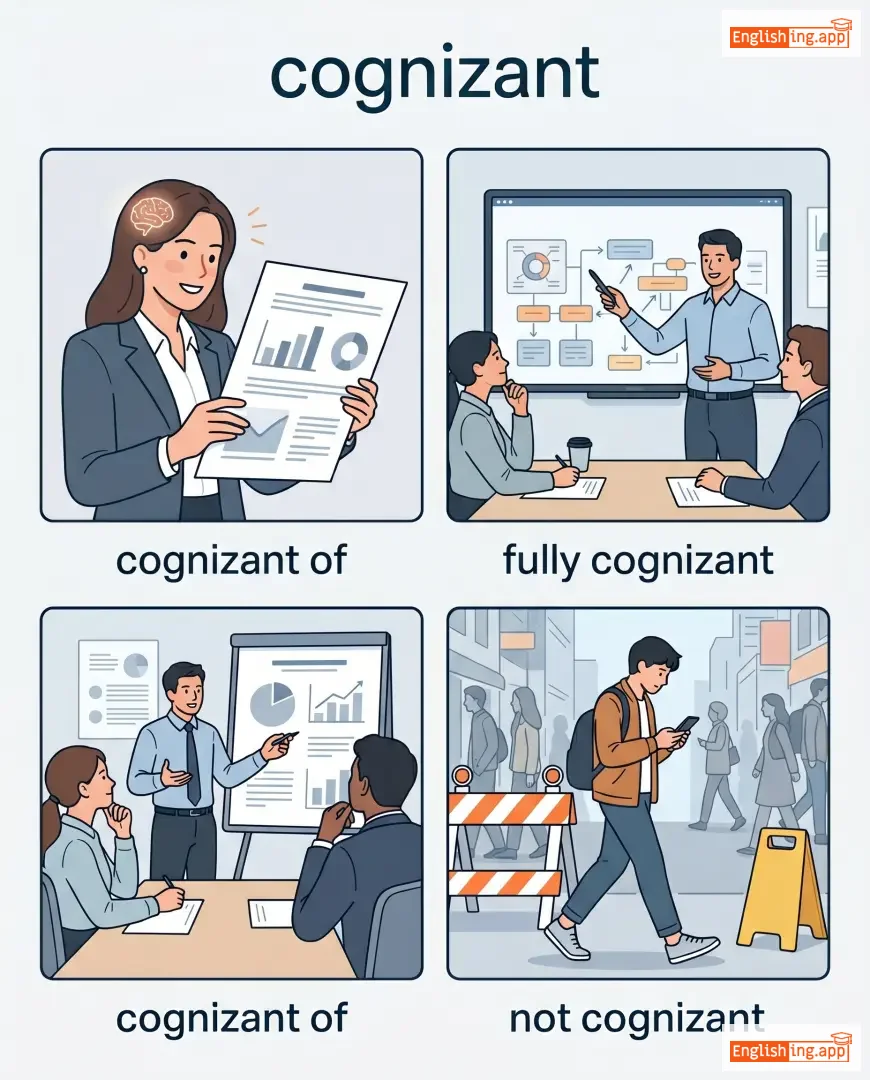
cognizant of, fully cognizant, not cognizant
••••••
|
Cognizantは、何かを認識しているという意味で、課題を認識している彼女のようです。
••••••
|
|
#1558
👀
|
/ˈkɒɡnɪzəns/
noun
(コグニザンス)
••••••
|
|
認識、意識または通知
ninshiki, ishiki matawa tsuuchi
••••••
|
- •••••• | - •••••• | - •••••• | - •••••• |
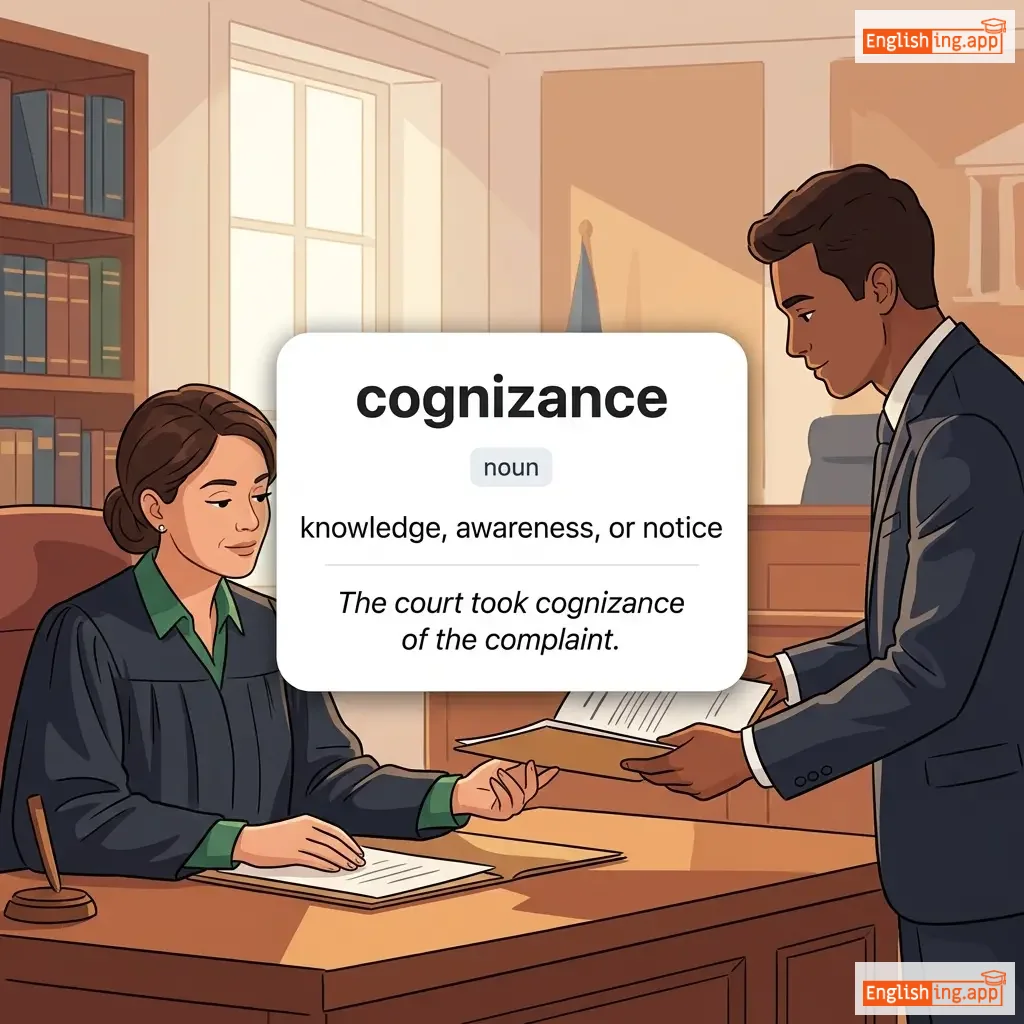
knowledge, awareness, or notice
••••••
|
The court took cognizance of the complaint. |
裁判所は苦情を認識しました。
Saibansho wa kujou o ninshiki shimashita.
••••••
|
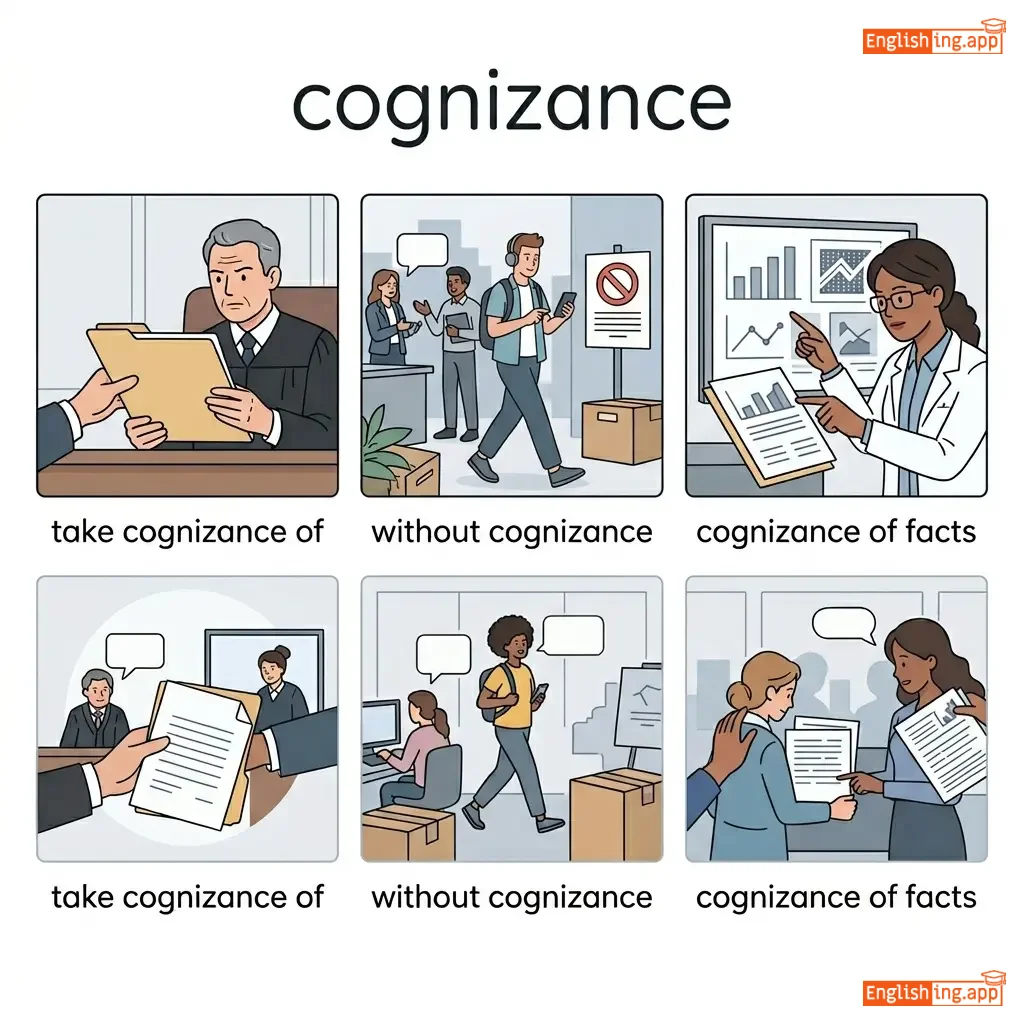
take cognizance of |
to notice or pay attention to something officially
••••••
|
認識する
ninshiki suru
••••••
|
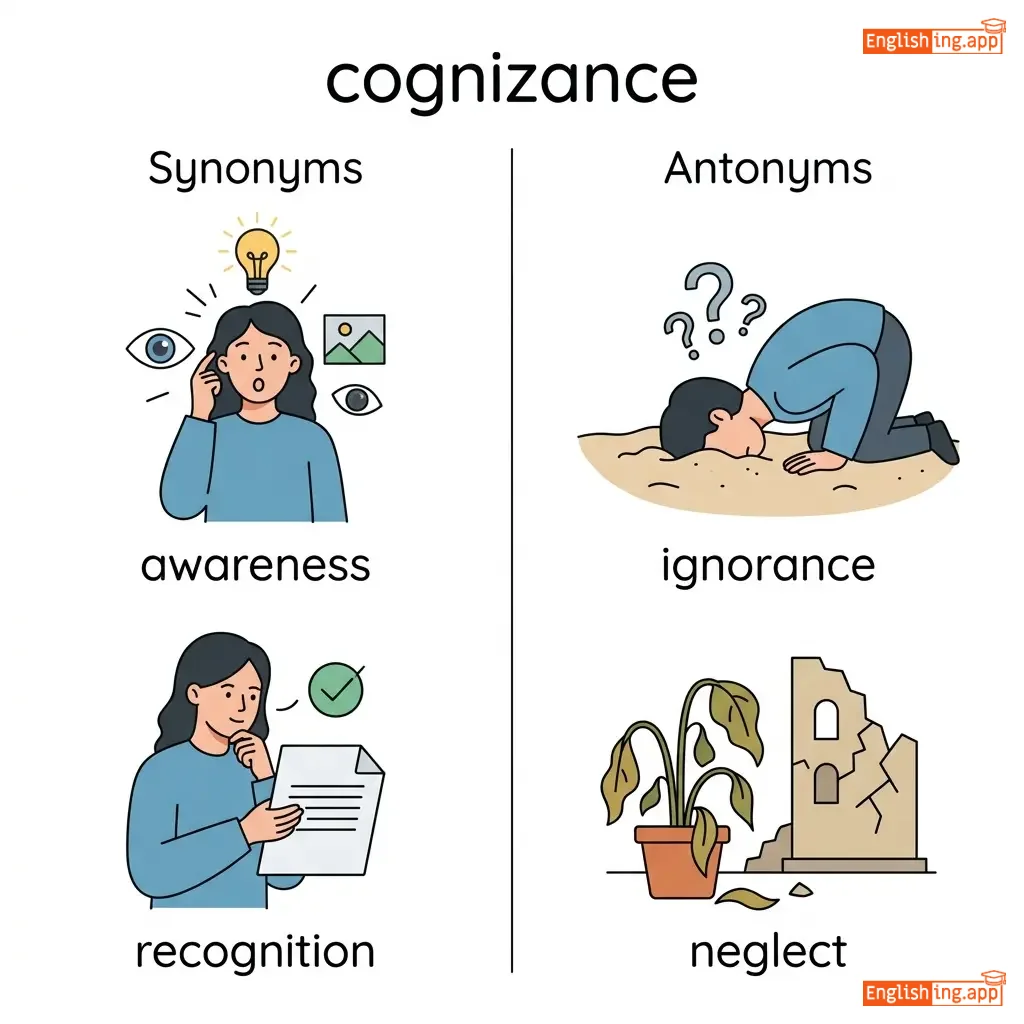
awareness, recognition, understanding, perception
••••••
|
ignorance, neglect, disregard
••••••
|
take cognizance of, without cognizance, cognizance of facts
••••••
|
Cognizance = Cognition + Notice → 裁判所は苦情にNoticeします。
••••••
|
|
#1559
🧠
|
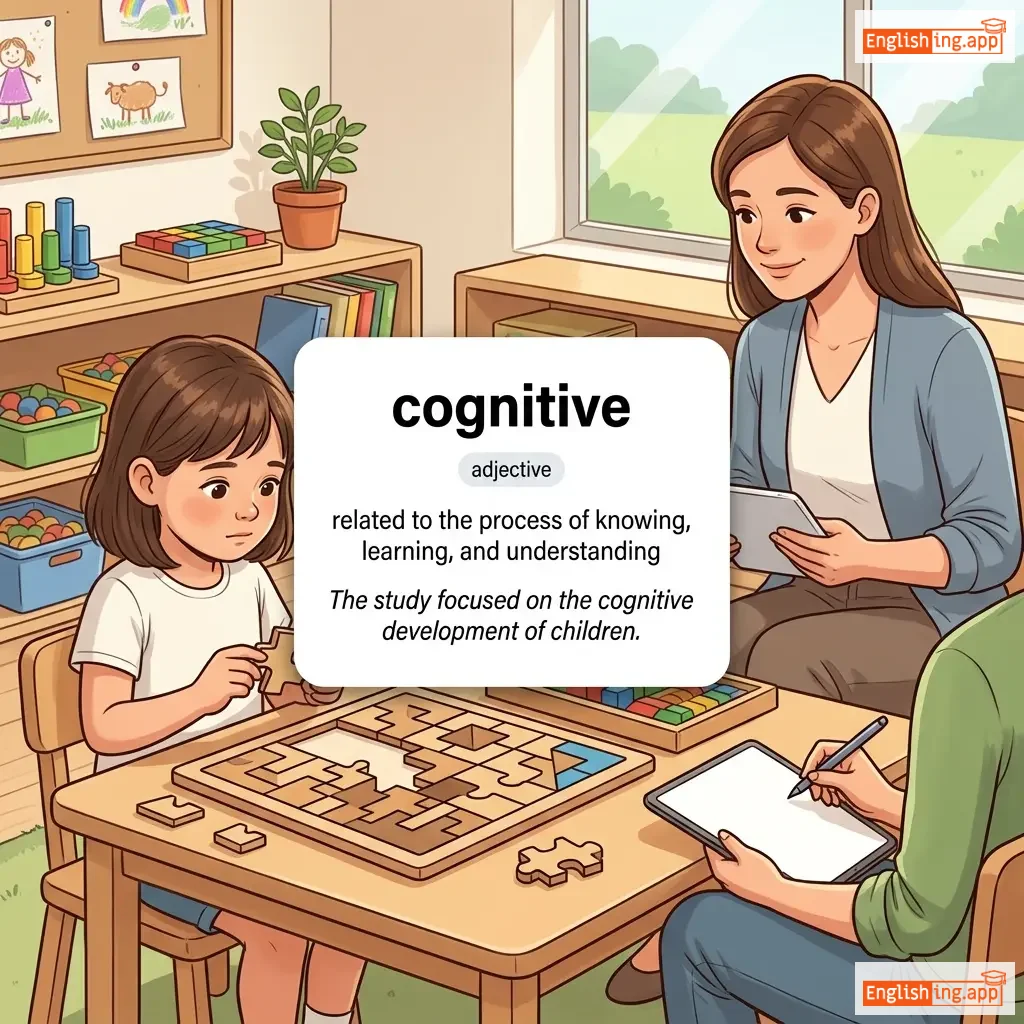
/ˈkɒɡnətɪv/
adjective
(コグニティブ)
••••••
|
|
認知的
ninchiteki
••••••
|
- •••••• | - •••••• | - •••••• | - •••••• |
related to the process of knowing, learning, and understanding
••••••
|
The study focused on the cognitive development of children. |
この研究は子供の認知的発達に焦点を当てていました。
Kono kenkyū wa kodomo no ninchiteki hattatsu ni shōten o atete imashita.
••••••
|
- •••••• | - •••••• | - •••••• |
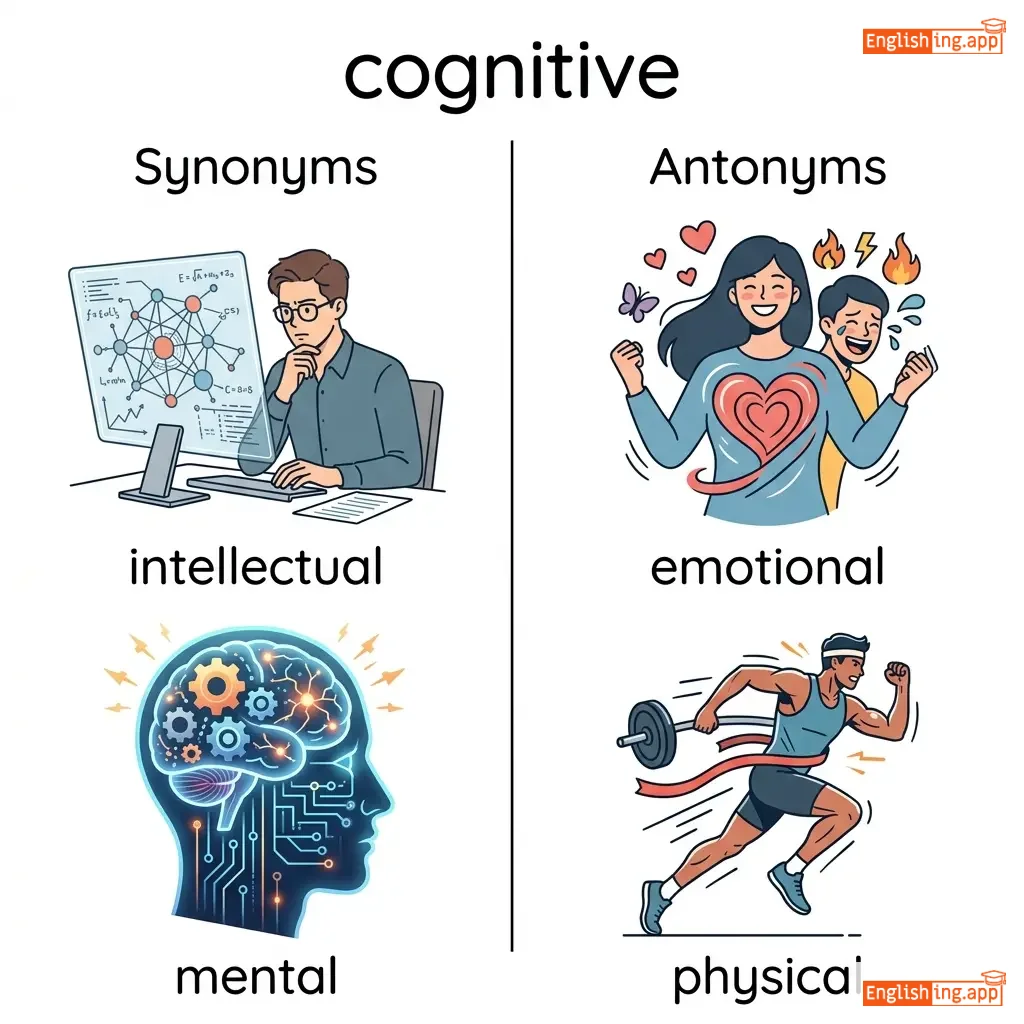
intellectual, mental, psychological, rational
••••••
|
emotional, physical, unconscious
••••••
|
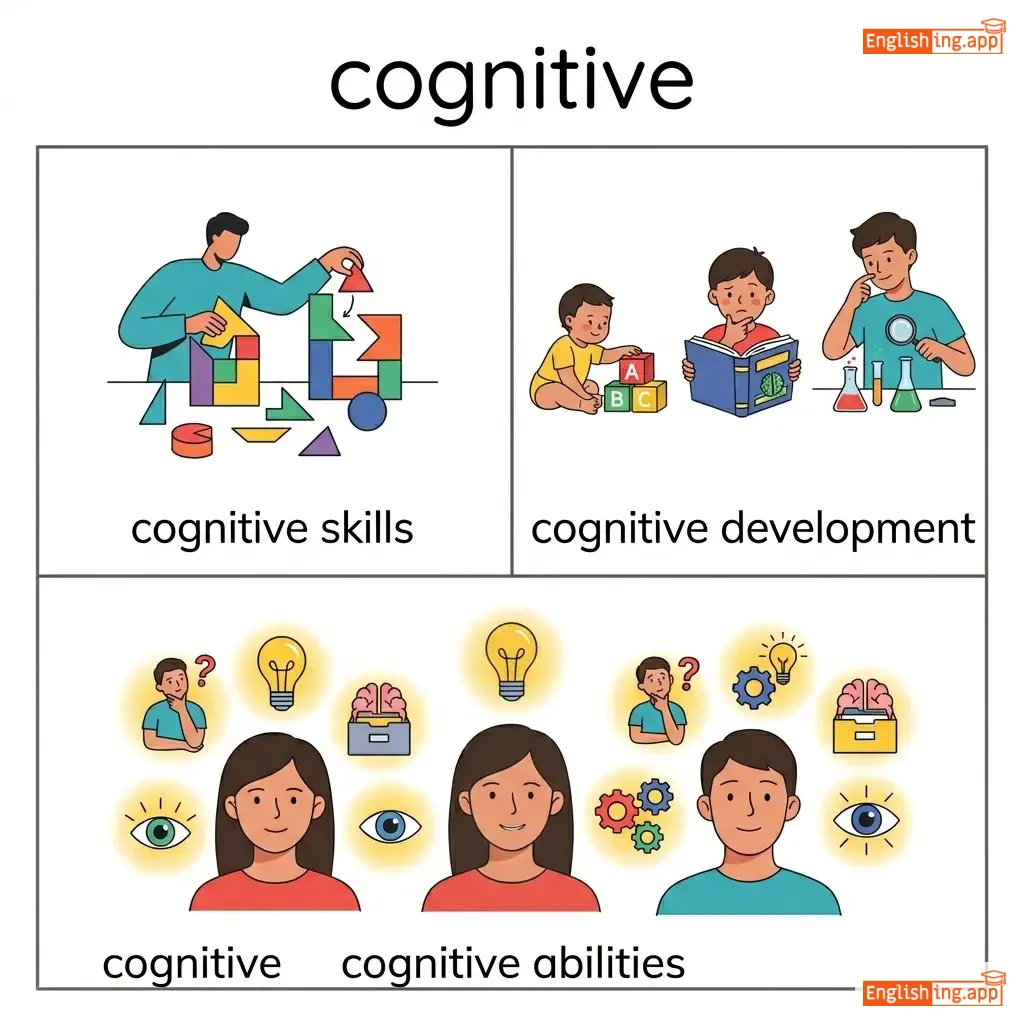
cognitive skills, cognitive development, cognitive abilities
••••••
|
Cognitive = Brain related, 認知的 = 知識と学びに関連 🧠
••••••
|
|
#1560
🔤
|
/ˈkɒɡneɪt/
noun
(コグネイト)
••••••
|
- •••••• |
同根語
dōkongo
••••••
|
- •••••• | - •••••• | - •••••• | - •••••• |
a word related to another word in origin; having the same linguistic root
••••••
|
The Spanish word 'madre' and the English word 'mother' are cognates. |
スペイン語の「madre」と英語の「mother」は同根語です。
Supeingo no 'madre' to Eigo no 'mother' wa dōkongo desu.
••••••
|
- •••••• | - •••••• | - •••••• |
related, akin, allied, comparable
••••••
|
unrelated, distinct, different
••••••
|
cognate words, cognate languages, cognate roots
••••••
|
同根語は同じ語源から来た言葉です。「mother」と「madre」は同じ語源です。
••••••
|
Vocabulary Quiz
Test your vocabulary by matching words with their translations or meanings.
Login to take the quiz
Comments (0)
Share your thoughts and join the discussion.
Join the discussion by logging in
Login to CommentNo comments yet
Be the first to share your thoughts!