

翻訳
過去
過去分詞
三人称単数
動名詞
意味
例文
例文の翻訳
同義語
対義語
コロケーション
ニーモニック

Swipe left or right, or use the buttons. Tap image to zoom.
例文の翻訳
単語
Lesson 380Lesson 380 - マスクトグル
|
絵文字
|
単語 | Images | 翻訳 | 過去 | 過去分詞 | 三人称単数 | 動名詞 | 意味 | 例文 | 例文の翻訳 | 表現例 | 表現例の意味 | 表現例の翻訳 | 同義語 | 対義語 | コロケーション | ニーモニック |
|---|---|---|---|---|---|---|---|---|---|---|---|---|---|---|---|---|---|
|
#11365
⚙️
|
/məˈʃiːn/
noun
(マシーン)
••••••
|
- •••••• |
機械
kikai
••••••
|
- •••••• | - •••••• | - •••••• | - •••••• |
A device with moving parts that uses energy to perform a particular task.
••••••
|
This washing machine is very efficient. |
この洗濯機は非常に効率的です。
Kono sentakuki wa hijō ni kōritsutekidesu.
••••••
|
well-oiled machine |
something that runs smoothly and efficiently
••••••
|
うまく油を差した機械
umaku abura o sashita kikai
••••••
|
device, apparatus, engine, mechanism, equipment
••••••
|
manual work, handwork
••••••
|
washing machine, sewing machine, machine learning, machine parts
••••••
|
機械 = 完璧に動作する装置
••••••
|
|
#11366
🏭
|
/ˌmænjəˈfæktʃərɪŋ/
noun
(マニュファクチャリング)
••••••
|
- •••••• |
製造業
seizōgyō
••••••
|
- •••••• | - •••••• | - •••••• | - •••••• |
the process of making products on a large scale using machinery
••••••
|
The country is investing heavily in the manufacturing sector. |
その国は製造業に大規模に投資しています。
sono kuni wa seizōgyō ni daikibo ni tōshi shiteimasu.
••••••
|
manufacturing hub |
a place where a large amount of manufacturing occurs
••••••
|
製造拠点
seizō kyoten
••••••
|
production, fabrication, assembly, creation, making
••••••
|
consumption, destruction
••••••
|
manufacturing industry, manufacturing process, manufacturing sector, manufacturing plant
••••••
|
製造業は大量の製品を作る仕事です
••••••
|
|
#11367
🗣️
|
/ˈmænər/
noun
(マナー)
••••••
|
- •••••• |
マナー / 方法
manā / hōhō
••••••
|
- •••••• | - •••••• | - •••••• | - •••••• |
a way in which something is done or happens
••••••
|
He spoke in a polite manner. |
彼は礼儀正しく話しました。
Kare wa reigi tadashiku hanashimashita.
••••••
|
in a manner of speaking |
in a certain sense or way
••••••
|
話し方の一つ
hanashikata no hitotsu
••••••
|
way, style, method, fashion, approach
••••••
|
disorder, chaos
••••••
|
polite manner, proper manner, rude manner, in this manner
••••••
|
Manner はマナーや方法を意味します - 礼儀正しく話す
••••••
|
|
#11368
👔
|
/ˈmænɪdʒər/
noun
(マネージャー)
••••••
|
- •••••• |
マネージャー
manējā
••••••
|
- •••••• | - •••••• | - •••••• | - •••••• |
a person responsible for controlling or administering an organization or group of staff
••••••
|
The manager approved the new project plan. |
マネージャーは新しいプロジェクト計画を承認しました。
Manējā wa atarashī purojekuto keikaku o shōnin shimashita.
••••••
|
- •••••• | - •••••• | - •••••• |
supervisor, director, administrator, boss
••••••
|
employee, worker
••••••
|
project manager, team manager, general manager, sales manager
••••••
|
マネージャー - 管理する人
••••••
|
|
#11369
📊
|
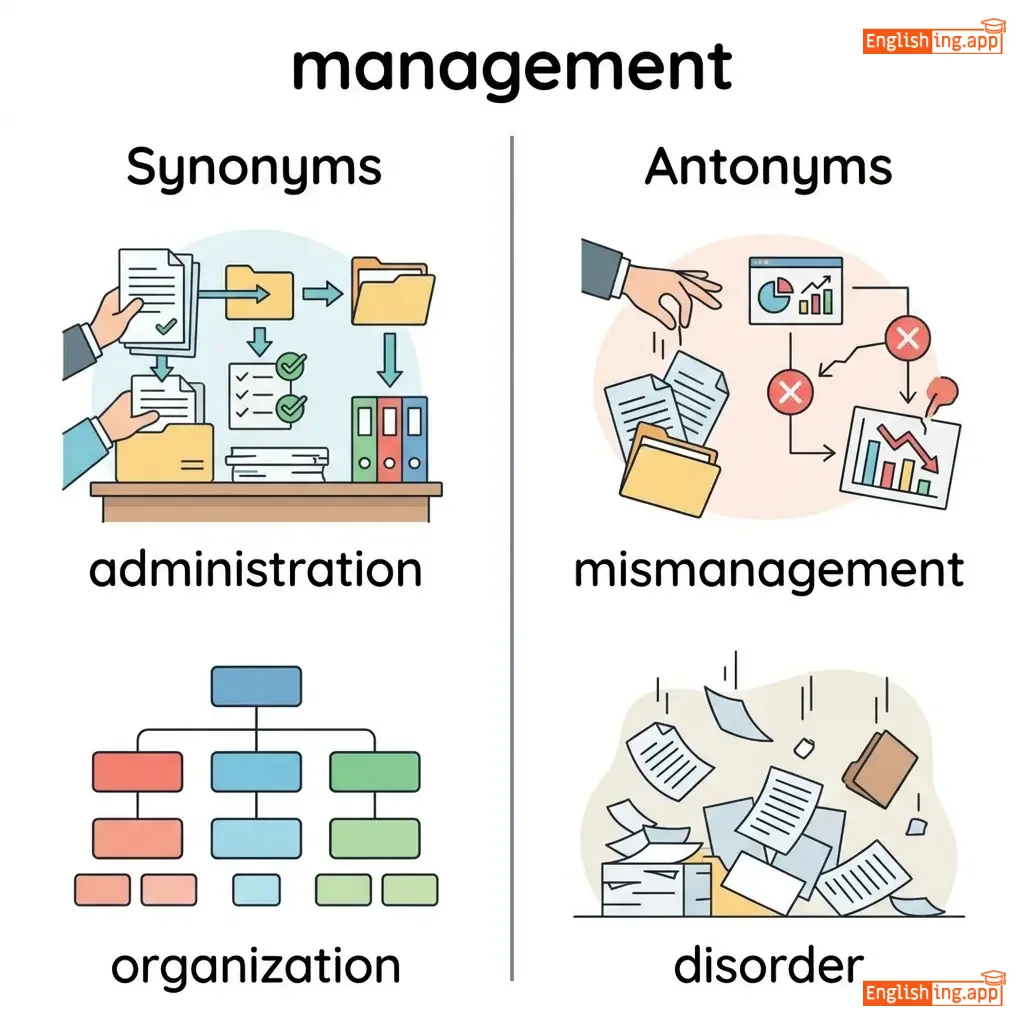
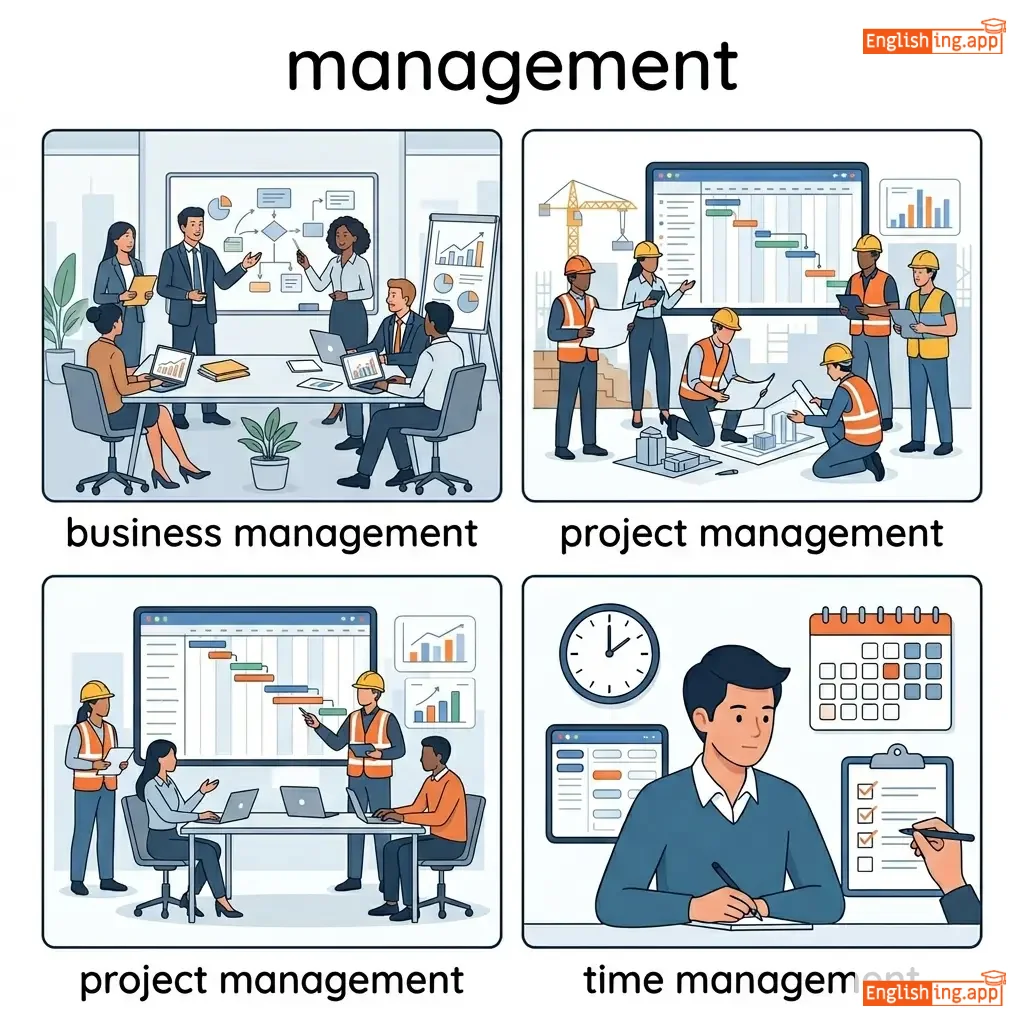
/ˈmænɪdʒmənt/
noun
(マネジメント)
••••••
|
|
マネジメント
manejimento
••••••
|
- •••••• | - •••••• | - •••••• | - •••••• |
the process of dealing with or controlling things or people
••••••
|
Good management is crucial for the success of any business.
良いマネジメントは、どんなビジネスにも成功のために重要です。
••••••
|
良いマネジメントは、どんなビジネスにも成功のために重要です。
Yoi manejimento wa, donna bijinesu ni mo seikou no tame ni juuyou desu.
••••••
|
- •••••• | - •••••• | - •••••• |
administration, organization, control, supervision, direction
••••••
|
mismanagement, disorder
••••••
|
business management, project management, time management, management team
••••••
|
マネジメントはすべてを整理し、効率よく管理することです。
••••••
|
|
#11370
🛠️
|
/ˈmænɪdʒ/
verb
(マネージ)
••••••
|
|
管理する
kanri suru
••••••
|
managed
マネージド
••••••
|
managed
マネージド
••••••
|
manages
マネージェス
••••••
|
managing
マネージング
••••••
|
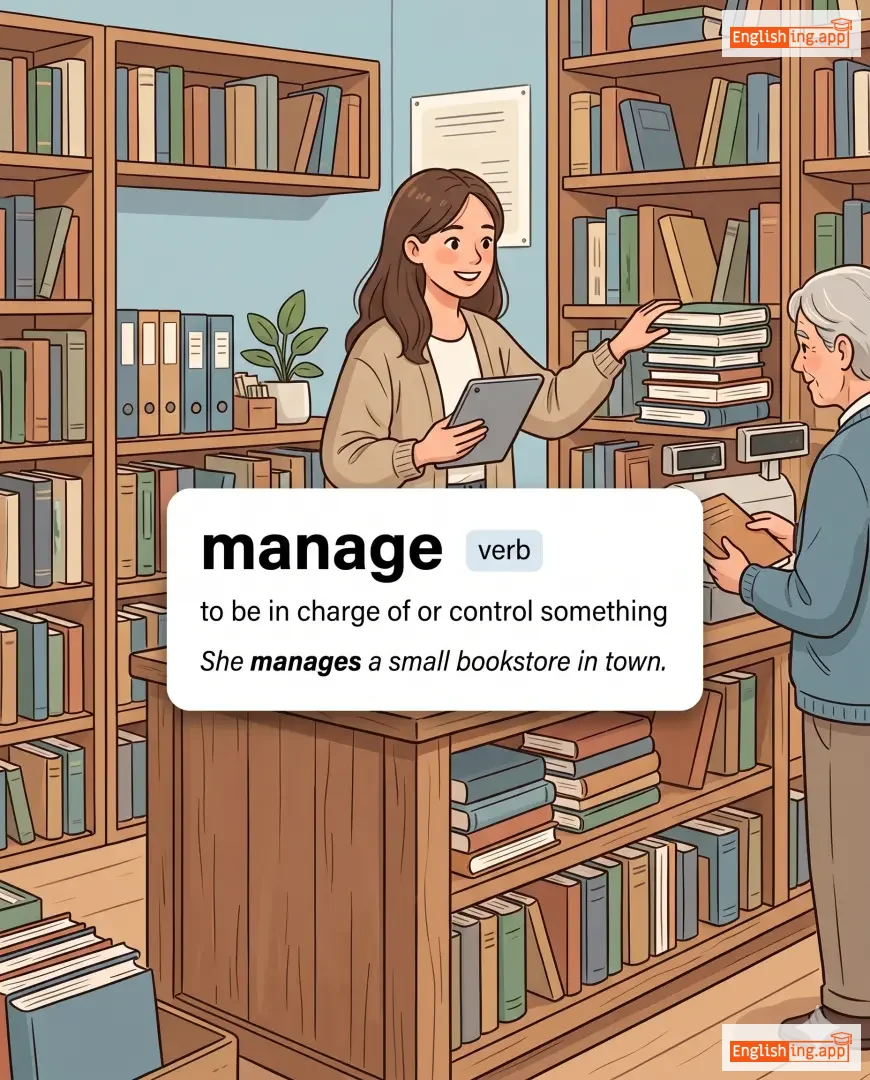
to be in charge of or control something
••••••
|
She manages a small bookstore in town.
彼女は町の小さな書店を経営しています。
••••••
|
彼女は町の小さな書店を経営しています。
Kanojo wa machi no chiisana shoten o keiei shiteimasu.
••••••
|
manage to do
何とかしてする
••••••
|
succeed in doing something, especially with difficulty
••••••
|
何とかしてする
nantoka shite suru
••••••
|
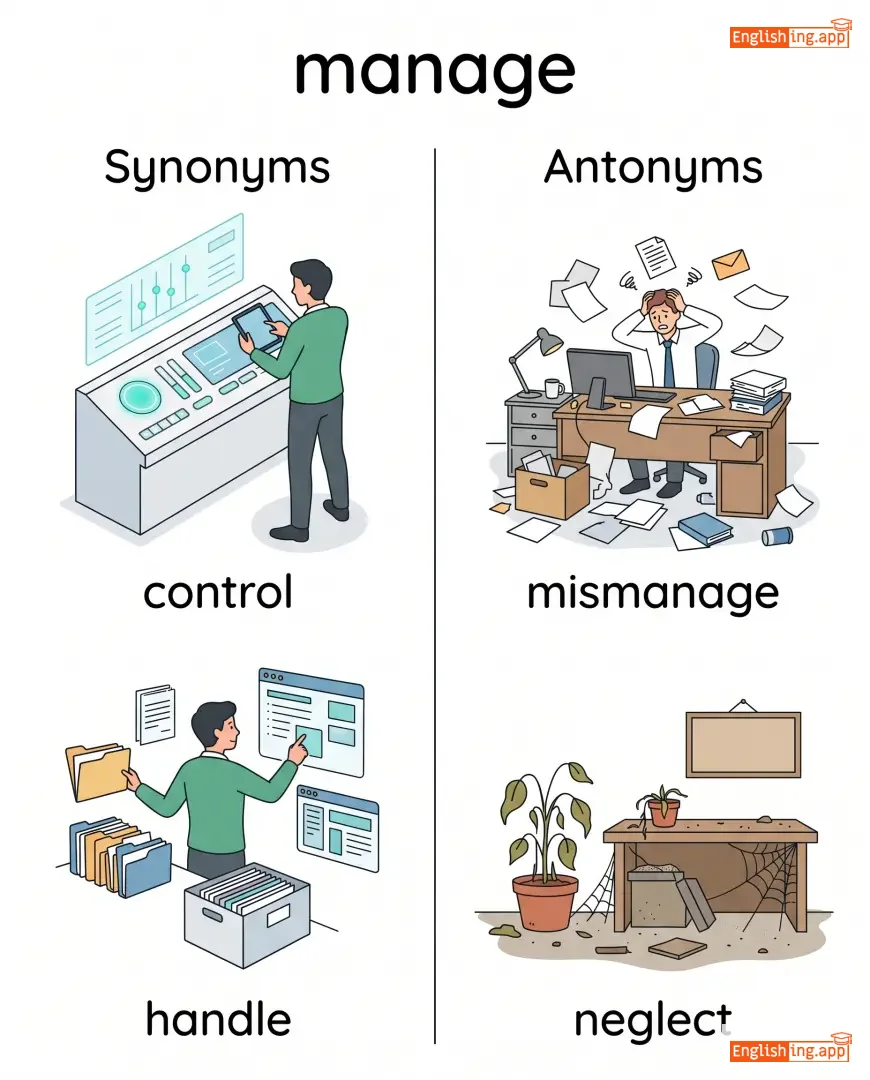
control, handle, supervise, oversee, direct
••••••
|
mismanage, neglect
••••••
|
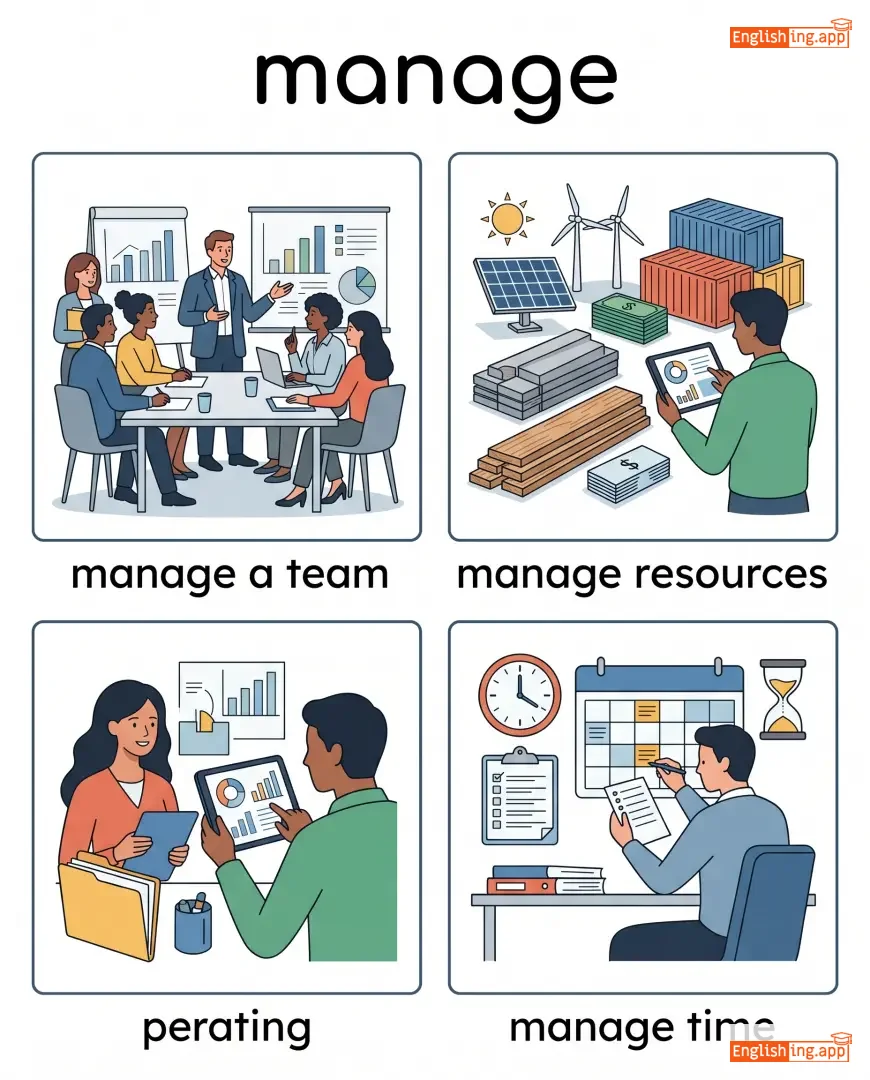
manage a team, manage resources, manage time, manage business
••••••
|
マネージャーはすべてを管理します!
••••••
|
|
#11371
👨
|
/mæn/
noun
(マン)
••••••
|
- •••••• |
男性
dansei
••••••
|
- •••••• | - •••••• | - •••••• | - •••••• |
an adult human male
••••••
|
The man helped the child cross the street.
ザ・マンヘルプトゥ・ザ・チャイルド・クロス・ザ・ストリート。
••••••
|
その男性は子供が通りを渡るのを手伝いました。
Sono dansei wa kodomo ga tōri o wataru no o tetsudaimashita.
••••••
|
man's best friend
マン'ズ・ベスト・フレンド
••••••
|
a phrase often used to describe dogs, emphasizing their loyalty to humans
••••••
|
男の最良の友達
otoko no sairyō no tomodachi
••••••
|
male, gentleman, guy, fellow, bloke
••••••
|
woman, female
••••••
|
young man, old man, real man, man of honor
••••••
|
Man 男性 - マン = 男性
••••••
|
|
#11372
👨
|
/meɪl/
noun/adjective
(メイル)
••••••
|
- •••••• |
男性
dansei
••••••
|
- •••••• | - •••••• | - •••••• | - •••••• |
a man or boy; relating to men or boys
••••••
|
The school has more male teachers than female teachers.
学校には女性の教師よりも男性の教師が多い。
••••••
|
学校には女性の教師よりも男性の教師が多い。
Gakkou ni wa josei no kyoushi yori mo dansei no kyoushi ga ooi.
••••••
|
male dominance
男性支配
••••••
|
a situation where men hold more power
••••••
|
男性支配
dansei shihai
••••••
|
man, boy, masculine, gentleman
••••••
|
female, woman
••••••
|
male student, male voice, male member, male worker
••••••
|
男性(Dansei)は男らしいことを意味します。
••••••
|
|
#11373
🛠️
|
/ˈmeɪkər/
noun
(メイカー)
••••••
|
- •••••• |
創造者
sozo-sha
••••••
|
- •••••• | - •••••• | - •••••• | - •••••• |
a person or thing that makes or produces something
••••••
|
He is a famous movie maker in Hollywood.
彼はハリウッドの有名な映画製作者です。
••••••
|
彼はハリウッドの有名な映画製作者です。
kare wa hariruddo no yuumei na eiga seisakusha desu.
••••••
|
decision maker
意思決定者
••••••
|
a person who has the authority to make decisions
••••••
|
意思決定者
ishikettei-sha
••••••
|
creator, builder, producer, manufacturer
••••••
|
destroyer, breaker
••••••
|
movie maker, money maker, policy maker, tool maker
••••••
|
Maker は創造者を意味します — 何かを作り出す人、例えば映画製作者。
••••••
|
|
#11374
🏆
|
/ˈmeɪdʒər/
adjective
(メジャー)
••••••
|
- •••••• |
重要な
jūyōna
••••••
|
- •••••• | - •••••• | - •••••• | - •••••• |
important, serious, or significant
••••••
|
Climate change is a major concern for the world. |
気候変動は世界にとって重大な懸念事項です。
kikō hendō wa sekai ni totte jūdaina shinpai jikō desu.
••••••
|
major breakthrough |
an important discovery or development
••••••
|
重要な突破口
jūyōna toppakō
••••••
|
significant, important, serious, substantial
••••••
|
minor, insignificant
••••••
|
major issue, major role, major problem, major impact
••••••
|
Majorは重要、深刻、または意義深いを意味します。
••••••
|
|
#11375
🔑
|
/ˈmeɪnli/
adverb
(meinri)
••••••
|
- •••••• |
主に
omoni
••••••
|
- •••••• | - •••••• | - •••••• | - •••••• |
for the most part; chiefly
••••••
|
The audience was mainly composed of students.
観客は主に学生で構成されていました。
••••••
|
観客は主に学生で構成されていました。
Kankyaku wa omoni gakusei de kousei sarete imashita.
••••••
|
- •••••• | - •••••• | - •••••• |
chiefly, primarily, largely, mostly
••••••
|
partly, rarely
••••••
|
mainly because, mainly due to, mainly concerned with
••••••
|
Mainlyは主にを意味します — Mainは最も重要です。
••••••
|
|
#11376
⭐
|
/meɪn/
adjective
(メイン)
••••••
|
- •••••• |
主要な
shuyō na
••••••
|
- •••••• | - •••••• | - •••••• | - •••••• |
most important; chief in size, extent, or importance
••••••
|
The main reason for his success is hard work. |
彼の成功の主な理由は、努力したことです。
kare no seikō no omona riyū wa, doryoku shita koto desu.
••••••
|
main attraction |
the most important or interesting feature
••••••
|
主要な観光名所
shuyō na kankō meisho
••••••
|
chief, primary, principal, central, major
••••••
|
minor, secondary, trivial
••••••
|
main reason, main point, main idea, main street
••••••
|
Mainは主要な、Main Streetは最も重要な通りです。
••••••
|
|
#11377
📬
|
/meɪl/
noun/verb
(メイル)
••••••
|
- •••••• |
郵便 / 手紙
yūbin / tegami
••••••
|
mailed
メイルド
••••••
|
mailed
メイルド
••••••
|
mails
メイルズ
••••••
|
mailing
メイリング
••••••
|
Letters, packages, or email messages sent or delivered to someone.
••••••
|
I received an important letter in the mail.
私は郵便で重要な手紙を受け取りました。
••••••
|
私は郵便で重要な手紙を受け取りました。
Watashi wa yūbin de jūyōna tegami o uketorimashita.
••••••
|
snail mail
スネイルメール
••••••
|
traditional postal mail as opposed to email
••••••
|
伝統的な郵便
dentōteki na yūbin
••••••
|
post, letter, package, parcel, email
••••••
|
email (in contrast to snail mail), direct delivery
••••••
|
send mail, check mail, junk mail, mail service
••••••
|
郵便は配達員が届ける、mailは郵便です。
••••••
|
|
#11378
📖
|
/ˈmæɡəziːn/
noun
(マガジン)
••••••
|
- •••••• |
雑誌
zasshi
••••••
|
- •••••• | - •••••• | - •••••• | - •••••• |
A periodical publication containing articles, photographs, and advertisements.
••••••
|
She bought a fashion magazine at the store. |
彼女は店でファッション雑誌を買いました。
Kanojo wa mise de fasshon zasshi o kaimashita.
••••••
|
- •••••• | - •••••• | - •••••• |
journal, periodical, publication, digest, paper
••••••
|
book, novel
••••••
|
fashion magazine, magazine article, magazine cover, magazine subscription
••••••
|
Magazine は雑誌、店でファッション雑誌を買おう。
••••••
|
|
#11379
😡
|
/mæd/
adjective
(マッド)
••••••
|
- •••••• |
怒っている / 狂っている
okotteiru / kurutteiru
••••••
|
- •••••• | - •••••• | - •••••• | - •••••• |
Very angry, insane, or foolish.
••••••
|
She was mad at her brother for breaking the vase. |
彼女は兄が花瓶を壊したことで怒っていた。
Kanojo wa ani ga kabin o kowashita koto de okotteita.
••••••
|
mad as a hatter |
completely crazy
••••••
|
帽子屋のように狂っている
Bōshiya no yō ni kurutteiru
••••••
|
angry, furious, insane, crazy, irate
••••••
|
calm, sane
••••••
|
mad at, go mad, mad idea, mad world
••••••
|
Mad は怒りや狂気を意味し、誰かが怒りで制御を失うときの状態です。
••••••
|
|
#11380
📍
|
/loʊˈkeɪʃən/
noun
(ロケーション)
••••••
|
- •••••• |
場所
basho
••••••
|
- •••••• | - •••••• | - •••••• | - •••••• |
a particular place or position
••••••
|
This cafe is in a beautiful location near the lake.
このカフェは湖の近くの素晴らしいロケーションにあります。
••••••
|
このカフェは湖の近くの素晴らしい場所にあります。
Kono kafe wa mizuumi no chikaku no subarashī basho ni arimasu.
••••••
|
on location
ロケーションで
••••••
|
filming at the actual site instead of a studio
••••••
|
現場で
genba de
••••••
|
place, site, spot, area, venue
••••••
|
displacement, absence
••••••
|
prime location, shooting location, remote location, exact location
••••••
|
場所 = 何かがある場所
••••••
|
|
#11381
🫁
|
/lʌŋ/
noun
(lʌŋ)
••••••
|
- •••••• |
肺
hai
••••••
|
- •••••• | - •••••• | - •••••• | - •••••• |
Either of the two organs in the chest that are responsible for breathing and exchanging oxygen and carbon dioxide.
••••••
|
Smoking can seriously damage your lungs. |
喫煙はあなたの肺に深刻なダメージを与える可能性があります。
Kitsuen wa anata no hai ni shinkoku na damēji o ataeru kanōsei ga arimasu.
••••••
|
burst a lung |
to make a huge effort, usually physically
••••••
|
全力を尽くす
zenryoku o tsukusu
••••••
|
respiratory organ, pulmonary organ, chest organ, airway, breathing organ
••••••
|
heart, liver
••••••
|
lung cancer, lung disease, lung capacity, lung infection
••••••
|
Lungは『肺』を意味します。呼吸できない時、あなたは『肺』が必要です。
••••••
|
|
#11382
🥪
|
/lʌntʃ/
noun
(ランチ)
••••••
|
- •••••• |
昼食
chuushoku
••••••
|
- •••••• | - •••••• | - •••••• | - •••••• |
a meal eaten in the middle of the day
••••••
|
We usually have lunch at 1 p.m. |
私たちは通常、午後1時にランチを食べます。
Watashitachi wa tsuujou, gogo 1-ji ni ranchi o tabemasu.
••••••
|
out to lunch |
not paying attention or unaware of what is happening
••••••
|
ぼんやりしている
bonyari shiteiru
••••••
|
midday meal, brunch, tiffin, repast
••••••
|
dinner, supper
••••••
|
have lunch, lunch break, business lunch, packed lunch
••••••
|
ランチは昼食のこと—ランチを食べなければ、集中できません。
••••••
|
|
#11383
🍀
|
/ˈlʌki/
adjective
(ラッキー)
••••••
|
- •••••• |
運が良い
un ga yoi
••••••
|
- •••••• | - •••••• | - •••••• | - •••••• |
having good fortune or favorable circumstances
••••••
|
She felt lucky to have such supportive friends. |
彼女はそのような支えてくれる友達がいてラッキーだと感じていた。
Kanojo wa sonoyouna sasaete kureru tomodachi ga ite rakkii da to kanjite ita.
••••••
|
lucky break |
an unexpected opportunity or good fortune
••••••
|
運命の一発
unmei no ippatsu
••••••
|
fortunate, blessed, favored, charmed
••••••
|
unlucky, unfortunate
••••••
|
lucky chance, lucky day, lucky number, lucky star
••••••
|
Luckyは運が良いという意味 — 運が良ければ、人生はうまくいく
••••••
|
|
#11384
🍀
|
/lʌk/
noun
••••••
|
- •••••• | - •••••• | - •••••• | - •••••• | - •••••• | - •••••• |
success or failure apparently brought by chance rather than through one’s actions
••••••
|
He had the luck to find a good job quickly. |
- •••••• |
good luck |
a wish for success or fortune
••••••
|
- •••••• |
fortune, chance, fate, destiny
••••••
|
misfortune, bad luck
••••••
|
good luck, bad luck, stroke of luck, bring luck
••••••
|
No •••••• |
|
#11385
⬇️
|
/ˈloʊər/
verb
(ロウアー)
••••••
|
- •••••• |
下げる
sageru
••••••
|
lowered
ロウアード
••••••
|
lowered
ロウアード
••••••
|
lowers
ロウアーズ
••••••
|
lowering
ロウアリング
••••••
|
to move something to a lower position or to reduce
••••••
|
The company decided to lower the prices.
会社は価格を引き下げることを決定しました。
••••••
|
会社は価格を引き下げることを決定しました。
Kaisha wa kakaku o hikisageru koto o kettei shimashita.
••••••
|
lower the bar
バーを下げる
••••••
|
to reduce standards or expectations
••••••
|
バーを下げる
Bā o sageru
••••••
|
reduce, decrease, drop, lessen
••••••
|
raise, increase, elevate
••••••
|
lower prices, lower costs, lower level, lower voice
••••••
|
下げるとは、期待を下げることで、すべてを簡単にすることです。
••••••
|
|
#11386
❤️
|
/ˈlʌvər/
noun
(ラヴァー)
••••••
|
- •••••• |
恋人
koibito
••••••
|
- •••••• | - •••••• | - •••••• | - •••••• |
a person who is in a romantic relationship or has strong affection for someone
••••••
|
She met her lover at the café every evening. |
彼女は毎晩カフェで恋人と会っていました。
Kanojo wa maiban kafe de koibito to attemashita.
••••••
|
star-crossed lovers |
two people in love whose relationship is doomed or faces difficulties
••••••
|
星に運命を決められた恋人たち
Hoshi ni unmei o kimerareta koibito-tachi
••••••
|
partner, beloved, admirer, sweetheart, companion
••••••
|
enemy, foe
••••••
|
secret lover, true lover, old lover, lover boy
••••••
|
Lover は恋人 - 愛はすべてを乗り越えます
••••••
|
|
#11387
🌸
|
/ˈlʌvli/
adjective
(ラヴリー)
••••••
|
- •••••• |
素晴らしい
subarashii
••••••
|
- •••••• | - •••••• | - •••••• | - •••••• |
Delightful or very pleasing; beautiful.
••••••
|
It was a lovely evening by the beach. |
それは海辺での素晴らしい夕べでした。
Sore wa umibe de no subarashī yūbe deshita.
••••••
|
lovely day |
an especially pleasant or enjoyable day
••••••
|
素晴らしい日
subarashī hi
••••••
|
beautiful, charming, delightful, pleasant, adorable
••••••
|
ugly, unpleasant, hideous
••••••
|
lovely evening, lovely person, lovely smile, lovely place
••••••
|
LovelyはLove + lyで、素晴らしく美しい意味です。
••••••
|
|
#11388
🔊
|
/laʊd/
adjective/adverb
(ラウド)
••••••
|
- •••••• |
大きい
ookii
••••••
|
- •••••• | - •••••• | - •••••• | - •••••• |
Producing or capable of producing much noise.
••••••
|
The music was too loud to concentrate. |
音楽はあまりにも大きすぎて、集中できませんでした。
Ongaku wa amari ni mo ookisugite, shuuchuu dekimasen deshita.
••••••
|
loud and clear |
understood perfectly without any doubt
••••••
|
大きくてはっきり
ookikute hakkiri
••••••
|
noisy, boisterous, deafening, clamorous
••••••
|
quiet, silent, soft
••••••
|
speak loud, loud noise, loud voice, loud music
••••••
|
Loudは、スピーカーのように大きな音を出すことです。
••••••
|
|
#11389
🔢
|
/lɒts/
pronoun/noun
(ロッツ)
••••••
|
- •••••• |
たくさん
takusan
••••••
|
- •••••• | - •••••• | - •••••• | - •••••• |
A large number or amount of something.
••••••
|
She has lots of friends in the city.
彼女は街にたくさんの友達がいます。
••••••
|
彼女は街にたくさんの友達がいます。
Kanojo wa machi ni takusan no tomodachi ga imasu.
••••••
|
lots of luck
たくさんの幸運を祈ります
••••••
|
wishing someone good fortune
••••••
|
幸運を祈ります
kōun o inorimasu
••••••
|
many, plenty, loads, abundance
••••••
|
few, little, scarcity
••••••
|
lots of money, lots of people, lots of time, lots of friends
••••••
|
Lotsはたくさん、たくさんのことを意味します。
••••••
|
|
#11390
🧭
|
/lɒst/
verb/adjective
(ロスト)
••••••
|
- •••••• |
失われた
ushinawareta
••••••
|
lost
ロスト
••••••
|
lost
ロスト
••••••
|
loses
ローズ
••••••
|
losing
ローズィング
••••••
|
Unable to find the way; no longer in possession of something.
••••••
|
He lost his keys and couldn’t enter the house.
彼は鍵を失い、家に入れませんでした。
••••••
|
彼は鍵を失い、家に入れませんでした。
Kare wa kagi o ushinai, ie ni iremasen deshita.
••••••
|
lost cause
失われた原因
••••••
|
a hopeless situation with no chance of success
••••••
|
失われた原因
Ushinawareta gen'in
••••••
|
gone, misplaced, vanished, defeated
••••••
|
found, recovered, won
••••••
|
get lost, lost keys, lost opportunity, feel lost
••••••
|
Lost = 失われた、例えば Lost 携帯 = 失われた携帯。
••••••
|
|
#11391
📉
|
/lɒs/
noun
(ロス)
••••••
|
- •••••• |
損失
sonshitsu
••••••
|
- •••••• | - •••••• | - •••••• | - •••••• |
The state of no longer having something or someone; the harm resulting from losing.
••••••
|
The company suffered a huge financial loss last year. |
その会社は昨年、大きな財務的損失を被った。
Sono kaisha wa sakunen, ōkina zaimuteki sonshitsu o kōmotta.
••••••
|
at a loss |
to be puzzled or uncertain about what to do
••••••
|
損失
sonshitsu
••••••
|
damage, defeat, failure, decline, misfortune
••••••
|
gain, profit, success
••••••
|
suffer a loss, financial loss, at a loss, loss of life
••••••
|
損失は損失を意味し、📉 お金を失う時のように。
••••••
|
|
#11392
😞
|
/luːz/
verb
(ハピネス)
••••••
|
|
幸福
kōfuku
••••••
|
lost
••••••
|
lost
••••••
|
loses
••••••
|
losing
••••••
|
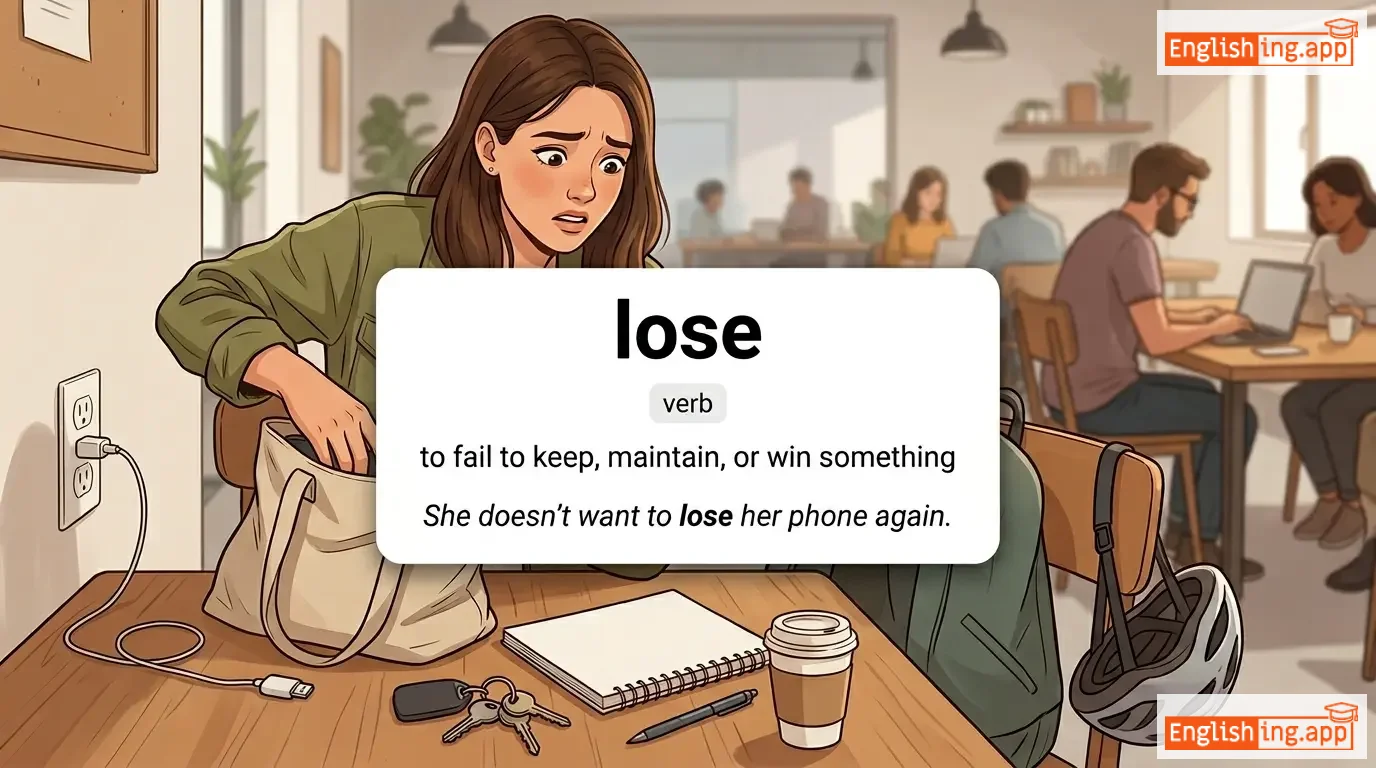
to fail to keep, maintain, or win something
••••••
|
She doesn’t want to lose her phone again.
彼女は賞を受け取ったとき、幸せを隠すことができませんでした。
••••••
|
彼女は賞を受け取ったとき、幸せを隠すことができませんでした。
Kanojo wa shō o uketotta toki, kōfuku o kakusu koto ga dekimasen deshita.
••••••
|
lose track
幸福の追求
••••••
|
to fail to keep informed or aware of something
••••••
|
幸福の追求
kōfuku no tsuikyū
••••••
|
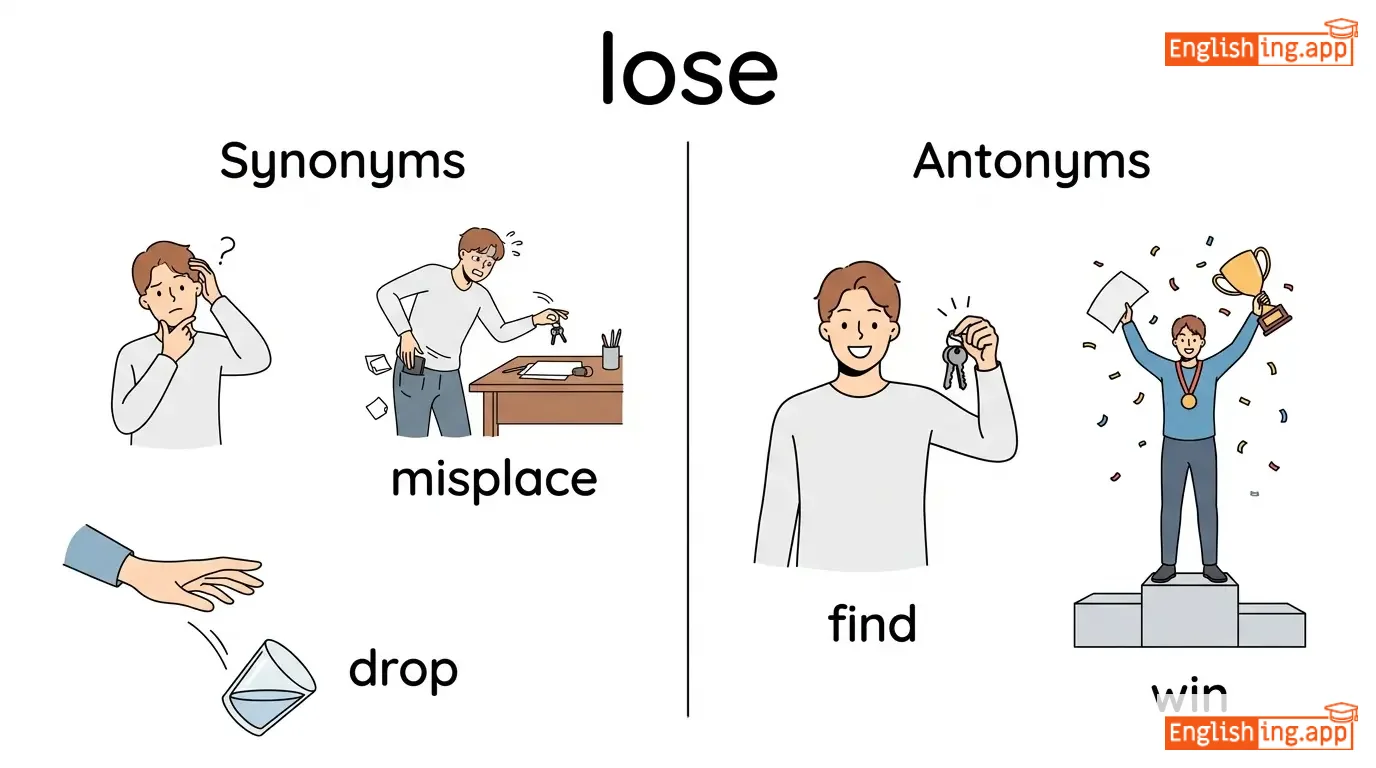
misplace, drop, forfeit, miss
••••••
|
find, win, gain
••••••
|
lose weight, lose a game, lose hope, lose control
••••••
|
幸福は自分の中にあり、探し続けることで見つかる宝物のようです。
••••••
|
|
#11393
⏳
|
/ˌlɔːŋ ˈtɜːrm/
adjective
(ロングターム)
••••••
|
|
長期的
chouki teki
••••••
|
- •••••• | - •••••• | - •••••• | - •••••• |
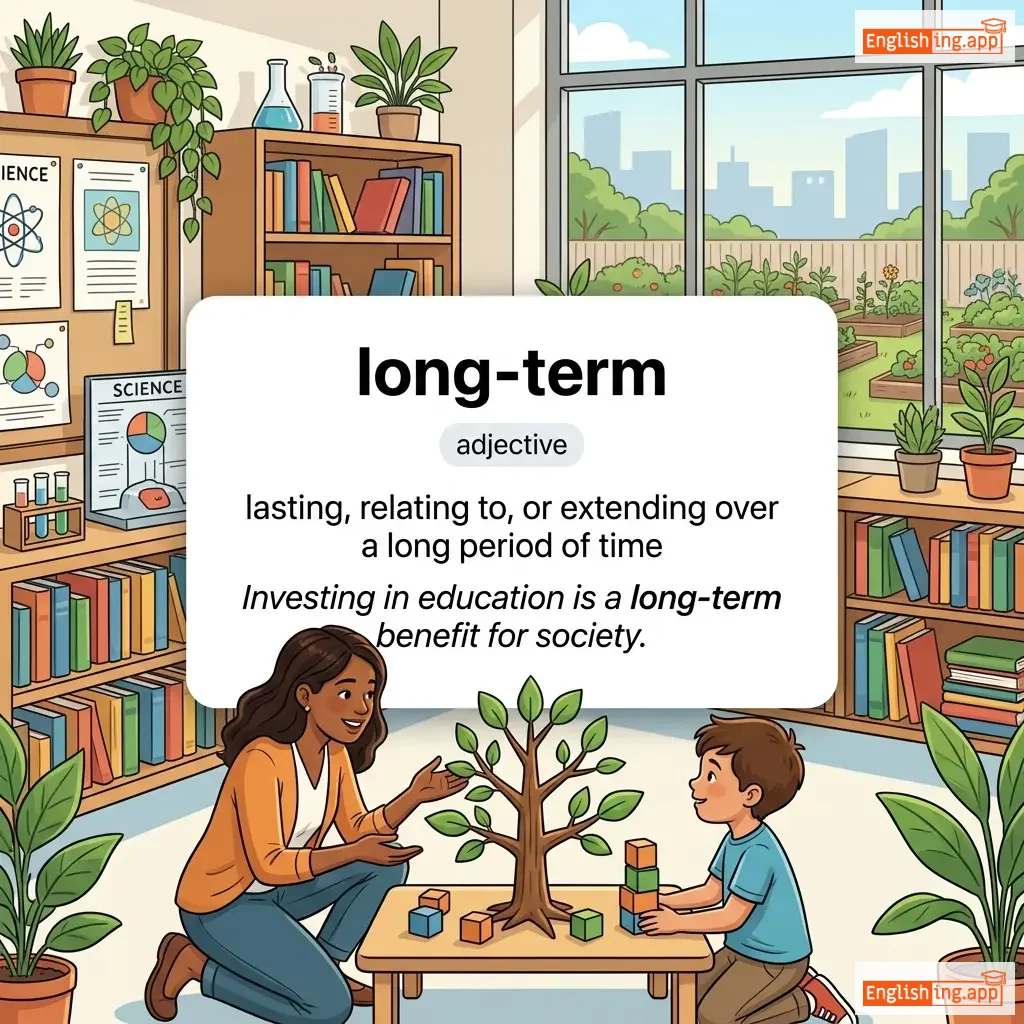
lasting, relating to, or extending over a long period of time
••••••
|
Investing in education is a long-term benefit for society. |
教育への投資は社会にとって長期的な利益です。
Kyouiku e no toushi wa shakai ni totte chouki teki na rieki desu.
••••••
|
- •••••• | - •••••• | - •••••• |
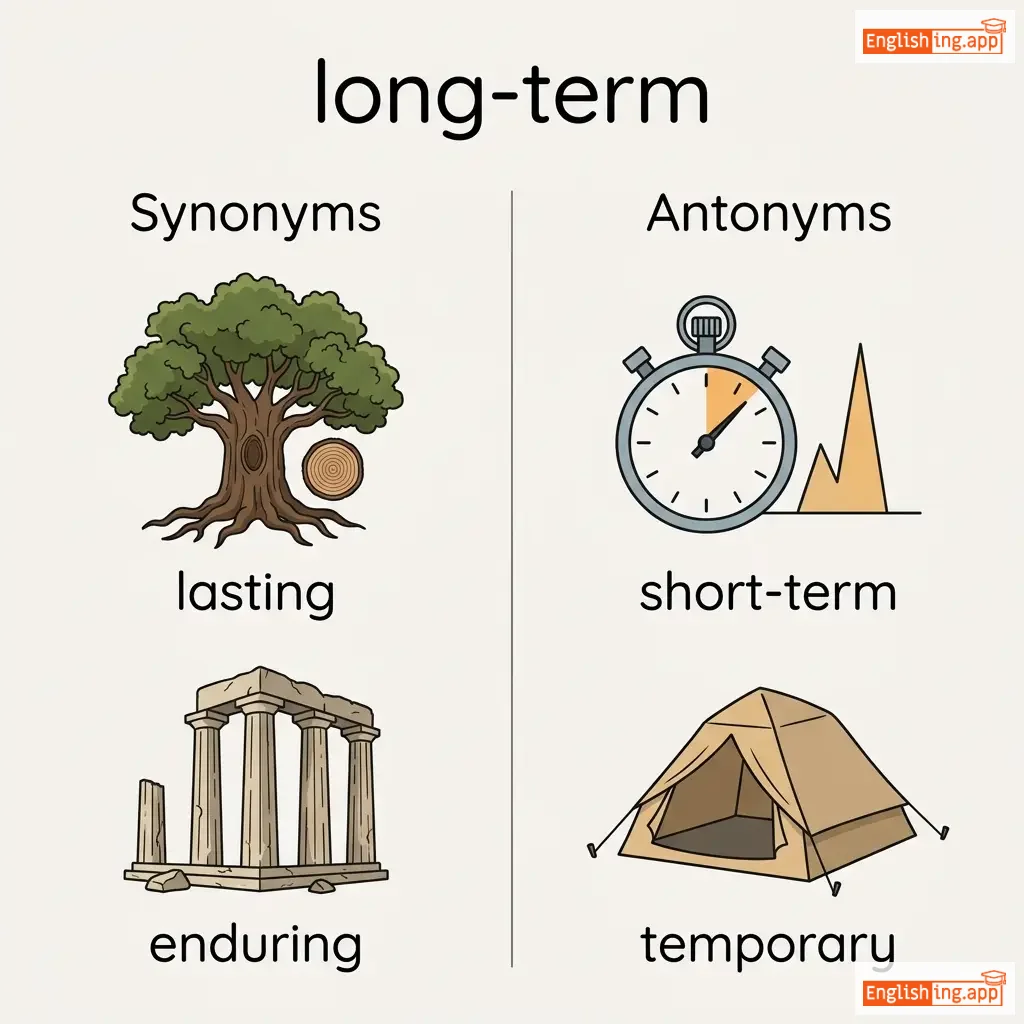
lasting, enduring, sustained, prolonged
••••••
|
short-term, temporary
••••••
|
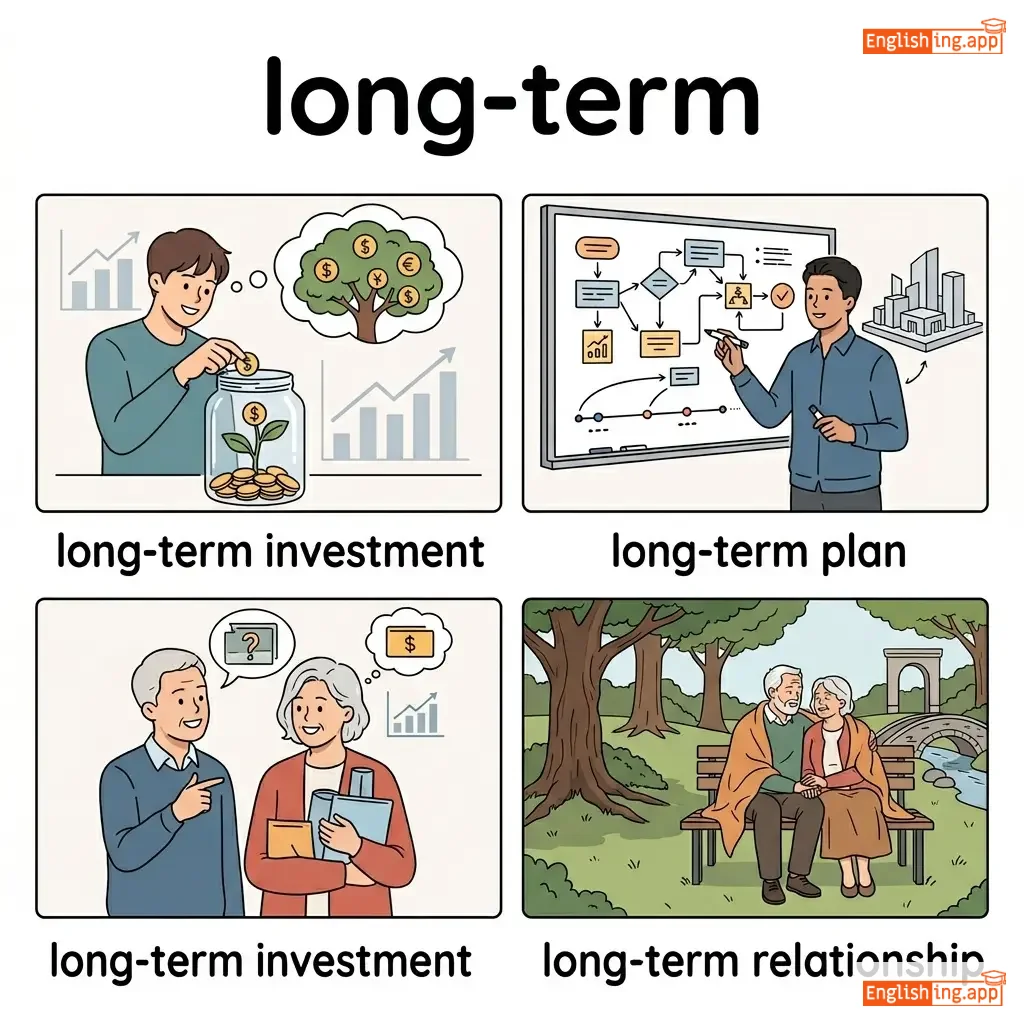
long-term investment, long-term plan, long-term relationship, long-term impact
••••••
|
長期的な投資は安定した利益 - 安定した未来のための投資
••••••
|
|
#11394
🔒
|
/lɒk/
verb, noun
(ロック)
••••••
|
|
鍵、ロックする
kagi, rokku suru
••••••
|
locked
ロックド
••••••
|
locked
ロックド
••••••
|
locks
ロックス
••••••
|
locking
ロッキング
••••••
|
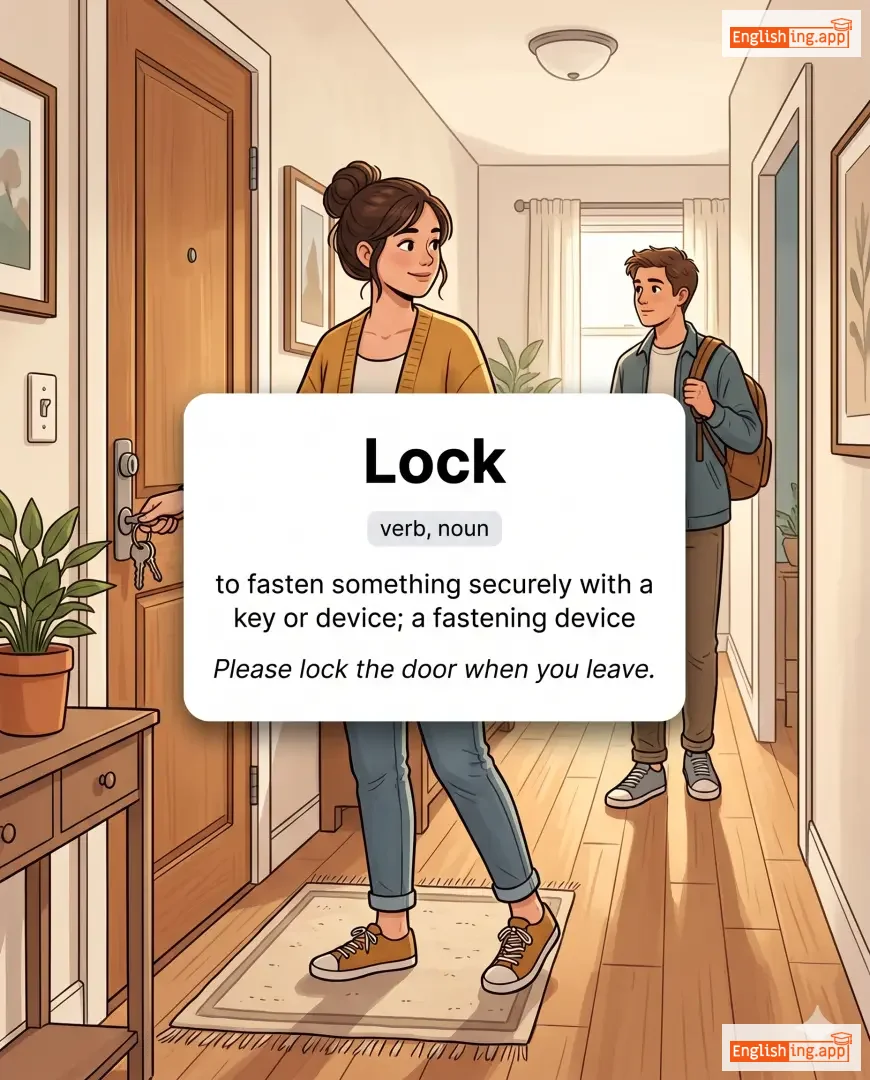
to fasten something securely with a key or device; a fastening device
••••••
|
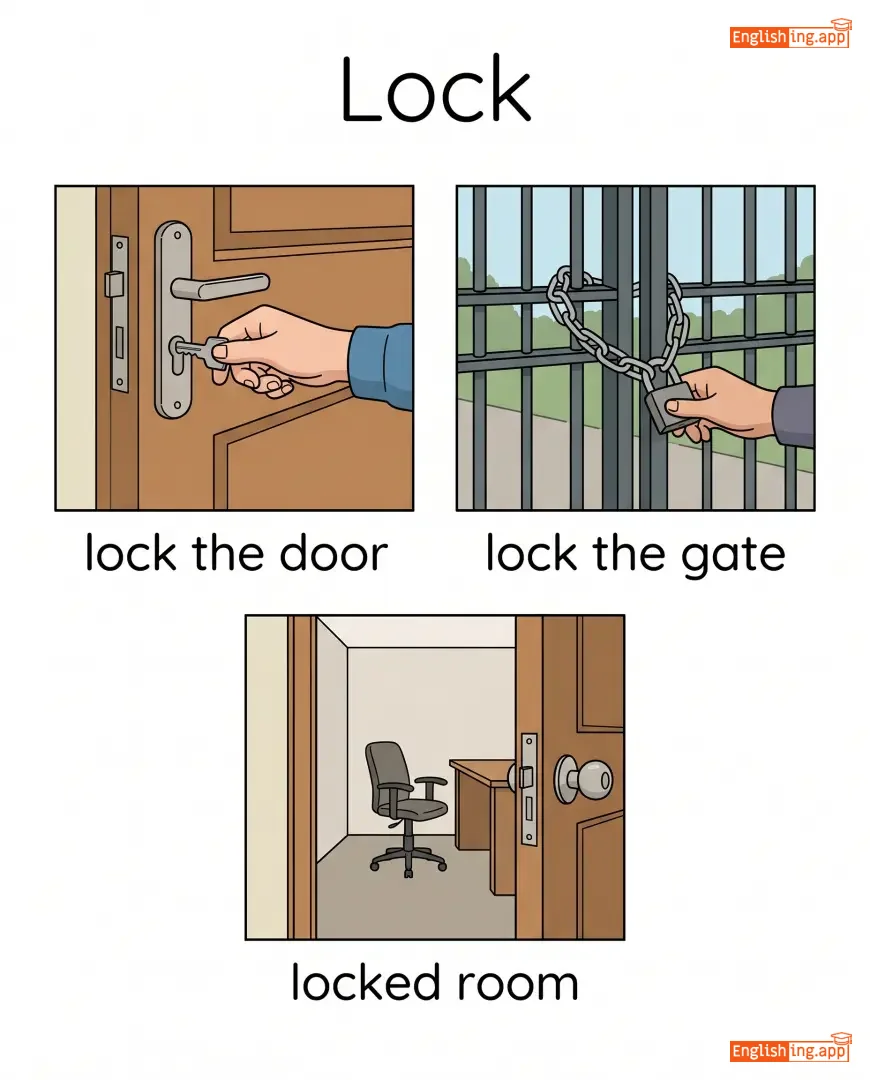
Please lock the door when you leave.
出かけるときはドアをロックしてください。
••••••
|
出かけるときはドアをロックしてください。
dekakeru toki wa doa o rokku shite kudasai.
••••••
|
lock horns
ロックホルンズ
••••••
|
to become involved in conflict or argument
••••••
|
争いに巻き込まれる
arasoi ni makikomareru
••••••
|
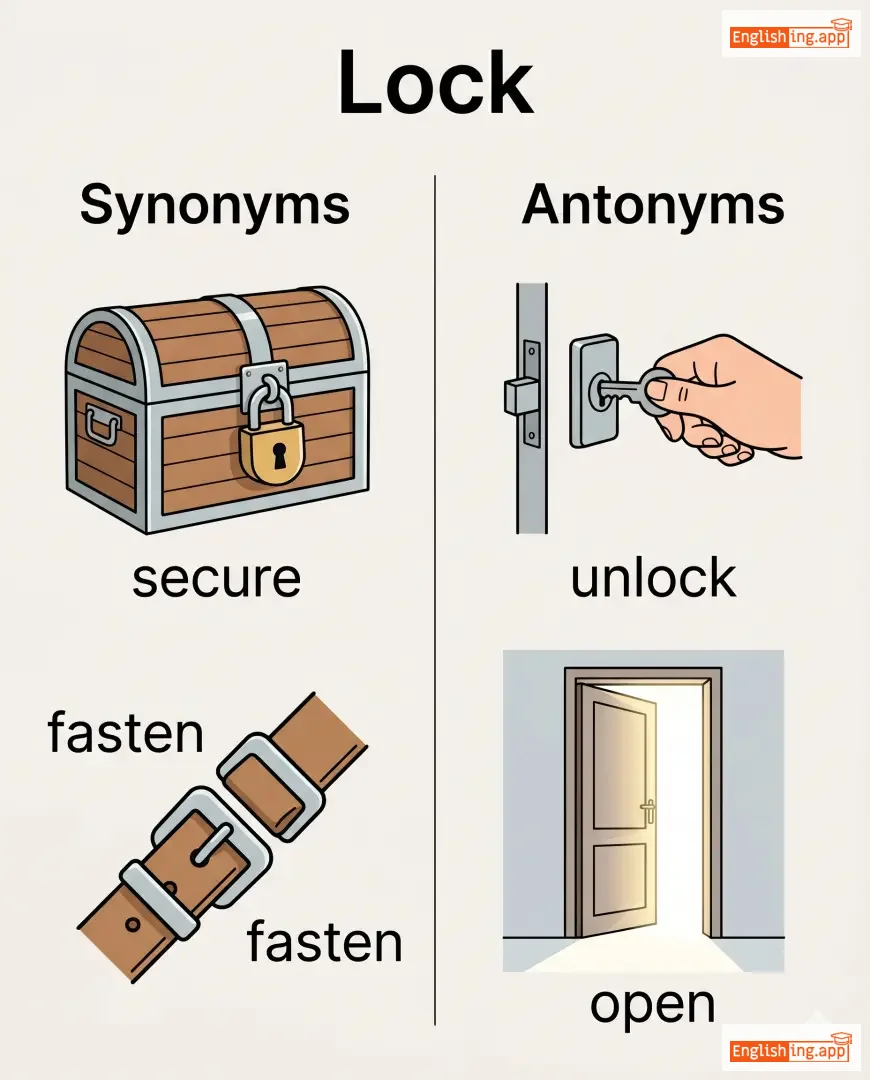
secure, fasten, latch, seal
••••••
|
unlock, open
••••••
|
lock the door, lock the gate, locked room, lock securely
••••••
|
Lockはドアを閉じる、鍵でドアを守ること
••••••
|
Vocabulary Quiz
Test your vocabulary by matching words with their translations or meanings.
Login to take the quiz
Comments (0)
Share your thoughts and join the discussion.
Join the discussion by logging in
Login to CommentNo comments yet
Be the first to share your thoughts!