😂laugh (ラフ)

verb, noun
/læf/
笑う (warau)

意味

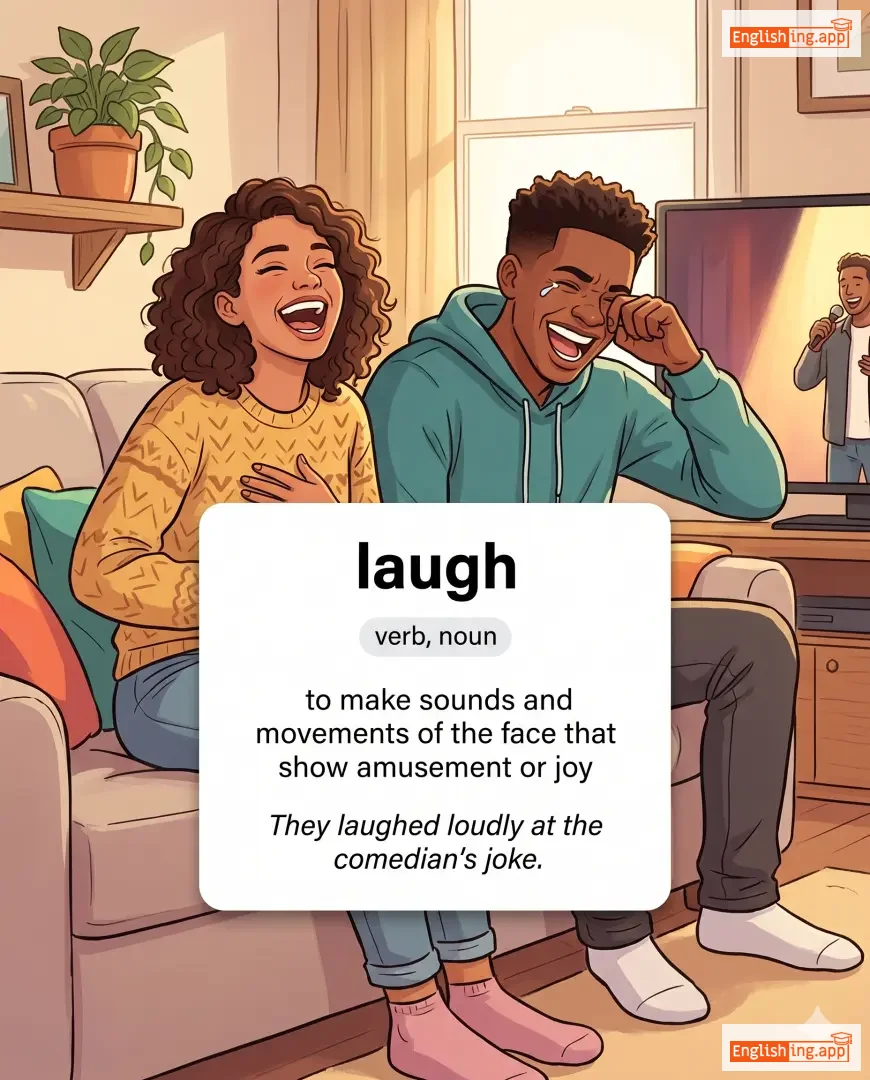
to make sounds and movements of the face that show amusement or joy
to make sounds and movements expressing happiness or amusement
to make sounds with your voice expressing happiness or amusement
意味の翻訳
楽しさや喜びを示す顔の音や動き
tanoshisa ya yorokobi o shimesu kao no oto ya ugoki

例文

They laughed loudly at the comedian's joke.

彼らはコメディアンのジョークで大声で笑った。
Karera wa komedian no jooku de oogoe de waratta.

The joke made everyone laugh.

そのジョークでみんなが笑った。
Sono jooku de minna ga waratta.

The children laugh when they watch cartoons.

子供たちはアニメを見て笑う。
Kodomotachi wa anime o mite warau.

表現例

laugh it off
笑い飛ばす
waraitobasu

同義語

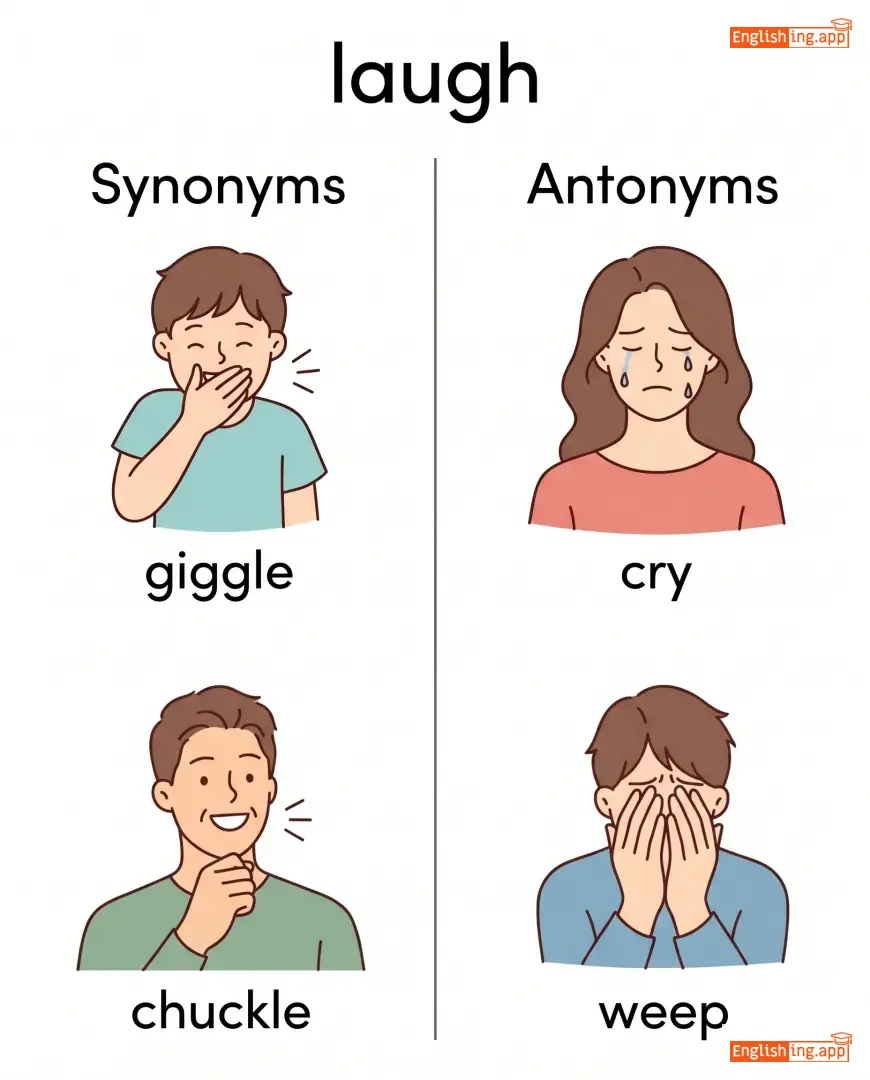
giggle, chuckle, snicker, roar, cackle, smile, grin, chortle
エントリー 1
giggle, chuckle, snicker, roar, cackle
エントリー 2
giggle, chuckle, smile, grin
エントリー 3
chuckle, giggle, chortle, snicker

対義語

cry, weep, sob, frown
エントリー 1
cry, weep, sob
エントリー 2
cry, weep, frown, sob
エントリー 3
cry, weep, sob, frown

コロケーション

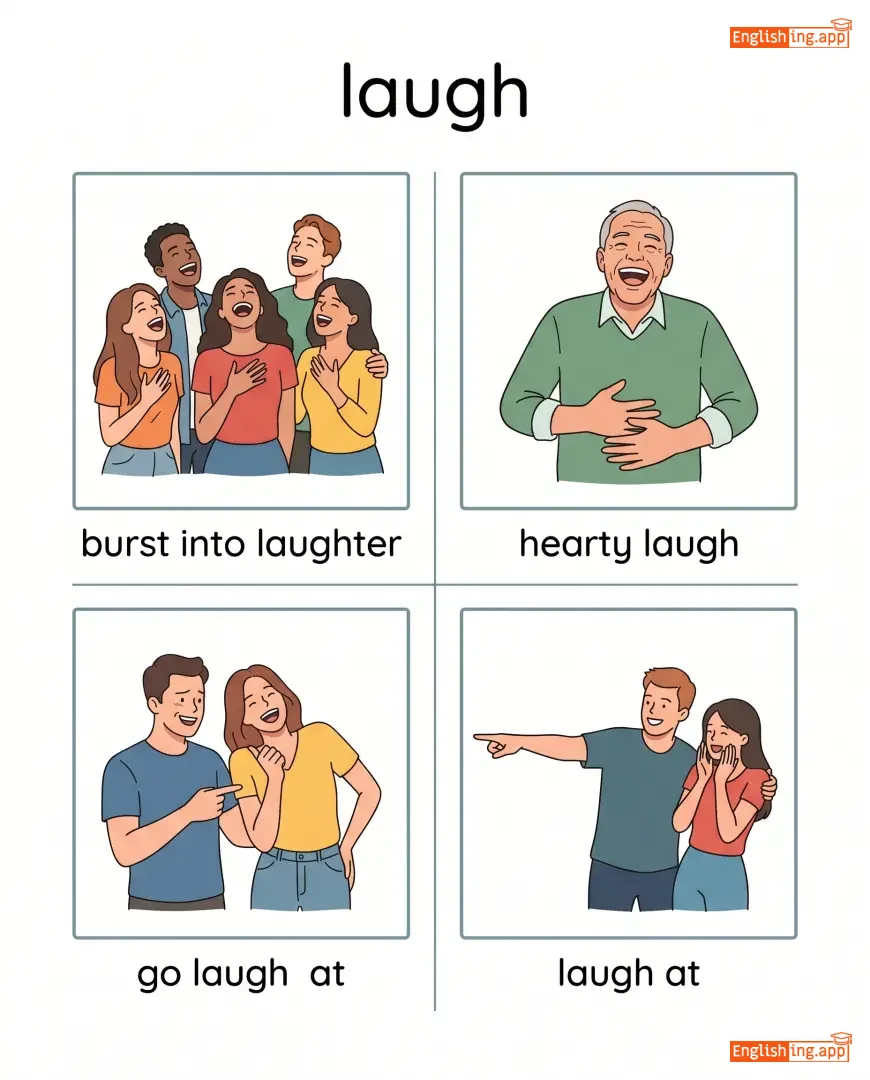
burst into laughter, hearty laugh, laugh at, laugh with, laugh loudly, laugh heartily, laugh out loud, laugh together
エントリー 1
burst into laughter, hearty laugh, laugh at, laugh with
エントリー 2
laugh loudly, laugh heartily, laugh out loud, laugh at, hearty laugh
エントリー 3
laugh loudly, laugh heartily, laugh at, laugh together, laugh out loud

その他の例文

A man takes a cooking class while traveling in Italy during his two-week vacation and learns to make fresh pasta from scratch with a local chef who speaks only a little English so they communicate using hand gestures and laughter

2週間の休暇中にイタリアを旅行している男の人が料理教室に参加し、英語を少ししか話さない地元のシェフから最初から生パスタを作る方法を学ぶため、彼らは身振りと笑い声でコミュニケーションをとる
Ni shuukan no kyuukachuu ni Itaria wo ryokou shiteiru otoko no hito ga ryouri kyoushitsu ni kayoi, eigo wo sukoshi shika hanasanai jimoto no shefu kara saisho kara nama pasuta wo tsukuru houhou wo manabu tame, karera wa miburi to waraigoe de komyunikeeshon wo toru

A grandmother teaches her grandchild to cook a traditional meal in her cozy kitchen using a recipe she learned as a young girl from her own mother while sharing stories about the family that make the child laugh and ask more questions about the past

祖母が居心地の良いキッチンで少女時代に自分の母親から学んだレシピを使って孫に伝統的な料理を作ることを教えながら子供を笑わせ過去についてもっと質問させる家族についての物語を共有する
Sobo ga igokochi no yoi kicchin de shoujo jidai ni jibun no hahaoya kara mananda reshipi wo tsukatte mago ni dentouteki na ryouri wo tsukuru koto wo oshie nagara kodomo wo warawase kako ni tsuite motto shitsumon saseru kazoku ni tsuite no monogatari wo kyouyuu suru

A grandmother teaches her grandchild to cook a traditional meal in her cozy kitchen using a recipe she learned as a young girl from her own mother while sharing stories about the family that make the child laugh and ask more questions about the past creating memories that will last a lifetime

祖母が居心地の良いキッチンで少女時代に自分の母親から学んだレシピを使って孫に伝統的な料理を作ることを教えながら子供を笑わせ過去についてもっと質問させる家族についての物語を共有し一生残る思い出を作る
Sobo ga igokochi no yoi kicchin de shoujo jidai ni jibun no hahaoya kara mananda reshipi wo tsukatte mago ni dentouteki na ryouri wo tsukuru koto wo oshie nagara kodomo wo warawase kako ni tsuite motto shitsumon saseru kazoku ni tsuite no monogatari wo kyouyuu shi isshou nokoru omoide wo tsukuru

A man takes a cooking class while traveling in Italy during his two-week vacation and learns to make fresh pasta from scratch with a local chef who speaks only a little English so they communicate using hand gestures and laughter and the man discovers how simple ingredients create amazing flavors

2週間の休暇中にイタリアを旅行している男の人が料理教室に参加し、英語を少ししか話さない地元のシェフから最初から生パスタを作る方法を学ぶため、彼らは身振りと笑い声でコミュニケーションをとり、その男の人はシンプルな食材がいかに素晴らしい味を生み出すかを発見する
Ni shuukan no kyuukachuu ni Itaria wo ryokou shiteiru otoko no hito ga ryouri kyoushitsu ni kayoi, eigo wo sukoshi shika hanasanai jimoto no shefu kara saisho kara nama pasuta wo tsukuru houhou wo manabu tame, karera wa miburi to waraigoe de komyunikeeshon wo tori, sono otoko no hito wa shinpuru na shokuzai ga ikani subarashii aji wo umidasu ka wo hakken suru

A family celebrates a birthday at home for their youngest daughter who turns five and decorates the living room with balloons and ribbons while the mother bakes a chocolate cake in the kitchen and the father sets up a small treasure hunt in the garden with clues hidden behind trees and under flower pots and the children laugh and run around excitedly

家族が5歳になる末娘のために家で誕生日を祝い、リビングルームを風船とリボンで飾り、その間母親はキッチンでチョコレートケーキを焼き、父親は庭で木の後ろや植木鉢の下に手がかりを隠した小さな宝探しを準備し、子供たちは興奮して笑いながら走り回る
Kazoku ga 5-sai ni naru suemusume no tame ni ie de tanjoubi wo iwai, living room wo fuusen to ribbon de kazari, sono aida hahaoya wa kitchen de chocolate cake wo yaki, chichioya wa niwa de ki no ushiro ya uekibachi no shita ni tegakari wo kakushita chiisana takarasagashi wo junbi shi, kodomotachi wa koufun shite warainagara hashirimawaru

A man takes a cooking class while traveling in Italy during his two-week vacation and learns to make fresh pasta from scratch with a local chef who speaks only a little English so they communicate using hand gestures and laughter and the man discovers how simple ingredients create amazing flavors when prepared with patience and traditional techniques

2週間の休暇中にイタリアを旅行している男の人が料理教室に参加し、英語を少ししか話さない地元のシェフから最初から生パスタを作る方法を学ぶため、彼らは身振りと笑い声でコミュニケーションをとり、その男の人は忍耐と伝統的な技術で準備されたシンプルな食材がいかに素晴らしい味を生み出すかを発見する
Ni shuukan no kyuukachuu ni Itaria wo ryokou shiteiru otoko no hito ga ryouri kyoushitsu ni kayoi, eigo wo sukoshi shika hanasanai jimoto no shefu kara saisho kara nama pasuta wo tsukuru houhou wo manabu tame, karera wa miburi to waraigoe de komyunikeeshon wo tori, sono otoko no hito wa nintai to dentouteki na gijutsu de junbi sareta shinpuru na shokuzai ga ikani subarashii aji wo umidasu ka wo hakken suru

A grandmother teaches her grandchild to cook a traditional meal in her cozy kitchen using a recipe she learned as a young girl from her own mother while sharing stories about the family that make the child laugh and ask more questions about the past creating memories that will last a lifetime and keeping the family traditions alive for the next generation.

祖母が居心地の良いキッチンで少女時代に自分の母親から学んだレシピを使って孫に伝統的な料理を作ることを教えながら子供を笑わせ過去についてもっと質問させる家族についての物語を共有し一生残る思い出を作り次の世代のために家族の伝統を守り続ける。
Sobo ga igokochi no yoi kicchin de shoujo jidai ni jibun no hahaoya kara mananda reshipi wo tsukatte mago ni dentouteki na ryouri wo tsukuru koto wo oshie nagara kodomo wo warawase kako ni tsuite motto shitsumon saseru kazoku ni tsuite no monogatari wo kyouyuu shi isshou nokoru omoide wo tsukuri tsugi no sedai no tame ni kazoku no dentou wo mamori tsuzukeru.

A family celebrates a birthday at home for their youngest daughter who turns five and decorates the living room with balloons and ribbons while the mother bakes a chocolate cake in the kitchen and the father sets up a small treasure hunt in the garden with clues hidden behind trees and under flower pots and the children laugh and run around excitedly until they find the final prize, a box of new toys

家族が5歳になる末娘のために家で誕生日を祝い、リビングルームを風船とリボンで飾り、その間母親はキッチンでチョコレートケーキを焼き、父親は庭で木の後ろや植木鉢の下に手がかりを隠した小さな宝探しを準備し、子供たちは新しいおもちゃの箱という最後の賞品を見つけるまで興奮して笑いながら走り回る
Kazoku ga 5-sai ni naru suemusume no tame ni ie de tanjoubi wo iwai, living room wo fuusen to ribbon de kazari, sono aida hahaoya wa kitchen de chocolate cake wo yaki, chichioya wa niwa de ki no ushiro ya uekibachi no shita ni tegakari wo kakushita chiisana takarasagashi wo junbi shi, kodomotachi wa atarashii omocha no hako toiu saigo no shouhin wo mitsukeru made koufun shite warainagara hashirimawaru

A man takes a cooking class while traveling in Italy during his two-week vacation and learns to make fresh pasta from scratch with a local chef who speaks only a little English so they communicate using hand gestures and laughter and the man discovers how simple ingredients create amazing flavors when prepared with patience and traditional techniques then brings the recipes home to cook for his family

2週間の休暇中にイタリアを旅行している男の人が料理教室に参加し、英語を少ししか話さない地元のシェフから最初から生パスタを作る方法を学ぶため、彼らは身振りと笑い声でコミュニケーションをとり、その男の人は忍耐と伝統的な技術で準備されたシンプルな食材がいかに素晴らしい味を生み出すかを発見し、家族のために料理をするためにレシピを家に持ち帰る
Ni shuukan no kyuukachuu ni Itaria wo ryokou shiteiru otoko no hito ga ryouri kyoushitsu ni kayoi, eigo wo sukoshi shika hanasanai jimoto no shefu kara saisho kara nama pasuta wo tsukuru houhou wo manabu tame, karera wa miburi to waraigoe de komyunikeeshon wo tori, sono otoko no hito wa nintai to dentouteki na gijutsu de junbi sareta shinpuru na shokuzai ga ikani subarashii aji wo umidasu ka wo hakken shi, kazoku no tame ni ryouri wo suru tame ni reshipi wo ie ni mochikaeru

A family celebrates a birthday at home for their youngest daughter who turns five and decorates the living room with balloons and ribbons while the mother bakes a chocolate cake in the kitchen and the father sets up a small treasure hunt in the garden with clues hidden behind trees and under flower pots and the children laugh and run around excitedly until they find the final prize, a box of new toys making it a simple but truly joyful celebration for everyone.

家族が5歳になる末娘のために家で誕生日を祝い、リビングルームを風船とリボンで飾り、その間母親はキッチンでチョコレートケーキを焼き、父親は庭で木の後ろや植木鉢の下に手がかりを隠した小さな宝探しを準備し、子供たちは新しいおもちゃの箱という最後の賞品を見つけるまで興奮して笑いながら走り回り、それは誰にとってもシンプルだが本当に楽しいお祝いになる。
Kazoku ga 5-sai ni naru suemusume no tame ni ie de tanjoubi wo iwai, living room wo fuusen to ribbon de kazari, sono aida hahaoya wa kitchen de chocolate cake wo yaki, chichioya wa niwa de ki no ushiro ya uekibachi no shita ni tegakari wo kakushita chiisana takarasagashi wo junbi shi, kodomotachi wa atarashii omocha no hako toiu saigo no shouhin wo mitsukeru made koufun shite warainagara hashirimawari, sore wa dare nitottemo simple daga hontou ni tanoshii oiwai ni naru.

関連語彙

to start or introduce something, especially a new product, service, or event
To shake or tremble in speaking, typically through nervousness or emotion.
The process of rotting or decomposition; to decline in quality or strength.
to make a serious request; to be attractive or interesting; a formal request to a higher authority f...
to perform a task or job; physical or mental effort
To hit someone or something with the palm of the hand.

さらに探索