

バングラデシュの勝利の日
Bangladesh Victory Day
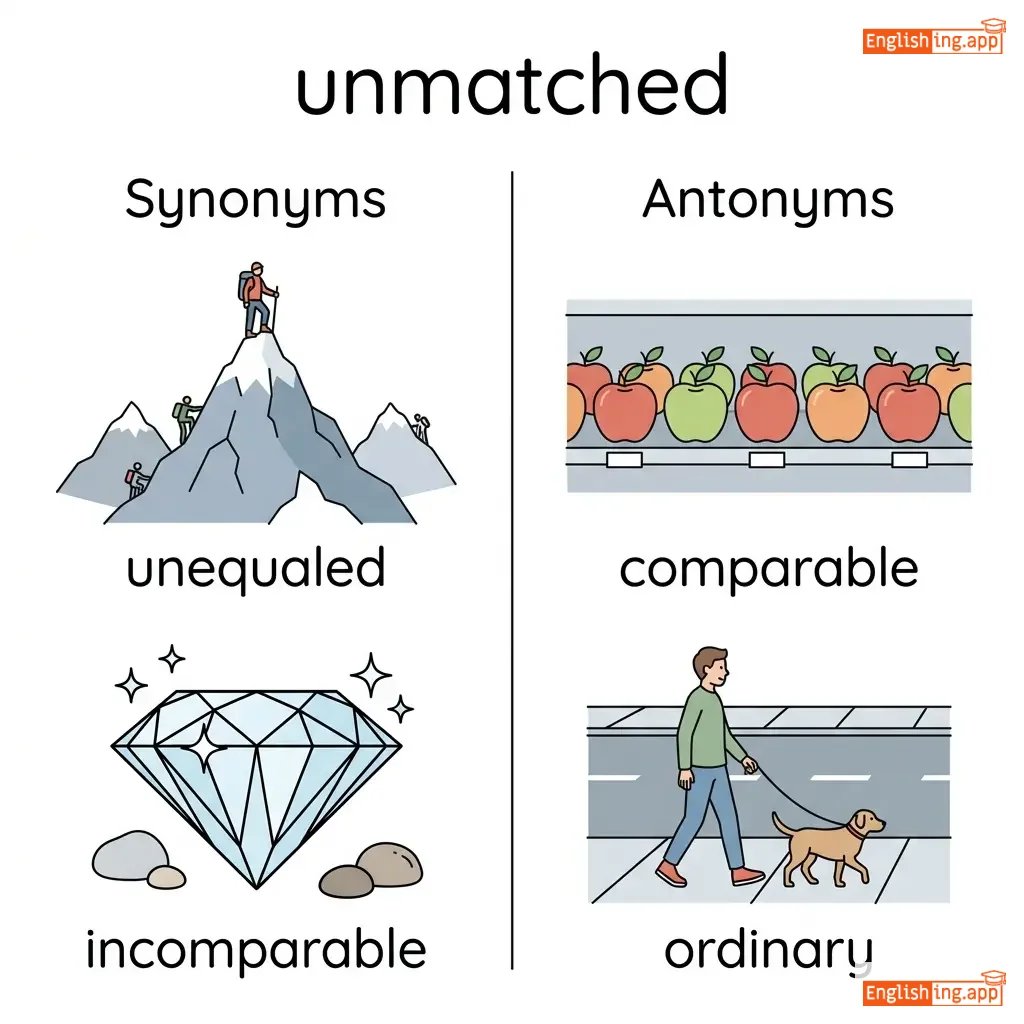
12月16日、Bangladesh Victory Dayは、ベンガル民族にとってhistoricでsignificantな日です。1971年の解放戦争で9か月にわたるrelentless struggleとsacrificeの後、この日に国はfreedomを勝ち取りました。自由戦士たちのunmatched braveryとpatriotismが独立したバングラデシュを生み出しました。
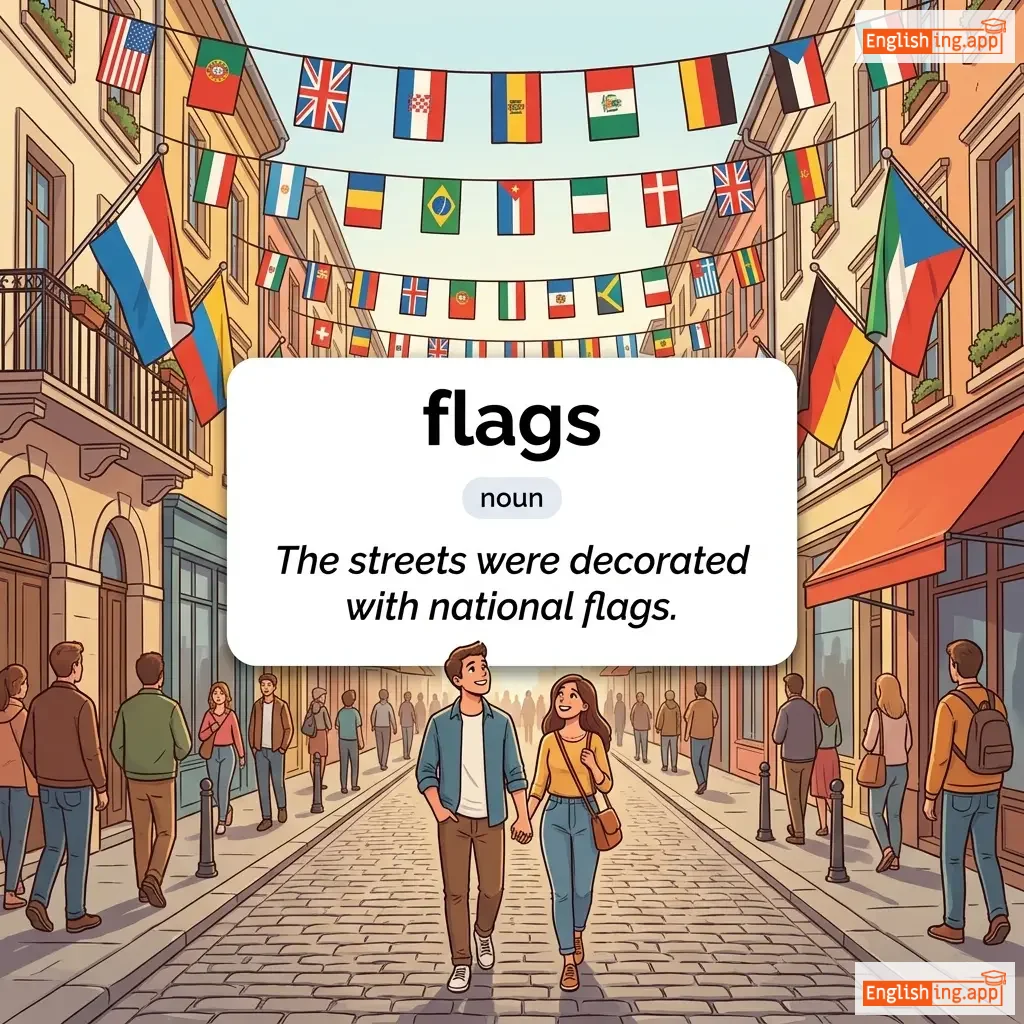
朝から全国がsolemn respectとimmense prideをもって祝います。National Martyrs' Memorialで花が捧げられます。大統領、首相、そして数千人の人々がfreedom fightersにtributeを捧げるために集まります。National flagsが街中に翻り、国全体がイルミネーションで喜びに包まれます。
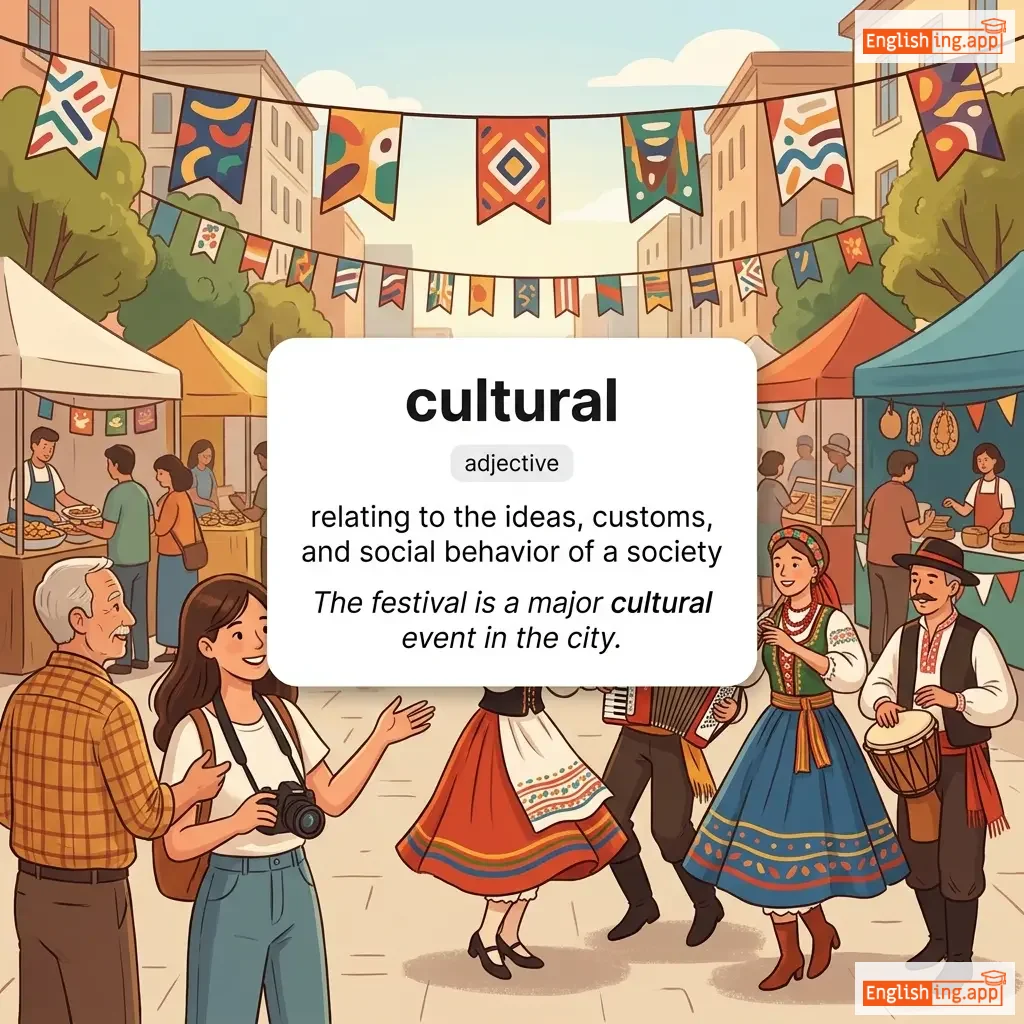
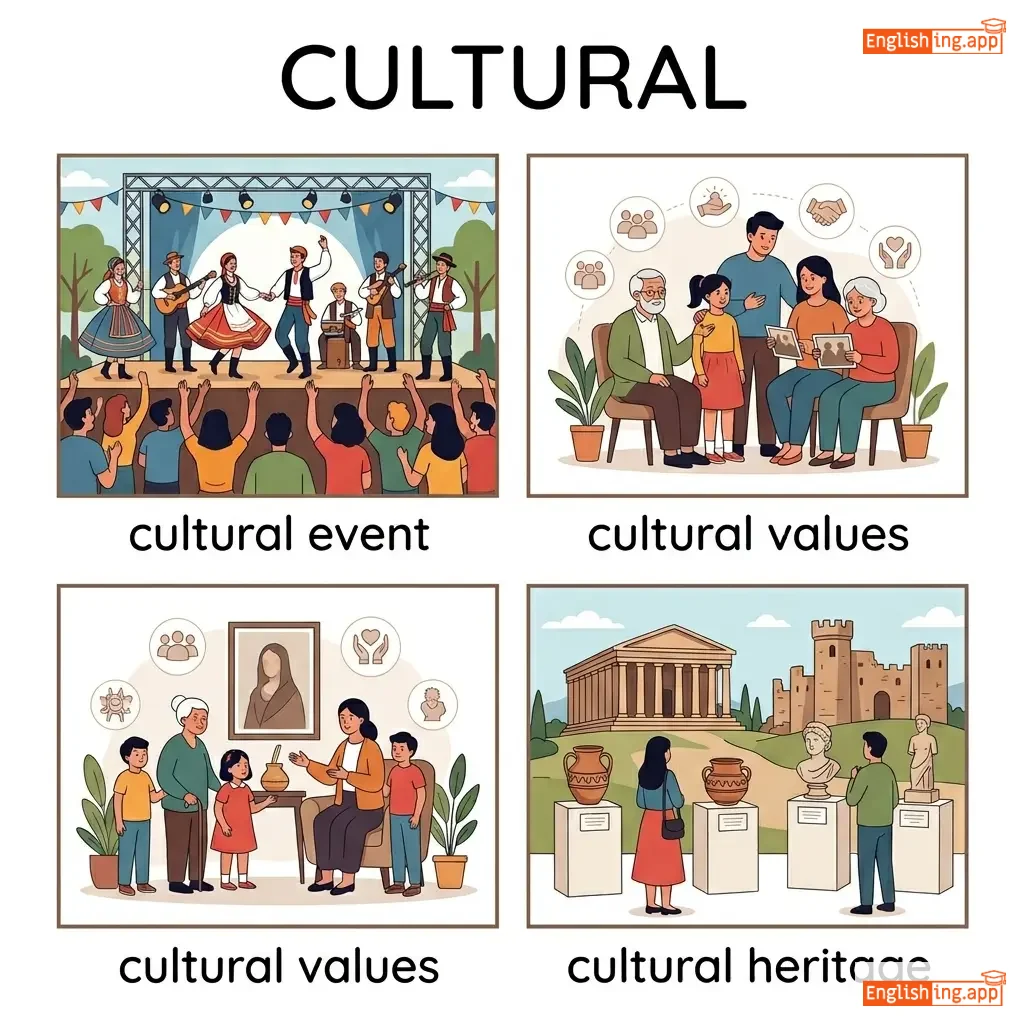
学校やcollegesでは、cultural events、歌、詩の朗読などを通じてこの日を祝います。解放戦争のheroism、courage、そしてunityを描いた劇が上演されます。Victory Dayは、バングラデシュがindependenceを達成したsacrifice、patriotism、そしてdeterminationを思い出させます。この日は私たちのcollective identityとprideの象徴として残ります。
翻訳
過去
過去分詞
三人称単数
動名詞
意味
例文
例文の翻訳
同義語
対義語
コロケーション
ニーモニック



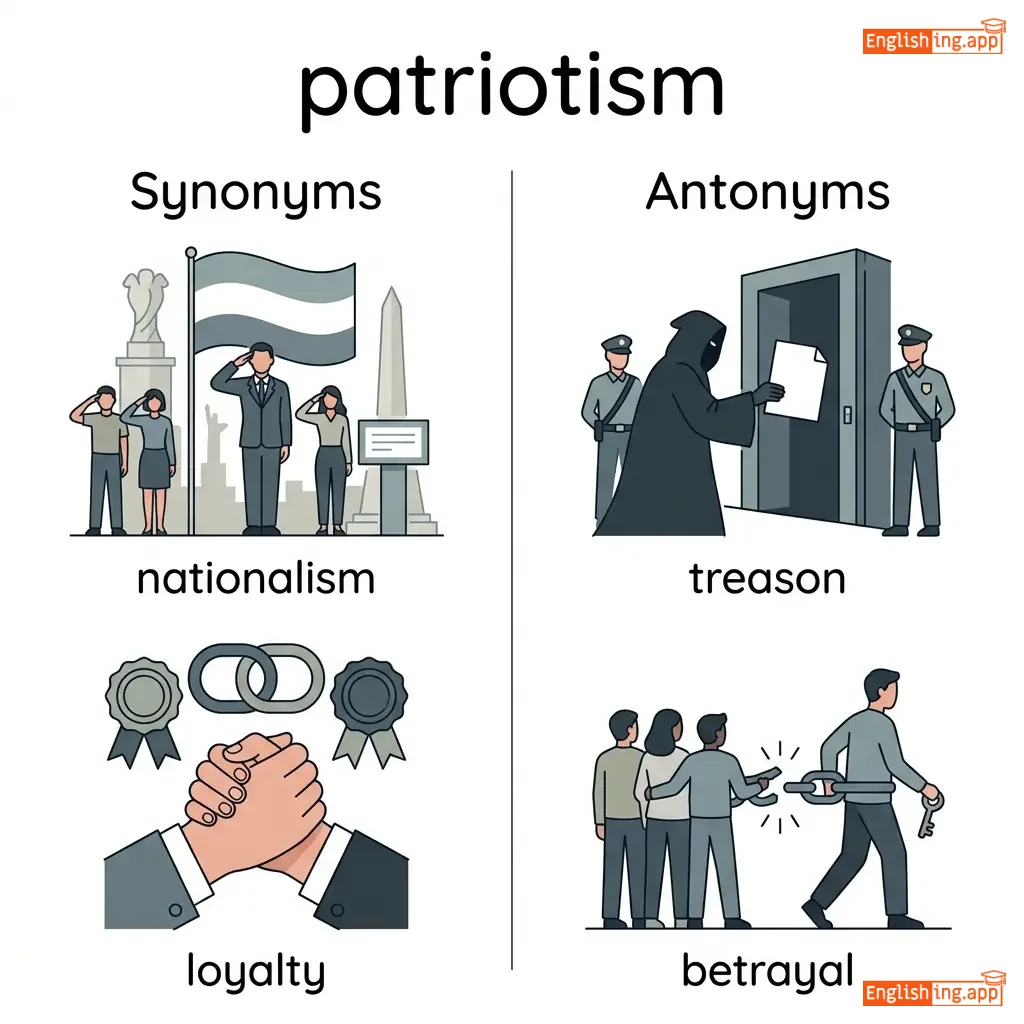
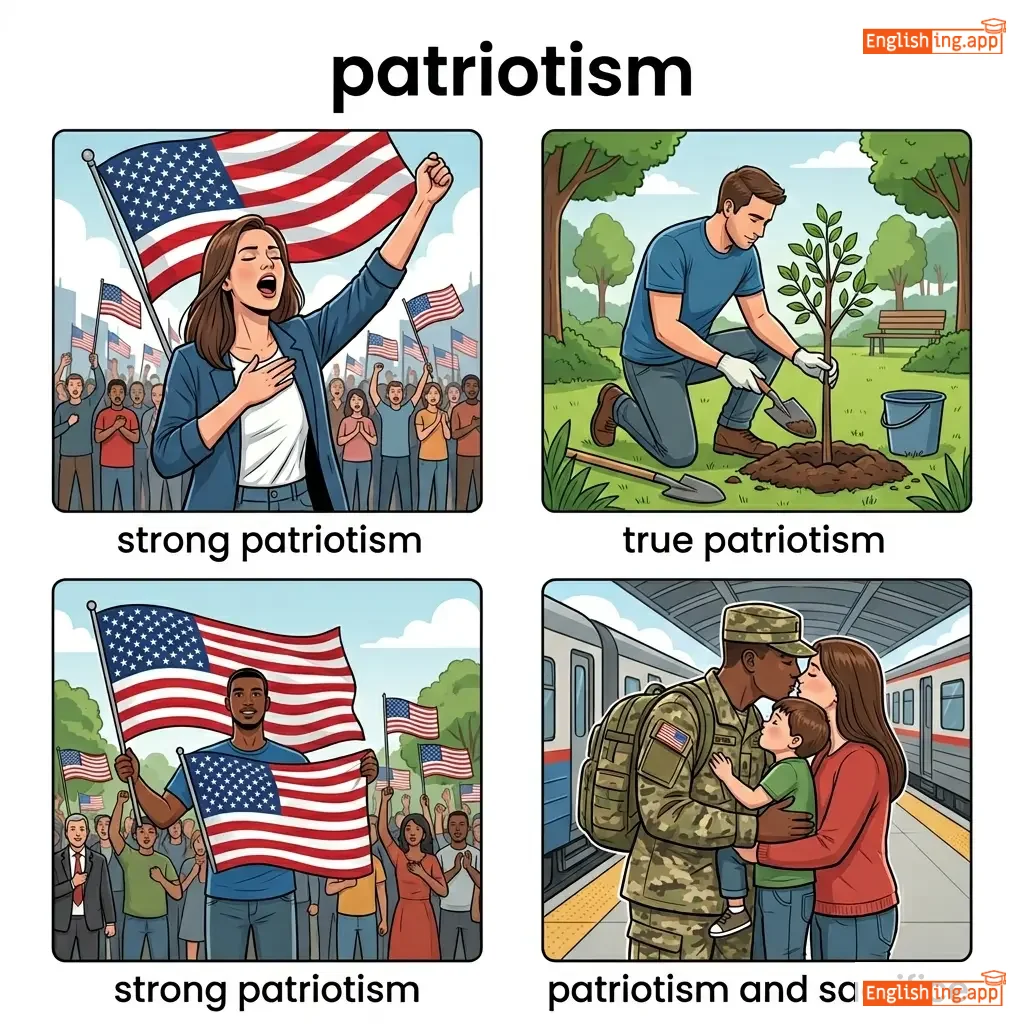
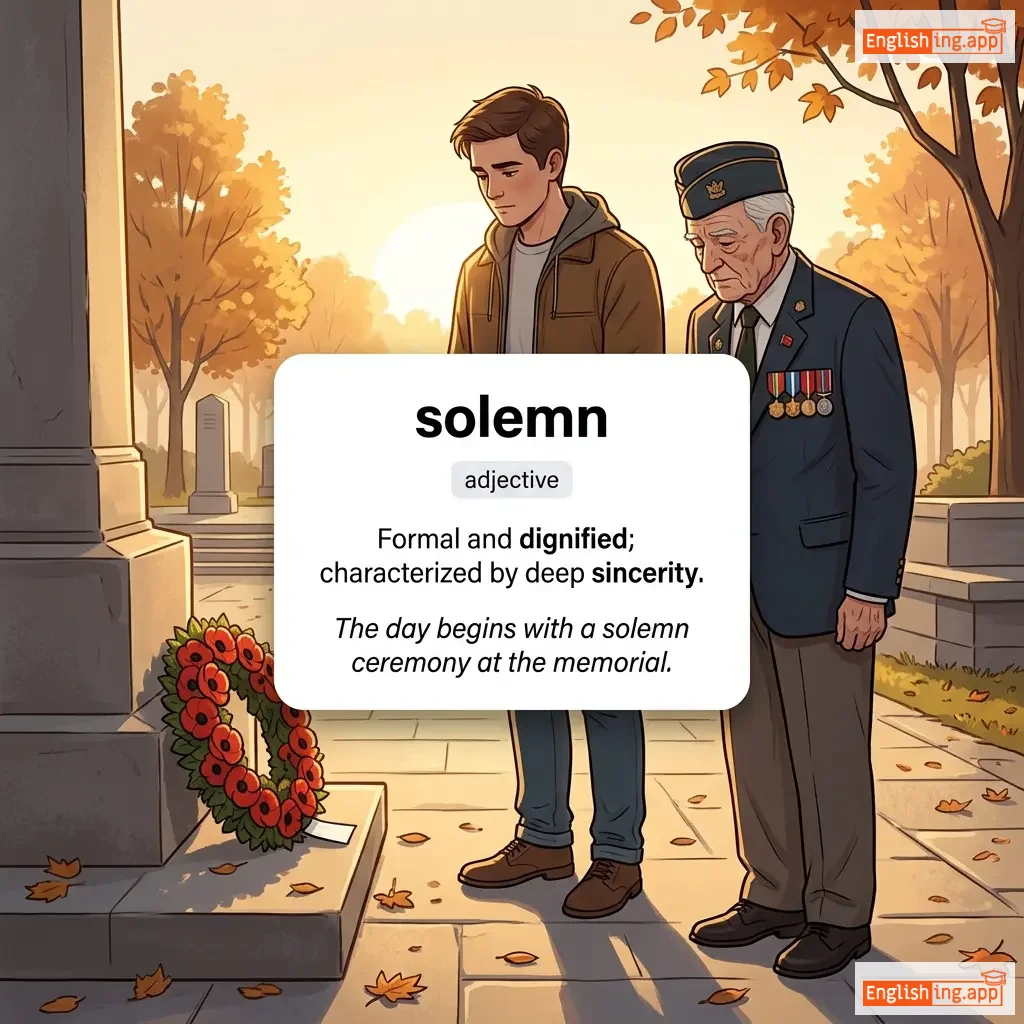
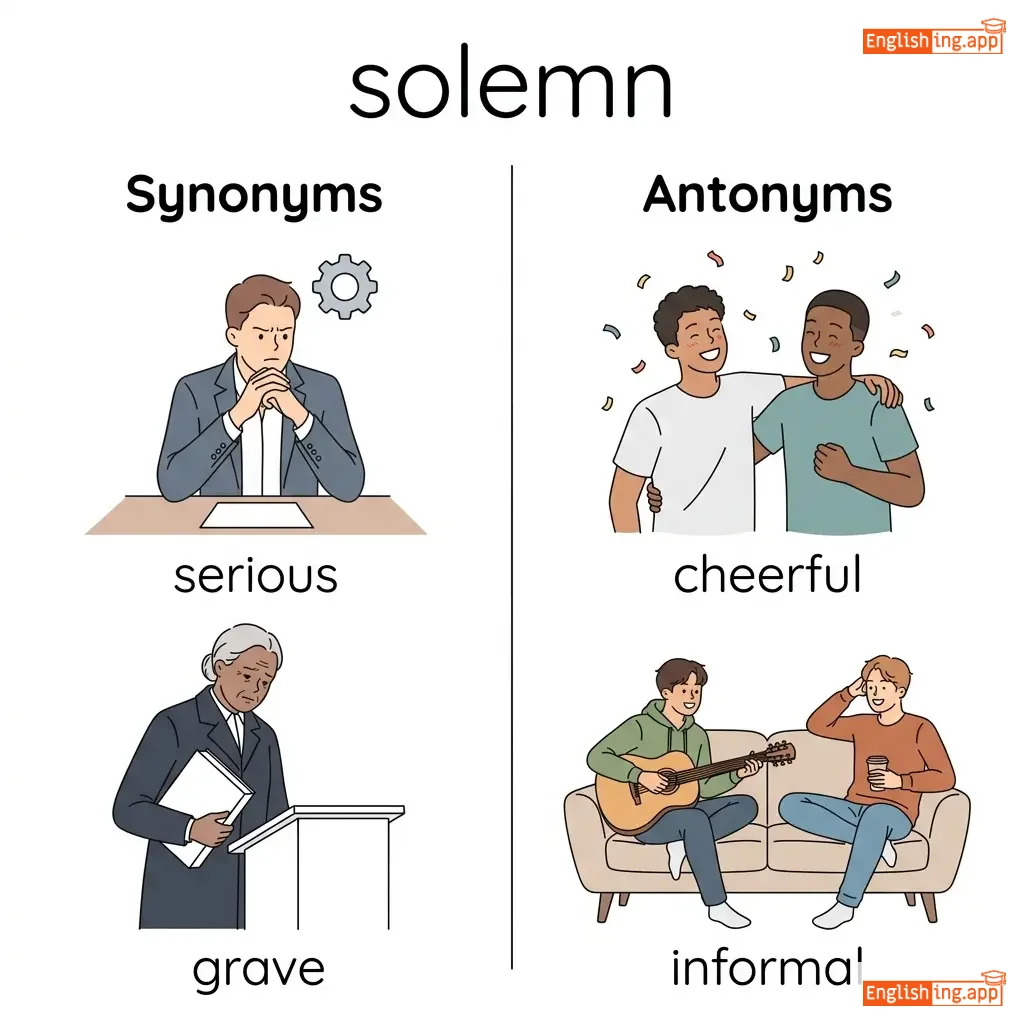





Swipe left or right, or use the buttons. Tap image to zoom.
例文の翻訳
単語
Bangladesh Victory DayBangladesh Victory Day - マスクトグル
|
絵文字
|
単語 | Images | 翻訳 | 意味 | 例文 | 例文の翻訳 | 同義語 | 対義語 | ニーモニック |
|---|---|---|---|---|---|---|---|---|---|
|
#1030
🏆
|
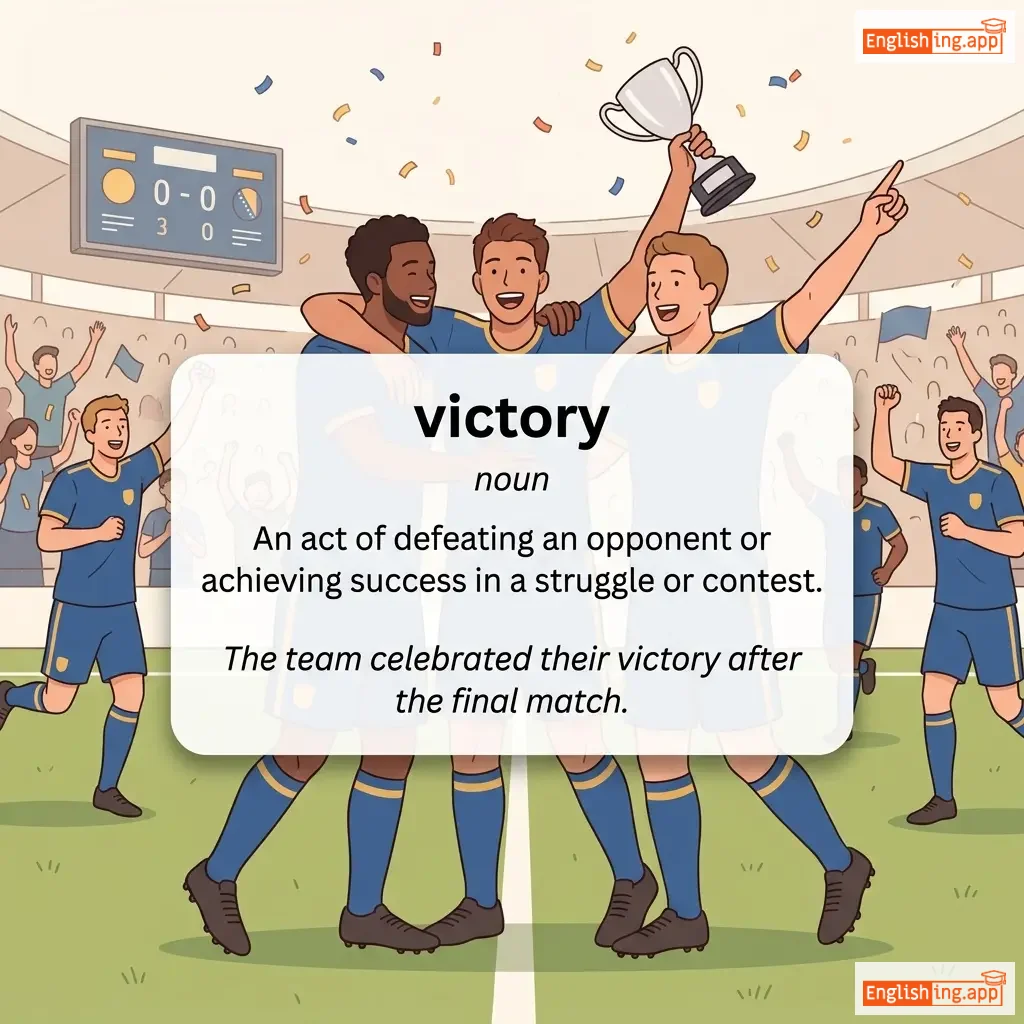
ˈvɪktəri
noun
(ヴィクトリー)
••••••
|
|
勝利
shōri
••••••
|
The act of defeating an enemy or opponent in a battle, game, or other competition.
••••••
|
The victory of Bangladesh on December 16 is a moment of pride.
バングラデシュの12月16日の勝利は誇りの瞬間です。
••••••
|
バングラデシュの12月16日の勝利は誇りの瞬間です。
Banguradeshu no 12 gatsu 16 nichi no shōri wa hokori no shunkan desu.
••••••
|
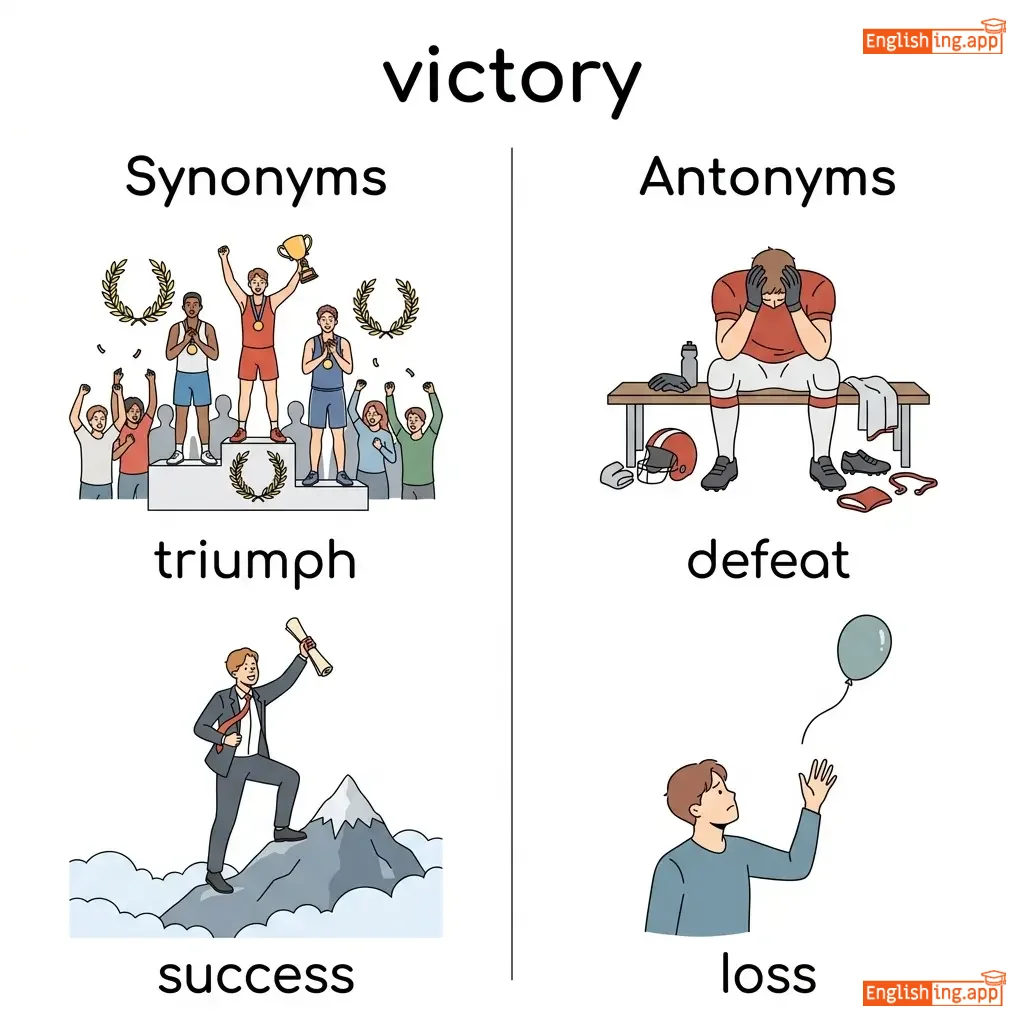
success, triumph, conquest, achievement, win
••••••
|
defeat, loss, failure, surrender
••••••
|
Victory in Japanese is '勝利' (shōri), like 'shori' with an elegant touch!
••••••
|
|
#1031
📜
|
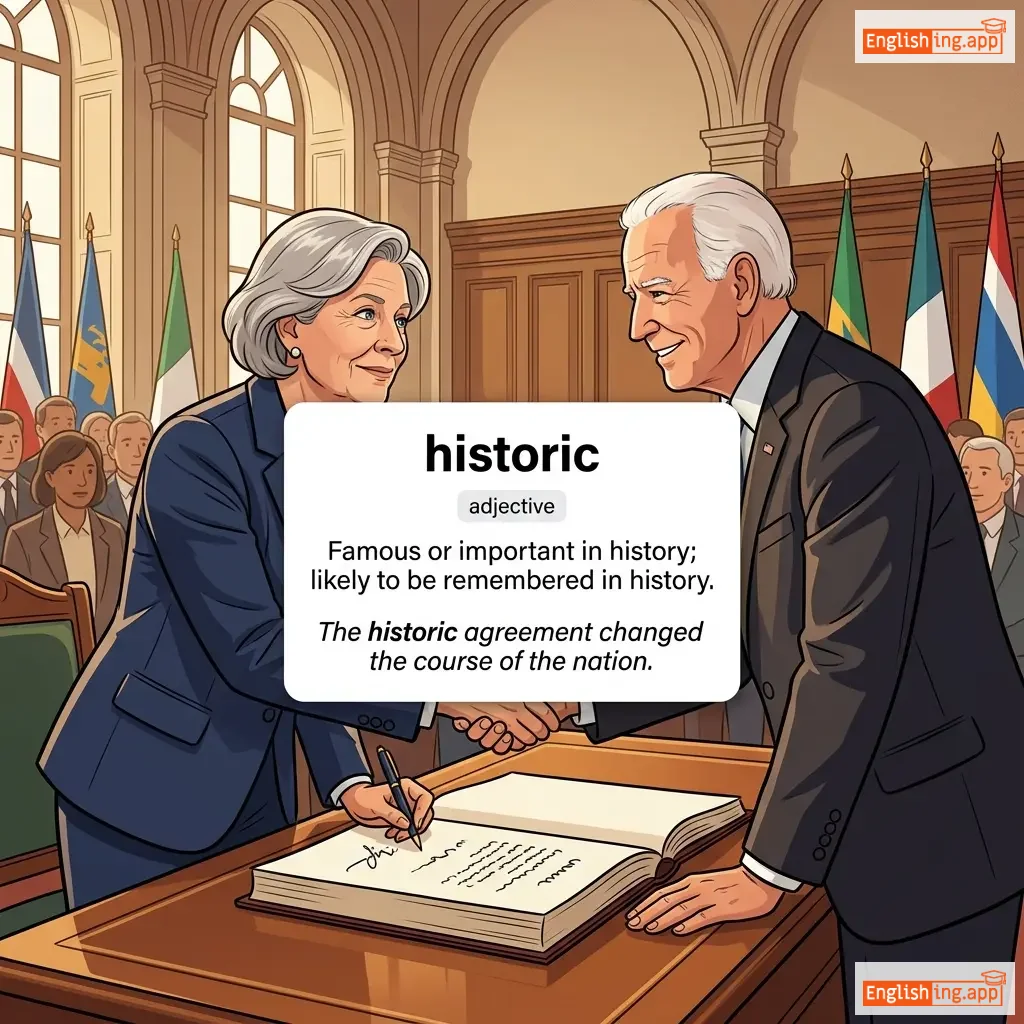
hɪˈstɔːrɪk
adjective
(ヒストリック)
••••••
|
|
歴史的
rekishiteki
••••••
|
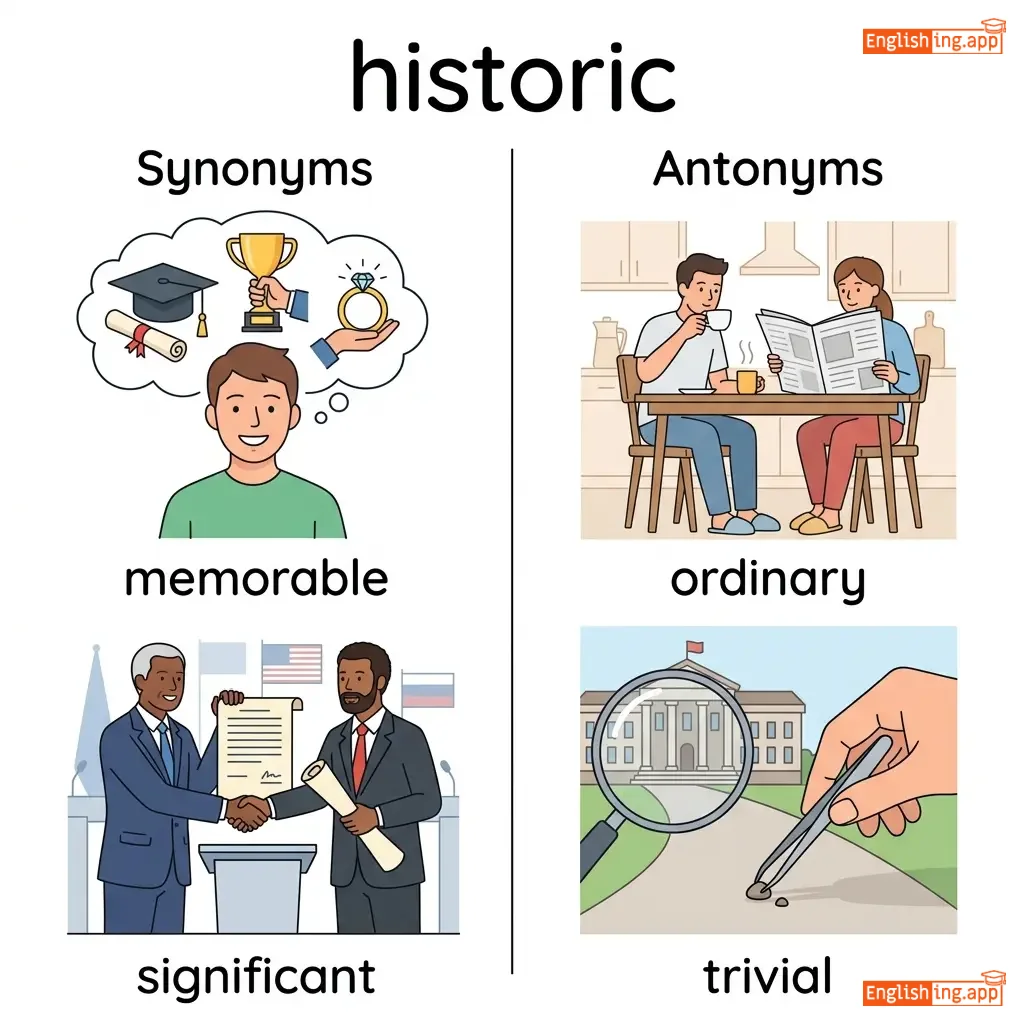
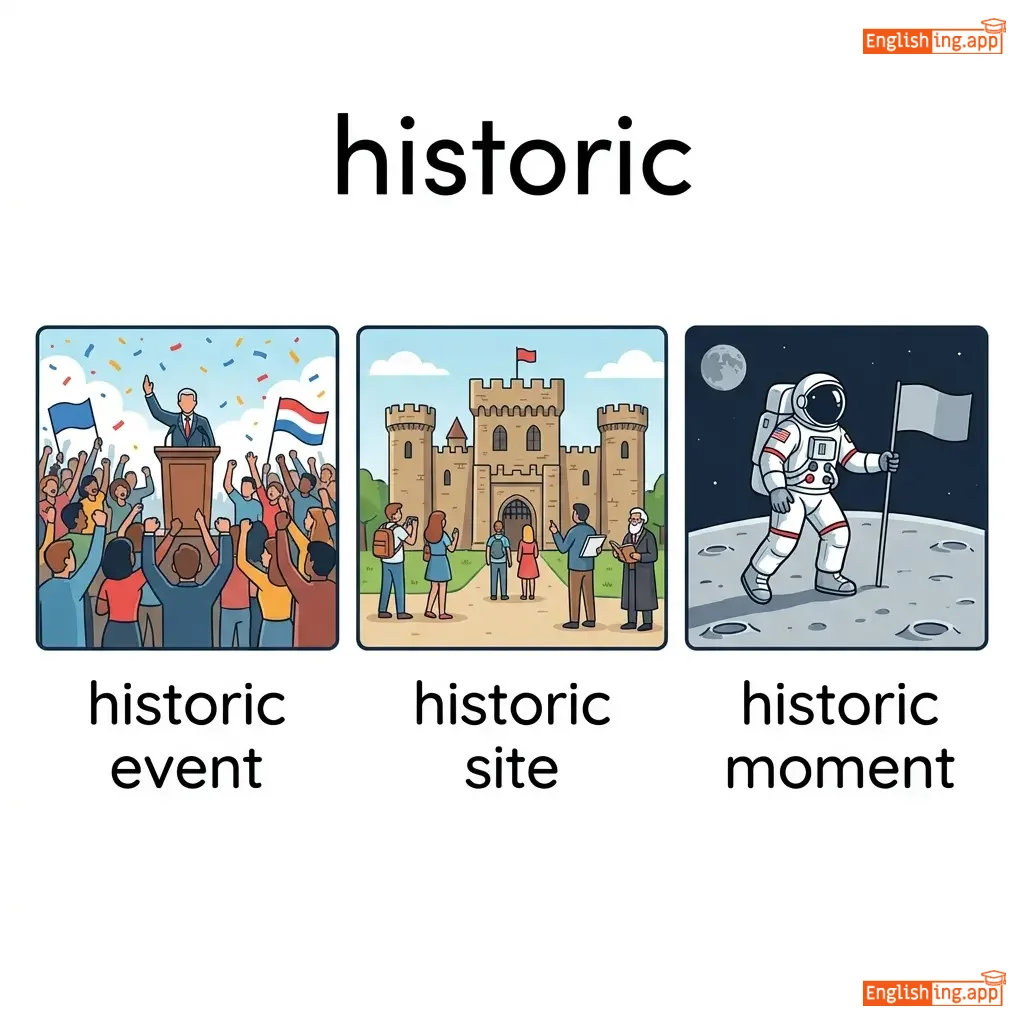
Famous or significant in history, or potentially so.
••••••
|
Victory Day is a historic moment for Bangladesh. |
勝利の日はバングラデシュにとって歴史的な瞬間です。
Shouri no hi wa Banguradeshu ni totte rekishiteki na shunkan desu.
••••••
|
historical, momentous, significant, important, memorable
••••••
|
modern, ordinary, contemporary, insignificant
••••••
|
歴史的 = 歴史に名を刻むような瞬間。
••••••
|
|
#1032
⭐
|
sɪɡˈnɪfɪkənt
adjective
(シグニフィカント)
••••••
|
|
重要
juuyou
••••••
|
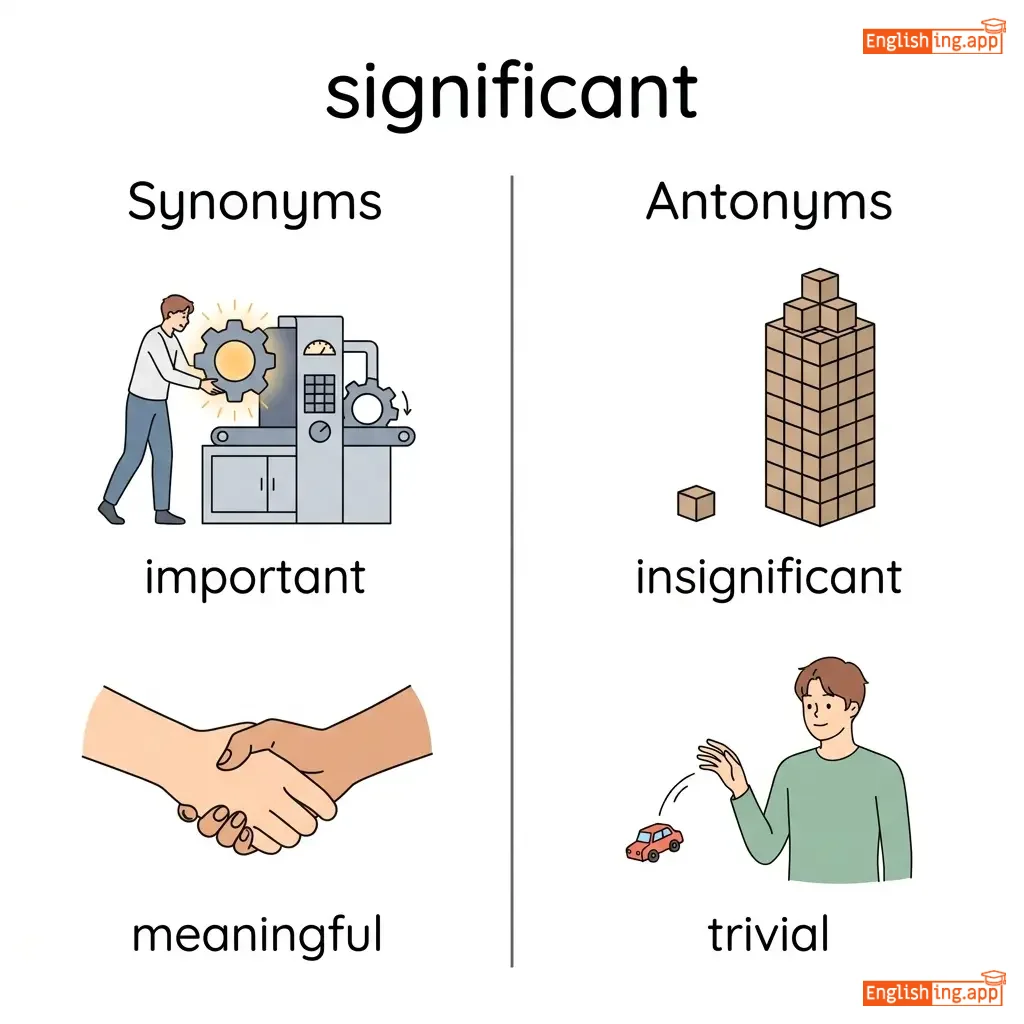
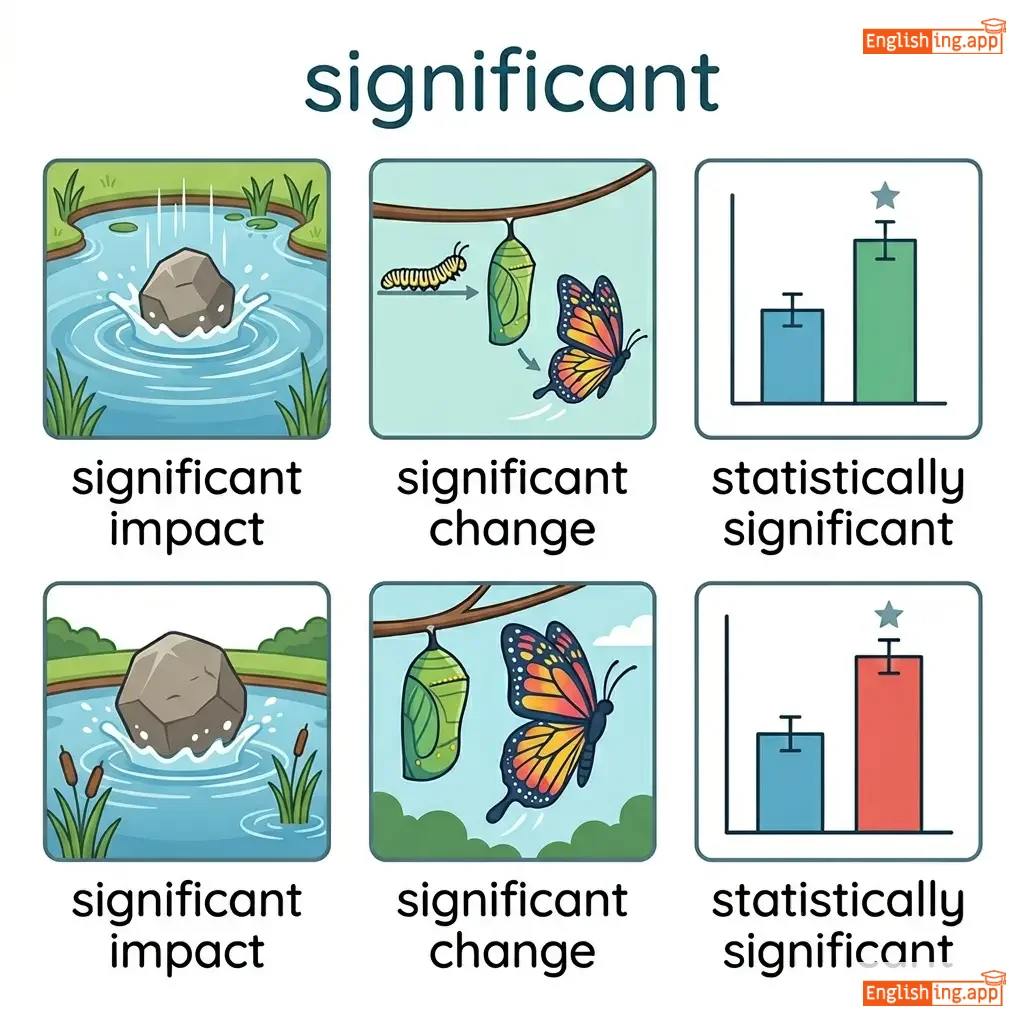
Sufficiently great or important to be worthy of attention; noteworthy.
••••••
|
The victory holds significant importance for the nation.
その勝利は国にとって重要な意味を持っています。
••••••
|
その勝利は国にとって重要な意味を持っています。
Sono shouri wa kuni ni totte juuyou na imi wo motteimasu.
••••••
|
important, meaningful, considerable, notable, substantial
••••••
|
insignificant, trivial, unimportant, minor
••••••
|
重要 = 重要なことを意味する
••••••
|
|
#1033
💪
|
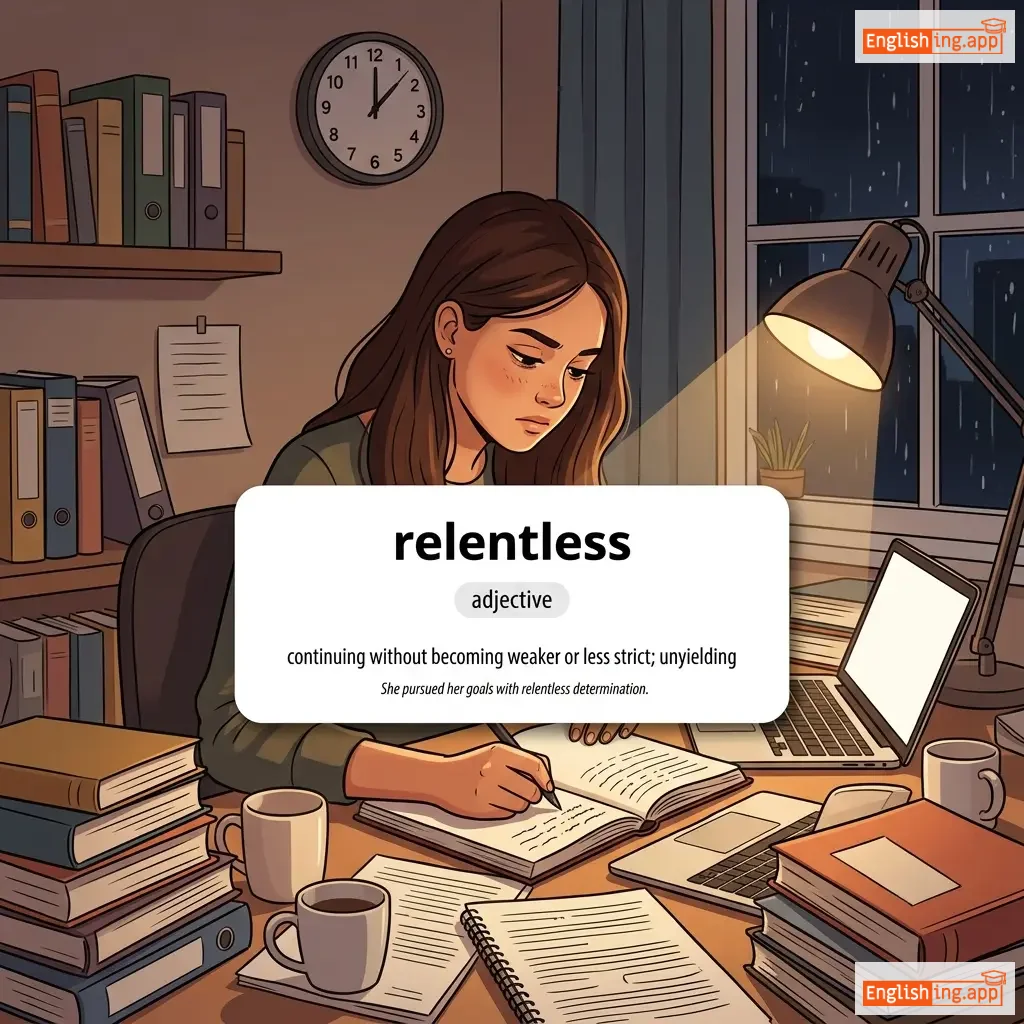
rɪˈlɛntləs
adjective
(rɪˈlɛntləs)
••••••
|
|
容赦ない
yōsha nai
••••••
|
Oppressively constant; incessant; showing no abatement of severity, intensity, strength, or pace.
••••••
|
The freedom fighters' relentless struggle led to victory. |
自由戦士たちの容赦ない戦いは勝利へと導いた。
Jiyū senshi-tachi no yōsha nai tatakai wa shōri e to michibiita.
••••••
|
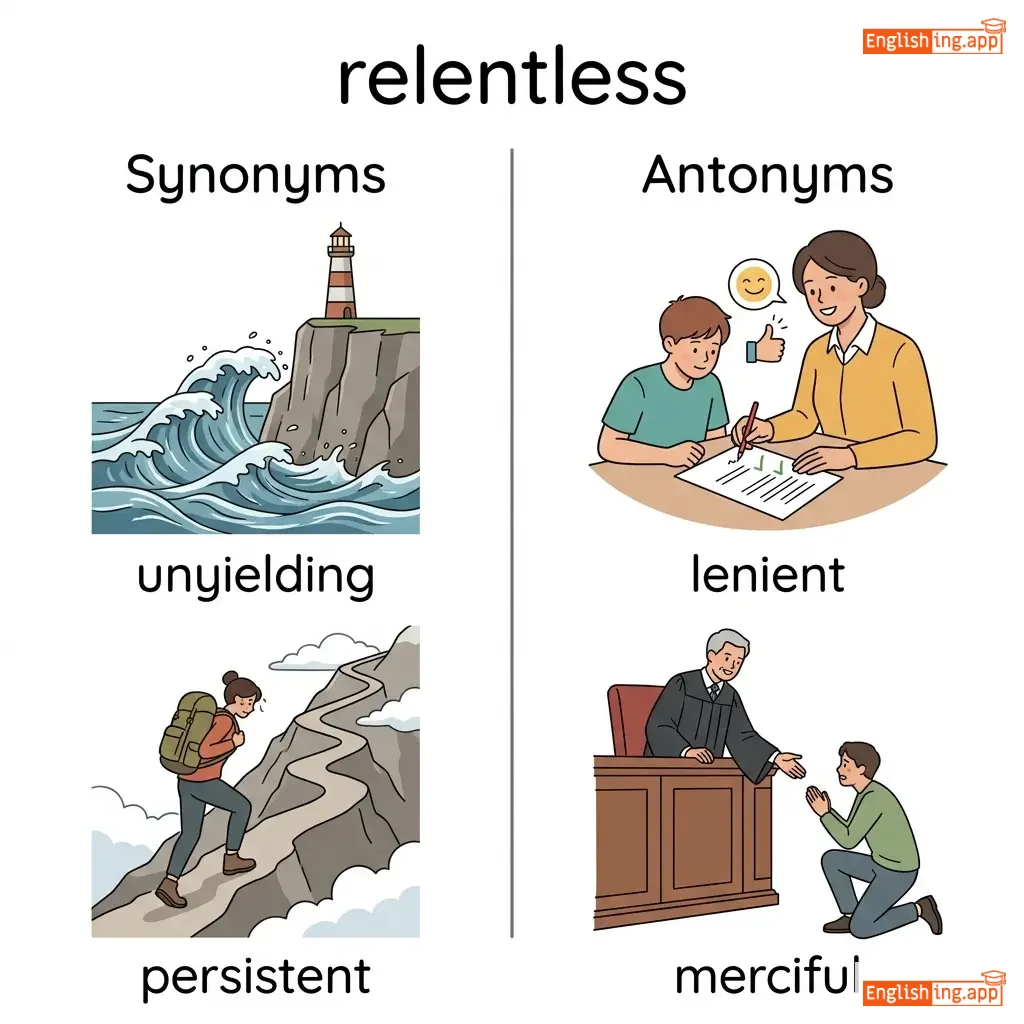
persistent, unyielding, determined, continuous, unwavering
••••••
|
gentle, merciful, intermittent, yielding
••••••
|
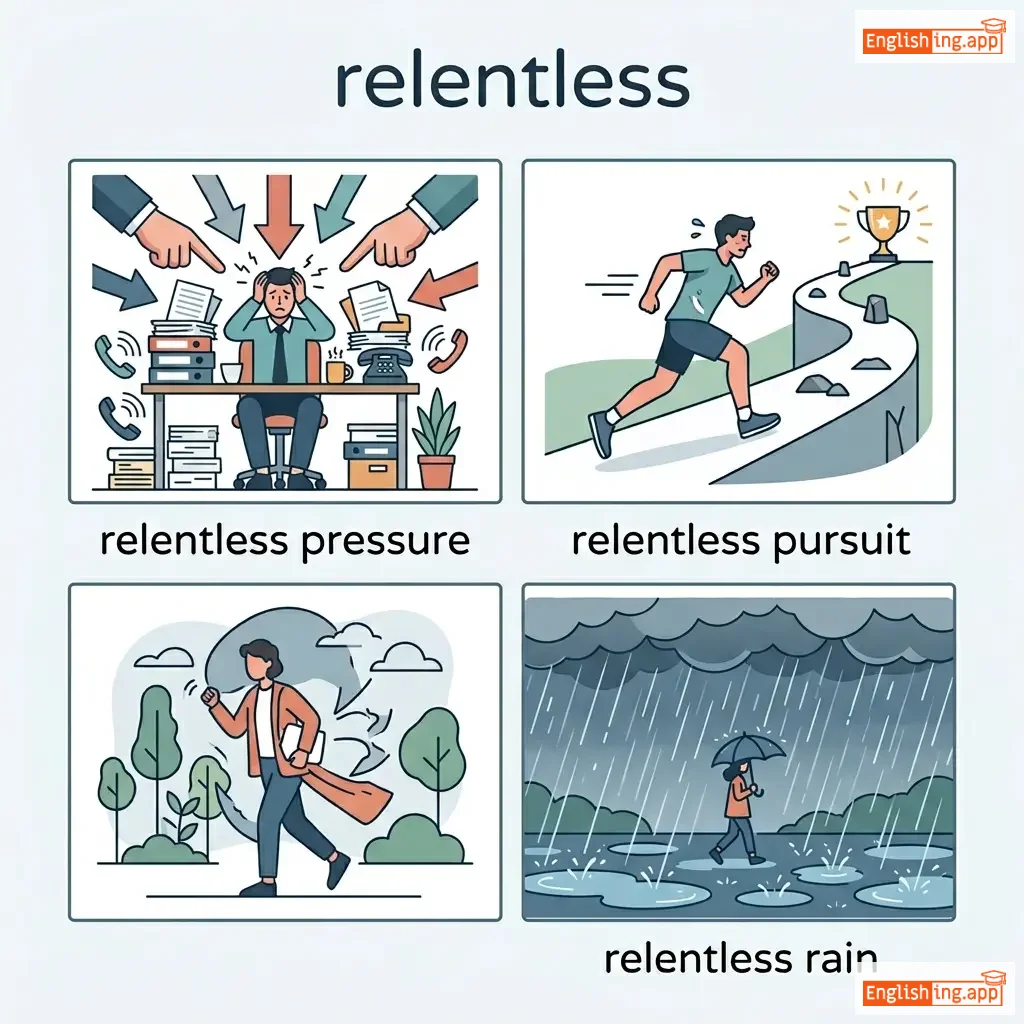
容赦ない、止まらない力のように。
••••••
|
|
#1034
⚔️
|
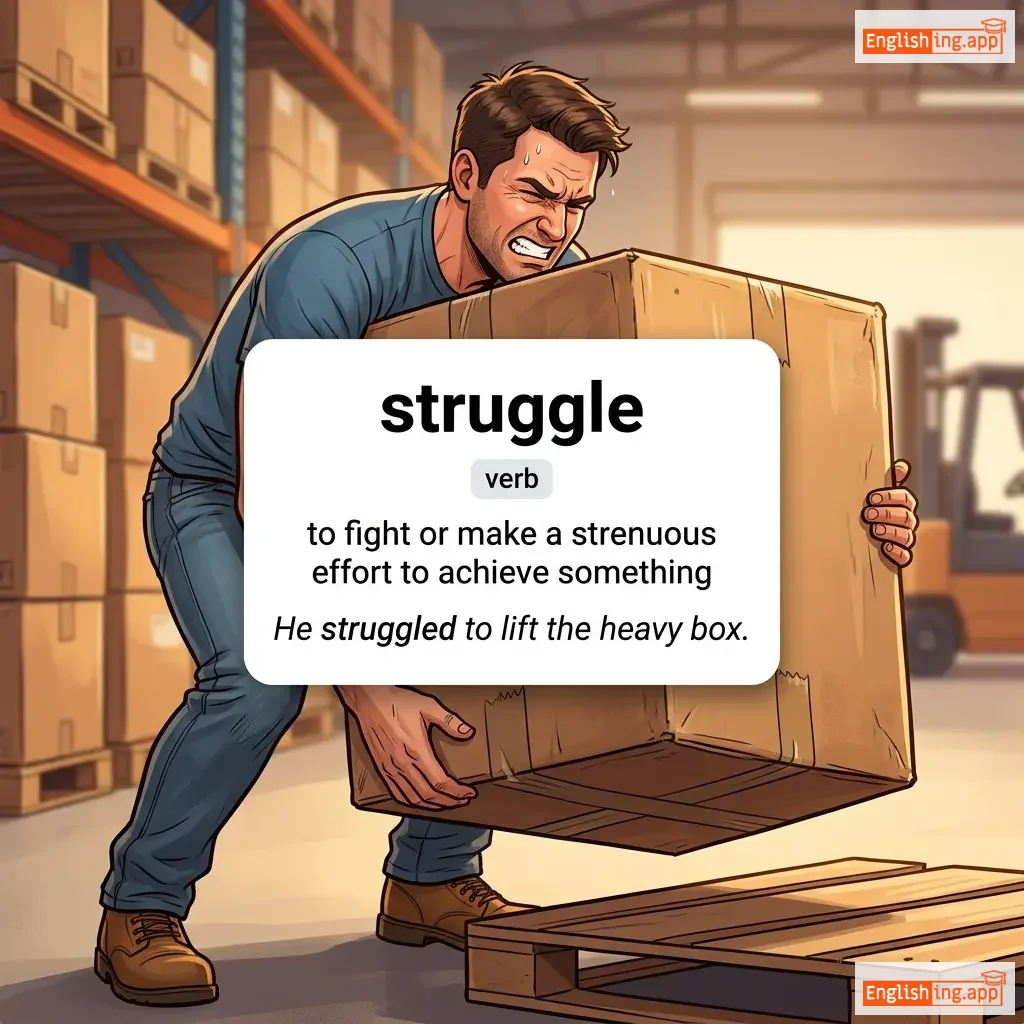
ˈstrʌɡəl
noun
(sutoragu)
••••••
|
|
戦い
tatakai
••••••
|
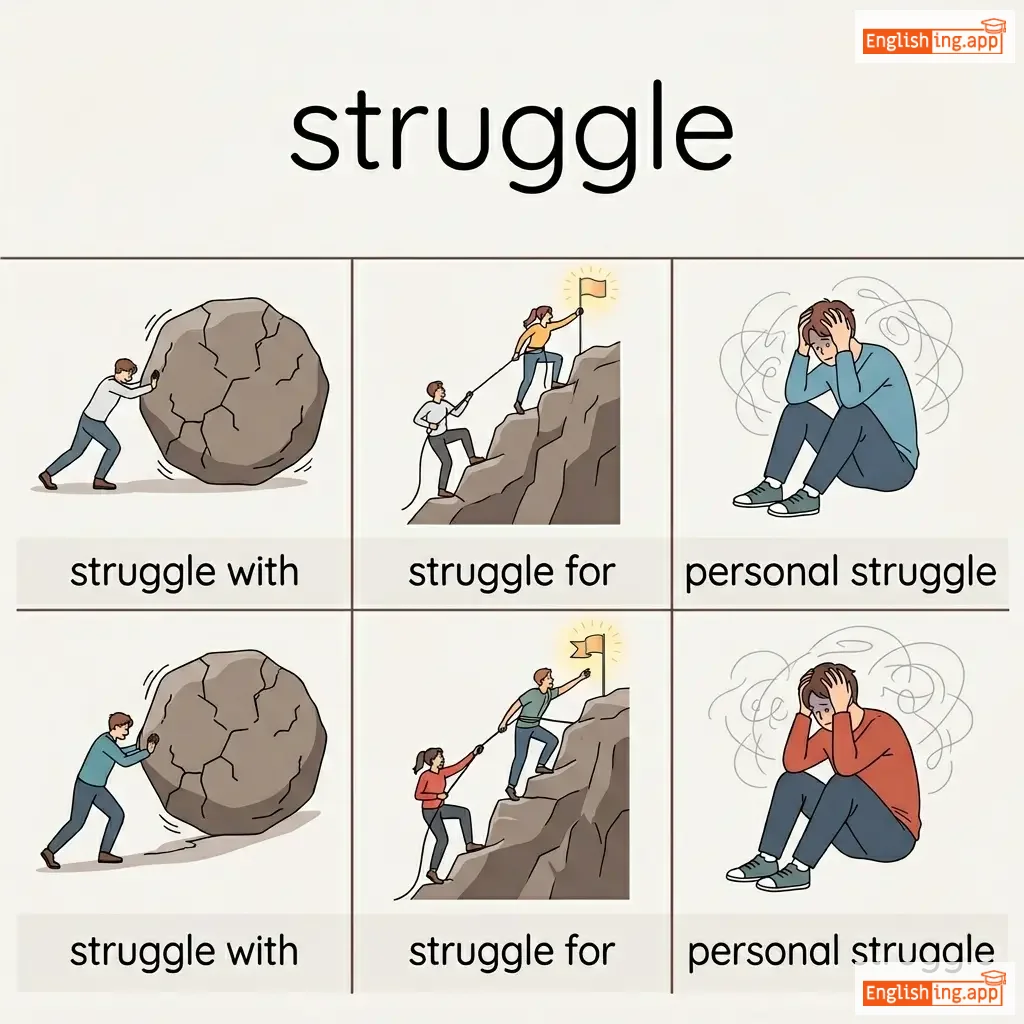
A forceful or violent effort to get free of restraint or resist attack.
••••••
|
The country's independence came after a long struggle.
その国の独立は長い戦いの後に達成されました。
••••••
|
その国の独立は長い戦いの後に達成されました。
Sono kuni no dokuritsu wa nagai tatakai no ato ni tassei saremashita.
••••••
|
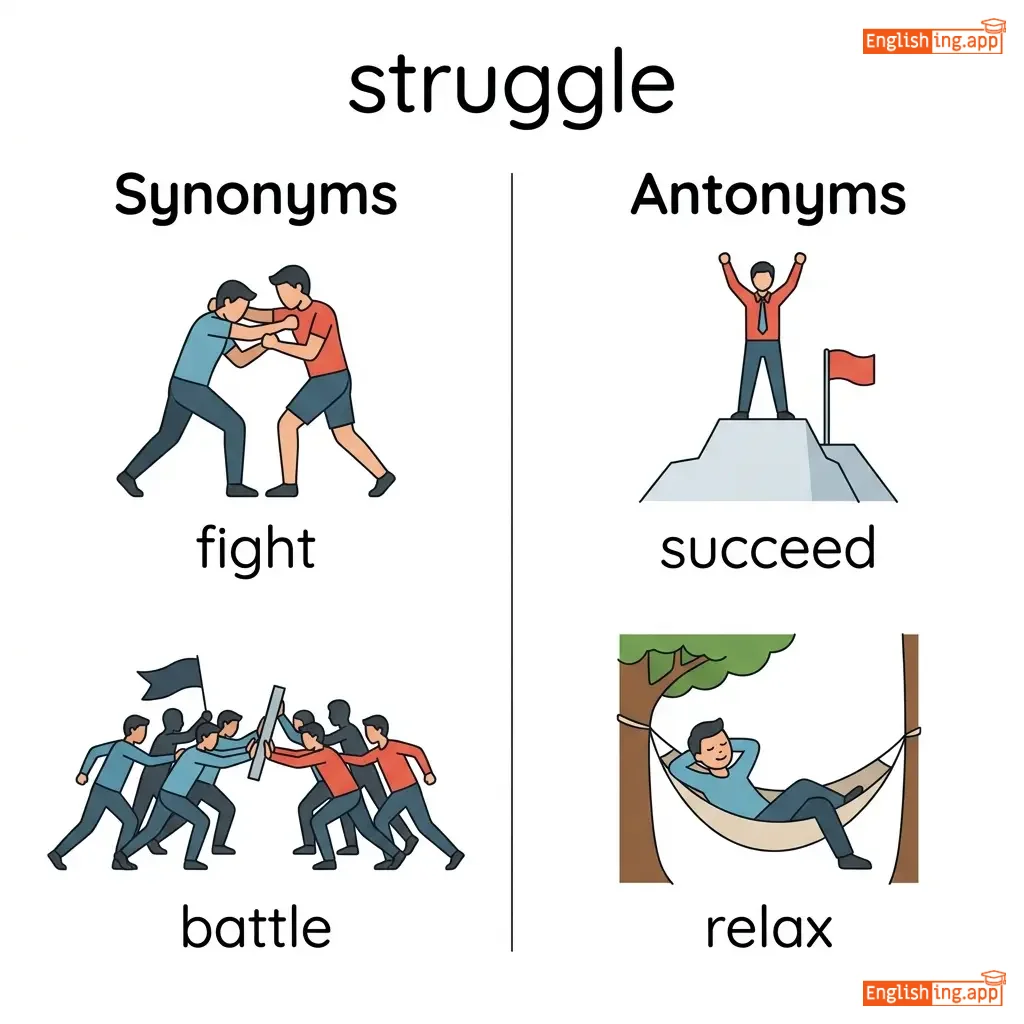
fight, battle, conflict, effort, endeavor
••••••
|
ease, success, peace, surrender
••••••
|
Tatakai ni katsu, Struggle to win!
••••••
|
|
#1035
🙏
|
ˈsækrɪˌfaɪs
noun
(サクリファイス)
••••••
|
|
犠牲
gisei
••••••
|
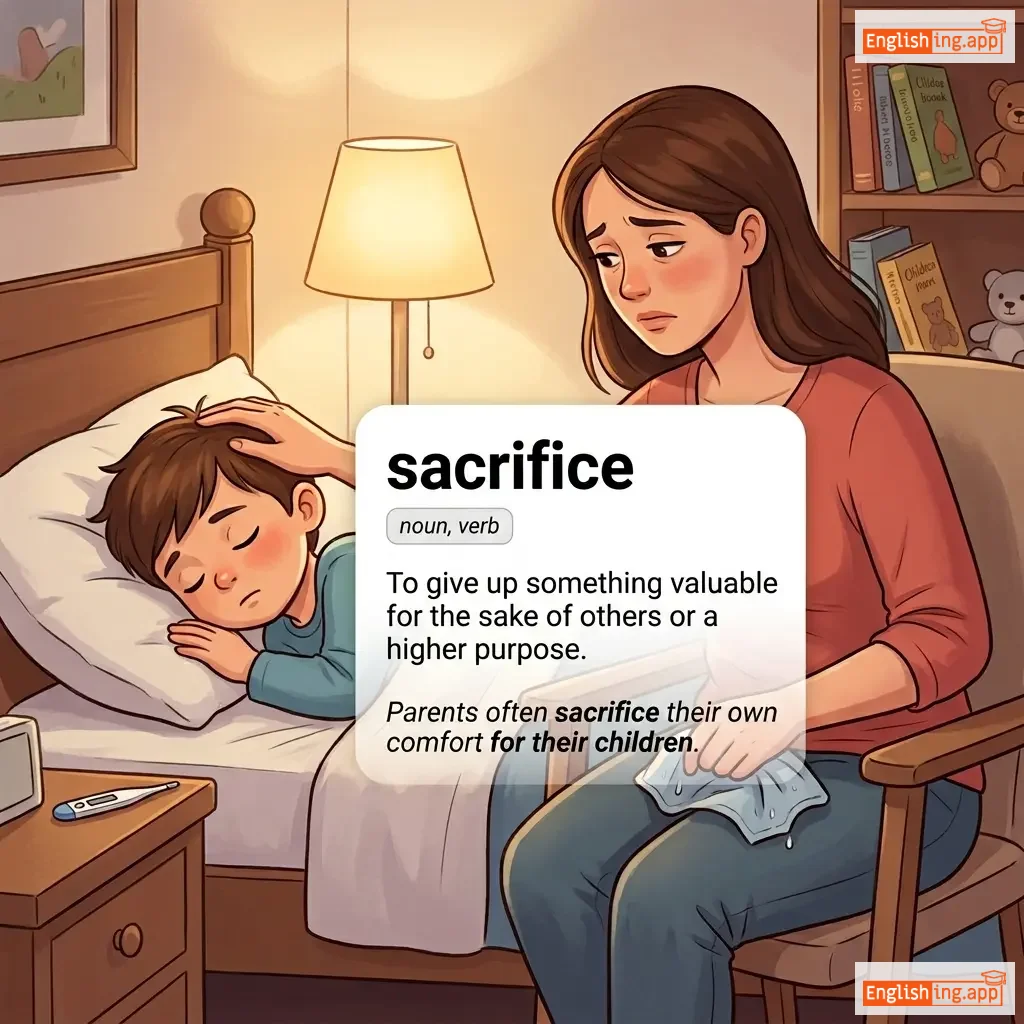
An act of giving up something valued for the sake of something else regarded as more important or worthy.
••••••
|
Their sacrifice will never be forgotten. |
彼らの犠牲は決して忘れられないでしょう。
Karera no gisei wa kesshite wasurerarenai deshō.
••••••
|
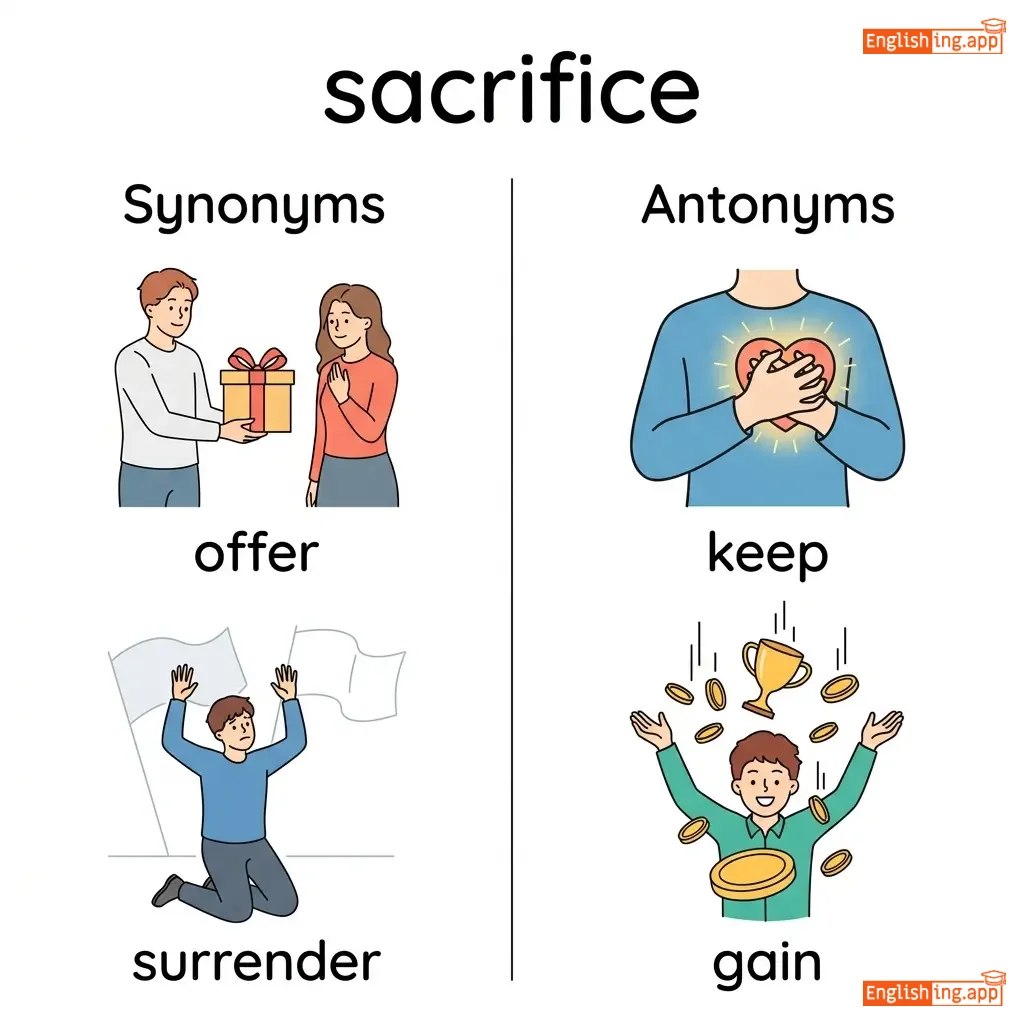
offering, surrender, giving up, devotion, martyrdom
••••••
|
selfishness, gain, greed, self-interest
••••••
|
犠牲を思い出すときは、自分のために何かを捨てることを考えてみましょう。
••••••
|
|
#1036
🗽
|
ˈfriːdəm
noun
(フリーダム)
••••••
|
|
自由
jiyū
••••••
|
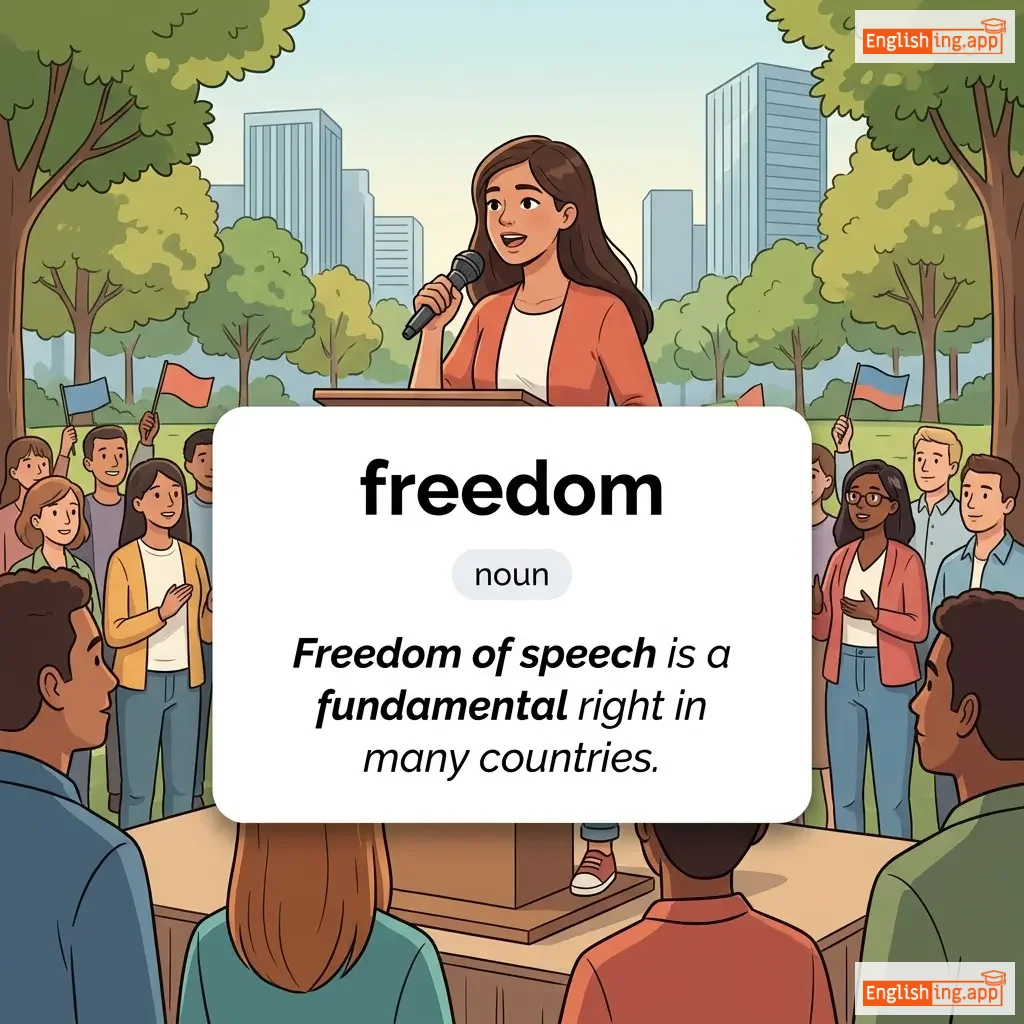
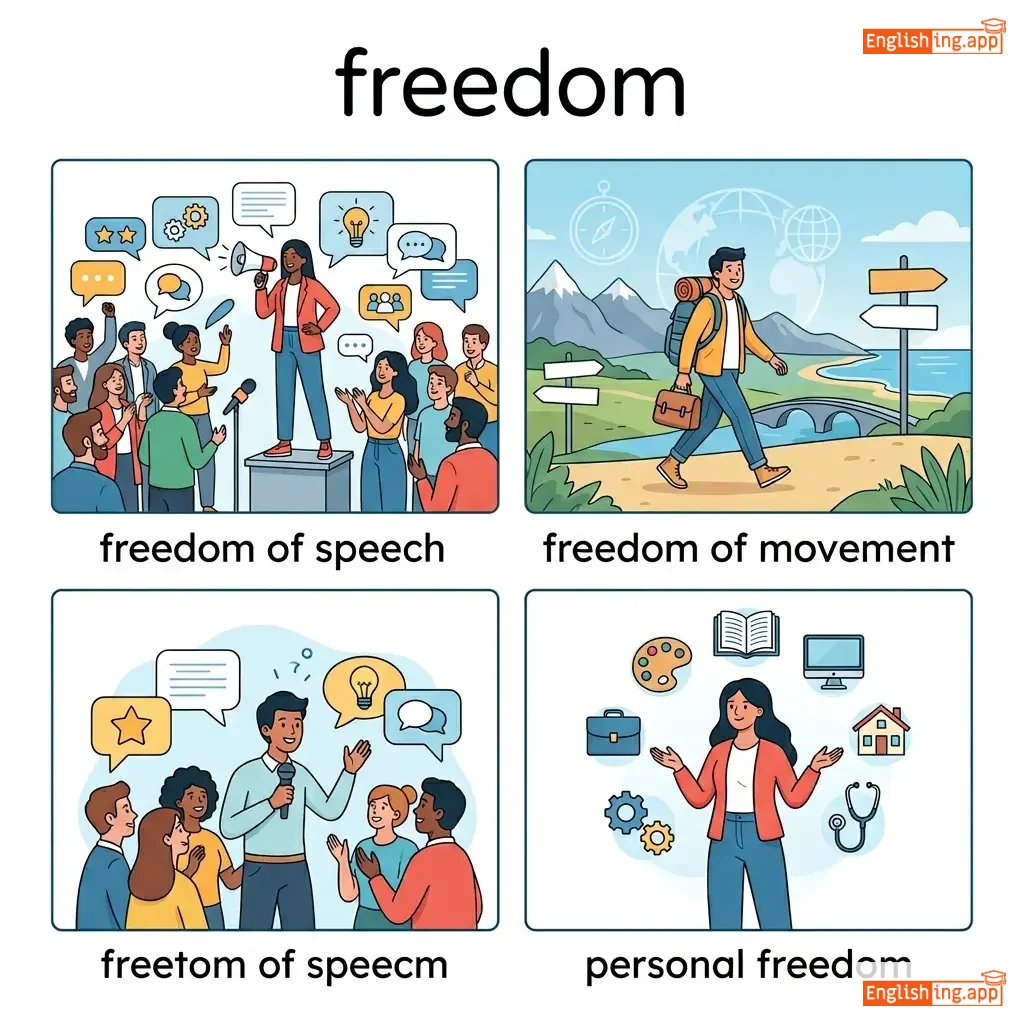
The state of being free or at liberty rather than in confinement or under physical restraint.
••••••
|
The victory brought freedom to Bangladesh.
勝利はバングラデシュに自由をもたらしました。
••••••
|
勝利はバングラデシュに自由をもたらしました。
Shōri wa Banguradeshū ni jiyū o motarashimashita.
••••••
|
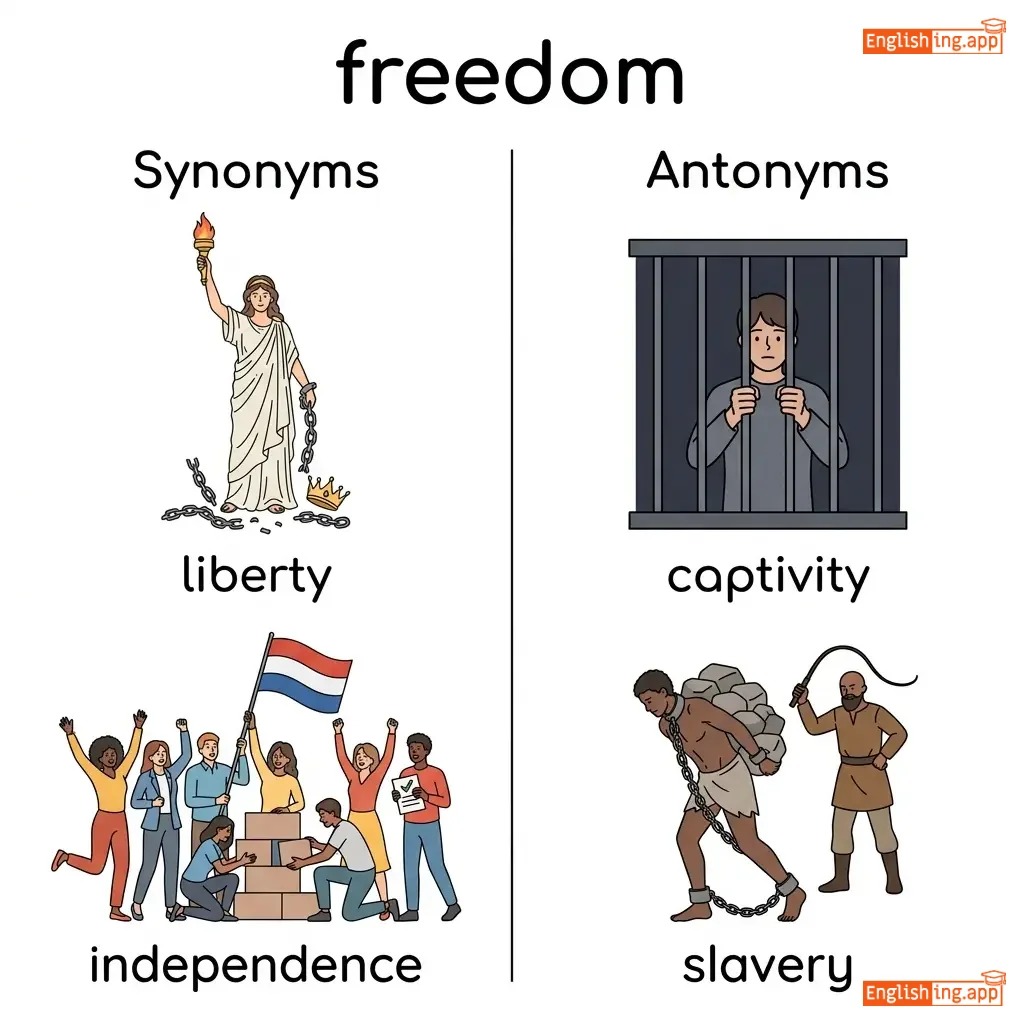
liberty, independence, emancipation, autonomy, release
••••••
|
captivity, oppression, bondage, slavery
••••••
|
自由 (jiyū) in Japanese is the freedom to live free and bold!
••••••
|
|
#1037
🌟
|
ʌnˈmætʃt
adjective
(アンマッチド)
••••••
|
|
比類のない
hirui no nai
••••••
|
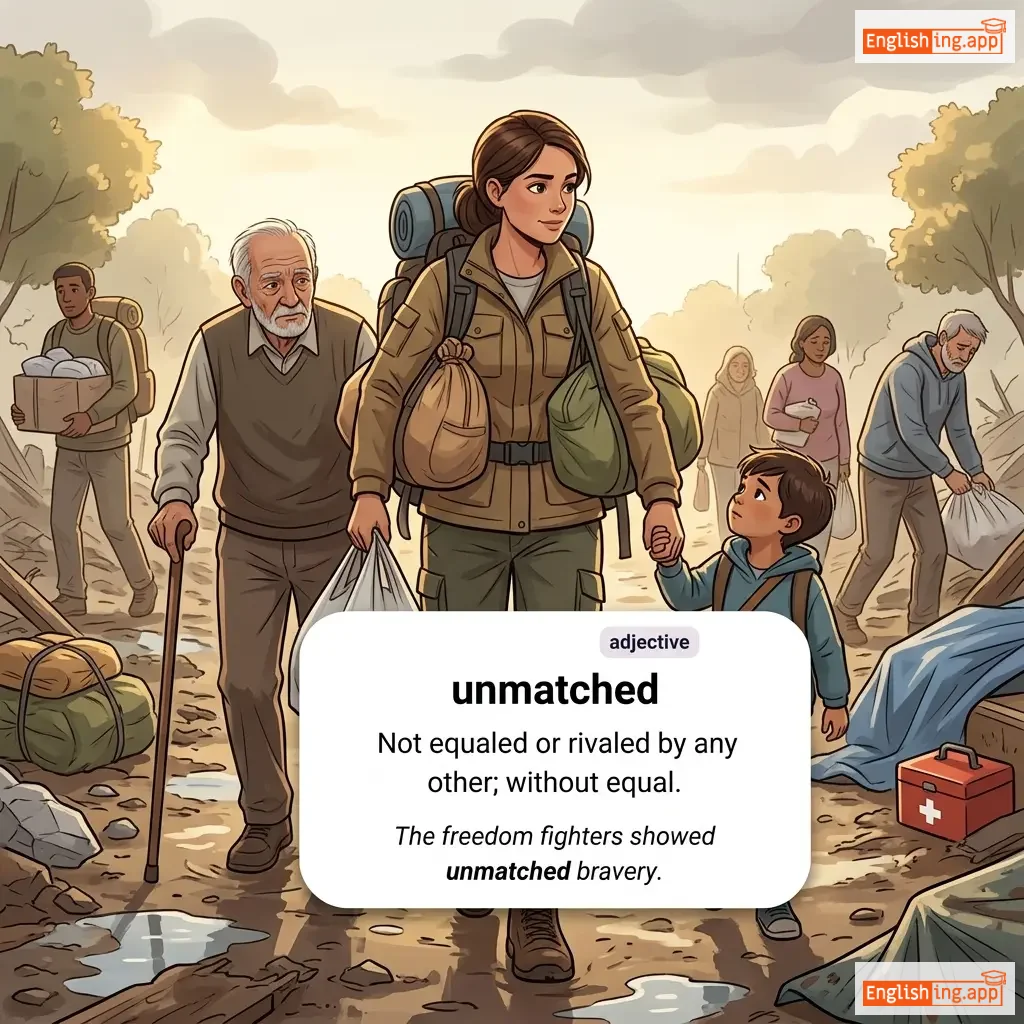
Not equaled or rivaled by any other; without equal.
••••••
|
The freedom fighters showed unmatched bravery.
自由の戦士たちは比類のない勇気を示しました。
••••••
|
自由の戦士たちは比類のない勇気を示しました。
Jiyū no senshi-tachi wa hirui no nai yūki o shimeshimashita.
••••••
|
unequaled, incomparable, unique, peerless, unrivaled
••••••
|
comparable, ordinary, matched, equaled
••••••
|
Unmatched courage, like 'hirui no nai' in battle.
••••••
|
|
#1038
🦁
|
ˈbreɪvəri
noun
(ブレイヴァリー)
••••••
|
|
勇気
yūki
••••••
|
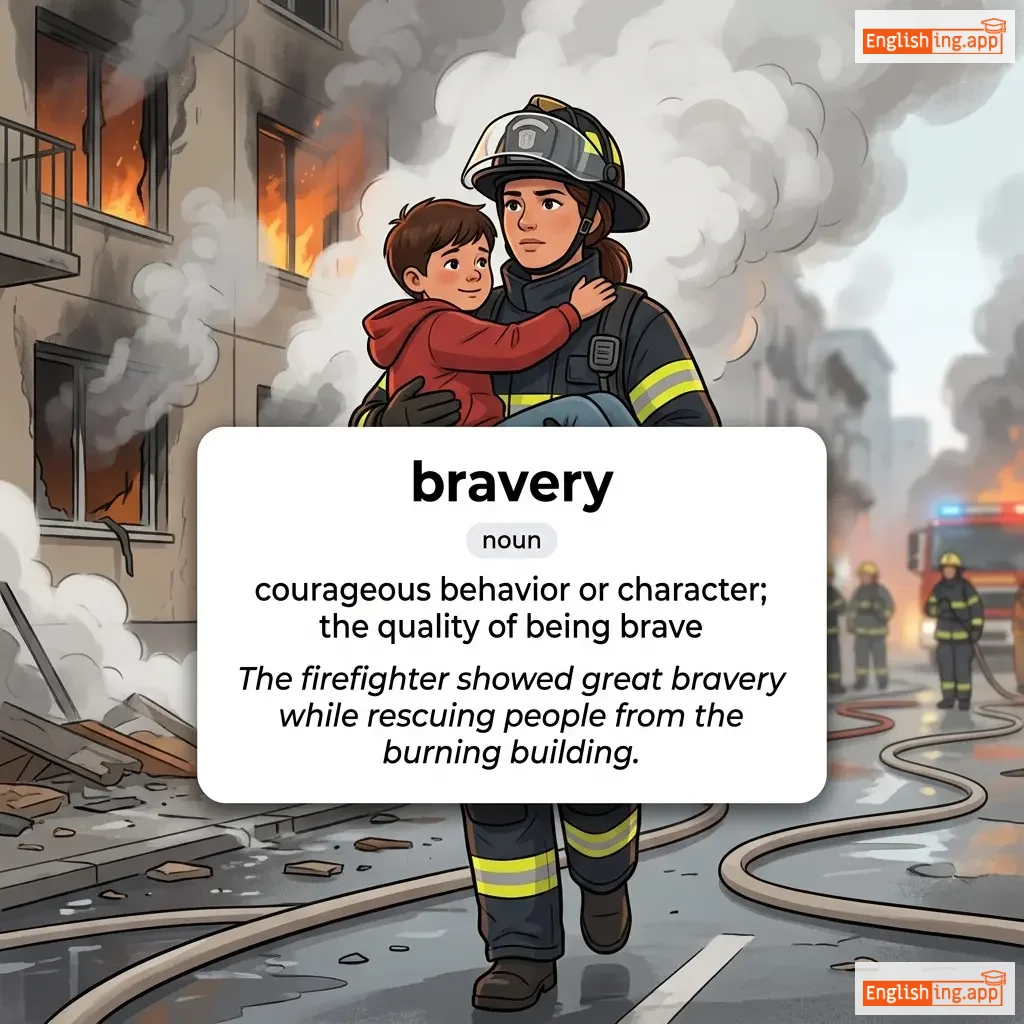
Courageous behavior or character; the quality of being brave.
••••••
|
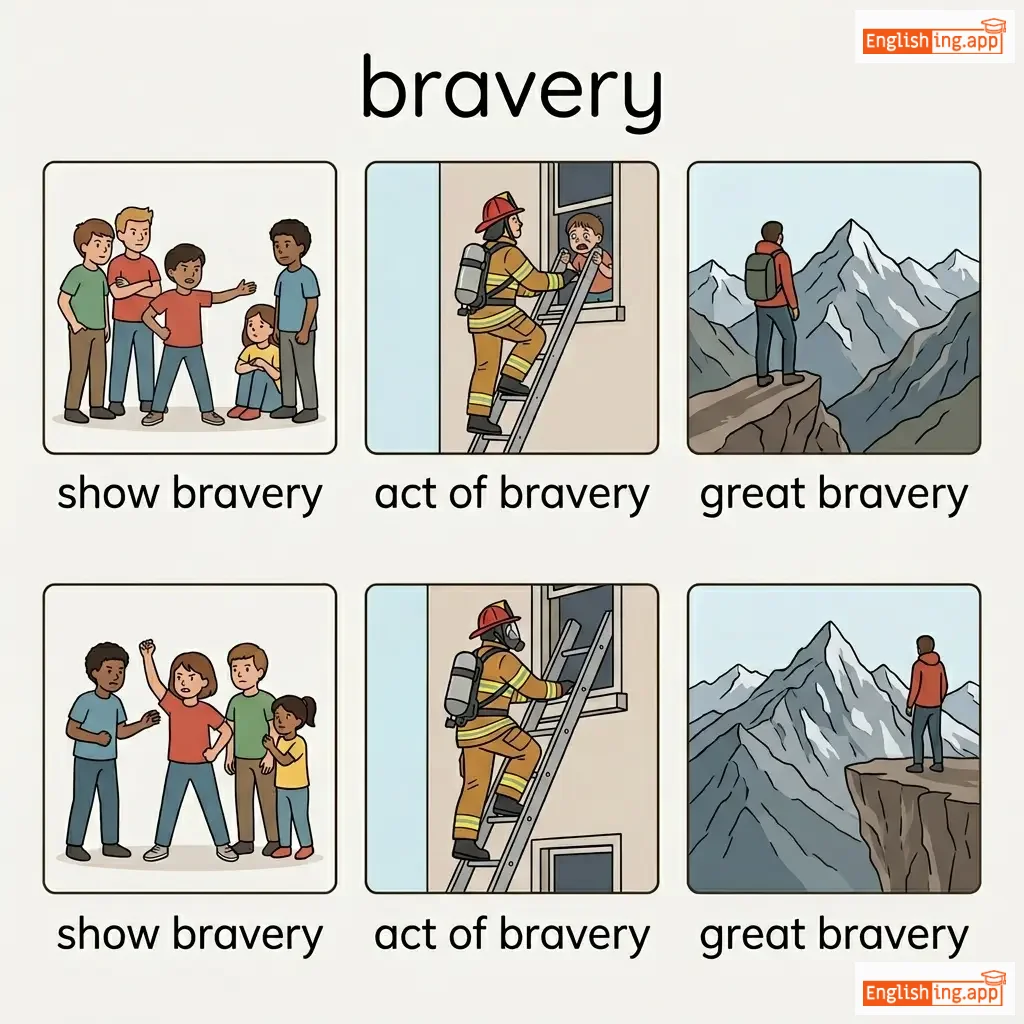
The bravery of our soldiers is unforgettable.
私たちの兵士たちの勇気は忘れがたいものです。
••••••
|
私たちの兵士たちの勇気は忘れがたいものです。
Watashitachi no heishi-tachi no yūki wa wasuregatai mono desu.
••••••
|
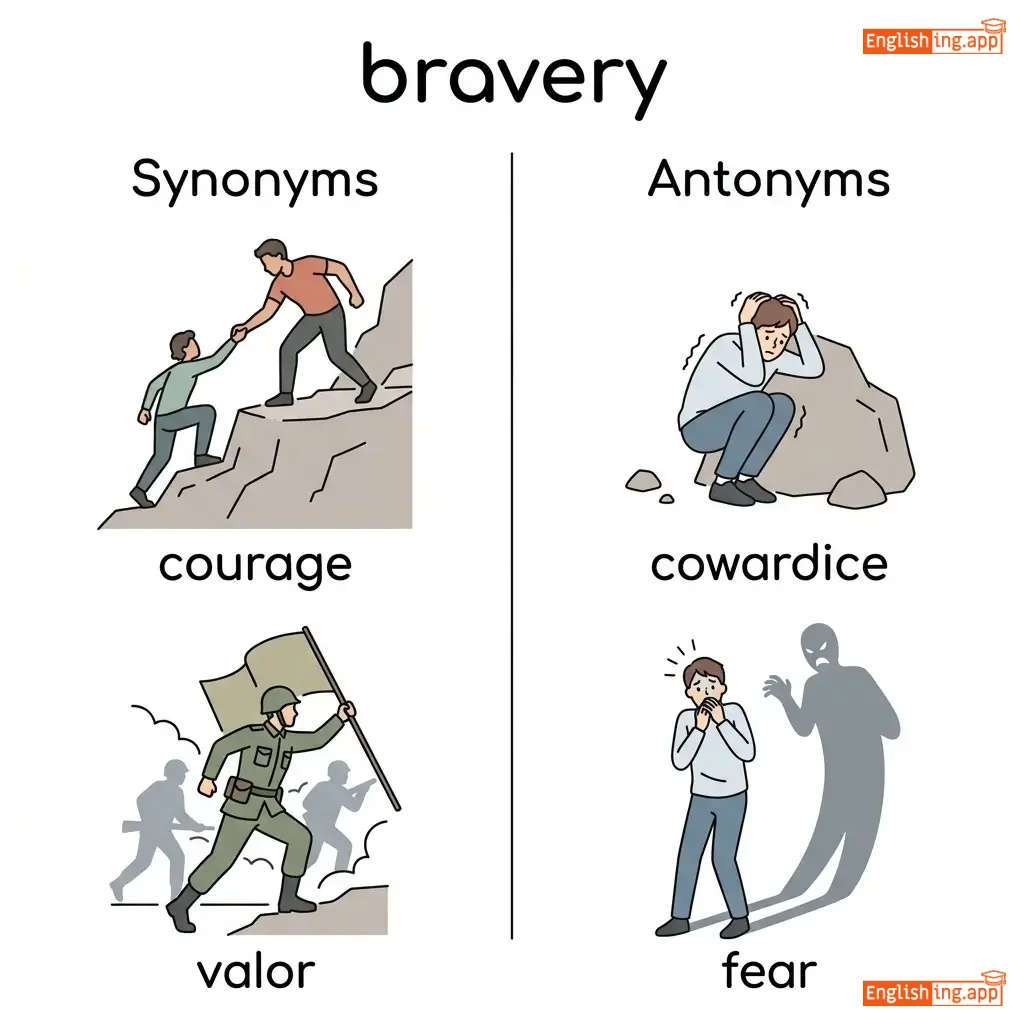
courage, valor, heroism, gallantry, fearlessness
••••••
|
cowardice, fear, timidity, weakness
••••••
|
Japanese 'yūki' means bravery – a hero's 'yūki' in every story.
••••••
|
|
#1039
🇧🇩
|
ˈpeɪtriəˌtɪzəm
noun
(愛国心)
••••••
|
|
愛国心
aikokushin
••••••
|
The quality of being patriotic; devotion to and vigorous support for one's country.
••••••
|
Victory Day reflects the patriotism of the entire nation. |
勝利の日は国全体の愛国心を反映しています。
Shouri no hi wa kuni zentai no aikokushin o han'ei shiteimasu.
••••••
|
nationalism, loyalty, devotion, allegiance, love of country
••••••
|
disloyalty, treachery, treason, betrayal
••••••
|
愛国心はあなたの国を深く愛し支援することです!
••••••
|
|
#1040
🙏
|
ˈsɑːləm
adjective
(ソレムン)
••••••
|
|
厳粛
genshuku
••••••
|
Formal and dignified; characterized by deep sincerity.
••••••
|
The day begins with a solemn ceremony at the memorial.
その日は記念碑での厳粛な式典から始まります。
••••••
|
その日は記念碑での厳粛な式典から始まります。
Sono hi wa kinenhi de no genshuku na shikiten kara hajimarimasu.
••••••
|
serious, grave, formal, dignified, ceremonial
••••••
|
cheerful, informal, lighthearted, casual
••••••
|
In Japanese, '厳粛' (genshuku) conveys seriousness and formality like 'solemn'.
••••••
|
|
#1041
🙏
|
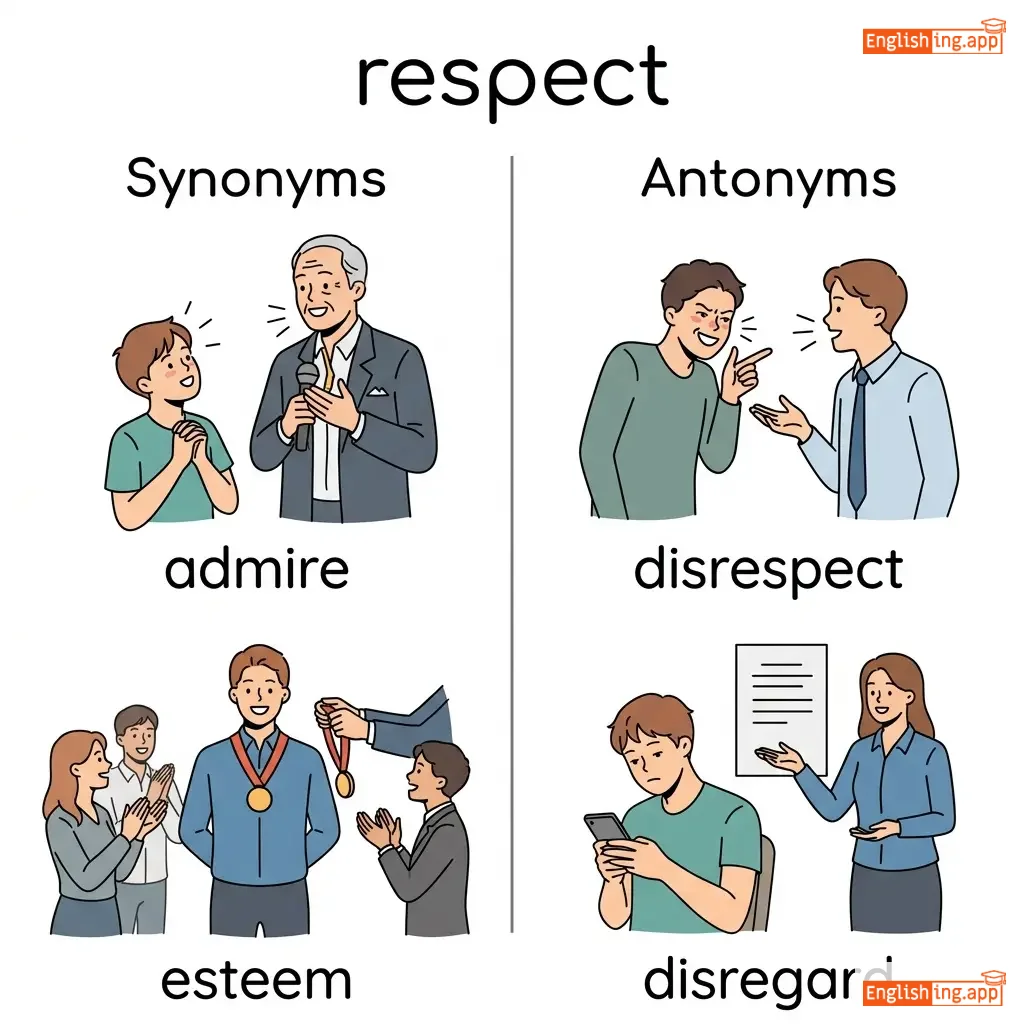
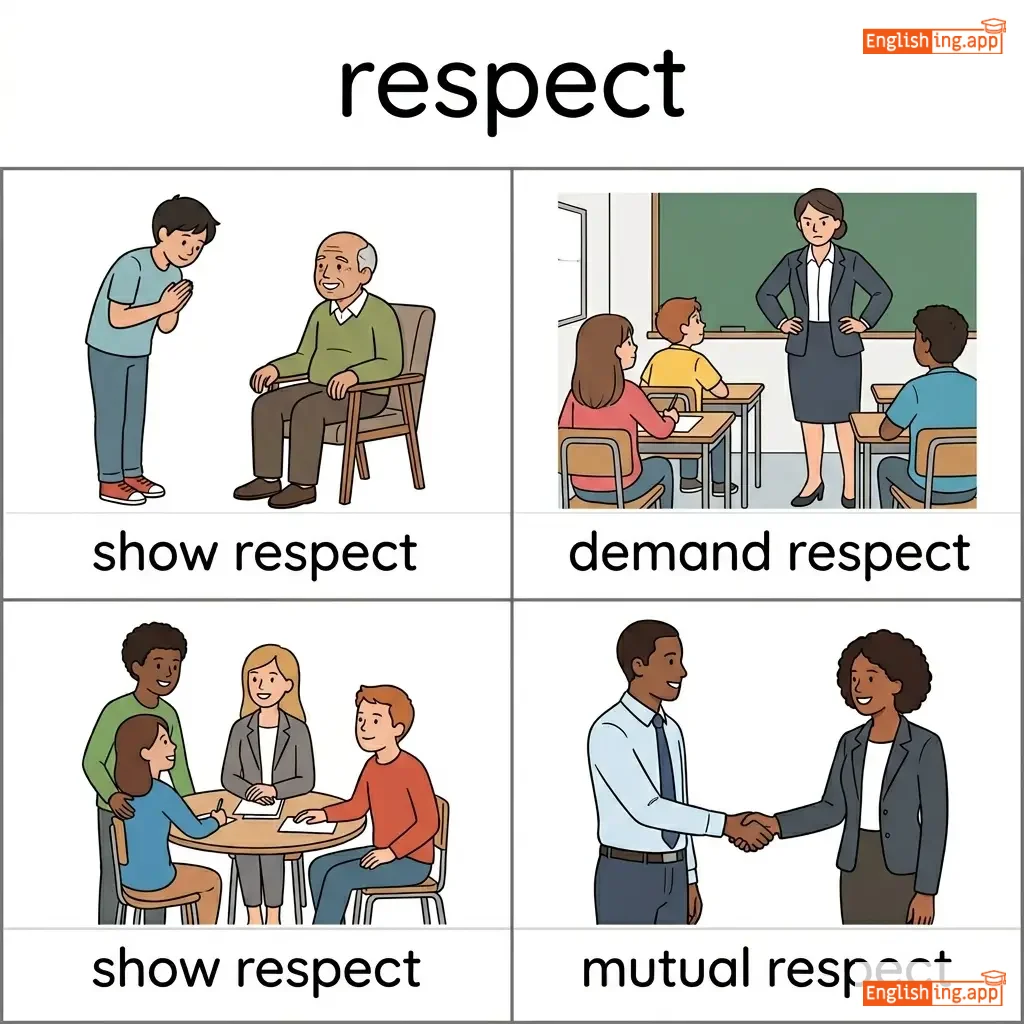
rɪˈspɛkt
noun
(リスペクト)
••••••
|
|
尊敬
sonkei
••••••
|
A feeling of deep admiration for someone or something elicited by their abilities, qualities, or achievements.
••••••
|
The people pay respect to the martyrs.
人々は殉教者に敬意を払います。
••••••
|
人々は殉教者に敬意を払います。
Hitobito wa junkyōsha ni keii o haraimasu.
••••••
|
admiration, esteem, regard, reverence, honor
••••••
|
disrespect, contempt, scorn, disregard
••••••
|
Sonkei - Respect grows through admiration and action.
••••••
|
|
#1042
🏛️
|
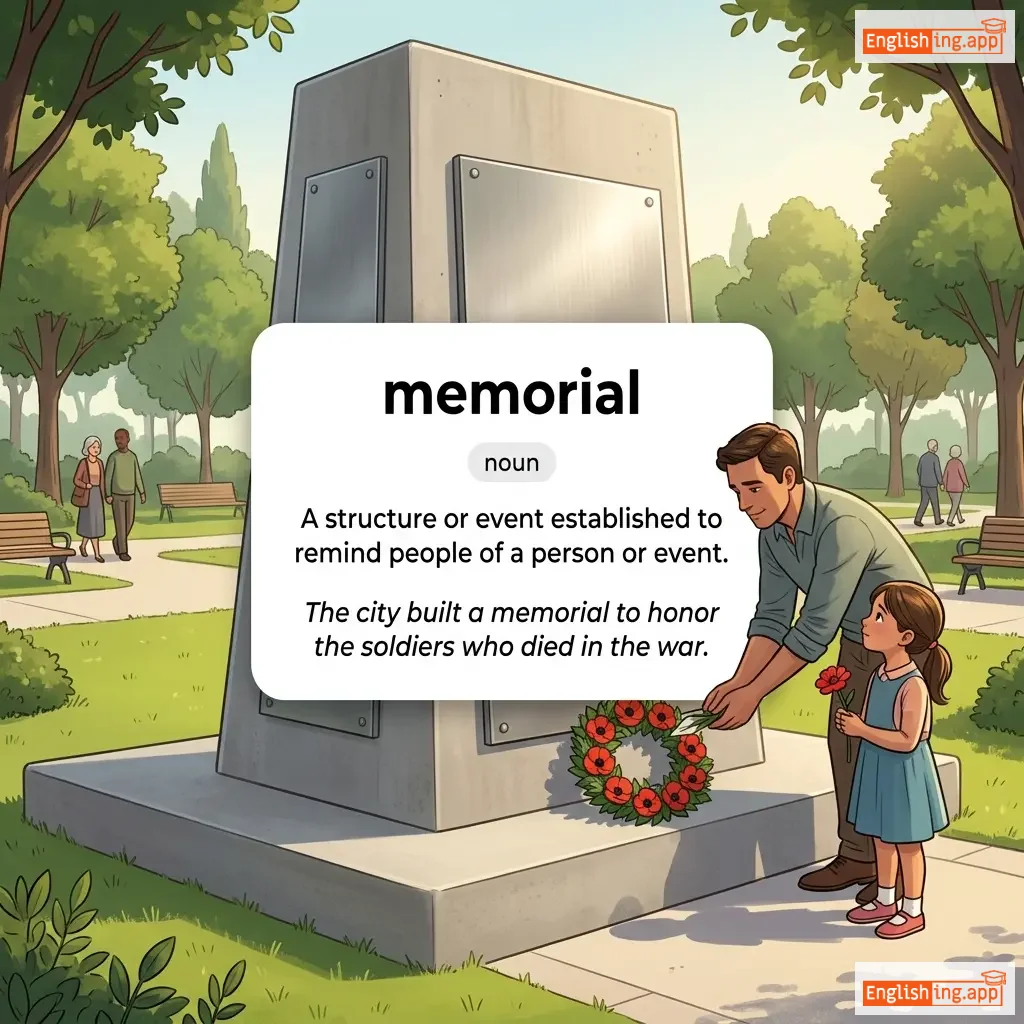
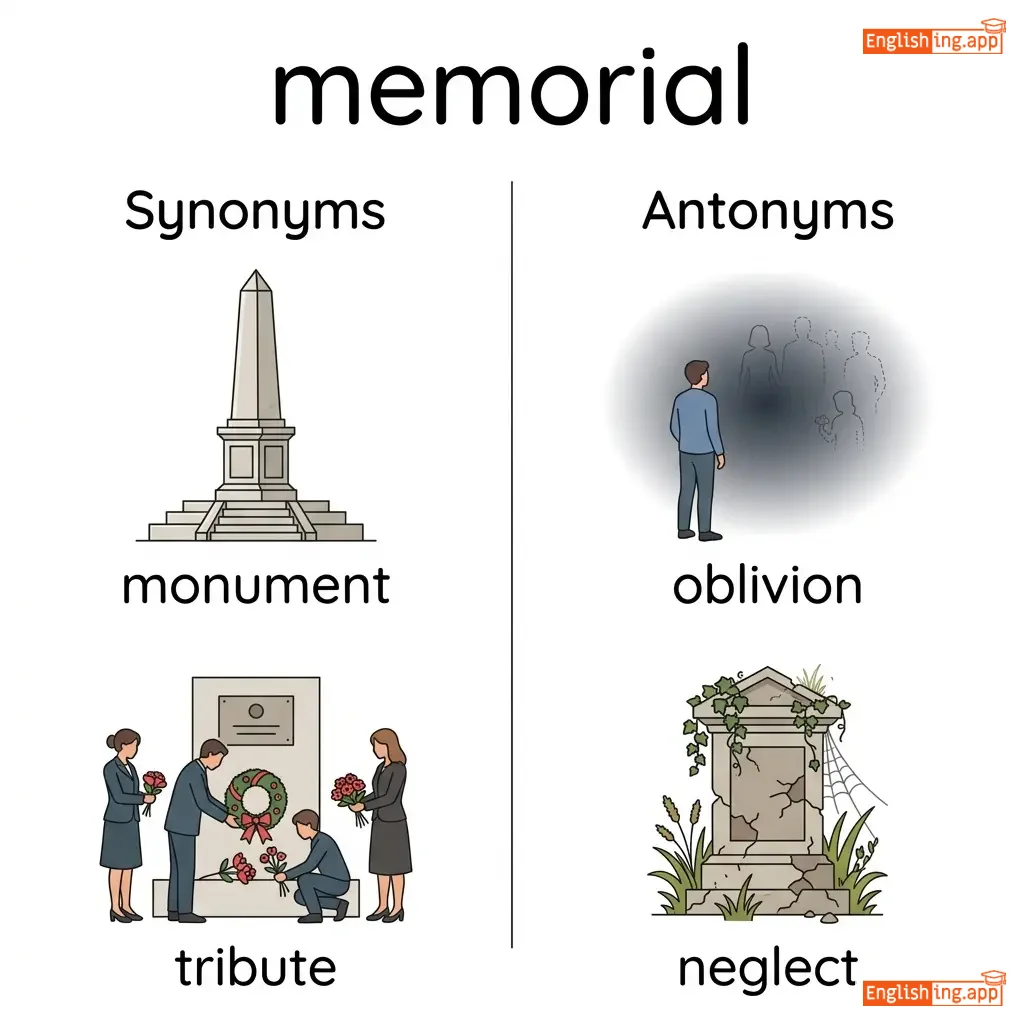
məˈmɔːriəl
noun
(メモリアル)
••••••
|
|
記念碑
kinenhi
••••••
|
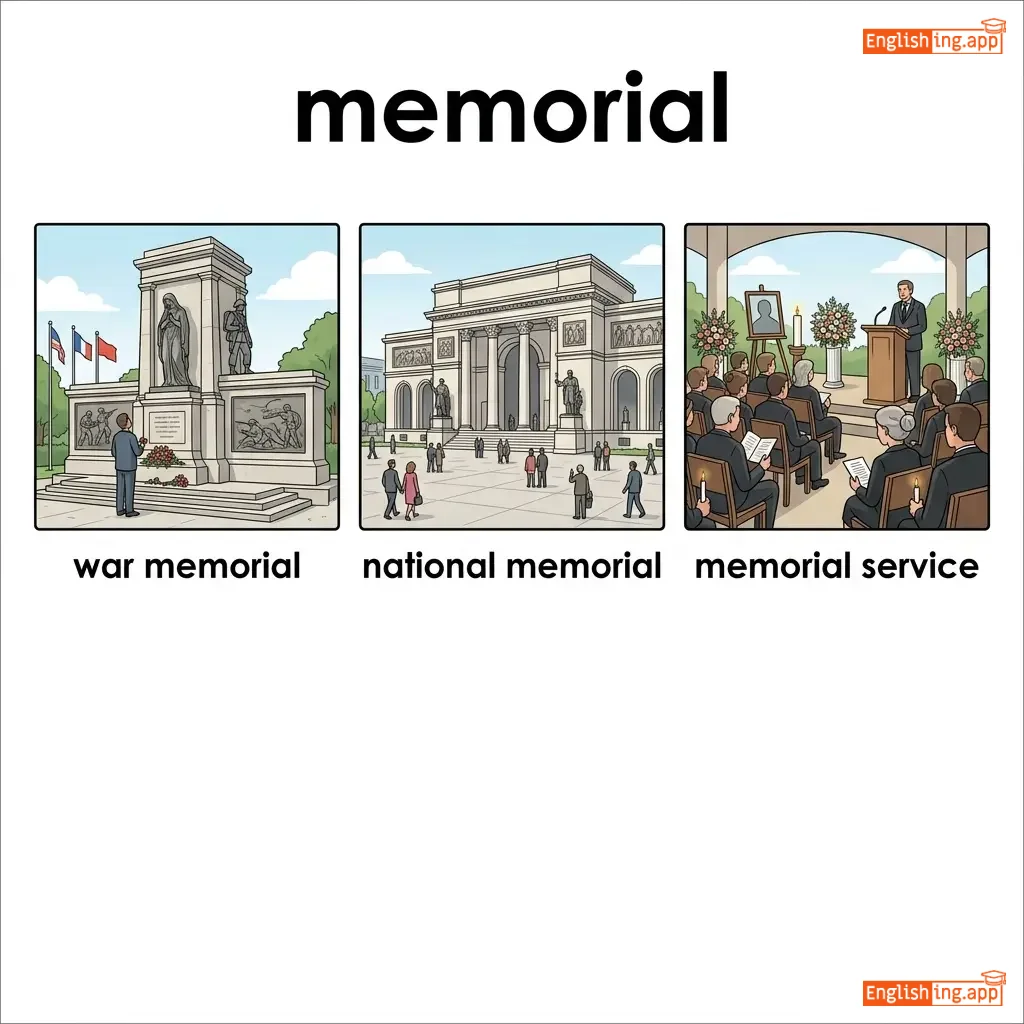
A structure or building made to remind people of a person or event.
••••••
|
Thousands gather at the National Memorial. |
何千人もの人々が国立記念碑に集まります。
Nanzen-nin mo no hitobito ga kokuritsu kinenhi ni atsumarimasu.
••••••
|
monument, remembrance, tribute, commemoration, shrine
••••••
|
neglect, forgetfulness, oblivion, disregard
••••••
|
In Japanese, 記念碑 (kinenhi) is a place where memories are preserved.
••••••
|
|
#1043
🌹
|
ˈtrɪbjuːt
noun
(トリビュート)
••••••
|
|
賛辞
sanchi
••••••
|
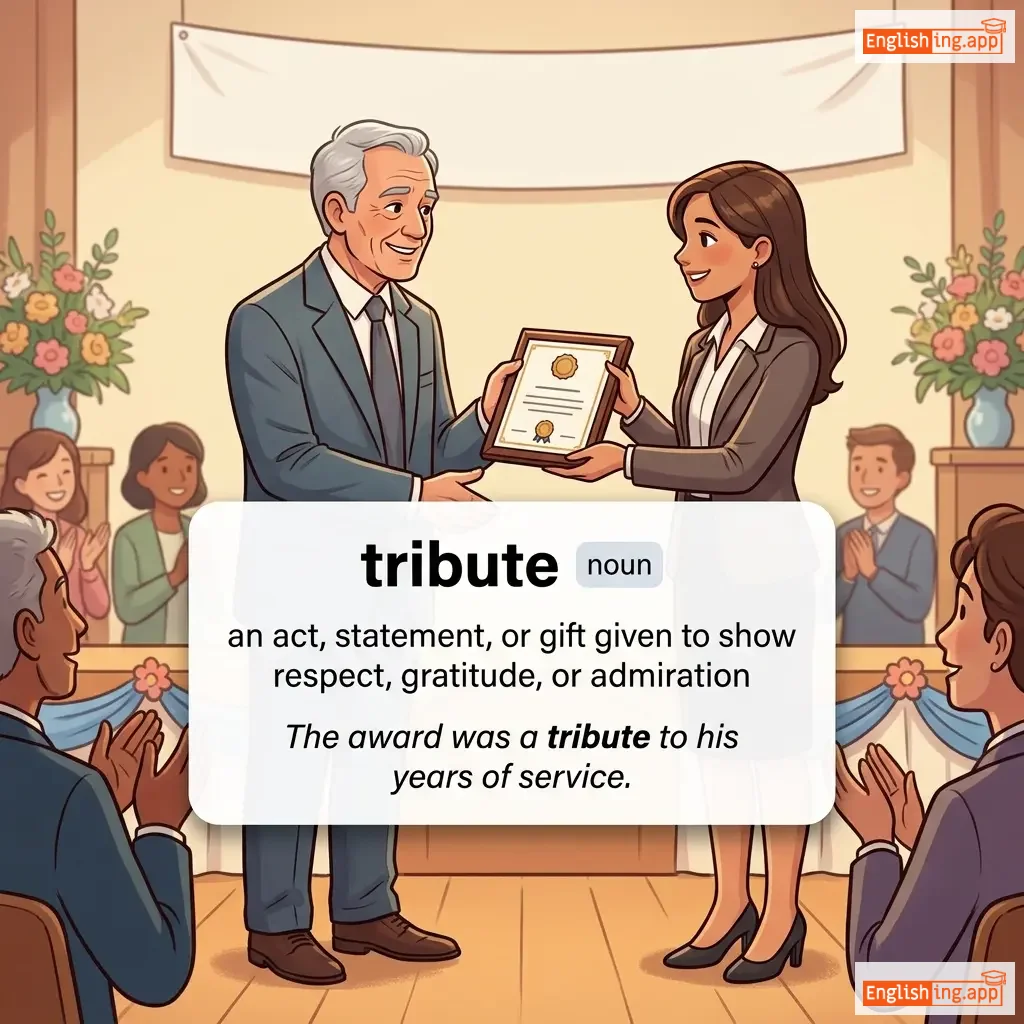
An act, statement, or gift that is intended to show gratitude, respect, or admiration.
••••••
|
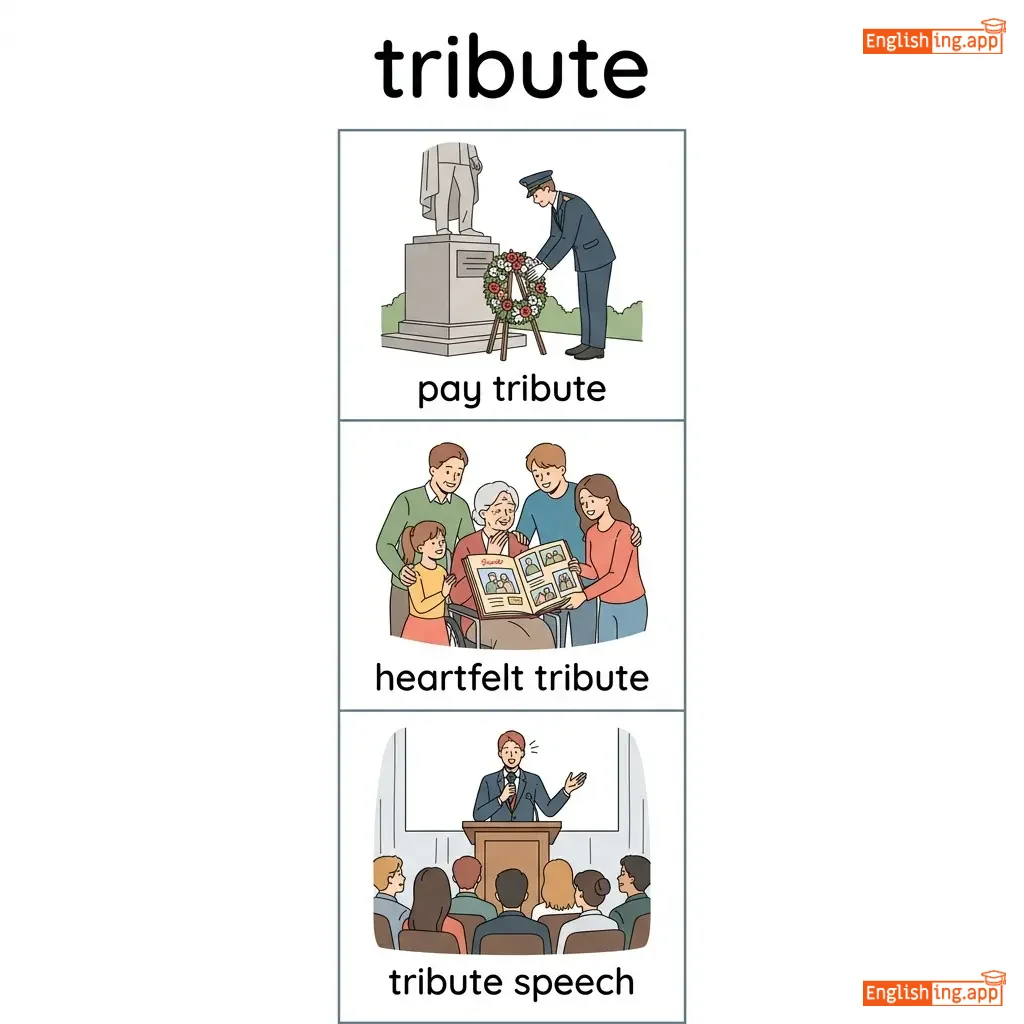
They paid tribute to the brave freedom fighters.
彼らは勇敢な自由戦士たちに敬意を表した。
••••••
|
彼らは勇敢な自由戦士たちに賛辞を表した。
Karera wa yūkan na jiyū senshi-tachi ni sanchi o hyōshita.
••••••
|
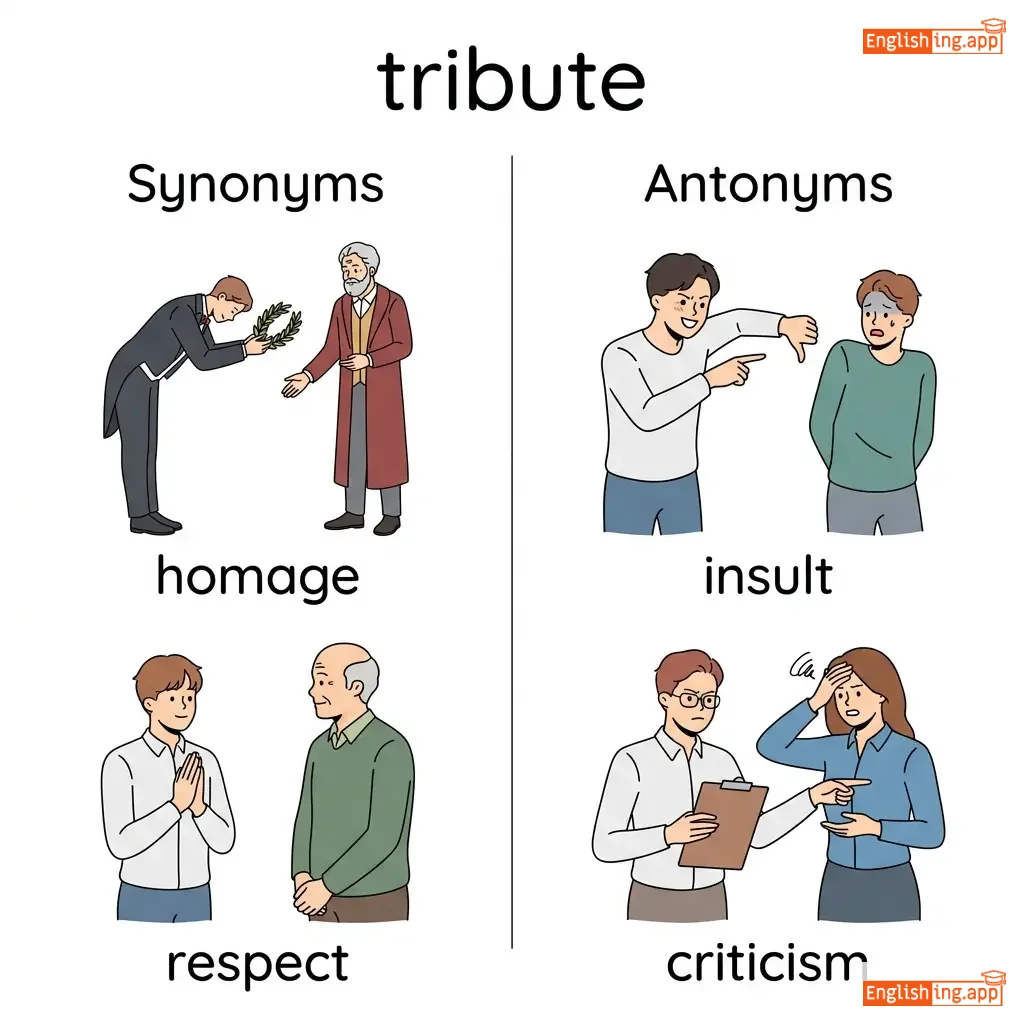
homage, honor, acknowledgment, recognition, salute
••••••
|
dishonor, disrespect, insult, criticism
••••••
|
賛辞は誰かを称賛する方法です。
••••••
|
|
#1044
🏴
|
flæɡz
noun
(旗)
••••••
|
|
旗
ki
••••••
|
A piece of cloth or similar material, typically oblong or square, attachable by one edge to a pole or rope.
••••••
|
The streets were decorated with national flags. |
通りは国旗で飾られていました。
Tōri wa kokki de kazarete imashita.
••••••
|
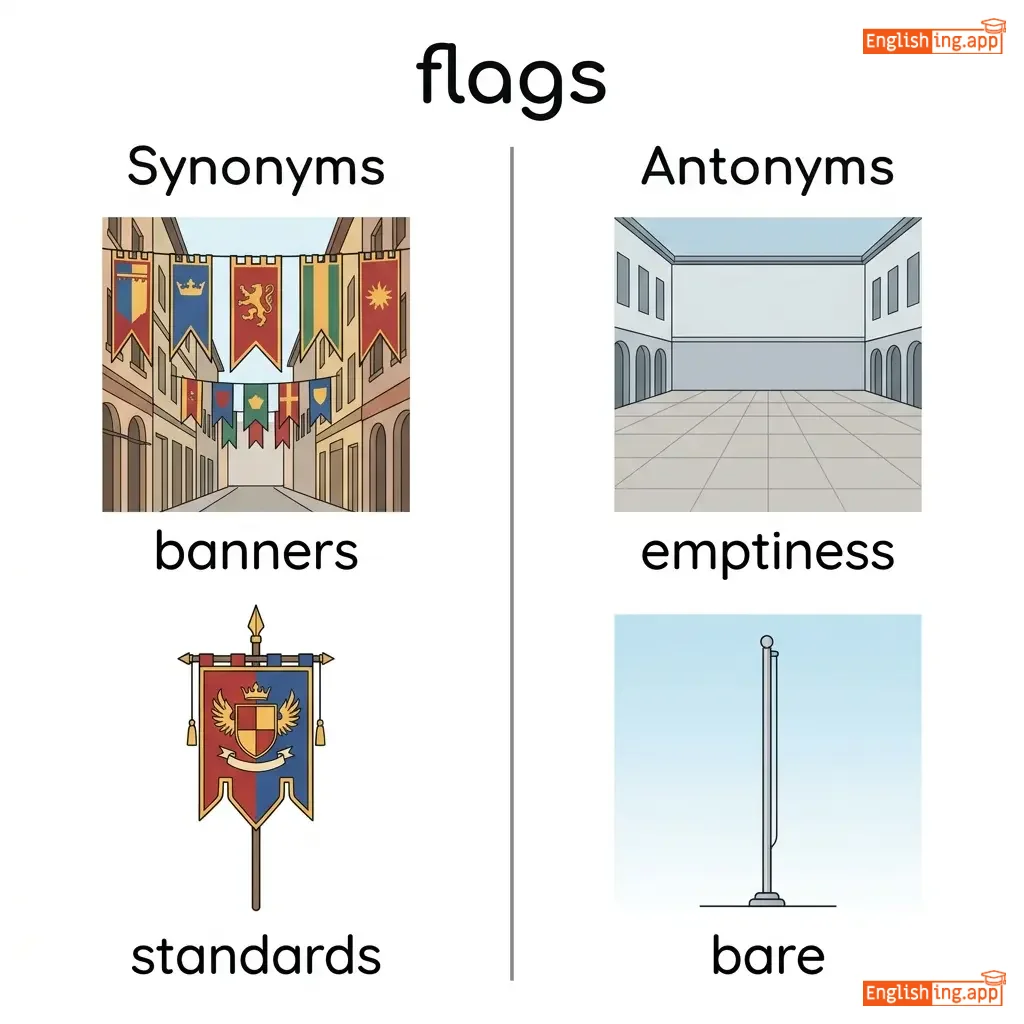
banners, standards, ensigns, pennants, colors
••••••
|
emptiness, bare, plain, undecorated
••••••
|
旗が風に揺れる
••••••
|
|
#1045
🎭
|
ˈkʌltʃərəl
adjective
(カルチュラル)
••••••
|
|
文化的
bunkateki
••••••
|
Relating to the arts and to intellectual achievements.
••••••
|
Schools organize cultural programs to honor Victory Day. |
学校は勝利の日を記念して文化的なプログラムを開催します。
Gakkō wa shōri no hi o kinen shite bunkateki na puroguramu o kaisai shimasu.
••••••
|
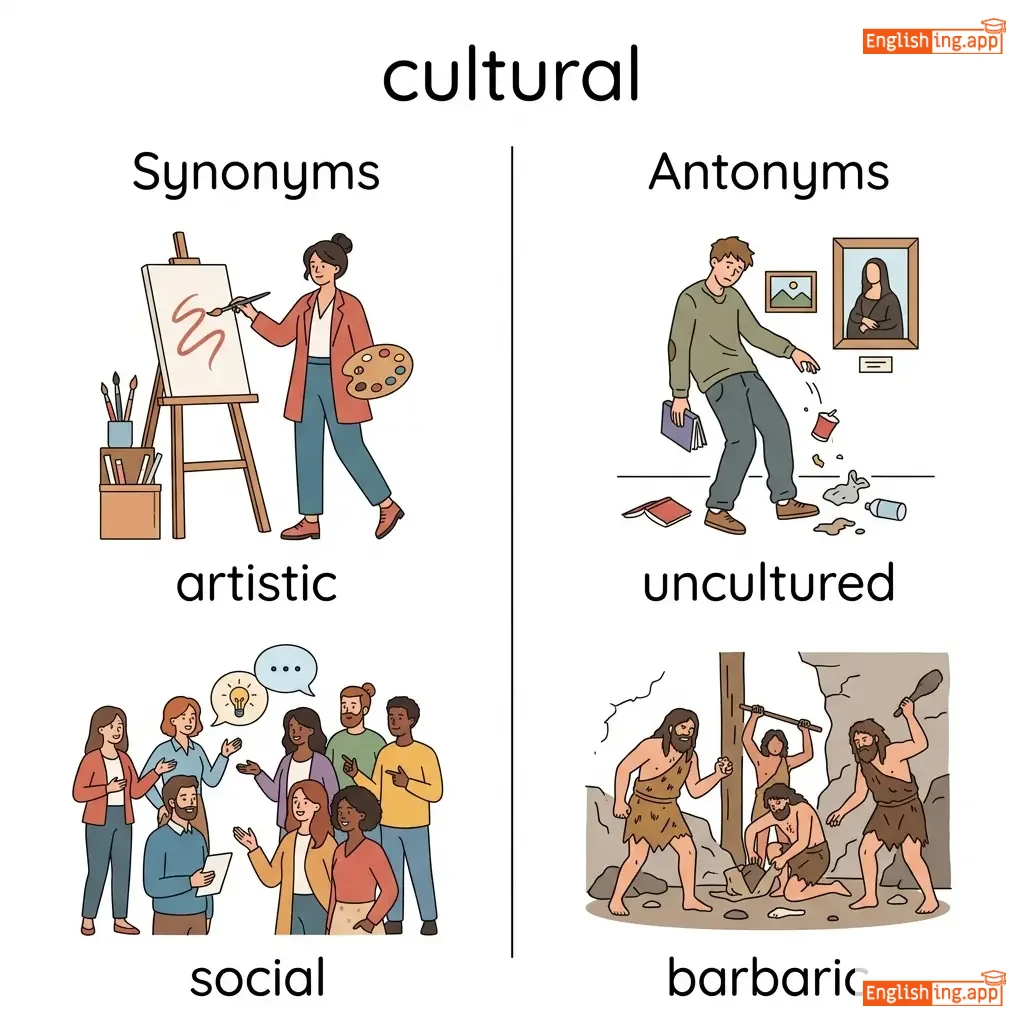
artistic, intellectual, civilizing, educational, social
••••••
|
unrefined, noncultural, primitive, uncultured
••••••
|
文化的とは芸術や知識に関することです。
••••••
|
|
#1046
🎪
|
ɪˈvɛnts
noun
(イベント)
••••••
|
|
イベント
ibento
••••••
|
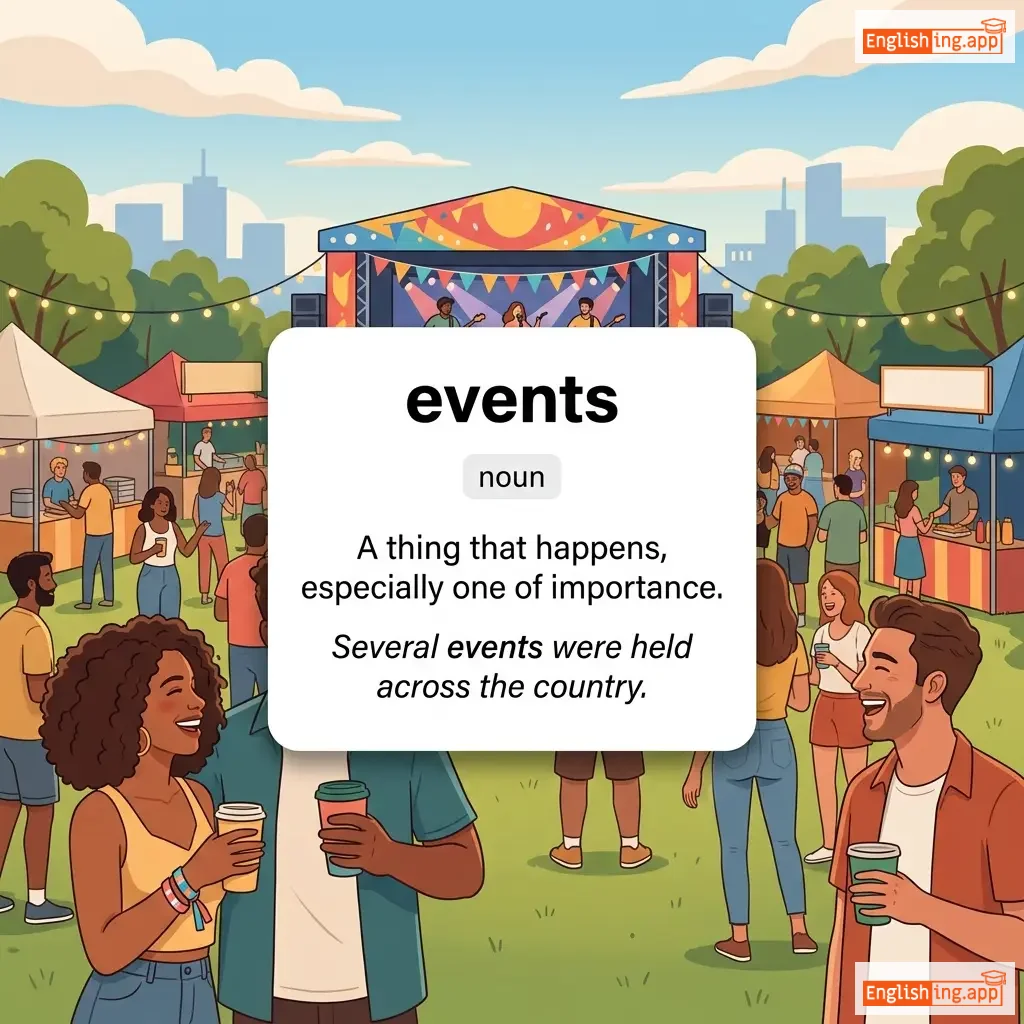
A thing that happens, especially one of importance.
••••••
|
Several events were held across the country. |
国内でいくつかのイベントが開催されました。
Kokunai de ikutsuka no ibento ga kaisai saremashita.
••••••
|
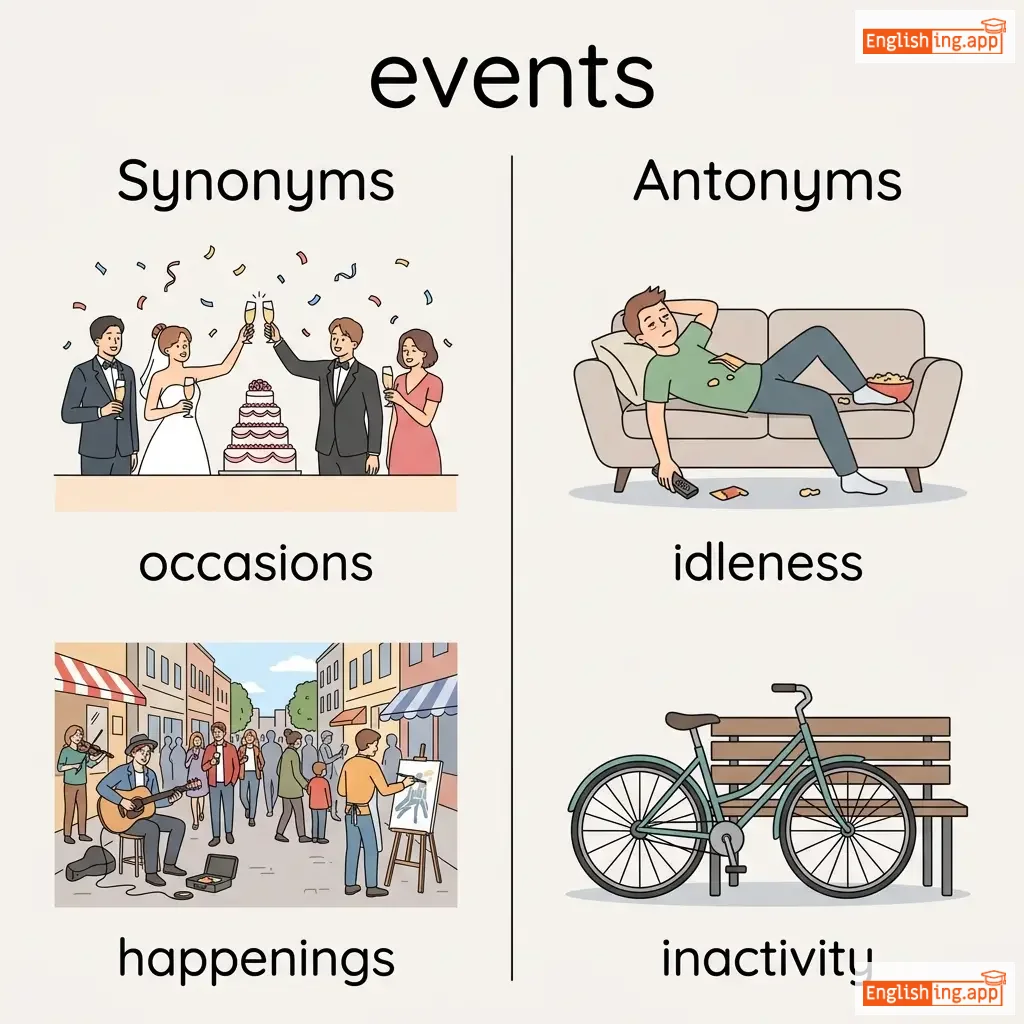
occasions, happenings, incidents, activities, ceremonies
••••••
|
idleness, inactivity, stillness, quietness
••••••
|
イベント = ibento
••••••
|
|
#1047
🦸
|
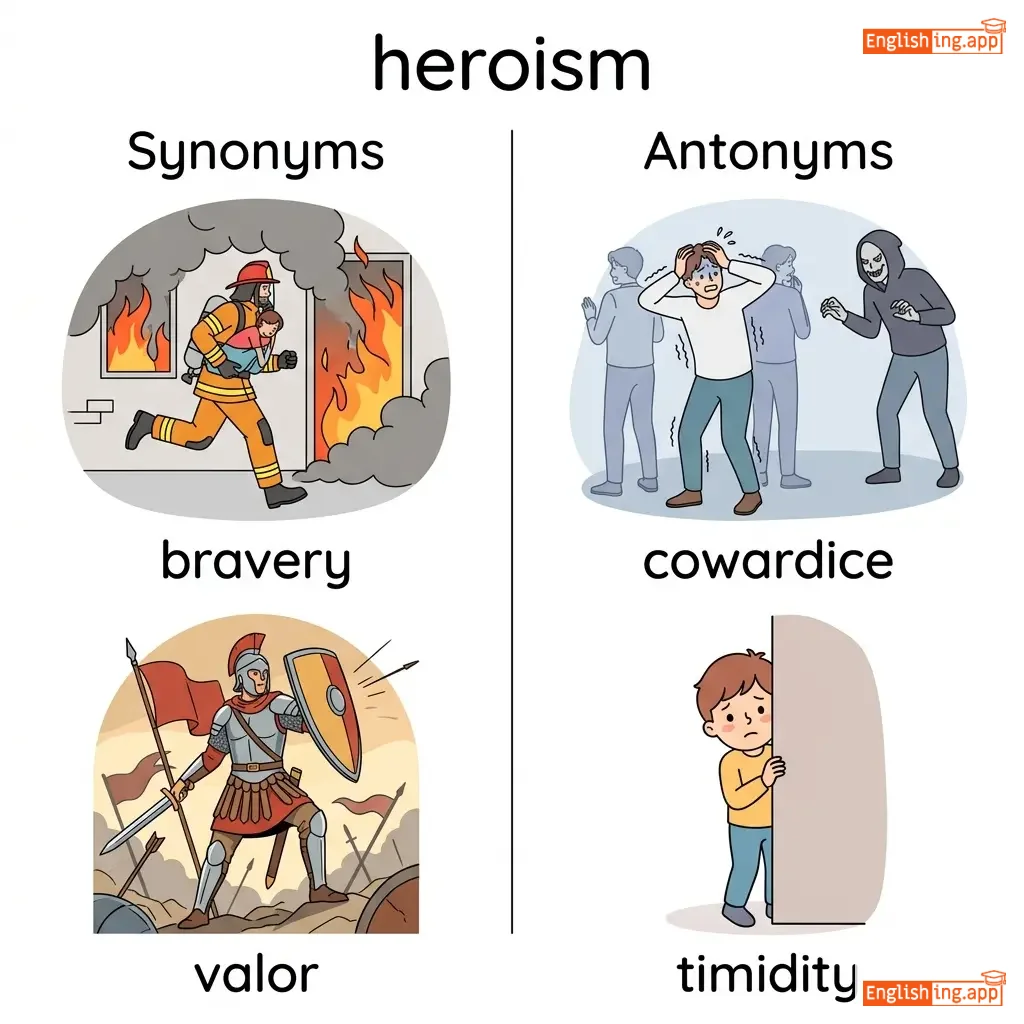
ˈhɛroʊˌɪzəm
noun
(ヒーロイズム)
••••••
|
|
英雄主義
eiyū shugi
••••••
|
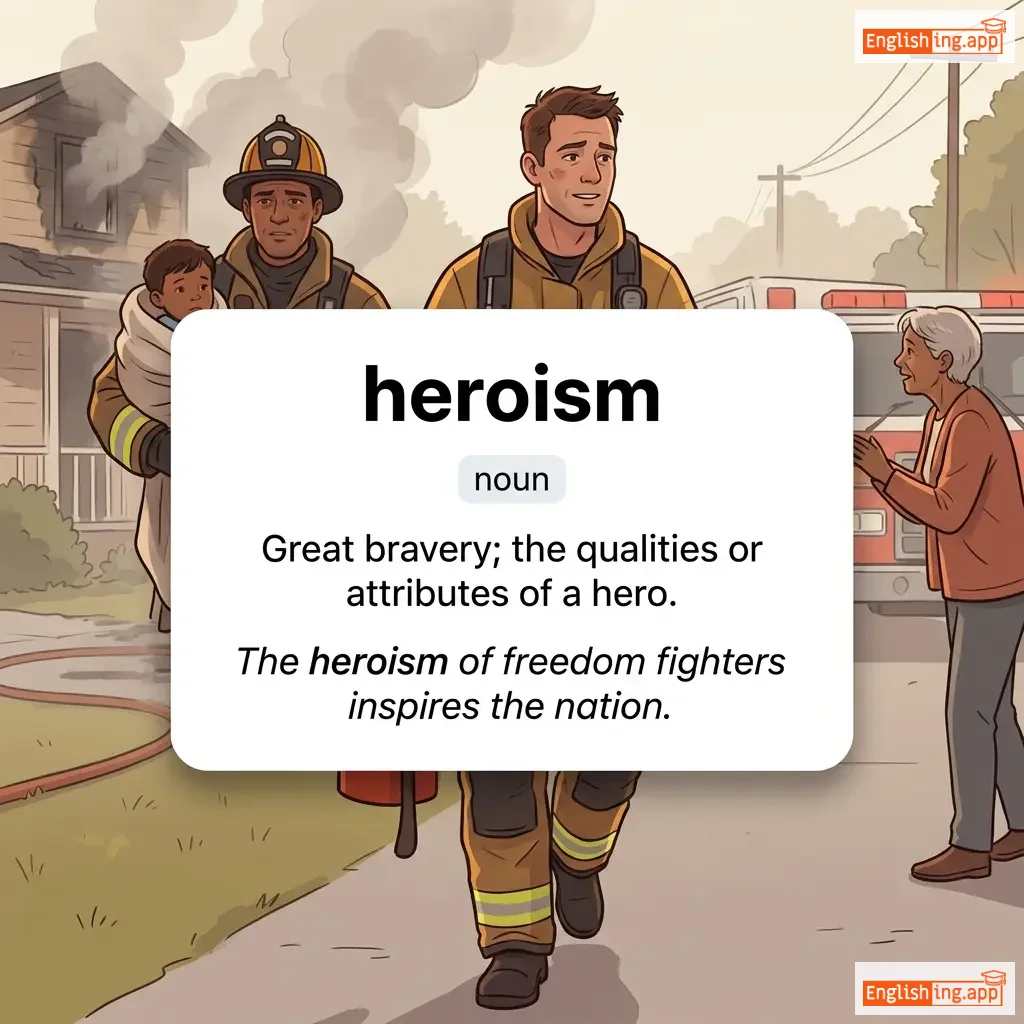
Great bravery; the qualities or attributes of a hero.
••••••
|
The heroism of freedom fighters inspires the nation. |
自由の戦士たちの英雄主義は国を鼓舞します。
Jiyū no senshitachi no eiyū shugi wa kuni o kobu shimasu.
••••••
|
bravery, valor, courage, gallantry, boldness
••••••
|
cowardice, timidity, fear, weakness
••••••
|
英雄主義: 英雄と勇気。
••••••
|
|
#1048
🤝
|
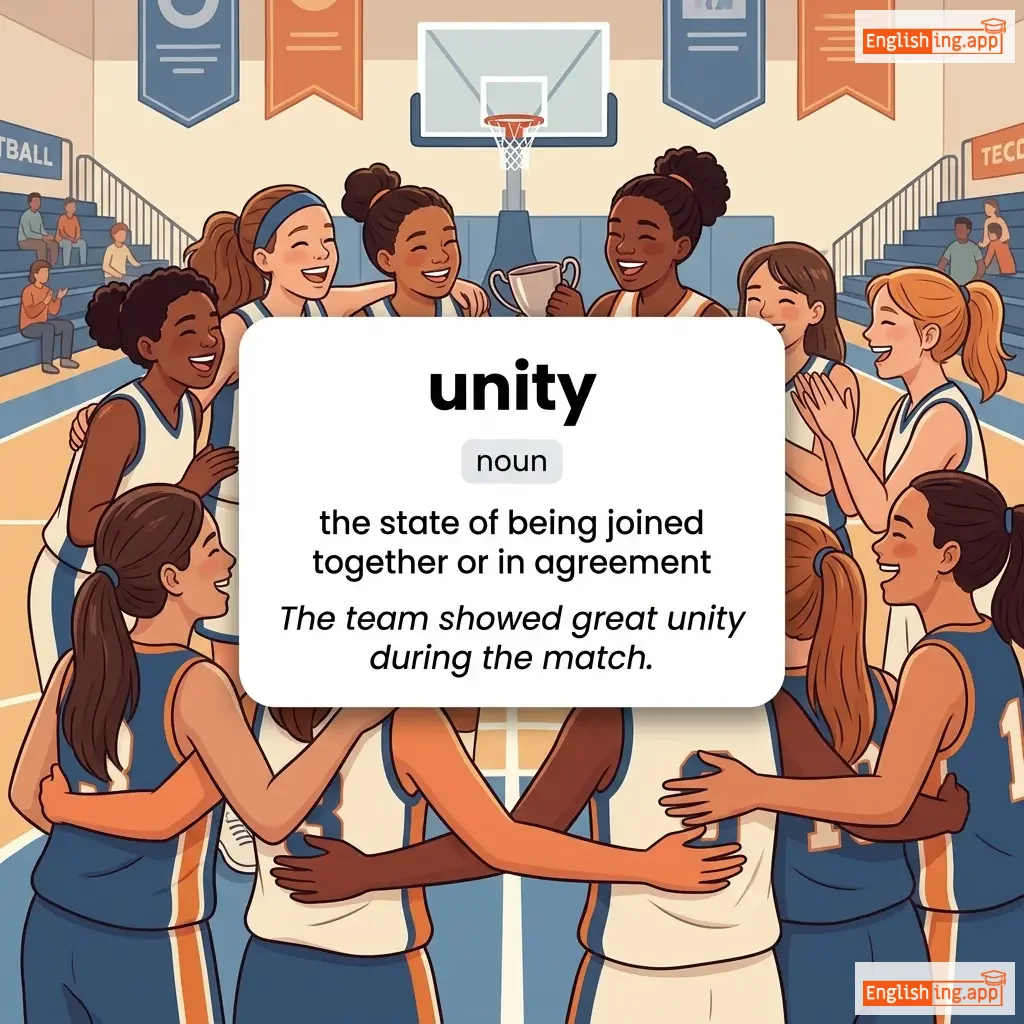
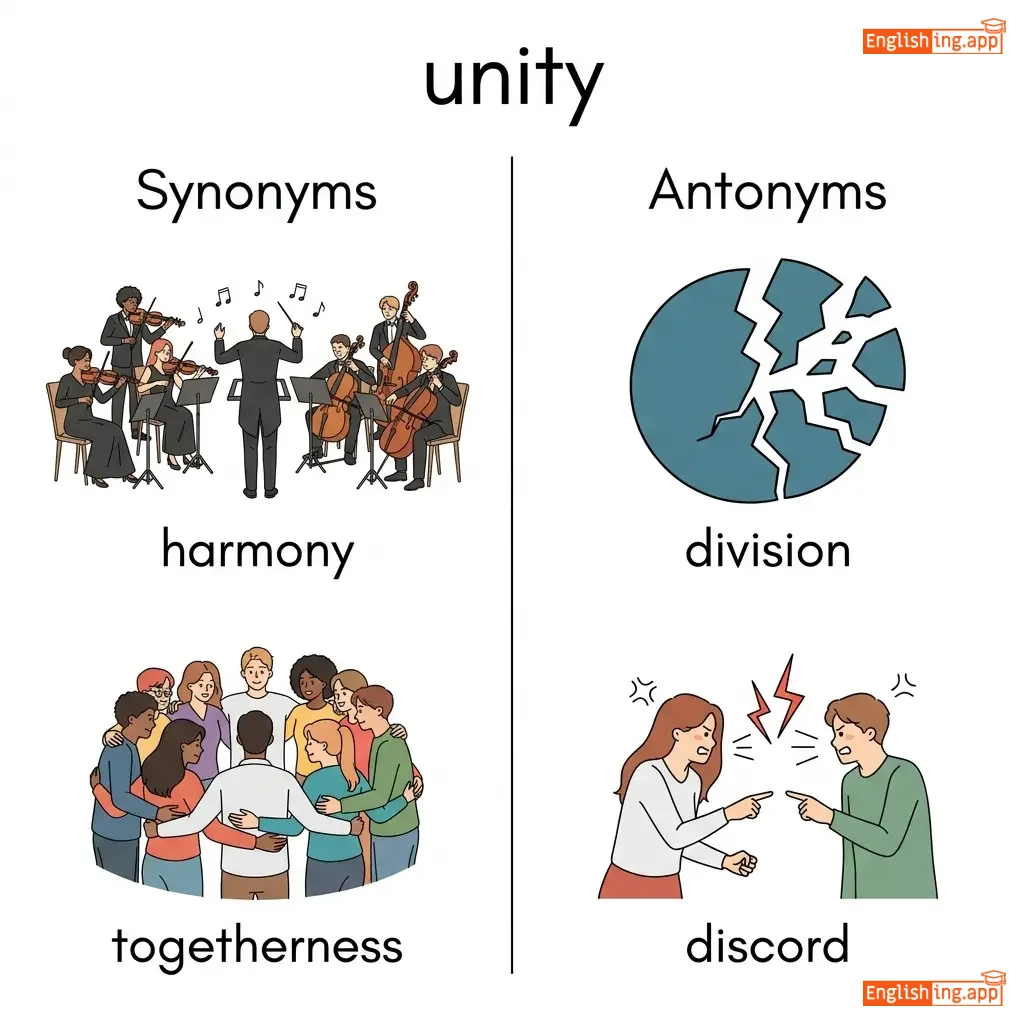
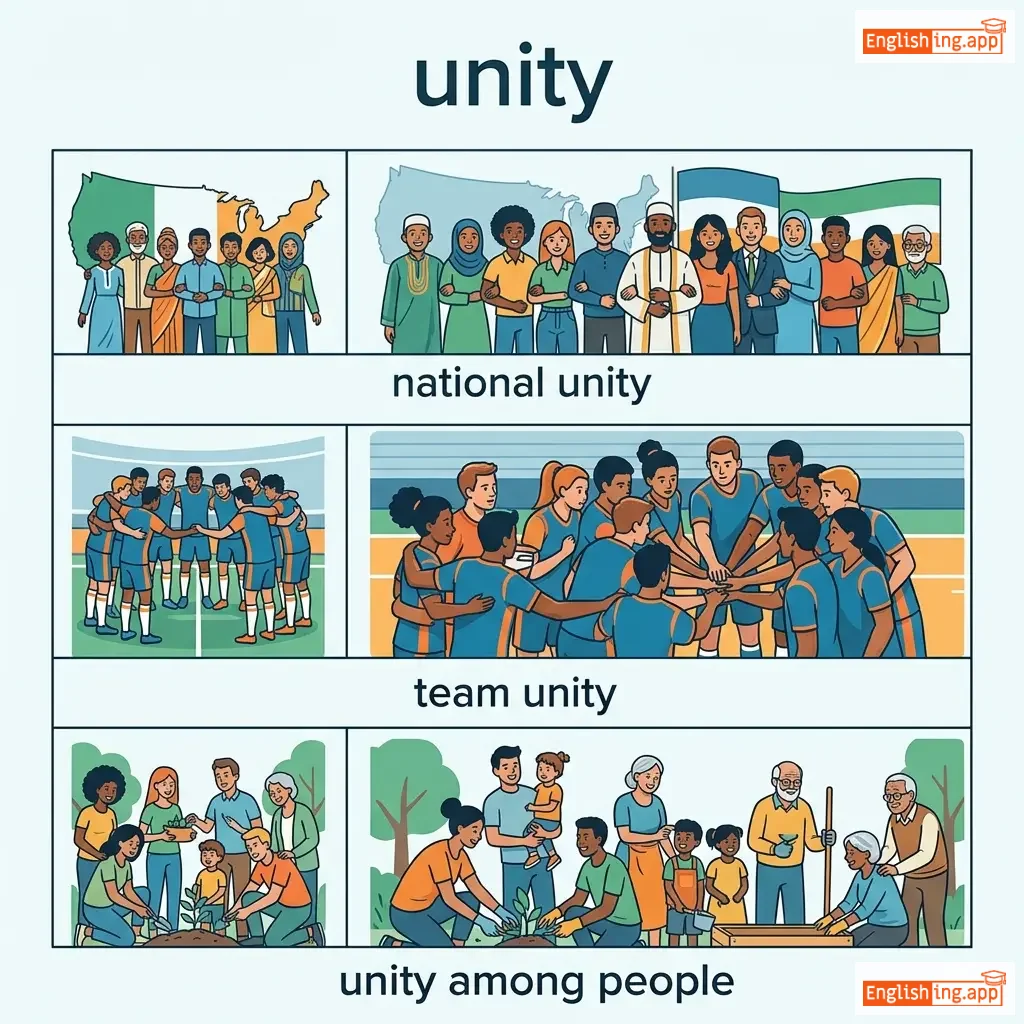
ˈjuːnəti
noun
(ユニティ)
••••••
|
|
団結
danketsu
••••••
|
The state of being united or joined as a whole.
••••••
|
Unity among people led to victory. |
人々の団結が勝利をもたらした。
Hitobito no danketsu ga shōri o motarashita.
••••••
|
solidarity, harmony, togetherness, agreement, cooperation
••••••
|
division, separation, discord, disunity
••••••
|
団結は力なり。
••••••
|
|
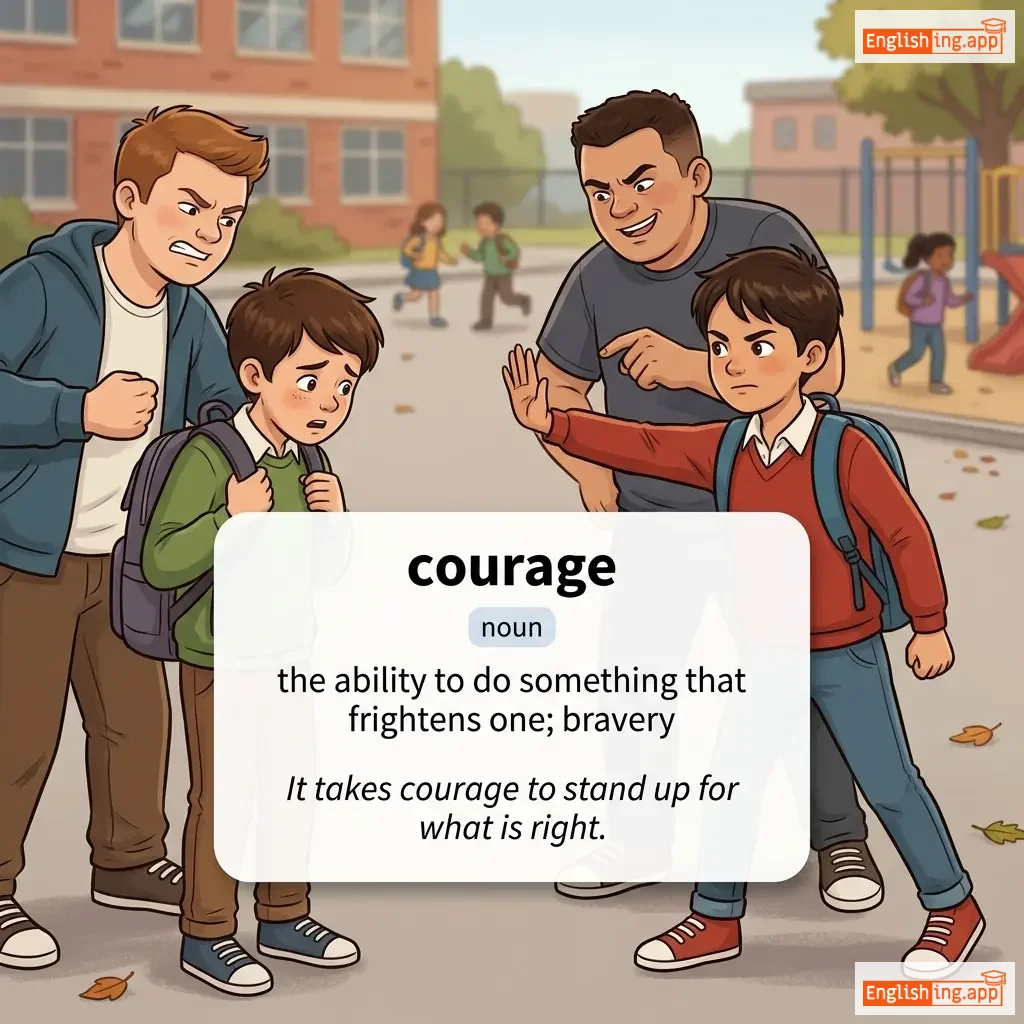
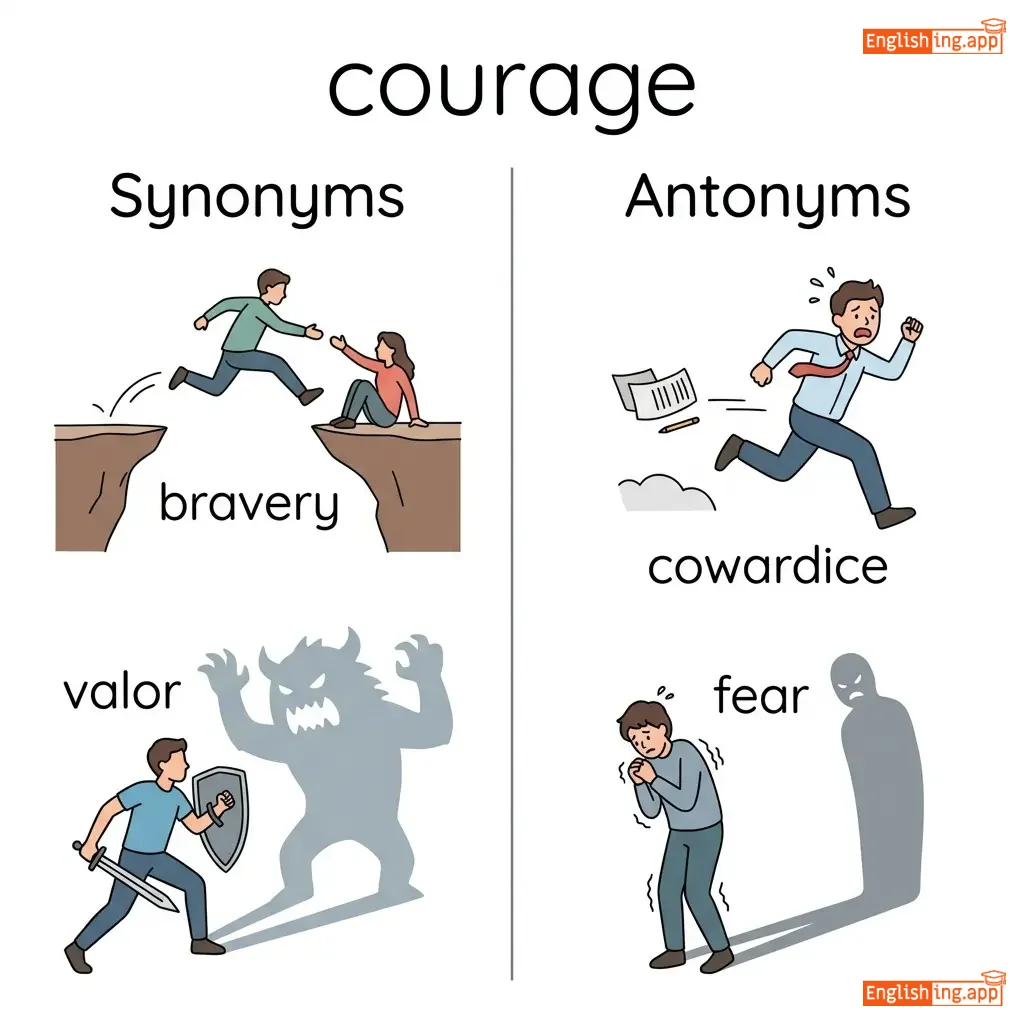
#1049
💪
|
ˈkɜːrɪdʒ
noun
(kureiji)
••••••
|
|
勇気
yūki
••••••
|
The ability to do something that frightens one; bravery.
••••••
|
Courage is essential in the face of challenges.
カレージは挑戦に立ち向かうために不可欠です。
••••••
|
挑戦に直面したとき、勇気が不可欠です。
Chōsen ni chokumen shita toki, yūki ga fukaketsu desu.
••••••
|
bravery, valor, fearlessness, boldness, daring
••••••
|
fear, cowardice, timidity, weakness
••••••
|
勇気は恐れを乗り越える力です。ヒーローのように。
••••••
|
|
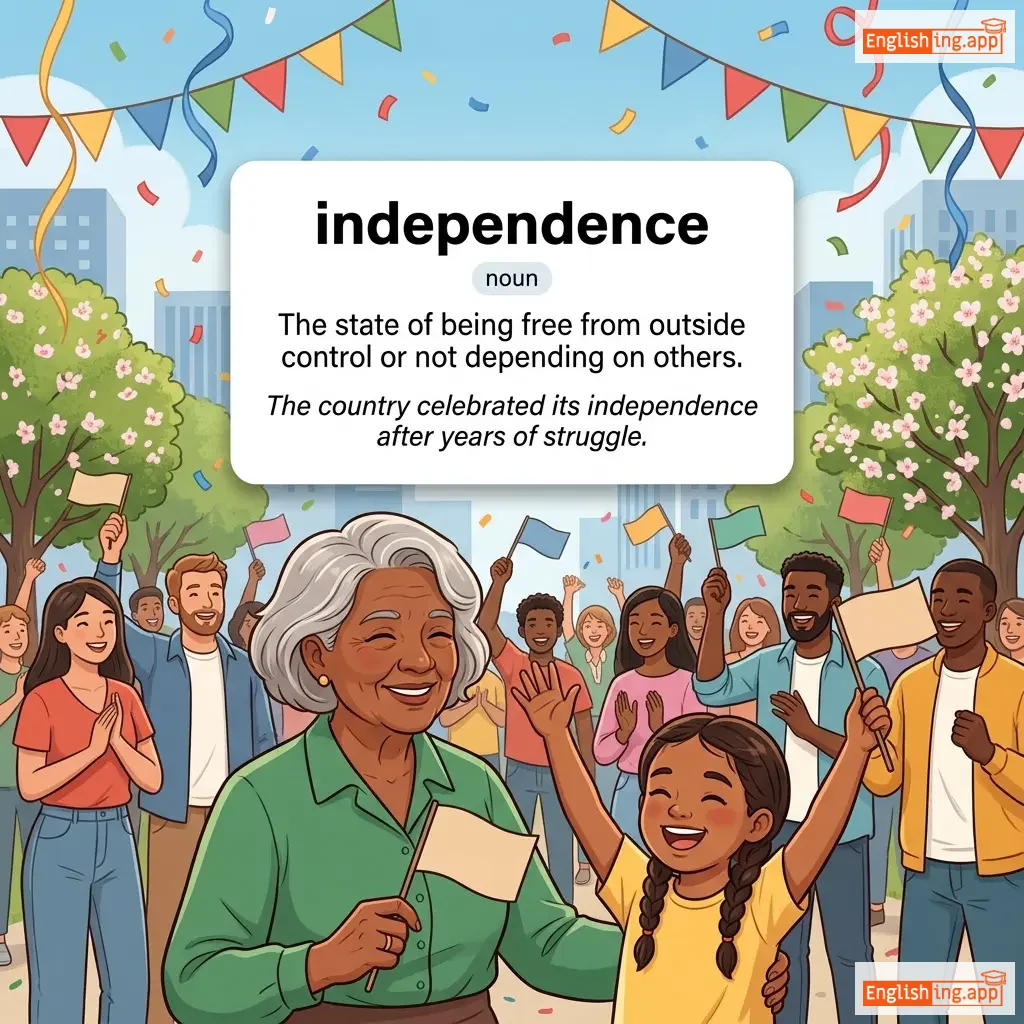
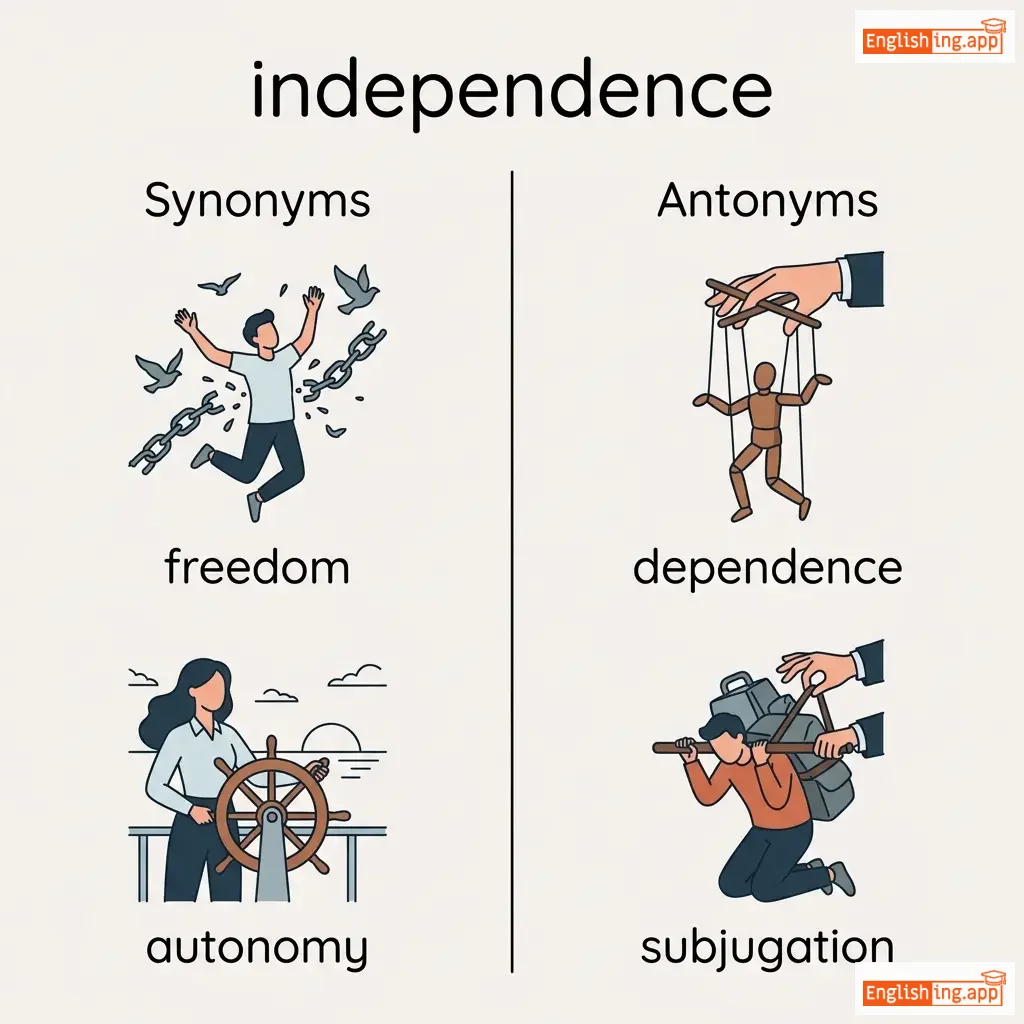
#1050
🗽
|
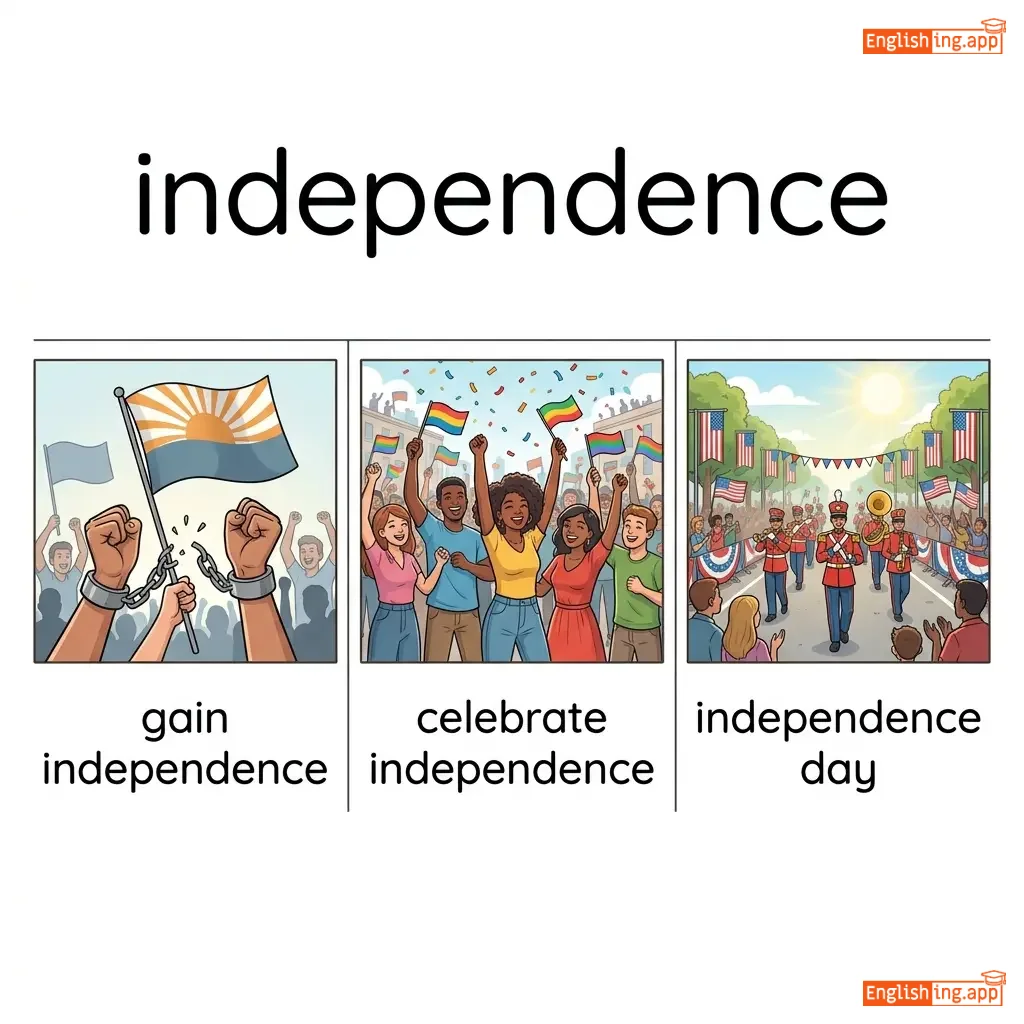
ˌɪndɪˈpɛndəns
noun
(インデペンデンス)
••••••
|
|
独立
dokuritsu
••••••
|
The fact or state of being independent; freedom from outside control or support.
••••••
|
Bangladesh gained its independence on December 16.
バングラデシュは12月16日に独立を達成しました。
••••••
|
バングラデシュは12月16日に独立を達成しました。
Banguradeshu wa 12 gatsu 16 nichi ni dokuritsu o tassei shimashita.
••••••
|
freedom, liberty, autonomy, sovereignty, self-rule
••••••
|
dependence, subjugation, bondage, captivity
••••••
|
独立は‘独’に似ている; 想像してみて、自由に動くことができる!
••••••
|
|
#1051
👥
|
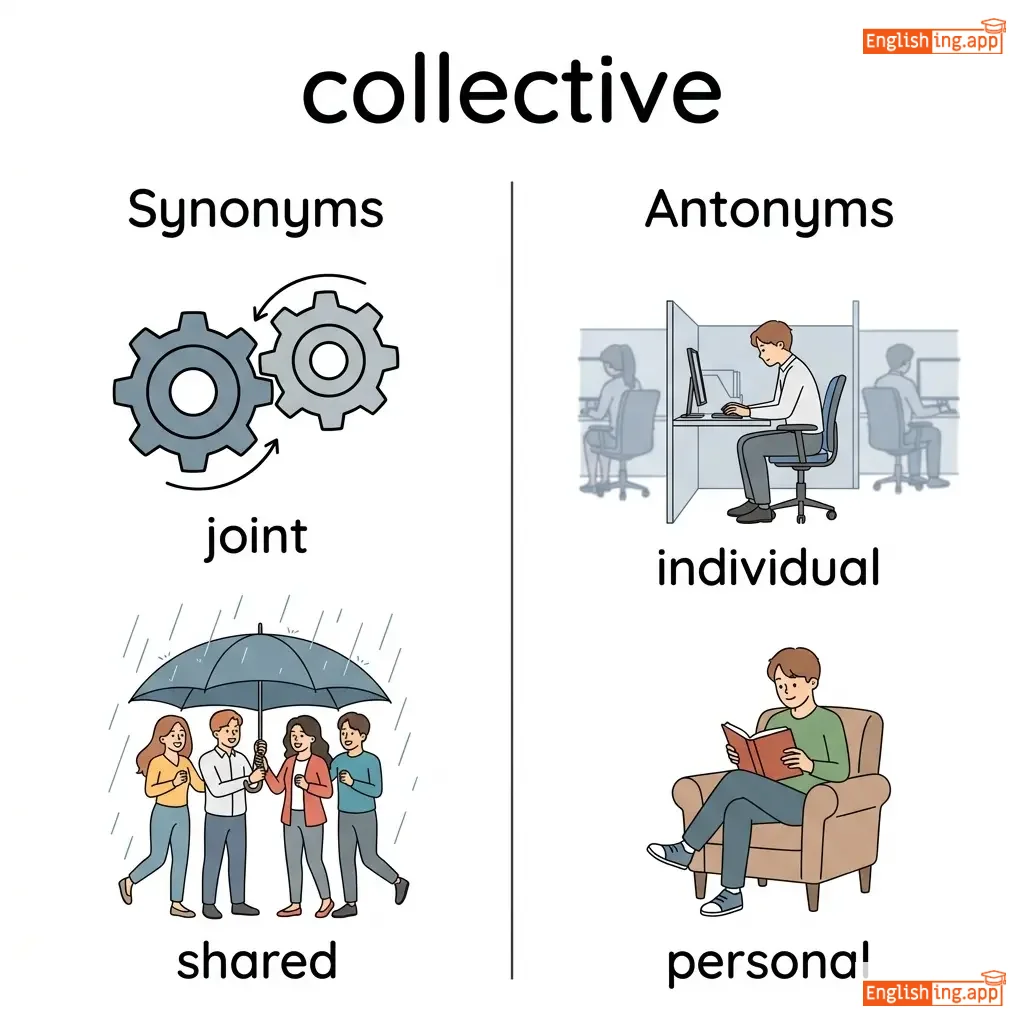
kəˈlɛktɪv
adjective
(コレクティブ)
••••••
|
|
集団的
shūdan-teki
••••••
|
Done by people acting as a group; shared by all members of a group.
••••••
|
Victory Day represents our collective pride.
勝利の日は私たちの集団的誇りを象徴しています。
••••••
|
勝利の日は私たちの集団的誇りを象徴しています。
Shōri no hi wa watashitachi no shūdan-teki hokori o shōchō shiteimasu.
••••••
|
group, joint, combined, shared, united
••••••
|
individual, separate, personal, private
••••••
|
Shūdan-teki = Kyōtō no dōryoku, issho ni
••••••
|
|
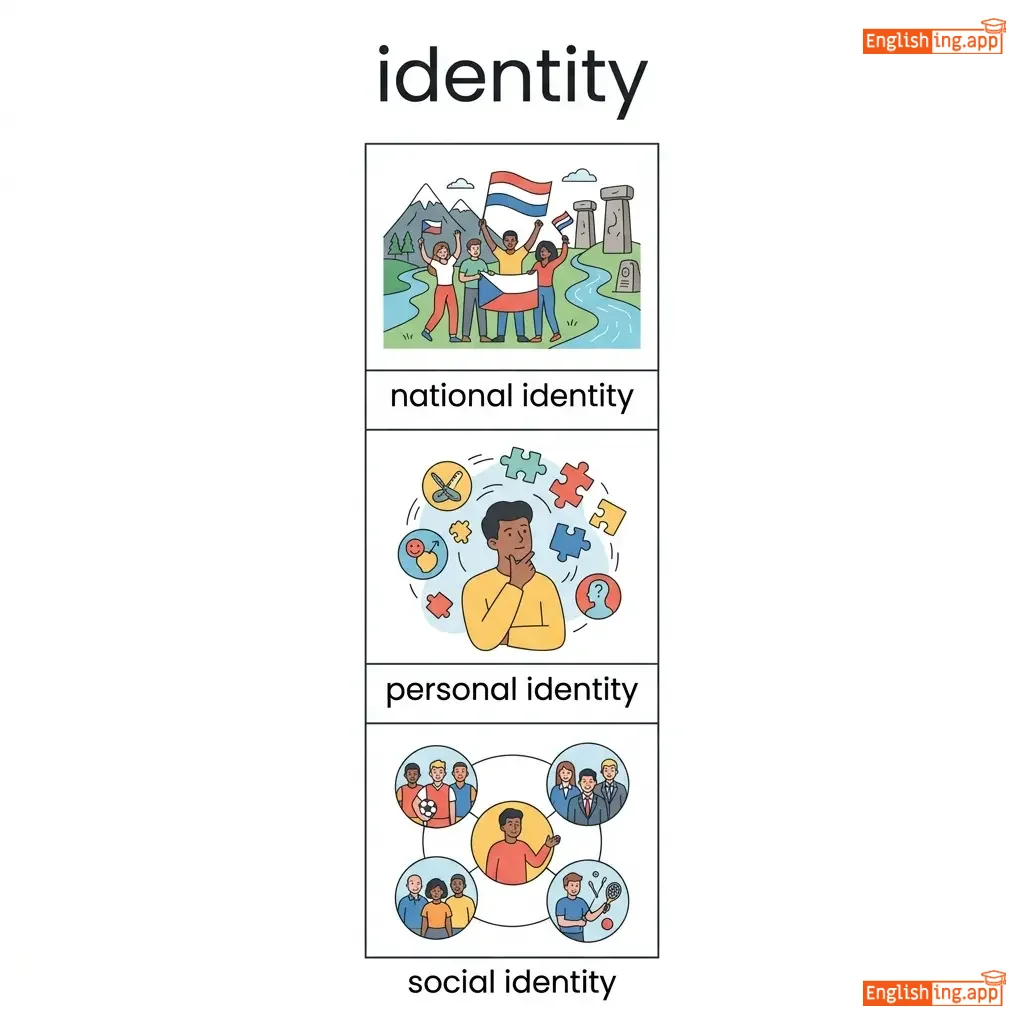
#1052
🪪
|
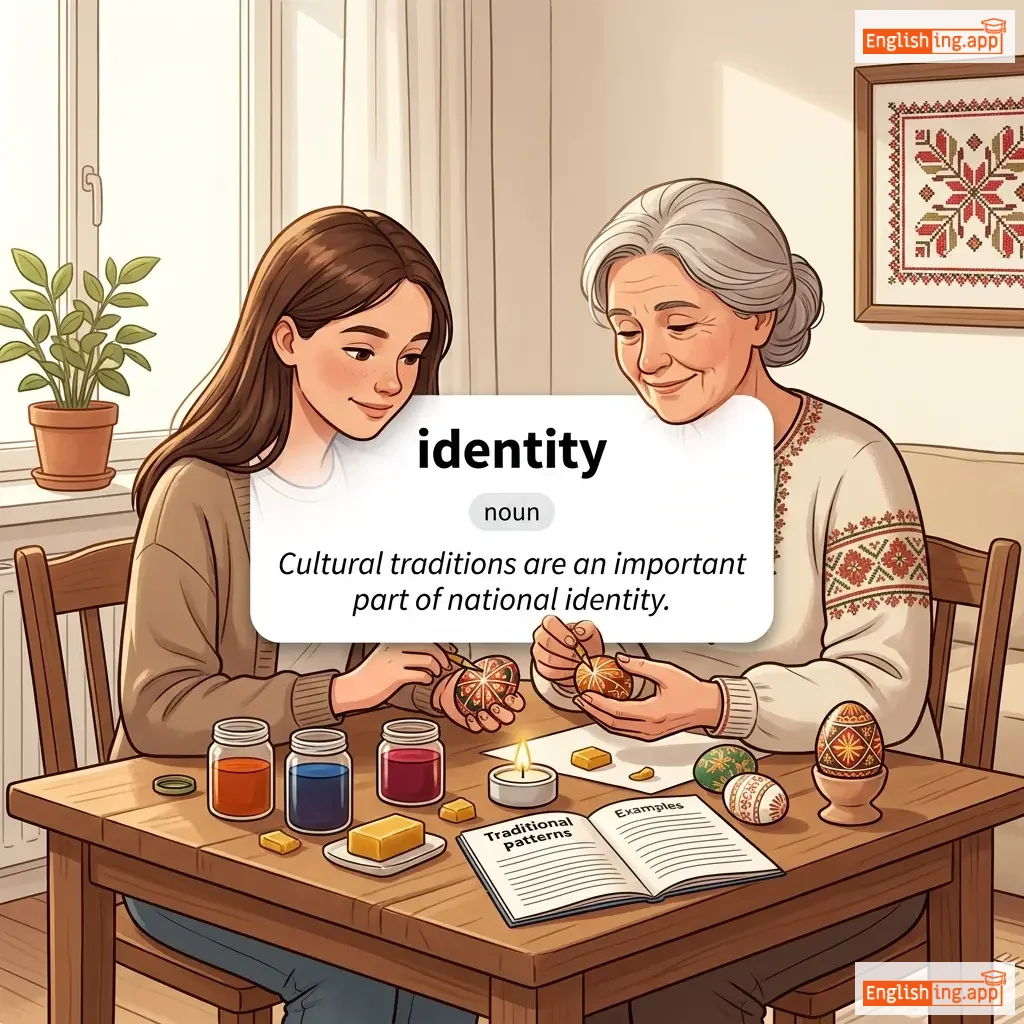
aɪˈdɛntɪti
noun
(アイデンティティ)
••••••
|
|
アイデンティティ
aidentiti
••••••
|
The fact of being who or what a person or thing is; the characteristics determining who or what a person or thing is.
••••••
|
The day reinforces our national identity.
その日は私たちの国民的アイデンティティを強化します。
••••••
|
その日は私たちの国民的アイデンティティを強化します。
Sono hi wa watashitachi no kokuminteki aidentiti wo kyōka shimasu.
••••••
|
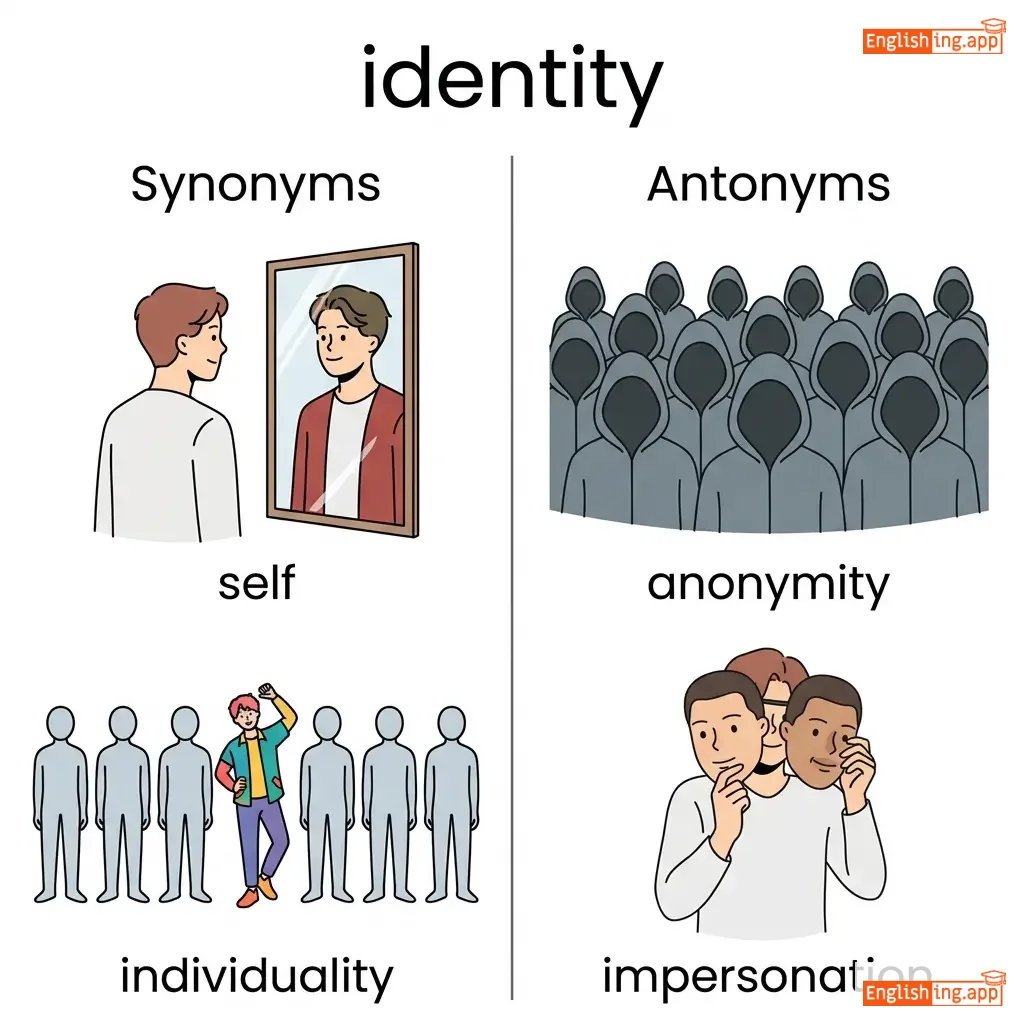
character, personality, individuality, uniqueness, self
••••••
|
anonymity, confusion, uncertainty, ambiguity
••••••
|
In Japanese, 'アイデンティティ' is your connection to your core self.
••••••
|
|
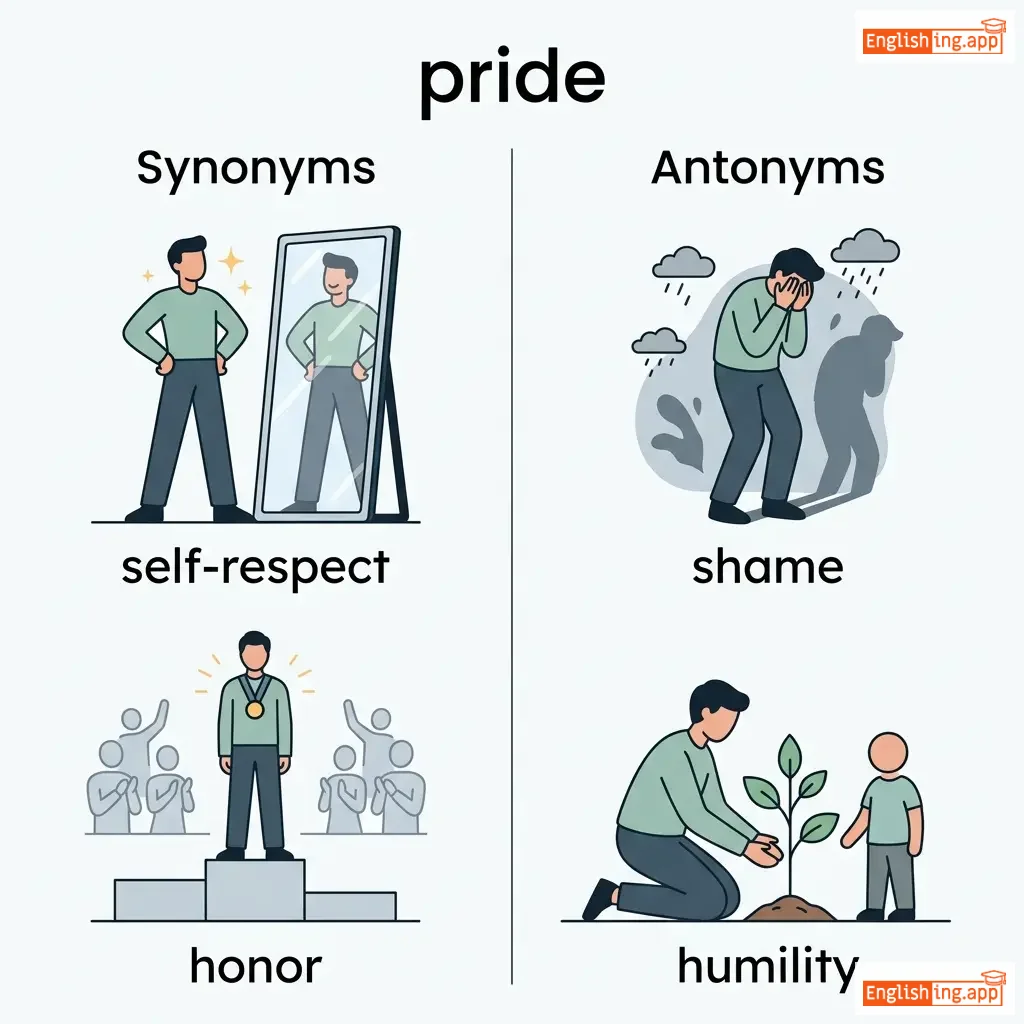
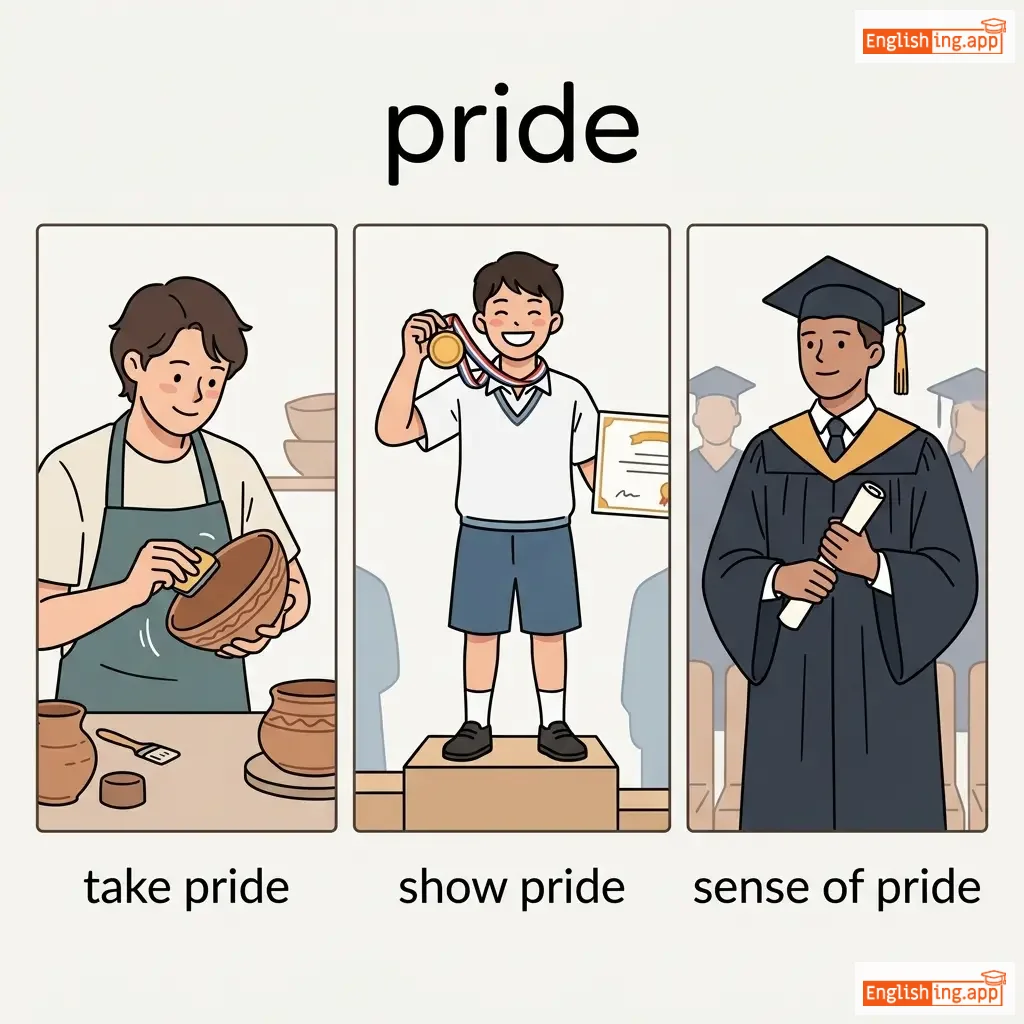
#1053
😊
|
praɪd
noun
(プライド)
••••••
|
|
誇り
hokori
••••••
|
A feeling of deep pleasure or satisfaction derived from one's own achievements or from achievements associated with one.
••••••
|
Victory Day fills our hearts with pride.
勝利の日は私たちの心を誇りで満たします。
••••••
|
勝利の日は私たちの心を誇りで満たします。
Shouri no hi wa watashitachi no kokoro o hokori de mitashimasu.
••••••
|
satisfaction, honor, dignity, self-respect, joy
••••••
|
shame, humility, embarrassment, disgrace
••••••
|
誇り: 自分の成果に対する喜びと満足を感じること。
••••••
|
Vocabulary Quiz
Test your vocabulary by matching words with their translations or meanings.
Login to take the quiz
Comments (0)
Share your thoughts and join the discussion.
Join the discussion by logging in
Login to CommentNo comments yet
Be the first to share your thoughts!