

家族の伝統が価値観を形成する方法
How Family Traditions Shape Values
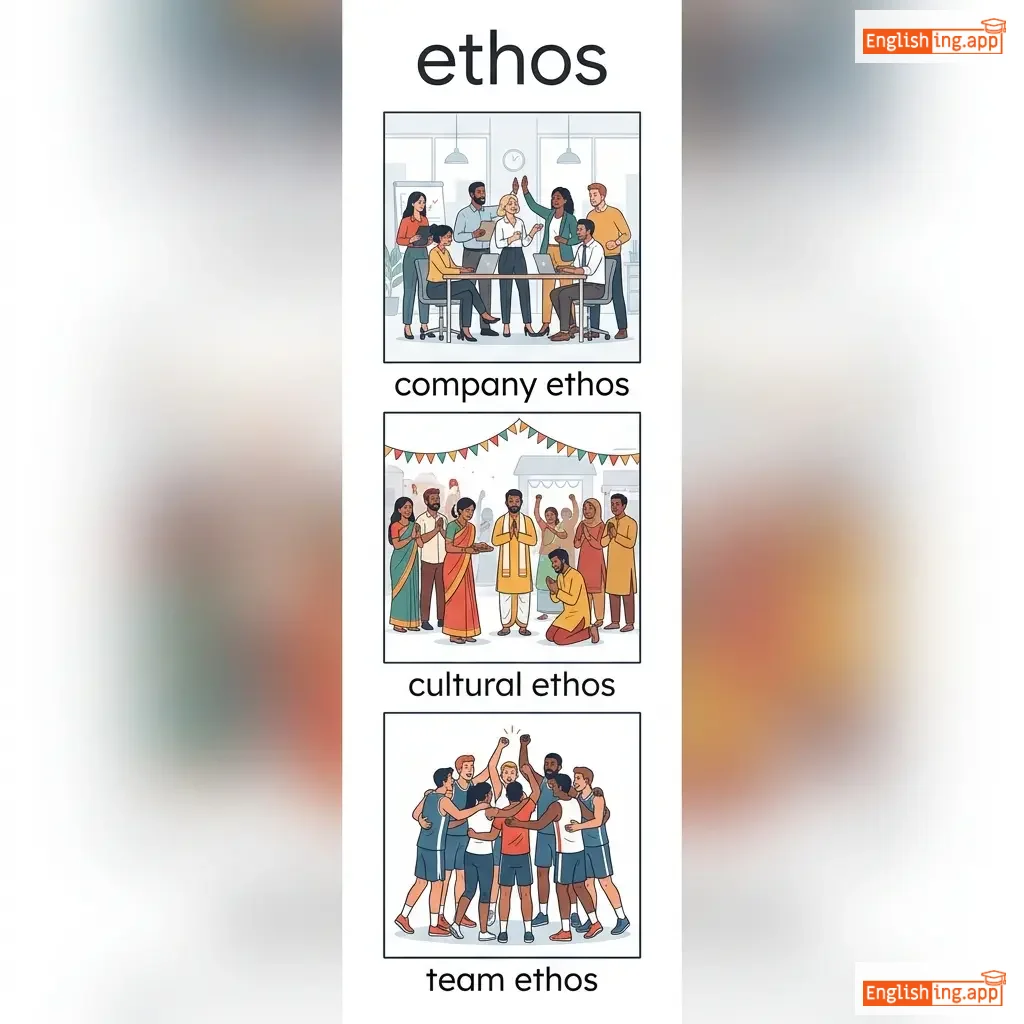
家族の heritage は文化や伝統・習慣に限られるものではなく、私たちの価値観を形作る上で重要な役割を果たします。家族の中で学んだ ethos と教育は、私たちの人格の intrinsic な一部となり、次の progeny へと受け継がれます。
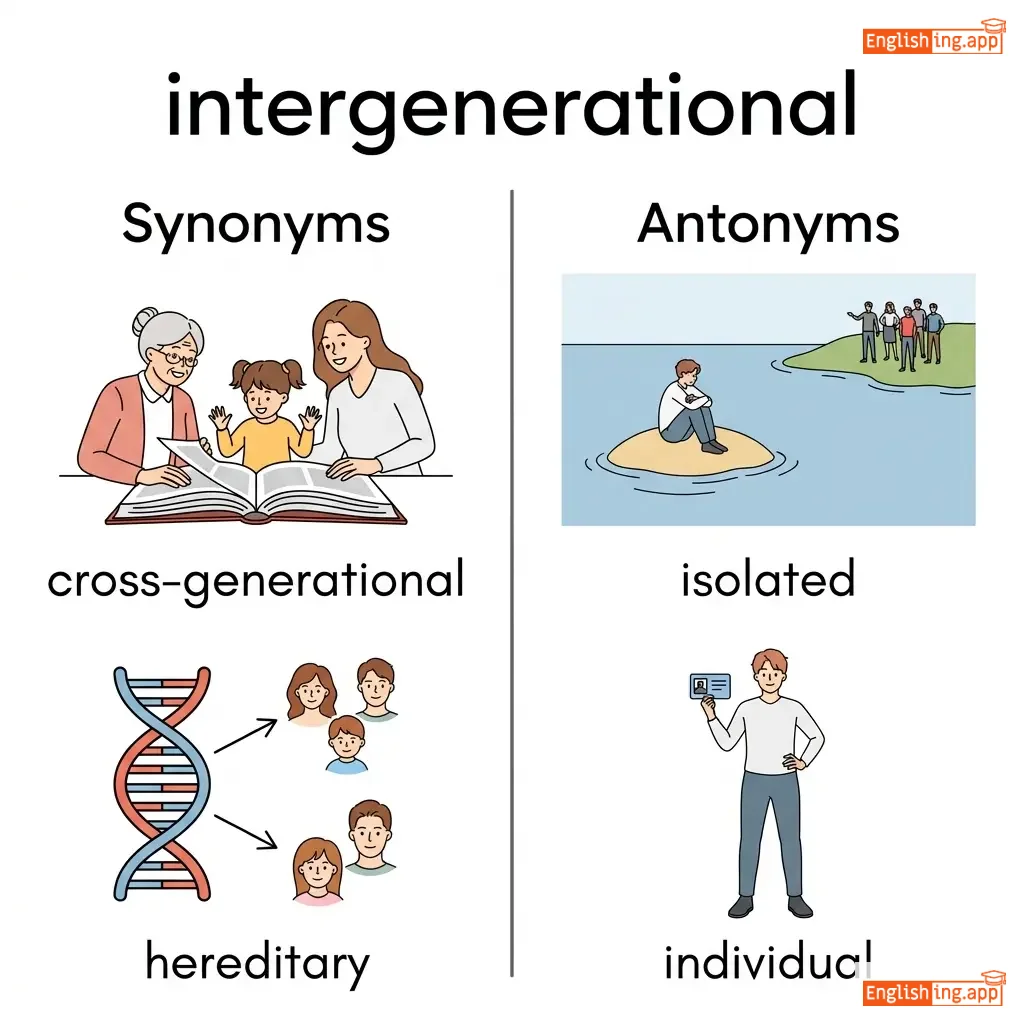
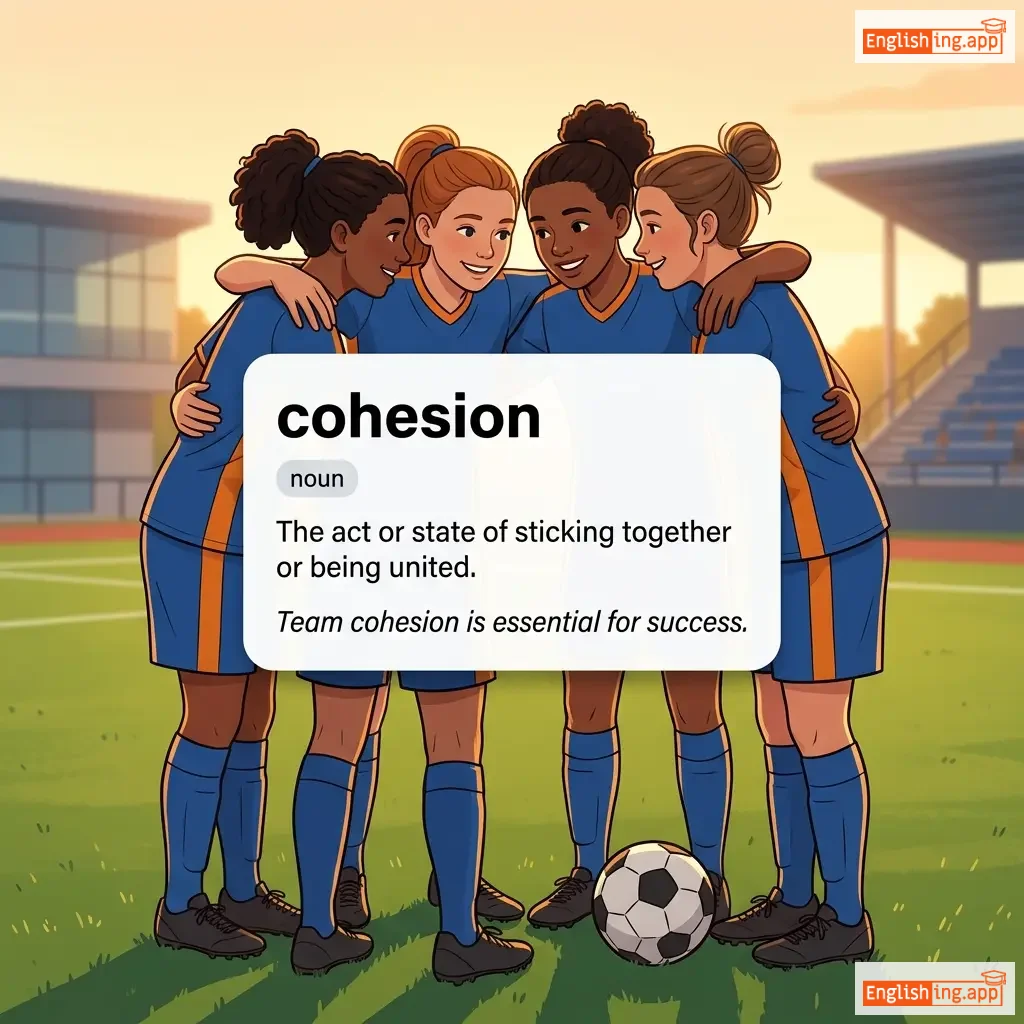
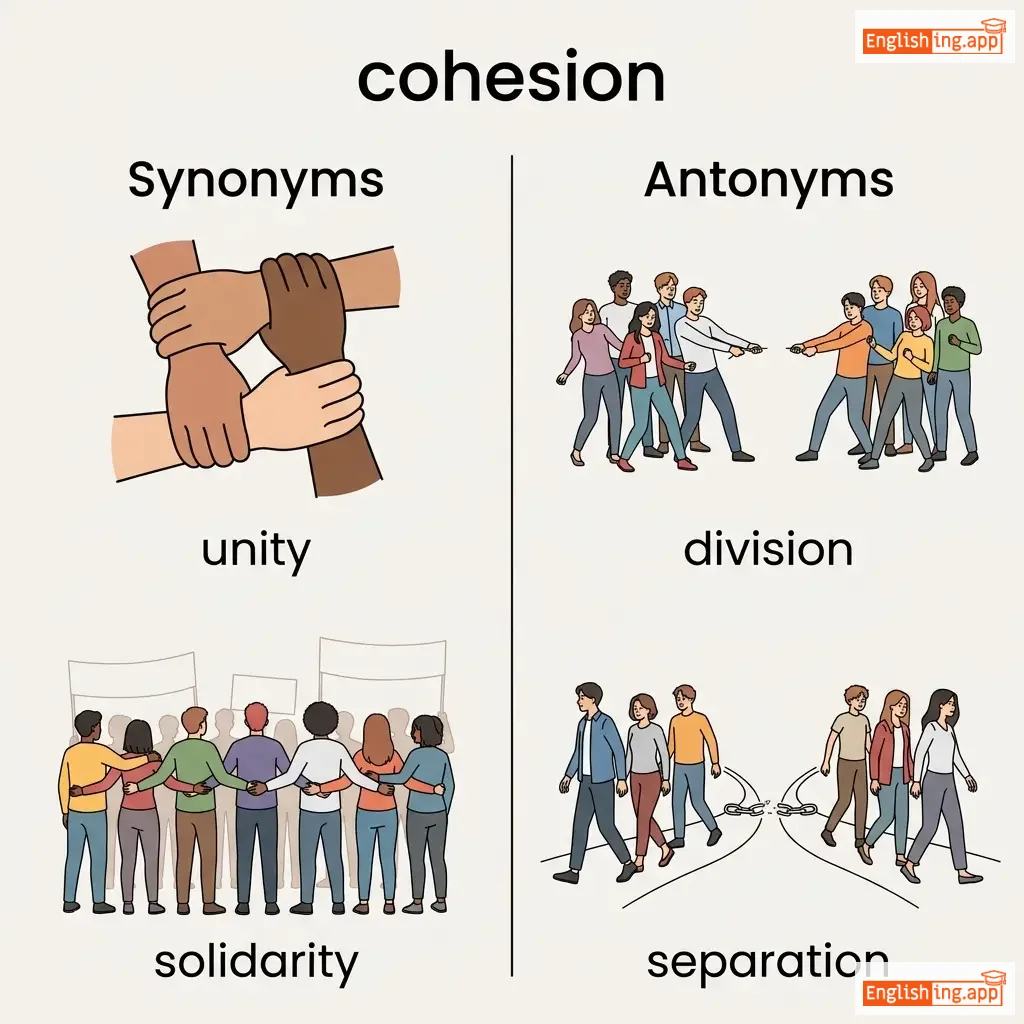
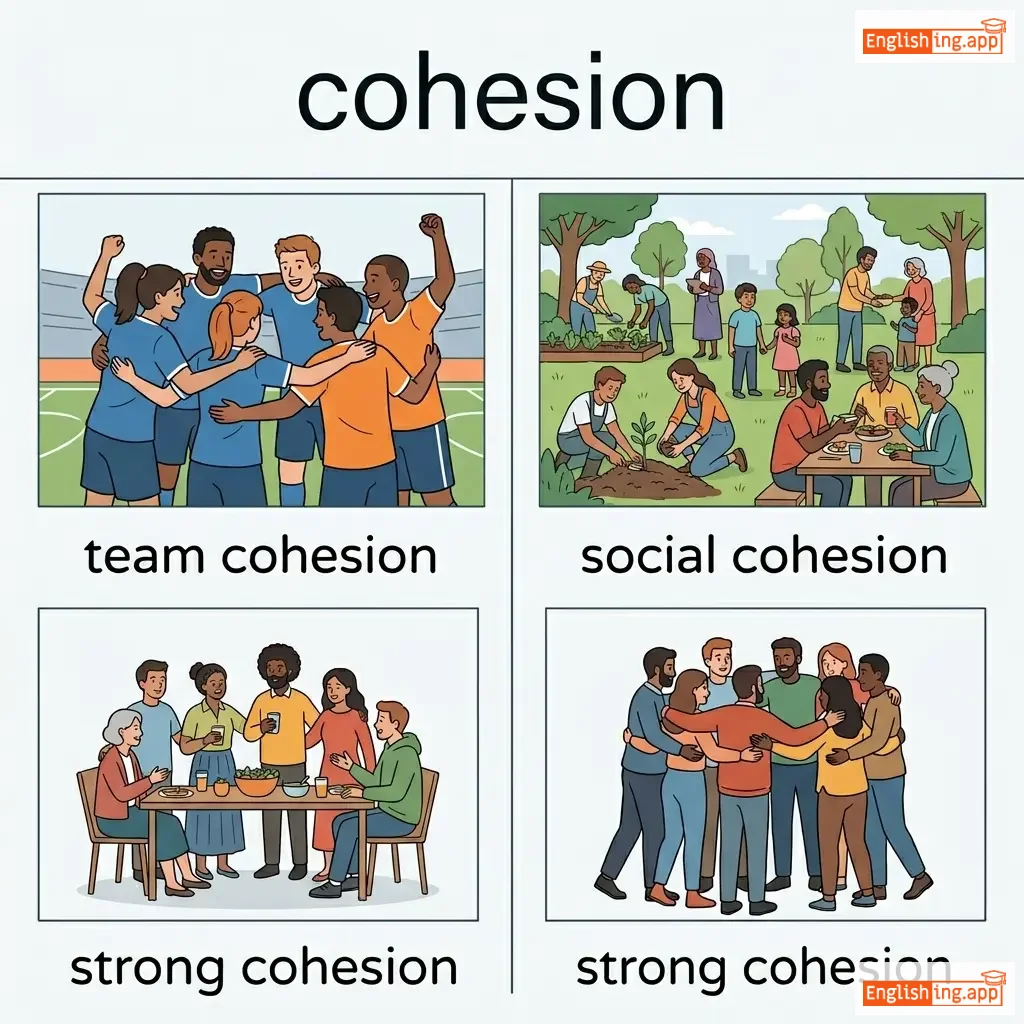
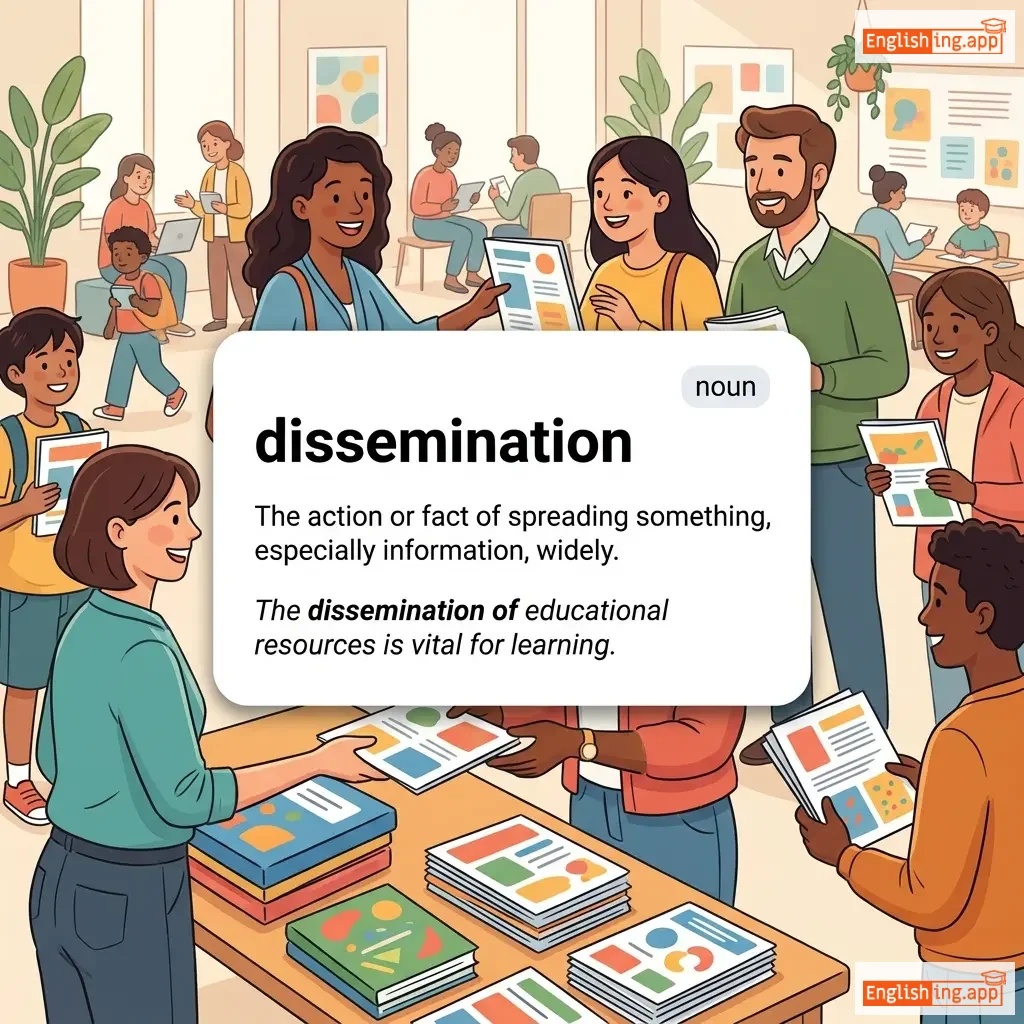
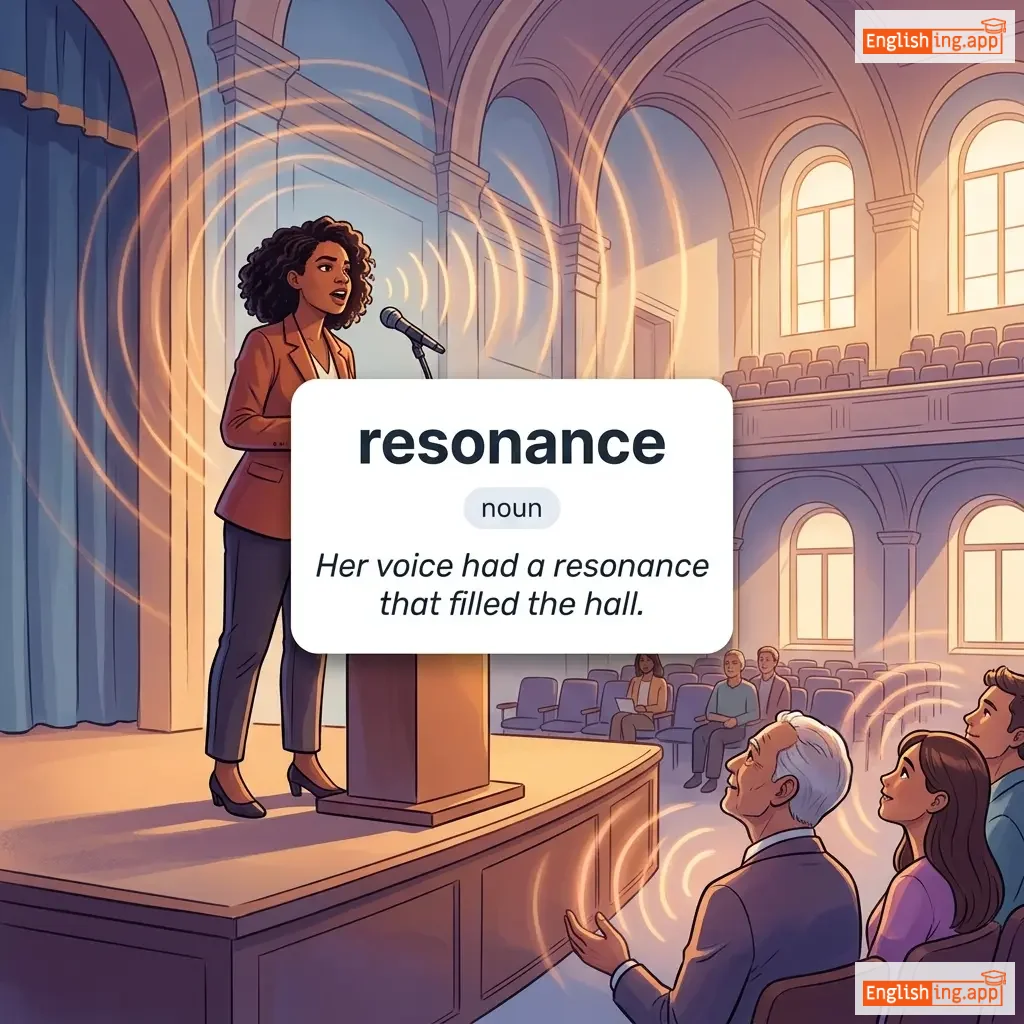
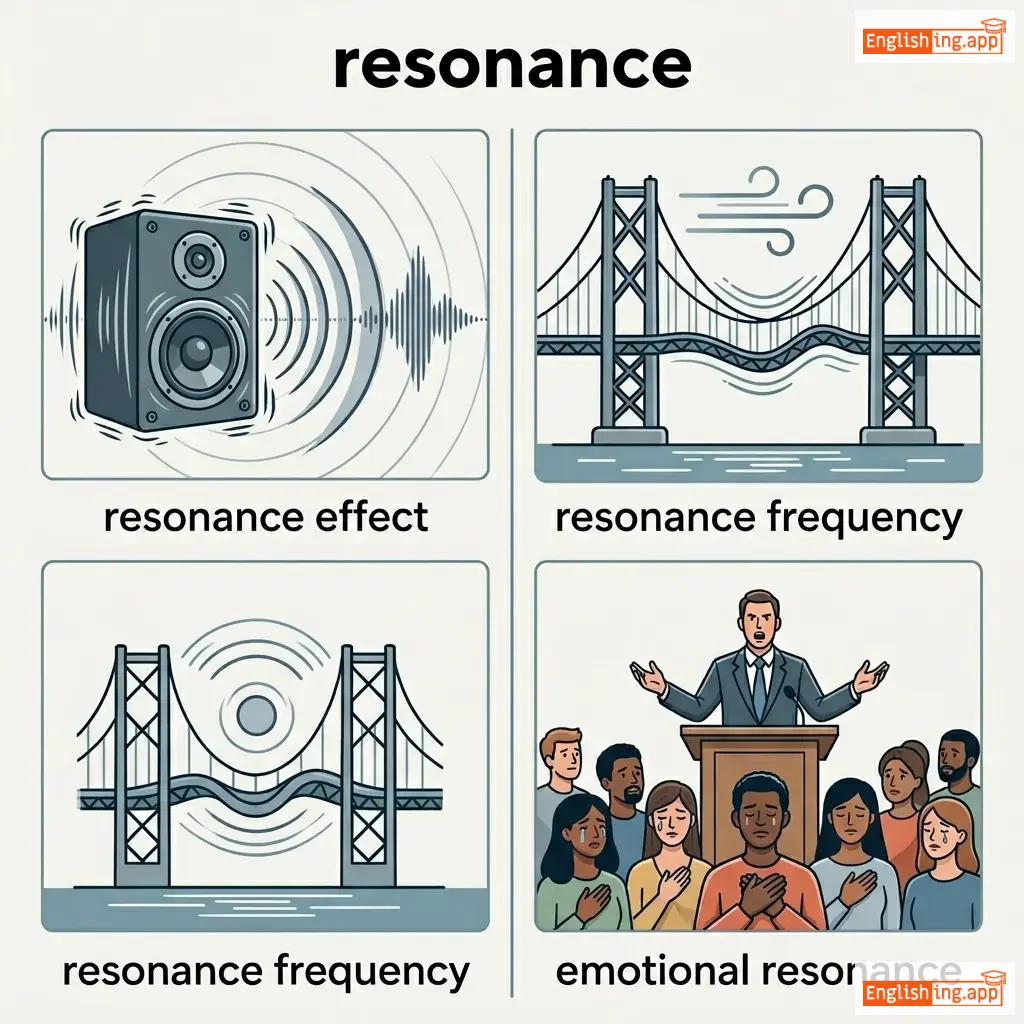
特に、intergenerational 教育は社会の cohesion を維持するのに役立ちます。伝統的な信念や価値観は、親や祖父母を通じて disseminated され、次の世代の心に resonance を生み出します。
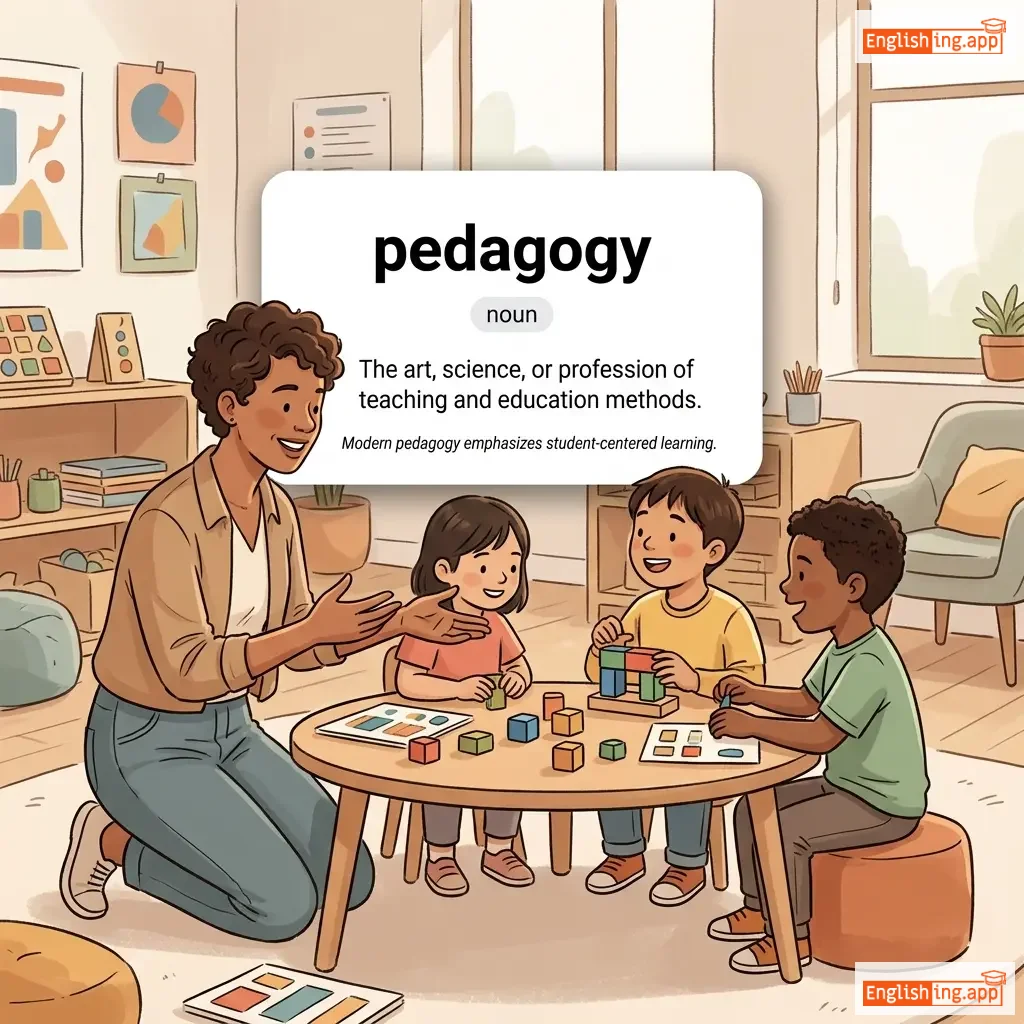
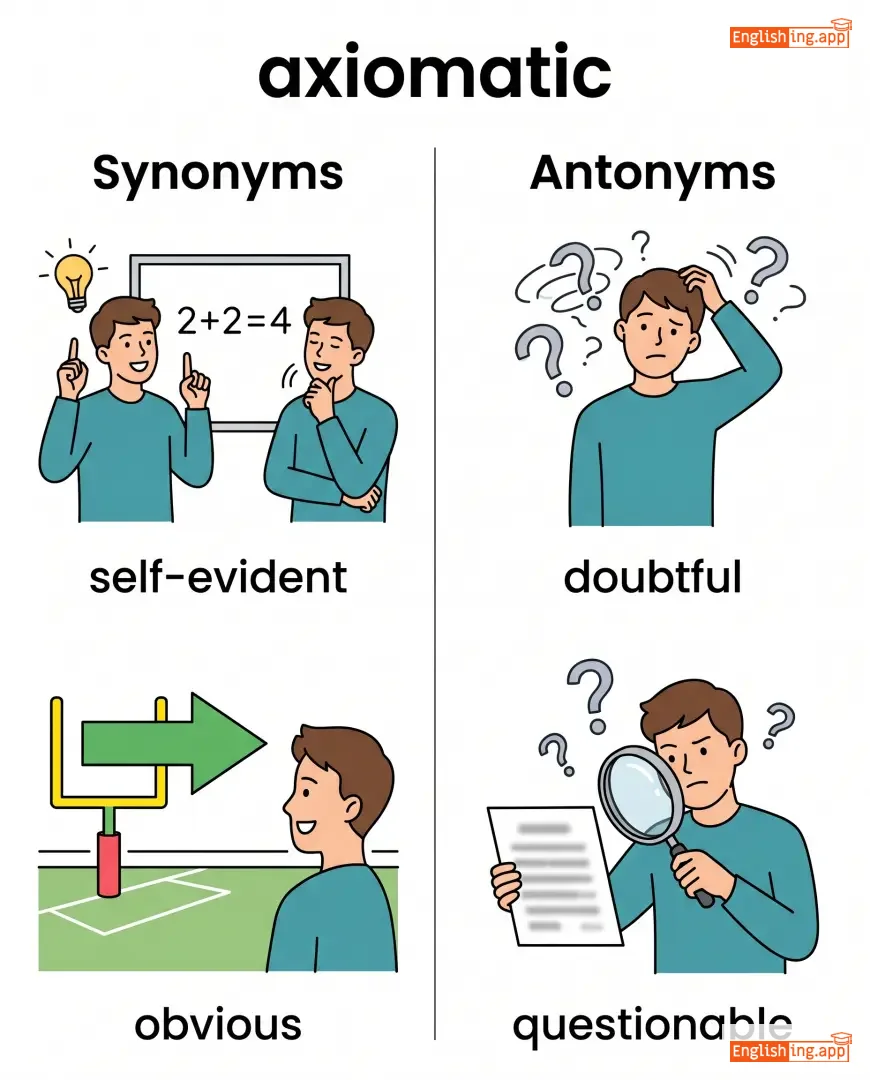
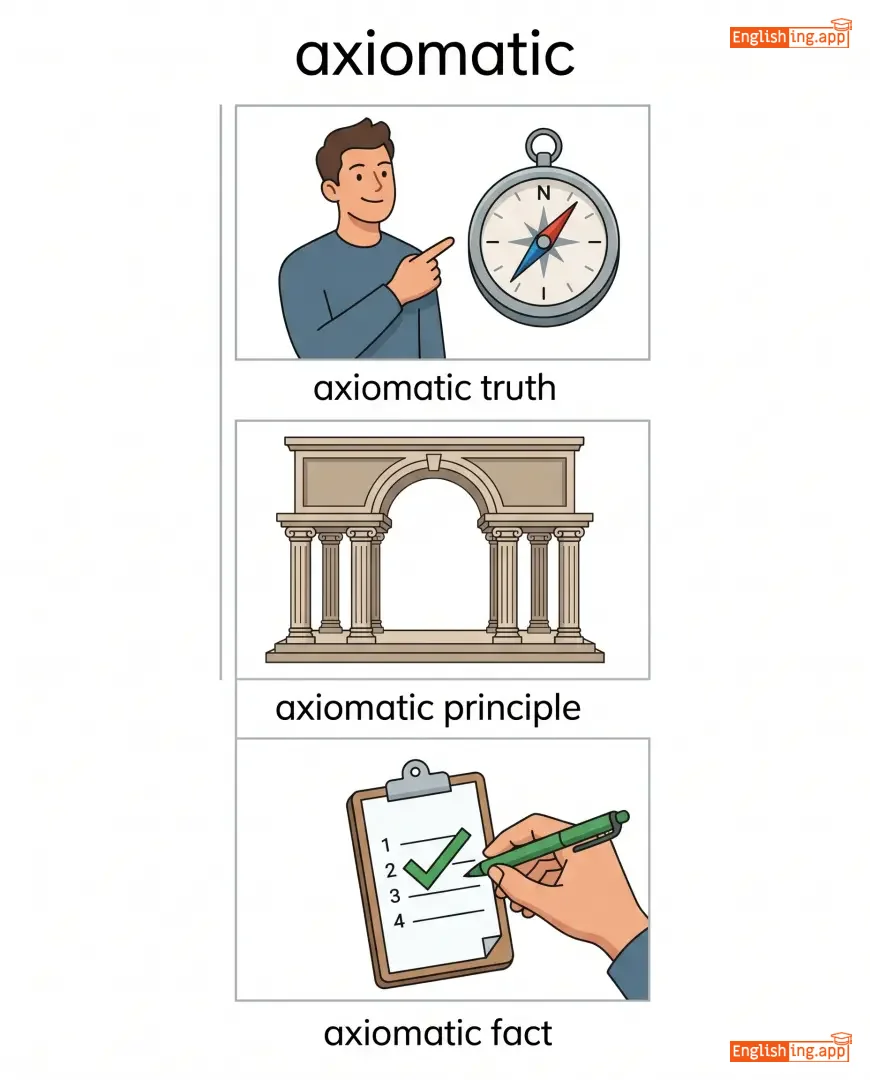
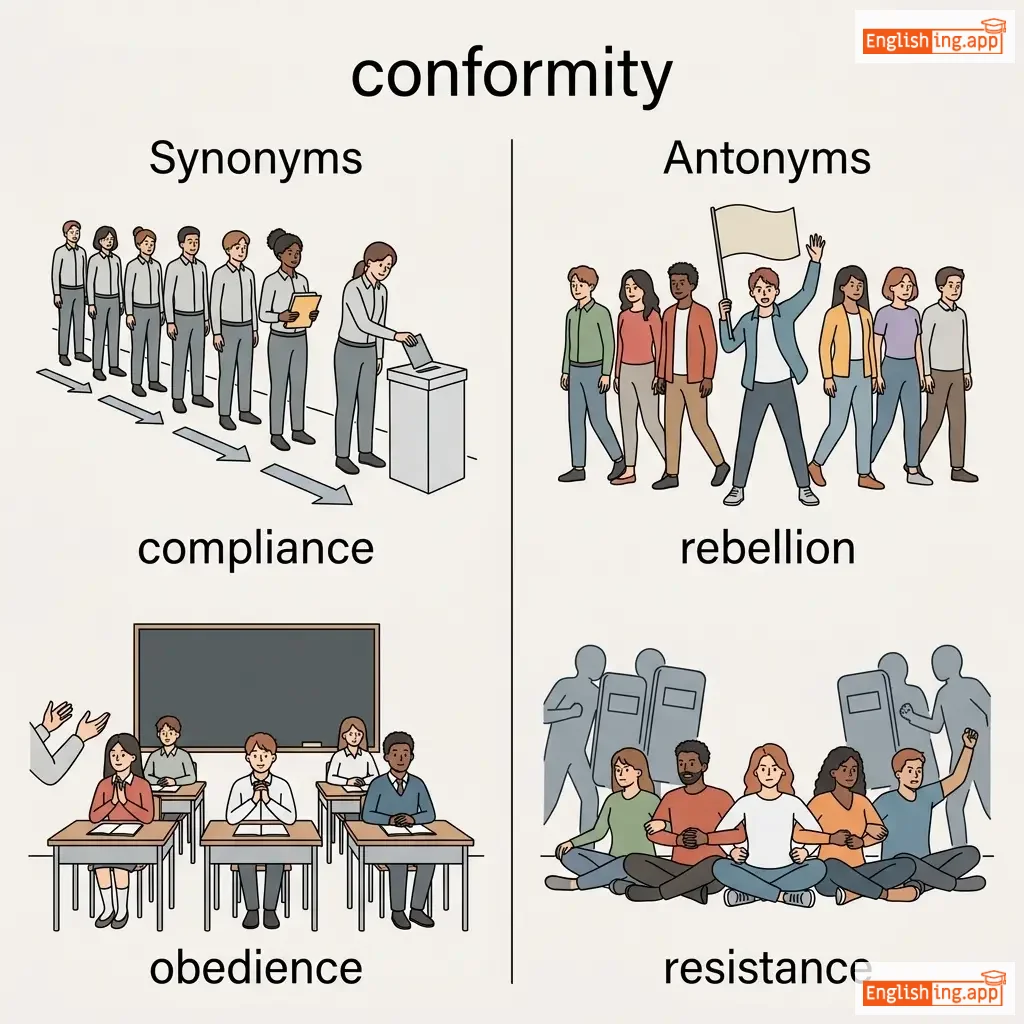
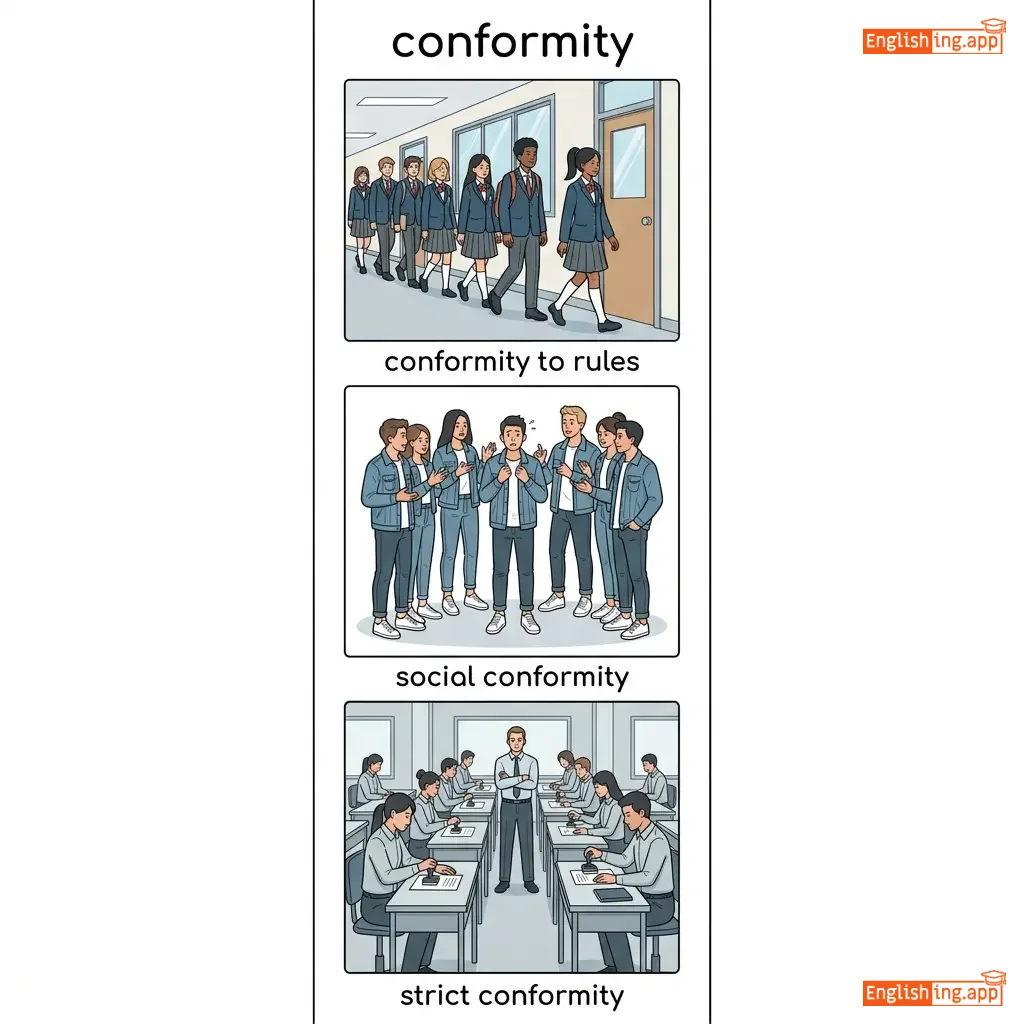
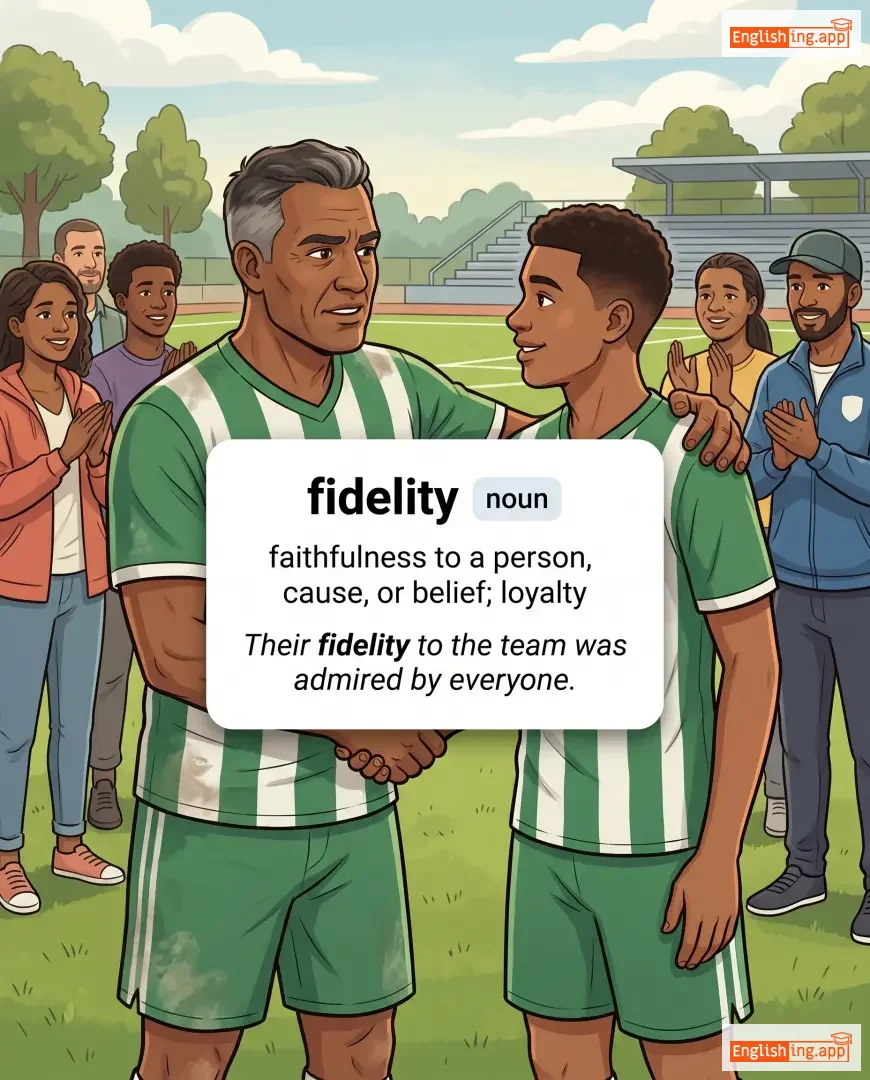
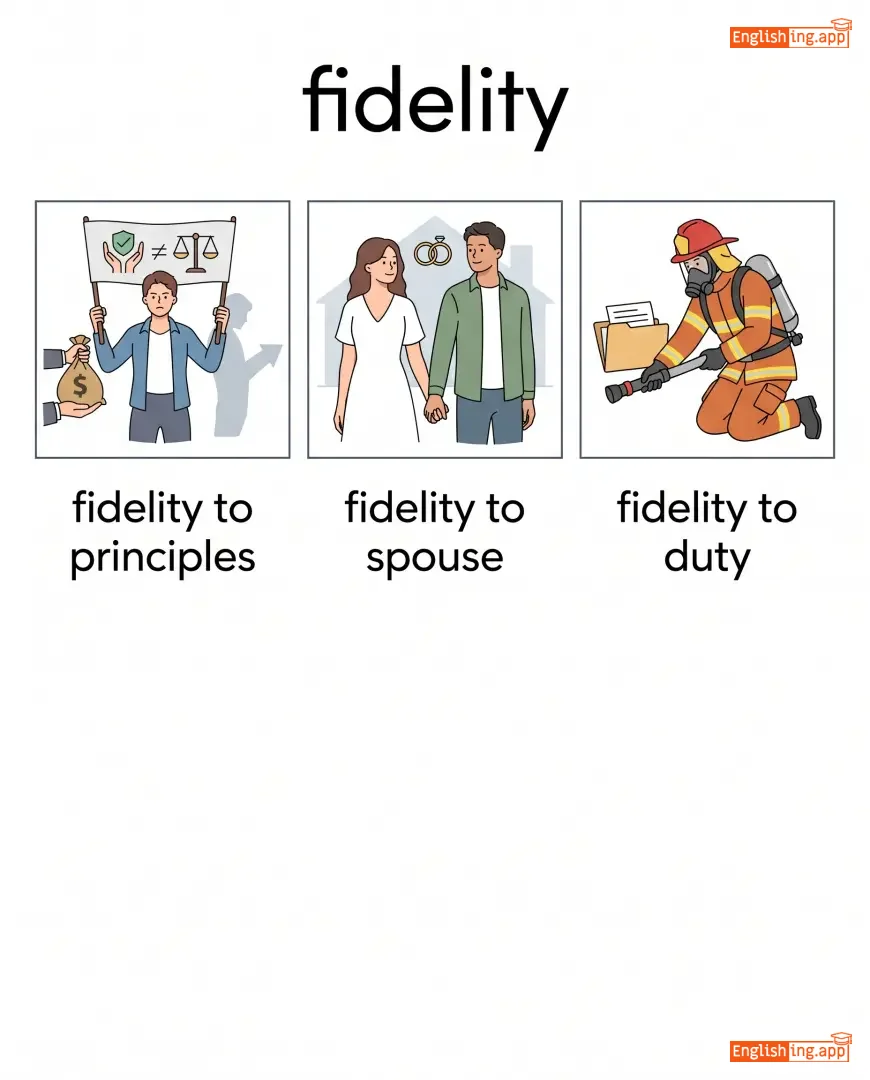
多くの家庭では、pedagogy や行動規範が axiomatic と見なされ、conformity と deference を教えます。一方で、いくつかの家庭は egalitarian の価値観を imbibed することを奨励し、平等の重要性を強調します。このプロセスを通じて、家族は価値観を perpetuate するだけでなく、次世代に道徳、誠実さ、そして fidelity を教えます。適切な家庭教育は、人々を社会的に責任ある存在にし、その行動に積極的な resonance を生み出します。
翻訳
過去
過去分詞
三人称単数
動名詞
意味
例文
例文の翻訳
同義語
対義語
コロケーション
ニーモニック





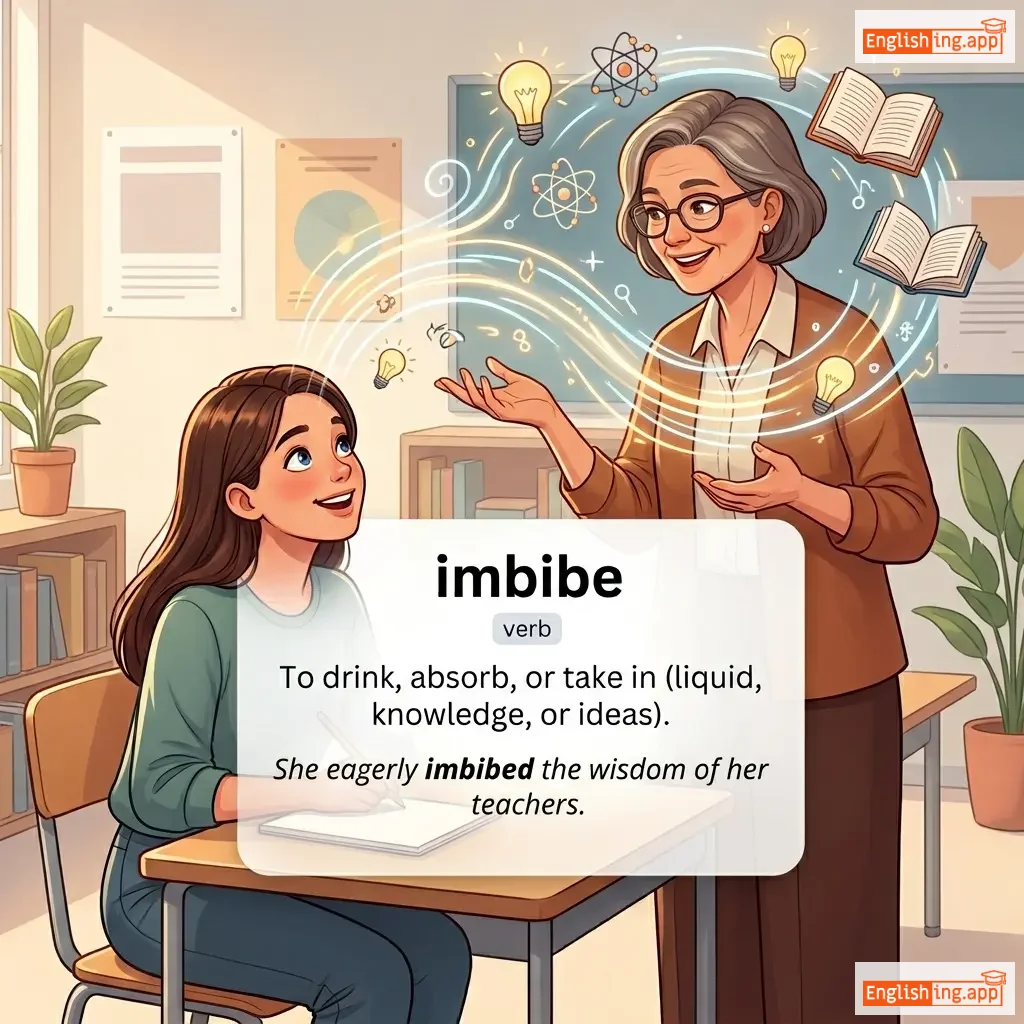
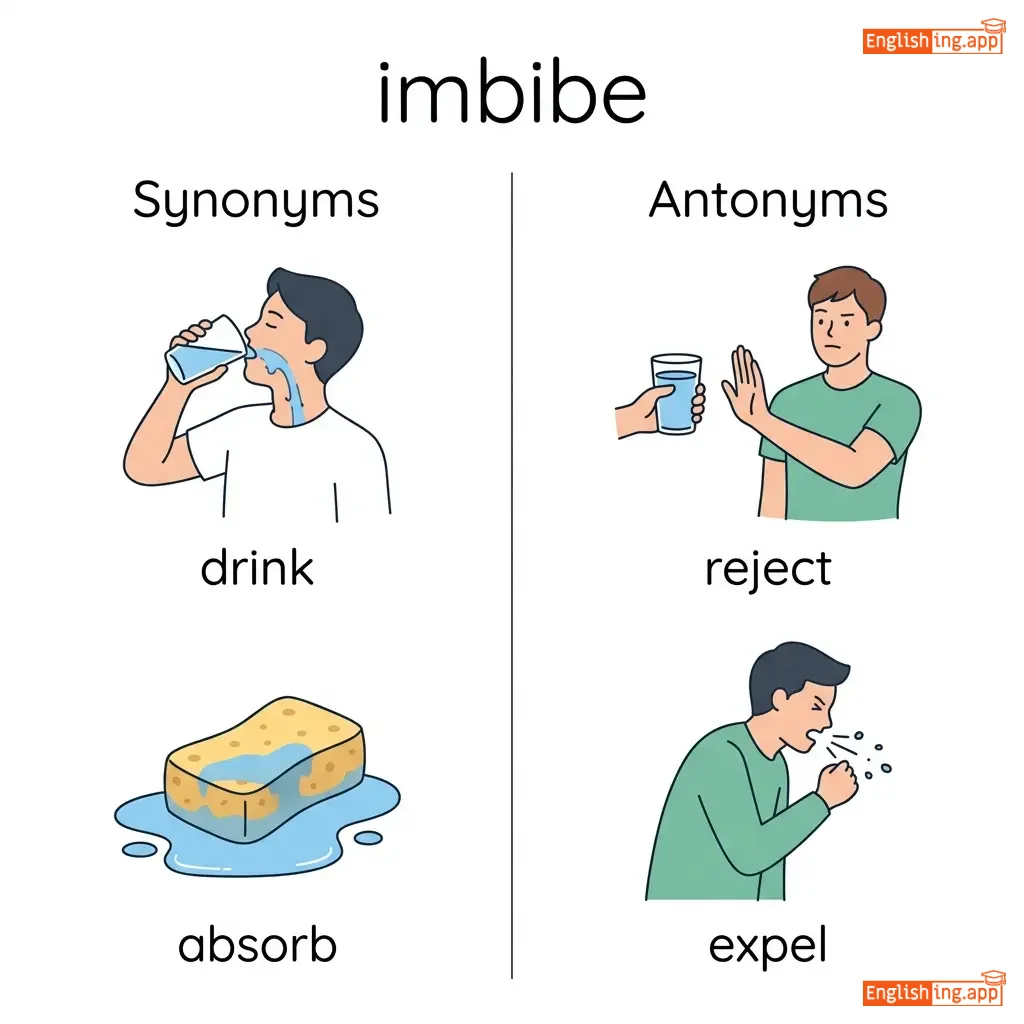
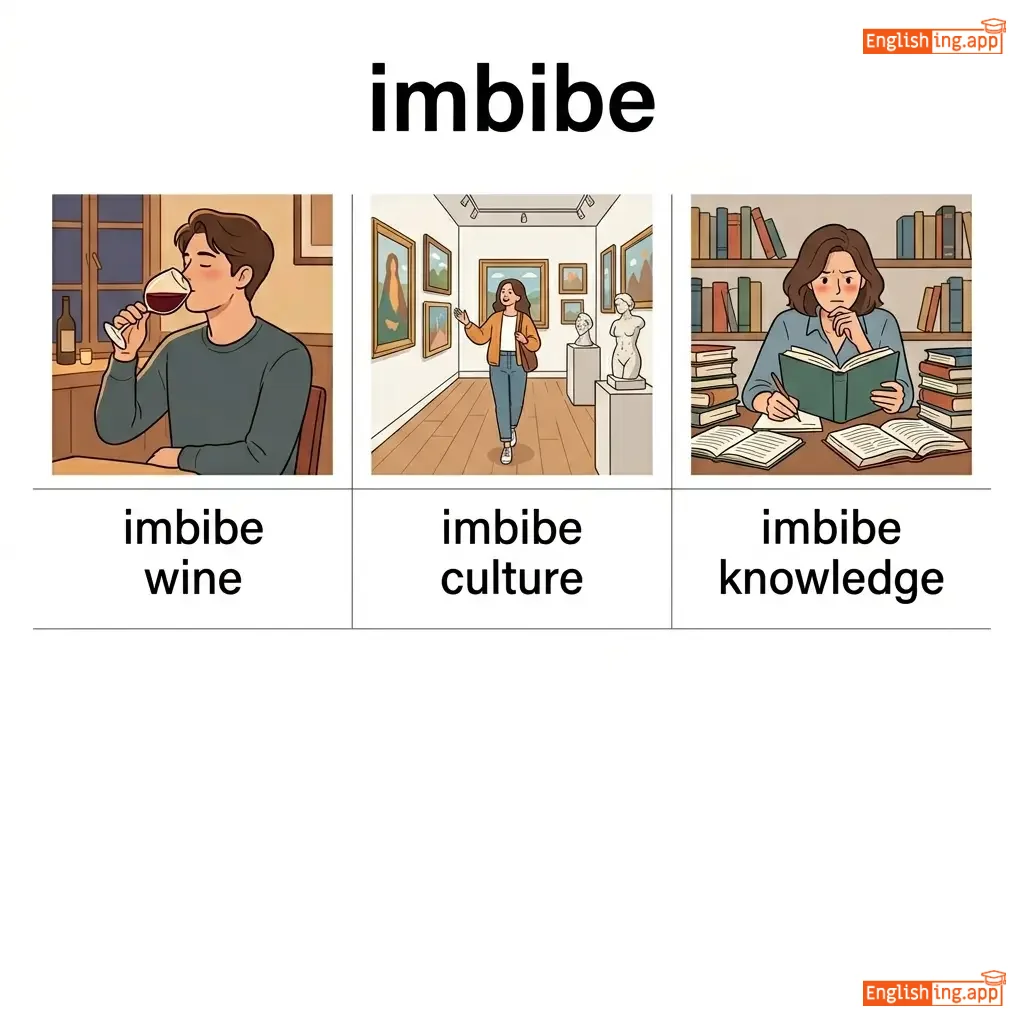

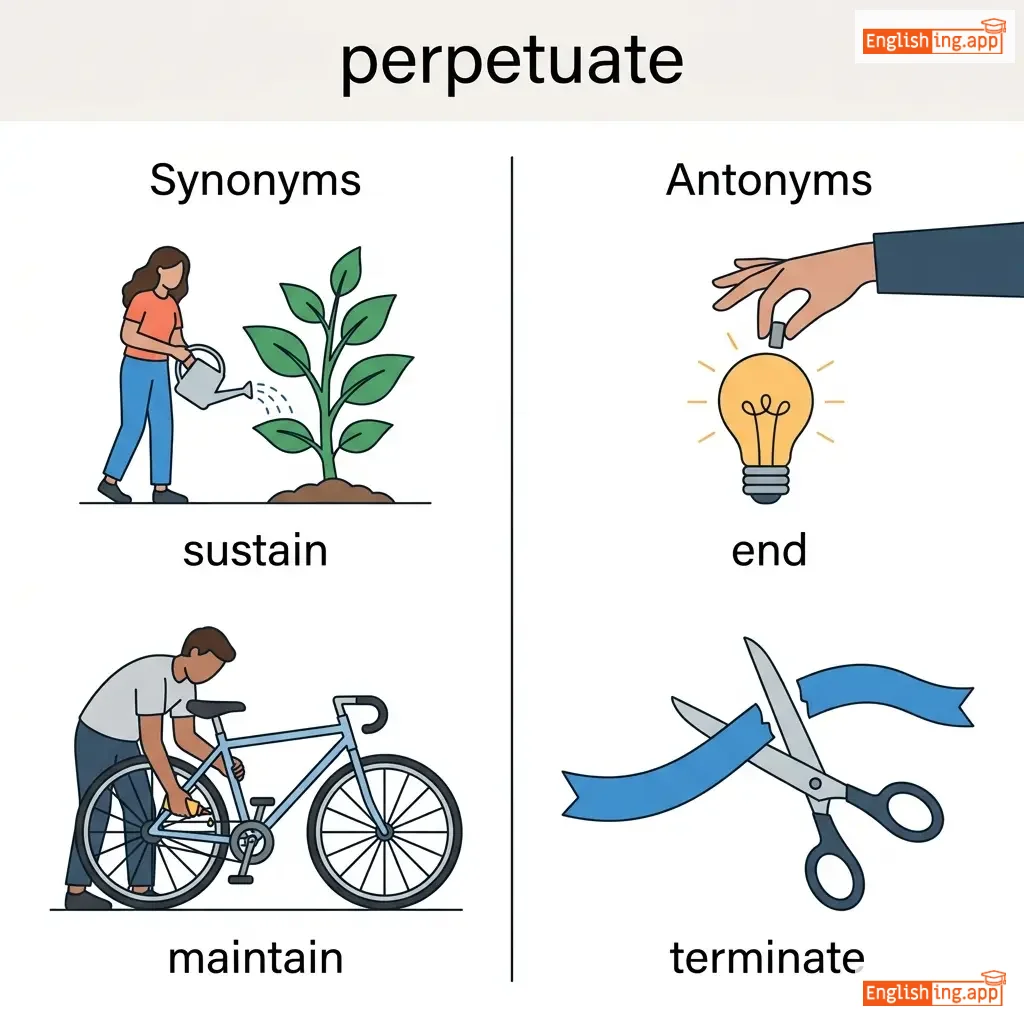


Swipe left or right, or use the buttons. Tap image to zoom.
例文の翻訳
単語
How Family Traditions Shape ValuesHow Family Traditions Shape Values - マスクトグル
|
絵文字
|
単語 | Images | 翻訳 | 意味 | 例文 | 例文の翻訳 | 同義語 | 対義語 | ニーモニック |
|---|---|---|---|---|---|---|---|---|---|
|
#1859
🏛️
|
ˈher.ɪ.tɪdʒ
noun
(ヘリテージ)
••••••
|
|
遺産
isan
••••••
|
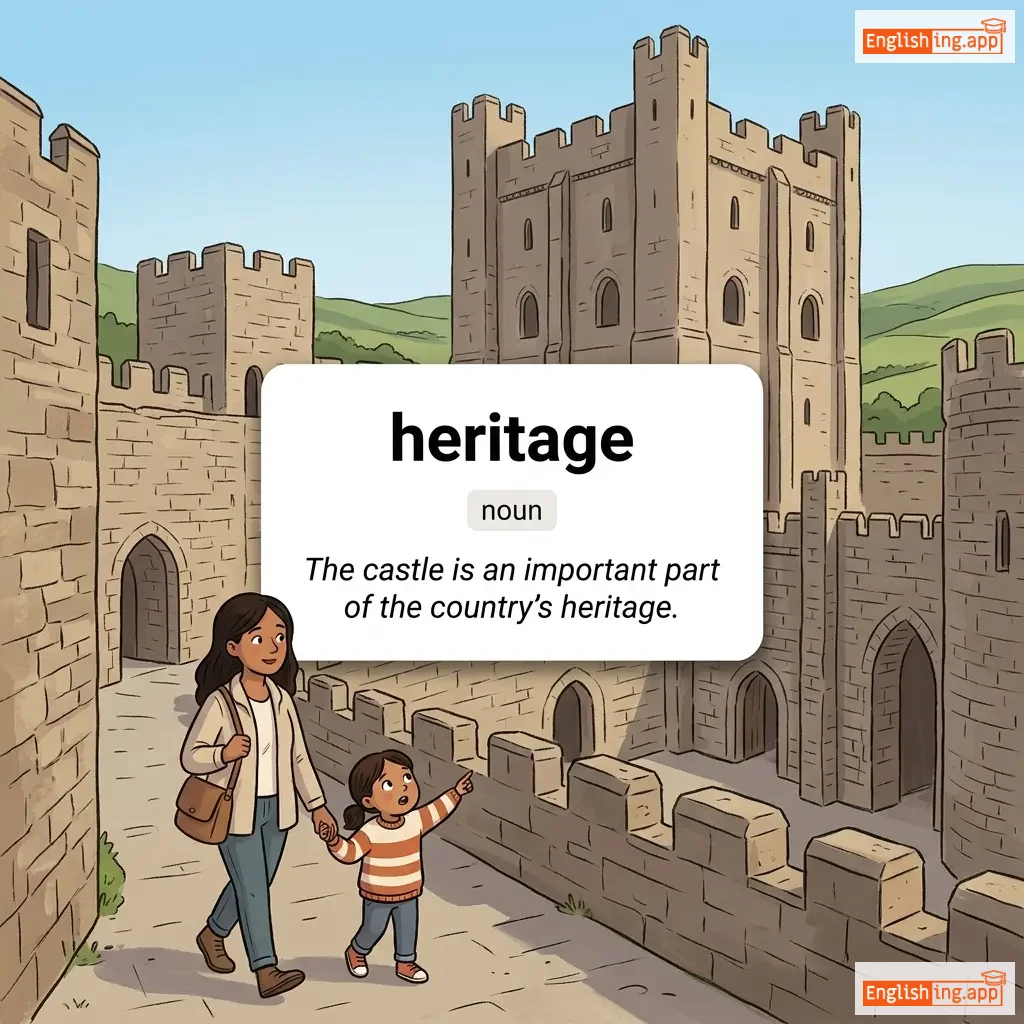
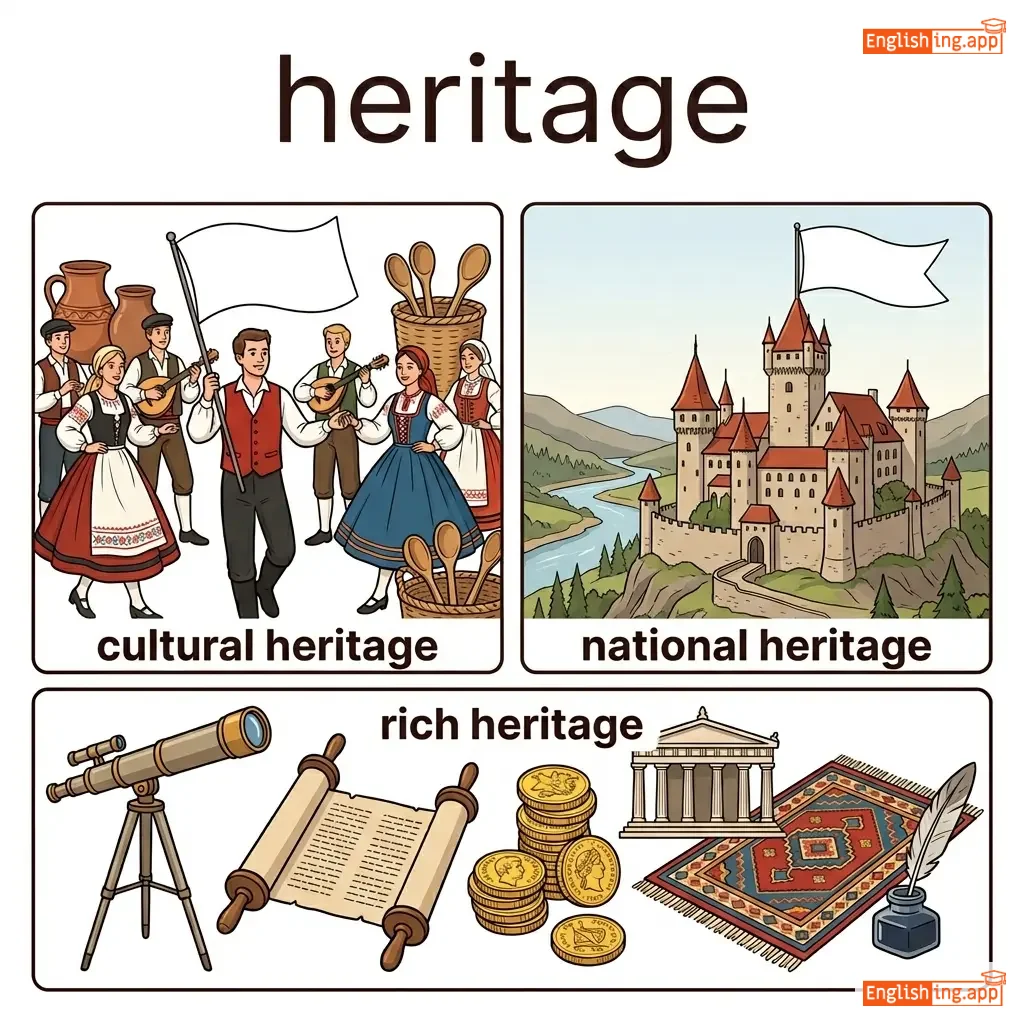
Property that is or may be inherited; an inheritance. Features belonging to the culture of a particular society.
••••••
|
The ancient temples are part of the country's rich heritage.
古代の寺院は国の豊かな遺産の一部です。
••••••
|
古代の寺院は国の豊かな遺産の一部です。
Kodai no jiin wa kuni no yutaka na isan no ichibu desu.
••••••
|
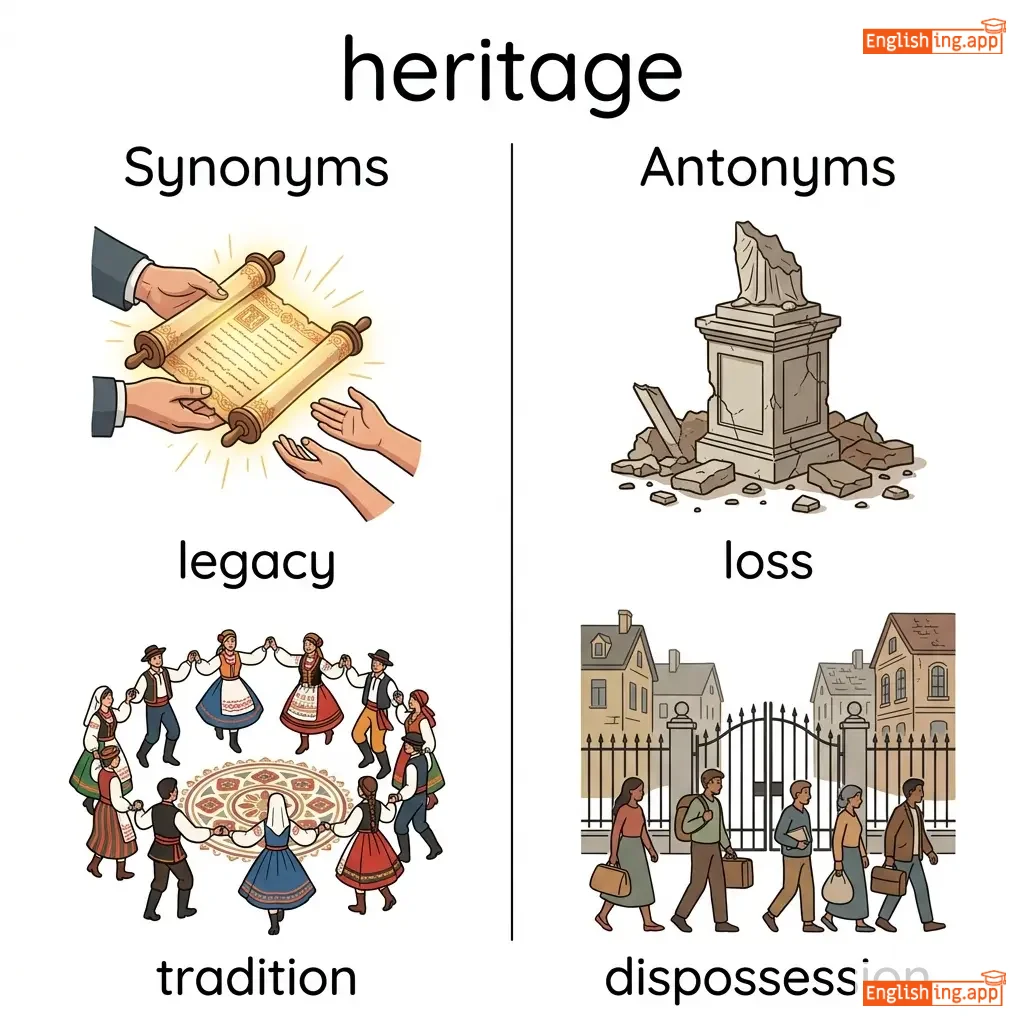
legacy, tradition, inheritance
••••••
|
modernity, novelty, dispossession
••••••
|
In Japanese, '遺産' refers to heritage, passed down through generations.
••••••
|
|
#1860
⚖️
|
ˈiː.θɒs
noun
(エトス)
••••••
|
|
文化、時代、またはコミュニティの特徴的な精神
bunka, jidai, mata wa komyuniti no tokuchō-teki na seishin
••••••
|
The characteristic spirit of a culture, era, or community as manifested in its beliefs and aspirations.
••••••
|
The company's ethos is built on innovation and integrity. |
その会社のエトスは、革新と誠実に基づいています。
Sono kaisha no etosu wa, kakushin to seijitsu ni motozuiteimasu.
••••••
|
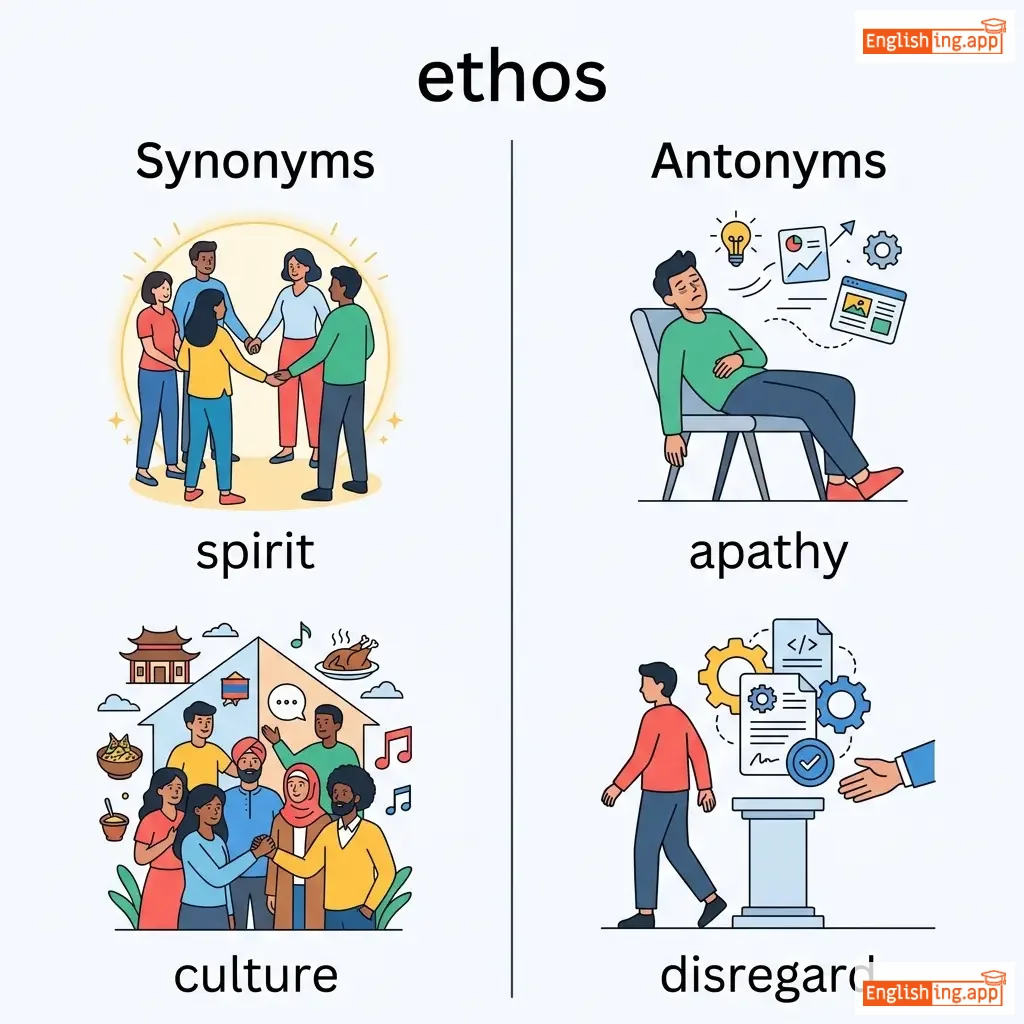
values, spirit, ideology
••••••
|
corruption, dishonor, unprincipled
••••••
|
In Japanese, 'ethos' ties the company's spirit to values like 'innovation' and 'integrity'.
••••••
|
|
#1861
🔗
|
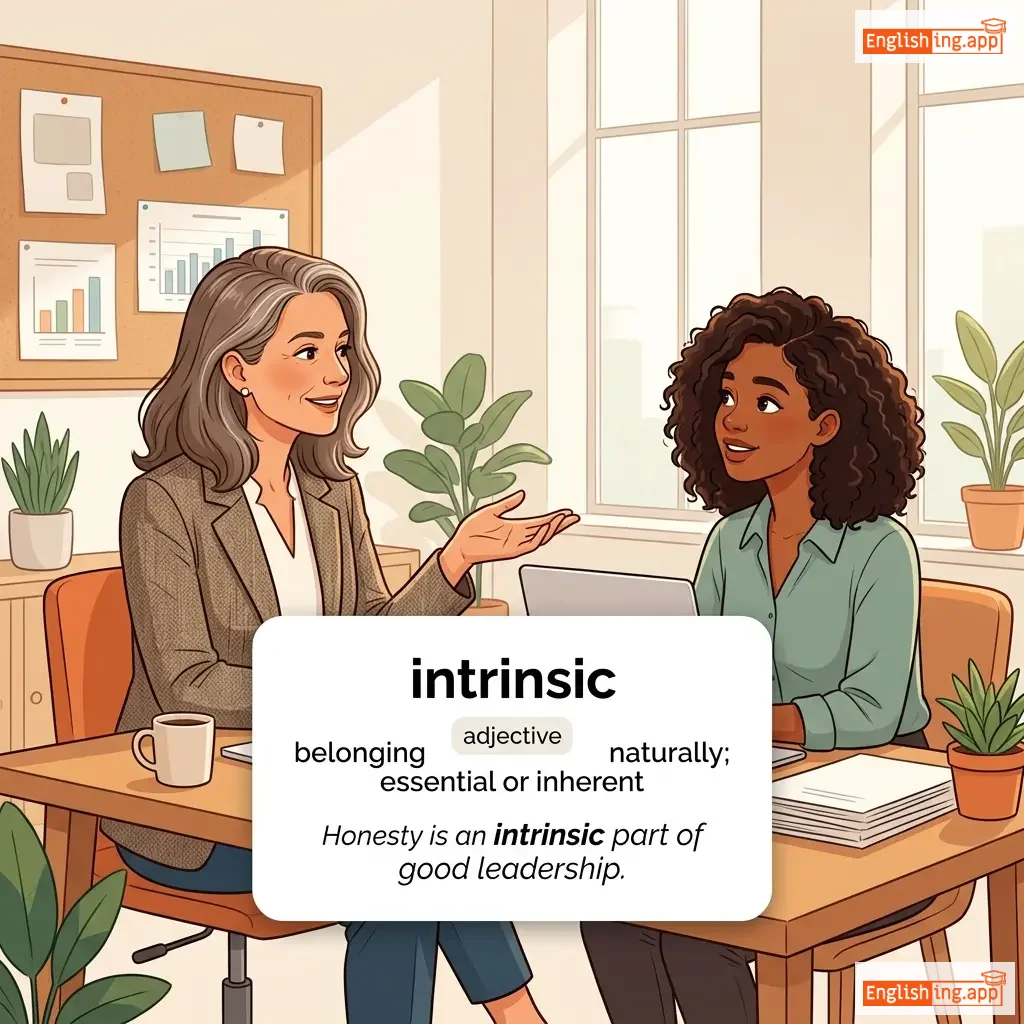
ɪnˈtrɪn.zɪk
adjective
(イントリンシック)
••••••
|
|
内在的, 本質的, 自然な
naizai-teki, honshitsu-teki, shizen-na
••••••
|
Belonging naturally; essential. Existing as a natural or basic part of something.
••••••
|
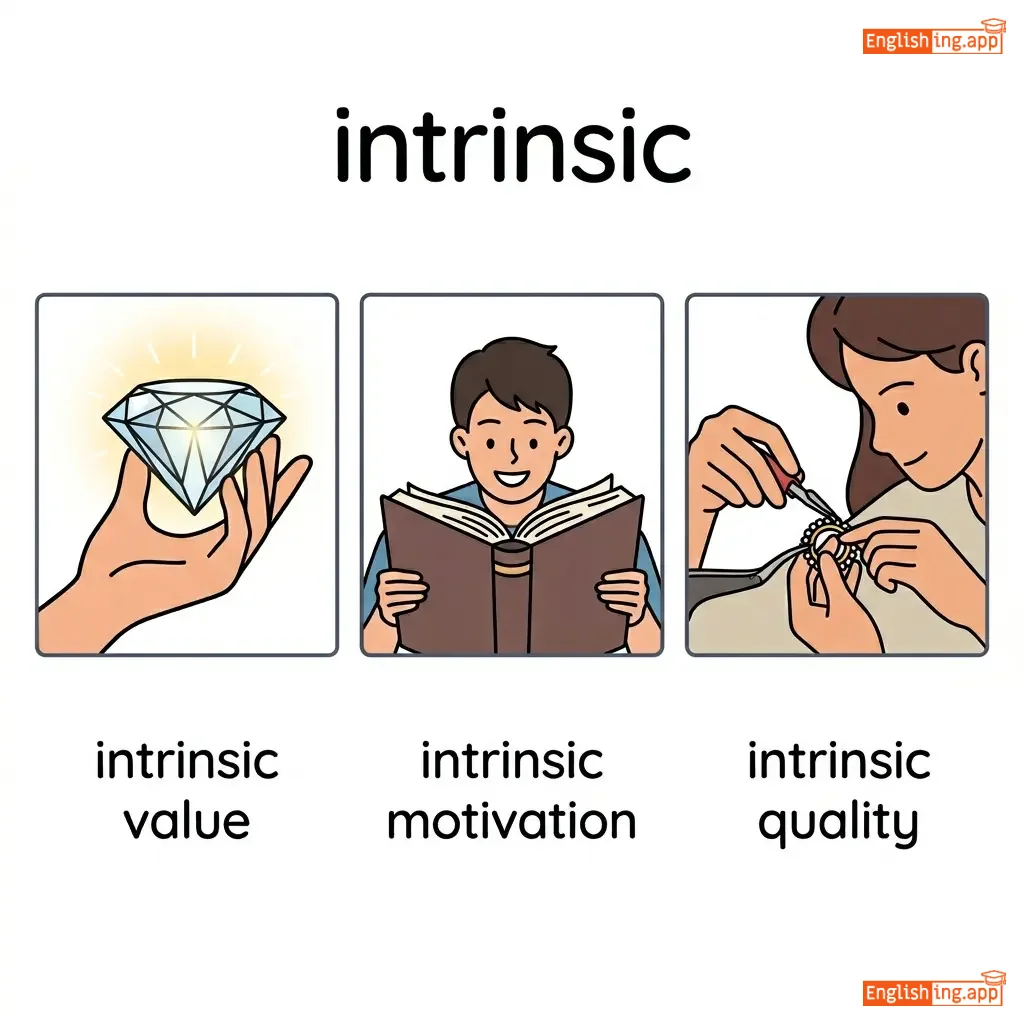
Creativity is an intrinsic quality of a great artist.
創造性は偉大なアーティストの内在的な資質です。
••••••
|
創造性は偉大なアーティストの内在的な資質です。
sōzō-sei wa idaina ātisuto no naizai-teki na shishitsu desu.
••••••
|
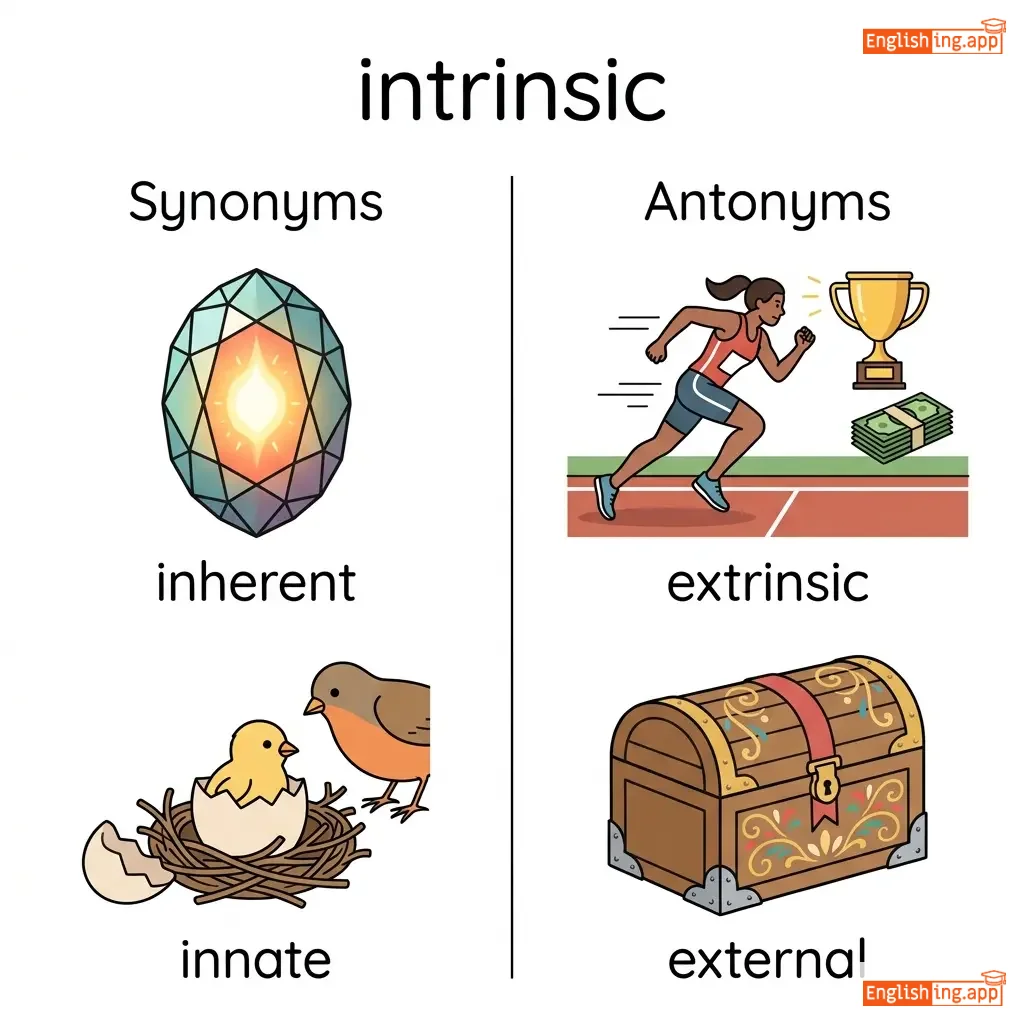
inherent, essential, innate
••••••
|
extrinsic, superficial, incidental
••••••
|
内在的 = 自然な性質
••••••
|
|
#1862
👶
|
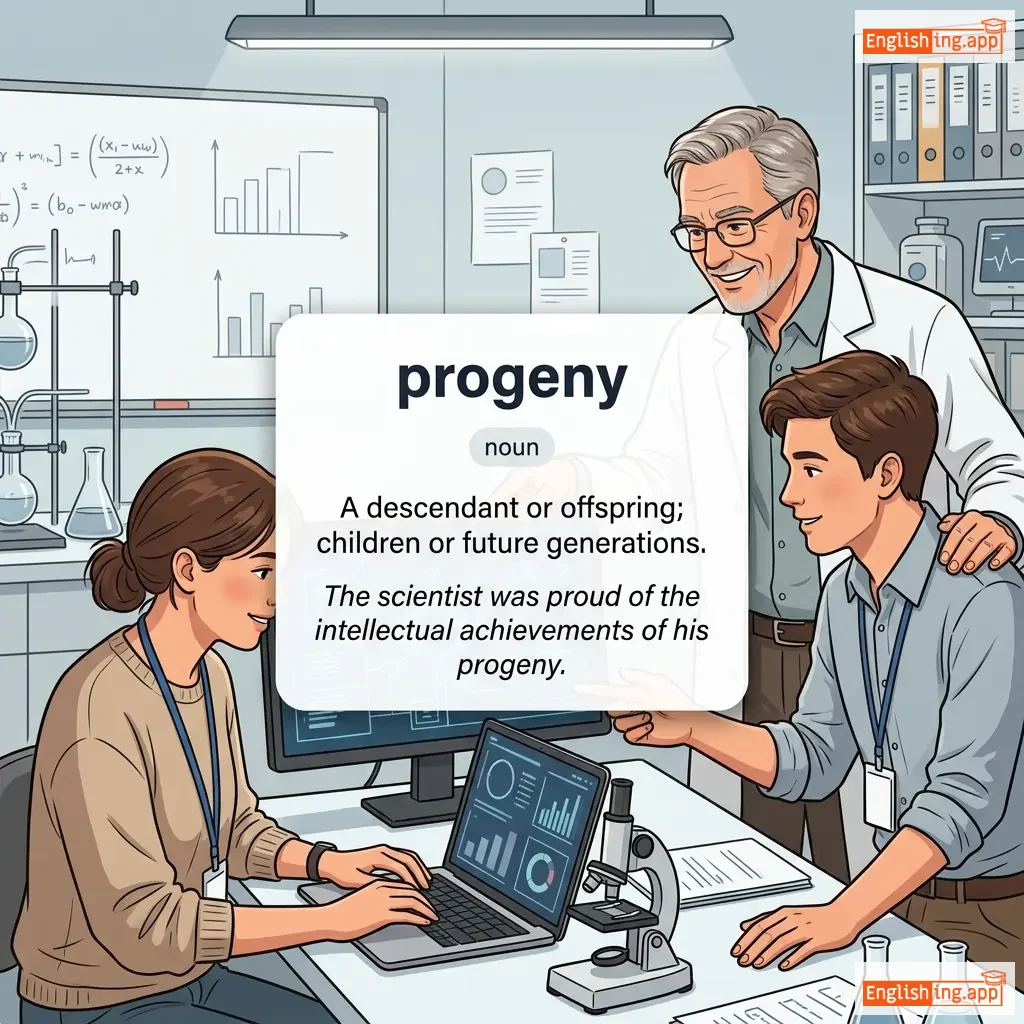
ˈprɒdʒ.ə.ni
noun
(プロジェニー)
••••••
|
|
子孫, 後継者, 後裔
shison, kōkeisha, kōei
••••••
|
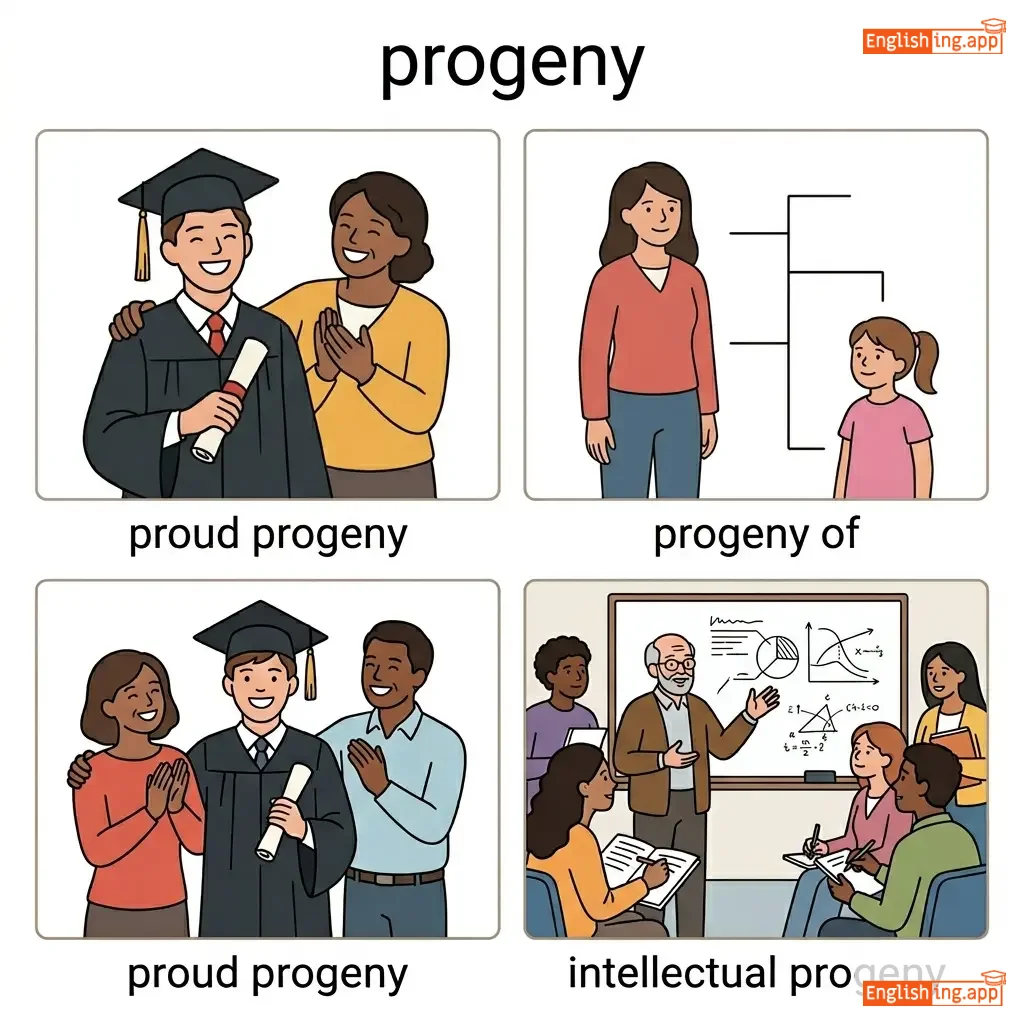
A descendant or the descendants of a person, animal, or plant; offspring.
••••••
|
The philosopher's teachings have influenced many generations of progeny.
哲学者の教えは多くの世代の子孫に影響を与えました。
••••••
|
哲学者の教えは多くの世代の子孫に影響を与えました。
Tetsugakusha no oshie wa ōku no sedai no shison ni eikyō o ataemashita.
••••••
|
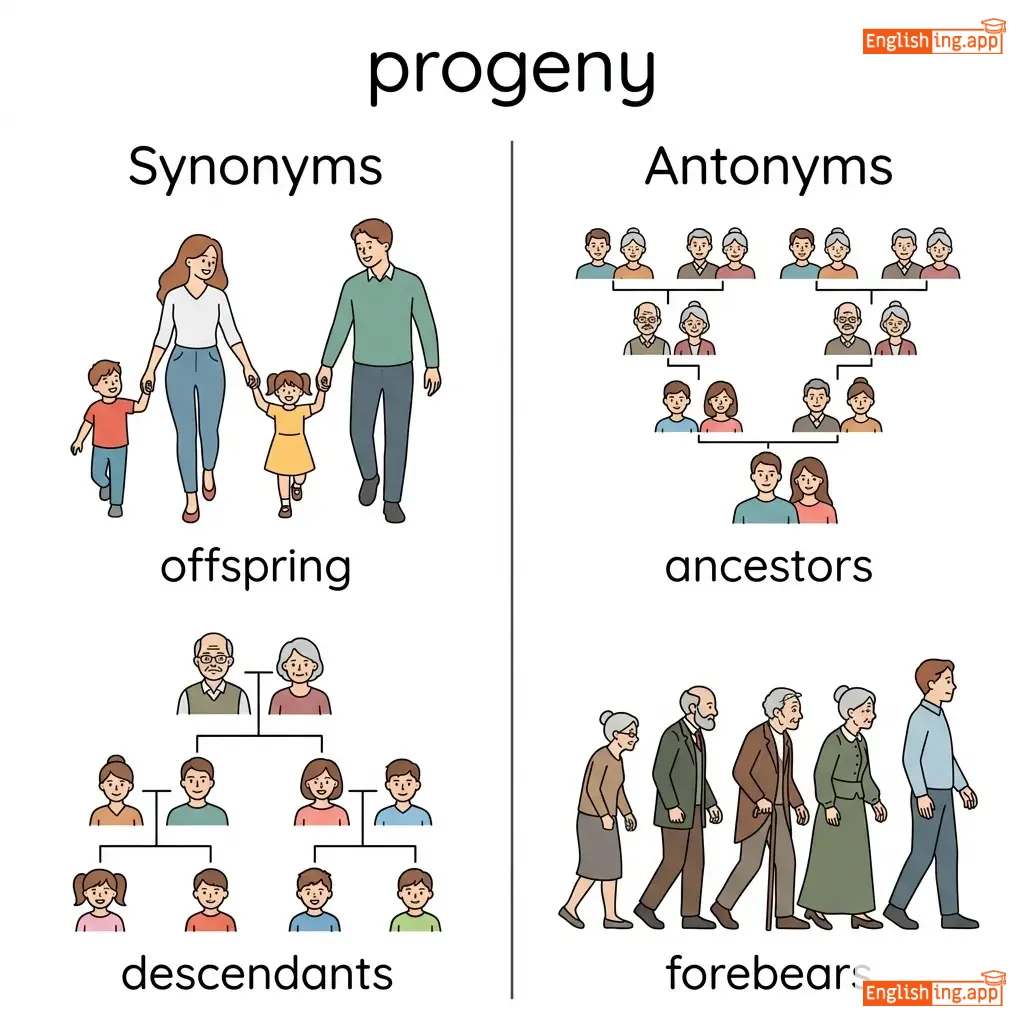
descendants, offspring, heirs
••••••
|
ancestors, forebears, predecessors
••••••
|
子孫は知識を受け継ぐ者たち、哲学者の教えがその根本。
••••••
|
|
#1863
🔗
|
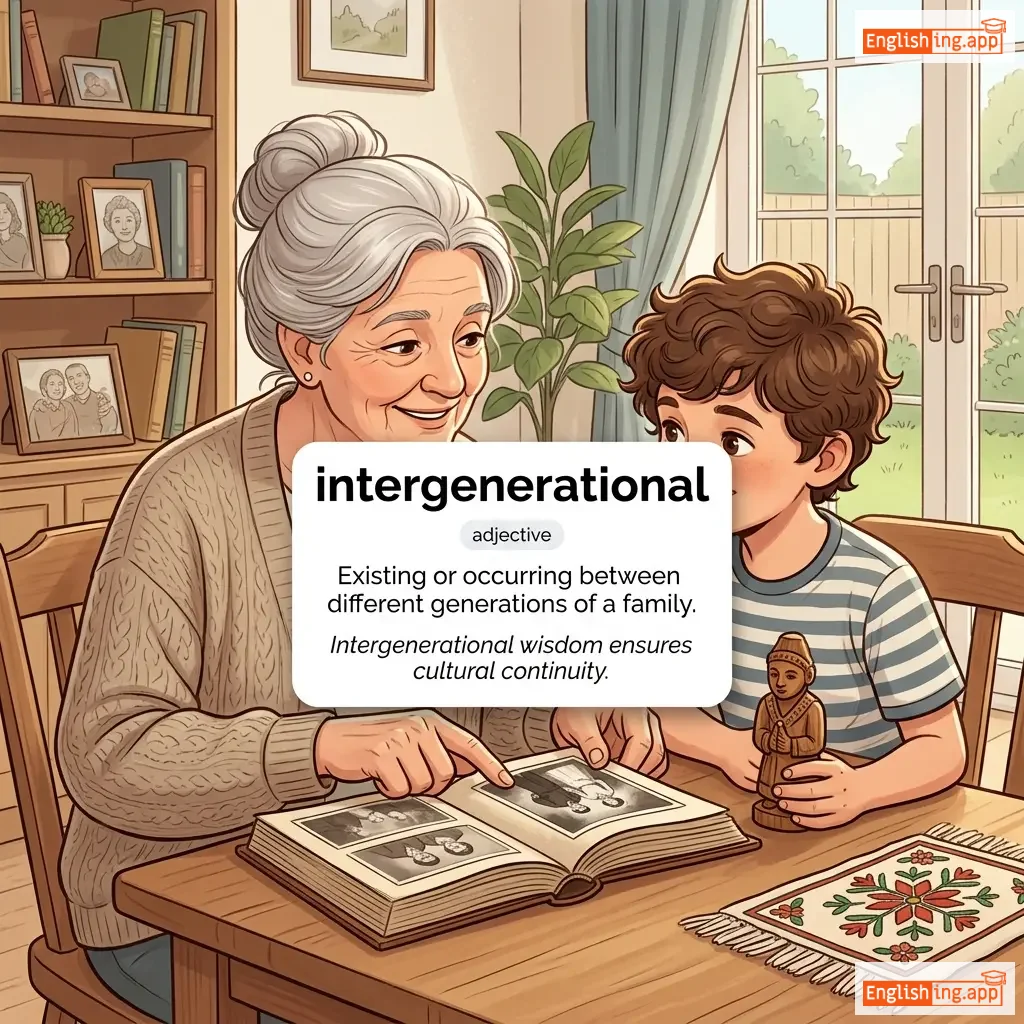
ˌɪn.tə.dʒen.əˈreɪ.ʃən.əl
adjective
(インタージェネレーショナル)
••••••
|
|
世代間、異なる世代間で発生する
sedaikan, kotonaru sedaikan de hassei suru
••••••
|
Existing or occurring between different generations of a family.
••••••
|
Intergenerational wisdom ensures cultural continuity.
インタージェネレーショナルな知恵は文化的継続性を確保する。
••••••
|
インタージェネレーショナルな知恵は文化的継続性を確保する。
Intājenrēshonaru na chie wa bunkateki keizokusei o kakuho suru.
••••••
|
cross-generational, hereditary, ancestral
••••••
|
isolated, individual, non-heritable
••••••
|
Intergenerationalは異なる世代間の知識の橋渡しを意味します。
••••••
|
|
#1864
🤝
|
kəʊˈhiː.ʒən
noun
(コヘージョン)
••••••
|
|
結束, 一体, 統合
kessoku, ittai, tōgō
••••••
|
The action or fact of forming a united whole. Unity and togetherness.
••••••
|
Social cohesion is necessary for a peaceful society. |
社会的コヘージョンは平和な社会にとって必要です。
Shakaiteki kohejyon wa heiwa na shakai ni totte hitsuyou desu.
••••••
|
unity, bond, solidarity
••••••
|
disunity, fragmentation, division
••••••
|
コヘージョン (kohejyon) は団結 (danketsu) を生み出す。
••••••
|
|
#1865
📡
|
dɪˌsem.ɪˈneɪ.ʃən
noun
(ディスセミネーション)
••••••
|
|
普及、拡散、伝播
fukyu, kakusan, denpa
••••••
|
The action or fact of spreading something, especially information, widely.
••••••
|
The dissemination of knowledge is crucial for development.
知識の普及は発展に不可欠です。
••••••
|
知識の普及は発展に不可欠です。
Chishiki no fukyu wa hatten ni fukaketsu desu.
••••••
|
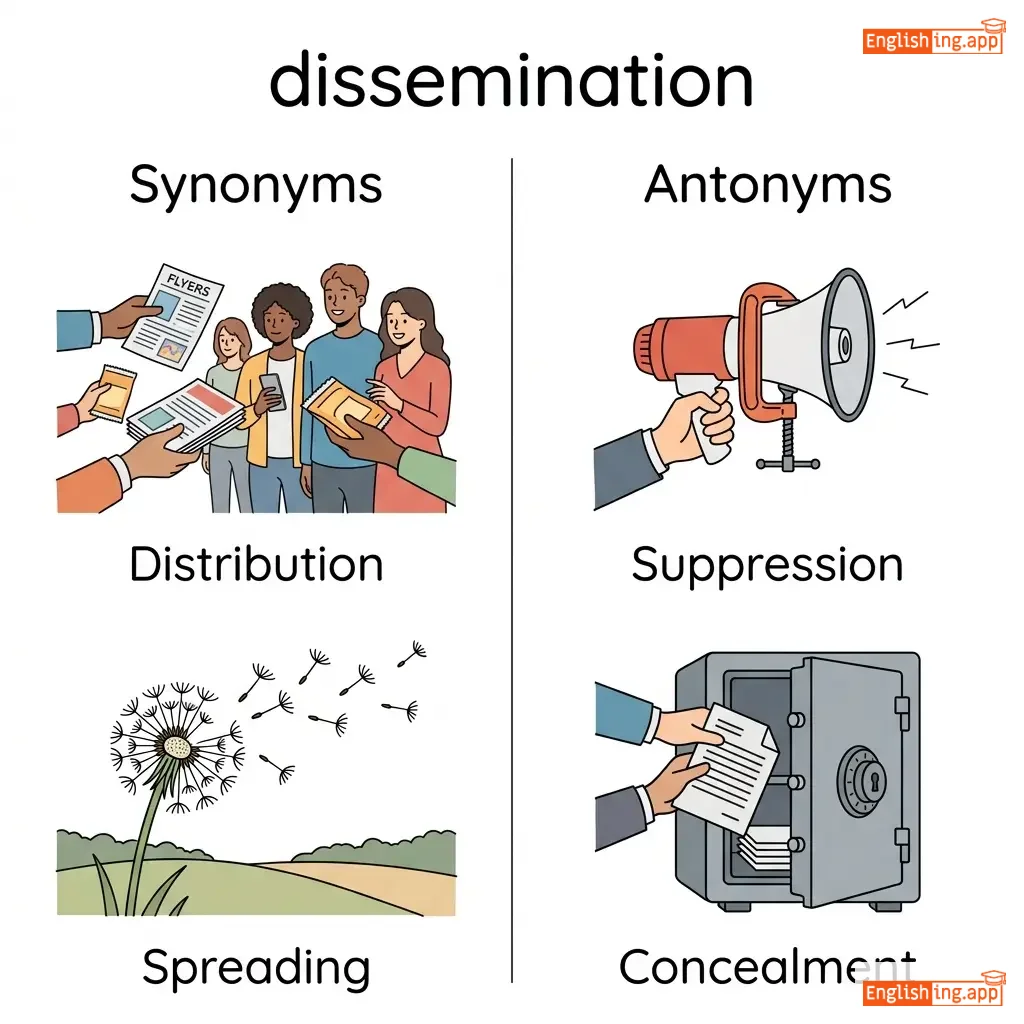
distribution, circulation, propagation
••••••
|
suppression, withholding, concealment
••••••
|
幸せの普及は知識の普及と同じくらい大事です。
••••••
|
|
#1866
🔊
|
ˈrez.ən.əns
noun
(レゾナンス)
••••••
|
|
共鳴, 響き, 影響
kyoumei, hibiki, eikyou
••••••
|
The quality in a sound of being deep, full, and reverberating. A deep effect or influence.
••••••
|
His speech had a strong resonance among the audience. |
彼のスピーチは聴衆の間に強い共鳴を生みました。
Kare no supīchi wa chōshū no aida ni tsuyoi kyōmei o umimashita.
••••••
|
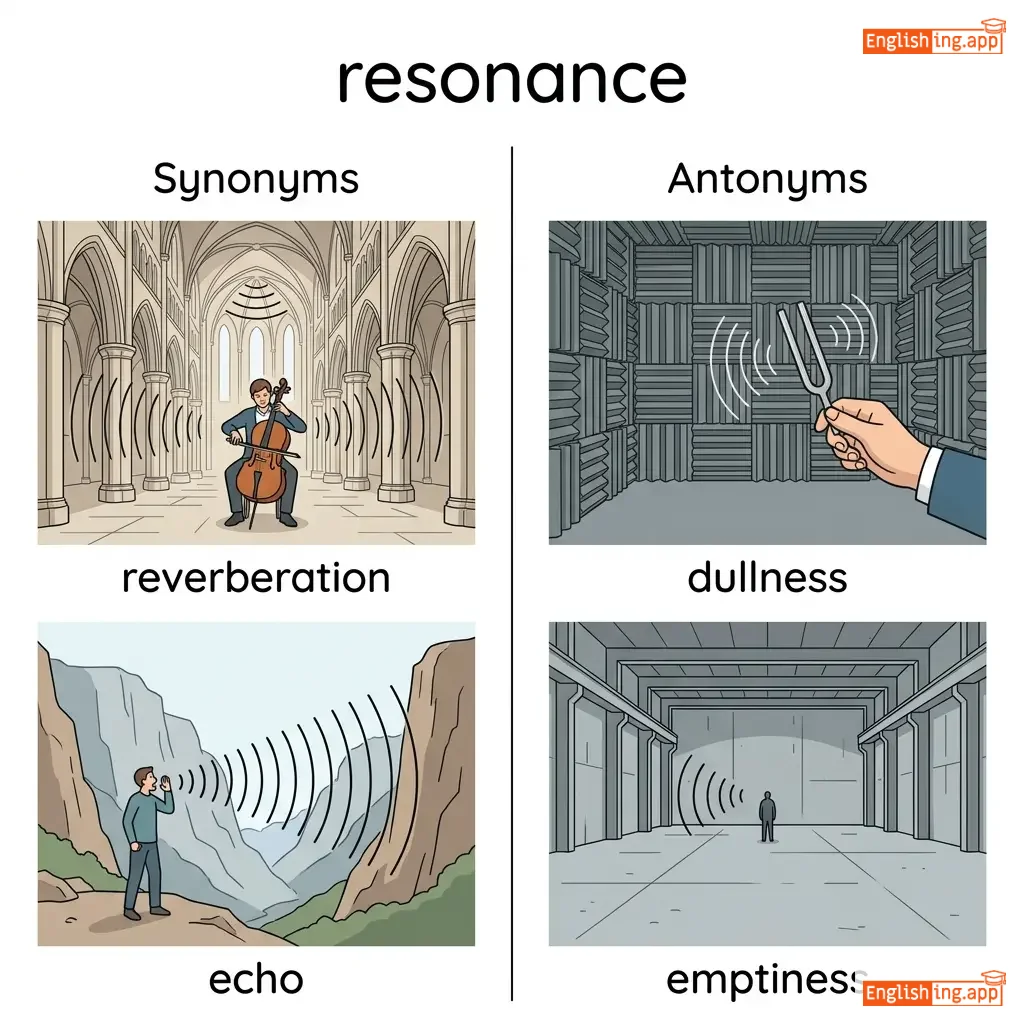
reverberation, echo, impact
••••••
|
dissonance, mismatch, weakness
••••••
|
共鳴はまるで響き渡るような効果です。
••••••
|
|
#1867
🎓
|
ˈped.ə.ɡɒdʒ.i
noun
(ペダゴジー)
••••••
|
|
教育学、教授法
kyouikugaku, kyoushuhou
••••••
|
The method and practice of teaching, especially as an academic subject or theoretical concept.
••••••
|
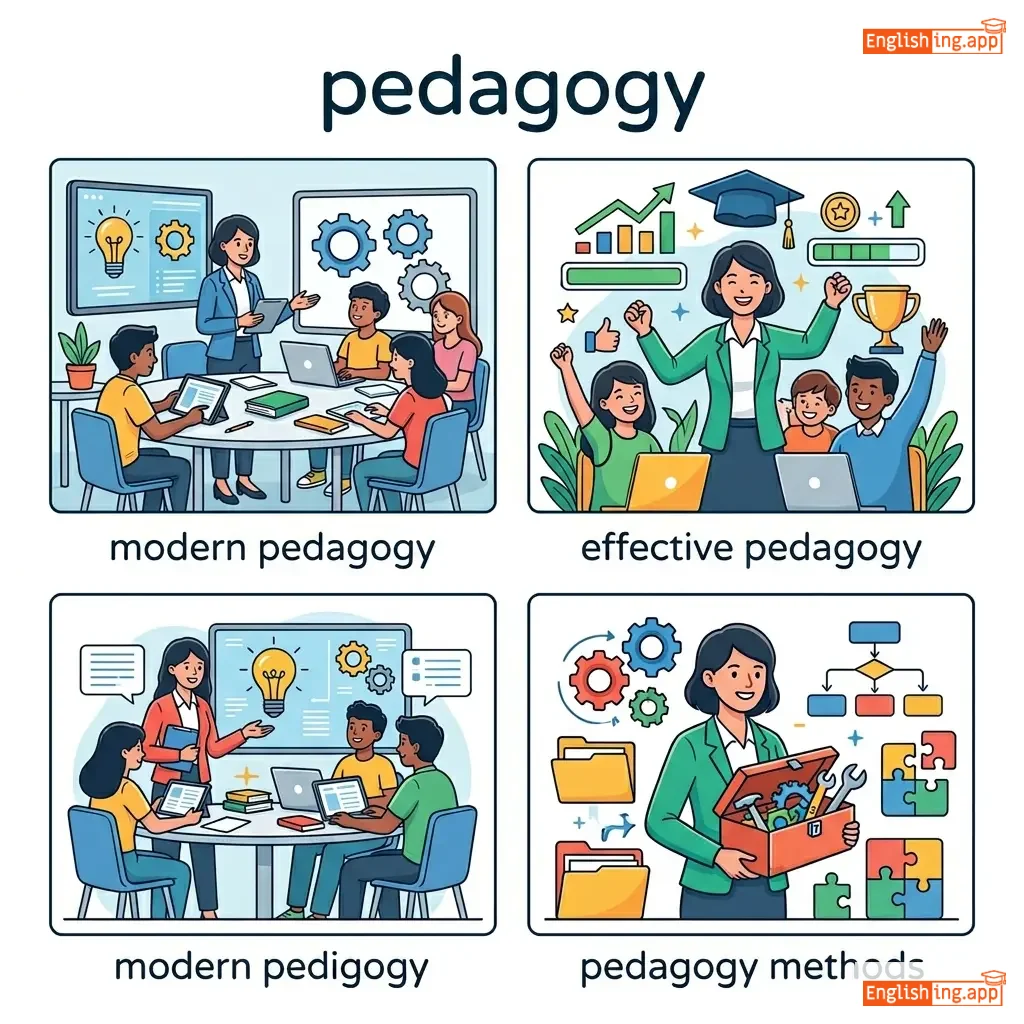
Modern pedagogy focuses on student-centered learning.
現代のペダゴジーは学生中心の学習に焦点を当てています。
••••••
|
現代のペダゴジーは学生中心の学習に焦点を当てています。
Gendai no pedagogy wa gakusei chuushin no gakushuu ni shouten o ateteimasu.
••••••
|
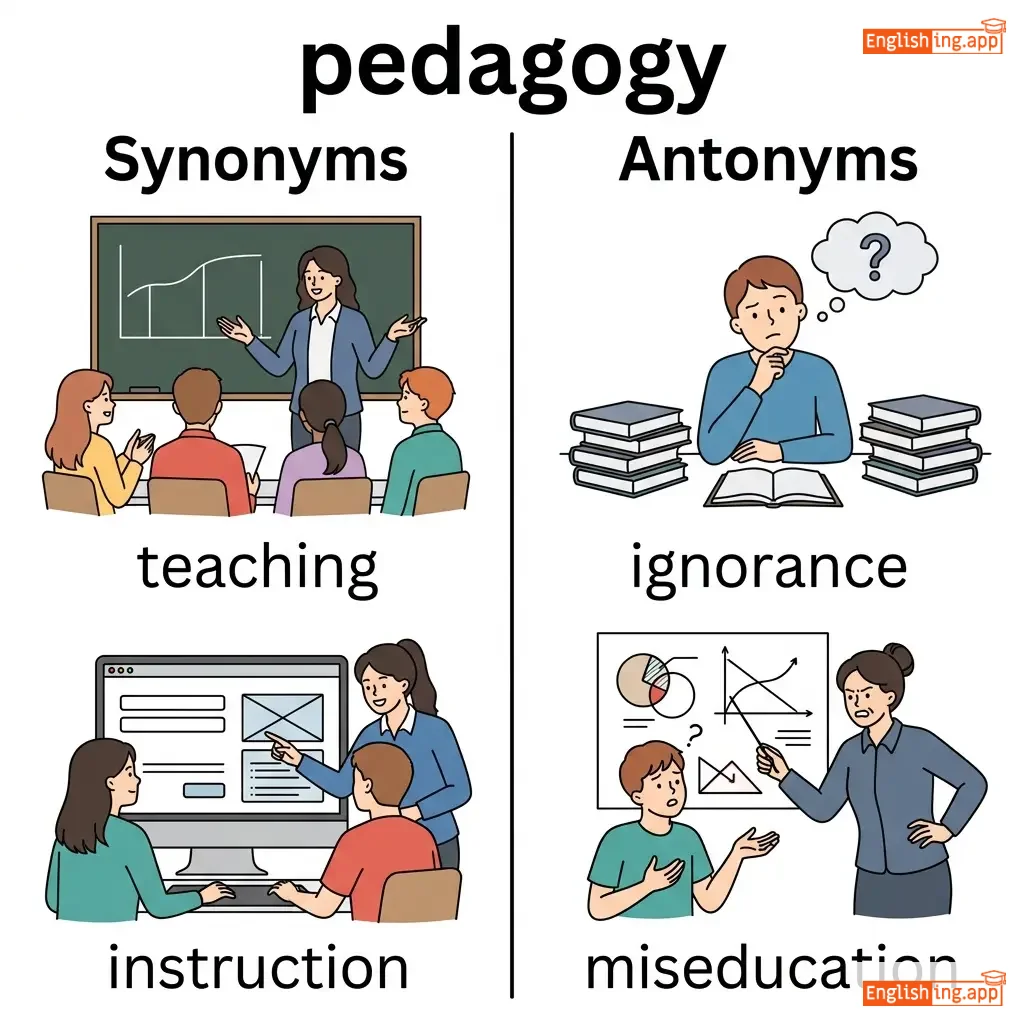
teaching, instruction, educational method
••••••
|
misinstruction, misdirection, ignorance
••••••
|
教育学(ペダゴジー)に関することを学ぶことは、学生のための学習法を学ぶことです。
••••••
|
|
#1868
✅
|
ˌæk.si.əˈmæt.ɪk
adjective
(アクシオマティック)
••••••
|
|
公理的な、明白な、議論の余地のない
kōriteki na, meihaku na, giron no yachi no nai
••••••
|
Self-evident or unquestionable. Obviously true and therefore not needing to be proved.
••••••
|
It is axiomatic that hard work leads to success.
努力が成功につながることは明白だ。
••••••
|
努力が成功につながることは明白だ。
Doryoku ga seikou ni tsunagaru koto wa meihaku da.
••••••
|
self-evident, indisputable, unquestionable
••••••
|
questionable, doubtful, uncertain
••••••
|
Axiomatic in Japanese is 'kōriteki na'—clear and easy to connect!
••••••
|
|
#1869
👥
|
kənˈfɔː.mə.ti
noun
(コンフォーミティ)
••••••
|
|
順応、適合、従順
jun'nō, tekigō, jūjun
••••••
|
Compliance with standards, rules, or laws. Behavior in accordance with socially accepted conventions.
••••••
|
Strict conformity to the rules ensures order in society.
規則の厳格な順守は社会の秩序を保証します。
••••••
|
規則の厳格な順守は社会の秩序を保証します。
Kisoku no genkaku na junshu wa shakai no chitsujo o hoshō shimasu.
••••••
|
compliance, adherence, conventionality
••••••
|
rebellion, deviation, dissent
••••••
|
社会の秩序は順応することから始まる。
••••••
|
|
#1870
🙏
|
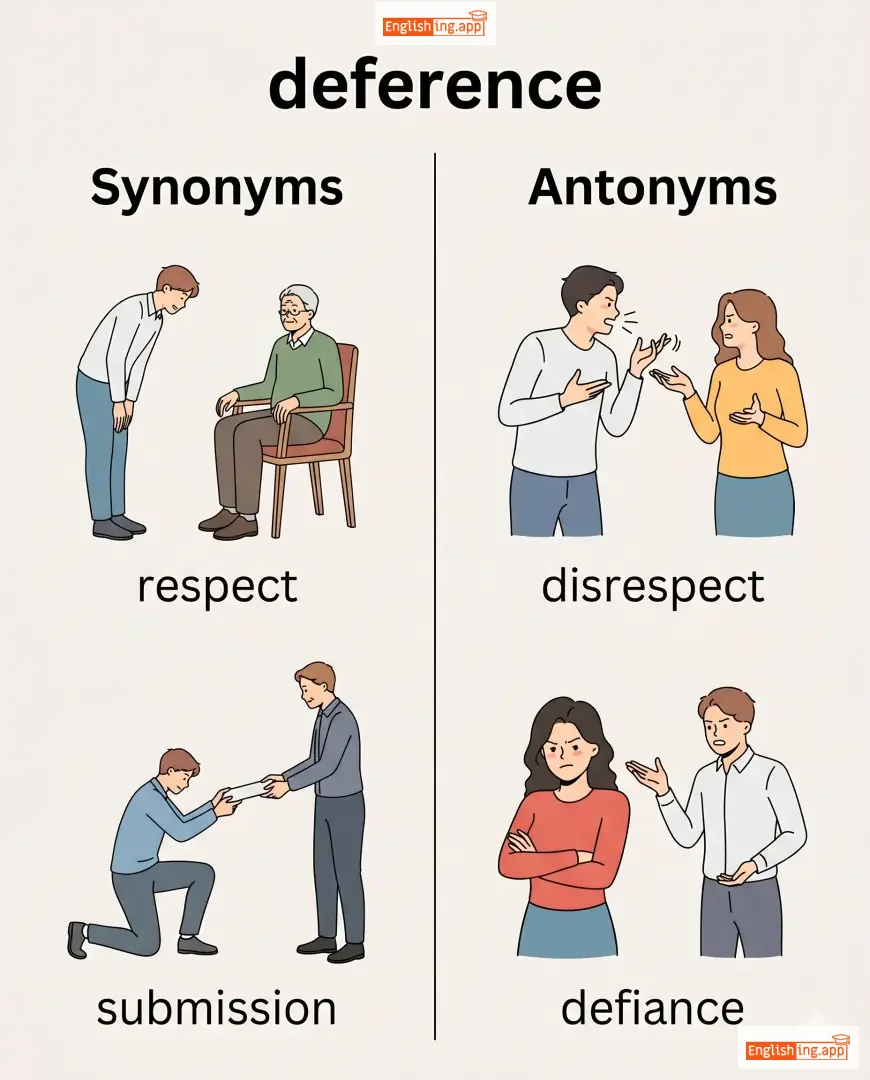
ˈdef.ər.əns
noun
(デフェレンス)
••••••
|
|
敬意, 尊敬
keii, sonkei
••••••
|
Humble submission and respect. Polite submission and respect.
••••••
|
The student spoke with deference to his professor. |
学生は教授に対して敬意を持って話しました。
Gakusei wa kyōju ni taishite keii o motte hanashimashita.
••••••
|
respect, reverence, courtesy
••••••
|
disrespect, defiance, disregard
••••••
|
No •••••• |
|
#1871
⚖️
|
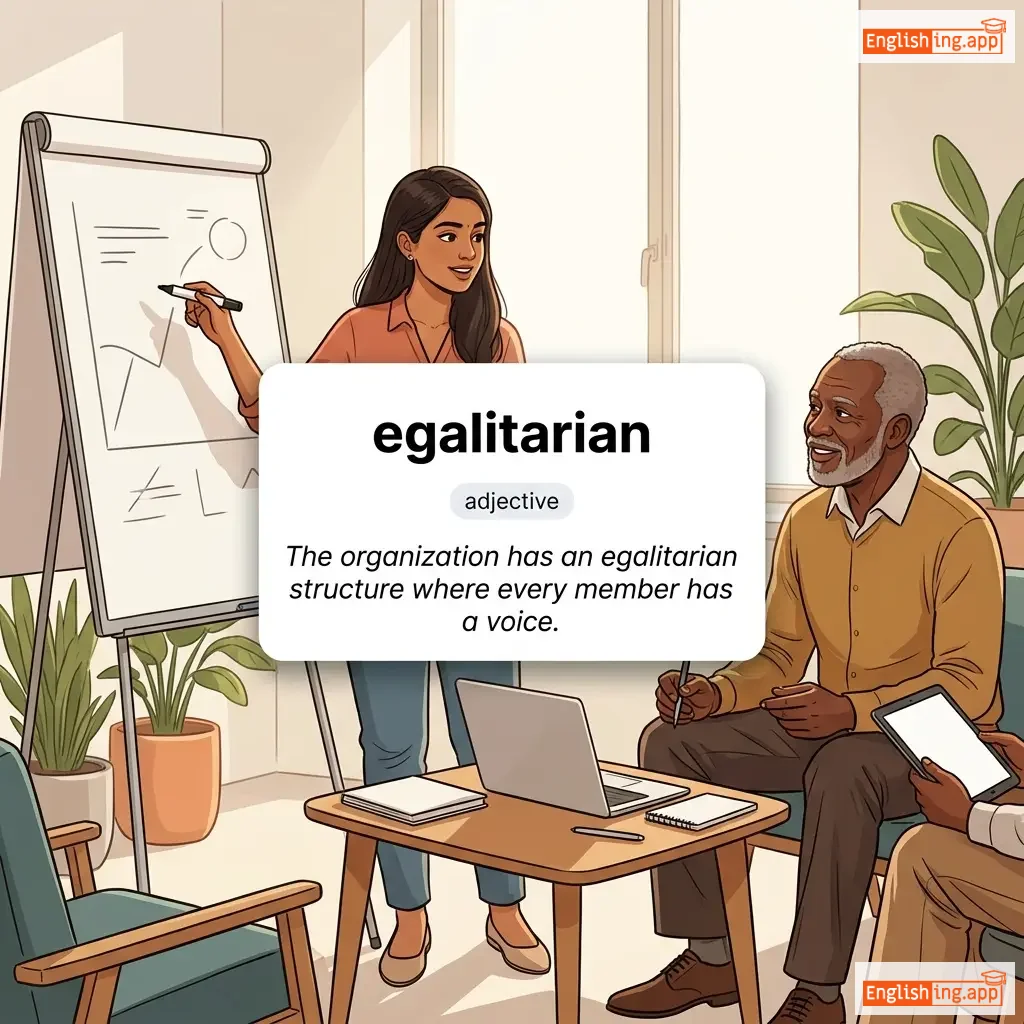
ɪˌɡæl.ɪˈteə.ri.ən
adjective
(エガリタリアン)
••••••
|
|
平等主義者
byoudou shugi sha
••••••
|
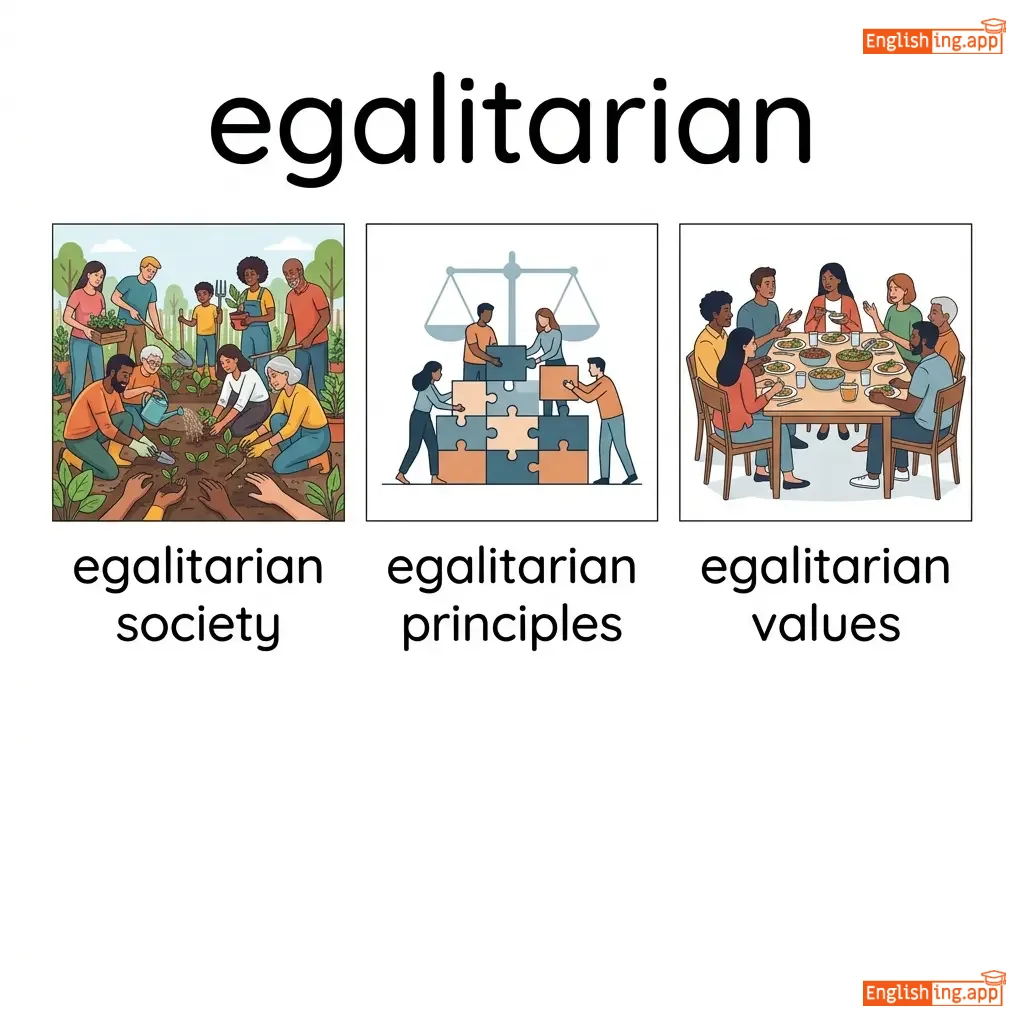
Believing in or based on the principle that all people are equal and deserve equal rights and opportunities.
••••••
|
The new law promotes an egalitarian society. |
新しい法律は平等主義の社会を促進します。
Atarashī hōritsu wa byōdō shugi no shakai o sokushin shimasu.
••••••
|
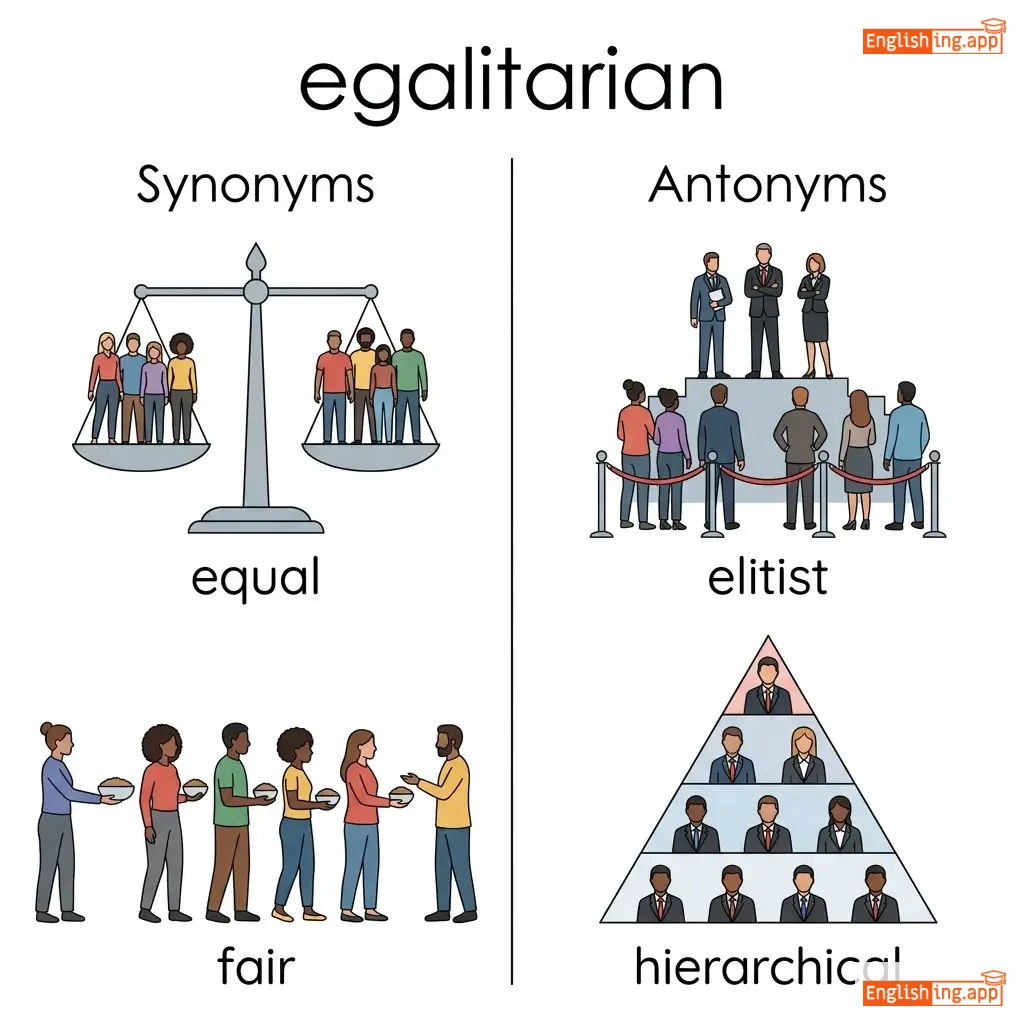
democratic, fair, impartial
••••••
|
elitist, hierarchical, unequal
••••••
|
平等主義者 = すべての人が平等
••••••
|
|
#1872
🧠
|
ɪmˈbaɪb
verb
(インバイブ)
••••••
|
|
吸収する, 同化する, 飲む
kyūshū suru, dōka suru, nomu
••••••
|
Absorb or assimilate ideas or knowledge. To drink or take in.
••••••
|
He tried to imbibe the wisdom from his mentor. |
彼は師匠から知恵を吸収しようとした。
Kare wa shishō kara chie o kyūshū shiyō to shita.
••••••
|
absorb, assimilate, ingest
••••••
|
reject, expel, dispel
••••••
|
知恵をインバイブして、飲み干すように!
••••••
|
|
#1873
🔄
|
pəˈpetʃ.u.eɪt
verb
(パーペチュエイト)
••••••
|
|
永続させる, 途切れさせない
eizoku saseru, togire sasenai
••••••
|
Make something continue indefinitely. To preserve from extinction or oblivion.
••••••
|
Discrimination should not be perpetuated in modern society. |
差別は現代社会で永続すべきではない。
Sabetsu wa gendai shakai de eizoku subeki de wa nai.
••••••
|
sustain, maintain, prolong
••••••
|
cease, halt, terminate
••••••
|
In Japanese, '永続させる' keeps something going forever, like a never-ending story in a circle.
••••••
|
|
#1874
💎
|
fɪˈdel.ə.ti
noun
(フィデリティ)
••••••
|
|
忠誠, 忠実, 服従
chuusei, chuujitsu, fukujuu
••••••
|
Faithfulness to a person, cause, or belief, demonstrated by continuing loyalty and support.
••••••
|
His fidelity to his principles was unwavering. |
彼の原則に対する忠誠心は揺るぎないものでした。
Kare no gensoku ni taisuru chuuseishin wa yuruginai mono deshita.
••••••
|
loyalty, devotion, faithfulness
••••••
|
betrayal, infidelity, disloyalty
••••••
|
忠誠は信頼を築く鍵です。
••••••
|
Vocabulary Quiz
Test your vocabulary by matching words with their translations or meanings.
Login to take the quiz
Comments (0)
Share your thoughts and join the discussion.
Join the discussion by logging in
Login to CommentNo comments yet
Be the first to share your thoughts!