

1966年の6つの要求
The 6-Point Demand of 1966
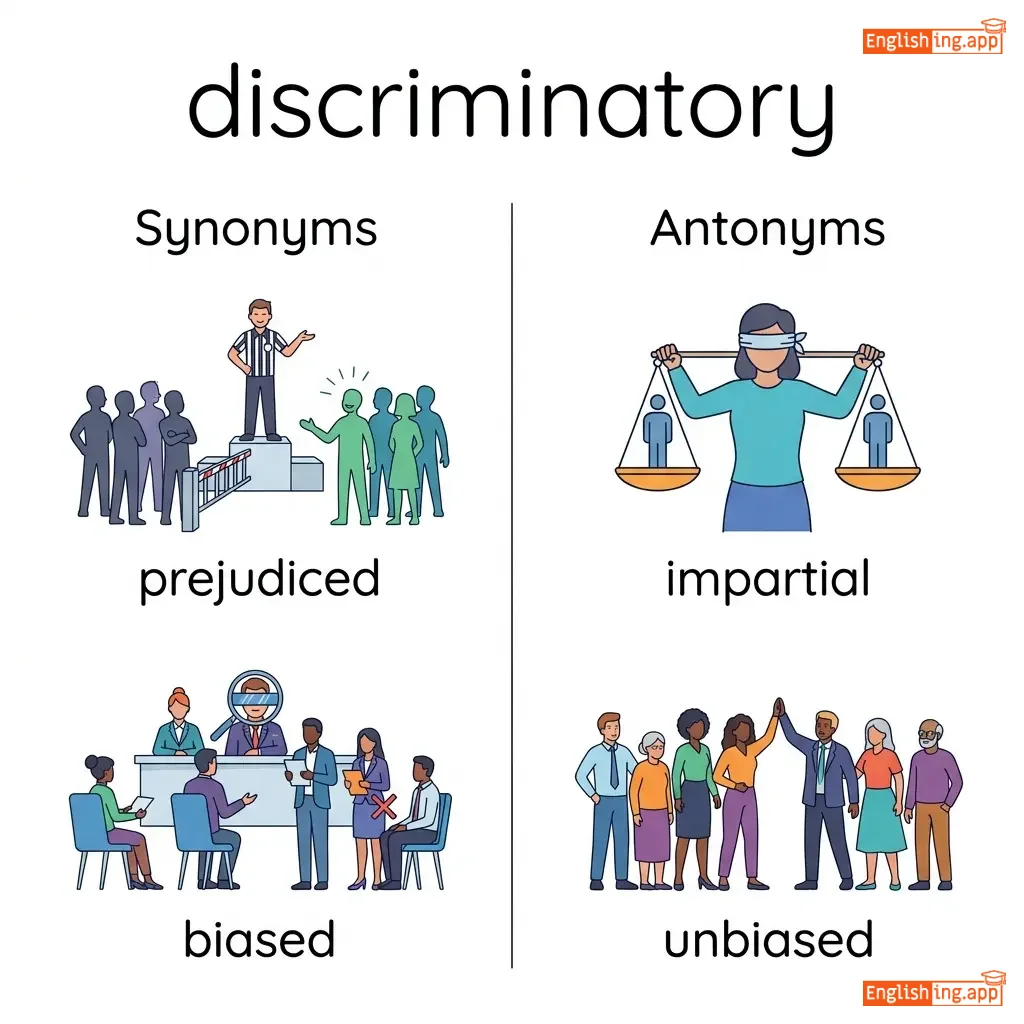
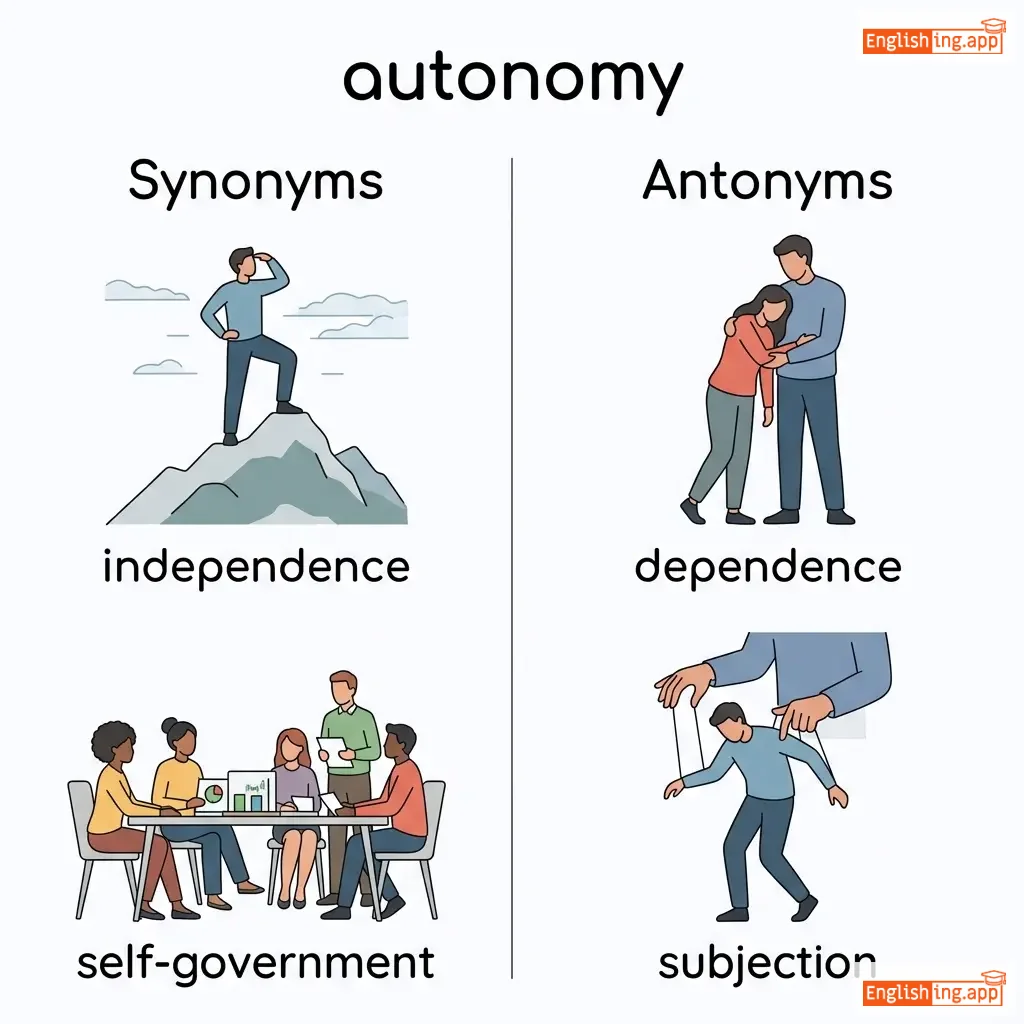
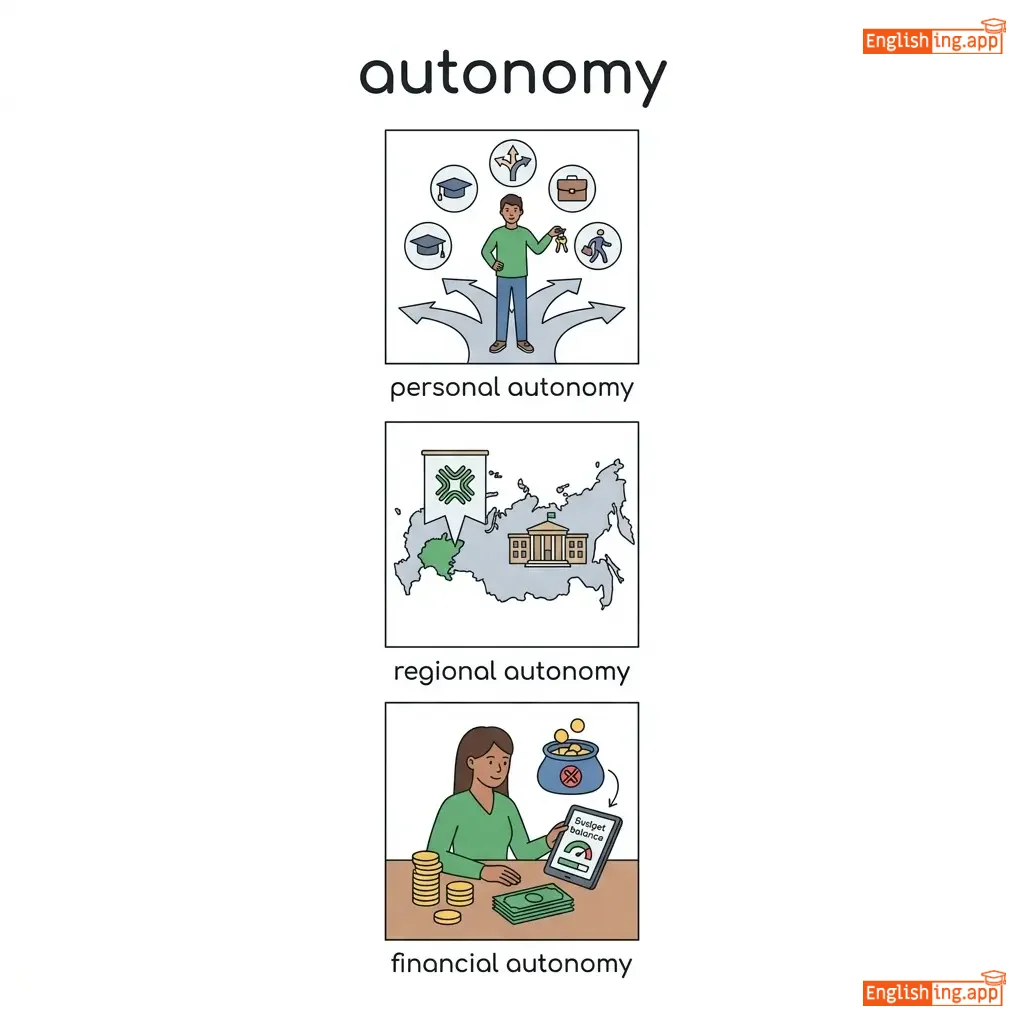
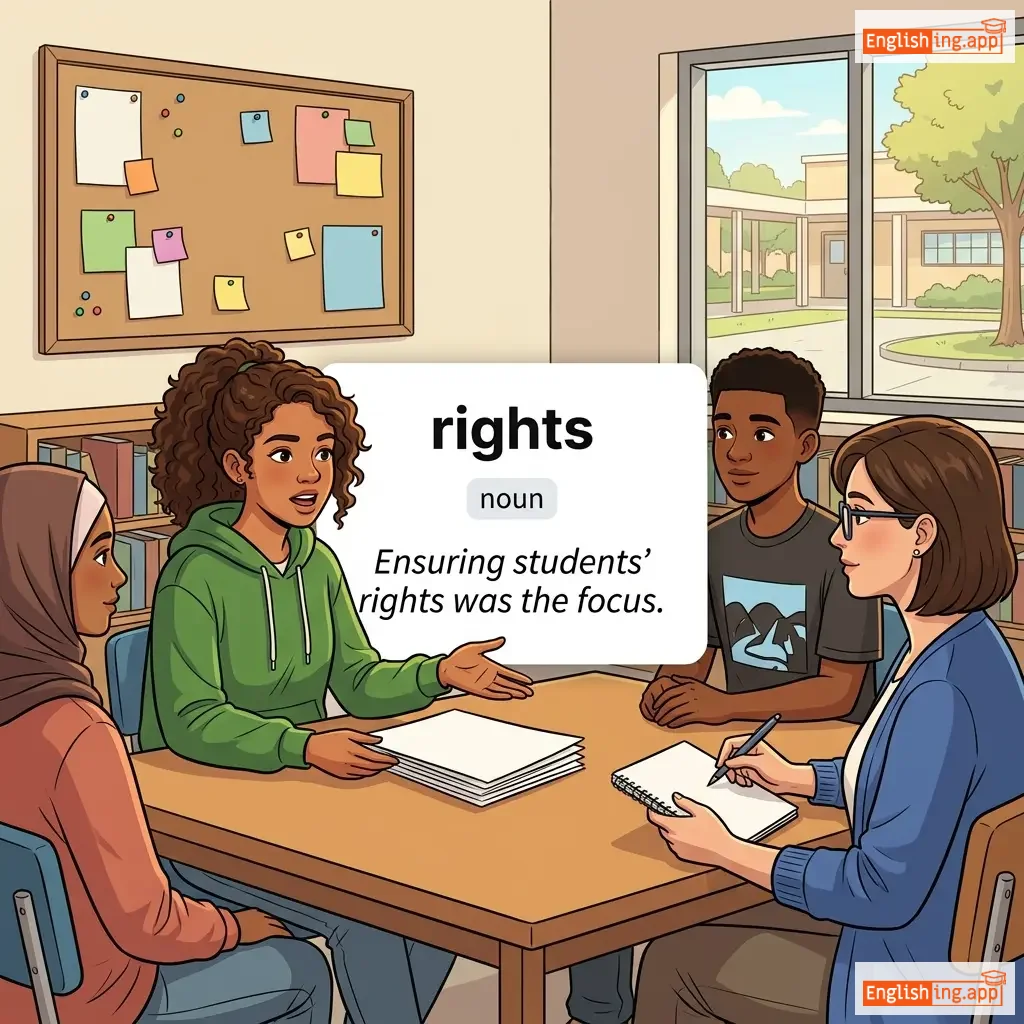
パキスタン政府による東ベンガルのpopulationに対する極端なdiscriminatoryな行動と無視に対する運動と闘争は、6項目のautonomy要求を通じて重要な意味を持つようになった。シェイク・ムジブル・ラフマンは、1966年2月5〜6日にラホールで開催された野党会議に参加した。そこで彼は記者会見を開き、東パキスタンの人々のrightsを守るための6つの要求を発表した。
要求内容:
-
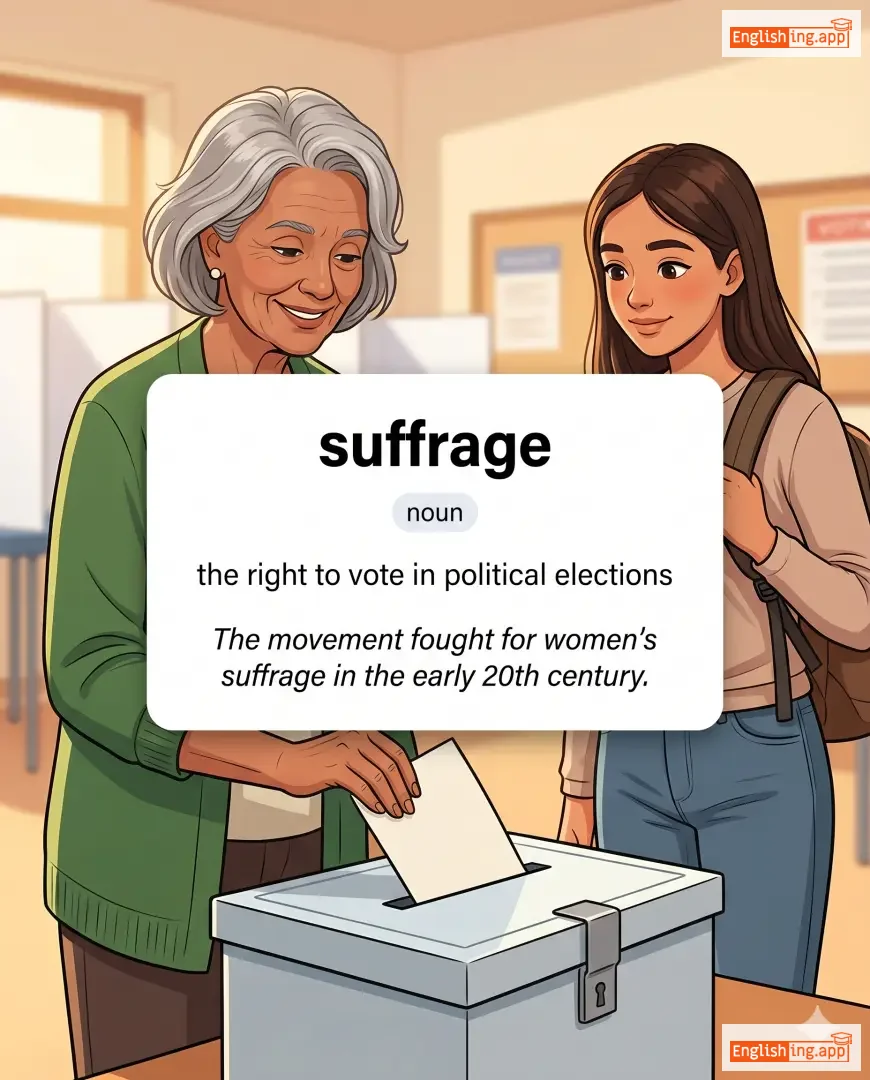
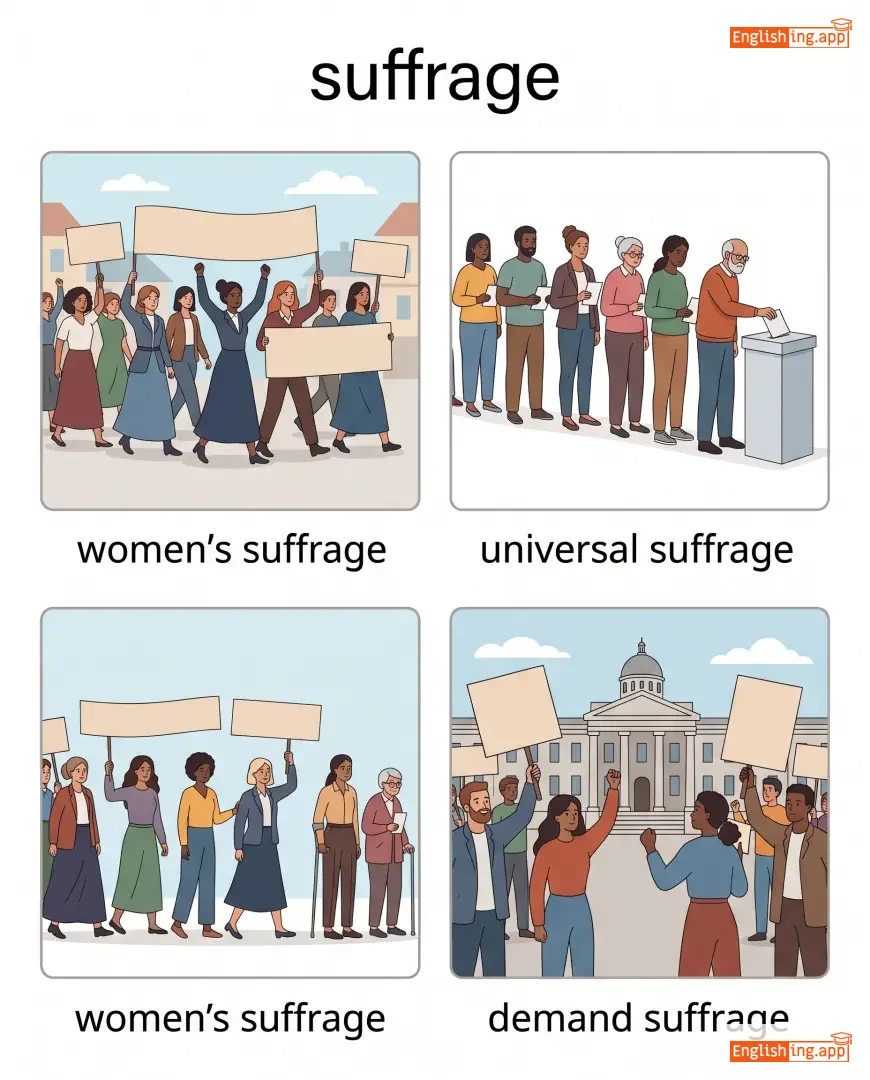
パキスタンにおける連邦制度の下での議会制government。成人の投票権を持つ普遍的なsuffrageに基づく選挙。
-
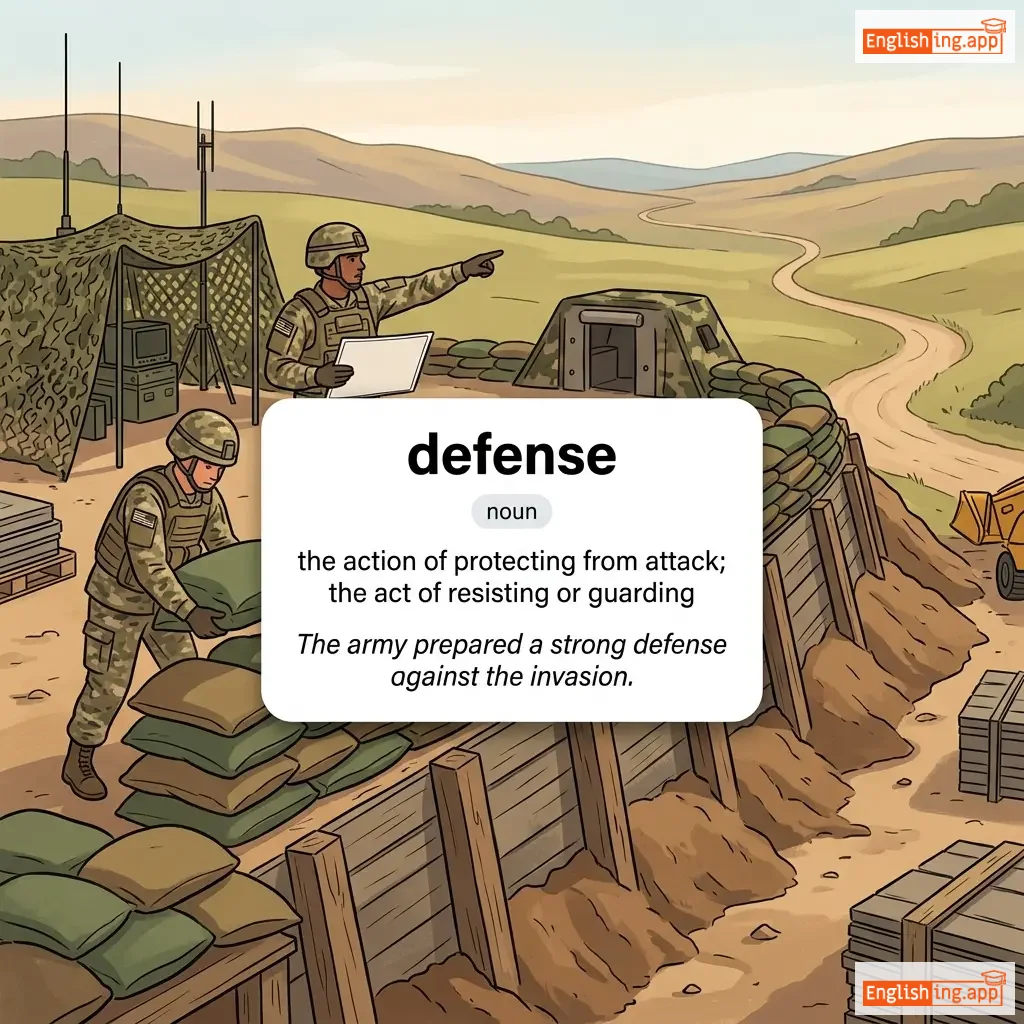
中央政府に残るのはdefenseと外務省の2つの分野のみ。
-
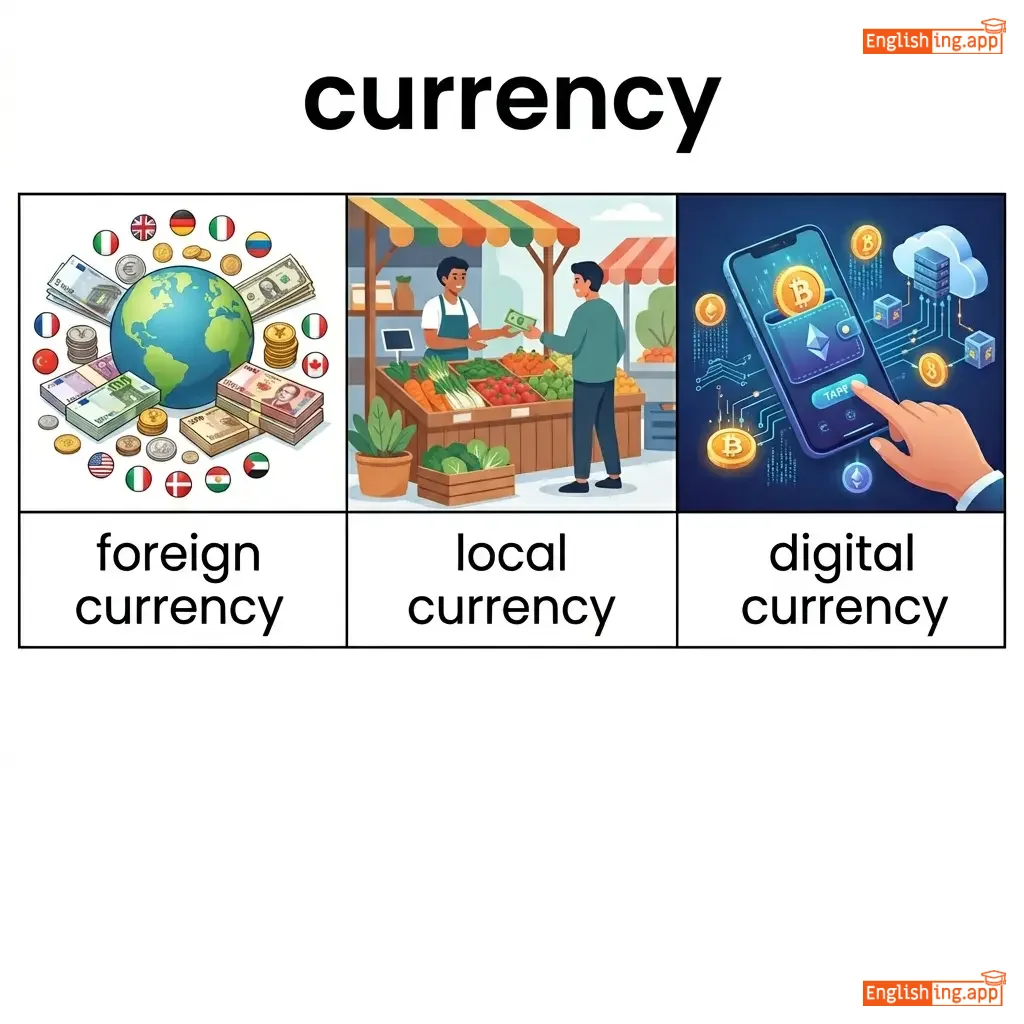
全国で自由に交換可能な2種類のcurrencies、または特定条件付きの同一タイプのcurrency。
-
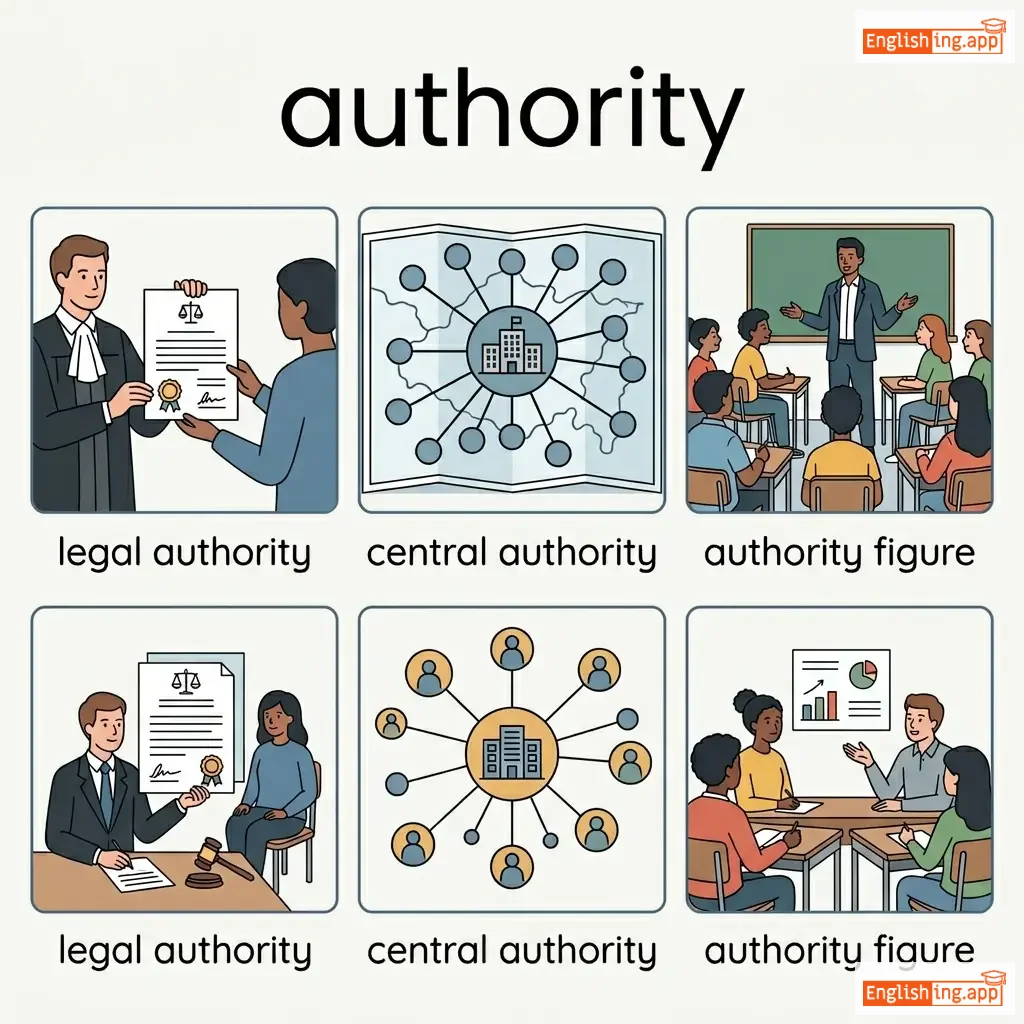
すべての課税authorityは地域政府に残る。
-
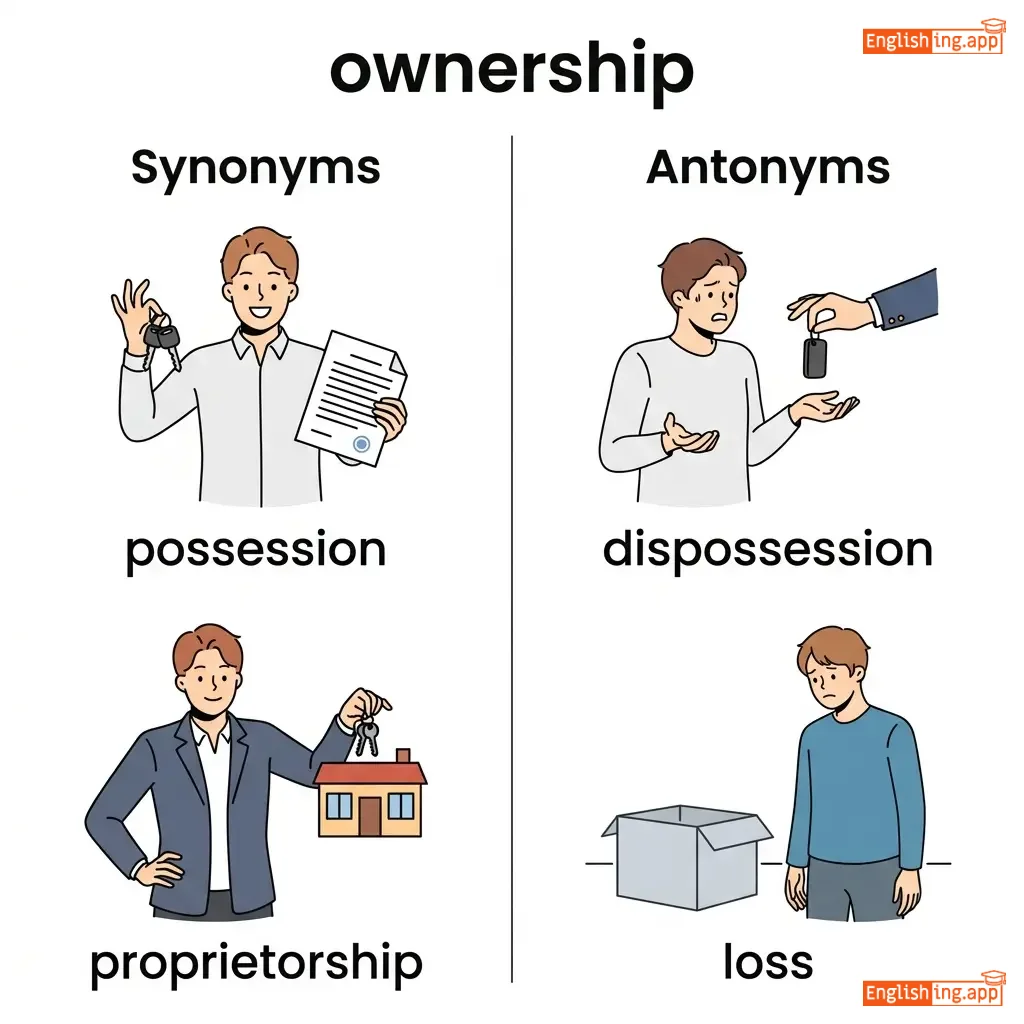
連邦州は、獲得した外国currencyのownershipを保持する。
-
地域の安全保障のために準軍事部隊を設立する権限を連邦州に与える。
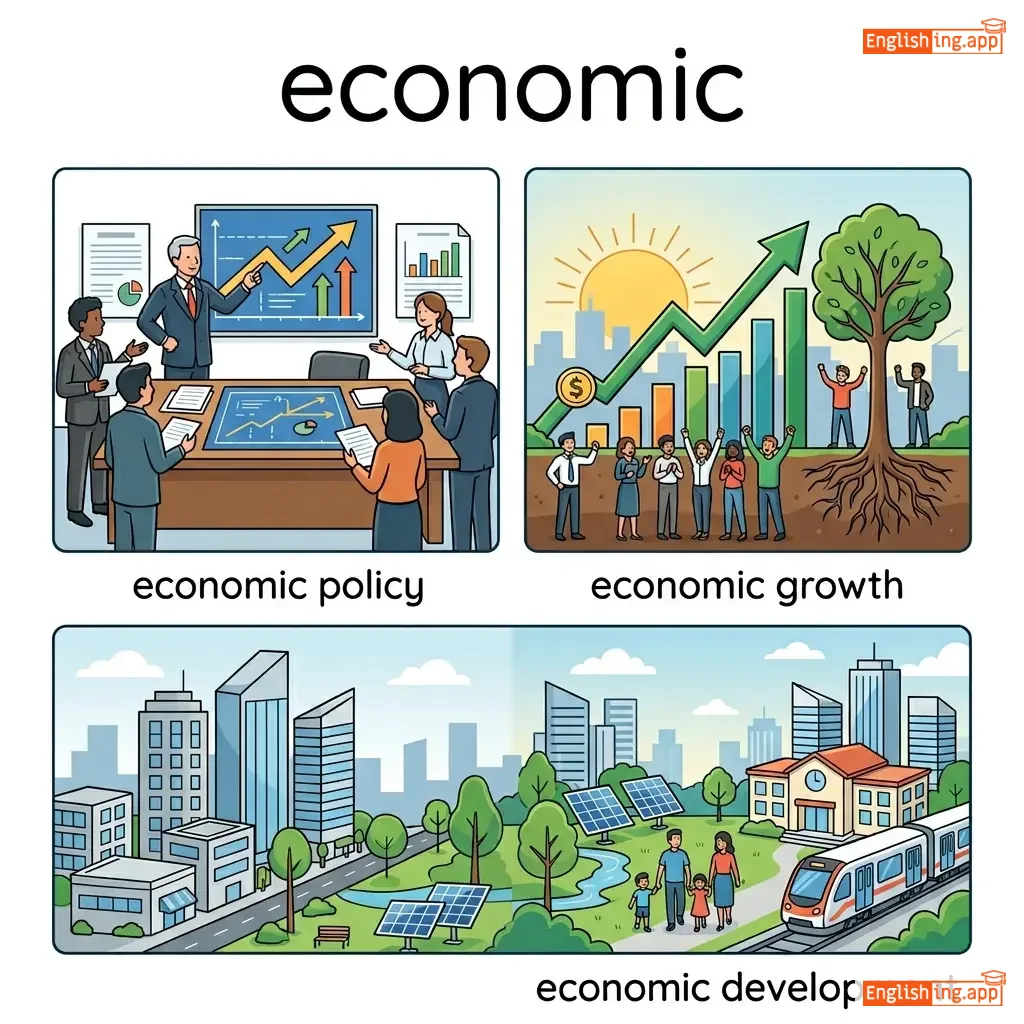
この6項目は、東パキスタンの人々のeconomic、political、および軍事的権利を強調した。アユブ・カーン政権はこの6項目を「分離主義的プログラム」と呼んだ。直接independenceを語ってはいなかったが、この6項目のプログラムはベンガル人にindependenceの精神を深く植え付けた。これはベンガル民族の解放の憲章であった。
翻訳
過去
過去分詞
三人称単数
動名詞
意味
例文
例文の翻訳
同義語
対義語
コロケーション
ニーモニック
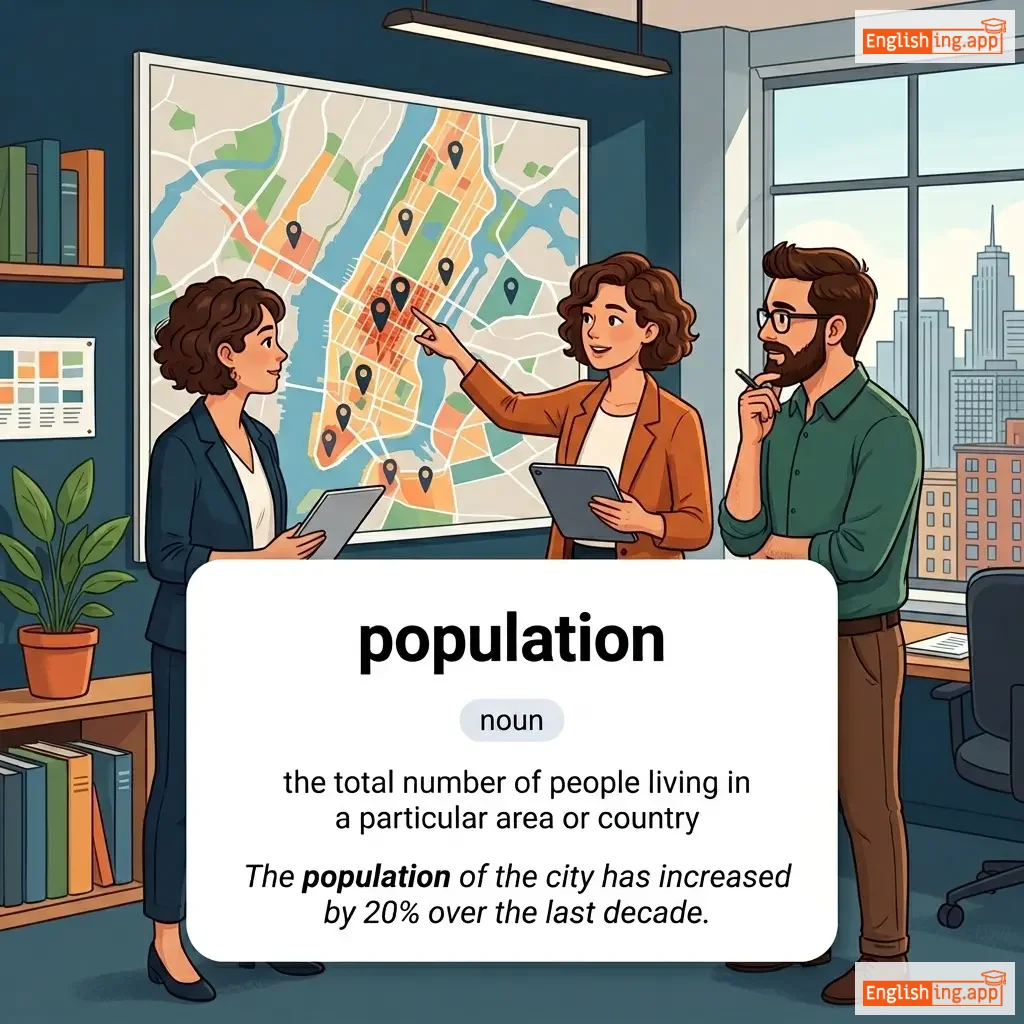
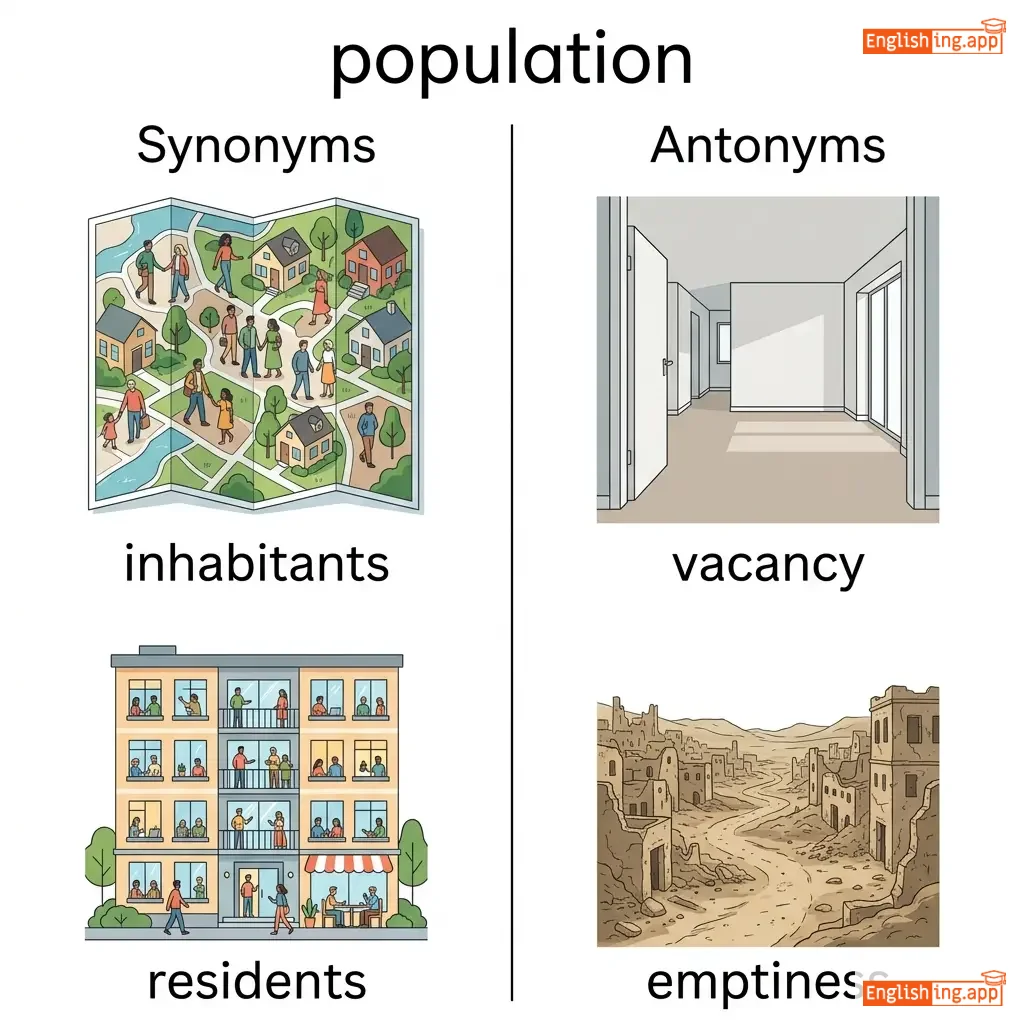
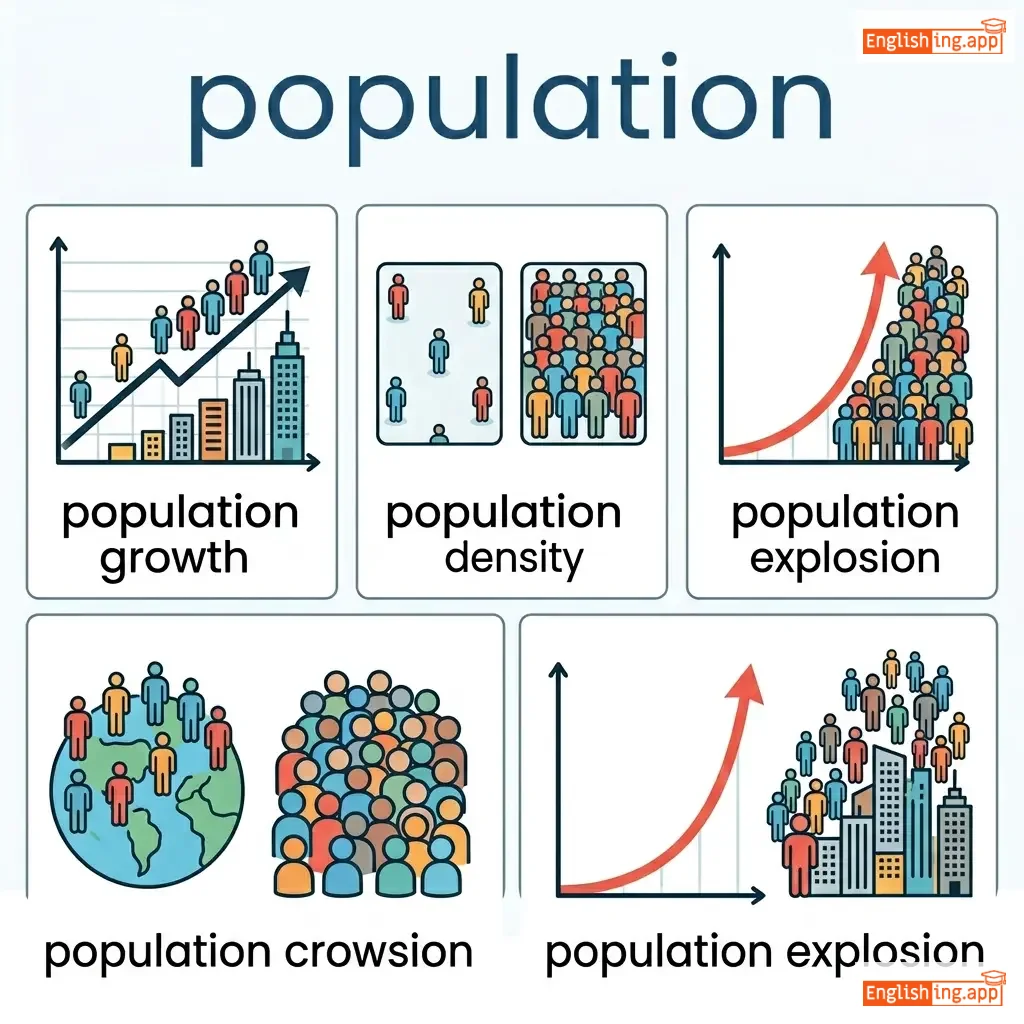
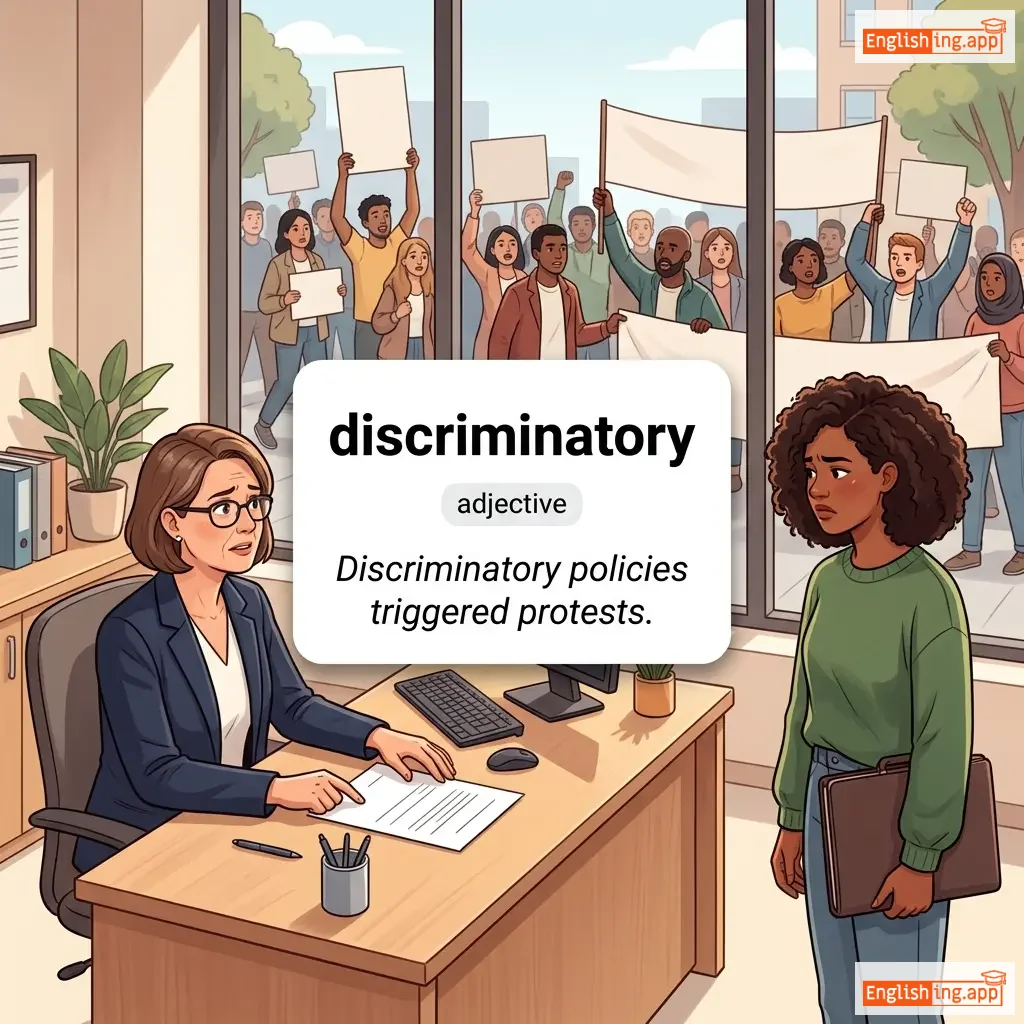



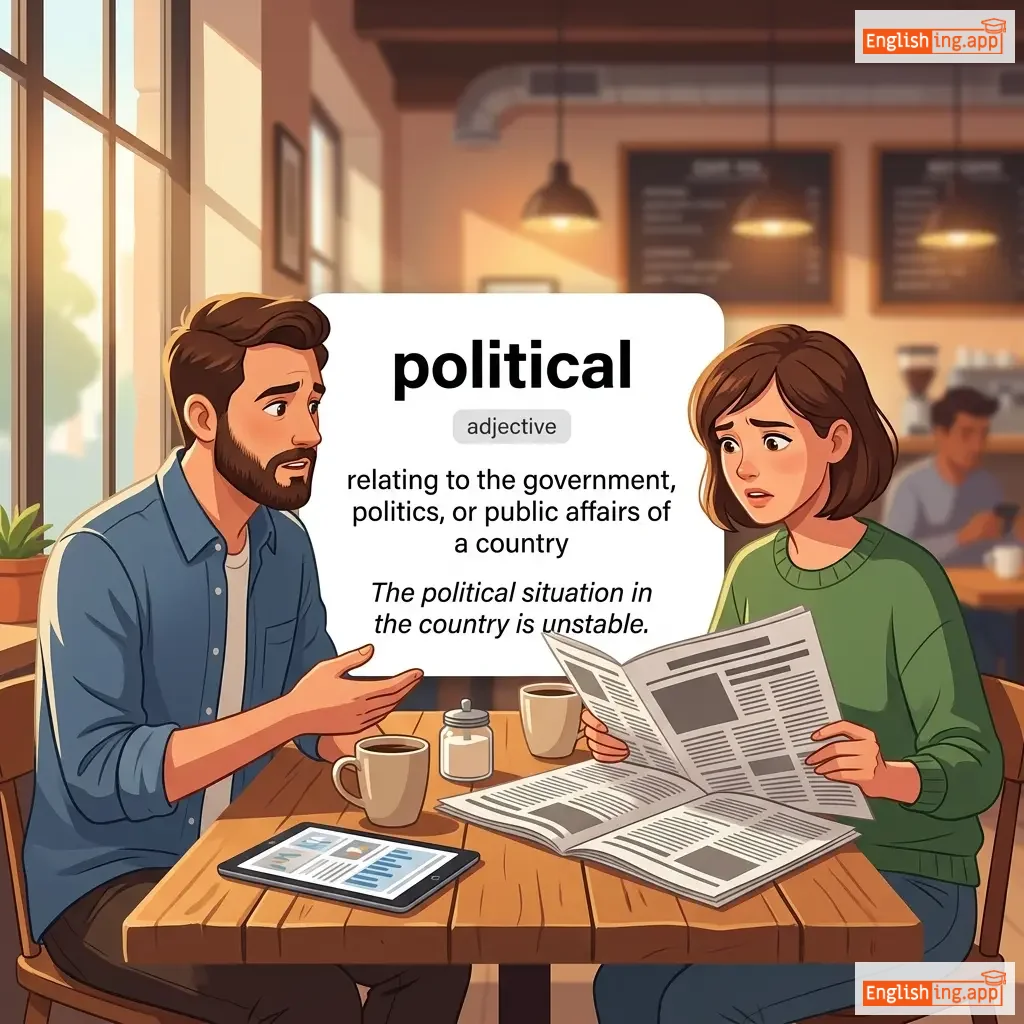
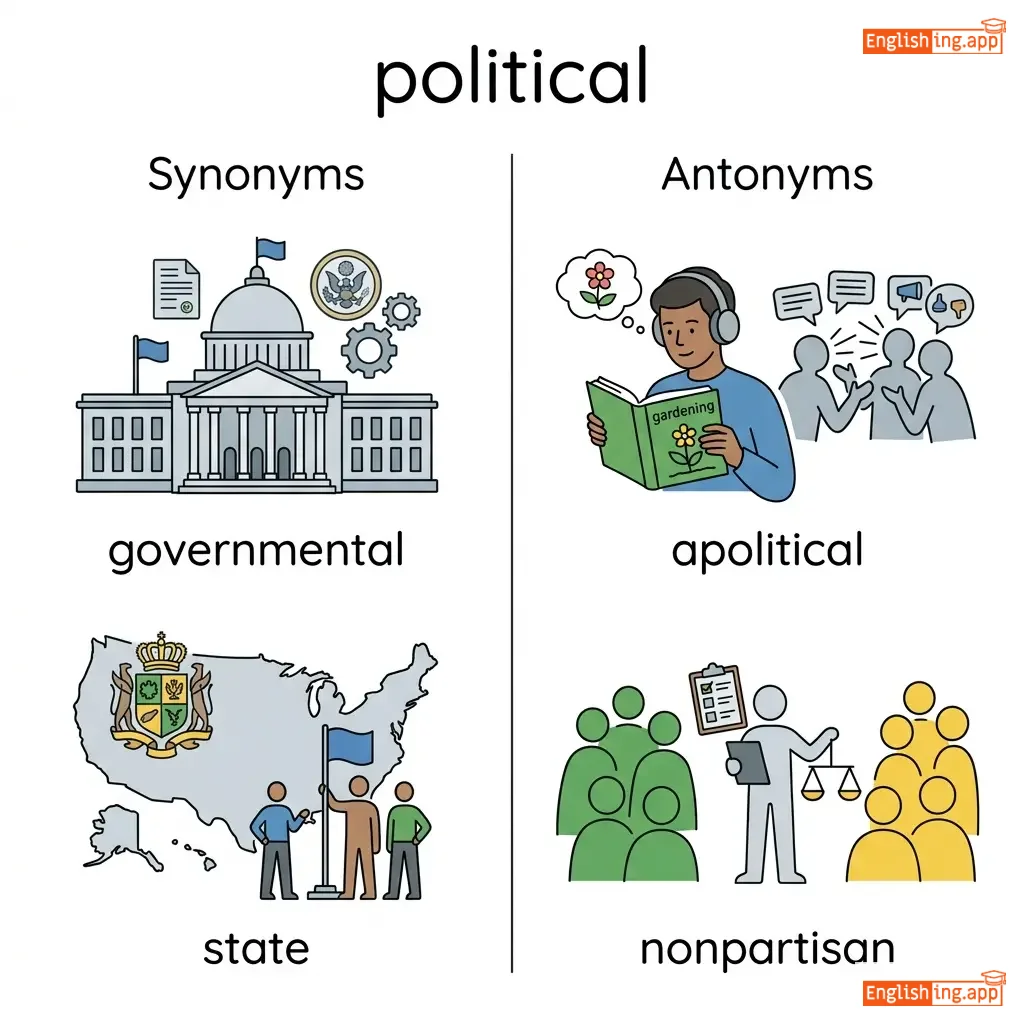
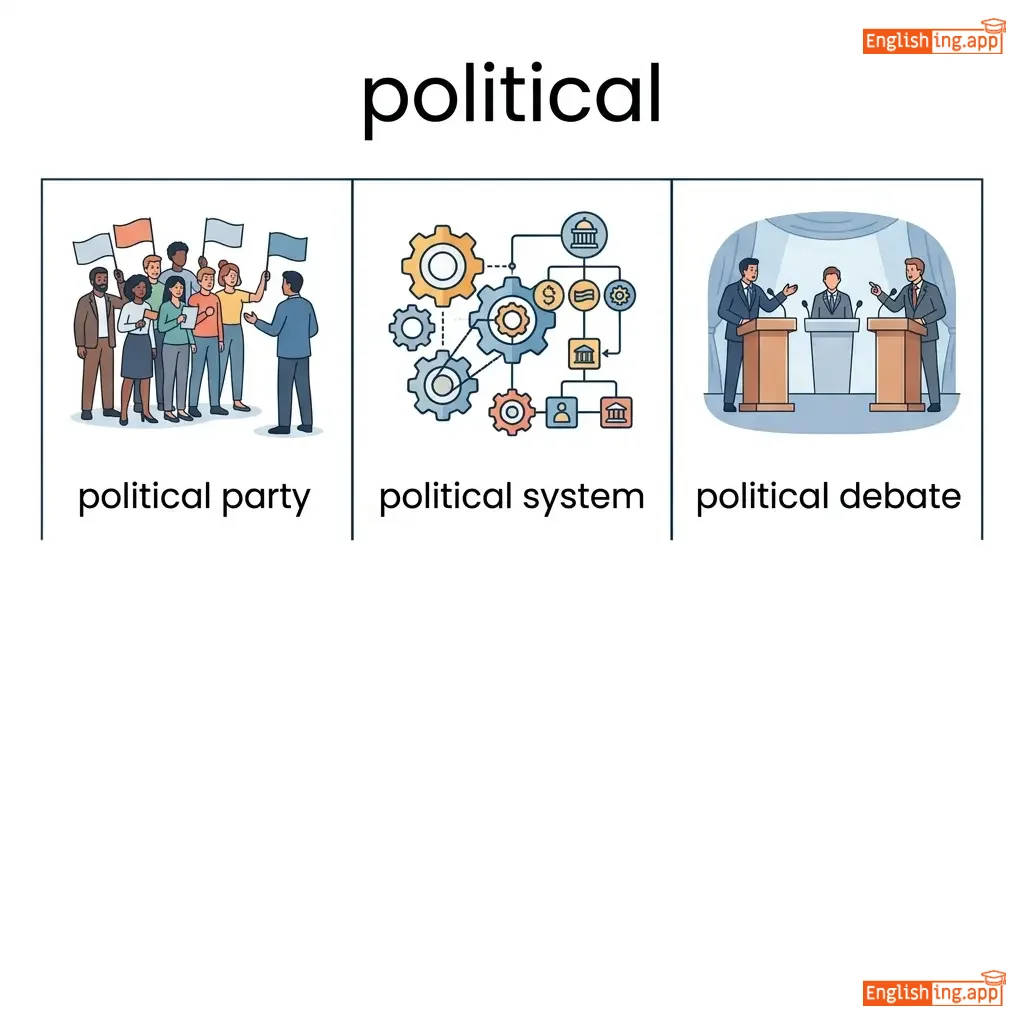
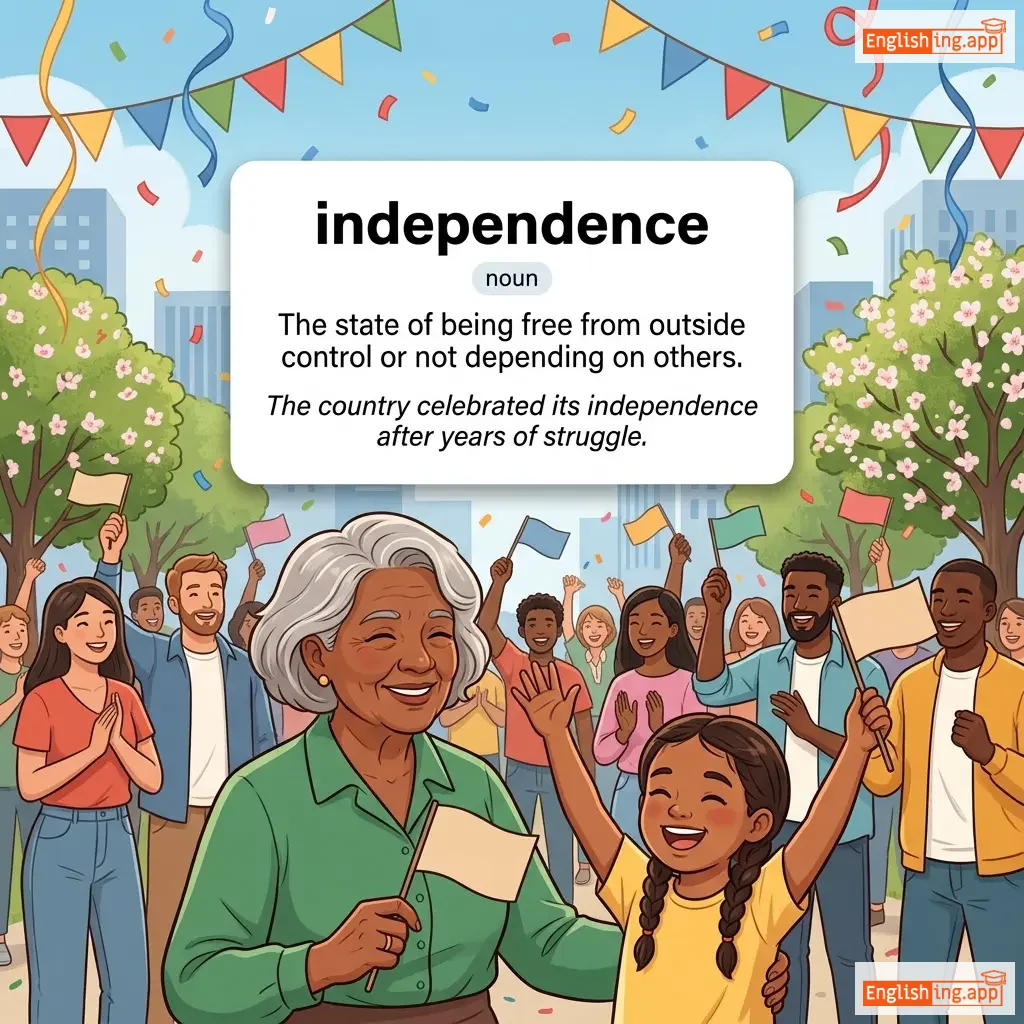
Swipe left or right, or use the buttons. Tap image to zoom.
例文の翻訳
単語
The 6-Point Demand of 1966The 6-Point Demand of 1966 - マスクトグル
|
絵文字
|
単語 | Images | 翻訳 | 意味 | 例文 | 例文の翻訳 | 同義語 | 対義語 | ニーモニック |
|---|---|---|---|---|---|---|---|---|---|
|
#399
👥
|
ˌpɒpjuˈleɪʃən
noun
(ポピュレイション)
••••••
|
|
人口
jinkou
••••••
|
All the inhabitants of a particular place; the number of people living in a country or region.
••••••
|
The population supported autonomy.
人口は自治を支持しました。
••••••
|
人口は自治を支持しました。
Jinkou wa jichi o shiji shimashita.
••••••
|
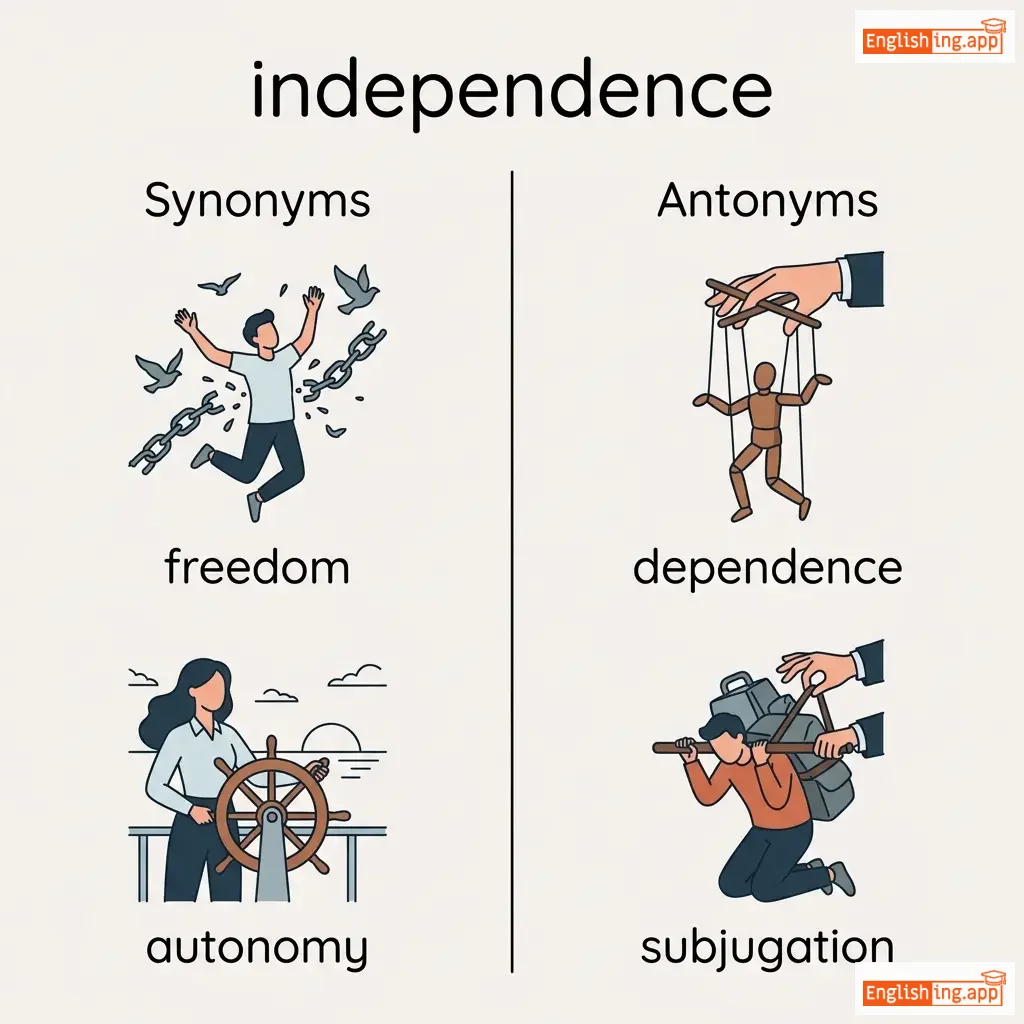
people, residents, inhabitants, citizens, community
••••••
|
emigration, isolation, depopulation, exodus, abandonment
••••••
|
人口 = 'jin' meaning people and 'kou' meaning population.
••••••
|
|
#400
⚖️
|
dɪˈskrɪmɪnətɔːri
adjective
(ディスクリミネートリー)
••••••
|
|
差別的
sabetsuteki
••••••
|
Making or showing an unfair or prejudicial distinction between different categories of people or things.
••••••
|
Discriminatory policies triggered protests. |
差別的な政策は抗議を引き起こしました。
Sabetsuteki na seisaku wa kōgi o hikiokoshimashita.
••••••
|
prejudiced, biased, unfair, partial, bigoted
••••••
|
impartial, unbiased, fair, equal, just
••••••
|
差別的な行動は不公平であると示す。
••••••
|
|
#401
🏛️
|
ɔːˈtɒnəmi
noun
(オートノミー)
••••••
|
|
自律
jiritsu
••••••
|
The right or condition of self-government; freedom from external control or influence.
••••••
|
Autonomy was a primary demand. |
自律は主要な要求でした。
Jiritsu wa shuyō na yōkyū deshita.
••••••
|
independence, sovereignty, self-rule, self-determination, freedom
••••••
|
dependence, subordination, control, subjugation, domination
••••••
|
自律 – 自分の力で管理し、外部の影響を受けない状態。
••••••
|
|
#402
⚖️
|
raɪts
noun
(raits)
••••••
|
|
権利
kenri
••••••
|
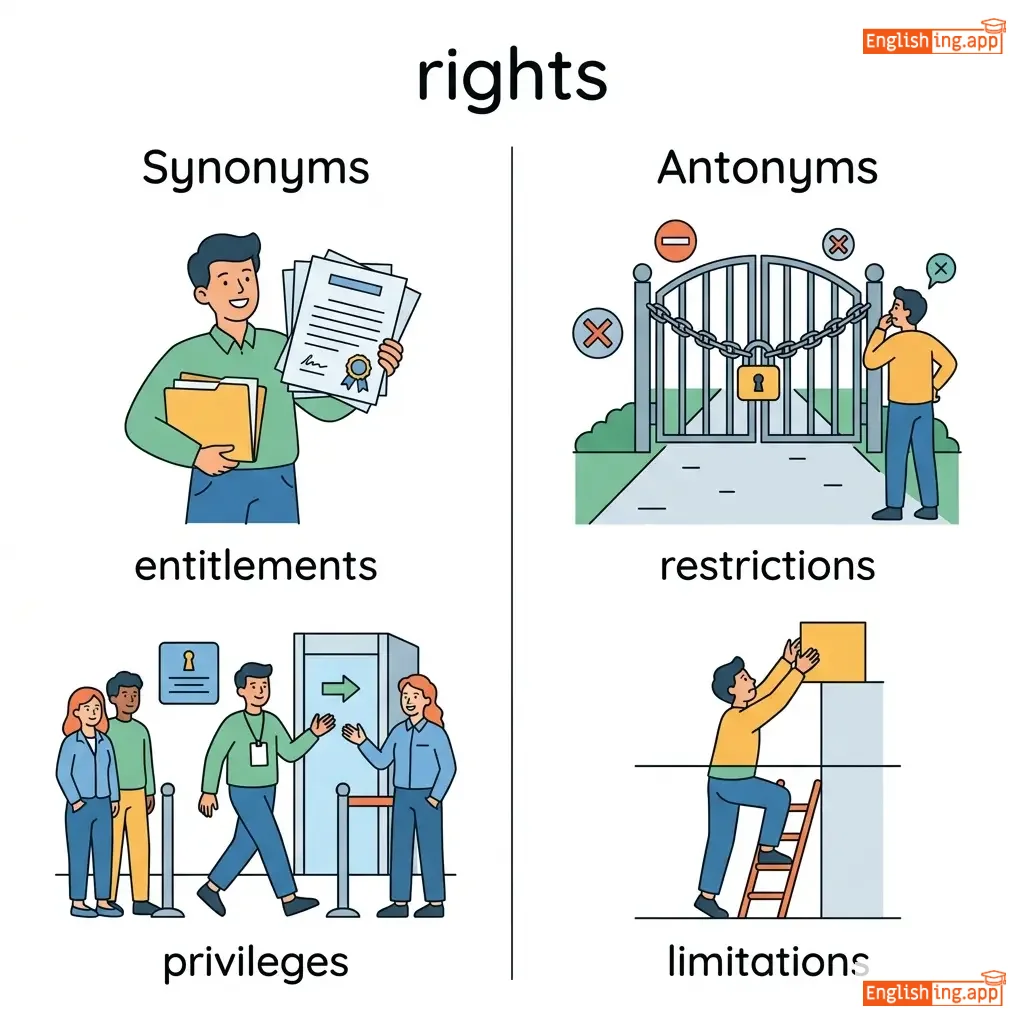
A moral or legal entitlement to have or obtain something or to act in a certain way.
••••••
|
The rights of people were prioritized.
人々の権利は優先されました。
••••••
|
人々の権利は優先されました。
Hitobito no kenri wa yūsen saremashita.
••••••
|
freedoms, privileges, entitlements, liberties, prerogatives
••••••
|
restrictions, limitations, prohibitions, constraints, duties
••••••
|
権利は自分がすべきことをする自由を守ります。
••••••
|
|
#403
🏛️
|
ˈɡʌvəmənt
noun
(ガバメント)
••••••
|
|
政府
seifu
••••••
|
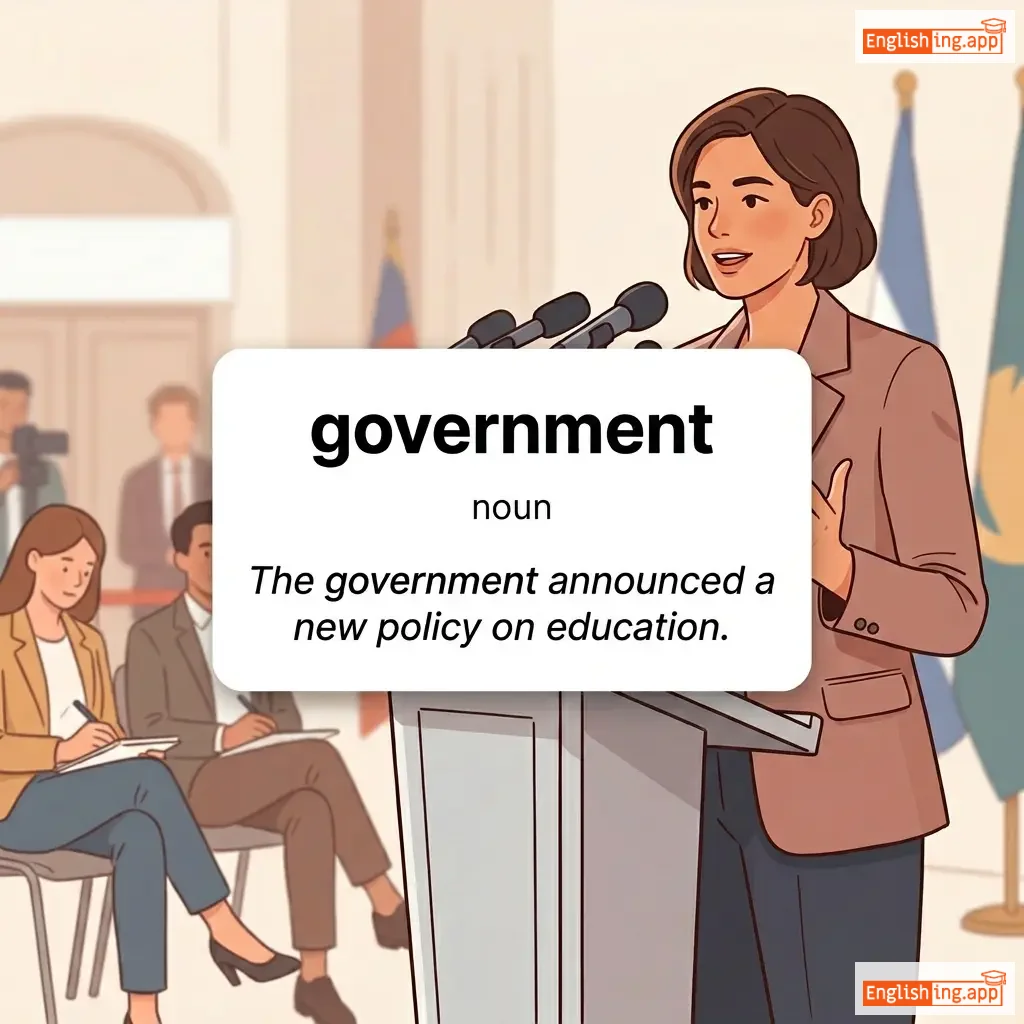
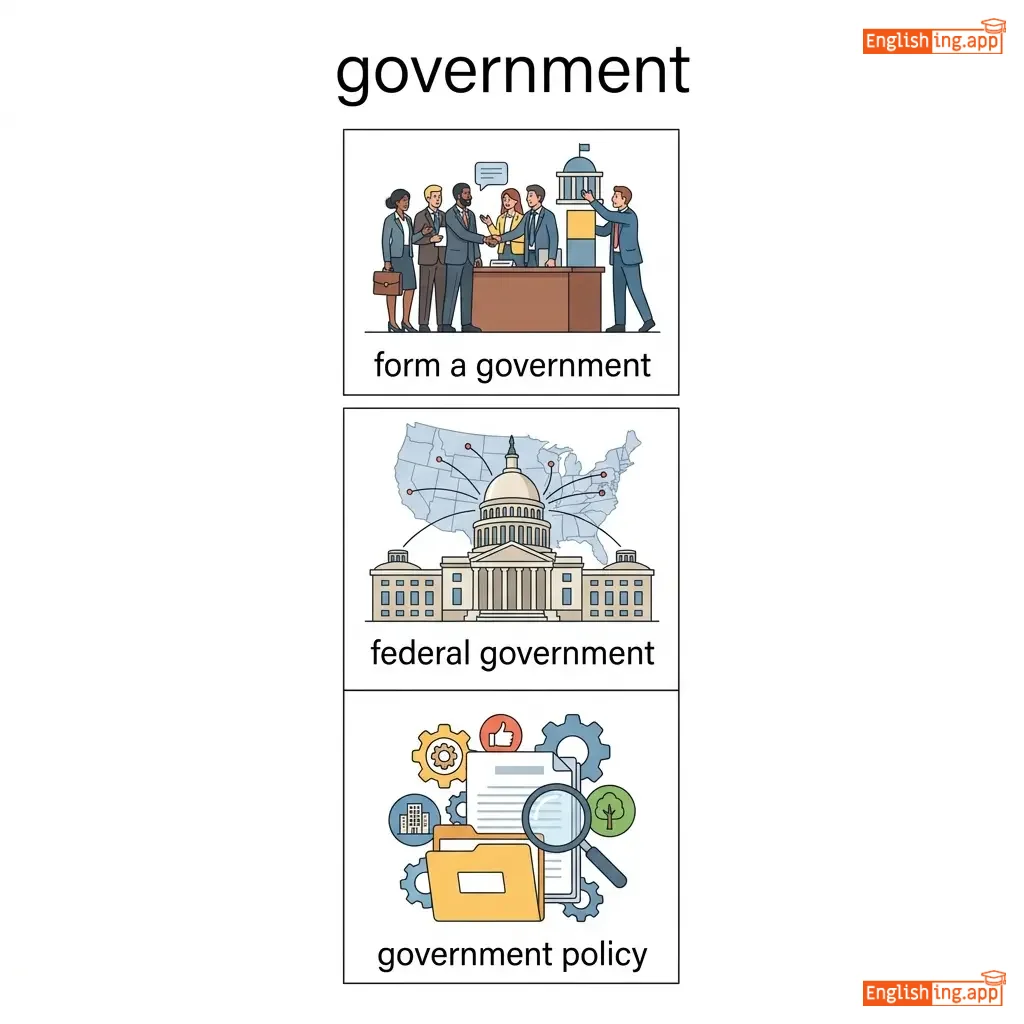
The governing body of a nation, state, or community; the system by which a state or community is governed.
••••••
|
The government rejected the demands. |
政府は要求を拒否した。
Seifu wa yōkyū o kyohi shita.
••••••
|
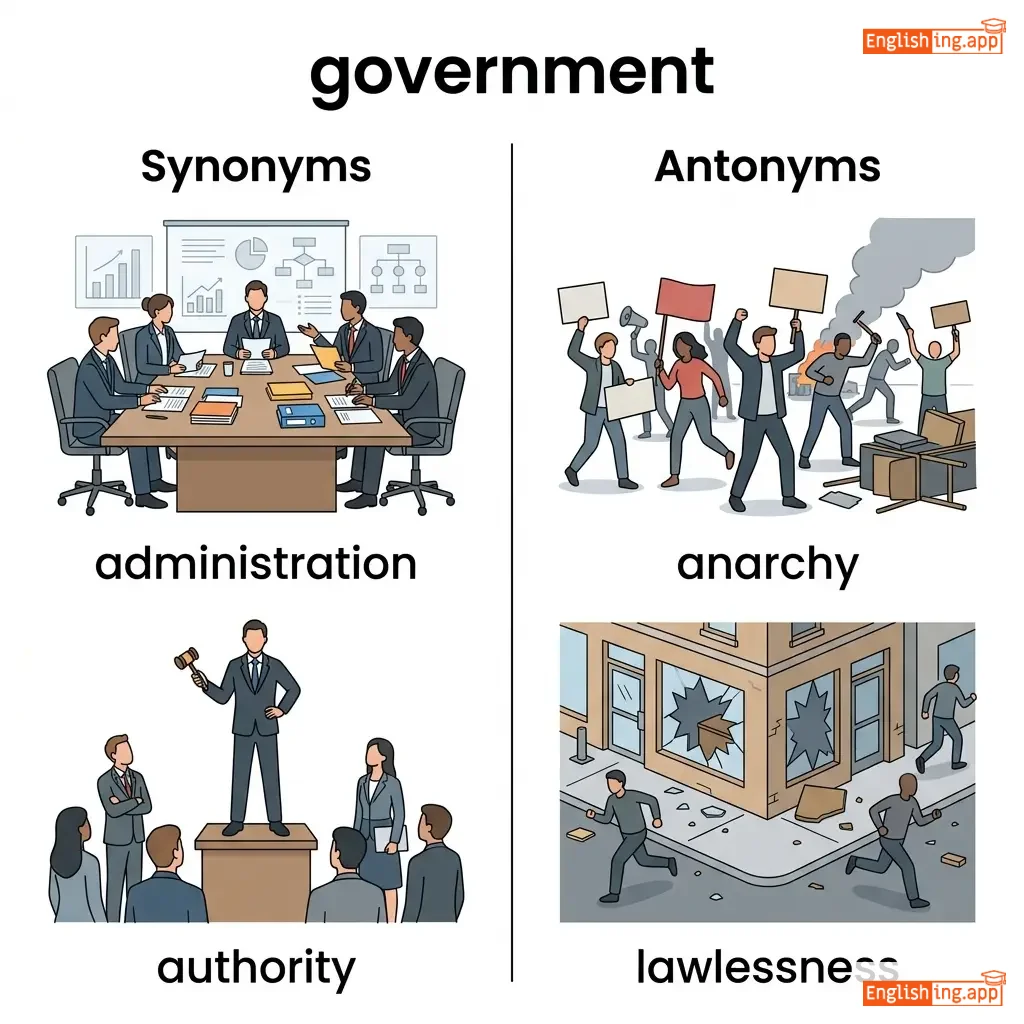
administration, regime, authority, state, ruling body
••••••
|
anarchy, disorder, chaos, lawlessness, revolution
••••••
|
政府(seifu)と'government'は国家を統治する。
••••••
|
|
#404
🗳️
|
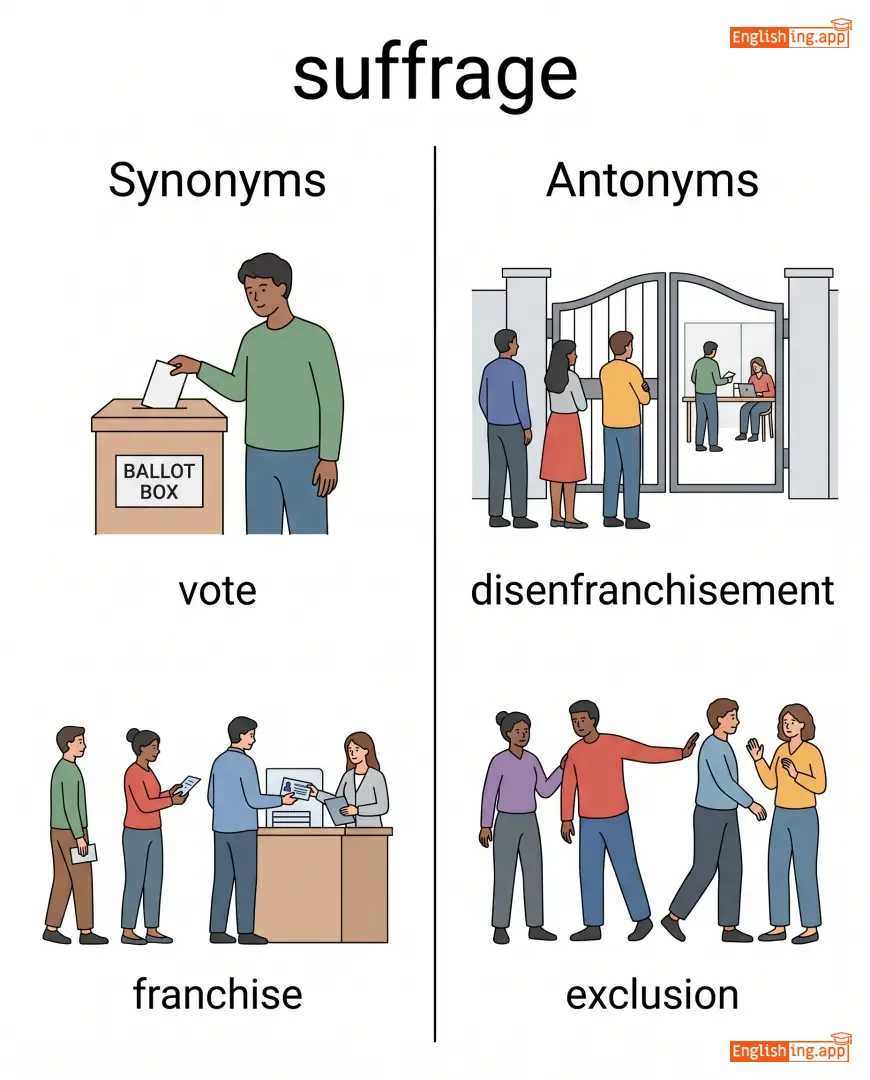
ˈsʌfrɪdʒ
noun
(サフレッジ)
••••••
|
|
選挙権
senkyoken
••••••
|
The right to vote in political elections; the principle of political representation.
••••••
|
Universal suffrage was a key demand.
普遍的な選挙権は重要な要求でした。
••••••
|
普遍的な選挙権は重要な要求でした。
Fuhenteki na senkyoken wa jūyōna yōkyū deshita.
••••••
|
voting rights, franchise, ballot, electoral rights, democratic participation
••••••
|
disenfranchisement, exclusion, denial, prohibition, restriction
••••••
|
選挙権はあなたの声を政治に反映させる手段です。
••••••
|
|
#405
🛡️
|
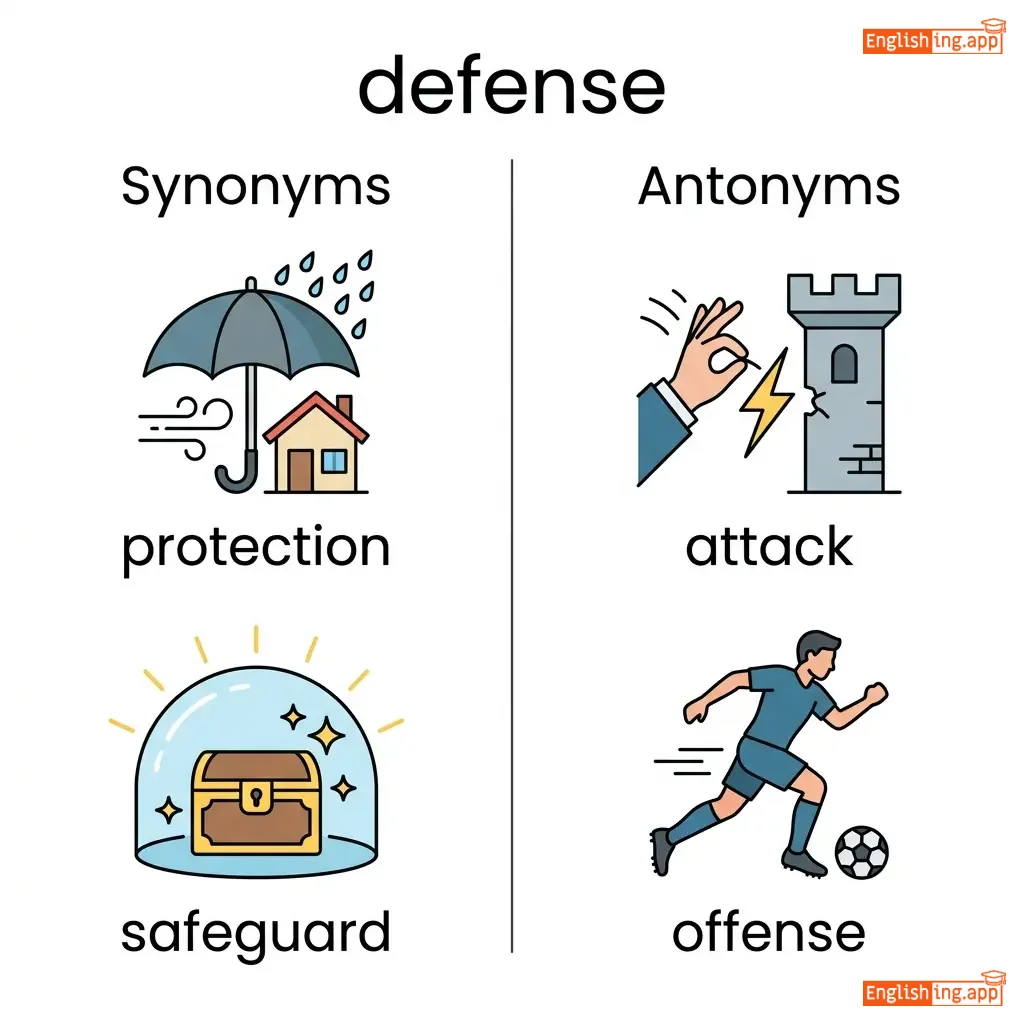
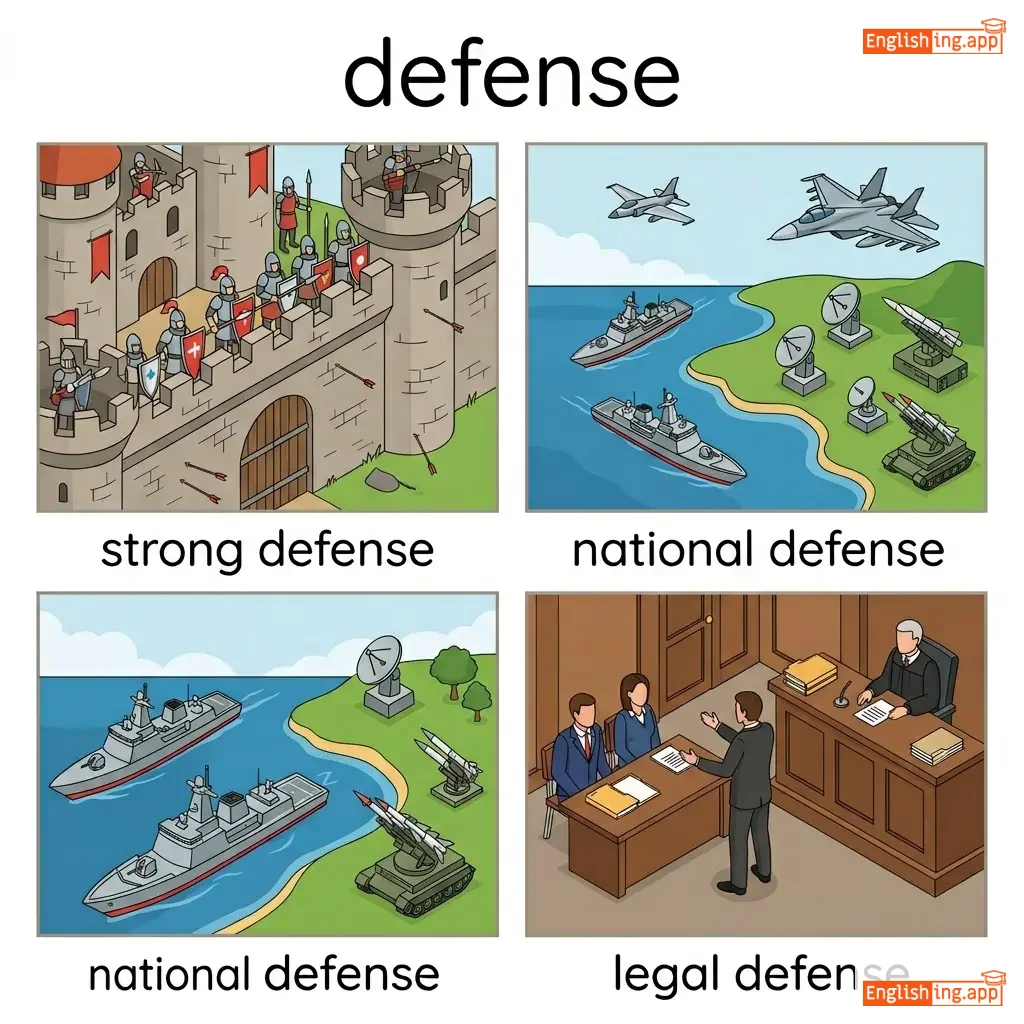
dɪˈfens
noun
(ディフェンス)
••••••
|
|
防御
bougyo
••••••
|
The action of defending from or resisting attack; protection from harm or danger.
••••••
|
Defense was one of the central subjects. |
防御は主要なテーマの一つだった。
Bougyo wa shuyou na teema no hitotsu datta.
••••••
|
protection, security, safeguarding, shield, fortification
••••••
|
attack, vulnerability, offense, assault, aggression
••••••
|
防御は自分を守る行動です。
••••••
|
|
#406
💱
|
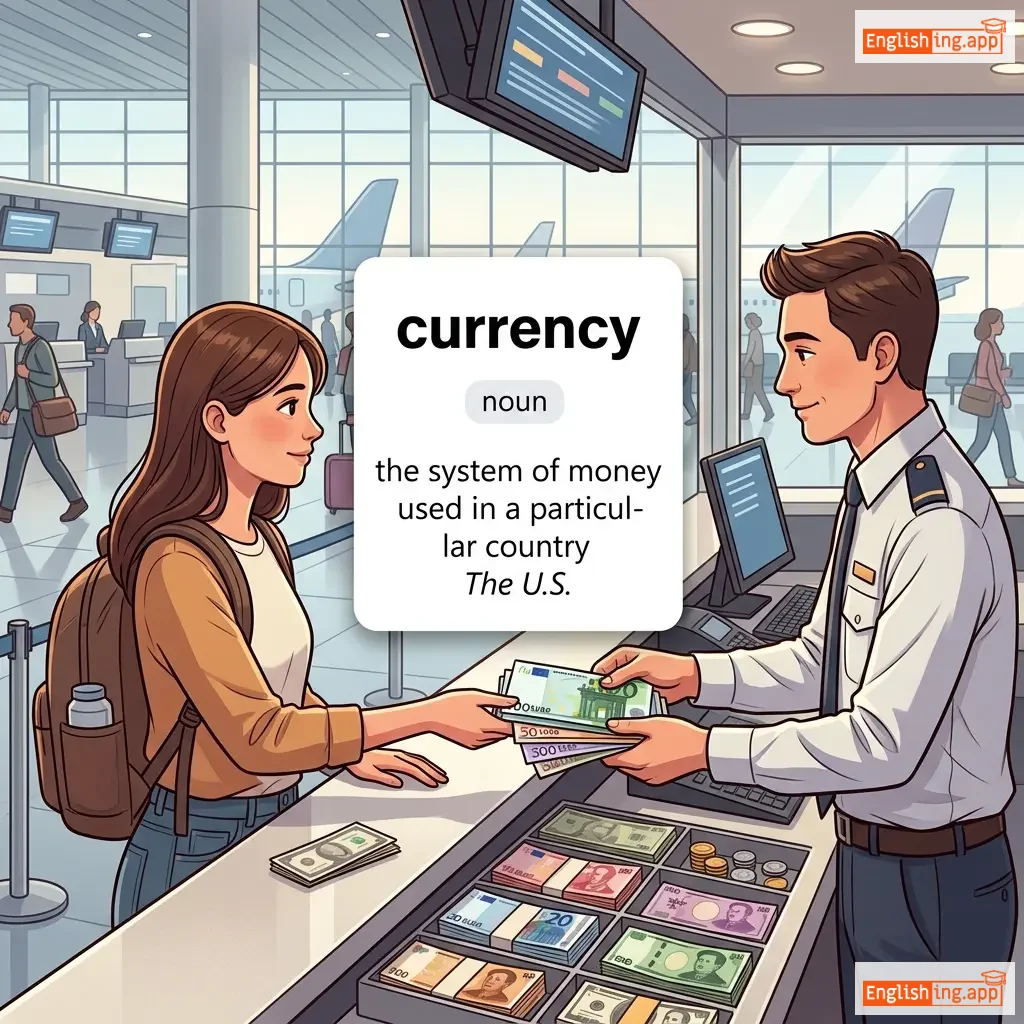
ˈkʌrənsi
noun
(kārenshī)
••••••
|
|
通貨
tsūka
••••••
|
A system of money in general use in a particular country; the fact or quality of being generally accepted or in use.
••••••
|
Dual currency systems were proposed.
デュアル通貨システムが提案されました。
••••••
|
デュアル通貨システムが提案されました。
Dyuaru tsūka shisutemu ga teian saremashita.
••••••
|
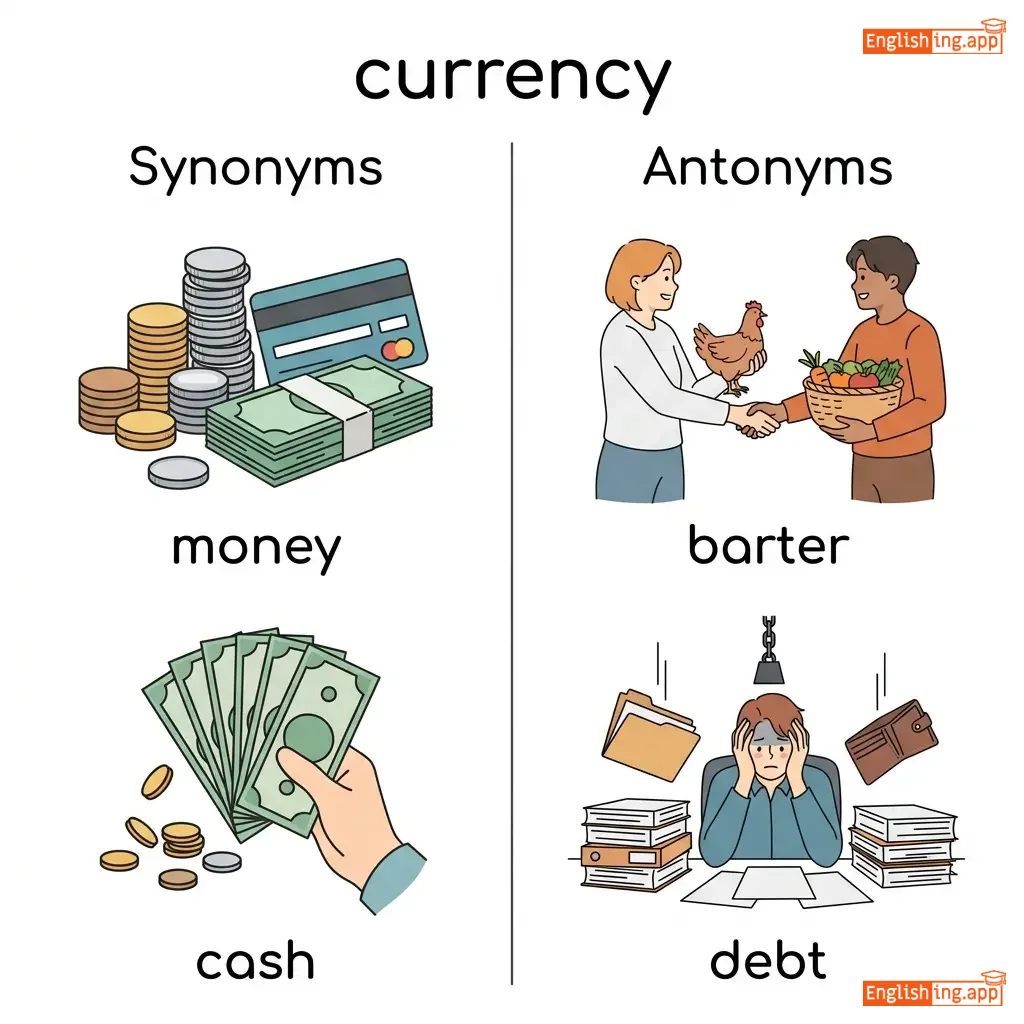
money, cash, legal tender, coinage, banknotes
••••••
|
barter, commodities, trade, exchange, non-monetary
••••••
|
Tsūka, anata ga mainichi tsukau okane.
••••••
|
|
#407
👑
|
ɔːˈθɒrəti
noun
(オーソリティ)
••••••
|
|
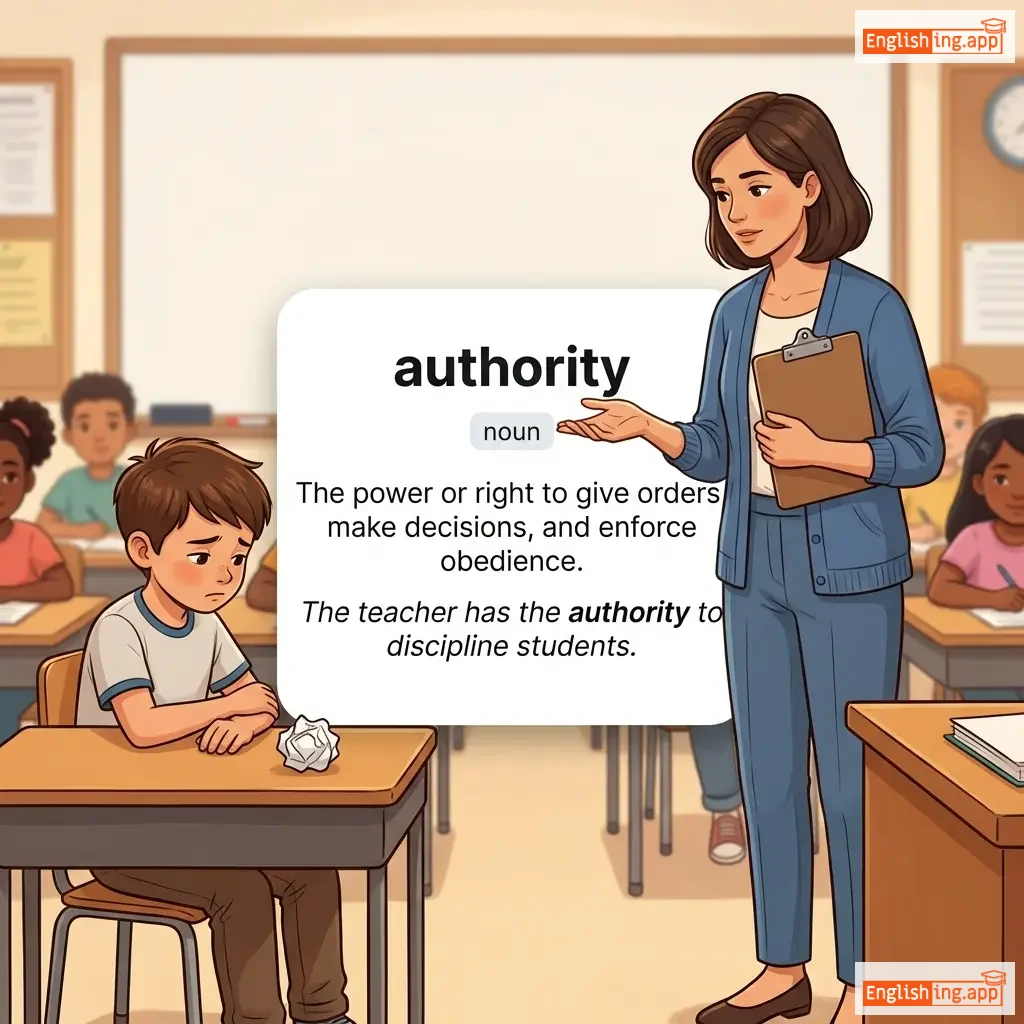
権威
ken'i
••••••
|
The power or right to give orders, make decisions, and enforce obedience; a person or organization having power or control.
••••••
|
Regional authority was emphasized.
地域の権限が強調されました。
••••••
|
地域の権限が強調されました。
Chiiki no ken'i ga kyouchou saremashita.
••••••
|
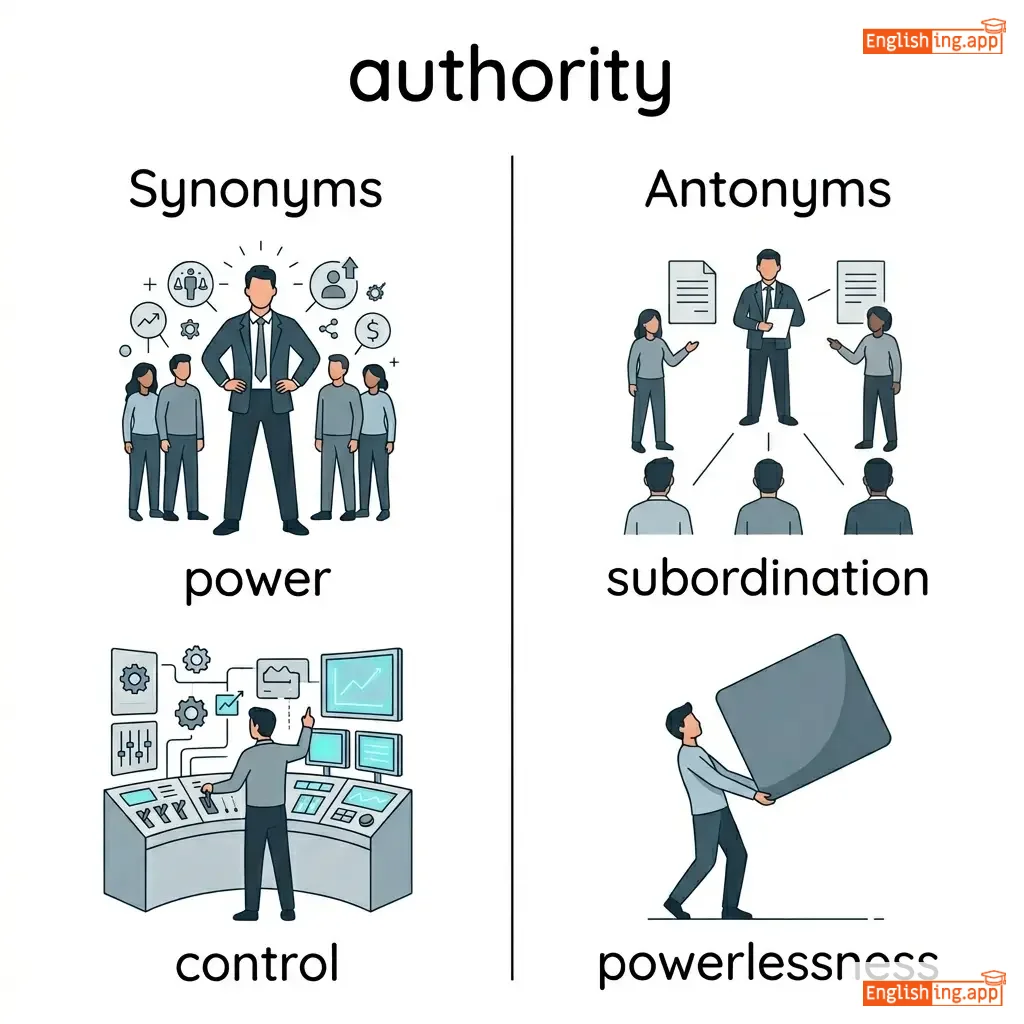
control, power, command, jurisdiction, dominion
••••••
|
weakness, inability, powerlessness, submission, subordination
••••••
|
‘権威’は英語の‘authority’と同様に支配や力を意味します。
••••••
|
|
#408
🏠
|
ˈəʊnəʃɪp
noun
(ownership)
••••••
|
|
所有権
shoyūken
••••••
|
The act, state, or right of possessing something; legal title to something.
••••••
|
Ownership of resources was crucial.
Ownership of resources was crucial.
••••••
|
資源の所有権は重要でした。
Shigen no shoyūken wa jūyō deshita.
••••••
|
possession, tenure, proprietorship, title, holding
••••••
|
dispossession, borrowing, renting, leasing, tenancy
••••••
|
Ownership = 所有権. In Japanese, it is 'shoyūken', literally meaning the right of ownership.
••••••
|
|
#409
📈
|
ˌiːkəˈnɒmɪk
adjective
(経済的)
••••••
|
|
経済的
keizaiteki
••••••
|
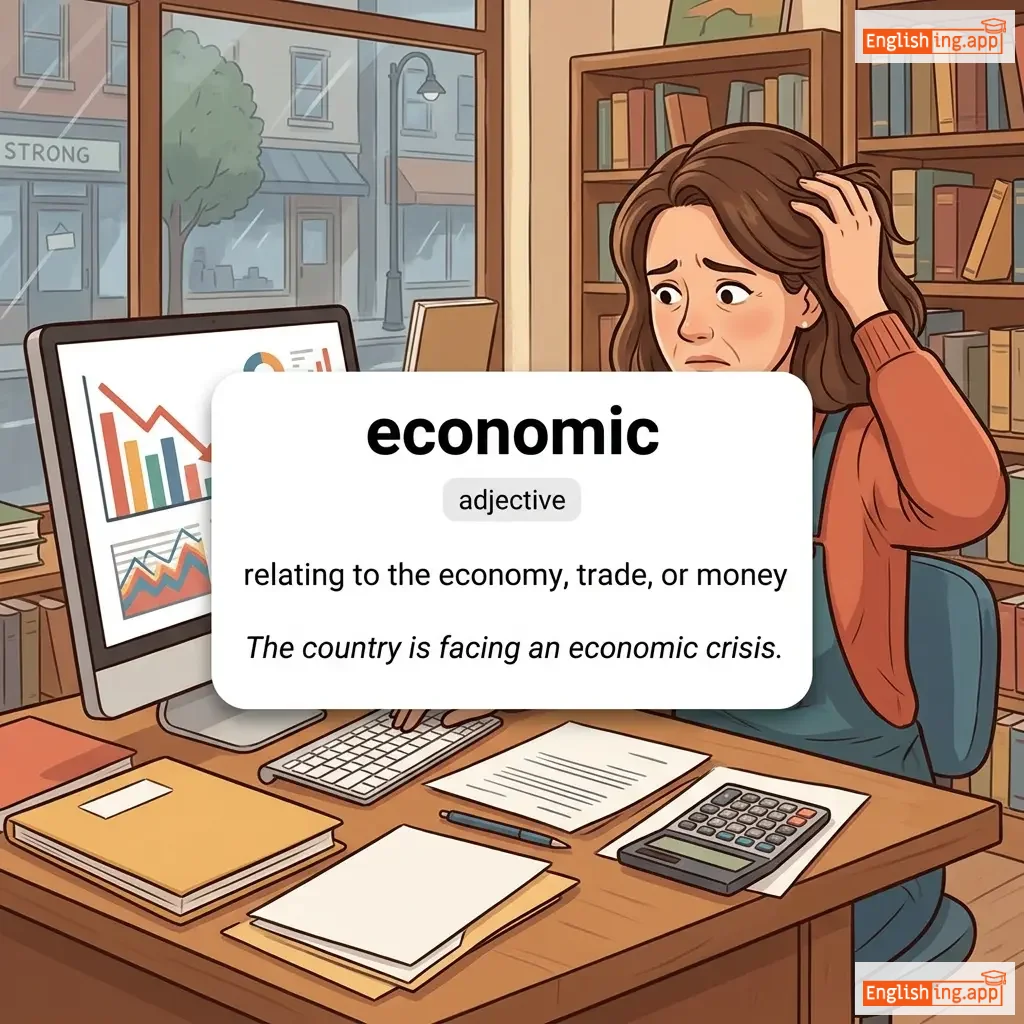
Relating to economics or the economy; justified in terms of profitability.
••••••
|
Economic independence was highlighted.
経済的独立が強調されました。
••••••
|
経済的独立が強調されました。
Keizaiteki dokuritsuga kyouchou saremashita.
••••••
|
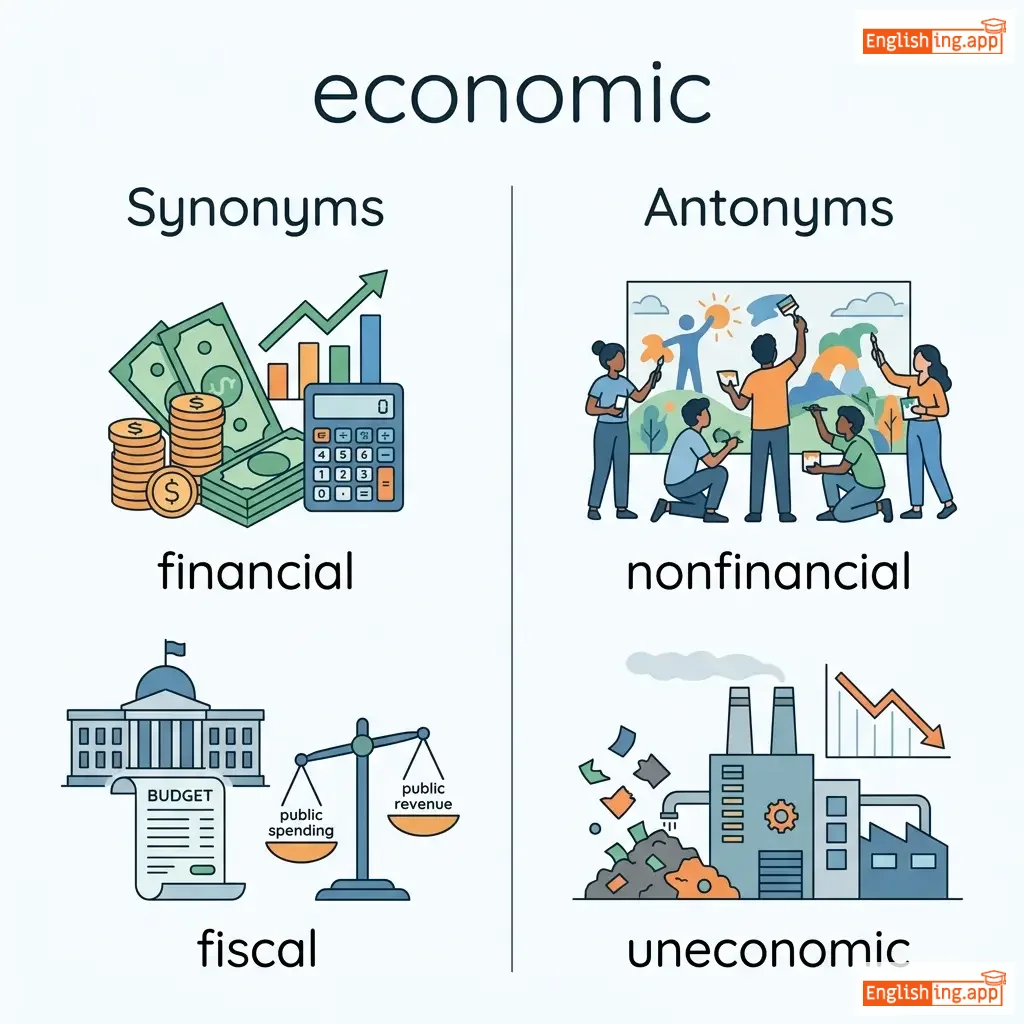
financial, fiscal, monetary, commercial, trade-related
••••••
|
uneconomic, unprofitable, wasteful, inefficient, costly
••••••
|
Economic = 経済的 (think of ‘経済’ meaning economics)
••••••
|
|
#410
🏛️
|
pəˈlɪtɪkəl
adjective
(ポリティカル)
••••••
|
|
政治的な
seijiteki
••••••
|
Relating to the government or public affairs of a country; relating to politics or political parties.
••••••
|
The political agenda included autonomy.
政治的な議題には自治が含まれていた。
••••••
|
政治的な議題には自治が含まれていた。
Seijiteki na gidai ni wa jichi ga fukumarete ita.
••••••
|
administrative, civic, governmental, public, state-related
••••••
|
apolitical, nonpolitical, private, personal, non-governmental
••••••
|
Seiji teki na city の POLITICAL バナーを見て覚える
••••••
|
|
#411
🗽
|
ˌɪndɪˈpendəns
noun
(インディペンデンス)
••••••
|
|
独立
dokuritsu
••••••
|
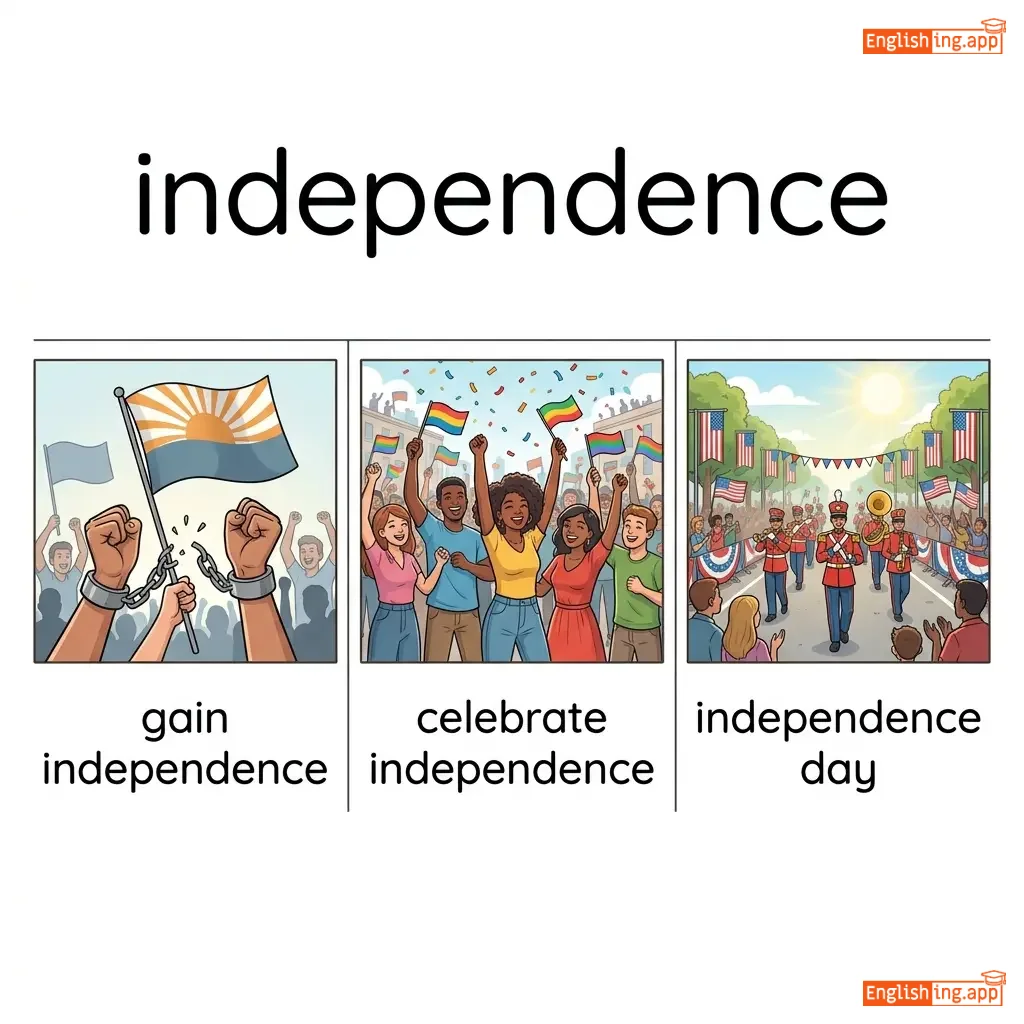
The fact or state of being independent; freedom from outside control; not being subject to another's authority.
••••••
|
Independence inspired the movement.
インディペンデンスは運動を刺激した。
••••••
|
独立は運動を刺激した。
Dokuritsu wa undou o shigeki shita.
••••••
|
freedom, liberation, sovereignty, autonomy, self-rule
••••••
|
subjection, dependence, subordination, control, domination
••••••
|
'独立' (dokuritsu) means freedom in Japan!
••••••
|
Vocabulary Quiz
Test your vocabulary by matching words with their translations or meanings.
Login to take the quiz
Comments (0)
Share your thoughts and join the discussion.
Join the discussion by logging in
Login to CommentNo comments yet
Be the first to share your thoughts!