

農家が作物の収量を改善する方法
How Farmers Can Improve Crop Yield
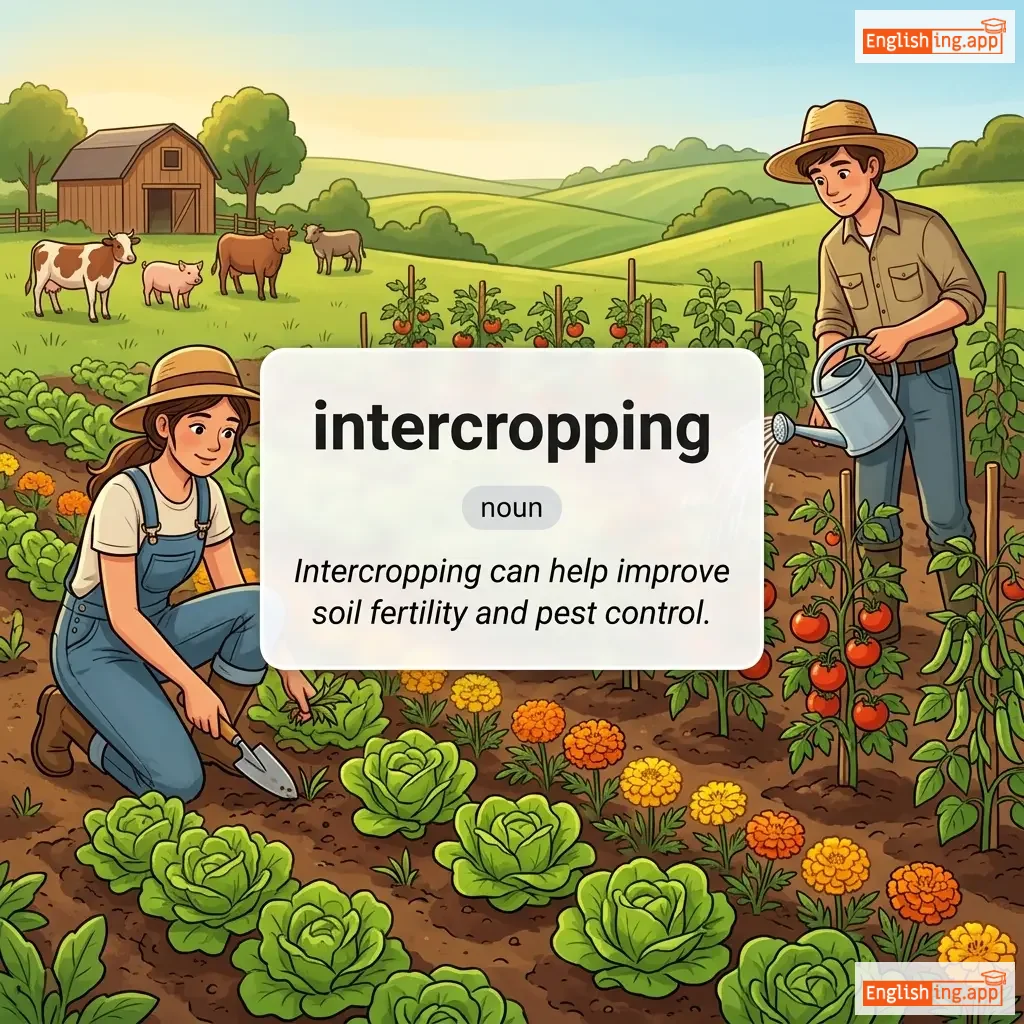
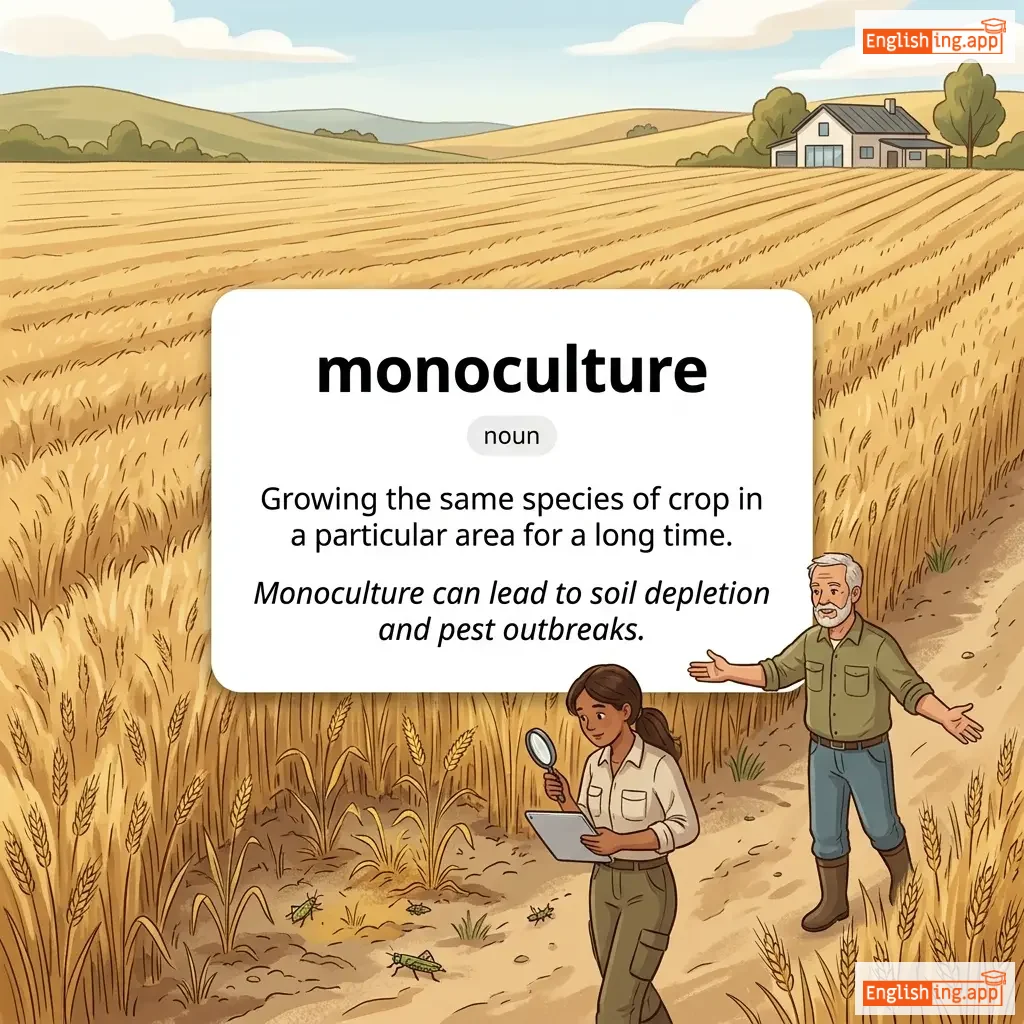
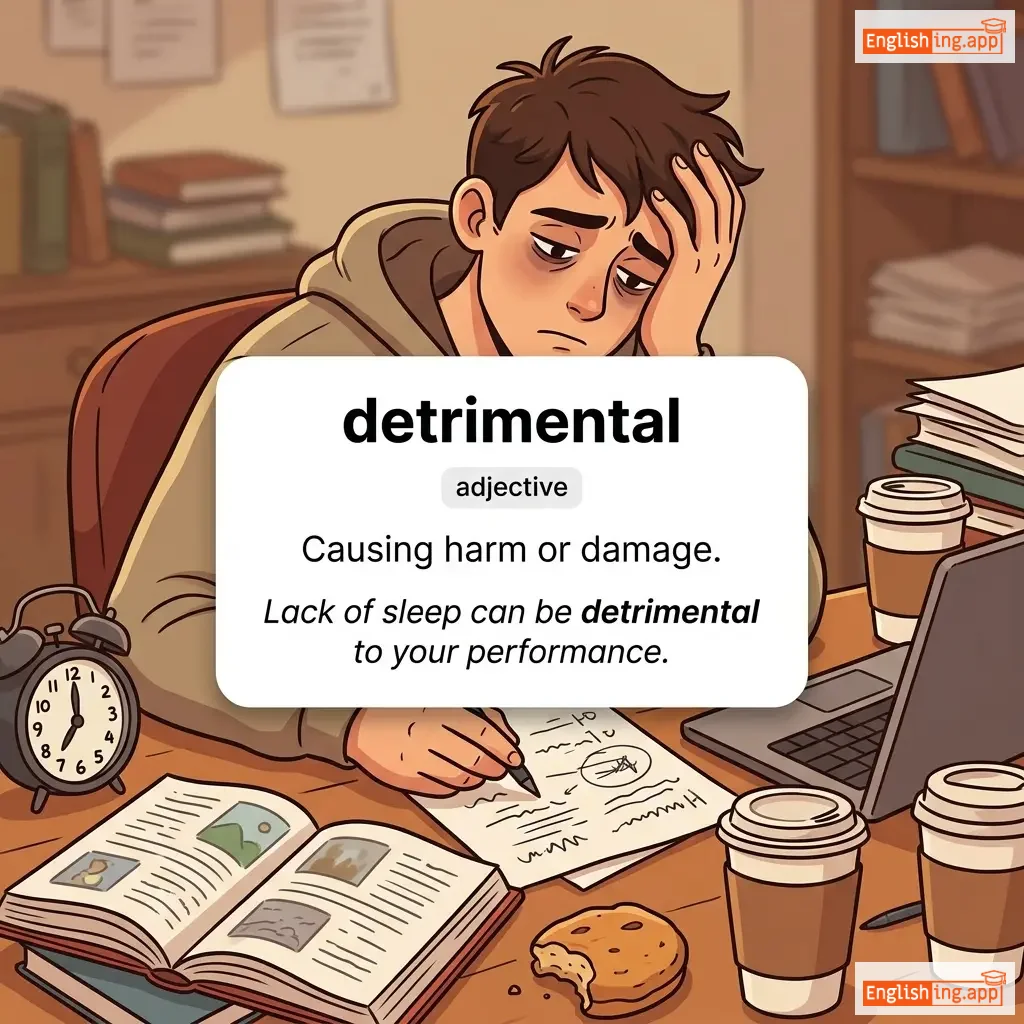
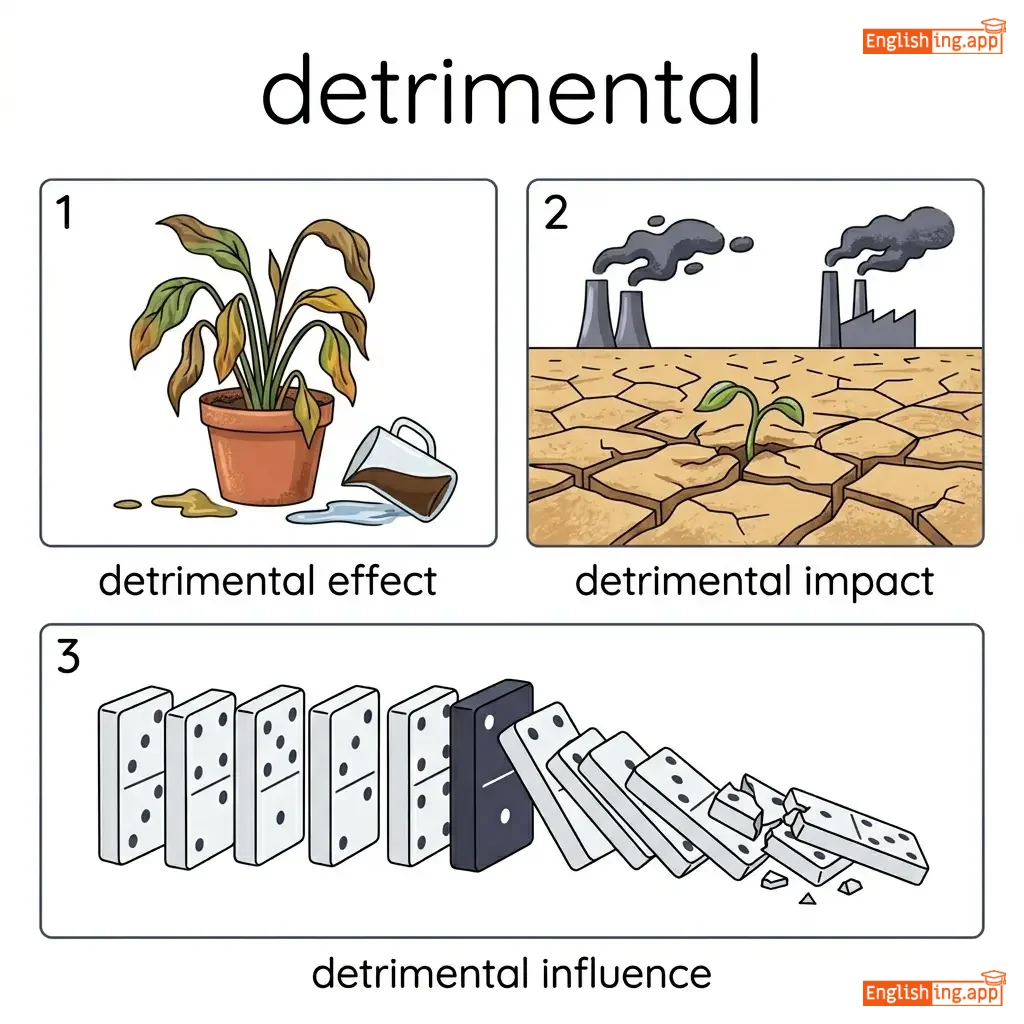
農家は agronomy と現代的な農業技術を利用して作物の yield optimization を行うことができます。Intercropping の方法は土壌の健康を維持し、monoculture の detrimental な影響を減らすのに役立ちます。
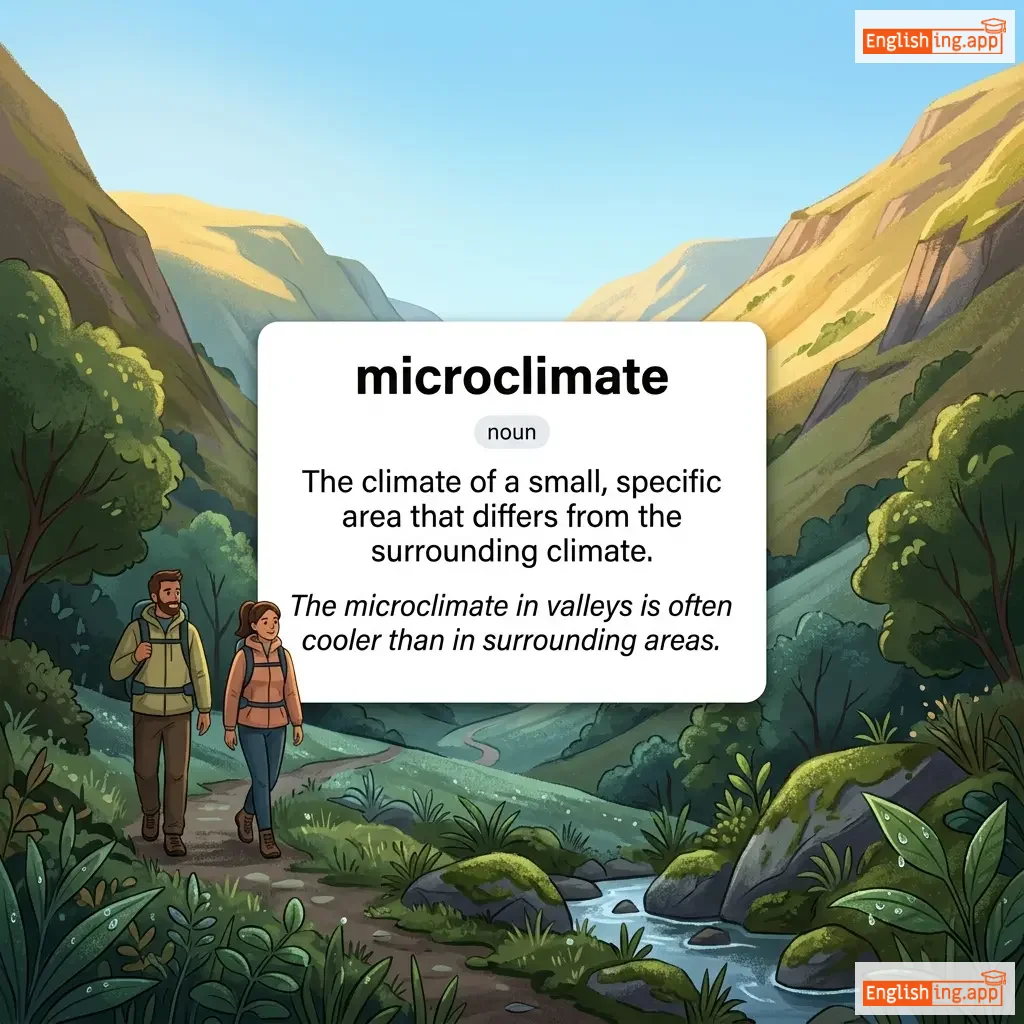
Microclimate と photosynthetic efficiency を改善することで作物の品質を向上させることができます。しかし、nutrient deficiency をなくし、土壌の肥沃度を維持するためには sustainable agriculture の実践が不可欠です。
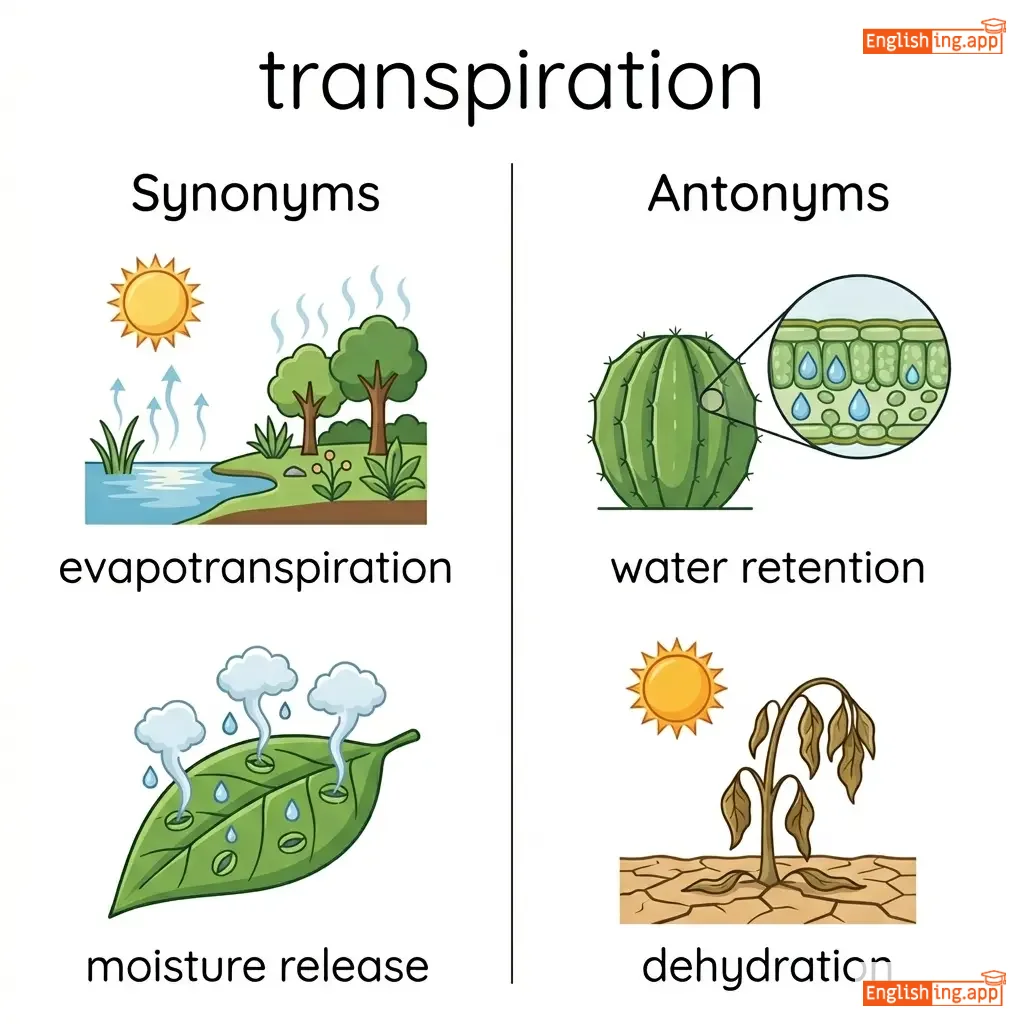
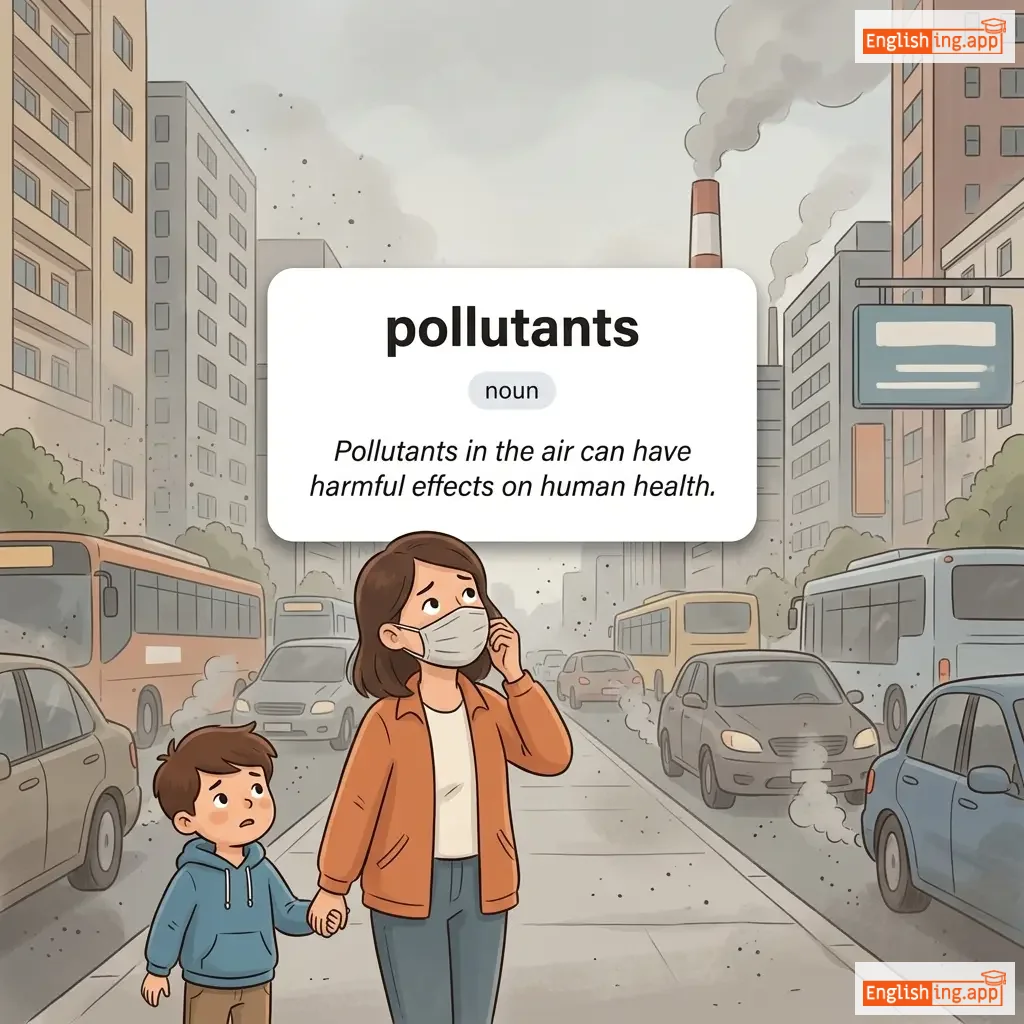
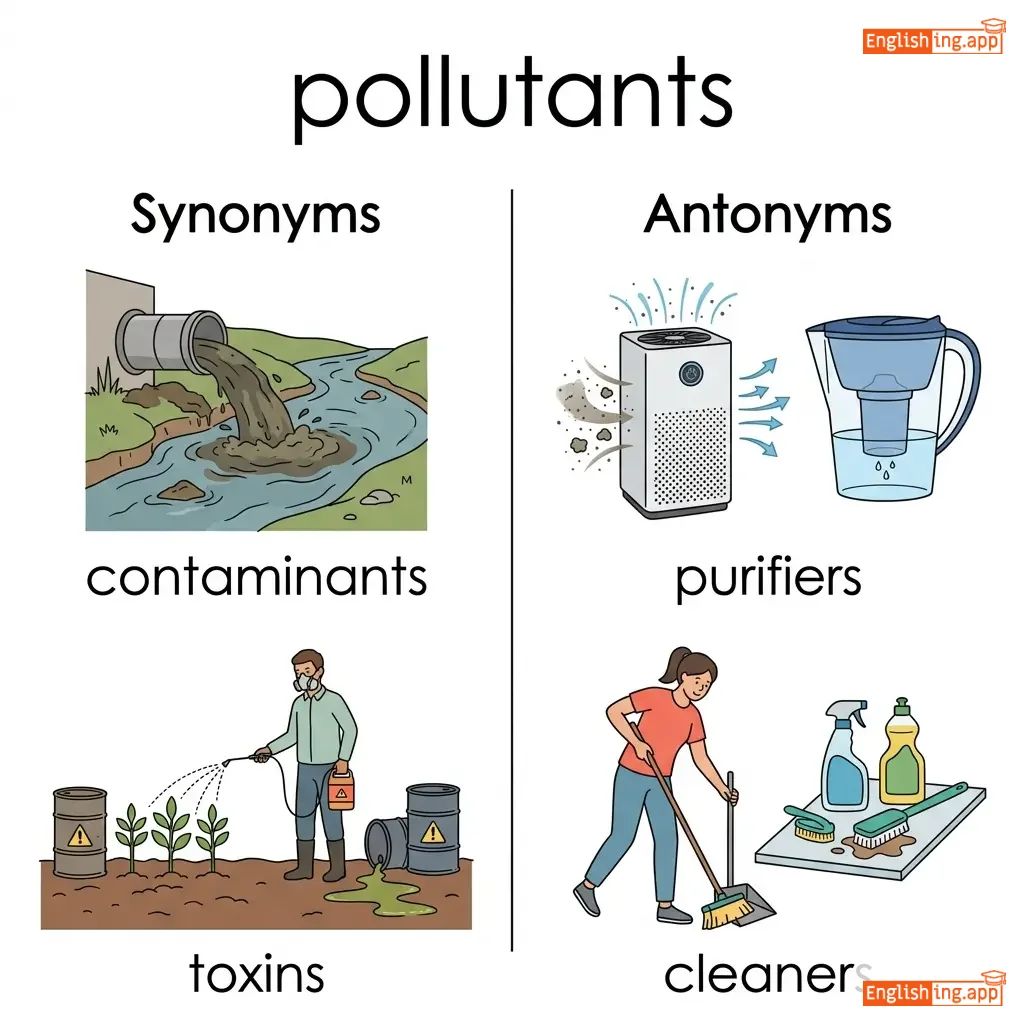
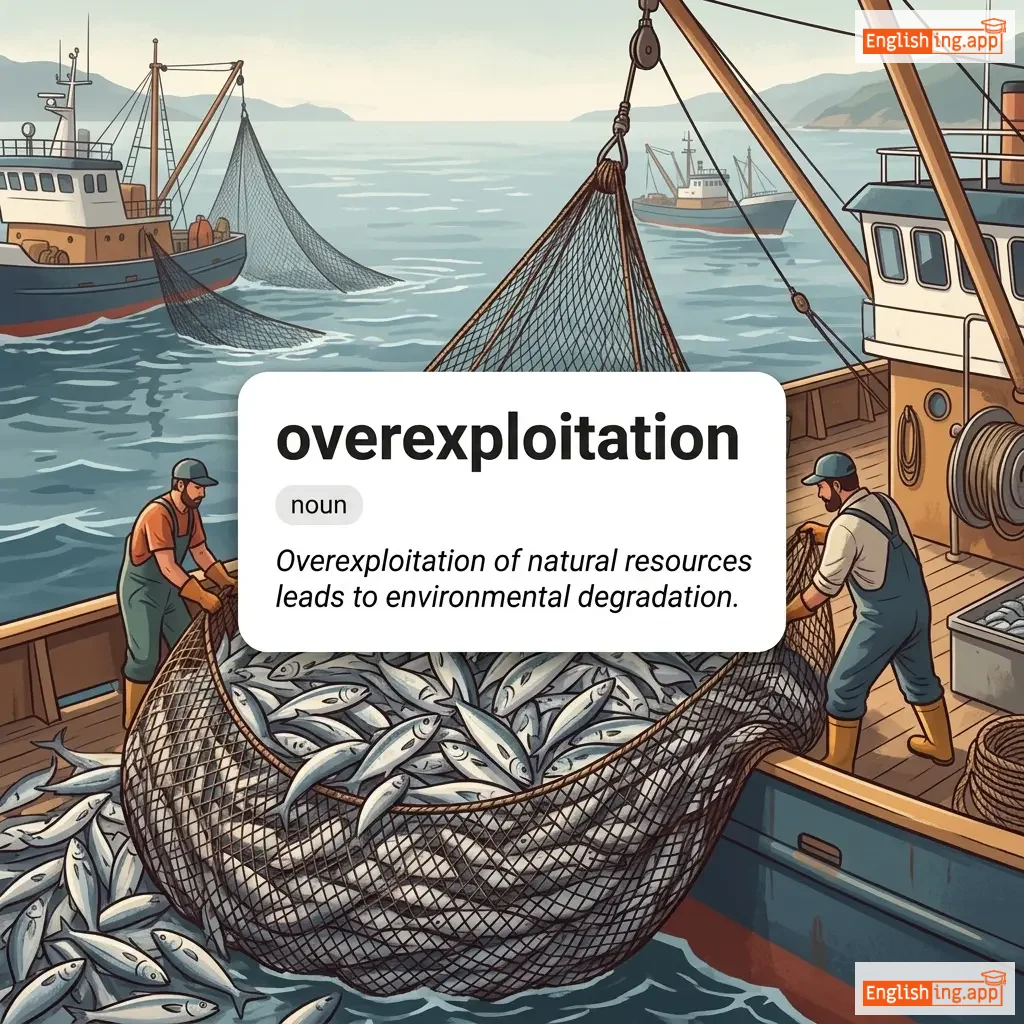
さらに、transpiration を管理し、pollutants を除去するためには作物に良い環境を作ることが必要です。Overexploitation を避け、rejuvenation と土壌の fallow 状況に焦点を当てることで、農家はより効果的な収量を得ることができます。
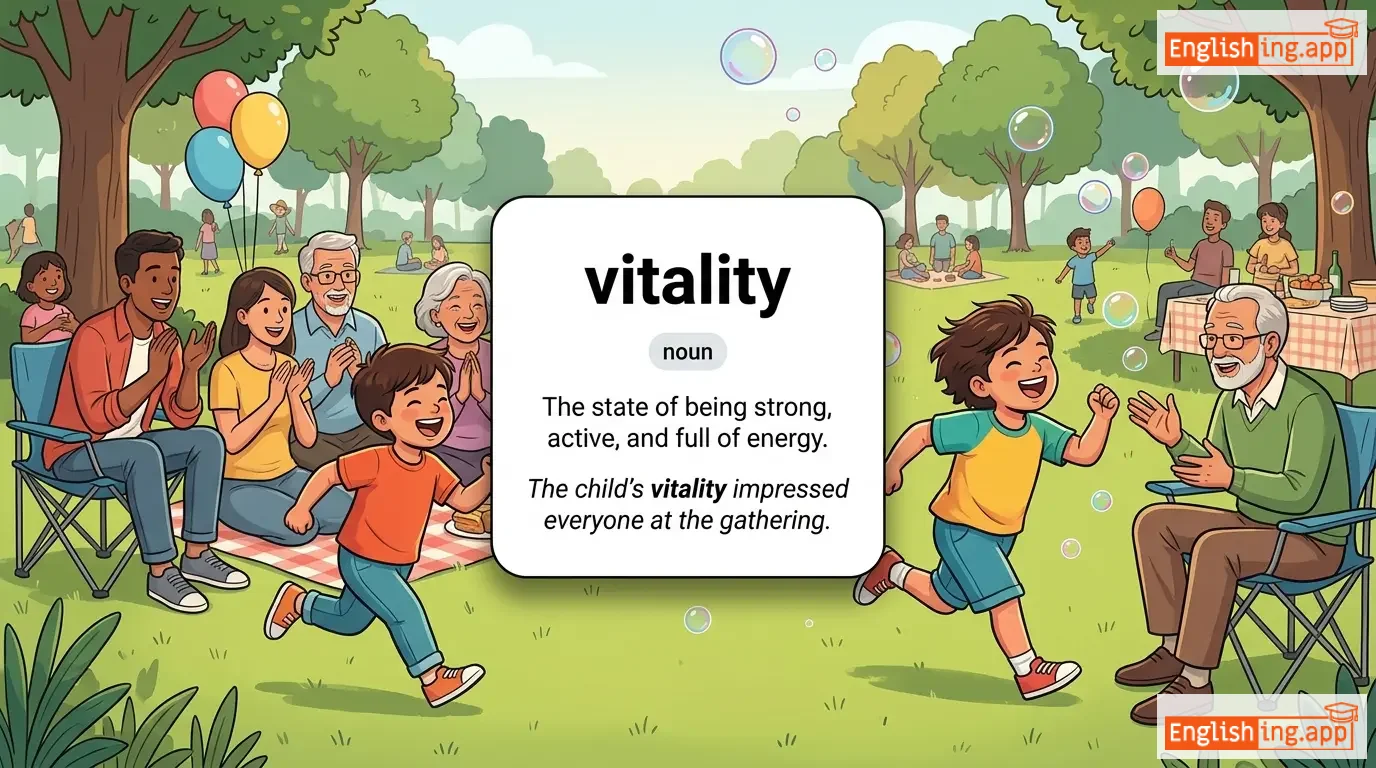
より多くの biodegradable 材料を使用し、zooplankton を制御することで、農業生産を environment-friendly にし、vitality を高めることができます。
翻訳
過去
過去分詞
三人称単数
動名詞
意味
例文
例文の翻訳
同義語
対義語
コロケーション
ニーモニック
Swipe left or right, or use the buttons. Tap image to zoom.
例文の翻訳
単語
How Farmers Can Improve Crop YieldHow Farmers Can Improve Crop Yield - マスクトグル
|
絵文字
|
単語 | Images | 翻訳 | 意味 | 例文 | 例文の翻訳 | 同義語 | 対義語 | ニーモニック |
|---|---|---|---|---|---|---|---|---|---|
|
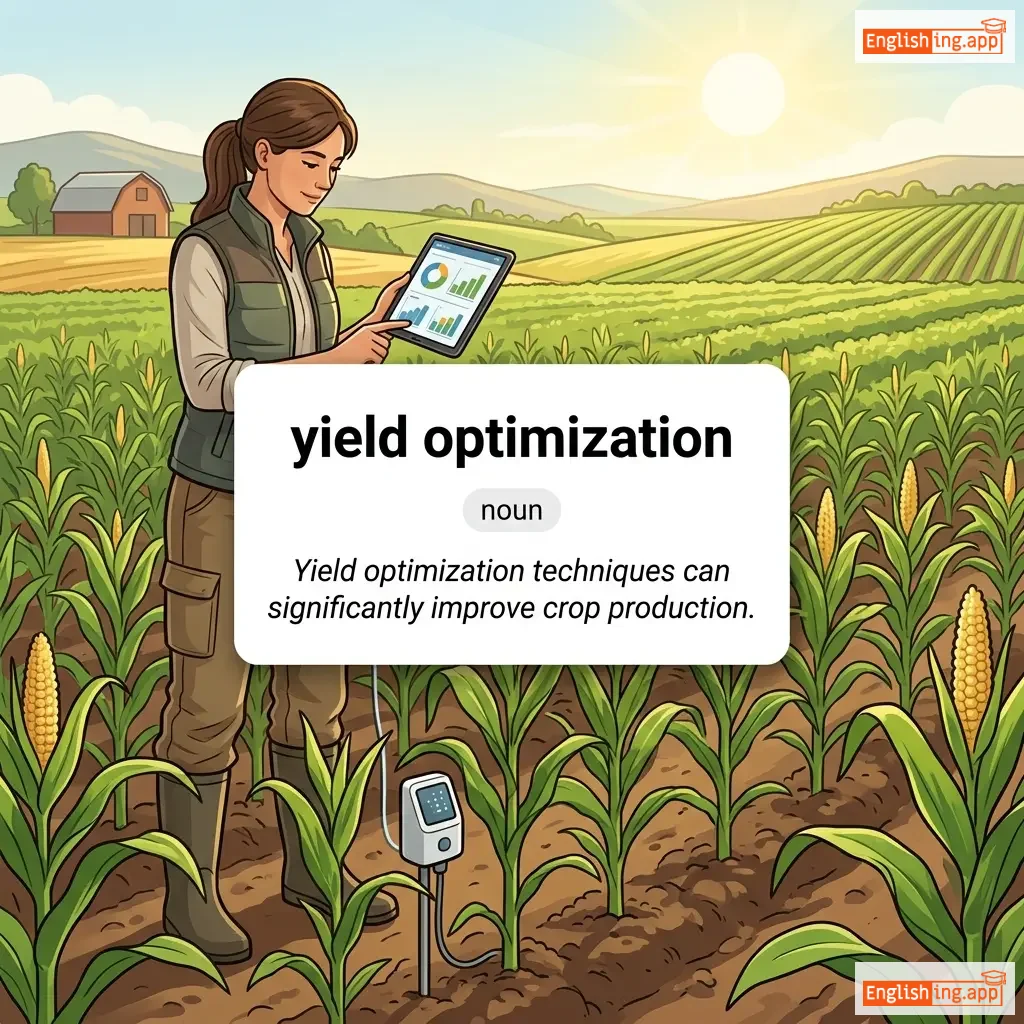
#1875
📈
|
/jiːld ˌɒptɪmaɪˈzeɪʃən/
noun
(yīrudo oputimaisēshon)
••••••
|
|
収穫最適化
shūkaku saiteki-ka
••••••
|
The process of maximizing the productivity or efficiency of crop production through various agricultural techniques and practices.
••••••
|
Yield optimization techniques can significantly improve crop production. |
収穫最適化技術は作物生産を大幅に改善できます。
Shūkaku saiteki-ka gijutsu wa sakumotsu seisan o ōhaba ni kaizen dekimasu.
••••••
|
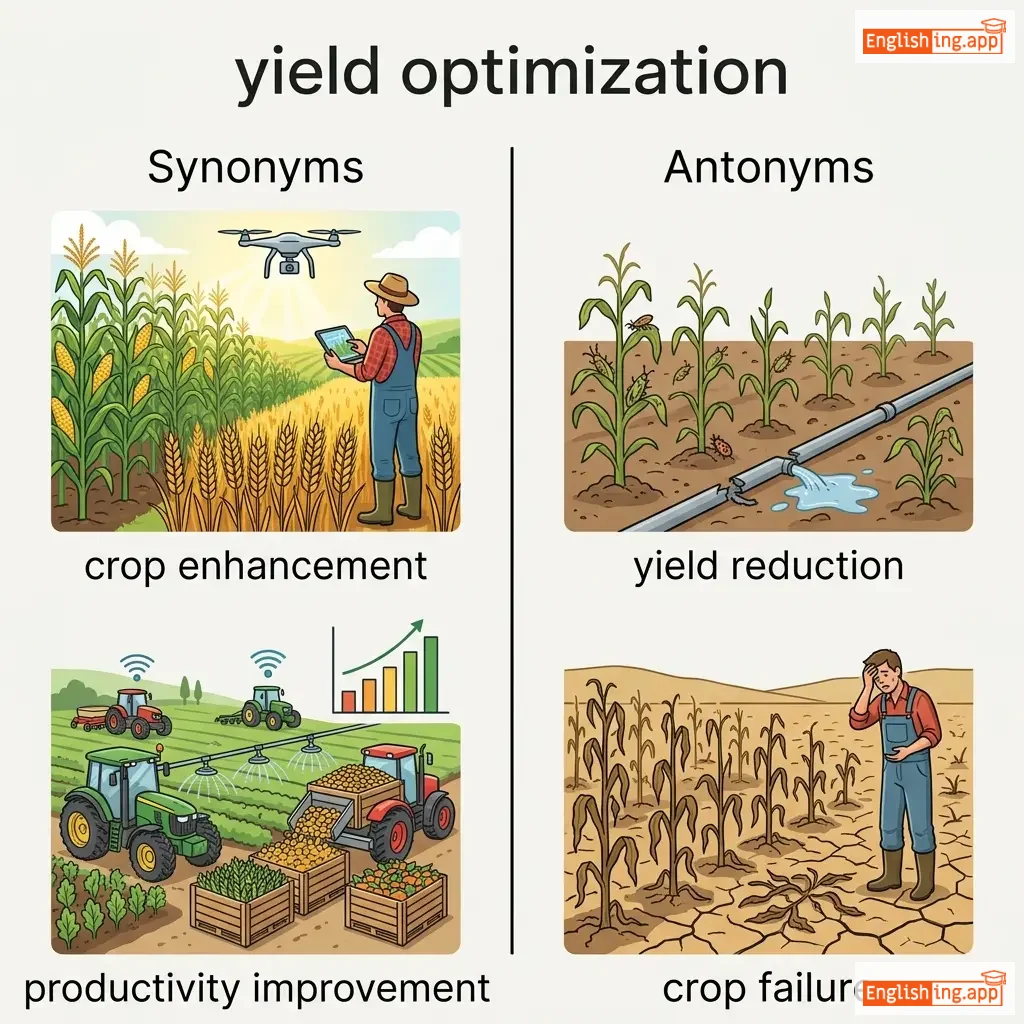
crop enhancement, productivity improvement
••••••
|
yield reduction, crop failure
••••••
|
Japanese: '収穫' (harvest) + '最適化' (optimization) = Yield optimization
••••••
|
|
#1876
🌾
|
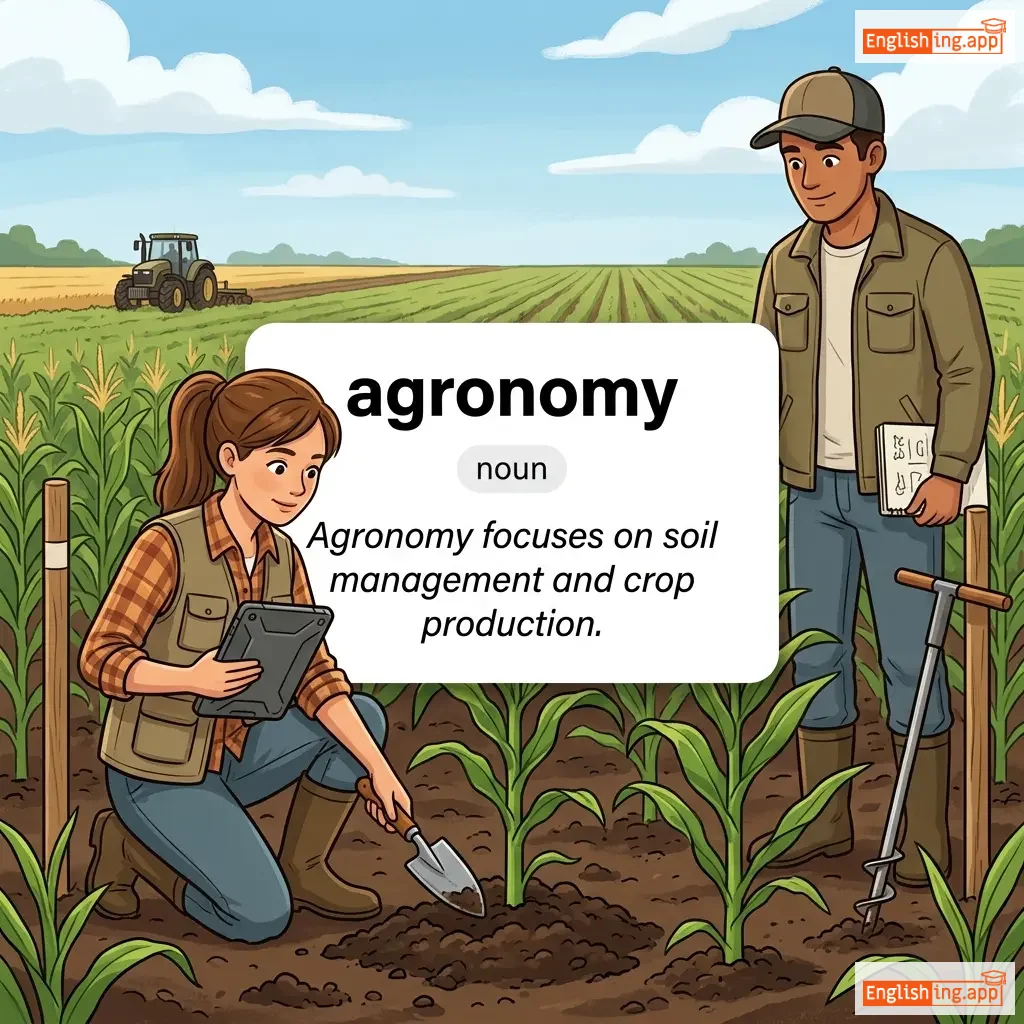
/əˈɡrɒnəmi/
noun
(アグロノミー)
••••••
|
|
農業学
nōgyōgaku
••••••
|
The science and practice of soil management and crop production, focusing on the principles of plant and soil science to optimize agricultural productivity.
••••••
|
Agronomy focuses on soil management and crop production. |
農業学は土壌管理と作物生産に焦点を当てています。
Nōgyōgaku wa dojō kanri to sakumotsu seisan ni shōten o ateteimasu.
••••••
|
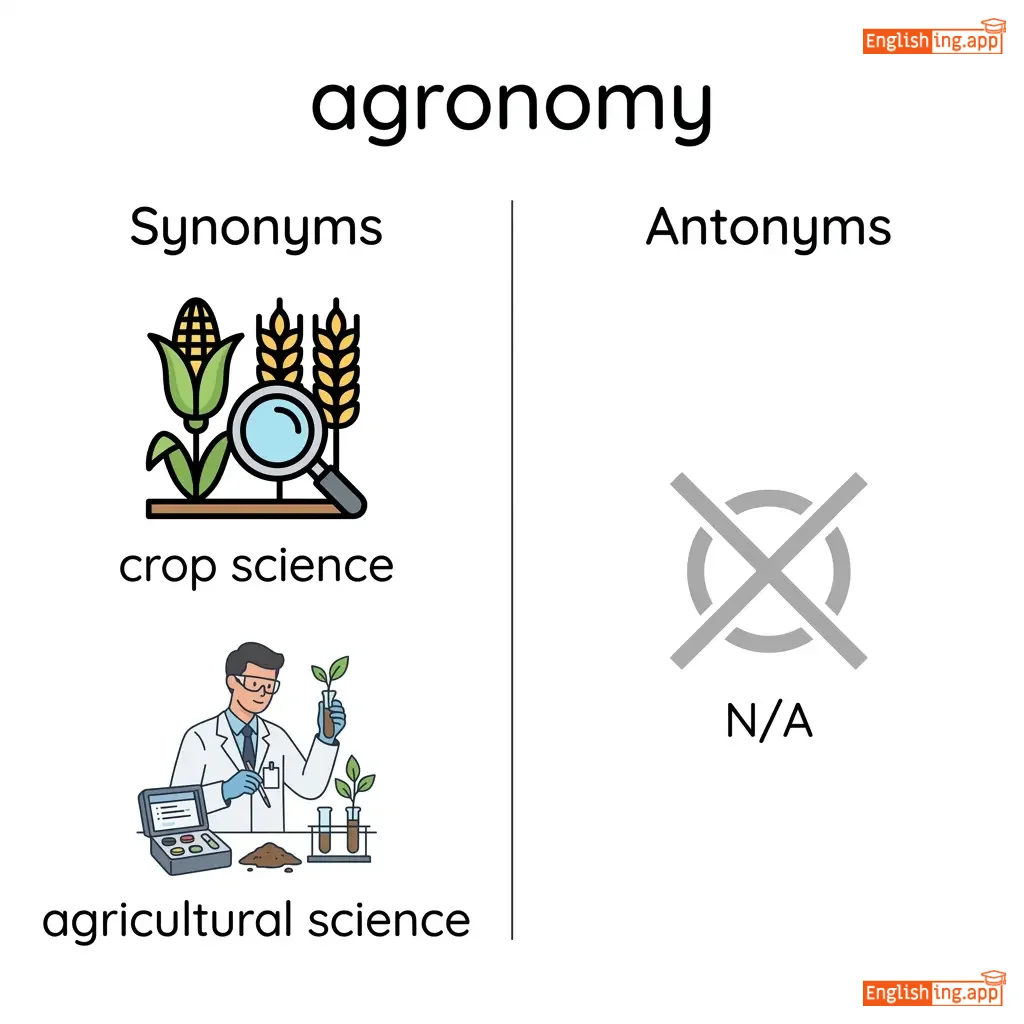
crop science, agricultural science
••••••
|
N/A
••••••
|
農業学 = 農業と科学の組み合わせで、より良い作物を作るために。
••••••
|
|
#1877
🌱
|
/ˈɪntəˌkrɒpɪŋ/
noun
(インタークロッピング)
••••••
|
|
間作農業
kansaku nougyou
••••••
|
The agricultural practice of cultivating two or more crops simultaneously in the same field to maximize land use efficiency and improve soil health.
••••••
|
Intercropping can help improve soil fertility and pest control. |
間作農業は土壌の肥沃度と害虫管理の向上に役立ちます。
Kansaku nougyou wa dojou no hiwokudo to gaichuu kanri no koujou ni yakudachimasu.
••••••
|
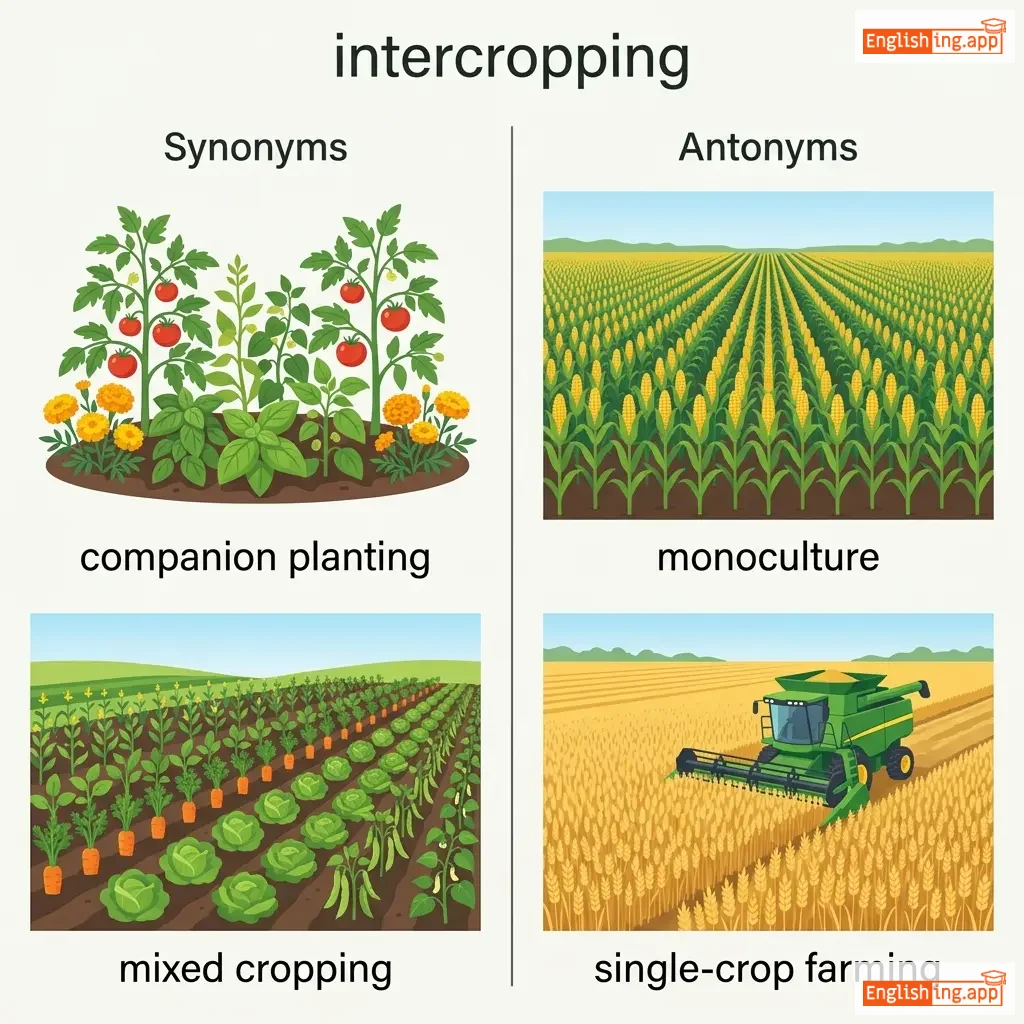
companion planting, mixed cropping
••••••
|
monoculture, single-crop farming
••••••
|
間作農業で土壌を健康に保ちながら、作物を効率よく育てる。
••••••
|
|
#1878
🌾
|
/ˈmɒnəʊˌkʌltʃər/
noun
(モノカルチャー)
••••••
|
|
モノカルチャー
monokaruchā
••••••
|
The agricultural practice of growing only one type of crop over a large area and for many consecutive years, which can lead to increased vulnerability to pests and diseases.
••••••
|
Monoculture can lead to soil depletion and increased pest vulnerability. |
モノカルチャーは土壌の劣化や害虫への脆弱性の増加を引き起こす可能性があります。
Monokaruchā wa dojo no rekka ya gaichū e no zeijakusei no zōka o hikiokosu kanōsei ga arimasu.
••••••
|
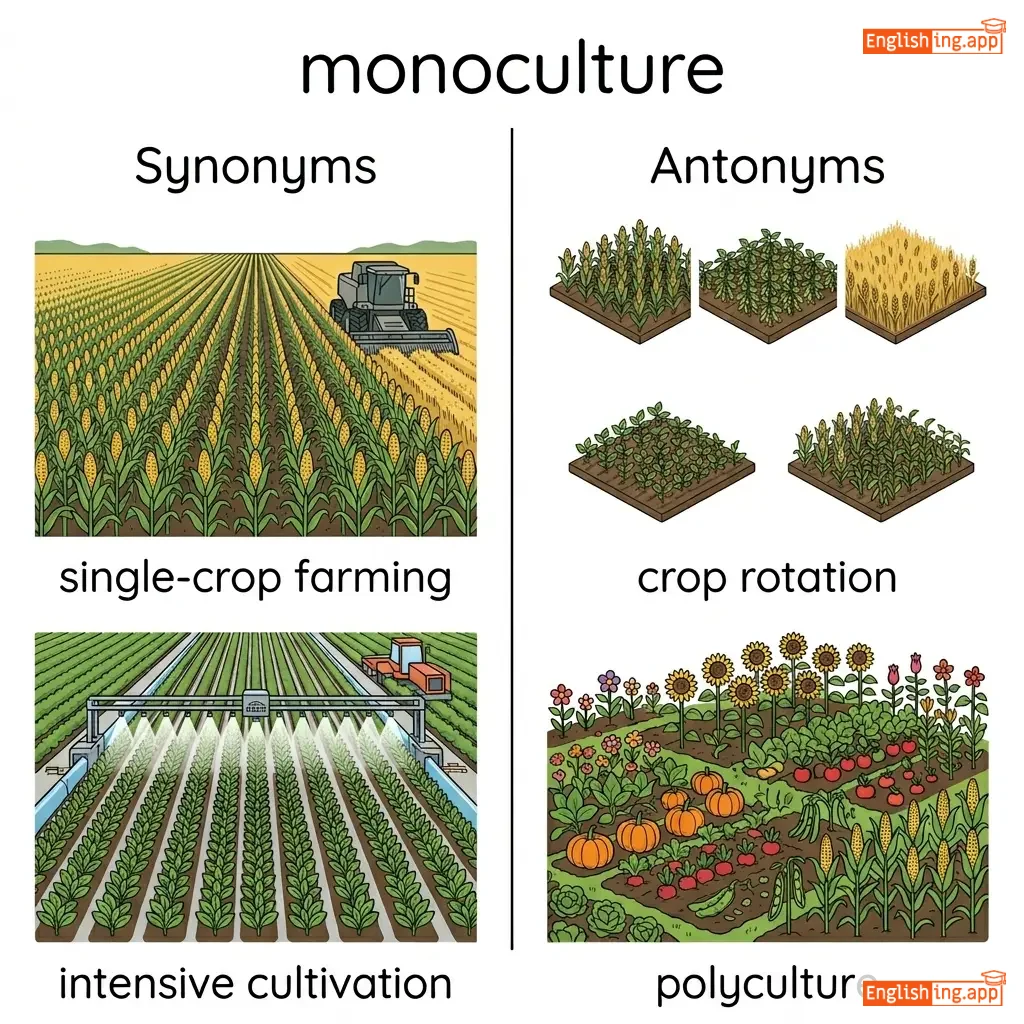
single-crop farming, uniform agriculture
••••••
|
intercropping, polyculture
••••••
|
モノカルチャーは一つの作物だけを育てることで、土壌や害虫問題を引き起こすことができます。
••••••
|
|
#1879
⚠️
|
/ˌdɛtrɪˈmɛntəl/
adjective
(デトリメンタル)
••••••
|
|
有害な
yūgaina
••••••
|
Causing harm or damage; tending to obstruct or harm progress or development.
••••••
|
Excessive pesticide use can have detrimental effects on the environment.
過度な農薬の使用は環境に有害な影響を与える可能性があります。
••••••
|
過度な農薬の使用は環境に有害な影響を与える可能性があります。
Kadona nōyaku no shiyō wa kankyō ni yūgaina eikyō o ataeru kanōsei ga arimasu.
••••••
|
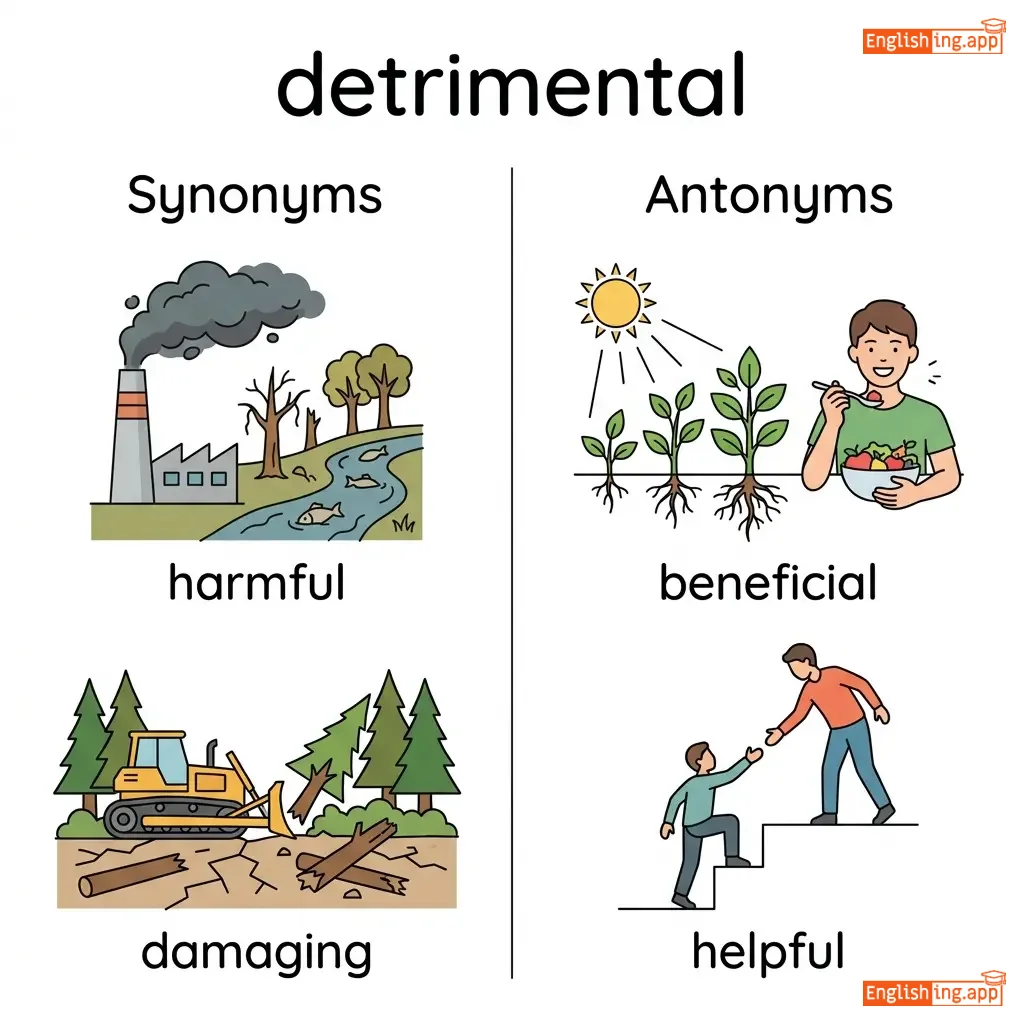
harmful, damaging
••••••
|
beneficial, positive
••••••
|
有害なはいつも害を与える。
••••••
|
|
#1880
🌤️
|
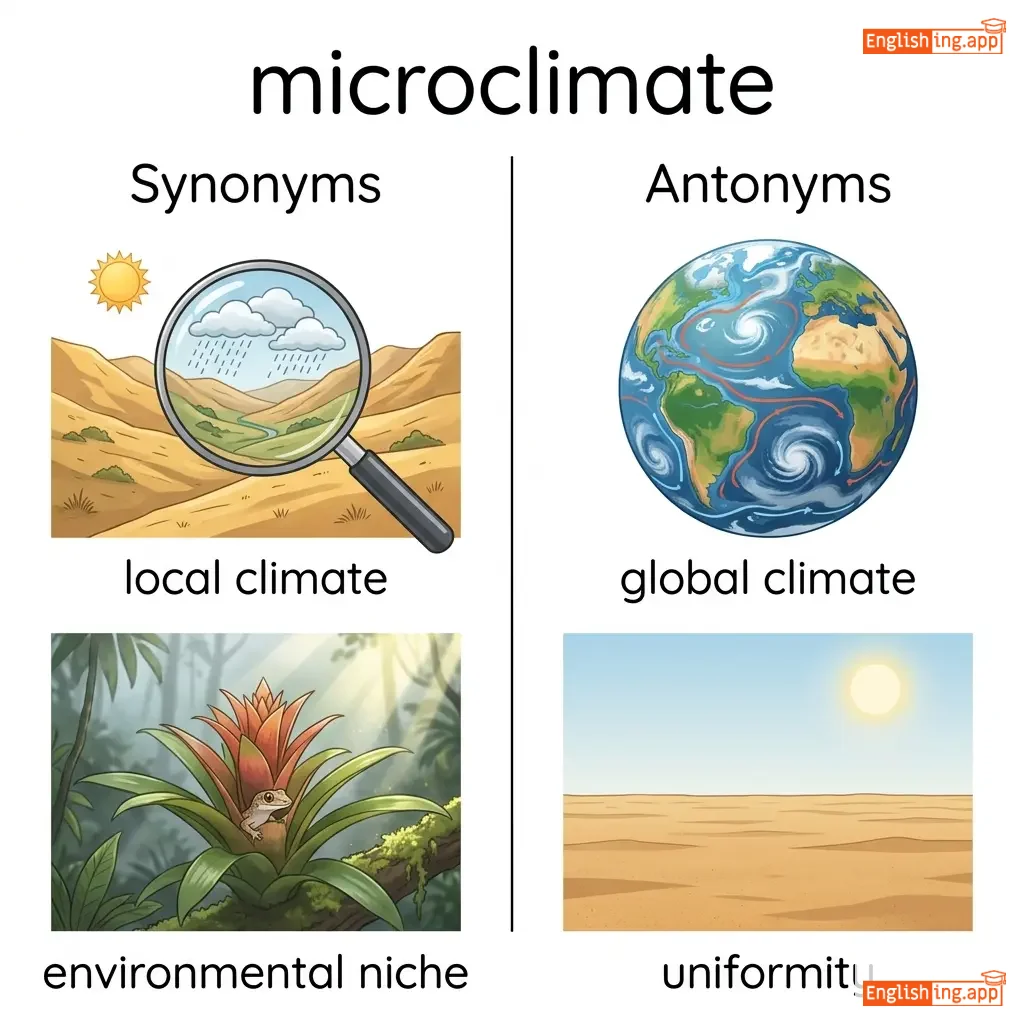
/ˈmaɪkrəʊˌklaɪmæt/
noun
(マイクロクライメート)
••••••
|
|
ミクロクライメート
mikurokuraimēto
••••••
|
The climate of a small, specific area that may differ from the general climate of the surrounding region, often influenced by local factors like terrain, vegetation, or buildings.
••••••
|
A microclimate can have a significant impact on plant growth. |
マイクロクライメートは植物の成長に重要な影響を与える可能性があります。
Maikurokuraimēto wa shokubutsu no seichō ni jūyōna eikyō o ataeru kanōsei ga arimasu.
••••••
|
local climate, small-scale climate
••••••
|
general climate, macroclimate
••••••
|
No •••••• |
|
#1881
🌞
|
/ˌfəʊtəʊˈsɪnθɛtɪk ɪˈfɪʃənsi/
noun
(フォトシンセティック エフィシェンシー)
••••••
|
|
光合成効率
fotoshinsetikku efishenshi
••••••
|
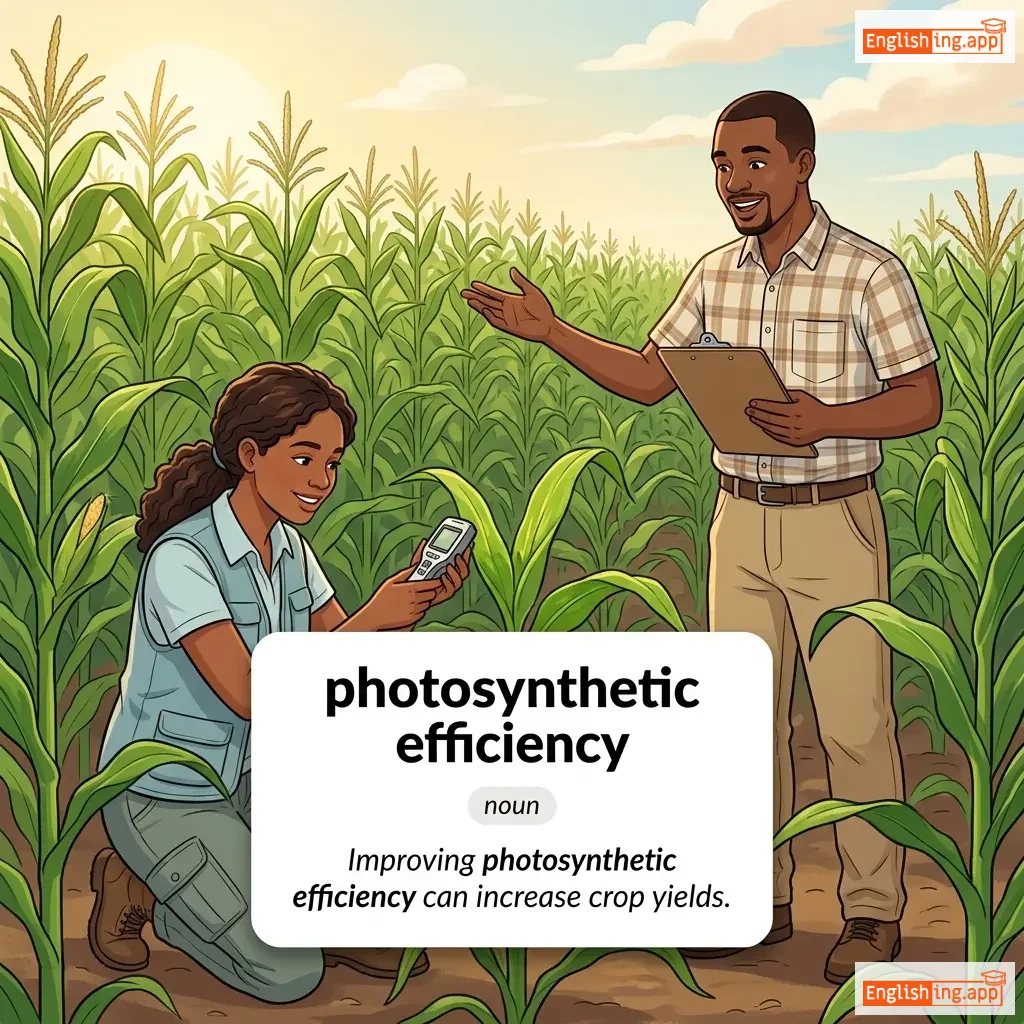
The measure of how effectively plants convert light energy into chemical energy through the process of photosynthesis, directly affecting plant growth and crop yield.
••••••
|
Improving photosynthetic efficiency can increase crop yields.
光合成効率を改善すると、作物の収量を増やすことができます。
••••••
|
光合成効率を改善すると、作物の収量を増やすことができます。
kougousei kouritsu o kaizen suru to sakubutsu no shuuryou o fuyasu koto ga dekimasu
••••••
|
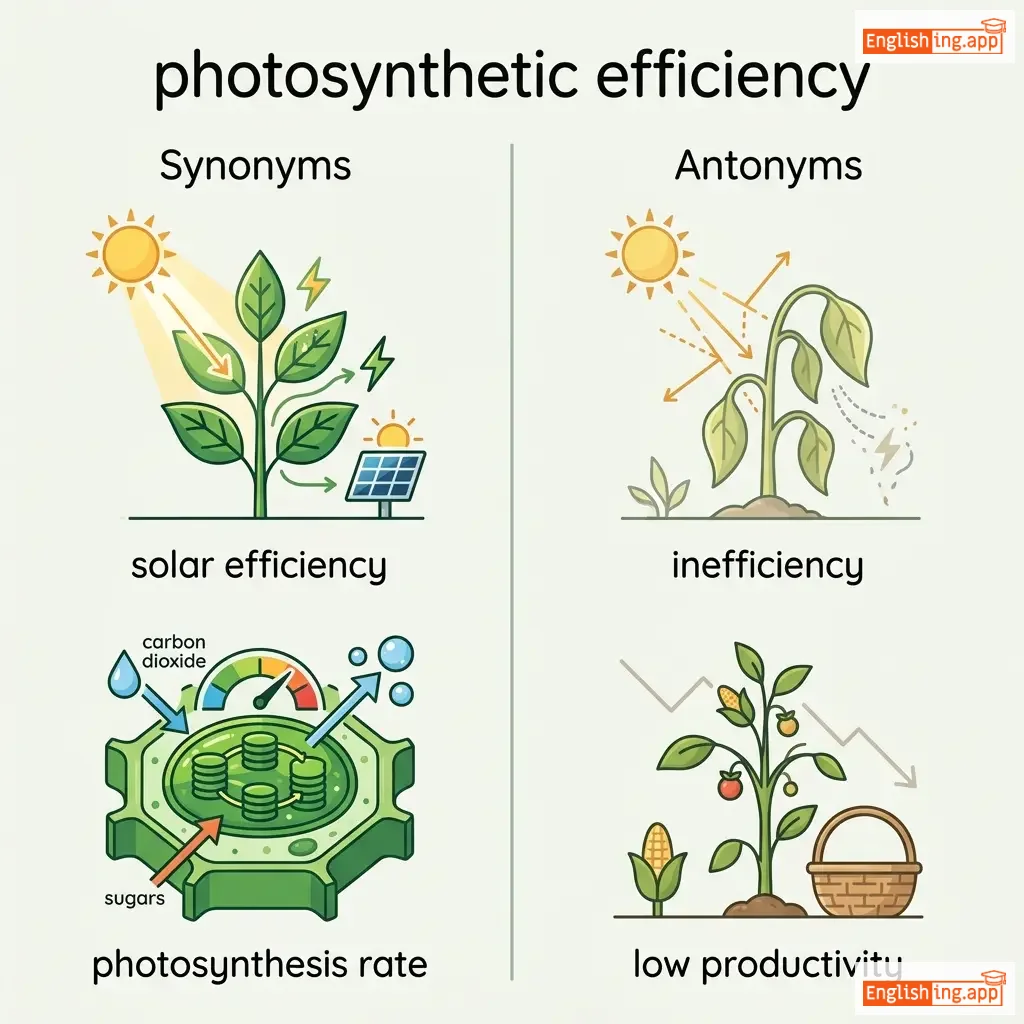
solar efficiency, photosynthesis rate
••••••
|
inefficiency, low productivity
••••••
|
フォトシンセティック エフィシェンシー = Light の 力で 土を Shine, 作物の 成長と 収穫を Up の 覚え方
••••••
|
|
#1882
🩺
|
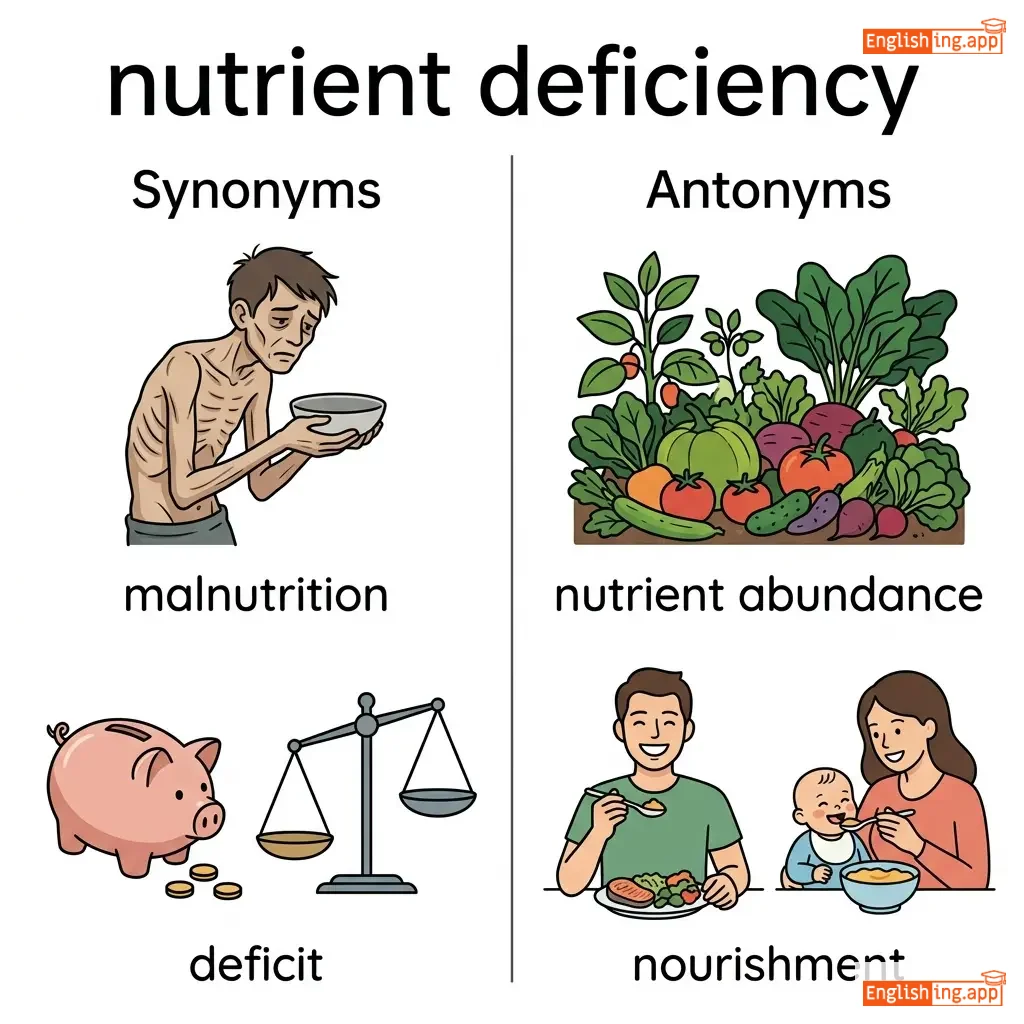
/ˈnjuːtrɪənt dɪˈfɪʃənsi/
noun
(nyutrient deficiency)
••••••
|
|
栄養不足
eiyou fusoku
••••••
|
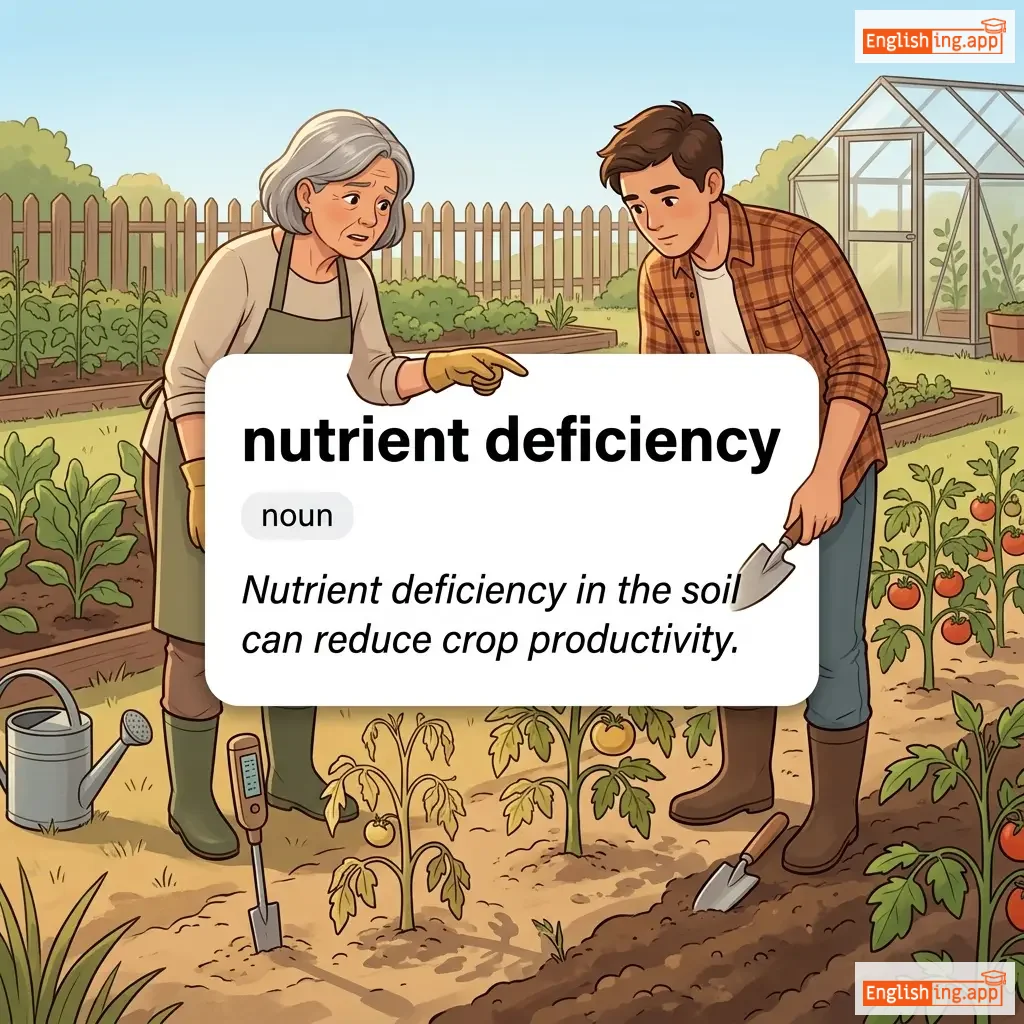
A lack of essential nutrients required for healthy plant growth, which can result in poor crop development, reduced yields, and increased susceptibility to diseases.
••••••
|
Nutrient deficiency in the soil can reduce crop productivity. |
土壌中の栄養不足は作物の生産性を減少させる可能性があります。
Dojouchuu no eiyou fusoku wa sakumotsu no seisansei o genshou saseru kanousei ga arimasu.
••••••
|
malnutrition, deficit
••••••
|
nutrient abundance, nourishment
••••••
|
栄養不足=作物が育たない
••••••
|
|
#1883
🌿
|
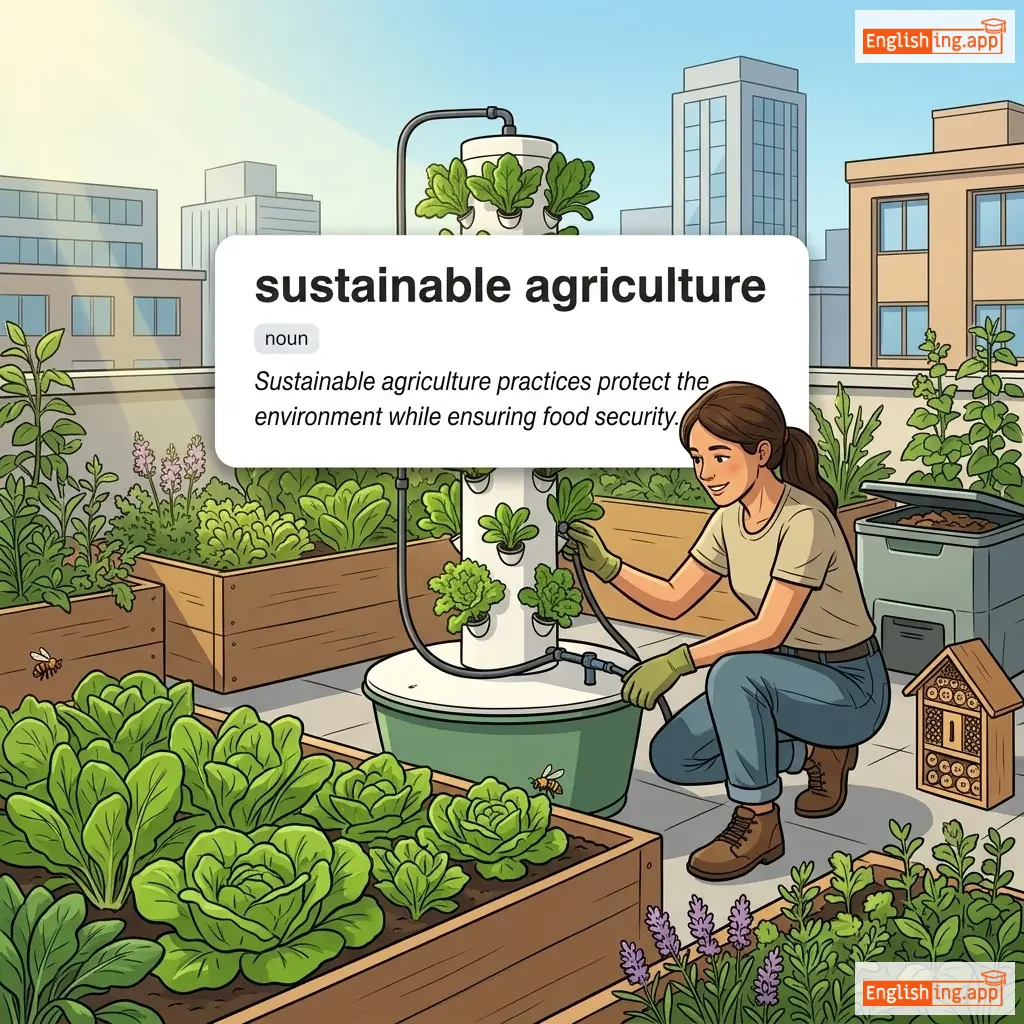
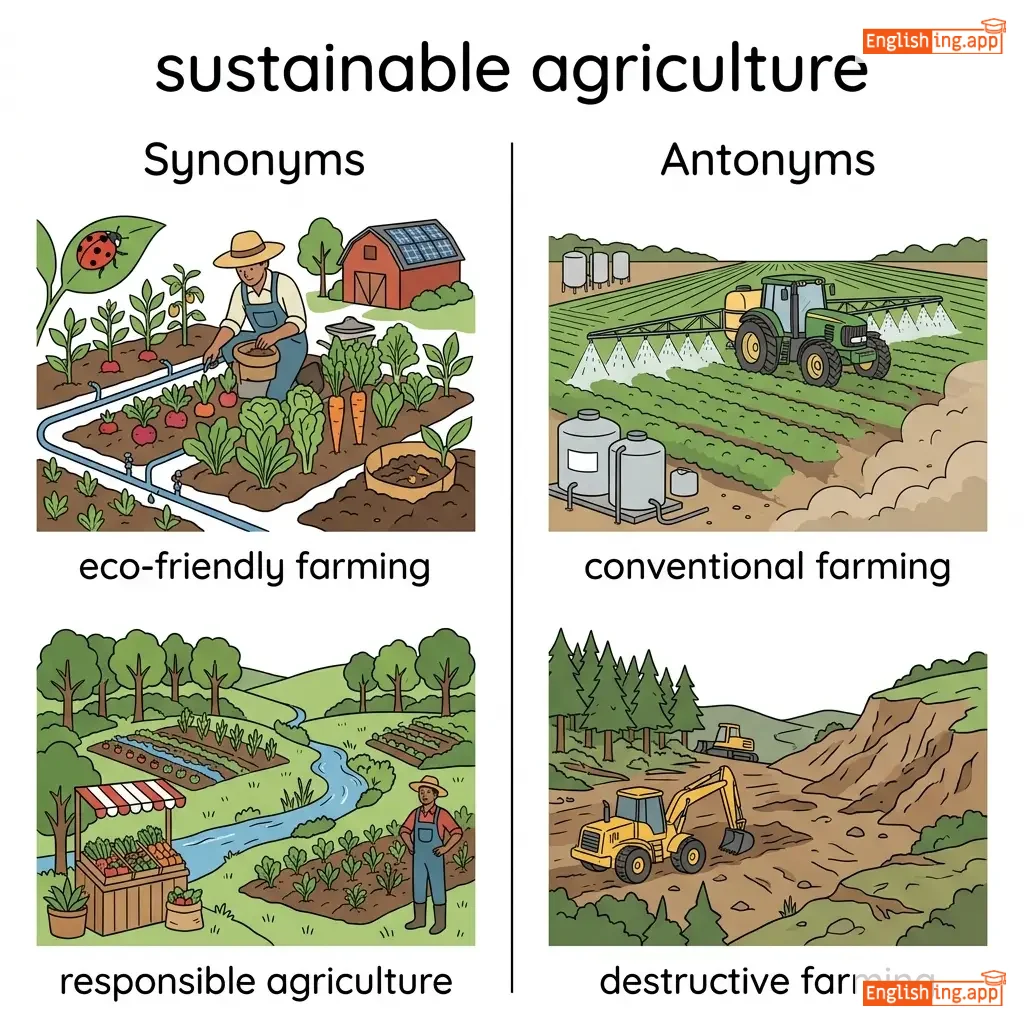
/səˈsteɪnəbl ˈæɡrɪkʌltʃər/
noun
(サステイナブル アグリカルチャー)
••••••
|
|
持続可能な農業
jizoku kanō na nōgyō
••••••
|
Farming practices that meet current food needs while preserving environmental resources and maintaining the ability to produce food for future generations through ecologically sound methods.
••••••
|
Sustainable agriculture practices protect the environment while ensuring food security. |
持続可能な農業の実践は、環境を保護しながら食料安全保障を確保します。
Jizoku kanō na nōgyō no jissen wa, kankyō o hogo shinagara shokuryō anzen hoshō o kakuho shimasu.
••••••
|
eco-friendly farming, responsible agriculture
••••••
|
conventional farming, destructive farming
••••••
|
持続可能な農業は、地球と人々を守るために重要です。
••••••
|
|
#1884
💨
|
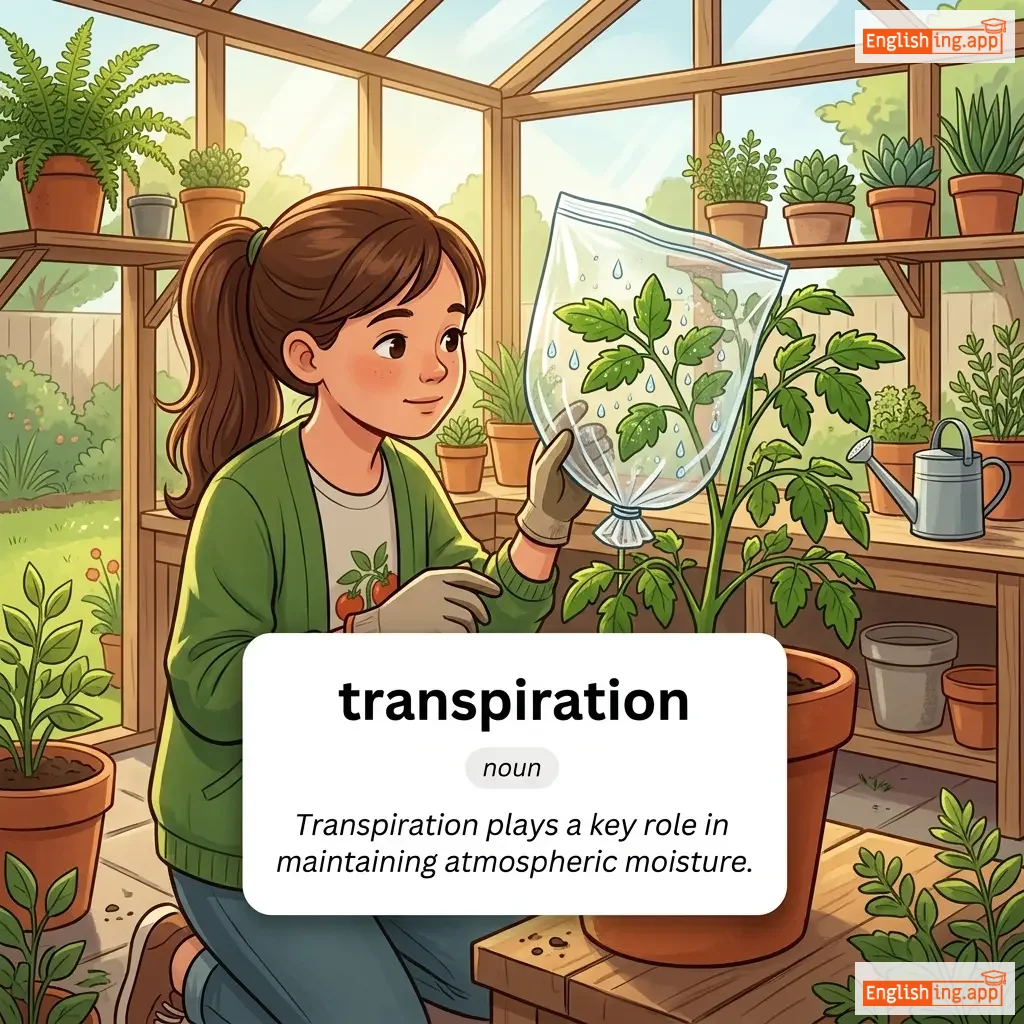
/ˌtrænsˈpɪəreɪʃən/
noun
(トランスピレーション)
••••••
|
|
蒸散
jousan
••••••
|
The process by which plants lose water through their leaves, which plays a crucial role in plant cooling, nutrient transport, and the water cycle.
••••••
|
Transpiration plays a key role in the water cycle and plant growth. |
蒸散は水循環と植物の成長において重要な役割を果たします。
Jousan wa mizu junkan to shokubutsu no seichou ni oite juuyou na yakuwari o hatashimasu.
••••••
|
evaporation, water loss
••••••
|
water absorption, precipitation
••••••
|
汗をかくように、植物も蒸散して涼しく保たれる。
••••••
|
|
#1885
☢️
|
/pəˈluːtənts/
noun
(ポリュータント)
••••••
|
|
汚染物質
osen busshitsu
••••••
|
Harmful substances that contaminate the environment, including air, water, and soil, potentially causing damage to living organisms and ecosystems.
••••••
|
Pollutants in the air can have harmful effects on human health. |
空気中の汚染物質は人間の健康に有害な影響を与える可能性があります。
Kūki-chū no osen busshitsu wa ningen no kenkō ni yūgaina eikyō o ataeru kanōsei ga arimasu.
••••••
|
contaminants, toxins
••••••
|
purifiers, cleaners
••••••
|
汚染物質 = 汚染 + 物質
••••••
|
|
#1886
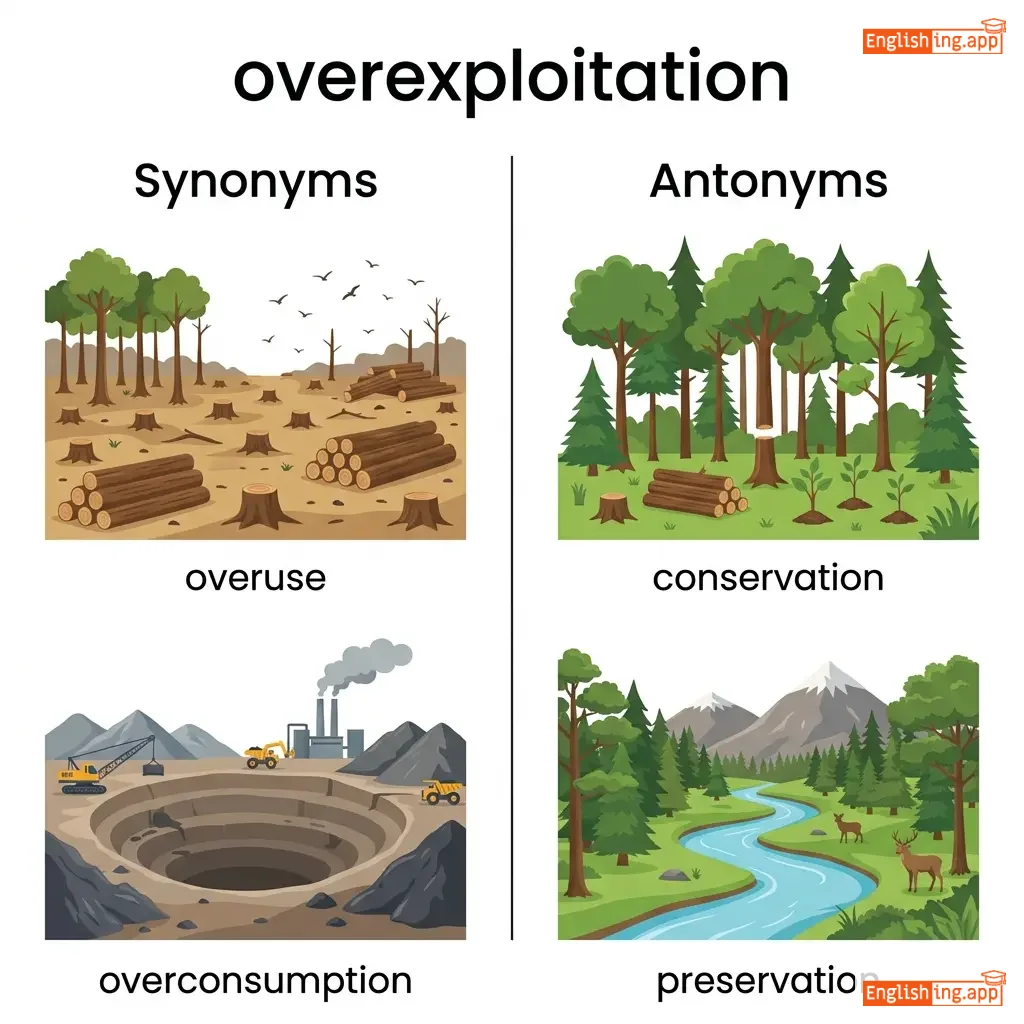
⛏️
|
/ˌəʊvərɪksˌplɔɪˈteɪʃən/
noun
(オーバーエクスプロイテーション)
••••••
|
|
過剰搾取
kajo sakushu
••••••
|
The unsustainable use of natural resources at a rate that exceeds their ability to regenerate, leading to depletion and environmental degradation.
••••••
|
Overexploitation of natural resources leads to environmental degradation. |
自然資源の過剰搾取は環境の悪化を引き起こします。
Shizen shigen no kajo sakushu wa kankyō no akka o hikiokoshimasu.
••••••
|
overuse, overconsumption
••••••
|
conservation, preservation
••••••
|
過剰搾取 = 資源を使いすぎて環境を悪化させる
••••••
|
|
#1887
🌱
|
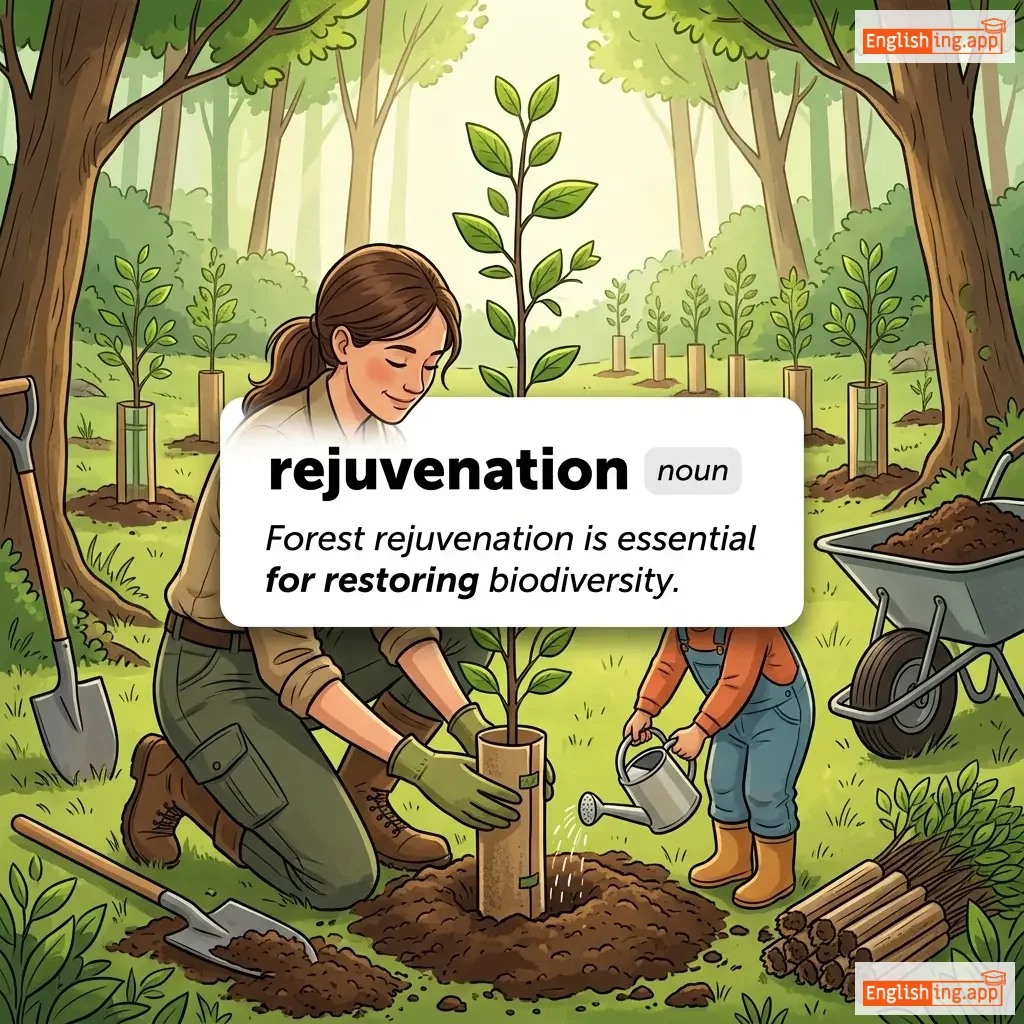
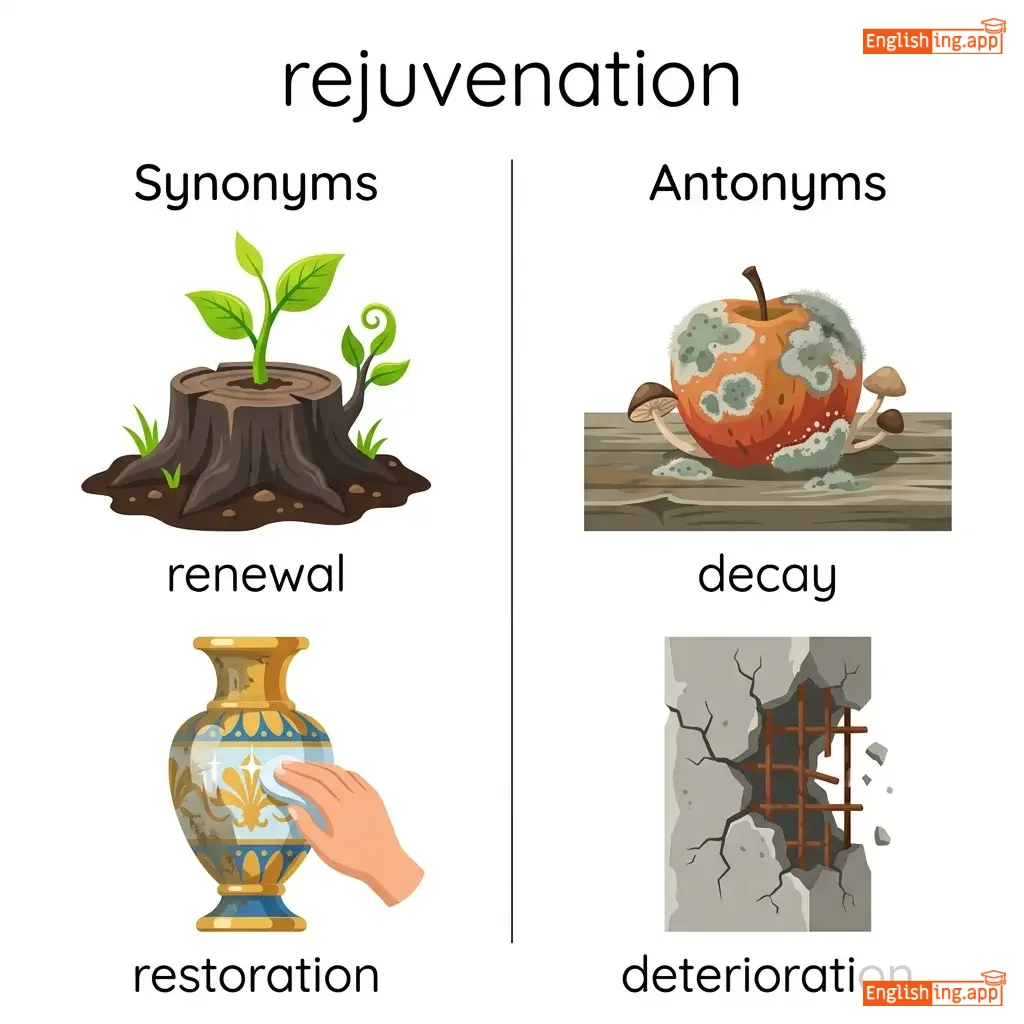
/rɪˌdʒuːvəˈneɪʃən/
noun
(rijuvenesyon)
••••••
|
|
再生
saisei
••••••
|
The process of restoring something to a former better state, especially referring to renewing soil fertility or revitalizing agricultural land through various restoration practices.
••••••
|
Rejuvenation of soil is necessary for sustainable agriculture. |
土壌の再生は持続可能な農業にとって必要不可欠です。
Dojo no saisei wa jizoku kanō na nōgyō ni totte hitsuyō fukaketsu desu.
••••••
|
renewal, revitalization
••••••
|
degeneration, deterioration
••••••
|
Saisei in Japanese means regeneration, a synonym for rejuvenation.
••••••
|
|
#1888
🌾
|
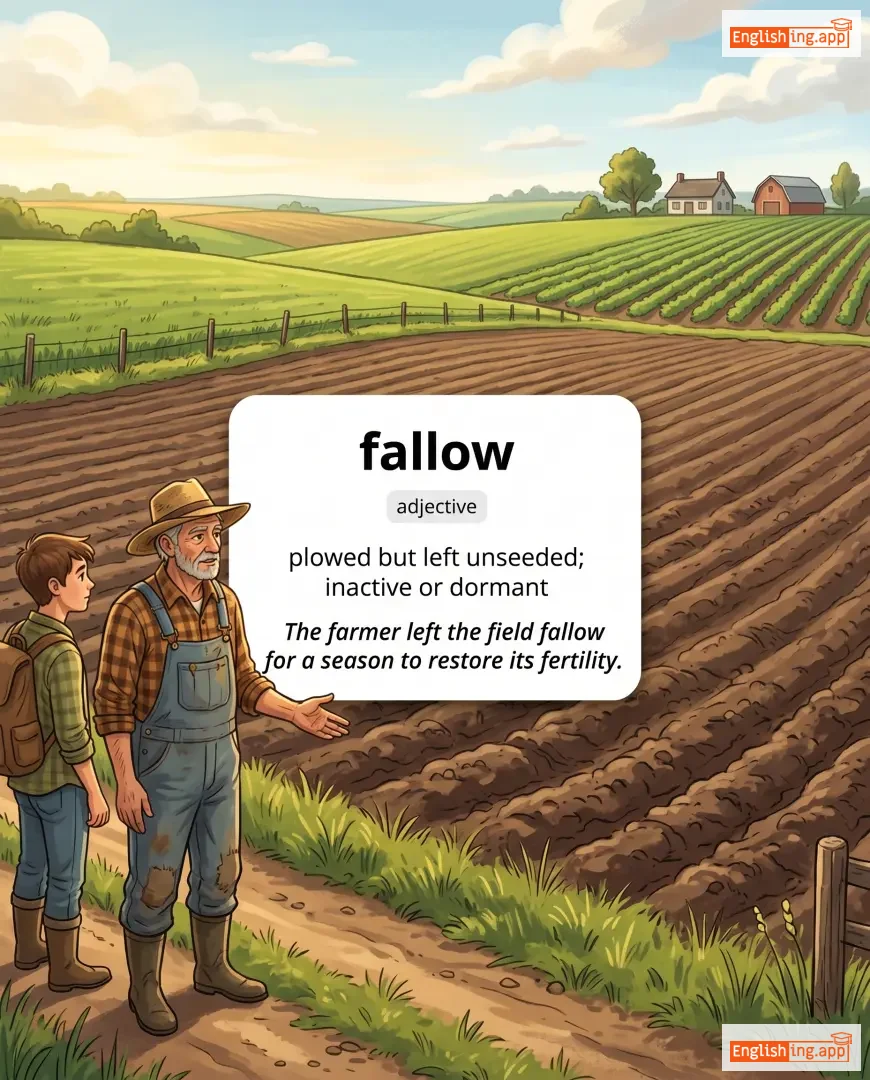
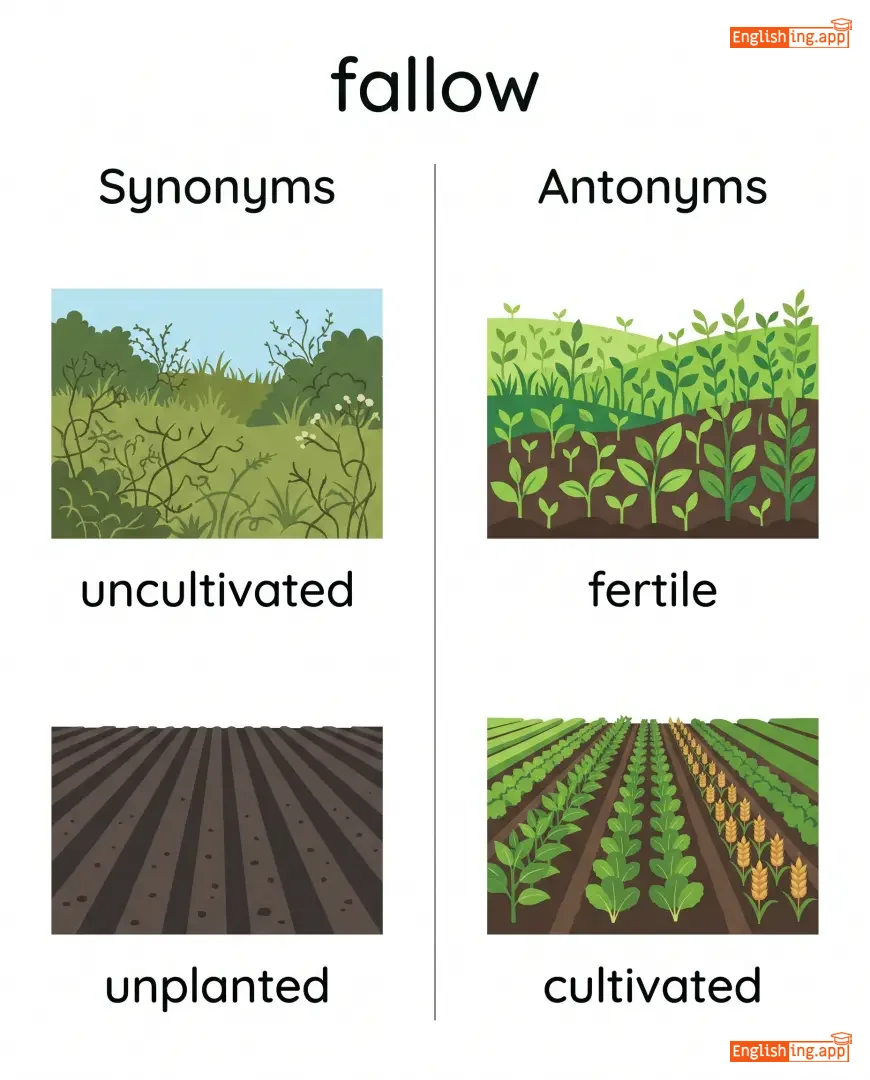
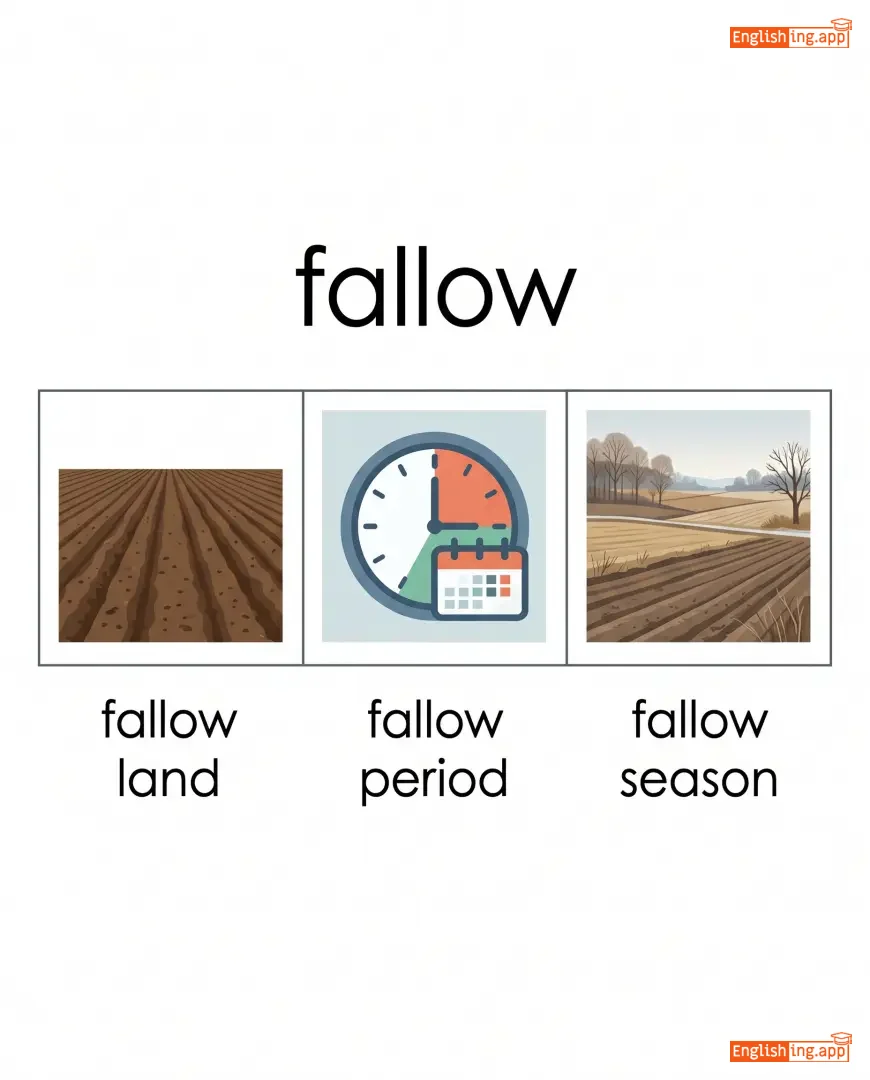
/ˈfæl.oʊ/
adjective
(ファロー)
••••••
|
|
休耕地
kyūkōchi
••••••
|
Describing land that is left unplanted for a period to restore its fertility, allowing soil to recover nutrients and break pest and disease cycles.
••••••
|
Farmers leave their fields fallow to restore soil fertility.
農家は土壌の肥沃度を回復させるために畑を休ませます。
••••••
|
農家は土壌の肥沃度を回復させるために畑を休ませます。
Nōka wa dojō no hiyokudo o kaifuku saseru tame ni hatake o yasumasemasu.
••••••
|
uncultivated, idle
••••••
|
fertile, productive
••••••
|
Fallow (休耕地) is a temporary rest for the soil.
••••••
|
|
#1889
♻️
|
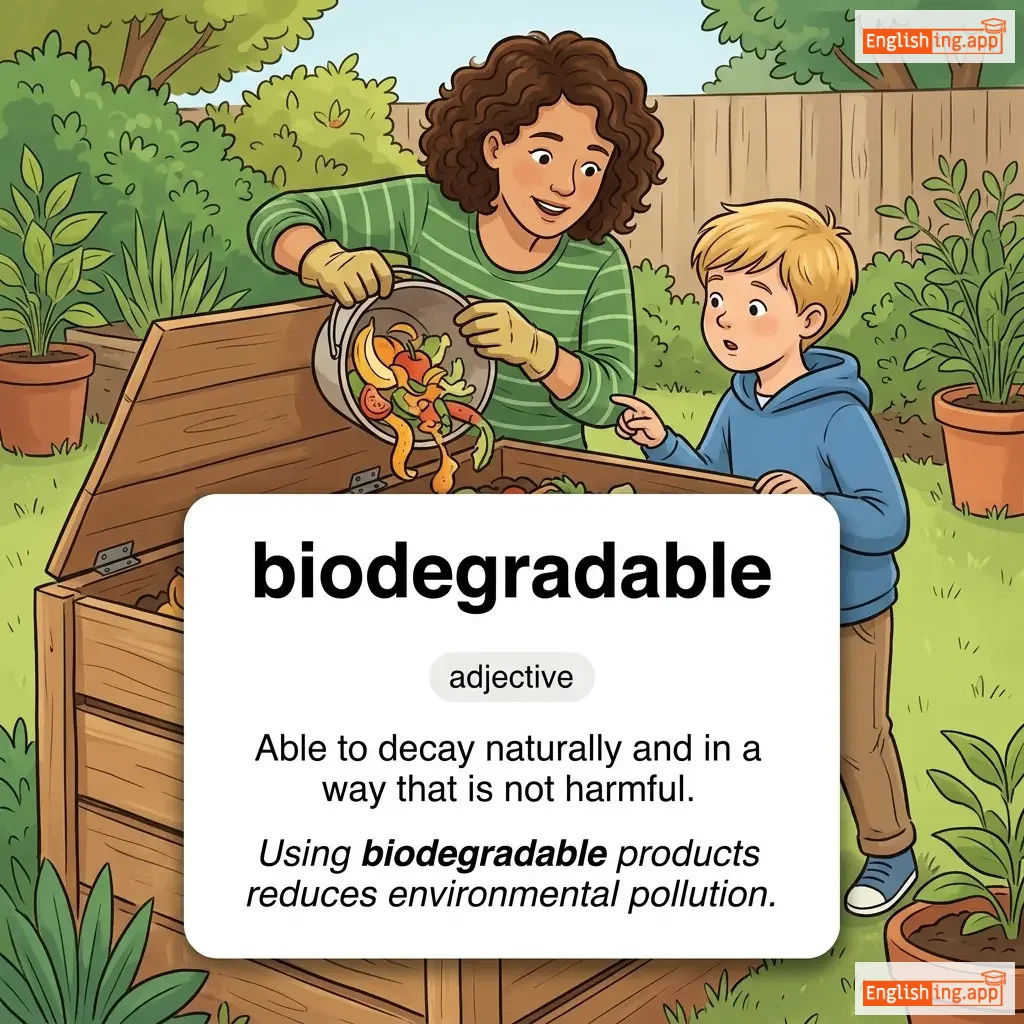
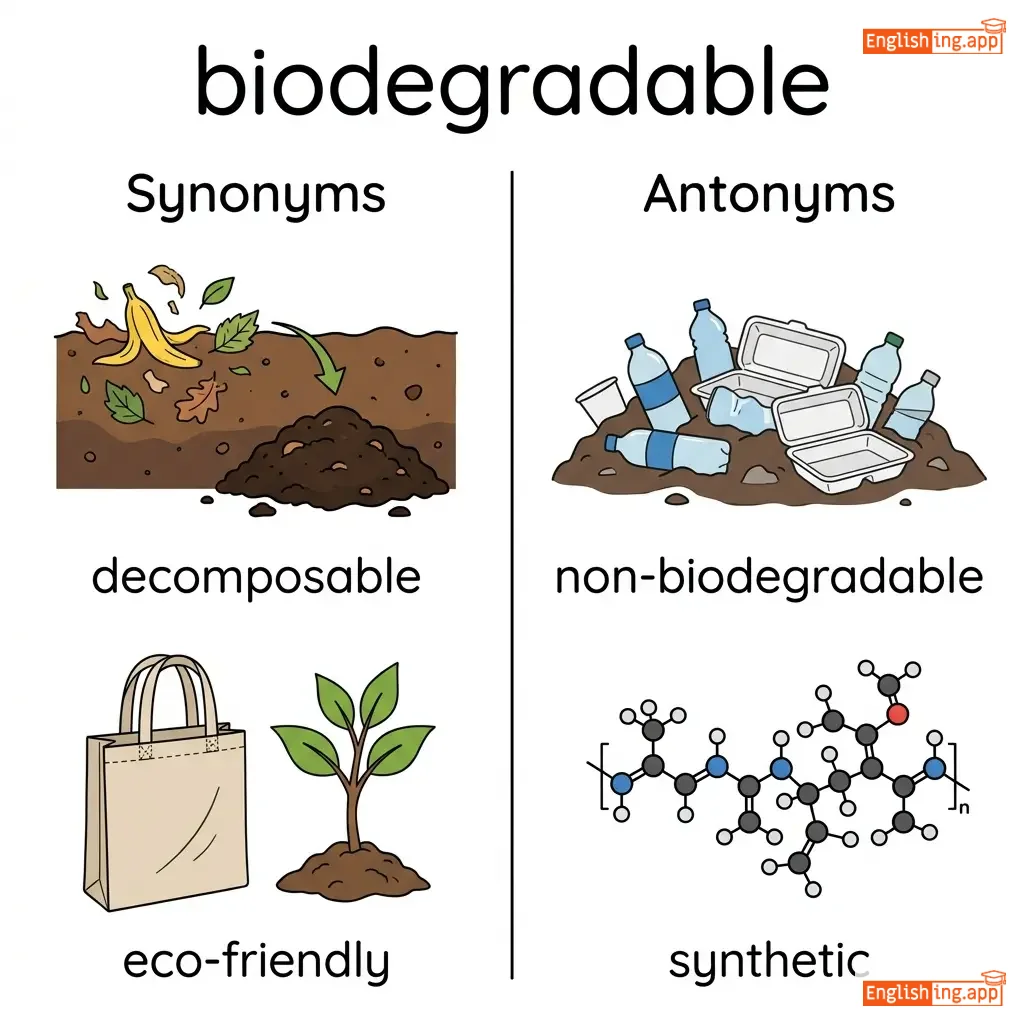
/ˌbaɪəʊdɪˈɡreɪdəbl/
adjective
(バイオデグレーダブル)
••••••
|
|
生分解性の
seibunkaisē no
••••••
|
Capable of being decomposed by natural biological processes, typically by bacteria or other living organisms, without causing harm to the environment.
••••••
|
Biodegradable materials break down naturally without harming the environment. |
生分解性の素材は自然に分解され、環境に害を与えることはありません。
Seibunkaisē no sozai wa shizen ni bunka sare, kankyō ni gai o ataeru koto wa arimasen.
••••••
|
environmentally friendly, decomposable
••••••
|
non-biodegradable, synthetic
••••••
|
“生分解性の”は自然と結びついており、地球に優しいというイメージです。
••••••
|
|
#1890
🦠
|
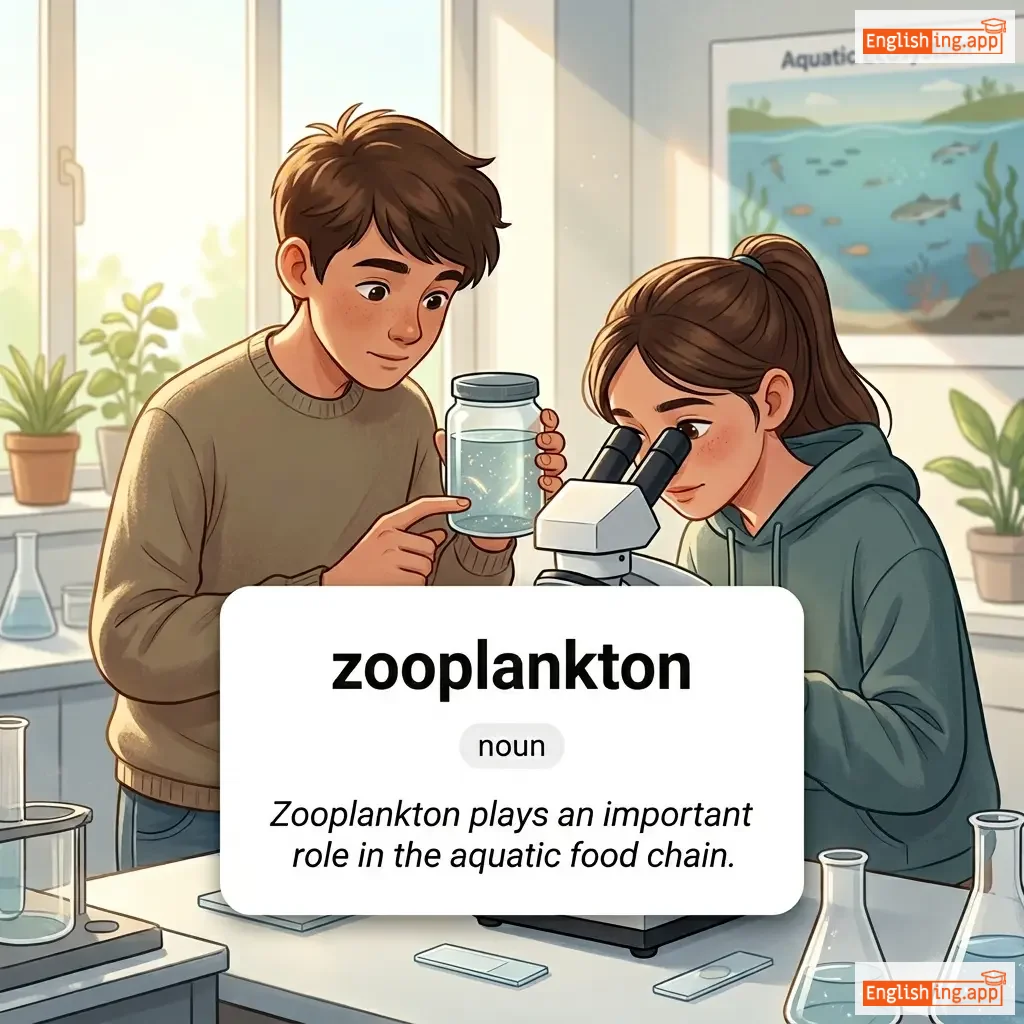
/ˈzuːəʊˌplæŋktən/
noun
(ズープランクトン)
••••••
|
|
動物プランクトン
dōbutsu purankuton
••••••
|
Microscopic aquatic animals that drift in water bodies and form an essential part of the aquatic food chain, serving as food for fish and other marine organisms.
••••••
|
Zooplankton plays an important role in the aquatic food chain. |
動物プランクトンは水生食物連鎖で重要な役割を果たします。
Dōbutsu purankuton wa suisei shokumotsu rensa de jūyō na yakuwari o hatashimasu.
••••••
|
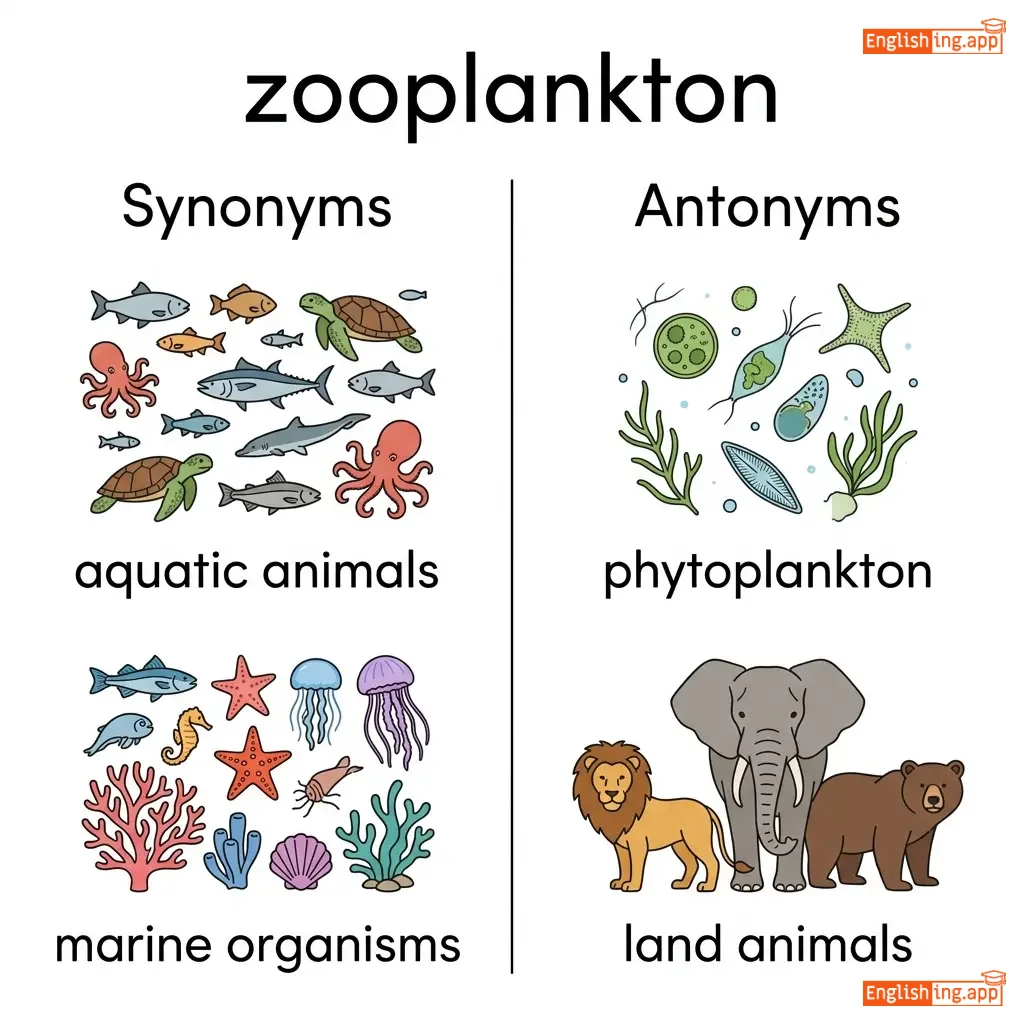
aquatic animals, marine organisms
••••••
|
phytoplankton, land animals
••••••
|
Zooplankton - 海の中で浮かぶ小さな動物たち、魚たちのご飯になる。
••••••
|
|
#1891
🌍
|
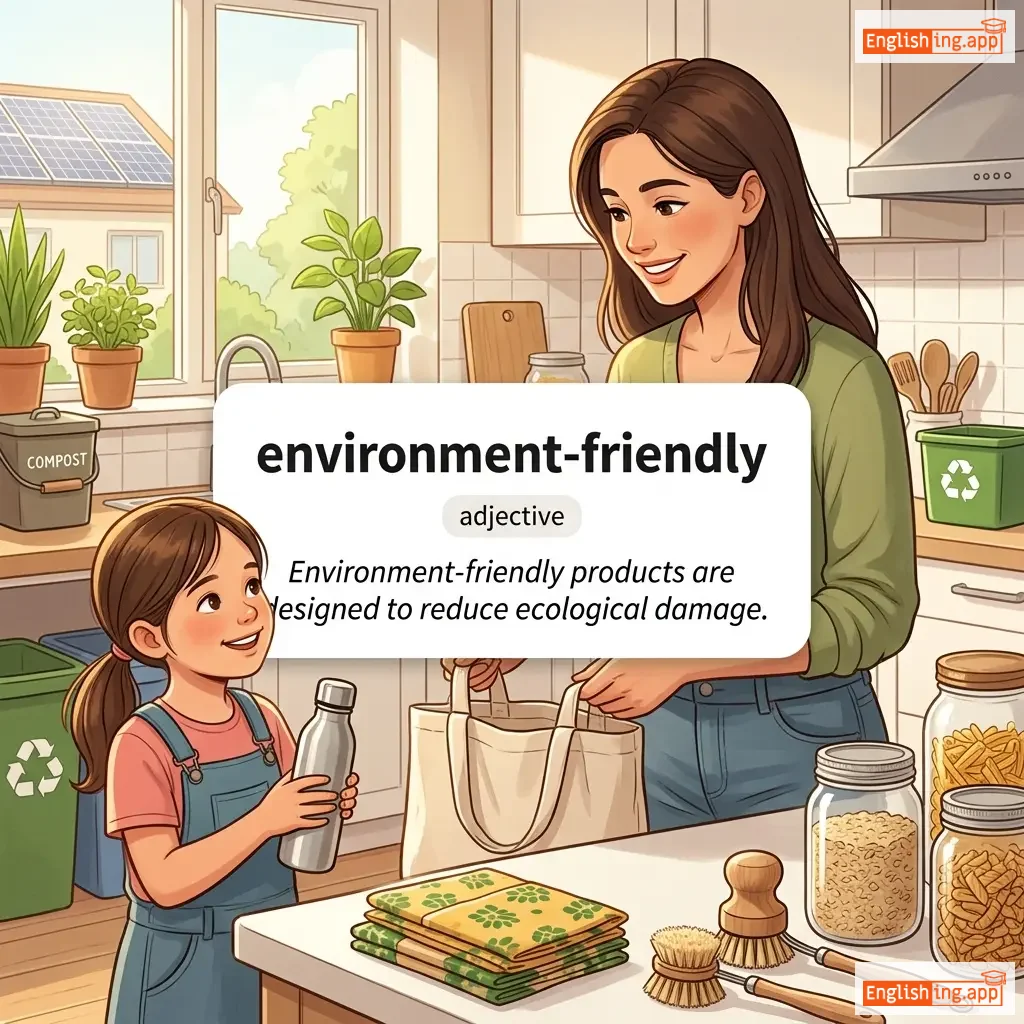
/ɪnˈvaɪrənmənt ˈfrɛndli/
adjective
(invaɪrənmənt frɛndli)
••••••
|
|
環境に優しい
kankyō ni yasashī
••••••
|
Designed or produced in a way that causes minimal harm to the environment, often using sustainable materials and processes that reduce ecological impact.
••••••
|
Environment-friendly products are designed to reduce ecological damage.
環境に優しい製品は、環境へのダメージを減らすように設計されています。
••••••
|
環境に優しい製品は、環境へのダメージを減らすように設計されています。
Kankyō ni yasashī seihin wa, kankyō e no damēji o herasu yō ni sekkei sareteimasu.
••••••
|
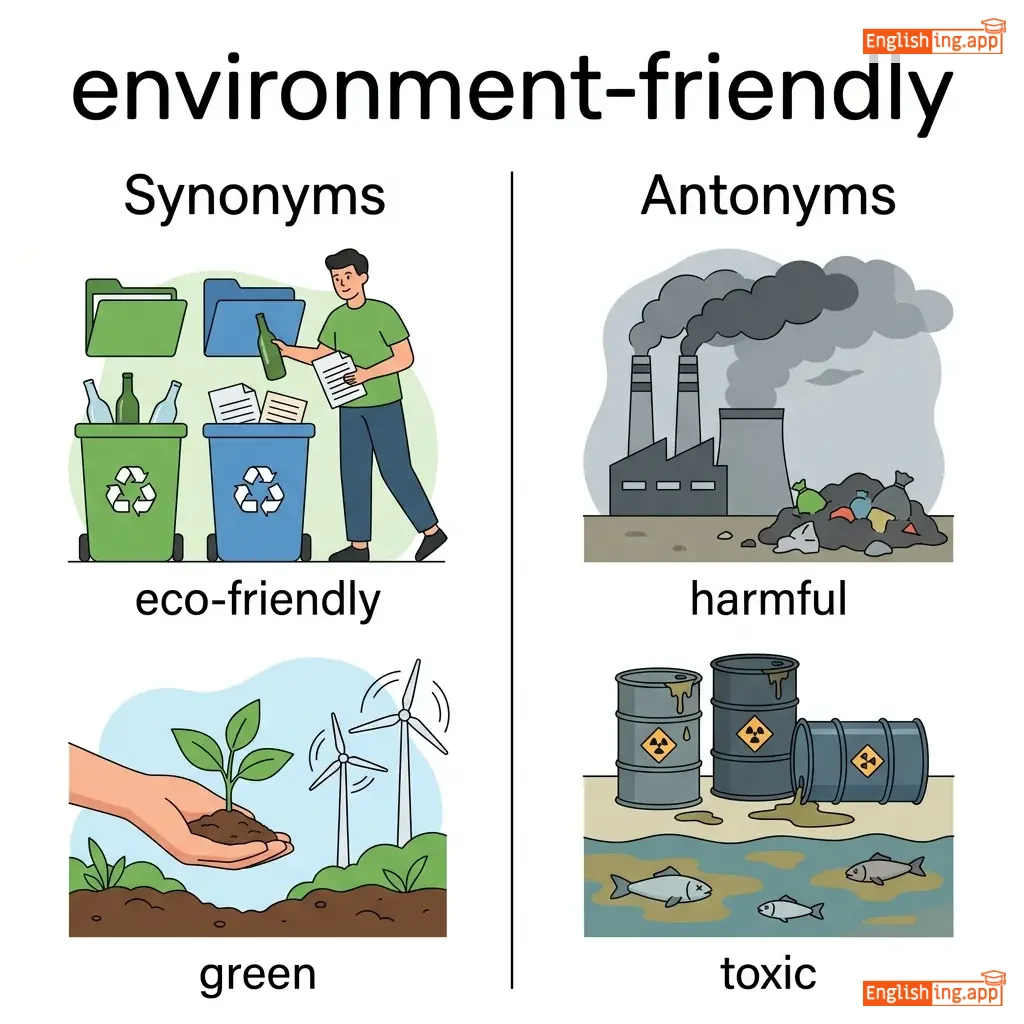
eco-friendly, green
••••••
|
harmful, toxic
••••••
|
環境に優しい製品は、自然を守るために作られています。
••••••
|
|
#1892
⚡
|
/vaɪˈtæləti/
noun
(vitaliti)
••••••
|
|
活力、力
katsuryoku, chikara
••••••
|
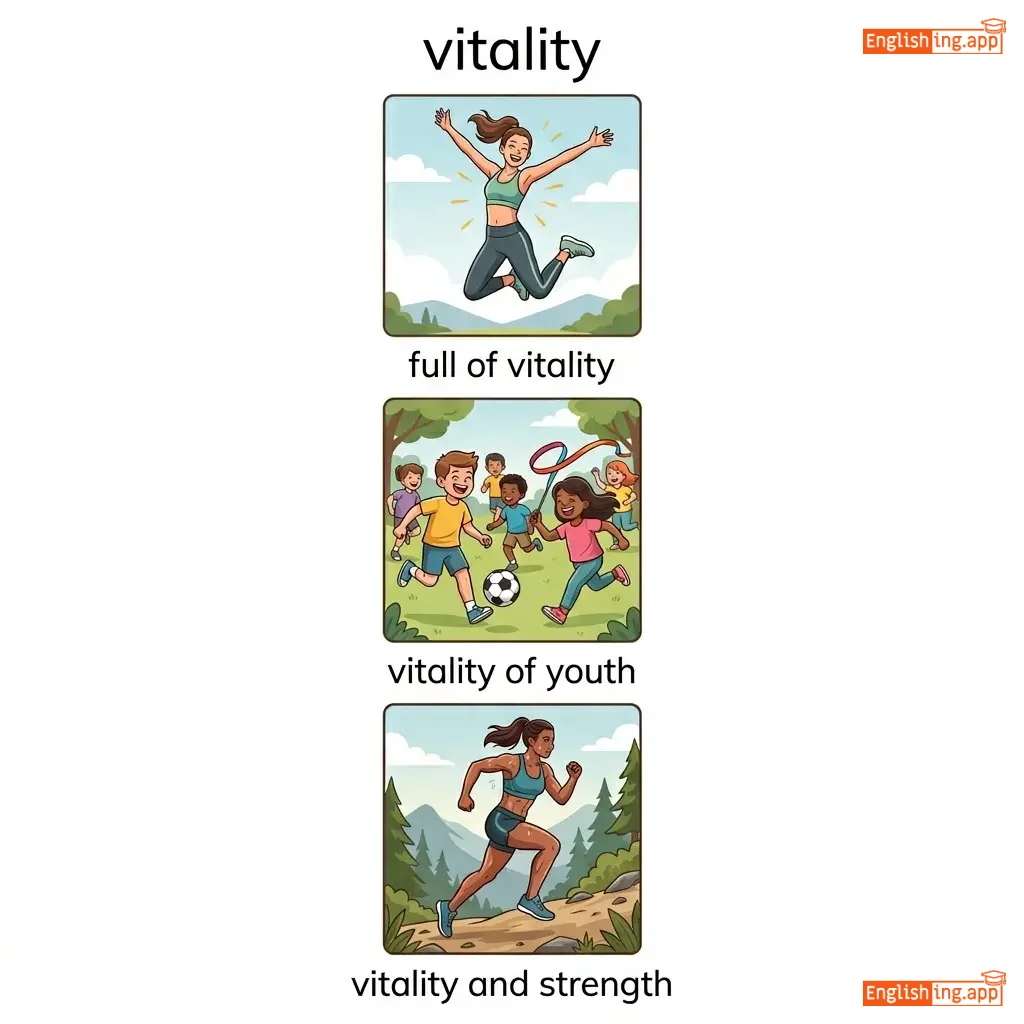
The state of being strong, active, and energetic; in agriculture, it refers to the overall health and vigor of plants, soil, or farming systems.
••••••
|
The vitality of the community is evident in their collective efforts.
コミュニティの活力は彼らの共同の努力に現れています。
••••••
|
コミュニティの活力は彼らの共同の努力に現れています。
Komyuniti no katsuryoku wa karera no kyoudou no doryoku ni arawareteimasu.
••••••
|
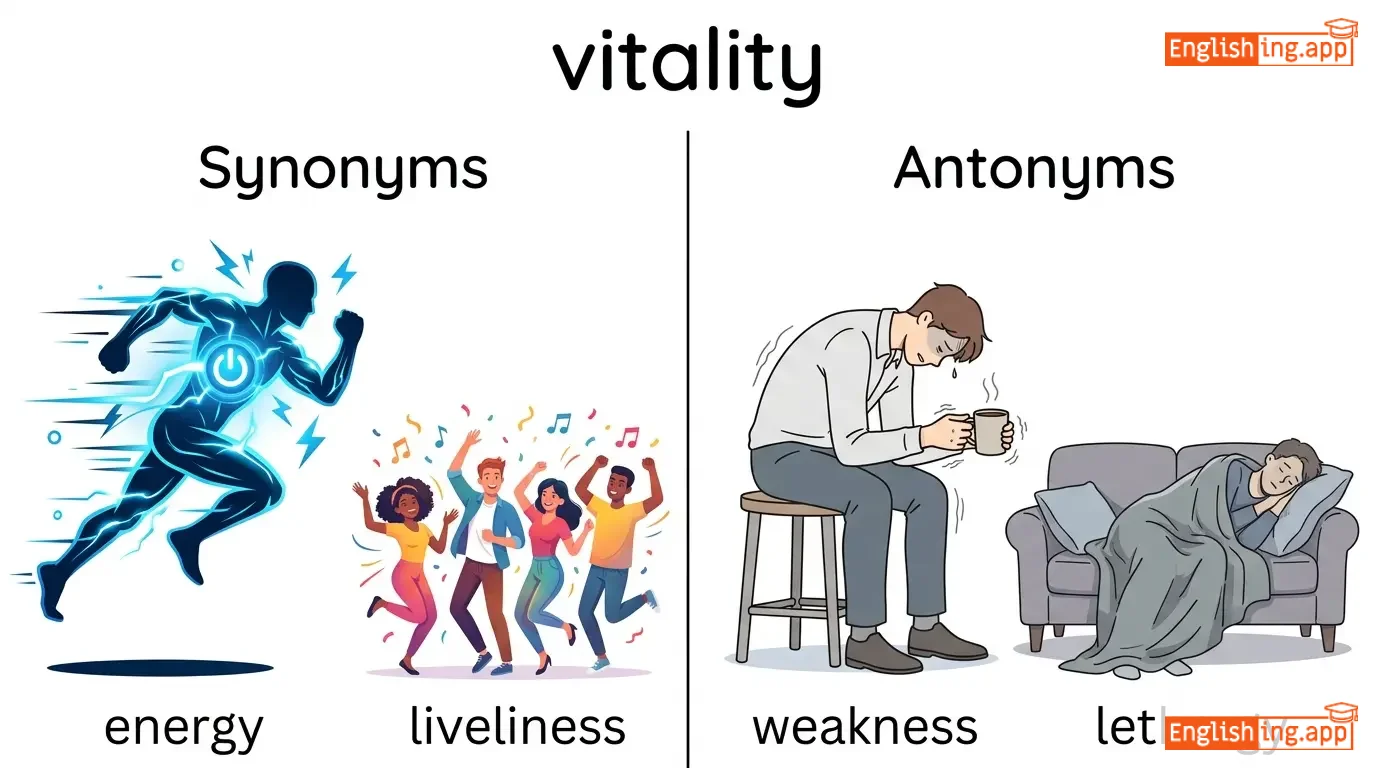
energy, vigour
••••••
|
weakness, lethargy
••••••
|
活力を意味する元気なエネルギー、常に前進!
••••••
|
Vocabulary Quiz
Test your vocabulary by matching words with their translations or meanings.
Login to take the quiz
Comments (0)
Share your thoughts and join the discussion.
Join the discussion by logging in
Login to CommentNo comments yet
Be the first to share your thoughts!