

人類文明の進化
The Evolution of Human Civilization
人類文明の evolutionary 道のりは長く複雑なプロセスでした。Prehistoric 時代、人々は nomadic であり、食料を求めて各地を移動していました。しかし、domestication と agricultural 技術の発見が文明の genesis をもたらしました。
その時、人類 society の cultural 基盤が確立され、人々は組織化された society へと進み始めました。Megalithic architecture や古代の civilizations を通じて、彼らは生活の概念や歴史を作り上げました。
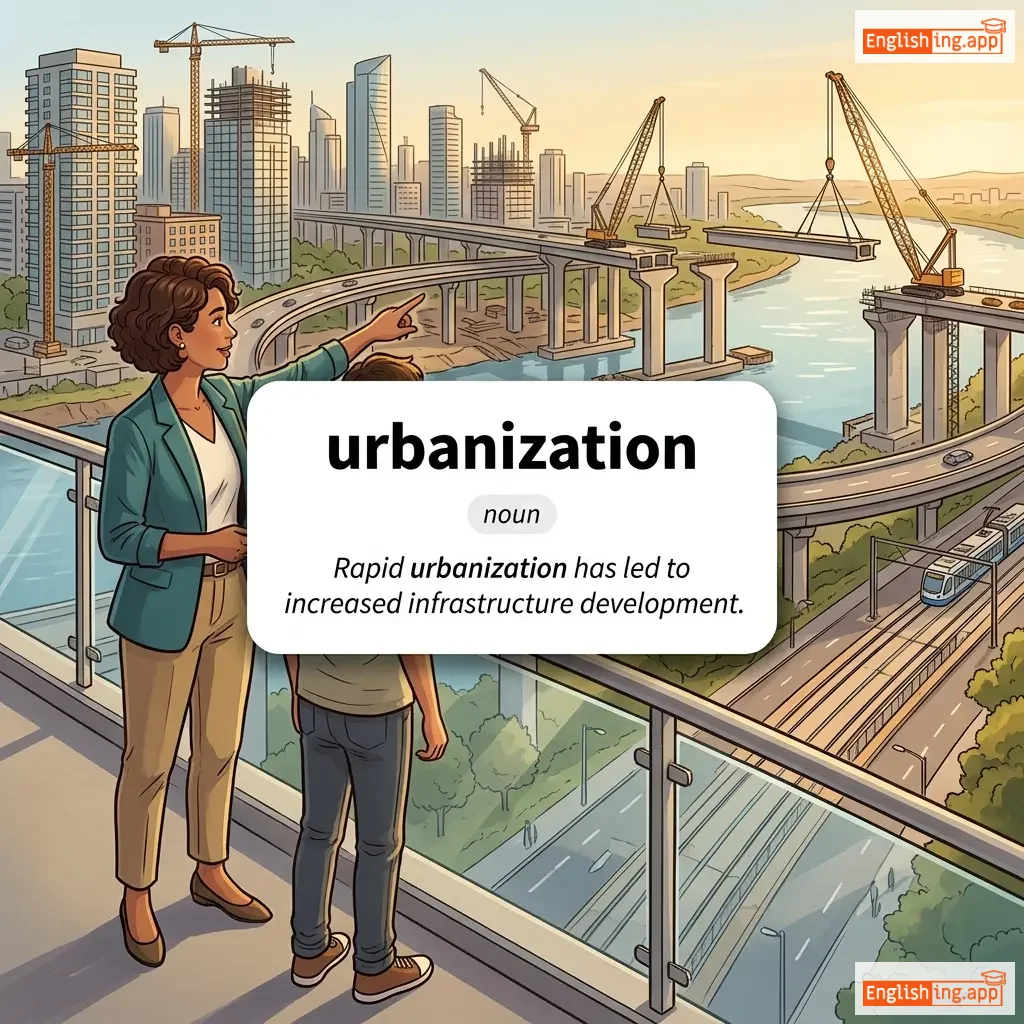
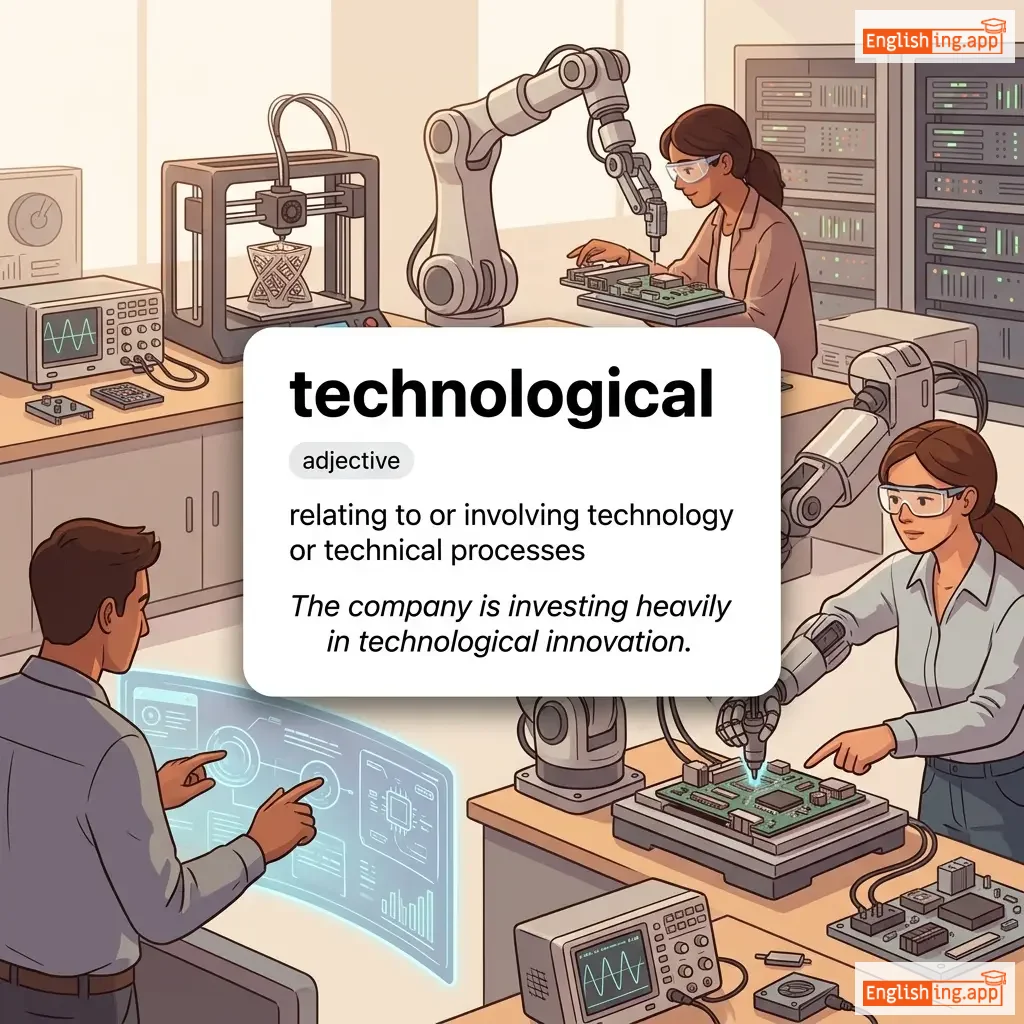
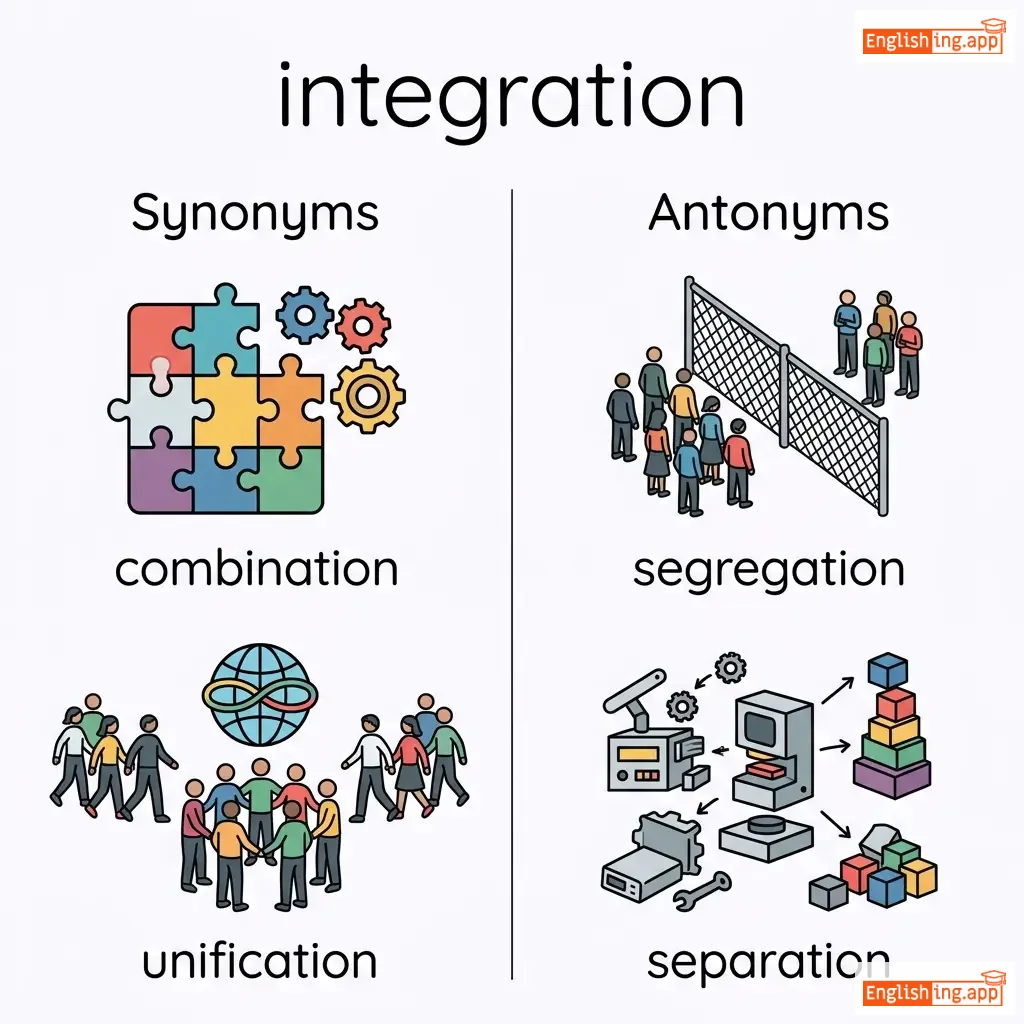
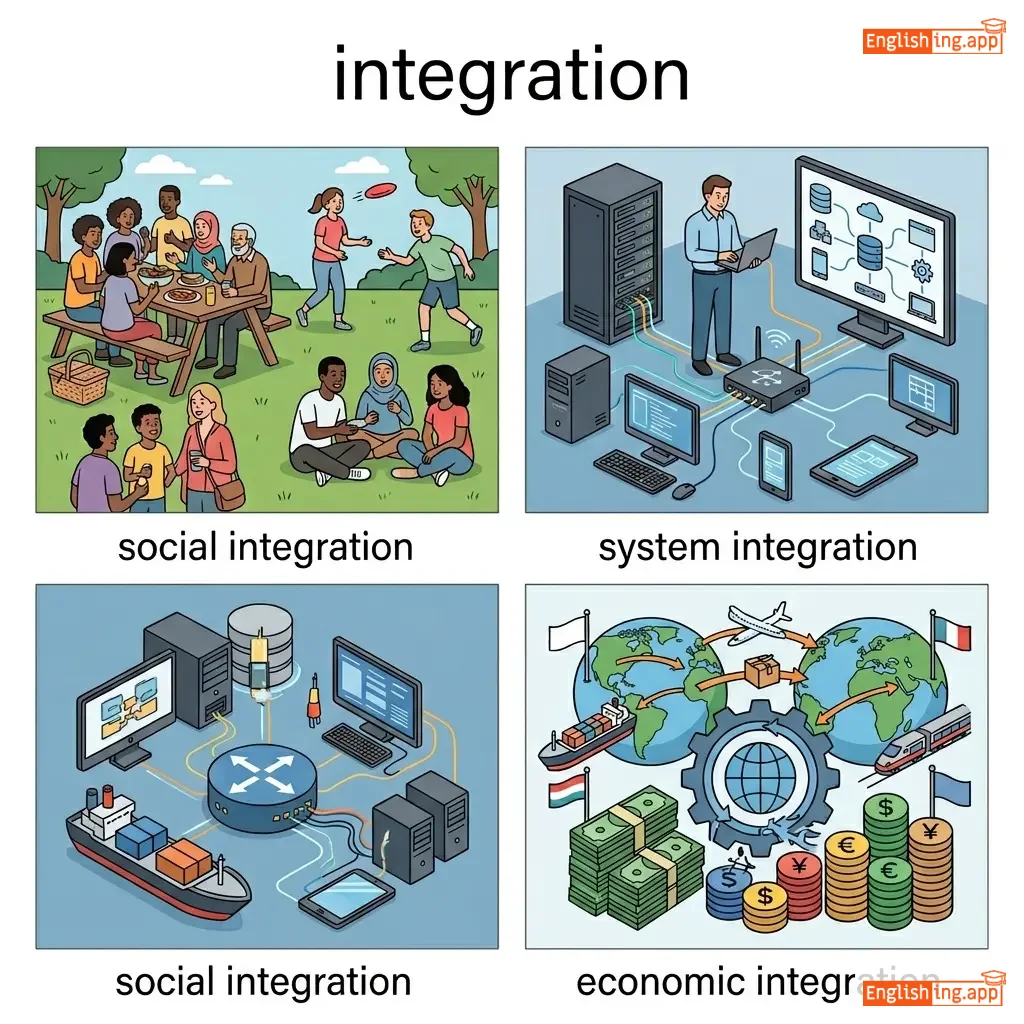
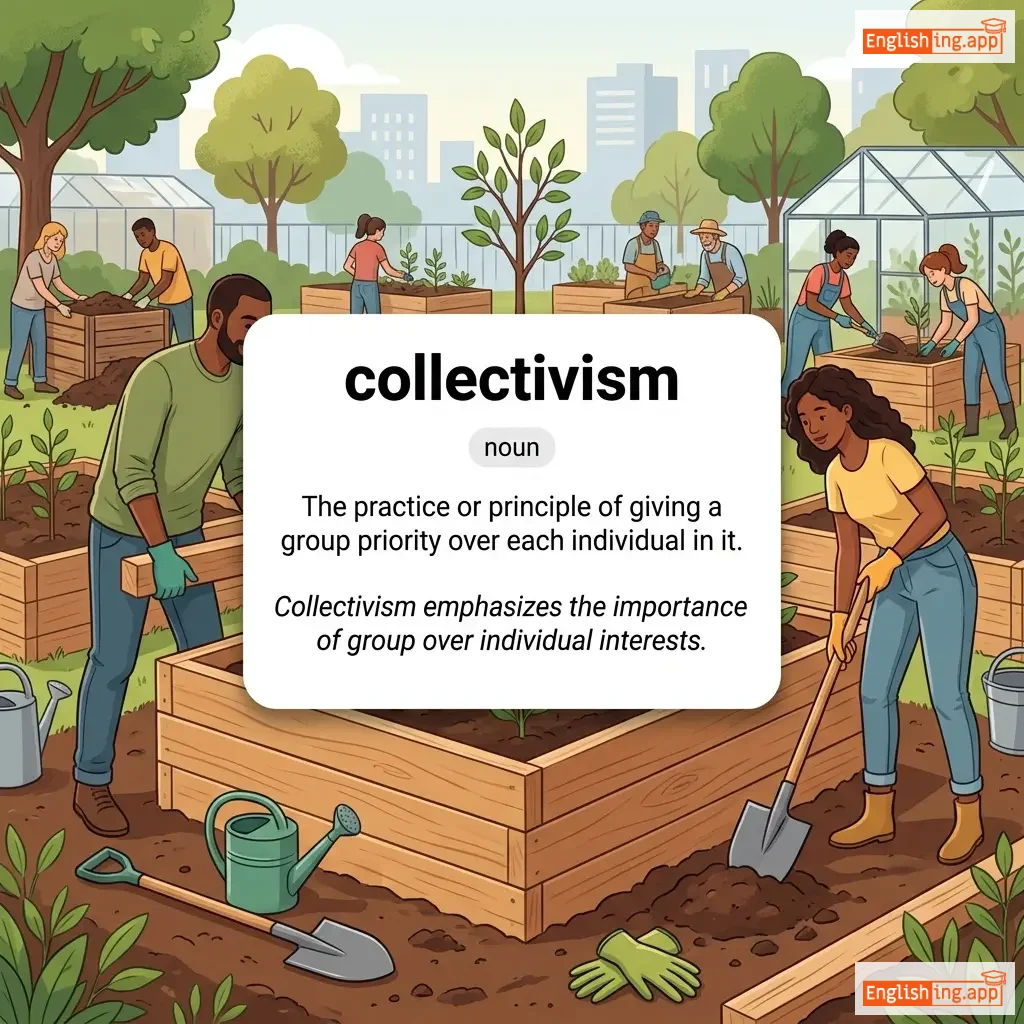
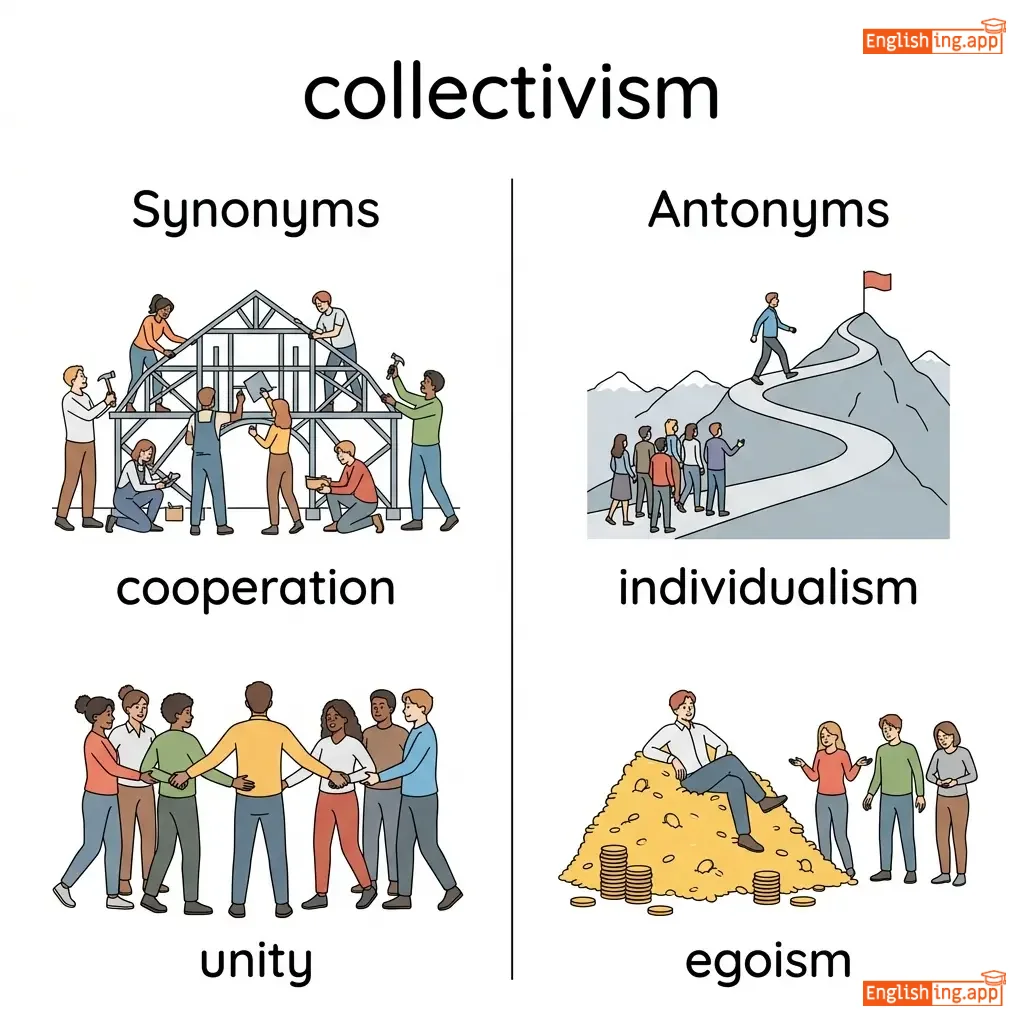
Industrialization と urbanization によって文明はさらに発展し、technological 進歩と sociopolitical 変化が世界全体をつなげました。しかし、これらの変化の中で、integration と collectivism が必要とされています。すべての society の層の人々が恩恵を受けるためです。
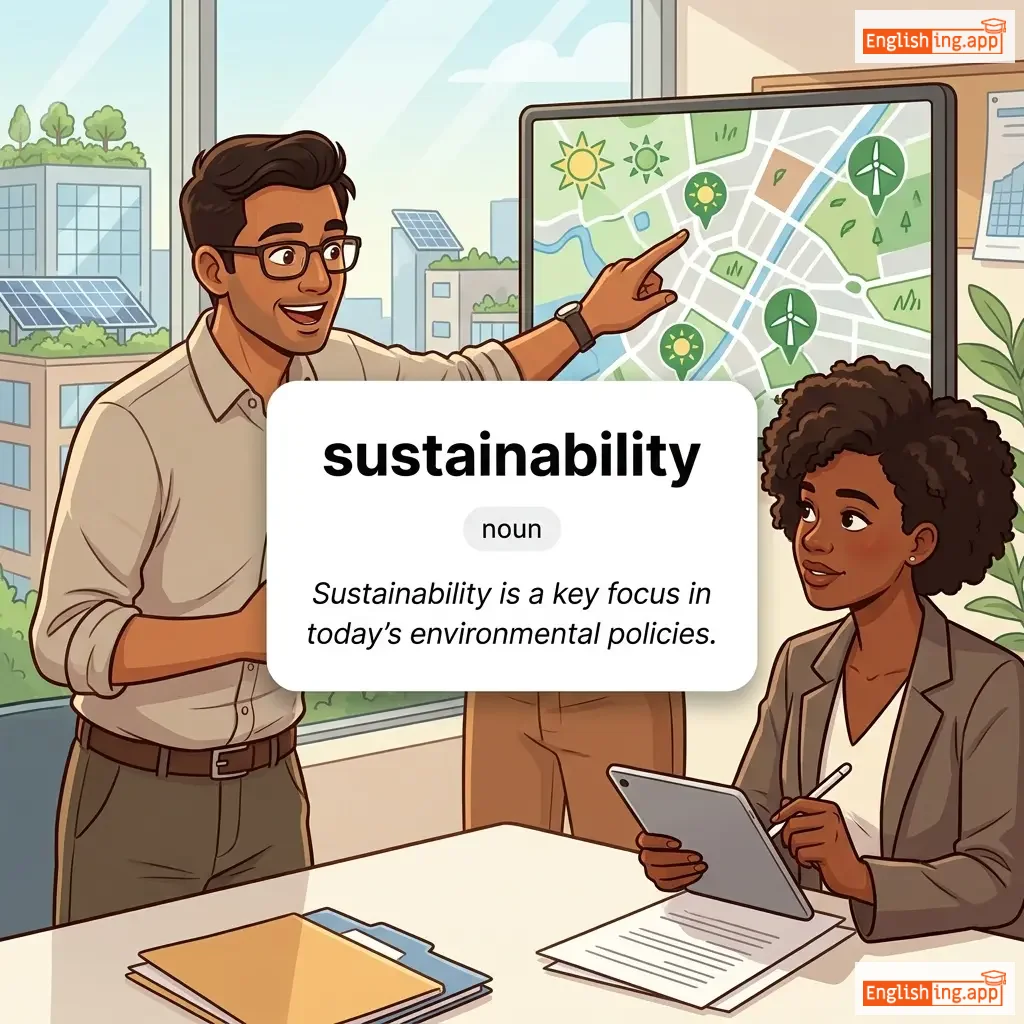
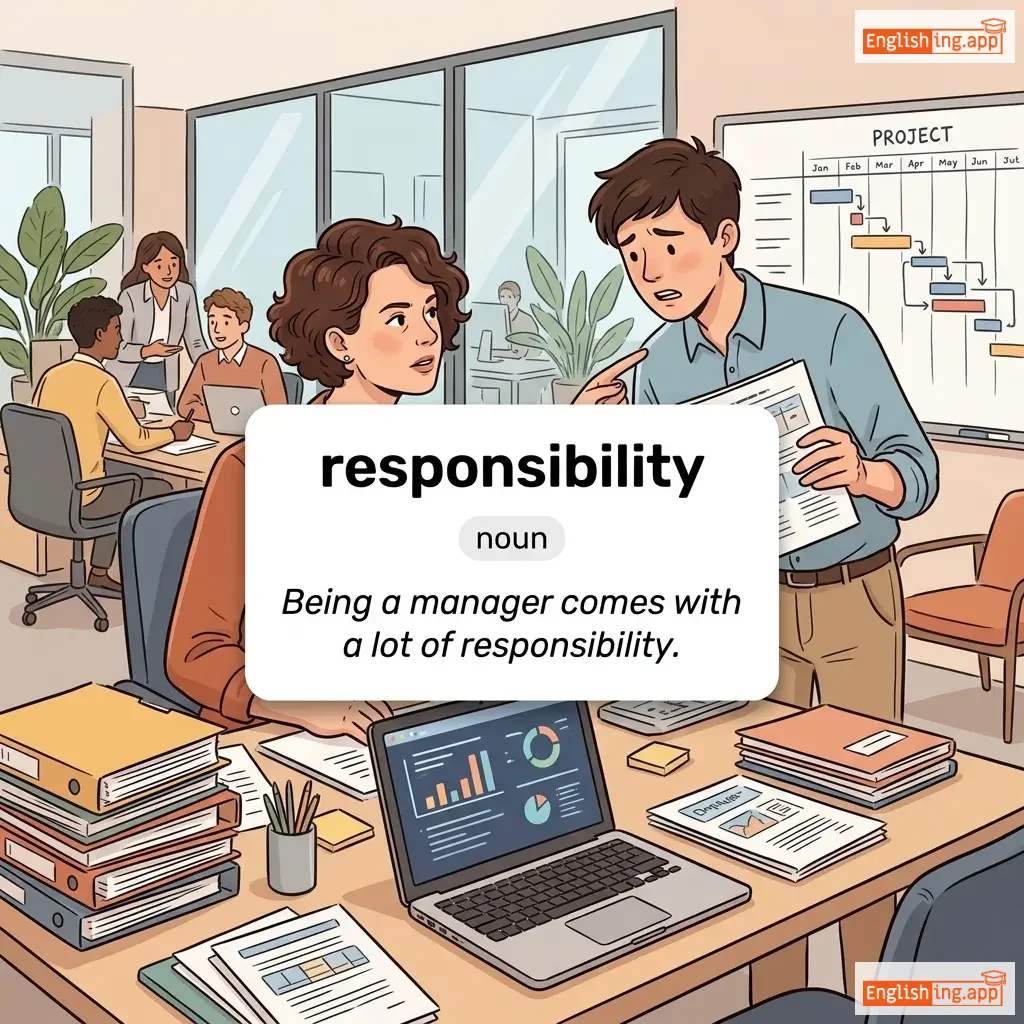
今日、sustainability と環境的な responsibility が人類文明の進歩に新たな方向性を開いています。
翻訳
過去
過去分詞
三人称単数
動名詞
意味
例文
例文の翻訳
同義語
対義語
コロケーション
ニーモニック



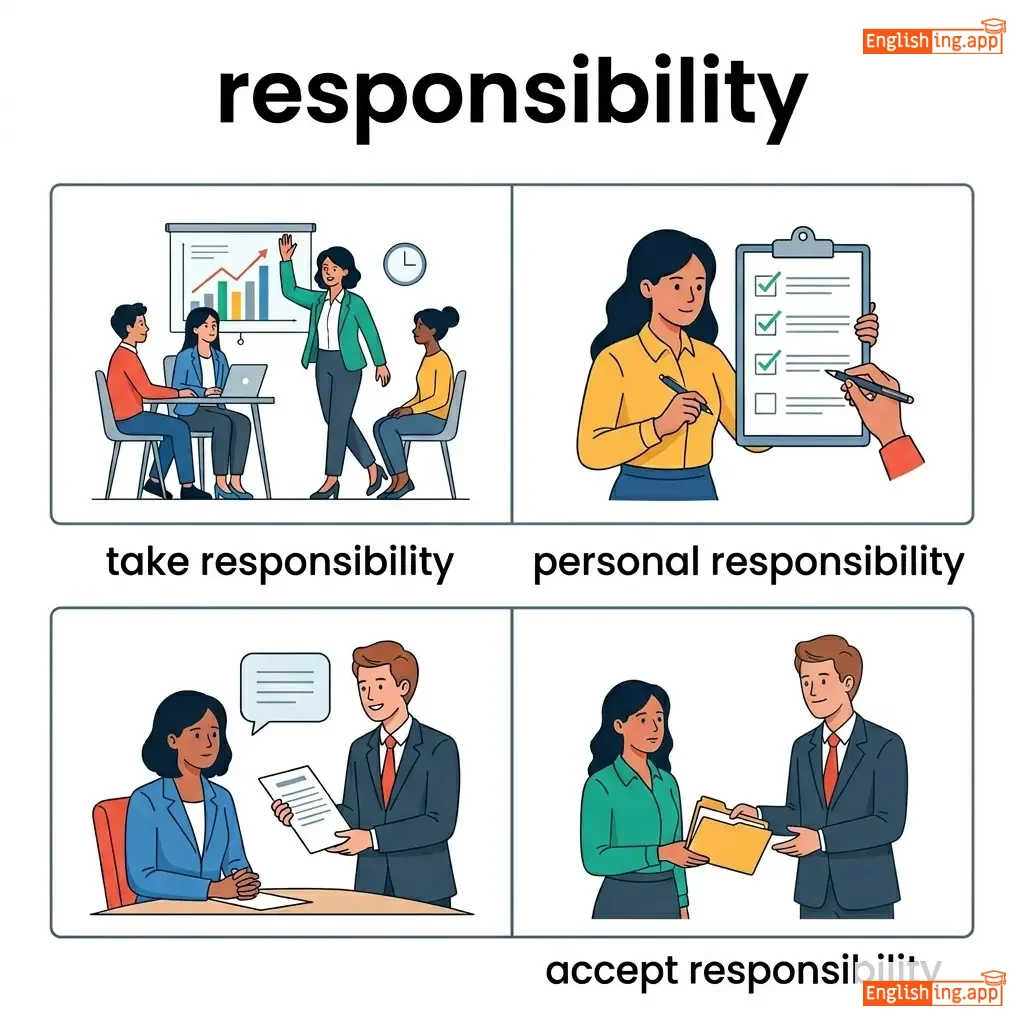
Swipe left or right, or use the buttons. Tap image to zoom.
例文の翻訳
単語
The Evolution of Human CivilizationThe Evolution of Human Civilization - マスクトグル
|
絵文字
|
単語 | Images | 翻訳 | 意味 | 例文 | 例文の翻訳 | 同義語 | 対義語 | ニーモニック |
|---|---|---|---|---|---|---|---|---|---|
|
#3109
🧬
|
ˌiːvəˈluːʃənəri
adjective
(進化の)
••••••
|
|
進化的
shinka teki
••••••
|
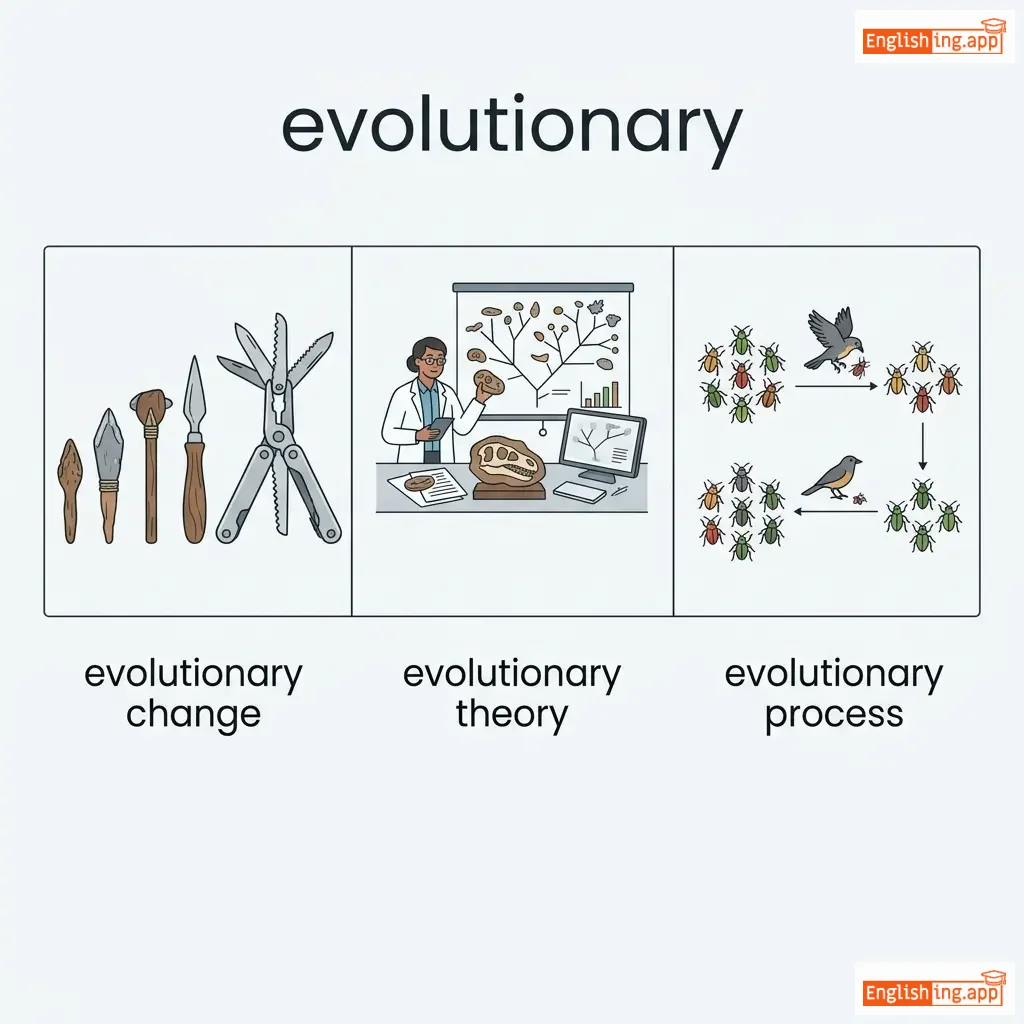
Relating to or denoting the gradual development of something, especially from a simple to a more complex form.
••••••
|
The evolutionary changes in species are fascinating. |
種の進化的変化は魅力的です。
Shu no shinkateki henka wa miryokuteki desu.
••••••
|
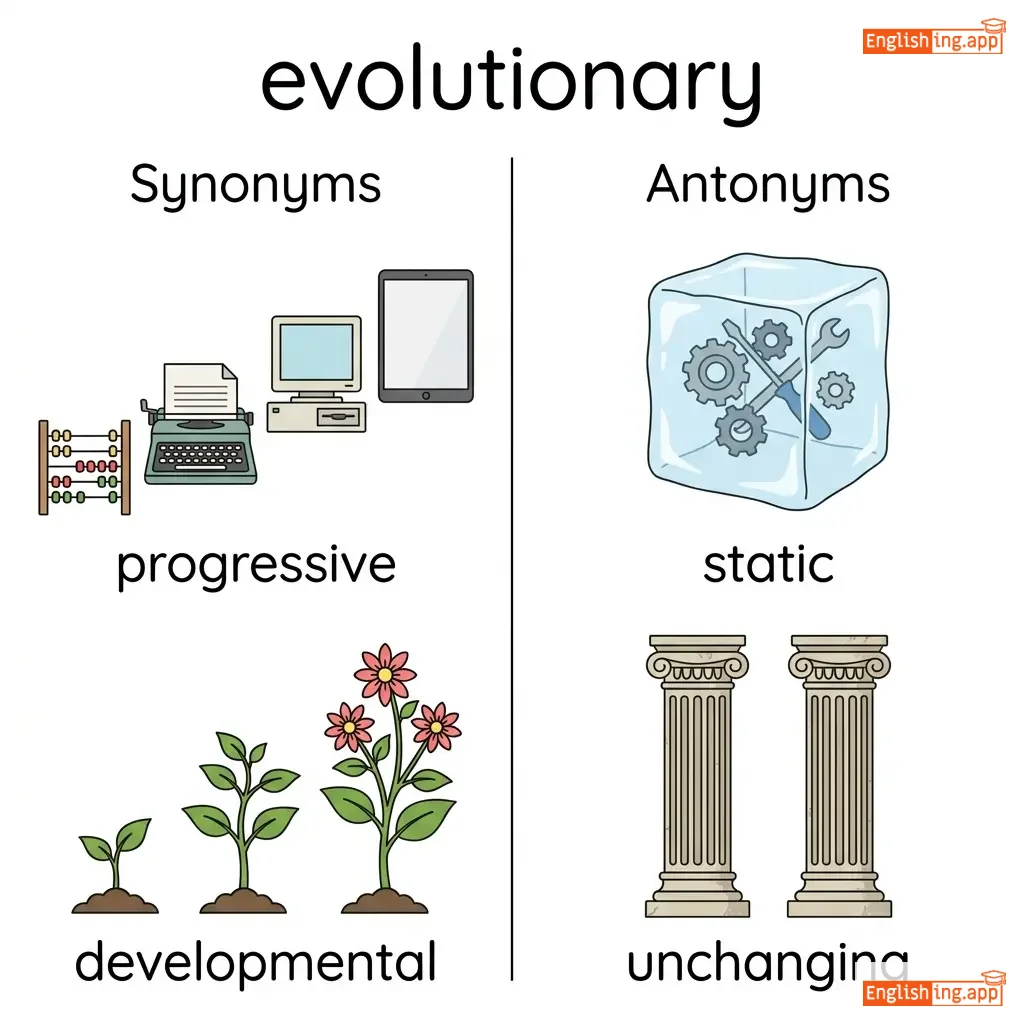
progressive, developmental
••••••
|
static, unchanging
••••••
|
Shinka teki is evolutionary, related to gradual change over time.
••••••
|
|
#3110
🦴
|
ˌpriːhɪˈstɒrɪk
adjective
(先史時代の)
••••••
|
|
先史時代の, 書かれた記録の前の時間
senshi jidai no, kakareta kiroku no mae no jikan
••••••
|
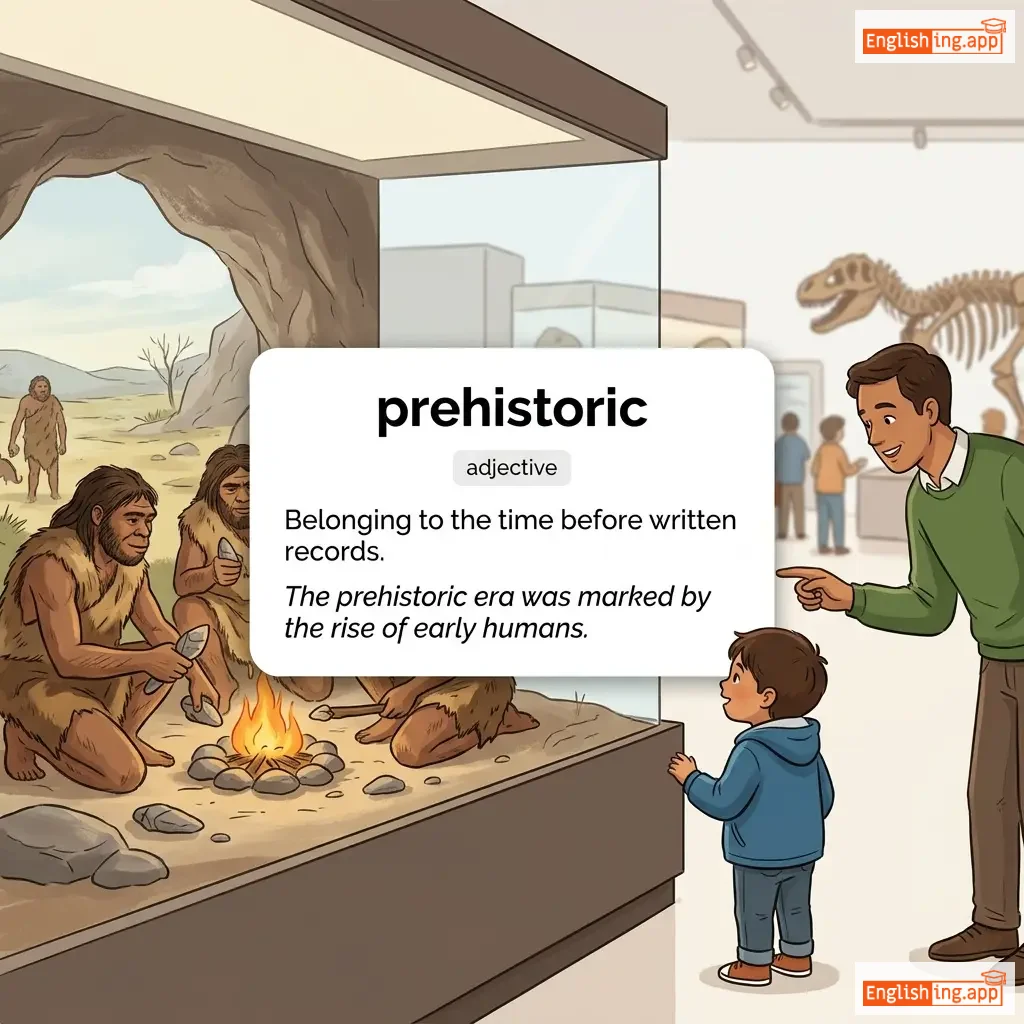
Belonging to the time before written records.
••••••
|
The prehistoric era was marked by the rise of early humans.
先史時代は初期の人類の台頭によって特徴付けられました。
••••••
|
先史時代は初期の人類の台頭によって特徴付けられました。
Senshi jidai wa shoki no jinrui no taitō ni yotte tokuchōzukeraremashita.
••••••
|
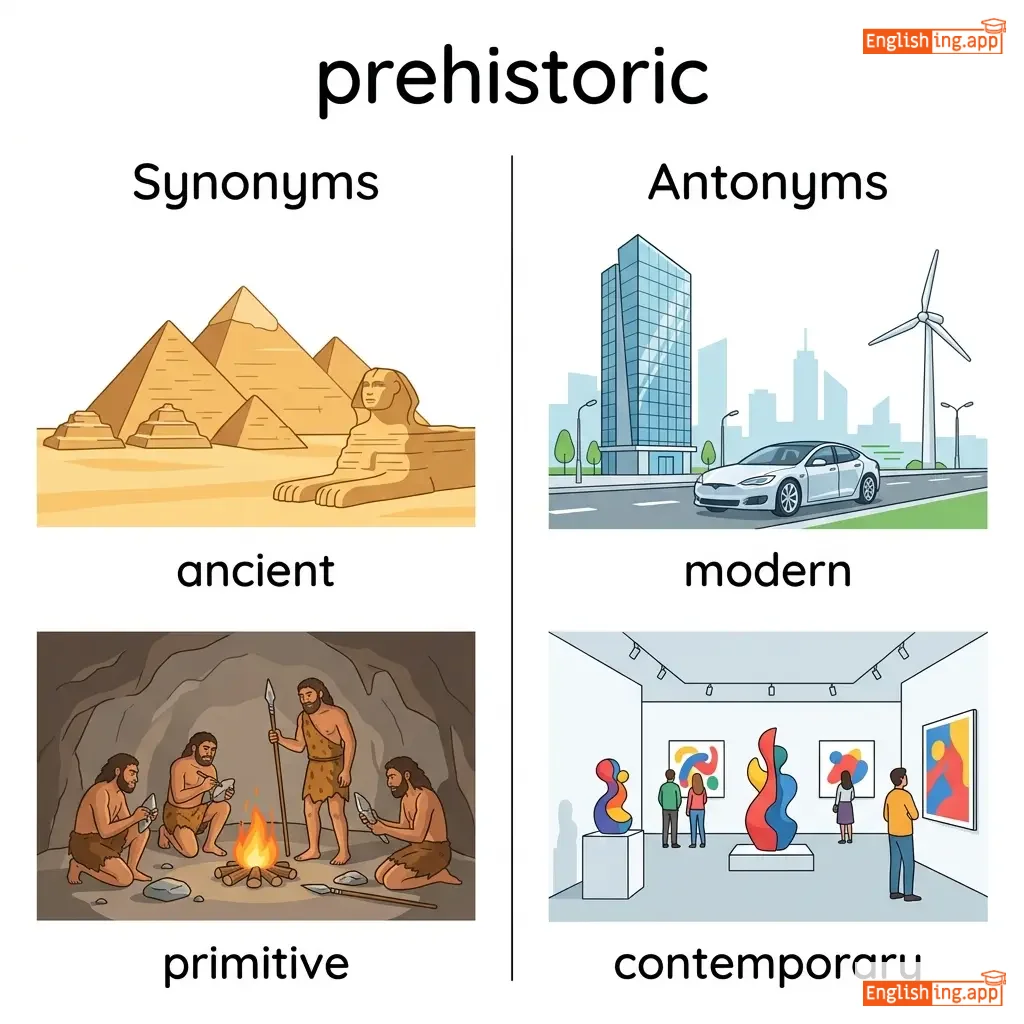
ancient, primitive
••••••
|
modern, contemporary
••••••
|
先史時代のは書かれた記録の前の時代です。
••••••
|
|
#3111
🏕️
|
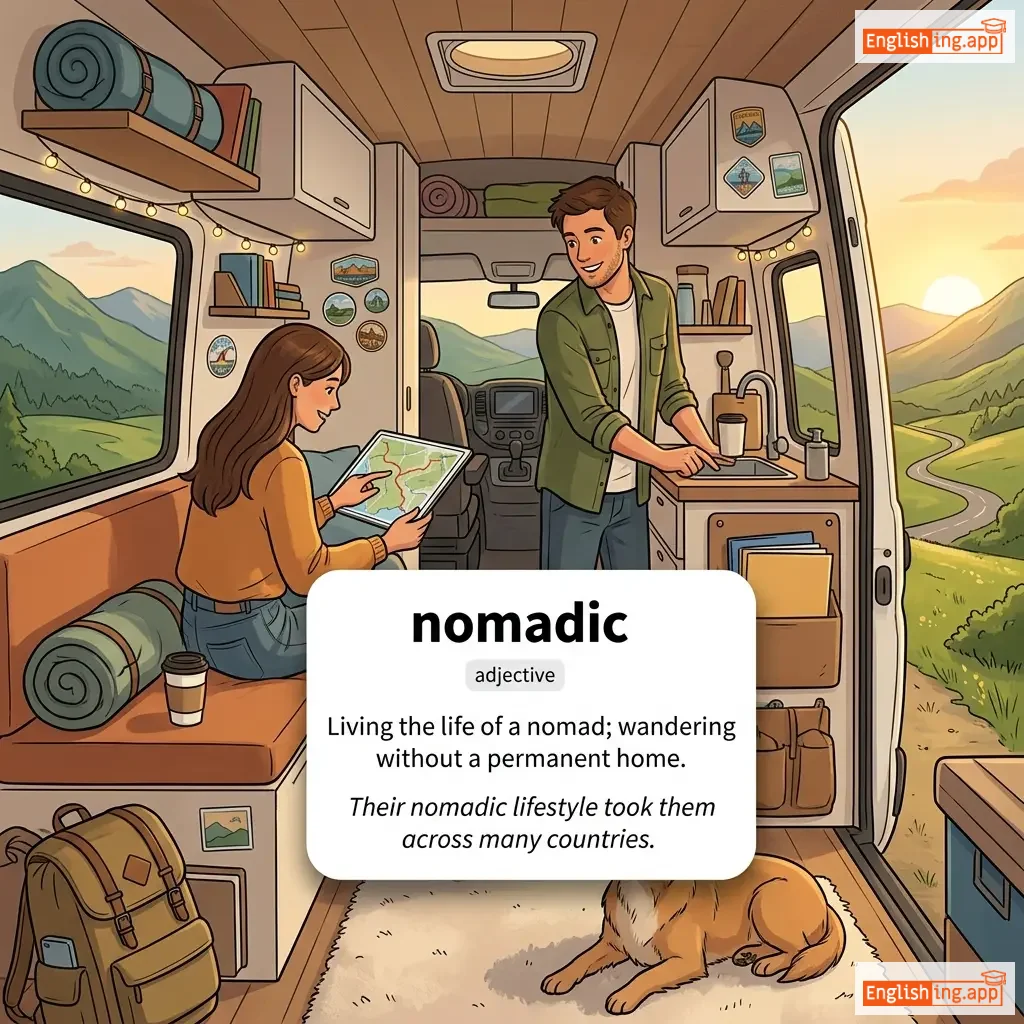
nəʊˈmædɪk
adjective
(ノウマディック)
••••••
|
|
遊牧の, 遊牧生活を送る
yūboku no, yūboku seikatsu o okuru
••••••
|
Living the life of a nomad; wandering.
••••••
|
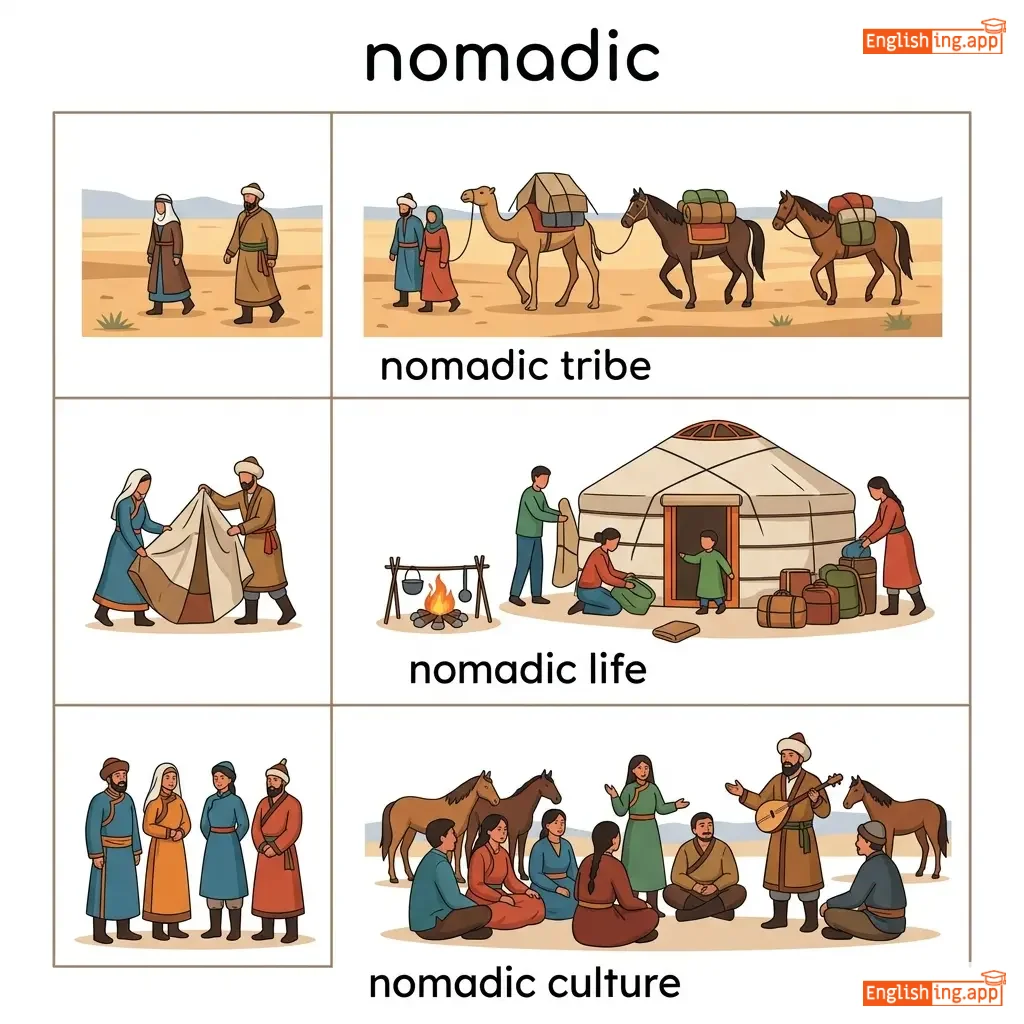
The nomadic tribes moved from place to place in search of resources.
ノマディックな部族は資源を求めて、場所から場所へ移動した。
••••••
|
遊牧の部族は資源を求めて、場所から場所へ移動した。
Yūboku no buzoku wa shigen o motomete, basho kara basho e idō shita.
••••••
|
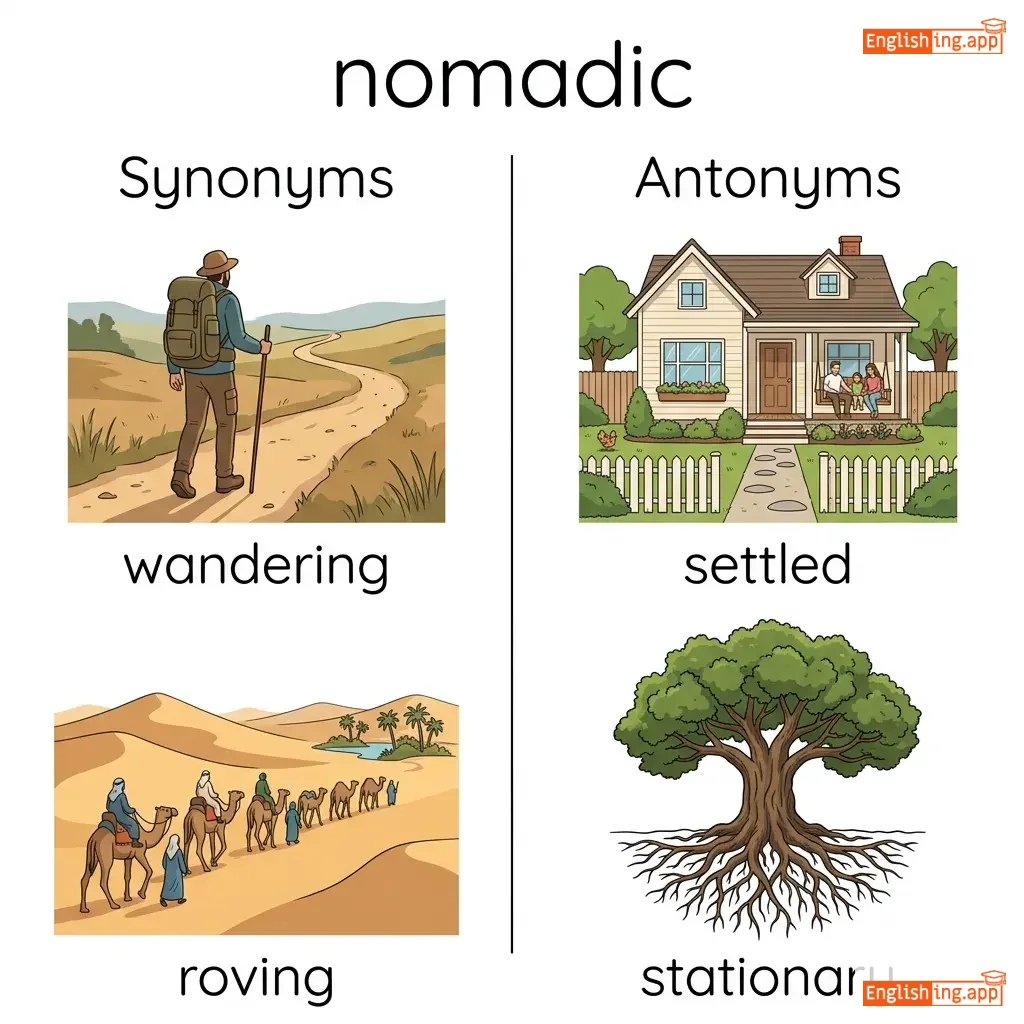
itinerant, migratory
••••••
|
settled, stationary
••••••
|
Nomadic = 遊牧 = どこへでも行く
••••••
|
|
#3112
🐄
|
dəˌmɛstɪˈkeɪʃən
noun
(家畜化)
••••••
|
|
家畜化
kachokuba
••••••
|
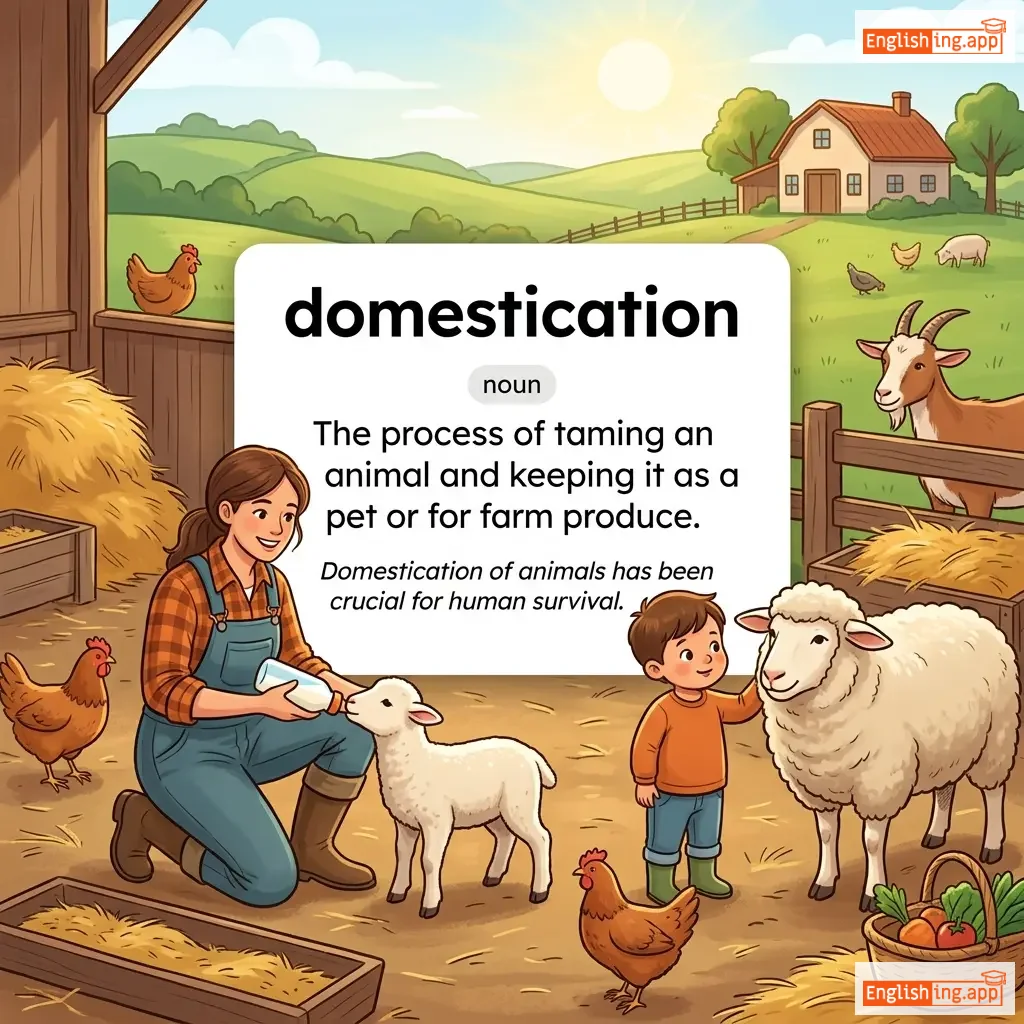
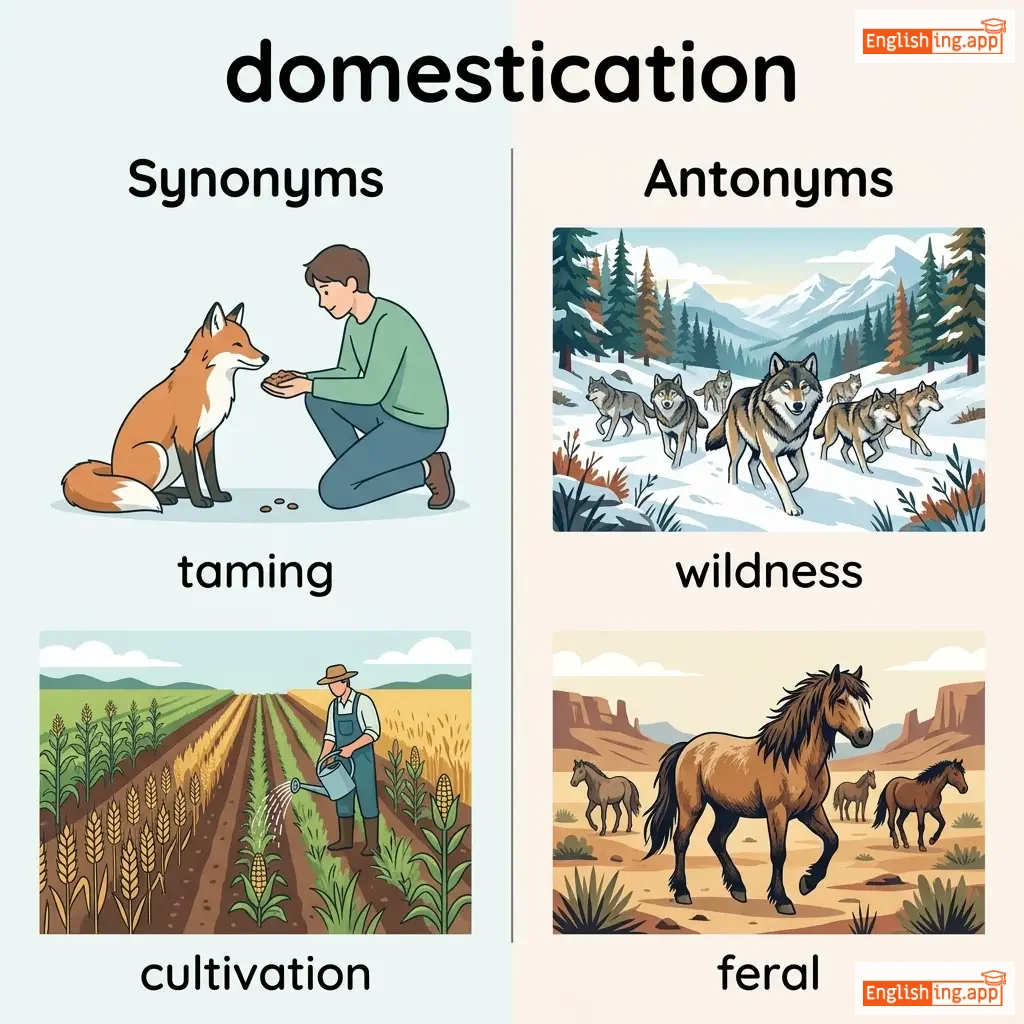
The process of taming an animal and keeping it as a pet or for farm produce.
••••••
|
Domestication of animals has been crucial for human survival. |
動物の家畜化は人間の生存にとって重要だった。
Doubutsu no kachokuba wa ningen no seizon ni totte juuyou datta.
••••••
|
taming, cultivation
••••••
|
wildness, feral
••••••
|
家畜化は人間の農業活動に重要な役割を果たす。
••••••
|
|
#3113
🌾
|
ˌæɡrɪˈkʌltʃərəl
adjective
(アグリカルチャル)
••••••
|
|
農業の
nougyou no
••••••
|
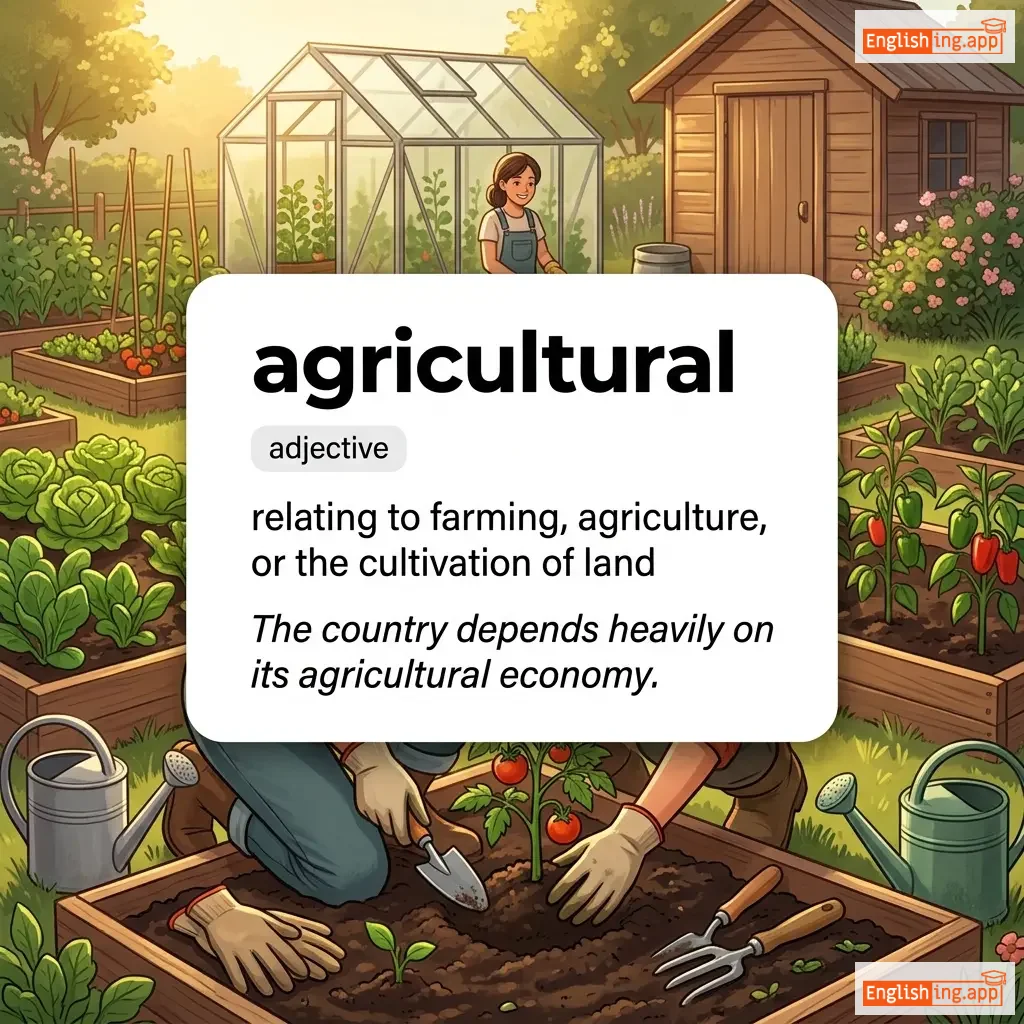
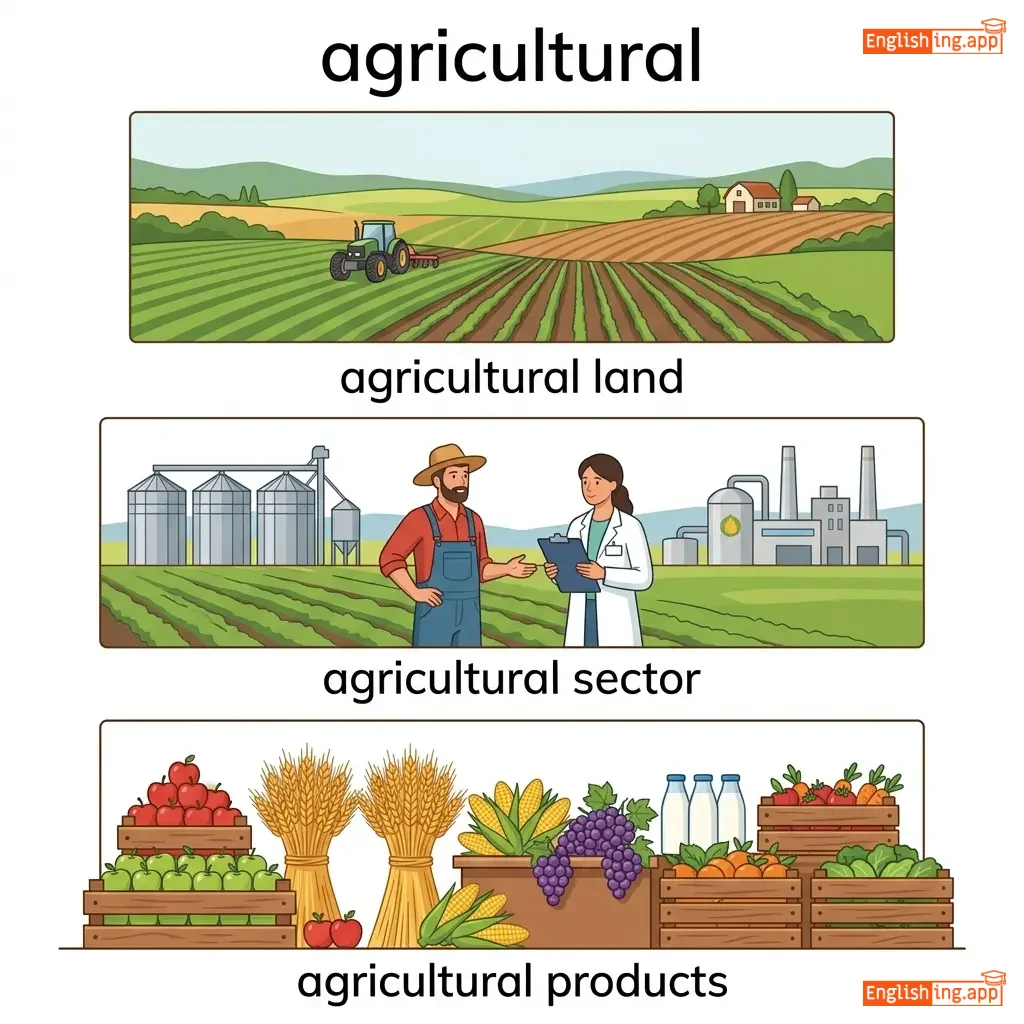
Connected with farming.
••••••
|
Agricultural practices have evolved over centuries. |
農業の実践は何世紀にもわたって進化してきました。
Nougyou no jissen wa nan seiki ni mo watatte shinka shite kimashita.
••••••
|
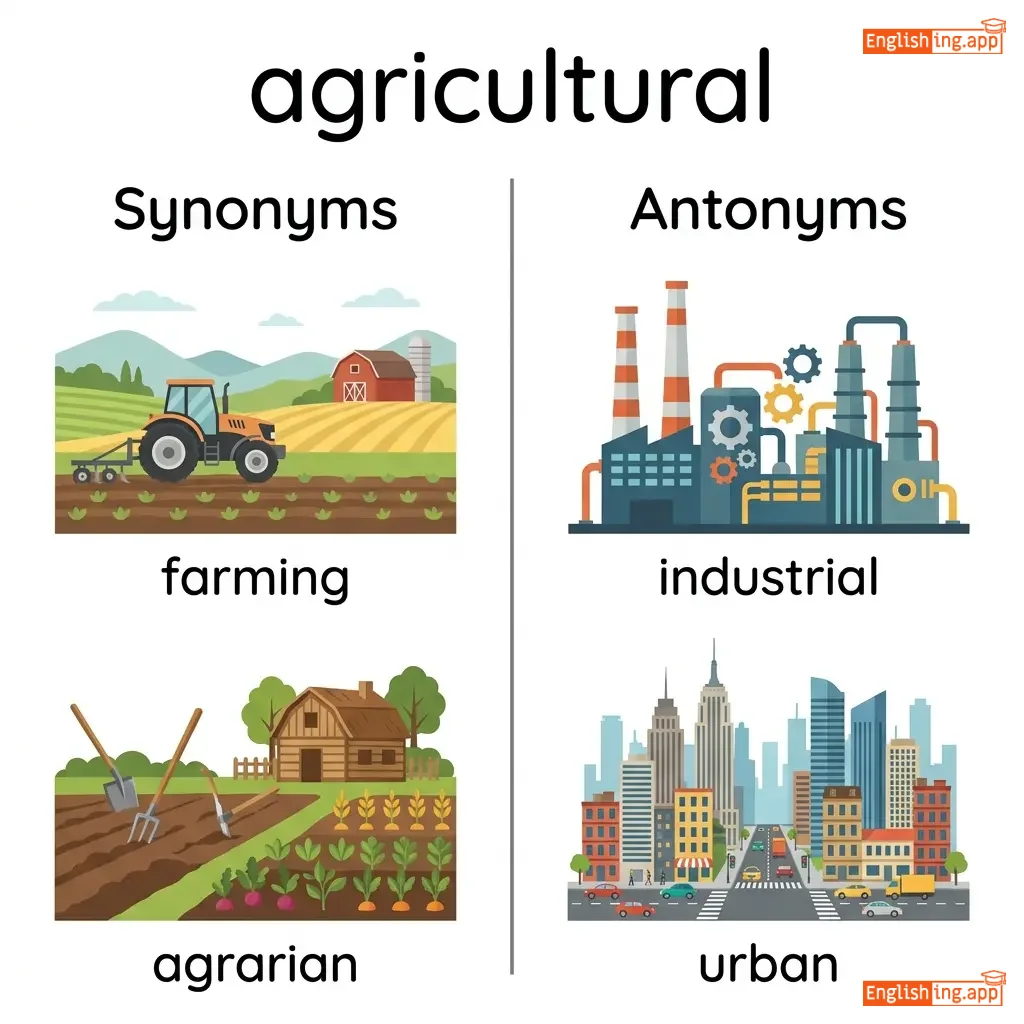
farming, cultivational
••••••
|
industrial, non-agricultural
••••••
|
農業の = 農業に関連する
••••••
|
|
#3114
🌱
|
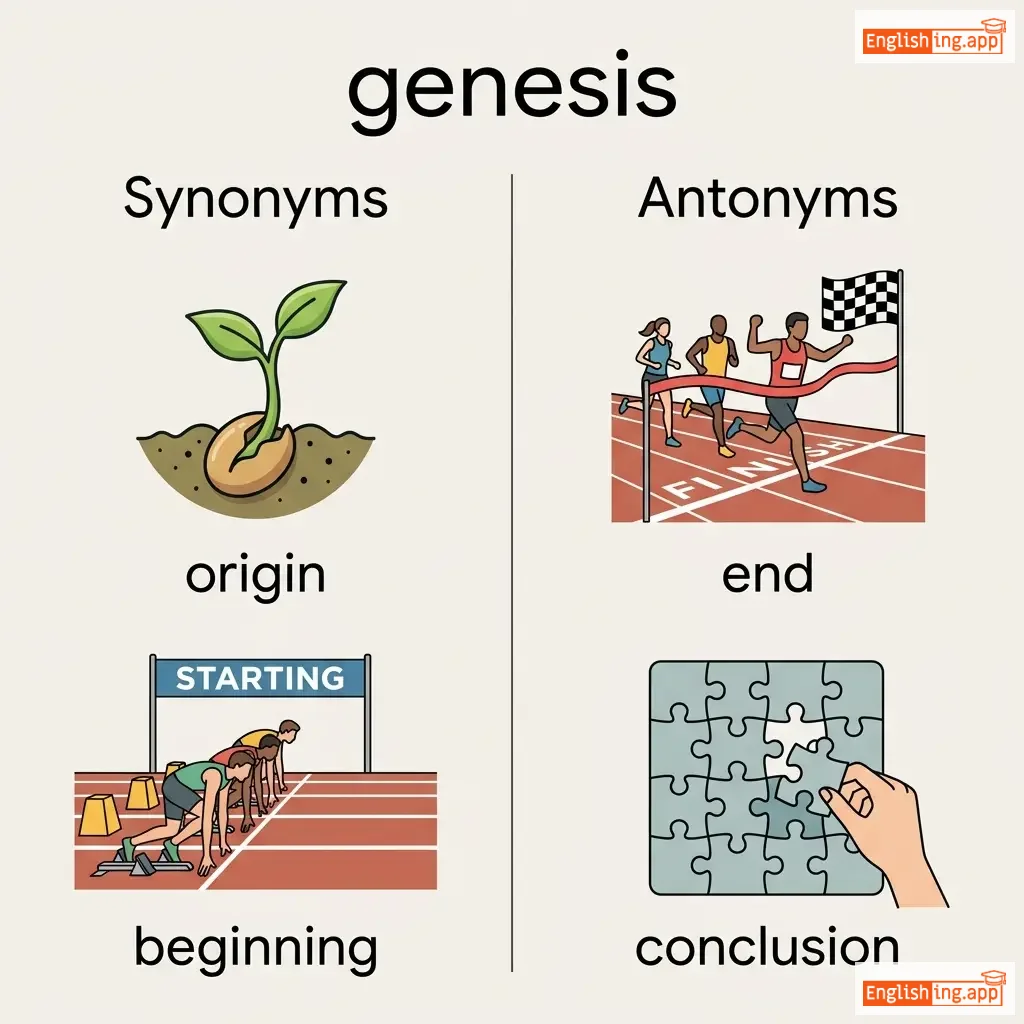
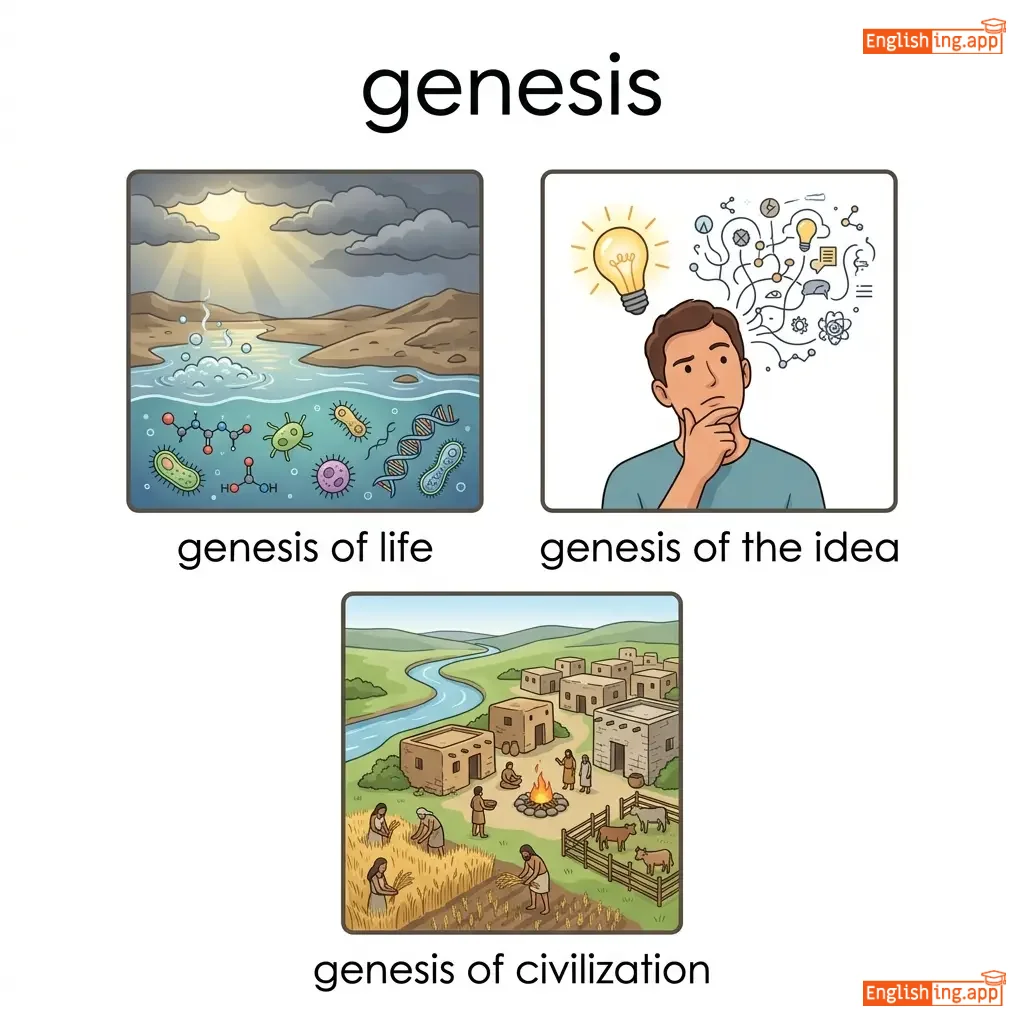
ˈdʒɛnɪsɪs
noun
(ジェネシス)
••••••
|
|
起源, 創世
kigen, sōsei
••••••
|
The origin or mode of formation of something.
••••••
|
The genesis of the internet changed the world forever.
インターネットの起源は世界を永遠に変えました。
••••••
|
インターネットの起源は世界を永遠に変えました。
Intānetto no kigen wa sekai o eien ni kaemashita.
••••••
|
origin, beginning
••••••
|
end, termination
••••••
|
Genesis - インターネットの起源、世界を変えた瞬間。
••••••
|
|
#3115
🎭
|
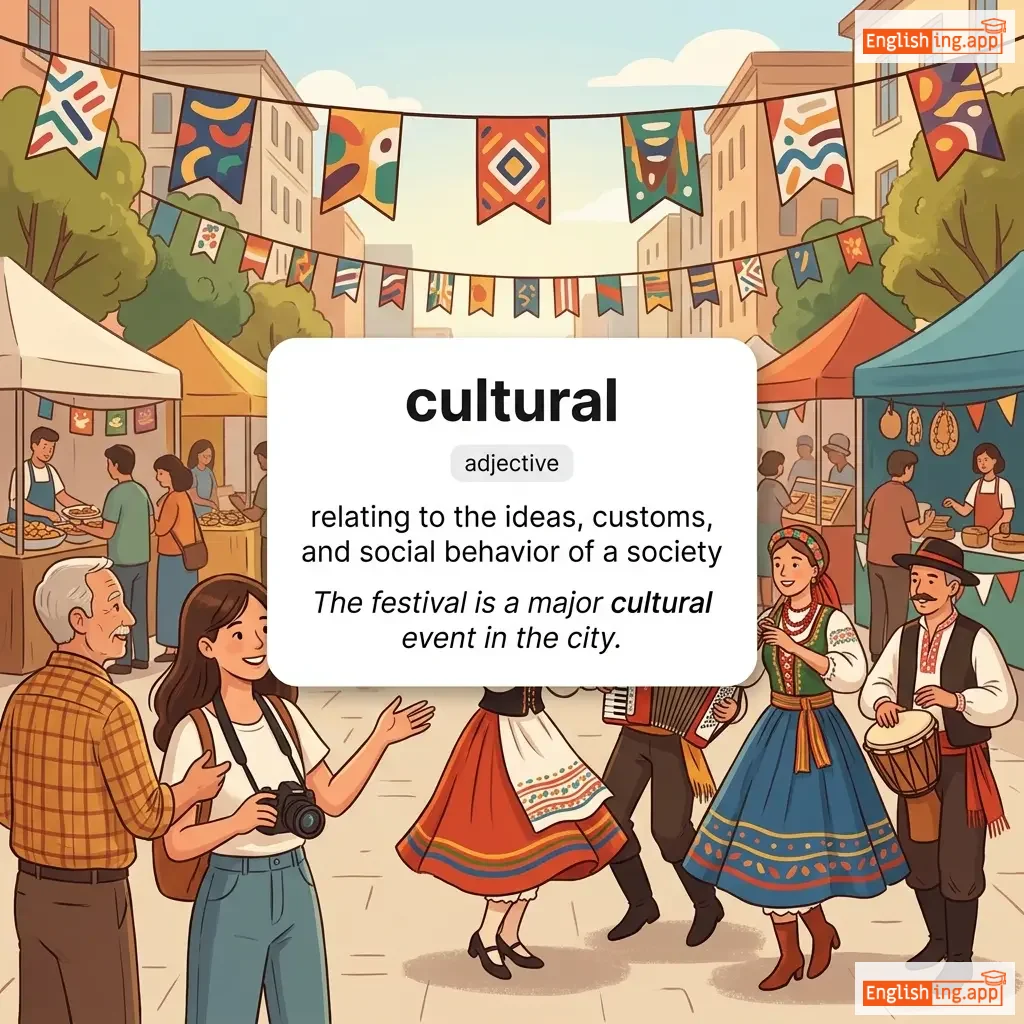
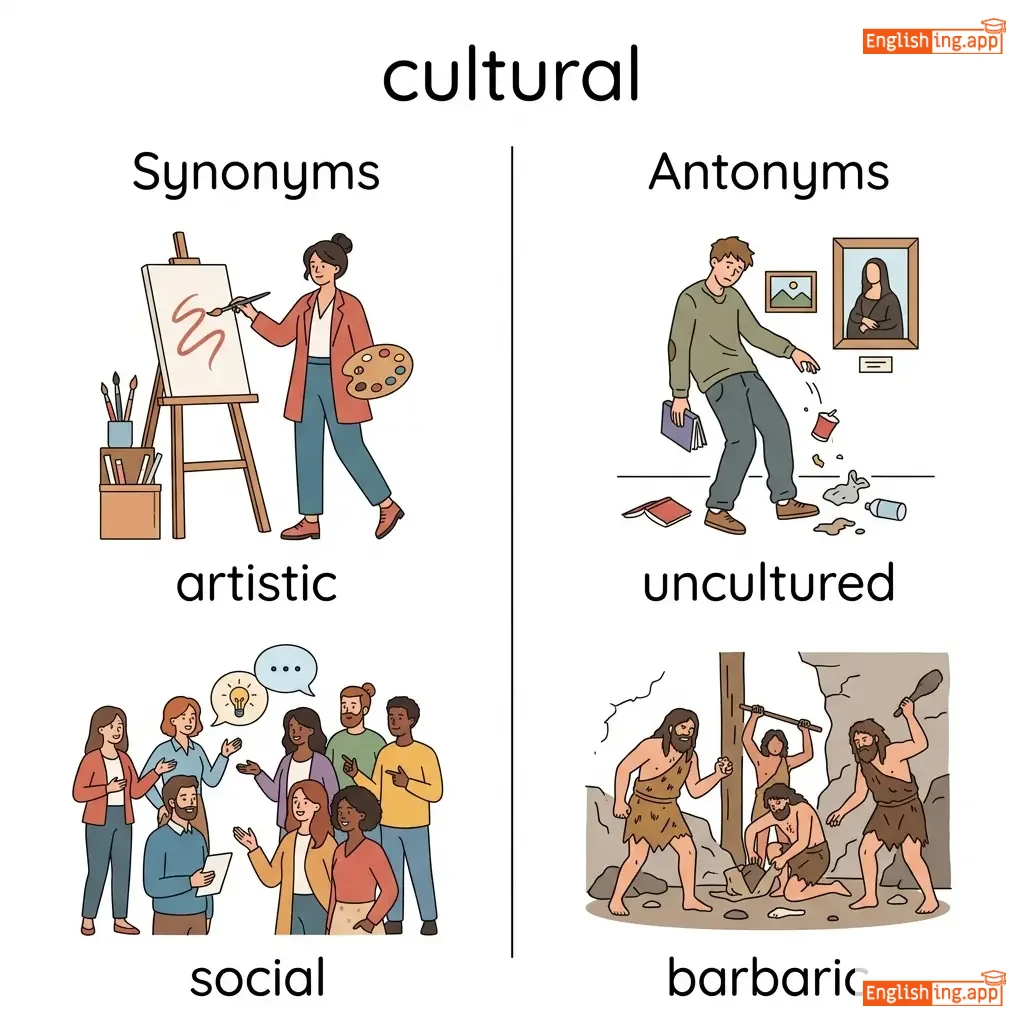
ˈkʌltʃərəl
adjective
(カルトゥラル)
••••••
|
|
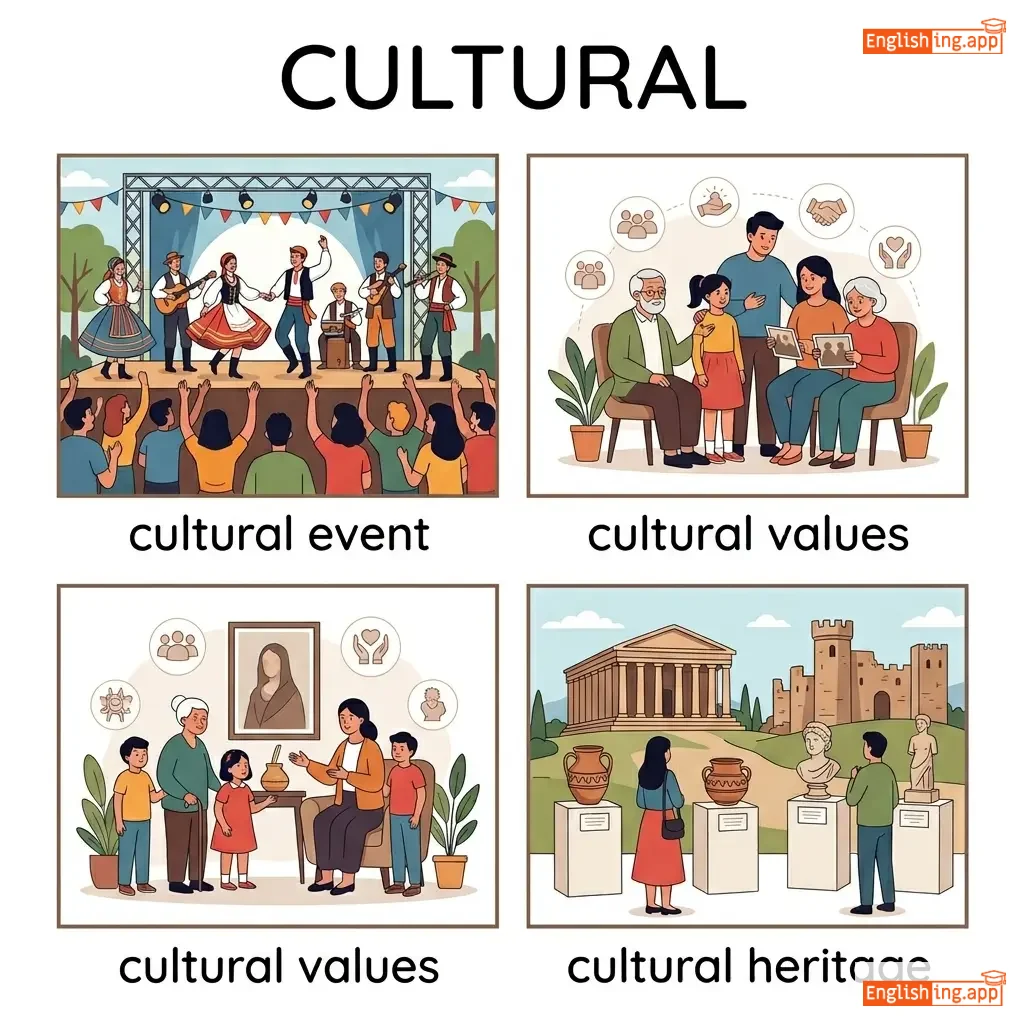
文化的な、文化に関連する
bunkateki na, bunka ni kanren suru
••••••
|
Relating to the arts and to intellectual achievements.
••••••
|
Cultural diversity enriches society and promotes tolerance.
文化的多様性は社会を豊かにし、寛容を促進します。
••••••
|
文化的多様性は社会を豊かにし、寛容を促進します。
Bunkateki tayōsei wa shakai o yutakani shi, kanyō o sokushin shimasu.
••••••
|
social, artistic
••••••
|
uncultural, non-cultural
••••••
|
文化の力で広がる未来。
••••••
|
|
#3116
👥
|
səˈsaɪəti
noun
(ソサエティ)
••••••
|
|
社会
shakai
••••••
|
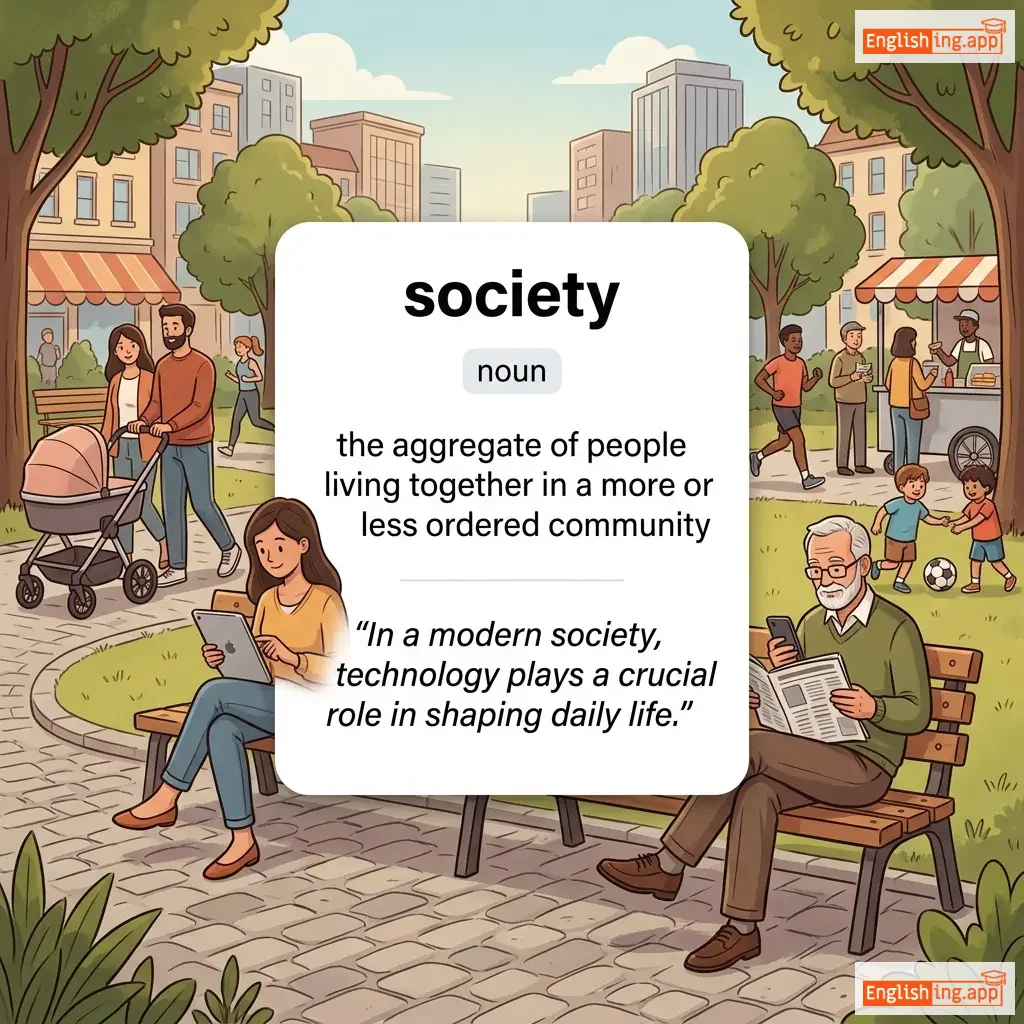
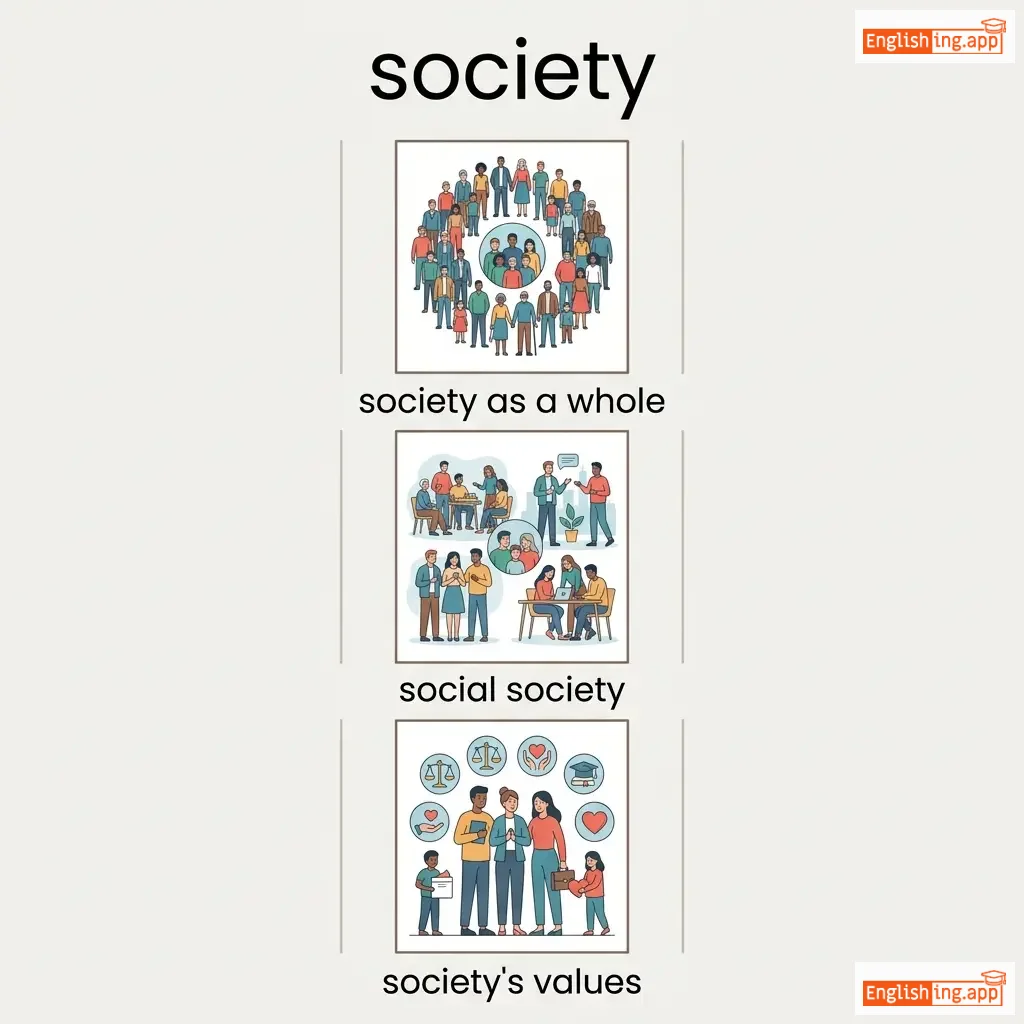
The aggregate of people living together in a more or less ordered community.
••••••
|
Society plays a pivotal role in shaping an individual's values.
社会は個人の価値観を形成する上で重要な役割を果たします。
••••••
|
社会は個人の価値観を形成する上で重要な役割を果たします。
Shakai wa kojin no kachikan wo keisei suru ue de juuyou na yakuwari wo hatashimasu.
••••••
|
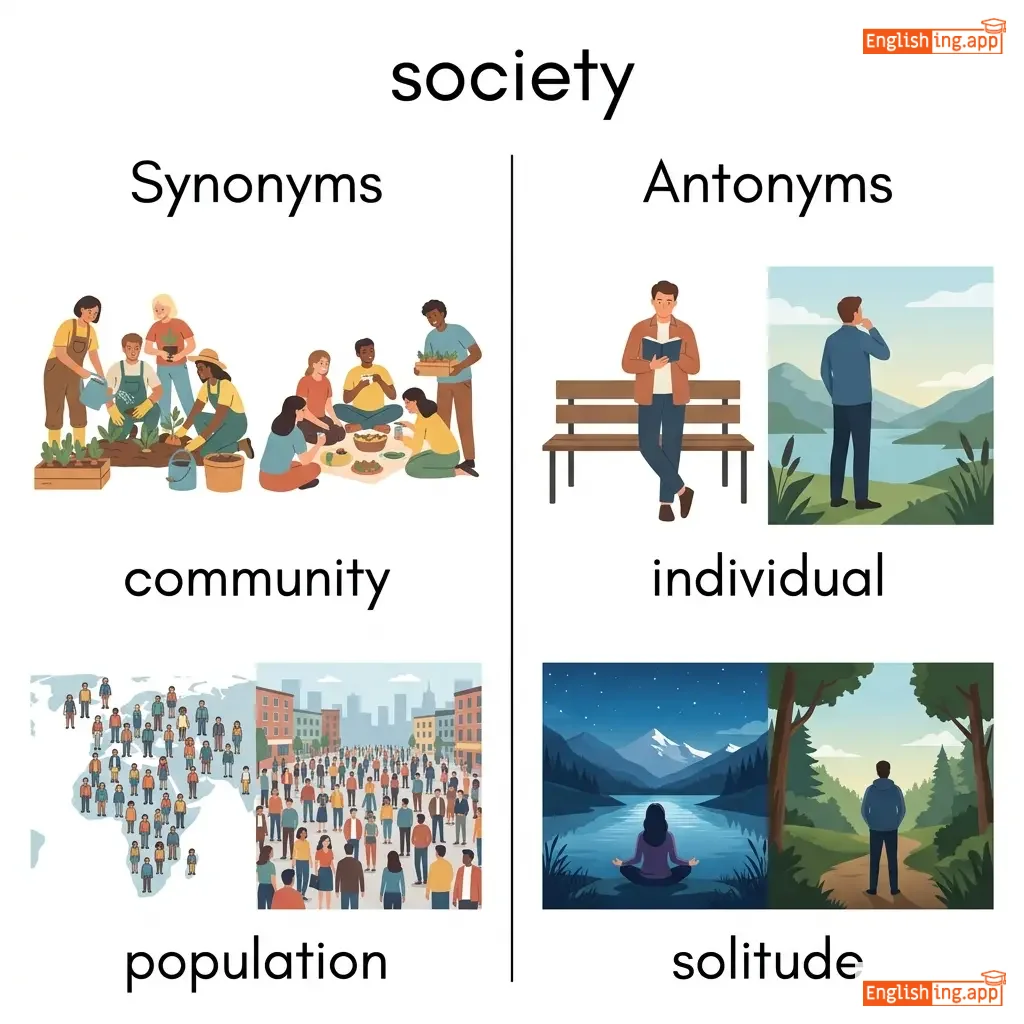
community, population
••••••
|
individualism, solitude
••••••
|
社会 (Shakai) for 'society' is easy to remember with its role in shaping values.
••••••
|
|
#3117
🗿
|
ˌmɛɡəˈlɪθɪk
adjective
(巨石)
••••••
|
|
巨石
kyoseki
••••••
|
Relating to or denoting prehistoric monuments made of or containing large stones.
••••••
|
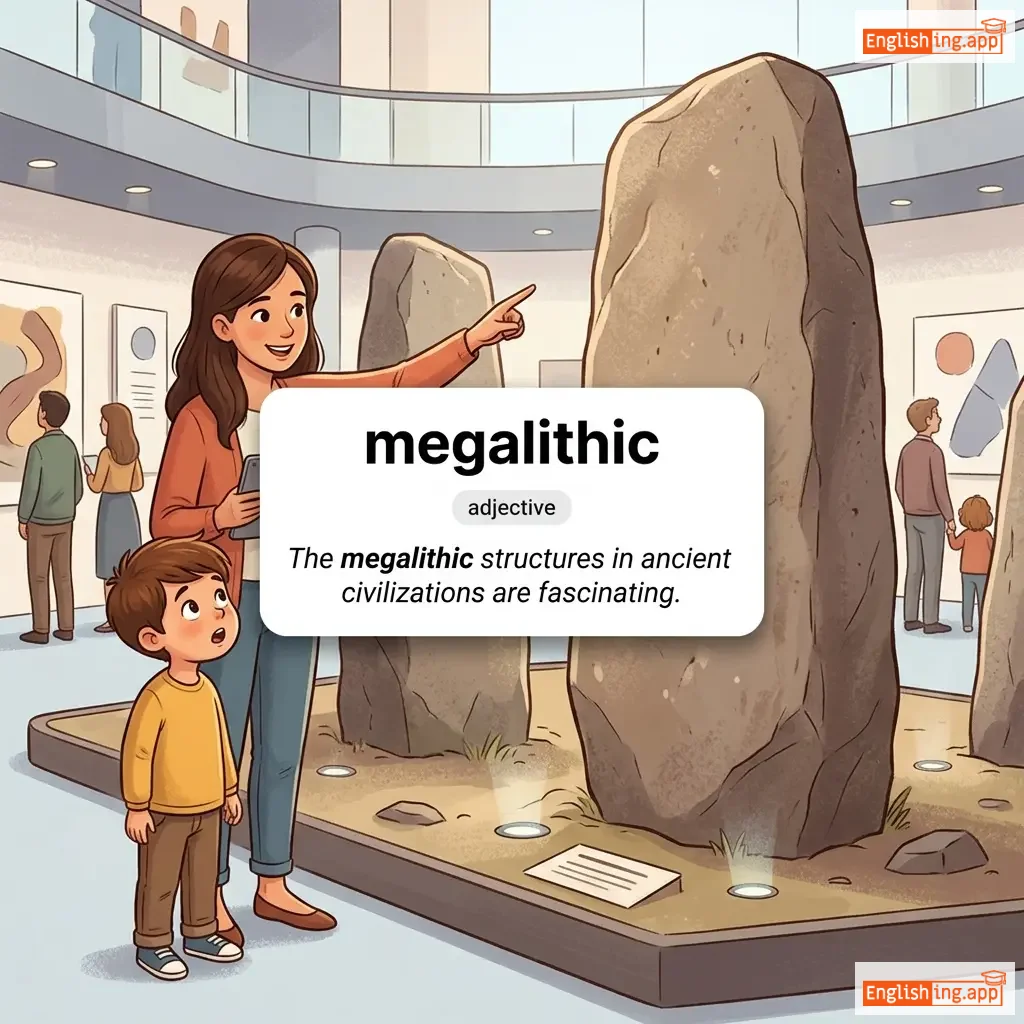
The megalithic structures in ancient civilizations are fascinating.
古代文明の巨石構造物は魅力的です。
••••••
|
古代文明の巨石構造物は魅力的です。
Kodai bunmei no kyoseki kouzou-butsu wa miryokuteki desu.
••••••
|
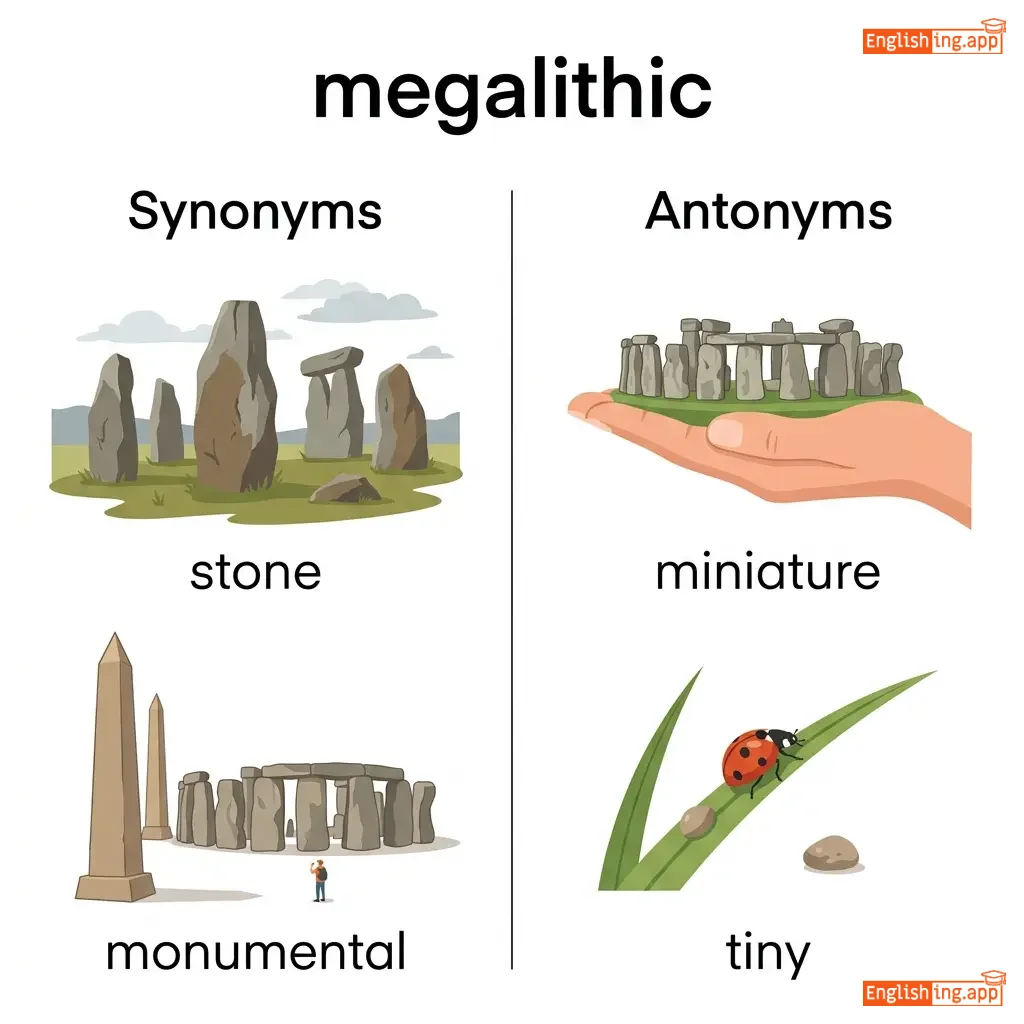
stone, monumental
••••••
|
miniature, tiny
••••••
|
巨石 - 古代の建物に使われる大きな石。
••••••
|
|
#3118
🏛️
|
ˈɑːkɪtɛktʃər
noun
(建築学)
••••••
|
|
建築学, 建築技術
kenchikugaku, kenchiku gijutsu
••••••
|
The art or science of designing and constructing buildings.
••••••
|
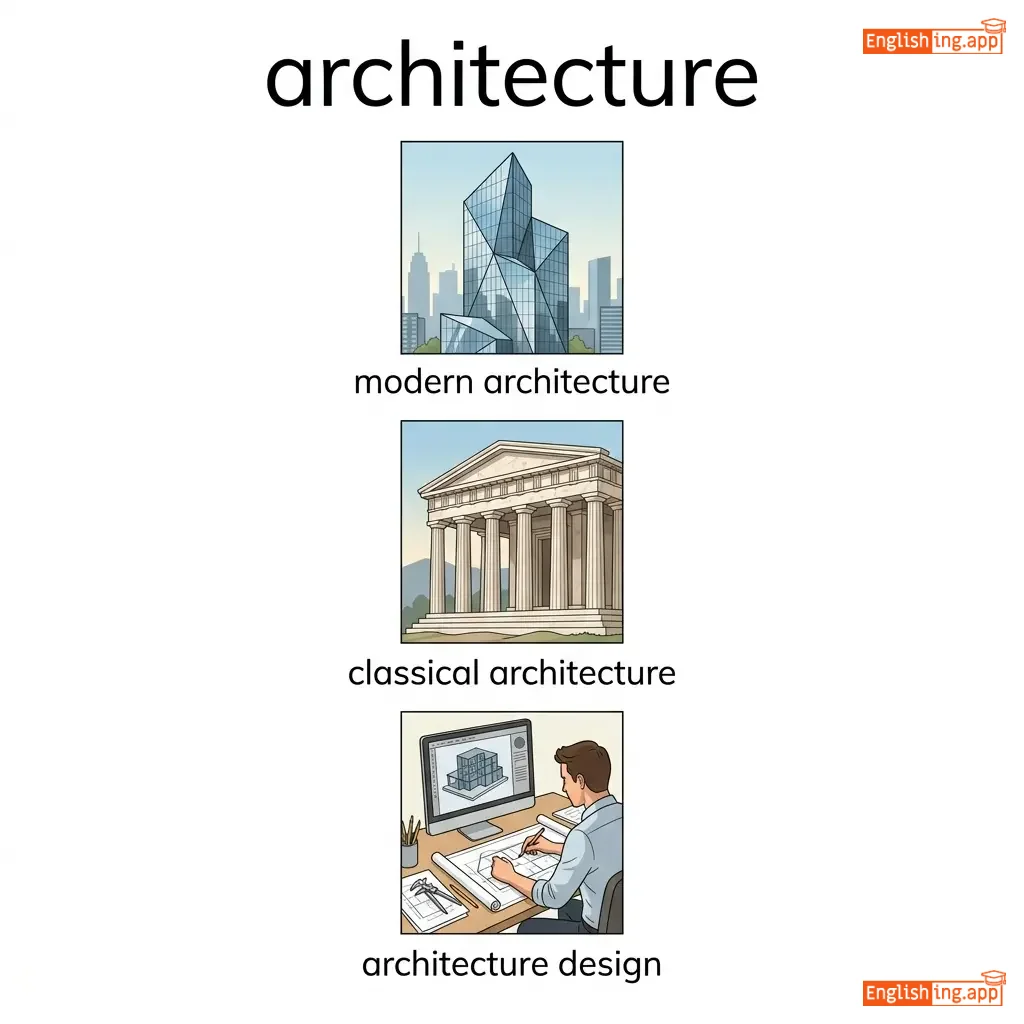
The architecture of ancient temples reflects the culture of the time.
古代の寺院の建築は、その時代の文化を反映しています。
••••••
|
古代の寺院の建築は、その時代の文化を反映しています。
Kodai no jiin no kenchiku wa, sono jidai no bunka o han'ei shiteimasu.
••••••
|
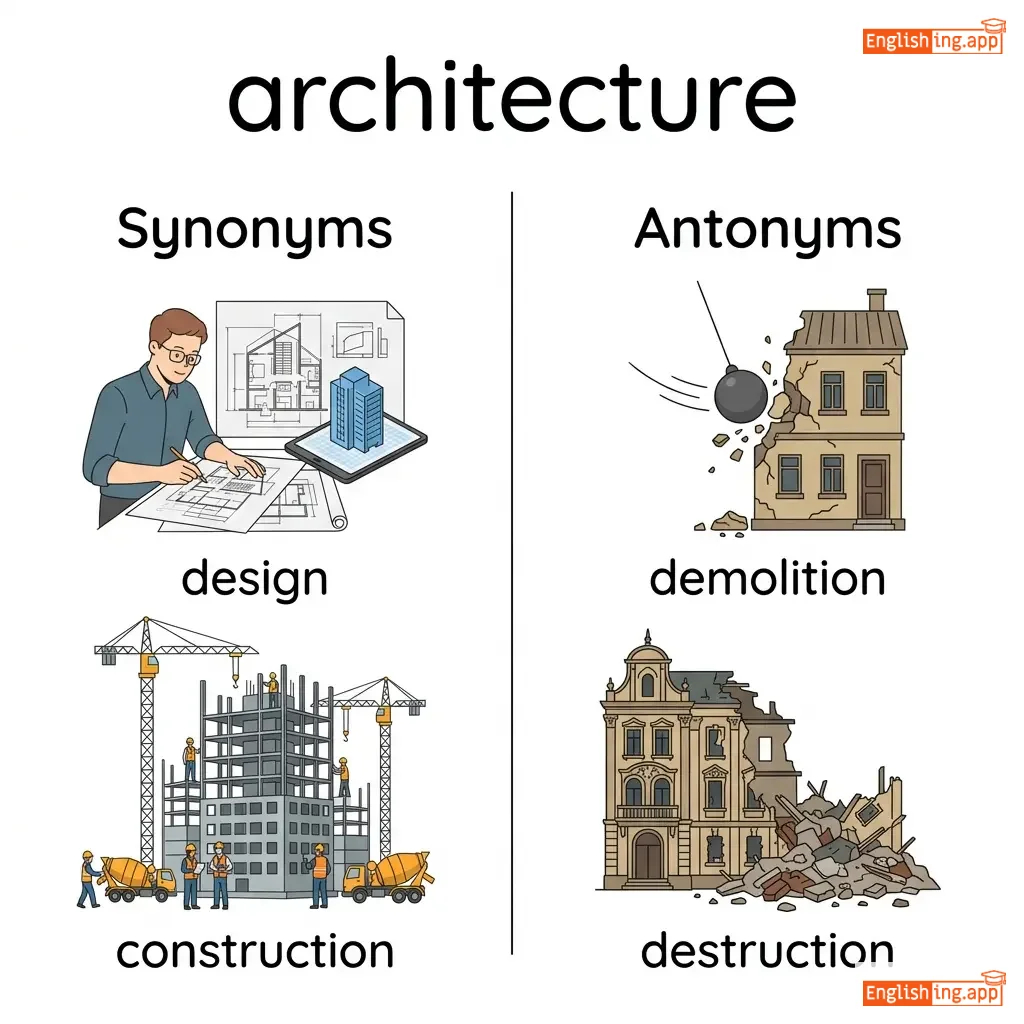
design, construction
••••••
|
destruction, demolition
••••••
|
建築学は古代寺院の文化を反映した技術です。
••••••
|
|
#3119
🏺
|
sɪvɪˈlɪzeɪʃənz
noun
(シビリゼーションズ)
••••••
|
|
文明
bunmei
••••••
|
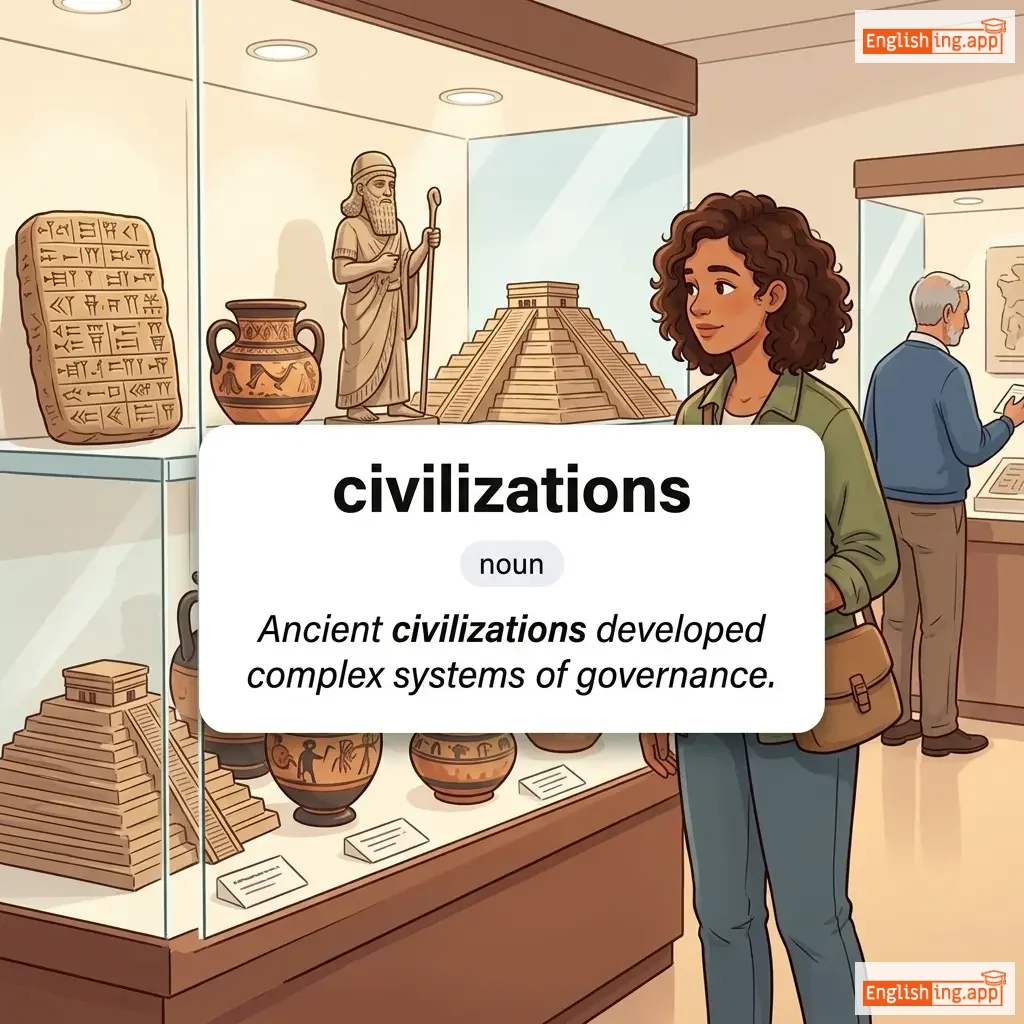
The stage of human social development and organization that is considered most advanced.
••••••
|
Ancient civilizations developed complex systems of governance. |
古代の文明は複雑な統治システムを発展させました。
Kodai no bunmei wa fukuzatsu na tochi shisutemu o hatten sasemashita.
••••••
|
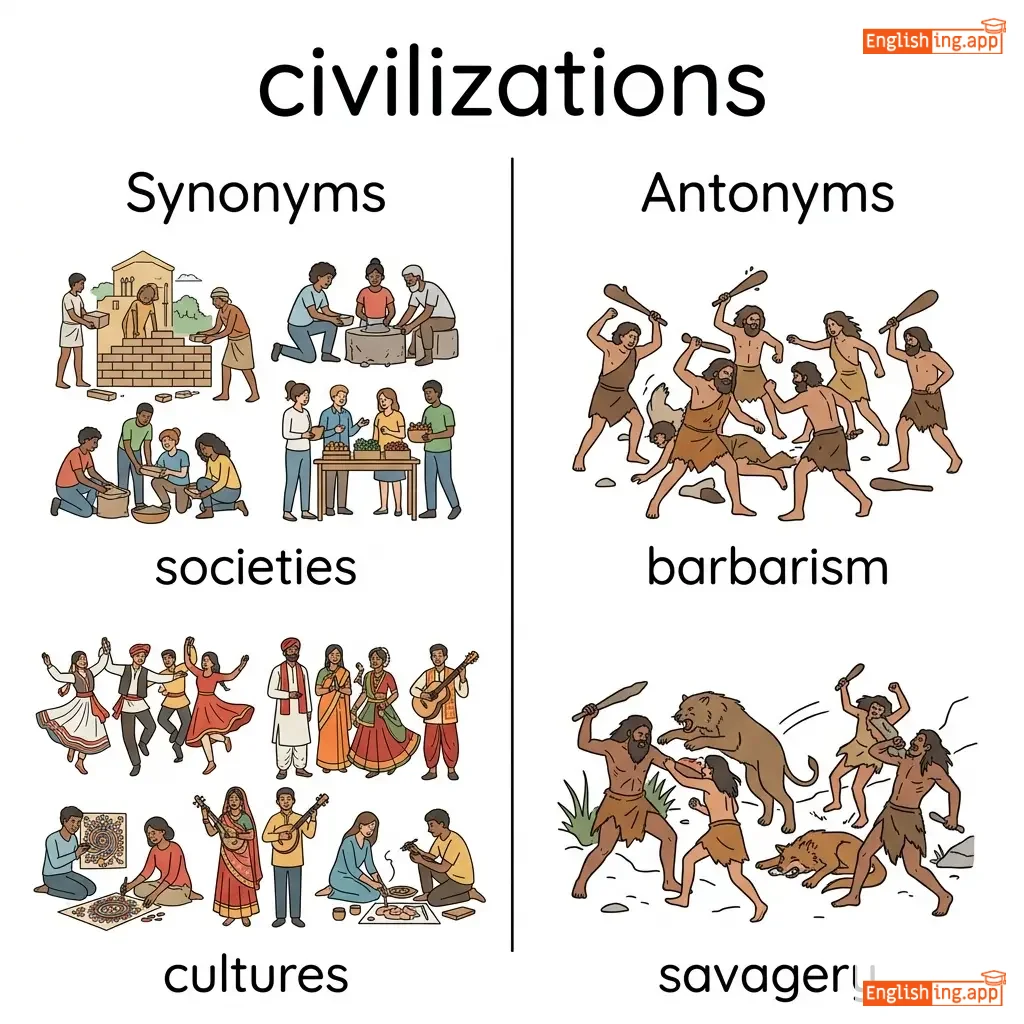
societies, cultures
••••••
|
barbarism, savagery
••••••
|
文明 (bunmei) の中に社会が成り立つ。
••••••
|
|
#3120
🏭
|
ɪnˌdʌstrɪəlaɪˈzeɪʃən
noun
(インダストリアライゼーション)
••••••
|
|
産業化
sangyoka
••••••
|
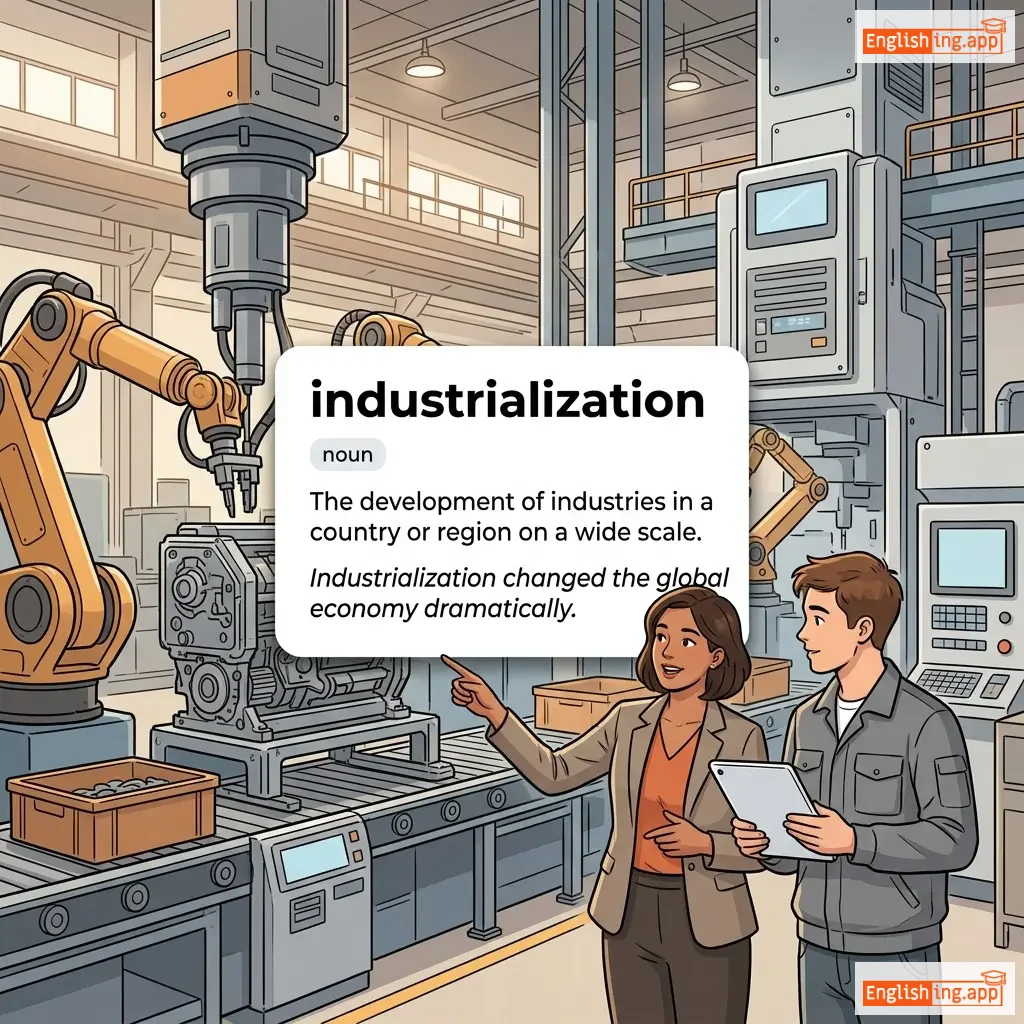
The development of industries in a country or region on a wide scale.
••••••
|
Industrialization changed the global economy dramatically. |
産業化は世界経済を劇的に変えました。
Sangyōka wa sekai keizai o gekiteki ni kaemashita.
••••••
|
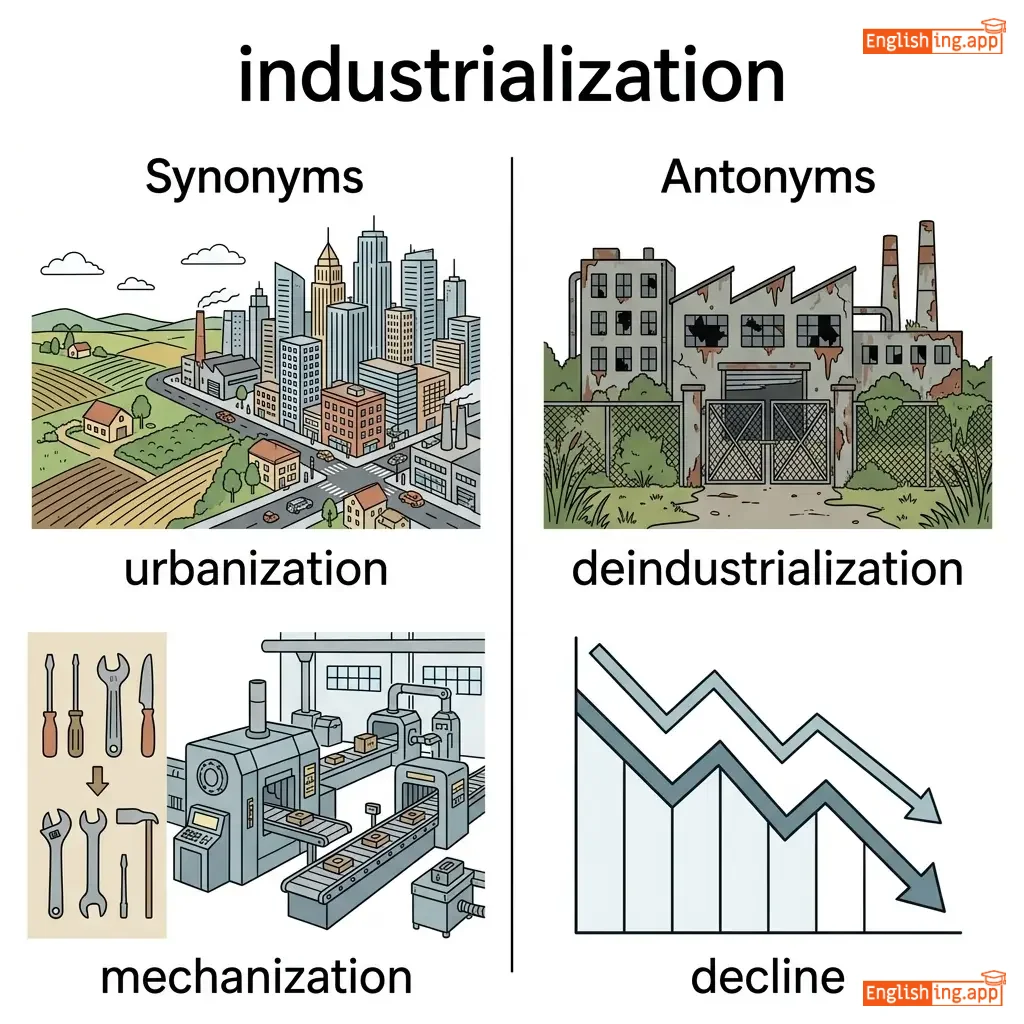
urbanization, mechanization
••••••
|
deindustrialization, decline
••••••
|
産業化 = 産業の発展により経済が変化すること
••••••
|
|
#3121
🏙️
|
ˌɜːbənaɪˈzeɪʃən
noun
(アーバナイゼーション)
••••••
|
|
都市化
tosika
••••••
|
The process by which towns and cities are formed and become larger as more people begin living and working in central areas.
••••••
|
Urbanization leads to more developed infrastructure.
都市化はより発展したインフラストラクチャーをもたらす。
••••••
|
都市化はより発展したインフラストラクチャーをもたらす。
Toshika wa yori hatten shita infurasutorakuchā o motarasu.
••••••
|
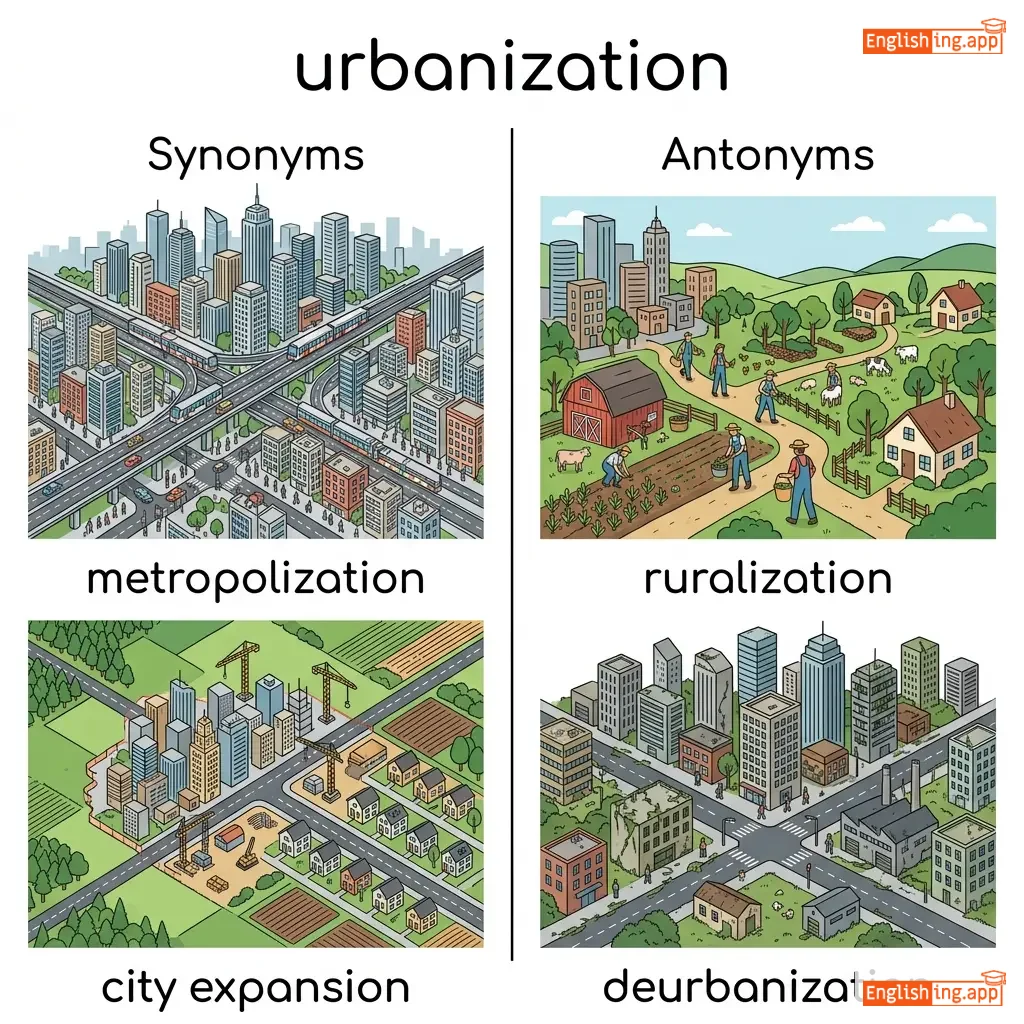
city development, metropolization
••••••
|
ruralization, suburbanization
••••••
|
都市化は、都市が発展し、インフラが整備されるプロセスであることを思い出させる。
••••••
|
|
#3122
💻
|
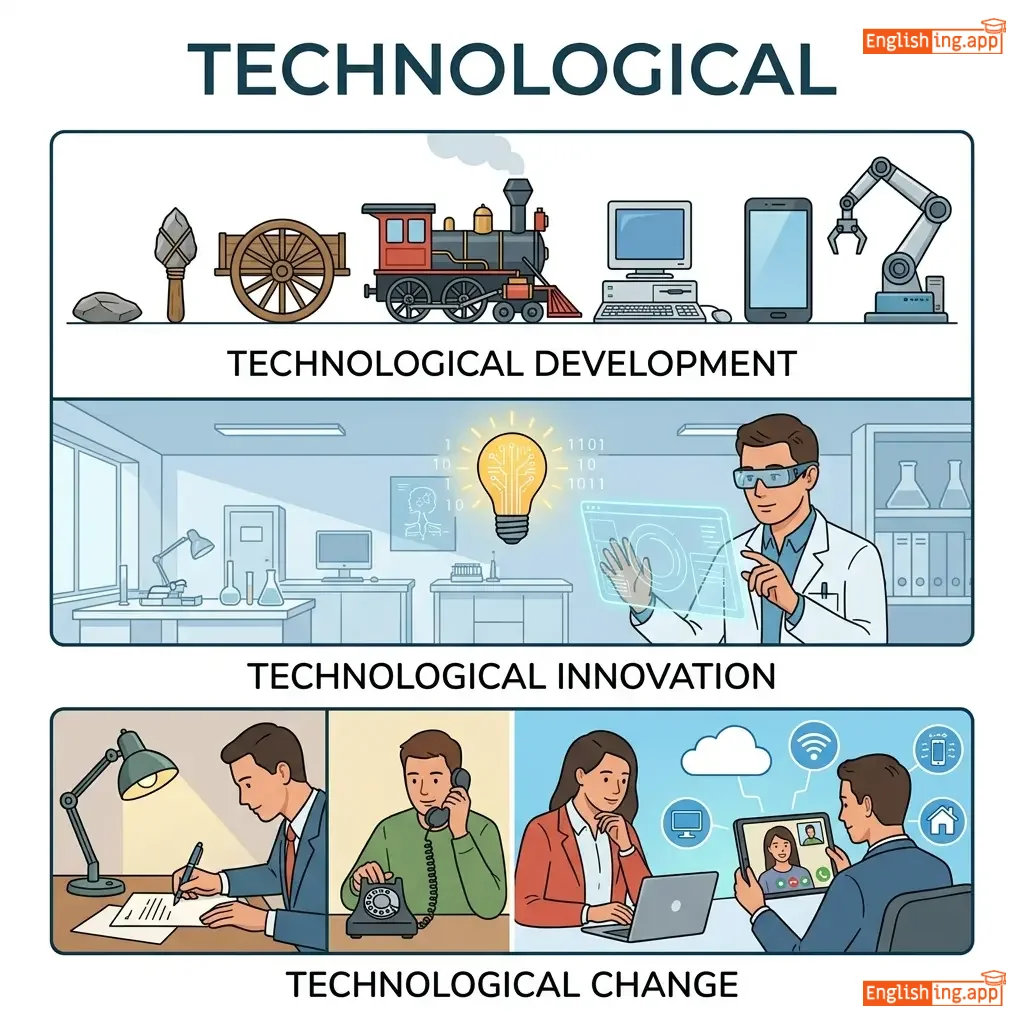
ˌtɛkˈnɒlədʒɪkəl
adjective
(テクノロジカル)
••••••
|
|
技術的
gijutsuteki
••••••
|
Relating to or involving the application of technology.
••••••
|
Technological advancements are reshaping industries worldwide. |
技術的進歩は、世界中の産業を再形成しています。
Gijutsuteki shinpo wa, sekaijū no sangyō o saikeisei shiteimasu.
••••••
|
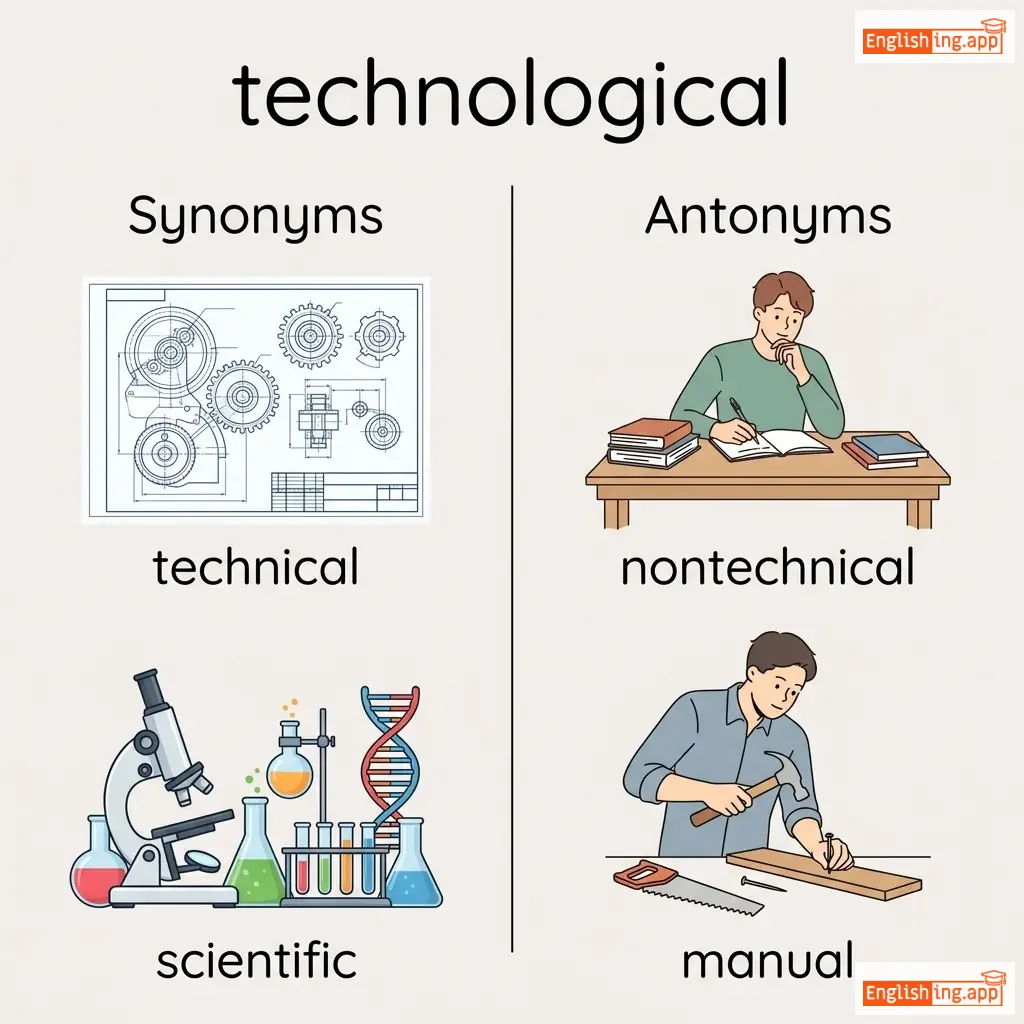
digital, scientific
••••••
|
non-technical, primitive
••••••
|
技術の力で世界を変える進歩。
••••••
|
|
#3123
⚖️
|
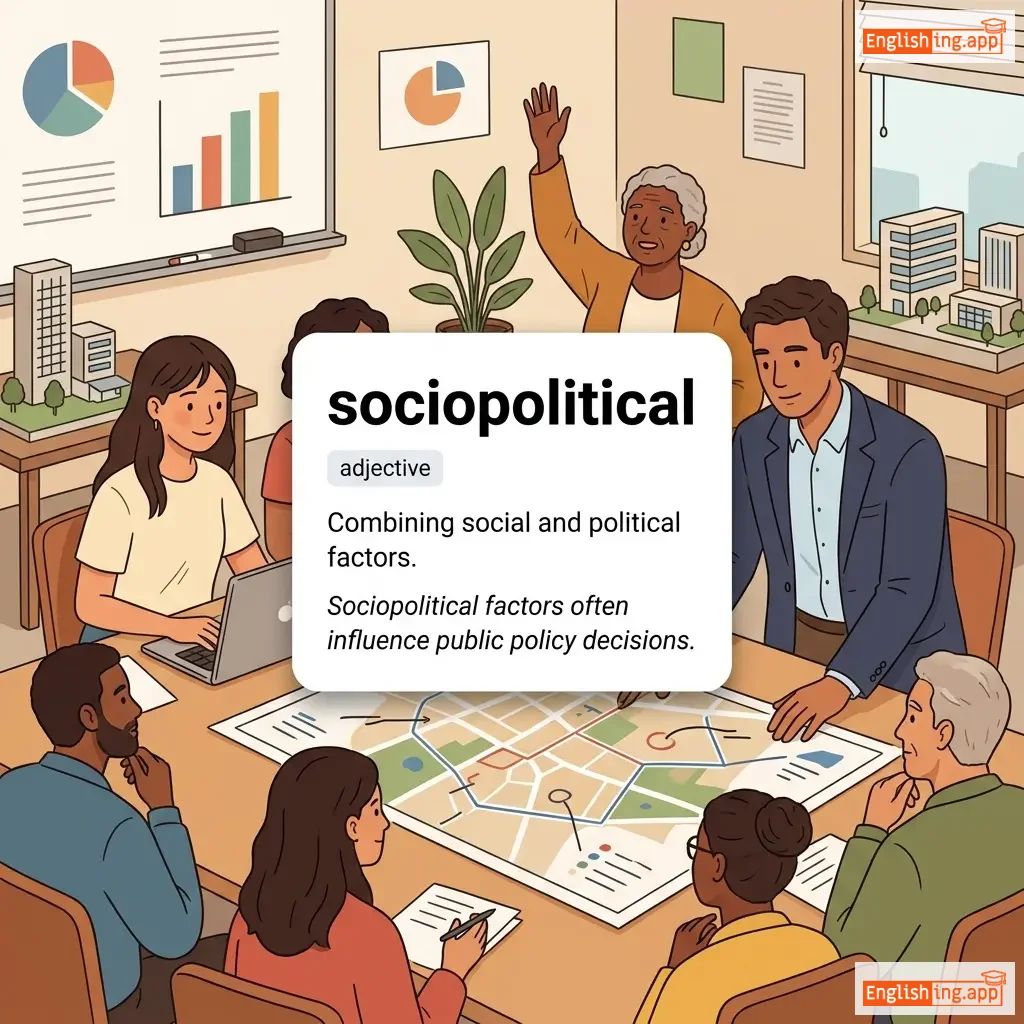
ˌsəʊsɪəʊpəˈlɪtɪkəl
adjective
(社会政治的)
••••••
|
|
社会政治的
shakai seiji teki
••••••
|
Combining social and political factors.
••••••
|
Sociopolitical factors often influence public policy decisions. |
社会政治的要因はしばしば公共政策決定に影響を与えます。
Shakai seiji teki yoin wa shibashiba koukyou seisaku kettei ni eikyou o ataemasu.
••••••
|
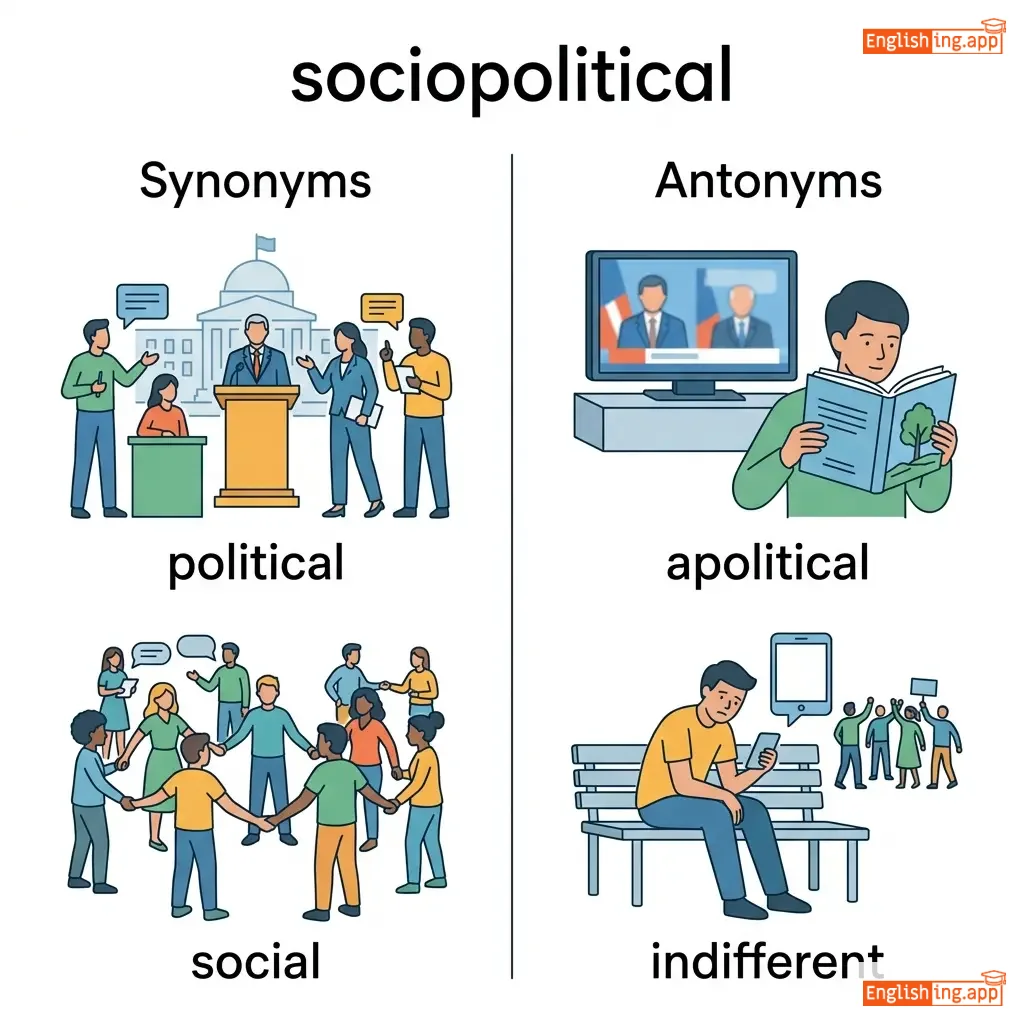
political, social
••••••
|
apolitical, indifferent
••••••
|
社会政治的: Mixing social and political aspects in one.
••••••
|
|
#3124
🤝
|
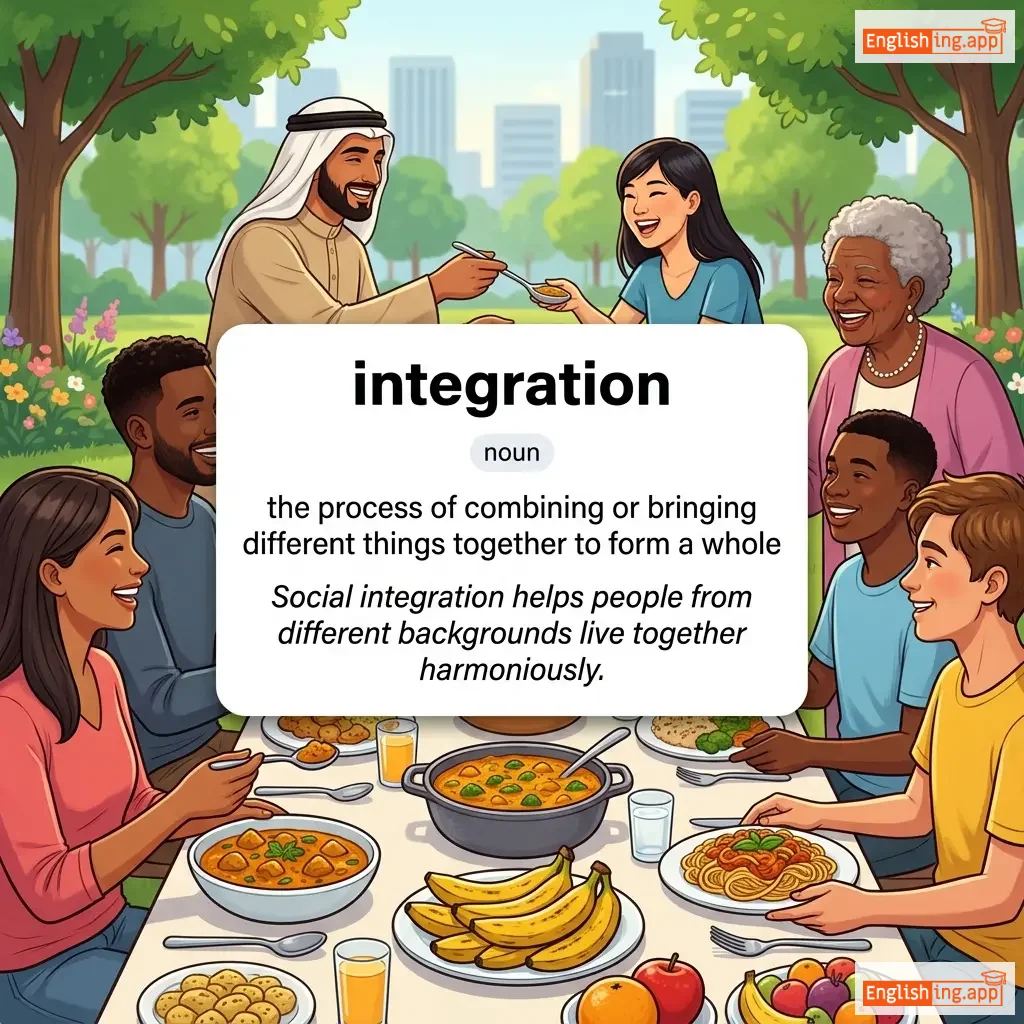
ˌɪntɪˈɡreɪʃən
noun
(インテグレーション)
••••••
|
|
統合
tōgō
••••••
|
The action or process of integrating.
••••••
|
Integration of technology in education has improved learning outcomes.
教育における技術の統合は学習成果を向上させました。
••••••
|
教育における技術の統合は学習成果を向上させました。
Kyōiku ni okeru gijutsu no tōgō wa gakushū seika o kōjō sasemashita.
••••••
|
unification, combination
••••••
|
segregation, division
••••••
|
技術の統合で学びを改善する。
••••••
|
|
#3125
👫
|
kəˈlɛktɪvɪzəm
noun
(コレクティヴィズム)
••••••
|
|
集団主義
shuudanshugi
••••••
|
The practice or principle of giving a group priority over each individual in it.
••••••
|
Collectivism emphasizes the importance of group over individual interests.
コレクティヴィズムは、個人の利益よりもグループの利益を重視します。
••••••
|
集団主義は、個人の利益よりもグループの利益を重視します。
Shuudanshugi wa, kojin no rieki yori mo gurūpu no rieki o jūshi shimasu.
••••••
|
cooperation, unity
••••••
|
individualism, egoism
••••••
|
集団主義では、みんなの利益が個人の利益よりも大事です。
••••••
|
|
#3126
🌍
|
səˌsteɪnəˈbɪlɪti
noun
(サステナビリティ)
••••••
|
|
持続可能性
jizoku kanousei
••••••
|
The ability to be maintained at a certain rate or level.
••••••
|
Sustainability is key to maintaining ecological balance.
サステナビリティはエコロジカルバランスを維持するための鍵です。
••••••
|
持続可能性はエコロジカルバランスを維持するための鍵です。
Jizoku kanousei wa ekorojikaru baransu o iji suru tame no kagi desu.
••••••
|
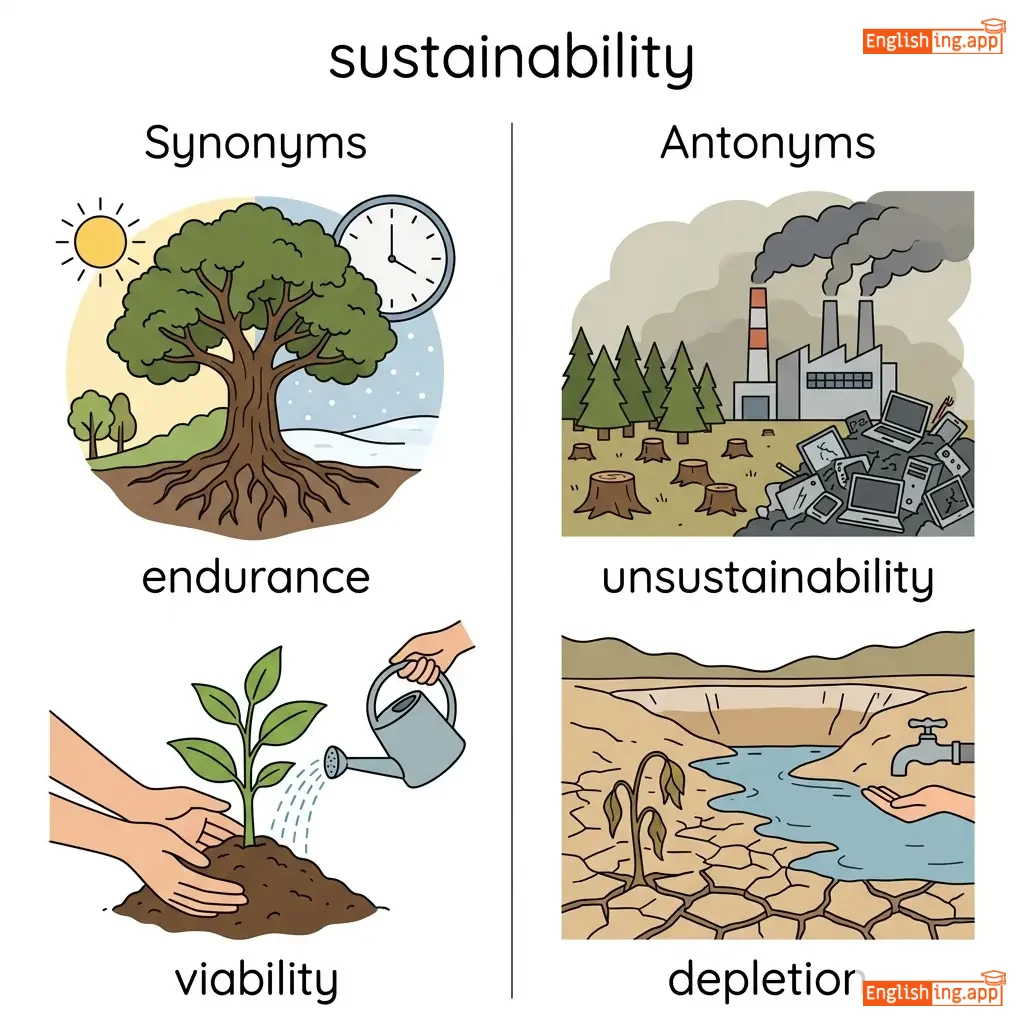
endurance, viability
••••••
|
unsustainability, fragility
••••••
|
持続可能性を考えることで未来を守ろう。
••••••
|
|
#3127
📋
|
rɪˌspɒnsəˈbɪlɪti
noun
(レスポンシビリティ)
••••••
|
|
責任
sekinin
••••••
|
The state or fact of having a duty to deal with something or of having control over someone.
••••••
|
Taking responsibility for one's actions is a sign of maturity.
自分の行動に責任を持つことは、成熟の証です。
••••••
|
自分の行動に責任を持つことは、成熟の証です。
Jibun no kōdō ni sekinin o motsu koto wa, seijuku no akashi desu.
••••••
|
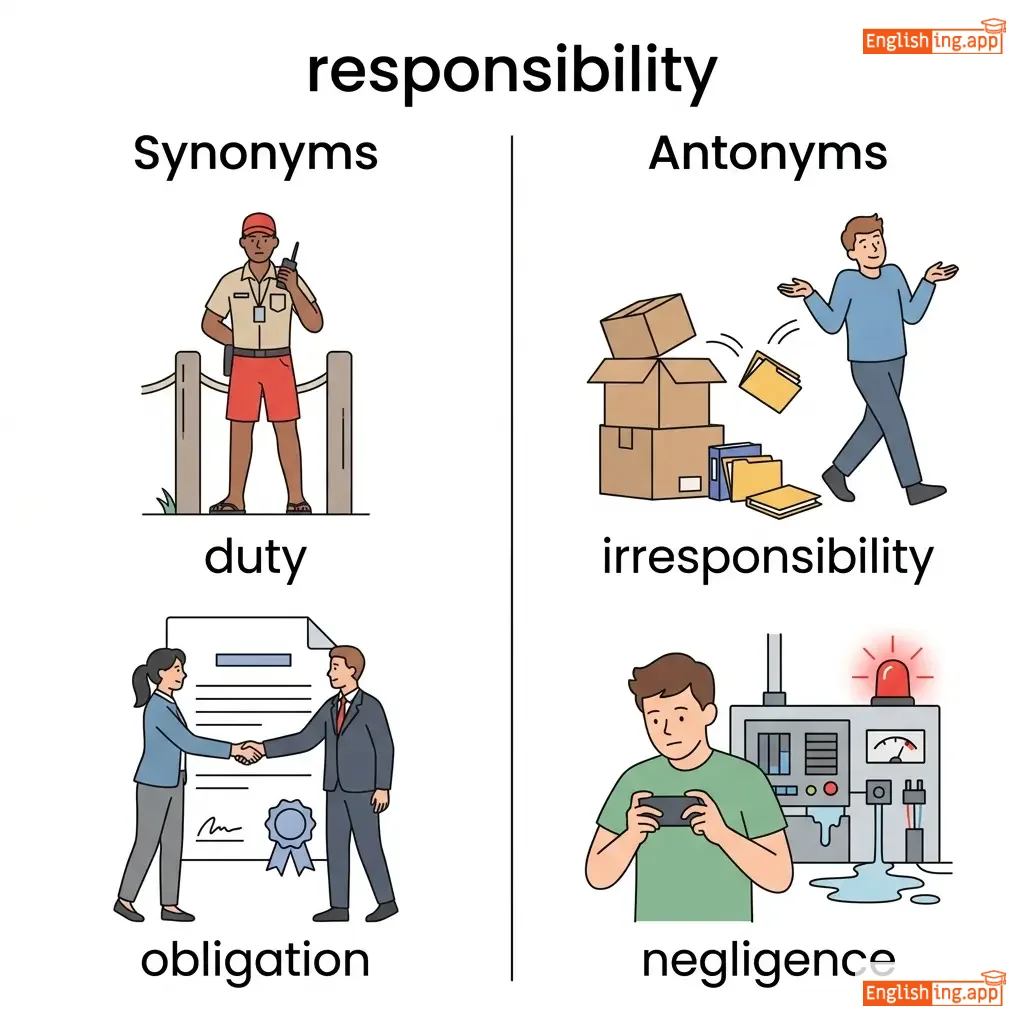
accountability, obligation
••••••
|
irresponsibility, neglect
••••••
|
責任を取ることは、大人として成長すること。
••••••
|
Vocabulary Quiz
Test your vocabulary by matching words with their translations or meanings.
Login to take the quiz
Comments (0)
Share your thoughts and join the discussion.
Join the discussion by logging in
Login to CommentNo comments yet
Be the first to share your thoughts!