The Evolution of Human Civilization
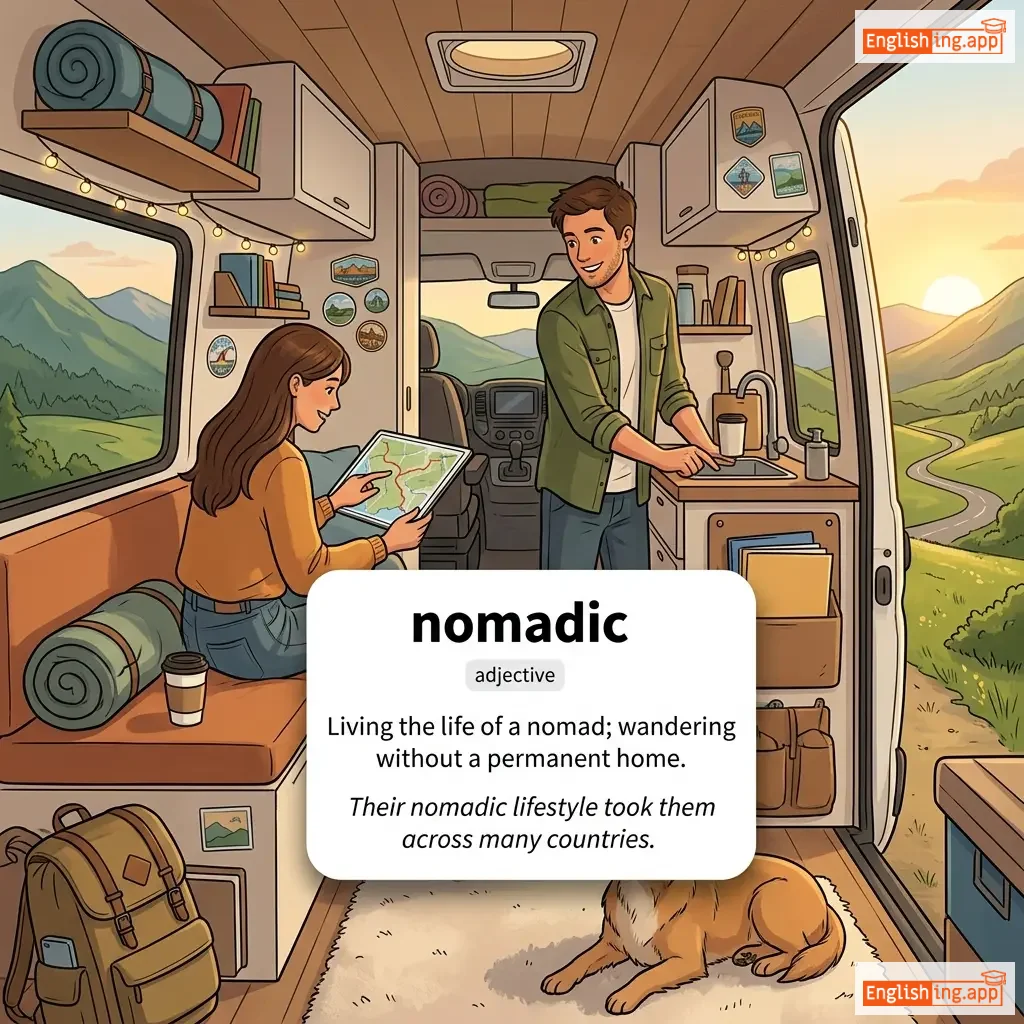
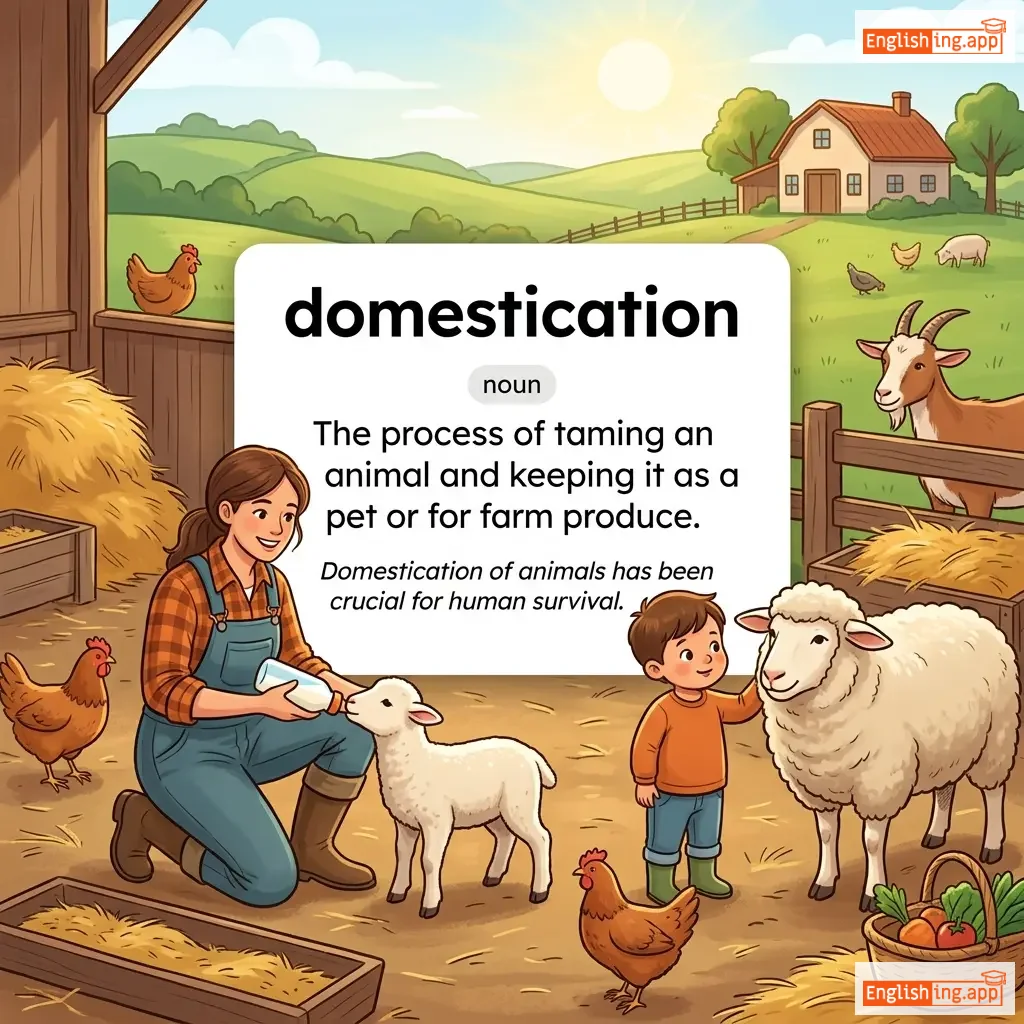
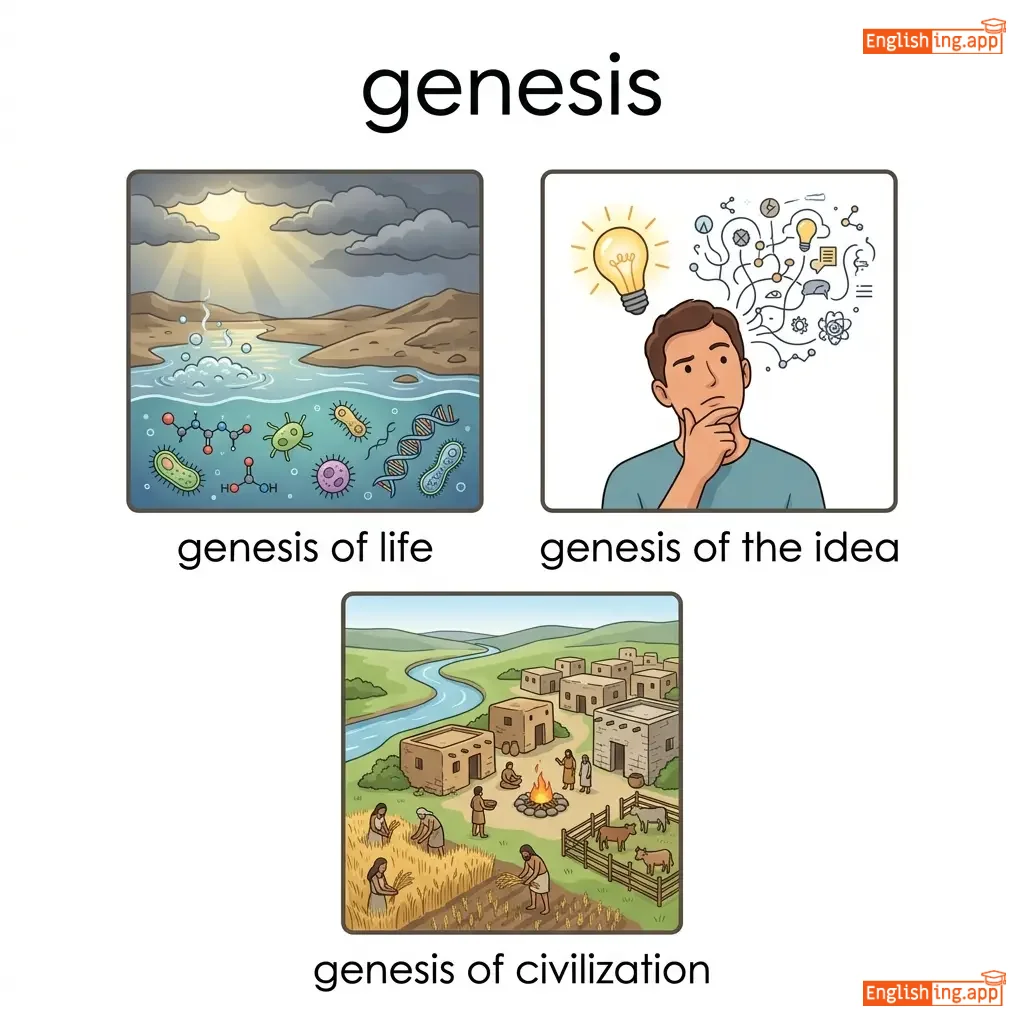
人類文明の evolutionary 道のりは長く複雑なプロセスでした。Prehistoric 時代、人々は nomadic であり、食料を求めて各地を移動していました。しかし、domestication と agricultural 技術の発見が文明の genesis をもたらしました。
その時、人類 society の cultural 基盤が確立され、人々は組織化された society へと進み始めました。Megalithic architecture や古代の civilizations を通じて、彼らは生活の概念や歴史を作り上げました。
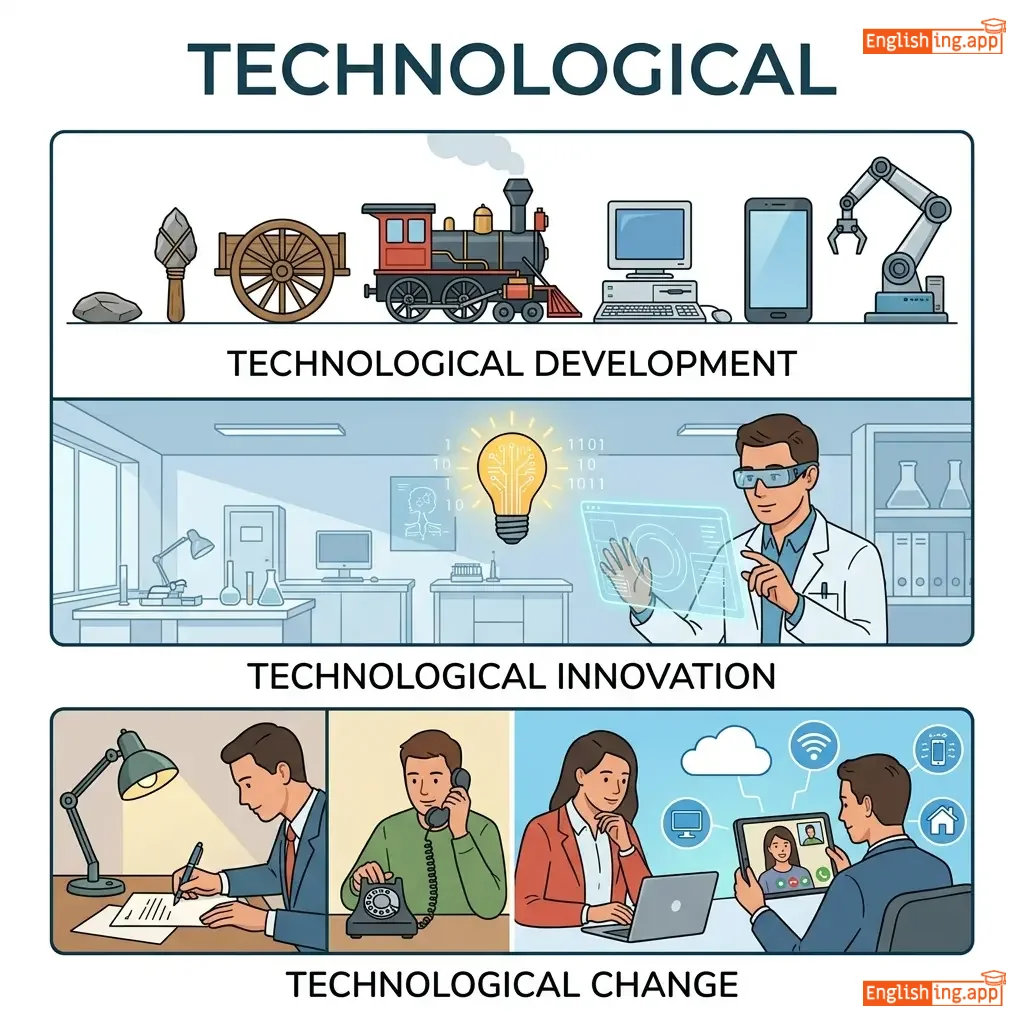
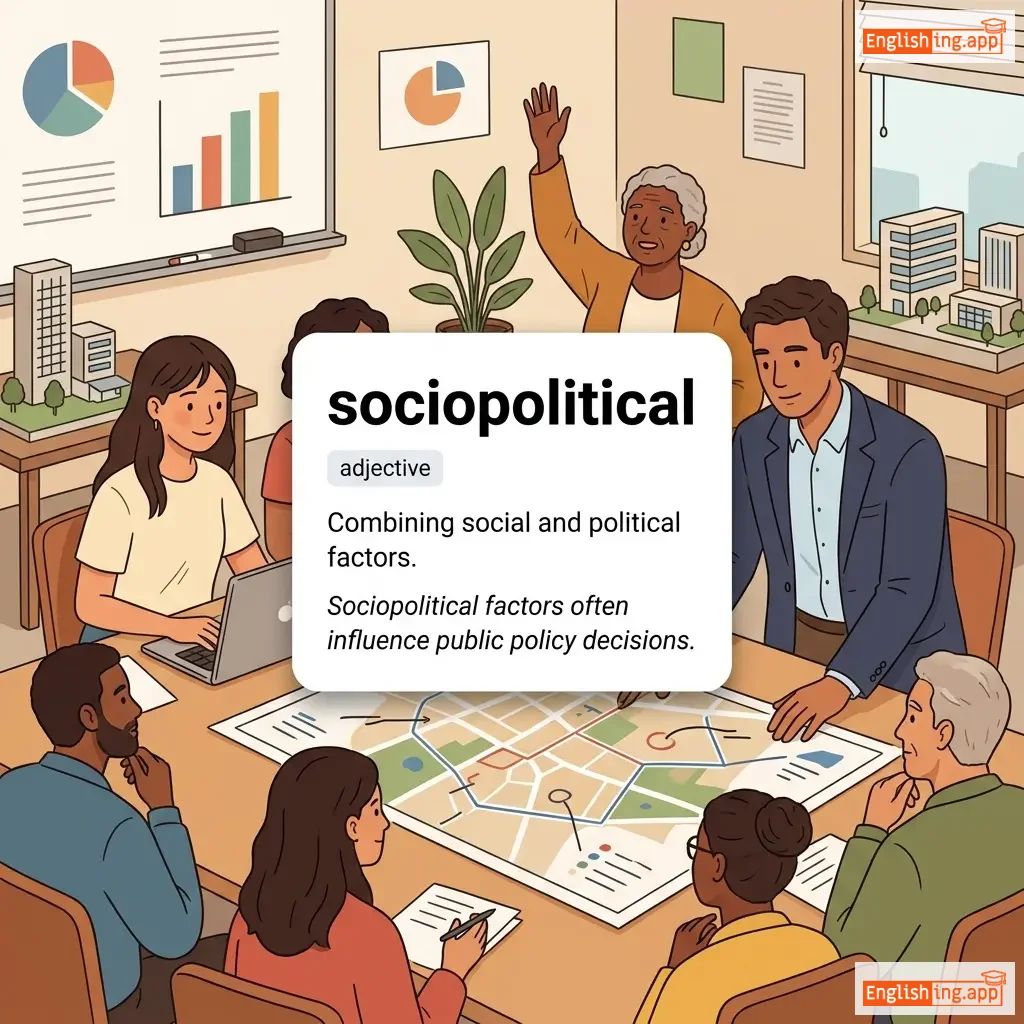
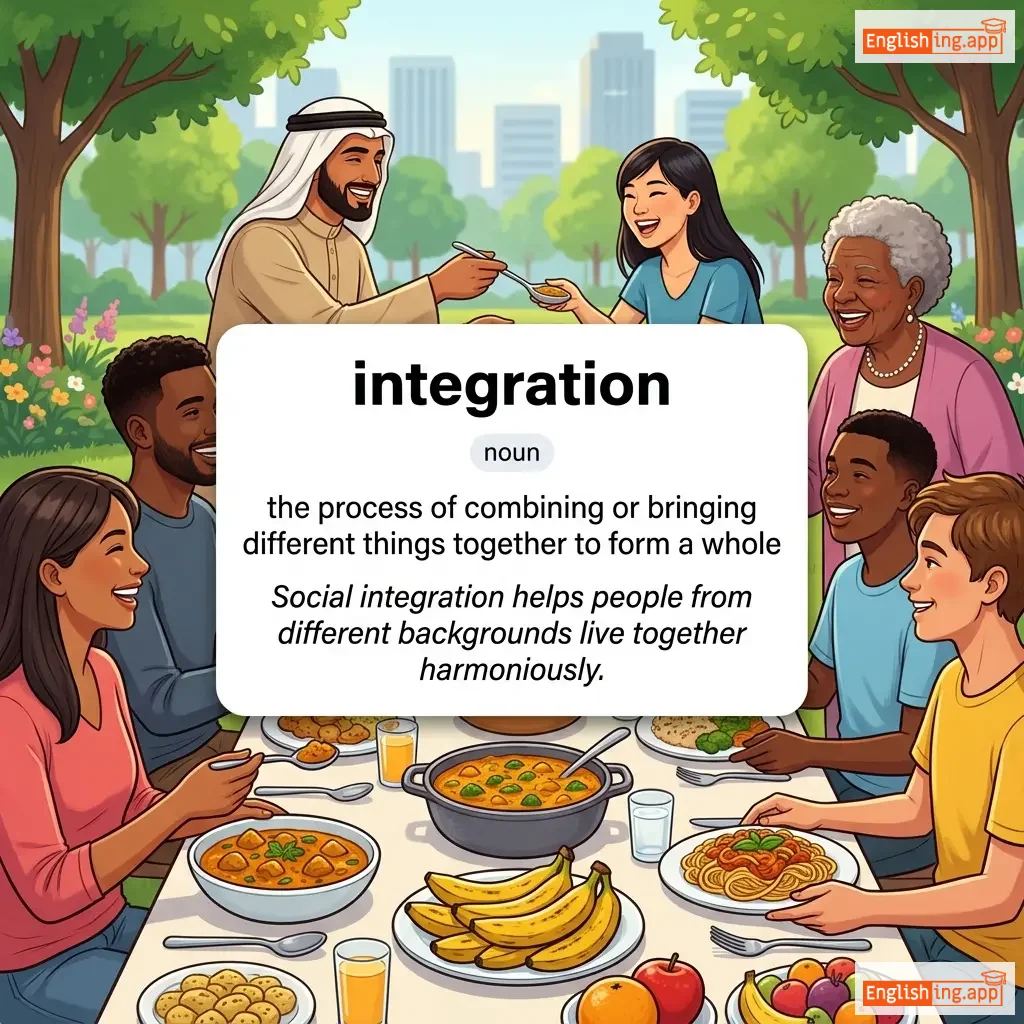
Industrialization と urbanization によって文明はさらに発展し、technological 進歩と sociopolitical 変化が世界全体をつなげました。しかし、これらの変化の中で、integration と collectivism が必要とされています。すべての society の層の人々が恩恵を受けるためです。
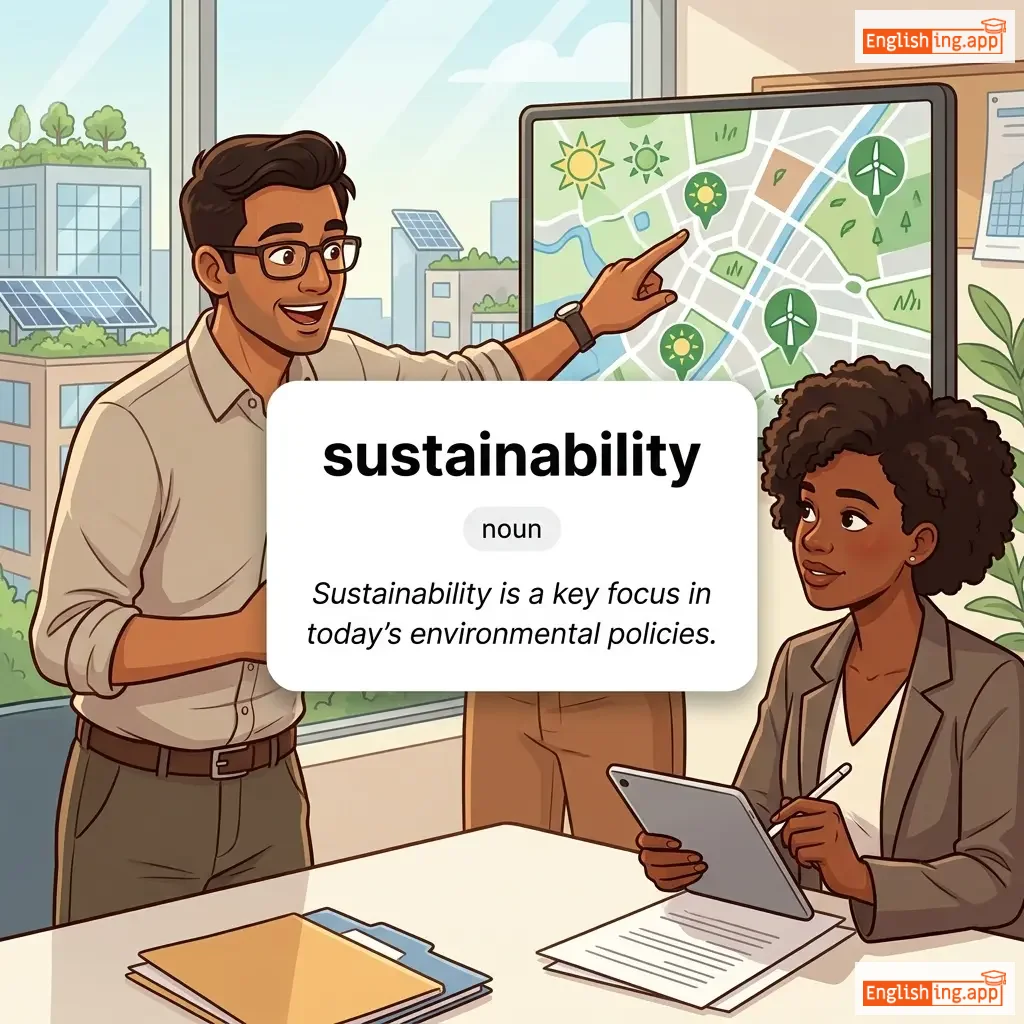
今日、sustainability と環境的な responsibility が人類文明の進歩に新たな方向性を開いています。
|
絵文字
|
単語 | Images | 意味 | 例文 | 同義語 | 対義語 |
|---|---|---|---|---|---|---|
|
#3109
🧬
|
ˌiːvəˈluːʃənəri
adjective
••••••
|

|
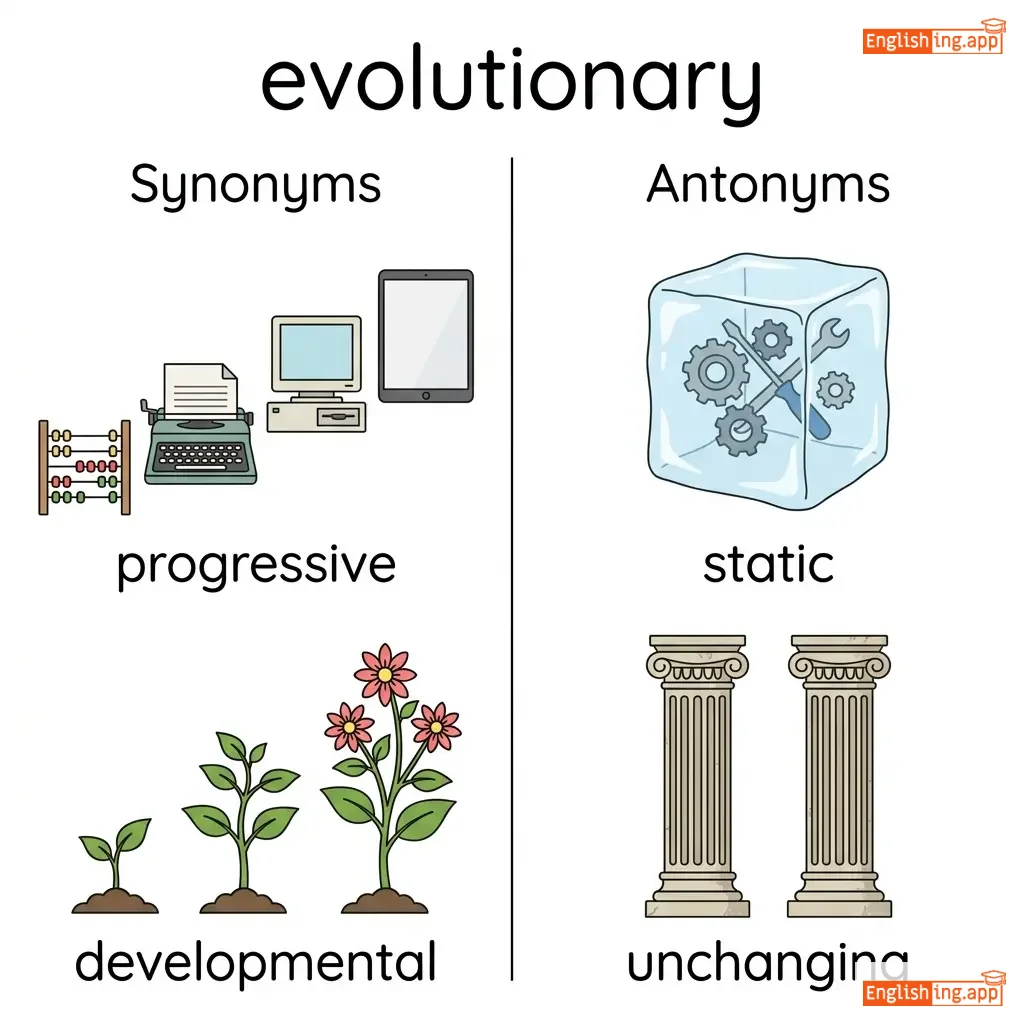
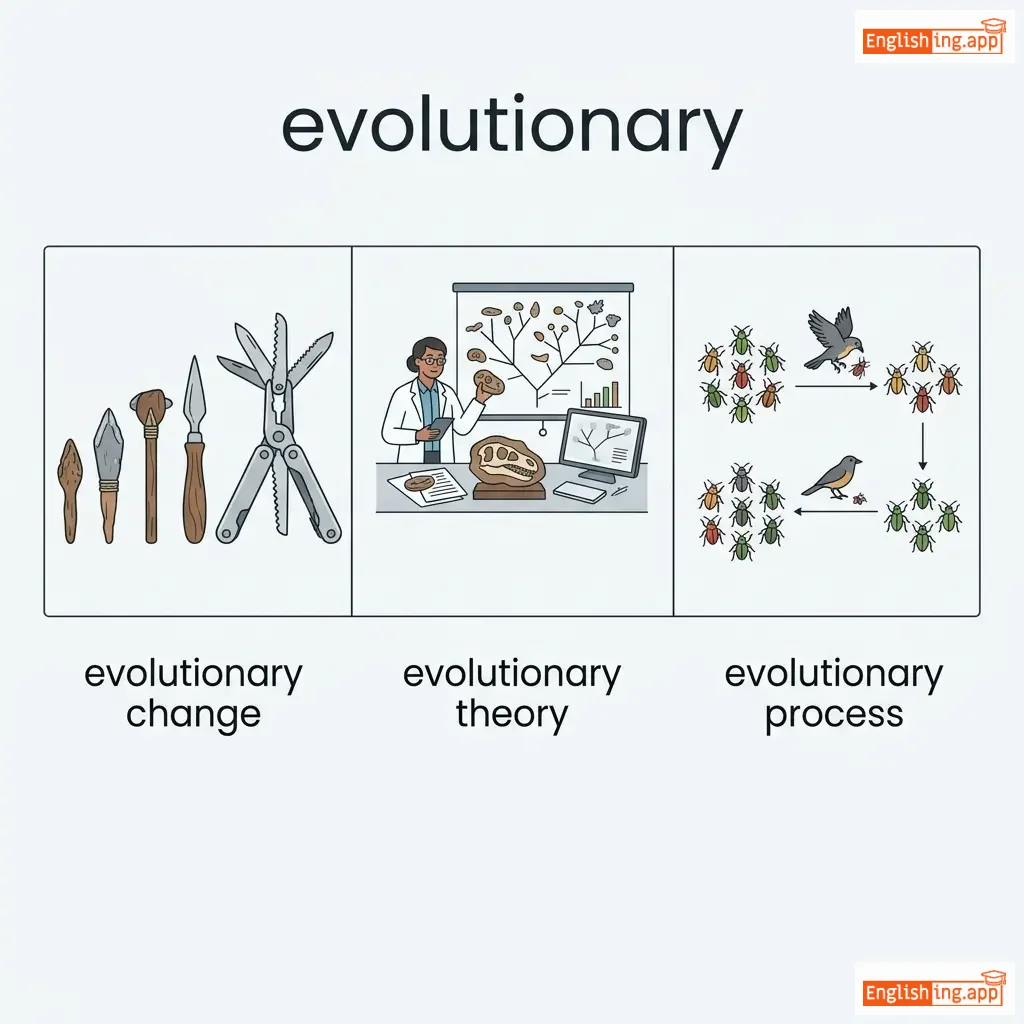
Relating to or denoting the gradual development of something, especially from a simple to a more complex form.
••••••
|
The evolutionary changes in species are fascinating. |
progressive, developmental
••••••
|
static, unchanging
••••••
|
|
#3110
🦴
|
ˌpriːhɪˈstɒrɪk
adjective
••••••
|
|
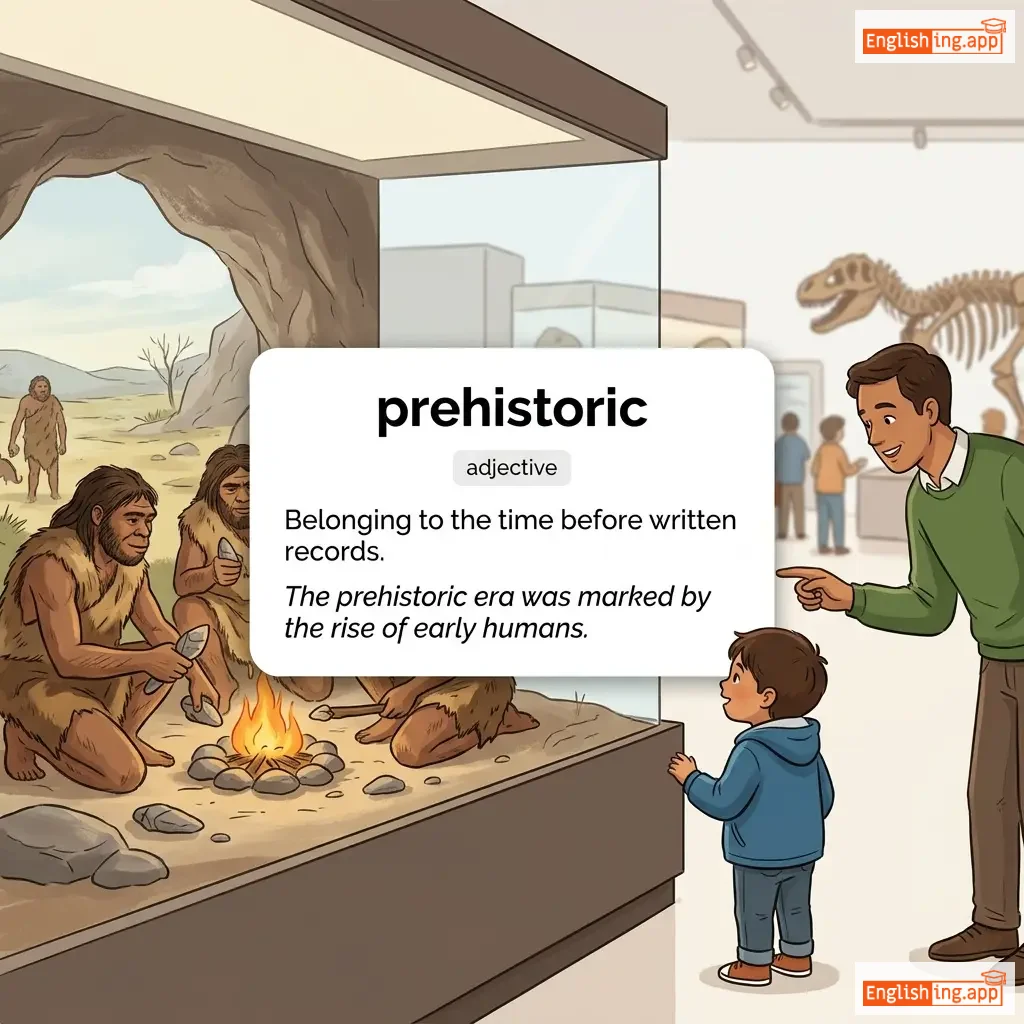
Belonging to the time before written records.
••••••
|
The prehistoric era was marked by the rise of early humans. |
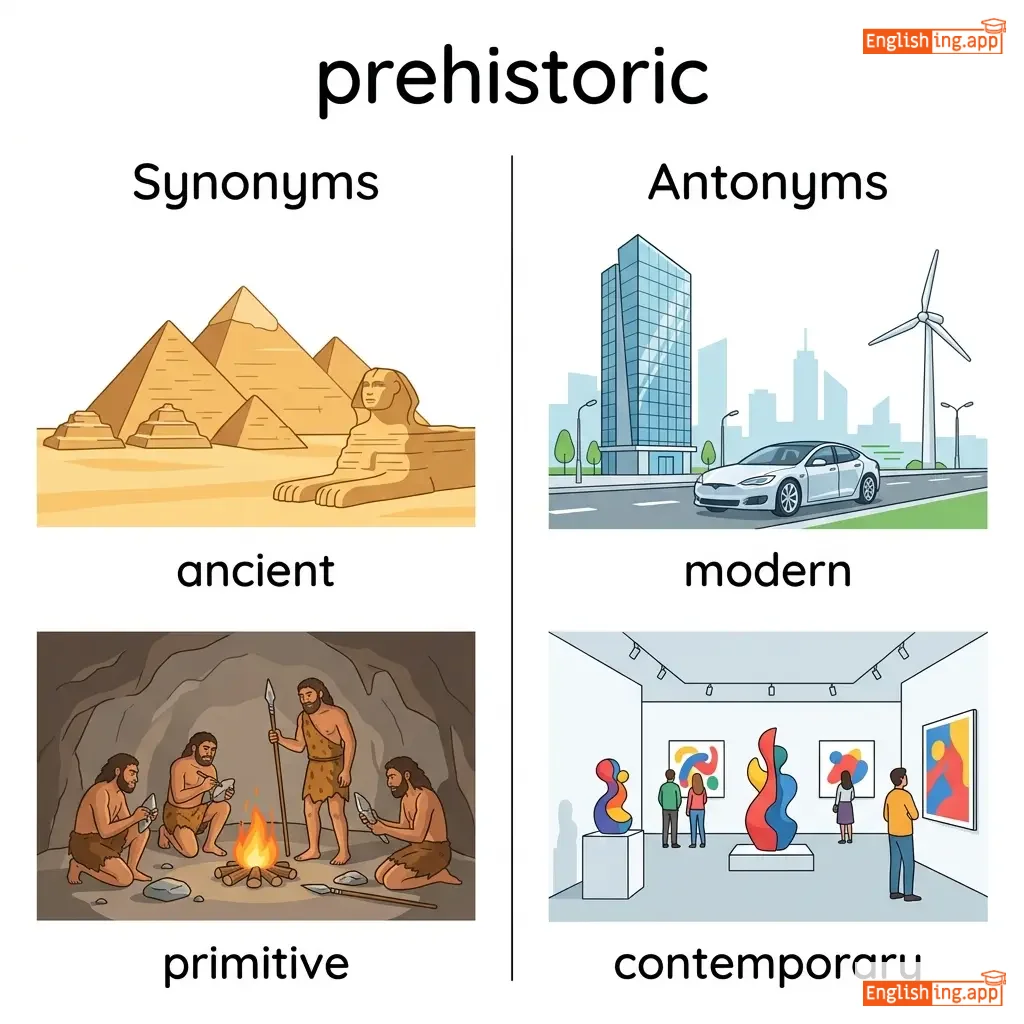
ancient, primitive
••••••
|
modern, contemporary
••••••
|
|
#3111
🏕️
|
nəʊˈmædɪk
adjective
••••••
|
|
Living the life of a nomad; wandering.
••••••
|
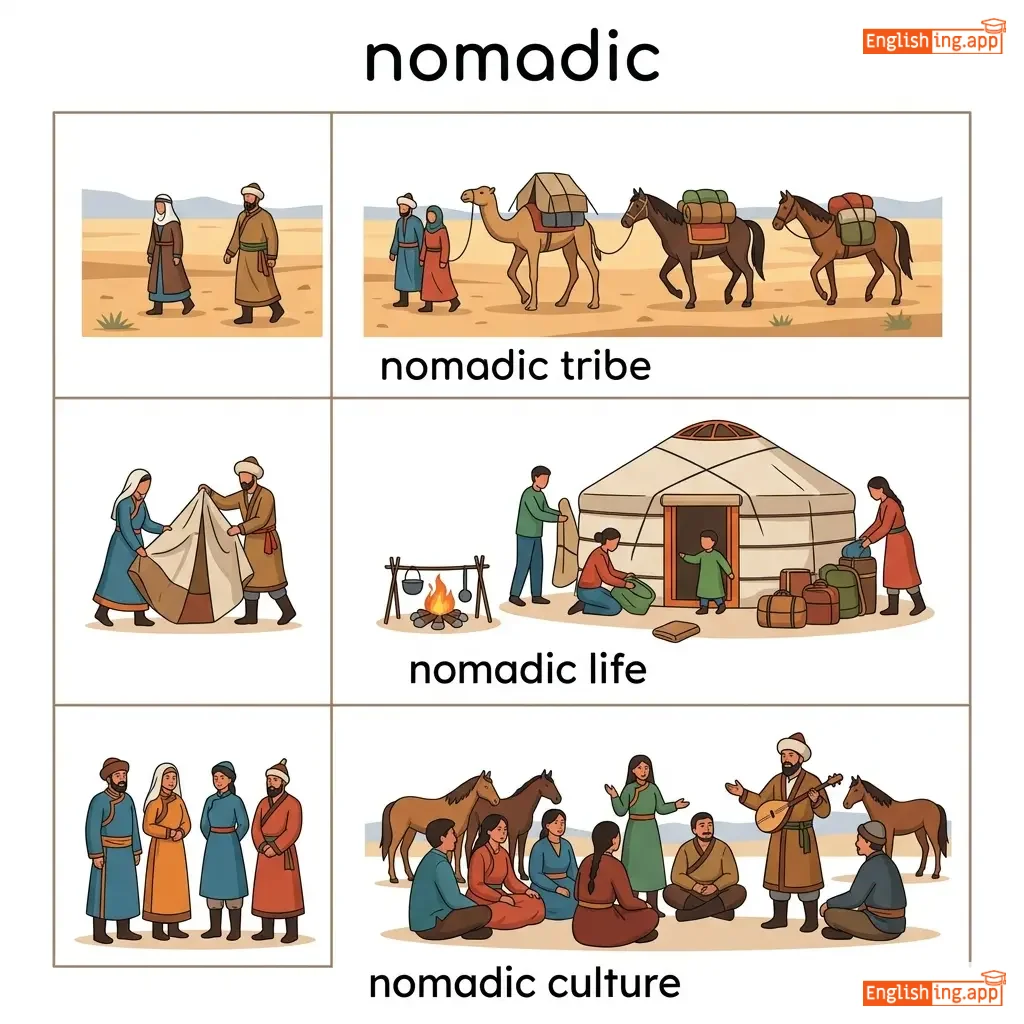
The nomadic tribes moved from place to place in search of resources. |
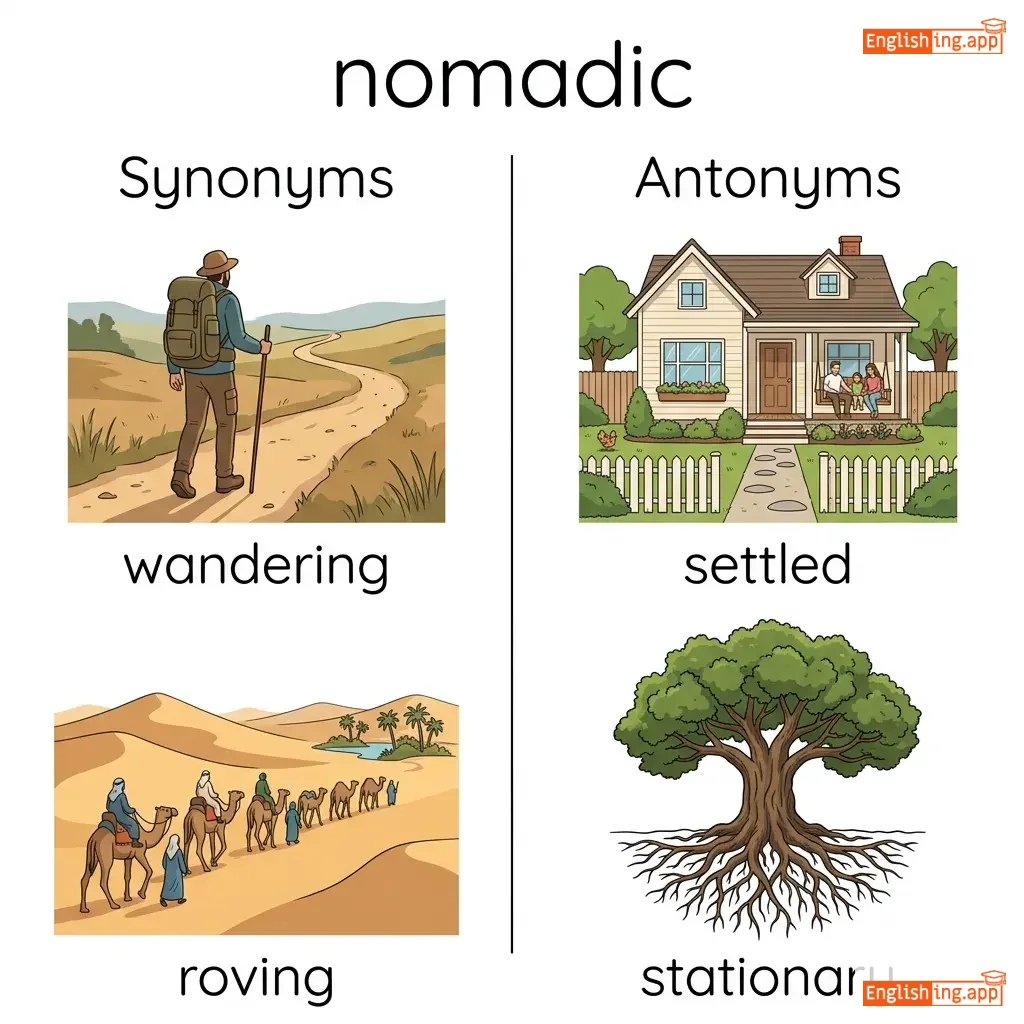
itinerant, migratory
••••••
|
settled, stationary
••••••
|
|
#3112
🐄
|
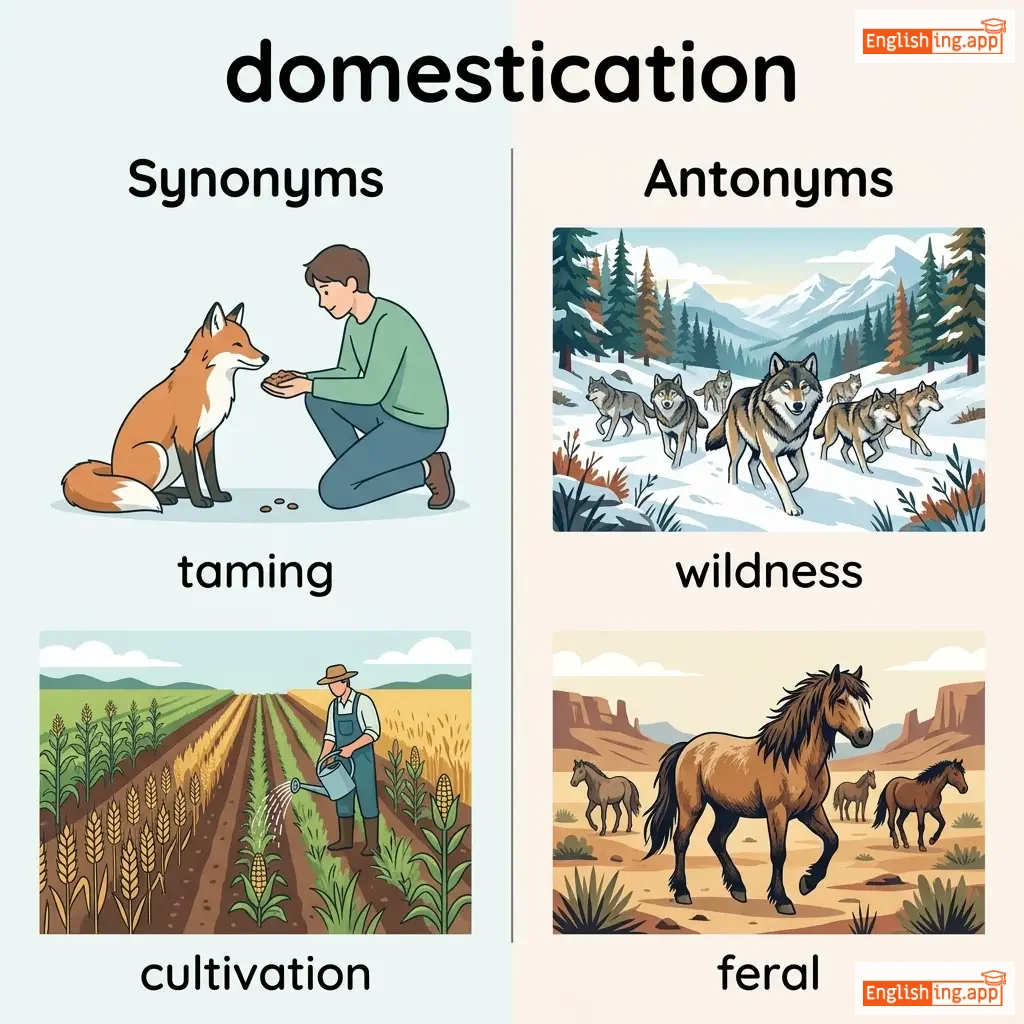
dəˌmɛstɪˈkeɪʃən
noun
••••••
|
|
The process of taming an animal and keeping it as a pet or for farm produce.
••••••
|
Domestication of animals has been crucial for human survival. |
taming, cultivation
••••••
|
wildness, feral
••••••
|
|
#3113
🌾
|
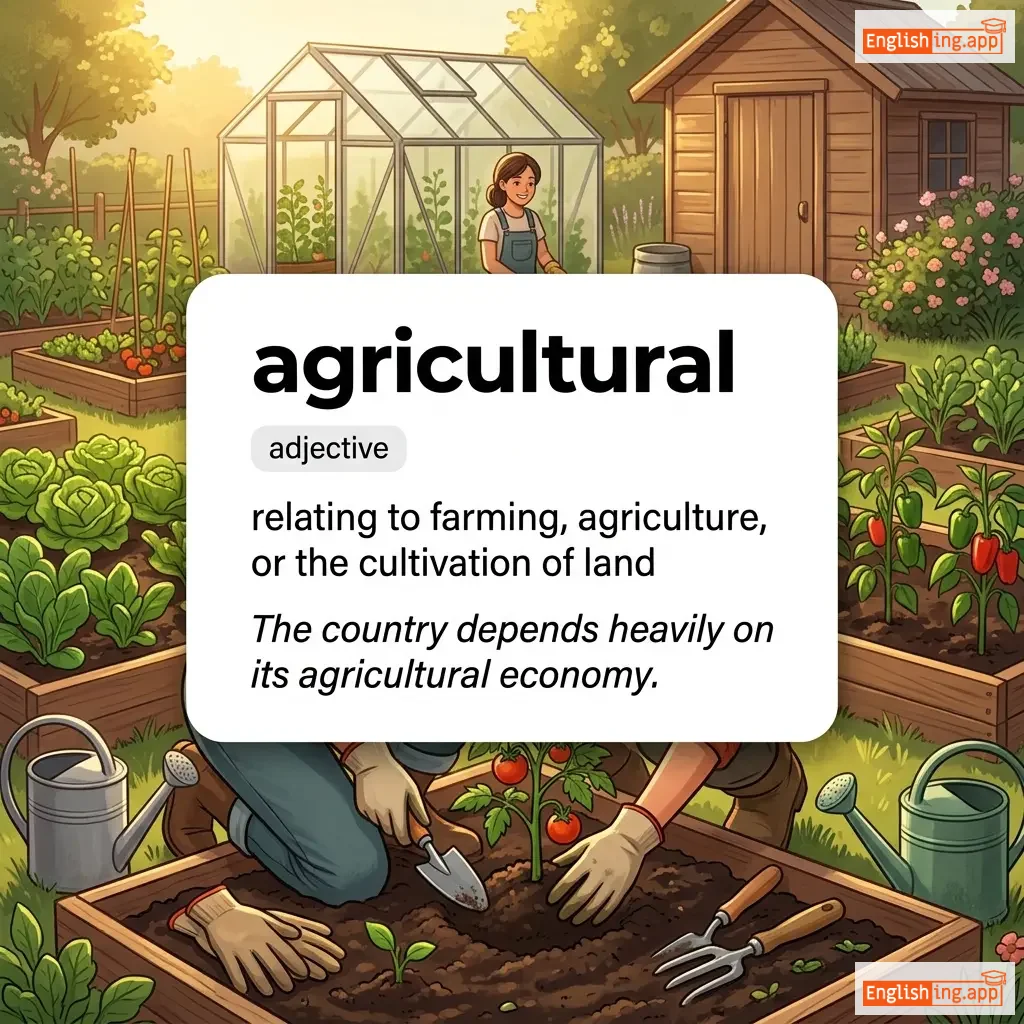
ˌæɡrɪˈkʌltʃərəl
adjective
••••••
|
|
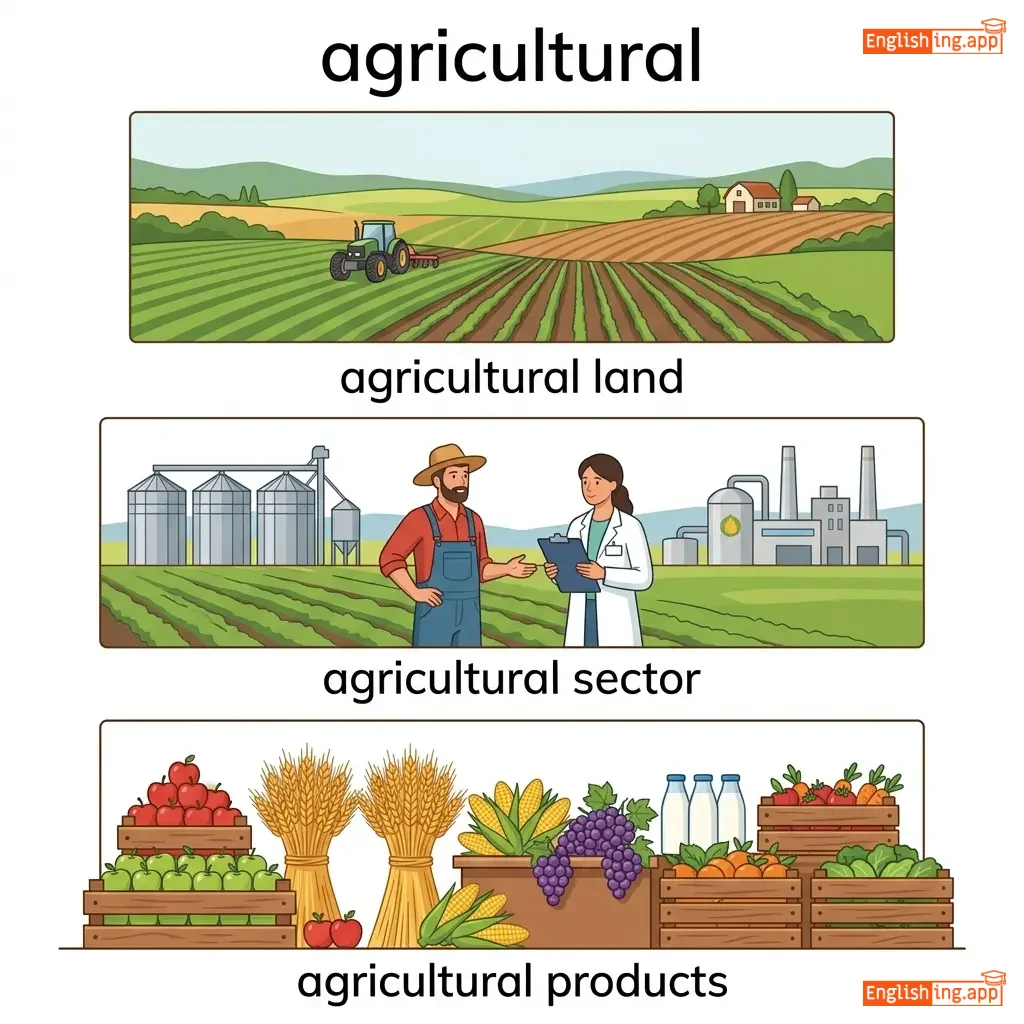
Connected with farming.
••••••
|
Agricultural practices have evolved over centuries. |
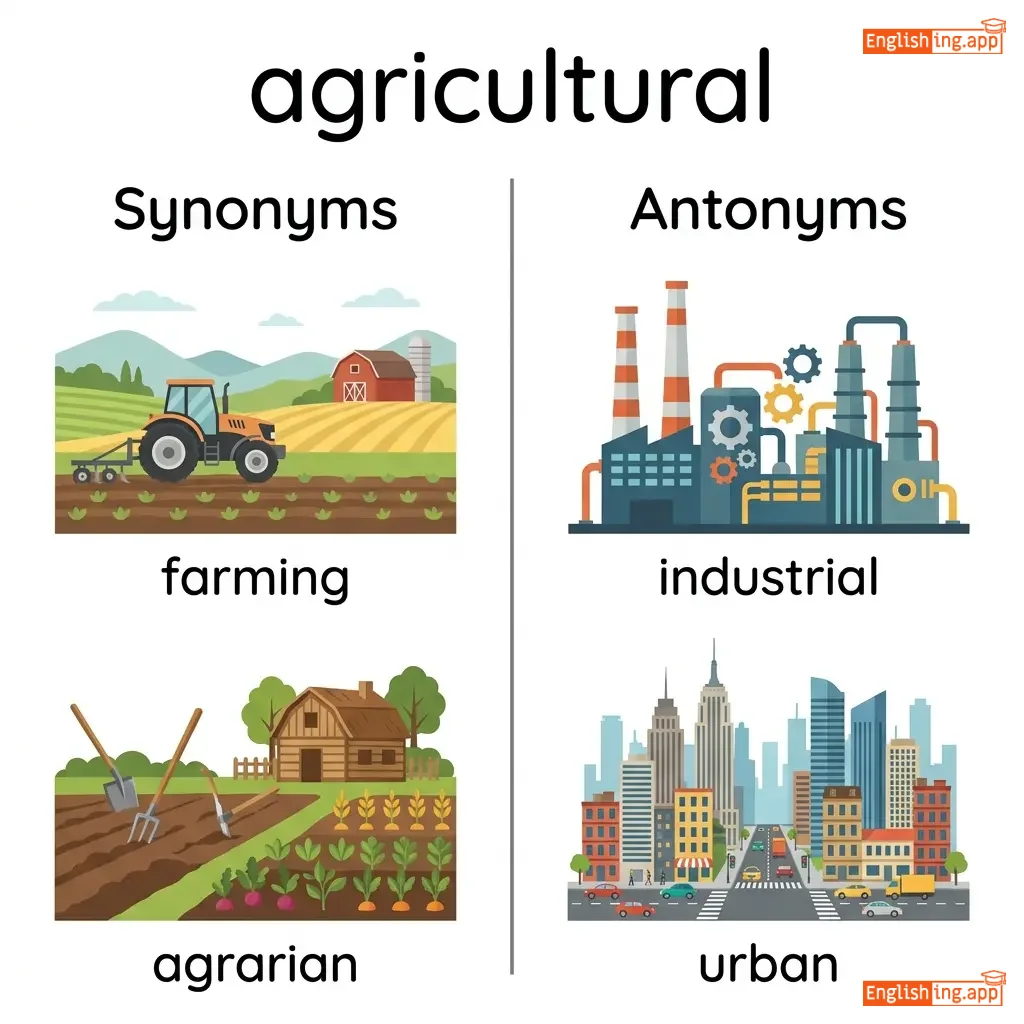
farming, cultivational
••••••
|
industrial, non-agricultural
••••••
|
|
#3114
🌱
|
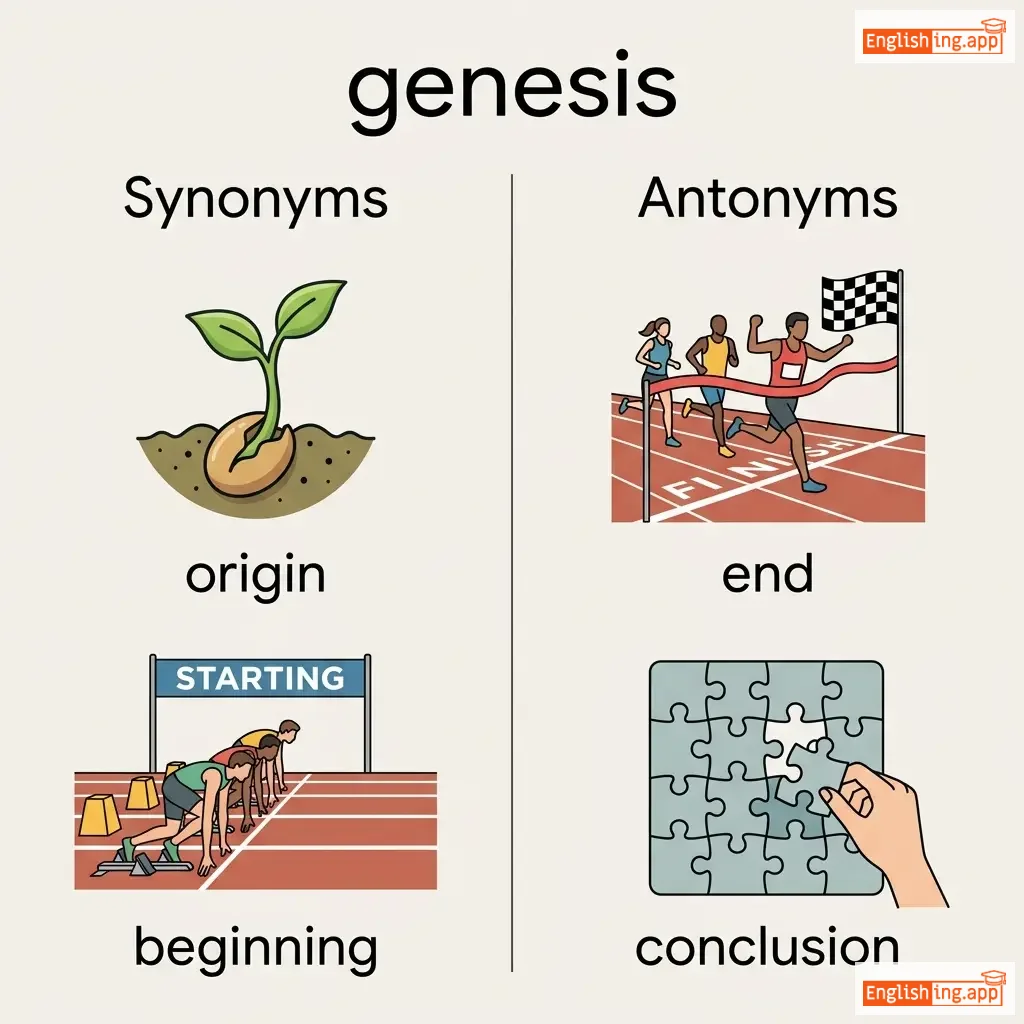
ˈdʒɛnɪsɪs
noun
••••••
|

|
The origin or mode of formation of something.
••••••
|
The genesis of the internet changed the world forever. |
origin, beginning
••••••
|
end, termination
••••••
|
|
#3115
🎭
|
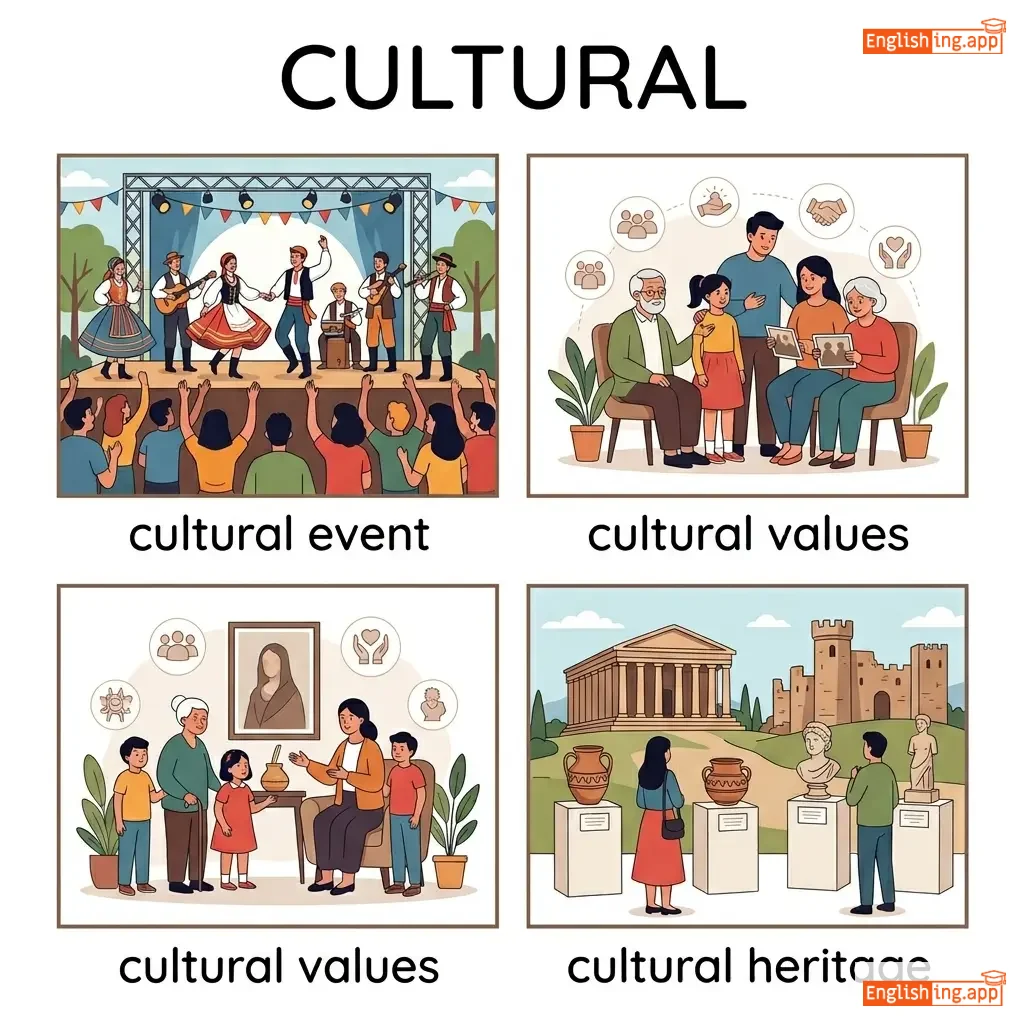
ˈkʌltʃərəl
adjective
••••••
|
|
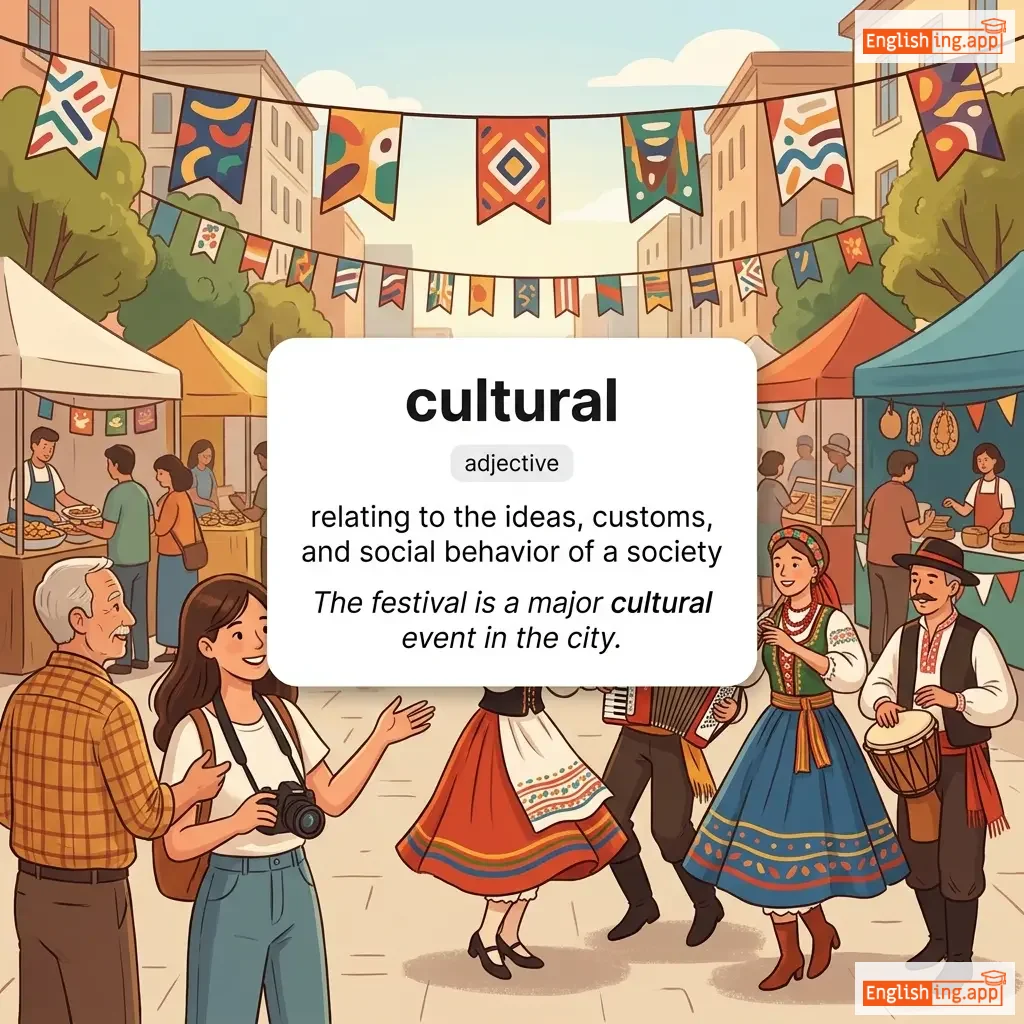
Relating to the arts and to intellectual achievements.
••••••
|
Cultural diversity enriches society and promotes tolerance. |
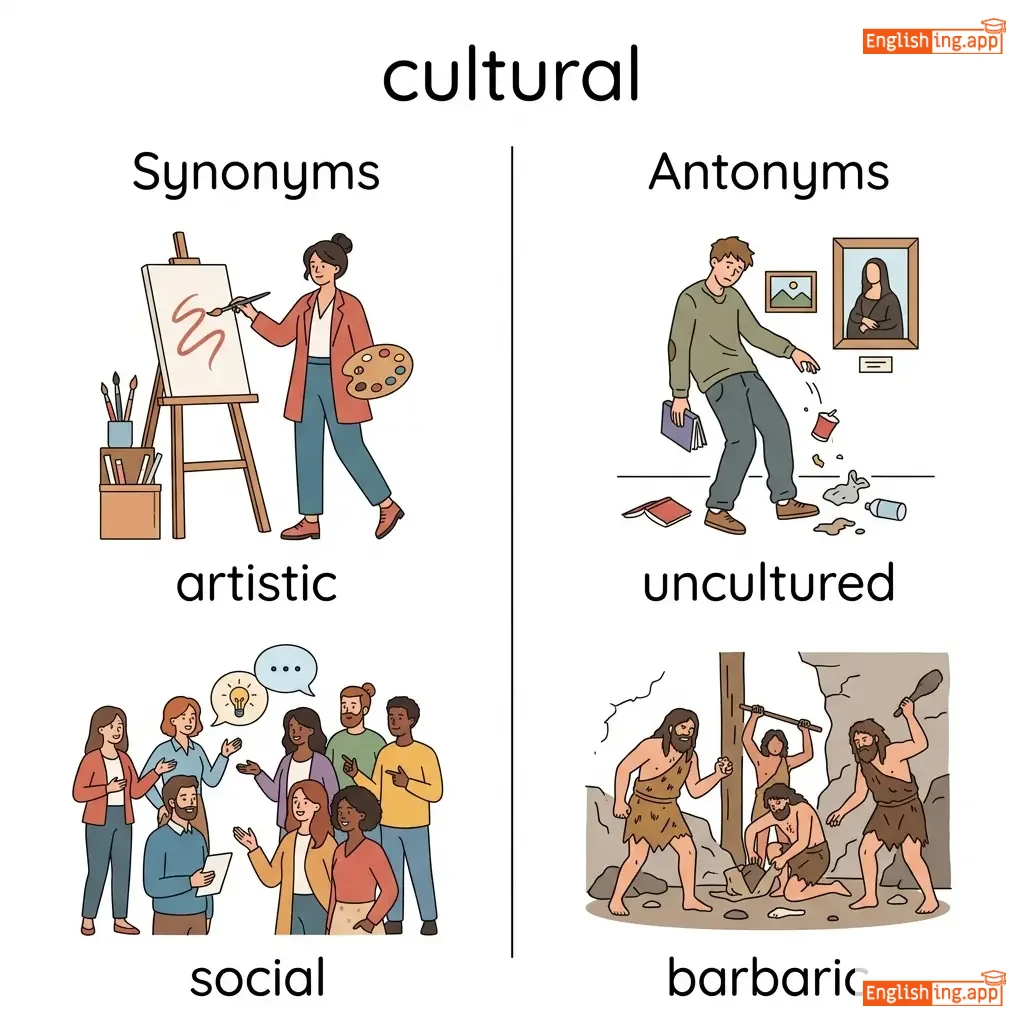
social, artistic
••••••
|
uncultural, non-cultural
••••••
|
|
#3116
👥
|
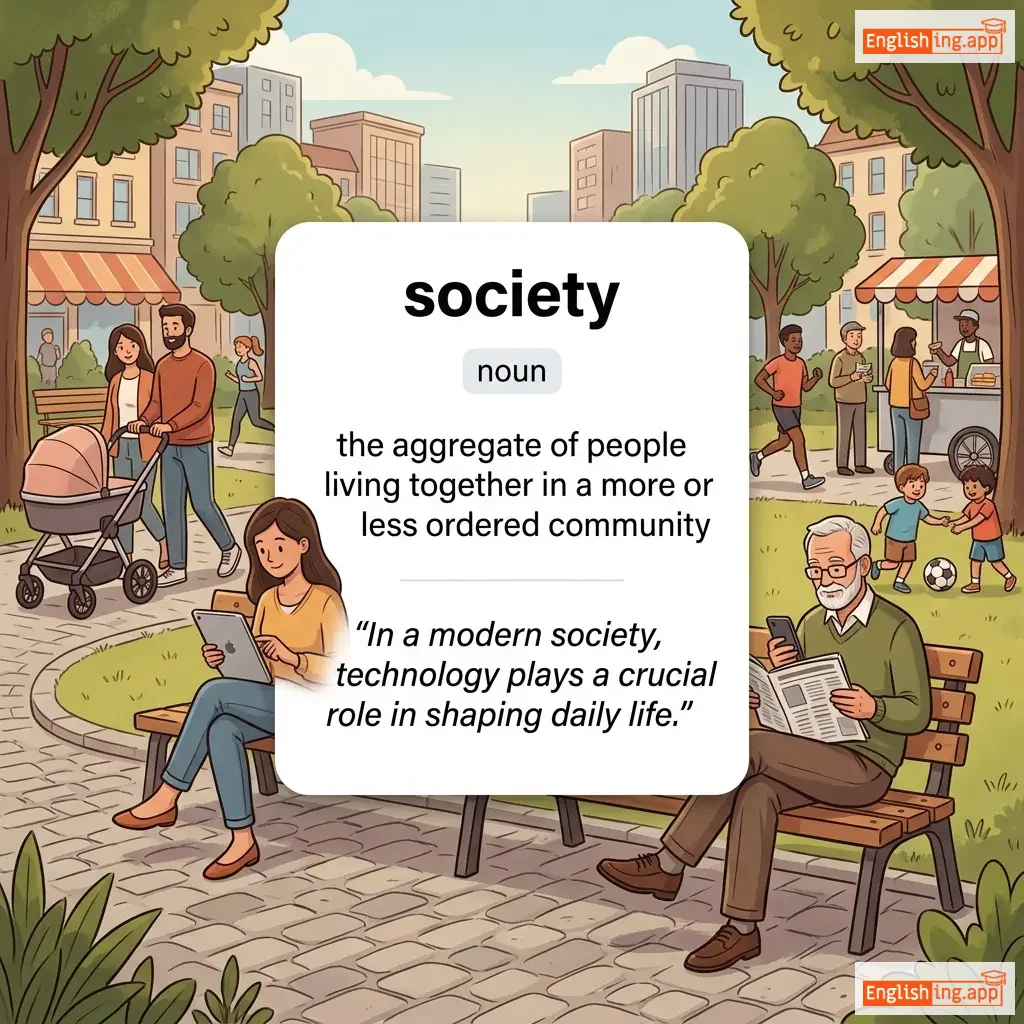
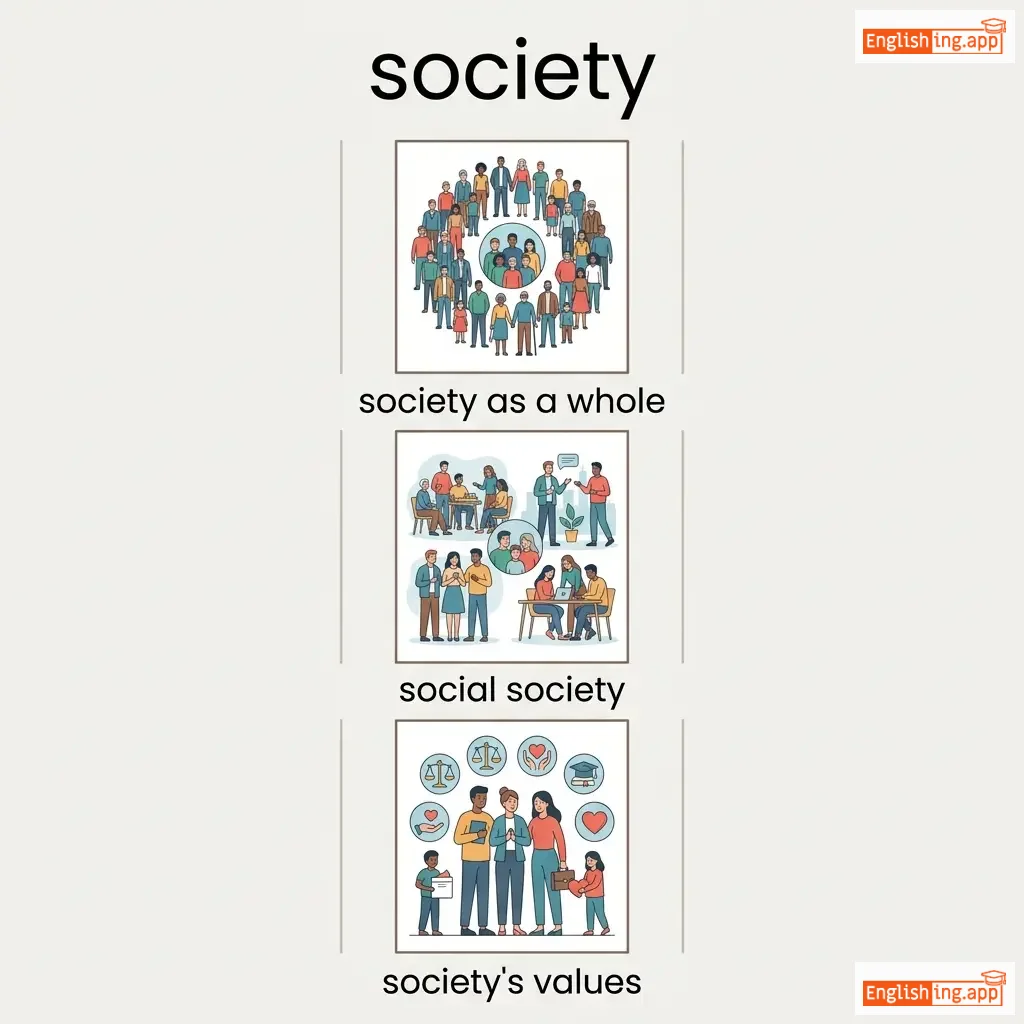
səˈsaɪəti
noun
••••••
|
|
The aggregate of people living together in a more or less ordered community.
••••••
|
Society plays a pivotal role in shaping an individual's values. |
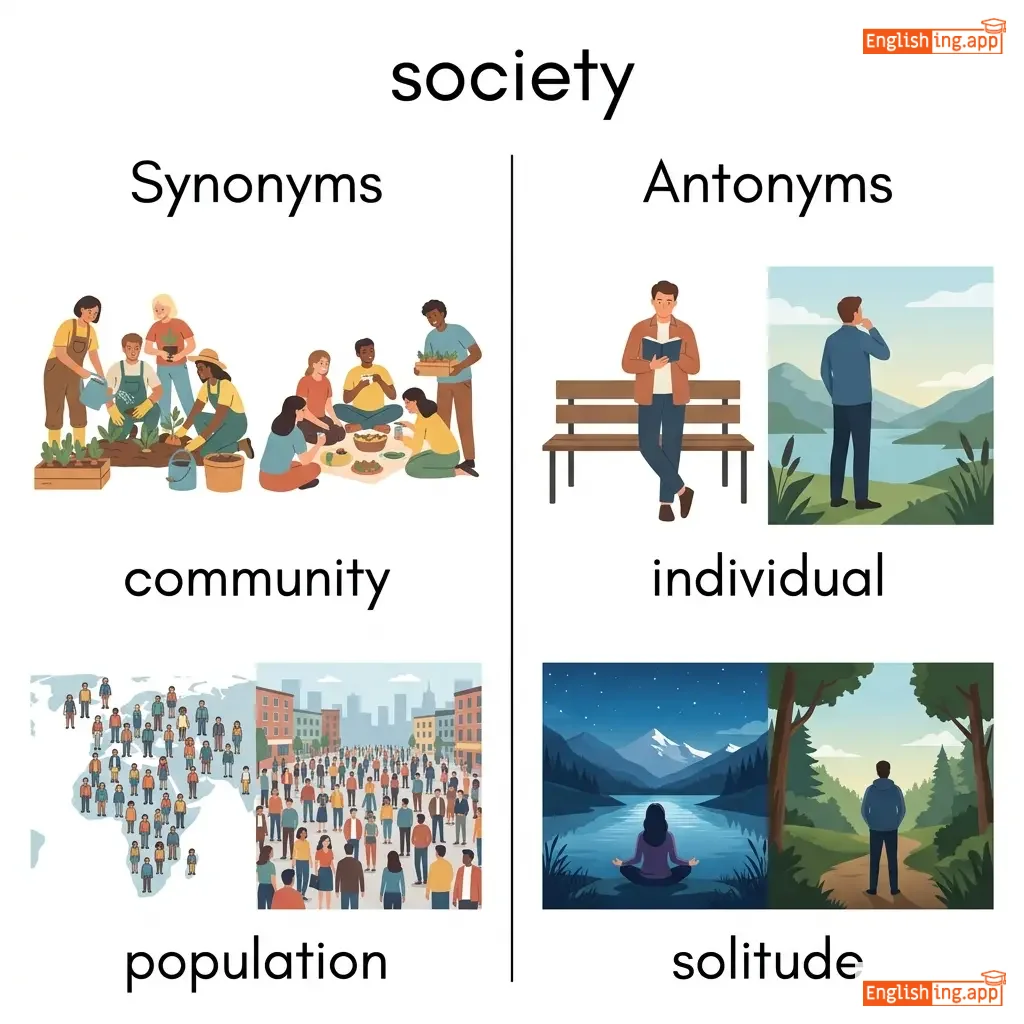
community, population
••••••
|
individualism, solitude
••••••
|
|
#3117
🗿
|
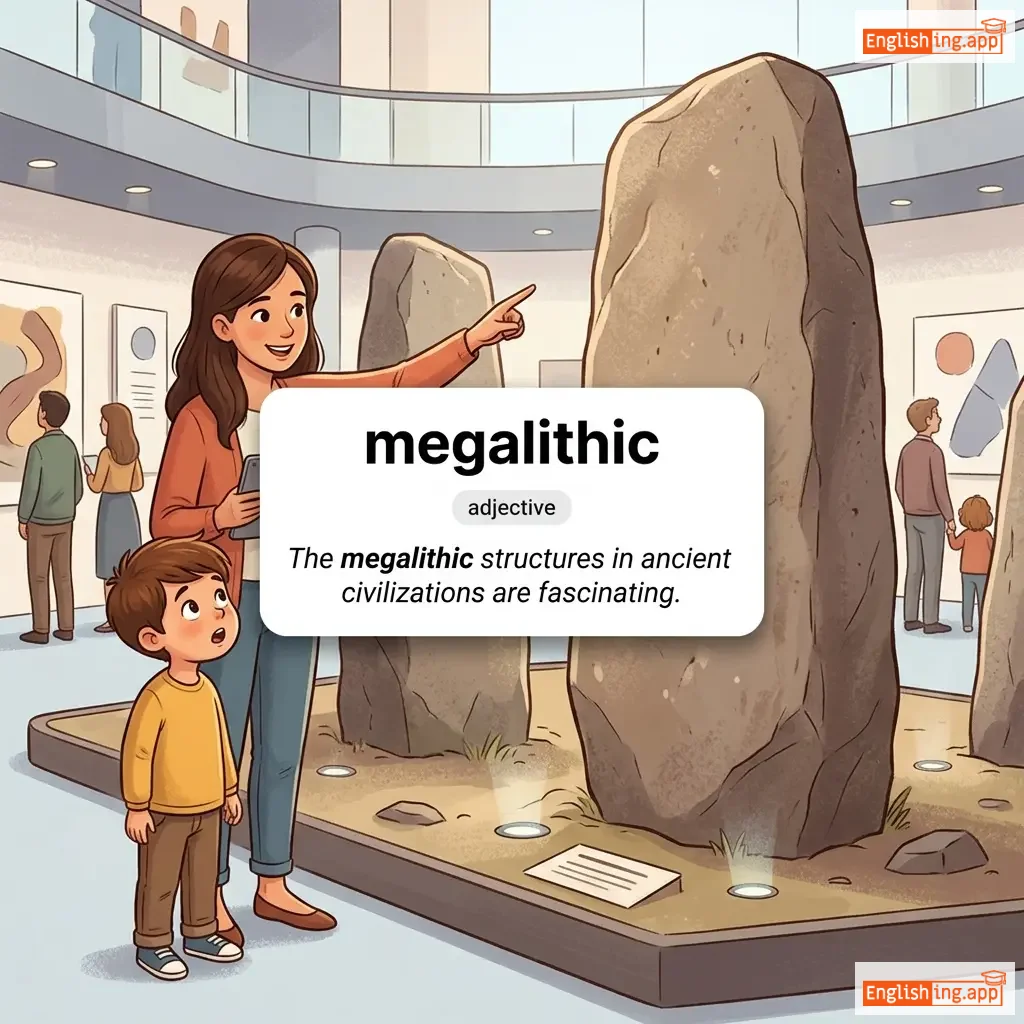
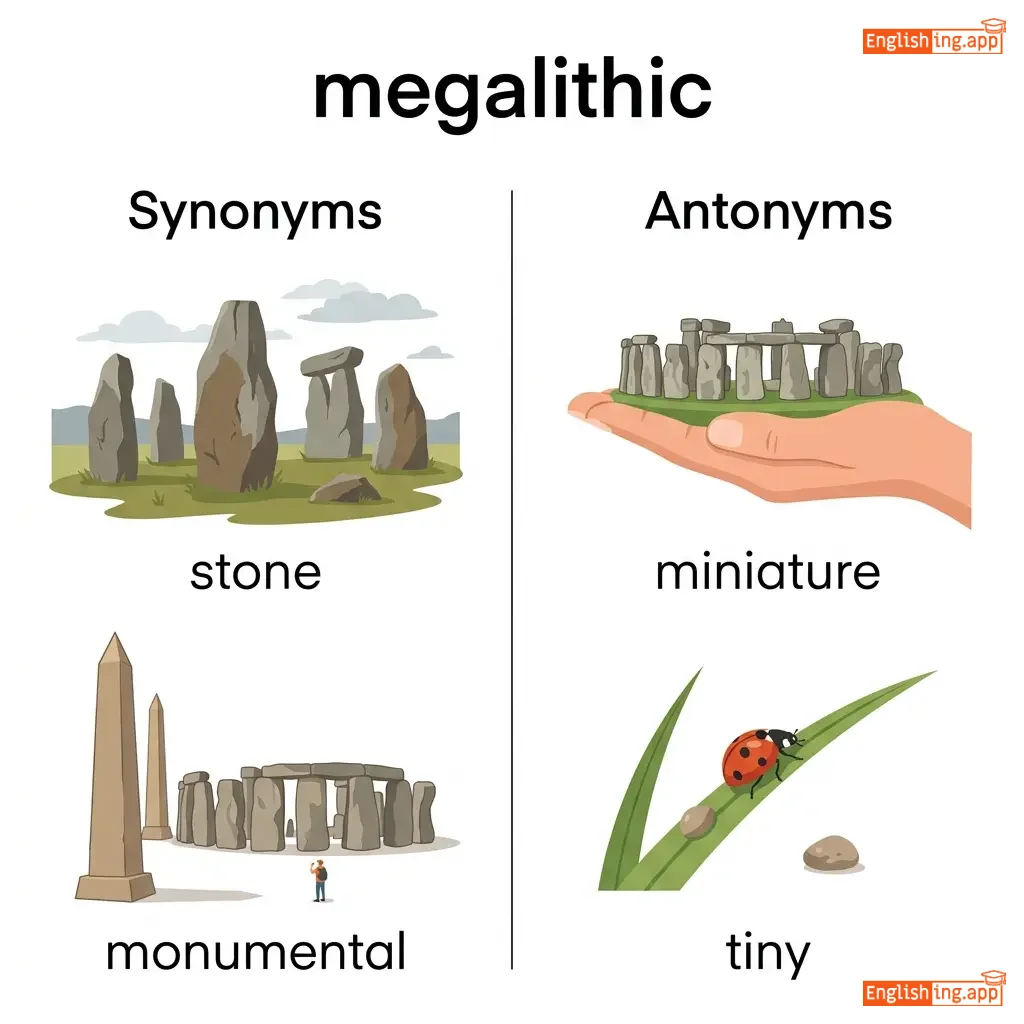
ˌmɛɡəˈlɪθɪk
adjective
••••••
|
|
Relating to or denoting prehistoric monuments made of or containing large stones.
••••••
|
The megalithic structures in ancient civilizations are fascinating. |
stone, monumental
••••••
|
miniature, tiny
••••••
|
|
#3118
🏛️
|
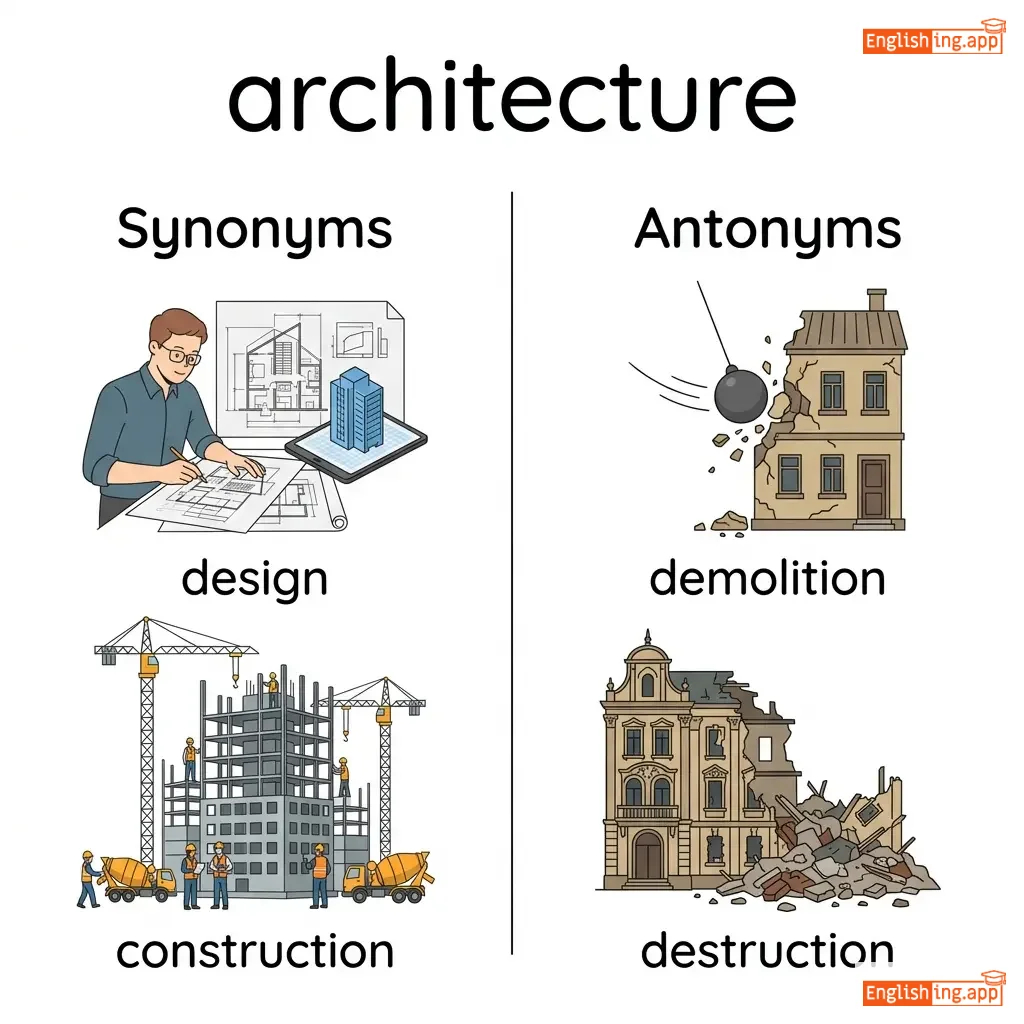
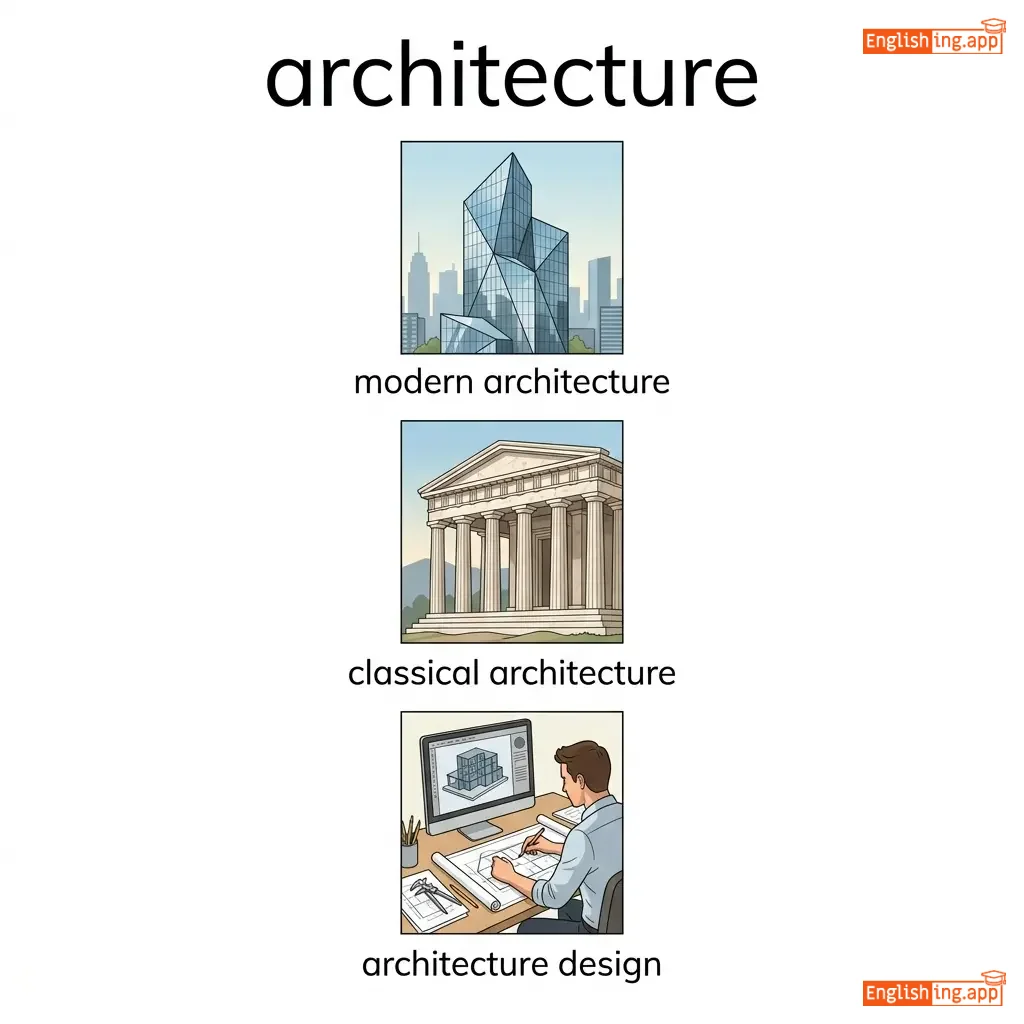
ˈɑːkɪtɛktʃər
noun
••••••
|

|
The art or science of designing and constructing buildings.
••••••
|
The architecture of ancient temples reflects the culture of the time. |
design, construction
••••••
|
destruction, demolition
••••••
|
|
#3119
🏺
|
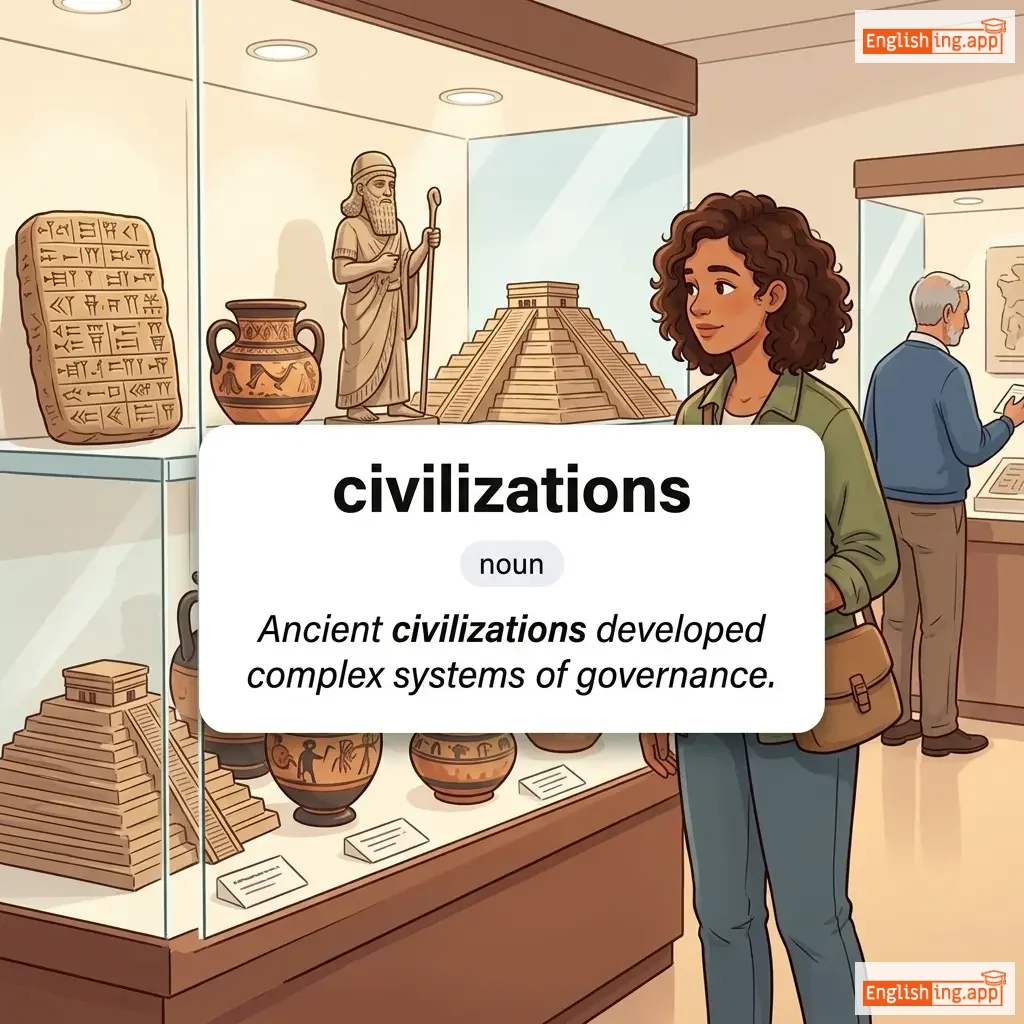
sɪvɪˈlɪzeɪʃənz
noun
••••••
|
|
The stage of human social development and organization that is considered most advanced.
••••••
|
Ancient civilizations developed complex systems of governance. |
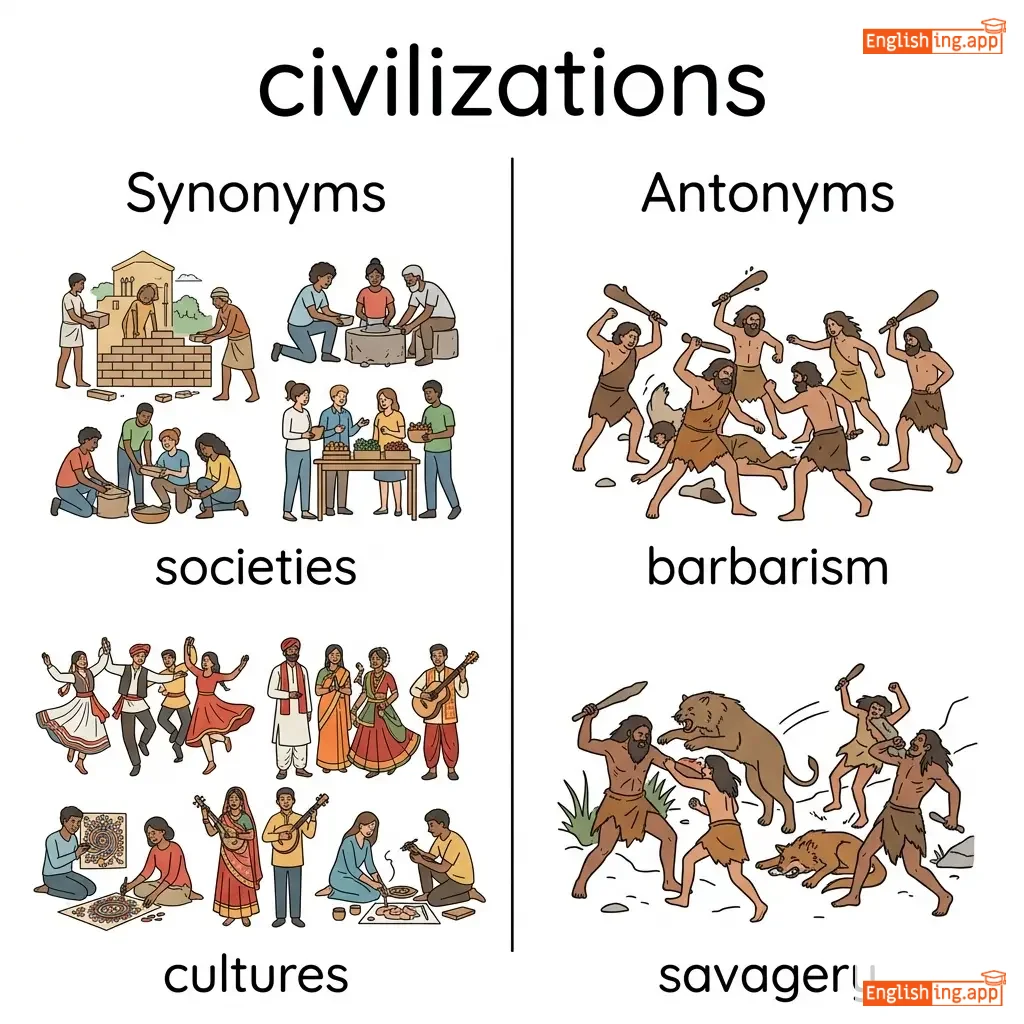
societies, cultures
••••••
|
barbarism, savagery
••••••
|
|
#3120
🏭
|
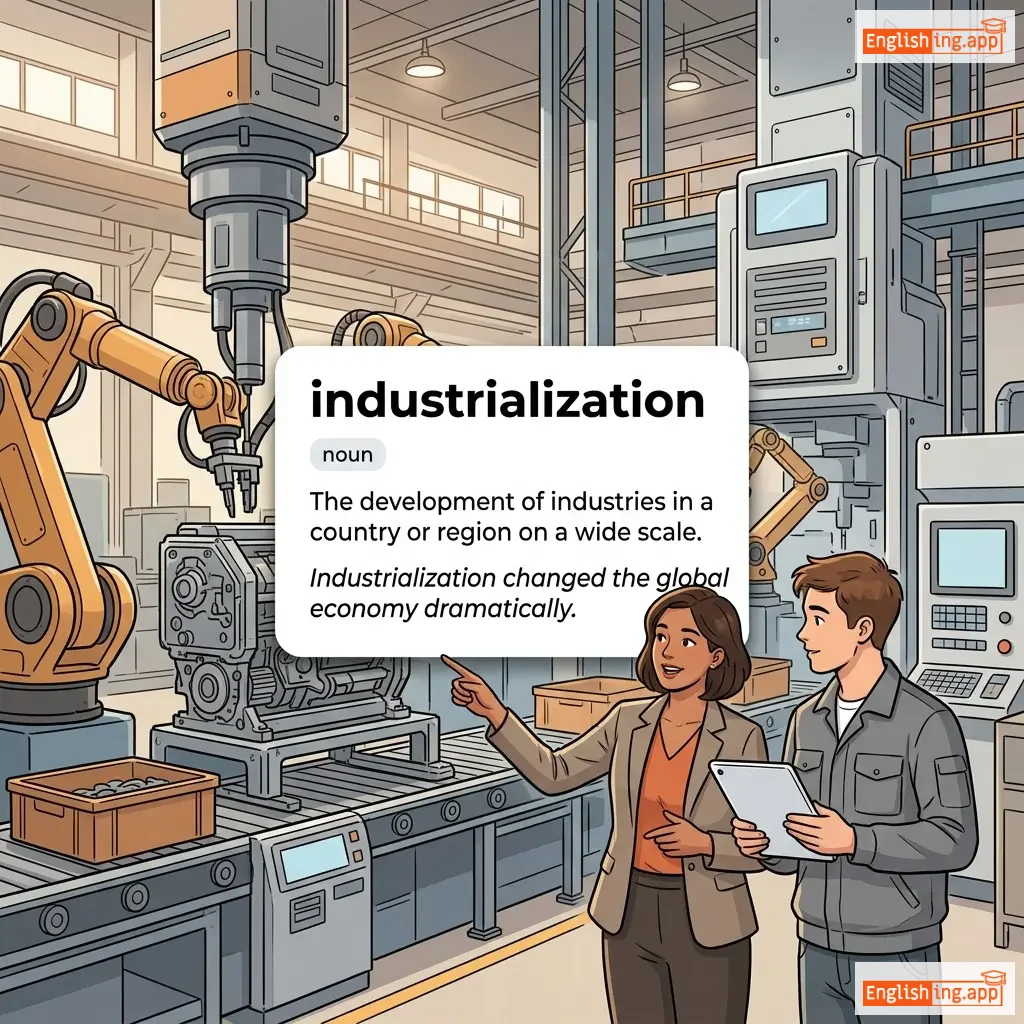
ɪnˌdʌstrɪəlaɪˈzeɪʃən
noun
••••••
|
|
The development of industries in a country or region on a wide scale.
••••••
|
Industrialization changed the global economy dramatically. |
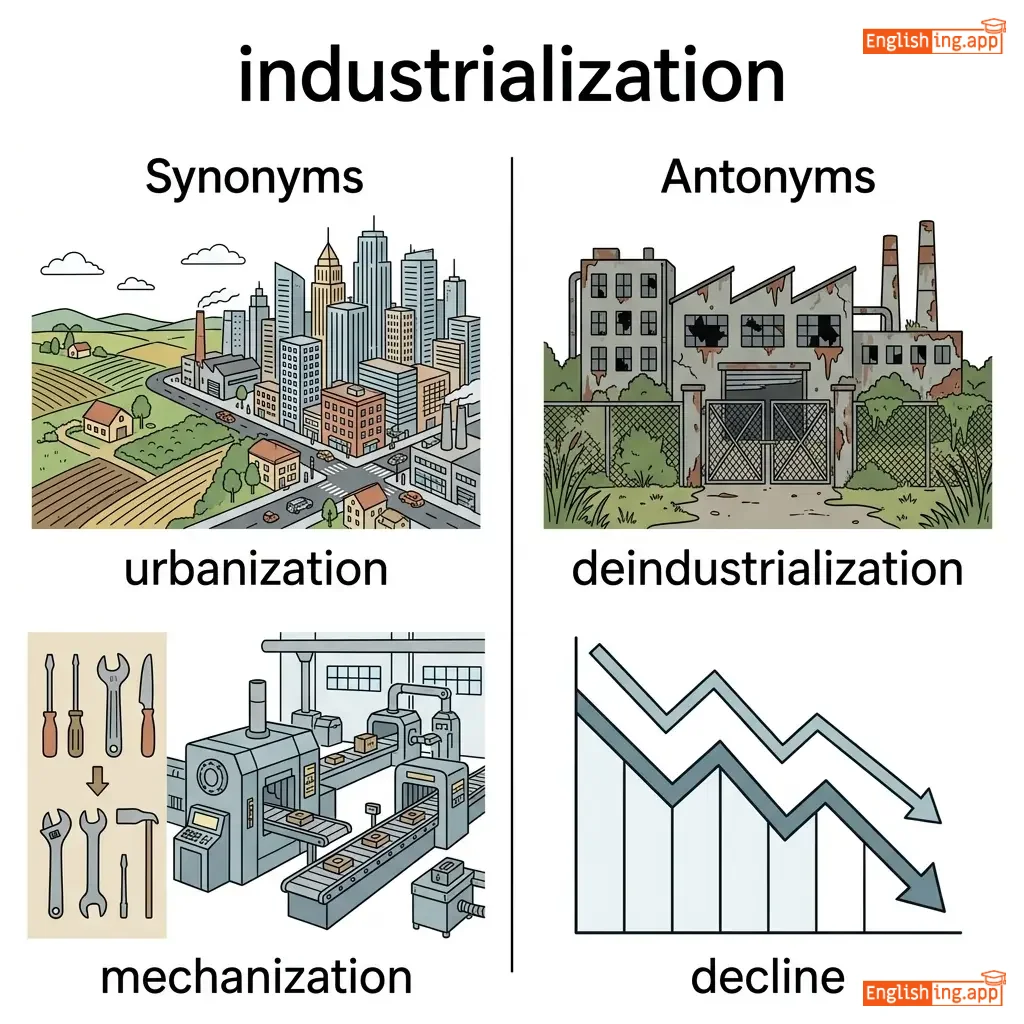
urbanization, mechanization
••••••
|
deindustrialization, decline
••••••
|
|
#3121
🏙️
|
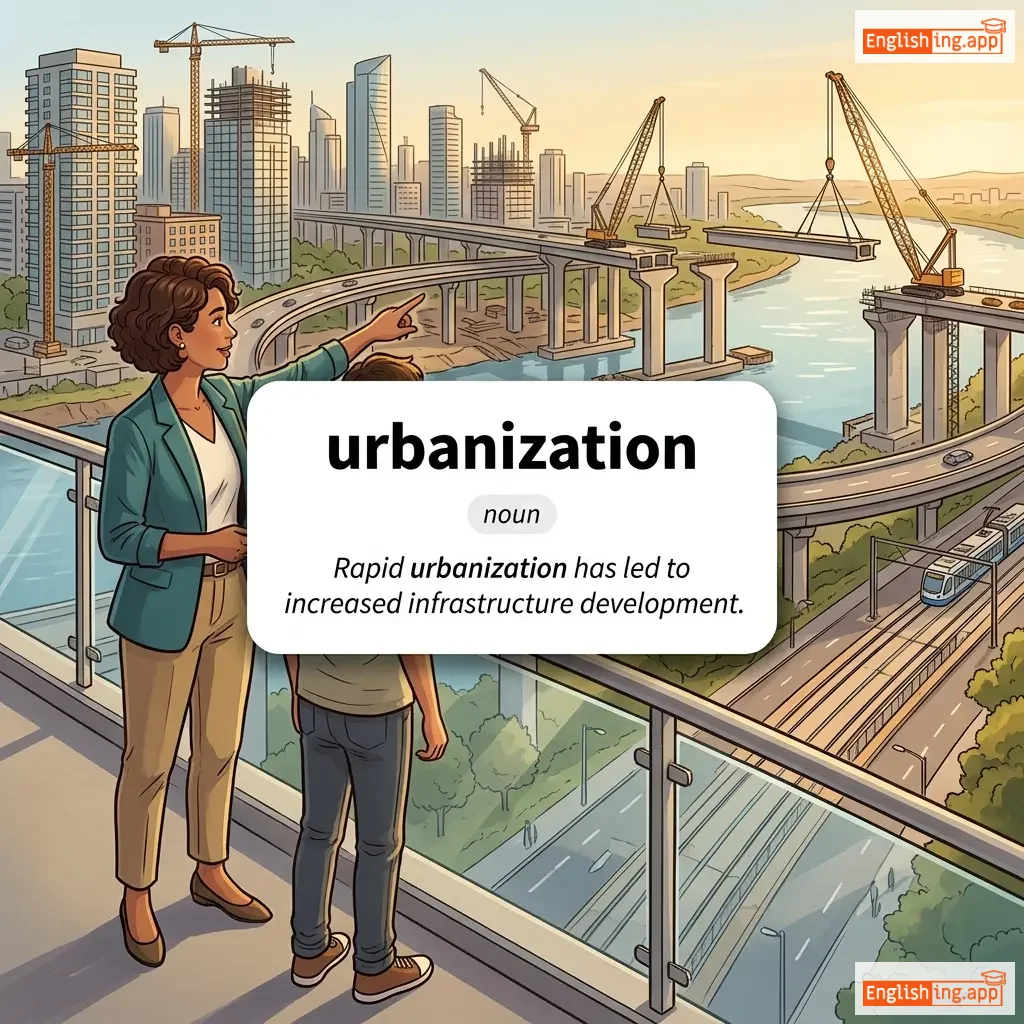
ˌɜːbənaɪˈzeɪʃən
noun
••••••
|
|
The process by which towns and cities are formed and become larger as more people begin living and working in central areas.
••••••
|
Urbanization leads to more developed infrastructure. |
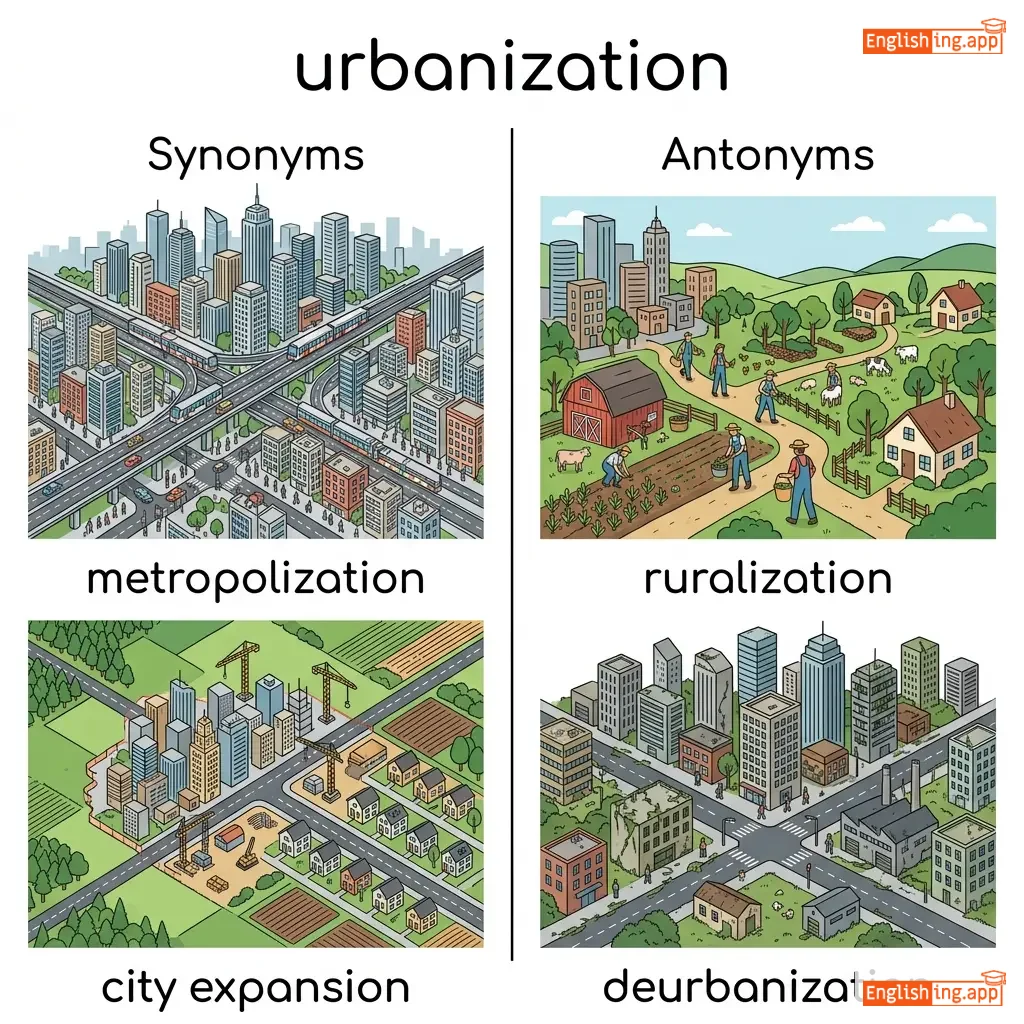
city development, metropolization
••••••
|
ruralization, suburbanization
••••••
|
|
#3122
💻
|
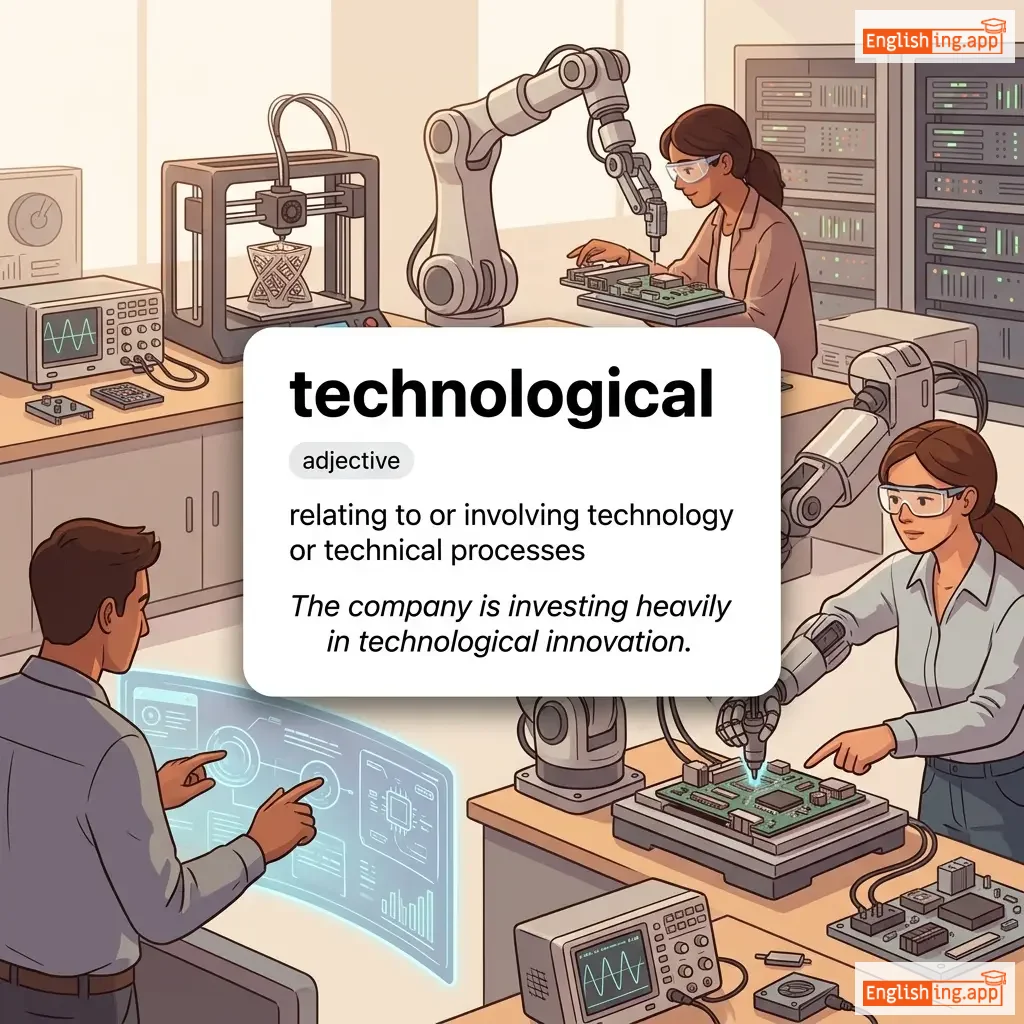
ˌtɛkˈnɒlədʒɪkəl
adjective
••••••
|
|
Relating to or involving the application of technology.
••••••
|
Technological advancements are reshaping industries worldwide. |
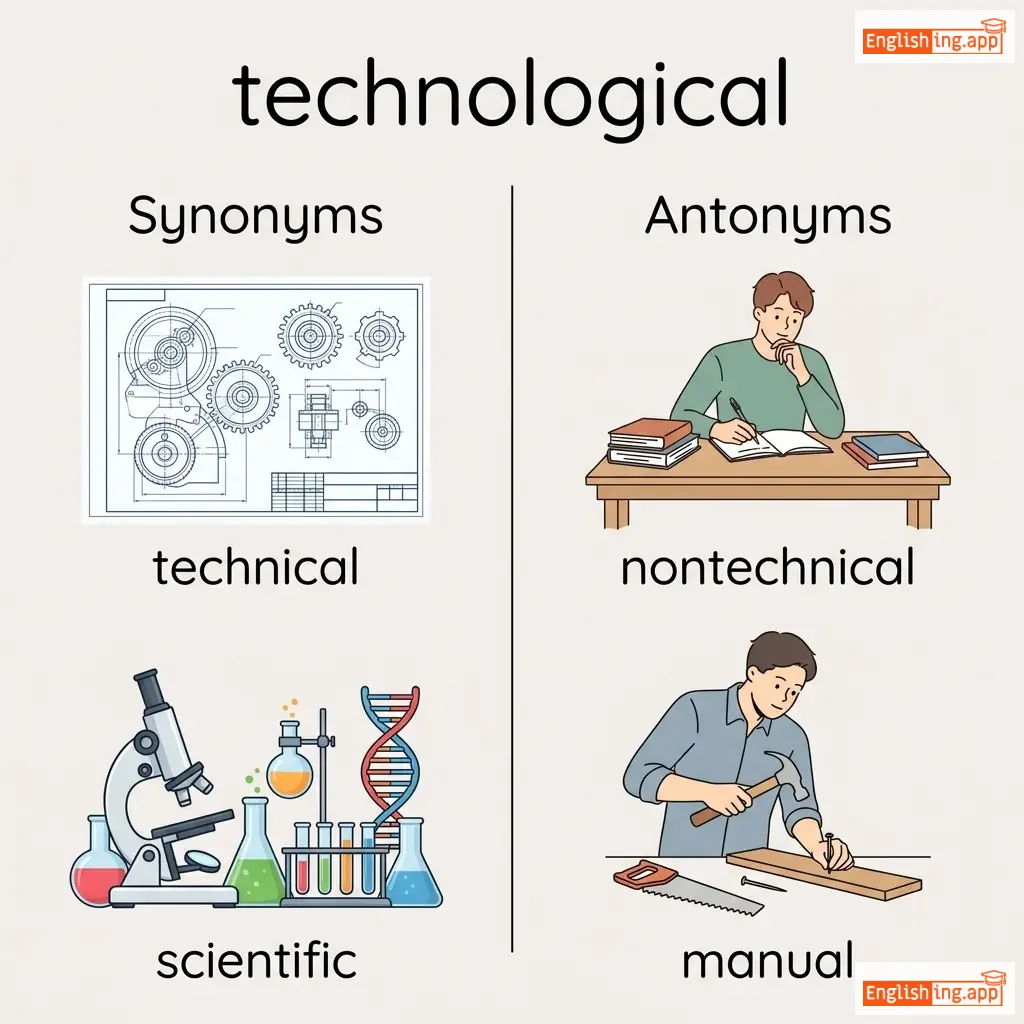
digital, scientific
••••••
|
non-technical, primitive
••••••
|
|
#3123
⚖️
|
ˌsəʊsɪəʊpəˈlɪtɪkəl
adjective
••••••
|
|
Combining social and political factors.
••••••
|
Sociopolitical factors often influence public policy decisions. |
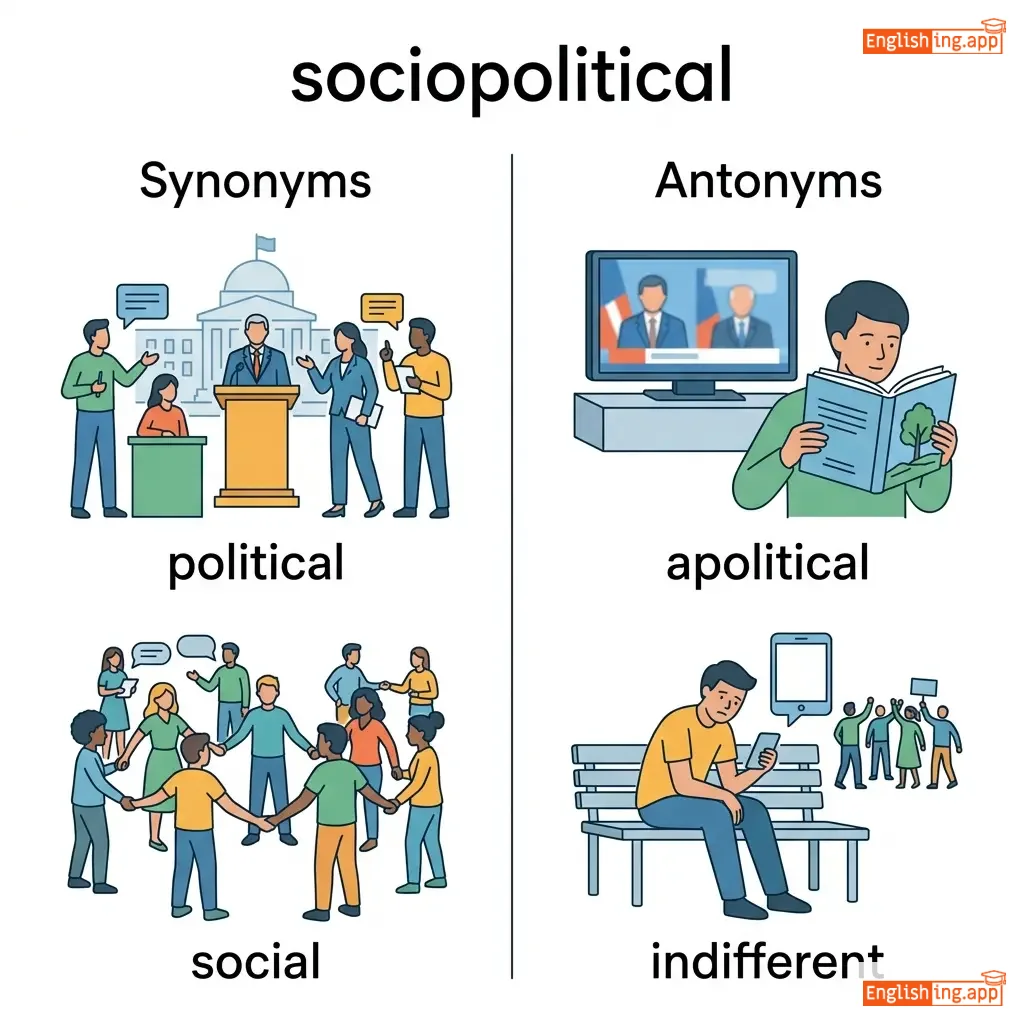
political, social
••••••
|
apolitical, indifferent
••••••
|
|
#3124
🤝
|
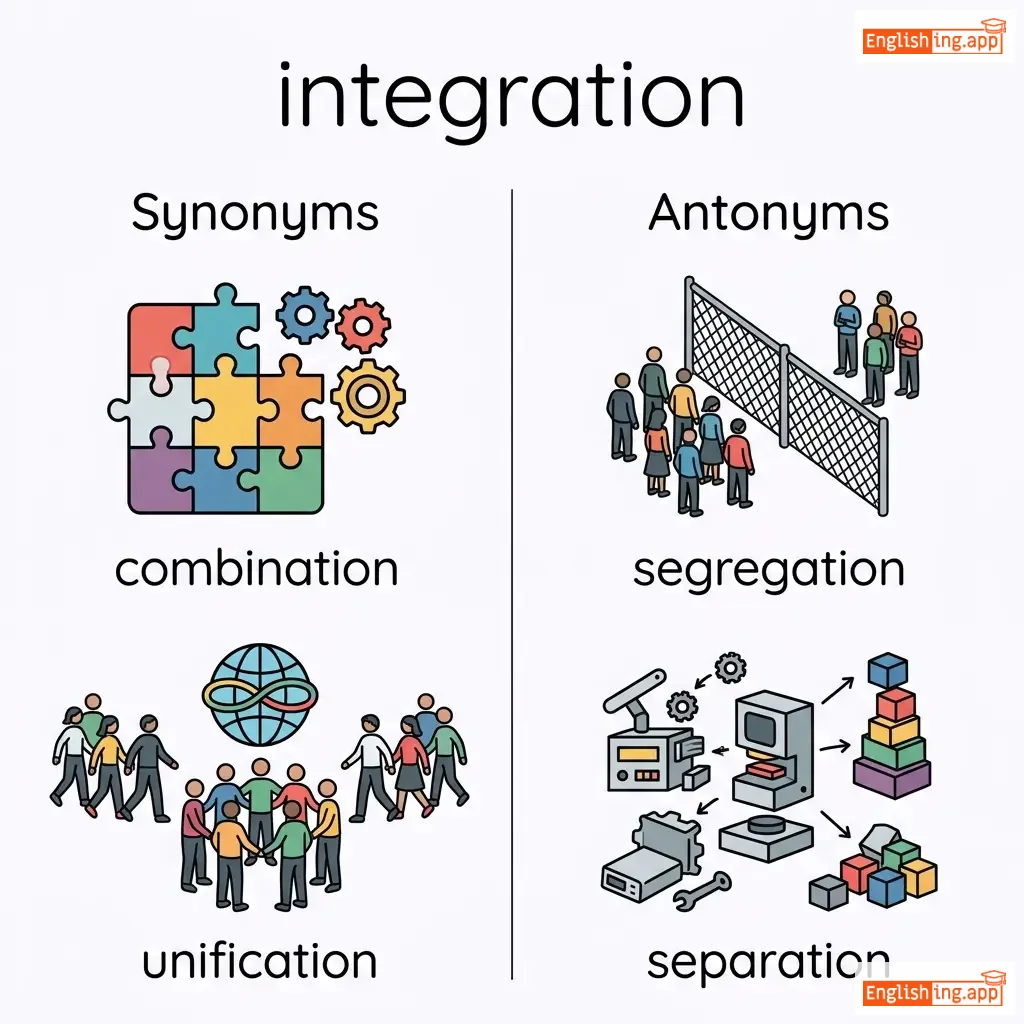
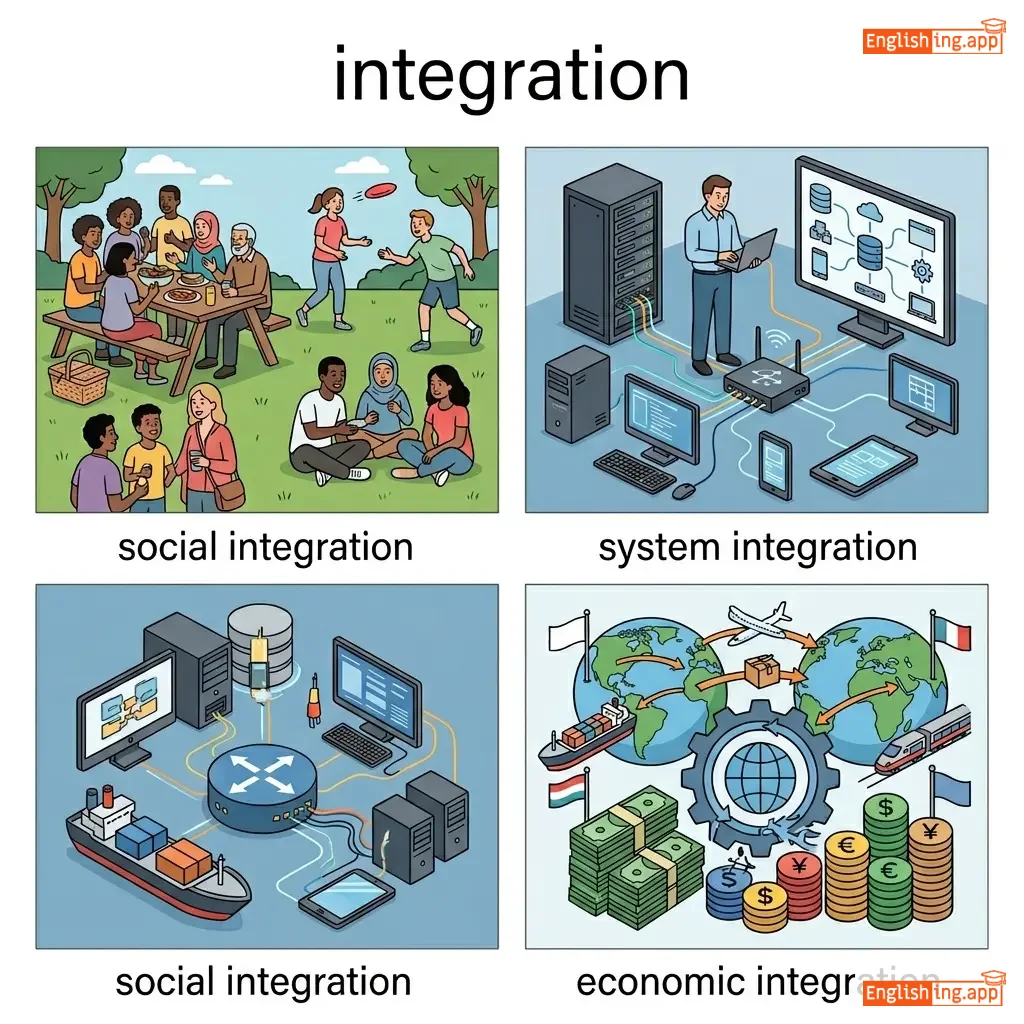
ˌɪntɪˈɡreɪʃən
noun
••••••
|
|
The action or process of integrating.
••••••
|
Integration of technology in education has improved learning outcomes. |
unification, combination
••••••
|
segregation, division
••••••
|
|
#3125
👫
|
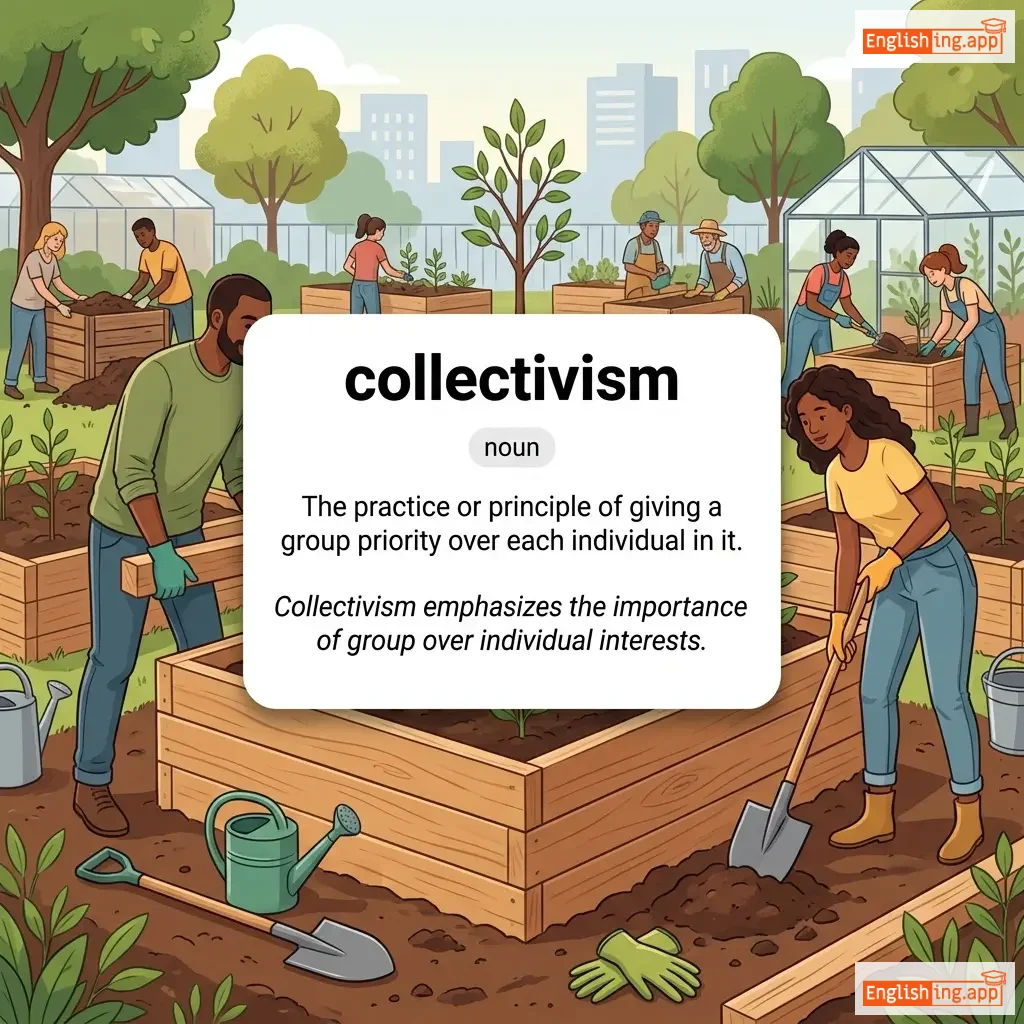
kəˈlɛktɪvɪzəm
noun
••••••
|
|
The practice or principle of giving a group priority over each individual in it.
••••••
|
Collectivism emphasizes the importance of group over individual interests. |
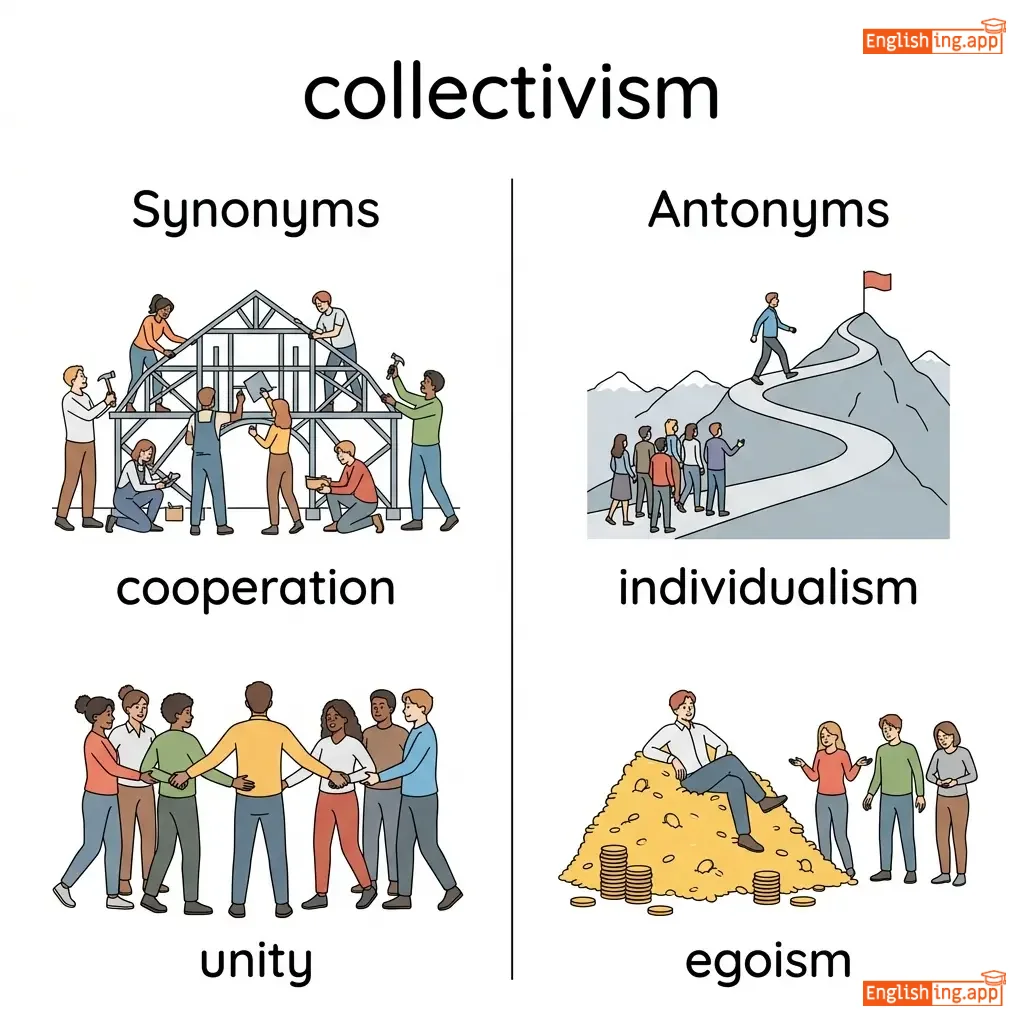
cooperation, unity
••••••
|
individualism, egoism
••••••
|
|
#3126
🌍
|
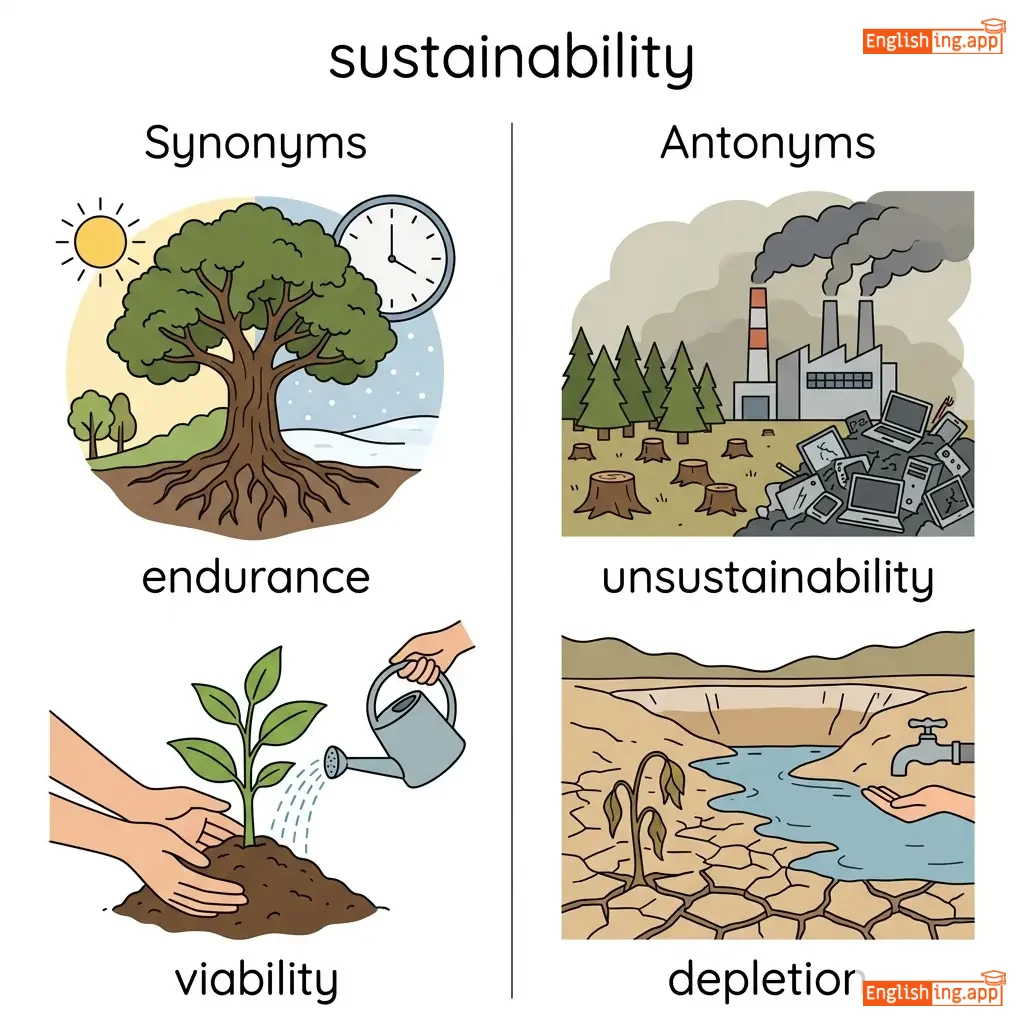
səˌsteɪnəˈbɪlɪti
noun
••••••
|
|
The ability to be maintained at a certain rate or level.
••••••
|
Sustainability is key to maintaining ecological balance. |
endurance, viability
••••••
|
unsustainability, fragility
••••••
|
|
#3127
📋
|
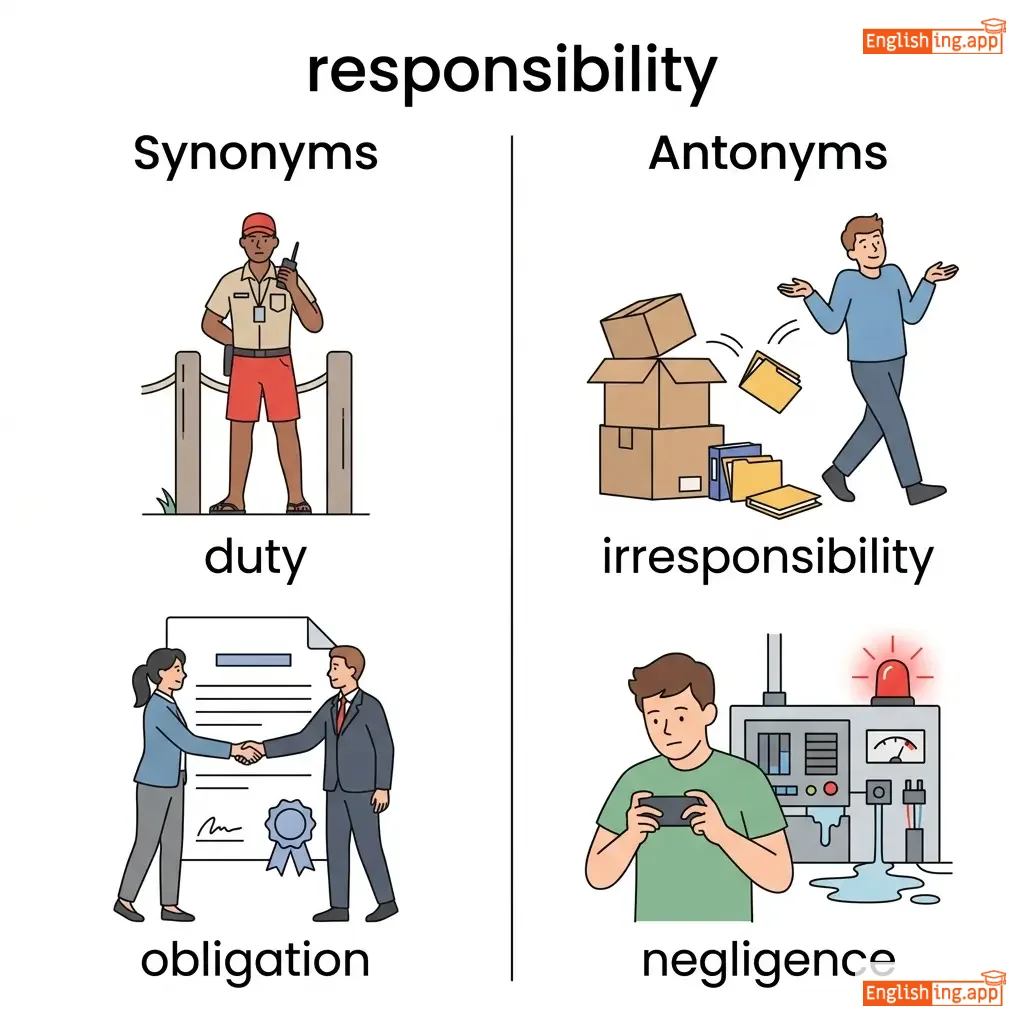
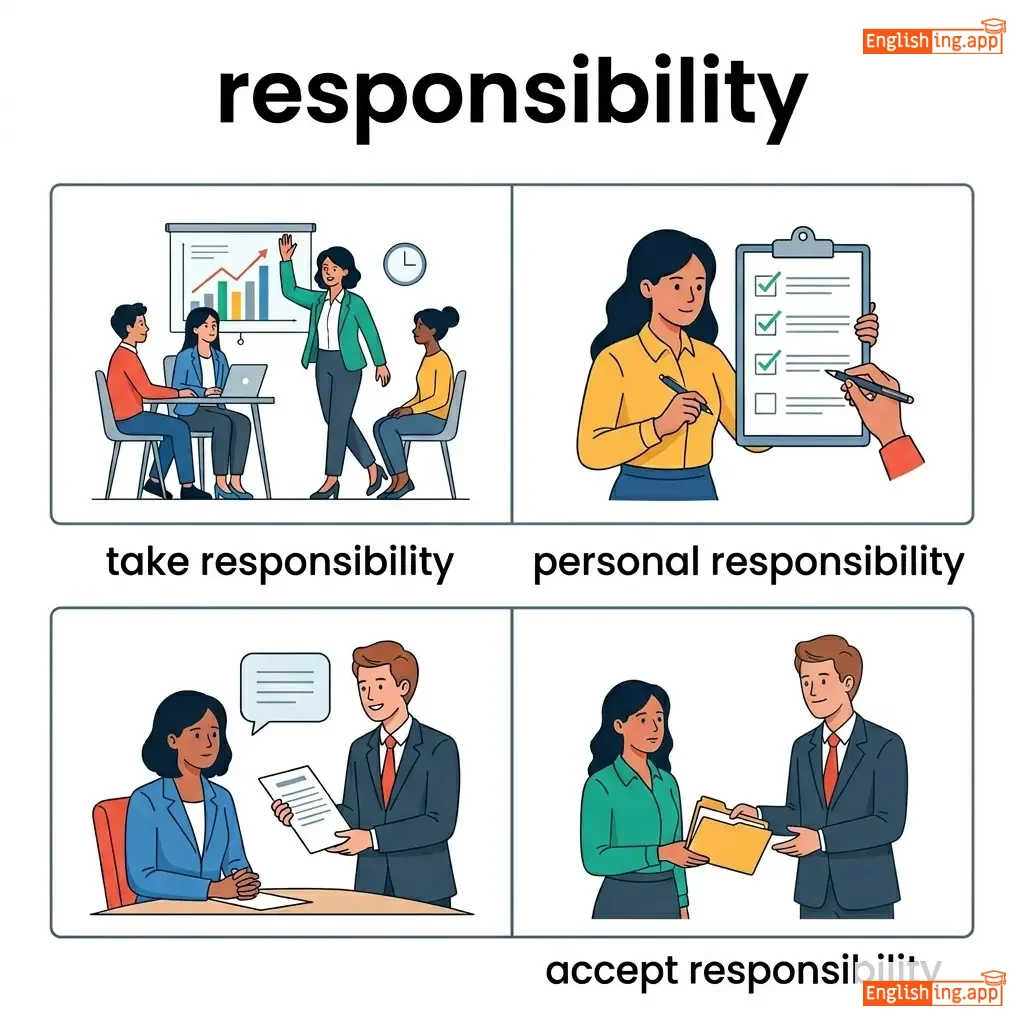
rɪˌspɒnsəˈbɪlɪti
noun
••••••
|

|
The state or fact of having a duty to deal with something or of having control over someone.
••••••
|
Taking responsibility for one's actions is a sign of maturity. |
accountability, obligation
••••••
|
irresponsibility, neglect
••••••
|

