Die Entwicklung der menschlichen Zivilisation

The Evolution of Human Civilization

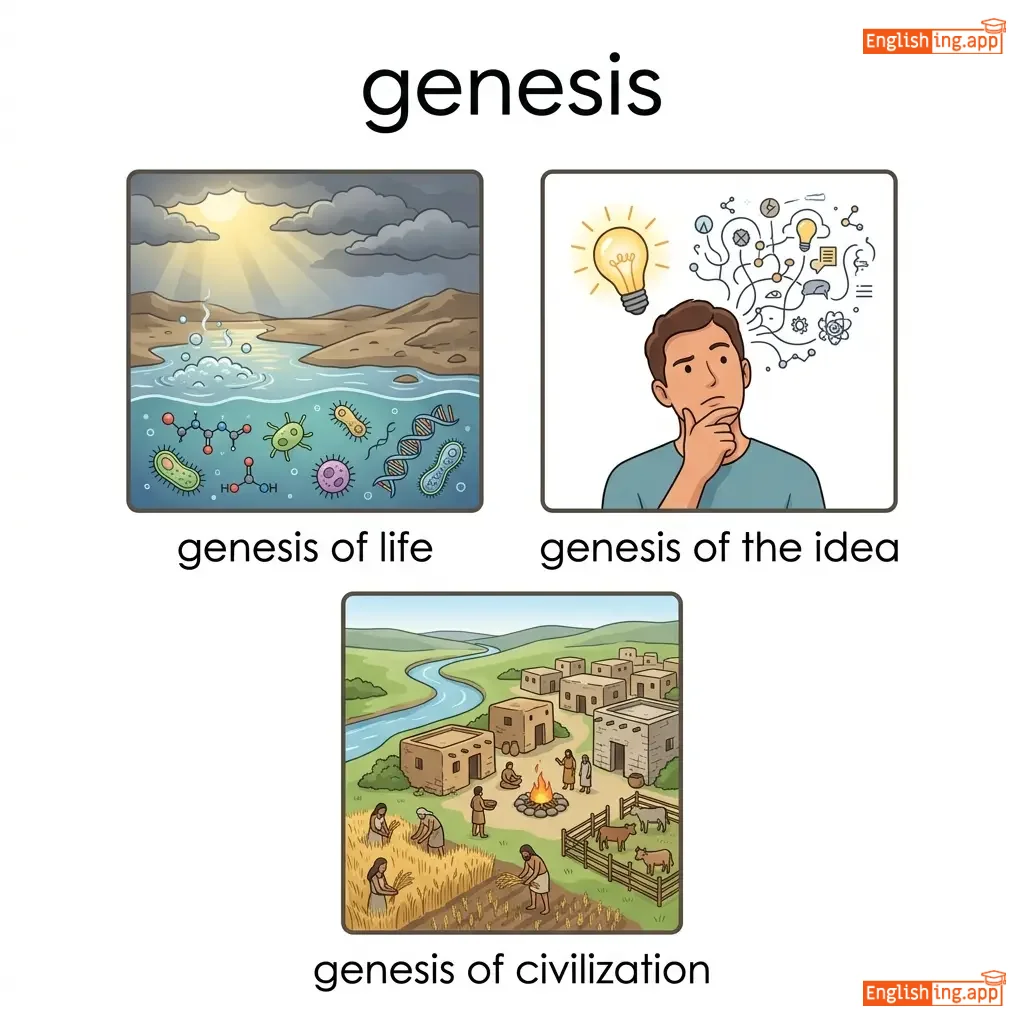
Der evolutionary Weg der menschlichen Zivilisation war ein langer und komplexer Prozess. In der prehistoric Zeit waren die Menschen nomadic und zogen auf der Suche nach Nahrung von Ort zu Ort. Doch die Entdeckung der domestication und agricultural Technologie brachte den genesis der Zivilisation.
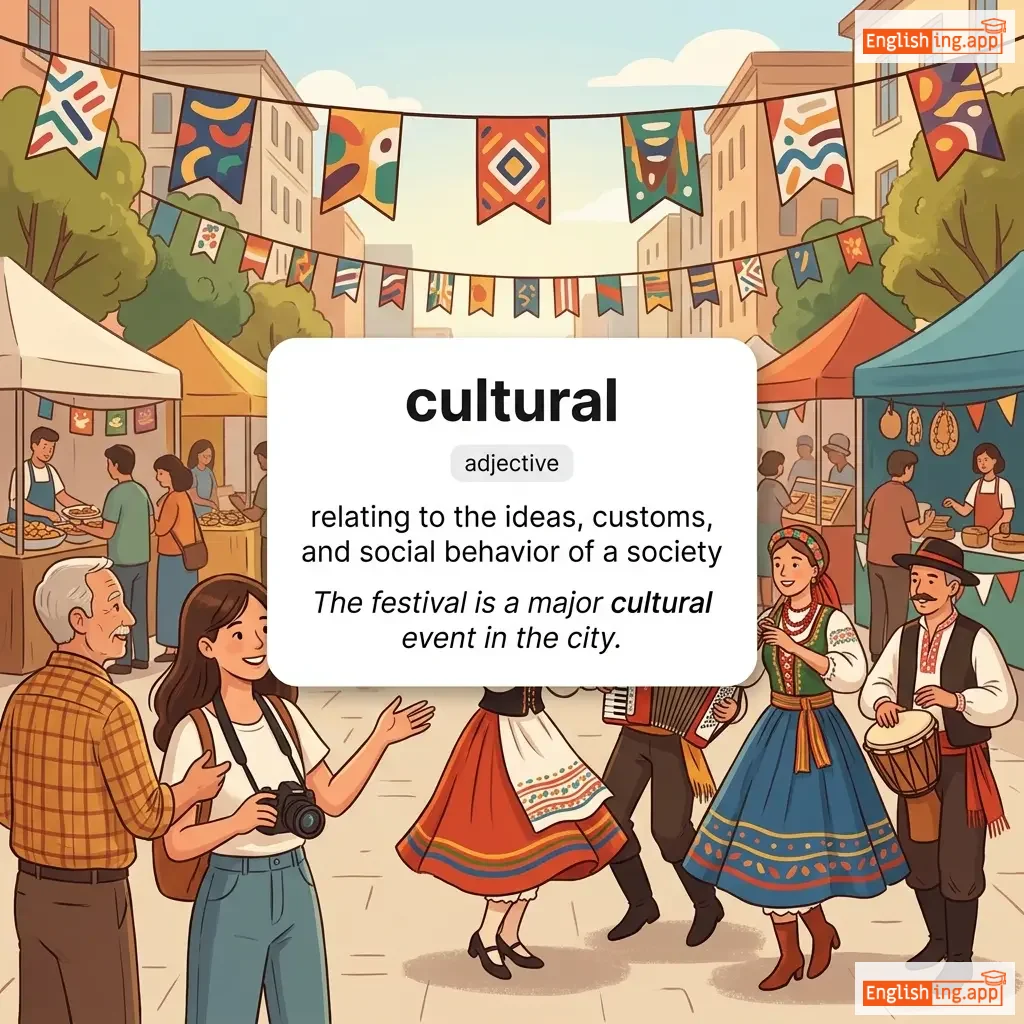
Zu dieser Zeit wurde die cultural Grundlage der menschlichen society geschaffen, und die Menschen begannen, sich zu einer organisierten society zu entwickeln. Durch megalithic architecture und alte civilizations schufen sie Konzepte und Geschichten ihres Lebens.

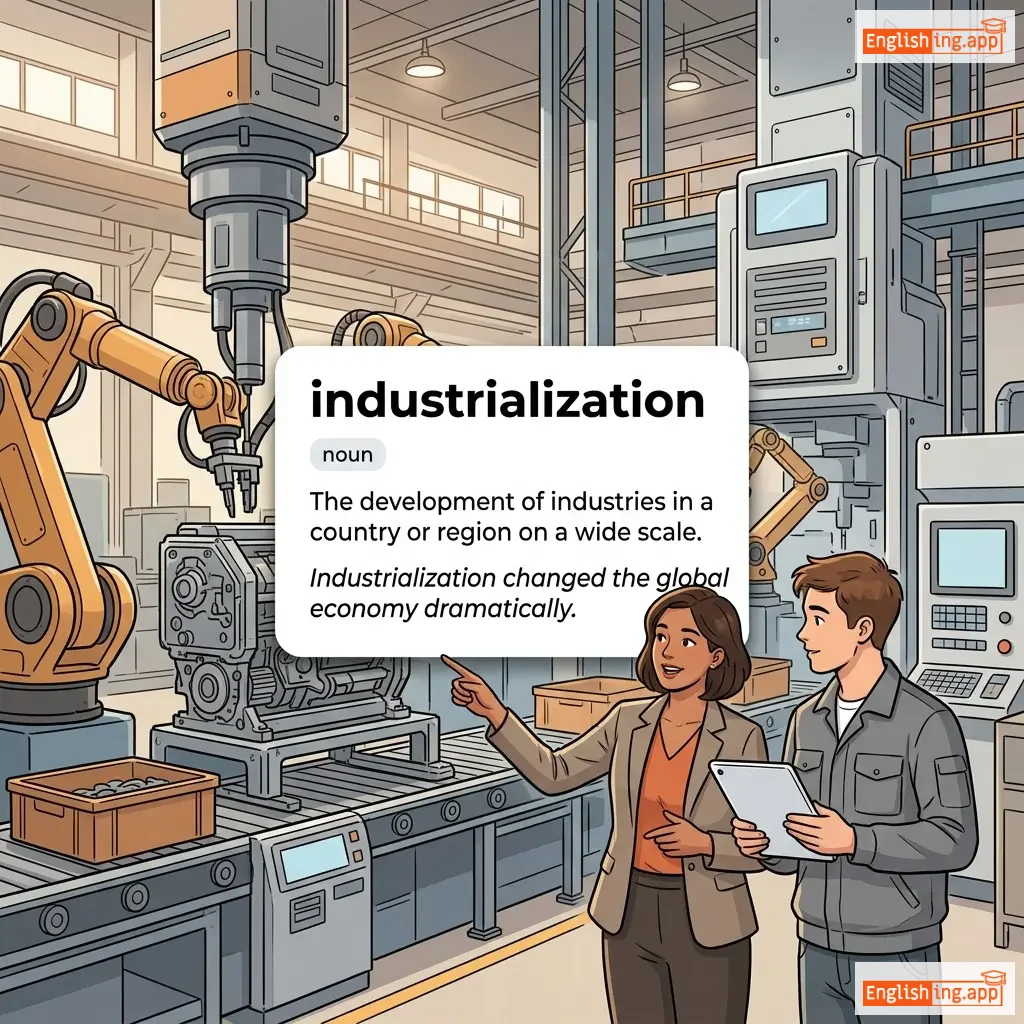
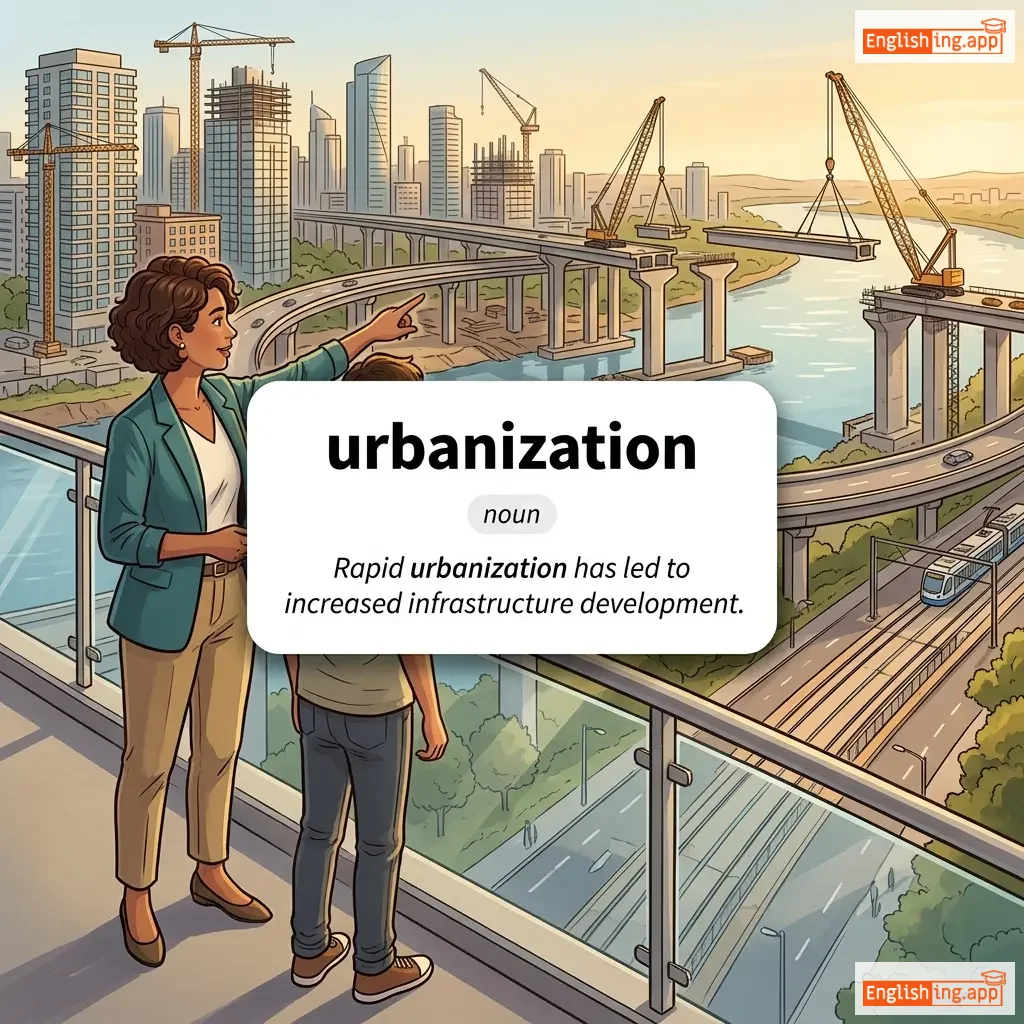
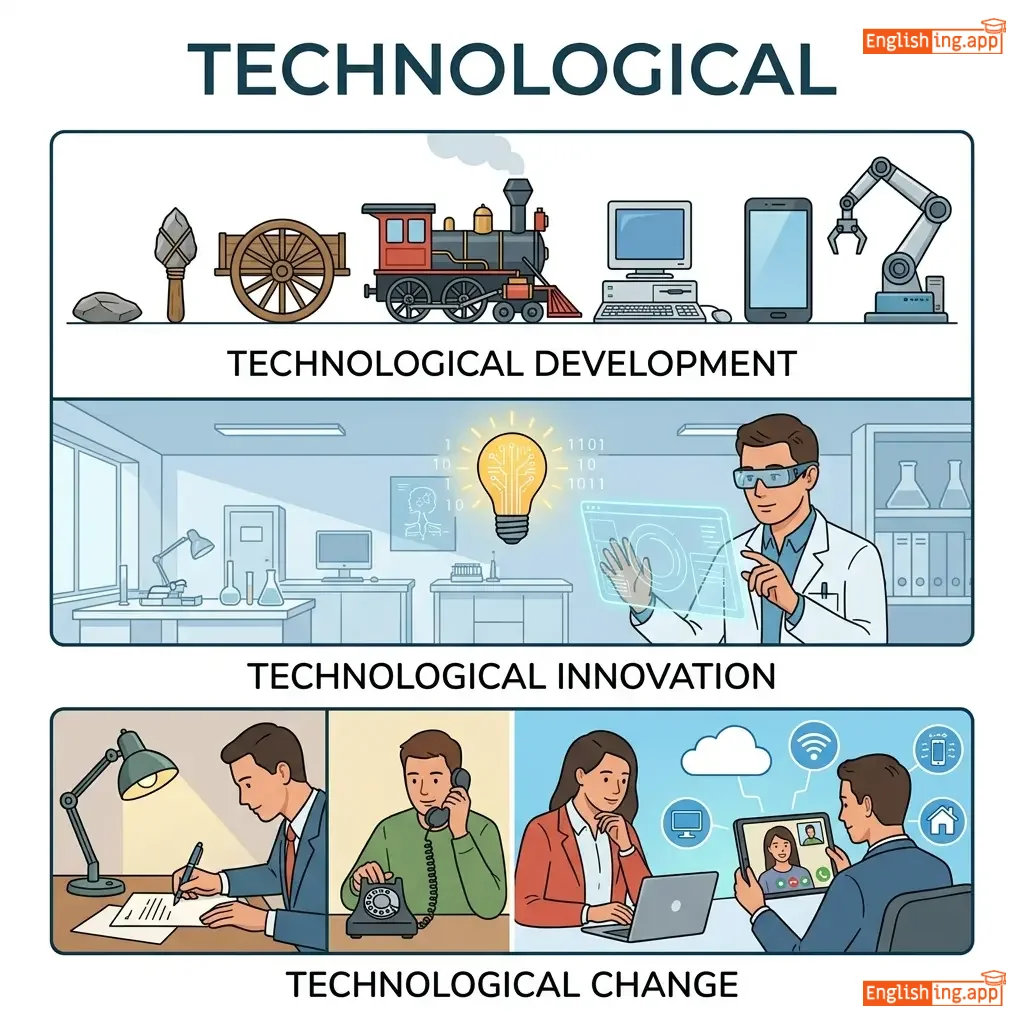
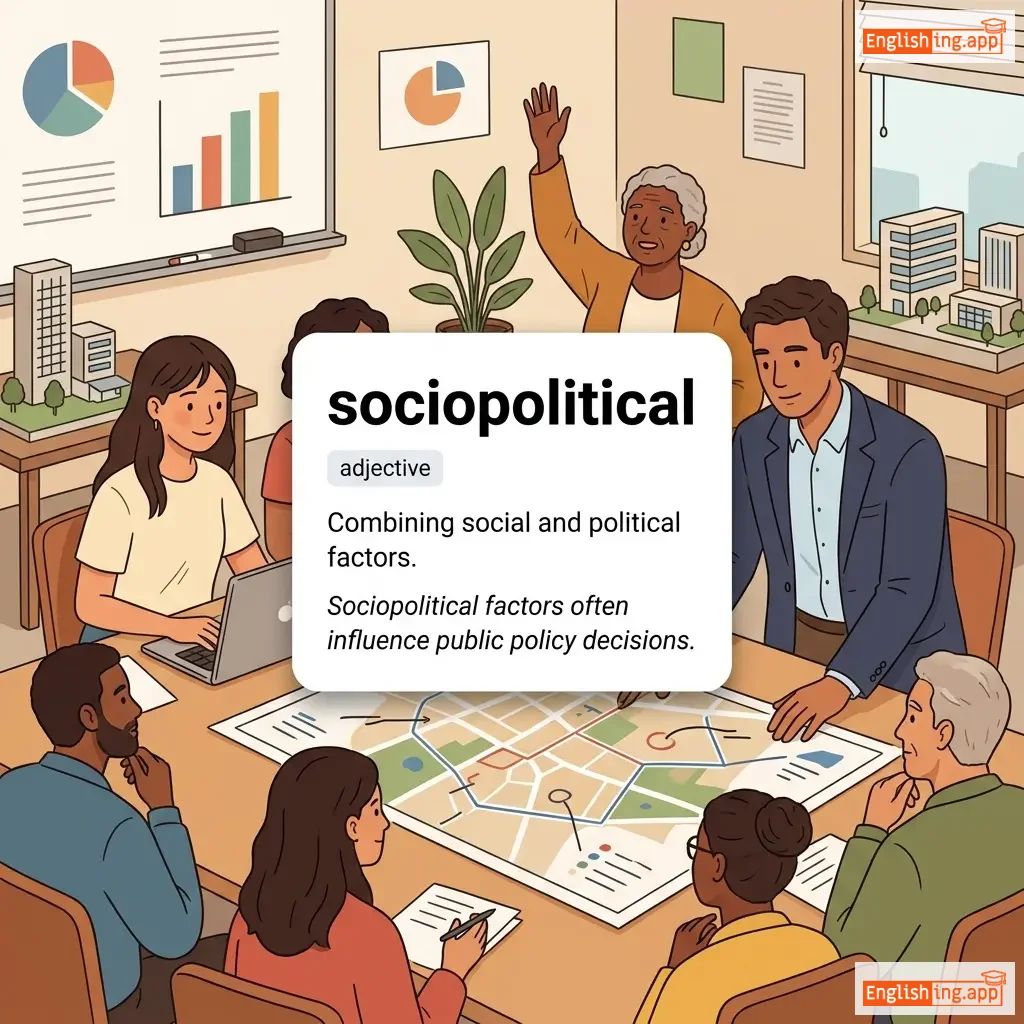
Industrialization und urbanization förderten die Zivilisation weiter, wobei technological Fortschritte und sociopolitical Veränderungen die ganze Welt verbanden. Doch innerhalb dieser Veränderungen sind integration und collectivism erforderlich, damit Menschen aller Ebenen der society profitieren.

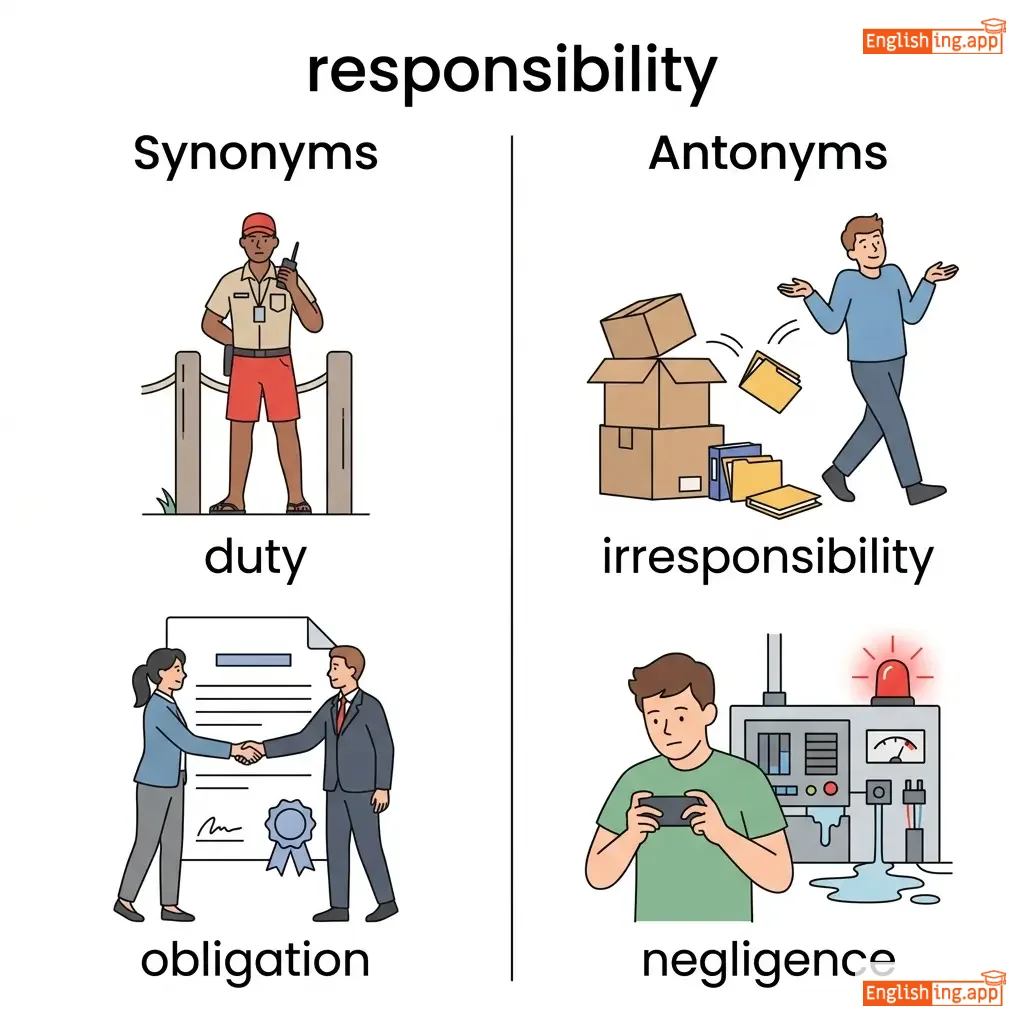
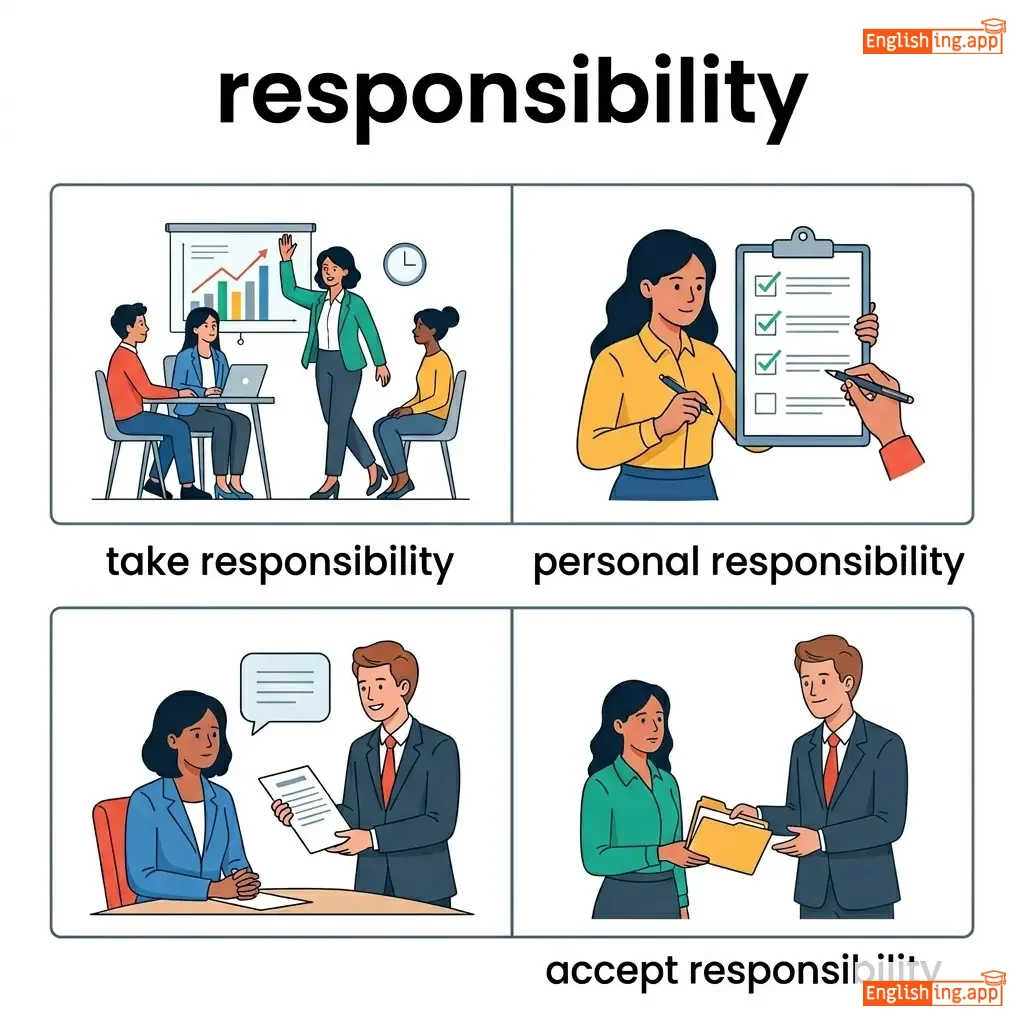
Heute eröffnen sustainability und ökologische responsibility neue Wege für den Fortschritt der menschlichen Zivilisation.

The Evolution of Human CivilizationDie Entwicklung der menschlichen Zivilisation
/
/

The Evolution of Human CivilizationDie Entwicklung der menschlichen Zivilisation - Maske umschalten

Emoji
Wort Images Bedeutung Beispielsatz Synonyme Antonyme
#3109
🧬
••••••
ˌiːvəˈluːʃənəri
adjective
••••••
••••••
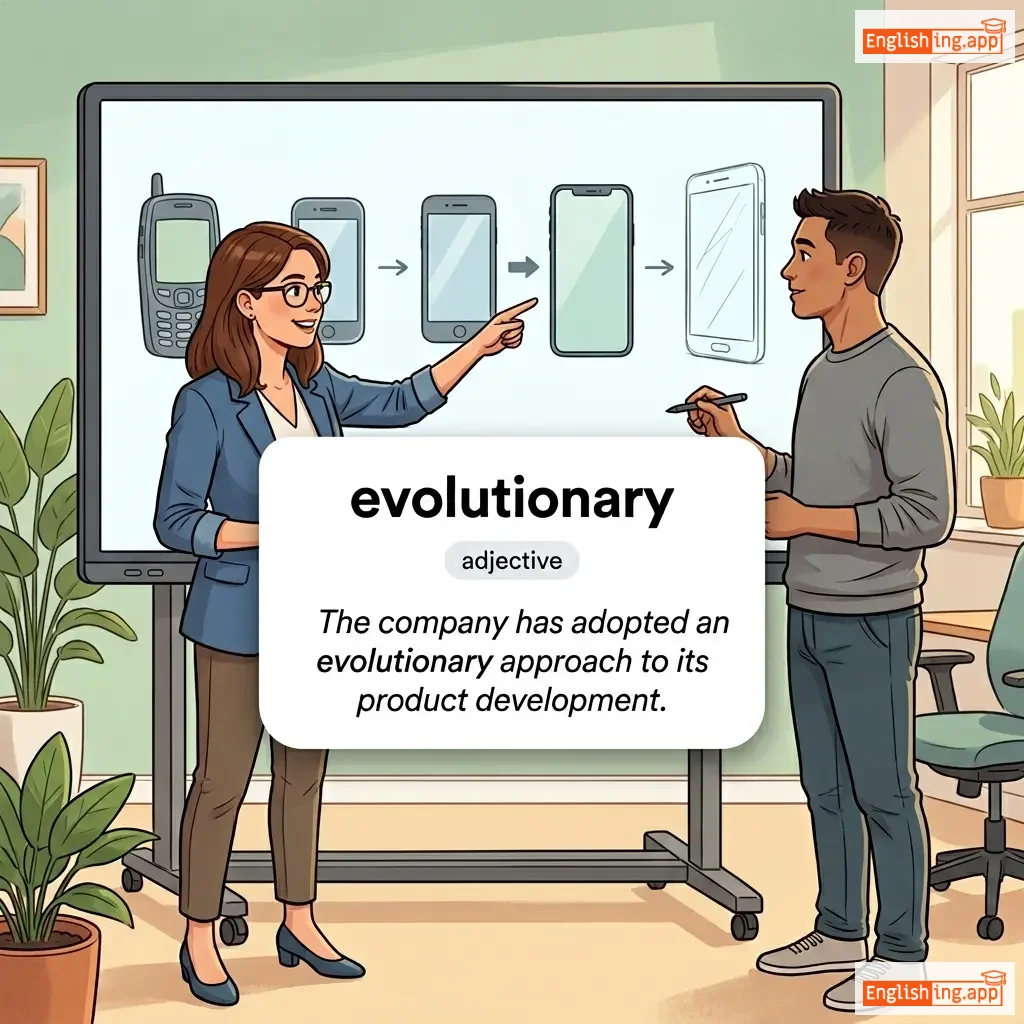
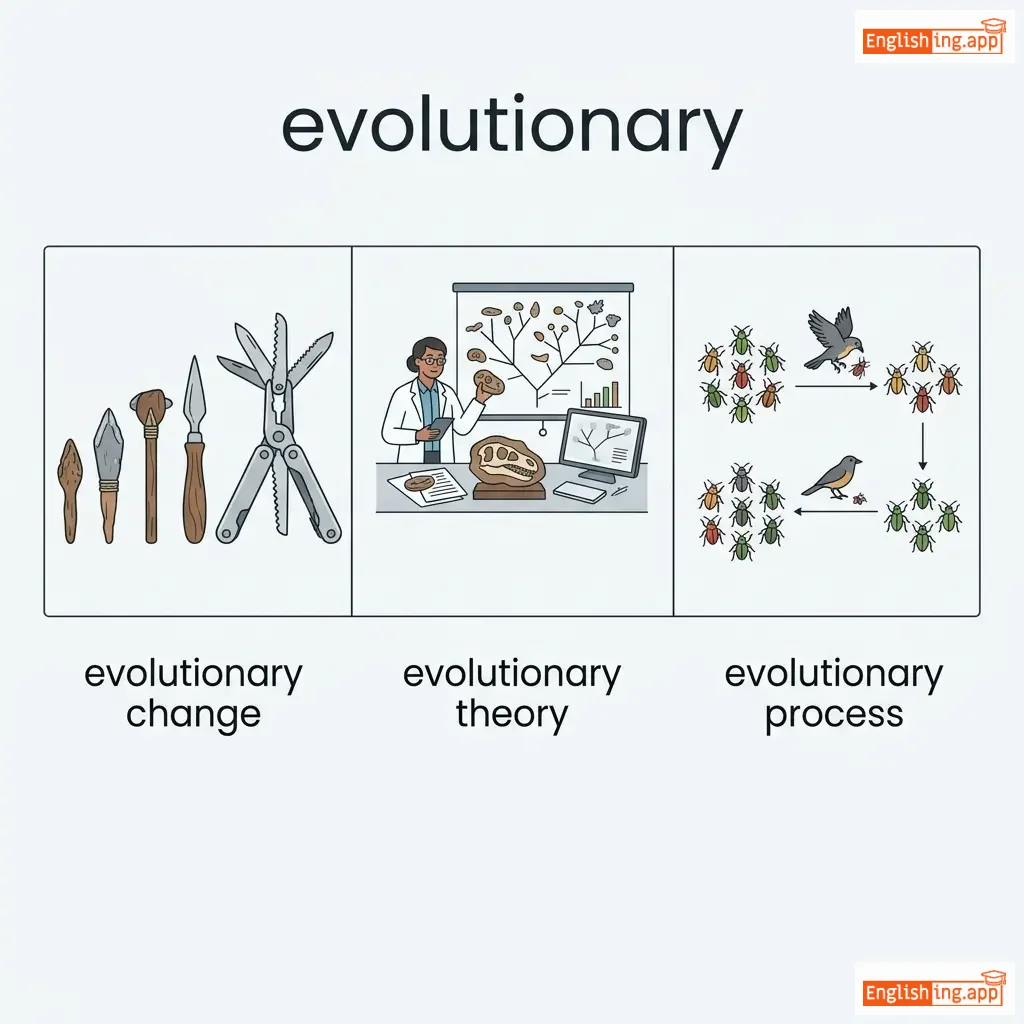
Relating to or denoting the gradual development of something, especially from a simple to a more complex form.
••••••

The evolutionary changes in species are fascinating.

••••••
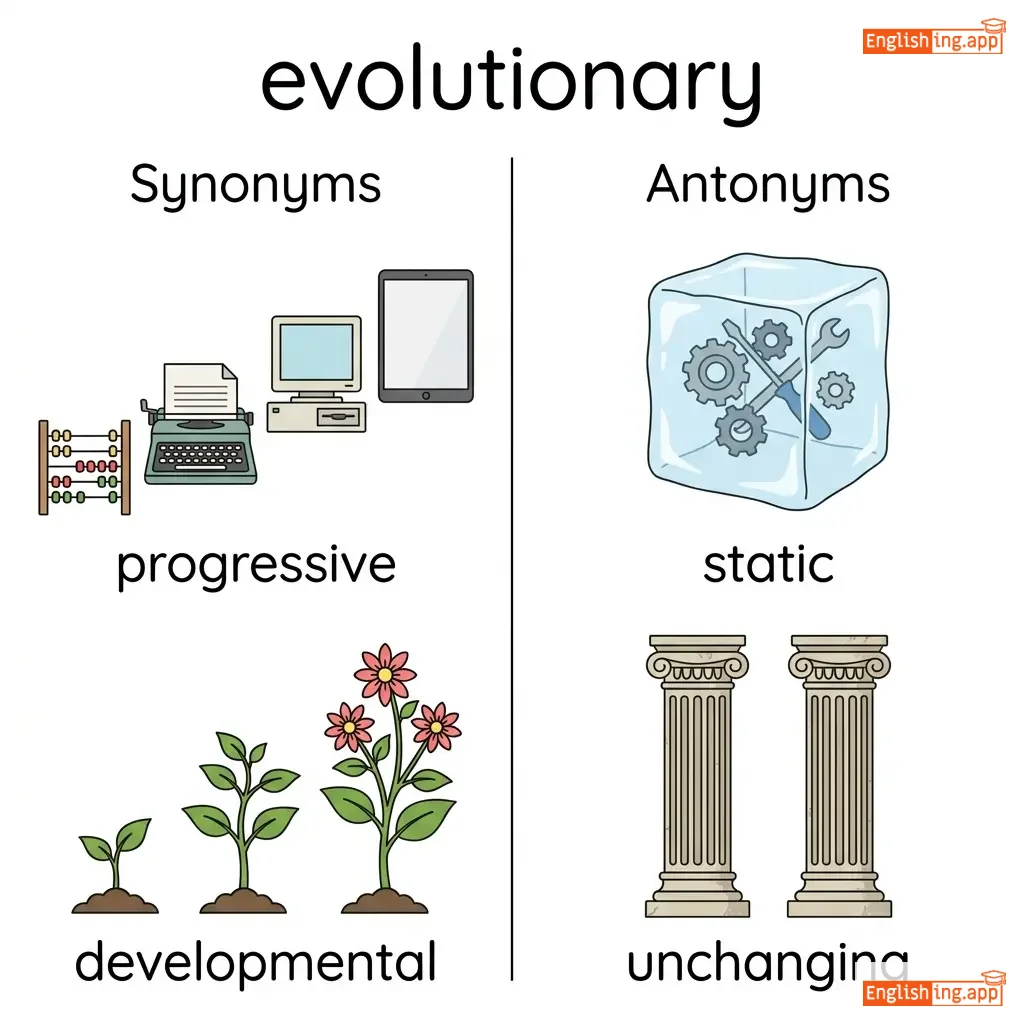
progressive, developmental
••••••
static, unchanging
••••••
#3110
🦴
••••••
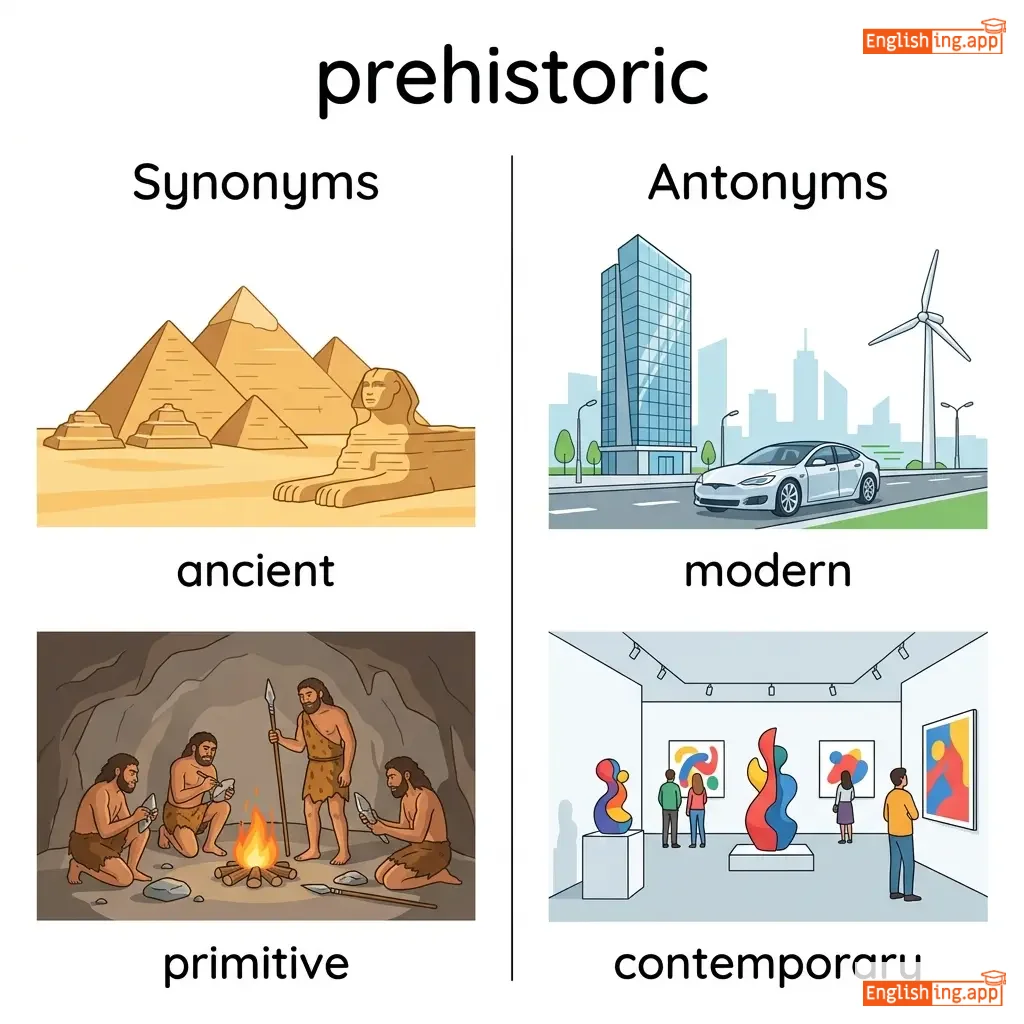
ˌpriːhɪˈstɒrɪk
adjective
••••••
••••••
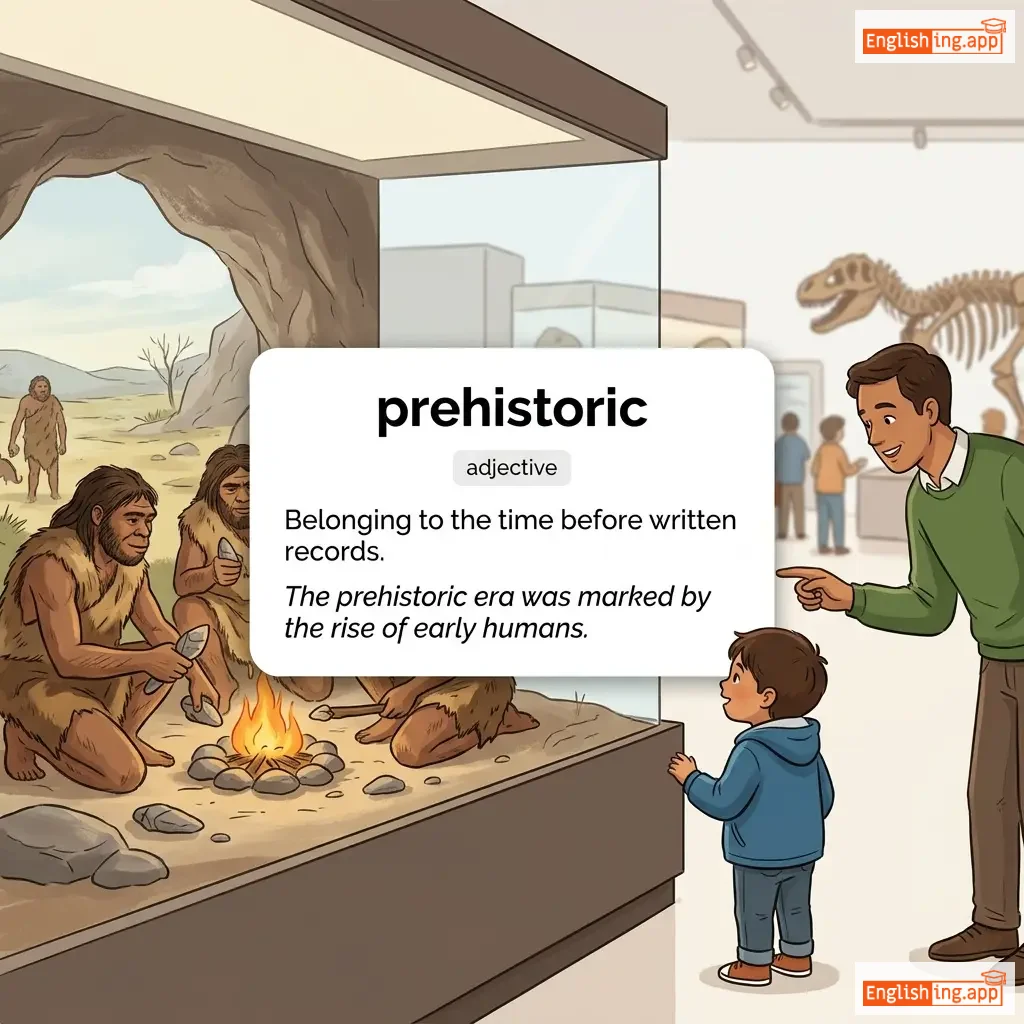
Belonging to the time before written records.
••••••

The prehistoric era was marked by the rise of early humans.

••••••
ancient, primitive
••••••
modern, contemporary
••••••
#3111
🏕️
••••••
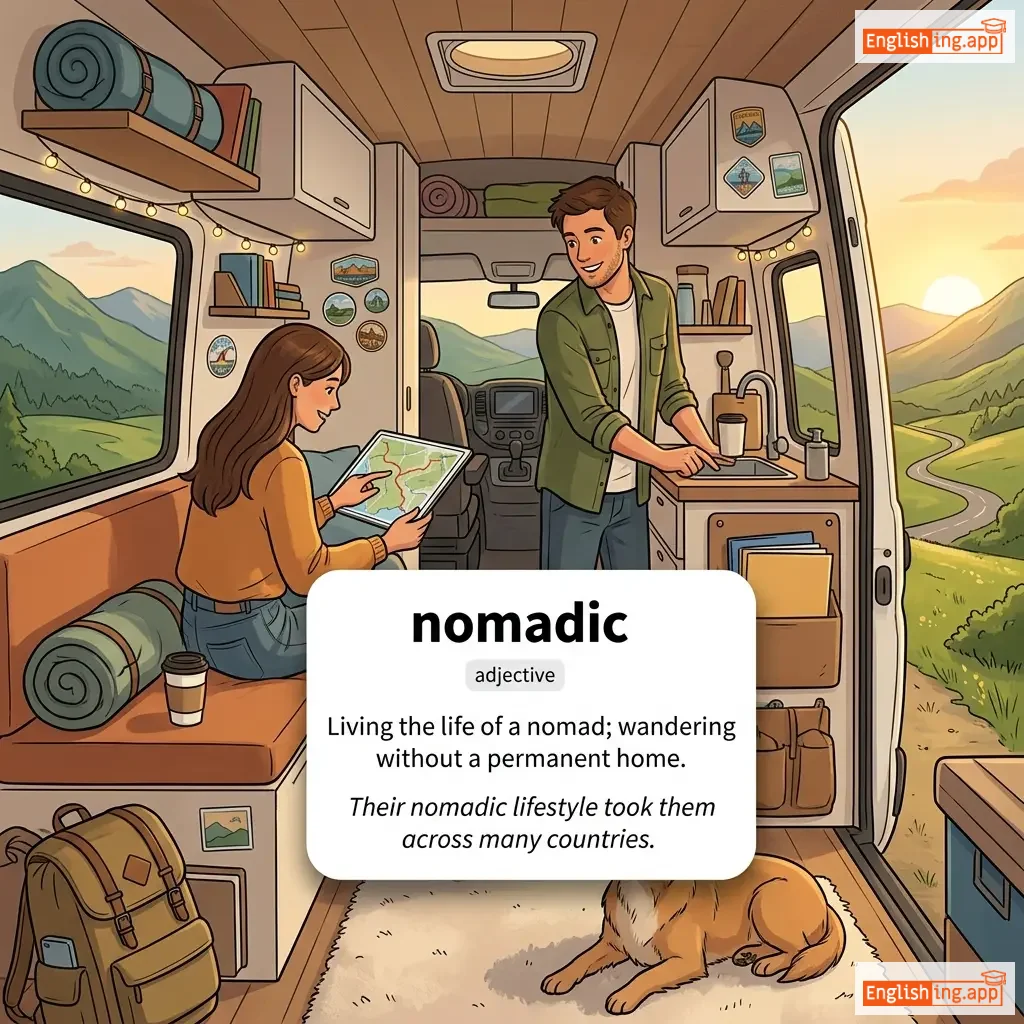
nəʊˈmædɪk
adjective
••••••
••••••
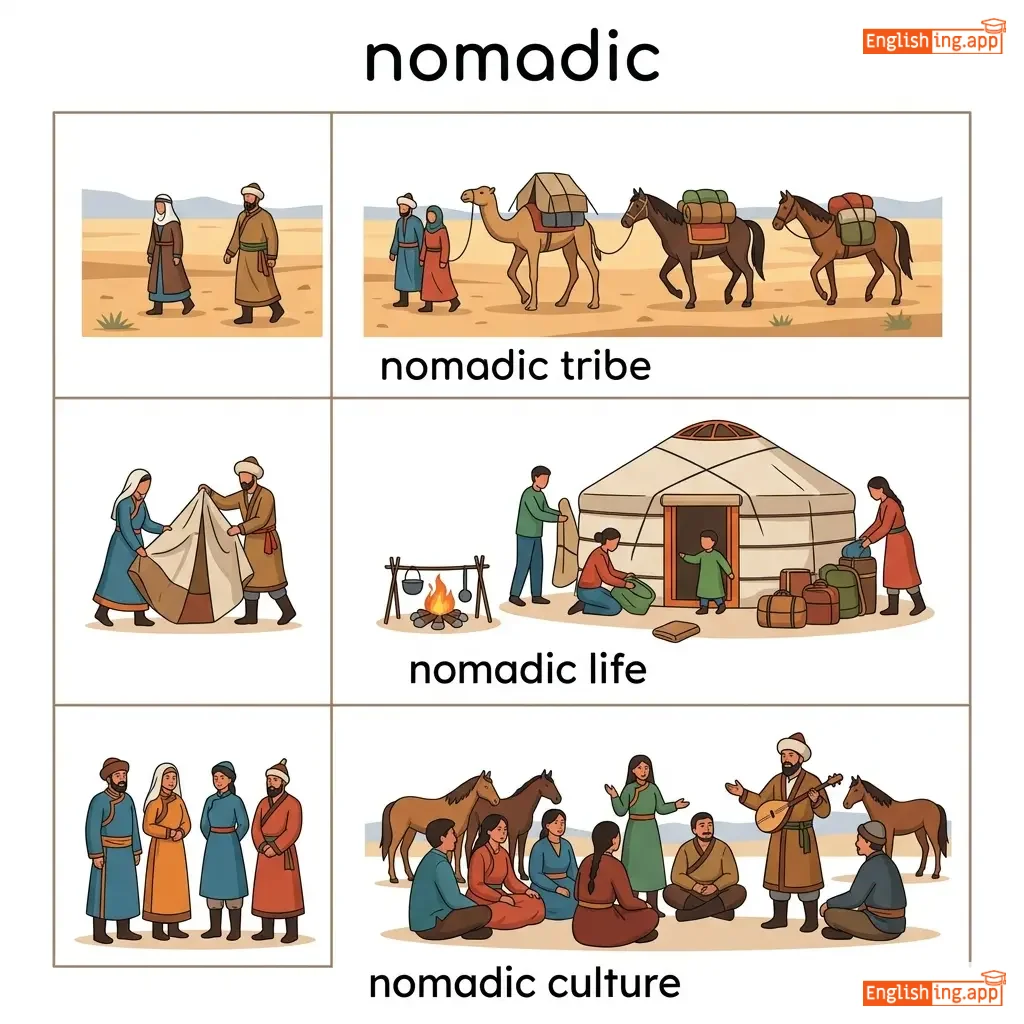
Living the life of a nomad; wandering.
••••••

The nomadic tribes moved from place to place in search of resources.

••••••
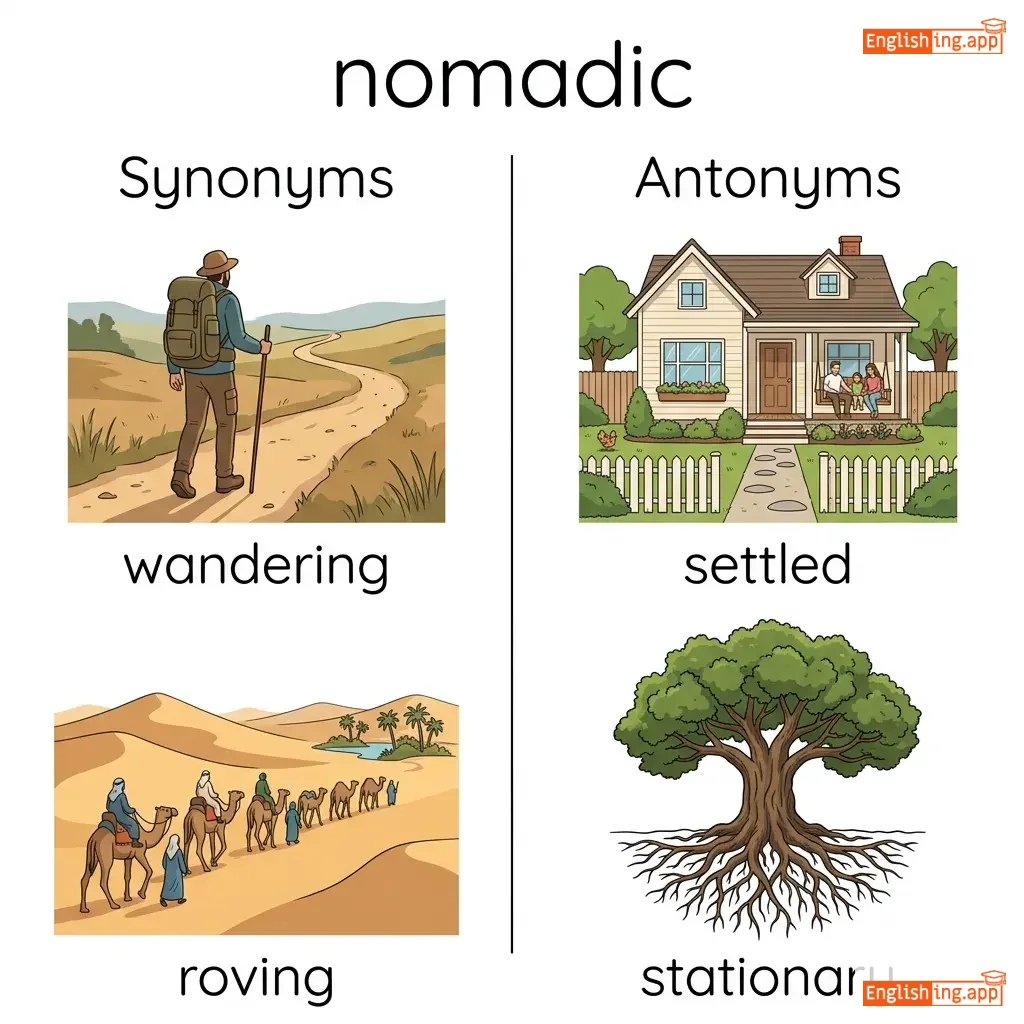
itinerant, migratory
••••••
settled, stationary
••••••
#3112
🐄
••••••
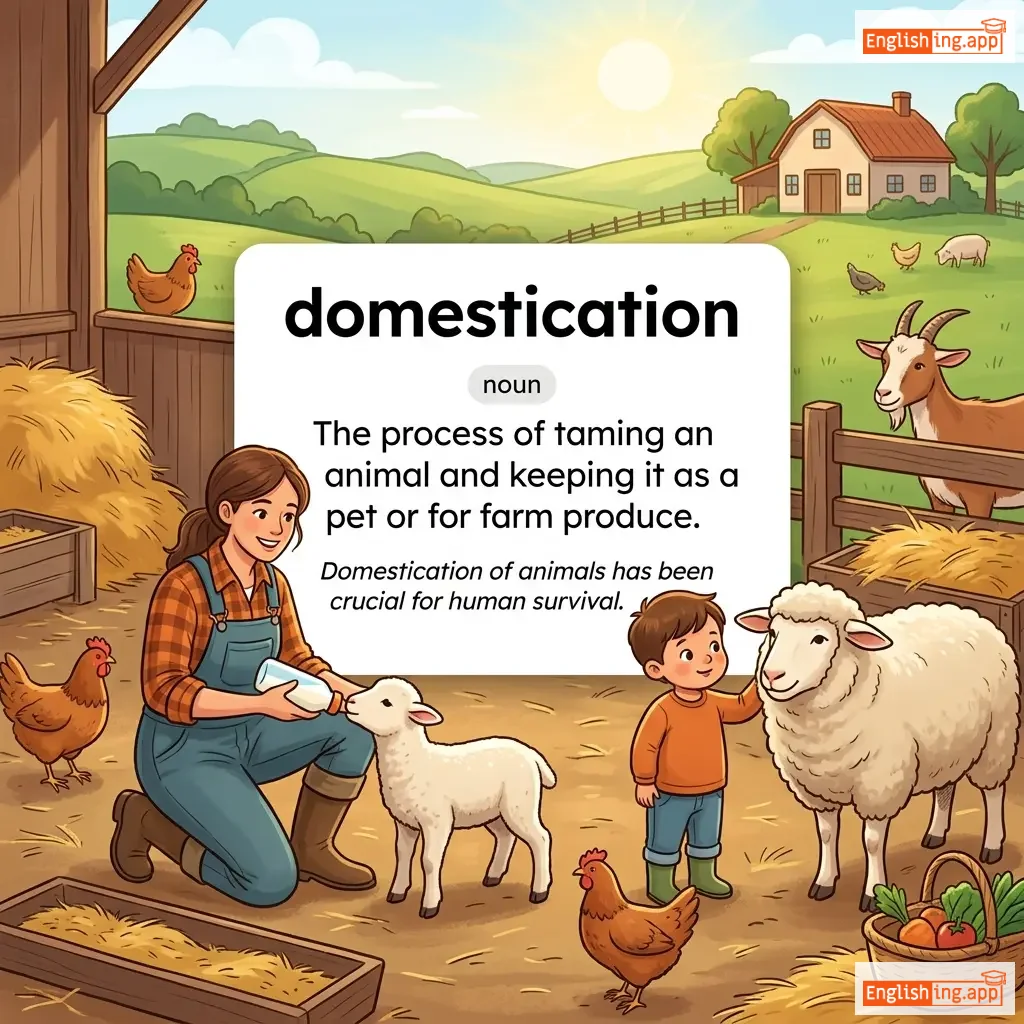
dəˌmɛstɪˈkeɪʃən
noun
••••••
••••••
The process of taming an animal and keeping it as a pet or for farm produce.
••••••

Domestication of animals has been crucial for human survival.

••••••
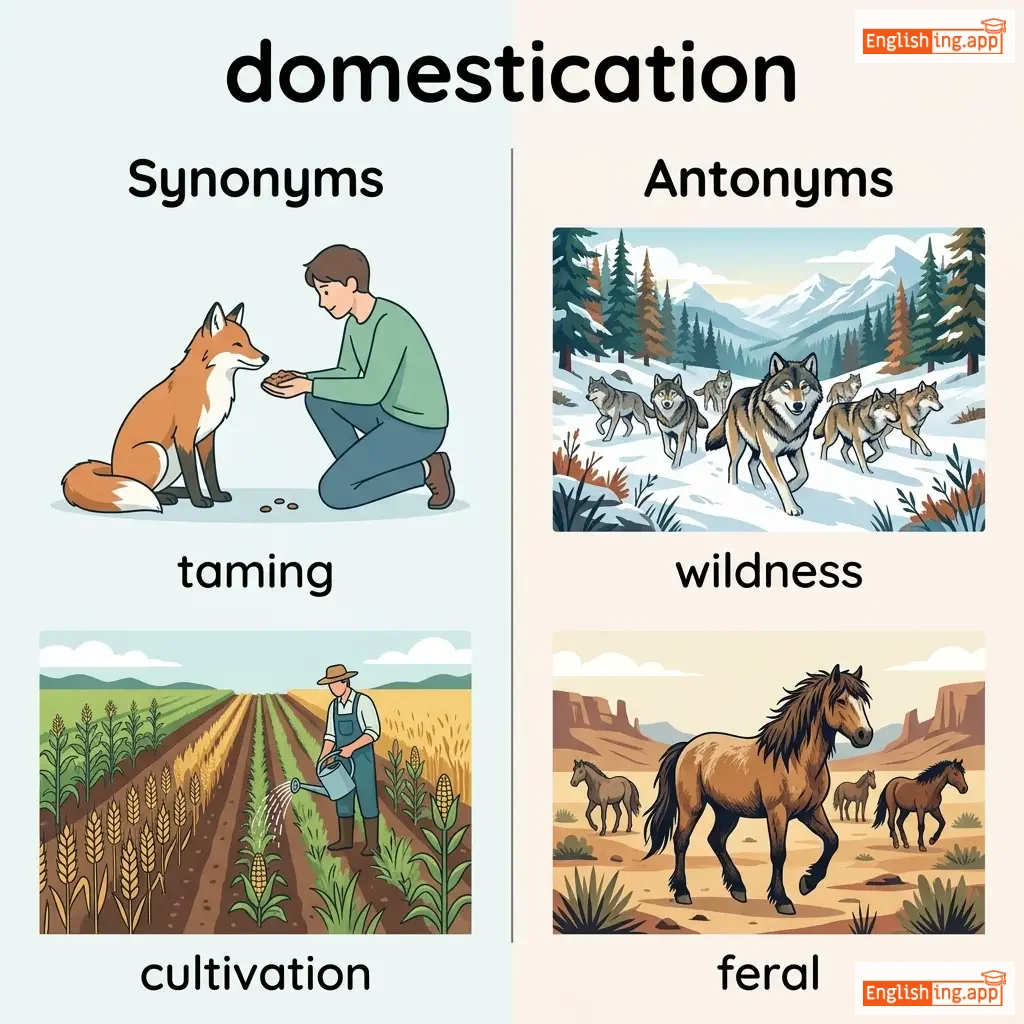
taming, cultivation
••••••
wildness, feral
••••••
#3113
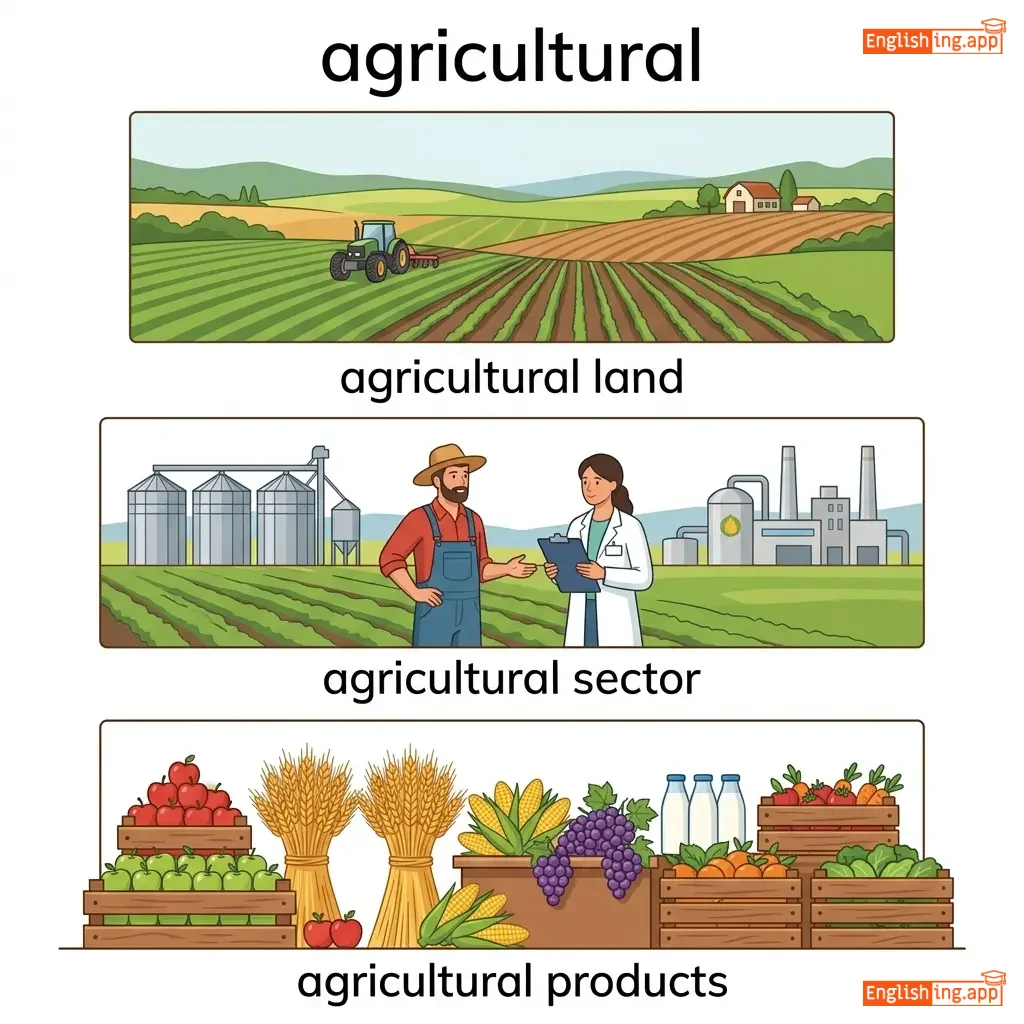
🌾
••••••
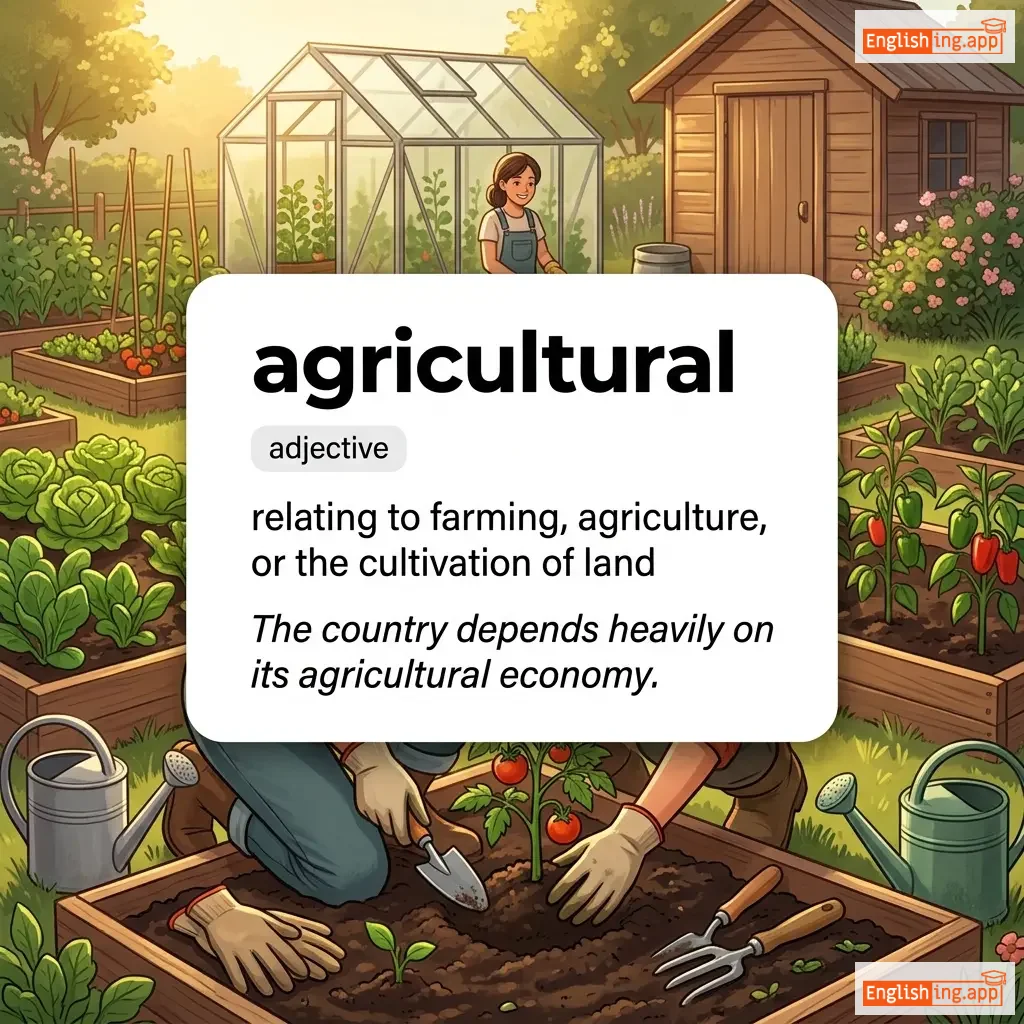
ˌæɡrɪˈkʌltʃərəl
adjective
••••••
••••••
Connected with farming.
••••••

Agricultural practices have evolved over centuries.

••••••
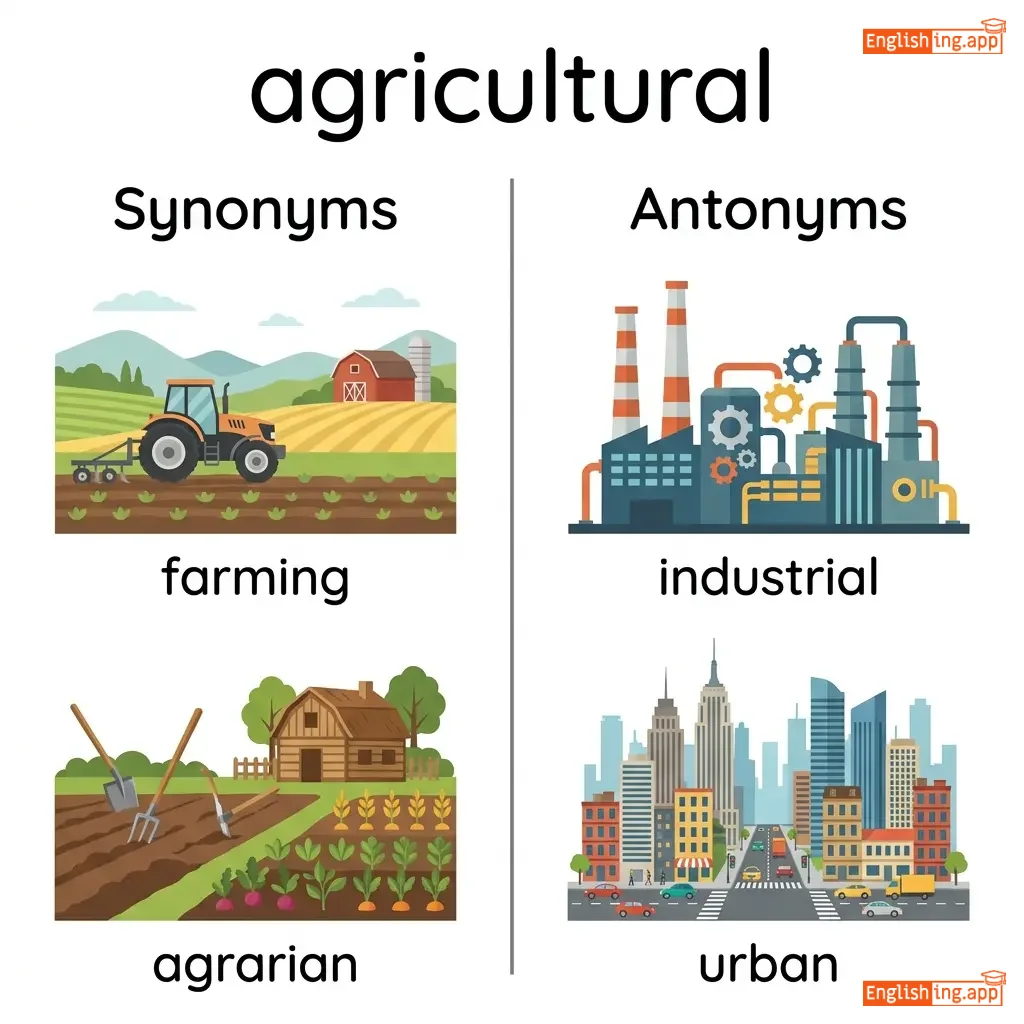
farming, cultivational
••••••
industrial, non-agricultural
••••••
#3114
🌱
••••••
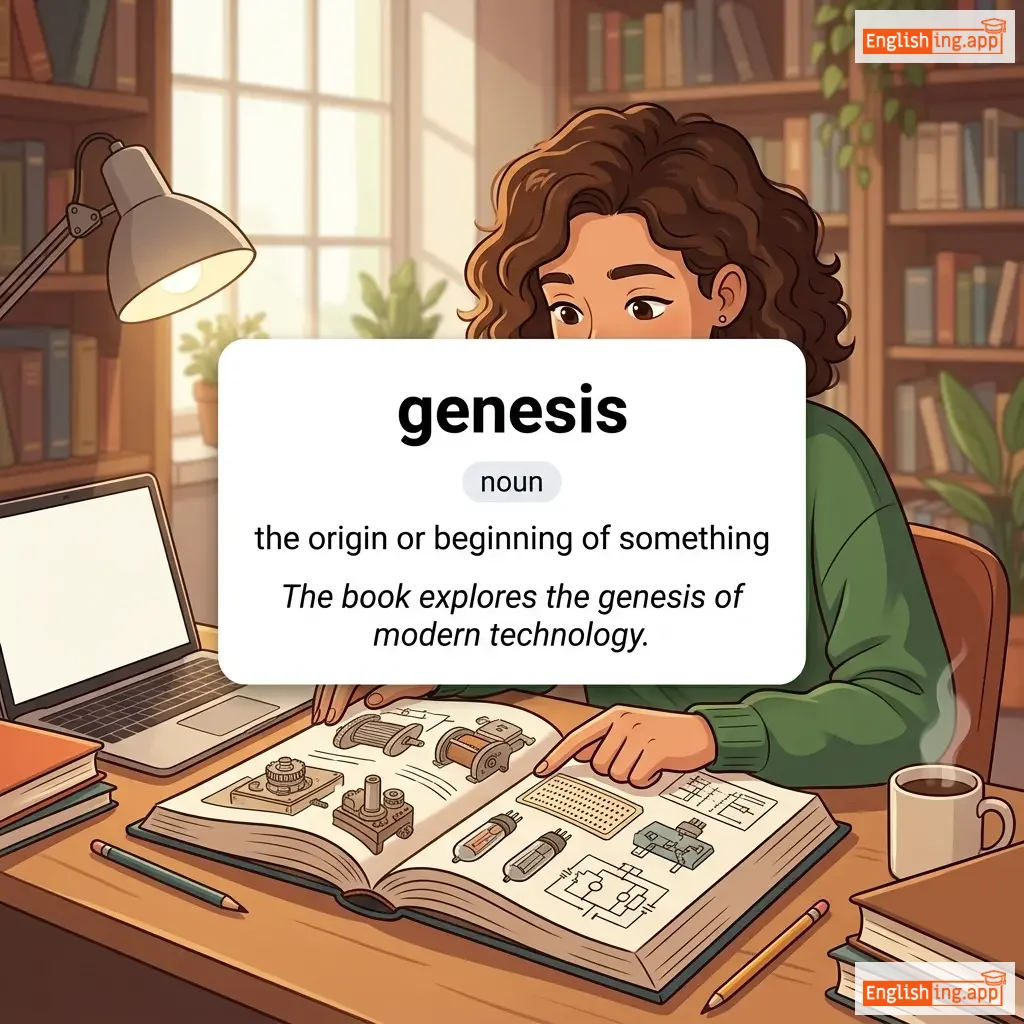
ˈdʒɛnɪsɪs
noun
••••••
••••••
The origin or mode of formation of something.
••••••

The genesis of the internet changed the world forever.

••••••
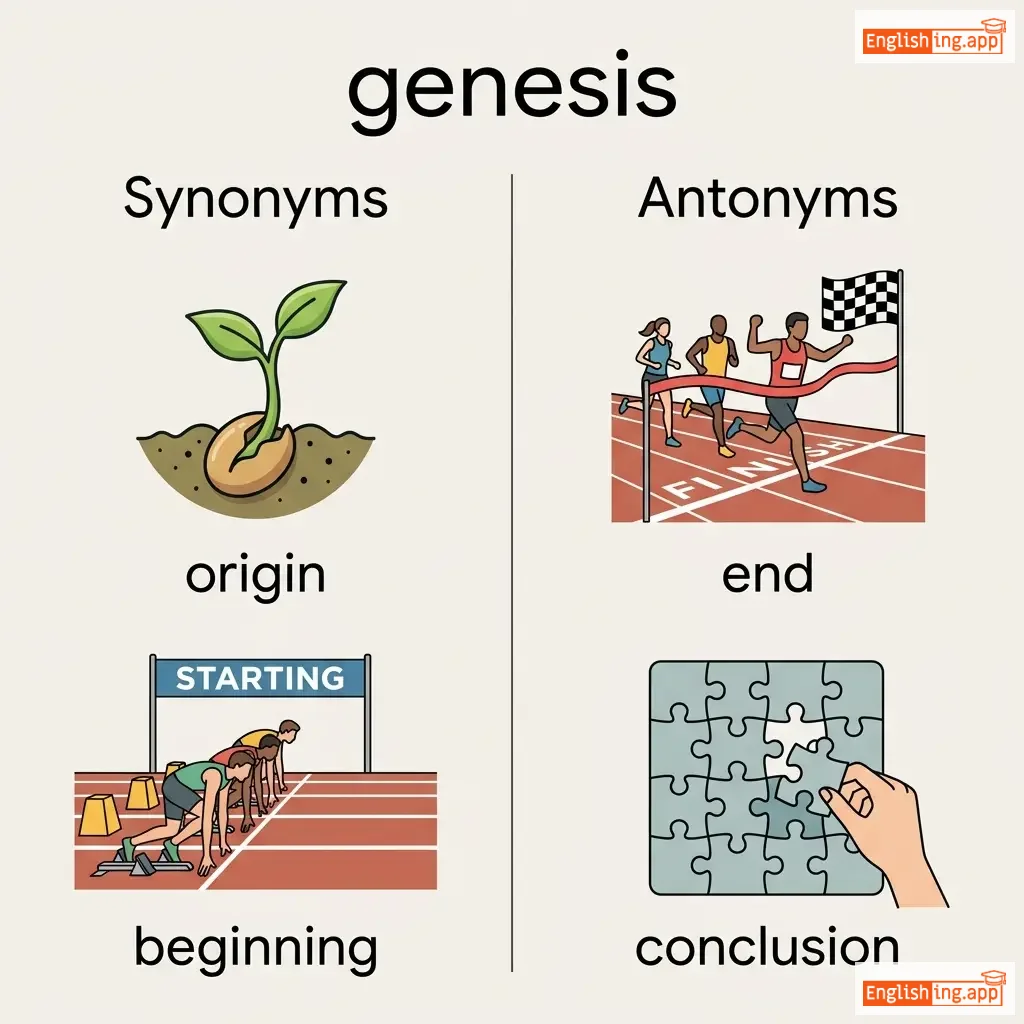
origin, beginning
••••••
end, termination
••••••
#3115
🎭
••••••
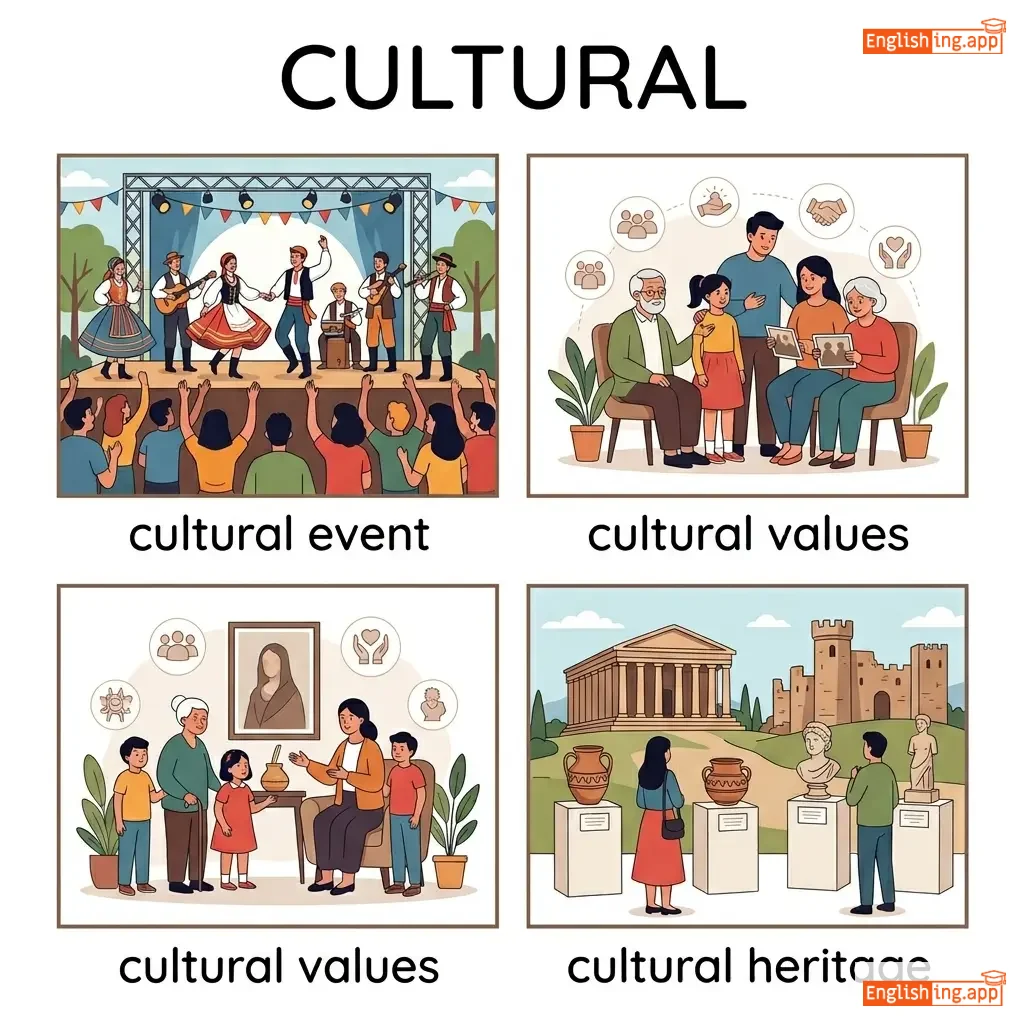
ˈkʌltʃərəl
adjective
••••••
••••••
Relating to the arts and to intellectual achievements.
••••••

Cultural diversity enriches society and promotes tolerance.

••••••
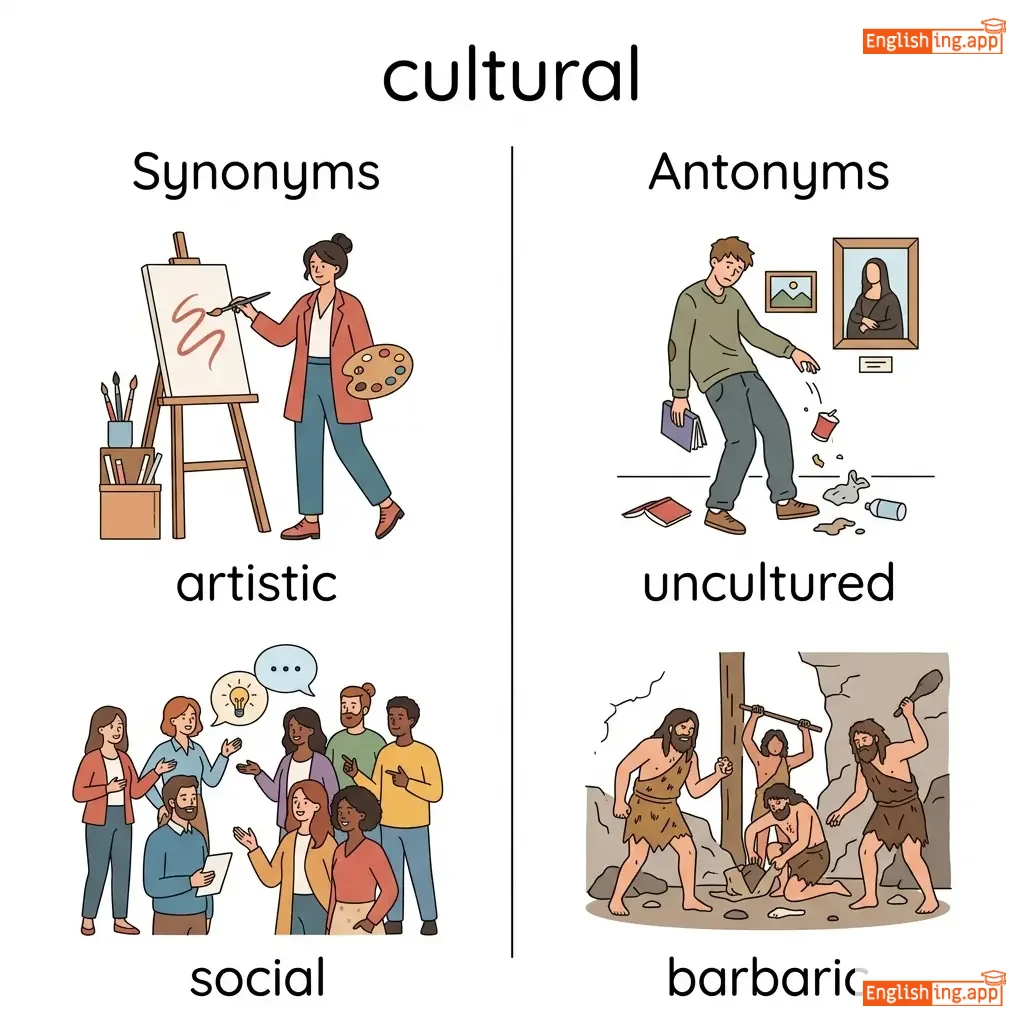
social, artistic
••••••
uncultural, non-cultural
••••••
#3116
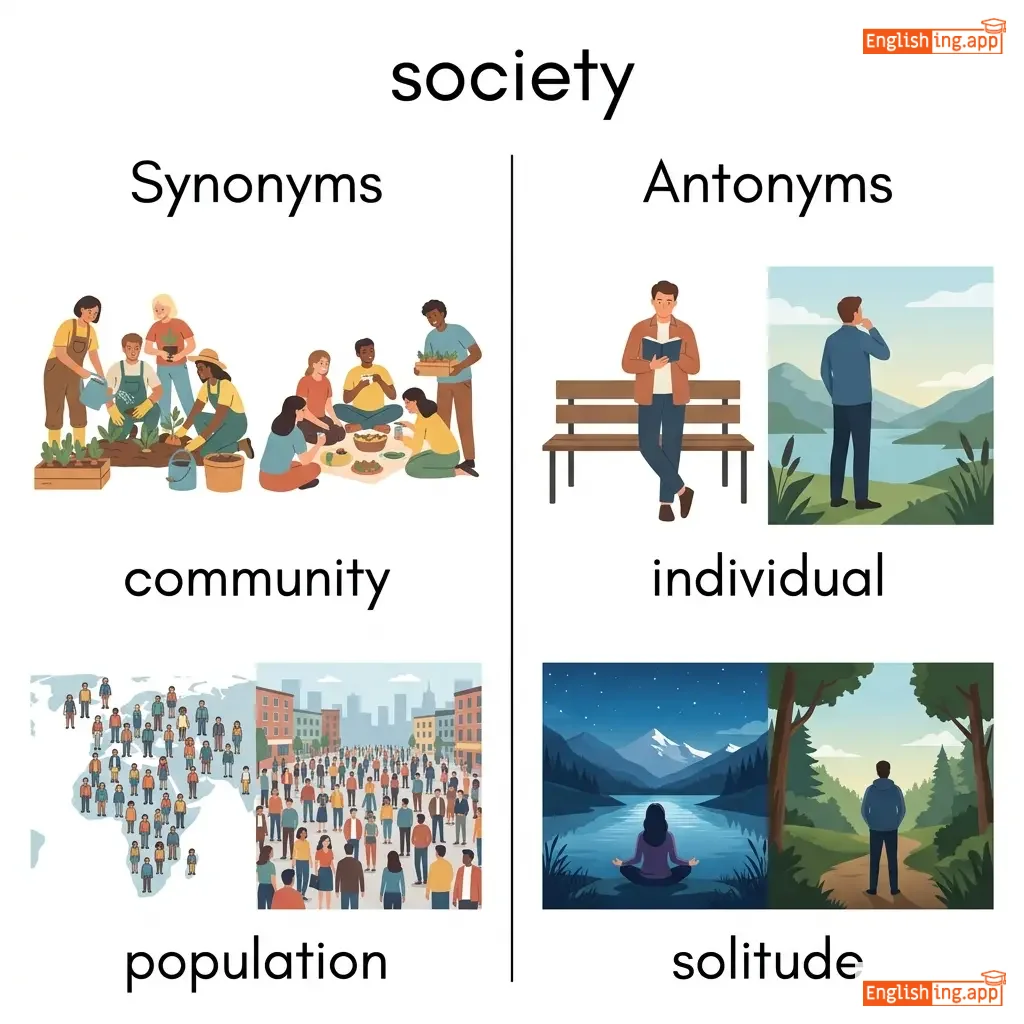
👥
••••••
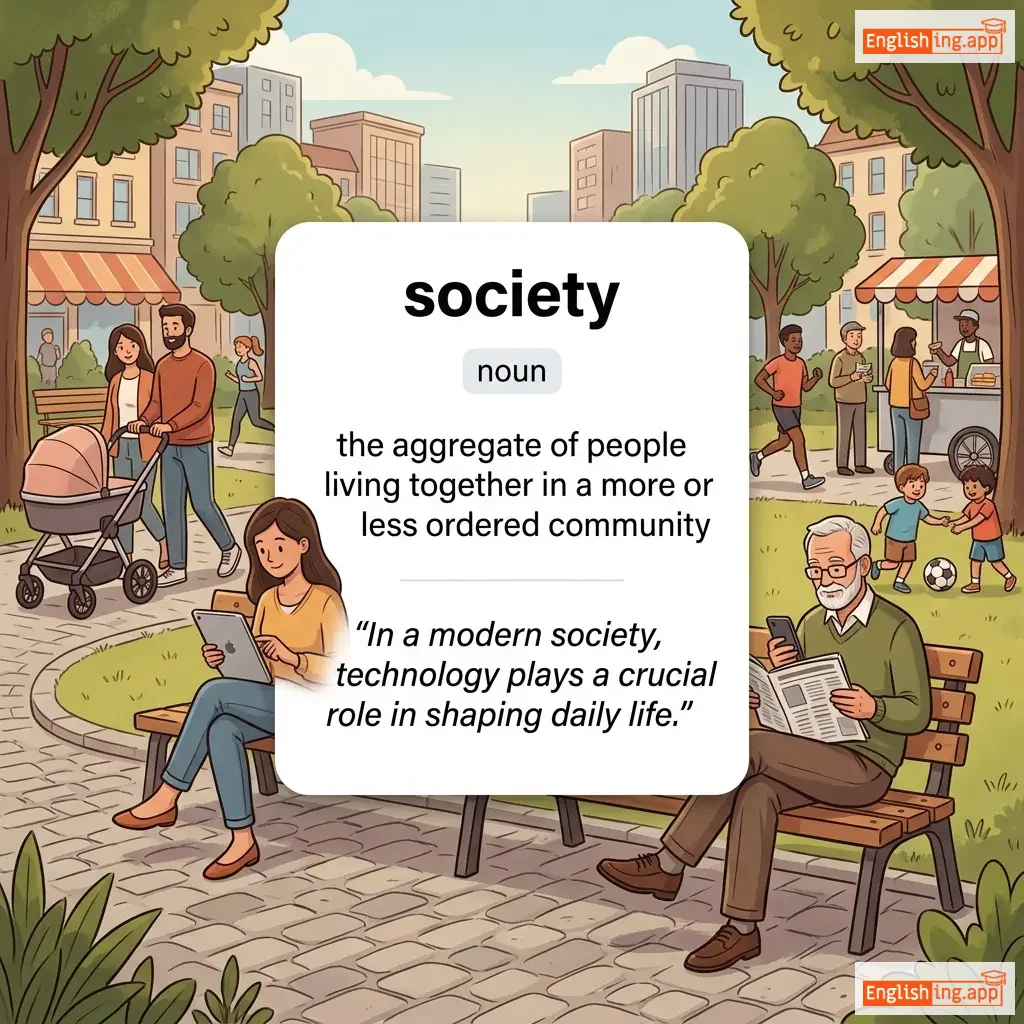
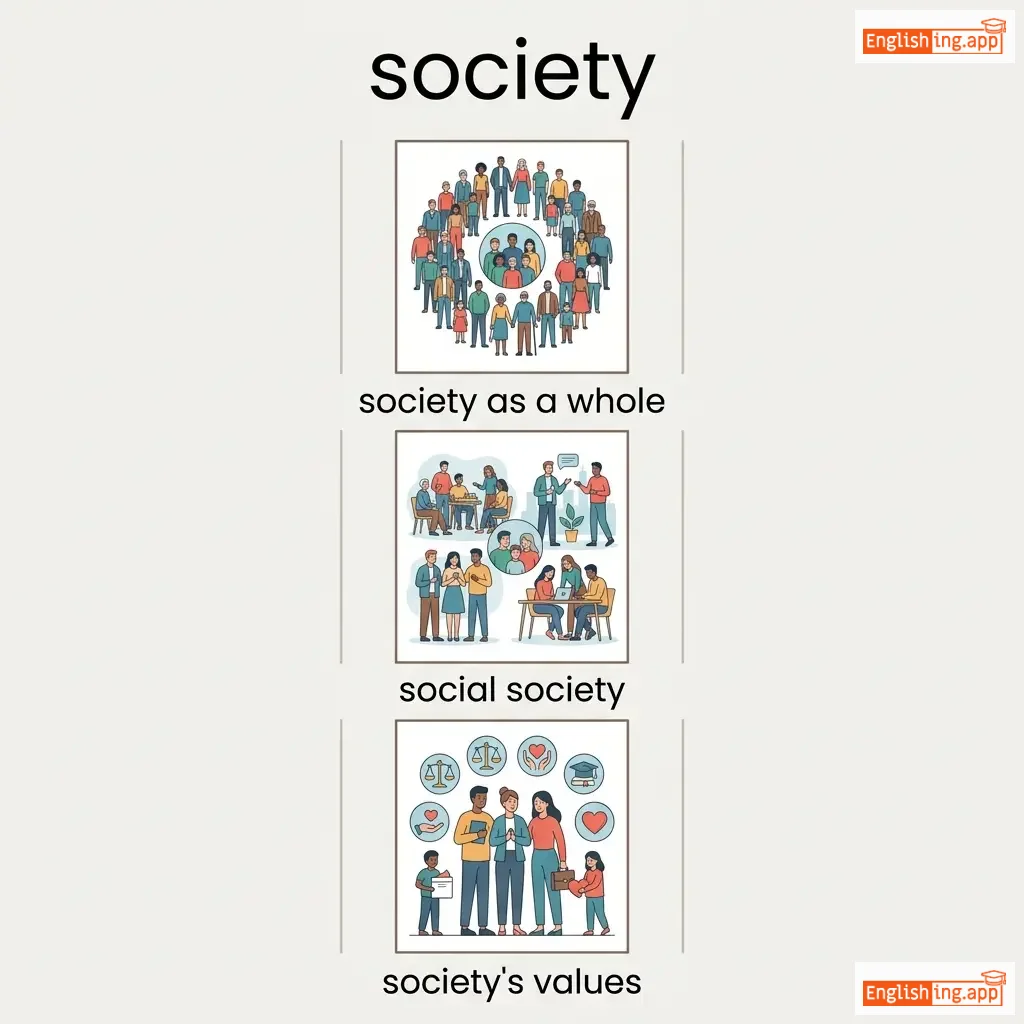
səˈsaɪəti
noun
••••••
••••••
The aggregate of people living together in a more or less ordered community.
••••••

Society plays a pivotal role in shaping an individual's values.

••••••
community, population
••••••
individualism, solitude
••••••
#3117
🗿
••••••
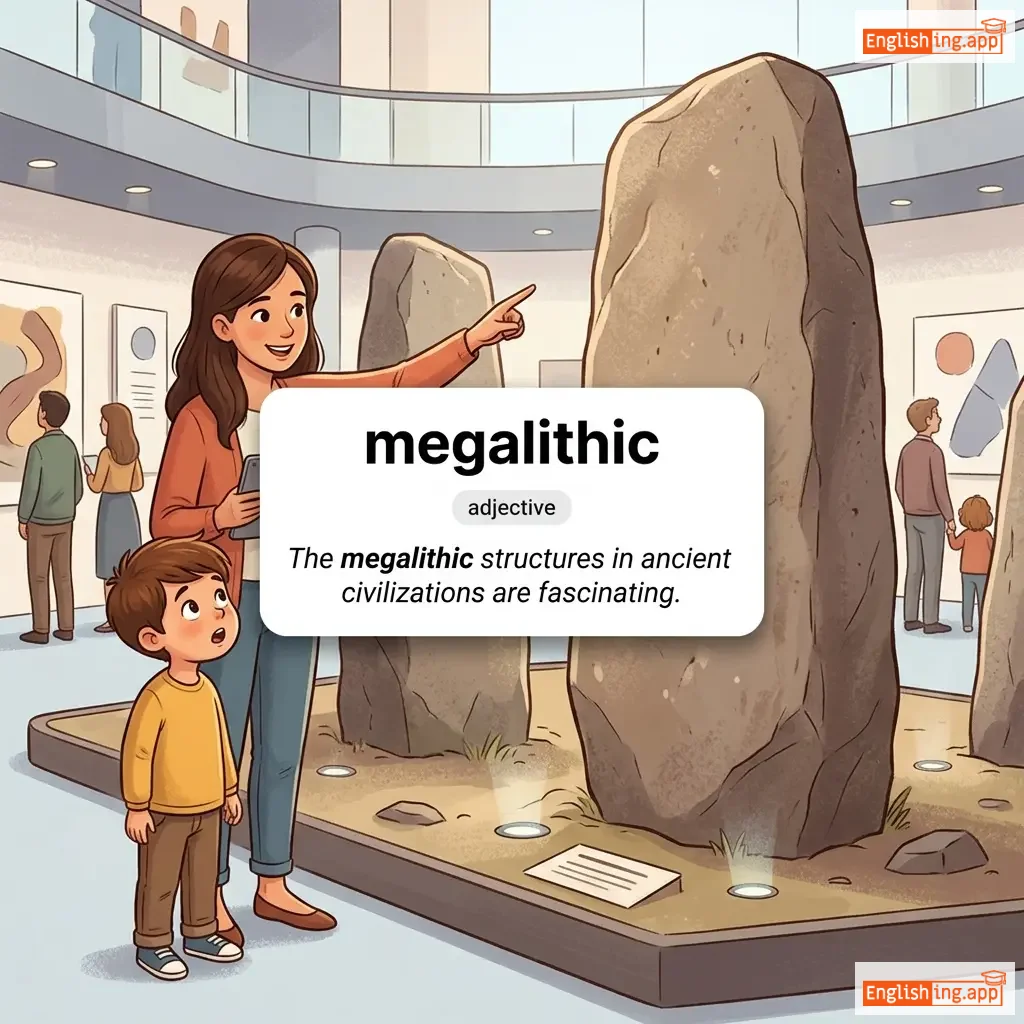
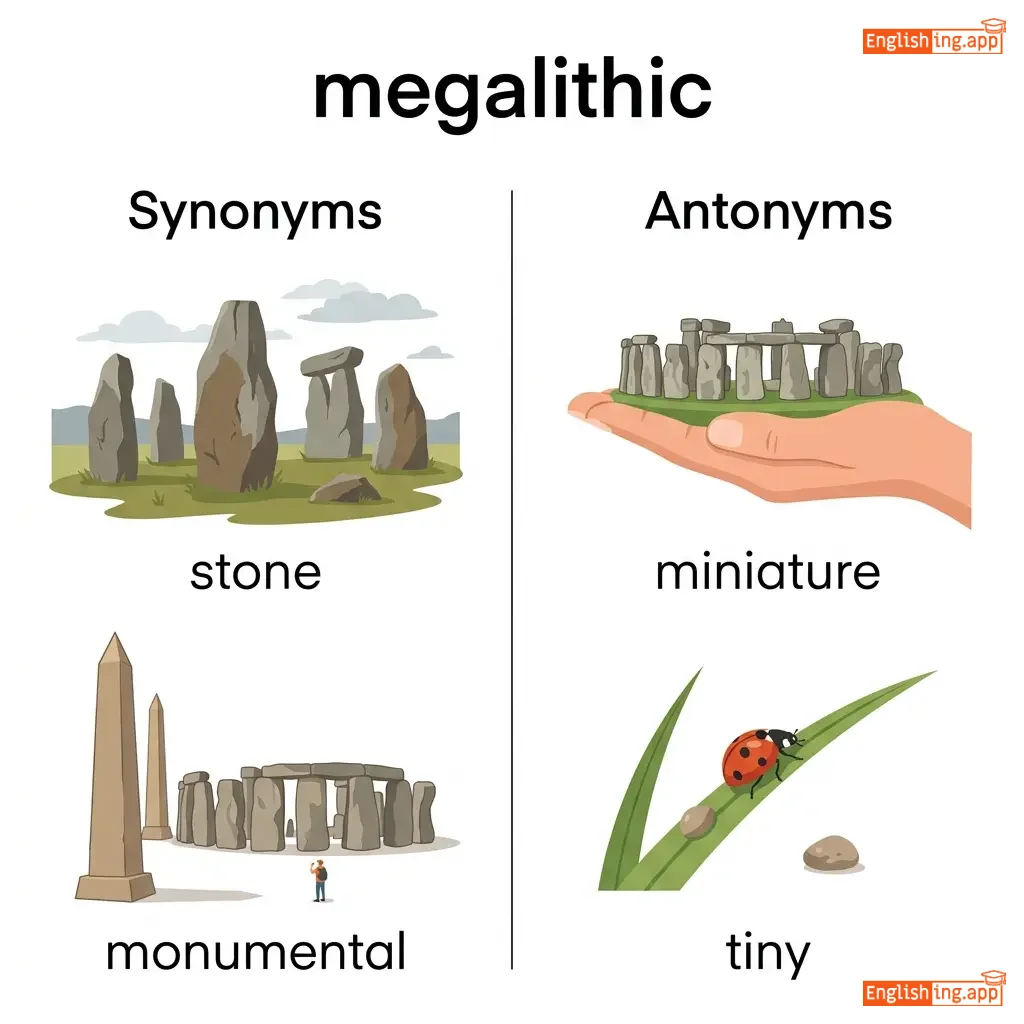
ˌmɛɡəˈlɪθɪk
adjective
••••••
••••••
Relating to or denoting prehistoric monuments made of or containing large stones.
••••••

The megalithic structures in ancient civilizations are fascinating.

••••••
stone, monumental
••••••
miniature, tiny
••••••
#3118
🏛️
••••••
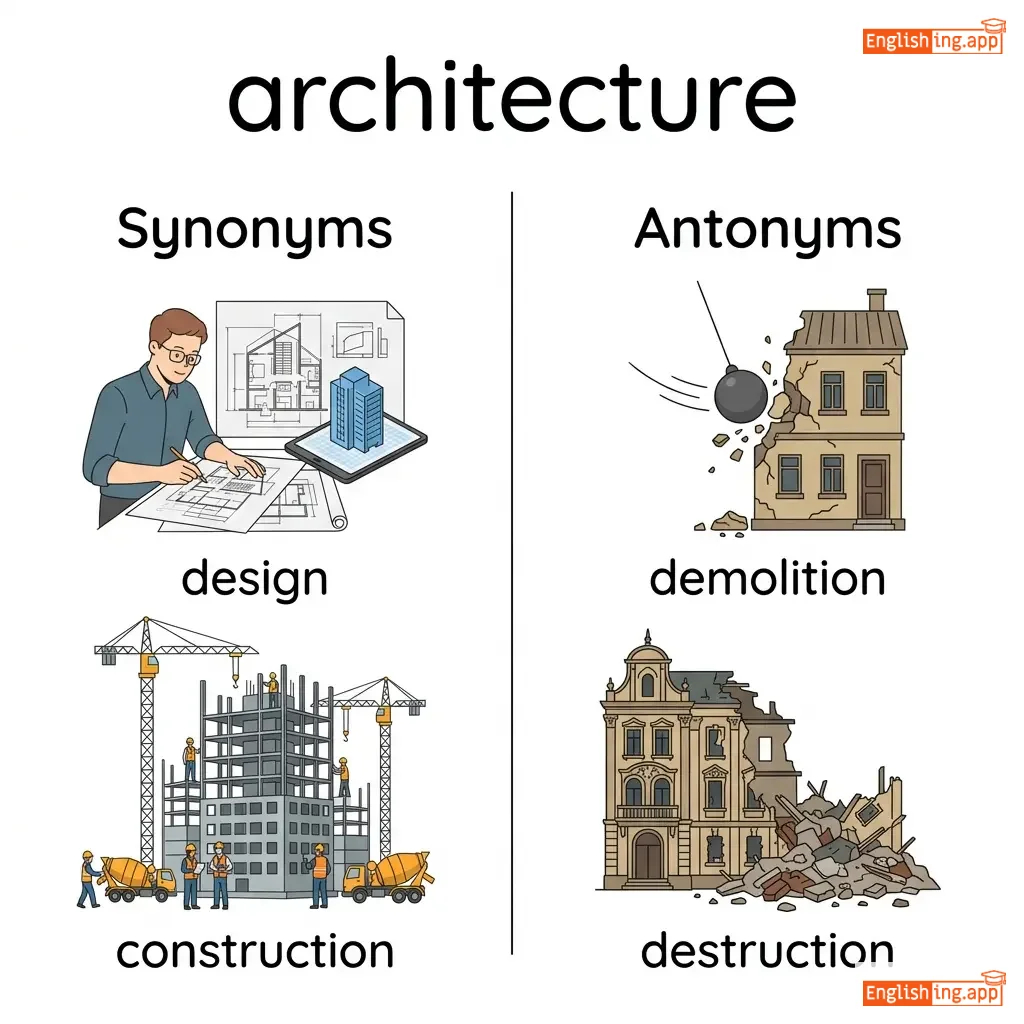
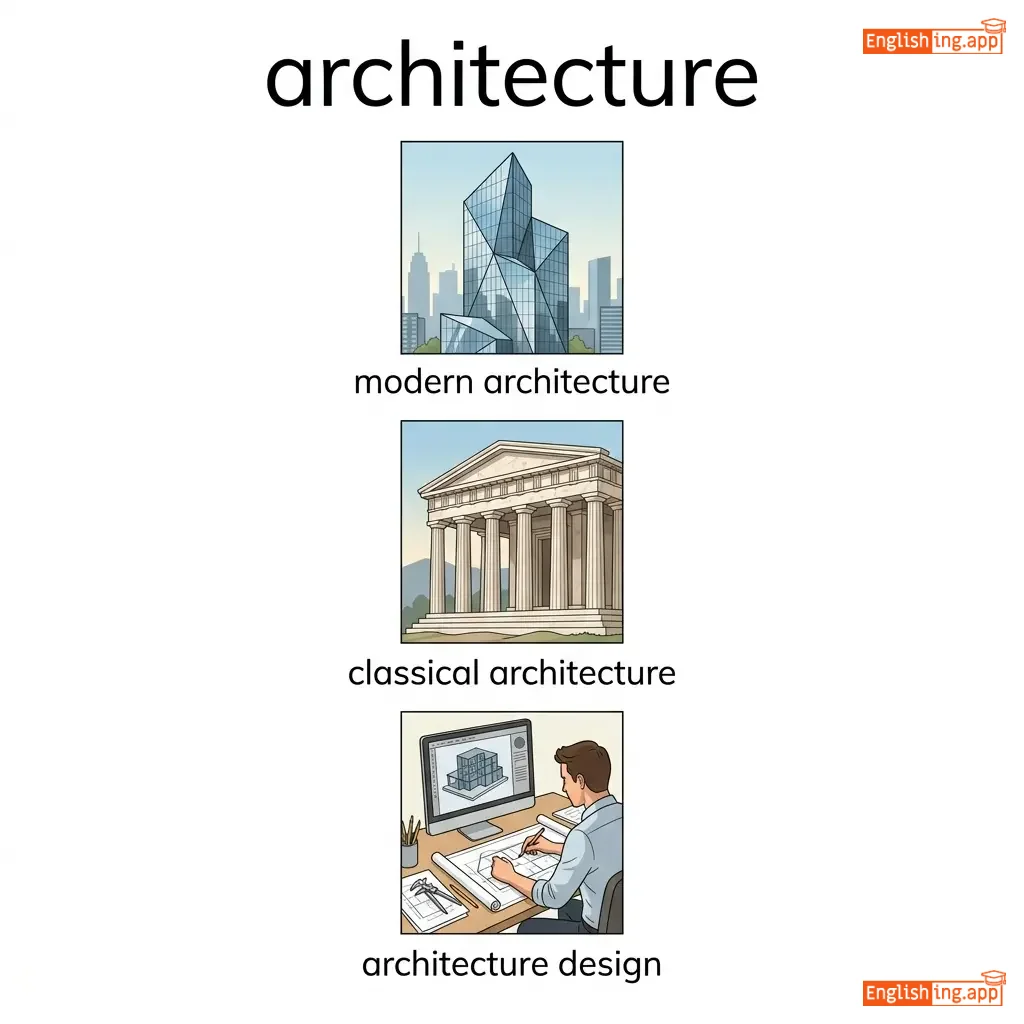
ˈɑːkɪtɛktʃər
noun
••••••
••••••
The art or science of designing and constructing buildings.
••••••

The architecture of ancient temples reflects the culture of the time.

••••••
design, construction
••••••
destruction, demolition
••••••
#3119
🏺
••••••
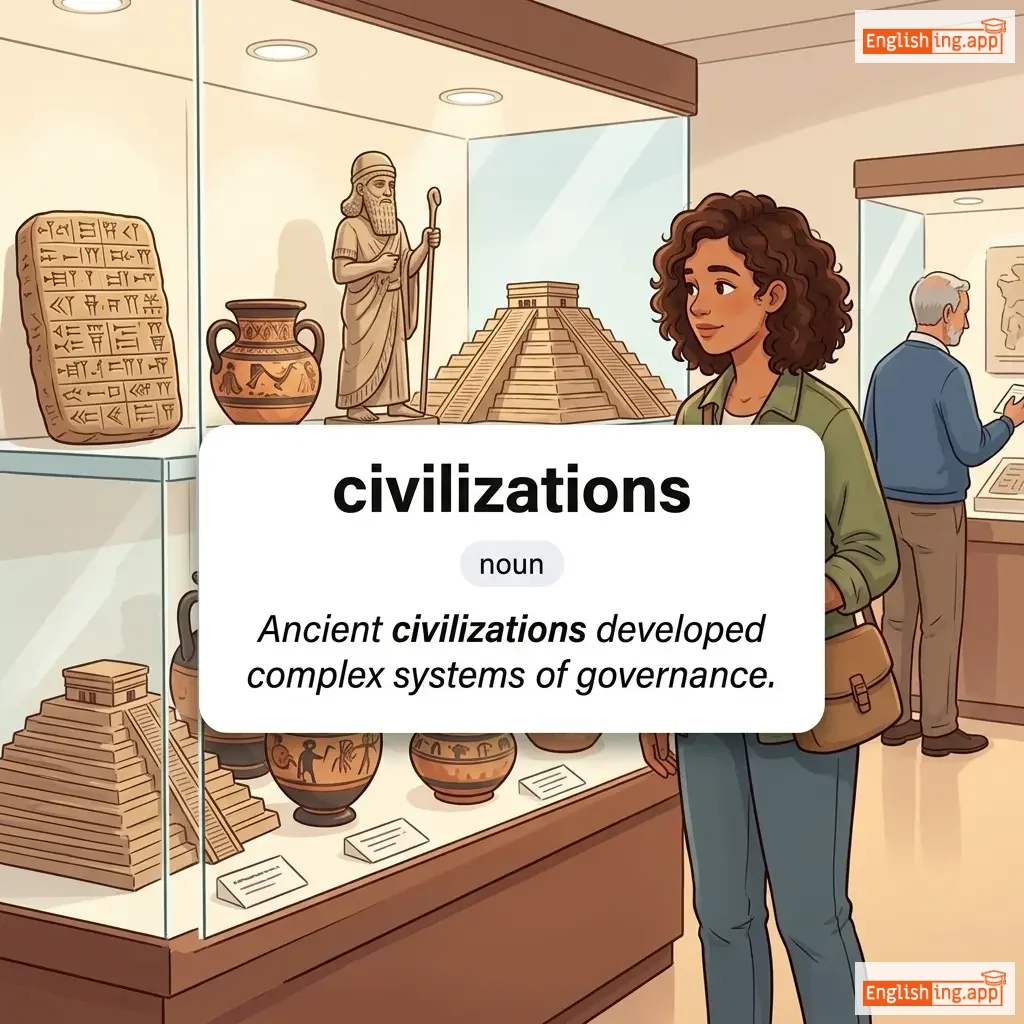
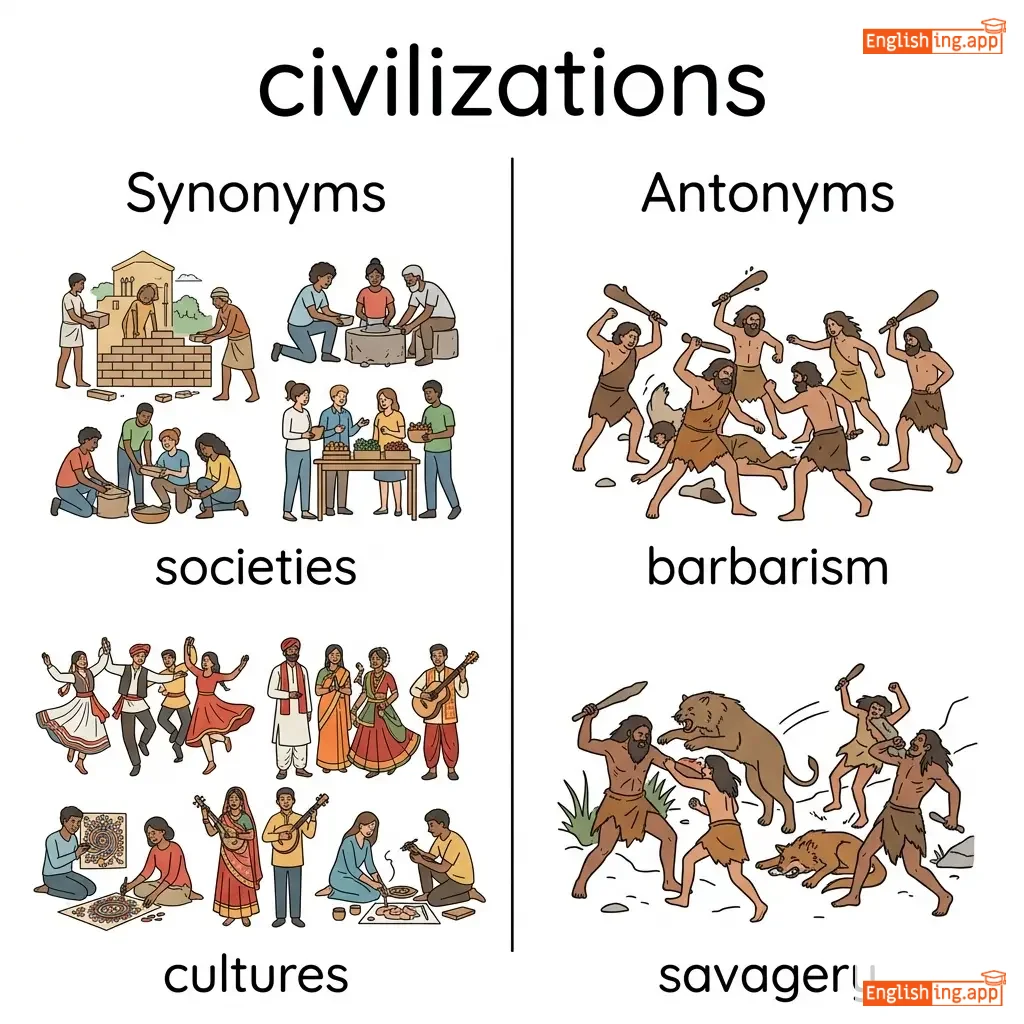
sɪvɪˈlɪzeɪʃənz
noun
••••••
••••••
The stage of human social development and organization that is considered most advanced.
••••••

Ancient civilizations developed complex systems of governance.

••••••
societies, cultures
••••••
barbarism, savagery
••••••
#3120
🏭
••••••
ɪnˌdʌstrɪəlaɪˈzeɪʃən
noun
••••••
••••••
The development of industries in a country or region on a wide scale.
••••••

Industrialization changed the global economy dramatically.

••••••
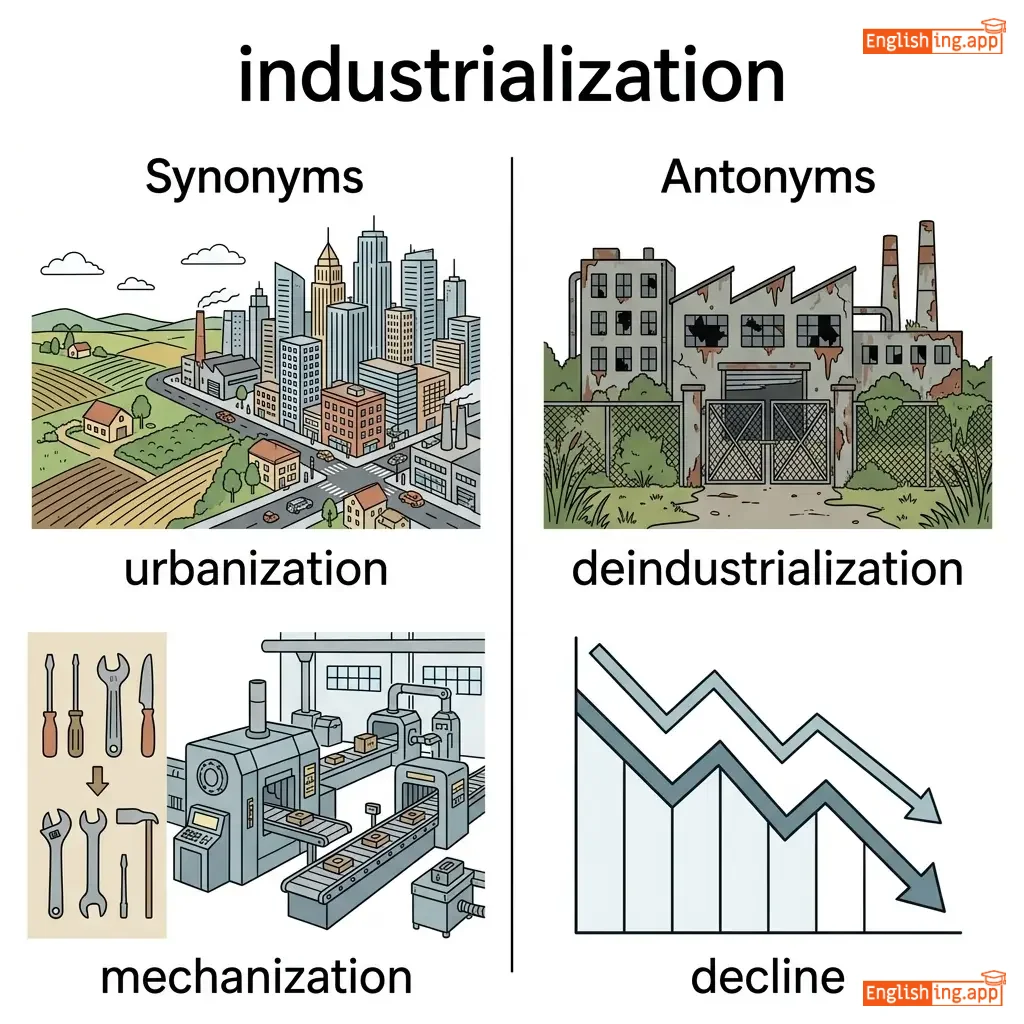
urbanization, mechanization
••••••
deindustrialization, decline
••••••
#3121
🏙️
••••••
ˌɜːbənaɪˈzeɪʃən
noun
••••••
••••••
The process by which towns and cities are formed and become larger as more people begin living and working in central areas.
••••••

Urbanization leads to more developed infrastructure.

••••••
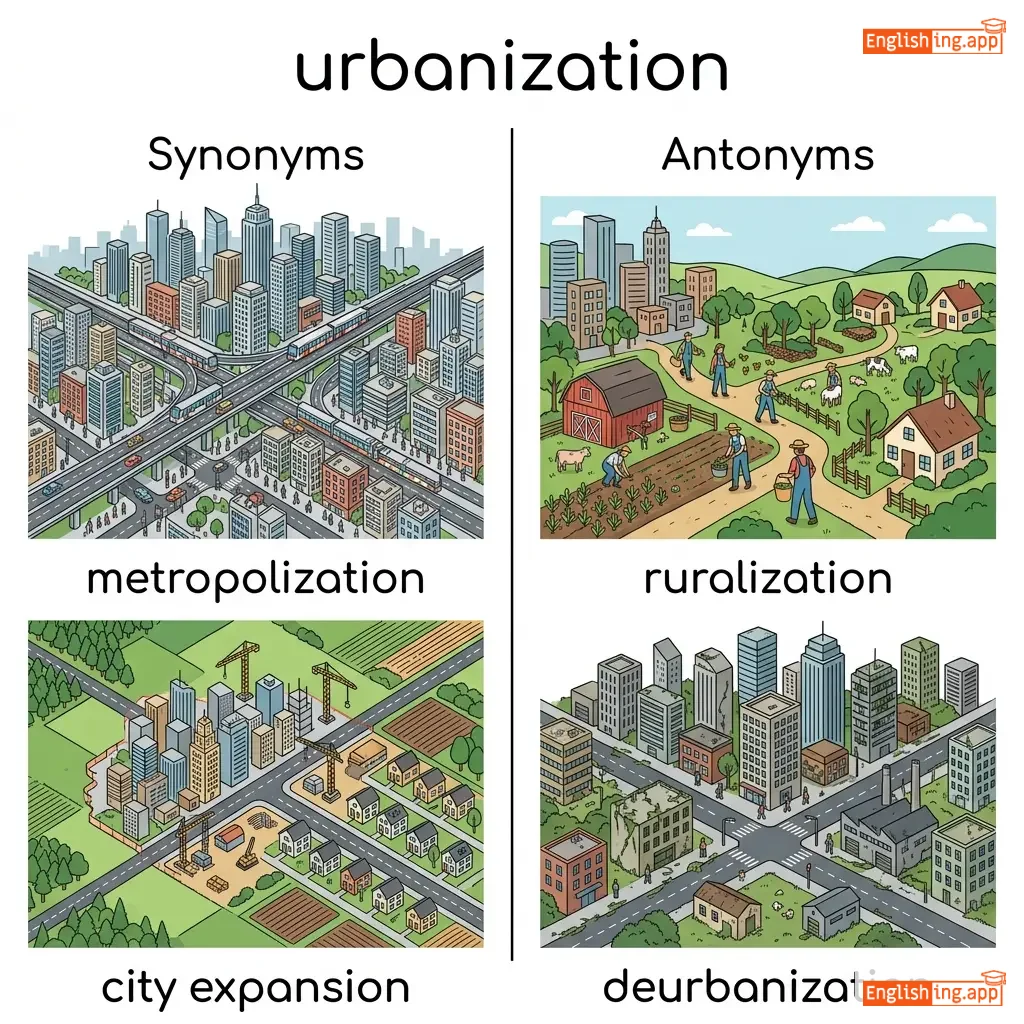
city development, metropolization
••••••
ruralization, suburbanization
••••••
#3122
💻
••••••
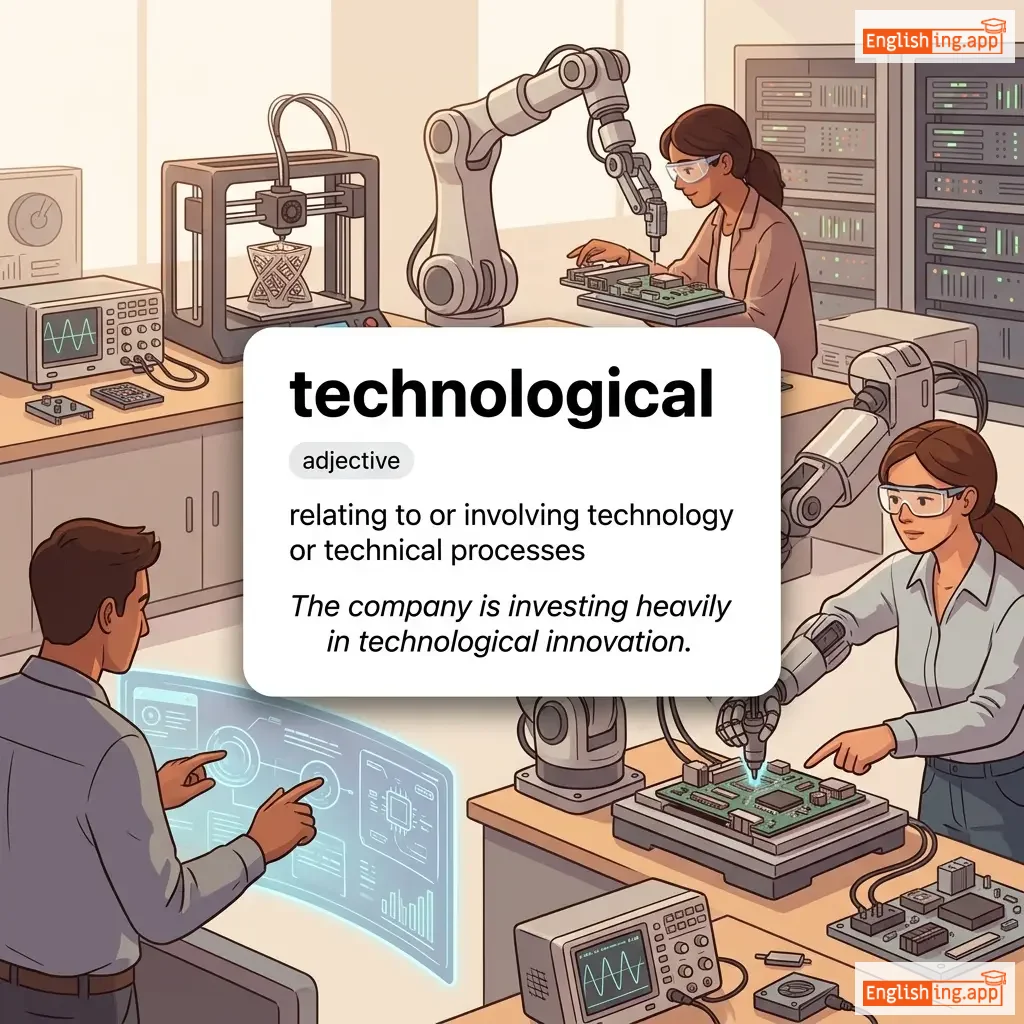
ˌtɛkˈnɒlədʒɪkəl
adjective
••••••
••••••
Relating to or involving the application of technology.
••••••

Technological advancements are reshaping industries worldwide.

••••••
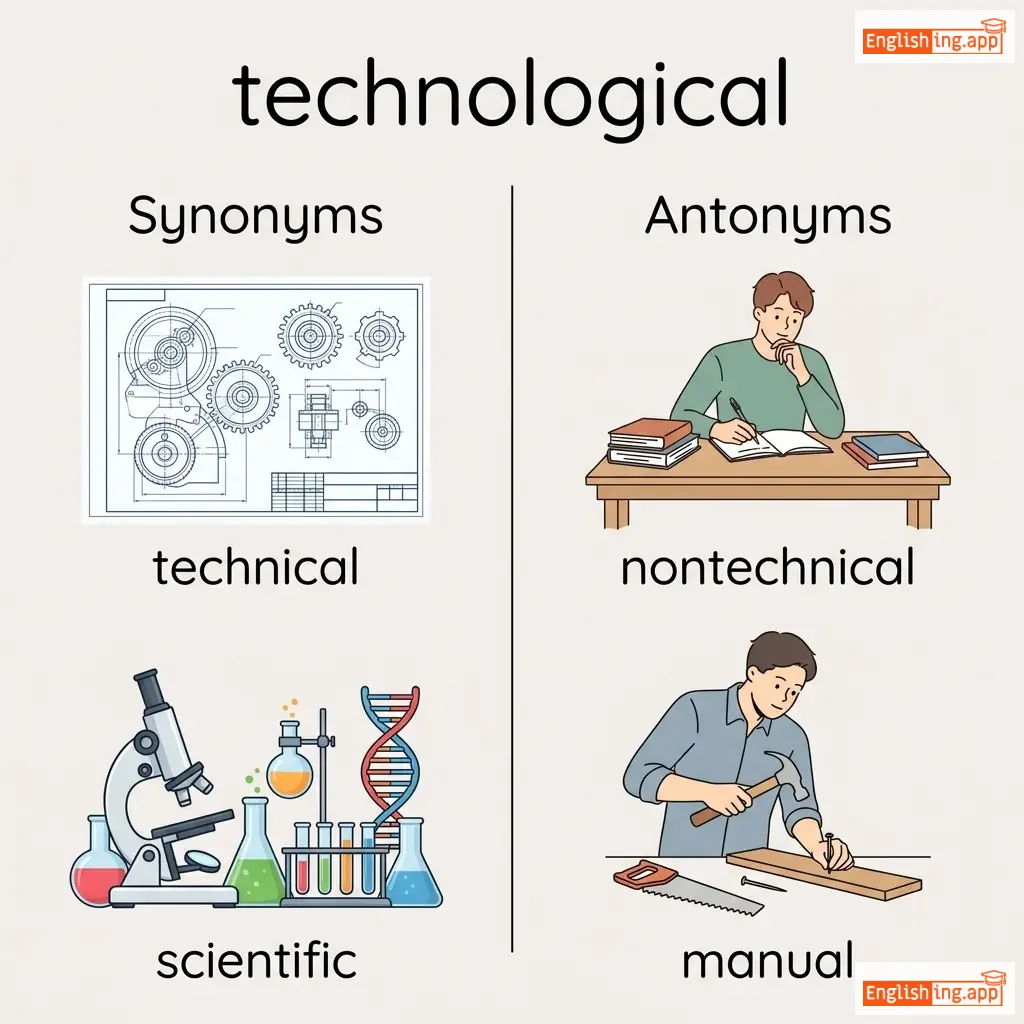
digital, scientific
••••••
non-technical, primitive
••••••
#3123
⚖️
••••••
ˌsəʊsɪəʊpəˈlɪtɪkəl
adjective
••••••
••••••
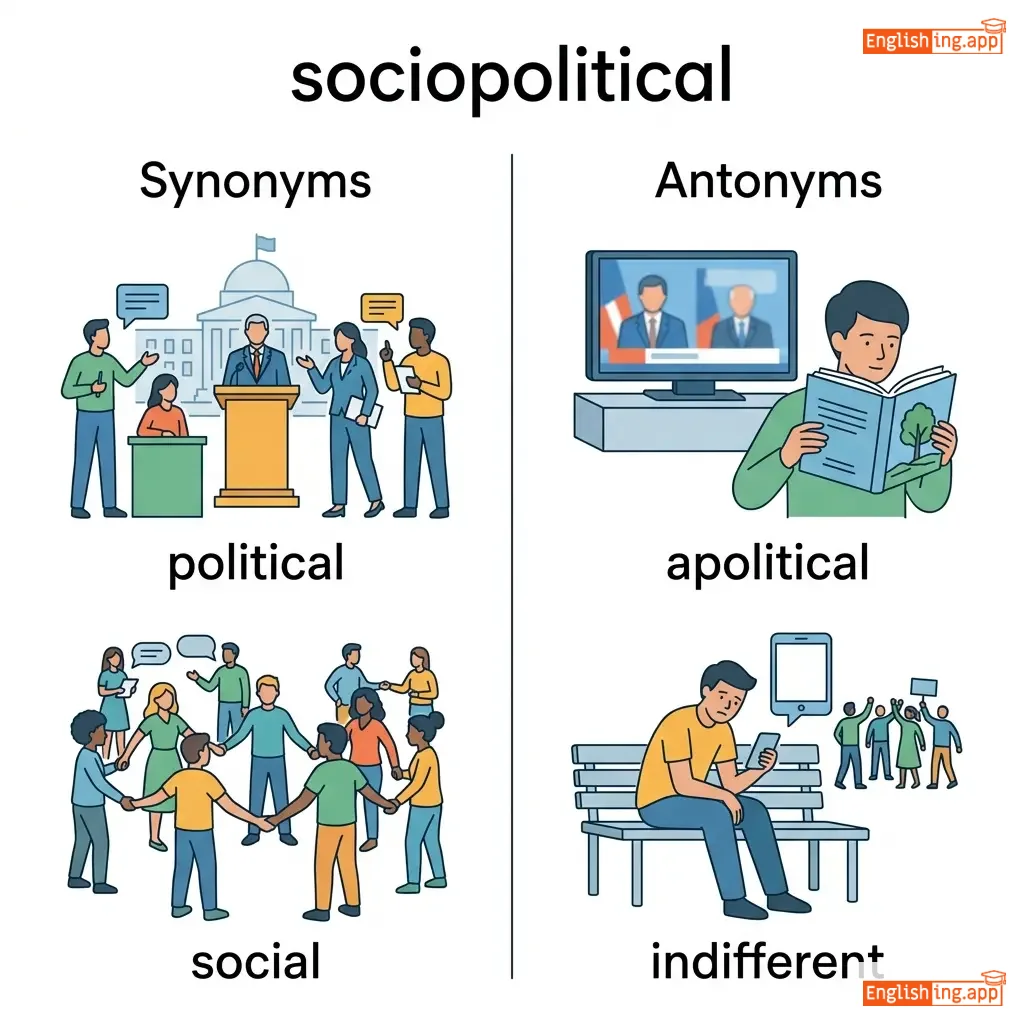
Combining social and political factors.
••••••

Sociopolitical factors often influence public policy decisions.

••••••
political, social
••••••
apolitical, indifferent
••••••
#3124
🤝
••••••
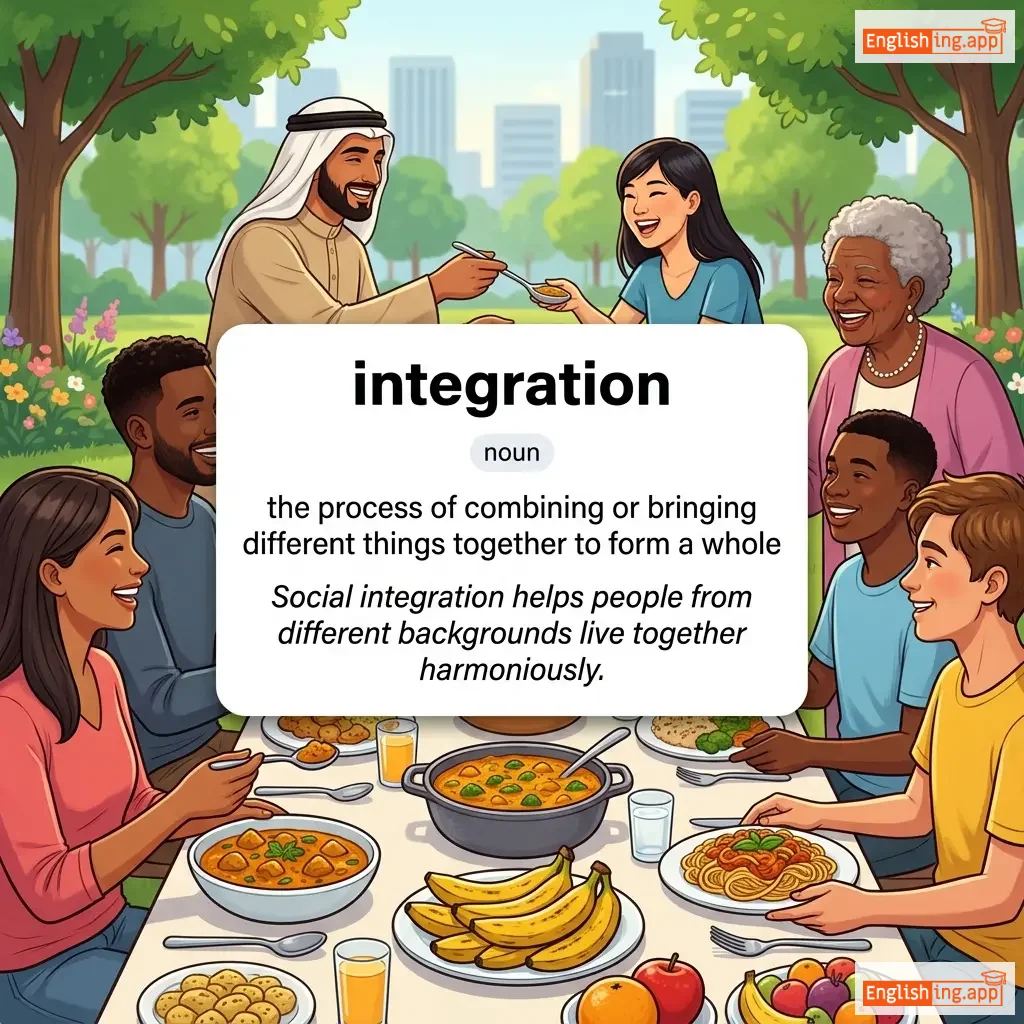
ˌɪntɪˈɡreɪʃən
noun
••••••
••••••
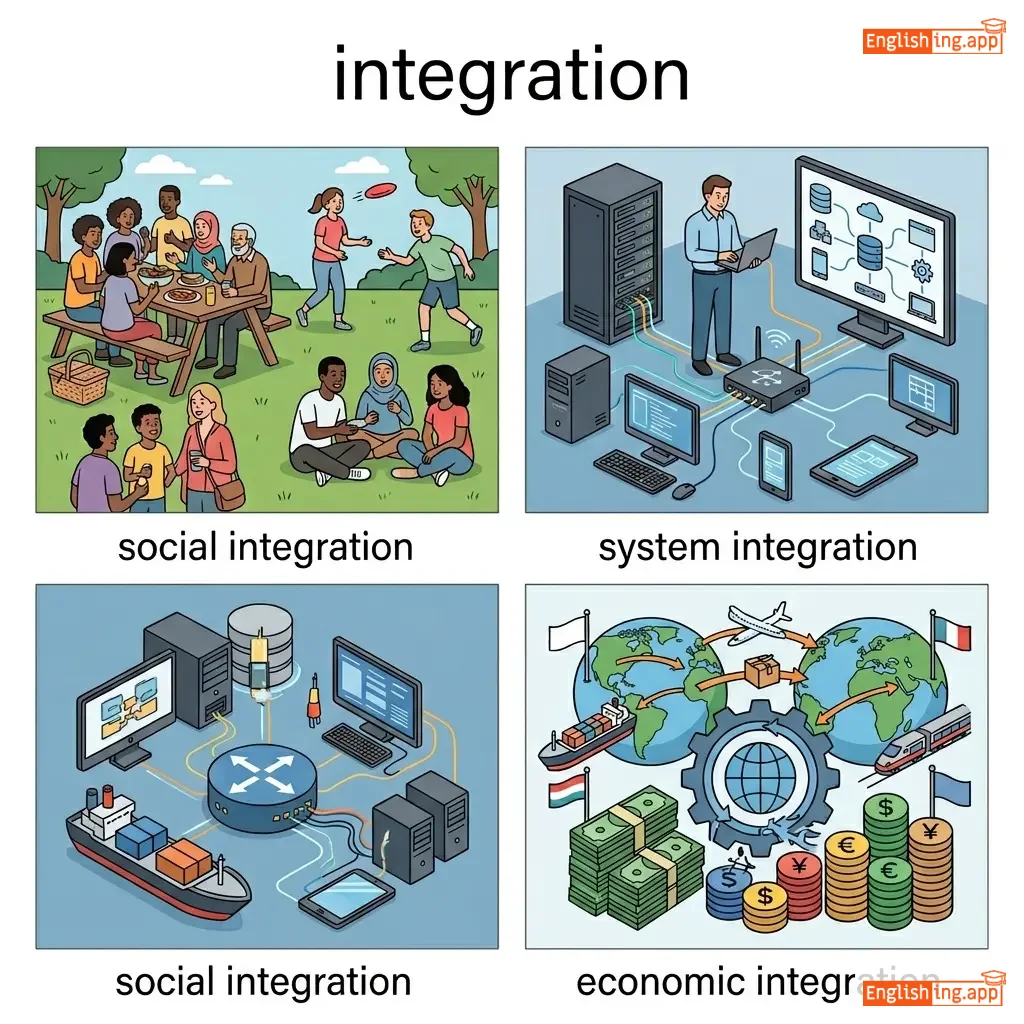
The action or process of integrating.
••••••

Integration of technology in education has improved learning outcomes.

••••••
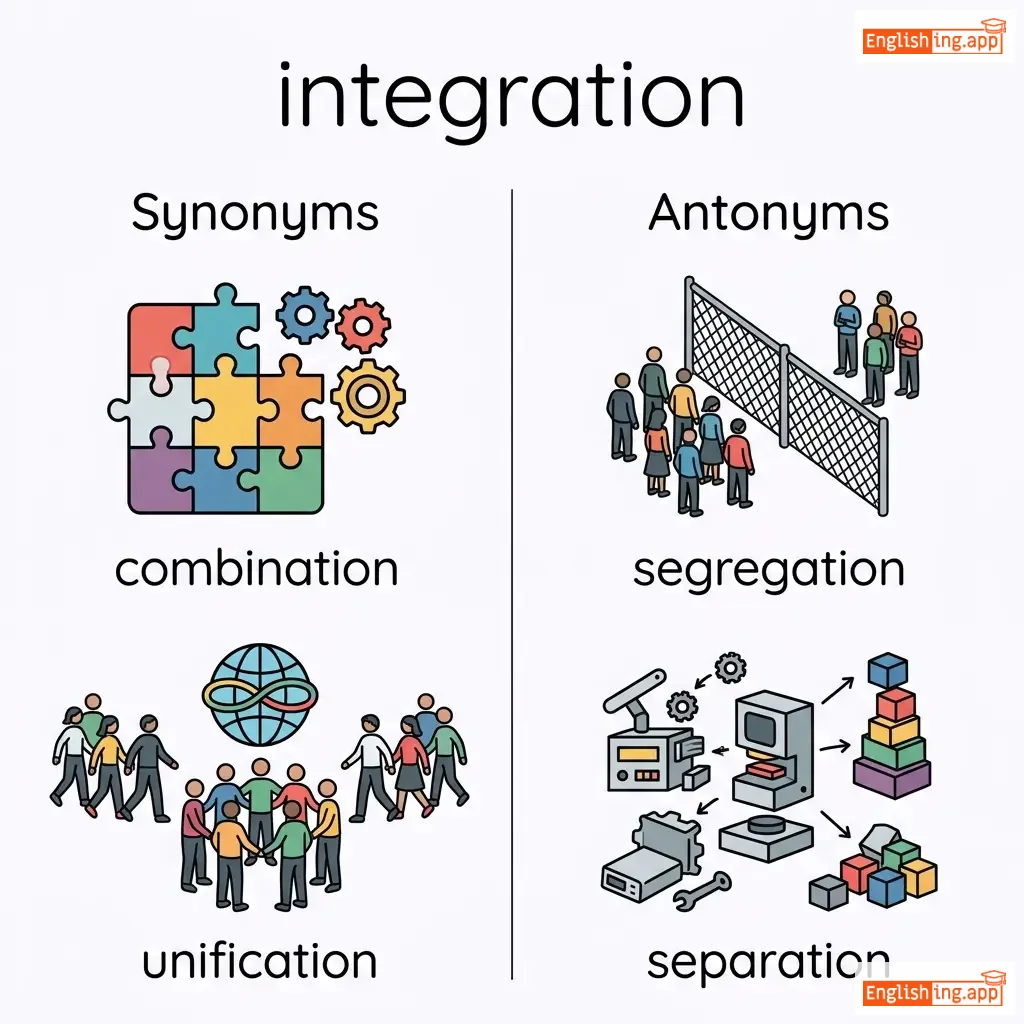
unification, combination
••••••
segregation, division
••••••
#3125
👫
••••••
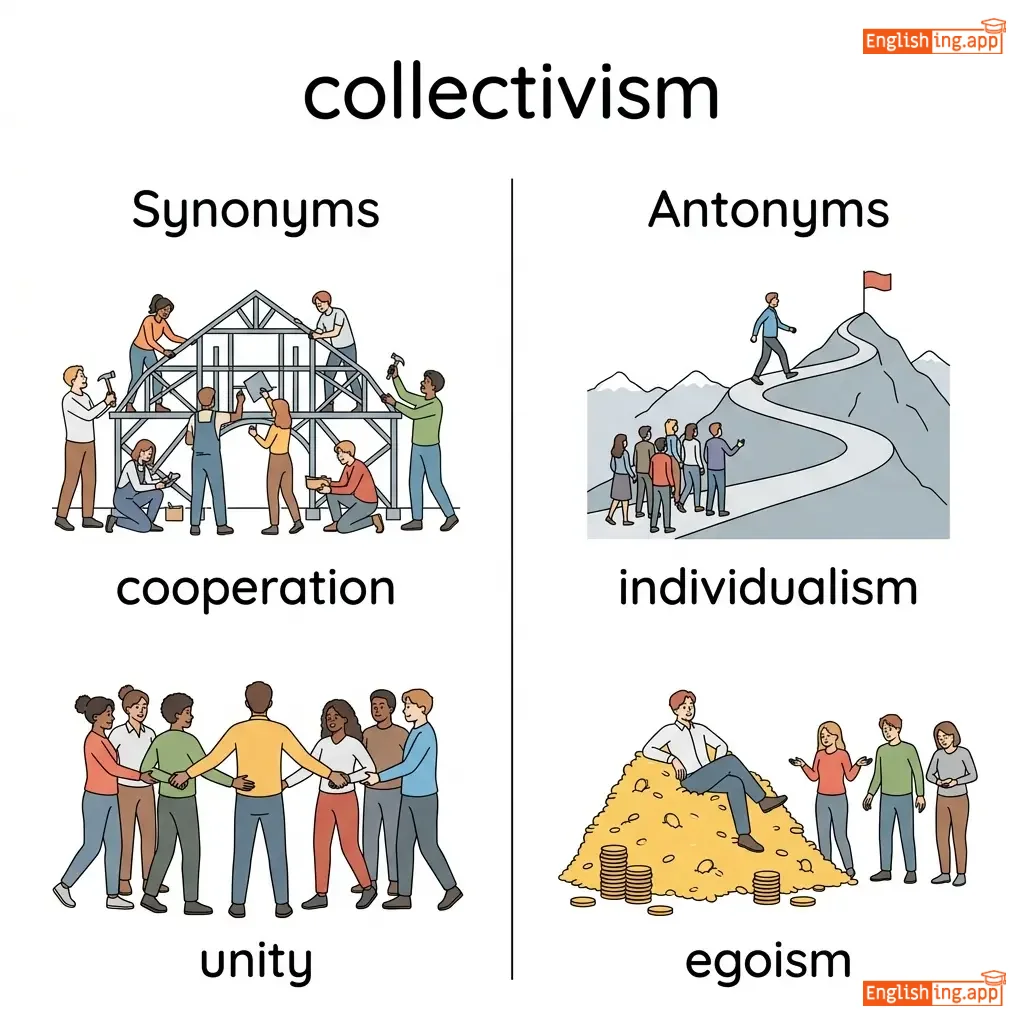
kəˈlɛktɪvɪzəm
noun
••••••
••••••
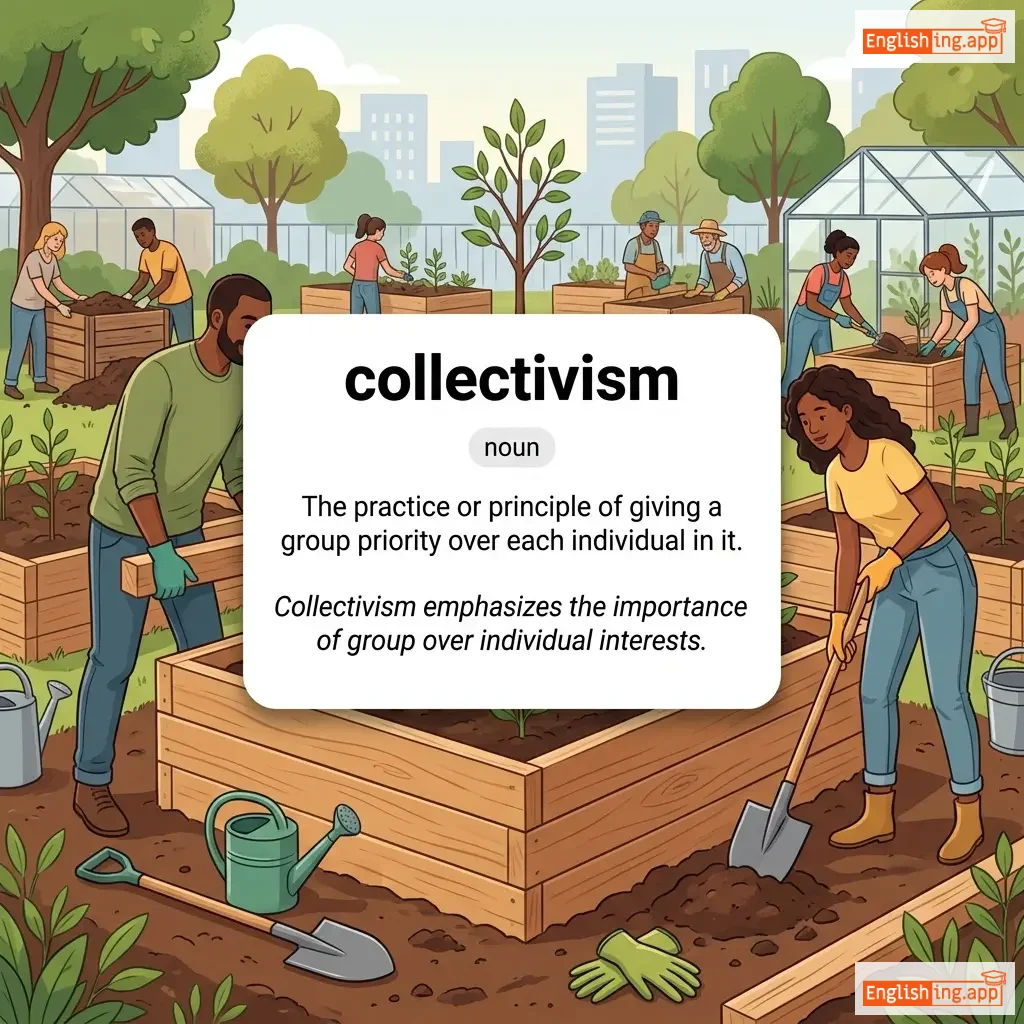
The practice or principle of giving a group priority over each individual in it.
••••••

Collectivism emphasizes the importance of group over individual interests.

••••••
cooperation, unity
••••••
individualism, egoism
••••••
#3126
🌍
••••••
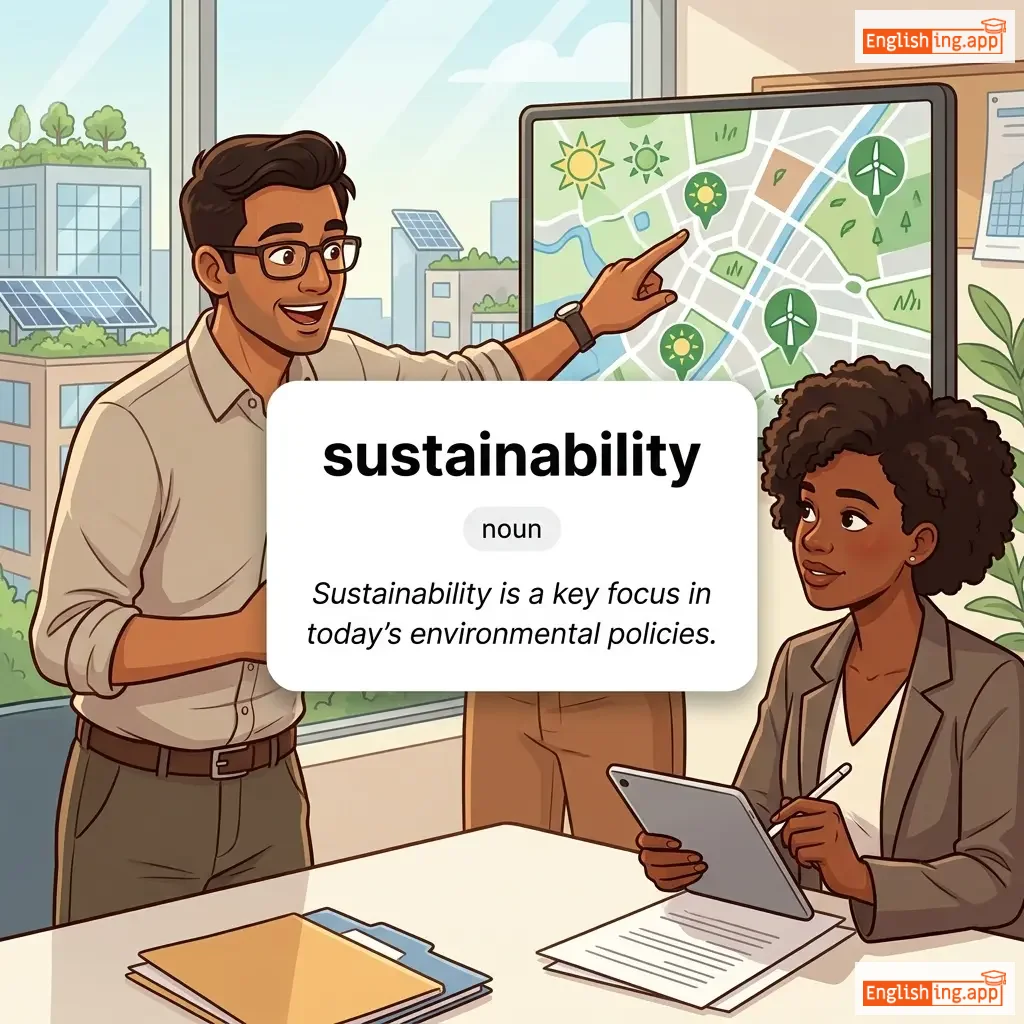
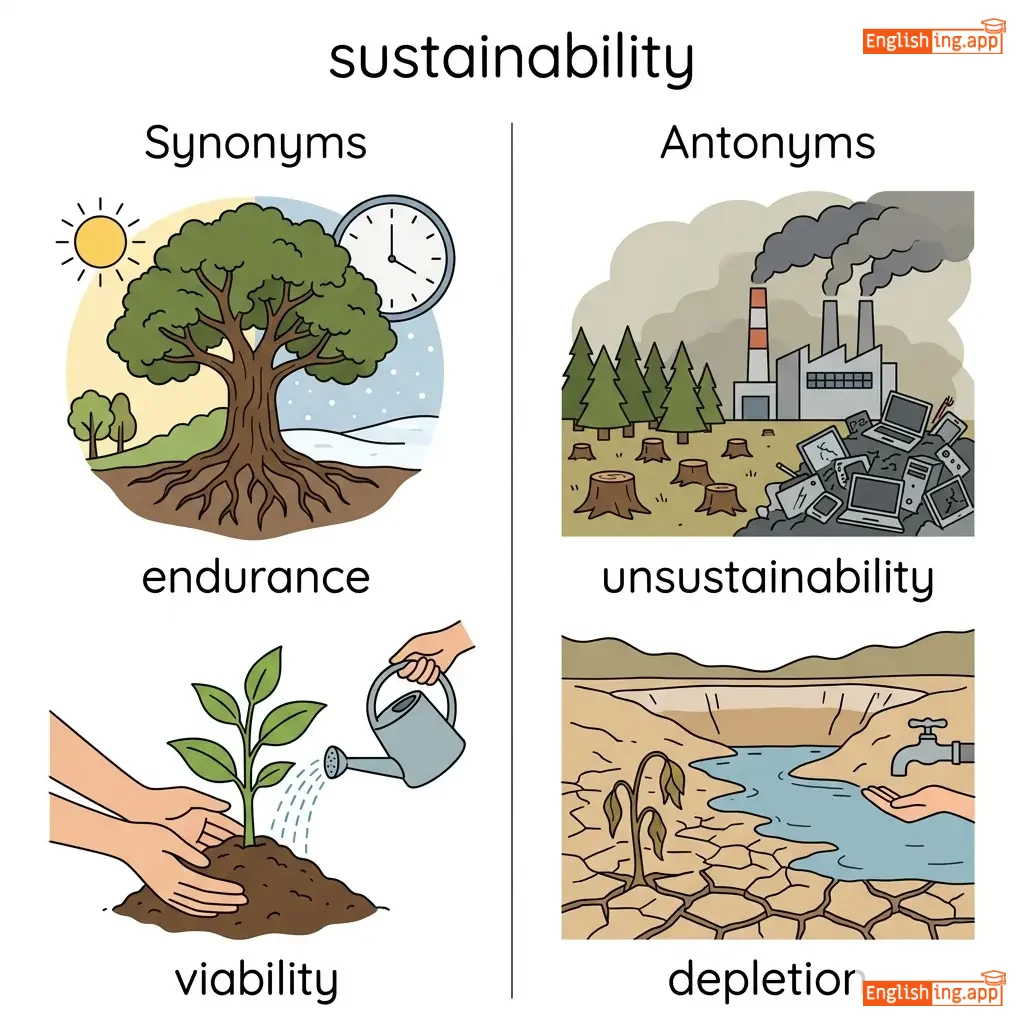
səˌsteɪnəˈbɪlɪti
noun
••••••
••••••
The ability to be maintained at a certain rate or level.
••••••

Sustainability is key to maintaining ecological balance.

••••••
endurance, viability
••••••
unsustainability, fragility
••••••
#3127
📋
••••••
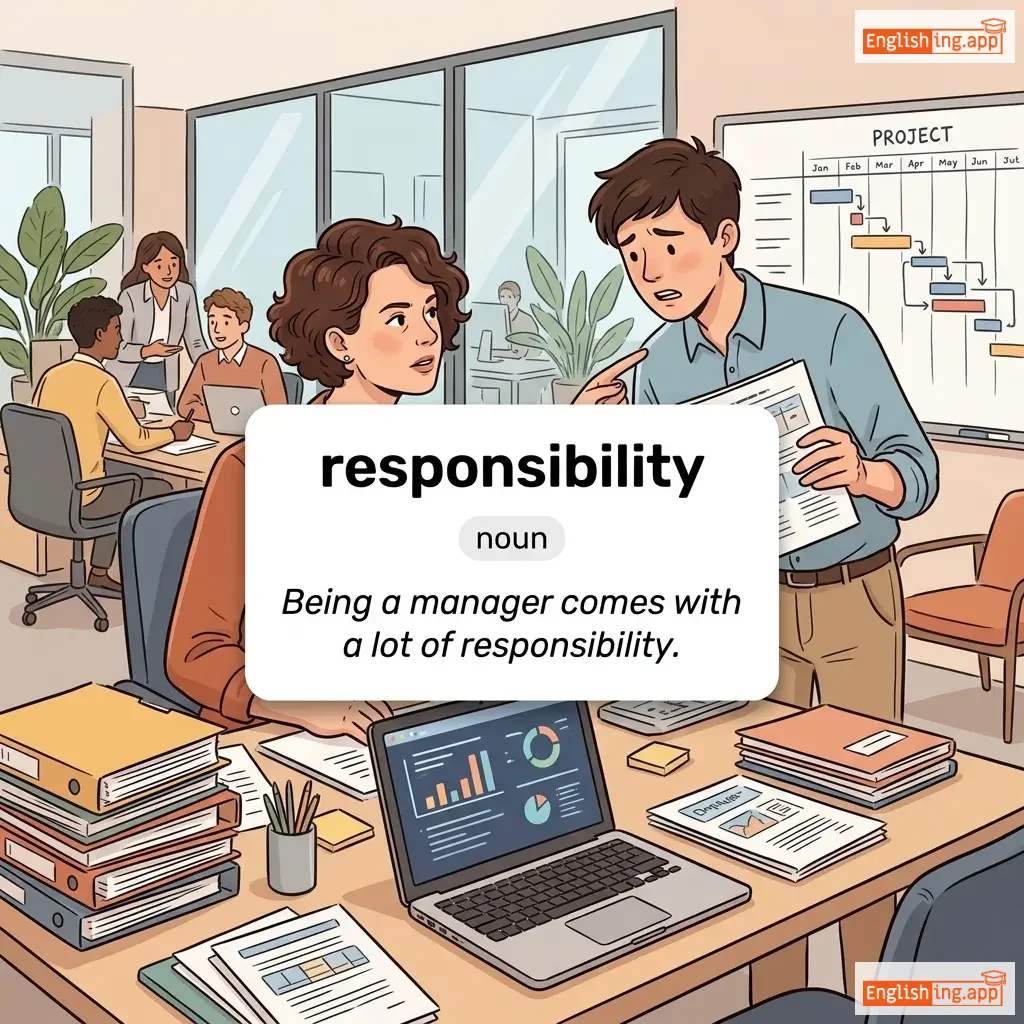
rɪˌspɒnsəˈbɪlɪti
noun
••••••
••••••
The state or fact of having a duty to deal with something or of having control over someone.
••••••

Taking responsibility for one's actions is a sign of maturity.

••••••
accountability, obligation
••••••
irresponsibility, neglect
••••••