

効果的なコミュニケーションスキルの重要性
Importance of Effective Communication Skills
Communication スキルは非常に重要です。その importance は就職 interviews やキャリアアップにおいて大きな意味を持ちます。多くの候補者が空きポジションに応募する中で、最も優れた articulation と cohesion を示す候補者が面接段階に進むことができます。Conveyance、つまり発言の巧みな伝え方は、どんな面接においても最も重要な要素の一つです。
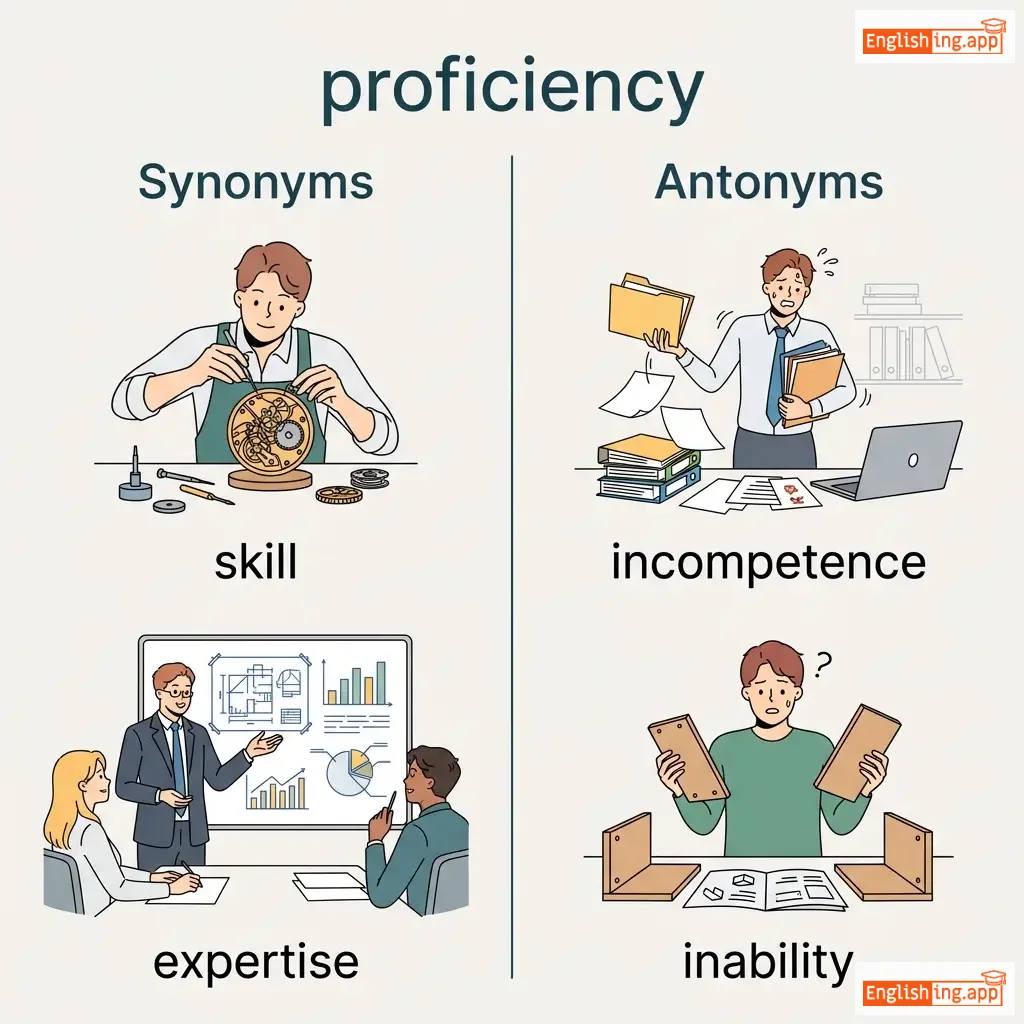
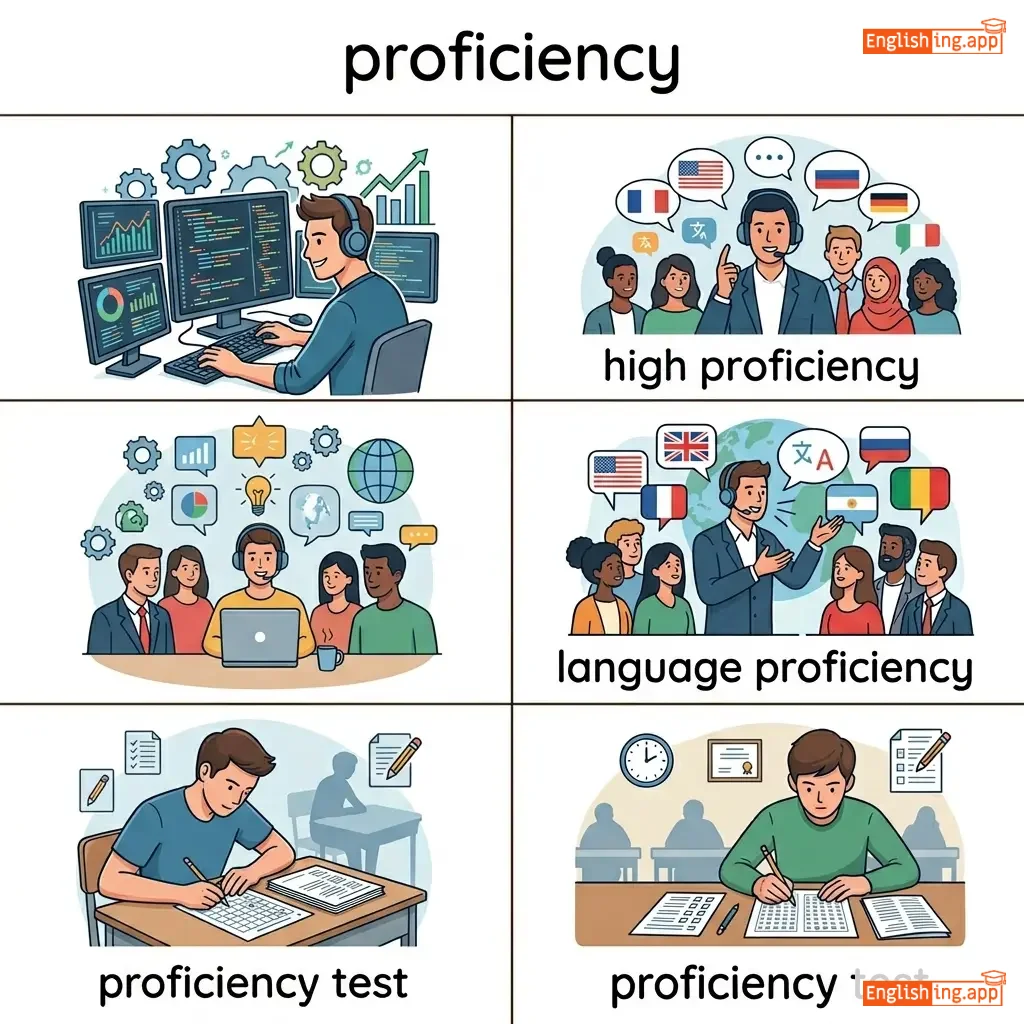
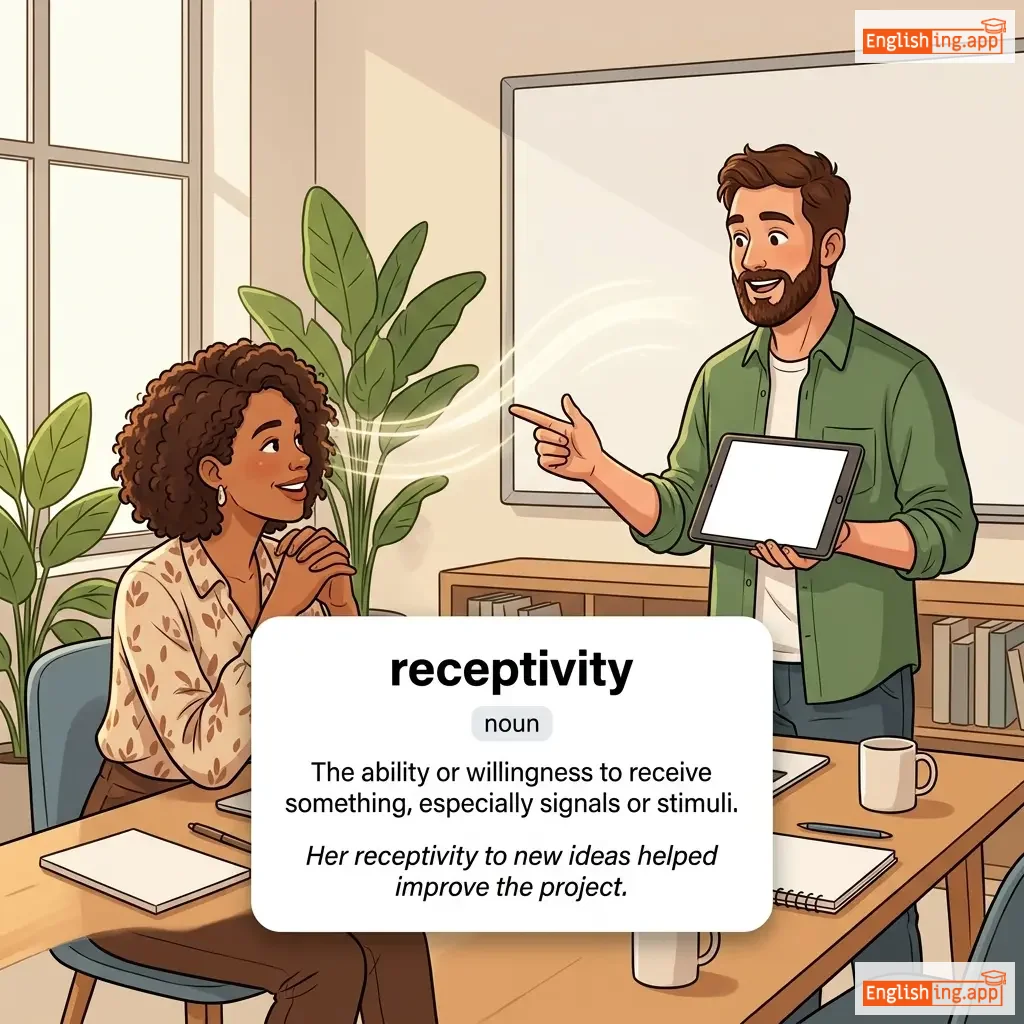
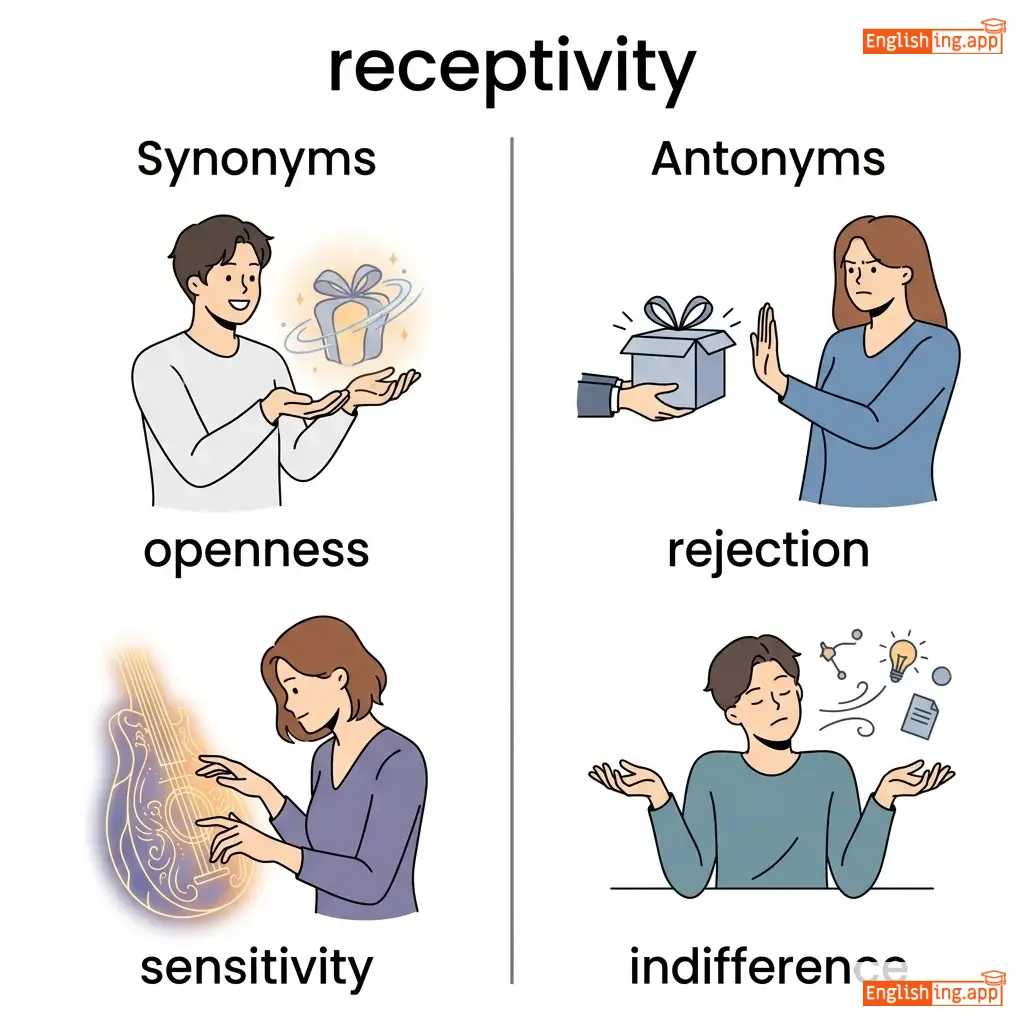
発言に eloquence と persuasiveness が欠けていると、履歴書の nuance やプロフィールの重要性を伝えることができません。面接官の前に立つとき、あなたの proficiency と receptivity は印象的であるべきで、あなたの仕事の熟練度を理解してもらう必要があります。
Interpersonal スキルと sociability は非常に重要です。なぜなら、面接ではスキルだけでなく、仕事でどのように subtlety や tact を活かせるかを示す必要があるからです。候補者間の juxtaposition を示し、互いに symbiosis を築けることを理解させましょう。
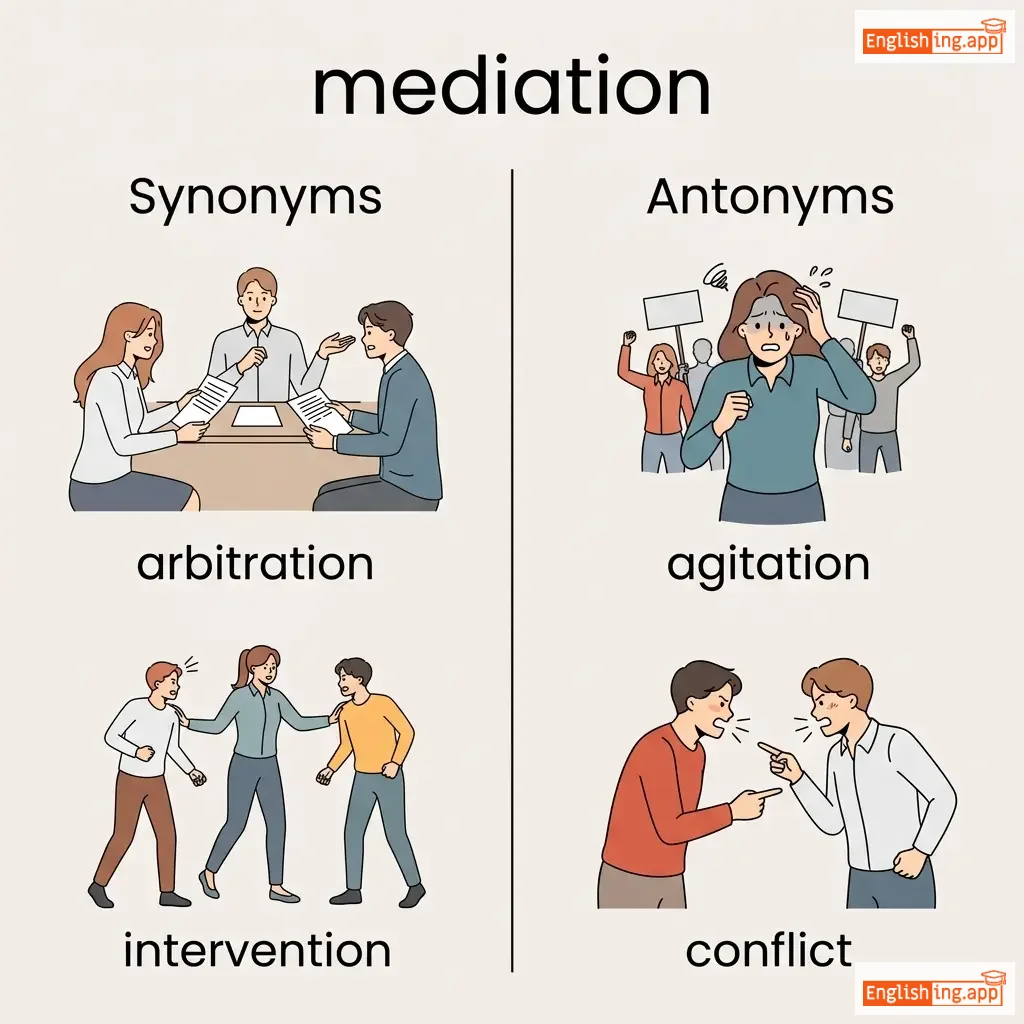
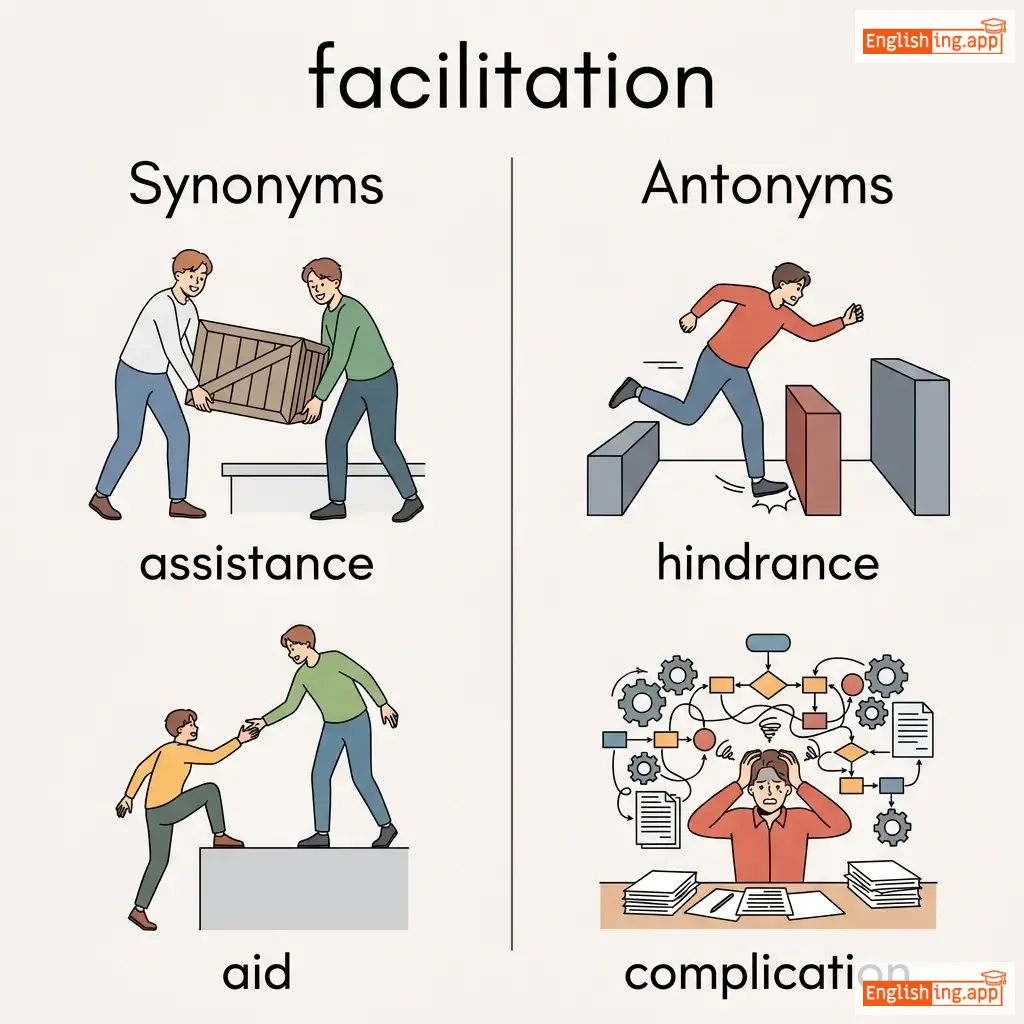
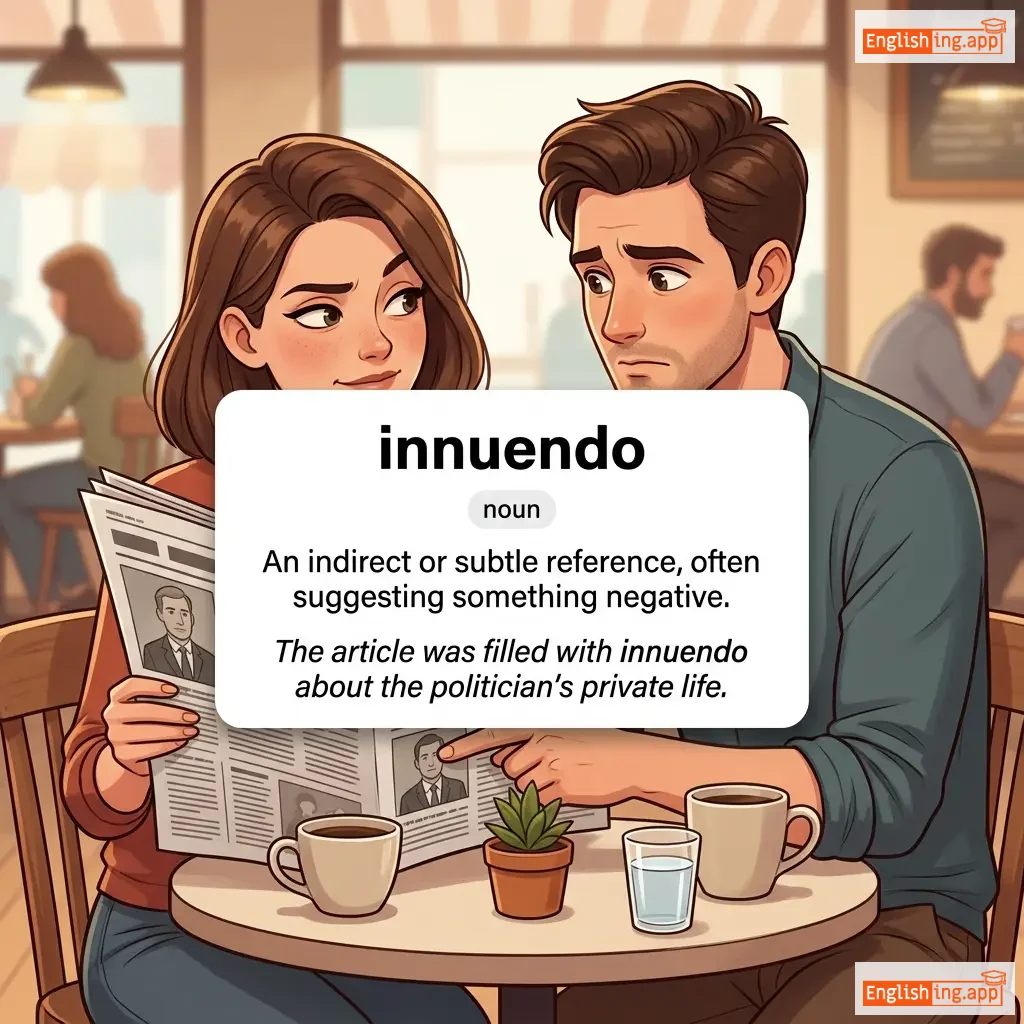
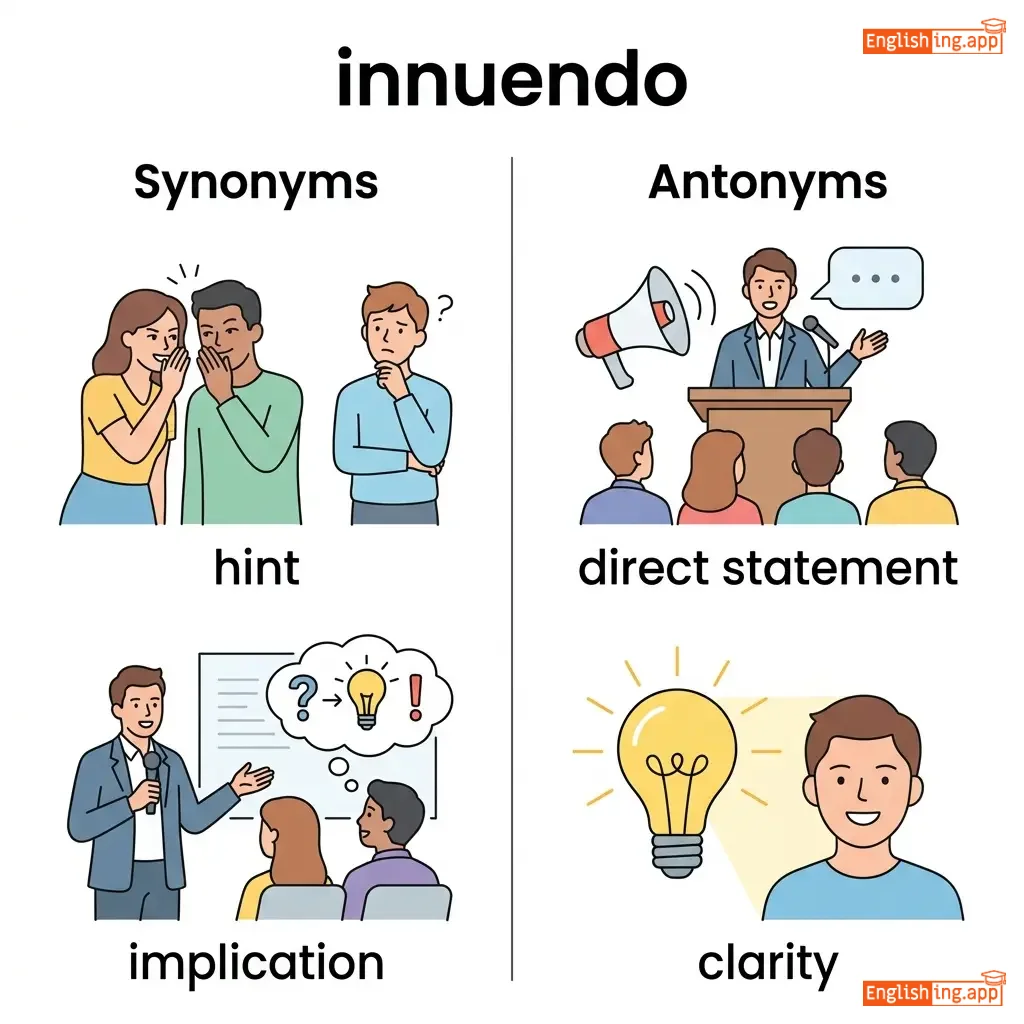
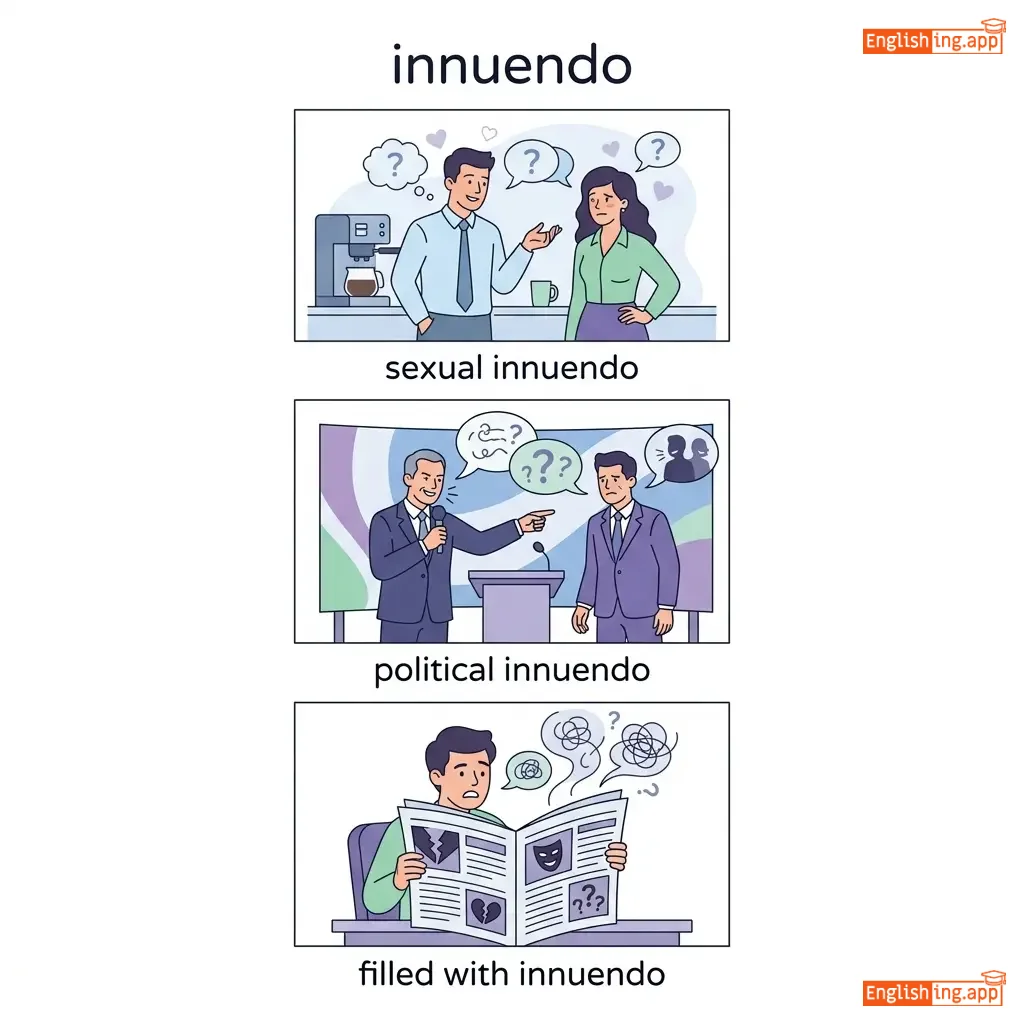
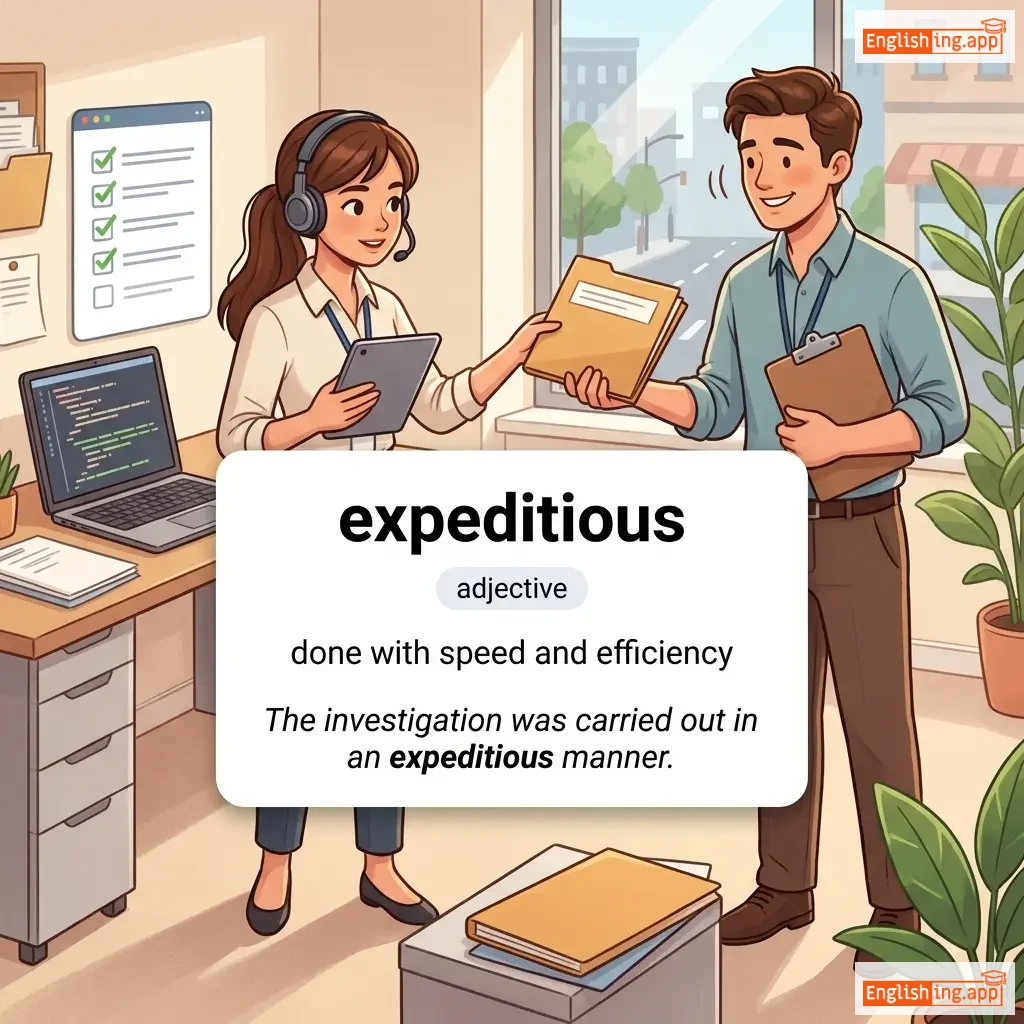
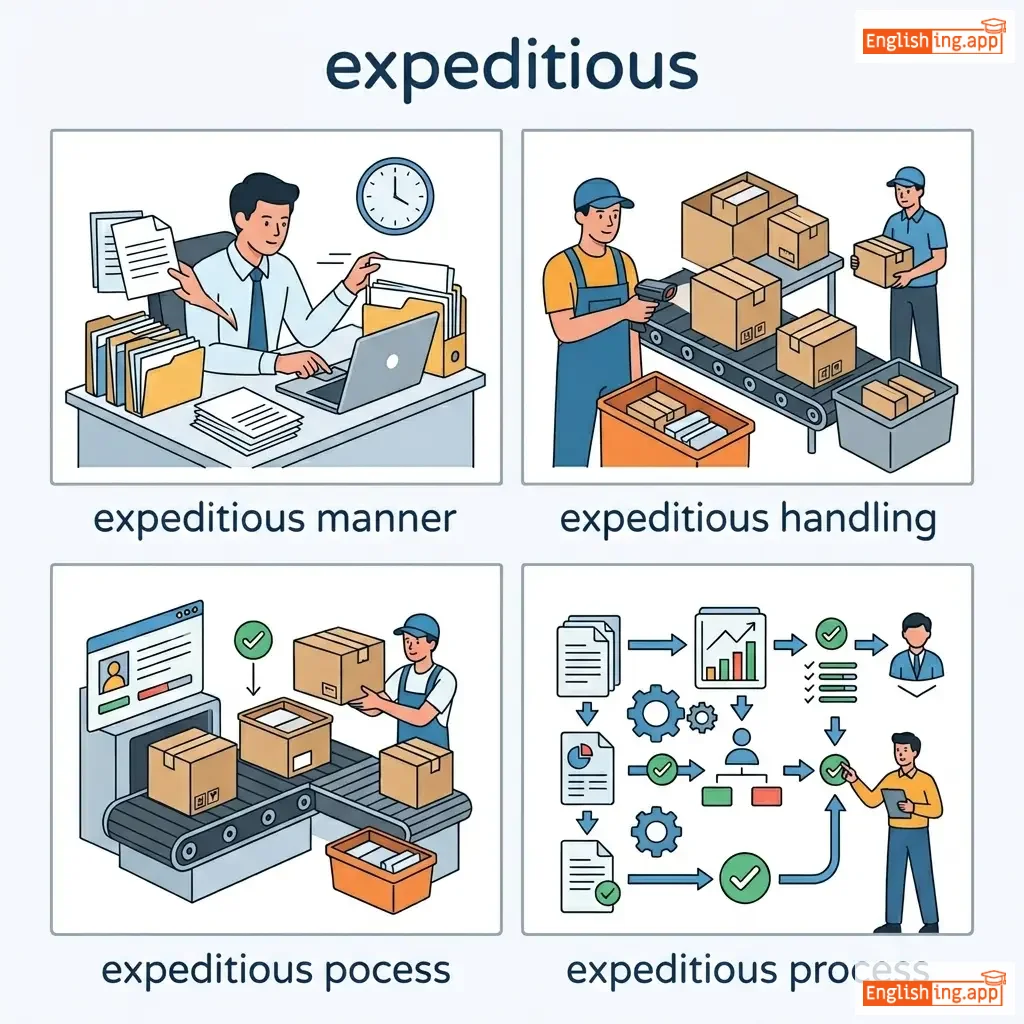
あらゆる問題は mediation と facilitation によって解決できます。これを職場で実践できれば、組織の発展が可能になります。この場合、innuendos(間接的なコメント)は避けるべきです。仕事を迅速に進めるために expeditious である必要がありますが、verbalization は正確に行い、あなたの考えが正しく伝わるようにしなければなりません。
翻訳
過去
過去分詞
三人称単数
動名詞
意味
例文
例文の翻訳
同義語
対義語
コロケーション
ニーモニック












Swipe left or right, or use the buttons. Tap image to zoom.
例文の翻訳
単語
Importance of Effective Communication SkillsImportance of Effective Communication Skills - マスクトグル
|
絵文字
|
単語 | Images | 翻訳 | 意味 | 例文 | 例文の翻訳 | 同義語 | 対義語 | ニーモニック |
|---|---|---|---|---|---|---|---|---|---|
|
#440
💬
|
/kəˌmjunɪˈkeɪʃən/
noun
(コミュニケーション)
••••••
|
|
コミュニケーション
komyunikeeshon
••••••
|
The act or process of using words, sounds, signs, or behaviors to express or exchange information or to express your ideas, thoughts, feelings, etc.
••••••
|
Effective communication is crucial for any successful project. |
効果的なコミュニケーションは、どんな成功したプロジェクトにも不可欠です。
Kouka-teki na komyunikeeshon wa, donna seikou shita purojekuto ni mo fukaketsu desu.
••••••
|
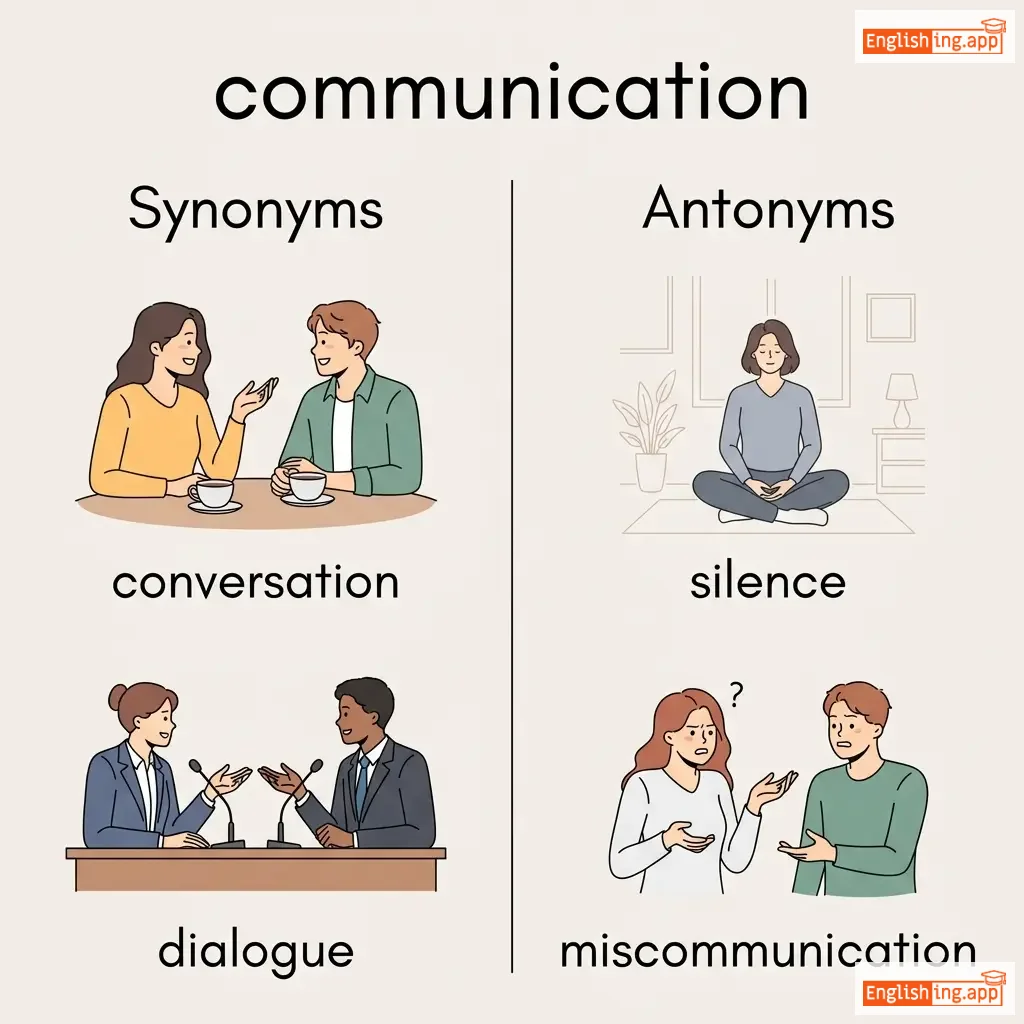
interaction, correspondence, discourse
••••••
|
silence, reticence, hush
••••••
|
コミュニケーションは、あなたの考えを他の人と共有することです。
••••••
|
|
#441
⭐
|
/ɪmˈpɔːtəns/
noun
(インポータンス)
••••••
|
|
重要性
jūyō-sei
••••••
|
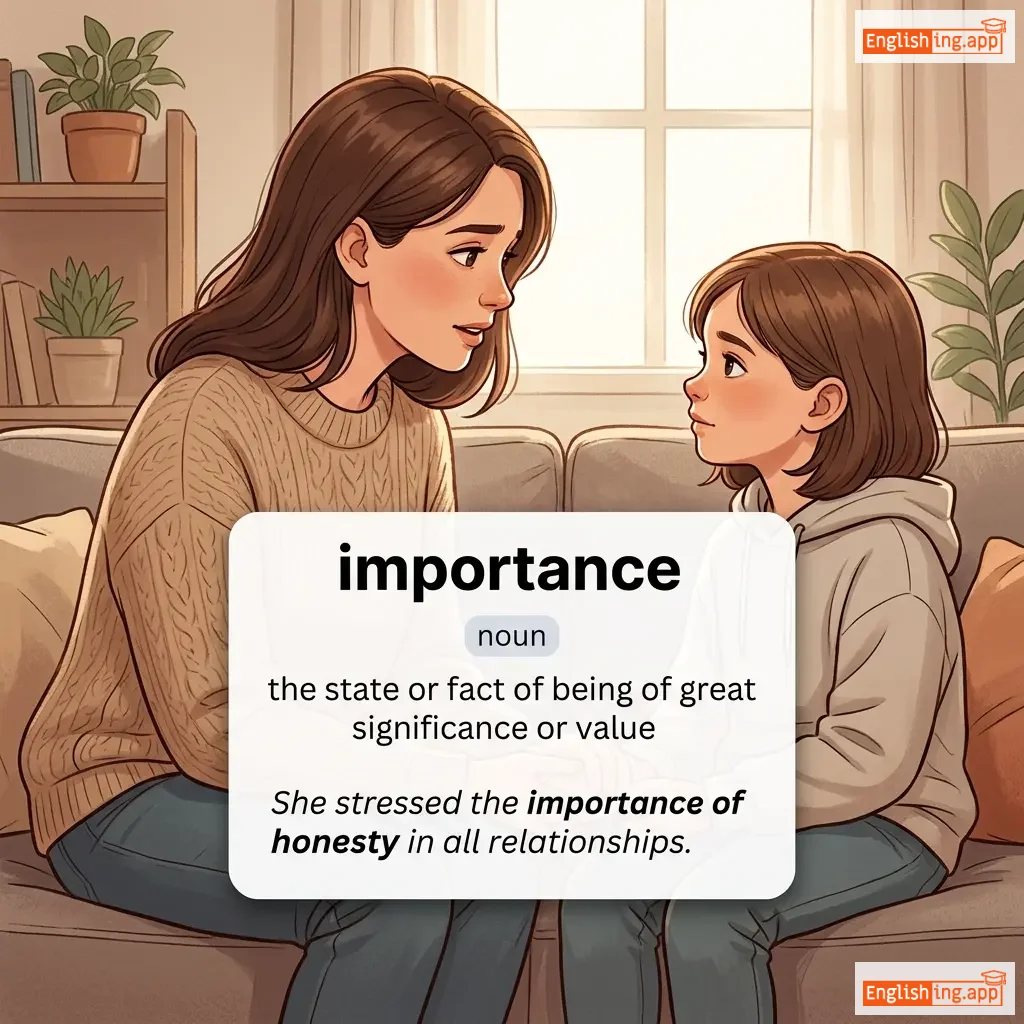
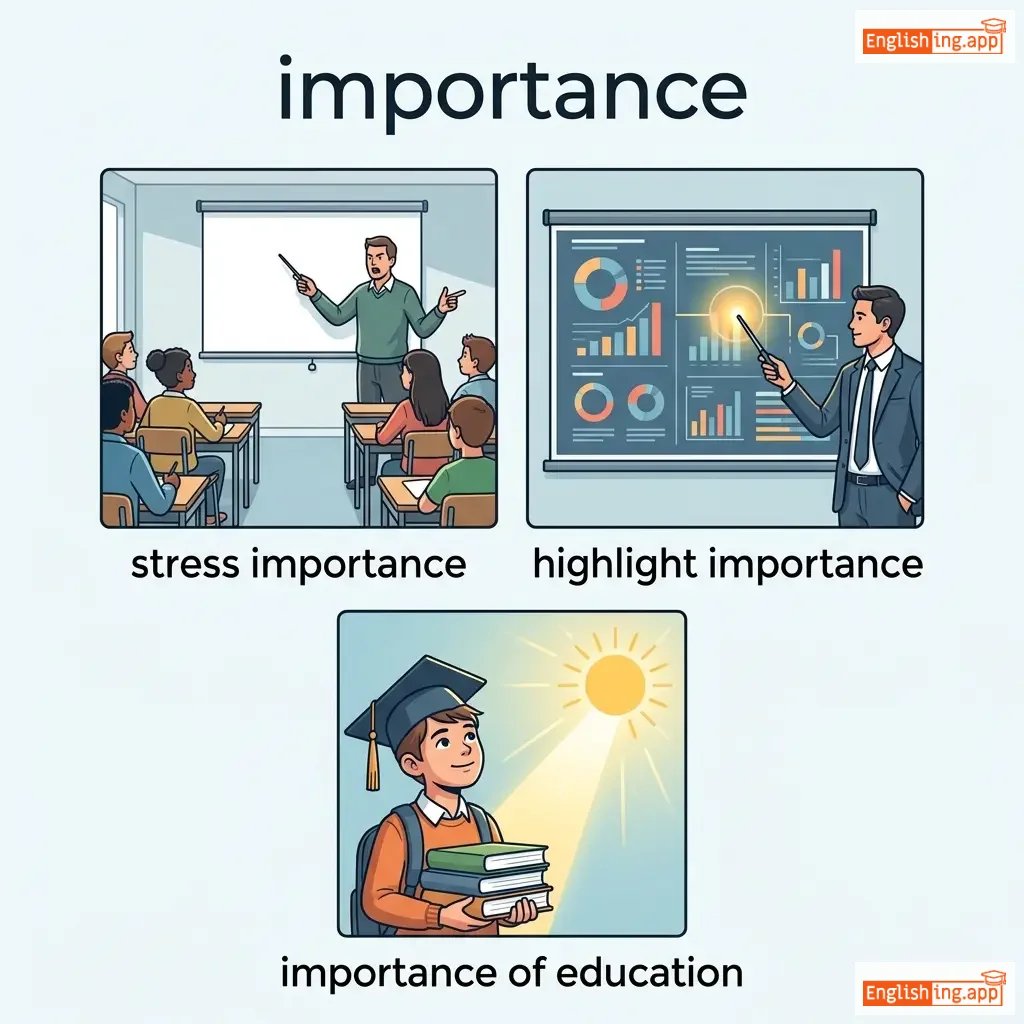
The quality or state of being important; consequence or significance.
••••••
|
The importance of time management cannot be overstated.
タイムマネジメントの重要性は過大評価できません。
••••••
|
タイムマネジメントの重要性は過大評価できません。
Taimu manejimento no jūyō-sei wa kadai hyōka dekimasen.
••••••
|
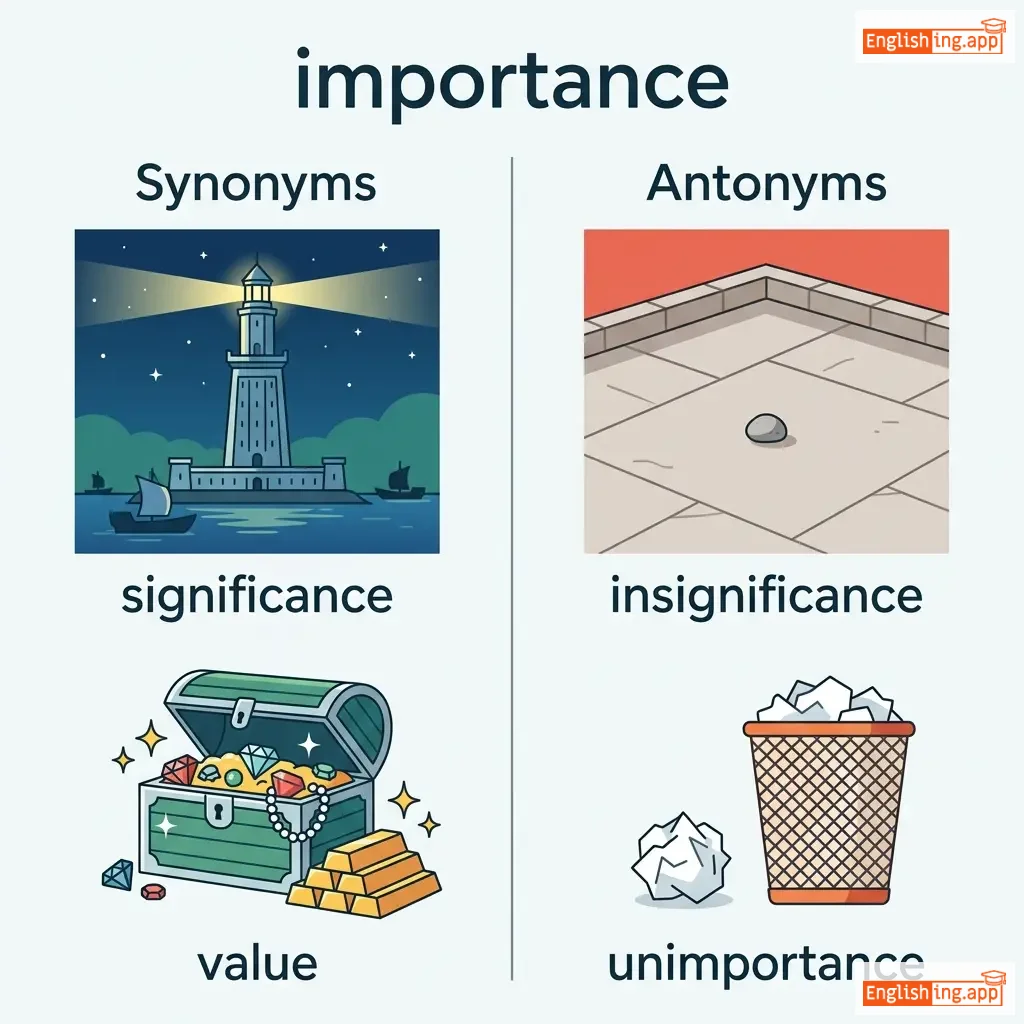
significance, value, relevance
••••••
|
insignificance, triviality, negligence
••••••
|
重要性 = Jūyō-sei (importance)
••••••
|
|
#442
🤝
|
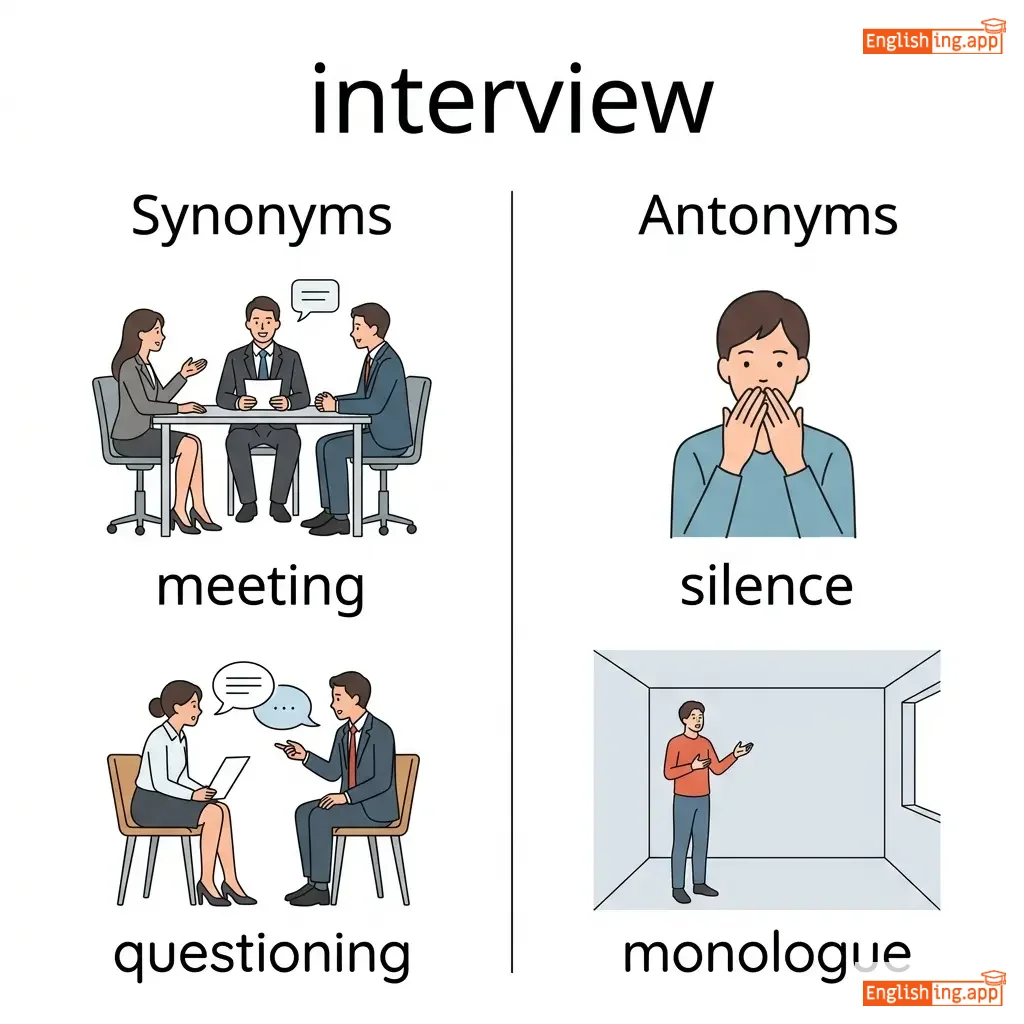
/ˈɪntəvjuː/
noun
(インタビュー)
••••••
|
|
面接
mensetsu
••••••
|
A meeting of people face to face, especially for consultation.
••••••
|
The interview was conducted in a calm and professional manner. |
面接は落ち着いたプロフェッショナルな方法で行われました。
Mensetsu wa ochitsuita purofesshonaru na hōhō de okonawaremashita.
••••••
|
discussion, dialogue, examination
••••••
|
casual meeting, informal talk, chat
••••••
|
面接 = 面と面の対話
••••••
|
|
#443
🗣️
|
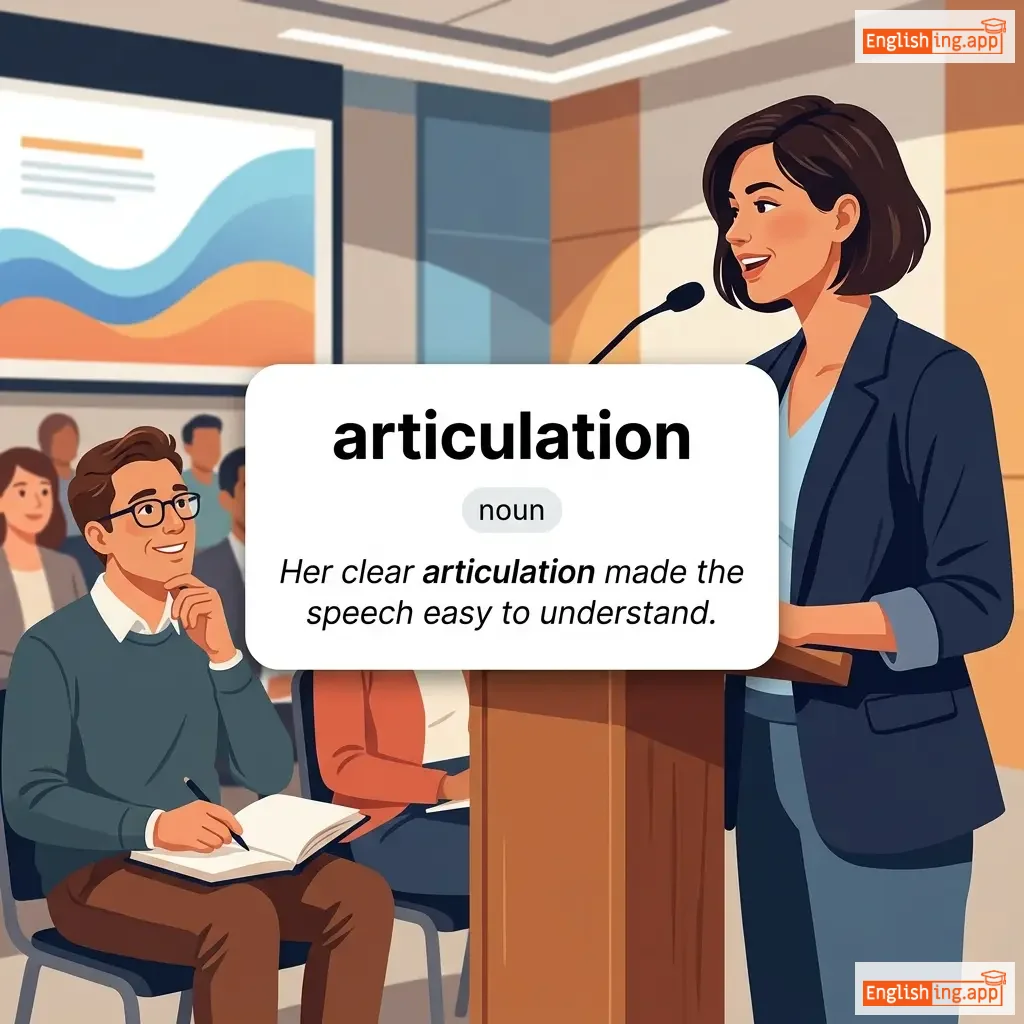
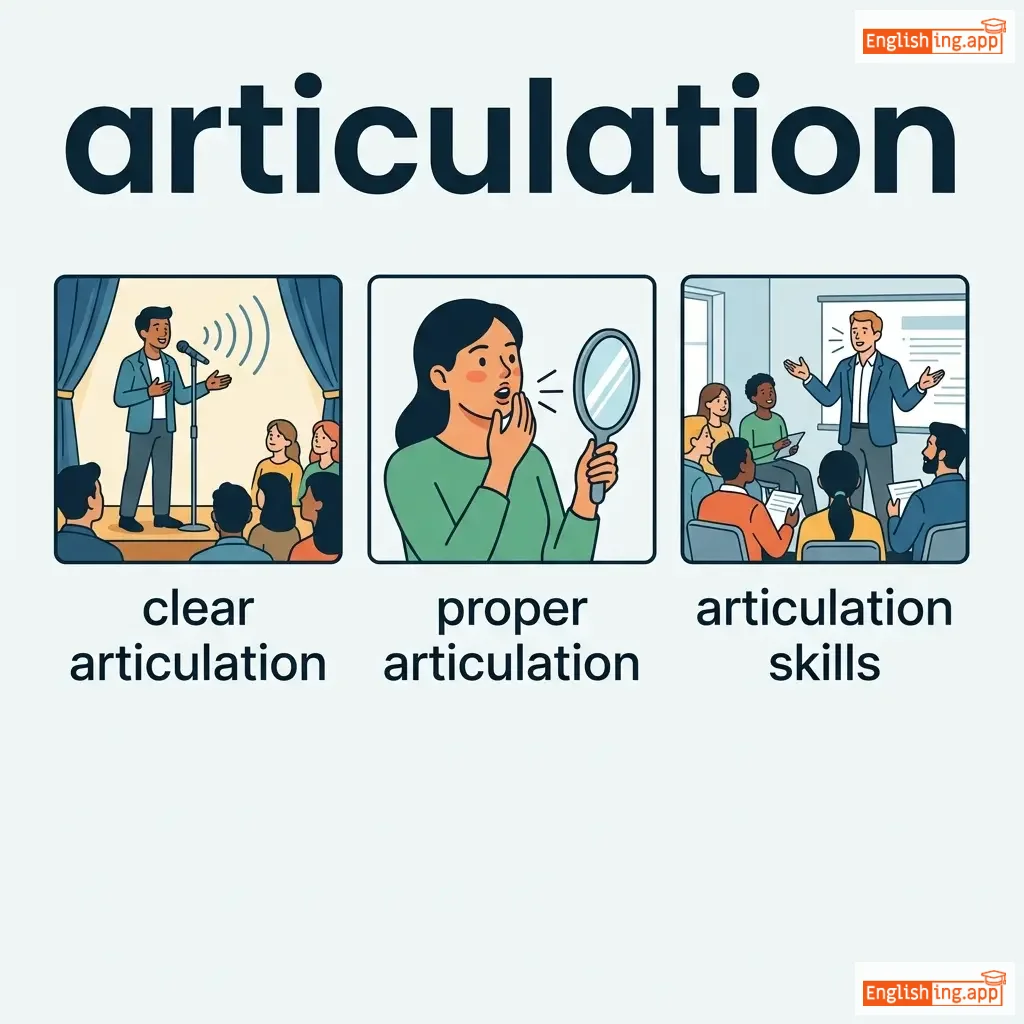
/ɑːˌtɪkjʊˈleɪʃən/
noun
(アーティキュレーション)
••••••
|
|
表現
hyōgen
••••••
|
The action of putting into words an idea or feeling of a specified type.
••••••
|
His articulation during the debate impressed everyone. |
討論中の彼の表現は、皆を感動させました。
Tōron-chū no kare no hyōgen wa, mina o kandō sasemashita.
••••••
|
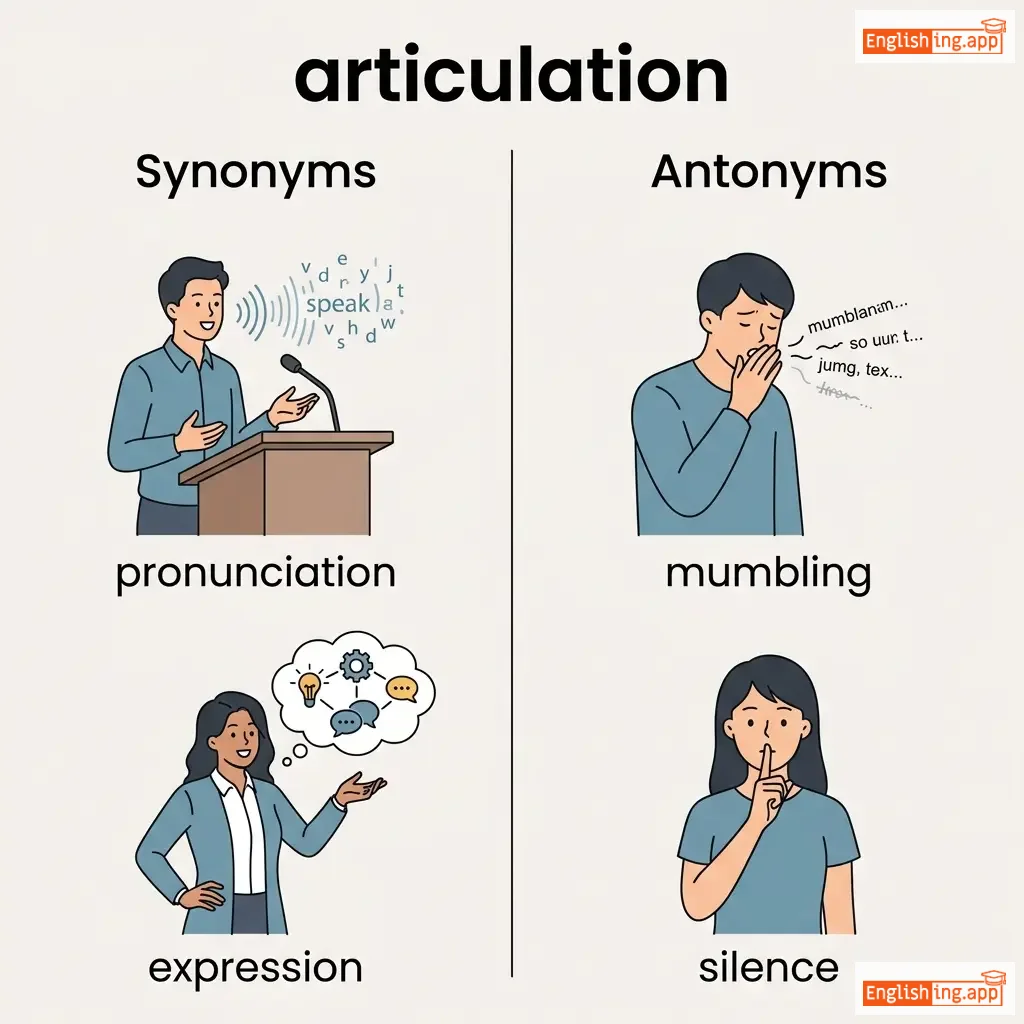
expression, pronunciation, clarity
••••••
|
mumble, muteness, hesitation
••••••
|
In Japanese, '表現' (hyōgen) directly correlates with 'articulation' in expressing ideas.
••••••
|
|
#444
🤲
|
/kəʊˈhiːʒən/
noun
(コヘージョン)
••••••
|
|
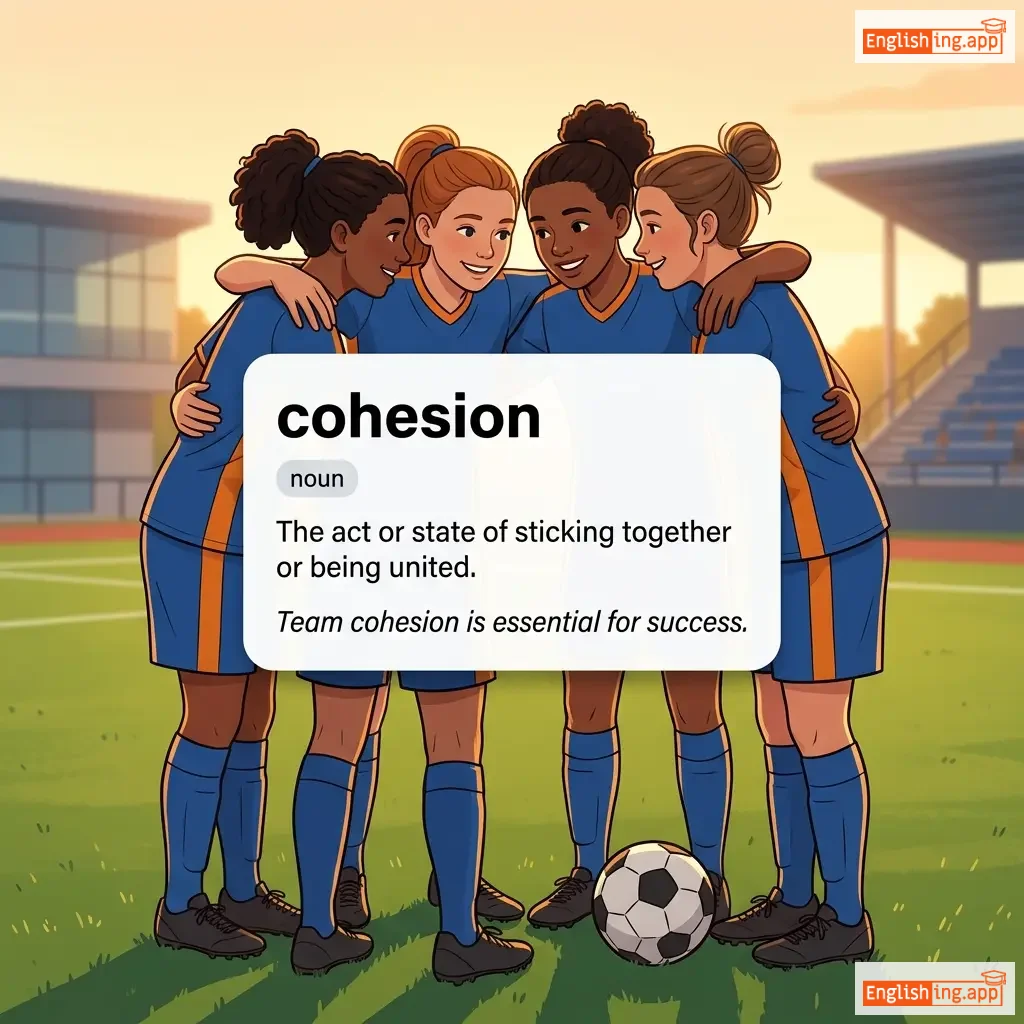
結束
kessoku
••••••
|
The action or fact of forming a united whole.
••••••
|
The team showed excellent cohesion throughout the project. |
チームはプロジェクト全体を通して素晴らしい結束を見せました。
Chīmu wa purojekuto zentai o tōshite subarashī kessoku o misemashita.
••••••
|
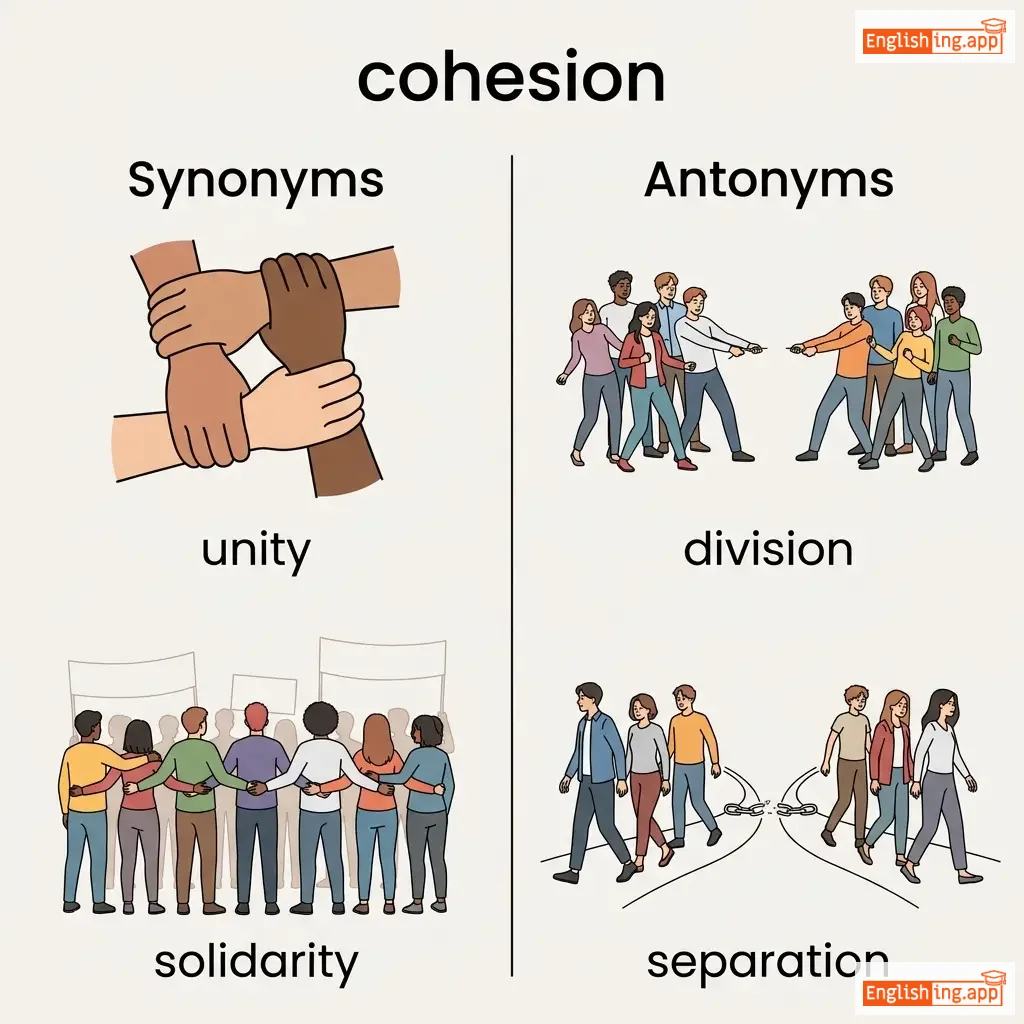
unity, solidarity, bond
••••••
|
disintegration, fragmentation, separation
••••••
|
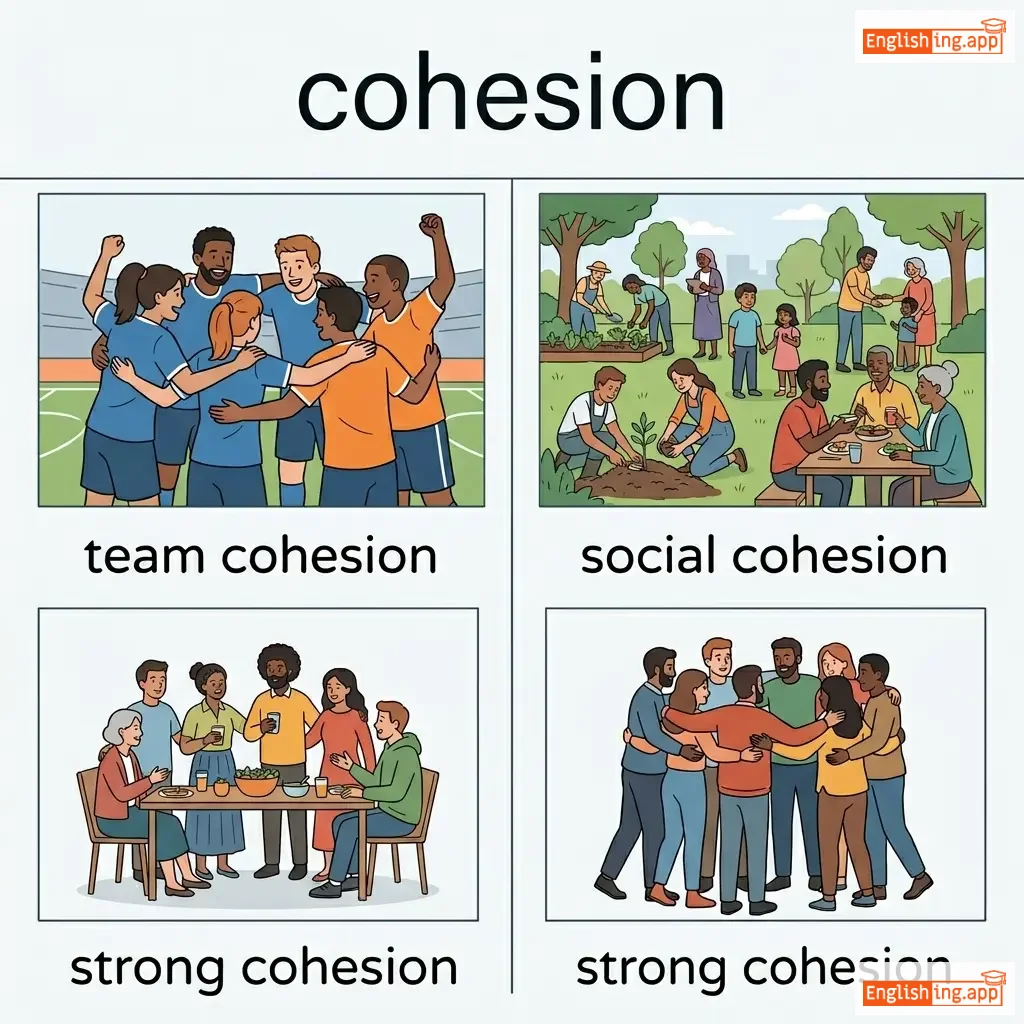
結束は、チームを一つにまとめる強力な絆です。
••••••
|
|
#445
🚚
|
/kənˈveɪəns/
noun
(kənˈveɪəns)
••••••
|
|
輸送
yusou
••••••
|
The action or process of transporting or carrying someone or something from one place to another.
••••••
|
The conveyance of goods was delayed due to bad weather. |
悪天候のため、商品の輸送が遅れました。
Akutenkou no tame, shouhin no yusou ga okuremashita.
••••••
|
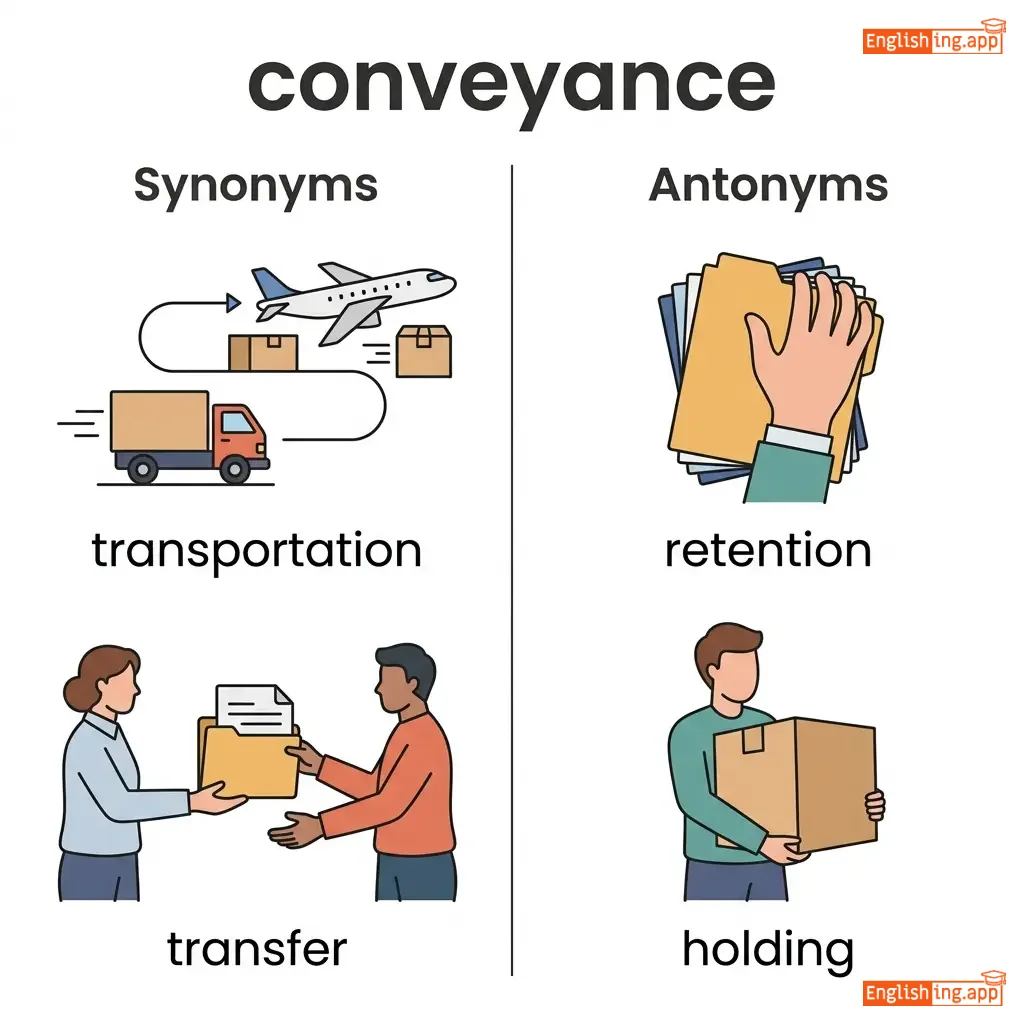
transport, transfer, transmission
••••••
|
retention, withholding, hoarding
••••••
|
輸送 (yusou) は、物や人を一つの場所から別の場所に運ぶことを思い出させます。
••••••
|
|
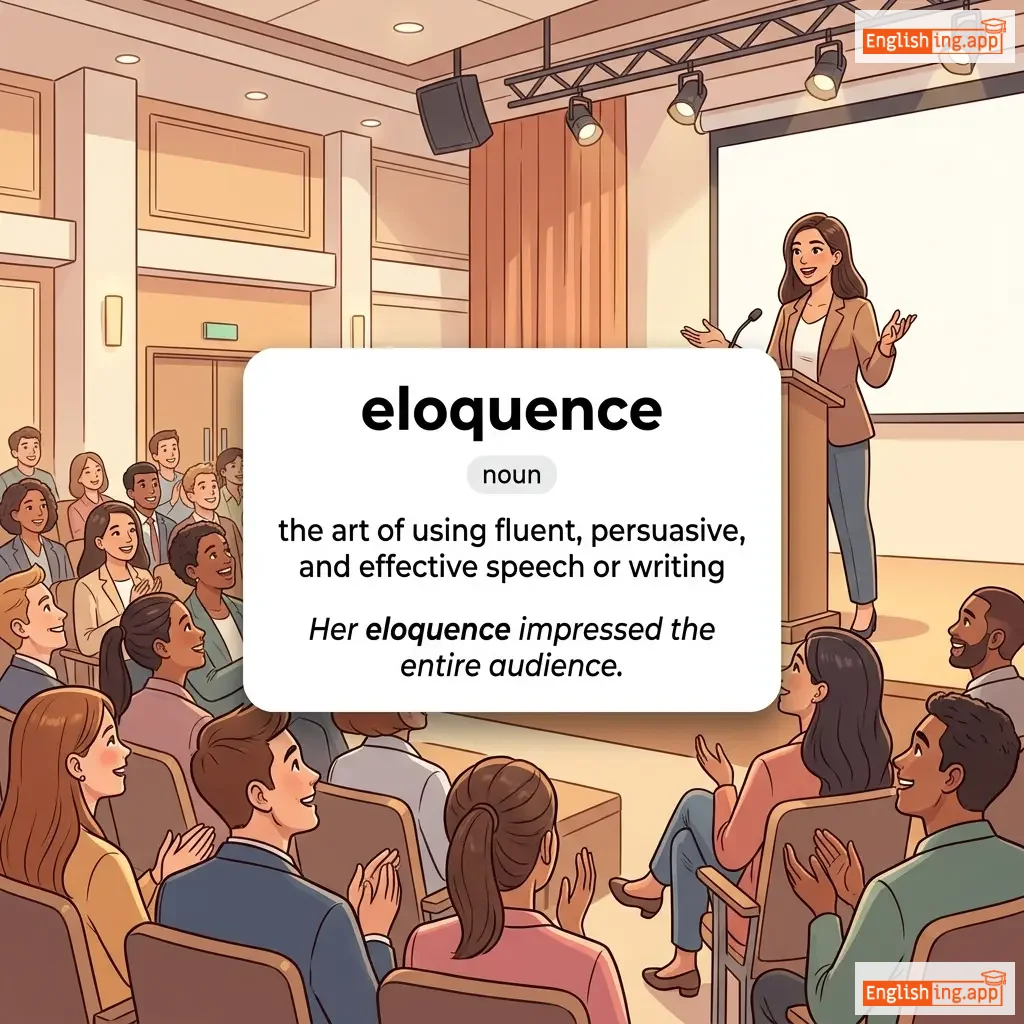
#446
🎤
|
/ˈɛləkwəns/
noun
(エロクウェンス)
••••••
|
|
雄弁
kōben
••••••
|
Fluent or persuasive speaking or writing.
••••••
|
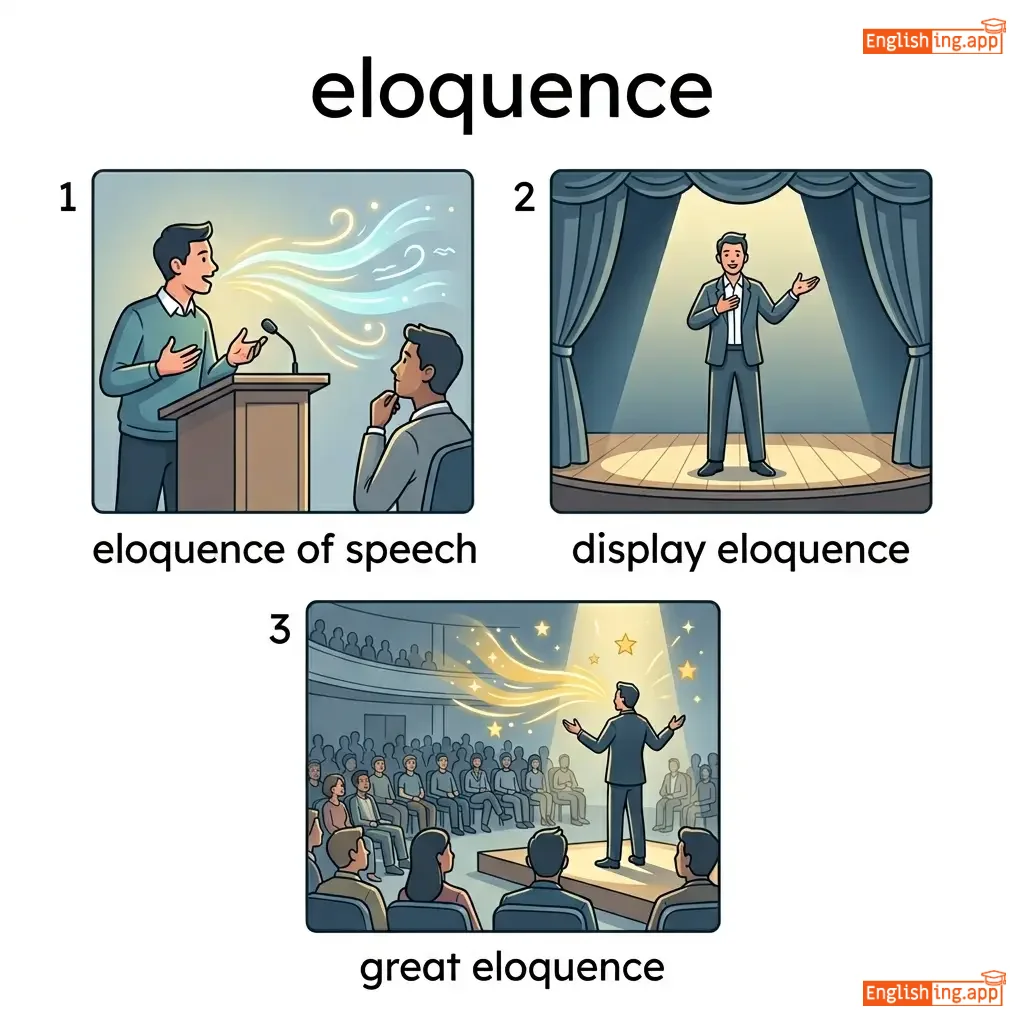
His eloquence in speech won him great respect. |
彼の雄弁なスピーチは多くの尊敬を集めました。
Kare no kōben na supīchi wa ōku no sonkei o atsumemashita.
••••••
|
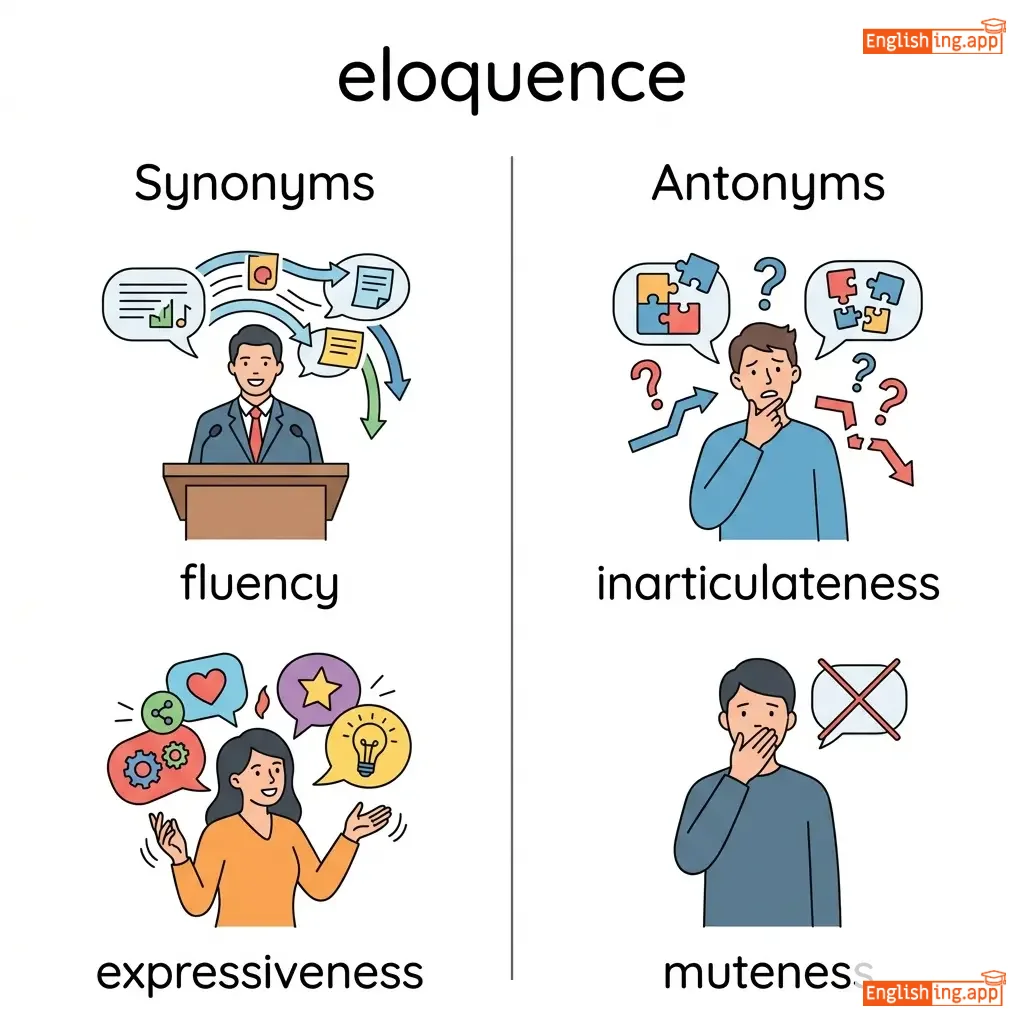
fluency, articulateness, persuasiveness
••••••
|
inarticulateness, muteness, hesitation
••••••
|
雄弁なスピーチが彼の成功を決定づけました。
••••••
|
|
#447
🎯
|
/pəˈsweɪsɪvnes/
noun
(パースウェイシブネス)
••••••
|
|
説得力
settoku-ryoku
••••••
|
The quality of being good at persuading someone to do or believe something.
••••••
|
Her persuasiveness convinced the team to follow her suggestions. |
彼女の説得力は、チームに彼女の提案に従わせました。
Kanojo no settoku-ryoku wa, chīmu ni kanojo no teian ni shitagawase mashita.
••••••
|
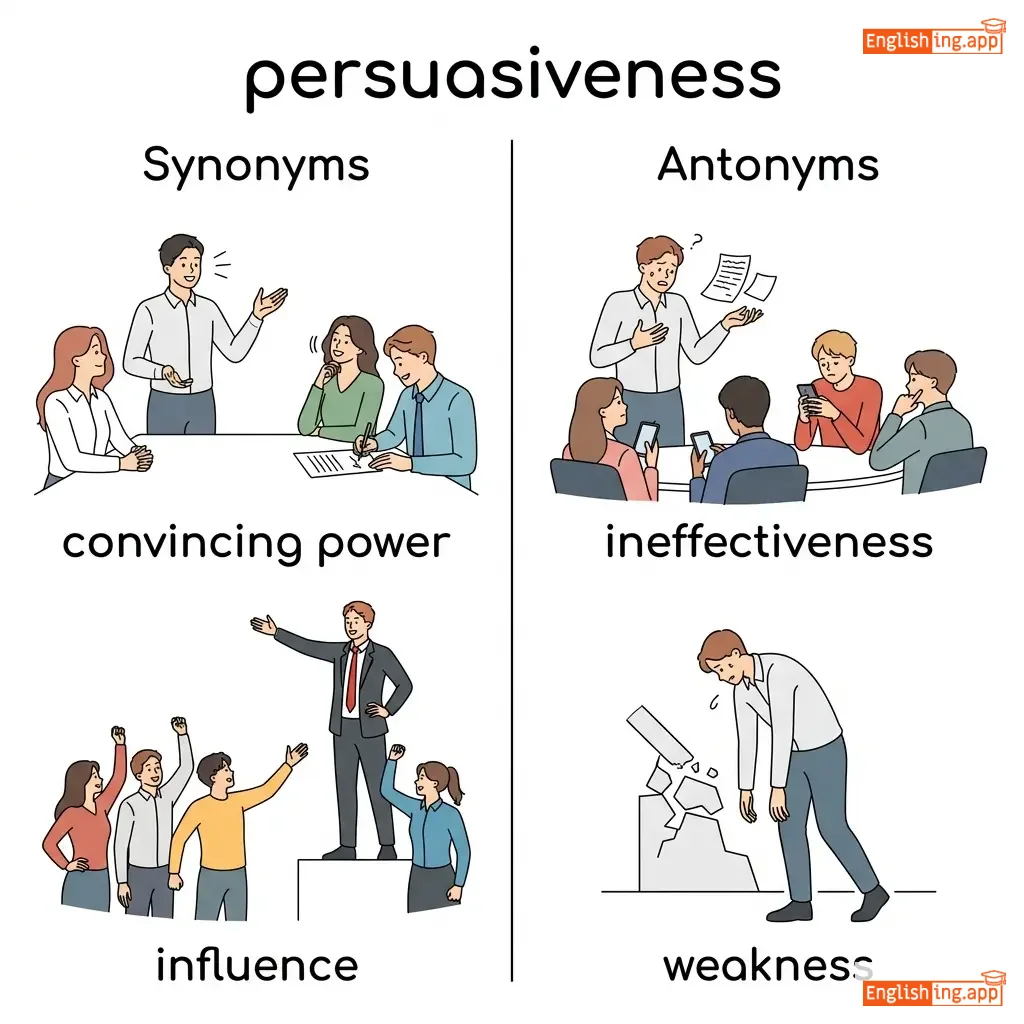
influence, conviction, persuasion
••••••
|
weakness, unpersuasiveness, ineffectiveness
••••••
|
説得力 - 説明 + 力
••••••
|
|
#448
🔍
|
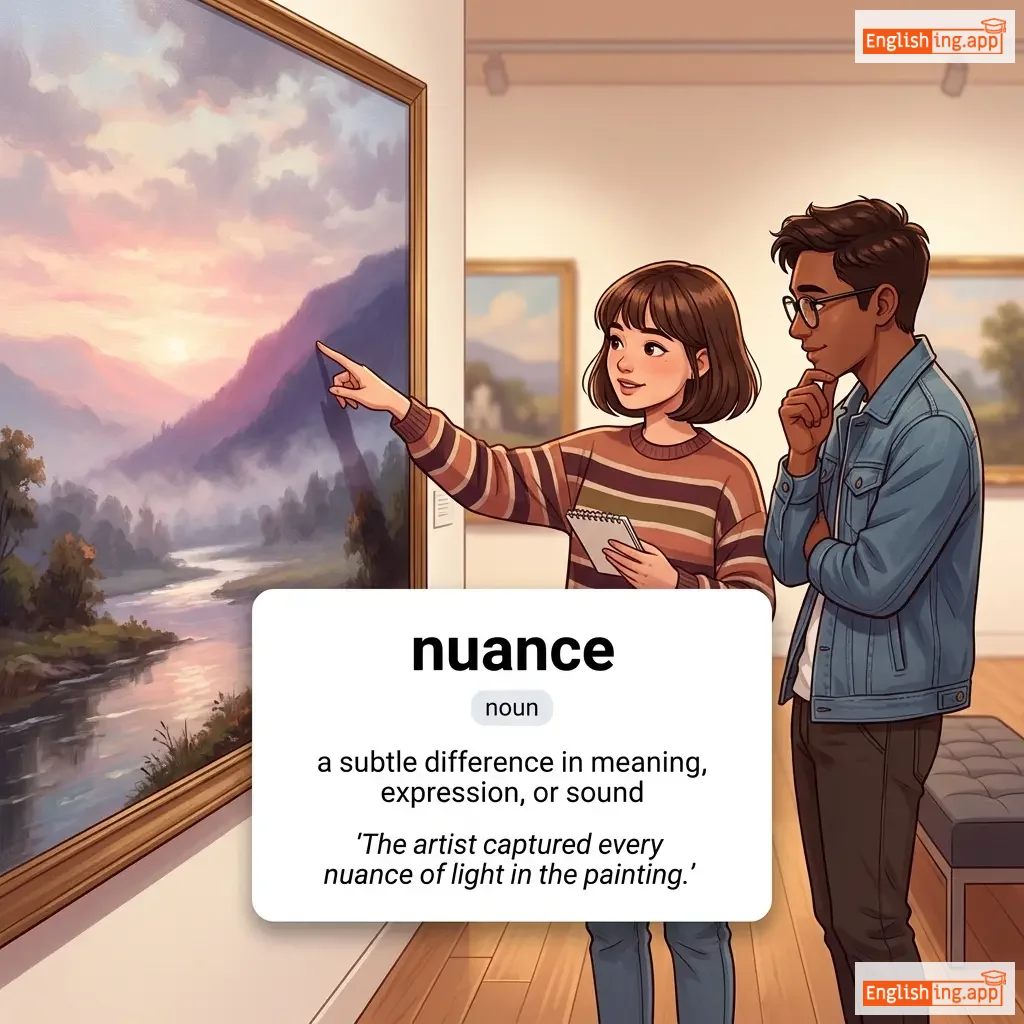
/ˈnjuːɑːns/
noun
(ニュアンス)
••••••
|
|
ニュアンス
nyuansu
••••••
|
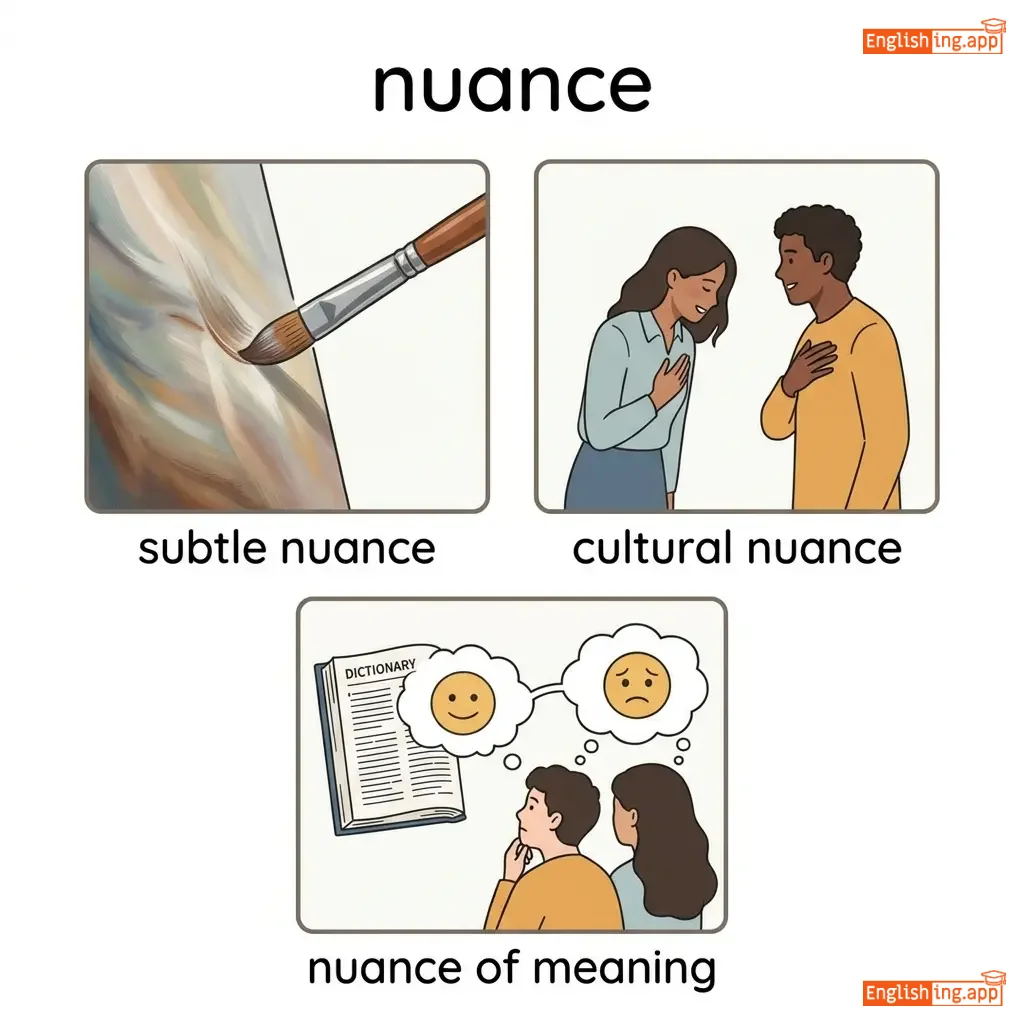
A subtle difference in shade of meaning, appearance, or sound.
••••••
|
He noticed the subtle nuance in her expression. |
彼は彼女の表情に微妙なニュアンスに気づきました。
Kare wa kanojo no hyoujou ni bimyou na nyuansu ni kizukimashita.
••••••
|
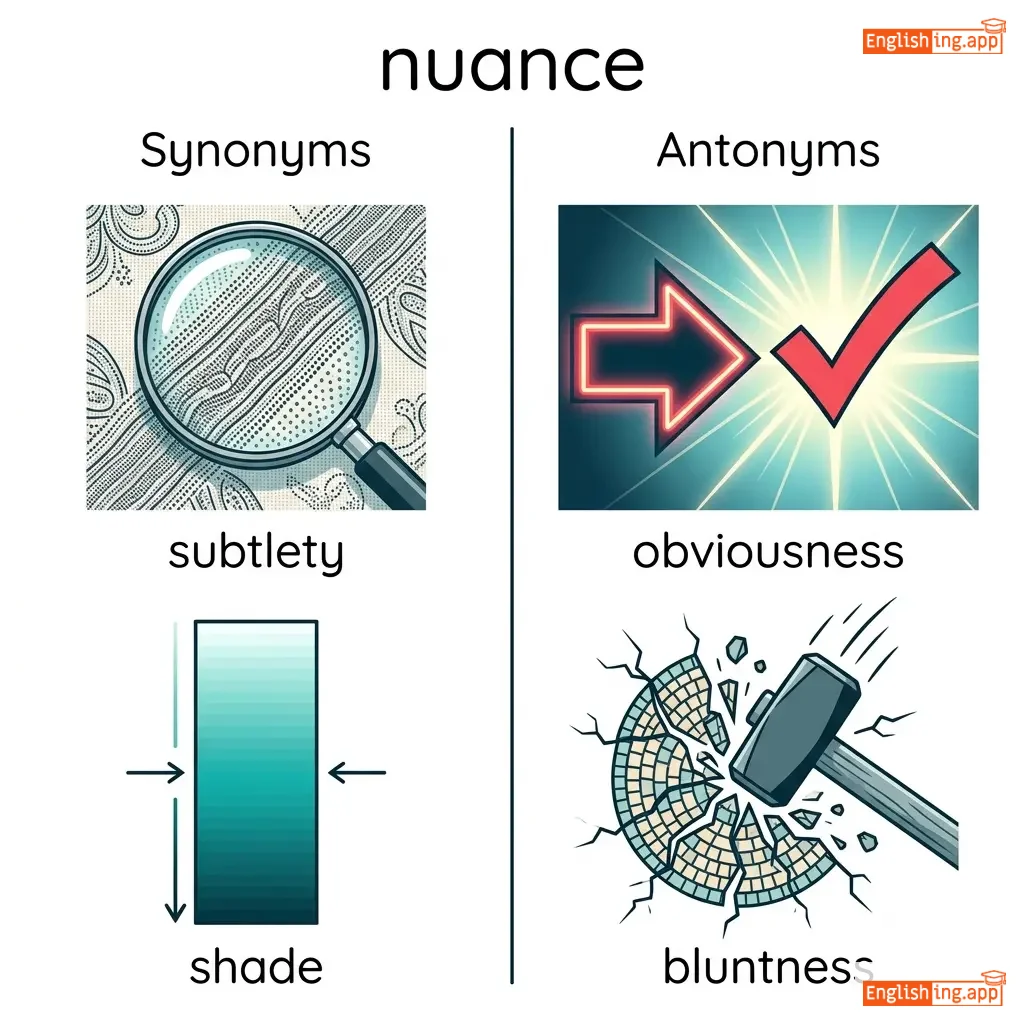
subtlety, fine distinction, detail
••••••
|
bluntness, crudeness, obviousness
••••••
|
Nuance と ニュアンス - どちらも微妙な違いを表現しています
••••••
|
|
#449
🎯
|
/prəˈfɪʃənsi/
noun
(プロフィシエンシー)
••••••
|
|
熟練
jukuren
••••••
|
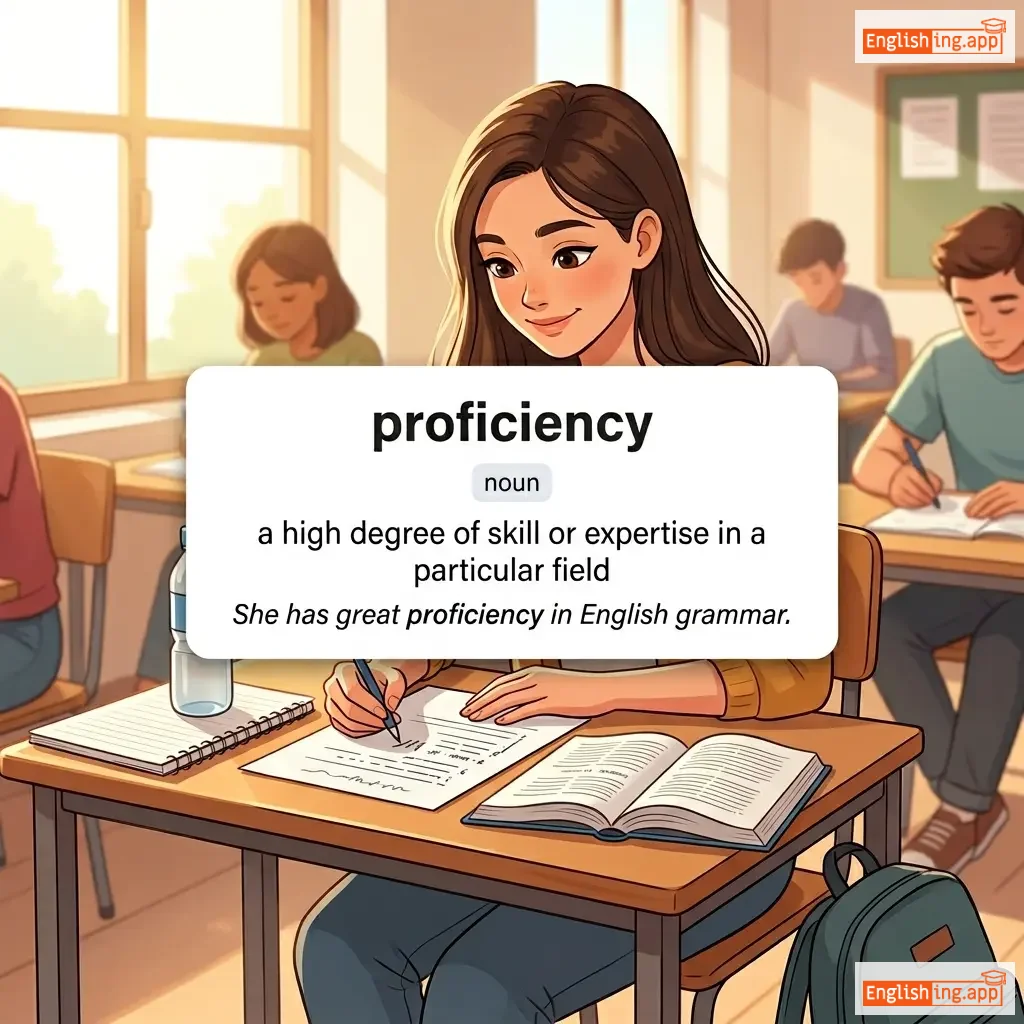
Competency or skill; expertise.
••••••
|
His proficiency in multiple languages is remarkable.
彼の複数の言語における熟練度は素晴らしい。
••••••
|
彼の複数の言語における熟練度は素晴らしい。
Kare no fukusū no gengo ni okeru jukurendo wa subarashī.
••••••
|
expertise, skill, competence
••••••
|
incompetence, inefficiency, inability
••••••
|
Proficiency in Japanese is like having 'jukuren' (skill) in various areas.
••••••
|
|
#450
📡
|
/rɪˌsɛptɪˈvɪti/
noun
(リセプティビティ)
••••••
|
|
受容性
juyou-sei
••••••
|
The ability or willingness to receive something, especially signals or stimuli.
••••••
|
Her receptivity to new ideas helped improve the project. |
新しいアイデアへの受容性がプロジェクトの改善に役立った。
Atarashii aidea e no juyou-sei ga purojekuto no kaizen ni yakudatta.
••••••
|
openness, sensitivity, willingness
••••••
|
rejection, indifference, apathy
••••••
|
受容性 - 受け入れる能力がすべてを受け入れるように。
••••••
|
|
#451
👥
|
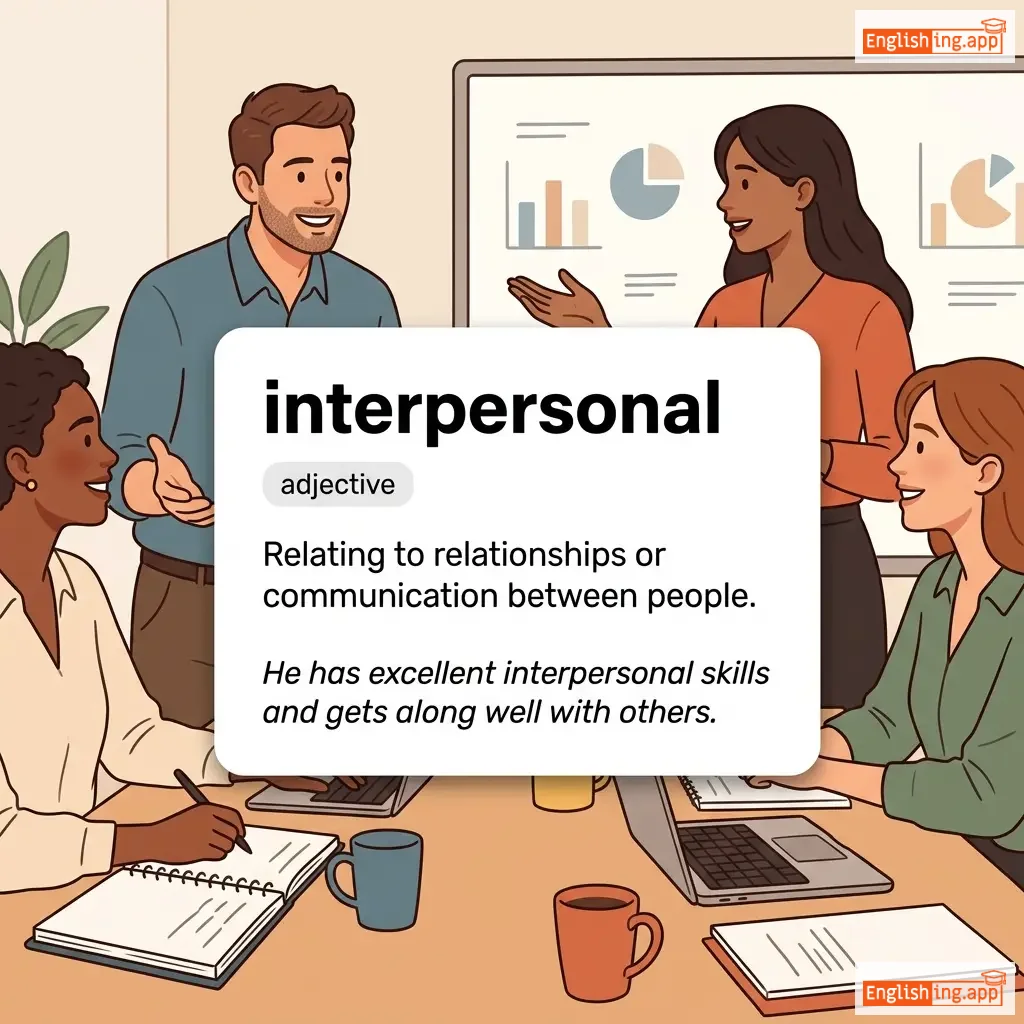
/ˌɪntəˈpɜːsənl/
adjective
(インターパースナル)
••••••
|
|
対人
taijin
••••••
|
Relating to relationships or communication between people.
••••••
|
He has excellent interpersonal skills and gets along well with others.
彼は優れた対人スキルを持っており、他の人とうまくやっていきます。
••••••
|
彼は優れた対人スキルを持っており、他の人とうまくやっていきます。
Kare wa sugureta taijin sukiru o motte ori, hoka no hito to umaku yatte ikimasu.
••••••
|
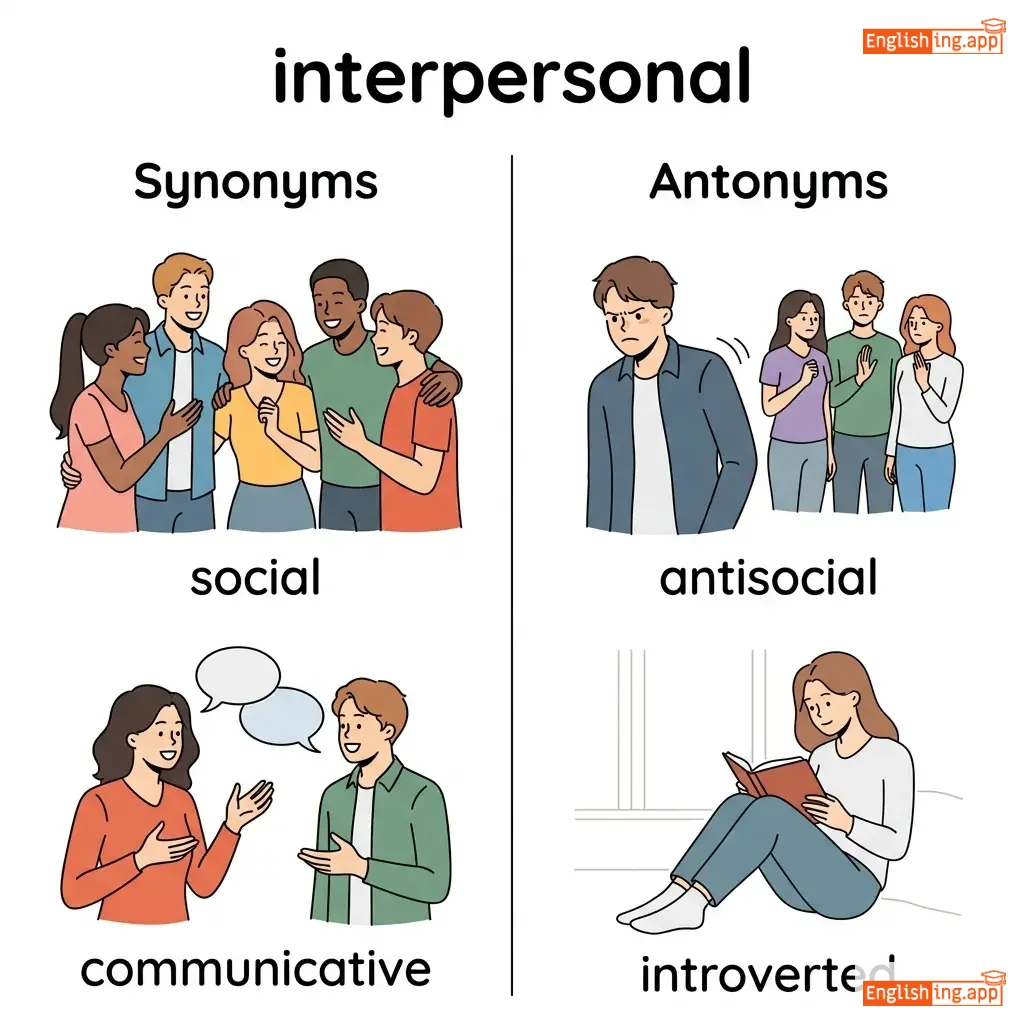
social, communicative, relational
••••••
|
antisocial, introverted, reserved
••••••
|
Taijin means interpersonal in Japanese. Think of it as skills to interact with people.
••••••
|
|
#452
🎭
|
/ˌsəʊʃəˈbɪləti/
noun
(ソーシャビリティ)
••••••
|
|
社交性
shakousei
••••••
|
The quality or state of being sociable; friendliness.
••••••
|
Her sociability made her popular in the office.
彼女の社交性はオフィスで人気を集めました。
••••••
|
彼女の社交性はオフィスで人気を集めました。
Kanojo no shakousei wa ofisu de ninki o atsume mashita.
••••••
|
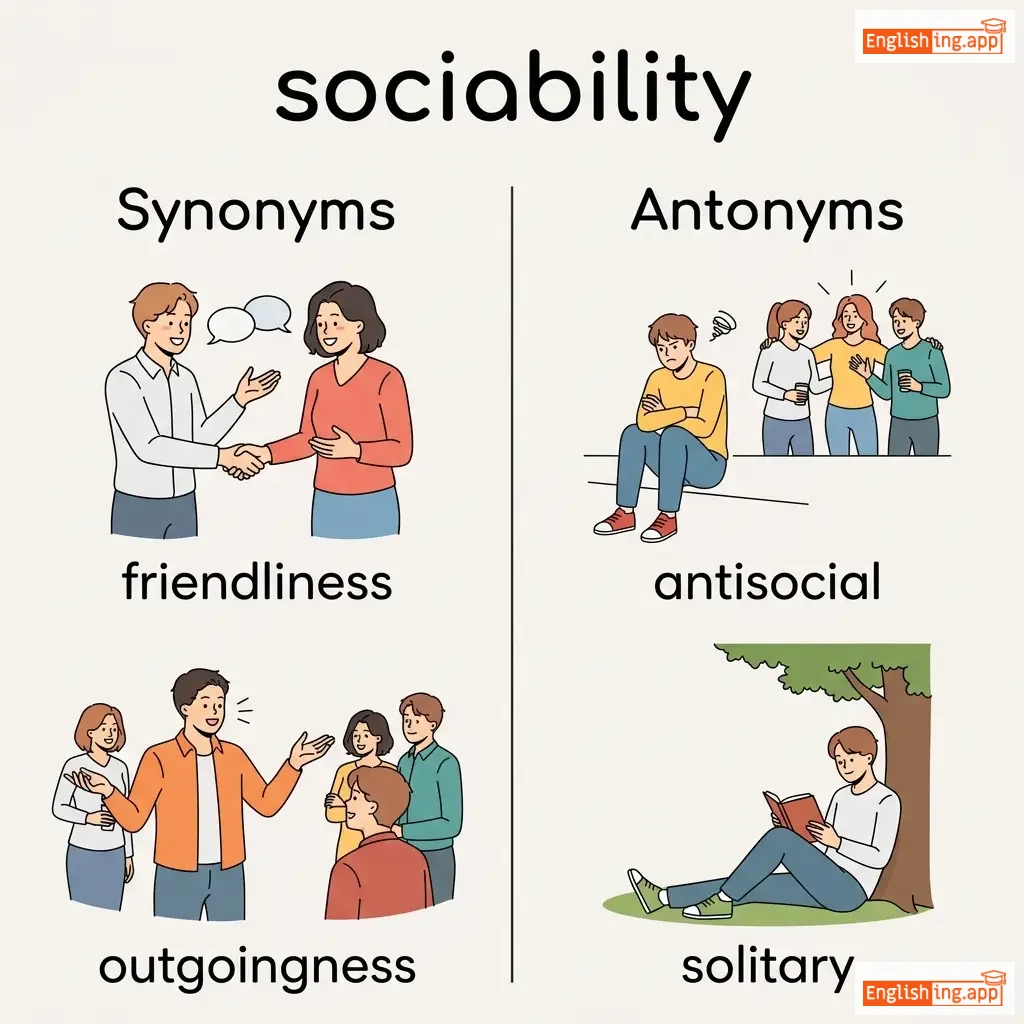
friendliness, outgoingness, amiability
••••••
|
antisocial, solitary, introversion
••••••
|
社交性は「社交」と「性格」から来ています。
••••••
|
|
#453
🕸️
|
/ˈsʌtlti/
noun
(ˈsʌtlti)
••••••
|
|
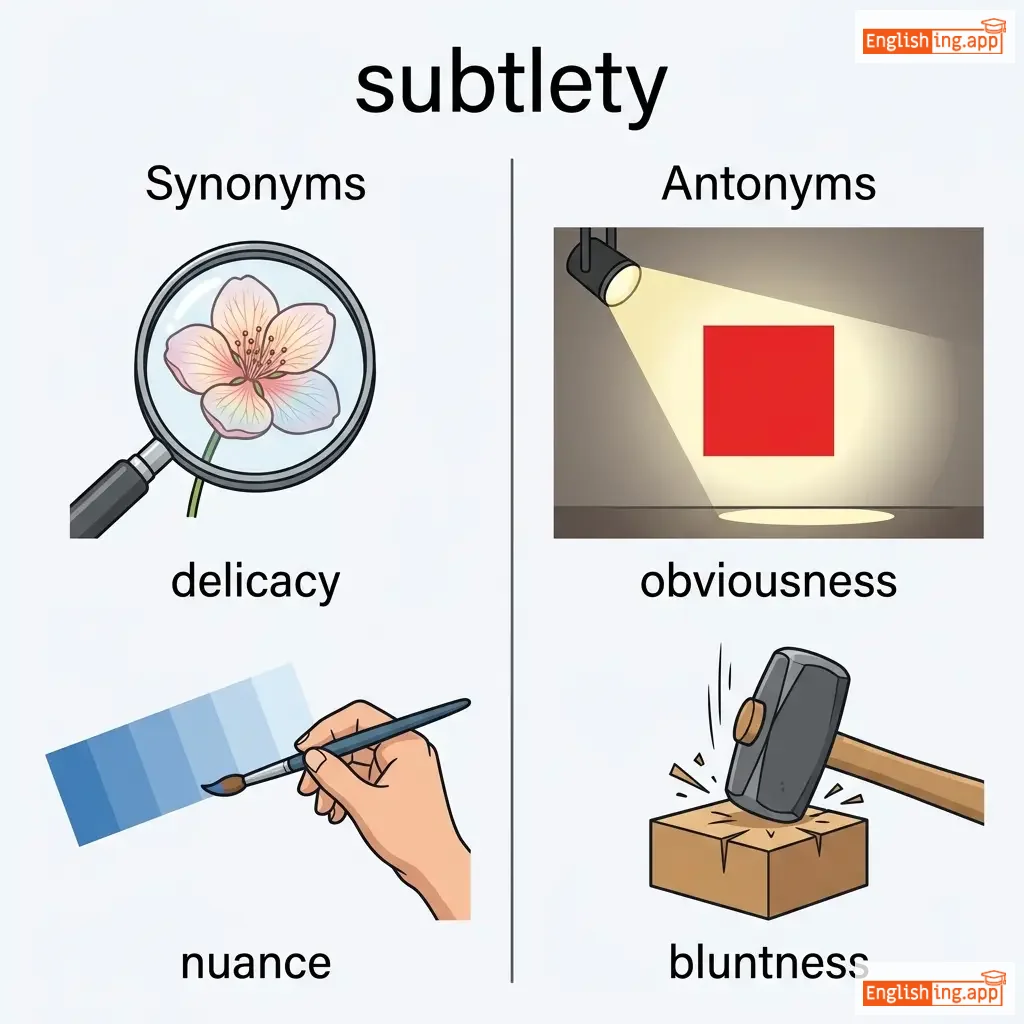
微妙
bimyou
••••••
|
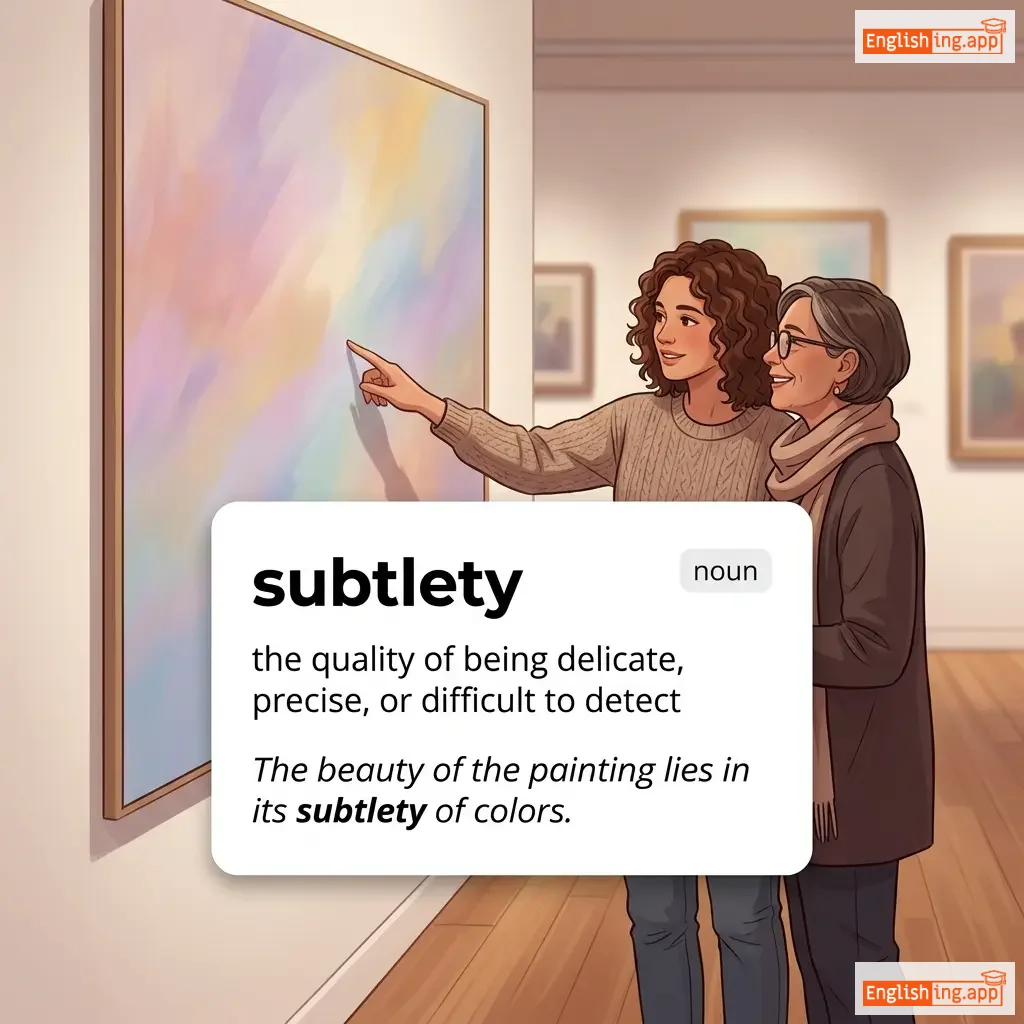
The quality or state of being subtle.
••••••
|
She understood the subtlety of the situation.
彼女は状況の微妙さを理解しました。
••••••
|
彼女は状況の微妙さを理解しました。
Kanojo wa joukyou no bimyou-sa wo rikai shimashita.
••••••
|
refinement, nuance, delicacy
••••••
|
obviousness, bluntness, coarseness
••••••
|
微妙は '微細' と '繊細' に関連しています。
••••••
|
|
#454
🤝
|
/tækt/
noun
(タクト)
••••••
|
|
巧妙さ
kōmyō-sa
••••••
|
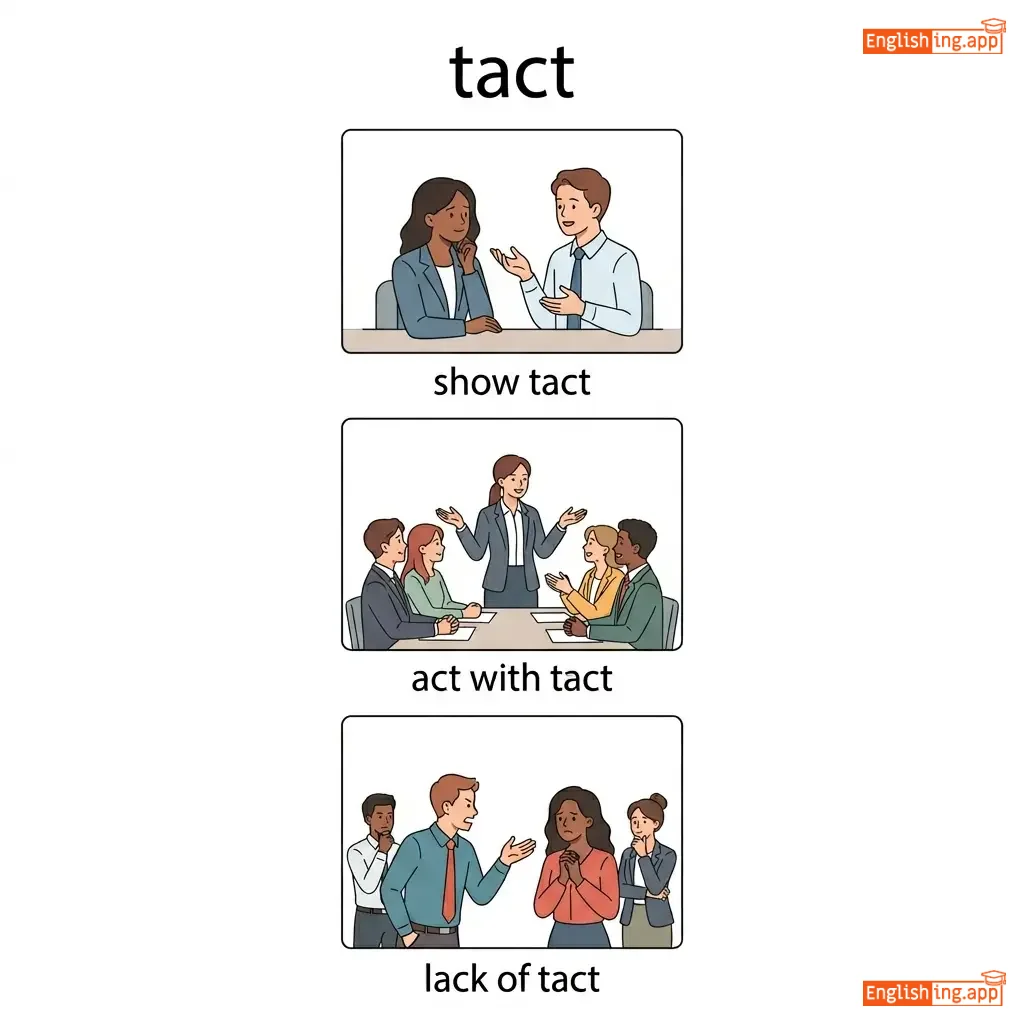
Adroitness and sensitivity in dealing with others or with difficult issues.
••••••
|
He handled the situation with tact and professionalism. |
彼は状況を巧妙さとプロフェッショナリズムで対処しました。
Kare wa jōkyō o kōmyō-sa to purofesshonarizumu de taisho shimashita.
••••••
|
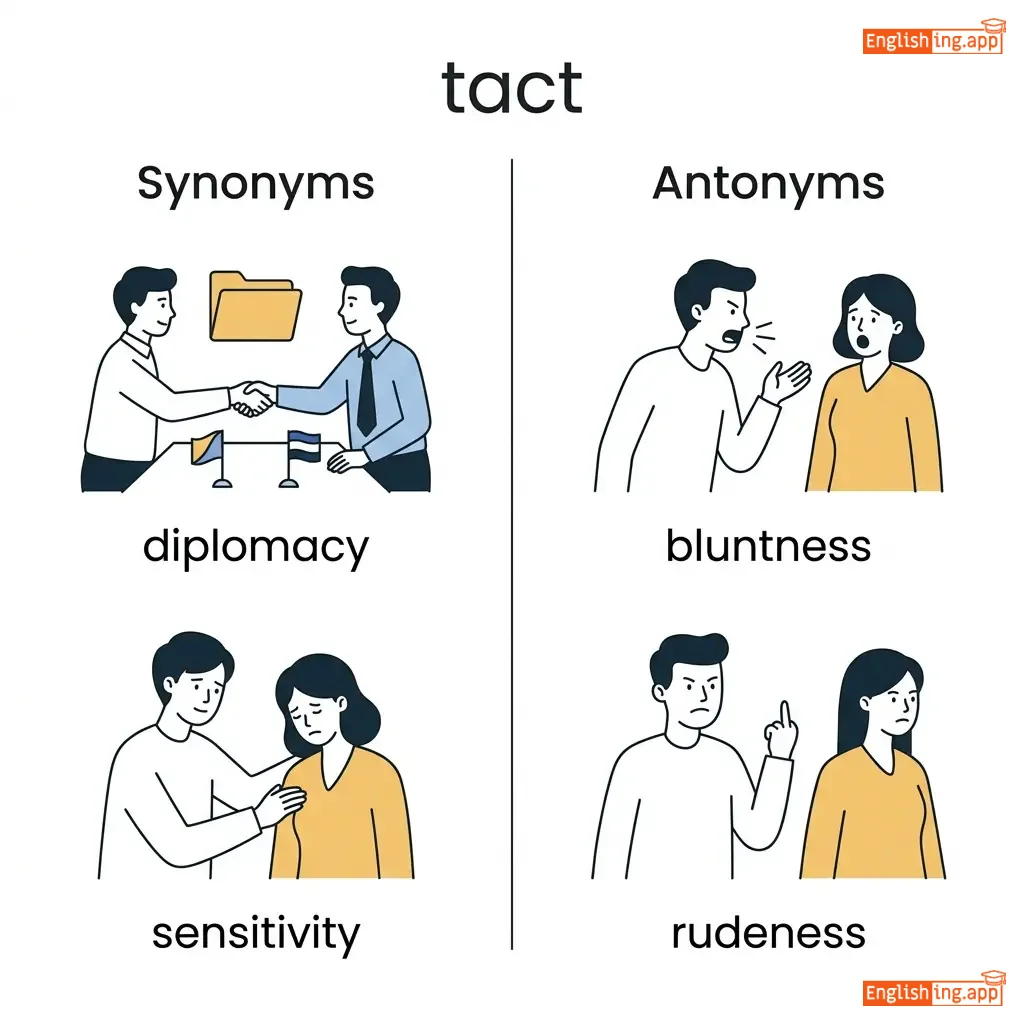
diplomacy, sensitivity, discretion
••••••
|
tactlessness, bluntness, rudeness
••••••
|
巧妙さはどんな難しい状況でも上手に対処する能力を意味します。
••••••
|
|
#455
⚖️
|
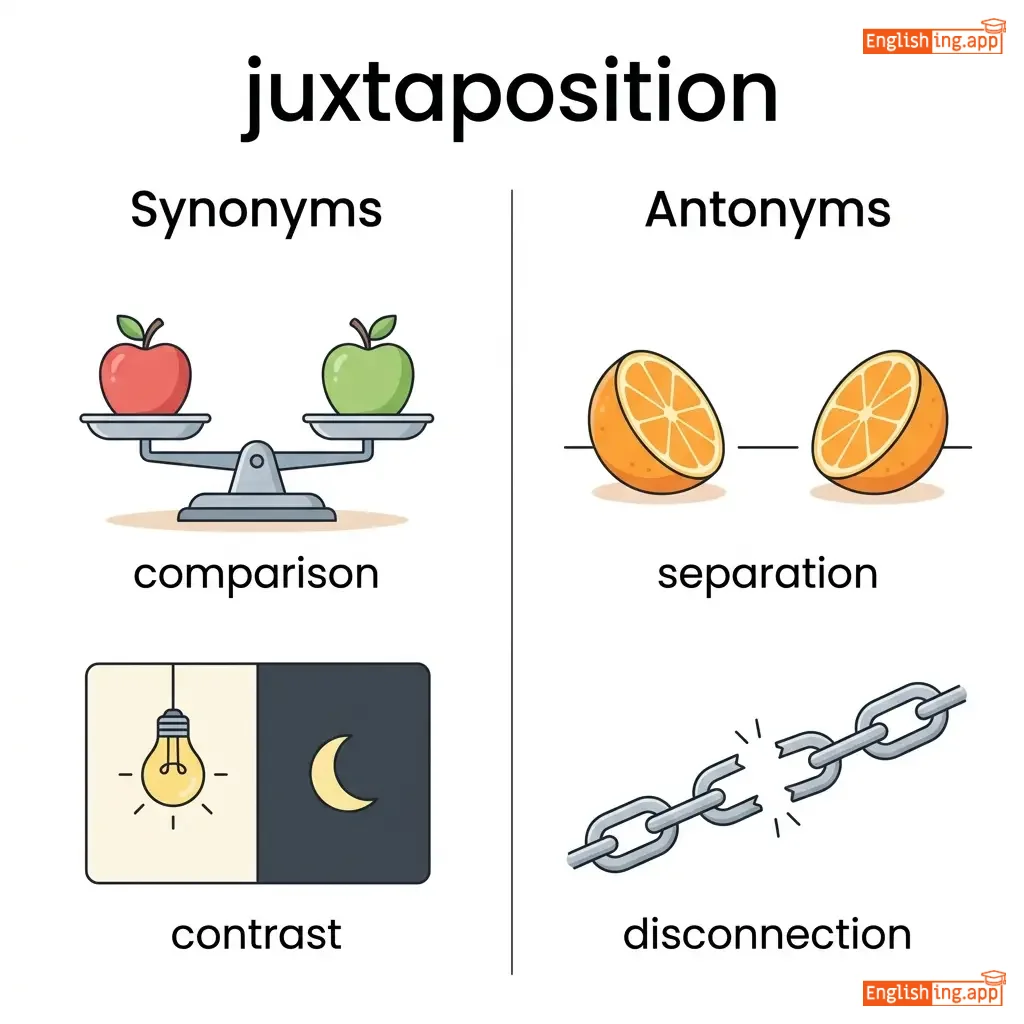
/ˌdʒʌkstəpəˈzɪʃən/
noun
(ジャクスタポジション)
••••••
|
|
並置
へいち
••••••
|
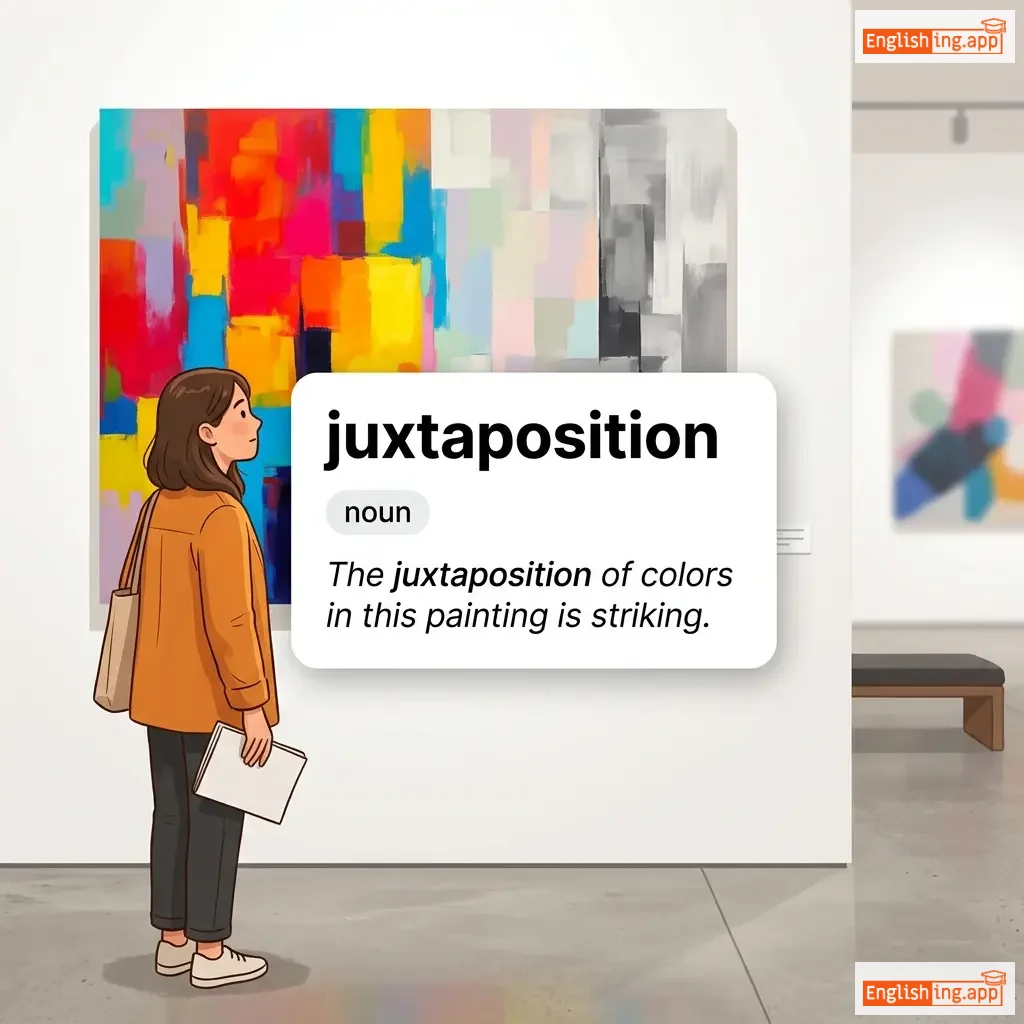
The fact of two things being seen or placed close together with contrasting effect.
••••••
|
The juxtaposition of light and dark colors created a dramatic effect. |
明るい色と暗い色の並置が劇的な効果を生み出しました。
Akarui iro to kurai iro no heichi ga gekiteki na kōka o umidashimashita.
••••••
|
comparison, contrast, conjunction
••••••
|
separation, disconnection, division
••••••
|
並置(へいち)で色を並べて、対照的な効果を思い浮かべてみましょう。
••••••
|
|
#456
🤝
|
/ˌsɪmbɪˈəʊsɪs/
noun
(シンビオーシス)
••••••
|
|
共生関係
kyousei kankei
••••••
|
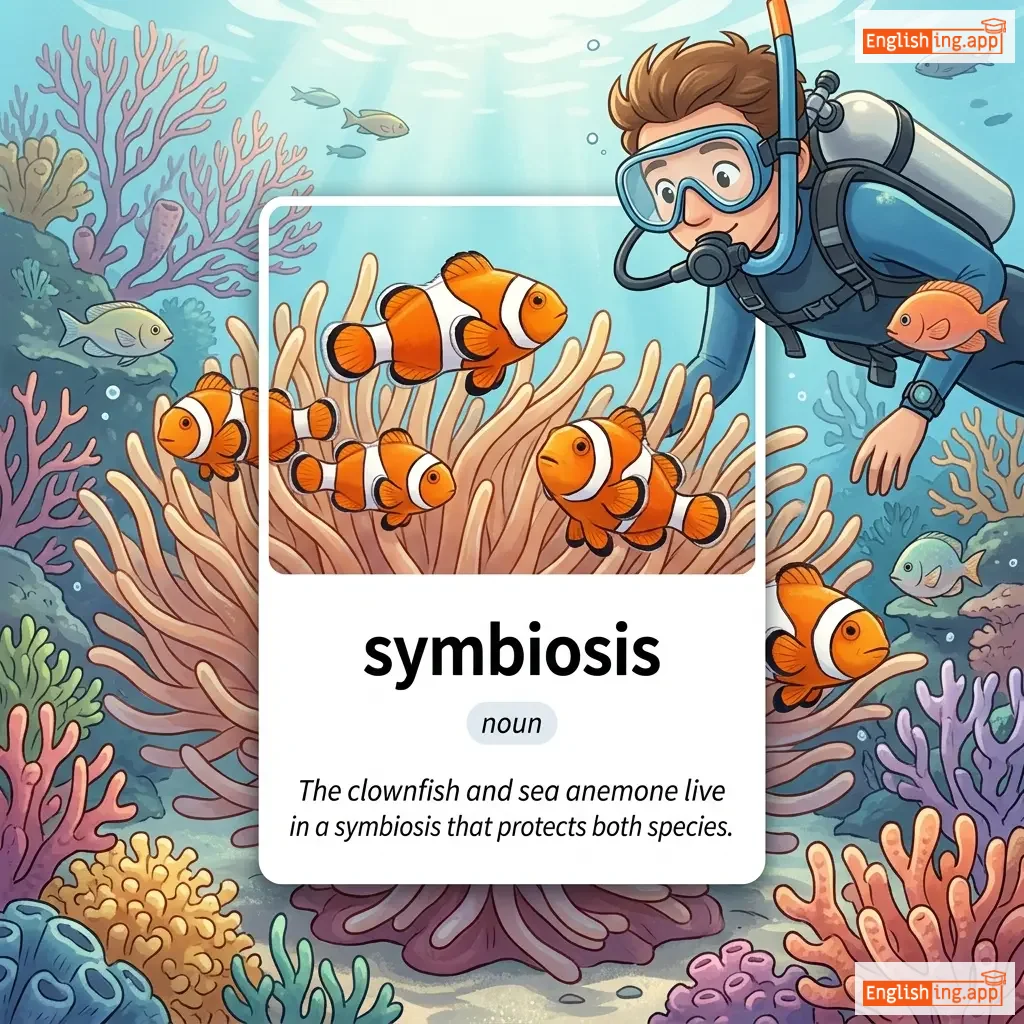
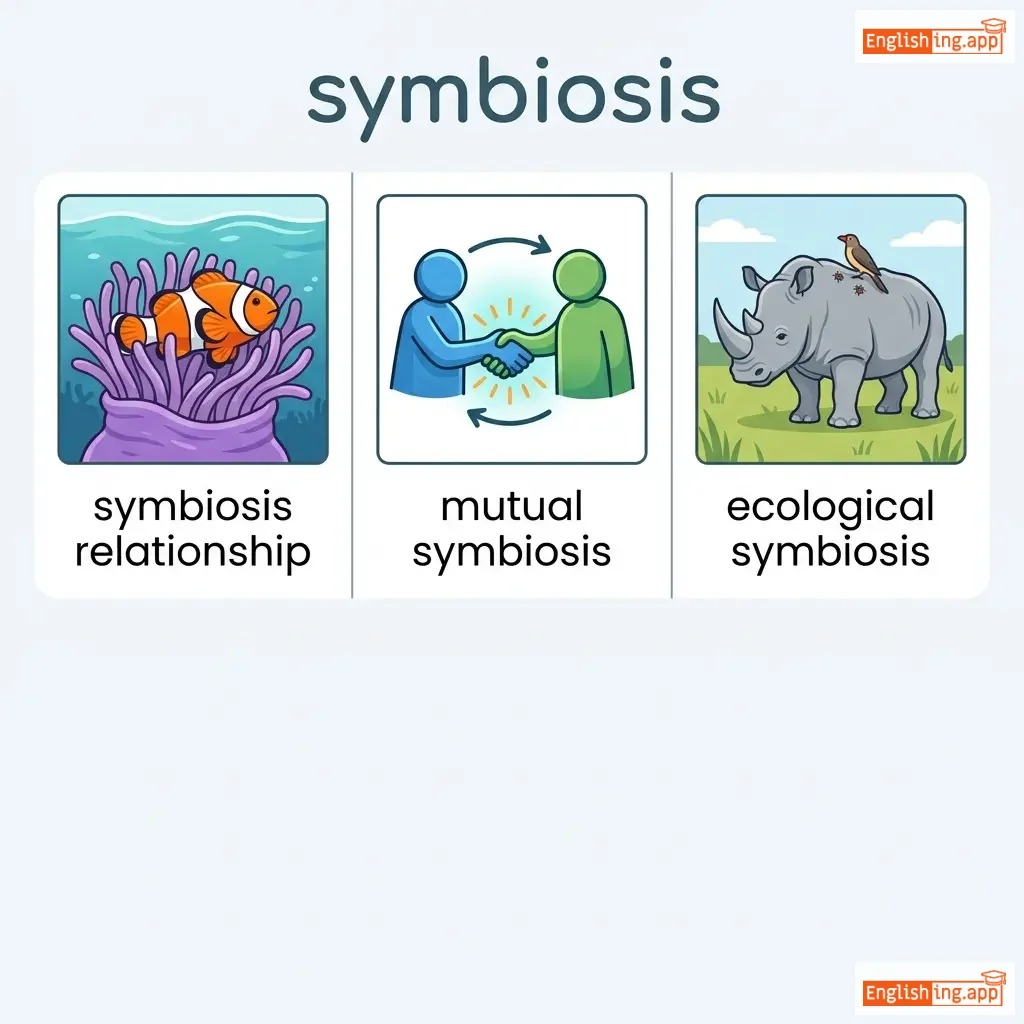
A mutually beneficial relationship between different people or groups.
••••••
|
The symbiosis between the two companies led to mutual growth. |
二つの会社間の共生関係は相互成長につながった。
Futatsu no kaisha-kan no kyōsei kankei wa sōgo seichō ni tsunagatta.
••••••
|
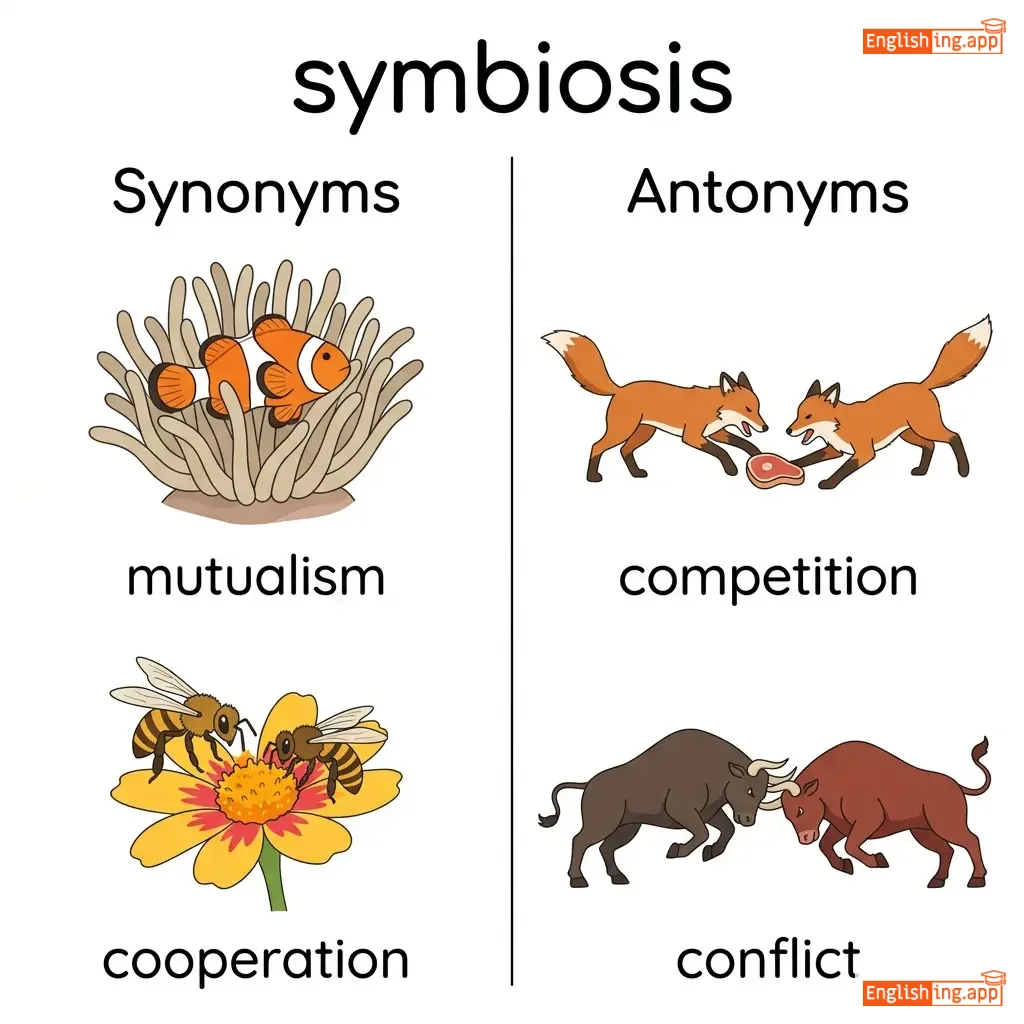
cooperation, partnership, mutualism
••••••
|
parasitism, conflict, antagonism
••••••
|
シンビオーシス (Shinbioshisu) is a harmonious relationship, just like 'kyousei' in Japanese.
••••••
|
|
#457
⚖️
|
/ˌmiːdɪˈeɪʃən/
noun
(ミディエイション)
••••••
|
|
仲裁
chūsai
••••••
|
Intervention between parties to promote reconciliation, settlement, or compromise.
••••••
|
The mediation helped resolve the conflict between the two teams.
その仲裁は二つのチーム間の対立を解決するのに役立ちました。
••••••
|
その仲裁は二つのチーム間の対立を解決するのに役立ちました。
Sono chūsai wa futatsu no chīmukan no tairitsu o kaiketsu suru no ni yakudachimashita.
••••••
|
arbitration, intervention, negotiation
••••••
|
agitation, conflict, opposition
••••••
|
Japanese mnemonic: '仲' (middle, relationship) and '裁' (judge) for mediation.
••••••
|
|
#458
🛠️
|
/fəˌsɪlɪˈteɪʃən/
noun
(ファシリテーション)
••••••
|
|
容易化
youika
••••••
|
The action of facilitating or making an action or process easier or helping bring about an outcome.
••••••
|
Her facilitation made the meeting run smoothly.
彼女のファシリテーションにより、会議はスムーズに進行しました。
••••••
|
彼女のファシリテーションにより、会議はスムーズに進行しました。
Kanojo no facilitation ni yori, kaigi wa sumūzu ni shinkō shimashita.
••••••
|
assistance, support, guidance
••••••
|
hindrance, obstruction, barrier
••••••
|
容易化は'簡単'(簡単)と'化'(プロセス)に関連
••••••
|
|
#459
🤫
|
/ˌɪnjuːˈɛndəʊ/
noun
(インヌエンド)
••••••
|
|
暗示
anshi
••••••
|
An allusive or oblique remark or hint, typically a suggestive or disparaging one.
••••••
|
The manager's innuendo was directed towards his competitor. |
マネージャーの暗示は競争相手に向けられていました。
Manējā no anshi wa kyōsō aite ni mukerarete imashita.
••••••
|
implication, suggestion, hint
••••••
|
direct statement, clarification, explanation
••••••
|
Innuendo - Think of a 'hint' that is deliberately veiled, often used to subtly suggest something more.
••••••
|
|
#460
⚡
|
/ˌɛkspəˈdɪʃəs/
adjective
(エクスペディシャス)
••••••
|
|
迅速
jinsoku
••••••
|
Done with speed and efficiency.
••••••
|
The expeditious delivery of the package was appreciated. |
パッケージの迅速な配達が評価されました。
Pakkēji no jinsoku na haitatsu ga hyōka saremashita.
••••••
|
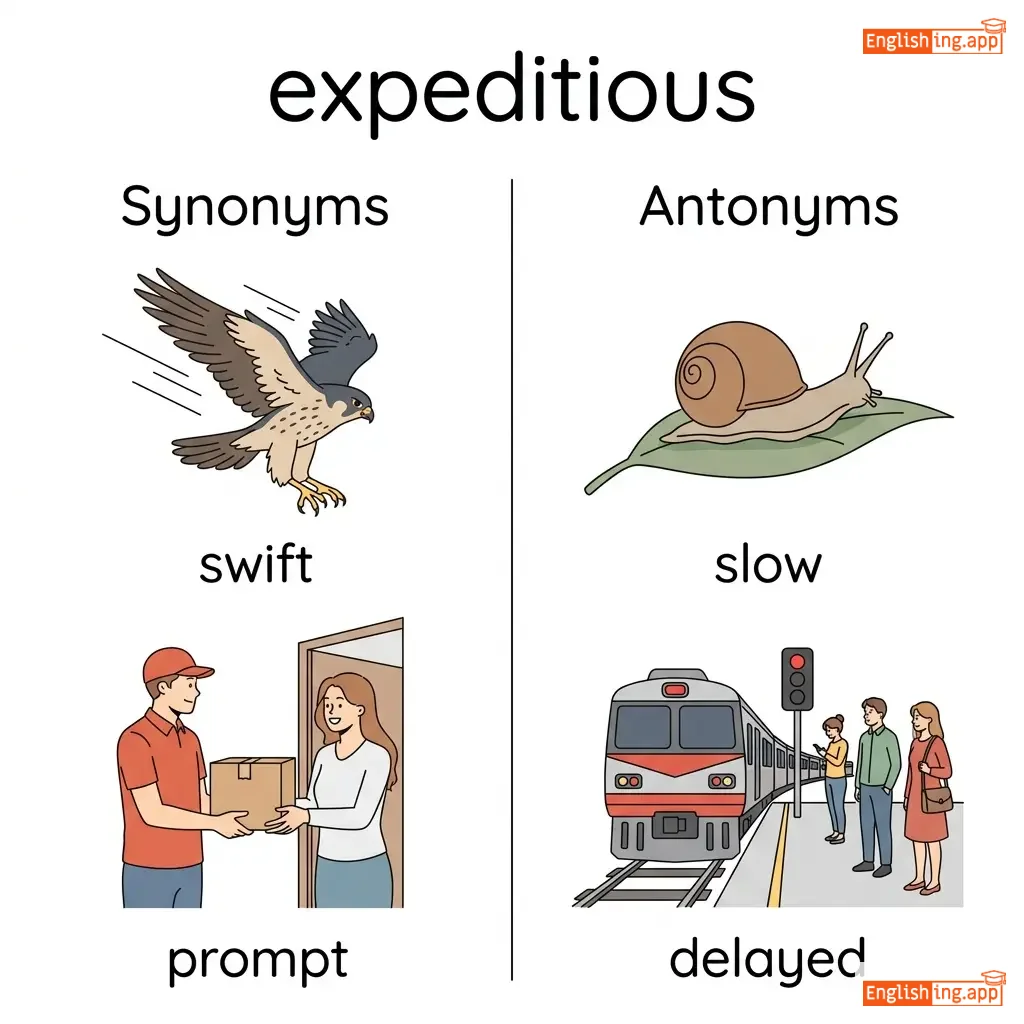
rapid, swift, quick
••••••
|
slow, delayed, sluggish
••••••
|
Think of 'jinsoku' as 'quick' and remember 'swift delivery' in Japanese.
••••••
|
|
#461
💬
|
/ˌvɜːbəlɪˈzeɪʃən/
noun
(ヴァーバライゼーション)
••••••
|
|
言語化
gengoka
••••••
|
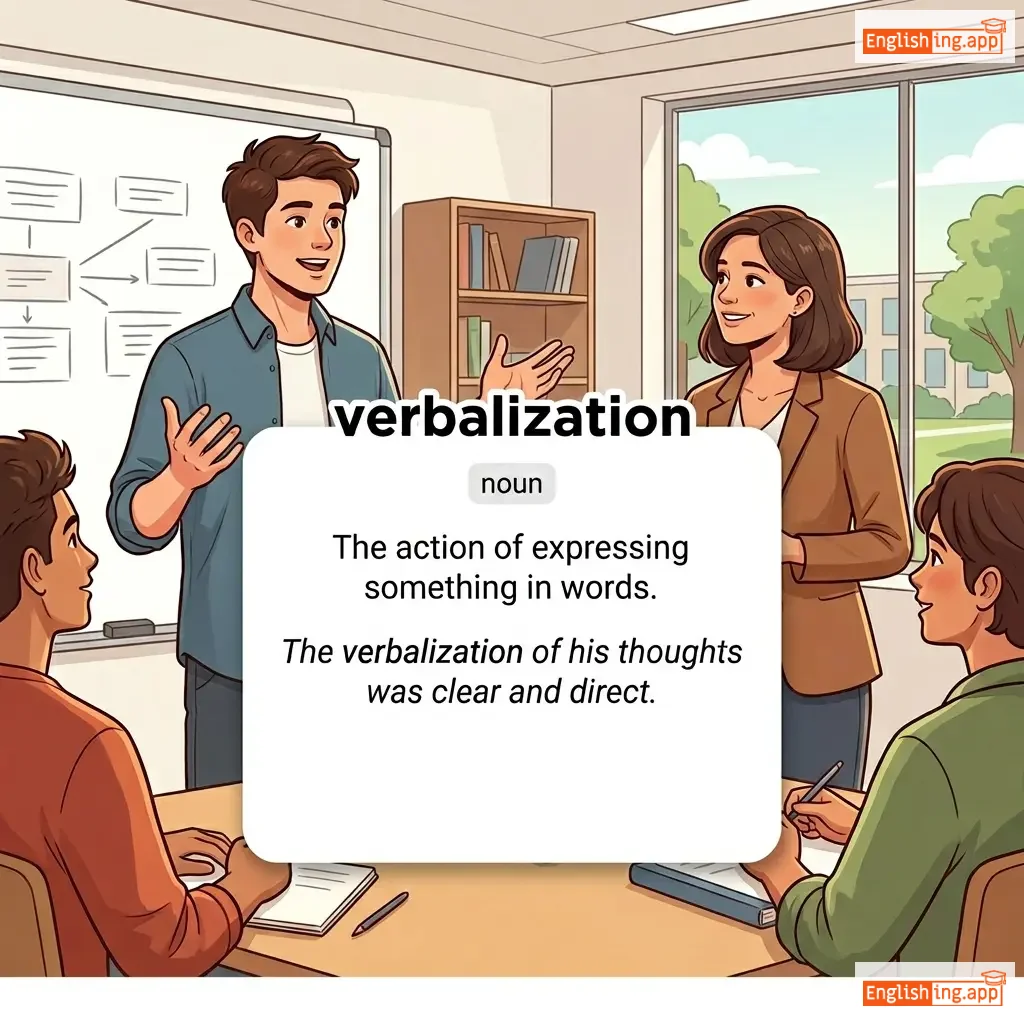
The action of expressing something in words.
••••••
|
The verbalization of his thoughts was clear and direct. |
彼の考えを言語化することは明確で直接的でした。
Kare no kangae o gengoka suru koto wa meikaku de chokusetsuteki deshita.
••••••
|
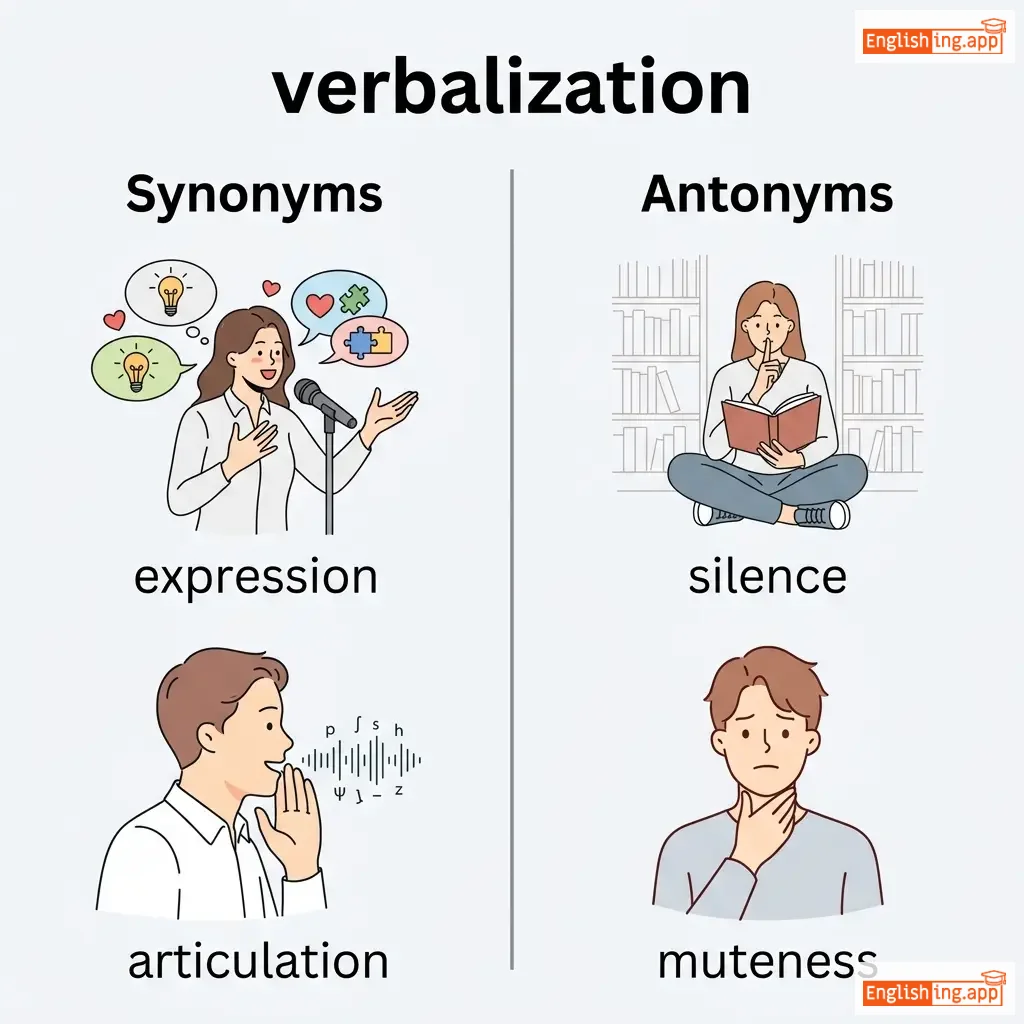
expression, articulation, enunciation
••••••
|
silence, muteness, inarticulateness
••••••
|
Gengoka sounds like 'gengo' for language and 'ka' for expression in Japanese.
••••••
|
Vocabulary Quiz
Test your vocabulary by matching words with their translations or meanings.
Login to take the quiz
Comments (0)
Share your thoughts and join the discussion.
Join the discussion by logging in
Login to CommentNo comments yet
Be the first to share your thoughts!