

強い力の強さ
The Strength of the Strong Force
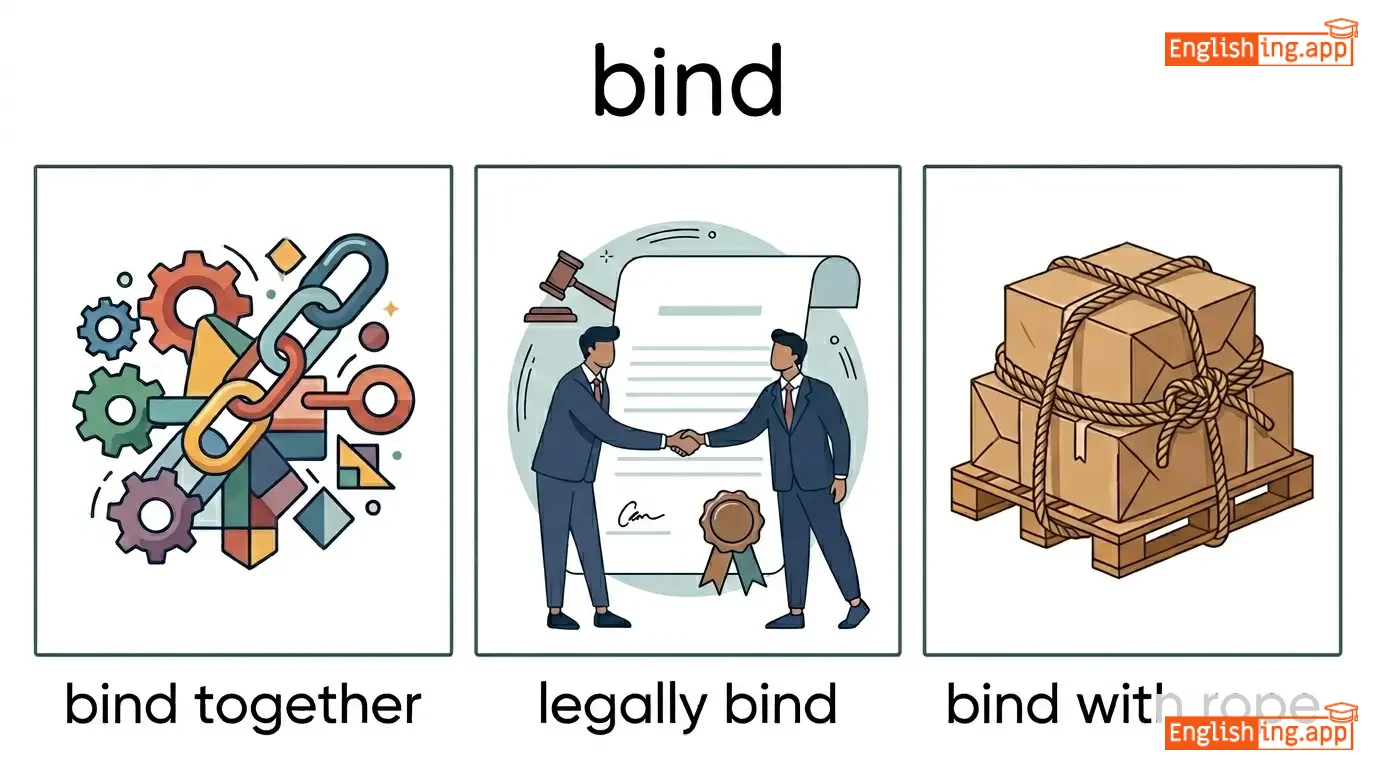
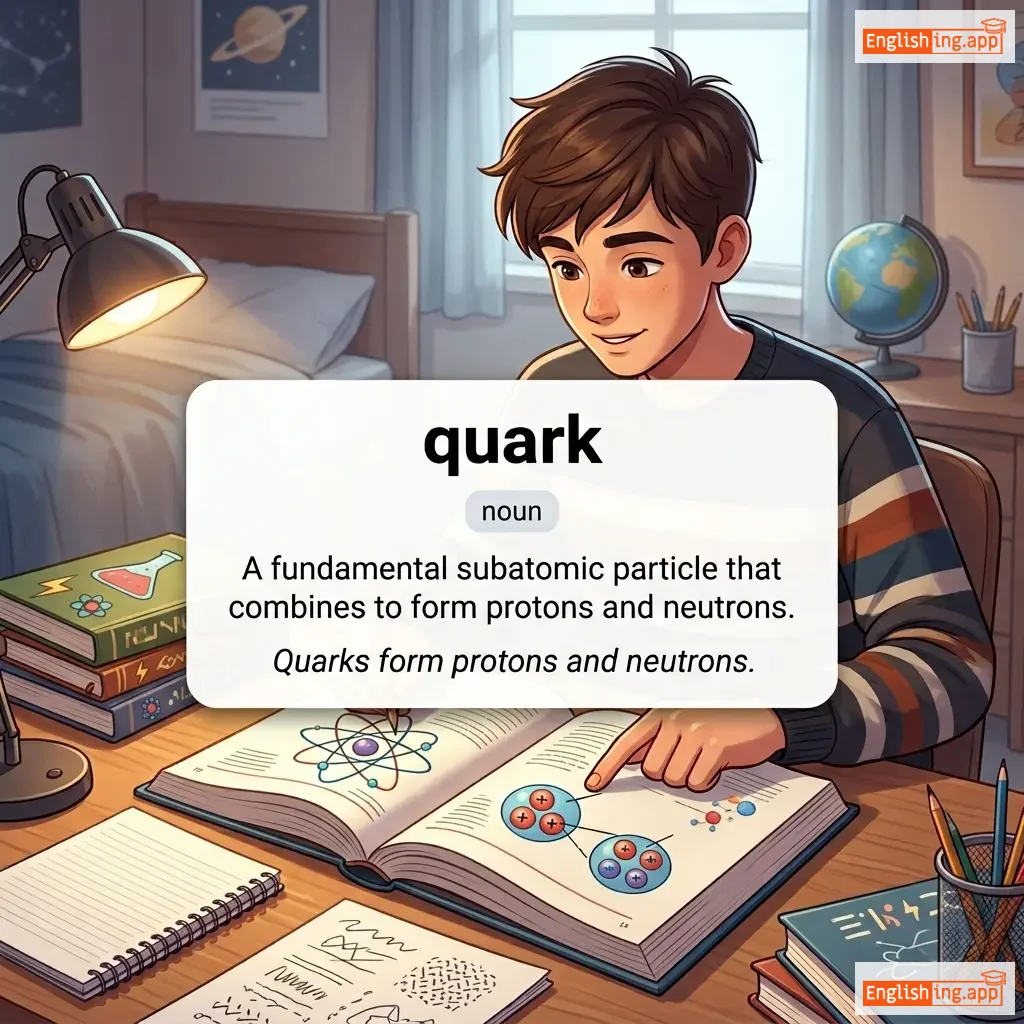
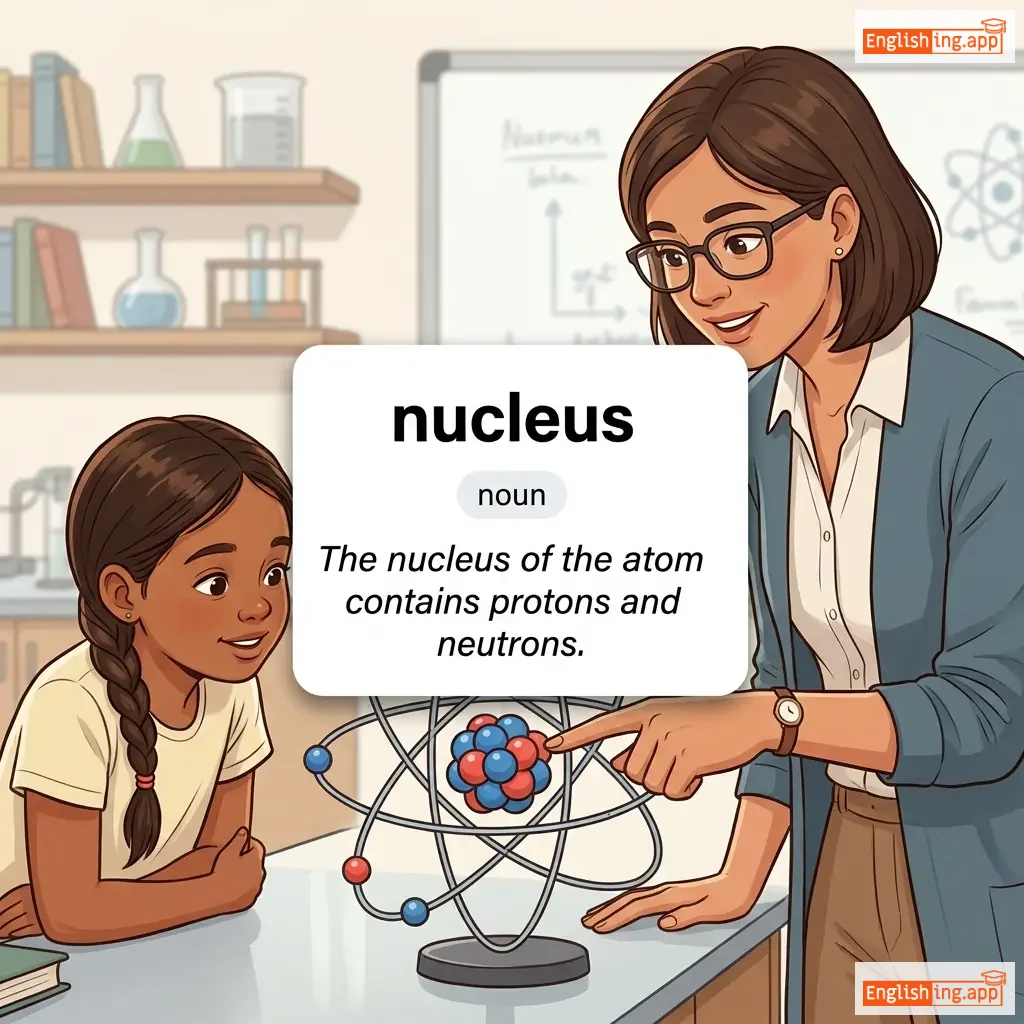
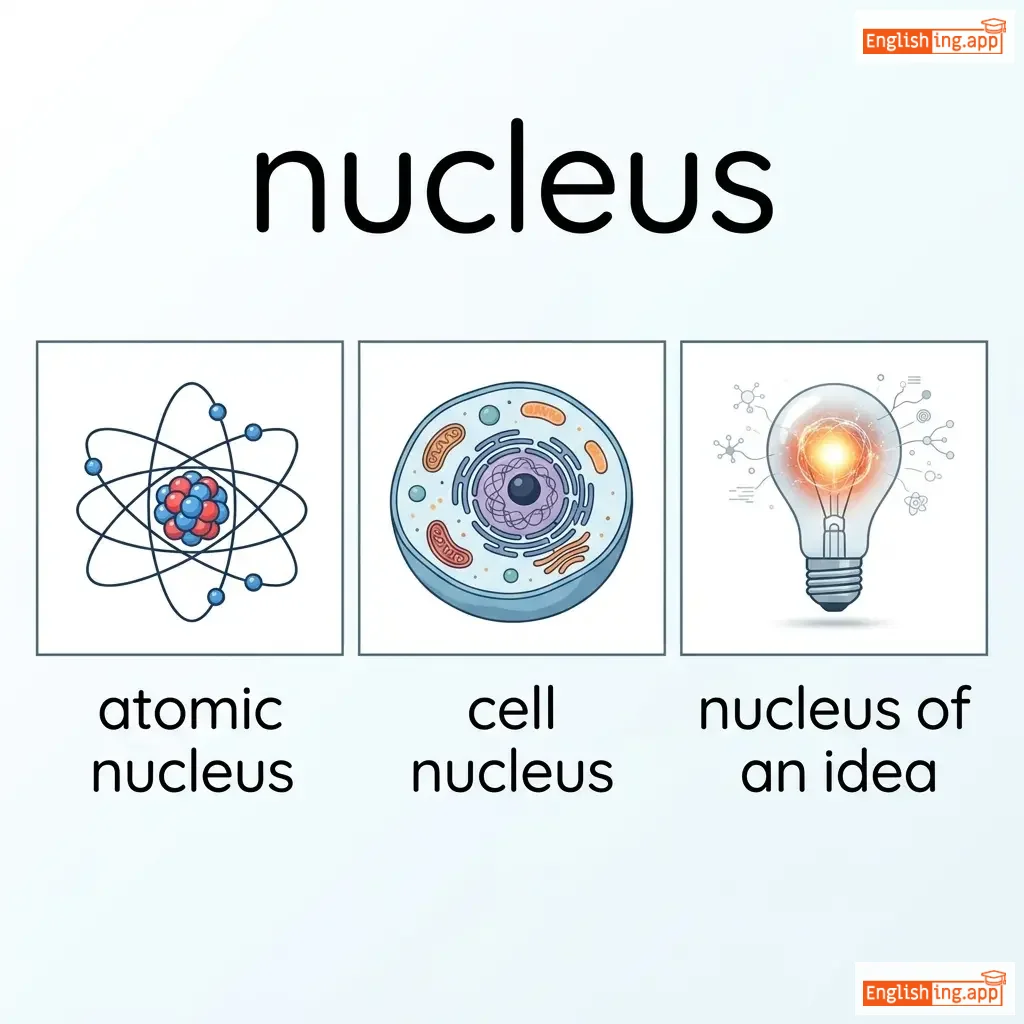
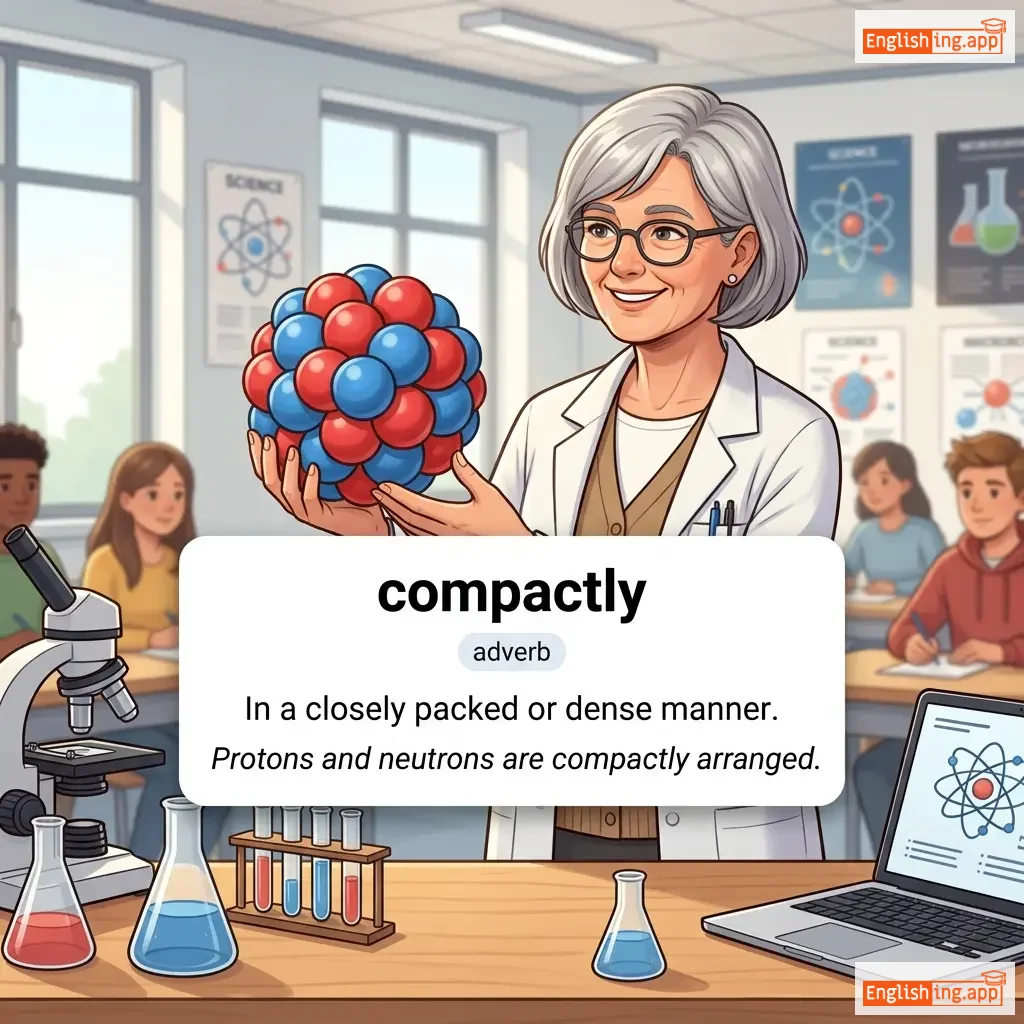
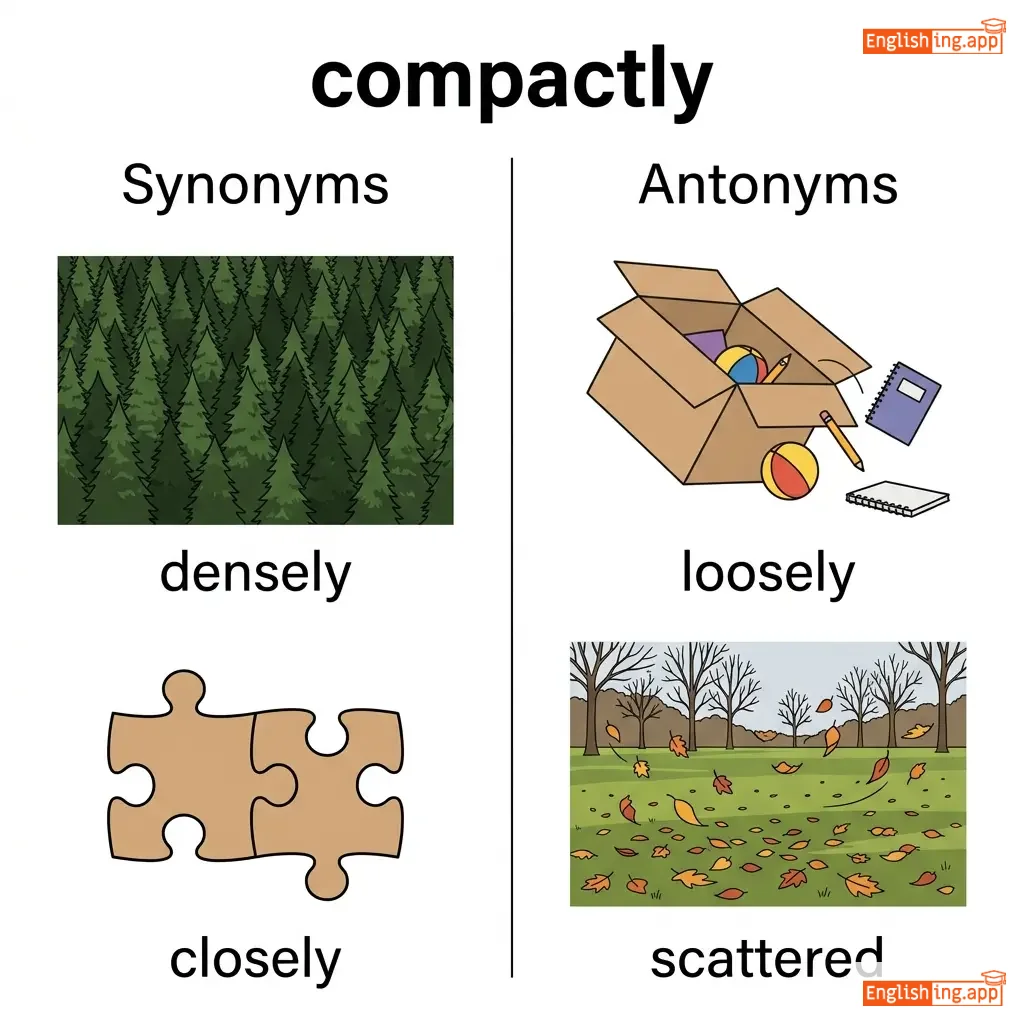
自然界の四つの力の中で、最も強力なものは strong nuclear force と呼ばれます。これはクォーク粒子を binds し、これらの quark particles は protons と neutrons を形成します。これらは compactly 結合して nucleus を作ります。
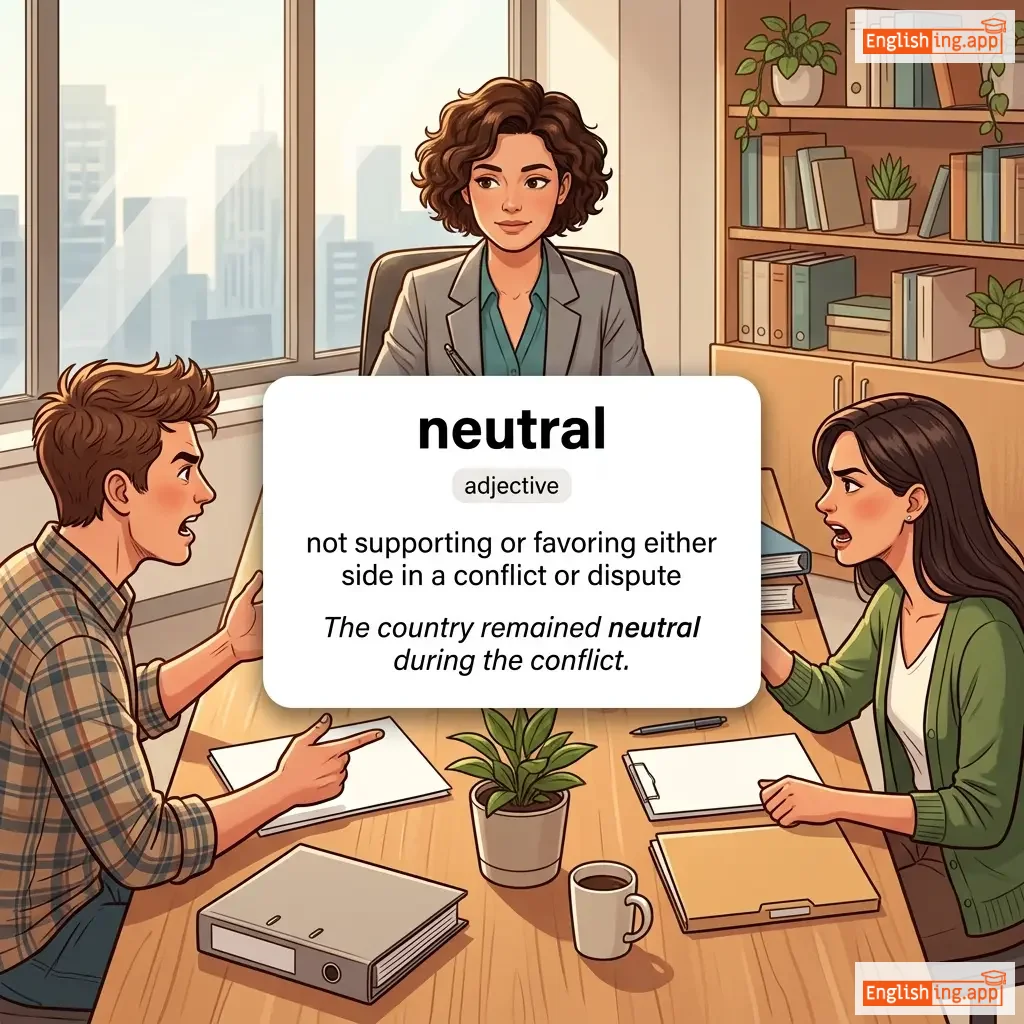
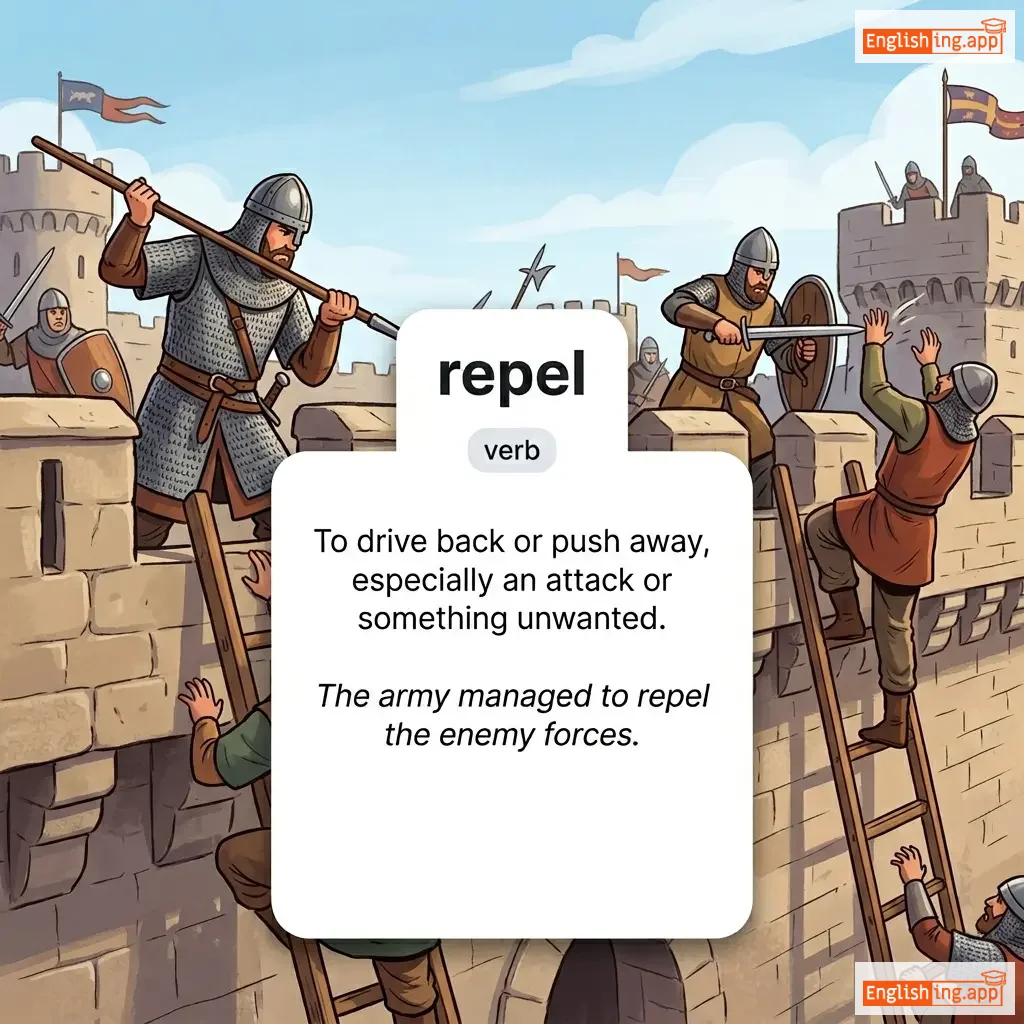
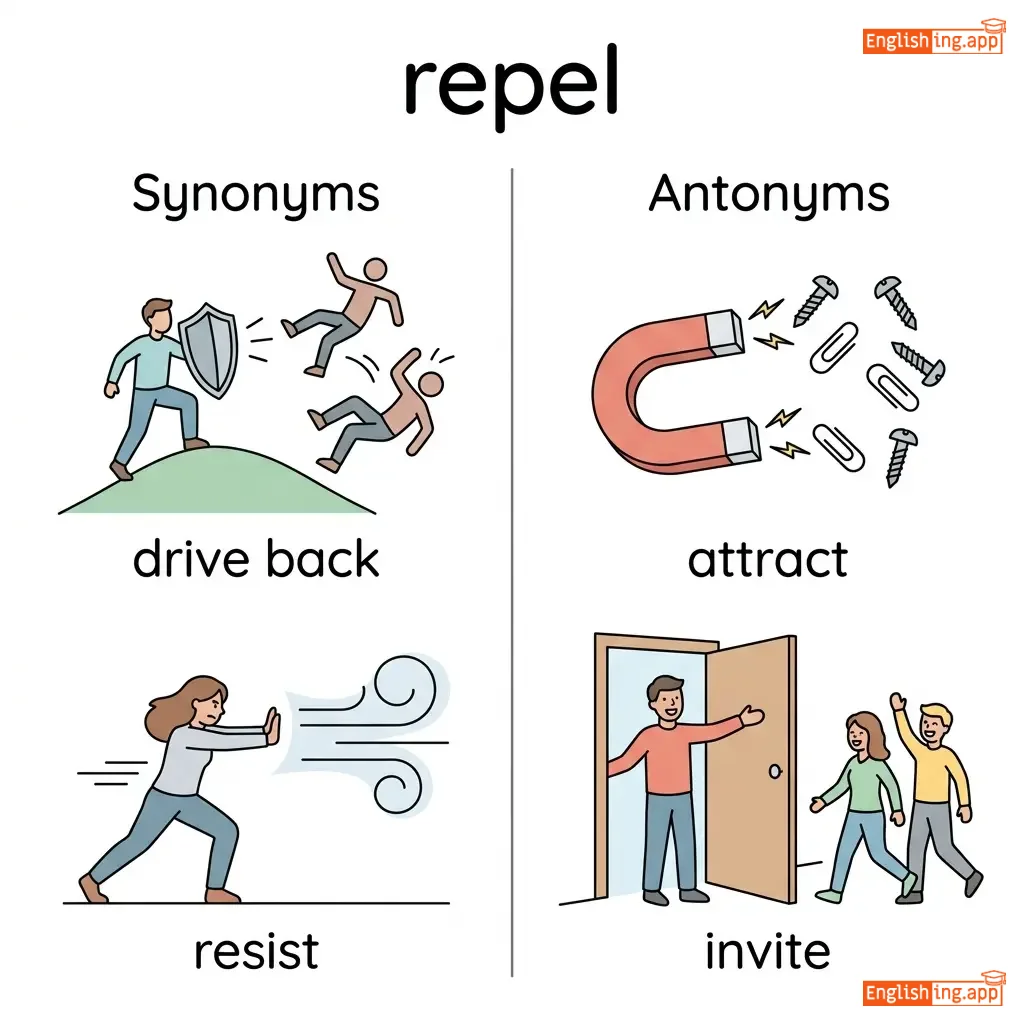
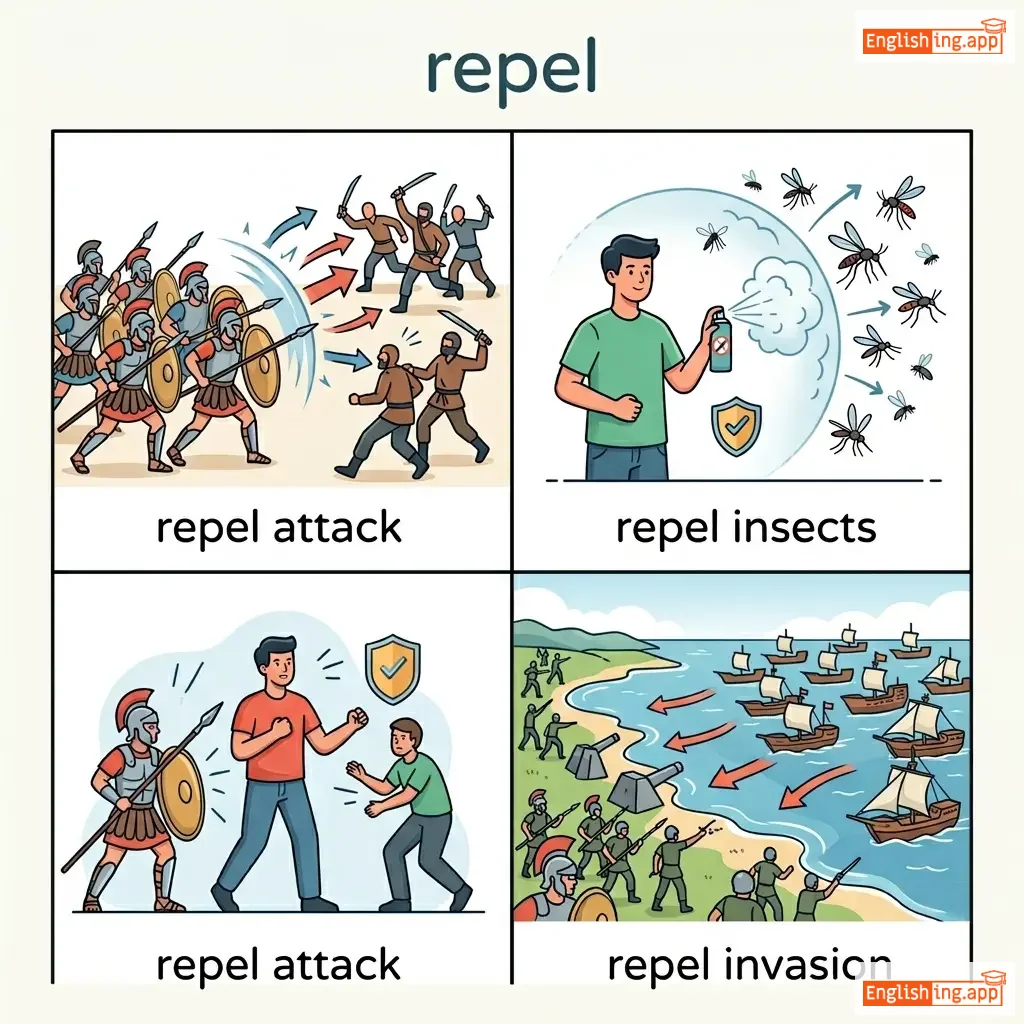
protons の電荷は positive、neutrons の電荷は neutral です。電荷を持つ protons は他の protons を repel します。したがって、nucleus 内の複数の protons の arrangement は複雑です。しかし、水素を除いて、他の元素では protons の数が増えます。例えば、helium nucleus には 2 つの protons があり、ウランには 92 の protons があります。
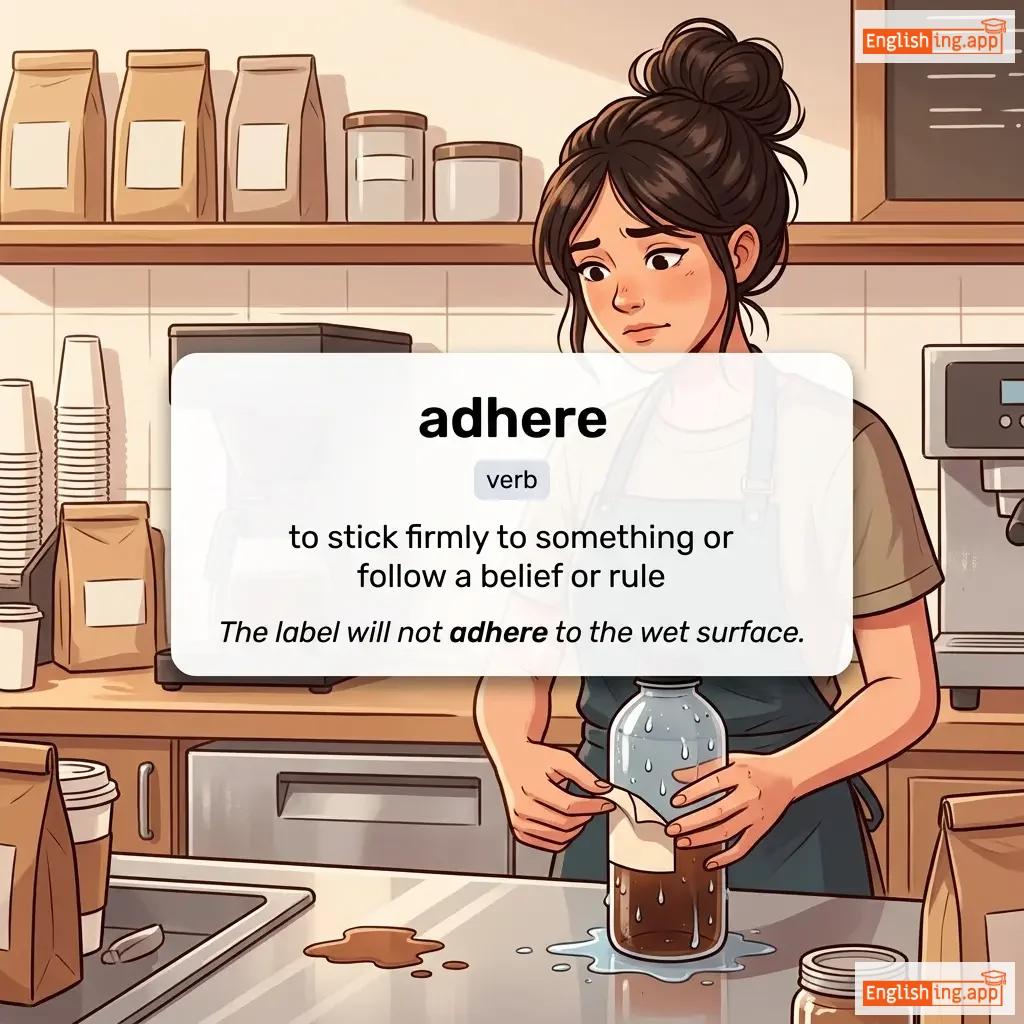
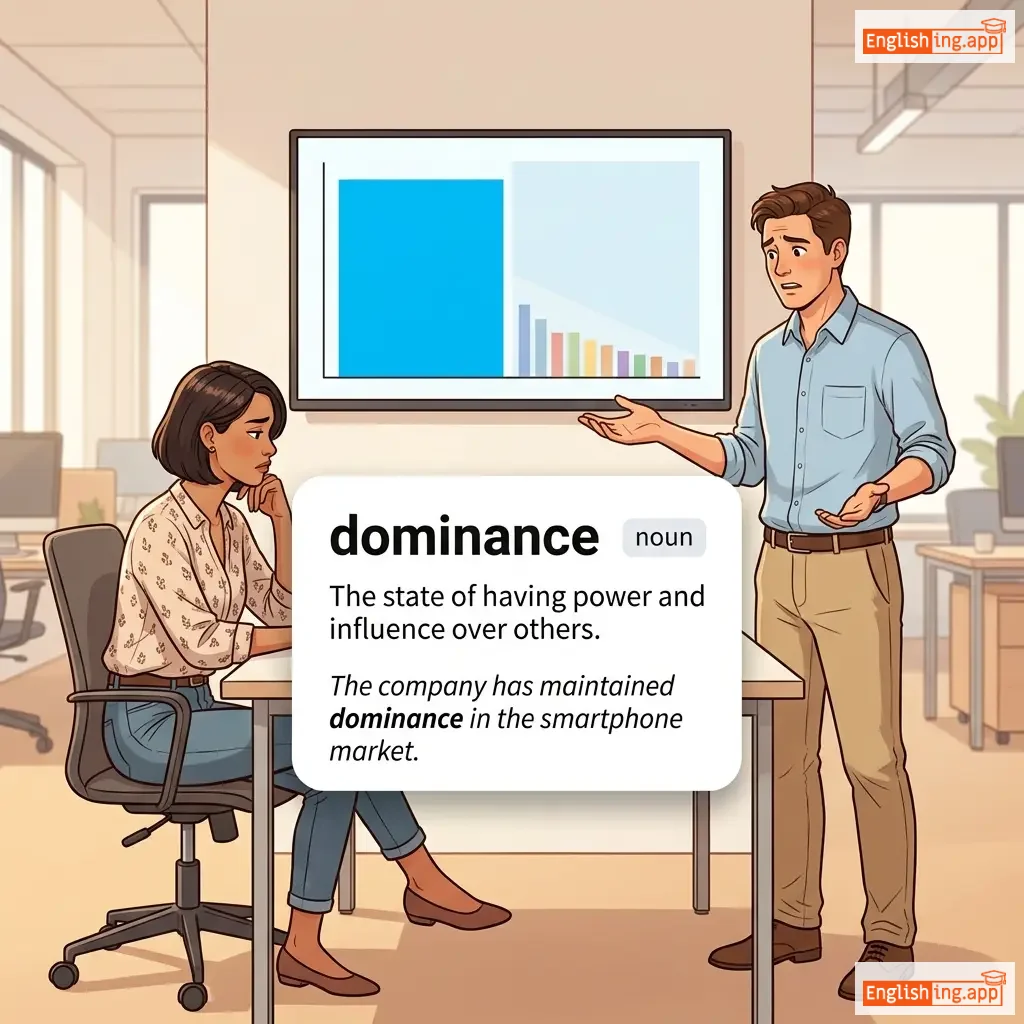
これらの protons と neutrons は、strong force を通してのみ互いに adhere することができます。protons の間で働く electromagnetic force は、strong force の dominance によって打ち消されます。だからそれは strong nuclear force と呼ばれます。
翻訳
過去
過去分詞
三人称単数
動名詞
意味
例文
例文の翻訳
同義語
対義語
コロケーション
ニーモニック


Swipe left or right, or use the buttons. Tap image to zoom.
例文の翻訳
単語
The Strength of the Strong ForceThe Strength of the Strong Force - マスクトグル
|
絵文字
|
単語 | Images | 翻訳 | 意味 | 例文 | 例文の翻訳 | 同義語 | 対義語 | ニーモニック |
|---|---|---|---|---|---|---|---|---|---|
|
#645
⚡
|
fɔːrs
noun
(fōsu)
••••••
|
|
力
chikara
••••••
|
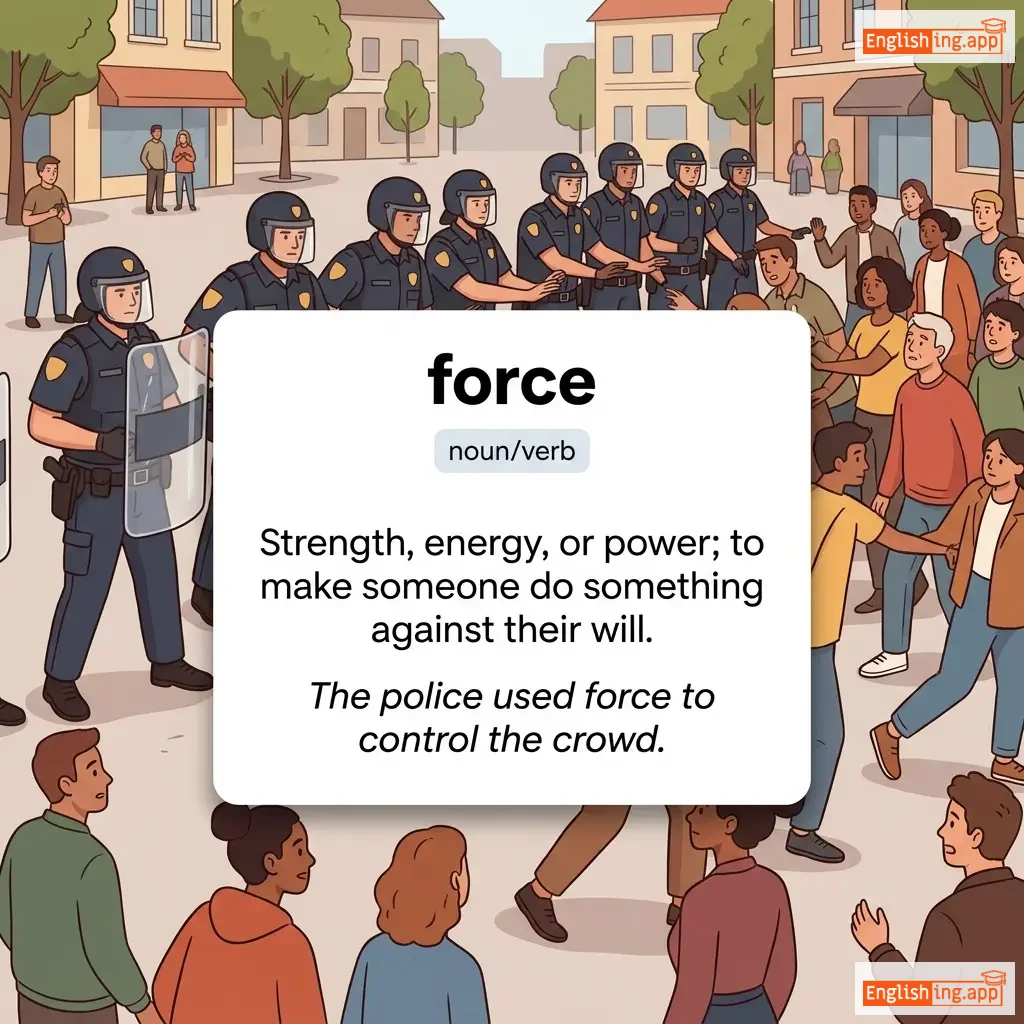
A physical power or energy that can cause movement, change, or influence.
••••••
|
Strong nuclear force binds particles. |
強い核力が粒子を結びつける。
Tsuyoi kakuryoku ga ryūshi o musubitsukeru.
••••••
|
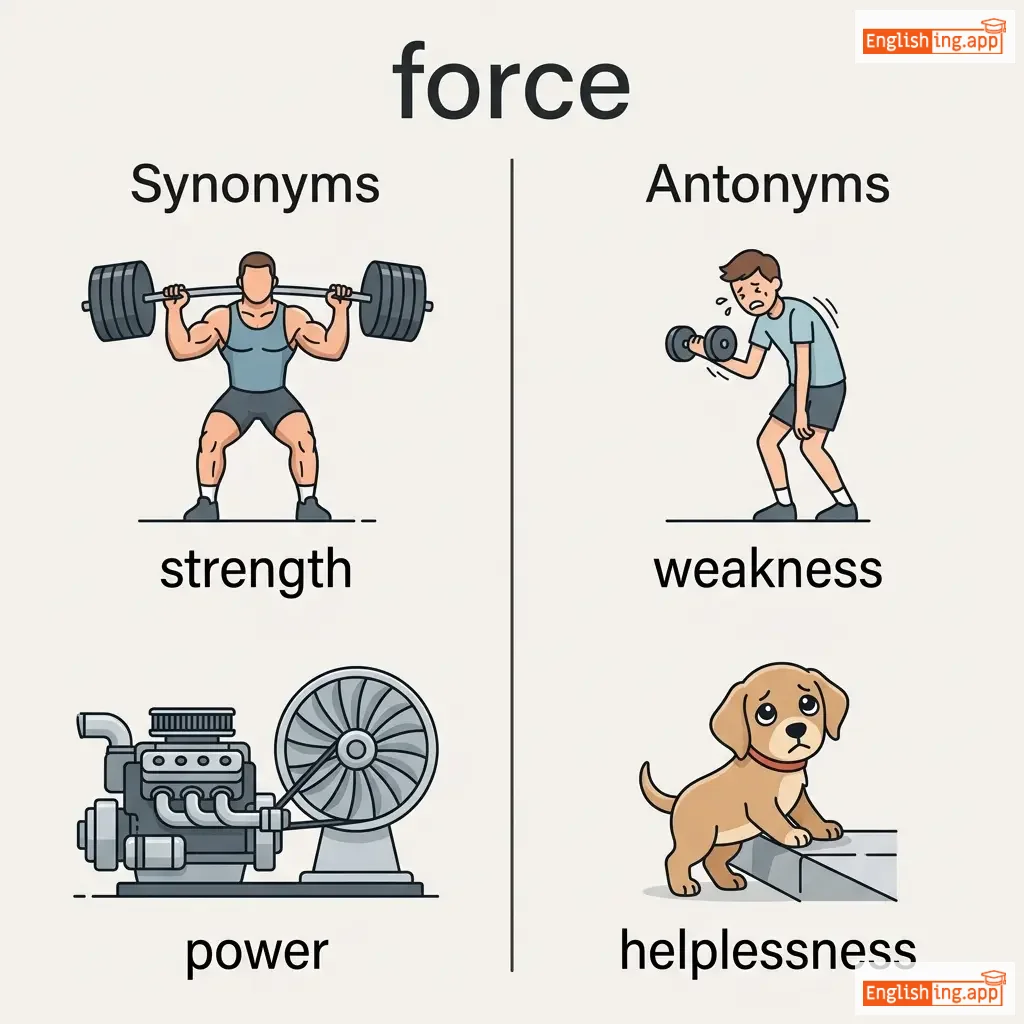
power, energy
••••••
|
weakness, fragility
••••••
|
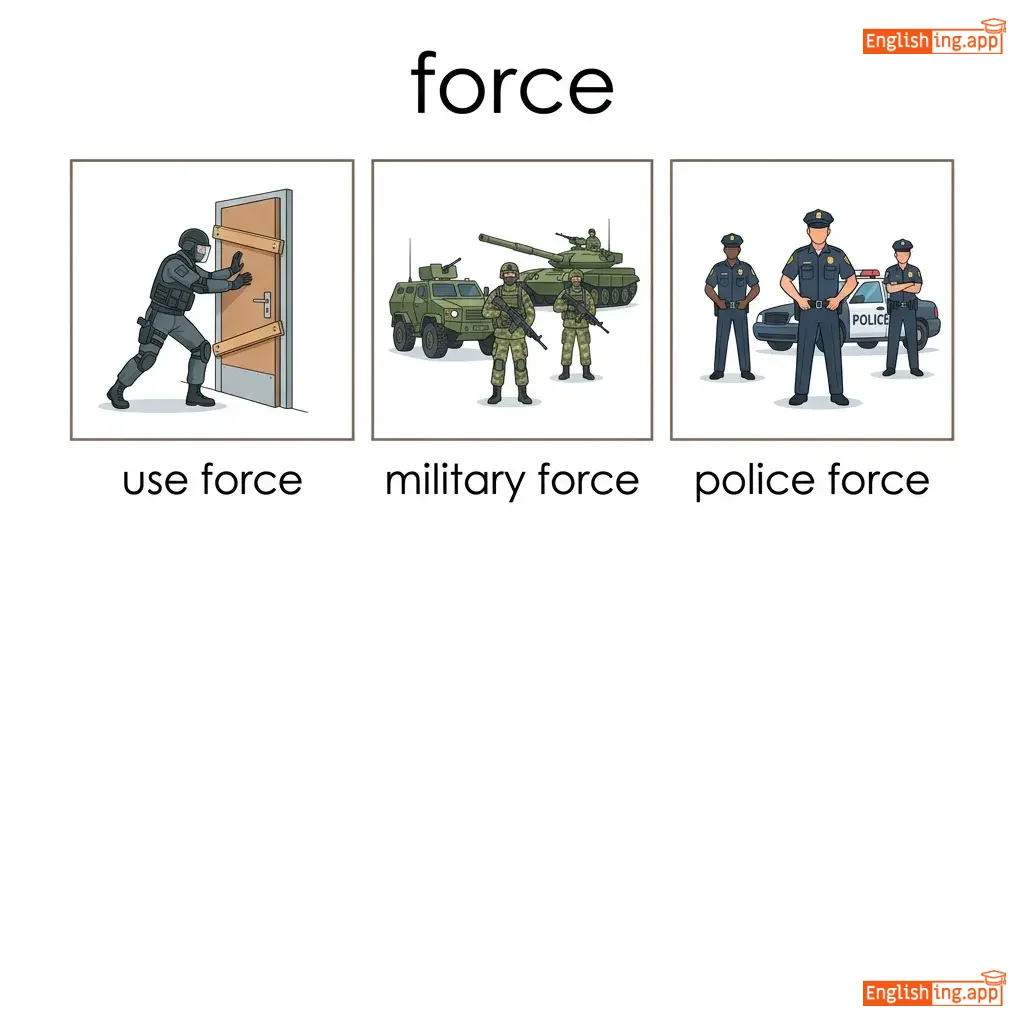
日本語の力(ちから)は、英語のforceと同じく、動きを引き起こす力を意味します。
••••••
|
|
#646
🔗
|
baɪnd
verb
(バインド)
••••••
|
|
結びつける
musubikeru
••••••
|
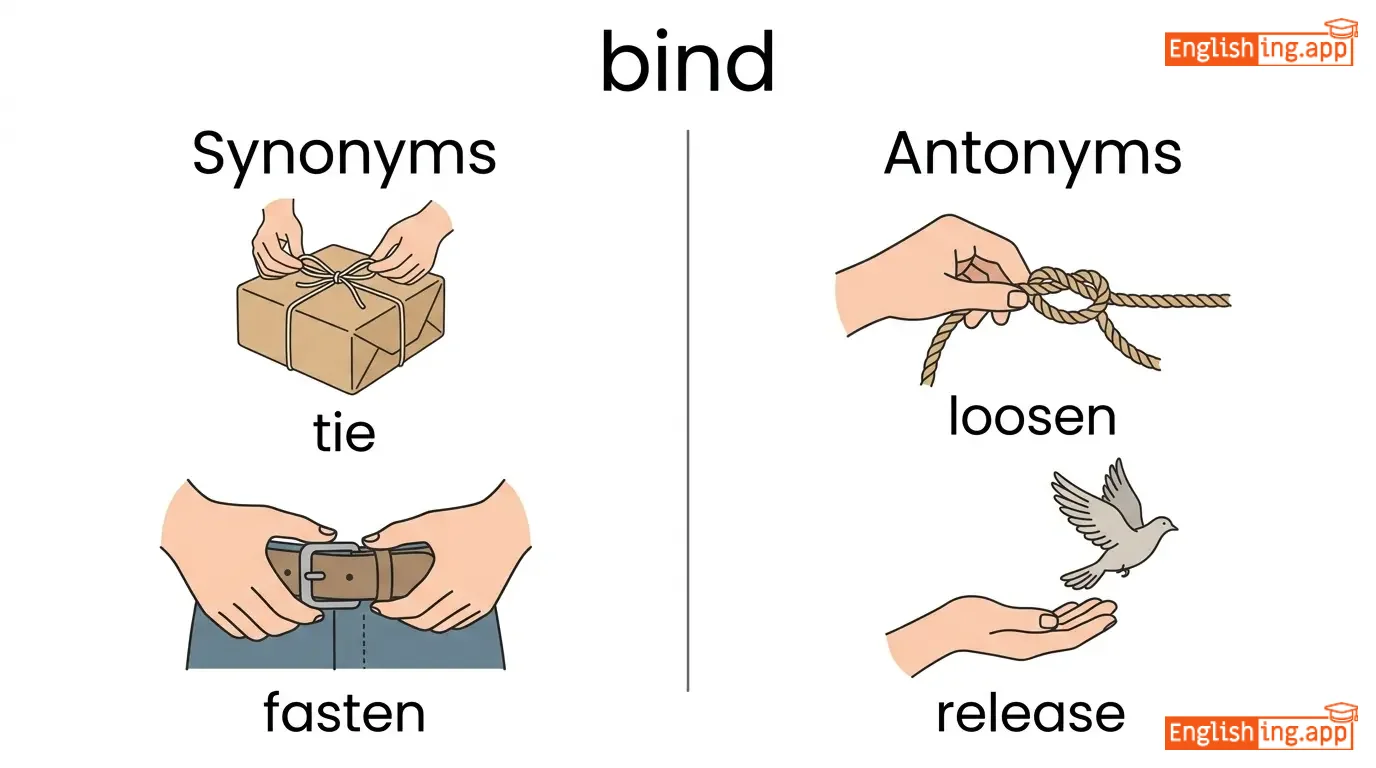
To tie, fasten, or hold together securely.
••••••
|
This force binds quarks together.
この力はクォークを結びつけます。
••••••
|
この力はクォークを結びつけます。
Kono chikara wa kwāku o musubikemasu.
••••••
|
tie, unite
••••••
|
separate, disconnect
••••••
|
結びつけるは、物を強く結びつけるイメージ。
••••••
|
|
#647
🔬
|
kwɔːrk
noun
(クォーク)
••••••
|
|
クォーク
kwōku
••••••
|
A fundamental subatomic particle that combines to form protons and neutrons.
••••••
|
Quarks form protons and neutrons.
クォークは陽子と中性子を形成します。
••••••
|
クォークは陽子と中性子を形成します。
Kwōku wa yōshi to chūseishi o keisei shimasu.
••••••
|
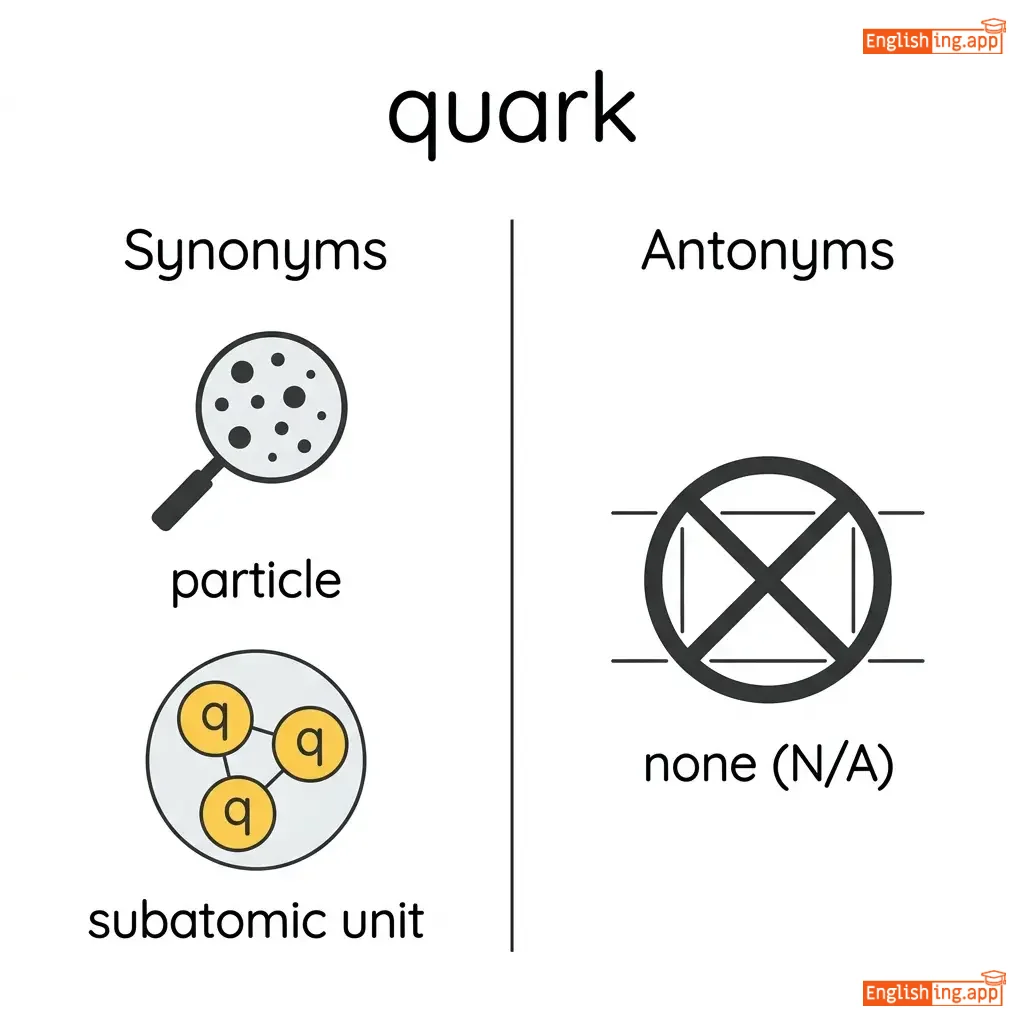
particle, subatomic unit
••••••
|
none (N/A)
••••••
|
Quarks build the protons and neutrons. Remember 'Q' for Quantum building blocks!
••••••
|
|
#648
⚛️
|
ˈnuːkliəs
noun
(ニュクレウス)
••••••
|
|
原子核
genshikaku
••••••
|
The central core of an atom containing protons and neutrons.
••••••
|
The nucleus consists of protons. |
原子核は陽子で構成されています。
Genshikaku wa yōshi de kōsei sareteimasu.
••••••
|
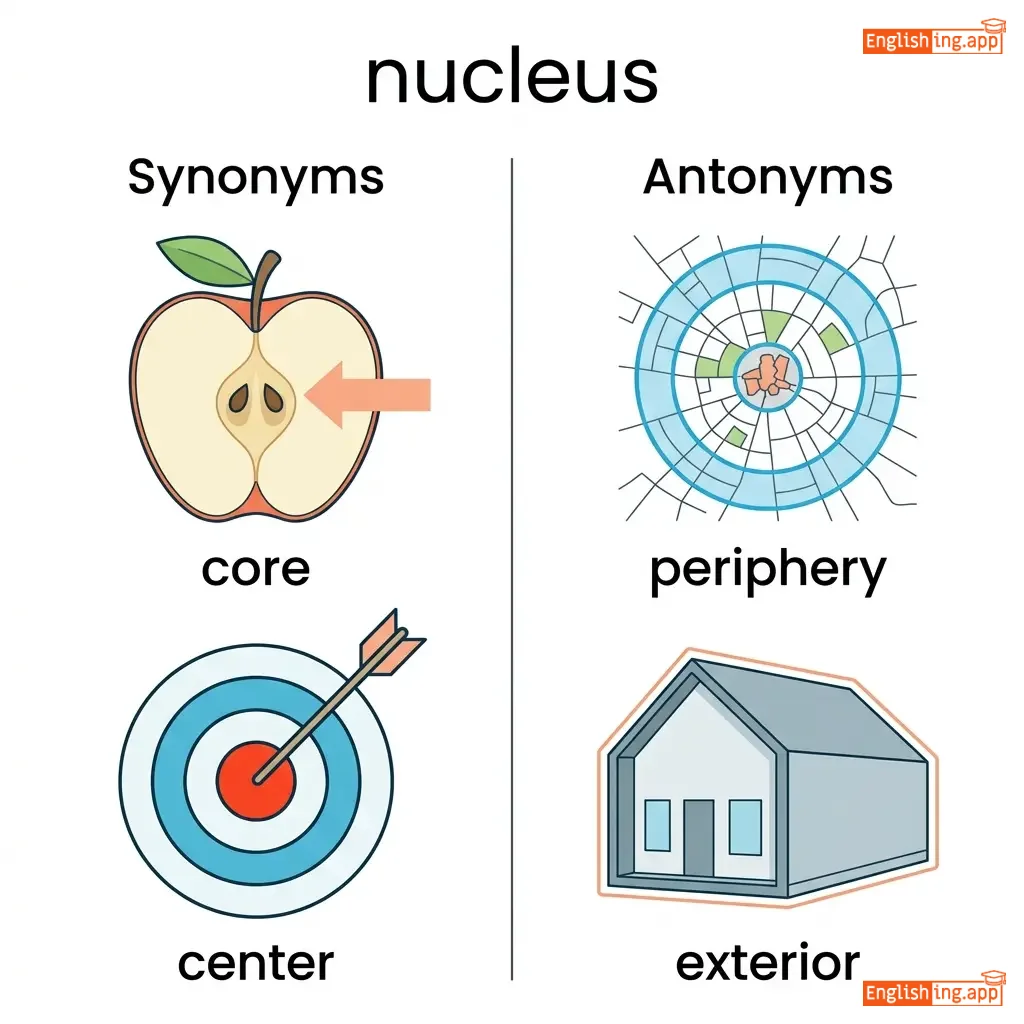
core, center
••••••
|
periphery, outside
••••••
|
原子核 (genshikaku) は原子の中心です。
••••••
|
|
#649
➕
|
ˈpɒzətɪv
adjective
(ポジティブ)
••••••
|
|
ポジティブ
pojitibu
••••••
|
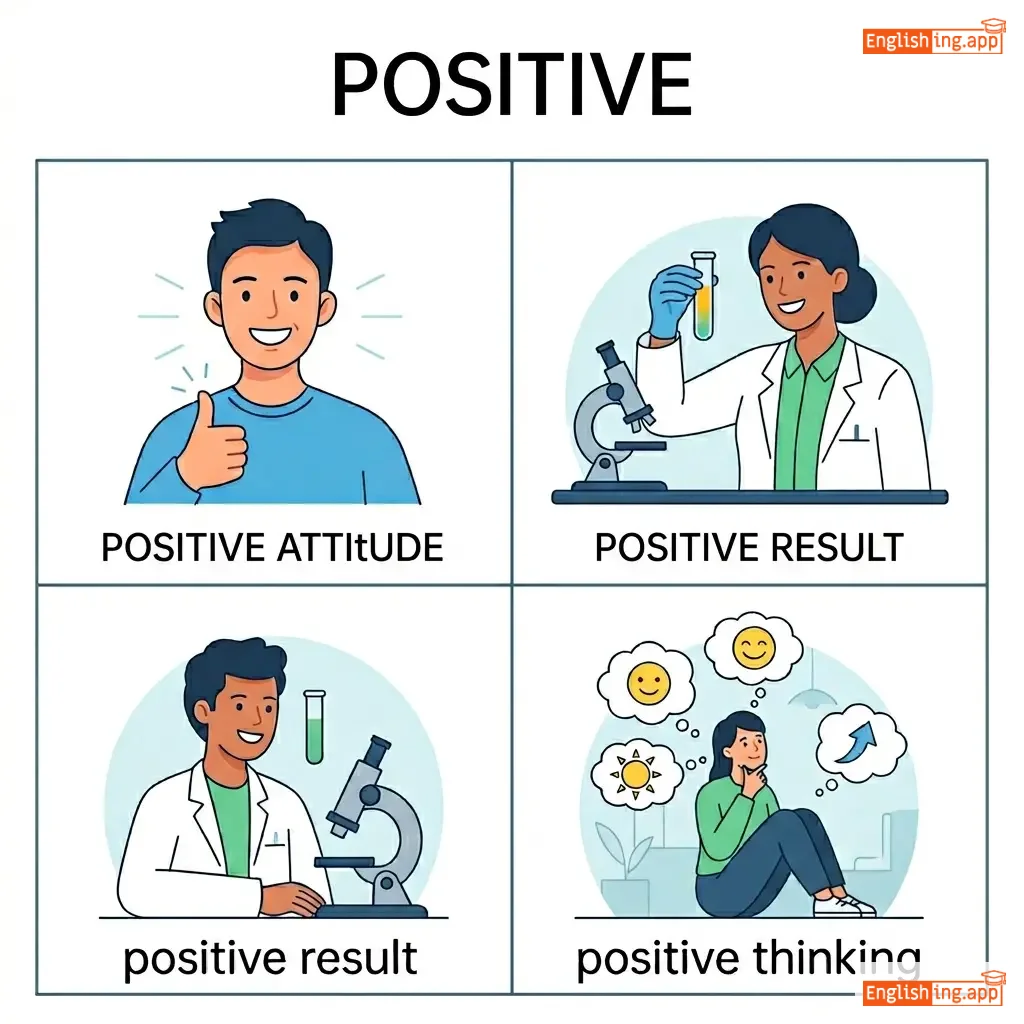
Having an electric charge opposite to that of an electron.
••••••
|
Protons have a positive charge.
陽子は正の電荷を持っています。
••••••
|
陽子は正の電荷を持っています。
Yōshi wa sei no denka o motteimasu.
••••••
|
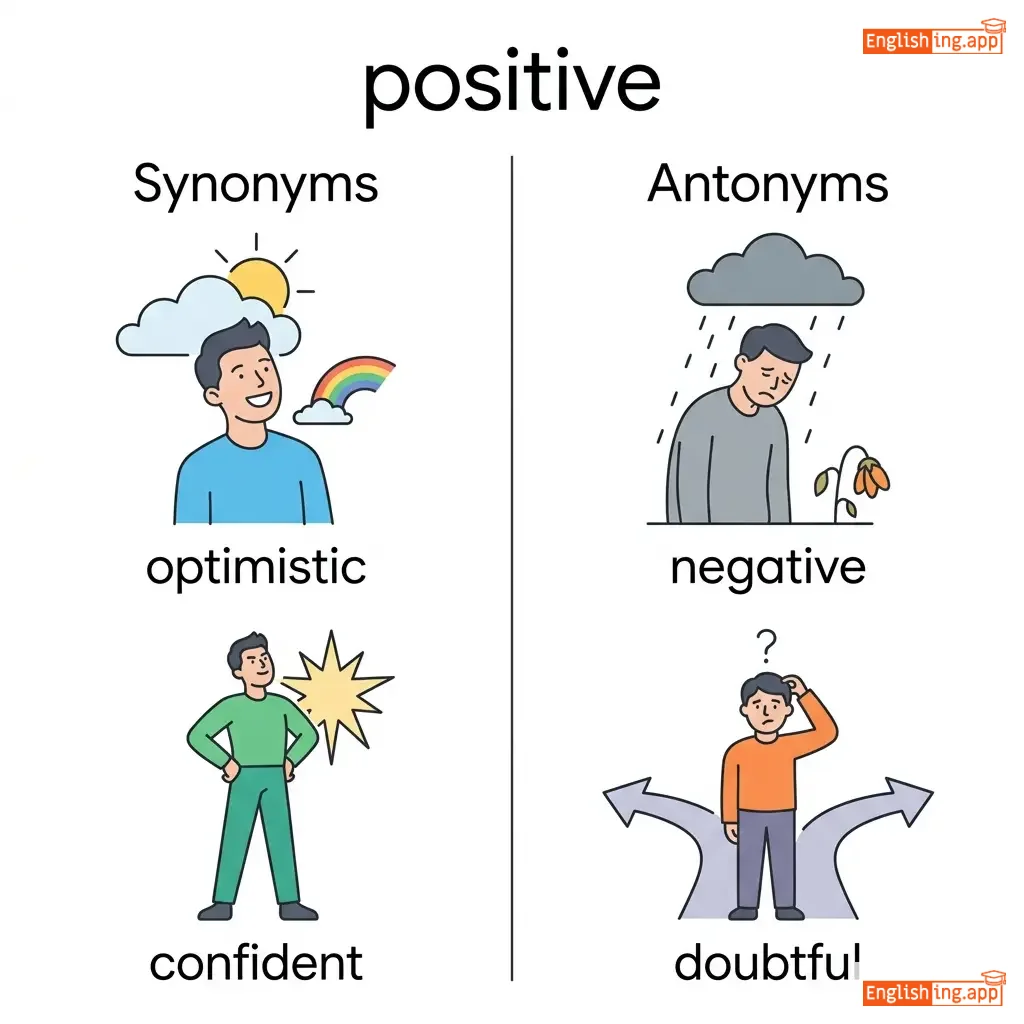
affirmative, plus
••••••
|
negative, neutral
••••••
|
ポジティブなエネルギーがすべてを明るく照らします。
••••••
|
|
#650
⚖️
|
ˈnjuːtrəl
adjective
(nyūtoraru)
••••••
|
|
中立
chūritsu
••••••
|
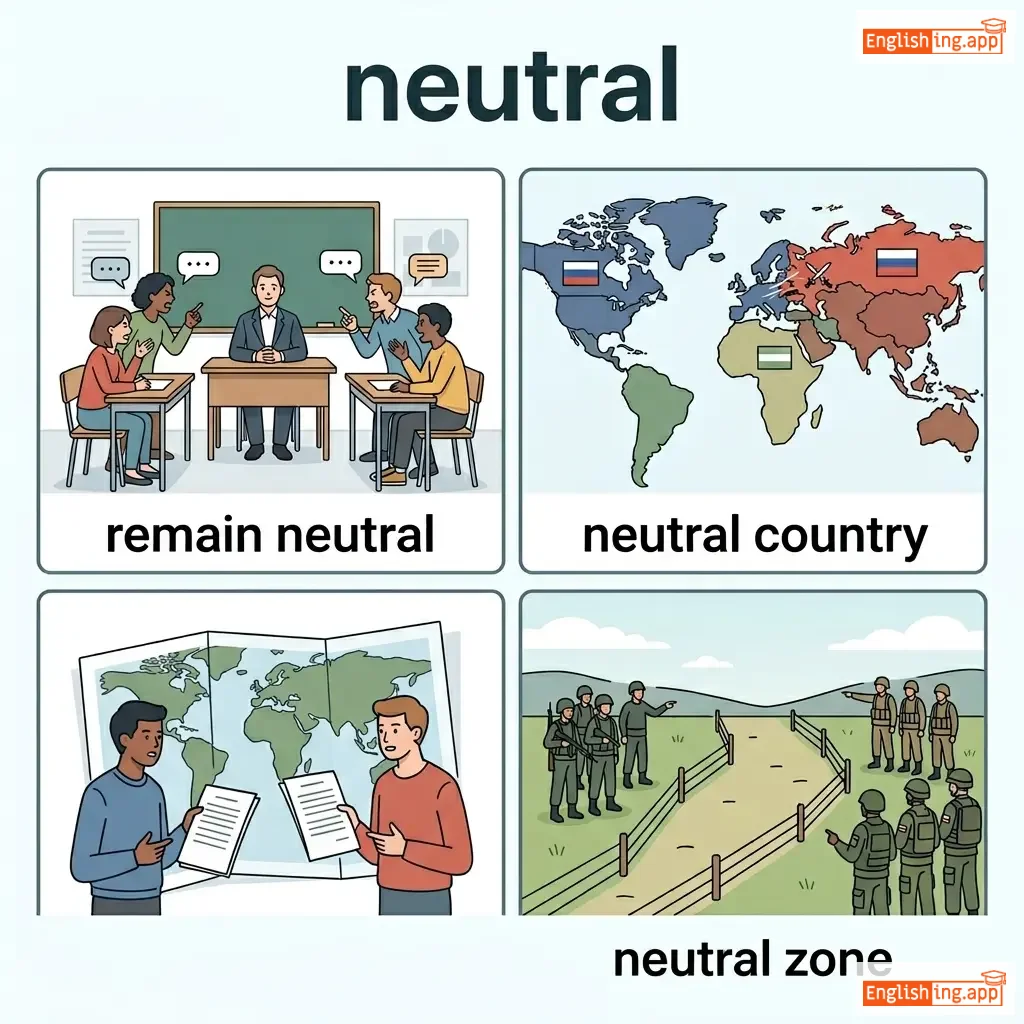
Having no electric charge; neither positive nor negative.
••••••
|
Neutrons are electrically neutral.
中性子は電気的に中性です。
••••••
|
中性子は電気的に中性です。
Chūseishi wa denki-teki ni chūsei desu.
••••••
|
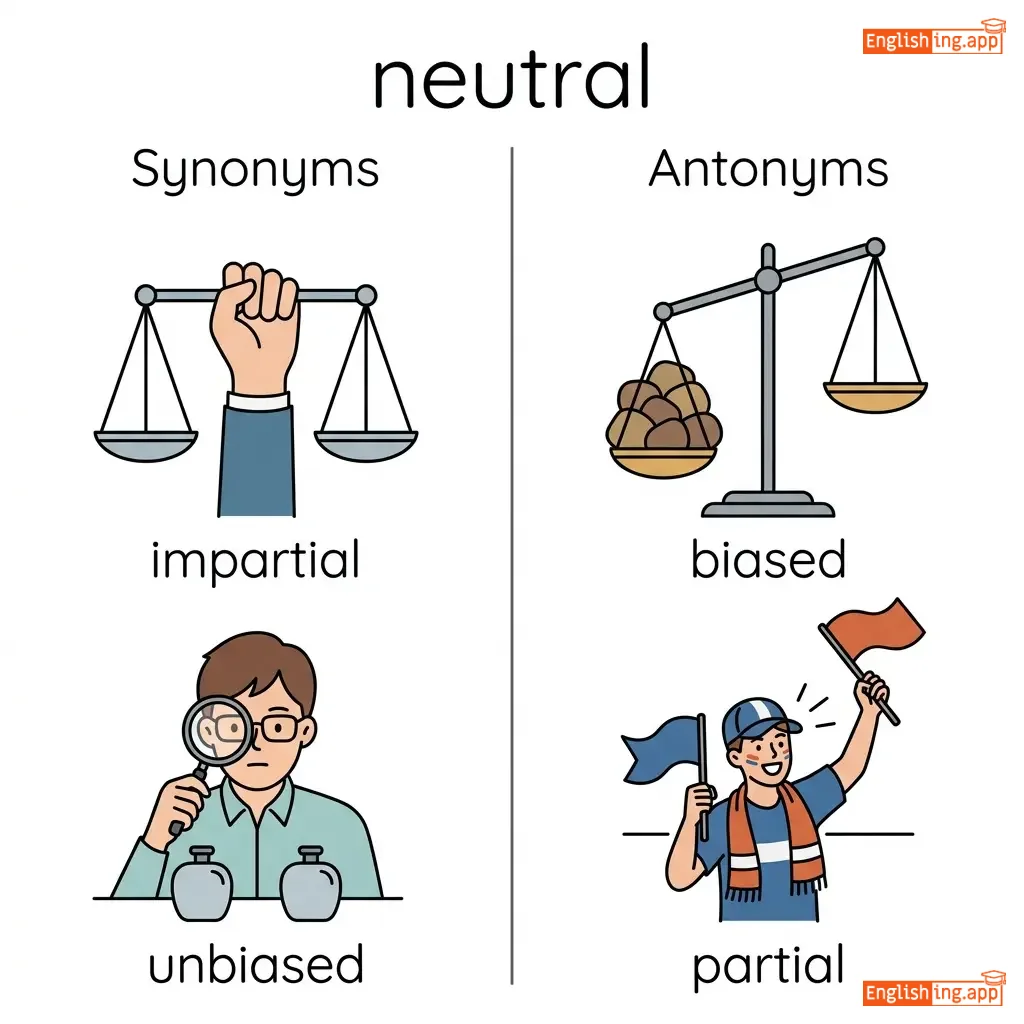
unbiased, uncharged
••••••
|
charged, biased
••••••
|
中立はどちらにも偏らない判定者のようです。
••••••
|
|
#651
🔄
|
rɪˈpel
verb
(リペル)
••••••
|
|
反発する
hanpatsu suru
••••••
|
To push away or force apart due to similar charges or properties.
••••••
|
Protons repel each other. |
陽子はお互いに反発し合う。
Yōshi wa otagai ni hanpatsu shi au.
••••••
|
push away, reject
••••••
|
attract, pull
••••••
|
反発 = 反射的に押し出す
••••••
|
|
#652
📦
|
kəmˈpæktli
adverb
(コンパクトリー)
••••••
|
|
コンパクトに
konpakuto ni
••••••
|
In a closely packed or dense manner.
••••••
|
Protons and neutrons are compactly arranged.
陽子と中性子はコンパクトに配置されています。
••••••
|
陽子と中性子はコンパクトに配置されています。
Yōshi to chūseishi wa konpakuto ni haichi sareteimasu.
••••••
|
densely, closely
••••••
|
loosely, scattered
••••••
|
In Japanese, 'コンパクトに' (konpakuto ni) is how you say compactly!
••••••
|
|
#653
🤝
|
ədˈhɪər
verb
(アディア)
••••••
|
|
くっつく
kuttusuku
••••••
|
To stick firmly to something or stay attached.
••••••
|
Neutrons adhere to protons. |
中性子は陽子にくっつく。
Chūseishi wa yōshi ni kuttsuku.
••••••
|
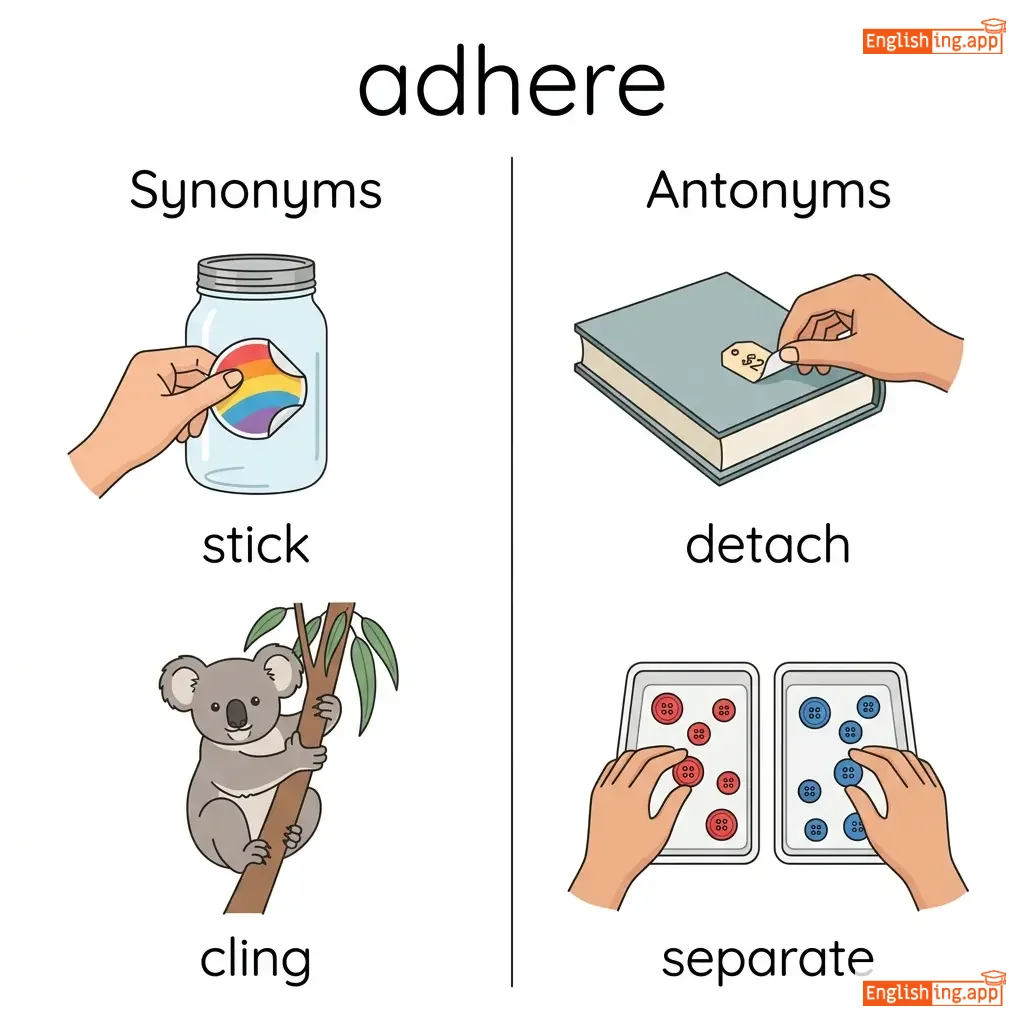
stick, cling
••••••
|
detach, separate
••••••
|
Imagine glue that helps things adhere and never fall off.
••••••
|
|
#654
👑
|
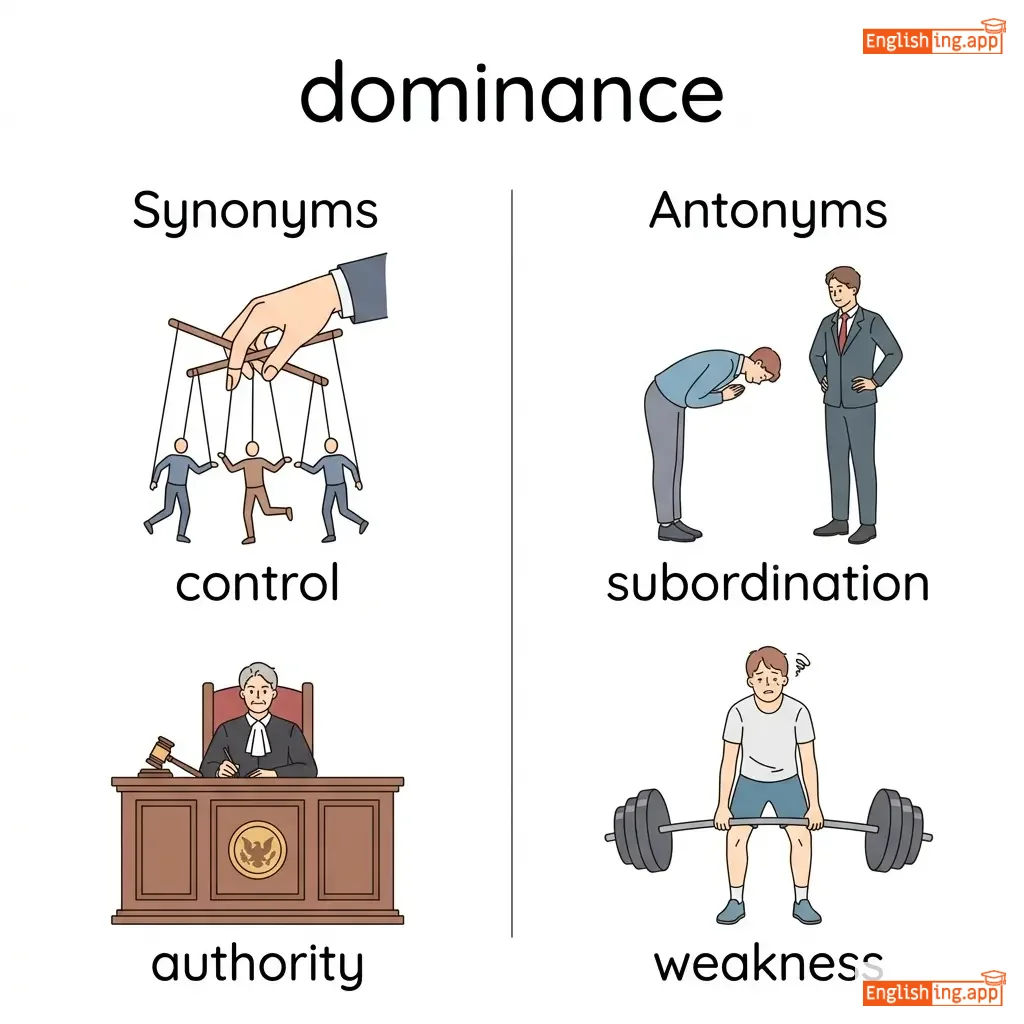
ˈdɒmɪnəns
noun
(ドミナンス)
••••••
|
|
支配
shihai
••••••
|
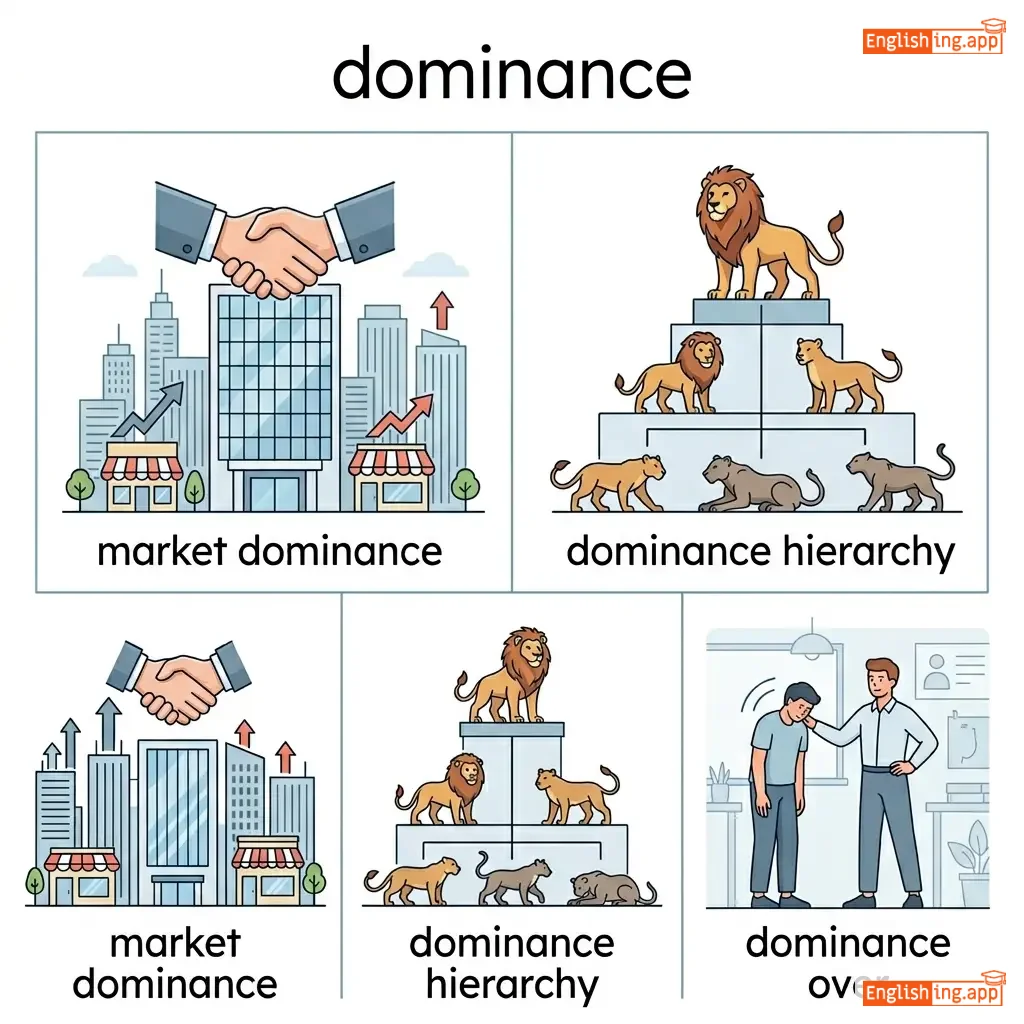
The state of having power, control, or influence over others.
••••••
|
Strong force exerts dominance over other forces. |
強い力は他の力に支配を及ぼす。
Tsuyoi chikara wa hoka no chikara ni shihai o oyobosu.
••••••
|
supremacy, authority
••••••
|
inferiority, submission
••••••
|
In Japanese, '支配' signifies control and dominance.
••••••
|
|
#655
🧲
|
ɪˌlektrəʊmæɡˈnetɪk
adjective
(エレクトロマグネティック)
••••••
|
|
電磁的
denjiteki
••••••
|
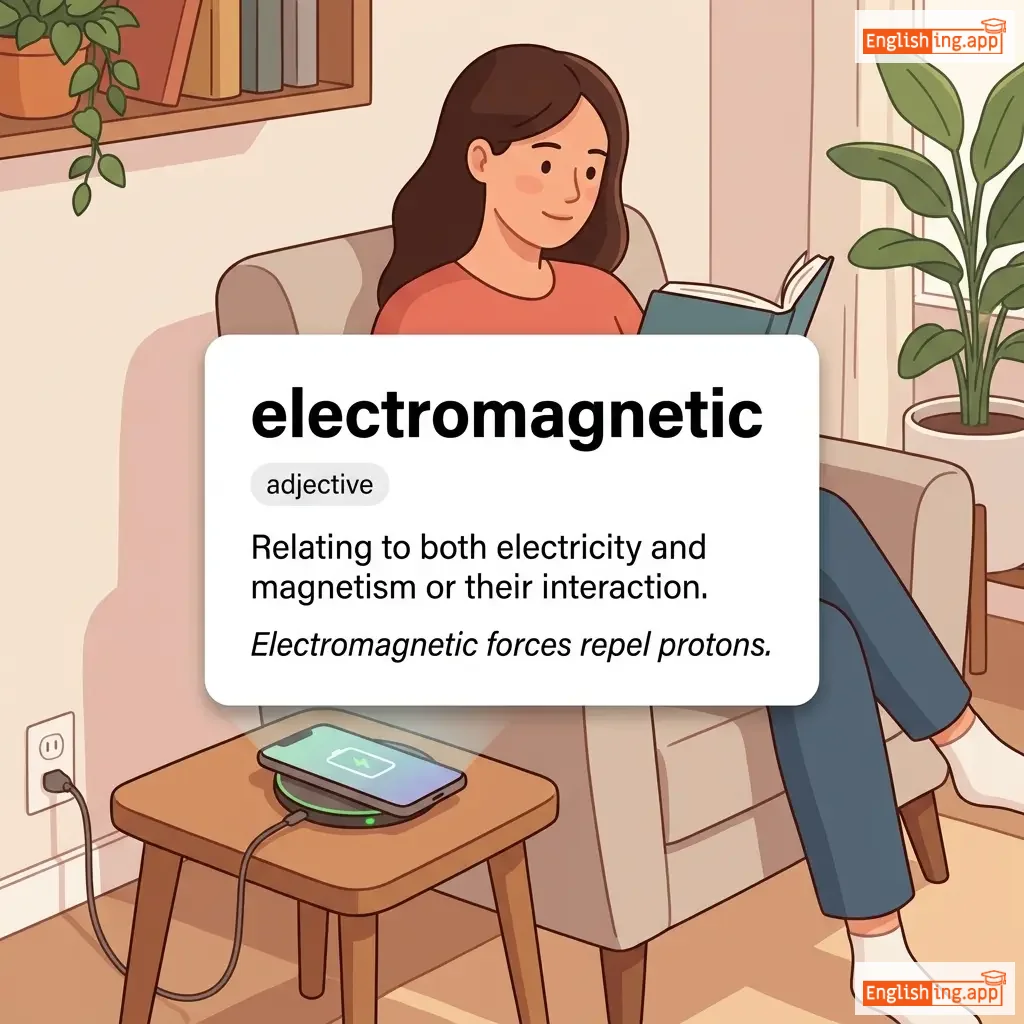
Relating to both electricity and magnetism or their interaction.
••••••
|
Electromagnetic forces repel protons.
電磁力は陽子を反発させる。
••••••
|
電磁力は陽子を反発させる。
Denjiryoku wa youshi wo hanpatsu saseru.
••••••
|
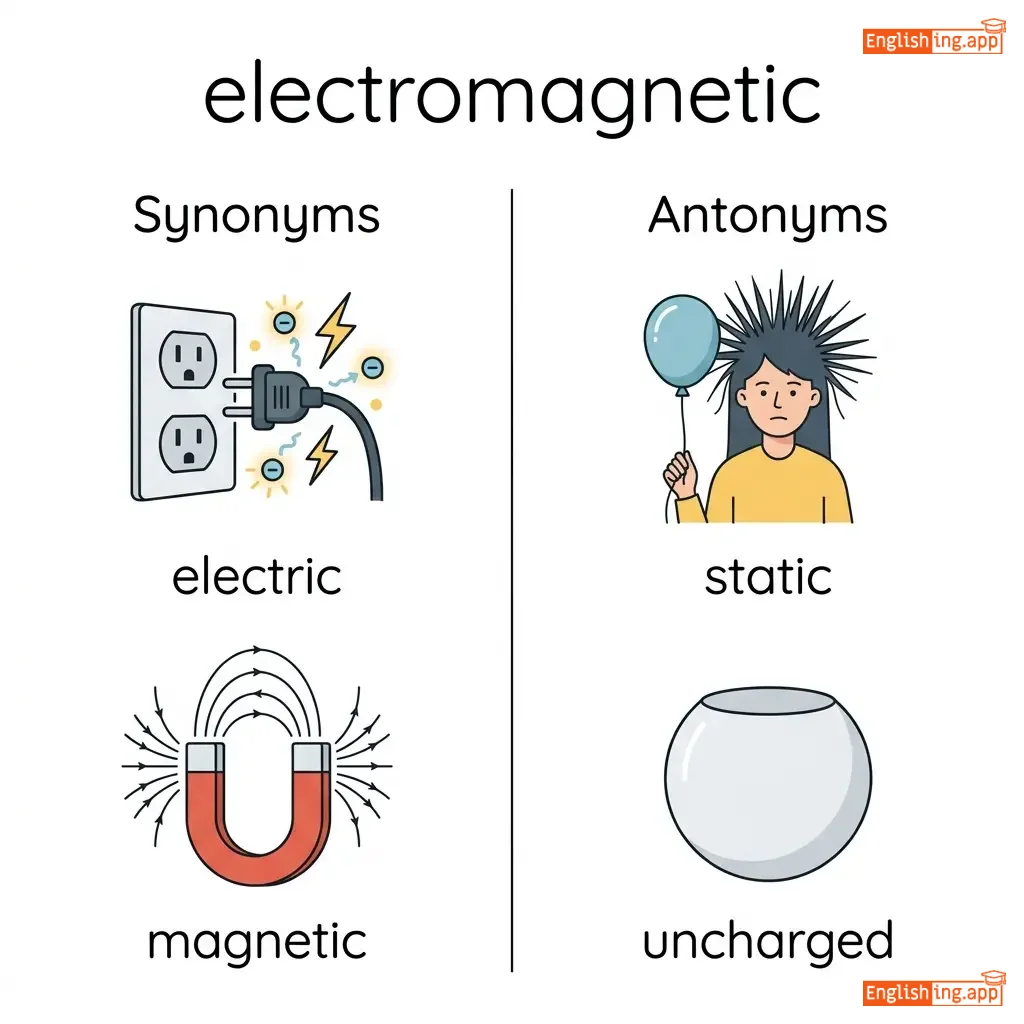
electric, magnetic
••••••
|
static, uncharged
••••••
|
電磁的 = 電気と磁気が一緒に働いている。
••••••
|
|
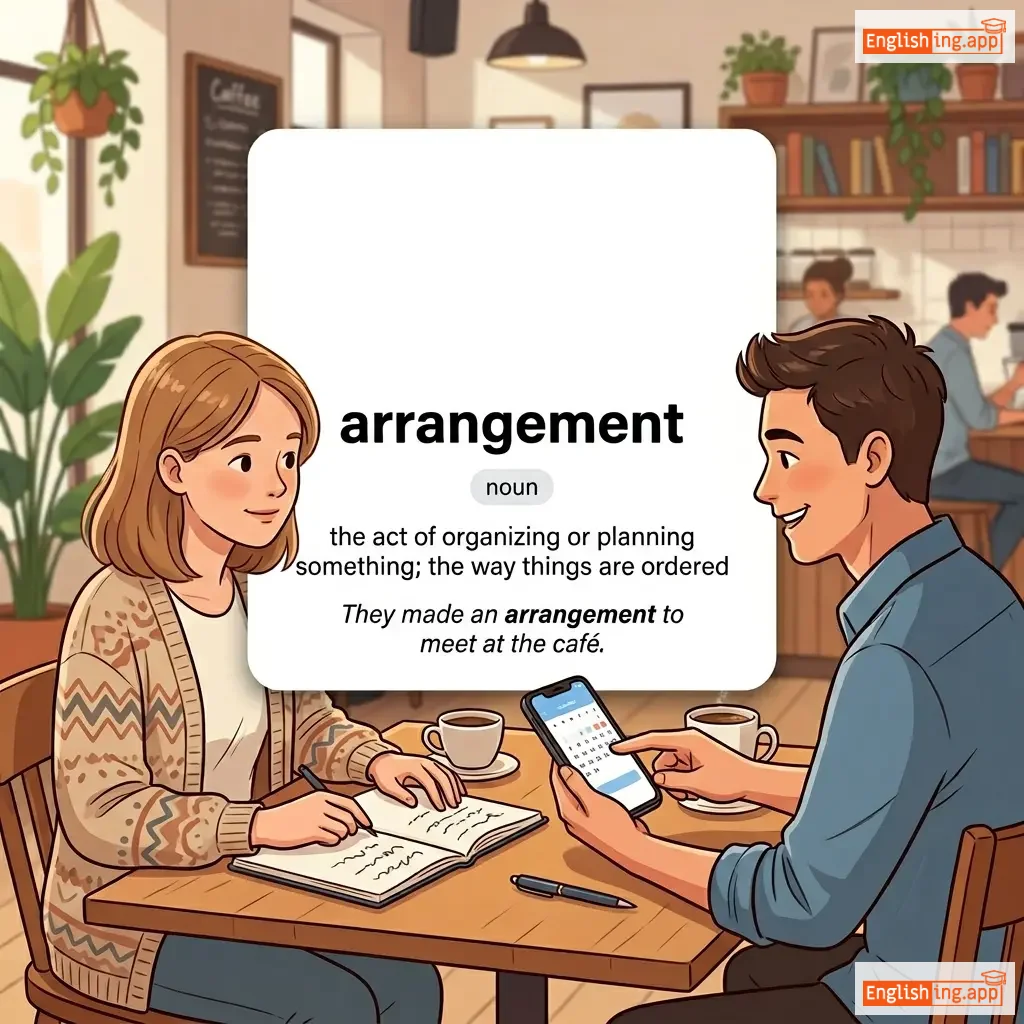
#656
🏗️
|
əˈreɪndʒmənt
noun
(アレンジメント)
••••••
|
|
配置
haichi
••••••
|
The way things are organized, positioned, or structured.
••••••
|
The arrangement of protons in the nucleus is critical.
原子核内の陽子の配置は重要です。
••••••
|
原子核内の陽子の配置は重要です。
Genshikaku-nai no yōshi no haichi wa jūyō desu.
••••••
|
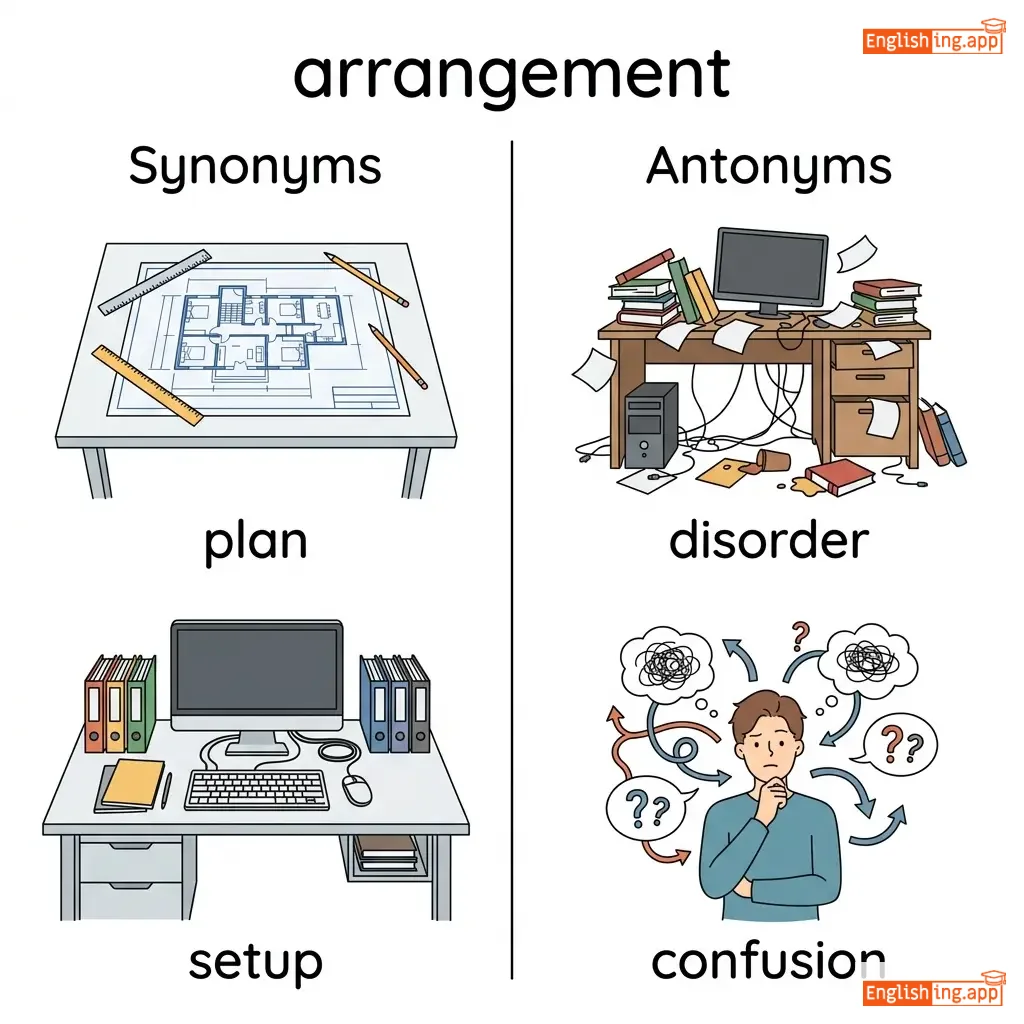
order, organization
••••••
|
disorder, chaos
••••••
|
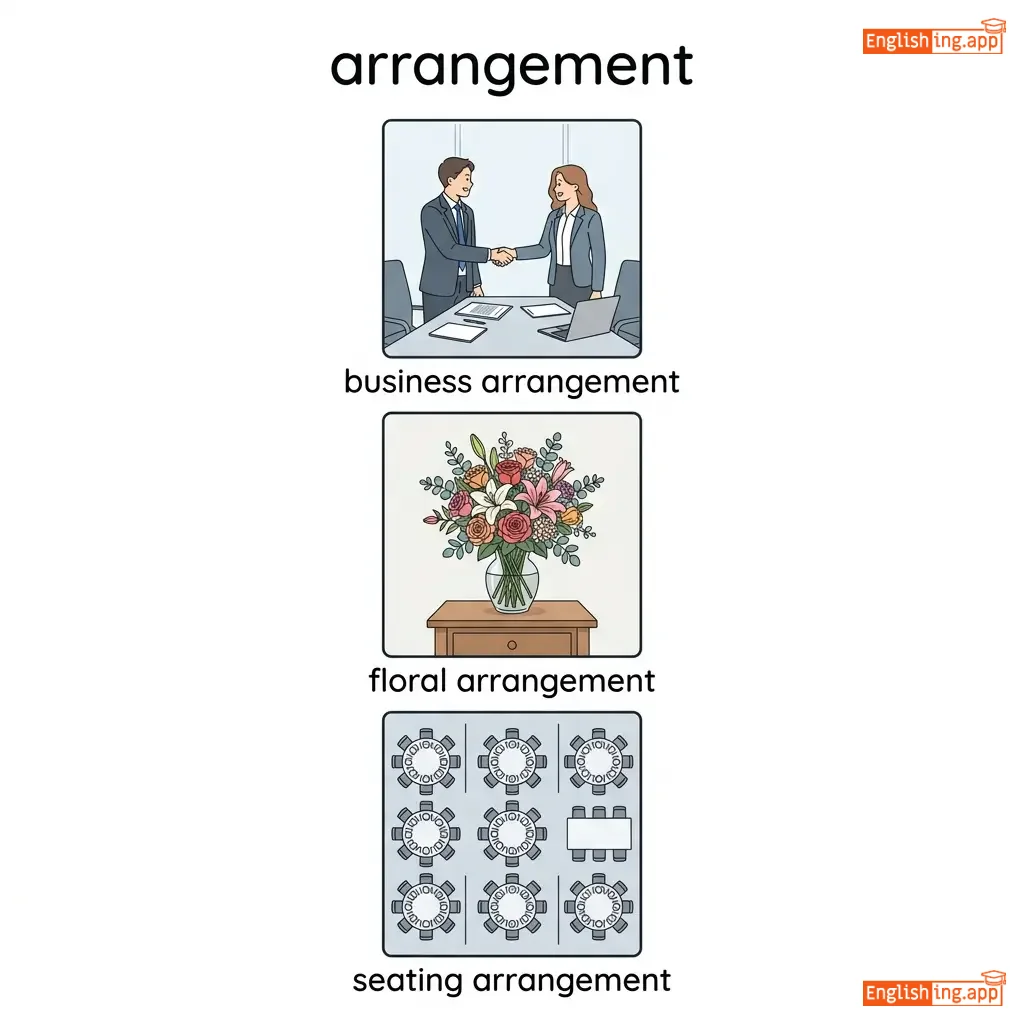
配置 (arrangement) は、物事を順番に並べることを指します。
••••••
|
|
#657
⚖️
|
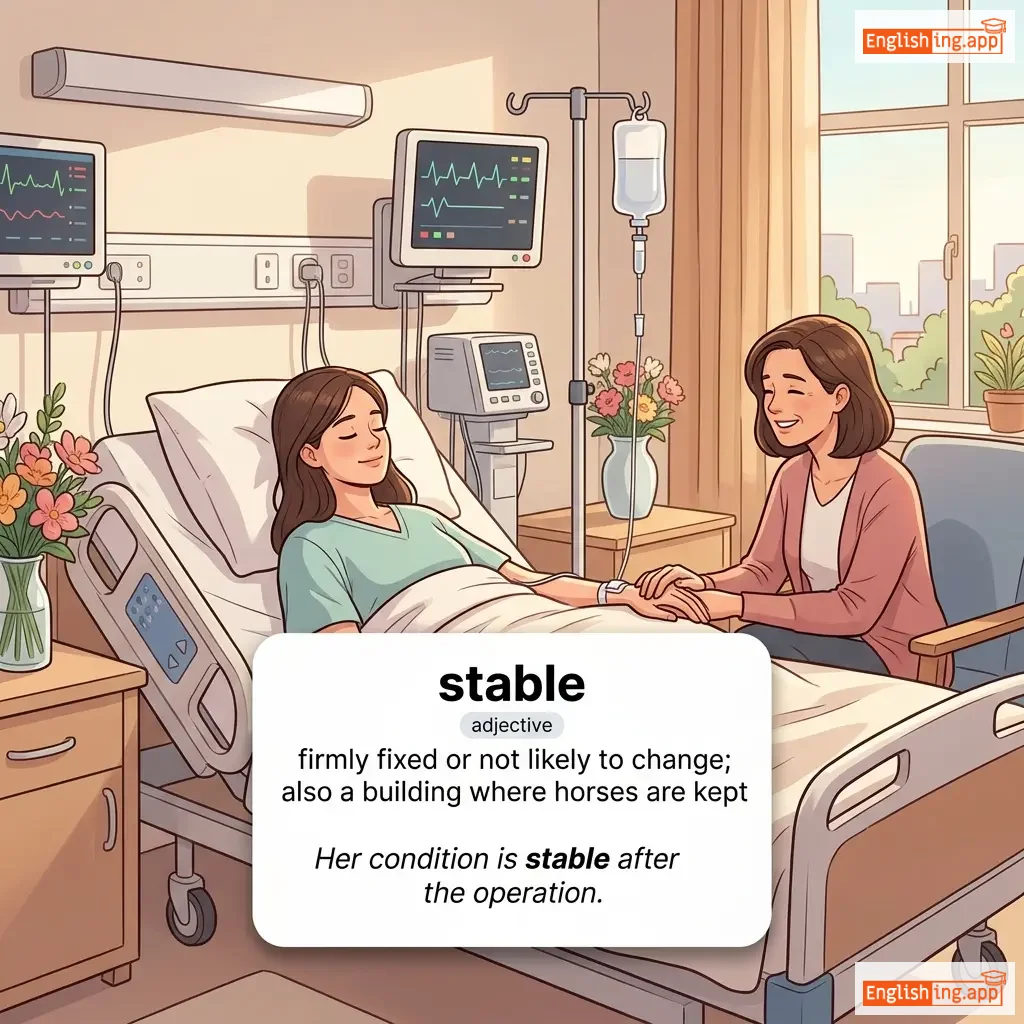
ˈsteɪbl
adjective
(ステーブル)
••••••
|
|
安定した
antei shita
••••••
|
Not likely to change or fail; firmly established.
••••••
|
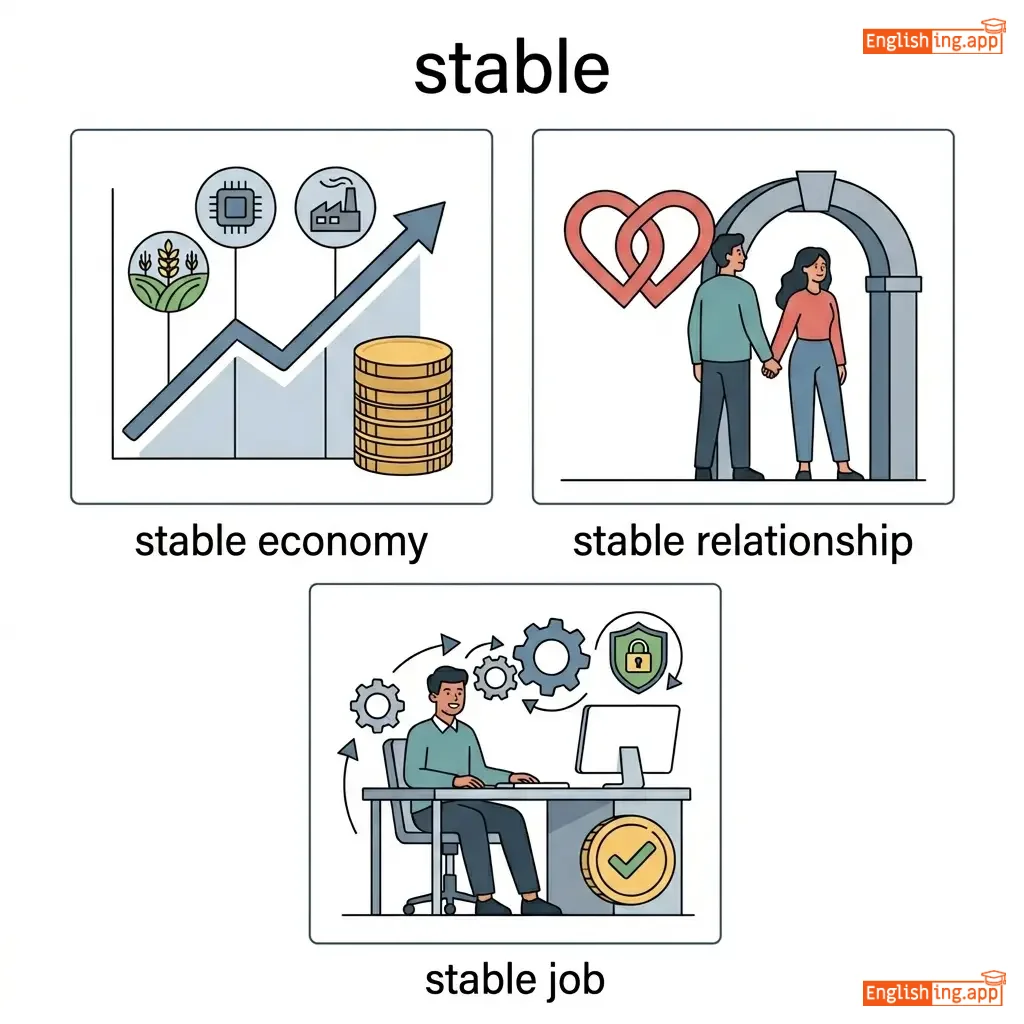
Strong nuclear force keeps the nucleus stable.
強い核力は原子核を安定させる。
••••••
|
強い核力は原子核を安定させる。
Tsuyoi kakuryoku wa genshikaku o antei saseru.
••••••
|
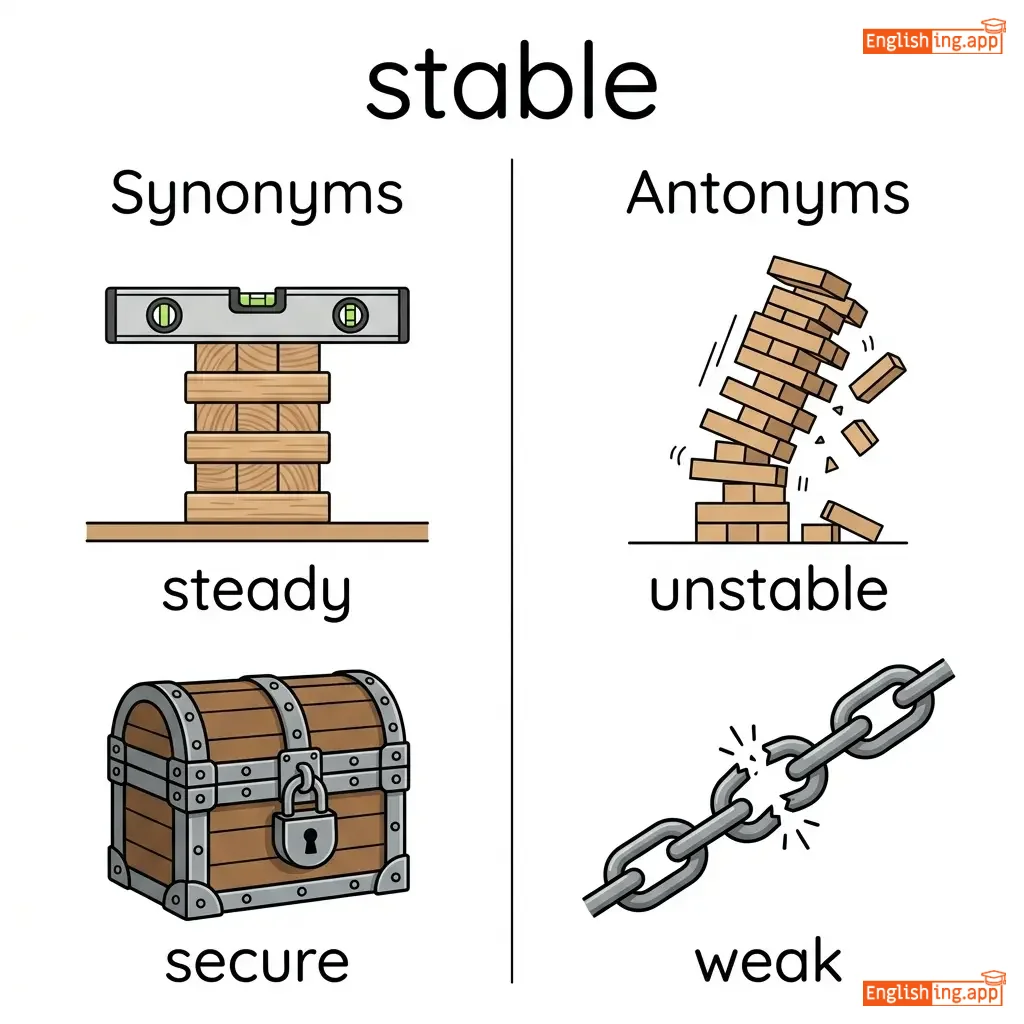
steady, secure
••••••
|
unstable, volatile
••••••
|
安定 = ようやくしっかり安定しているテーブル。
••••••
|
Vocabulary Quiz
Test your vocabulary by matching words with their translations or meanings.
Login to take the quiz
Comments (0)
Share your thoughts and join the discussion.
Join the discussion by logging in
Login to CommentNo comments yet
Be the first to share your thoughts!