

万里の長城
The Great Wall of China
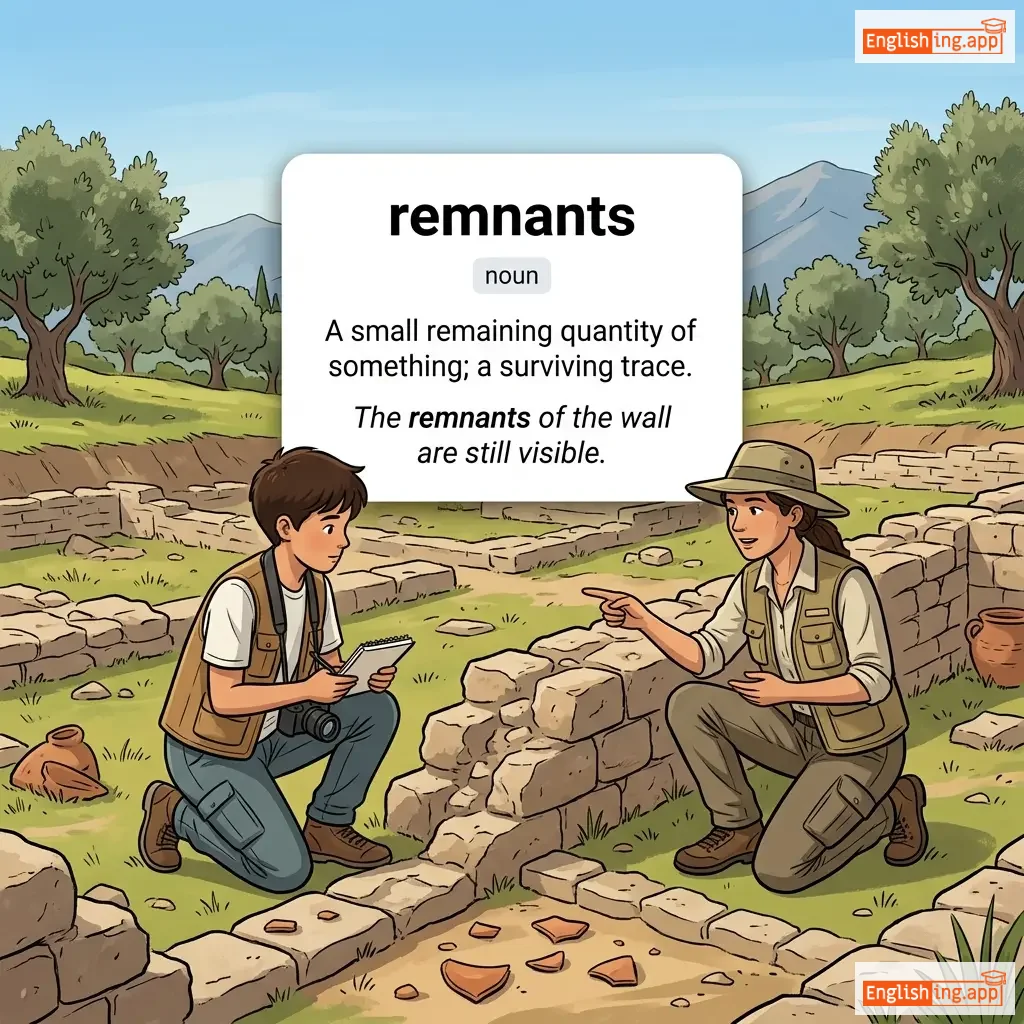
万里の長城(Great Wall of China) は、石と土で作られた長い structure です。紀元前5世紀から紀元16世紀にかけて、中国の北の boundary を守るために建設・維持されました。多くの fortifications が建てられましたが、紀元前220年から紀元前200年の間に中国初代皇帝・始皇帝によって建てられた barrier が最も有名です。それは現在の壁のかなり北に位置し、わずかな remnants しか残っていません。現在の壁は明王朝時代に建てられました。
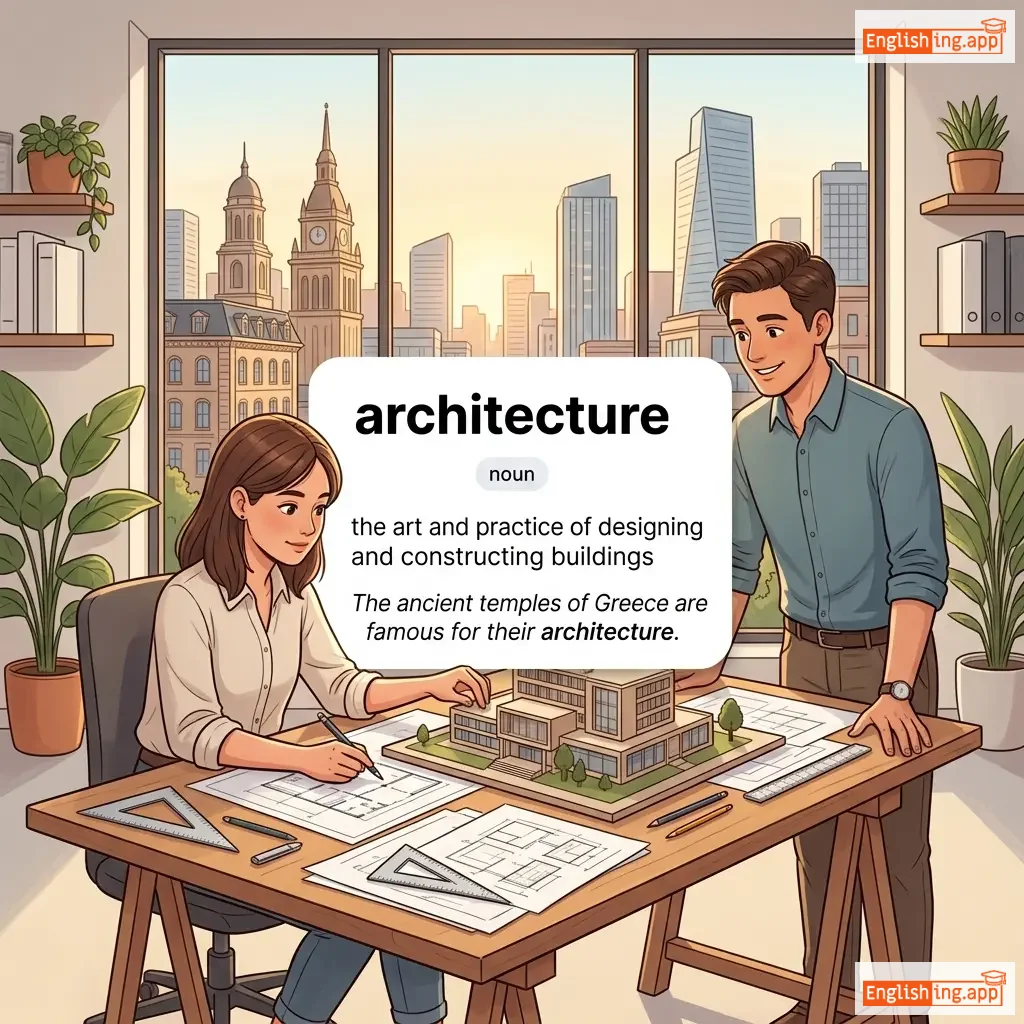
万里の長城 は人類の手によって作られた世界最大の architecture です。高さは約5〜8メートル、全長は8851.8キロメートルあります。上海の近くから始まり、ロプノールという場所で終わります。
主な部分の建設は紀元前208年頃に始まりました。建設作業は秦帝国時代の中国人によって開始されました。中国初代皇帝・秦始皇はこれを最初に使用し、敵から自分の territory を守るために延長しました。中国の自然の barriers に加え、他の地域を守るためにも使われ、北方の匈奴族に対する最初の defense 線となりました。
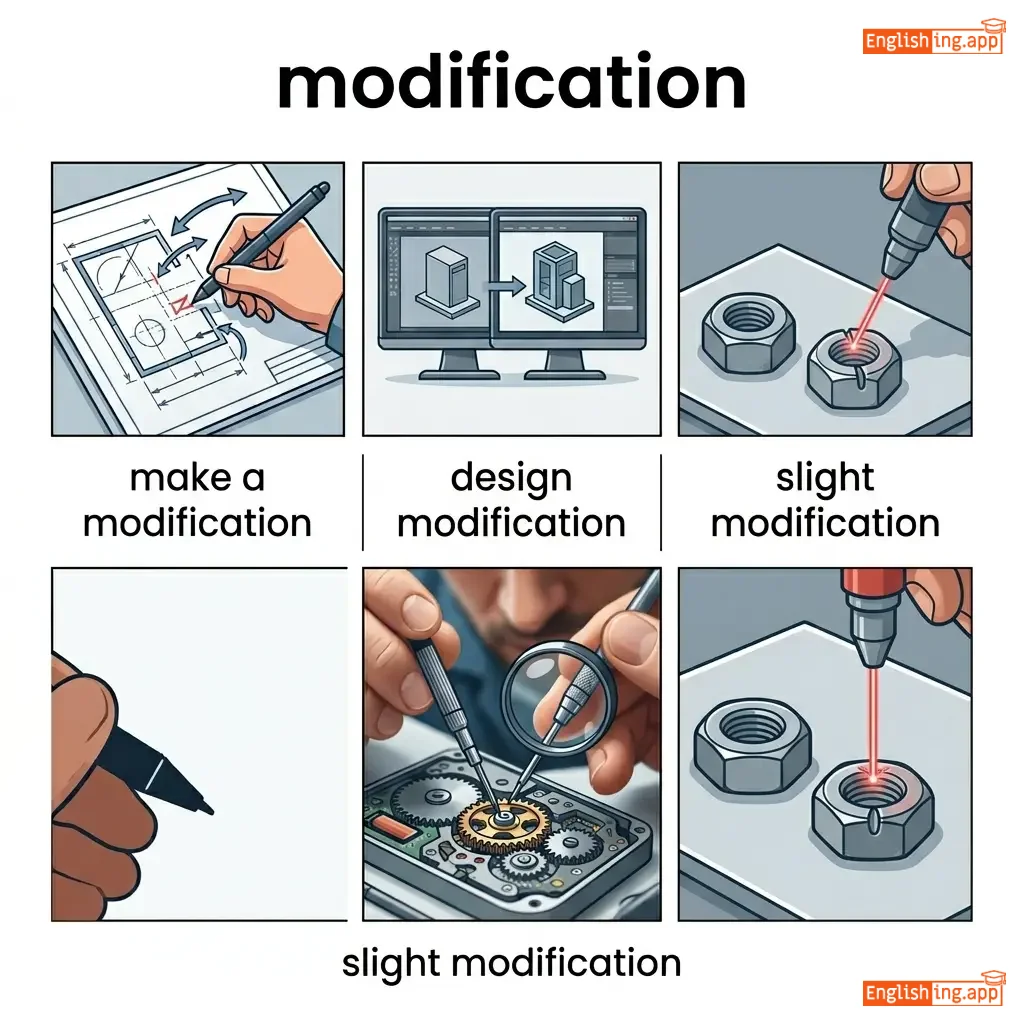
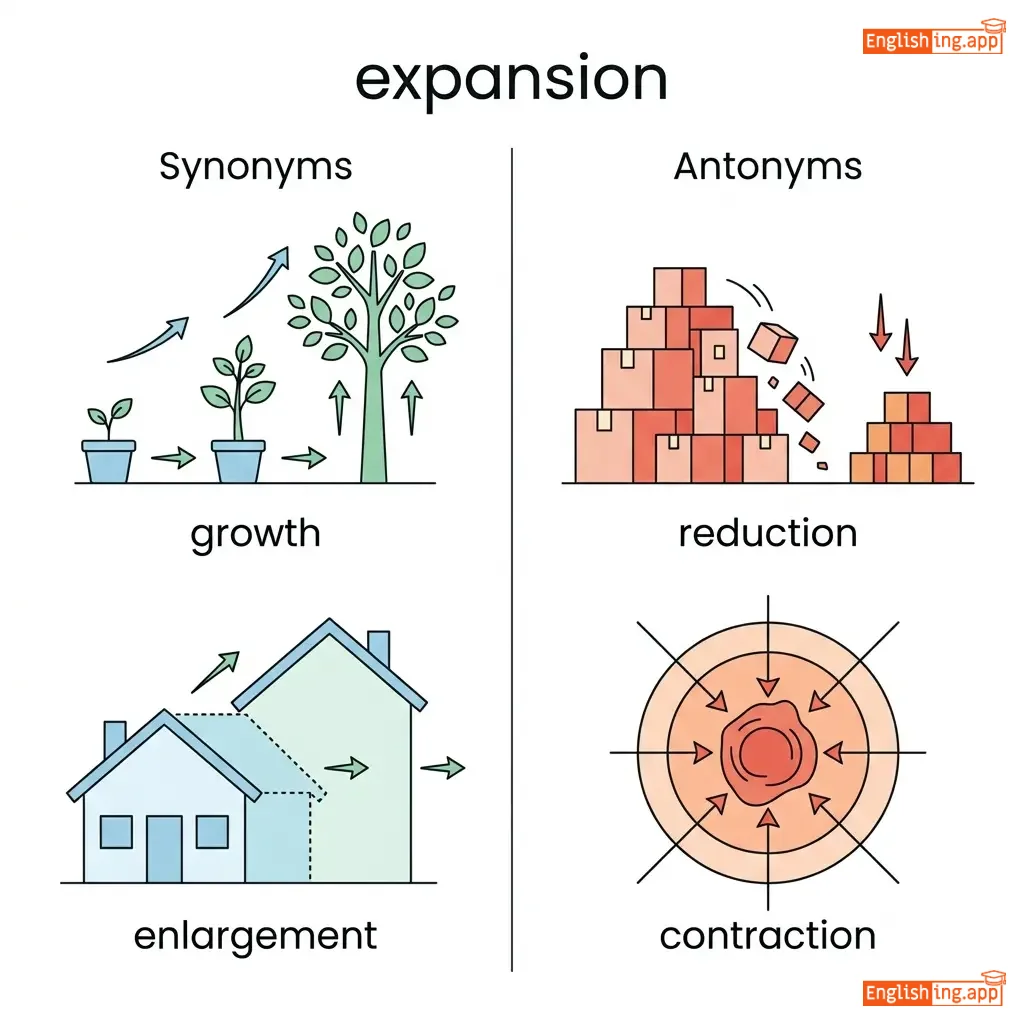
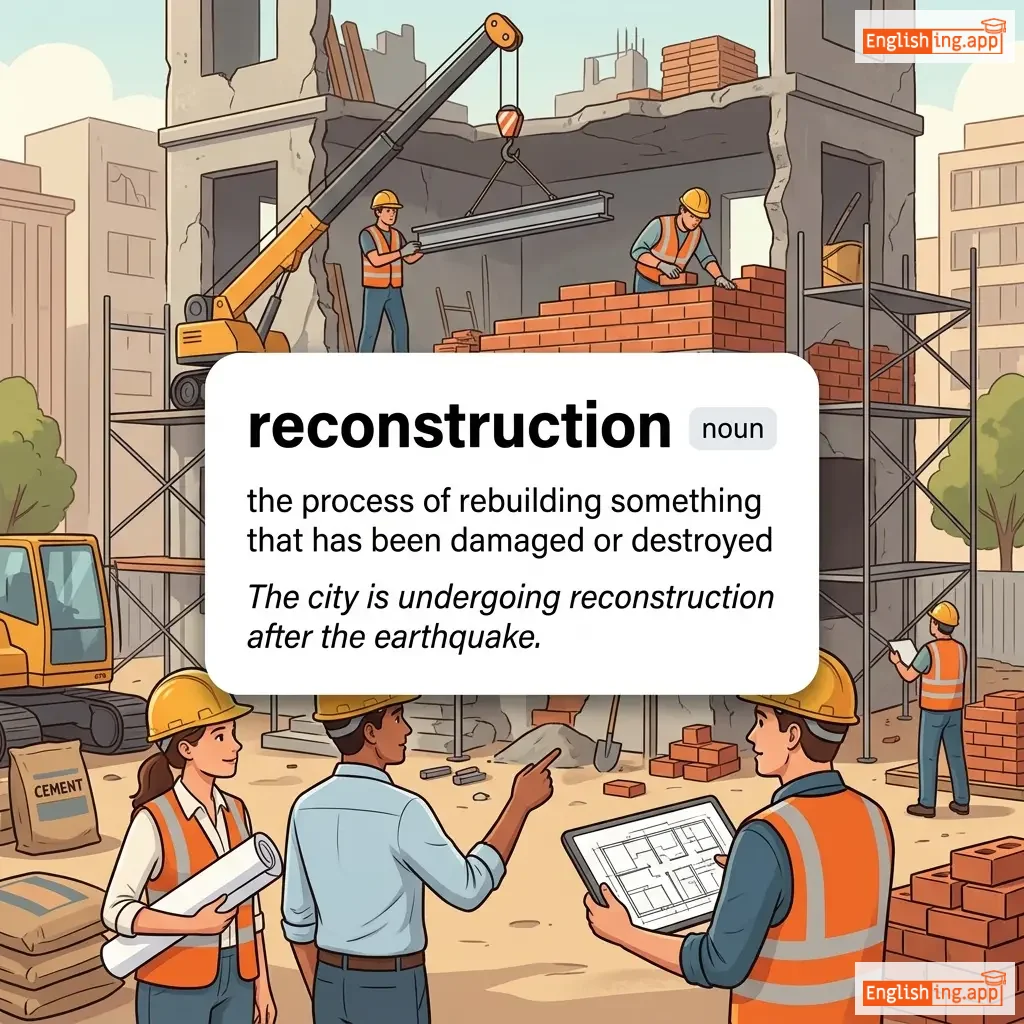
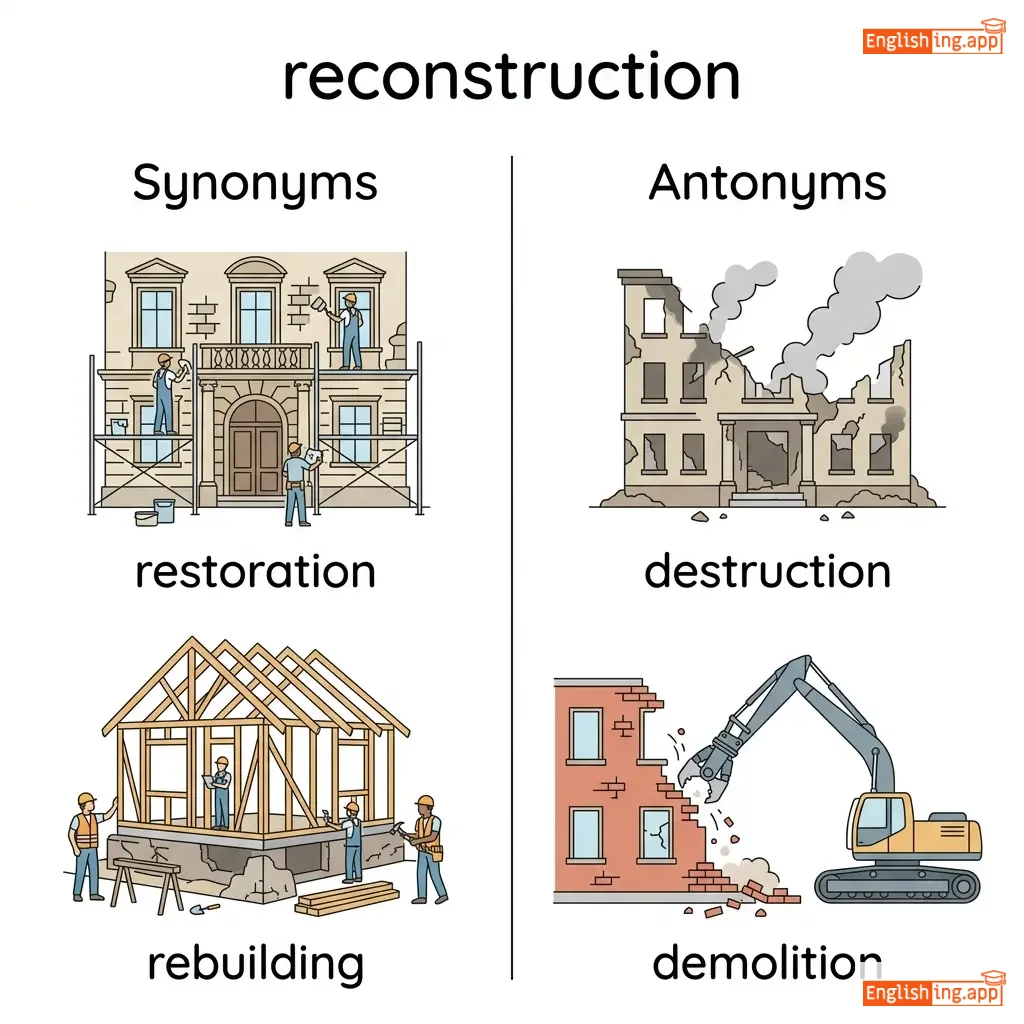
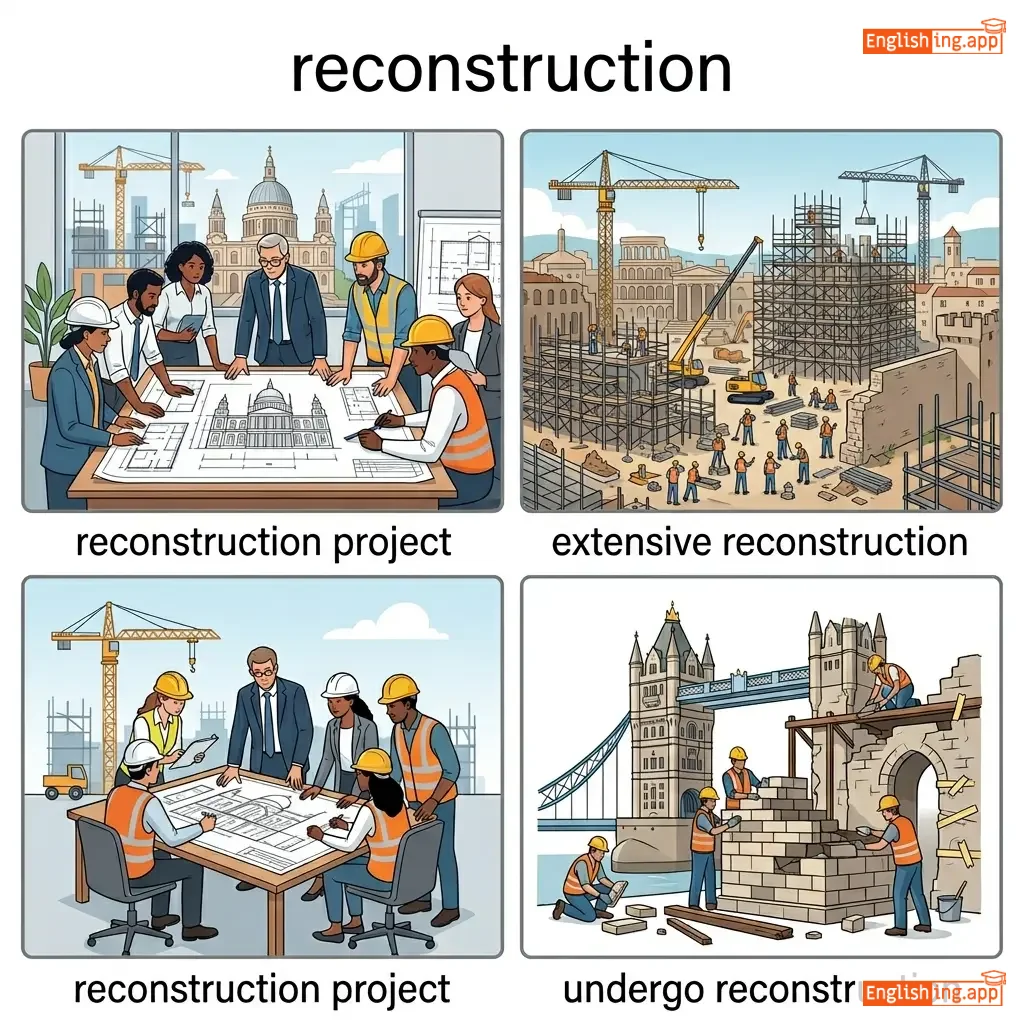
漢、隋、北朝、金などの歴史の中でも、同じ理由で長城の modification、expansion、reconstruction が行われたことが記されています。
翻訳
過去
過去分詞
三人称単数
動名詞
意味
例文
例文の翻訳
同義語
対義語
コロケーション
ニーモニック




Swipe left or right, or use the buttons. Tap image to zoom.
例文の翻訳
単語
The Great Wall of ChinaThe Great Wall of China - マスクトグル
|
絵文字
|
単語 | Images | 翻訳 | 意味 | 例文 | 例文の翻訳 | 同義語 | 対義語 | ニーモニック |
|---|---|---|---|---|---|---|---|---|---|
|
#586
🏗️
|
ˈstrʌktʃə(r)
noun
(ストラクチャー)
••••••
|
|
構造
kōzō
••••••
|
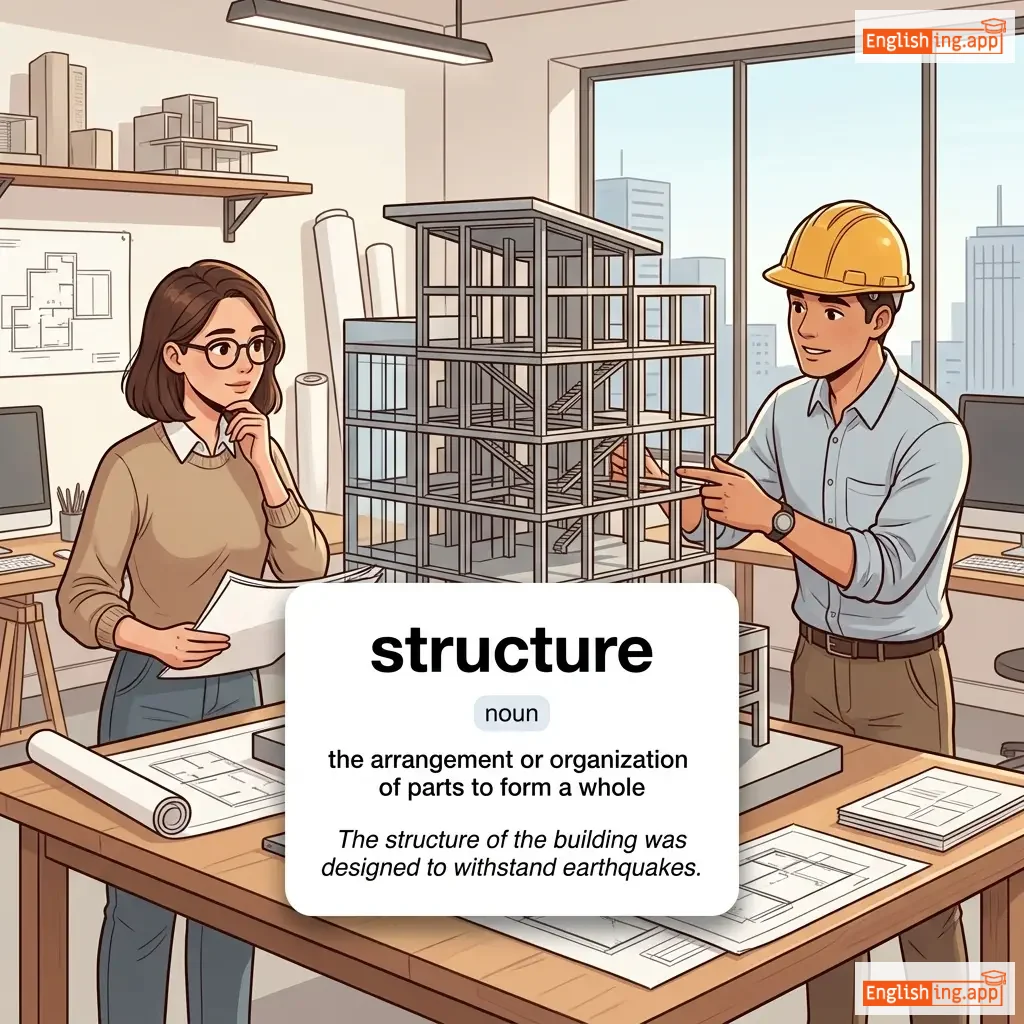
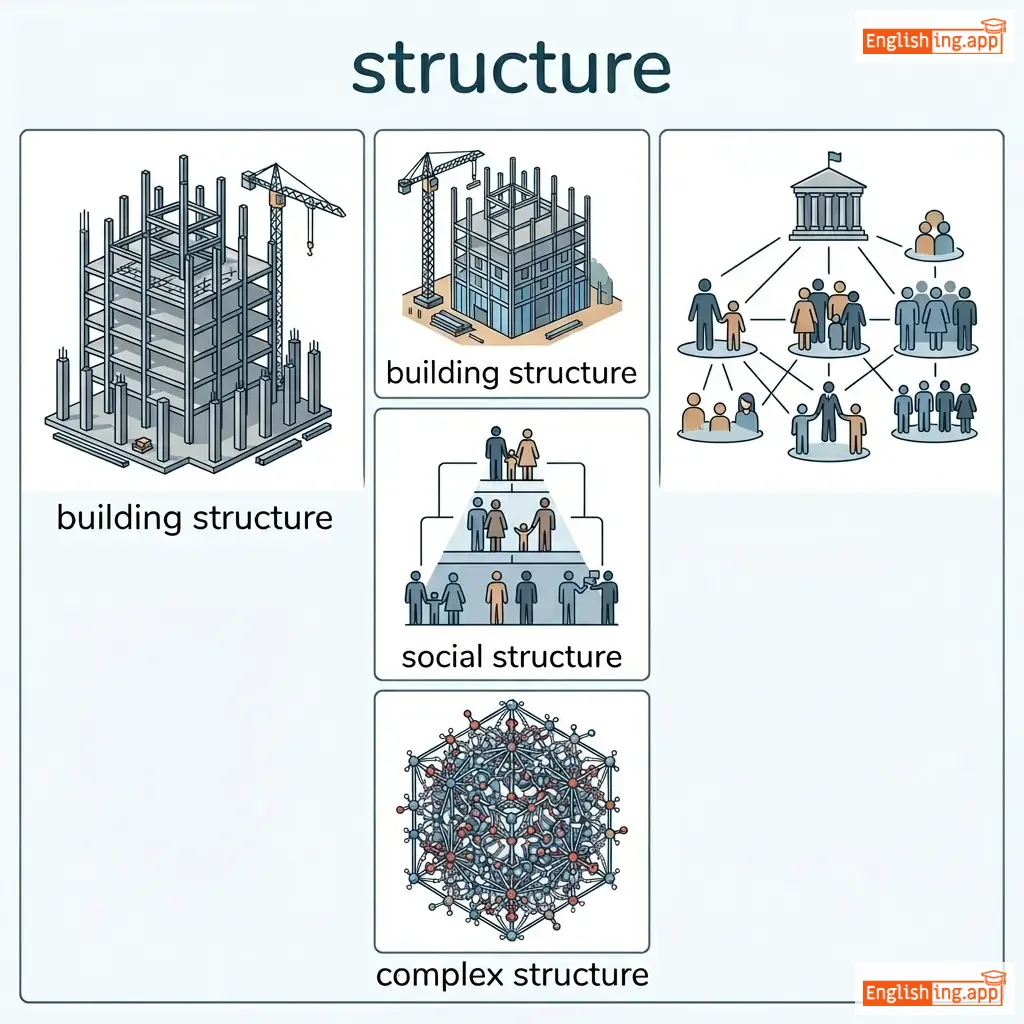
A building or other object constructed from several parts; the arrangement of and relations between the parts or elements of something complex.
••••••
|
The structure of the building was impressive. |
その建物の構造は印象的でした。
Sono tatemono no kōzō wa inshō-teki deshita.
••••••
|
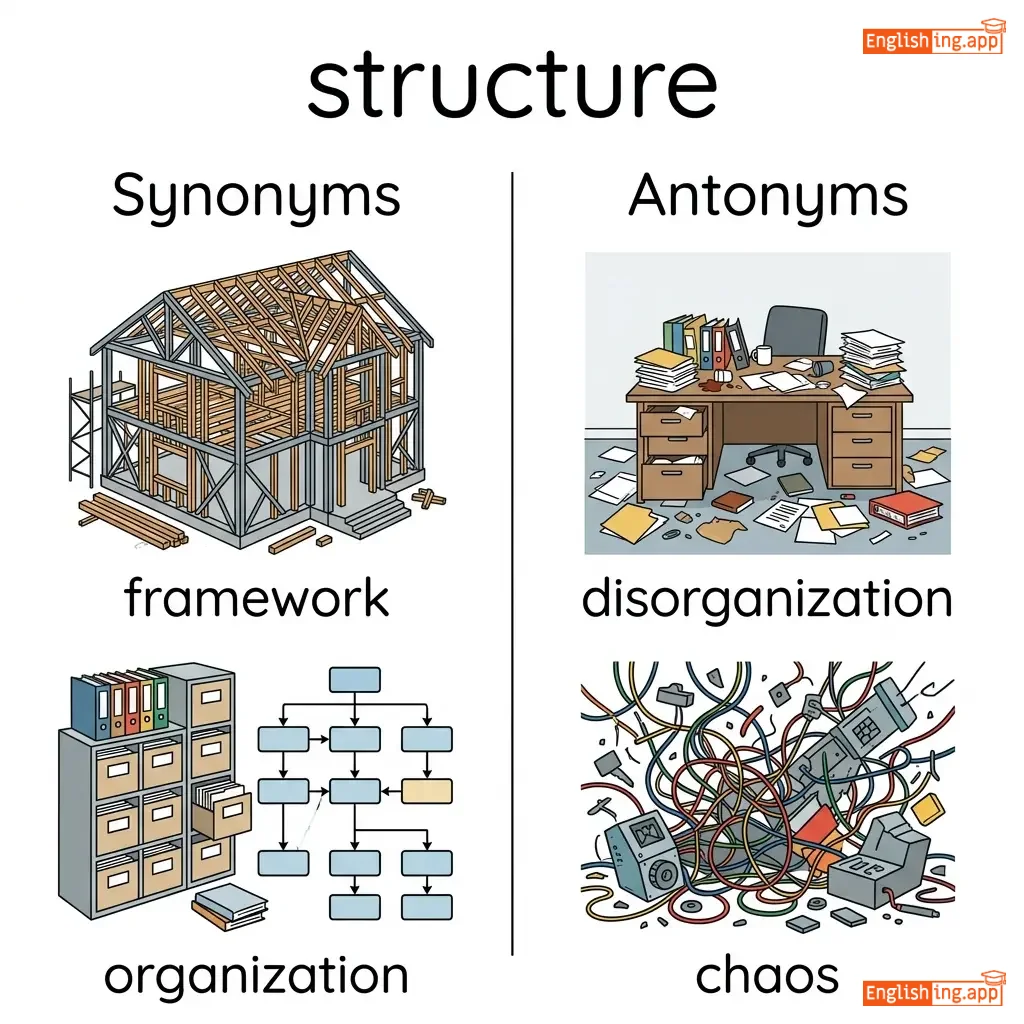
formation, framework
••••••
|
disorganization, chaos
••••••
|
構造は英語の'structure'と関連して、組織的な配置を覚えるのに役立ちます。
••••••
|
|
#587
🔲
|
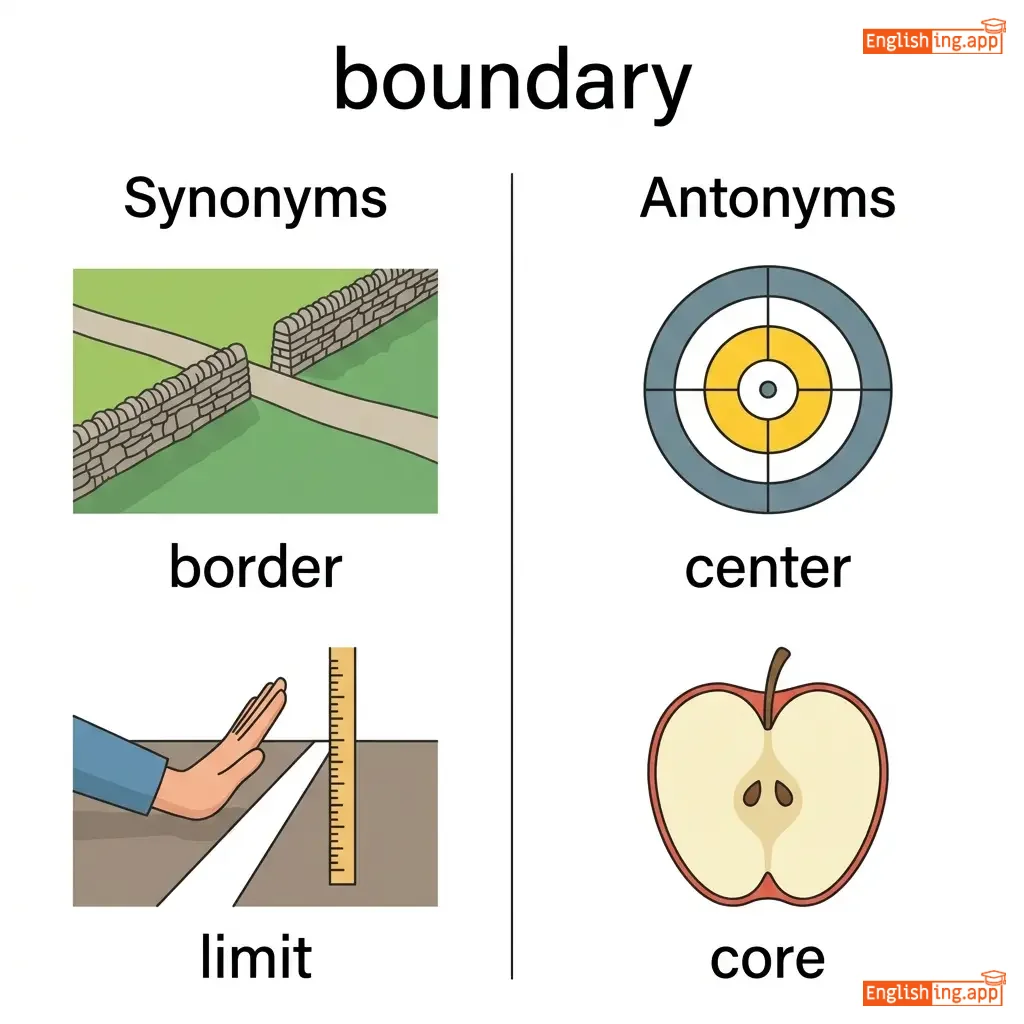
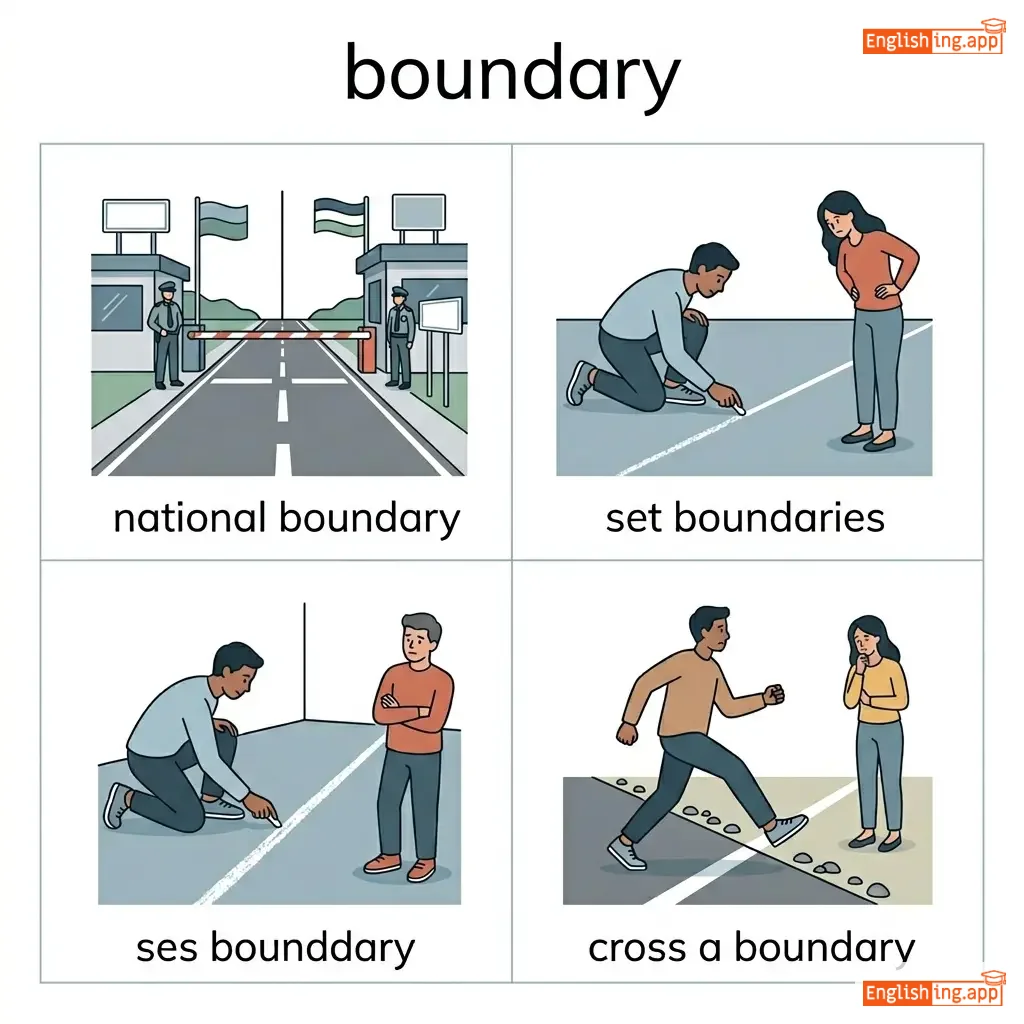
ˈbaʊndəri
noun
(バウンダリー)
••••••
|
|
境界
kyoukai
••••••
|
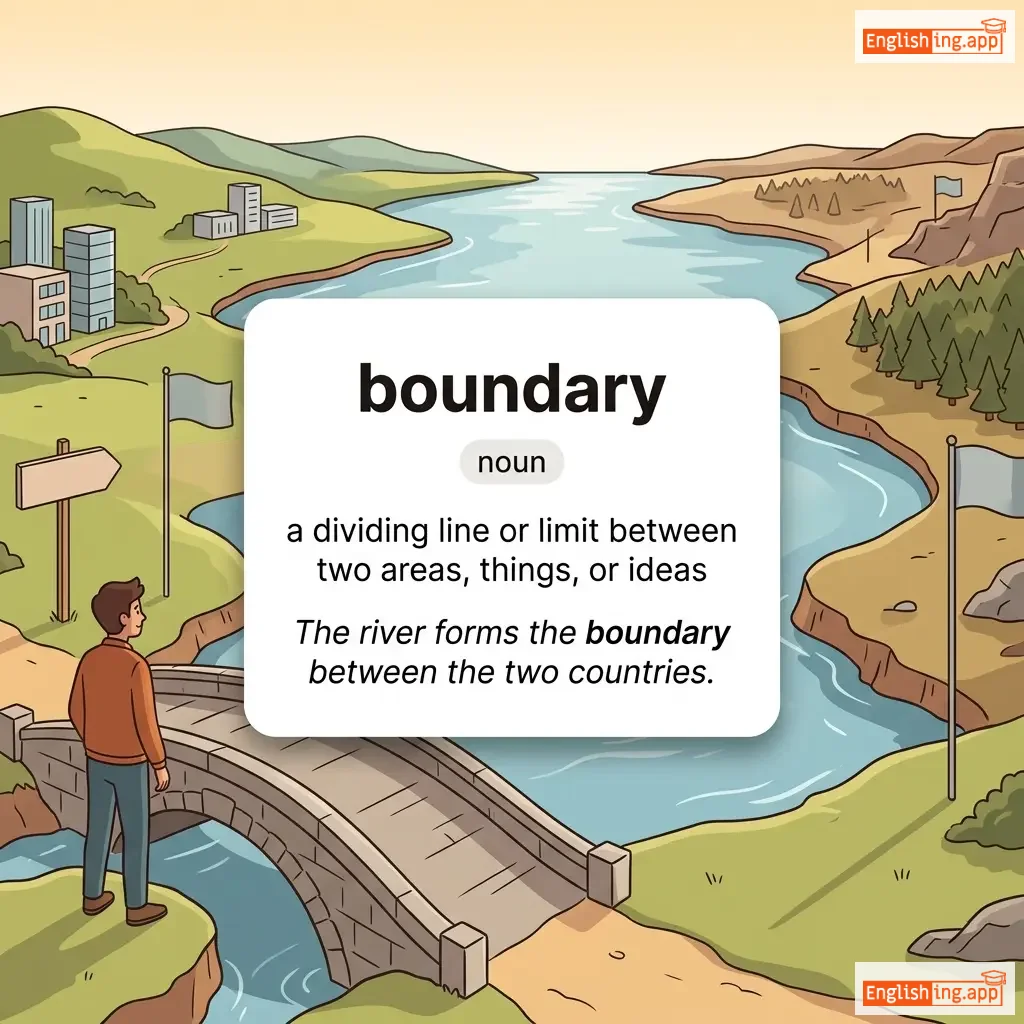
A line that marks the limits of an area; a dividing line.
••••••
|
The river marks the boundary. |
川が境界を示します。
Kawa ga kyoukai wo shimeshimasu.
••••••
|
border, limit
••••••
|
center, interior
••••••
|
In Japanese, '境界' (kyoukai) is the boundary, dividing places just like borders.
••••••
|
|
#588
🏰
|
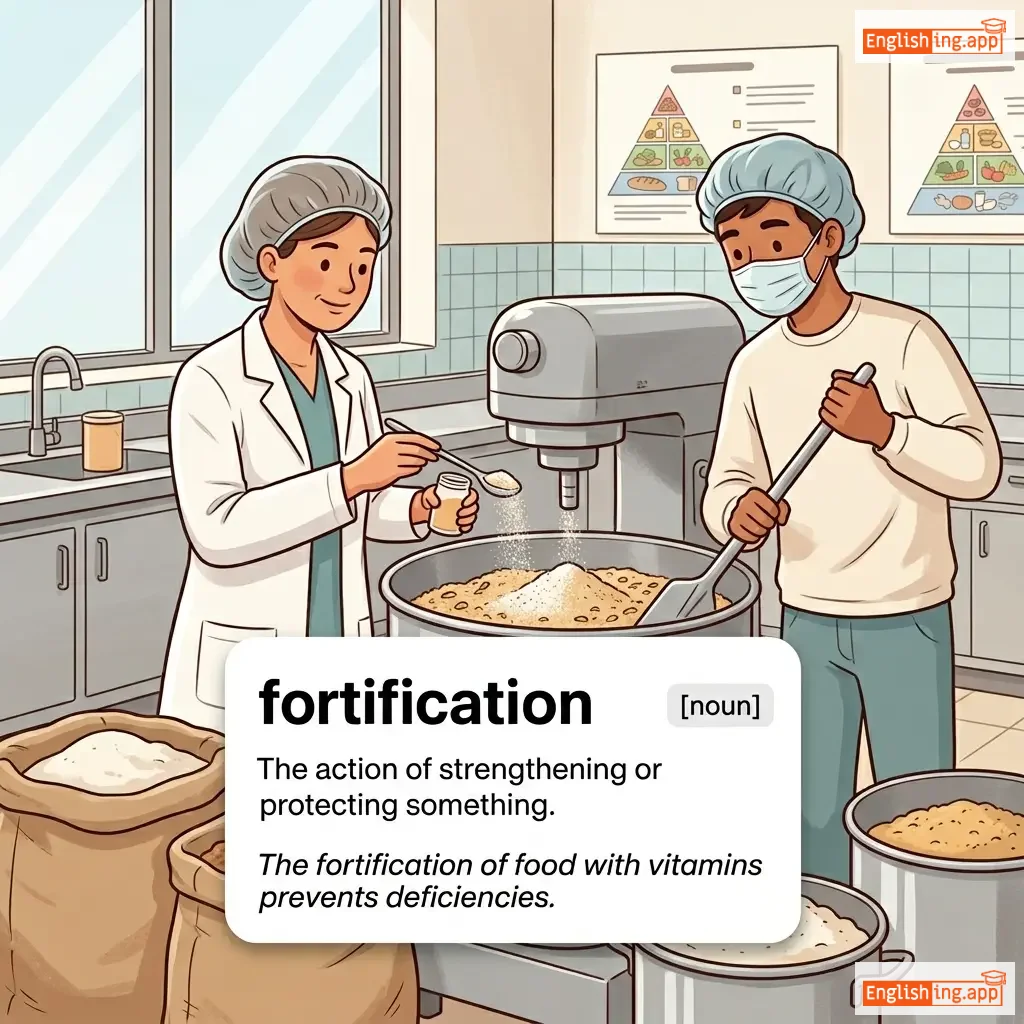
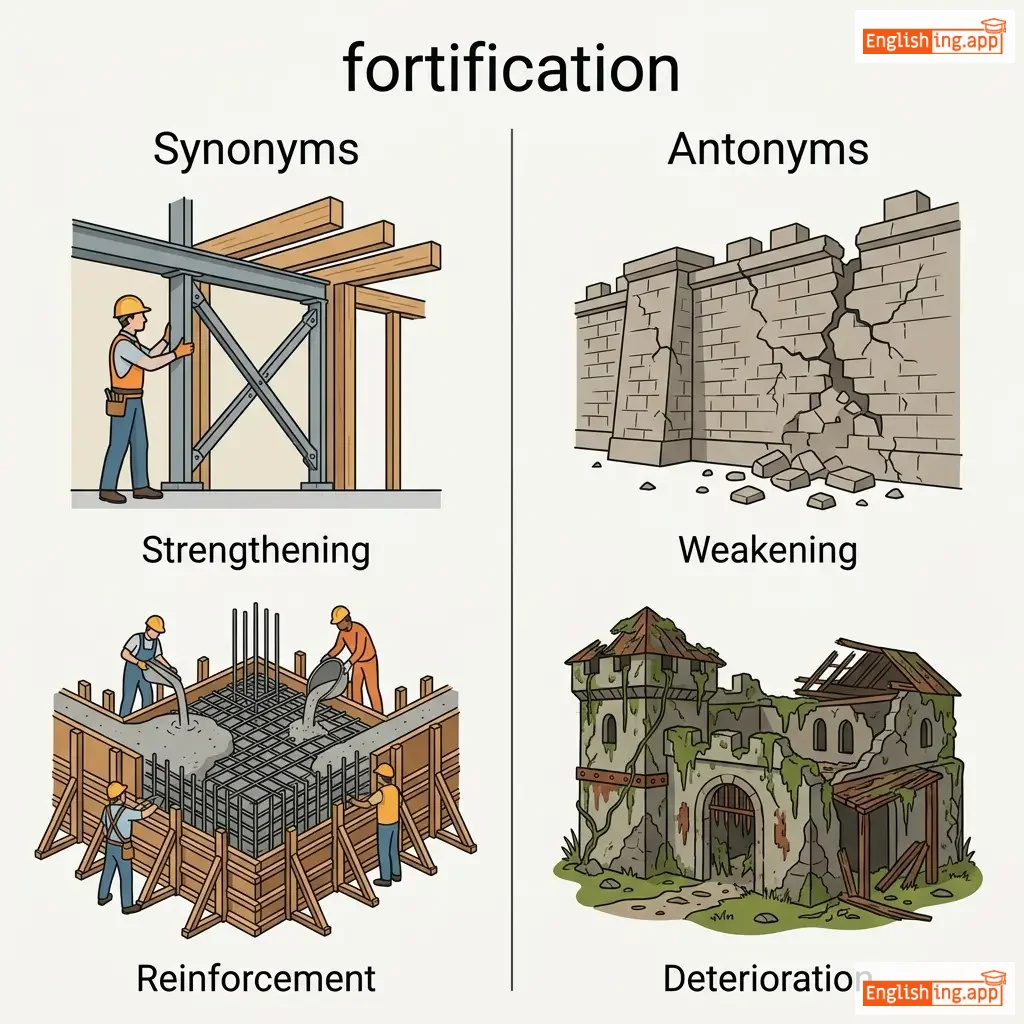
ˌfɔːtɪfɪˈkeɪʃn
noun
(フォーティフィケーション)
••••••
|
|
要塞化
yousaika
••••••
|
A defensive wall or other reinforcement built to strengthen a place against attack.
••••••
|
The fortifications protected the city.
フォーティフィケーションは都市を守った。
••••••
|
要塞化は都市を守った。
Yousaika wa toshi o mamotta.
••••••
|
bastion, stronghold
••••••
|
weakness, vulnerability
••••••
|
要塞化は防御のために作られた、守りの壁のようなものです。
••••••
|
|
#589
🧱
|
ˈremnənts
noun
(レムナンツ)
••••••
|
|
遺物
ibutsu
••••••
|
A small remaining quantity of something; a surviving trace.
••••••
|
The remnants of the wall are still visible. |
壁の遺物はまだ見える。
Kabe no ibutsu wa mada mieru.
••••••
|
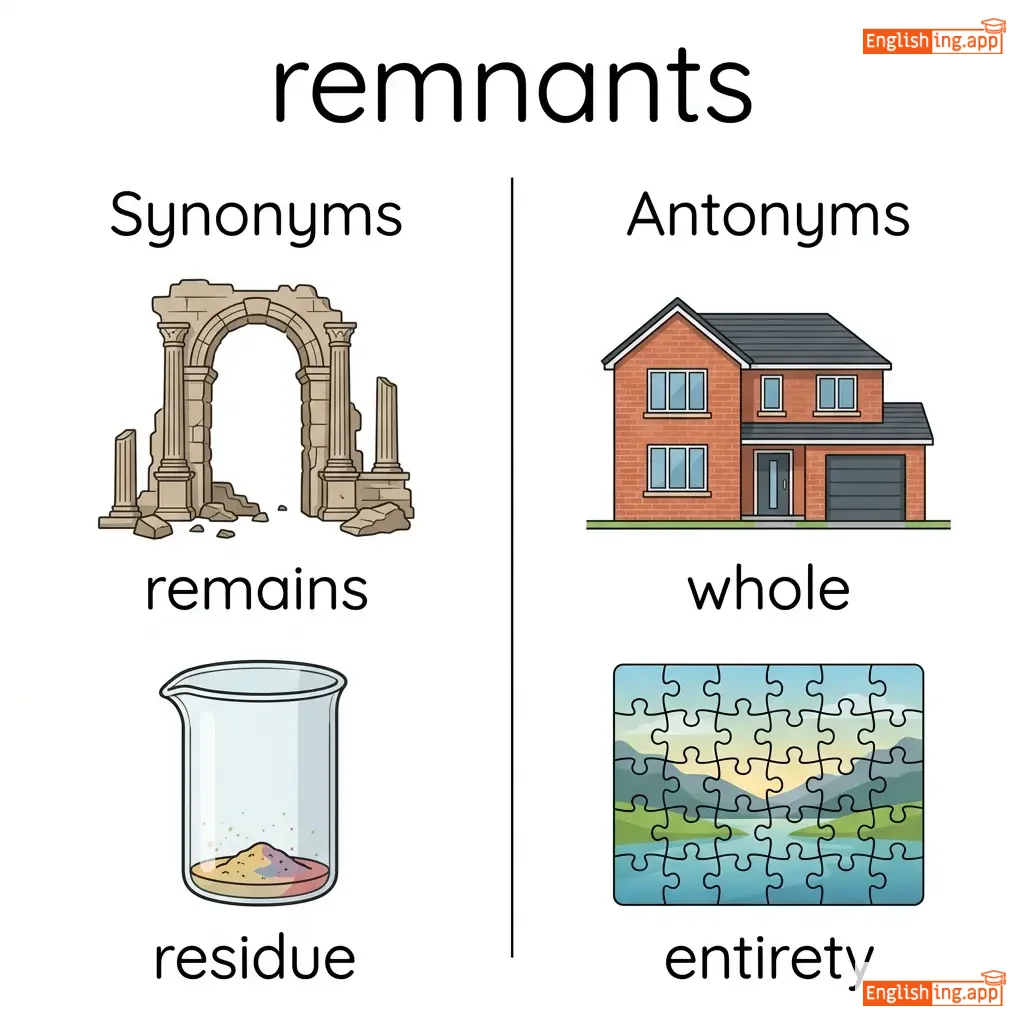
remains, residue
••••••
|
whole, entirety
••••••
|
Remnants = 遺物 (Remains in Japanese)
••••••
|
|
#590
🏛️
|
ˈɑːkɪtektʃə(r)
noun
(アーキテクチャ)
••••••
|
|
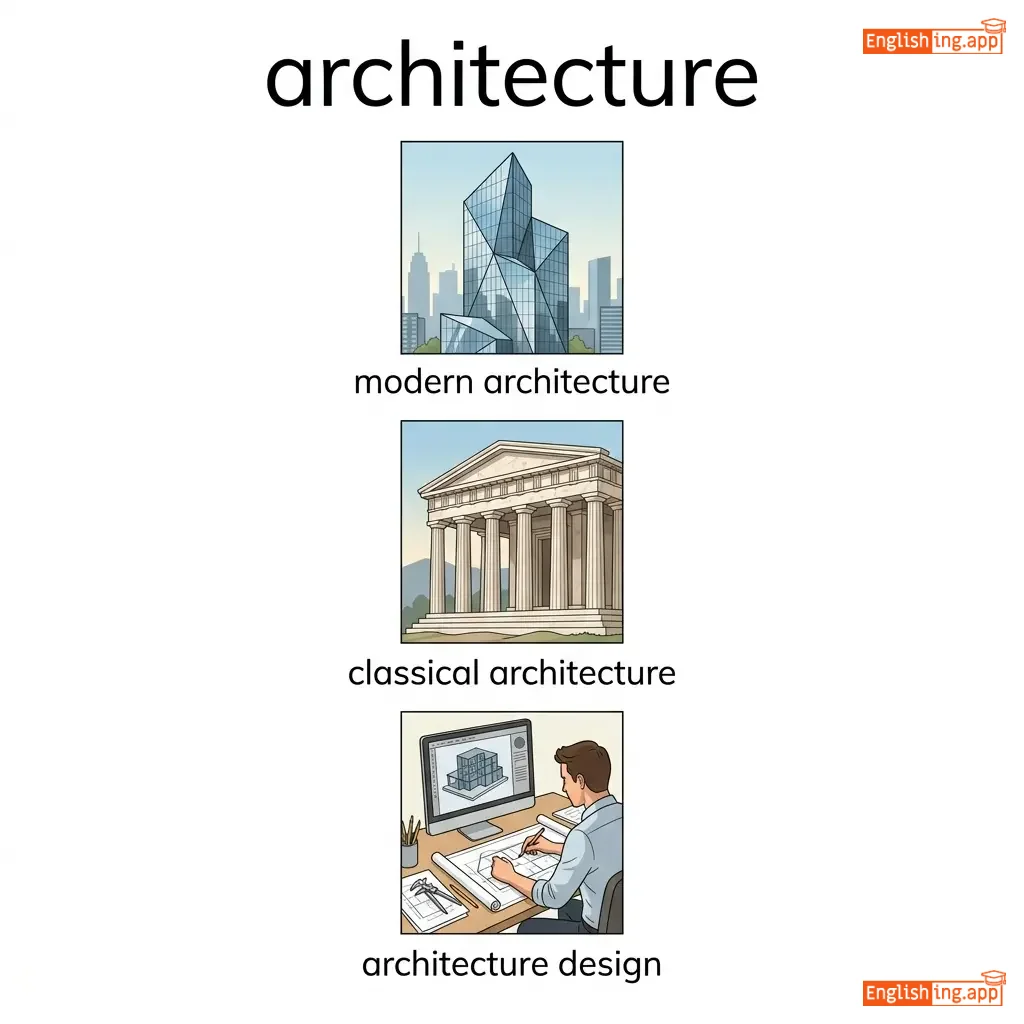
建築
kenchiku
••••••
|
The art or science of designing and constructing buildings.
••••••
|
Ancient architecture is fascinating. |
古代の建築は魅力的です。
Kodai no kenchiku wa miryokuteki desu.
••••••
|
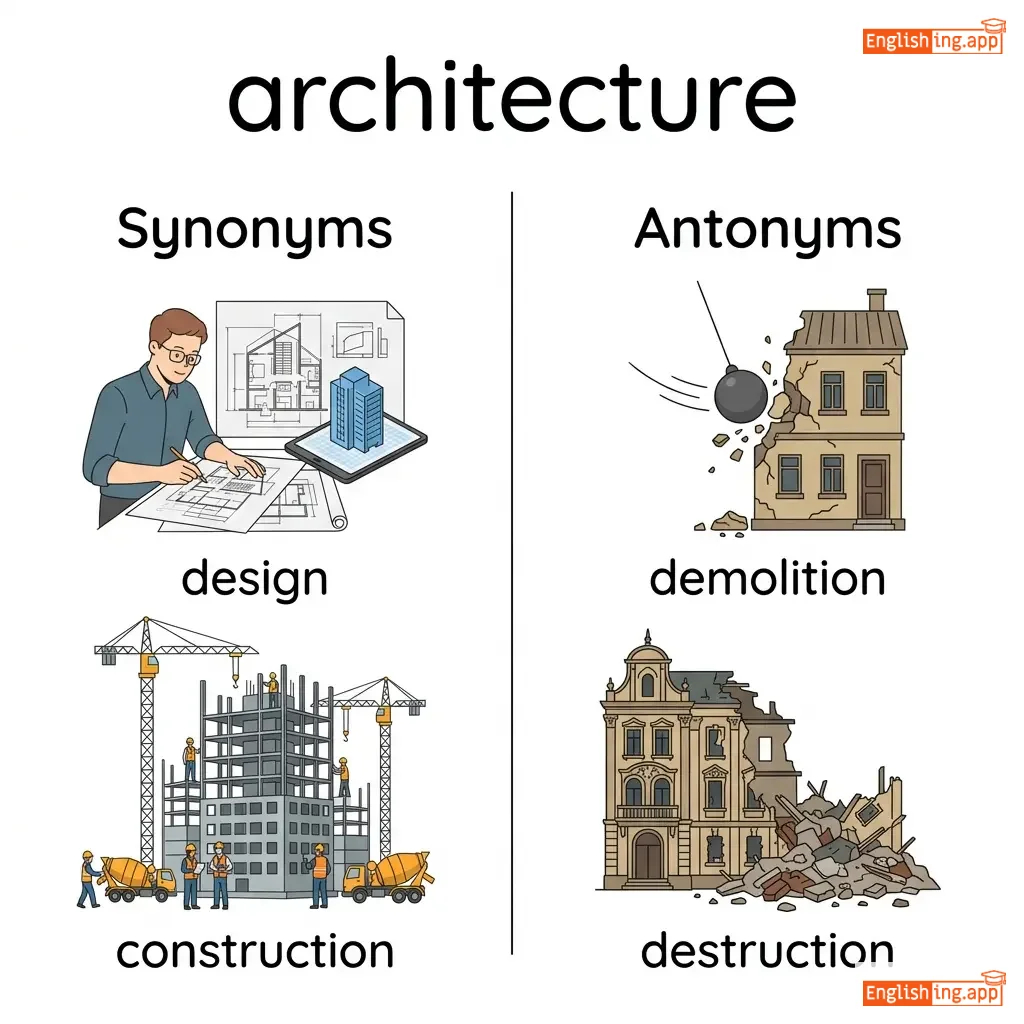
design, construction
••••••
|
demolition, deconstruction
••••••
|
建物 + 学問 = 建築
••••••
|
|
#591
🗺️
|
ˈterɪtəri
noun
(テリトリー)
••••••
|
|
領土
ryōdo
••••••
|
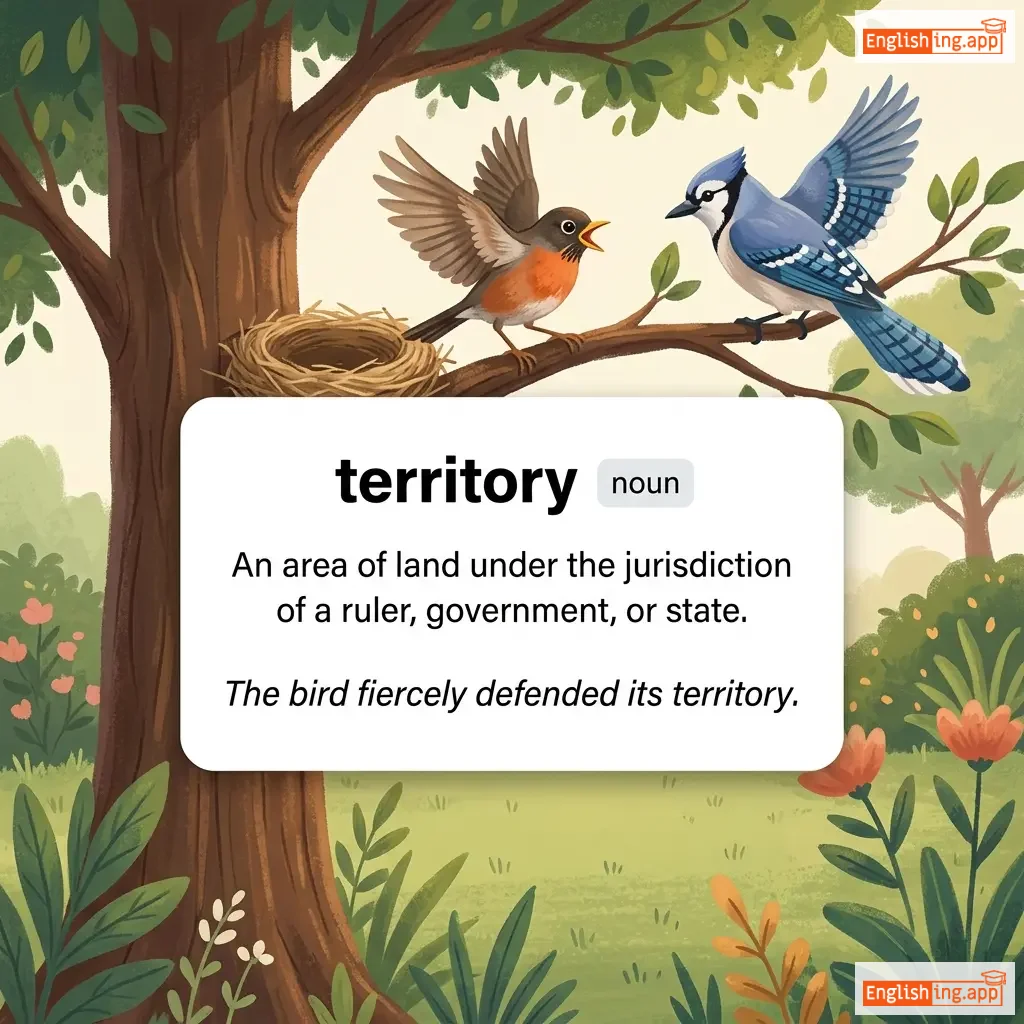
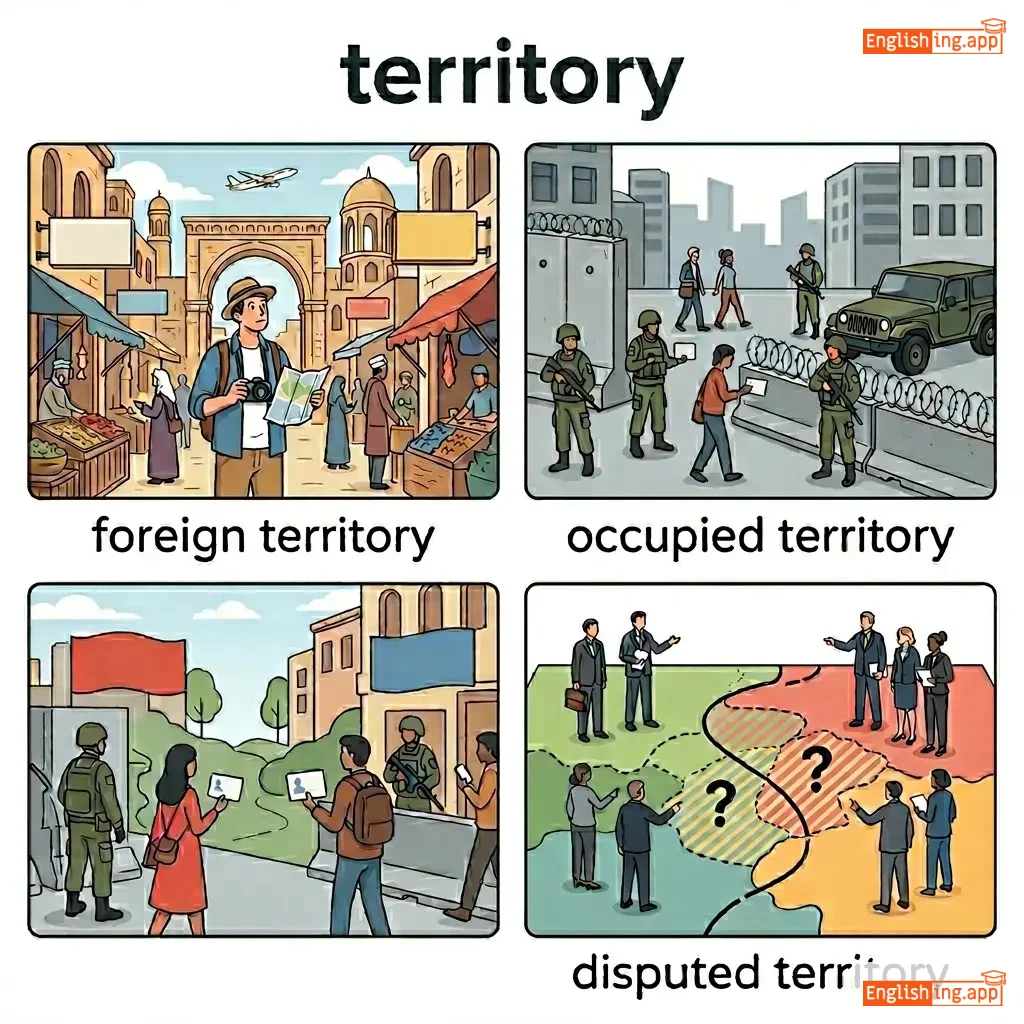
An area of land under the jurisdiction of a ruler or state.
••••••
|
The king expanded his territory. |
王は自分の領土を拡大しました。
Ō wa jibun no ryōdo o kakudai shimashita.
••••••
|
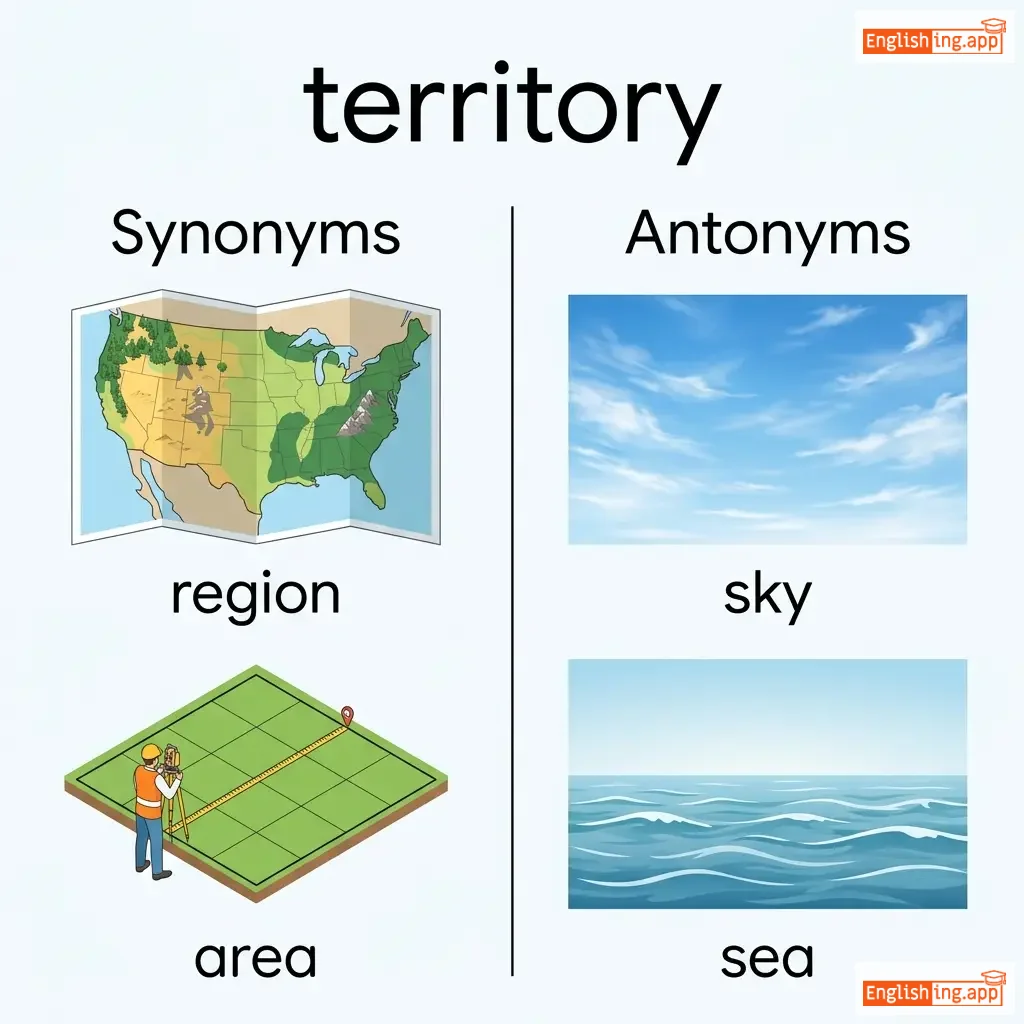
region, domain
••••••
|
foreign land, expanse
••••••
|
‘領土’ (ryōdo) means territory, a ruler's land.
••••••
|
|
#592
🚧
|
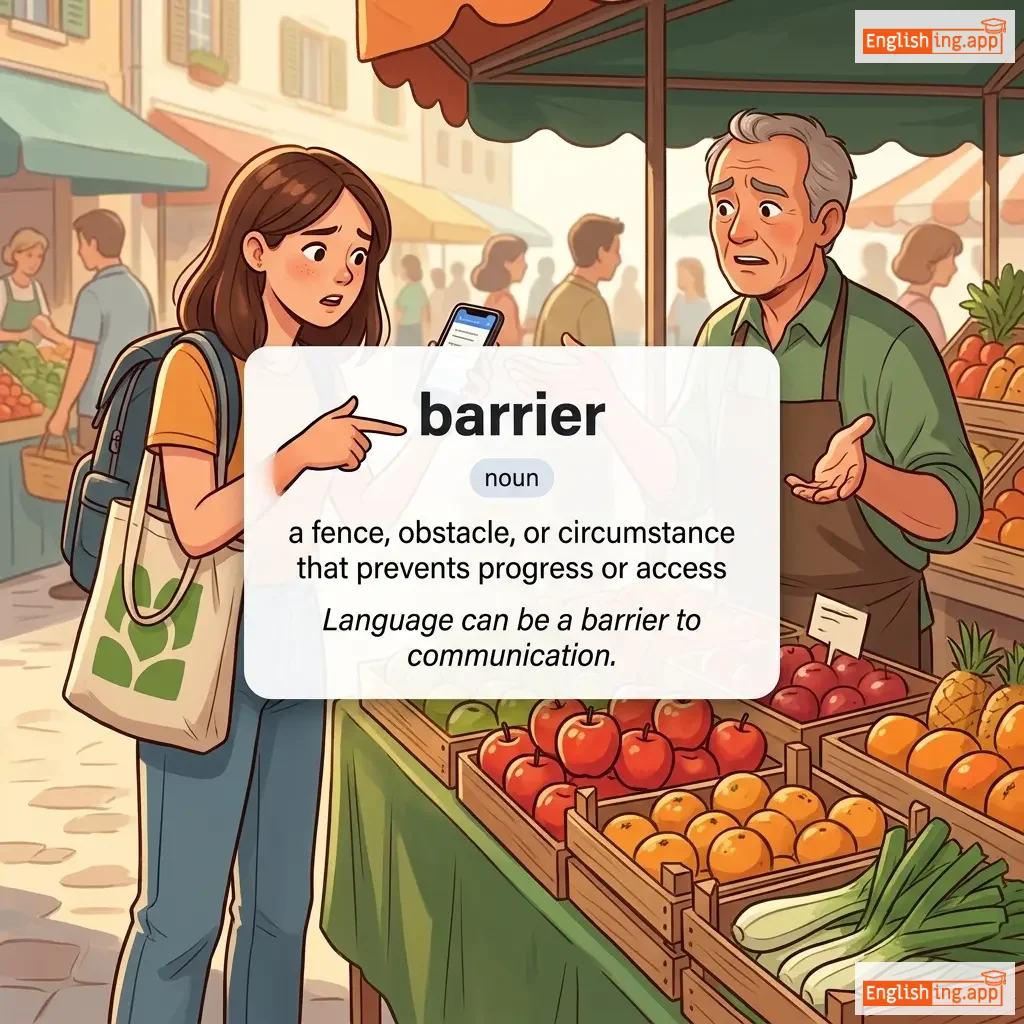
ˈbæriə(r)
noun
(バリア)
••••••
|
|
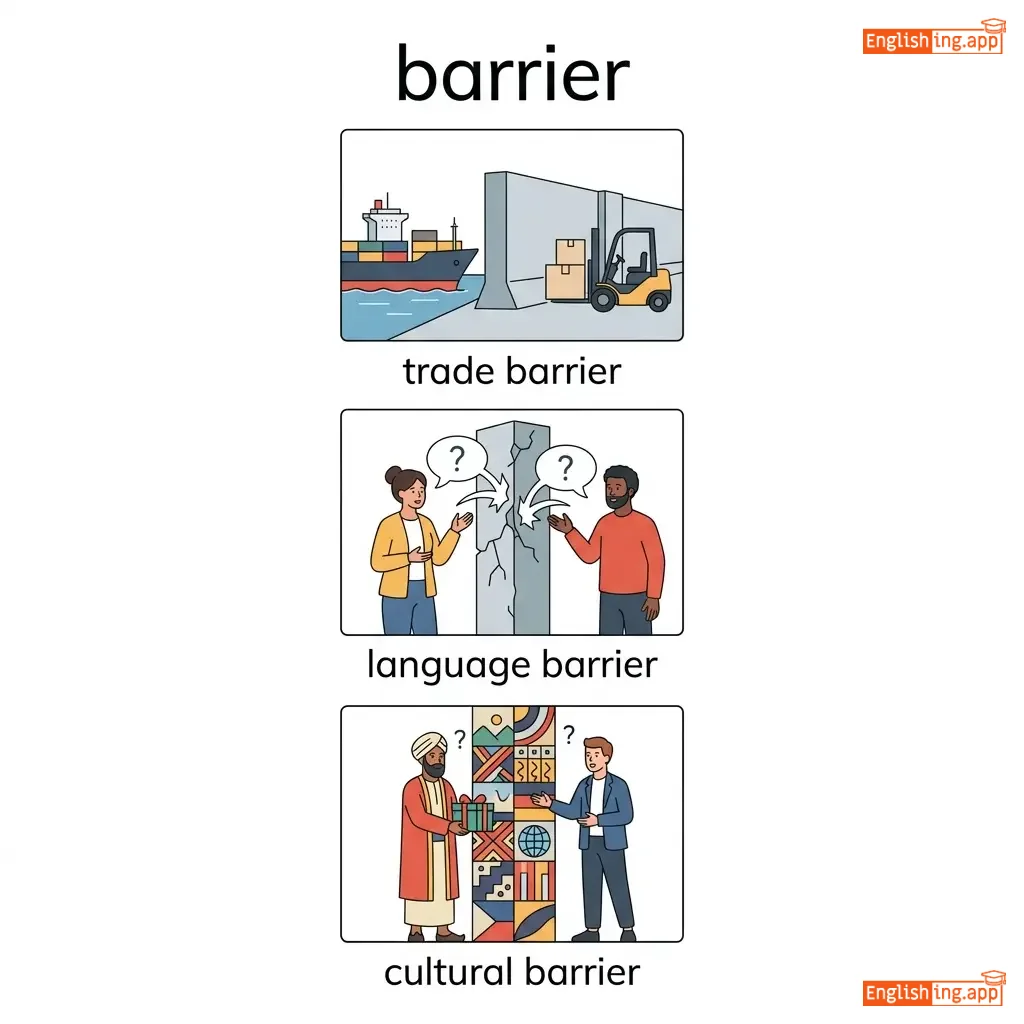
障壁
shōheki
••••••
|
A fence or other obstacle that prevents movement or access.
••••••
|
The barrier prevented entry.
そのバリアは入場を防ぎました。
••••••
|
その障壁は入場を防ぎました。
Sono shōheki wa nyūjō o fusegimashita.
••••••
|
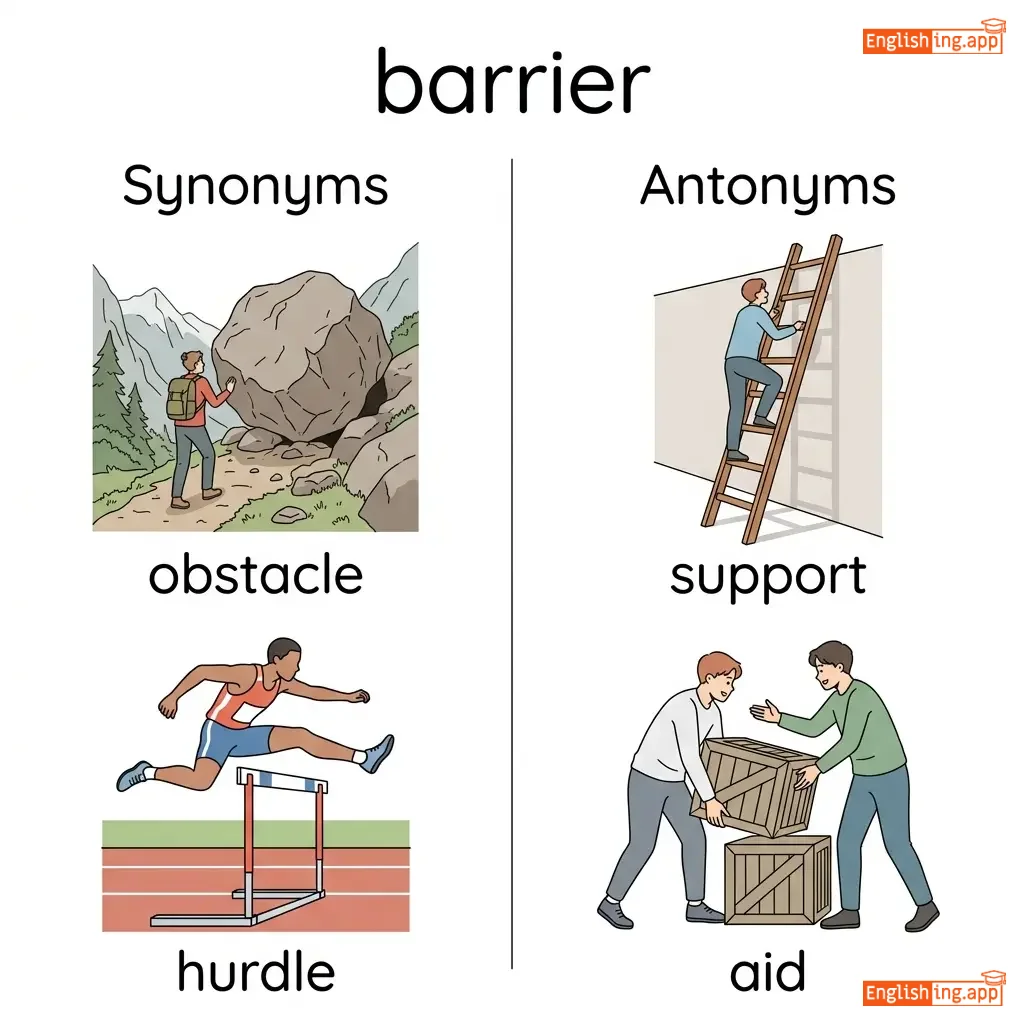
obstacle, hurdle
••••••
|
access, opening
••••••
|
'障壁' in Japanese stops entry, just like a physical barrier.
••••••
|
|
#593
🛡️
|
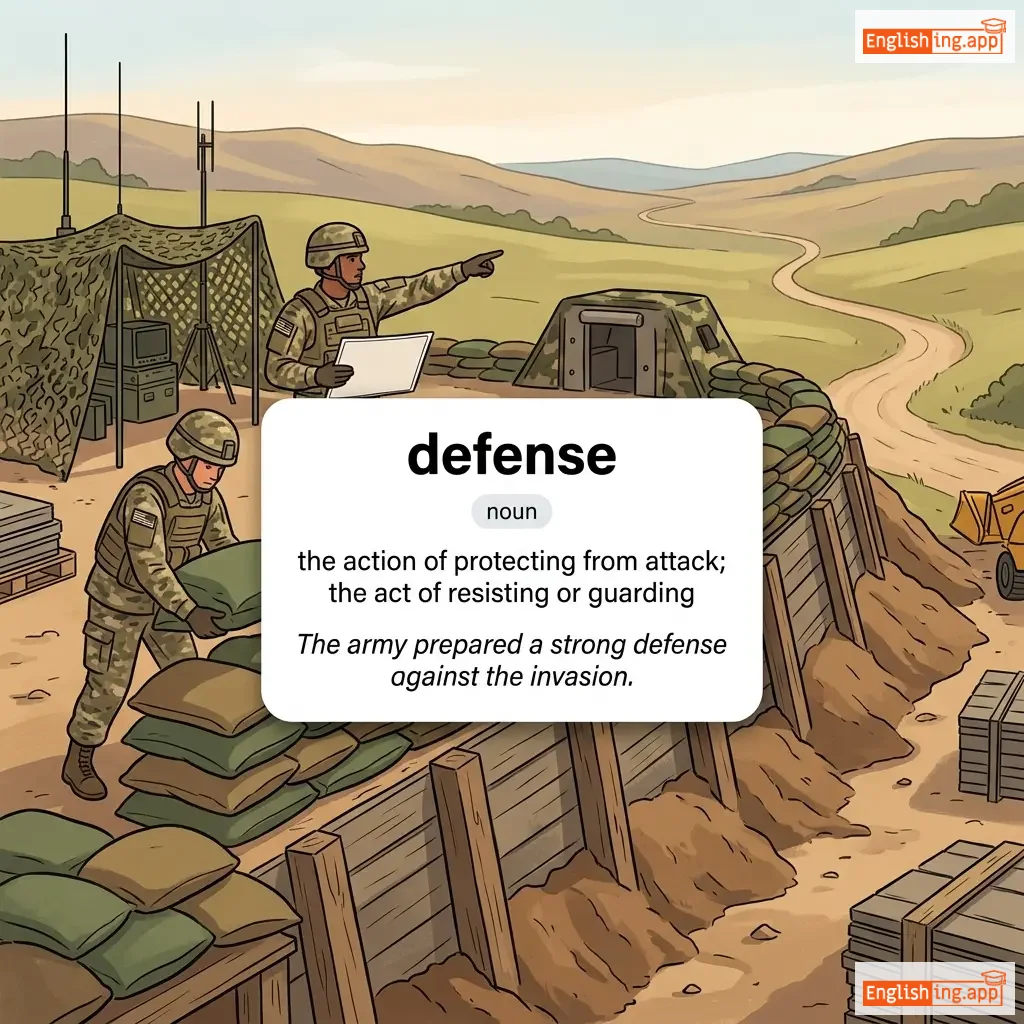
dɪˈfens
noun
(ディフェンス)
••••••
|
|
防御
bōgyo
••••••
|
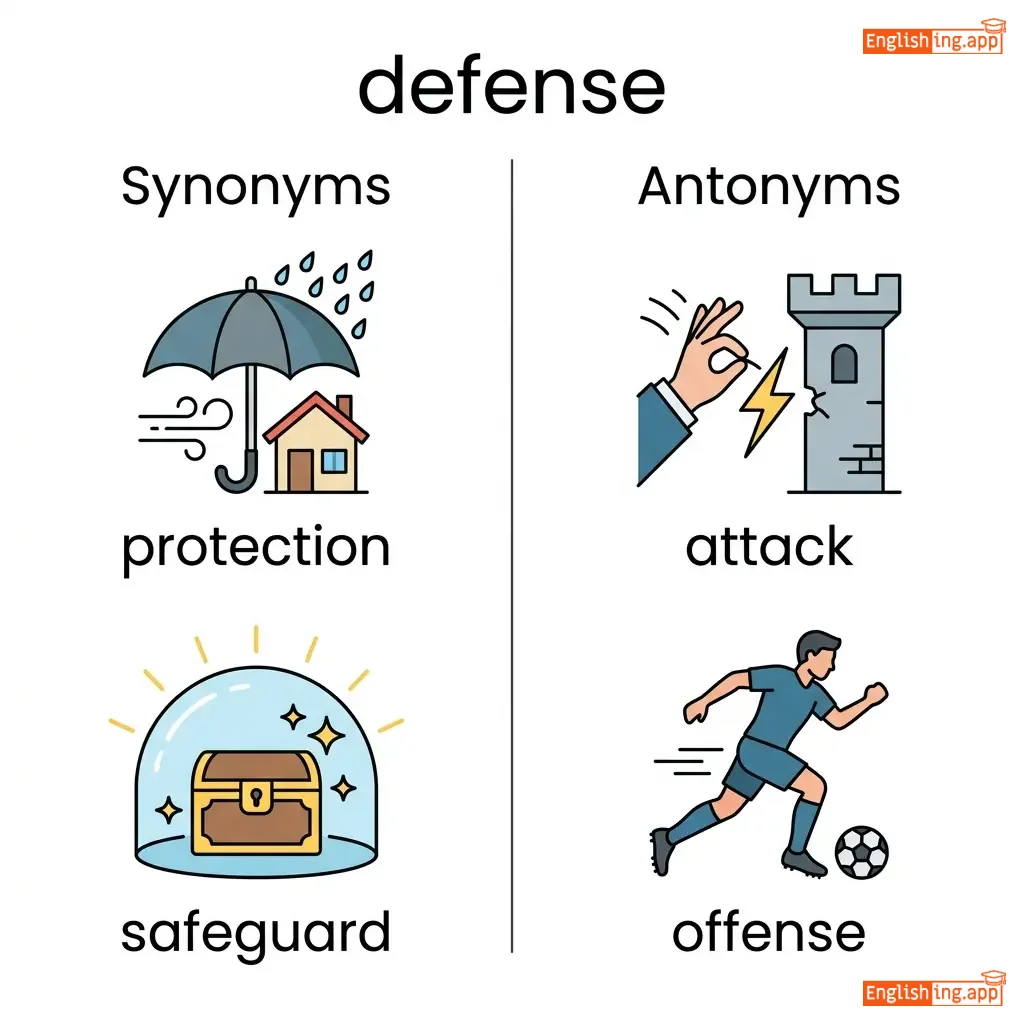
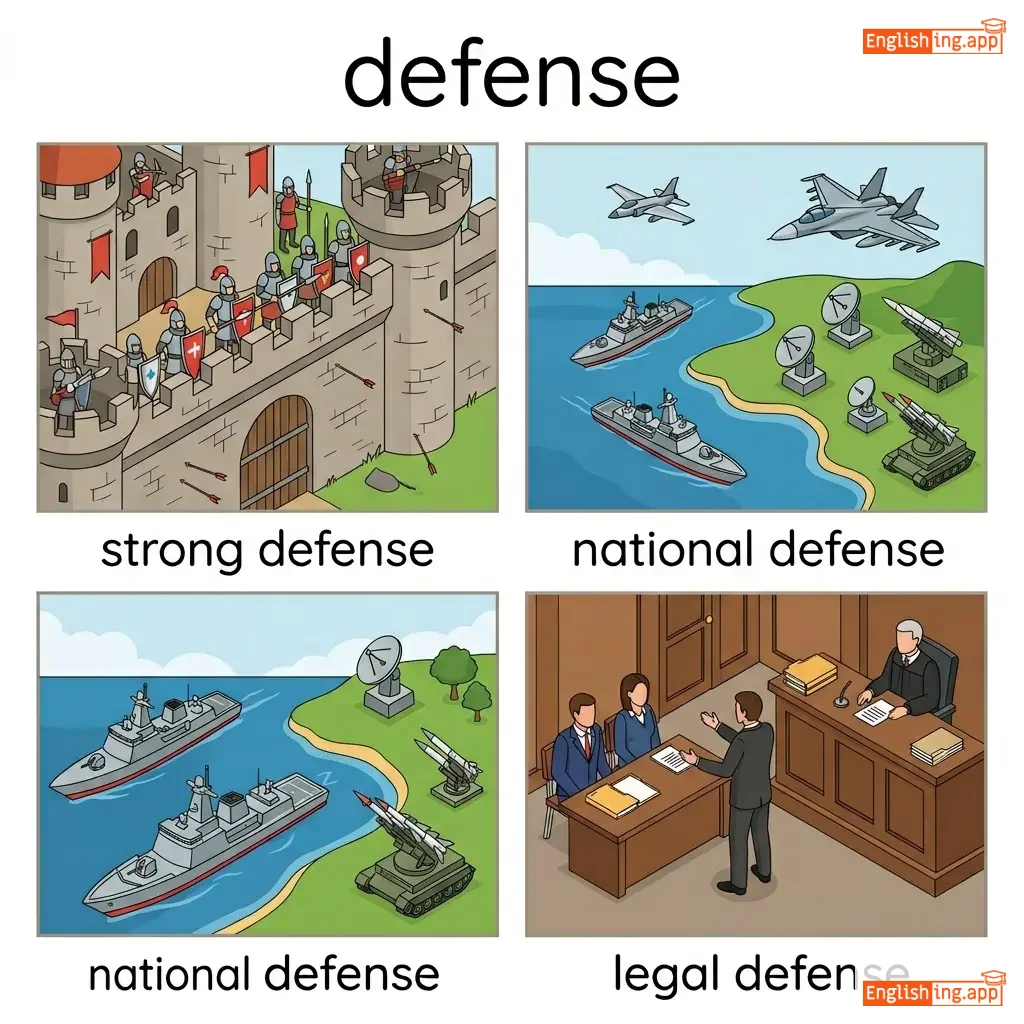
The action of defending from or resisting attack.
••••••
|
The defense strategy was effective. |
防御戦略は効果的だった。
Bōgyo senryaku wa kōkateki datta.
••••••
|
protection, security
••••••
|
attack, assault
••••••
|
防御は守ること、盾のように守ること。
••••••
|
|
#594
🔧
|
ˌmɒdɪfɪˈkeɪʃn
noun
(モディフィケーション)
••••••
|
|
修正
shūsei
••••••
|
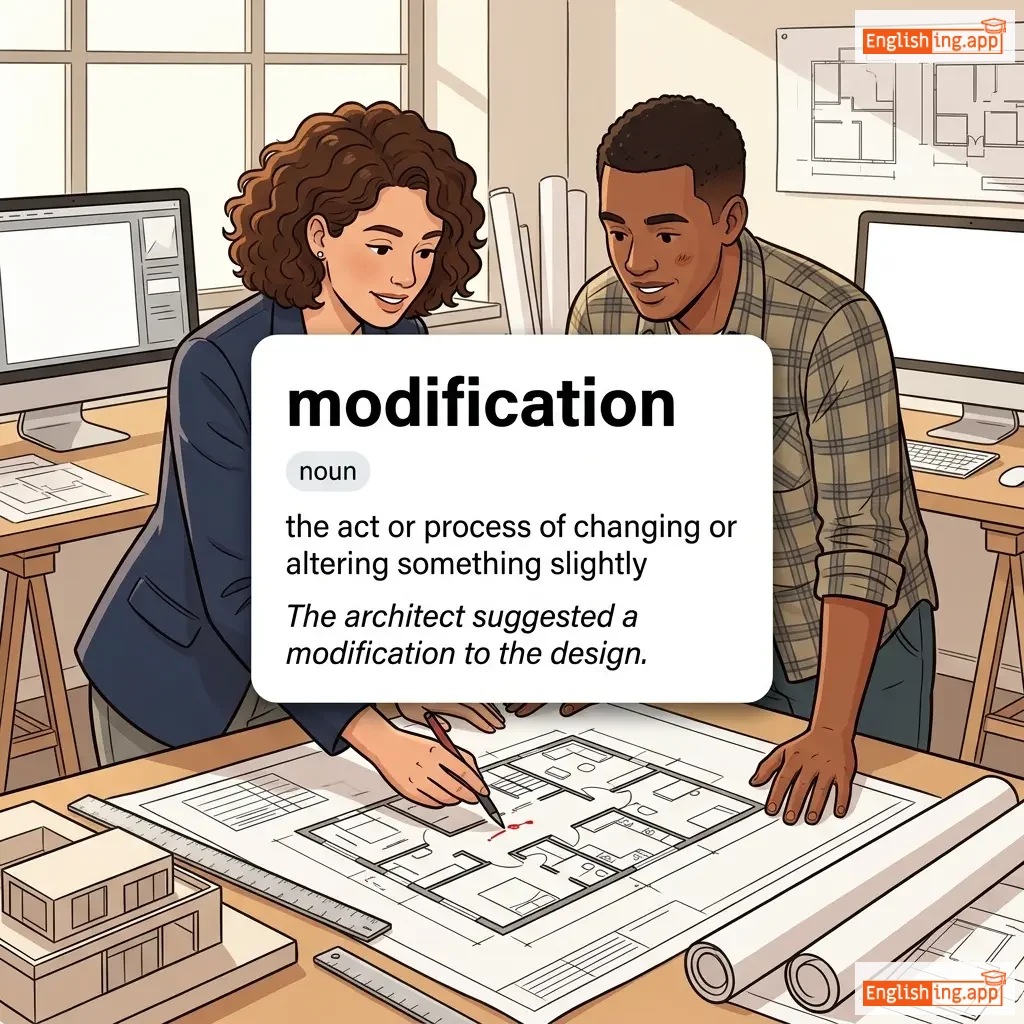
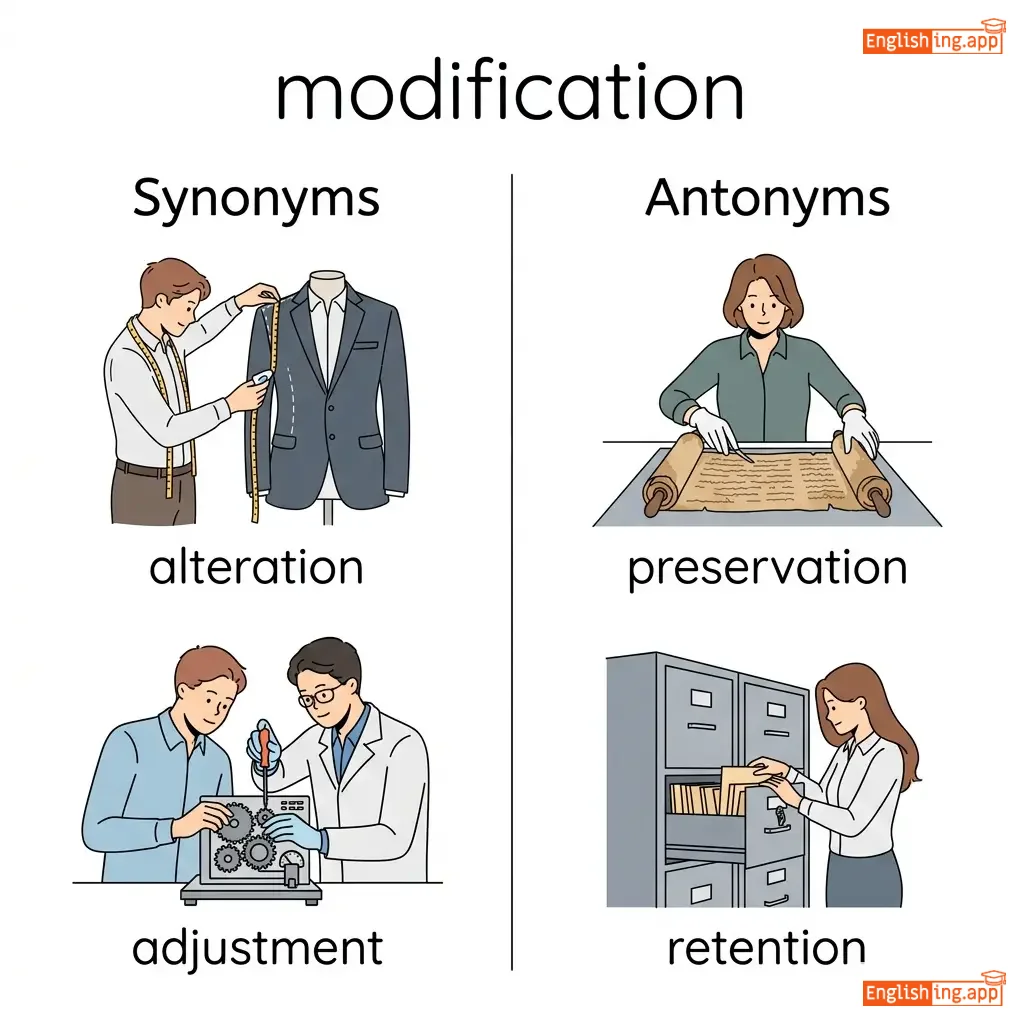
The action of making changes to something.
••••••
|
The plan required modification.
計画には修正が必要でした。
••••••
|
計画には修正が必要でした。
Keikaku ni wa shūsei ga hitsuyō deshita.
••••••
|
adjustment, alteration
••••••
|
preservation, constancy
••••••
|
修正は計画を変えるための手段。
••••••
|
|
#595
📈
|
ɪkˈspænʃn
noun
(エクスパンション)
••••••
|
|
拡張
kakuchou
••••••
|
The action of becoming larger or more extensive.
••••••
|
Expansion of the wall was essential. |
壁の拡張は不可欠でした。
Kabe no kakuchou wa fukaketsu deshita.
••••••
|
enlargement, growth
••••••
|
reduction, contraction
••••••
|
拡張は何かが大きくなることです、壁が拡張するように。
••••••
|
|
#596
🔨
|
ˌriːkənˈstrʌkʃn
noun
(rikonsutorakushon)
••••••
|
|
再建
saiken
••••••
|
The action or process of reconstructing or being reconstructed.
••••••
|
The reconstruction project took years.
リコンストラクションプロジェクトは数年かかりました。
••••••
|
再建プロジェクトは数年かかりました。
Saiken purojekuto wa suunen kakarimashita.
••••••
|
rebuilding, renewal
••••••
|
destruction, ruin
••••••
|
再 (again) + 建 (build) = 再建 (rebuilding)
••••••
|
|
#597
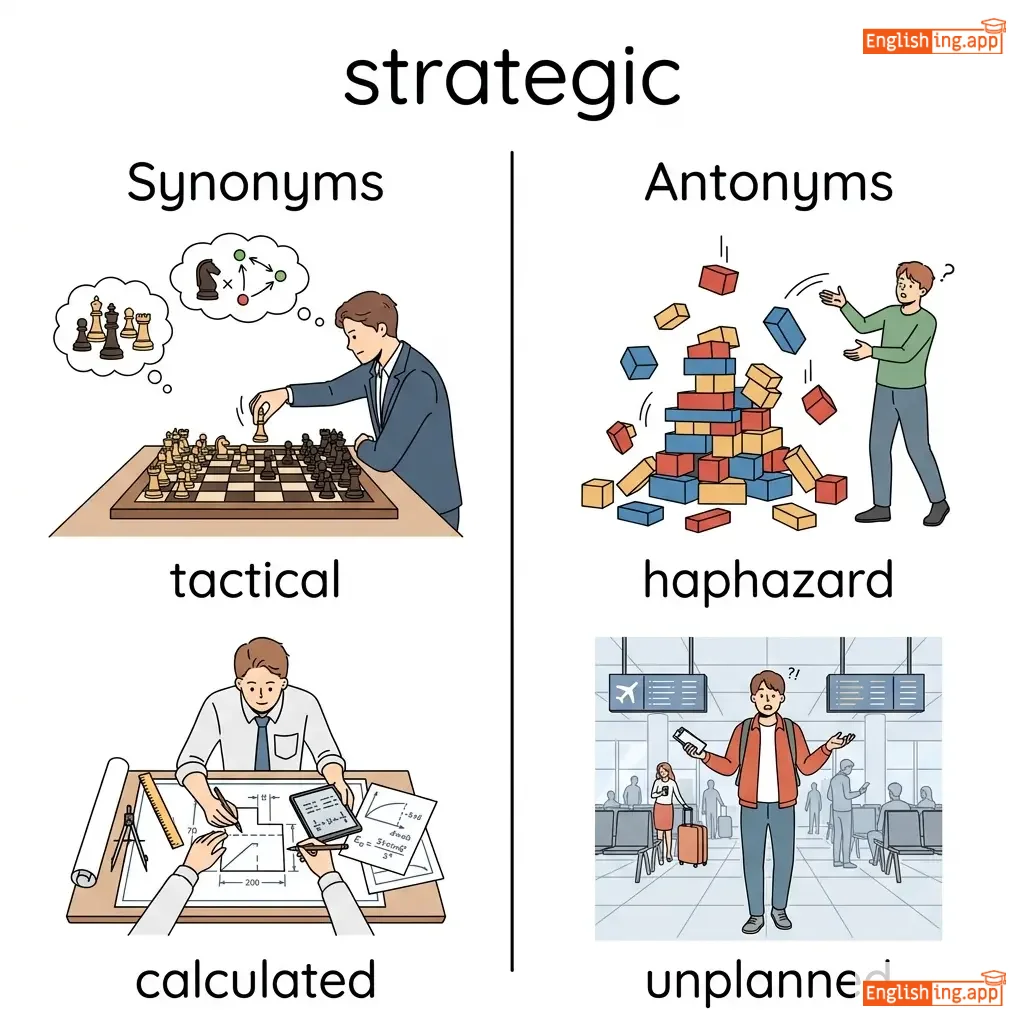
🎯
|
strəˈtiːdʒɪk
adjective
(ストラテジック)
••••••
|
|
戦略的
senryakuteki
••••••
|
Relating to the identification of long-term or overall aims and interests and the means of achieving them.
••••••
|
Strategic decisions are vital for growth.
戦略的な意思決定は成長にとって重要です。
••••••
|
戦略的な意思決定は成長にとって重要です。
Senryakuteki na ishikettei wa seichō ni totte jūyō desu.
••••••
|
tactical, planned
••••••
|
haphazard, unplanned
••••••
|
Strategic decisions are key for growth.
••••••
|
Vocabulary Quiz
Test your vocabulary by matching words with their translations or meanings.
Login to take the quiz
Comments (0)
Share your thoughts and join the discussion.
Join the discussion by logging in
Login to CommentNo comments yet
Be the first to share your thoughts!