

自宅での害虫被害を防ぐ方法
Preventing Pest Infestations in Your Home
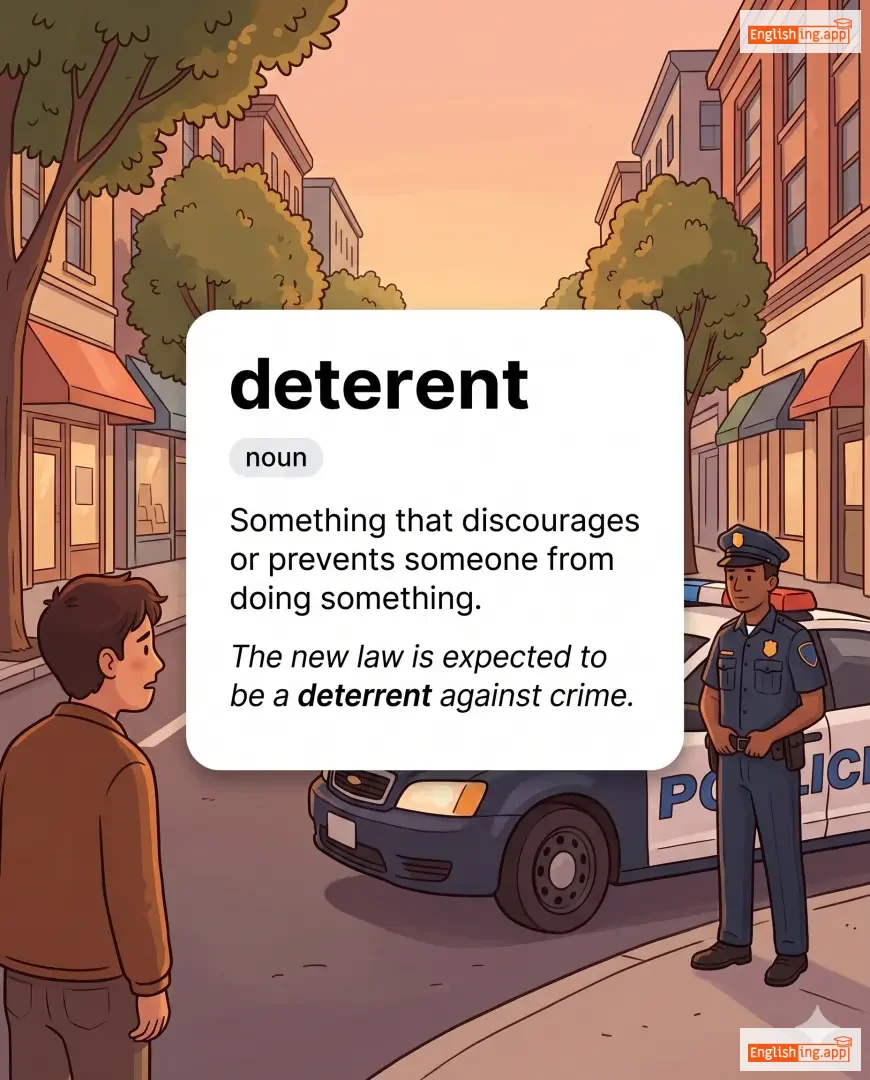
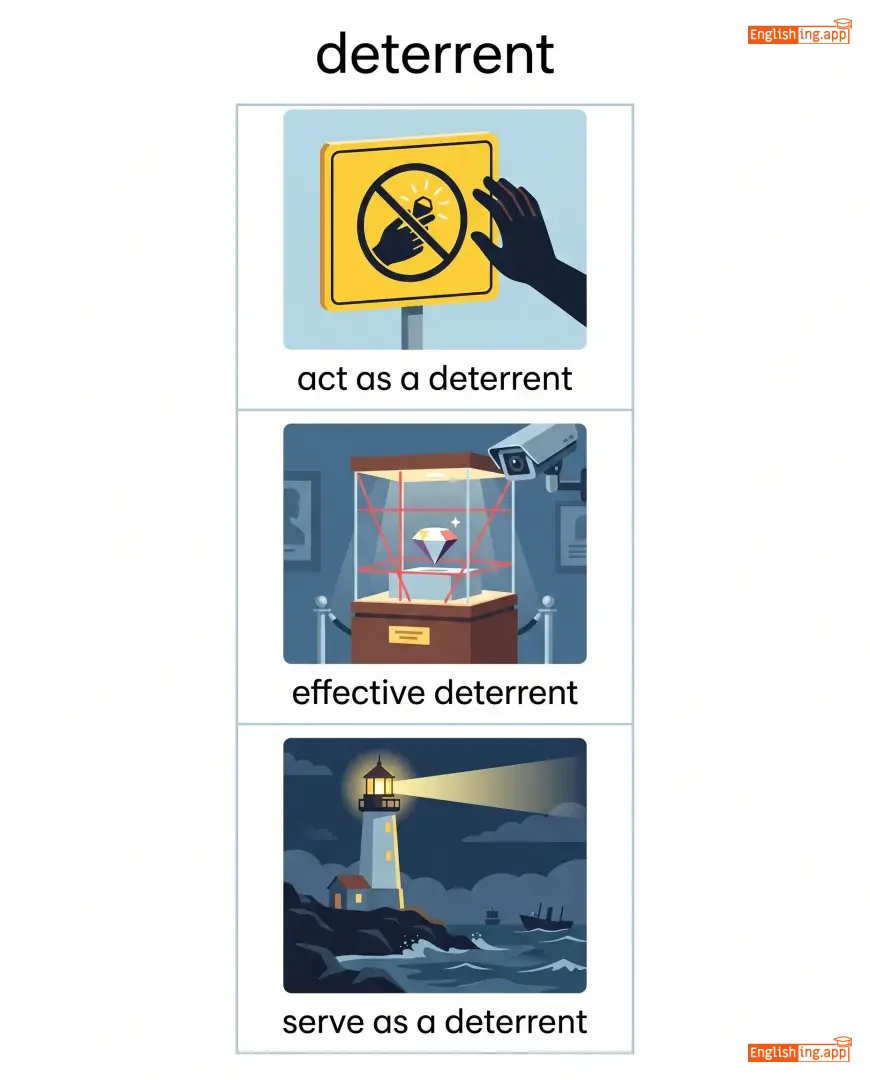
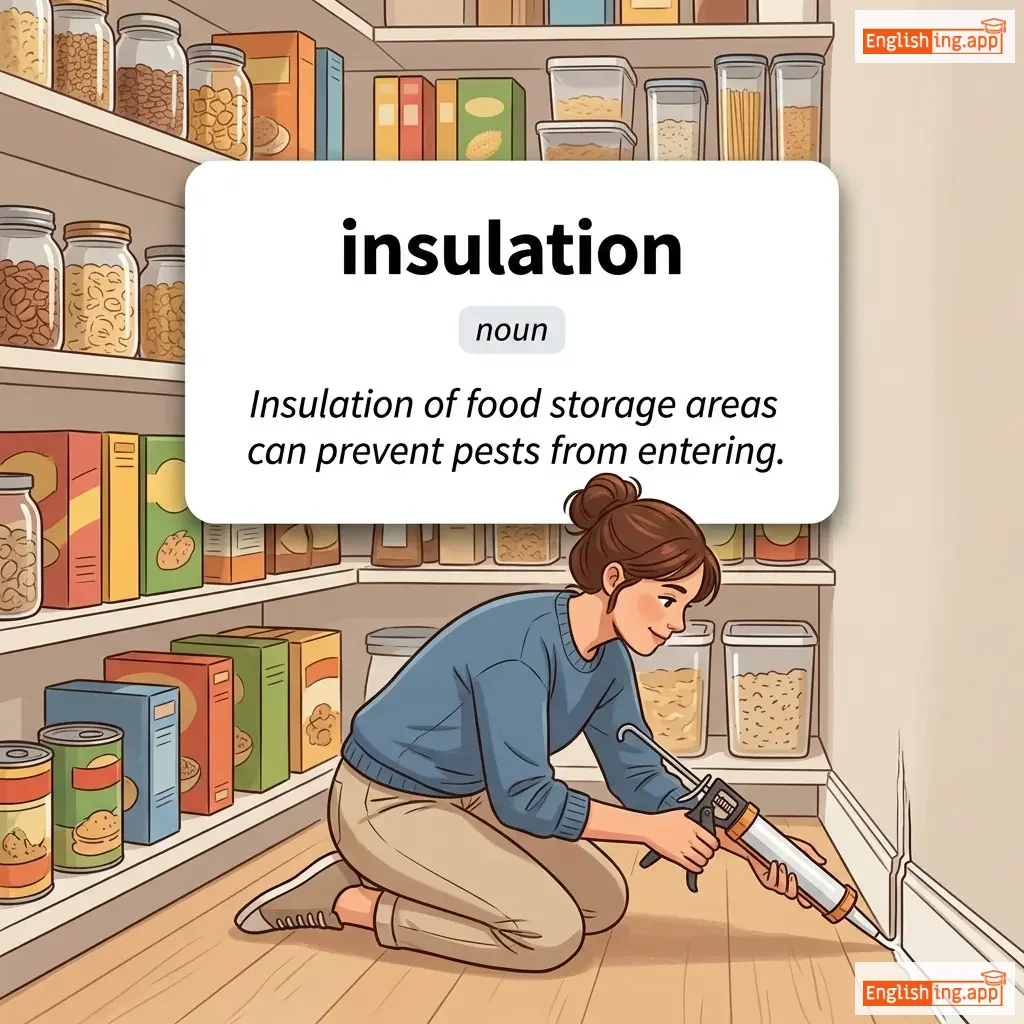
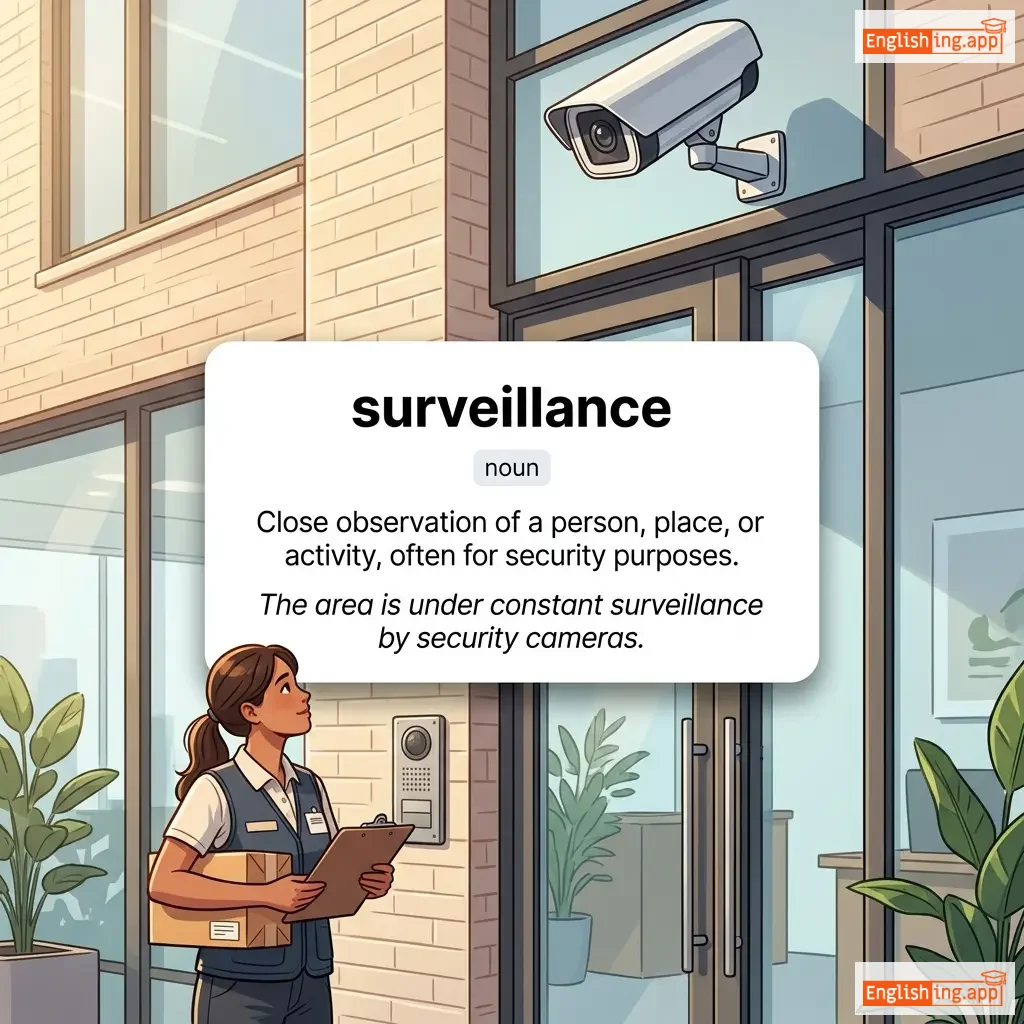
Pests や vermin は家庭内で問題を引き起こす可能性があります。時には infestations が家庭環境を損なうこともあります。Prevention のためには、まず家のすべての隅を適切に sealed して harborage を防ぐ必要があります。Sanitation は非常に重要です。家の周囲を清潔に保ち、食品の保管に注意する必要があります。いくつかの biocides や pesticides を使用すると、deterrent として作用することがあります。一方で、家の insulation を適切に保ち、fumigation 方法を使用することで、pests の reproductive レベルでの拡散を防ぐことができます。Surveillance と十分な monitoring により、threshold を超える前に対策を講じることが可能です。すべての対策は sustainable でなければならず、allergens を除去するためには常に安全な方法に従う必要があります。
翻訳
過去
過去分詞
三人称単数
動名詞
意味
例文
例文の翻訳
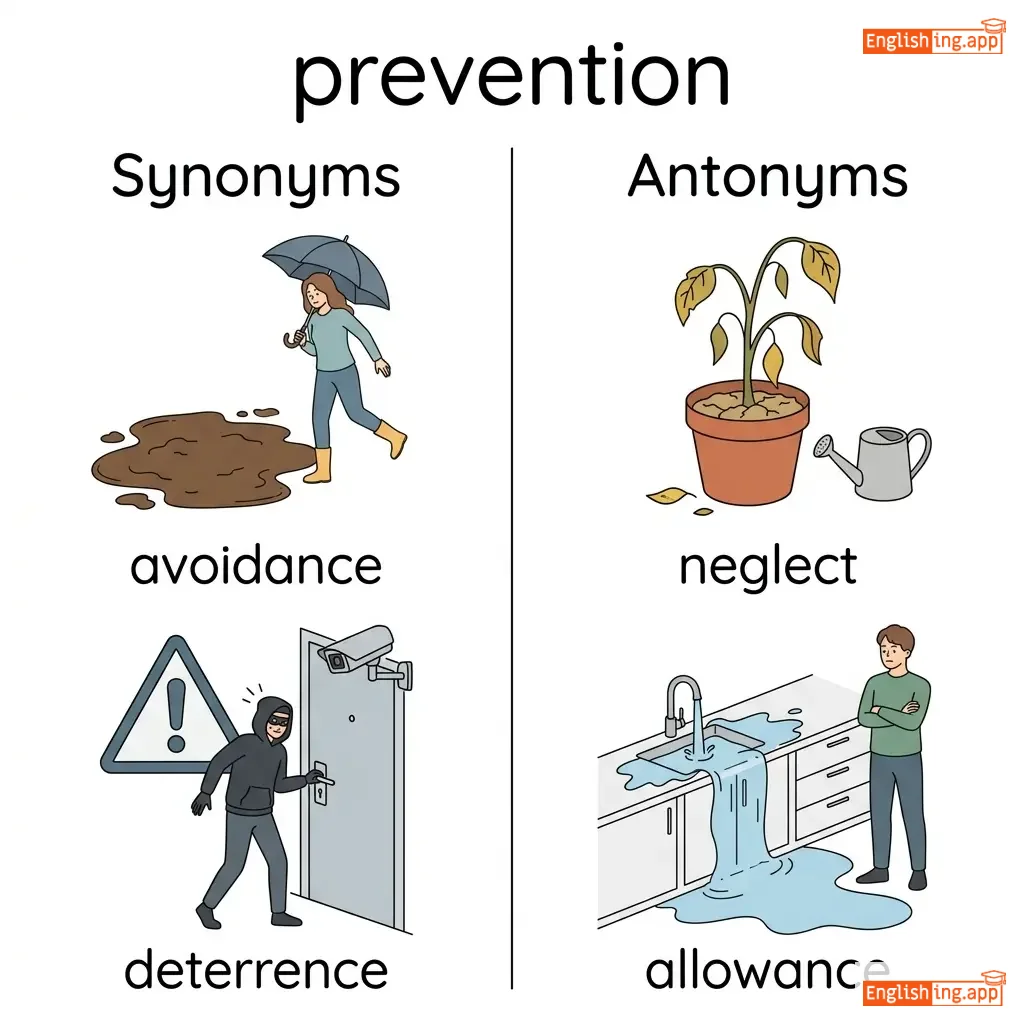
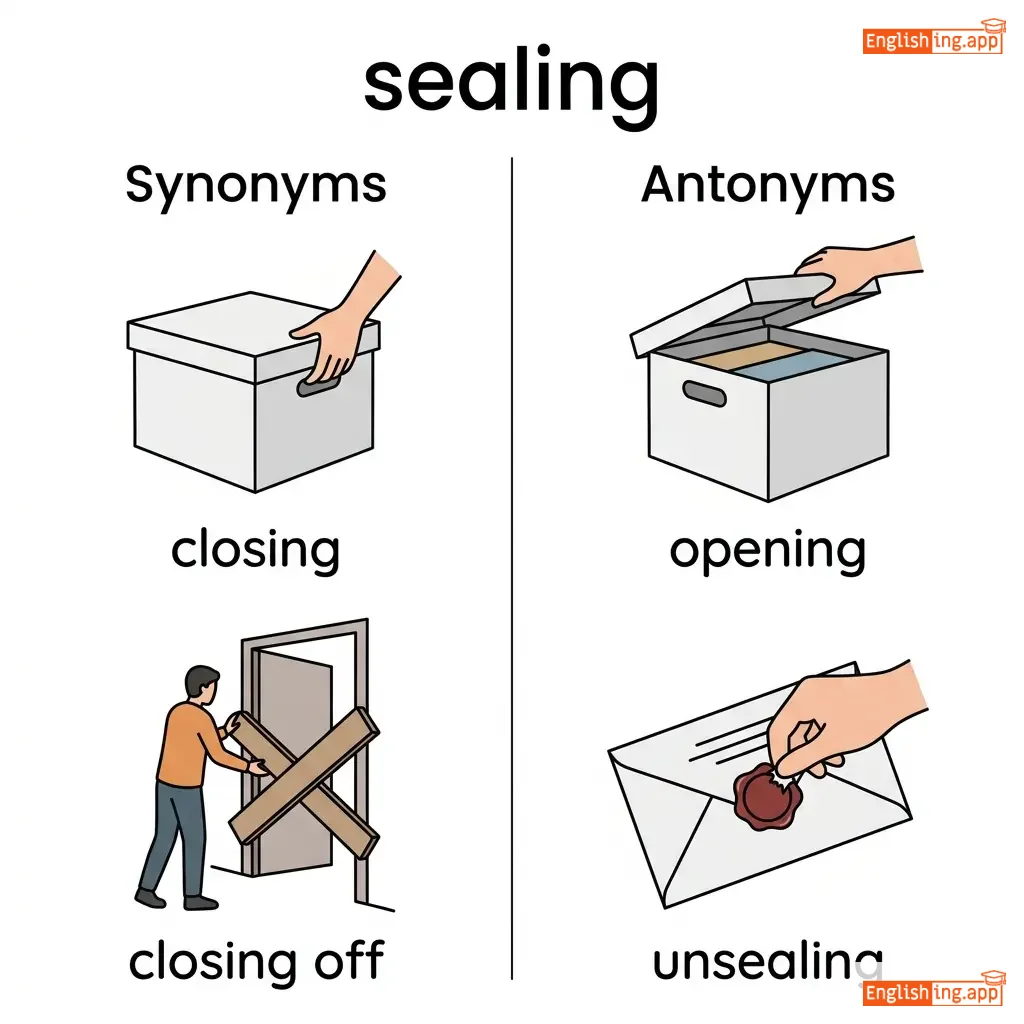
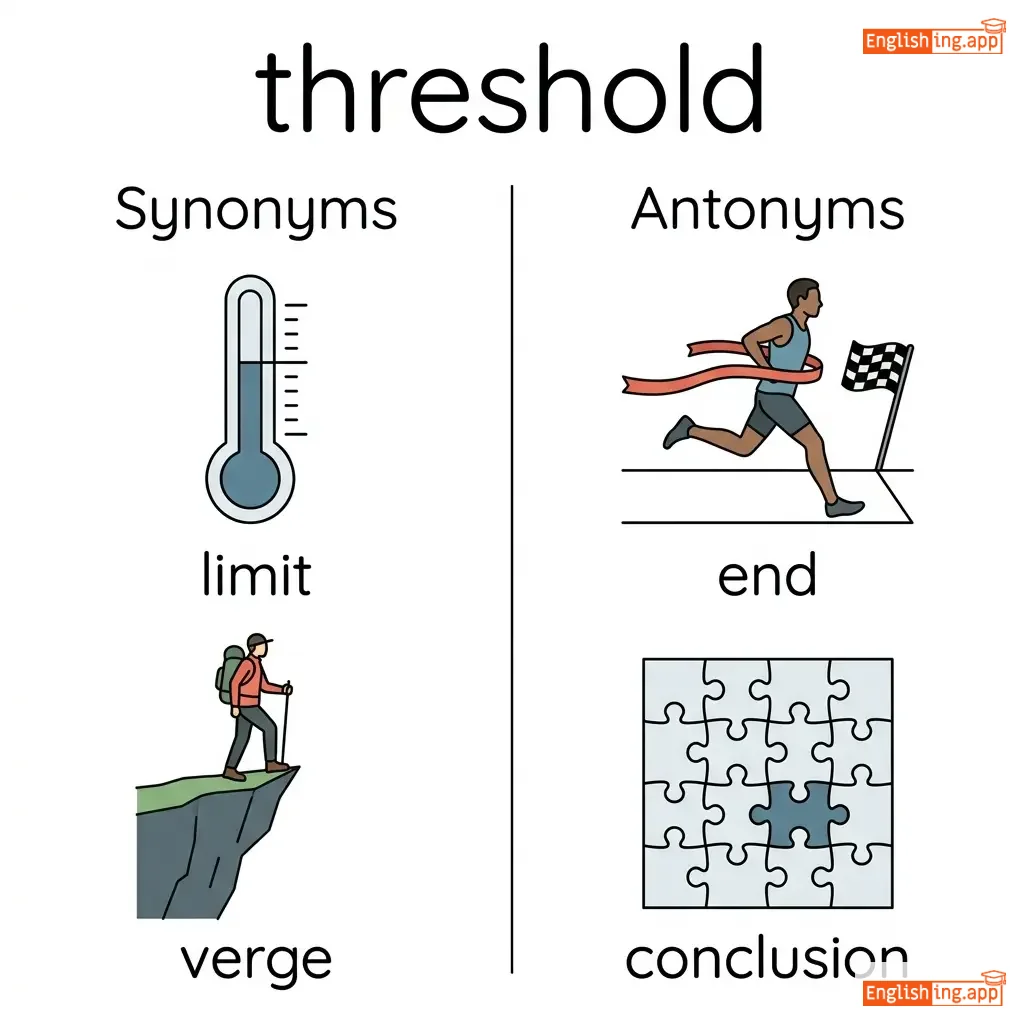
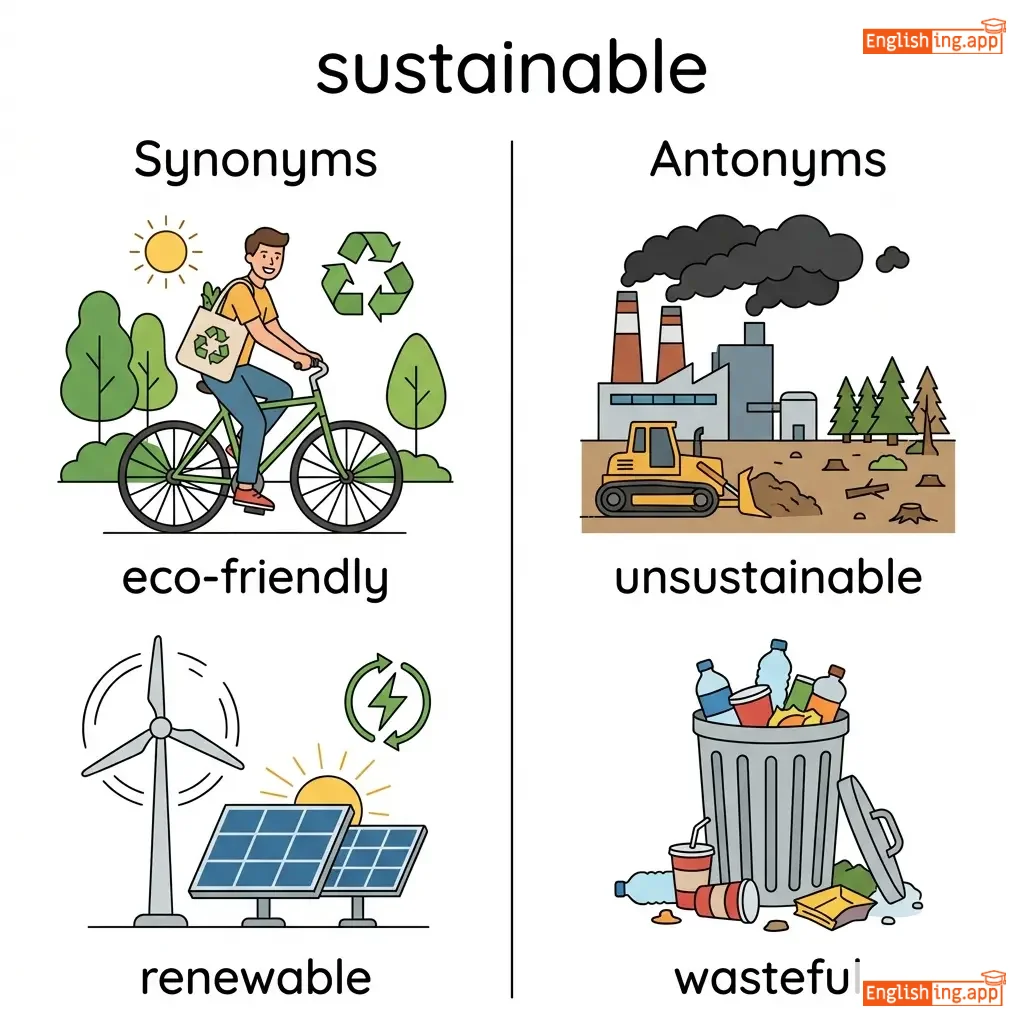
同義語
対義語
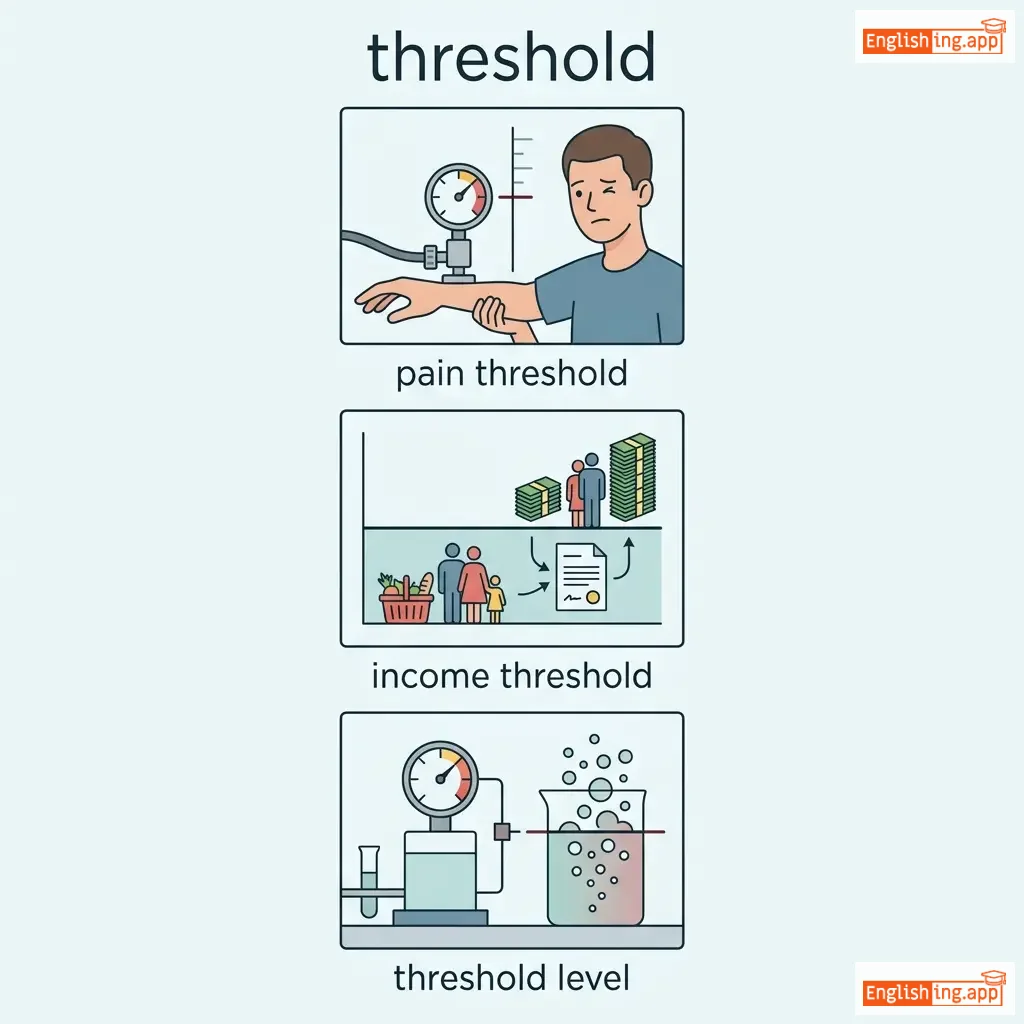
コロケーション
ニーモニック


Swipe left or right, or use the buttons. Tap image to zoom.
例文の翻訳
単語
Preventing Pest Infestations in Your HomePreventing Pest Infestations in Your Home - マスクトグル
|
絵文字
|
単語 | Images | 翻訳 | 意味 | 例文 | 例文の翻訳 | 同義語 | 対義語 | ニーモニック |
|---|---|---|---|---|---|---|---|---|---|
|
#2755
🐛
|
pɛsts
noun
(ペスト)
••••••
|
|
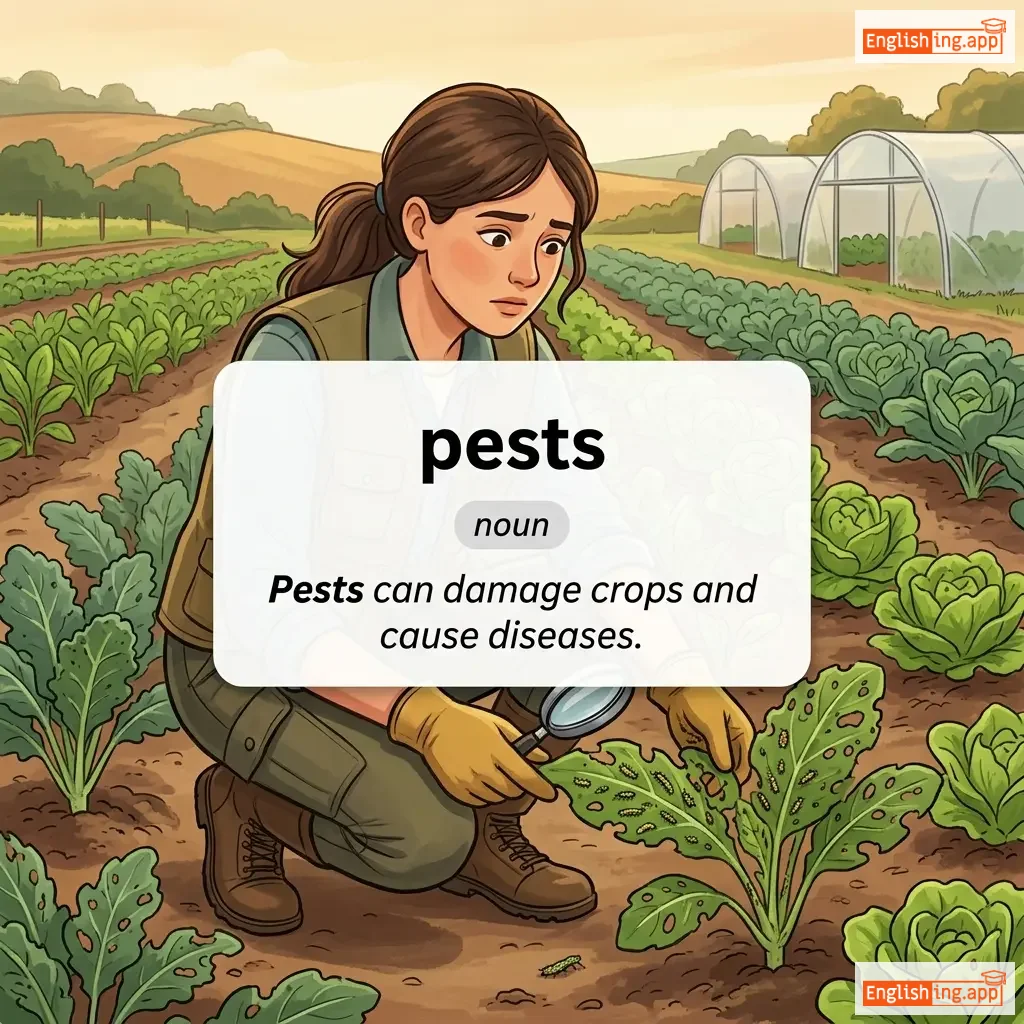
害虫, 害を及ぼす動物
gaichou, gai o oyobosu doubutsu
••••••
|
Harmful or troublesome creatures, especially insects or small animals that damage crops, food, or living spaces.
••••••
|
Pests can damage crops and cause diseases. |
害虫は作物を損傷し、病気を引き起こす可能性があります。
Gaichou wa sakumotsu o sonshou shi, byouki o hikiokosu kanousei ga arimasu.
••••••
|
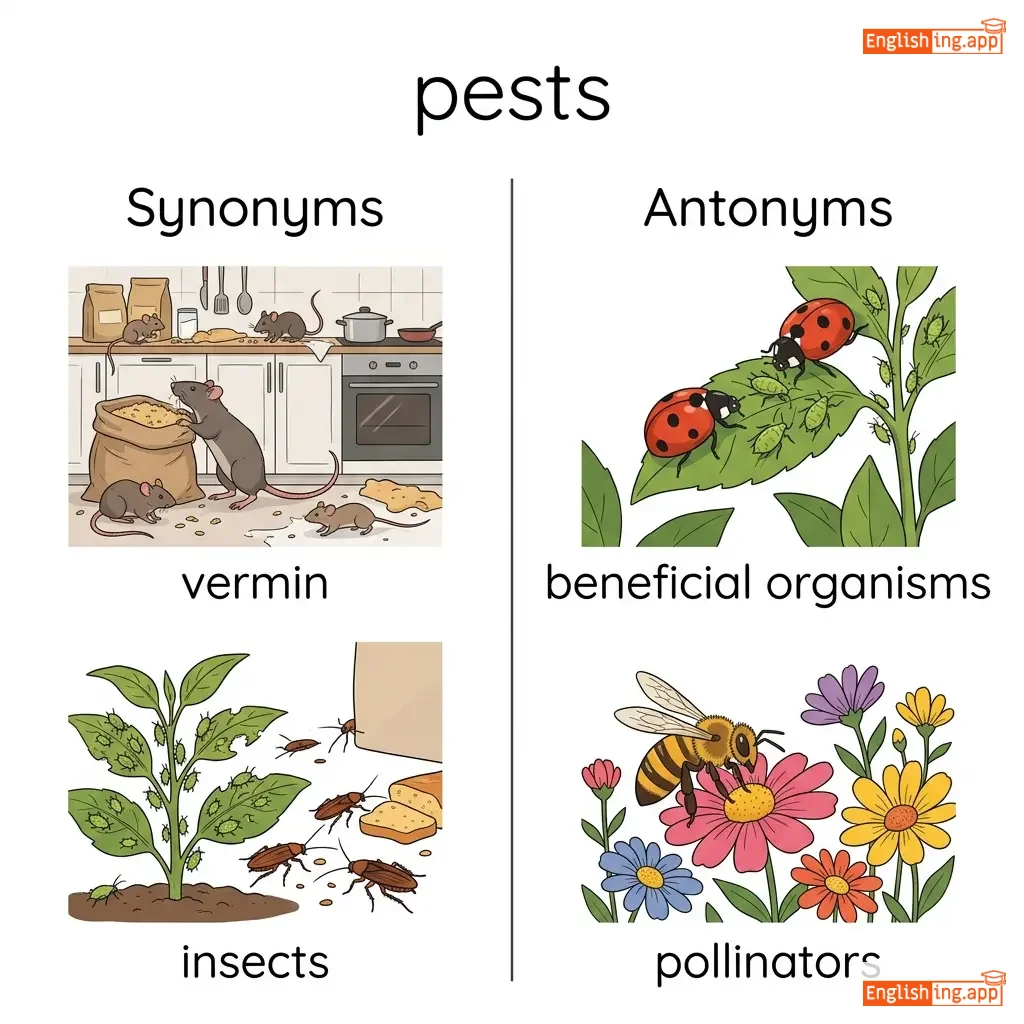
vermin, insects
••••••
|
beneficial organisms, pollinators
••••••
|
害虫 (gaichou) in Japanese relates to harmful pests.
••••••
|
|
#2756
🐀
|
ˈvɜːmɪn
noun
(ヴァーミン)
••••••
|
|
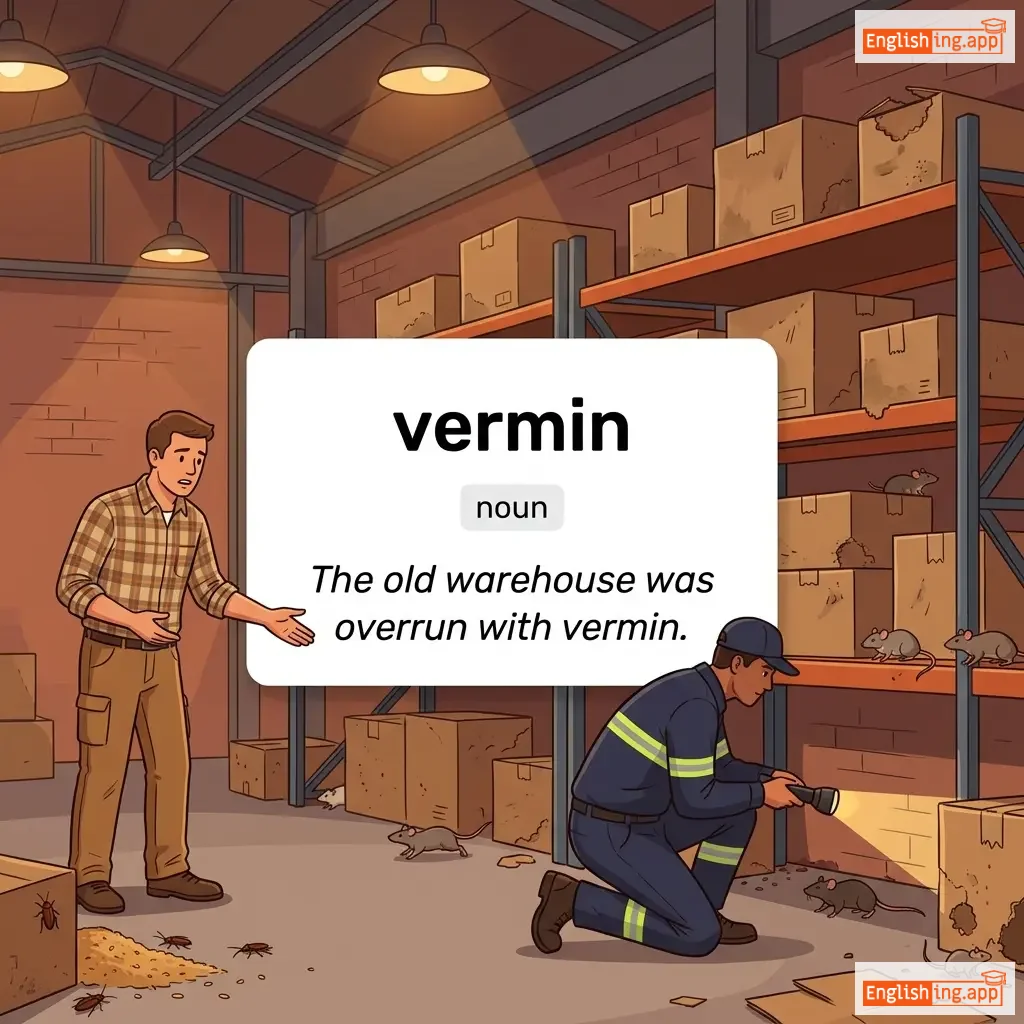
制御が難しく、病気を広める小さな害を与える動物や昆虫
Seigyo ga muzukashiku, byouki o hiromeru chiisana gai o ataeru doubutsu ya konchuu
••••••
|
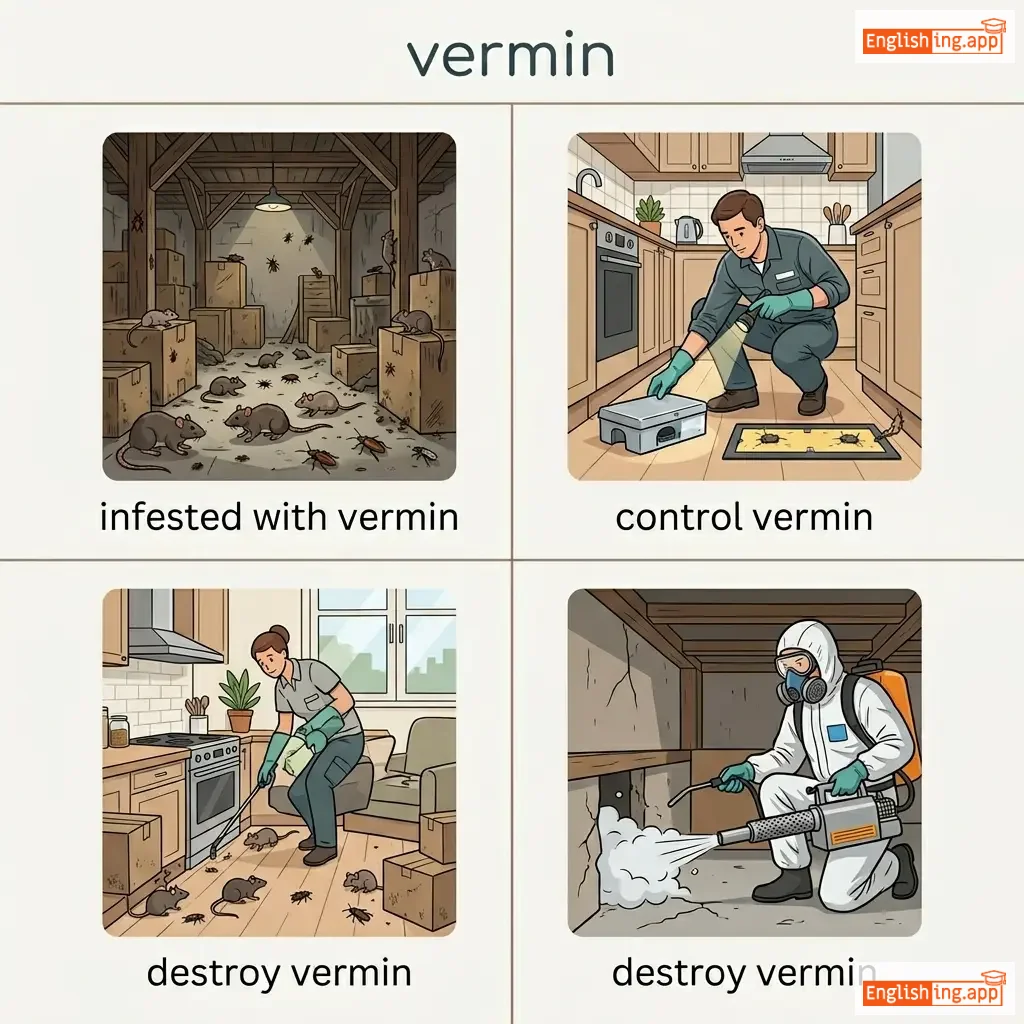
Small harmful animals or insects that are difficult to control and carry disease.
••••••
|
The house was infested with vermin, requiring immediate action.
その家は害虫で侵され、即時の対応が必要でした。
••••••
|
その家は害虫で侵され、即時の対応が必要でした。
Sono ie wa gaichuu de okasare, sokujino taiou ga hitsuyou deshita.
••••••
|
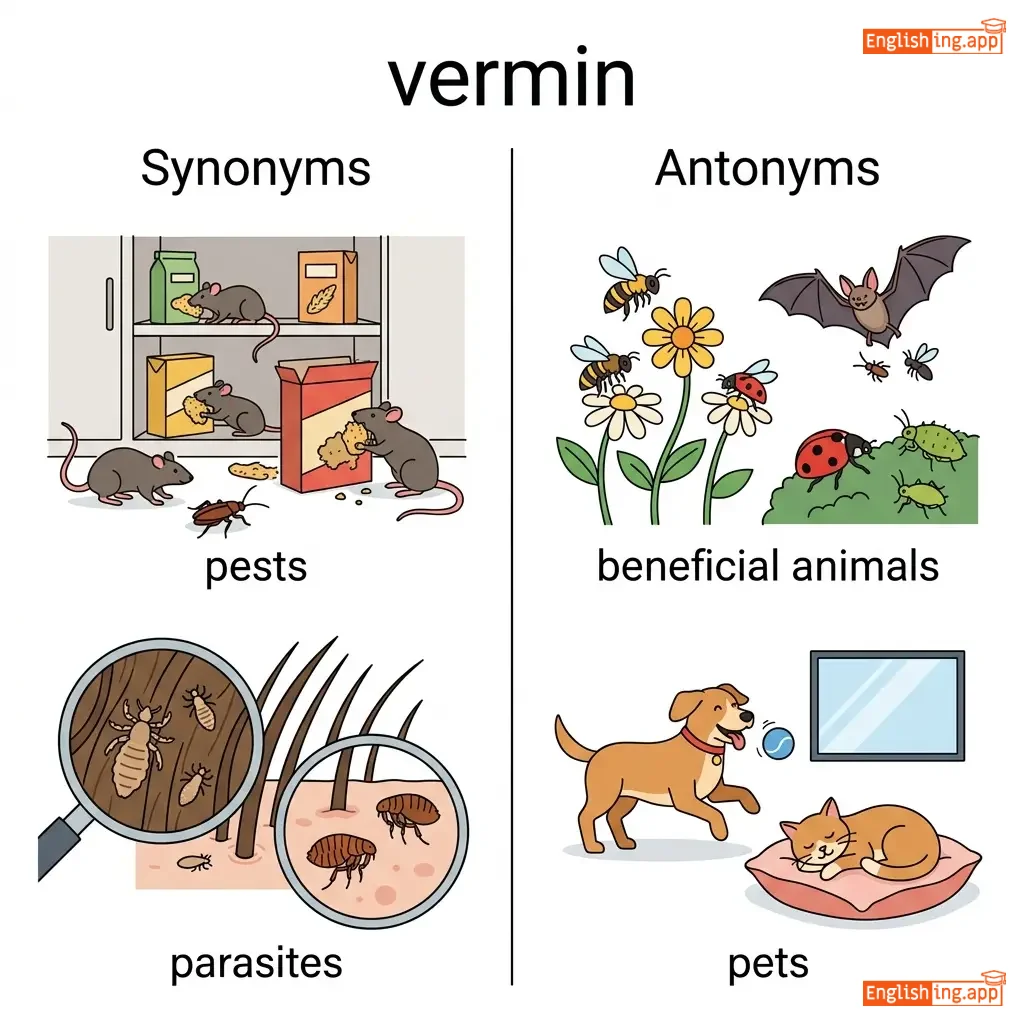
pests, rodents
••••••
|
beneficial insects, natural predators
••••••
|
Vermin in Japanese sounds like 'ver' (ヴァー), think of pests spreading diseases!
••••••
|
|
#2757
🏠
|
ˌɪnfɛsˈteɪʃən
noun
(インフェステーション)
••••••
|
|
侵入, 異常に大量の昆虫や動物がある場所に存在すること
shinnyuu, ijou ni tairyou no konchuu ya doubutsu ga aru basho ni sonzai suru koto
••••••
|
The presence of an unusually large number of insects or animals in a place, causing damage or disease.
••••••
|
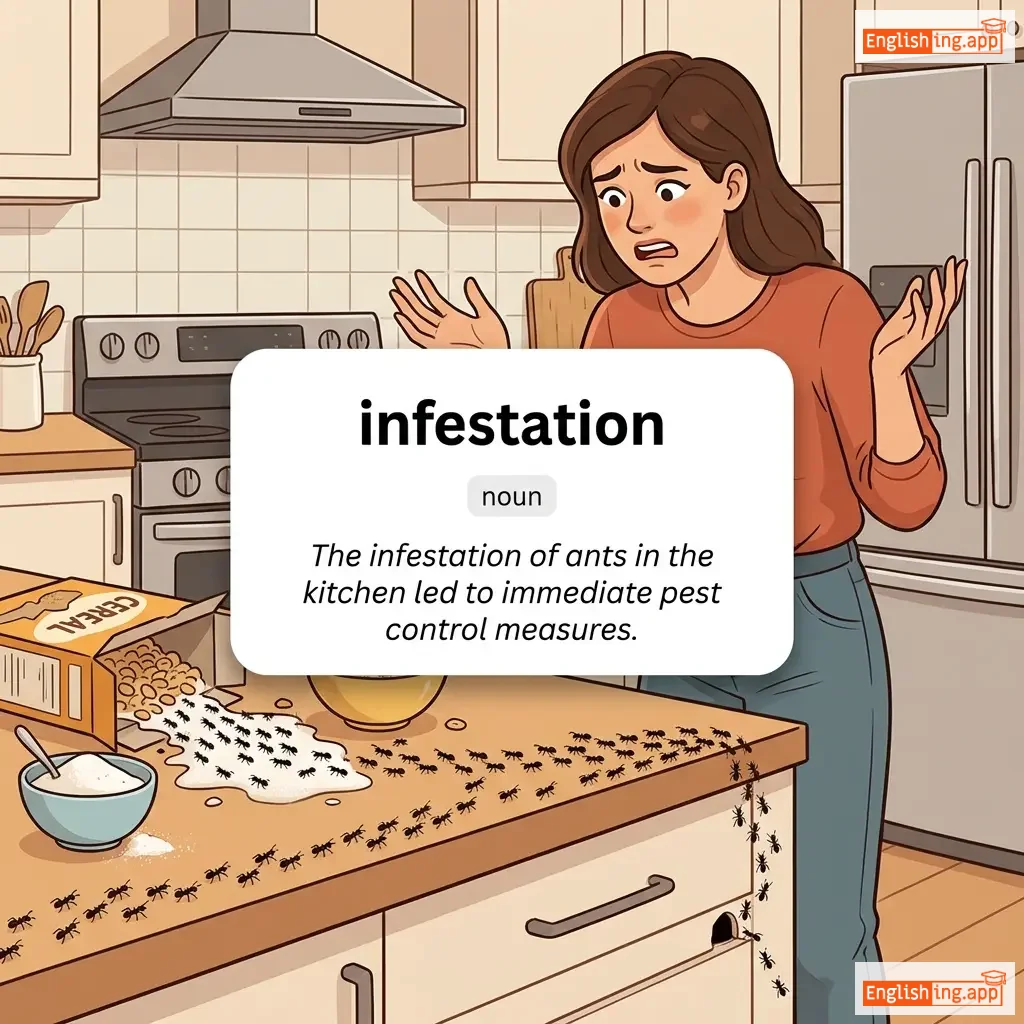
The infestation of ants in the kitchen led to immediate pest control measures. |
キッチンにおけるアリの侵入は、即座に害虫駆除対策を講じる結果となった。
Kitchin ni okeru ari no shinnyuu wa, sokuzani gaichuu kujo taisaku o koujiru kekka to natta.
••••••
|
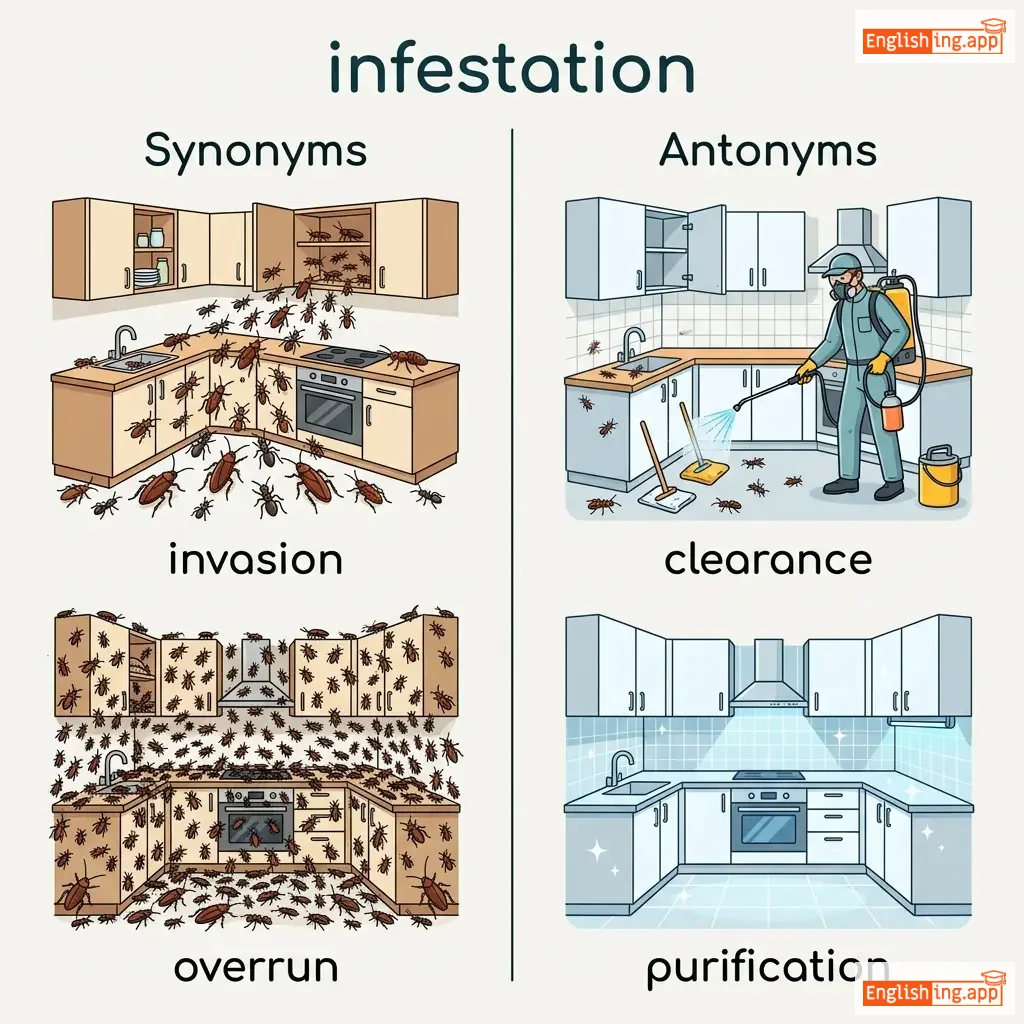
invasion, overrun
••••••
|
clearance, purification
••••••
|
No •••••• |
|
#2758
🛡️
|
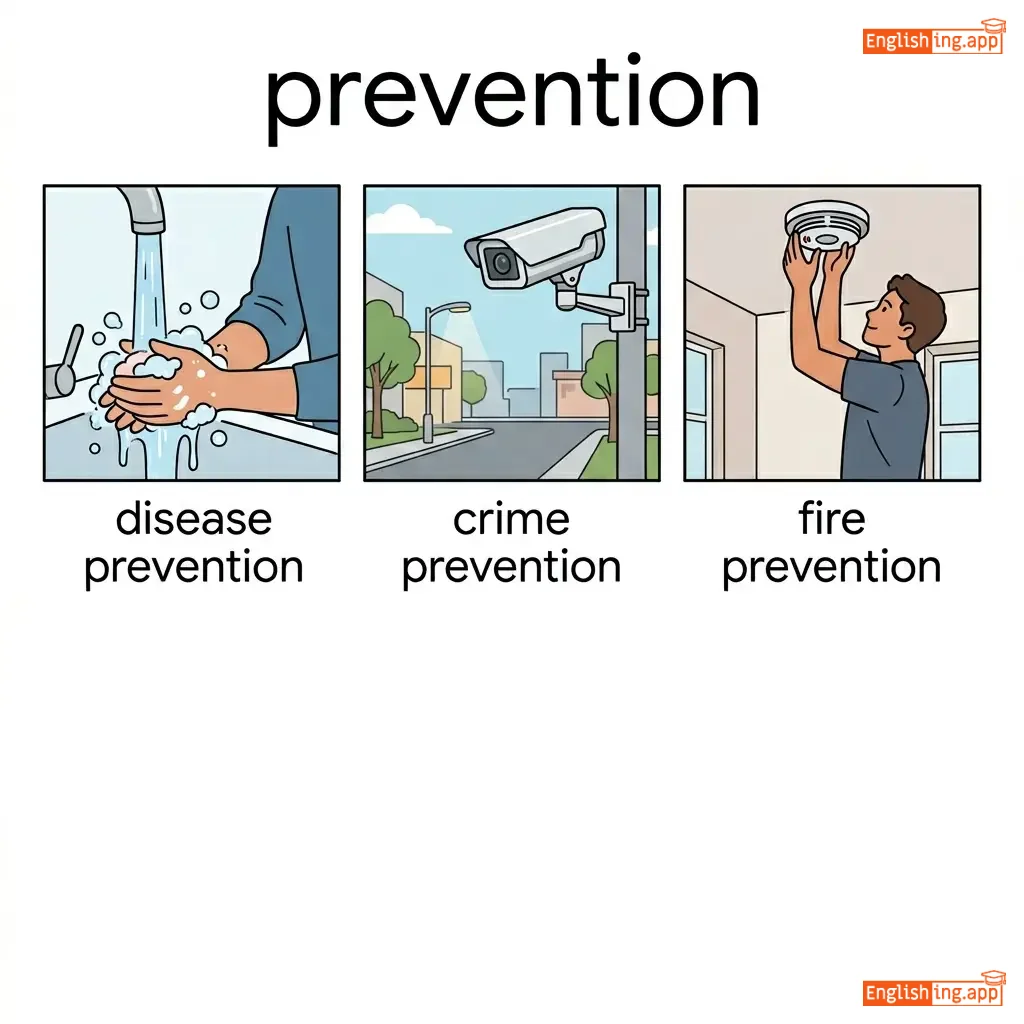
prɪˈvɛnʃən
noun
(プリベンション)
••••••
|
|
予防
yobou
••••••
|
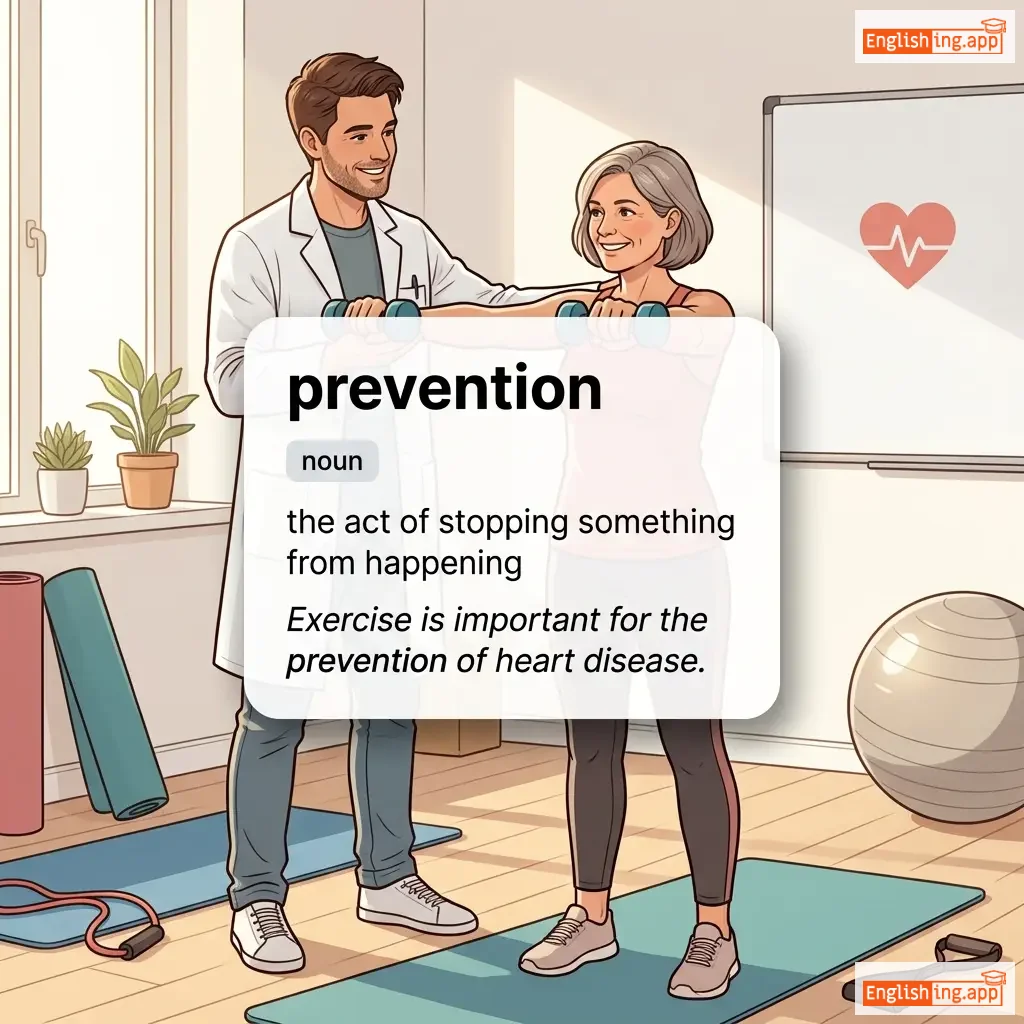
The action of stopping something from happening or arising.
••••••
|
Effective pest prevention strategies reduce health risks. |
効果的な害虫予防戦略は健康リスクを減らします。
Kōkateki na gaichū yobō senryaku wa kenko risuku o herashimasu.
••••••
|
protection, safeguarding
••••••
|
cure, treatment
••••••
|
予防は治療に勝る。
••••••
|
|
#2759
🔒
|
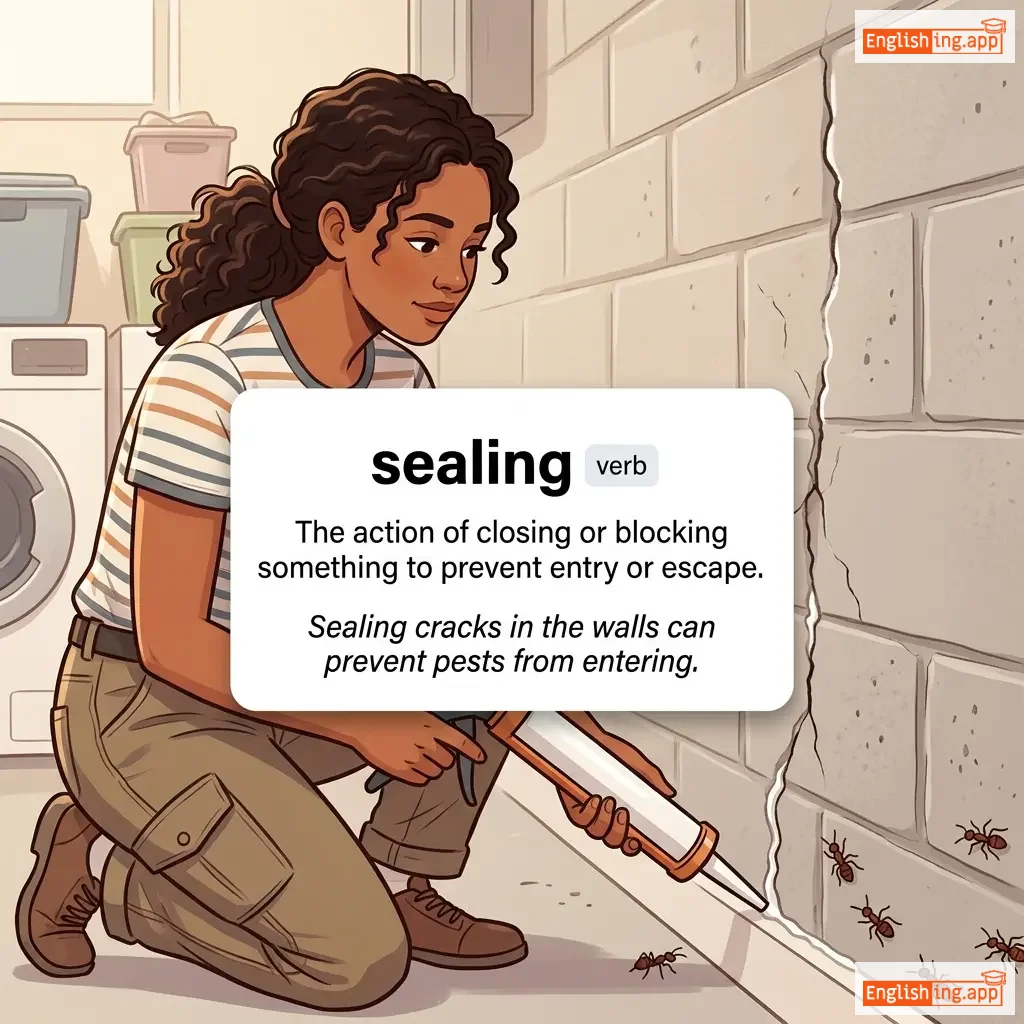
ˈsiːlɪŋ
verb
(シーリング)
••••••
|
|
密閉する、封鎖する
mippei suru, fūsa suru
••••••
|
The action of closing or blocking something to prevent entry or escape.
••••••
|
Sealing cracks in the walls can prevent pests from entering. |
壁の亀裂を密閉することで害虫の侵入を防げます。
Kabe no kiretsu o mippei suru koto de gaichū no shin'nyū o fusegemasu.
••••••
|
closing, closing off
••••••
|
opening, unsealing
••••••
|
密閉することは、物を封じ込めることです。
••••••
|
|
#2760
🏠
|
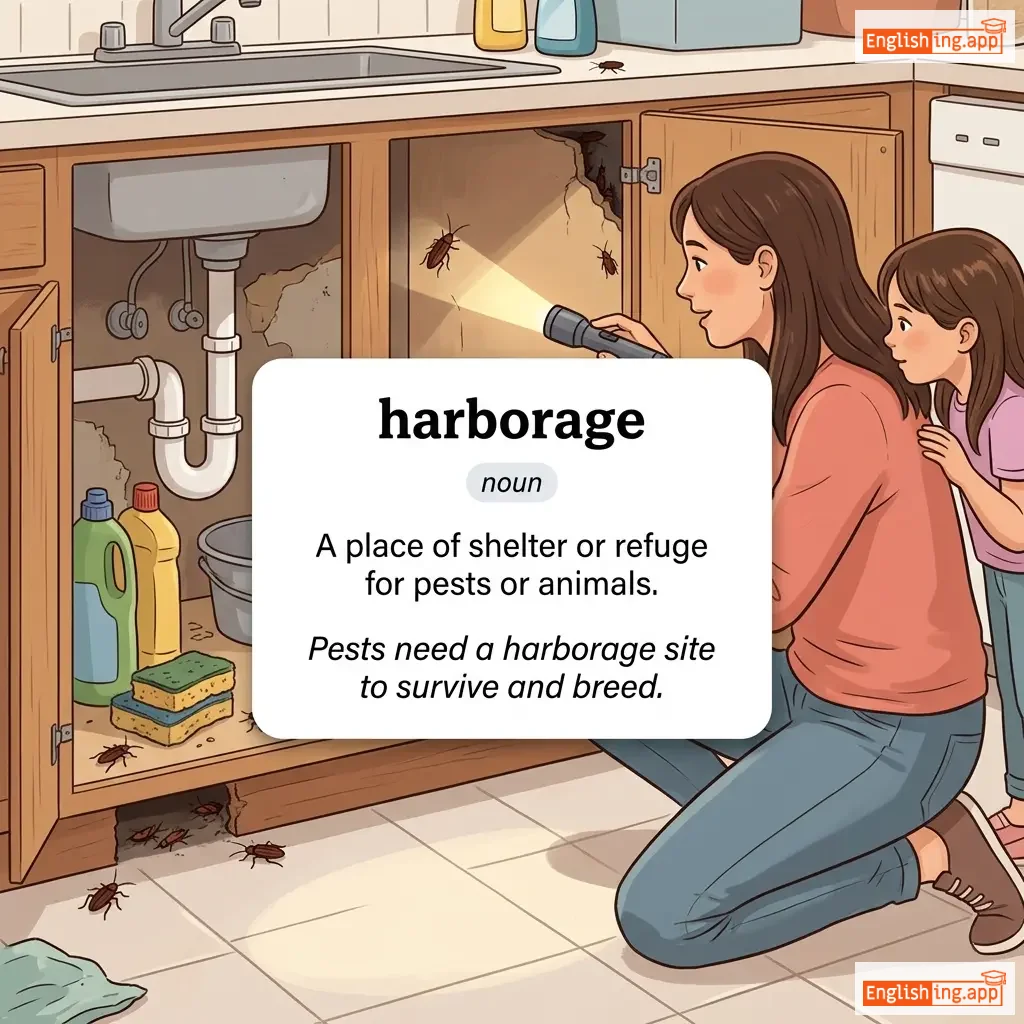
ˈhɑːrbərɪdʒ
noun
(ハーボレッジ)
••••••
|
|
避難所
hinanjo
••••••
|
A place of shelter or refuge for pests or animals.
••••••
|
Pests need a harborage site to survive and breed. |
害虫は生き残り、繁殖するために避難所が必要です。
Gaichū wa ikinokori, hanshoku suru tame ni hinanjo ga hitsuyōdesu.
••••••
|
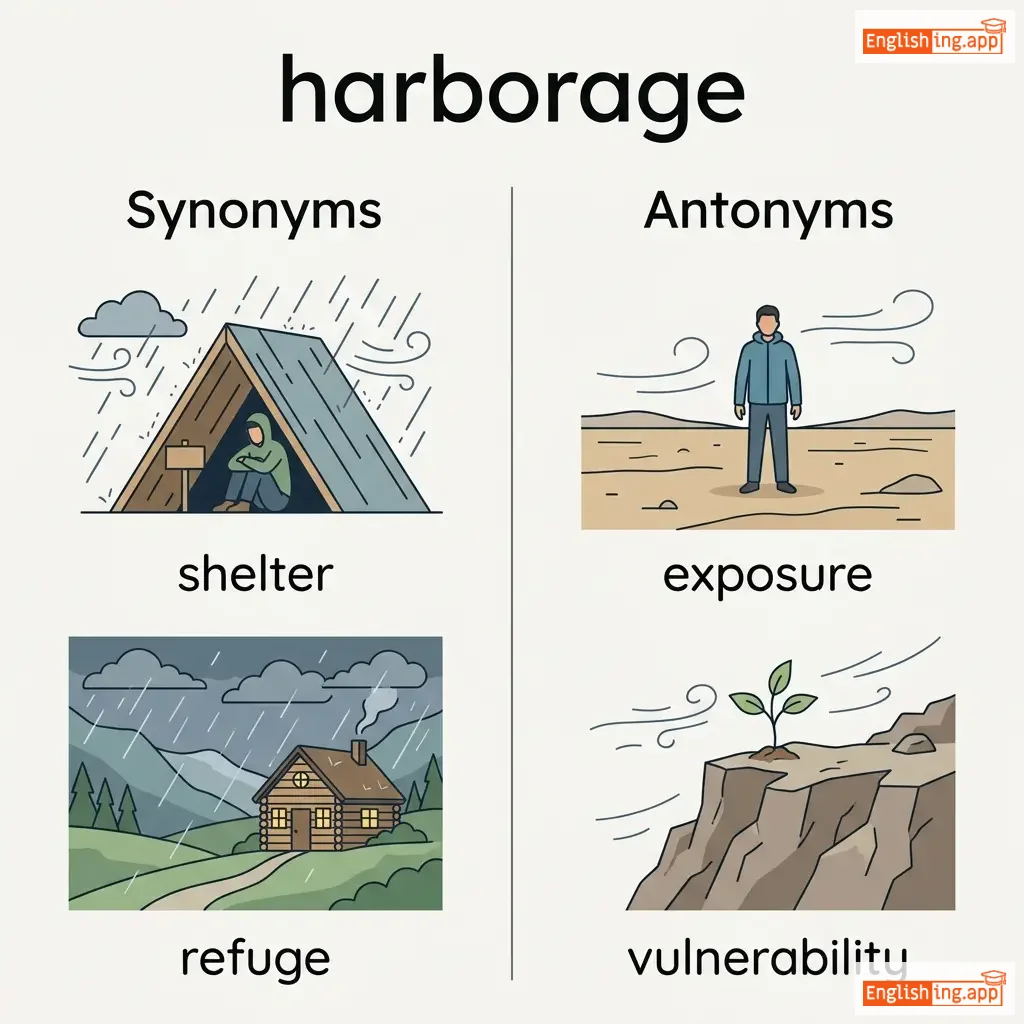
shelter, refuge
••••••
|
exposure, vulnerability
••••••
|
Hinanjo - Think of pests seeking refuge from the rain or predators.
••••••
|
|
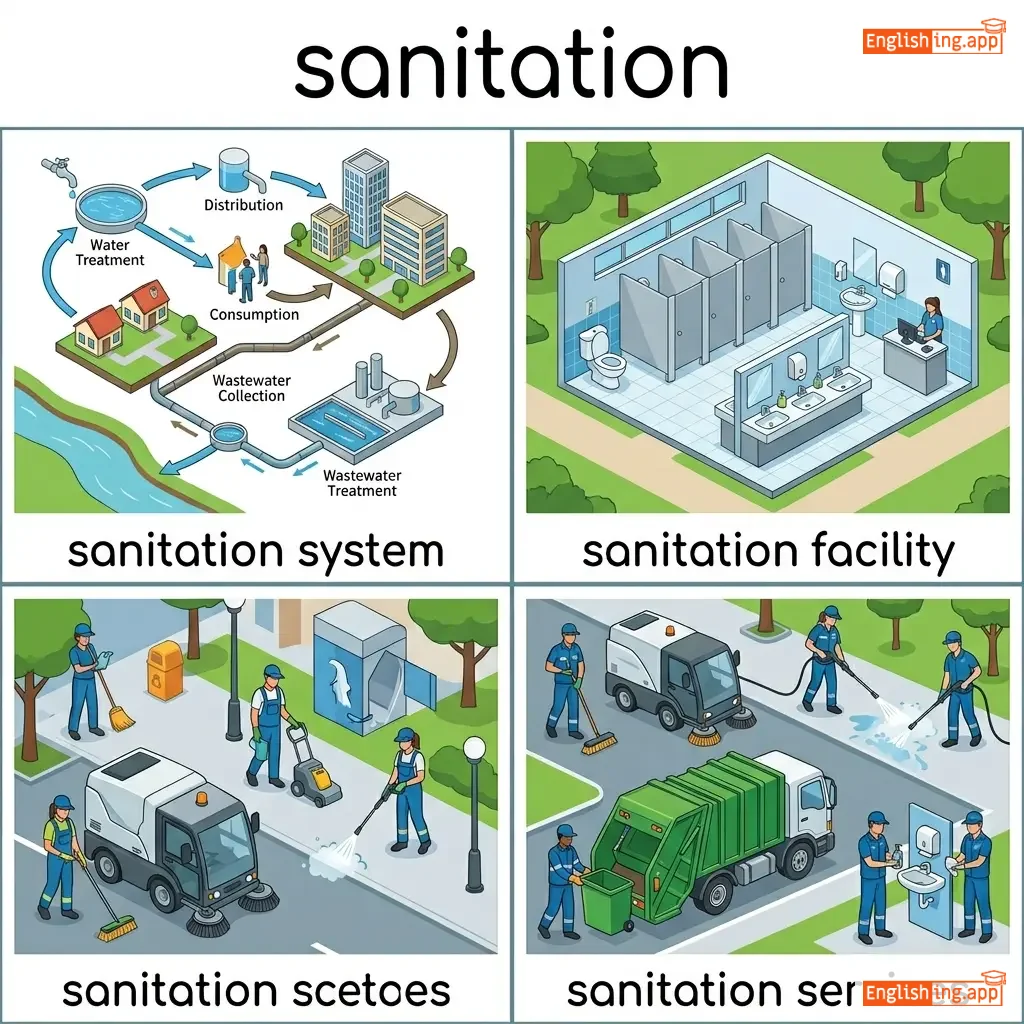
#2761
🧽
|
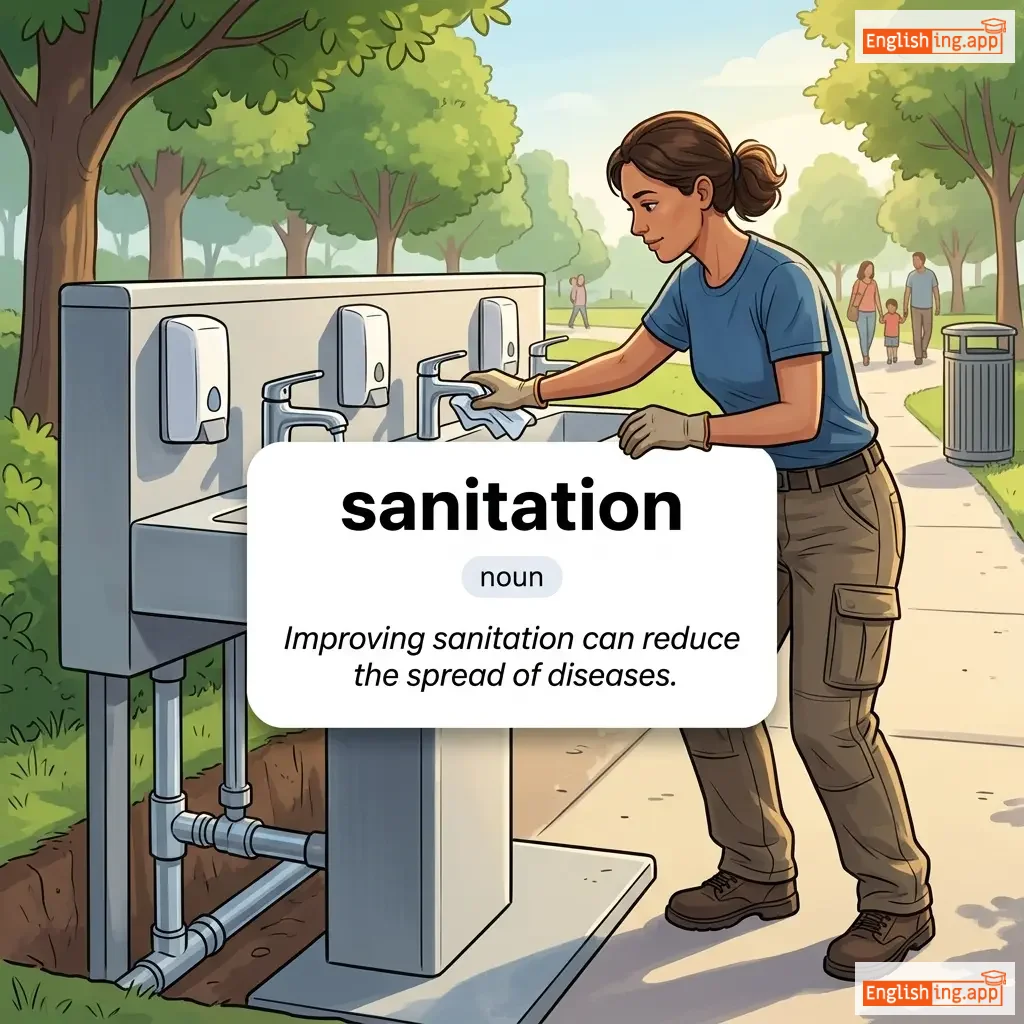
ˌsænɪˈteɪʃən
noun
(衛生)
••••••
|
|
衛生
eisei
••••••
|
Conditions relating to public health, especially the provision of clean drinking water and adequate sewage disposal.
••••••
|
Good sanitation practices are key to preventing infestations. |
良い衛生習慣は侵入を防ぐための鍵です。
Yoi eisei shuukan wa shinnyuu o fuseru tame no kagi desu.
••••••
|
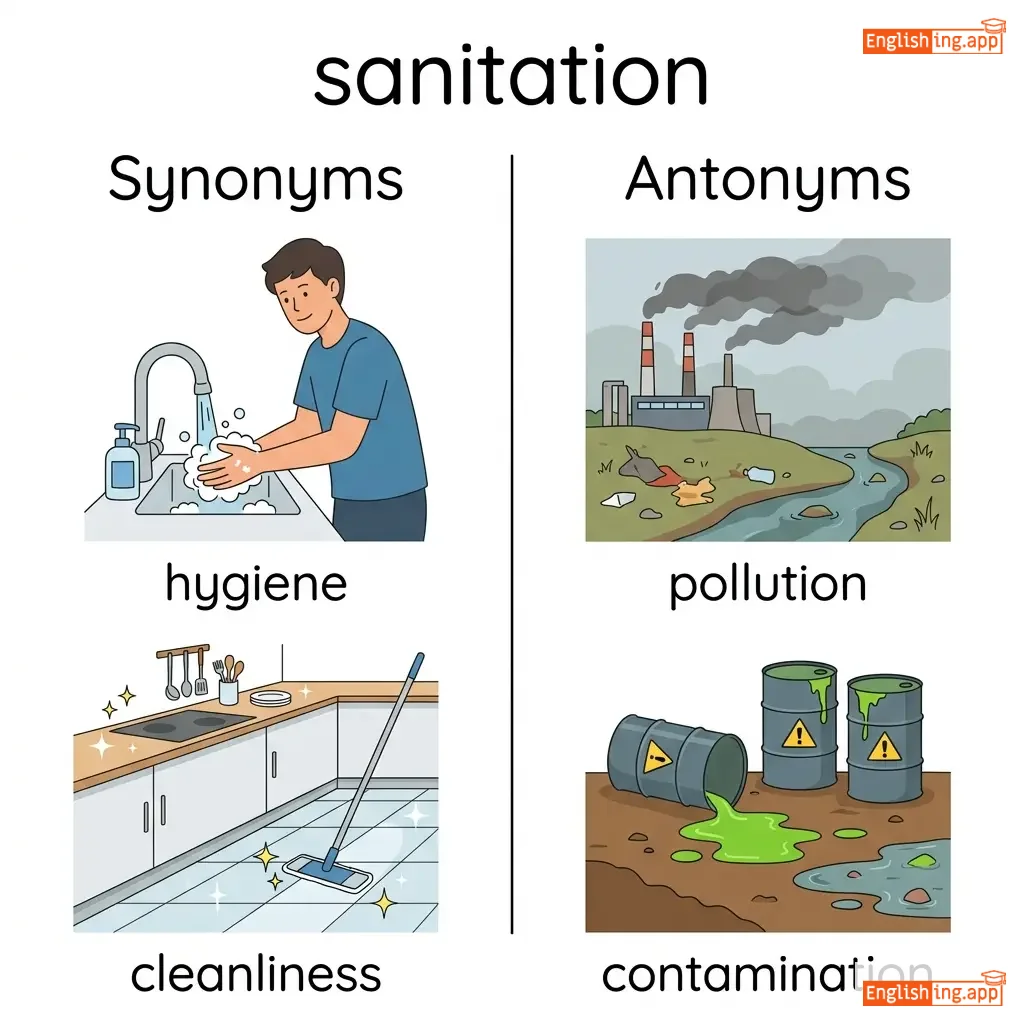
cleanliness, hygiene
••••••
|
filth, dirt
••••••
|
衛生は生活の基盤。水を守り、清潔を守る。
••••••
|
|
#2762
💊
|
ˈbaɪəʊˌsaɪd
noun
(バイオサイド)
••••••
|
- •••••• |
バイオサイド
baiosaido
••••••
|
A chemical substance or microorganism intended to destroy, deter, render harmless, or exert a controlling effect on any harmful organism.
••••••
|
Biocides help control pests and reduce the spread of diseases.
バイオサイドは害虫をコントロールし、病気の拡散を減らすのに役立ちます。
••••••
|
バイオサイドは害虫をコントロールし、病気の拡散を減らすのに役立ちます。
Baiosaido wa gaichū o kontorōru shi, byōki no kakusan o herasu no ni yakudachimasu.
••••••
|
pesticide, disinfectant
••••••
|
fertilizer, growth stimulant
••••••
|
Baiosaido (biocide) sounds like 'bio', used to destroy harmful pests.
••••••
|
|
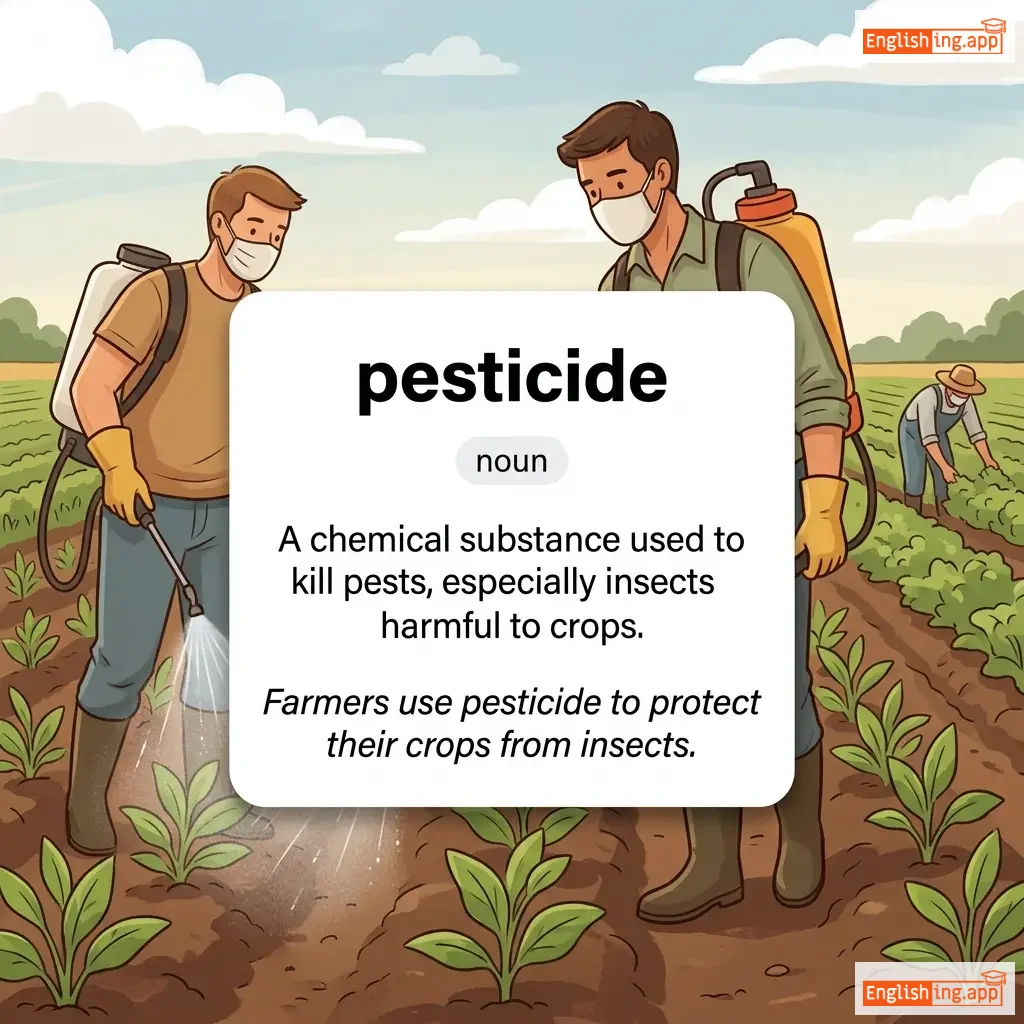
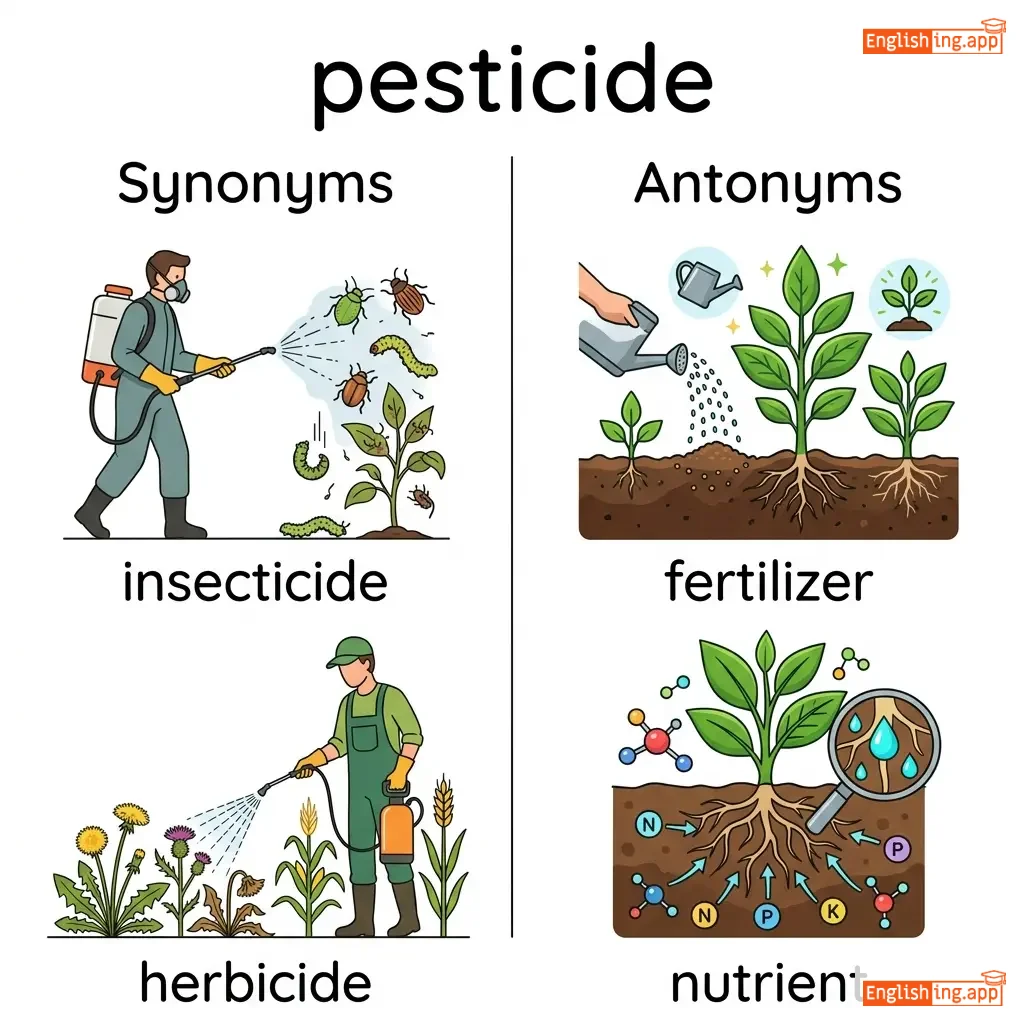
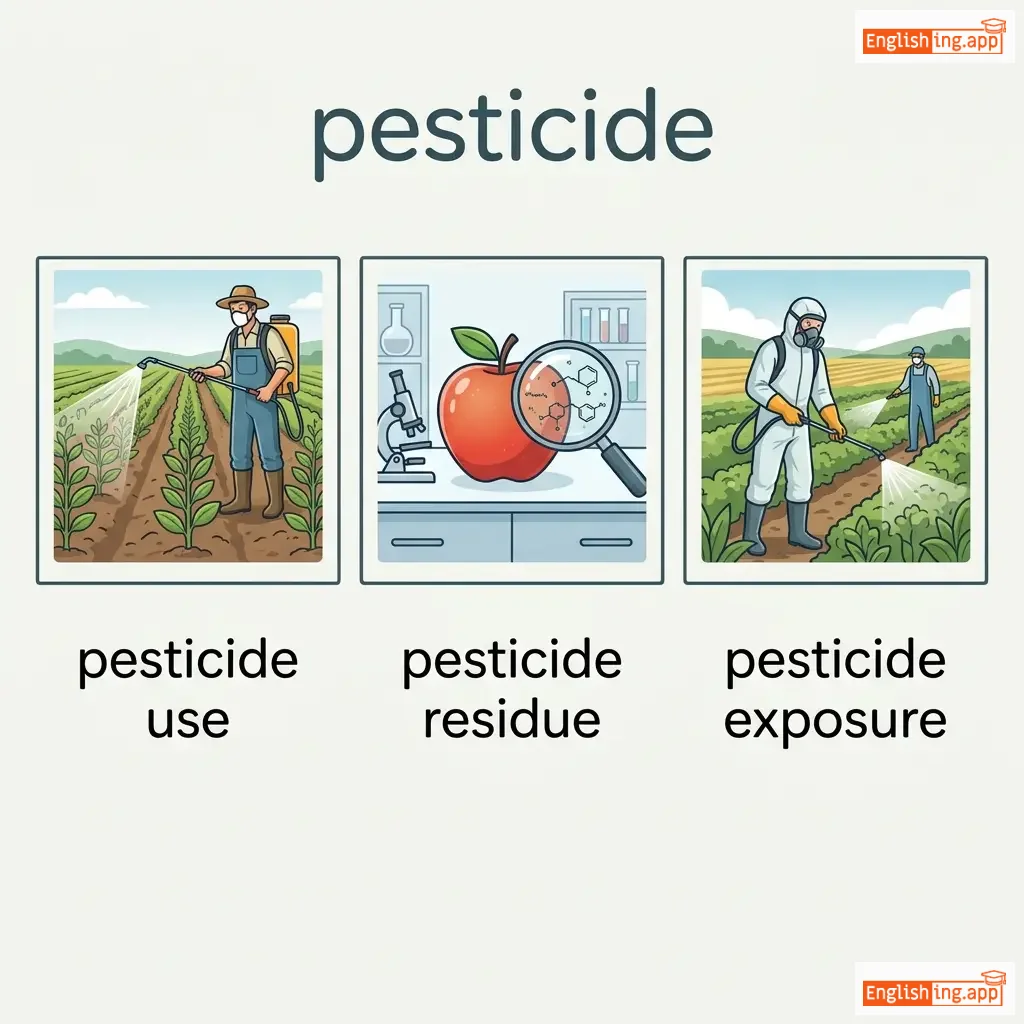
#2763
🧪
|
ˈpɛstɪˌsaɪd
noun
(pesutisaido)
••••••
|
|
農薬
nōyaku
••••••
|
A substance used for destroying insects or other organisms harmful to cultivated plants or to animals.
••••••
|
The pesticide sprayed in the field killed the harmful insects. |
畑に撒かれた農薬は有害な昆虫を殺しました。
Hatake ni makareta nōyaku wa yūgaina konchū o koroshimashita.
••••••
|
insecticide, herbicide
••••••
|
fertilizer, biodegradable substance
••••••
|
農薬で害虫を退治する!
••••••
|
|
#2764
⚠️
|
dɪˈtɛrənt
noun
(ディテレント)
••••••
|
|
抑止力
yokushiryoku
••••••
|
A thing that discourages or is intended to discourage someone from doing something.
••••••
|
The presence of a deterrent made the pests stay away from the crops.
ディテレントの存在が害虫を作物から遠ざけた。
••••••
|
抑止力の存在が害虫を作物から遠ざけた。
Yokushiryoku no sonzai ga gaichū o sakumotsu kara tōzaketa.
••••••
|
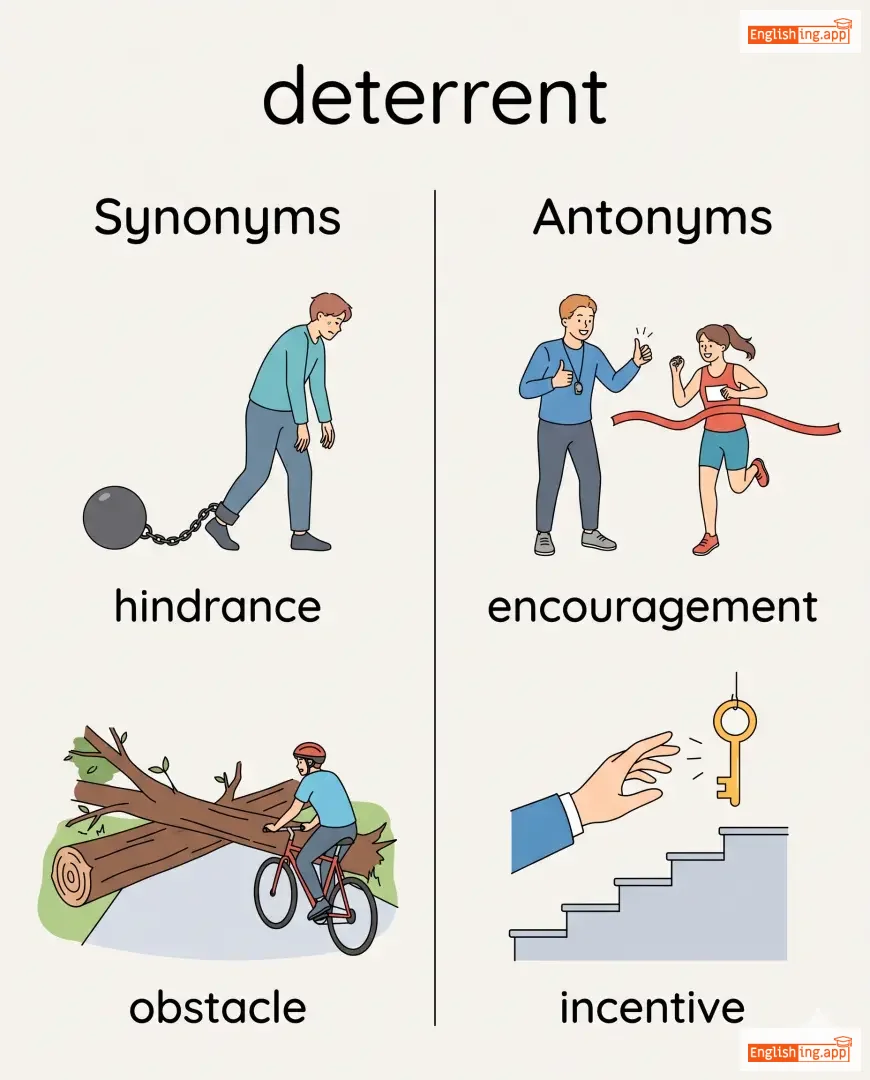
obstacle, hindrance
••••••
|
encouragement, incentive
••••••
|
抑止力は作物を守る力として、必要な防御。
••••••
|
|
#2765
🧱
|
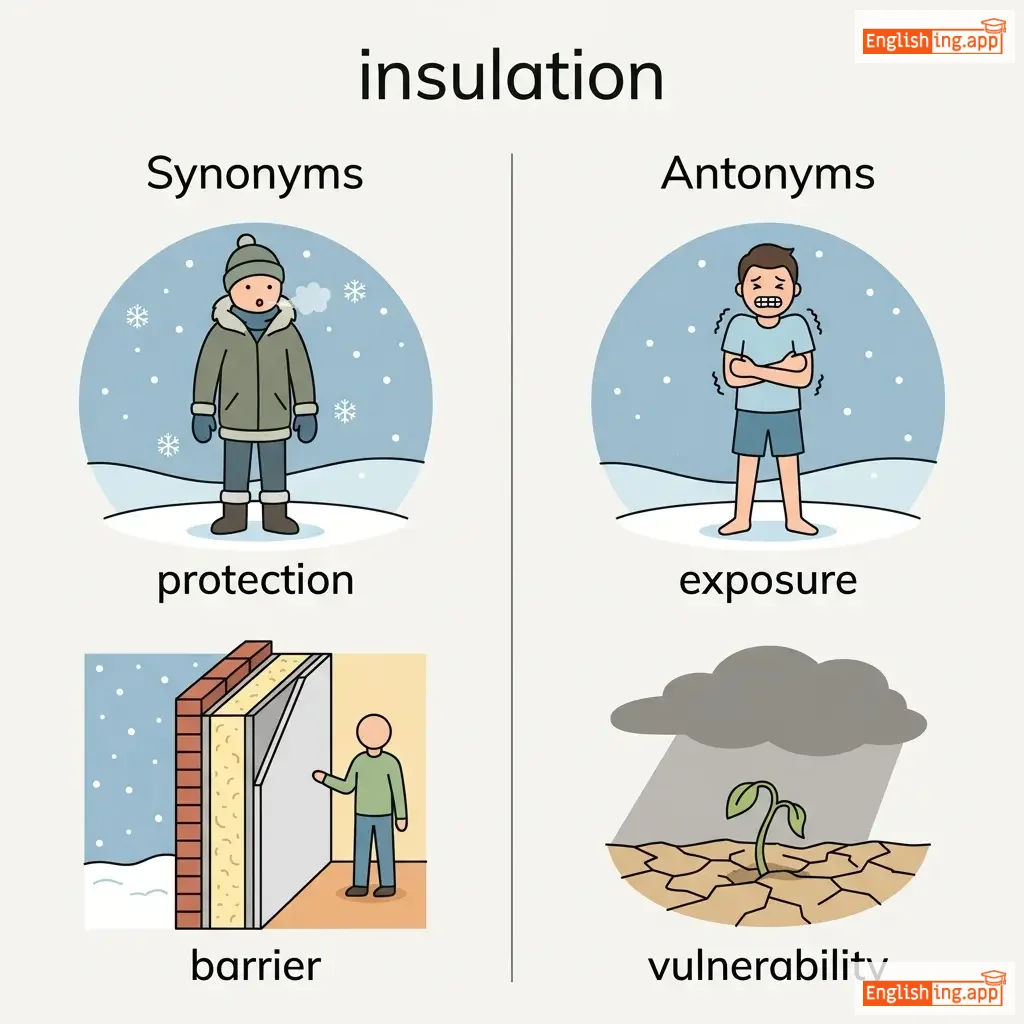
ˌɪnsjʊˈleɪʃən
noun
(インシュレーション)
••••••
|
|
絶縁
zetsuen
••••••
|
Material used to prevent heat, sound, or electricity from being transmitted from one area to another.
••••••
|
Insulation of food storage areas can prevent pests from entering. |
食品保管エリアの絶縁は、害虫が侵入するのを防ぐことができます。
Shokuhin hokan eria no zetsuen wa, gaichū ga shin'nyū suru no o fusu koto ga dekimasu.
••••••
|
protection, barrier
••••••
|
exposure, vulnerability
••••••
|
絶縁は家を暖かく保つ、まるで暖房が壁の中で仕事をしているようだ。
••••••
|
|
#2766
💨
|
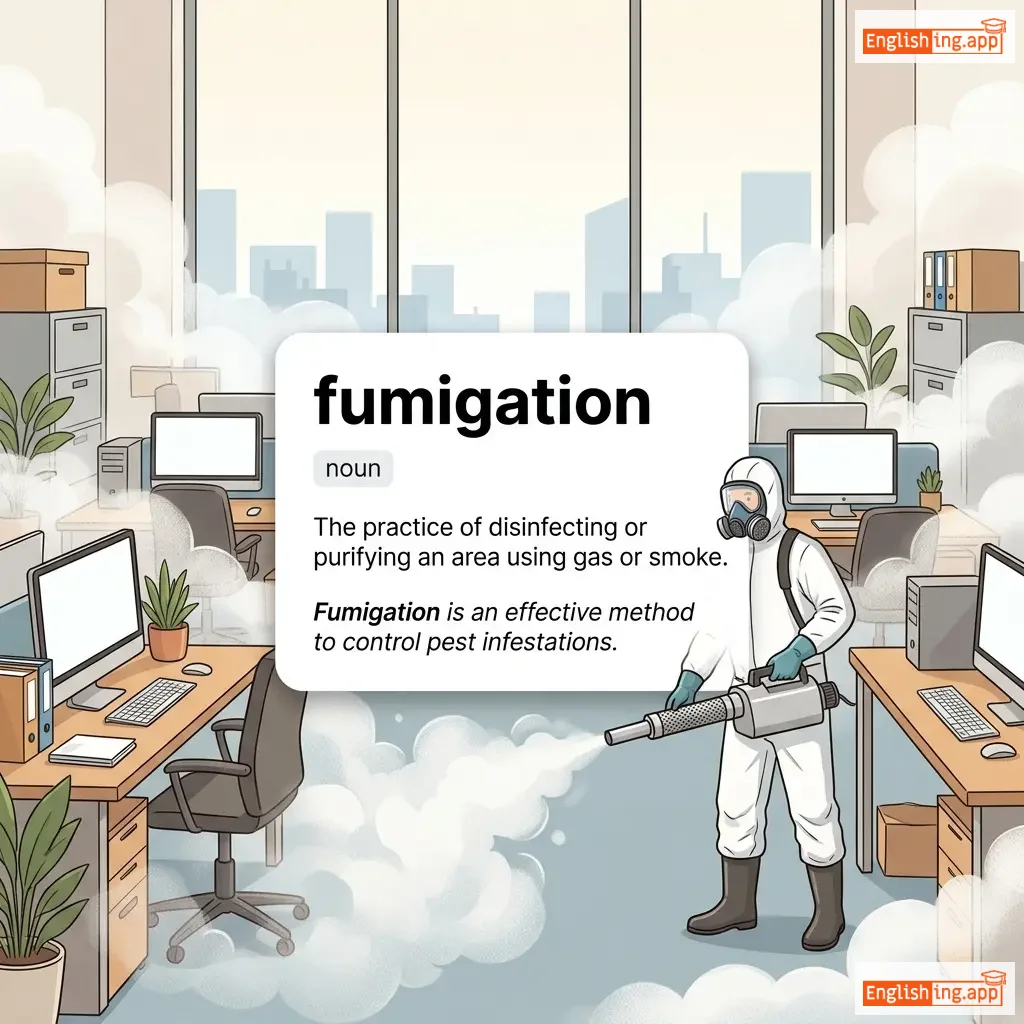
ˌfjuːmɪˈɡeɪʃən
noun
(fyumigeishon)
••••••
|
|
燻蒸
kunjō
••••••
|
The practice of disinfecting or purifying an area using gas or smoke.
••••••
|
Fumigation is an effective method to control pest infestations.
消毒は害虫の侵入を制御するための効果的な方法です。
••••••
|
消毒は害虫の侵入を制御するための効果的な方法です。
Shōdoku wa gaichū no shinnyū o seigyo suru tame no kōka-tekina hōhō desu.
••••••
|
disinfection, sterilization
••••••
|
cleanliness, decontamination
••••••
|
燻蒸は煙で害虫を消し去ります。
••••••
|
|
#2767
🔄
|
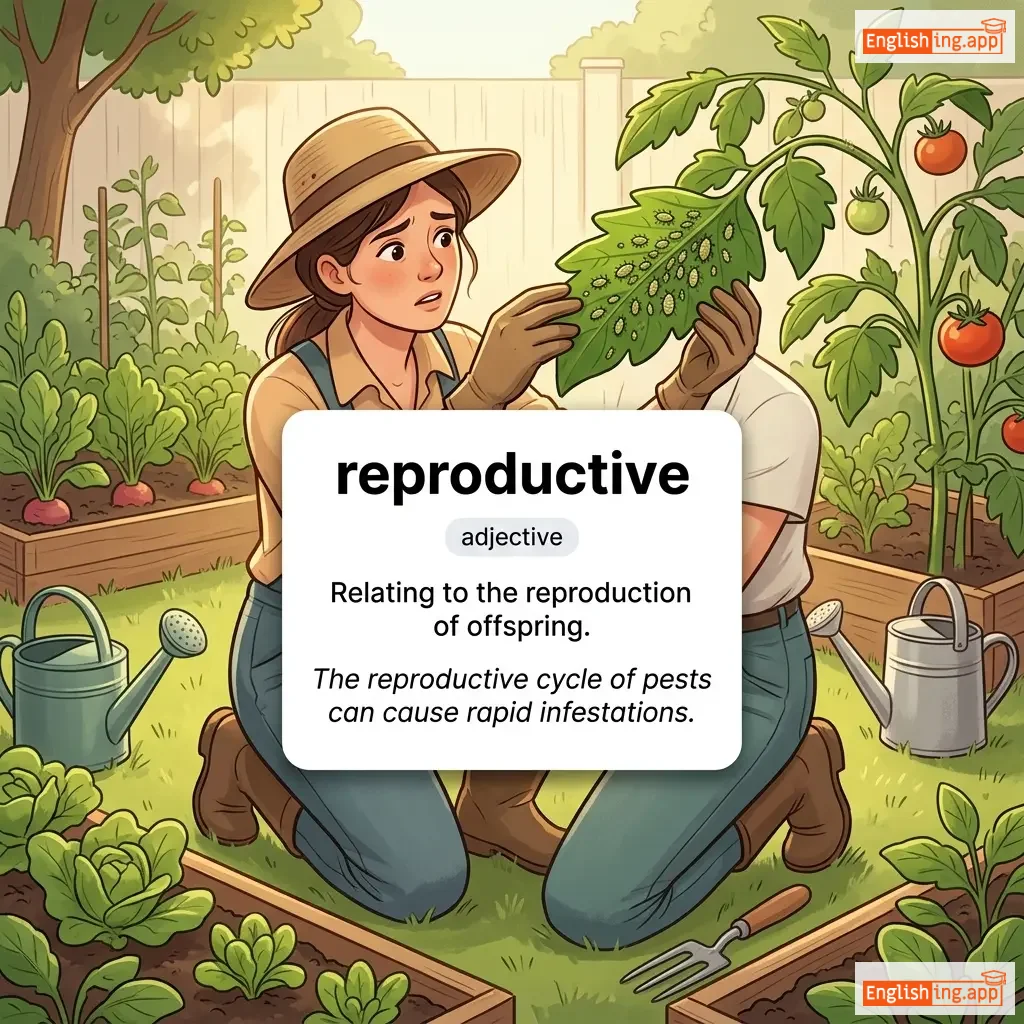
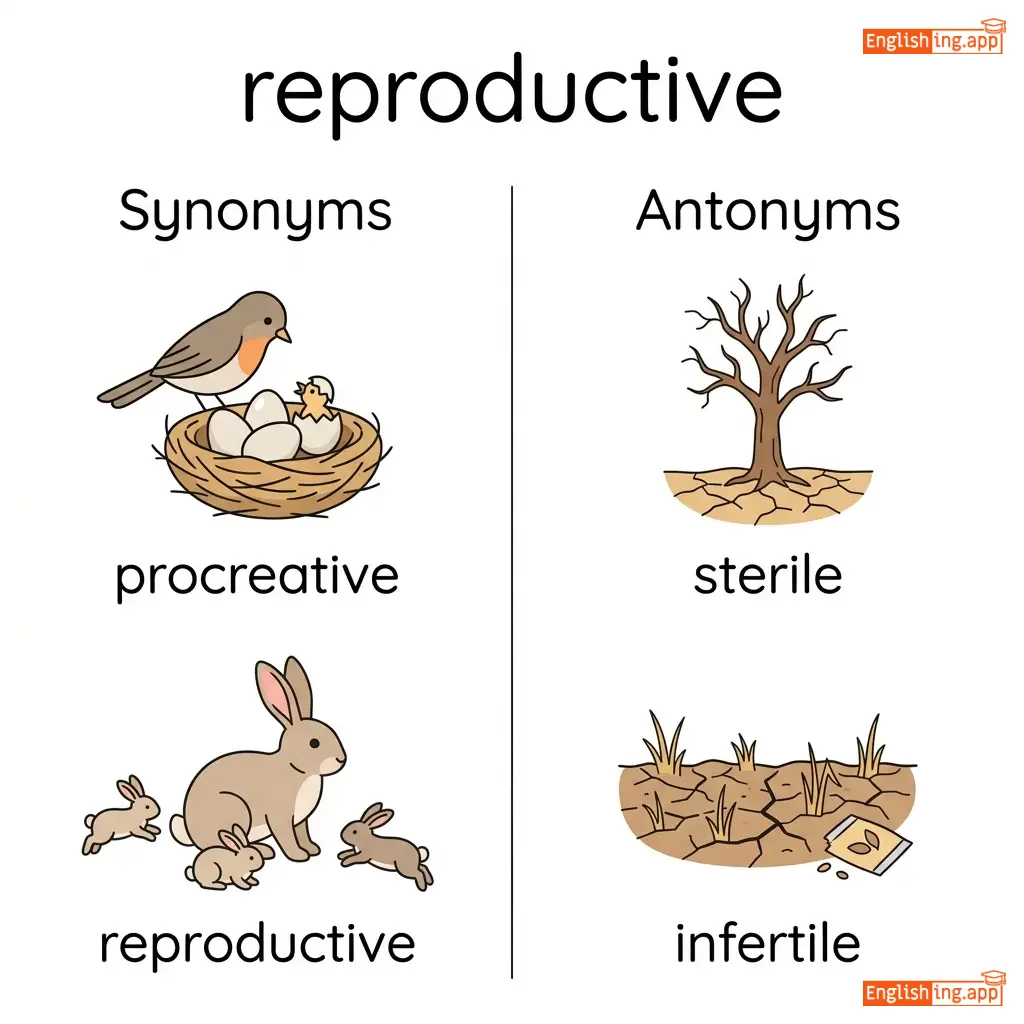
ˌriːprəˈdʌktɪv
adjective
(リプロダクティブ)
••••••
|
|
繁殖に関する
hanshoku ni kansuru
••••••
|
Relating to the reproduction of offspring.
••••••
|
The reproductive cycle of pests can cause rapid infestations.
害虫の生殖サイクルは迅速な感染を引き起こす可能性があります。
••••••
|
害虫の生殖サイクルは迅速な感染を引き起こす可能性があります。
Gaichū no seishoku saikuru wa jinsoku na kansen o hikiokosu kanōsei ga arimasu.
••••••
|
procreative, reproductive
••••••
|
sterile, infertile
••••••
|
繁殖 (reproduction) と子孫 (offspring) に関連
••••••
|
|
#2768
👁️
|
sɜːˈveɪləns
noun
(サーベイランス)
••••••
|
|
監視
saabeiransu
••••••
|
Close observation, especially of a suspected spy or criminal.
••••••
|
Surveillance of pest populations is crucial to controlling outbreaks.
害虫個体群の監視は、発生を抑制するうえで不可欠です。
••••••
|
害虫個体群の監視は、発生を抑制するうえで不可欠です。
gaichu kotai gun no kanshi wa hassei o yokusei suru ue de fukaketsu desu
••••••
|
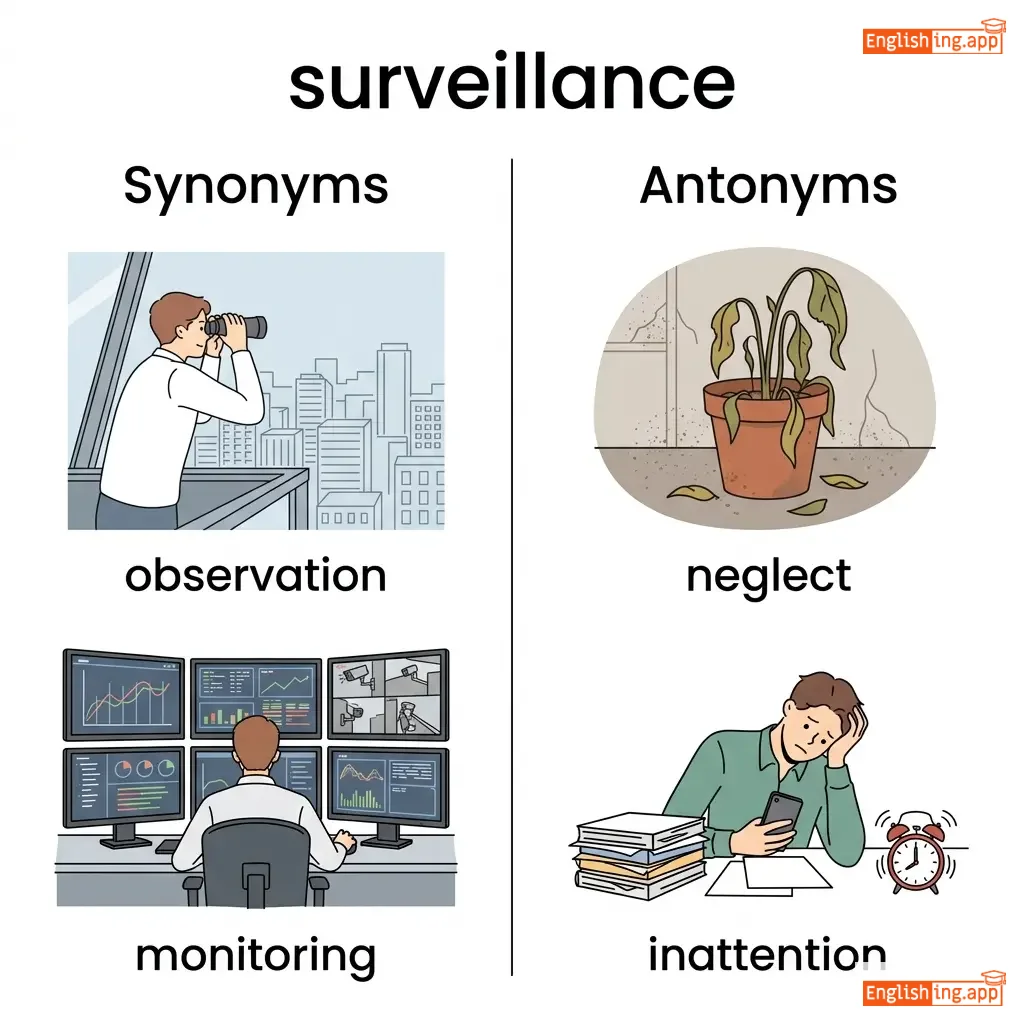
monitoring, observation
••••••
|
inattention, neglect
••••••
|
SaaBeiRanSu = See A Bee Run Surveillance; cam を みはる bee の image を 思い浮かべよう
••••••
|
|
#2769
📊
|
ˈmɒnɪtərɪŋ
noun
(モニタリング)
••••••
|
|
監視、継続的なモニタリング
kanshi, keizokuteki na monitoring
••••••
|
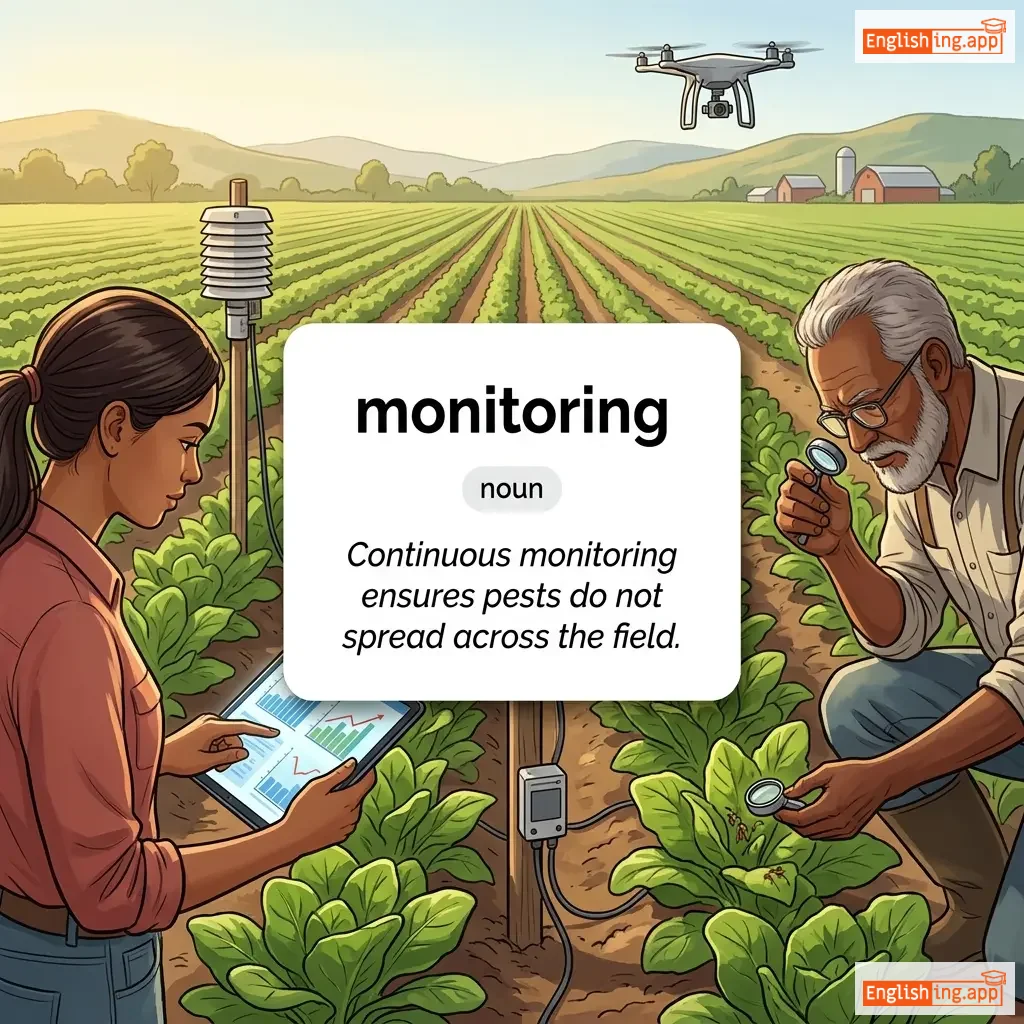
The action of observing and checking the progress or quality of something over a period of time.
••••••
|
Continuous monitoring ensures pests do not spread across the field.
継続的なモニタリングにより、害虫が畑全体に広がることはありません。
••••••
|
継続的なモニタリングにより、害虫が畑全体に広がることはありません。
Keizokuteki na monitoring ni yori, gaichū ga hatake zentai ni hirogaru koto wa arimasen.
••••••
|
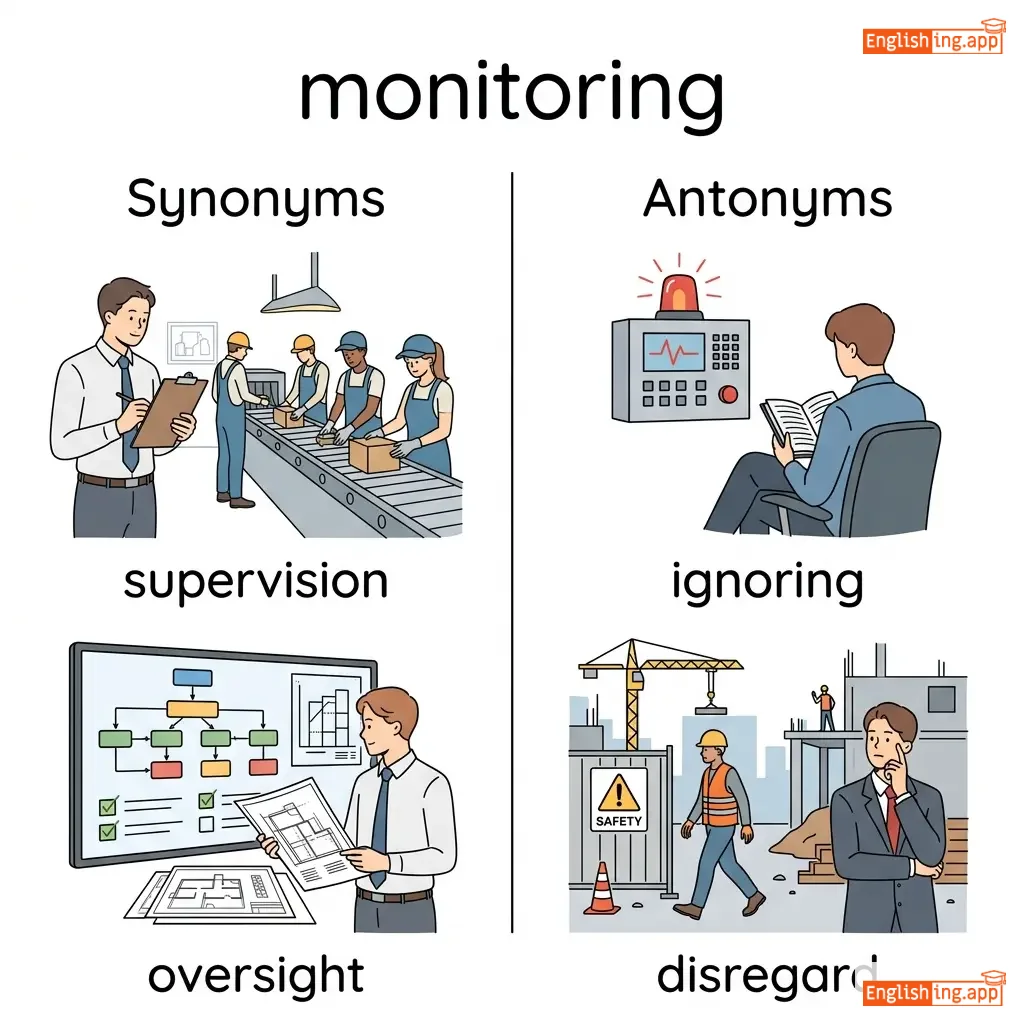
supervision, oversight
••••••
|
ignoring, disregard
••••••
|
Japanese: 'モニタリング' reminds to keep monitoring continually.
••••••
|
|
#2770
🚪
|
ˈθrɛʃhəʊld
noun
(スレッショールド)
••••••
|
|
閾値, 限界
ikichi, genkai
••••••
|
A point of entry or beginning; the magnitude or intensity that must be exceeded for a certain reaction to occur.
••••••
|
Once the threshold for pest population is reached, measures must be taken. |
害虫の個体数の閾値に達したら、対策を講じなければならない。
Gaichū no kotaisu no ikichi ni tasshitara, taisaku o kōjinakereba naranai.
••••••
|
limit, boundary
••••••
|
excess, overload
••••••
|
閾値は新しいステップに進むために越えなければならない壁です。
••••••
|
|
#2771
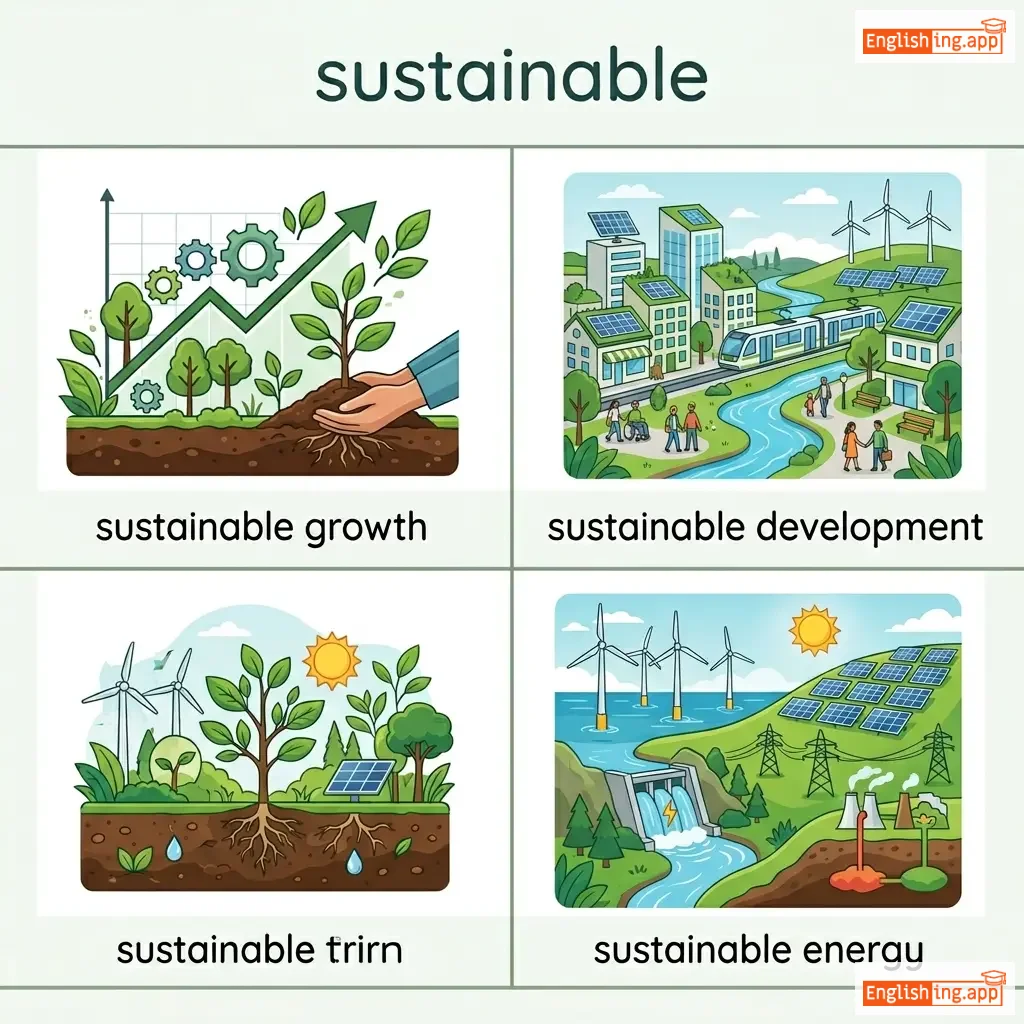
♻️
|
səˈsteɪnəbl
adjective
(サステナブル)
••••••
|
|
持続可能な, 環境に優しい
jizokukanou na, kankyou ni yasashii
••••••
|
Able to be maintained at a certain rate or level without depleting natural resources or causing severe ecological damage.
••••••
|
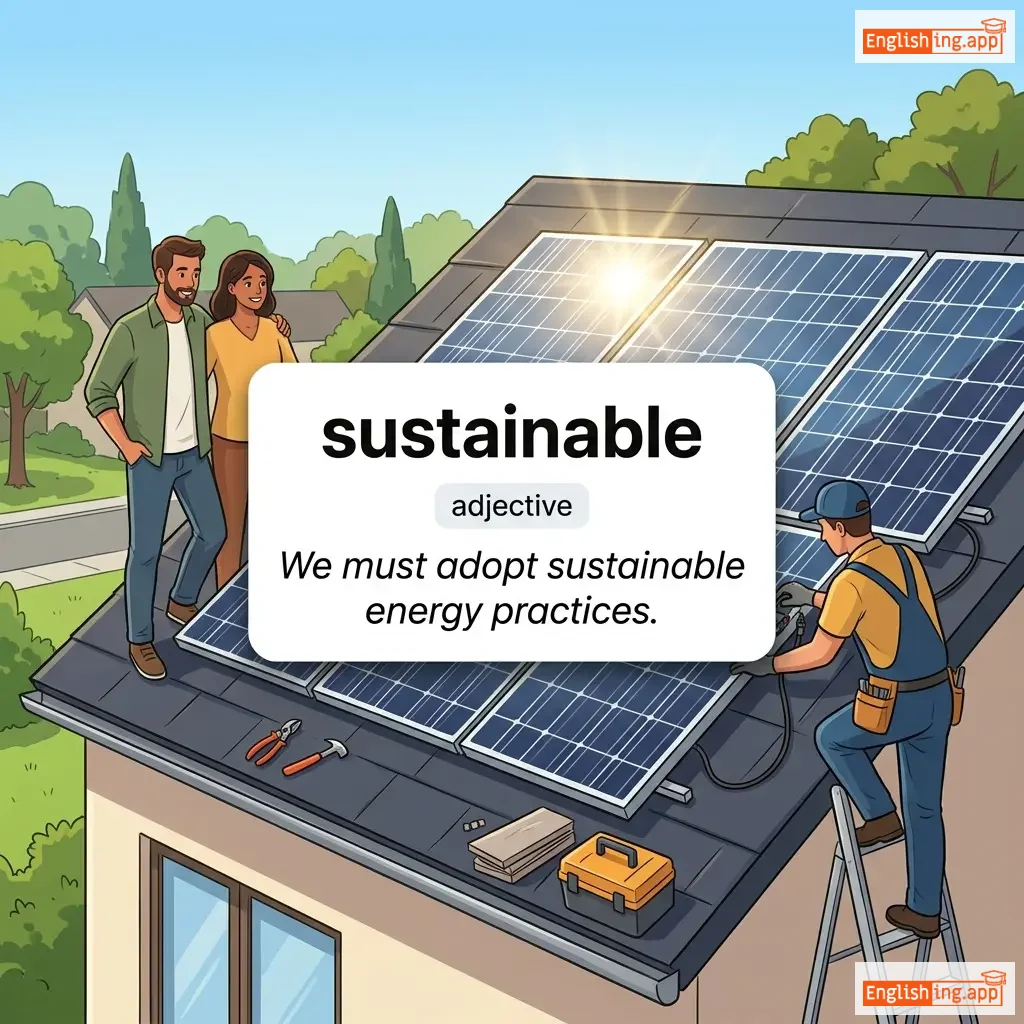
Sustainable pest control methods reduce long-term risks.
サステナブルな害虫駆除方法は長期的なリスクを減らします。
••••••
|
持続可能な害虫駆除方法は長期的なリスクを減らします。
Jizokukanou na gaichuu kujo houhou wa choukiteki na risuku wo herashimasu.
••••••
|
renewable, viable
••••••
|
unsustainable, depletable
••••••
|
持続可能は環境に優しく、資源を無駄にしません。
••••••
|
|
#2772
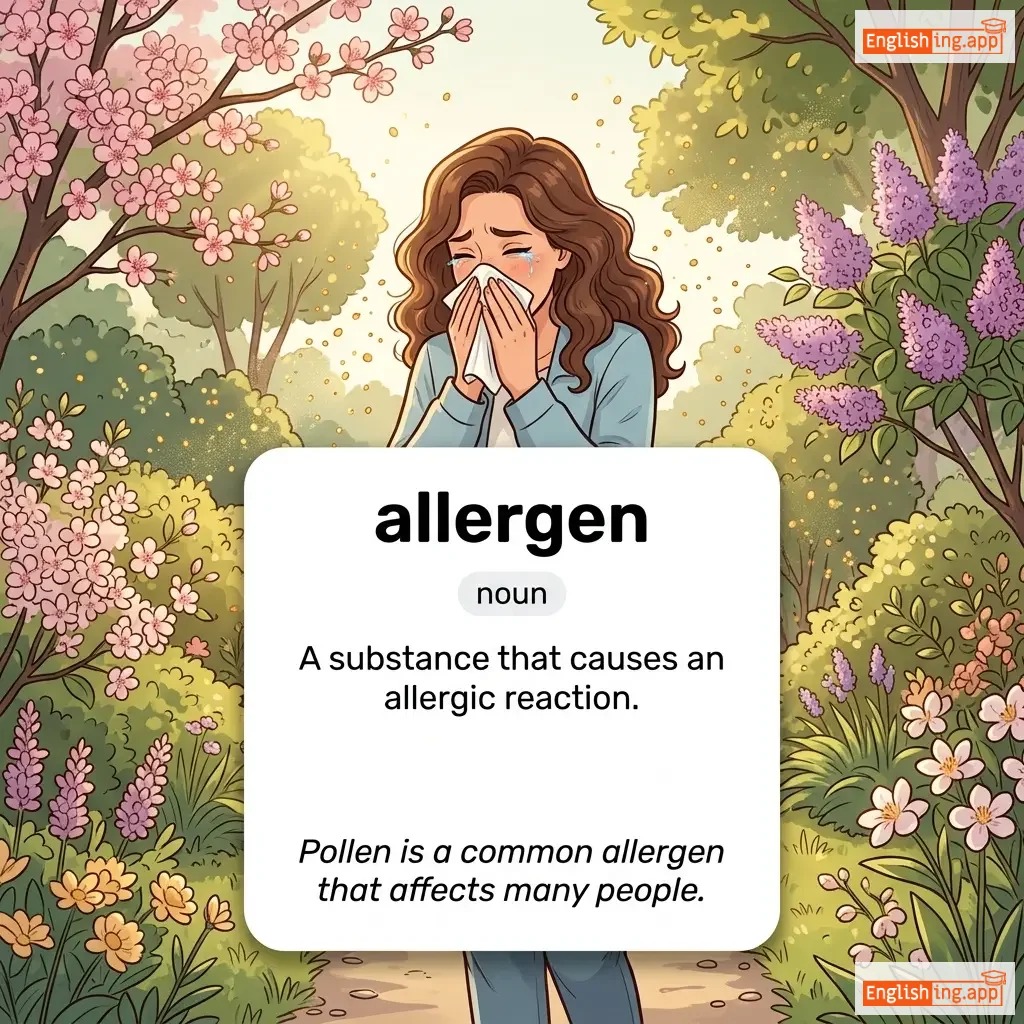
🤧
|
ˈælərdʒən
noun
(アレルゲン)
••••••
|
|
アレルギー反応を引き起こす物質
arerugī hannō o hikiokosu busshitsu
••••••
|
A substance that causes an allergic reaction.
••••••
|
Pollen is a common allergen that affects many people.
花粉は多くの人々に影響を与える一般的なアレルゲンです。
••••••
|
花粉は多くの人々に影響を与える一般的なアレルゲンです。
Kafun wa ōku no hitobito ni eikyō o ataeru ippan-teki na arerugen desu.
••••••
|
irritant, trigger
••••••
|
non-reactive, hypoallergenic
••••••
|
アレルゲン – アレルギーを引き起こすもの。
••••••
|
Vocabulary Quiz
Test your vocabulary by matching words with their translations or meanings.
Login to take the quiz
Comments (0)
Share your thoughts and join the discussion.
Join the discussion by logging in
Login to CommentNo comments yet
Be the first to share your thoughts!