

世界の森林の種類
Types of Forests Around the World
世界には、気候と生態的な特徴に基づくさまざまな樹木環境があります。主に、森林は3つの主要なカテゴリに分けられます— 針葉樹、広葉樹、および熱帯です。
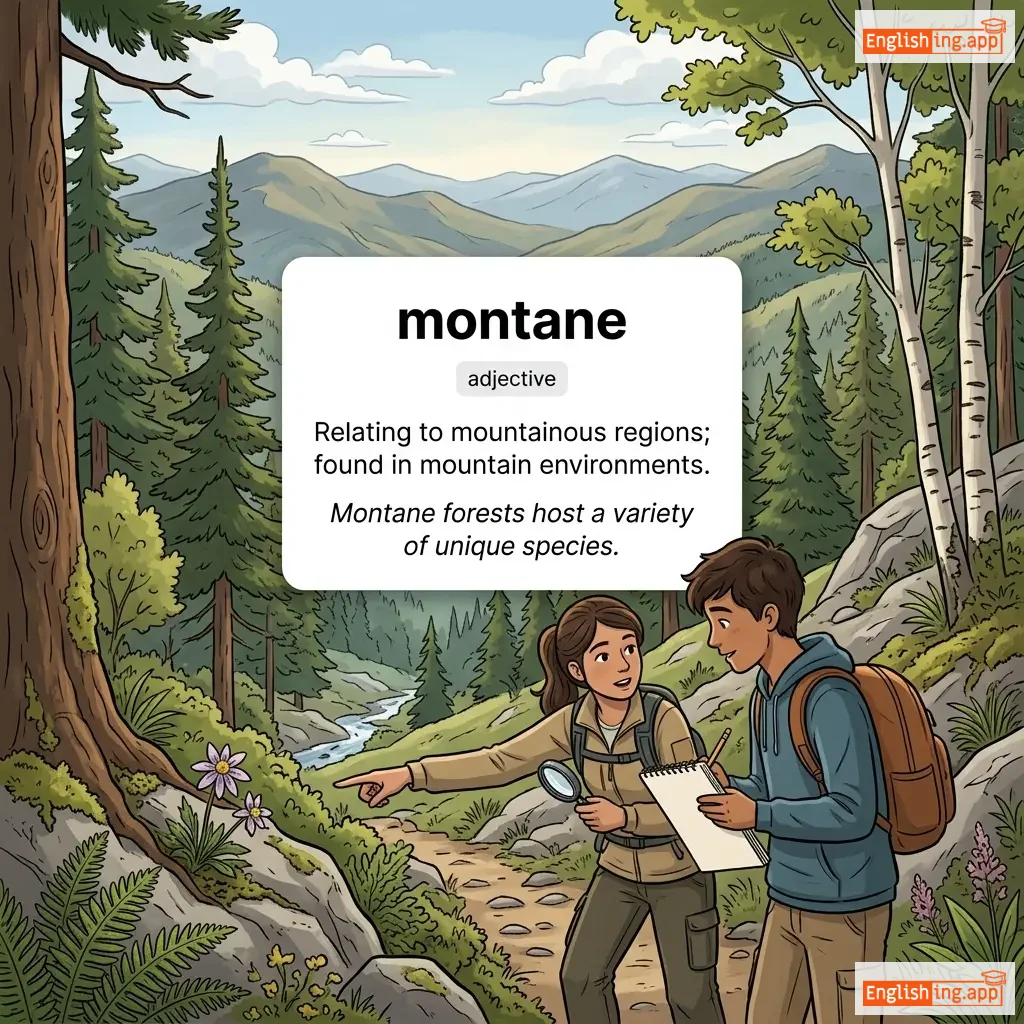
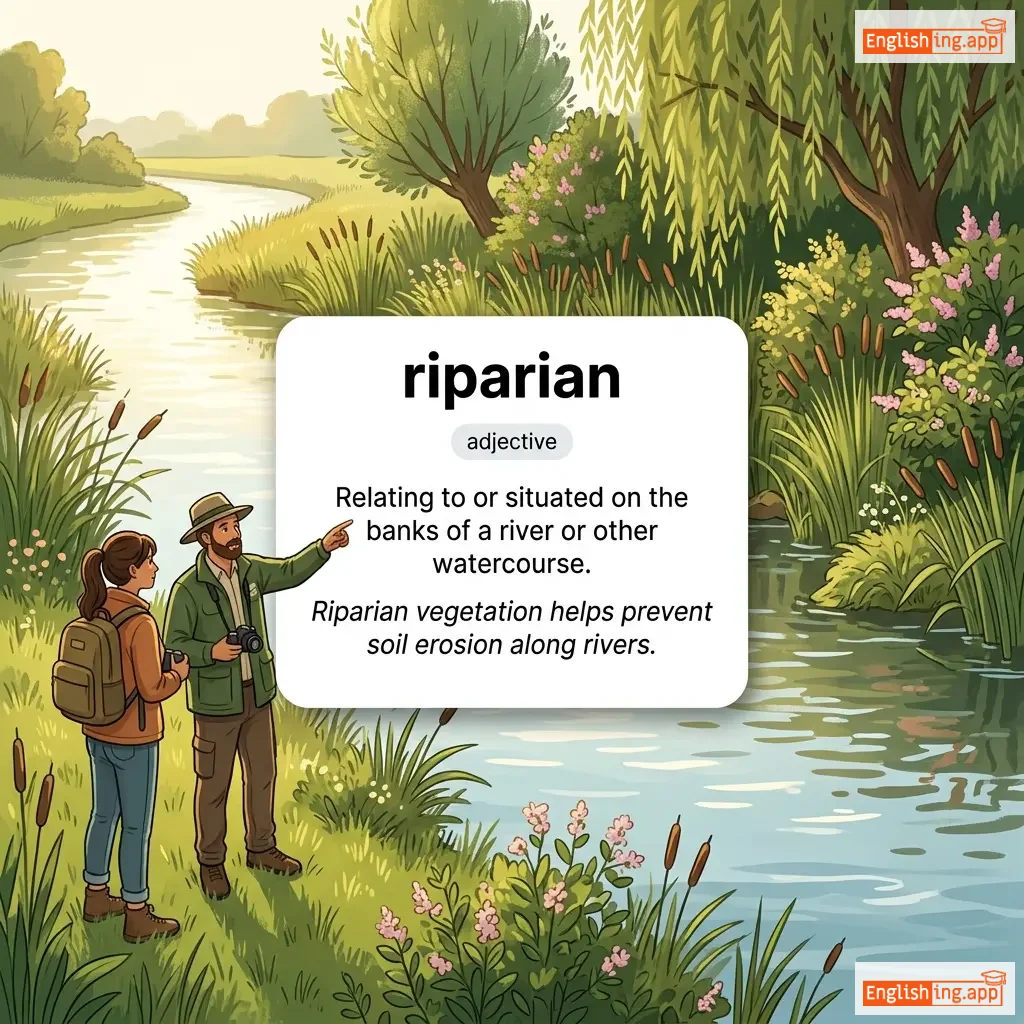
針葉樹の森は、主に寒冷地域にあり、常緑樹は年々生き続けます。これらのキャノピーは密で、土壌の動物群にとって重要な生息地を提供します。一方、広葉樹の森は季節の変化に合わせて葉を落とします。ここには豊富な生物多様性があり、この森の植物群は毎年遷移プロセスを通じて変化します。温暖で湿潤な地域にある熱帯の森、例えばアマゾンは、豊富な降水量を受け、数多くの固有の植物や動物の種が生息しています。さらに、山地の森林は山岳地帯に、河川の森林は河川近くにあります。しかし、過度の森林伐採と分断が森林の存在を脅かし、自然の微気候と下層植生を破壊しています。森林保護なしでは、環境のバランスを維持することはできません。
翻訳
過去
過去分詞
三人称単数
動名詞
意味
例文
例文の翻訳
同義語
対義語
コロケーション
ニーモニック
Swipe left or right, or use the buttons. Tap image to zoom.
例文の翻訳
単語
Types of Forests Around the WorldTypes of Forests Around the World - マスクトグル
|
絵文字
|
単語 | Images | 翻訳 | 意味 | 例文 | 例文の翻訳 | 同義語 | 対義語 | ニーモニック |
|---|---|---|---|---|---|---|---|---|---|
|
#3853
🌳
|
/ɑːrˈbɔːr.i.əl/
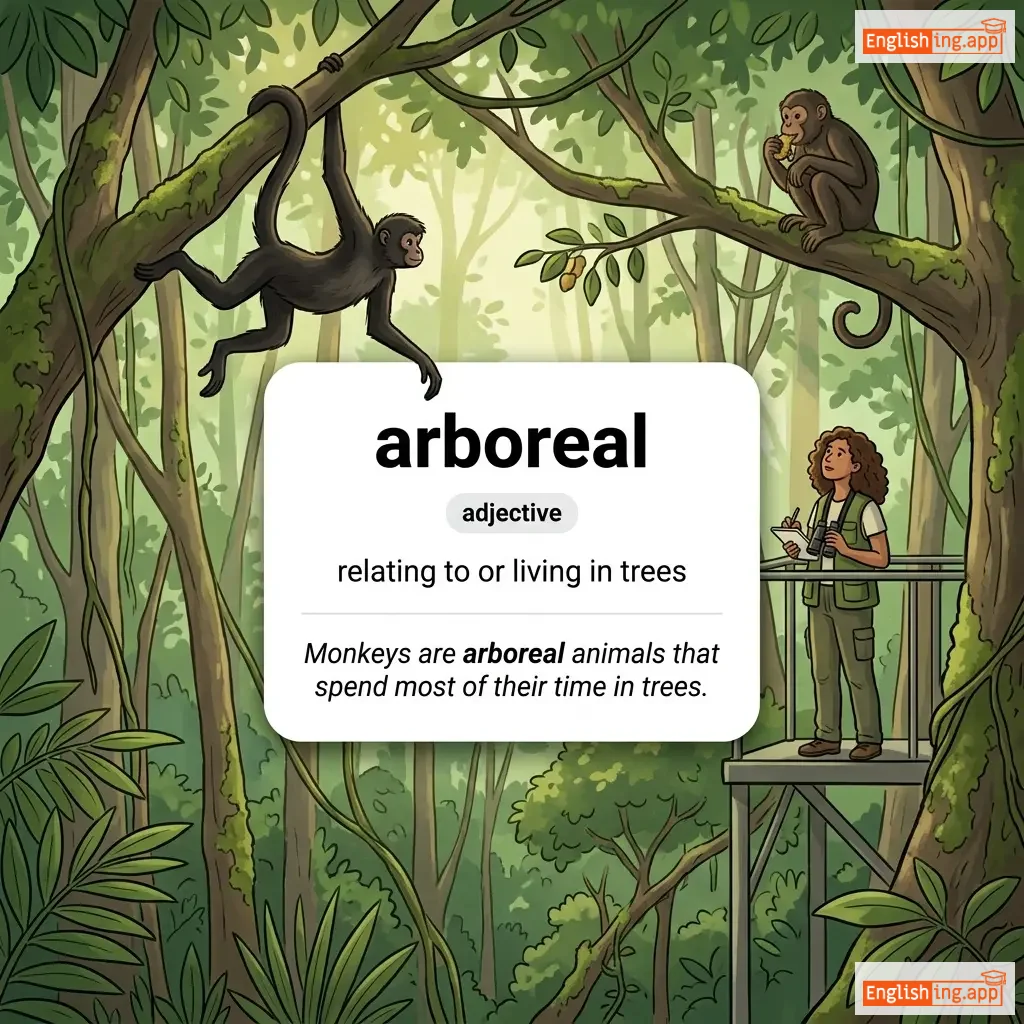
adjective
(アーボリアル)
••••••
|
|
樹木に関する
jumoku ni kansuru
••••••
|
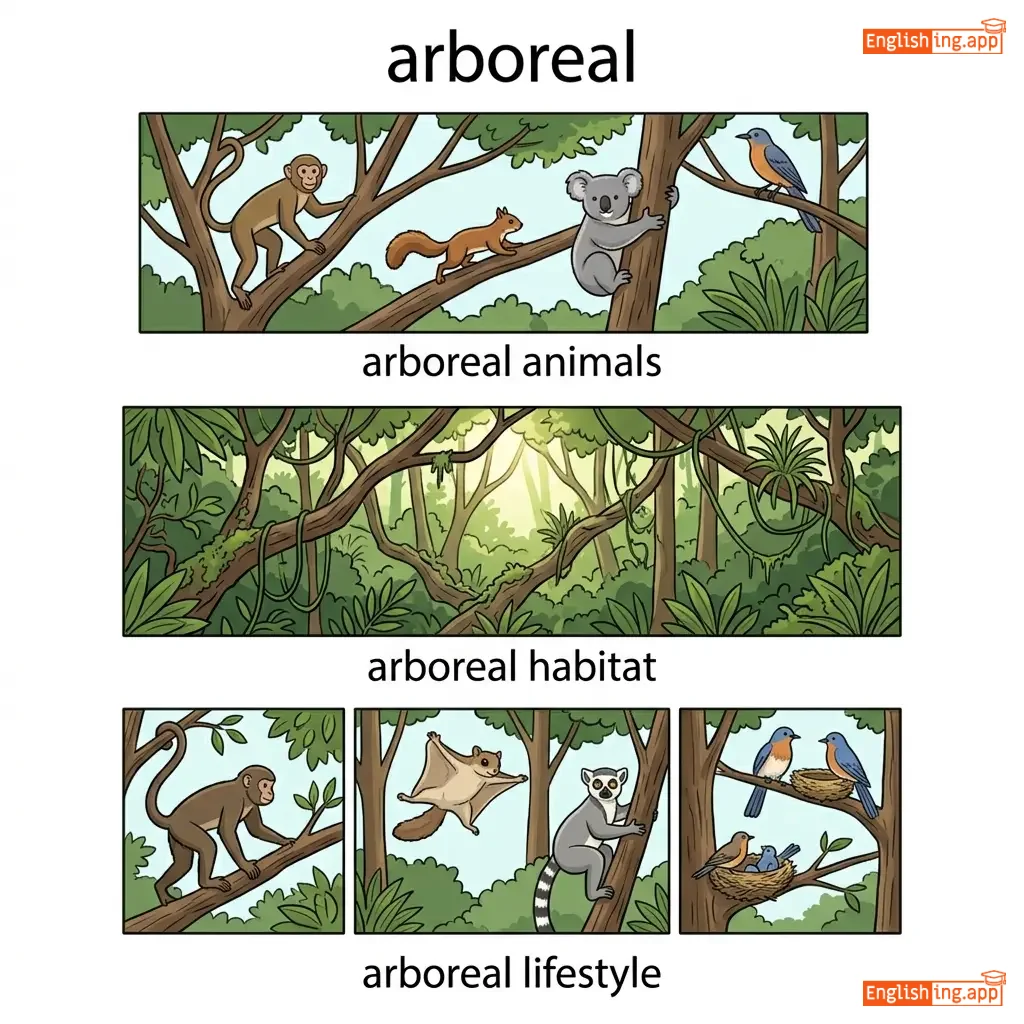
Relating to trees or living in trees; tree-dwelling.
••••••
|
Monkeys are arboreal animals that spend most of their time in trees. |
サルは樹上性の動物で、ほとんどの時間を木の上で過ごします。
Saru wa jujousei no dōbutsu de, hotondo no jikan o ki no ue de sugoshimasu.
••••••
|
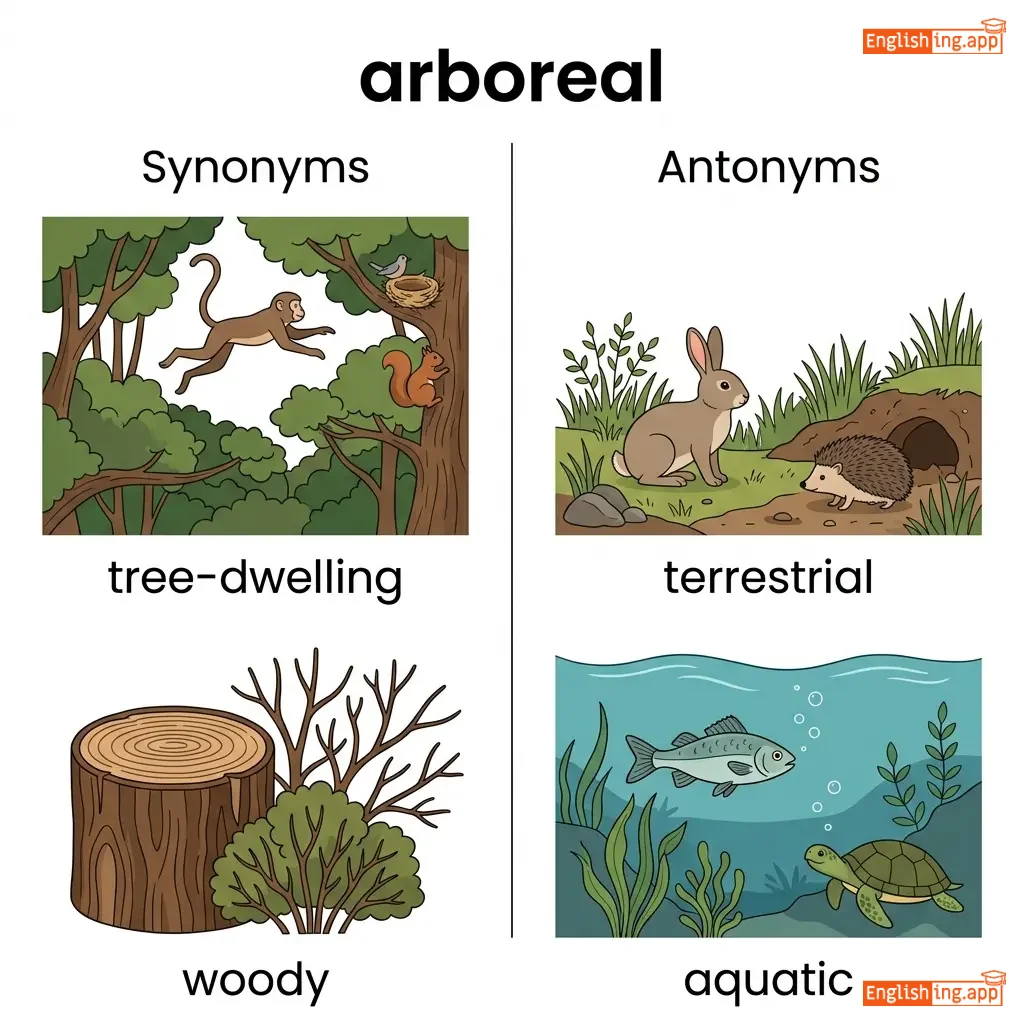
tree-dwelling, forest-related, woody
••••••
|
terrestrial, ground-dwelling, non-forest
••••••
|
樹木 + 関する = 樹木に関する、猿のように木に住んでいる。
••••••
|
|
#3854
🌿
|
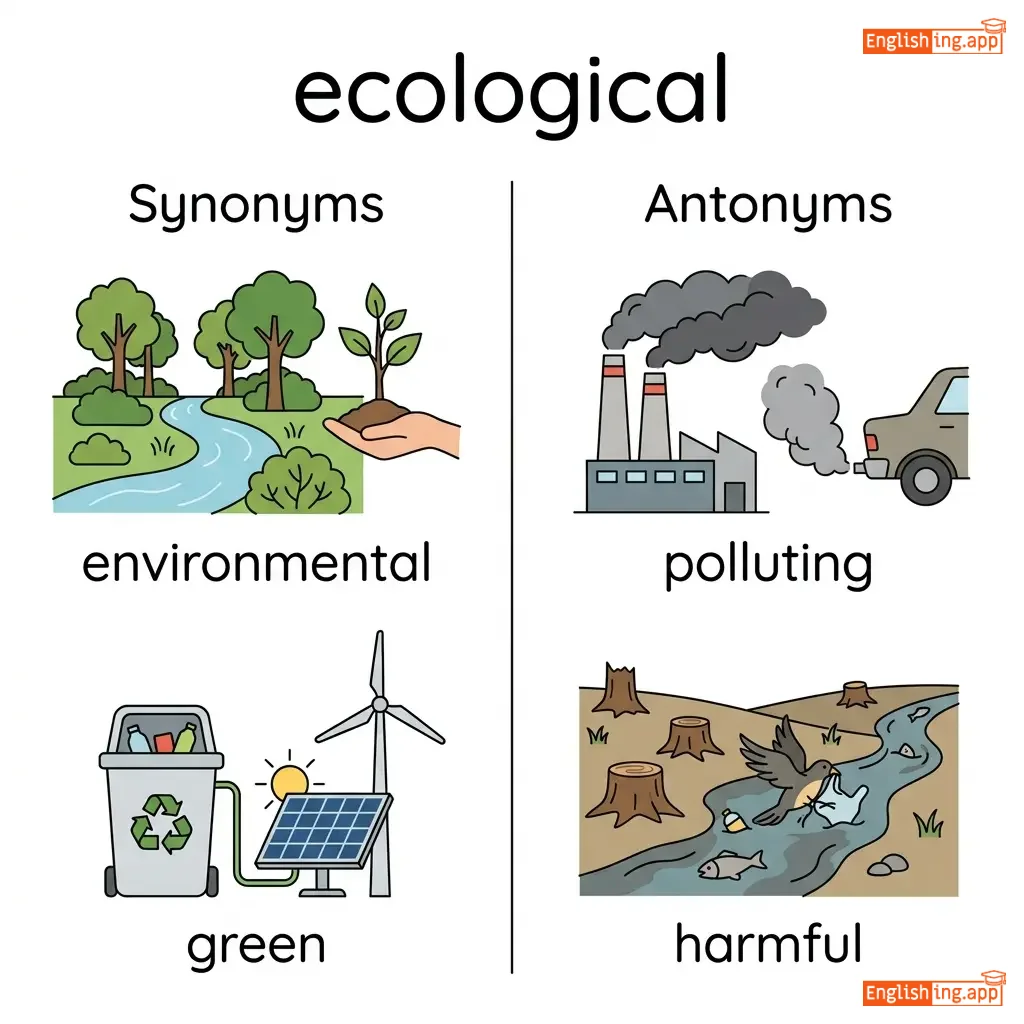
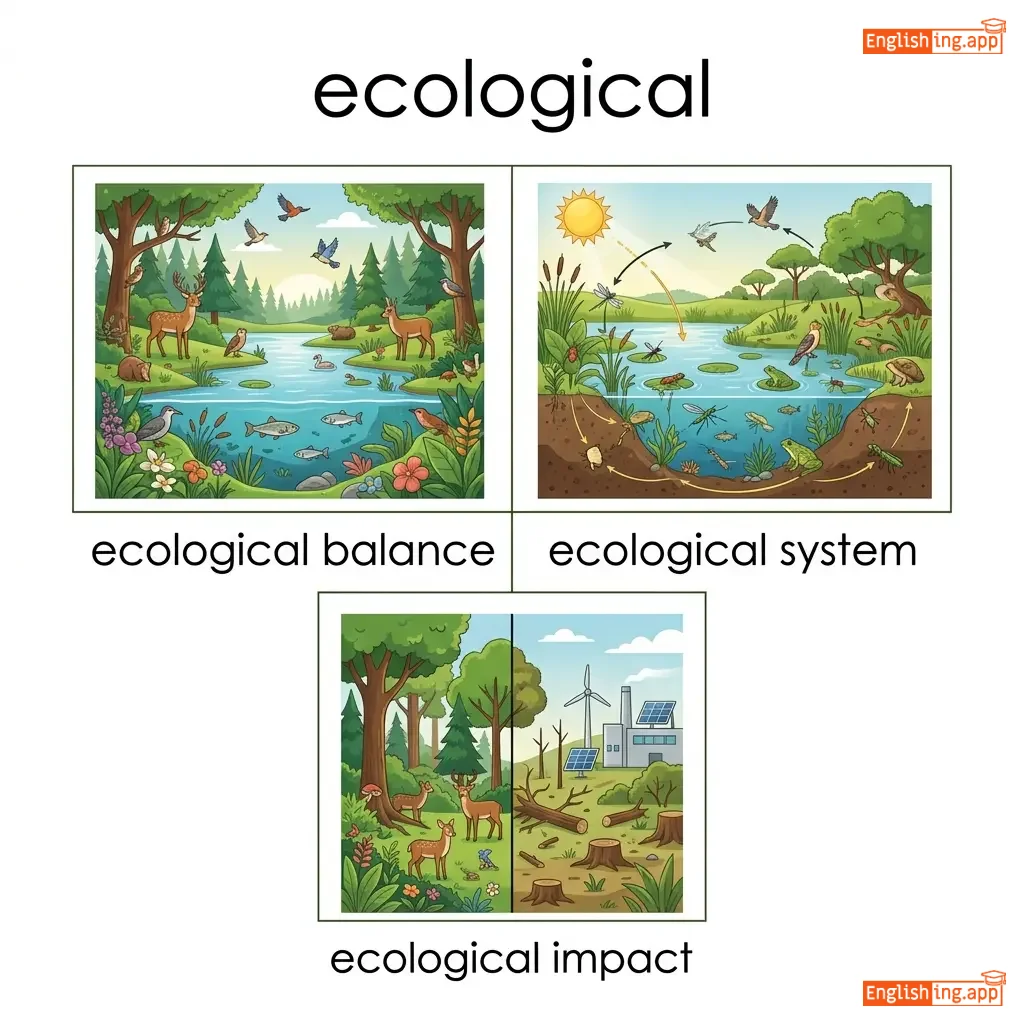
/ˌiː.kəˈlɒdʒ.ɪ.kəl/
adjective
(エコロジカル)
••••••
|
|
エコロジカル
ekorojikaru
••••••
|
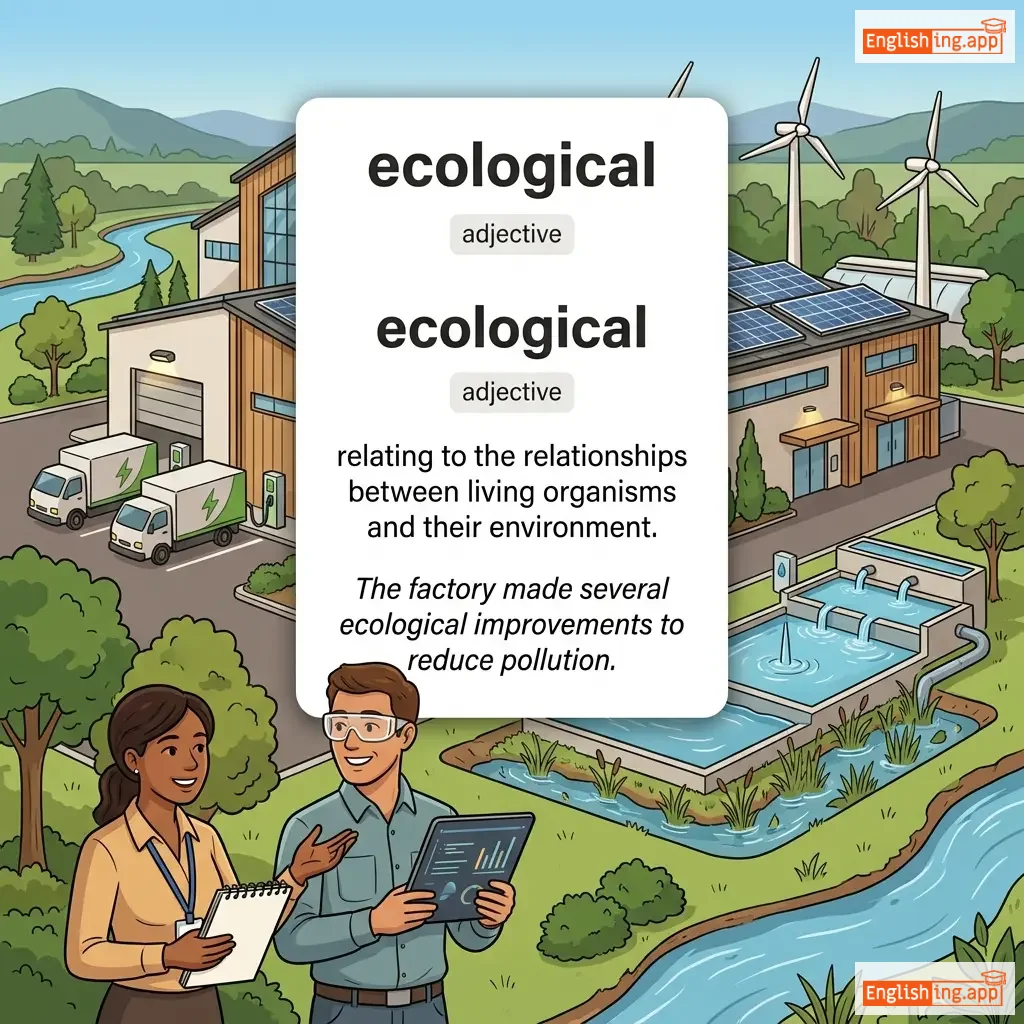
Relating to ecology or the relationships between living organisms and their environment.
••••••
|
The factory adopted ecological practices to reduce pollution. |
工場は汚染を減らすためにエコロジカルな実践を採用しました。
Kōjō wa osen o herasu tame ni ekorojikaru na jissen o saiyō shimashita.
••••••
|
environmental, green, sustainable
••••••
|
artificial, non-biological, man-made
••••••
|
エコロジカルは環境と密接に関係している
••••••
|
|
#3855
🌲
|
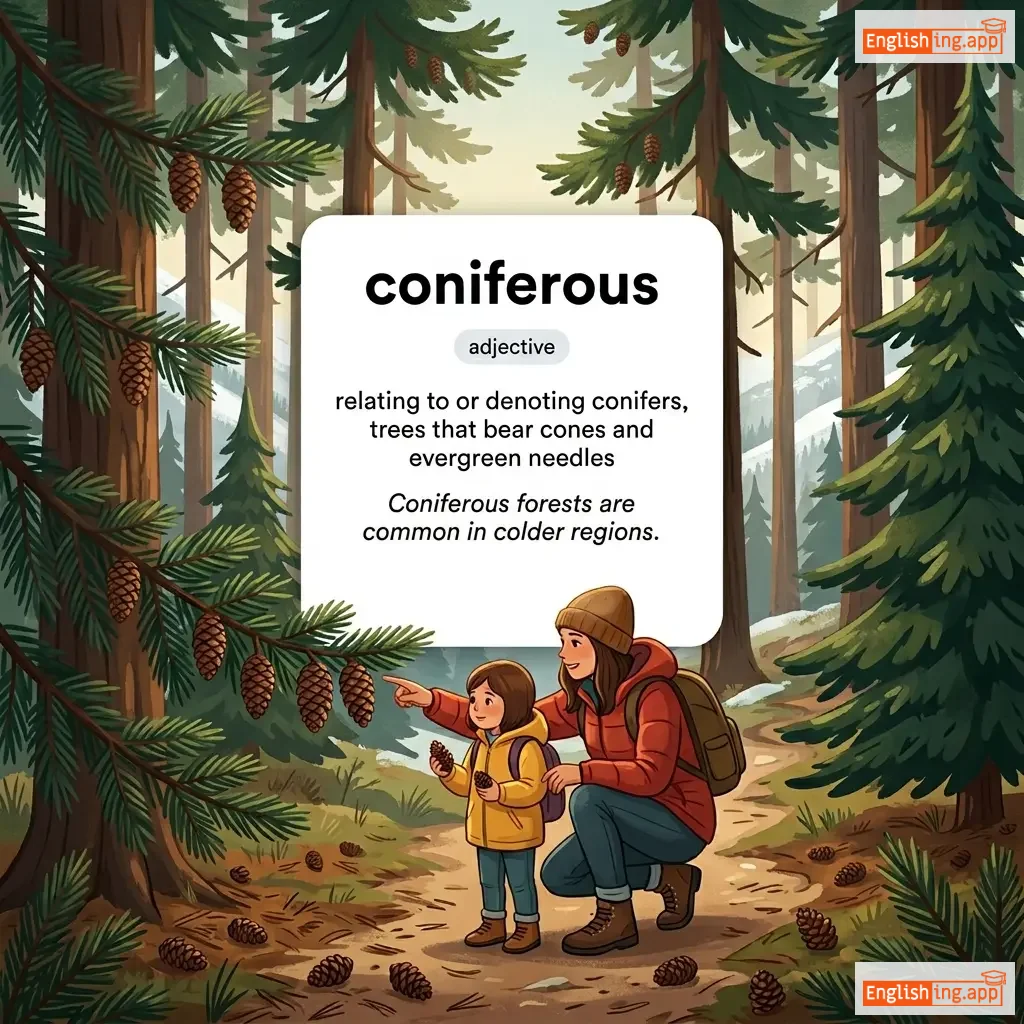
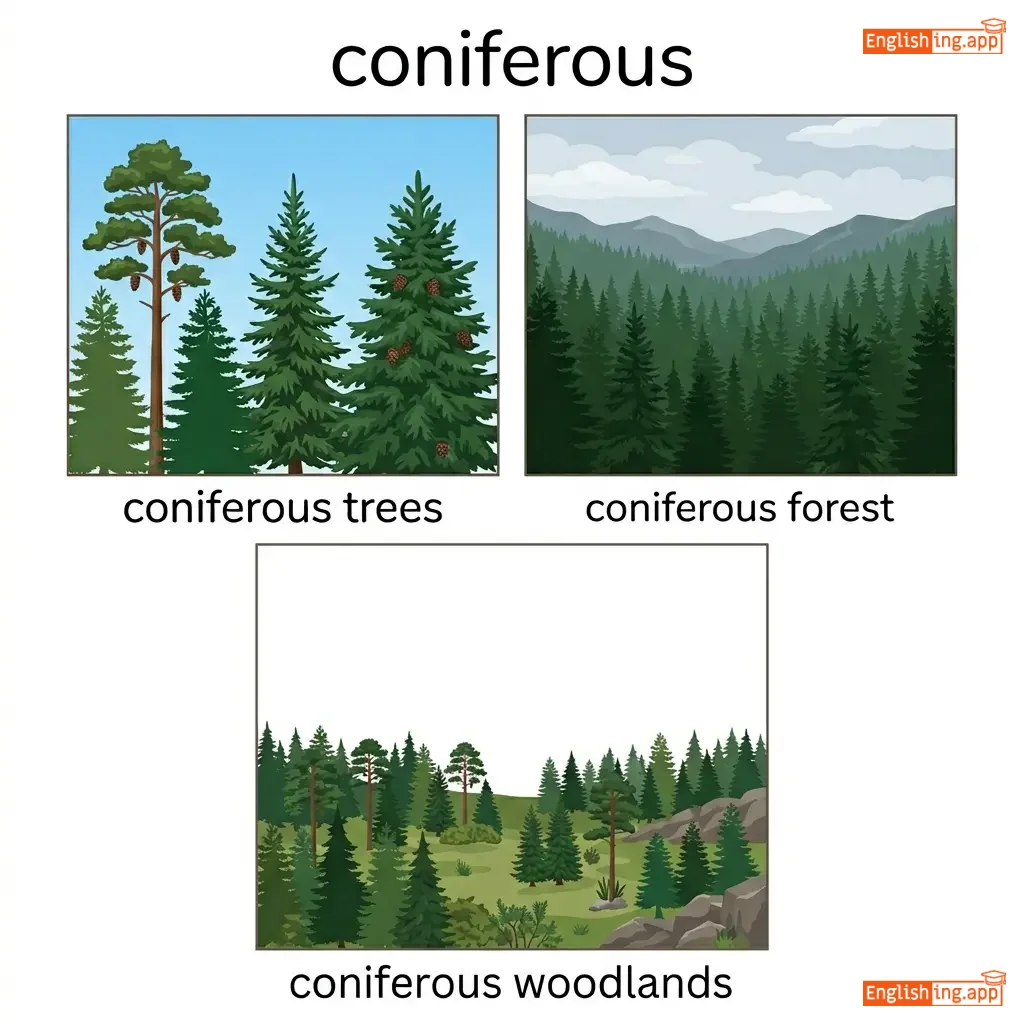
/ˈkɒn.ɪ.fər.əs/
adjective
(コニフェラス)
••••••
|
|
針葉樹に関連する
shin'yōju ni kanren suru
••••••
|
Relating to cone-bearing trees that usually have needle-like leaves and remain green year-round.
••••••
|
Pine trees are coniferous and grow in colder climates.
松の木は針葉樹で、寒冷な気候で育ちます。
••••••
|
松の木は針葉樹で、寒冷な気候で育ちます。
Matsu no ki wa shin'yōju de, kanrei na kikō de sodachimasu.
••••••
|
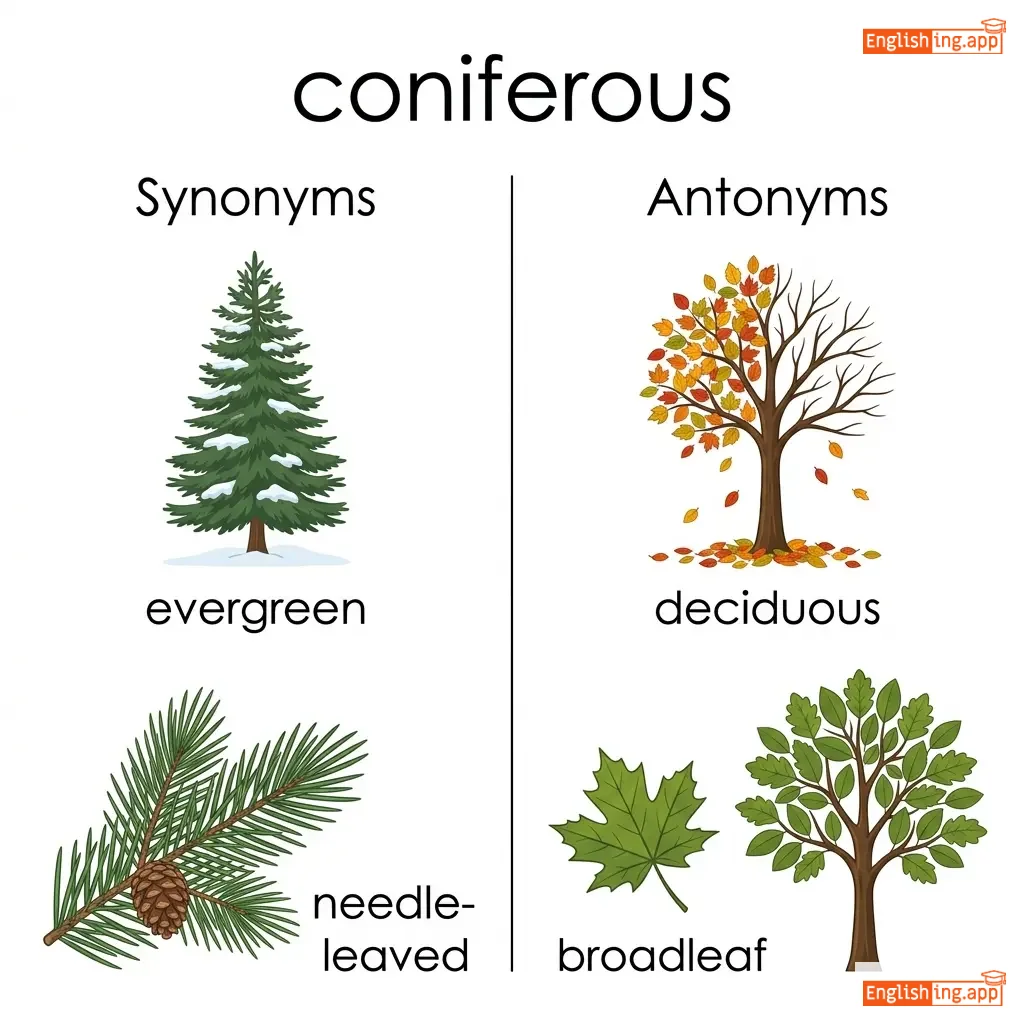
needle-leaved, pine-bearing, evergreen
••••••
|
deciduous, leaf-shedding, non-coniferous
••••••
|
松の木は針葉樹、寒冷地で緑を保つ。
••••••
|
|
#3856
🍂
|
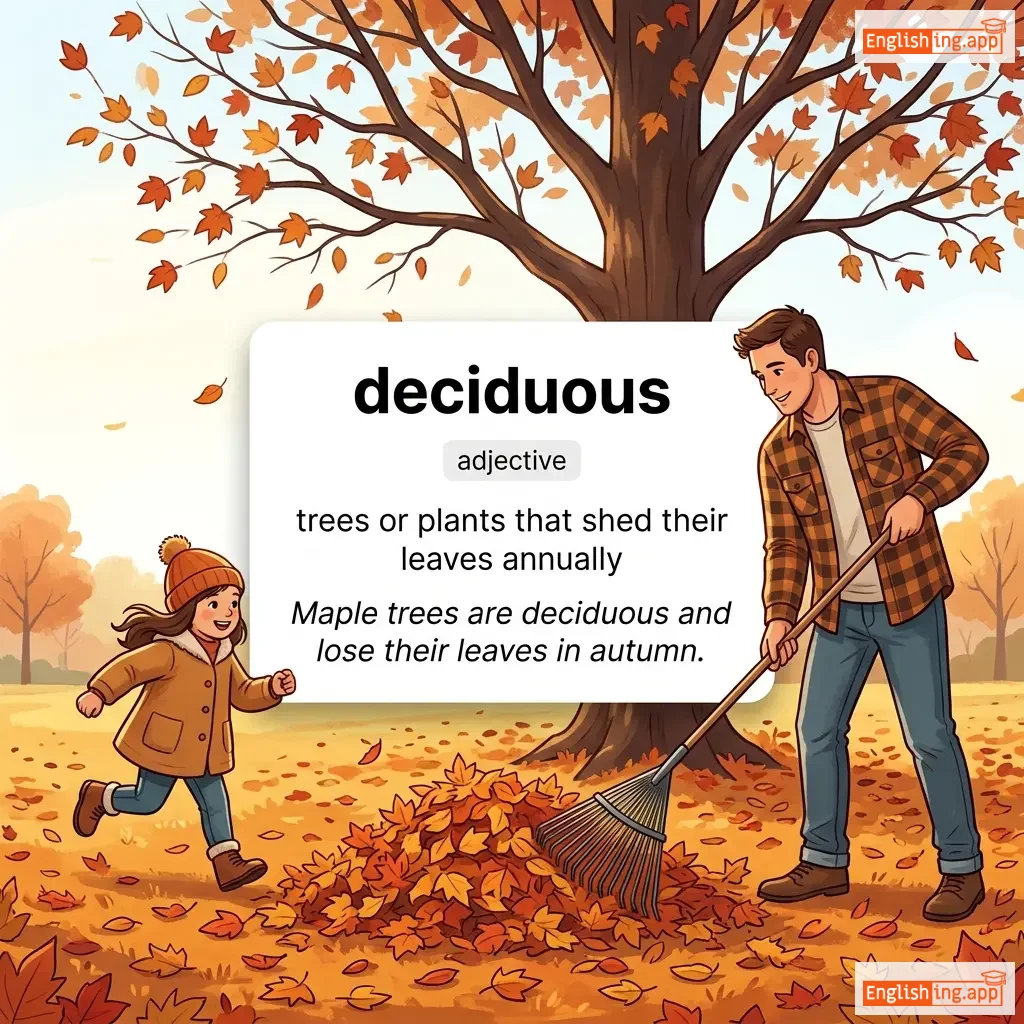
/dɪˈsɪd.ju.əs/
adjective
(デシディウス)
••••••
|
|
落葉樹
raku yōju
••••••
|
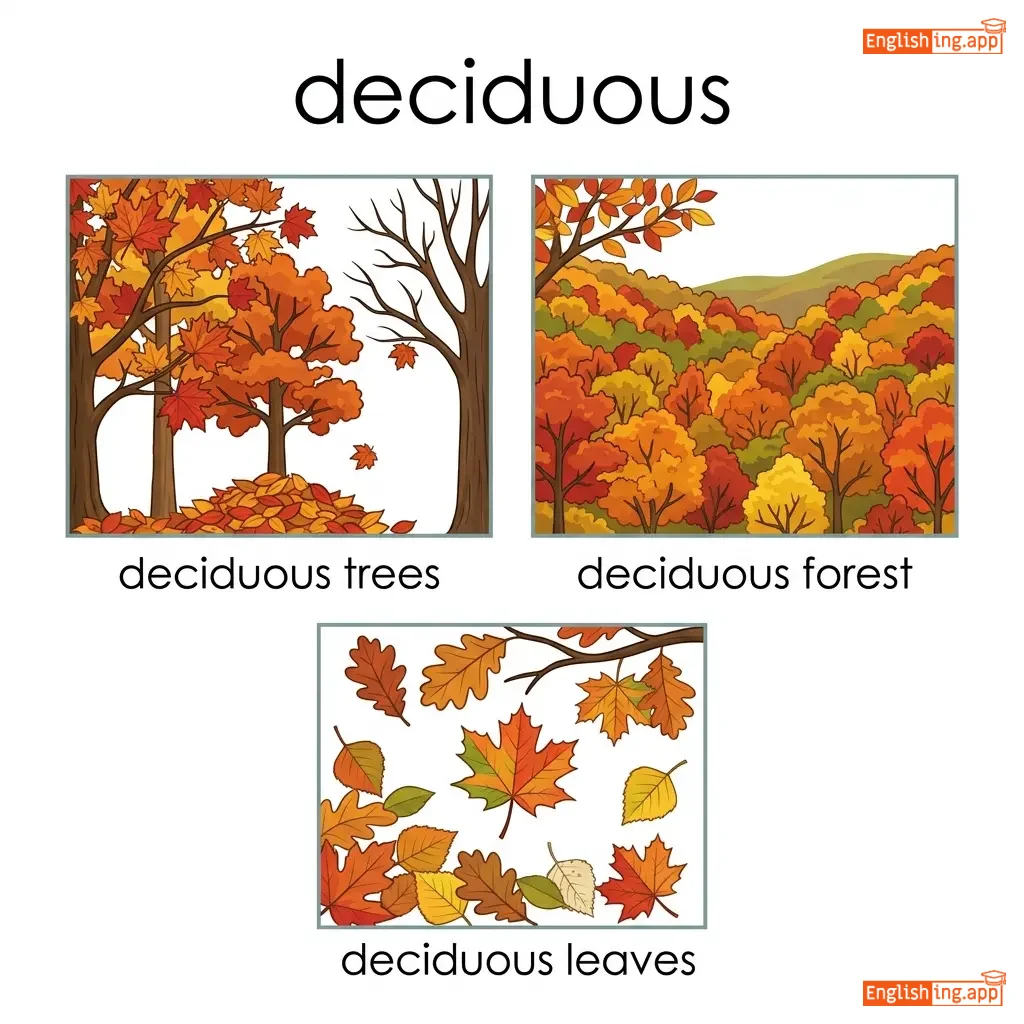
Referring to trees that shed their leaves seasonally, typically in autumn.
••••••
|
Oak and maple trees are deciduous, shedding leaves in autumn. |
オークとカエデの木は落葉樹で、秋に葉を落とします。
Ōku to kaede no ki wa raku yōju de, aki ni ha o otoshimasu.
••••••
|
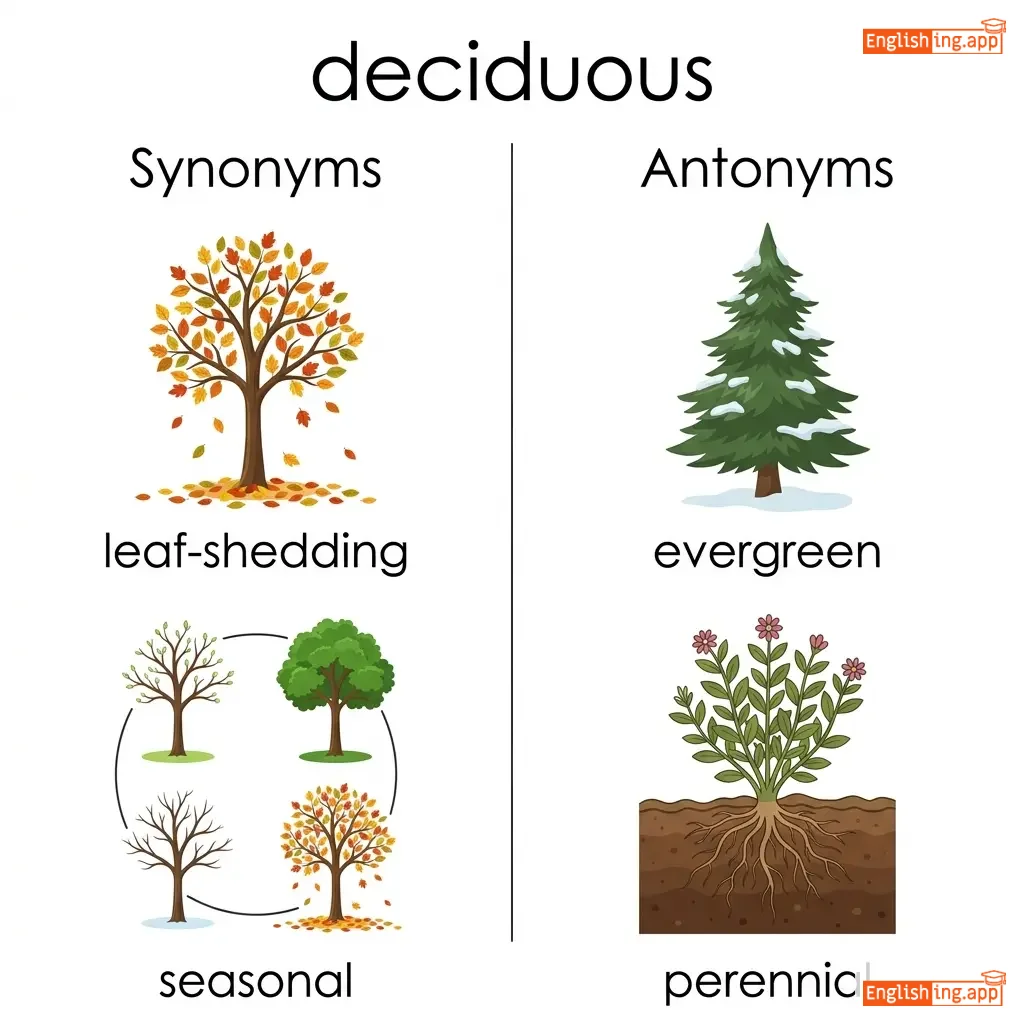
leaf-shedding, seasonal, broad-leaved
••••••
|
evergreen, perennial, coniferous
••••••
|
秋に葉を落とす木、オークやカエデの木。
••••••
|
|
#3857
🌴
|
/ˈtrɒp.ɪ.kəl/
adjective
(トロピカル)
••••••
|
|
熱帯
nettai
••••••
|
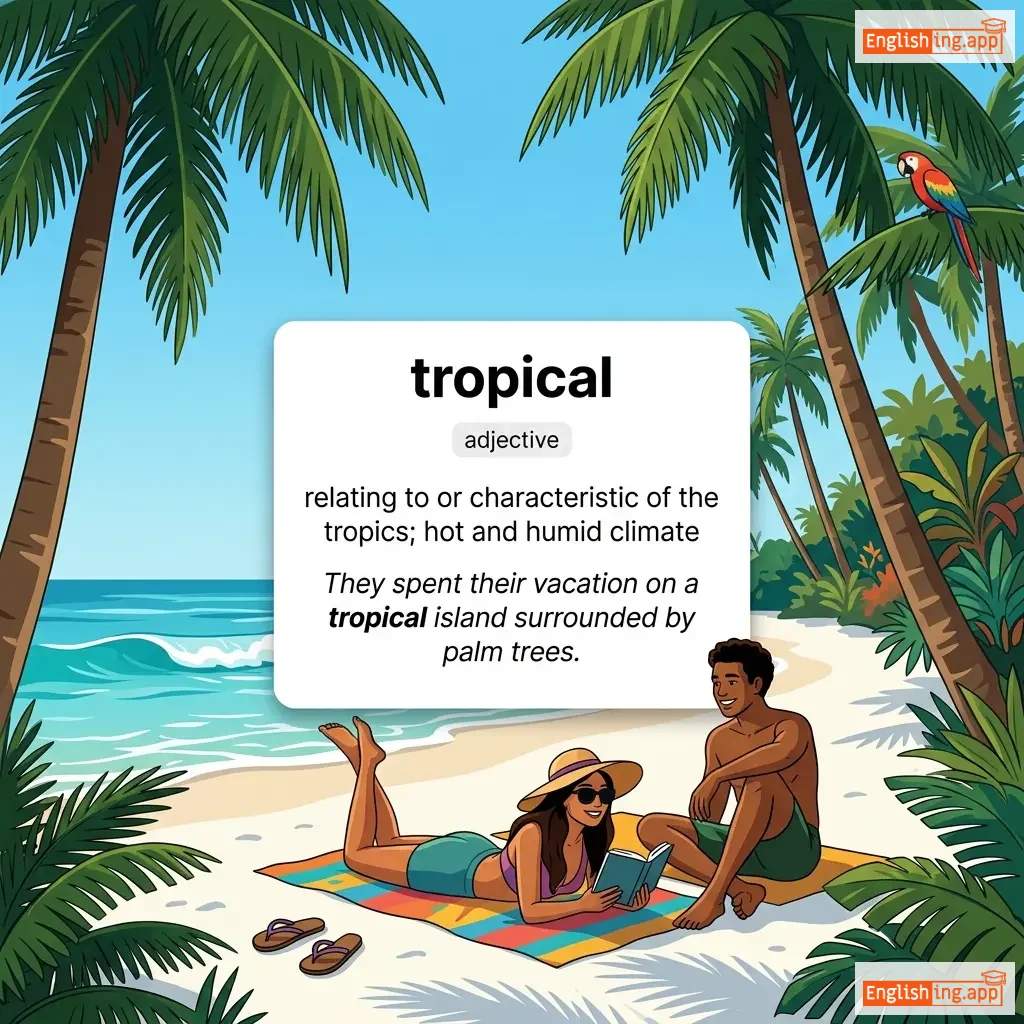
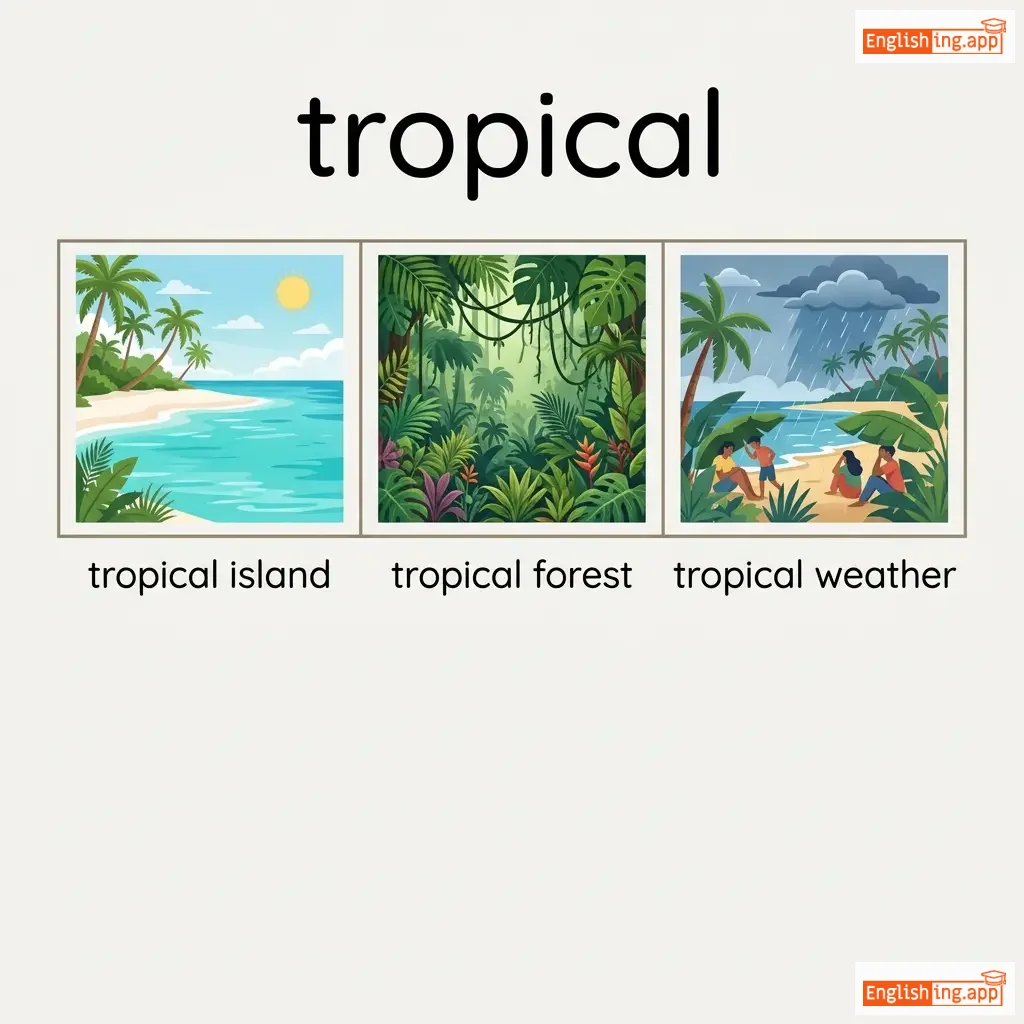
Relating to the tropics; characterized by hot and humid climate.
••••••
|
The Amazon rainforest is home to many tropical species. |
アマゾンの熱帯雨林は多くの熱帯種の生息地です。
Amazon no nettai urin wa ooku no nettai shu no seisokuchi desu.
••••••
|
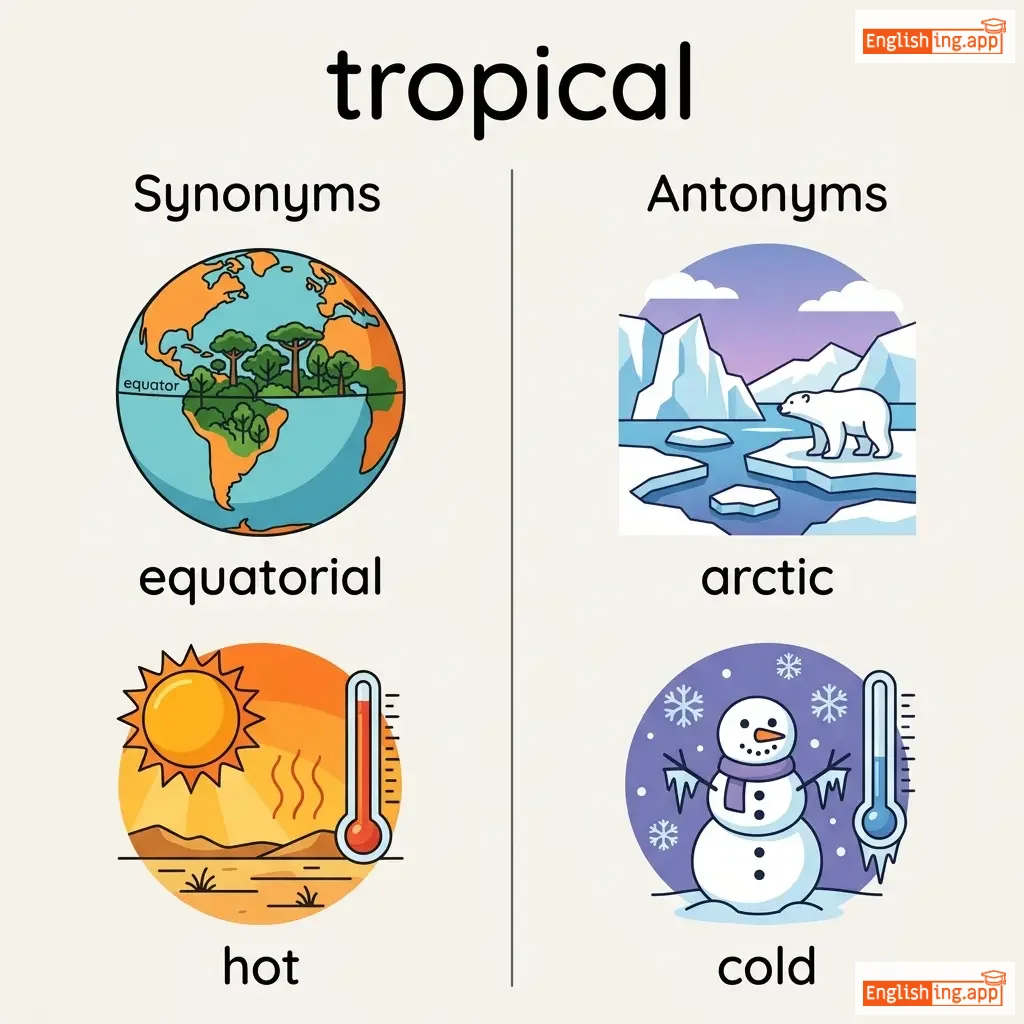
equatorial, hot-climate, humid
••••••
|
temperate, arctic, cold-climate
••••••
|
熱帯は暑くて湿度が高い場所、アマゾンの熱帯雨林のように。
••••••
|
|
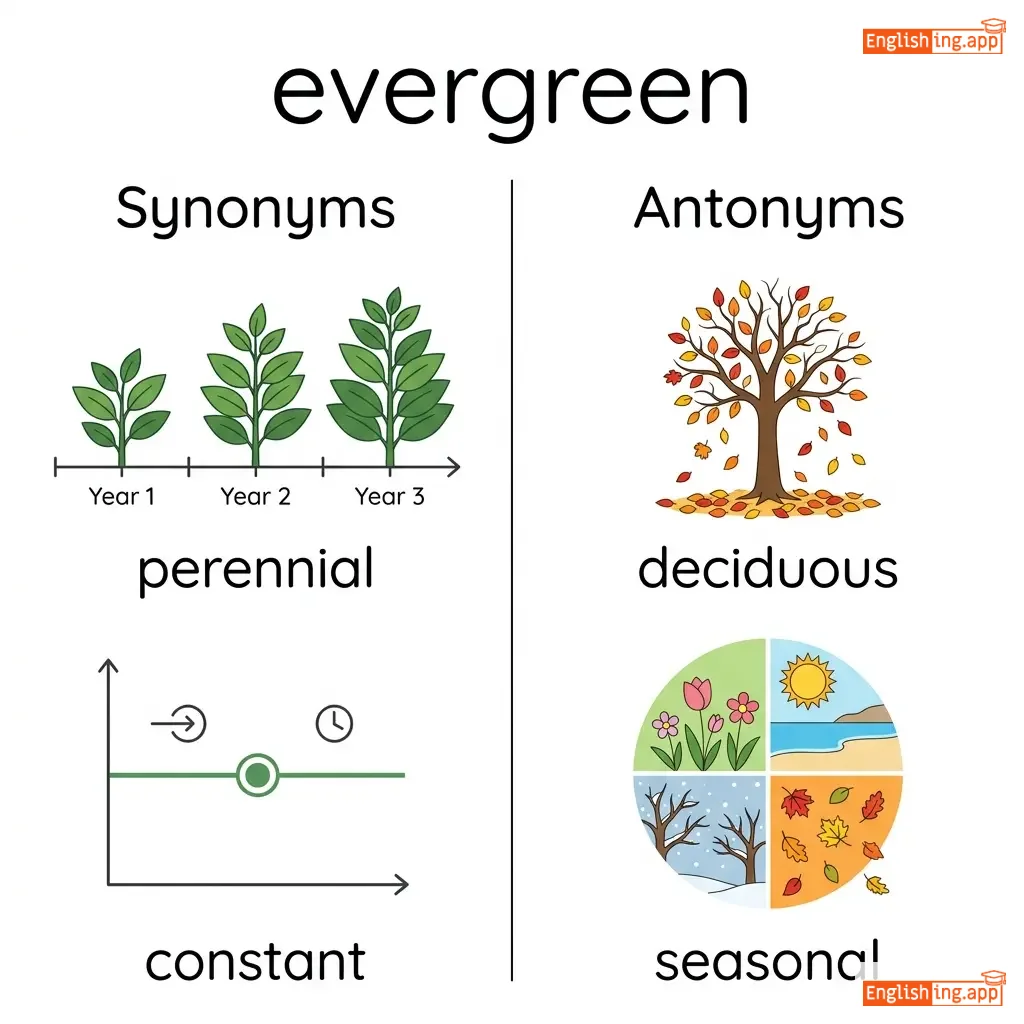
#3858
🌲
|
/ˈɛv.ə.ɡriːn/
adjective
(エバーグリーン)
••••••
|
|
常緑
jōryoku
••••••
|
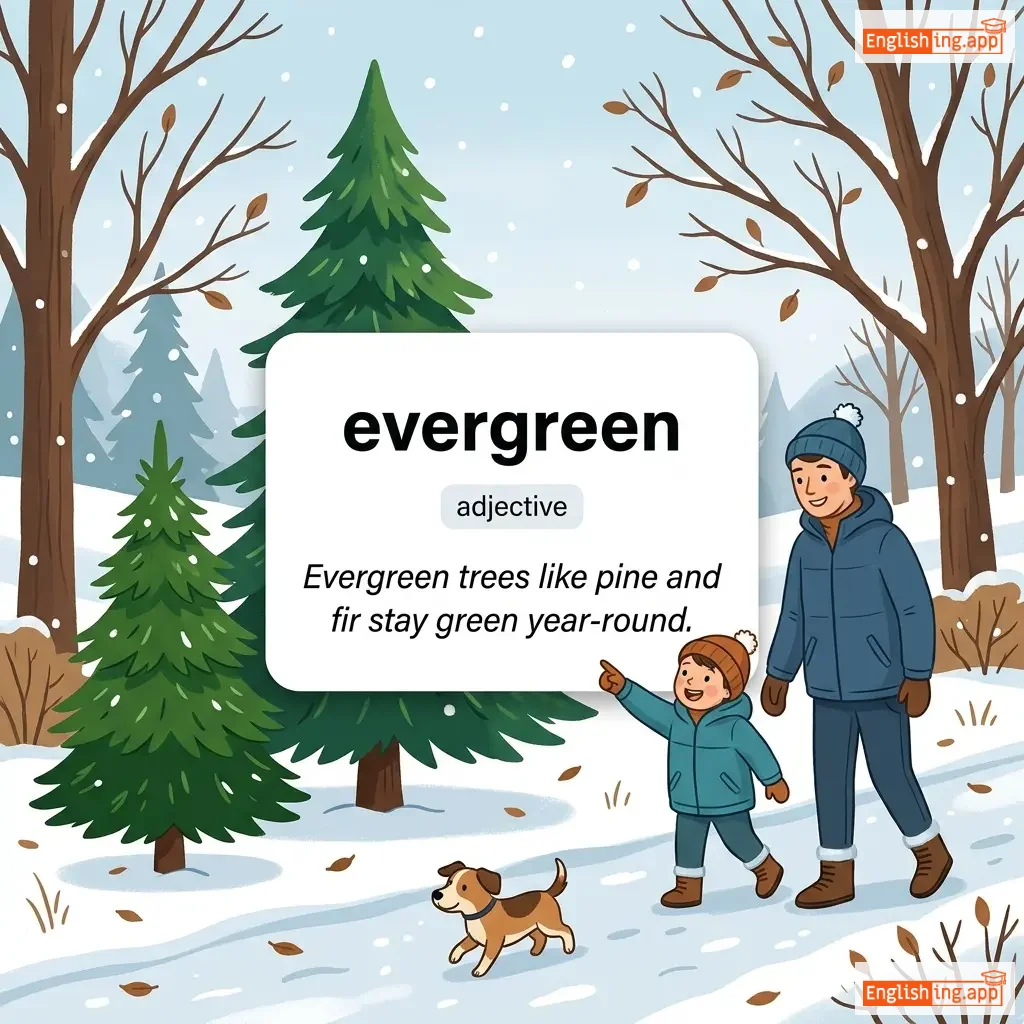
Remaining green and functional throughout the year; not shedding leaves seasonally.
••••••
|
Evergreen trees like pine and fir stay green year-round. |
松やモミの木のような常緑樹は一年中緑を保ちます。
Matsu ya momi no ki no yō na jōryokujū wa ichinenjū midori wo tamochimasu.
••••••
|
perennial, constant, always-green
••••••
|
deciduous, seasonal, leaf-shedding
••••••
|
常に緑、まるで一年中葉が落ちない木のようなエバーグリーン!
••••••
|
|
#3859
🌳
|
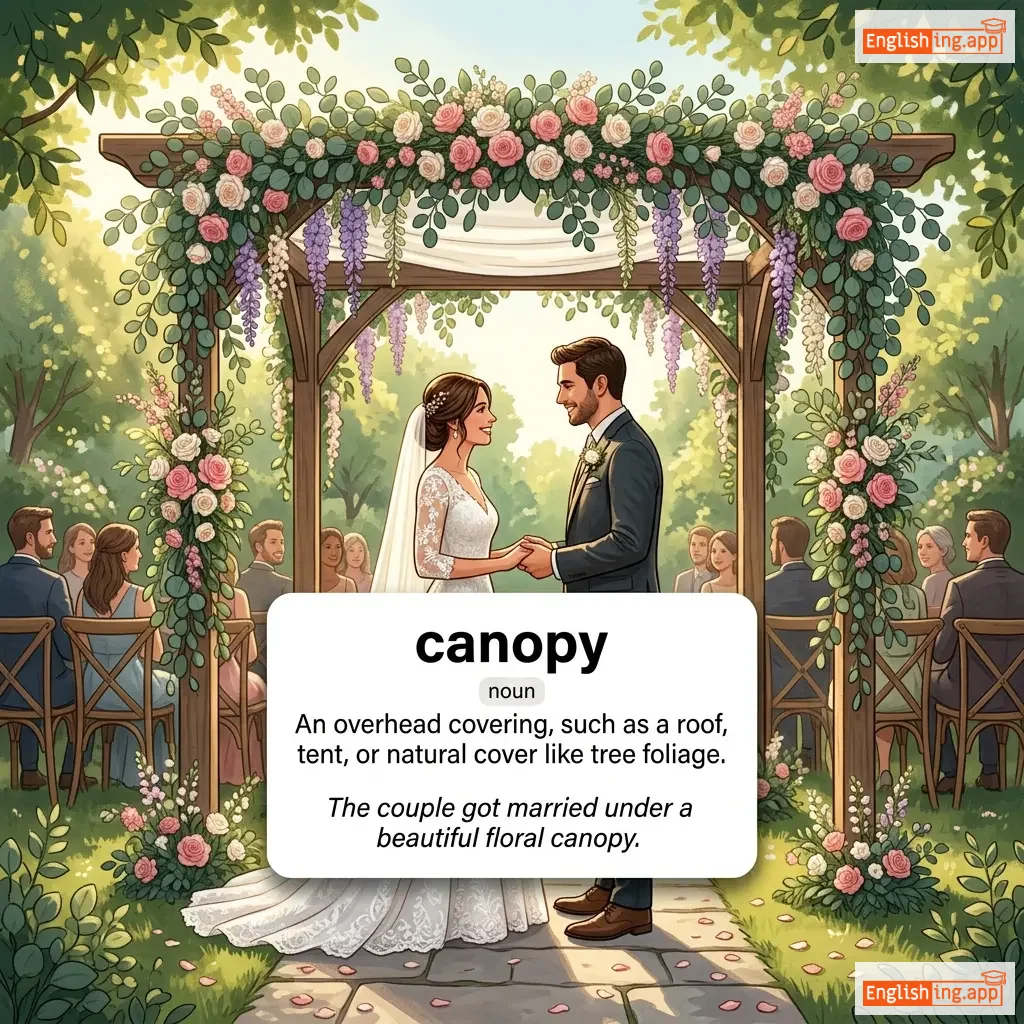
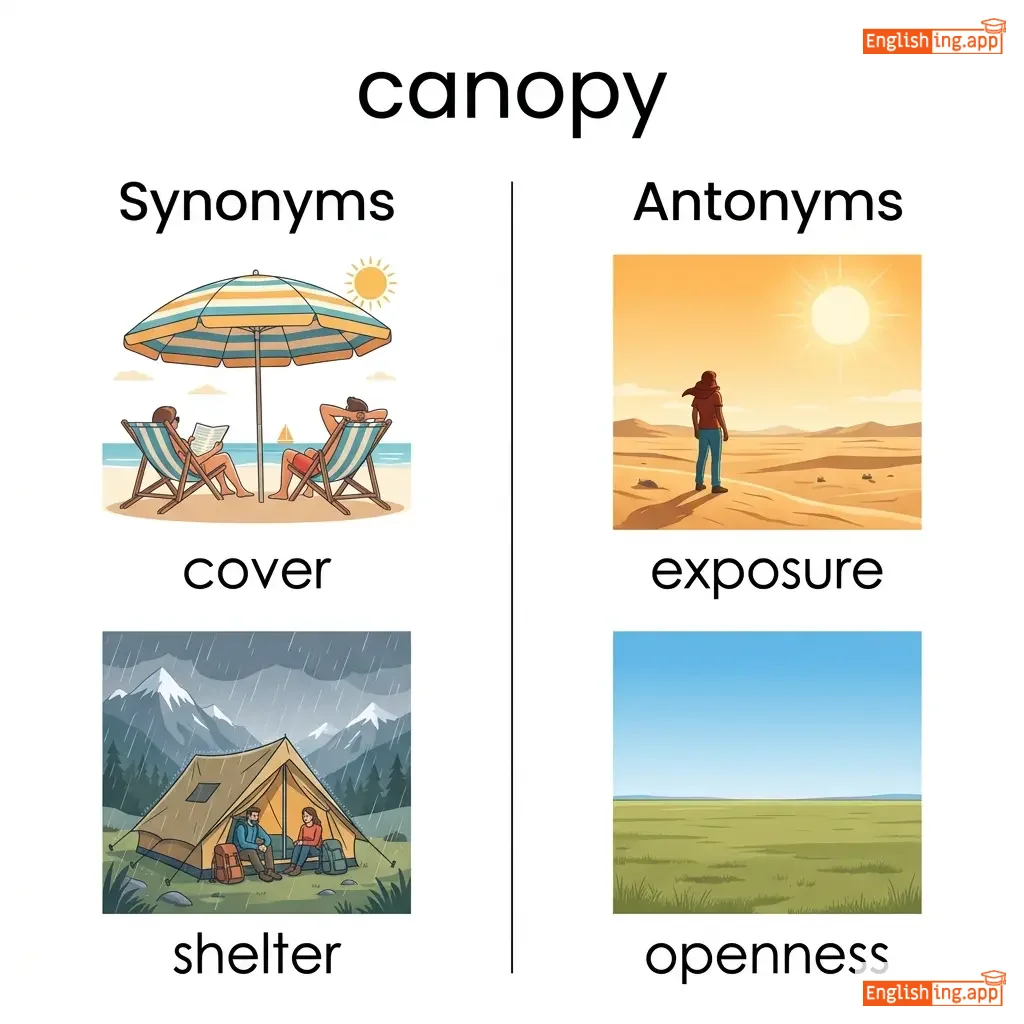
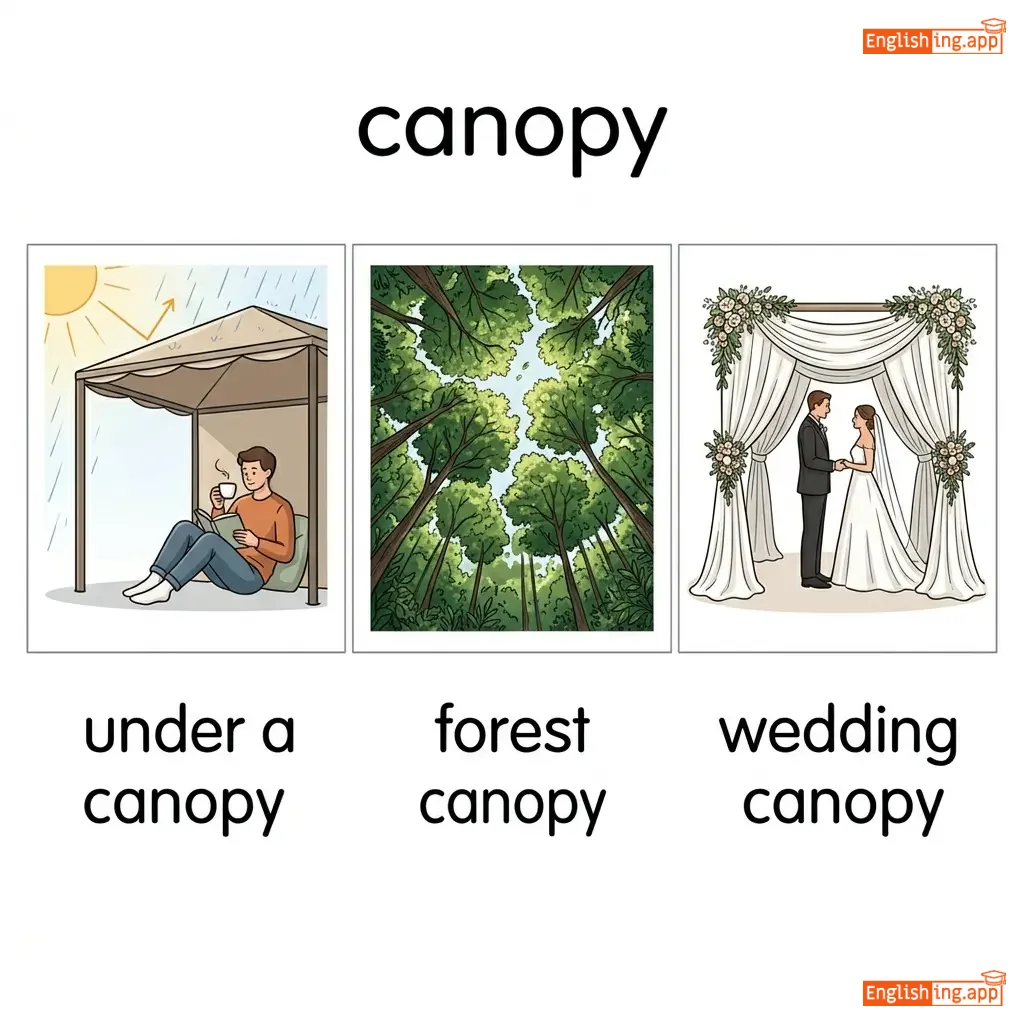
/ˈkæn.ə.pi/
noun
(キャノピー)
••••••
|
|
森の上層部、木々の冠によって形成される; 上部の覆い
kyanopī
••••••
|
The upper layer of a forest formed by the crowns of trees; overhead cover.
••••••
|
The rainforest canopy provides shelter to many birds and insects. |
熱帯雨林のキャノピーは多くの鳥や昆虫に避難場所を提供します。
Nettai urin no kyanopī wa ōku no tori ya konchū ni hinan basho o teikyō shimasu.
••••••
|
overhead cover, tree cover, forest roof
••••••
|
understory, ground layer, open space
••••••
|
キャノピーの木々の冠は自然の屋根のように動物たちを守ります。
••••••
|
|
#3860
🦌
|
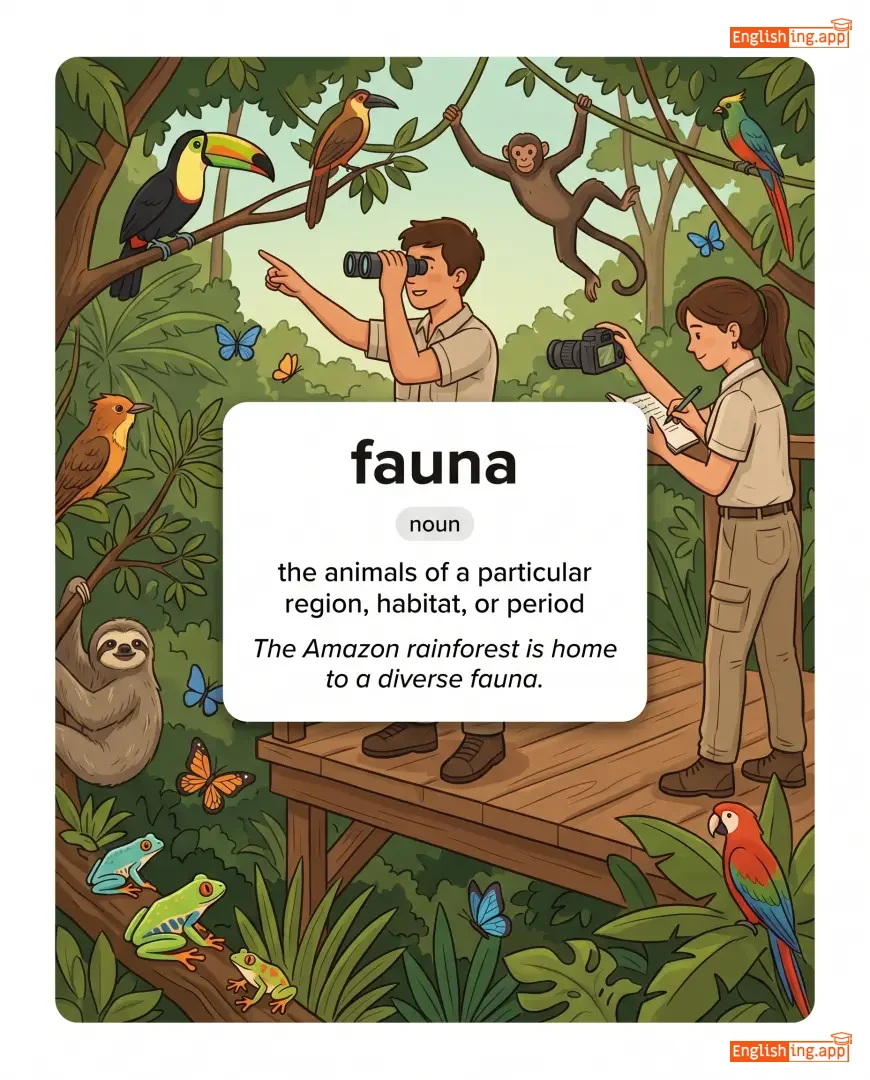
/ˈfɔː.nə/
noun
(ファウナ)
••••••
|
|
特定の地域の動物の生命
tokutei no chiiki no doubutsu no seimei
••••••
|
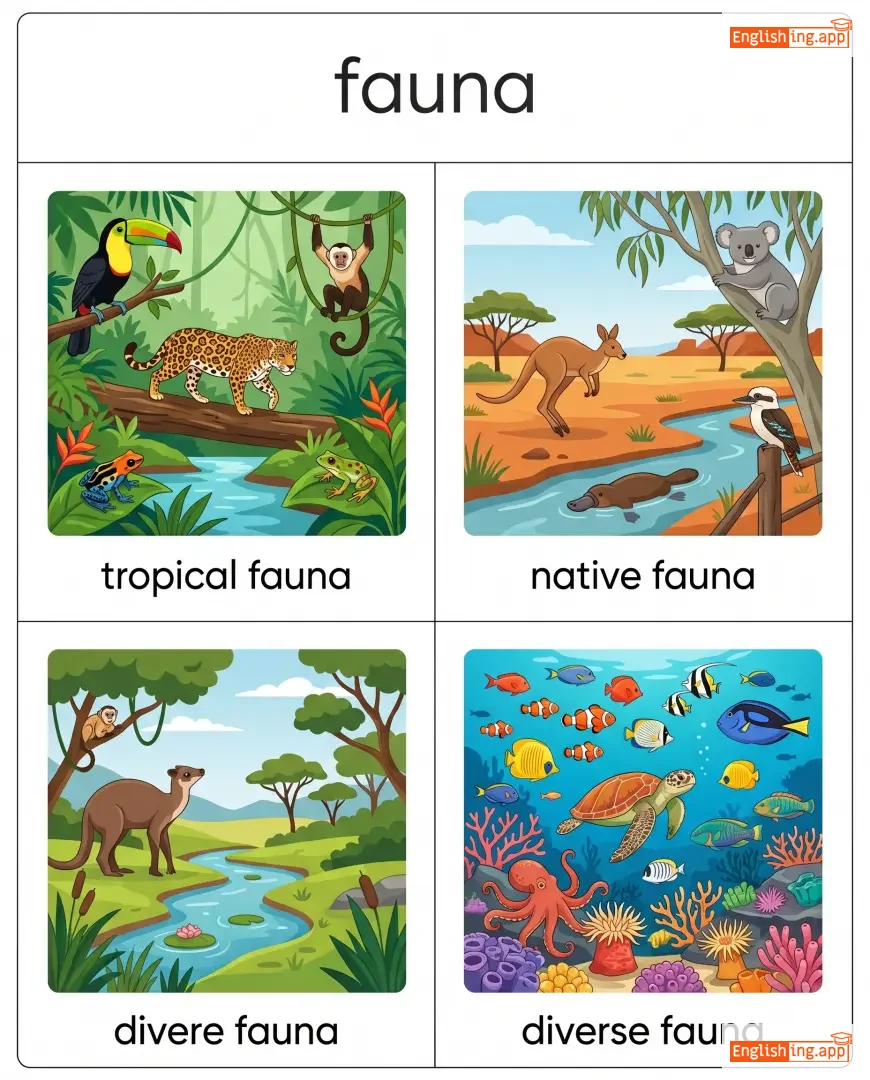
The animal life of a particular region, habitat, or geological period.
••••••
|
The fauna of the African savannah includes lions and elephants. |
アフリカのサバンナの動物はライオンと象を含みます。
Afurika no sabanna no doubutsu wa raion to zou o fukumi masu.
••••••
|
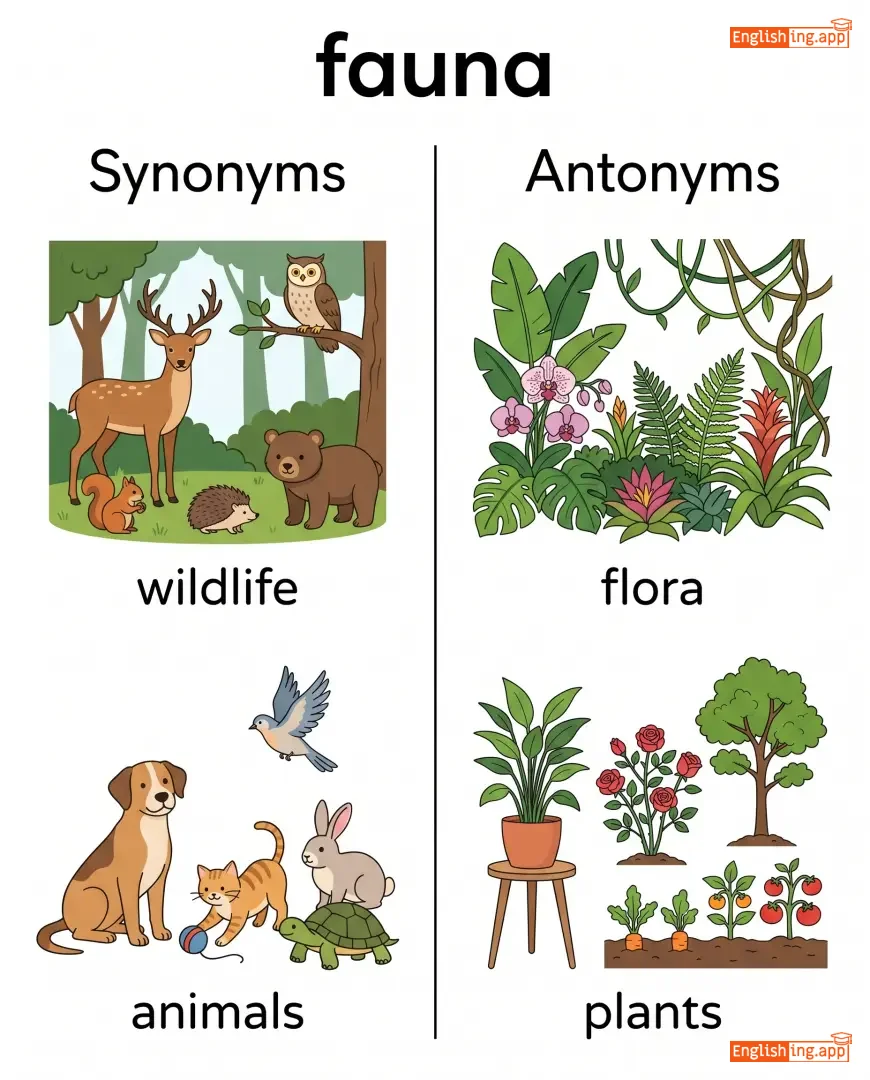
wildlife, animals, zoological life
••••••
|
flora, plants, vegetation
••••••
|
アフリカのサバンナでライオンや象が歩いているのを思い描いてみましょう。
••••••
|
|
#3861
🏠
|
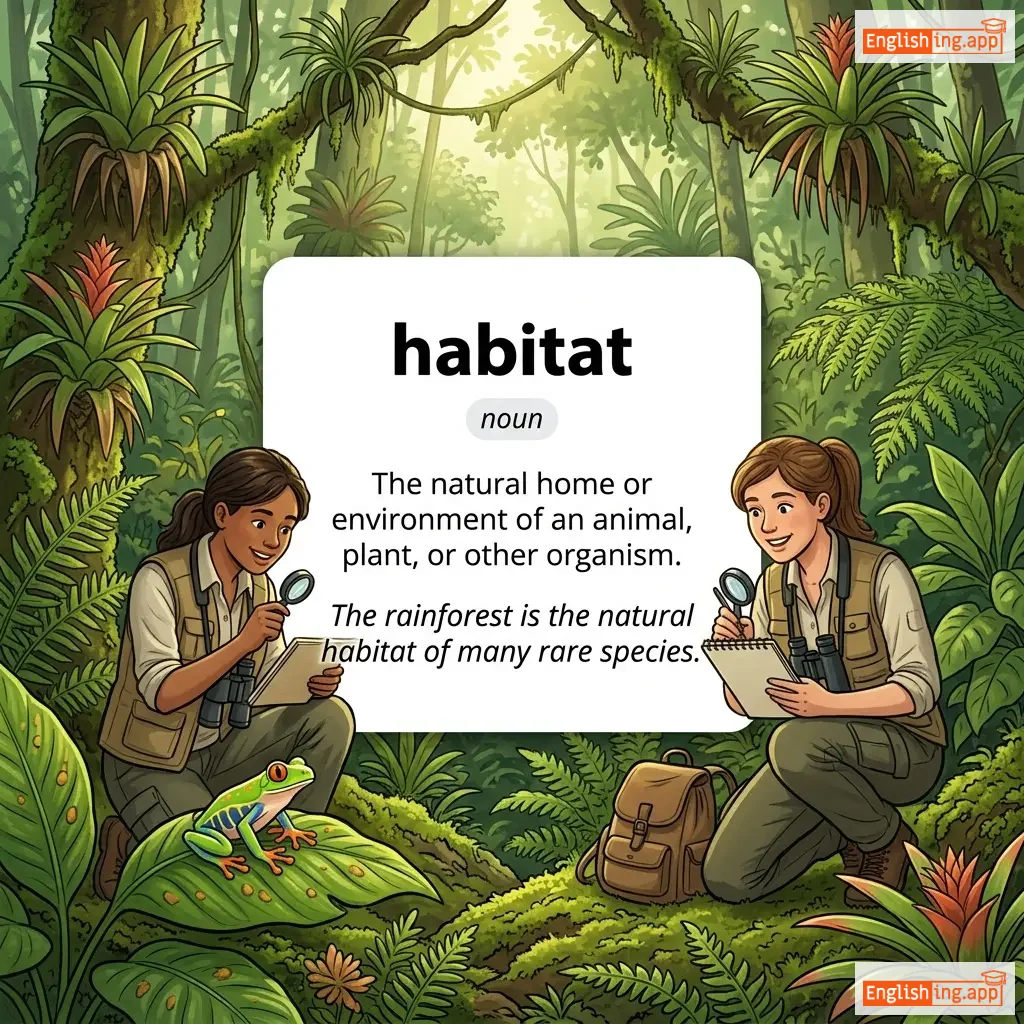
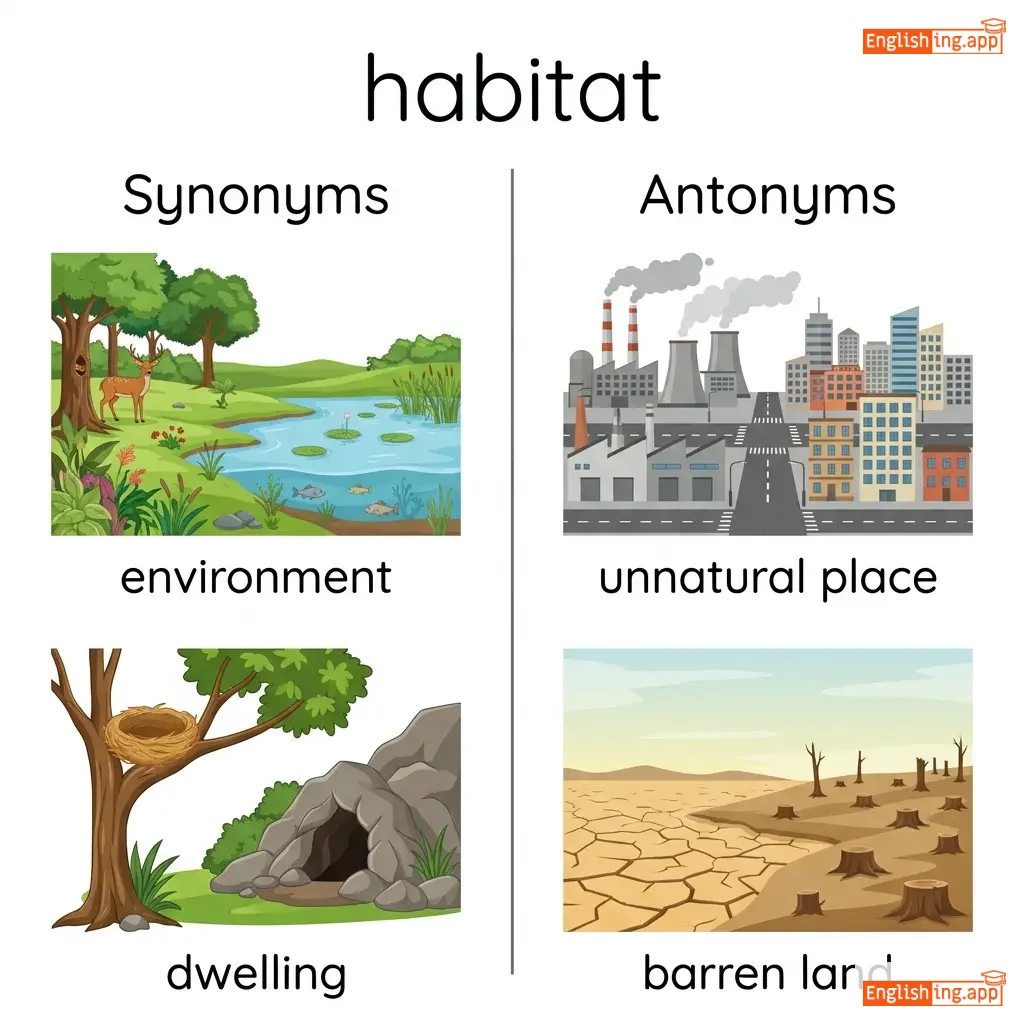
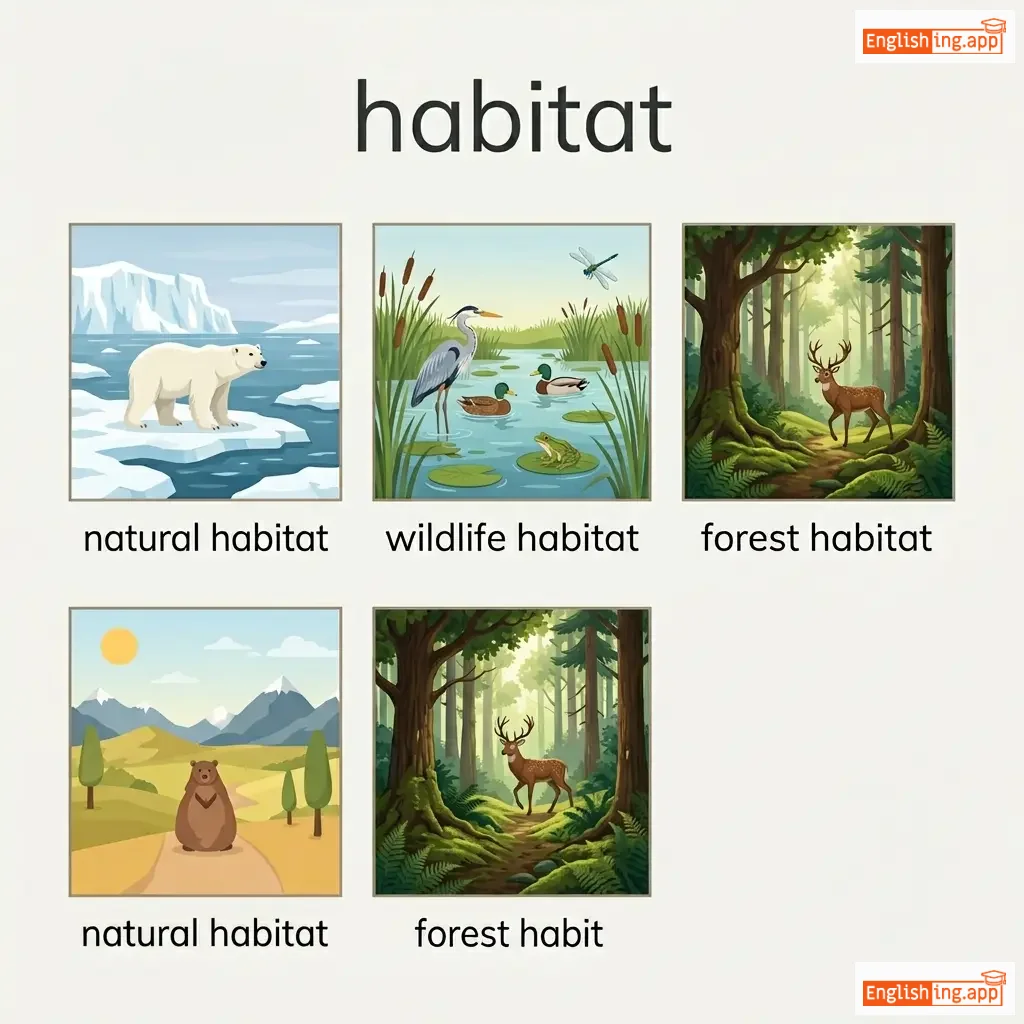
/ˈhæb.ɪ.tæt/
noun
(ハビタット)
••••••
|
|
生息地
seisokuchi
••••••
|
The natural environment where an organism lives and meets its needs.
••••••
|
The polar bear's natural habitat is the Arctic region.
ホッキョクグマの自然な生息地は北極地域です。
••••••
|
ホッキョクグマの自然な生息地は北極地域です。
Hokkyokuguma no shizen na seisokuchi wa hokkyoku chiiki desu.
••••••
|
natural environment, ecosystem, living area
••••••
|
uninhabitable, artificial setting, displacement
••••••
|
‘生息地’を覚えておくことで、動物が必要を満たす場所を思い出せます。
••••••
|
|
#3862
🌺
|
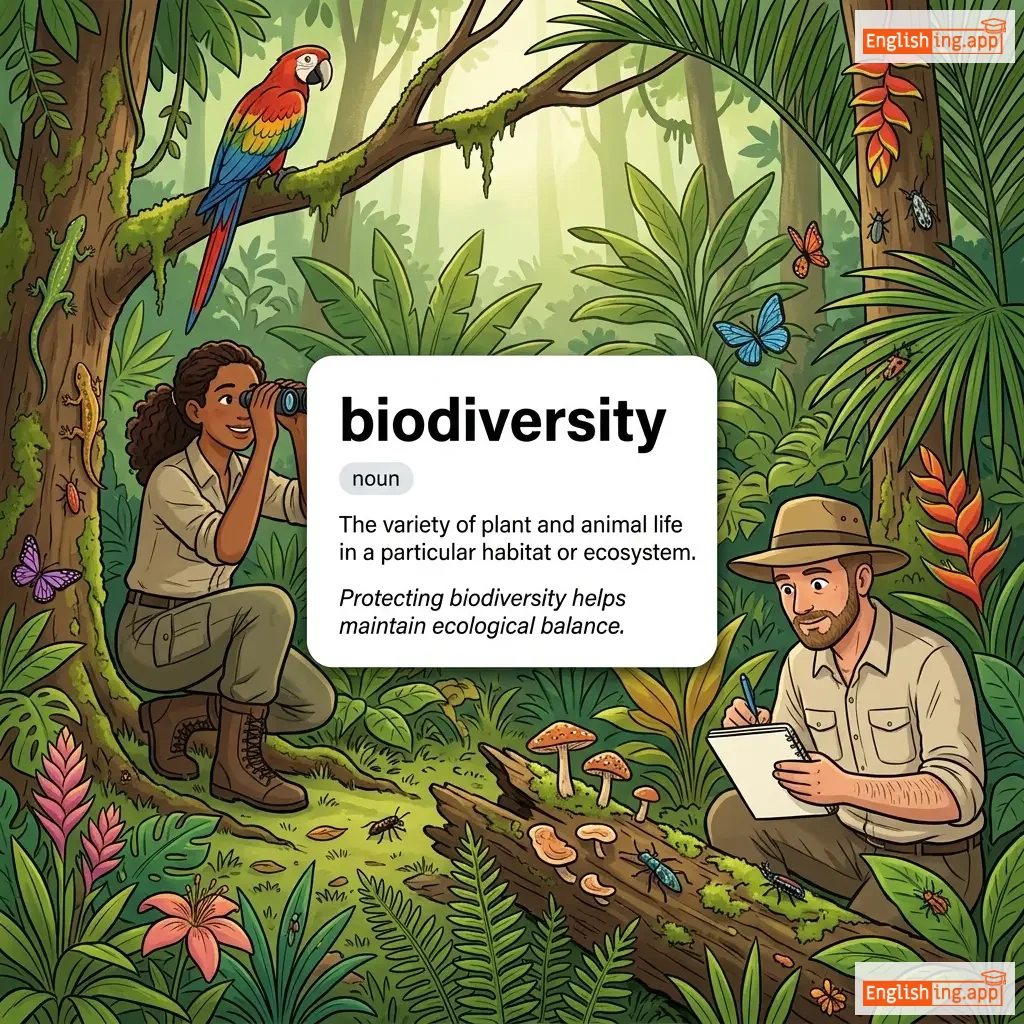
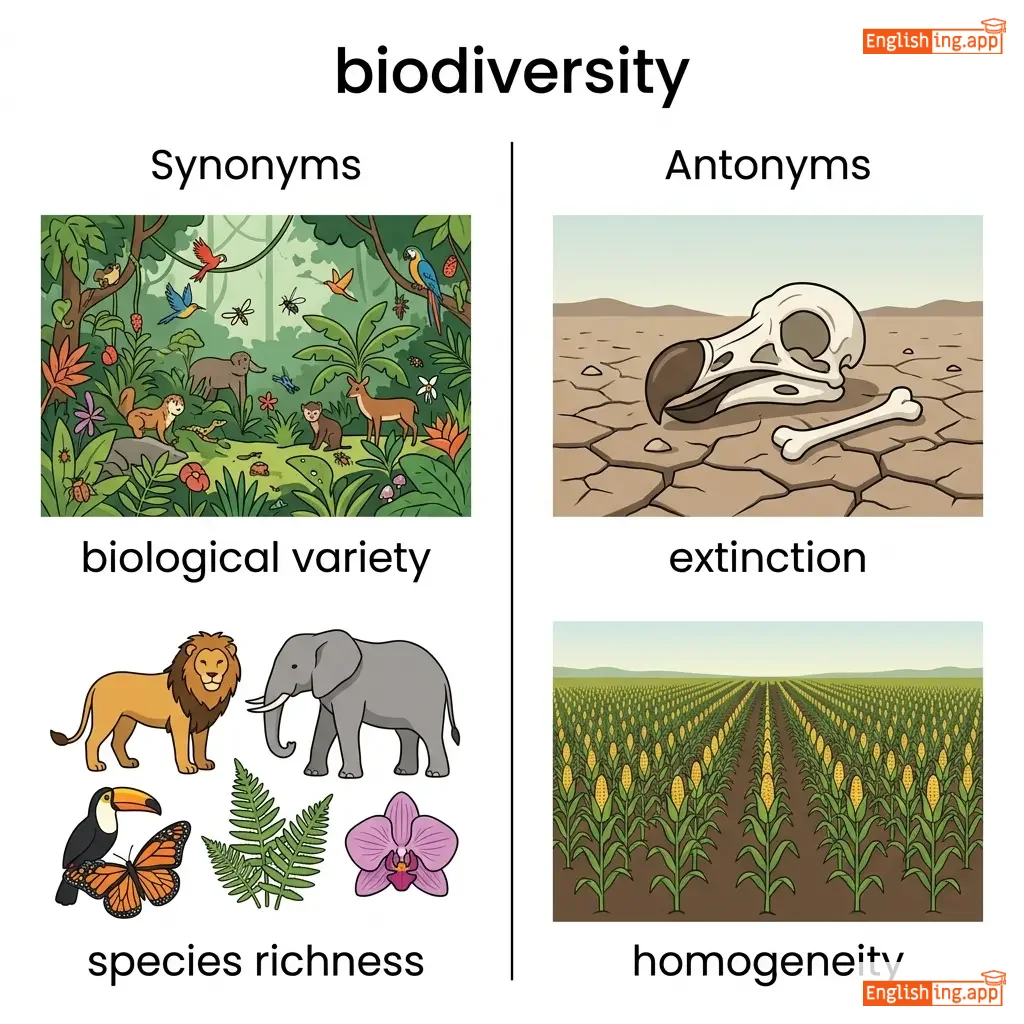
/ˌbaɪ.əʊ.daɪˈvɜː.sɪ.ti/
noun
(バイオダイバーシティ)
••••••
|
|
生物多様性
seibutsu tayousei
••••••
|
The variety of plant and animal life in a particular habitat or ecosystem.
••••••
|
Protecting biodiversity helps maintain ecological balance. |
生物多様性の保護は、環境のバランスを維持するのに役立ちます。
Seibutsu tayōsei no hogo wa, kankyō no baransu o iji suru no ni yakudachimasu.
••••••
|
biological variety, species richness, ecological diversity
••••••
|
extinction, homogeneity, monoculture
••••••
|
バイオ (生物) + 多様性 (tayousei) = 生物多様性
••••••
|
|
#3863
🌸
|
/ˈflɔː.rə/
noun
(フローラ)
••••••
|
|
特定の地域や生息地に見られる植物生命
tokutei no chiiki ya seisokuchi ni mirareru shokubutsu seimei
••••••
|
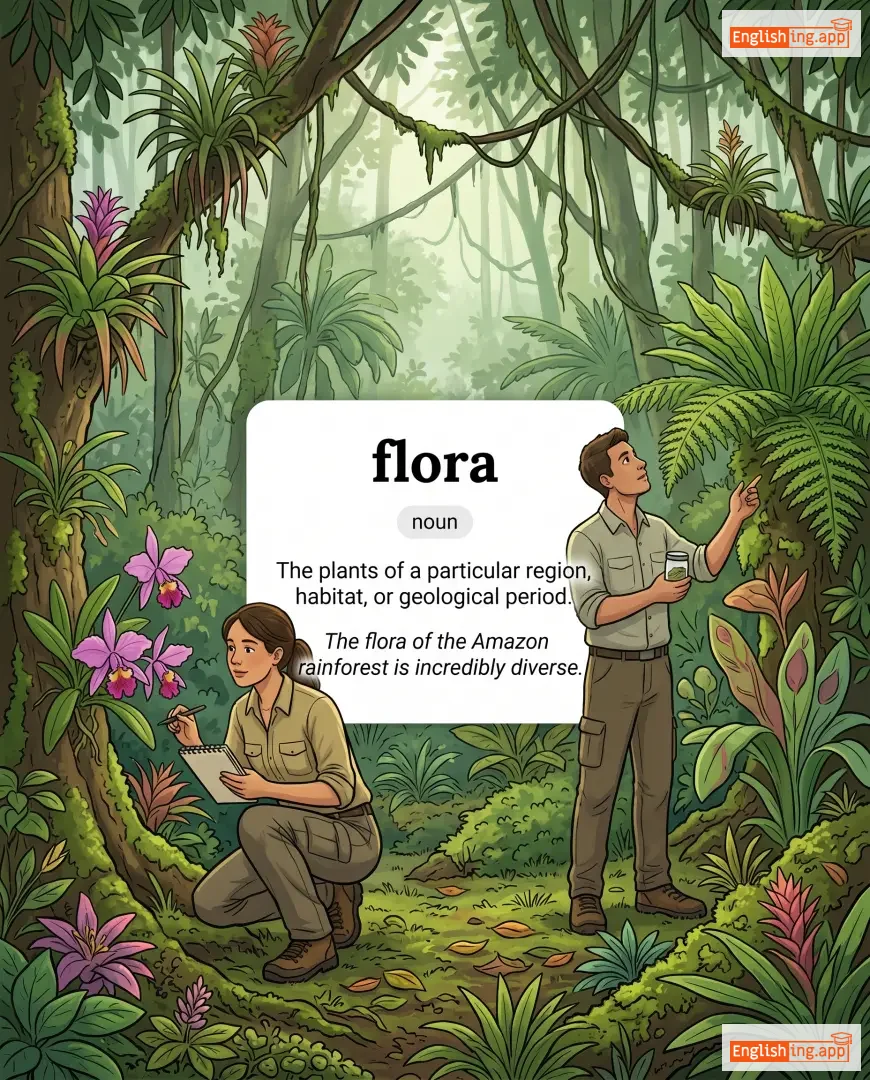
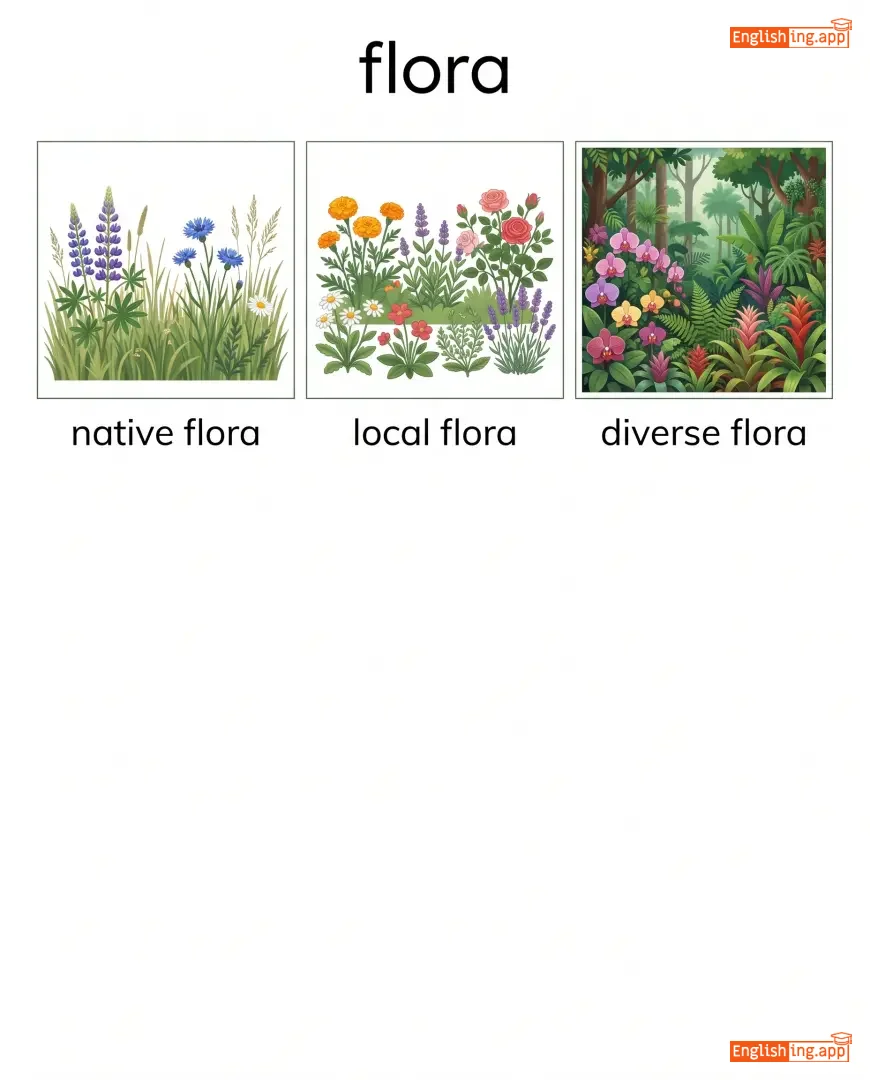
The plant life found in a particular region or habitat.
••••••
|
The Amazon rainforest is home to a vast flora diversity. |
アマゾンの熱帯雨林は豊かなフローラの多様性の家です。
Amazon no nettai urin wa yutakana furōra no tayōsei no ie desu.
••••••
|
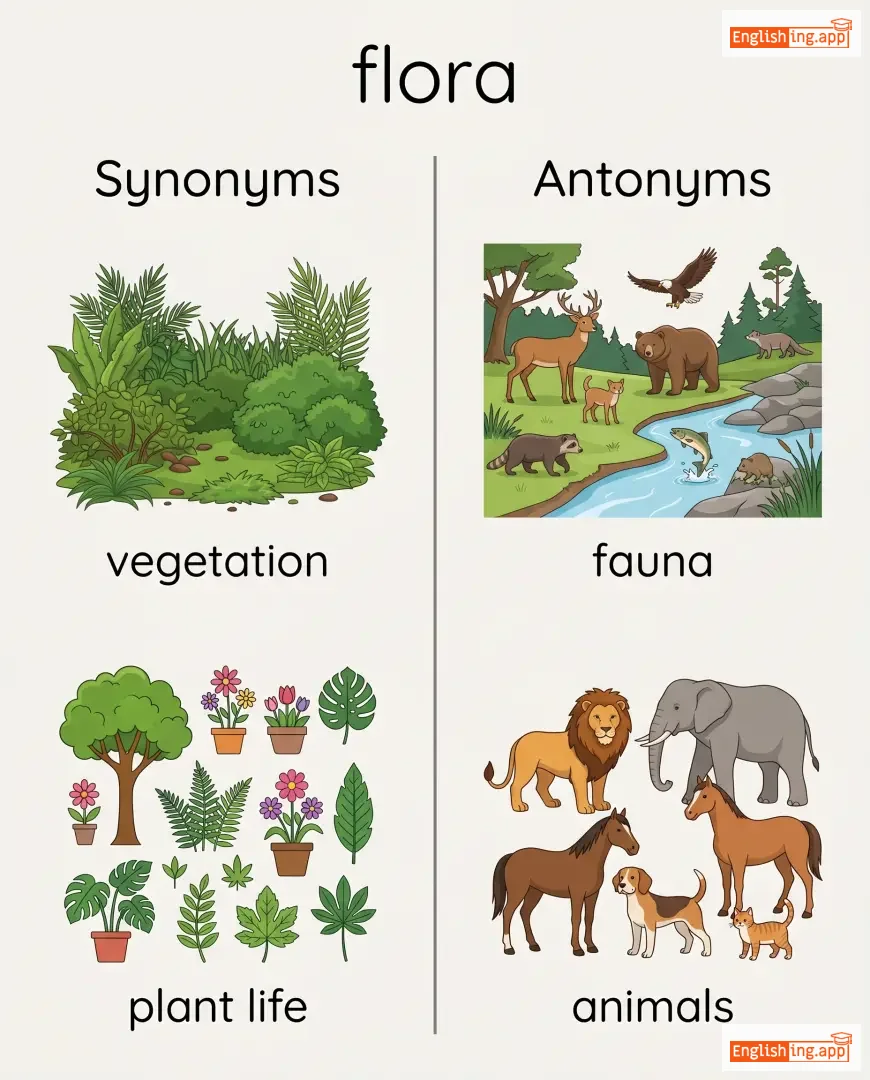
plant life, vegetation, botany
••••••
|
fauna, wildlife, animals
••••••
|
フローラは植物の生命を指し、私たちの周りの自然の美しさを思い出させます。
••••••
|
|
#3864
🔄
|
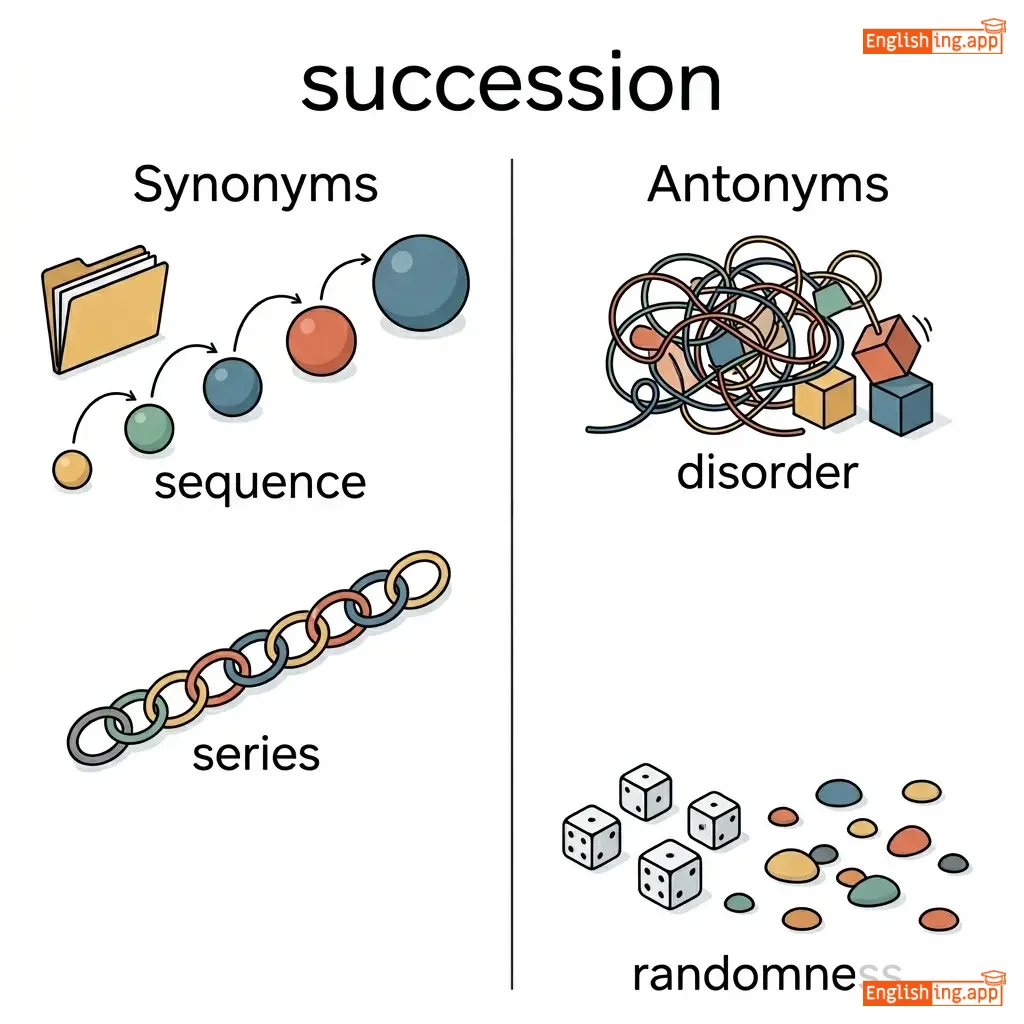
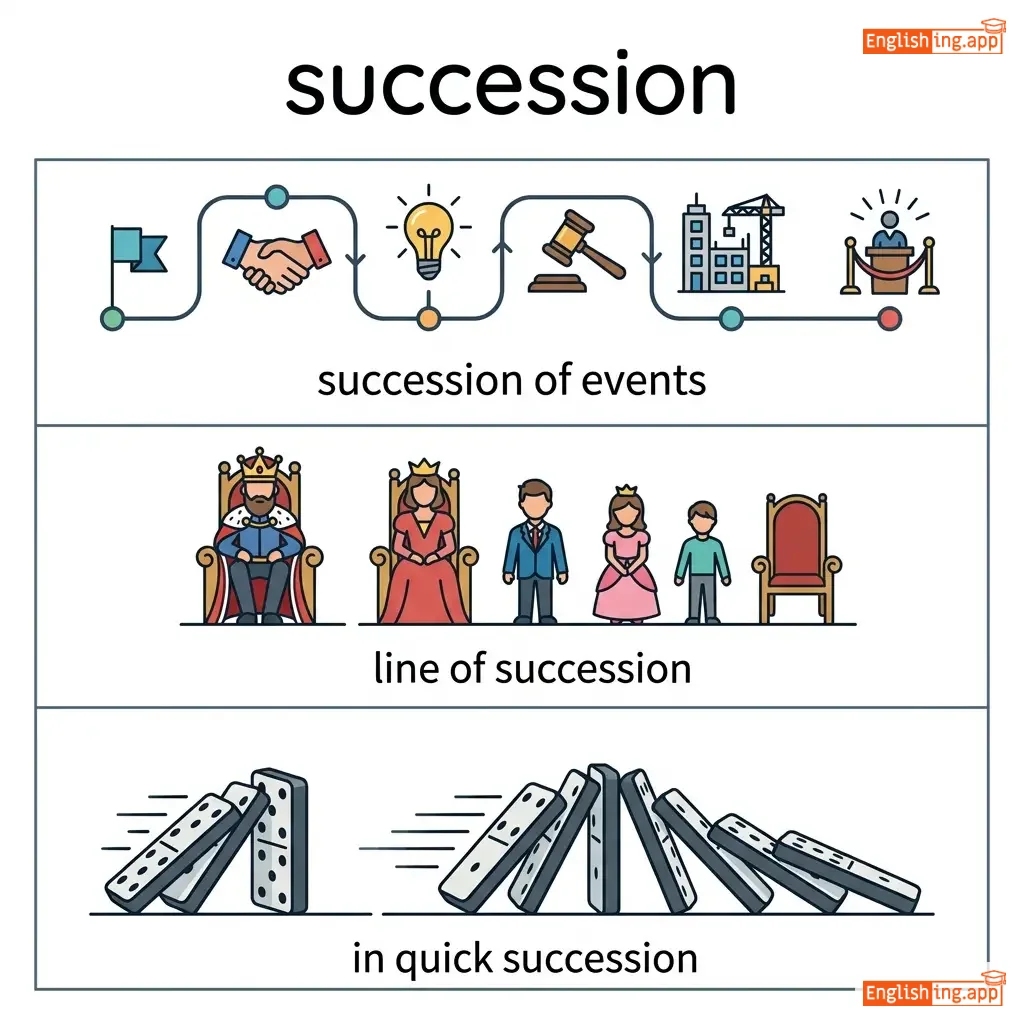
/səkˈsɛʃ.ən/
noun
(suksesshon)
••••••
|
|
生態遷移
seitai sen'i
••••••
|
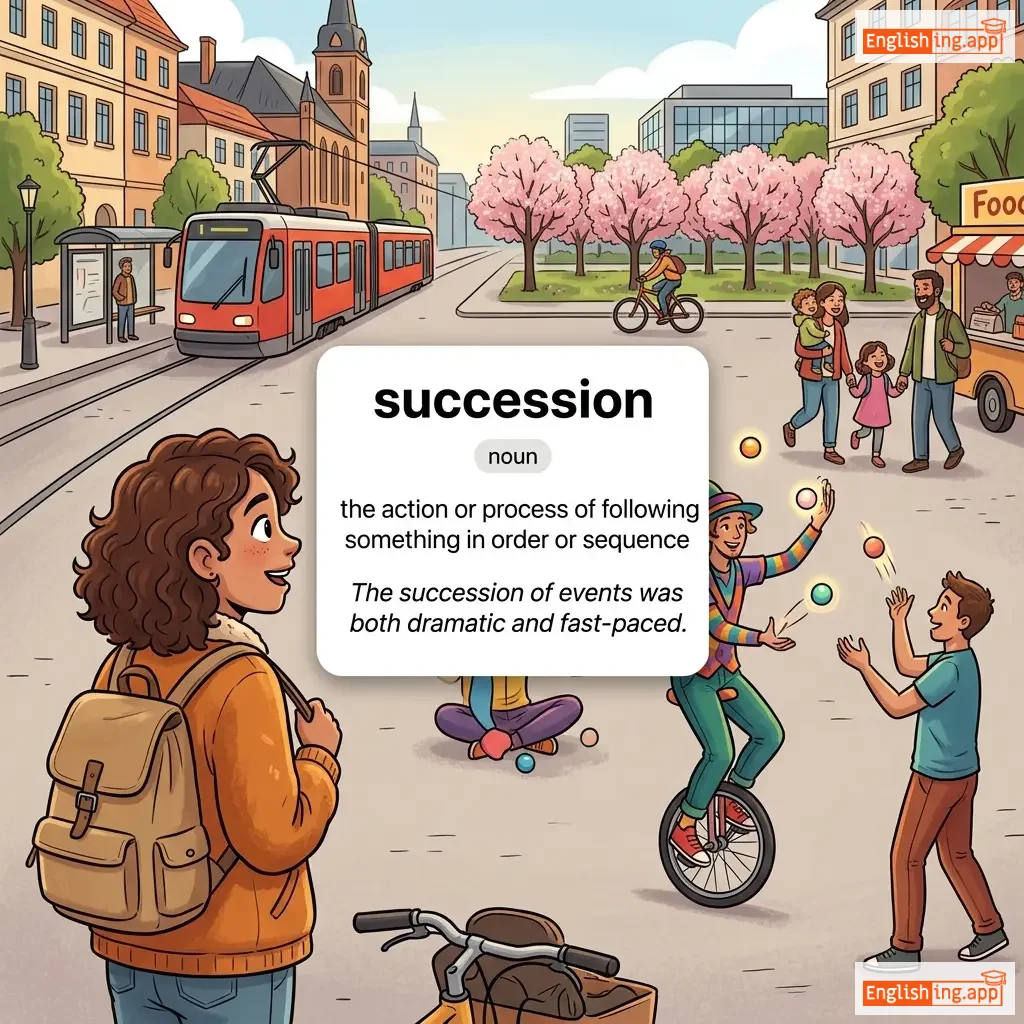
The process of ecological change in which one community of organisms is gradually replaced by another.
••••••
|
Forest succession occurs when old ecosystems are replaced by new ones.
森林の遷移は、古い生態系が新しい生態系に置き換えられるときに発生します。
••••••
|
森林の遷移は、古い生態系が新しい生態系に置き換えられるときに発生します。
Shinrin no sen'i wa, furui seitai kei ga atarashii seitai kei ni okikawerareru toki ni hasseishimasu.
••••••
|
ecological progression, natural development, evolution
••••••
|
stagnation, unchangeability, constancy
••••••
|
生態遷移は、エコシステムが新しいものに変わる過程です。
••••••
|
|
#3865
🌧️
|
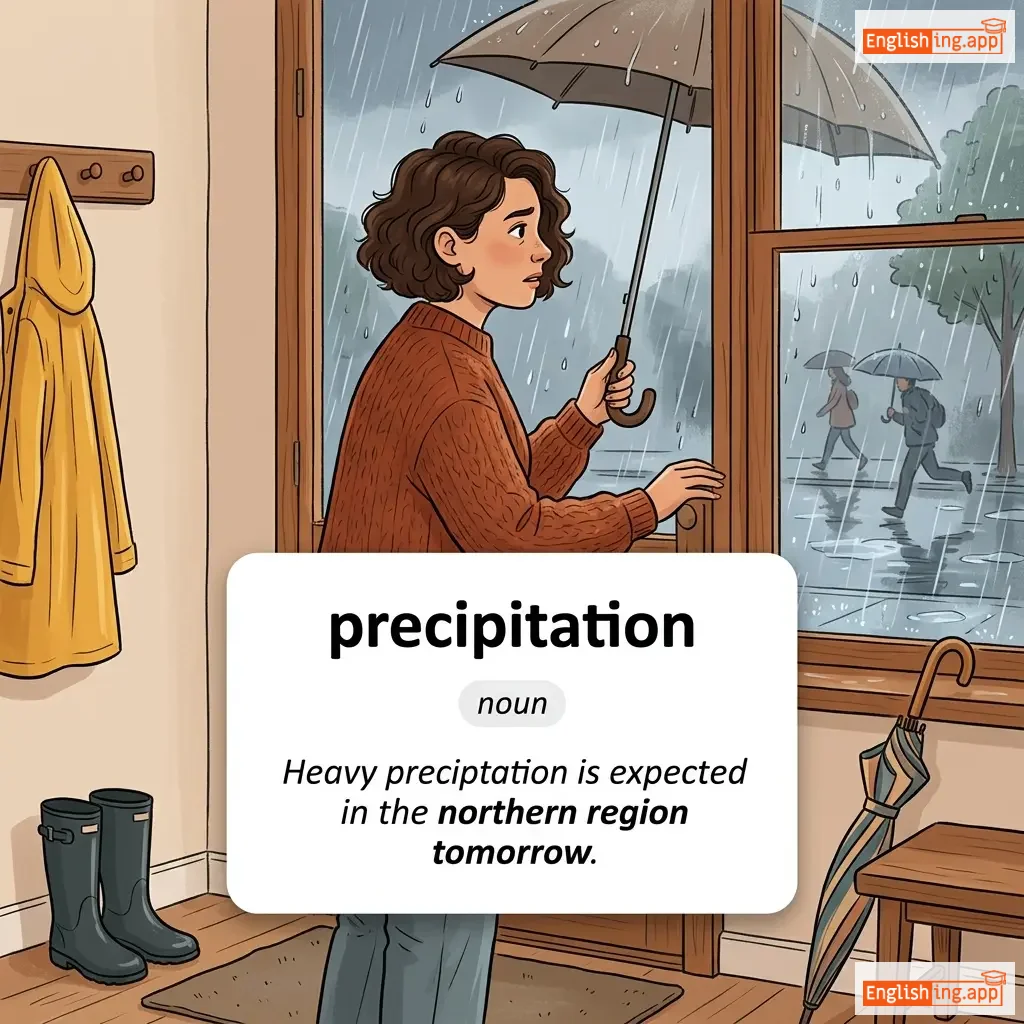
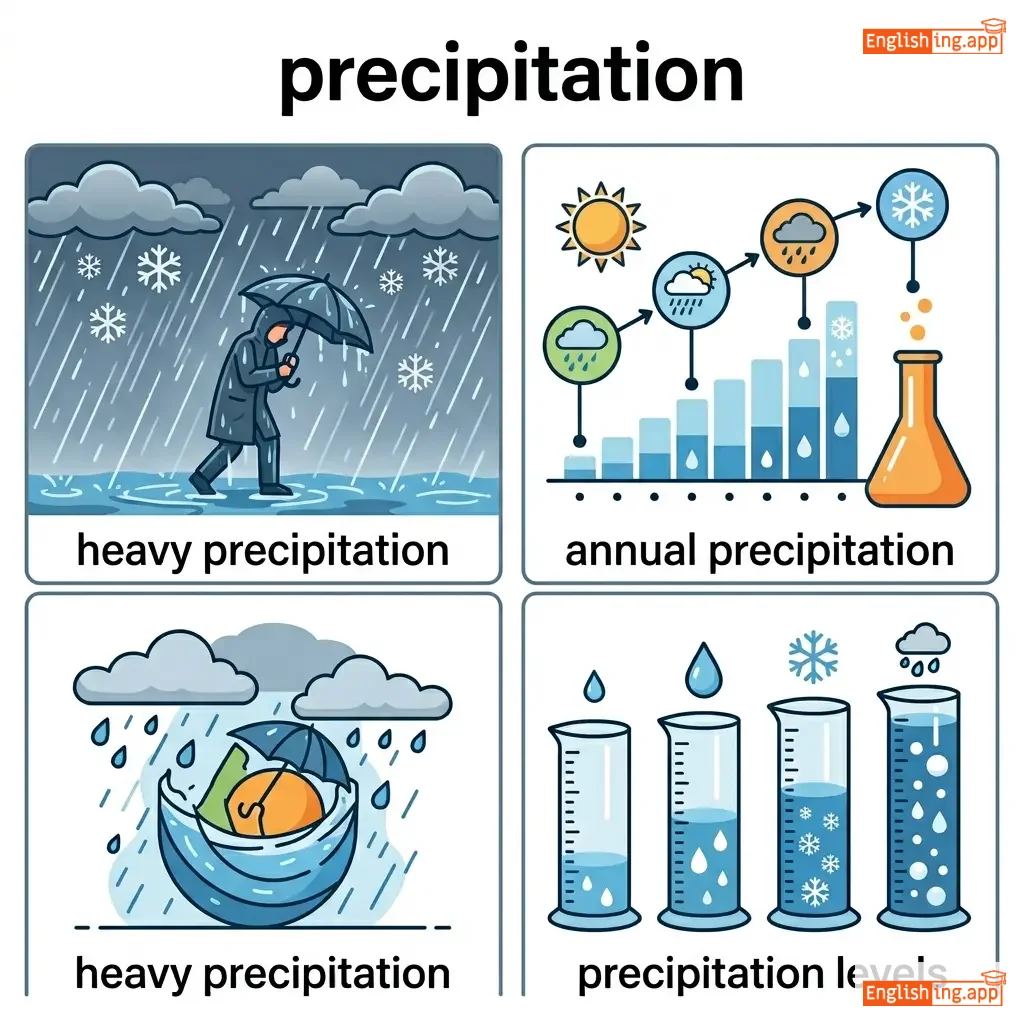
/prɪˌsɪp.ɪˈteɪ.ʃən/
noun
(プリシピテーション)
••••••
|
|
降水
kousui
••••••
|
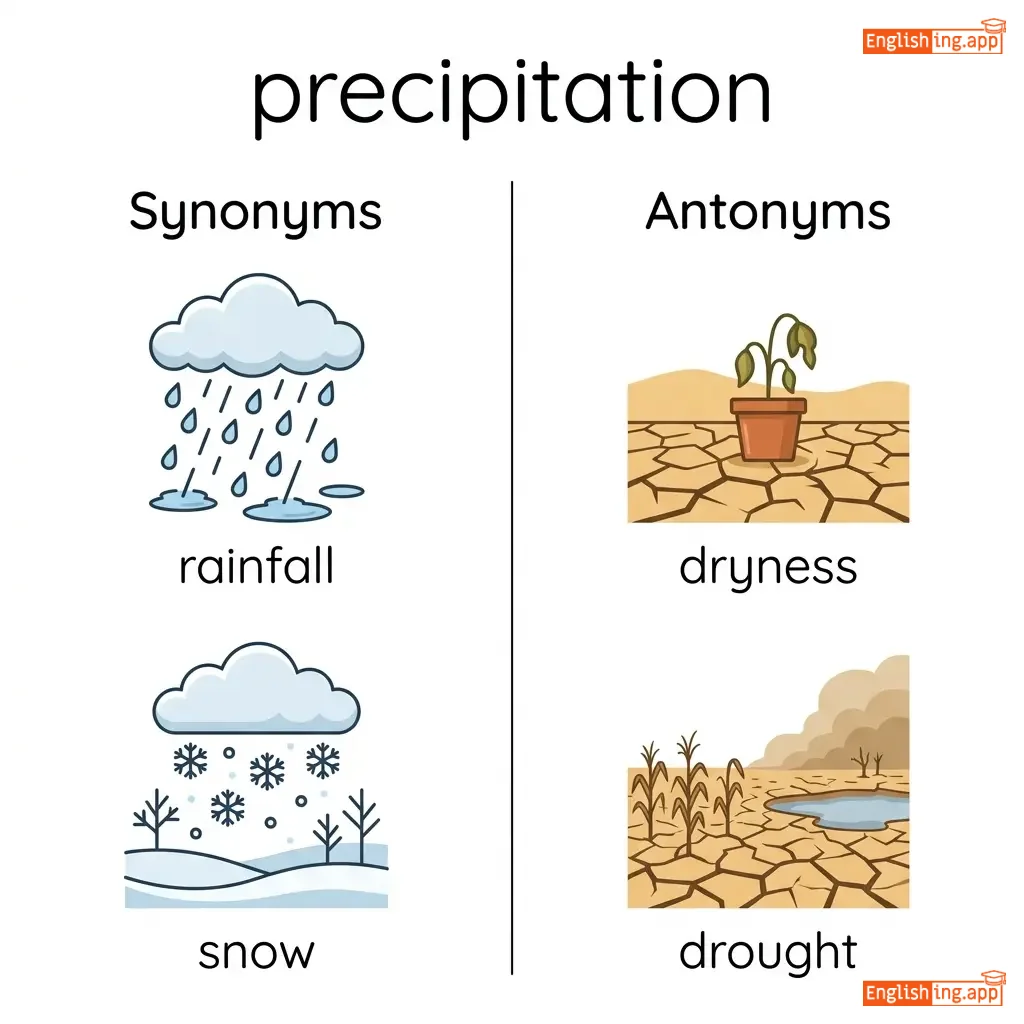
Water that falls from the atmosphere to the Earth's surface, including rain, snow, sleet, and hail.
••••••
|
Heavy precipitation can cause flooding in low-lying areas.
激しい降水は低地で洪水を引き起こす可能性がある。
••••••
|
激しい降水は低地で洪水を引き起こす可能性がある。
Gekishii kousui wa teichi de kouzui o hikiokosu kanousei ga aru.
••••••
|
rainfall, snowfall, moisture
••••••
|
aridity, dryness, drought
••••••
|
Picture a PRINCESS SIPPING TEA in the RAIN at a TRAIN STATION to remember PRECIPITATION, linking English sound to the Japanese meaning 降水
••••••
|
|
#3866
🦘
|
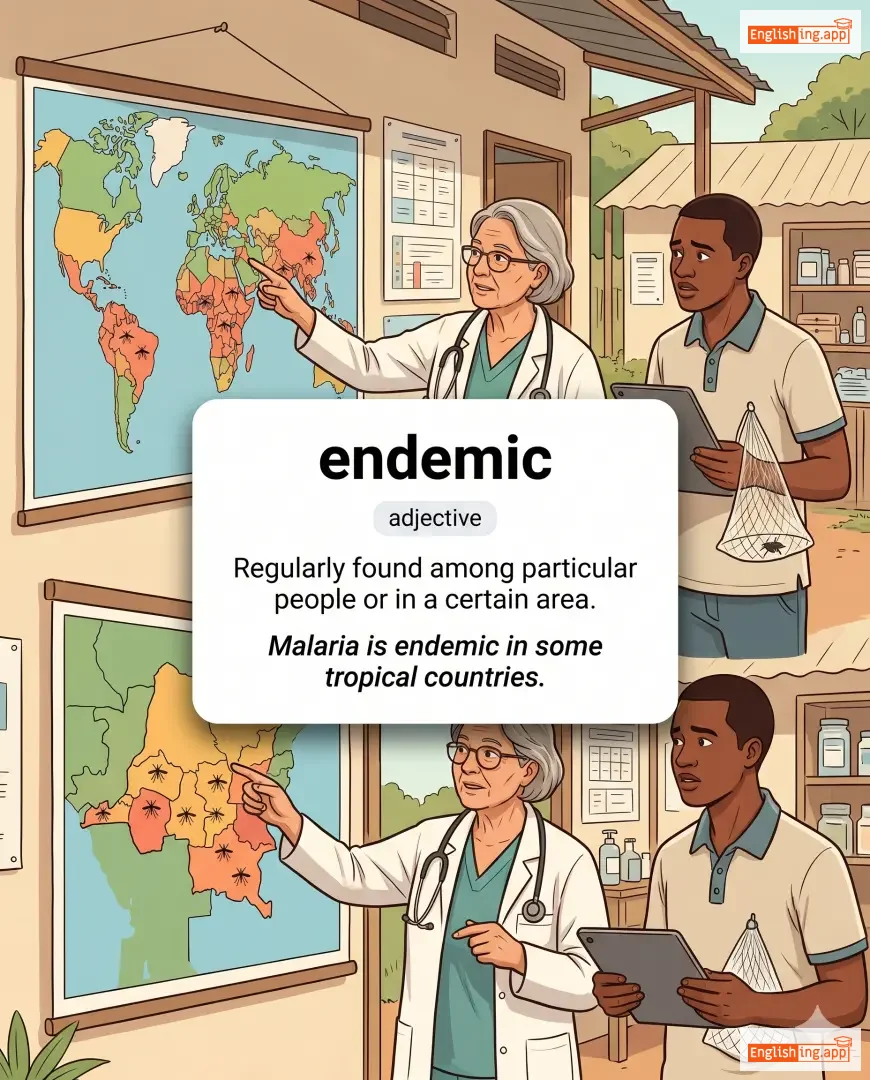
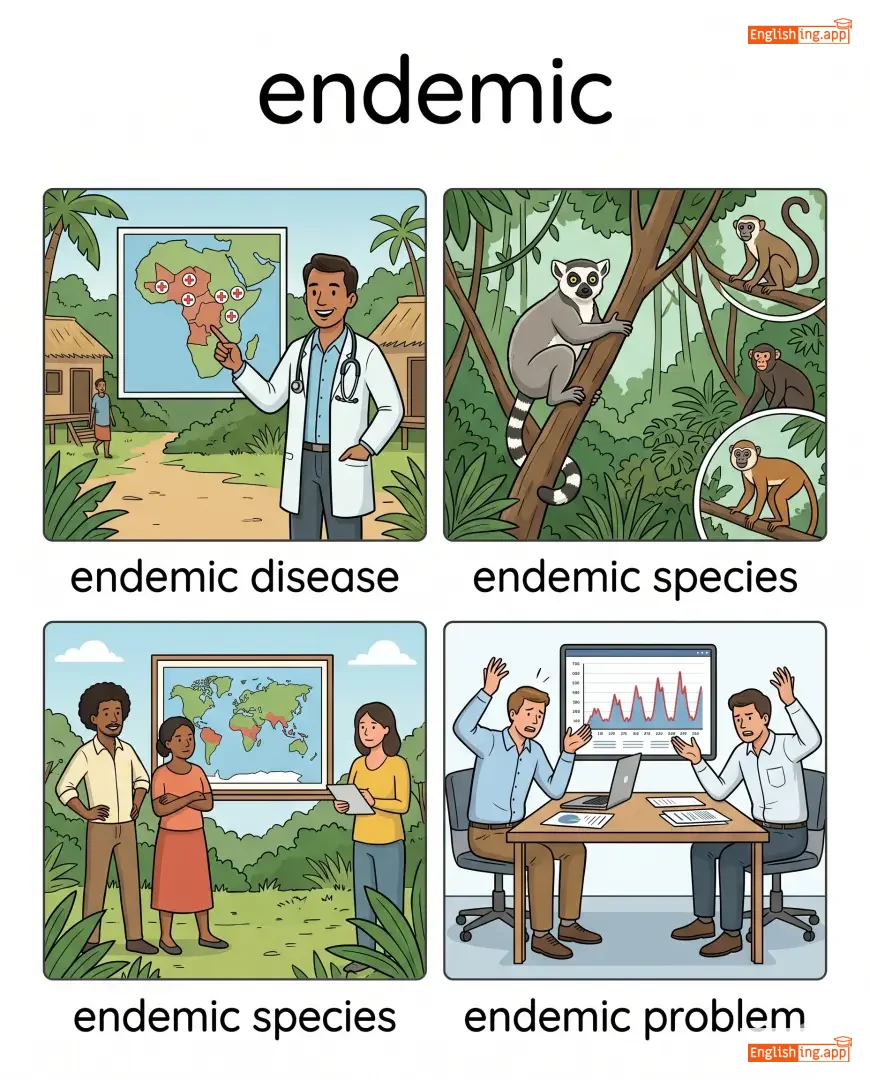
/ɛnˈdɛm.ɪk/
adjective
(エンデミック)
••••••
|
|
特定の地域にのみ見られる固有種
tokutei no chiiki ni nomi mirareru koyushu
••••••
|
Native to and found only in a particular region; not occurring naturally elsewhere.
••••••
|
The Bengal tiger is endemic to the Indian subcontinent.
ベンガルトラはインド亜大陸に固有です。
••••••
|
ベンガルトラはインド亜大陸に固有です。
Bengaru tora wa Indo a dairiku ni koyu desu.
••••••
|
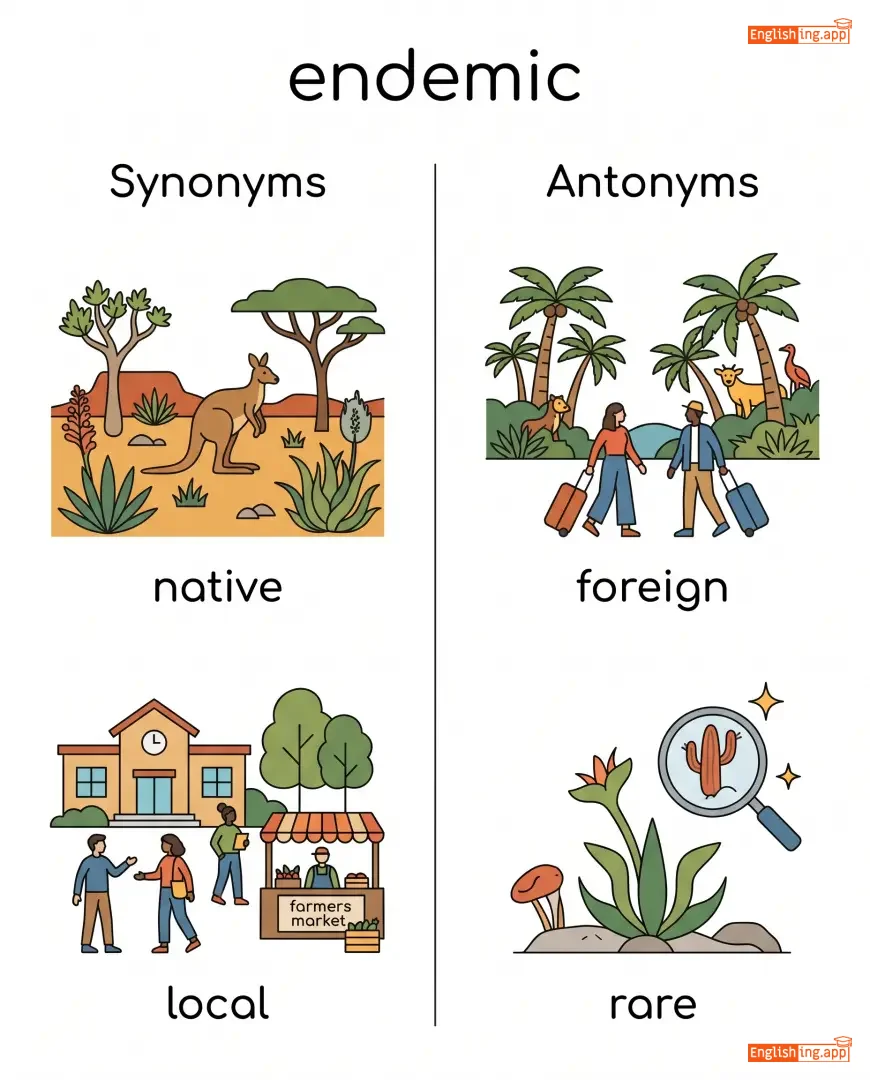
native, localized, indigenous
••••••
|
foreign, non-native, exotic
••••••
|
エンデミック、インド亜大陸にのみ存在するベンガルトラのように
••••••
|
|
#3867
⛰️
|
/ˈmɒn.teɪn/
adjective
(モンテイン)
••••••
|
|
山岳地帯に関連する; 山岳環境に見られる
sangaku chitai ni kanren suru; sangaku kankyō ni mirareru
••••••
|
Relating to mountainous regions; found in mountain environments.
••••••
|
Montane forests host a variety of unique species. |
山岳林はユニークな種の多様性を持っています。
Sangaku rin wa yunikuna shū no tayō-sei o motteimasu.
••••••
|
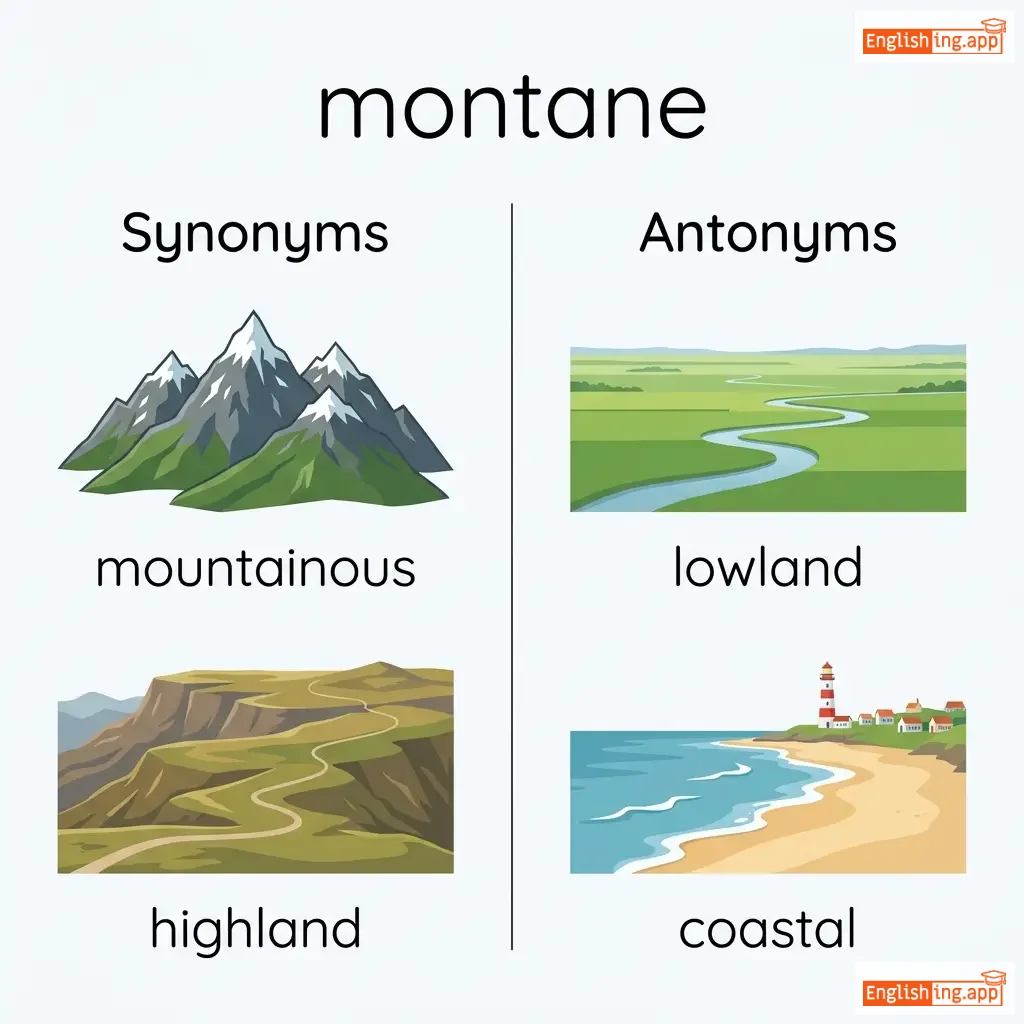
mountainous, highland, alpine
••••••
|
lowland, coastal, plains
••••••
|
モンテイン - 高山で多くのユニークな生物が見つかります。
••••••
|
|
#3868
🏞️
|
/raɪˈpɛə.ri.ən/
adjective
(raɪˈpɛə.ri.ən)
••••••
|
|
河川や他の水路の岸辺に関連する
kasen ya hoka no suiro no kishibe ni kanren suru
••••••
|
Relating to or situated on the banks of a river or other watercourse.
••••••
|
Riparian vegetation helps prevent soil erosion along rivers. |
河川沿いの植生は、河川沿いの土壌浸食を防ぐのに役立ちます。
Kasen-zoi no shokusei wa, kasen-zoi no dojo shinsoku o fusegu no ni yakudachimasu.
••••••
|
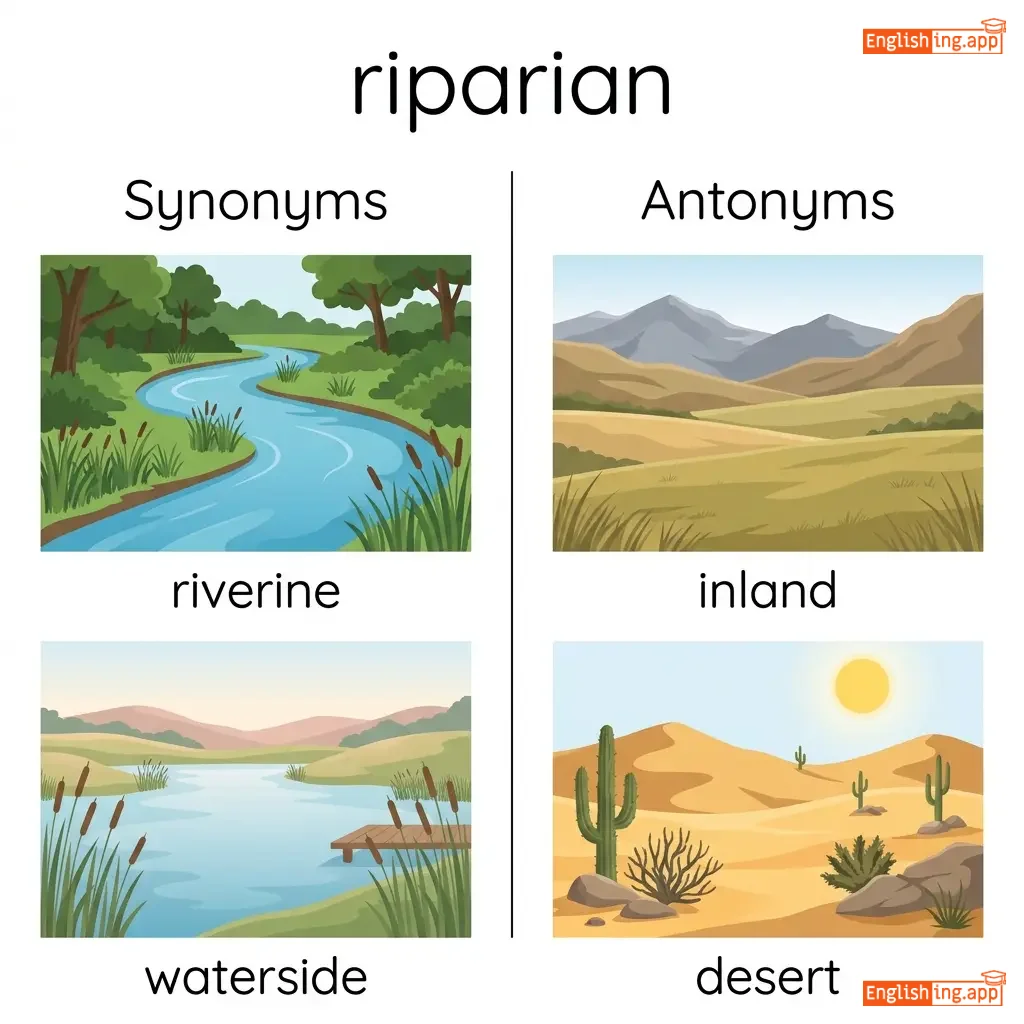
riverine, waterside, bank-related
••••••
|
inland, desert, dryland
••••••
|
リパリアン = 川辺の植物、川の近くにある自然の一部
••••••
|
|
#3869
🪓
|
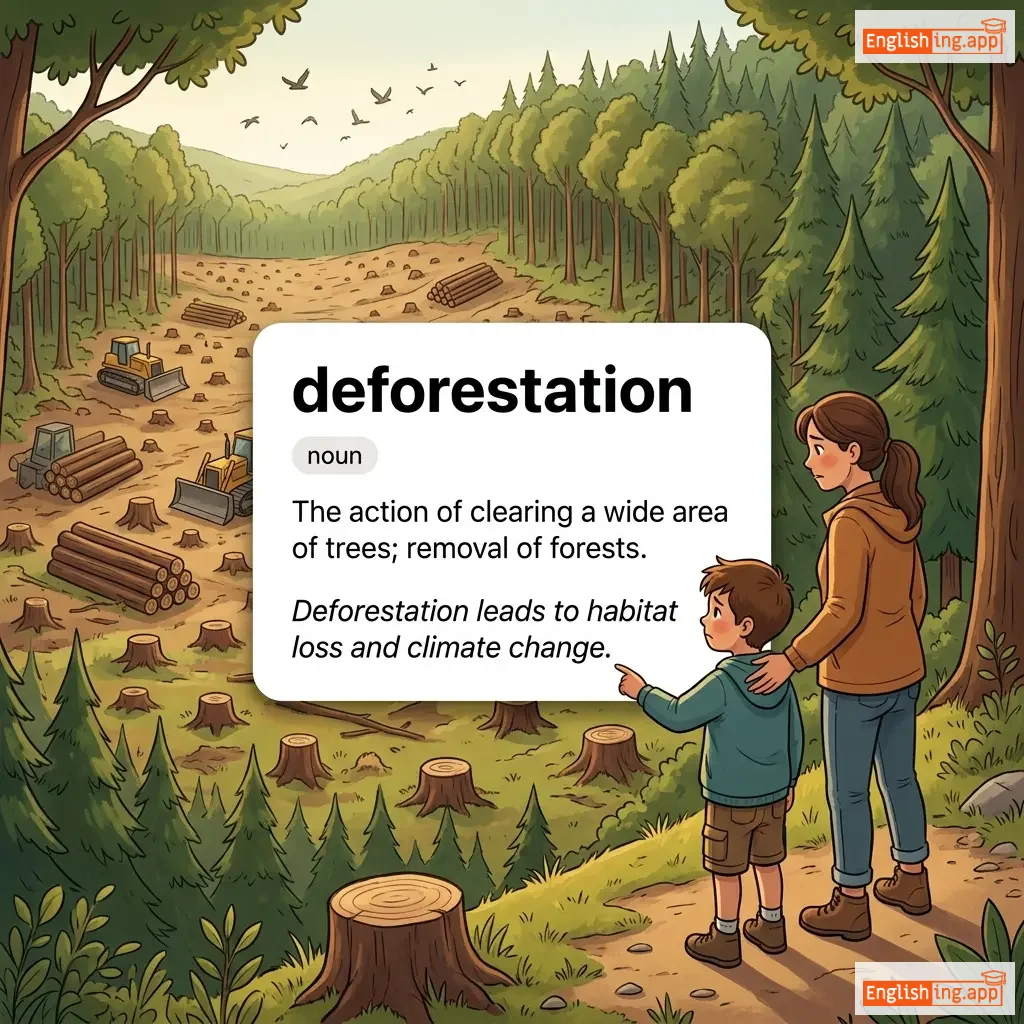
/ˌdiː.fɒr.ɪˈsteɪ.ʃən/
noun
(森林伐採)
••••••
|
|
森林伐採
shinrin bassai
••••••
|
The action of clearing a wide area of trees; removal of forests.
••••••
|
Deforestation leads to habitat loss and climate change. |
森林伐採は生息地の喪失と気候変動を引き起こします。
Shinrin bassai wa seisokuchi no sōshitsu to kikō hendō o hikiokoshimasu.
••••••
|
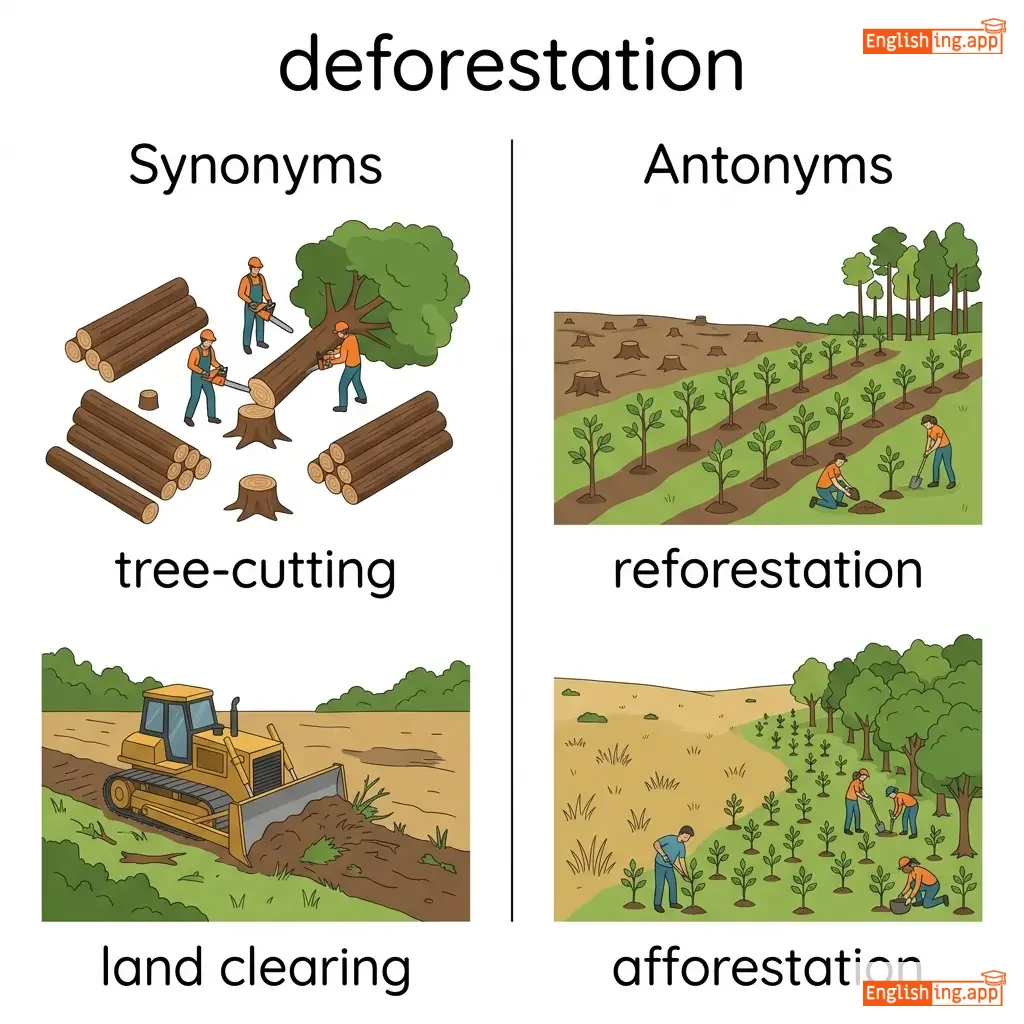
tree-cutting, land clearing, deforesting
••••••
|
reforestation, afforestation, forest preservation
••••••
|
森林伐採 = 森林の破壊
••••••
|
|
#3870
🧩
|
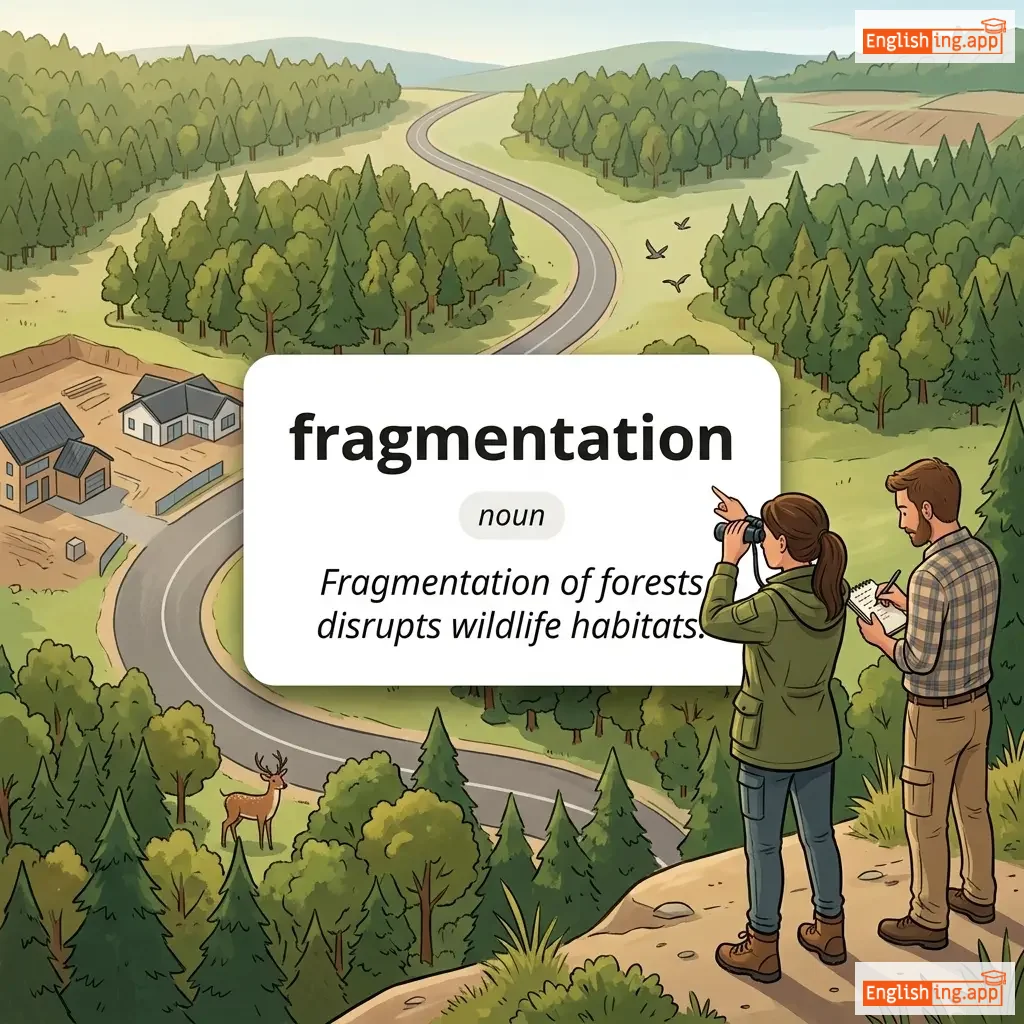
/ˌfræɡ.mənˈteɪ.ʃən/
noun
(フラグメンテーション)
••••••
|
|
断片化
danpenka
••••••
|
The process of breaking into fragments; division of habitat into isolated patches.
••••••
|
Fragmentation of forests disrupts wildlife habitats.
森林のフラグメンテーションは野生動物の生息地を乱します。
••••••
|
森林の断片化は野生動物の生息地を乱します。
Shinrin no danpenka wa yaseidōbutsu no seisokuchi o midashimasu.
••••••
|
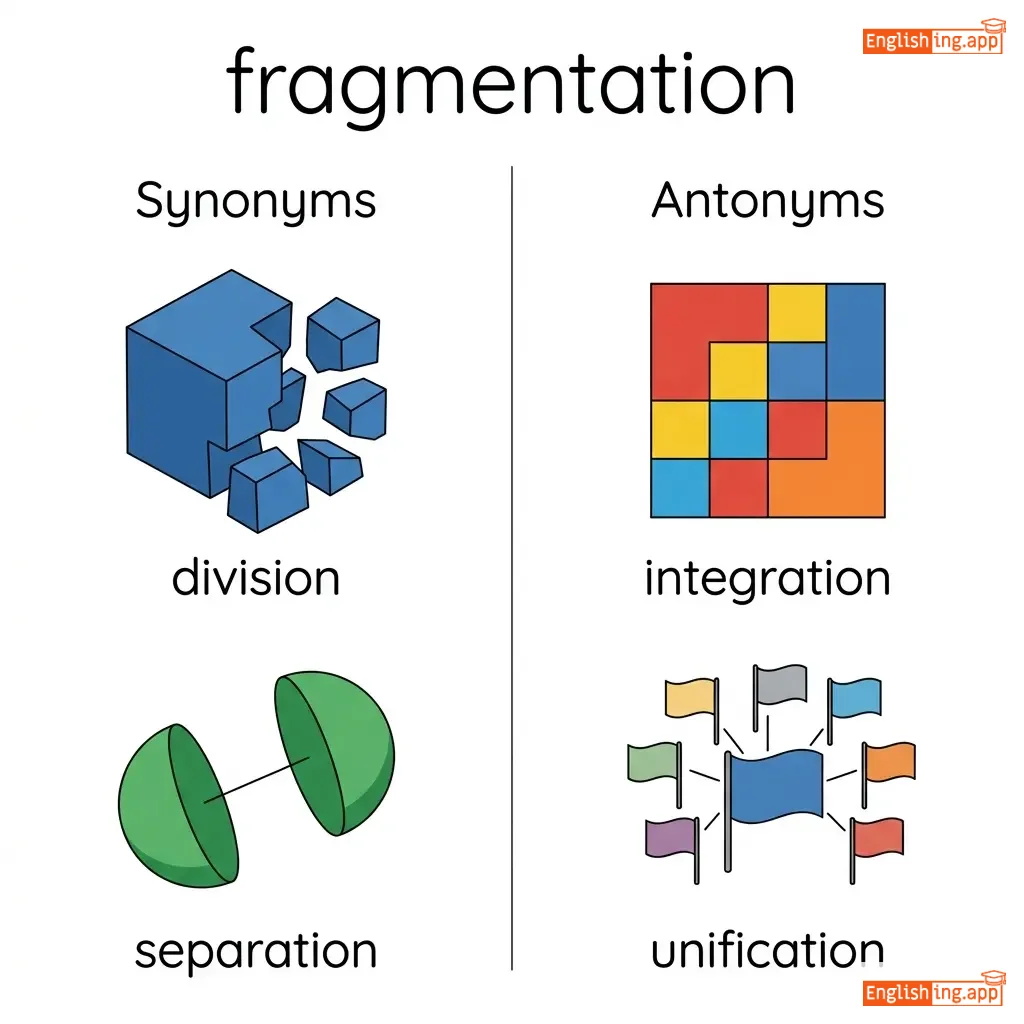
division, separation, disintegration
••••••
|
integration, unification, continuity
••••••
|
In Japanese, '断片化' (danpenka) means splitting, just like fragmenting a forest.
••••••
|
|
#3871
🌡️
|
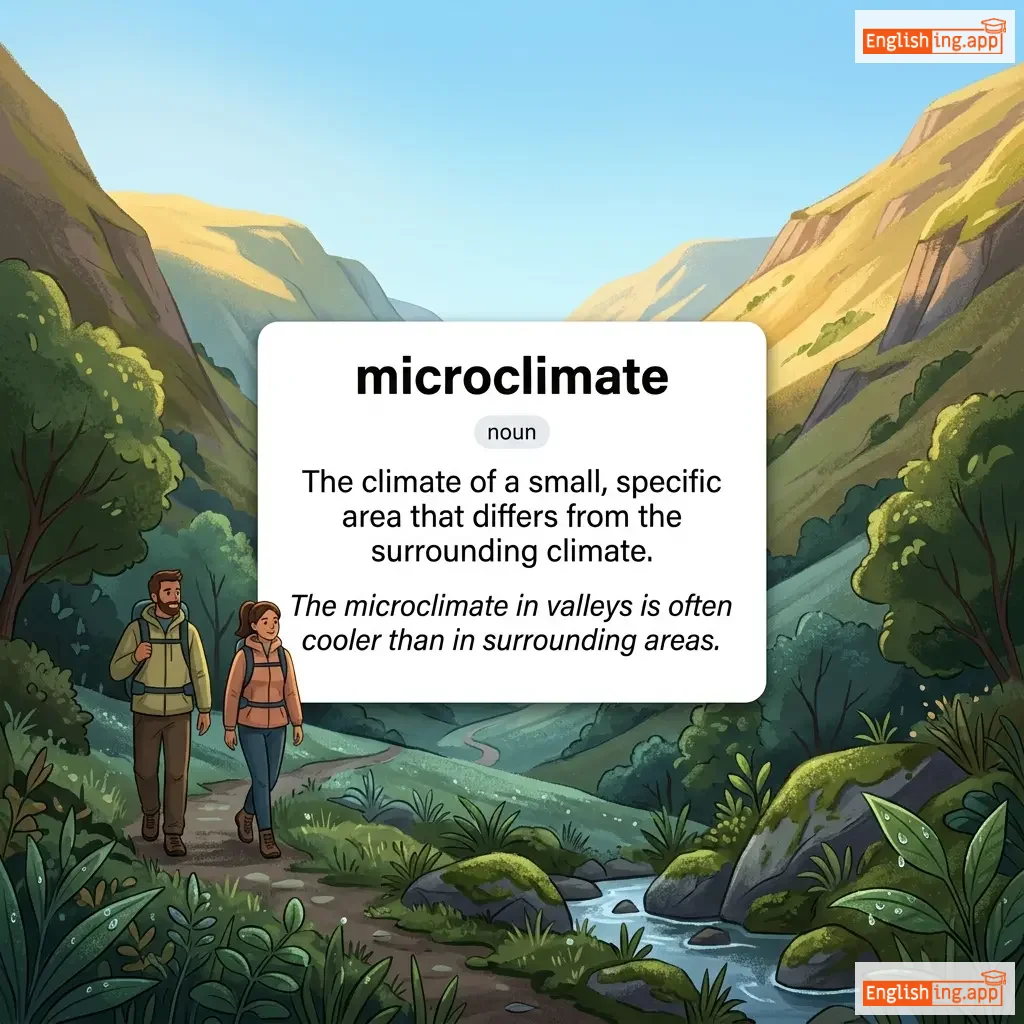
/ˈmaɪ.krəʊˌklaɪ.mət/
noun
(マイクロクライメート)
••••••
|
|
ミクロクライメート
mikurokuraimeto
••••••
|
The climate of a small, specific area that differs from the surrounding climate.
••••••
|
The microclimate in valleys is often cooler than in surrounding areas.
谷間のマイクロクライメートは周囲の地域よりも涼しいことがよくあります。
••••••
|
谷間のマイクロクライメートは周囲の地域よりも涼しいことがよくあります。
Tani ma no mikurokuraimeto wa shuui no chiiki yori mo suzushii koto ga yoku arimasu.
••••••
|
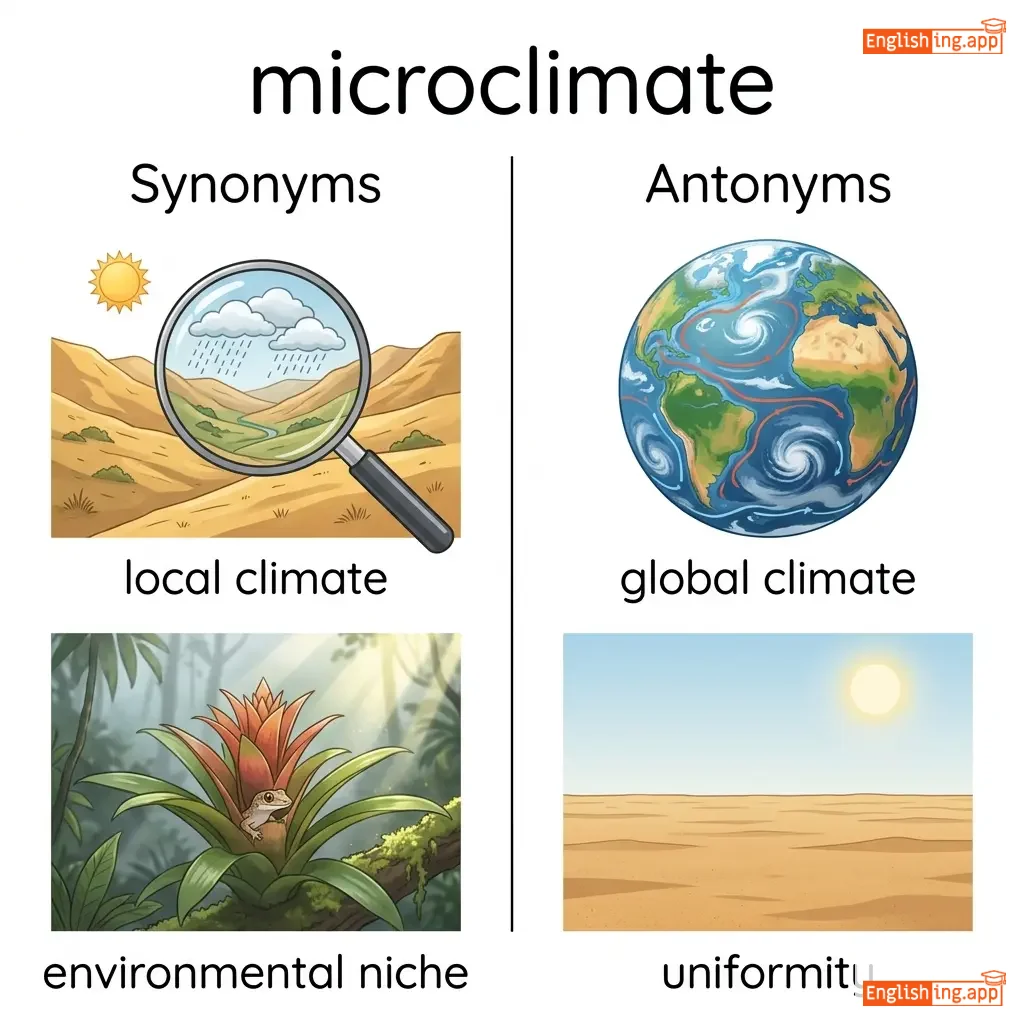
local climate, environmental niche, weather condition
••••••
|
global climate, uniformity, general weather
••••••
|
マイクロクライメートは小さい気候という意味で覚えやすいです。
••••••
|
|
#3872
🌿
|
/ˈʌn.dɚˌstɔː.ri/
noun
(アンダーストーリー)
••••••
|
|
下層植物
kasou shokubutsu
••••••
|
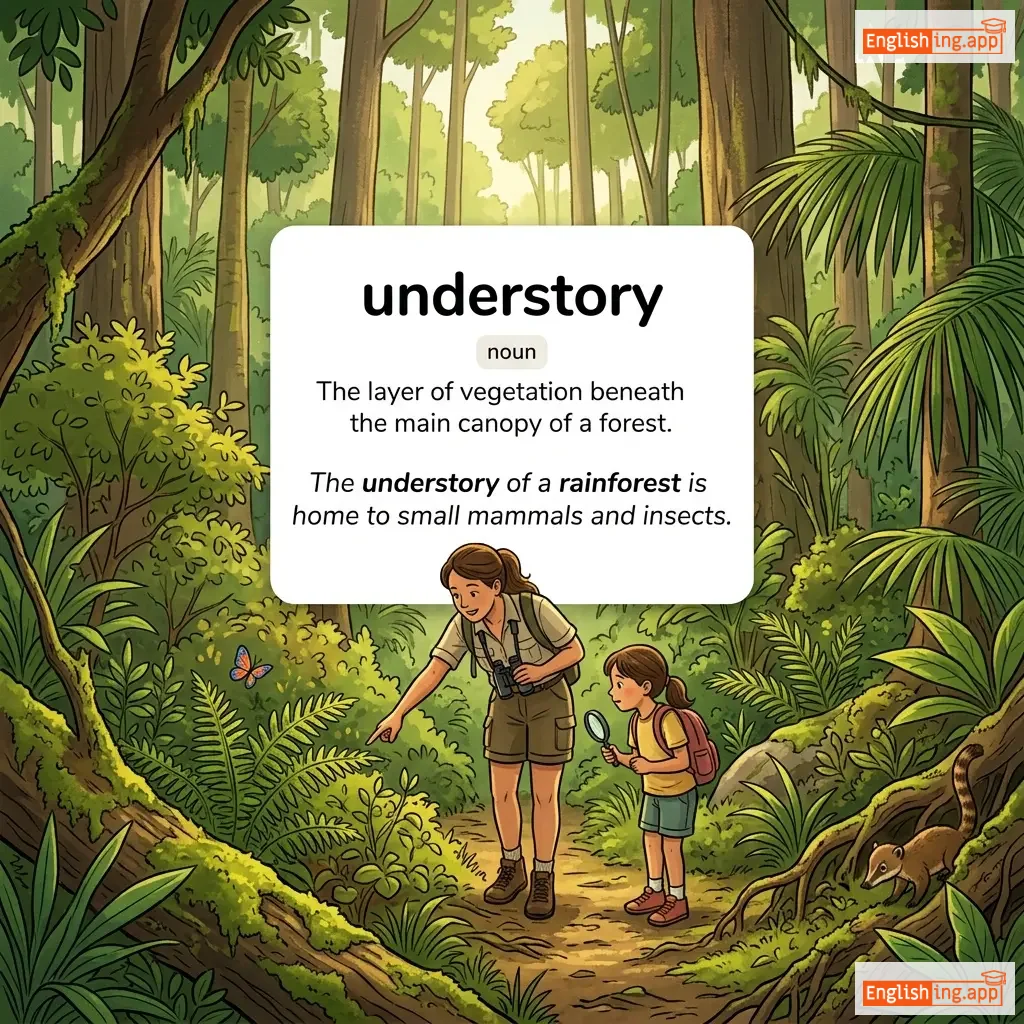
The layer of vegetation beneath the main canopy of a forest.
••••••
|
The understory of a rainforest is home to small mammals and insects. |
熱帯雨林の下層植物は小さな哺乳動物や昆虫の家です。
Nettai urin no kasou shokubutsu wa chiisana honnyuudoubutsu ya konchuu no ie desu.
••••••
|
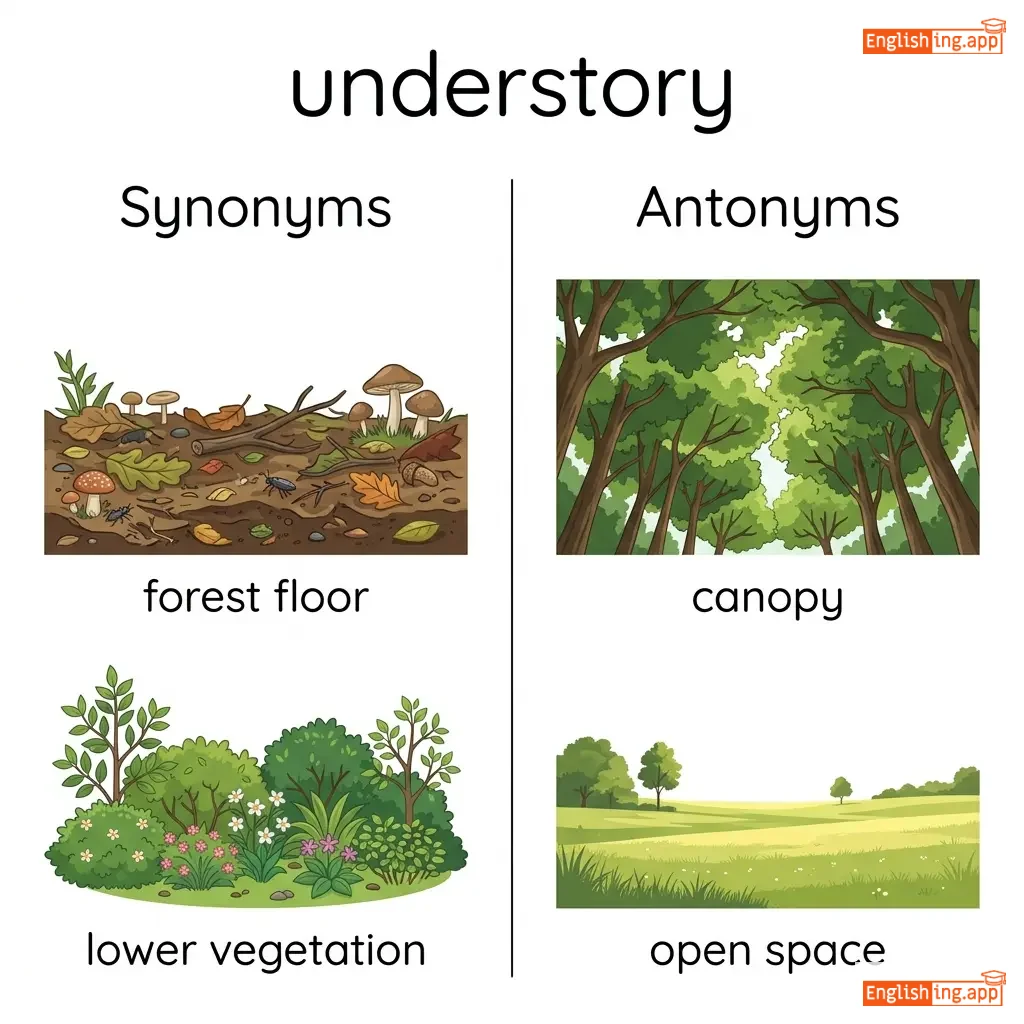
forest floor, lower vegetation, shrub layer
••••••
|
canopy, open space, upper layer
••••••
|
森林の下に小さな動物たちが住む場所。
••••••
|
Vocabulary Quiz
Test your vocabulary by matching words with their translations or meanings.
Login to take the quiz
Comments (0)
Share your thoughts and join the discussion.
Join the discussion by logging in
Login to CommentNo comments yet
Be the first to share your thoughts!