

国境の七人の殉教者
Seven Martyrs of the Border
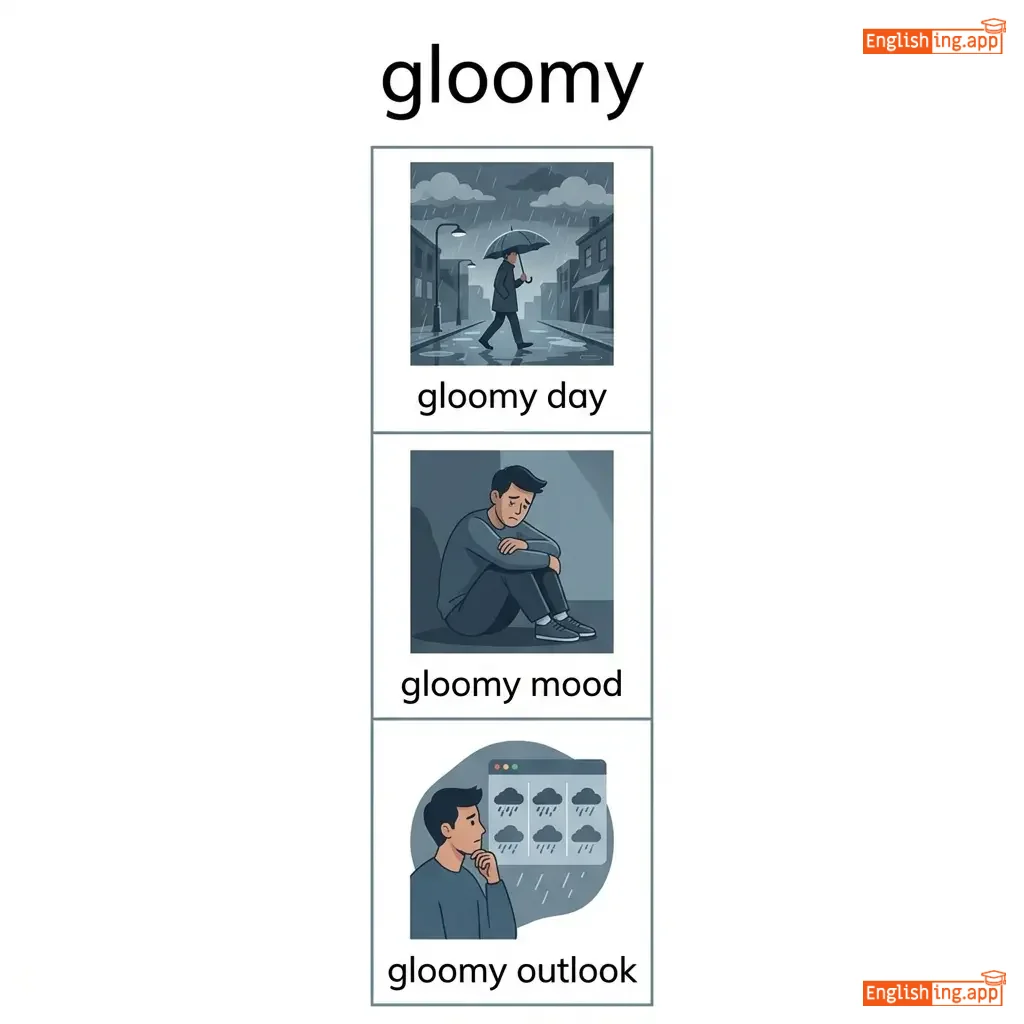
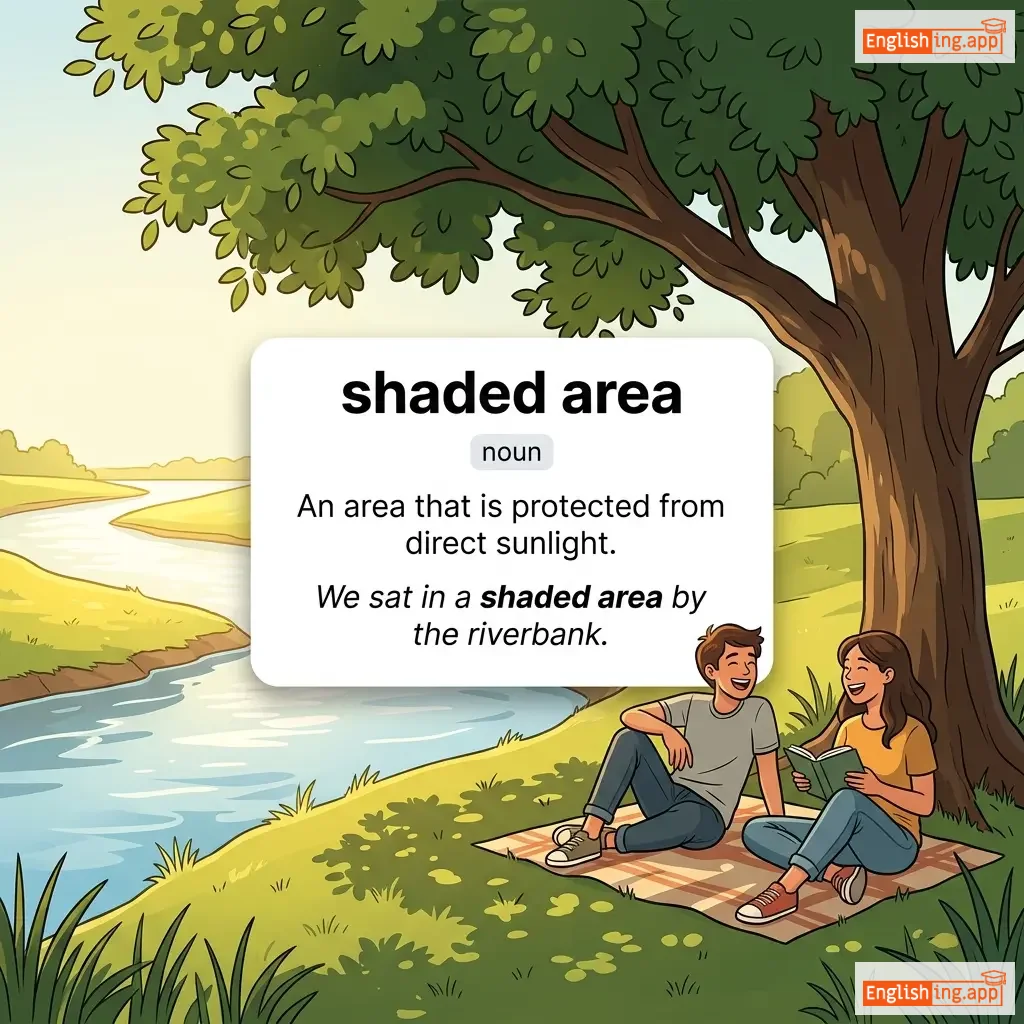
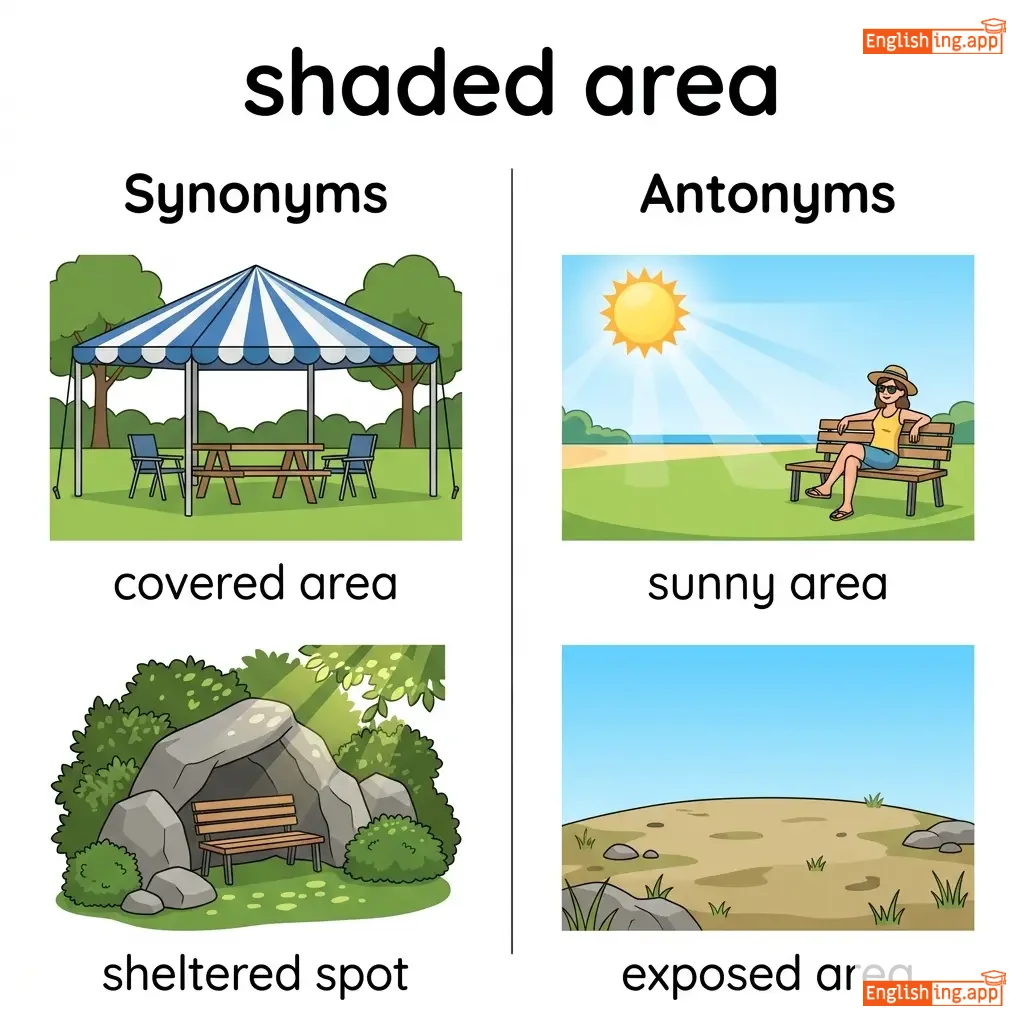
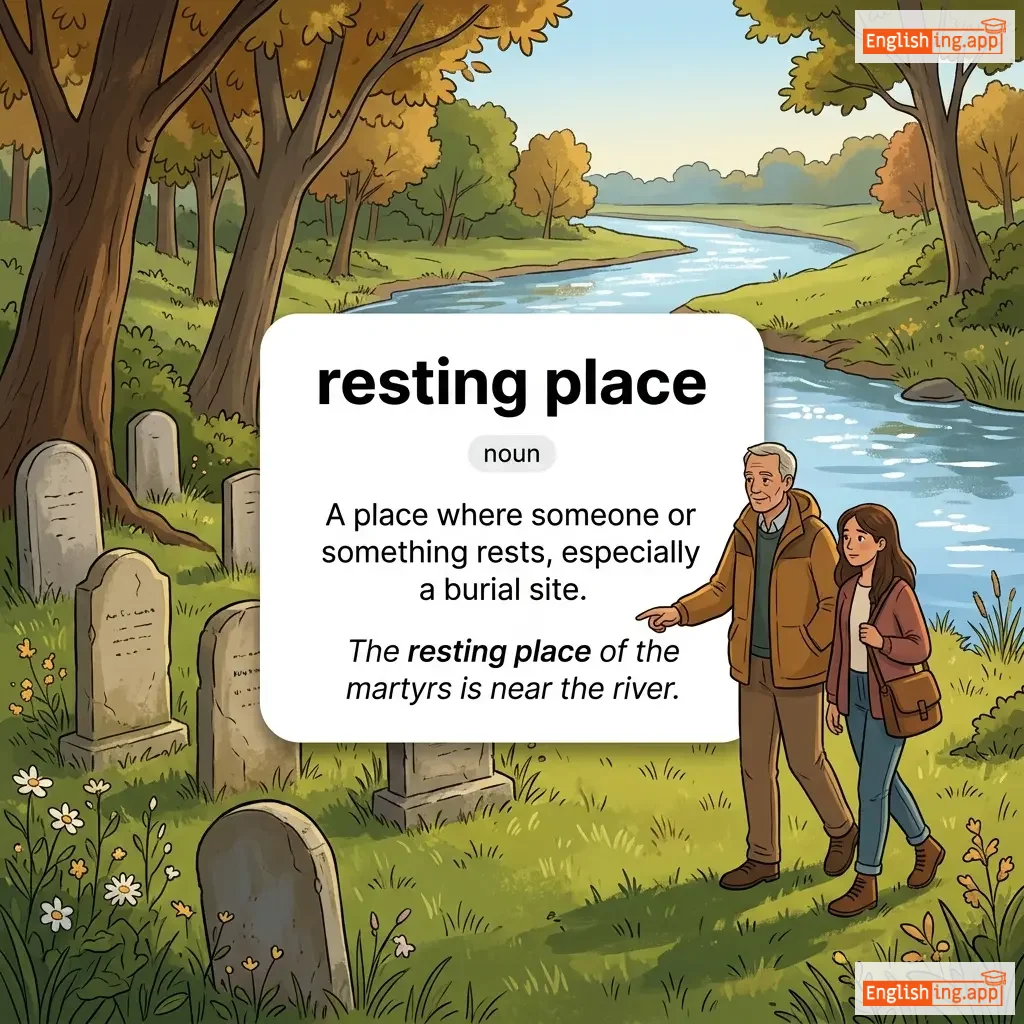
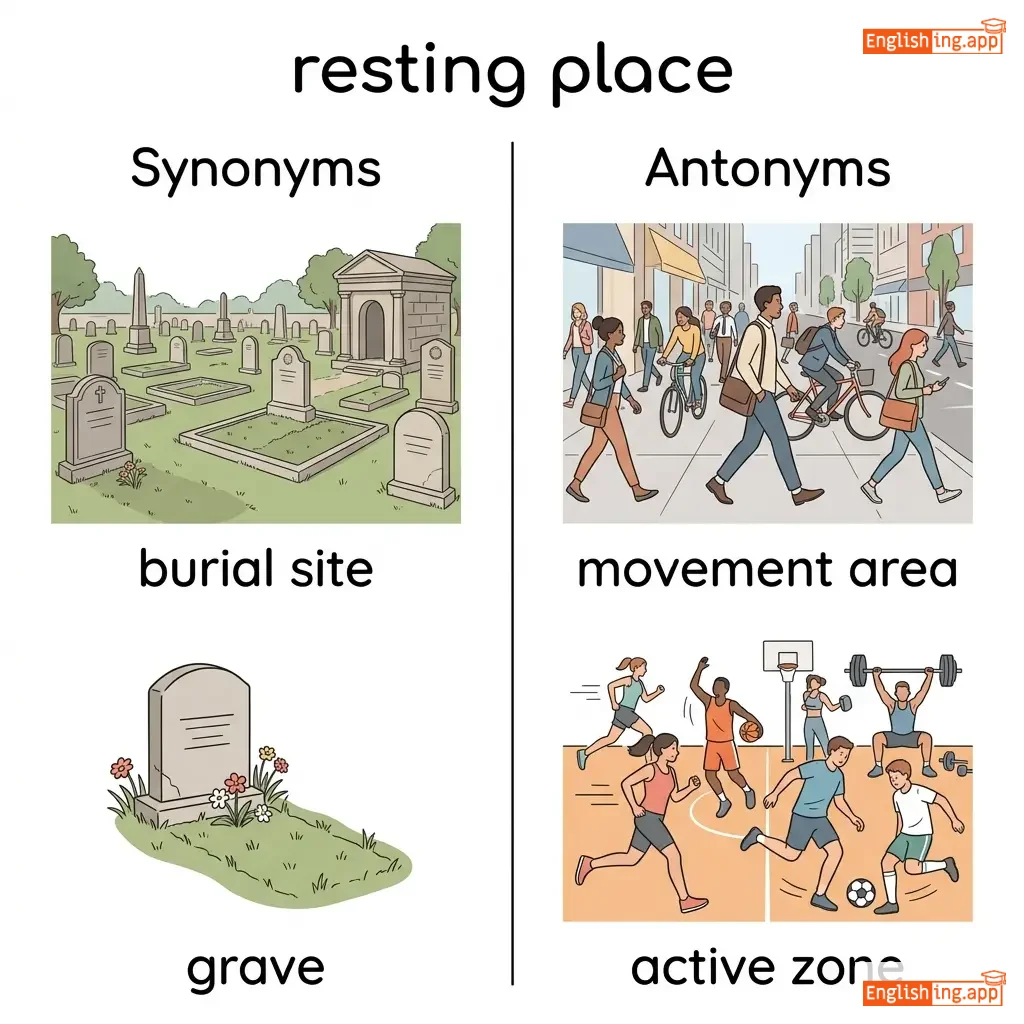
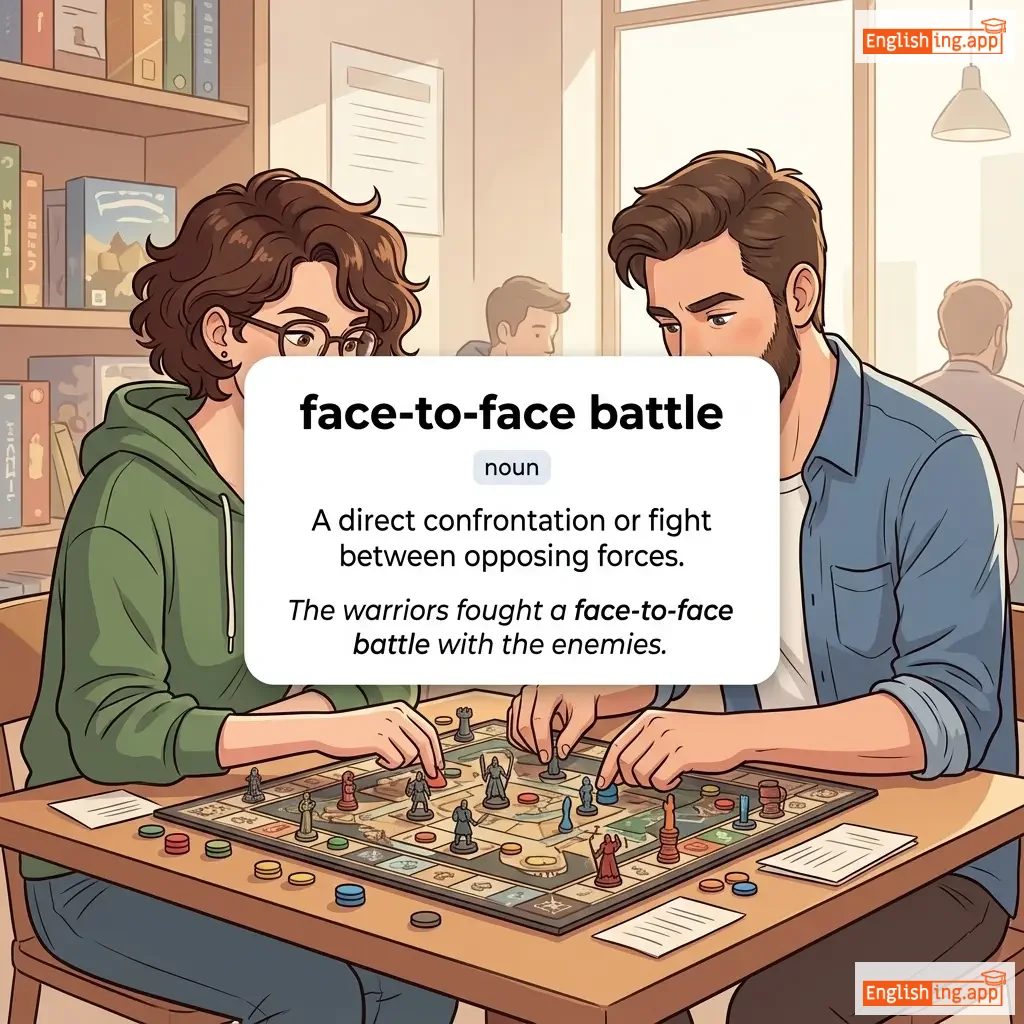
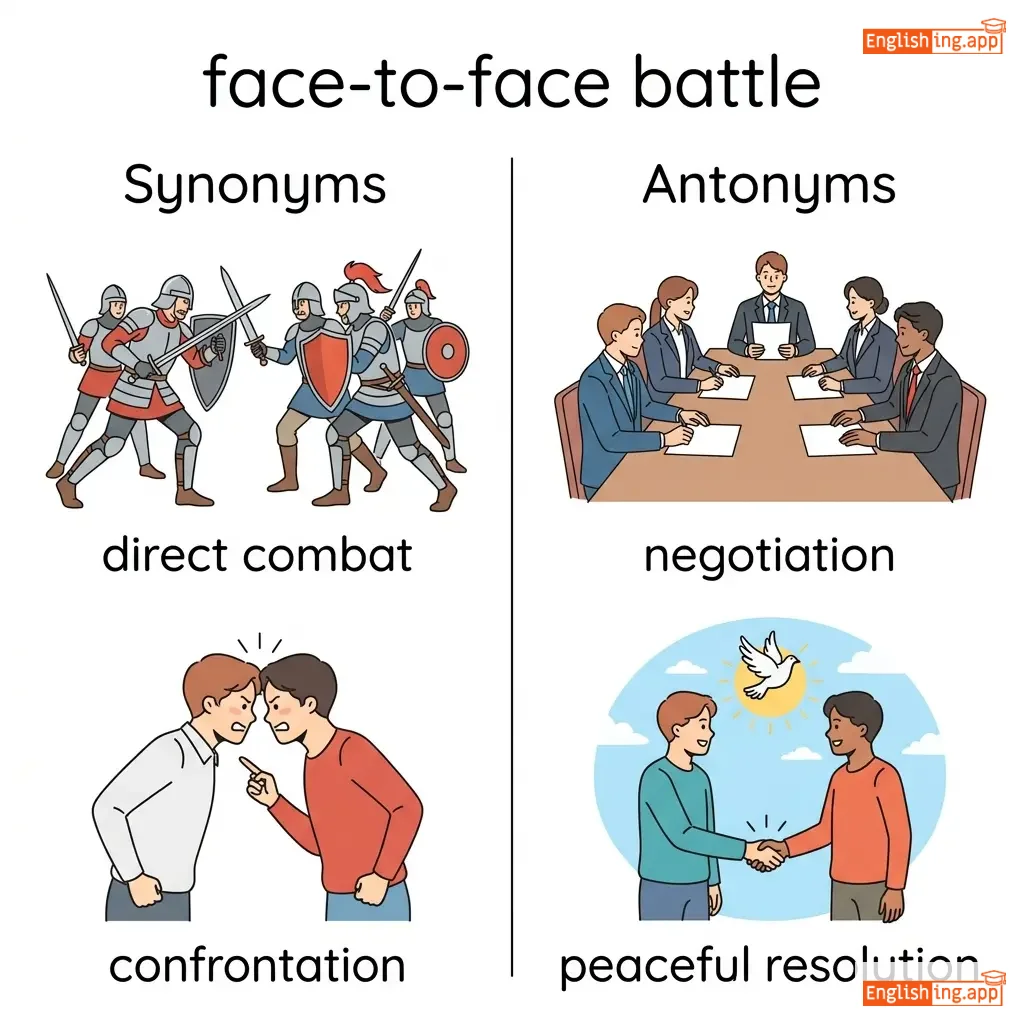
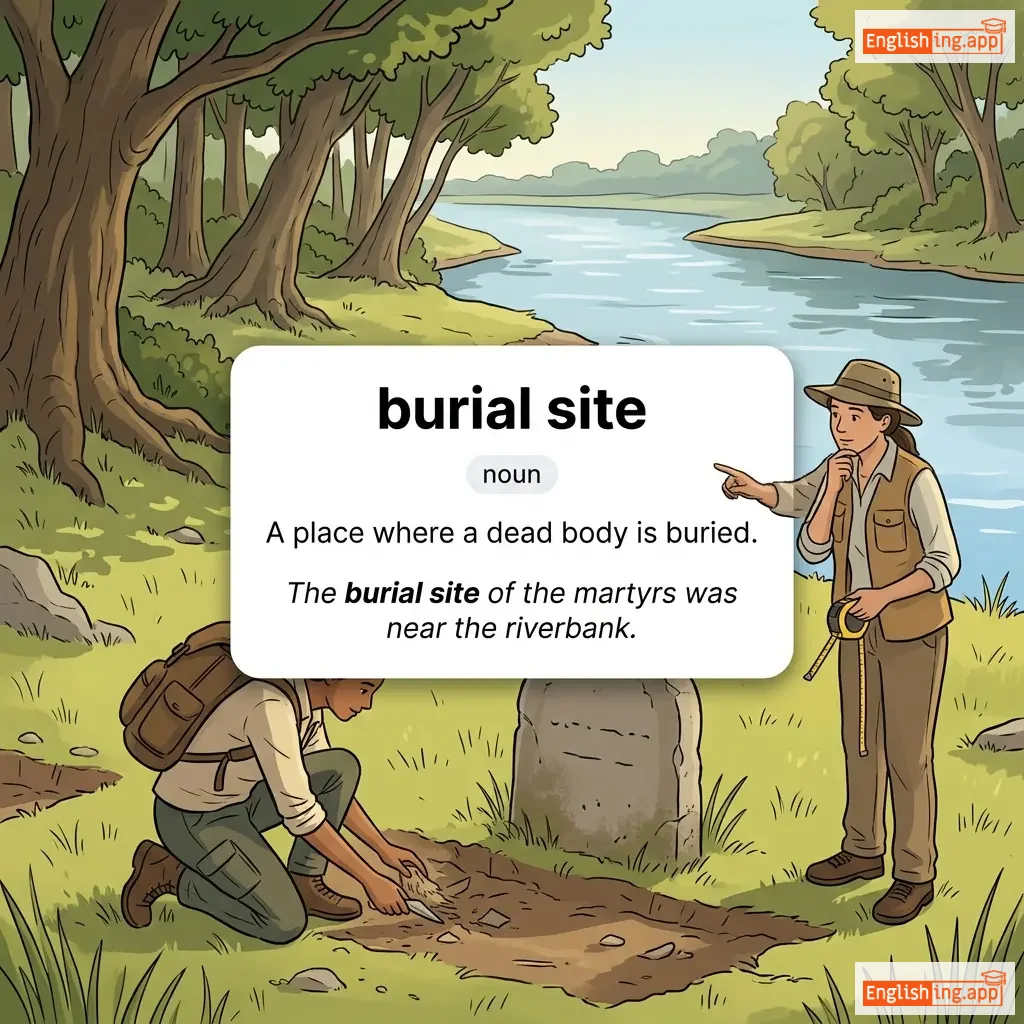
川から向こう岸まで、たった一つの glance が周囲を gloomy にしてしまう。Ganeswari 川のほとりの shaded area には、七人の殉教者の resting place がある。1971年7月26日、これらの brave warriors は Nazirpur の三叉路でパキスタン兵と face-to-face battle を行い、殉教した。彼らの burial site は川のそばに作られた。
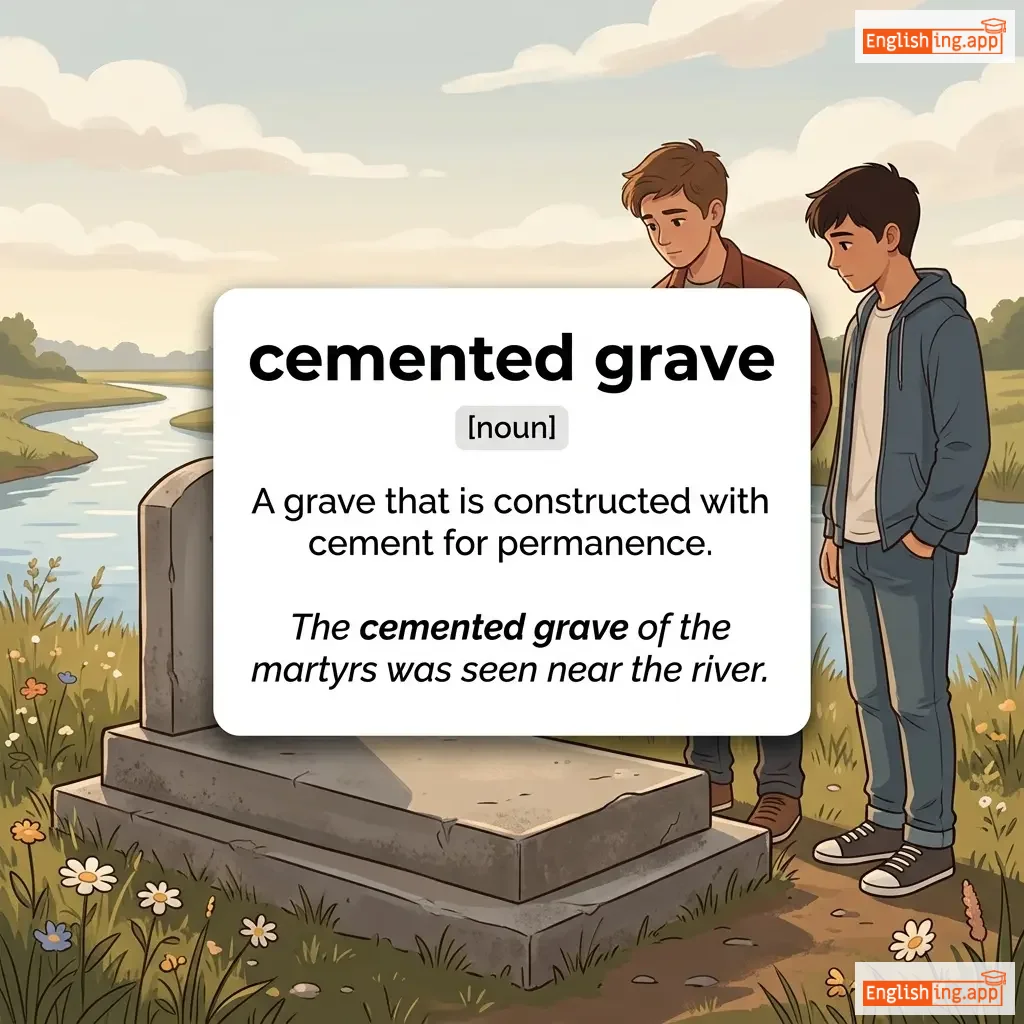
自由戦士たちのうち、4人は Mymensingh、2人は Netrokona、1人は Jamalpur の出身だった。そのうち5人のイスラム教徒の殉教者の cemented graves は並んでおり、2人のヒンドゥー教徒の殉教者はそのすぐそばに埋葬されている。
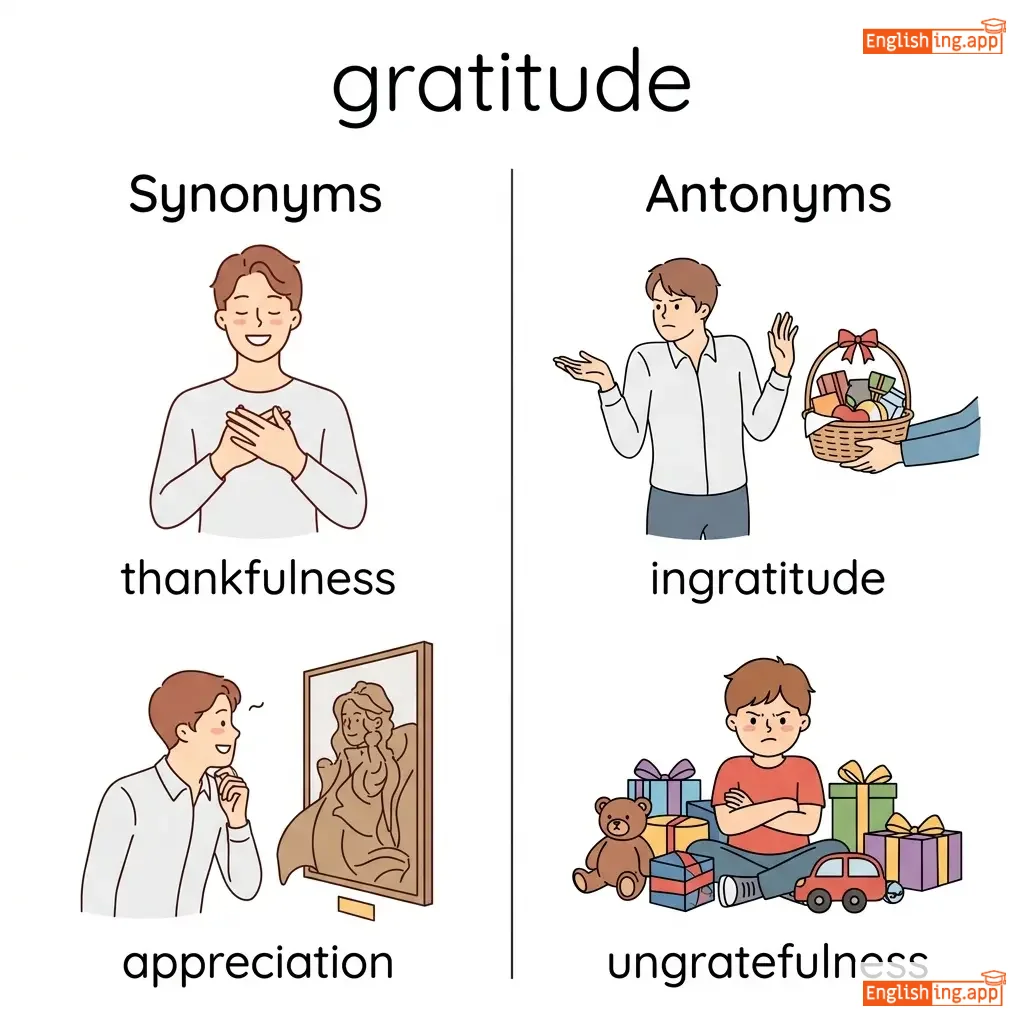
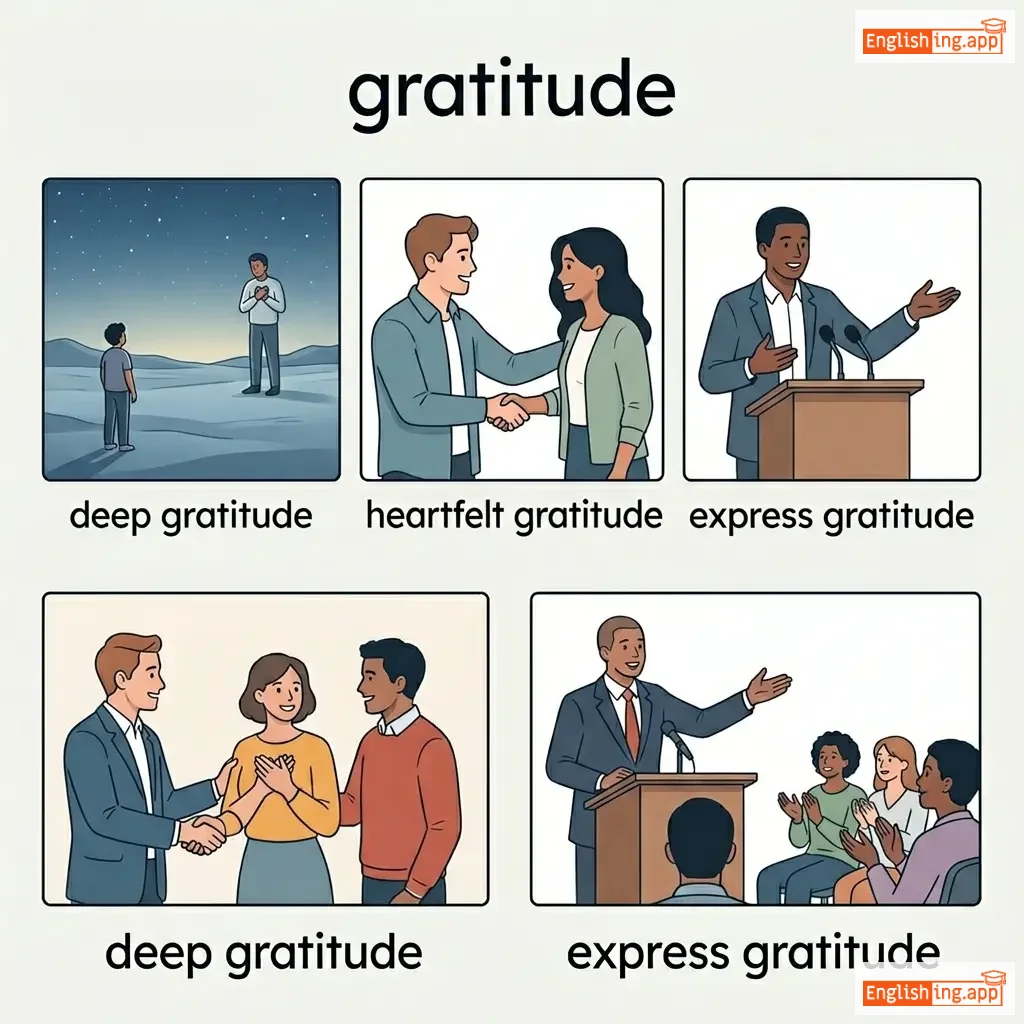
川を見たときの喜びの気持ちは、突然 silent reflection に変わった。彼らのおかげで私たちは自由に歩けるが、彼らは近くにいるのにとても遠い。どれほどの respect や愛を示せば、真の gratitude を表せるのか理解するのは難しい。
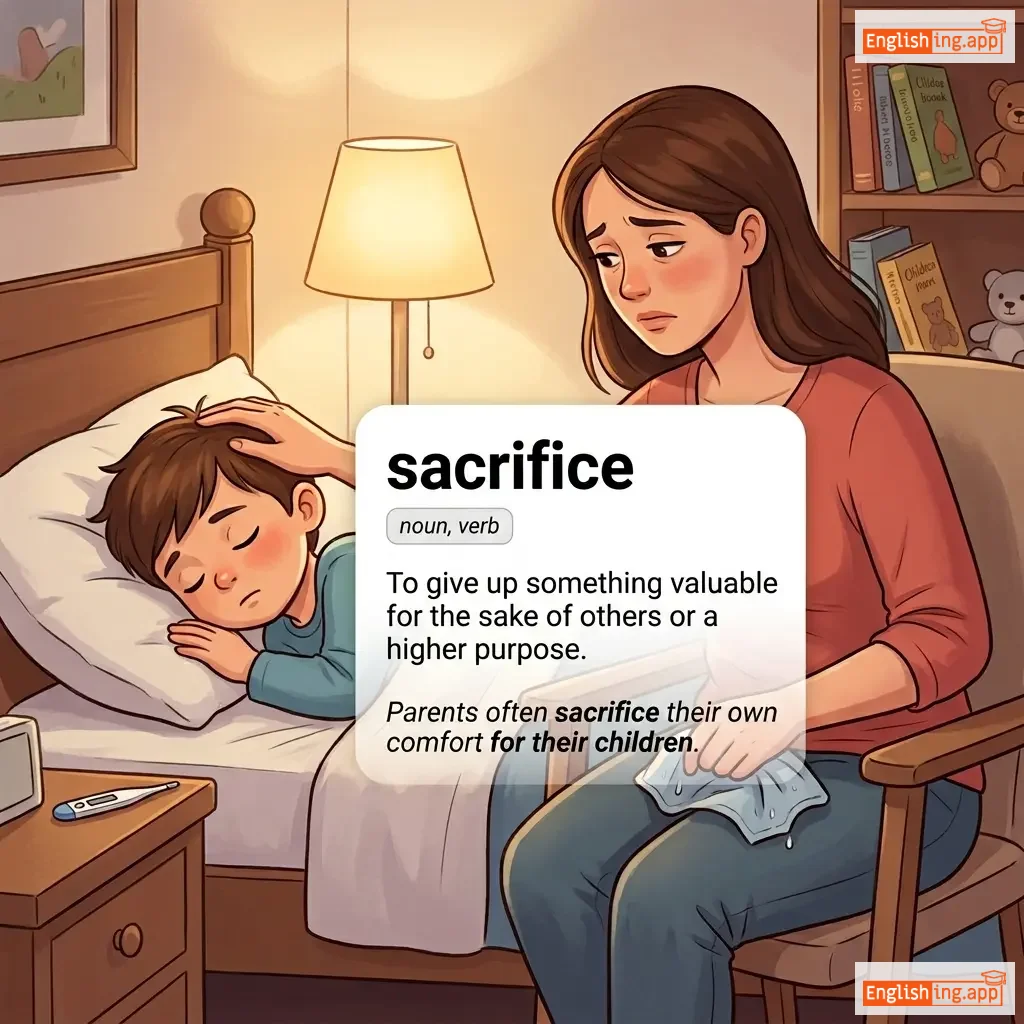
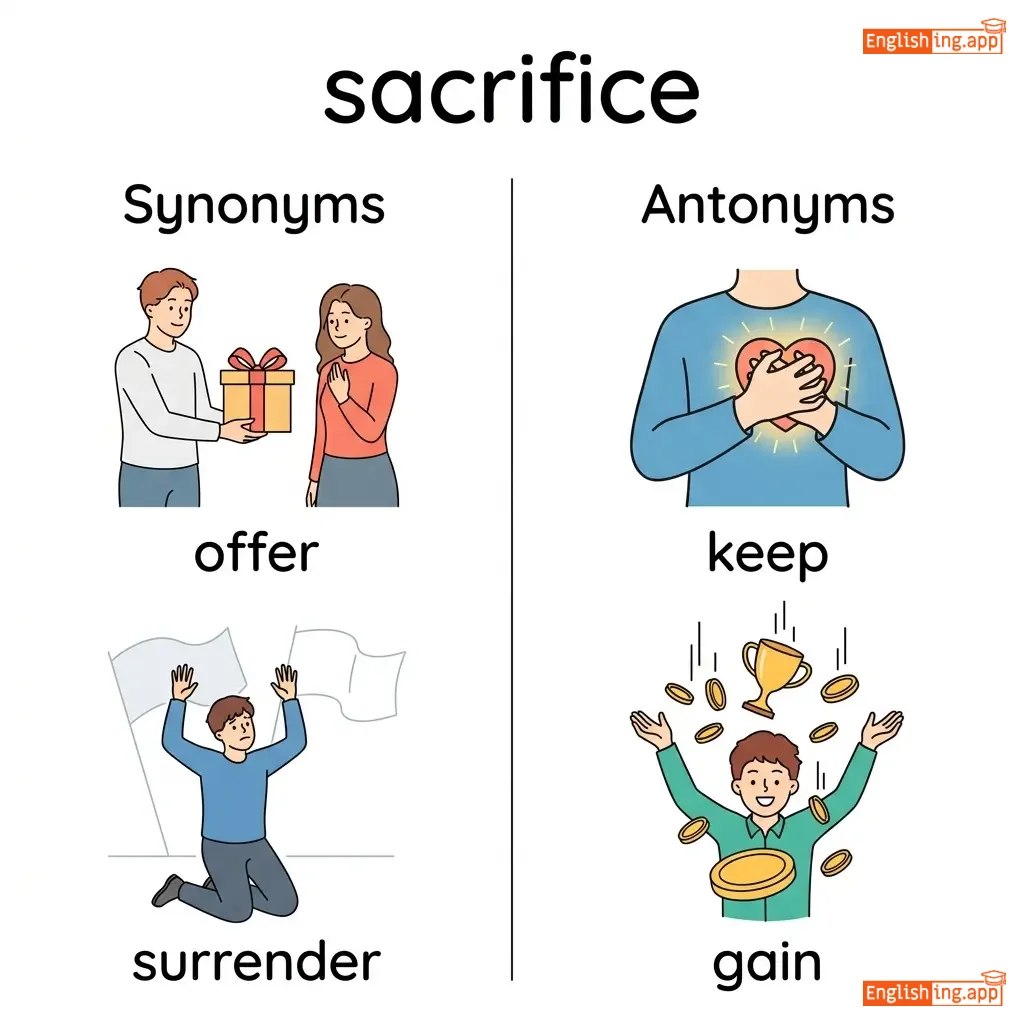
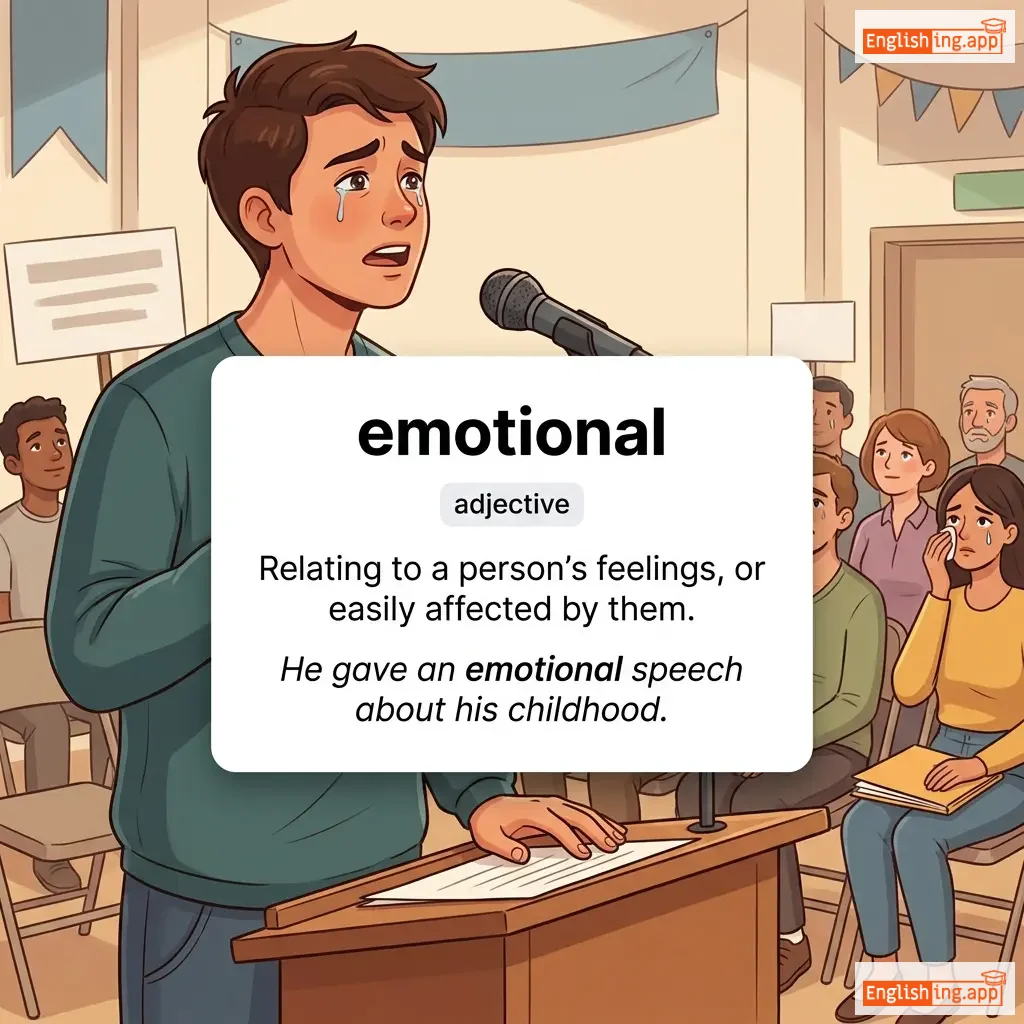
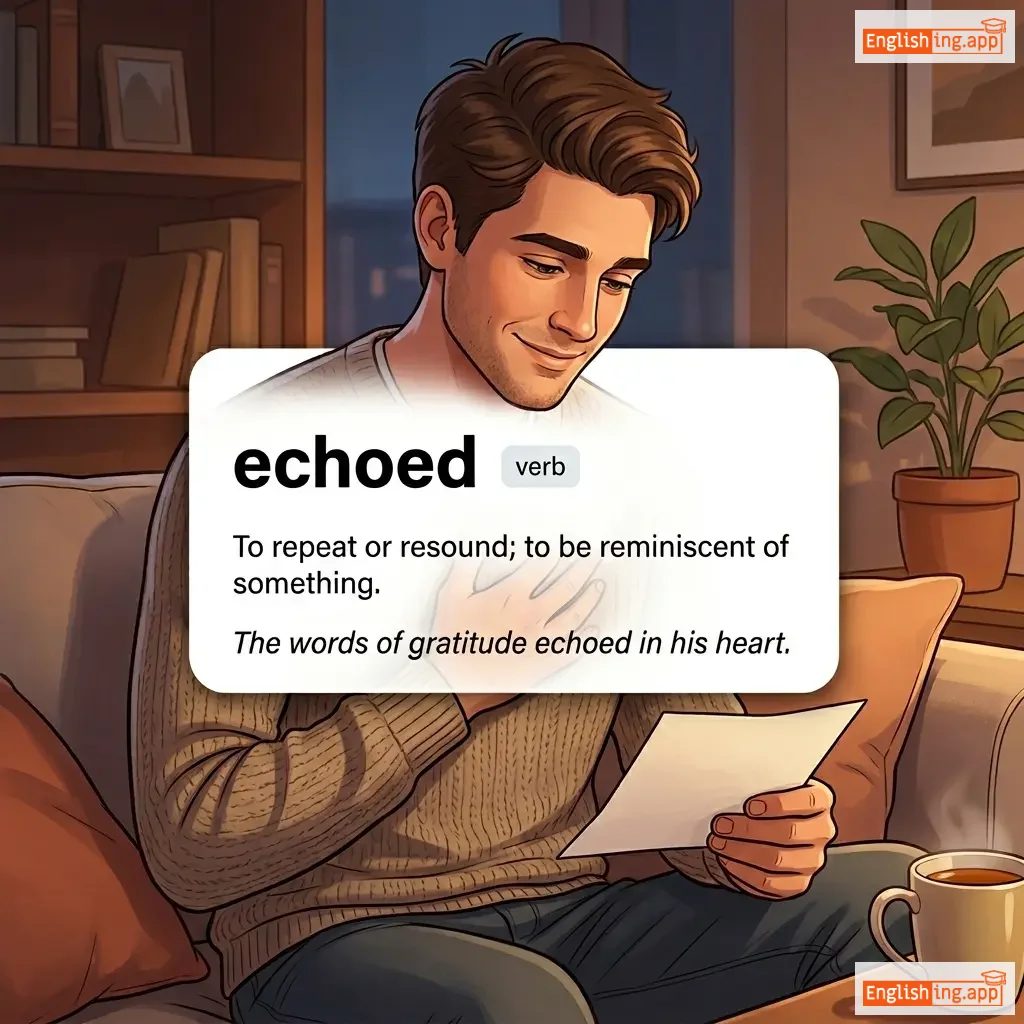
私たちは墓地のそばを1時間静かに歩いた。殉教者たちの graves を見たいという願いは長い間あったが、今日その願いが fulfilled された。何度も心の中で同じことが echoed した——彼らの sacrifice によって私たちはこの独立を得たのだ。今日、七人の勇敢な自由戦士のそばに来て、私は深く emotional な気持ちになった。
翻訳
過去
過去分詞
三人称単数
動名詞
意味
例文
例文の翻訳
同義語
対義語
コロケーション
ニーモニック
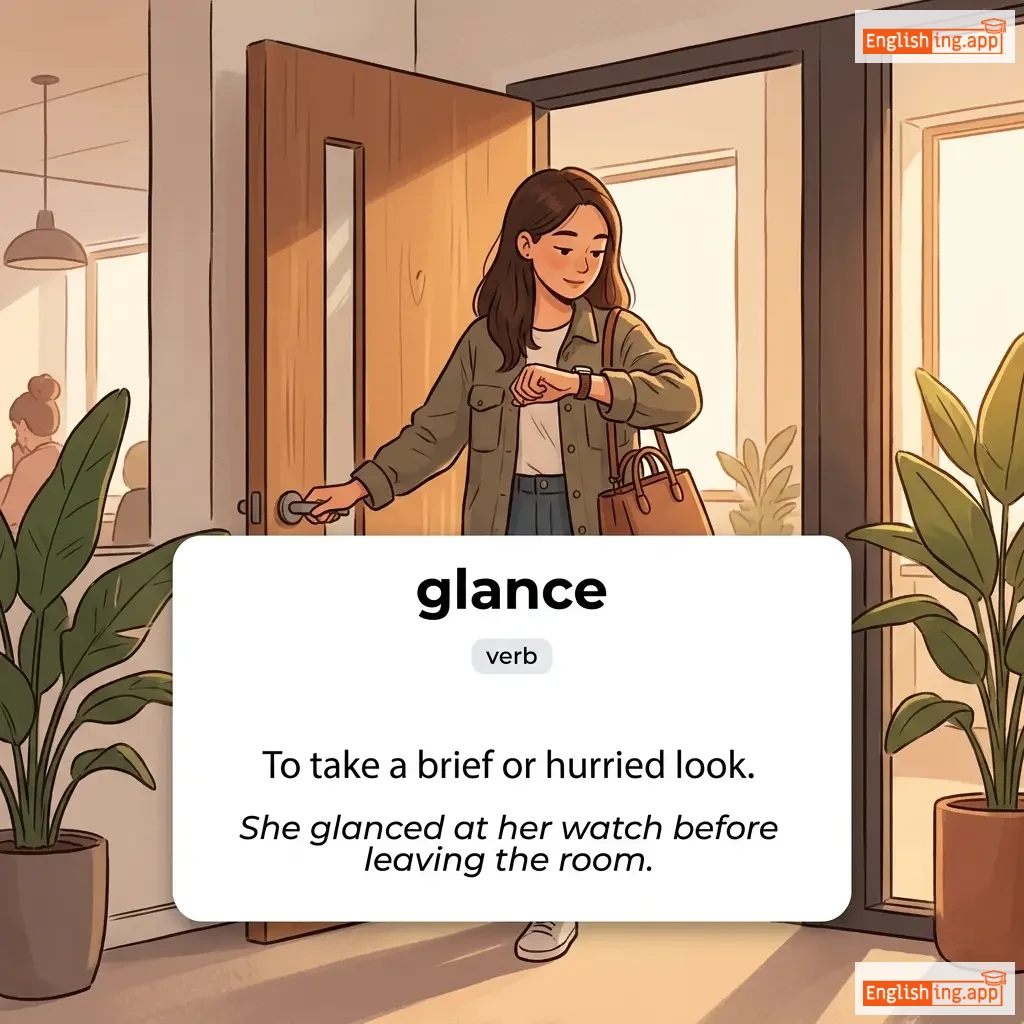
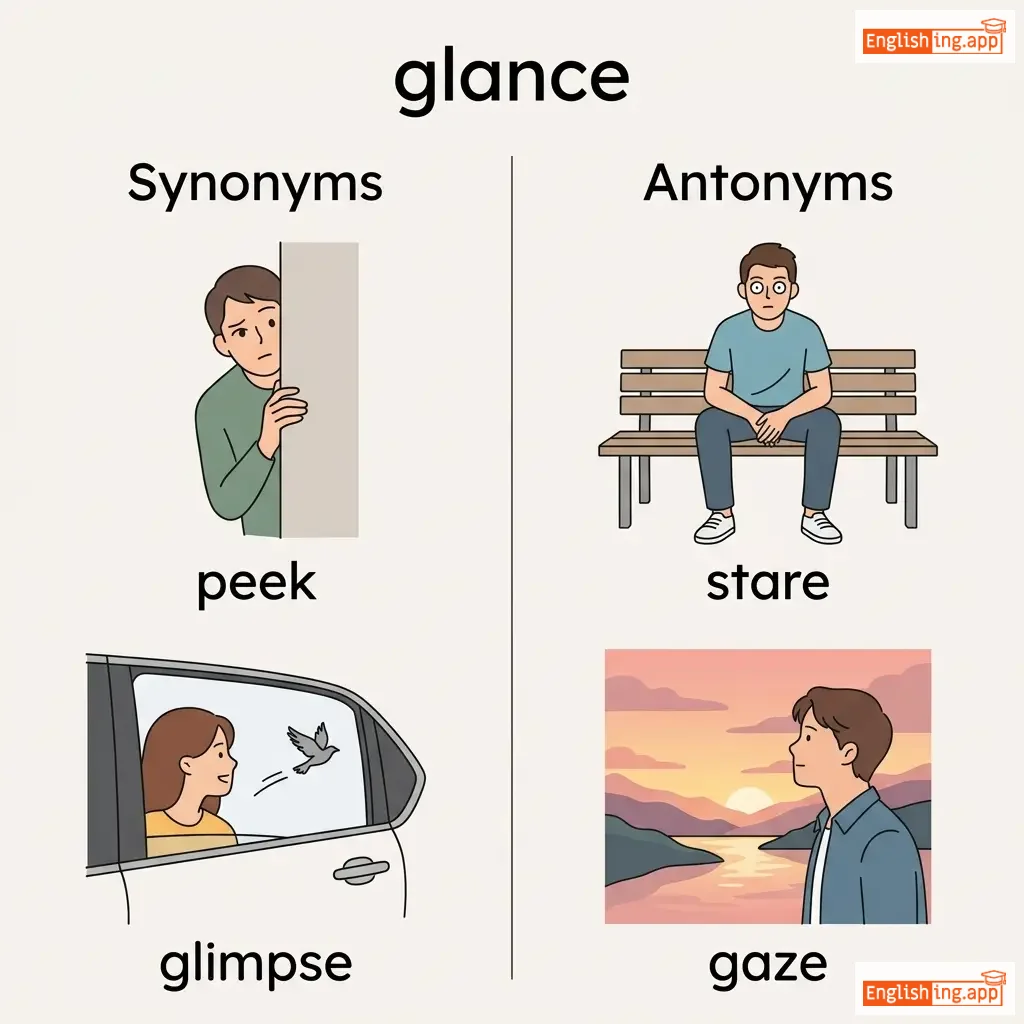
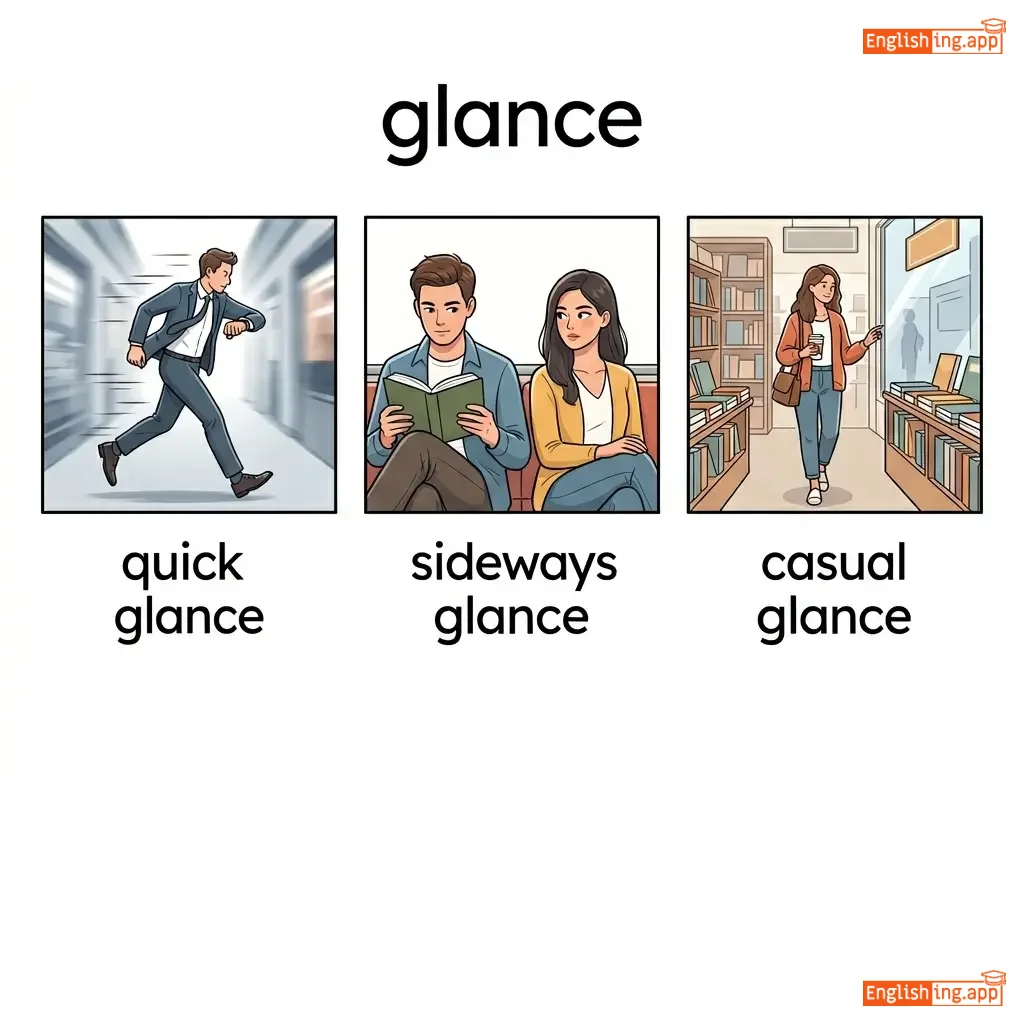

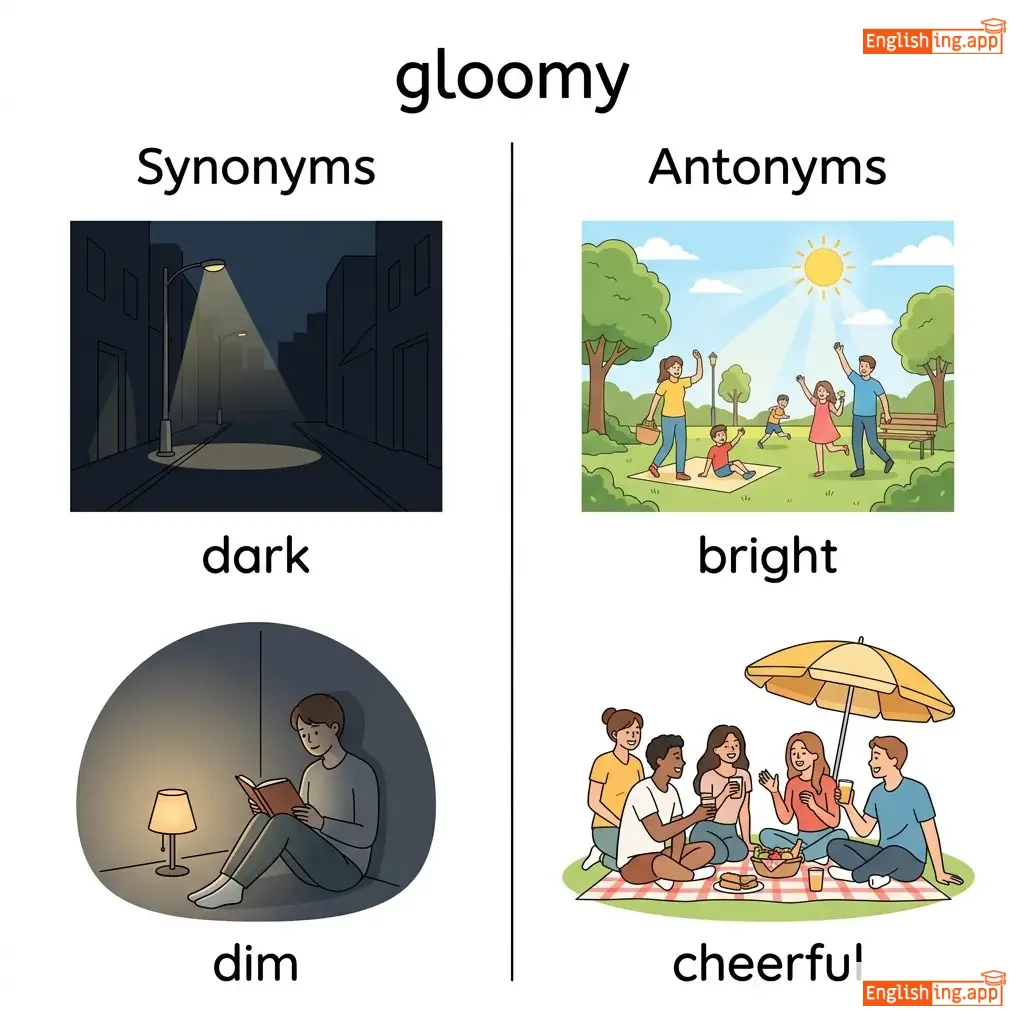
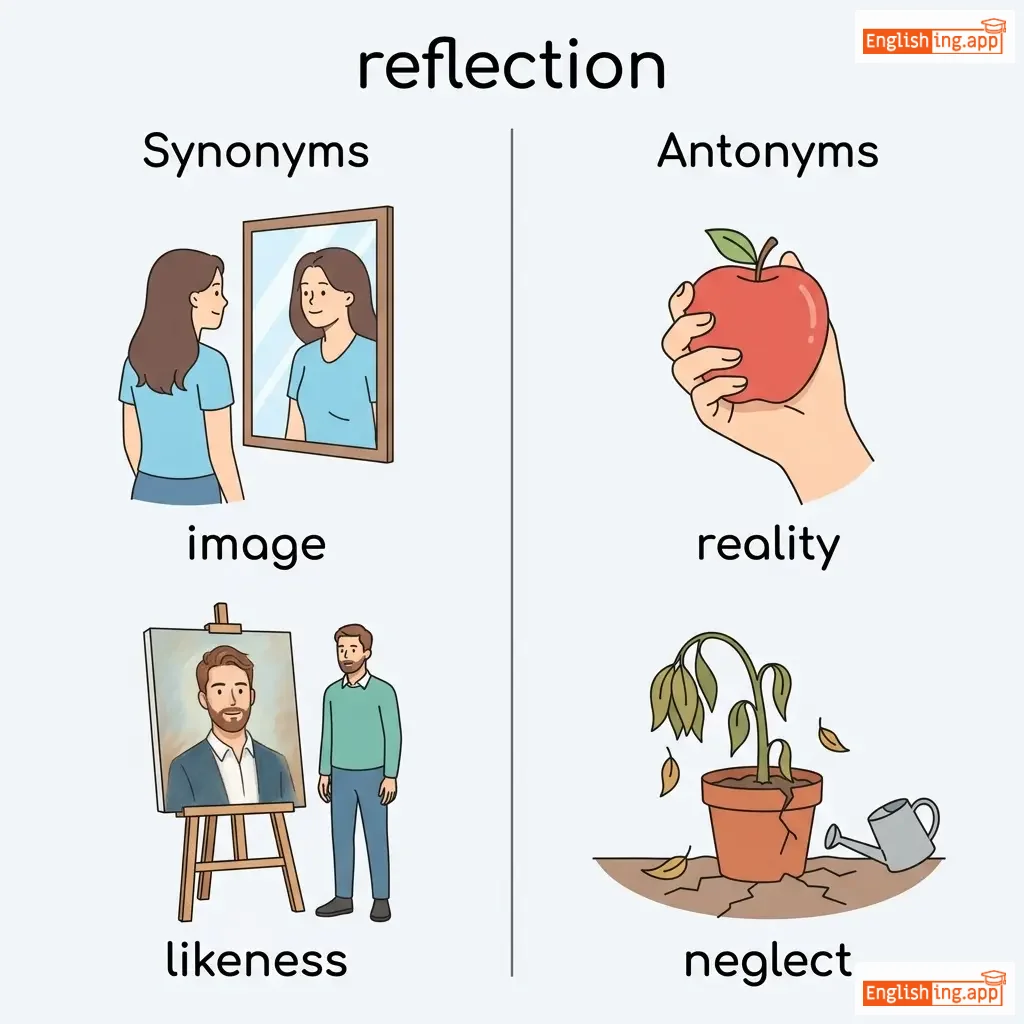
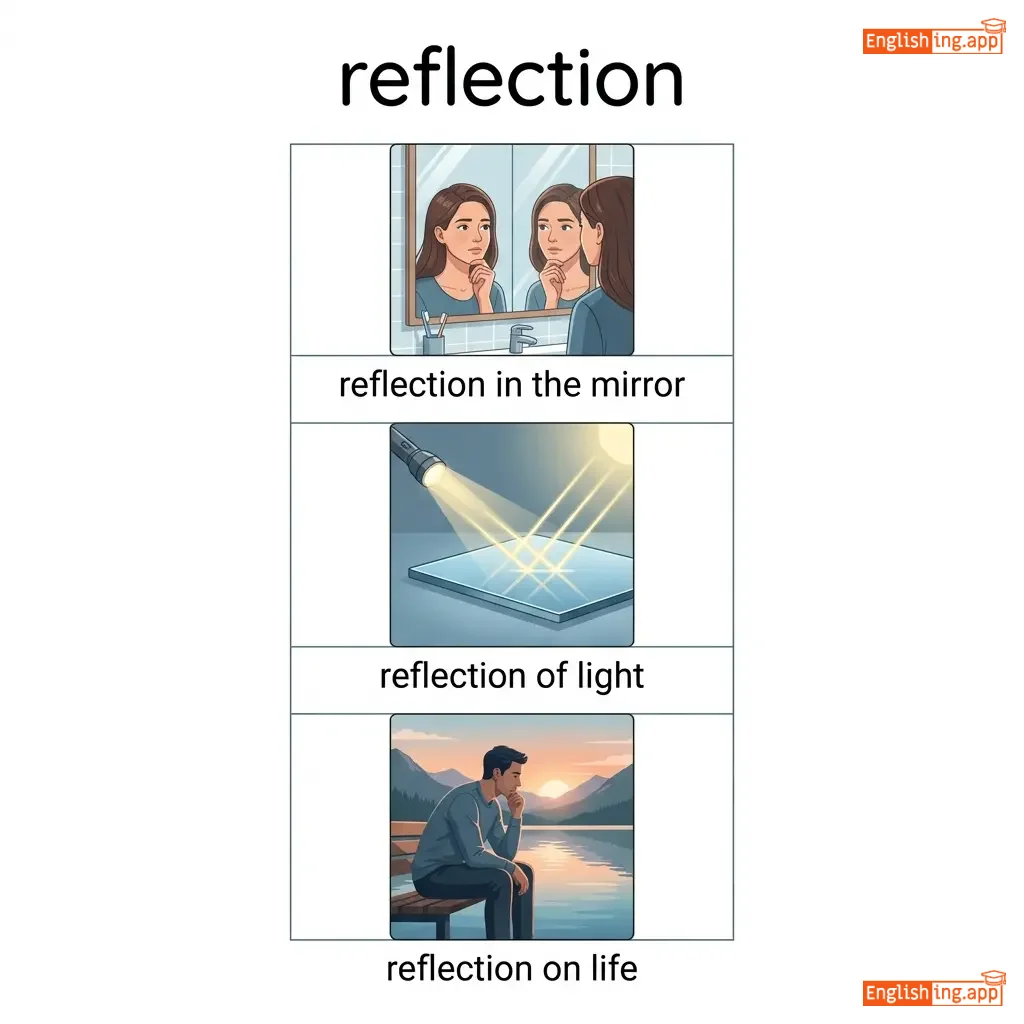

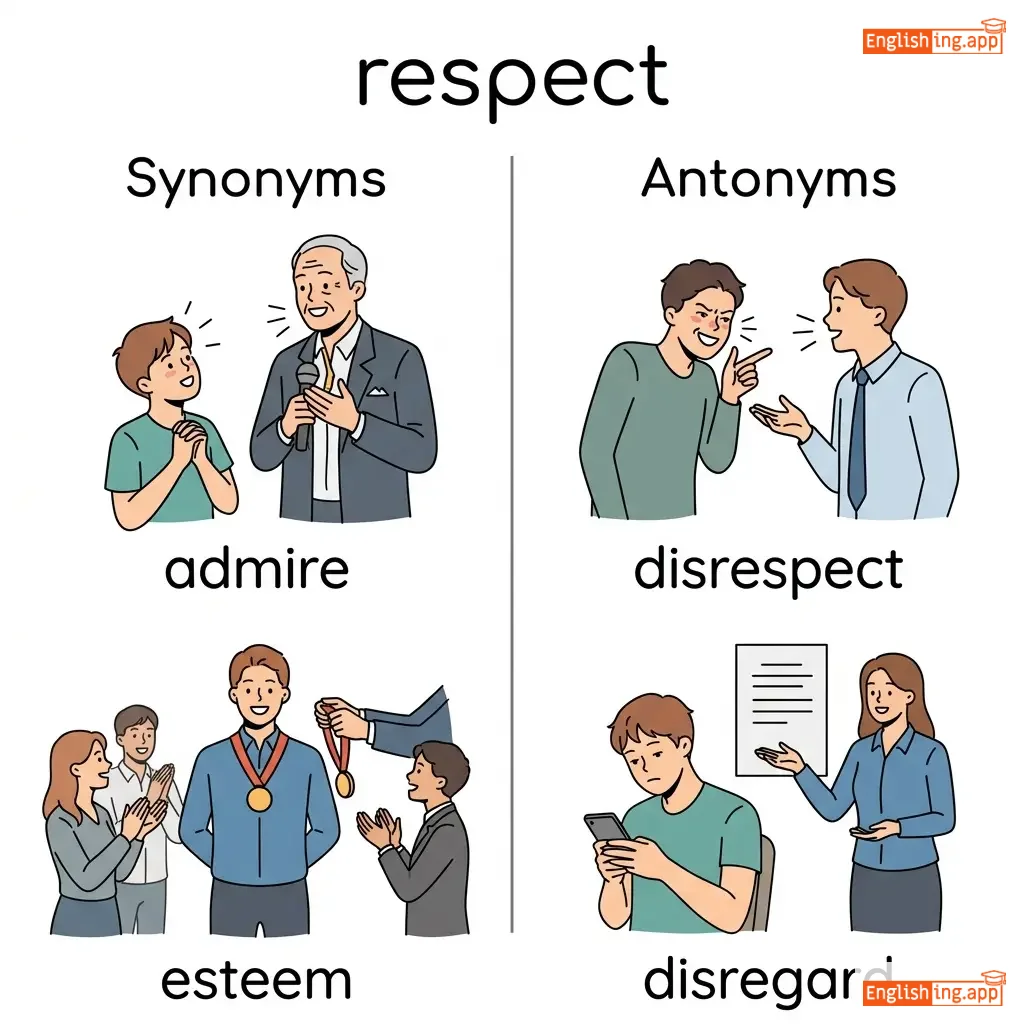
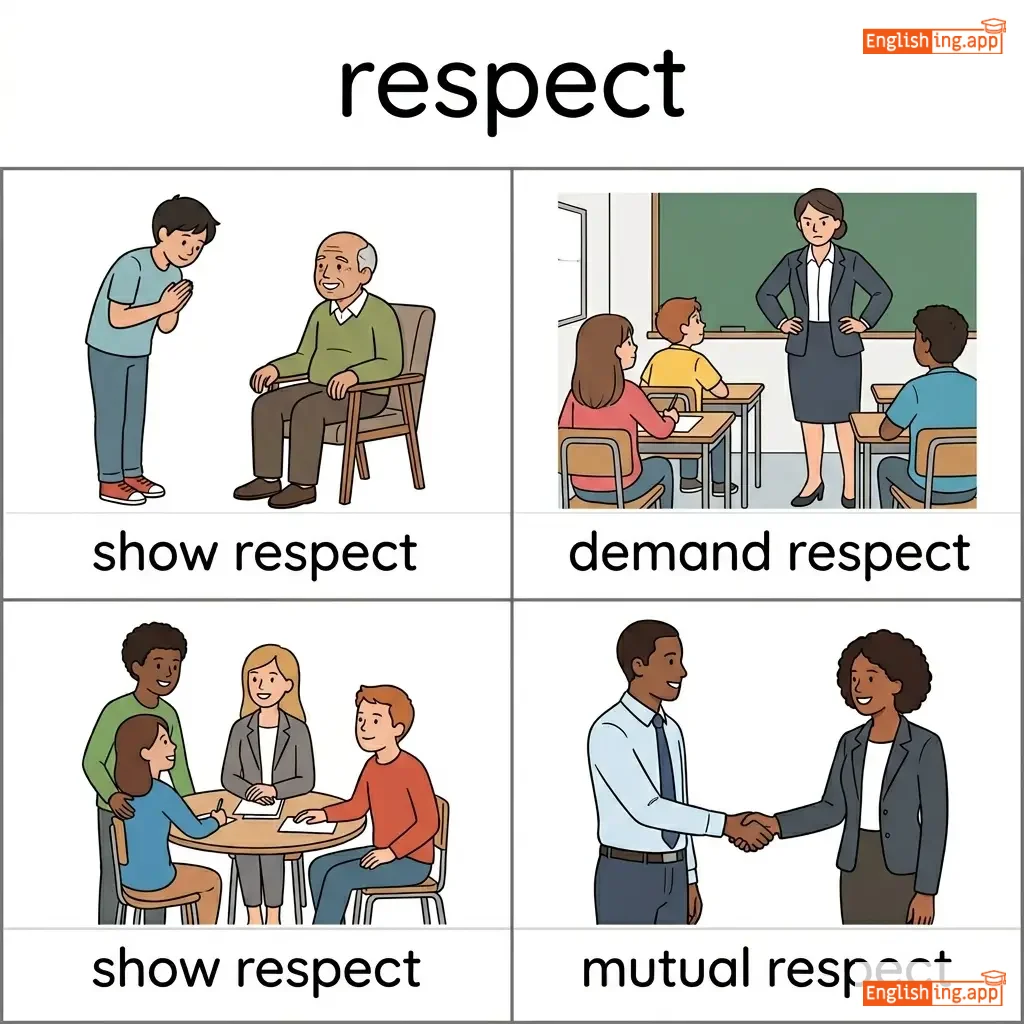



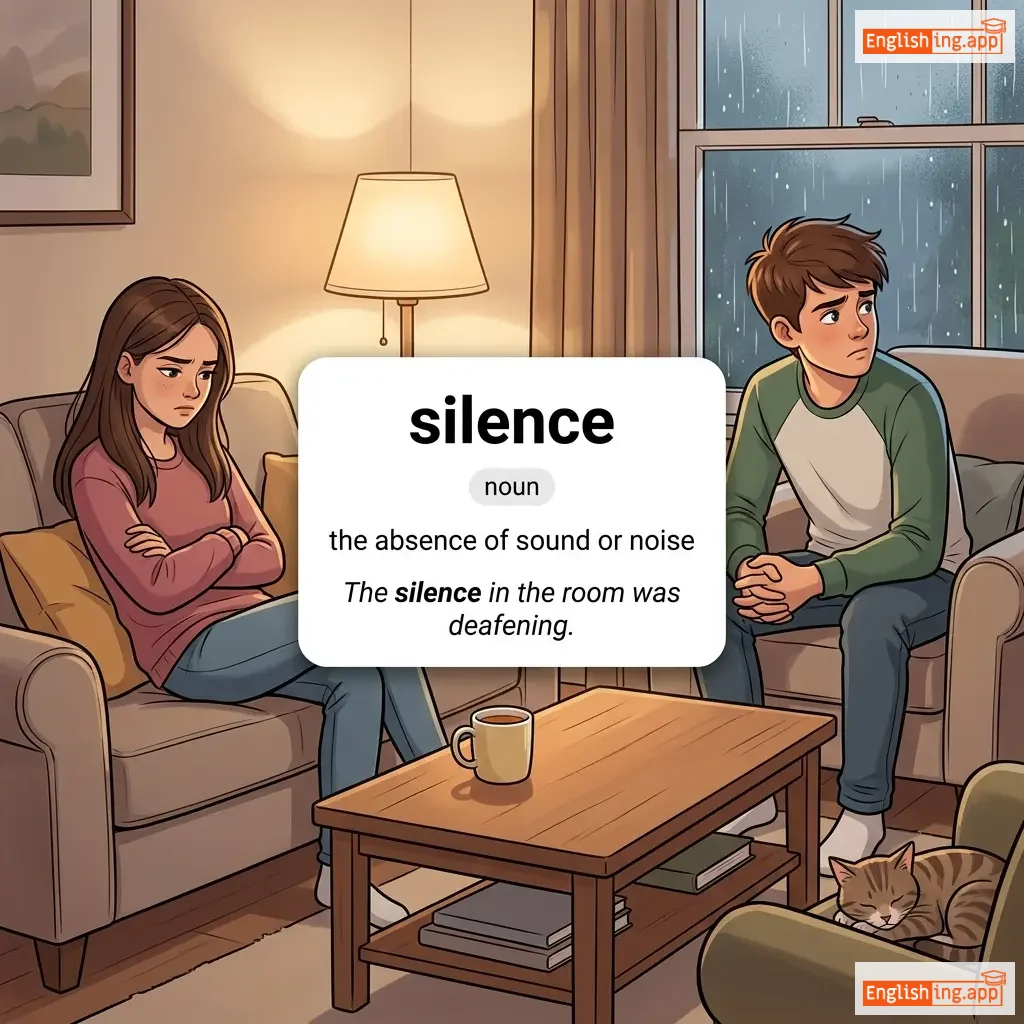
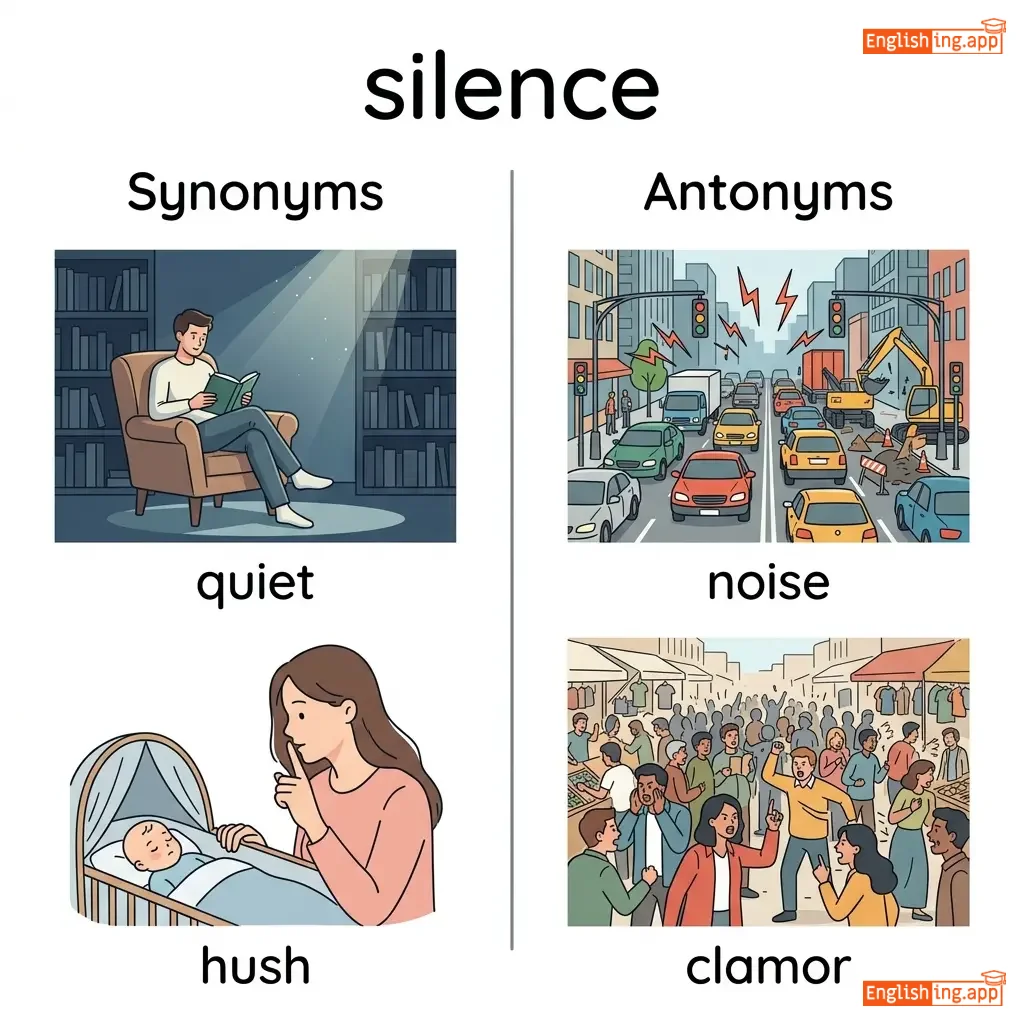
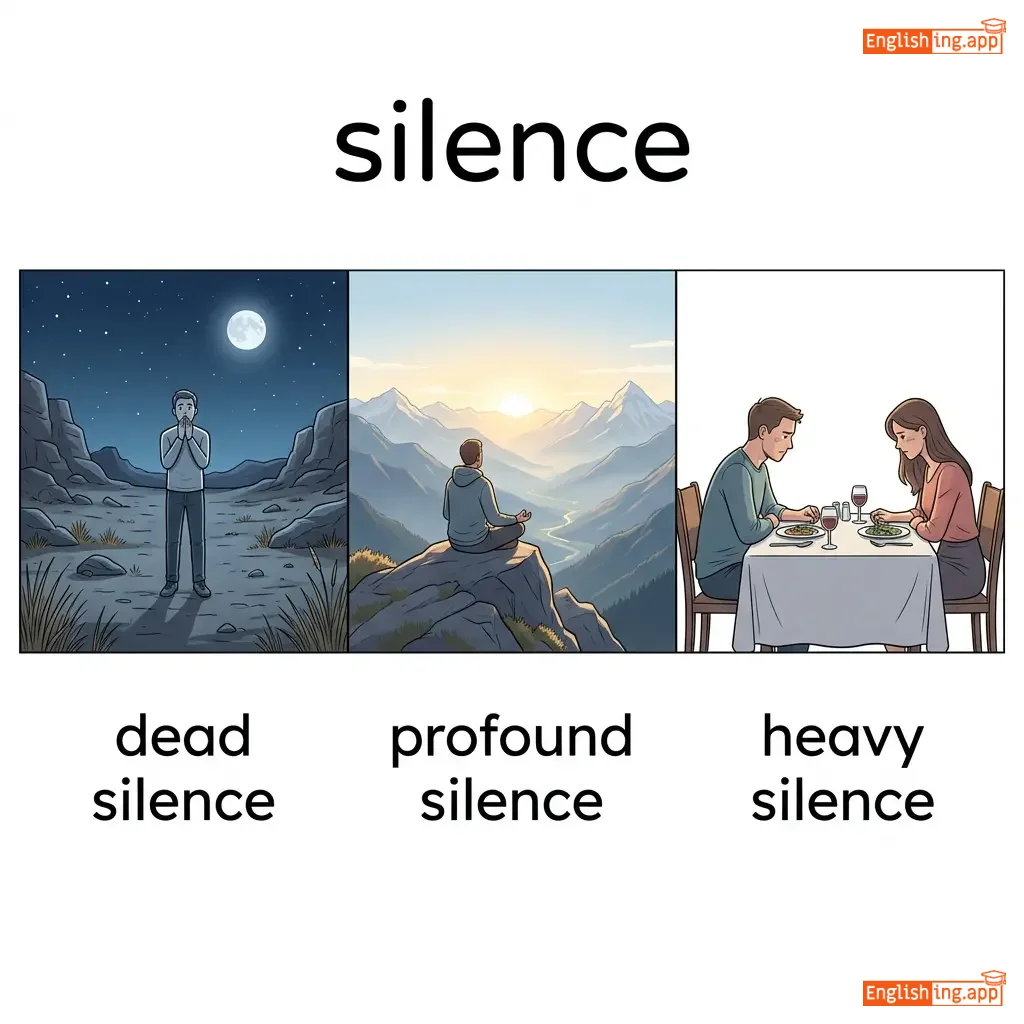
Swipe left or right, or use the buttons. Tap image to zoom.
例文の翻訳
単語
Seven Martyrs of the BorderSeven Martyrs of the Border - マスクトグル
|
絵文字
|
単語 | Images | 翻訳 | 意味 | 例文 | 例文の翻訳 | 同義語 | 対義語 | ニーモニック |
|---|---|---|---|---|---|---|---|---|---|
|
#890
👀
|
ɡlæns
noun
(ɡlæns)
••••••
|
|
一瞥
ichiretsu
••••••
|
A quick or brief look.
••••••
|
He glanced at the river and felt calm.
彼は川をちらっと見て、落ち着いた気分になった。
••••••
|
彼は川をちらっと見て、落ち着いた気分になった。
Kare wa kawa wo chiratto mite, ochitsuita kibun ni natta.
••••••
|
look, peek, glimpse, sight
••••••
|
stare, gaze
••••••
|
一瞬の視線で、瞬時にわかる感覚。
••••••
|
|
#891
🌫️
|
ˈɡluːmi
adjective
(グルーミー)
••••••
|
|
陰鬱
in'utsu
••••••
|
Dark or poorly lit; depressing or pessimistic.
••••••
|
The atmosphere suddenly turned gloomy. |
雰囲気は突然陰鬱になった。
Fun'iki wa totsuzen in'utsu ni natta.
••••••
|
dark, dim, somber, depressing
••••••
|
bright, cheerful, sunny
••••••
|
No •••••• |
|
#892
🌳
|
ˈʃeɪdɪd ˈɛəriə
noun
(ʃeɪdəd ɛəɹɪə)
••••••
|
|
日陰のエリア
hikage no eria
••••••
|
An area that is protected from direct sunlight.
••••••
|
We sat in a shaded area by the riverbank. |
私たちは川の岸辺の日陰のエリアに座っていました。
Watashitachi wa kawa no kishibe no hikage no eria ni suwatte imashita.
••••••
|
covered area, sheltered spot, shadowy place
••••••
|
sunny area, exposed area
••••••
|
日陰の下でリラックスする
••••••
|
|
#893
⚰️
|
ˈrɛstɪŋ pleɪs
noun
(レストイングプレイス)
••••••
|
|
安息地
ansokuchi
••••••
|
A place where someone or something rests, especially a burial site.
••••••
|
The resting place of the martyrs is near the river.
殉教者の安息地は川の近くにあります。
••••••
|
殉教者の安息地は川の近くにあります。
Junkyōsha no ansokuchi wa kawa no chikaku ni arimasu.
••••••
|
burial site, grave, tomb, cemetery
••••••
|
movement area, active zone
••••••
|
安息地 (ansokuchi) = Resting place (a peaceful place to rest for eternity)
••••••
|
|
#894
⚔️
|
ˈfeɪs tə ˈfeɪs ˈbætl
noun
(feisu-tu-feisu battoru)
••••••
|
|
面と面の戦い
men to men no tatakai
••••••
|
A direct confrontation or fight between opposing forces.
••••••
|
The warriors fought a face-to-face battle with the enemies.
戦士たちは敵とフェイス・トゥ・フェイスで戦った。
••••••
|
戦士たちは敵と面と面で戦った。
Senshi-tachi wa teki to men to men de tatakatta.
••••••
|
direct combat, confrontation, head-on battle
••••••
|
negotiation, peaceful resolution
••••••
|
日本語で'面と面'は直接の対決を意味します。
••••••
|
|
#895
🪦
|
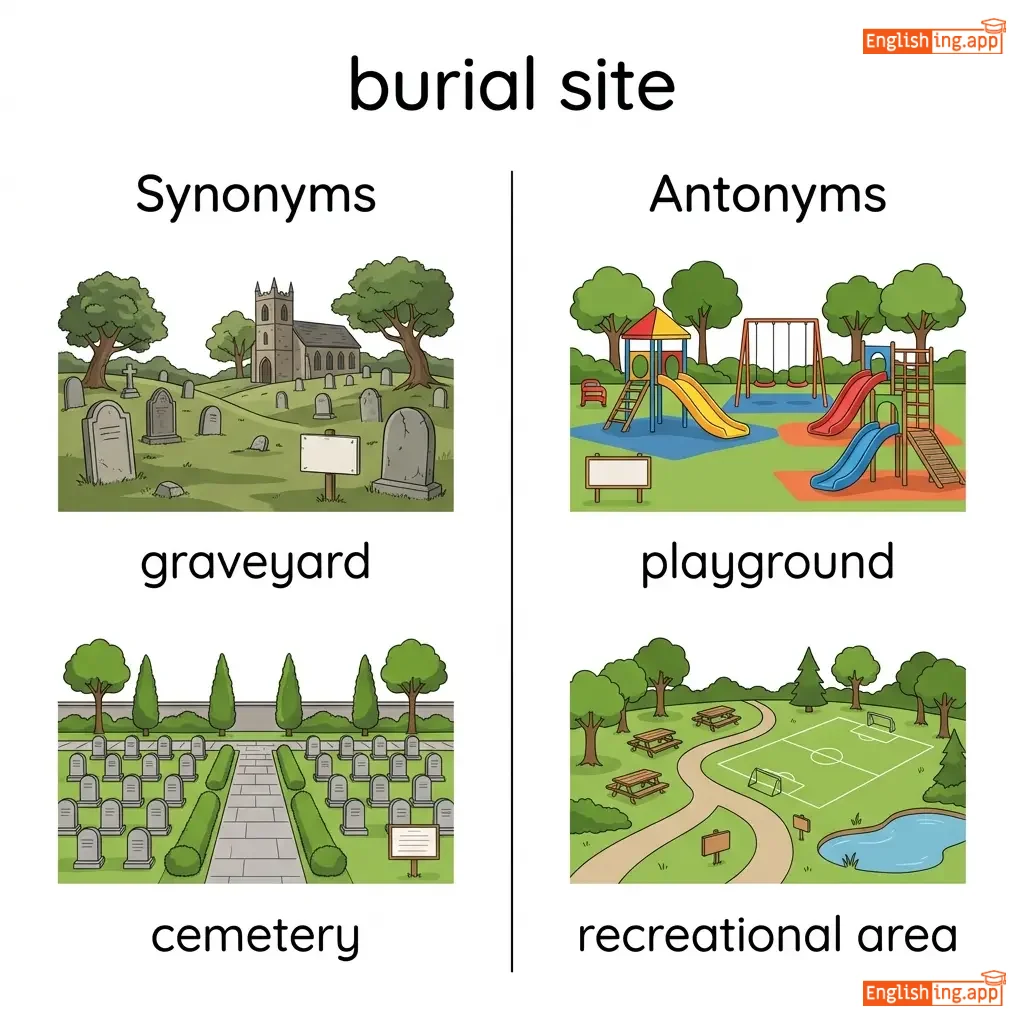
ˈbɛriəl saɪt
noun
(ˈbɛriəl saɪt)
••••••
|
|
埋葬地
maisouchi
••••••
|
A place where a dead body is buried.
••••••
|
The burial site of the martyrs was near the riverbank.
殉教者の埋葬地は川岸の近くにありました。
••••••
|
殉教者の埋葬地は川岸の近くにありました。
Junkyousha no maisouchi wa kawagishi no chikaku ni arimashita.
••••••
|
graveyard, cemetery, tomb, sepulcher
••••••
|
playground, recreational area
••••••
|
埋葬地に眠る者たちのために。
••••••
|
|
#896
🪨
|
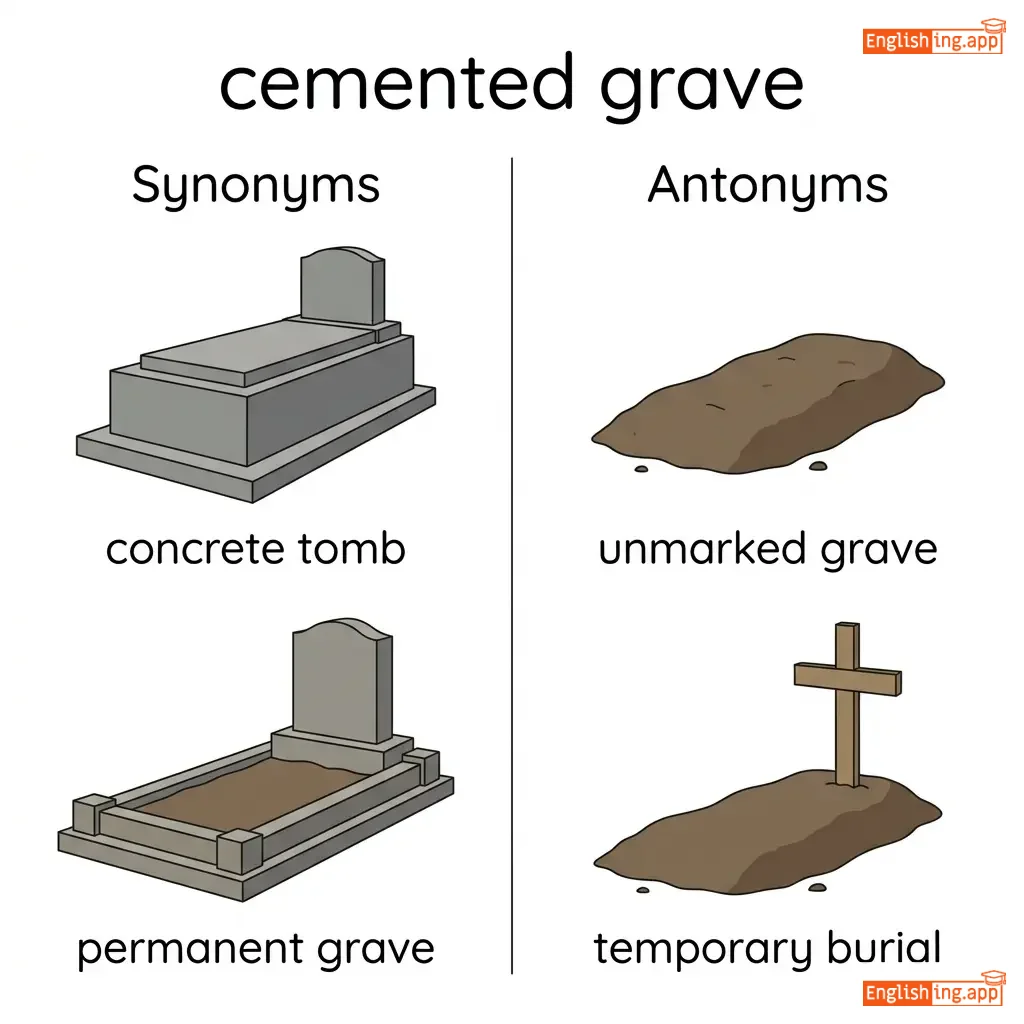
sɪˈmɛntɪd ɡreɪv
noun
(cemented greibu)
••••••
|
|
セメントで作られた墓
semento de tsukurareta haka
••••••
|
A grave that is constructed with cement for permanence.
••••••
|
The cemented grave of the martyrs was seen near the river. |
殉教者のセメントで作られた墓が川の近くで見られました。
Junkyousha no semento de tsukurareta haka ga kawa no chikaku de mirarimashita.
••••••
|
concrete tomb, permanent grave, stone grave
••••••
|
unmarked grave, temporary burial
••••••
|
日本語でセメント (semento) と墓 (haka) を使うことで、強固な墓を思い起こさせます。
••••••
|
|
#897
🤔
|
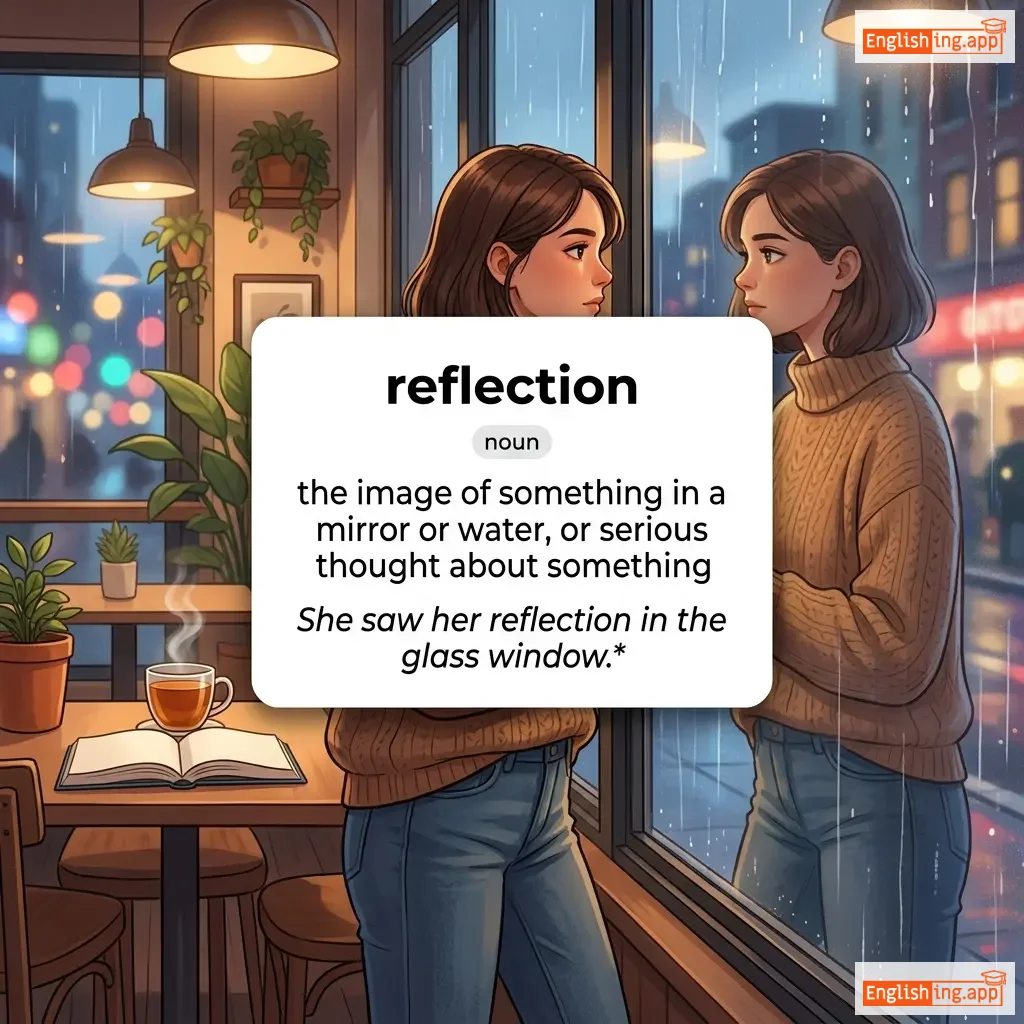
rɪˈflɛkʃən
noun
(リフレクション)
••••••
|
|
反射
hansha
••••••
|
Serious thought or consideration about something.
••••••
|
The reflection of the past filled his heart with sadness.
過去の反射が彼の心を悲しみに満たしました。
••••••
|
過去の反射が彼の心を悲しみに満たしました。
Kako no hansha ga kare no kokoro o kanashimi ni mitashimashita.
••••••
|
contemplation, meditation, thought, consideration
••••••
|
distraction, thoughtlessness
••••••
|
In Japanese, '反射' (hansha) is like reflection, thinking back to something important.
••••••
|
|
#898
🙏
|
rɪˈspɛkt
noun
(risupekuto)
••••••
|
|
尊敬
sonkei
••••••
|
A feeling of deep admiration for someone or something.
••••••
|
We should show respect to the freedom fighters. |
私たちは自由の戦士たちに尊敬を示すべきです。
Watashitachi wa jiyū no senshi-tachi ni sonkei o shimesu beki desu.
••••••
|
admiration, honor, reverence, esteem
••••••
|
disrespect, contempt, disregard
••••••
|
Respect in Japanese: 尊敬 (Sonkei), showing deep admiration to others.
••••••
|
|
#899
🙌
|
ˈɡrætɪtjuːd
noun
(グラティチュード)
••••••
|
|
感謝
kansha
••••••
|
The quality of being thankful; readiness to show appreciation.
••••••
|
Gratitude towards the martyrs is a moral duty. |
殉教者への感謝は道徳的義務です。
Junkyōsha e no kansha wa dōtokuteki gimu desu.
••••••
|
thankfulness, appreciation, gratefulness
••••••
|
ingratitude, ungratefulness
••••••
|
Kansha is when you feel thankful and express gratitude.
••••••
|
|
#900
💔
|
ˈsækrɪfaɪs
noun
(サクリファイス)
••••••
|
|
犠牲
gisei
••••••
|
An act of giving up something valued for the sake of something else.
••••••
|
The country was freed due to the sacrifice of the warriors. |
国は戦士たちの犠牲によって解放された。
Kuni wa senshi-tachi no gisei ni yotte kaihō sareta.
••••••
|
offering, surrender, devotion, martyrdom
••••••
|
selfishness, greed, self-interest
••••••
|
犠牲、何か大きな目的のために大切なものを捨てること。
••••••
|
|
#901
😢
|
ɪˈməʊʃənl
adjective
(イモーショナル)
••••••
|
|
感情的
kanjōteki
••••••
|
Having feelings that are easily excited and openly displayed.
••••••
|
Visiting the burial site made him emotional. |
埋葬地を訪れることで彼は感情的になった。
Maisōchi o otozureru koto de kare wa kanjōteki ni natta.
••••••
|
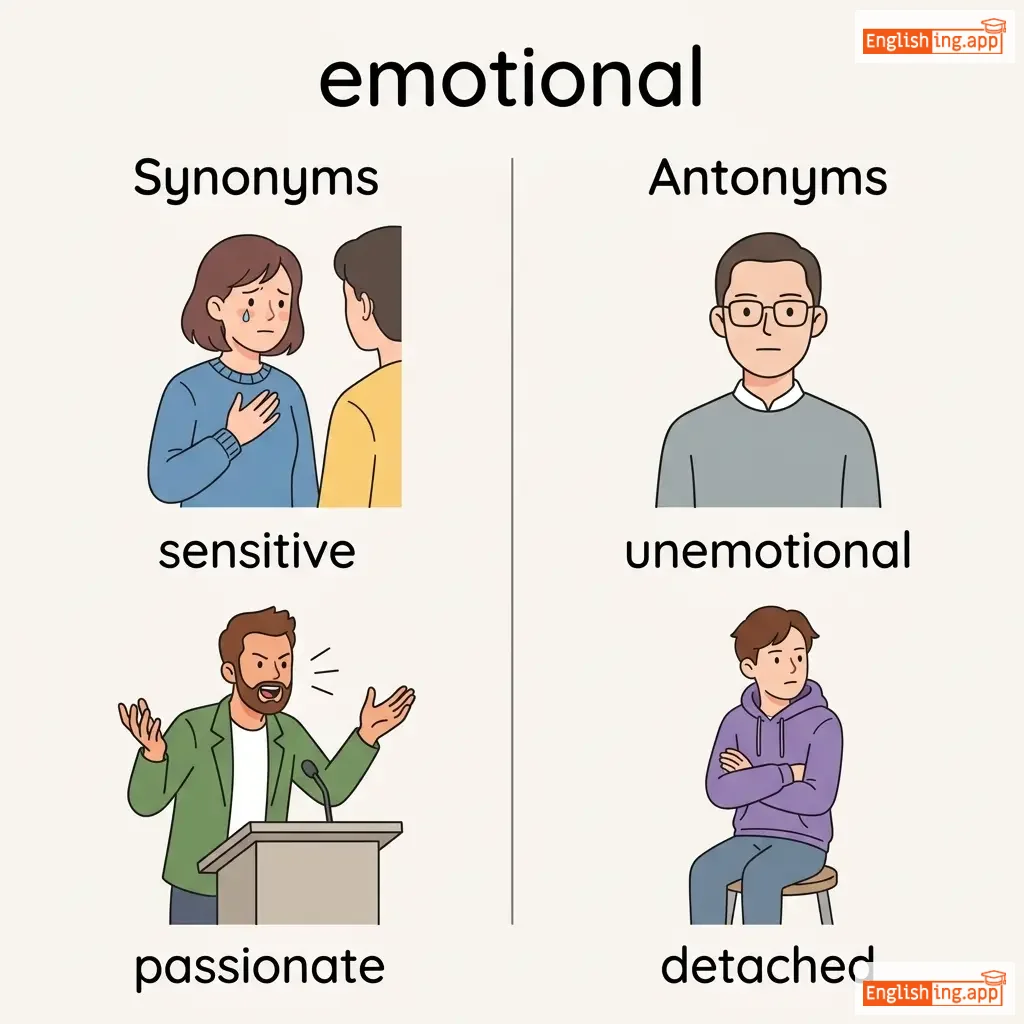
passionate, sensitive, feeling, heartfelt
••••••
|
unemotional, detached, cold
••••••
|
イモーショナル (emotional) と感情的 (kanjōteki) は、感情を簡単に表現するという意味で似ています。
••••••
|
|
#902
🔊
|
ˈɛkəʊd
verb
(エコード)
••••••
|
|
反響する
hankyō suru
••••••
|
To repeat or resound; to be reminiscent of something.
••••••
|
The words of gratitude echoed in his heart.
感謝の言葉が彼の心にエコーのように響いた。
••••••
|
感謝の言葉が彼の心に反響した。
Kansha no kotoba ga kare no kokoro ni hankyō shita.
••••••
|
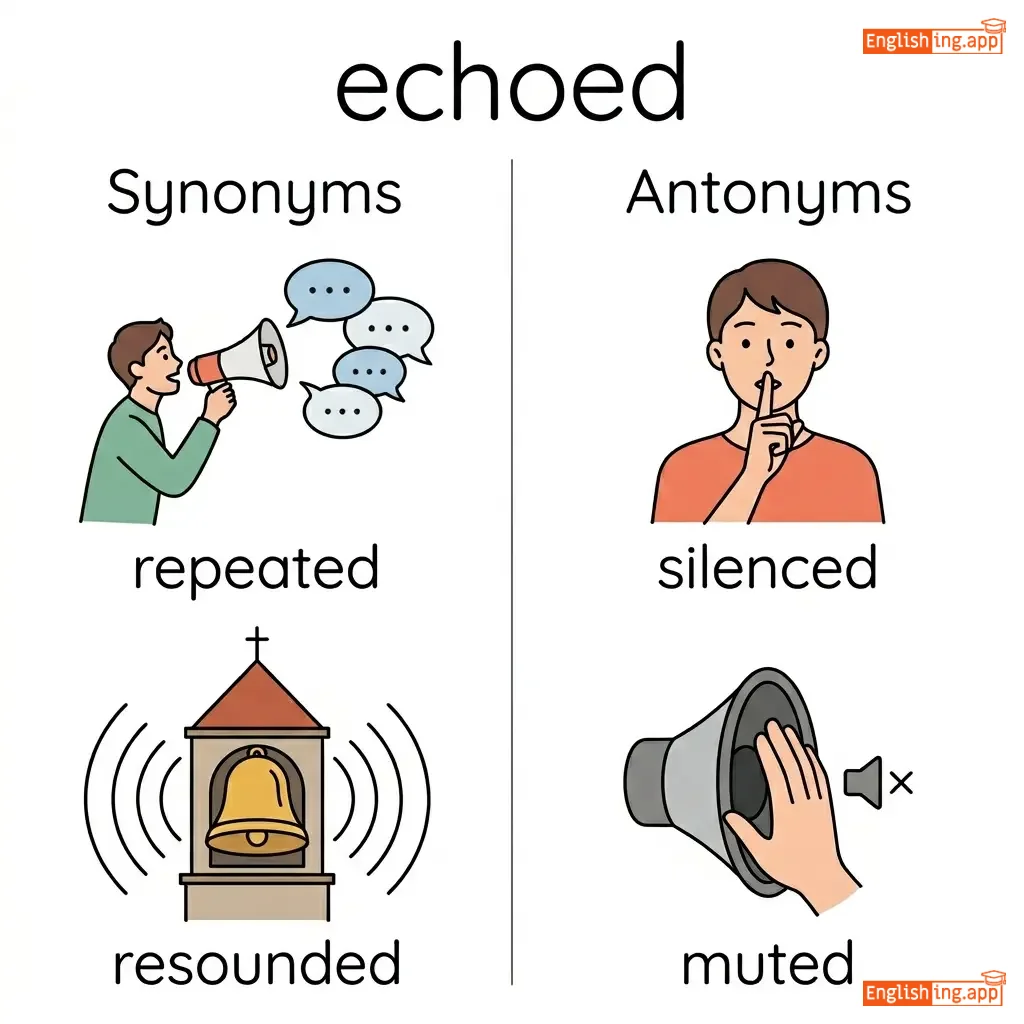
repeated, resounded, reverberated, reflected
••••••
|
silenced, muted, absorbed
••••••
|
反響するようにエコーのように響く。
••••••
|
|
#903
🤫
|
ˈsaɪləns
noun
(サイレンス)
••••••
|
|
静けさ
shizukesa
••••••
|
Complete absence of sound; quietness.
••••••
|
Silence filled the air near the graves.
サイレンス フィルド ザ エア ニア ザ グレイヴズ。
••••••
|
墓の近くの空気は静けさで満ちていた。
Haka no chikaku no kūki wa shizukesa de michite ita.
••••••
|
quietness, stillness, hush, peace
••••••
|
noise, sound, clamor, din
••••••
|
静けさ = しずか (quiet) + けさ (the morning)
••••••
|
Vocabulary Quiz
Test your vocabulary by matching words with their translations or meanings.
Login to take the quiz
Comments (0)
Share your thoughts and join the discussion.
Join the discussion by logging in
Login to CommentNo comments yet
Be the first to share your thoughts!