

伝統が家族の絆を保つ方法
How Traditions Keep Families United
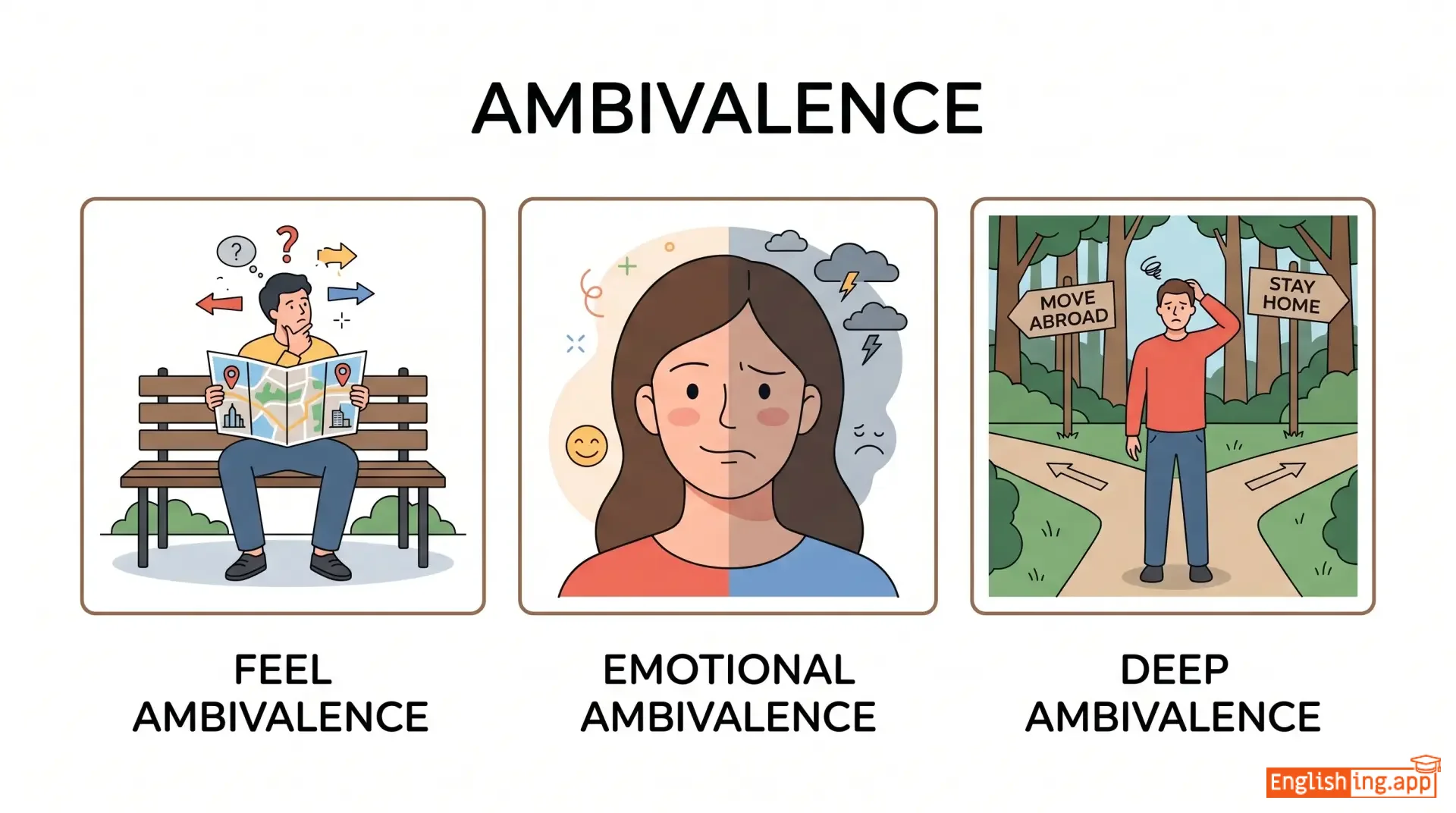
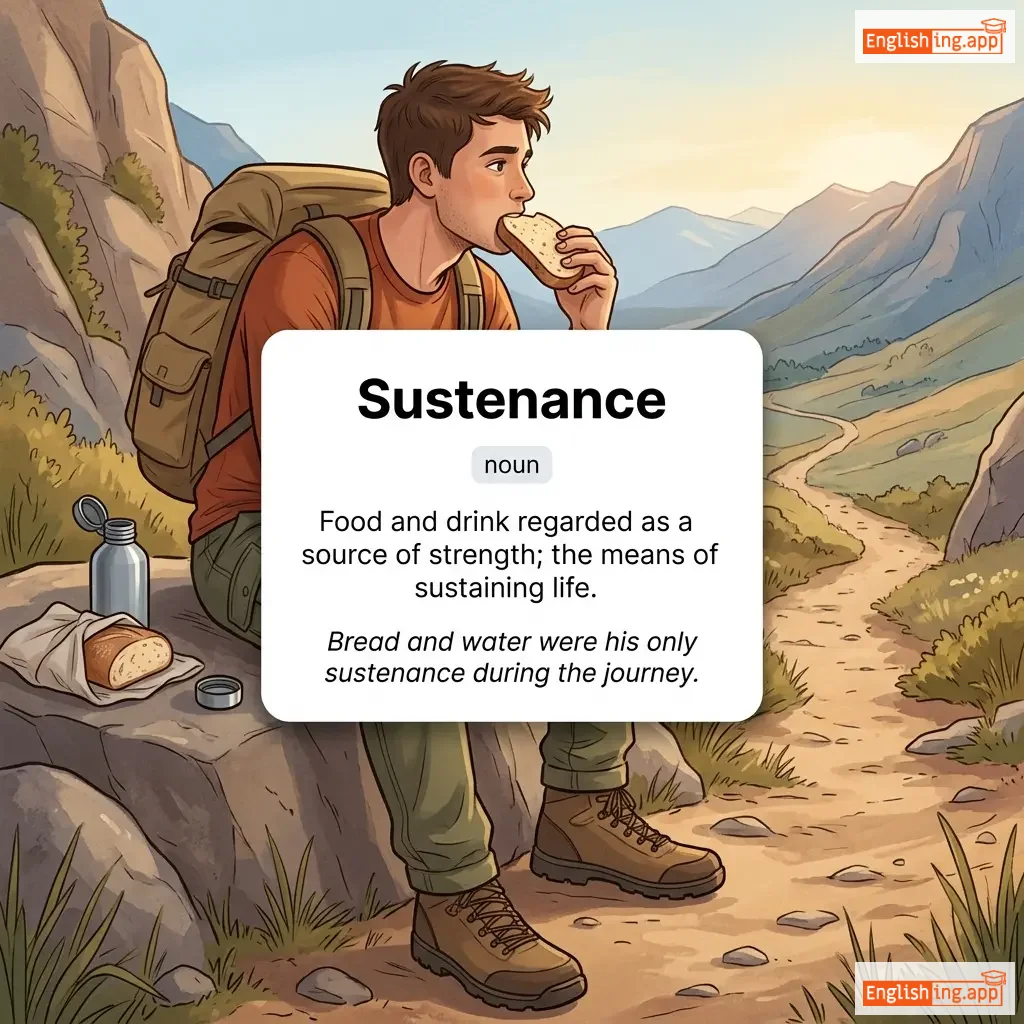
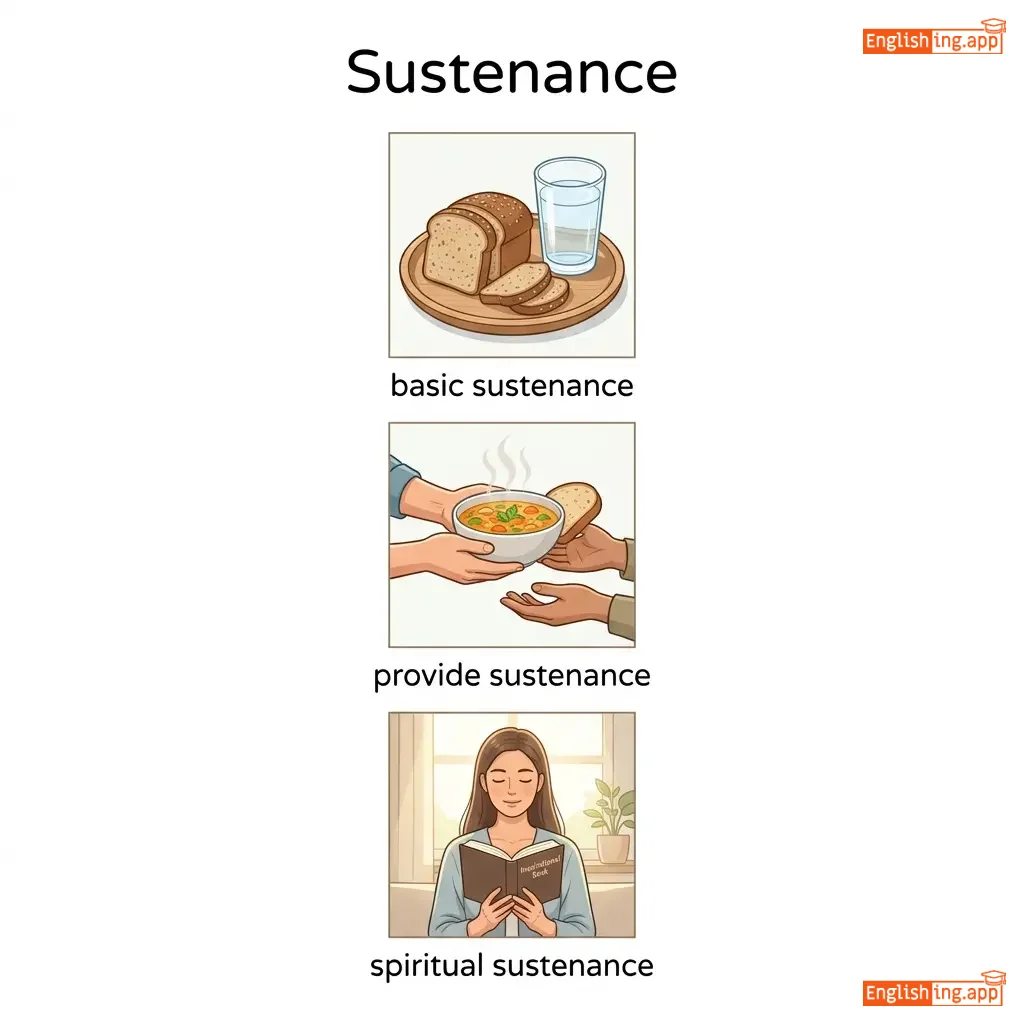
Traditions は cohesion を生み出すのに役立ちますが、ときには ambivalence を引き起こすこともあります。しかし、これらの伝統は長期的な sustenance を提供し、家族内に confluence の感覚を生み出します。Symbolism と歴史的な legacy は、これらの関係を pervasive にします。
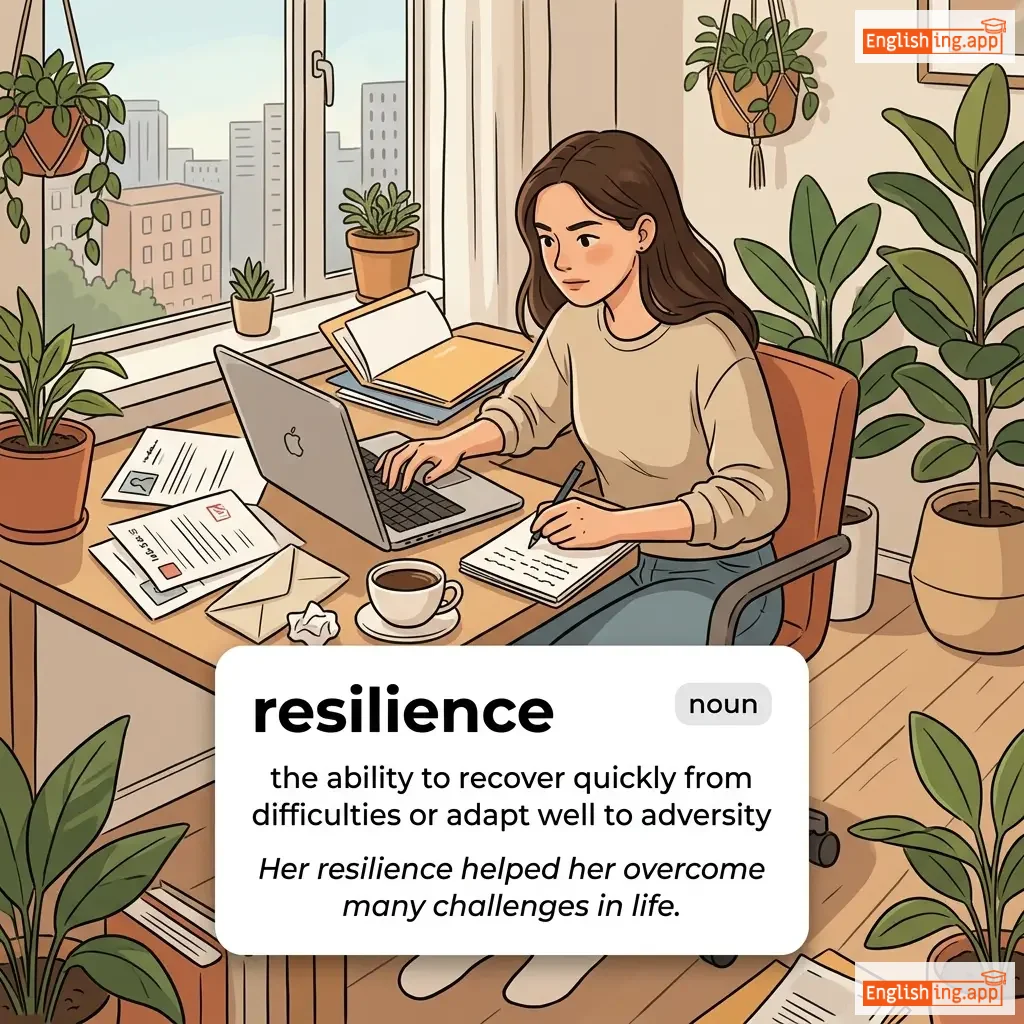
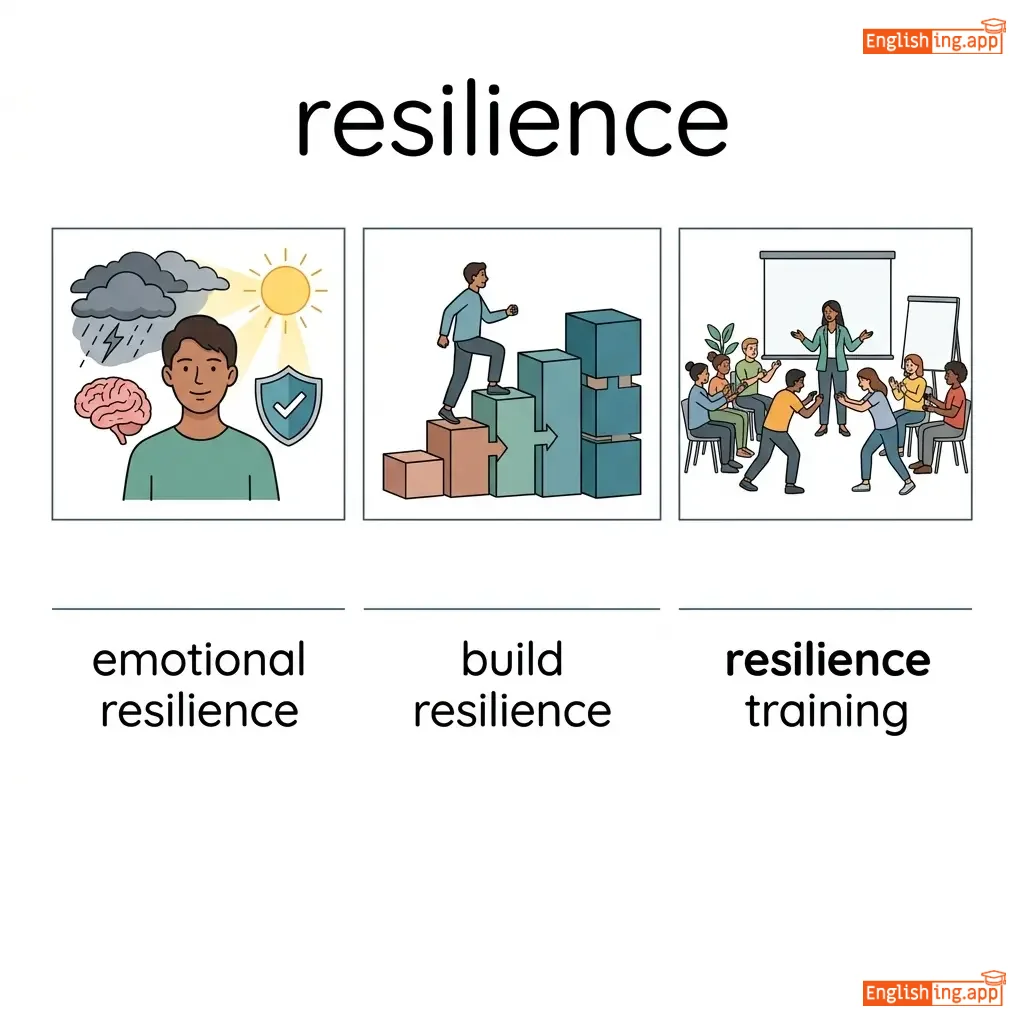
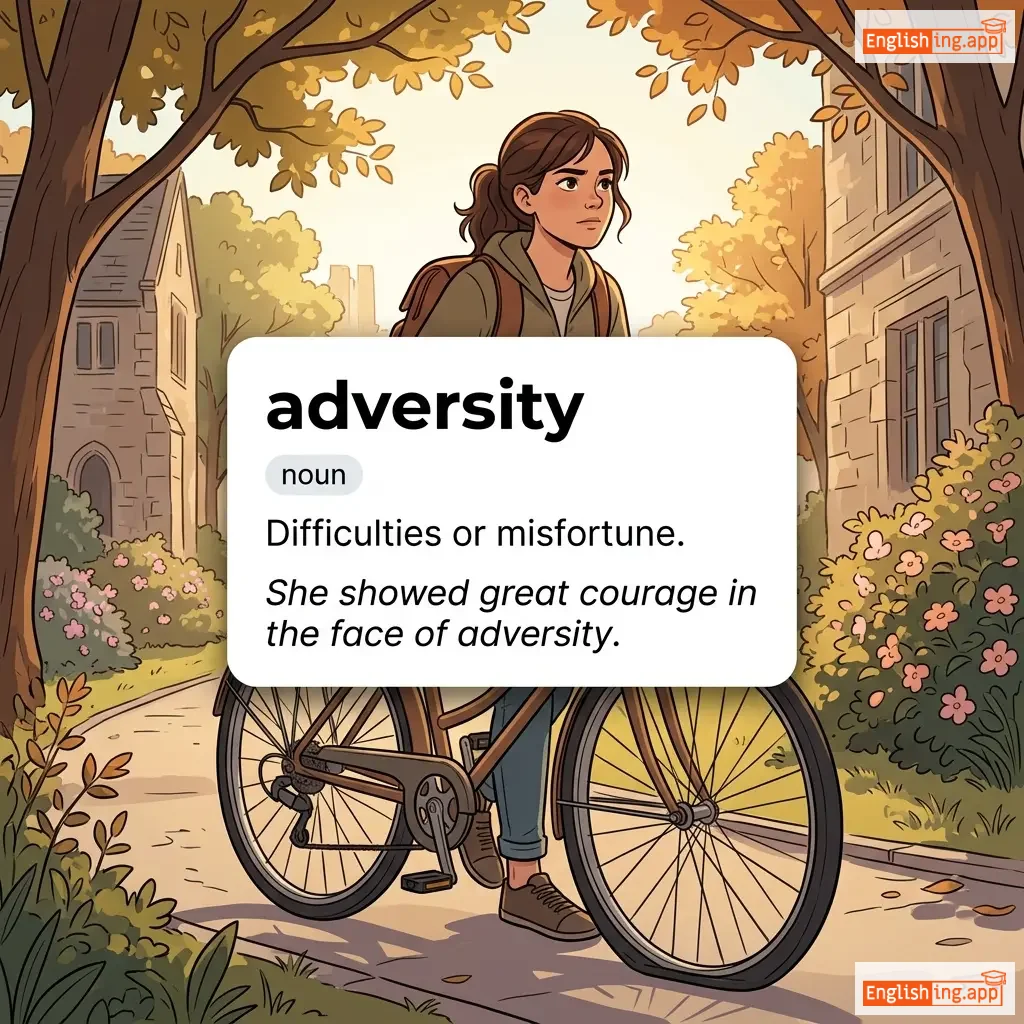
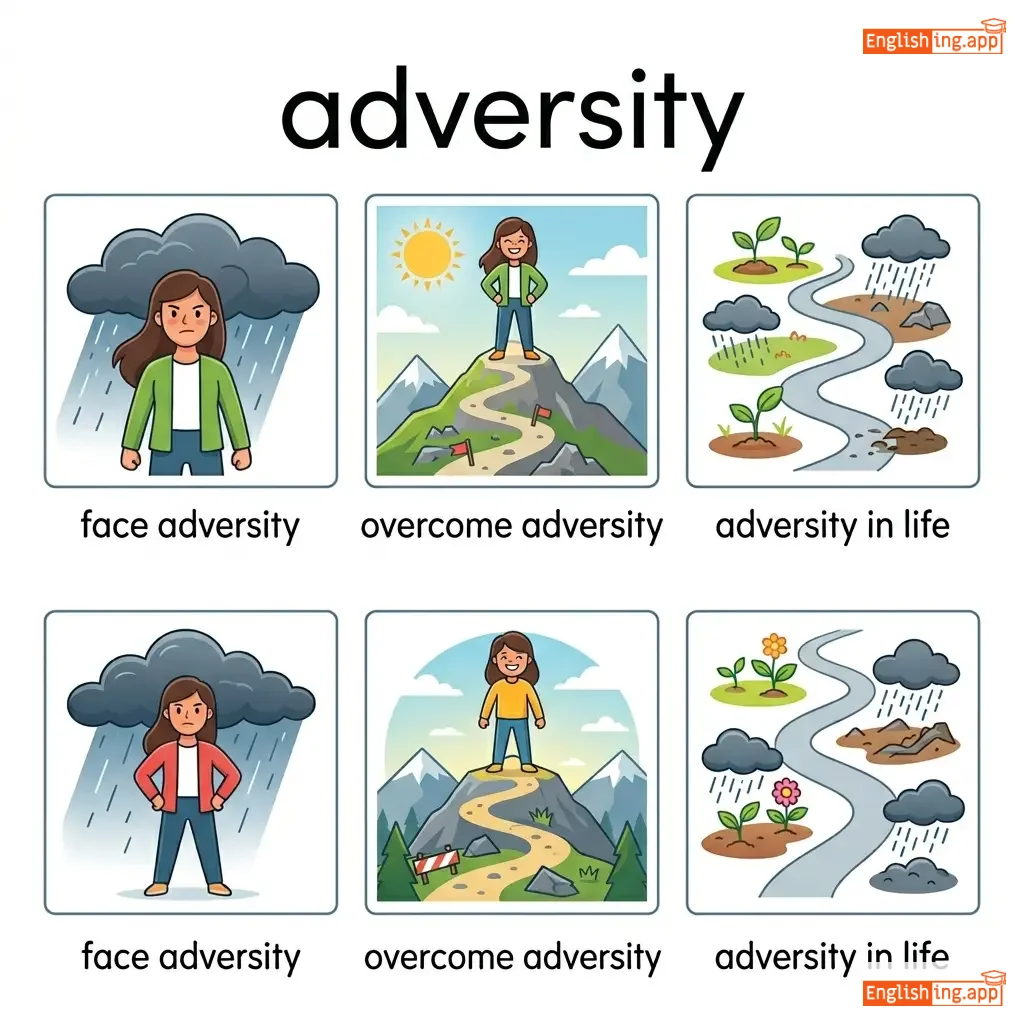
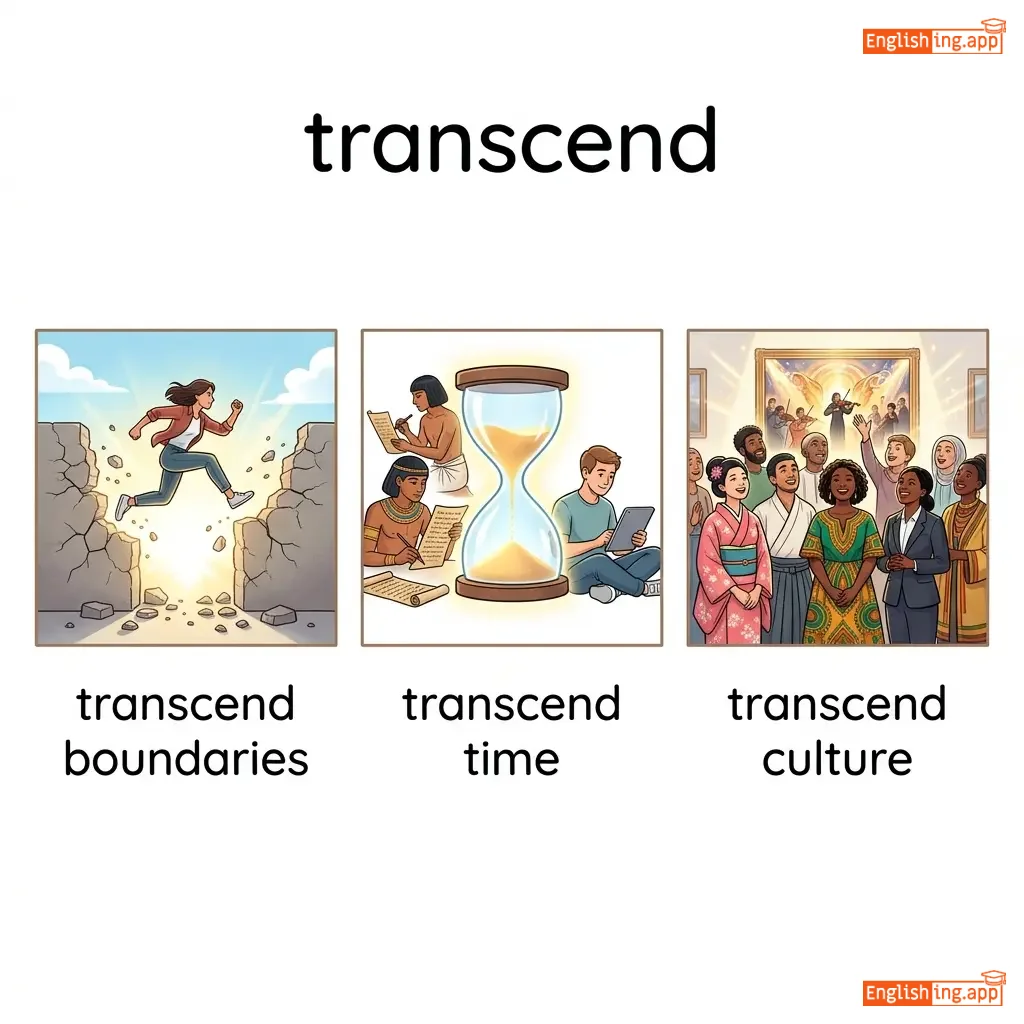
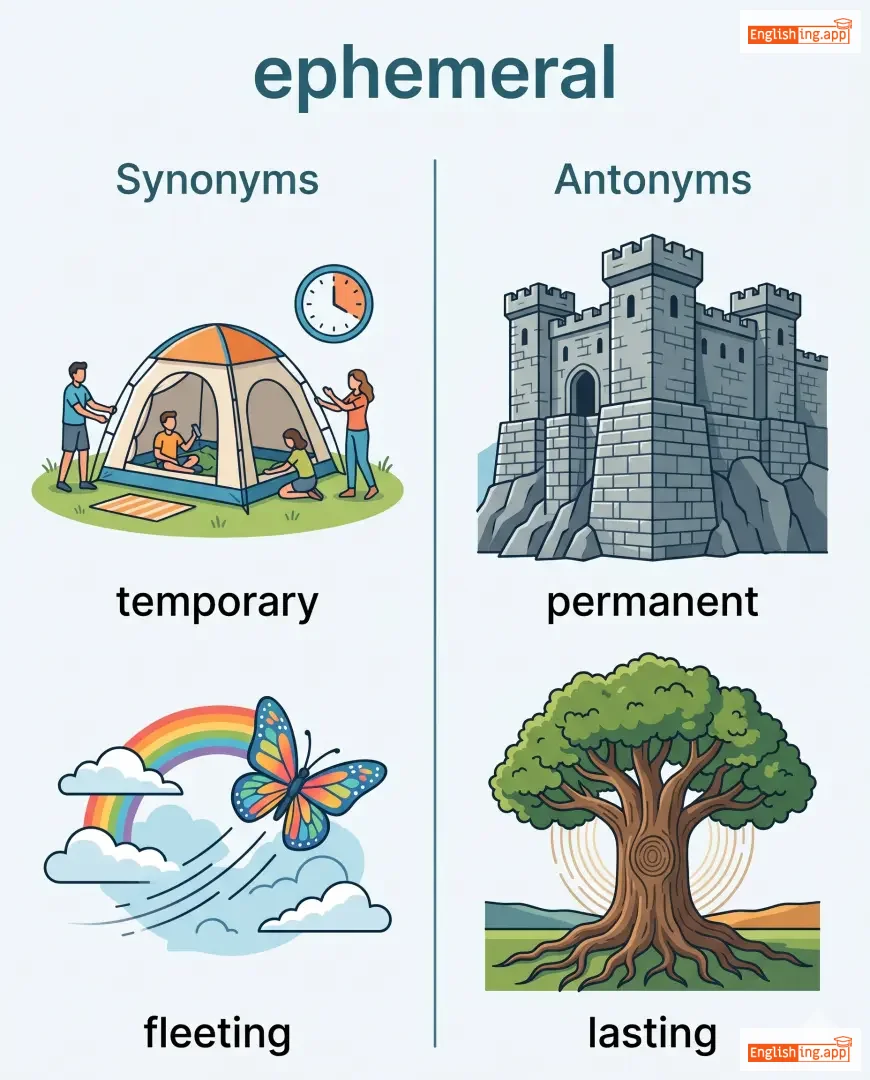
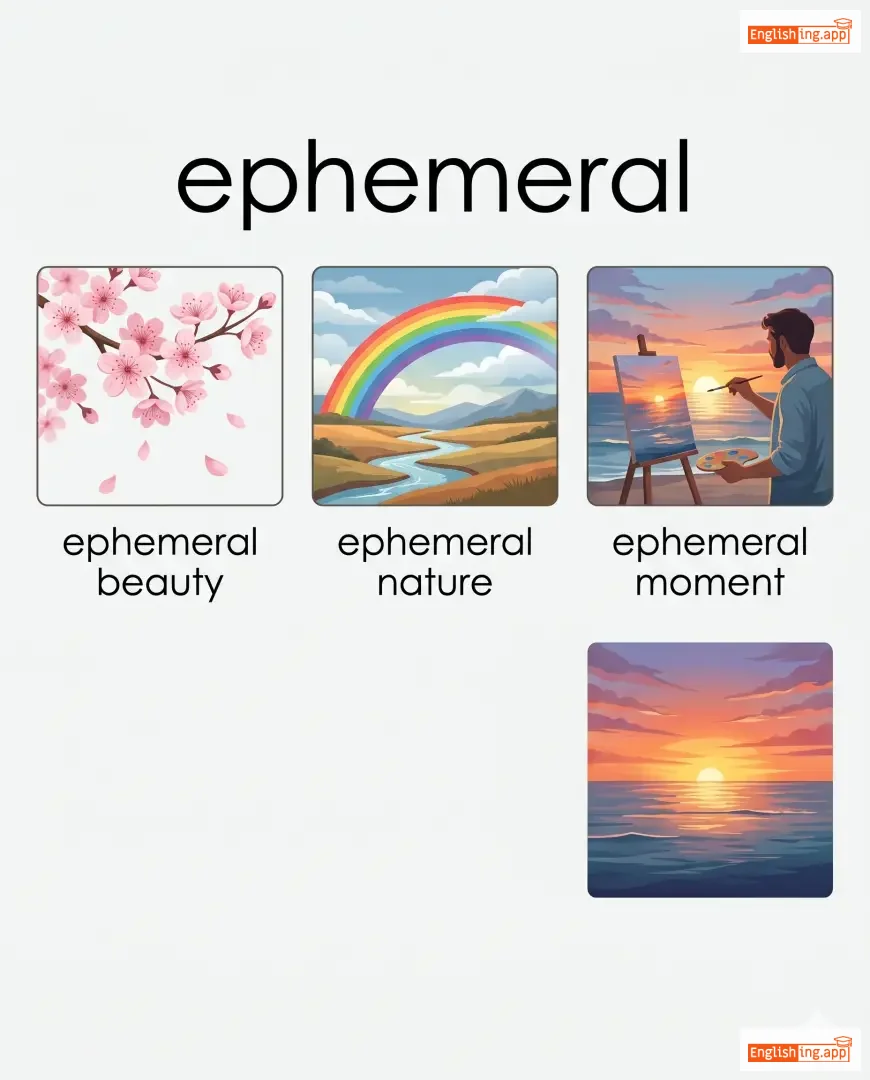
それらは家族の中で強い resilience と fortitude を築き、あらゆる adversity に立ち向かう助けとなります。Traditions は時間の境界を transcend し、たとえ ephemeral な瞬間でも、特に世代を超えて受け継がれるとき、記憶に永遠に残ります。
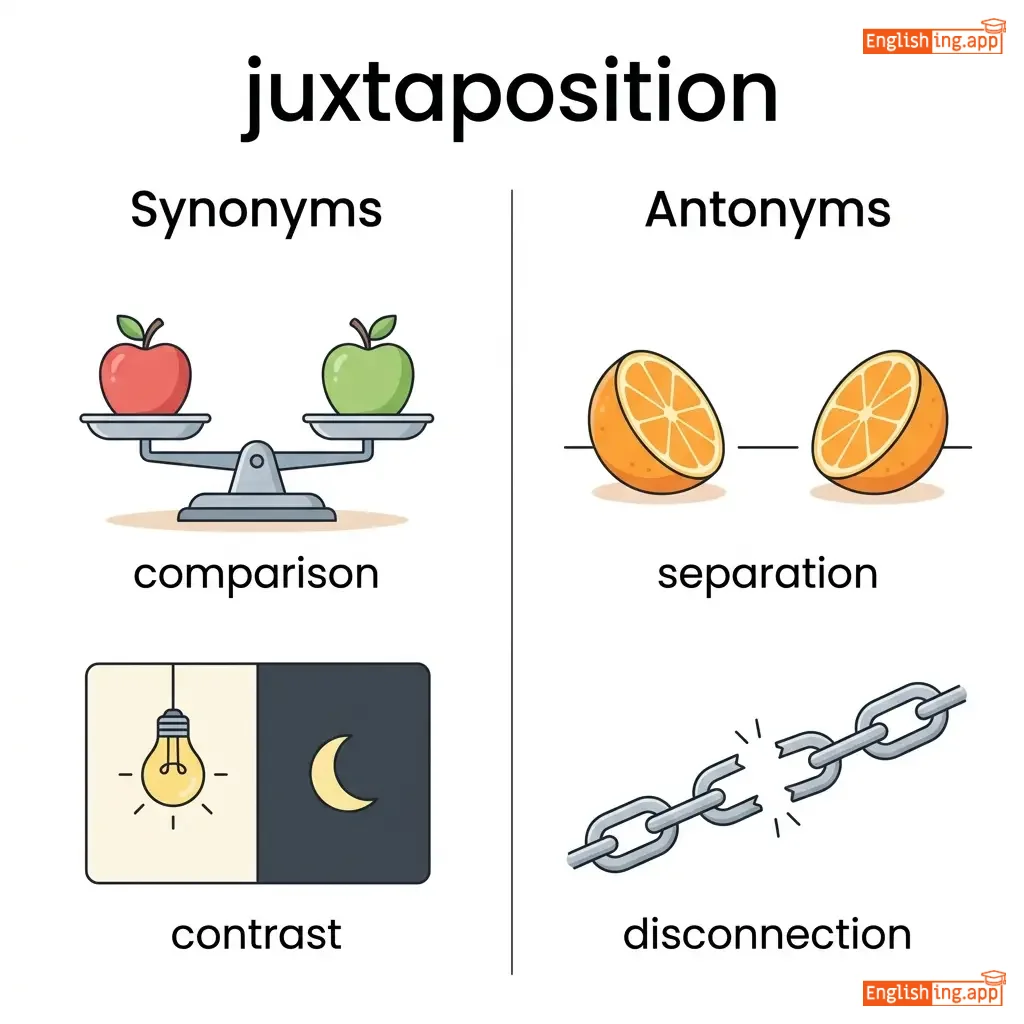
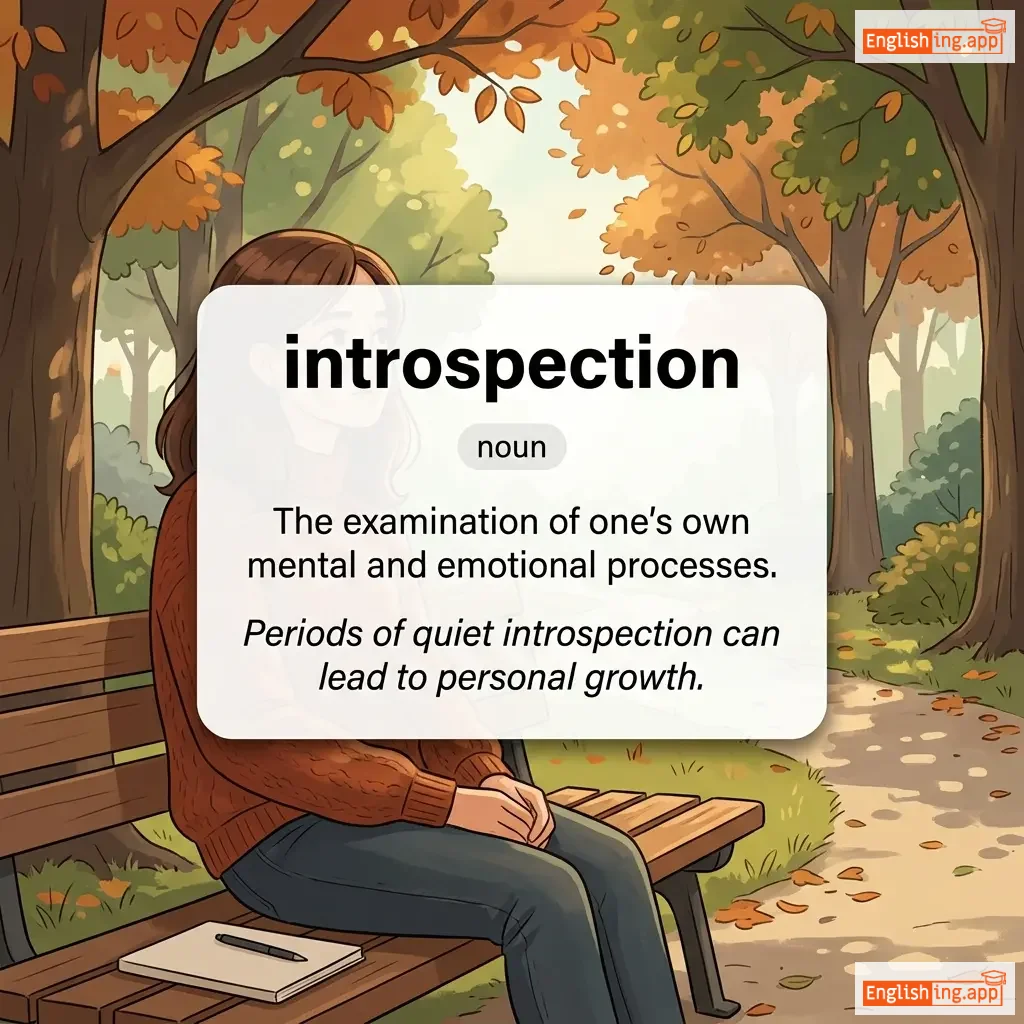
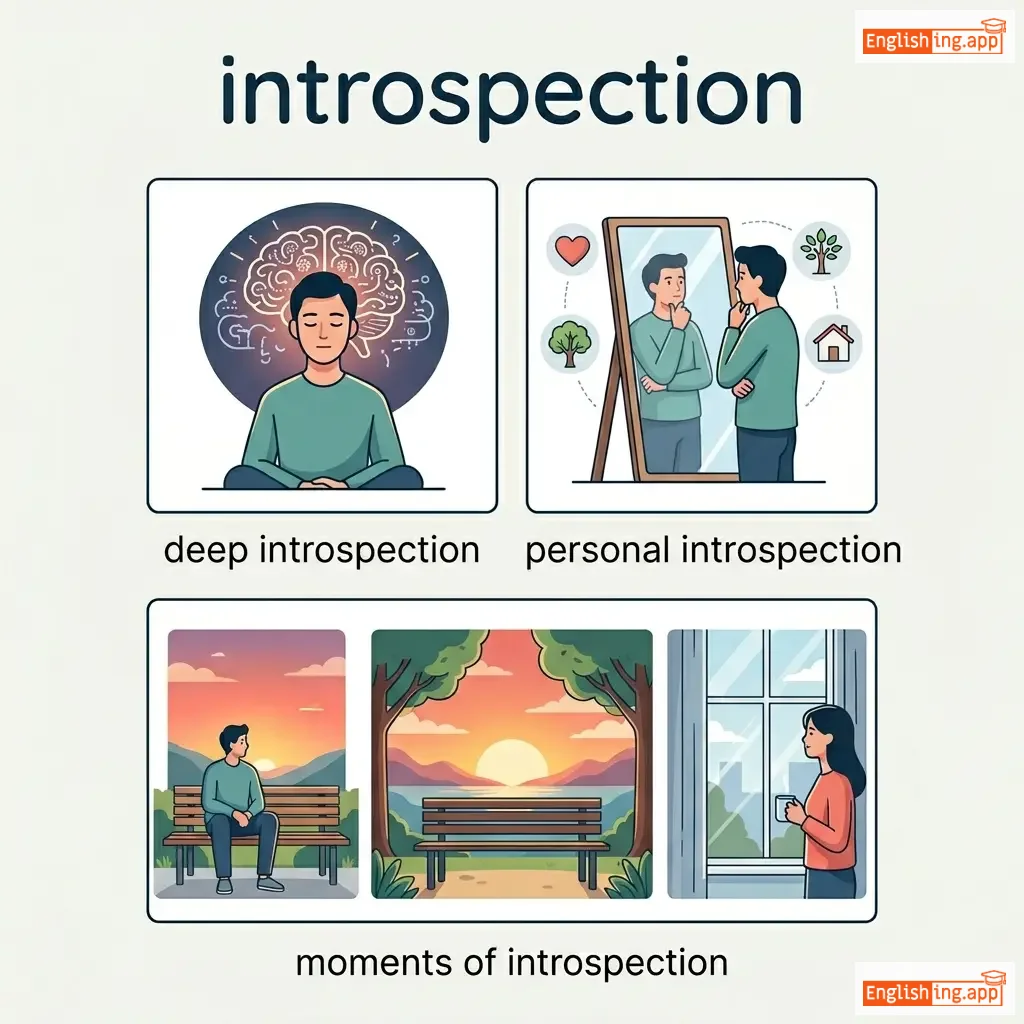
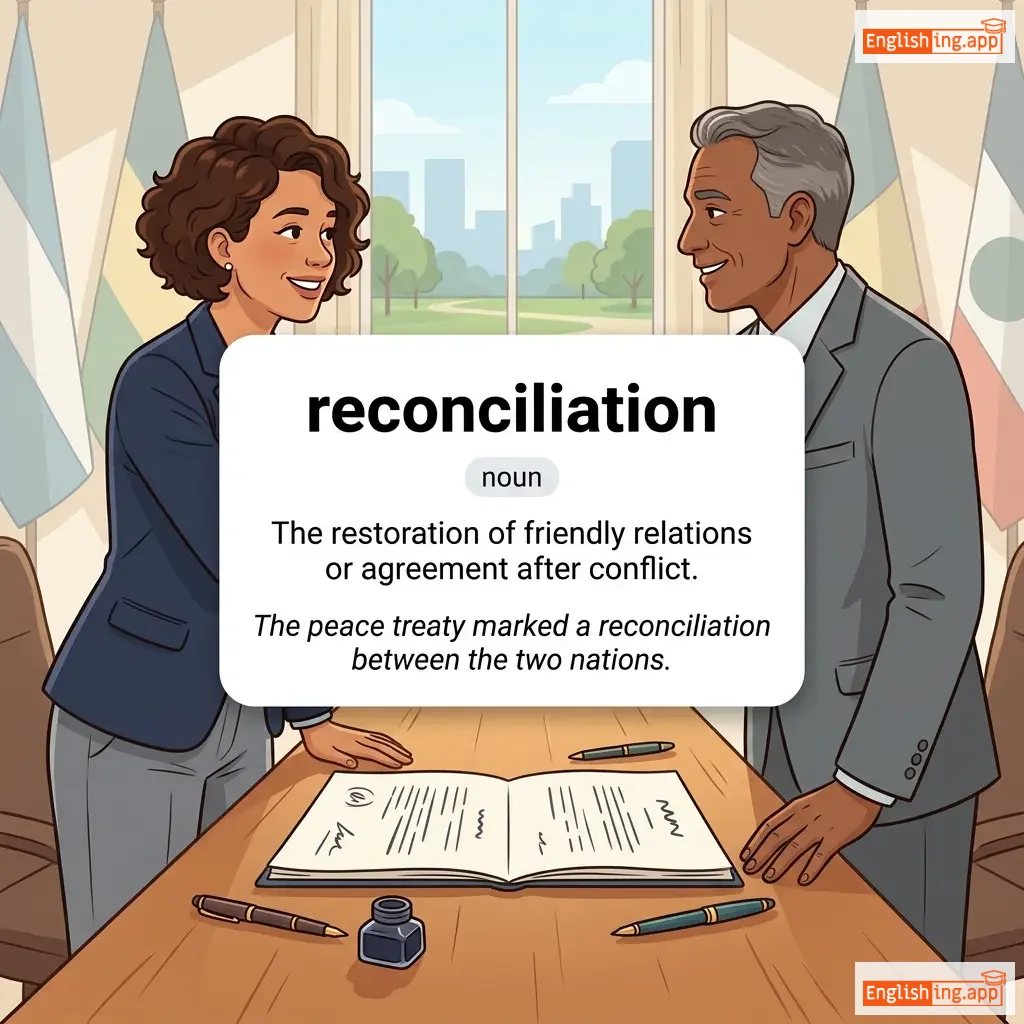
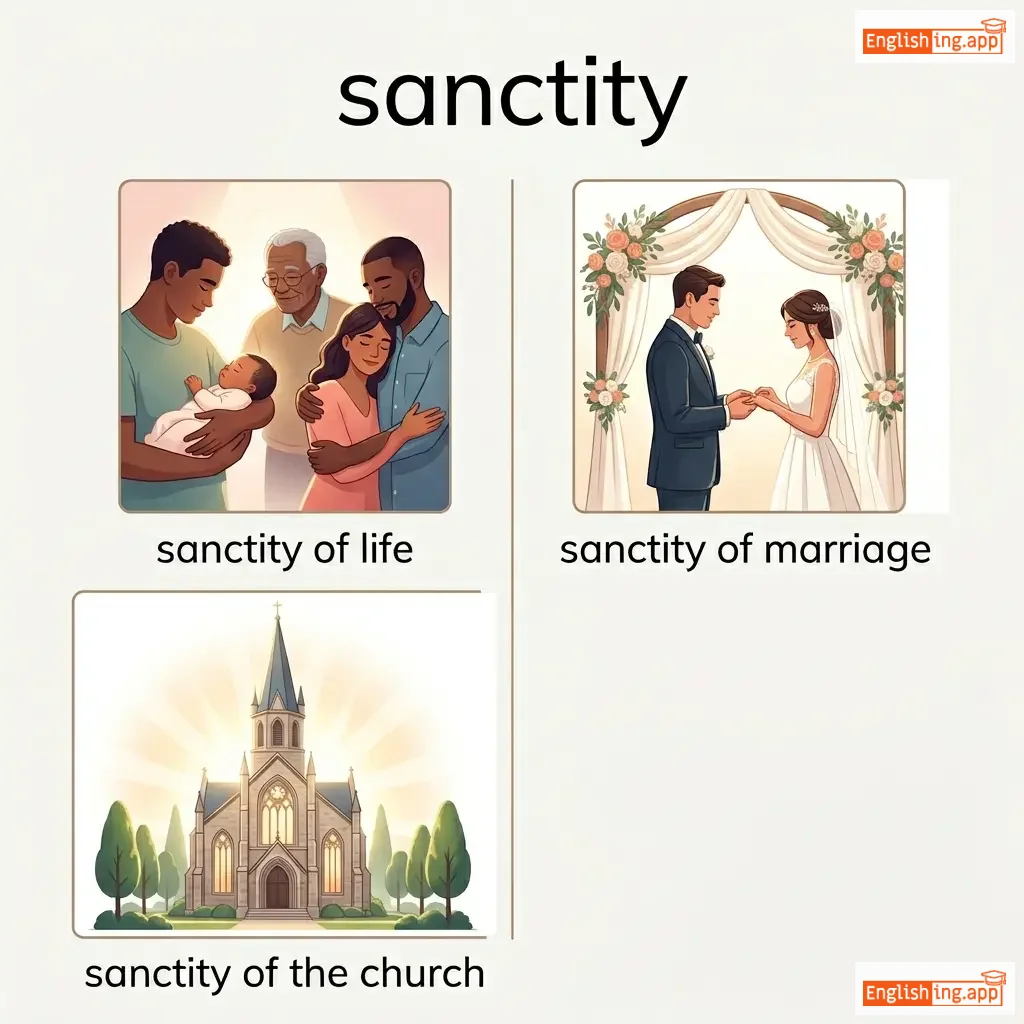
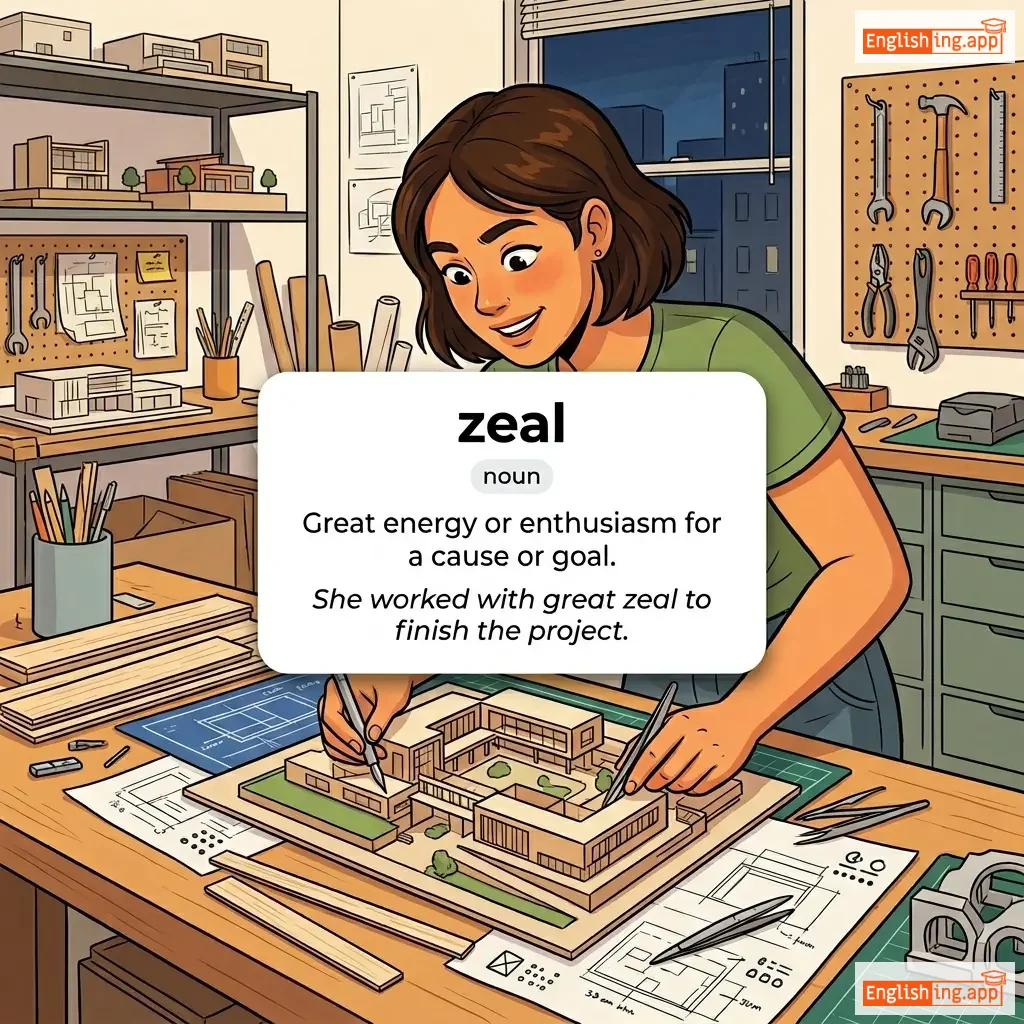
一方で、伝統の juxtaposition は家族の遺産と価値について深い introspection を与えます。もう一方で、reconciliation と sanctity は家族への揺るぎない献身と安定を生み出します。これらすべてが家族の団結を保ち、関係の中で zeal と tenacity を維持するのに役立ちます。
翻訳
過去
過去分詞
三人称単数
動名詞
意味
例文
例文の翻訳
同義語
対義語
コロケーション
ニーモニック










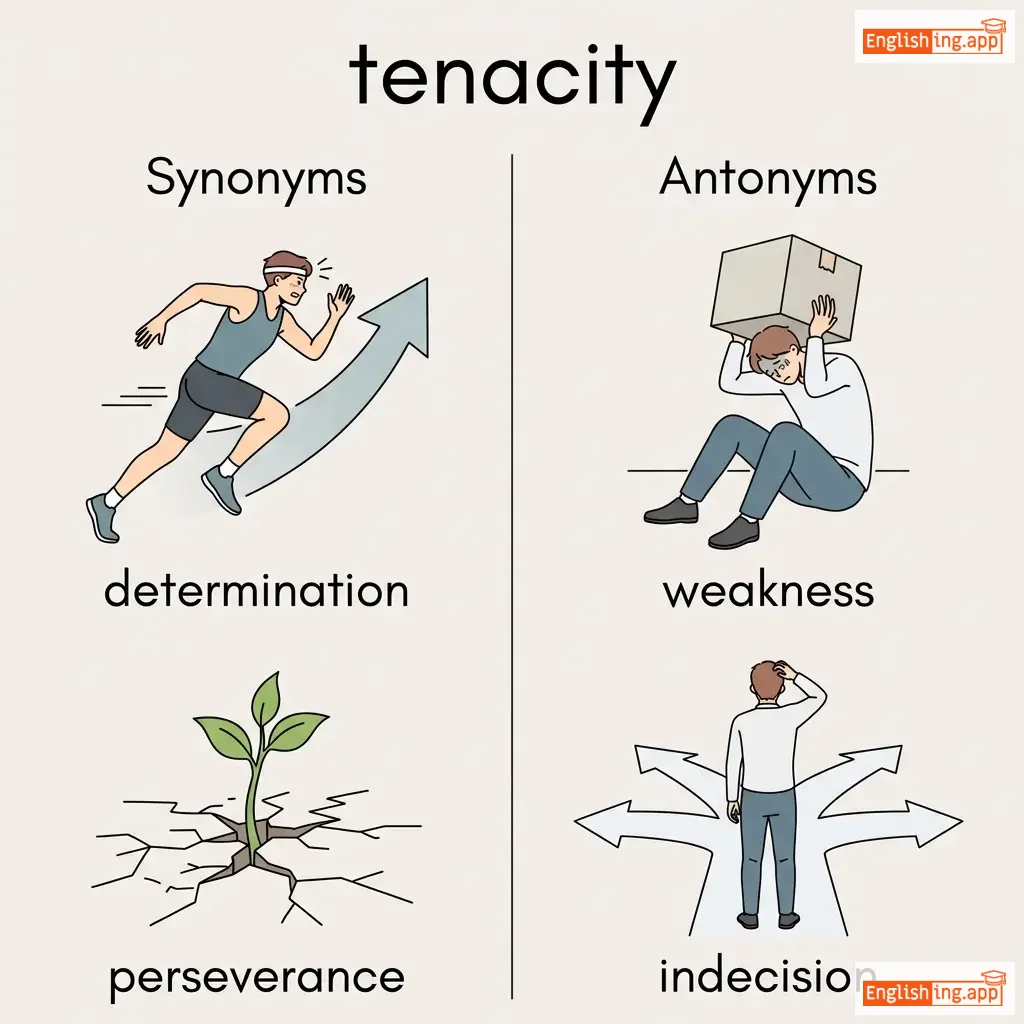
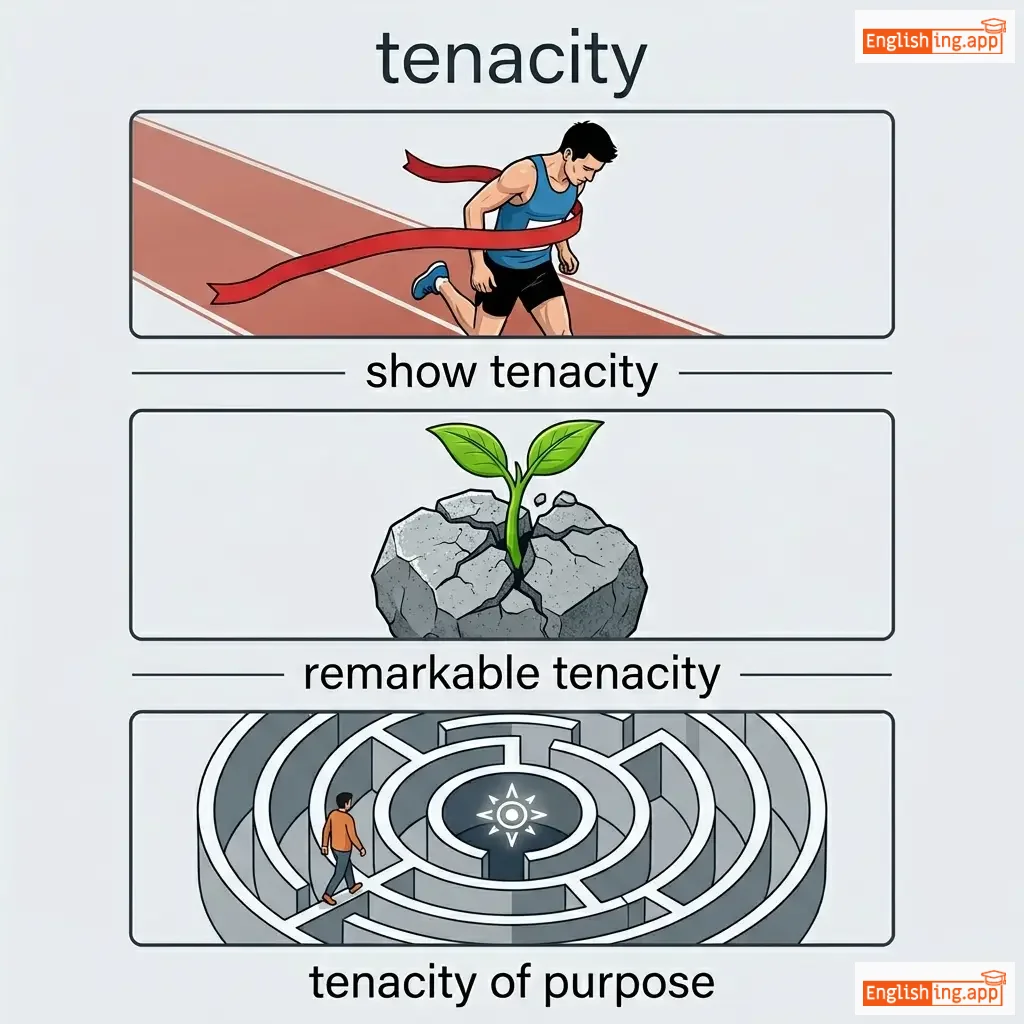
Swipe left or right, or use the buttons. Tap image to zoom.
例文の翻訳
単語
How Traditions Keep Families UnitedHow Traditions Keep Families United - マスクトグル
|
絵文字
|
単語 | Images | 翻訳 | 意味 | 例文 | 例文の翻訳 | 同義語 | 対義語 | ニーモニック |
|---|---|---|---|---|---|---|---|---|---|
|
#2388
🤝
|
koʊˈhiːʒən
noun
(コヒージョン)
••••••
|
|
結束
kessoku
••••••
|
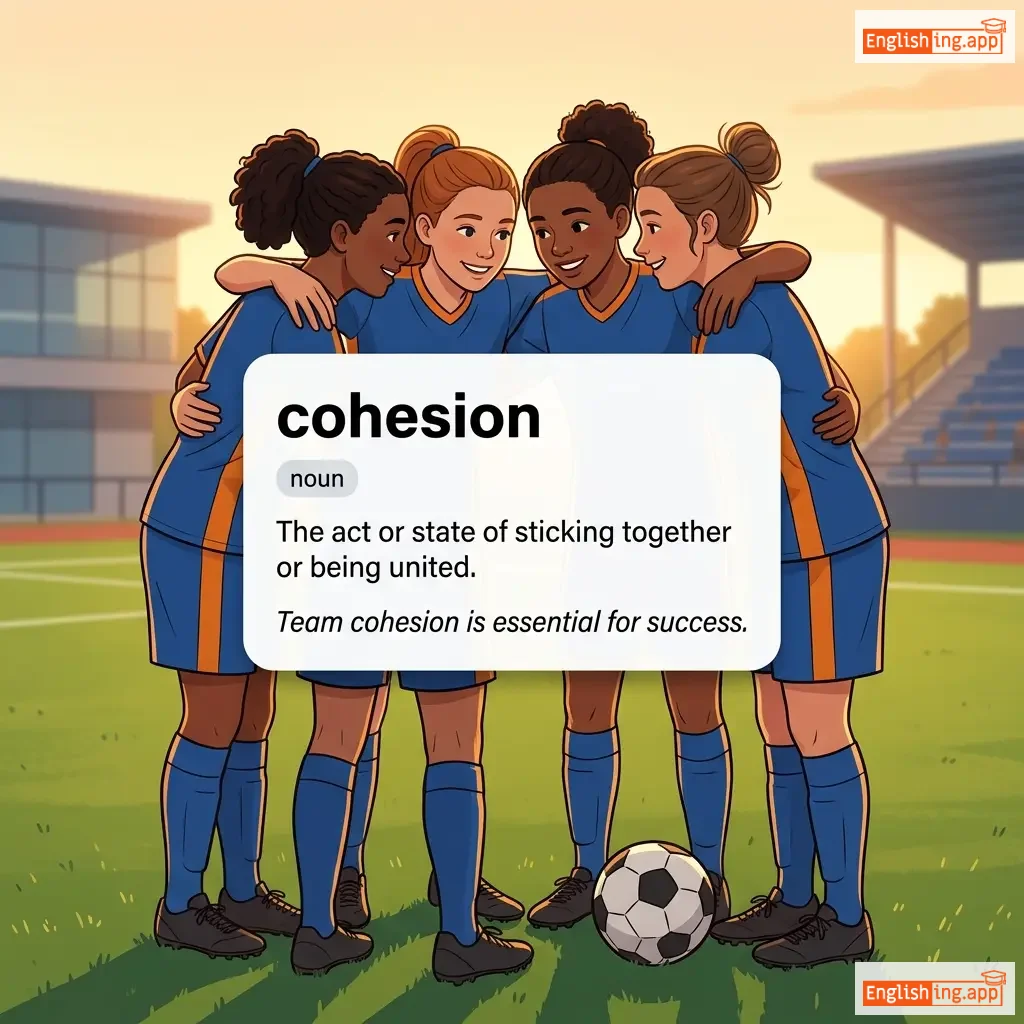
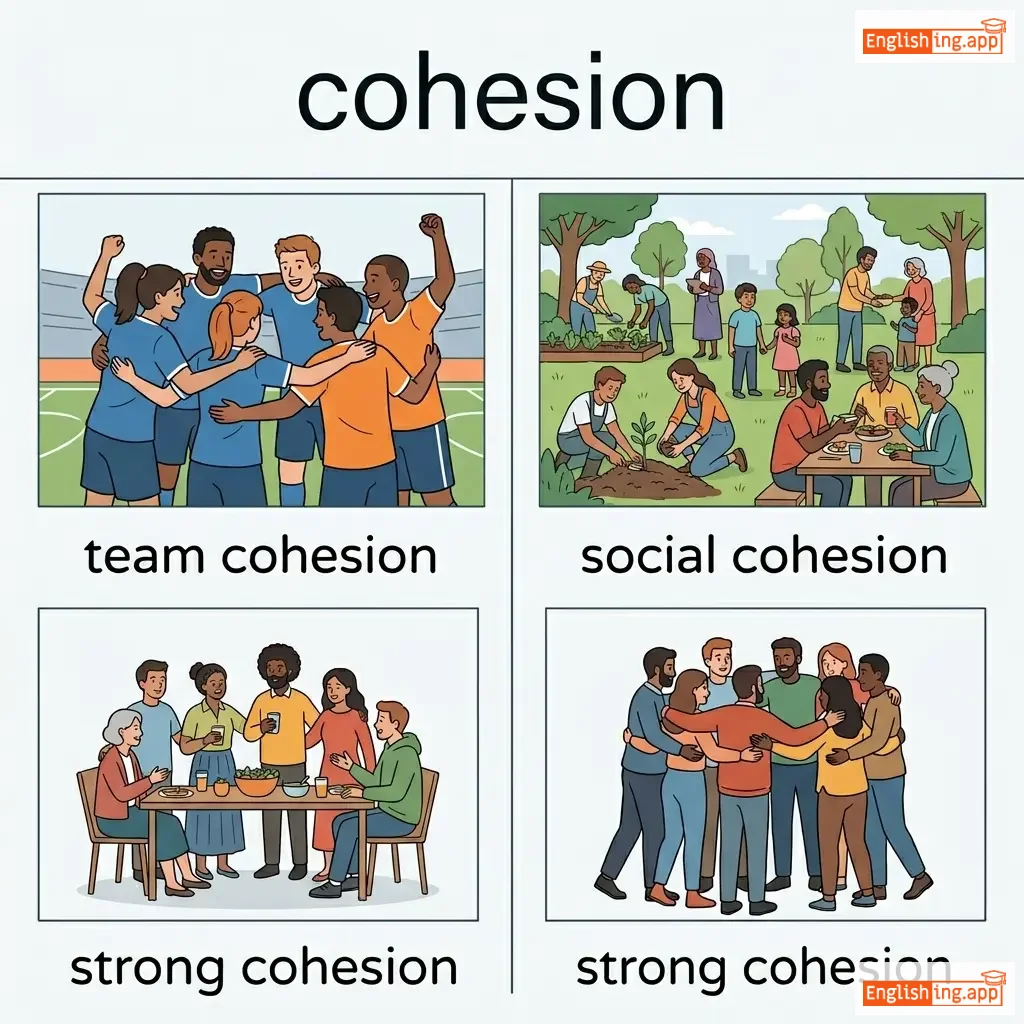
The state of being united or sticking together; unity and solidarity.
••••••
|
The cohesion of the team was essential for achieving success. |
チームの結束は成功を収めるために不可欠だった。
Chiimu no kessoku wa seikou o osameru tame ni fukaketsu datta.
••••••
|
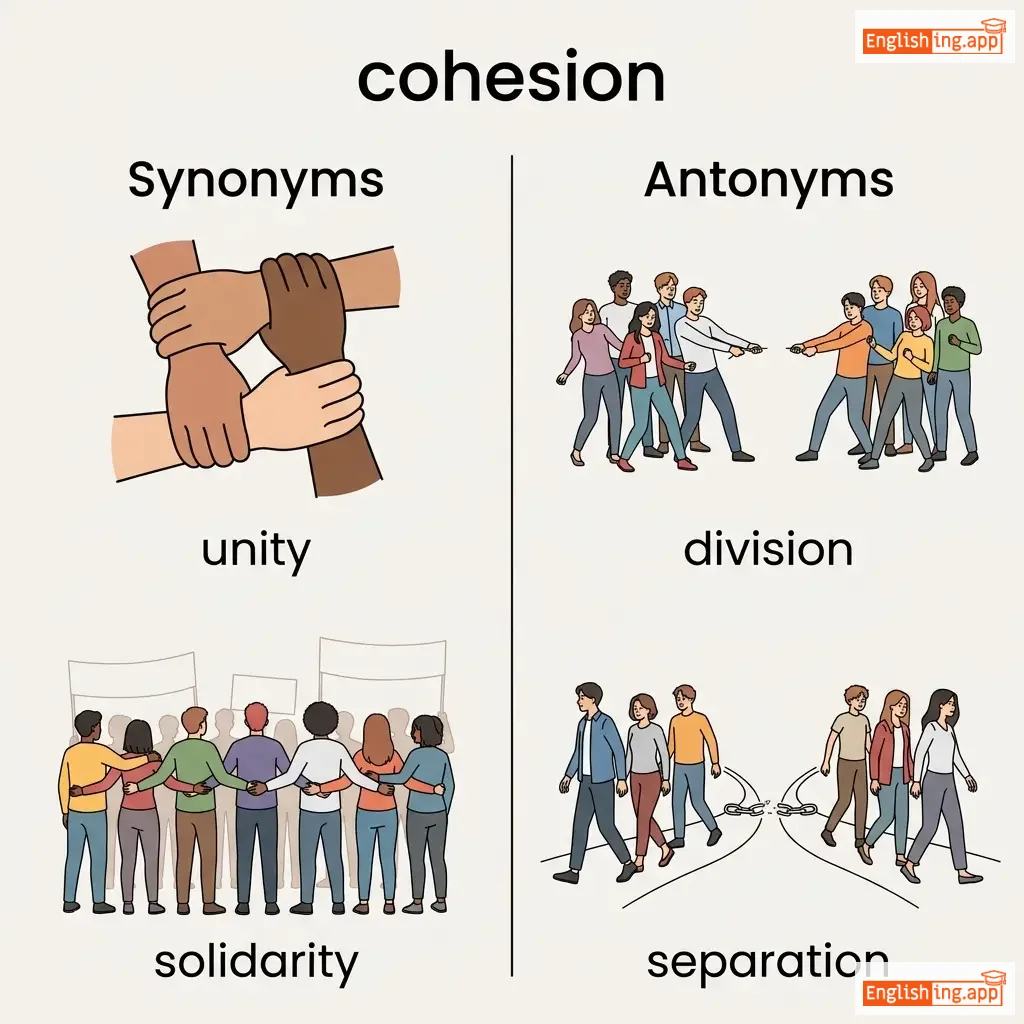
unity, solidarity, togetherness, bond, connection, harmony
••••••
|
disintegration, fragmentation, division, separation, discord, conflict
••••••
|
結束はチームの一体感を表現しています。
••••••
|
|
#2389
🤔
|
æmˈbɪvələns
noun
(アンビバレンス)
••••••
|
|
両義性
ryōgisei
••••••
|
Having mixed feelings or contradictory ideas about something; uncertainty or confusion.
••••••
|
She felt ambivalence about taking the job offer. |
彼女は仕事のオファーを受け入れる際に両義性を感じていた。
Kanojo wa shigoto no ofā o ukeireru sai ni ryōgisei o kanjite ita.
••••••
|
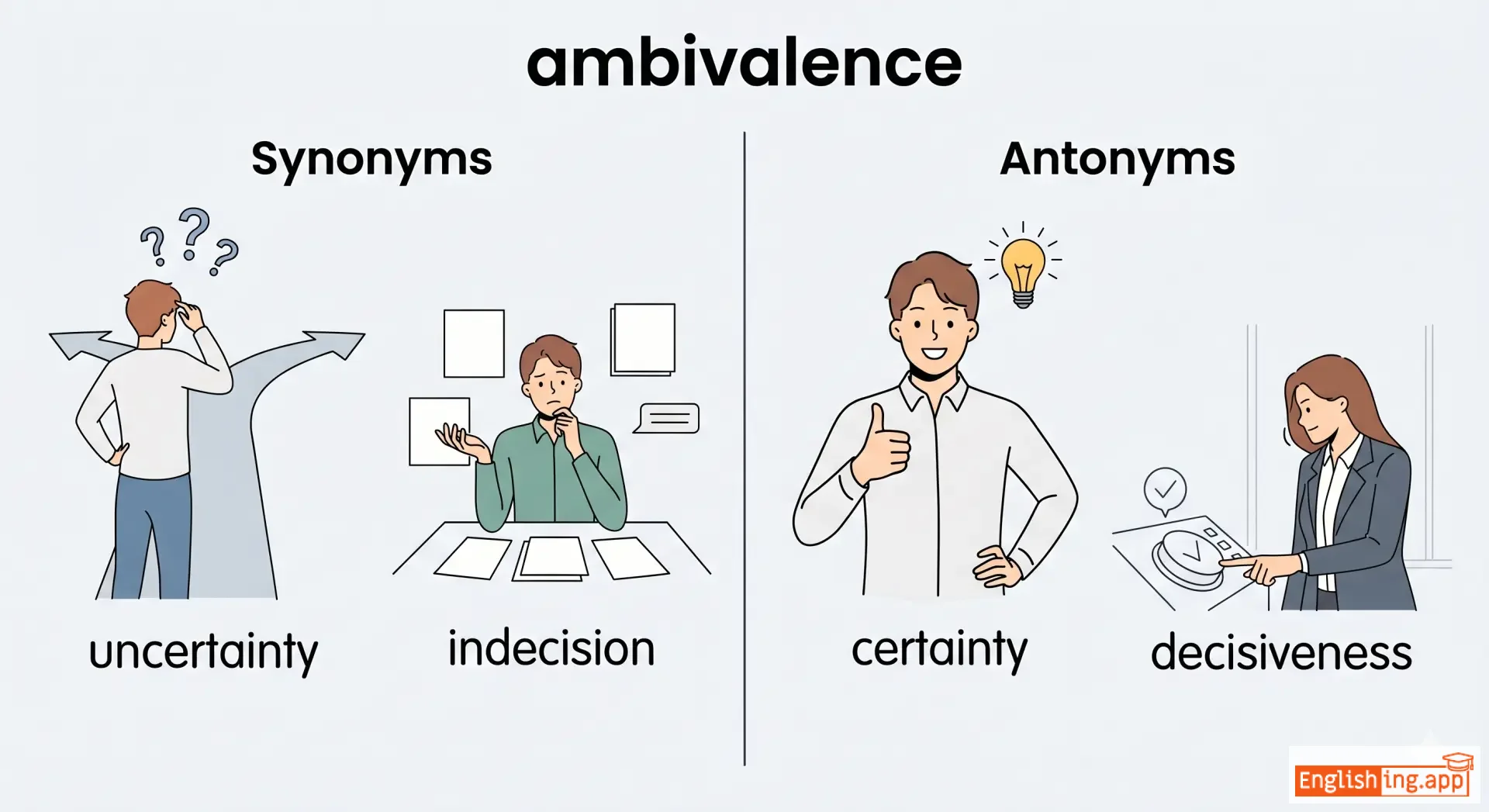
uncertainty, confusion, doubt, indecision, mixed feelings, vacillation
••••••
|
certainty, assurance, confidence, clarity, conviction, decisiveness
••••••
|
両義性: 二つの選択肢に悩んでいる時、両義性を感じます。
••••••
|
|
#2390
🍞
|
ˈsʌstənəns
noun
(サステナンス)
••••••
|
|
養分
yōbun
••••••
|
Food and drink regarded as a source of strength; nourishment or support.
••••••
|
The community relied on local resources for sustenance. |
コミュニティは地元のリソースに頼って生活していました。
Komyuniti wa jimoto no risōsu ni tayotte seikatsu shiteimashita.
••••••
|
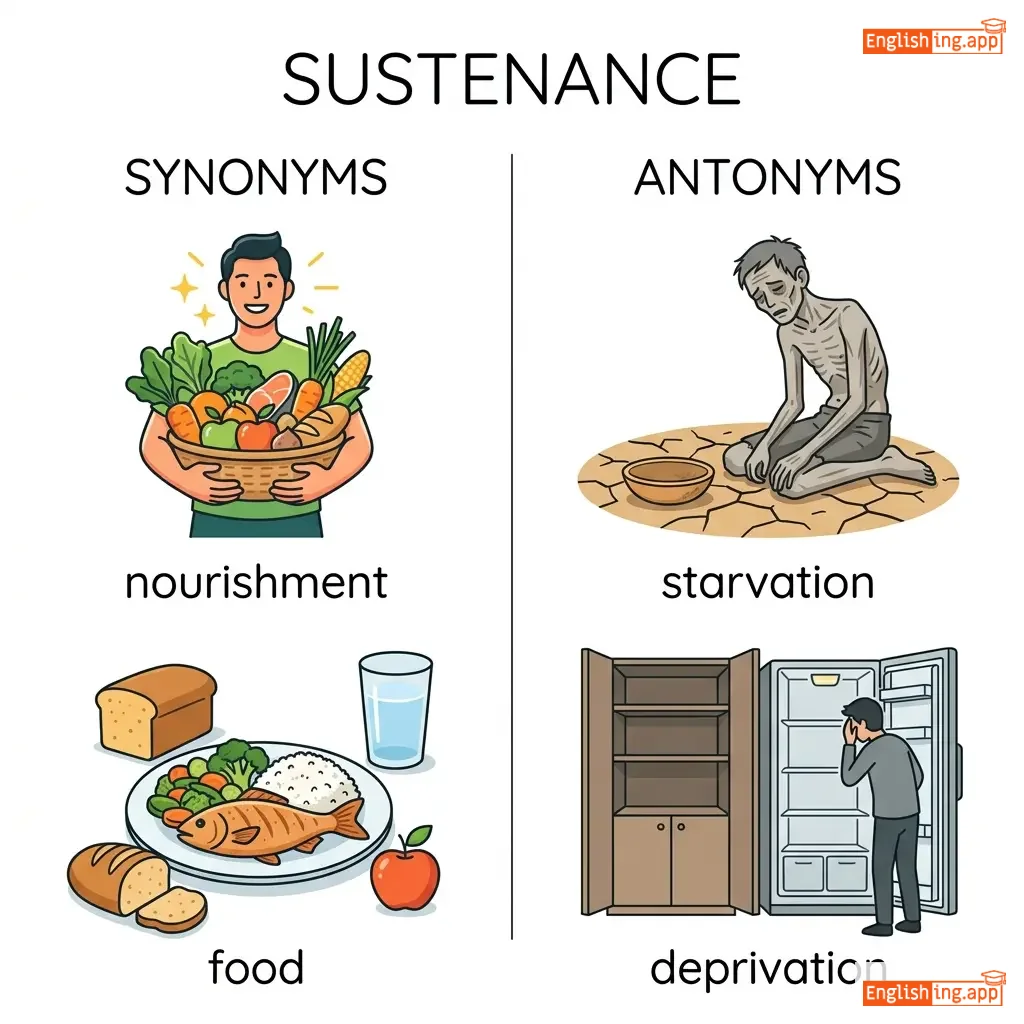
nourishment, support, food, nutrition, provisions, maintenance
••••••
|
deprivation, starvation, malnourishment, hunger, want, lack
••••••
|
Japanese '養分' (yōbun) means nourishment, which is a close match to sustenance.
••••••
|
|
#2391
🌊
|
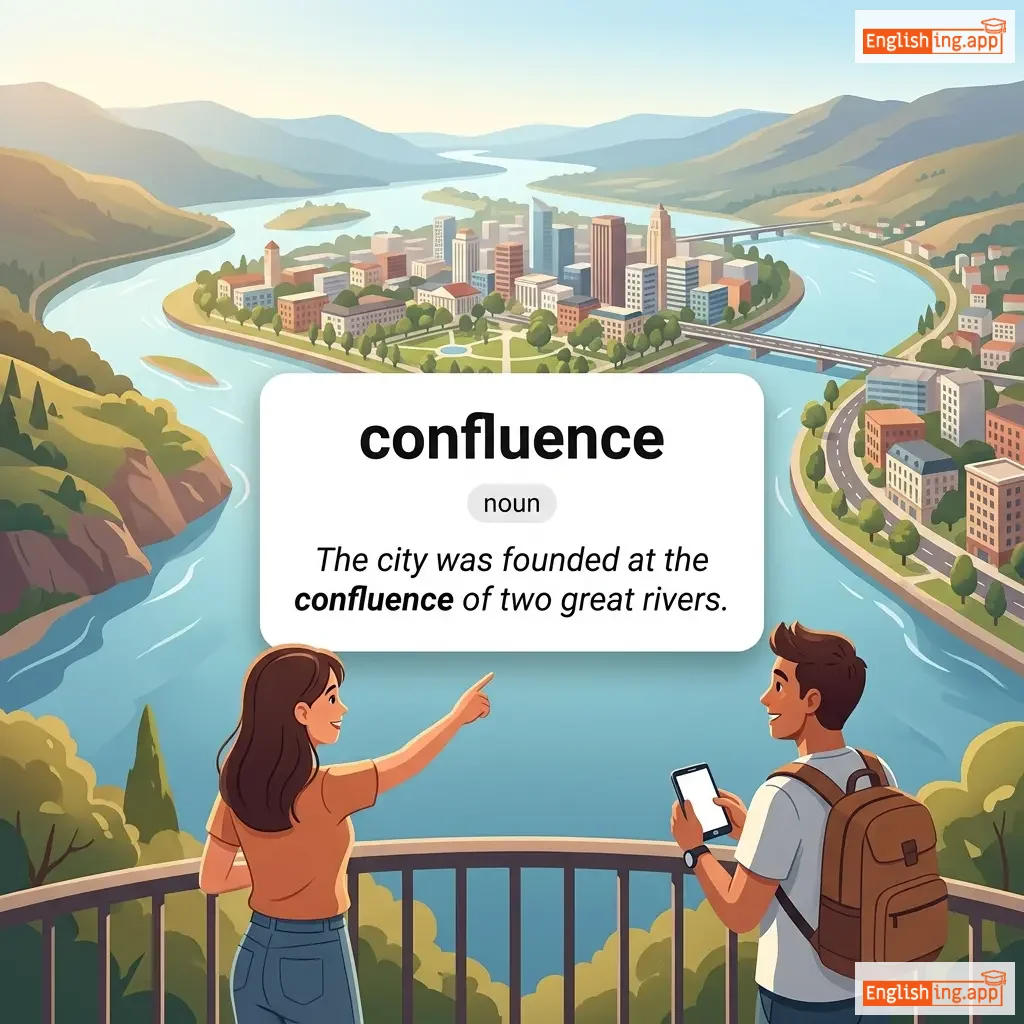
ˈkɒnfluəns
noun
(コンフルエンス)
••••••
|
|
合流
gōryū
••••••
|
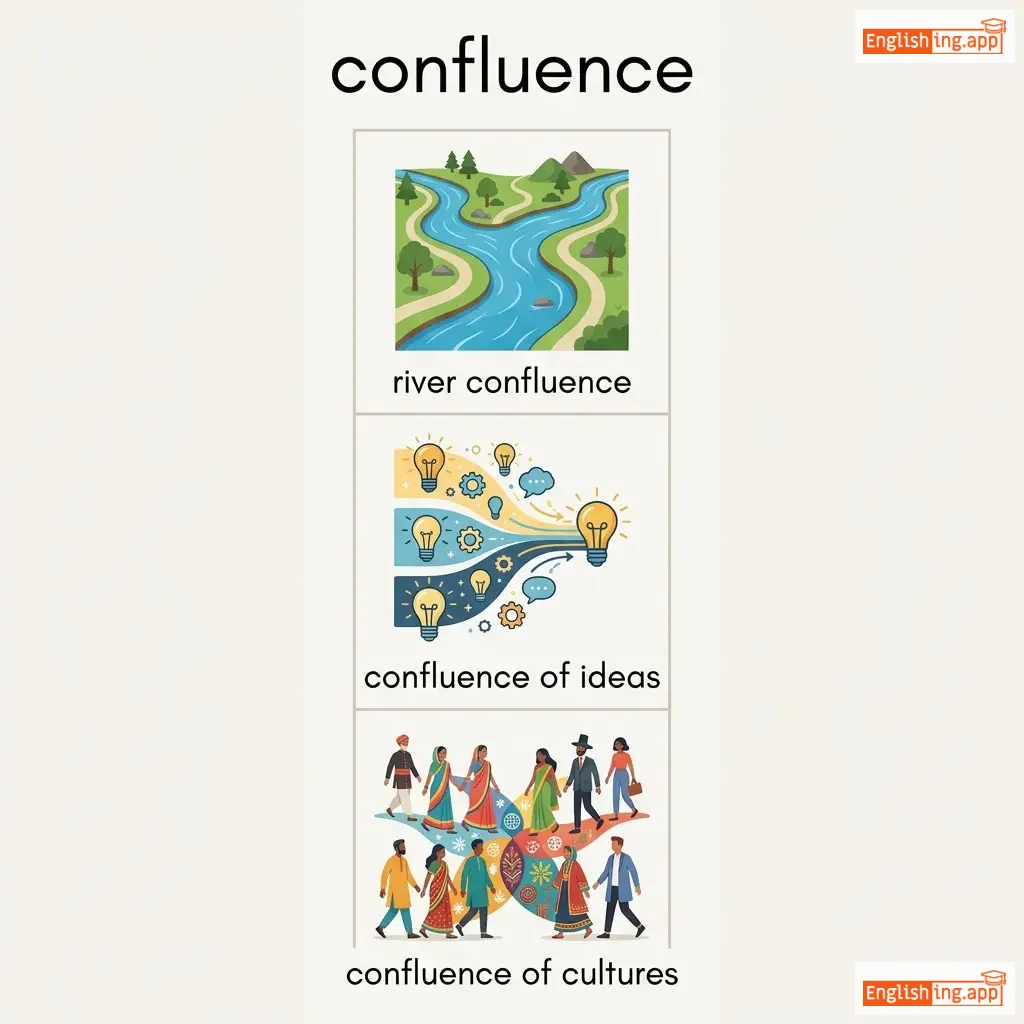
A place where two rivers meet; a flowing together or meeting point.
••••••
|
The confluence of rivers created a fertile land for agriculture.
川の合流点が農業に適した肥沃な土地を作り出しました。
••••••
|
川の合流点が農業に適した肥沃な土地を作り出しました。
Kawa no gōryūten ga nōgyō ni tekishita hiwaku na tochi o tsukuridashimashita.
••••••
|
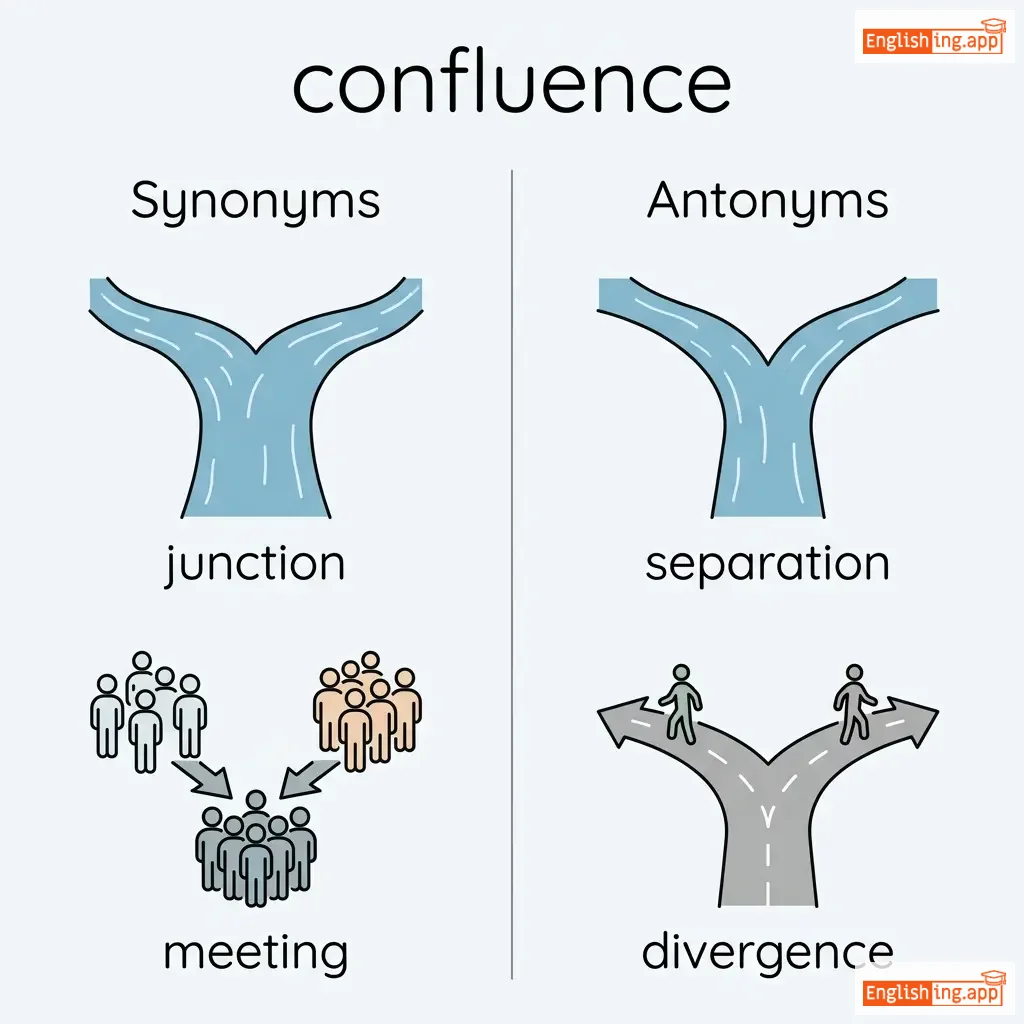
junction, convergence, meeting point, merger, union, intersection
••••••
|
divergence, separation, split, division, branching, parting
••••••
|
日本語では '合流' は川の合流を指し、まさにコンフルエンスにぴったりの意味です。
••••••
|
|
#2392
🕊️
|
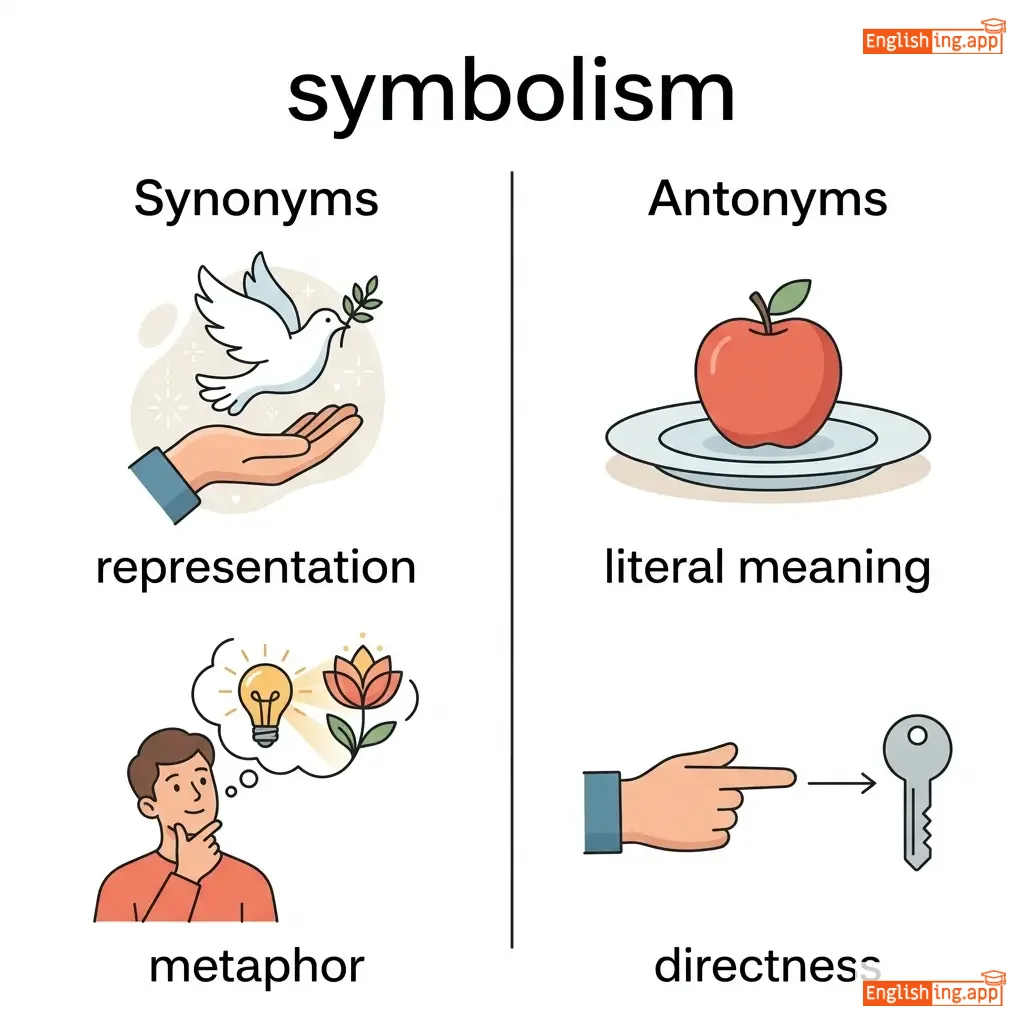
ˈsɪmbəlɪzəm
noun
(シンボリズム)
••••••
|
|
象徴主義
shōchō shugi
••••••
|
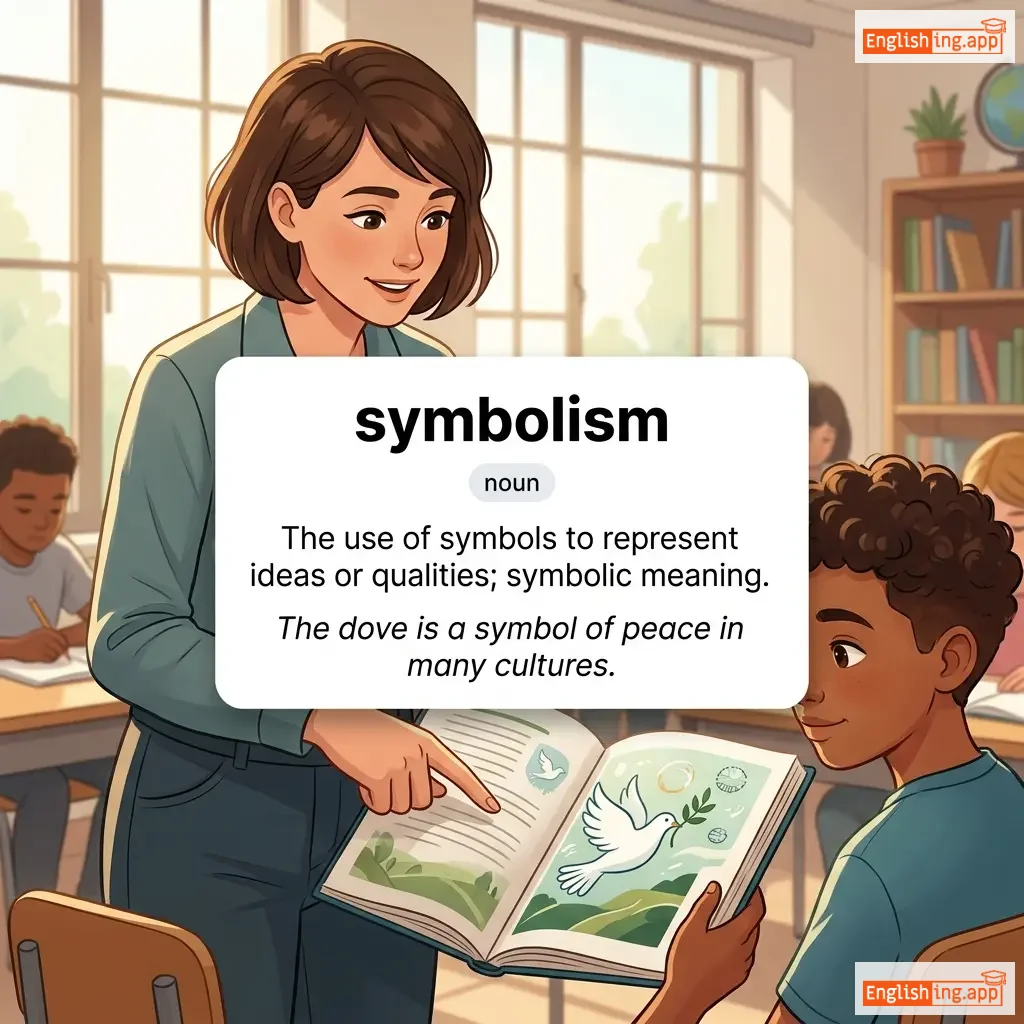
The use of symbols to represent ideas or qualities; symbolic meaning.
••••••
|
The dove is a symbol of peace in many cultures. |
鳩は多くの文化で平和の象徴です。
Hato wa ōku no bunka de heiwa no shōchō desu.
••••••
|
representation, metaphor, imagery, allegory, sign, emblem
••••••
|
literal meaning, directness, explicitness, plainness, clarity, obviousness
••••••
|
鳩が平和の象徴として使われることを覚えれば、象徴主義を理解しやすい。
••••••
|
|
#2393
🏛️
|
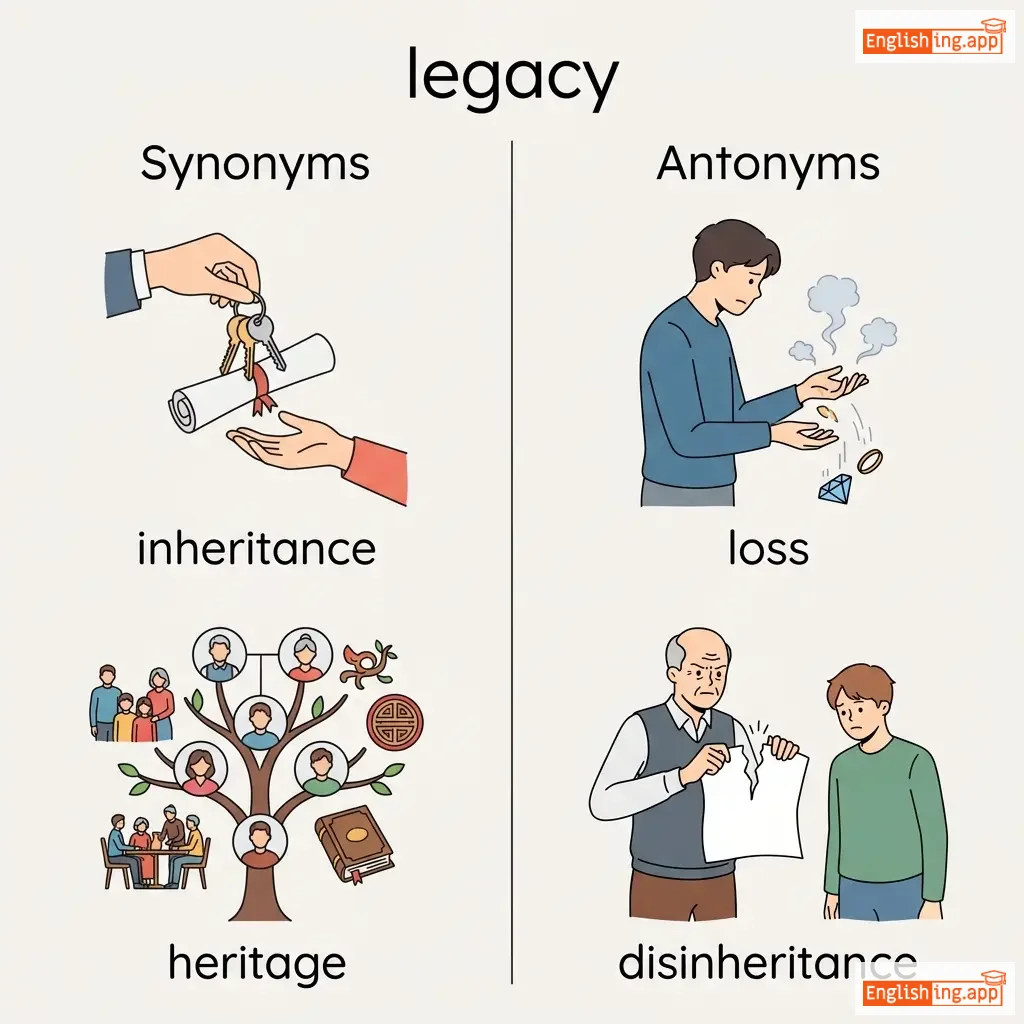
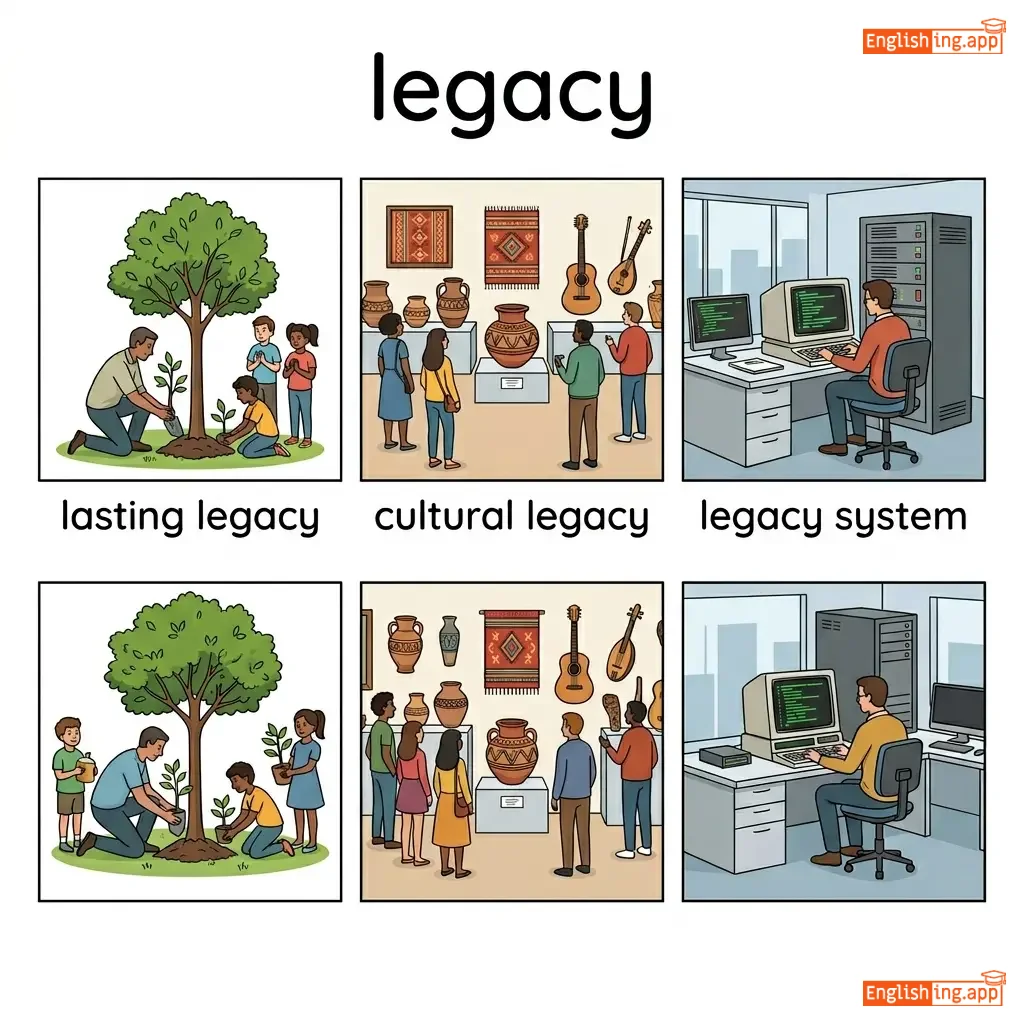
ˈlɛɡəsi
noun
(レガシー)
••••••
|
|
遺産
isan
••••••
|
Something left or handed down by a predecessor; heritage or inheritance.
••••••
|
His legacy continues to inspire generations.
彼のレガシーは世代をインスパイアし続けています。
••••••
|
彼の遺産は世代をインスパイアし続けています。
Kare no isan wa sedai o insupaia shitsudzuketeimasu.
••••••
|
inheritance, heritage, bequest, tradition, gift, endowment
••••••
|
oblivion, anonymity, insignificance, obscurity, forgetting, neglect
••••••
|
Isan = 遺産 (legacy) passed on.
••••••
|
|
#2394
🌐
|
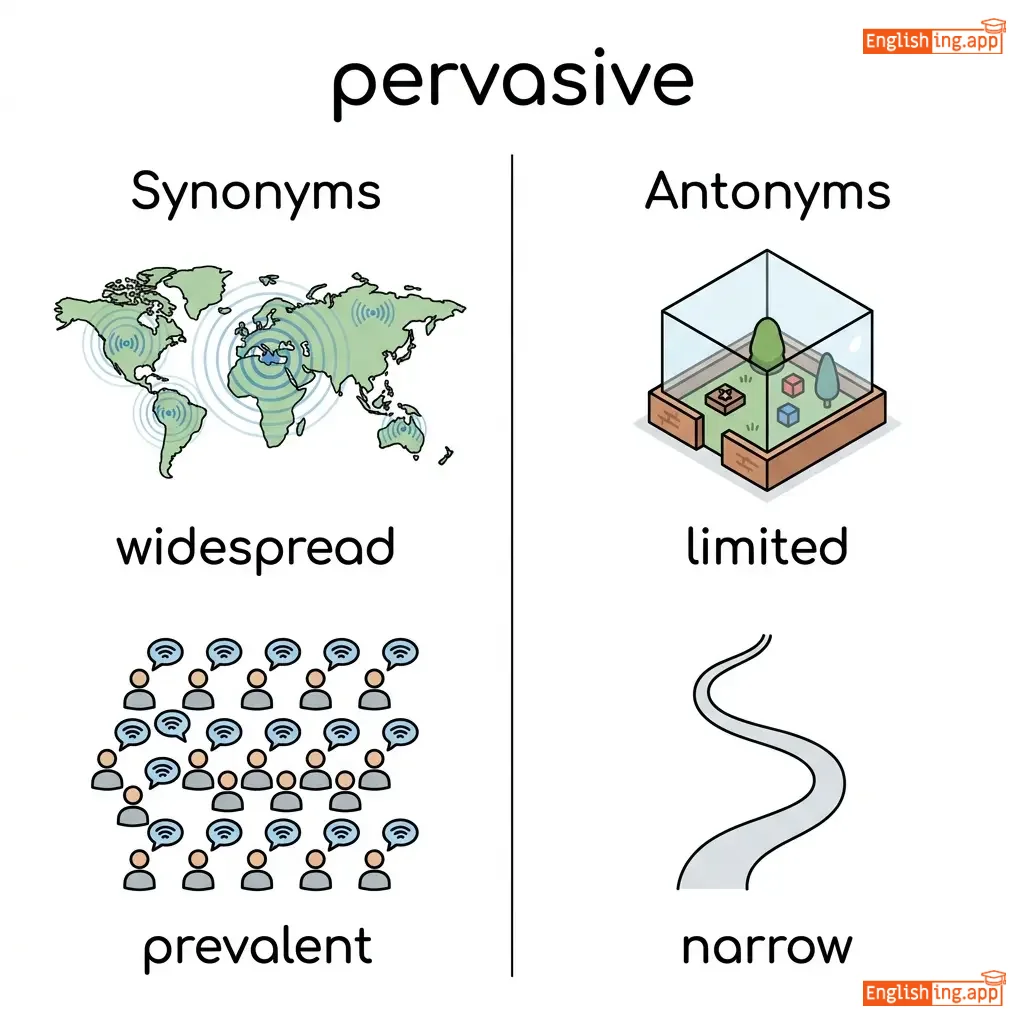
pərˈveɪsɪv
adjective
(パーヴェイシヴ)
••••••
|
|
広範囲にわたる
kōhan'i ni wataru
••••••
|
Spreading widely throughout an area or group; prevalent everywhere.
••••••
|
The pervasive influence of technology shapes modern life. |
技術の広範囲にわたる影響が現代生活を形作っています。
Gijutsu no kōhan'i ni wataru eikyō ga gendai seikatsu o katachi tsukutteimasu.
••••••
|
widespread, ubiquitous, prevalent, extensive, omnipresent, far-reaching
••••••
|
limited, restricted, confined, localized, isolated, contained
••••••
|
Japanese '広範囲にわたる' means widespread, similar to pervasive.
••••••
|
|
#2395
💪
|
rɪˈzɪlɪəns
noun
(レジリエンス)
••••••
|
|
回復力
kaifukuryoku
••••••
|
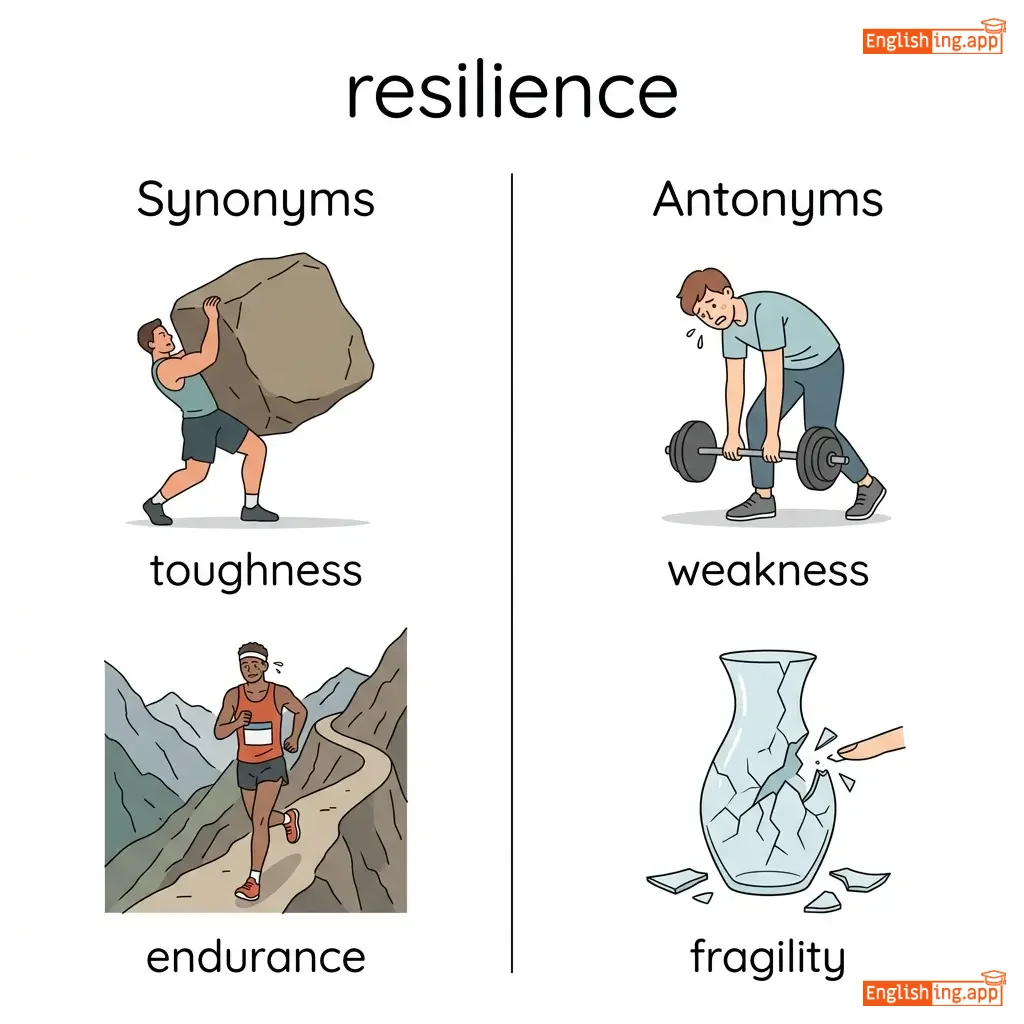
The ability to recover quickly from difficulties; toughness and endurance.
••••••
|
Her resilience in overcoming challenges was remarkable. |
彼女の挑戦を乗り越える回復力は素晴らしかった。
Kanojo no chōsen o norikoeru kaifukuryoku wa subarashikatta.
••••••
|
toughness, endurance, strength, durability, fortitude, tenacity
••••••
|
fragility, vulnerability, weakness, brittleness, delicacy, frailty
••••••
|
回復力(kaifukuryoku)は逆境を乗り越える力です。
••••••
|
|
#2396
🛡️
|
ˈfɔːtɪtjuːd
noun
(フォーティチュード)
••••••
|
|
忍耐
nintai
••••••
|
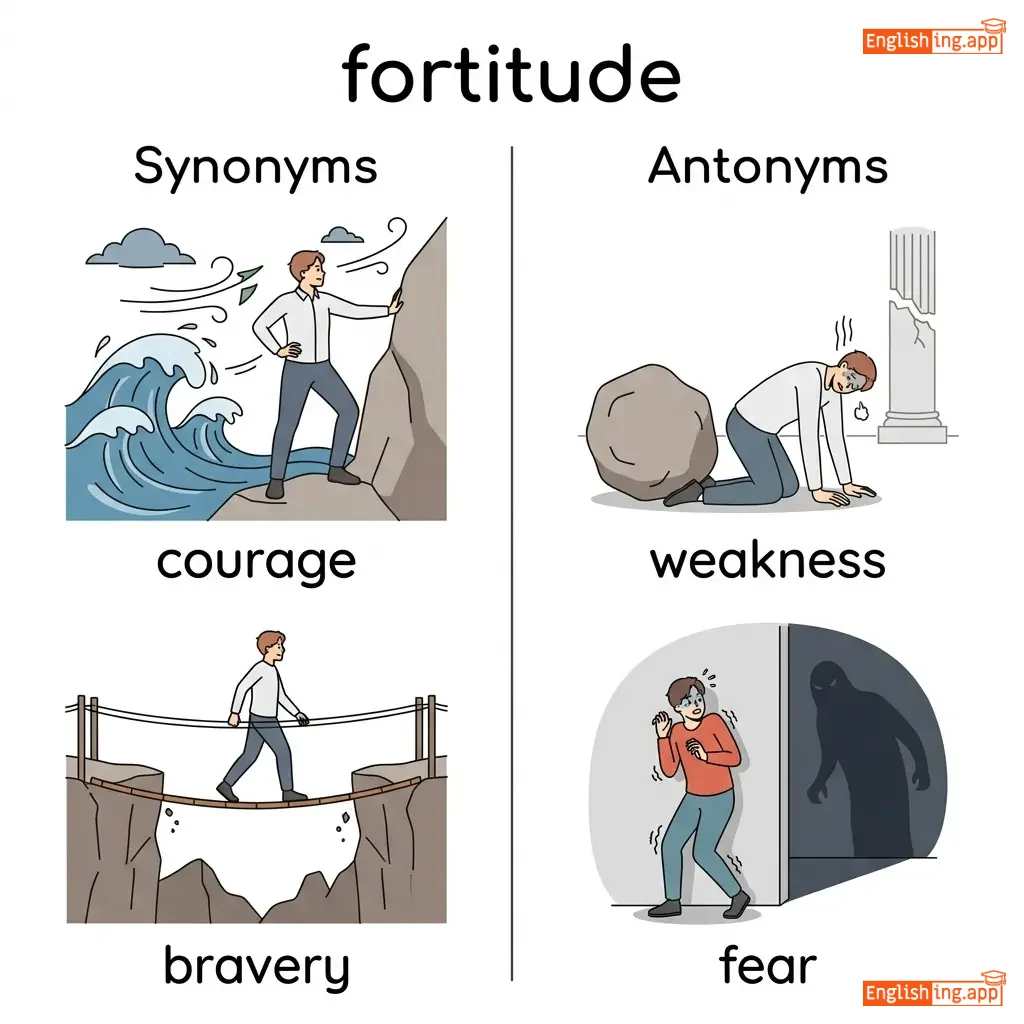
Courage in pain or adversity; mental and emotional strength.
••••••
|
He showed great fortitude during the crisis.
彼は危機の間に大きな勇気を示した。
••••••
|
彼は危機の間に大きな勇気を示した。
Kare wa kiki no aida ni ōkina yūki o shimeshita.
••••••
|
courage, strength, bravery, valor, determination, resolve
••••••
|
weakness, cowardice, timidity, fear, frailty, pusillanimity
••••••
|
忍耐 (Nintai) - 難局に直面しても、耐え忍ぶ力を持つ。
••••••
|
|
#2397
⛈️
|
ædˈvɜːsəti
noun
(アドバーシティ)
••••••
|
|
逆境
gyakkyo
••••••
|
Difficulties or misfortune; a difficult or unpleasant situation.
••••••
|
They overcame adversity and achieved their goals.
彼らは逆境を克服し、目標を達成しました。
••••••
|
彼らは逆境を克服し、目標を達成しました。
Karera wa gyakkyo o kokufuku shi, mokuhyou o tassei shimashita.
••••••
|
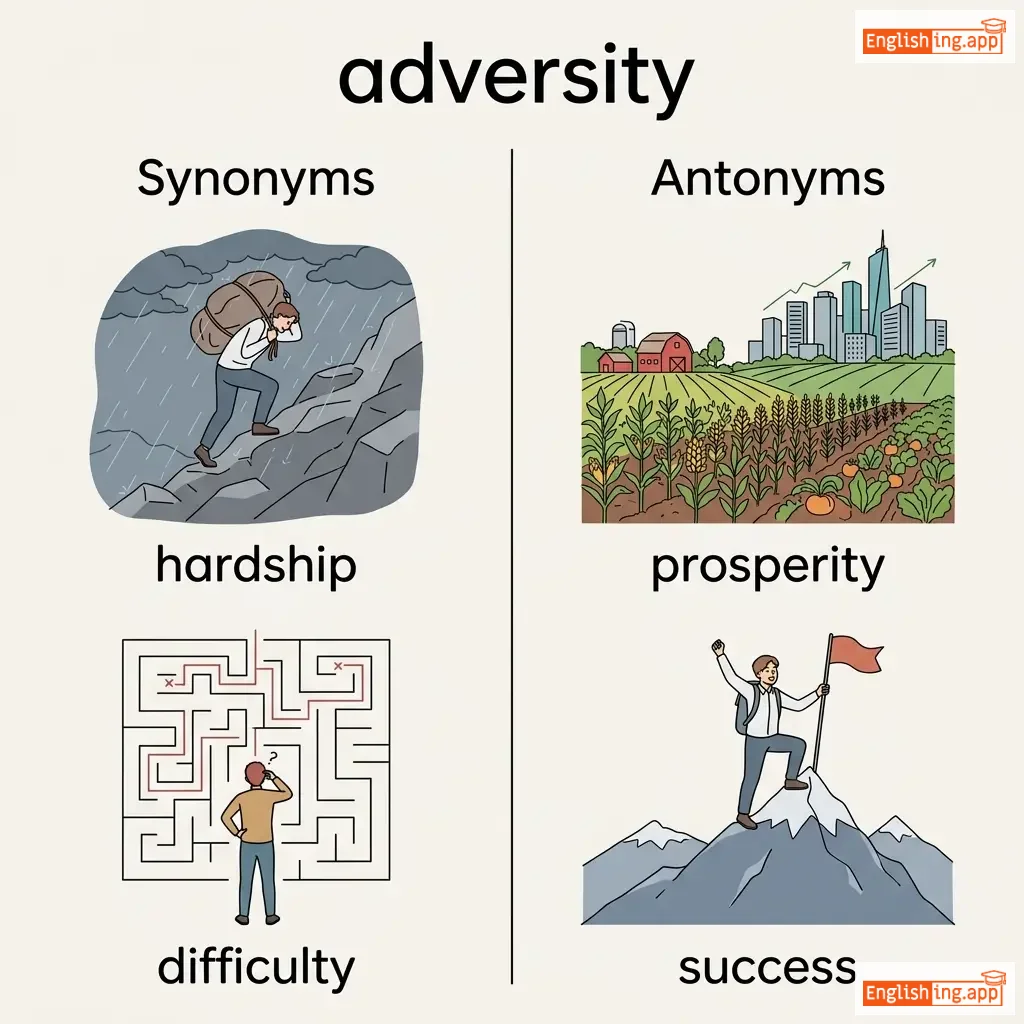
hardship, misfortune, difficulty, trouble, challenge, setback
••••••
|
prosperity, success, fortune, advantage, ease, comfort
••••••
|
逆境を克服して、目標を達成しよう。
••••••
|
|
#2398
🚀
|
trænˈsɛnd
verb
(トランセンド)
••••••
|
|
超越する
chouetsu suru
••••••
|
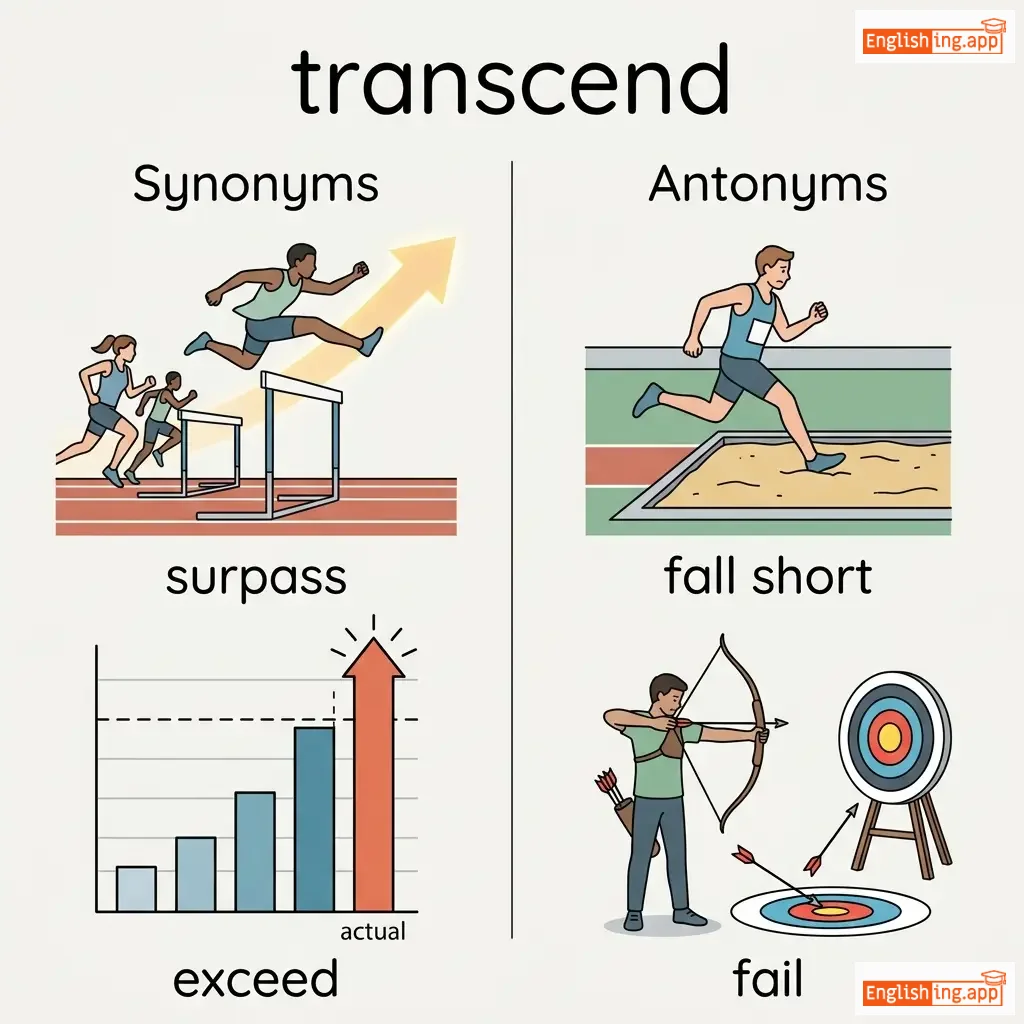
To go beyond the range or limits of; to surpass or exceed.
••••••
|
The athlete transcended all expectations with his performance. |
アスリートは彼のパフォーマンスですべての期待を超越した。
Asurīto wa kare no pafōmansu de subete no kitai o chouetsu shita.
••••••
|
surpass, exceed, overcome, rise above, go beyond, outstrip
••••••
|
fall short, fail, succumb, surrender, yield, submit
••••••
|
Transcend means to go beyond; in Japanese, '超越する' conveys the same idea of surpassing limits.
••••••
|
|
#2399
🌸
|
ɪˈfɛmərəl
adjective
(エフェメラル)
••••••
|
|
一時的
ichijiteki
••••••
|
Lasting for a very short time; temporary or fleeting.
••••••
|
The beauty of the sunset was ephemeral but breathtaking. |
夕日の美しさは一時的だったが、息を呑むほど美しかった。
Yuuhi no utsukushisa wa ichijiteki datta ga, iki wo nomu hodo utsukushikatta.
••••••
|
temporary, fleeting, brief, short-lived, transient, momentary
••••••
|
permanent, everlasting, enduring, lasting, eternal, persistent
••••••
|
一時的 sounds like 'time fleeting'—quickly passing.
••••••
|
|
#2400
⚖️
|
ˌdʒʌkstəpəˈzɪʃən
noun
(ジャクスタポジション)
••••••
|
|
並置
へいち
••••••
|
The fact of two things being seen or placed close together with contrasting effect.
••••••
|
The juxtaposition of old and new architecture was striking.
古い建物と新しい建物の並列は印象的でした。
••••••
|
古い建物と新しい建物の並列は印象的でした。
Furui tatemono to atarashii tatemono no heichi wa inshō-teki deshita.
••••••
|
contrast, comparison, opposition, placement, arrangement, positioning
••••••
|
separation, division, isolation, distance, disconnection, segregation
••••••
|
並置: 二つのものを並べて、視覚的な効果を生み出します。
••••••
|
|
#2401
🤔
|
ˌɪntrəˈspɛkʃən
noun
(イントロスペクション)
••••••
|
|
自己観察
jiko kansatsu
••••••
|
The examination or observation of one's own mental and emotional processes.
••••••
|
After the failure, he engaged in deep introspection to understand the cause. |
失敗後、彼は原因を理解するために深い自己観察に取り組んだ。
Shippai go, kare wa gen'in o rikai suru tame ni fukai jiko kansatsu ni torikunda.
••••••
|
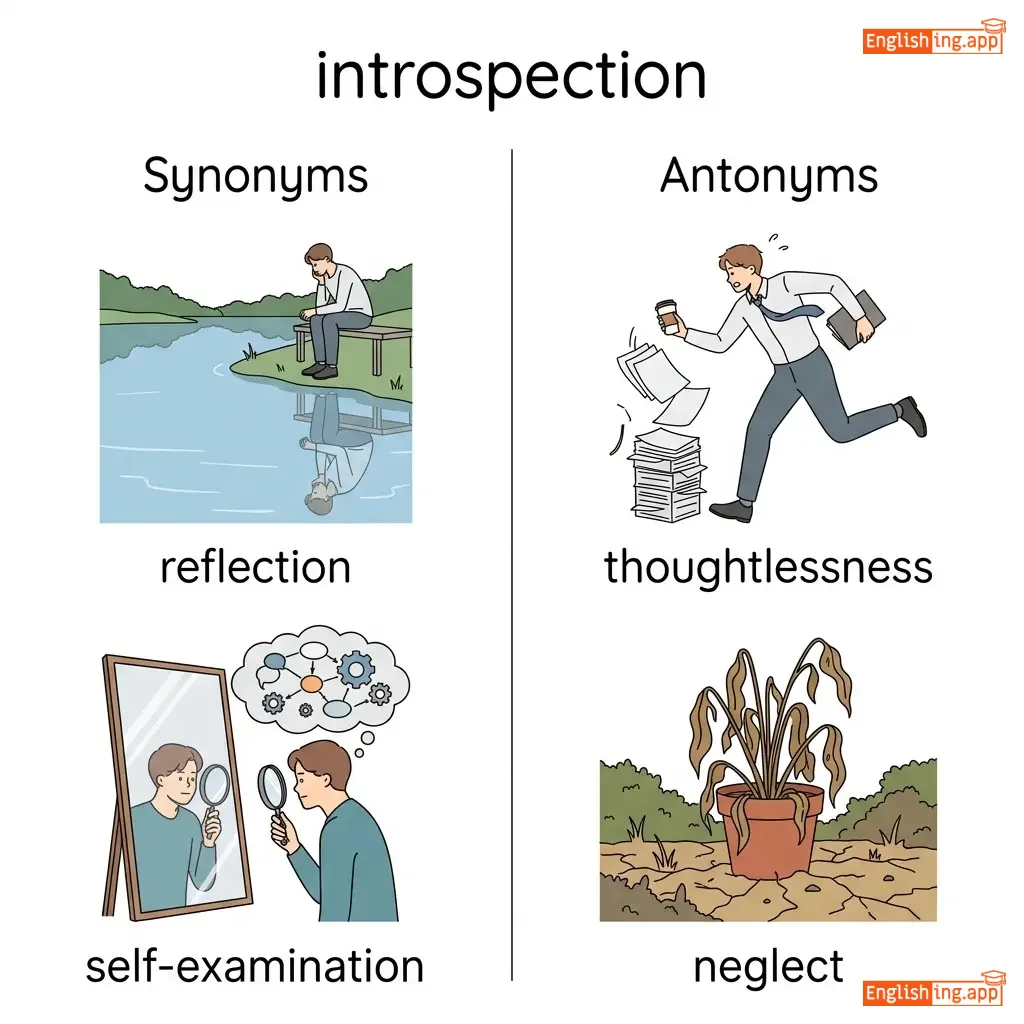
self-reflection, self-examination, contemplation, meditation, soul-searching, rumination
••••••
|
external observation, superficiality, shallowness, ignorance, unawareness, thoughtlessness
••••••
|
自己観察で自分を深く知ろう
••••••
|
|
#2402
🤝
|
ˌrɛkənsɪlɪˈeɪʃən
noun
(rekon-sil-i-e-shon)
••••••
|
|
和解
wakai
••••••
|
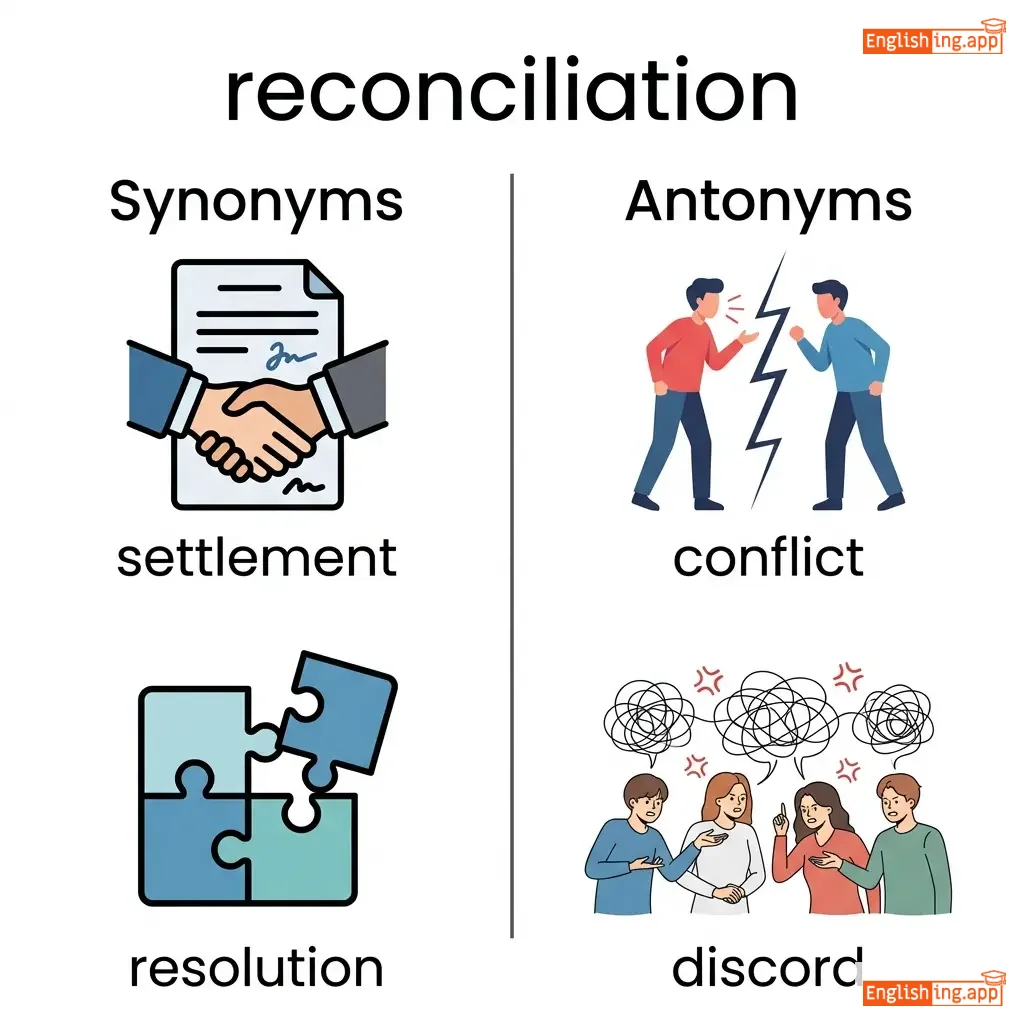
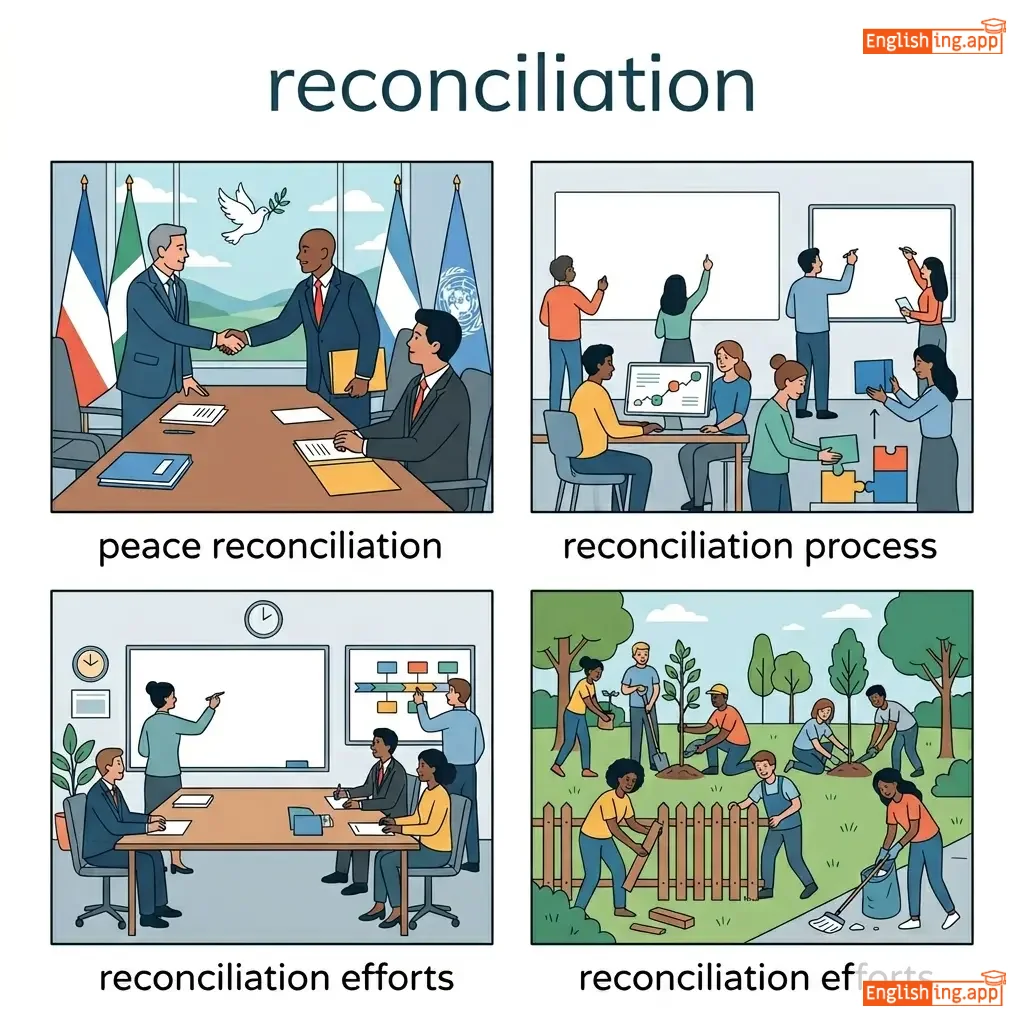
The restoration of friendly relations; the action of making one view compatible with another.
••••••
|
The reconciliation between the two parties was a pivotal moment.
二者間の和解は重要な瞬間でした。
••••••
|
二者間の和解は重要な瞬間でした。
Nisha-kan no wakai wa jūyōna shunkan deshita.
••••••
|
settlement, resolution, agreement, peace, harmony, accord
••••••
|
estrangement, disagreement, conflict, discord, hostility, division
••••••
|
和解は争いを解決し、絆を強くします。
••••••
|
|
#2403
🙏
|
ˈsæŋktɪti
noun
(サンクティティ)
••••••
|
|
神聖さ
shinseisa
••••••
|
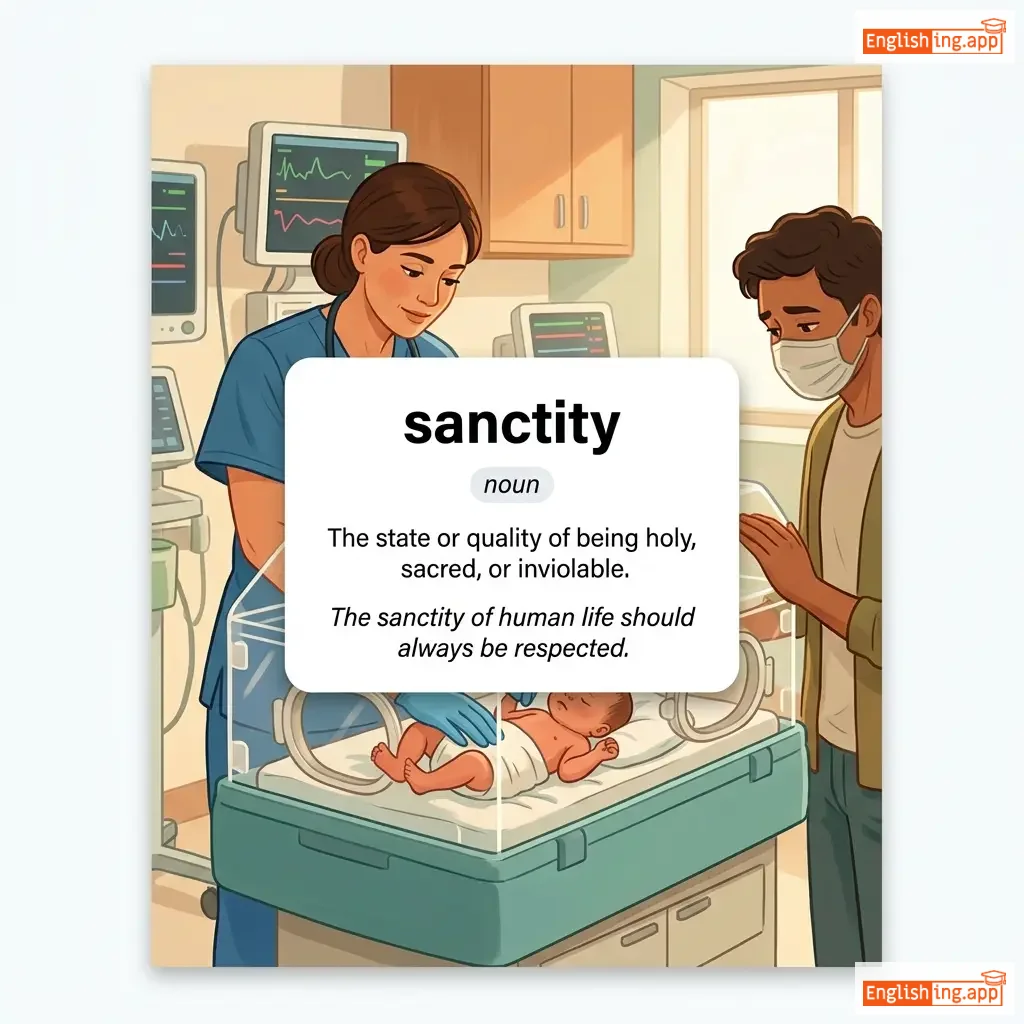
The state or quality of being holy, sacred, or saintly; ultimate importance.
••••••
|
The sanctity of life should never be compromised. |
命の神聖さは決して妥協されるべきではない。
Inochi no shinseisa wa kesshite dakyo sare rube ki de wa nai.
••••••
|
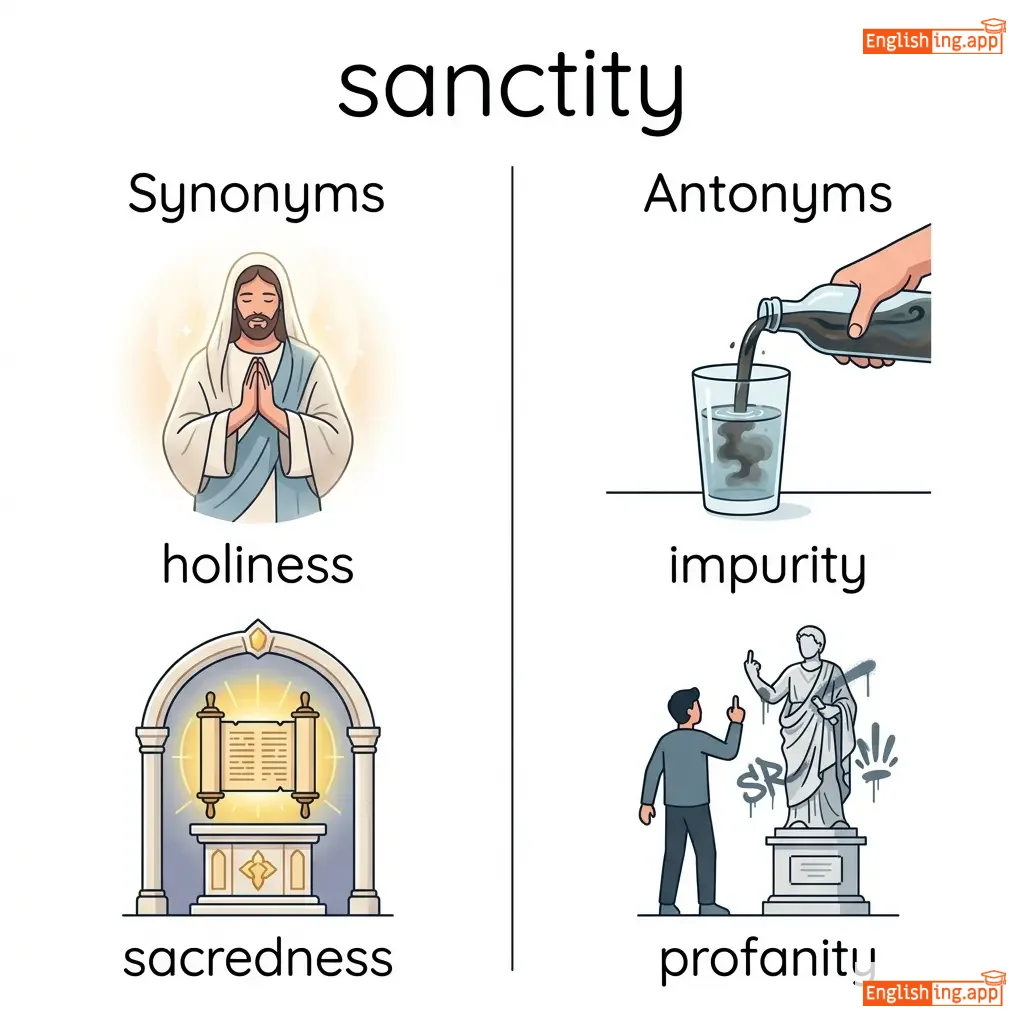
sacredness, holiness, purity, divinity, reverence, inviolability
••••••
|
profanity, impurity, desecration, corruption, violation, sacrilege
••••••
|
神聖さは命に最も重要な価値を与えるもので、妥協してはいけません。
••••••
|
|
#2404
🔥
|
ziːl
noun
(ジール)
••••••
|
|
熱意
netsui
••••••
|
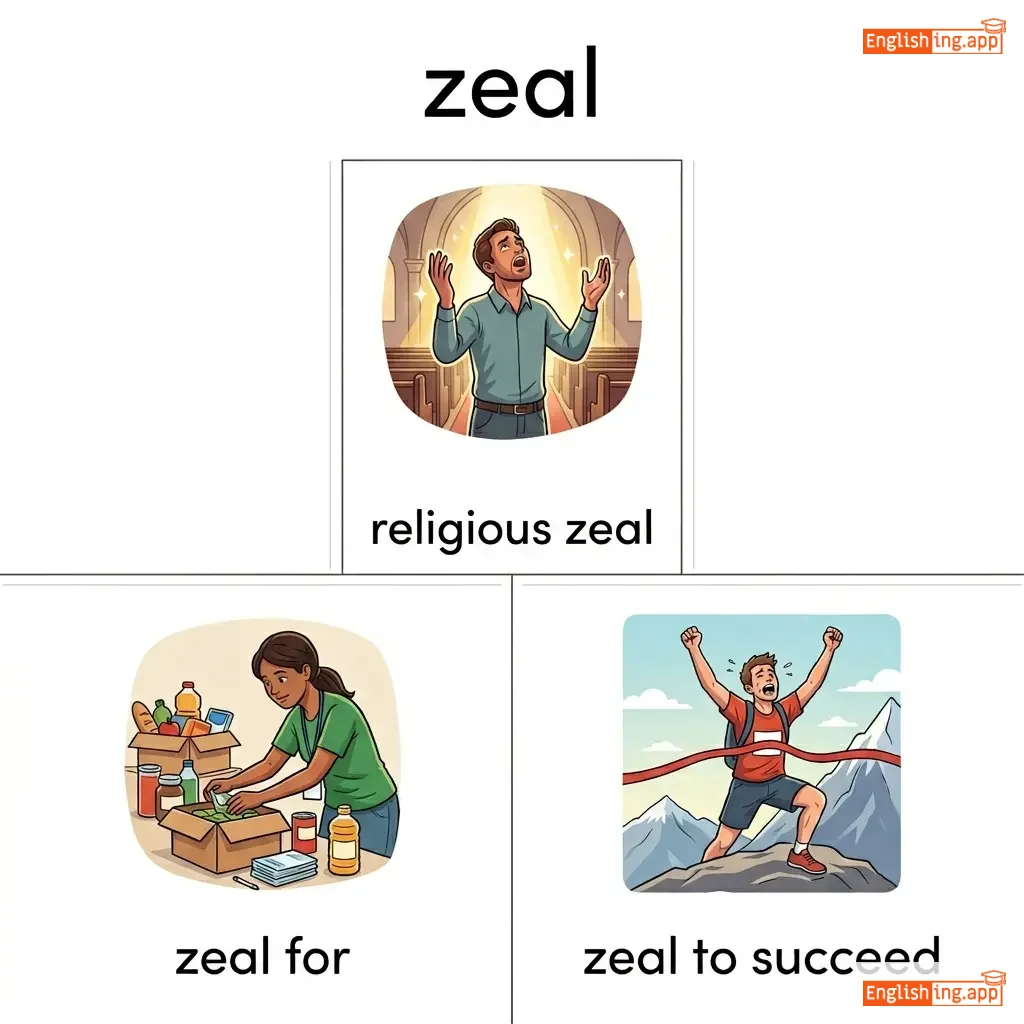
Great energy or enthusiasm in pursuit of a cause or objective; passion.
••••••
|
She approached the project with great zeal and determination.
彼女は大きな熱意と決意でそのプロジェクトに取り組んだ。
••••••
|
彼女は大きな熱意と決意でそのプロジェクトに取り組んだ。
Kanojo wa ookina netsui to ketsui de sono purojekuto ni torikunda.
••••••
|
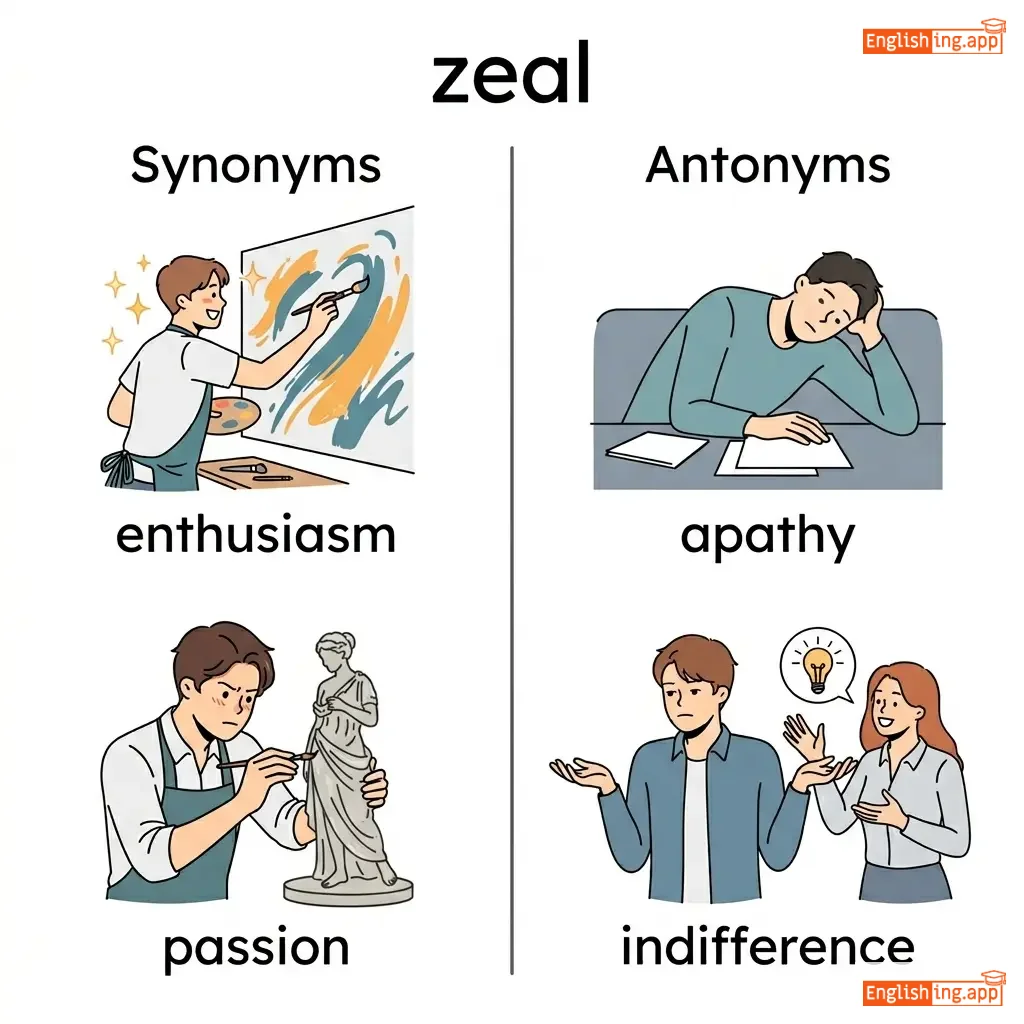
passion, enthusiasm, fervor, ardor, dedication, devotion
••••••
|
apathy, indifference, lethargy, disinterest, coolness, detachment
••••••
|
In Japanese, '熱意' reflects zeal – passion and energy in pursuing goals.
••••••
|
|
#2405
🎯
|
tɪˈnæsɪti
noun
(テナシティ)
••••••
|
|
粘り強さ
nebarizuyosa
••••••
|
The quality or fact of being able to grip something firmly; persistence and determination.
••••••
|
His tenacity helped him to overcome all the obstacles. |
彼の粘り強さがすべての障害を克服するのに役立ちました。
Kare no nebarizuyosa ga subete no shōgai o kokufuku suru no ni yakudachimashita.
••••••
|
persistence, determination, perseverance, resolve, steadfastness, doggedness
••••••
|
weakness, surrender, giving up, capitulation, abandonment, quitting
••••••
|
粘り強さが勝利を引き寄せる。
••••••
|
Vocabulary Quiz
Test your vocabulary by matching words with their translations or meanings.
Login to take the quiz
Comments (0)
Share your thoughts and join the discussion.
Join the discussion by logging in
Login to CommentNo comments yet
Be the first to share your thoughts!