

減量に関する一般的な誤解
Common Myths About Weight Loss
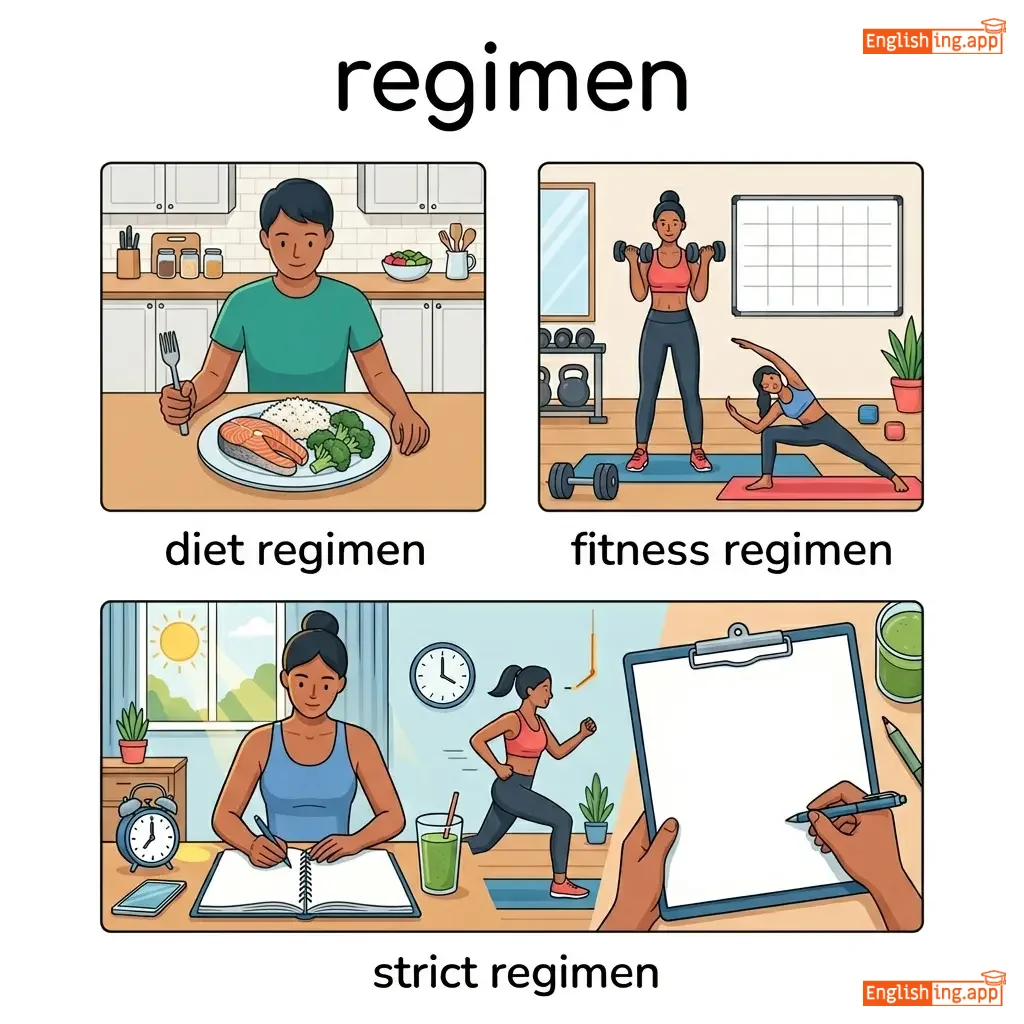
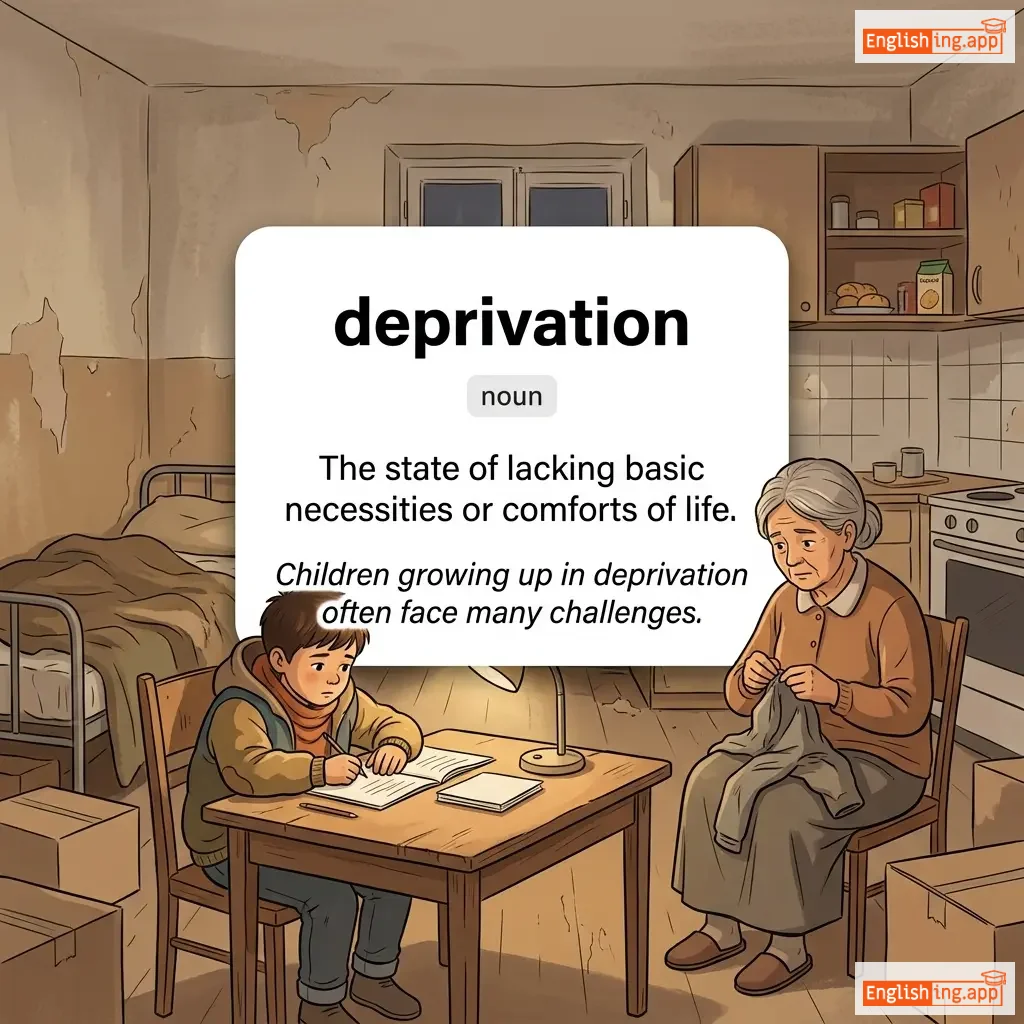
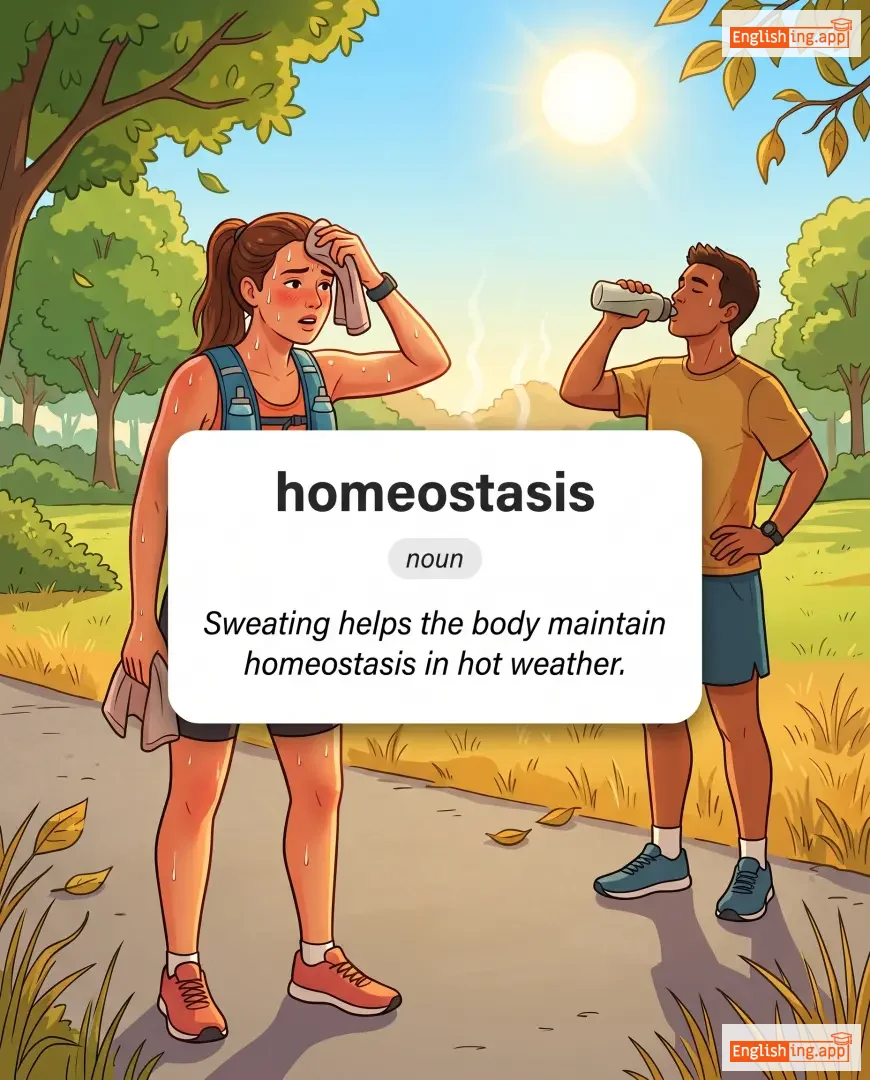
減量について多くの misconceptions があり、多くの人がそれを信じており、それが彼らの regimen に影響を与えています。多くの人は appetite を減らせば素早く体重が減ると思っていますが、これは単に deprivation を引き起こし、体の homeostasis を乱します。
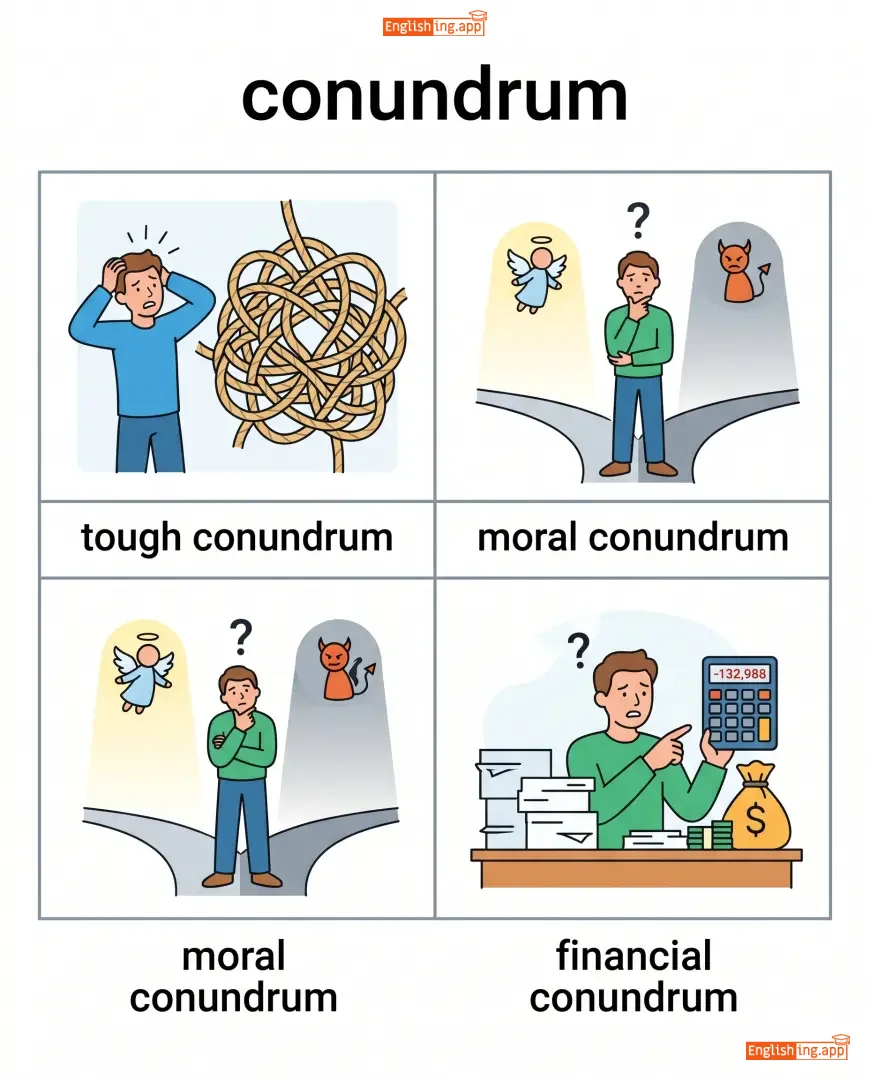
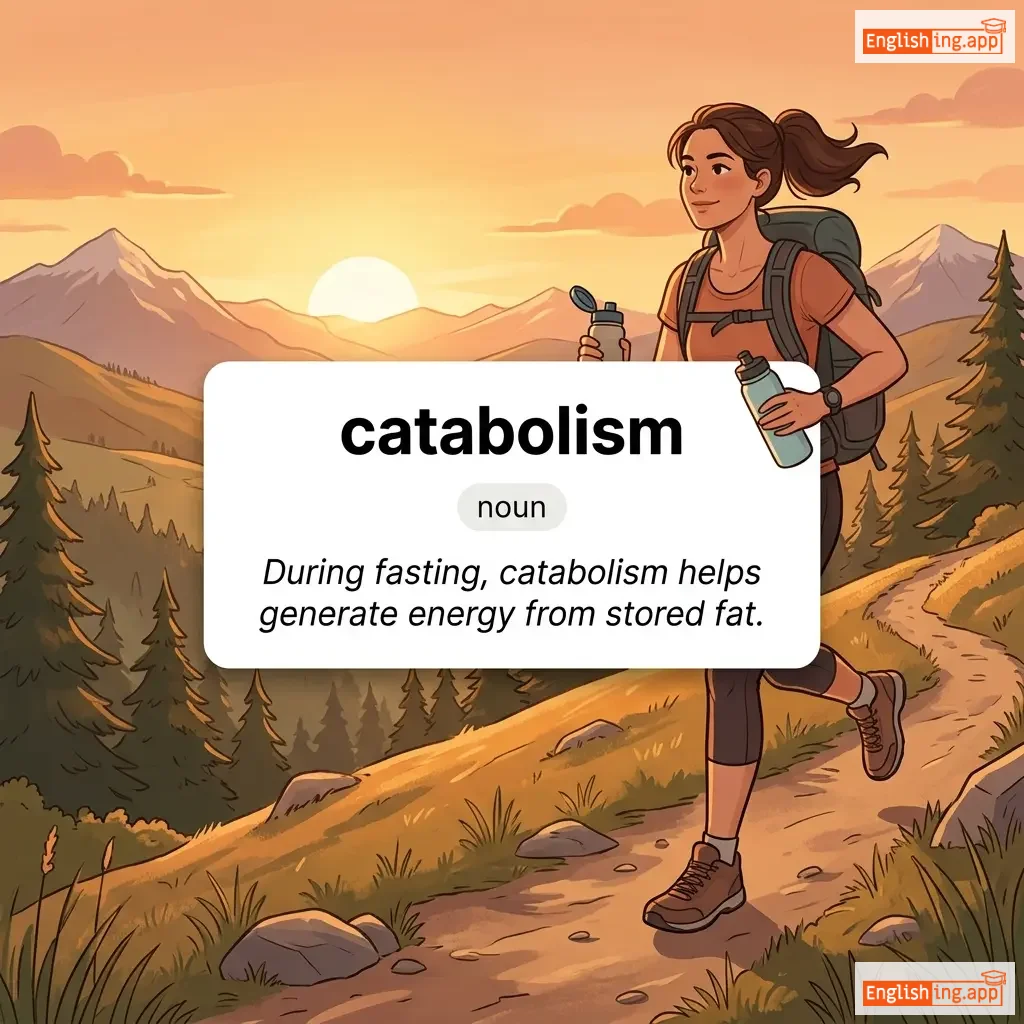
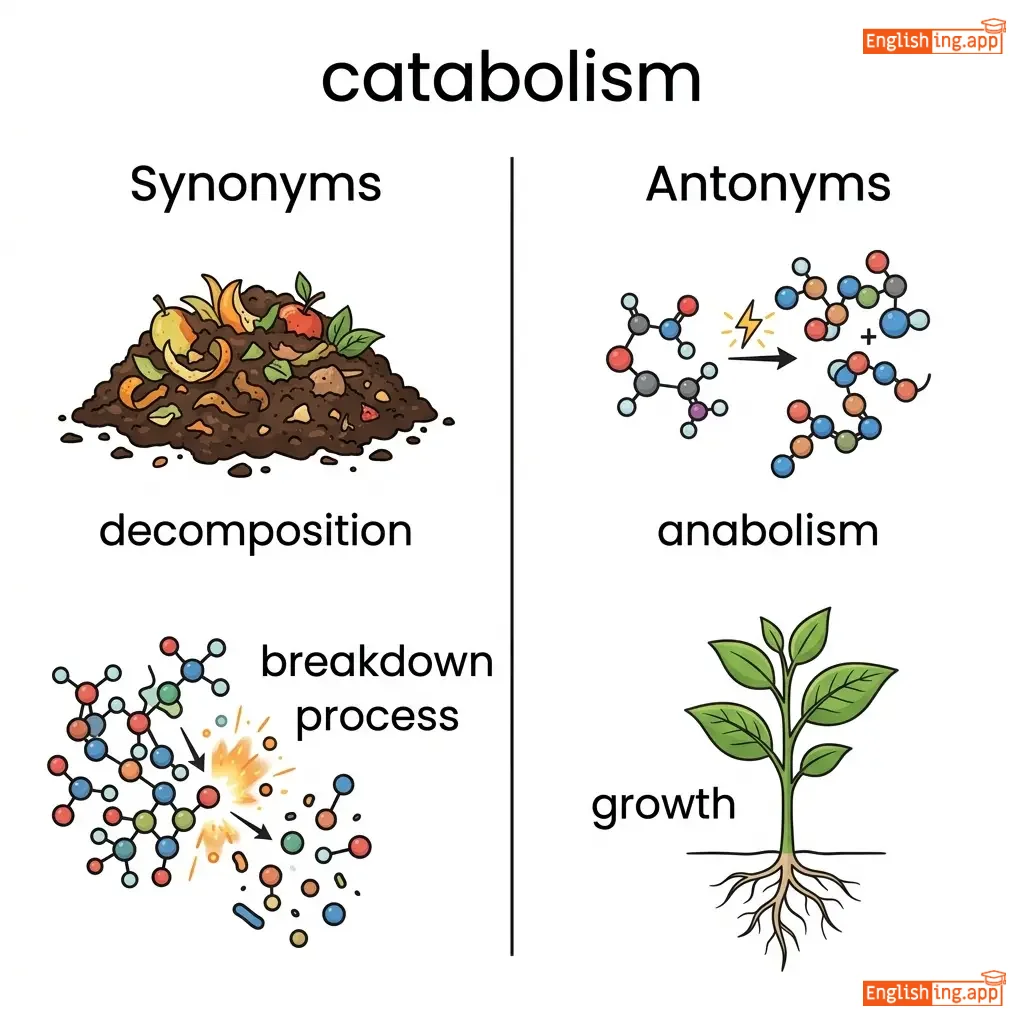
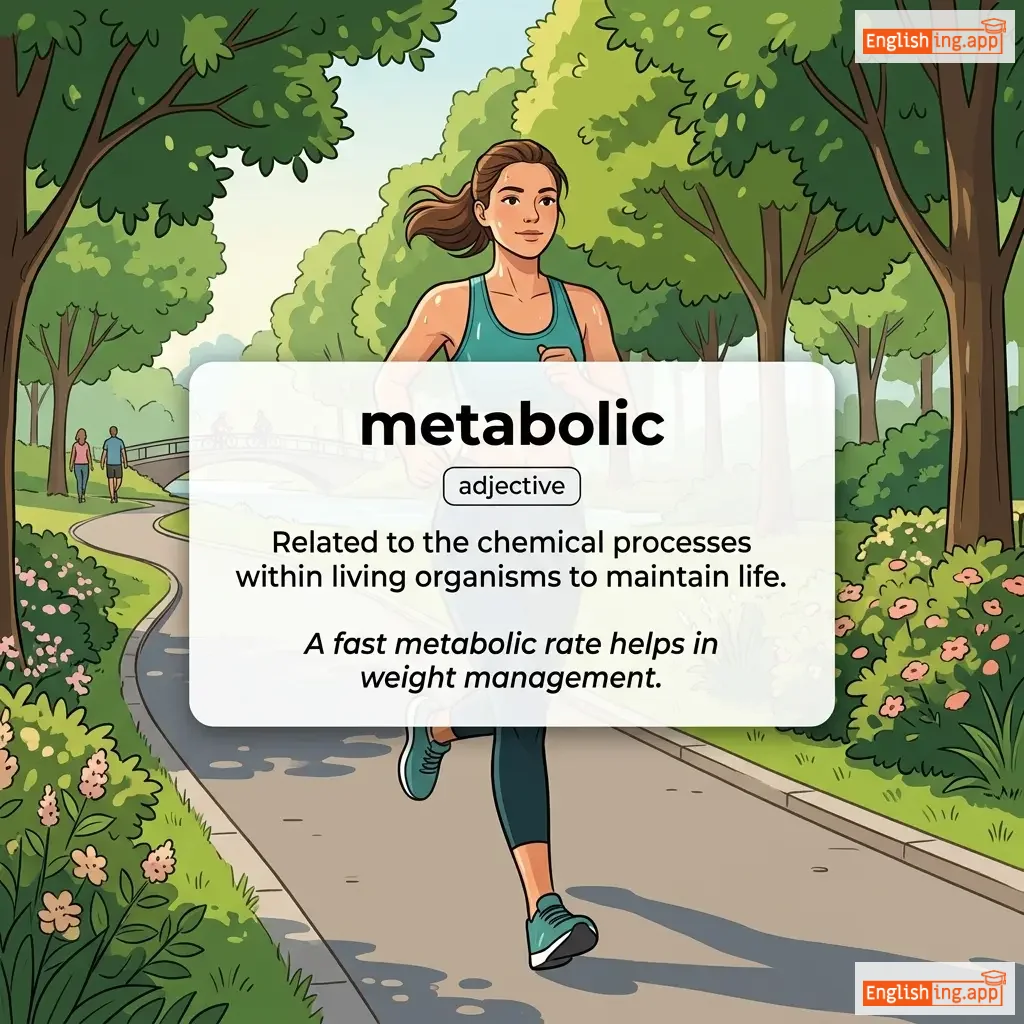
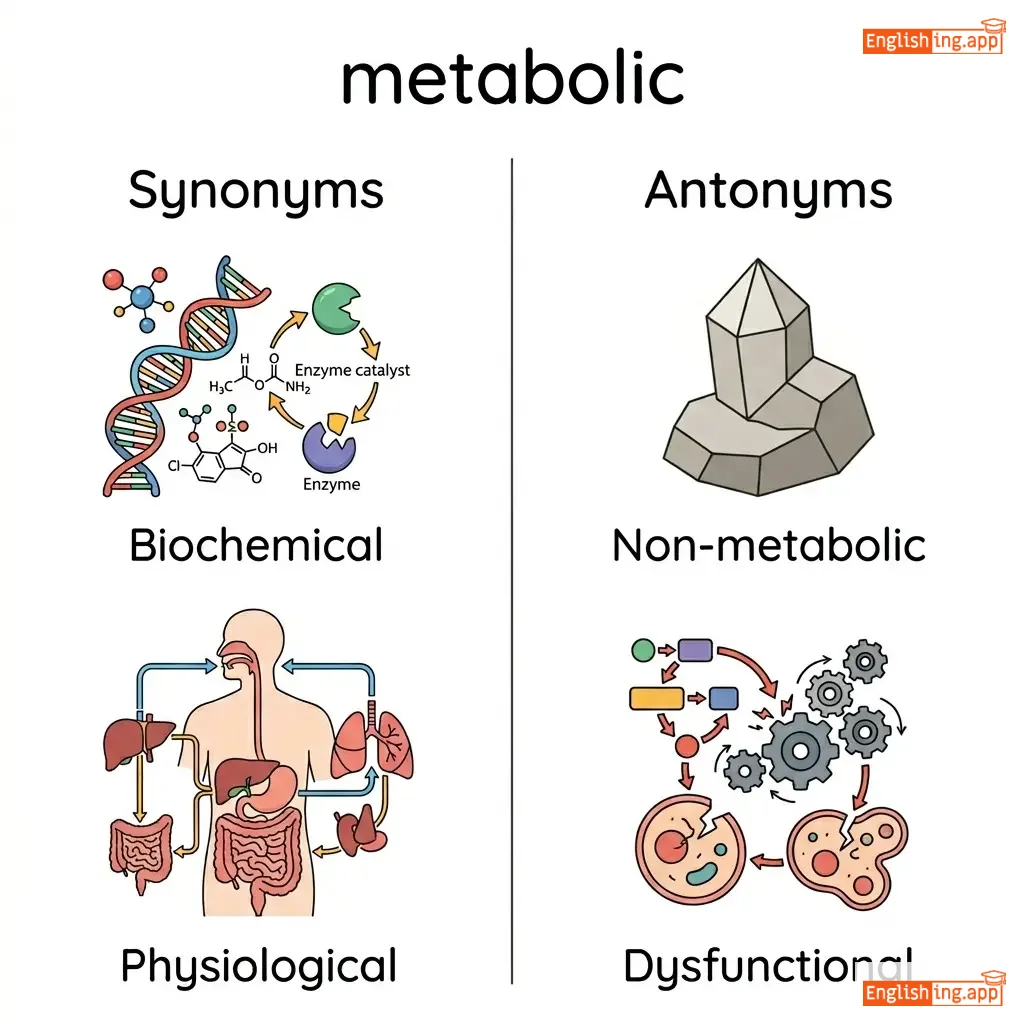
大きな conundrum は、人々が食事を減らすと catabolism が増加して体重が減ると考えていることです。しかし実際には、体が長期間低カロリーしか摂取しないと metabolic 率が低下し、逆効果になります。
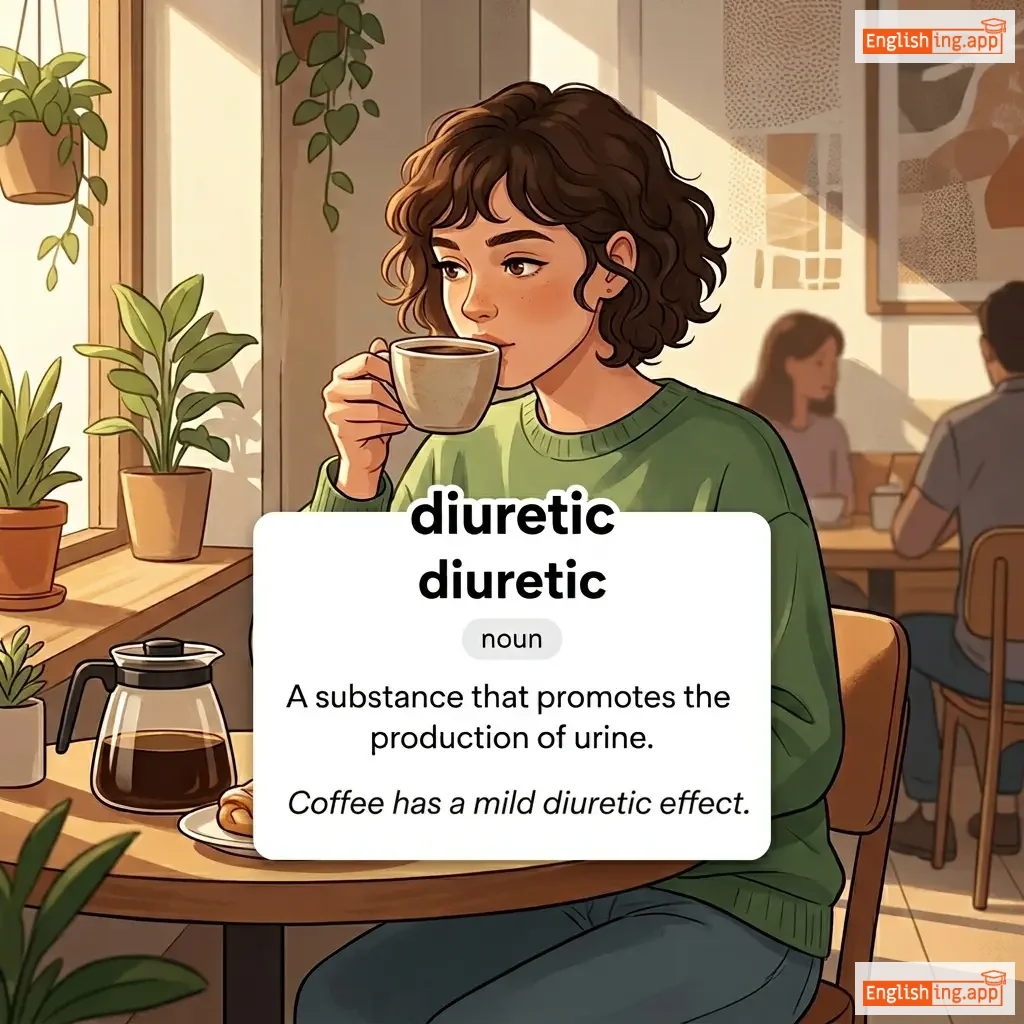
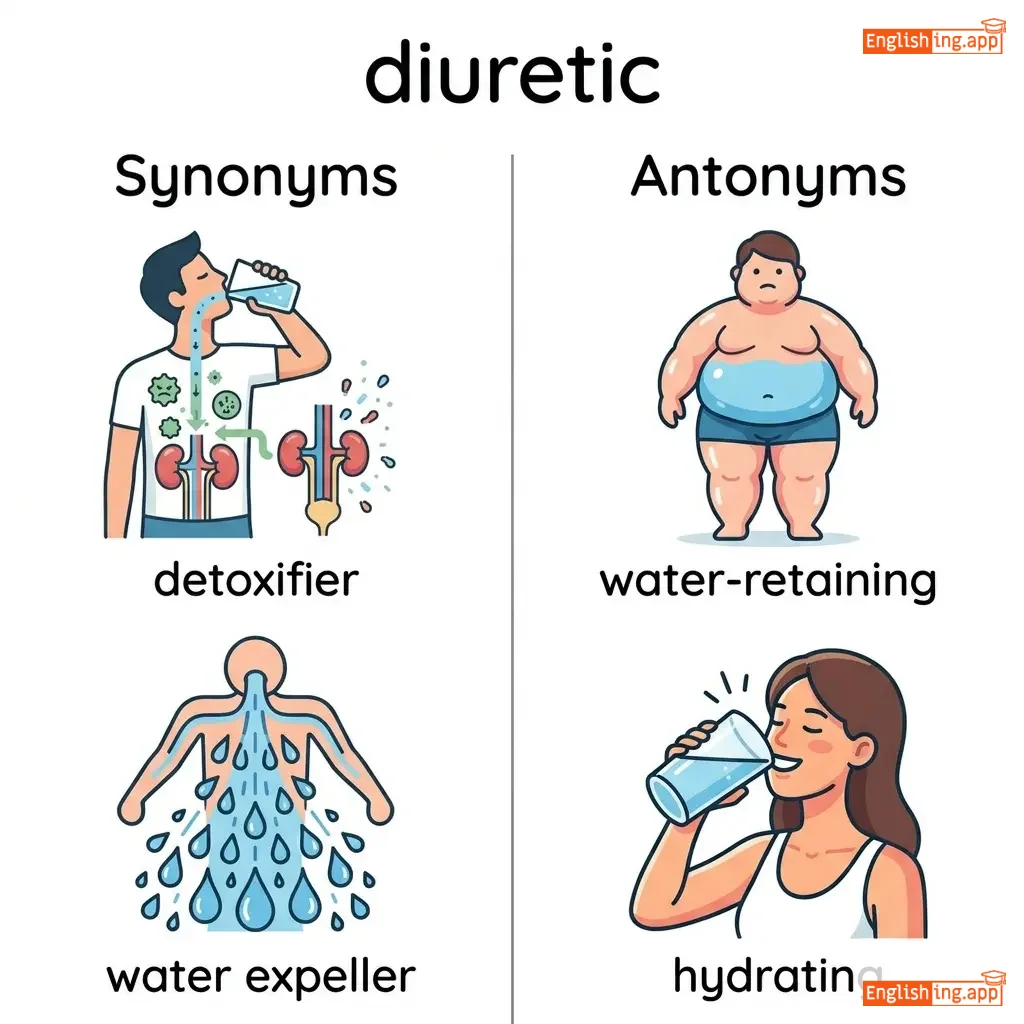
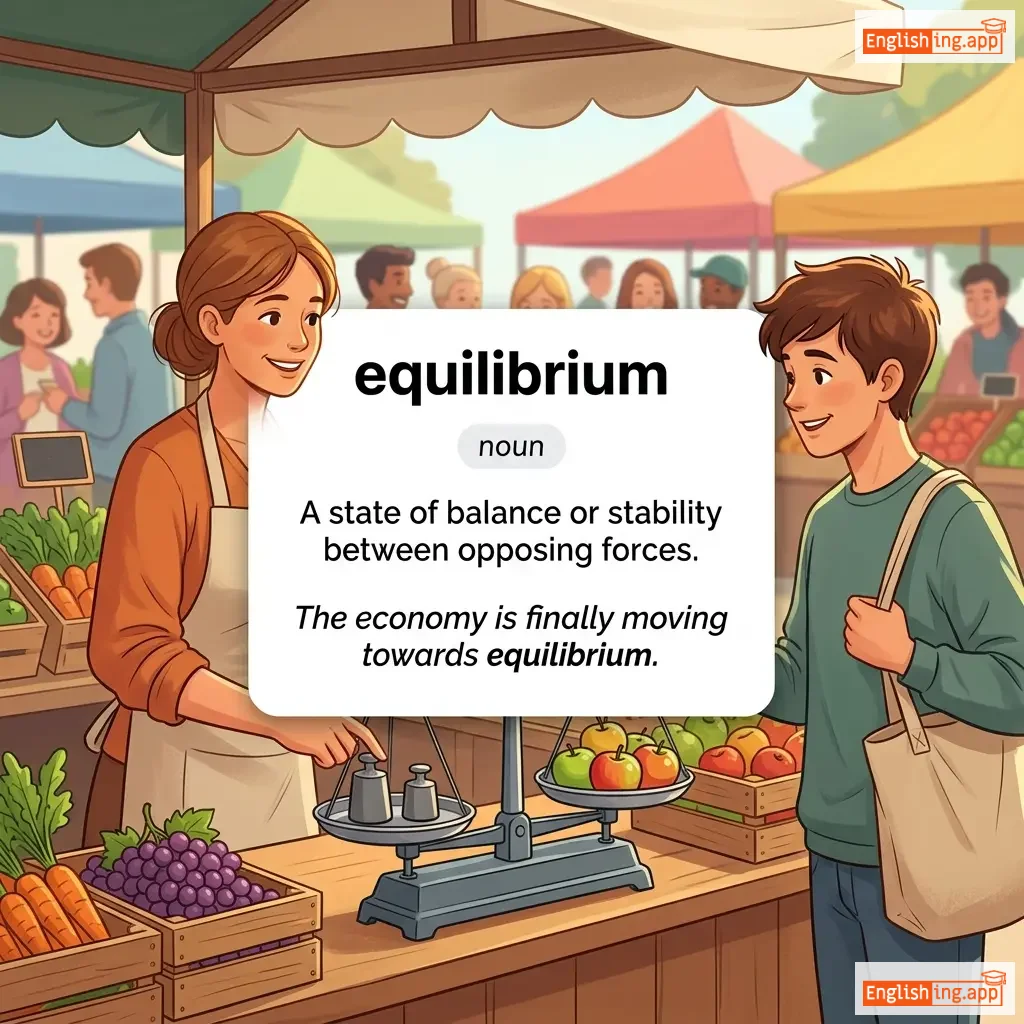
もう一つの誤解は、水を多く飲むと diuretic のように作用し、急速に体重が減るというものです。これは一時的に equilibrium を変化させるかもしれませんが、長期的な解決策ではありません。
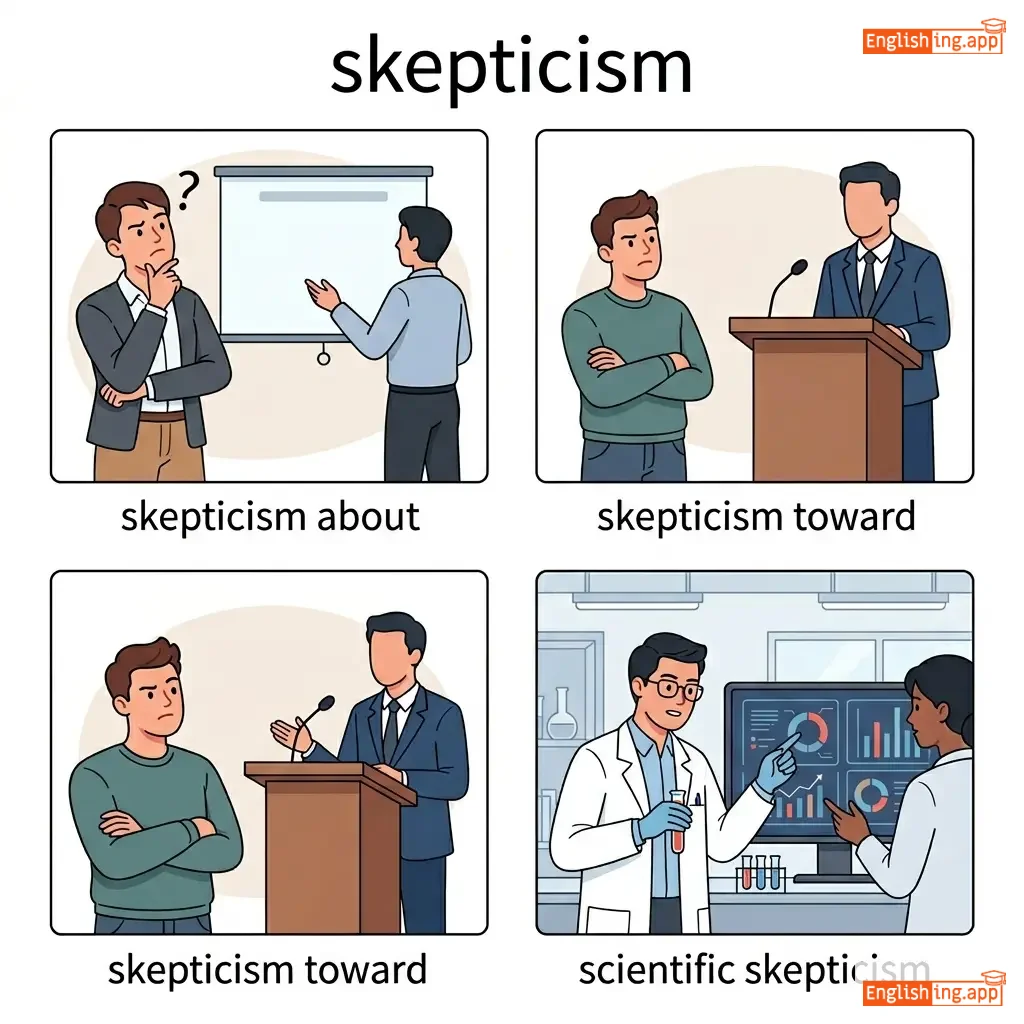
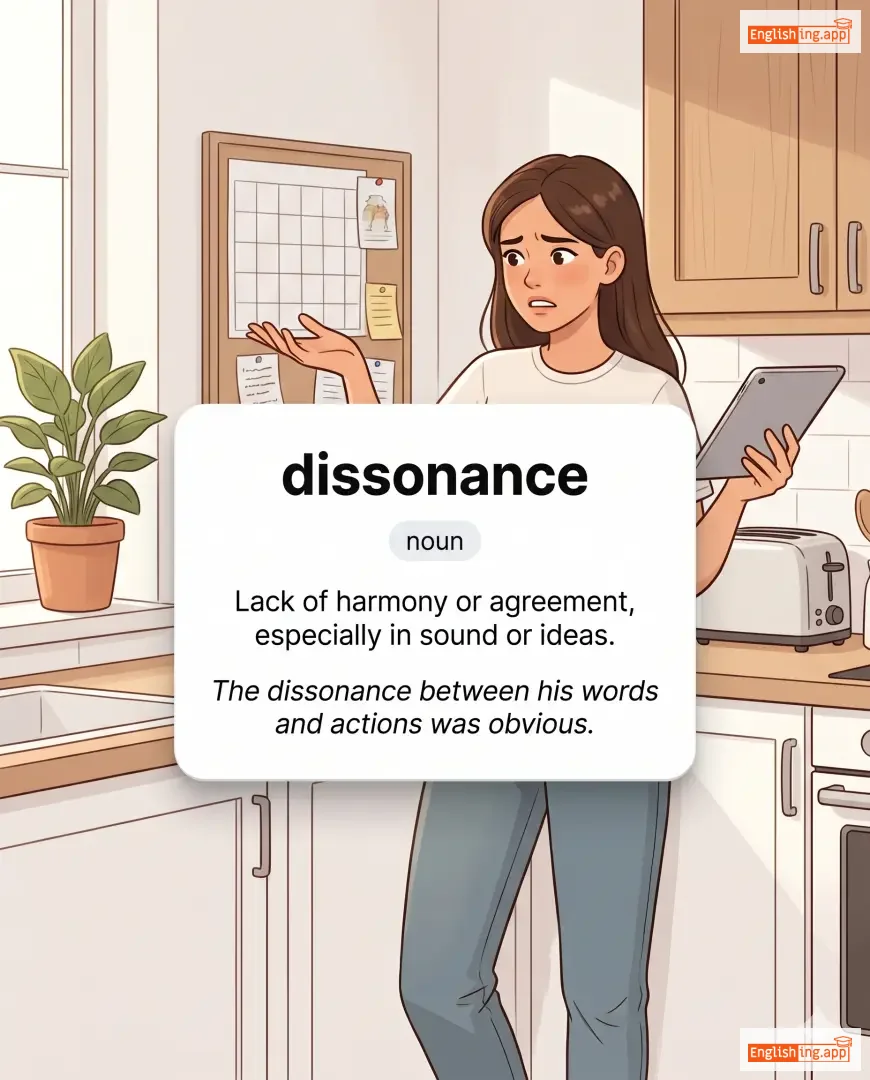
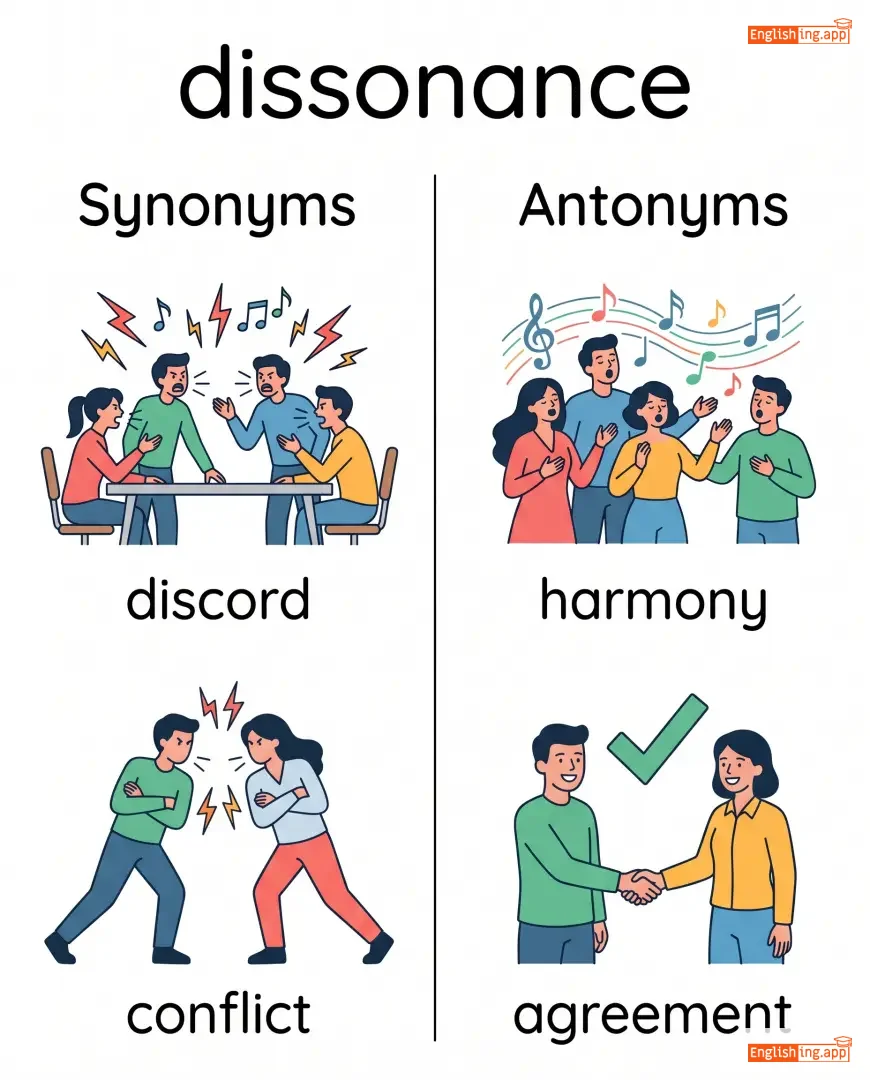
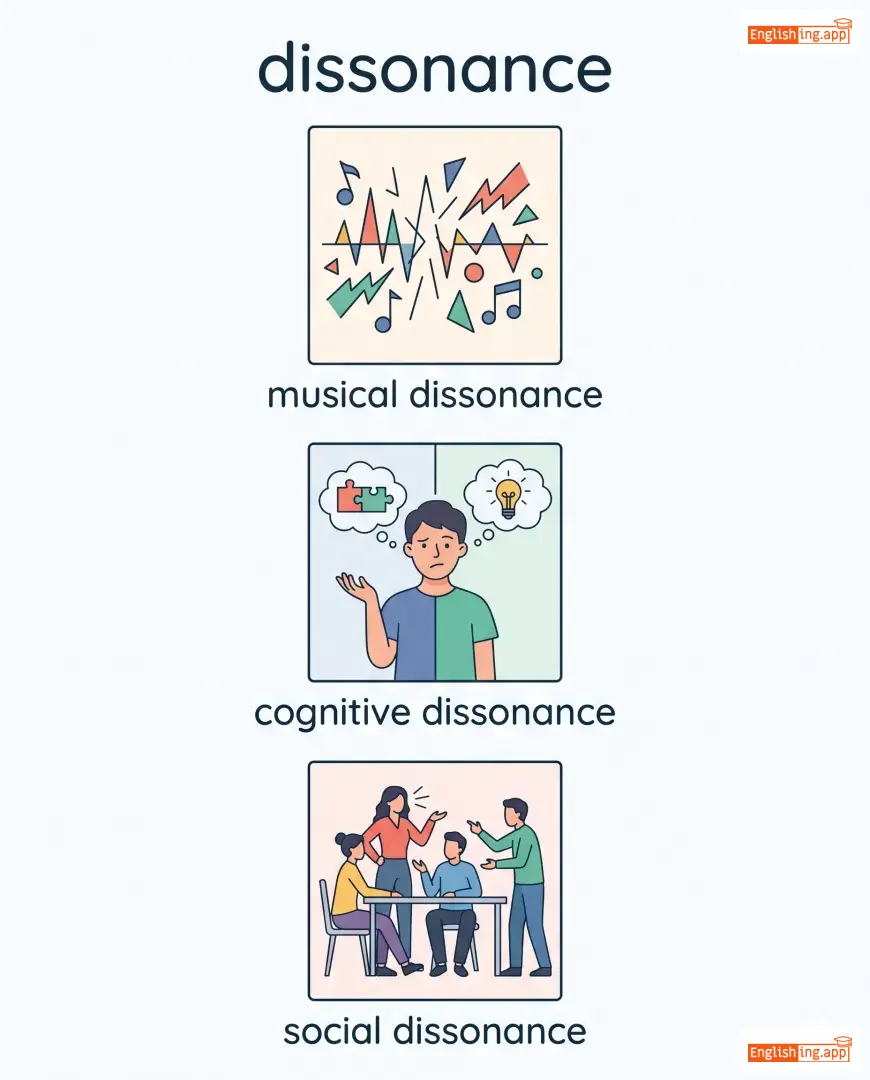
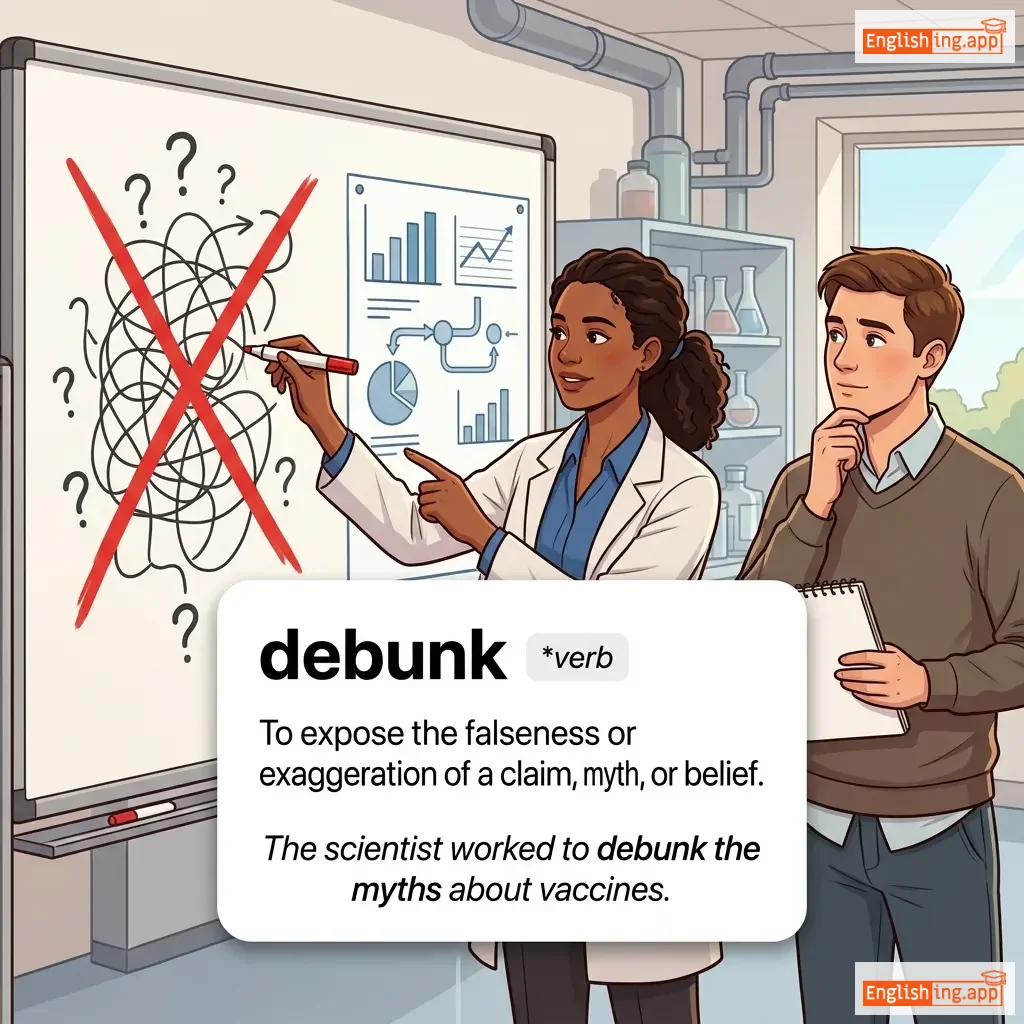
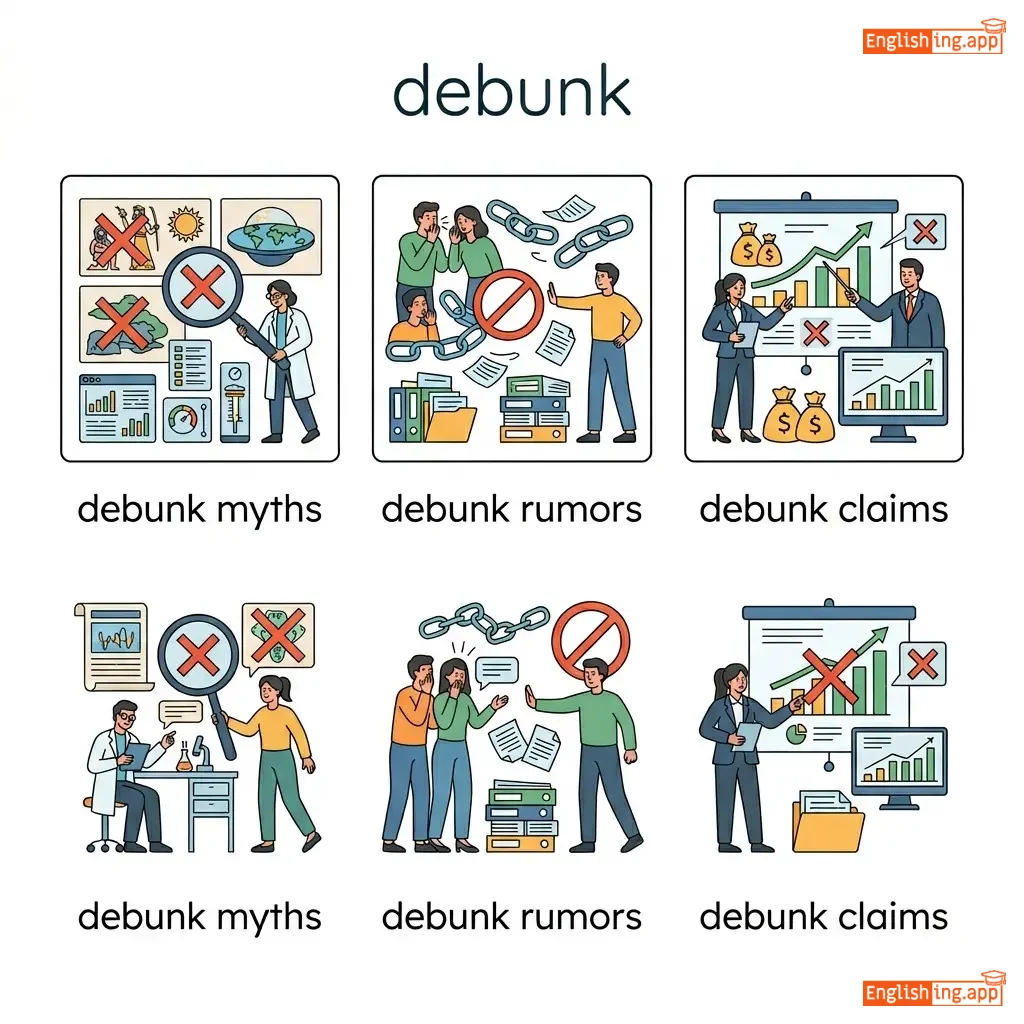
正しい情報を得ることと skepticism を持つことが重要です。そうすれば dissonance を生まず、正しい減量方法を取ることができます。健康的なライフスタイルの妨げとなる誤った信念を debunk すべきです。
翻訳
過去
過去分詞
三人称単数
動名詞
意味
例文
例文の翻訳
同義語
対義語
コロケーション
ニーモニック
Swipe left or right, or use the buttons. Tap image to zoom.
例文の翻訳
単語
Common Myths About Weight LossCommon Myths About Weight Loss - マスクトグル
|
絵文字
|
単語 | Images | 翻訳 | 意味 | 例文 | 例文の翻訳 | 同義語 | 対義語 | ニーモニック |
|---|---|---|---|---|---|---|---|---|---|
|
#1911
🤔
|
/ˌmɪs.kənˈsep.ʃən/
noun
(misu-kon-sep-shon)
••••••
|
|
誤解、間違った理解
gokai, machigatta rikai
••••••
|
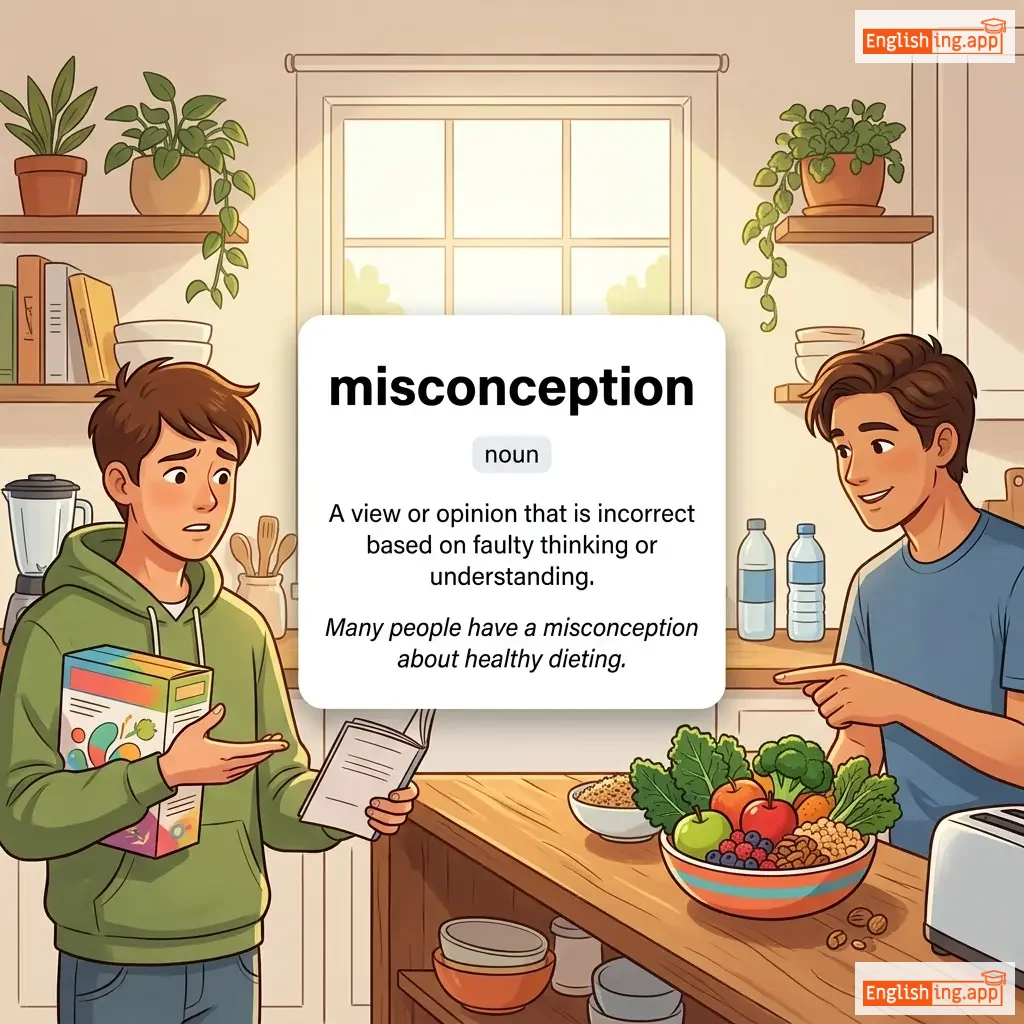
A view or opinion that is incorrect based on faulty thinking or understanding.
••••••
|
Many people have a misconception about healthy dieting.
多くの人々は健康的な食事について誤解しています。
••••••
|
多くの人々は健康的な食事について誤解しています。
Ōku no hitobito wa kenko-teki na shokuji ni tsuite gokai shiteimasu.
••••••
|
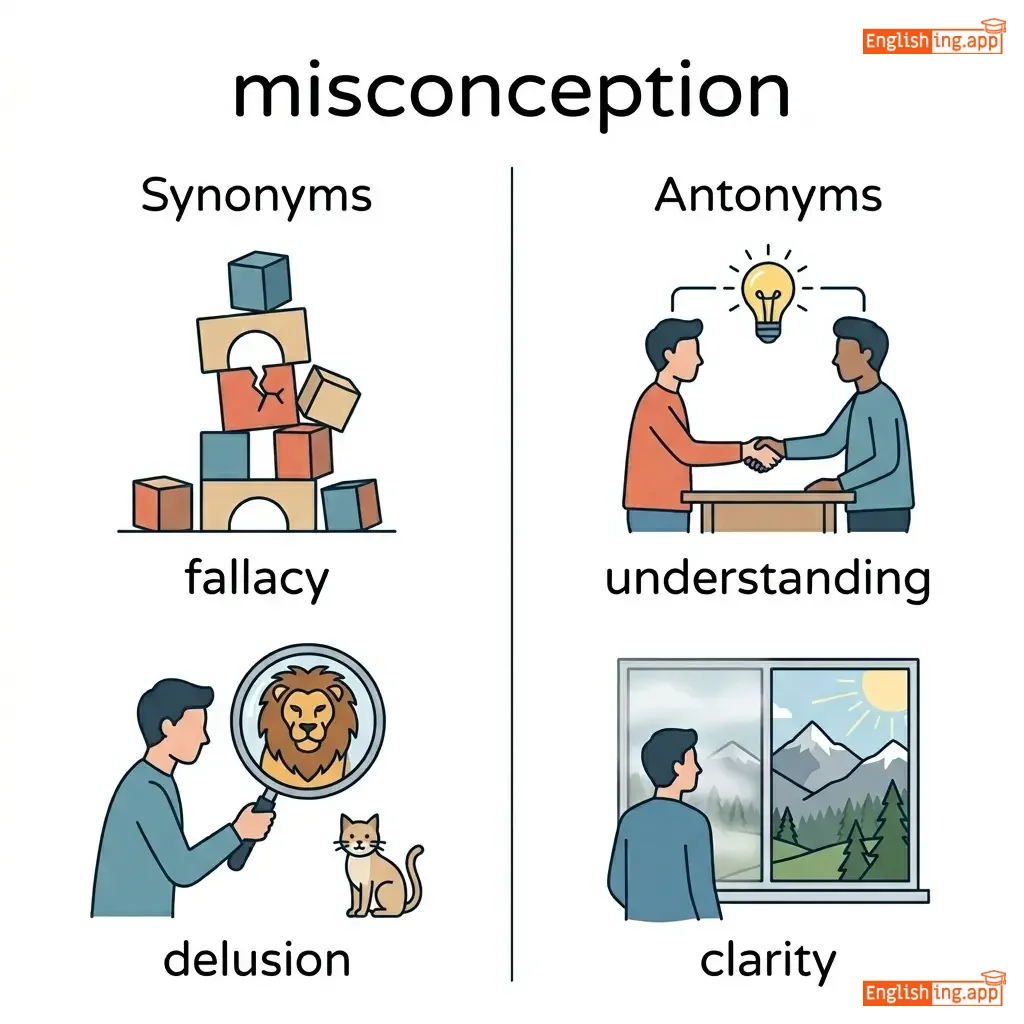
fallacy, delusion, misinterpretation
••••••
|
understanding, clarity, truth
••••••
|
誤解は迷路のように、出口を見つけることができません。
••••••
|
|
#1912
📋
|
/ˈredʒ.ɪ.mən/
noun
(レジメン)
••••••
|
|
健康促進または回復のために処方された治療法、ライフスタイル、または食事
kenkō sokushin matawa kaifuku no tame ni shohō sareta chiryōhō, raifusutairu, matawa shokuji
••••••
|
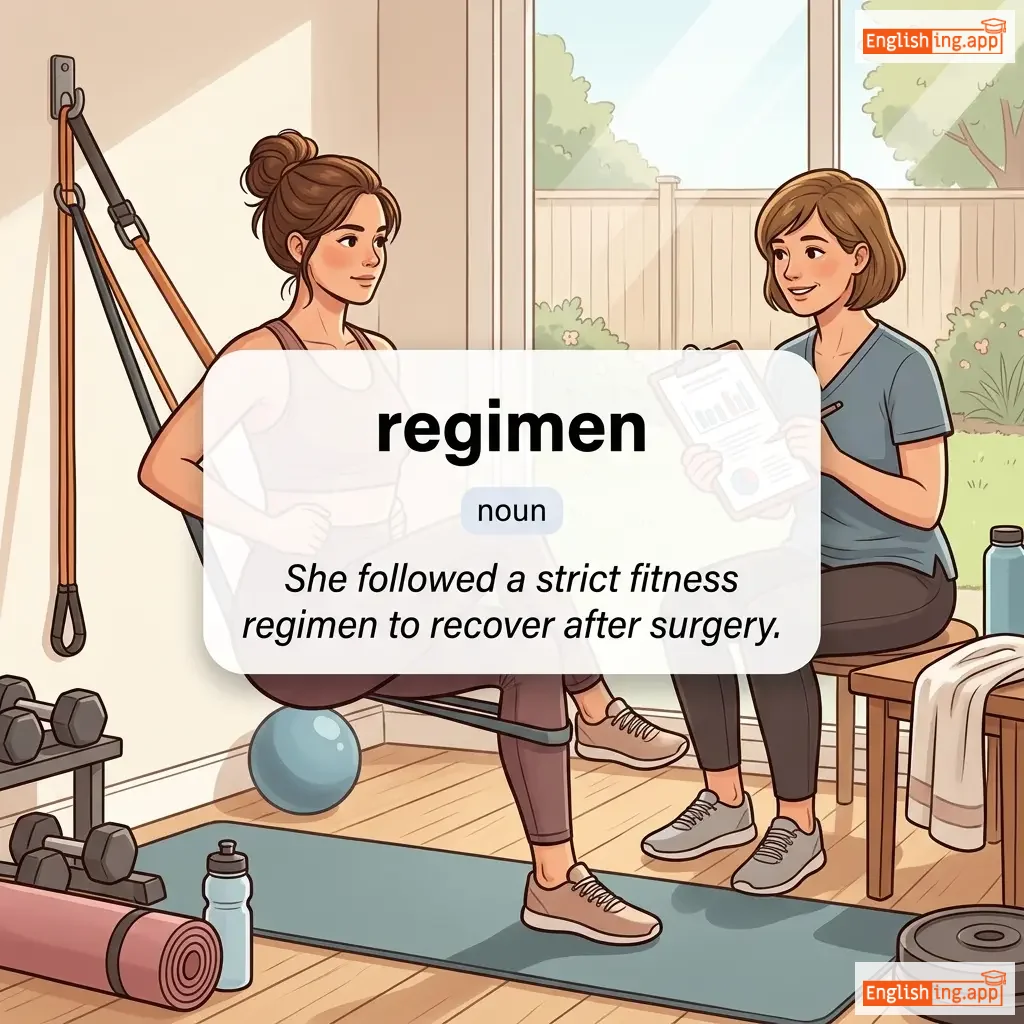
A prescribed course of medical treatment, way of life, or diet for the promotion or restoration of health.
••••••
|
A strict exercise regimen improves overall fitness.
厳格な運動レジメンは、全体的なフィットネスを向上させます。
••••••
|
厳格な運動レジメンは、全体的なフィットネスを向上させます。
Genkaku na undō rejimen wa, zentaiteki na fittonesu o kōjō sasenmasu.
••••••
|
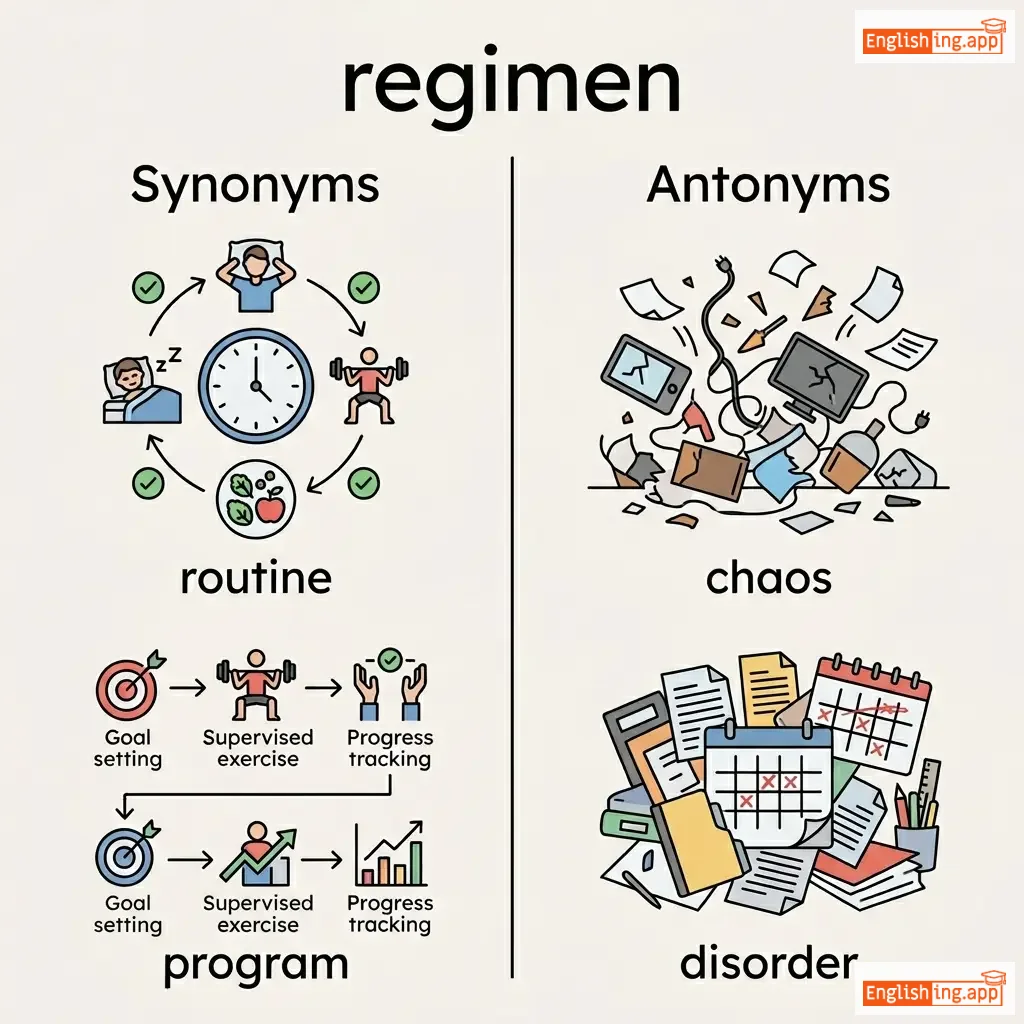
routine, discipline, program
••••••
|
disorder, irregularity, neglect
••••••
|
レジメン: 健康的な生活習慣
••••••
|
|
#1913
🍽️
|
/ˈæp.ə.taɪt/
noun
(アペタイト)
••••••
|
|
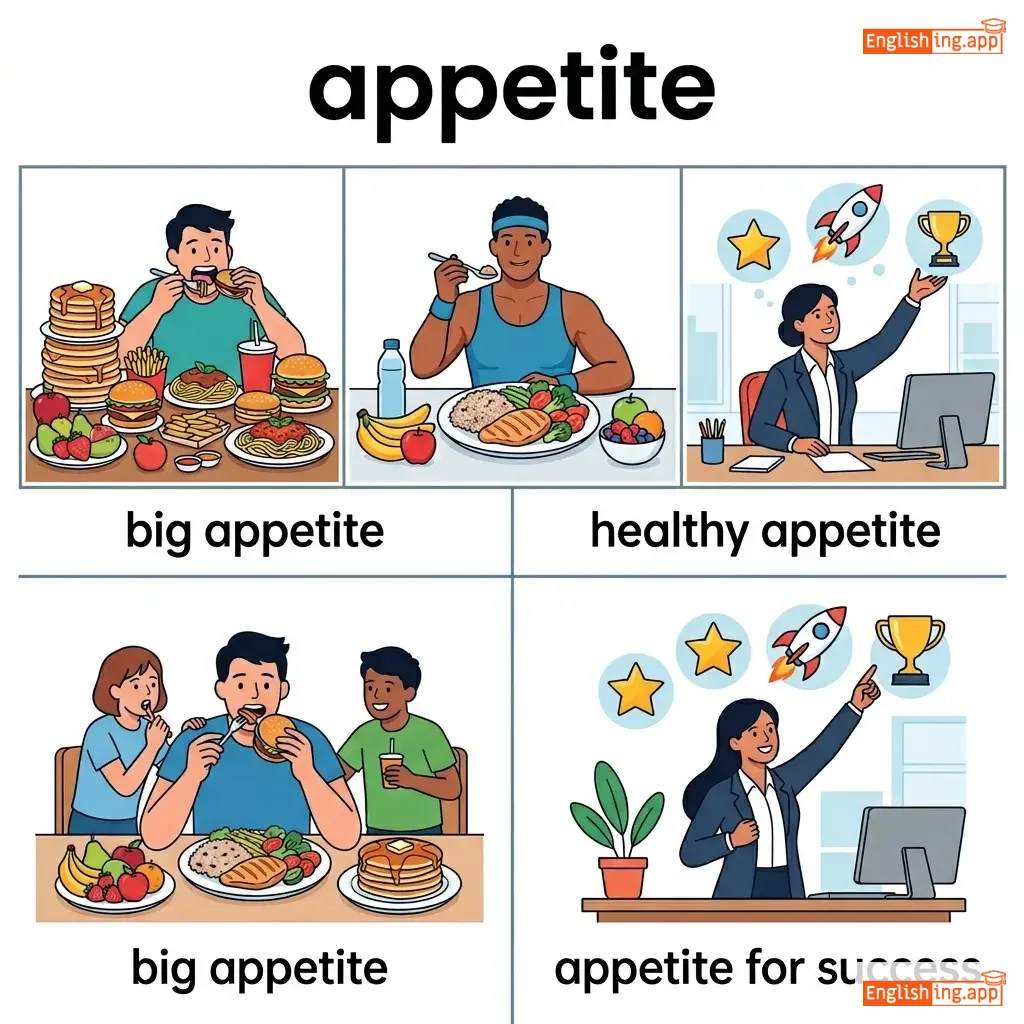
食欲, 欲望
shokuyoku, yokubou
••••••
|
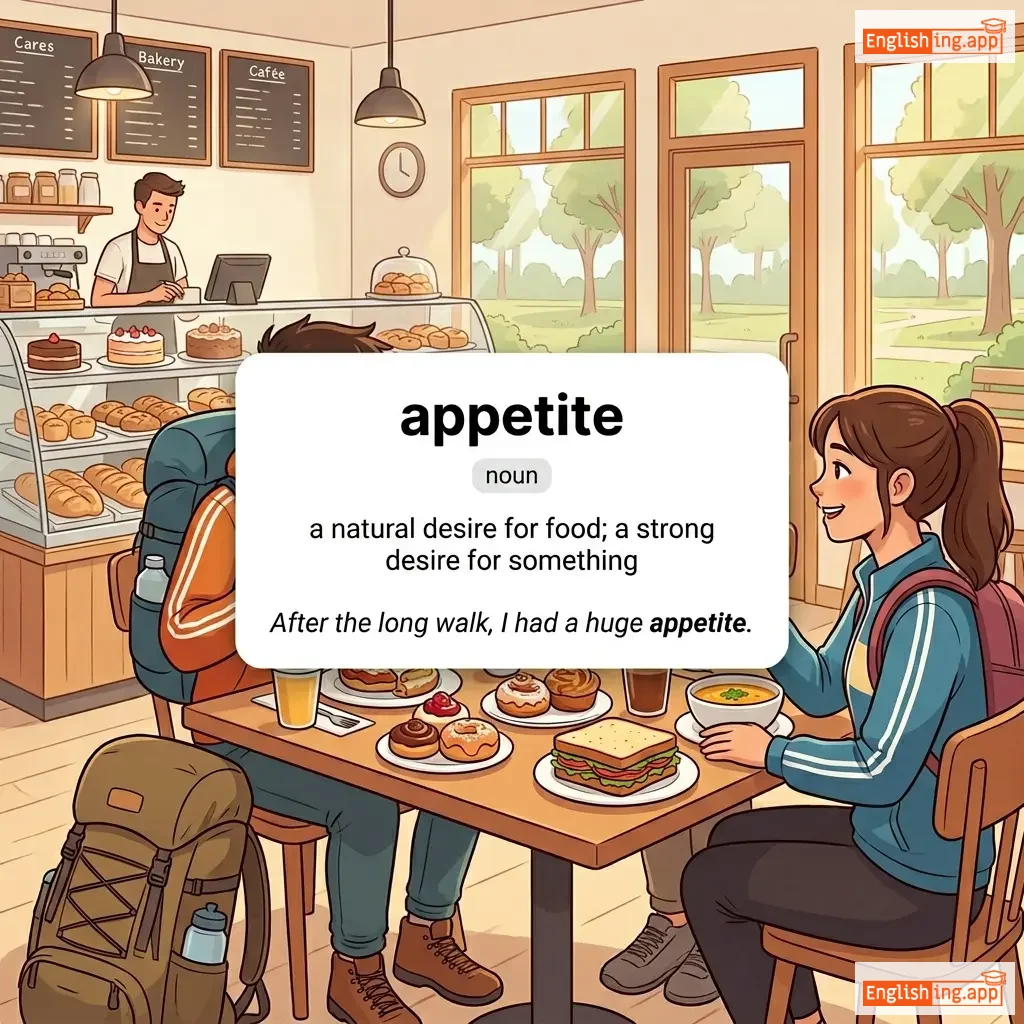
A natural desire to satisfy a bodily need, especially for food.
••••••
|
Stress can reduce a person's appetite. |
ストレスは人の食欲を減少させる可能性があります。
Sutoresu wa hito no shokuyoku o genshōsaseru kanōsei ga arimasu.
••••••
|
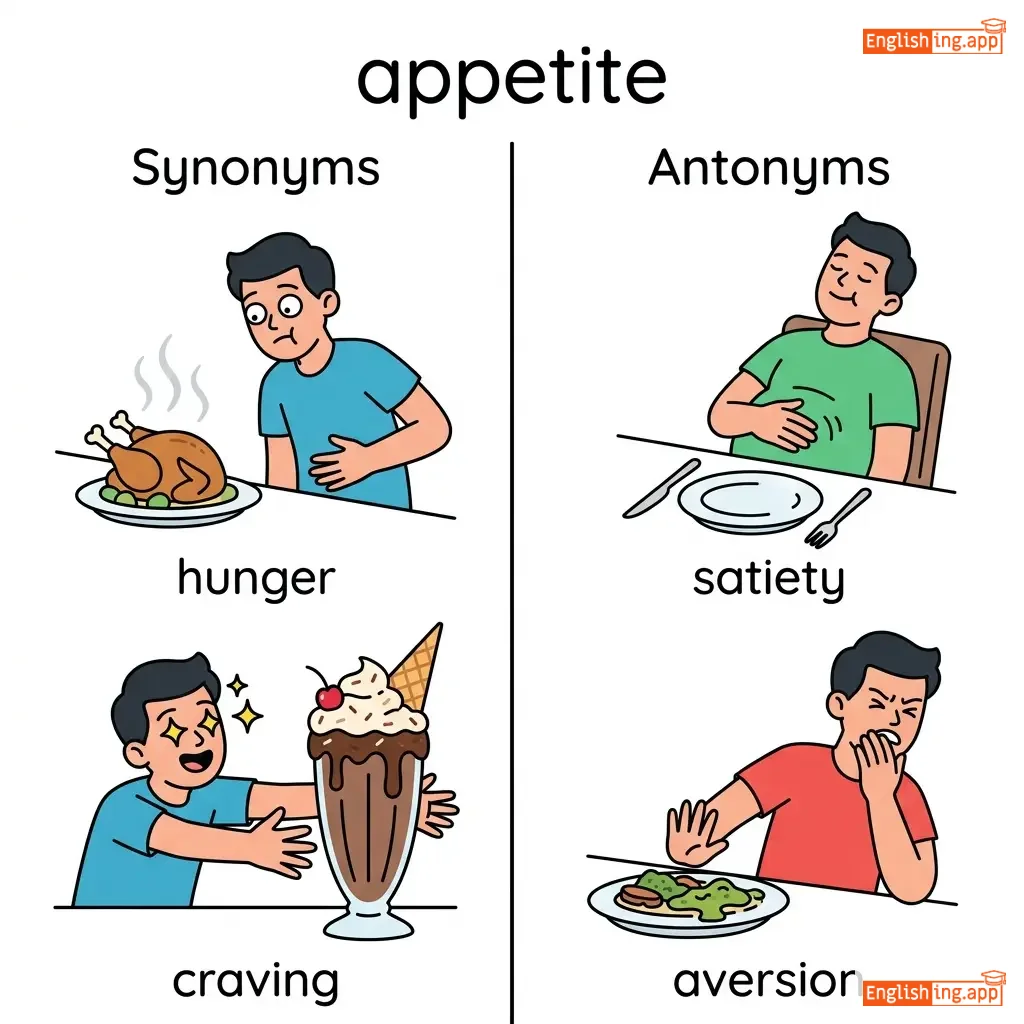
hunger, craving, desire
••••••
|
satiety, aversion, indifference
••••••
|
食欲は体が食べ物を欲する自然な欲求です。
••••••
|
|
#1914
😔
|
/ˌdep.rɪˈveɪ.ʃən/
noun
(デプリベーション)
••••••
|
|
剥奪, 欠乏, 不足
batsudatsu, ketsubou, fusoku
••••••
|
The damaging lack of material benefits considered to be basic necessities in a society.
••••••
|
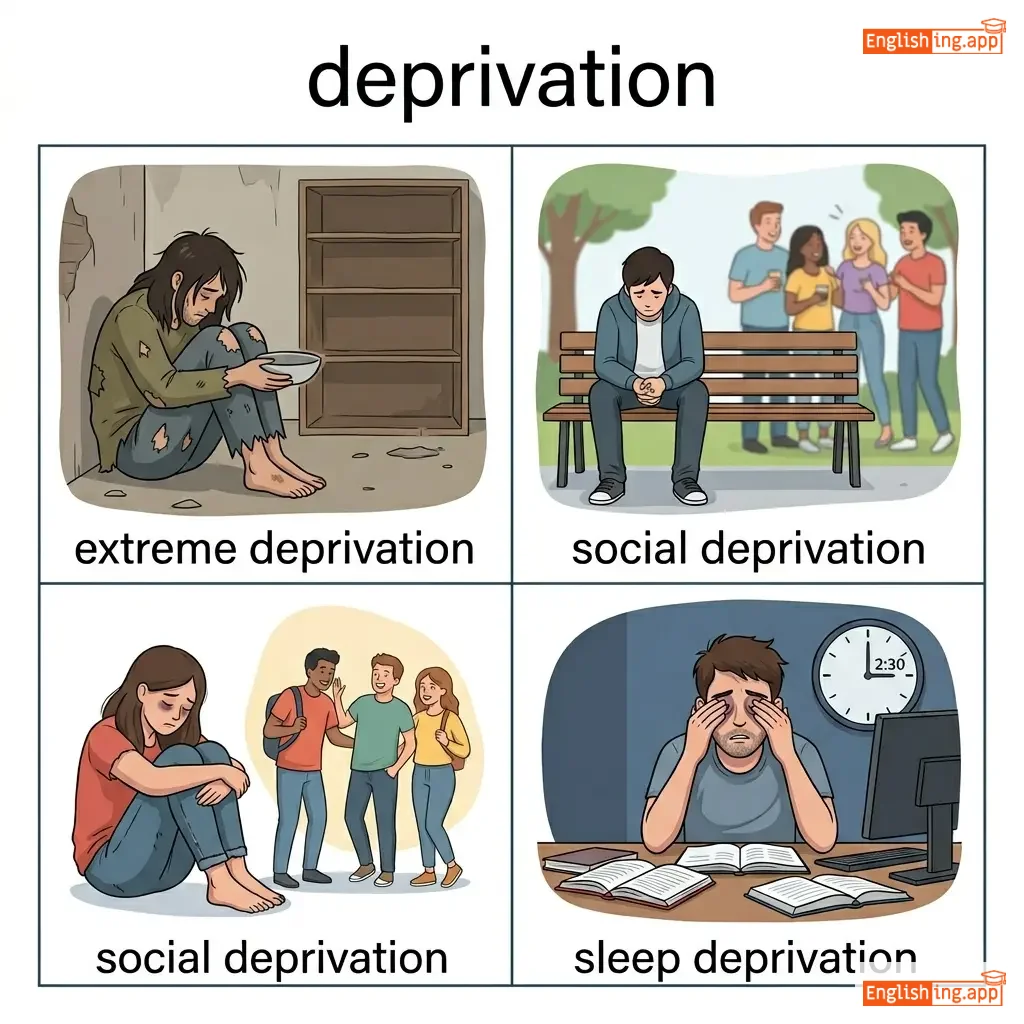
Sleep deprivation affects cognitive function.
睡眠不足は認知機能に影響を与えます。
••••••
|
睡眠不足は認知機能に影響を与えます。
Suimin fusoku wa ninchiki nōryoku ni eikyō o ataemasu.
••••••
|
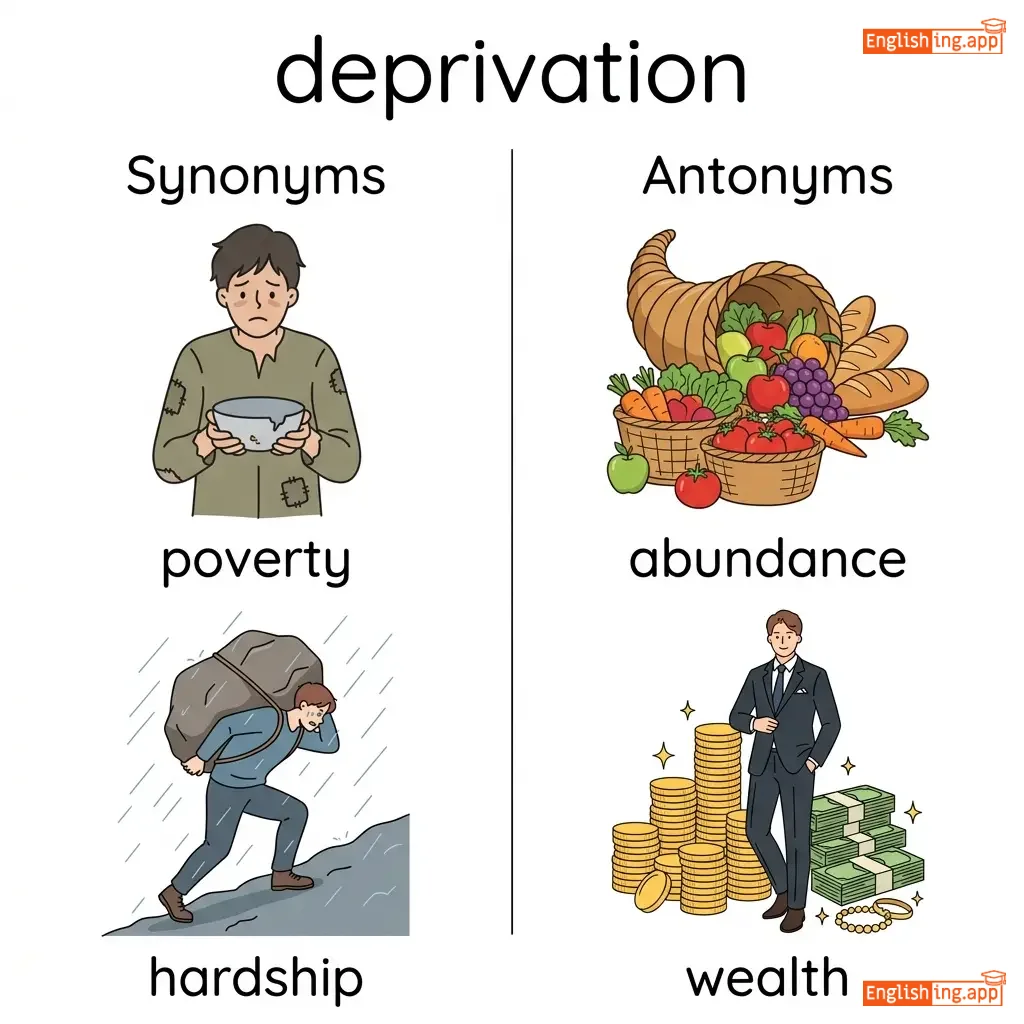
deficiency, scarcity, hardship
••••••
|
abundance, sufficiency, provision
••••••
|
日本語で'剥奪'は何かを奪うことを意味し、'deprivation'の意味と一致します。
••••••
|
|
#1915
⚖️
|
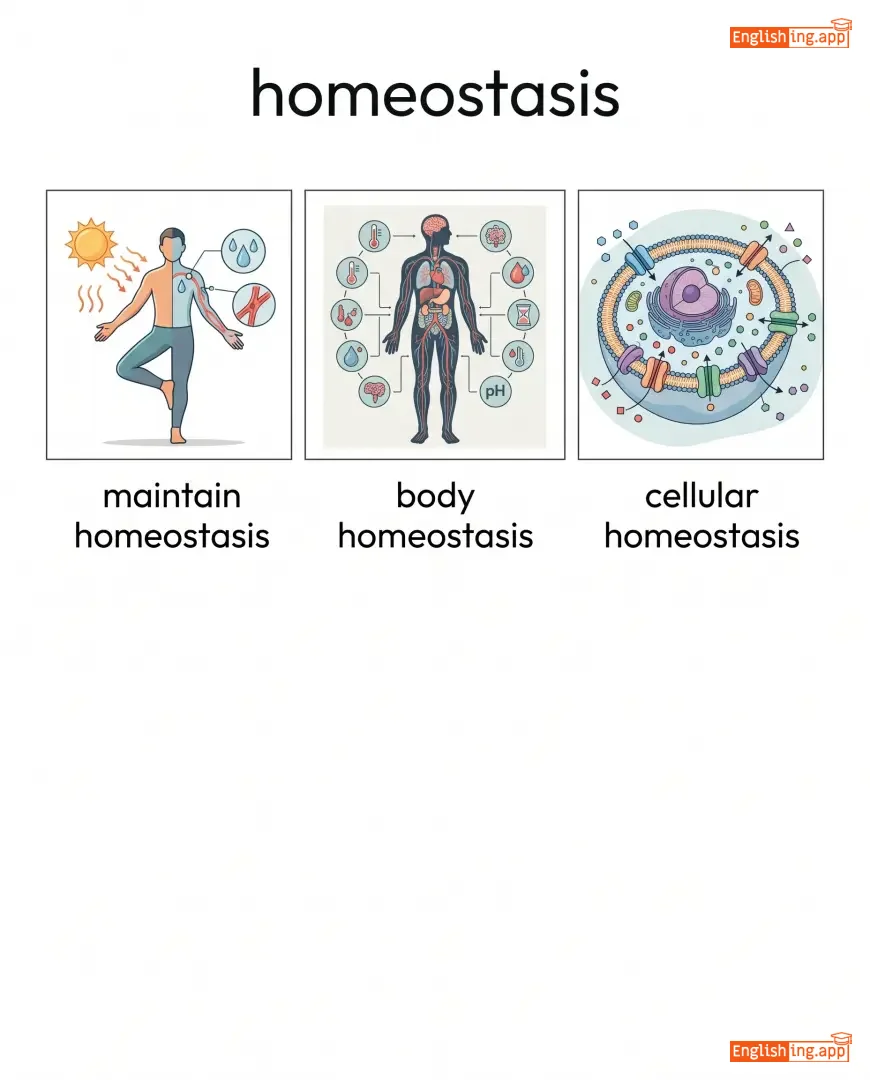
/ˌhoʊ.mi.oʊˈsteɪ.sɪs/
noun
(ホメオスタシス)
••••••
|
|
体内の均衡、生理的過程によって維持される生理的安定性
tainai no kinkou, seiriteki katei ni yotte ijisaru seiriteki anteisei
••••••
|
The tendency toward a relatively stable equilibrium between interdependent elements, especially as maintained by physiological processes.
••••••
|
The human body maintains homeostasis through temperature regulation.
人間の体は温度調節によってホメオスタシスを維持します。
••••••
|
人間の体は温度調節によってホメオスタシスを維持します。
Ningen no karada wa ondo chousetsu ni yotte homeosutashisu wo iji shimasu.
••••••
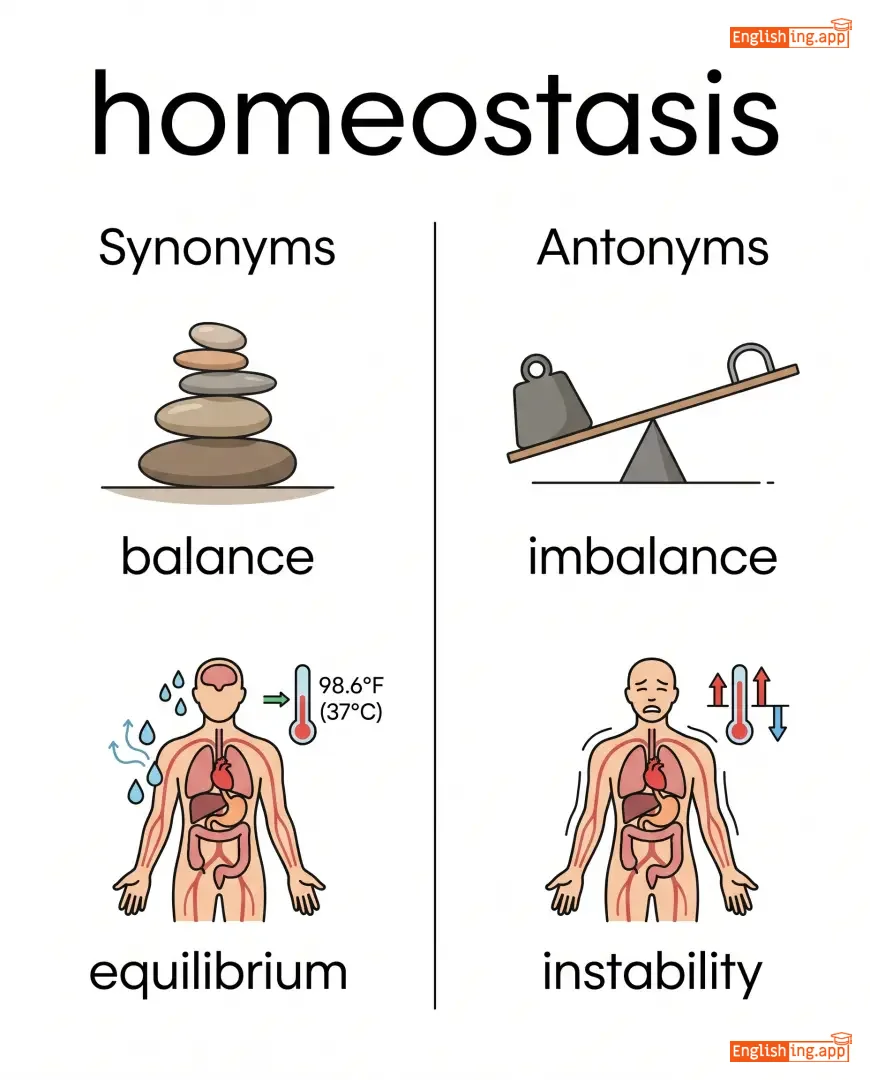
|
equilibrium, stability, balance
••••••
|
imbalance, fluctuation, instability
••••••
|
ホメオスタシスは体の温度調節のような、安定した状態を保つ働きです。
••••••
|
|
#1916
🧩
|
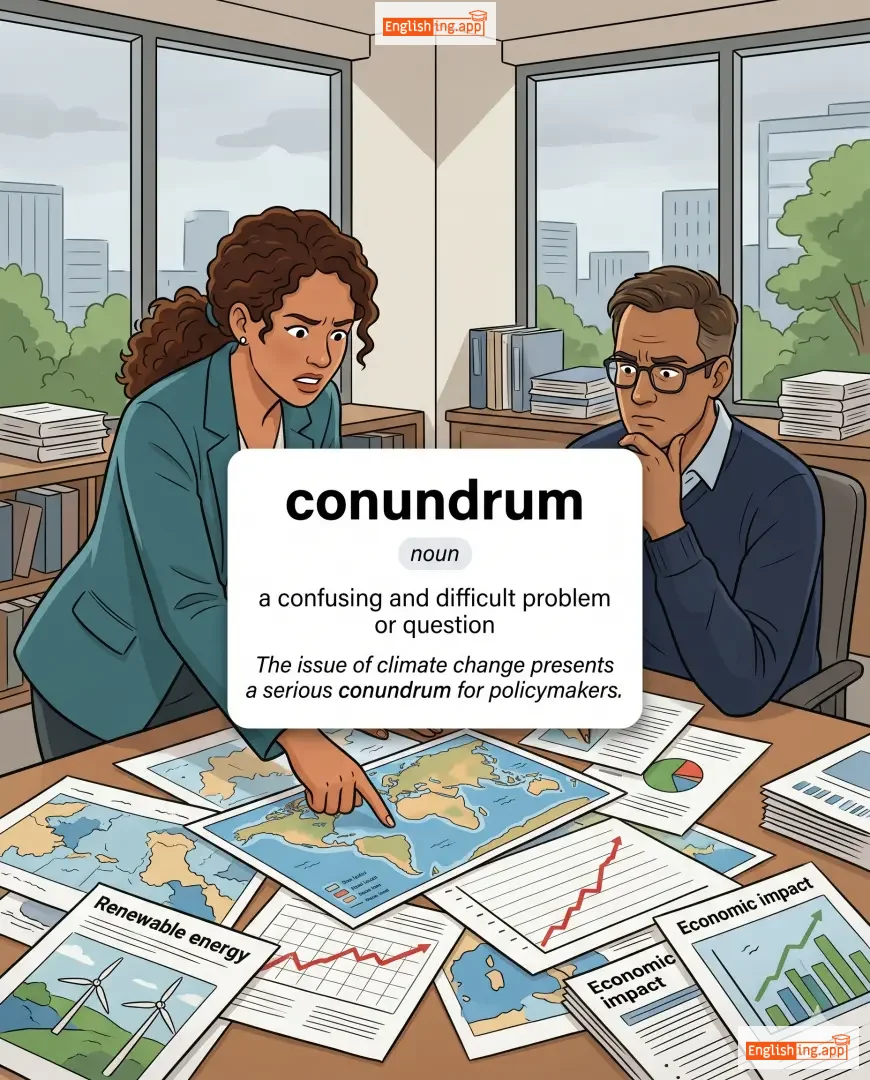
/kəˈnʌn.drəm/
noun
(konandoramu)
••••••
|
|
複雑な問題、なぞなぞ、難しい質問
fukuzatsu na mondai, nazo nazo, muzukashii shitsumon
••••••
|
A confusing and difficult problem or question.
••••••
|
Finding a cure for rare diseases is a scientific conundrum. |
稀な病気の治療法を見つけることは、科学的な難題です。
Mare na byouki no chiryouhou o mitsukeru koto wa, kagakuteki na nandai desu.
••••••
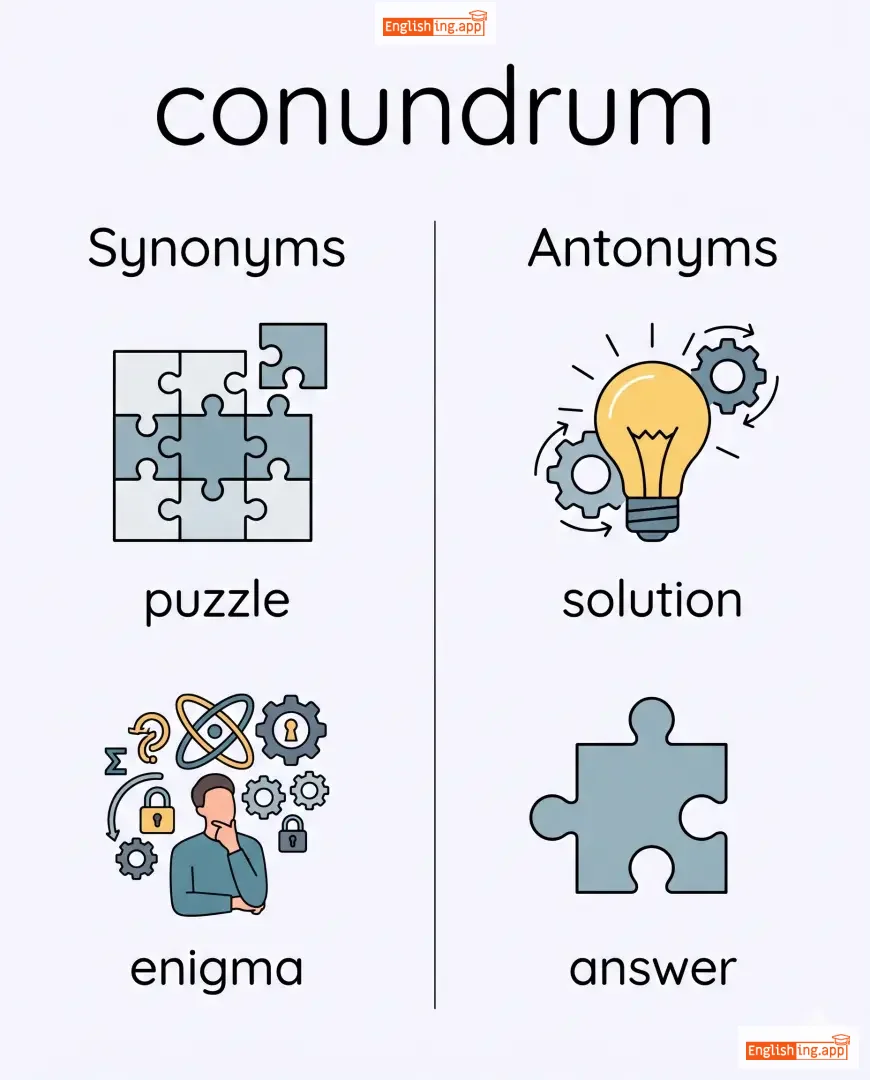
|
dilemma, enigma, puzzle
••••••
|
solution, certainty, clarity
••••••
|
解けない謎があれば、それはコンナンドラムだ。
••••••
|
|
#1917
🔄
|
/kəˈtæb.ə.lɪ.zəm/
noun
(カタボリズム)
••••••
|
|
カタボリズム
kataborizumu
••••••
|
The breakdown of complex molecules in living organisms to form simpler ones together with the release of energy; destructive metabolism.
••••••
|
Catabolism plays a crucial role in cellular energy production. |
カタボリズムは細胞のエネルギー生産に重要な役割を果たします。
Kataborizumu wa saibou no enerugī seisan ni jūyō na yakuwari wo hatashimasu.
••••••
|
breakdown, decomposition, metabolic process
••••••
|
anabolism, synthesis, construction
••••••
|
Kataborizumu = Kat + Energy = Kat plays an important role in energy.
••••••
|
|
#1918
⚡
|
/ˌmet.əˈbɒl.ɪk/
adjective
(メタボリック)
••••••
|
|
代謝の
taisha no
••••••
|
Relating to the chemical processes that occur within a living organism in order to maintain life.
••••••
|
Regular exercise enhances metabolic efficiency. |
定期的な運動は代謝効率を高めます。
Teikiteki na undō wa taisha kōritsu o takamemasu.
••••••
|
physiological, biochemical, nutritional
••••••
|
non-metabolic, inactive, dormant
••••••
|
代謝でエネルギーを高めよう。
••••••
|
|
#1919
💧
|
/ˌdaɪ.jʊˈret.ɪk/
noun
(利尿剤)
••••••
|
|
利尿剤
rinyozai
••••••
|
A substance that promotes the production of urine.
••••••
|
Coffee has a mild diuretic effect.
コーヒーは軽い利尿作用があります。
••••••
|
コーヒーは軽い利尿作用があります。
Kōhī wa karui rinyo sayō ga arimasu.
••••••
|
detoxifier, water expeller, urinary stimulant
••••••
|
water-retaining, hydrating, antidiuretic
••••••
|
利尿剤はコーヒーと同じように、頻繁にトイレに行きたくなります!
••••••
|
|
#1920
⚖️
|
/ˌiː.kwɪˈlɪb.ri.əm/
noun
(エクイリブリウム)
••••••
|
|
均衡
kinkou
••••••
|
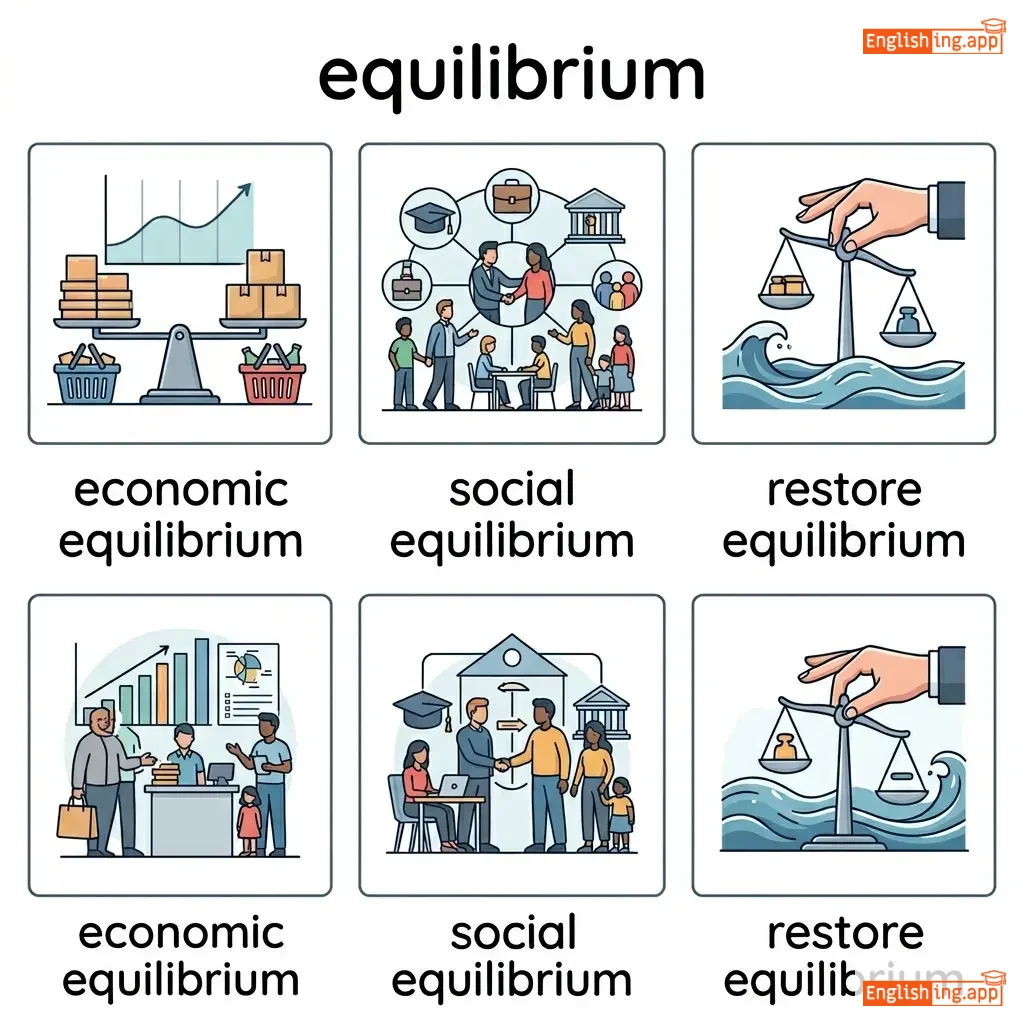
A state in which opposing forces or influences are balanced.
••••••
|
The economy is trying to regain its equilibrium after inflation. |
経済はインフレーション後に均衡を取り戻そうとしている。
Keizai wa infurēshon go ni kinkō o torimodosou to shite iru.
••••••
|
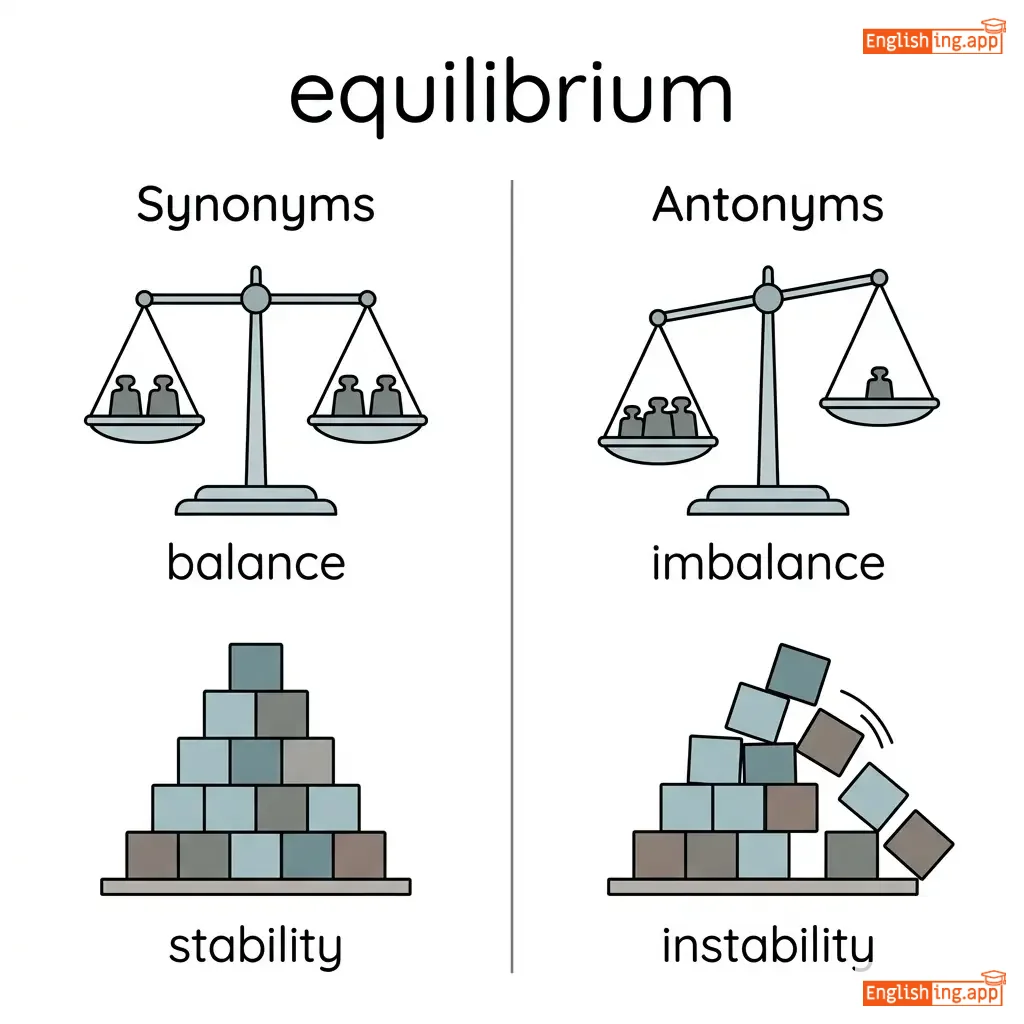
stability, balance, symmetry
••••••
|
imbalance, instability, disequilibrium
••••••
|
均衡 (kinkou) in Japanese means balance, just like equilibrium in English.
••••••
|
|
#1921
🤨
|
/ˈskep.tɪ.sɪ.zəm/
noun
(スケプティシズム)
••••••
|
|
懐疑主義, 疑念
kaigi shugi, ginen
••••••
|
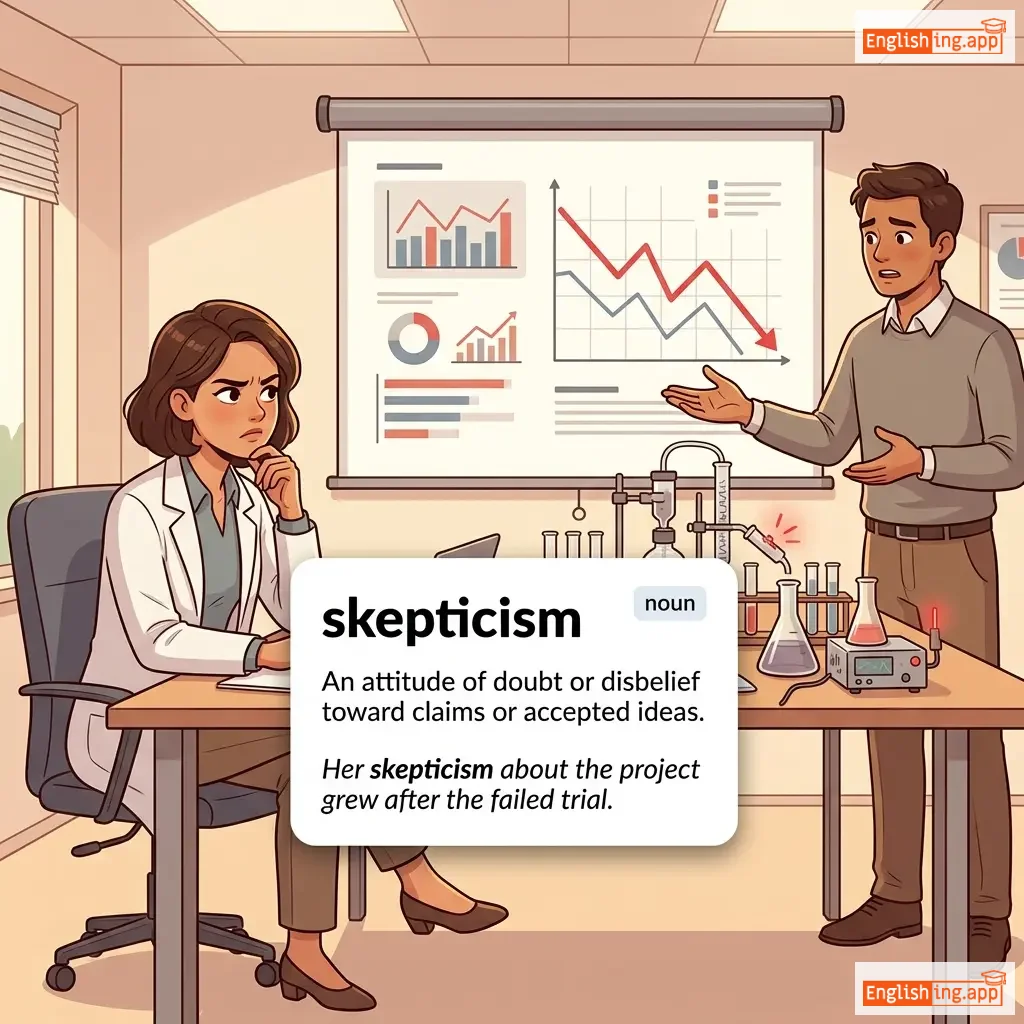
A skeptical attitude; doubt as to the truth of something.
••••••
|
His skepticism about new technology often makes him resistant to change. |
新しい技術に対する彼の懐疑主義は、彼を変化に対して抵抗力を持たせる。
Atarashī gijutsu ni taisuru kare no kaigi shugi wa, kare o henka ni taishite teikōryoku o motaraseru.
••••••
|
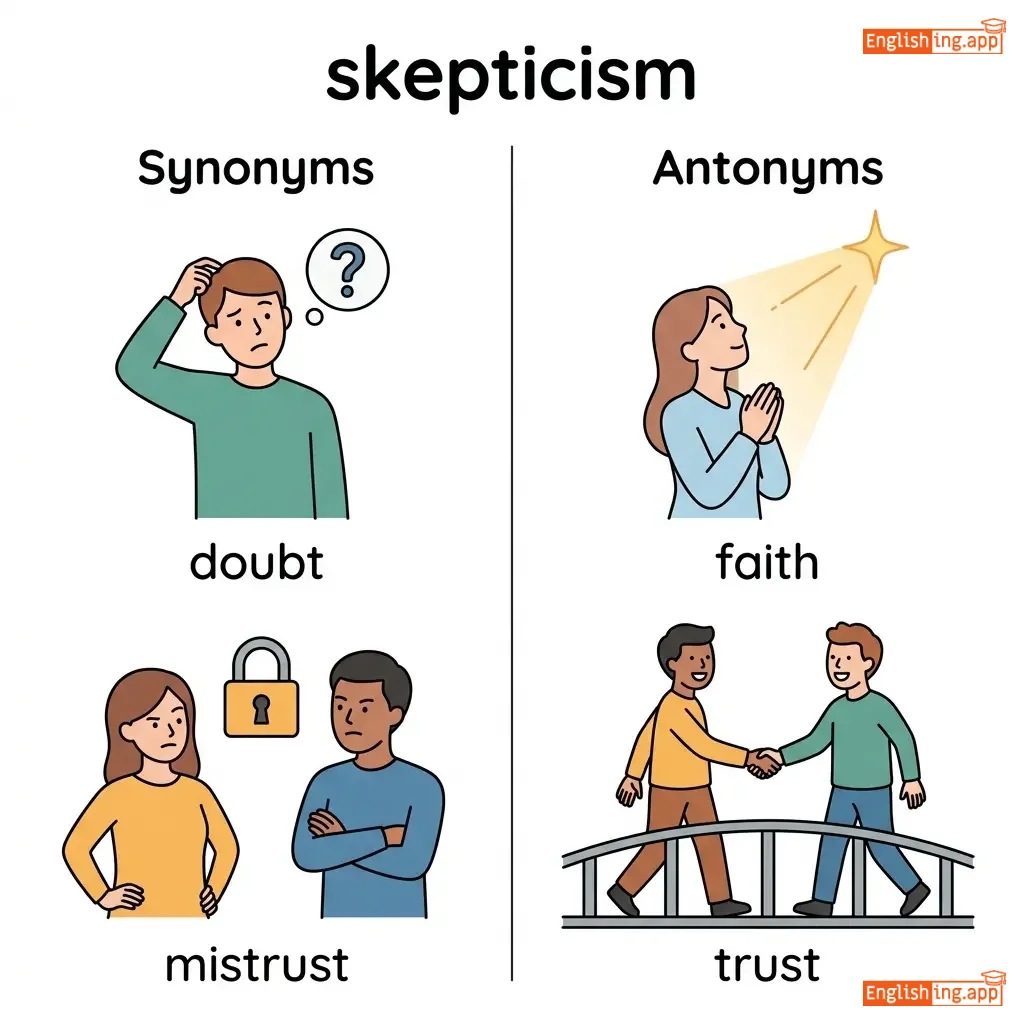
doubt, cynicism, incredulity
••••••
|
certainty, belief, confidence
••••••
|
懐疑 - 疑うことから、物事の真実に疑問を持つ。
••••••
|
|
#1922
🎵
|
/ˈdɪs.ə.nəns/
noun
(ディソナンス)
••••••
|
|
不協和音
fukyo waon
••••••
|
Lack of harmony among musical notes or a tension or clash resulting from the combination of two disharmonious elements.
••••••
|
There was a noticeable dissonance between their opinions. |
彼らの意見の間には顕著な不協和音があった。
Karera no iken no aida ni wa kencho na fukyo waon ga atta.
••••••
|
discord, conflict, incongruity
••••••
|
harmony, agreement, accord
••••••
|
不協和音は、音楽の中で調和しない音が混ざることのようです。
••••••
|
|
#1923
🔍
|
/ˌdiːˈbʌŋk/
verb
(ディバンク)
••••••
|
|
虚偽を暴露する、神話を打破する
kyogi wo bakuro suru, shinwa wo danpa suru
••••••
|
Expose the falseness or hollowness of (a myth, idea, or belief).
••••••
|
Scientists debunked the myth that vaccines cause autism. |
科学者たちは、ワクチンが自閉症を引き起こすという神話を打破した。
Kagakusha-tachi wa, wakuchin ga jiheishou wo hikiokosu to iu shinwa wo danpa shita.
••••••
|
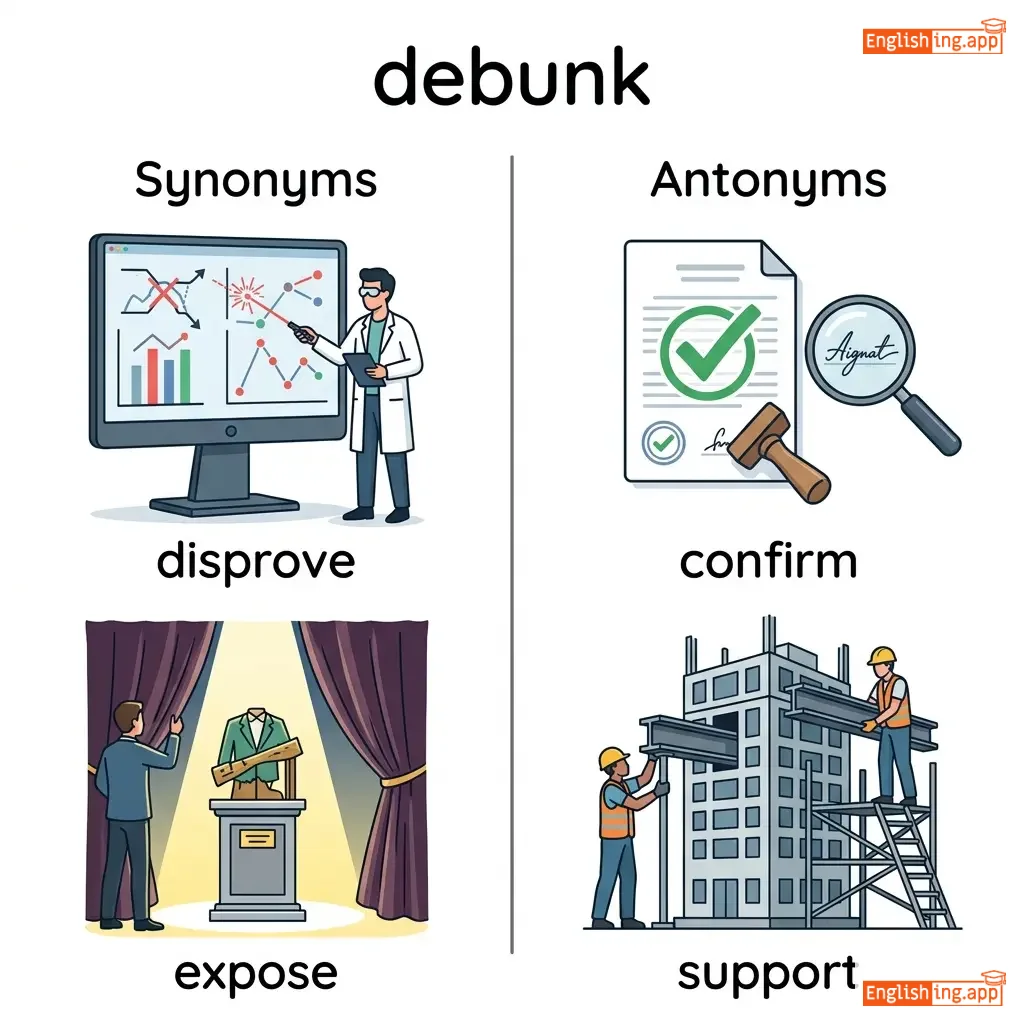
expose, disprove, refute
••••••
|
validate, confirm, authenticate
••••••
|
Debunk means to '虚偽を暴露する' a myth, revealing its falsehood.
••••••
|
Vocabulary Quiz
Test your vocabulary by matching words with their translations or meanings.
Login to take the quiz
Comments (0)
Share your thoughts and join the discussion.
Join the discussion by logging in
Login to CommentNo comments yet
Be the first to share your thoughts!