

記憶力を強化するための最高のテクニック
Best Techniques for Strengthening Memory
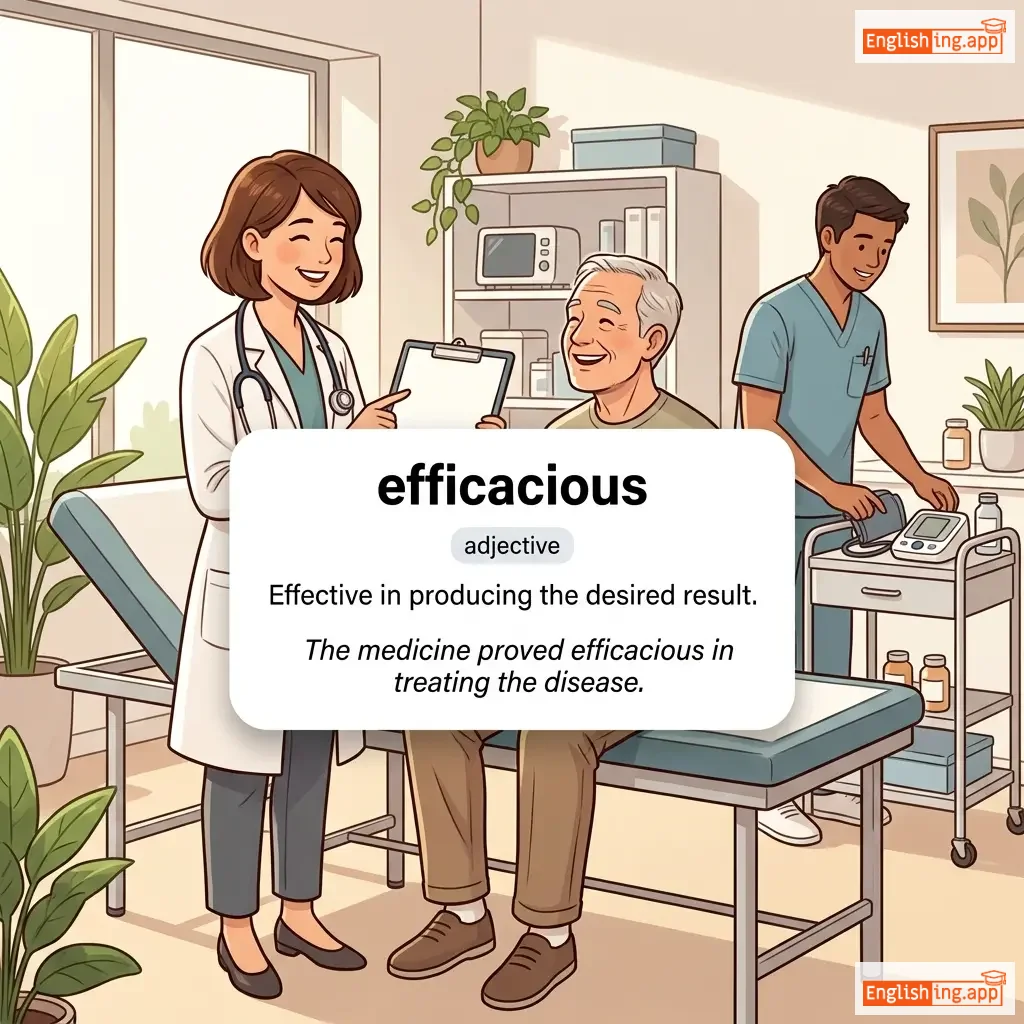
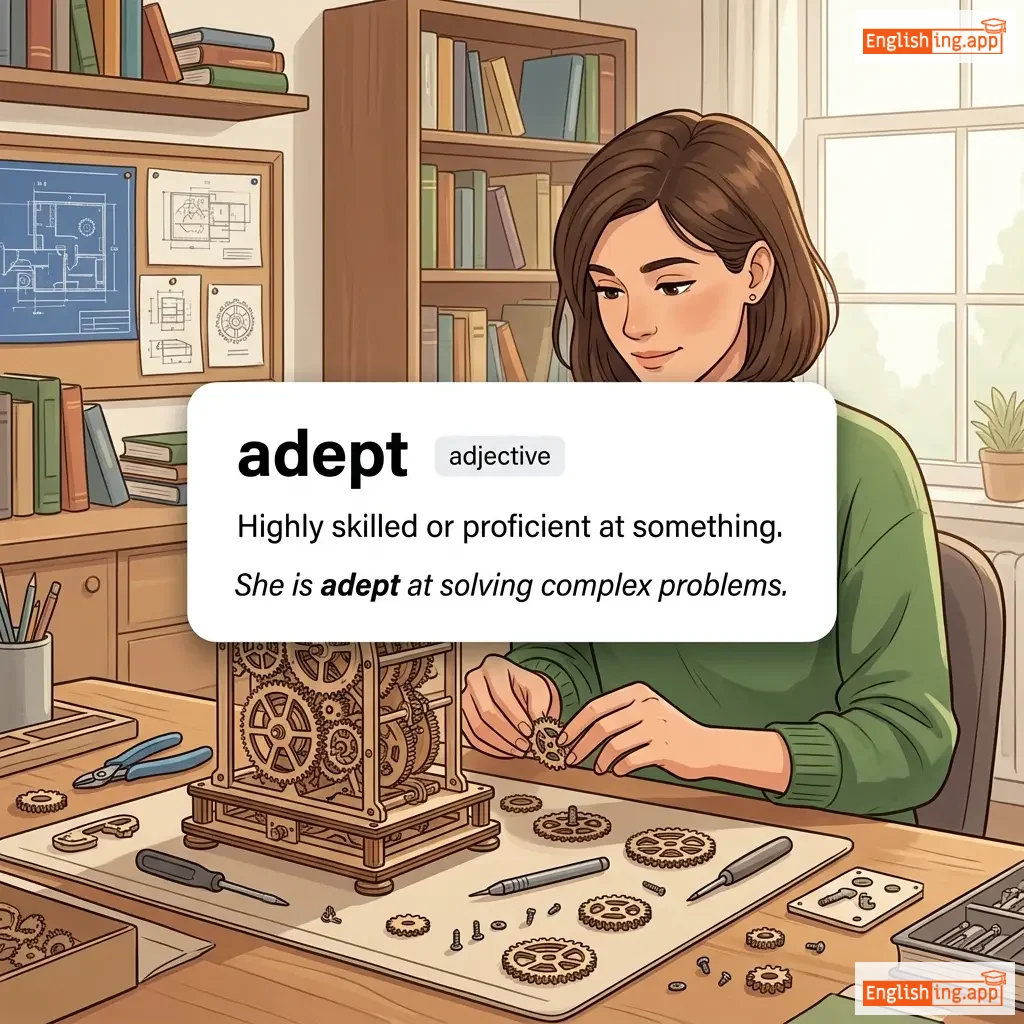
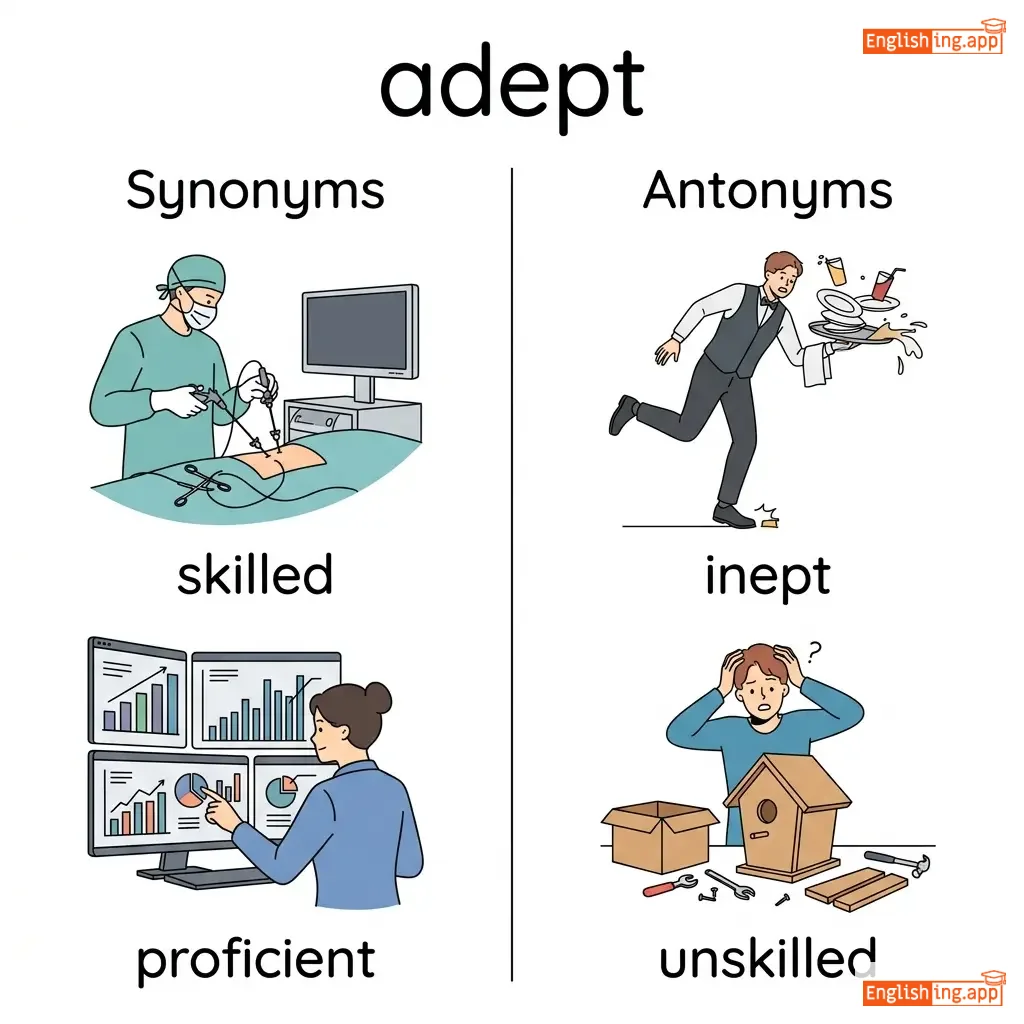
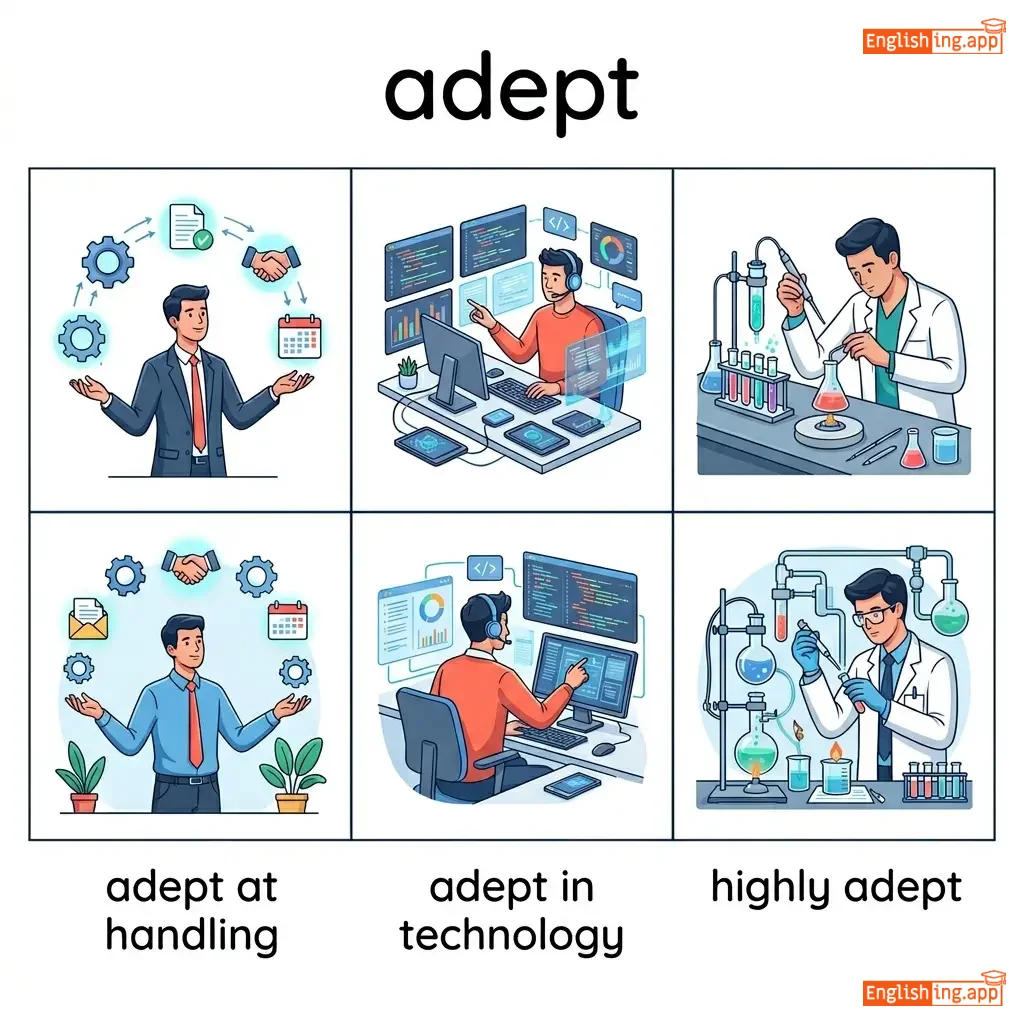
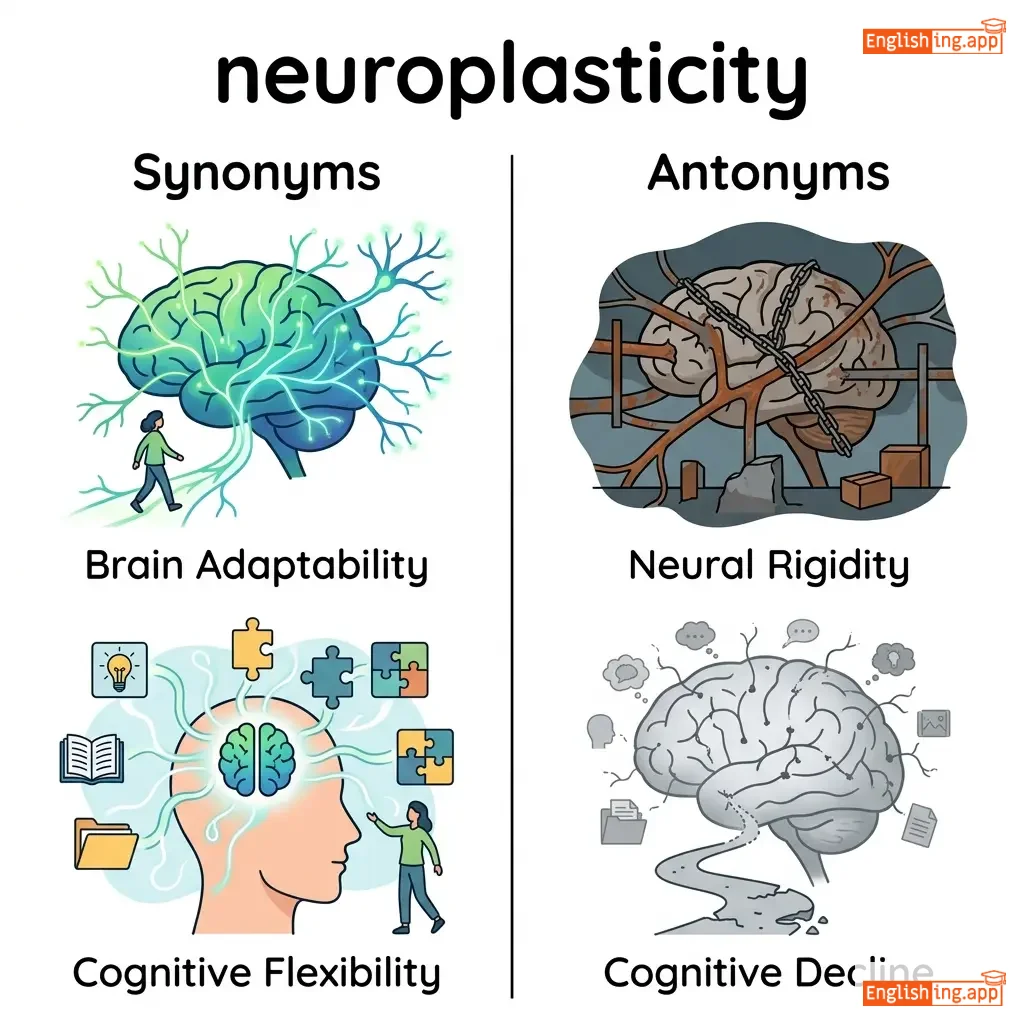
記憶力を向上させるために、私たちはいくつかの efficacious テクニックを活用し、より adept になることができます。研究によると、neuroplasticity を改善することで脳をより活発に保つことができます。
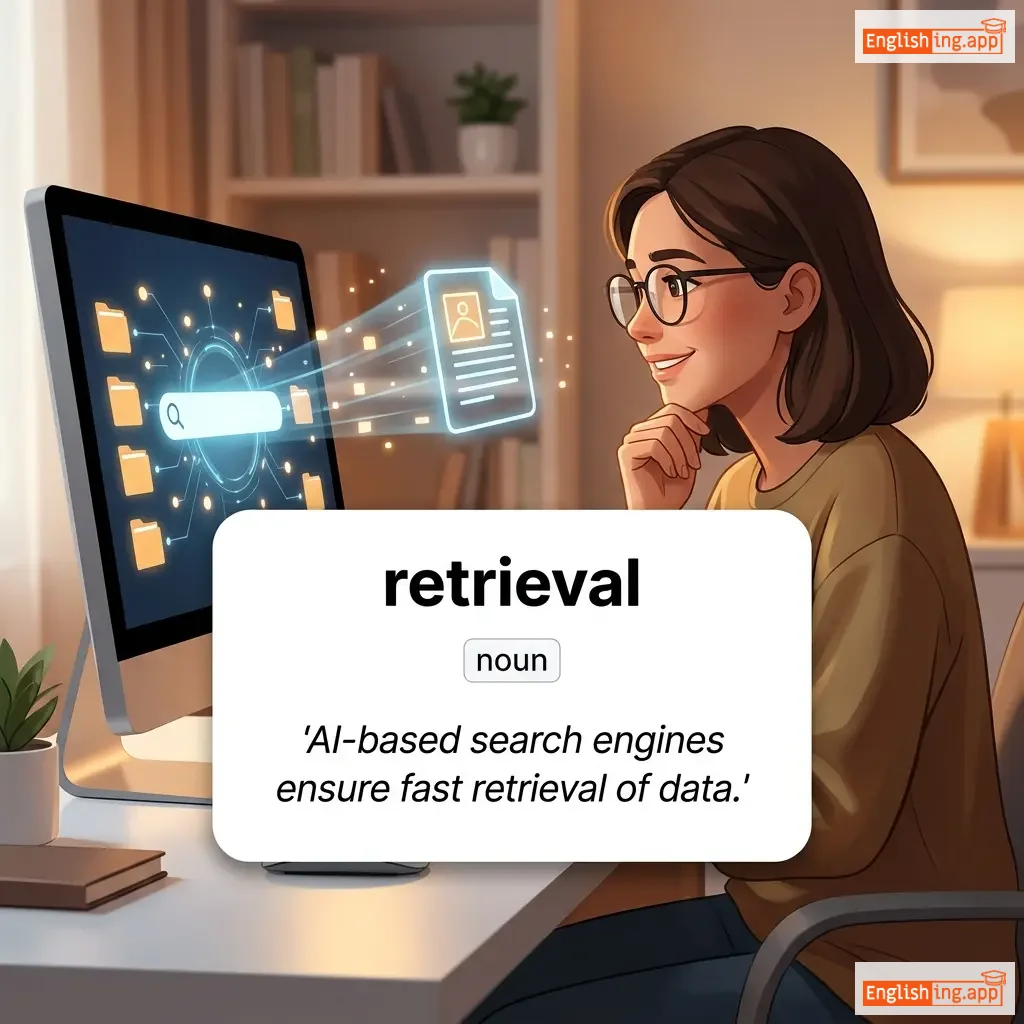
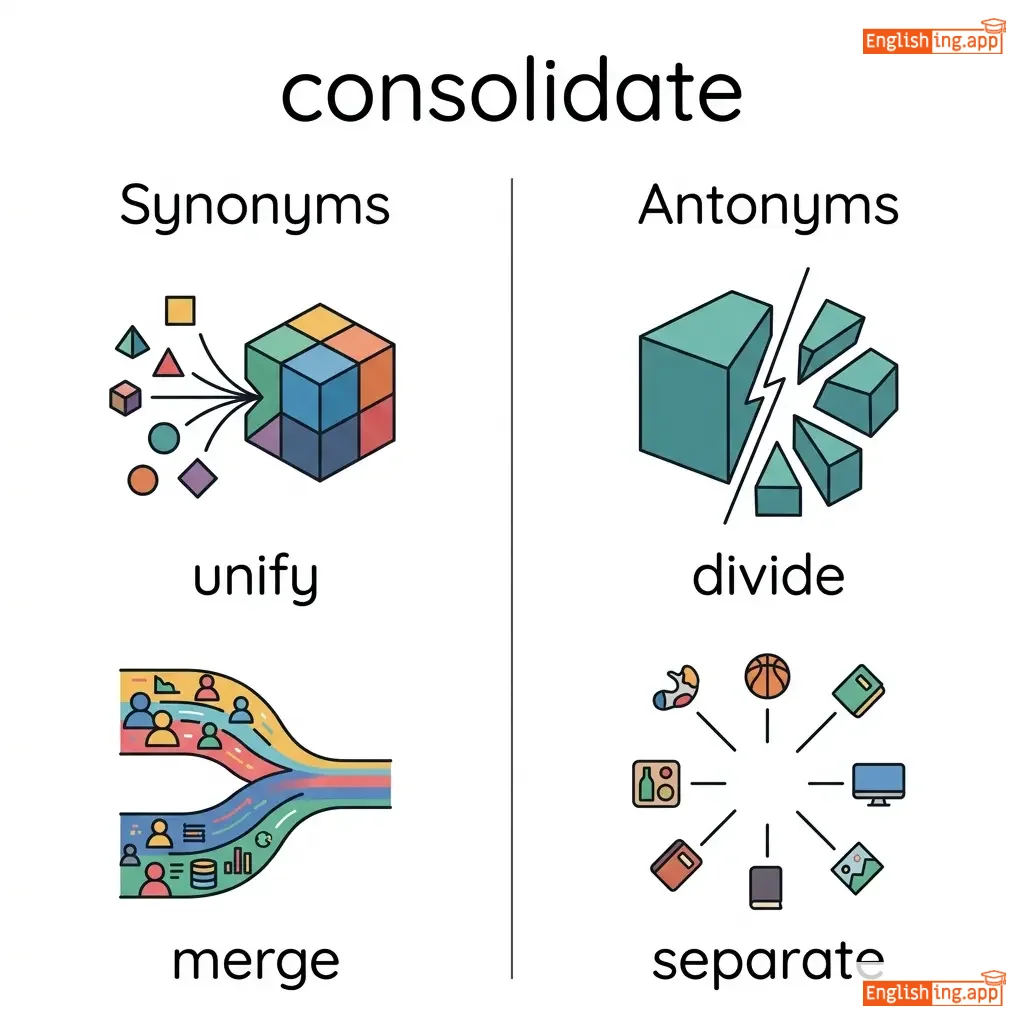
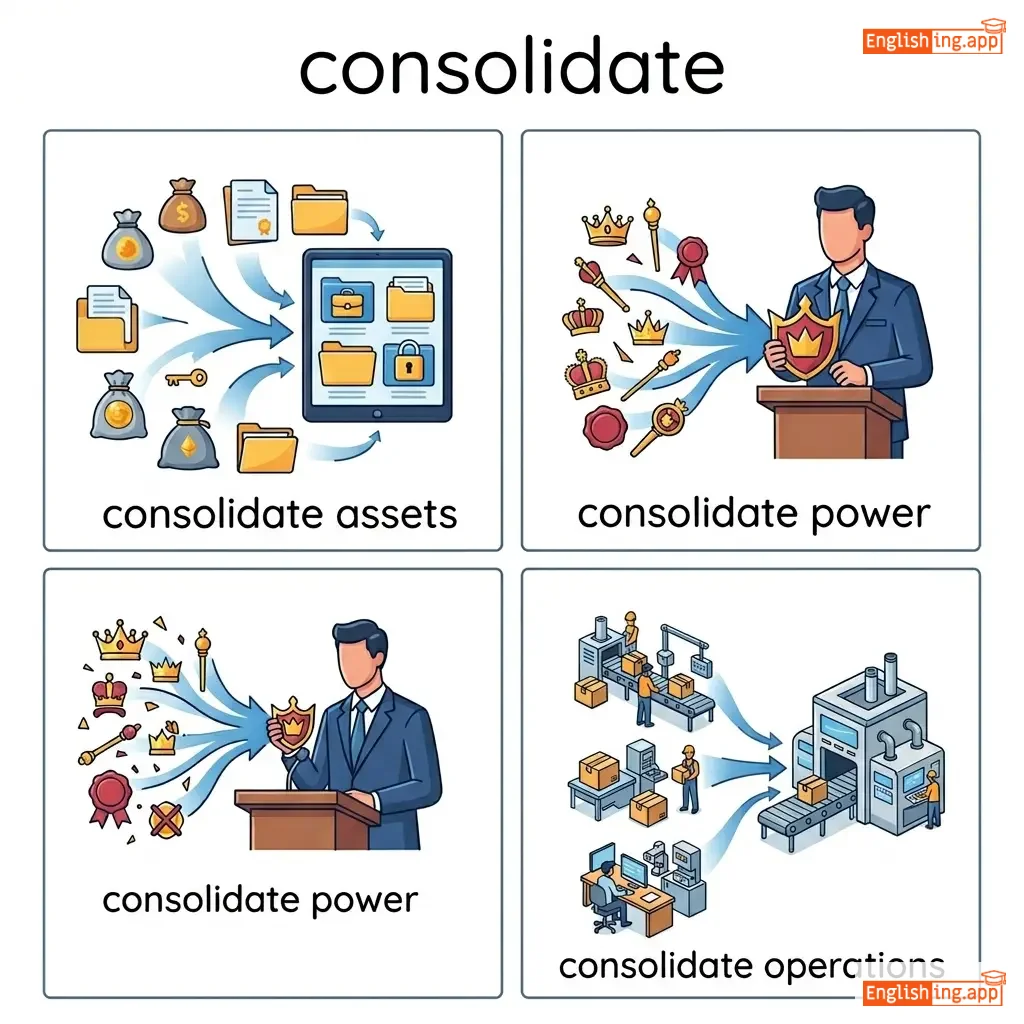
まず、定期的な retrieval 練習は記憶を強化します。古い情報を recapitulate すると、それがより深く consolidated されます。
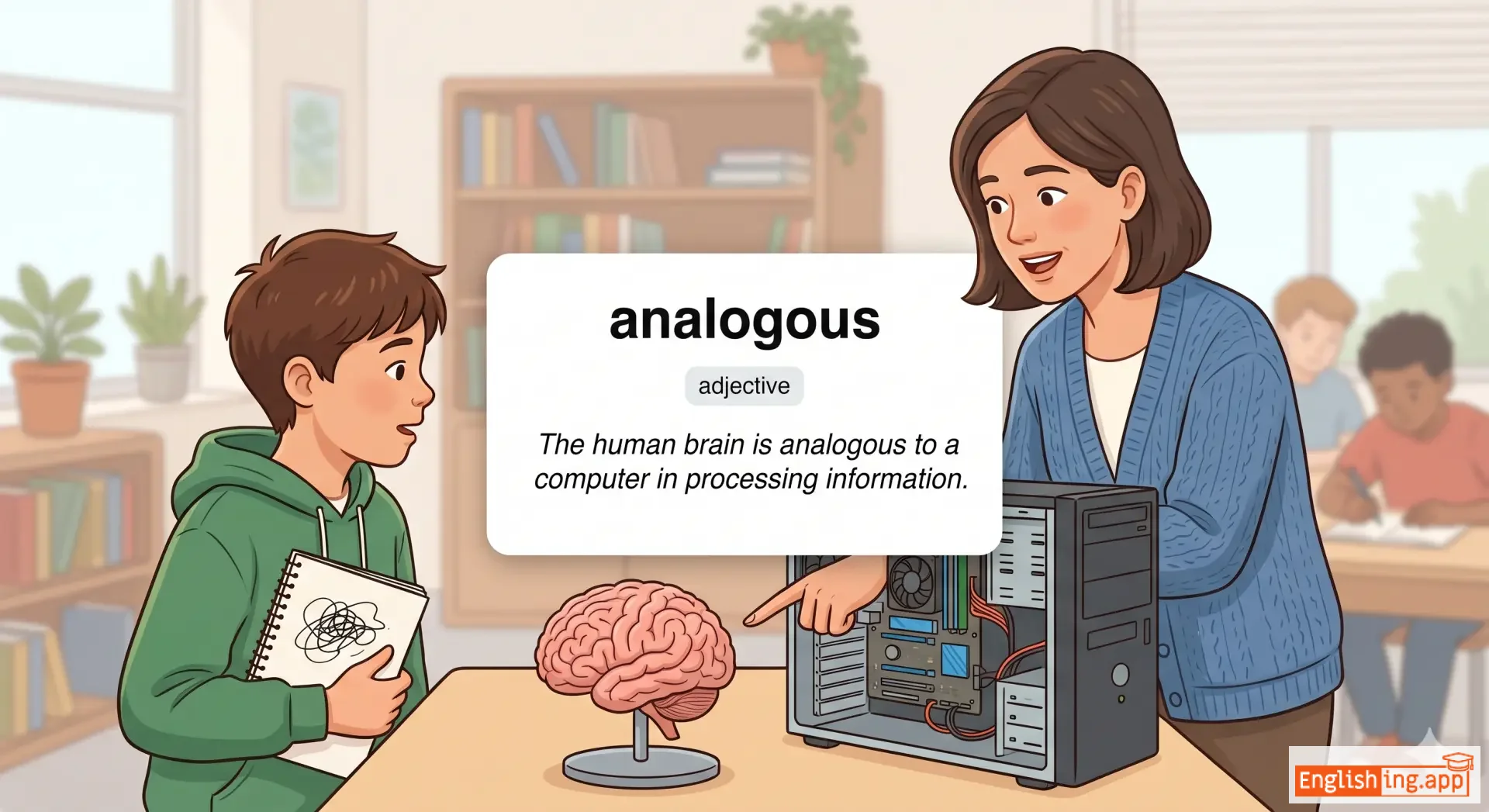
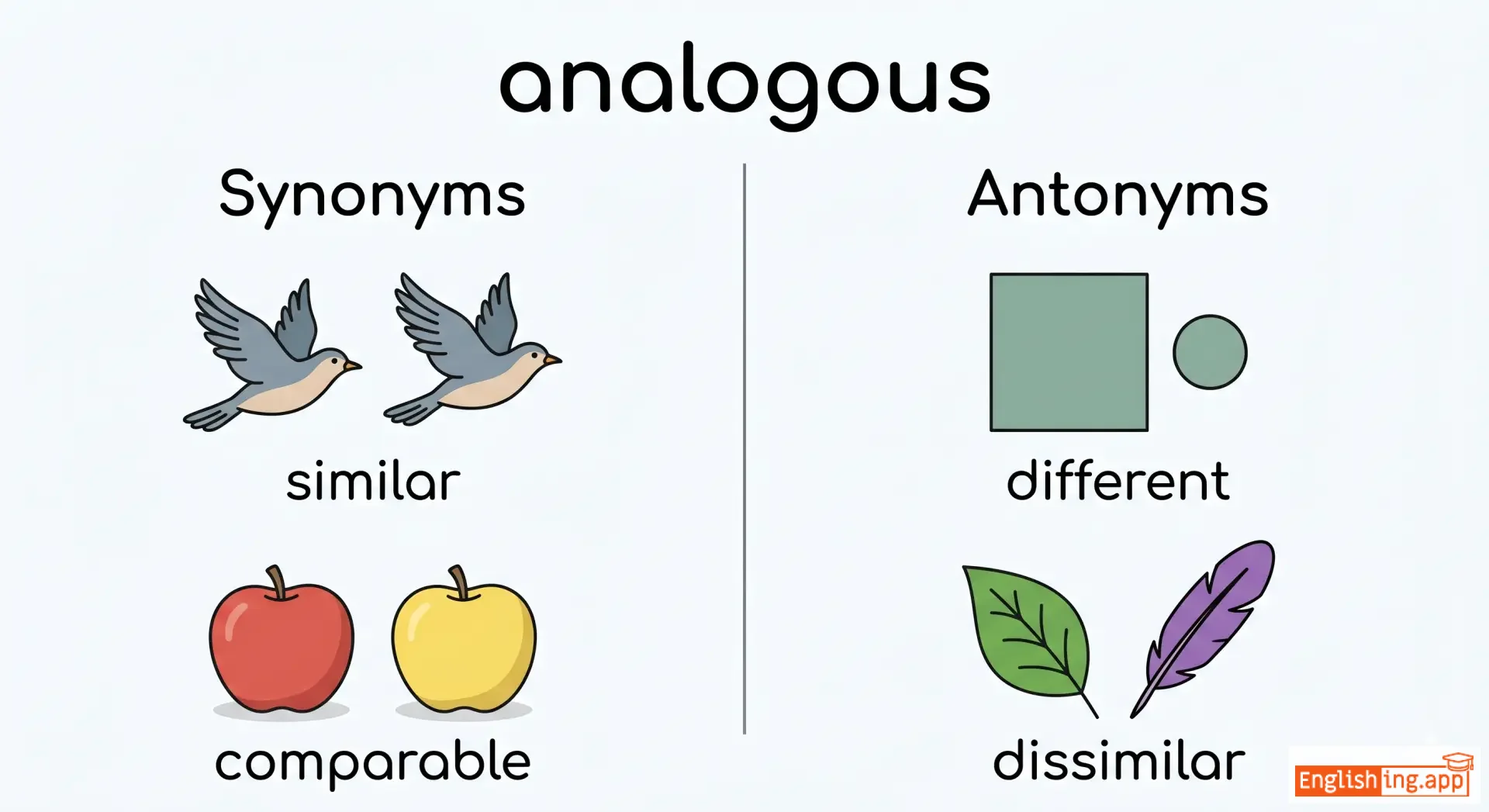
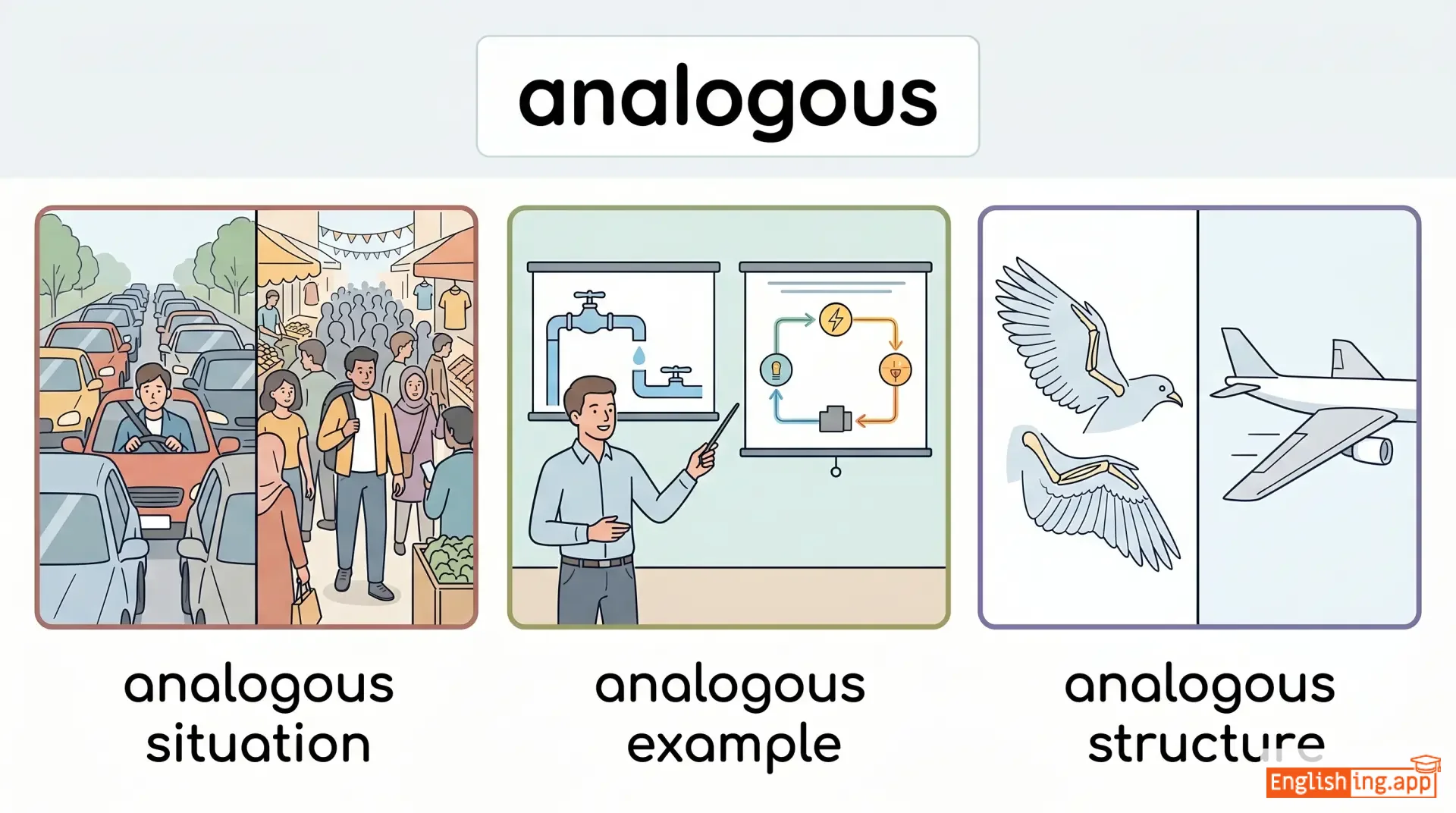
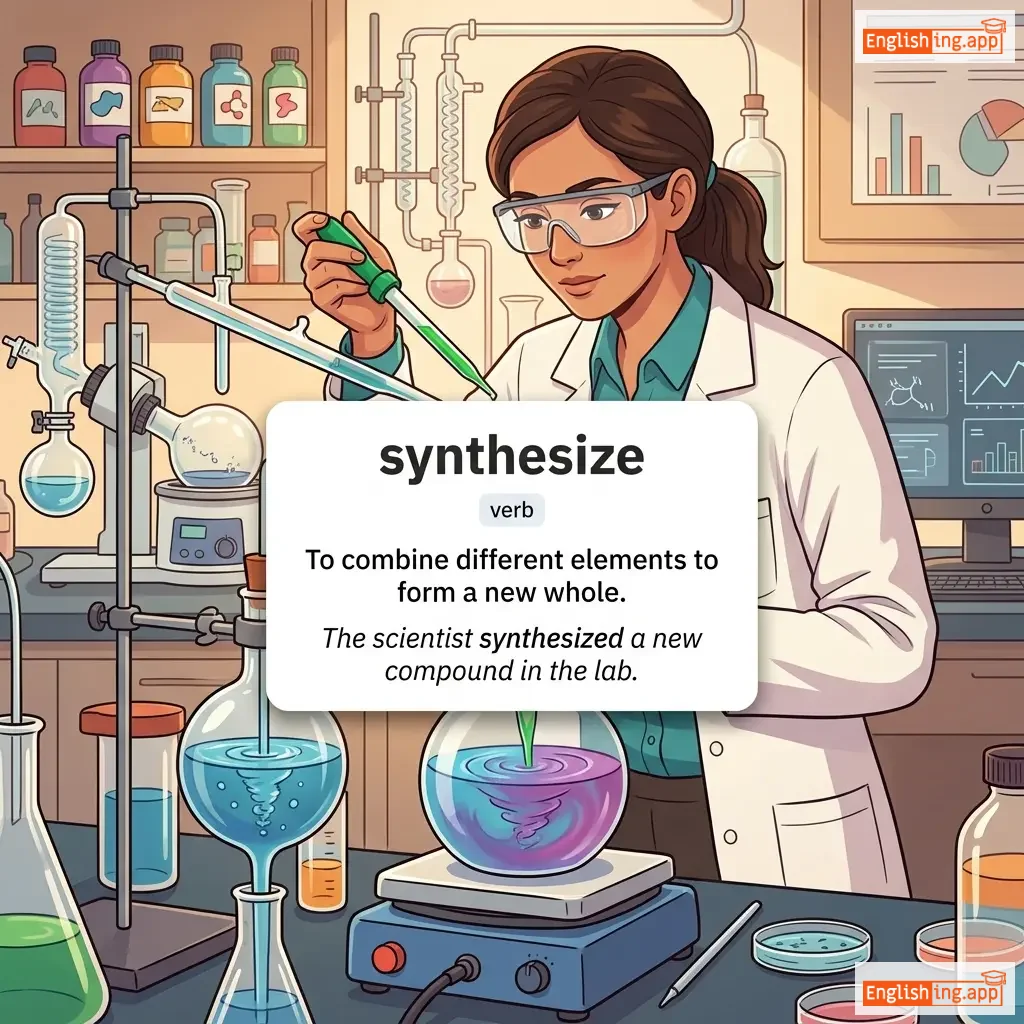
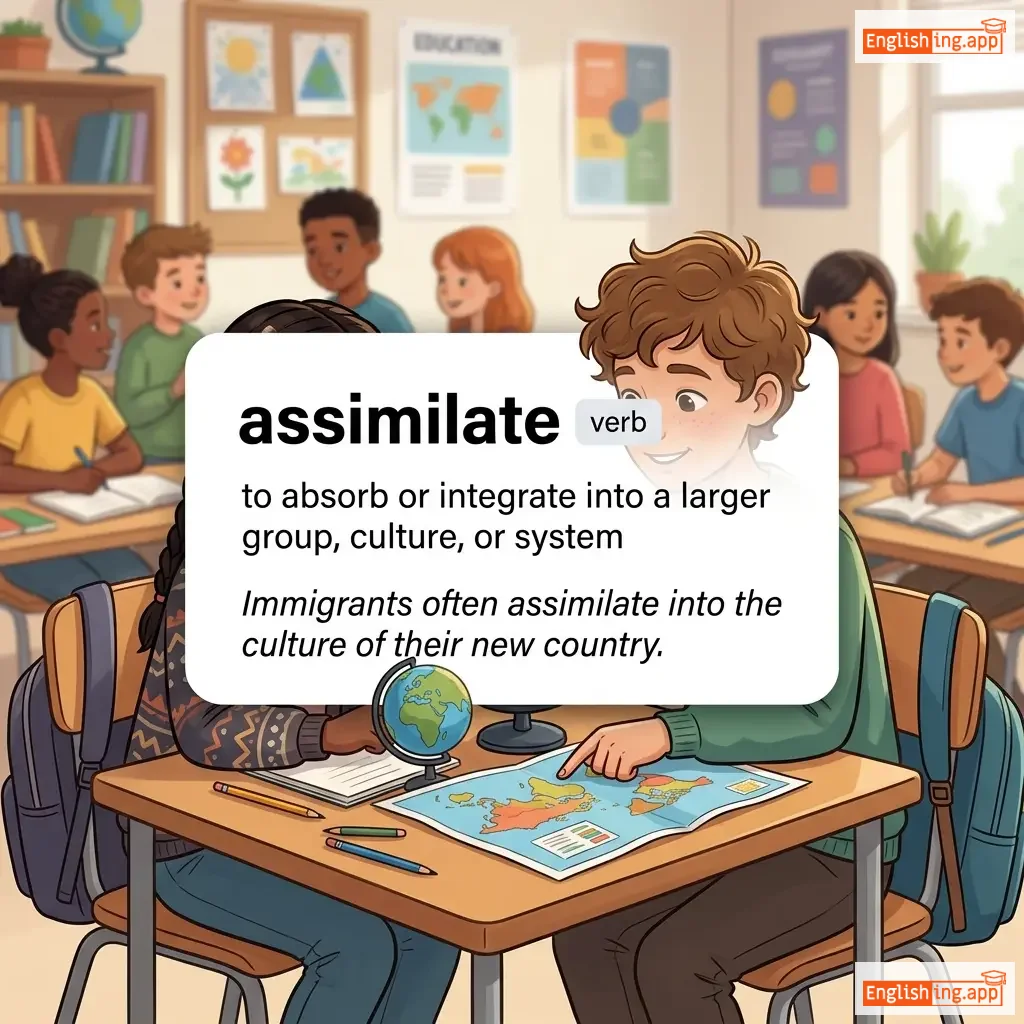
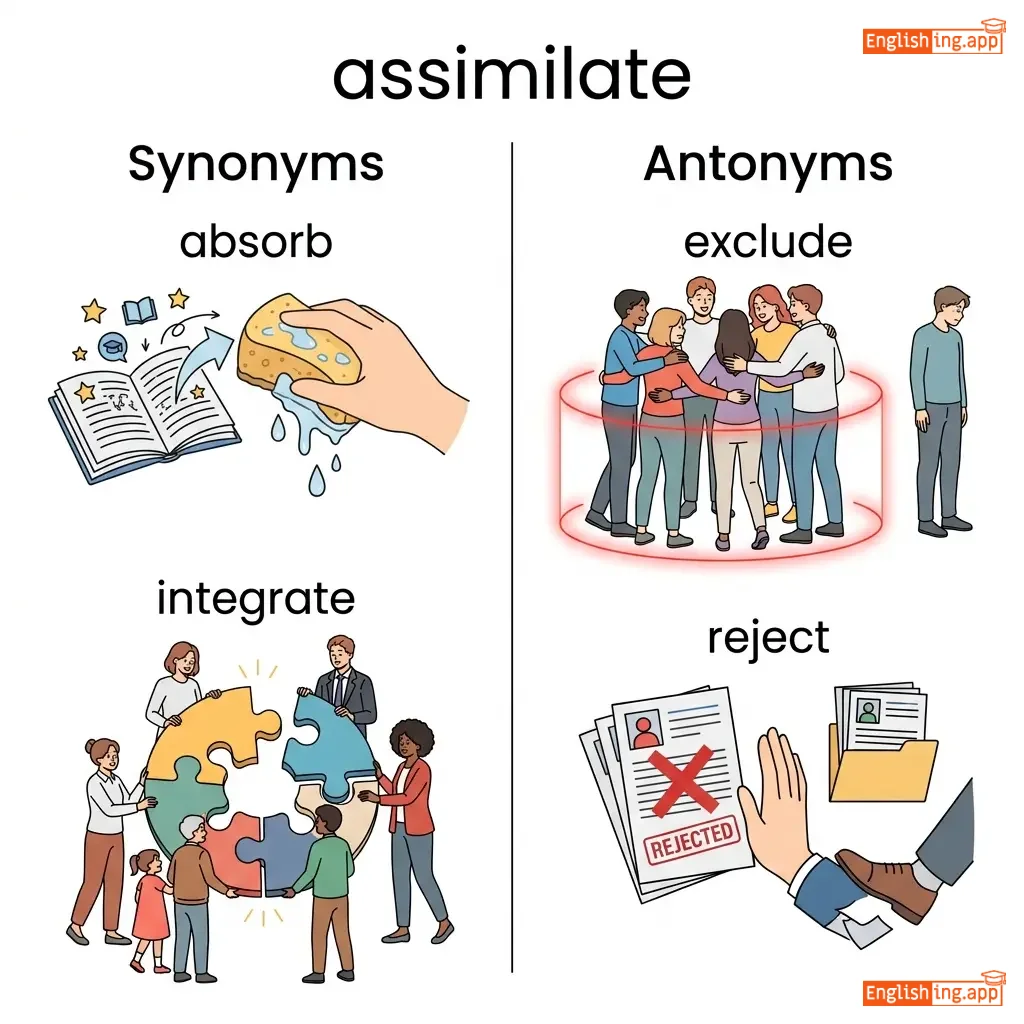
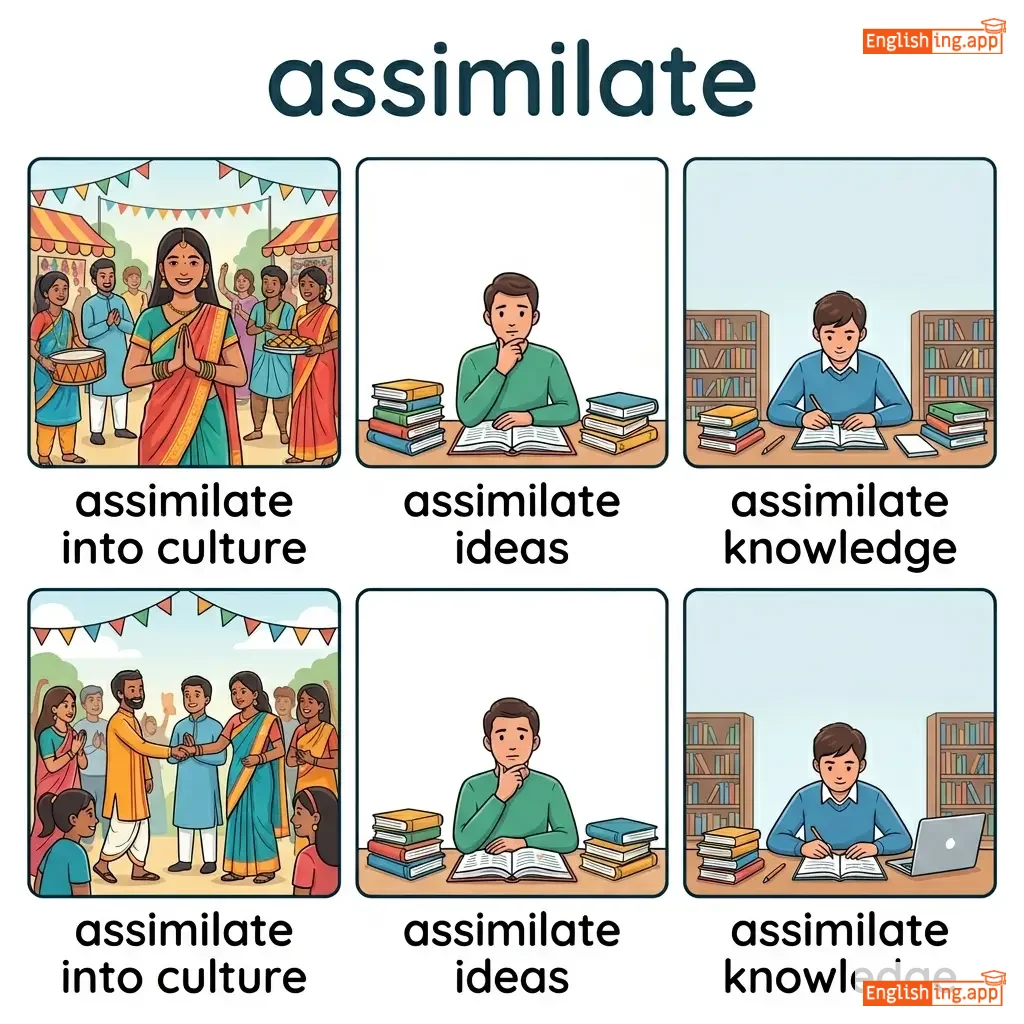
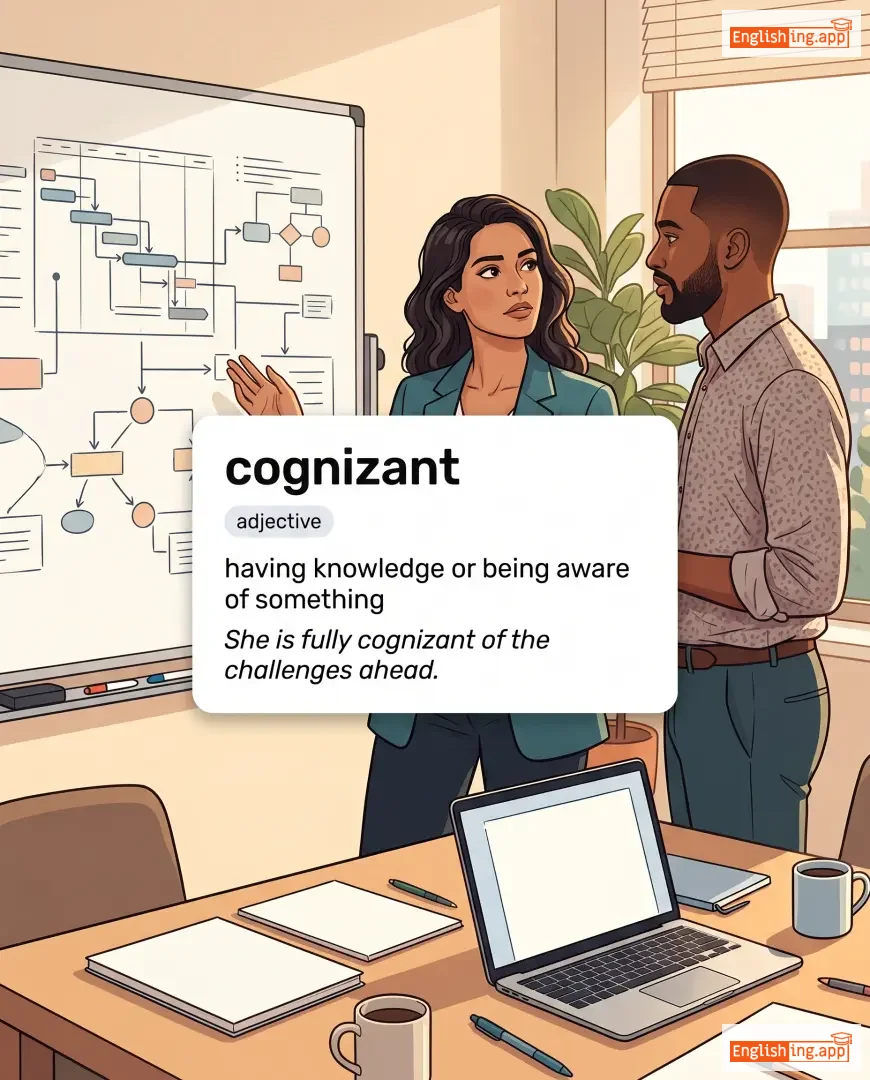
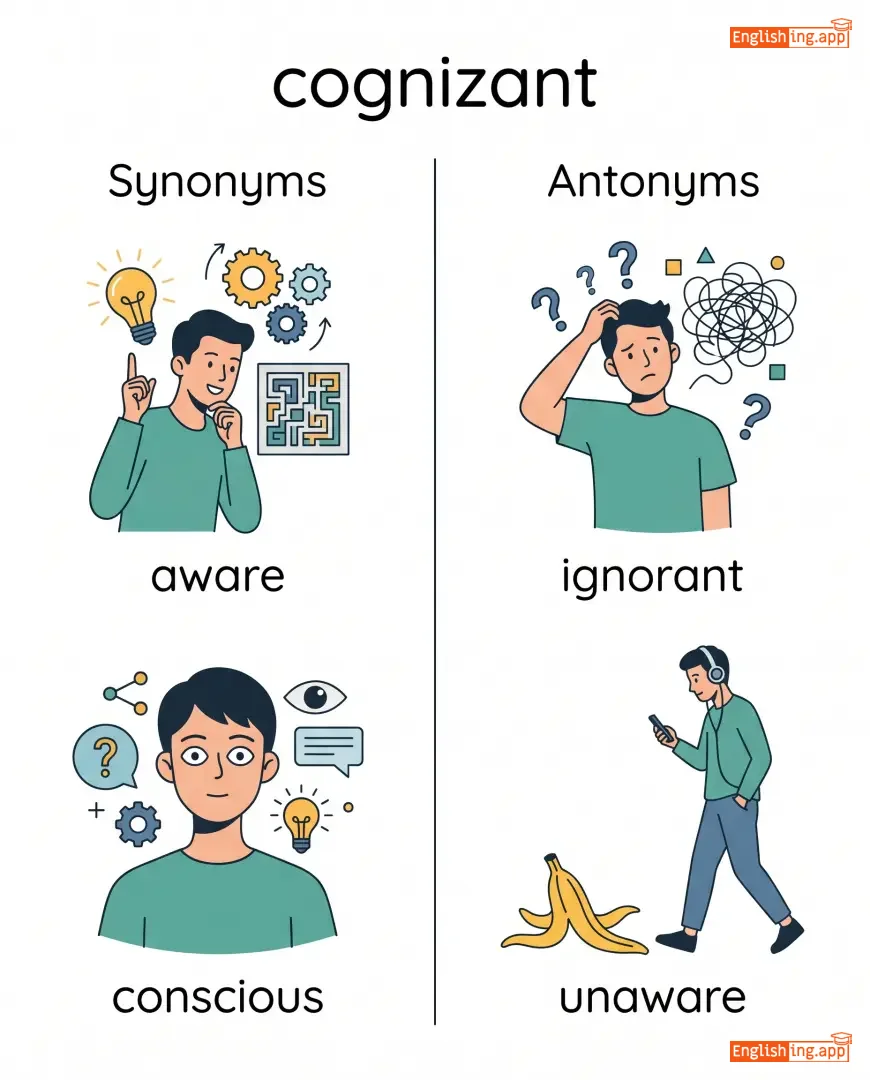
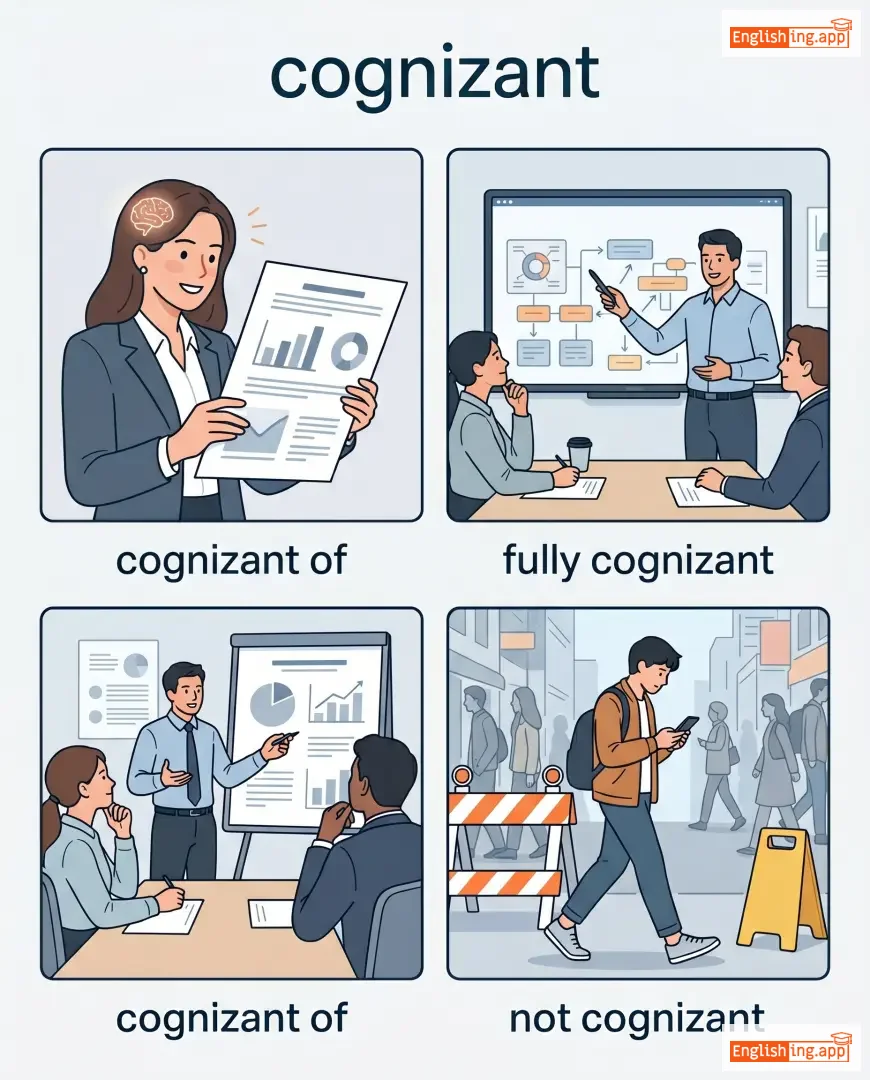
次に、新しい情報を学ぶ際に、それを analogous な概念と synthesizing することで、脳がより簡単に assimilate できます。これは脳の cognizant 状態を改善します。
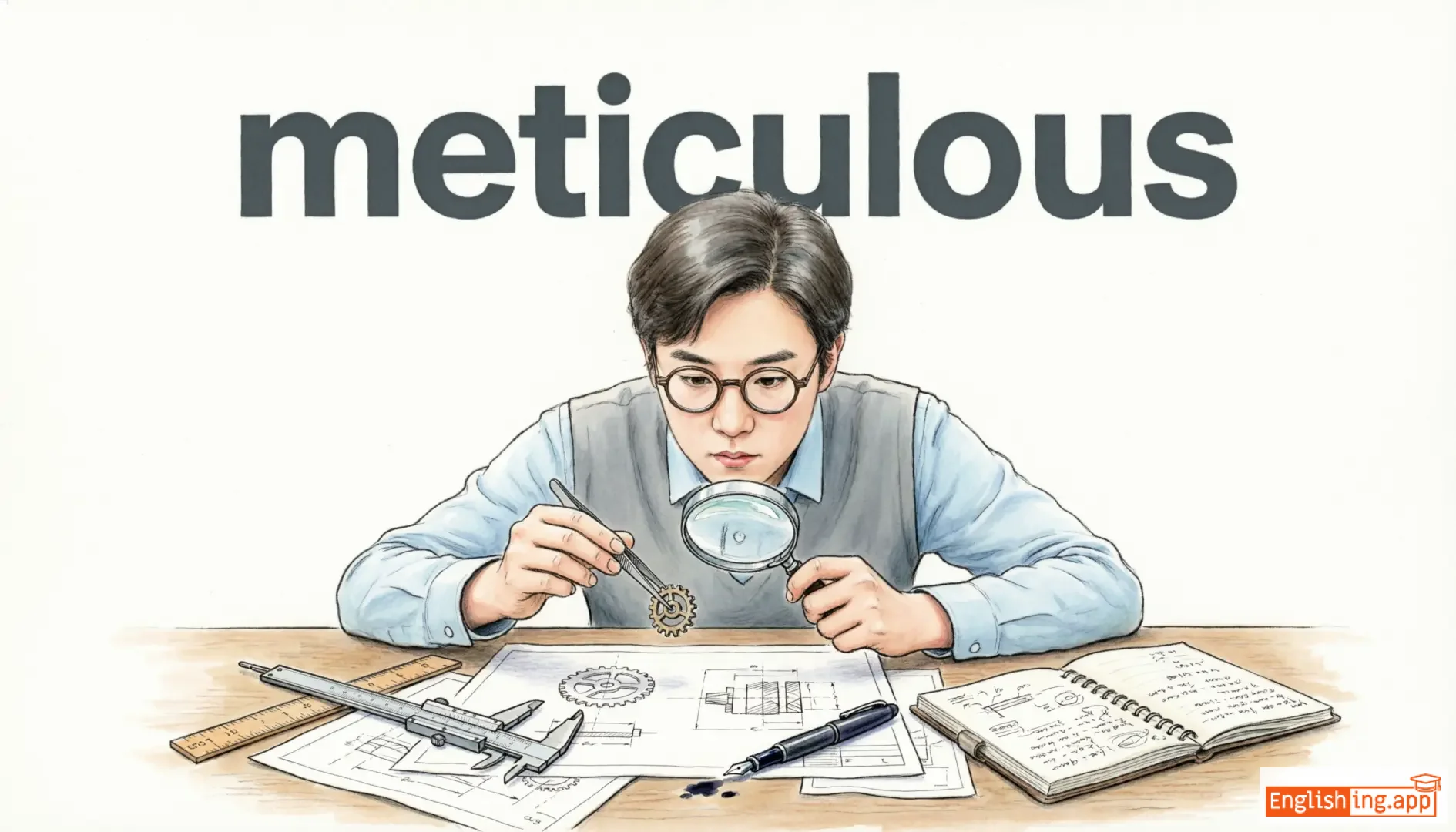
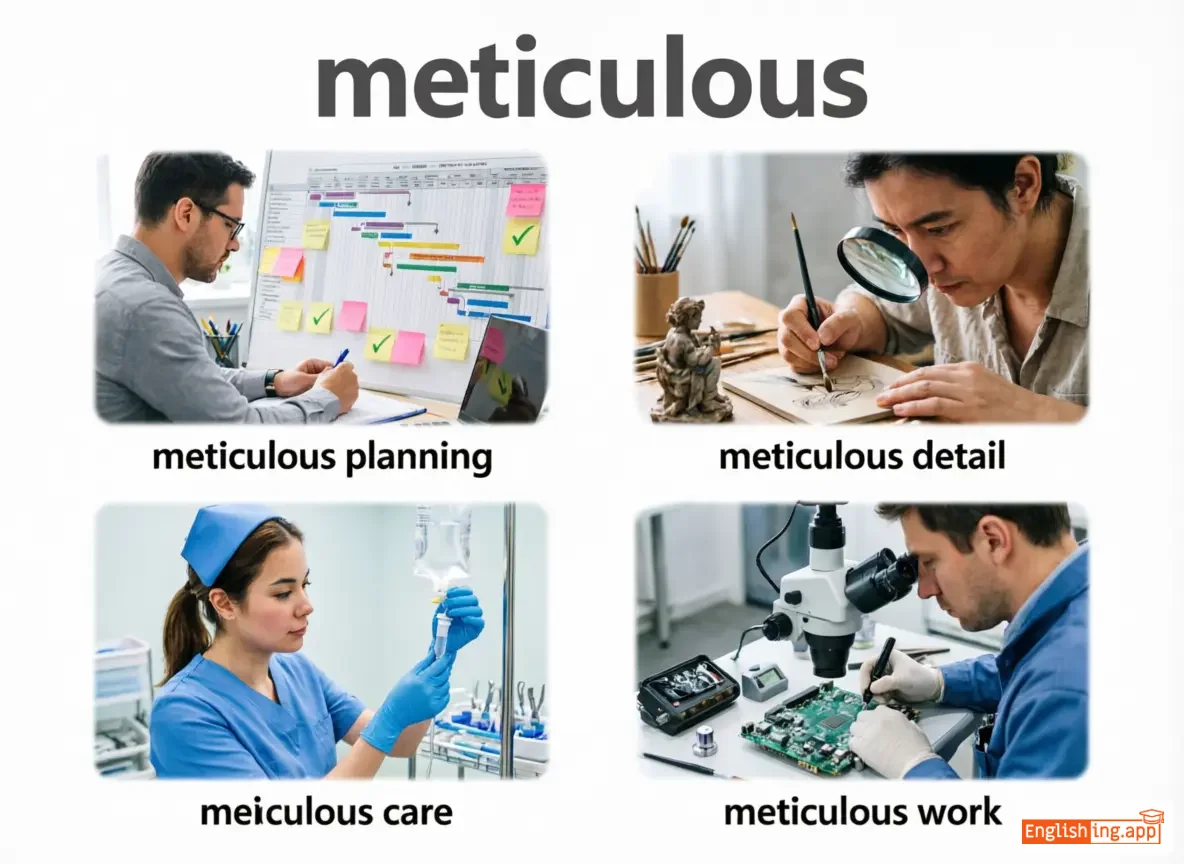
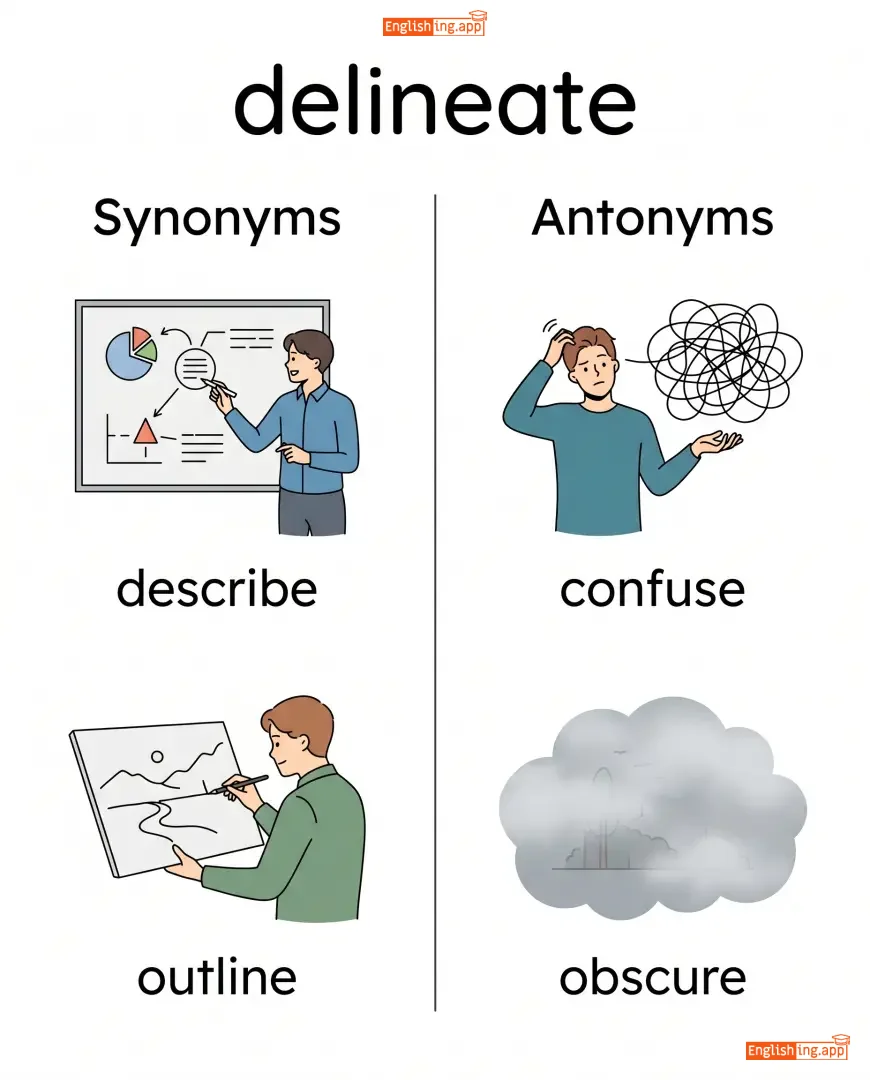
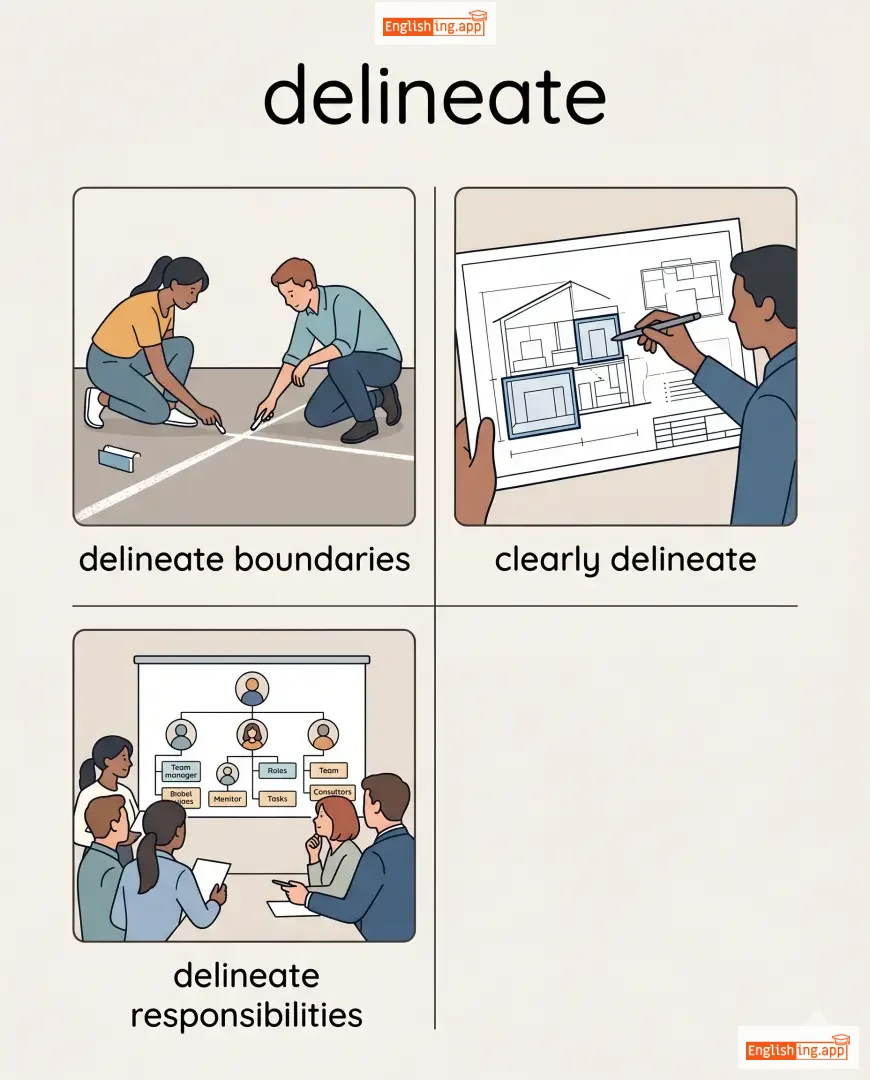
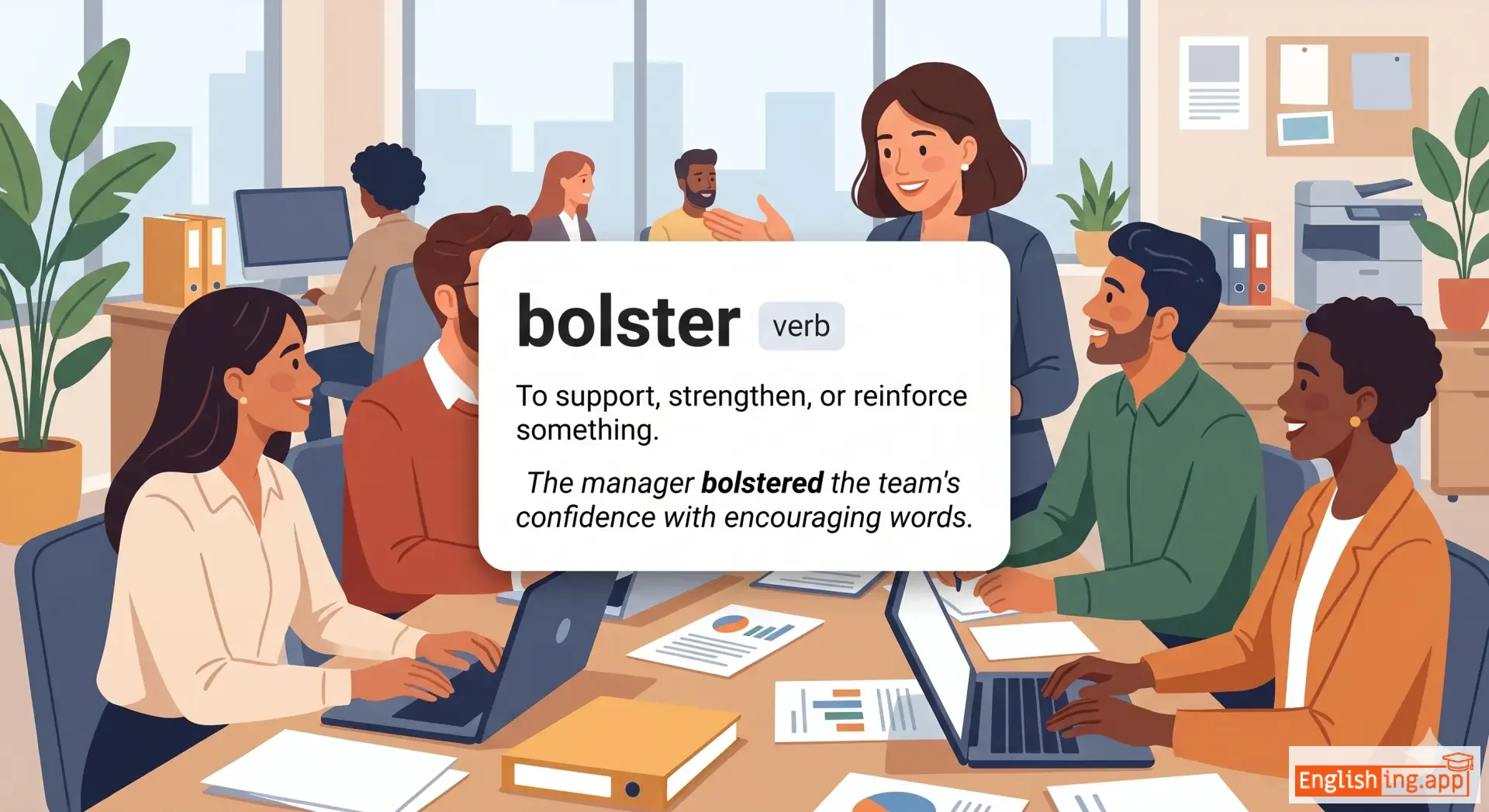
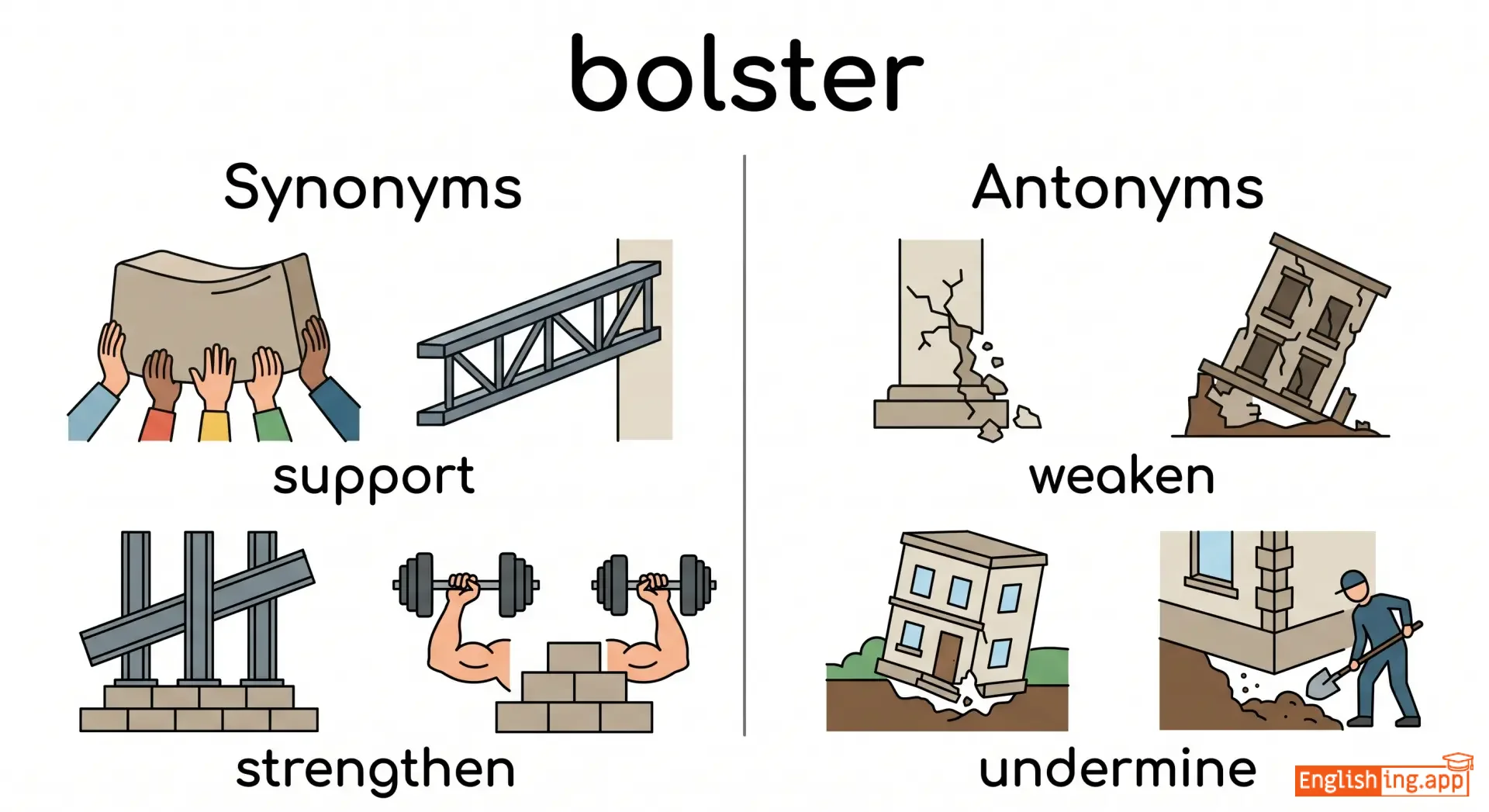
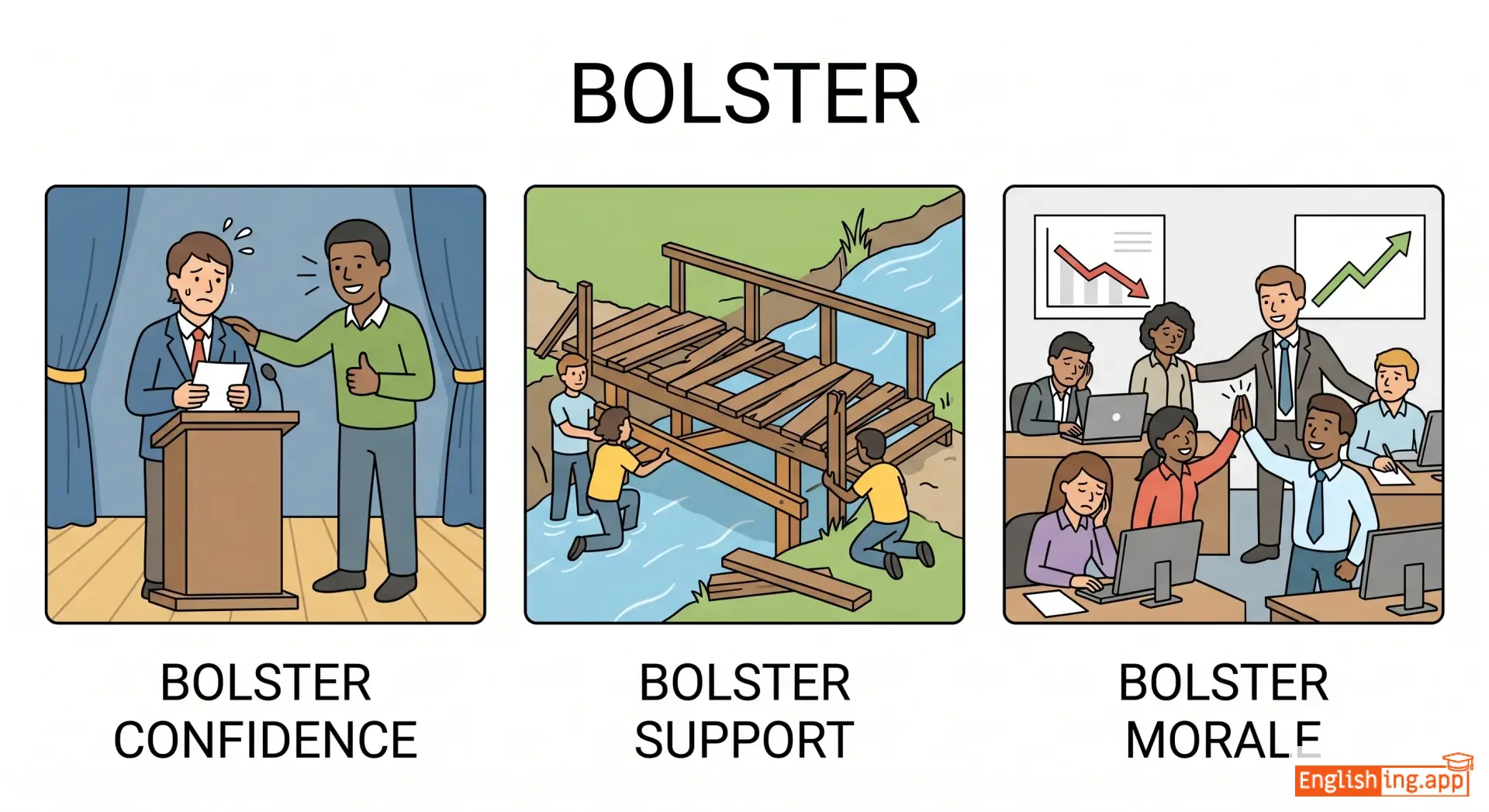
さらに、meticulous な計画と整理された情報の delineating は、覚えやすくします。また、瞑想と十分な睡眠は脳の機能を bolster します。
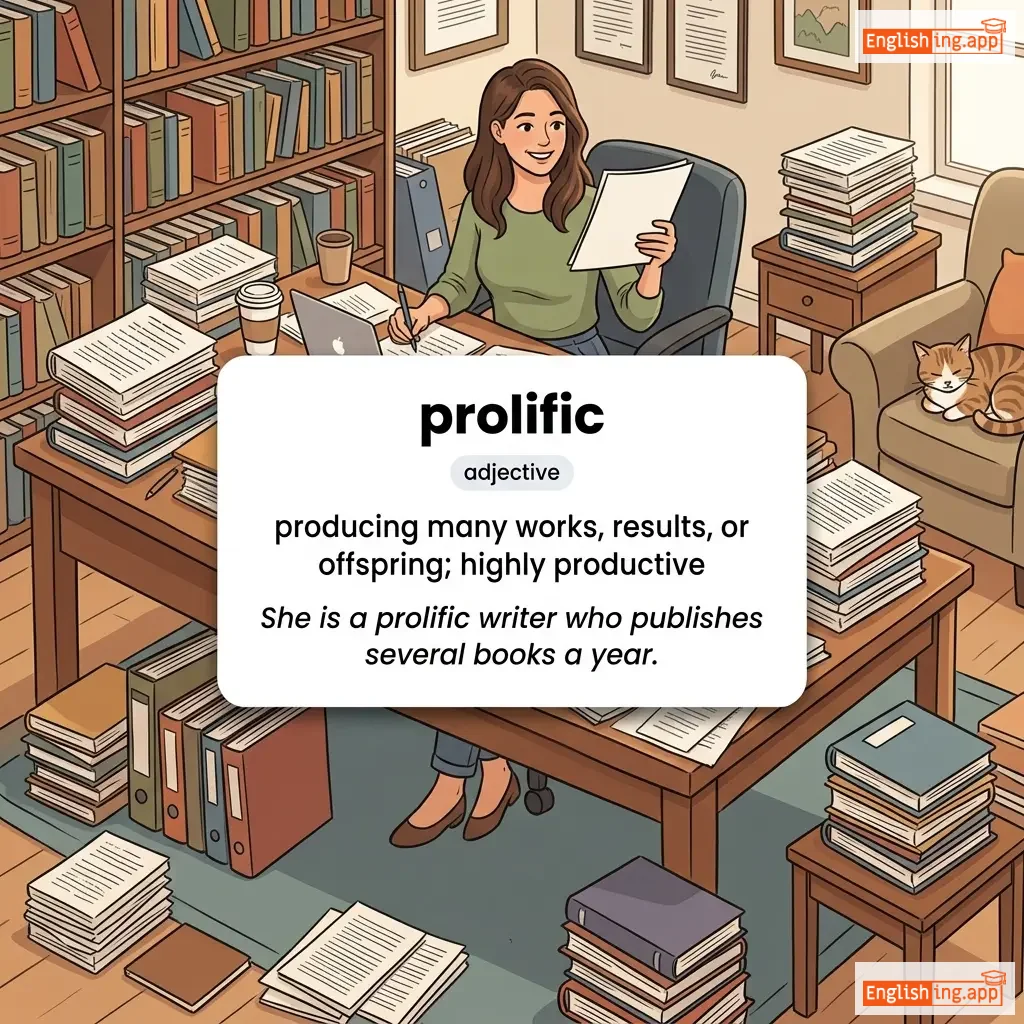
最後に、prolific な読書と新しいスキルの学習は記憶容量を engender し、個人および職業の発展に不可欠です。
翻訳
過去
過去分詞
三人称単数
動名詞
意味
例文
例文の翻訳
同義語
対義語
コロケーション
ニーモニック




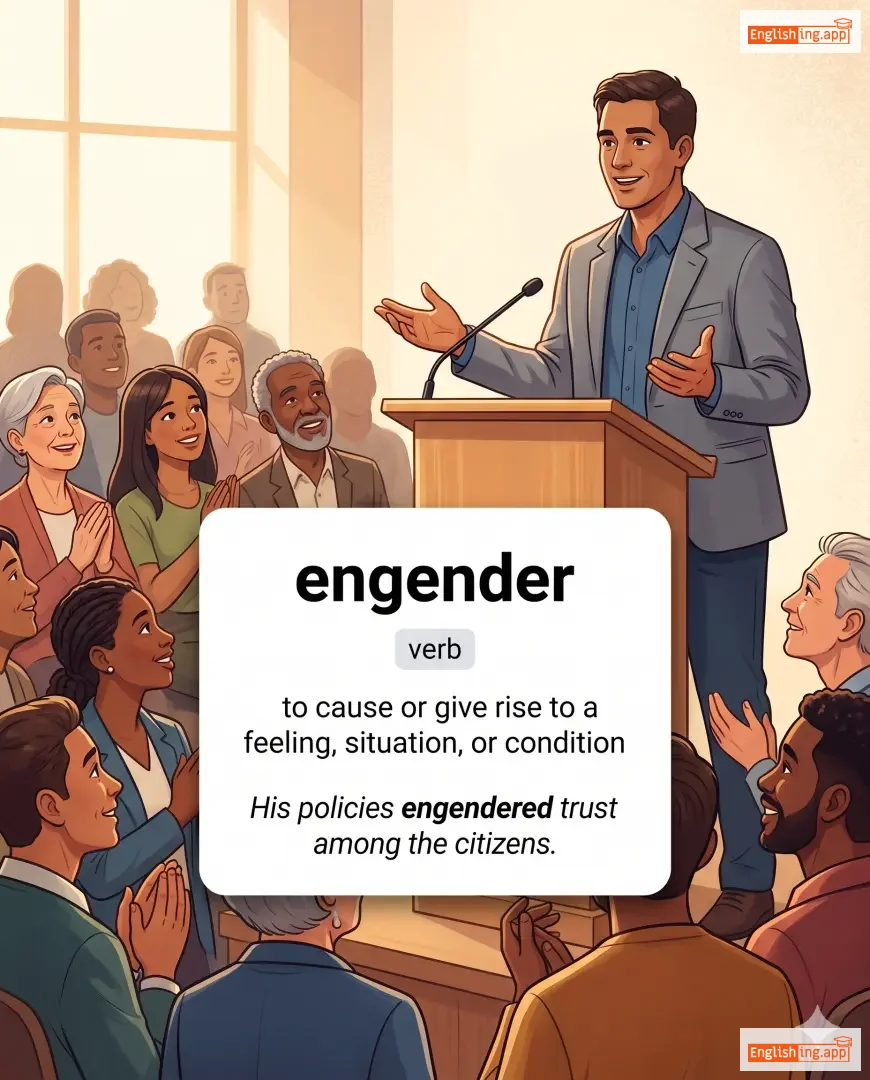
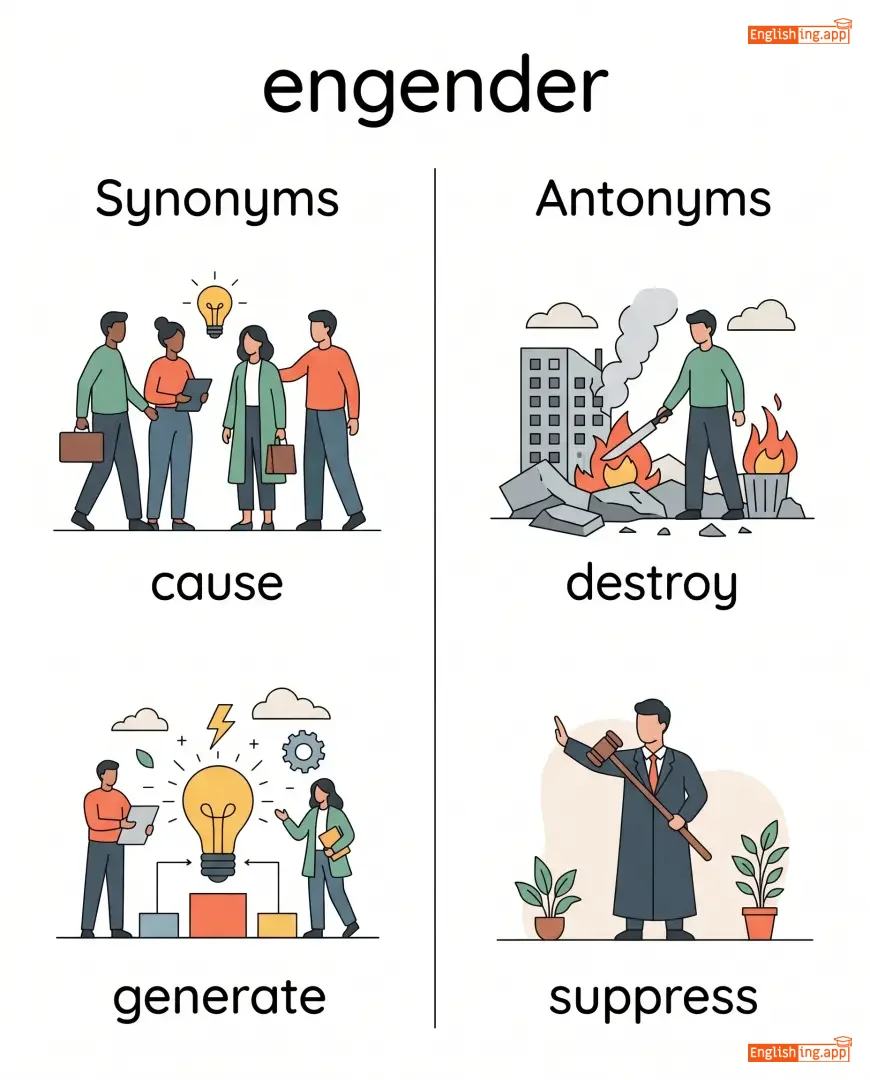
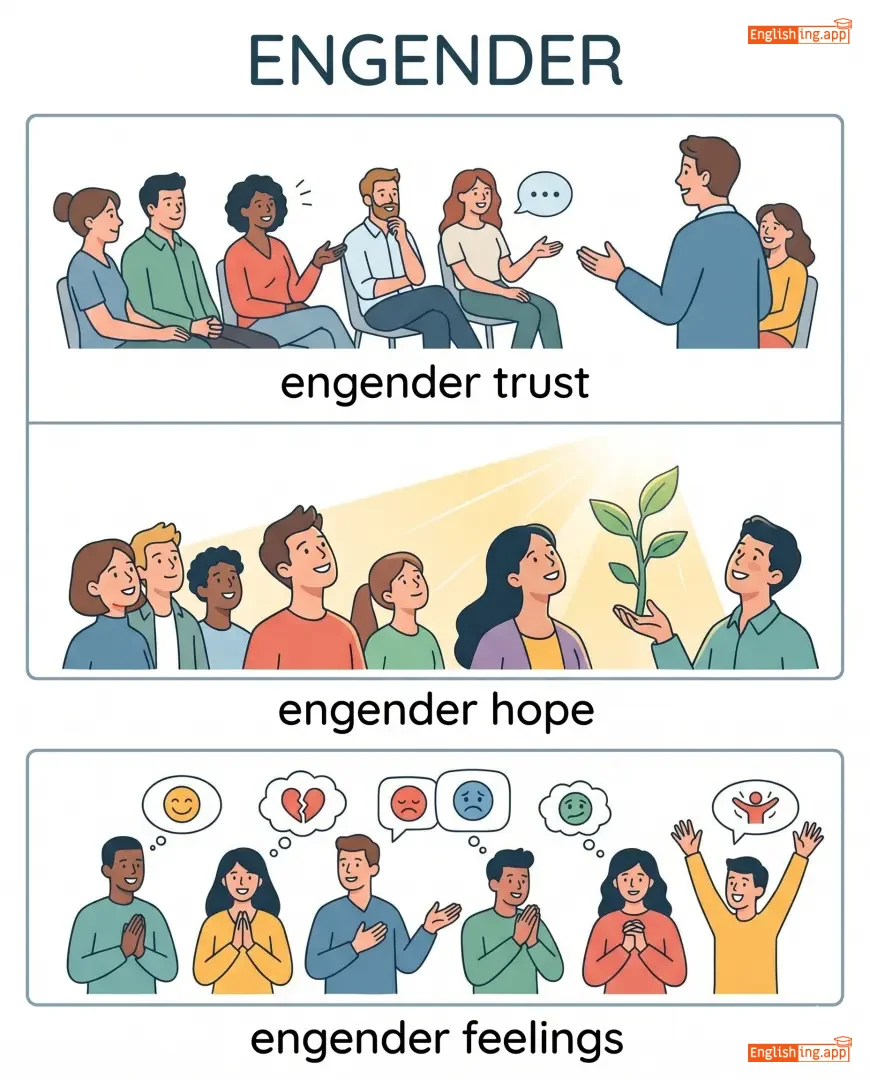
Swipe left or right, or use the buttons. Tap image to zoom.
例文の翻訳
単語
Best Techniques for Strengthening MemoryBest Techniques for Strengthening Memory - マスクトグル
|
絵文字
|
単語 | Images | 翻訳 | 意味 | 例文 | 例文の翻訳 | 同義語 | 対義語 | ニーモニック |
|---|---|---|---|---|---|---|---|---|---|
|
#1171
✅
|
/ˌɛf.ɪˈkeɪ.ʃəs/
adjective
(エフィケイシャス)
••••••
|
|
効果的な
kouka-teki na
••••••
|
Successful in producing a desired or intended result; effective.
••••••
|
The vaccine proved highly efficacious in preventing infections. |
ワクチンは感染を予防するのに非常に効果的であることが証明されました。
Wakuchin wa kansen o yobou suru no ni hijou ni kouka-teki de aru koto ga shoumei saremashita.
••••••
|
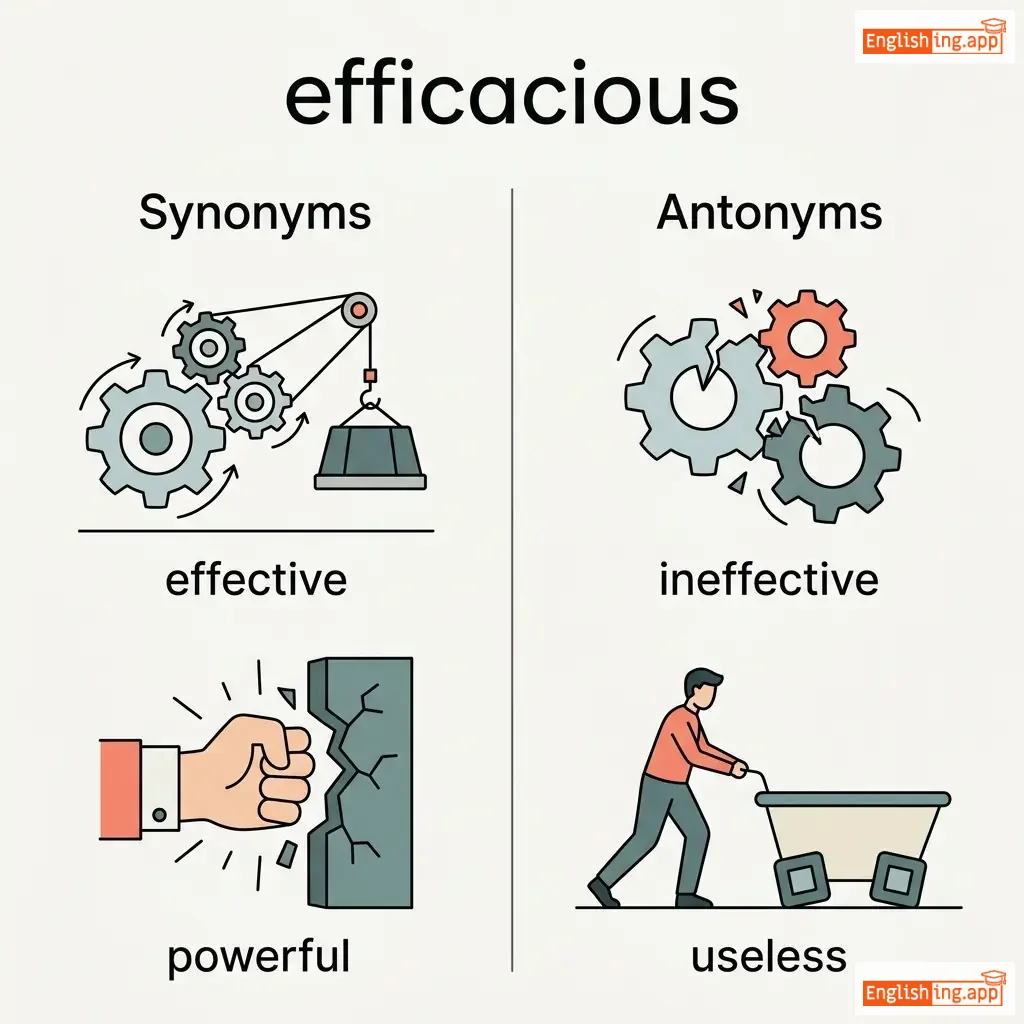
effective, potent, successful
••••••
|
ineffective, inefficient, futile
••••••
|
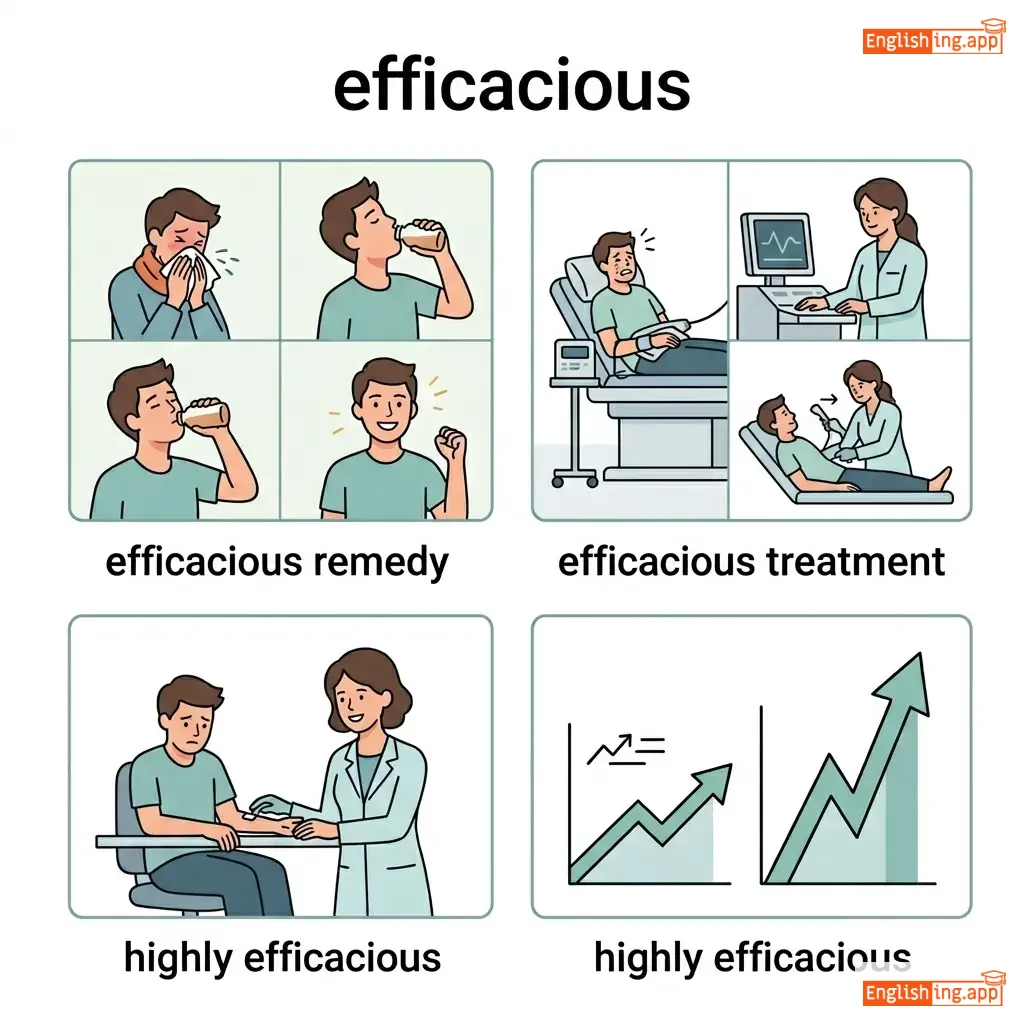
効果的な – A powerful and effective solution to prevent infection.
••••••
|
|
#1172
🎯
|
/əˈdɛpt/
adjective
(アデプト)
••••••
|
|
熟練
jukuren
••••••
|
Very skilled or proficient at something.
••••••
|
She is adept at solving complex mathematical problems. |
彼女は複雑な数学の問題を解決するのが得意です。
Kanojo wa fukuzatsu na suugaku no mondai o kaiketsu suru no ga tokui desu.
••••••
|
skillful, proficient, masterful
••••••
|
inept, incompetent, clumsy
••••••
|
熟練 = adept in Japanese
••••••
|
|
#1173
🧠
|
/ˌnjʊə.roʊ.plæˈstɪs.ɪ.ti/
noun
(ニューロプラスティシティ)
••••••
|
|
神経可塑性
shinkei kasosei
••••••
|
The brain's ability to reorganize itself by forming new neural connections throughout life.
••••••
|
Neuroplasticity allows the brain to rewire itself after an injury.
ニューロプラスティシティは、脳が怪我の後で再配線できるようにします。
••••••
|
ニューロプラスティシティは、脳が怪我の後で再配線できるようにします。
Nyūropurasutishiti wa, nō ga kega no ato de saihaisen dekiru yō ni shimasu.
••••••
|
brain adaptability, cognitive flexibility, neural regeneration
••••••
|
rigidity, stagnation, fixedness
••••••
|
ニューロプラスティシティは、壊れた回路を修復する脳の能力のようなものです。
••••••
|
|
#1174
🔄
|
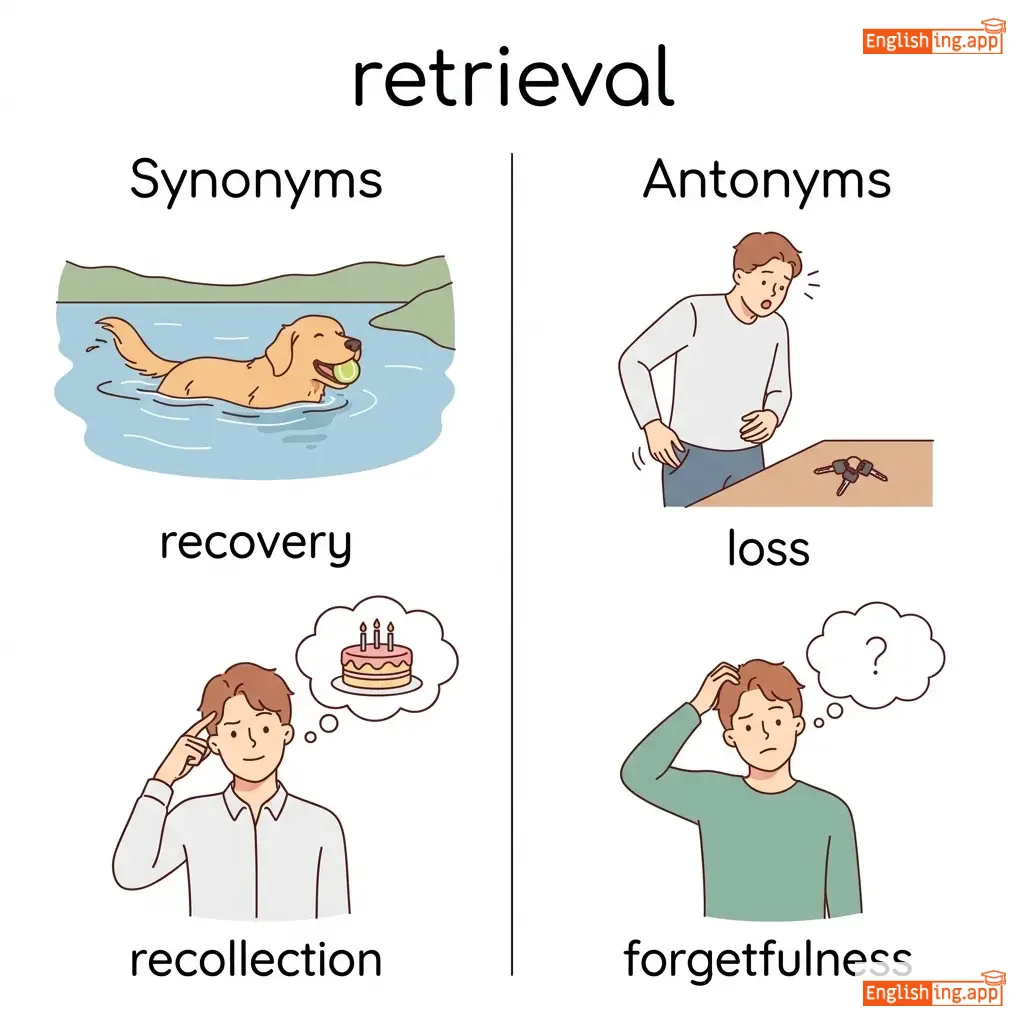
/rɪˈtriː.vəl/
noun
(リトリーバル)
••••••
|
|
回復
kaifuku
••••••
|
The process of getting something back, especially from storage or memory.
••••••
|
The brain's retrieval system helps recall past experiences.
脳のリトリーバルシステムは過去の経験を思い出すのに役立ちます。
••••••
|
脳のリトリーバルシステムは過去の経験を思い出すのに役立ちます。
Nou no retrieval system wa kako no keiken wo omoidasu no ni yakudachimasu.
••••••
|
recovery, recollection, restoration
••••••
|
loss, forgetfulness, misplacement
••••••
|
回復のように、失われた記憶を取り戻すことができます。
••••••
|
|
#1175
📝
|
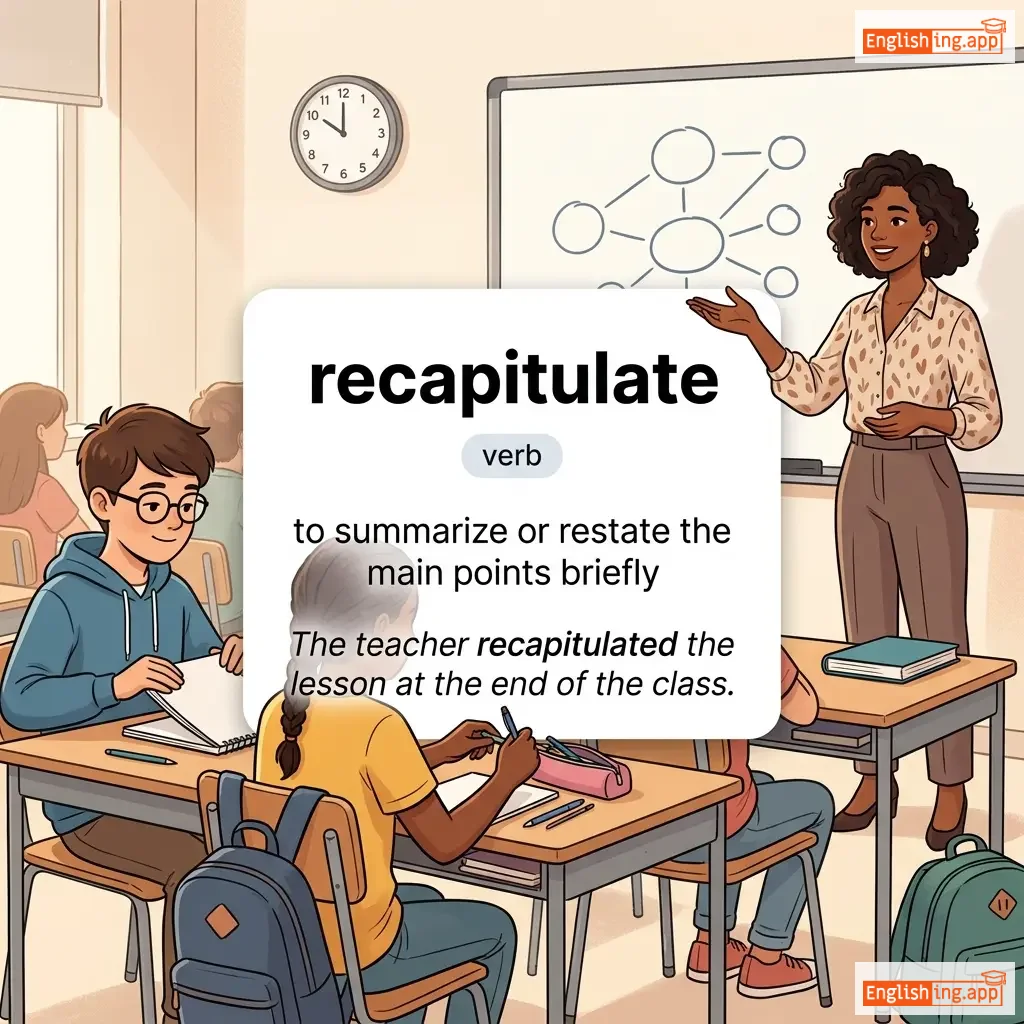
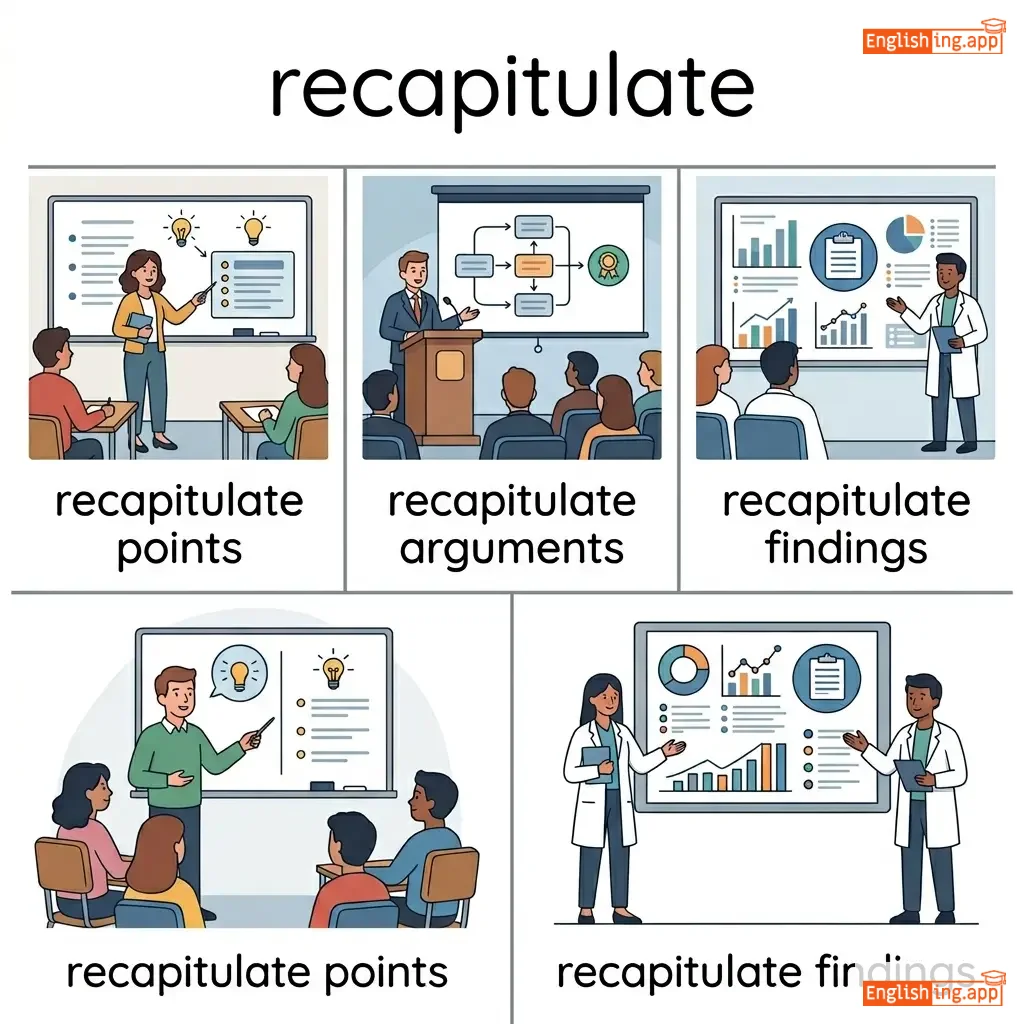
/ˌriː.kəˈpɪtʃ.ə.leɪt/
verb
(レカピチュレート)
••••••
|
|
要約する
yōyaku suru
••••••
|
To summarize and state again the main points of something.
••••••
|
The teacher asked the student to recapitulate the lesson.
教師は生徒にレッスンを要約するように頼みました。
••••••
|
教師は生徒にレッスンを要約するように頼みました。
Kyōshi wa seito ni ressun o yōyaku suru yō ni tanomimashita.
••••••
|
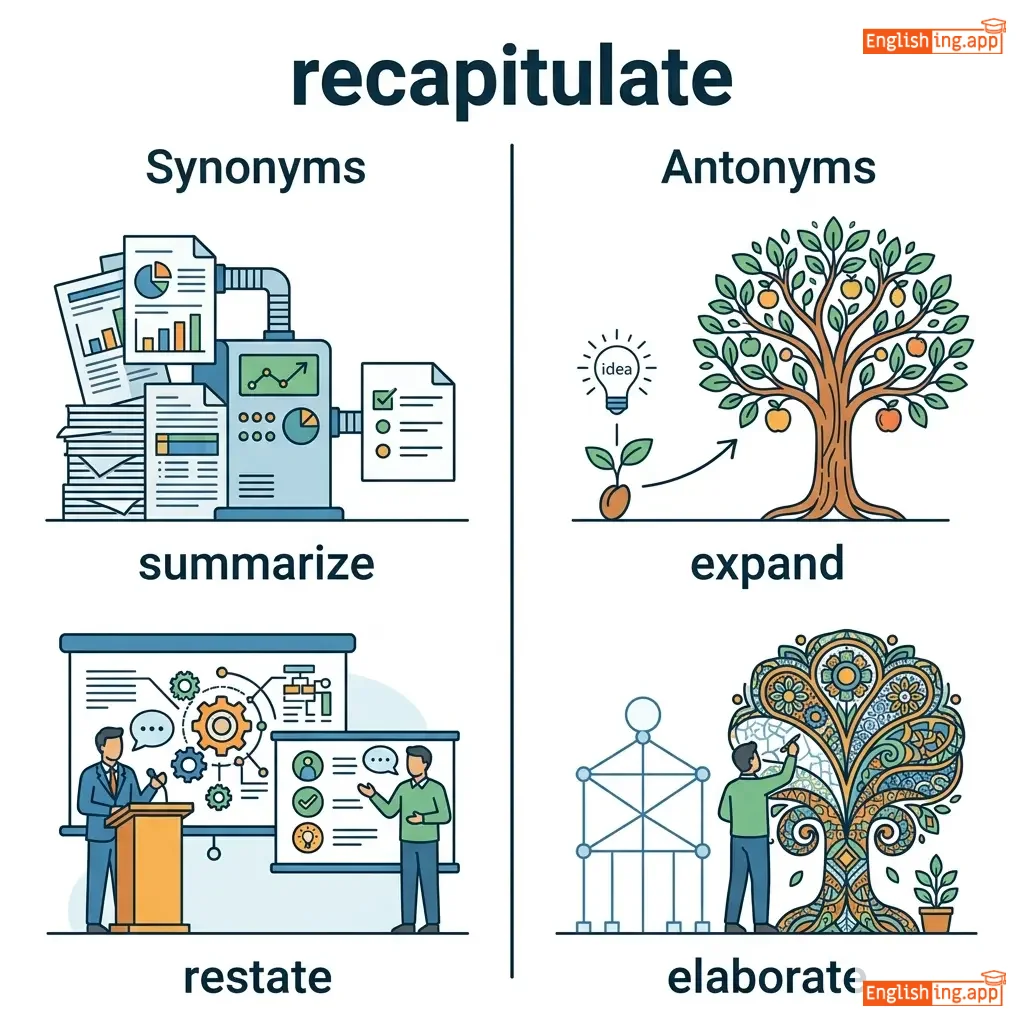
summarize, restate, review
••••••
|
expand, elaborate, lengthen
••••••
|
Recapitulate = recap (要約) + ulate (再度).
••••••
|
|
#1176
💪
|
/kənˈsɒl.ɪ.deɪt/
verb
(kənˈsɒlɪdeɪt)
••••••
|
|
統合する
tougou suru
••••••
|
To combine things in order to make them more effective or easier to handle.
••••••
|
The company aims to consolidate its market position. |
会社は市場の地位を統合することを目指しています。
Kaisha wa shijou no chii wo tougou suru koto wo mezashiteimasu.
••••••
|
strengthen, integrate, merge
••••••
|
weaken, fragment, disperse
••••••
|
統合することで、会社は強力なポジションを確立!
••••••
|
|
#1177
🔗
|
/əˈnæl.ə.ɡəs/
adjective
(アナロガス)
••••••
|
|
類似
ruiji
••••••
|
Comparable in certain respects, typically in a way that makes clearer the nature of things being compared.
••••••
|
The human brain is analogous to a supercomputer.
人間の脳はスーパーコンピュータに類似している。
••••••
|
人間の脳はスーパーコンピュータに類似している。
Ningen no nō wa sūpā konpyūta ni ruiji shite iru.
••••••
|
comparable, equivalent, parallel
••••••
|
dissimilar, contrasting, unrelated
••••••
|
類似(るいじ)- まるで脳とスーパーコンピュータが同じように働く。
••••••
|
|
#1178
🔬
|
/ˈsɪn.θə.saɪz/
verb
(シンセサイズ)
••••••
|
|
合成する
gōsei suru
••••••
|
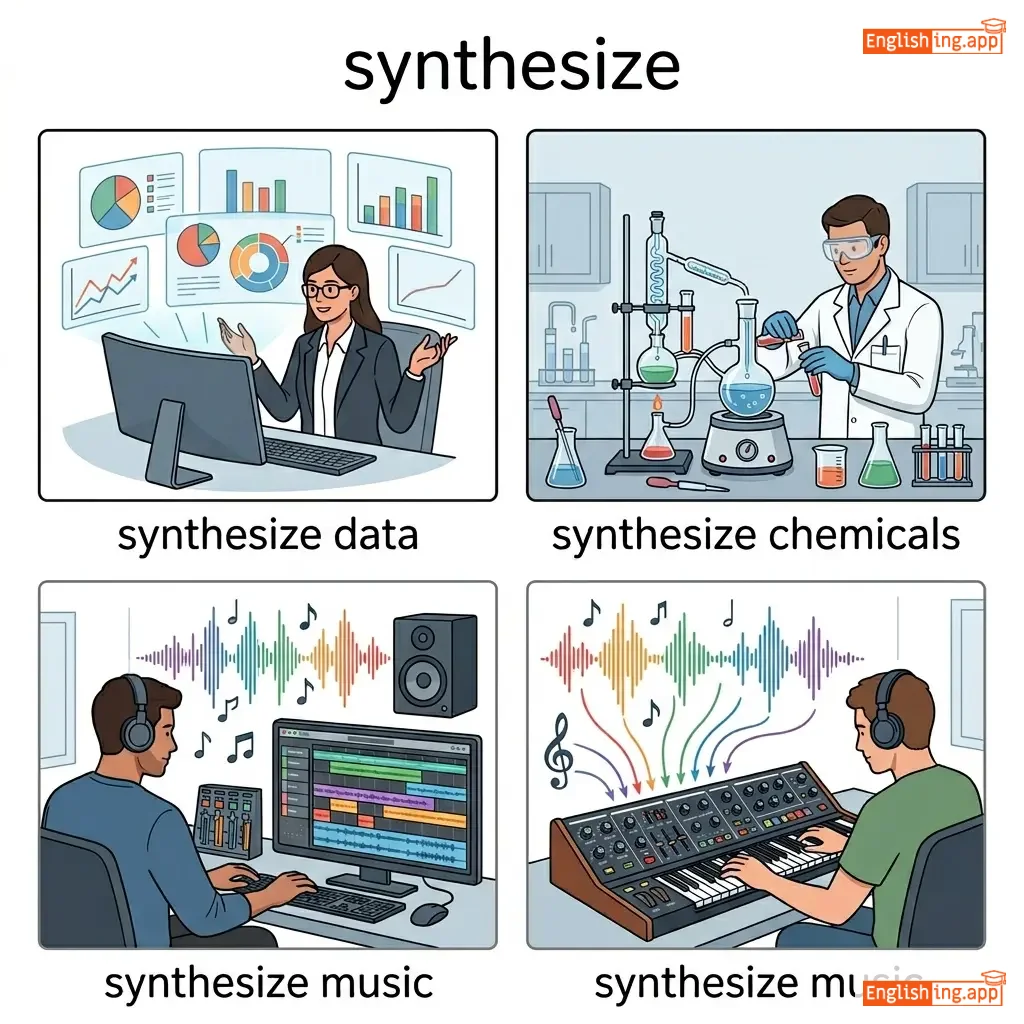
To combine a number of things into a coherent whole.
••••••
|
Scientists synthesize new compounds for medical research. |
科学者たちは医学研究のために新しい化合物を合成しています。
Kagakusha-tachi wa igaku kenkyū no tame ni atarashī kagōbutsu o gōsei shiteimasu.
••••••
|
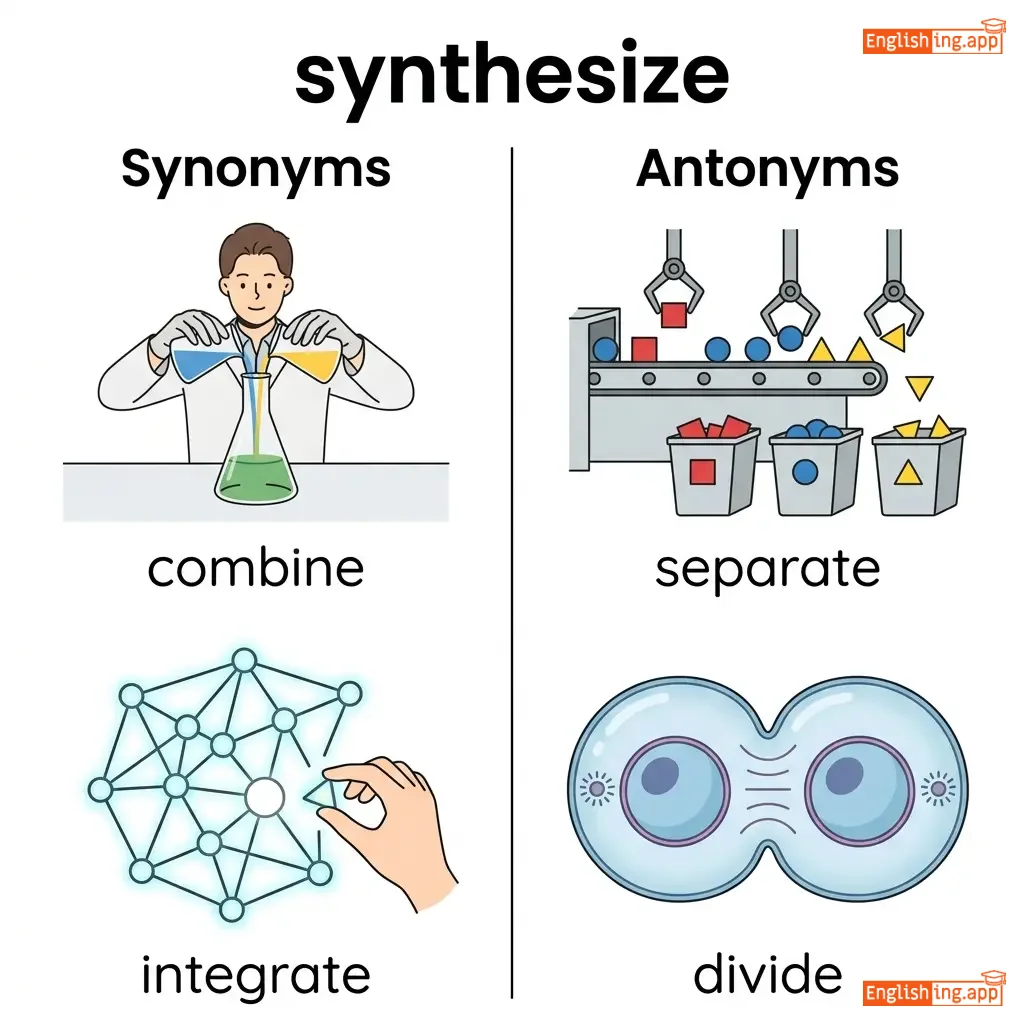
combine, integrate, fuse
••••••
|
separate, divide, fragment
••••••
|
シンセサイズと合成するは物を一つにまとめることです。
••••••
|
|
#1179
🧩
|
/əˈsɪm.ɪ.leɪt/
verb
(アシミレート)
••••••
|
|
同化する
dōka suru
••••••
|
To take in and understand fully; to absorb and integrate.
••••••
|
Immigrants must assimilate into the local culture. |
移民は地域の文化に同化しなければならない。
Imin wa chiiki no bunka ni dōka shinakereba naranai.
••••••
|
absorb, internalize, incorporate
••••••
|
reject, exclude, separate
••••••
|
文化に同化する
••••••
|
|
#1180
👁️
|
/ˈkɒɡ.nɪ.zənt/
adjective
(コグニザント)
••••••
|
|
認識している
ninshiki shite iru
••••••
|
Having knowledge or being aware of something.
••••••
|
He was cognizant of the risks before starting the project.
彼はプロジェクトを開始する前にリスクに気づいていた。
••••••
|
彼はプロジェクトを開始する前にリスクに気づいていた。
Kare wa purojekuto wo kaishi suru mae ni risuku ni kizuite ita.
••••••
|
aware, mindful, perceptive
••••••
|
oblivious, unaware, ignorant
••••••
|
認識している = 認 (recognize) + 知識 (knowledge) + している (to be).
••••••
|
|
#1181
🔍
|
/məˈtɪk.jə.ləs/
adjective
(メティキュラス)
••••••
|
|
綿密
menmitsu
••••••
|
Showing great attention to detail; very careful and precise.
••••••
|
She is meticulous in her research work.
彼女は研究の仕事に非常に慎重です。
••••••
|
彼女は研究の仕事に非常に慎重です。
Kanojo wa kenkyū no shigoto ni hijō ni shinchō desu.
••••••
|
precise, diligent, painstaking
••••••
|
careless, negligent, reckless
••••••
|
綿密な注意を払う
••••••
|
|
#1182
📐
|
/dɪˈlɪn.i.eɪt/
verb
(ディリニエイト)
••••••
|
|
描く
kaku
••••••
|
To describe or portray something precisely; to indicate the exact position of a border or boundary.
••••••
|
The architect delineated the structure of the new building.
建築家は新しい建物の構造を描きました。
••••••
|
建築家は新しい建物の構造を描きました。
Kenchikuka wa atarashī tatemono no kōzō o kakimashita.
••••••
|
describe, outline, depict
••••••
|
distort, obscure, confuse
••••••
|
Delineate sounds like '描く' – imagine sketching the structure of a building precisely.
••••••
|
|
#1183
⬆️
|
/ˈbəʊl.stər/
verb
(ボルスター)
••••••
|
|
強化する
kyouka suru
••••••
|
To support or strengthen; to prop up.
••••••
|
The new policy aims to bolster economic growth. |
新しい政策は経済成長を強化することを目的としています。
Atarashī seisaku wa keizai seichou wo kyouka suru koto wo mokuteki to shiteimasu.
••••••
|
strengthen, support, reinforce
••••••
|
undermine, weaken, diminish
••••••
|
Bolster = 経済成長を強化する
••••••
|
|
#1184
📚
|
/prəˈlɪf.ɪk/
adjective
(プロリフィック)
••••••
|
|
多作な
tasaku na
••••••
|
Present in large numbers or quantities; plentiful; producing many works, results, or offspring.
••••••
|
The author is prolific, having written over 30 books.
その著者は非常に多作で、30冊以上の本を執筆しています。
••••••
|
その著者は非常に多作で、30冊以上の本を執筆しています。
Sono chosha wa hijō ni tasaku de, 30-satsu ijō no hon o shippitsu shiteimasu.
••••••
|
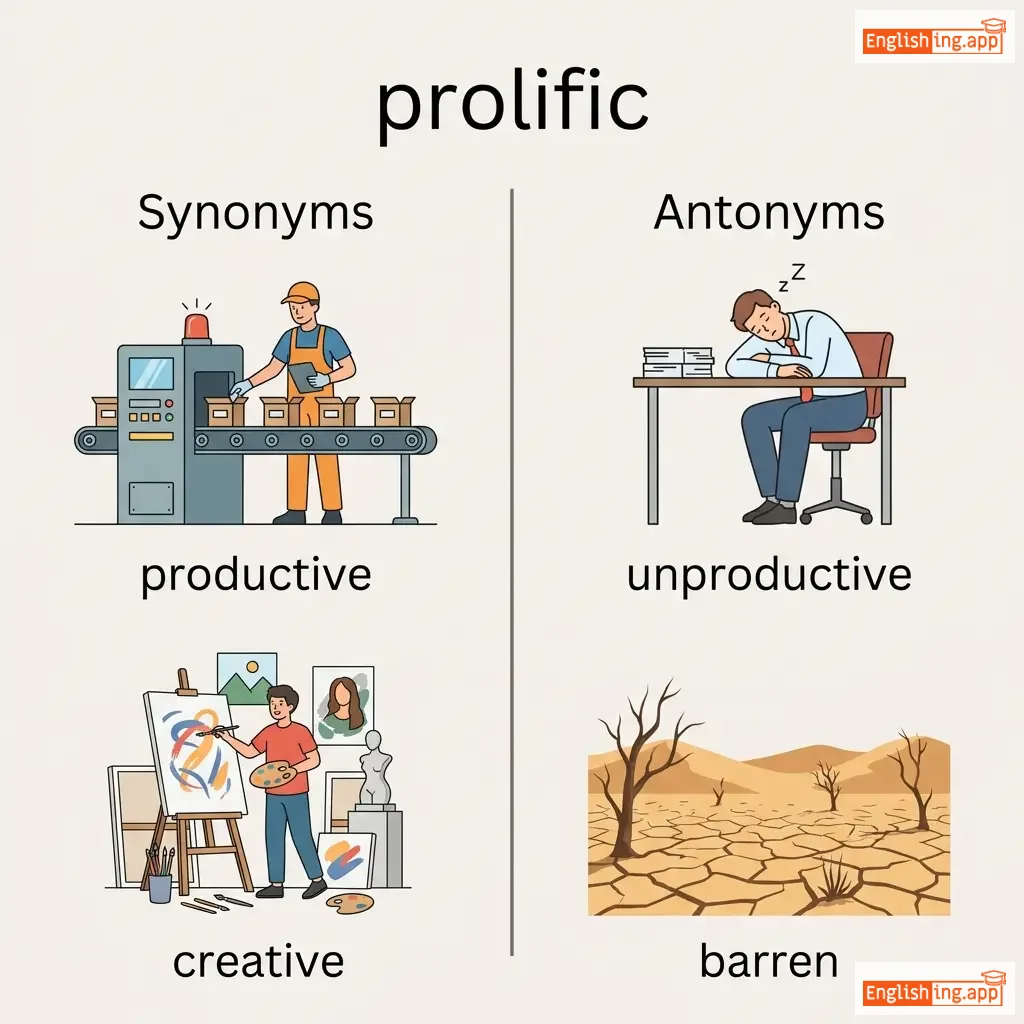
productive, fertile, abundant
••••••
|
barren, unproductive, sterile
••••••
|
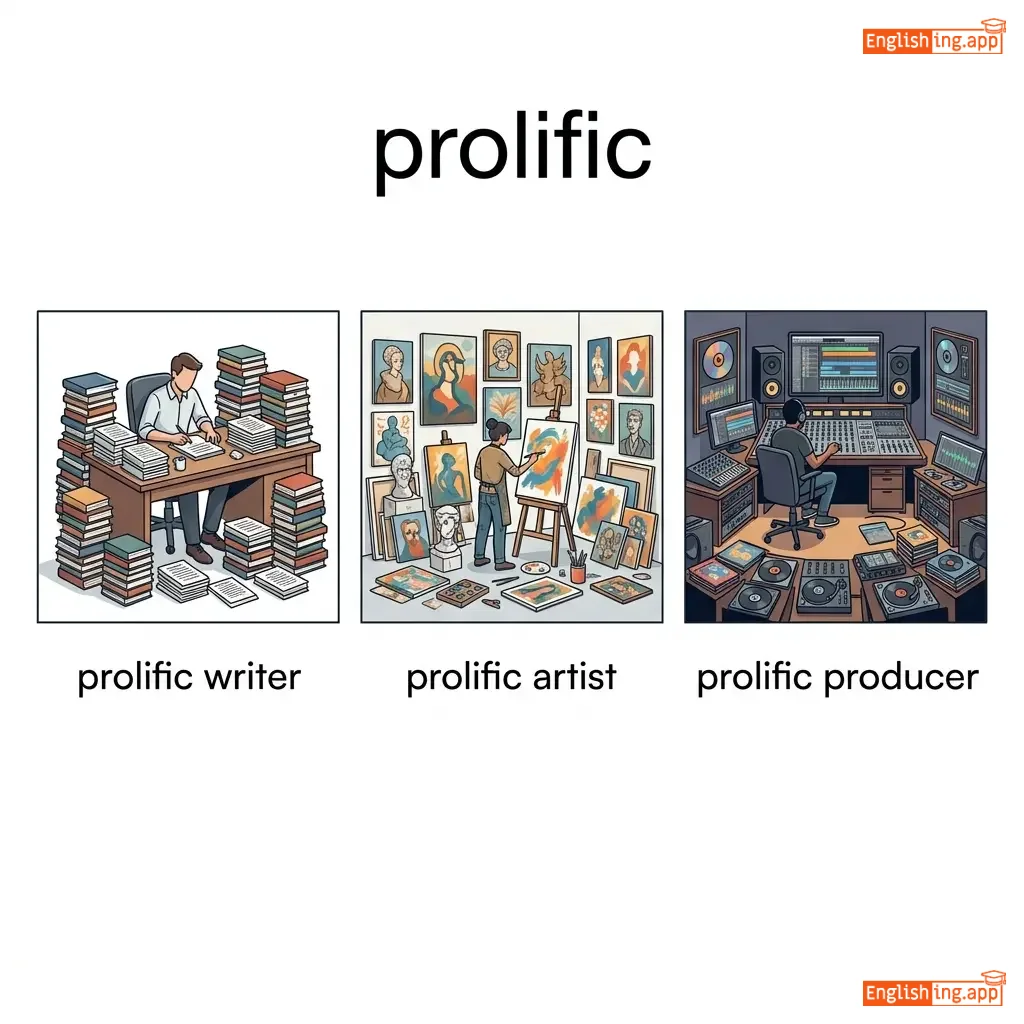
In Japanese, '多作な' describes someone who produces a lot of work, just like a prolific writer.
••••••
|
|
#1185
✨
|
/ɪnˈdʒen.dər/
verb
(インジェンダー)
••••••
|
|
生じる
shojiru
••••••
|
To cause or give rise to a feeling, situation, or condition.
••••••
|
The speech engendered hope among the people.
スピーチは人々の間に希望を生んだ。
••••••
|
スピーチは人々の間に希望を生んだ。
Supīchi wa hitobito no aida ni kibō o unda.
••••••
|
generate, induce, cause
••••••
|
suppress, halt, dissuade
••••••
|
生じる(しょうじる)- スピーチが希望を生じさせるように、物事を引き起こす。
••••••
|
Vocabulary Quiz
Test your vocabulary by matching words with their translations or meanings.
Login to take the quiz
Comments (0)
Share your thoughts and join the discussion.
Join the discussion by logging in
Login to CommentNo comments yet
Be the first to share your thoughts!