

增强记忆力的最佳技巧
Best Techniques for Strengthening Memory
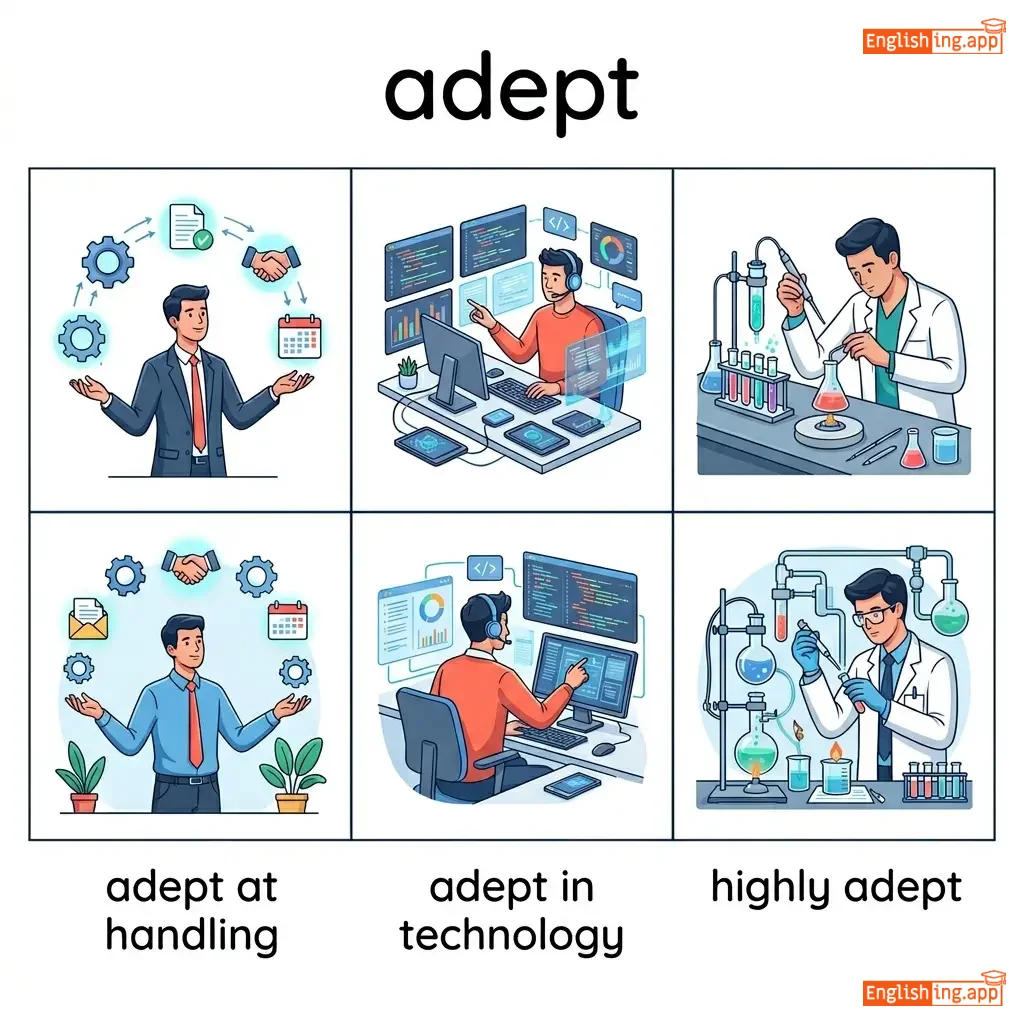
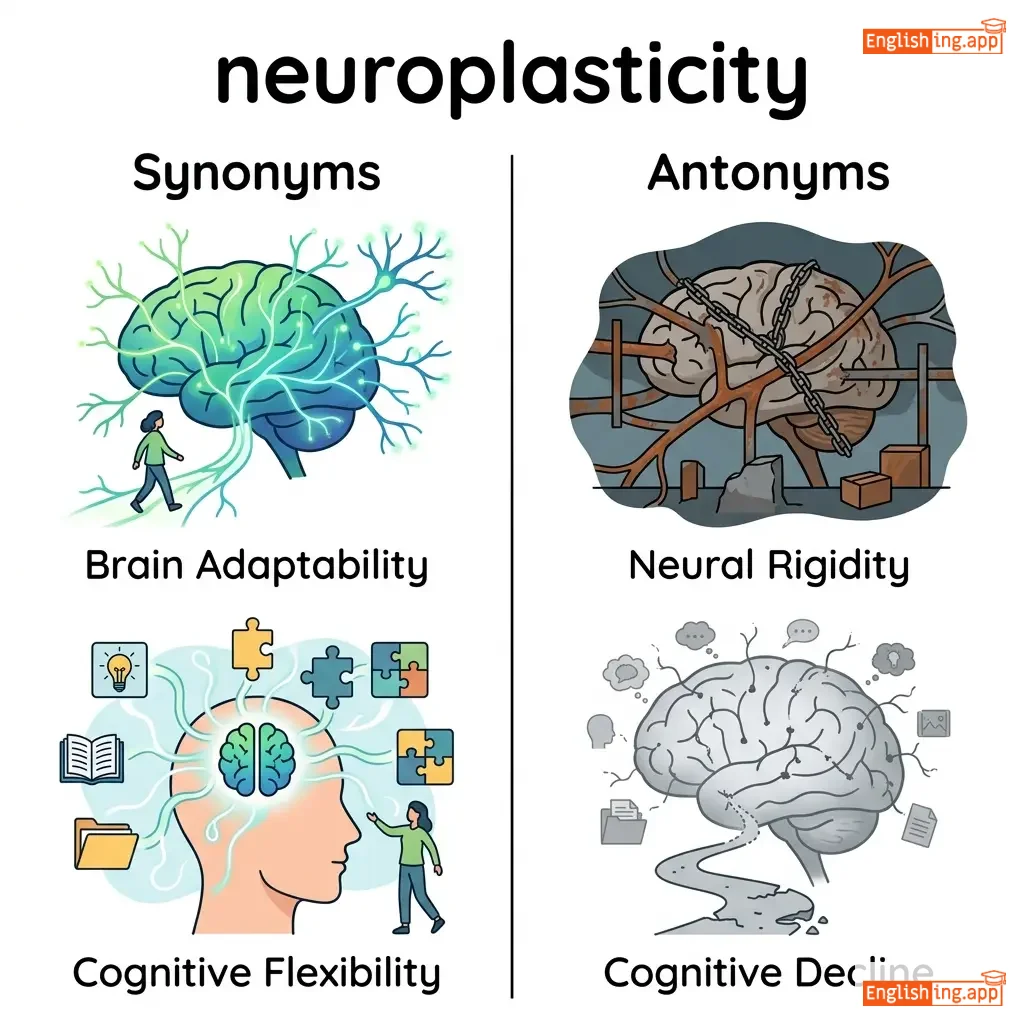
为了提高记忆力,我们可以应用一些 efficacious 技巧并变得更 adept。研究表明,提高 neuroplasticity 能让大脑保持更活跃。
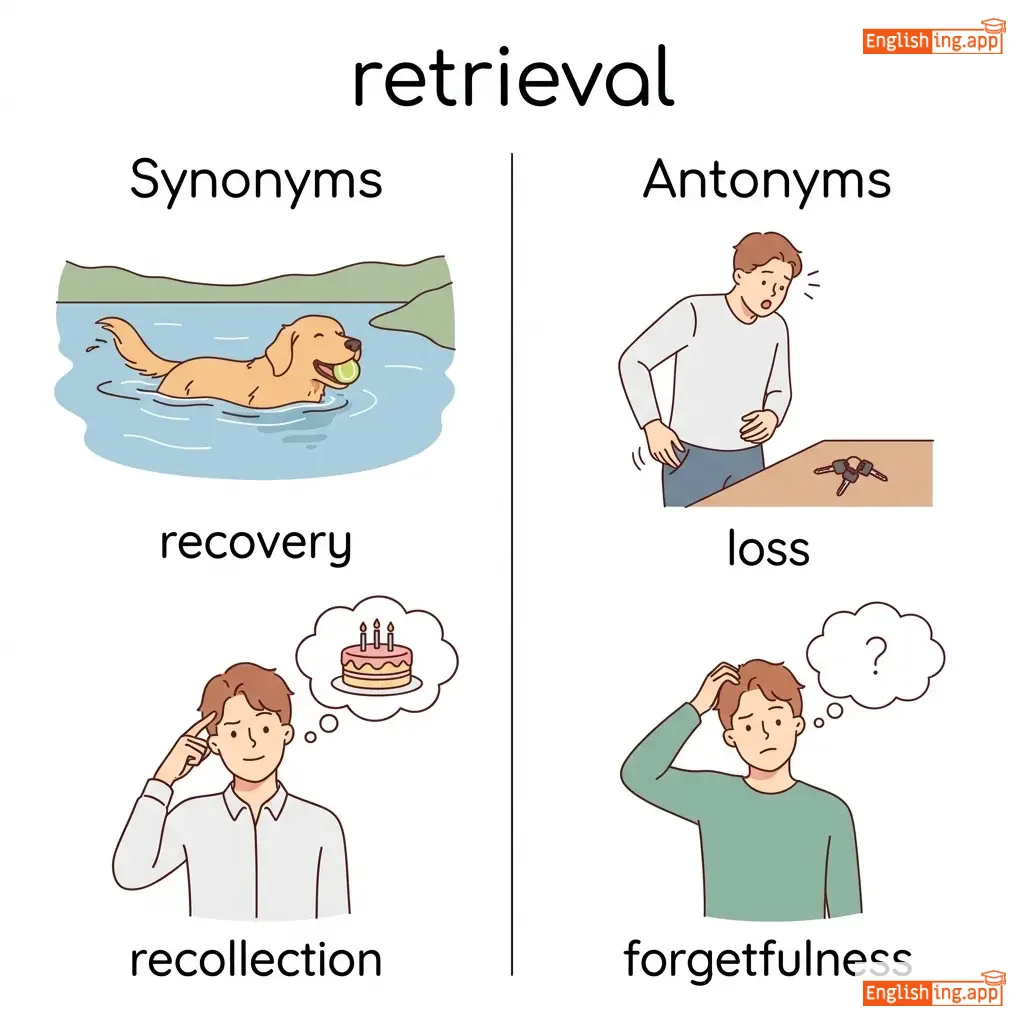
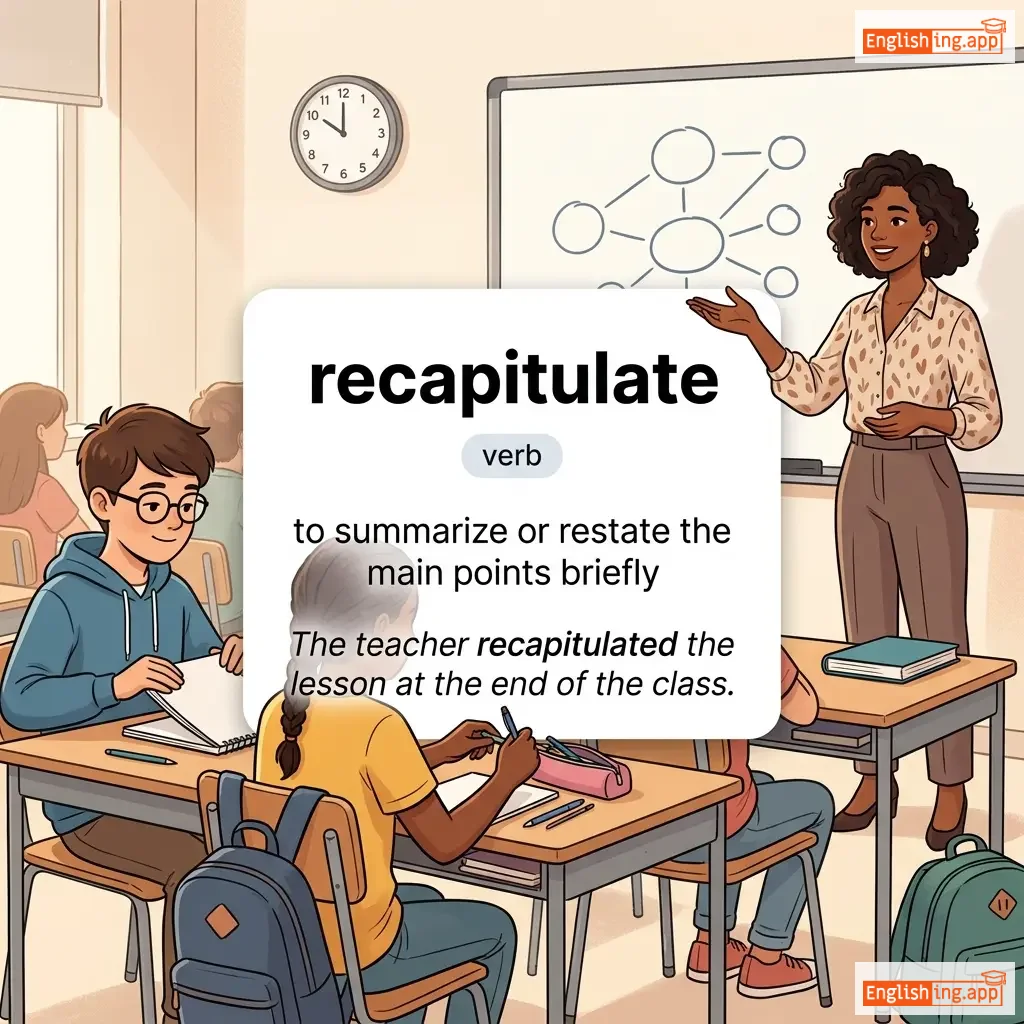
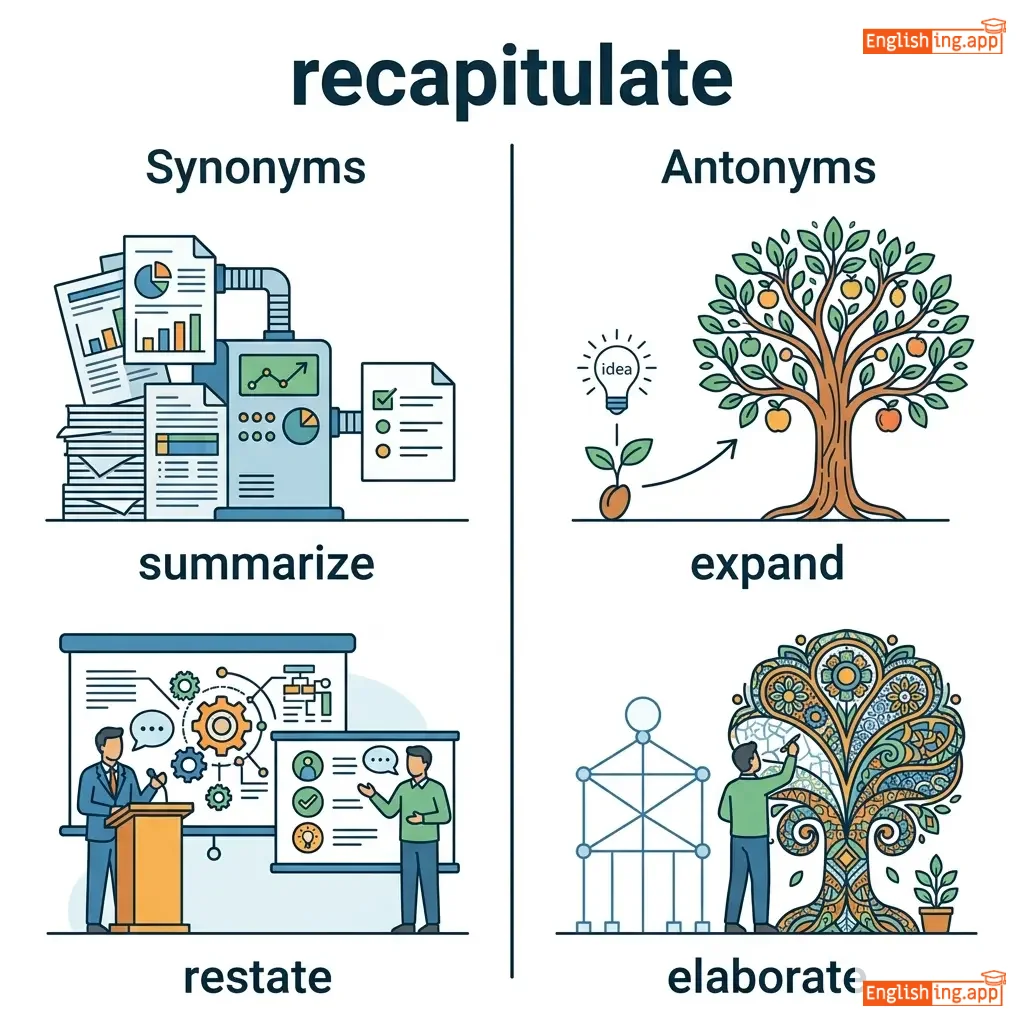
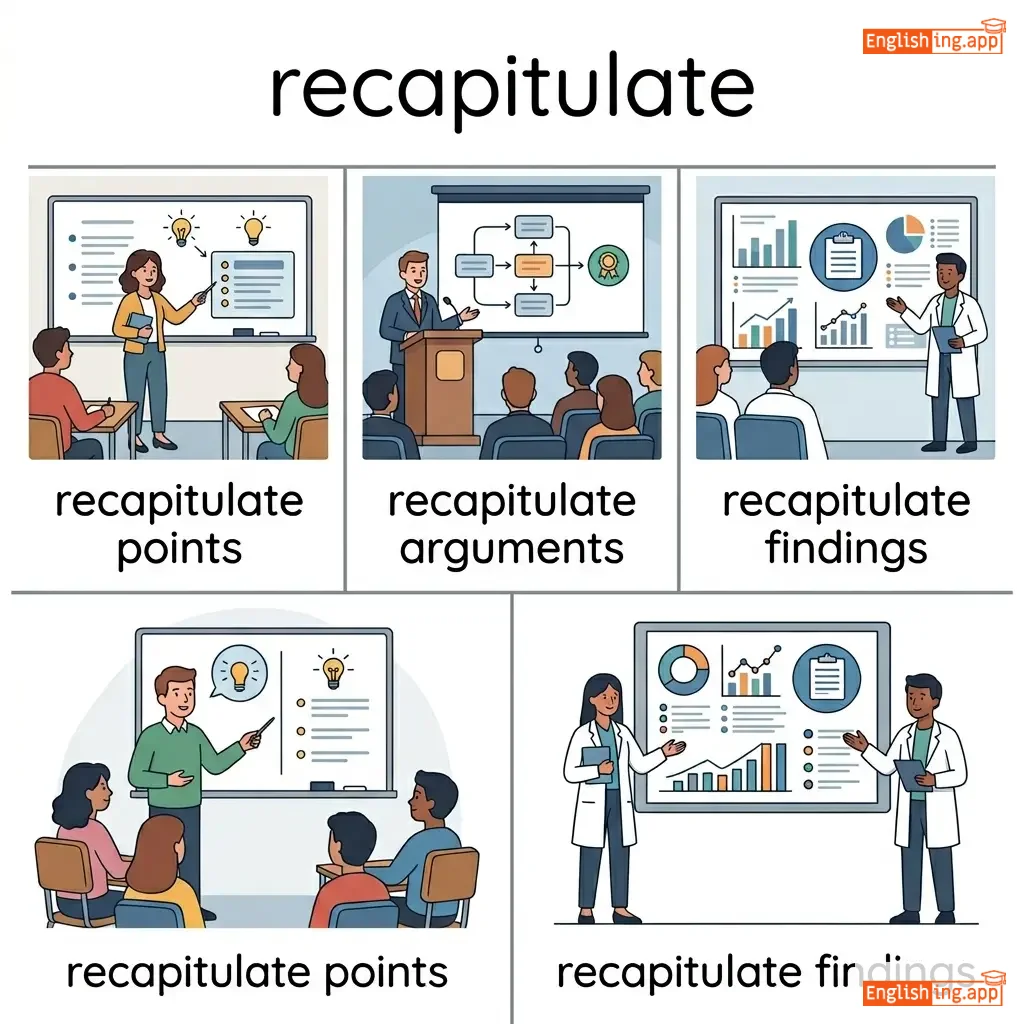
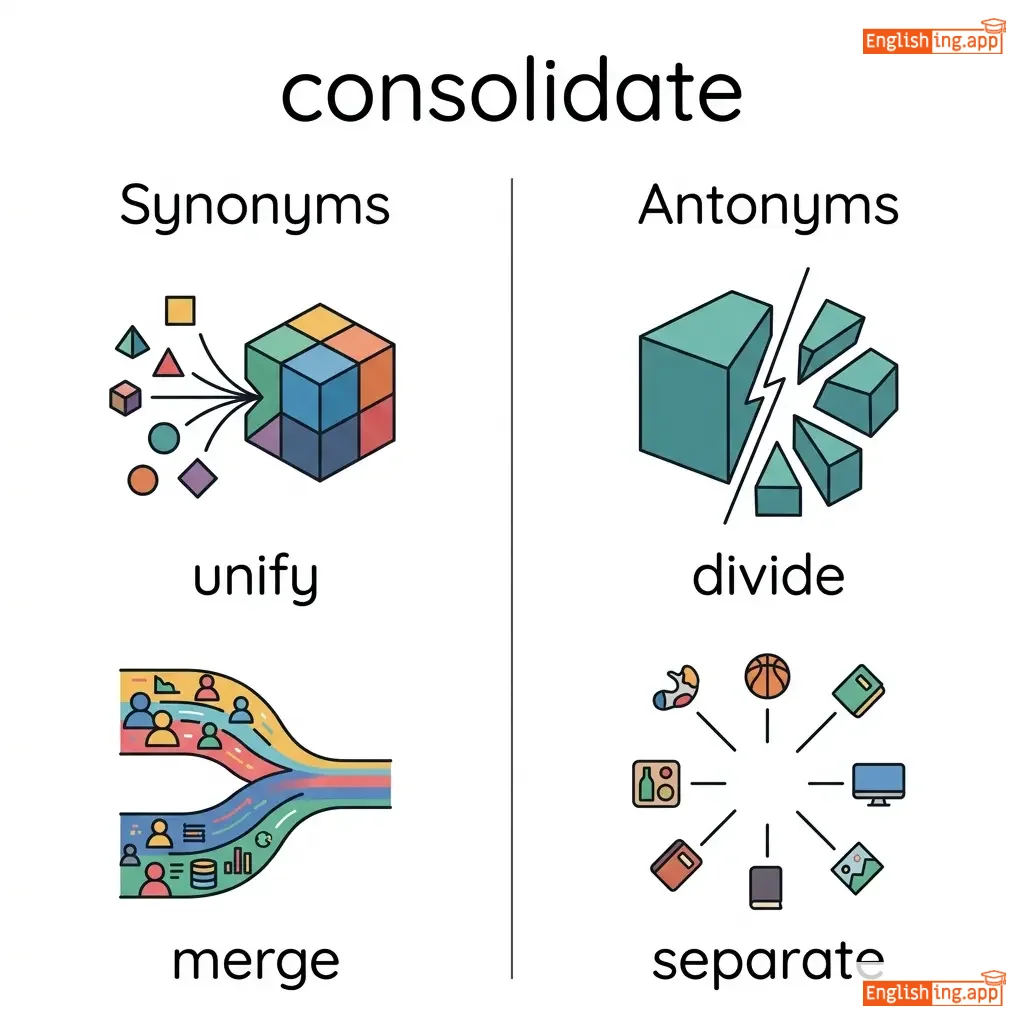
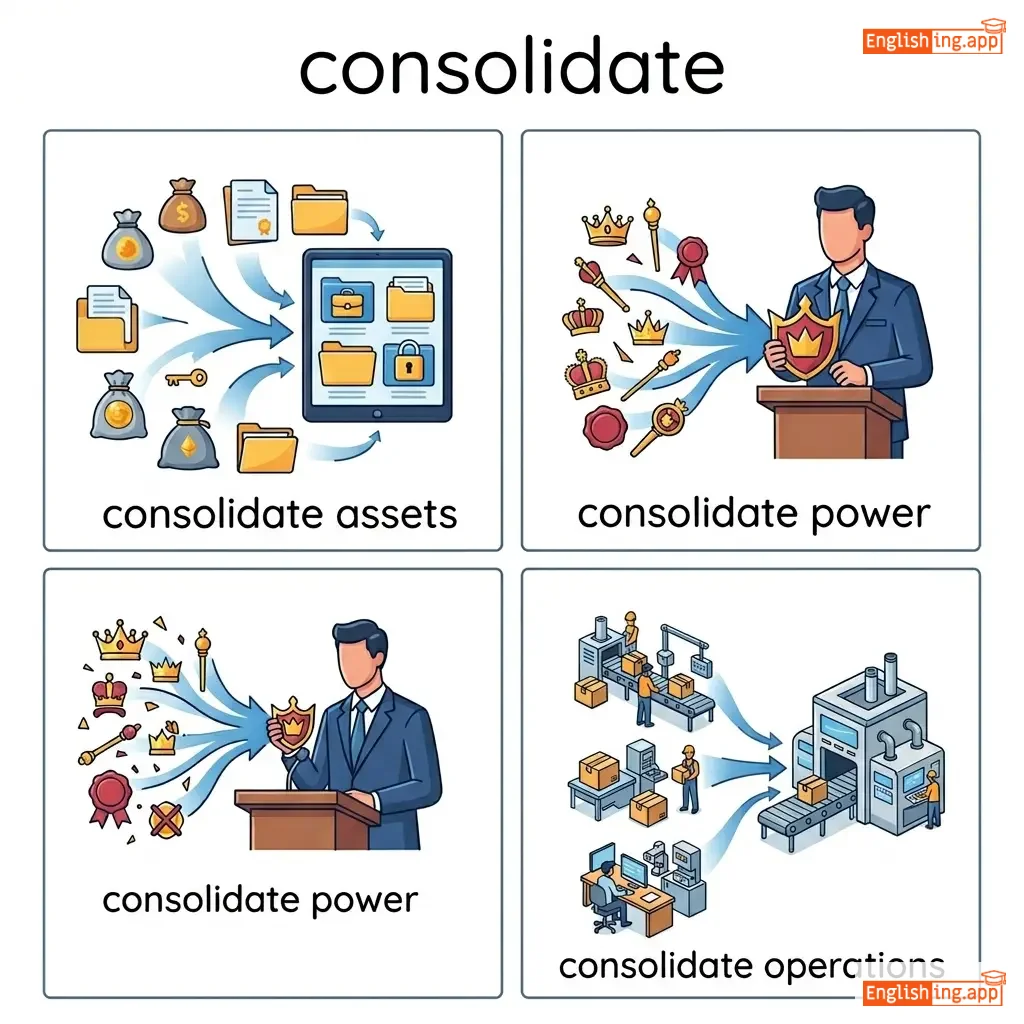
首先,定期进行 retrieval 练习能使记忆更牢固。当我们 recapitulate 旧信息时,它会被更深地 consolidated。
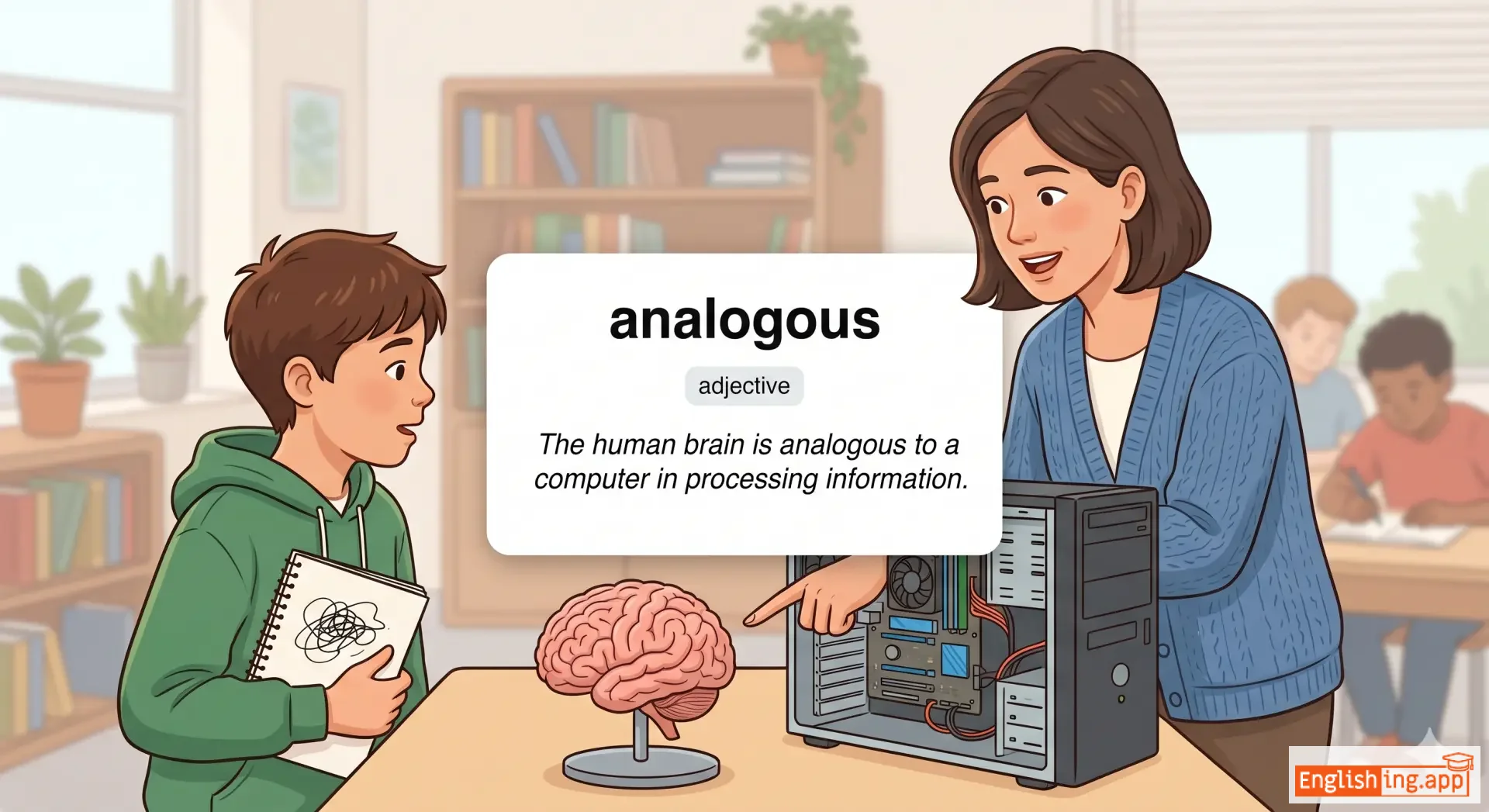
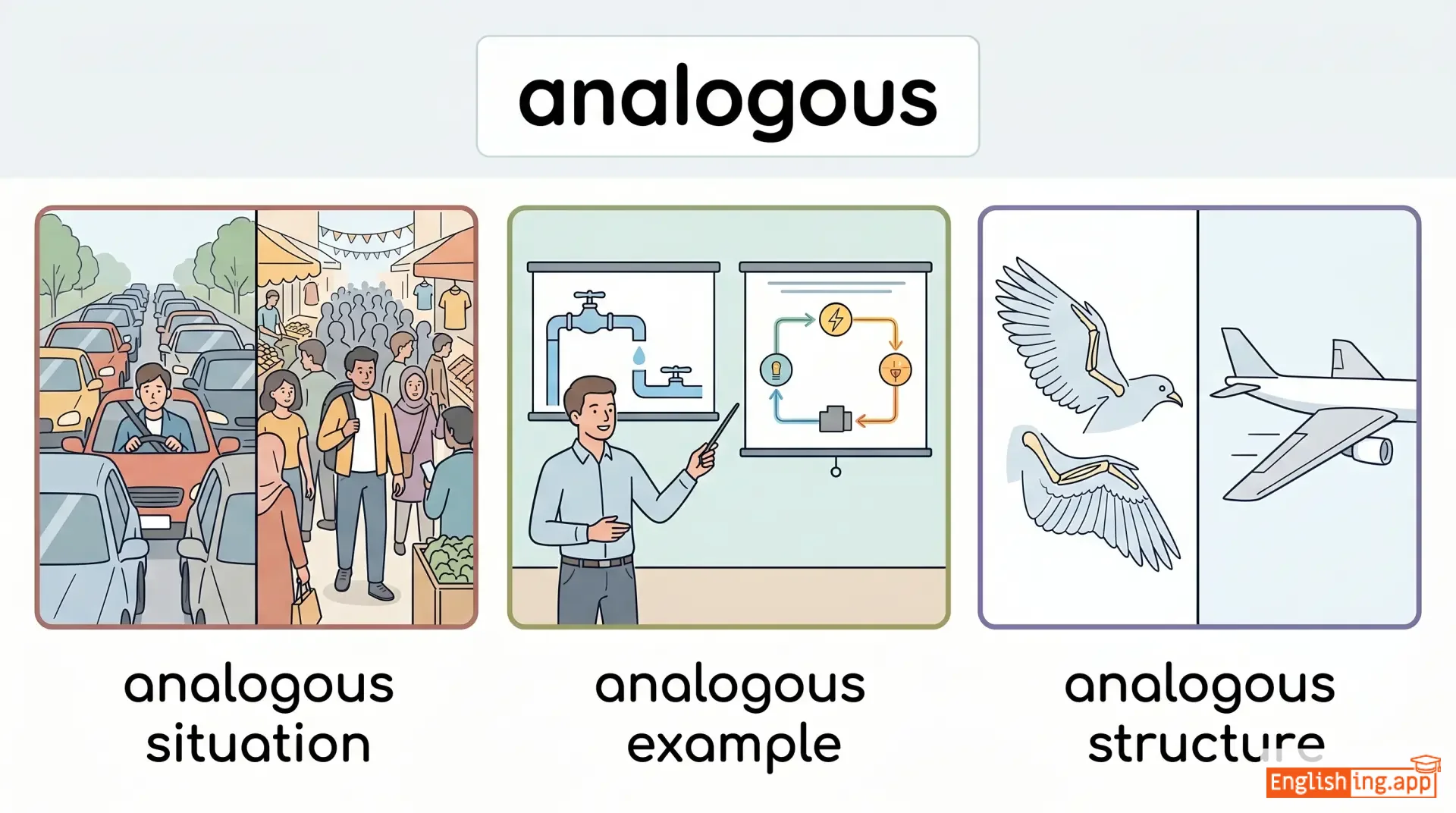
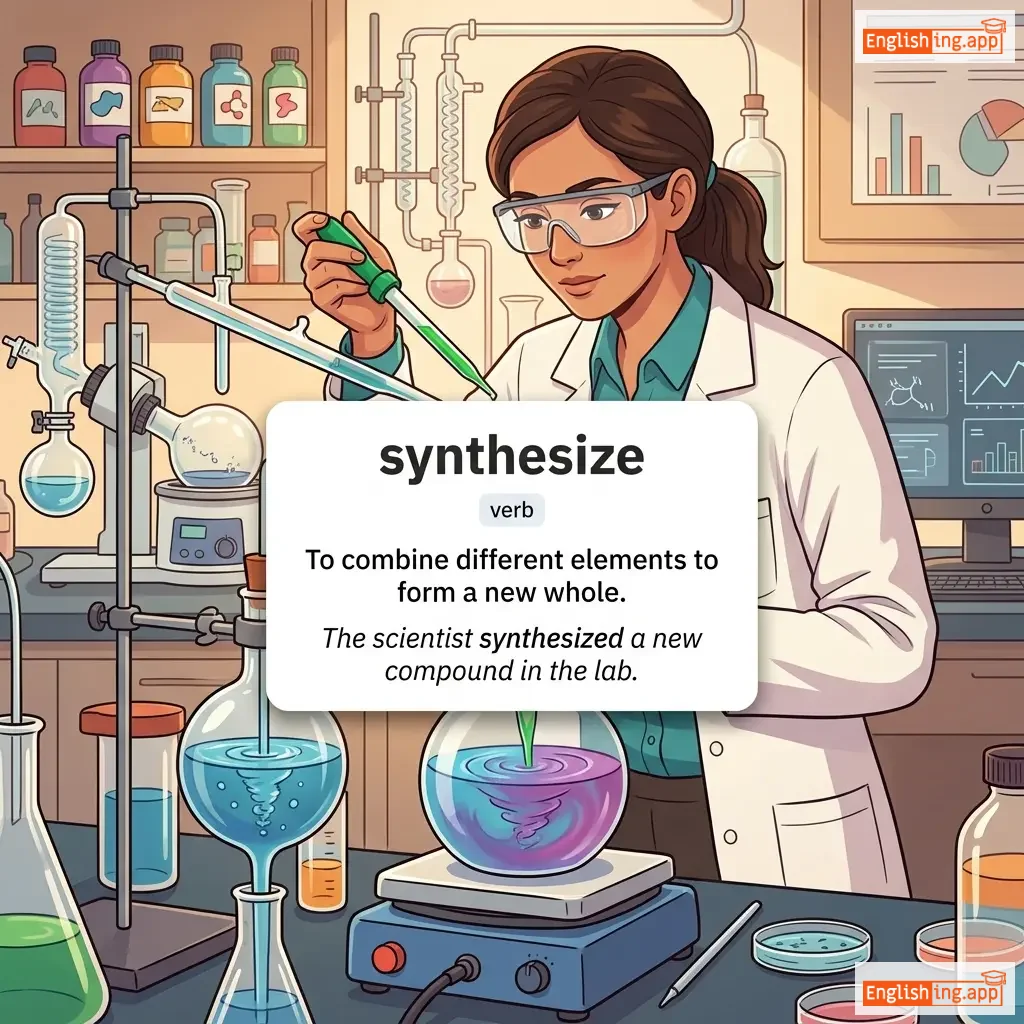
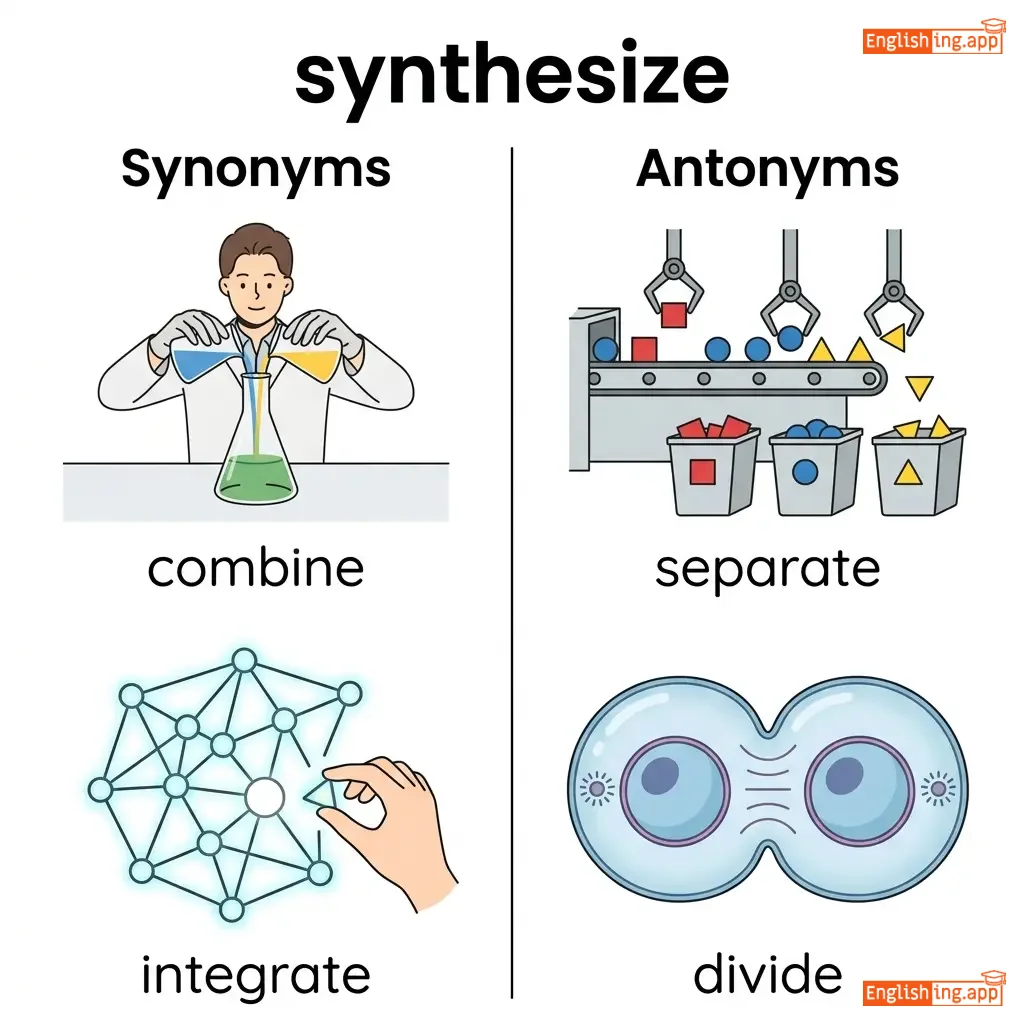
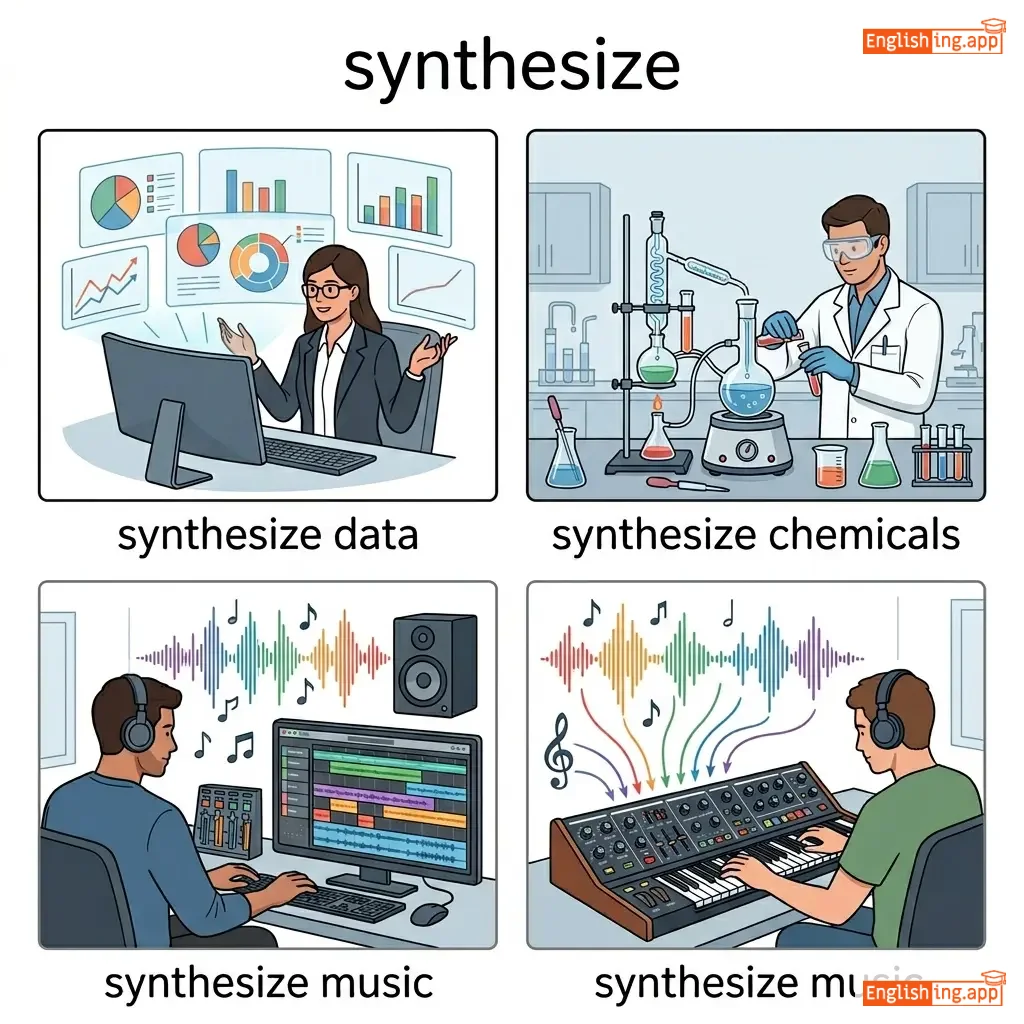
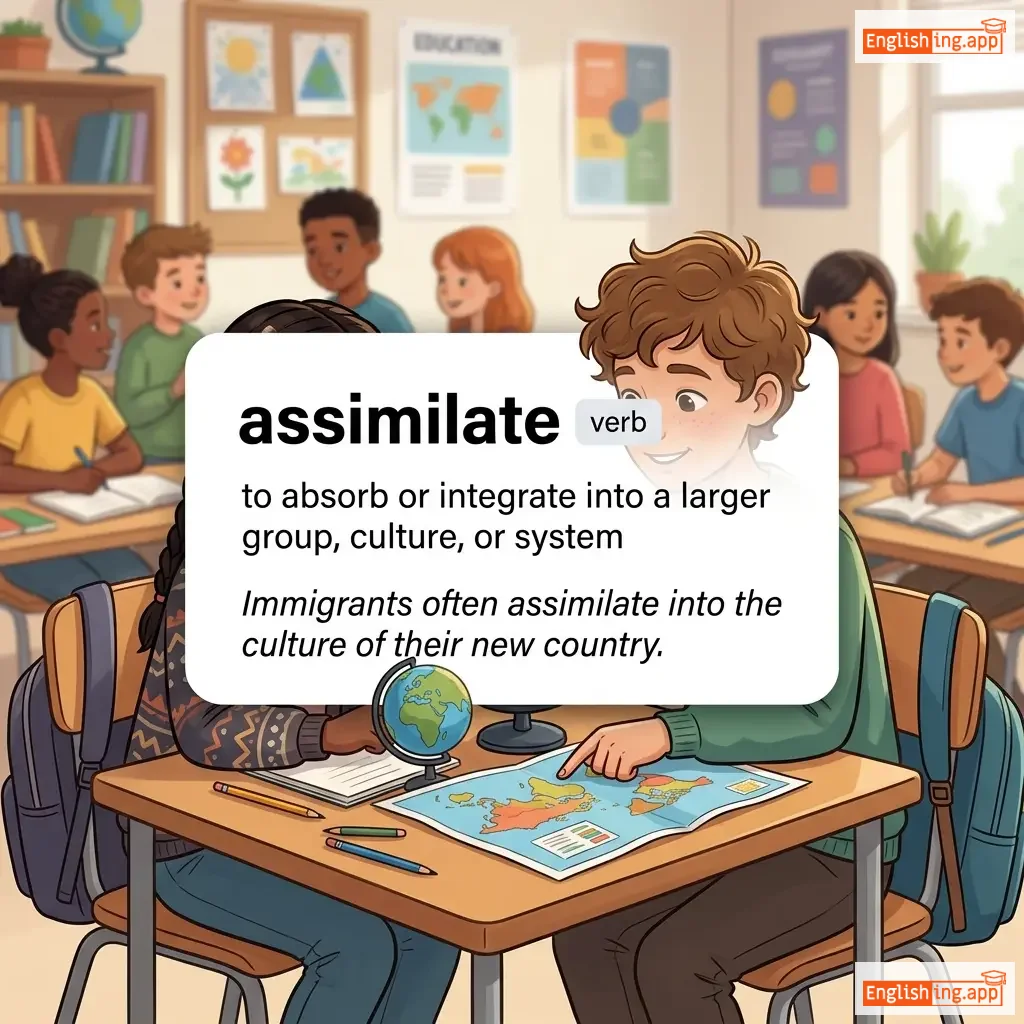
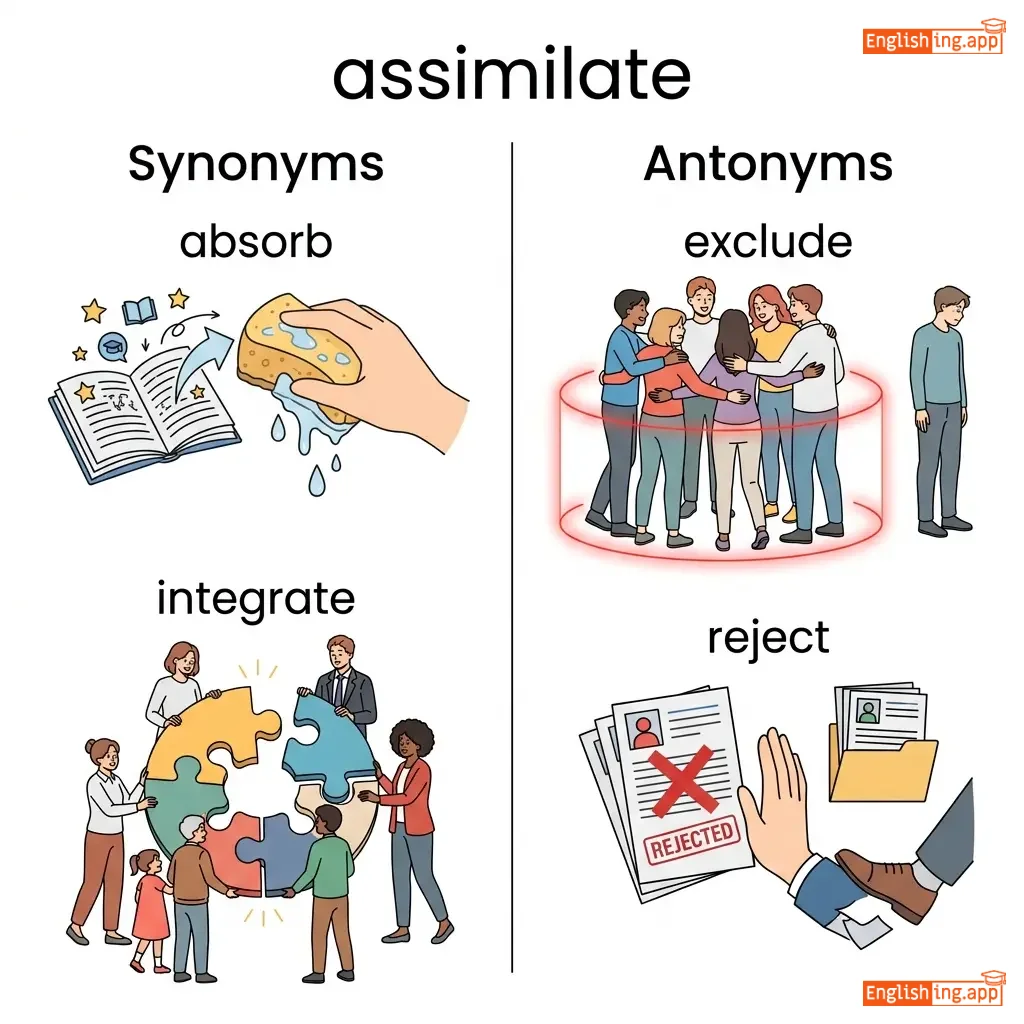
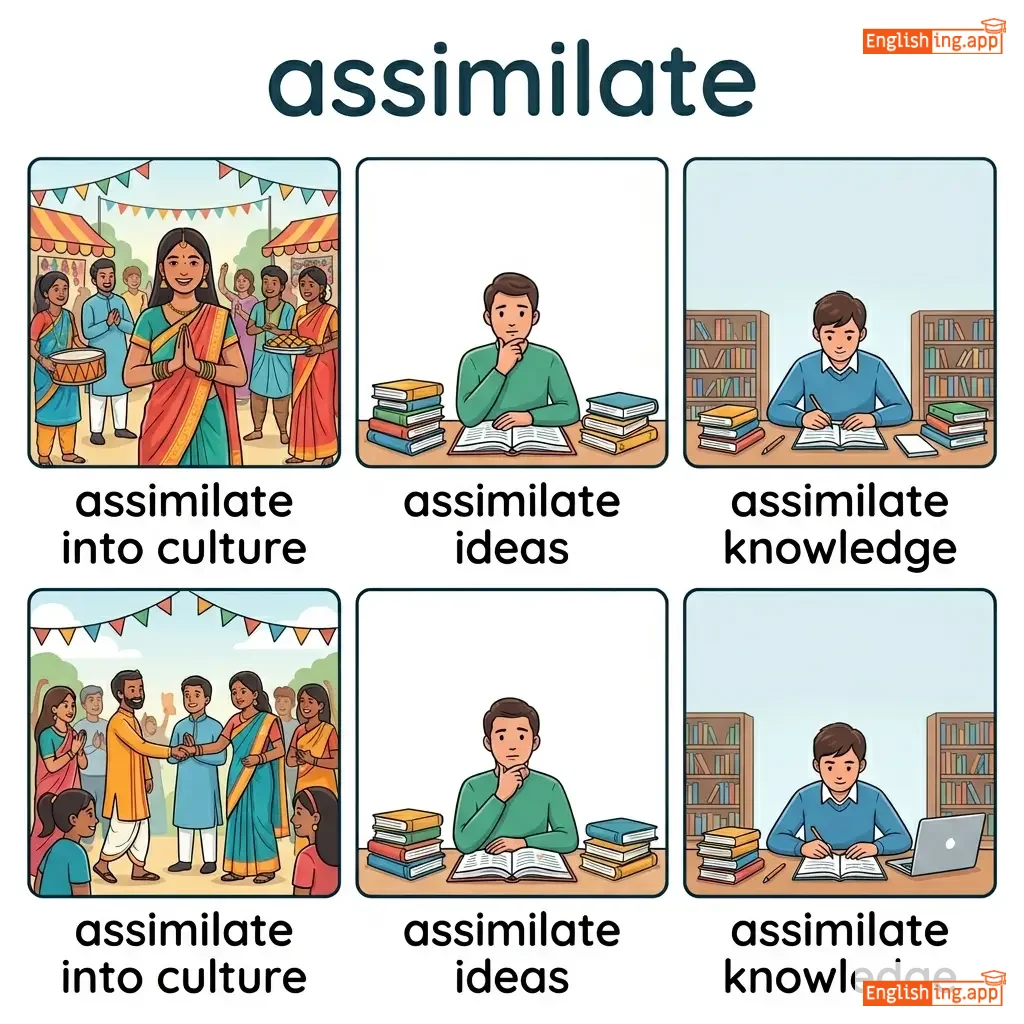
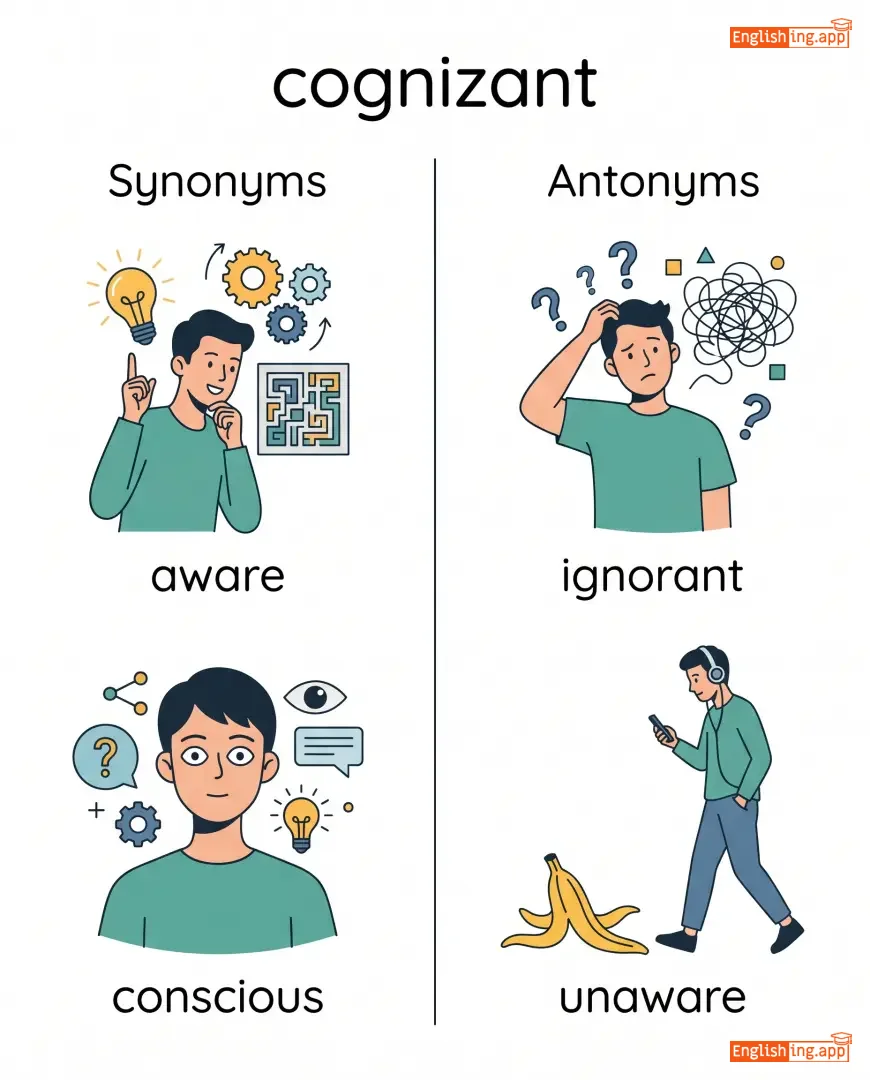
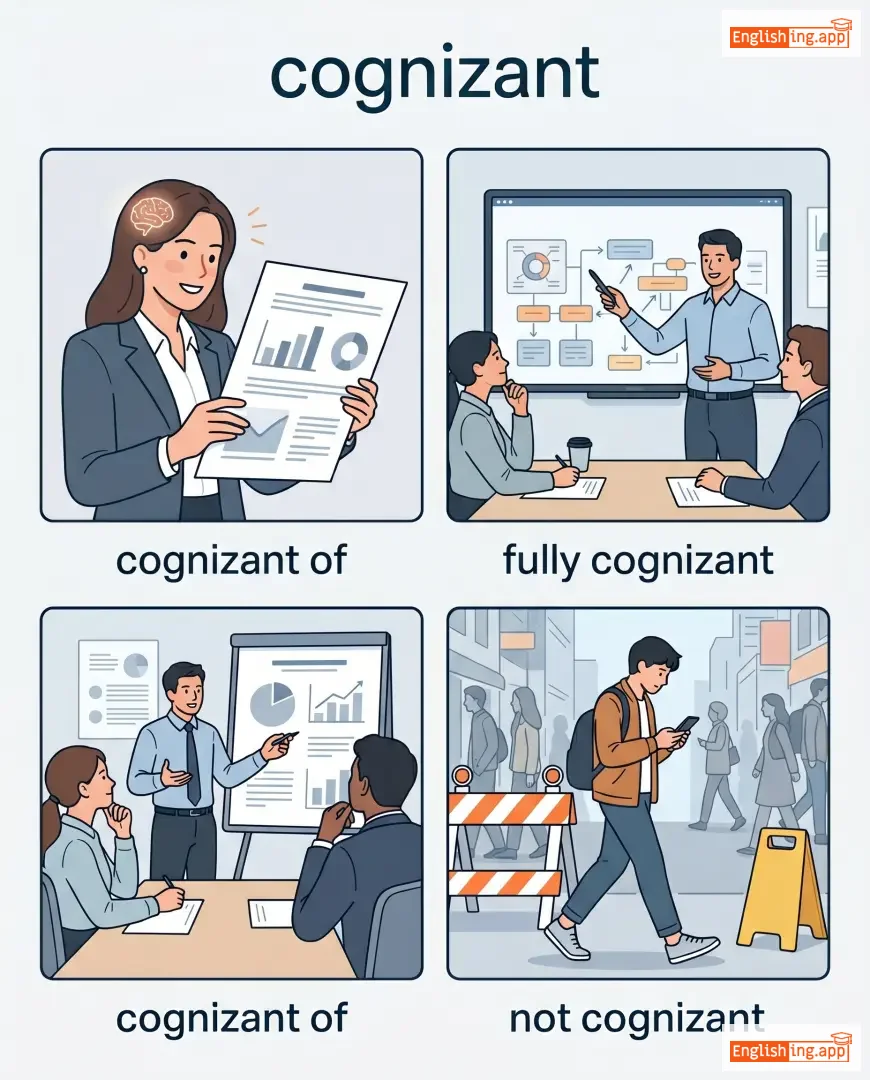
其次,在学习新信息时,将其与 analogous 概念进行 synthesizing 有助于大脑更容易 assimilate。这会改善大脑的 cognizant 状态。
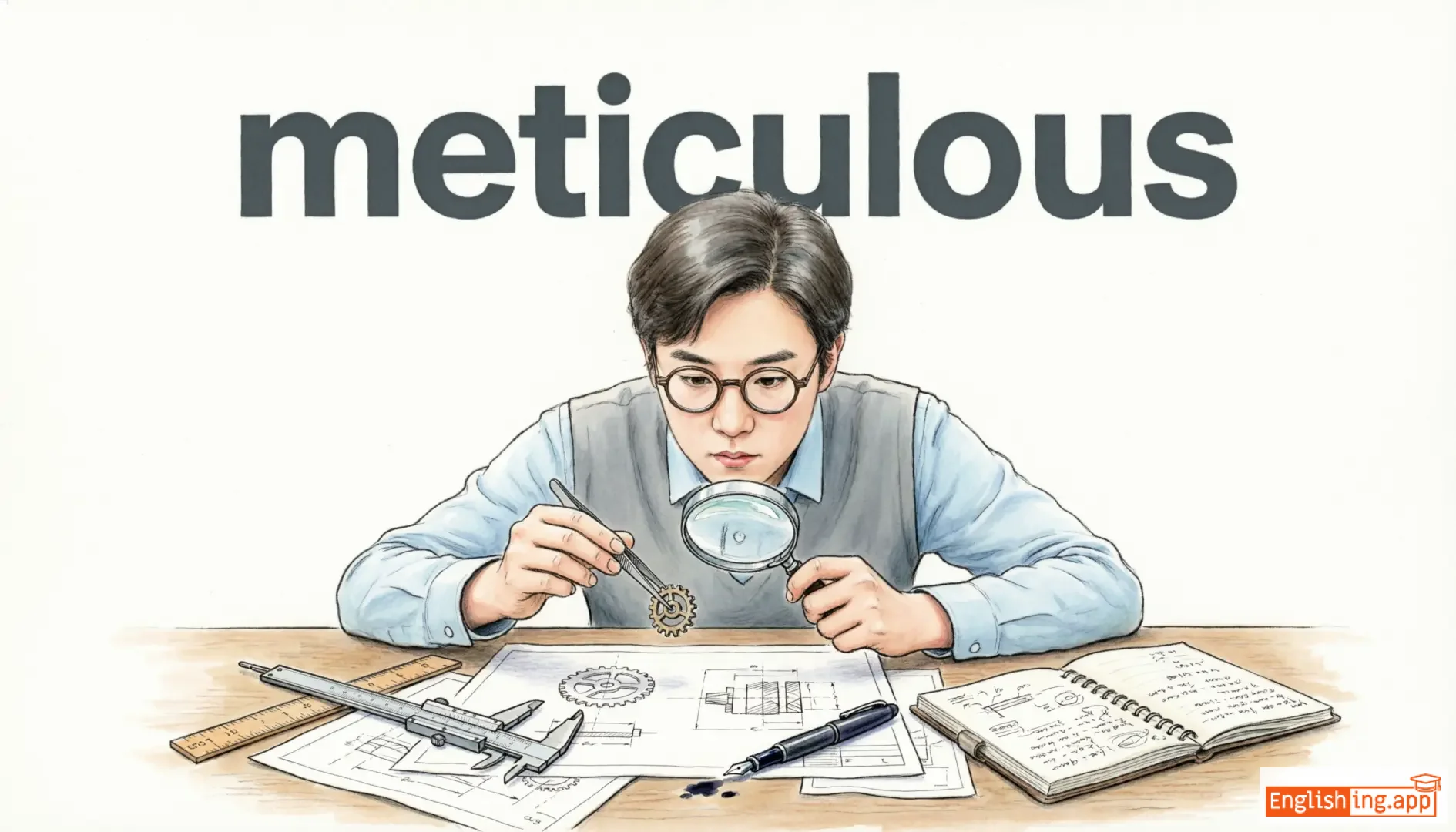
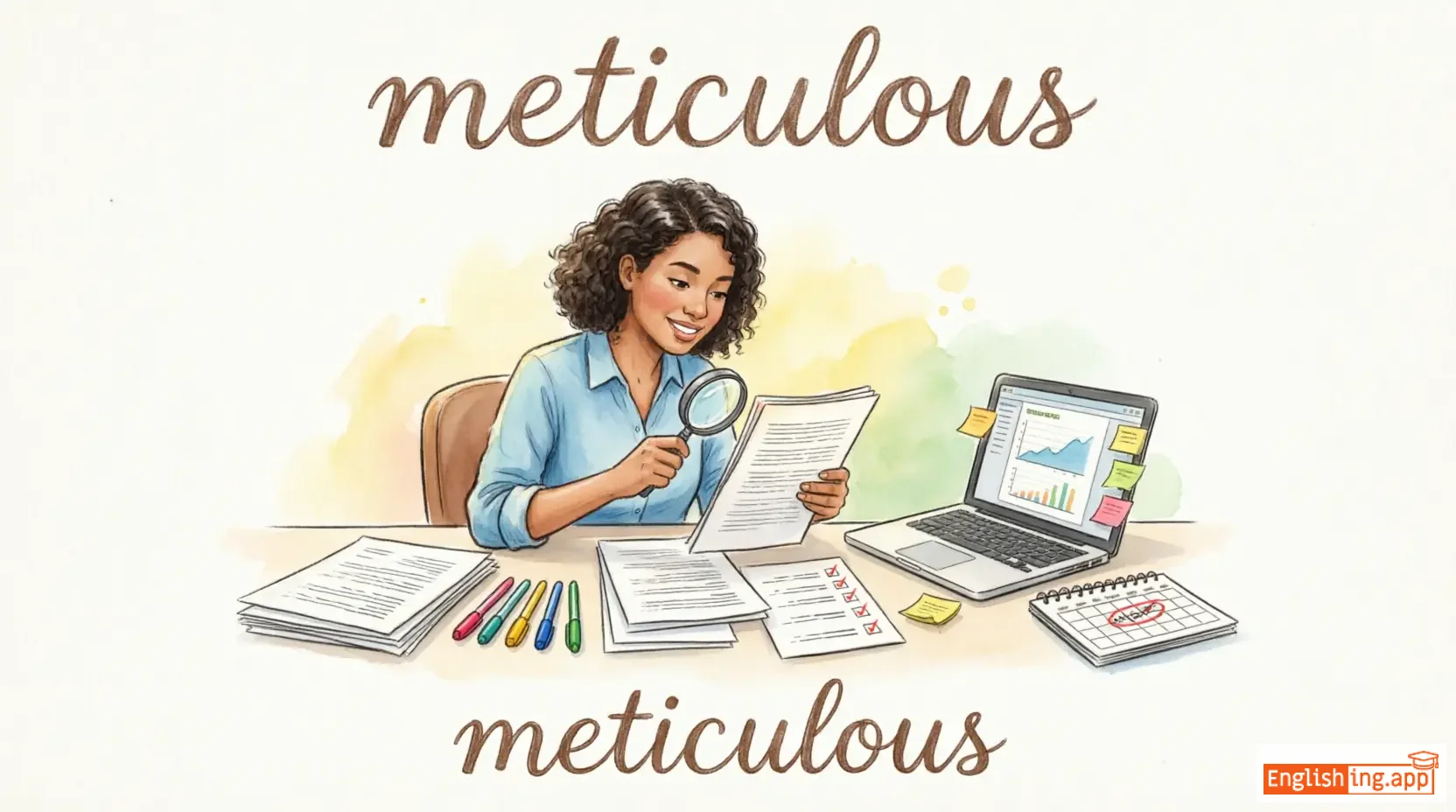
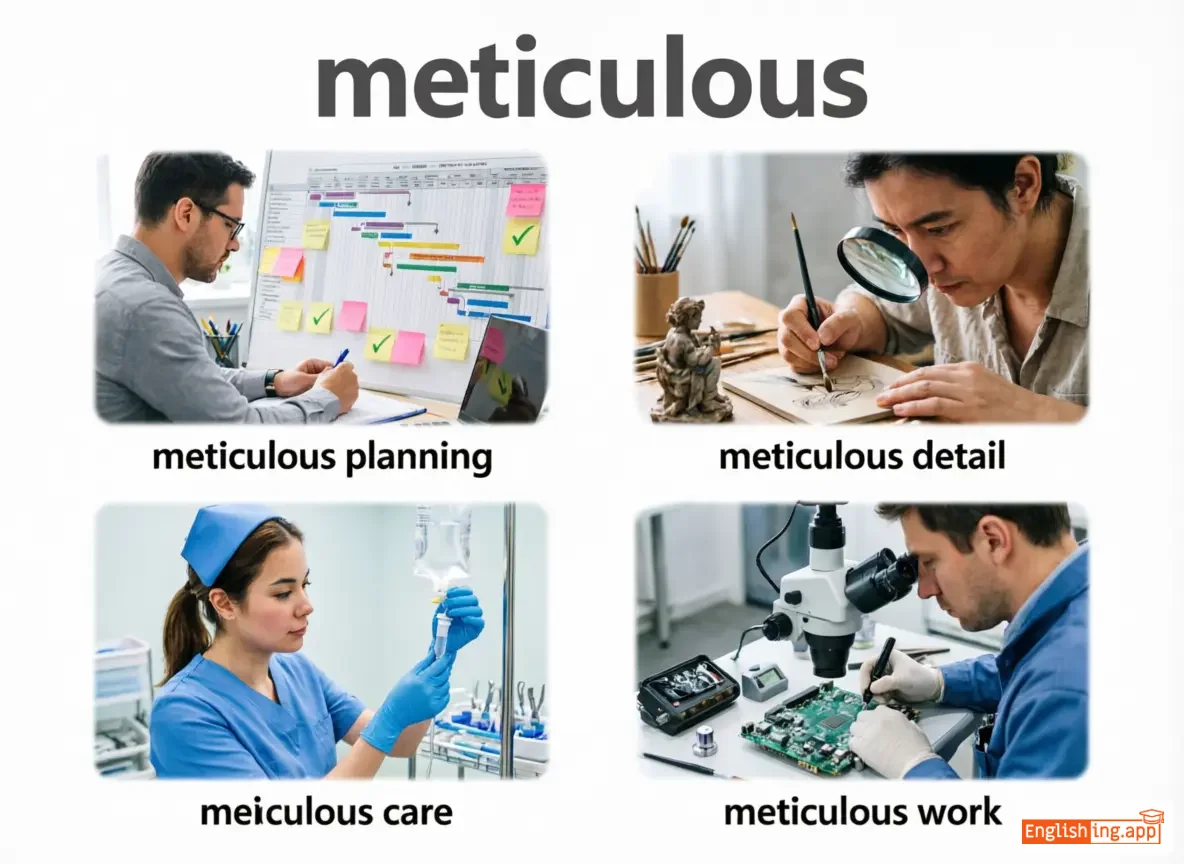
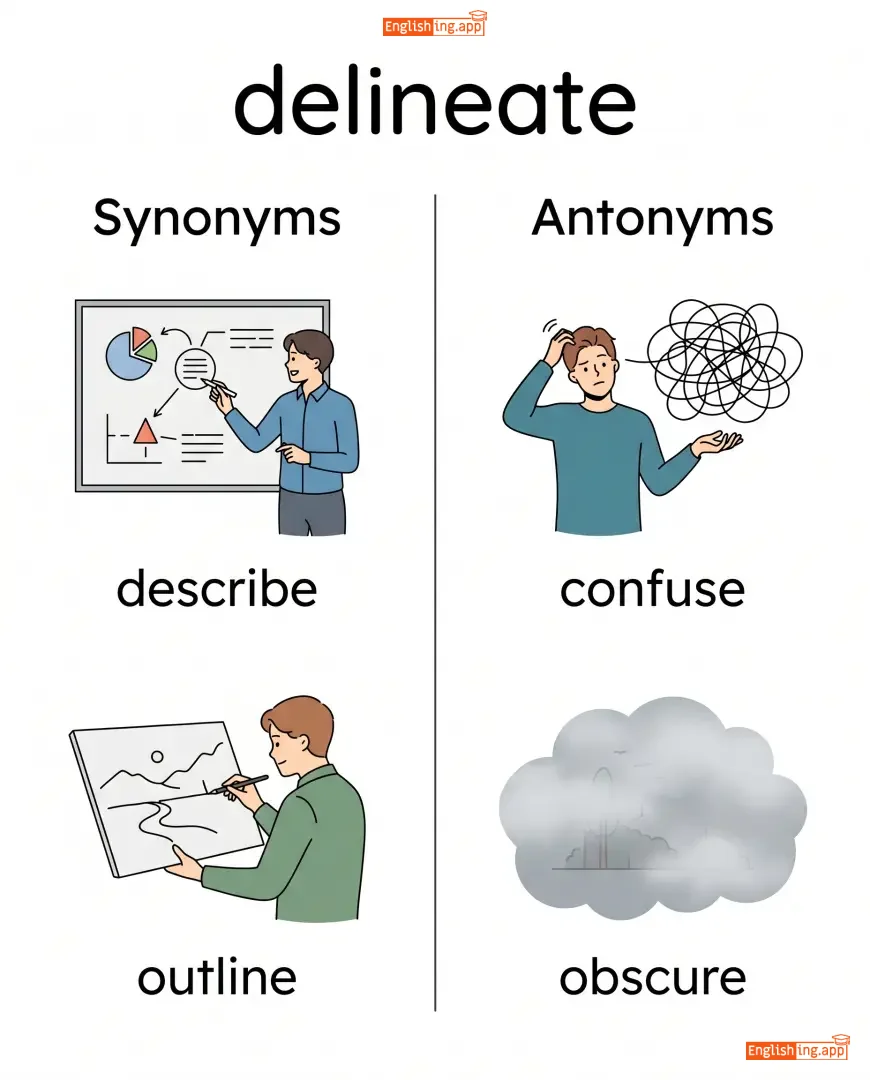
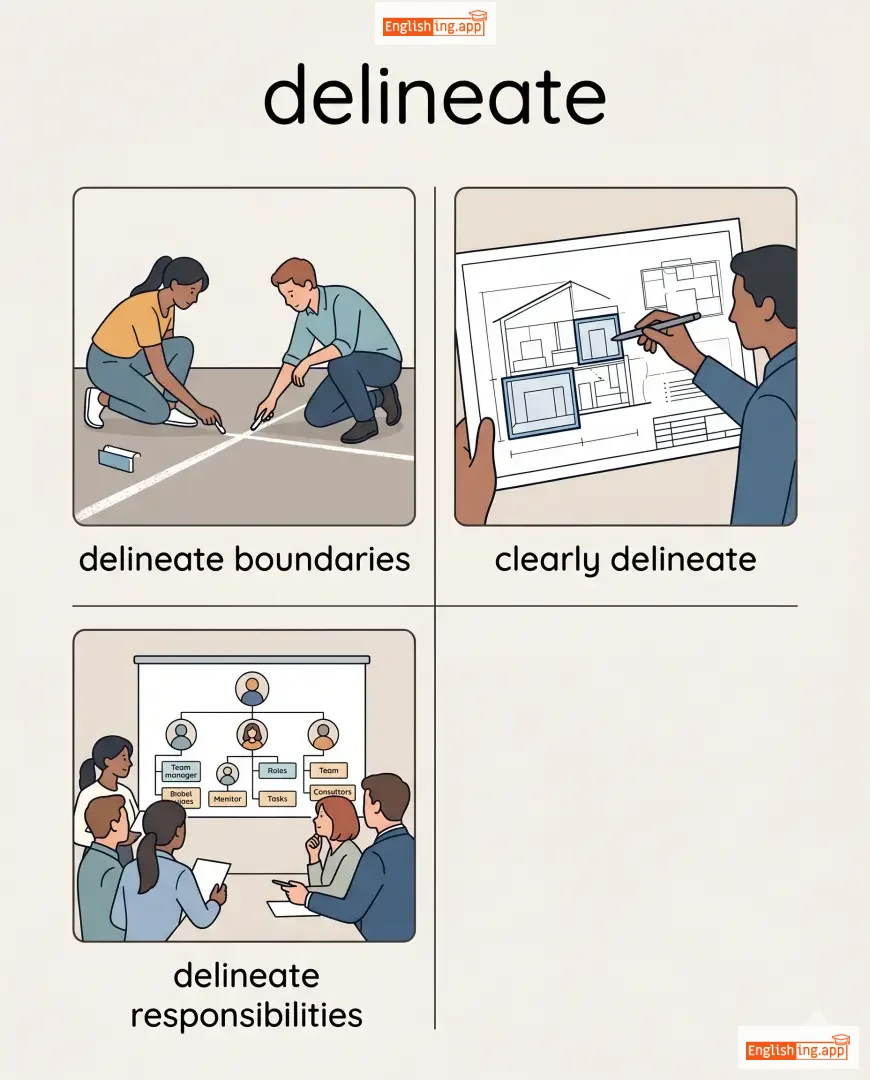
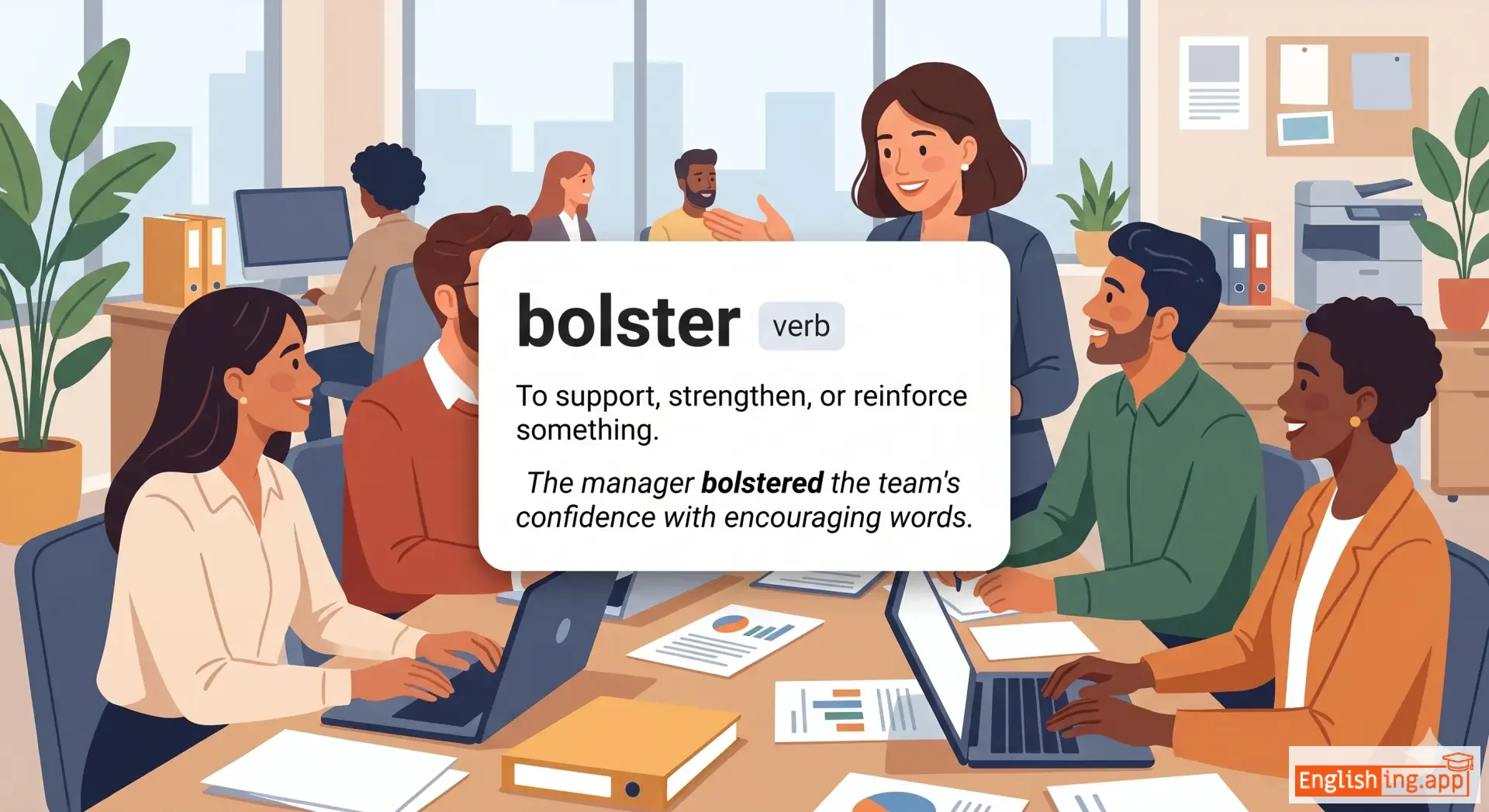
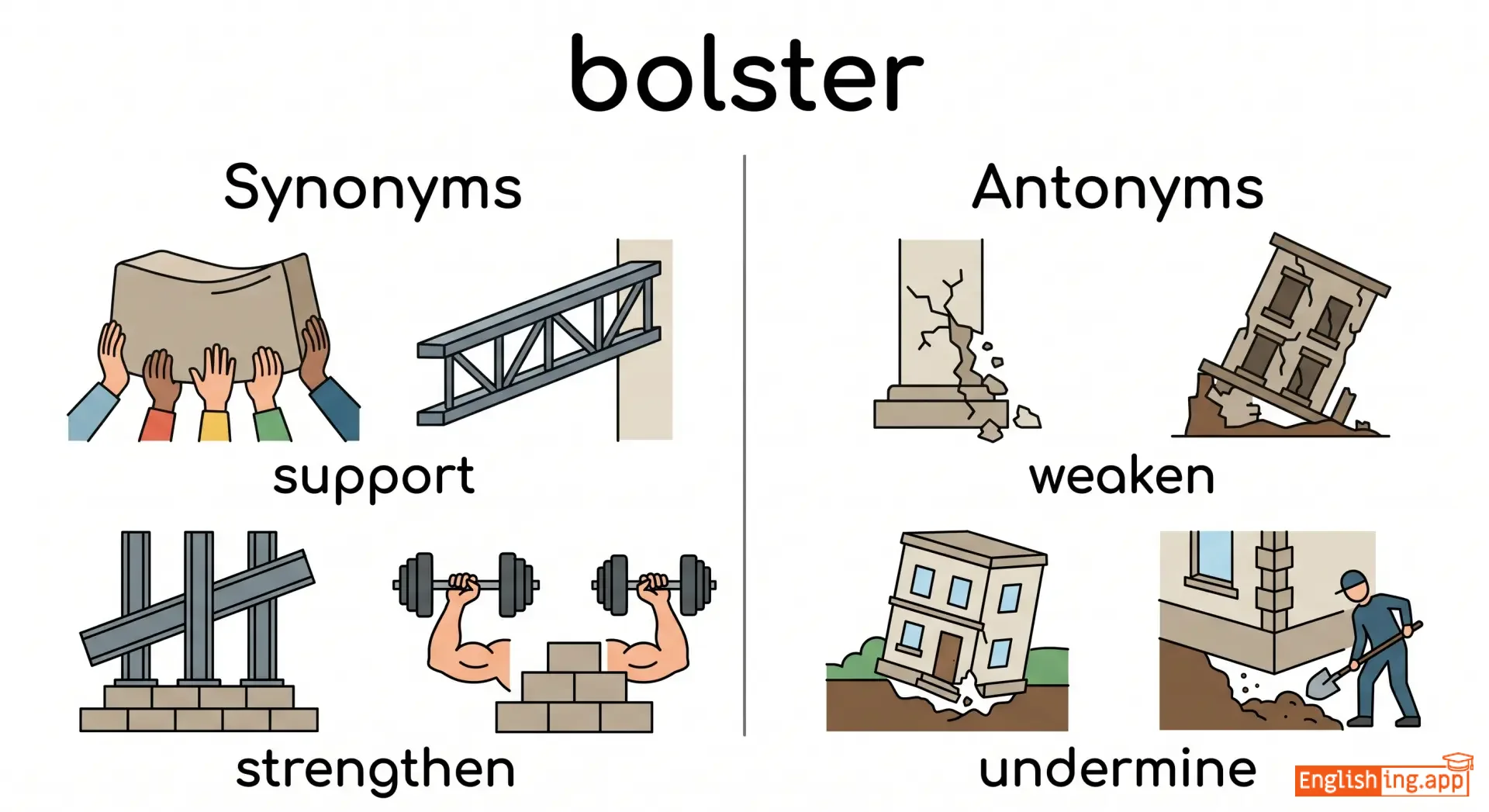
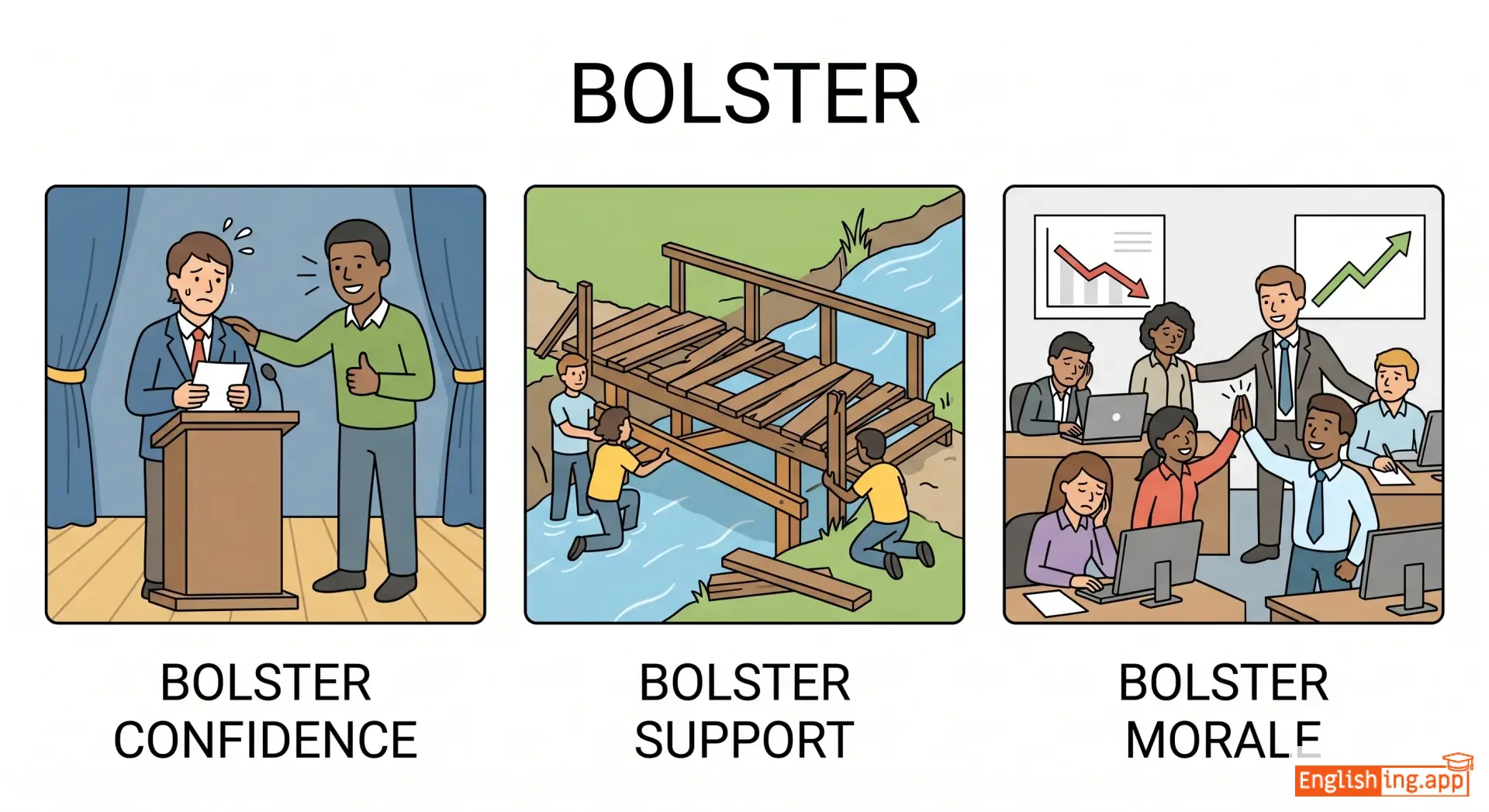
第三,meticulous 规划和 delineating 有条理的信息会让记忆更容易。此外,冥想和充足的睡眠可以 bolster 大脑功能。
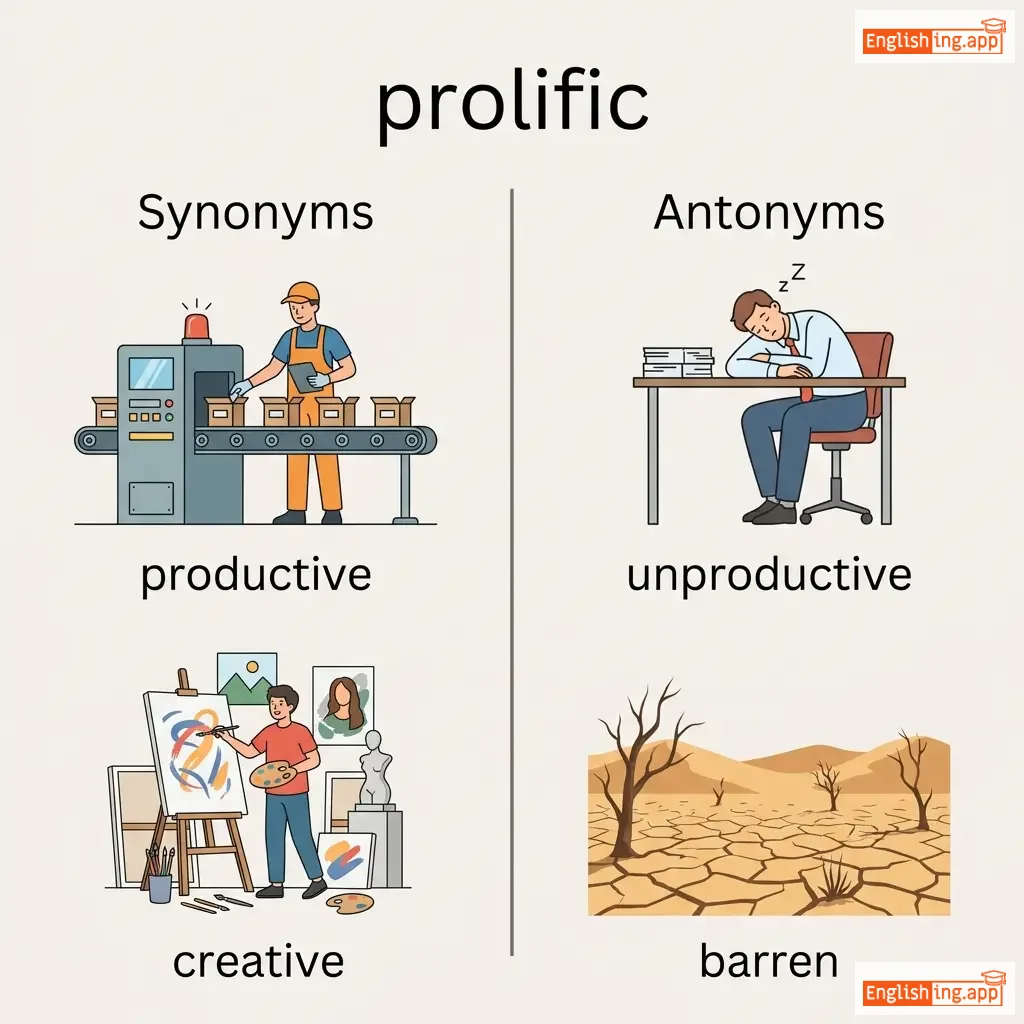
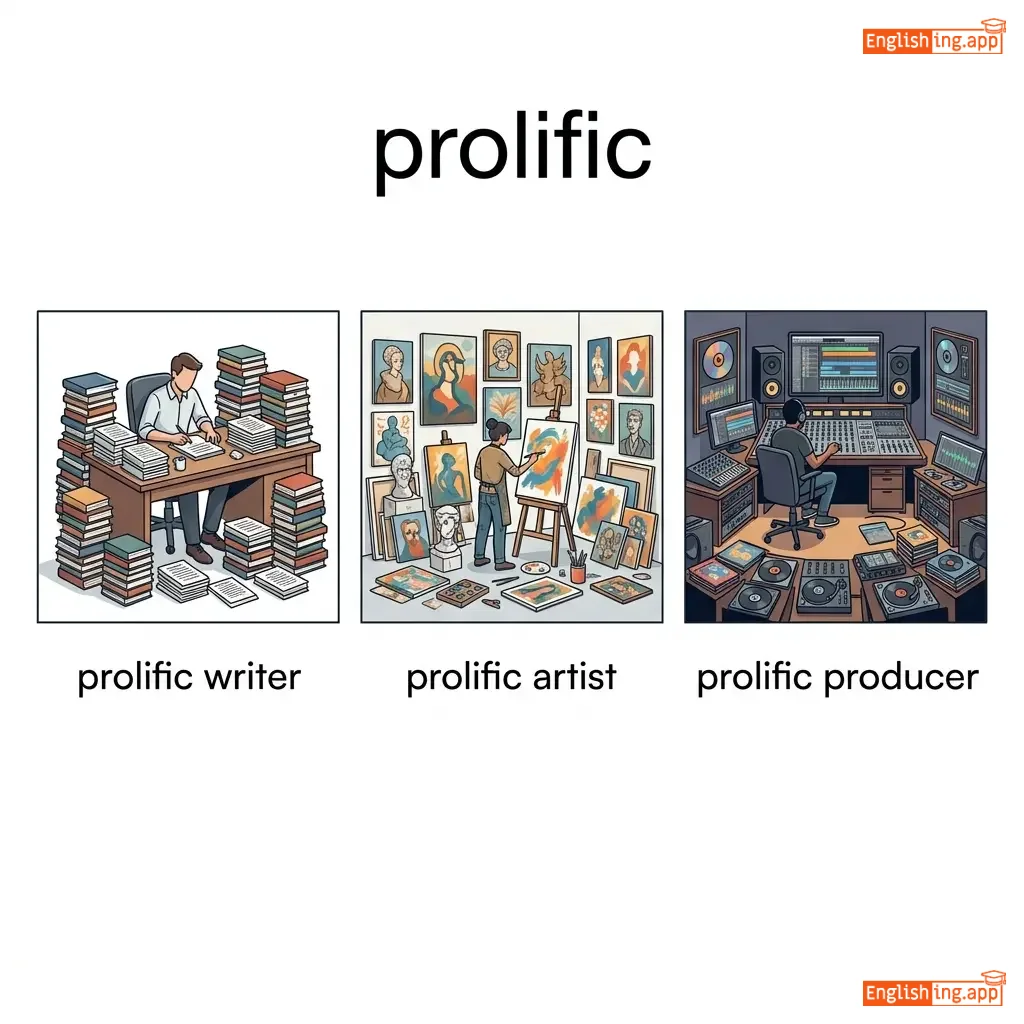
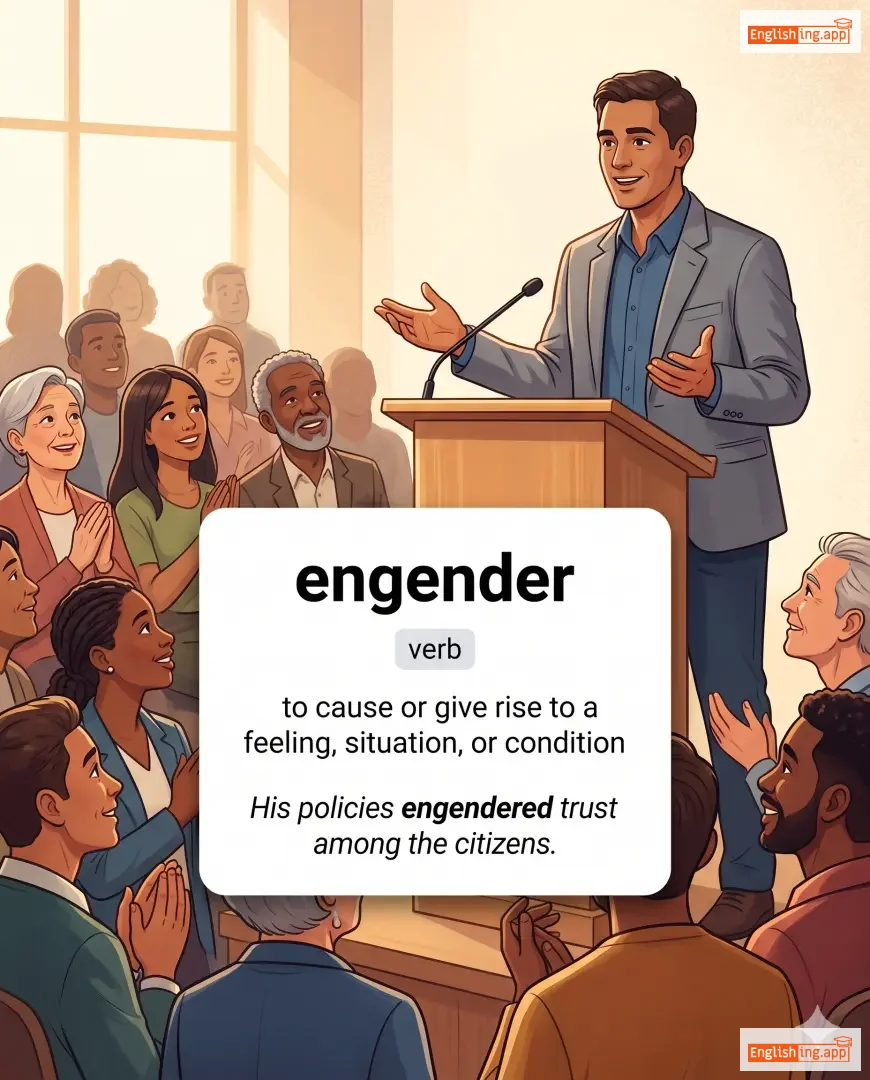
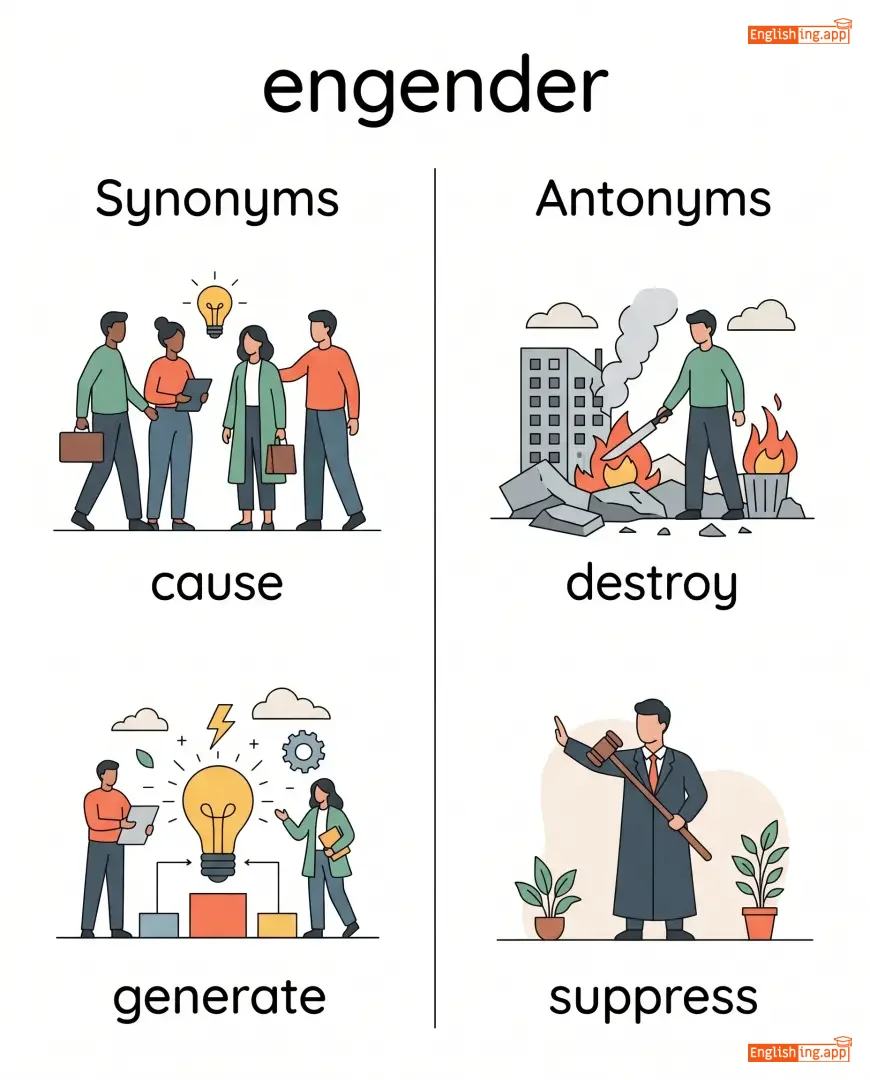
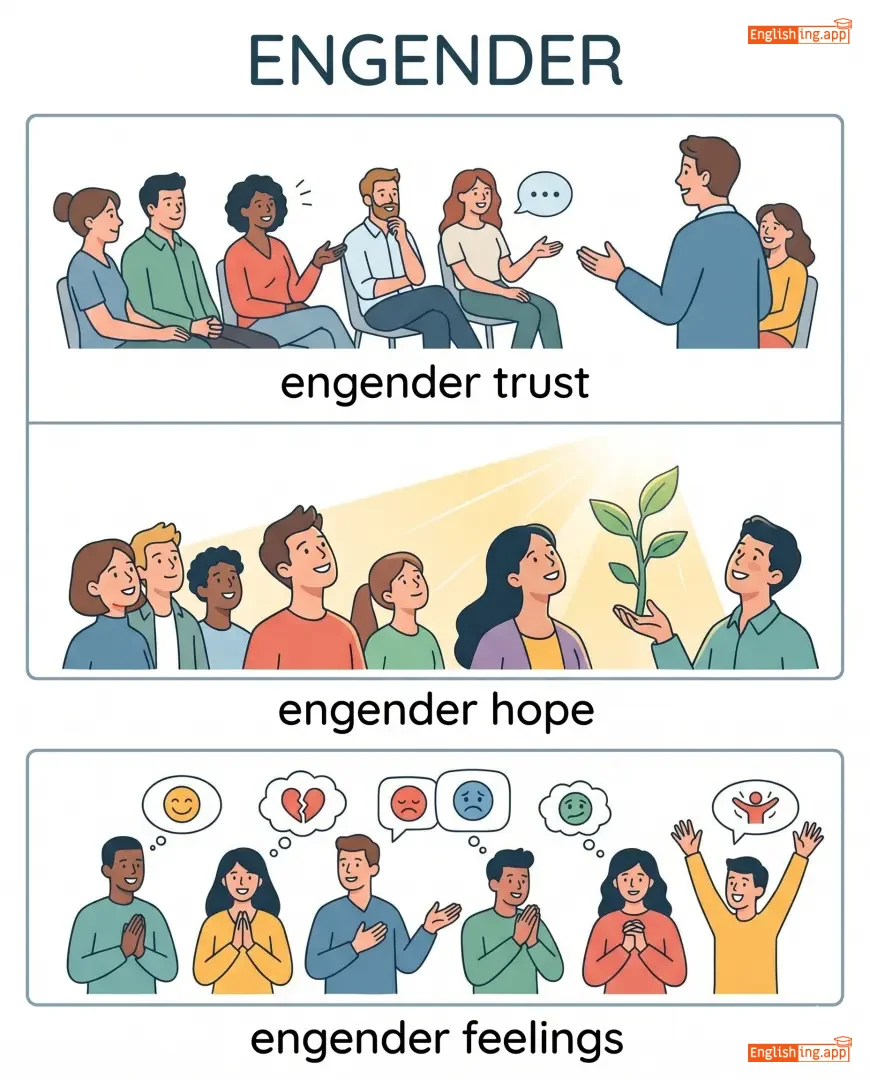
最后,prolific 阅读和学习新技能可以 engender 记忆容量,这对个人和职业发展至关重要。







Swipe left or right, or use the buttons. Tap image to zoom.
例句翻译
单词
Best Techniques for Strengthening MemoryBest Techniques for Strengthening Memory - 遮罩切换
|
表情符号
|
单词 | Images | 翻译 | 含义 | 例句 | 例句翻译 | 同义词 | 反义词 | 助记符 |
|---|---|---|---|---|---|---|---|---|---|
|
#1171
✅
|
/ˌɛf.ɪˈkeɪ.ʃəs/
adjective
(艾菲凯肖斯)
••••••
|
|
有效的
you xiao de
••••••
|
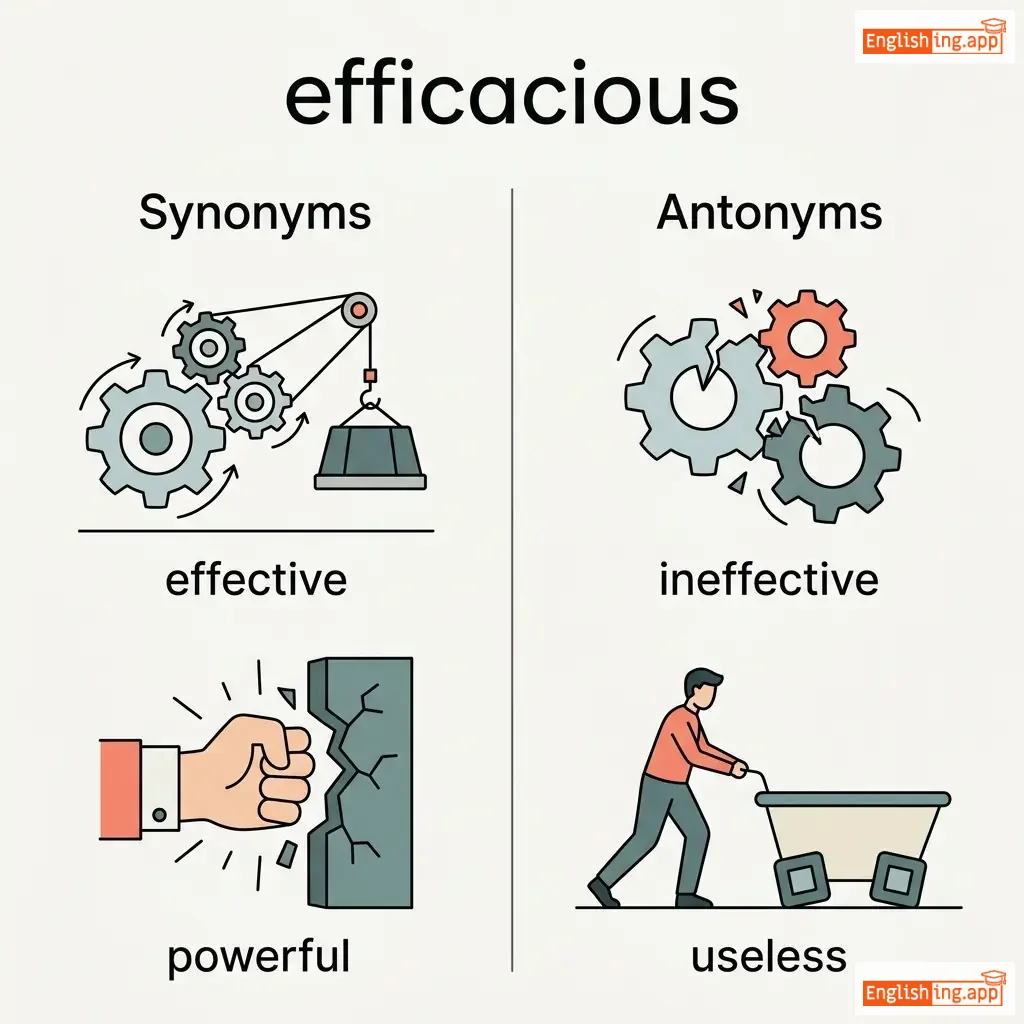
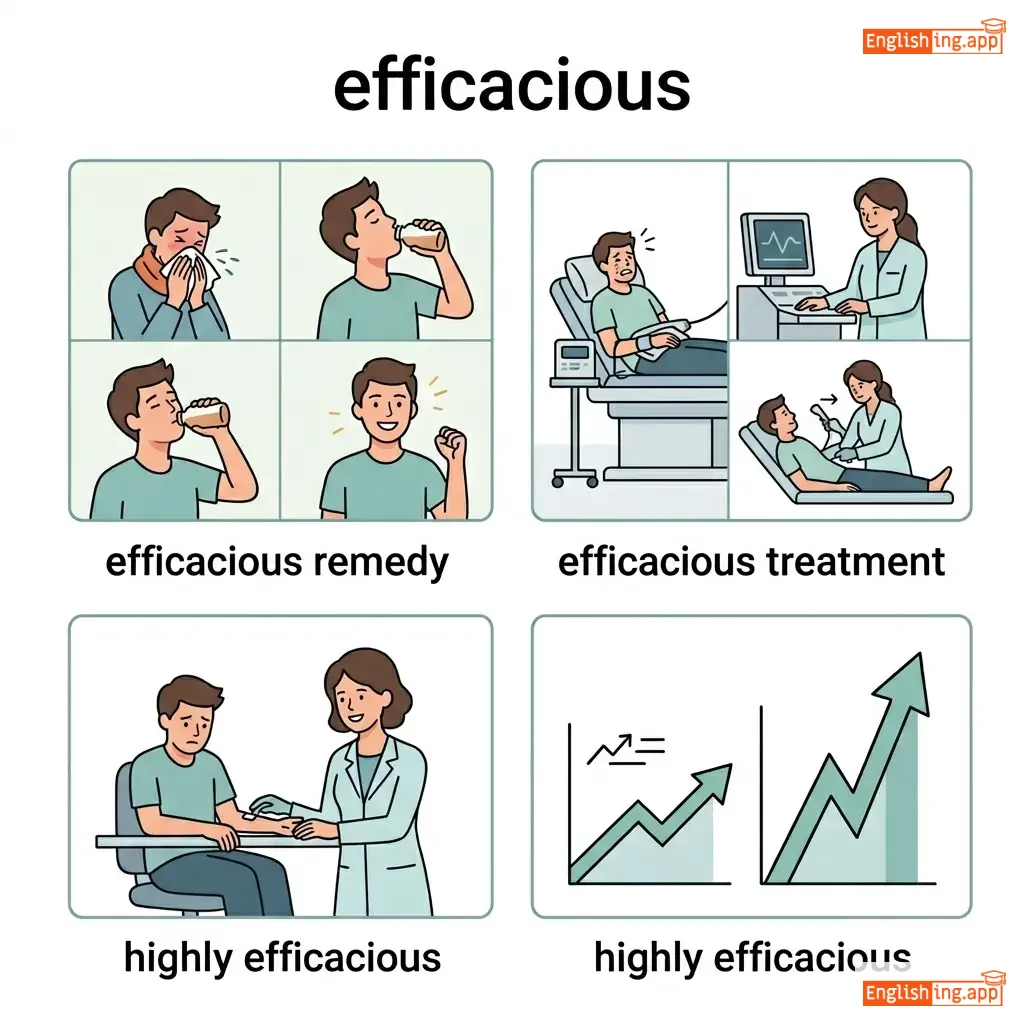
Successful in producing a desired or intended result; effective.
••••••
|
The vaccine proved highly efficacious in preventing infections. |
疫苗在预防感染方面证明是非常有效的。
Yimiao zai yufang ganran fangmian zhengming shi feichang you xiao de.
••••••
|
effective, potent, successful
••••••
|
ineffective, inefficient, futile
••••••
|
有效的 – effective solutions in stopping infections.
••••••
|
|
#1172
🎯
|
/əˈdɛpt/
adjective
(阿德普特)
••••••
|
|
熟练
shúliàn
••••••
|
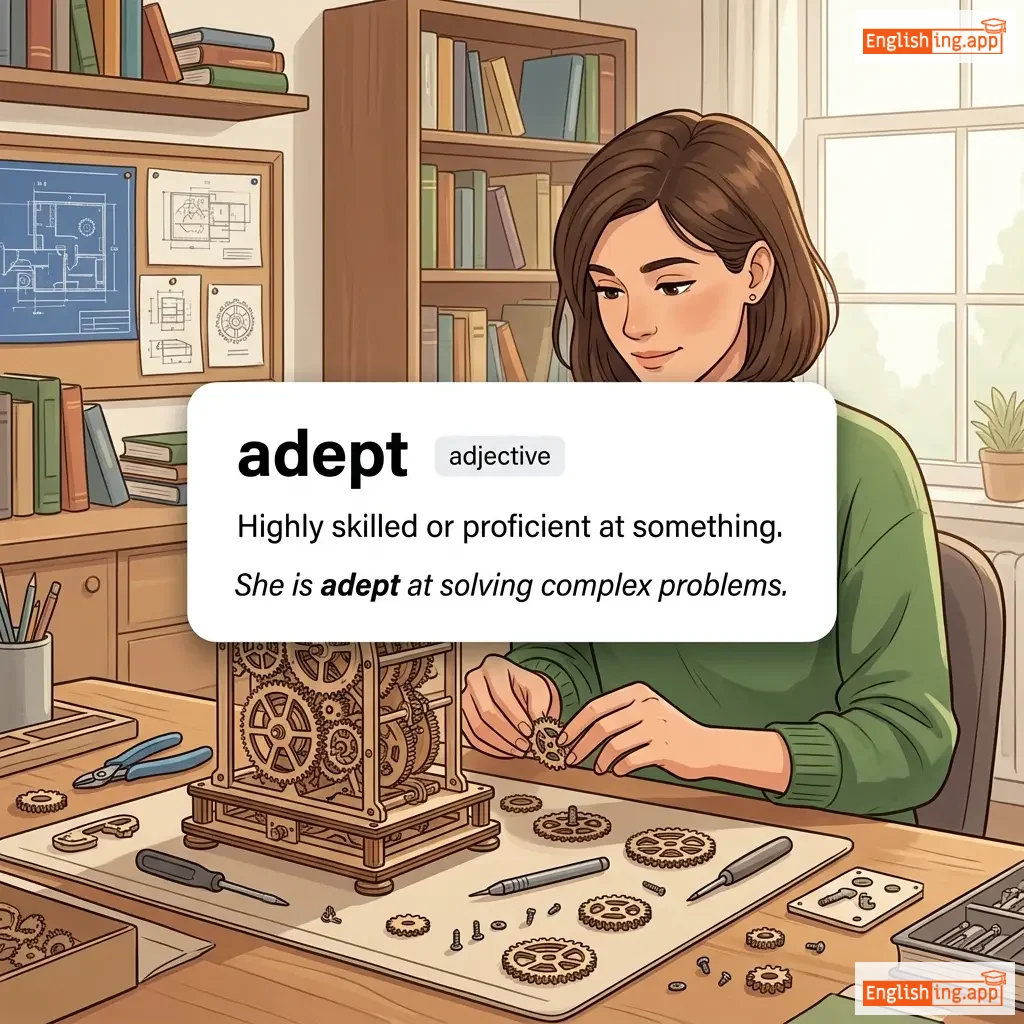
Very skilled or proficient at something.
••••••
|
She is adept at solving complex mathematical problems. |
她擅长解决复杂的数学问题。
Tā shàncháng jiějué fùzá de shùxué wèntí.
••••••
|
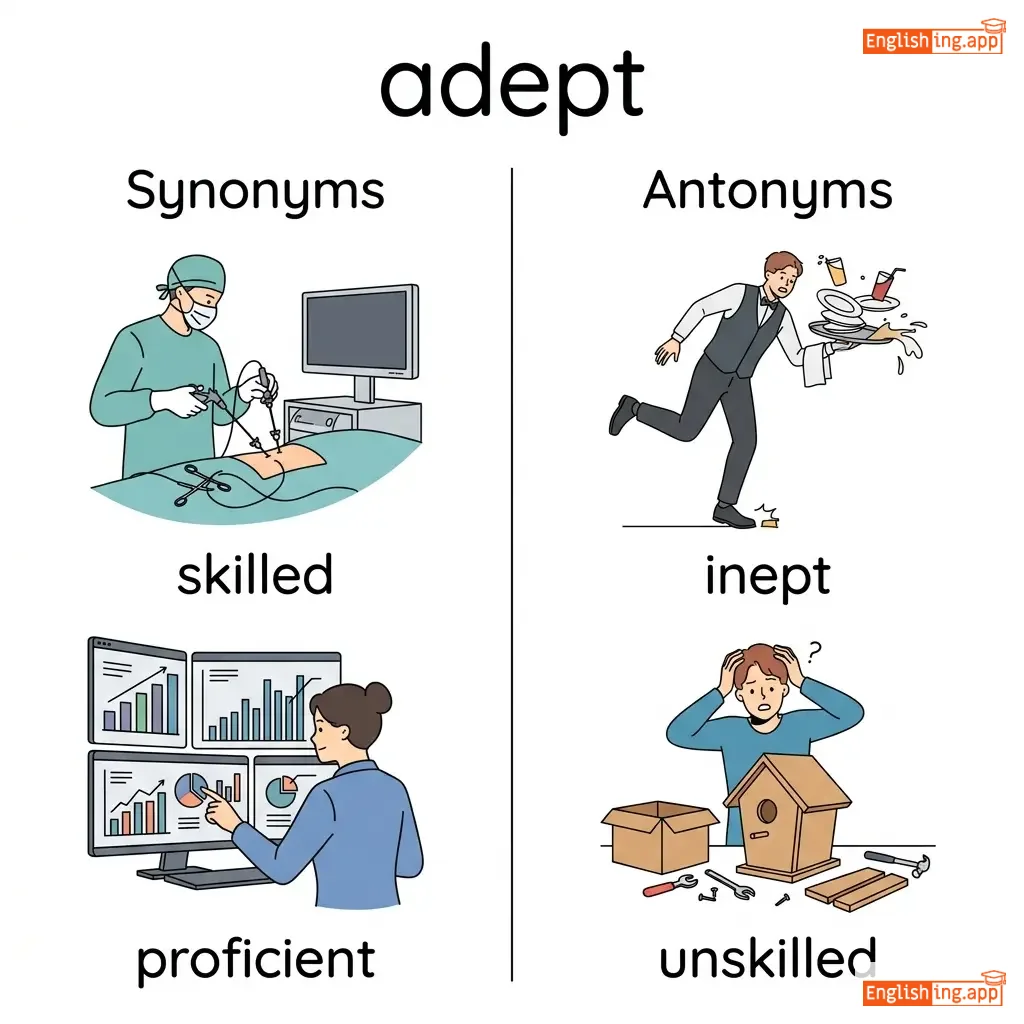
skillful, proficient, masterful
••••••
|
inept, incompetent, clumsy
••••••
|
熟练 = adept in Chinese
••••••
|
|
#1173
🧠
|
/ˌnjʊə.roʊ.plæˈstɪs.ɪ.ti/
noun
(神经可塑性)
••••••
|
|
神经可塑性
shen jing ke su xing
••••••
|
The brain's ability to reorganize itself by forming new neural connections throughout life.
••••••
|
Neuroplasticity allows the brain to rewire itself after an injury.
神经可塑性使大脑在受伤后能够重新连接。
••••••
|
神经可塑性使大脑在受伤后能够重新连接。
Shenjing kesuxing shi dainao zai shoushang hou nenggou chongxin lianjie.
••••••
|
brain adaptability, cognitive flexibility, neural regeneration
••••••
|
rigidity, stagnation, fixedness
••••••
|
神经可塑性就像电路板在损坏后重新接通。
••••••
|
|
#1174
🔄
|
/rɪˈtriː.vəl/
noun
(retríval)
••••••
|
|
检索
jian suo
••••••
|
The process of getting something back, especially from storage or memory.
••••••
|
The brain's retrieval system helps recall past experiences.
大脑的检索系统帮助回忆过去的经历。
••••••
|
大脑的检索系统帮助回忆过去的经历。
Dainao de jiansuo xitong bangzhu huiyi guoqu de jingli.
••••••
|
recovery, recollection, restoration
••••••
|
loss, forgetfulness, misplacement
••••••
|
就像从记忆中找到丢失的东西一样,检索帮助你找回失去的回忆。
••••••
|
|
#1175
📝
|
/ˌriː.kəˈpɪtʃ.ə.leɪt/
verb
(瑞卡皮图莱特)
••••••
|
|
概述
gàishù
••••••
|
To summarize and state again the main points of something.
••••••
|
The teacher asked the student to recapitulate the lesson.
老师让学生复述这堂课。
••••••
|
老师让学生复述这堂课。
Lǎoshī ràng xuéshēng fùshù zhè táng kè.
••••••
|
summarize, restate, review
••••••
|
expand, elaborate, lengthen
••••••
|
Recapitulate = recap (总结) + ulate (重复).
••••••
|
|
#1176
💪
|
/kənˈsɒl.ɪ.deɪt/
verb
(kənˈsɒlɪdeɪt)
••••••
|
|
合并
hebing
••••••
|
To combine things in order to make them more effective or easier to handle.
••••••
|
The company aims to consolidate its market position. |
公司旨在巩固其市场地位。
Gōngsī zhǐ zài gǒnggù qí shìchǎng dìwèi.
••••••
|
strengthen, integrate, merge
••••••
|
weaken, fragment, disperse
••••••
|
合并是让市场地位更强大的方式!
••••••
|
|
#1177
🔗
|
/əˈnæl.ə.ɡəs/
adjective
(阿纳洛戈斯)
••••••
|
|
类似的
lèisì de
••••••
|
Comparable in certain respects, typically in a way that makes clearer the nature of things being compared.
••••••
|
The human brain is analogous to a supercomputer.
人脑与超级计算机类似。
••••••
|
人脑与超级计算机类似。
Rén nǎo yǔ chāojí jìsuànjī lèisì.
••••••
|
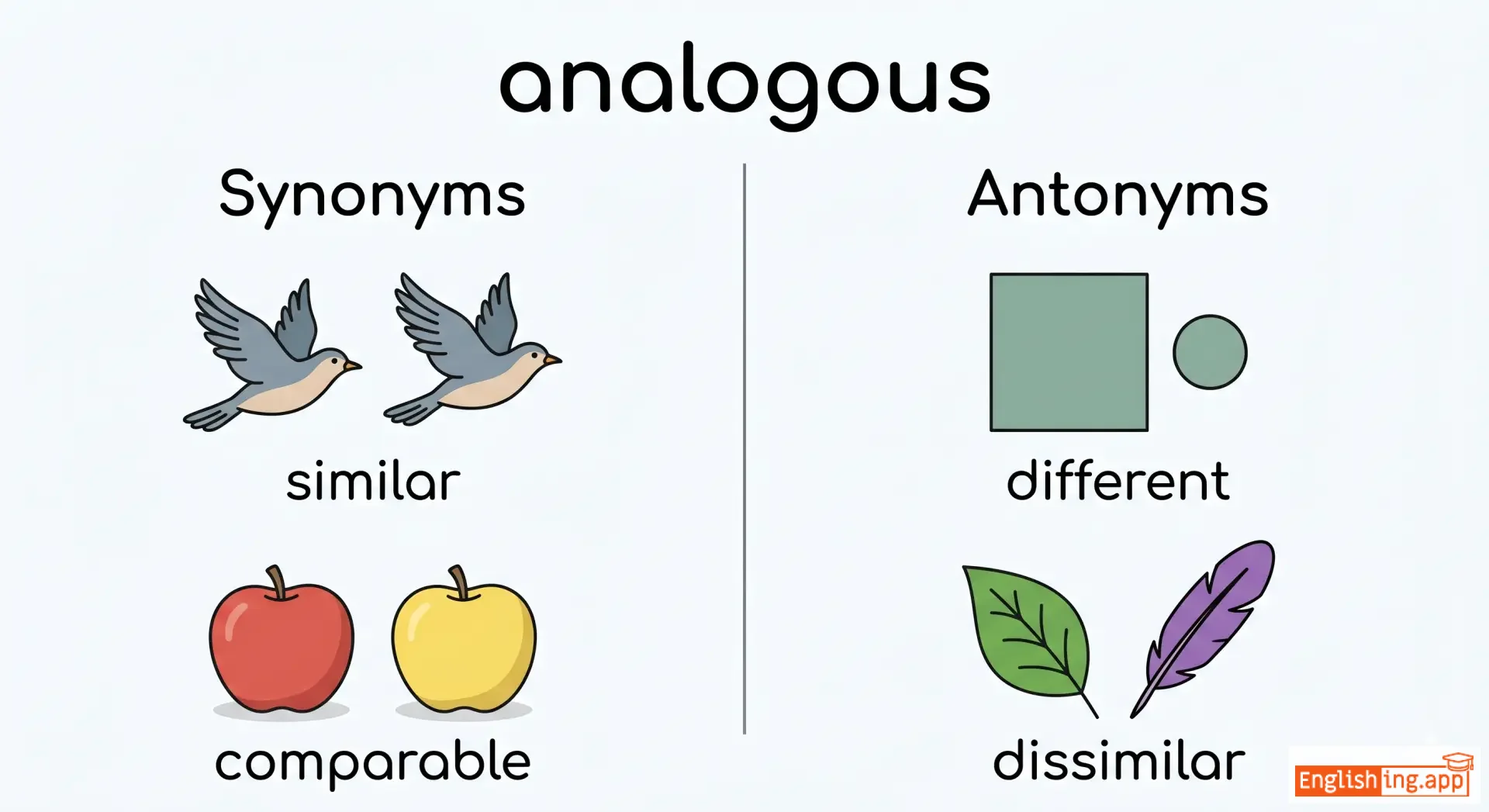
comparable, equivalent, parallel
••••••
|
dissimilar, contrasting, unrelated
••••••
|
类似于超级计算机的大脑,都是强大的比较。
••••••
|
|
#1178
🔬
|
/ˈsɪn.θə.saɪz/
verb
(sīntèzī)
••••••
|
|
合成
héchéng
••••••
|
To combine a number of things into a coherent whole.
••••••
|
Scientists synthesize new compounds for medical research. |
科学家为医学研究合成新的化合物。
Kēxuéjiā wèi yīxué yánjiū héchéng xīn de huàhéwù.
••••••
|
combine, integrate, fuse
••••••
|
separate, divide, fragment
••••••
|
合成和synthesize指的是将多个东西组合成一个整体。
••••••
|
|
#1179
🧩
|
/əˈsɪm.ɪ.leɪt/
verb
(同化)
••••••
|
|
同化
tónghuà
••••••
|
To take in and understand fully; to absorb and integrate.
••••••
|
Immigrants must assimilate into the local culture. |
移民必须融入当地文化。
Yímín bìxū róngrù dāngdì wénhuà.
••••••
|
absorb, internalize, incorporate
••••••
|
reject, exclude, separate
••••••
|
融入文化
••••••
|
|
#1180
👁️
|
/ˈkɒɡ.nɪ.zənt/
adjective
(cognizant)
••••••
|
|
意识到
yìshí dào
••••••
|
Having knowledge or being aware of something.
••••••
|
He was cognizant of the risks before starting the project.
他在开始这个项目之前就意识到风险。
••••••
|
他在开始这个项目之前就意识到风险。
Tā zài kāishǐ zhège xiàngmù zhīqián jiù yìshí dào fēngxiǎn.
••••••
|
aware, mindful, perceptive
••••••
|
oblivious, unaware, ignorant
••••••
|
意识到 = 以 (action) + 知识 (knowledge) + 到 (awareness).
••••••
|
|
#1181
🔍
|
/məˈtɪk.jə.ləs/
adjective
(mètìkùləs)
••••••
|
|
一丝不苟
yīsī bù gǒu
••••••
|
Showing great attention to detail; very careful and precise.
••••••
|
She is meticulous in her research work.
她在研究工作中非常细心。
••••••
|
她在研究工作中非常细心。
Tā zài yánjiū gōngzuò zhōng fēicháng xìxīn.
••••••
|
precise, diligent, painstaking
••••••
|
careless, negligent, reckless
••••••
|
一丝不苟关注每一个细节
••••••
|
|
#1182
📐
|
/dɪˈlɪn.i.eɪt/
verb
(dílìníèt)
••••••
|
|
描绘
miáohuì
••••••
|
To describe or portray something precisely; to indicate the exact position of a border or boundary.
••••••
|
The architect delineated the structure of the new building.
建筑师勾画了新大楼的结构。
••••••
|
建筑师勾画了新大楼的结构。
Jiànzhú shī gōuhuàle xīn dàlóu de jiégòu.
••••••
|
describe, outline, depict
••••••
|
distort, obscure, confuse
••••••
|
Delineate sounds like '描绘' – imagine drawing the clear boundaries of a new building.
••••••
|
|
#1183
⬆️
|
/ˈbəʊl.stər/
verb
(博尔斯特)
••••••
|
|
增强
zengqiang
••••••
|
To support or strengthen; to prop up.
••••••
|
The new policy aims to bolster economic growth. |
新政策旨在促进经济增长。
Xīn zhèngcè zhǐ zài cùjìn jīngjì zēngzhǎng.
••••••
|
strengthen, support, reinforce
••••••
|
undermine, weaken, diminish
••••••
|
Bolster = 增强经济增长
••••••
|
|
#1184
📚
|
/prəˈlɪf.ɪk/
adjective
(普罗利菲克)
••••••
|
|
多产的
duōchǎn de
••••••
|
Present in large numbers or quantities; plentiful; producing many works, results, or offspring.
••••••
|
The author is prolific, having written over 30 books.
作者是多产的,写了超过30本书。
••••••
|
作者是多产的,写了超过30本书。
Zuòzhě shì duōchǎn de, xiěle chāoguò 30 běn shū.
••••••
|
productive, fertile, abundant
••••••
|
barren, unproductive, sterile
••••••
|
In Chinese, '多产的' means someone who produces a lot, just like a prolific author.
••••••
|
|
#1185
✨
|
/ɪnˈdʒen.dər/
verb
(ɪnˈdʒɛndər)
••••••
|
|
引起
yǐnqǐ
••••••
|
To cause or give rise to a feeling, situation, or condition.
••••••
|
The speech engendered hope among the people.
演讲激发了人们的希望。
••••••
|
演讲激发了人们的希望。
Yǎnjiǎng jīfā le rénmen de xīwàng.
••••••
|
generate, induce, cause
••••••
|
suppress, halt, dissuade
••••••
|
引起情感或状况,像演讲一样激发希望。
••••••
|
Vocabulary Quiz
Test your vocabulary by matching words with their translations or meanings.
Login to take the quiz
Comments (0)
Share your thoughts and join the discussion.
Join the discussion by logging in
Login to CommentNo comments yet
Be the first to share your thoughts!