

阅读如何提升批判性思维
How Reading Enhances Critical Thinking
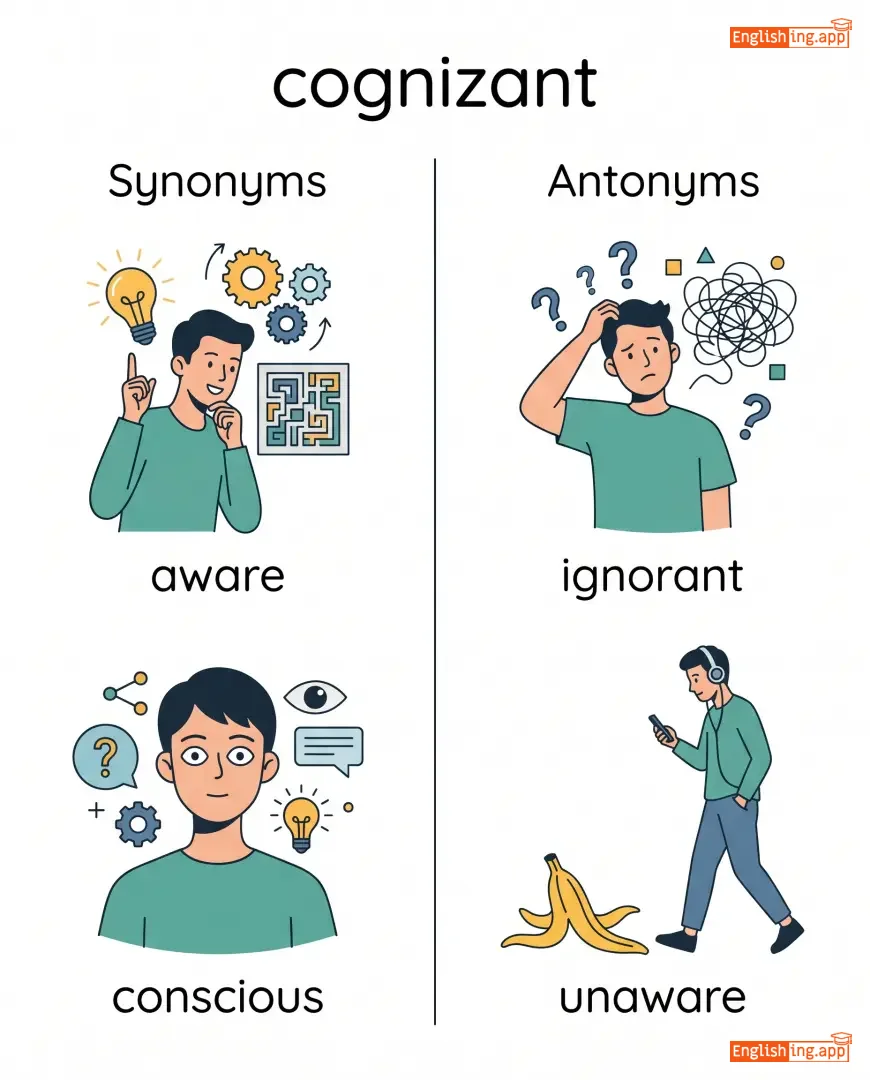
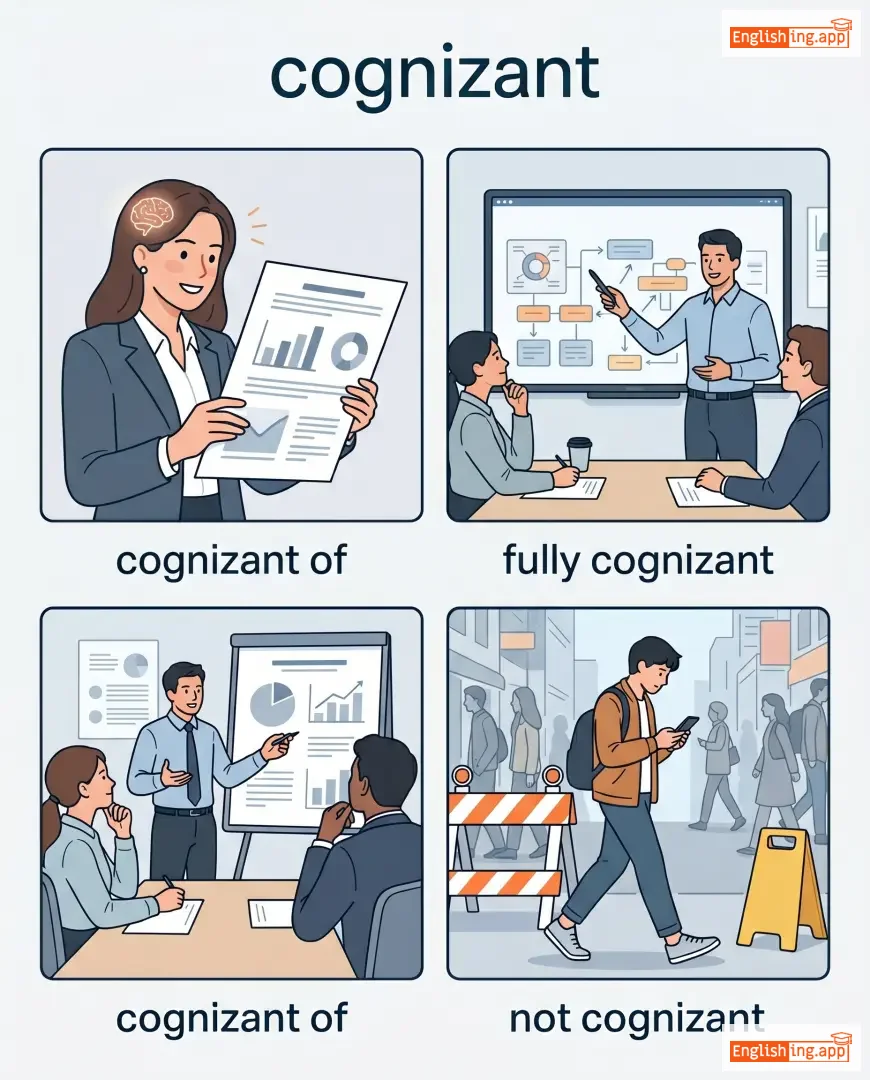
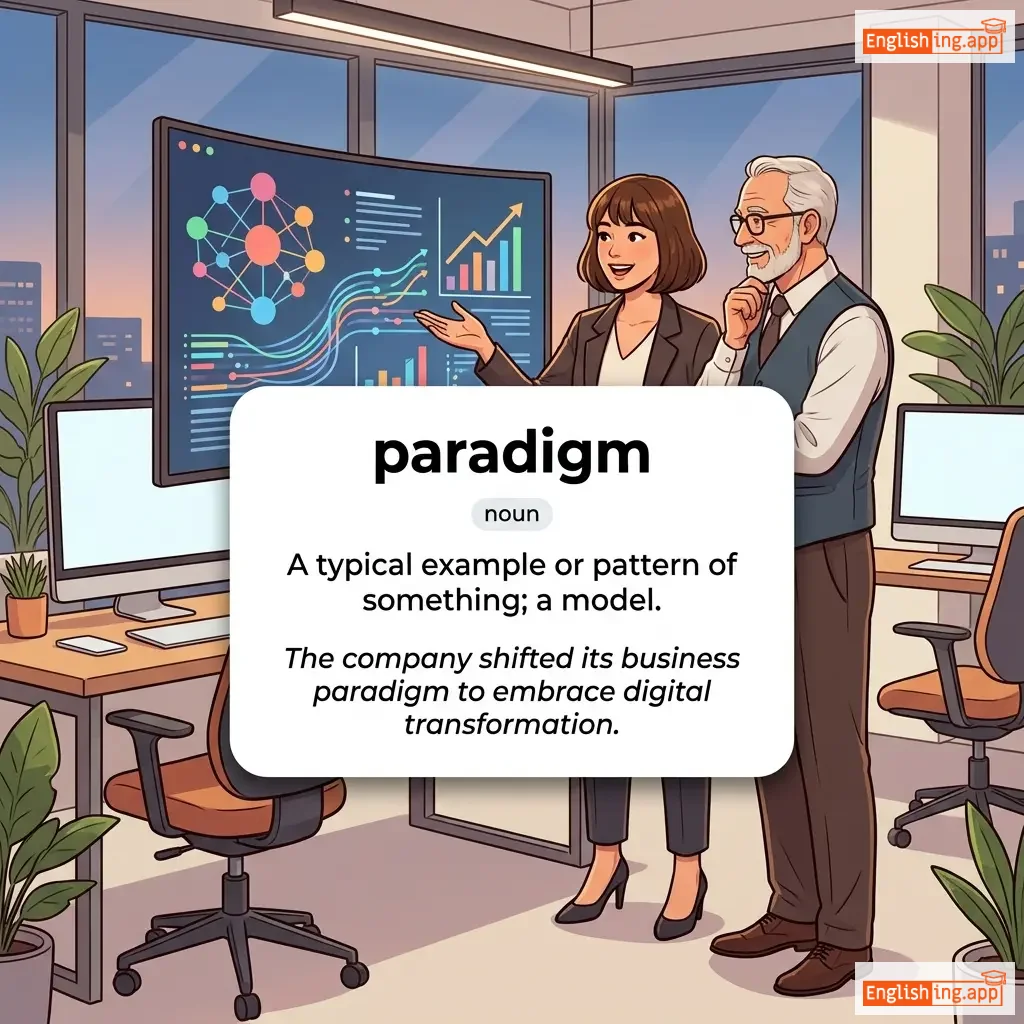
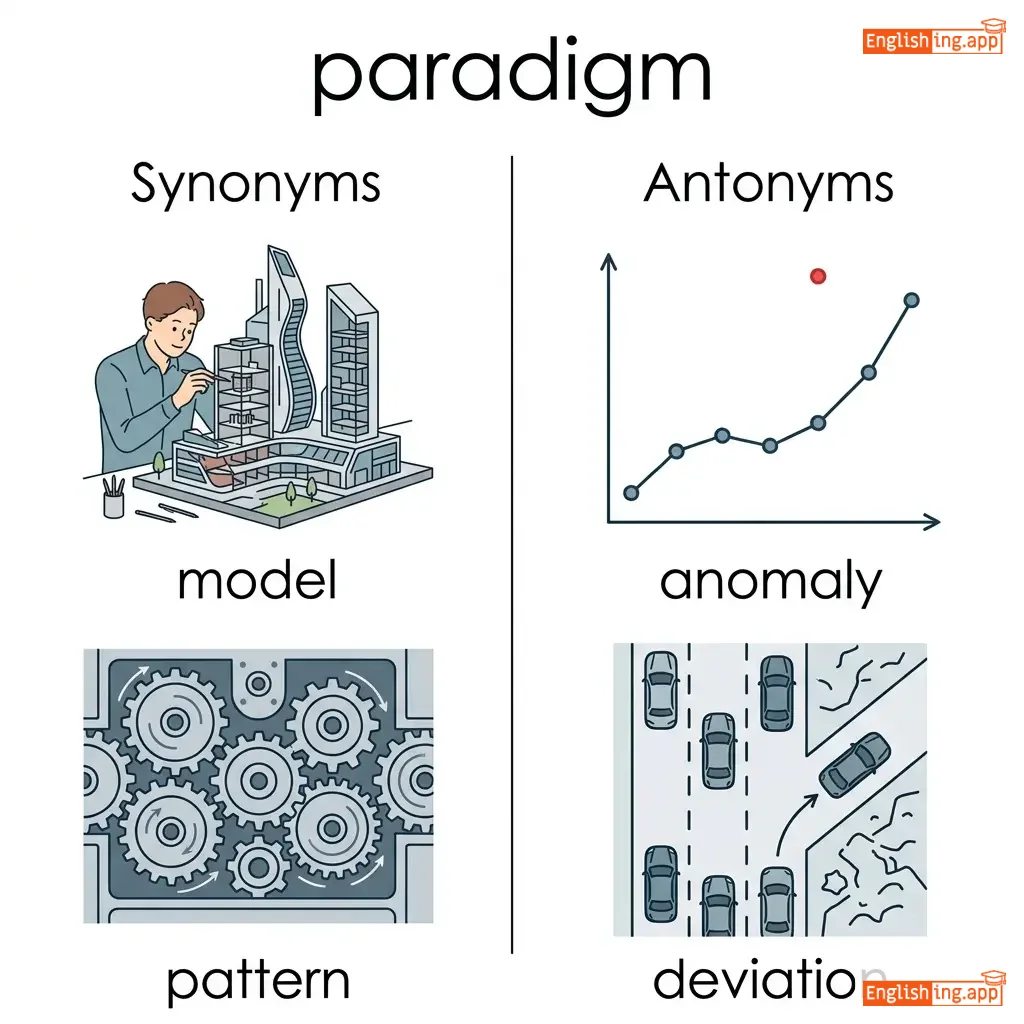
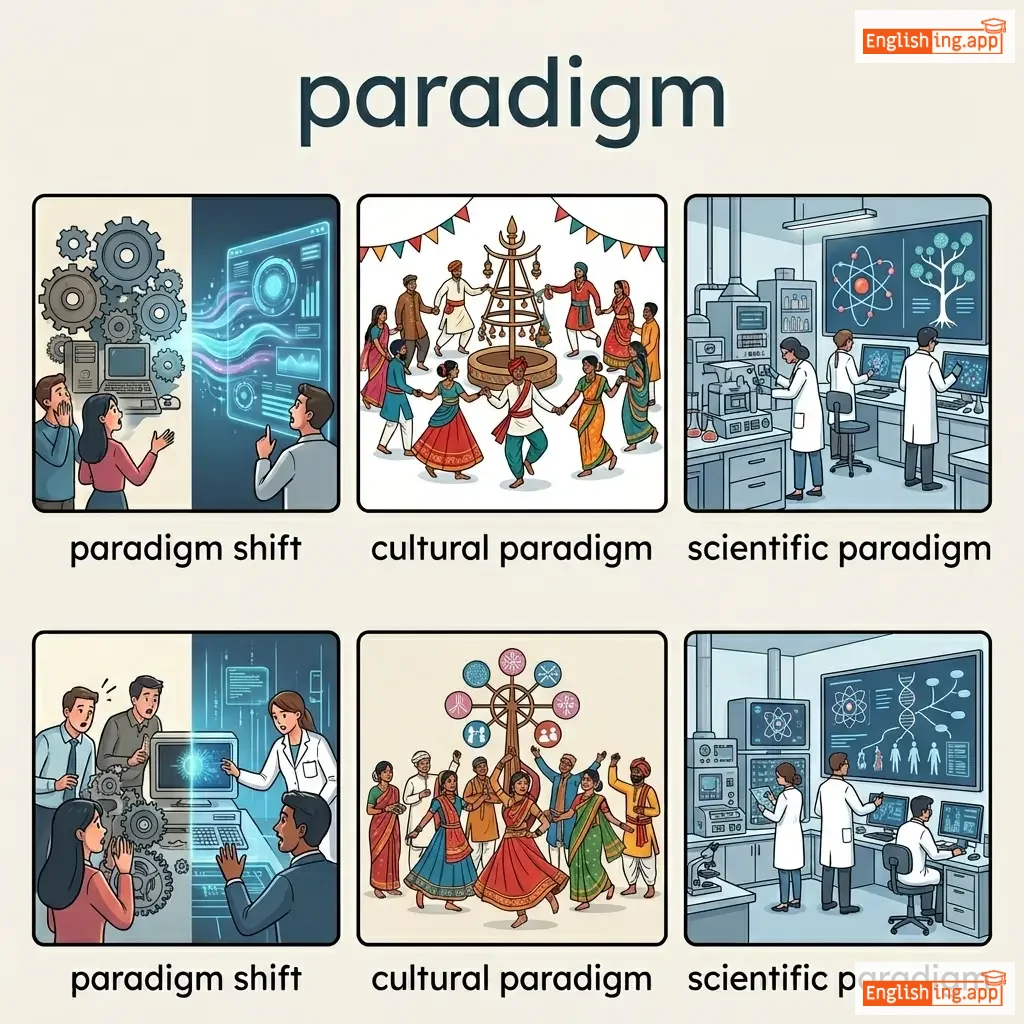
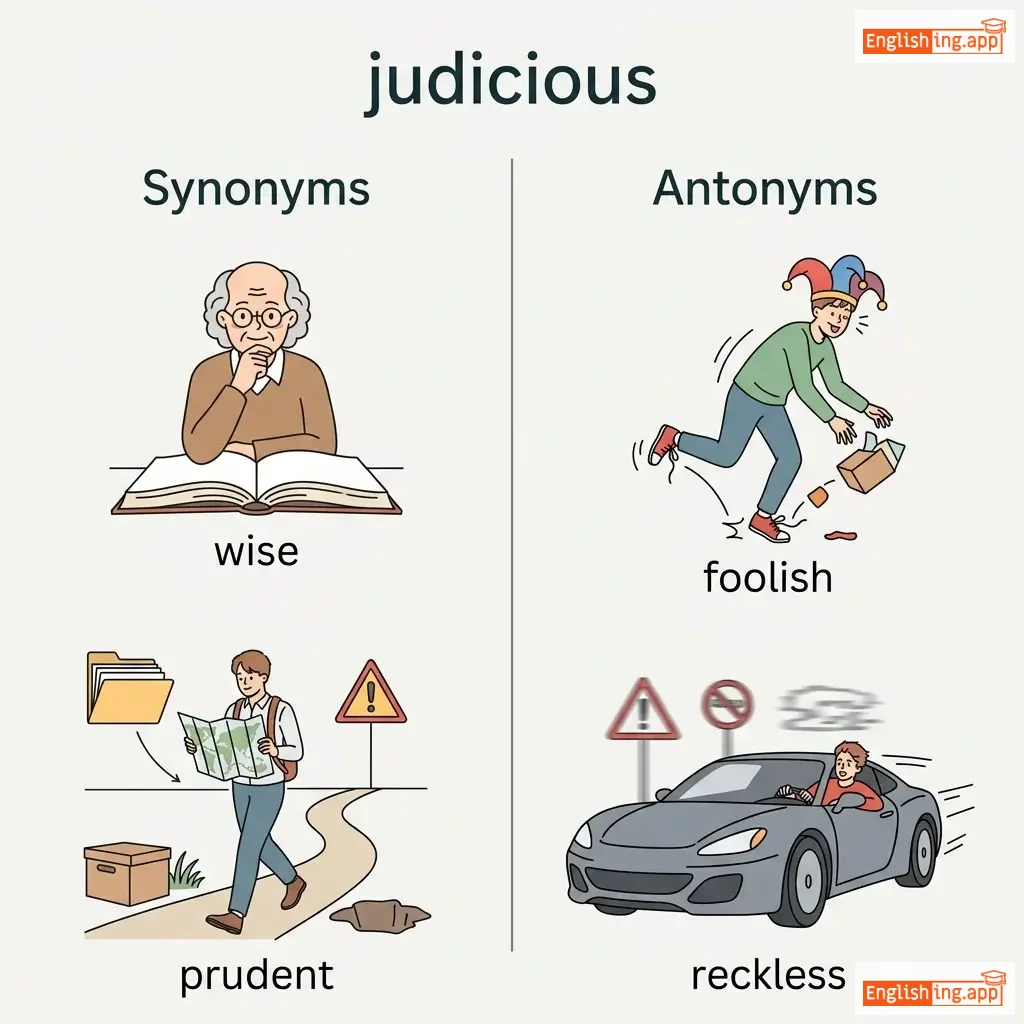
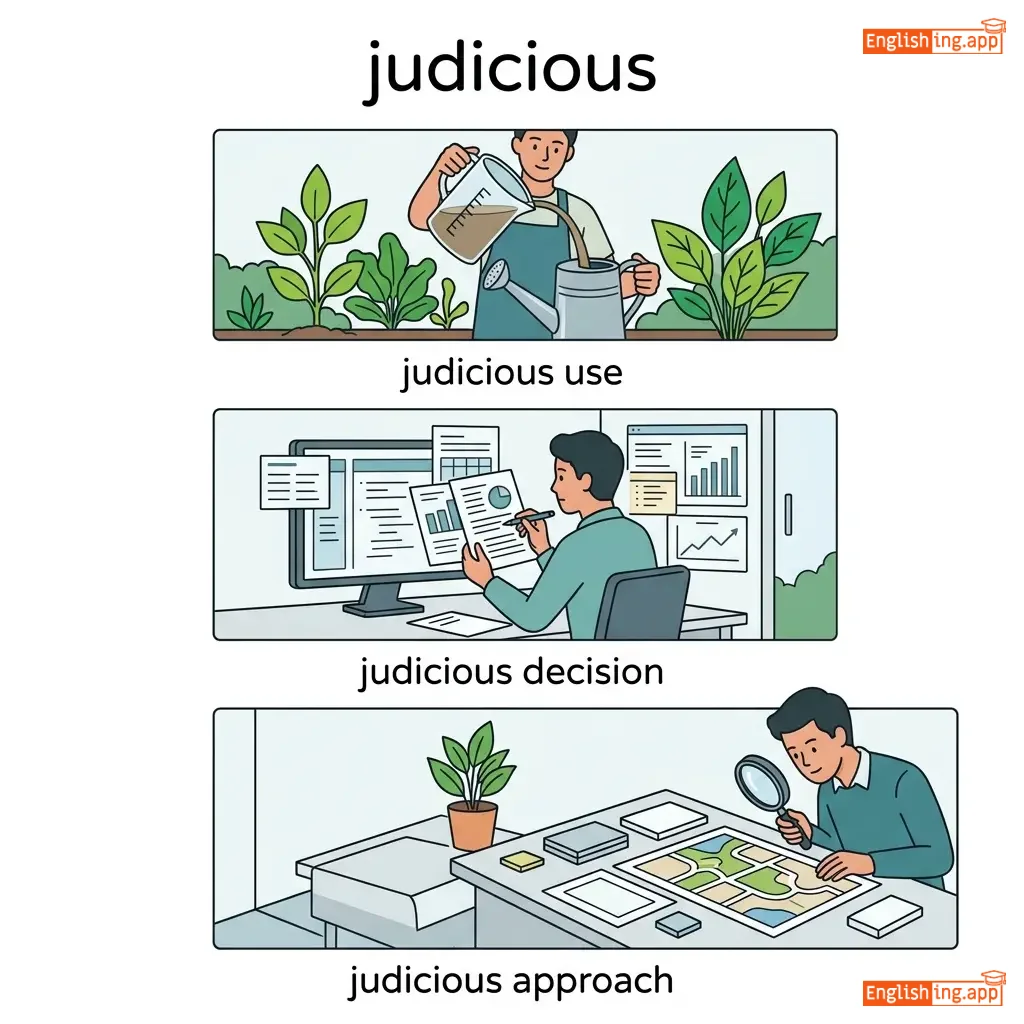
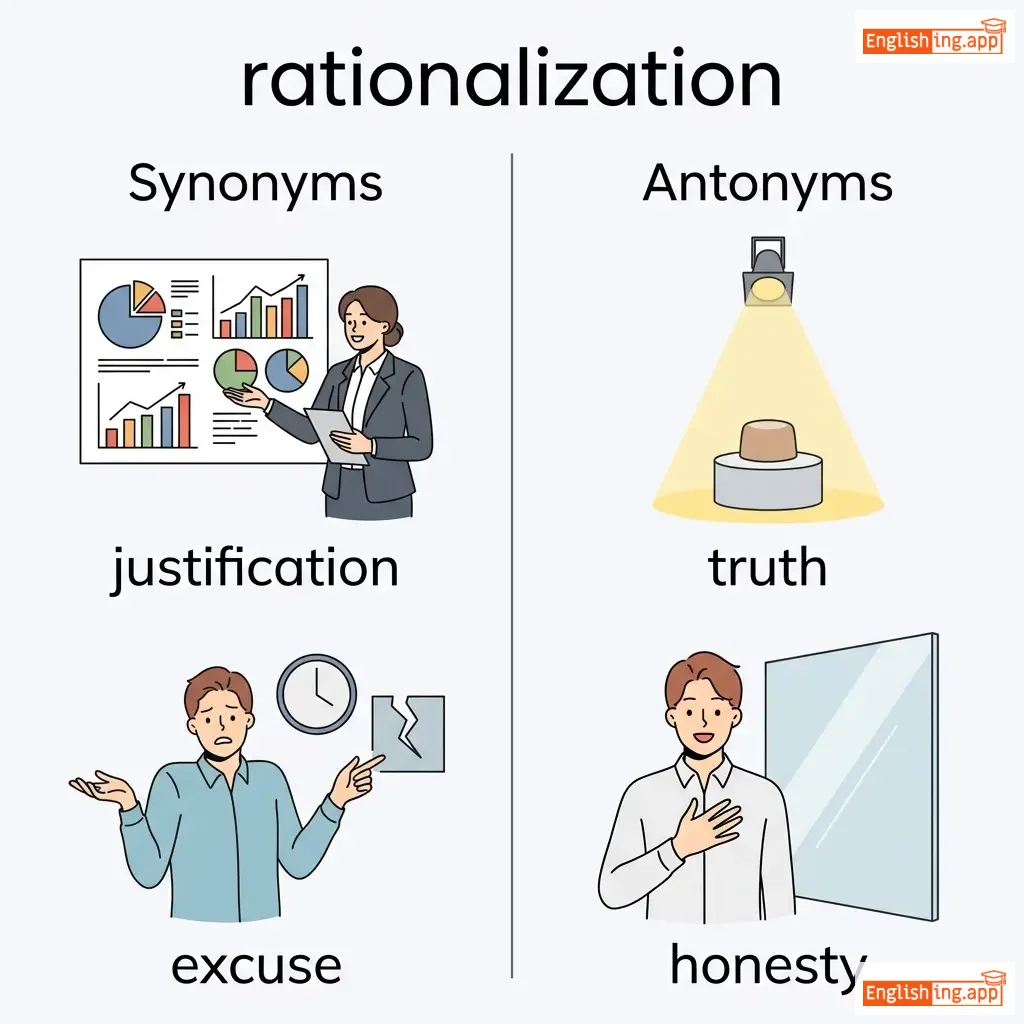
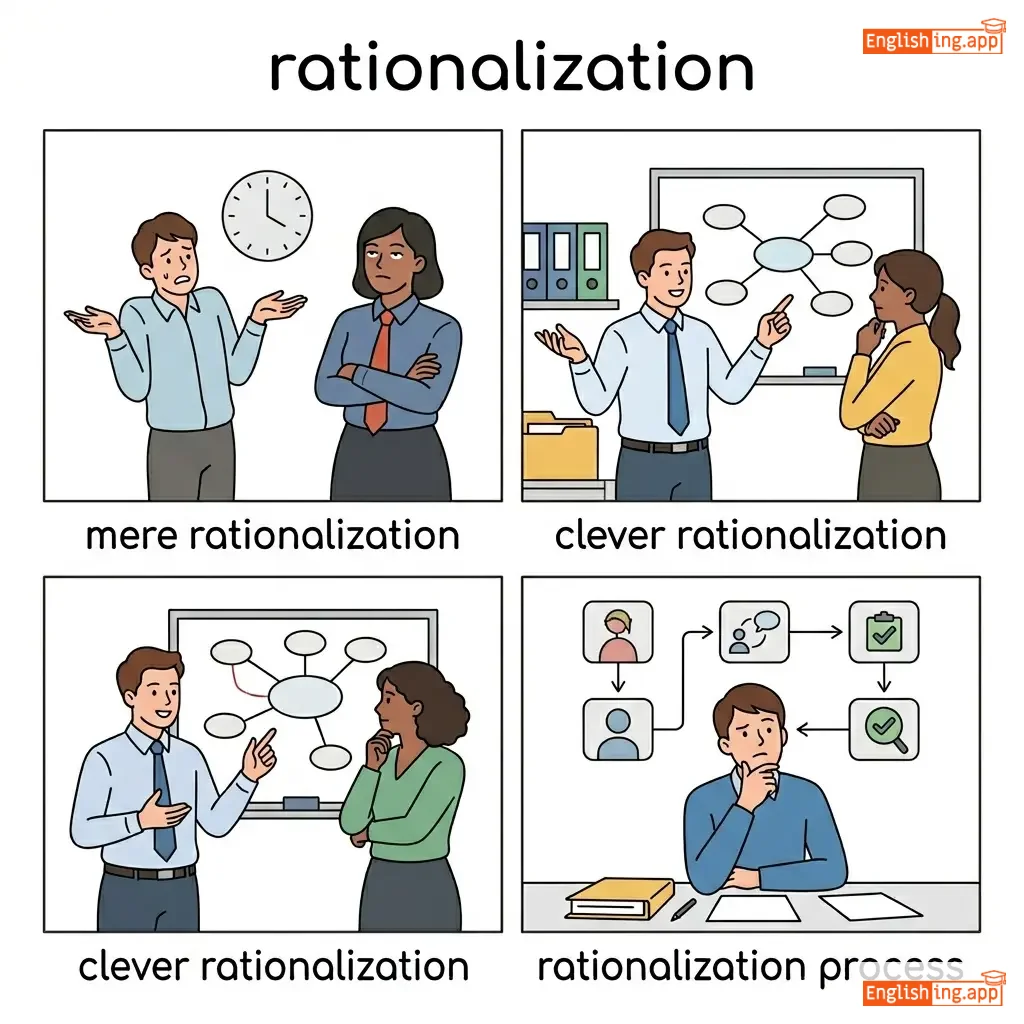
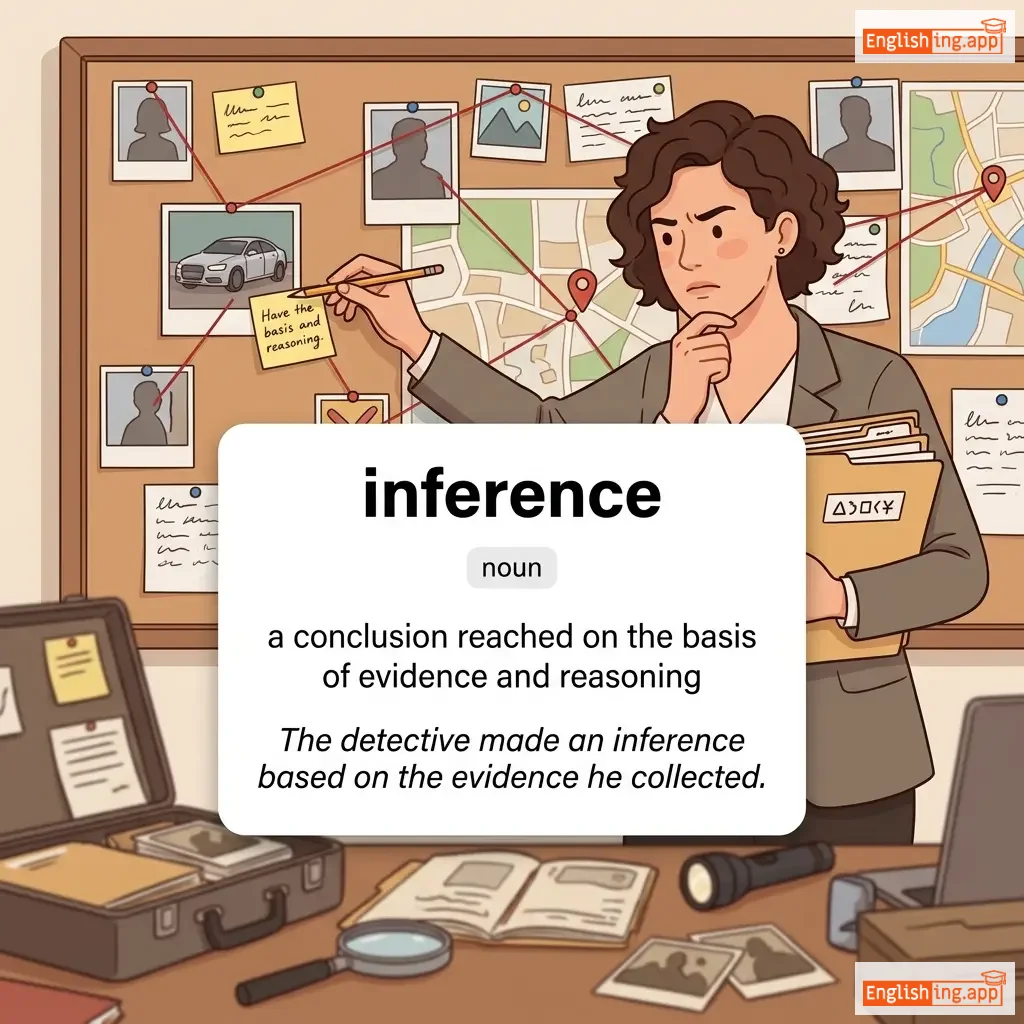
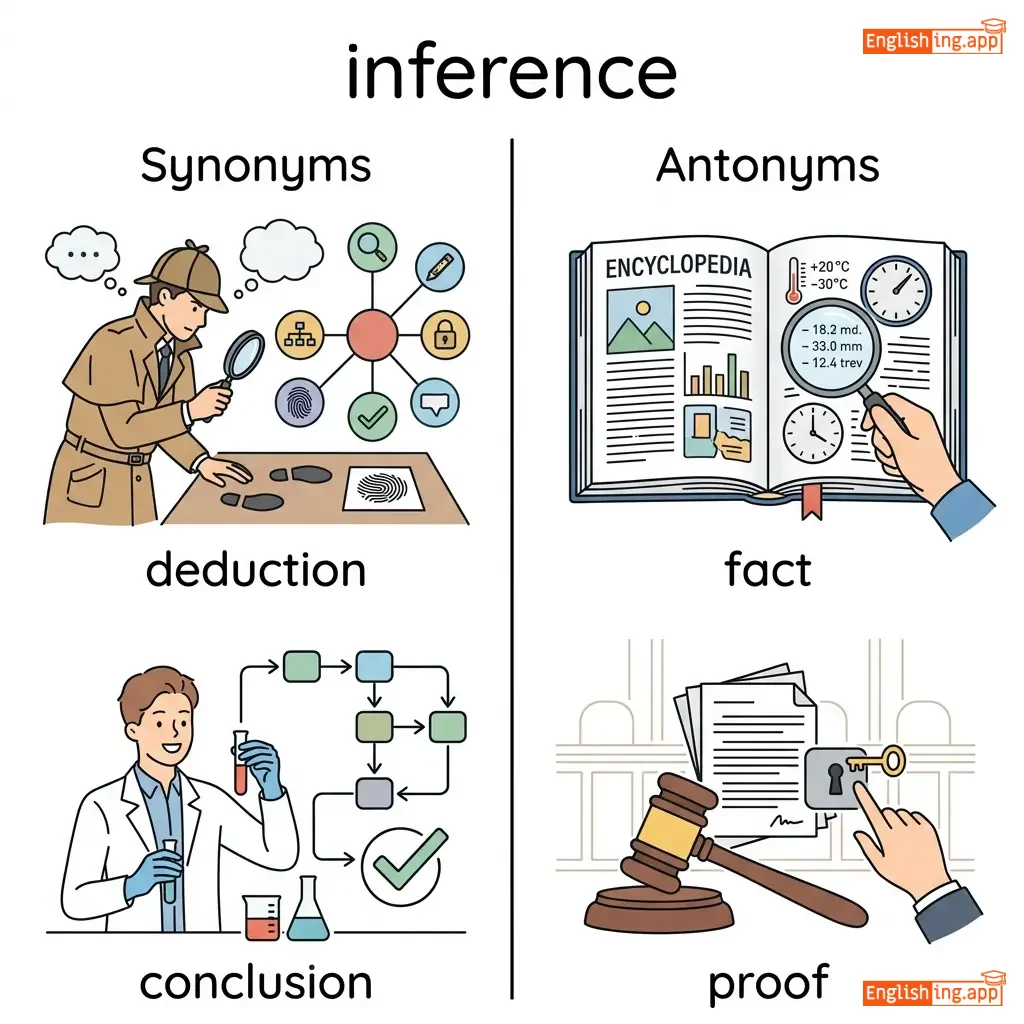
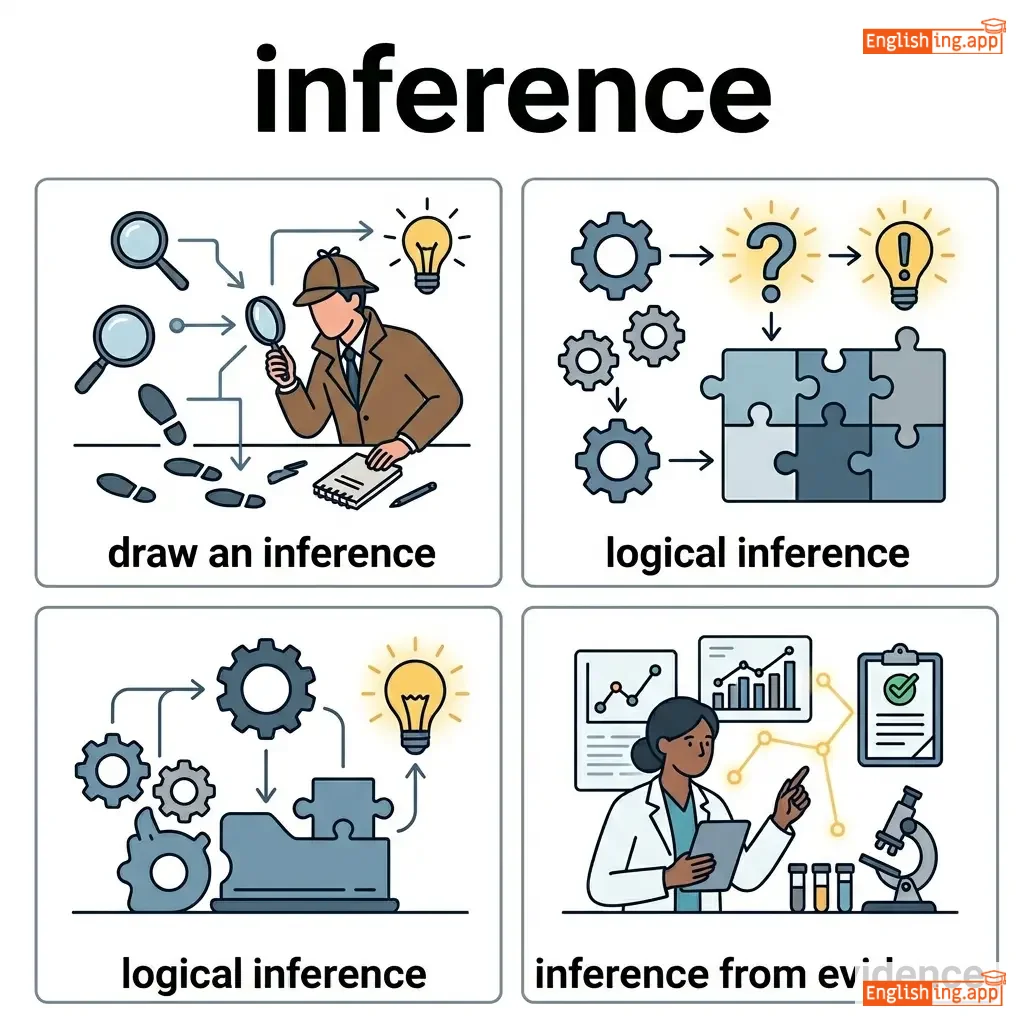
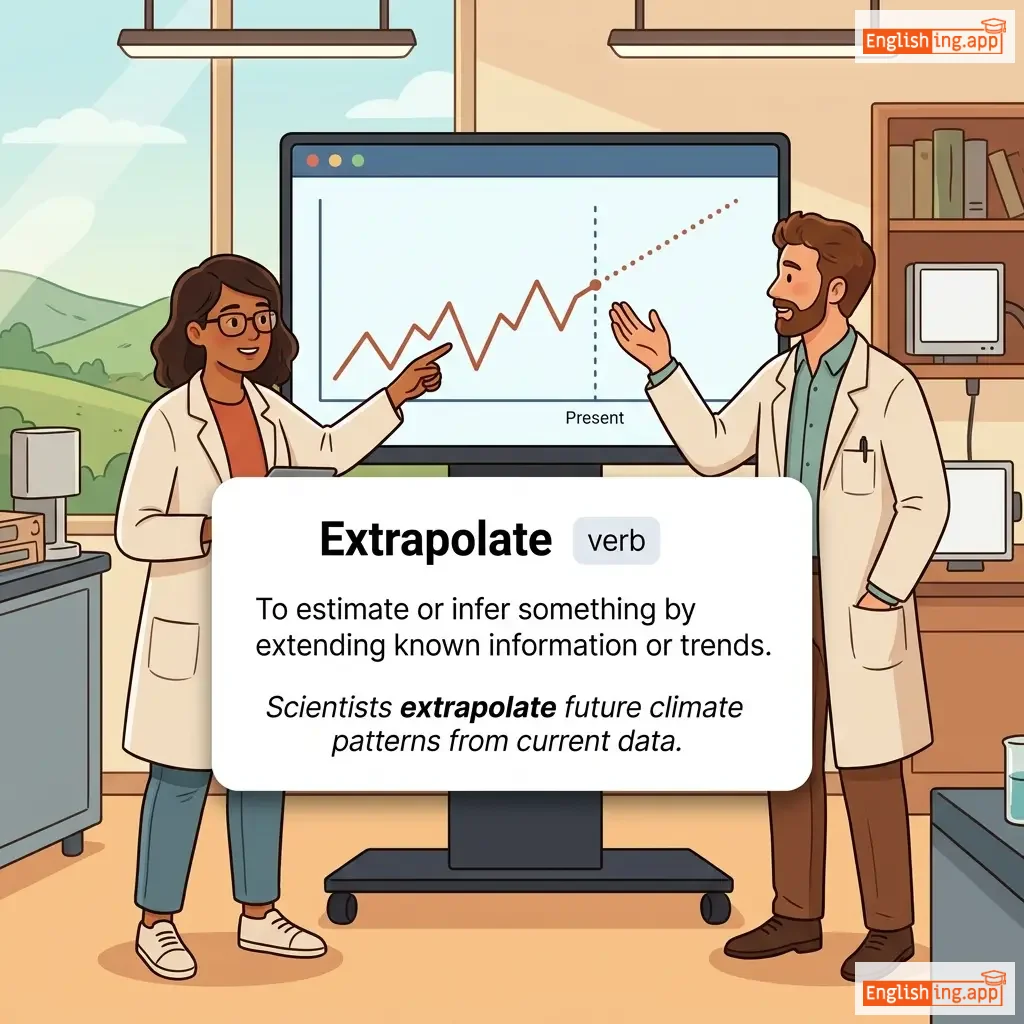
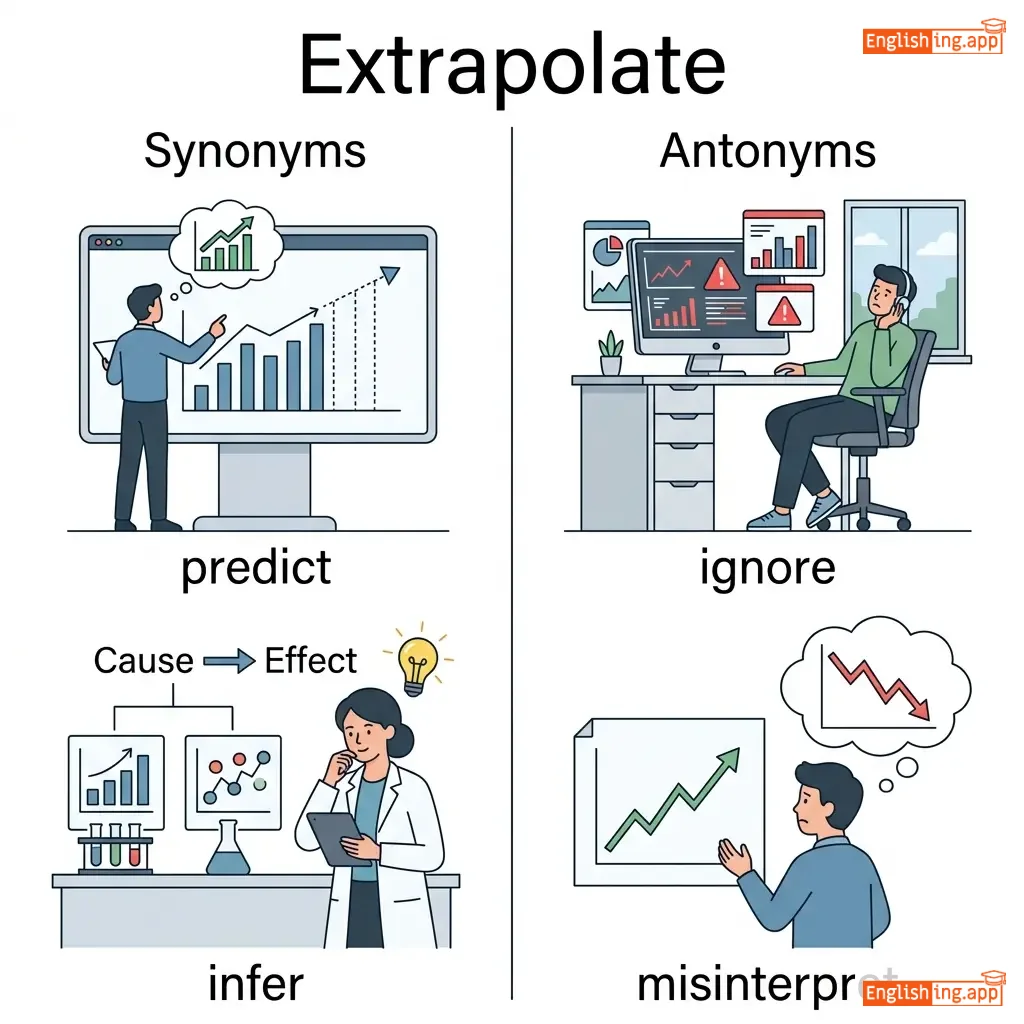
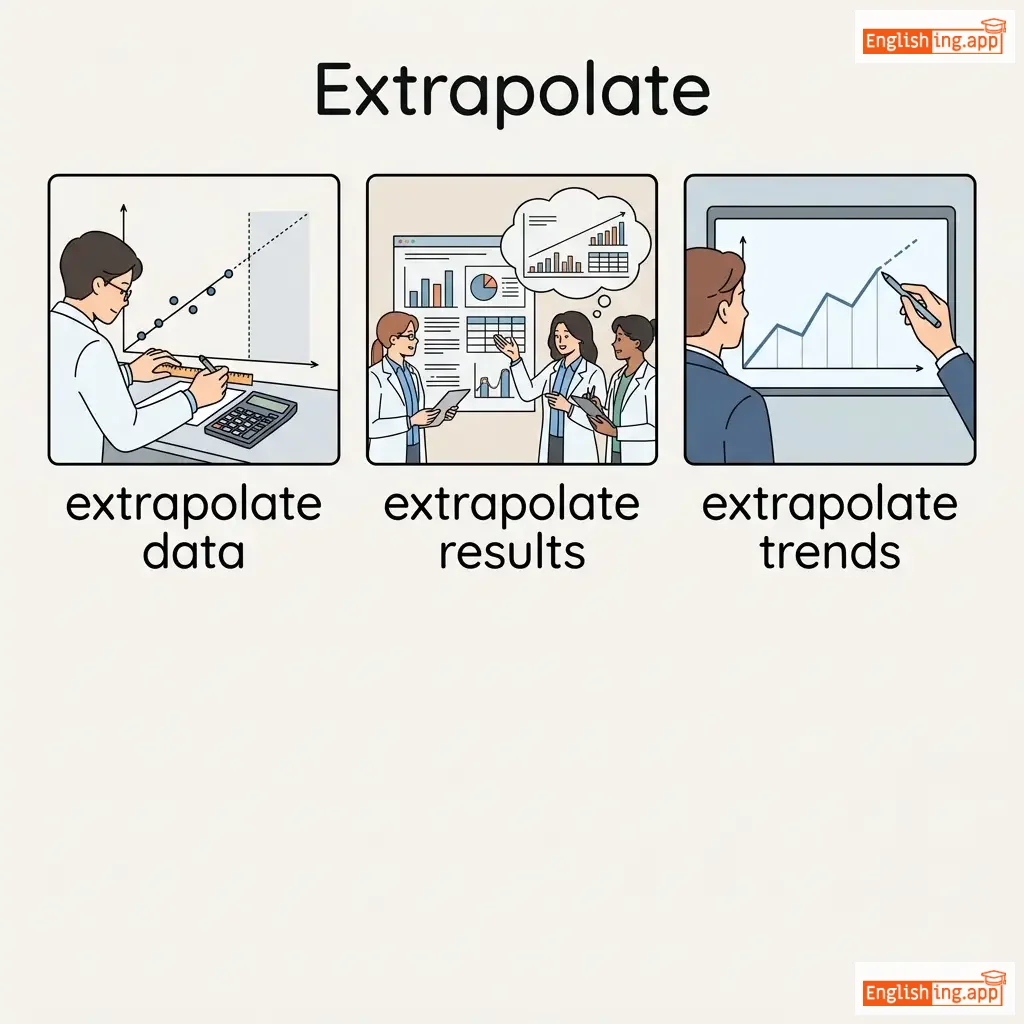
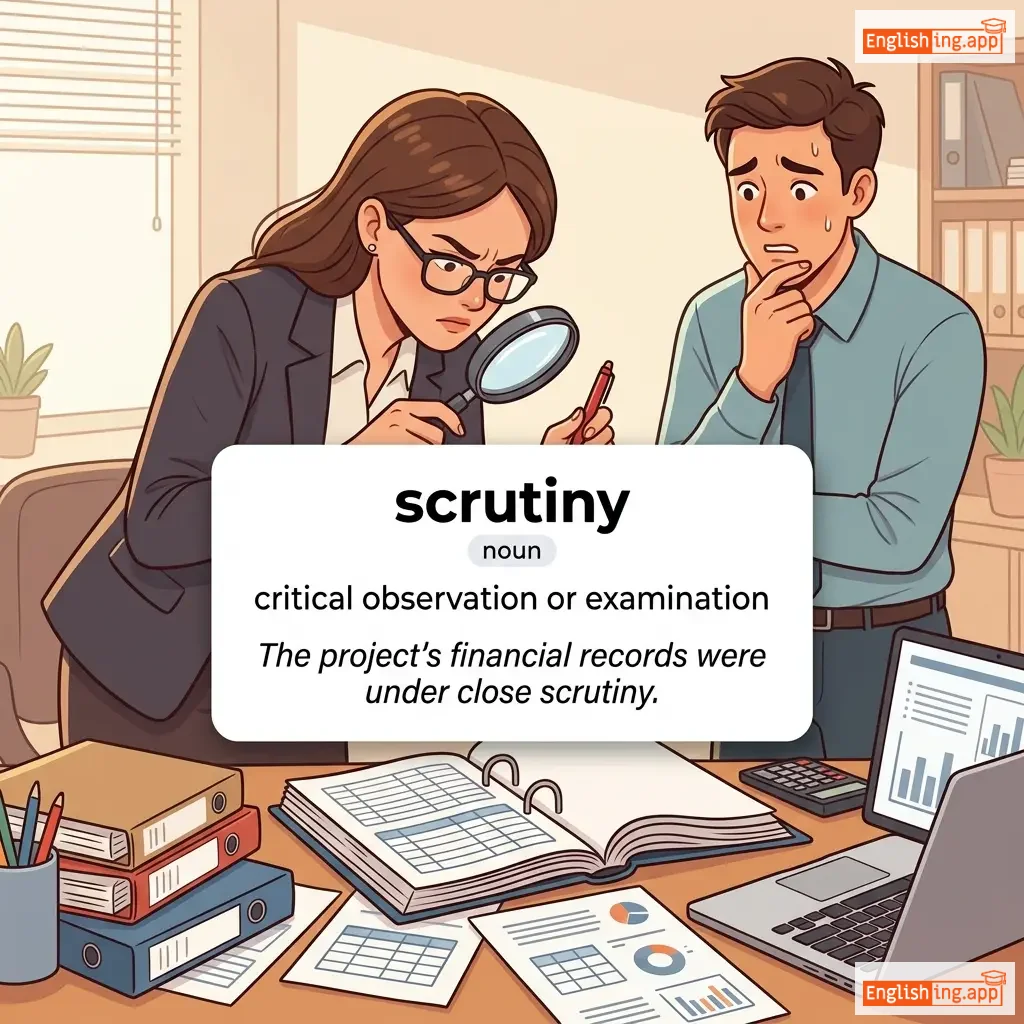
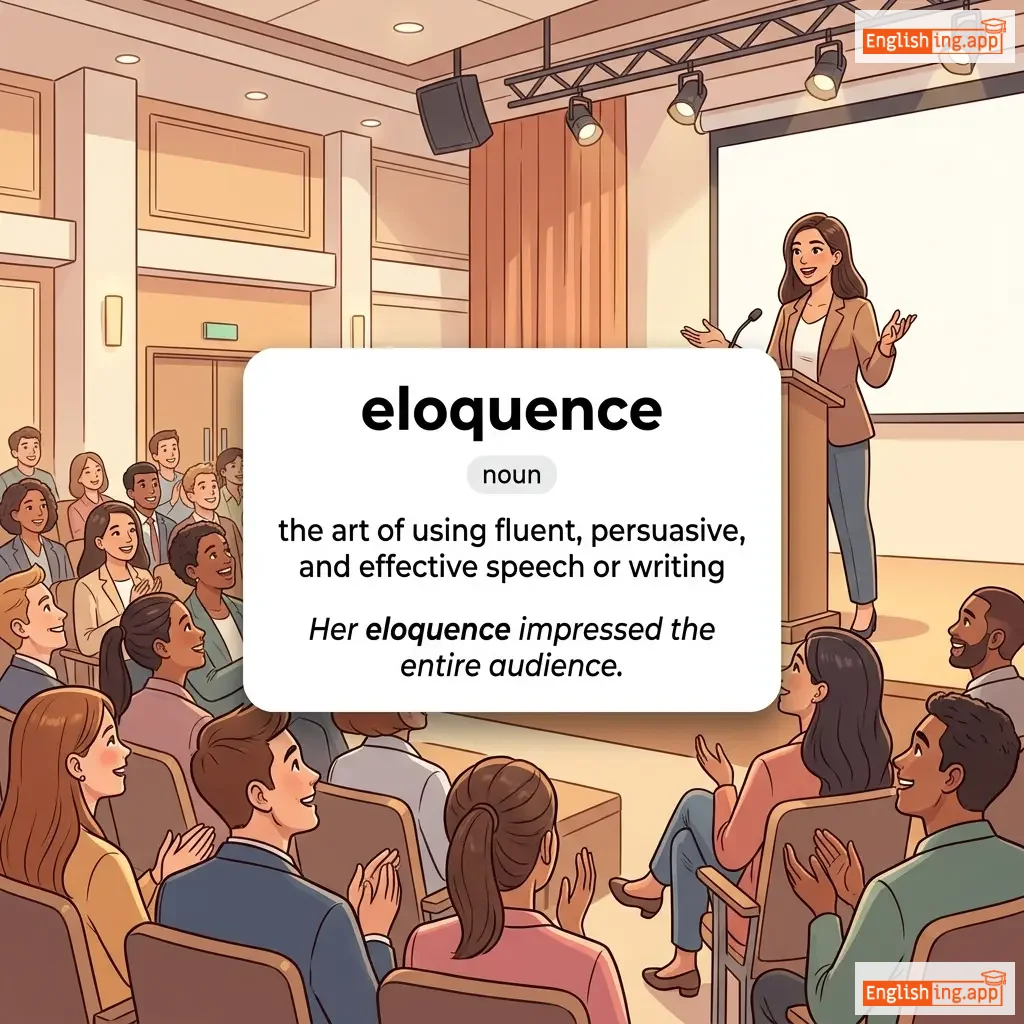
阅读不仅仅是获取信息的方式;它是提升 critical thinking 的最重要方法之一。当我们阅读复杂的文本时,我们的 comprehension 能力增强,并发展出 analytical 的思维模式。通过阅读,我们 assimilate 新概念,更深入地理解主题。这提高了我们的 discernment,使我们能够理解各种 nuances。随着时间的推移,我们不仅吸收信息,还开始 synthesizing 它们以创造新的思维模式。一个好的读者会 cognizant 每篇文本或信息都包含特定的 paradigm。阅读的习惯帮助我们做出 judicious 的决定,并加强我们的 rationalization 能力。通过培养 inference 和 extrapolate 技能,我们可以更深入地分析任何主题,从而提高 scrutiny 和 metacognition。因此,培养阅读习惯意味着增强思维深度和 eloquence。




Swipe left or right, or use the buttons. Tap image to zoom.
例句翻译
单词
How Reading Enhances Critical ThinkingHow Reading Enhances Critical Thinking - 遮罩切换
|
表情符号
|
单词 | Images | 翻译 | 含义 | 例句 | 例句翻译 | 同义词 | 反义词 | 助记符 |
|---|---|---|---|---|---|---|---|---|---|
|
#2066
🧠
|
ˈkrɪt.ɪ.kəl ˈθɪŋ.kɪŋ
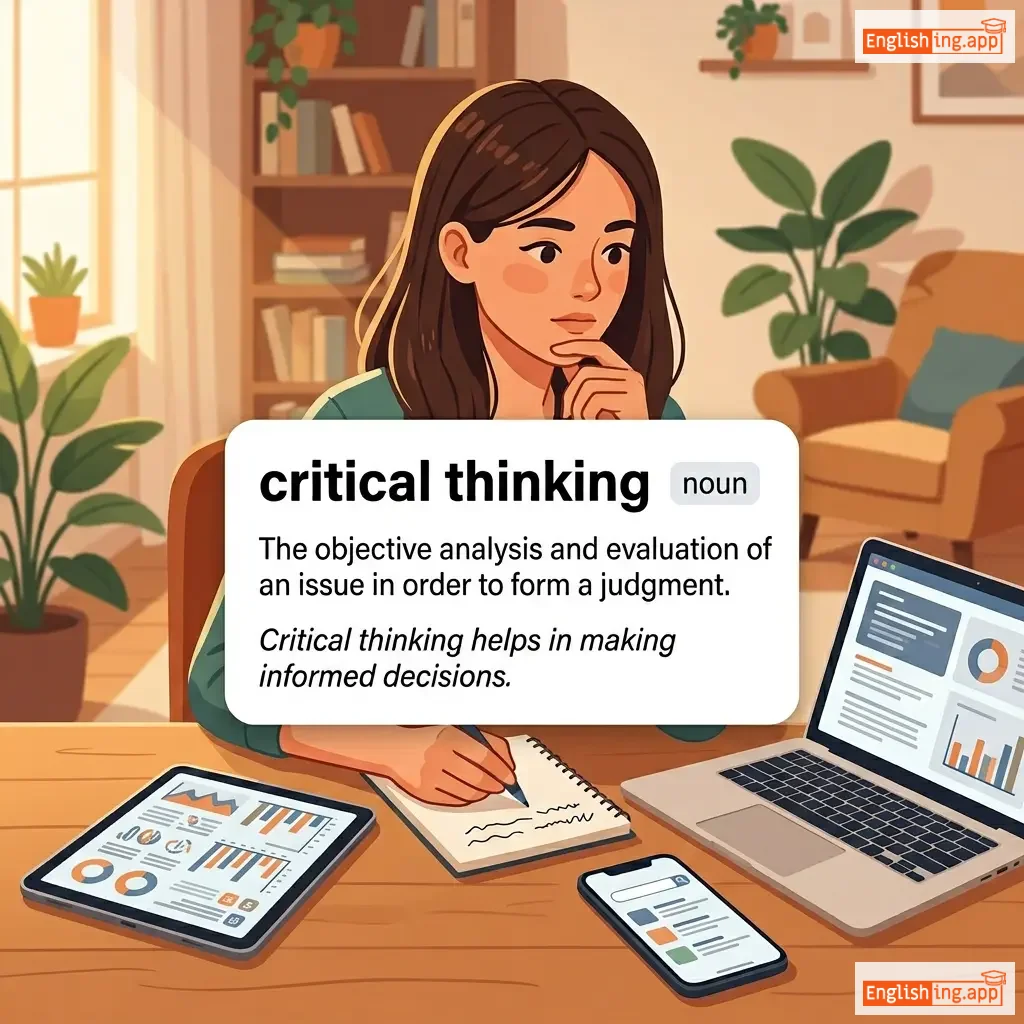
noun
(krìtí kǎo sī)
••••••
|
|
批判性思维
pīpànxìng sīwéi
••••••
|
The objective analysis and evaluation of an issue in order to form a judgment.
••••••
|
Critical thinking helps in making informed decisions. |
批判性思维有助于做出明智的决定。
Pīpànxìng sīwéi yǒuzhù yú zuòchū míngzhì de juédìng.
••••••
|
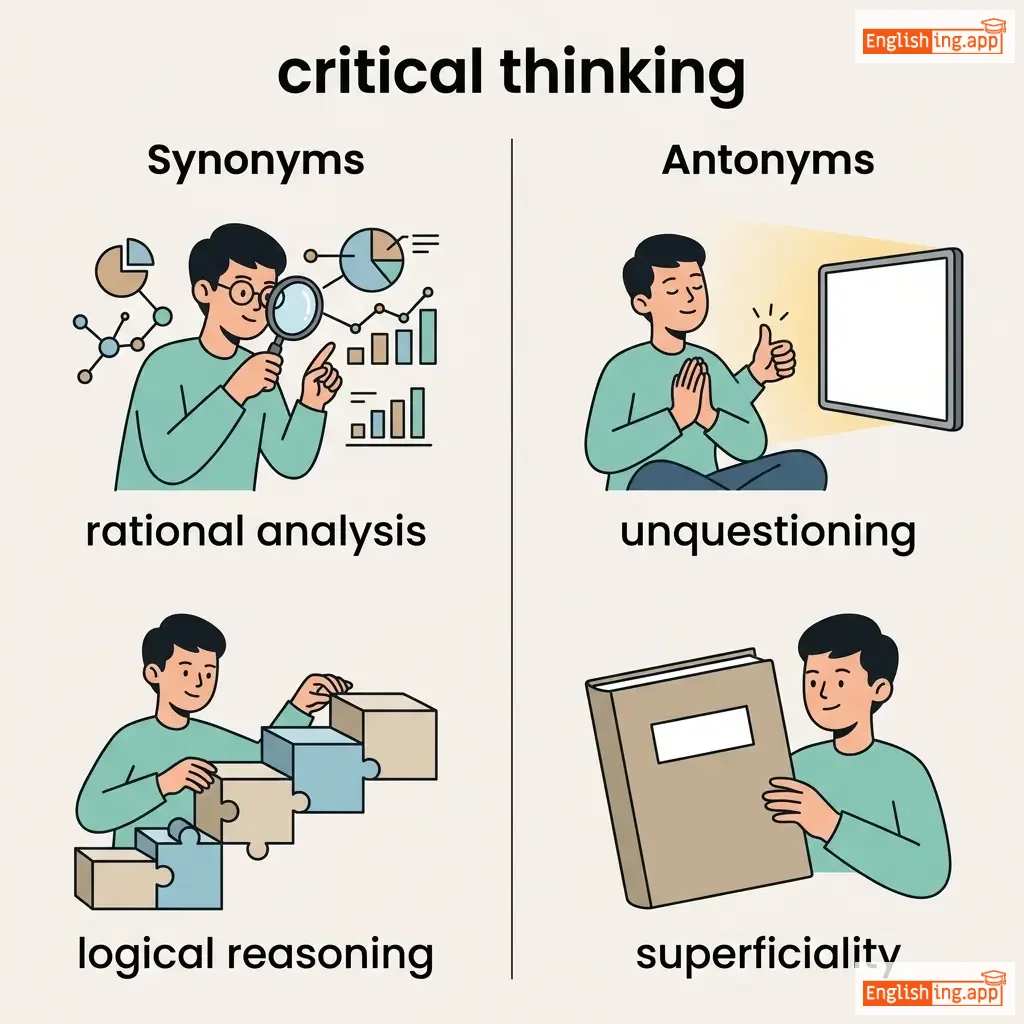
rational analysis, logical reasoning
••••••
|
unquestioning, superficiality
••••••
|
批判性思维是理性决策的基础。
••••••
|
|
#2067
📖
|
ˌkɑːm.prɪˈhen.ʃən
noun
(理解)
••••••
|
|
理解某事的行为或能力
lijiemo shì de xíngwéi huò nénglì
••••••
|
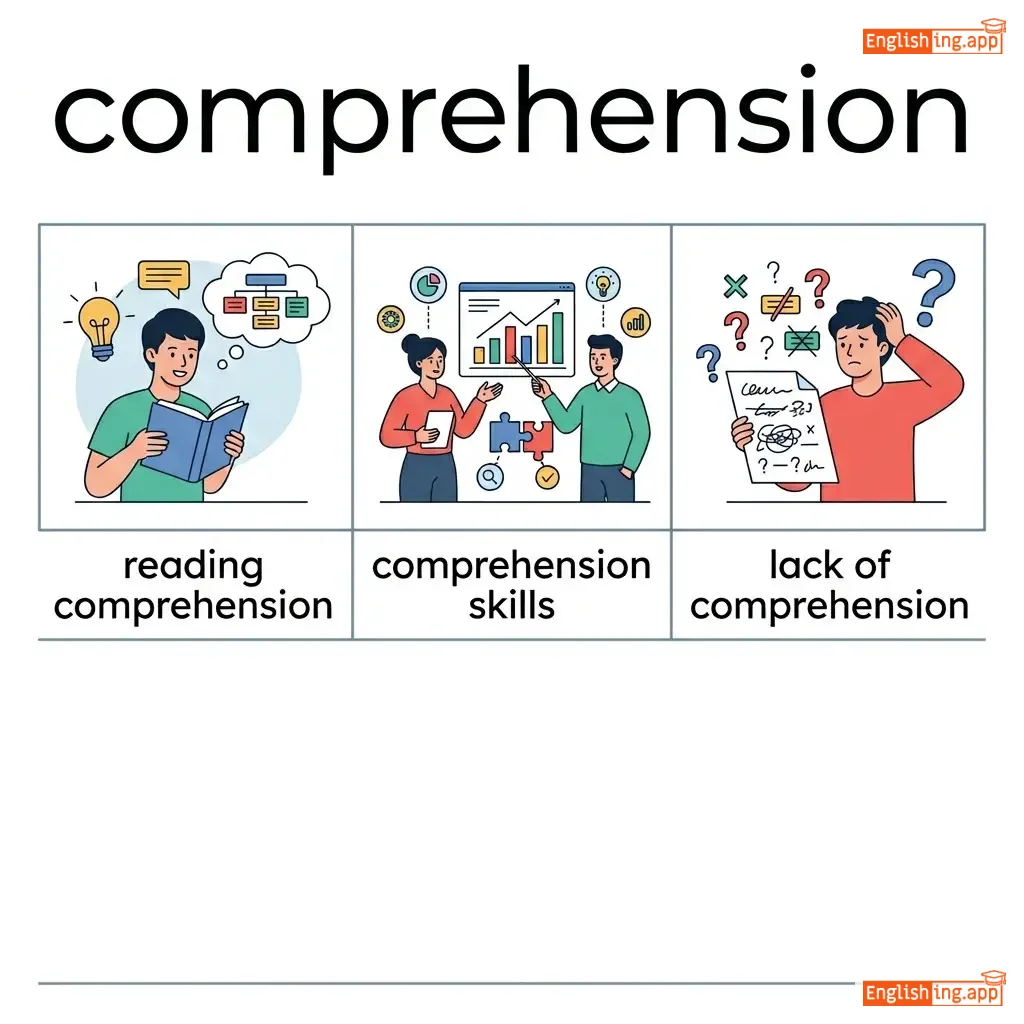
The action or capability of understanding something.
••••••
|
His comprehension of complex theories is impressive. |
他对复杂理论的理解令人印象深刻。
Tā duì fùzá lǐlùn de lǐjiě lìng rén yìnxiàng shēnkè.
••••••
|
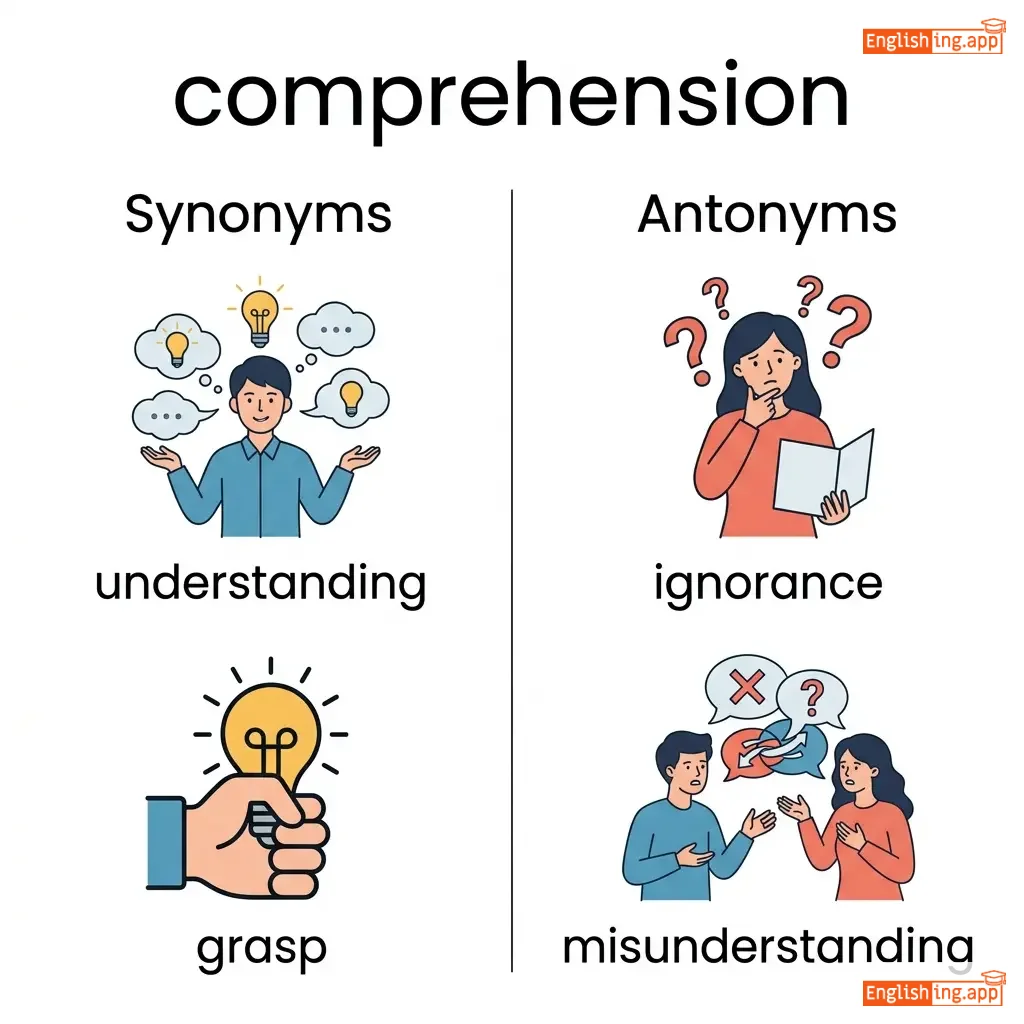
understanding, interpretation
••••••
|
misunderstanding, confusion
••••••
|
理解 – 对复杂理论的能力是不可忽视的。
••••••
|
|
#2068
🔍
|
ˌæn.əlˈɪt.ɪ.kəl
adjective
(分析的)
••••••
|
|
分析的, 研究性的, 逻辑的
fenxi de, yanjiu xing de, luojide
••••••
|
Using or skilled in using analysis (i.e., separating a whole—intellectual or substantial—into its elemental parts or basic principles).
••••••
|
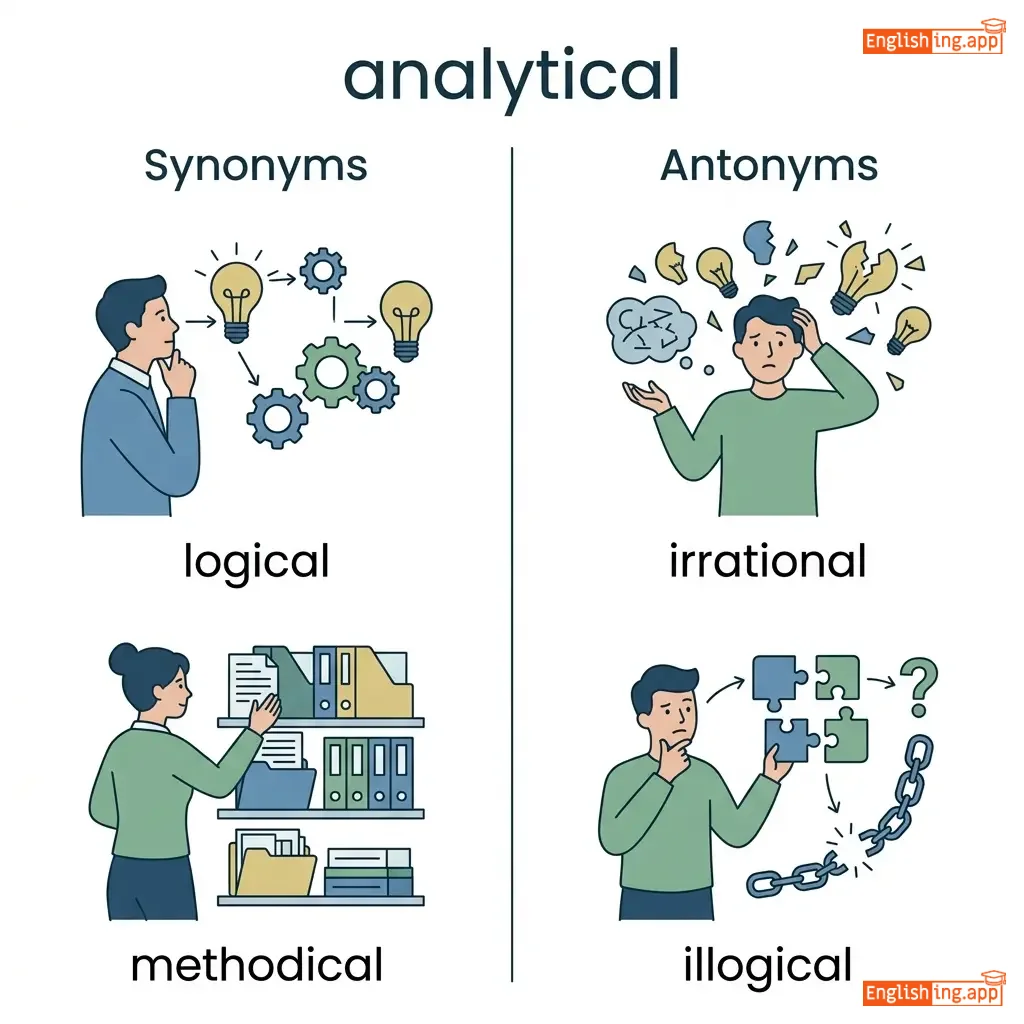
She has an analytical approach to problem-solving. |
她在解决问题时采用分析性方法。
Ta zai jiejue wenti shi caiyong fenxixing fangfa.
••••••
|
logical, investigative
••••••
|
illogical, irrational
••••••
|
分析的思维就像一把放大镜,帮助你解开问题的每一个细节。
••••••
|
|
#2069
🧲
|
əˈsɪm.ɪ.leɪt
verb
(同化)
••••••
|
|
同化, 融入, 接受
tónghuà, róngrù, jiēshòu
••••••
|
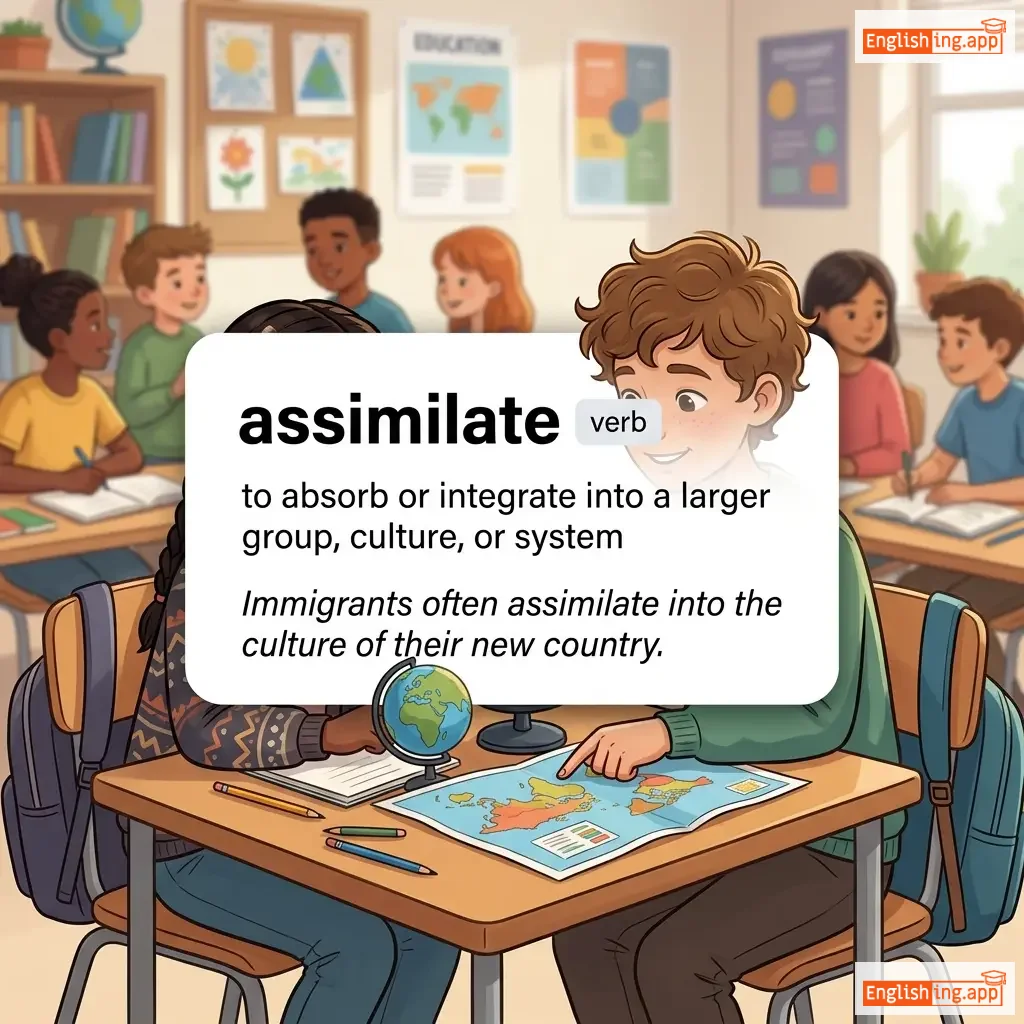
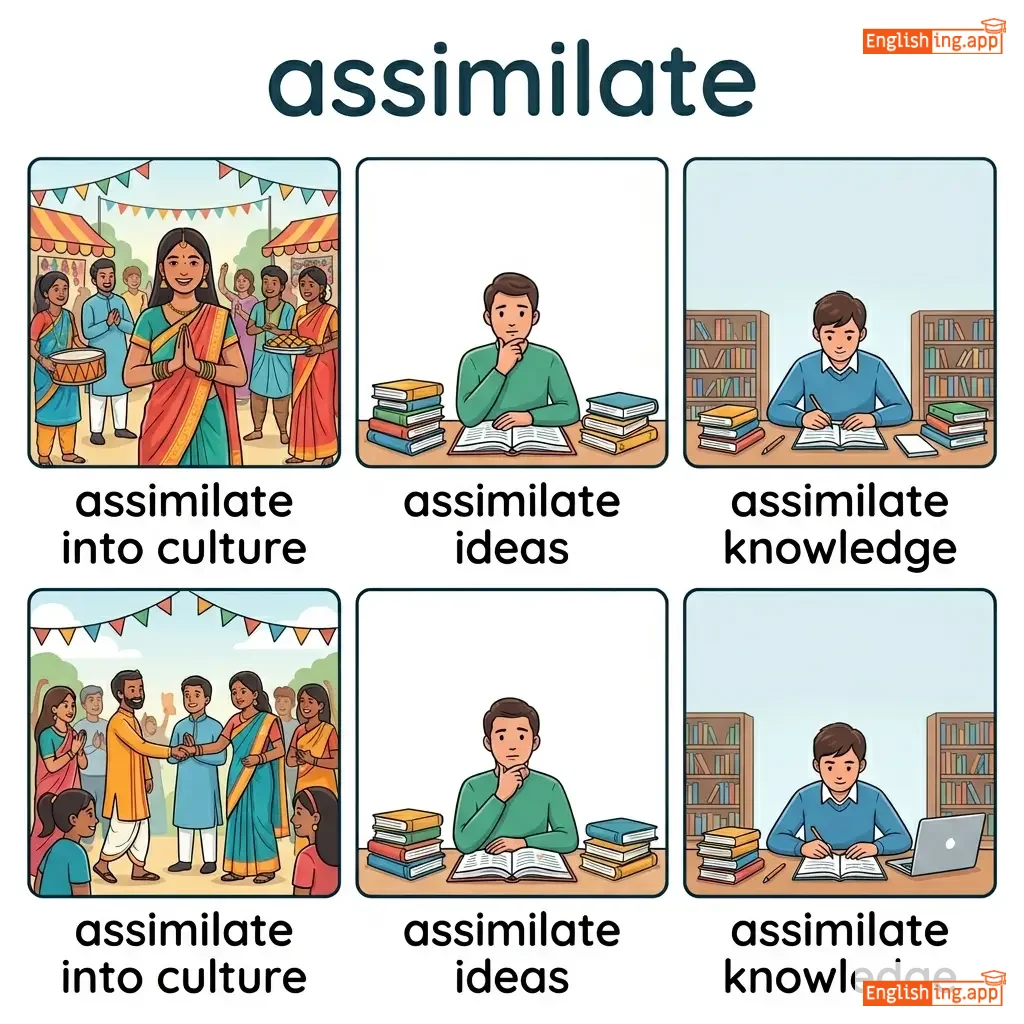
Take in (information, ideas, or culture) and understand fully.
••••••
|
Immigrants often assimilate into the local culture. |
移民经常融入当地文化。
Yímín jīngcháng rónɡrù dānɡdì wénhuà.
••••••
|
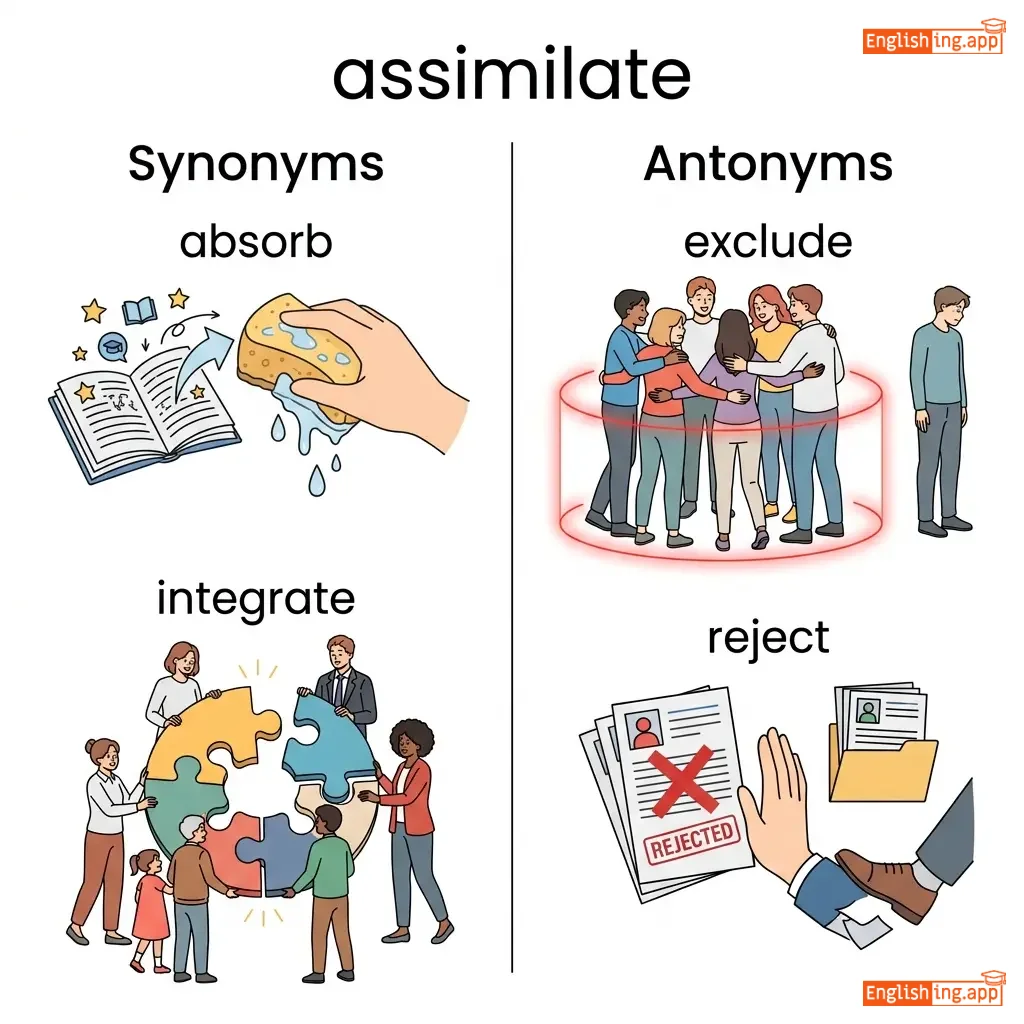
absorb, integrate
••••••
|
reject, isolate
••••••
|
同化就像是完全接纳新文化,就像移民融入当地的文化一样。
••••••
|
|
#2070
🎯
|
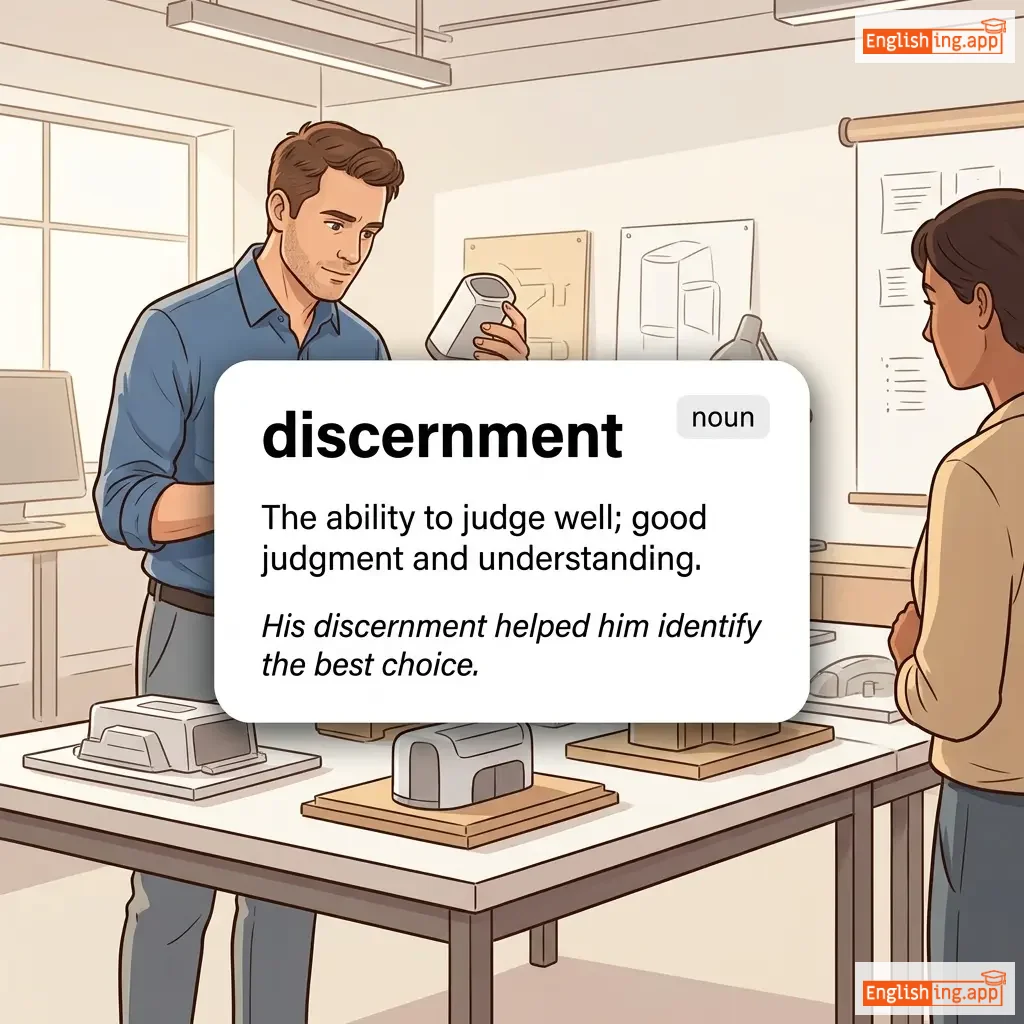
dɪˈsɝːn.mənt
noun
(迪瑟门特)
••••••
|
|
辨别力,良好判断的能力
biàn bié lì, liáng hǎo pàn duàn de néng lì
••••••
|
The ability to judge well.
••••••
|
His discernment in business decisions is remarkable. |
他在商业决策中的辨别力是显著的。
Tā zài shāng yè jué cè zhōng de biàn bié lì shì xiǎn zhù de.
••••••
|
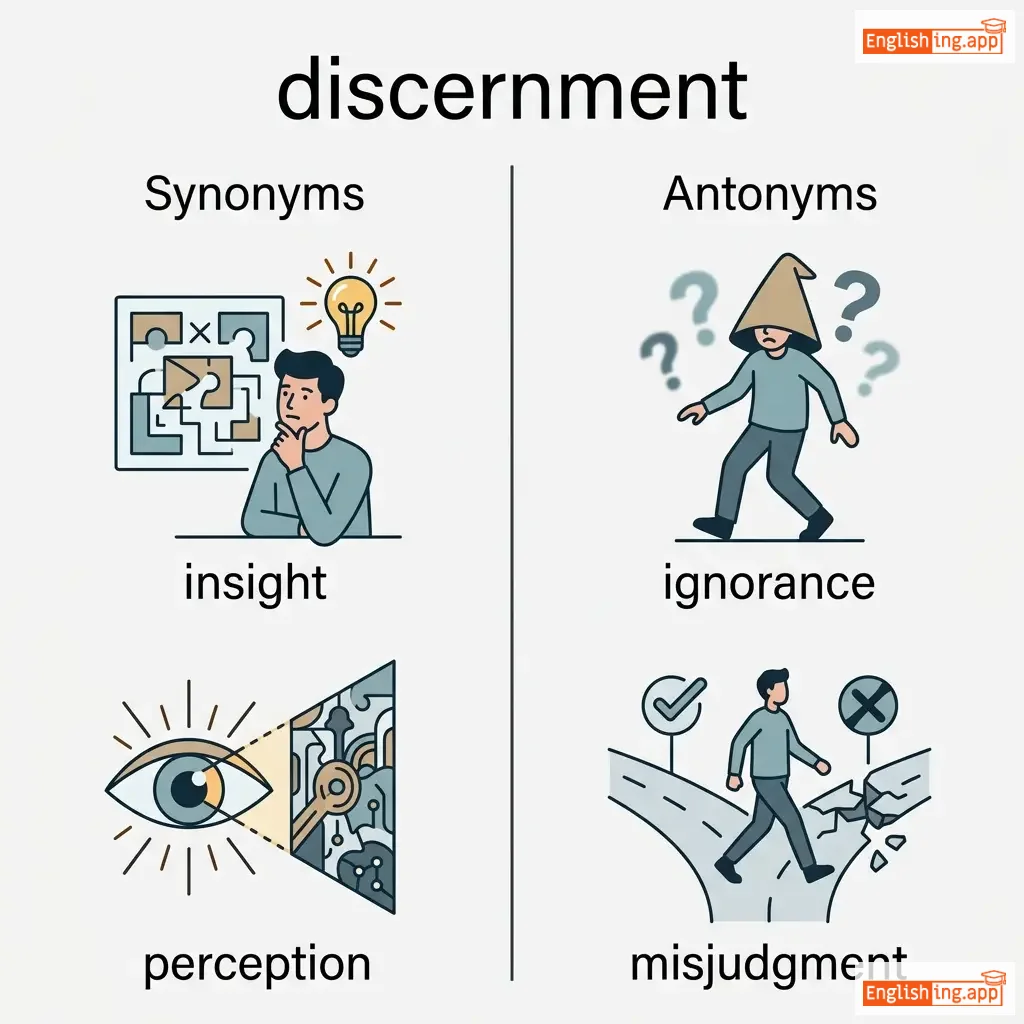
insight, perception
••••••
|
ignorance, misjudgment
••••••
|
辨别力 = discernment, ability to judge well
••••••
|
|
#2071
🎭
|
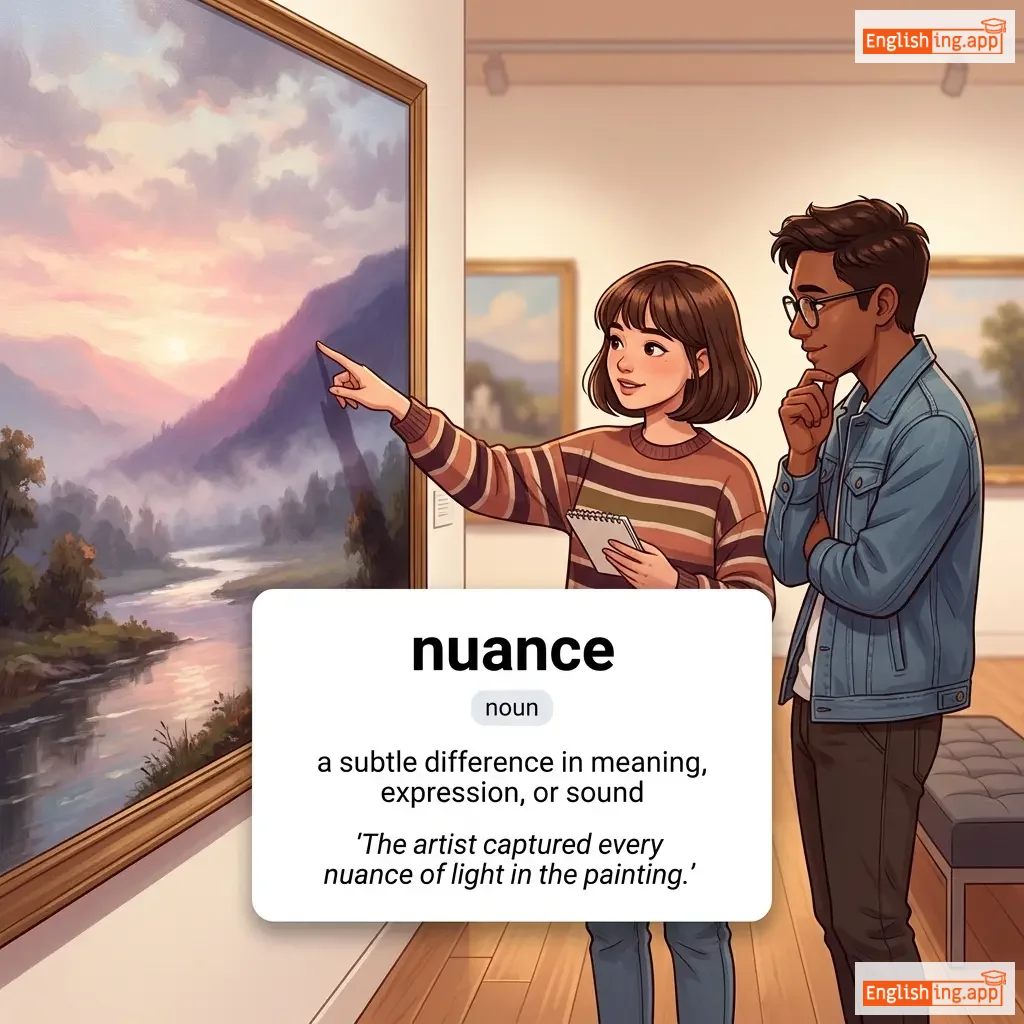
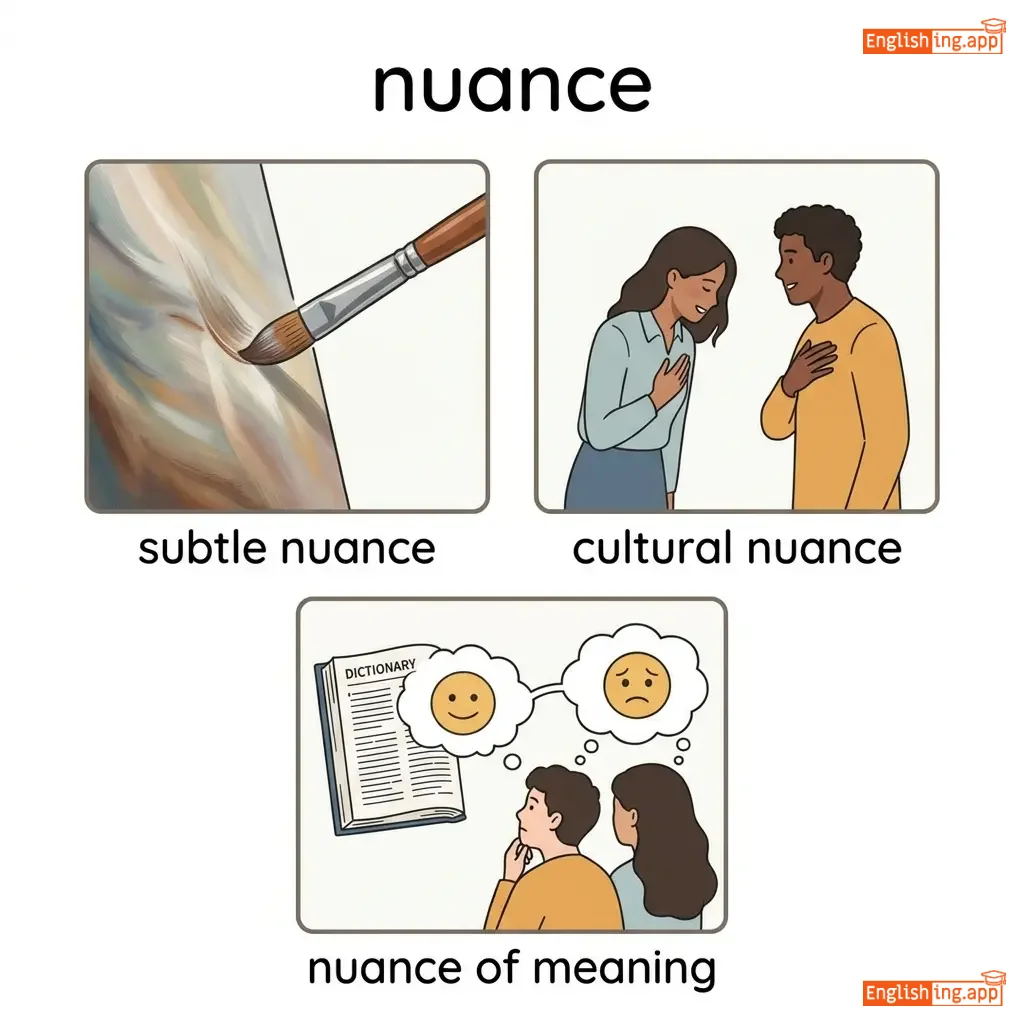
ˈnuː.ɑːns
noun
(纽安斯)
••••••
|
|
细微差别,微妙之处
xì wēi chā bié, wēi miào zhī chù
••••••
|
A subtle difference in or shade of meaning, expression, or response.
••••••
|
The nuance in her speech made it more impactful. |
她讲话中的细微差别让它更加有影响力。
Tā jiǎng huà zhōng de xì wēi chā bié ràng tā gèng jiā yǒu yǐng xiǎng lì.
••••••
|
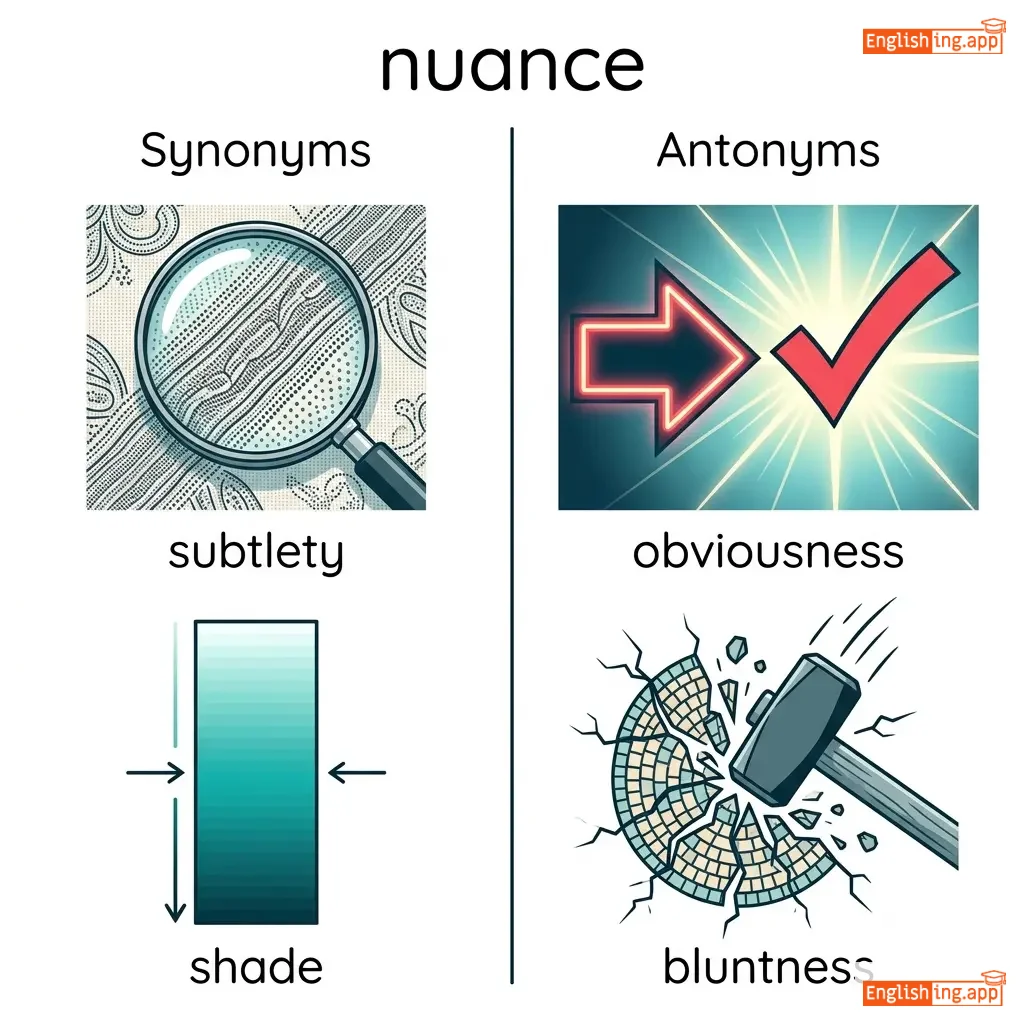
subtlety, refinement
••••••
|
obviousness, simplicity
••••••
|
Nuance 就像是细节中的小差异,可以让一切变得更重要。
••••••
|
|
#2072
🔗
|
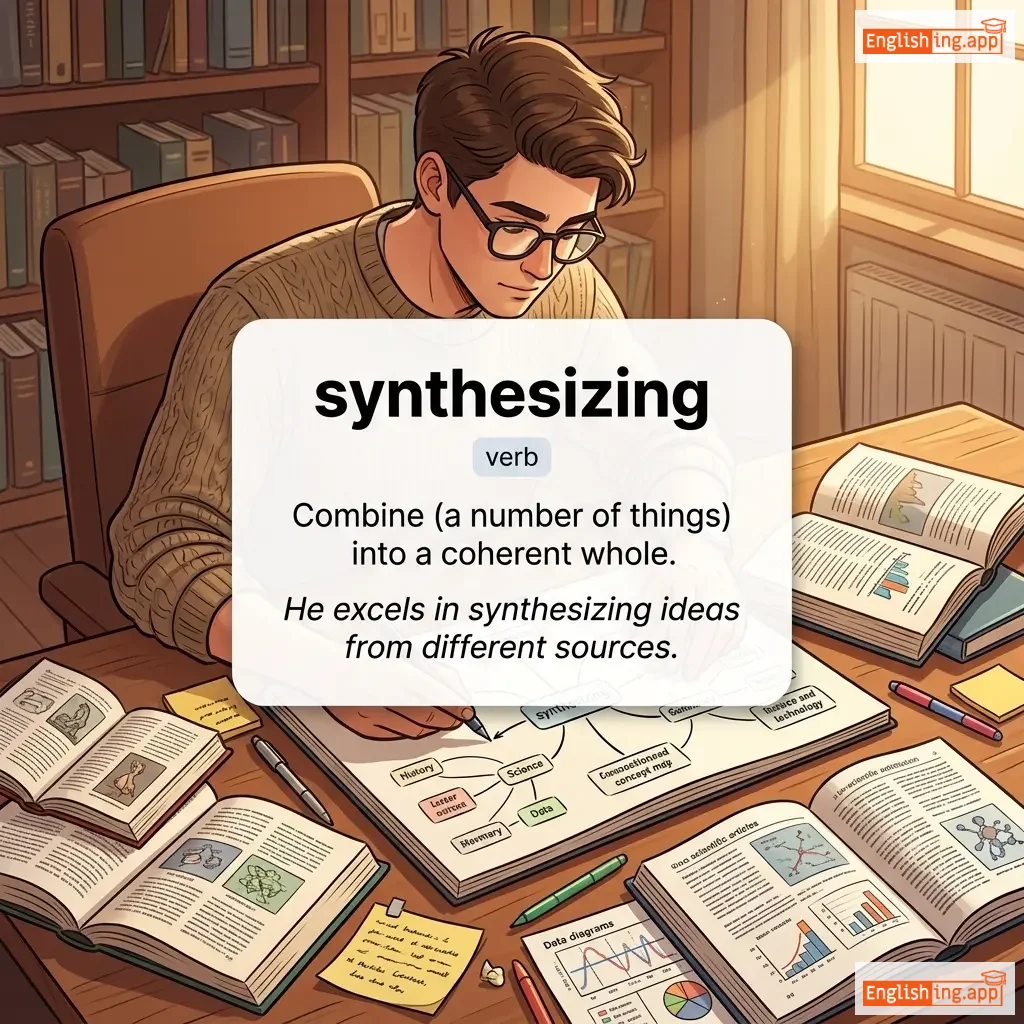
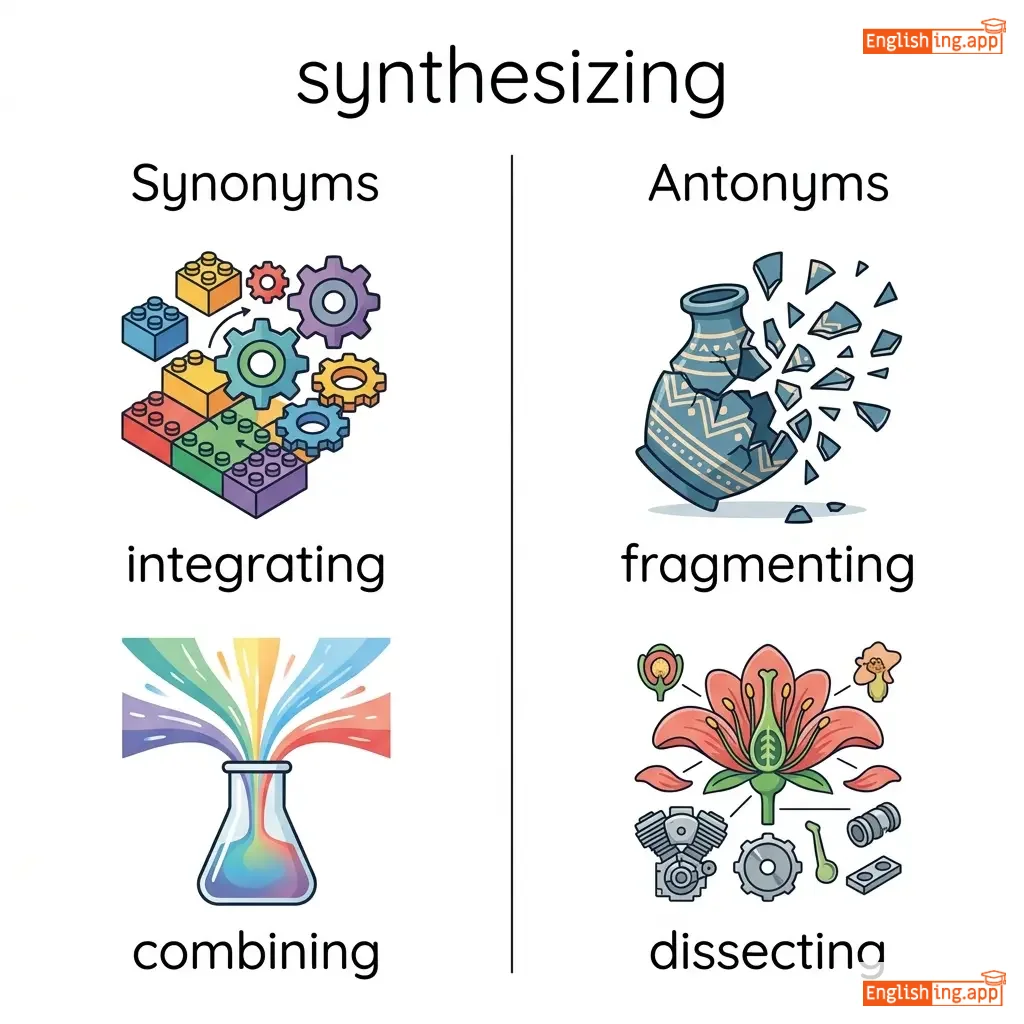
ˈsɪn.θə.saɪ.zɪŋ
verb
(sin.θe.saɪ.zɪŋ)
••••••
|
|
合成, 结合, 以一致的方式呈现
héchéng, jiéhé, yǐ yīzhì de fāngshì chéngxiàn
••••••
|
Combine (a number of things) into a coherent whole.
••••••
|
He excels in synthesizing ideas from different sources. |
他擅长将不同来源的想法进行合成。
Tā shàncháng jiāng bùtóng láiyuán de xiǎngfǎ jìnxíng héchéng.
••••••
|
integrating, combining
••••••
|
fragmenting, dissecting
••••••
|
合成想法在中文里意味着将事物按逻辑结合起来。
••••••
|
|
#2073
👁️
|
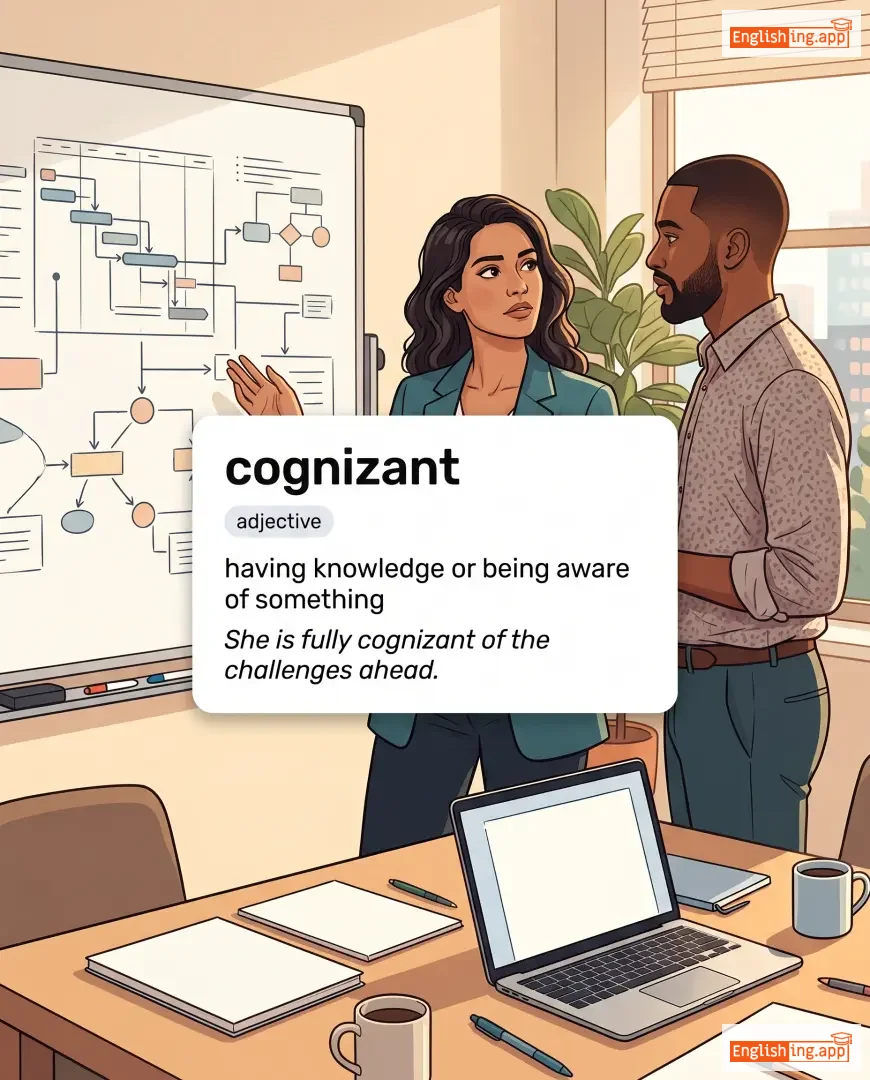
ˈkɒɡ.nɪ.zənt
adjective
(认知的)
••••••
|
|
意识到的
yìshí dào de
••••••
|
Having knowledge or being aware of.
••••••
|
We should be cognizant of the impact of our actions. |
我们应该意识到我们的行为的影响。
Wǒmen yīnggāi yìshí dào wǒmen de xíngwéi de yǐngxiǎng.
••••••
|
aware, mindful
••••••
|
unaware, oblivious
••••••
|
意识到的意思是你完全了解周围发生的事情。
••••••
|
|
#2074
🏗️
|
ˈpær.ə.daɪm
noun
(pā-lì-dài-mǔ)
••••••
|
|
范例, 模式
fanli, moshi
••••••
|
A typical example or pattern of something; a model.
••••••
|
The internet has changed the paradigm of communication. |
互联网改变了交流的范式。
Hulianwang gaibianle jiaoliu de fanli.
••••••
|
model, framework
••••••
|
disorganization, disorder
••••••
|
完美的交流模式,范例。
••••••
|
|
#2075
⚖️
|
dʒuːˈdɪʃ.əs
adjective
(judicious)
••••••
|
|
明智的, 理智的, 审慎的
míngzhì de, lǐzhì de, shěnshèn de
••••••
|
Having, showing, or done with good judgment or sense.
••••••
|
A judicious leader makes well-informed decisions.
一位明智的领导者做出明智的决策。
••••••
|
一位明智的领导者做出明智的决策。
Yī wèi míngzhì de lǐngdǎo zhě zuò chū míngzhì de juécè.
••••••
|
wise, prudent
••••••
|
reckless, impulsive
••••••
|
理智和智慧引导着我们做出明智的决策。
••••••
|
|
#2076
💭
|
ˌræʃ.ən.əl.ɪˈzeɪ.ʃən
noun
(理性化)
••••••
|
|
理性化
lǐxìnghuà
••••••
|
The practice of finding reasons for behavior or actions that are not the real reasons.
••••••
|
His rationalization of the mistake was not convincing. |
他对错误的理性化并不令人信服。
Ta dui cuowu de lǐxìnghuà bìng bù lìng rén xìnfú.
••••••
|
justification, explanation
••••••
|
irrationality, misinterpretation
••••••
|
理性化是用看似合理的理由来解释自己不真实的行为。
••••••
|
|
#2077
🤔
|
ˈɪn.fɚ.əns
noun
(推理)
••••••
|
|
推理, 结论, 基于证据和推理得出的结论
tuīlǐ, jiélùn, jīyú zhèngjù hé tuīlǐ déchū de jiélùn
••••••
|
A conclusion reached on the basis of evidence and reasoning.
••••••
|
Based on the evidence, his inference was accurate.
根据证据,他的推理是准确的。
••••••
|
根据证据,他的推理是准确的。
Gēnjù zhèngjù, tā de tuīlǐ shì zhǔnquè de.
••••••
|
conclusion, deduction
••••••
|
assumption, misjudgment
••••••
|
推理就像一位侦探根据证据得出结论。
••••••
|
|
#2078
📈
|
ɪkˈstræp.ə.leɪt
verb
(外推)
••••••
|
|
外推
wàituī
••••••
|
Extend the application of (a method or conclusion) to an unknown situation by assuming that existing trends will continue.
••••••
|
Scientists extrapolate future climate trends from past data. |
科学家们根据过去的数据外推未来的气候趋势。
Kēxuéjiāmen gēnjù guòqù de shùjù wàituī wèilái de qìhòu qūshì.
••••••
|
predict, infer
••••••
|
miscalculate, misinterpret
••••••
|
外推是将已知趋势延伸到未来。
••••••
|
|
#2079
🔬
|
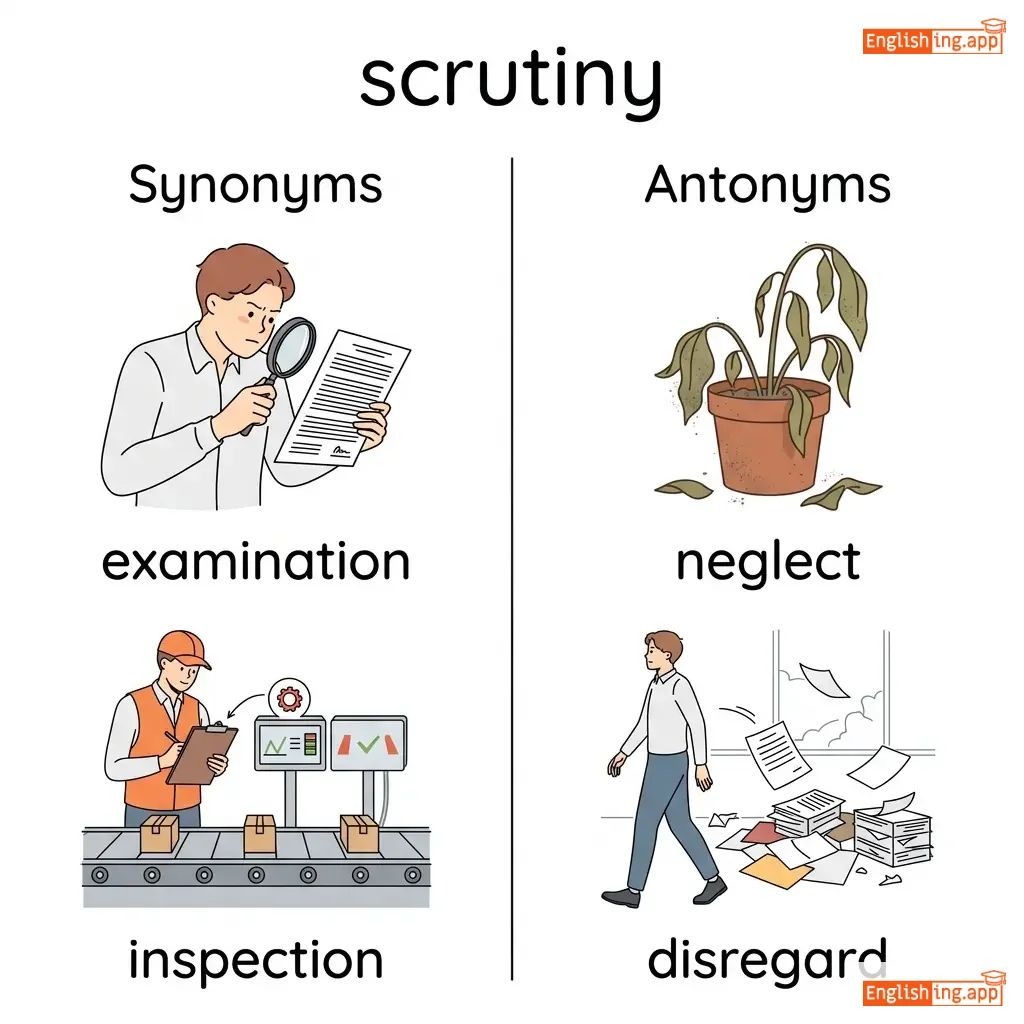
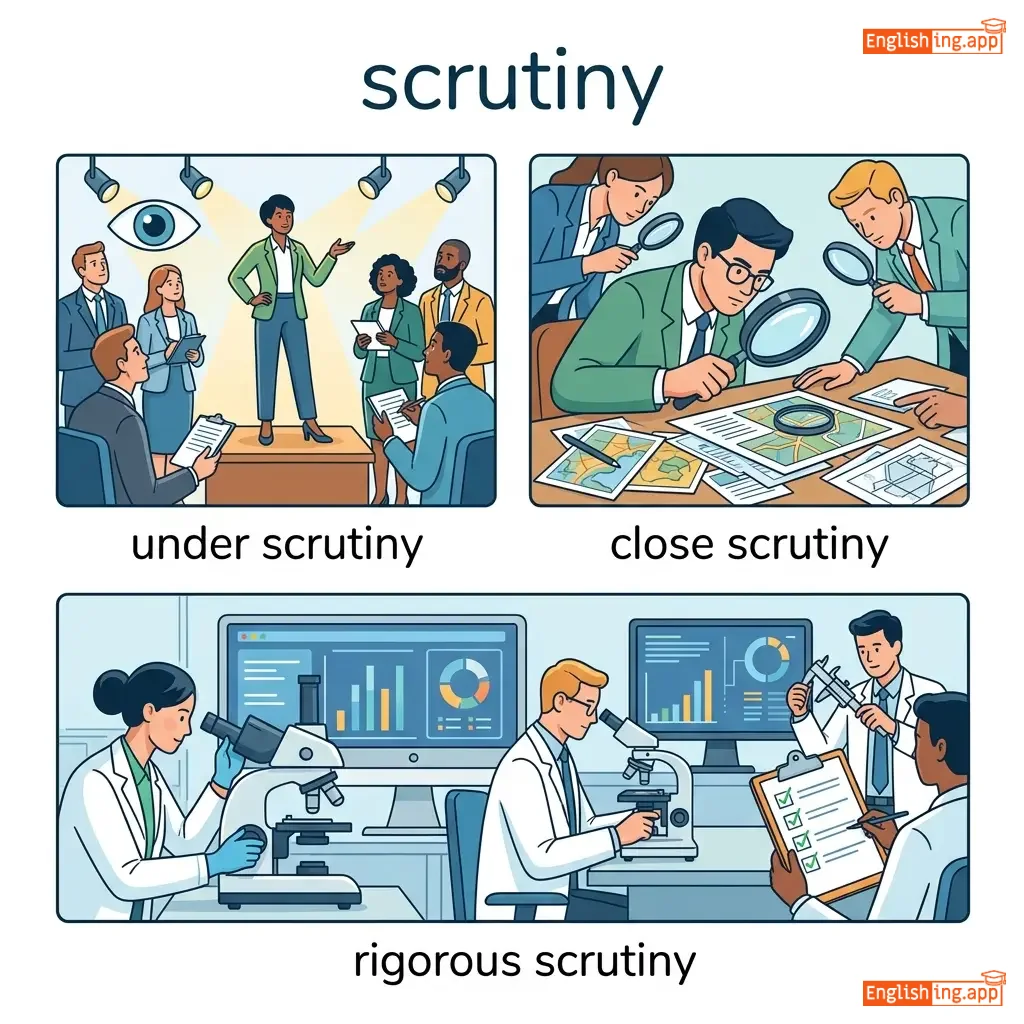
ˈskruː.tɪ.ni
noun
(scrutiny)
••••••
|
|
审查, 严格检查, 观察
shencha, yange jiancha, guancha
••••••
|
Critical observation or examination.
••••••
|
The report is under intense scrutiny by experts. |
报告正受到专家的严格审查。
Baogao zheng shoudao zhuanjia de yange shencha.
••••••
|
inspection, examination
••••••
|
neglect, oversight
••••••
|
审查每一个细节揭示真相。
••••••
|
|
#2080
🪞
|
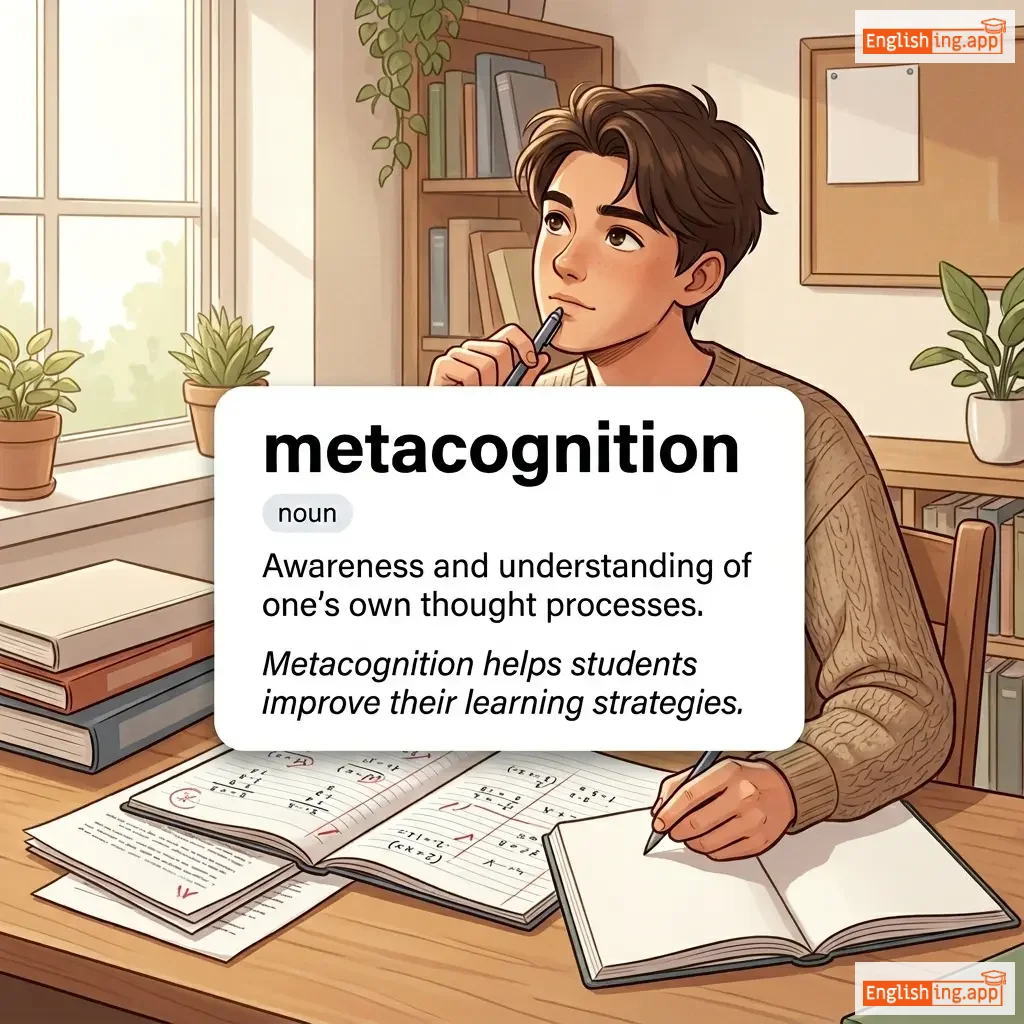
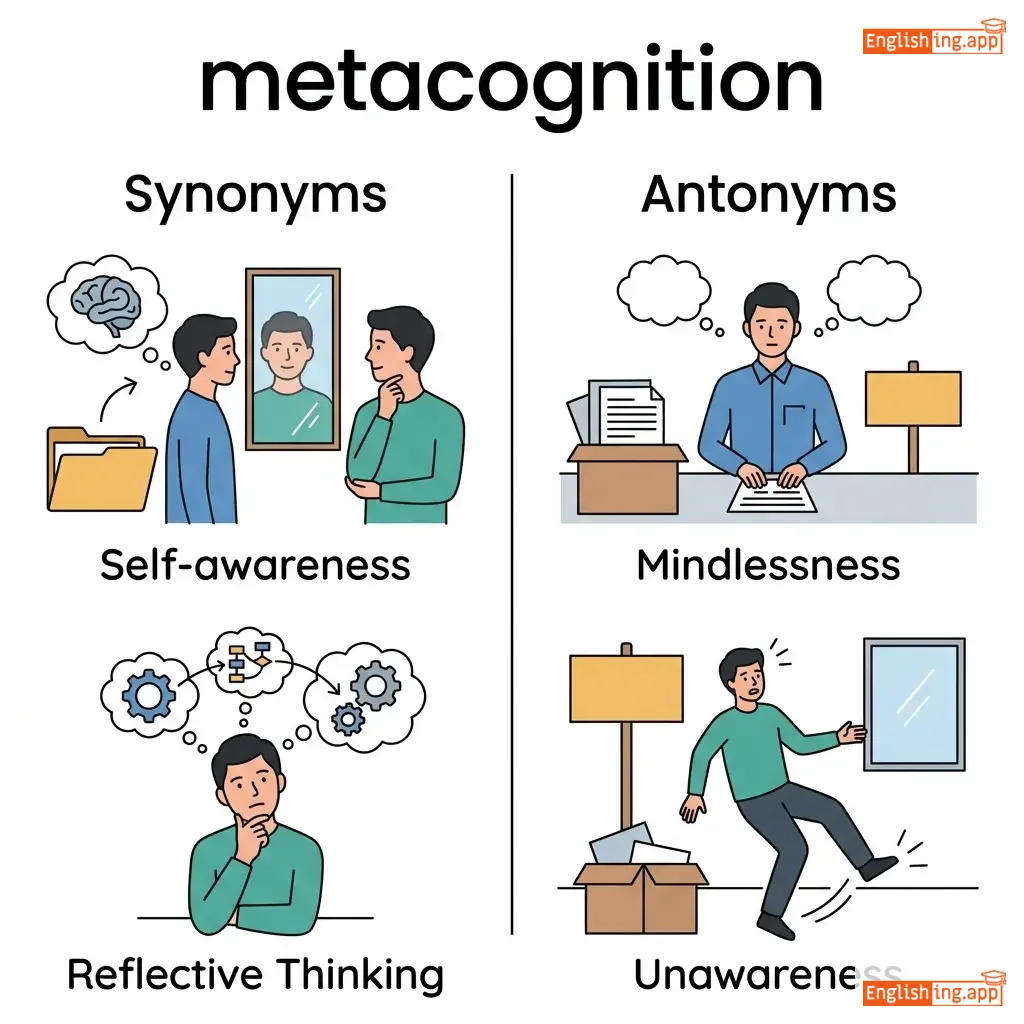
ˌmet.ə.kɒɡˈnɪʃ.ən
noun
(元认知)
••••••
|
|
意识到并理解自己的思维过程
yìshí dào bìng lǐjiě zìjǐ de sīwéi guòchéng
••••••
|
Awareness and understanding of one's own thought processes.
••••••
|
Metacognition helps students assess their own learning strategies.
元认知帮助学生评估他们自己的学习策略。
••••••
|
元认知帮助学生评估他们自己的学习策略。
Yuán rènzhī bāngzhù xuéshēng pínggū tāmen zìjǐ de xuéxí cèlüè.
••••••
|
self-awareness, reflection
••••••
|
unawareness, ignorance
••••••
|
Metacognition is the awareness of one's thoughts, helping to assess learning strategies.
••••••
|
|
#2081
🎤
|
ˈel.ə.kwəns
noun
(éluòkuànsī)
••••••
|
|
雄辩,流利且有说服力的演讲或写作
xióngbiàn, liúlì qiě yǒu shuōfú lì de yǎnjiǎng huò xiězuò
••••••
|
Fluent or persuasive speaking or writing.
••••••
|
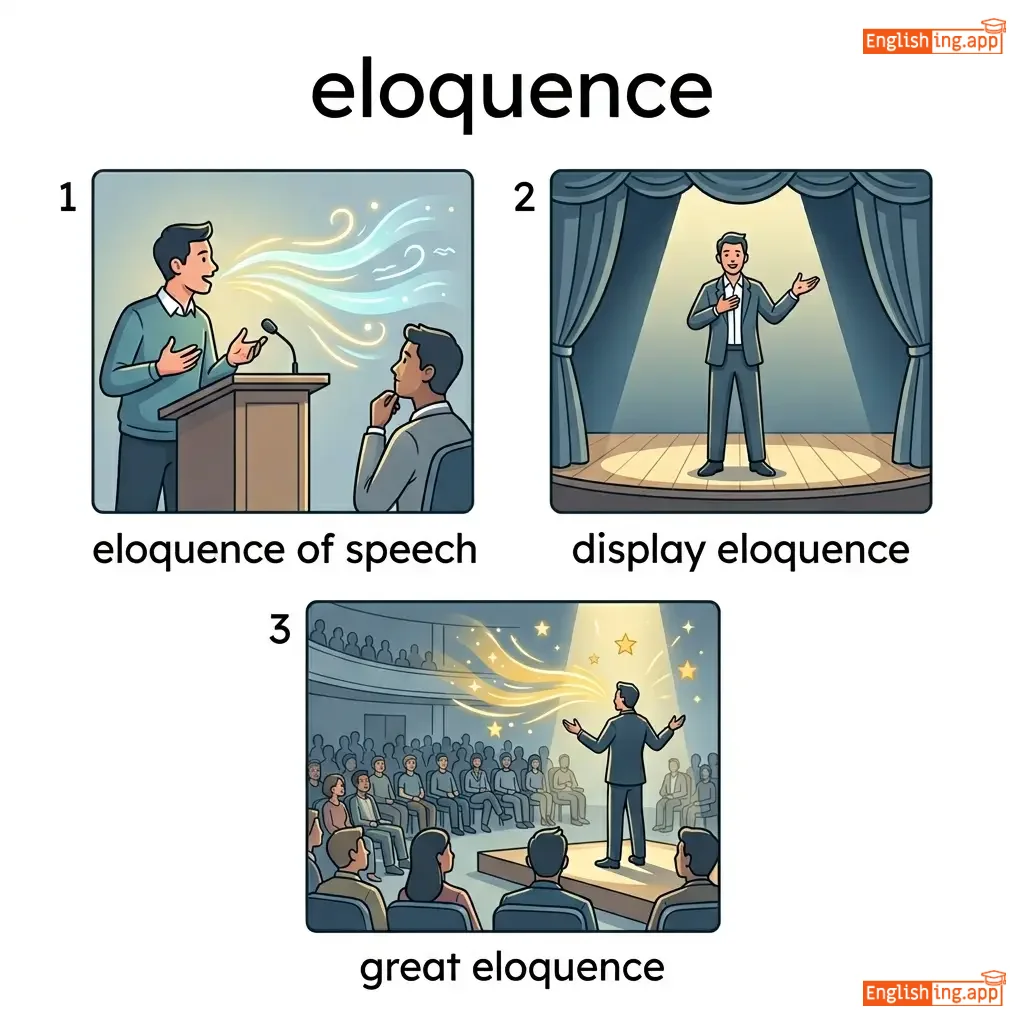
His eloquence made the speech inspiring.
他的雄辩使演讲充满灵感。
••••••
|
他的雄辩使演讲充满灵感。
Tā de xióngbiàn shǐ yǎnjiǎng chōngmǎn línggǎn.
••••••
|
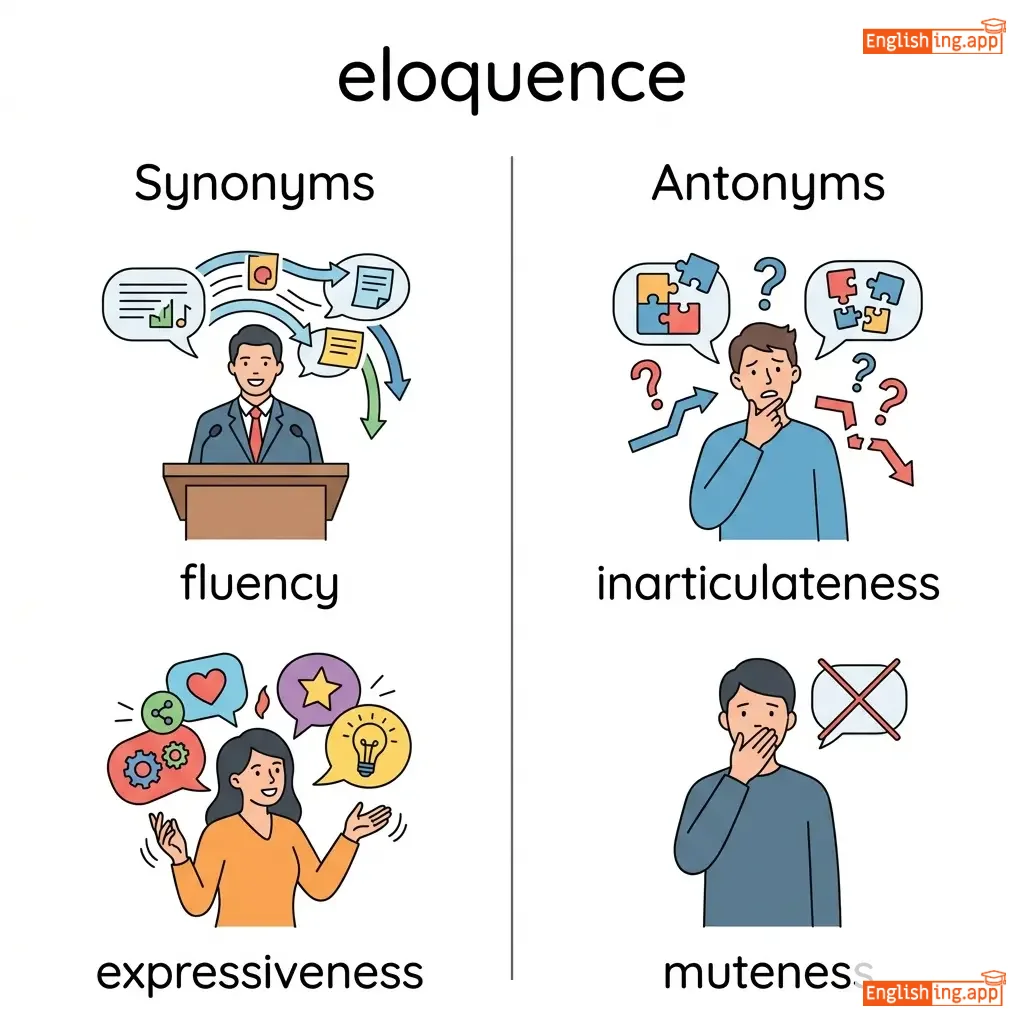
articulacy, fluency
••••••
|
incoherence, hesitation
••••••
|
In Chinese, '雄辩' refers to eloquence, the ability to speak persuasively, just like the English 'eloquence'.
••••••
|
Vocabulary Quiz
Test your vocabulary by matching words with their translations or meanings.
Login to take the quiz
Comments (0)
Share your thoughts and join the discussion.
Join the discussion by logging in
Login to CommentNo comments yet
Be the first to share your thoughts!