

Time-blocking 如何提高效率
How Time-Blocking Improves Efficiency
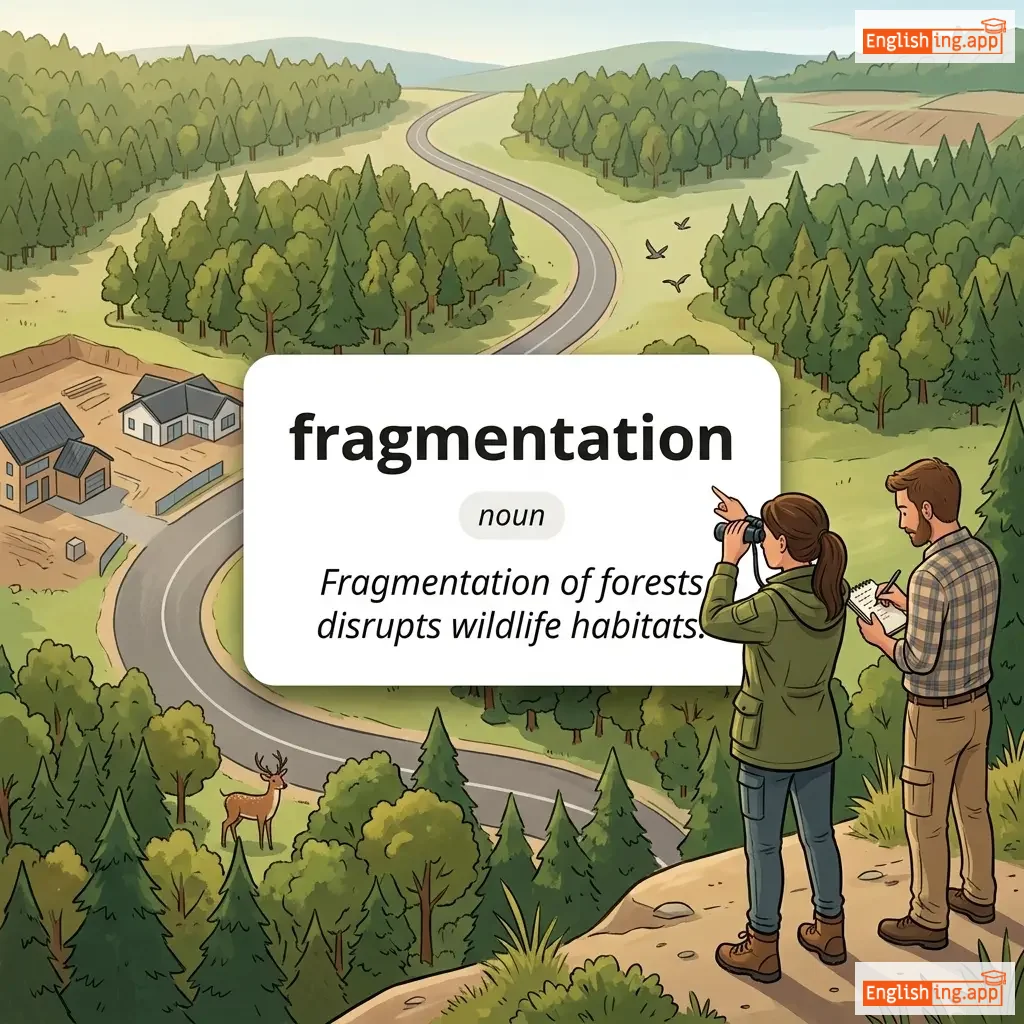
Time-blocking 是一种帮助我们提高 efficiency 的技巧。当我们正确管理任务的 allotment 时,fragmentation 会减少,并形成 optimal 的 workflow。
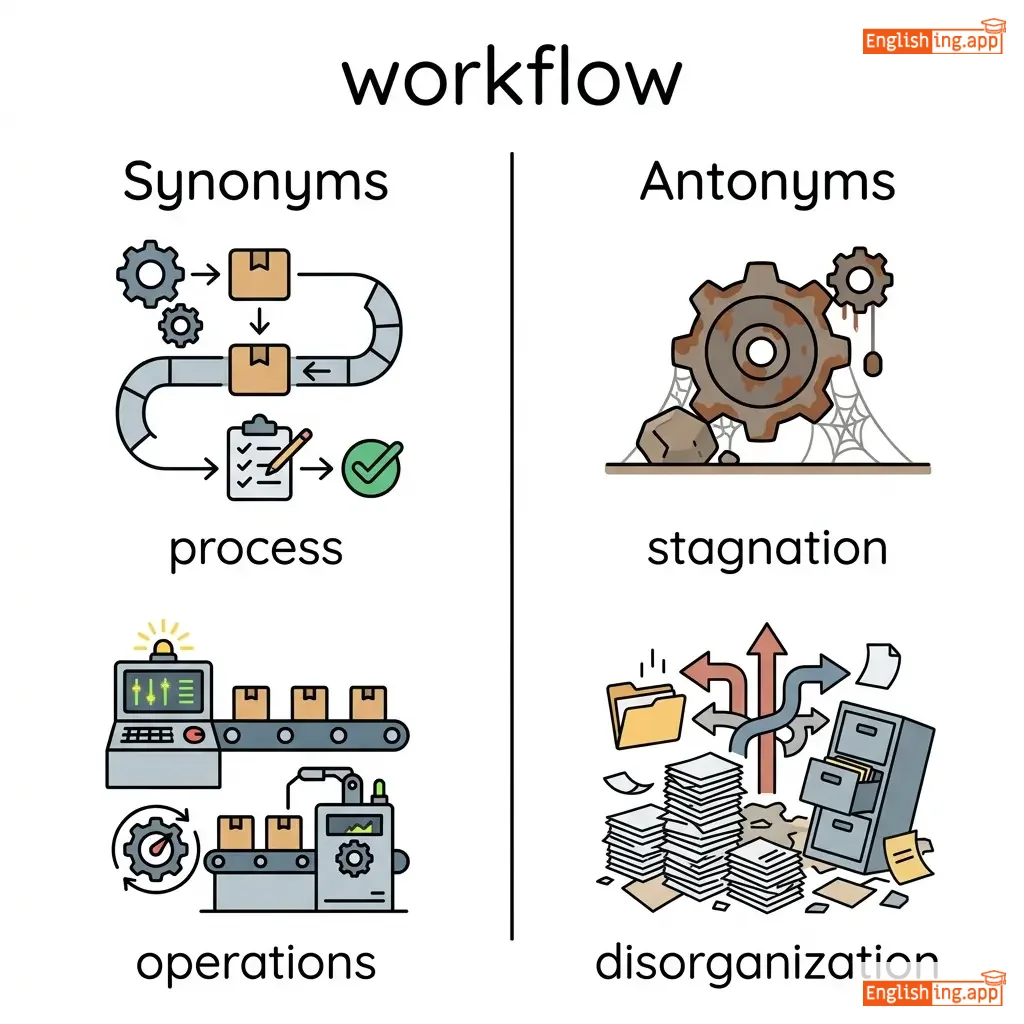
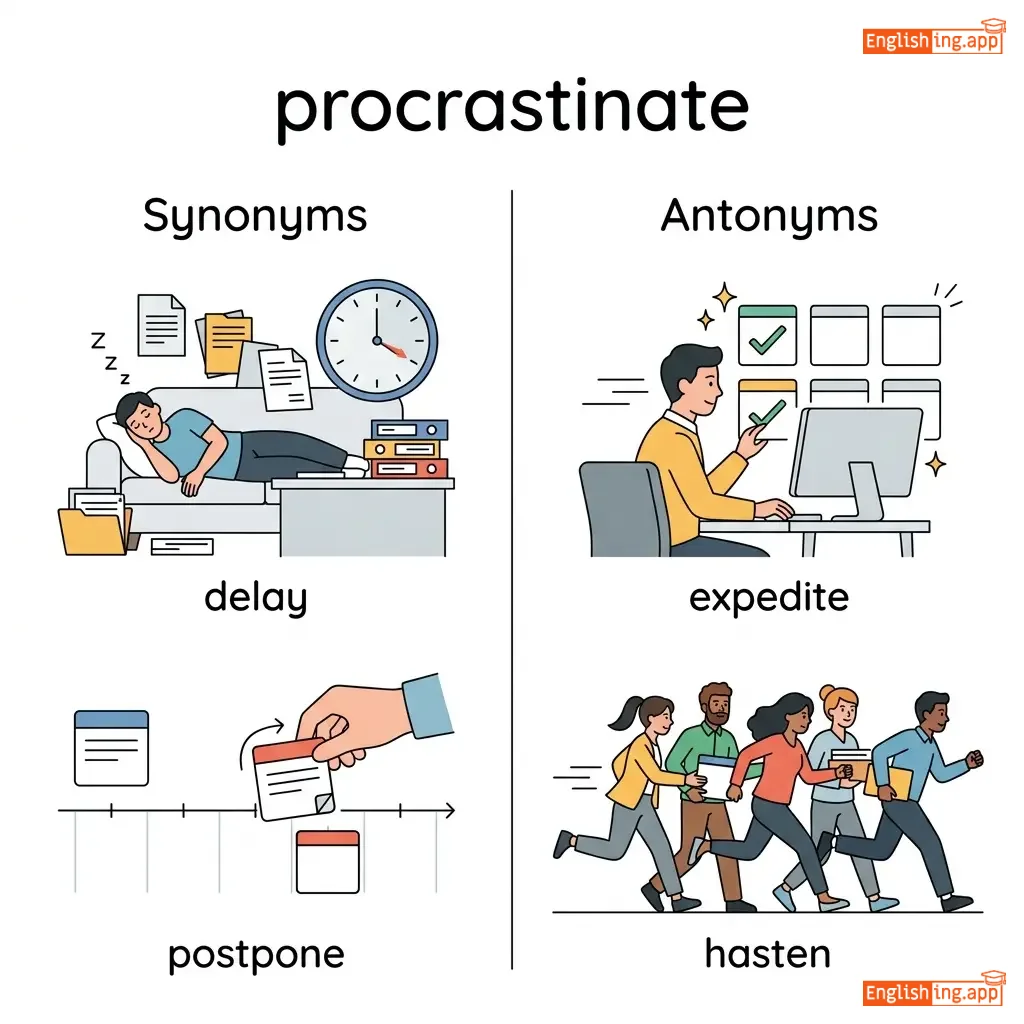
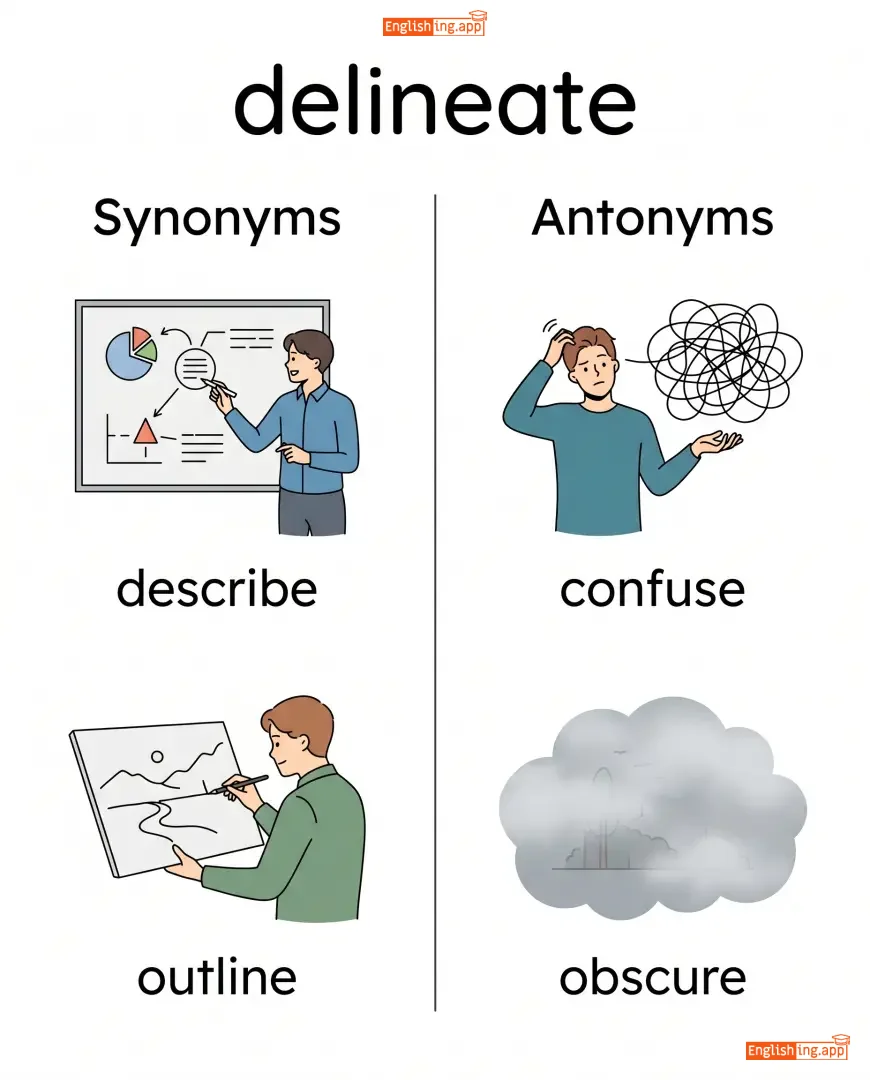
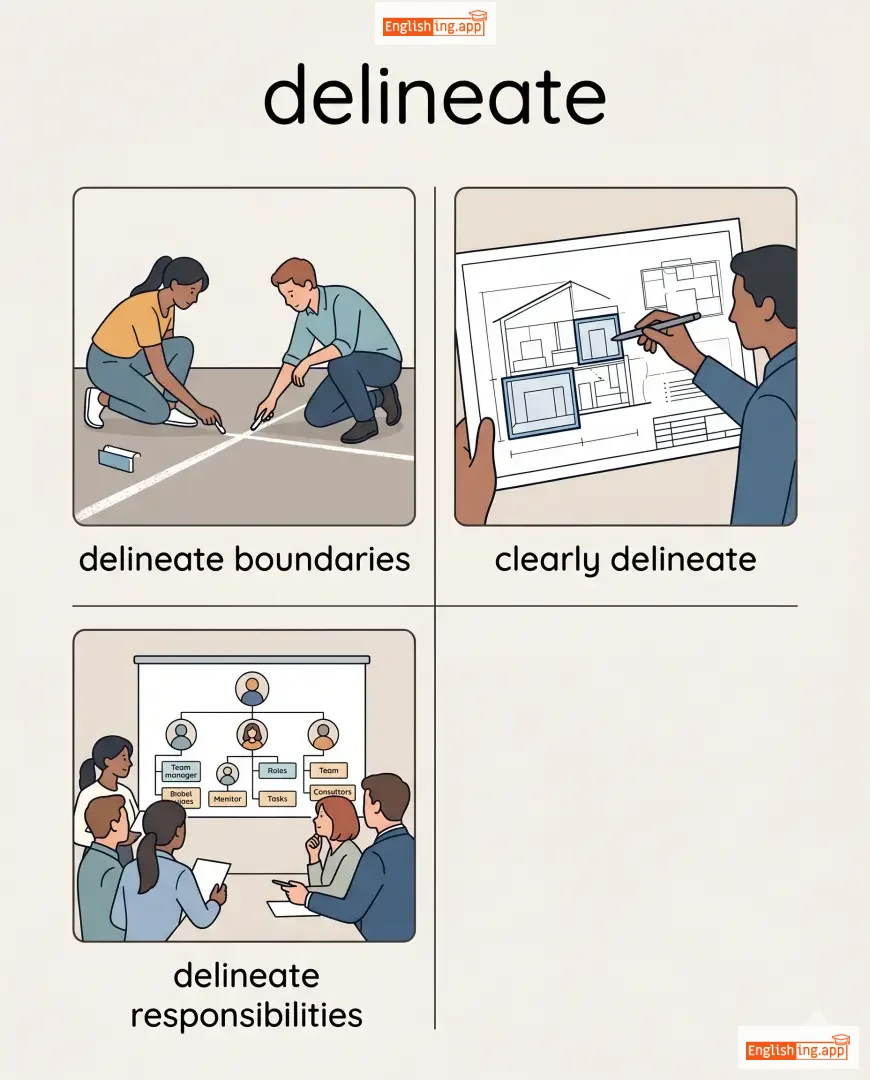
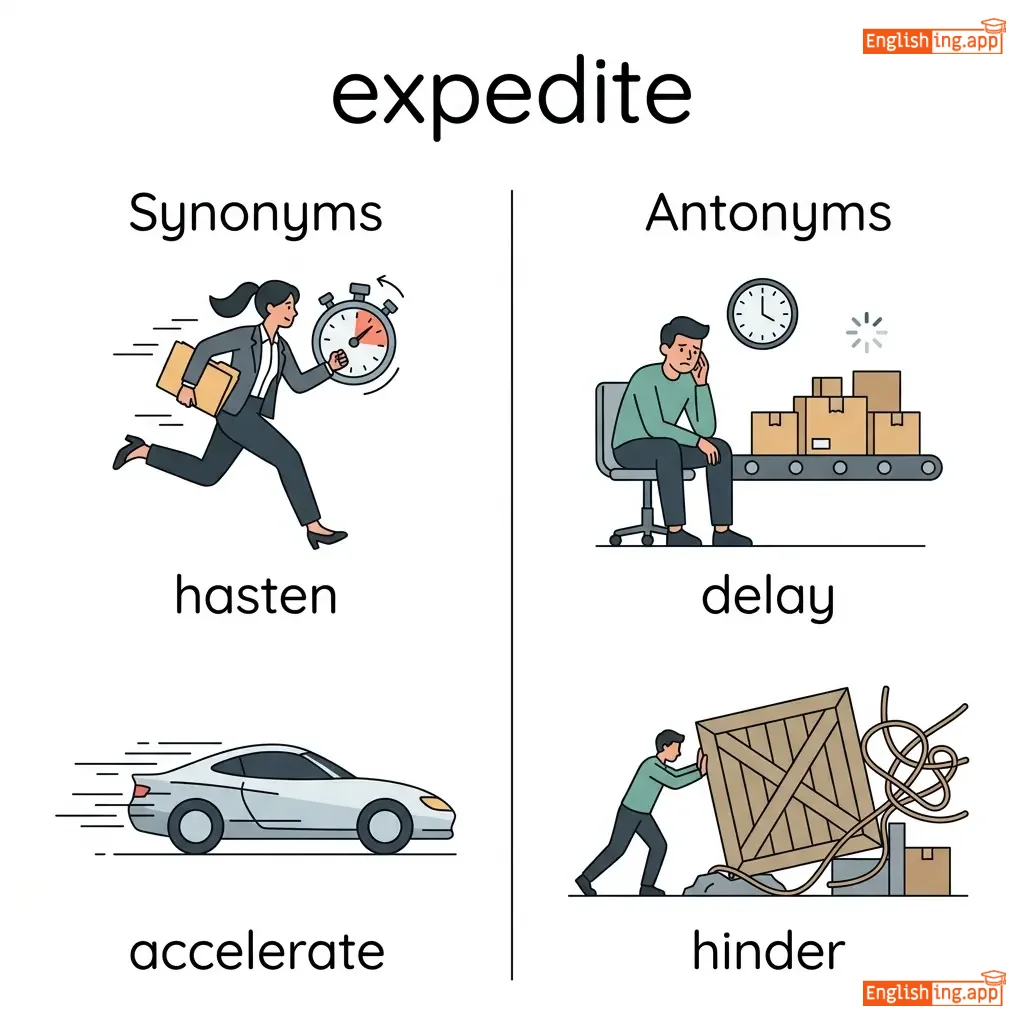
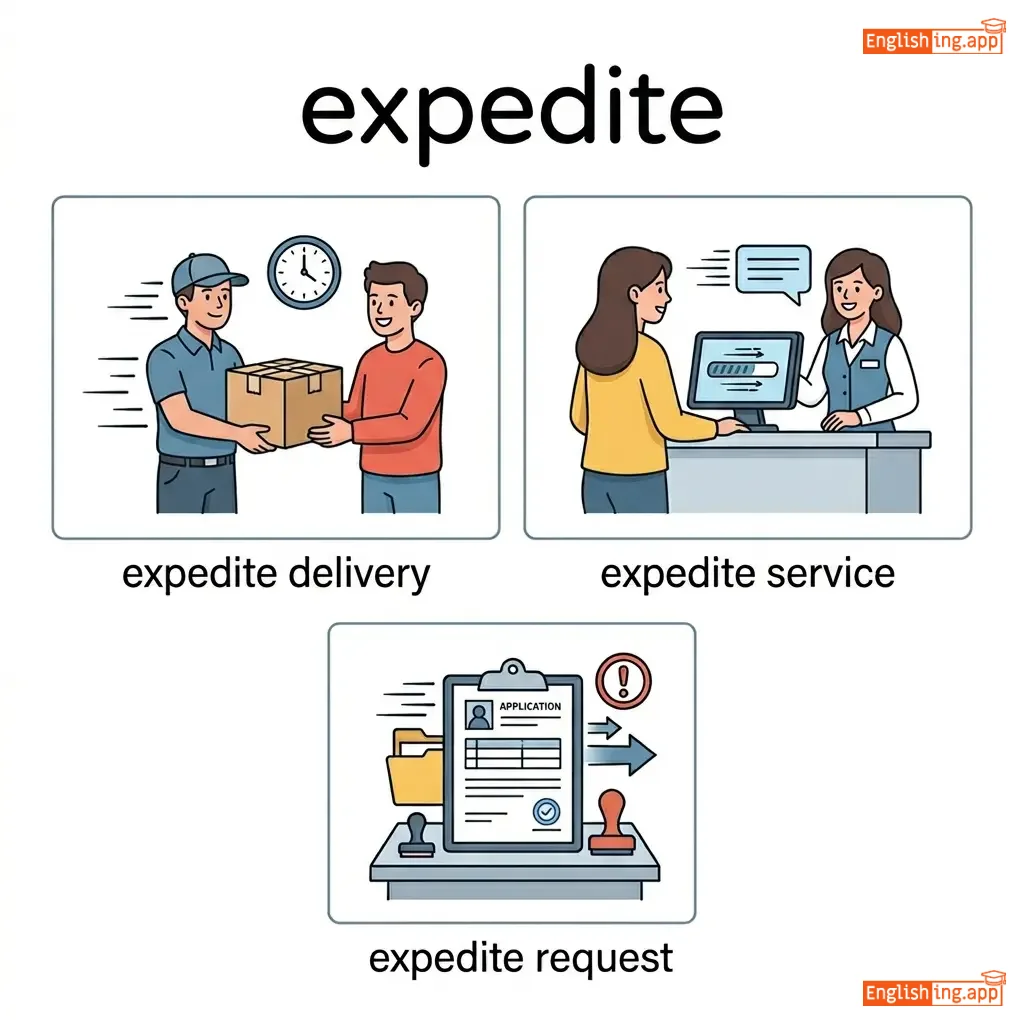
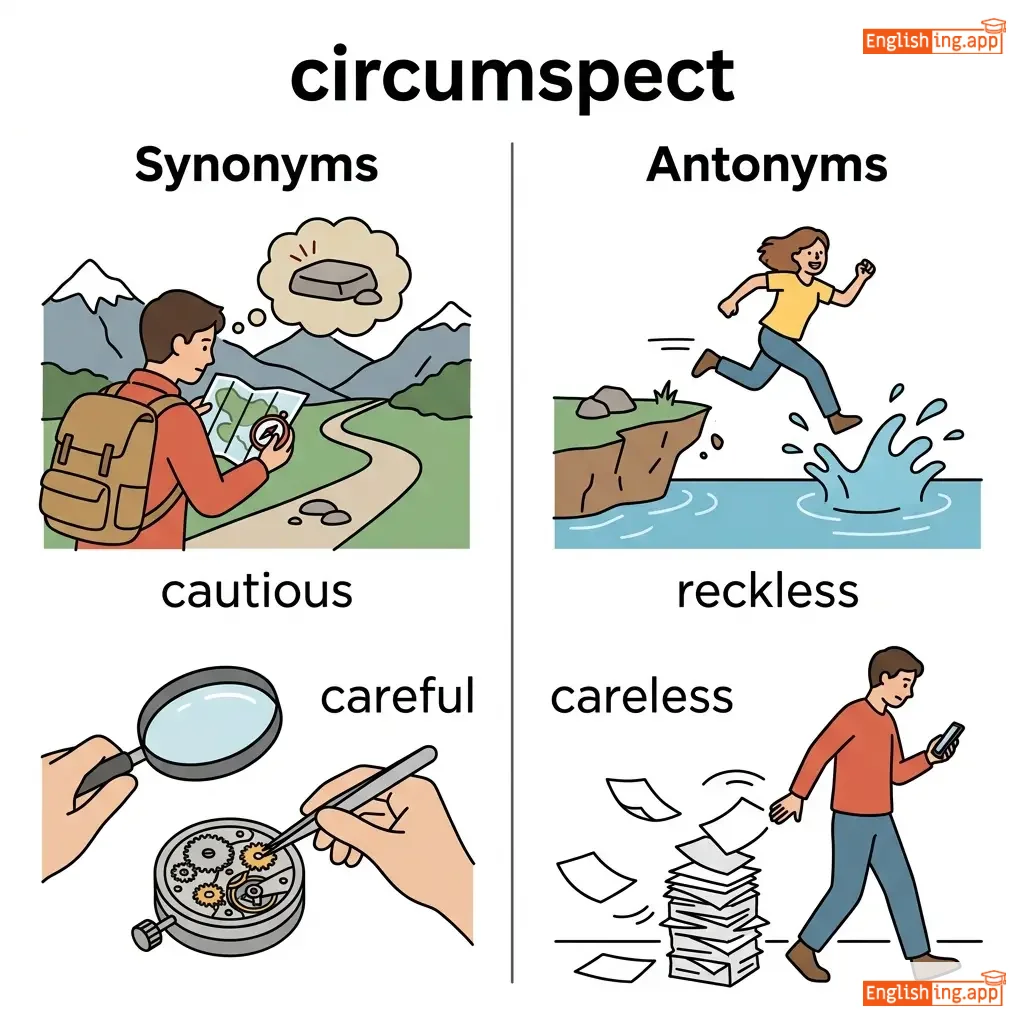
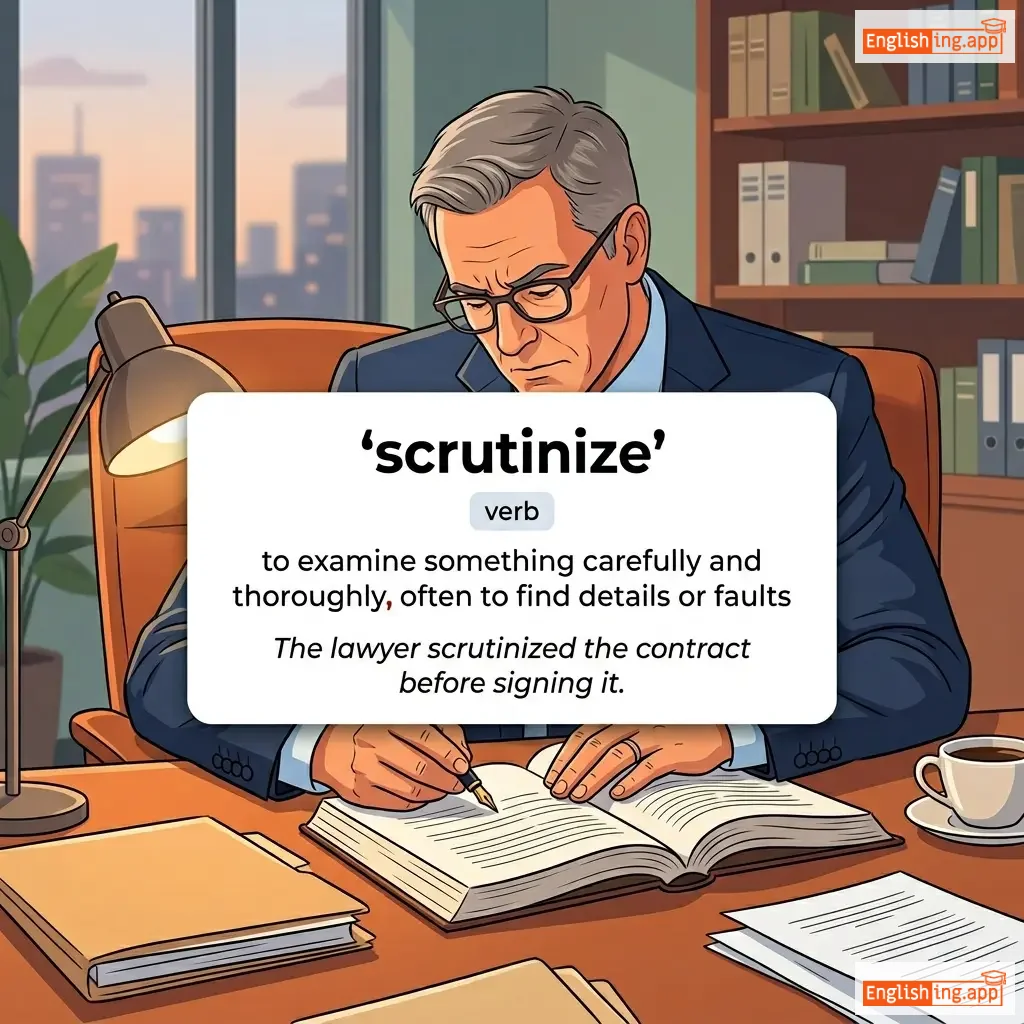
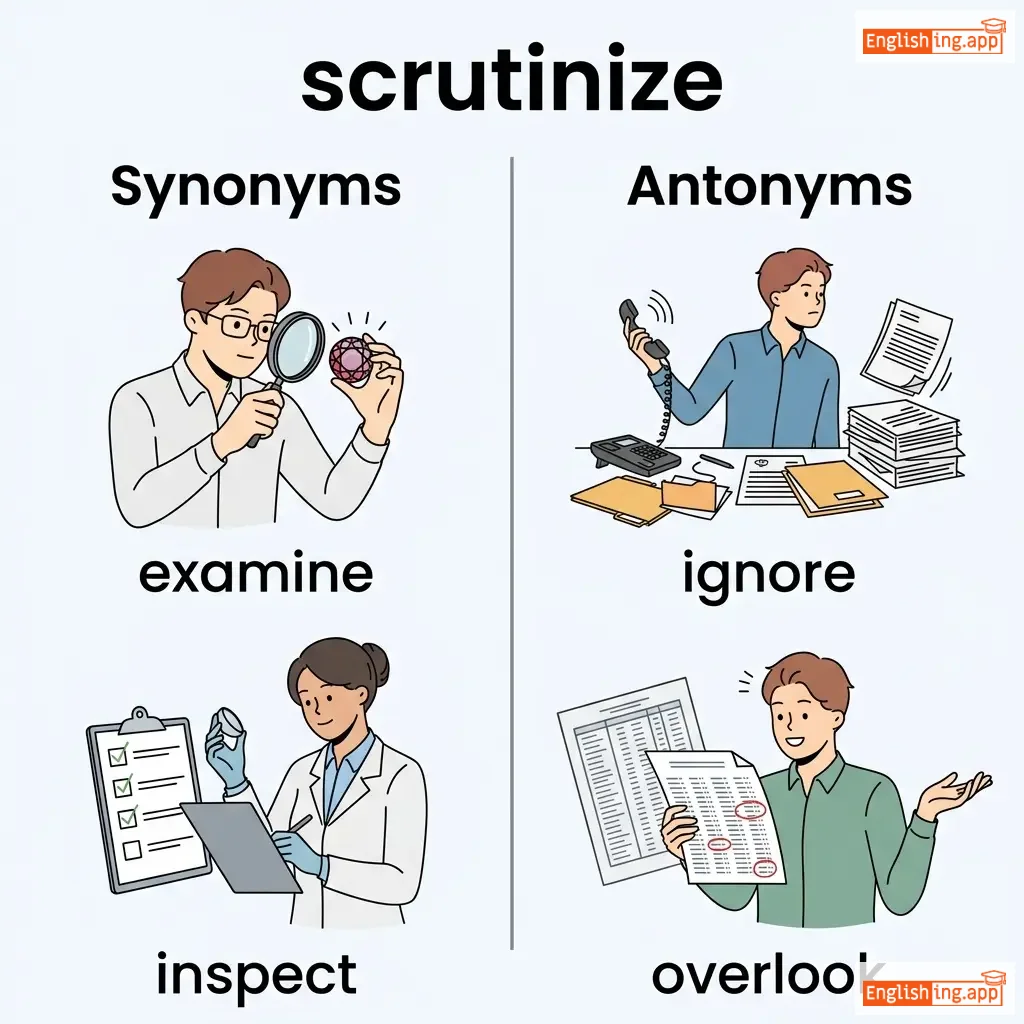
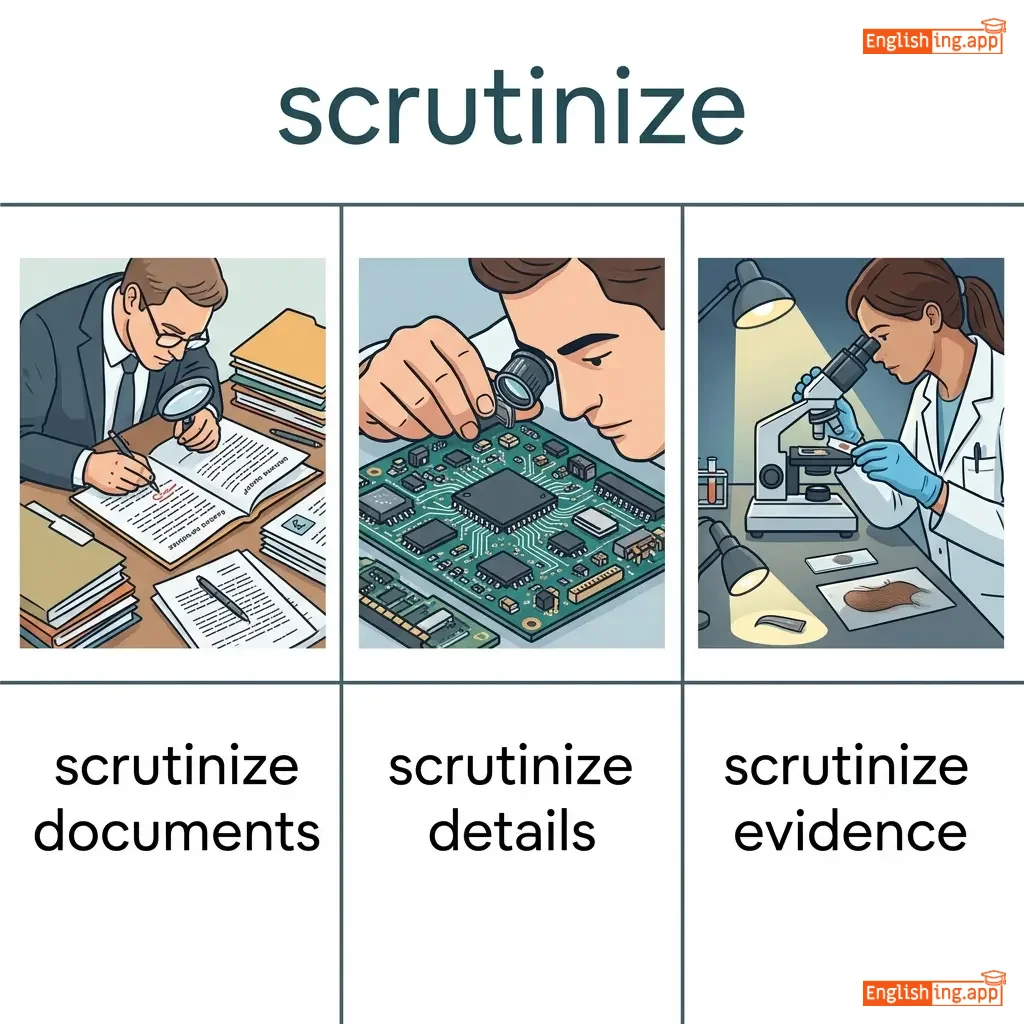
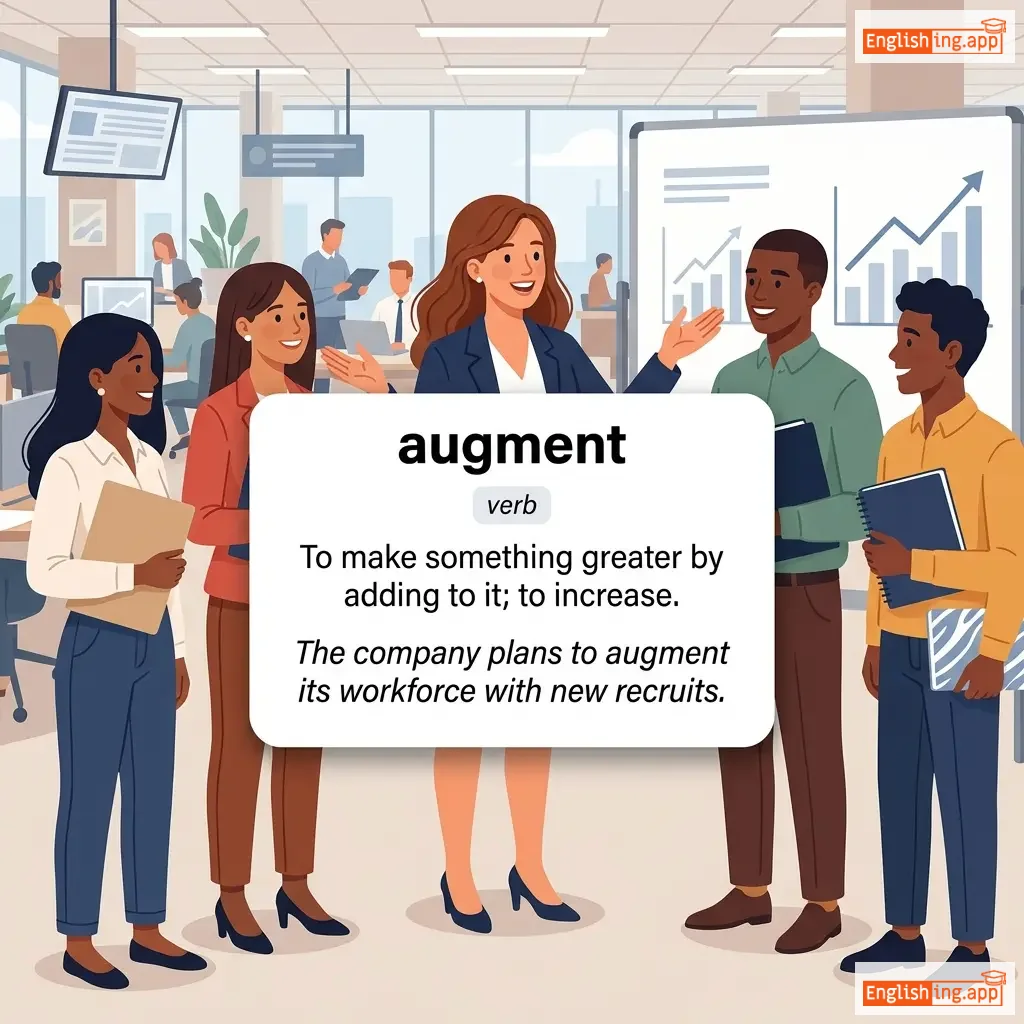
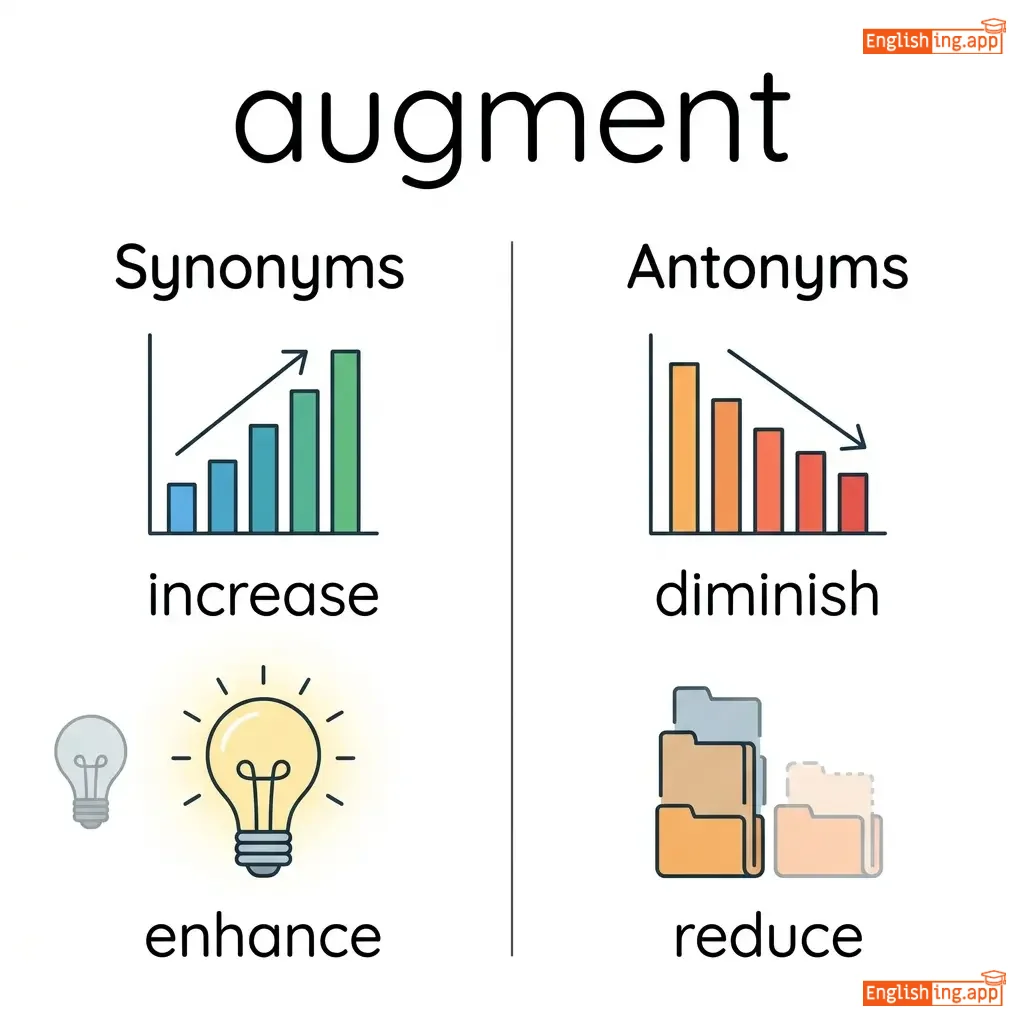
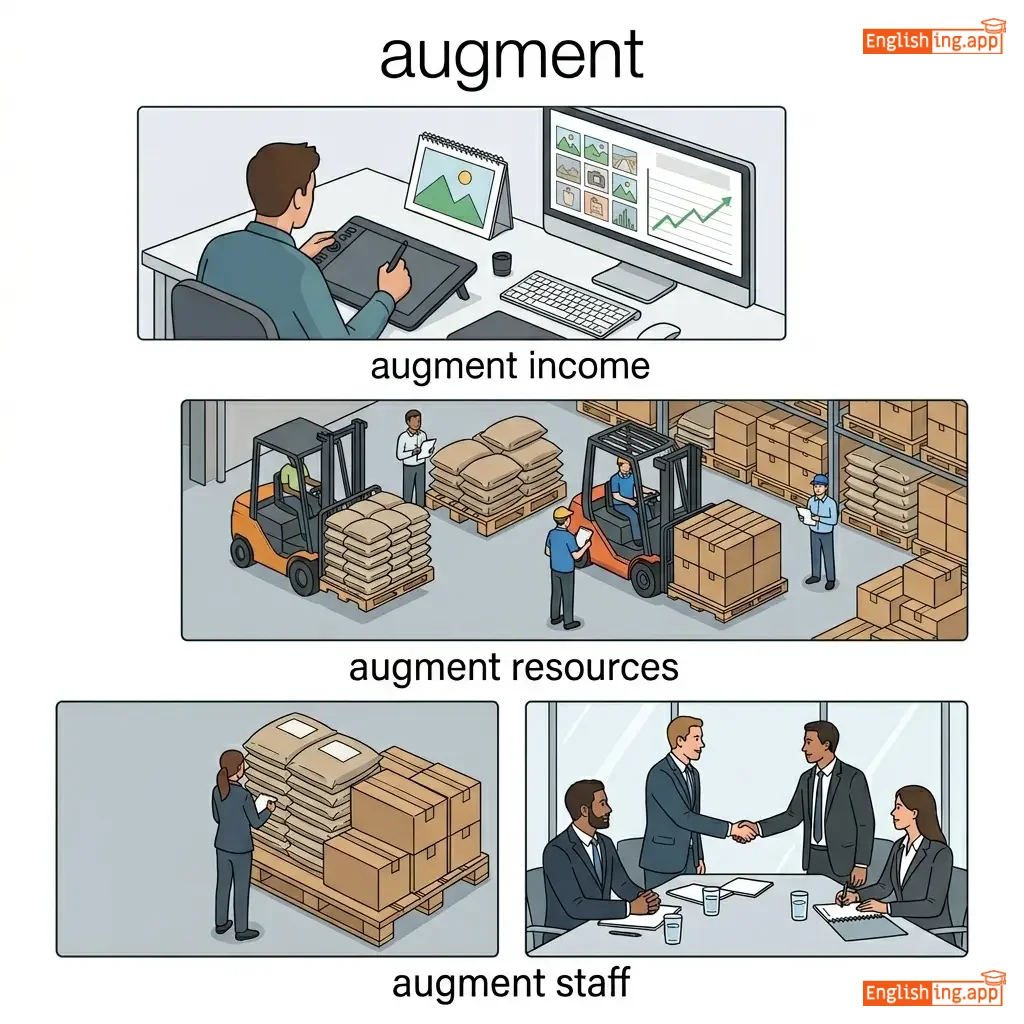
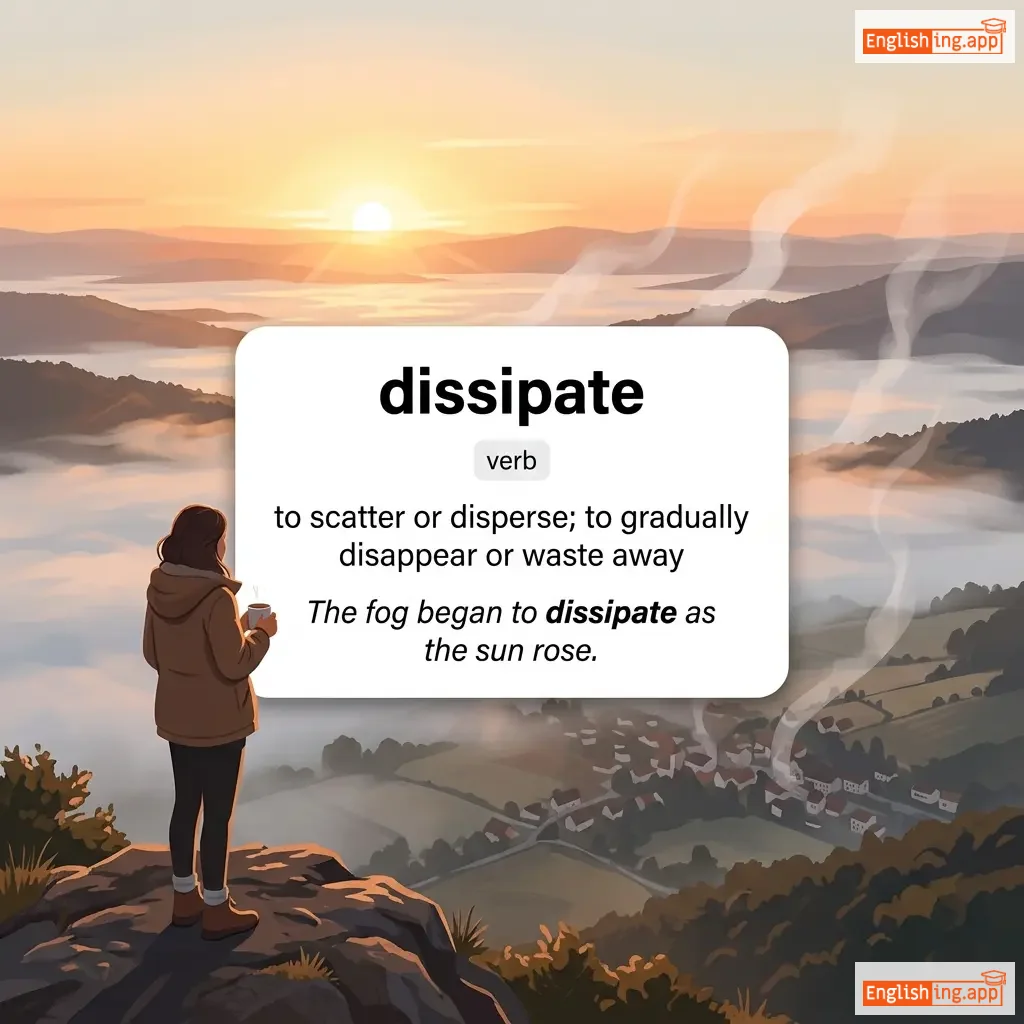
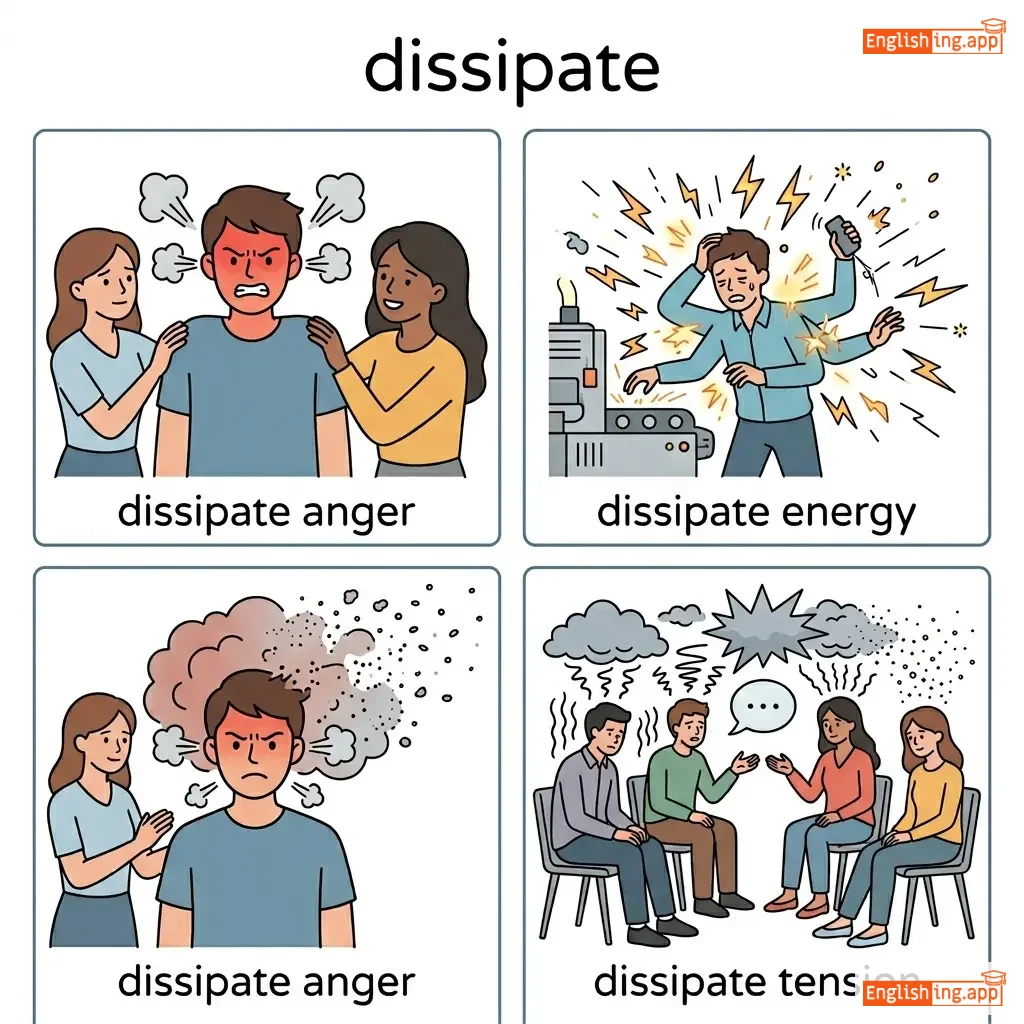
许多人因为没有合理利用时间而 procrastinate,从而降低了生产力。通过 time-blocking,我们可以 delineate 何时执行哪些任务,这有助于 expedite 工作。这不仅节省时间,还使我们更加 circumspect,以便 scrutinize 每个任务。它 augments 我们的专注力,并防止不必要的 dissipation。
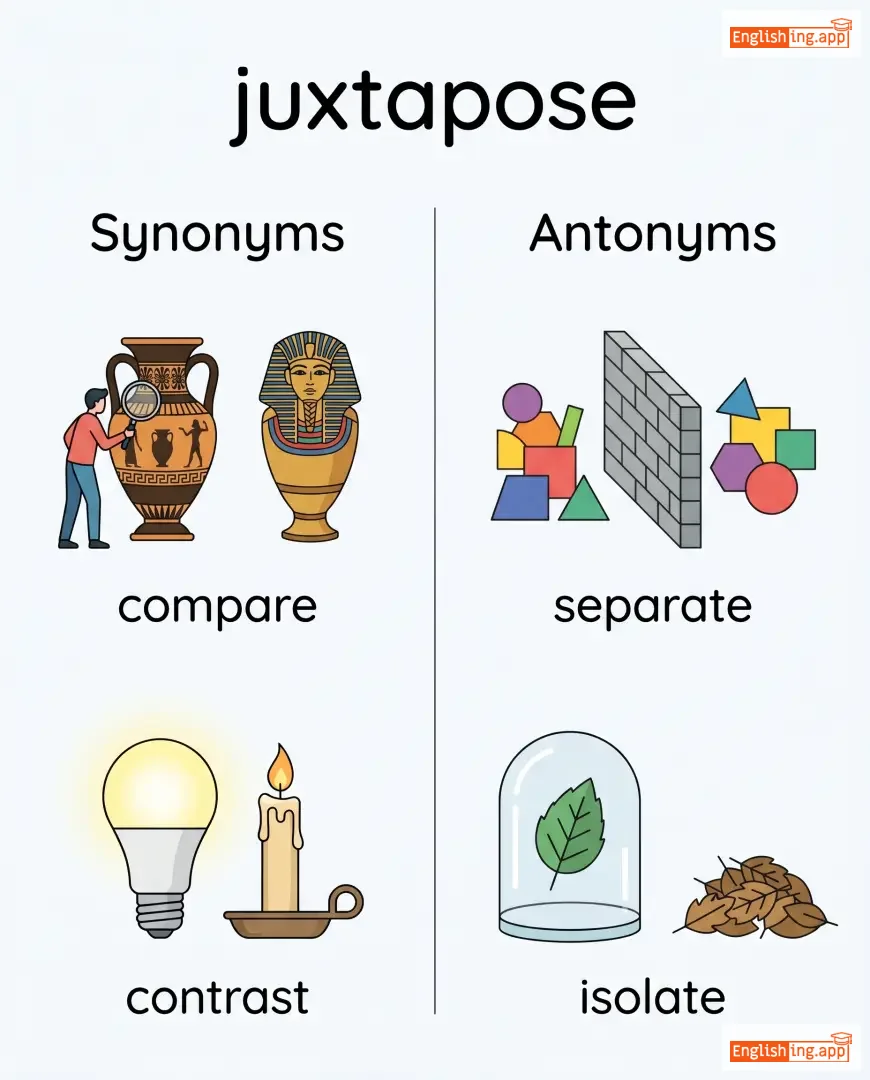
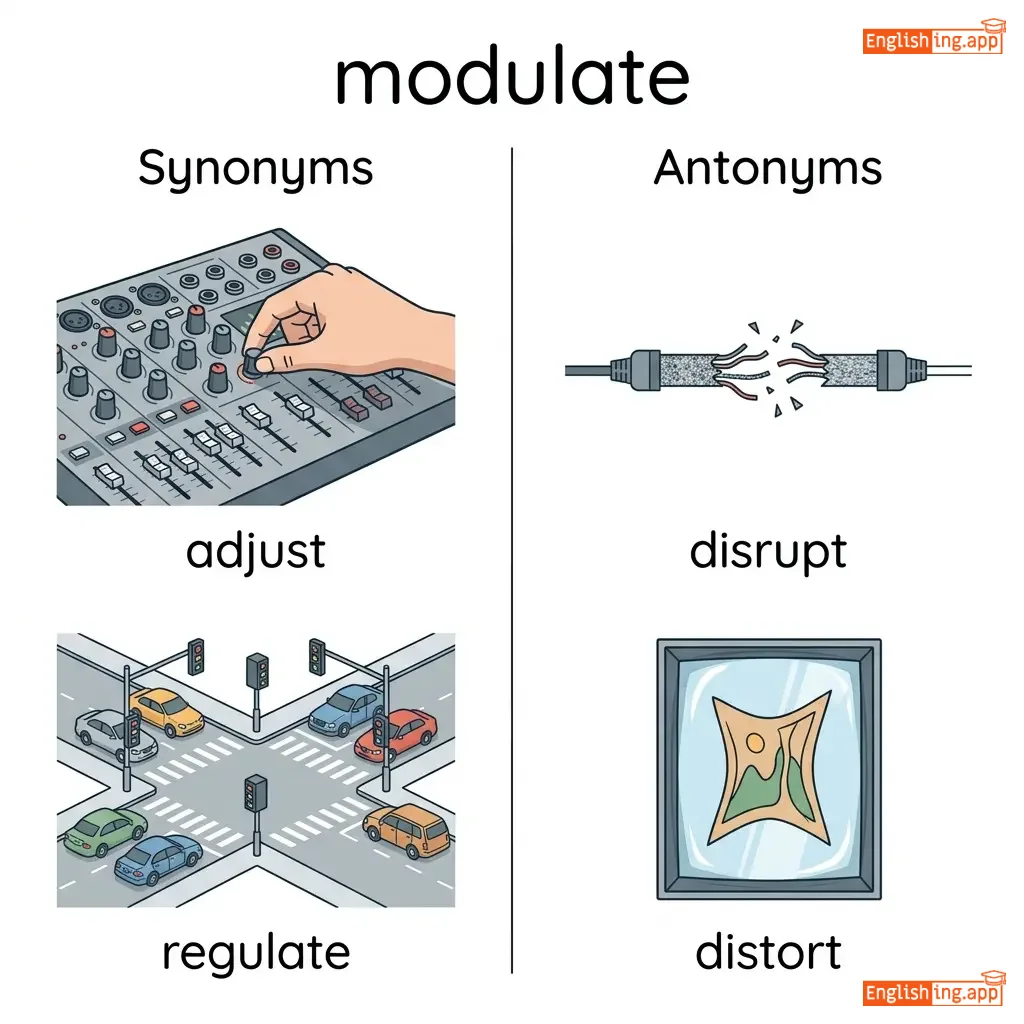
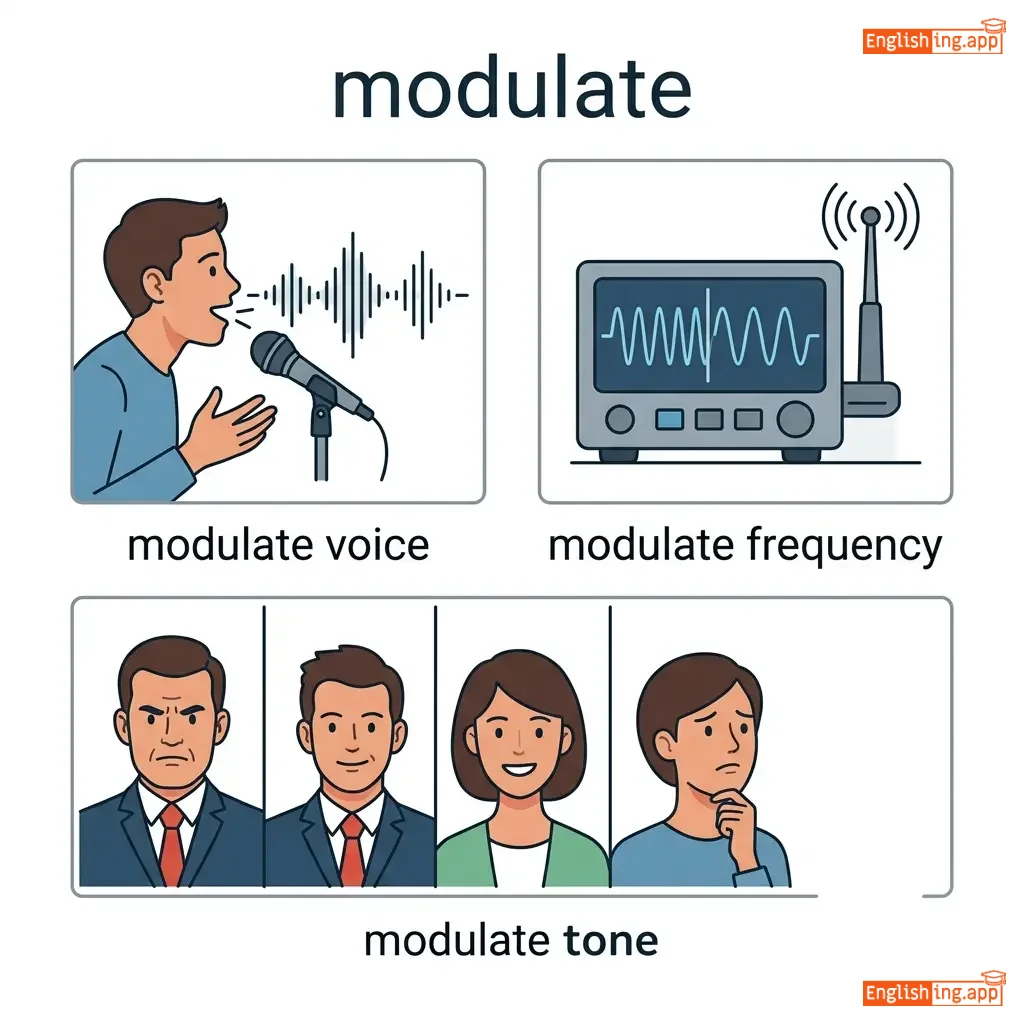
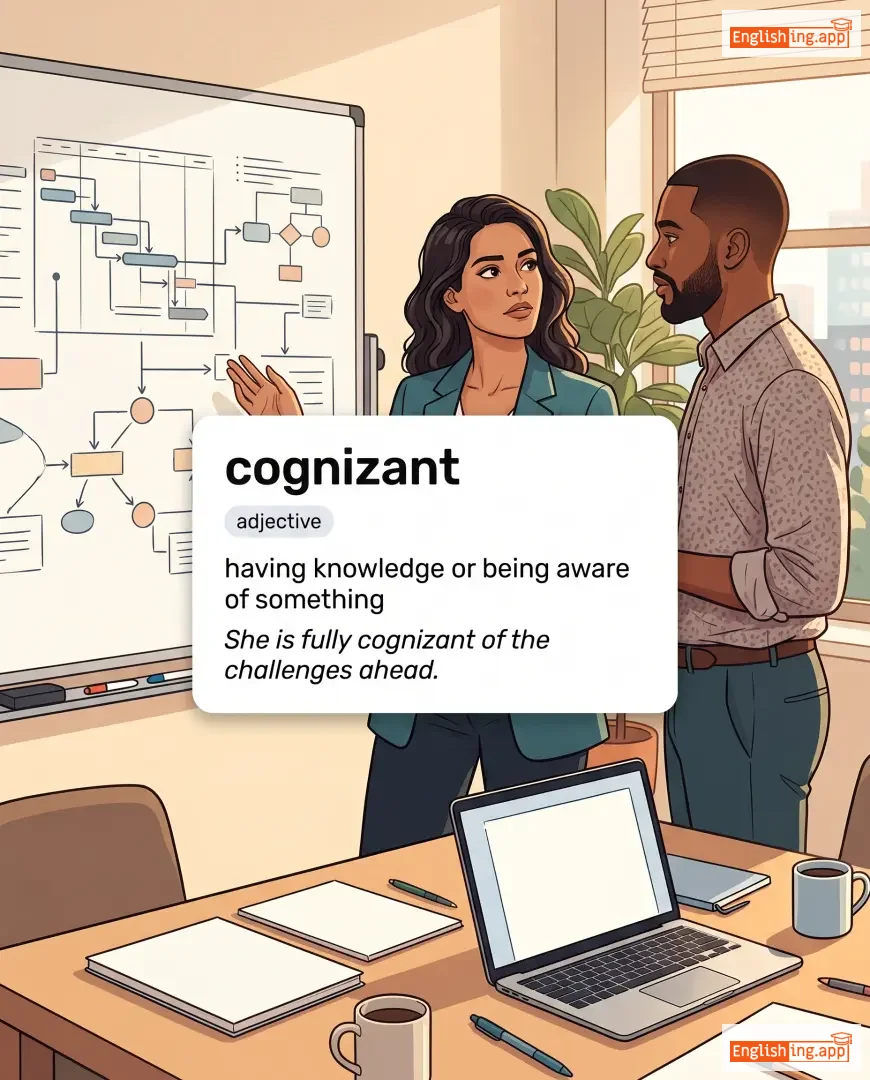
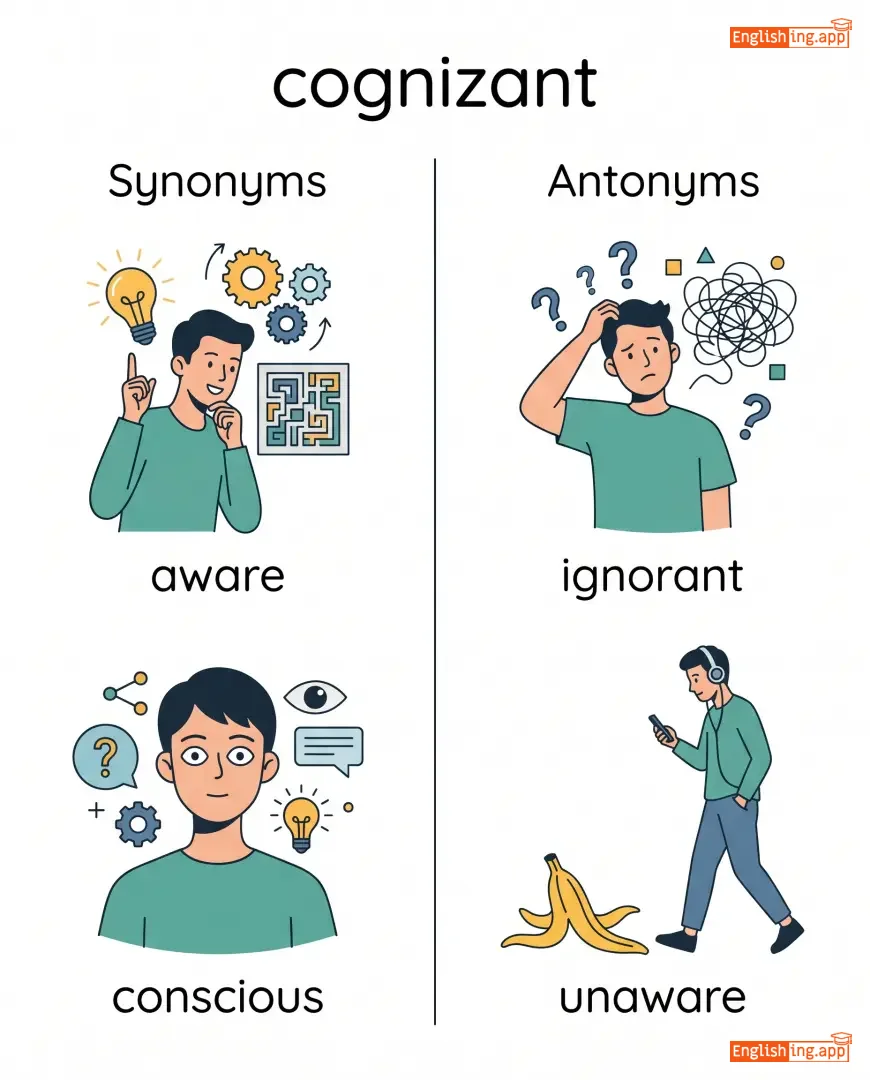
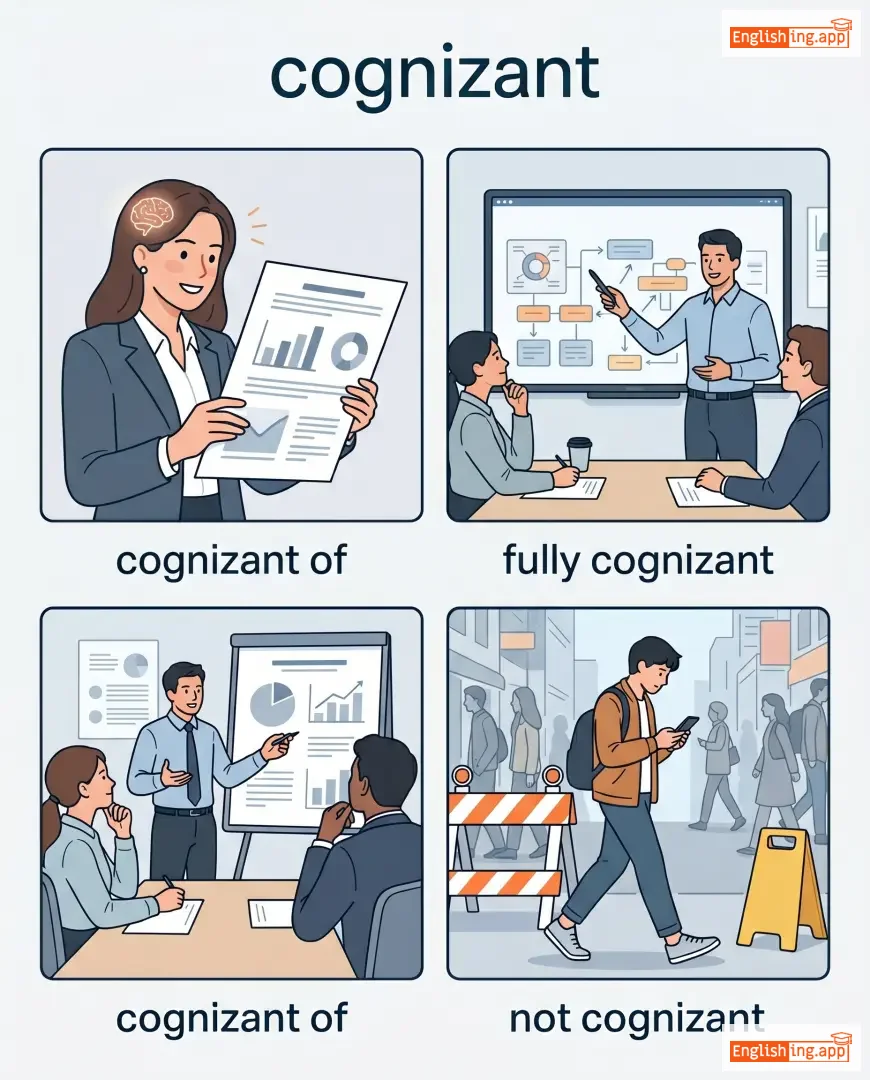
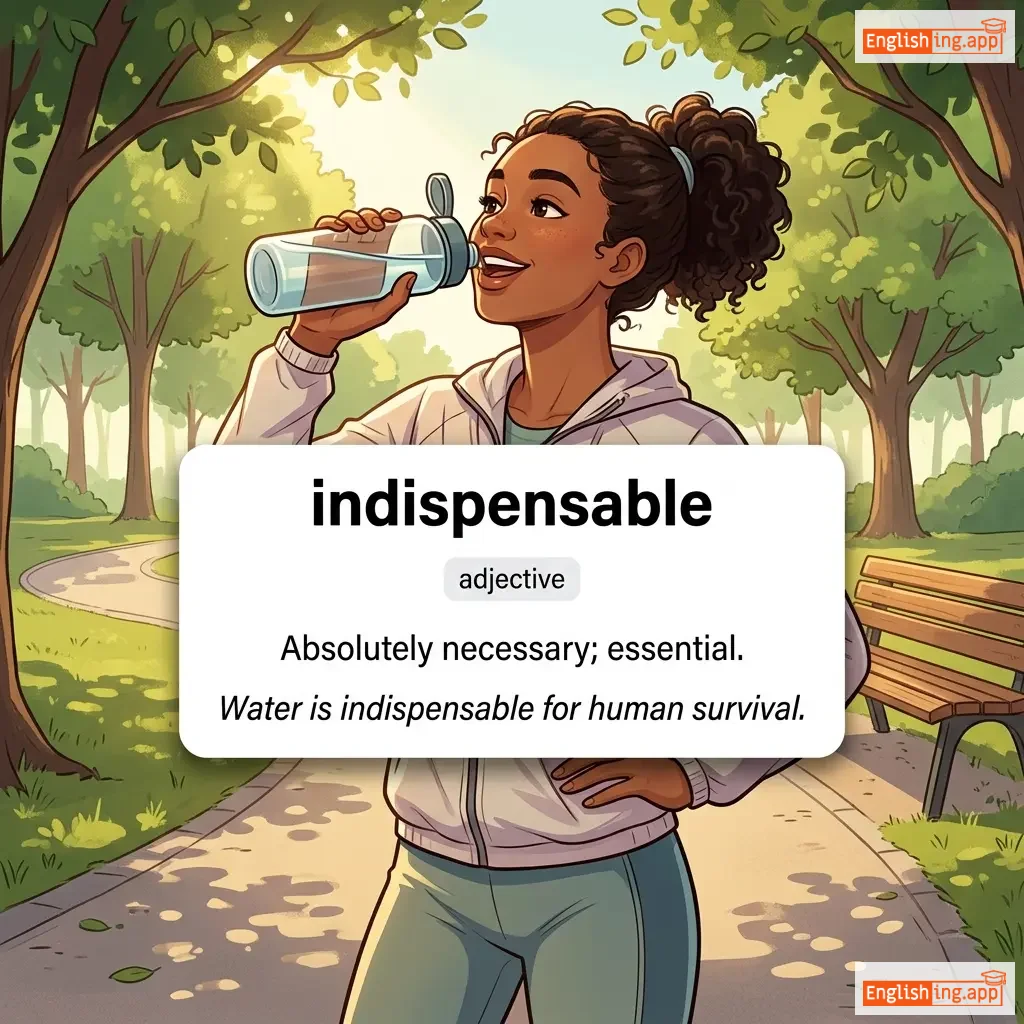
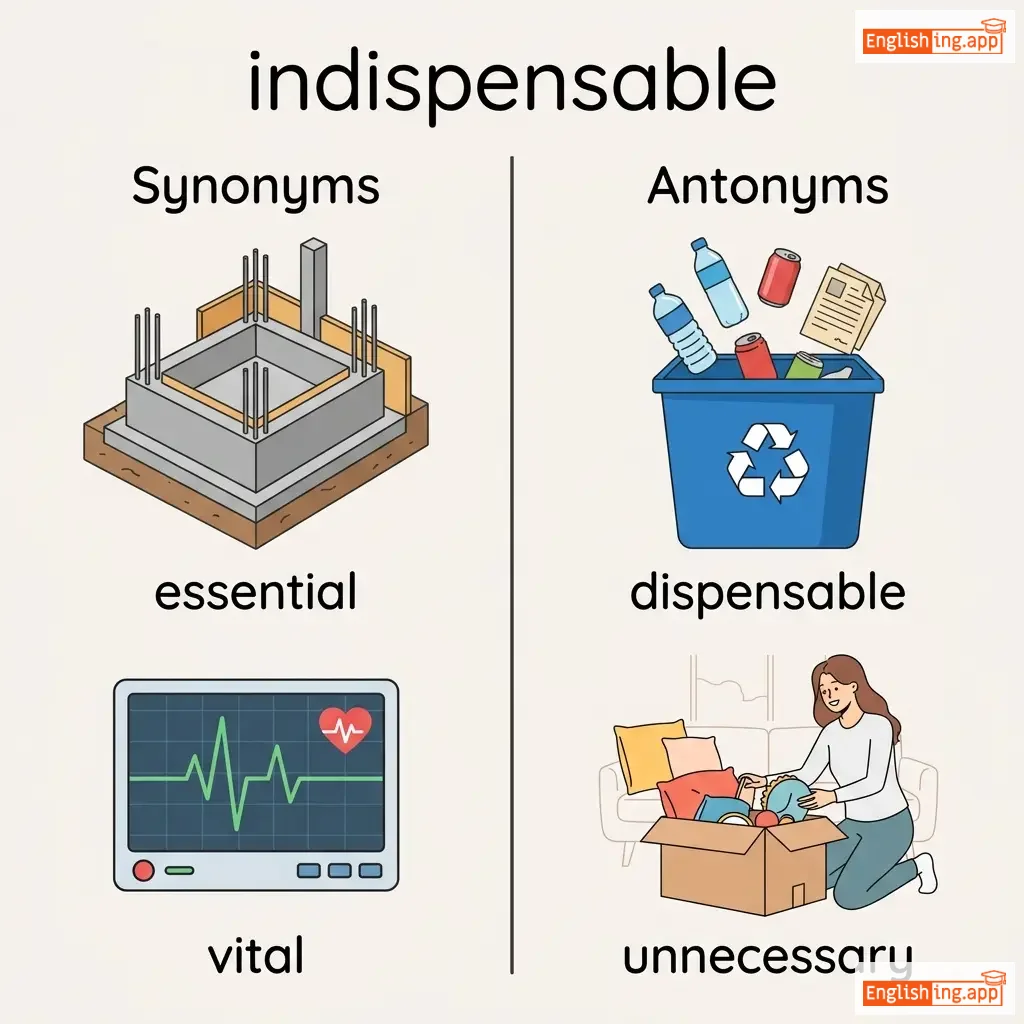
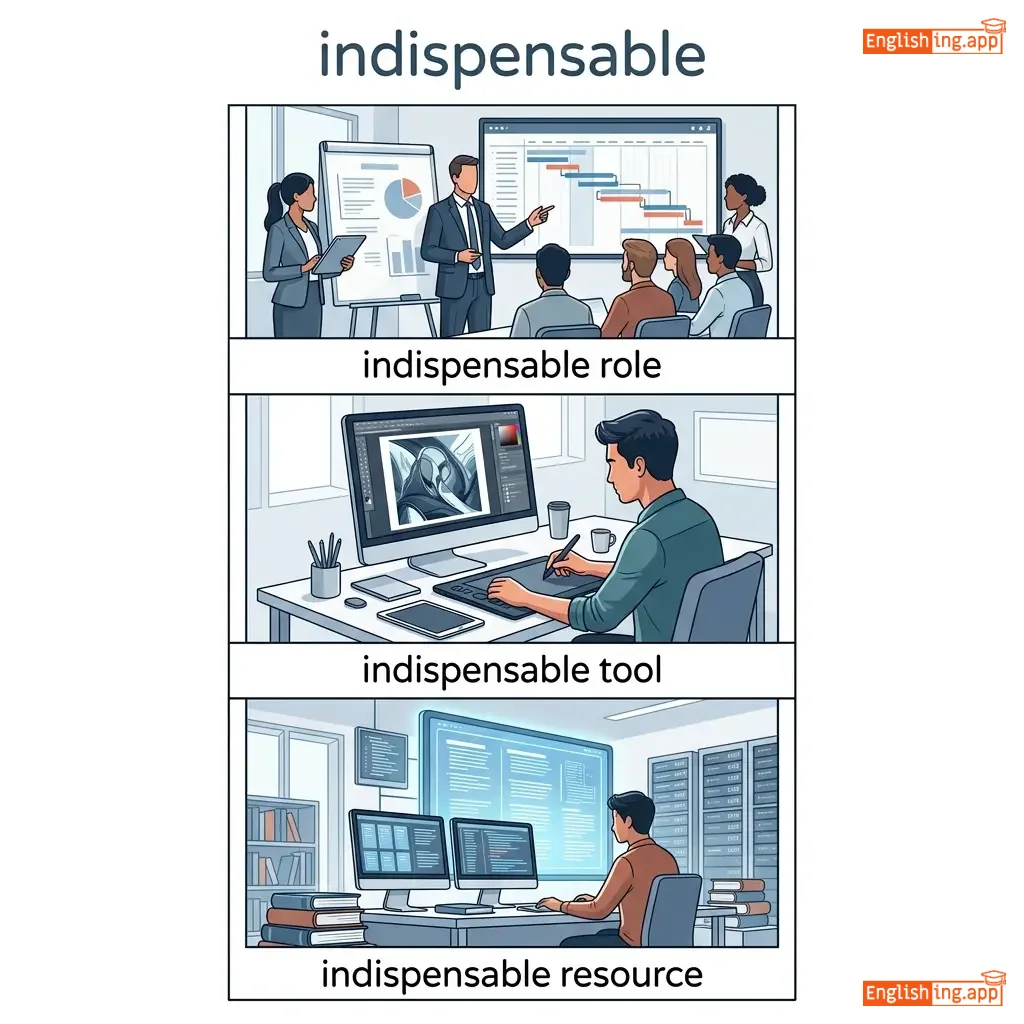
当我们 juxtapose 时间并为每个区块 modulate 时,我们会变得更加 cognizant,并专注于工作中 indispensable 的方面。
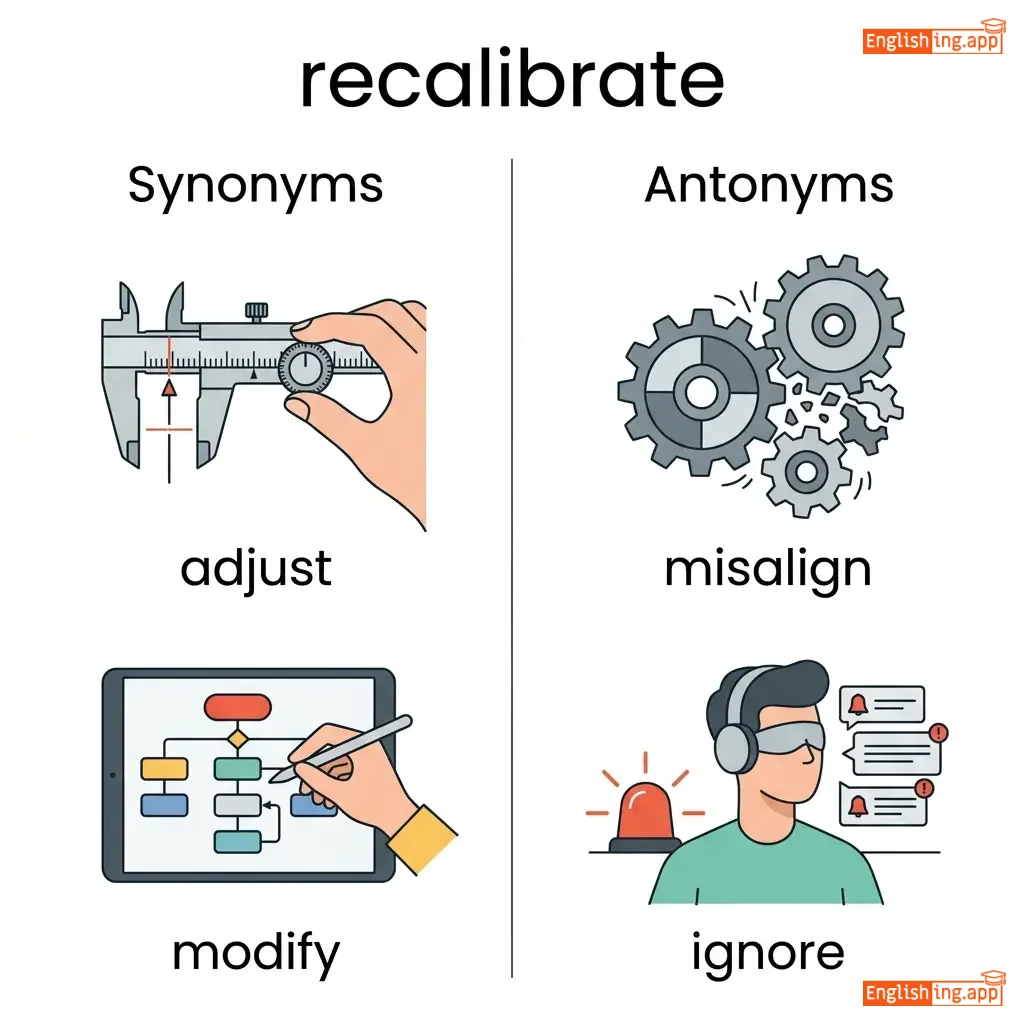
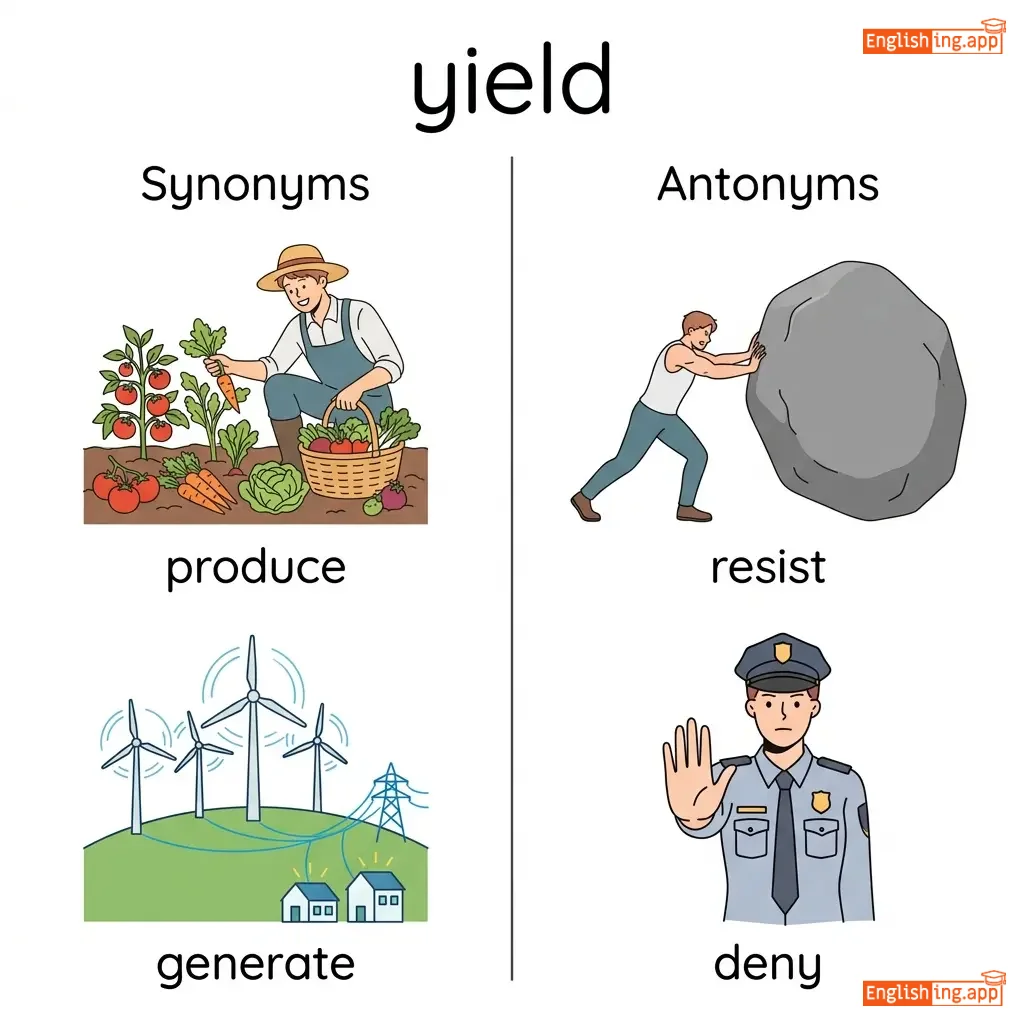
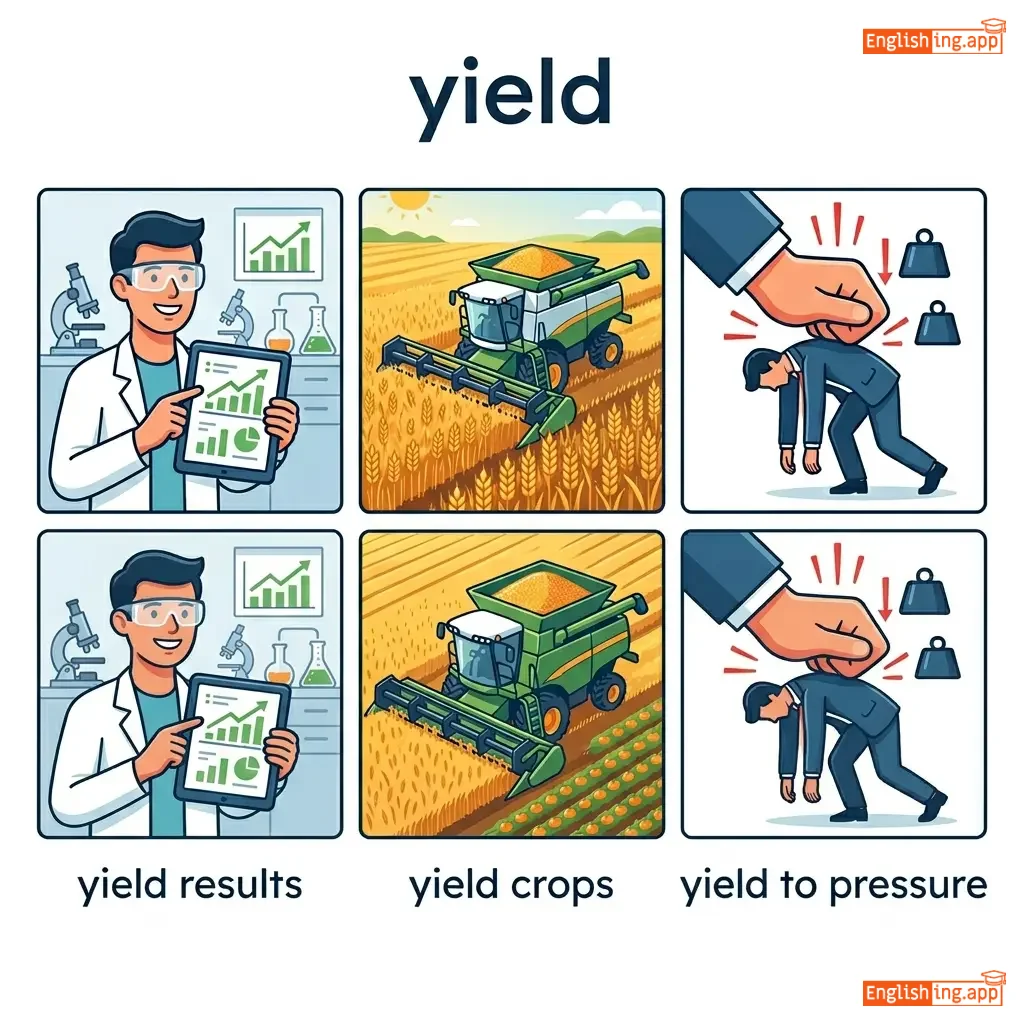
Time-blocking 教会我们如何 recalibrate,并在长期内带来更多 yield。













Swipe left or right, or use the buttons. Tap image to zoom.
例句翻译
单词
How Time-Blocking Improves EfficiencyHow Time-Blocking Improves Efficiency - 遮罩切换
|
表情符号
|
单词 | Images | 翻译 | 含义 | 例句 | 例句翻译 | 同义词 | 反义词 | 助记符 |
|---|---|---|---|---|---|---|---|---|---|
|
#2134
📅
|
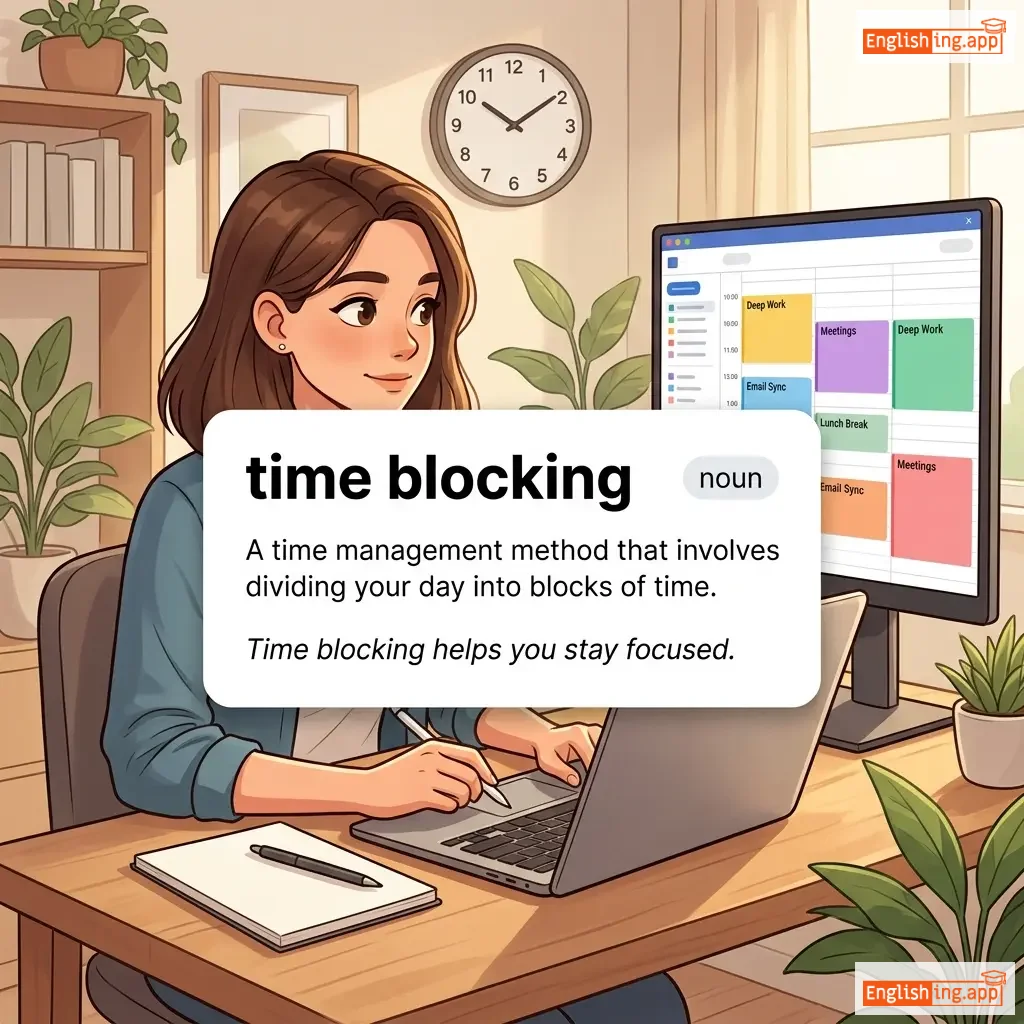
/taɪm ˈblɒkɪŋ/
noun
(taim-buluking)
••••••
|
|
时间块分配,一种将特定时间段分配给不同任务或活动的计划技巧
shijian kuai fenpei, yi zhong jiang teding shijian duan fenpei gei butong renwu huo huodong de jihua jishu
••••••
|
A scheduling technique where specific time periods are allocated for different tasks or activities to improve productivity and focus.
••••••
|
Using time-blocking helped him finish tasks efficiently. |
使用时间块分配帮助他高效完成任务。
Shiyong shijian kuai fenpei bangzhu ta gaoxiao wancheng renwu.
••••••
|
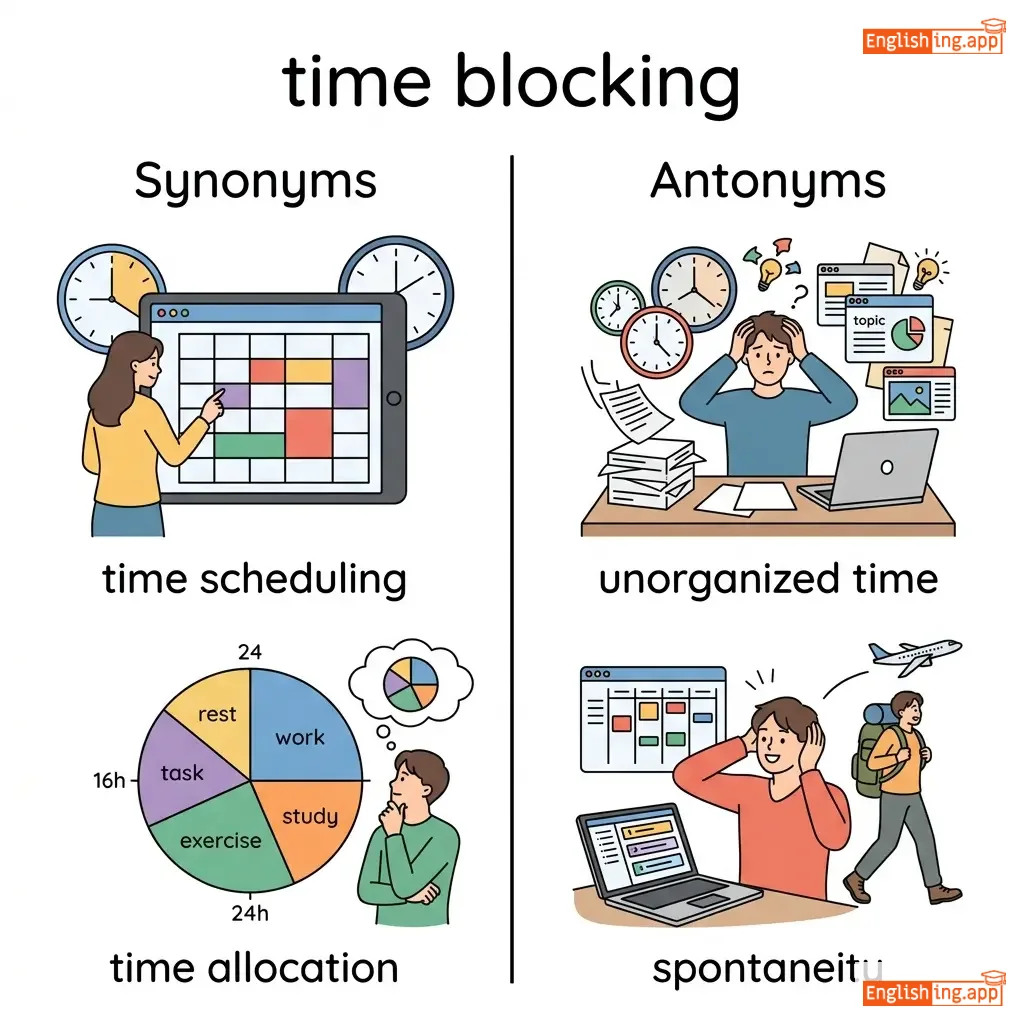
scheduling, time management, planning, organizing
••••••
|
disorganization, chaos, randomness, spontaneity
••••••
|
分配时间,提高效率,专注执行任务。
••••••
|
|
#2135
⚡
|
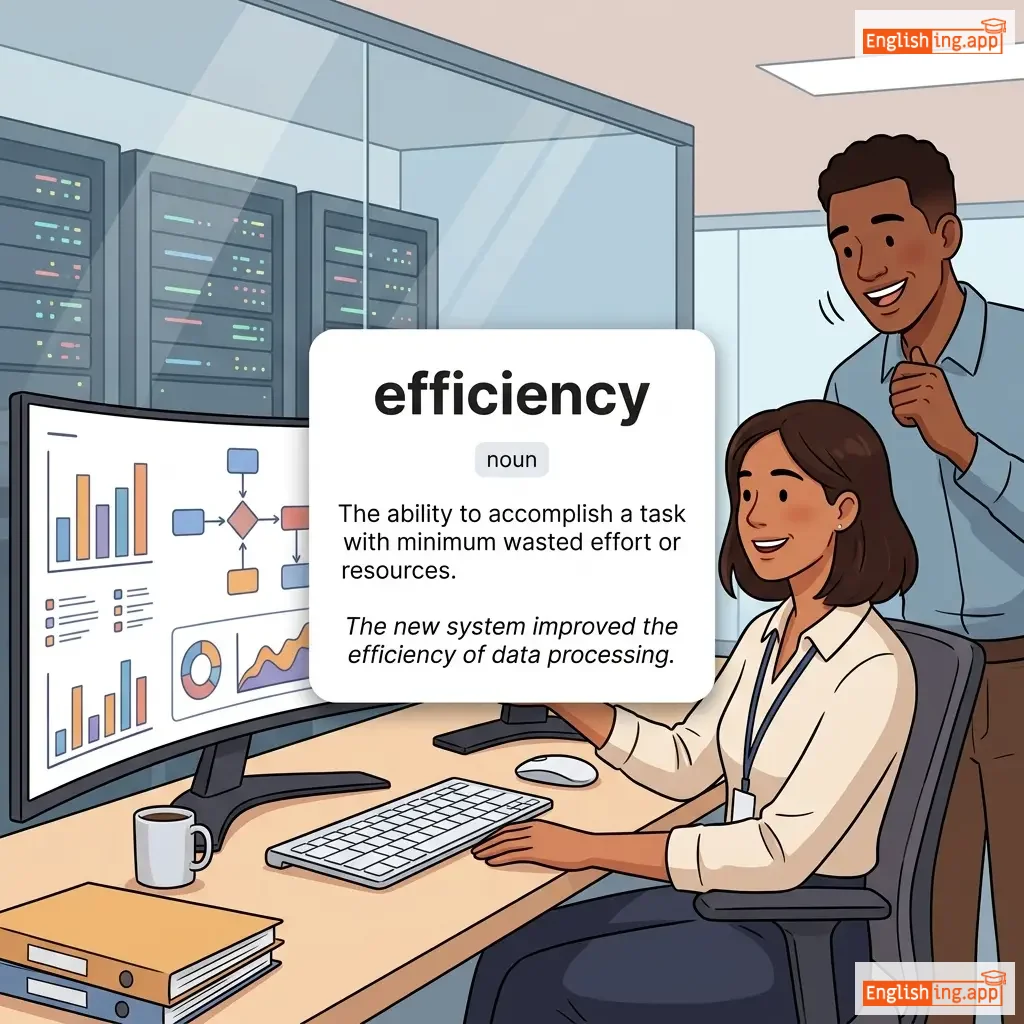
/ɪˈfɪʃ.ən.si/
noun
(效率)
••••••
|
|
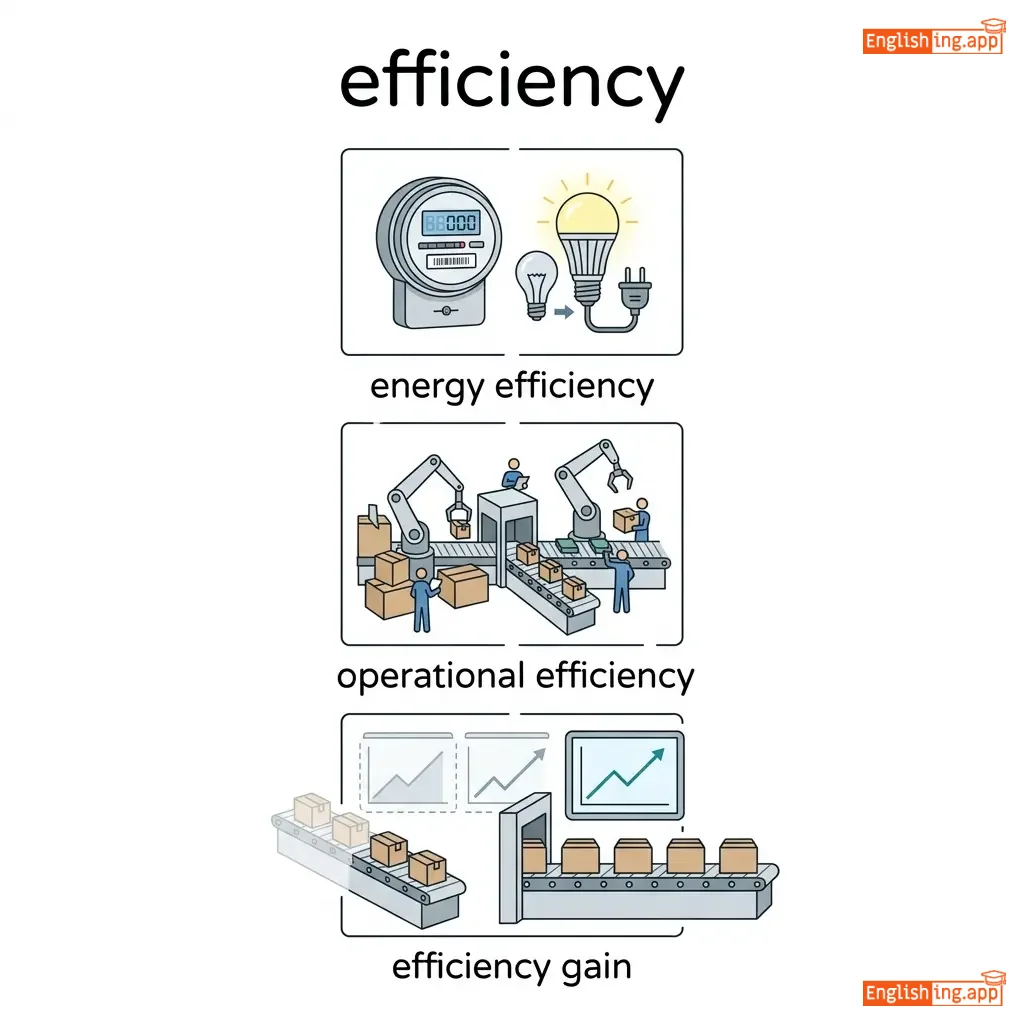
效率, 能力, 生产力
xiaolü, nengli, shengchanli
••••••
|
The ability to accomplish a job with a minimum expenditure of time and effort; competency in performance.
••••••
|
The new system improved the company's efficiency.
新系统提高了公司的效率。
••••••
|
新系统提高了公司的效率。
Xin xitong tigao le gongsi de xiaolü.
••••••
|
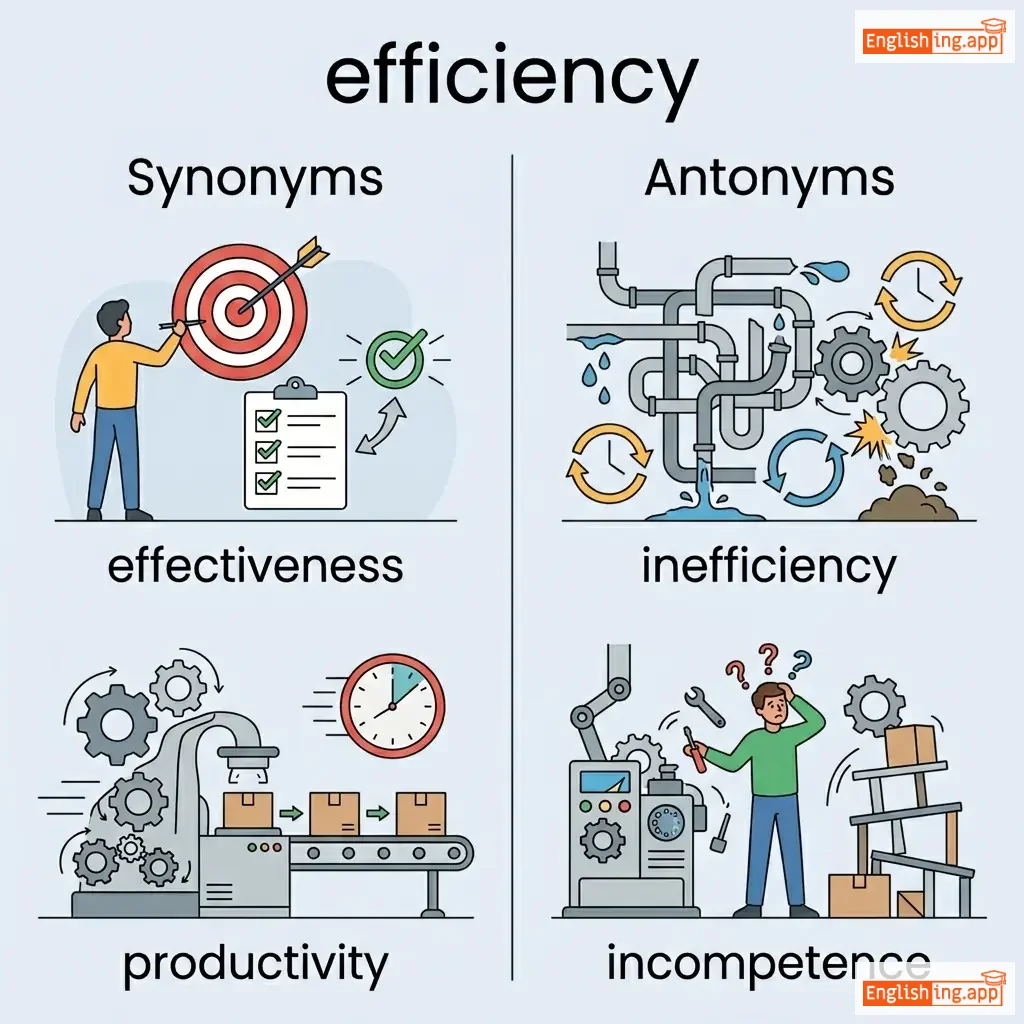
productivity, effectiveness, competency, proficiency
••••••
|
inefficiency, wastefulness, incompetence, sluggishness
••••••
|
效率就像是一条快速通道,让你不浪费时间去完成任务。
••••••
|
|
#2136
📊
|
/əˈlɒt.mənt/
noun
(阿洛特门特)
••••••
|
|
配额,分配
pèihuò, fēnpèi
••••••
|
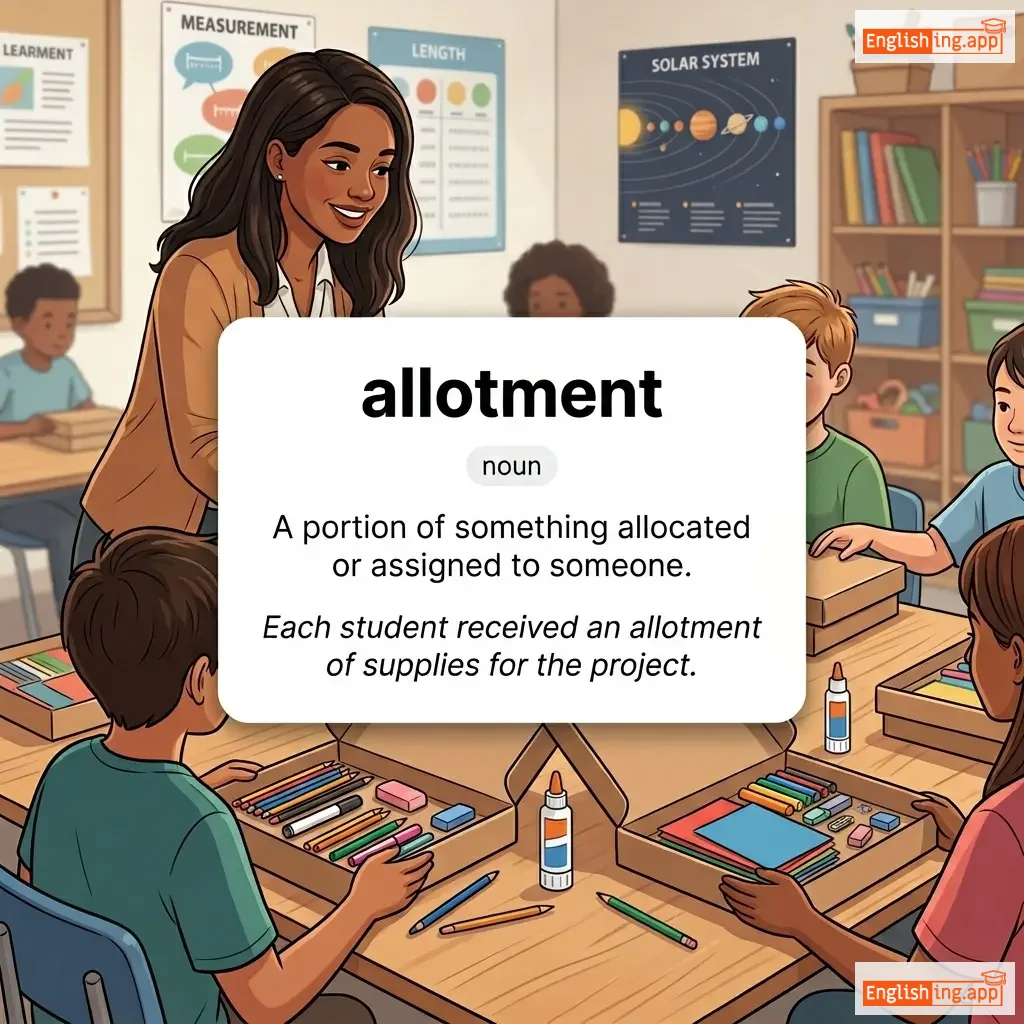
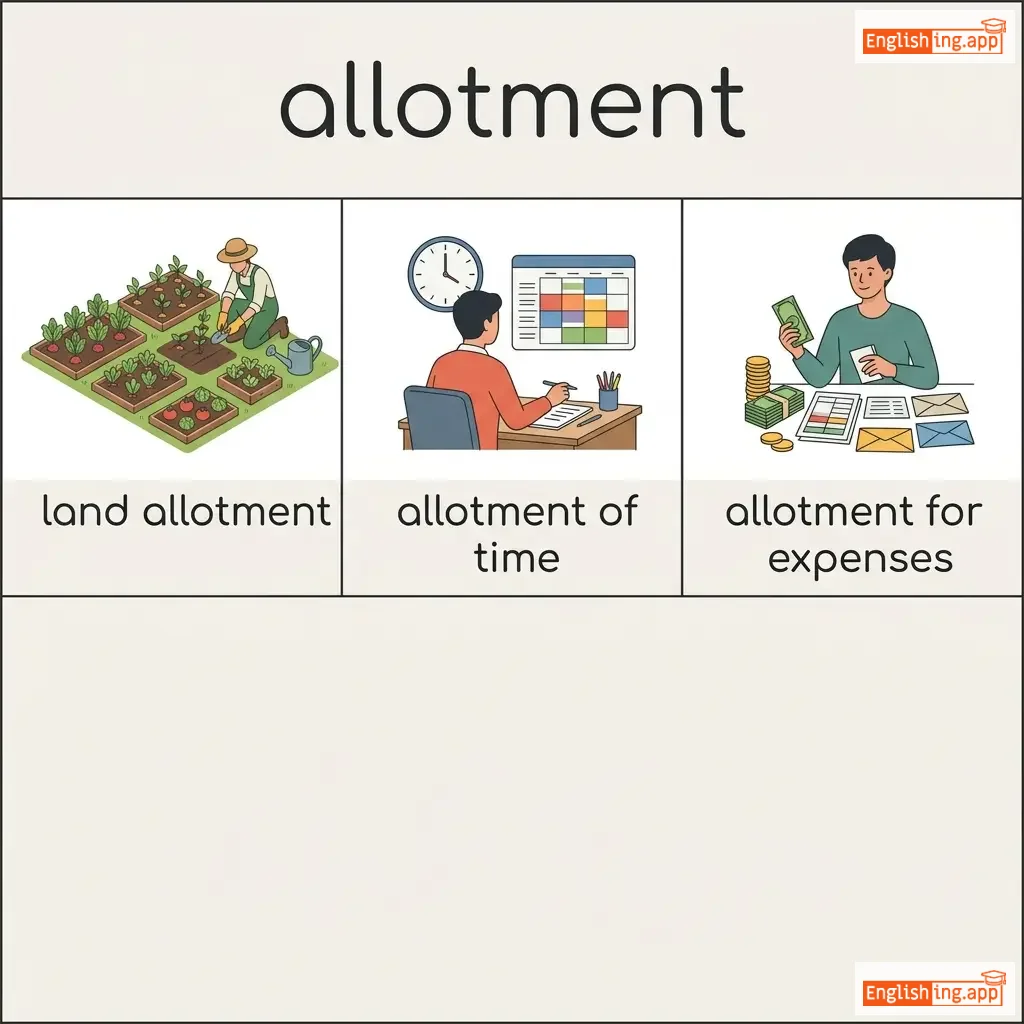
The distribution or allocation of something, especially resources or portions.
••••••
|
Each department received an allotment of resources.
每个部门都收到了资源分配。
••••••
|
每个部门都收到了资源分配。
Měi gè bùmén dōu shōu dào le zīyuán fēnpèi.
••••••
|
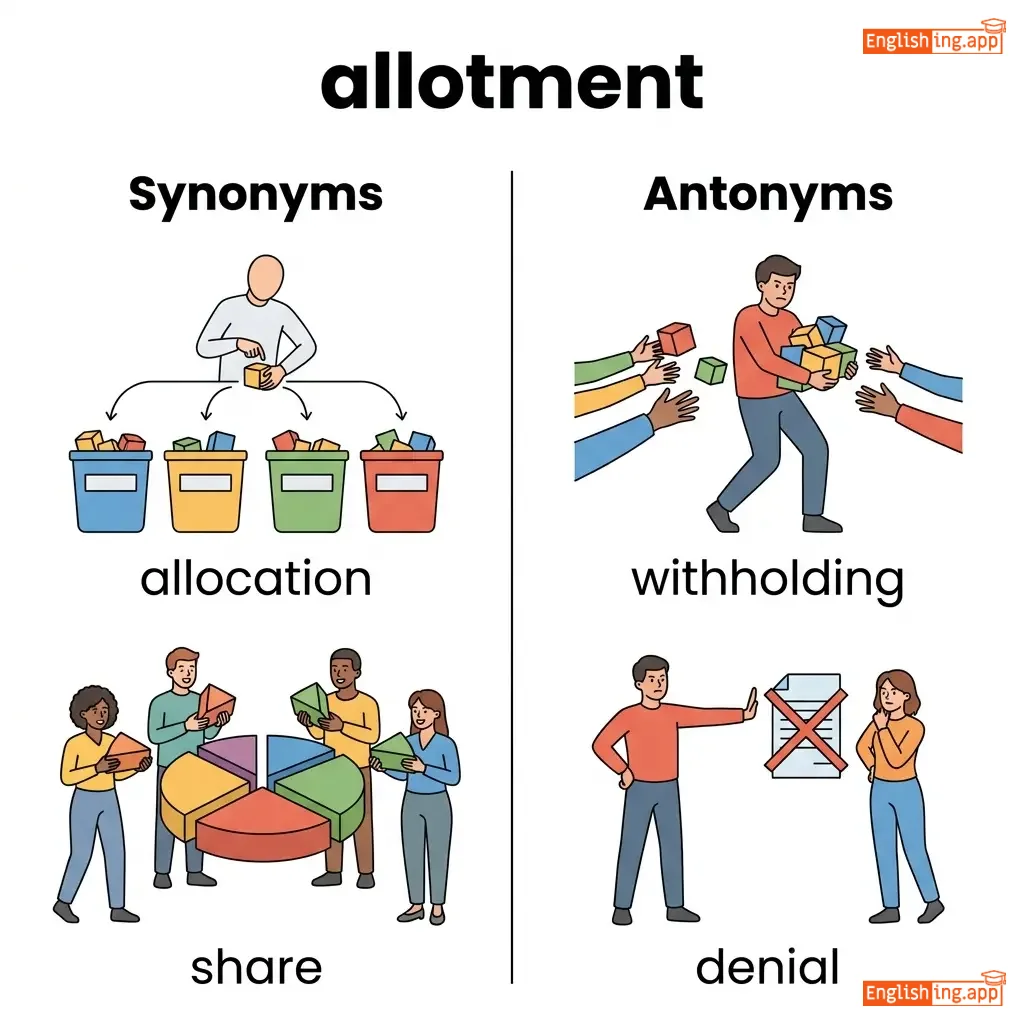
allocation, distribution, assignment, portion
••••••
|
withholding, misallocation, hoarding, retention
••••••
|
'Allotment' sounds like '配额'—resources being distributed to departments!
••••••
|
|
#2137
🧩
|
/ˌfræɡ.mən ˈteɪ.ʃən/
noun
(碎片化)
••••••
|
|
碎片化,分割
suìpiàn huà, fēngē
••••••
|
The process or state of breaking or being broken into fragments; division into parts.
••••••
|
The fragmentation of data slowed down the process.
数据的碎片化减缓了过程。
••••••
|
数据的碎片化减缓了过程。
Shùjù de suìpiàn huà jiǎnhuǎn le guòchéng.
••••••
|
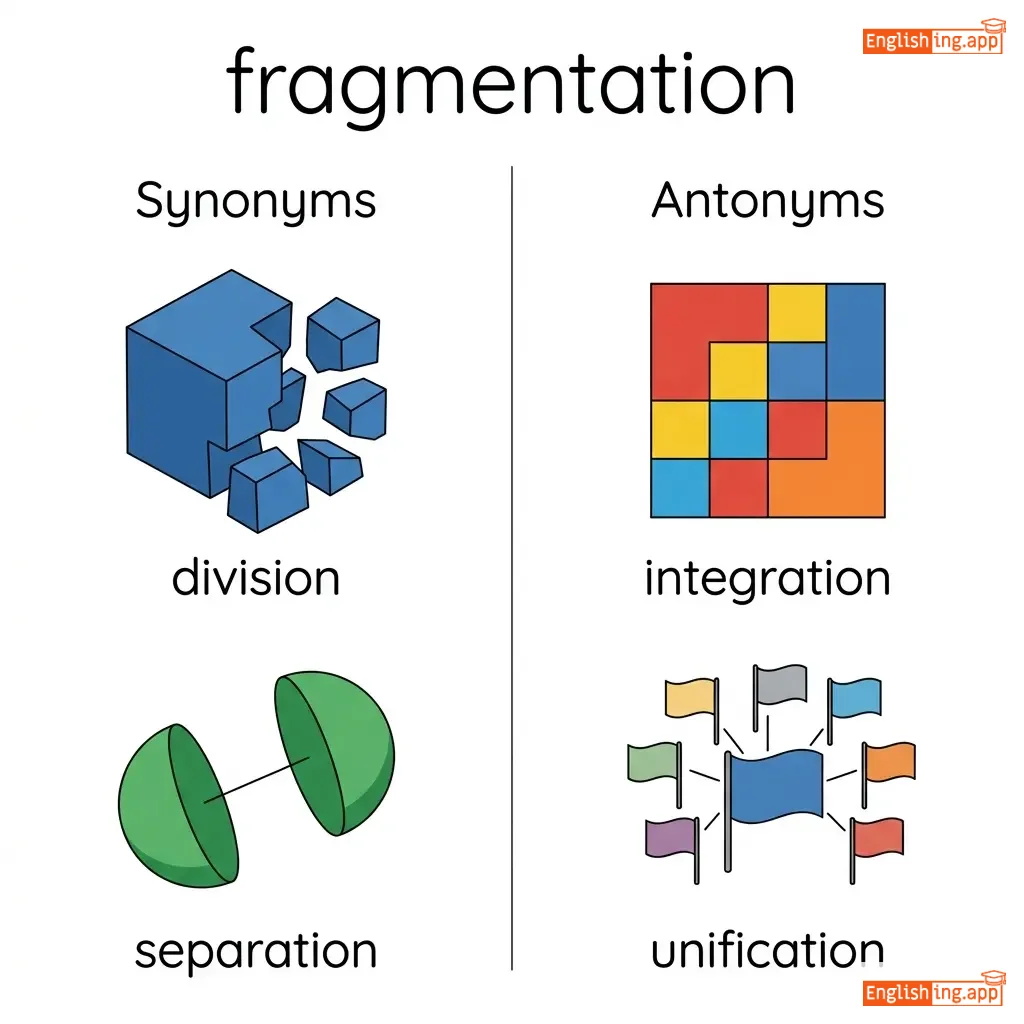
division, disintegration, separation, splitting
••••••
|
unity, cohesion, integration, wholeness
••••••
|
碎片化过程让数据处理变慢。
••••••
|
|
#2138
🎯
|
/ˈɒp.tɪ.məl/
adjective
(最优)
••••••
|
|
最佳,最有利,最有效
zuì yōu, zuì yǒu lì, zuì yǒu xiào
••••••
|
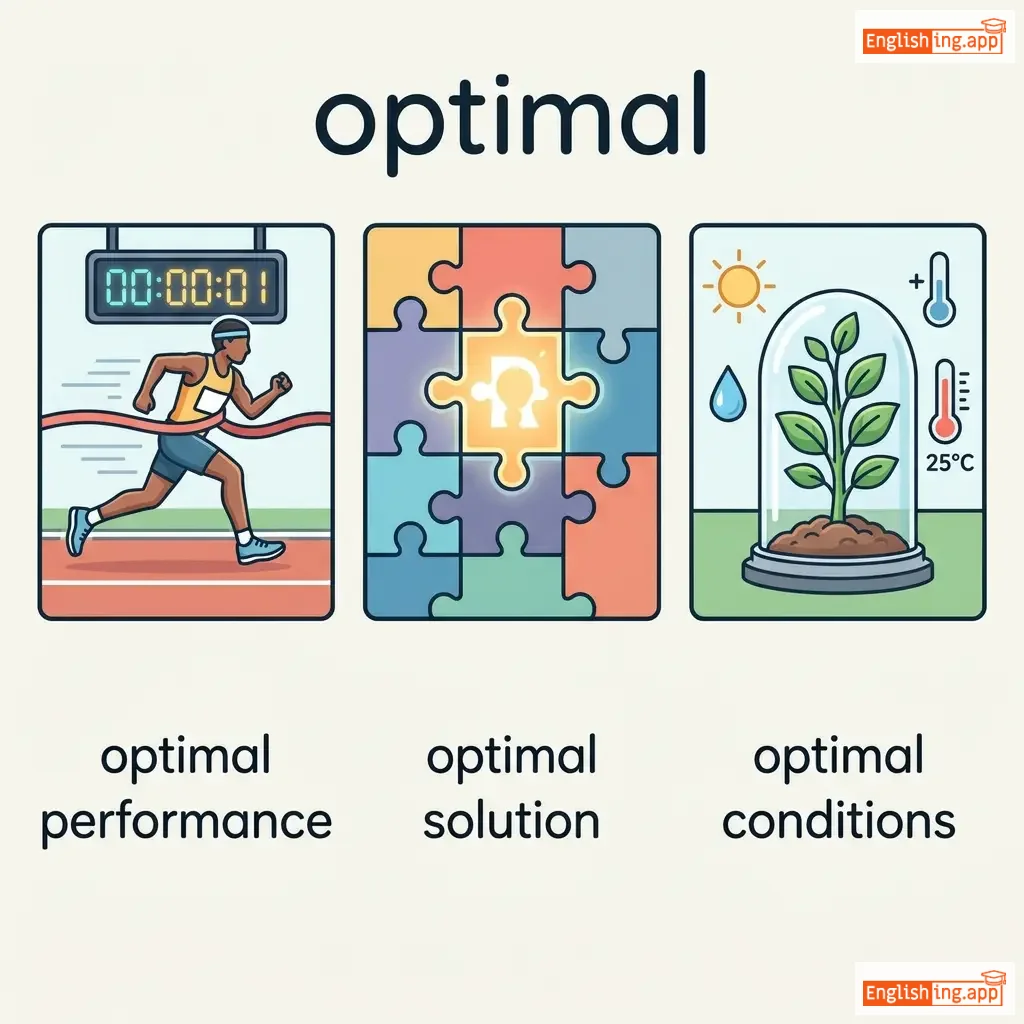
Best or most favorable; optimum; most effective under particular conditions.
••••••
|
The design ensures optimal energy efficiency. |
设计确保最优能源效率。
Shèjì quèbǎo zuì yōu néngyuán xiàolǜ.
••••••
|
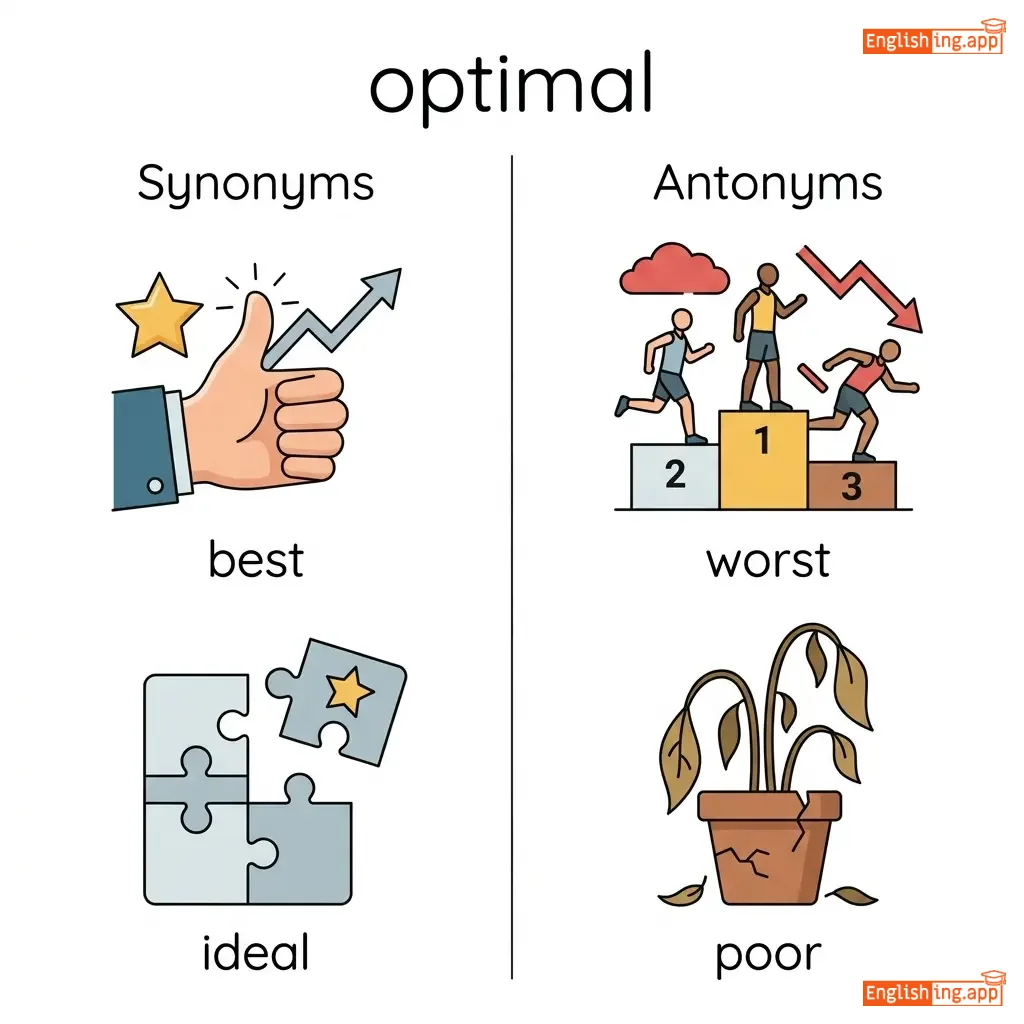
ideal, best, perfect, maximum
••••••
|
suboptimal, inefficient, poor, inadequate
••••••
|
Optimal = 最大效率
••••••
|
|
#2139
🔄
|
/ˈwɜːk.fləʊ/
noun
(wǒrkflōu)
••••••
|
|
工作流,过程顺序
gongzuo liu, guocheng shunxu
••••••
|
The sequence of processes through which a piece of work passes from initiation to completion.
••••••
|
A well-structured workflow enhances productivity.
一个结构良好的工作流程可以提高生产力。
••••••
|
一个结构良好的工作流程可以提高生产力。
Yī gè jiégòu liánghǎo de gōngzuò liú kěyǐ tígāo shēngchǎnlì.
••••••
|
process, operations, procedure, system
••••••
|
stagnation, disorganization, chaos, disorder
••••••
|
工作 + 流程 = 工作流
••••••
|
|
#2140
⏰
|
/prəˈkræs.tɪ.neɪt/
verb
(拖延)
••••••
|
|
拖延, 延迟, 推迟
tuōyán, yánchí, tuīchí
••••••
|
To delay or postpone action; to put off doing something, especially out of habitual carelessness or laziness.
••••••
|
He tends to procrastinate when facing difficult tasks.
他在面对困难任务时倾向于拖延。
••••••
|
他在面对困难任务时倾向于拖延。
Tā zài miànduì kùnnán rènwù shí qīngxiàng yú tuōyán.
••••••
|
delay, postpone, defer, stall
••••••
|
expedite, complete, hasten, rush
••••••
|
Procrastinate = 拖延,像是推迟的意思。
••••••
|
|
#2141
✏️
|
/dɪˈlɪn.i.eɪt/
verb
(德利尼耶特)
••••••
|
|
描述,明确界定
miáoshù, míngquè jièdìng
••••••
|
To describe or portray something precisely; to indicate the exact position of a border or boundary.
••••••
|
The report delineates the responsibilities of each role.
报告明确划分了每个角色的责任。
••••••
|
报告明确划分了每个角色的责任。
Bàogào míngquè huàfēnle měi gè juésè de zérèn.
••••••
|
define, outline, describe, specify
••••••
|
confuse, obscure, blur, muddle
••••••
|
描述就是清晰地展示边界,就像画一条线。
••••••
|
|
#2142
🚀
|
/ˈek.spə.daɪt/
verb
(expedite)
••••••
|
|
加快, 加速
jiā kuài, jiā sù
••••••
|
To make an action or process happen sooner or be accomplished more quickly.
••••••
|
The manager decided to expedite the approval process.
经理决定加速审批流程。
••••••
|
经理决定加速审批流程。
Jīnglǐ juédìng jiāsù shěnpī liúchéng.
••••••
|
accelerate, hasten, speed up, quicken
••••••
|
delay, hinder, slow down, obstruct
••••••
|
Make things faster, speed it up
••••••
|
|
#2143
🤔
|
/ˈsɜː.kəm.spekt/
adjective
(sɜː.kəm.spekt)
••••••
|
|
谨慎, 小心, 审慎
jǐnshèn, xiǎoxīn, shěnshèn
••••••
|
Wary and unwilling to take risks; careful to consider all circumstances and possible consequences.
••••••
|
Investors must be circumspect before making decisions.
投资者在做出决策之前必须谨慎。
••••••
|
投资者在做出决策之前必须谨慎。
Tóuzī zhě zài zuòchū juécè zhīqián bìxū jǐnshèn.
••••••
|
cautious, prudent, careful, wary
••••••
|
reckless, careless, hasty, imprudent
••••••
|
谨慎: ‘谨’ 表示小心, ‘慎’ 表示深思熟虑,告诉我们做决策前要深思。
••••••
|
|
#2144
🔍
|
/ˈskruː.tɪ.naɪz/
verb
(仔细检查)
••••••
|
|
仔细检查, 彻底审视
zǐxì jiǎnchá, chèdǐ shěnshì
••••••
|
To examine or inspect closely and thoroughly; to look at critically or searchingly.
••••••
|
The scientist scrutinized the research data for errors.
科学家仔细检查了研究数据中的错误。
••••••
|
科学家仔细检查了研究数据中的错误。
Kēxuéjiā zǐxì jiǎnchá le yánjiū shùjù zhōng de cuòwù.
••••••
|
examine, inspect, analyze, study
••••••
|
overlook, ignore, neglect, skim
••••••
|
'仔细' 让你想起'仔细查看', 就像细致入微的审查。
••••••
|
|
#2145
📈
|
/ɔːɡˈment/
verb
(ōgmént)
••••••
|
|
增加, 扩展, 改善
zēngjiā, kuòzhǎn, gǎishàn
••••••
|
To make something greater by adding to it; to increase or enhance in size, amount, or degree.
••••••
|
The new technology augments the efficiency of production. |
新技术提高了生产效率。
Xīn jìshù tígāo le shēngchǎn xiàolǜ.
••••••
|
enhance, amplify, increase, boost
••••••
|
reduce, diminish, decrease, lessen
••••••
|
增加 = 增加效率
••••••
|
|
#2146
💨
|
/ˈdɪs.ɪ.peɪt/
verb
(迪西佩特)
••••••
|
|
消散, 消失, 浪费
xiaosan, xiaoshi, langfei
••••••
|
To disappear or cause to disappear gradually; to scatter or disperse; to waste or squander.
••••••
|
The morning fog dissipated as the sun rose. |
清晨的雾气随着太阳升起而消散。
Qīngchén de wùqì suízhe tàiyáng shēngqǐ ér xiāosàn.
••••••
|
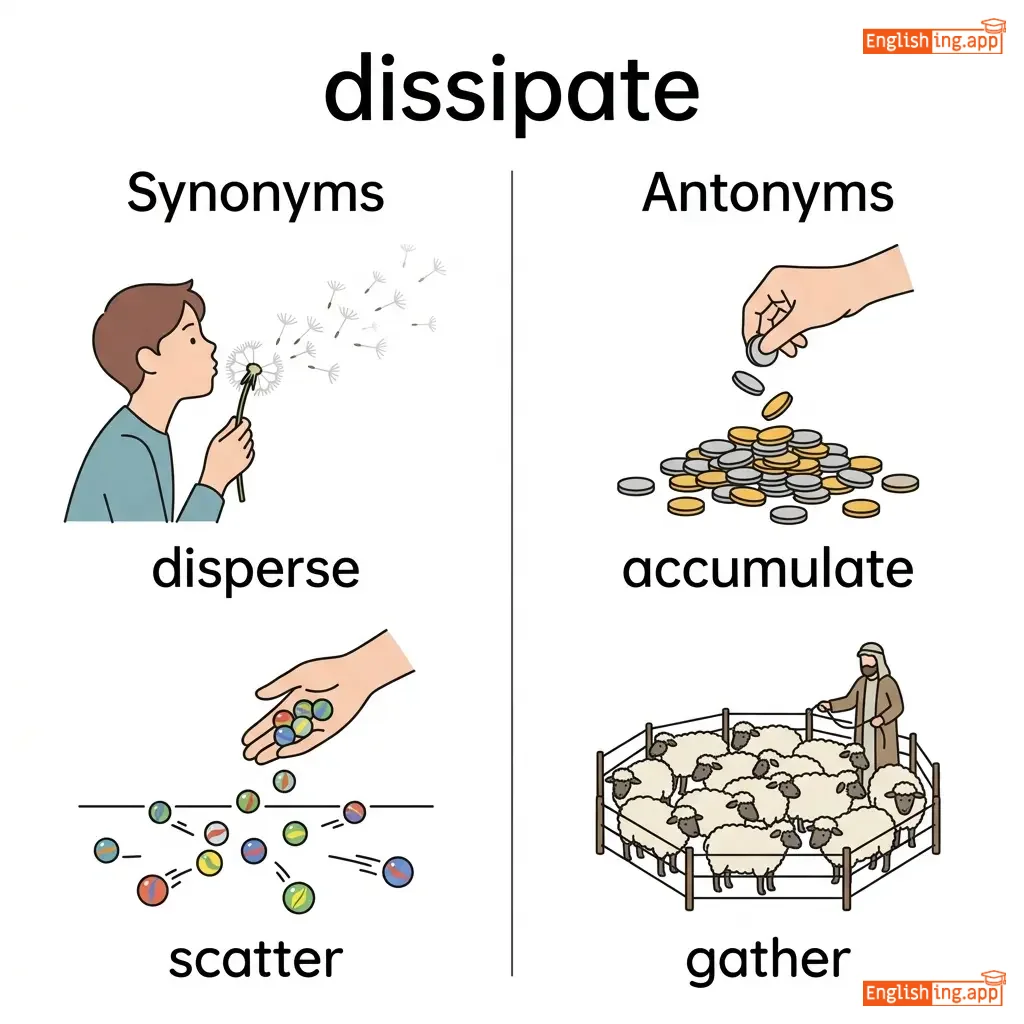
disperse, vanish, scatter, evaporate
••••••
|
accumulate, preserve, gather, collect
••••••
|
消散 = 浪费,逐渐消失
••••••
|
|
#2147
⚖️
|
/ˈdʒʌk.stə.pəʊz/
verb
(jiek-si-ta-po-zi)
••••••
|
|
并列,比较,展示对比
binglie, bijiao, zhanshi duibi
••••••
|
To place or deal with things close together for contrasting effect; to compare by placing side by side.
••••••
|
The artist juxtaposed modern and classical styles in his painting. |
艺术家在他的画作中并列了现代与古典风格。
Yishu jia zai tā de huàzuò zhōng bìnglièle xiàndài yǔ gǔdiǎn fēnggé.
••••••
|
contrast, compare, place side by side, oppose
••••••
|
separate, isolate, divide, disconnect
••••••
|
并列 = 将东西放在一起以显示它们的不同。
••••••
|
|
#2148
🎛️
|
/ˈmɒd.jʊ.leɪt/
verb
(调节)
••••••
|
|
调节, 调整, 调控
tiáojié, tiáozhěng, tiáokòng
••••••
|
To change the strength, accent, or pitch of something; to vary or regulate; to adjust or control.
••••••
|
He modulated his voice to sound more authoritative.
他调节了自己的声音,使其听起来更具权威性。
••••••
|
他调节了自己的声音,使其听起来更具权威性。
Tā tiáojié le zìjǐ de shēngyīn, shǐ qí tīng qǐlái gèng jù quánwēixìng.
••••••
|
adjust, regulate, control, vary
••••••
|
intensify, amplify, maintain, stabilize
••••••
|
In Chinese, '调节' sounds like 'adjust', to change how something sounds or feels.
••••••
|
|
#2149
🧠
|
/ˈkɒɡ.nɪ.zənt/
adjective
(认知的)
••••••
|
|
意识到的, 知道的, 了解的
rèn zhī de, zhī dào de, liǎo jiě de
••••••
|
Having knowledge or being aware of; conscious; informed or knowledgeable about something.
••••••
|
She was cognizant of the risks involved in the project. |
她意识到项目中涉及的风险。
Tā yì shí dào xiàng mù zhōng shè jí de fēng xiǎn.
••••••
|
aware, perceptive, conscious, informed
••••••
|
oblivious, unaware, ignorant, unconscious
••••••
|
Cognizant = 'Cog'如同 '意识' = 有意识或了解某事
••••••
|
|
#2150
⭐
|
/ˌɪn.dɪˈspen.sə.bəl/
adjective
(因迪斯潘瑟布尔)
••••••
|
|
不可或缺
bùkě huòquē
••••••
|
Absolutely necessary; essential; something that cannot be done without.
••••••
|
Water is indispensable for survival.
水是生存的必要条件。
••••••
|
水是生存的必要条件。
Shuǐ shì shēngcún de bìyào tiáojiàn.
••••••
|
essential, crucial, vital, necessary
••••••
|
dispensable, optional, unnecessary, expendable
••••••
|
不可或缺 = 没有它,你无法生存。
••••••
|
|
#2151
🔧
|
/ˌriːˈkæl.ɪ.breɪt/
verb
(rì kǎi lì bù lèi tè)
••••••
|
|
重新校准, 重新调整
chongxin xiaozhun, chongxin tiaozheng
••••••
|
To calibrate again or differently; to adjust or correct something based on new information or changed circumstances.
••••••
|
The company had to recalibrate its strategies to adapt to the market.
公司必须重新校准其策略以适应市场。
••••••
|
公司必须重新校准其策略以适应市场。
Gongsi bixu chongxin xiaozhun qi cehualiao yi shiying shichang.
••••••
|
readjust, reconfigure, reset, realign
••••••
|
misalign, disrupt, destabilize, imbalance
••••••
|
重新校准: '重新'表示再次,'校准'表示调整
••••••
|
|
#2152
🌾
|
/jiːld/
verb/noun
(yī ěr dé)
••••••
|
|
产量, 生产, 屈服, 投降
chǎn liàng, shēng chǎn, qū fú, tóu xiáng
••••••
|
To produce or provide something, especially as a result or profit; to give way to; to surrender or submit.
••••••
|
The farm's crop yield increased this year. |
农场的作物产量今年增加了。
Nóngchǎng de zuòwù chǎnliàng jīnnián zēngjiāle.
••••••
|
produce, generate, provide, give
••••••
|
resist, defy, withhold, retain
••••••
|
产量增加,屈服和投降也会带来丰收。
••••••
|
Vocabulary Quiz
Test your vocabulary by matching words with their translations or meanings.
Login to take the quiz
Comments (0)
Share your thoughts and join the discussion.
Join the discussion by logging in
Login to CommentNo comments yet
Be the first to share your thoughts!