

著名科学家及其发现
Famous Scientists and Their Discoveries
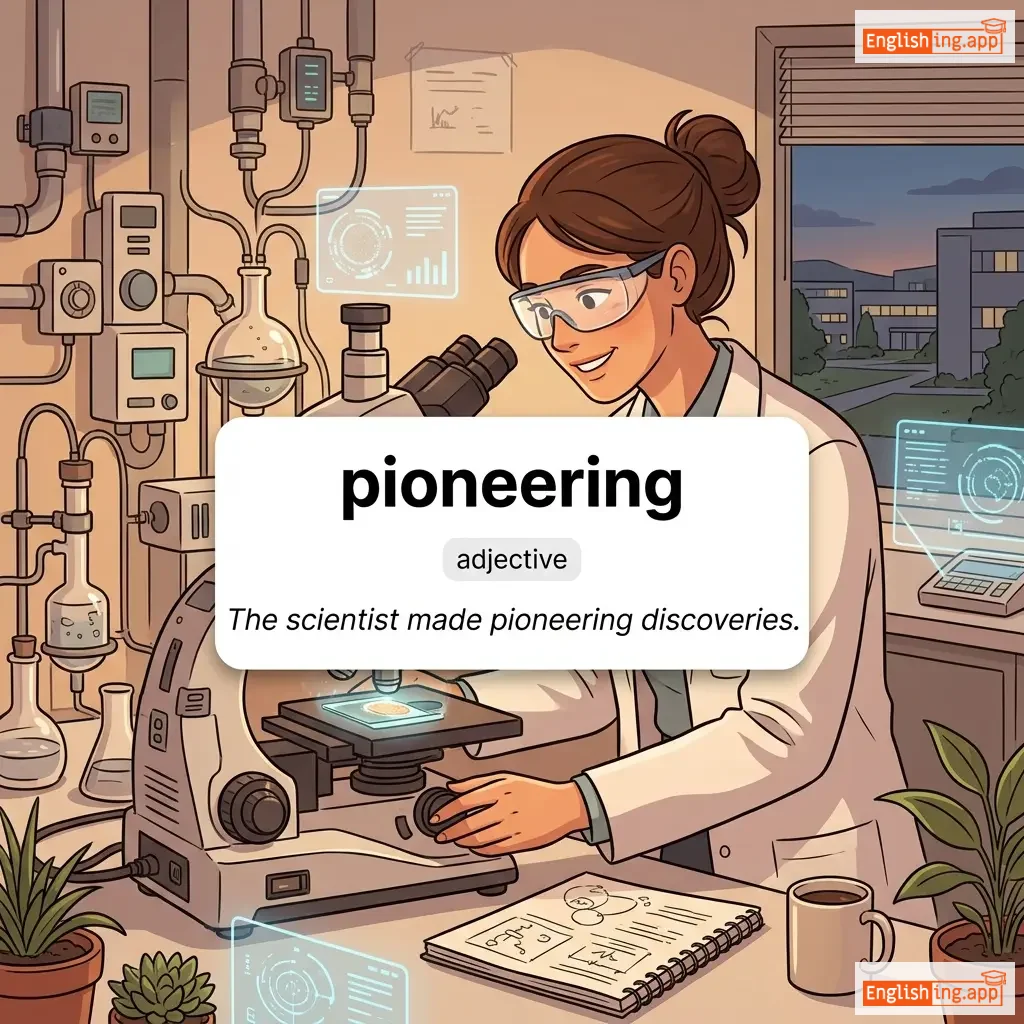
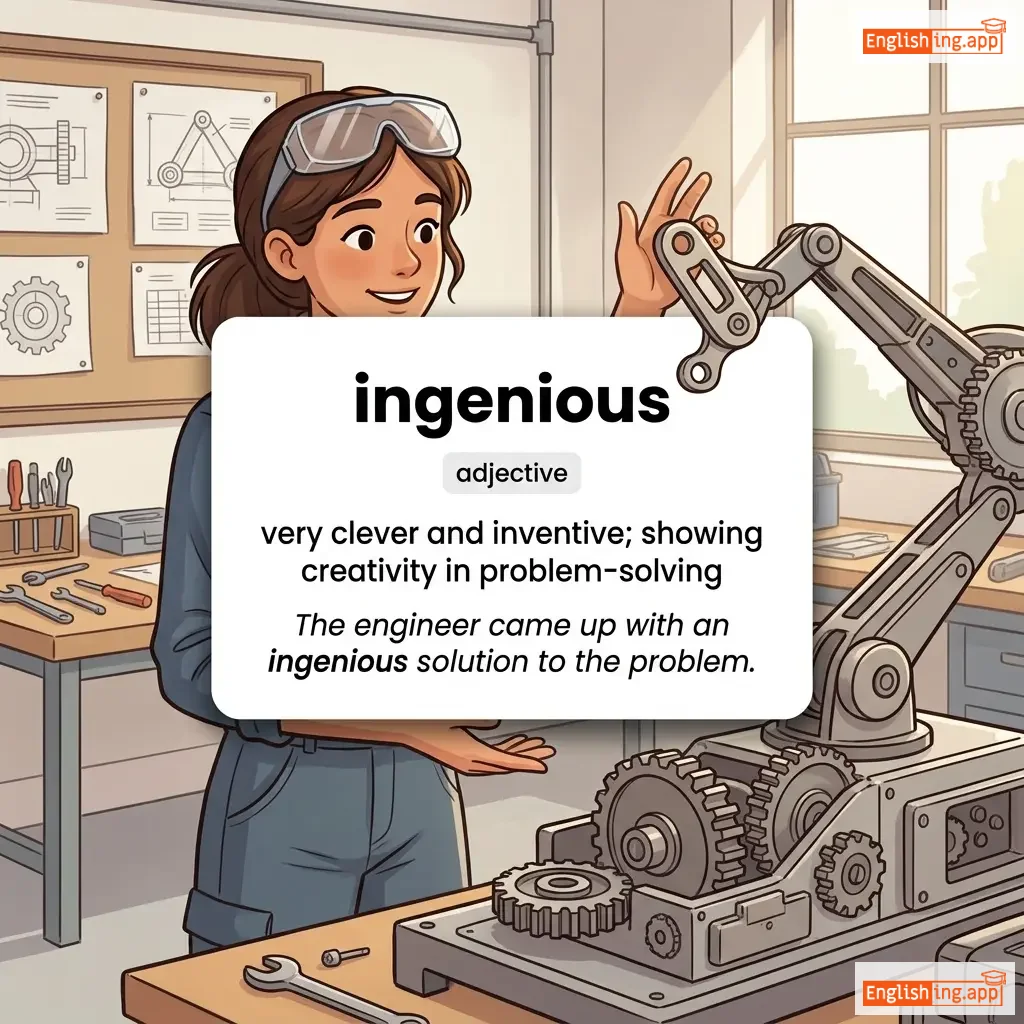
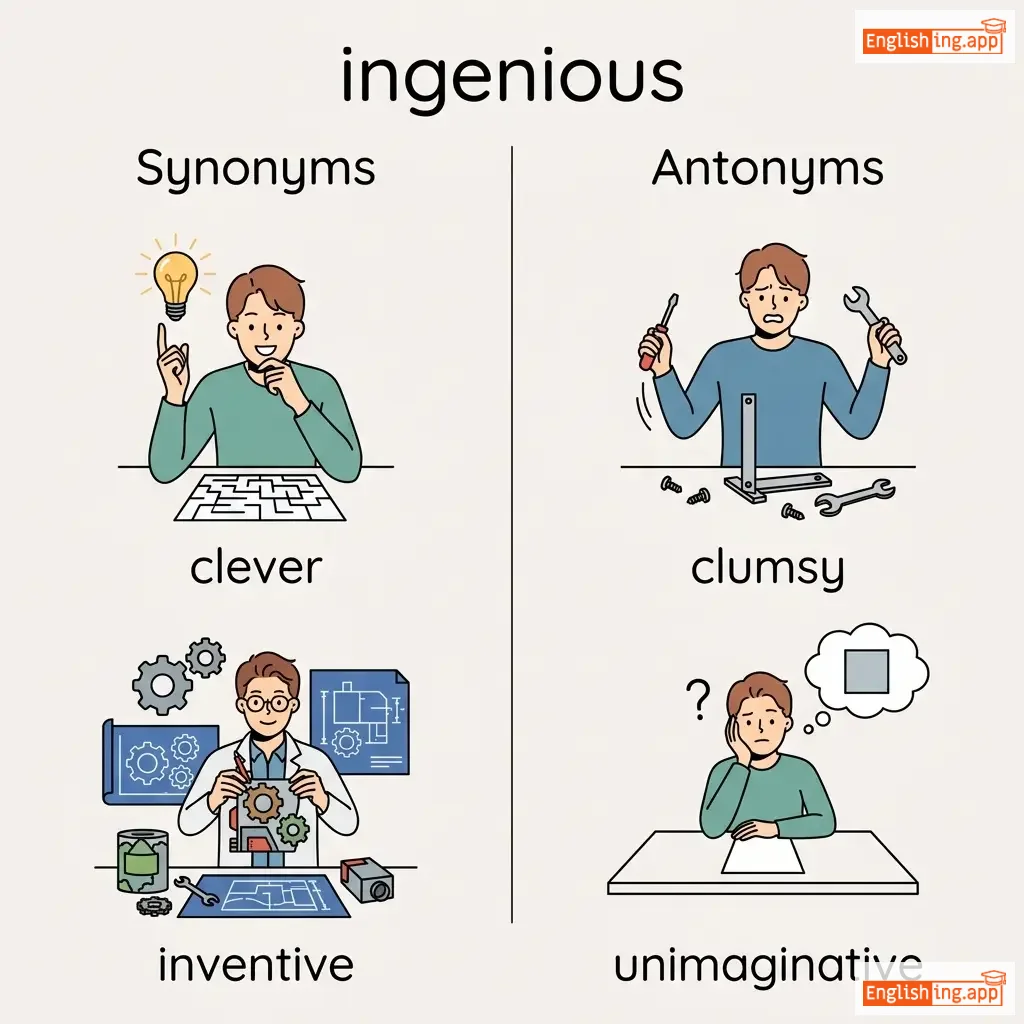
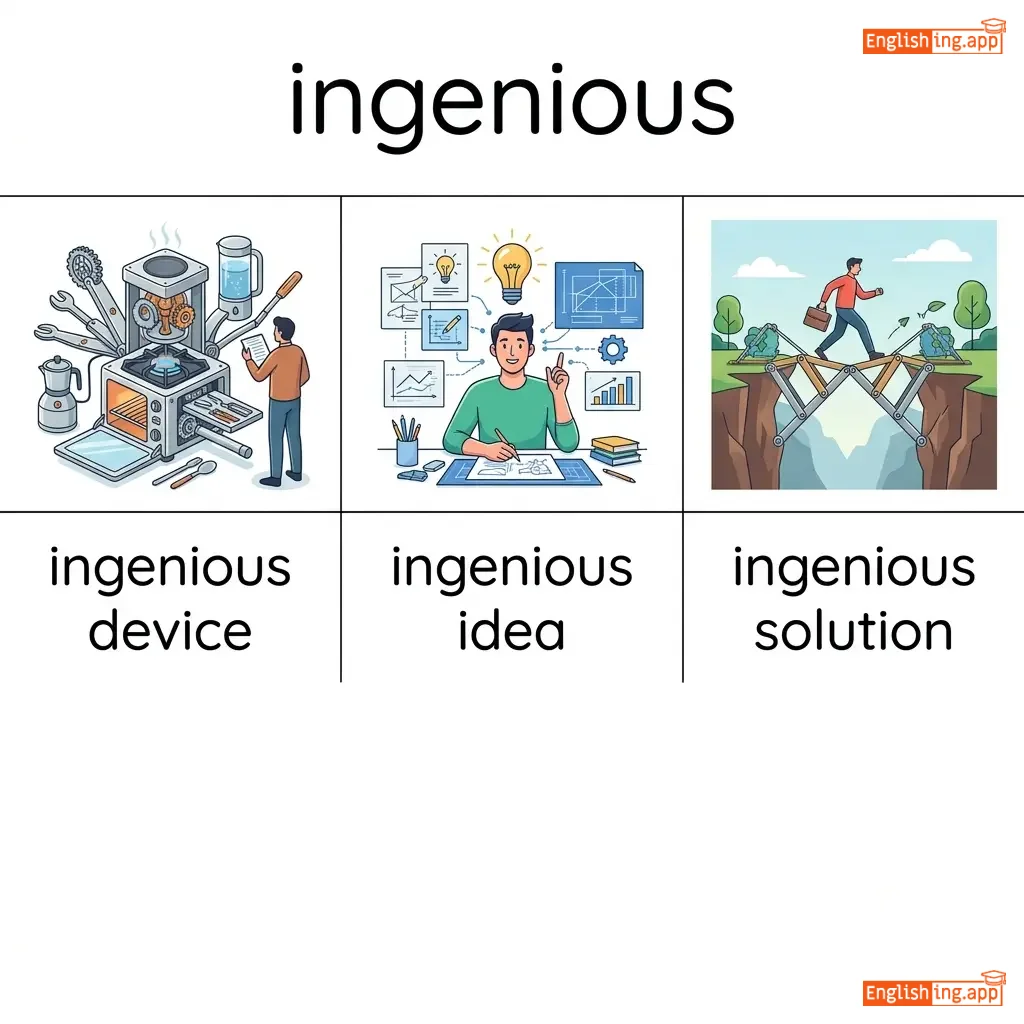
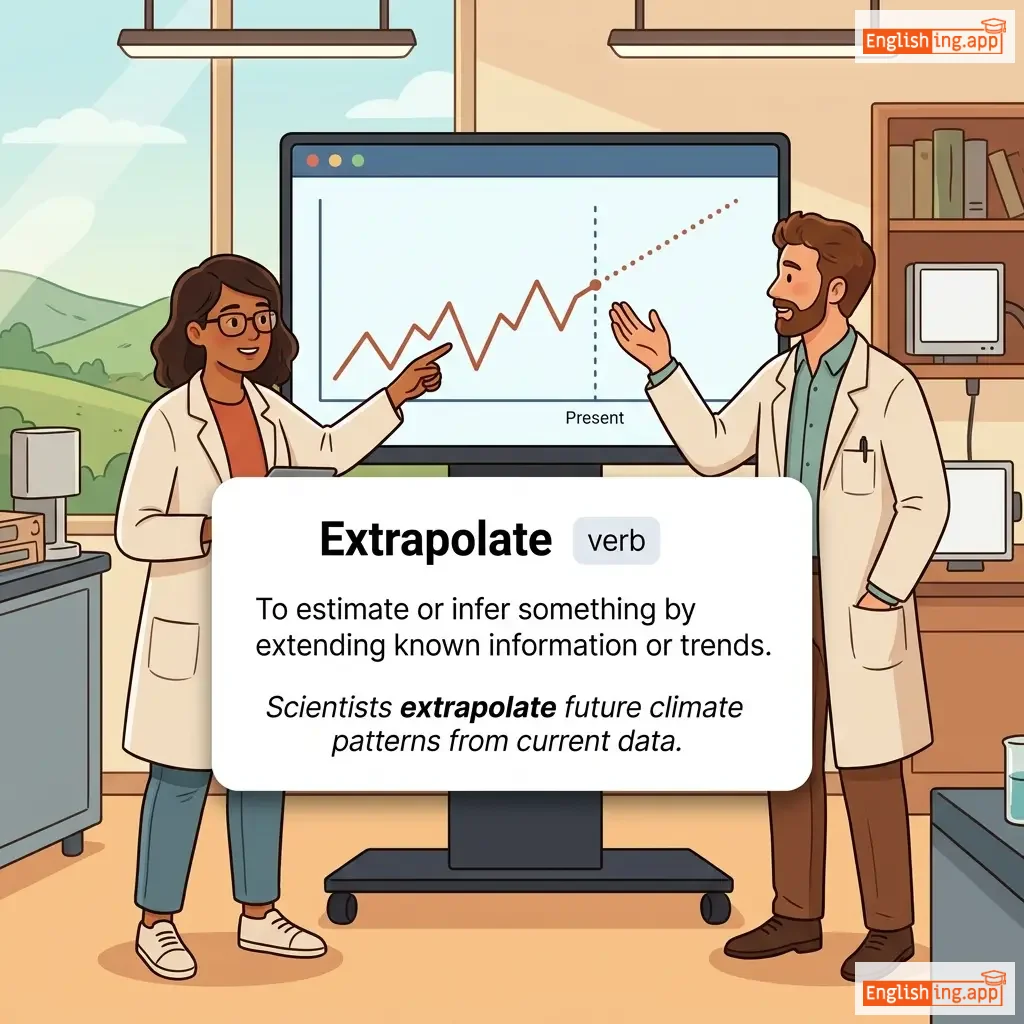
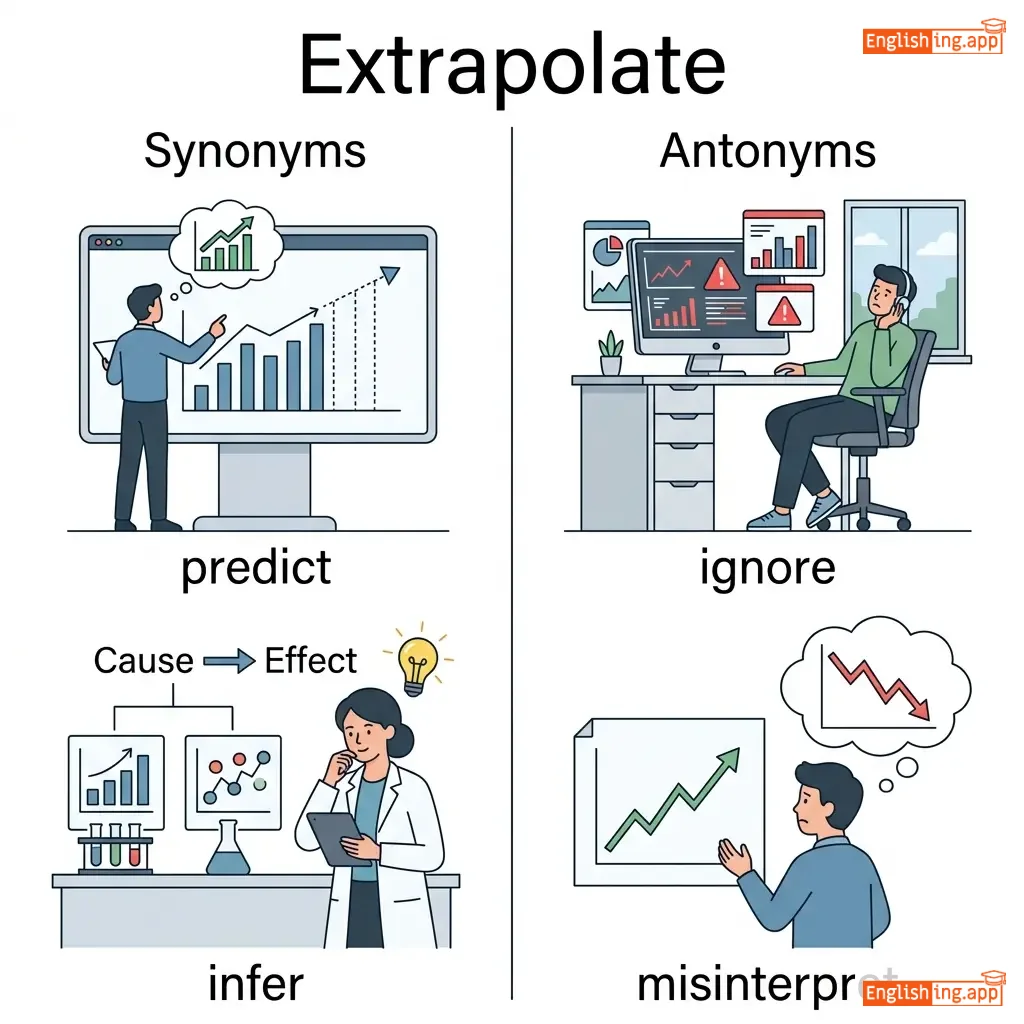
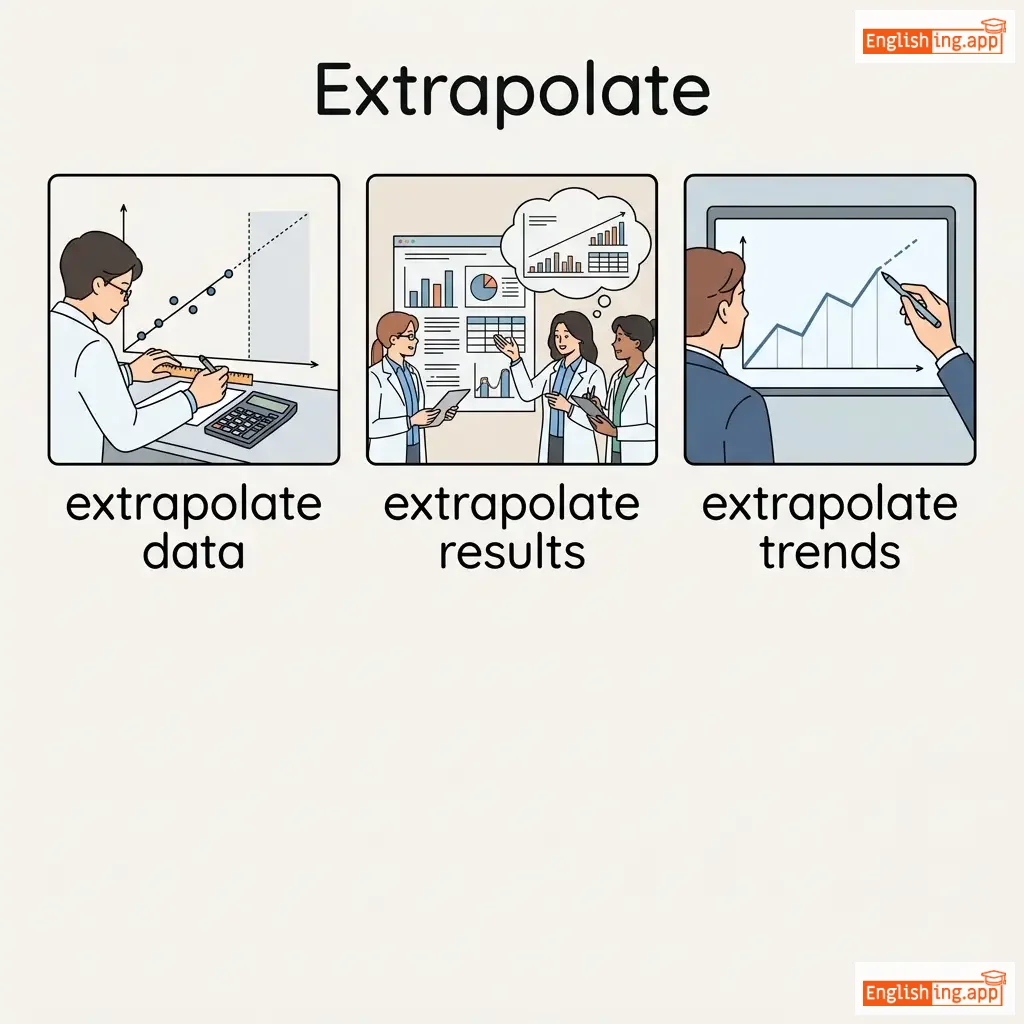
在科学史上,许多pioneering科学家做出了推动人类文明进步的发现。艾萨克·牛顿的引力理论是一个axiomatic的真理,构成了物理学的基础。阿尔伯特·爱因斯坦的ingenious相对论为宇宙提供了新的视角。通过他的研究,科学家们能够extrapolate宇宙的动态。
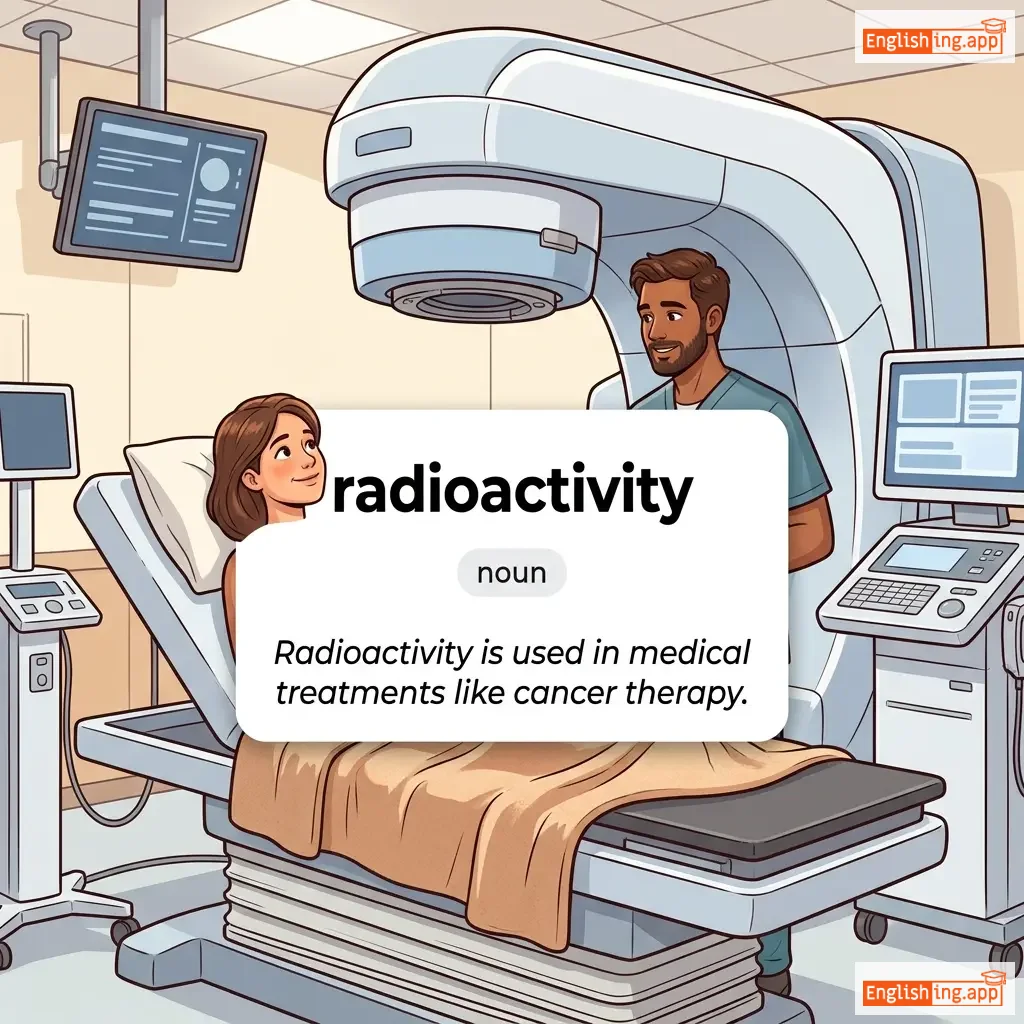
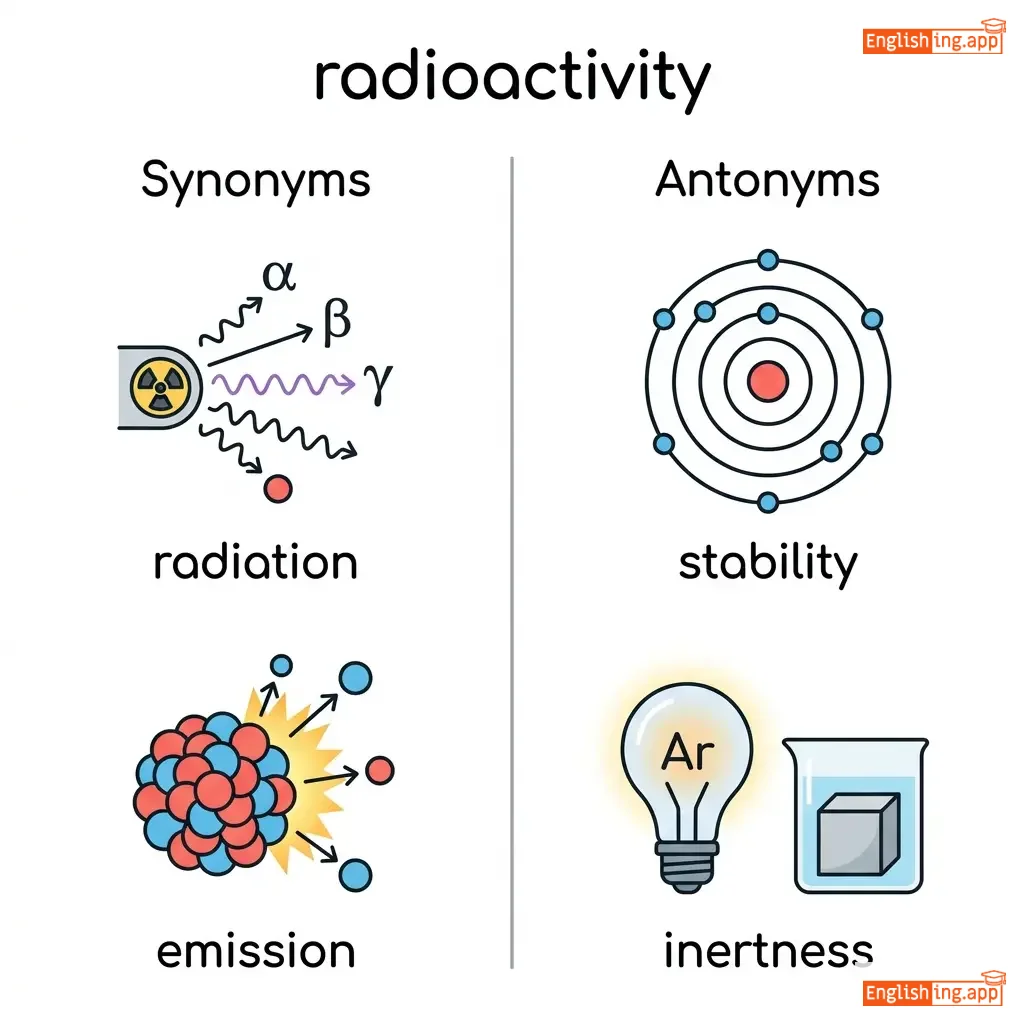
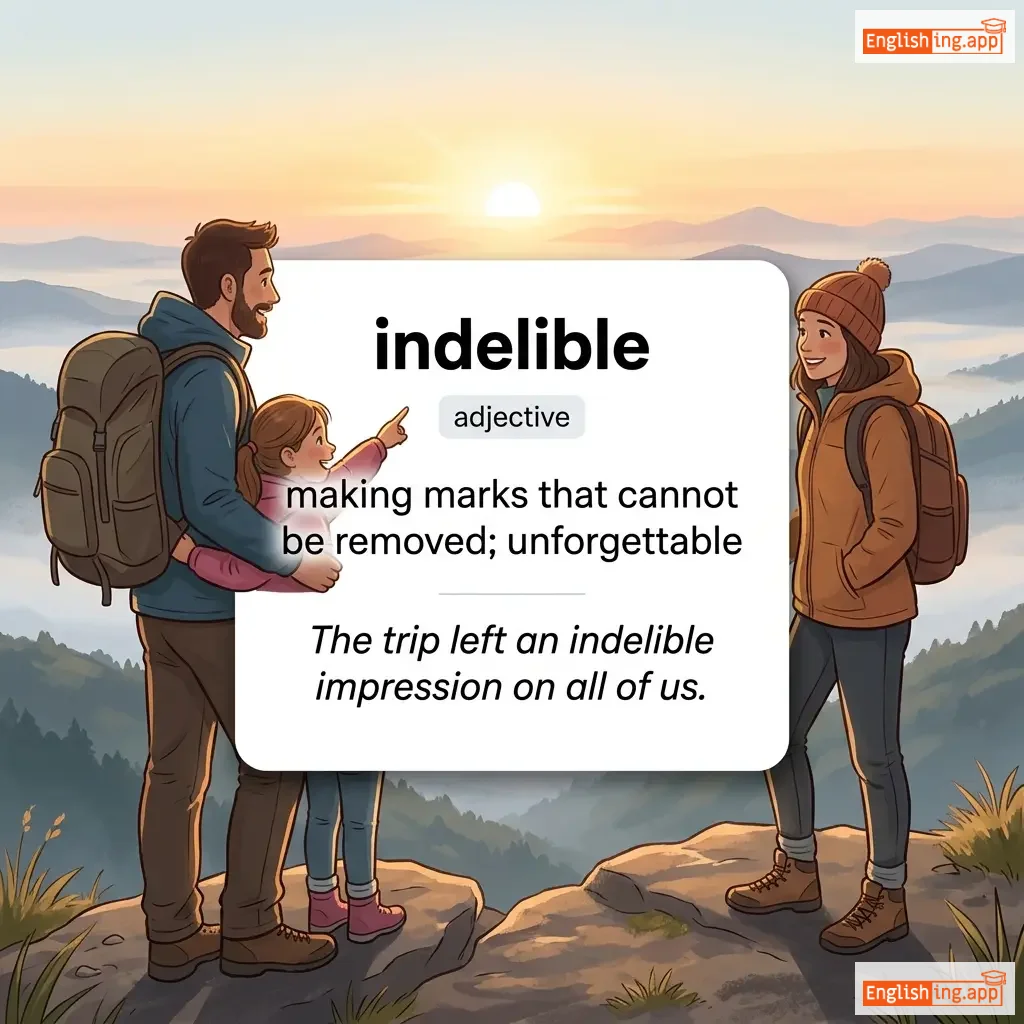
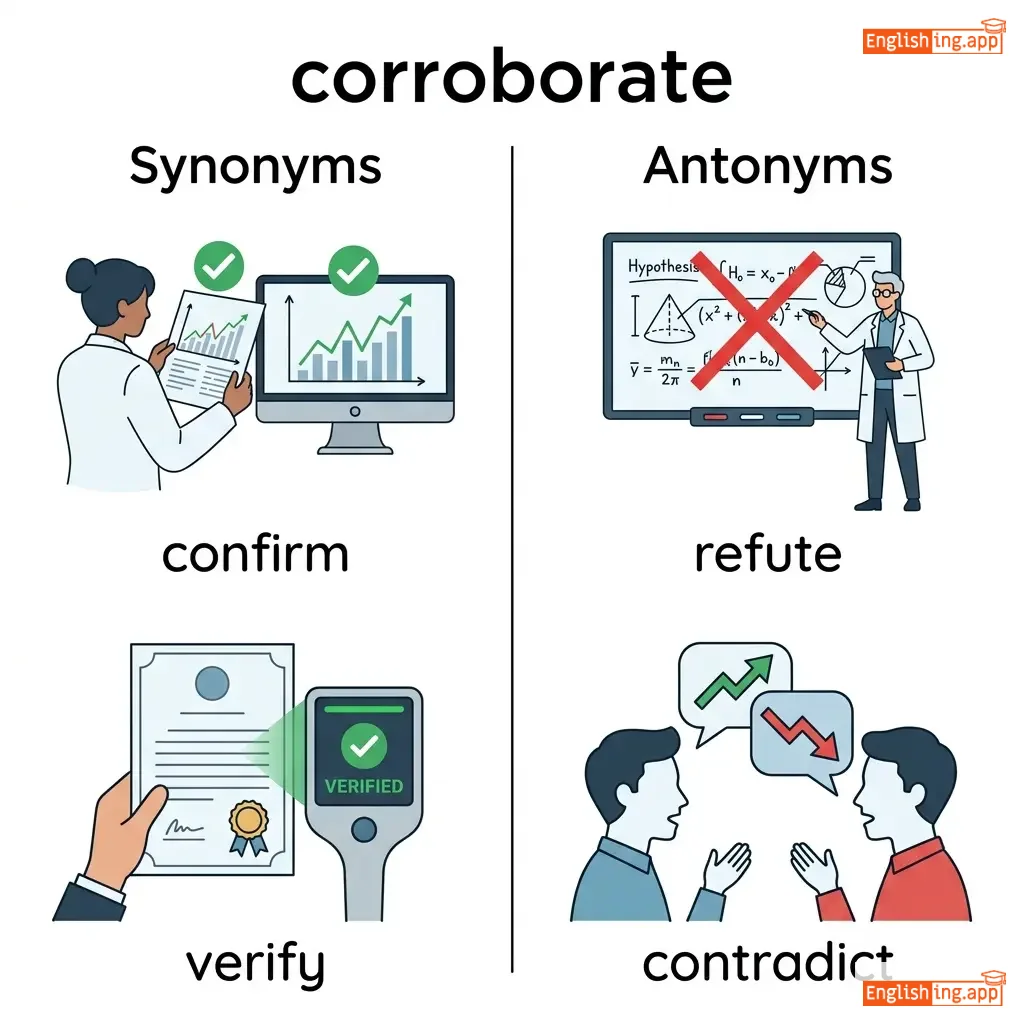
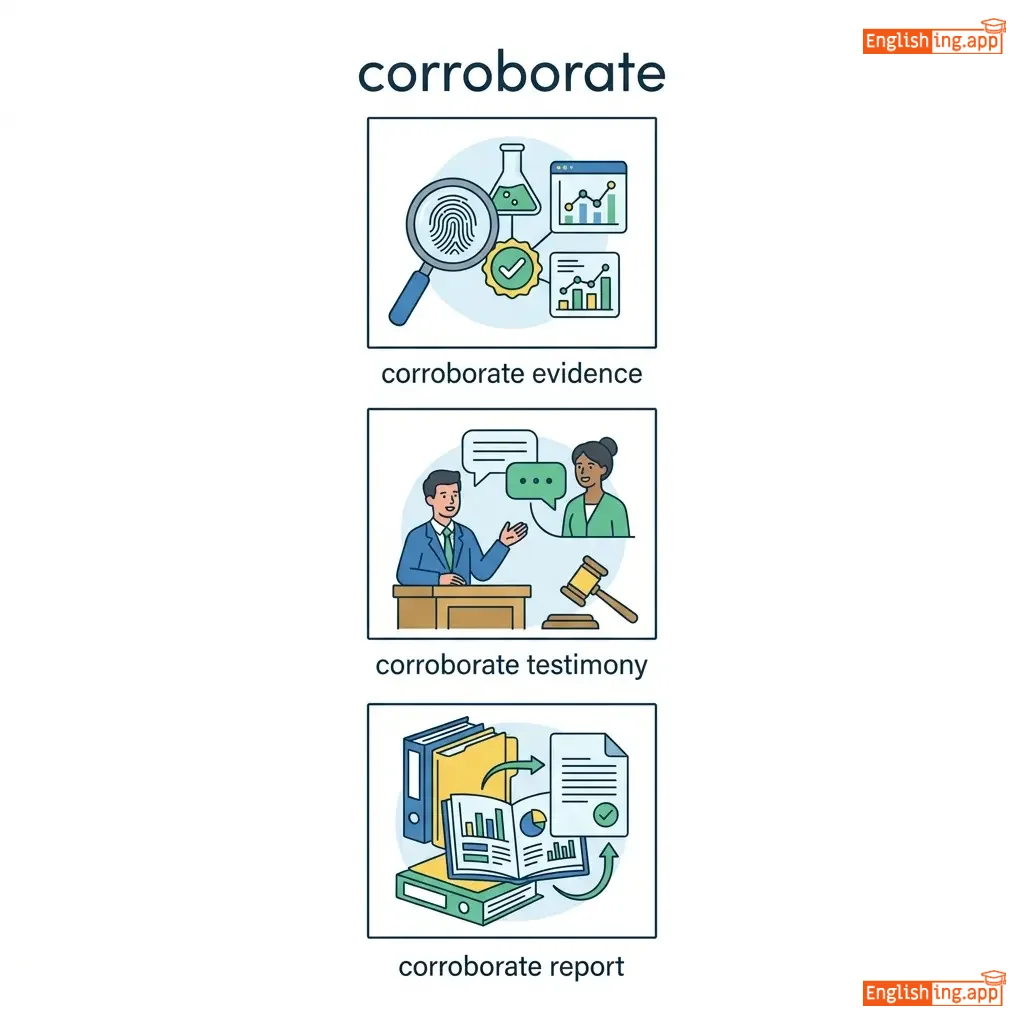
玛丽·居里发现了radioactivity,对医学和能源研究产生了indelible的影响。她的研究corroborated了某些基本元素可能自然衰变。
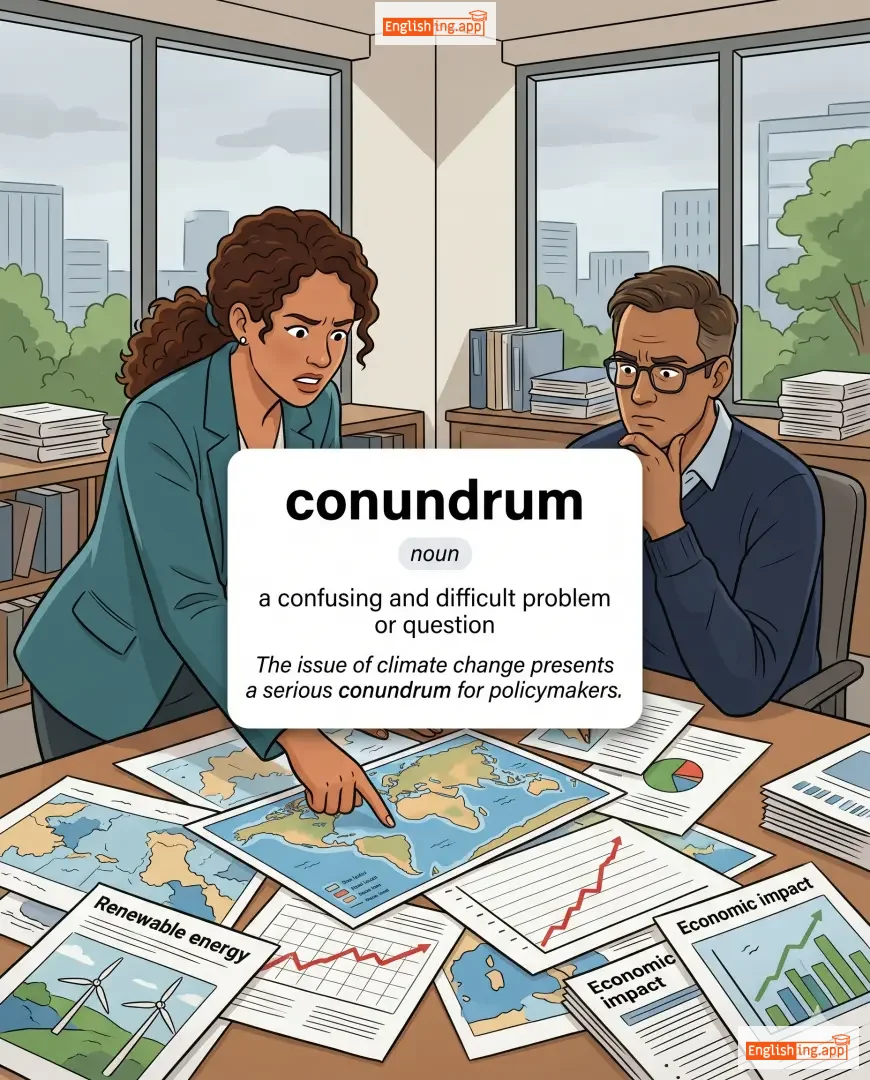
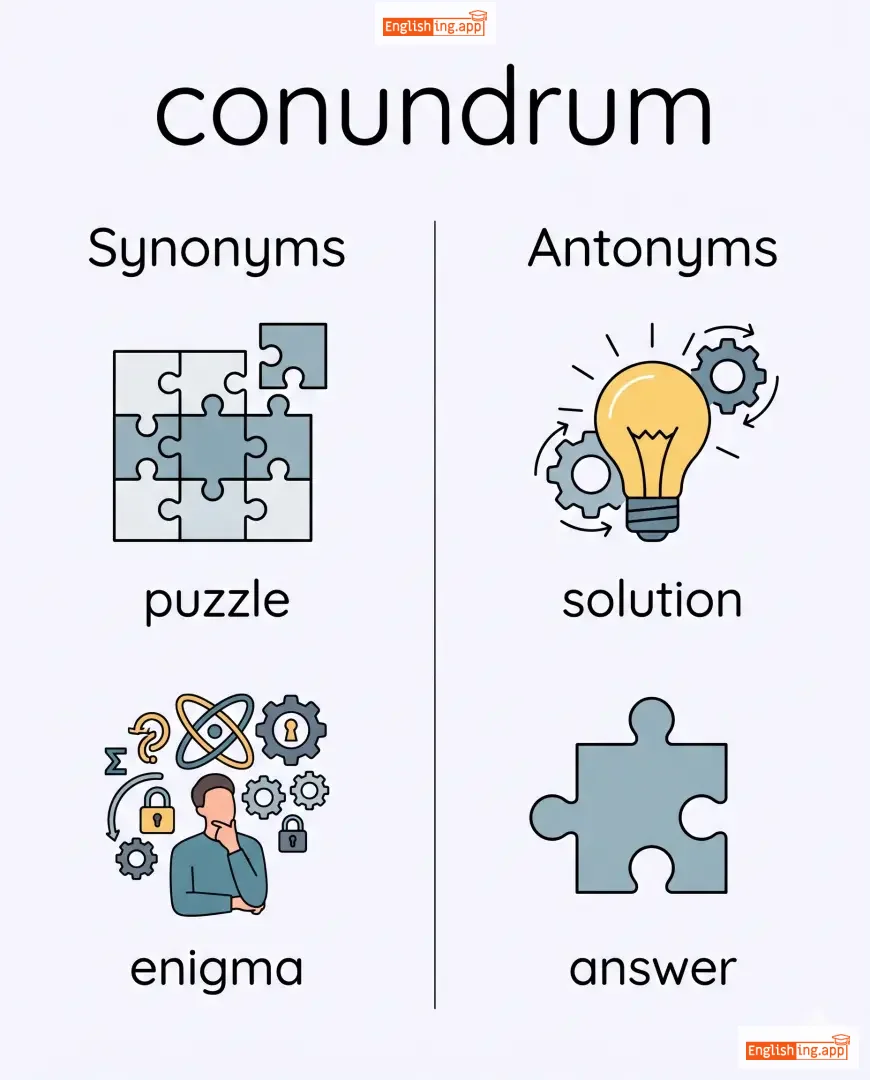
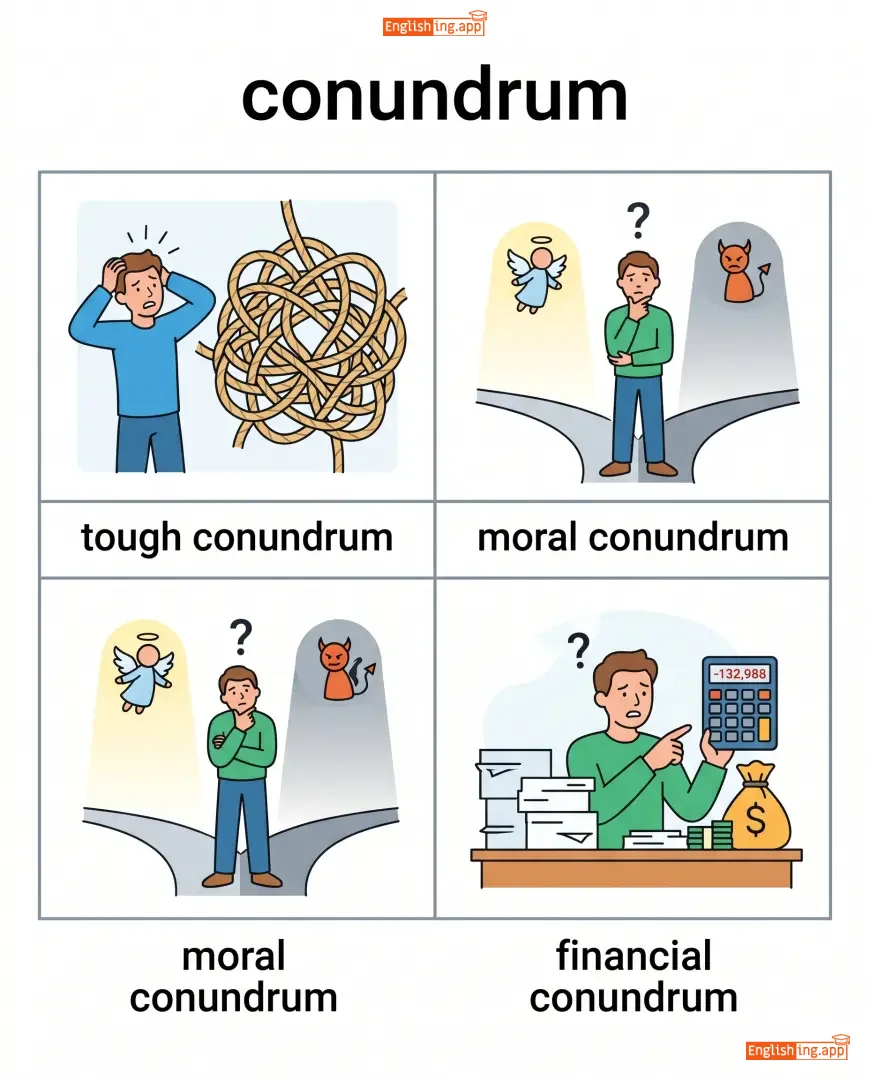
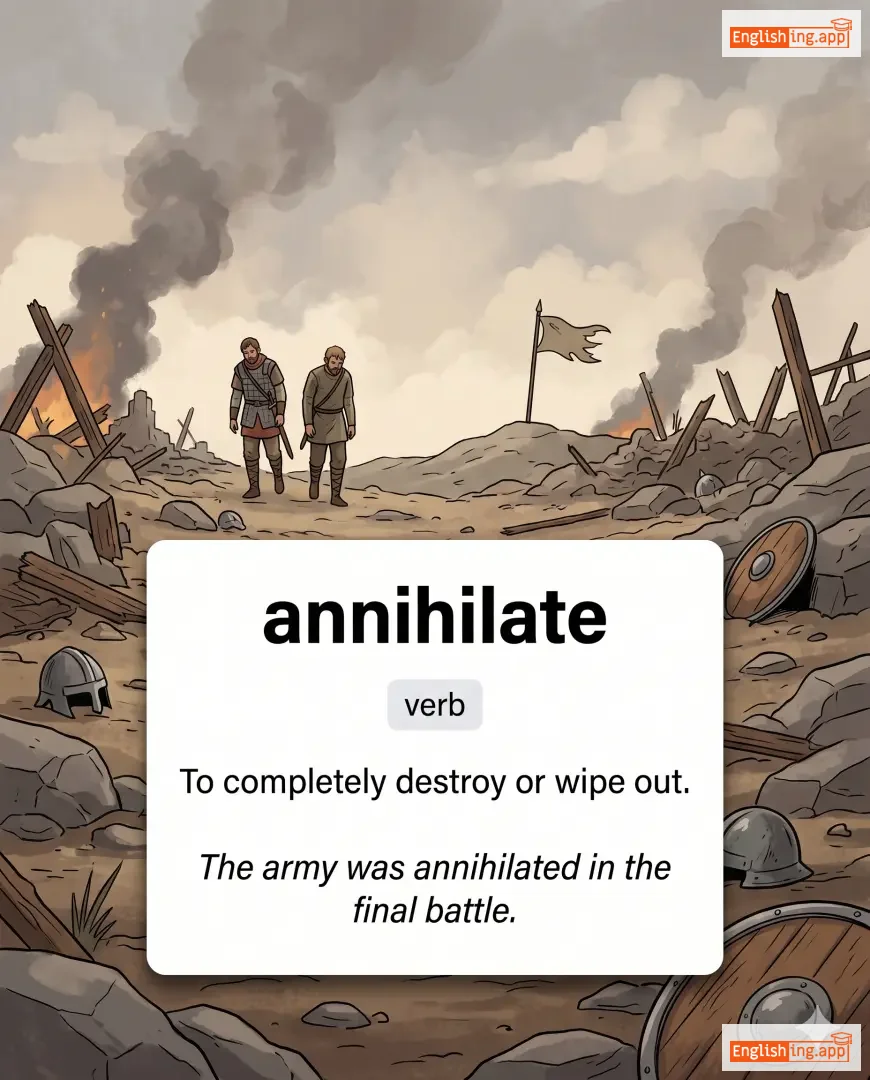
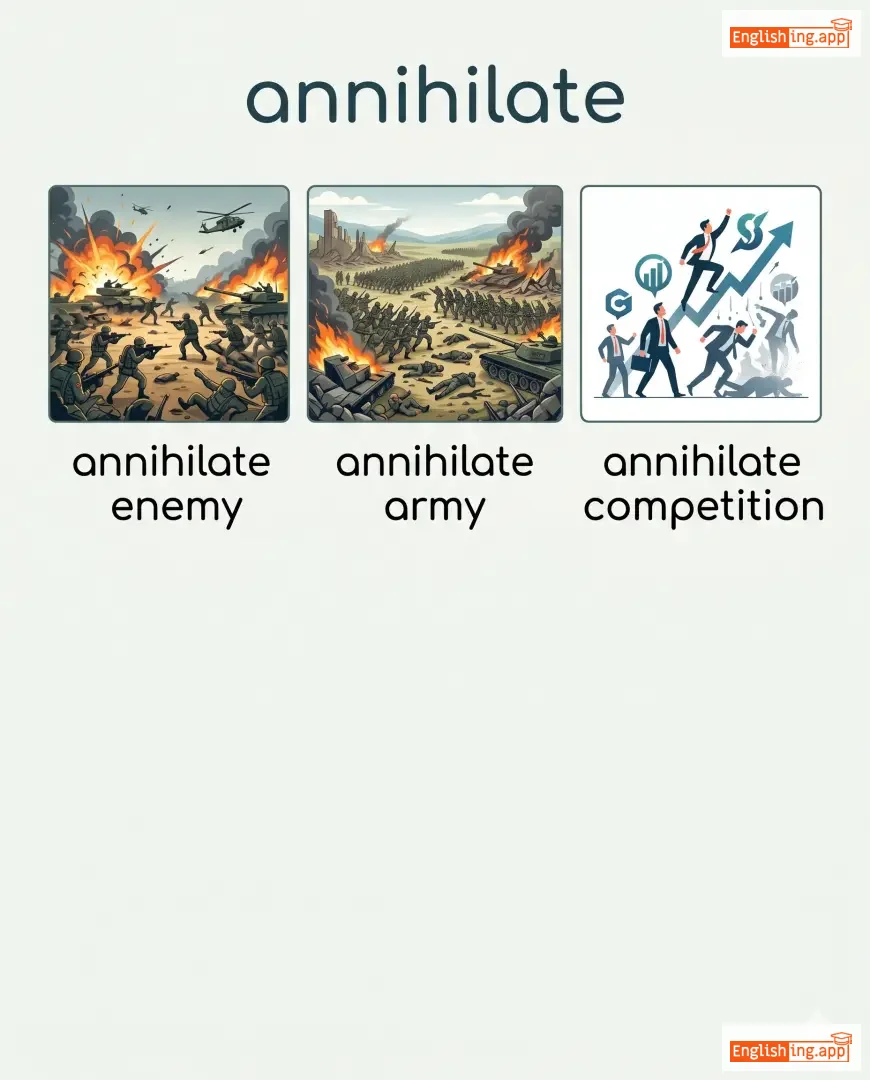
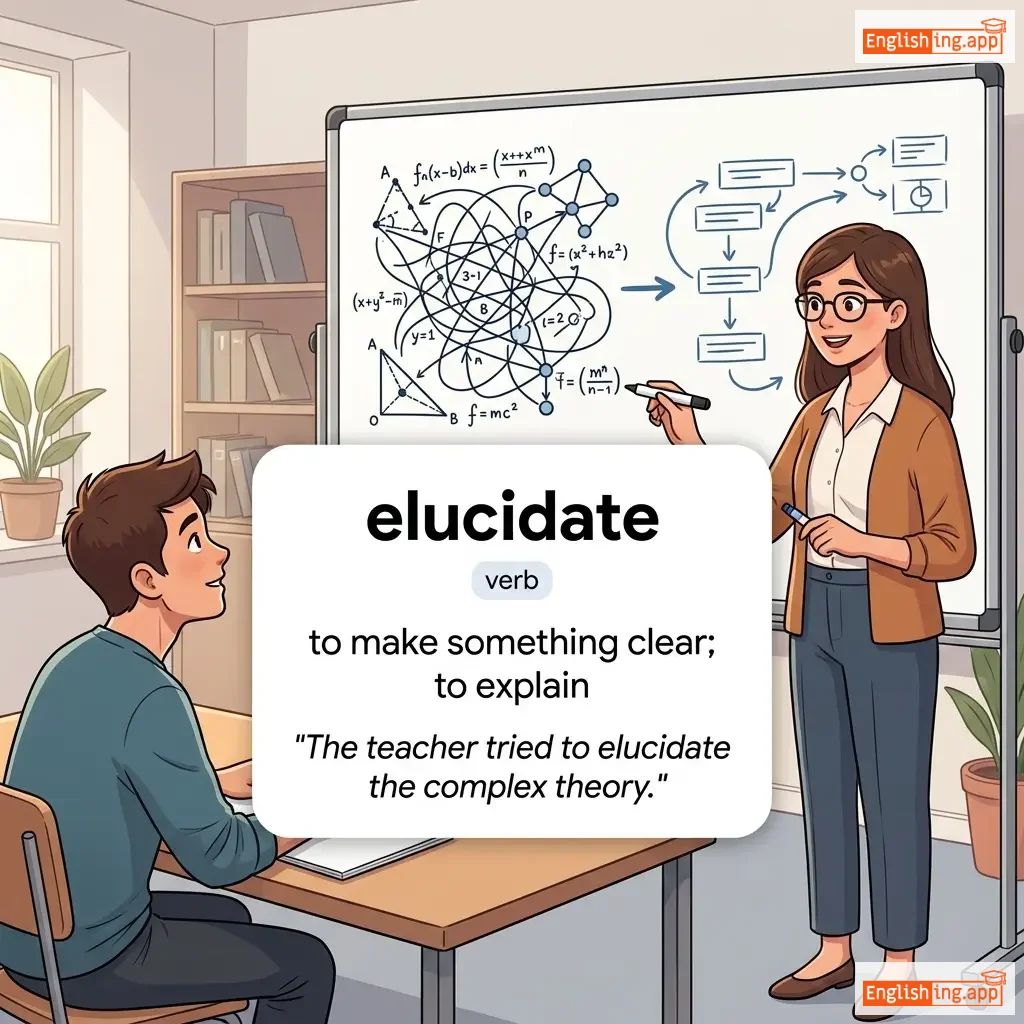
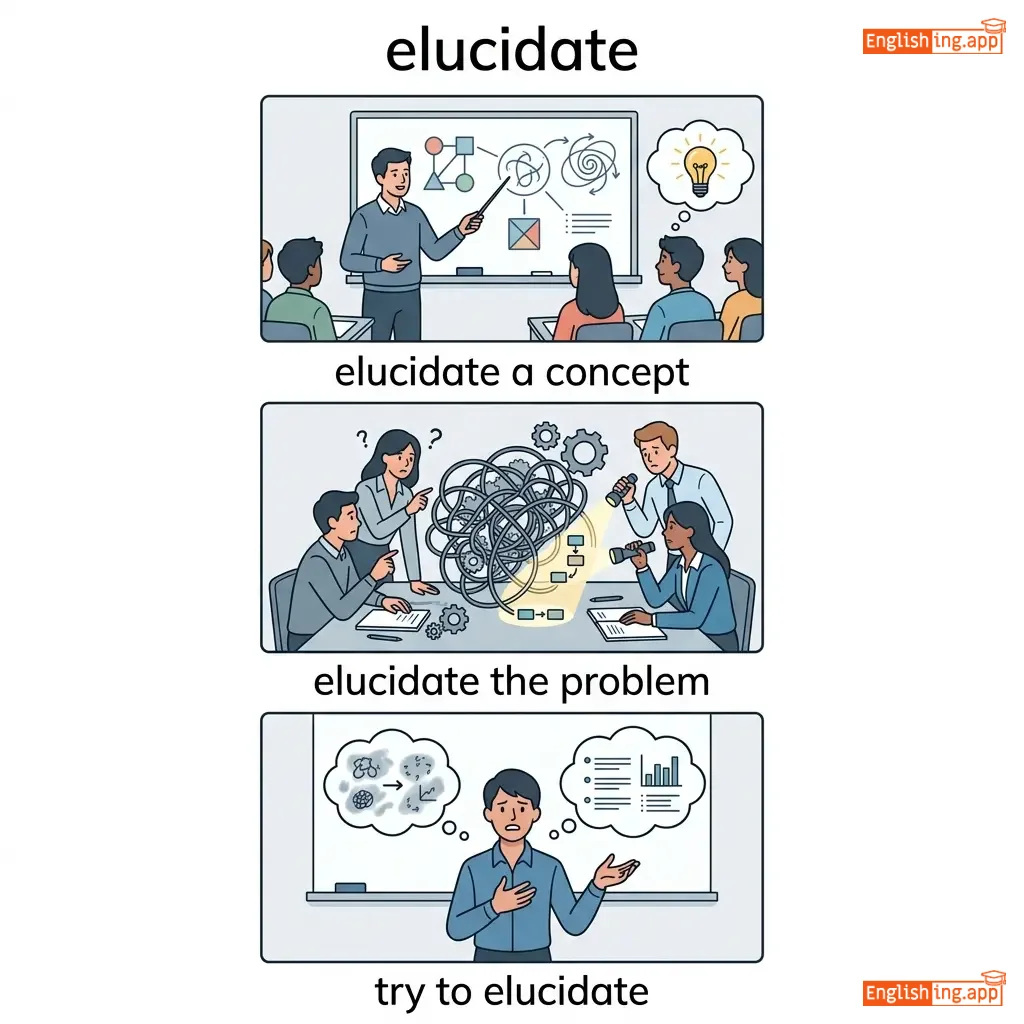
当伽利略·伽利莱通过望远镜观察太空时,他提出了一个conundrum—地球是否围绕太阳转动?他的研究annihilated了旧的概念并elucidated了新的真理。
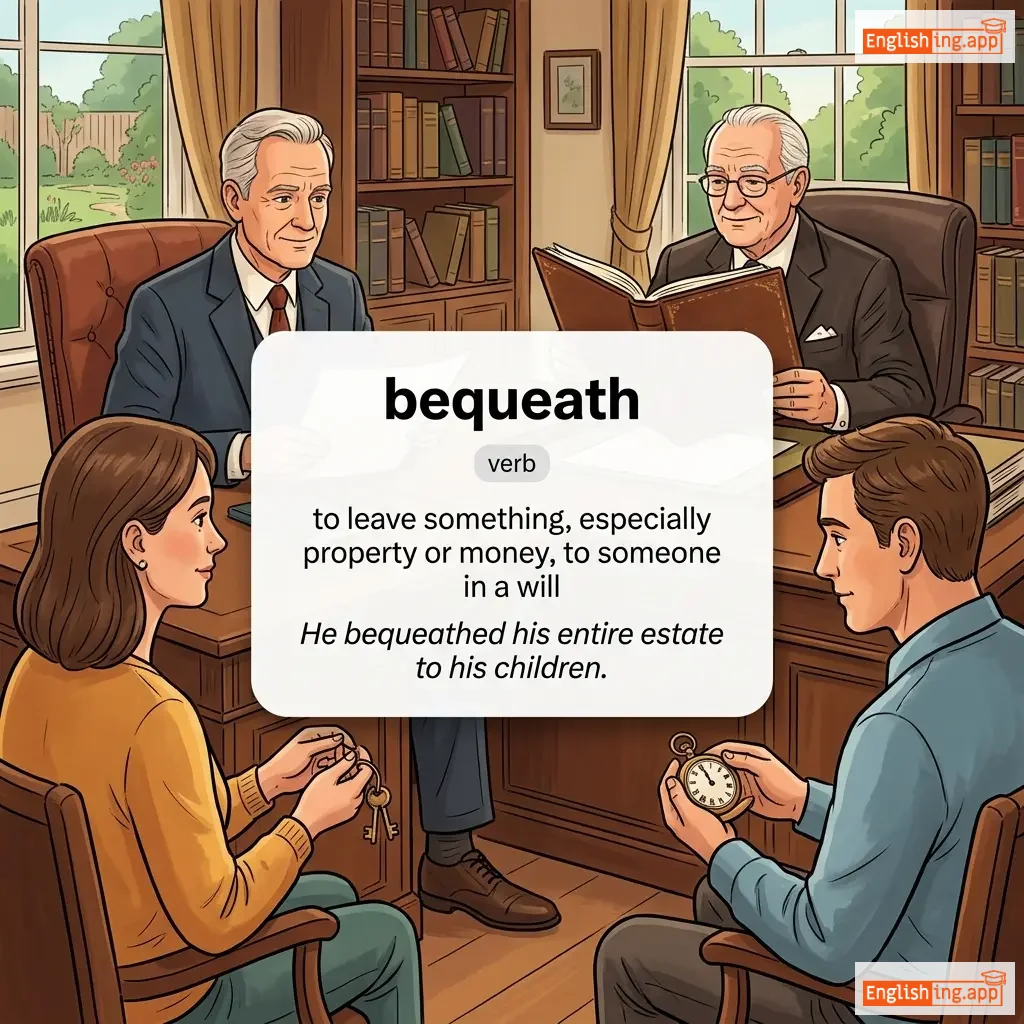
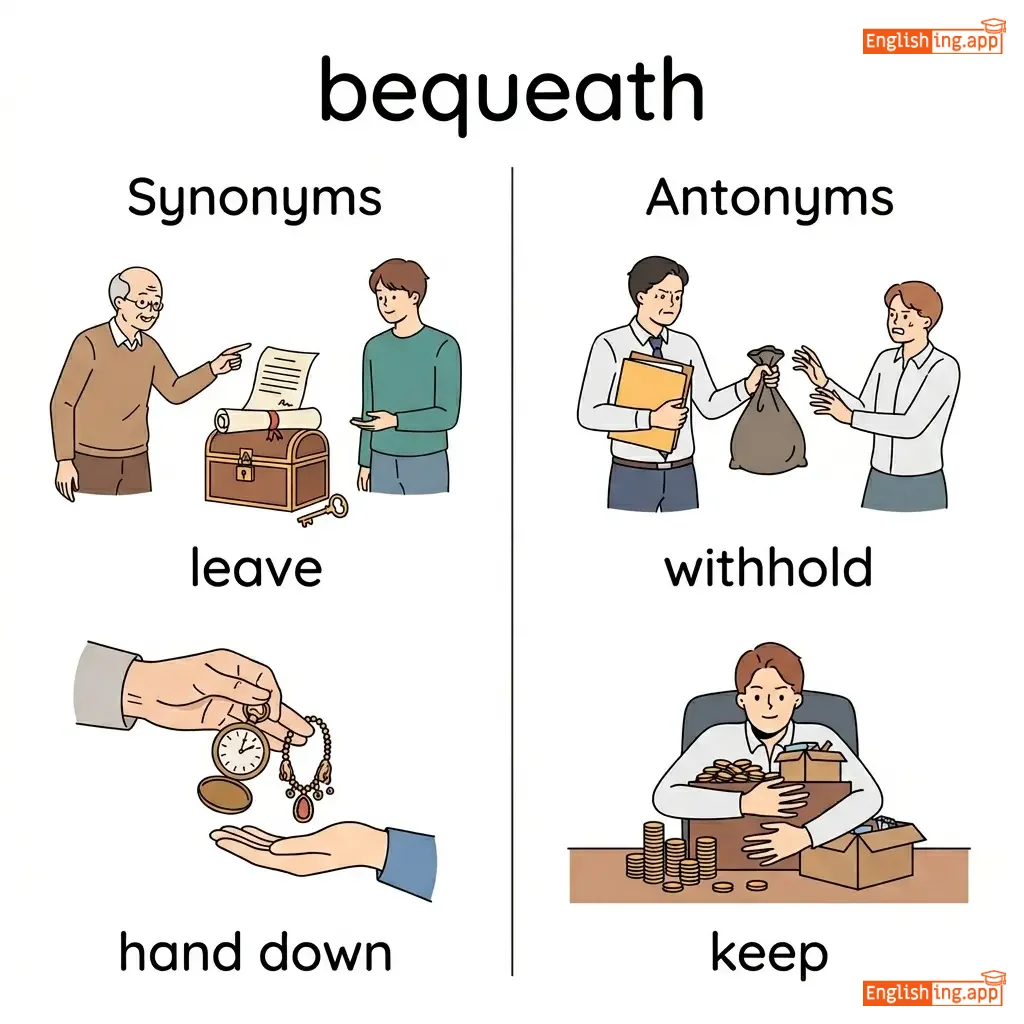
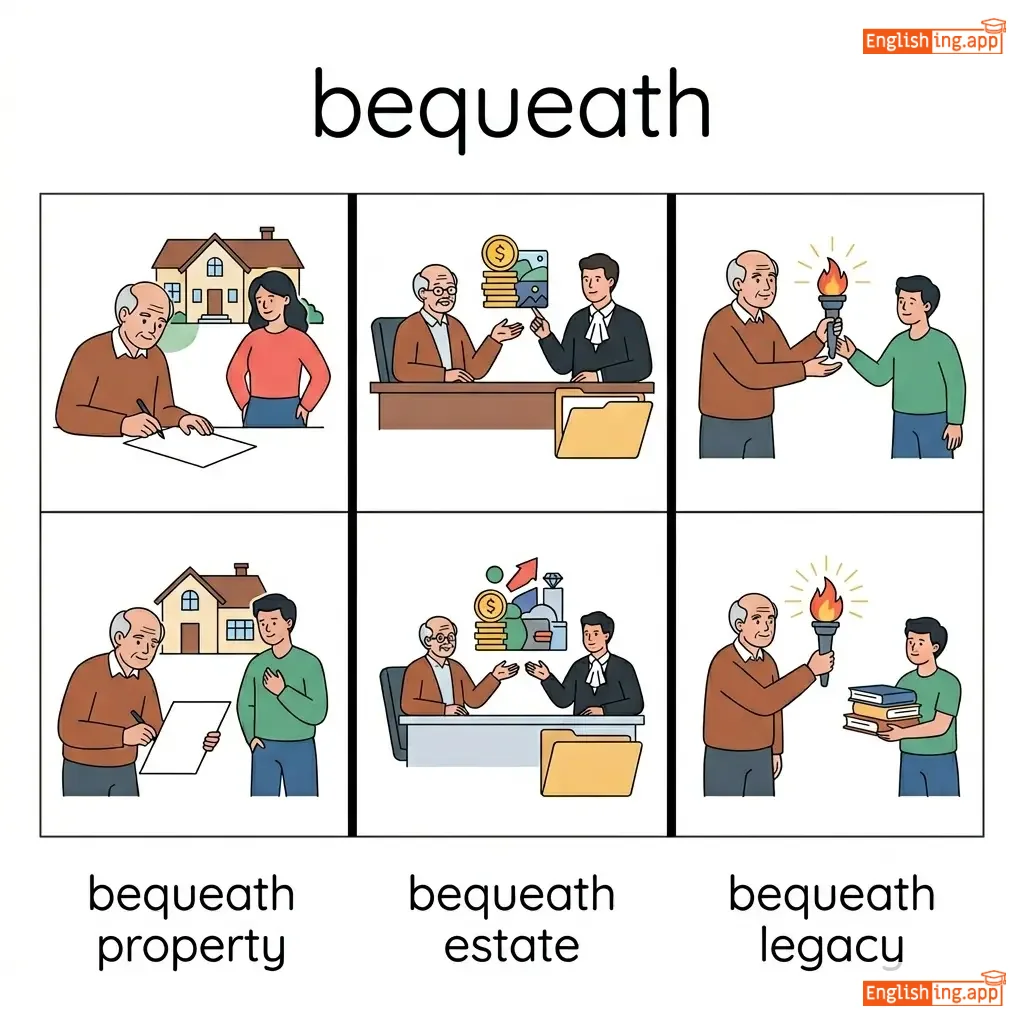
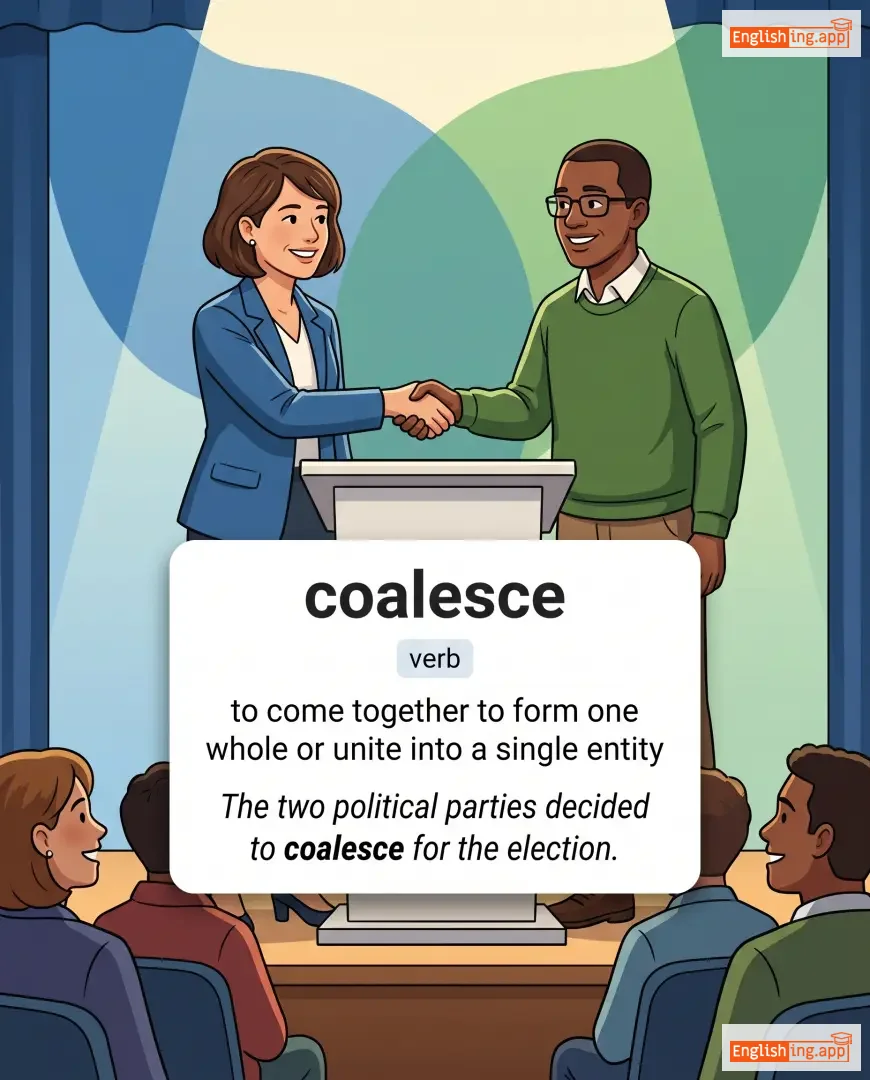
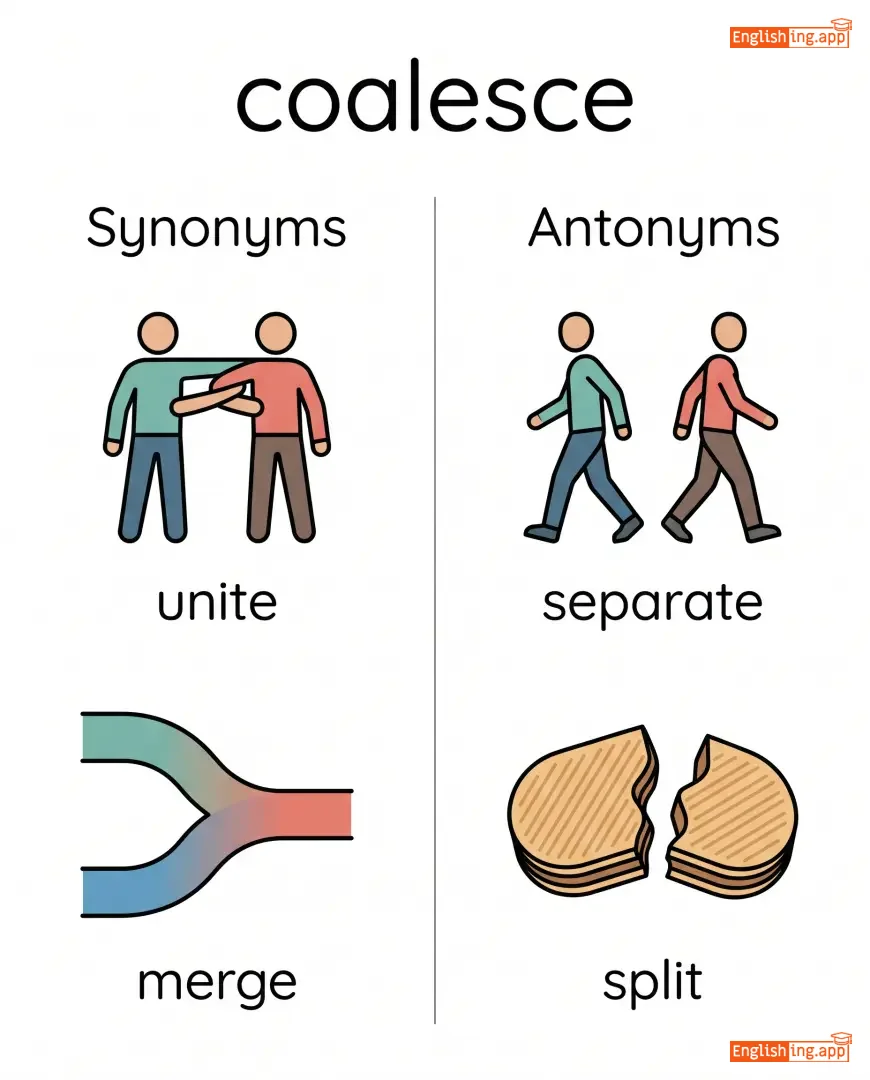
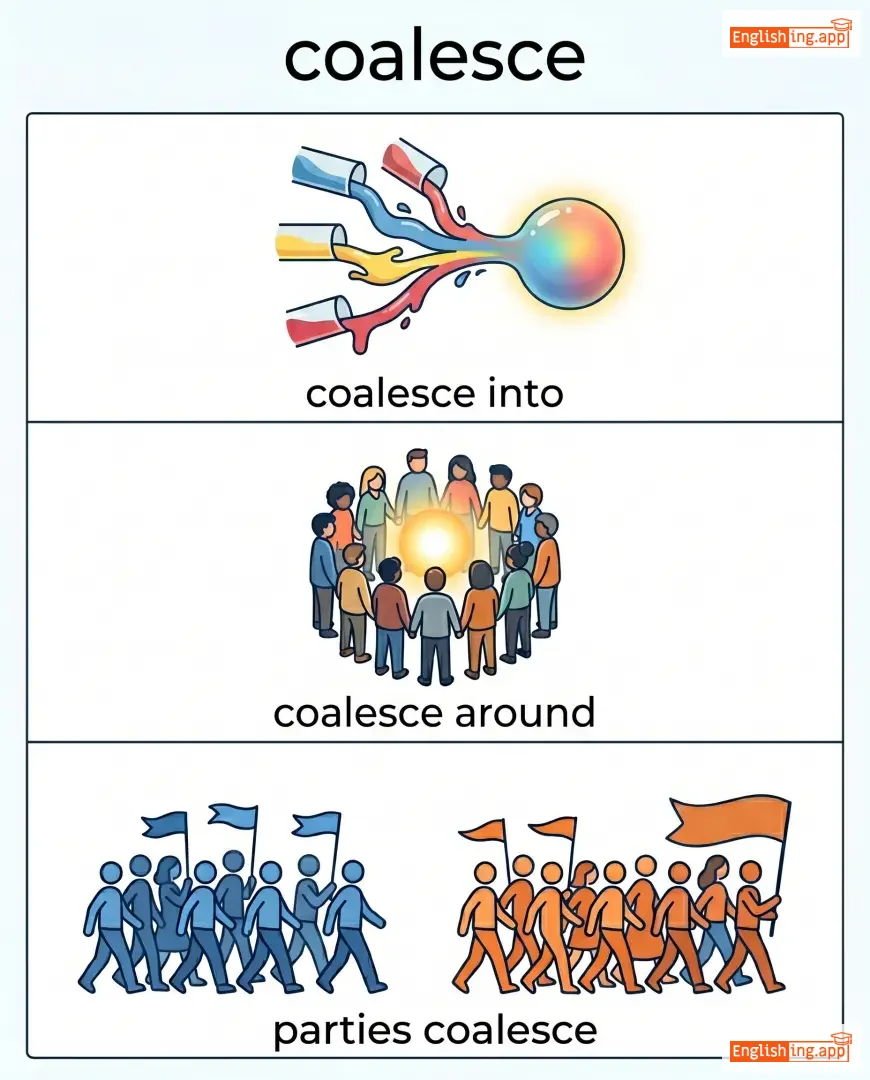
科学家们将他们的研究bequeathed给后代,以便新的研究和coalesced的信息能够造福人类。
Swipe left or right, or use the buttons. Tap image to zoom.
例句翻译
单词
Famous Scientists and Their DiscoveriesFamous Scientists and Their Discoveries - 遮罩切换
|
表情符号
|
单词 | Images | 翻译 | 含义 | 例句 | 例句翻译 | 同义词 | 反义词 | 助记符 |
|---|---|---|---|---|---|---|---|---|---|
|
#1645
🚀
|
ˌpaɪəˈnɪər.ɪŋ
adjective
(paɪəˈnɪərɪŋ)
••••••
|
|
开创性的
kaichuangxing de
••••••
|
Being the first to develop or apply a new method, area of knowledge, or activity; innovative.
••••••
|
Pioneering discoveries have changed science forever. |
开创性的发现永远改变了科学。
Kaichuangxing de faxian yongyuan gaibianle kexue.
••••••
|
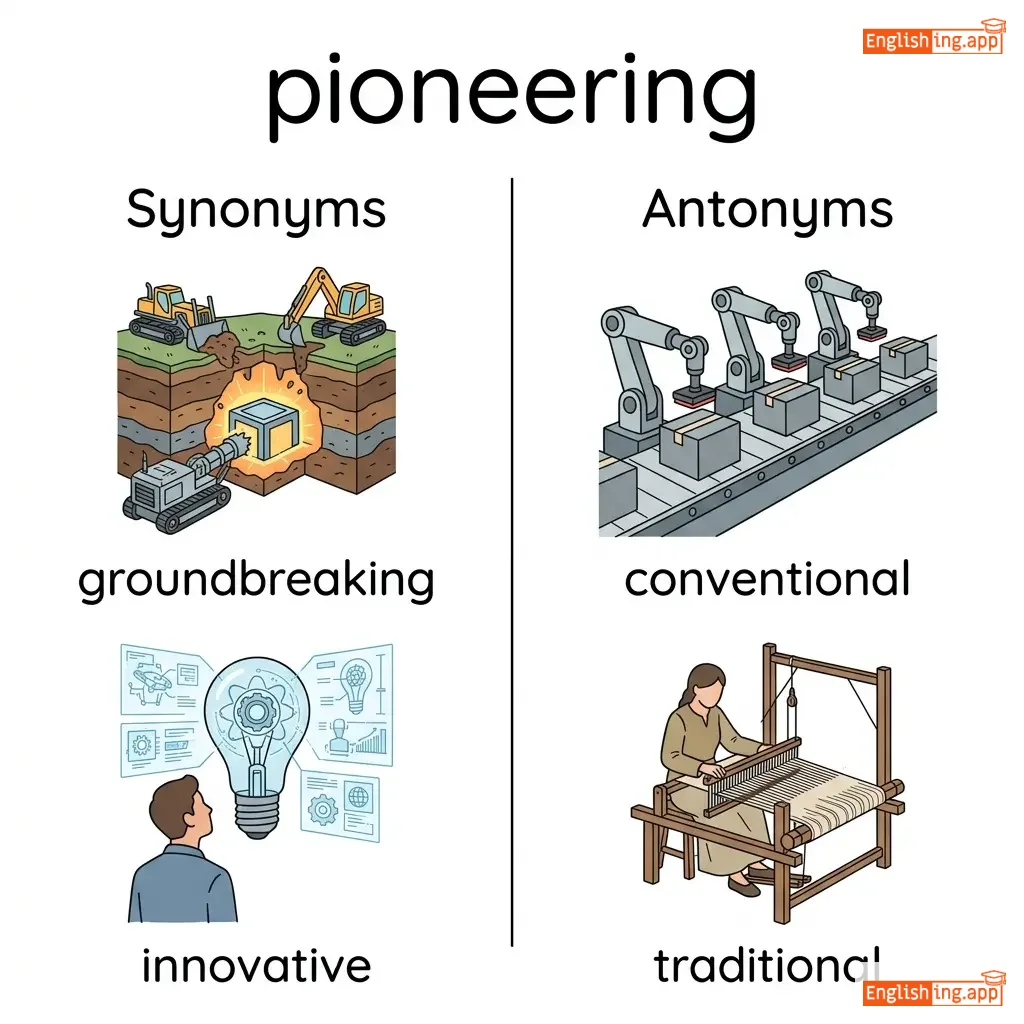
innovative, groundbreaking, revolutionary
••••••
|
conventional, traditional, obsolete
••••••
|
Kai (start) and Chuang (create) - a pioneering discovery starts change.
••••••
|
|
#1646
🔬
|
ˈsaɪən.tɪst
noun
(ˈsaɪənˈtɪst)
••••••
|
|
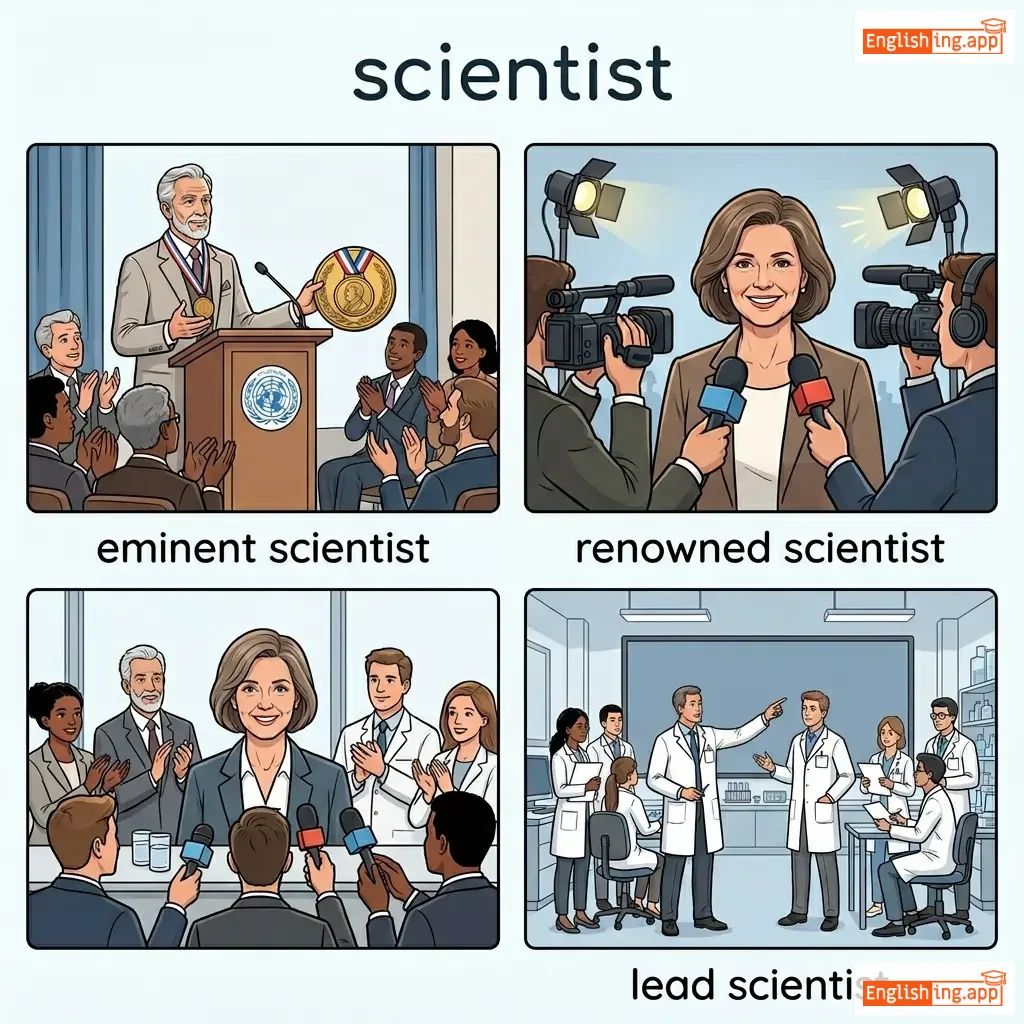
科学家
kexuejia
••••••
|
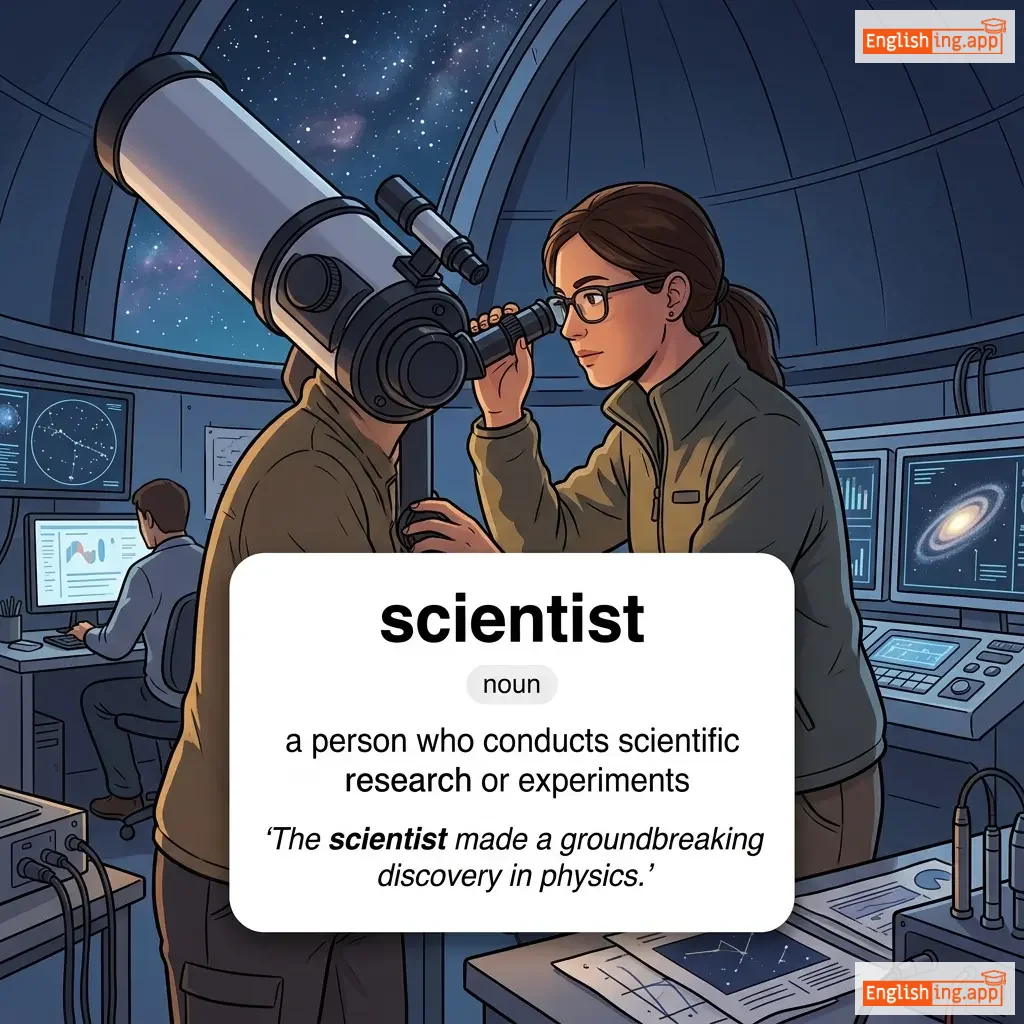
A person who is studying or has expert knowledge of one or more of the natural or physical sciences.
••••••
|
Marie Curie was a scientist who won two Nobel Prizes. |
玛丽·居里是一位获得了两次诺贝尔奖的科学家。
Mǎlì·Jūlǐ shì yī wèi huòdéle liǎng cì nuòbèi'ěr jiǎng de kēxuéjiā.
••••••
|
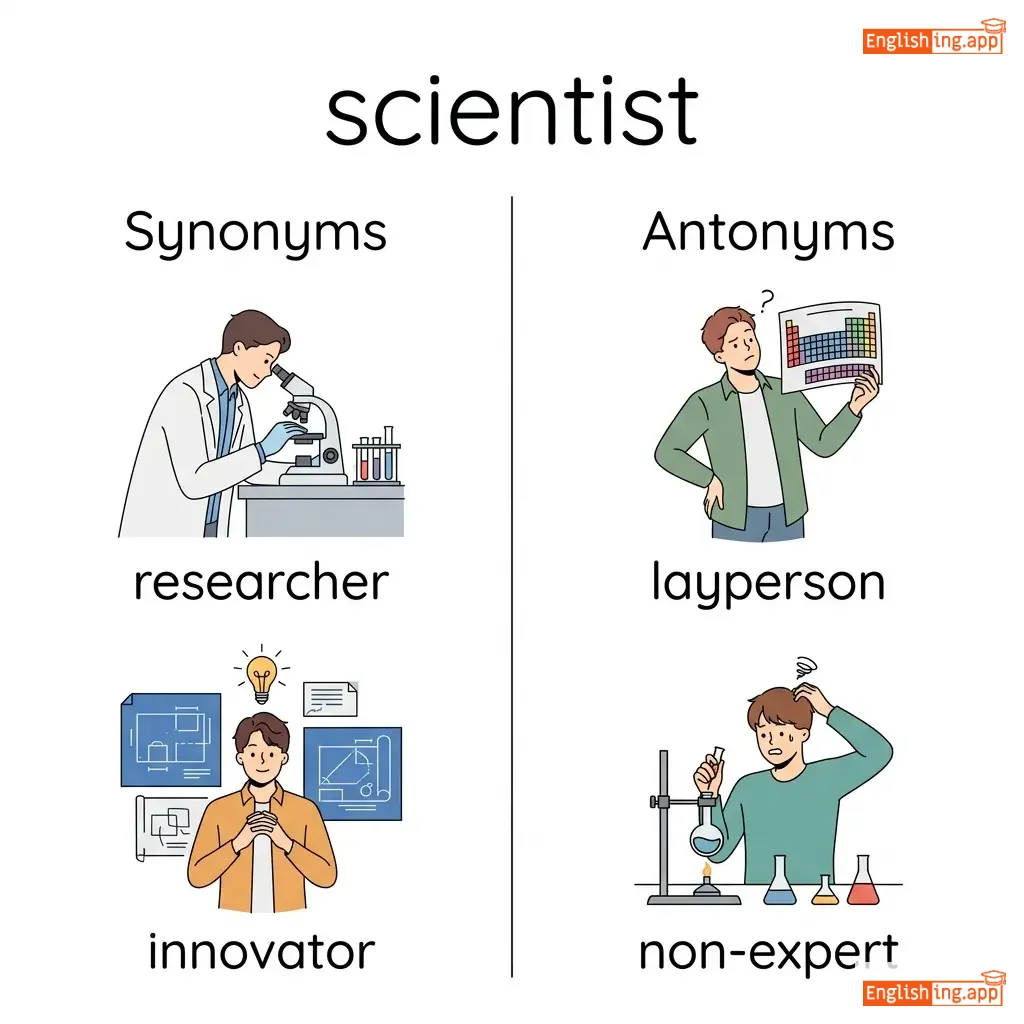
researcher, inventor, scholar
••••••
|
layman, amateur, non-expert
••••••
|
将'科学家'与'科学'和'家'结合记忆,代表着知识和家庭。
••••••
|
|
#1647
✅
|
ˌæk.si.əˈmæt.ɪk
adjective
(ˌæksiəˈmætɪk)
••••••
|
|
公理
gōnglǐ
••••••
|
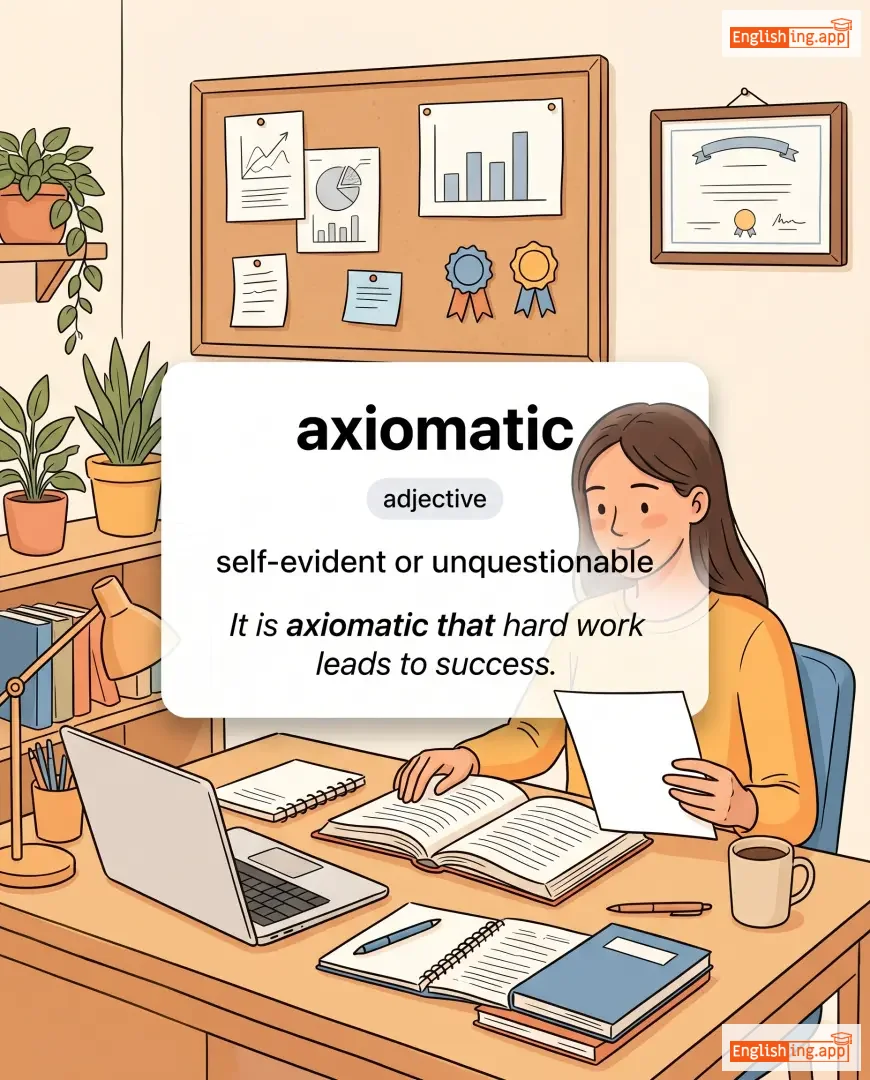
Self-evidently true; obvious and requiring no proof.
••••••
|
The idea that the Earth orbits the Sun is axiomatic.
地球围绕太阳转动的想法是公理性的。
••••••
|
地球围绕太阳转动的想法是公理性的。
Dìqiú wéirào tàiyáng zhuàndòng de xiǎngfǎ shì gōnglǐ xìng de.
••••••
|
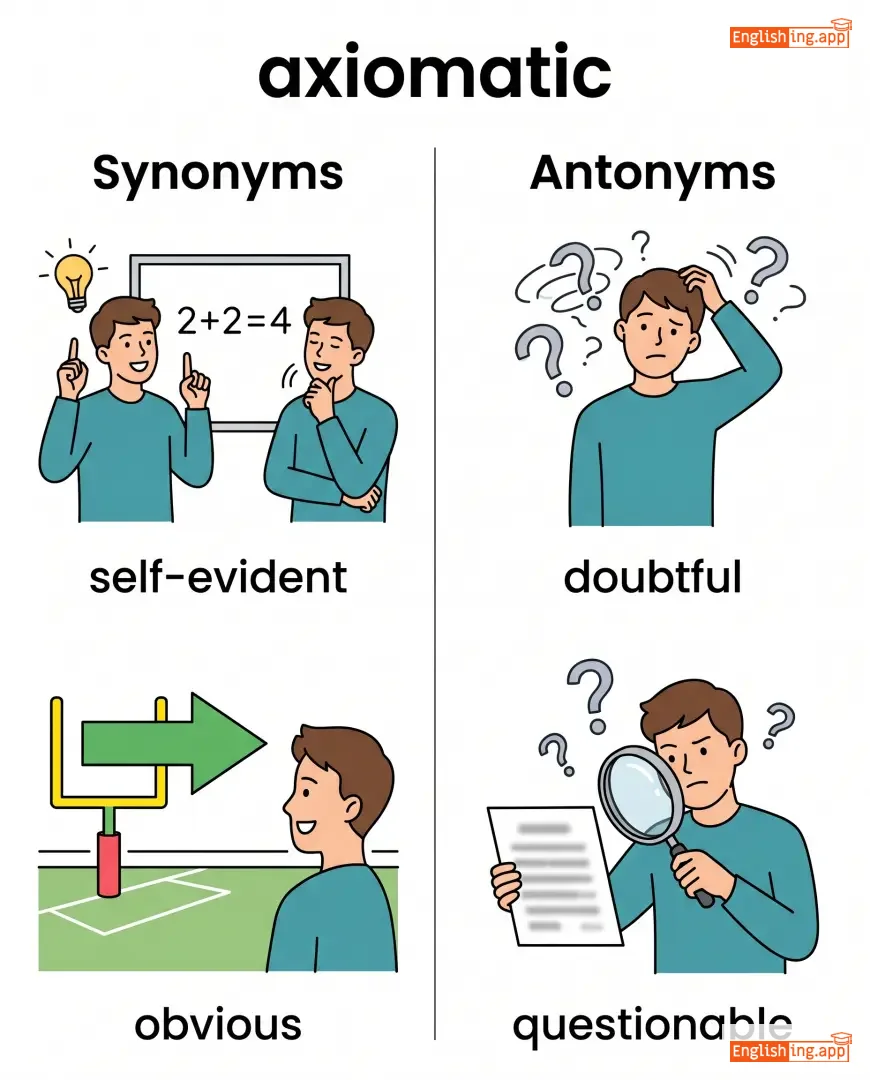
self-evident, undeniable, indisputable
••••••
|
questionable, debatable, uncertain
••••••
|
‘公理’指的是像地球绕太阳转一样显而易见的事实。
••••••
|
|
#1648
💡
|
ɪnˈdʒiː.ni.əs
adjective
(英俊)
••••••
|
|
巧妙
qiǎomiào
••••••
|
Showing inventiveness and skill; clever, original, and inventive.
••••••
|
His ingenious ideas transformed modern physics.
他的巧妙想法改变了现代物理学。
••••••
|
他的巧妙想法改变了现代物理学。
Tā de qiǎomiào xiǎngfǎ gǎibiànle xiàndài wùlǐxué.
••••••
|
creative, clever, brilliant
••••••
|
unimaginative, uninventive, ordinary
••••••
|
'巧妙' in Chinese sounds like 'ingenious' – both refer to creativity and inventiveness.
••••••
|
|
#1649
📈
|
ɪkˈstræp.ə.leɪt
verb
(ēkstrāpólèt)
••••••
|
|
外推
wàituī
••••••
|
Extend the application of a method or conclusion to an unknown situation by assuming that existing trends will continue.
••••••
|
Scientists extrapolate climate data to predict future trends. |
科学家们外推气候数据来预测未来的趋势。
Kēxuéjiāmen wàituī qìhòu shùjù lái yùcè wèilái de qūshì.
••••••
|
infer, predict, estimate
••••••
|
misinterpret, miscalculate, distort
••••••
|
科学家通过外推未来的趋势,就像预测未来一样!
••••••
|
|
#1650
☢️
|
ˌreɪ.di.oʊ.ækˈtɪv.ə.ti
noun
(雷迪奥阿克蒂维蒂)
••••••
|
|
放射性
raydeeohaktiviti
••••••
|
The emission of ionizing radiation or particles caused by the spontaneous disintegration of atomic nuclei.
••••••
|
Radioactivity is used in medical treatments like cancer therapy.
放射性在包括癌症治疗在内的医疗治疗中被用于治疗。
••••••
|
放射性在包括癌症治疗在内的医疗治疗中被用于治疗。
Fangshexing bei yong yu baokuo aizheng zhiliao zai nei de yiliao zhiliao zhong
••••••
|
radiation, emission, nuclear decay
••••••
|
stability, inertness, non-reactivity
••••••
|
雷迪奥阿克蒂维蒂 记住 radioactivity 的音节 就是 放射性的声音线索
••••••
|
|
#1651
🖊️
|
ɪnˈdel.ə.bəl
adjective
(印地利布尔)
••••••
|
|
不可磨灭的
bù kě mó miè de
••••••
|
Making marks that cannot be removed; impossible to forget or remove.
••••••
|
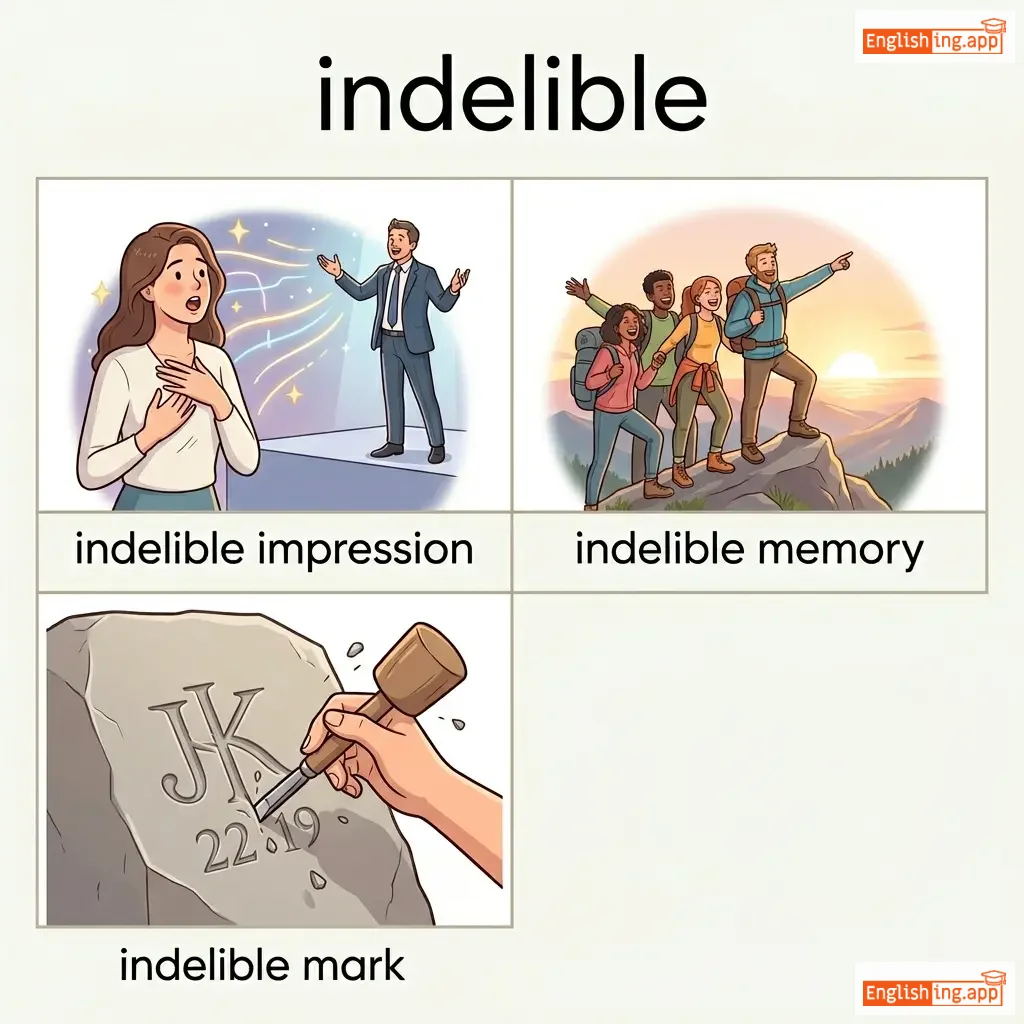
Her speech left an indelible mark on the audience.
她的演讲给观众留下了不可磨灭的印象。
••••••
|
她的演讲给观众留下了不可磨灭的印象。
Tā de yǎn jiǎng gěi guān zhòng liú xià le bù kě mó miè de yìn xiàng.
••••••
|
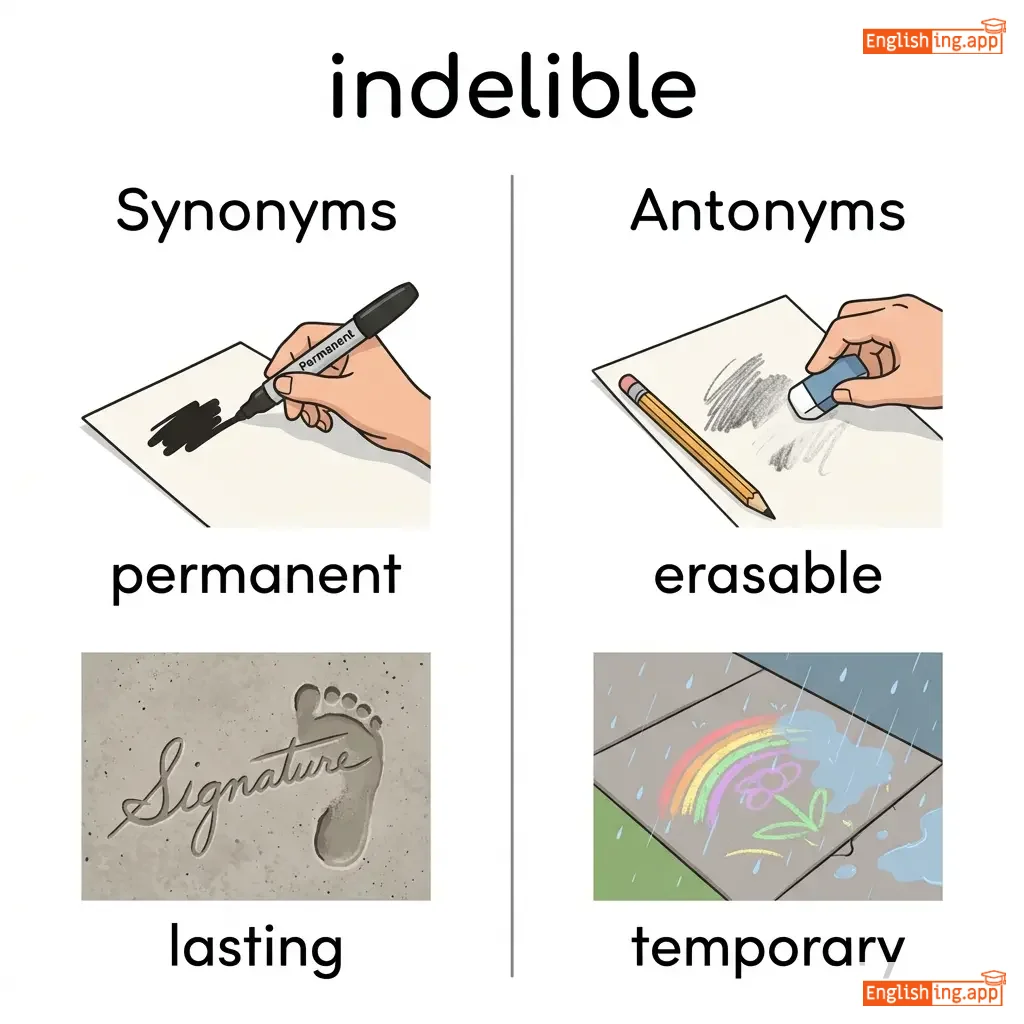
permanent, unforgettable, irremovable
••••••
|
temporary, erasable, fleeting
••••••
|
不可磨灭的 - 一种永远无法抹去的印象,像刻在石头上的痕迹。
••••••
|
|
#1652
✔️
|
kəˈrɒb.ə.reɪt
verb
(核实)
••••••
|
|
确认
queren
••••••
|
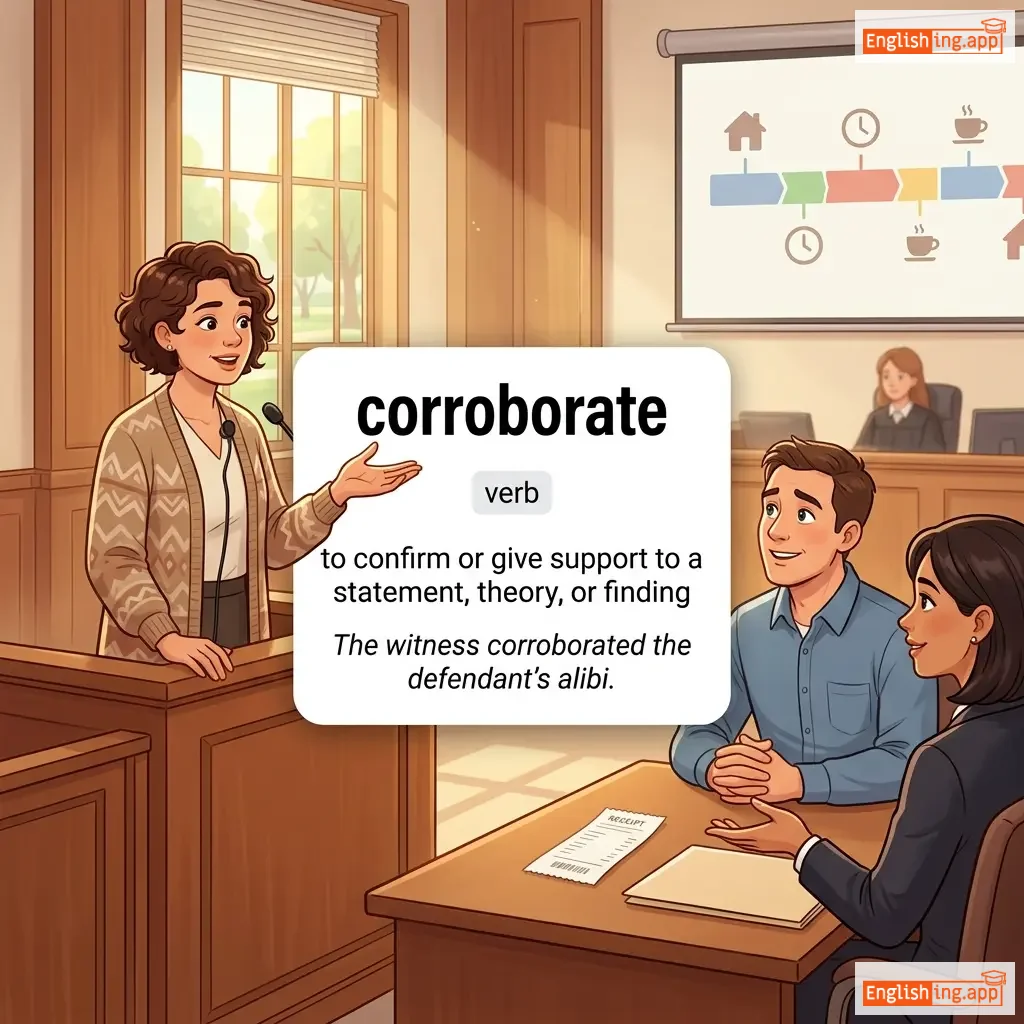
Confirm or give support to a statement, theory, or finding.
••••••
|
The witness corroborated the defendant's testimony.
证人核实了被告的证词。
••••••
|
证人核实了被告的证词。
Zhengren he shi le beigao de zhengci.
••••••
|
confirm, validate, authenticate
••••••
|
contradict, refute, disprove
••••••
|
确认 - 确认说的话!
••••••
|
|
#1653
🤔
|
kəˈnʌn.drəm
noun
(科南德鲁姆)
••••••
|
|
难题
nanti
••••••
|
A confusing and difficult problem or question; a riddle whose answer is or involves a pun.
••••••
|
Scientists face the conundrum of finding clean energy sources.
科学家面临找到清洁能源的难题。
••••••
|
科学家面临找到清洁能源的难题。
Kexuejia mianlin zhaodao qingjie nengyuan de nanti.
••••••
|
puzzle, enigma, dilemma
••••••
|
solution, answer, clarity
••••••
|
解决谜题,找到答案,像是破解难题。
••••••
|
|
#1654
💥
|
əˈnaɪ.ə.leɪt
verb
(ānìhílèit)
••••••
|
|
摧毁
cuīhuǐ
••••••
|
Destroy utterly; obliterate; reduce to nothing.
••••••
|
The explosion annihilated the entire village.
爆炸摧毁了整个村庄。
••••••
|
爆炸摧毁了整个村庄。
Bàozhà cuīhuǐle zhěnggè cūnzhuāng.
••••••
|
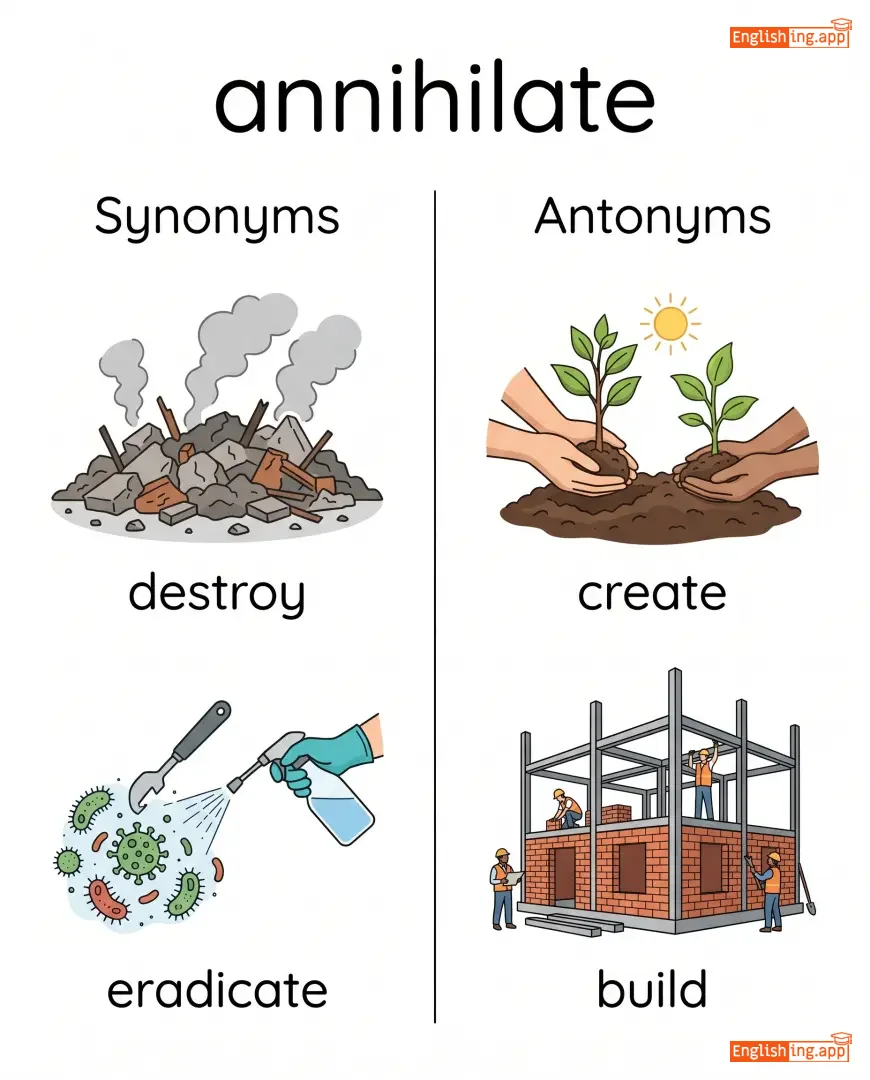
destroy, obliterate, eradicate
••••••
|
preserve, protect, safeguard
••••••
|
如果你想摧毁一个地方,你需要‘摧毁’它!
••••••
|
|
#1655
💡
|
ɪˈluː.sɪ.deɪt
verb
(伊露西德特)
••••••
|
|
阐明
chǎn míng
••••••
|
Make something clear; explain in detail.
••••••
|
The professor elucidated the complex physics theory.
教授阐明了复杂的物理理论。
••••••
|
教授阐明了复杂的物理理论。
Jiàoshòu chǎn míngle fùzá de wùlǐ lǐlùn.
••••••
|
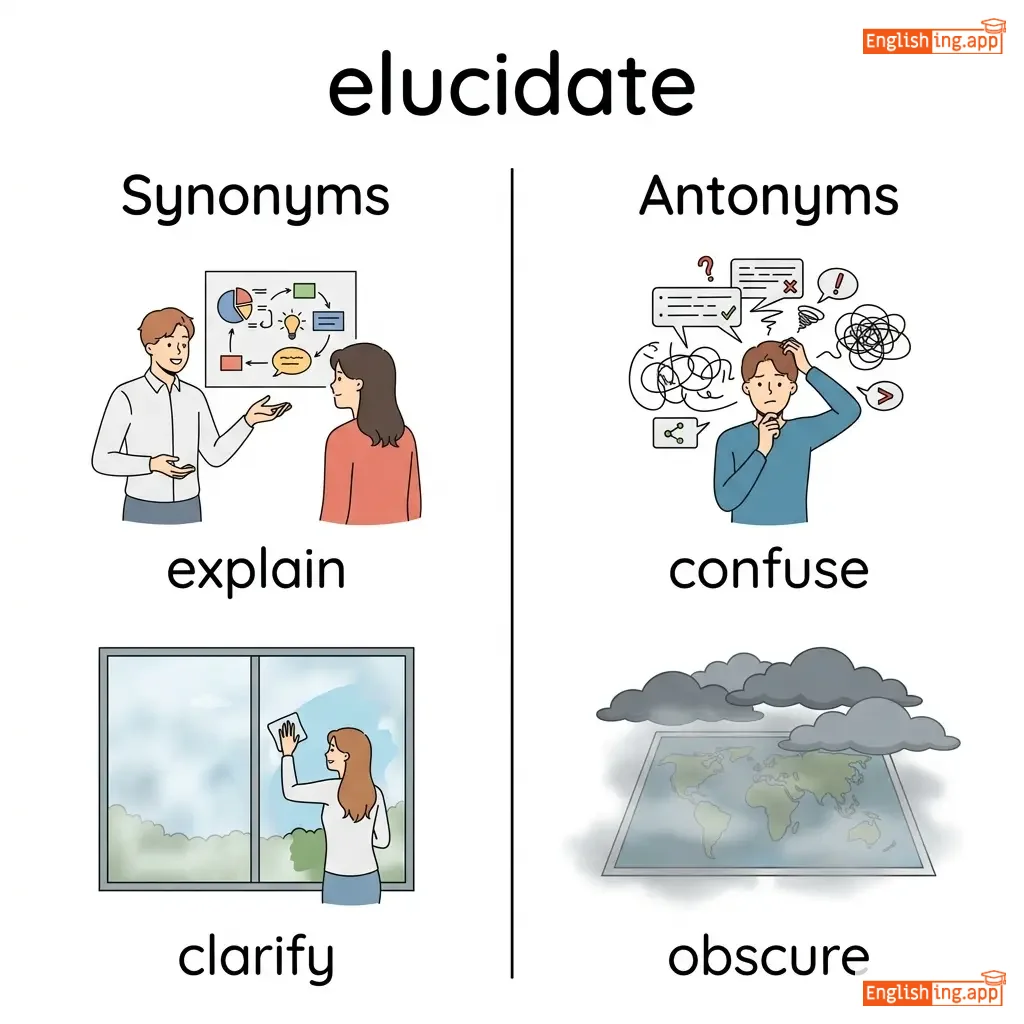
explain, clarify, illuminate
••••••
|
obscure, confuse, muddle
••••••
|
Chǎn míng = Clear, like elucidate
••••••
|
|
#1656
🎁
|
bɪˈkwiːð
verb
(bikweeth)
••••••
|
|
遗赠
yízèng
••••••
|
Leave something to someone in a will; pass down or hand down to the next generation.
••••••
|
The scientist bequeathed his research papers to the university. |
科学家把他的研究论文遗赠给了大学。
Kēxuéjiā bǎ tā de yánjiū lùnwén yízèng gěi le dàxué.
••••••
|
bestow, pass down, will
••••••
|
withhold, retain, keep
••••••
|
遗赠意味着通过遗嘱传递遗产。
••••••
|
|
#1657
🤝
|
ˌkəʊ.əˈles
verb
(kəʊˈælɛs)
••••••
|
|
合并
hebing
••••••
|
Come together and form one mass or whole; unite to form one organization or group.
••••••
|
The different theories coalesced into one unified idea.
不同的理论合并成一个统一的观点。
••••••
|
不同的理论合并成一个统一的观点。
Bùtóng de lǐlùn hébìng chéng yīgè tǒngyī de guāndiǎn.
••••••
|
merge, unite, fuse
••••••
|
separate, divide, disperse
••••••
|
合并:将不同的元素组合成一个新的整体。
••••••
|
Vocabulary Quiz
Test your vocabulary by matching words with their translations or meanings.
Login to take the quiz
Comments (0)
Share your thoughts and join the discussion.
Join the discussion by logging in
Login to CommentNo comments yet
Be the first to share your thoughts!