

时间分块(Time-Blocking)如何减少拖延症
How Time-Blocking Reduces Procrastination
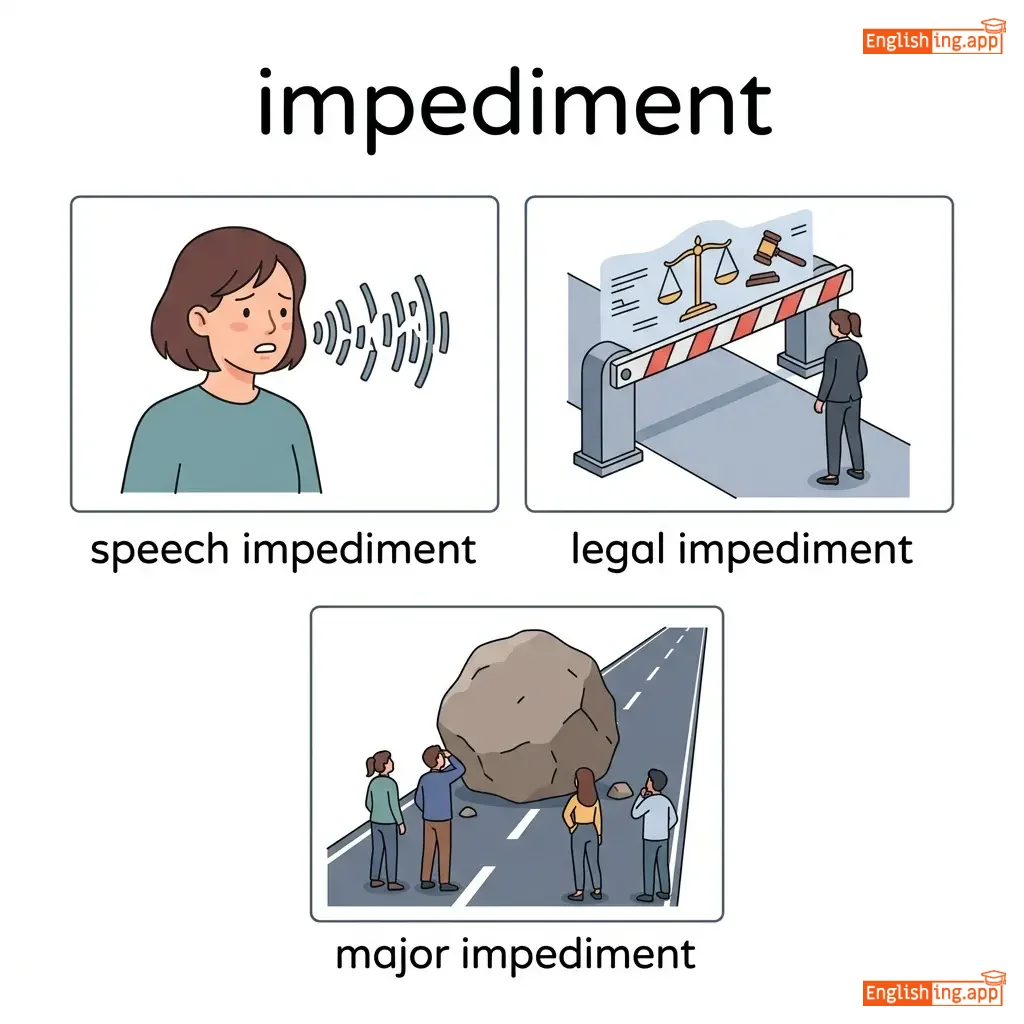
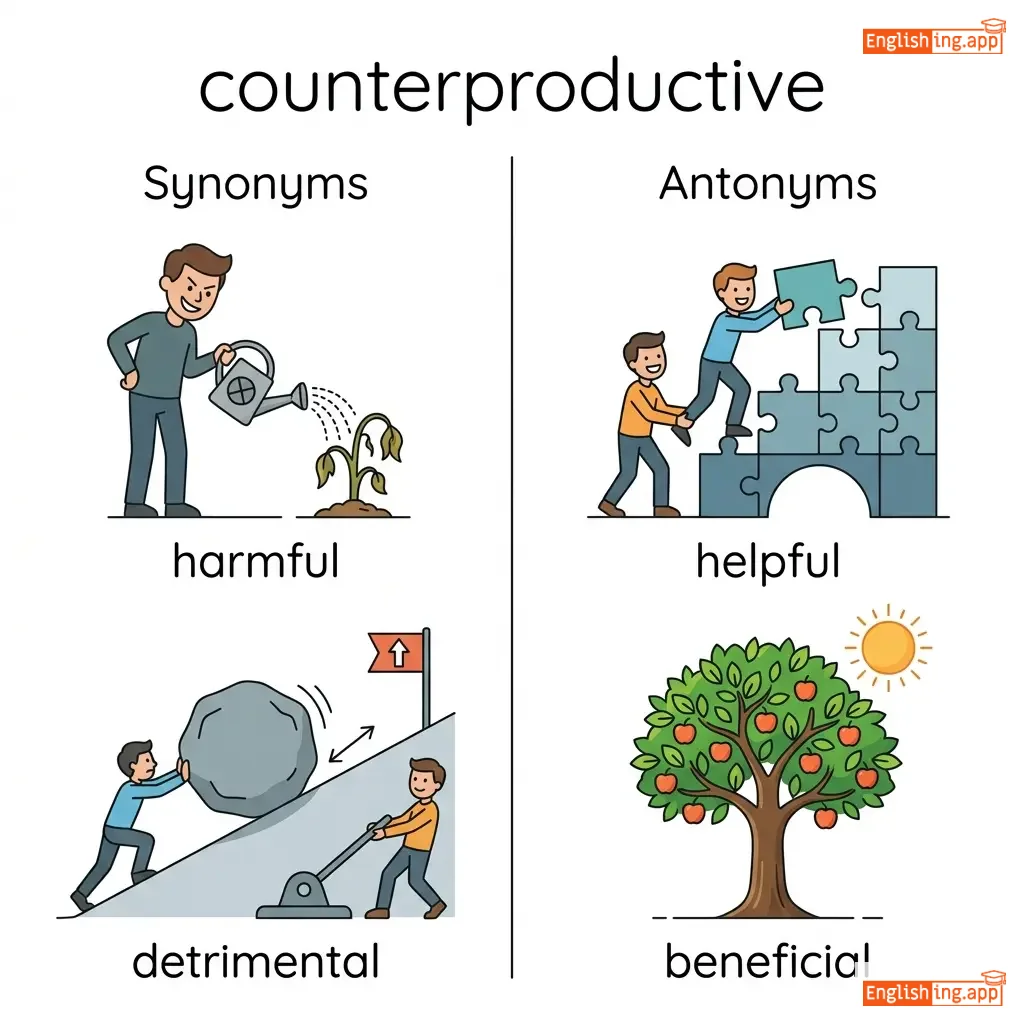
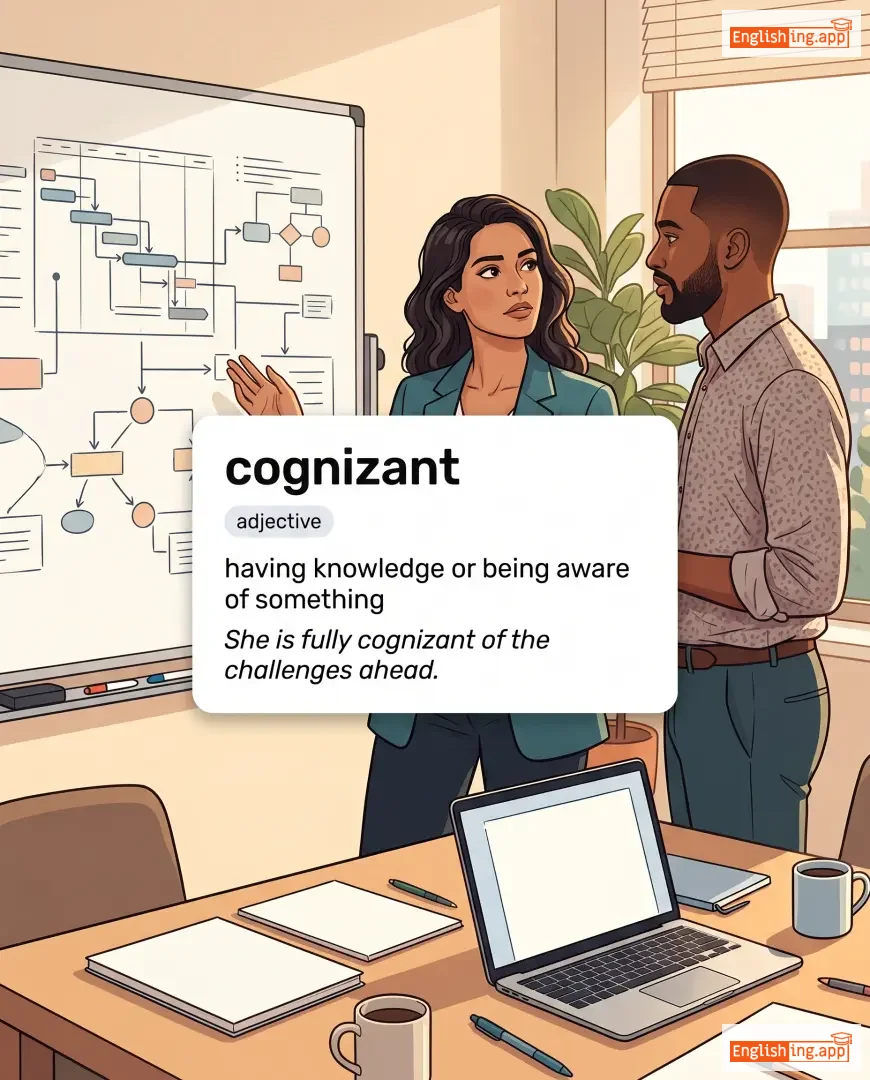
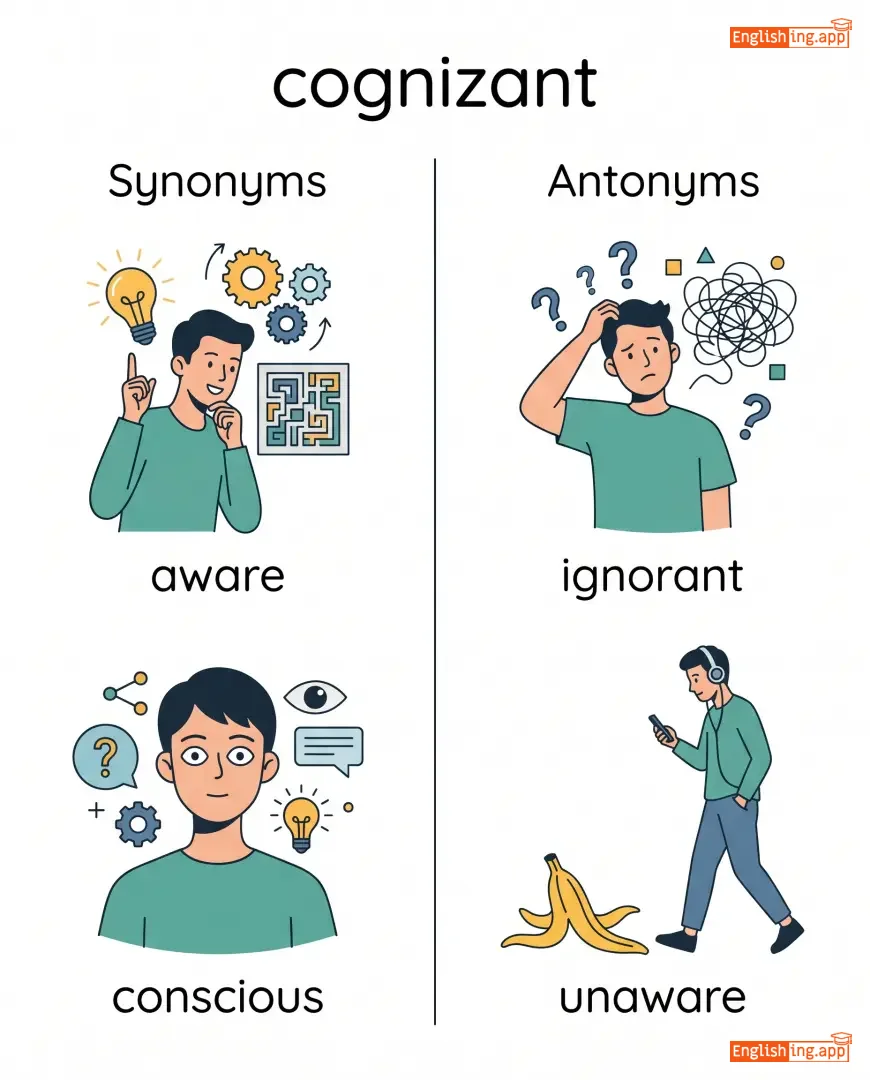
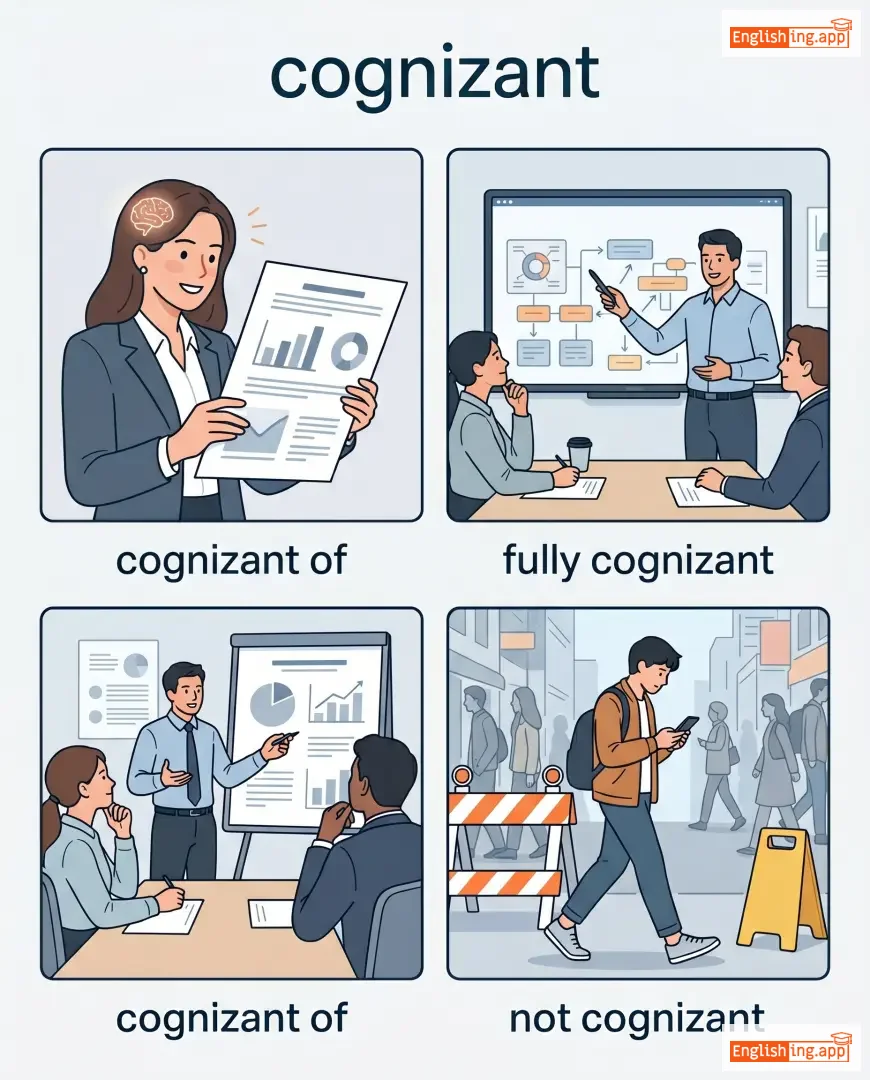
Procrastination 是许多人面临的主要 impediment,会浪费时间并变得 counterproductive。那些不 cognizant 的人经常在工作中失去动力。
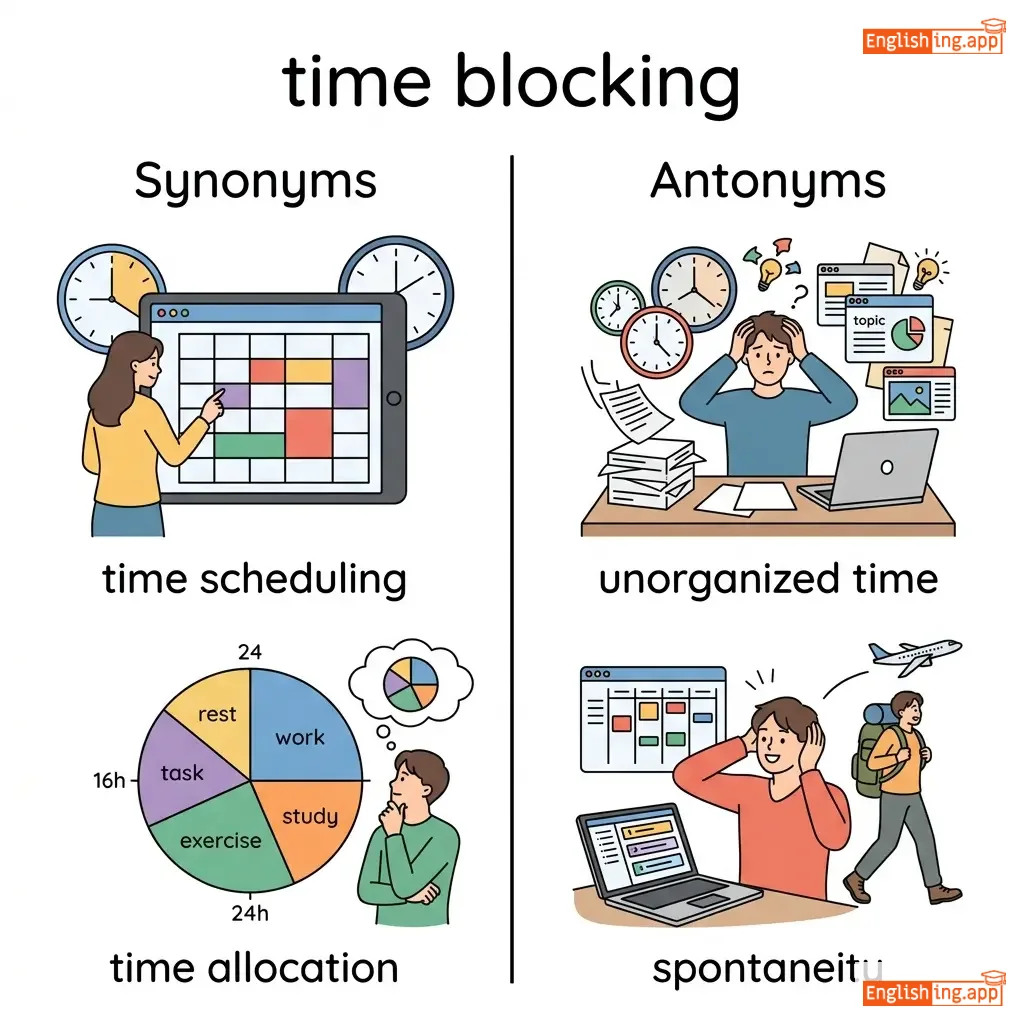
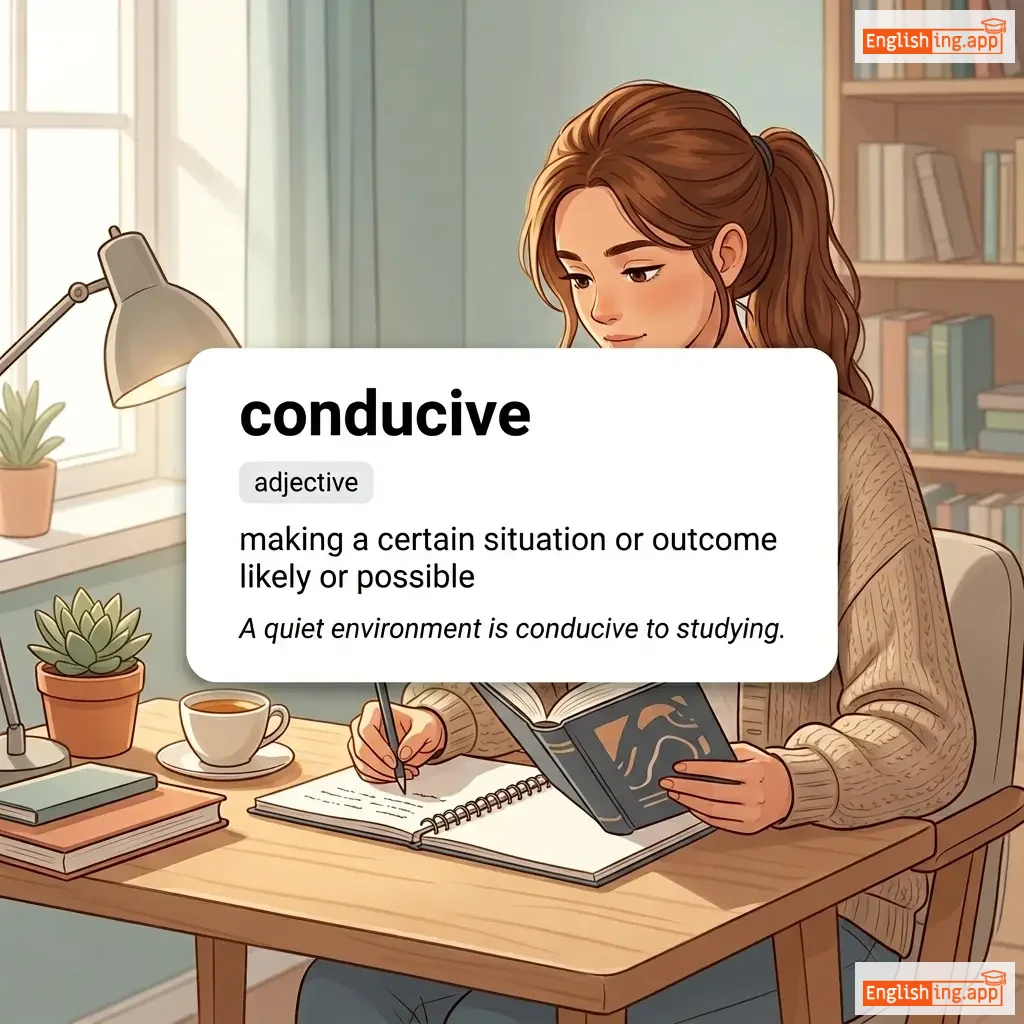
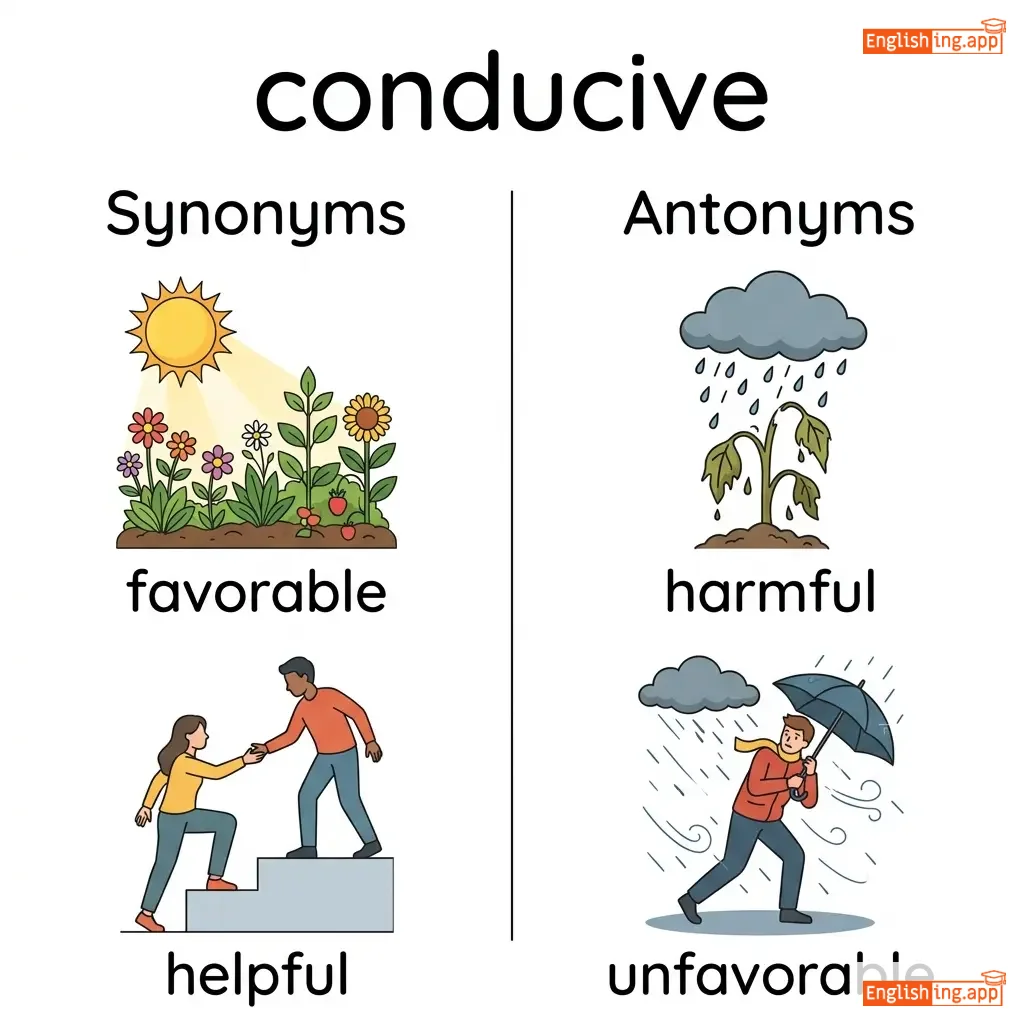
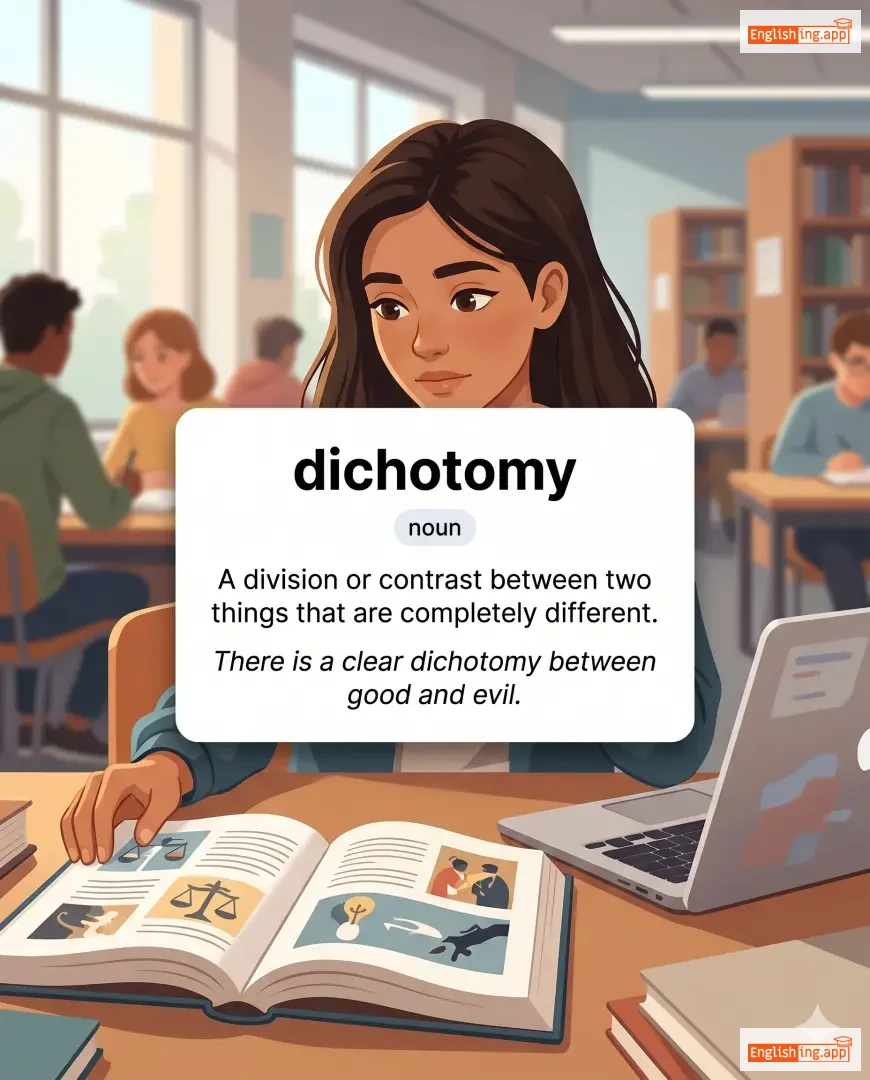
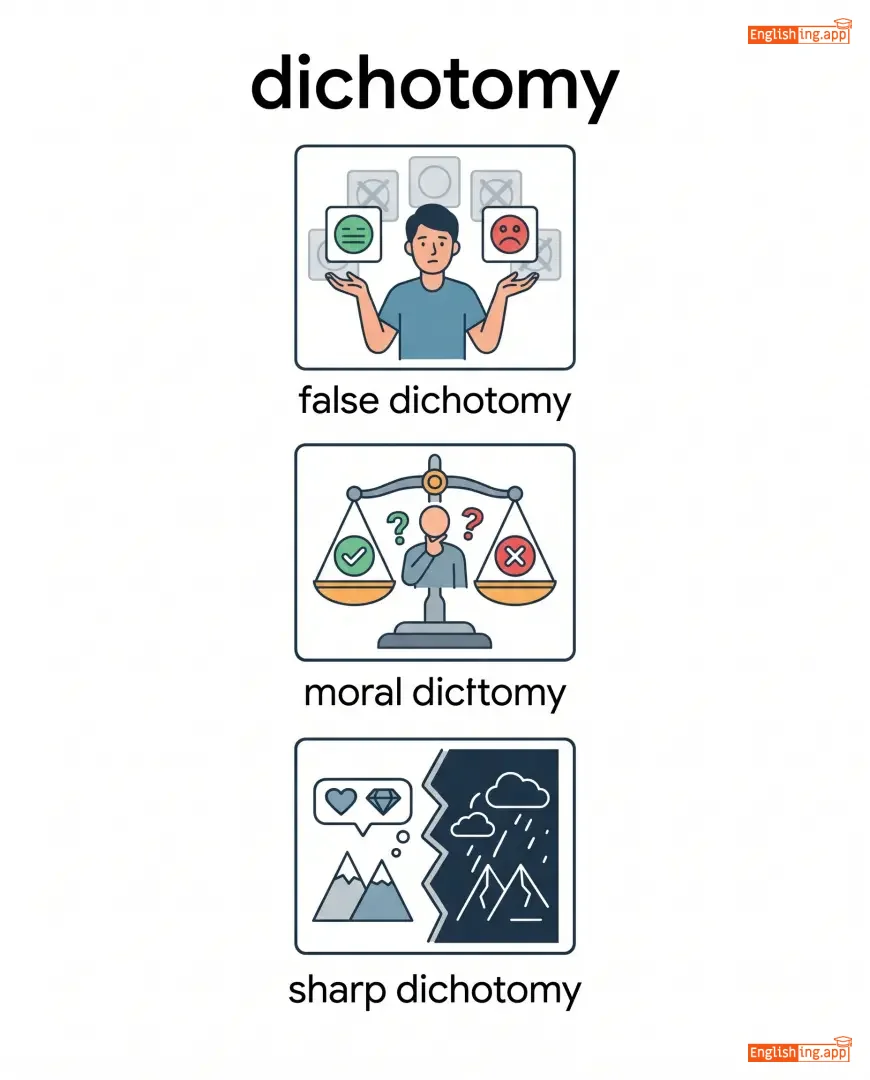
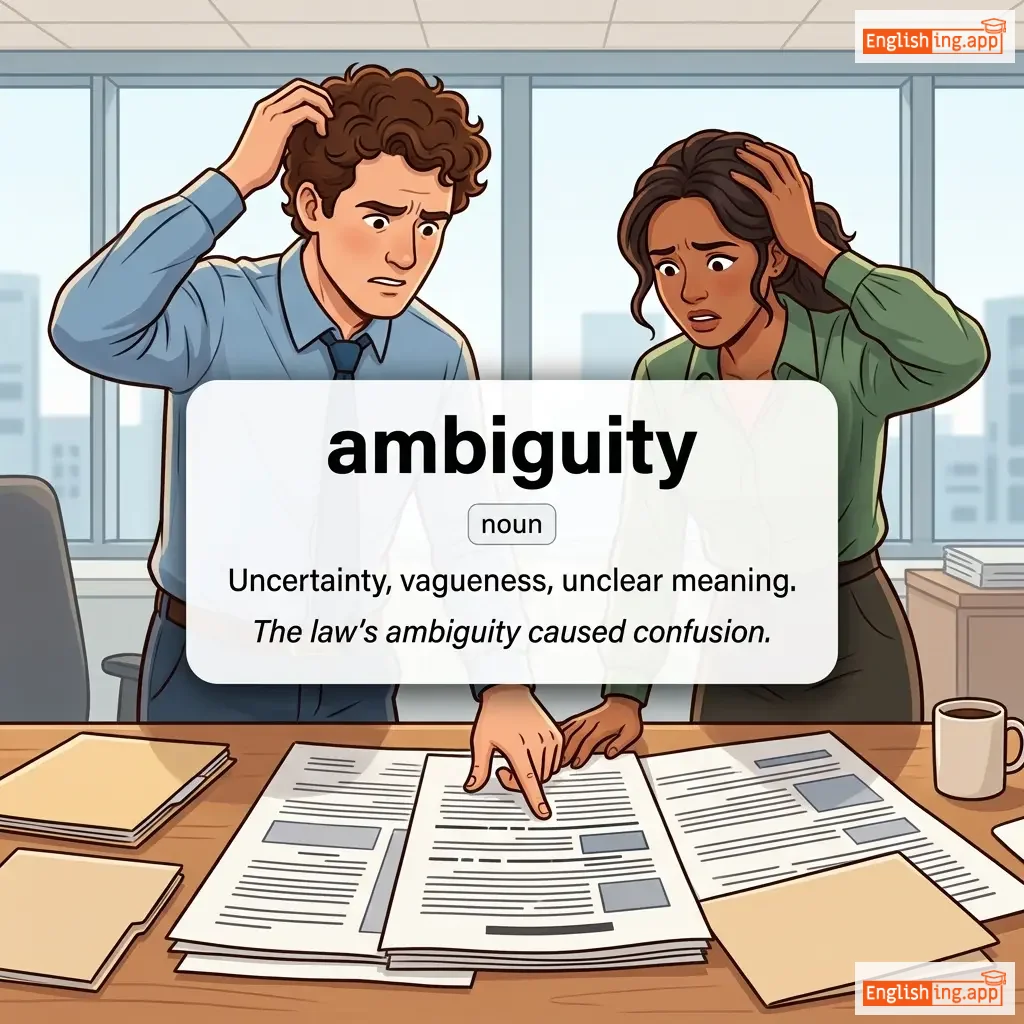
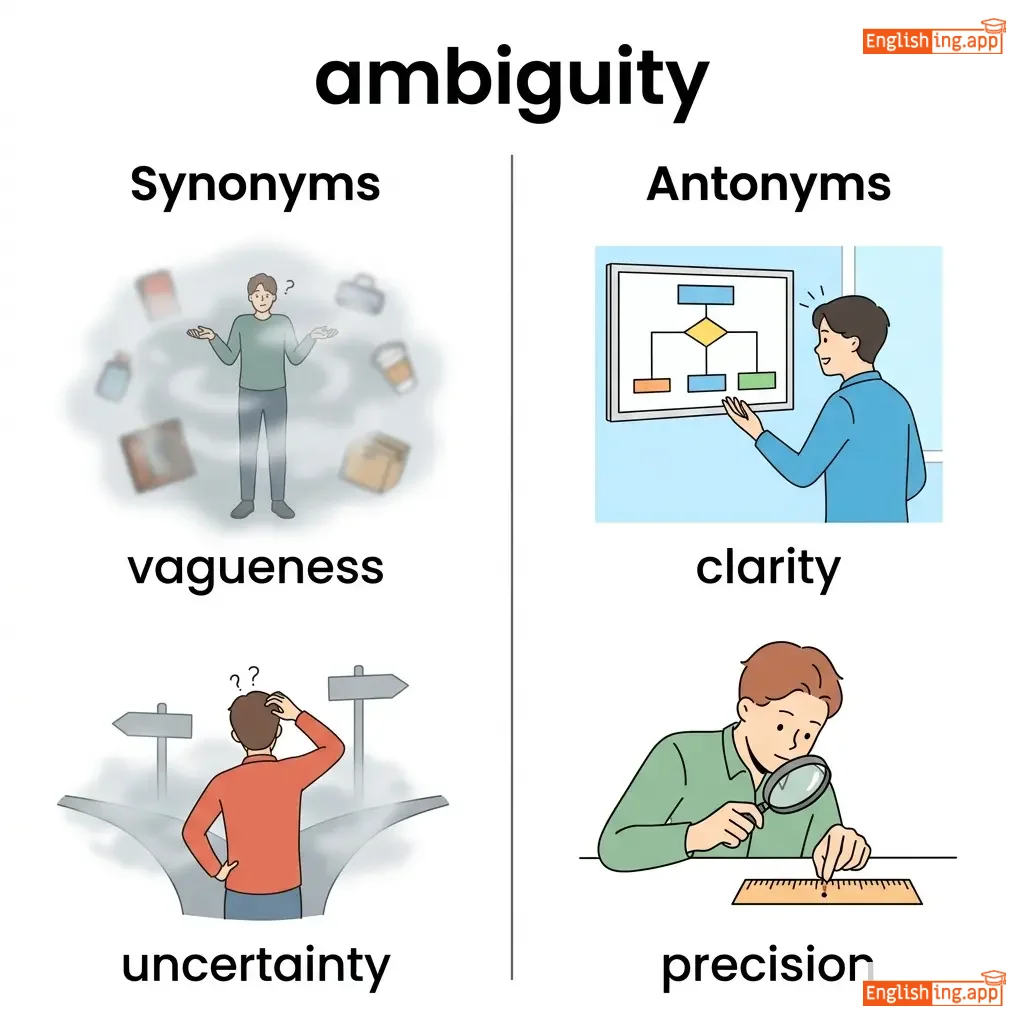
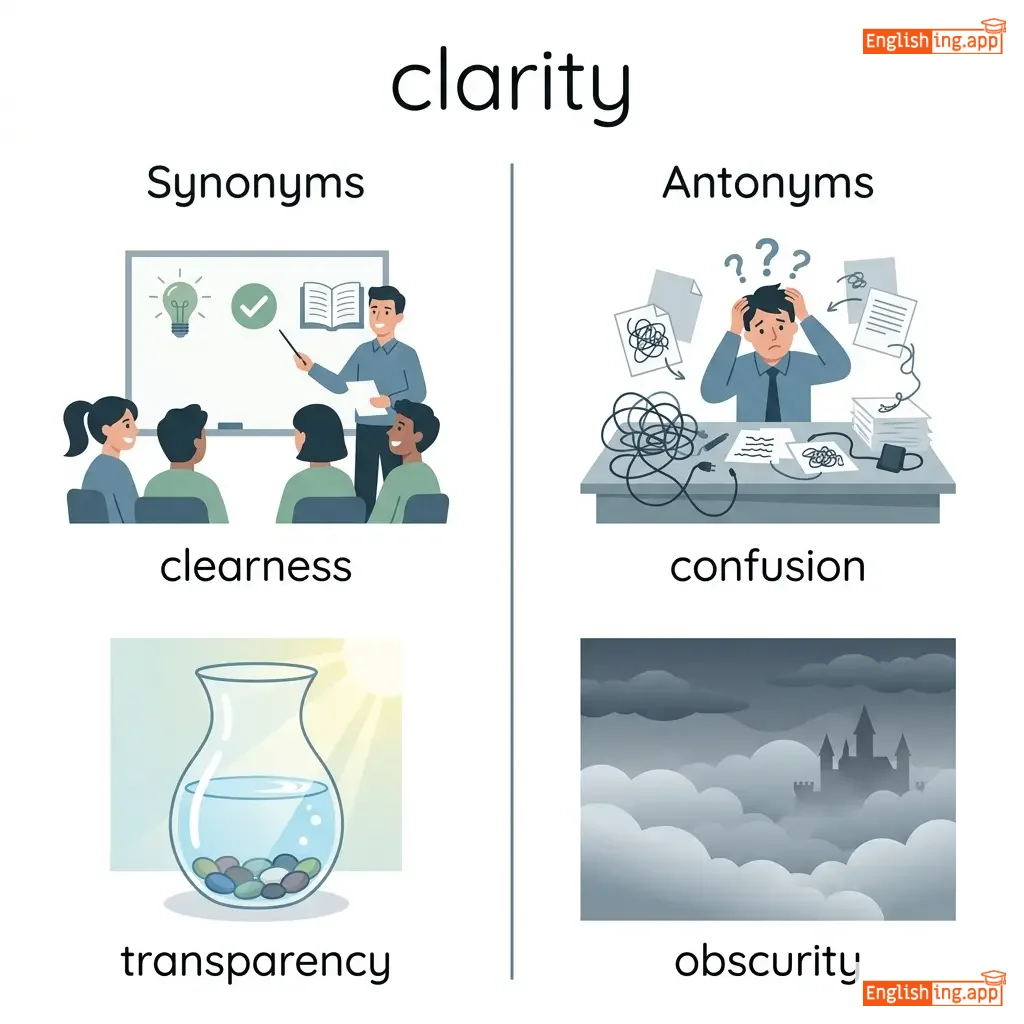
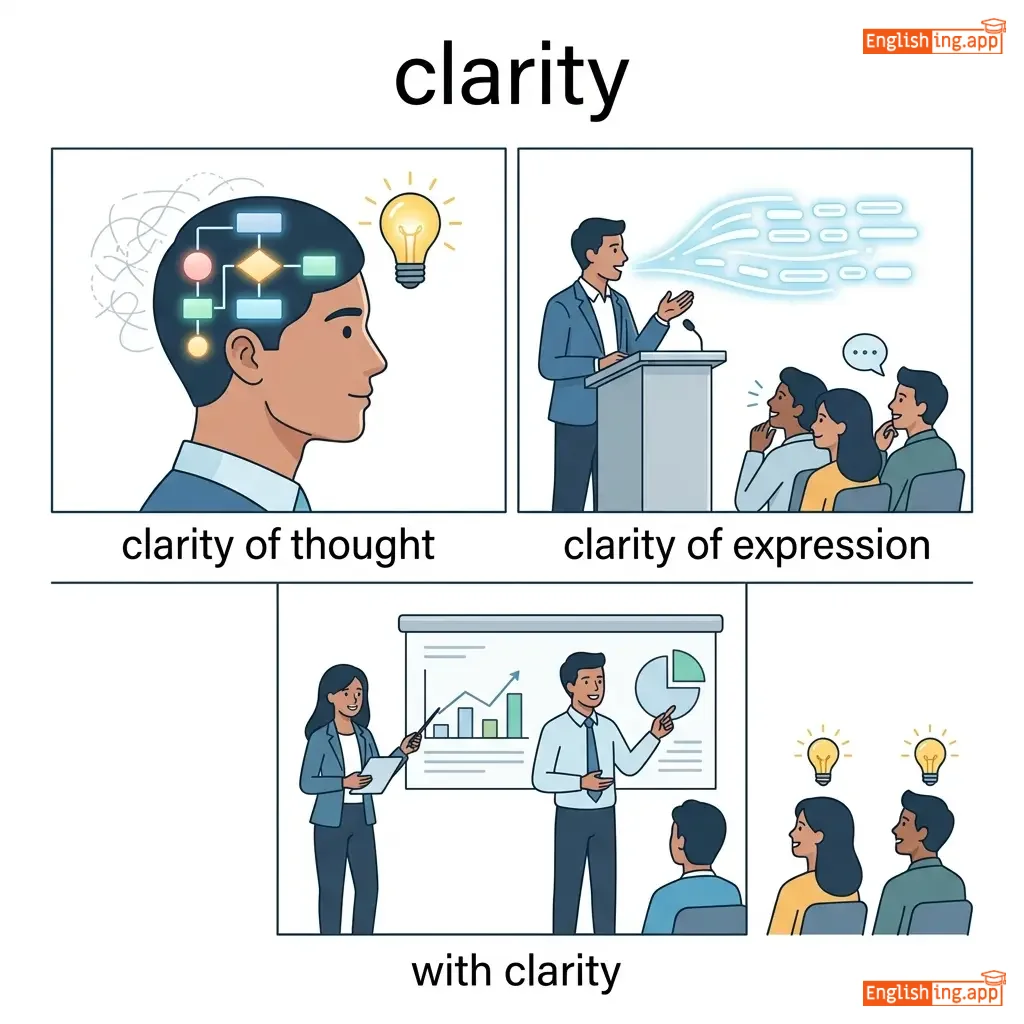
Time-blocking 是一种能够创造 conducive 环境并提高专注力的技巧。它帮助我们消除 dichotomy,在一边是 ambiguity,另一边是 clarity。
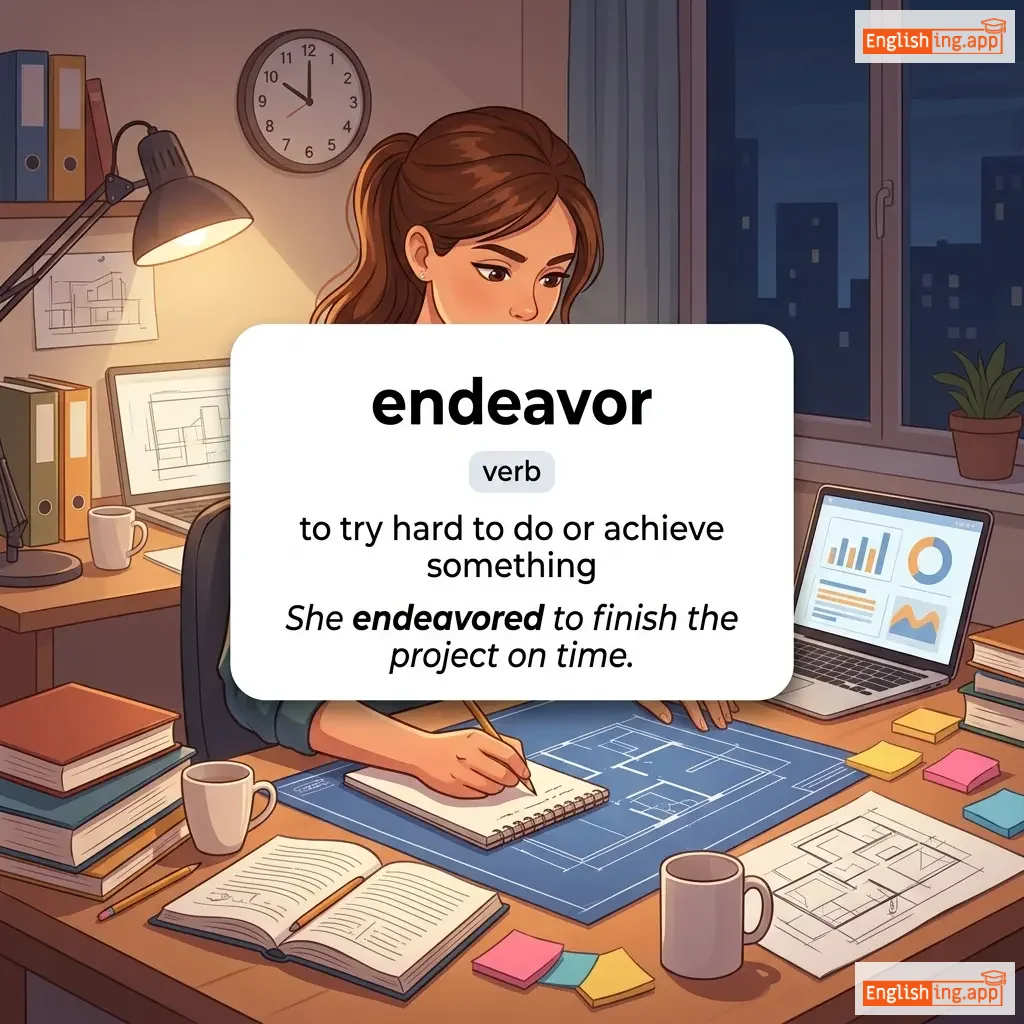
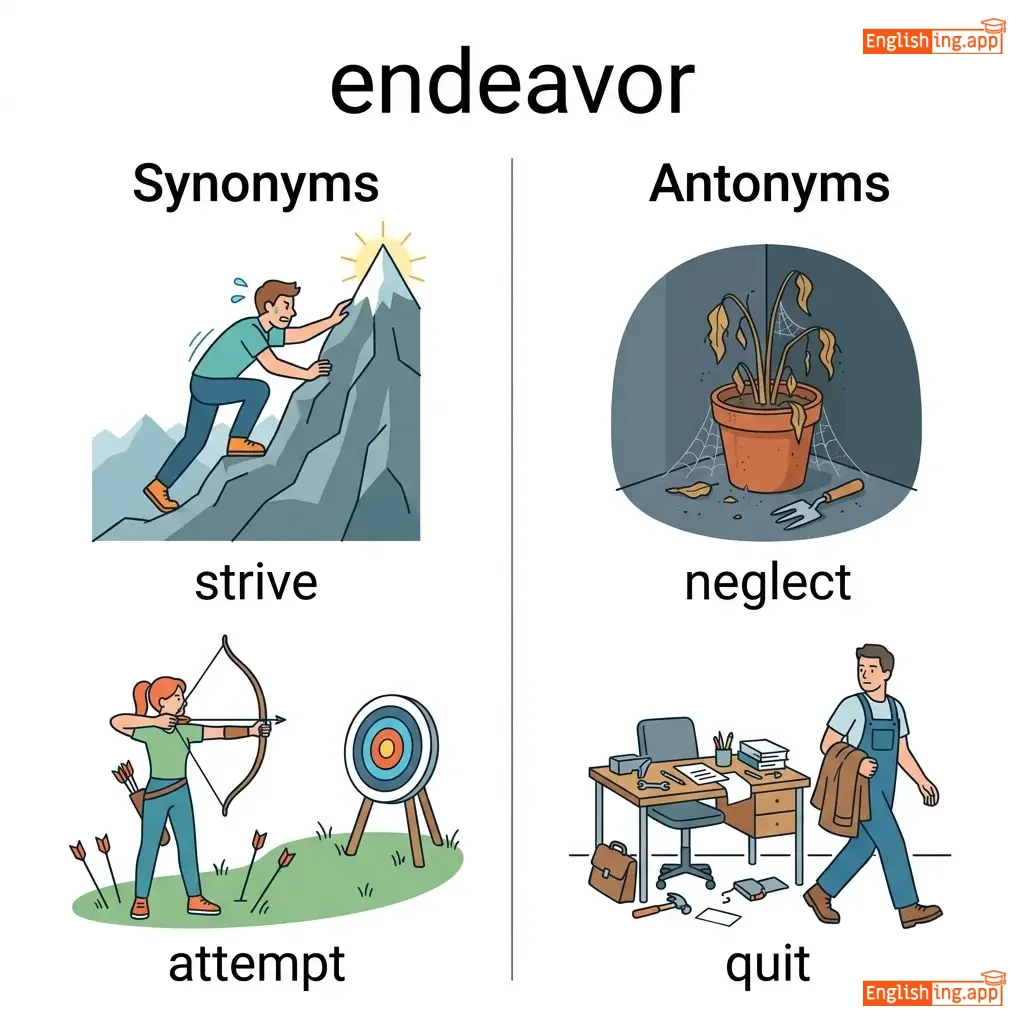
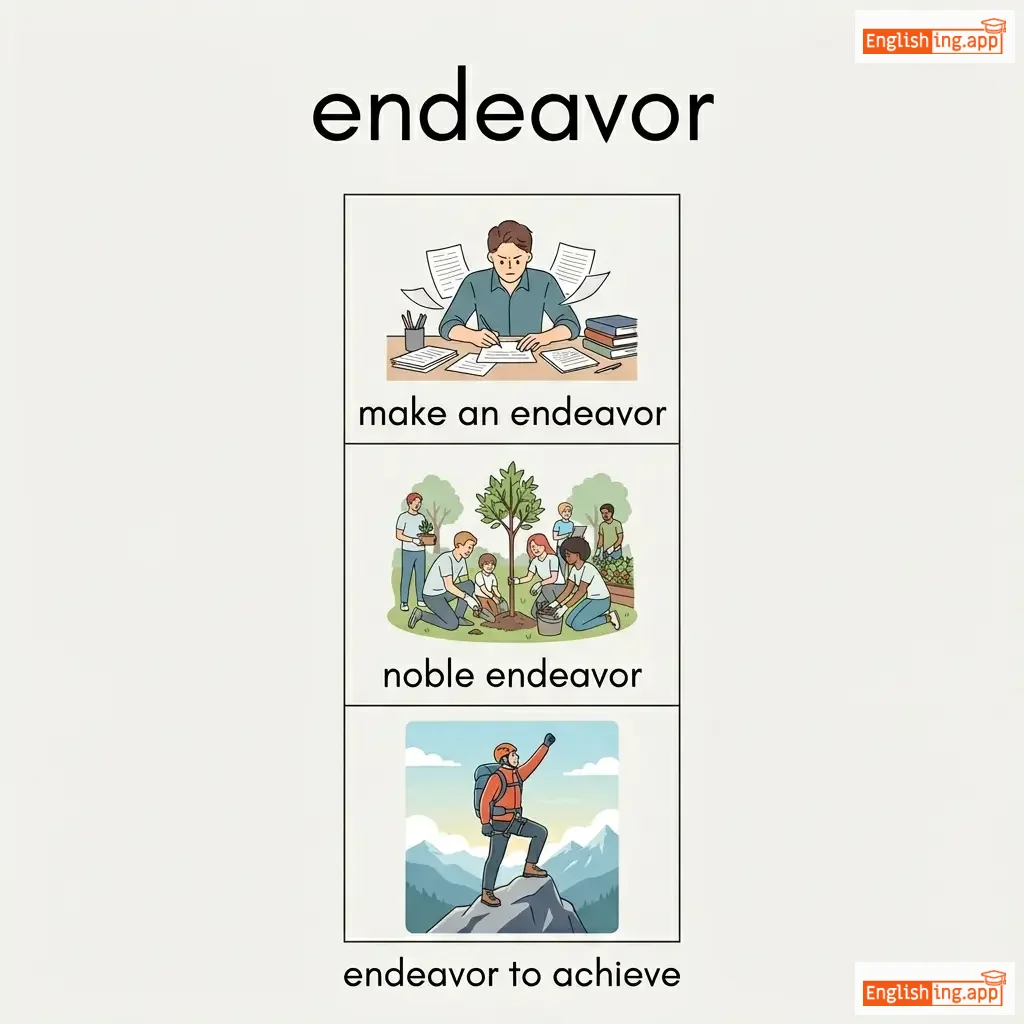
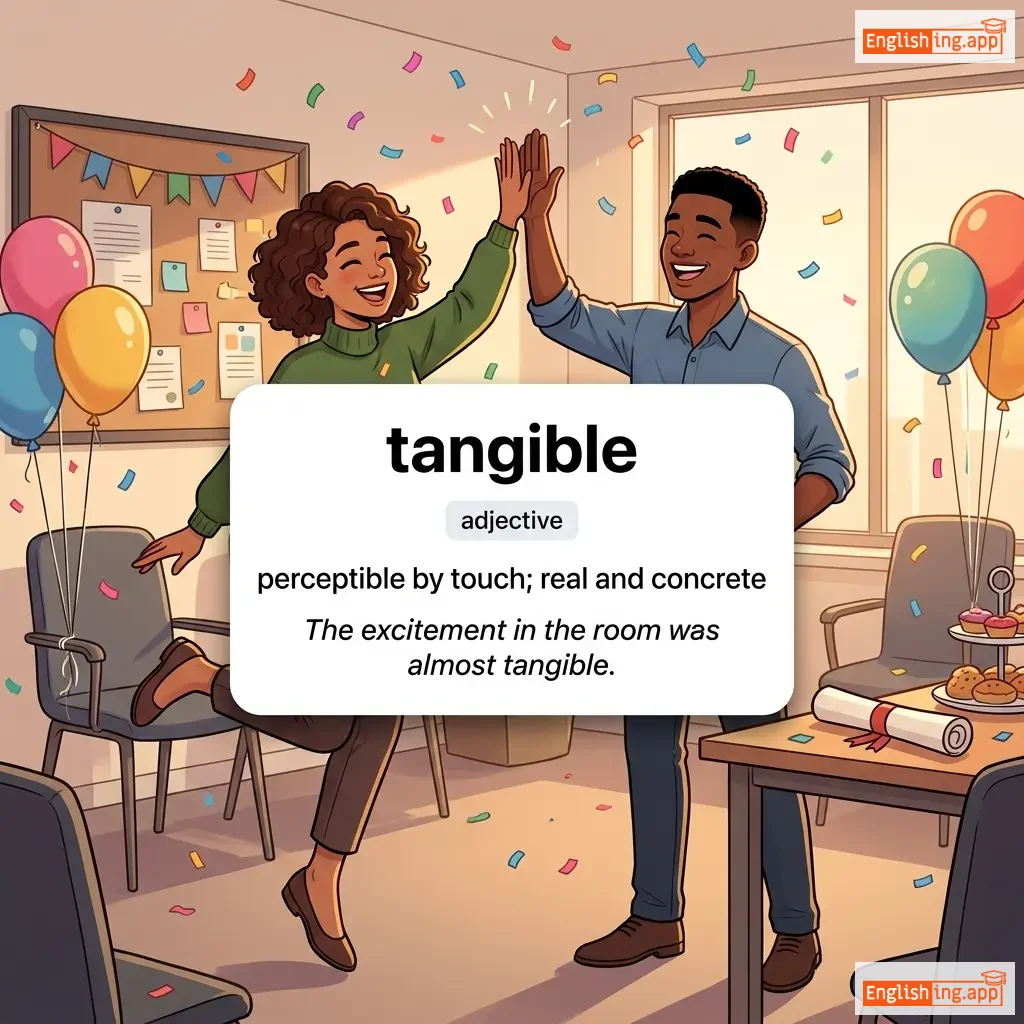
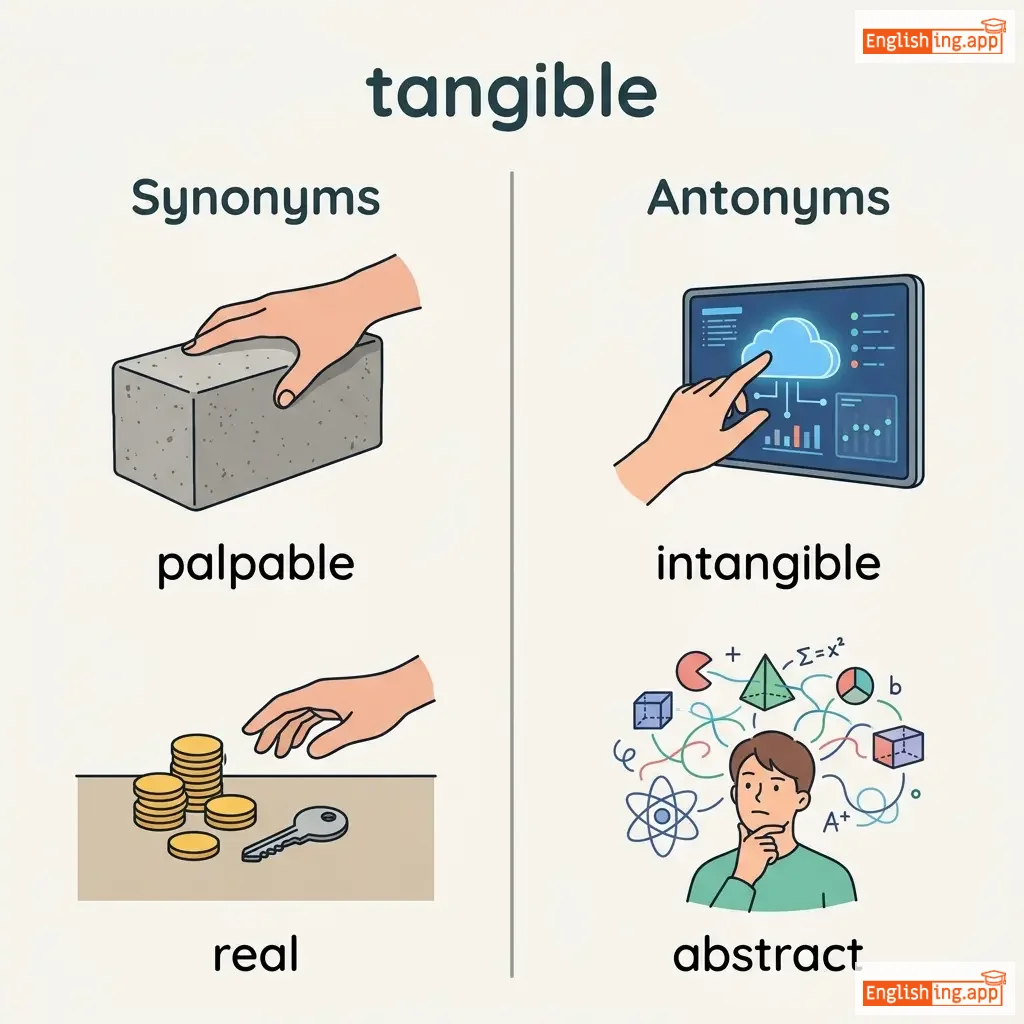
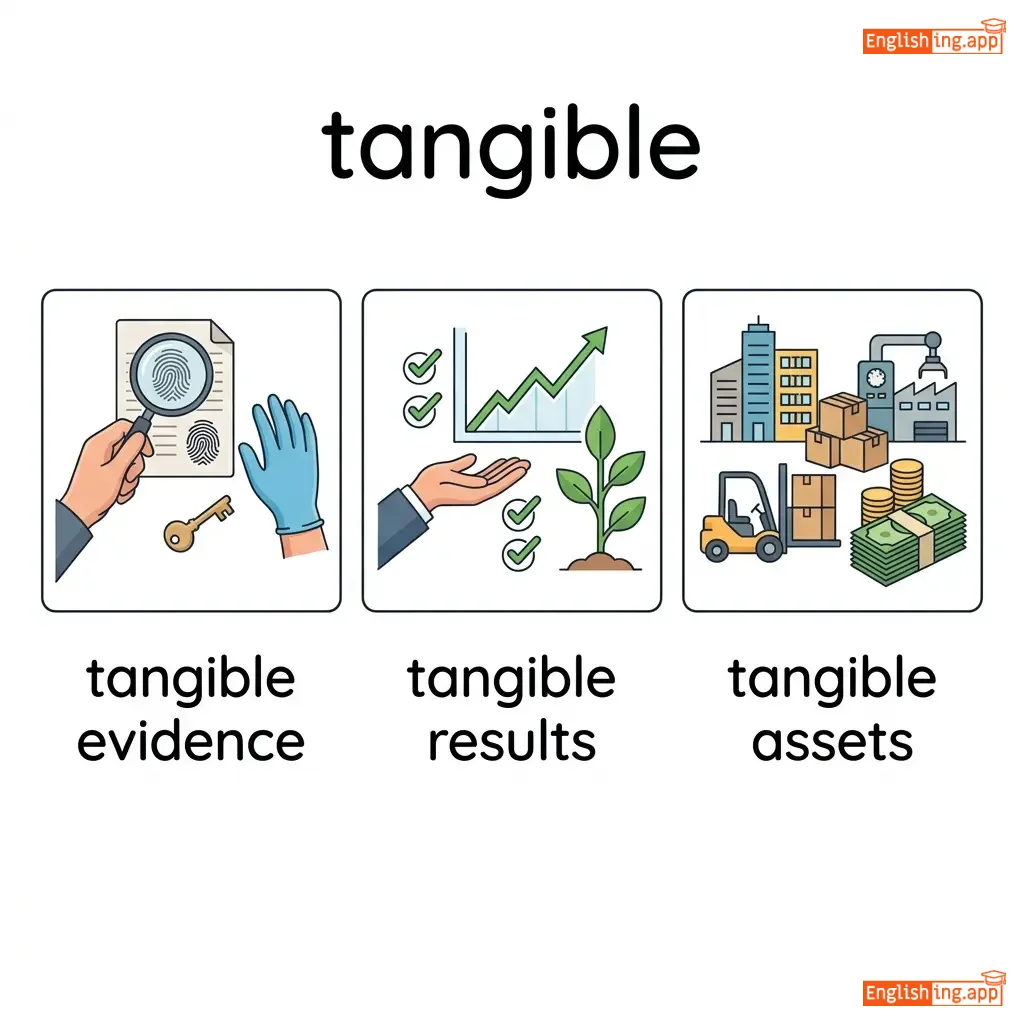
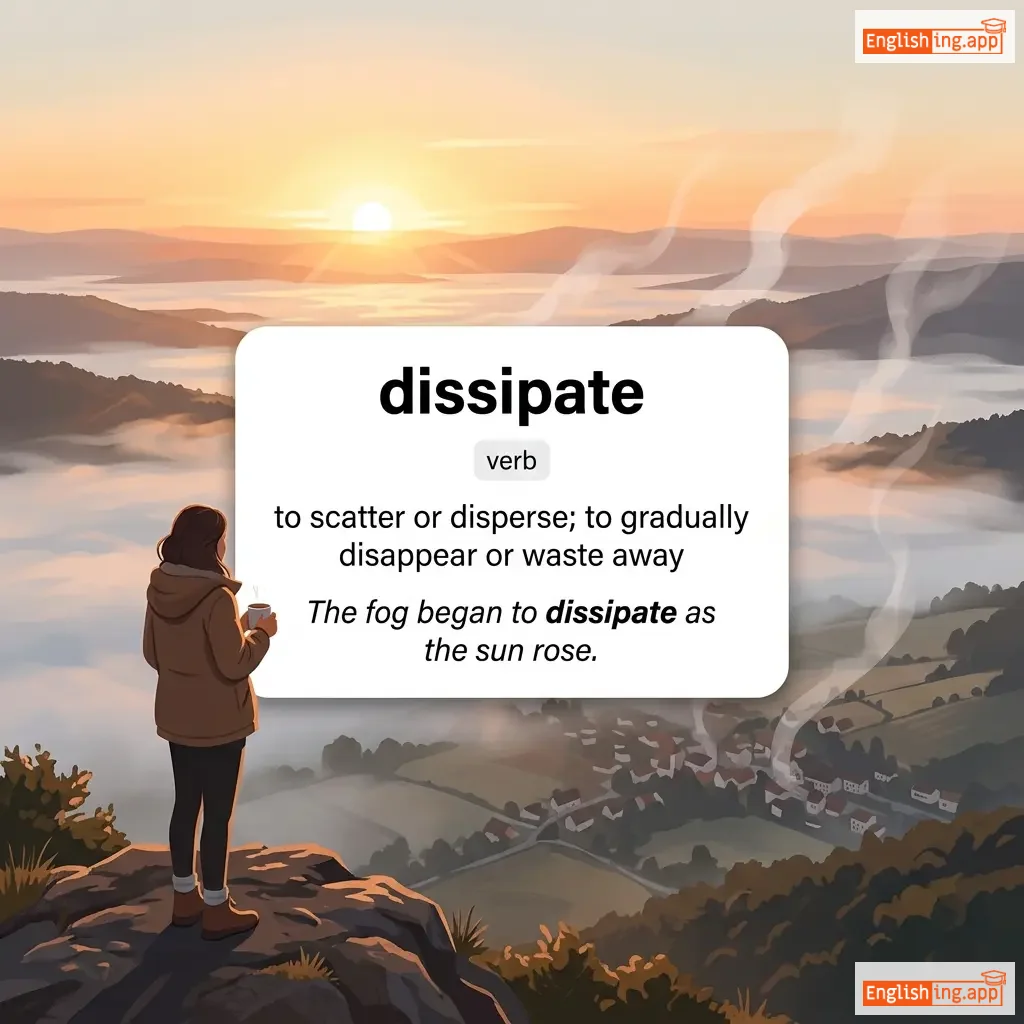
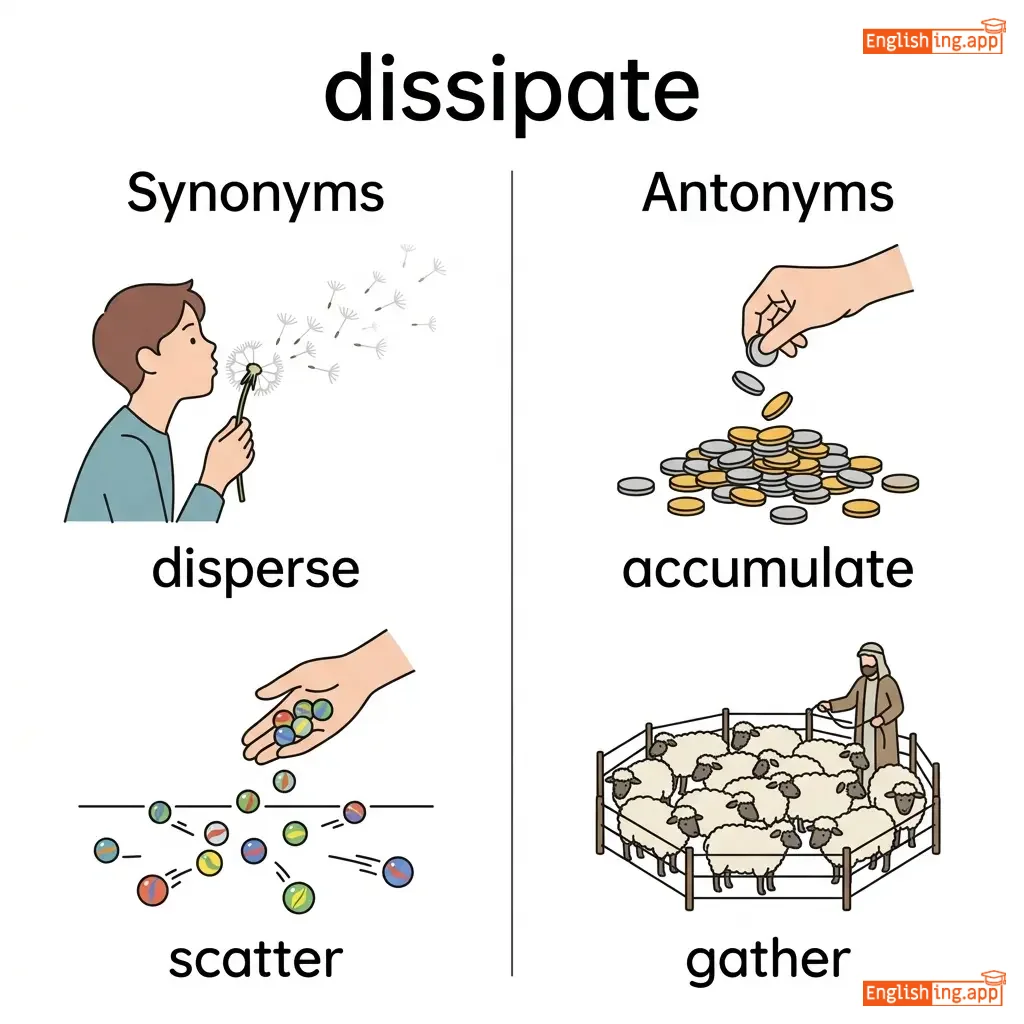
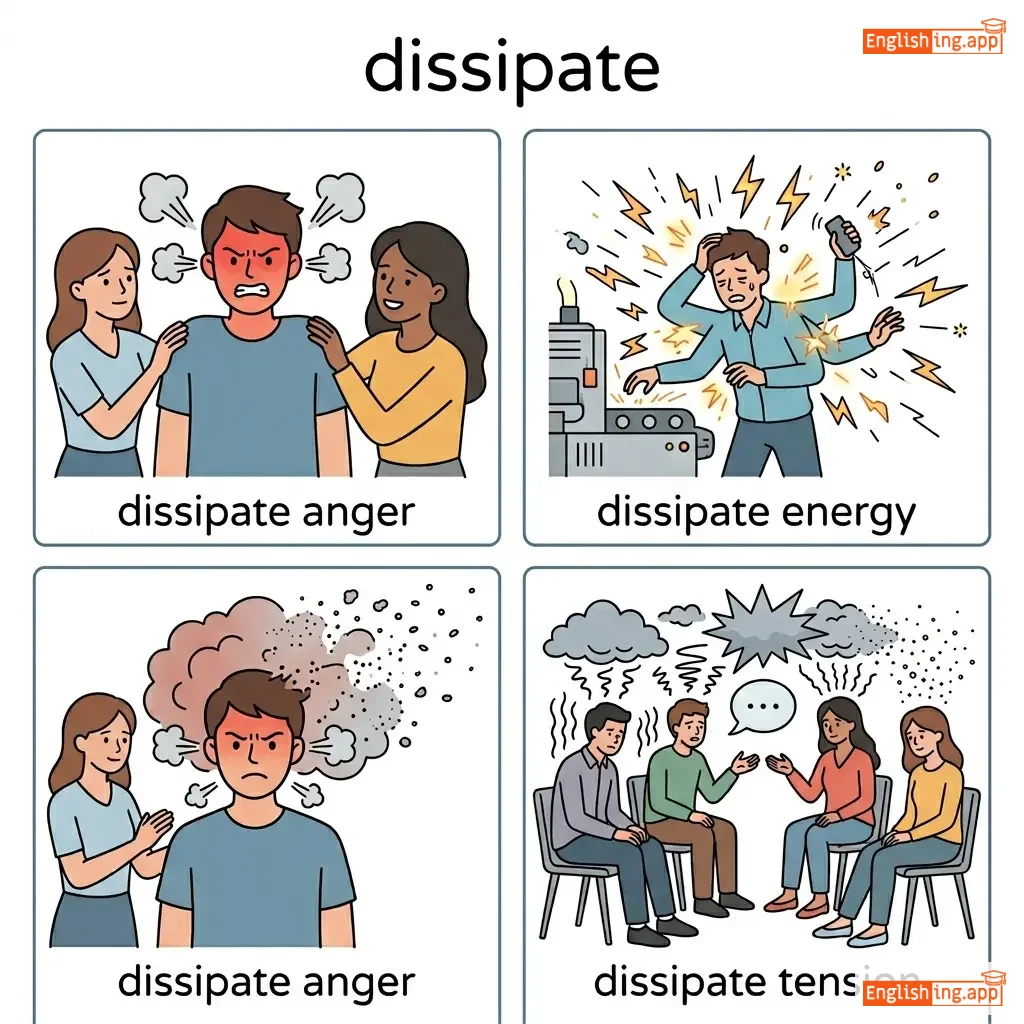
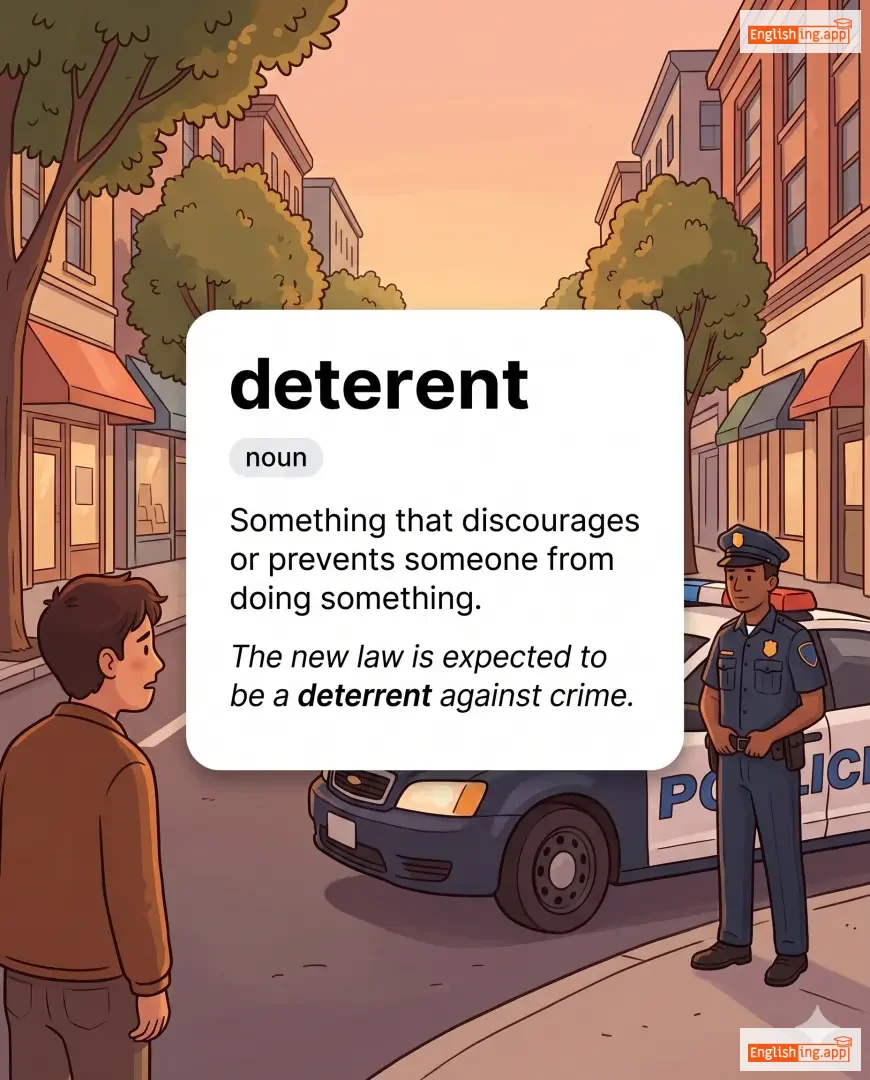
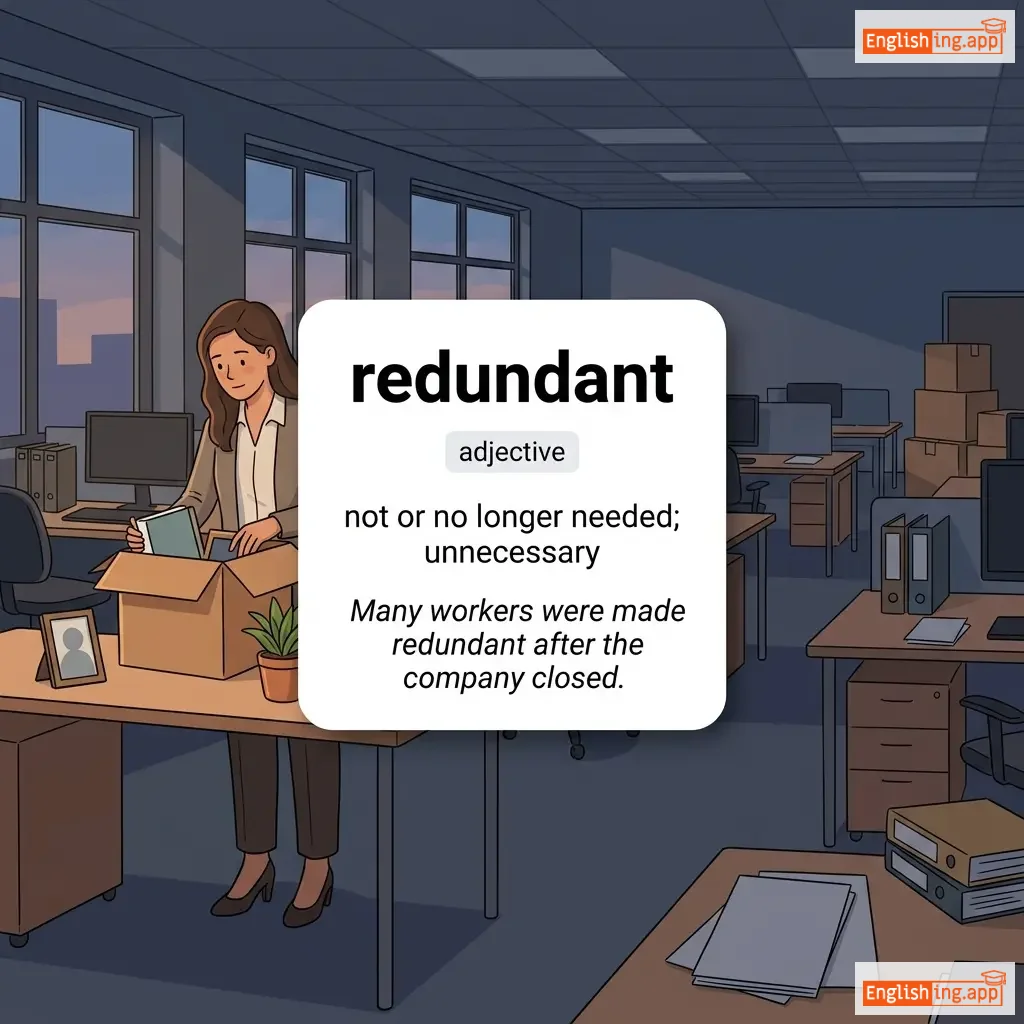
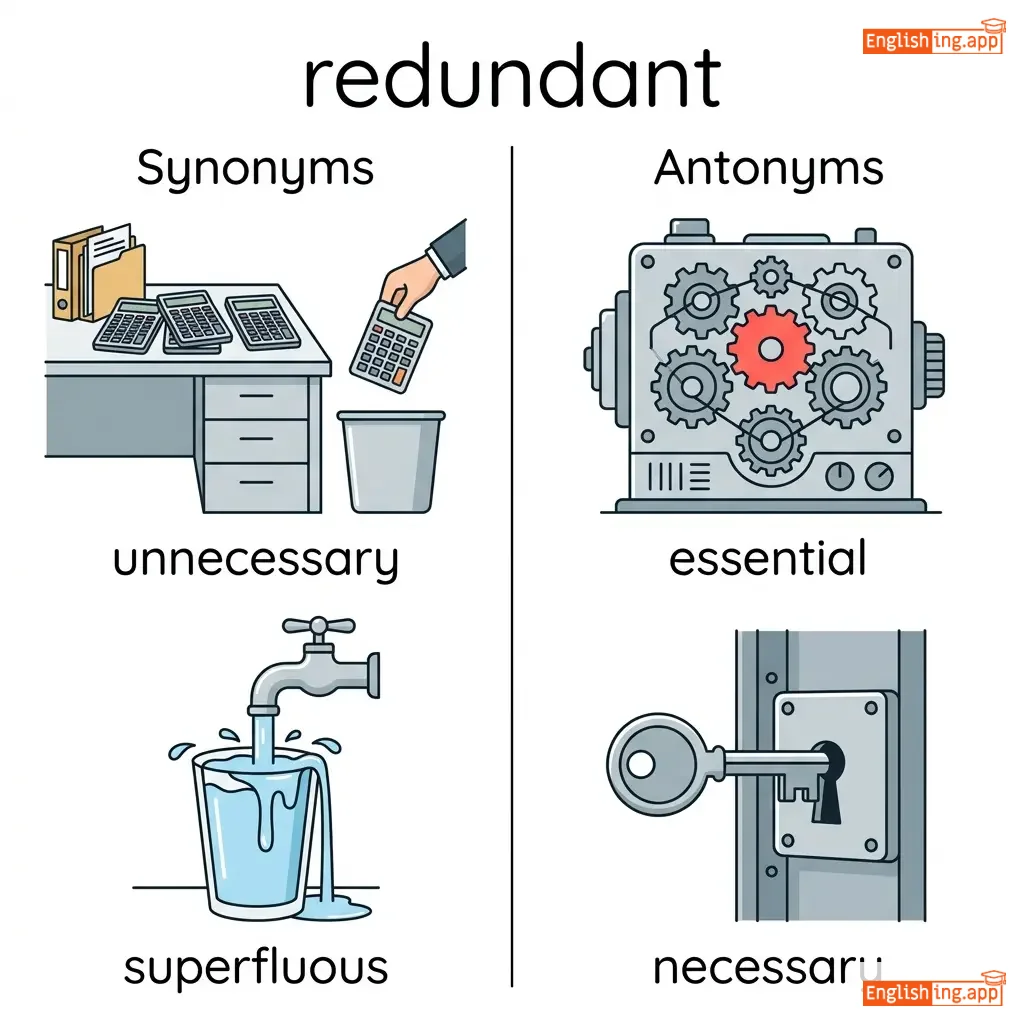
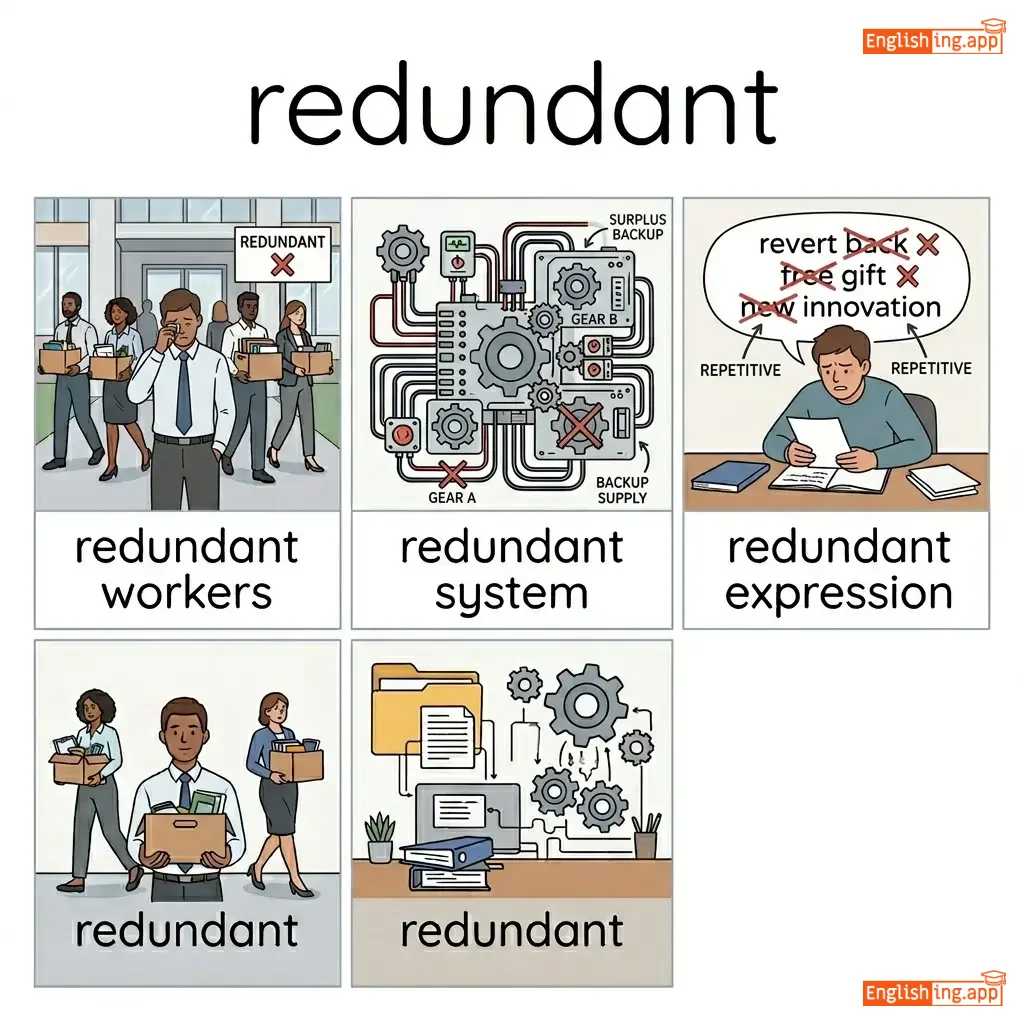
当一个人使用 time-blocking 时,他们的 endeavor 变得更 tangible,时间的 dissipation 减少。它充当一个 deterrent,防止我们在不必要的 redundant 工作上浪费时间。
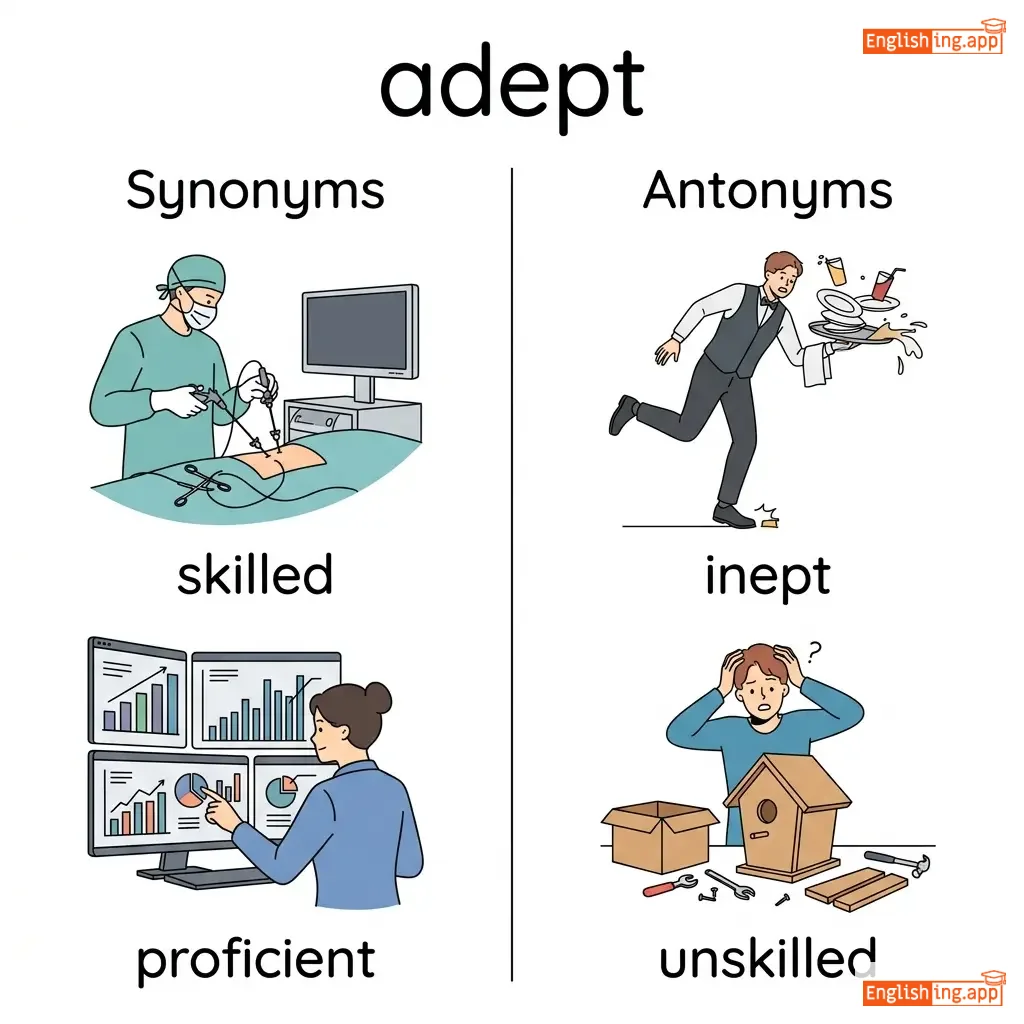
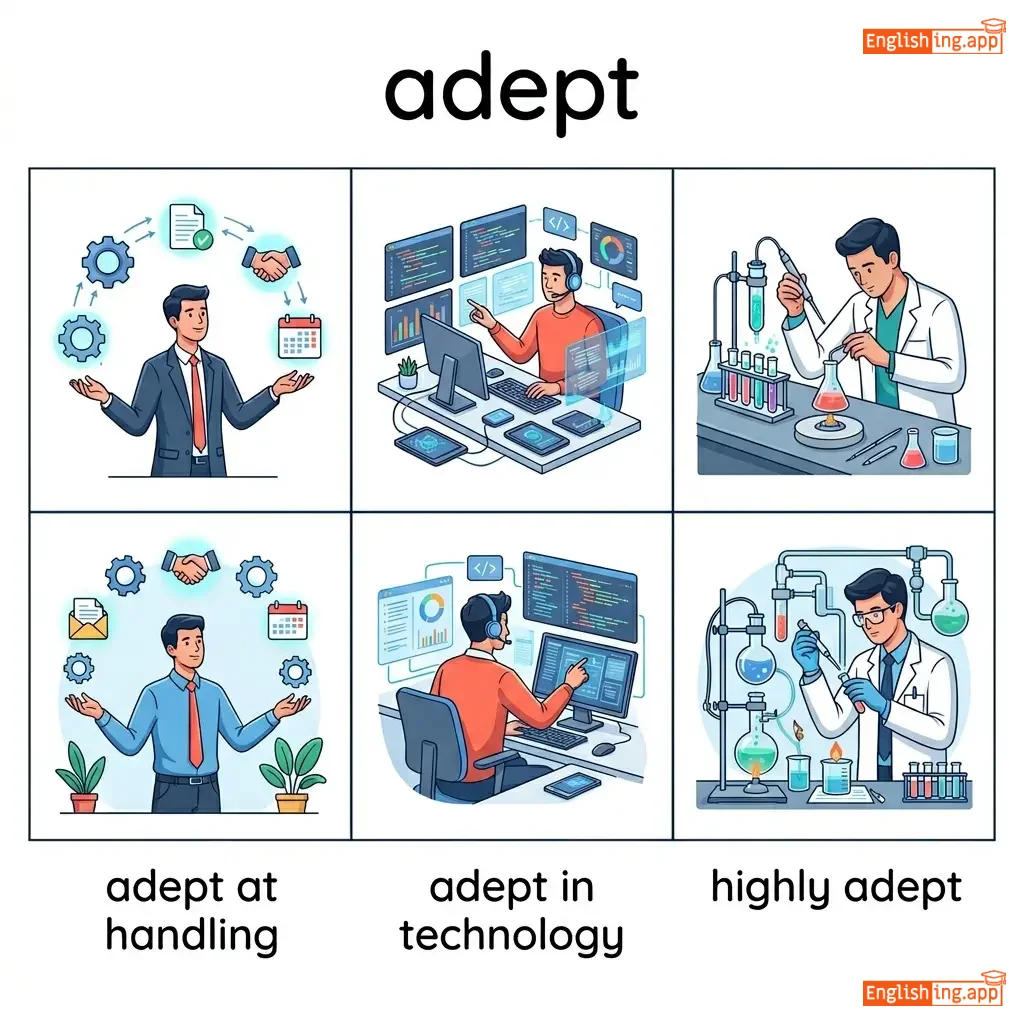
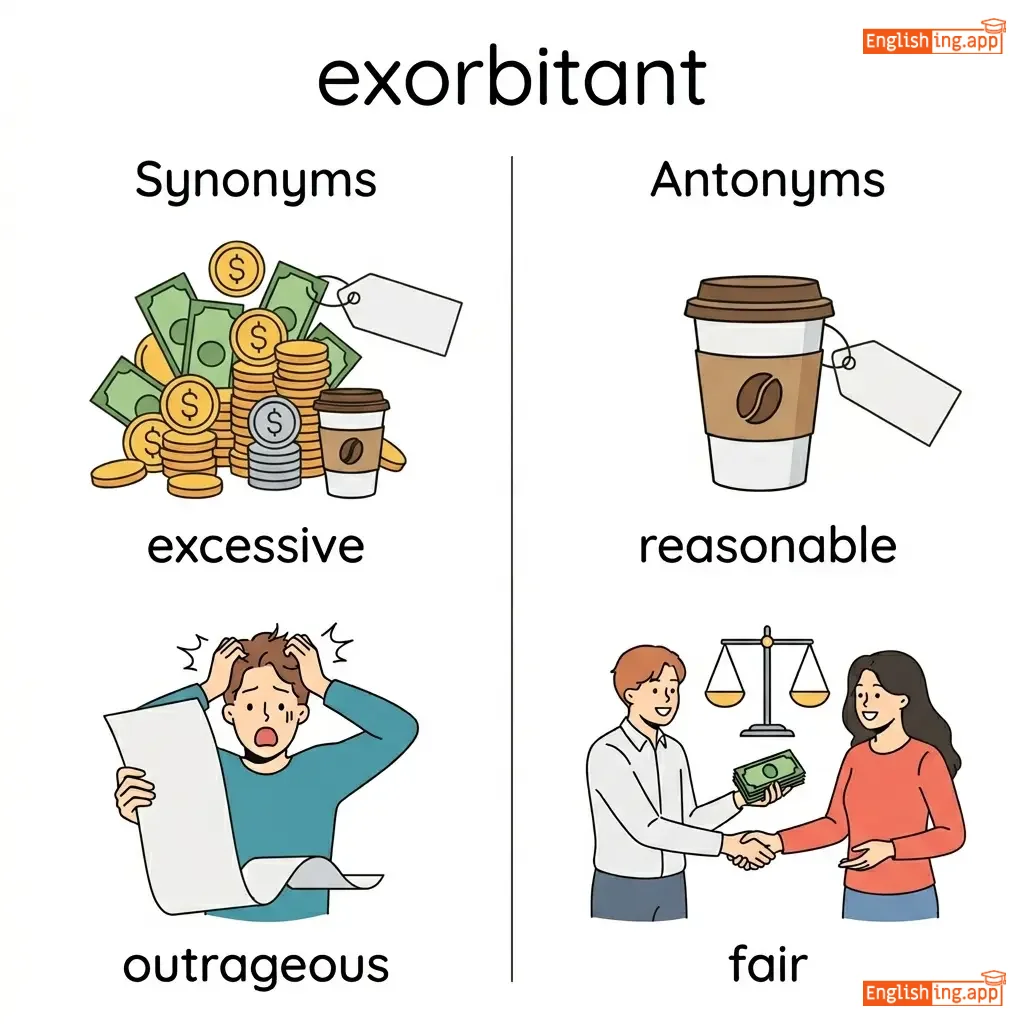
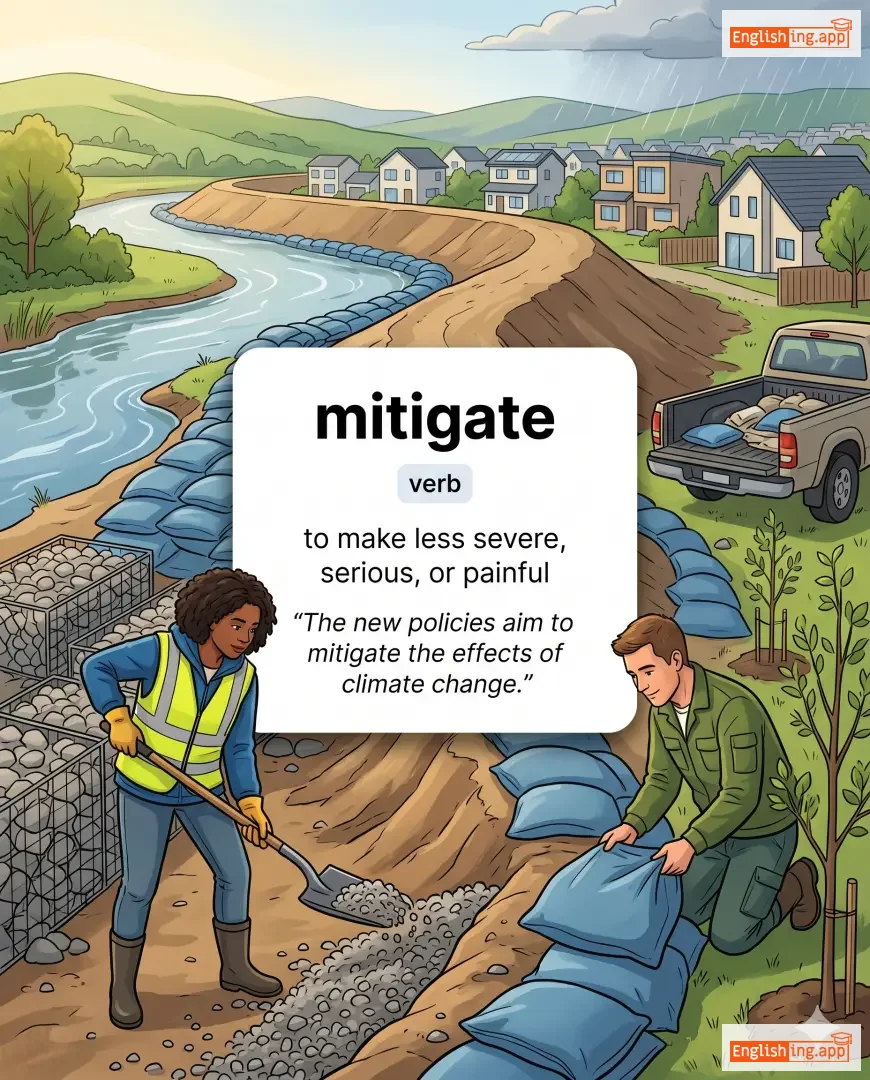
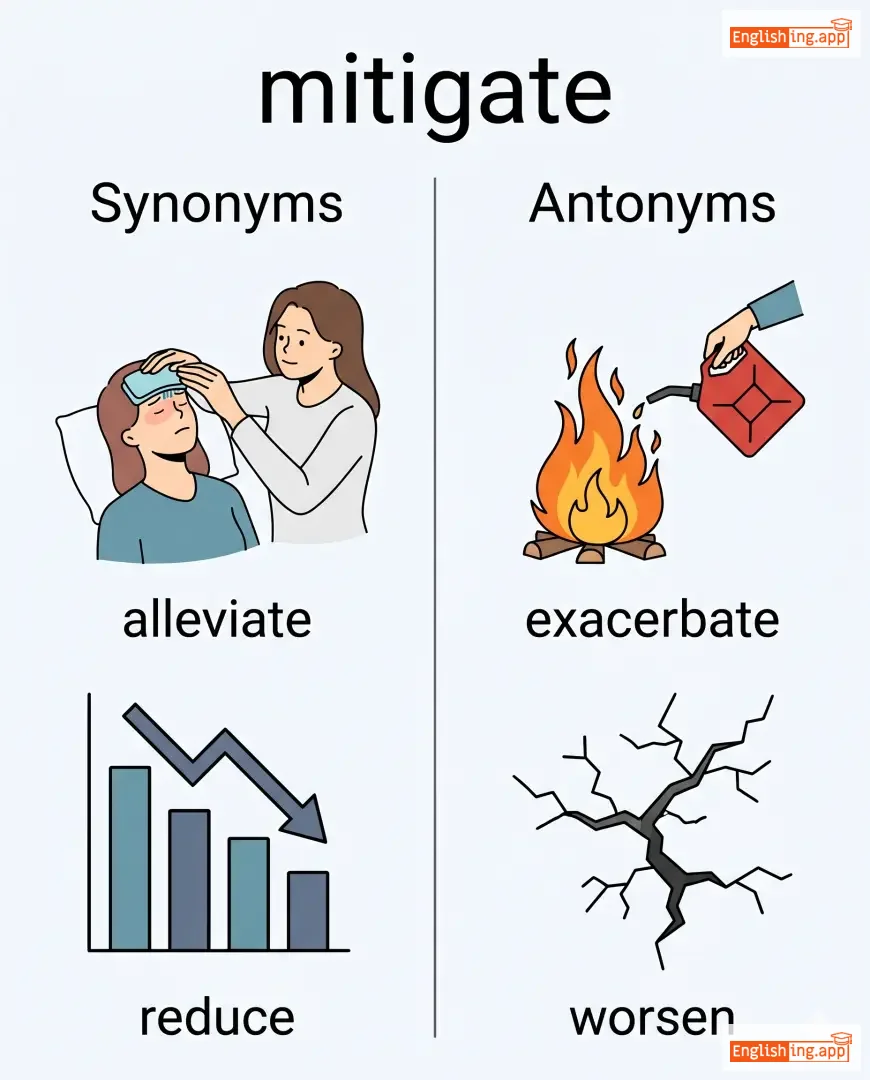
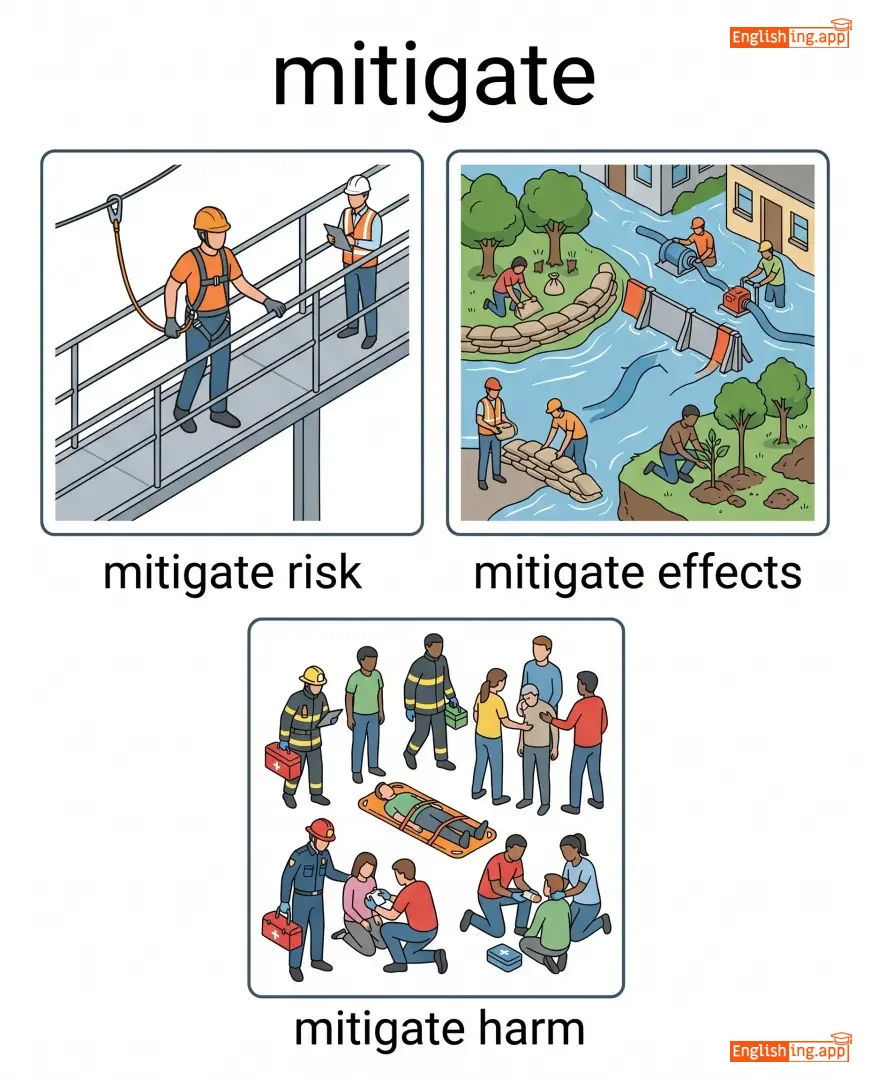
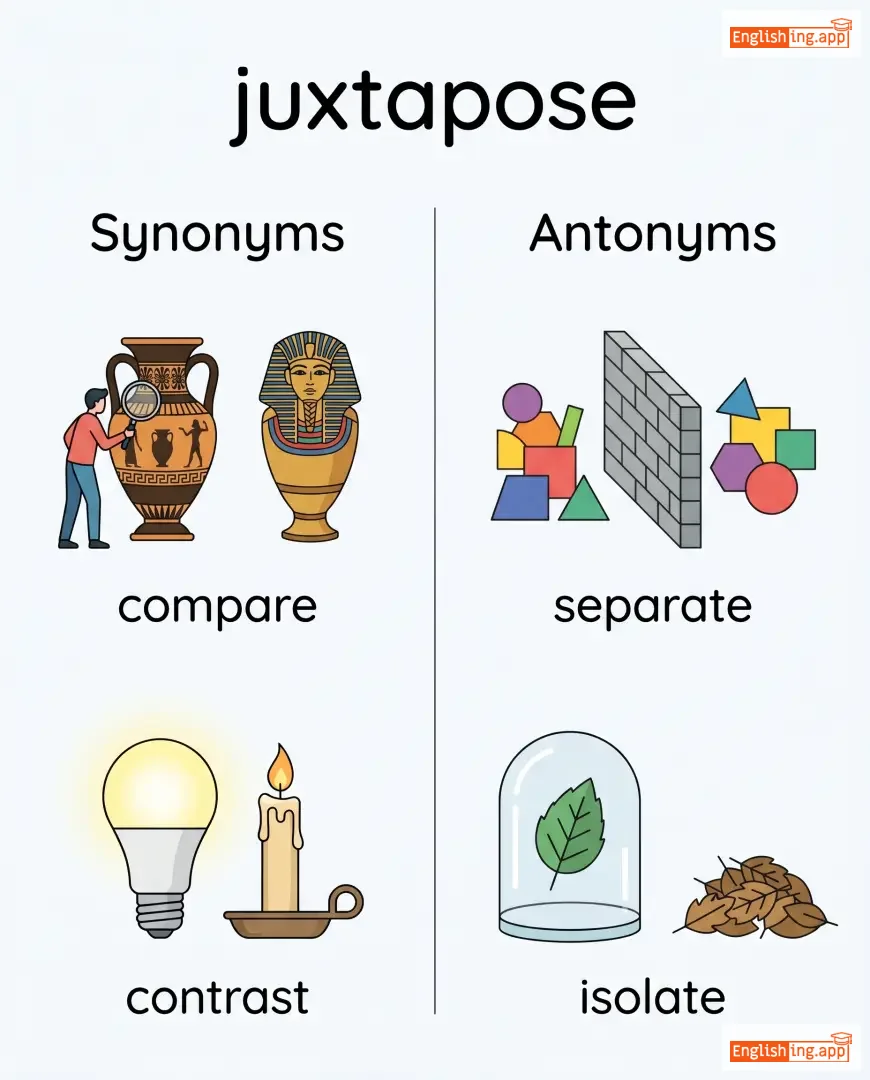
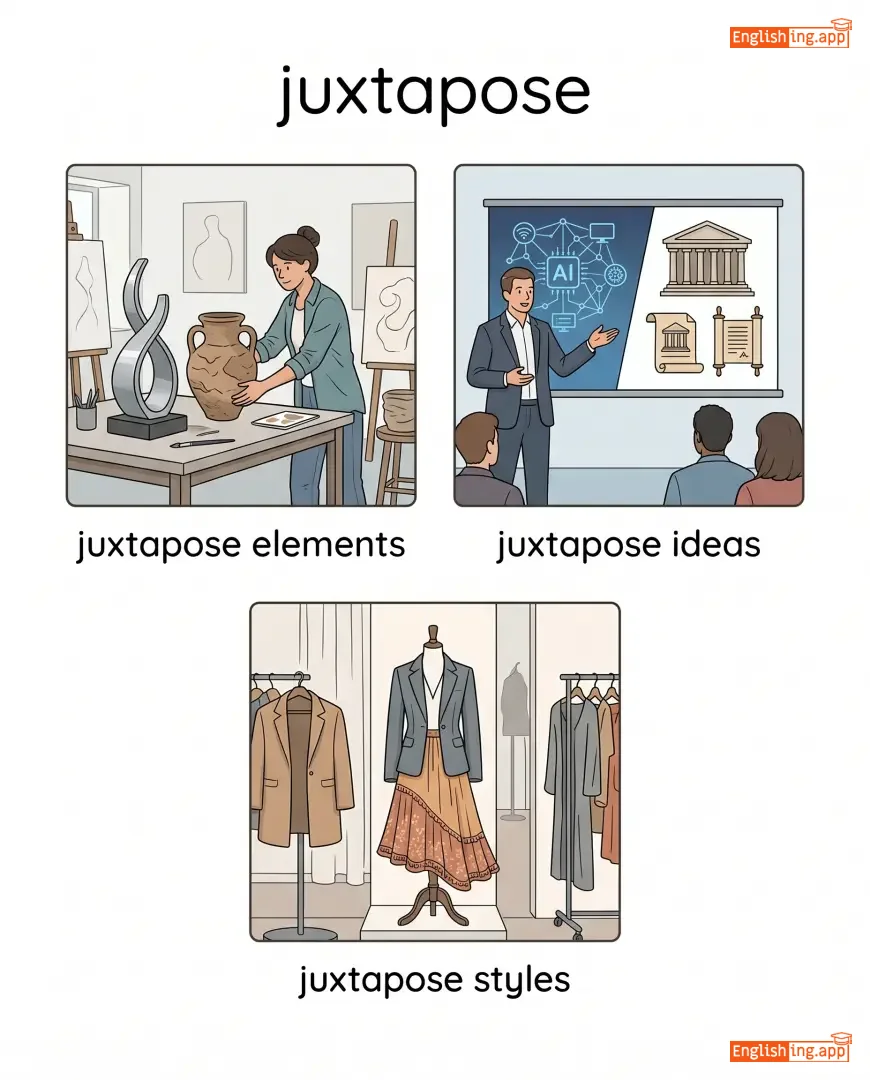
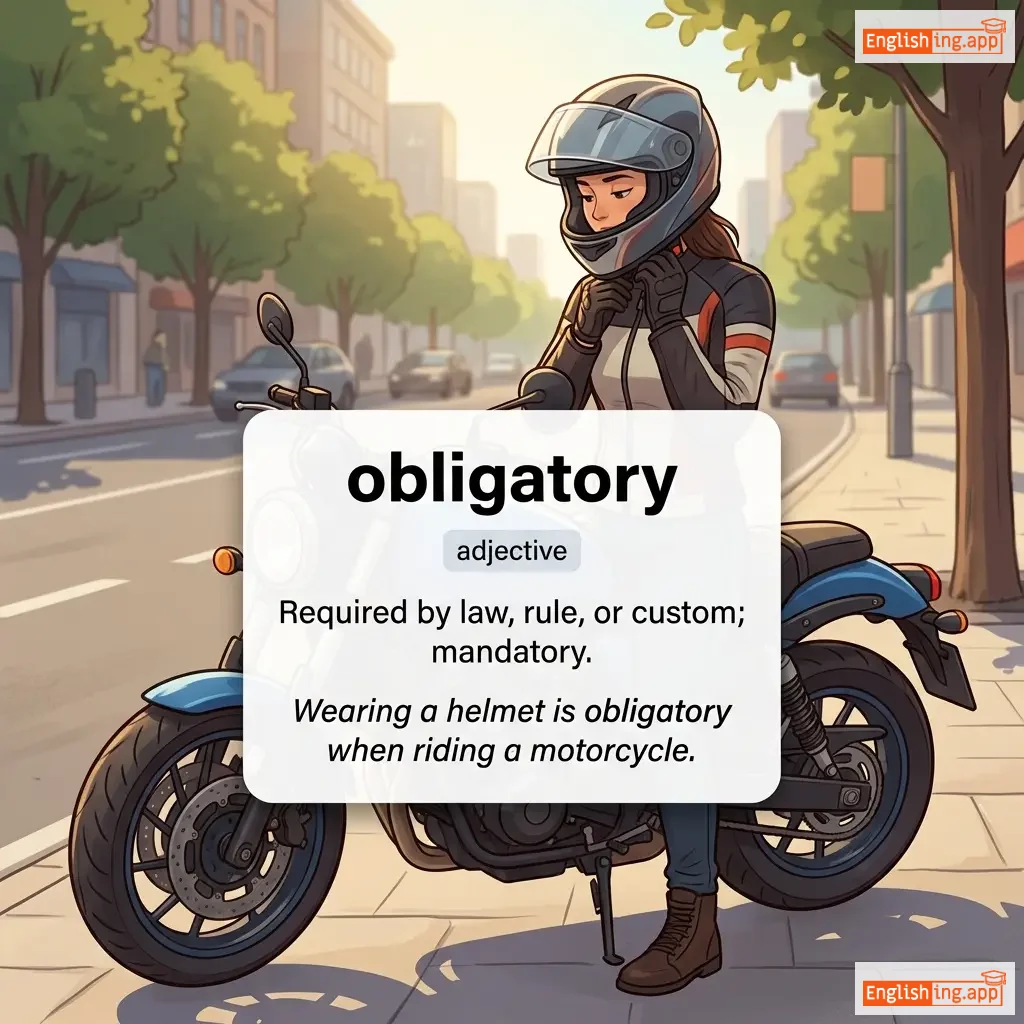
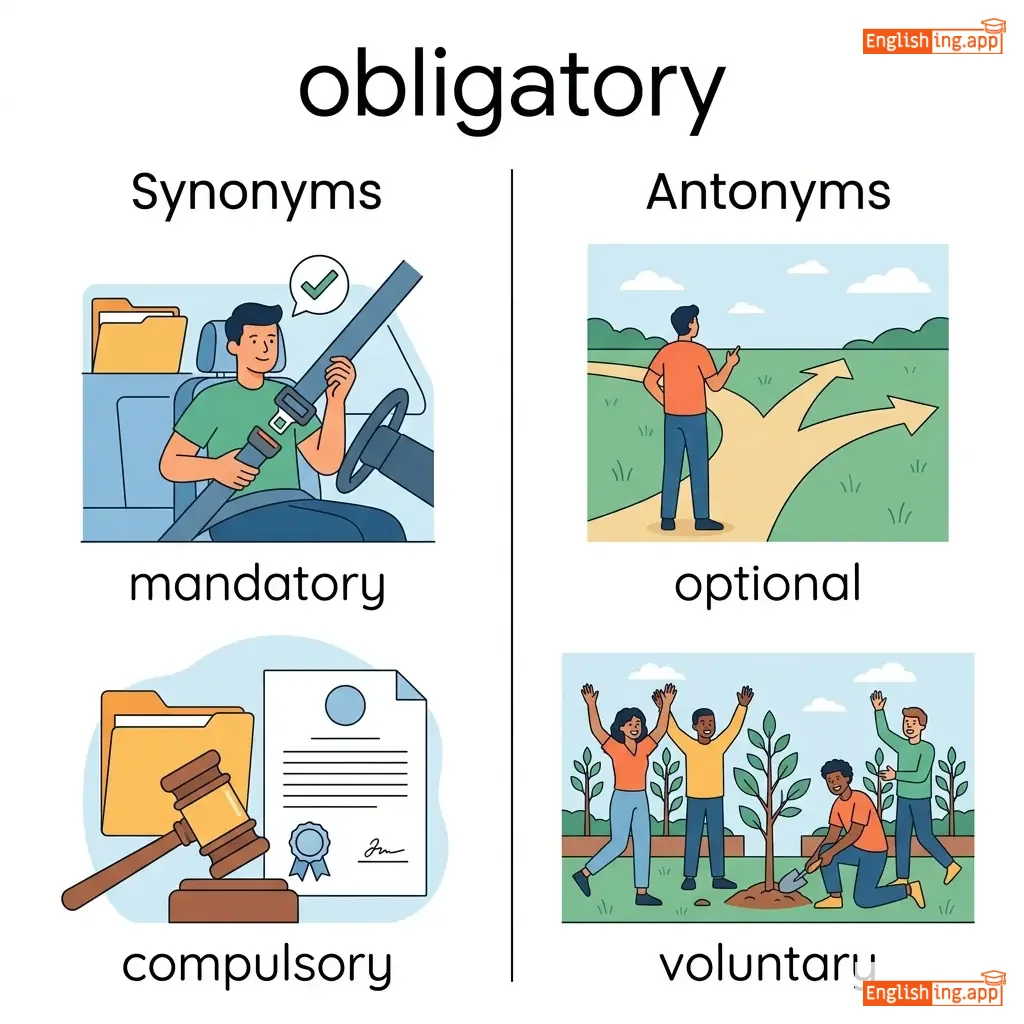
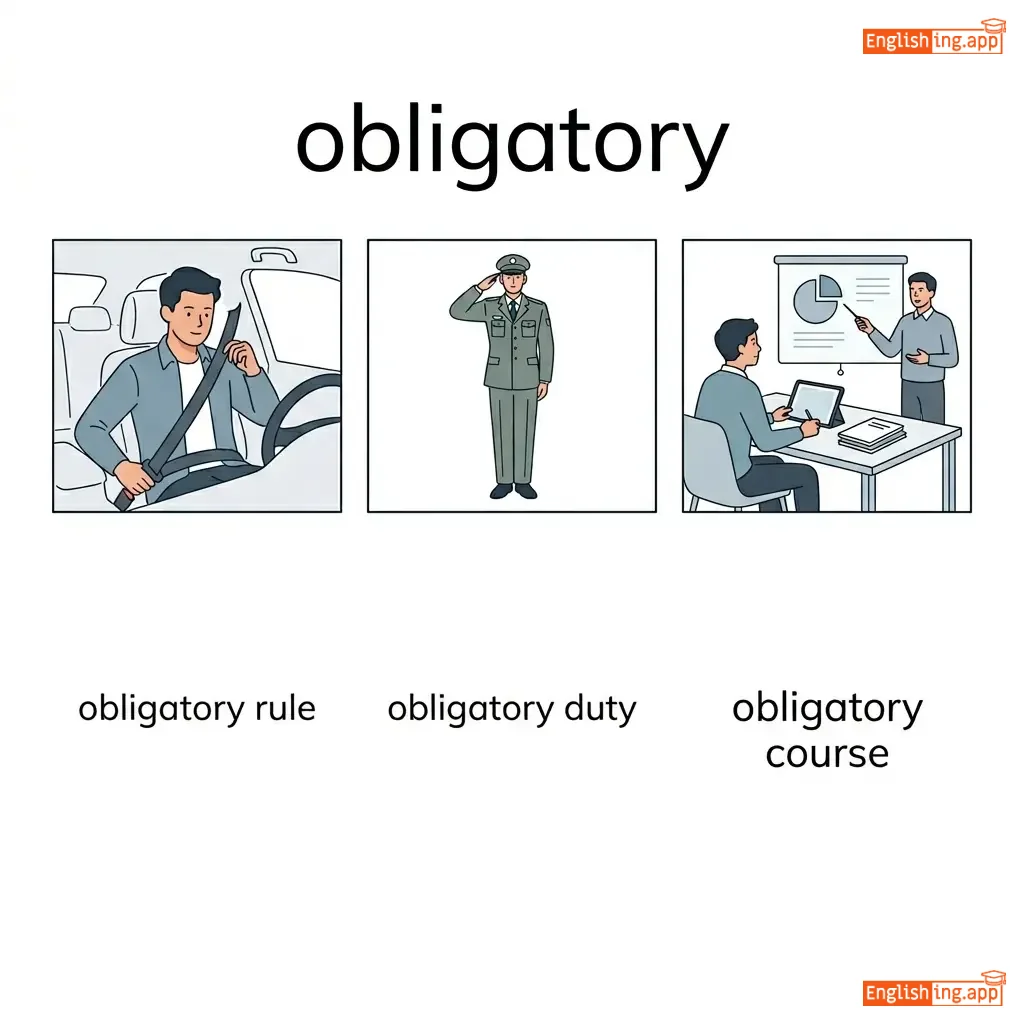
一个 adept 的人可以利用这种方法来 mitigate 工作中的 exorbitant 压力。它不仅提高工作速度,还能帮助 juxtapose 并平衡必要与 obligatory 的任务。
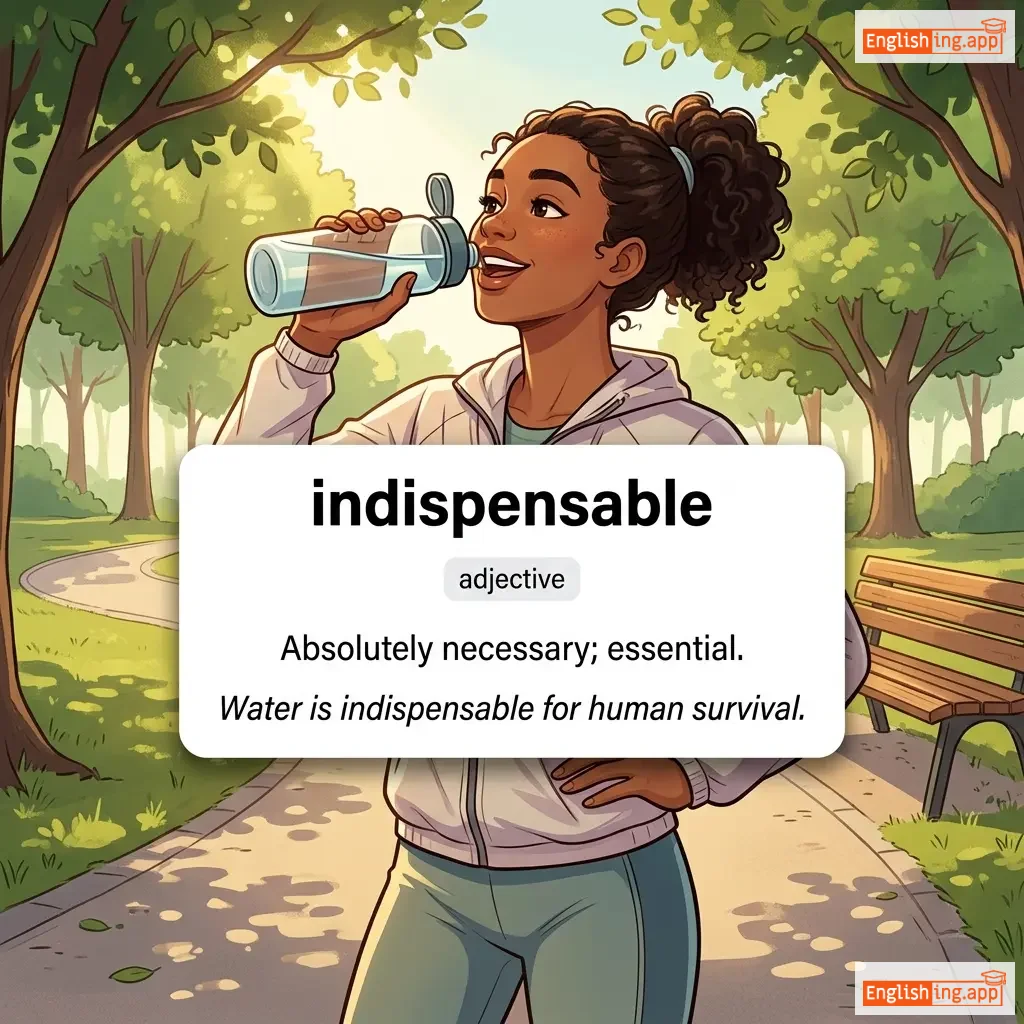
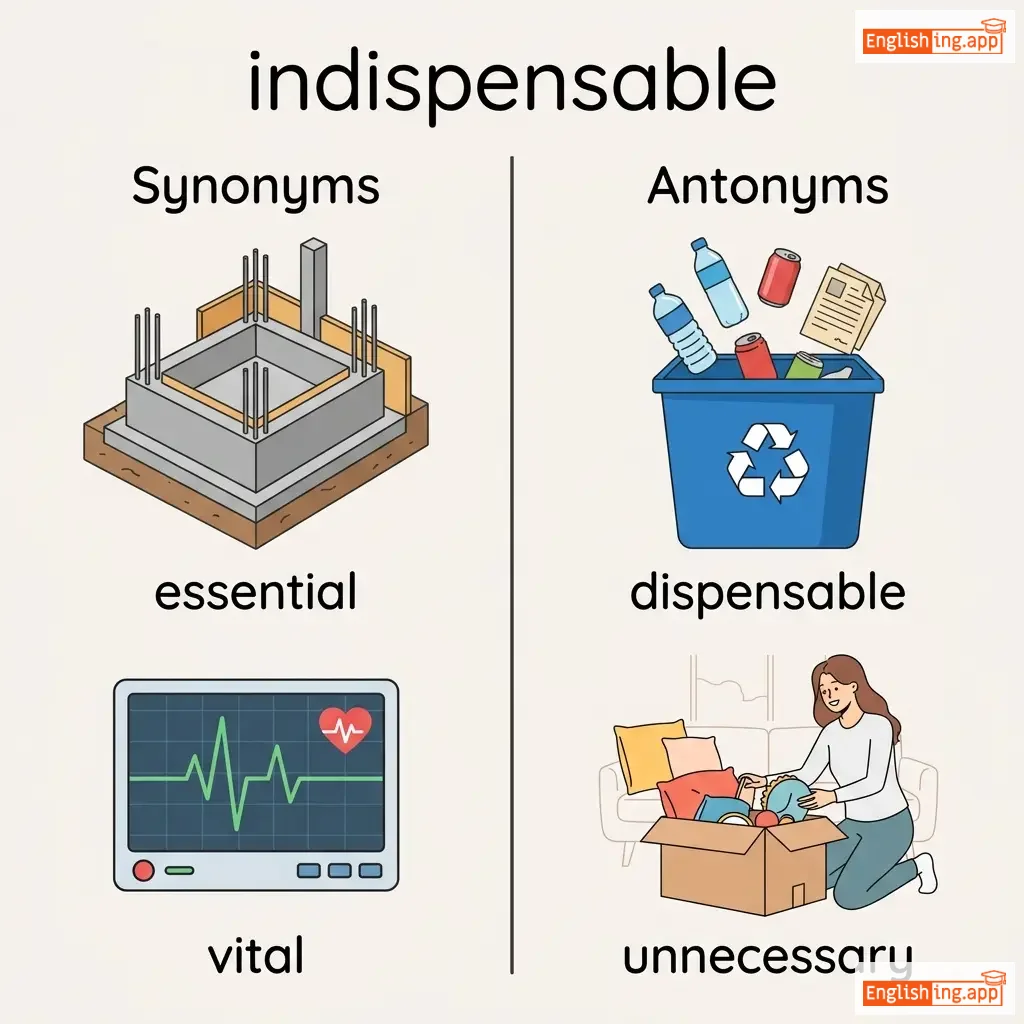
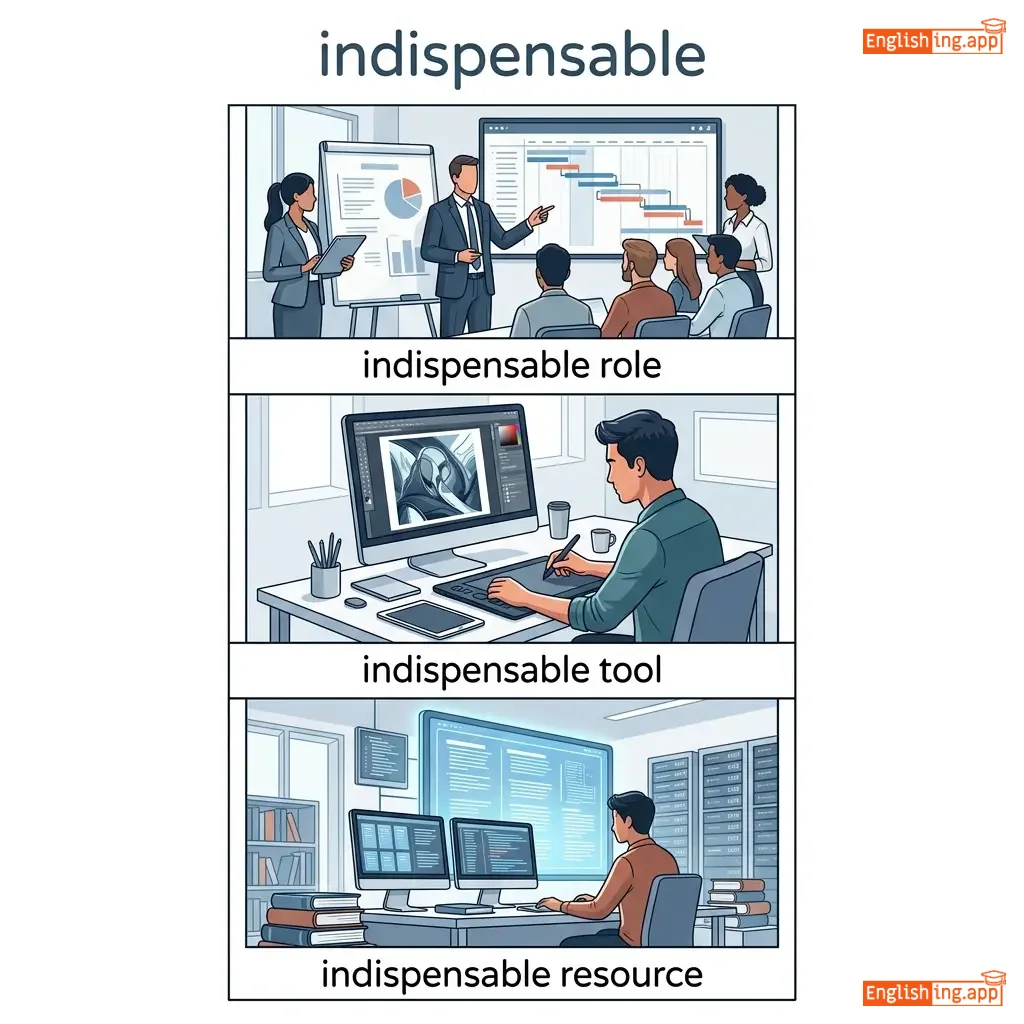
因此,对于那些想摆脱 procrastination 的人来说,time-blocking 是一种 indispensable 的技巧。










Swipe left or right, or use the buttons. Tap image to zoom.
例句翻译
单词
How Time-Blocking Reduces ProcrastinationHow Time-Blocking Reduces Procrastination - 遮罩切换
|
表情符号
|
单词 | Images | 翻译 | 含义 | 例句 | 例句翻译 | 同义词 | 反义词 | 助记符 |
|---|---|---|---|---|---|---|---|---|---|
|
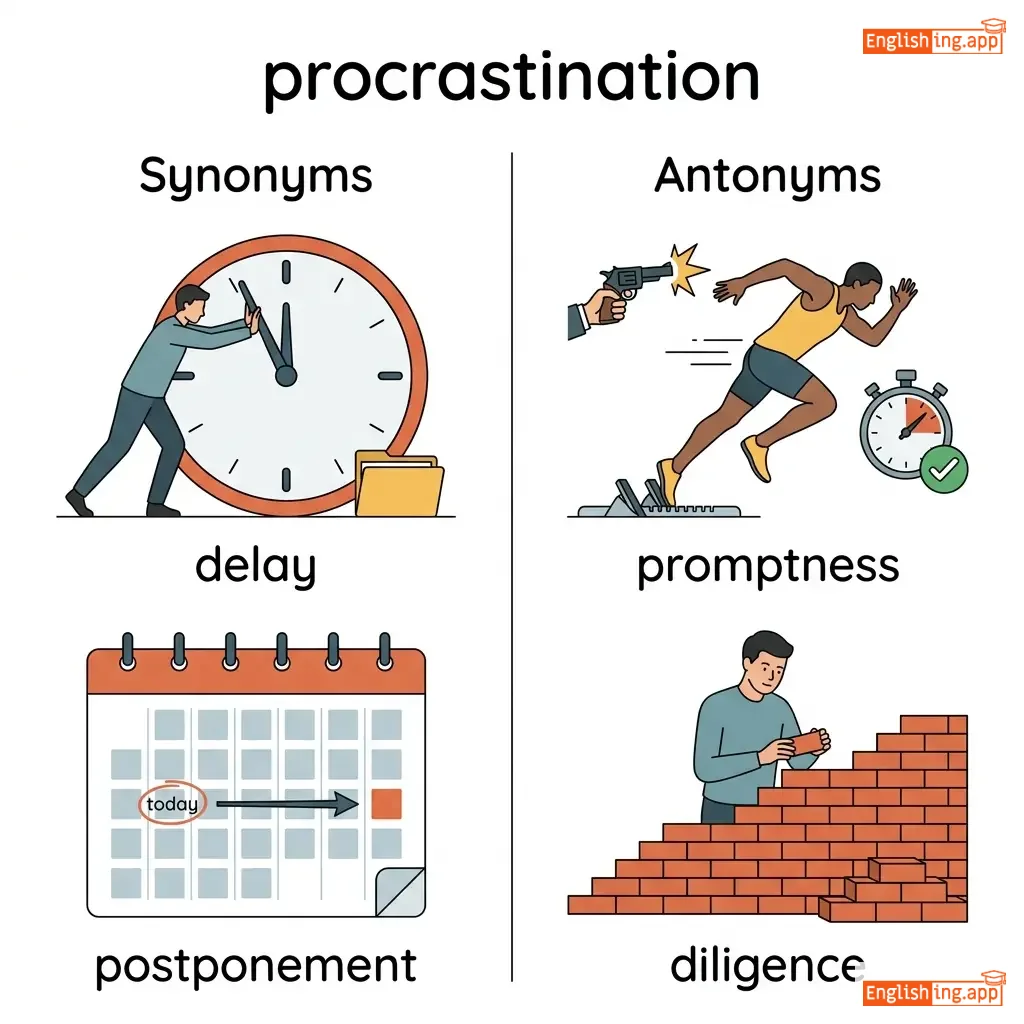
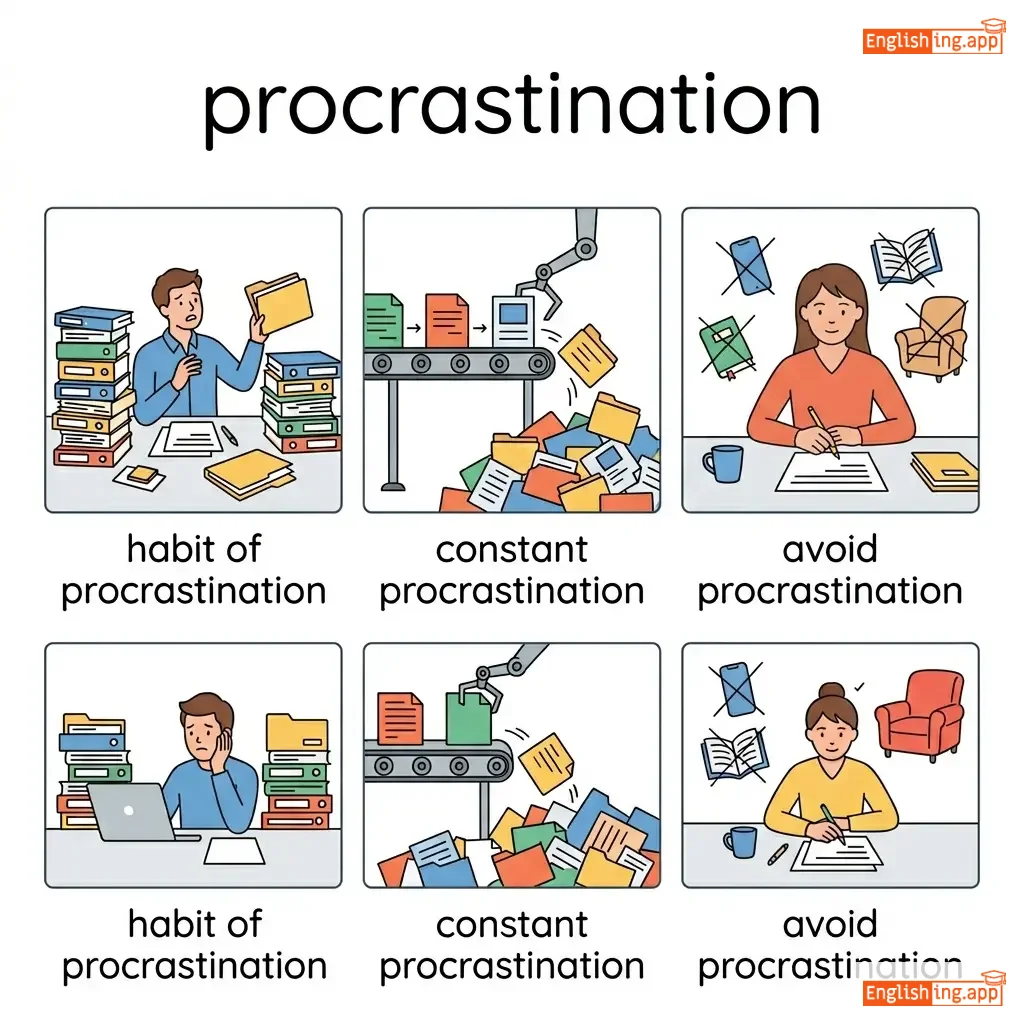
#2153
⏳
|
/prəˌkræs.tɪˈneɪ.ʃən/
noun
(拖延症)
••••••
|
|
拖延或推迟任务
tuōyán huò tuīchí rènwù
••••••
|
The practice of delaying or postponing important tasks or activities.
••••••
|
Excessive procrastination affects work performance.
过度拖延症影响工作表现。
••••••
|
过度拖延症影响工作表现。
Guòdù tuōyán zhèng yǐngxiǎng gōngzuò biǎoxiàn.
••••••
|
delay, postponement, avoidance
••••••
|
action, productivity, efficiency
••••••
|
不要拖延,今天的任务今天做,否则拖延症会浪费你的时间。
••••••
|
|
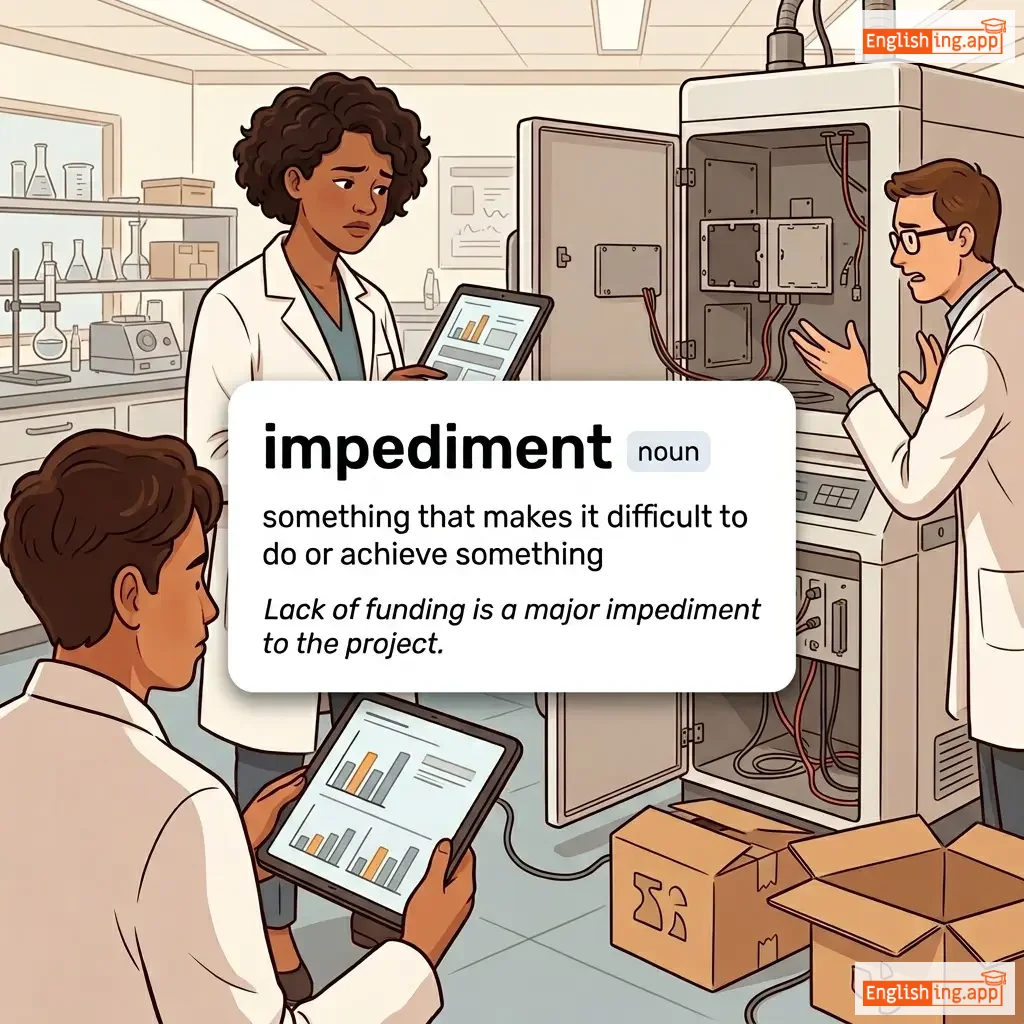
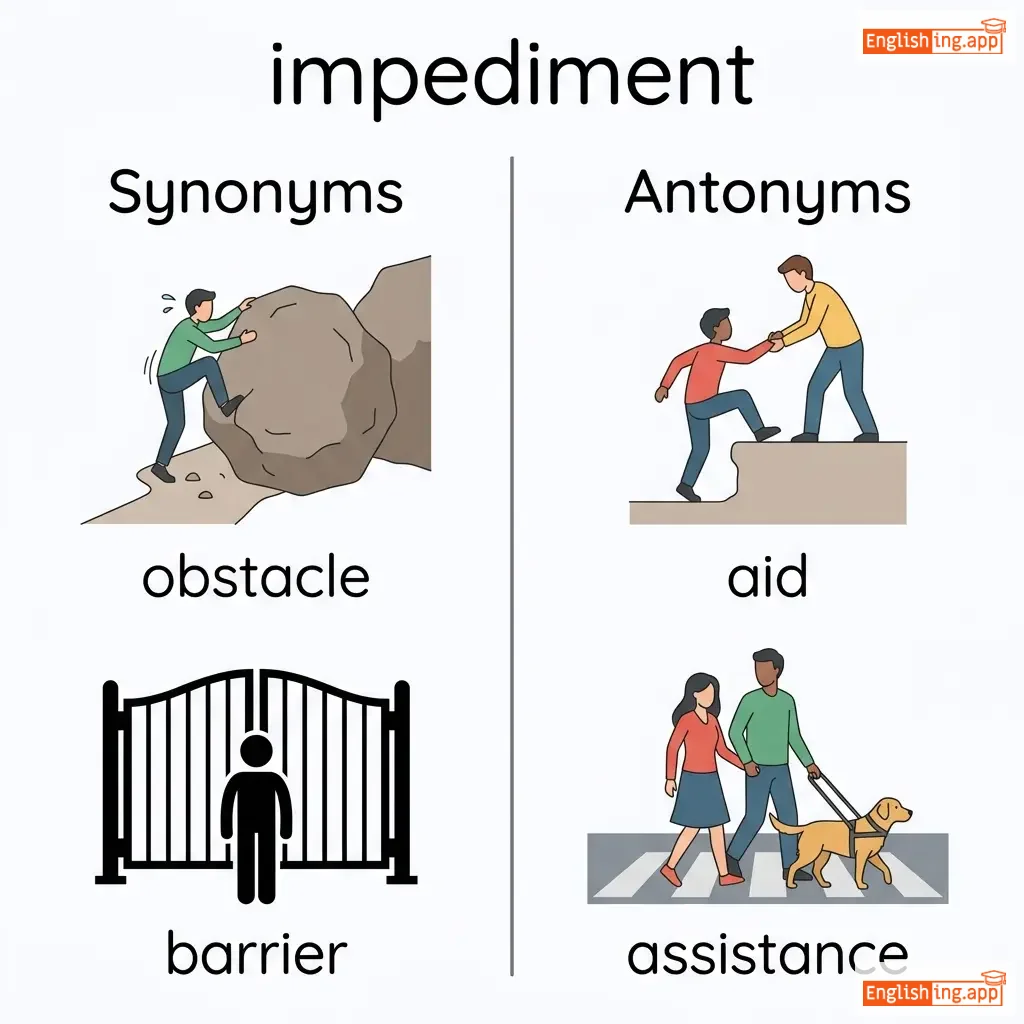
#2154
🚧
|
/ɪmˈpɛd.ɪ.mənt/
noun
(障碍)
••••••
|
|
障碍
zhàng ài
••••••
|
A hindrance or obstruction in doing or achieving something.
••••••
|
A lack of funds is a major impediment to the project. |
资金不足是项目的主要障碍。
zījīn bùzú shì xiàngmù de zhǔyào zhàng'ài.
••••••
|
obstacle, hindrance, barrier
••••••
|
aid, assistance, facilitation
••••••
|
障碍就像阻挡你前进的石头。
••••••
|
|
#2155
🔄
|
/ˌkaʊn.tɚ.prəˈdʌk.tɪv/
adjective
(kao teng pro du k ti fu)
••••••
|
|
适得其反
shì dé qí fǎn
••••••
|
Having the opposite of the desired effect; tending to hinder rather than help.
••••••
|
Multitasking can often be counterproductive rather than efficient. |
多任务处理通常是适得其反,而不是高效的。
duō rènwù chǔlǐ tōngcháng shì dé qí fǎn, ér bù shì gāo xiào de.
••••••
|
ineffective, detrimental, harmful
••••••
|
beneficial, productive, constructive
••••••
|
Counterproductive = 反 + 生产 (事物反向产生结果)
••••••
|
|
#2156
🧠
|
/ˈkɒɡ.nɪ.zənt/
adjective
(认知)
••••••
|
|
意识到
yìshí dào
••••••
|
Having knowledge or awareness of something; being aware.
••••••
|
He was cognizant of the risks before making a decision. |
在做决定之前,他已经意识到这些风险。
Zài zuò juédìng zhīqián, tā yǐjīng yìshí dào zhèxiē fēngxiǎn.
••••••
|
aware, mindful, informed
••••••
|
oblivious, unaware, ignorant
••••••
|
Cognizant 和意识到,两个词都意味着对风险有意识或了解。
••••••
|
|
#2157
📅
|
/taɪm ˈblɒk.ɪŋ/
noun
(tāimèng bùlòukīng)
••••••
|
|
时间阻断
shíjiān zǔduàn
••••••
|
A time management method where you divide your day into blocks of time and assign specific tasks to each block.
••••••
|
Using time-blocking helps improve productivity and focus. |
使用时间阻断有助于提高生产力和专注力。
Shǐyòng shíjiān zǔduàn yǒuzhù yú tígāo shēngchǎnlì hé zhuānzhù lì.
••••••
|
scheduling, time management, task allocation
••••••
|
disorganization, random tasking, inefficiency
••••••
|
分块时间,时间阻断!
••••••
|
|
#2158
🌟
|
/kənˈdjuː.sɪv/
adjective
(kón dū sī fú)
••••••
|
|
有利的
yǒu lì de
••••••
|
Making a certain situation or outcome likely or possible; helpful.
••••••
|
A quiet environment is conducive to learning.
安静的环境有利于学习。
••••••
|
安静的环境有利于学习。
Ānjìng de huánjìng yǒu lì yú xuéxí.
••••••
|
favorable, supportive, beneficial
••••••
|
unhelpful, hindering, detrimental
••••••
|
有利的环境促成学习。
••••••
|
|
#2159
⚖️
|
/daɪˈkɒt.ə.mi/
noun
(dàikètèmí)
••••••
|
|
二分法
èrfēn fǎ
••••••
|
A division or contrast between two things that are or are represented as being opposed or entirely different.
••••••
|
There is a dichotomy between work and personal life.
工作和个人生活之间存在二分法。
••••••
|
工作和个人生活之间存在二分法。
Gōngzuò hé gèrén shēnghuó zhī jiān cúnzài èrfēn fǎ.
••••••
|
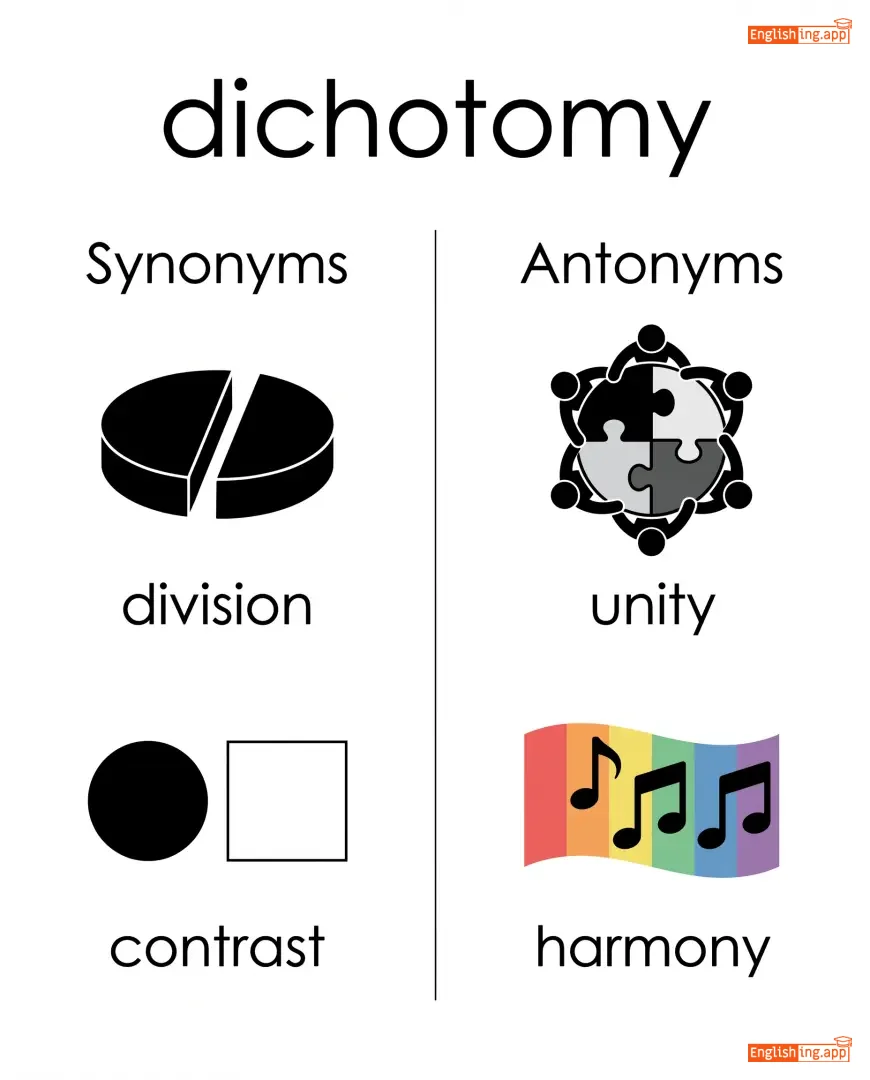
division, contrast, dualism
••••••
|
unity, harmony, agreement
••••••
|
Dichotomy - 二分法 (èrfēn fǎ) - 就像两种完全不同的东西。
••••••
|
|
#2160
❓
|
/ˌæm.bɪˈɡjuː.ɪ.ti/
noun
(模糊性)
••••••
|
|
模糊性
móhú xìng
••••••
|
The quality of being open to more than one interpretation; inexactness.
••••••
|
The contract had too much ambiguity to be legally binding.
合同含有过多的模糊性,无法具有法律约束力。
••••••
|
合同含有过多的模糊性,无法具有法律约束力。
Hétóng hán yǒu guòduō de móhú xìng, wúfǎ jùyǒu fǎlǜ yuēshù lì.
••••••
|
vagueness, uncertainty, indistinctness
••••••
|
clarity, certainty, precision
••••••
|
模糊性就像是当一个事物有多种可能的解释时。
••••••
|
|
#2161
🔍
|
/ˈklær.ɪ.ti/
noun
(克莱里蒂)
••••••
|
|
清晰度
qīngxī dù
••••••
|
The quality of being coherent and intelligible; transparency or lucidity.
••••••
|
The speaker's clarity made the concept easy to understand.
演讲者的清晰度使得这个概念变得容易理解。
••••••
|
演讲者的清晰度使得这个概念变得容易理解。
Yǎnjiǎng zhě de qīngxī dù shǐdé zhège gàiniàn biàn dé róngyì lǐjiě.
••••••
|
transparency, precision, lucidity
••••••
|
confusion, ambiguity, uncertainty
••••••
|
Clarity = clear vision = 清晰度
••••••
|
|
#2162
💪
|
/ɪnˈdɛv.ɚ/
noun/verb
(恩代沃)
••••••
|
|
努力或辛勤工作
nǔlì huò xīnqín gōngzuò
••••••
|
An attempt to achieve a goal; to try hard to do or achieve something.
••••••
|
His endeavor to start a business was successful.
他的创业努力取得了成功。
••••••
|
他的创业努力取得了成功。
Tā de chuàngyè nǔlì qǔdé le chénggōng.
••••••
|
attempt, effort, struggle
••••••
|
inactivity, neglect, idleness
••••••
|
Endeavor意味着努力,就像你为自己的目标而努力工作。
••••••
|
|
#2163
👋
|
/ˈtæn.dʒɪ.bəl/
adjective
(tán-jī-bó)
••••••
|
|
切实可行
qièshí kěxíng
••••••
|
Perceptible by touch; clear and definite; real.
••••••
|
The benefits of exercise are tangible and measurable.
锻炼的好处是切实可行和可衡量的。
••••••
|
锻炼的好处是切实可行和可衡量的。
Duànliàn de hǎochù shì qièshí kěxíng hé kě héngliàng de.
••••••
|
real, concrete, physical
••••••
|
intangible, abstract, immaterial
••••••
|
Qièshí kěxíng: 可以触摸和测量的东西。
••••••
|
|
#2164
💨
|
/ˈdɪs.ɪ.peɪt/
verb
(dissipate)
••••••
|
|
逐渐消失;分散或扩散
zhújiàn xiāoshī; fēnsàn huò kuòsàn
••••••
|
To disappear gradually; to disperse or scatter.
••••••
|
The fog dissipated as the sun rose.
雾霾在太阳升起时消散了。
••••••
|
雾霾在太阳升起时消散了。
Wùmái zài tàiyáng shēngqǐ shí xiāosànle.
••••••
|
scatter, disperse, vanish
••••••
|
accumulate, gather, preserve
••••••
|
Dissipate - 消散的雾霾被太阳驱散了。
••••••
|
|
#2165
🛑
|
/dɪˈtɜː.rənt/
noun/adjective
(dɪˈtɛrɛnt)
••••••
|
|
威慑因素
wēi shè yīn sù
••••••
|
A thing that discourages or is intended to discourage someone from doing something.
••••••
|
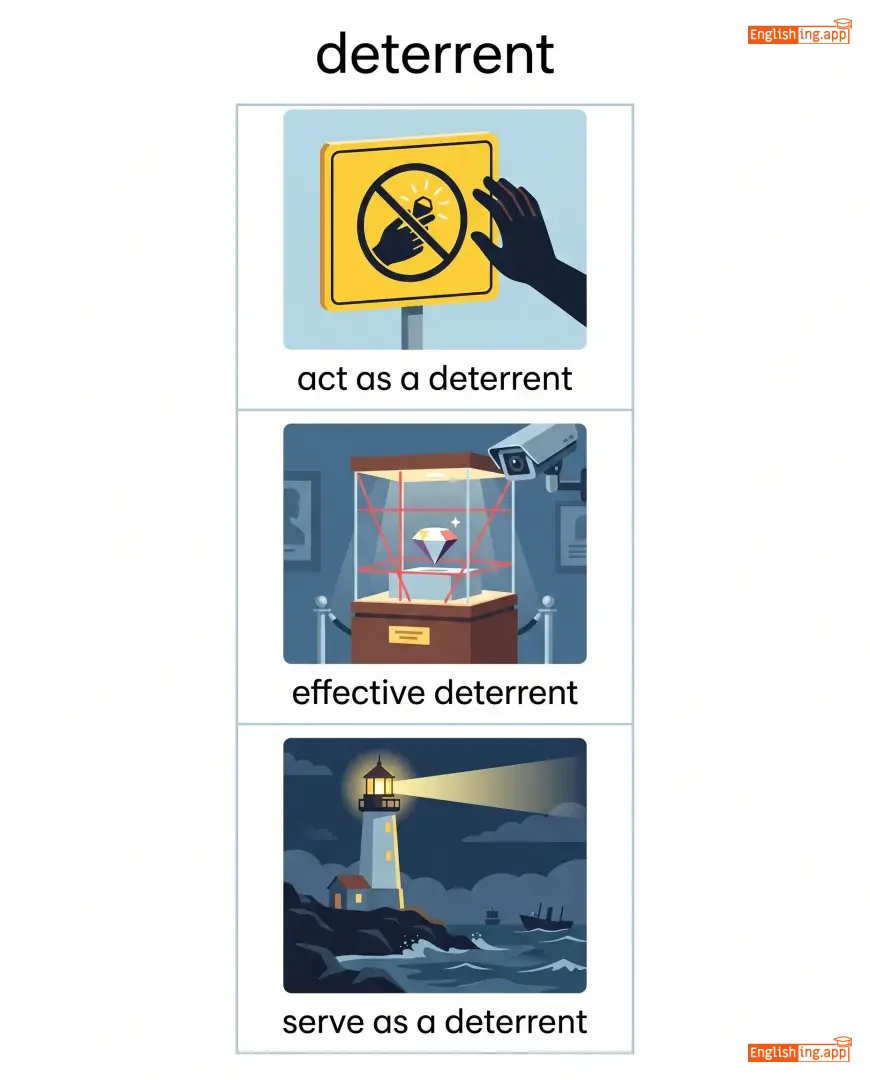
A strict law serves as a deterrent to crime. |
严格的法律作为犯罪的威慑因素。
Yángé de fǎlǜ zuòwéi fànzuì de wēishè yīnsù.
••••••
|
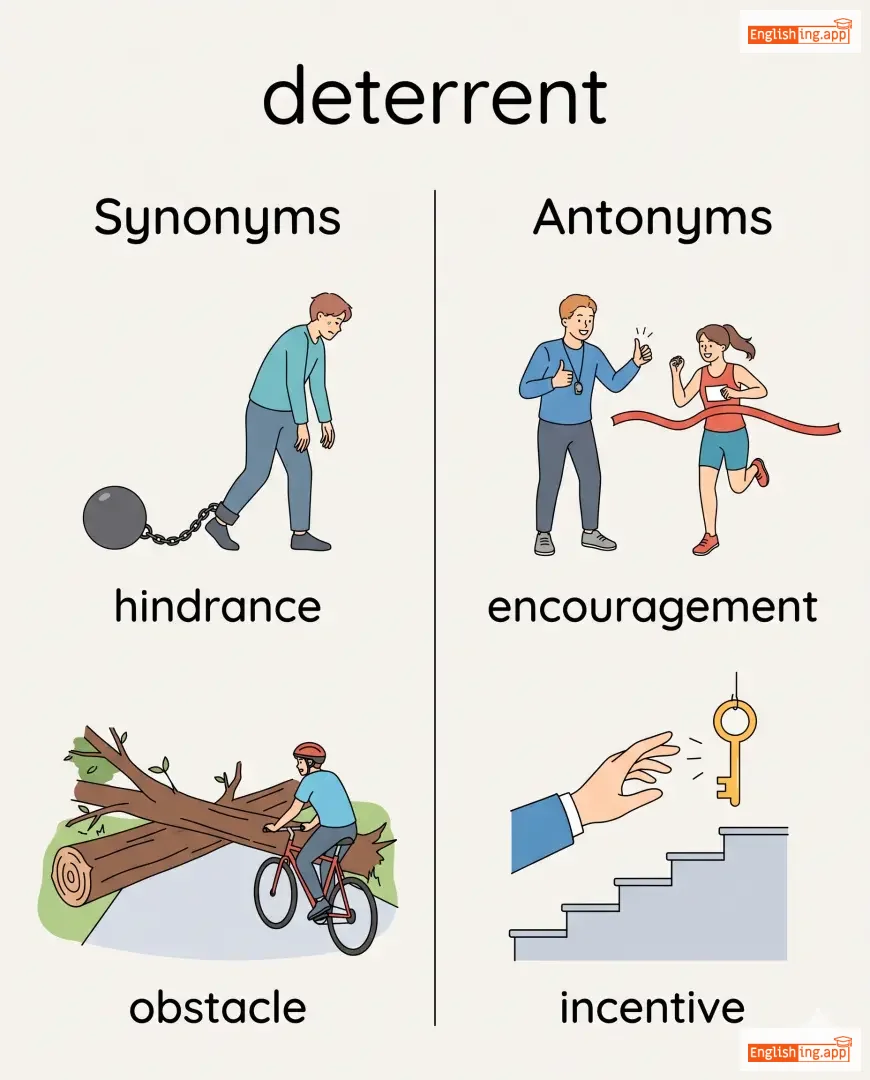
hindrance, obstacle, restraint
••••••
|
encouragement, incentive, motivation
••••••
|
威慑因素,像一堵墙,阻止你继续前进。
••••••
|
|
#2166
🔄
|
/rɪˈdʌn.dənt/
adjective
(瑞丹登特)
••••••
|
|
多余的
duoyu de
••••••
|
Not or no longer needed or useful; superfluous.
••••••
|
The report contained redundant information. |
报告包含了多余的信息。
Baogao baohan le duoyu de xinxi.
••••••
|
unnecessary, superfluous, excessive
••••••
|
essential, necessary, concise
••••••
|
多余的在中文中等于 redundant
••••••
|
|
#2167
🎯
|
/əˈdɛpt/
adjective
(阿德普特)
••••••
|
|
熟练的
shulian de
••••••
|
Very skilled or proficient at something.
••••••
|
She is adept at solving complex problems.
她擅长解决复杂问题。
••••••
|
她擅长解决复杂问题。
Ta shanchang jie jue fuza wenti.
••••••
|
skilled, proficient, expert
••••••
|
incompetent, inept, unskilled
••••••
|
Adept means skilled, like being '熟练的' in a task.
••••••
|
|
#2168
💰
|
/ɪɡˈzɔːr.bɪ.tənt/
adjective
(èksòubìtàntè)
••••••
|
|
过高的
guò gāo de
••••••
|
Unreasonably high in price or amount; excessive.
••••••
|
The hotel charged an exorbitant price for a basic room. |
这家酒店为一个普通房间收取了过高的价格。
Zhè jiā jiǔdiàn wèi yīgè pǔtōng fángjiān shōuqǔle guò gāo de jiàgé.
••••••
|
excessive, overpriced, outrageous
••••••
|
reasonable, affordable, moderate
••••••
|
过高的价格就像是一个「EXTRA」收费。
••••••
|
|
#2169
⚡
|
/ˈmɪt.ɪ.ɡeɪt/
verb
(米替盖特)
••••••
|
|
缓解
huǎn jiě
••••••
|
To make less severe, serious, or painful; to lessen.
••••••
|
Proper planning can mitigate financial risks.
良好的规划可以缓解财务风险。
••••••
|
良好的规划可以缓解财务风险。
Liánghǎo de guīhuà kěyǐ huǎnjiě cáiwù fēngxiǎn.
••••••
|
alleviate, reduce, lessen
••••••
|
aggravate, intensify, exacerbate
••••••
|
Mitigate means to reduce, and in Chinese '缓解' means to alleviate.
••••••
|
|
#2170
⚖️
|
/ˈdʒʌk.stə.poʊz/
verb
(juːkstəpoʊz)
••••••
|
|
将两个或多个事物放在一起以进行对比
jiang liang ge huo duō ge shìwù fàng zài yīqǐ yǐ jìnxíng duìbǐ
••••••
|
To place or deal with close together for contrasting effect.
••••••
|
The artist juxtaposed traditional and modern elements in his painting. |
艺术家将传统和现代元素放在一起进行对比。
Yìshùjiā jiāng chuántǒng hé xiàndài yuánsù fàng zài yīqǐ jìnxíng duìbǐ.
••••••
|
compare, contrast, align
••••••
|
separate, disconnect, isolate
••••••
|
想象艺术家将传统和现代元素并排,创造出鲜明对比的画面。
••••••
|
|
#2171
✅
|
/əˈblɪɡ.ə.tɔː.ri/
adjective
(强制的)
••••••
|
|
强制的
qiángzhì de
••••••
|
Required by a legal, moral, or other rule; compulsory.
••••••
|
Wearing a seatbelt is obligatory in most countries.
在大多数国家,系安全带是强制的。
••••••
|
在大多数国家,系安全带是强制的。
Zài dà duōshù guójiā, xì ānquán dài shì qiángzhì de.
••••••
|
mandatory, required, compulsory
••••••
|
optional, voluntary, unnecessary
••••••
|
安全带是强制的,确保安全。
••••••
|
|
#2172
🔑
|
/ˌɪn.dɪˈspɛn.sə.bəl/
adjective
(因迪斯潘瑟布尔)
••••••
|
|
不可或缺
bù kě huò quē
••••••
|
Absolutely necessary; essential.
••••••
|
Water is indispensable for human survival.
水对人类生存至关重要。
••••••
|
水对人类生存至关重要。
Shuǐ duì rénlèi shēngcún zhìguān zhòngyào.
••••••
|
essential, crucial, vital
••••••
|
dispensable, unimportant, nonessential
••••••
|
不可或缺就像水,生命所需的关键元素。
••••••
|
Vocabulary Quiz
Test your vocabulary by matching words with their translations or meanings.
Login to take the quiz
Comments (0)
Share your thoughts and join the discussion.
Join the discussion by logging in
Login to CommentNo comments yet
Be the first to share your thoughts!