

非洲的革命与独立运动
African Revolutions and Independence Movements
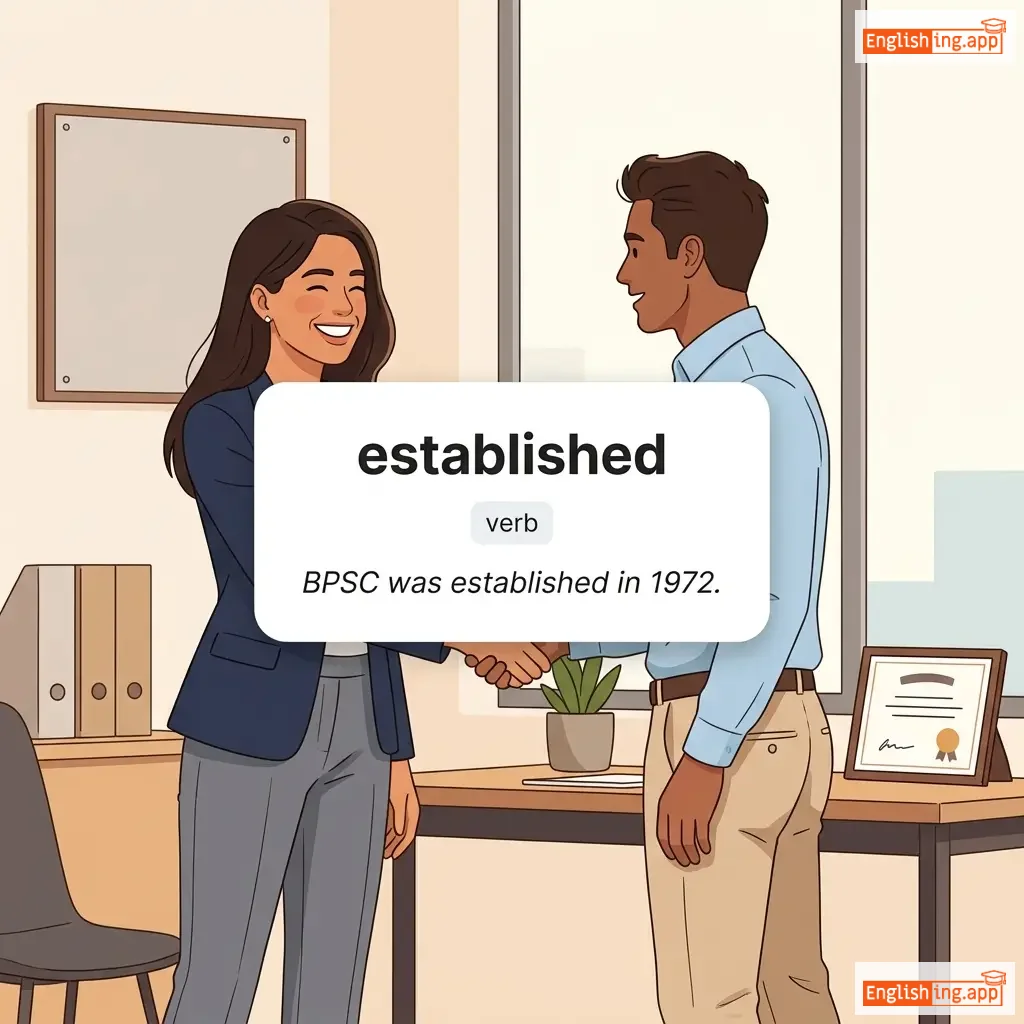
非洲见证了不同时间的各种革命和独立运动,结束了殖民统治。例如,在1952年,埃及的‘自由军官运动’废除了君主制并建立了共和国。
在阿尔及利亚,1954年开始了与法国的独立斗争,并在1962年确保了解放。
几内亚比绍在1956年开始了对葡萄牙统治的抵抗,并在1973年获得了主权。莫桑比克在1964年开始了类似的起义,并在1975年获得了独立。
津巴布韦在1980年经历了长期的武装冲突后获得独立。
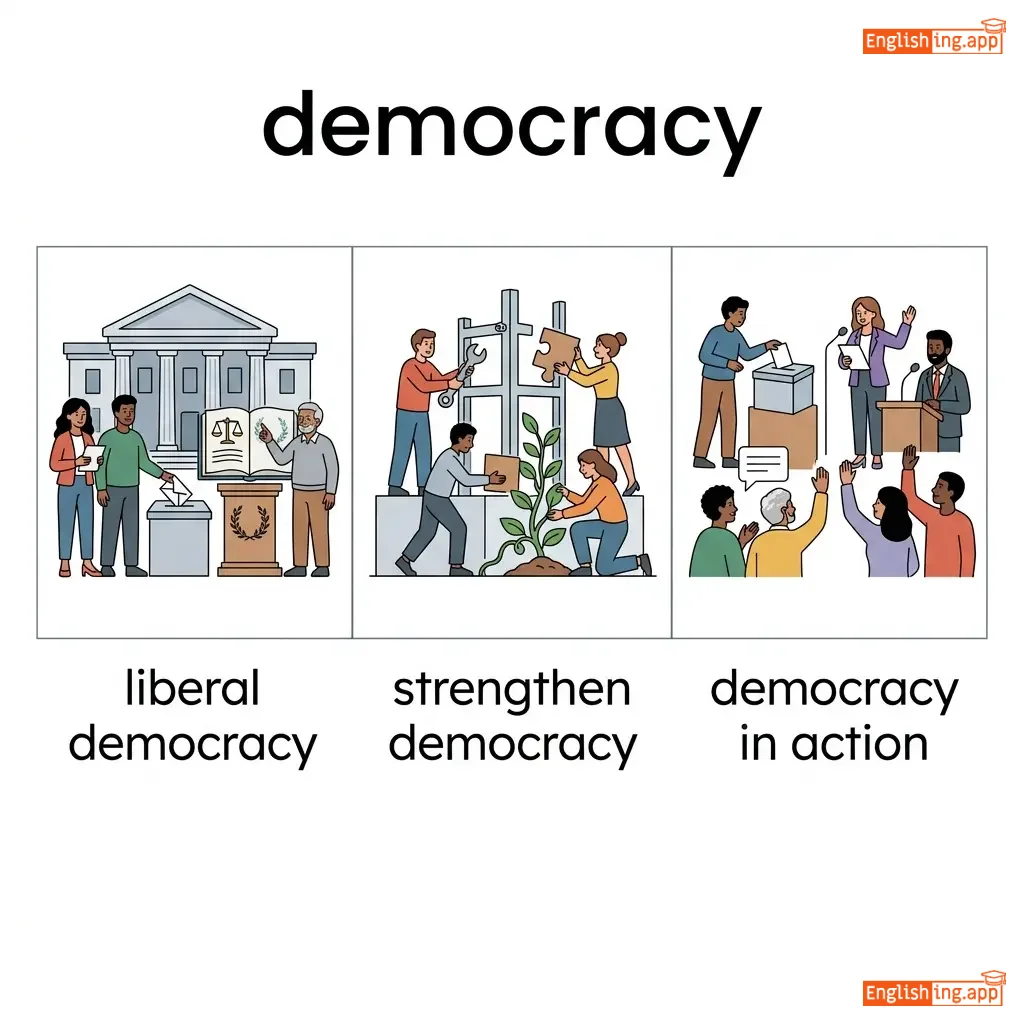
在南非,种族隔离制度在1990年代结束,民主在纳尔逊·曼德拉的领导下建立。
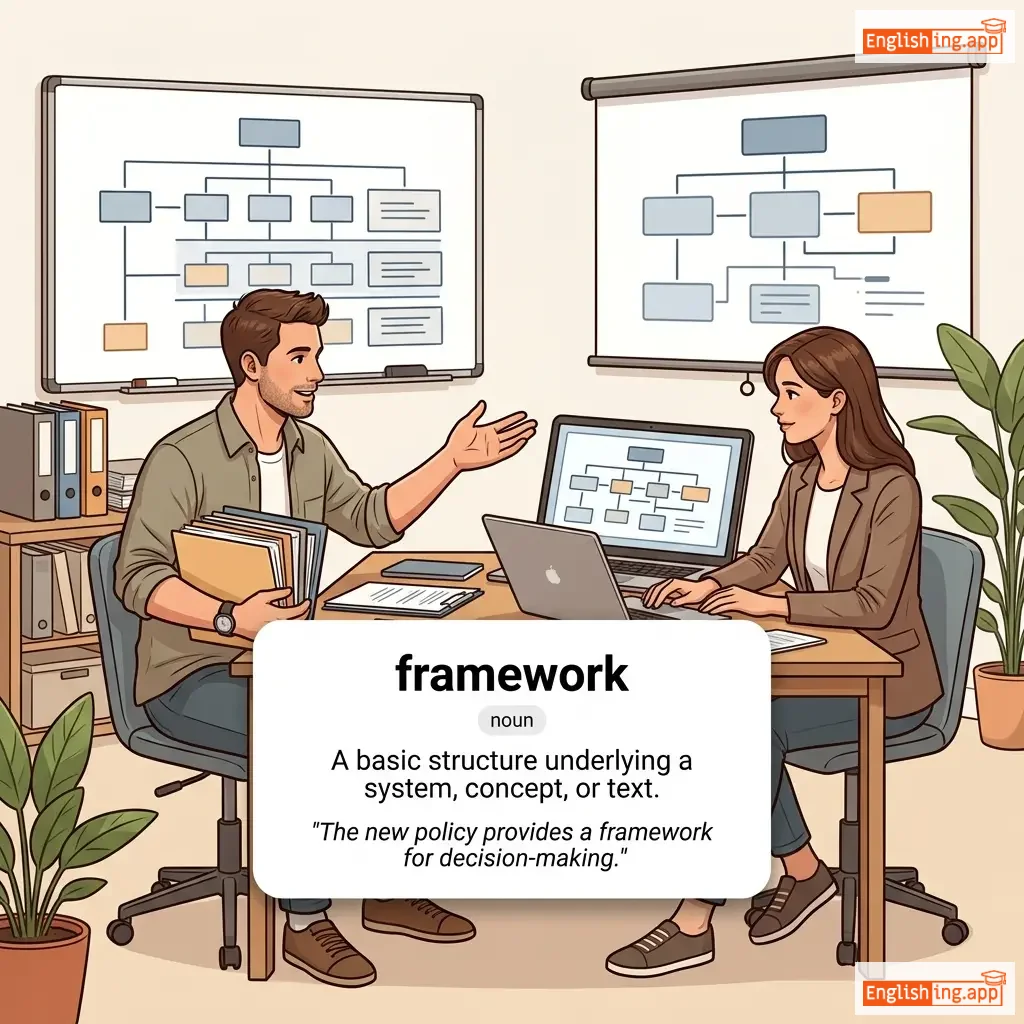
这些革命和斗争在塑造非洲的政治、社会和经济框架方面发挥了重要作用。
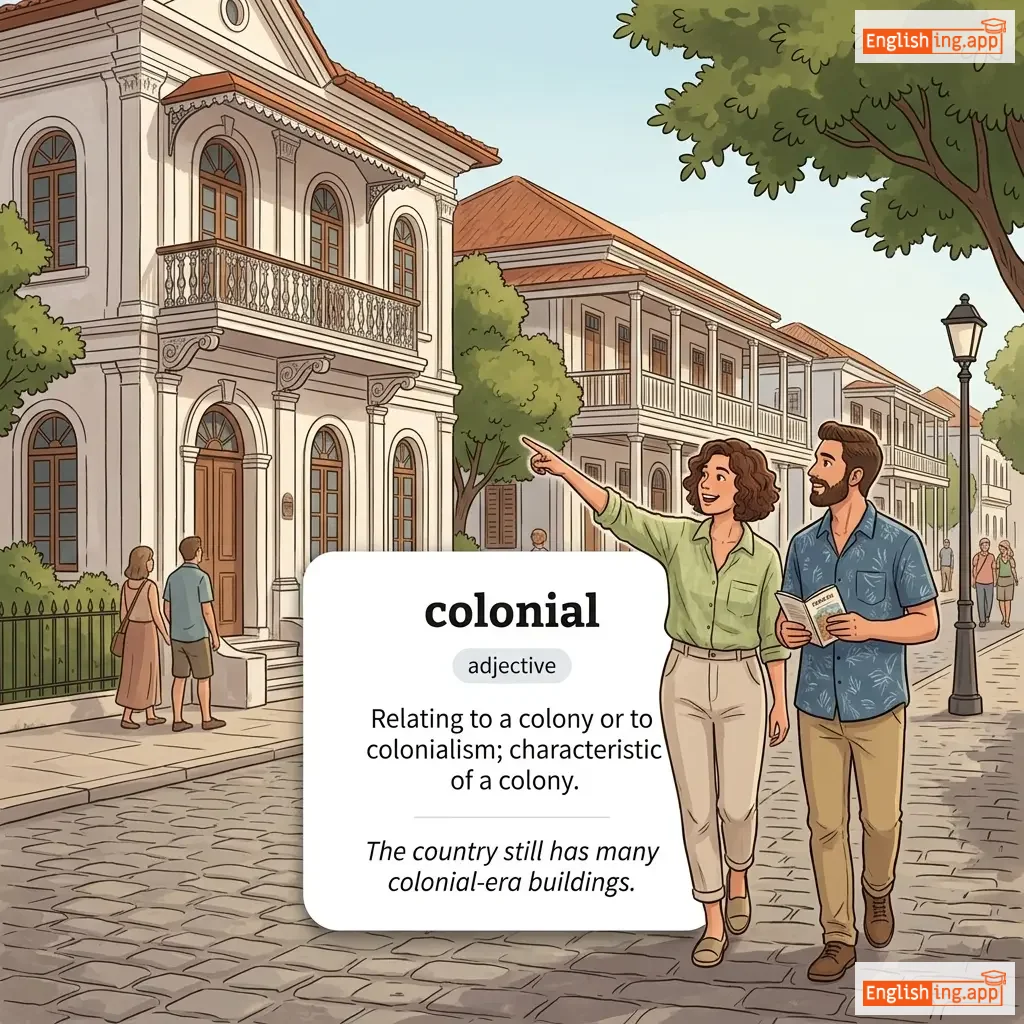
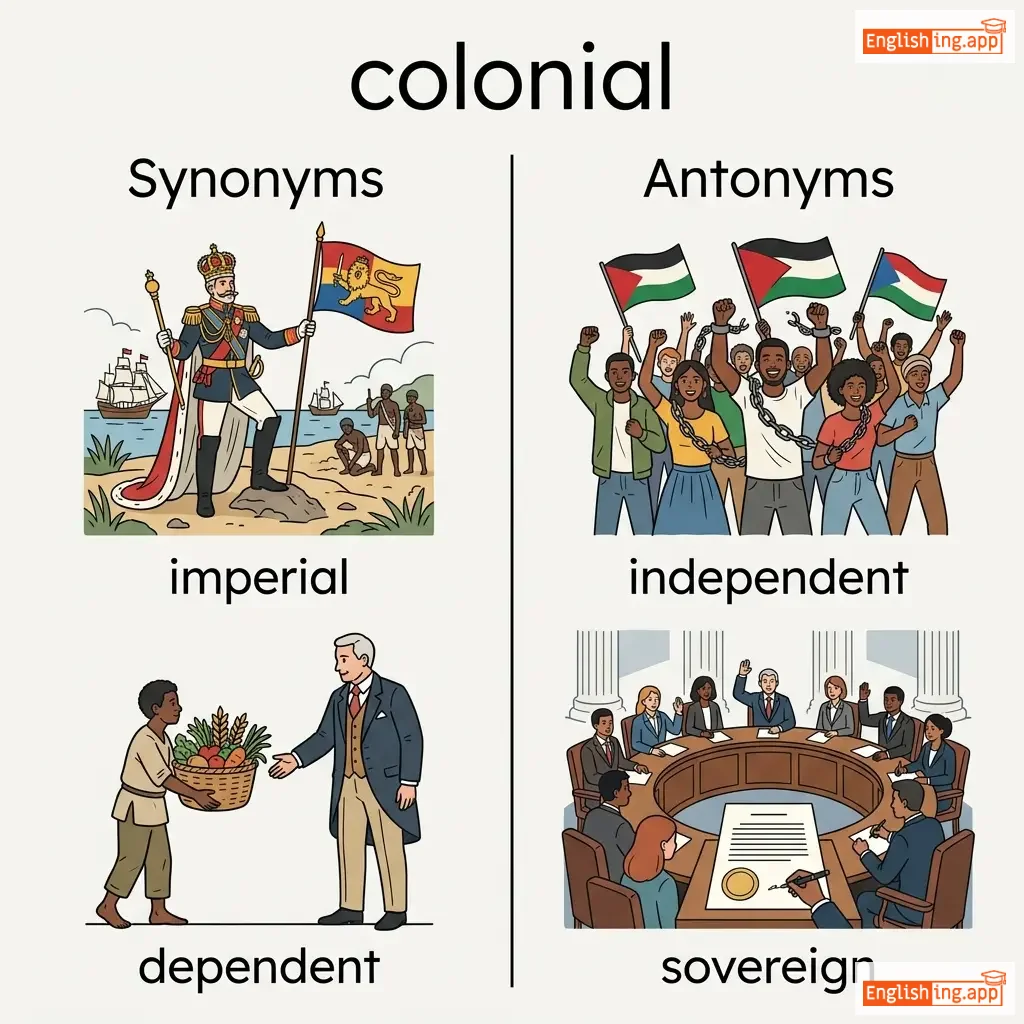
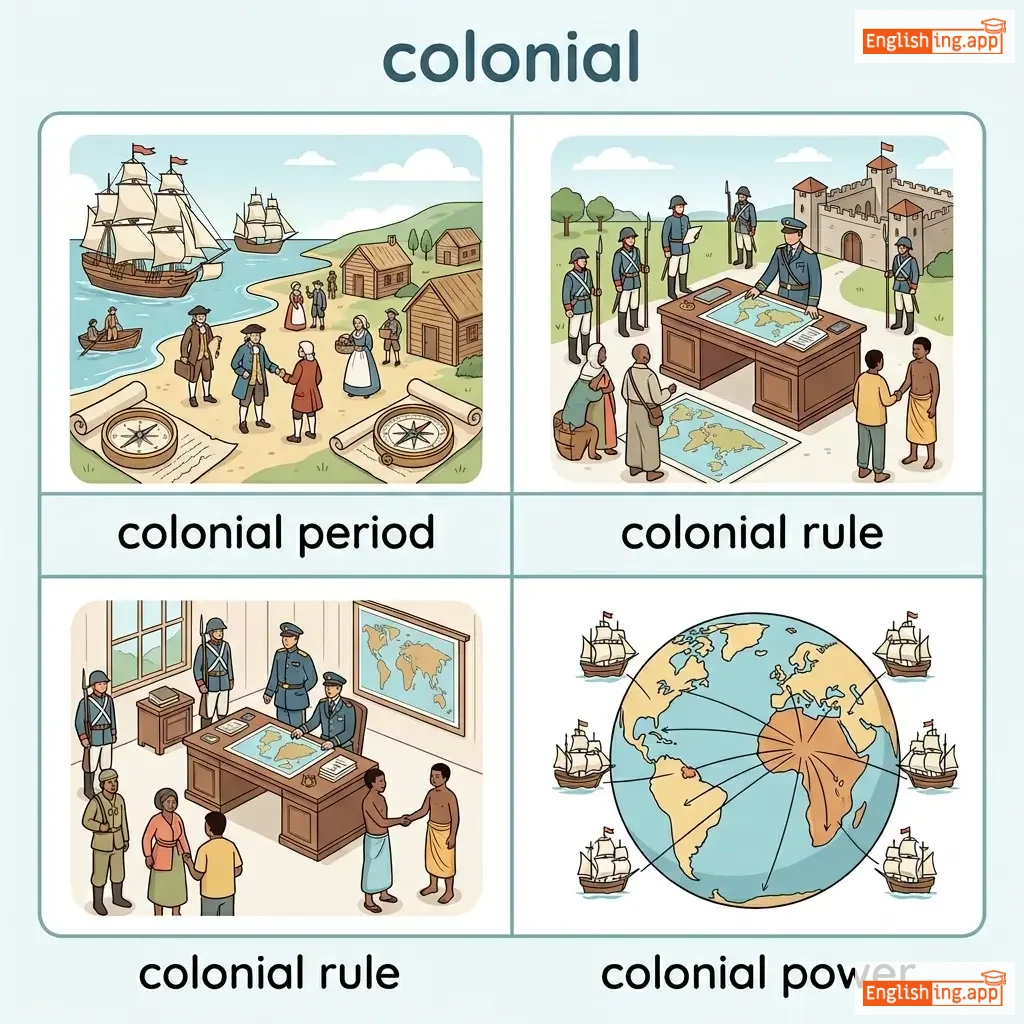
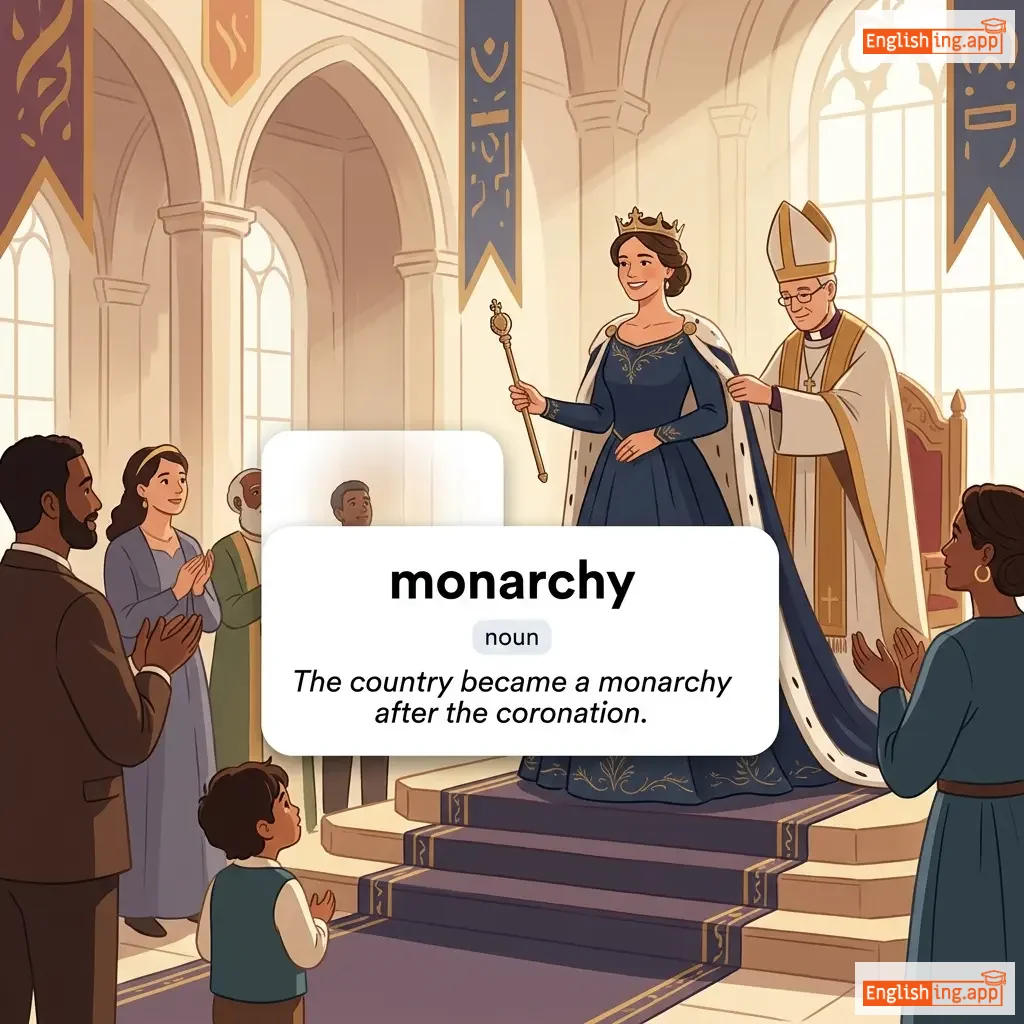
Swipe left or right, or use the buttons. Tap image to zoom.
例句翻译
单词
African Revolutions and Independence MovementsAfrican Revolutions and Independence Movements - 遮罩切换
|
表情符号
|
单词 | Images | 翻译 | 含义 | 例句 | 例句翻译 | 同义词 | 反义词 | 助记符 |
|---|---|---|---|---|---|---|---|---|---|
|
#213
⚡
|
ˌrev.əˈluː.ʃənz
noun
(ré wò lù xùn)
••••••
|
|
革命
geming
••••••
|
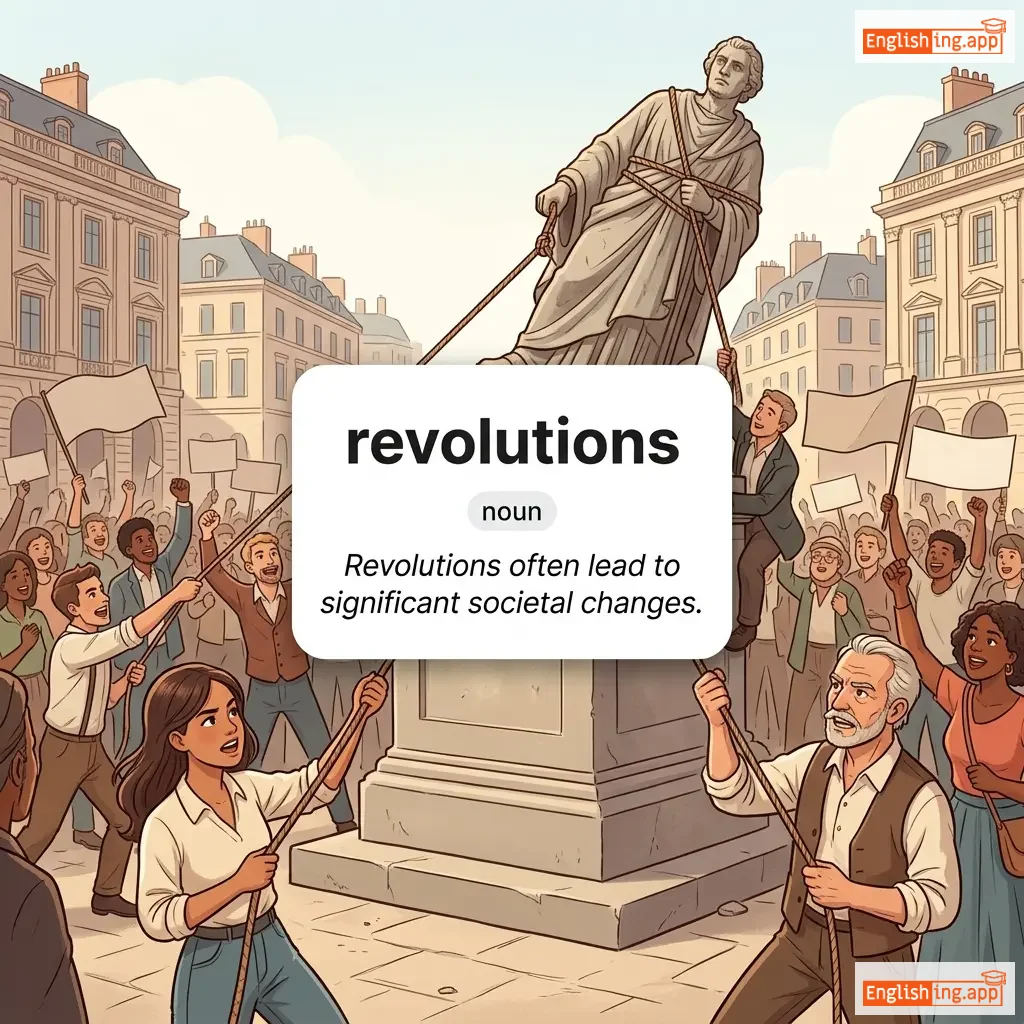
Dramatic and wide-reaching changes in political, social, or economic systems, often involving the overthrow of a government or social order.
••••••
|
Revolutions often lead to significant societal changes. |
革命常常导致社会变革的重要变化。
Geming changchang daozhi shehui biangeng de zhongyao bianghua.
••••••
|
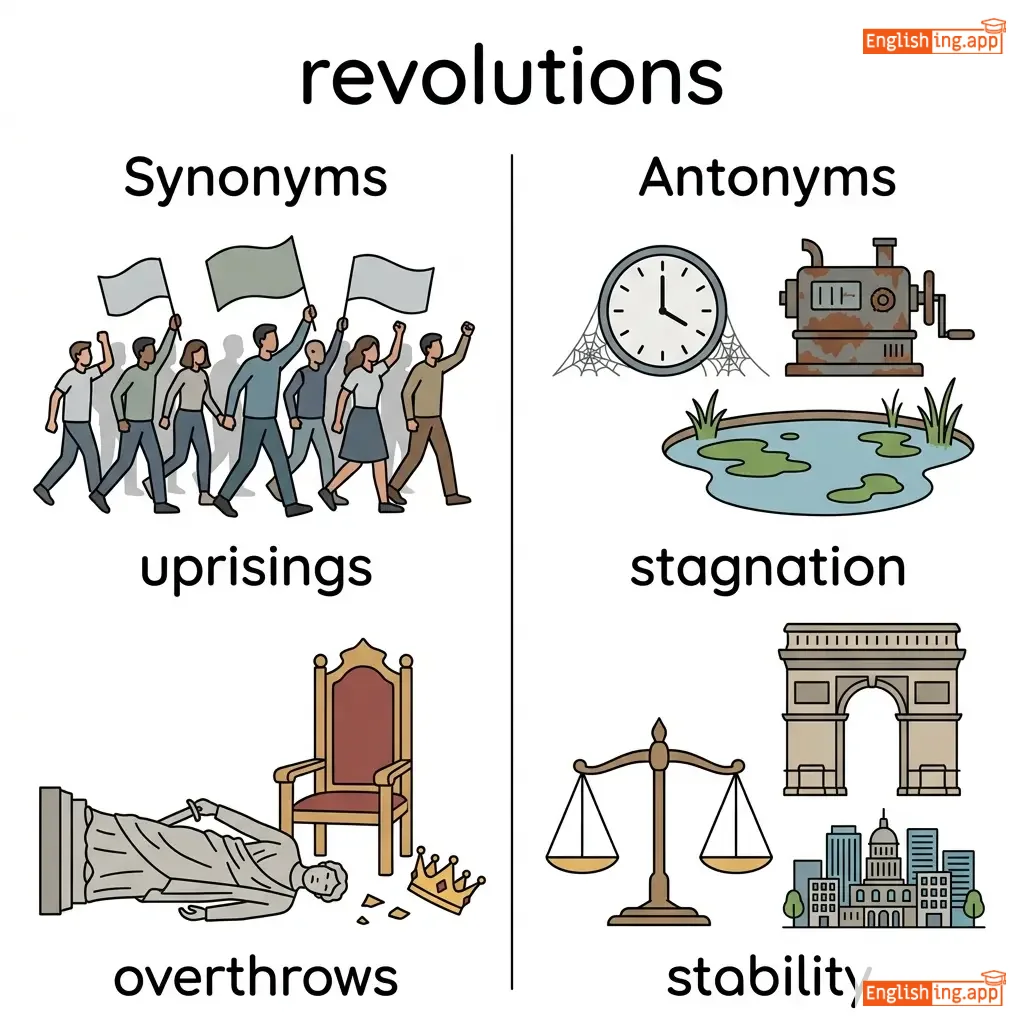
uprisings, overthrows, rebellions, coups
••••••
|
stagnation, stability, conservation, order
••••••
|
革命改变一切,就像中国的文化大革命。
••••••
|
|
#214
✊
|
ˈmuːv.mənts
noun
(mùvèments)
••••••
|
|
运动
yùndòng
••••••
|
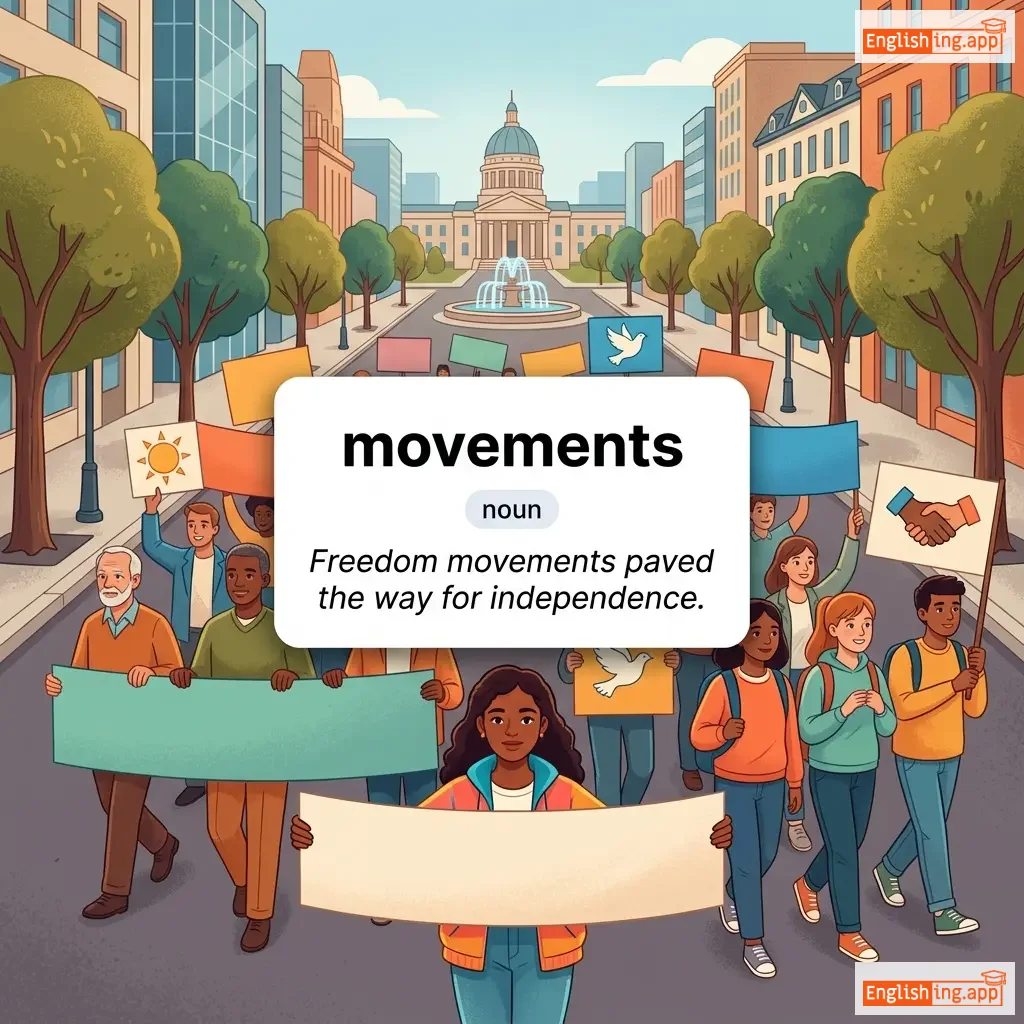
Organized efforts by groups of people working together to advance their shared political, social, or artistic ideas.
••••••
|
Freedom movements paved the way for independence. |
自由运动为独立铺平了道路。
Zìyóu yùndòng wèi dúlì pūpíng le dào lù.
••••••
|
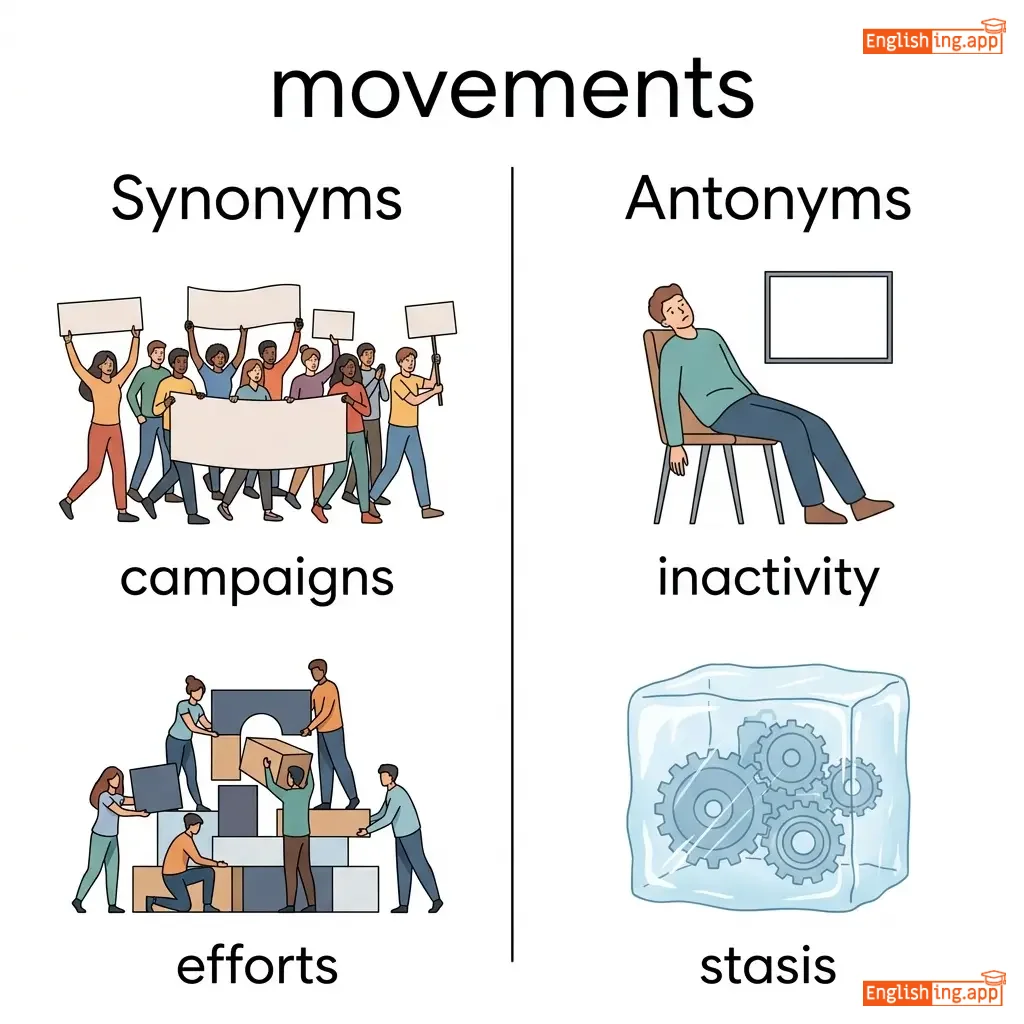
campaigns, efforts, initiatives, crusades
••••••
|
inactivity, stasis, passivity, stillness
••••••
|
运动 (Yùndòng) = 动 (dong, 动作) 和 '运动' (运动变革).
••••••
|
|
#215
🏛️
|
kəˈləʊ.ni.əl
adjective
(kəˈləʊnɪəl)
••••••
|
|
殖民的
zhímín de
••••••
|
Relating to or characteristic of a colony or colonialism, especially involving the control of one country by another.
••••••
|
Colonial rule suppressed local governance.
殖民统治压制了当地的政府。
••••••
|
殖民统治压制了当地的政府。
Zhímín tǒngzhì yāzhì le dāngdì de zhèngfǔ.
••••••
|
imperial, occupying, dominating, controlling
••••••
|
independent, sovereign, autonomous, free
••••••
|
Zhímín de (殖民的) sounds like 'zhimin' meaning colonial in Mandarin.
••••••
|
|
#216
👑
|
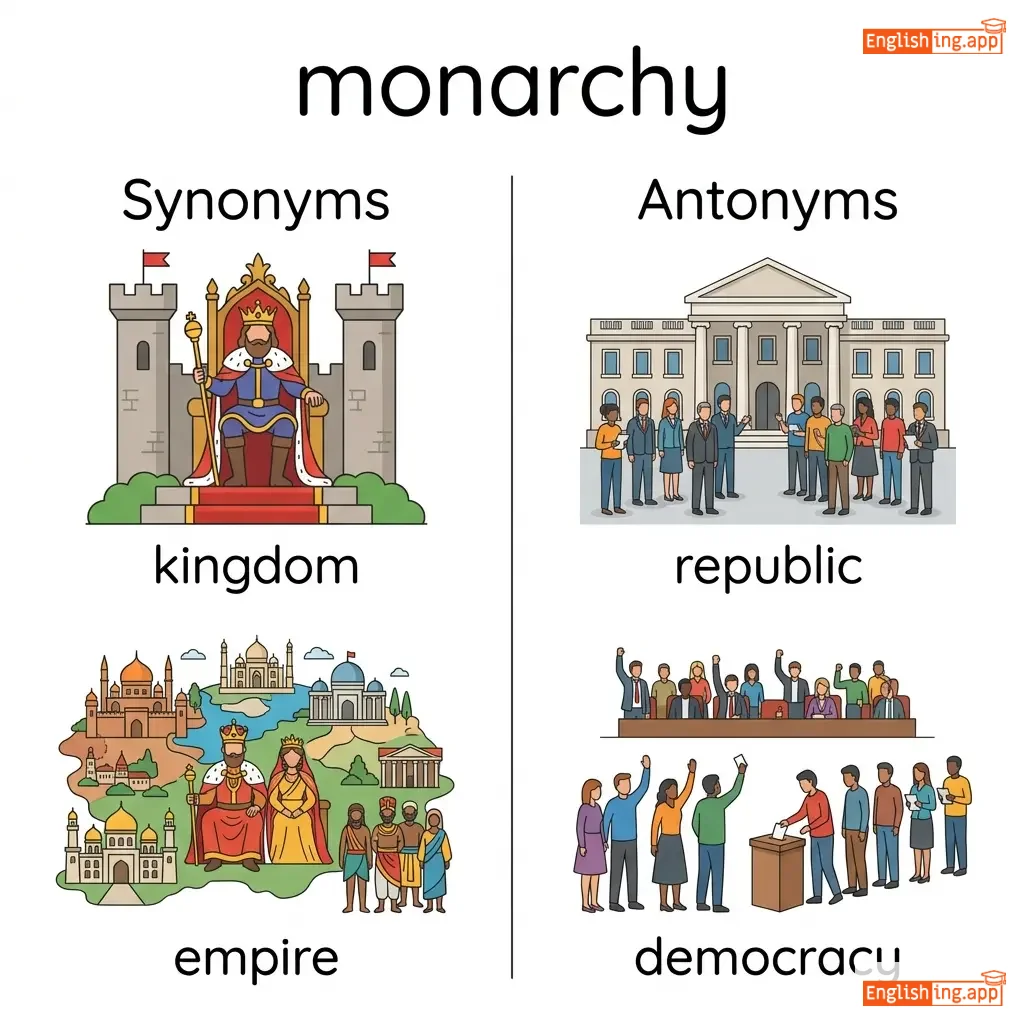
ˈmɒn.ə.ki
noun
(君主制)
••••••
|
|
君主制
jūnzhǔ zhì
••••••
|
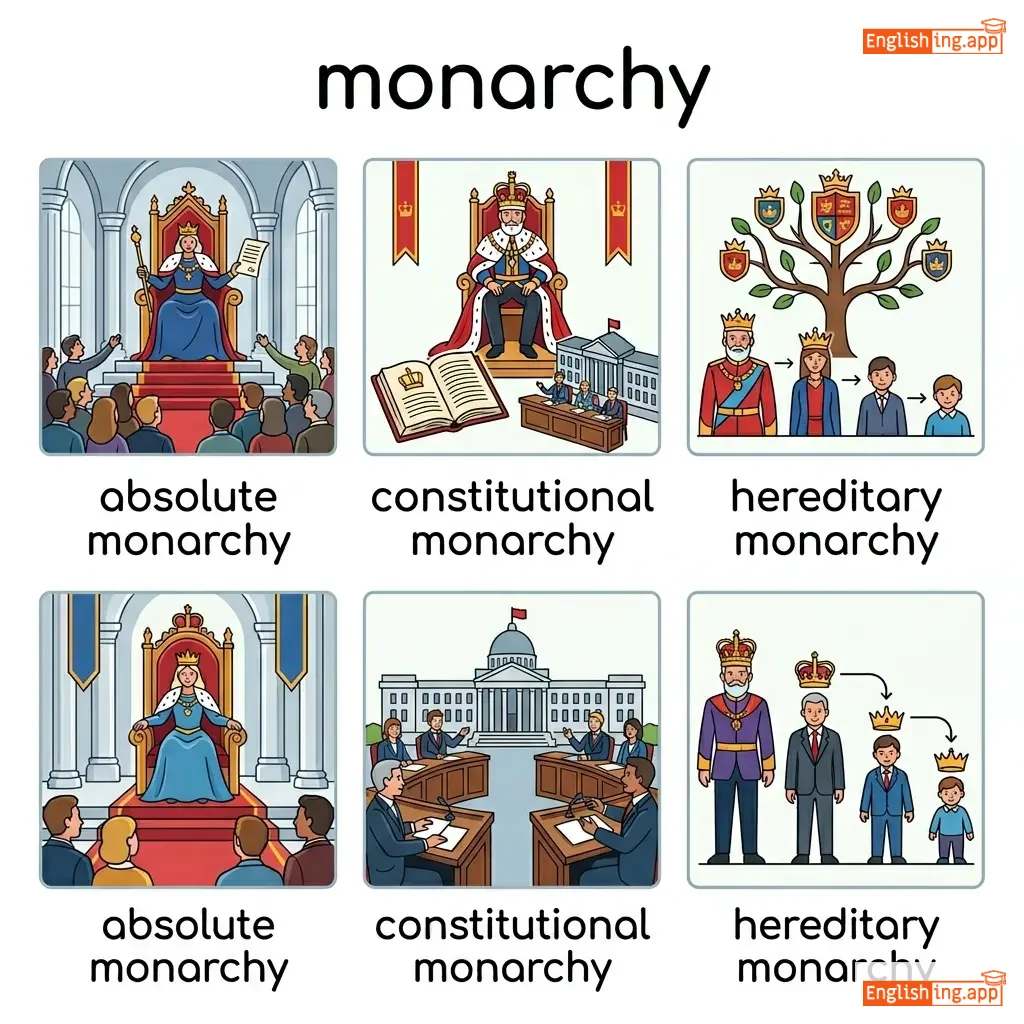
A form of government with a monarch at the head, where supreme power is held by a single person such as a king or queen.
••••••
|
The monarchy was abolished during the revolution. |
君主制在革命期间被废除。
Jūnzhǔ zhì zài gémìng qíjiān bèi fèichú.
••••••
|
kingship, sovereignty, royal rule, crown
••••••
|
republic, democracy, anarchism, communism
••••••
|
君主制:一个君主掌控所有
••••••
|
|
#217
🏛️
|
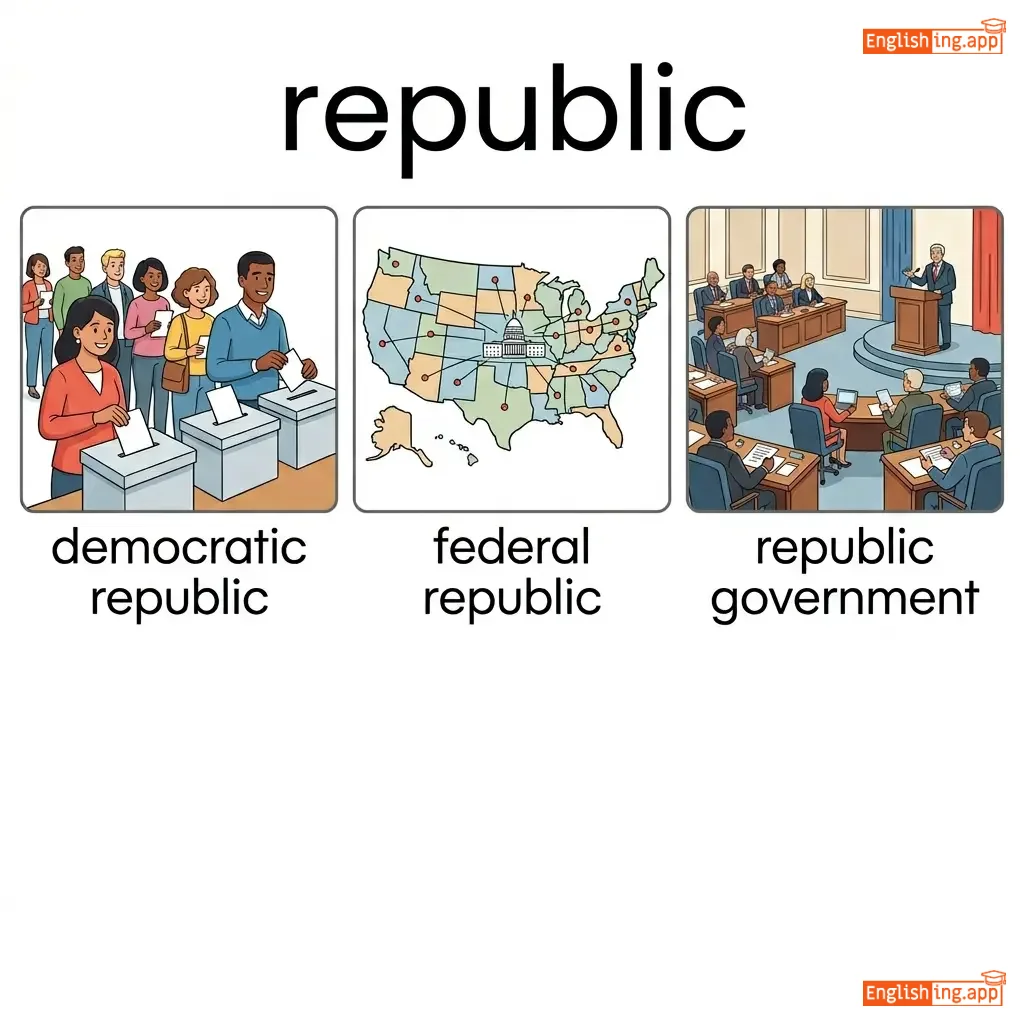
rɪˈpʌb.lɪk
noun
(rɪˈpʌblɪk)
••••••
|
|
共和国
gongheguo
••••••
|
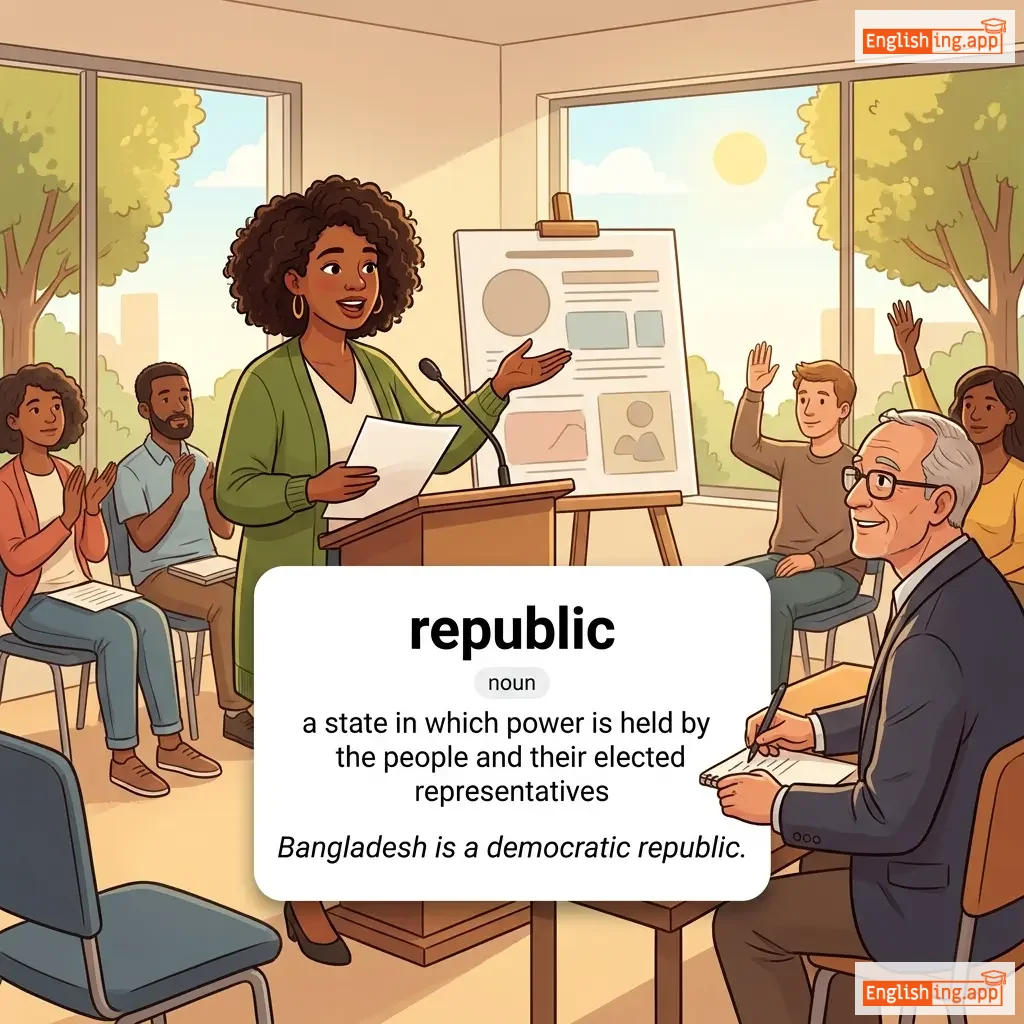
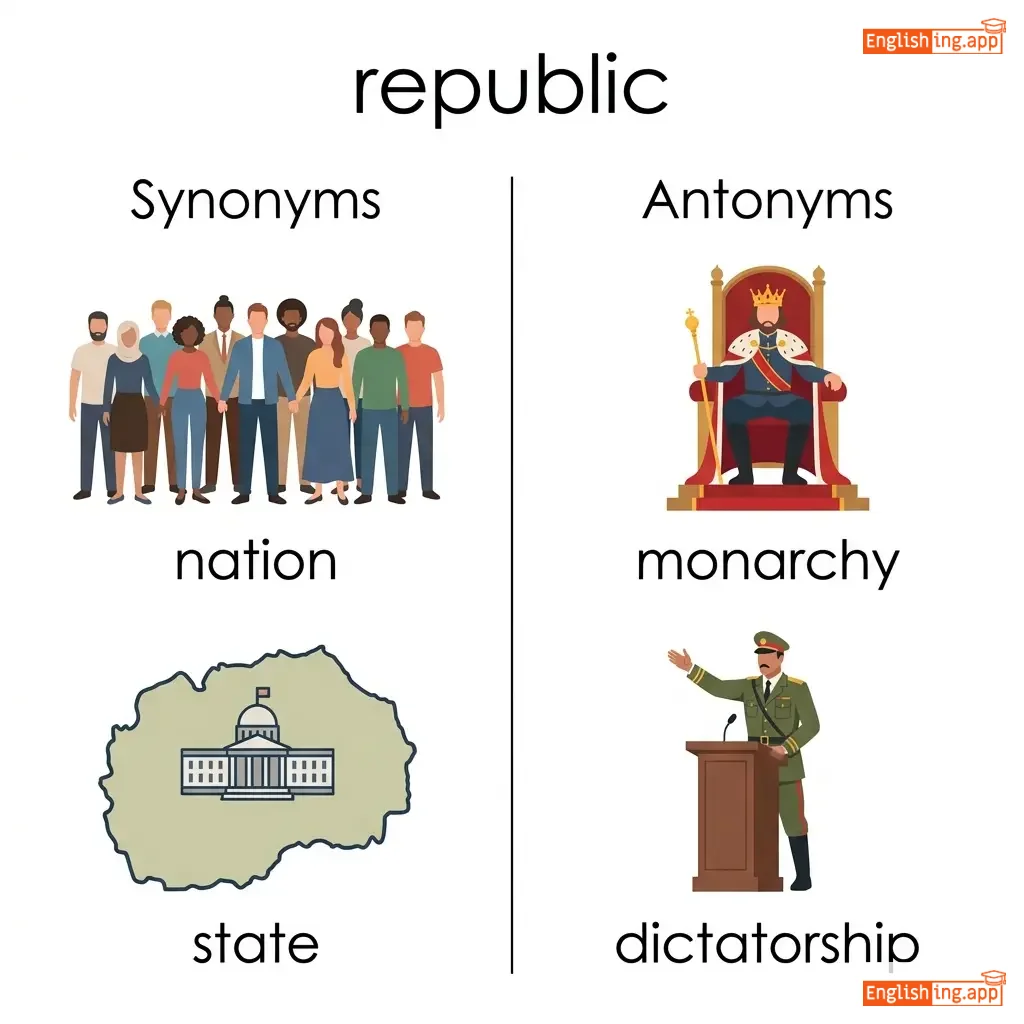
A state in which supreme power is held by the people and their elected representatives, with an elected or nominated president rather than a monarch.
••••••
|
A republic is governed by representatives of the people. |
共和国由人民的代表治理。
Gongheguo you renmin de daibiaozhili.
••••••
|
democracy, state, commonwealth, federation
••••••
|
monarchy, autocracy, dictatorship, tyranny
••••••
|
共和国 = 公 (公众) + 和 (统一) + 国 (国家),人民代表治理国家。
••••••
|
|
#218
💪
|
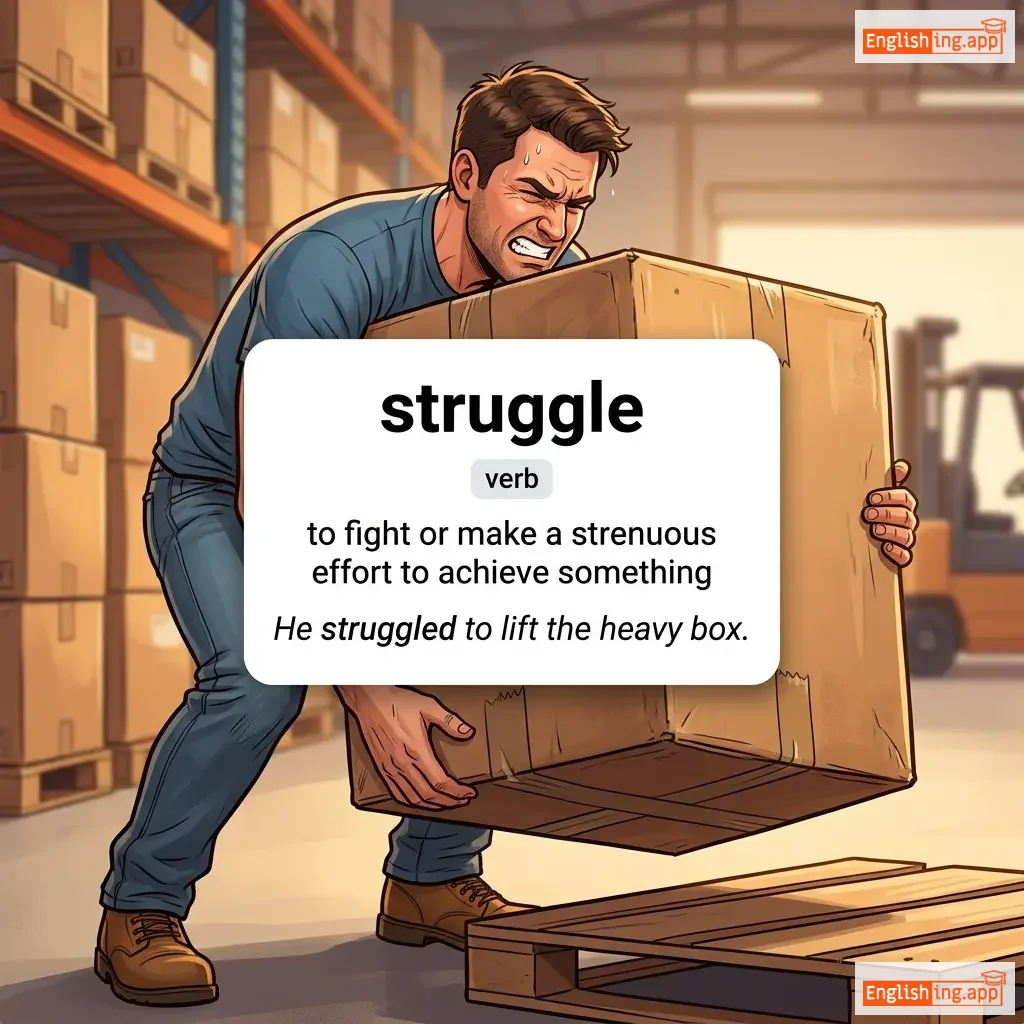
ˈstrʌɡ.əl
noun
(sī tú gé ěr)
••••••
|
|
斗争
douzheng
••••••
|
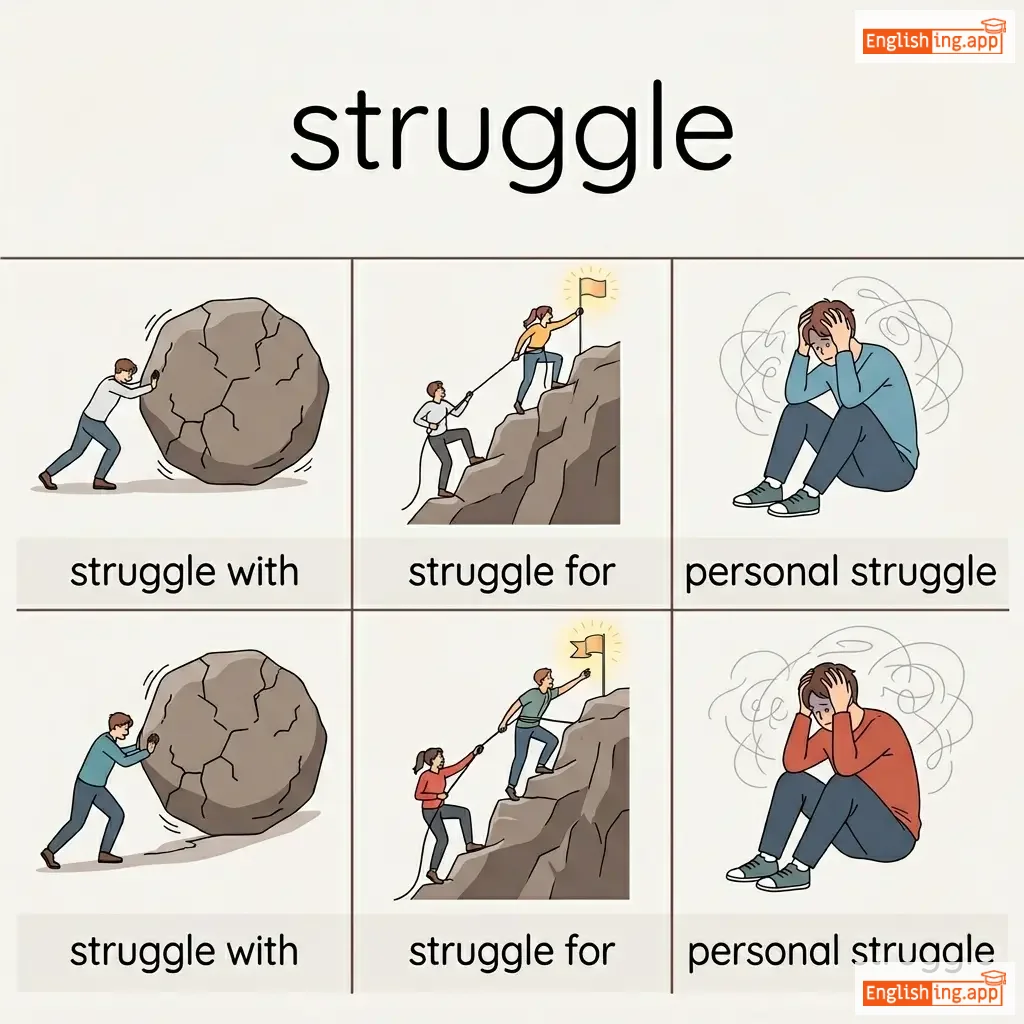
A forceful or violent effort to get free of restraint or resist attack; a determined effort under difficult circumstances.
••••••
|
The struggle for independence united the nation.
独立斗争使国家团结。
••••••
|
独立斗争使国家团结。
Dúlì dòuzhēng shǐ guójiā tuánjié.
••••••
|
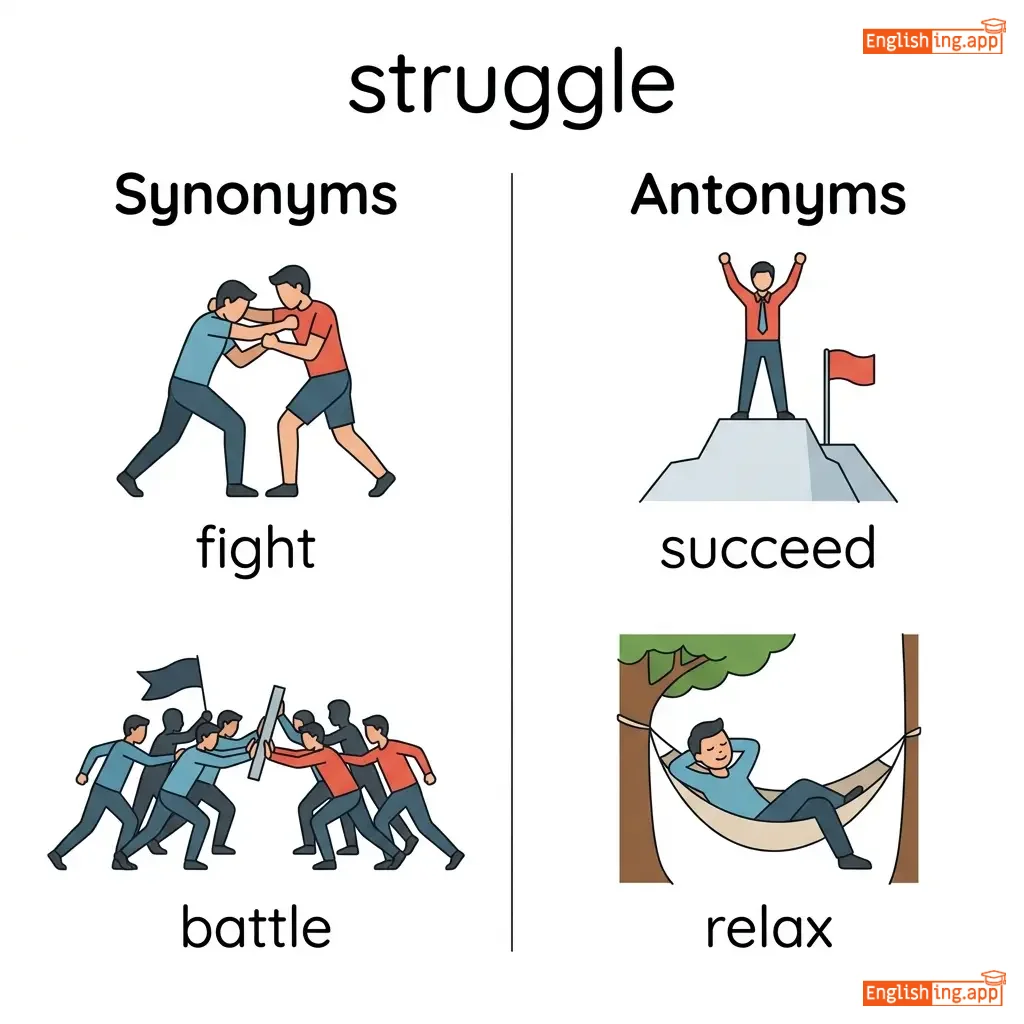
battle, conflict, fight, effort
••••••
|
peace, harmony, ease, surrender
••••••
|
Douzheng - 斗争 (fight) = Struggle.
••••••
|
|
#219
🕊️
|
ˌlɪb.ərˈeɪ.ʃən
noun
(解放)
••••••
|
|
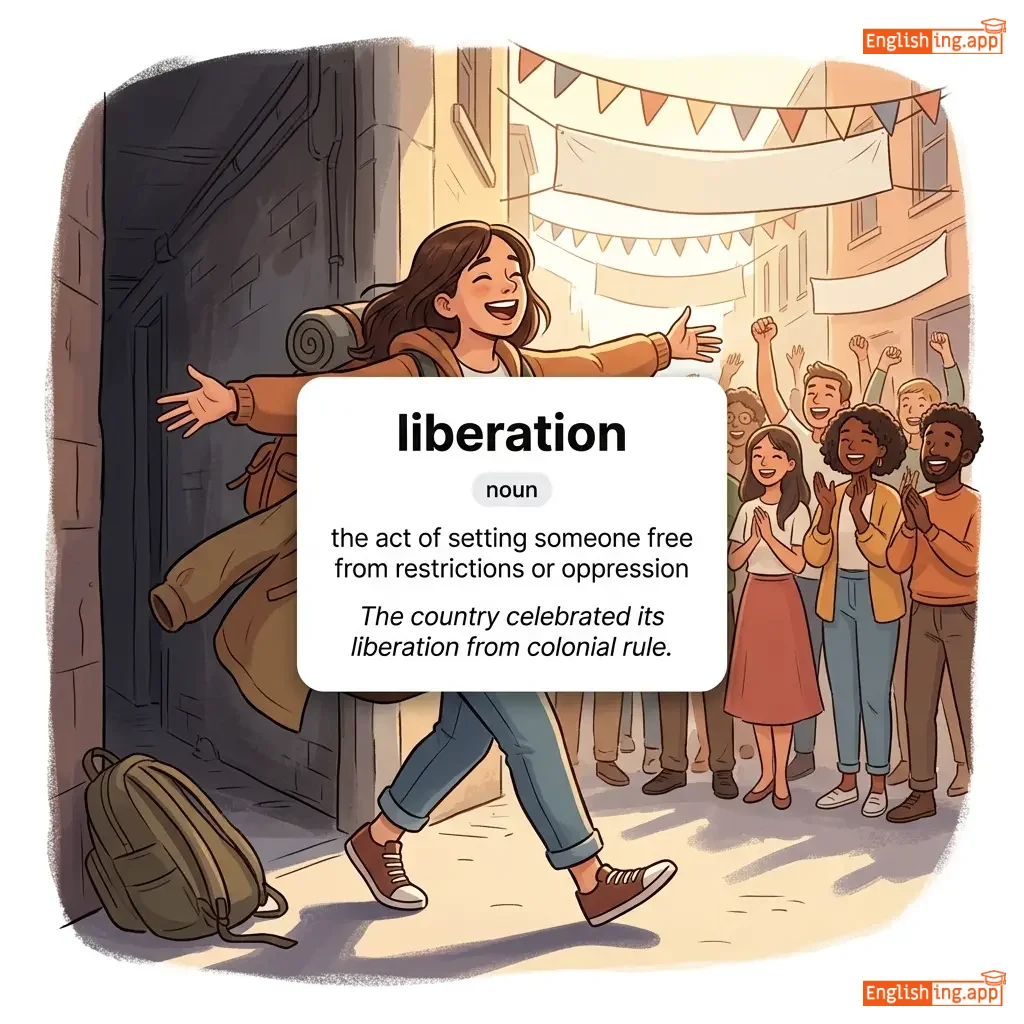
解放
jiefang
••••••
|
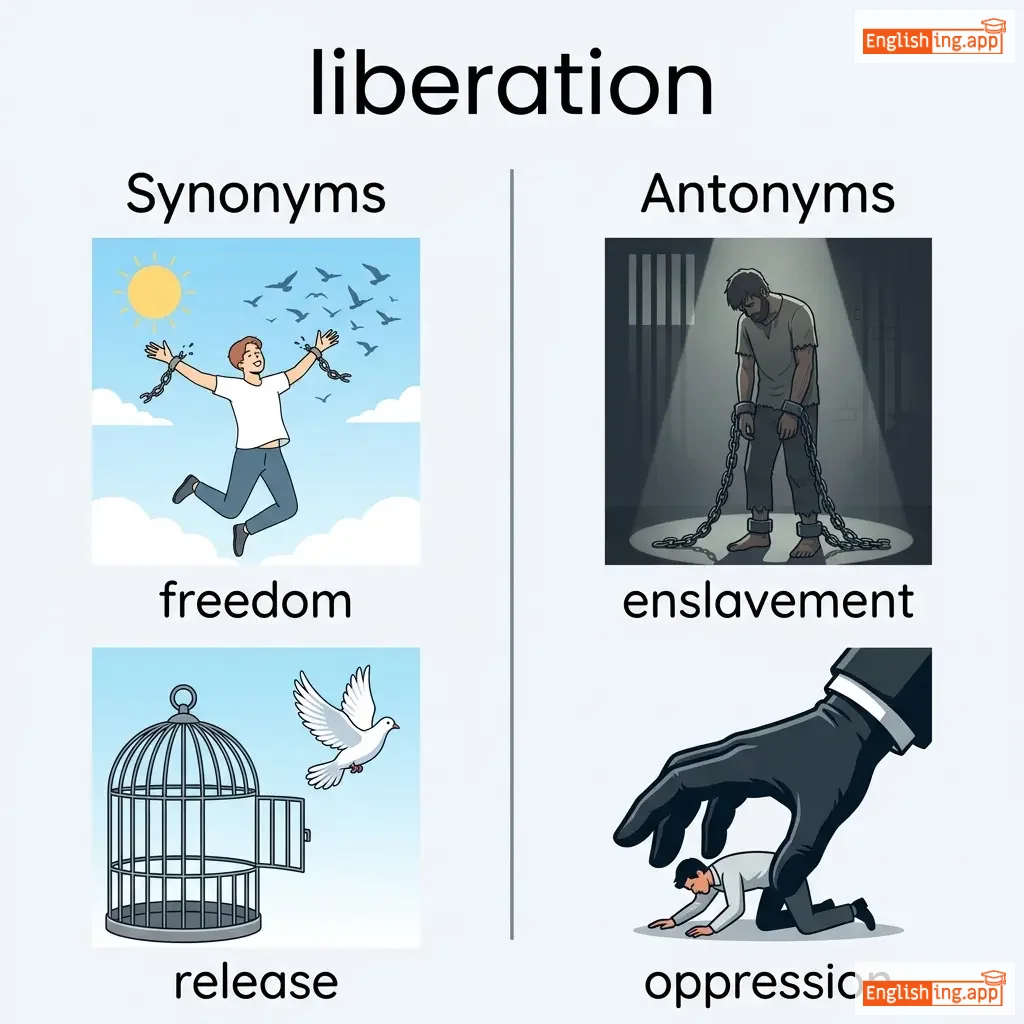
The action of setting someone free from imprisonment, slavery, or oppression; release.
••••••
|
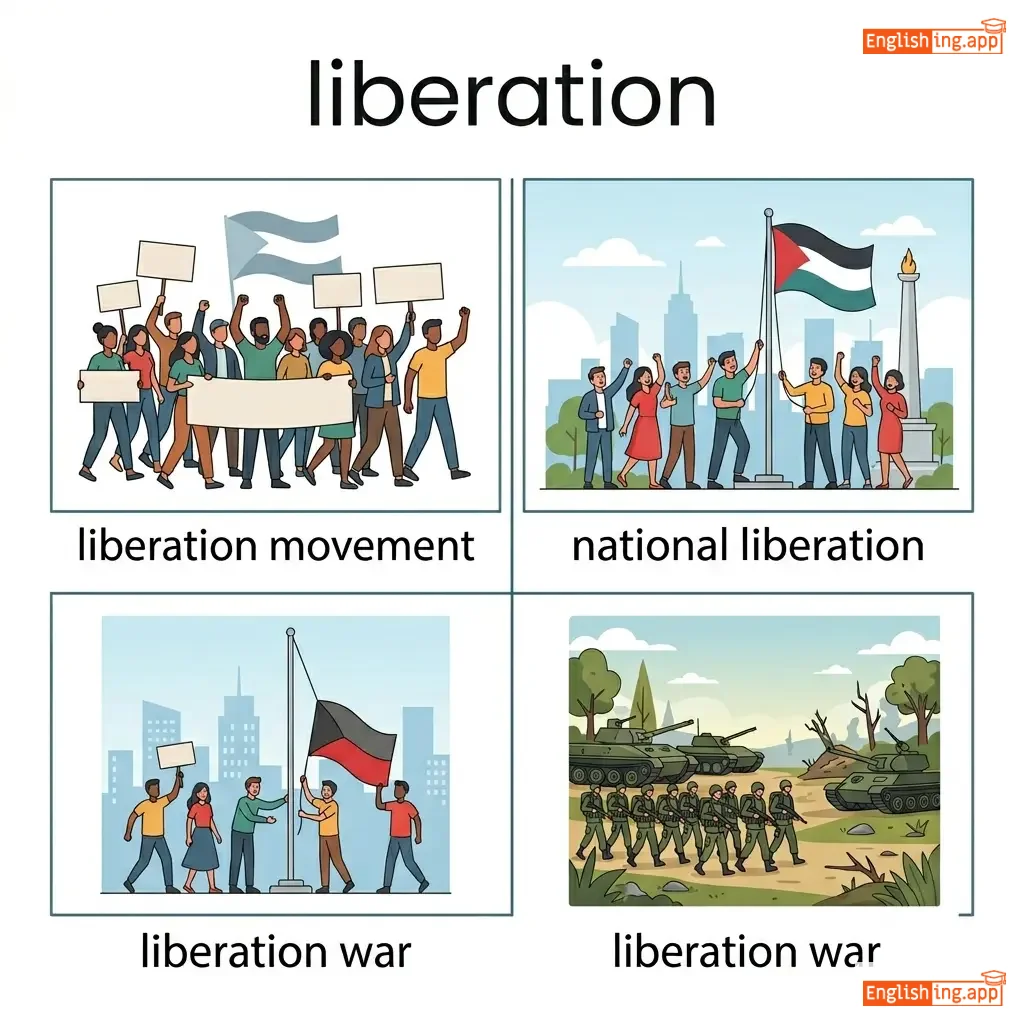
Liberation movements inspired many countries. |
解放运动激励了许多国家。
Jiefang yundong jili le xuduo guojia.
••••••
|
emancipation, freedom, release, deliverance
••••••
|
captivity, subjugation, imprisonment, bondage
••••••
|
'解放'在中文和'liberation'在英文中都意味着自由和释放。
••••••
|
|
#220
🛡️
|
rɪˈzɪs.təns
noun
(雷斯坦斯)
••••••
|
|
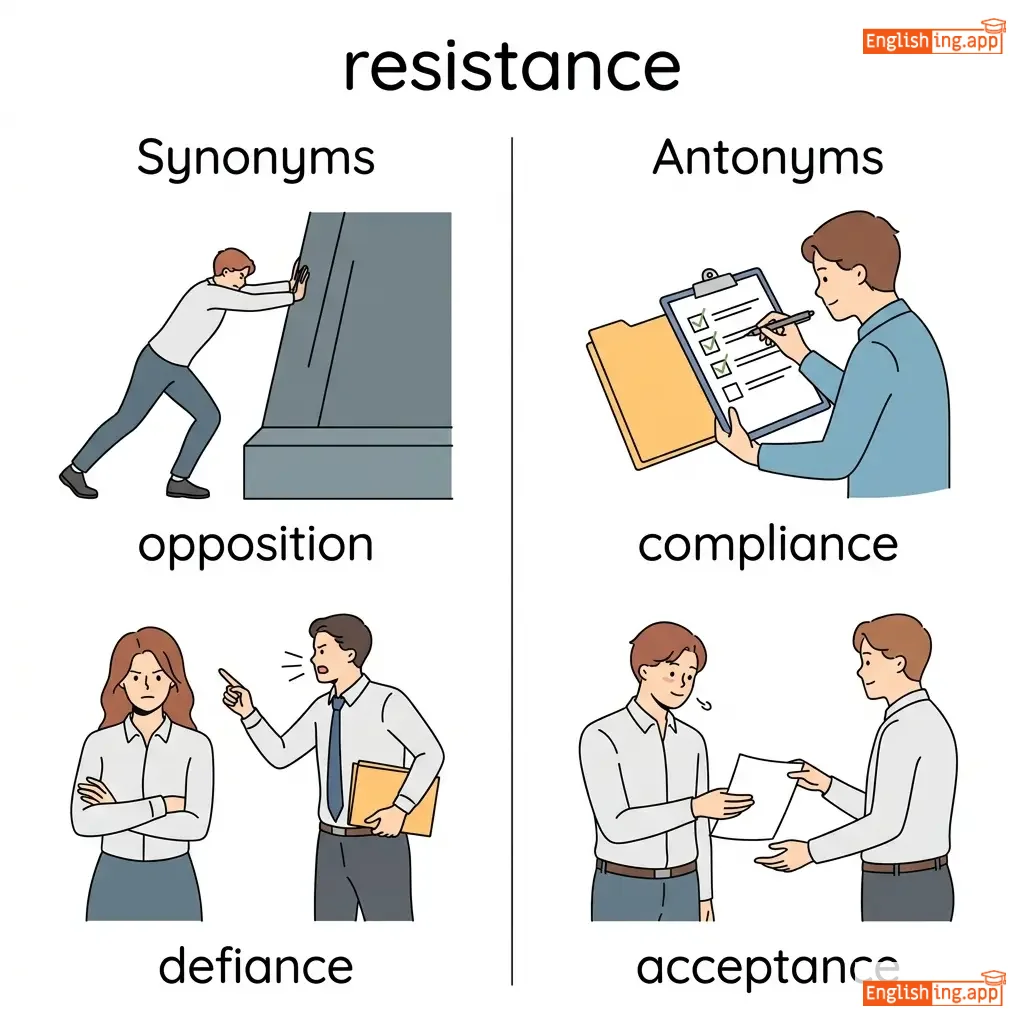
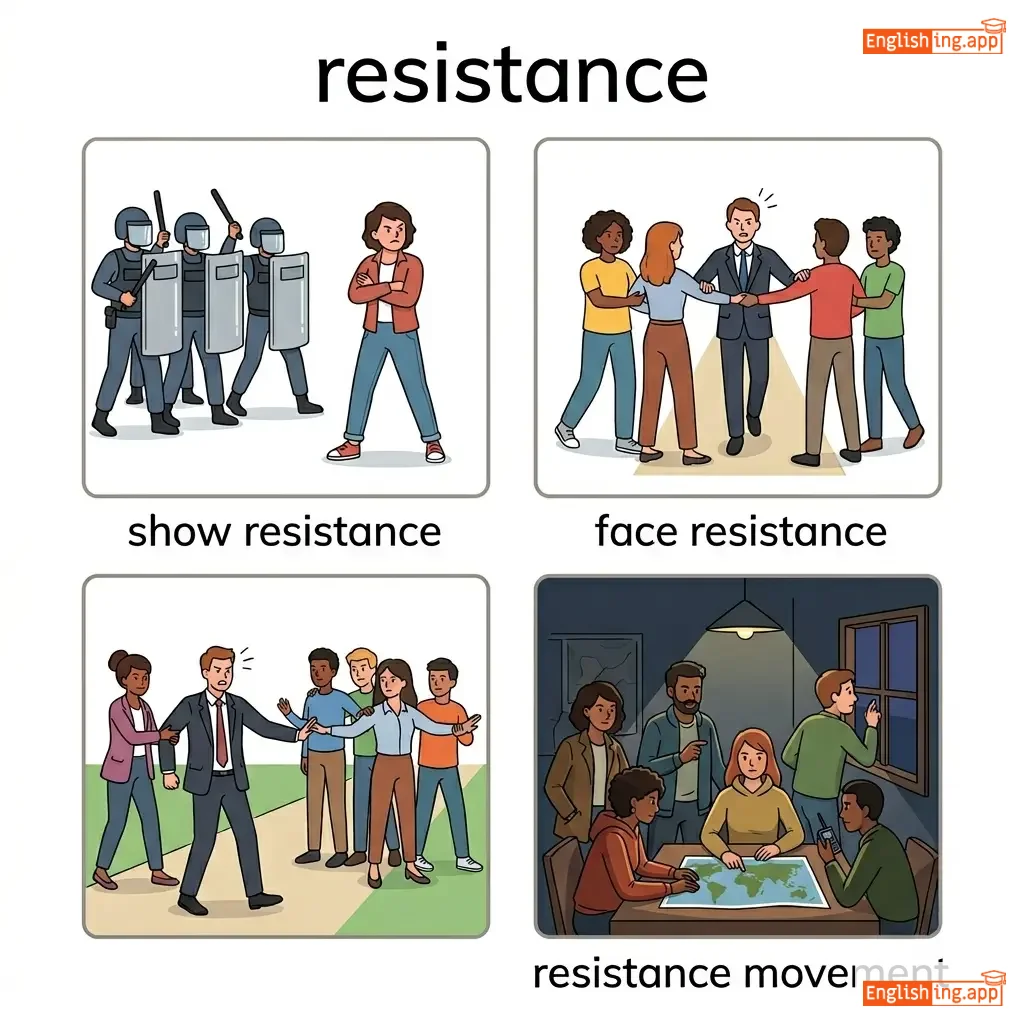
抵抗
dǐkàng
••••••
|
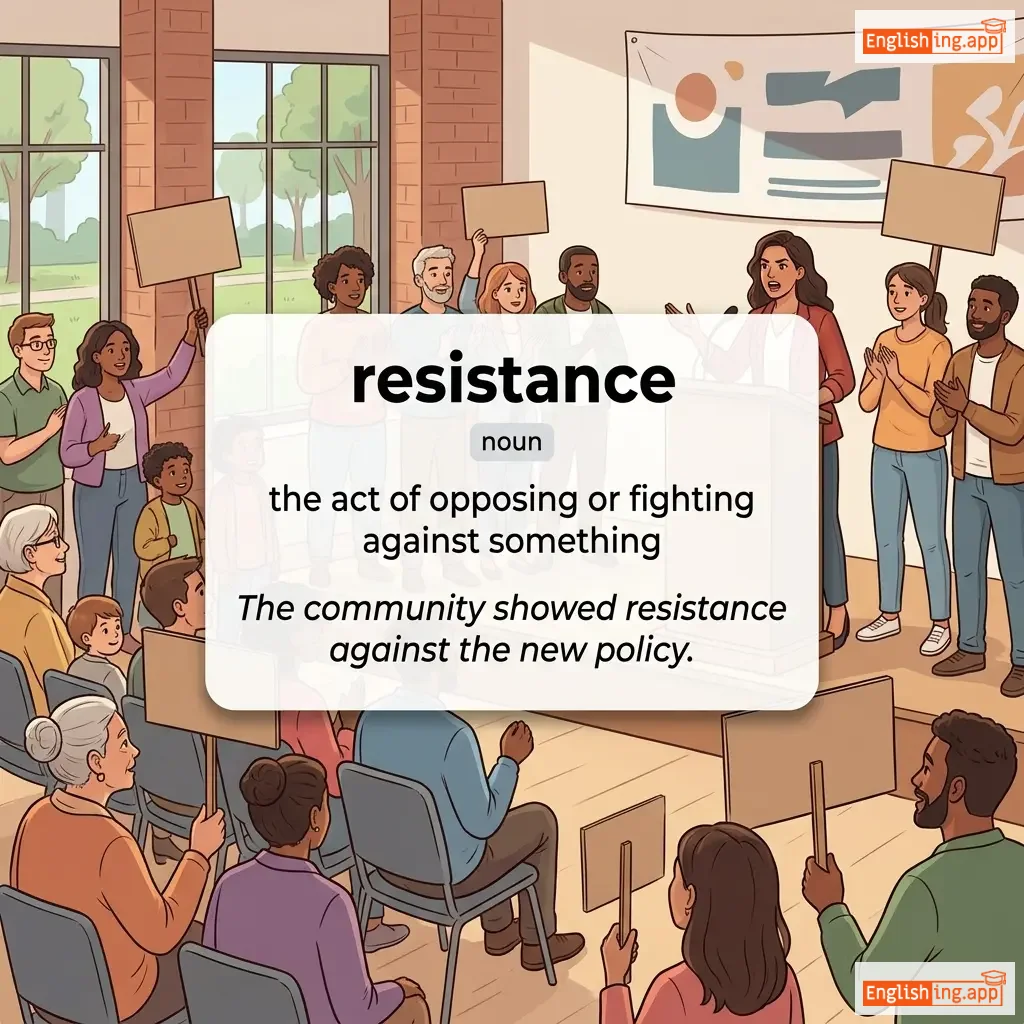
The refusal to accept or comply with something; the attempt to prevent something by action or argument.
••••••
|
The resistance fought bravely against colonial forces.
抵抗力量勇敢地与殖民势力作斗争。
••••••
|
抵抗力量勇敢地与殖民势力作斗争。
Dǐkàng lìliàng yǒnggǎn de yǔ zhímín shìlì zuò dòuzhēng.
••••••
|
opposition, defiance, revolt, rebellion
••••••
|
submission, compliance, surrender, acceptance
••••••
|
抵抗 (dǐkàng) - 就是 '抗拒',反对某事。
••••••
|
|
#221
🏆
|
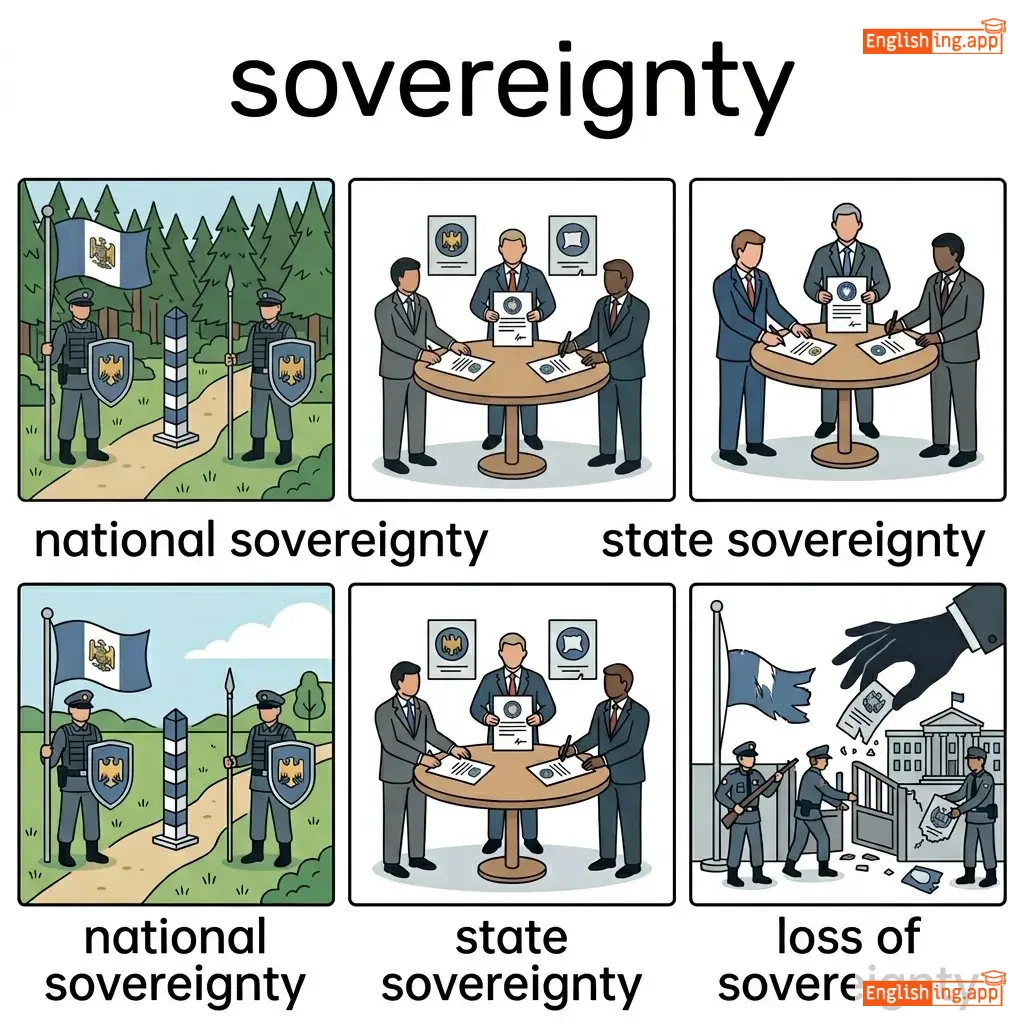
ˈsɒv.rɪn.ti
noun
(sàowréntī)
••••••
|
|
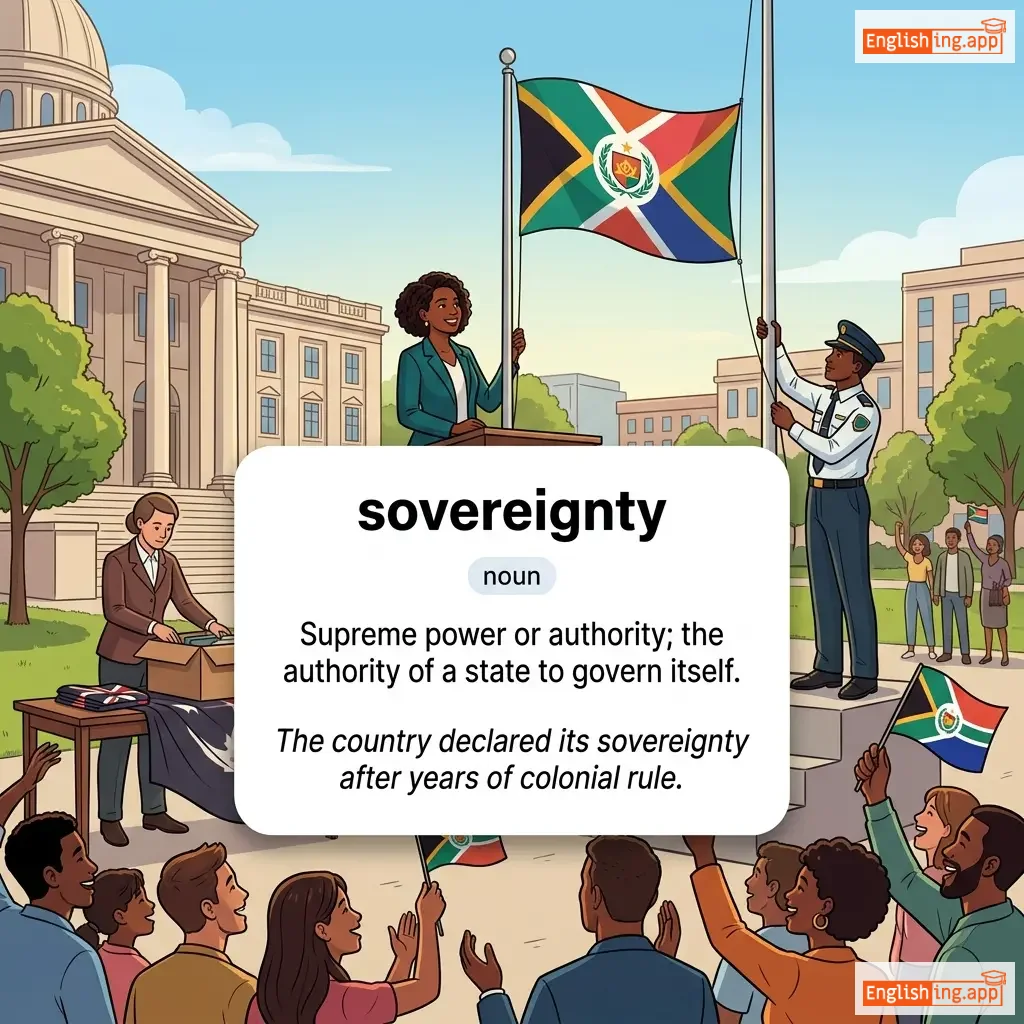
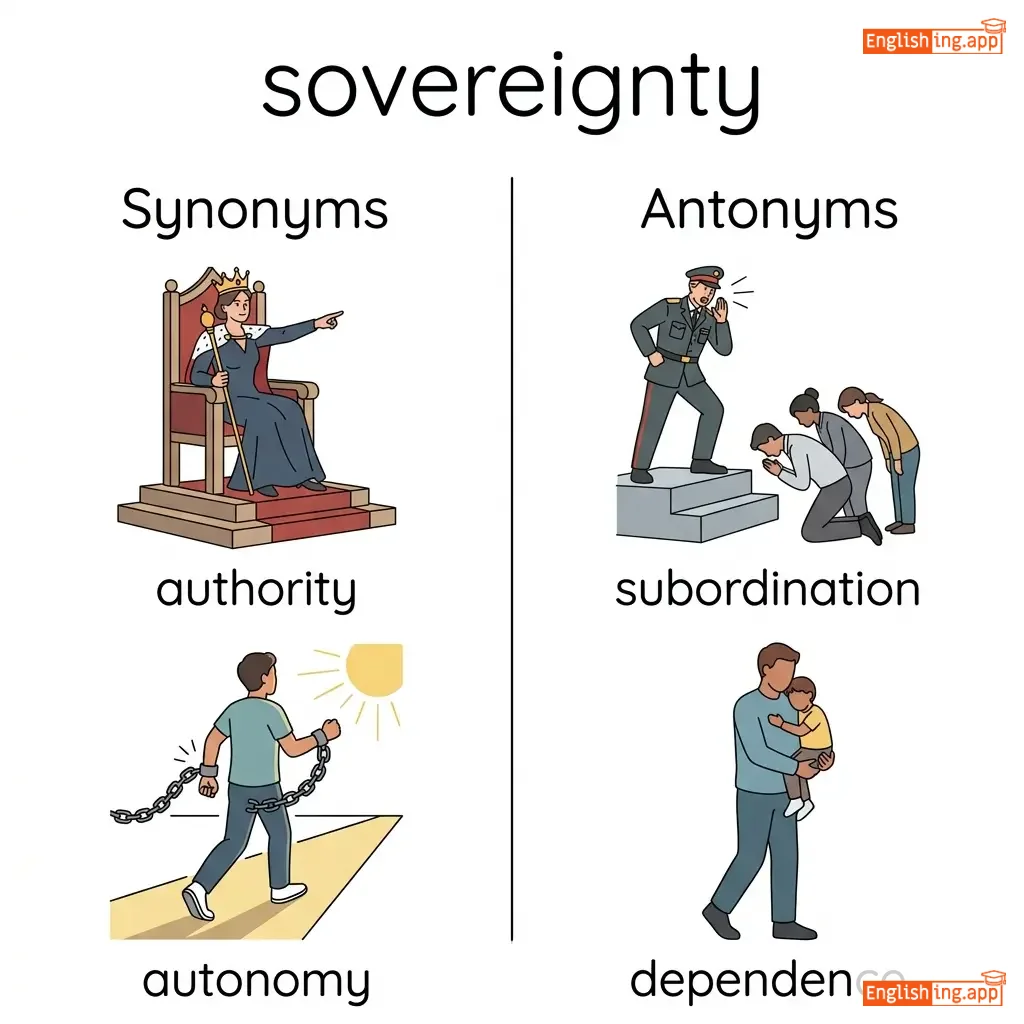
主权
zhǔquán
••••••
|
The authority of a state to govern itself or another state; supreme power or authority.
••••••
|
Sovereignty is essential for a nation's identity.
Sàowréntī shì bìxū de duì yī gè guójiā de shēnfèn.
••••••
|
主权对国家的身份至关重要。
Zhǔquán duì guójiā de shēnfèn zhìguān zhòngyào.
••••••
|
autonomy, independence, self-rule, supremacy
••••••
|
dependence, subjugation, subordination, vassalage
••••••
|
Zhǔquán: 'Zhǔ' sounds like 'ruler', representing the supreme authority.
••••••
|
|
#222
🔥
|
ˈʌp.raɪ.zɪŋ
noun
(āupuráizīng)
••••••
|
|
起义
qǐyì
••••••
|
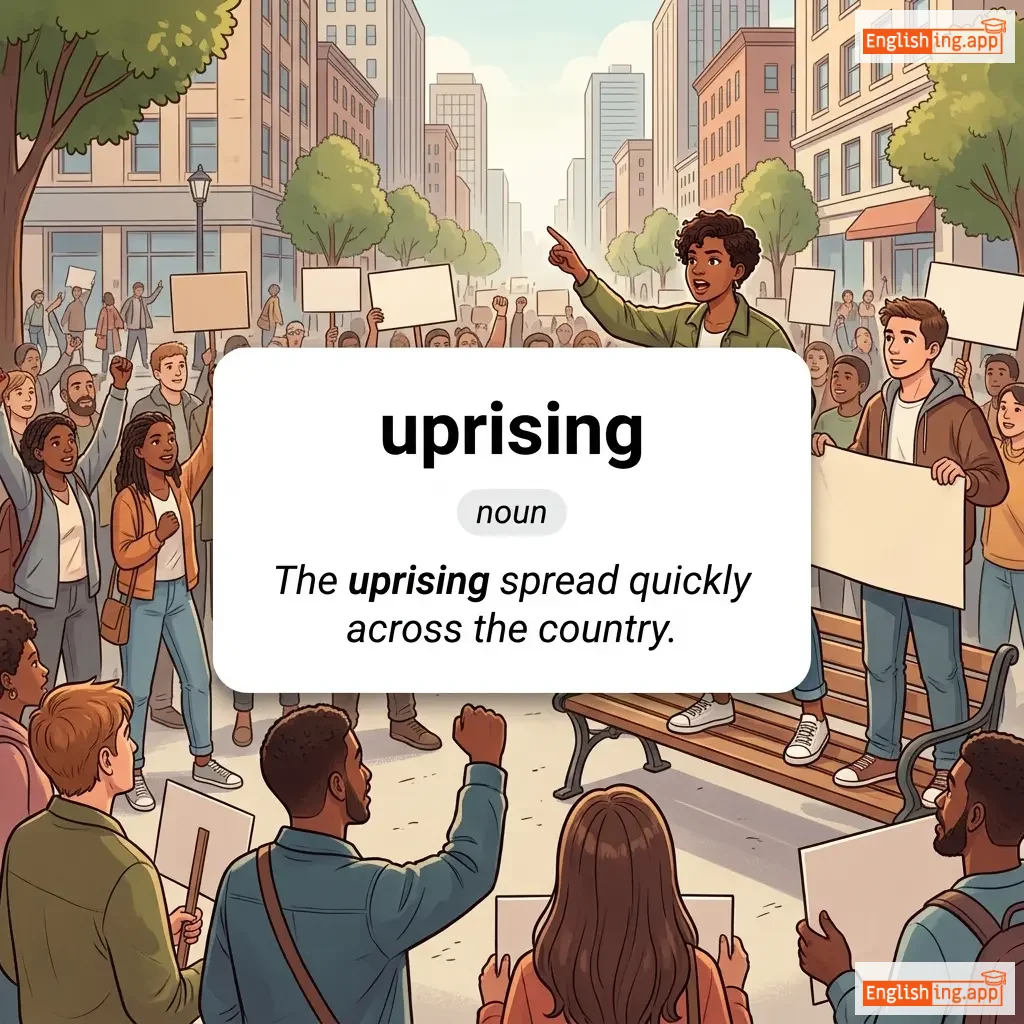
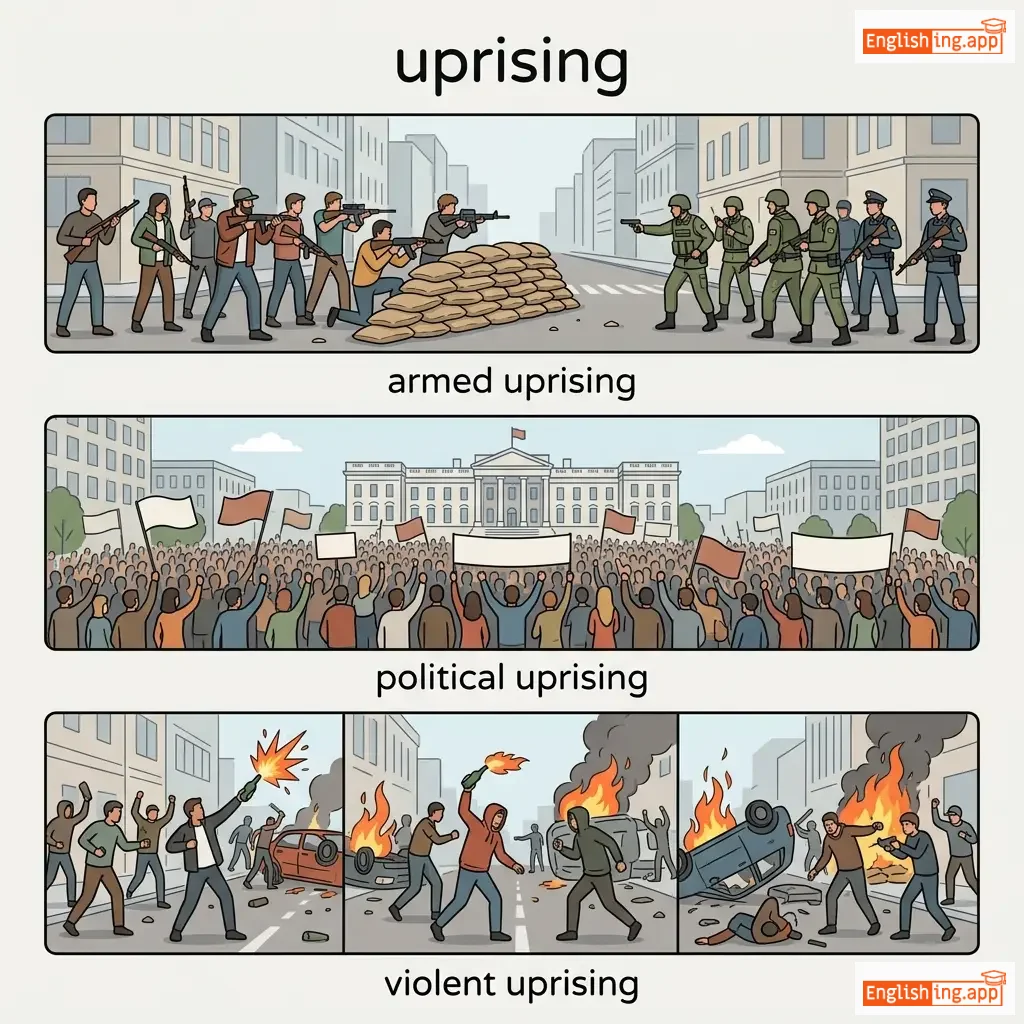
An act of resistance or rebellion; a revolt against an authority or government.
••••••
|
The uprising marked the beginning of the revolution. |
起义标志着革命的开始。
Qǐyì biāozhìzhe gémìng de kāishǐ.
••••••
|
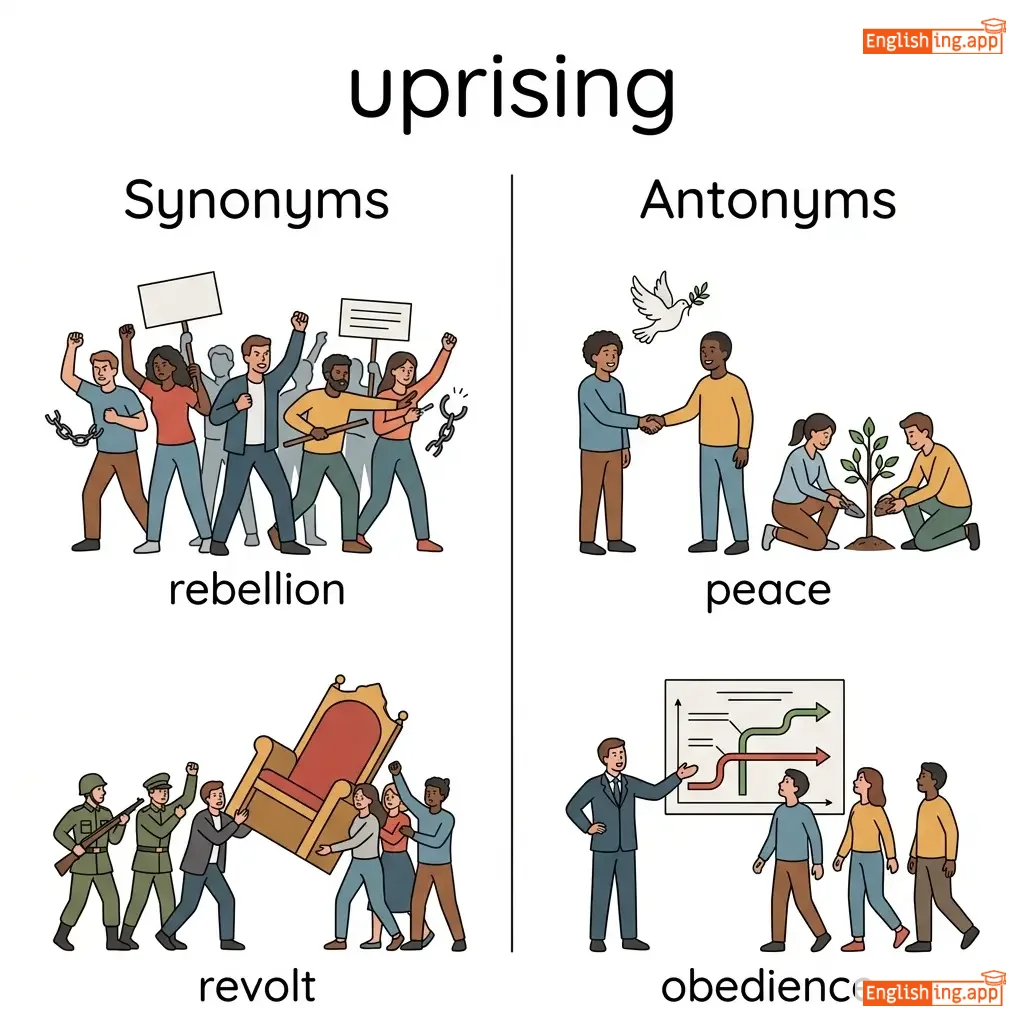
revolt, rebellion, insurrection, mutiny
••••••
|
obedience, peace, submission, compliance
••••••
|
No •••••• |
|
#223
⚔️
|
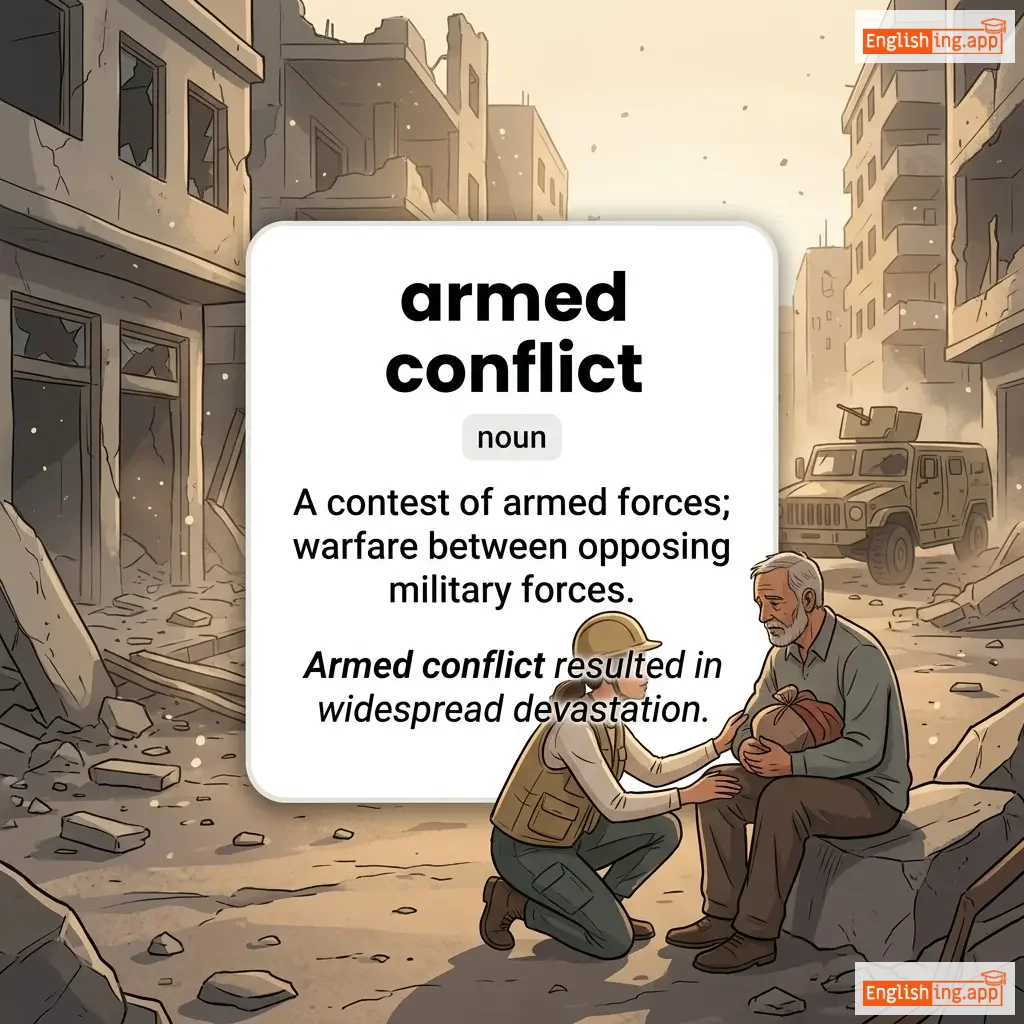
ɑːmd ˈkɒn.flɪkt
noun
(armed konflikt)
••••••
|
|
武装冲突
wǔzhuāng chōngtú
••••••
|
A contest of armed forces; warfare between opposing military forces.
••••••
|
Armed conflict resulted in widespread devastation. |
武装冲突导致了广泛的破坏。
Wǔzhuāng chōngtú dǎozhì le guǎngfàn de pòhuài.
••••••
|
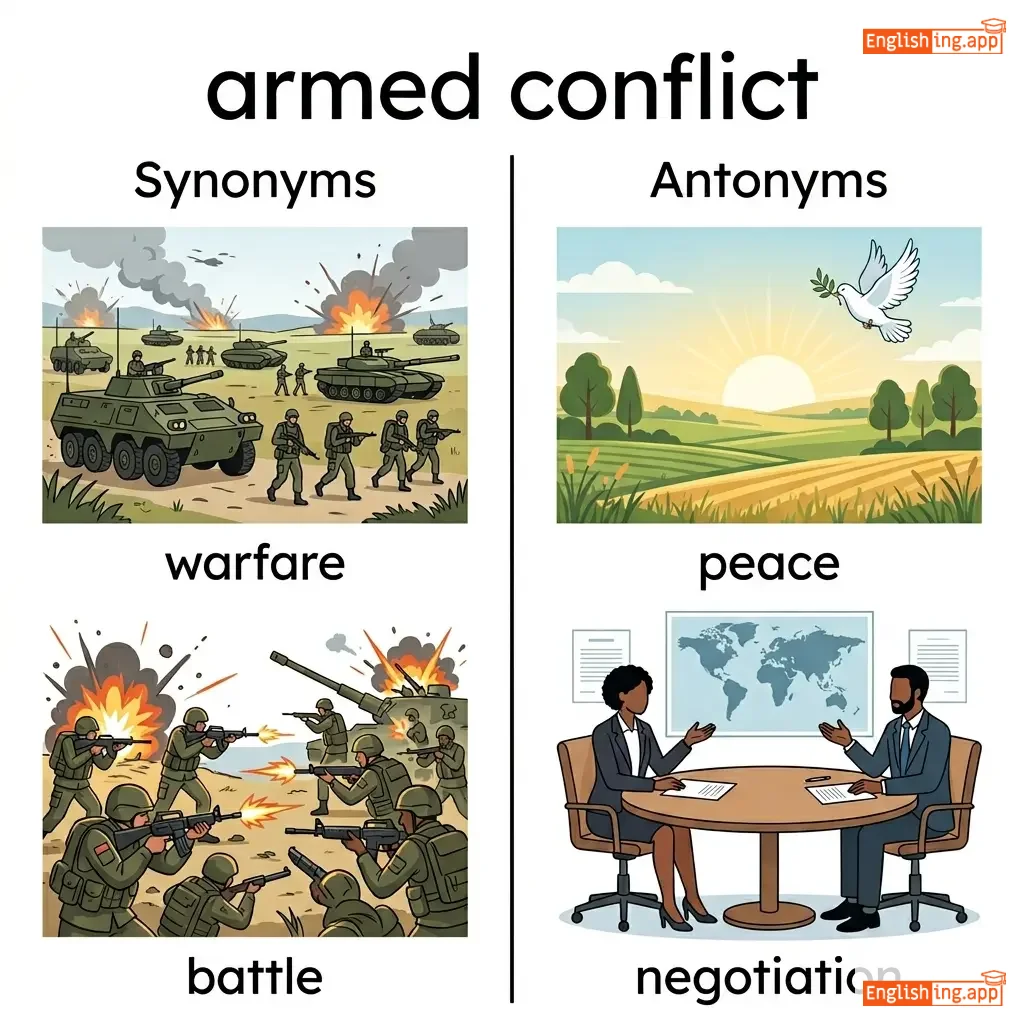
warfare, battle, combat, hostilities
••••••
|
peace, negotiation, diplomacy, ceasefire
••••••
|
将'武装'(armed)和'冲突'(conflict)结合起来,以记住'武装冲突'。
••••••
|
|
#224
🗳️
|
dɪˈmɒk.rə.si
noun
(民主)
••••••
|
|
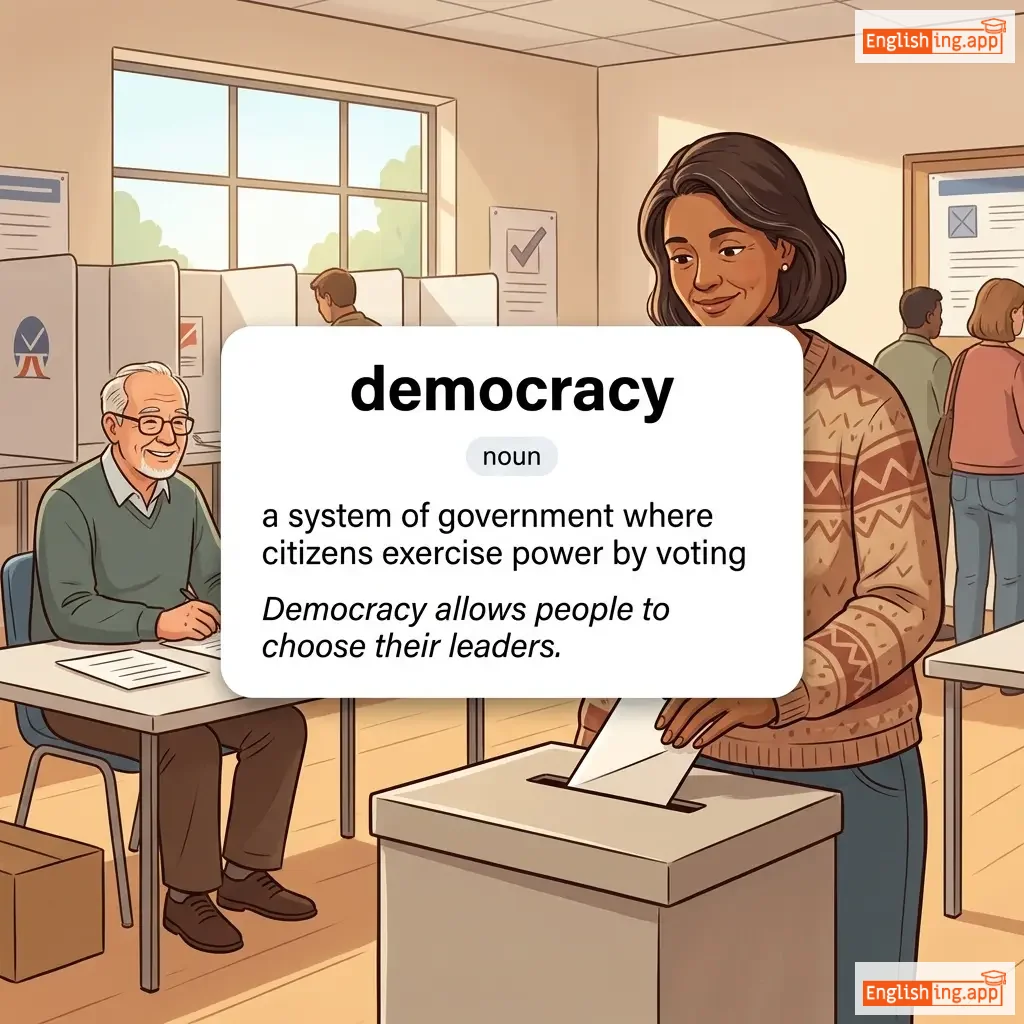
民主
minzhu
••••••
|
A system of government by the whole population or all the eligible members of a state, typically through elected representatives.
••••••
|
Democracy ensures equal rights for all citizens. |
民主确保所有公民享有平等的权利。
Minzhu quèbǎo suǒyǒu gōngmín xiǎngyǒu píngděng de quánlì.
••••••
|
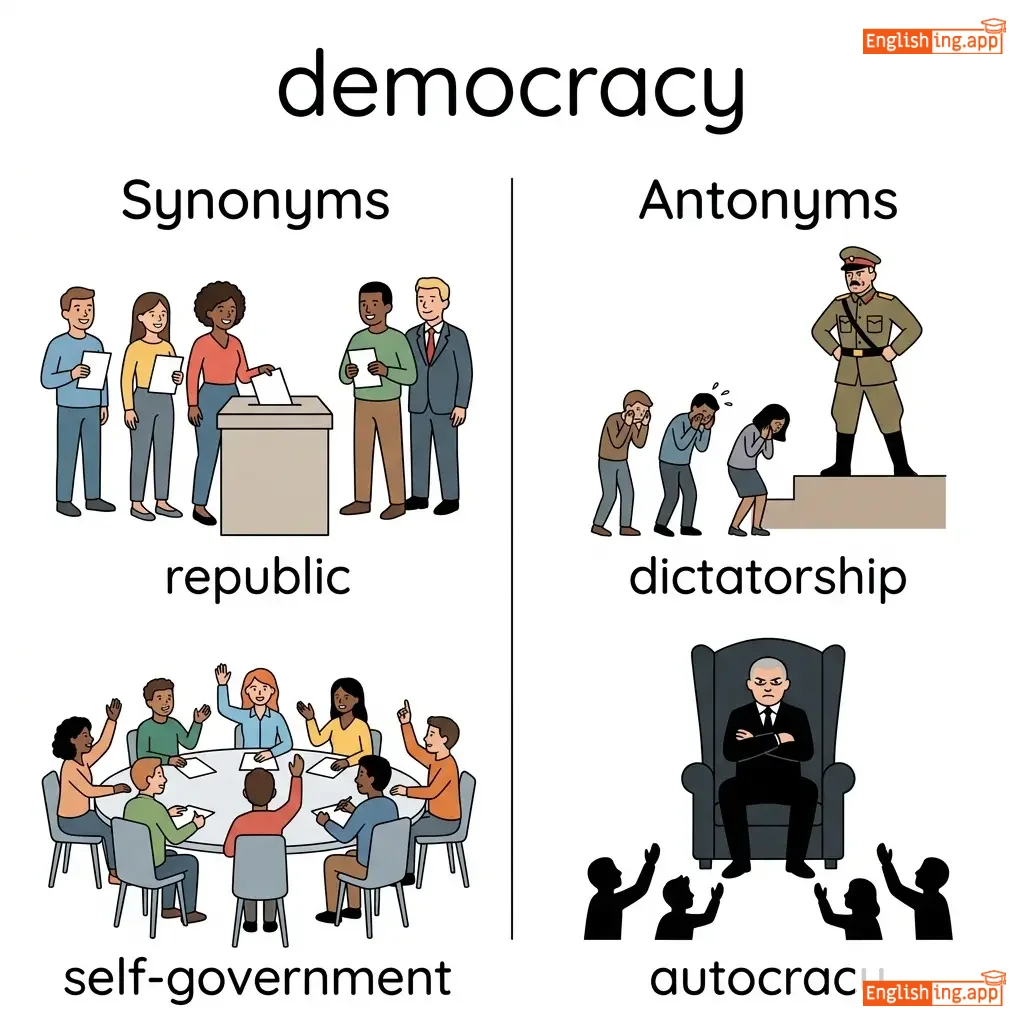
republic, self-government, representative government, popular rule
••••••
|
autocracy, dictatorship, tyranny, authoritarianism
••••••
|
民主 - 民 (people) + 主 (rule) = People rule through voting.
••••••
|
|
#225
🏗️
|
ɪˈstæb.lɪʃt
adjective
(ɪsˈtæblɪʃt)
••••••
|
|
建立的
jiànlì de
••••••
|
Having been in existence for a long time and therefore recognized and generally accepted; set up on a firm or permanent basis.
••••••
|
Democracy was established under strong leadership.
民主是在强有力的领导下建立的。
••••••
|
民主是在强有力的领导下建立的。
Mínzhǔ shì zài qiáng yǒulì de lǐngdǎo xià jiànlì de.
••••••
|
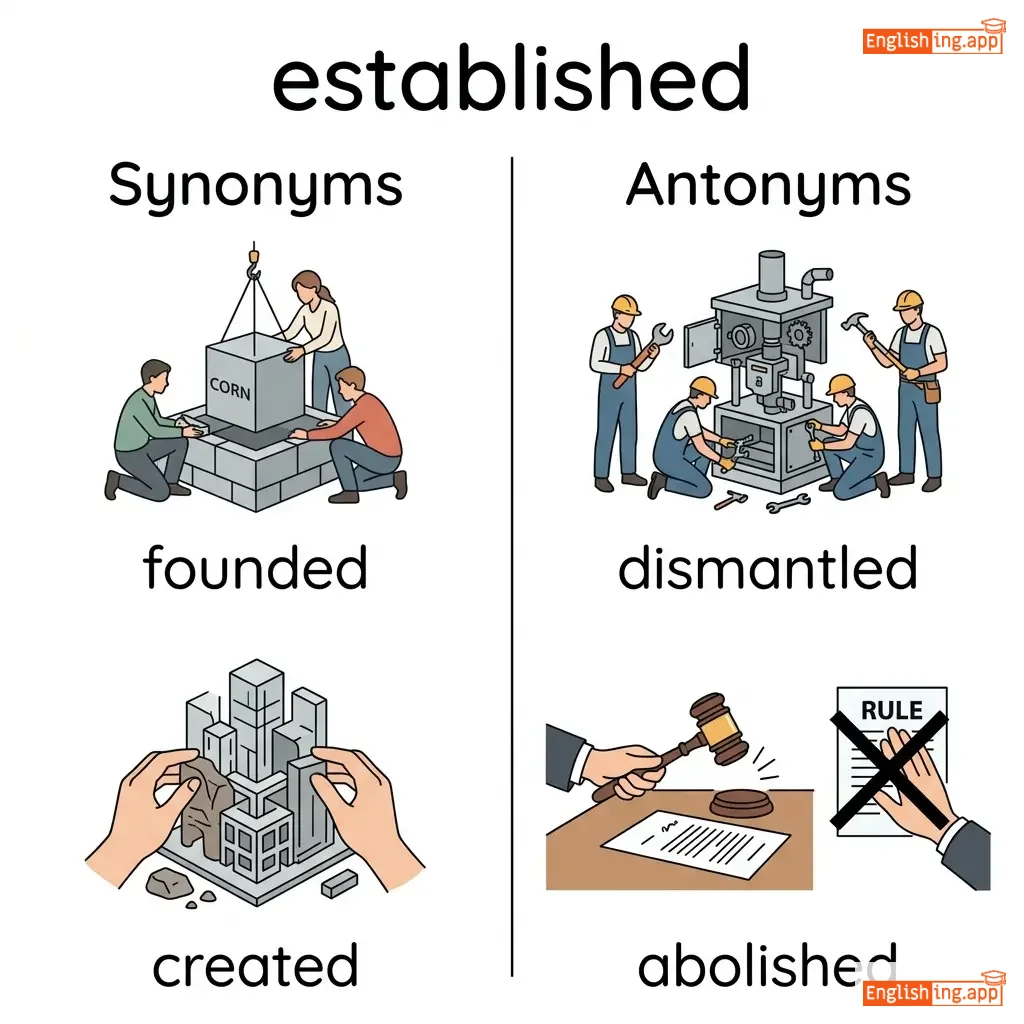
founded, set up, instituted, created
••••••
|
abolished, destroyed, dismantled, eliminated
••••••
|
In Chinese, '建立的' conveys something firmly 'established', much like a lasting foundation.
••••••
|
|
#226
🏗️
|
ˈfreɪm.wɜːk
noun
(框架)
••••••
|
|
框架
kuàngjià
••••••
|
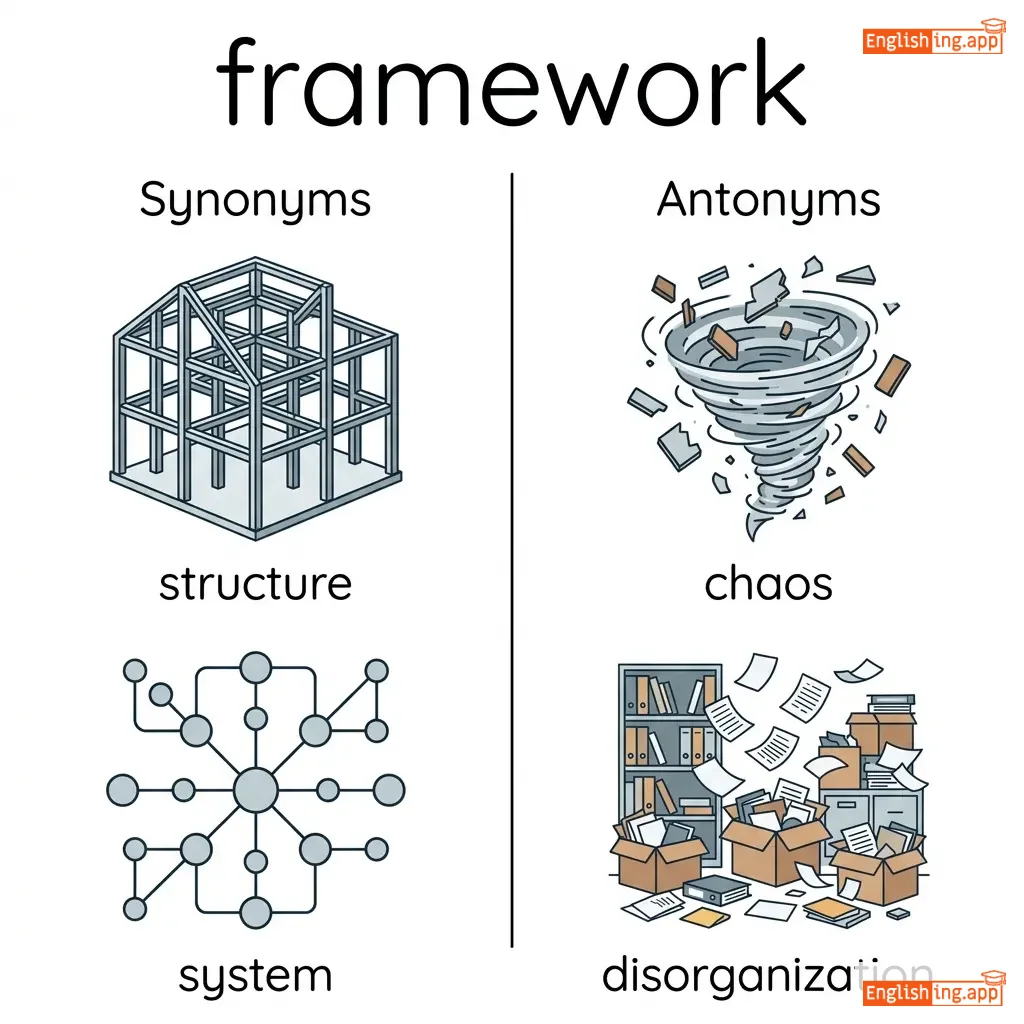
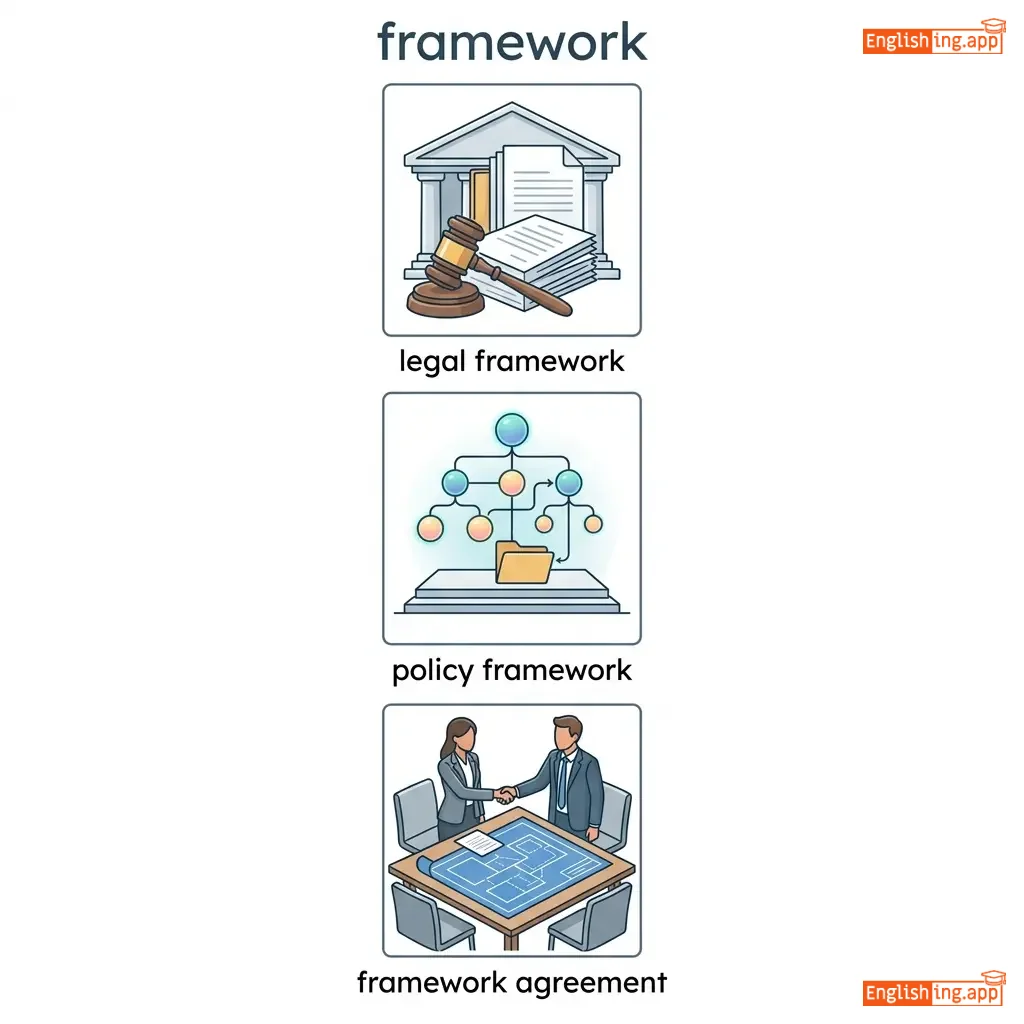
An essential supporting structure of a building, vehicle, or object; a basic structure underlying a system, concept, or text.
••••••
|
A strong framework is vital for governance. |
强大的框架对于治理至关重要。
Qiángdà de kuàngjià duìyú zhìlǐ zhìguān zhòngyào.
••••••
|
structure, system, organization, foundation
••••••
|
chaos, disorganization, disorder, anarchy
••••••
|
‘框架’ (kuàngjià) sounds like ‘framework’, think of it as the structure supporting everything around you.
••••••
|
Vocabulary Quiz
Test your vocabulary by matching words with their translations or meanings.
Login to take the quiz
Comments (0)
Share your thoughts and join the discussion.
Join the discussion by logging in
Login to CommentNo comments yet
Be the first to share your thoughts!