

米尔萨莱——亚洲最大的经济区
Mirsarai - Asia's Largest Economic Zone
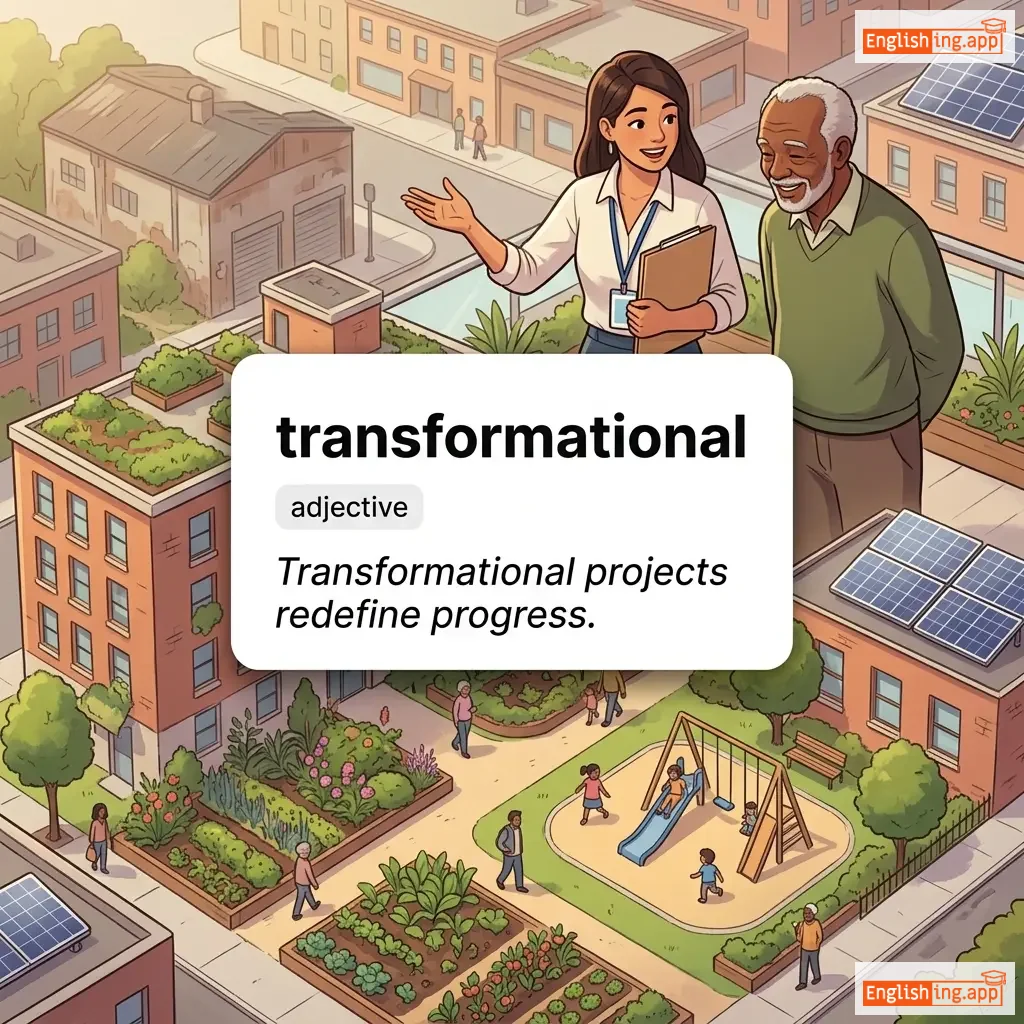
孟加拉国最大的 economic zone,被认定为 regional industrial hub,是该国 sustainable development 的重要组成部分。它非常适合通过 sector-specific zones 开展 diverse industrial activities。这里包括 integrated facilities,例如 residential、administrative 和 commercial centers。它提供 strategic advantages 以增加 domestic 和国际投资。该举措有潜力创造 employment opportunities 并对 economic indicators 产生积极影响。它将在 GDP 增长中发挥重要作用,并被视为一个 transformational milestone。









Swipe left or right, or use the buttons. Tap image to zoom.
例句翻译
单词
Mirsarai - Asia's Largest Economic ZoneMirsarai - Asia's Largest Economic Zone - 遮罩切换
|
表情符号
|
单词 | Images | 翻译 | 含义 | 例句 | 例句翻译 | 同义词 | 反义词 | 助记符 |
|---|---|---|---|---|---|---|---|---|---|
|
#559
💰
|
ˌiː.kəˈnɒm.ɪk
adjective
(经济的)
••••••
|
|
经济的
jingjide
••••••
|
Relating to economics or the economy; concerning the organization of the money, industry, and trade of a country, region, or society.
••••••
|
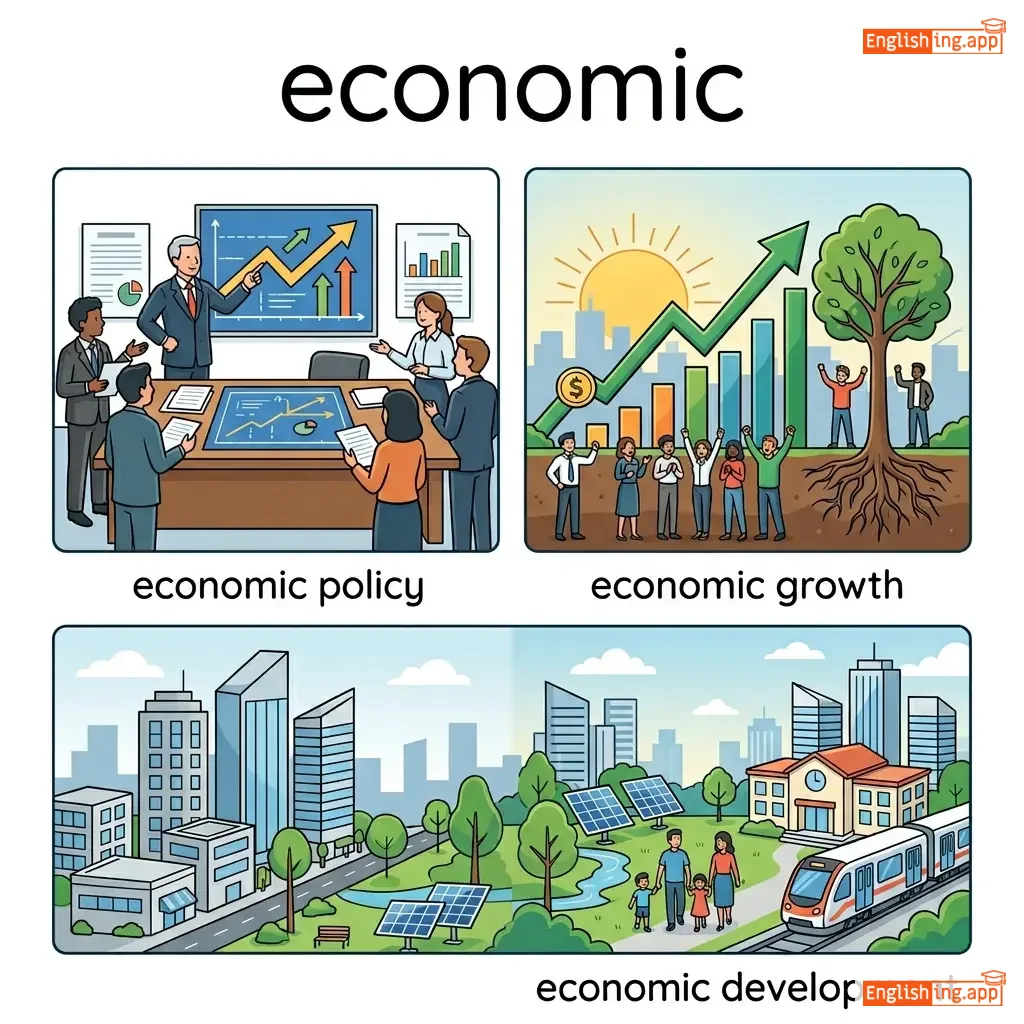
Economic policies drive development. |
经济政策推动发展。
Jingji zhengce tuidong fazhan.
••••••
|
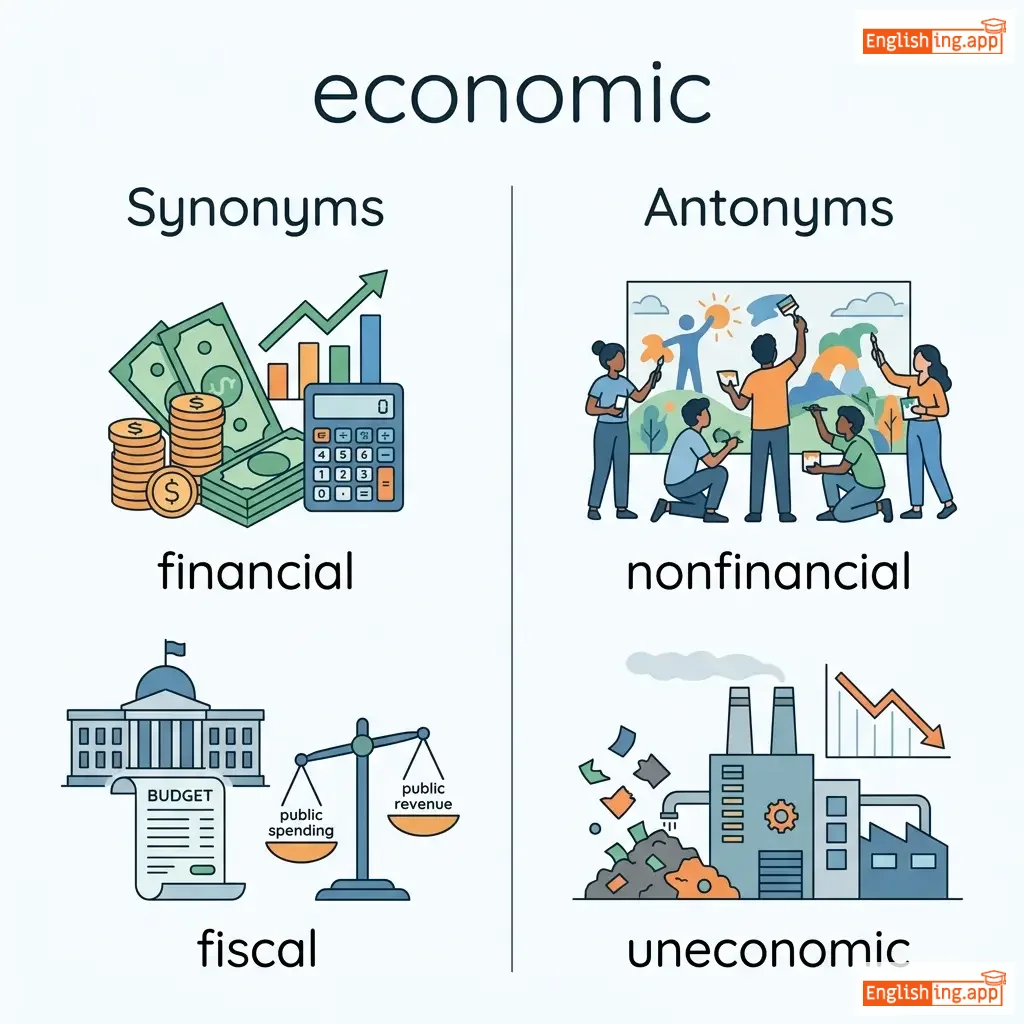
financial, monetary
••••••
|
non-financial, unproductive
••••••
|
经济的 (jingjide) 是帮助国家发展的关键因素。
••••••
|
|
#560
🏭
|
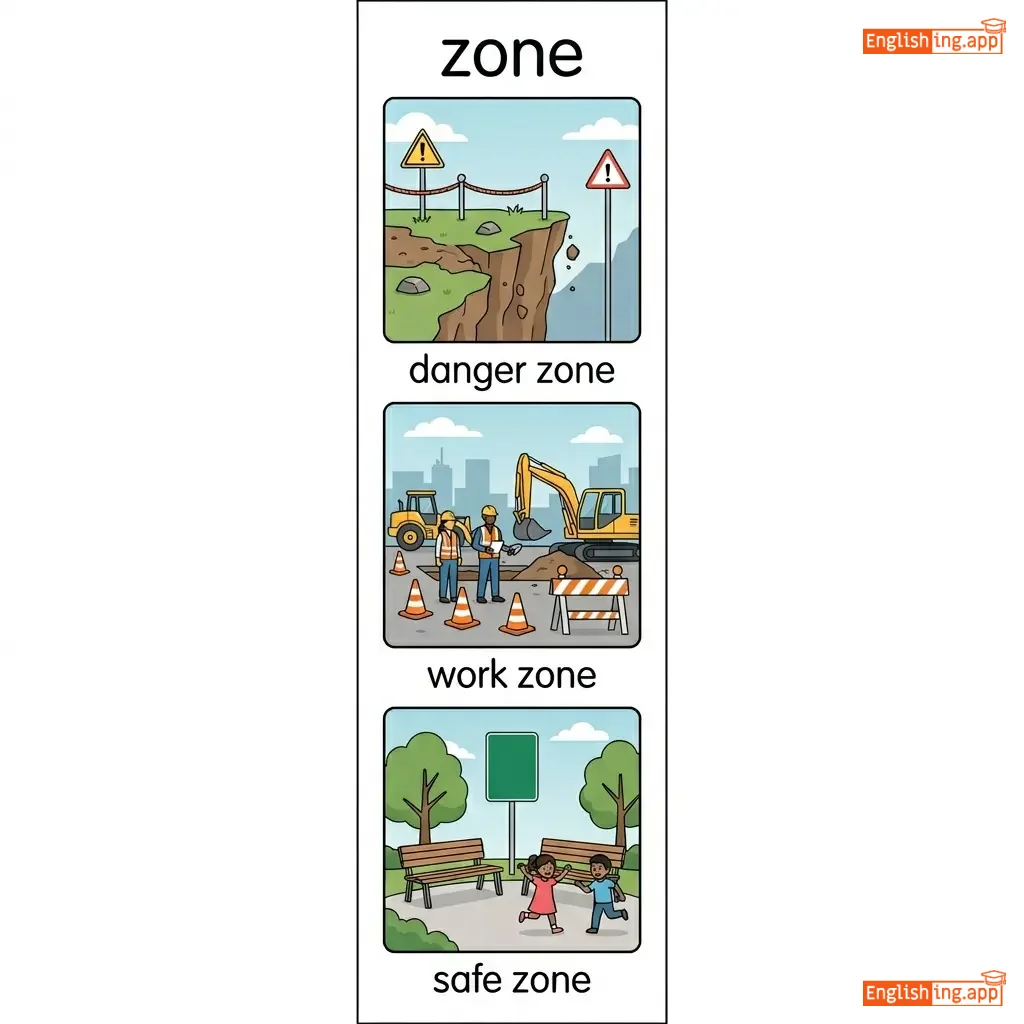
zəʊn
noun
(zōn)
••••••
|
|
区域
quyu
••••••
|
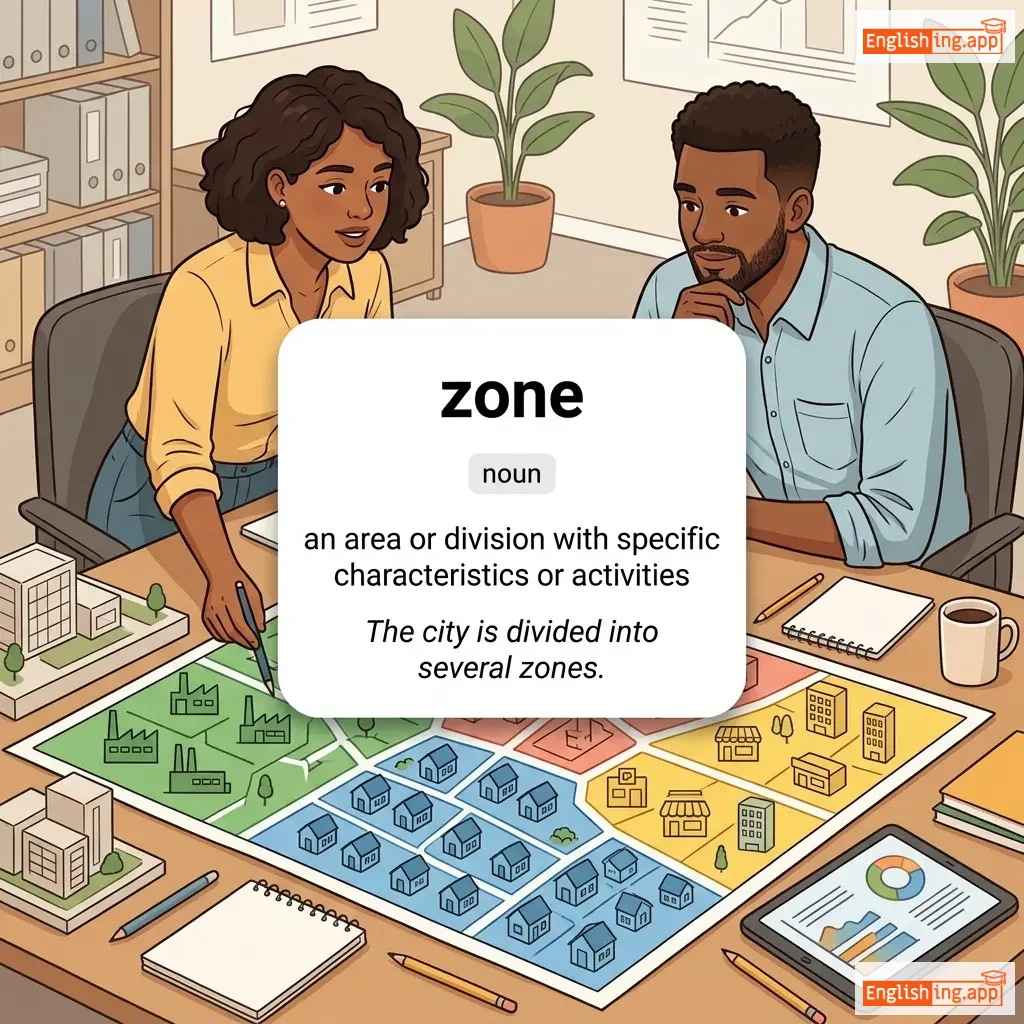
An area or stretch of land having a particular characteristic, purpose, or use, or subject to particular restrictions.
••••••
|
Industrial zones attract investments.
工业区吸引投资。
••••••
|
工业区吸引投资。
Gongye quxu yin touzi.
••••••
|
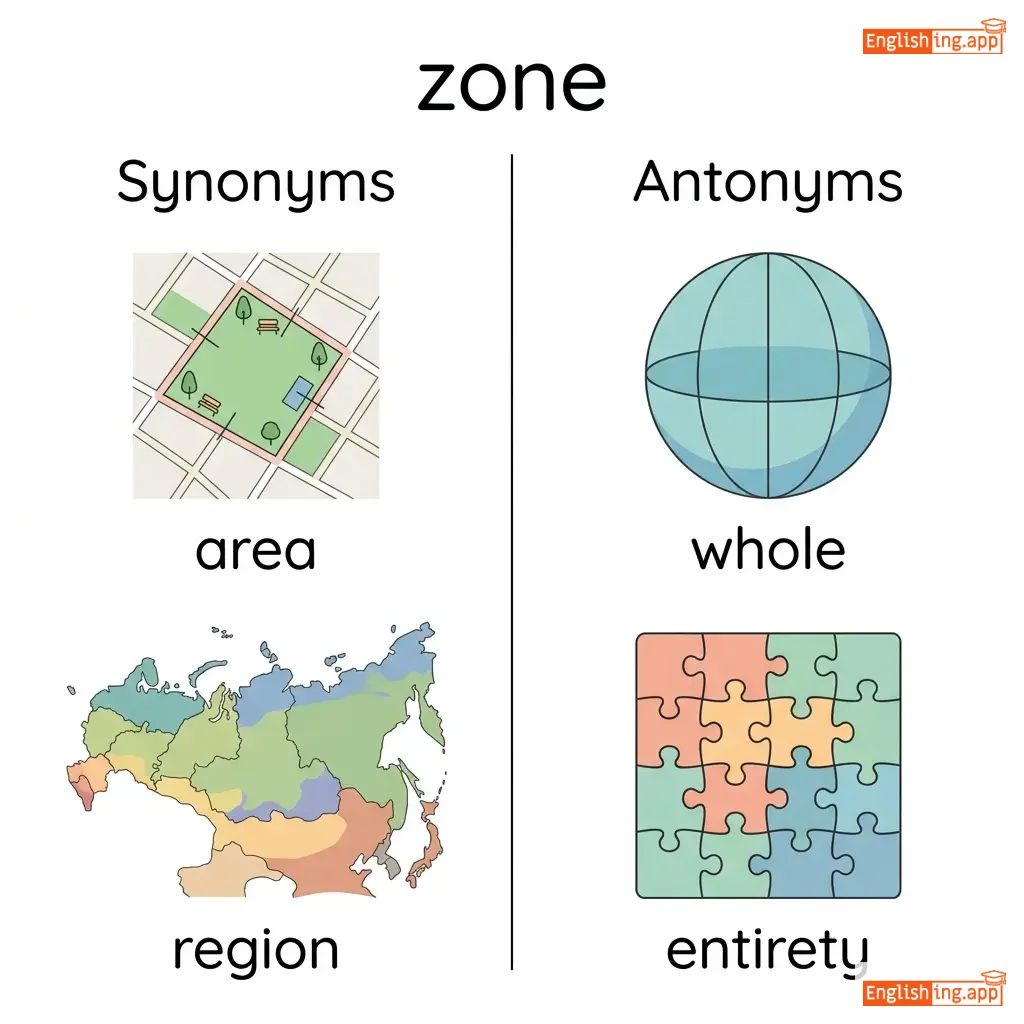
region, territory
••••••
|
chaos, unzoned area
••••••
|
区域即是一个被划定并赋予特定功能的空间。
••••••
|
|
#561
🌏
|
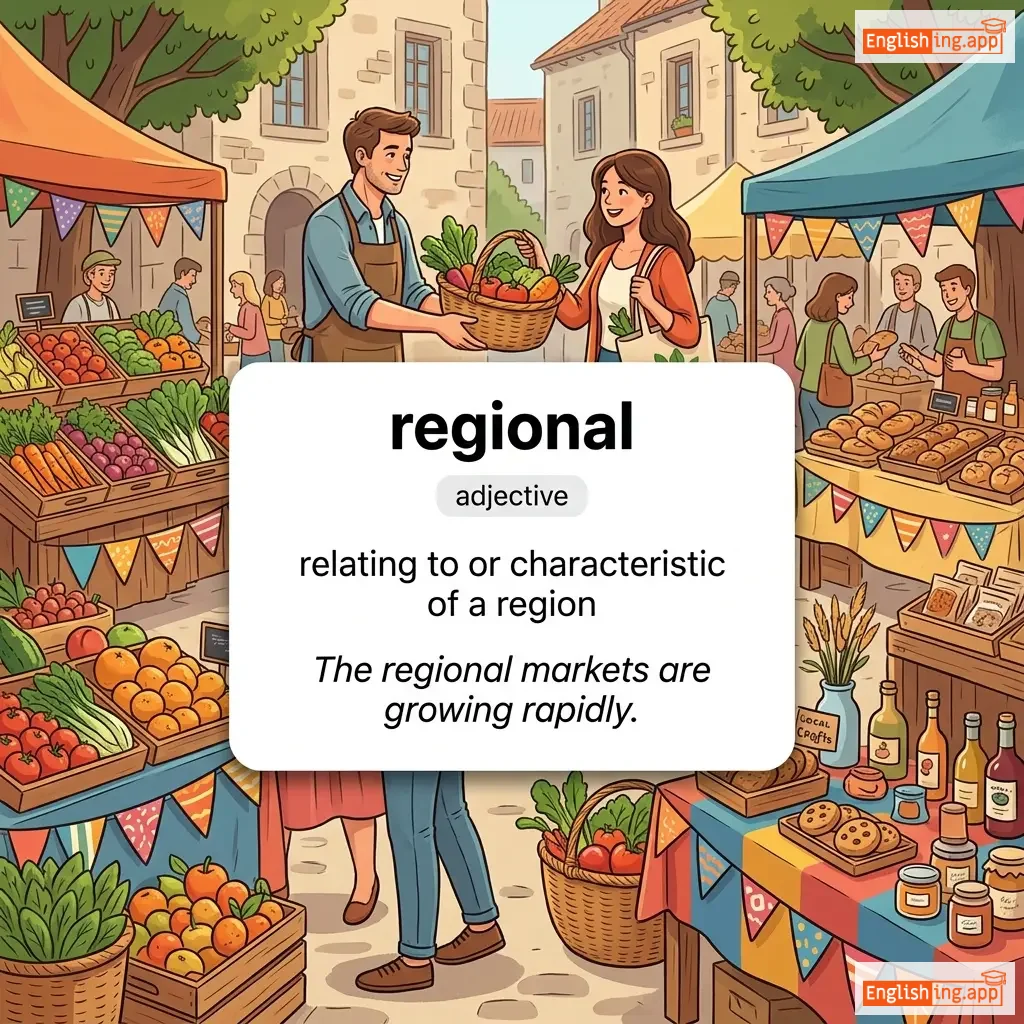
ˈriː.dʒən.əl
adjective
(ri-dji-o-nal)
••••••
|
|
区域的
quyu de
••••••
|
Relating to or characteristic of a region.
••••••
|
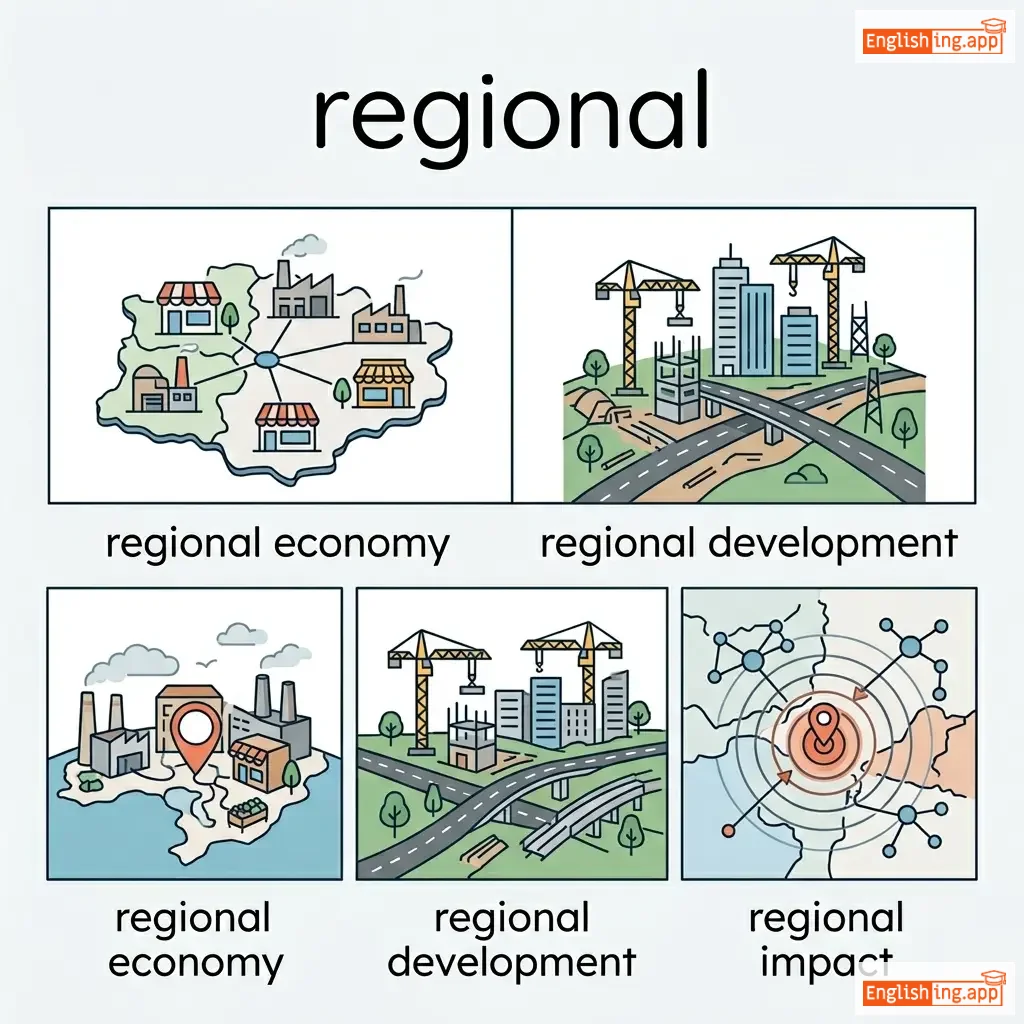
Regional hubs support localized industries.
Ri-dji-o-nal hubs support lokalizid industries.
••••••
|
区域中心支持本地行业。
Quyu zhongxin zhichi bendi hangye.
••••••
|
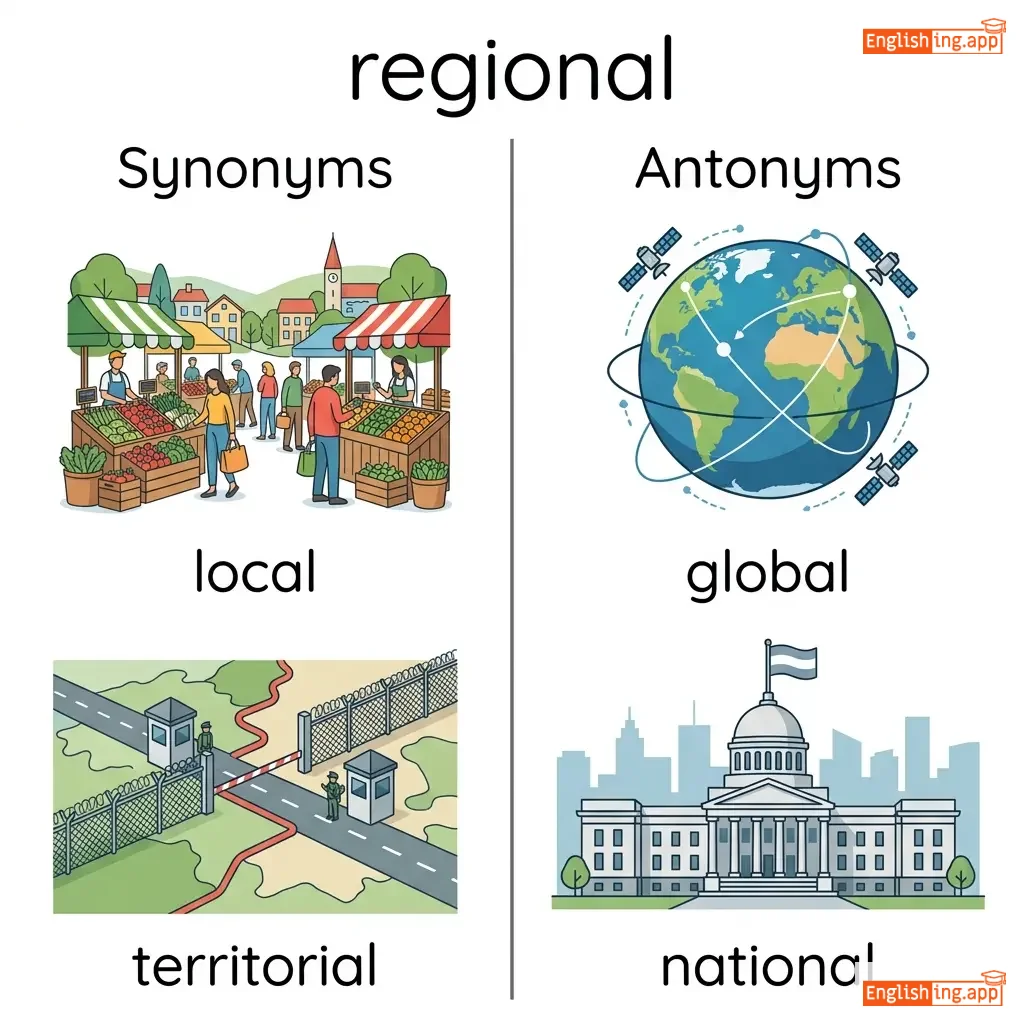
local, provincial
••••••
|
global, international
••••••
|
Regional hubs in each area supporting local industries.
••••••
|
|
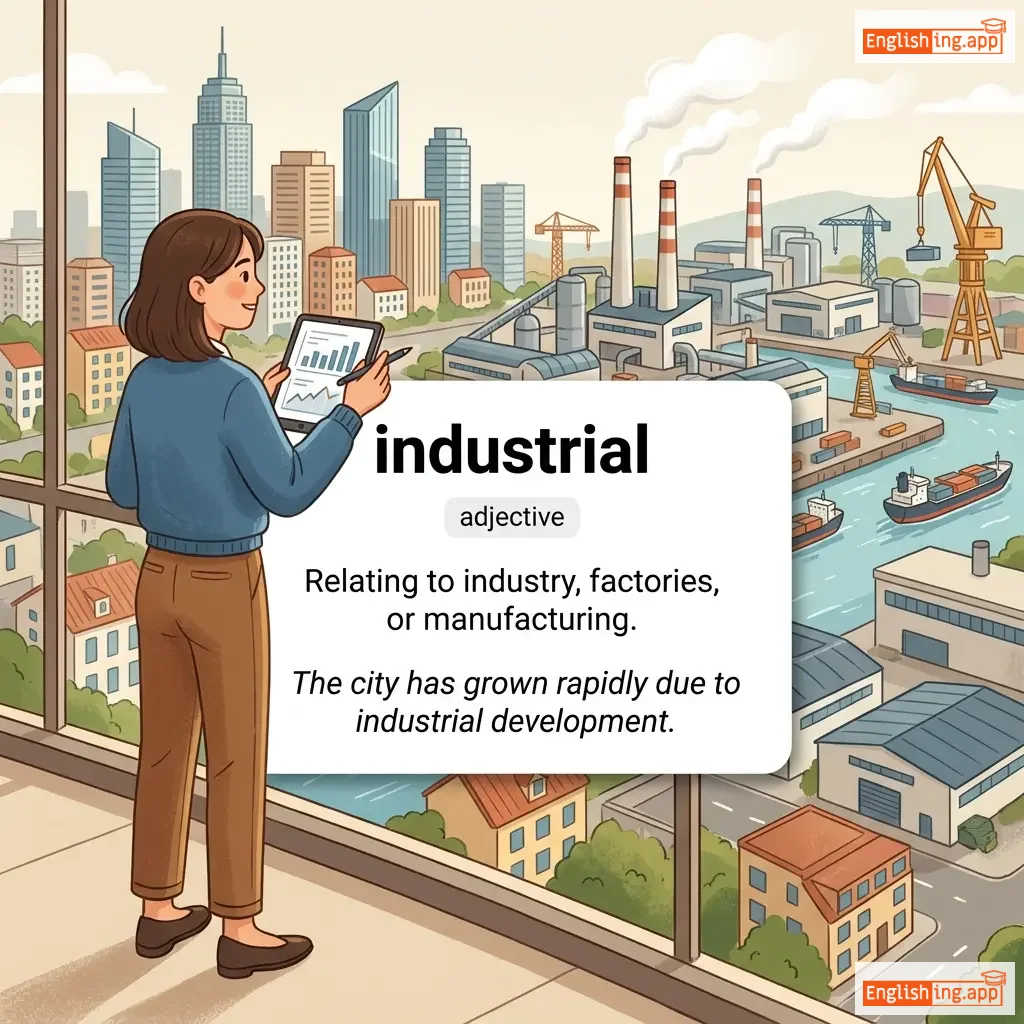
#562
🏭
|
ɪnˈdʌs.tri.əl
adjective
(工业)
••••••
|
|
工业的
gongye de
••••••
|
Relating to or characterized by industry.
••••••
|
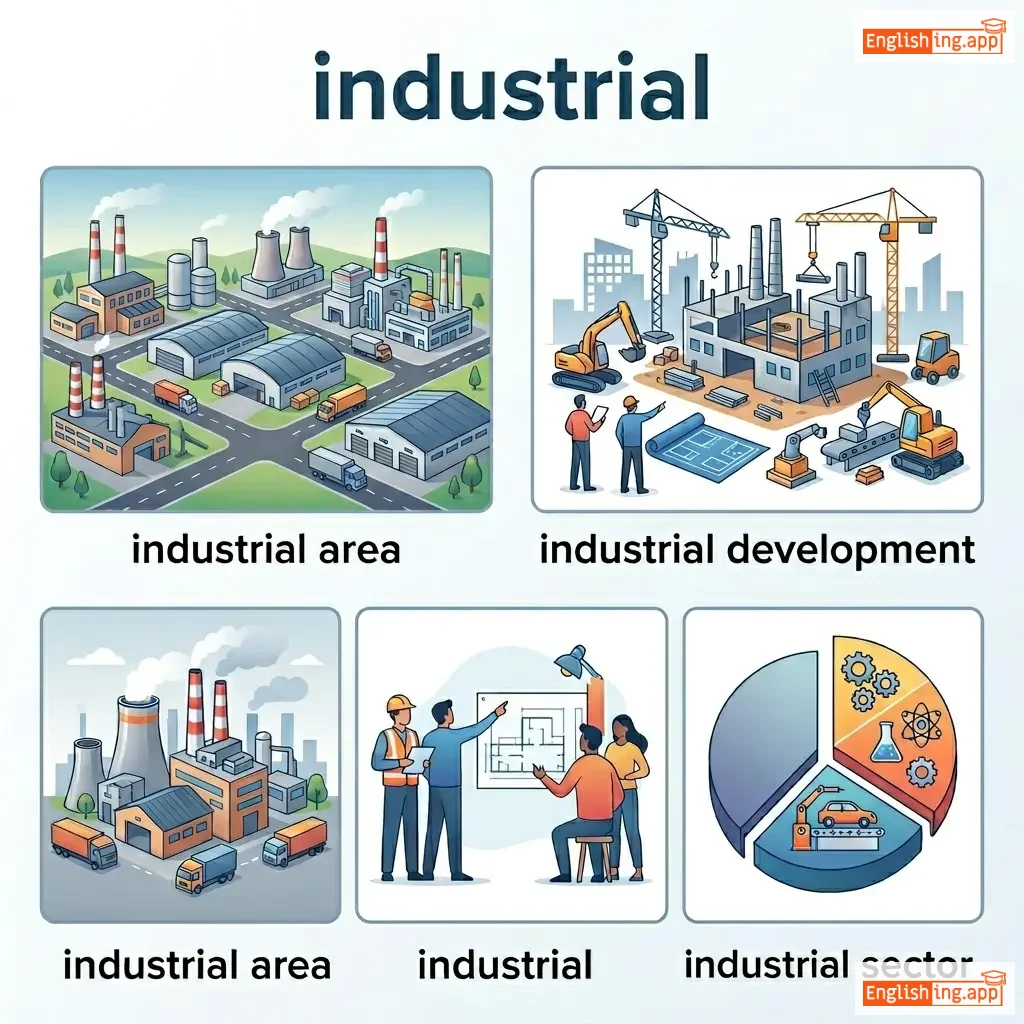
Industrial sectors boost exports. |
工业部门促进出口。
Gongye bumen cujin chukou.
••••••
|
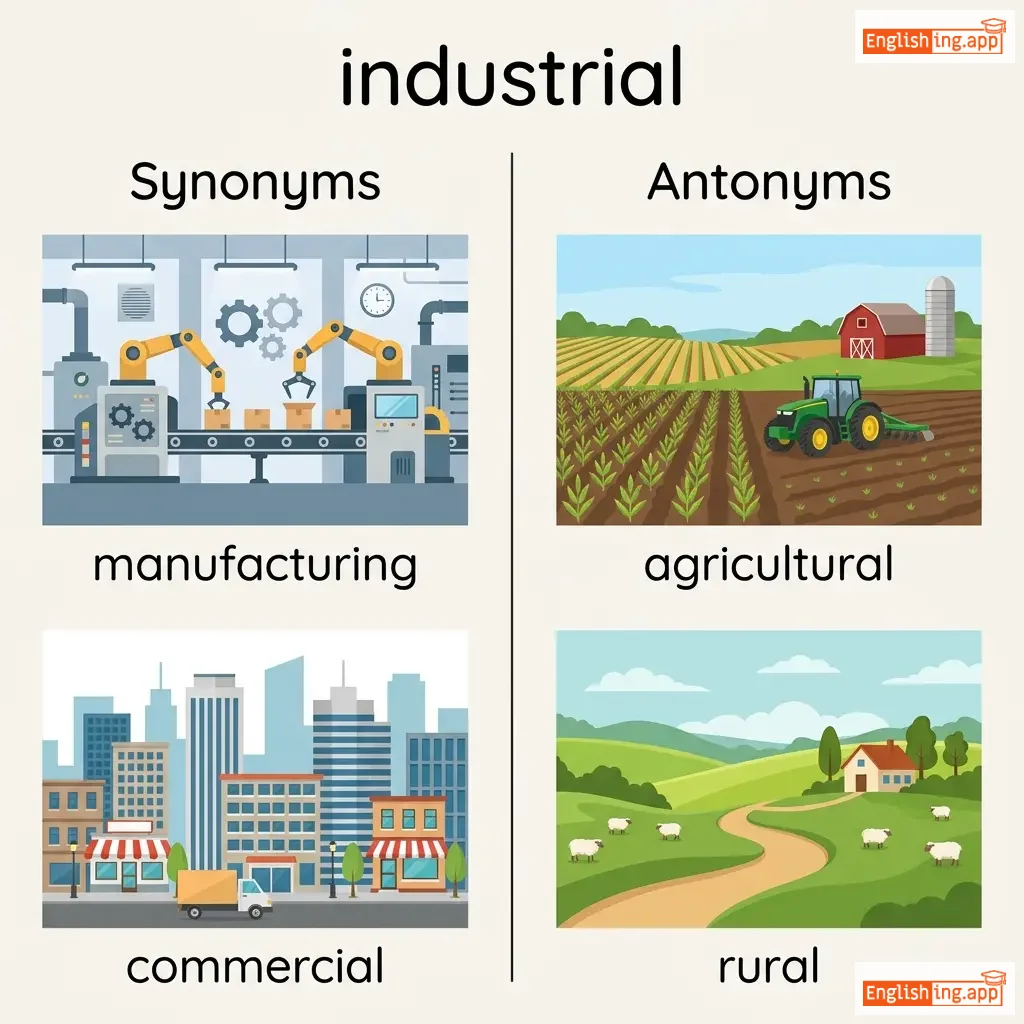
manufacturing, factory-based
••••••
|
agricultural, artisanal
••••••
|
Industrial = 工业的 (gongye de) - 想到大工厂和生产线
••••••
|
|
#563
♻️
|
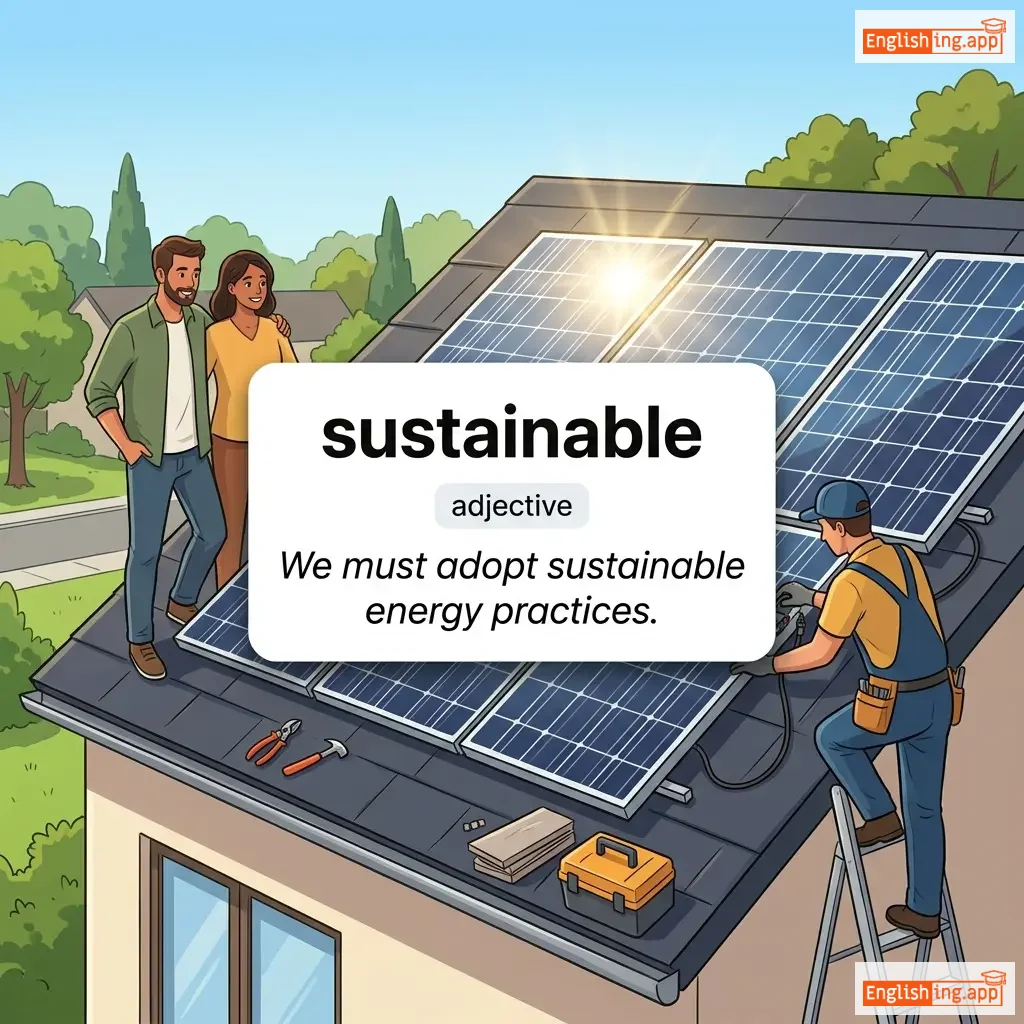
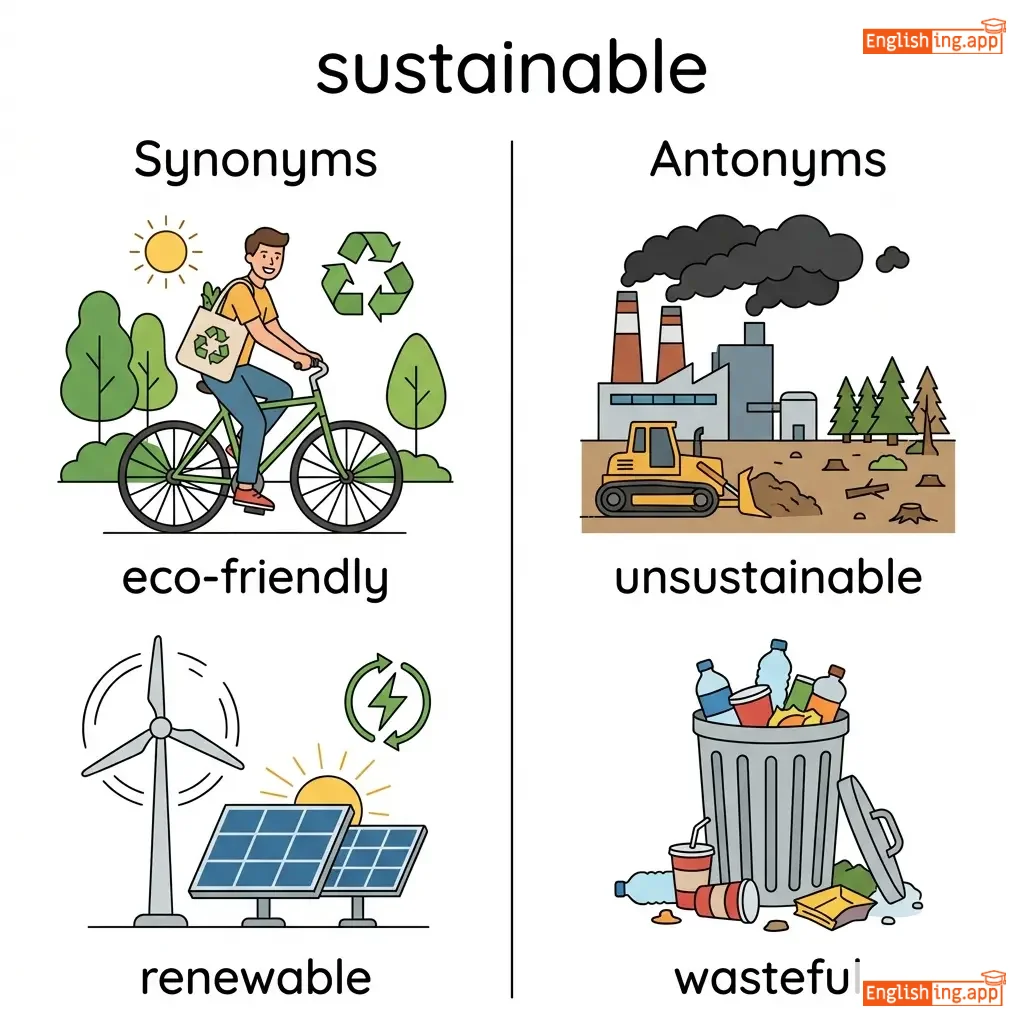
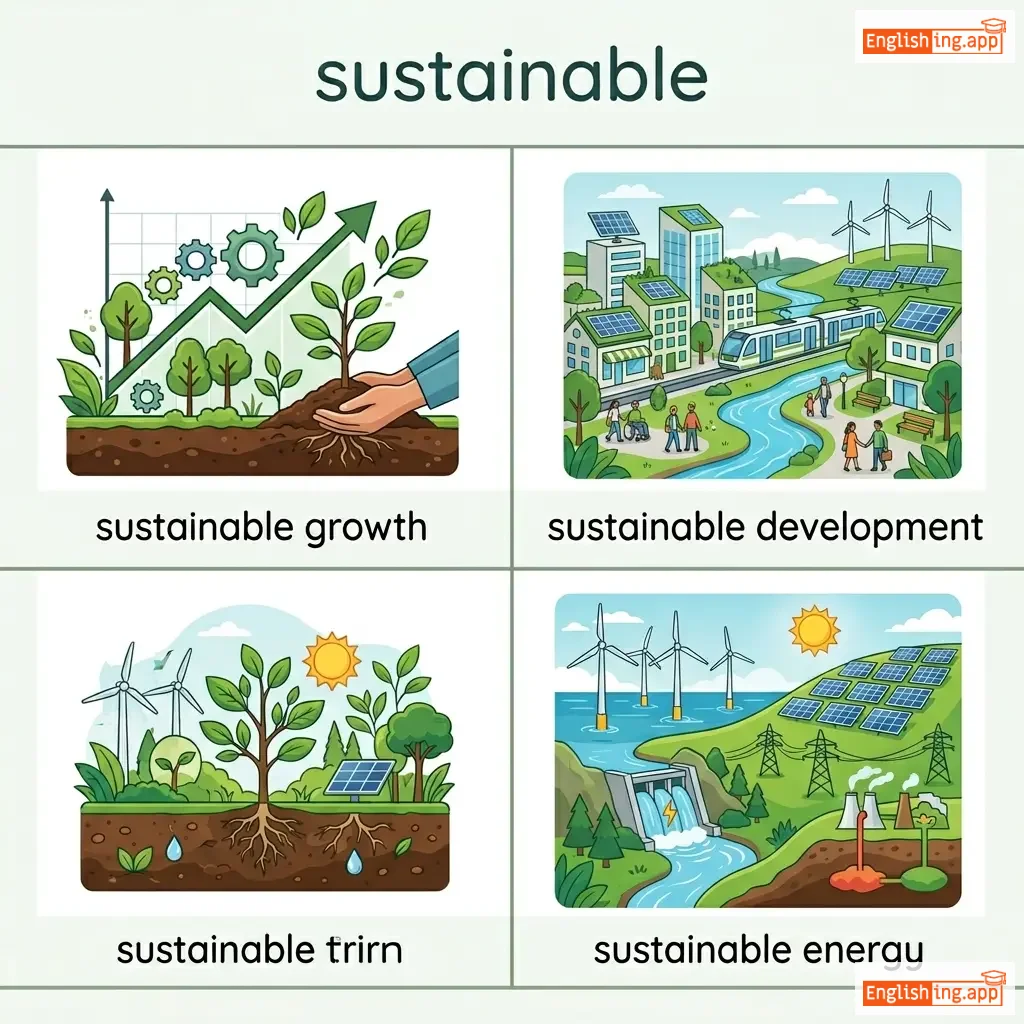
səˈsteɪ.nə.bəl
adjective
(可持续)
••••••
|
|
可持续
kě chíxù
••••••
|
Able to be maintained at a certain rate or level; conserving an ecological balance by avoiding depletion of natural resources.
••••••
|
Sustainable practices reduce environmental harm.
可持续的做法减少环境危害。
••••••
|
可持续的做法减少环境危害。
Kě chíxù de zuòfǎ jiǎnshǎo huánjìng wēihài.
••••••
|
durable, renewable
••••••
|
unsustainable, short-lived
••••••
|
Sustainable in Chinese: keep resources 可持续!
••••••
|
|
#564
📈
|
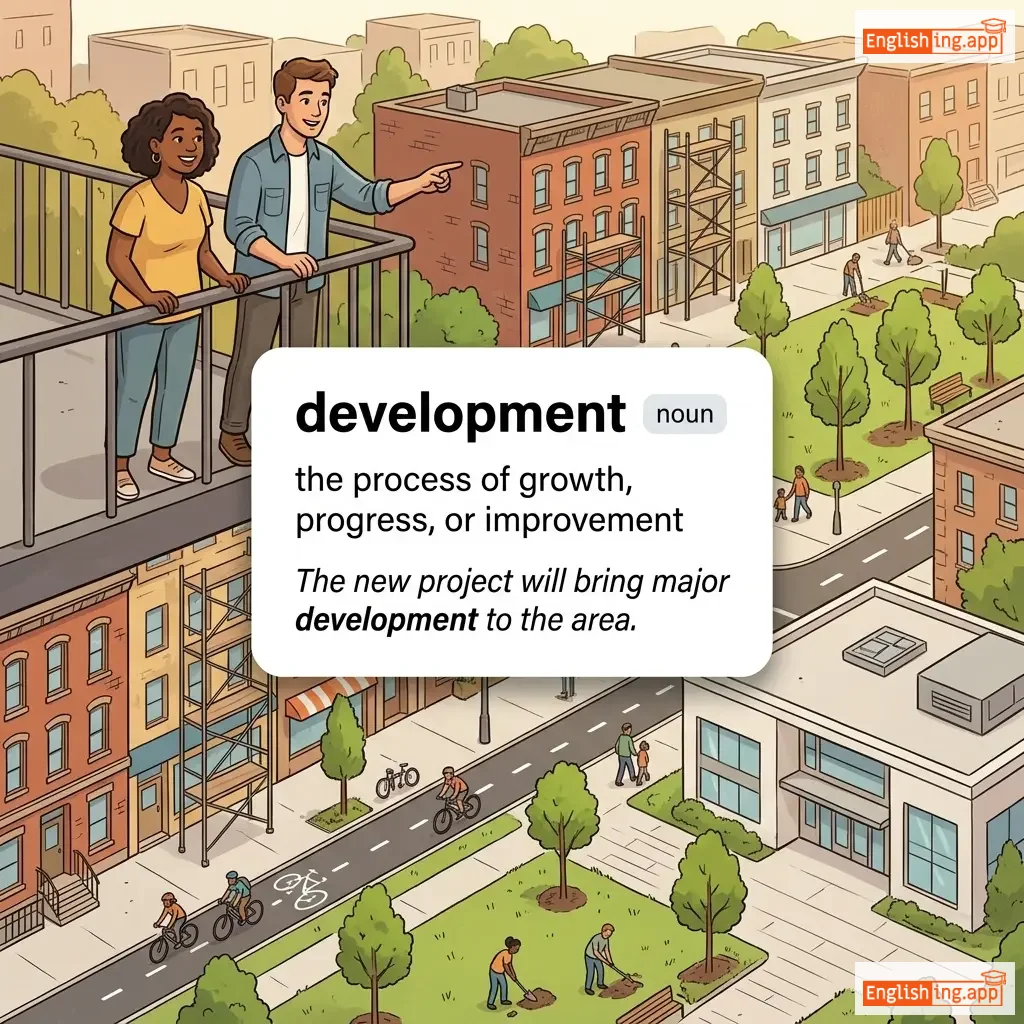
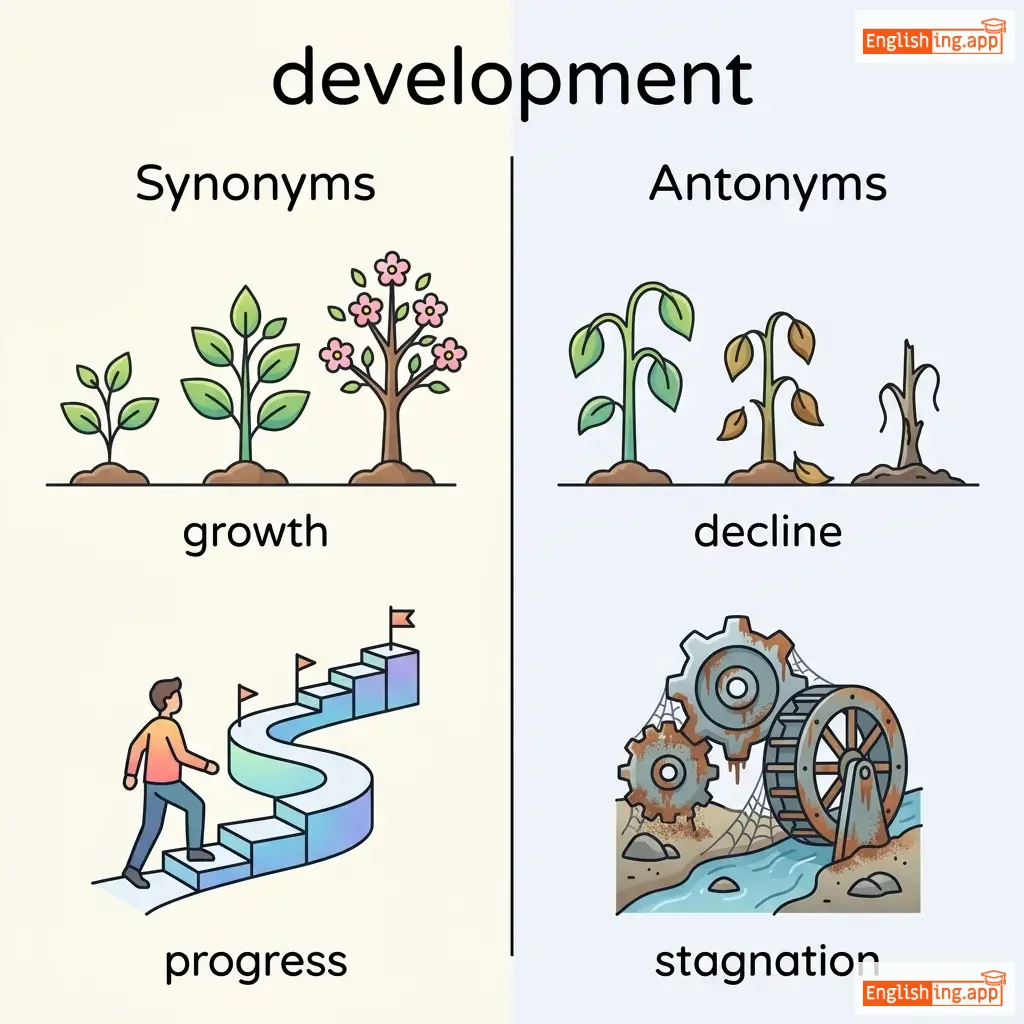
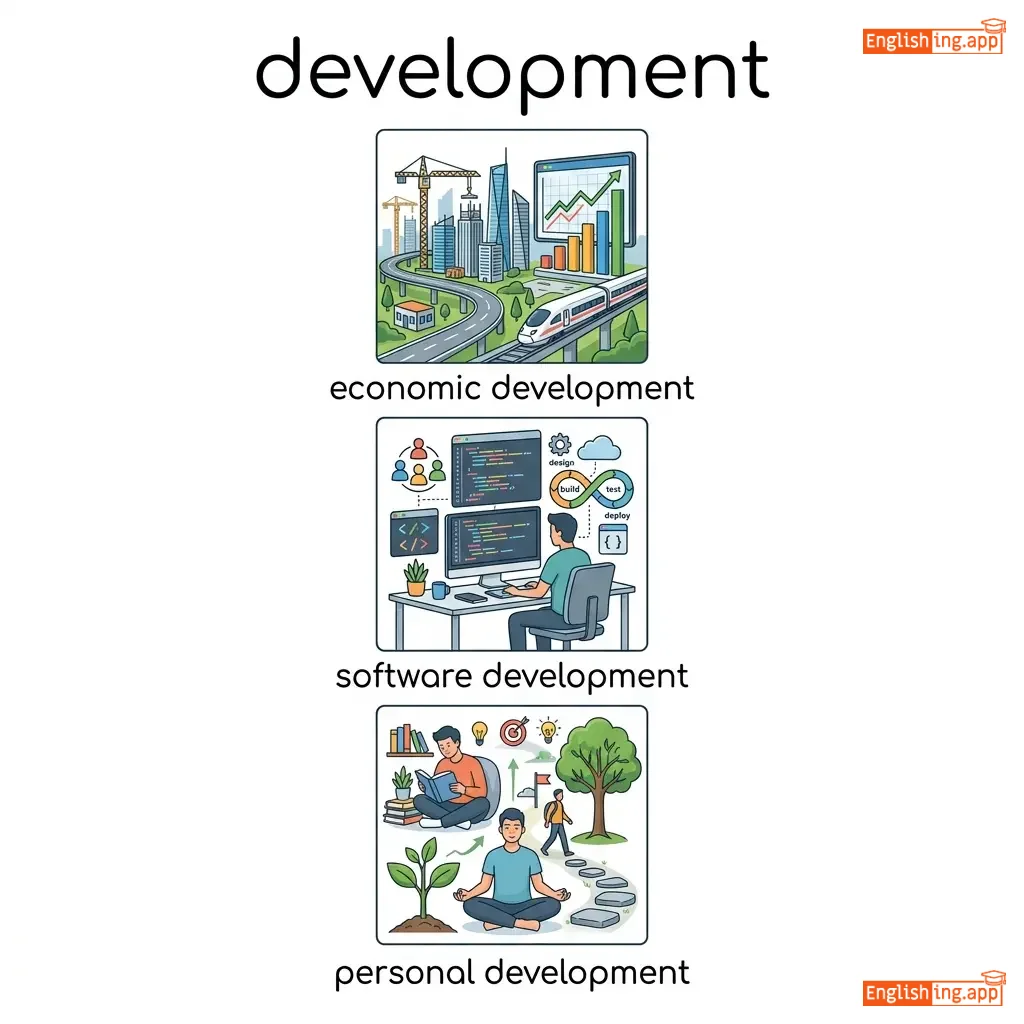
dɪˈvel.əp.mənt
noun
(发展)
••••••
|
|
发展
fazhan
••••••
|
The process of developing or being developed; a specified state of growth or advancement.
••••••
|
Development initiatives foster innovation.
发展倡议促进创新。
••••••
|
发展倡议促进创新。
Fazhan changyi cujin chuangxin.
••••••
|
advancement, growth
••••••
|
decline, regression
••••••
|
发展是不断进步,创新带来更多可能性。
••••••
|
|
#565
🎯
|
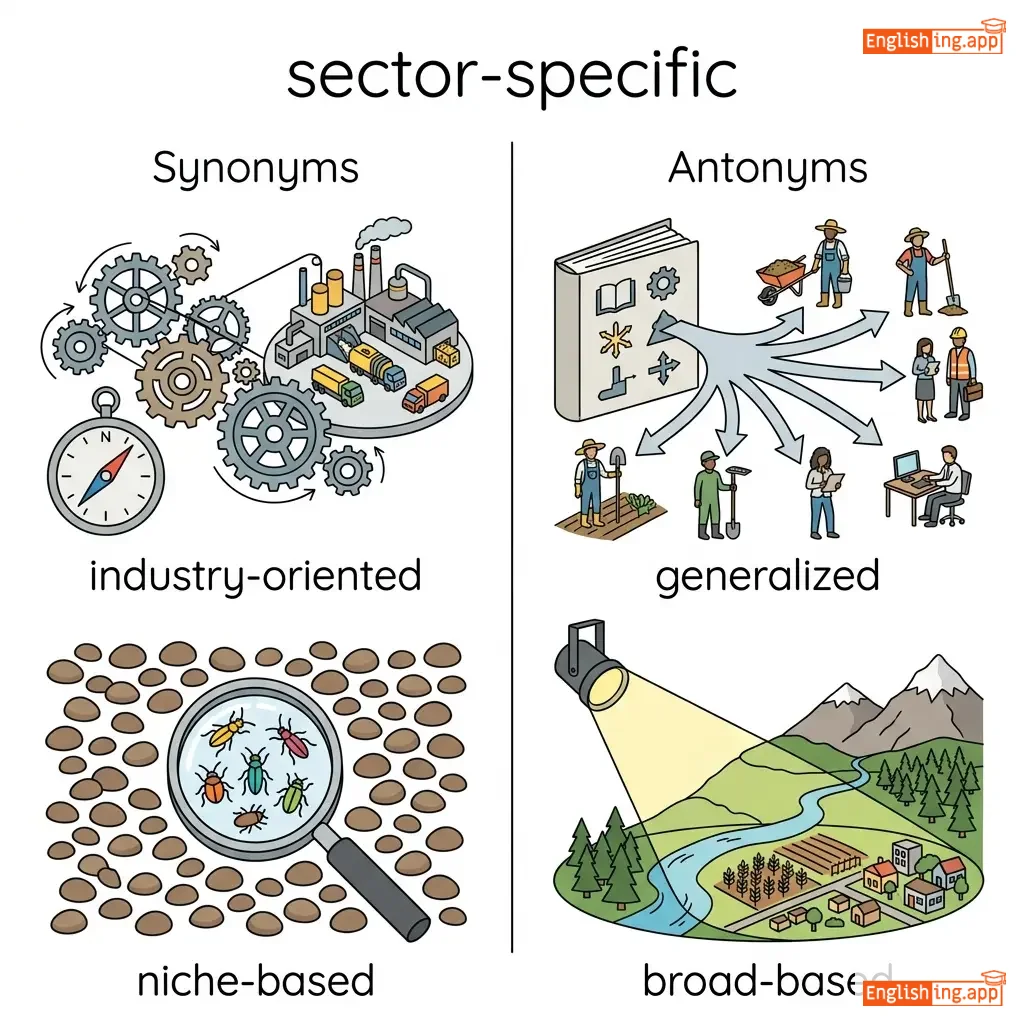
ˈsek.tər spəˈsɪf.ɪk
adjective
(部门特定)
••••••
|
|
行业特定
hangye teding
••••••
|
Relating to or designed for a particular sector or industry.
••••••
|
Sector-specific policies attract targeted investments. |
行业特定的政策吸引了定向投资。
Hangye teding de zhengce xinyin le dingxiang touzi.
••••••
|
industry-oriented, niche-based
••••••
|
generalized, broad-based
••••••
|
行业特定的政策是针对特定行业的。
••••••
|
|
#566
🌈
|
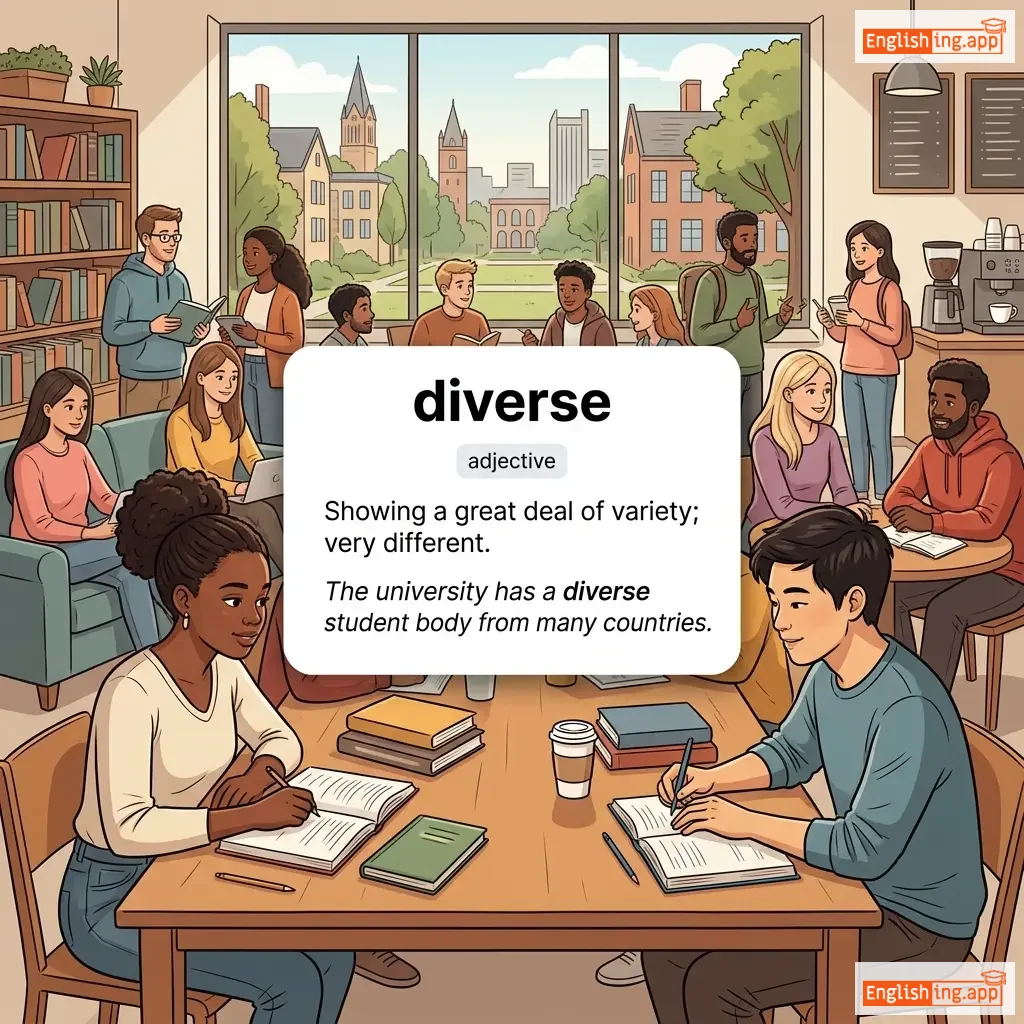
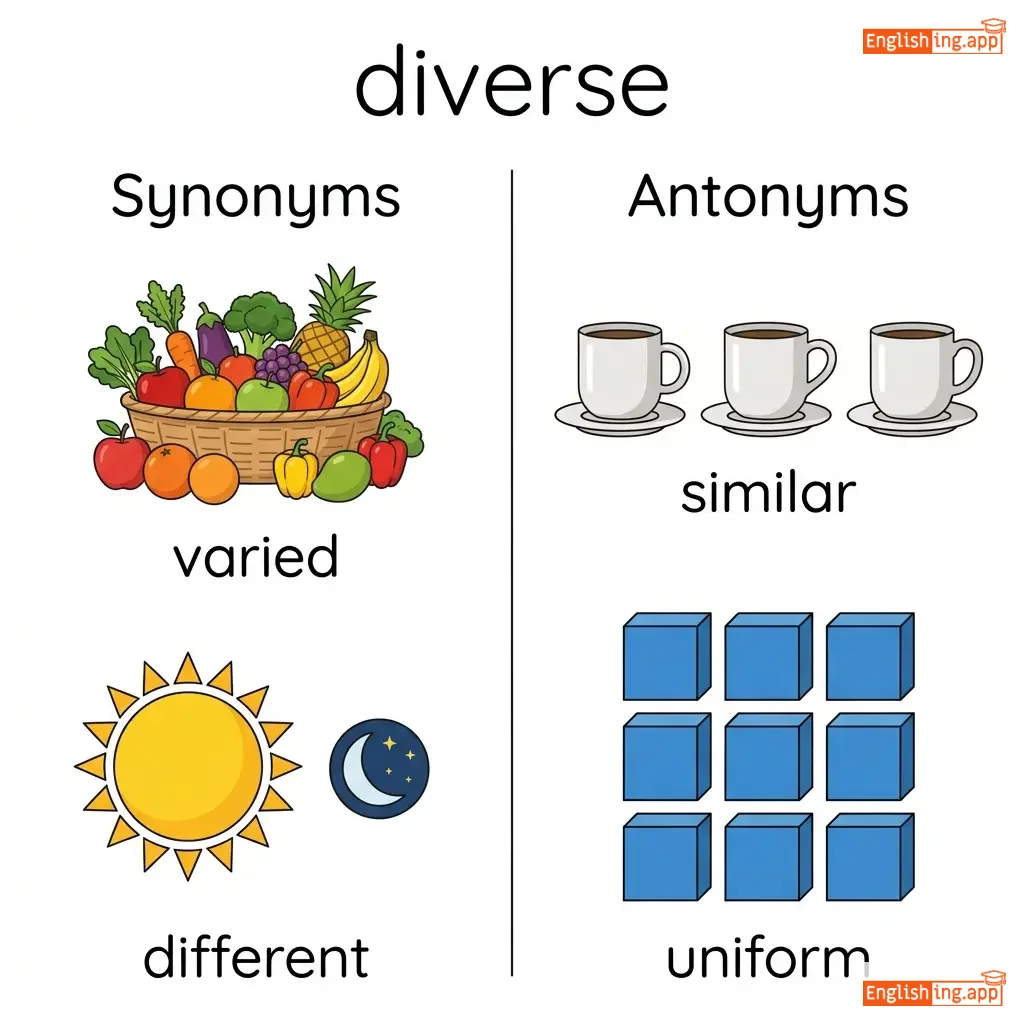
daɪˈvɜːs
adjective
(daɪˈvɜːs)
••••••
|
|
多样的
duōyàng de
••••••
|
Showing a great deal of variety; very different.
••••••
|
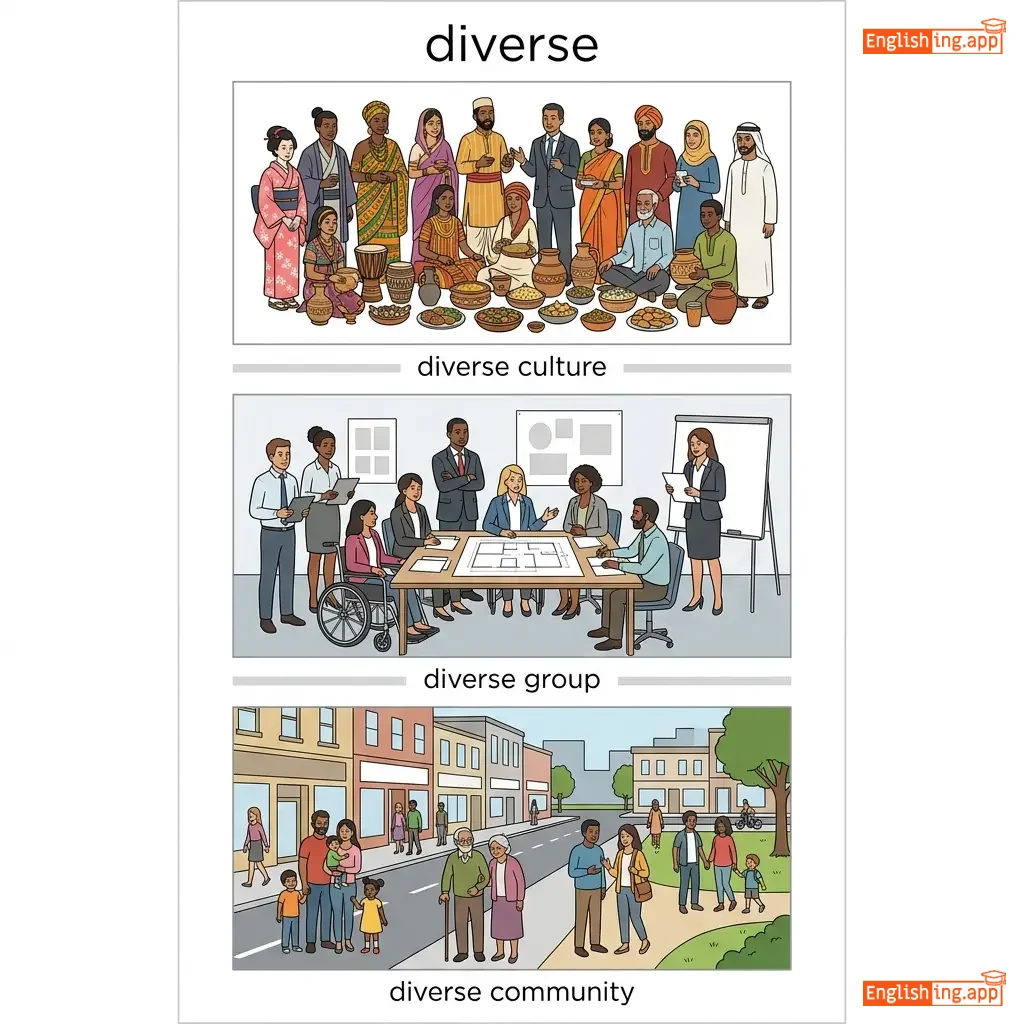
Diverse industries enhance economic resilience. |
多样化的产业增强了经济韧性。
Duōyàng huà de chǎnyè zēngqiángle jīngjì rènxìng.
••••••
|
varied, multifaceted
••••••
|
uniform, similar
••••••
|
多样化(duōyàng)代表许多不同种类,就像一个多元的社会。
••••••
|
|
#567
🔗
|
ˈɪn.tɪ.ɡreɪ.tɪd
adjective
(因特格雷特德)
••••••
|
|
集成
jíchéng
••••••
|
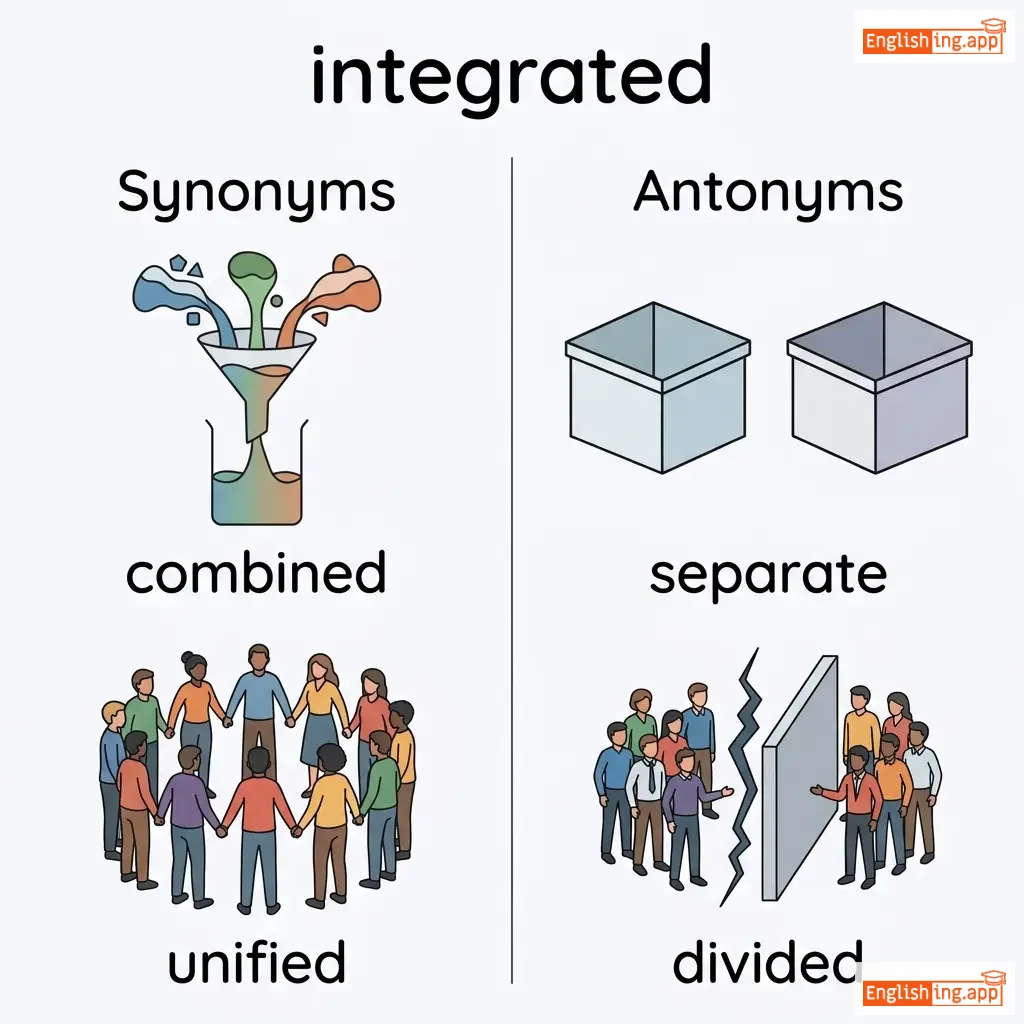
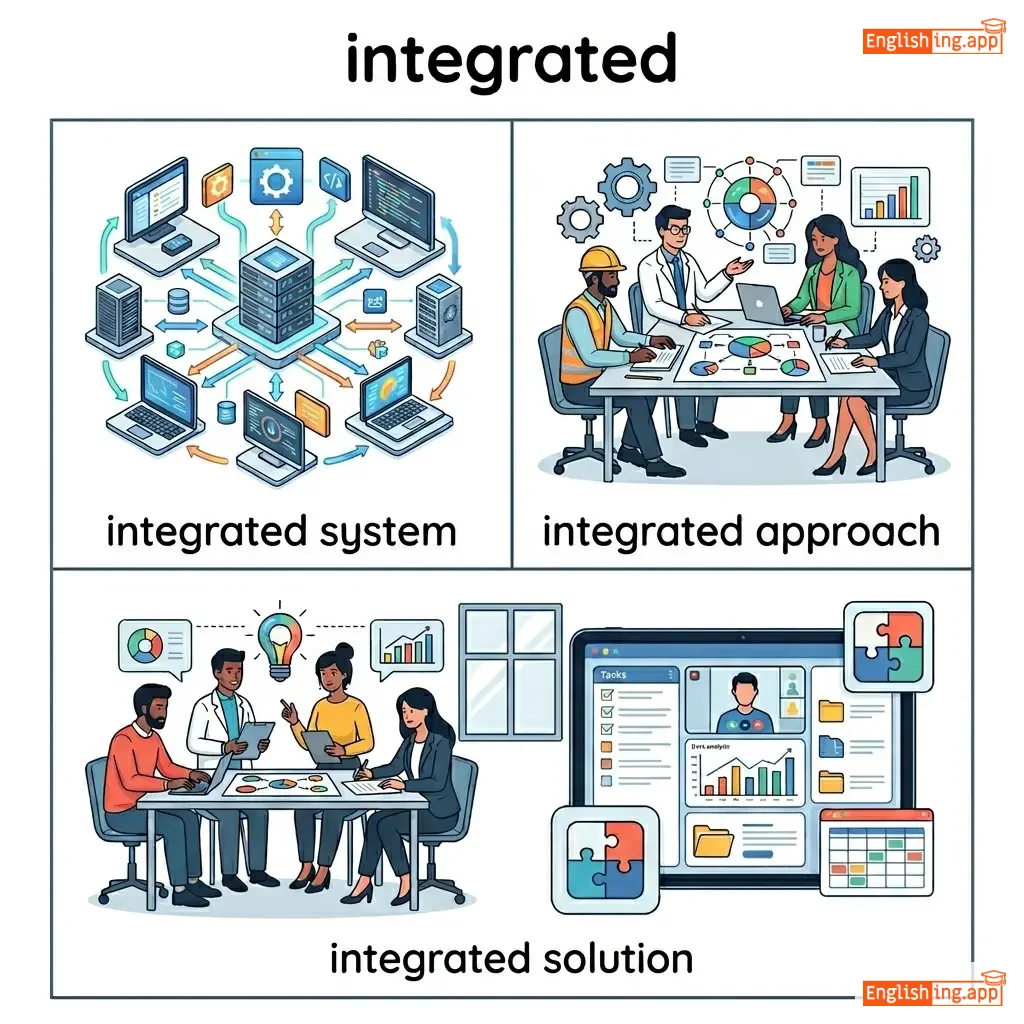
Combining or coordinating separate elements so as to provide a harmonious, interrelated whole.
••••••
|
Integrated systems optimize efficiency.
因特格雷特德 系统 优化效率。
••••••
|
集成系统优化效率。
Jíchéng xìtǒng yōuhuà xiàolǜ.
••••••
|
unified, combined
••••••
|
separated, fragmented
••••••
|
Jíchéng = Integrated
••••••
|
|
#568
🏢
|
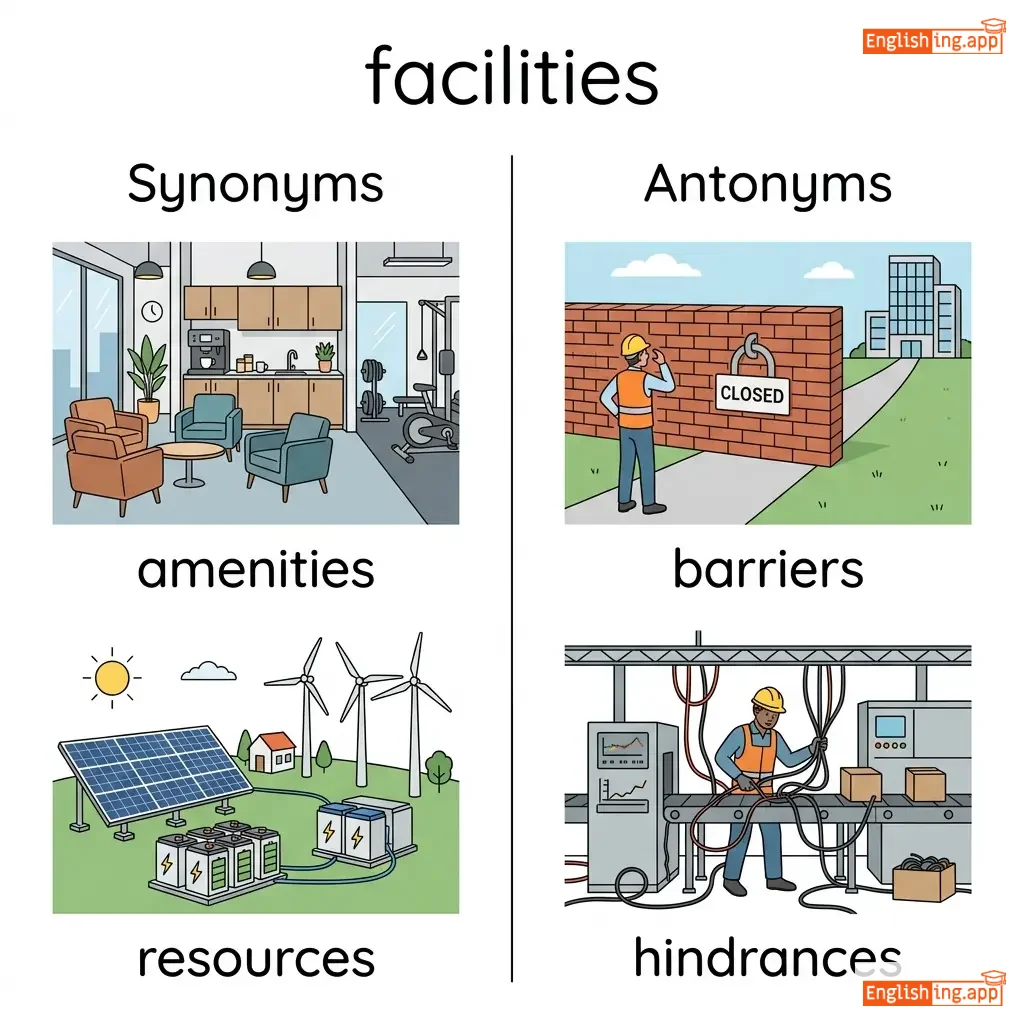
fəˈsɪl.ɪ.tiz
noun
(fasilitiz)
••••••
|
|
设施
shèshī
••••••
|
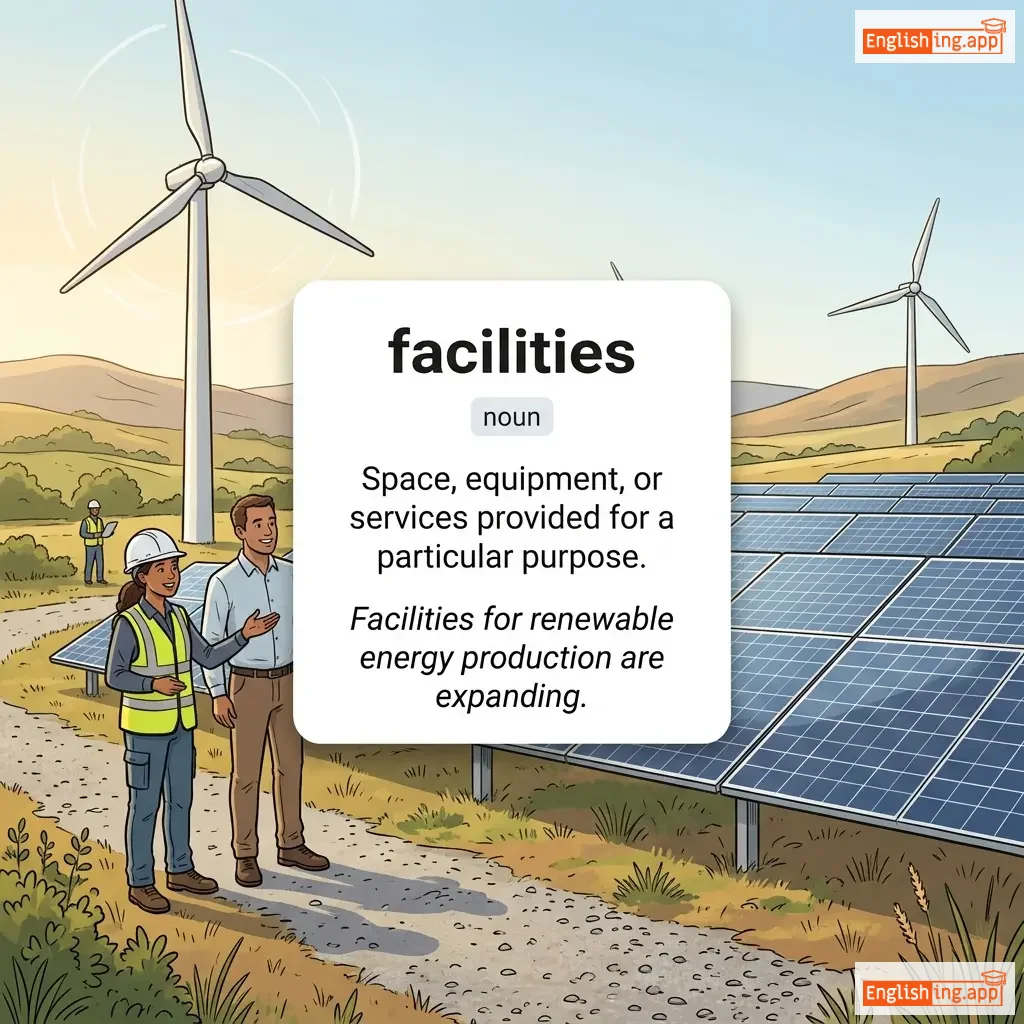
A place, amenity, or piece of equipment provided for a particular purpose.
••••••
|
Facilities improve industrial productivity.
设施提高了工业生产力。
••••••
|
设施提高了工业生产力。
Shèshī tígāo le gōngyè shēngchǎnlì.
••••••
|
amenities, infrastructure
••••••
|
hindrances, barriers
••••••
|
设施 (shèshī) 是生产力提高的基础。
••••••
|
|
#569
🏠
|
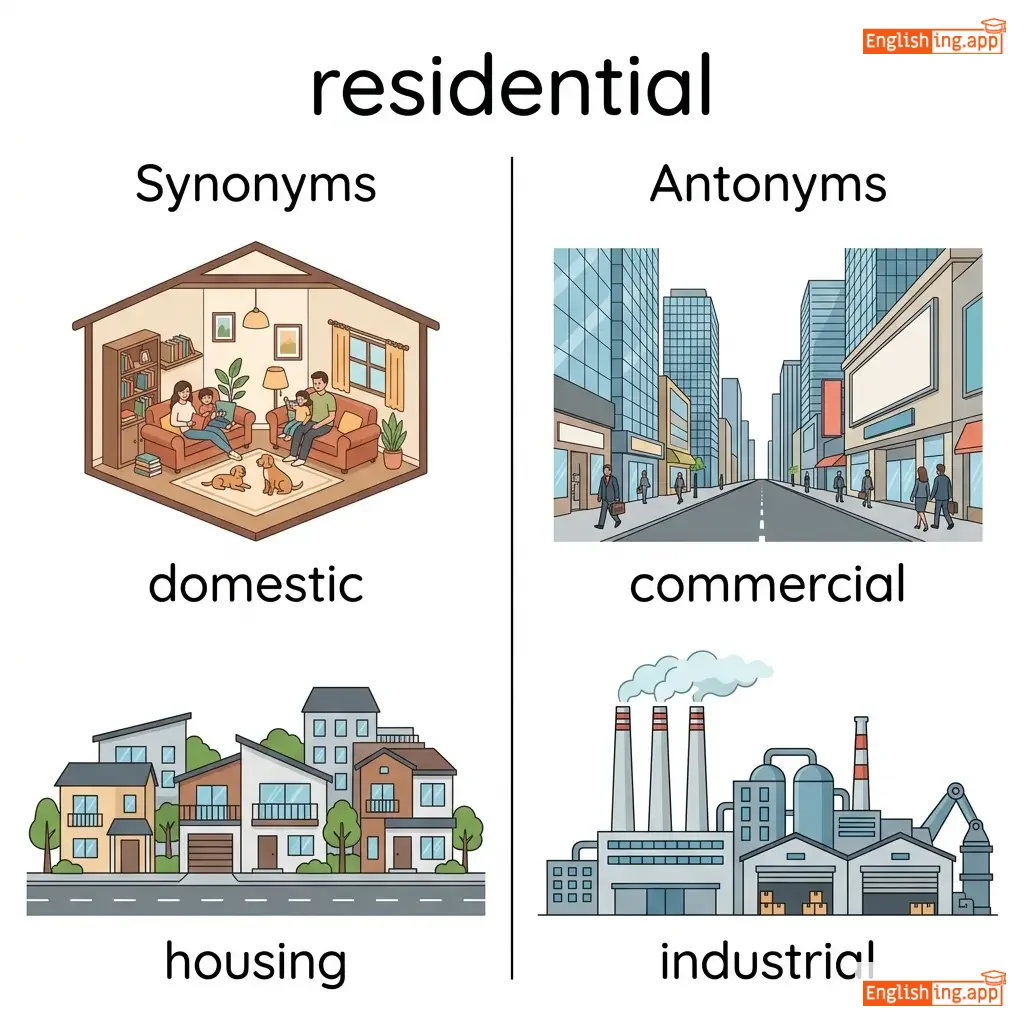
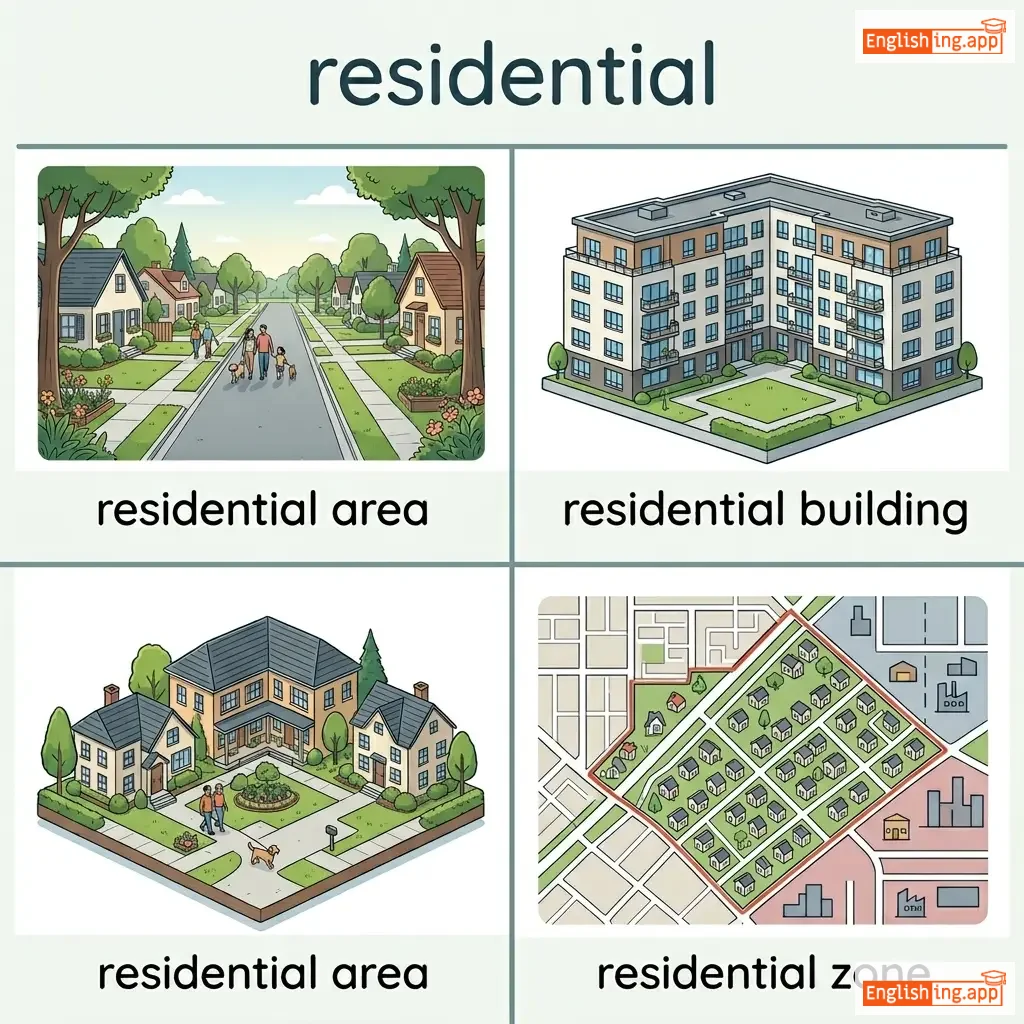
ˌrez.ɪˈden.ʃəl
adjective
(住宅的)
••••••
|
|
住宅的
zhùzhái de
••••••
|
Designed for people to live in; relating to housing.
••••••
|
Residential areas complement industrial zones.
住宅区补充工业区。
••••••
|
住宅区补充工业区。
Zhùzhái qū bǔchōng gōngyè qū.
••••••
|
domestic, dwelling-related
••••••
|
commercial, public
••••••
|
住宅的 - Think of 'residence' for people to stay.
••••••
|
|
#570
📋
|
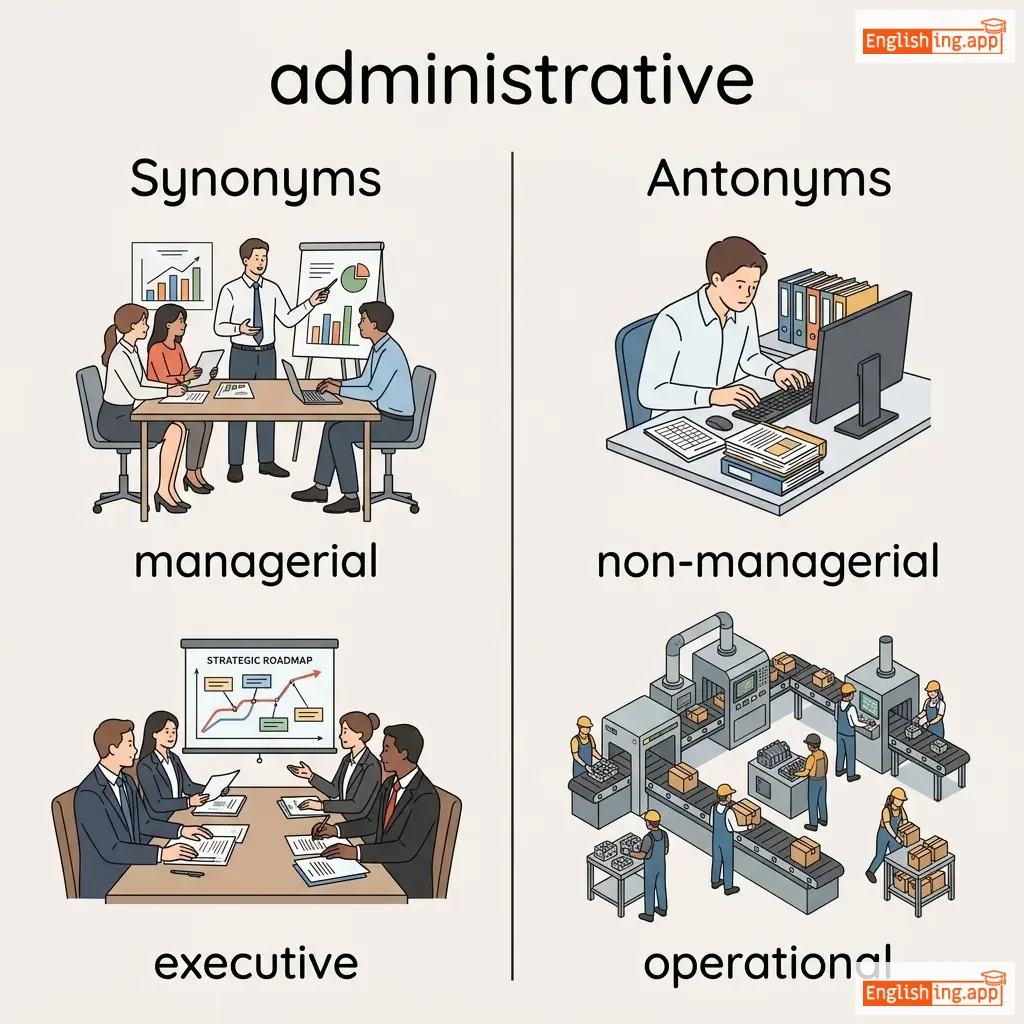
ədˈmɪn.ɪ.strə.tɪv
adjective
(行政的)
••••••
|
|
行政的
xíngzhèng de
••••••
|
Relating to the running of a business, organization, etc.; executive.
••••••
|
Administrative reforms enhance governance. |
行政改革促进了治理。
Xíngzhèng gǎigé cùjìnle zhìlǐ.
••••••
|
managerial, bureaucratic
••••••
|
non-managerial, unorganized
••••••
|
Administrative work helps in governance (in Chinese)
••••••
|
|
#571
🛒
|
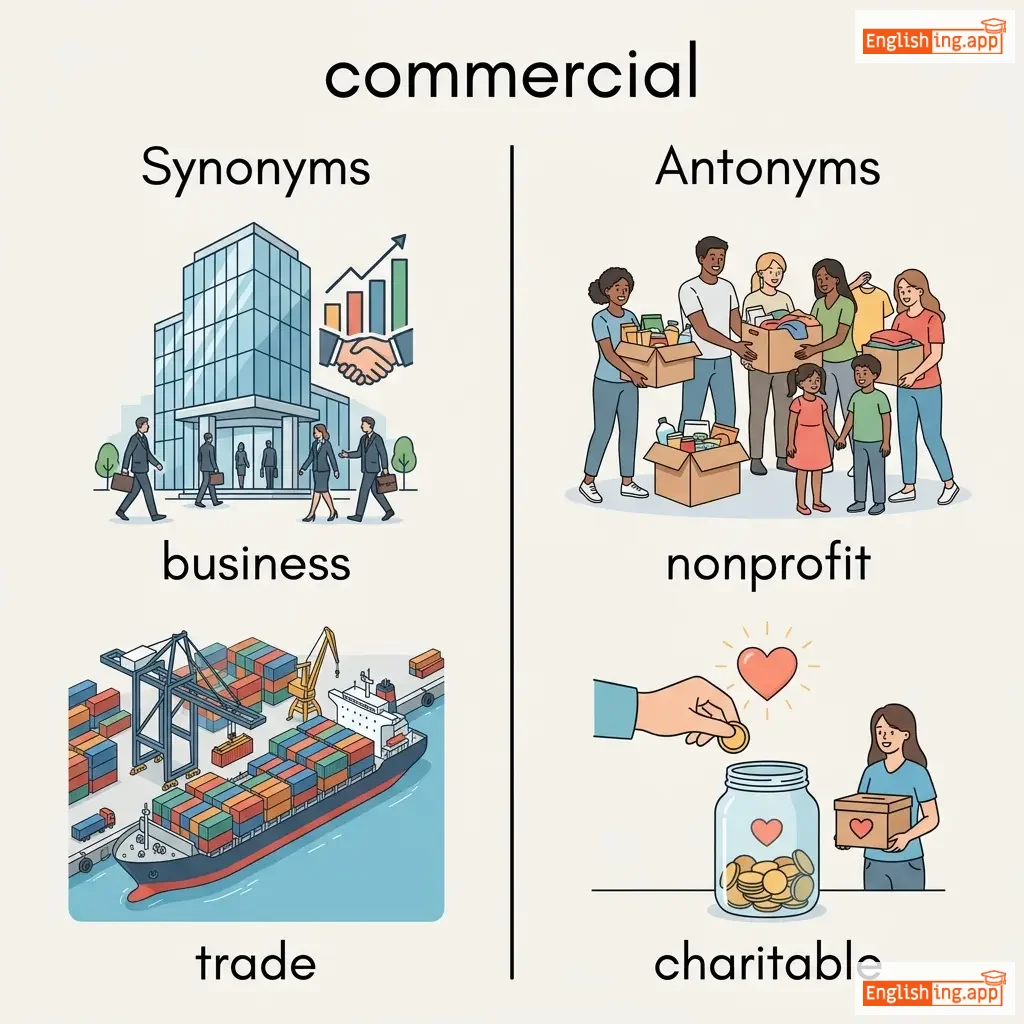
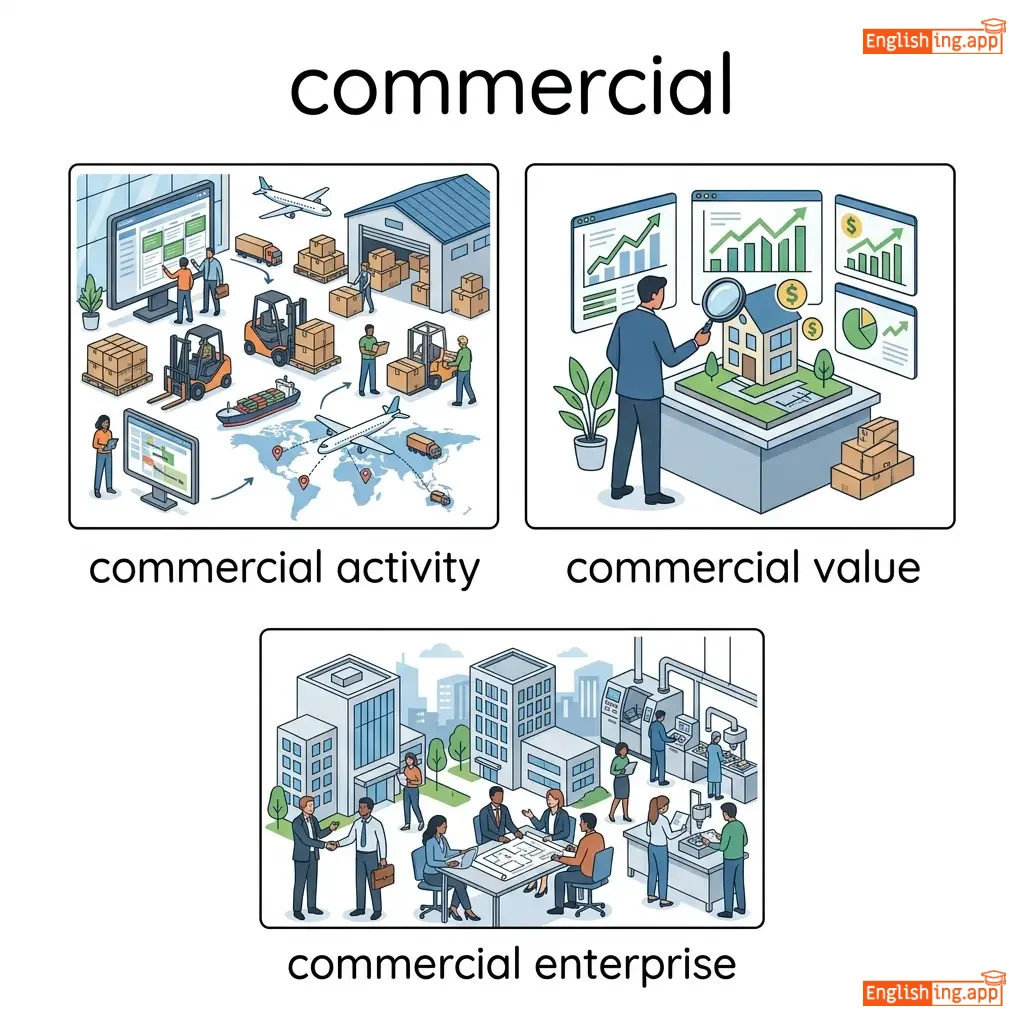
kəˈmɜː.ʃəl
adjective
(kəˈmɜːrʃəl)
••••••
|
|
商业
shāngyè
••••••
|
Concerned with or engaged in commerce; having profit as a primary aim rather than artistic or other value.
••••••
|
Commercial hubs attract investments.
商业中心吸引投资。
••••••
|
商业中心吸引投资。
Shāngyè zhōngxīn xīyǐn tóuzī.
••••••
|
trade-related, mercantile
••••••
|
non-commercial, non-trade
••••••
|
‘商业’是中文中‘commercial’的对应词。
••••••
|
|
#572
🎯
|
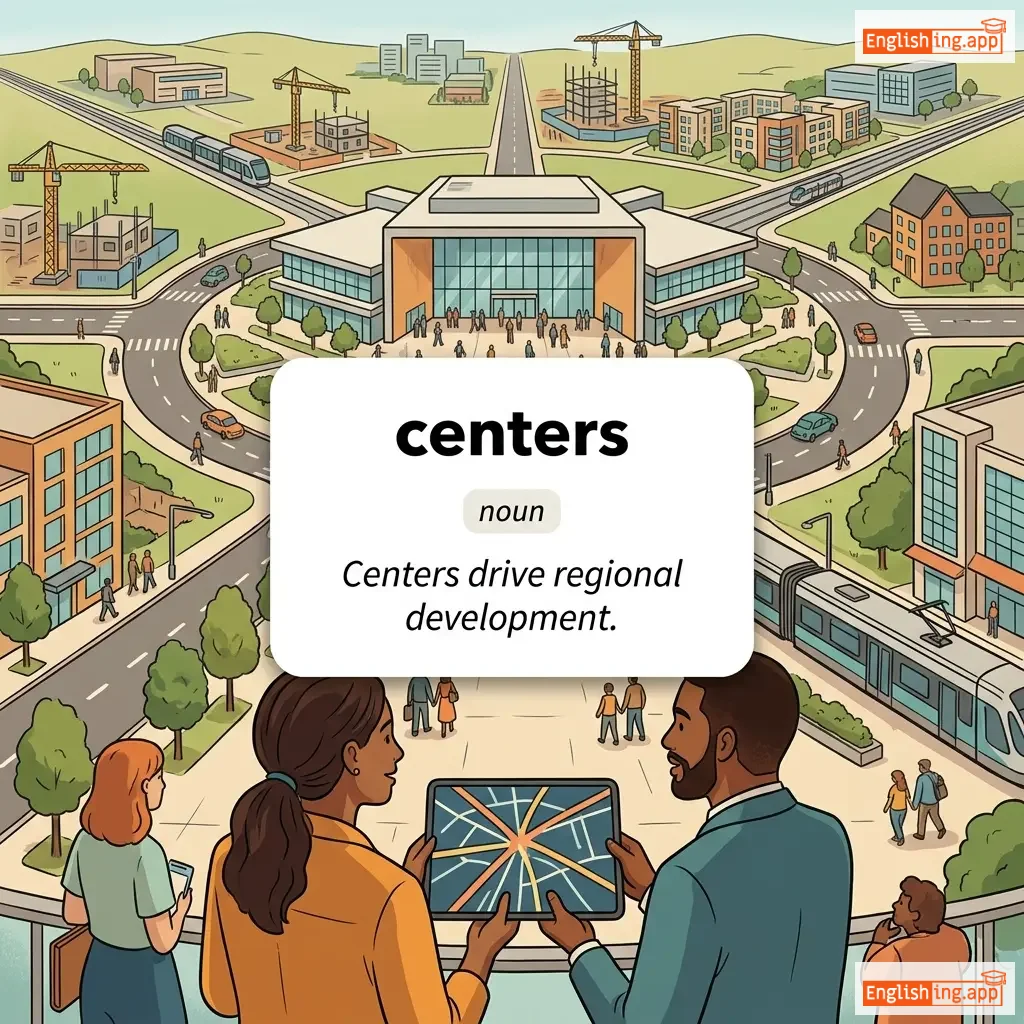
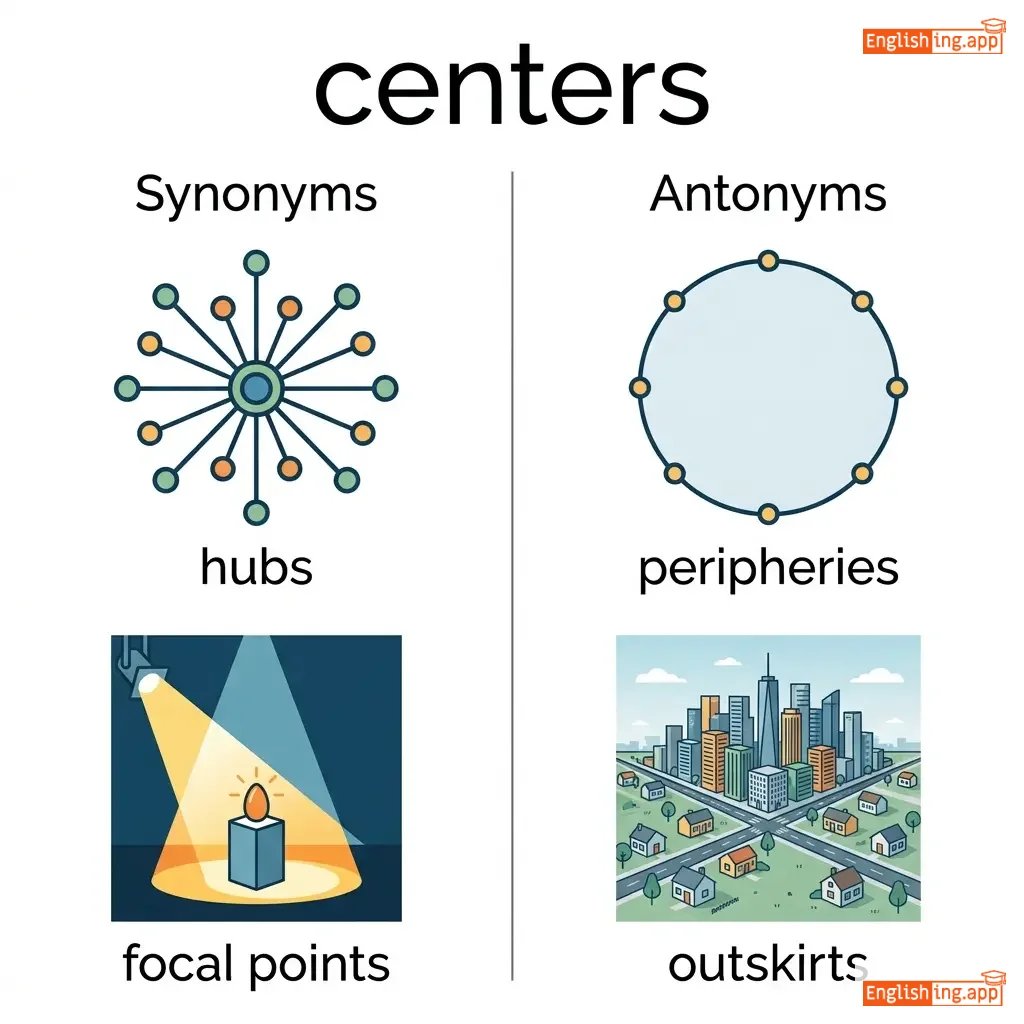
ˈsen.tərz
noun
(sèntèrs)
••••••
|
|
中心
zhōngxīn
••••••
|
The middle point of a circle or sphere, equidistant from every point on the circumference or surface; a place or group of buildings where a specified activity is concentrated.
••••••
|
Centers drive regional development.
中心推动区域发展。
••••••
|
中心推动区域发展。
Zhōngxīn tuīdòng qūyù fāzhǎn.
••••••
|
hubs, focal points
••••••
|
peripheries, outskirts
••••••
|
中心是区域发展的核心。
••••••
|
|
#573
🏠
|
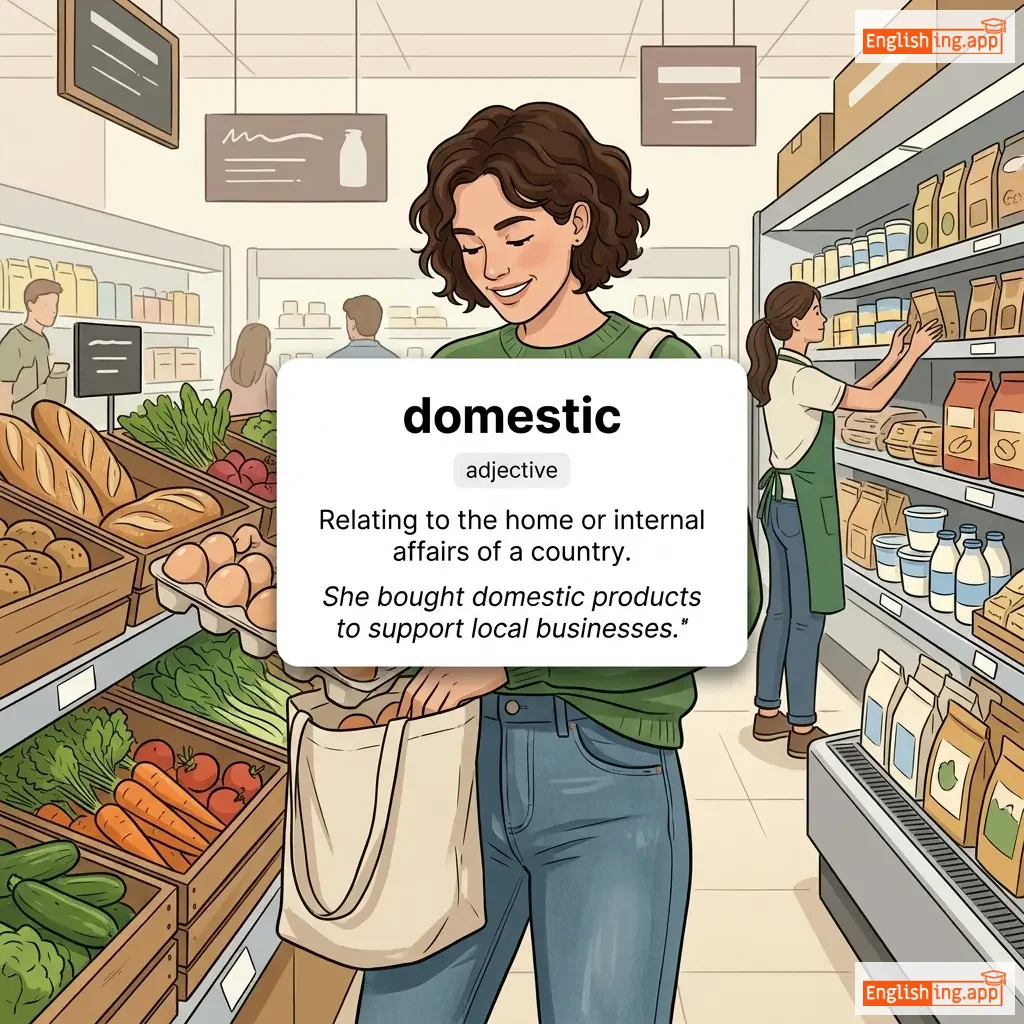
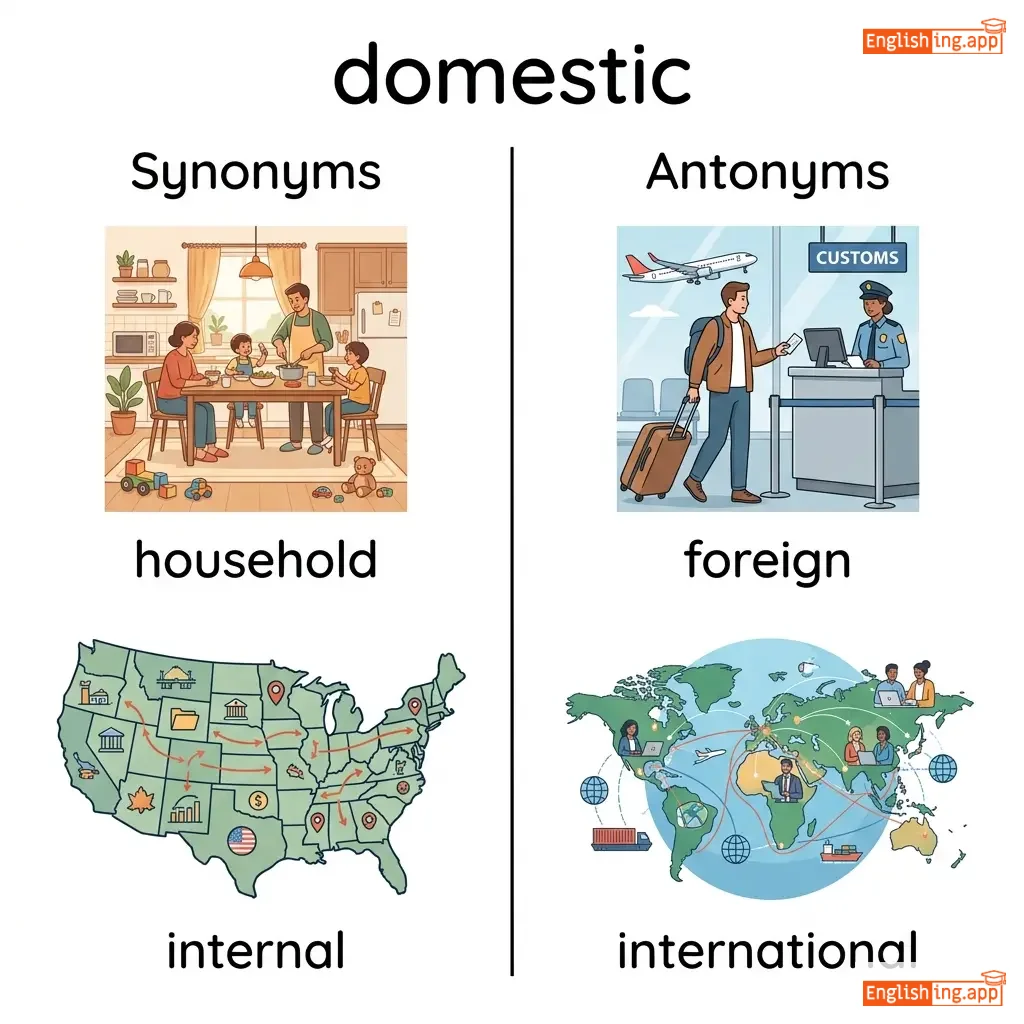
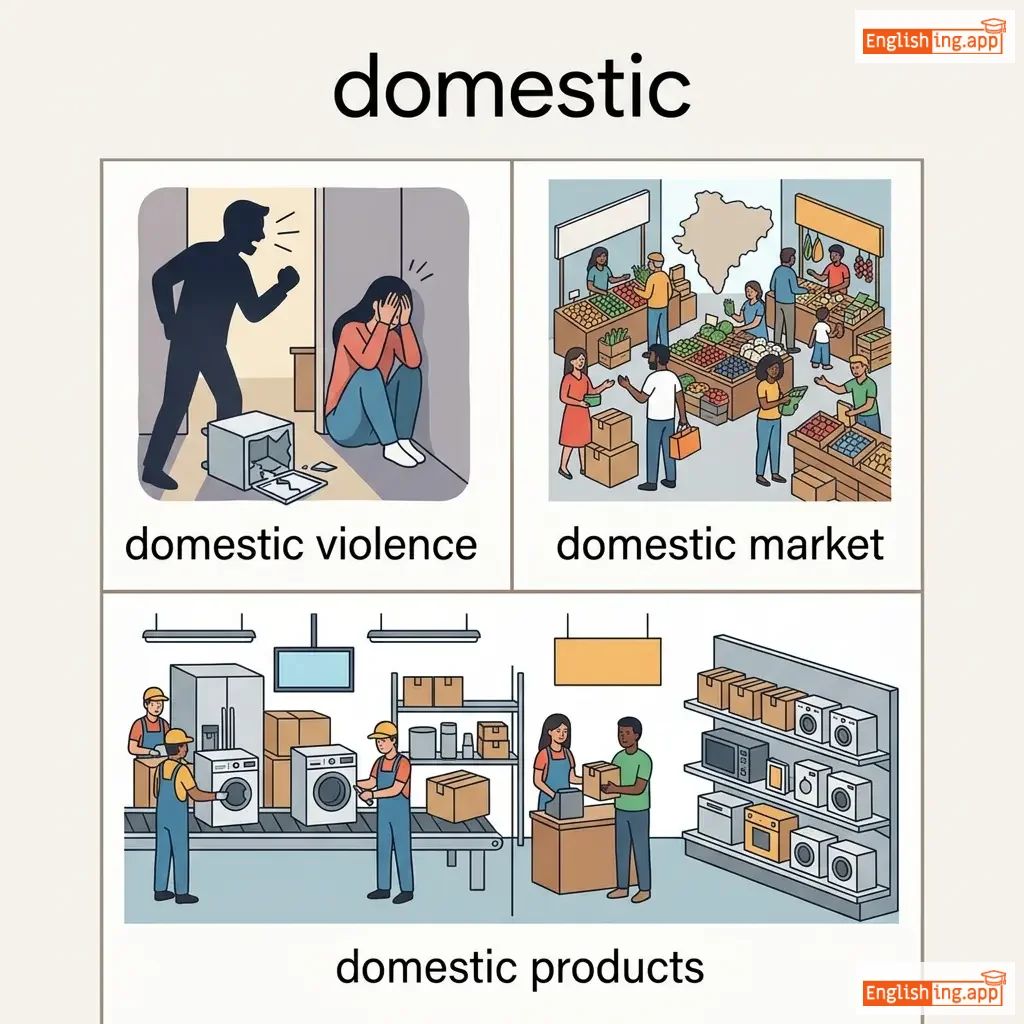
dəˈmes.tɪk
adjective
(dòu měi sī tīkè)
••••••
|
|
国内的
guónèi de
••••••
|
Existing or occurring inside a particular country; not foreign or international.
••••••
|
Domestic investments stabilize the economy.
国内投资稳定经济。
••••••
|
国内投资稳定经济。
Guónèi tóuzī wěndìng jīngjì.
••••••
|
internal, national
••••••
|
international, foreign
••••••
|
国内投资确保经济稳定。
••••••
|
|
#574
♟️
|
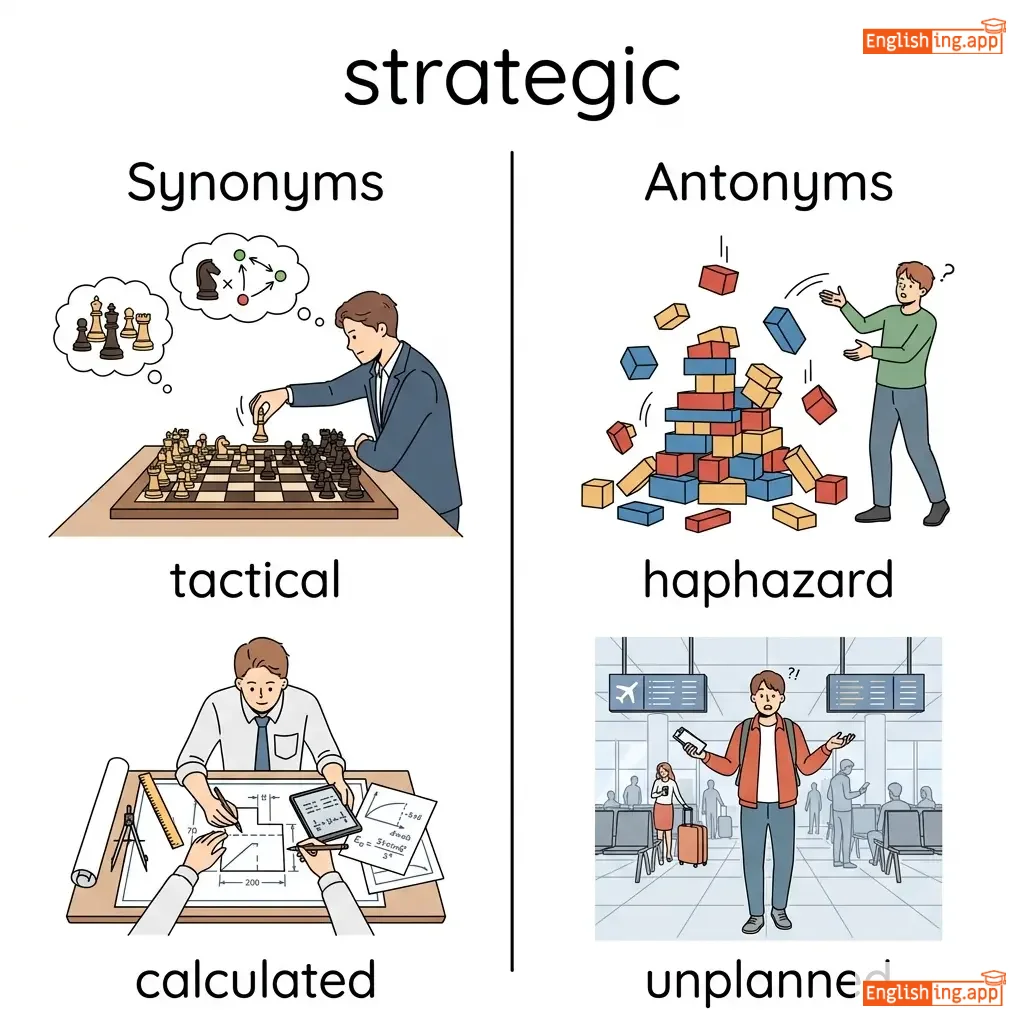
strəˈtiː.dʒɪk
adjective
(战略的)
••••••
|
|
战略的
zhànlüè de
••••••
|
Relating to the identification of long-term or overall aims and interests and the means of achieving them.
••••••
|
Strategic policies enhance competitiveness. |
战略性政策增强竞争力。
Zhànlüè xìng zhèngcè zēngqiáng jìngzhēng lì.
••••••
|
tactical, planned
••••••
|
unplanned, haphazard
••••••
|
战略性的思维帮助实现长期目标。
••••••
|
|
#575
🔄
|
ˌtræns.fəˈmeɪ.ʃən.əl
adjective
(transformational)
••••••
|
|
变革性
biàngéxìng
••••••
|
Causing or able to cause an important and lasting change in someone or something.
••••••
|
Transformational projects redefine progress.
变革性项目重新定义了进步。
••••••
|
变革性项目重新定义了进步。
Biàngéxìng xiàngmù chóngxīn dìngyìle jìnbù.
••••••
|
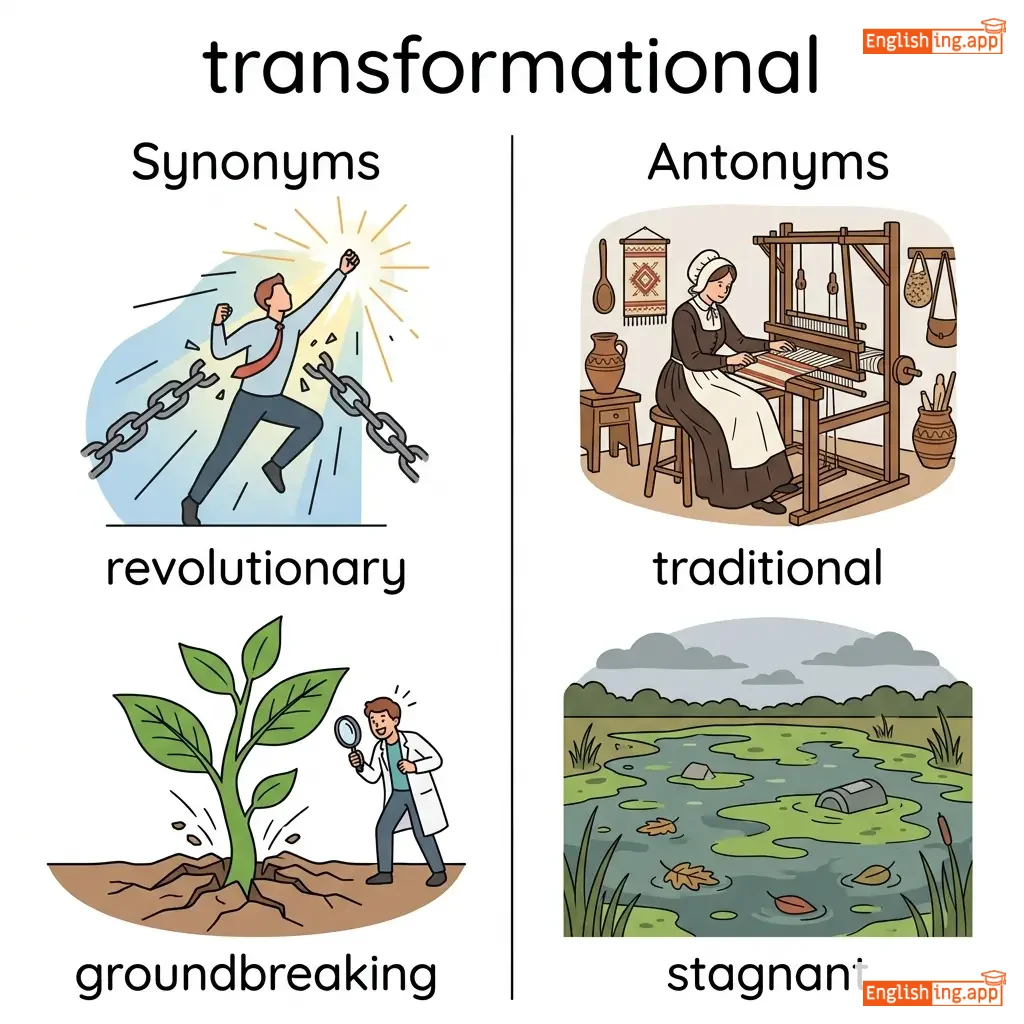
revolutionary, groundbreaking
••••••
|
traditional, stagnant
••••••
|
变革性 (biàngéxìng) 为重要的变化 (transformation).
••••••
|
Vocabulary Quiz
Test your vocabulary by matching words with their translations or meanings.
Login to take the quiz
Comments (0)
Share your thoughts and join the discussion.
Join the discussion by logging in
Login to CommentNo comments yet
Be the first to share your thoughts!