

为什么多任务处理会降低生产力
Why Multitasking Reduces Productivity
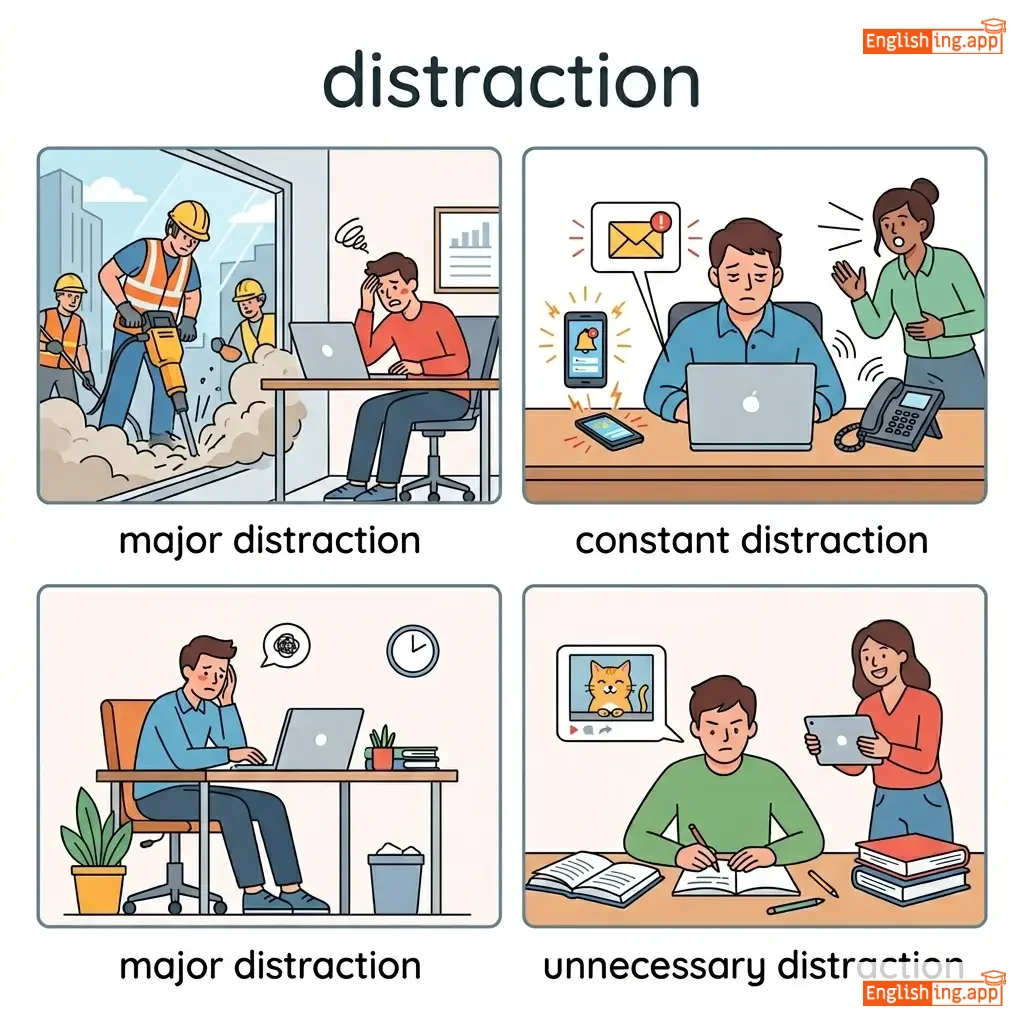
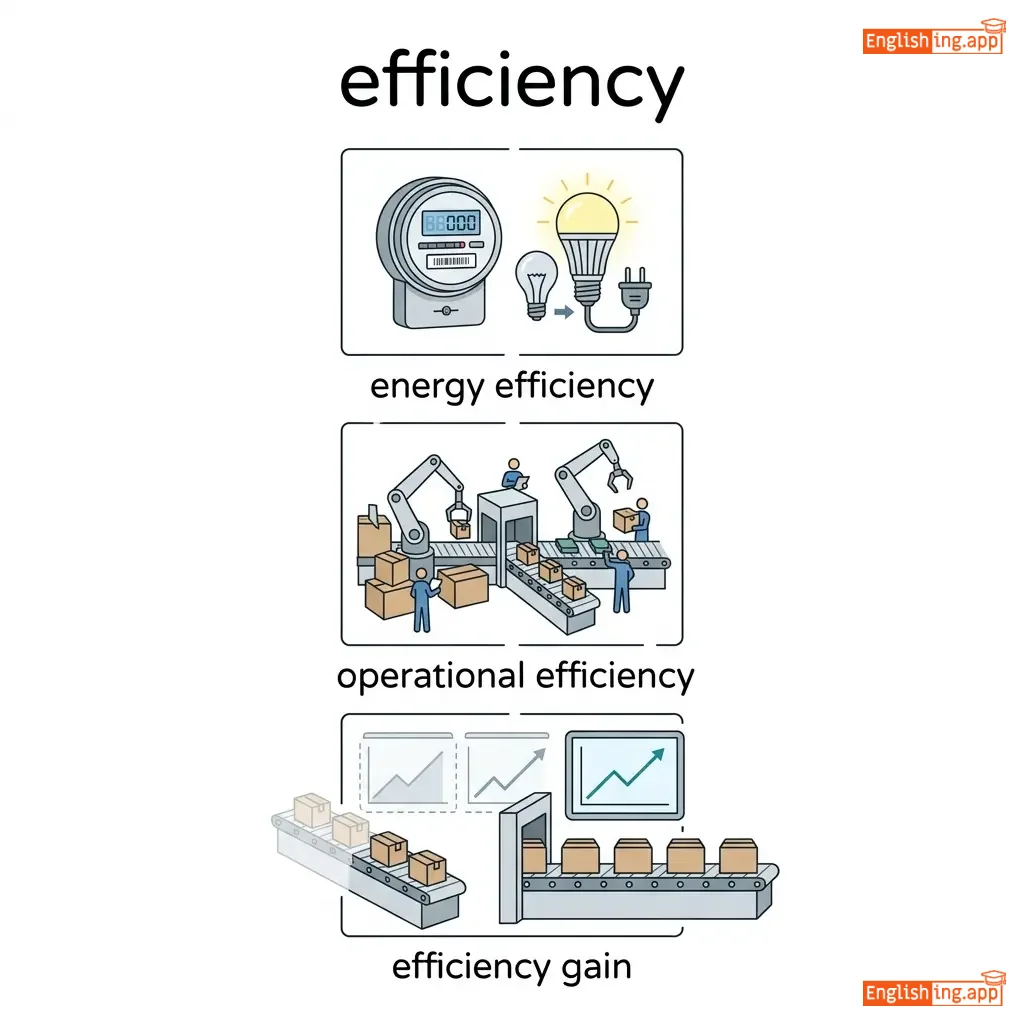
在当今社会,multitasking 很受欢迎,但它会降低 productivity。当多个任务同时进行时,缺乏 cognitive 专注力。任务之间会产生 distraction,这会降低工作的 efficiency。
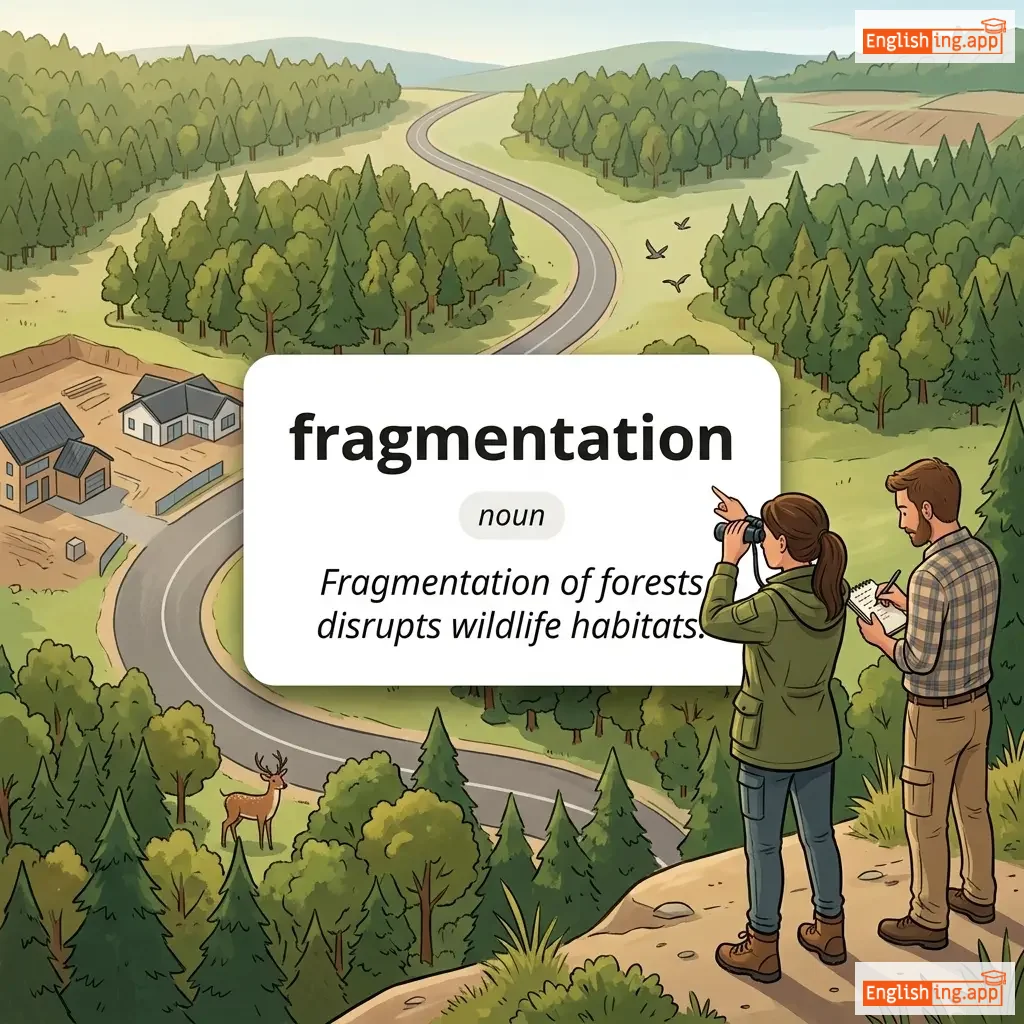
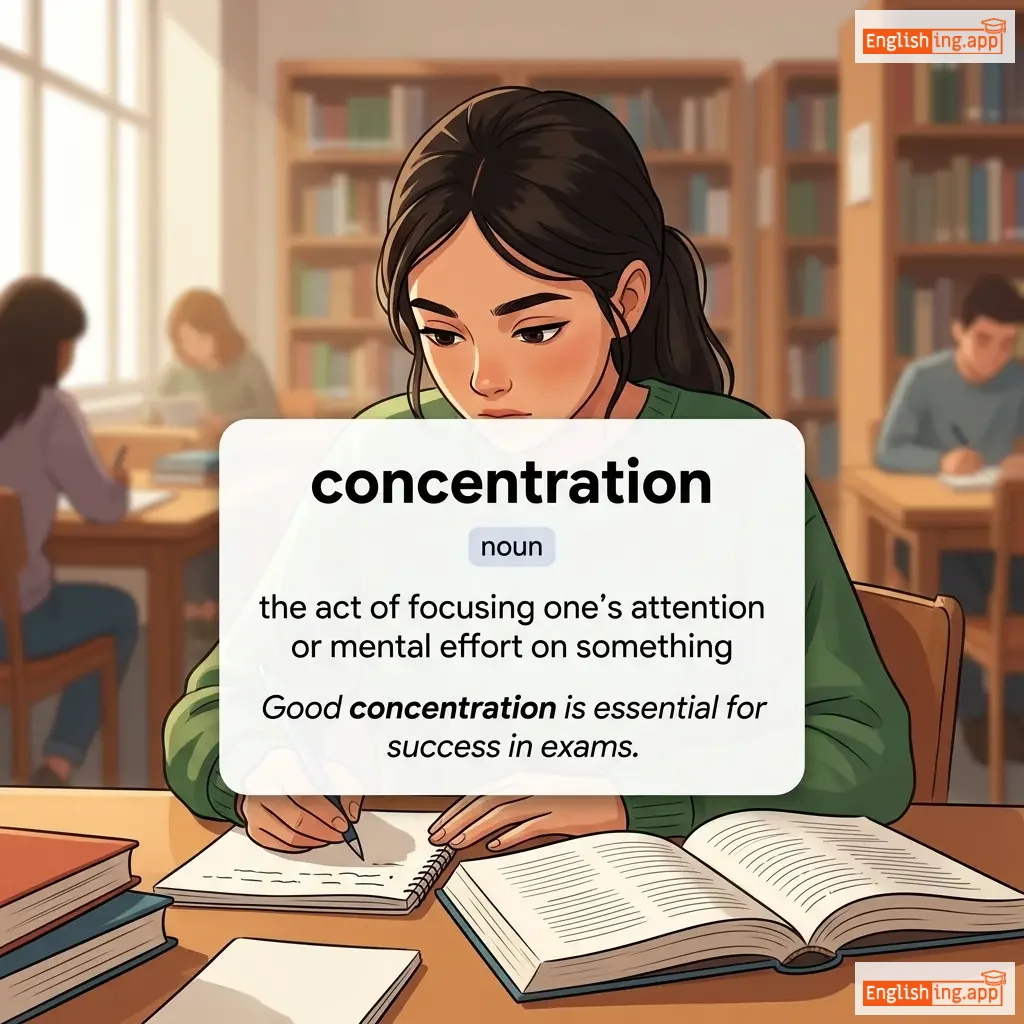
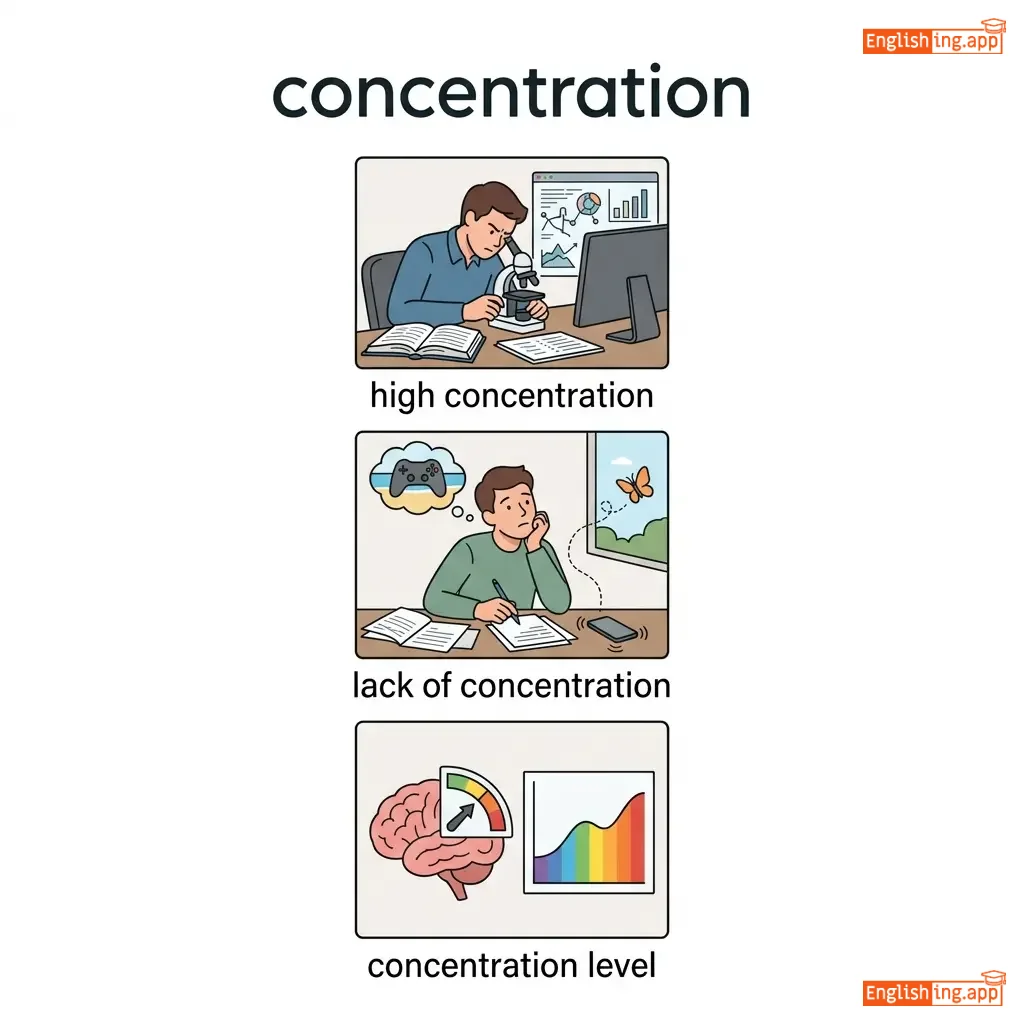
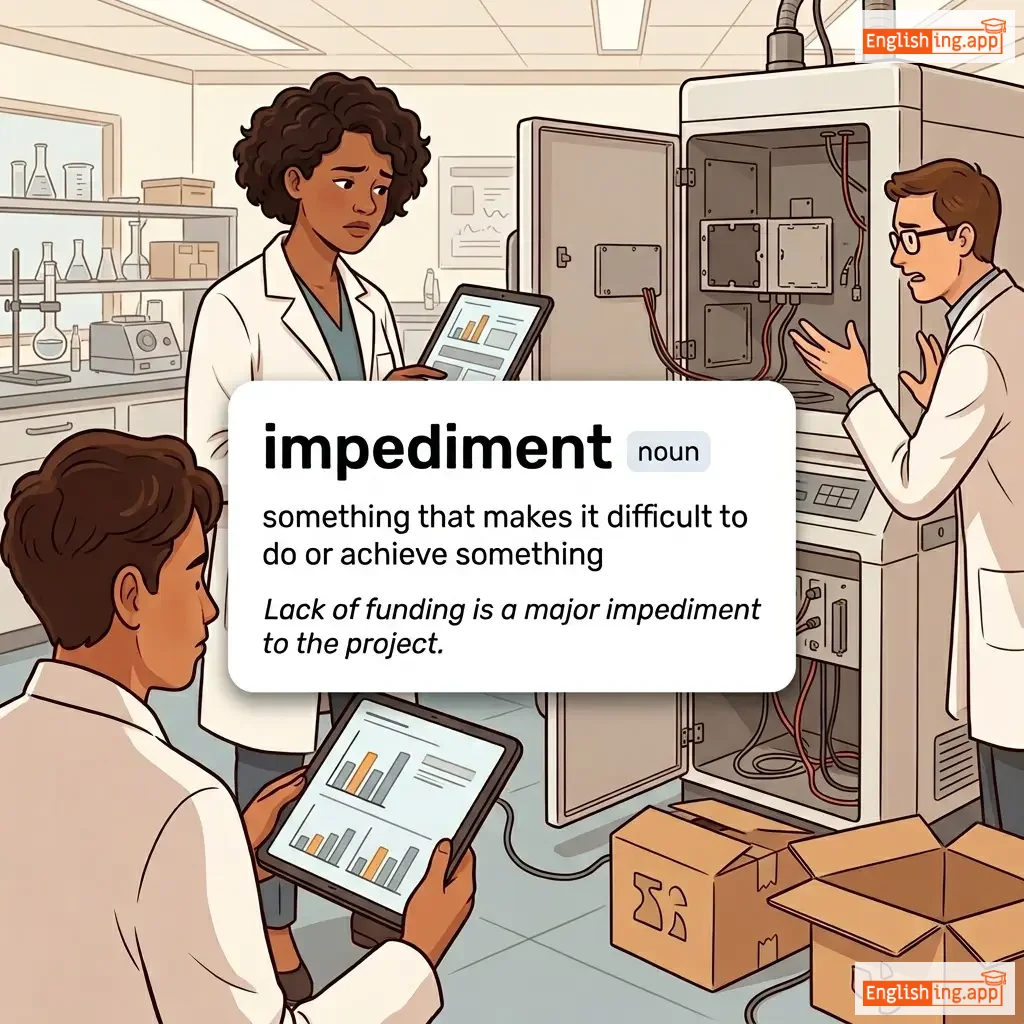
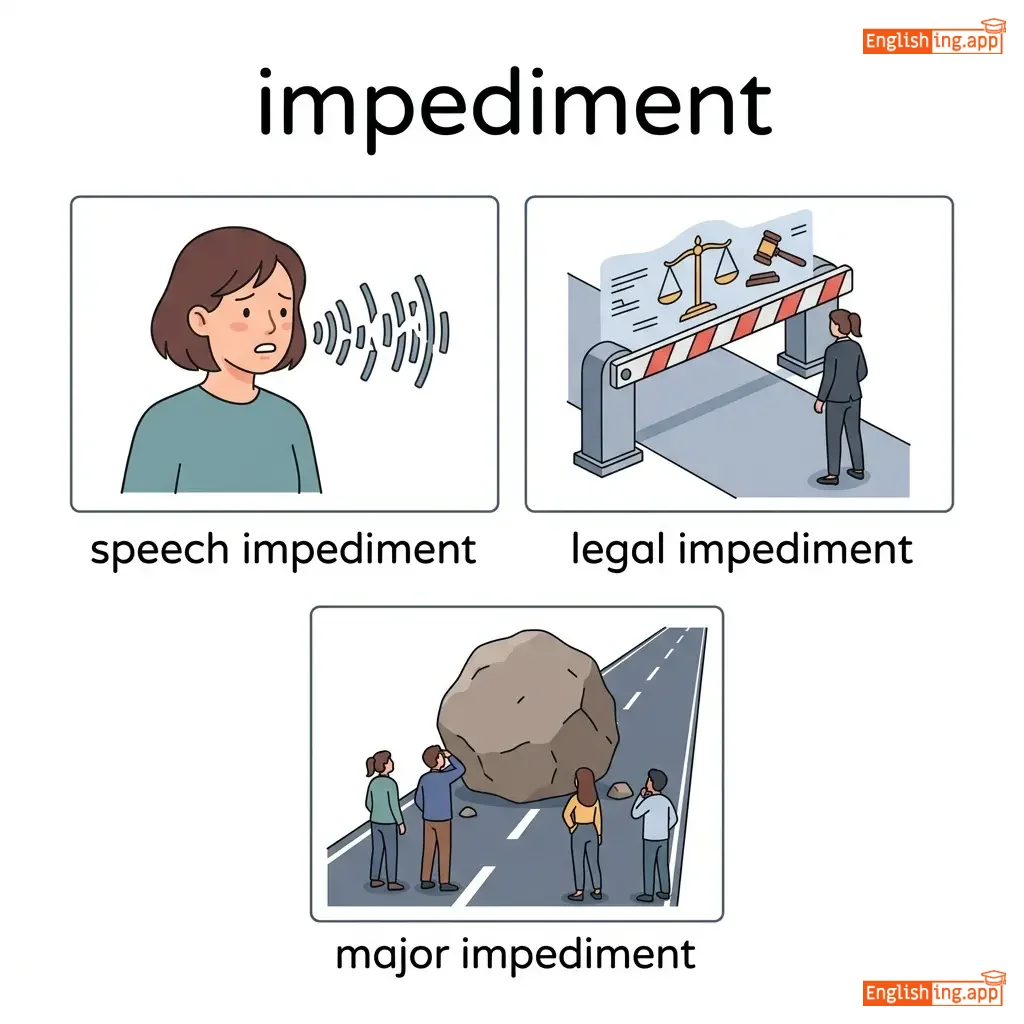
不同任务之间会发生 fragmentation,这使得无法对每个任务给予足够的 concentration。这些 impediments 最终会产生 detrimental 影响,subsequent 的工作无法顺利完成。
然而,monotasking 或逐个完成工作可以提高我们的专注力和 synergy。它集中工作重点,并 optimizes 时间的使用。
因此,与其进行 multitasking 和处理大量的 workload,不如采取 deliberate 和单独的工作方式,这样更具 productive。




Swipe left or right, or use the buttons. Tap image to zoom.
例句翻译
单词
Why Multitasking Reduces ProductivityWhy Multitasking Reduces Productivity - 遮罩切换
|
表情符号
|
单词 | Images | 翻译 | 含义 | 例句 | 例句翻译 | 同义词 | 反义词 | 助记符 |
|---|---|---|---|---|---|---|---|---|---|
|
#3957
🔀
|
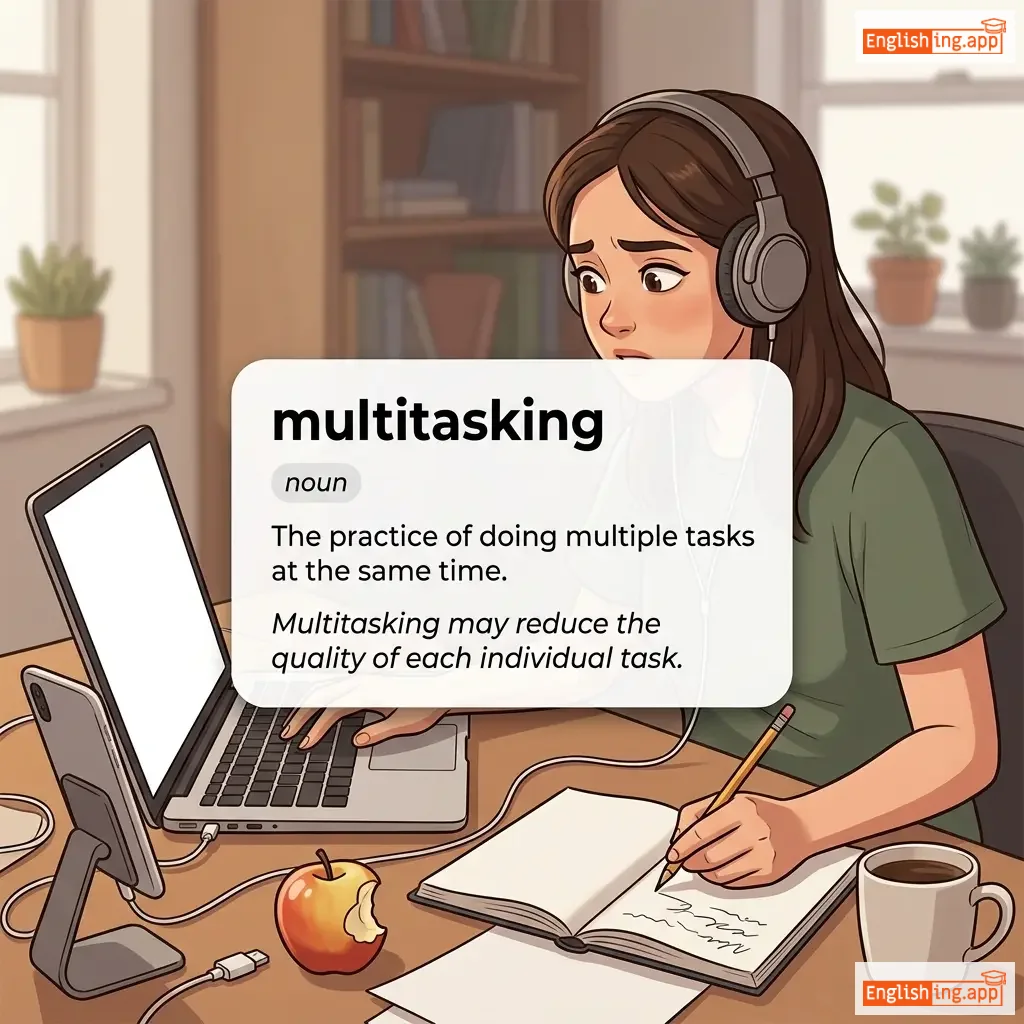
ˈmʌltɪˌtɑːskɪŋ
noun
(多任务处理)
••••••
|
|
同时进行多个任务
tóngshí jìnxíng duō gè rènwù
••••••
|
The practice of doing multiple tasks at the same time.
••••••
|
Multitasking may reduce the quality of each individual task. |
多任务处理可能会降低每个任务的质量。
Duō rènwù chǔlǐ kěnéng huì jiàngdī měi gè rènwù de zhìliàng.
••••••
|
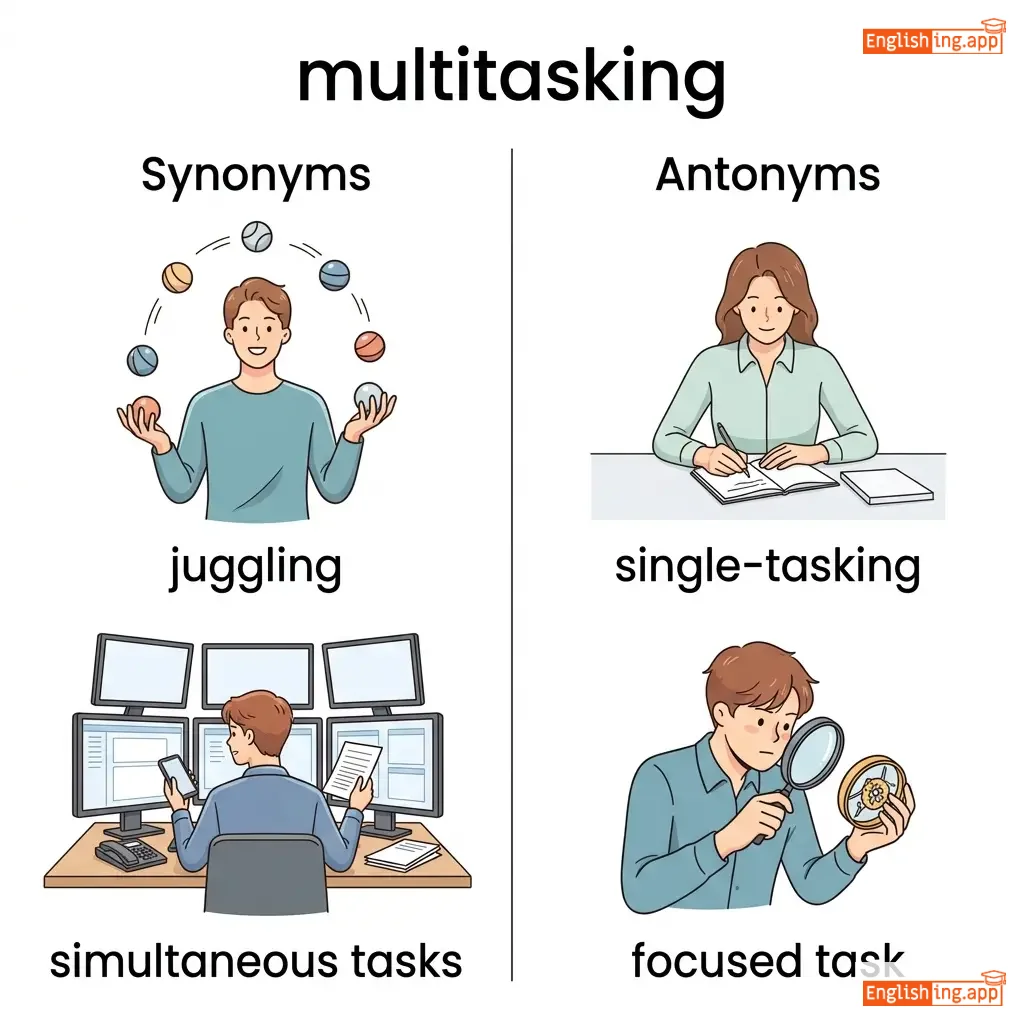
juggling, simultaneous tasks, concurrent work
••••••
|
single-tasking, focused task, unilateral task
••••••
|
Chinese: 多任务处理 = 同时做多个任务 | English: Multi-tasking = Doing multiple tasks at once
••••••
|
|
#3958
📈
|
prəˈdʌktɪvɪti
noun
(生产力)
••••••
|
|
生产力
shengchanli
••••••
|
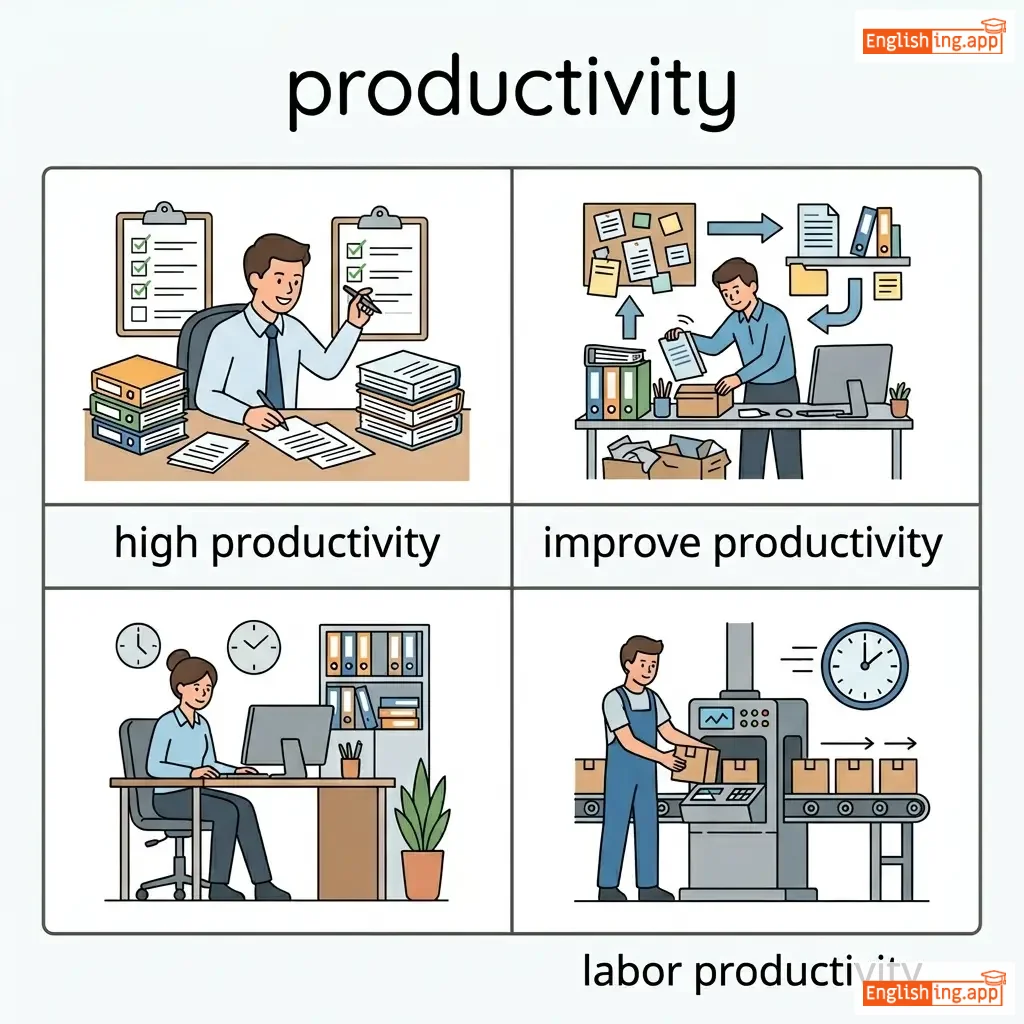
The effectiveness of productive effort, especially in industry, as measured in terms of the rate of output per unit of input.
••••••
|
The team's productivity has increased due to streamlined processes.
团队的生产力因流程优化而增加。
••••••
|
团队的生产力因流程优化而增加。
Tuánduì de shēngchǎnlì yīn liúchéng yōuhuà ér zēngjiā.
••••••
|
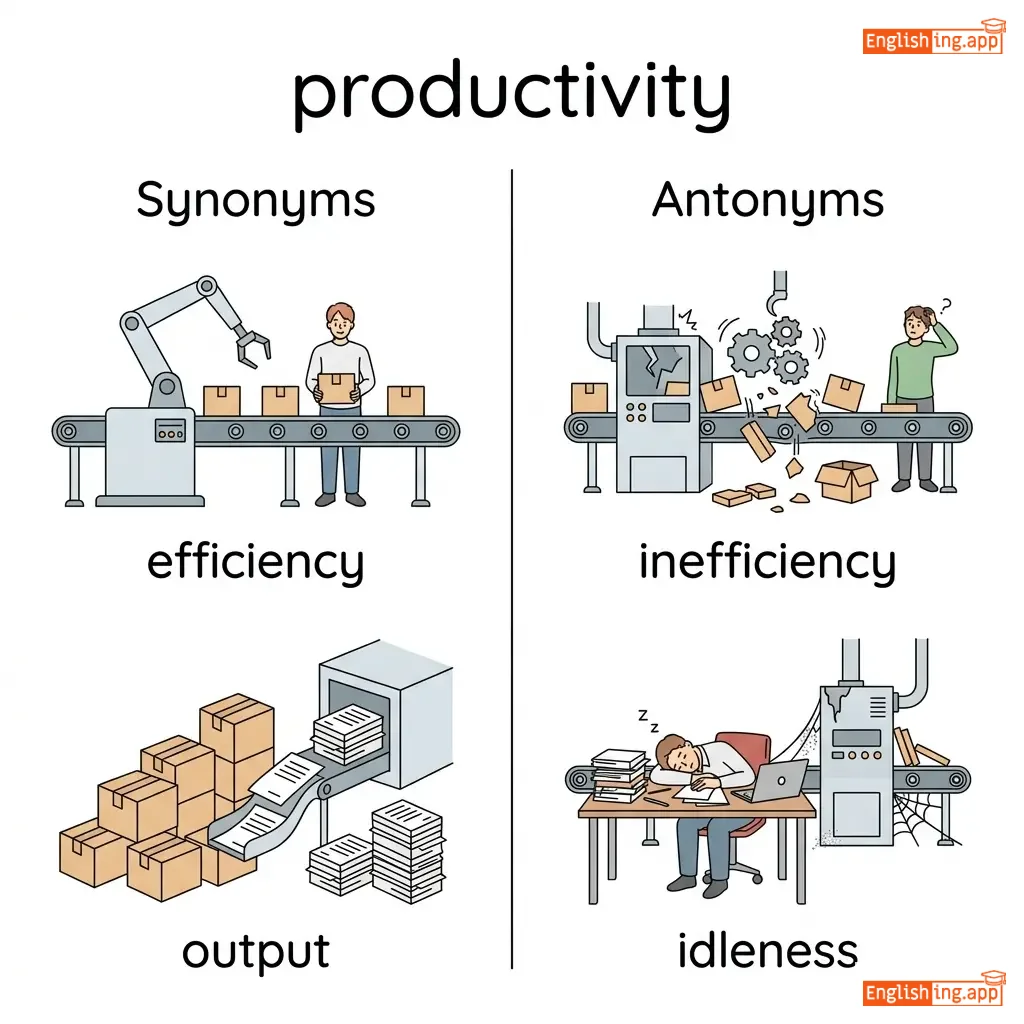
efficiency, output, performance
••••••
|
inefficiency, unproductiveness, stagnation
••••••
|
生产力意味着更多产出,少量输入。
••••••
|
|
#3959
⏱️
|
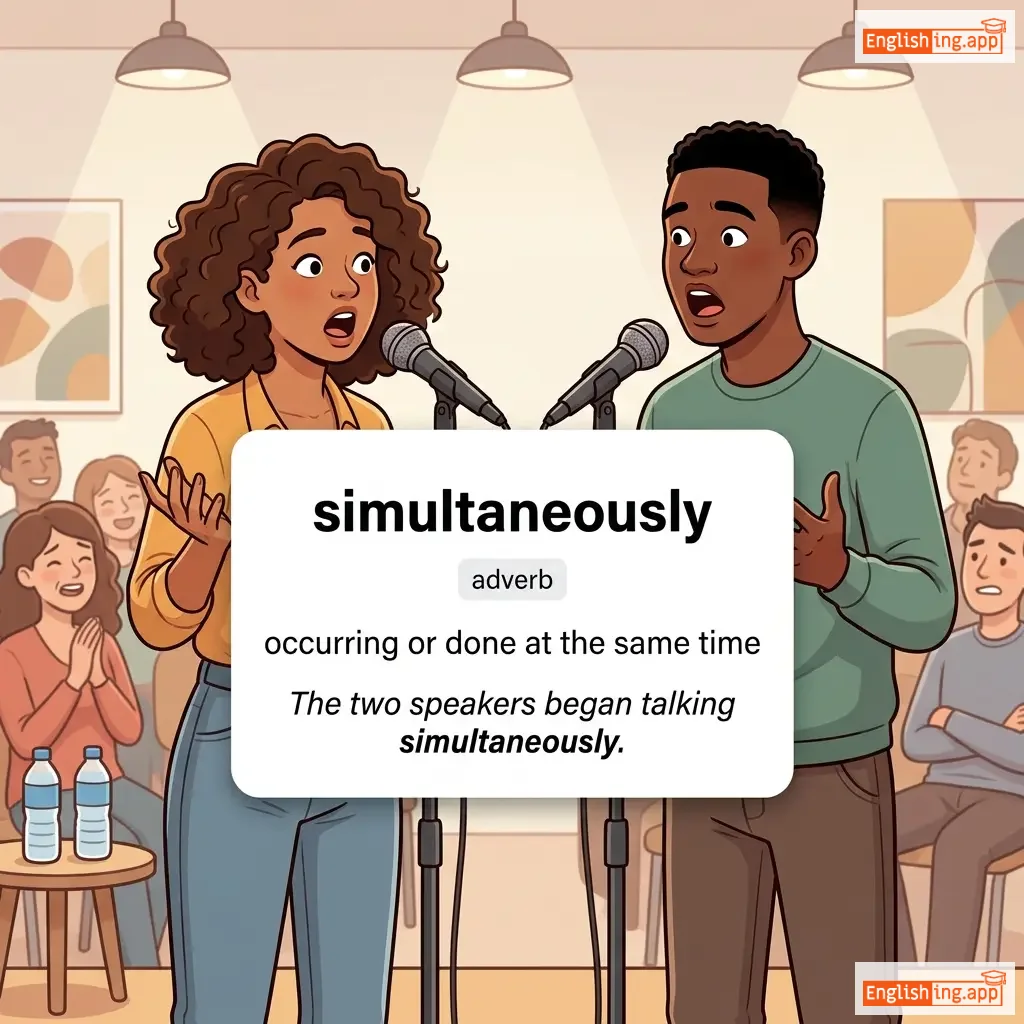
ˌsɪməlˈteɪnɪəsli
adverb
(同时)
••••••
|
|
同时
tóngshí
••••••
|
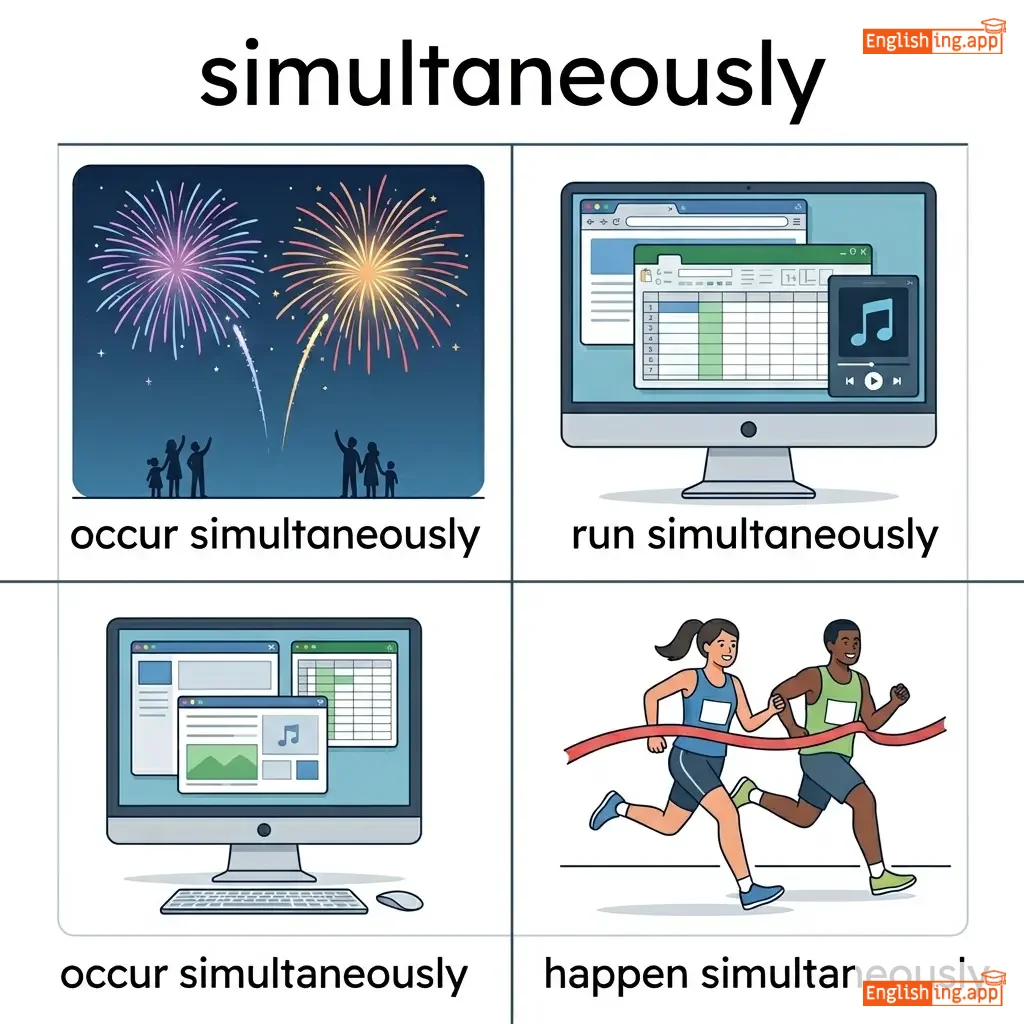
At the same time; occurring or existing at the same time.
••••••
|
He worked on two projects simultaneously. |
他同时在做两个项目。
Tā tóngshí zài zuò liǎng gè xiàngmù.
••••••
|
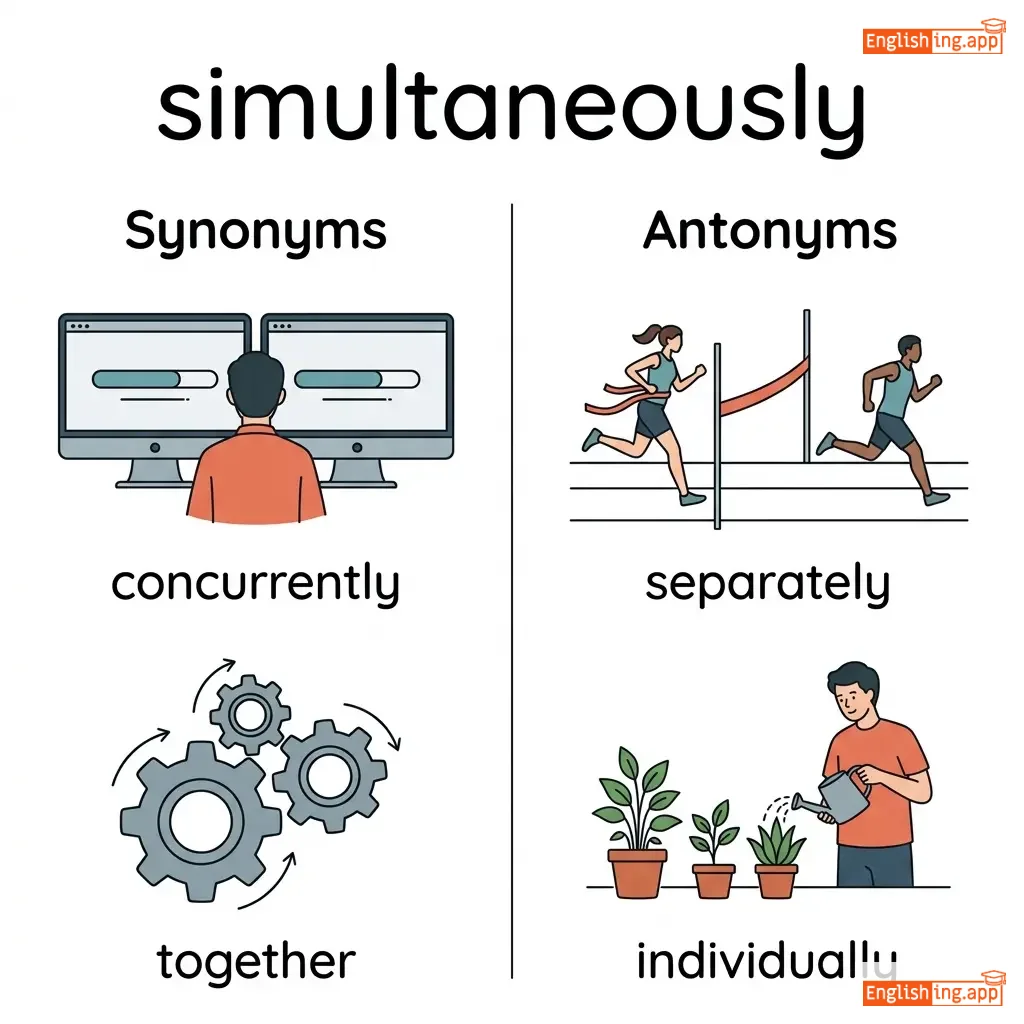
concurrently, in parallel, at the same time
••••••
|
separately, sequentially, disjointedly
••••••
|
同时, 就像同时做两件事情一样。
••••••
|
|
#3960
🧠
|
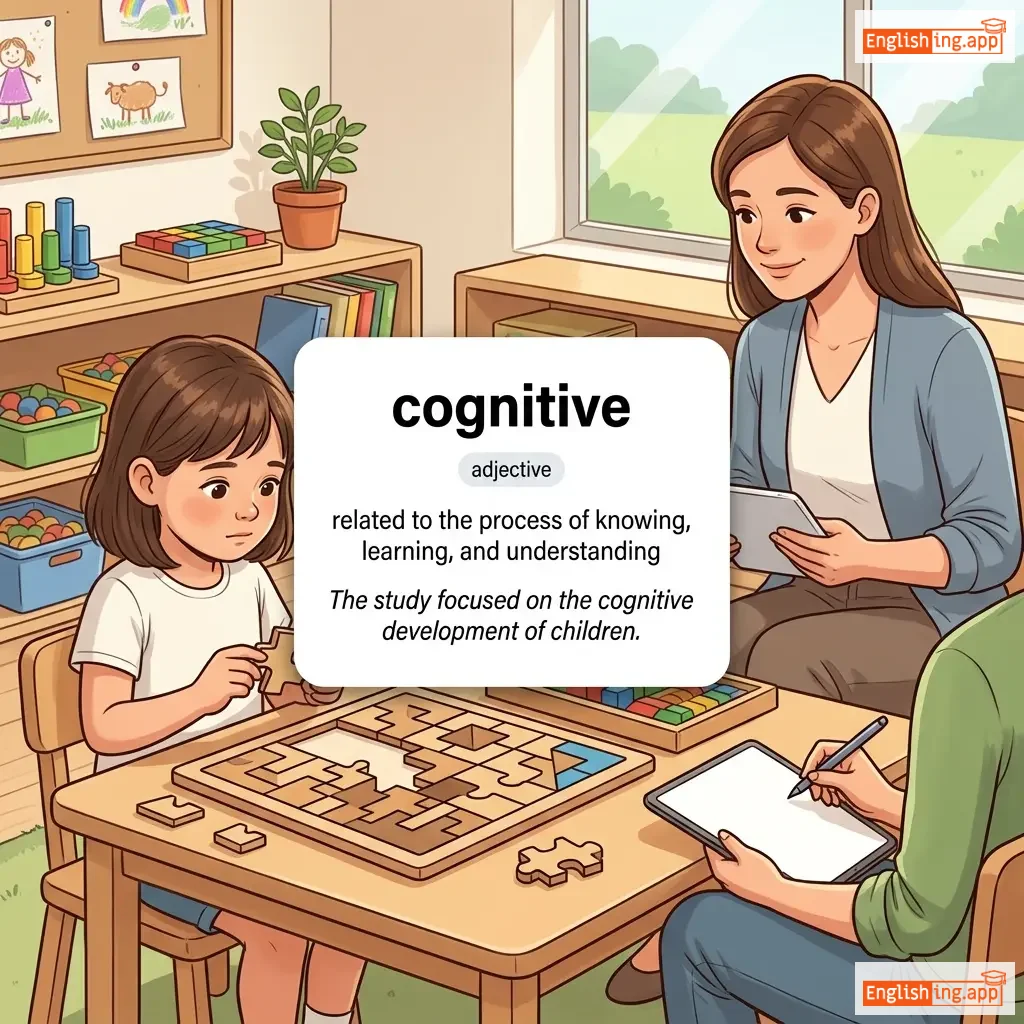
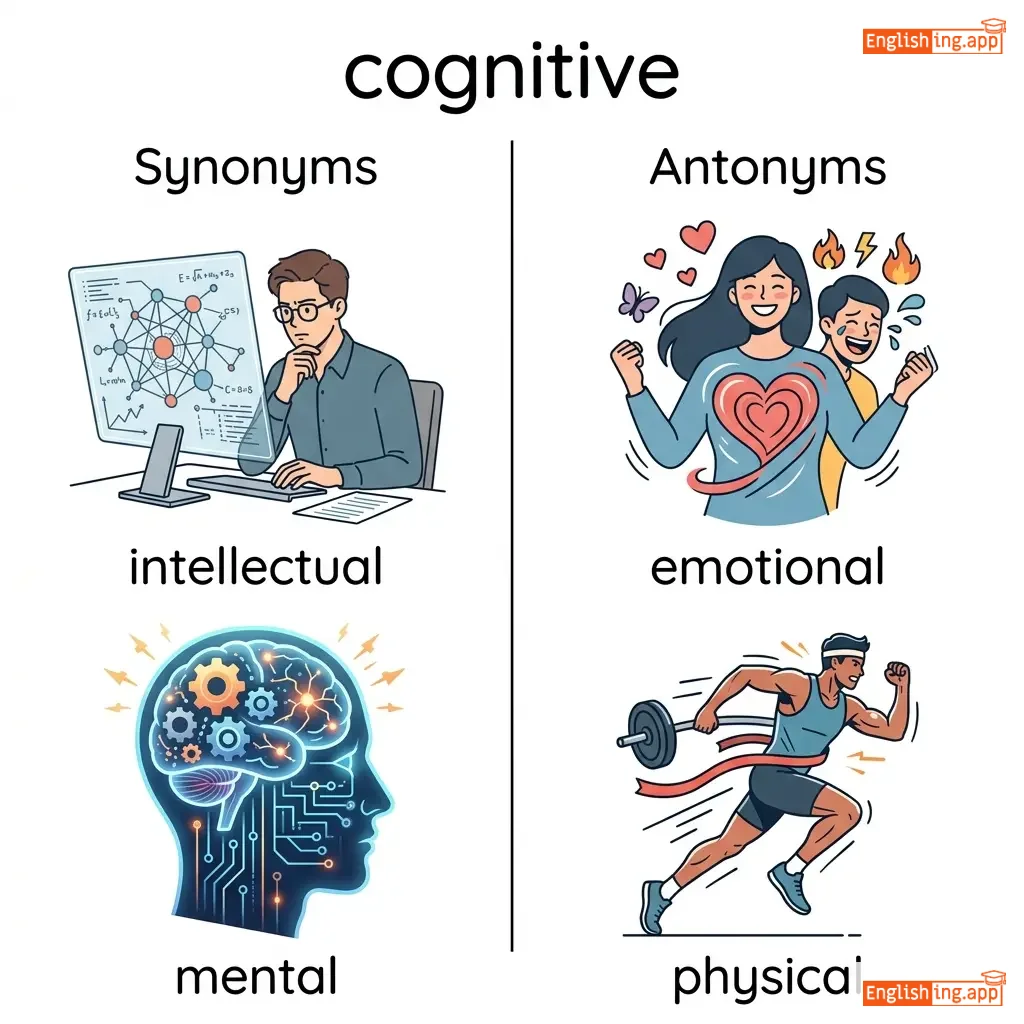
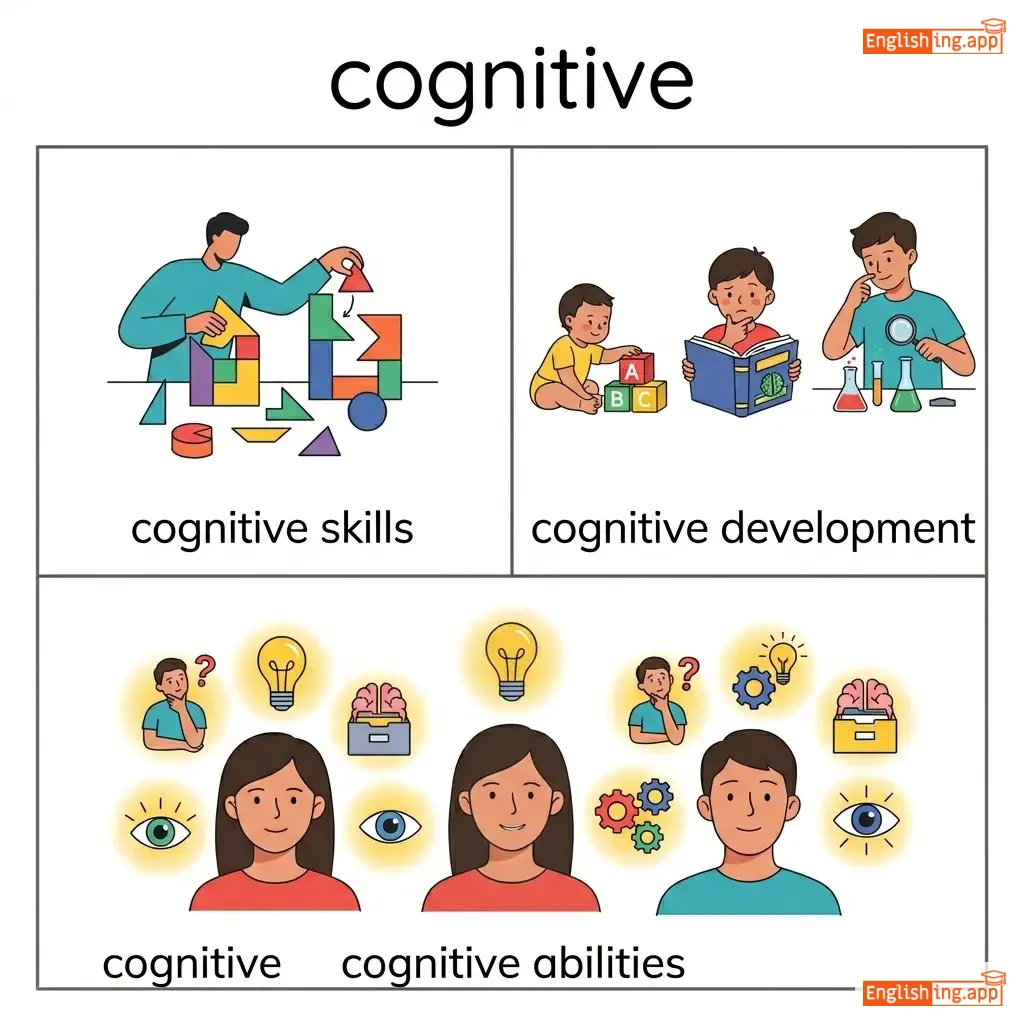
ˈkɒɡnɪtɪv
adjective
(科格尼蒂夫)
••••••
|
|
认知的
kognitiv
••••••
|
Related to cognition; involving or relating to thinking or conscious mental activities.
••••••
|
Cognitive skills are important for problem-solving.
认知技能对解决问题很重要。
••••••
|
认知技能对解决问题很重要。
renzhi jineng dui jiejue wenti hen zhongyao.
••••••
|
intellectual, mental, psychological
••••••
|
physical, emotional, unrelated
••••••
|
科格尼蒂夫 = 认知的 brain power 想对就能 solve it
••••••
|
|
#3961
💭
|
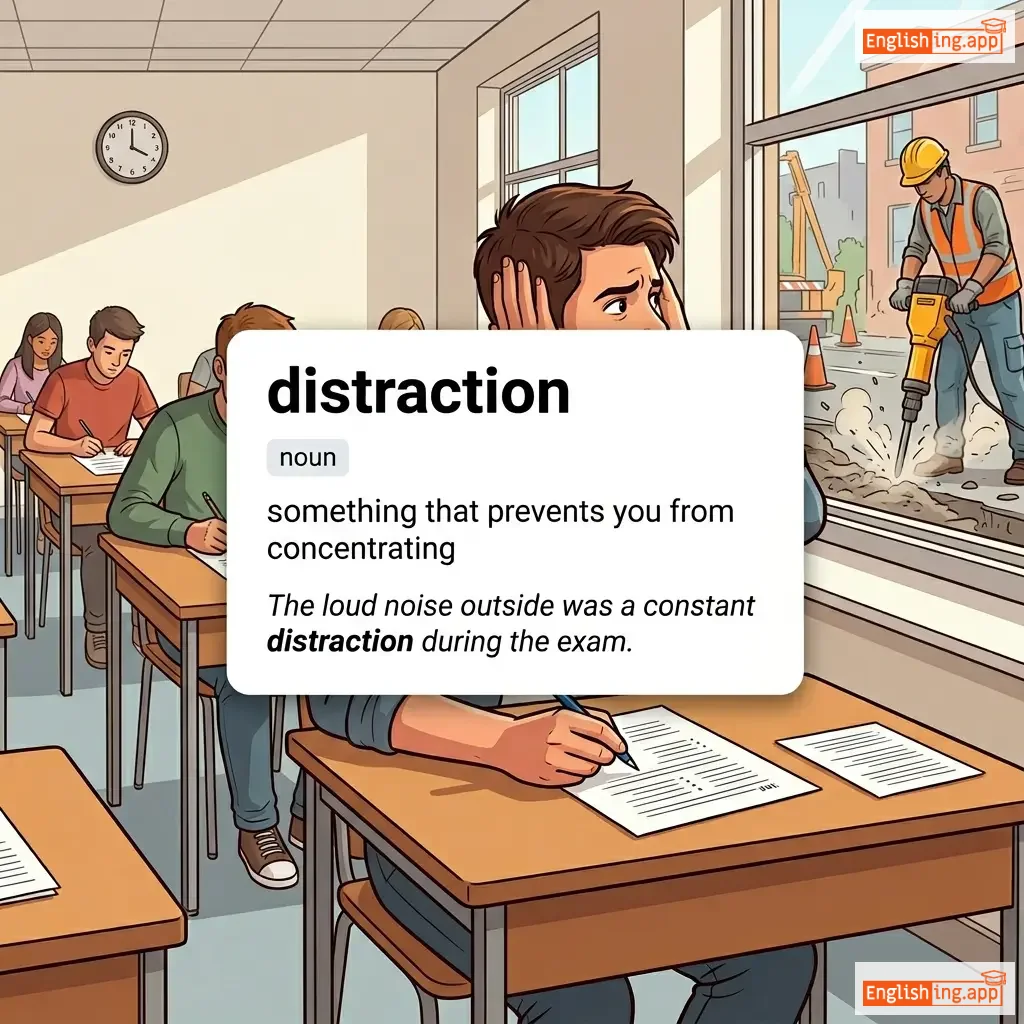
dɪˈstrækʃən
noun
(干扰)
••••••
|
|
干扰
gān rǎo
••••••
|
A thing that prevents someone from giving full attention to something else.
••••••
|
Distractions can reduce productivity in the workplace.
干扰可能会减少工作场所的生产力。
••••••
|
干扰可能会减少工作场所的生产力。
Gān rǎo kěnéng huì jiǎnshǎo gōngzuò chǎngsuǒ de shēngchǎnlì.
••••••
|
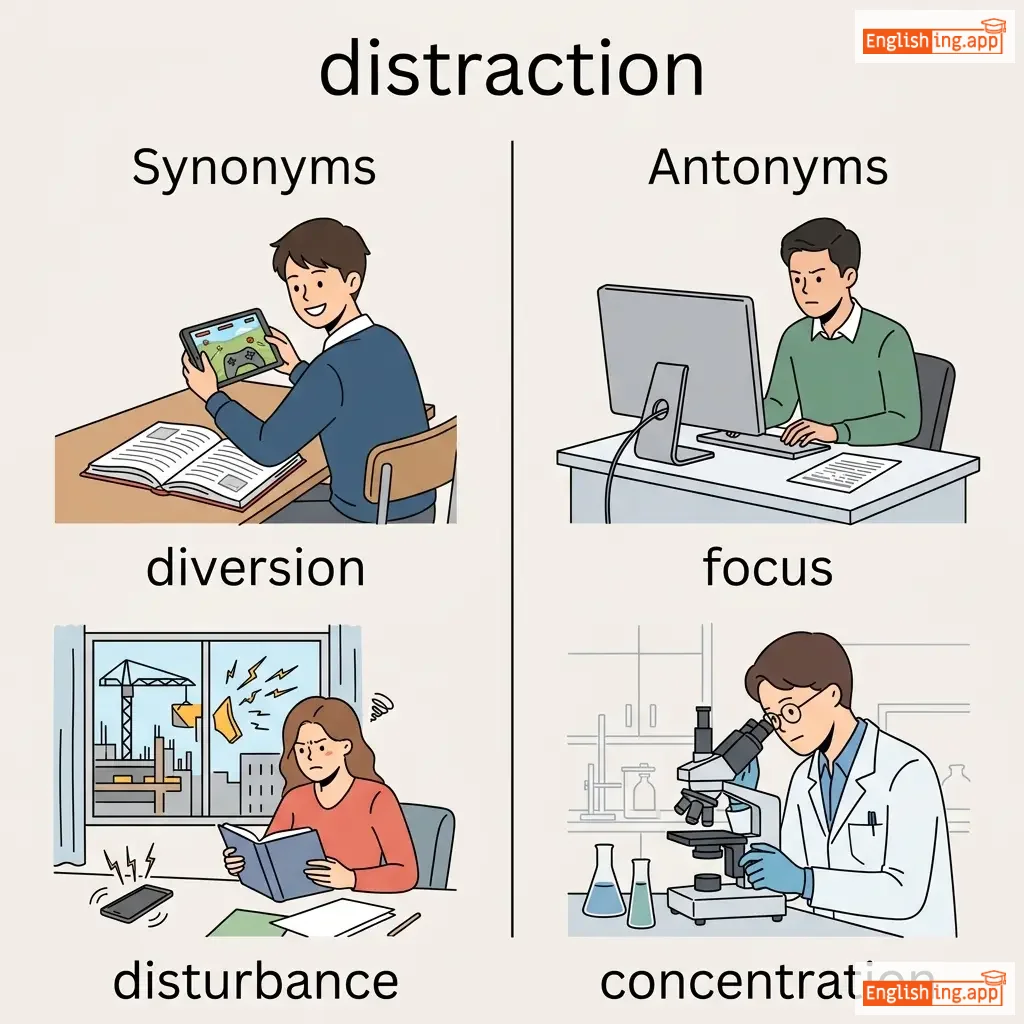
interruption, diversion, disturbance
••••••
|
focus, concentration, attention
••••••
|
干扰 means interruption, similar to 'distraction'.
••••••
|
|
#3962
⚡
|
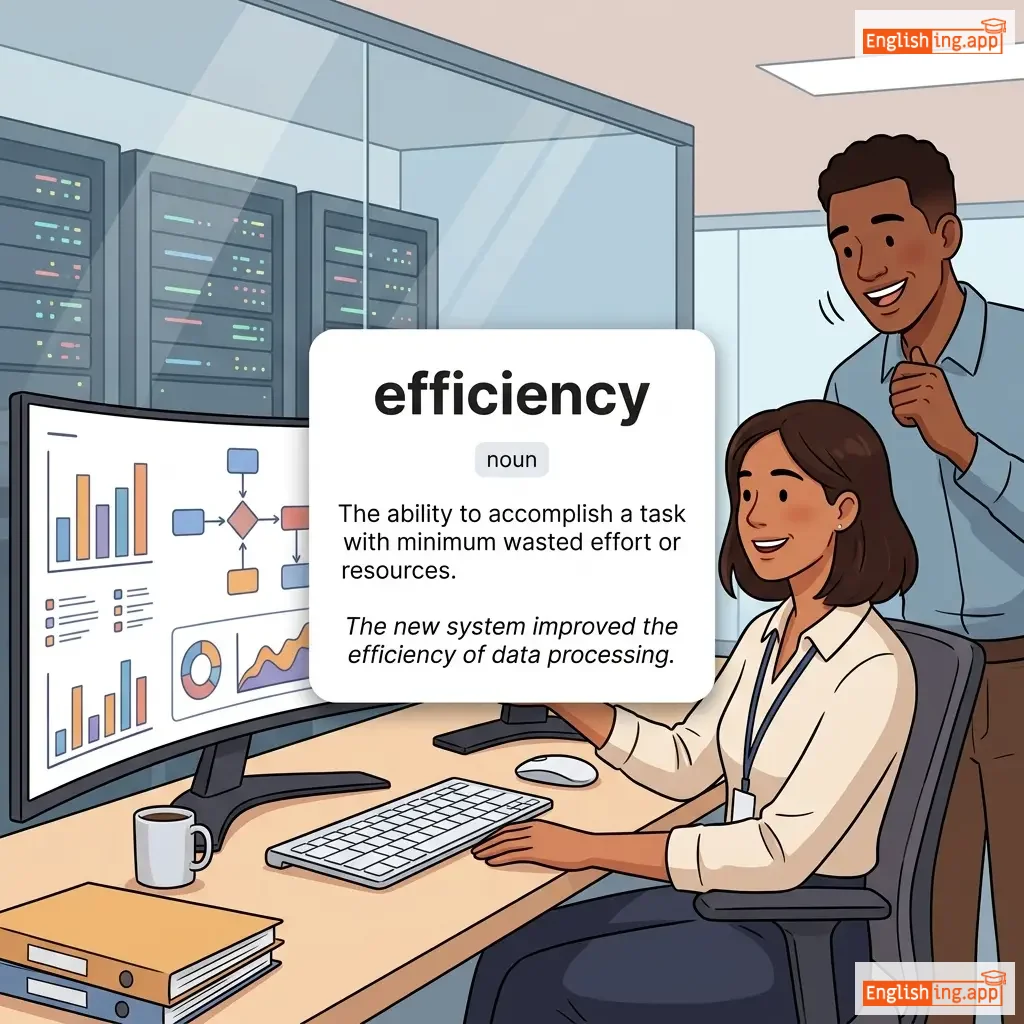
ɪˈfɪʃənsi
noun
(效率)
••••••
|
|
效率
xiaolü
••••••
|
The state or quality of being efficient; achieving maximum productivity with minimum wasted effort or expense.
••••••
|
His efficiency at work has increased significantly.
他的工作效率显著提高。
••••••
|
他的工作效率显著提高。
Tā de gōngzuò xiàolǜ xiǎnzhù tígāo.
••••••
|
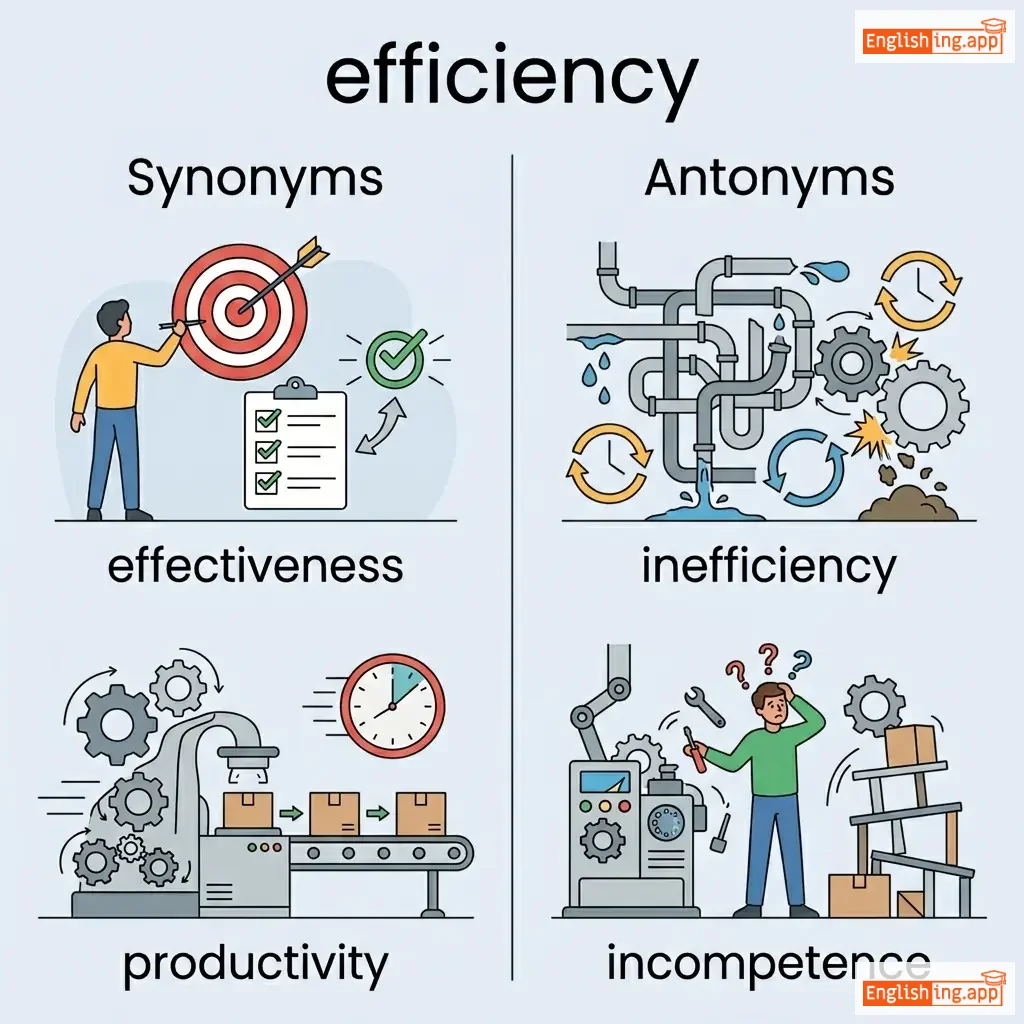
productivity, effectiveness, competence
••••••
|
inefficiency, wastefulness, unproductiveness
••••••
|
效率 = 小 + 速 (快速而有效地完成任务)
••••••
|
|
#3963
🧩
|
ˌfræɡmɛnˈteɪʃən
noun
(碎片化)
••••••
|
|
碎片化
suìpiàn huà
••••••
|
The process or state of breaking or being broken into fragments.
••••••
|
The fragmentation of the report made it difficult to understand.
报告的碎片化使得理解变得困难。
••••••
|
报告的碎片化使得理解变得困难。
Bàogào de suìpiàn huà shǐdé lǐjiě biàn dé kùnnán.
••••••
|
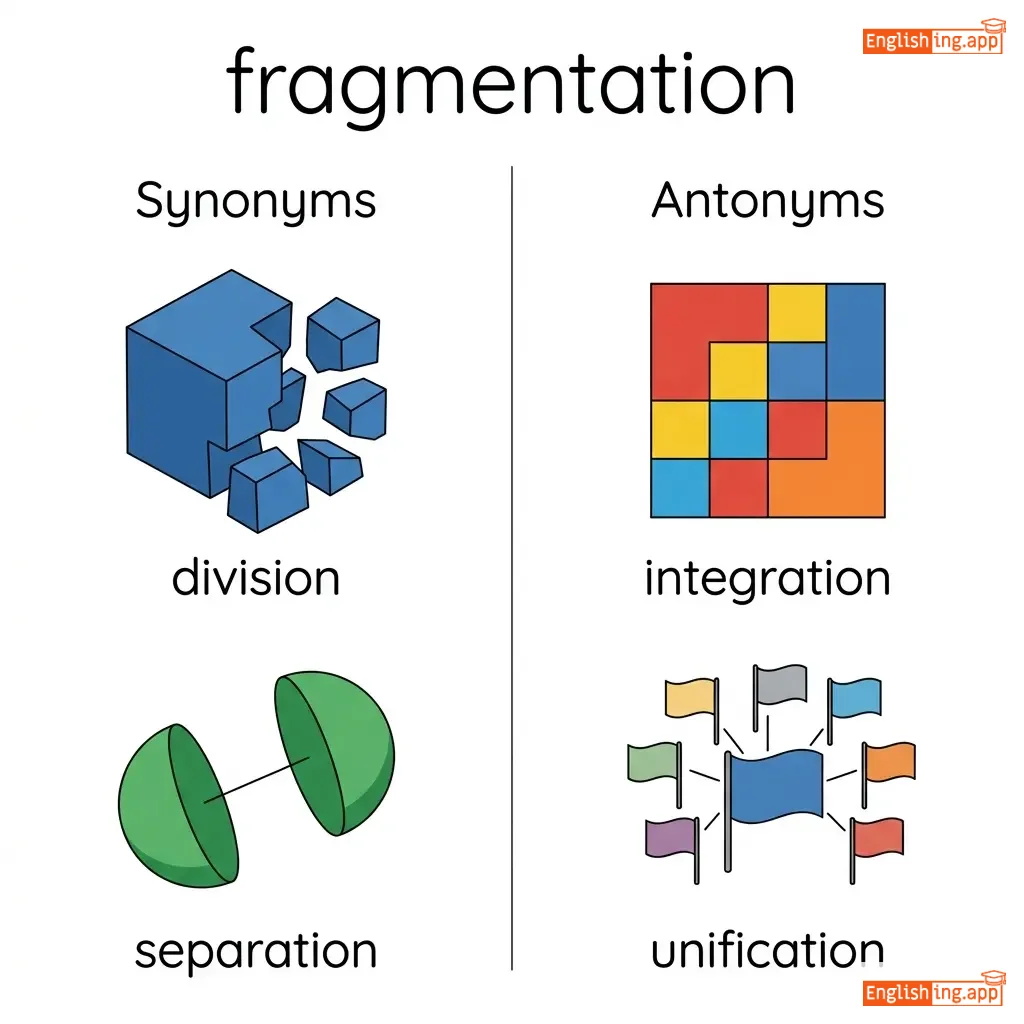
division, disintegration, separation
••••••
|
integration, unity, cohesion
••••••
|
碎片化让整个过程变得更加难以理解。
••••••
|
|
#3964
🎯
|
ˌkɒnsnˈtreɪʃən
noun
(kǎn sī zhèng)
••••••
|
|
集中
jízhōng
••••••
|
The action or power of focusing one's attention or mental effort on a particular object or activity.
••••••
|
Concentration is key to completing tasks efficiently. |
集中精力是高效完成任务的关键。
jízhōng jīnglì shì gāoxiào wánchéng rènwù de guānjiàn.
••••••
|
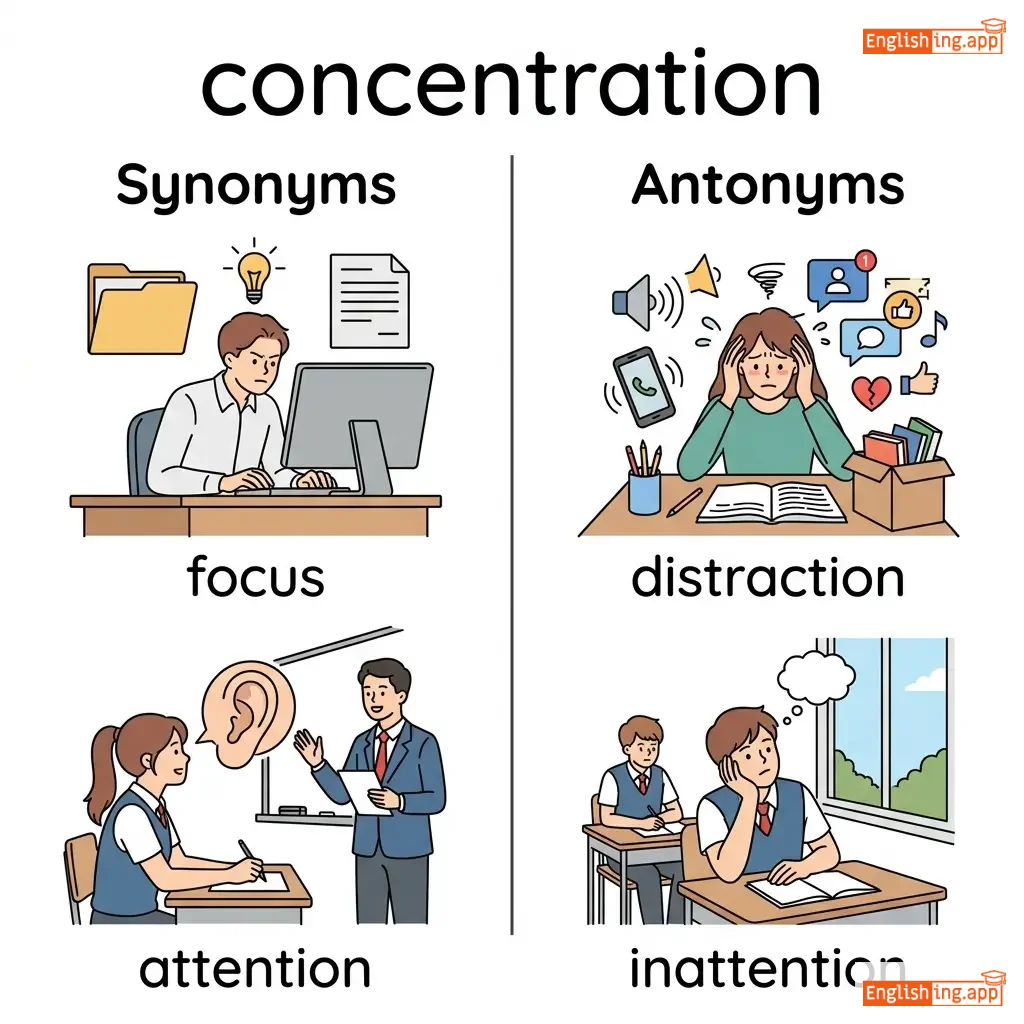
focus, attention, intensity
••••••
|
distraction, diverted attention, diffusion
••••••
|
集中 = 完全集中精力,就像英语中的 'concentration'.
••••••
|
|
#3965
🚧
|
ɪmˈpɛdɪmənt
noun
(障碍)
••••••
|
|
障碍
zhàng'ài
••••••
|
A hindrance or obstruction in doing something; an obstacle.
••••••
|
Language barriers can be an impediment to communication. |
语言障碍可能是沟通的障碍。
Yǔyán zhàng'ài kěnéng shì gōutōng de zhàng'ài.
••••••
|
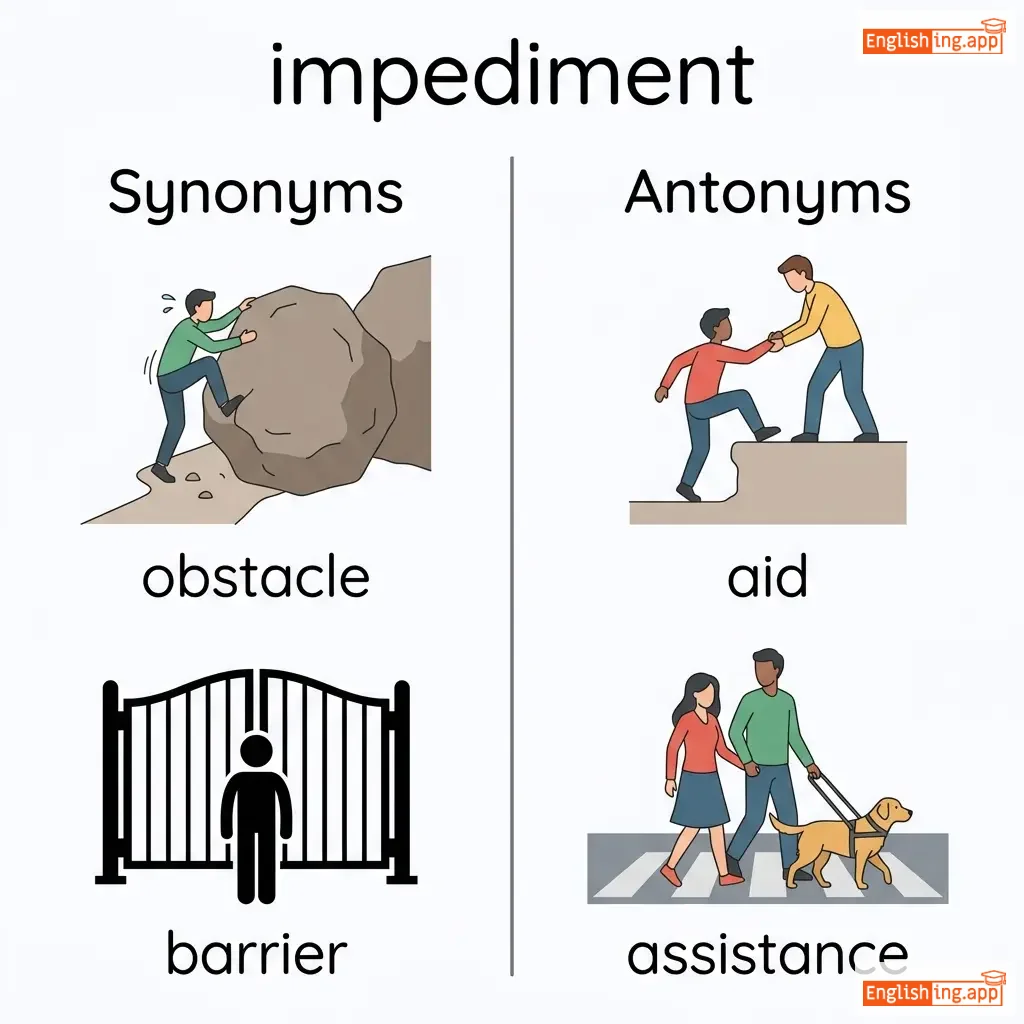
obstacle, barrier, hindrance
••••••
|
aid, assistance, help
••••••
|
障碍阻碍了沟通。
••••••
|
|
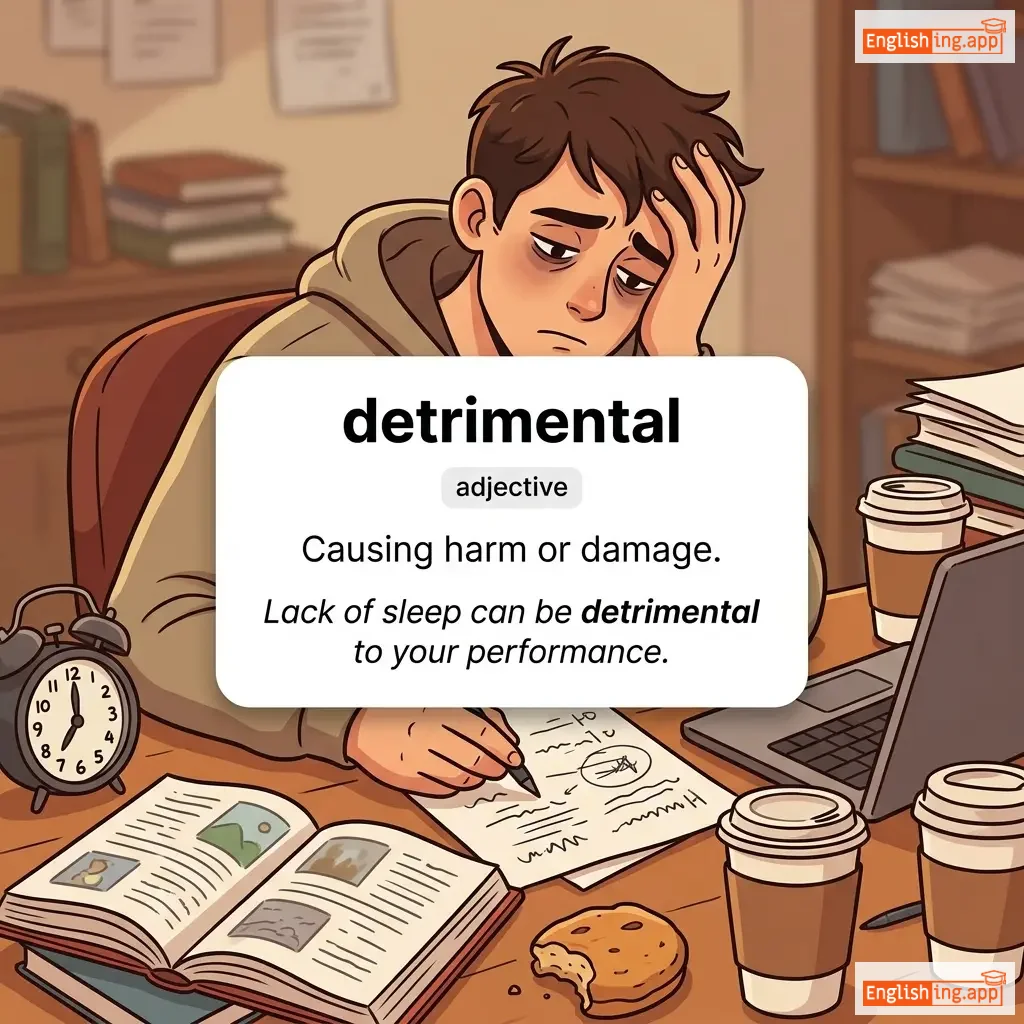
#3966
⚠️
|
ˌdɛtrɪˈmɛntəl
adjective
(detrimental)
••••••
|
|
有害的
youhai de
••••••
|
Tending to cause harm; harmful or damaging.
••••••
|
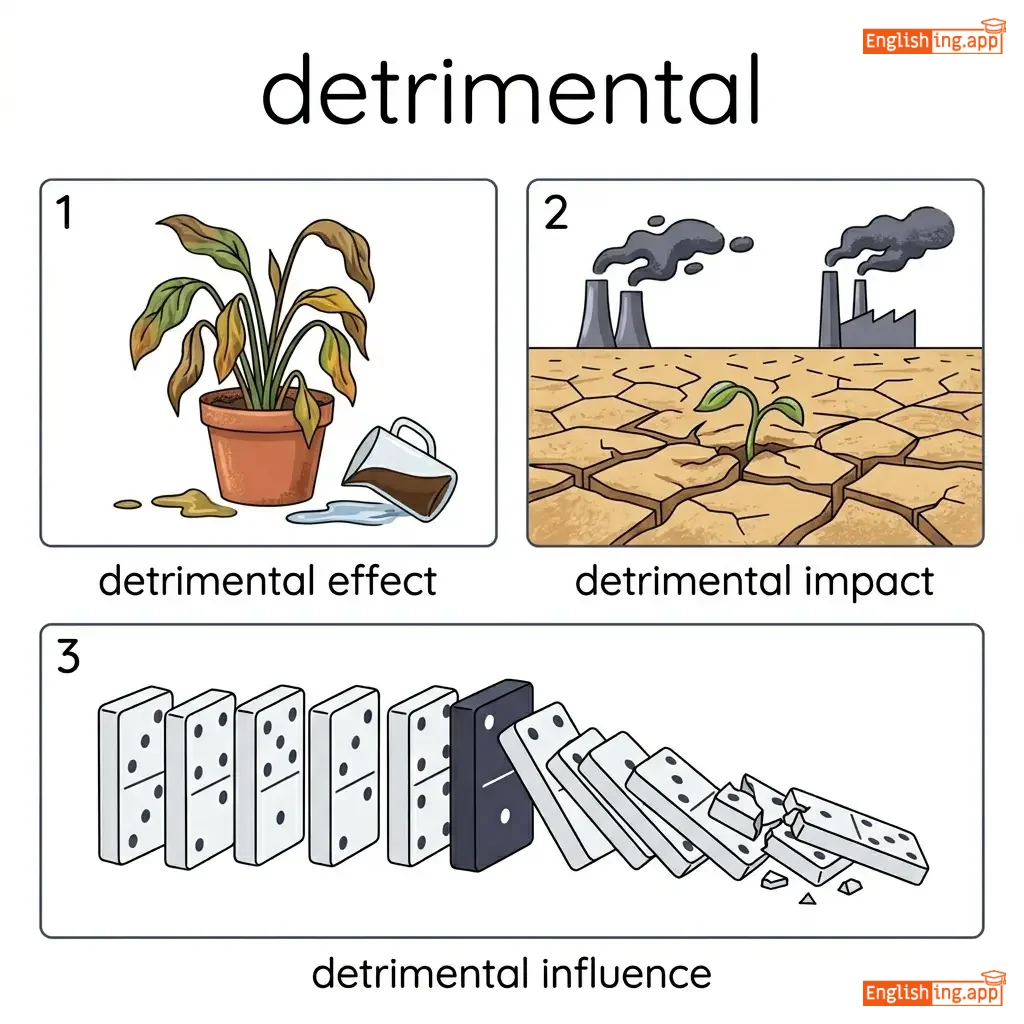
Smoking has detrimental effects on health.
吸烟对健康有害。
••••••
|
吸烟对健康有害。
Xīyān duì jiànkāng yǒuhài.
••••••
|
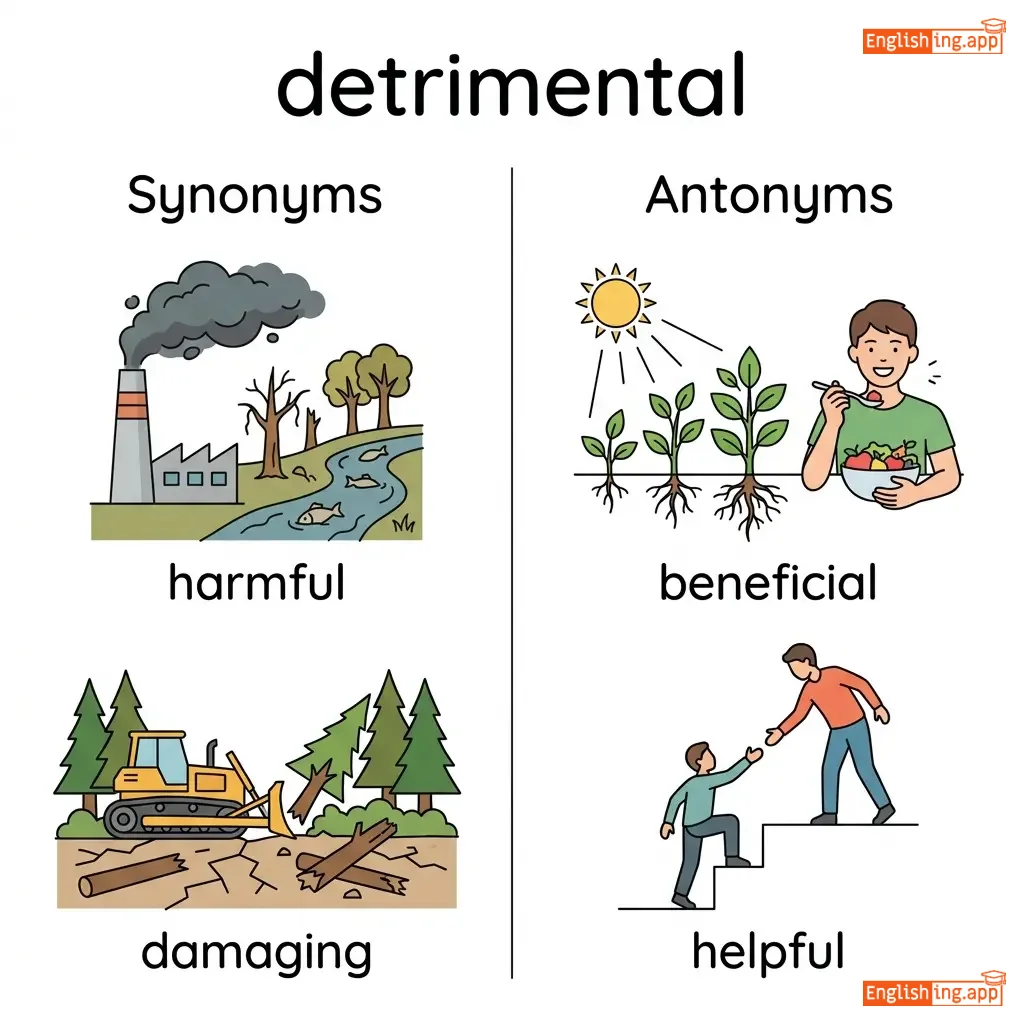
harmful, damaging, injurious
••••••
|
beneficial, advantageous, helpful
••••••
|
有害: 对健康造成伤害的因素
••••••
|
|
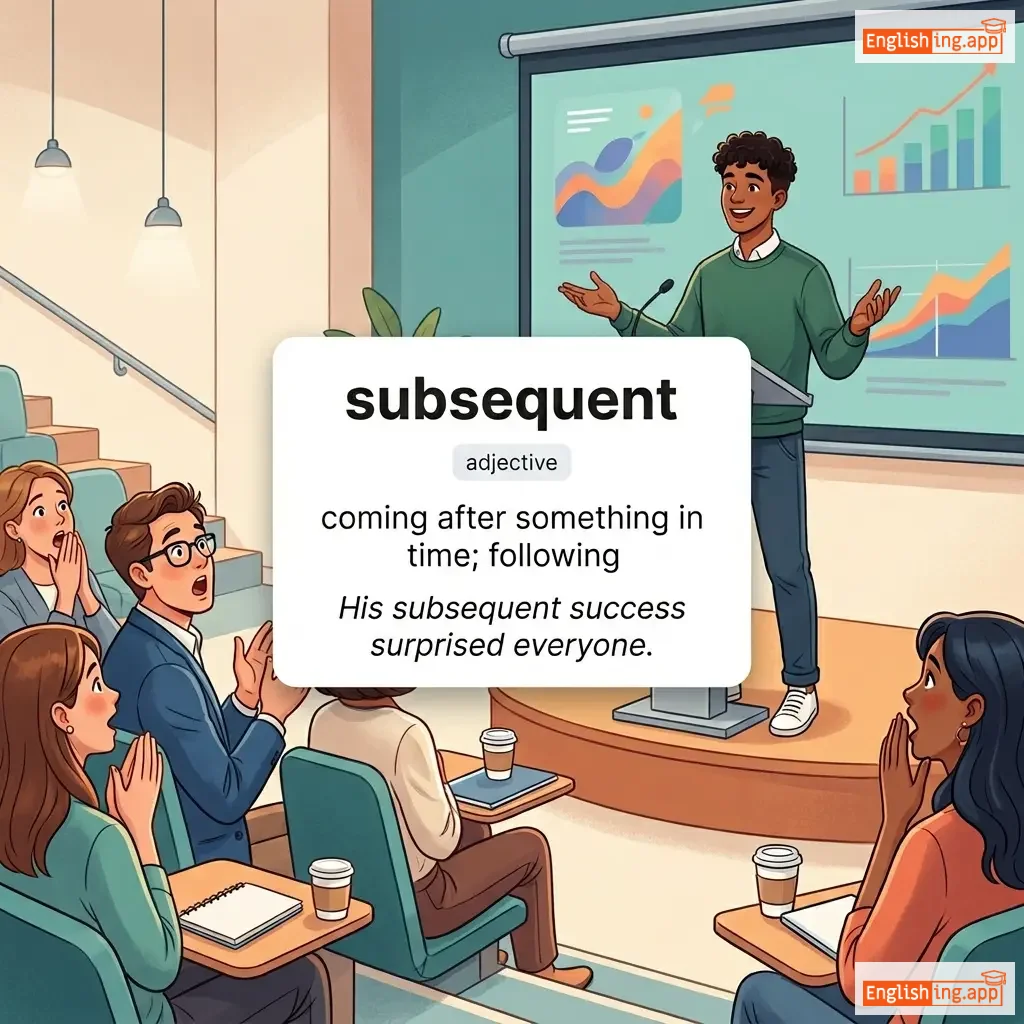
#3967
⏭️
|
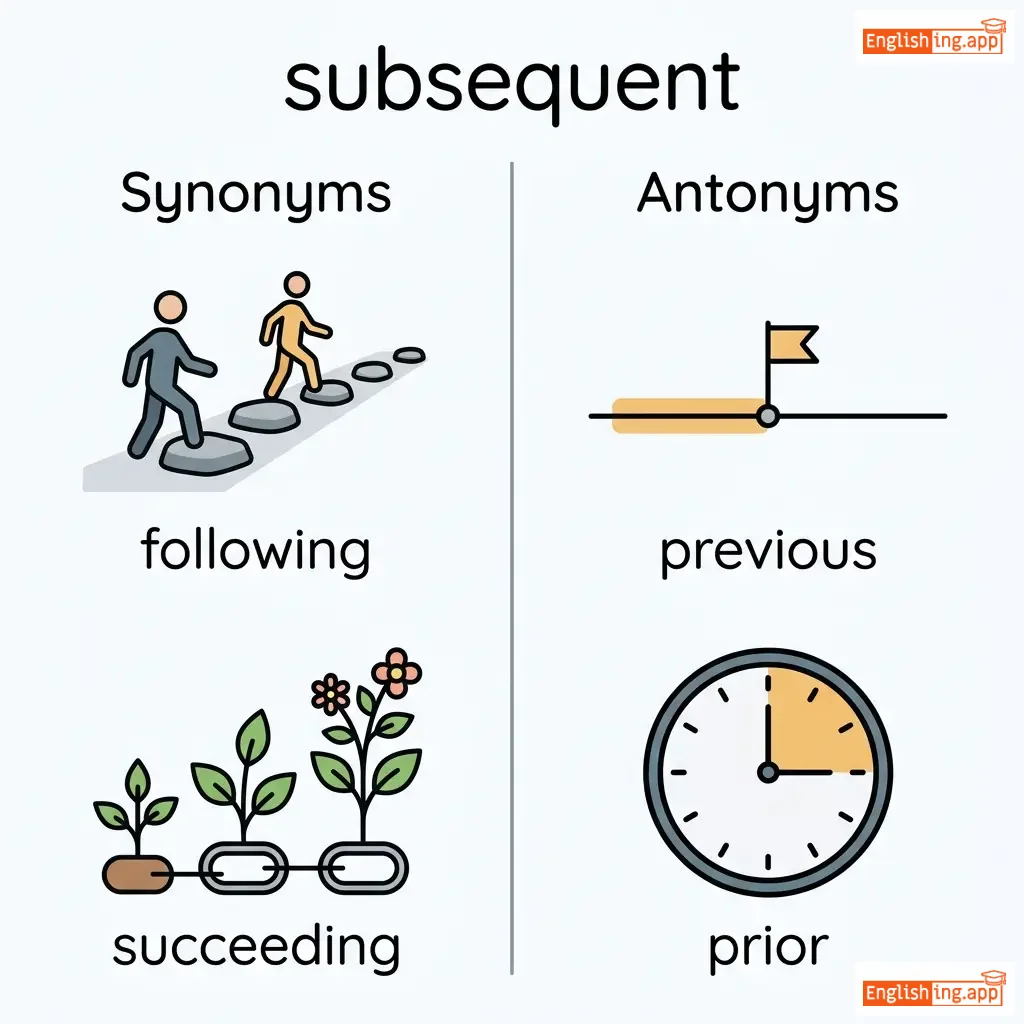
ˈsʌbsɪkwənt
adjective
(sʌbsɪkwənt)
••••••
|
|
随后的
suíhòu de
••••••
|
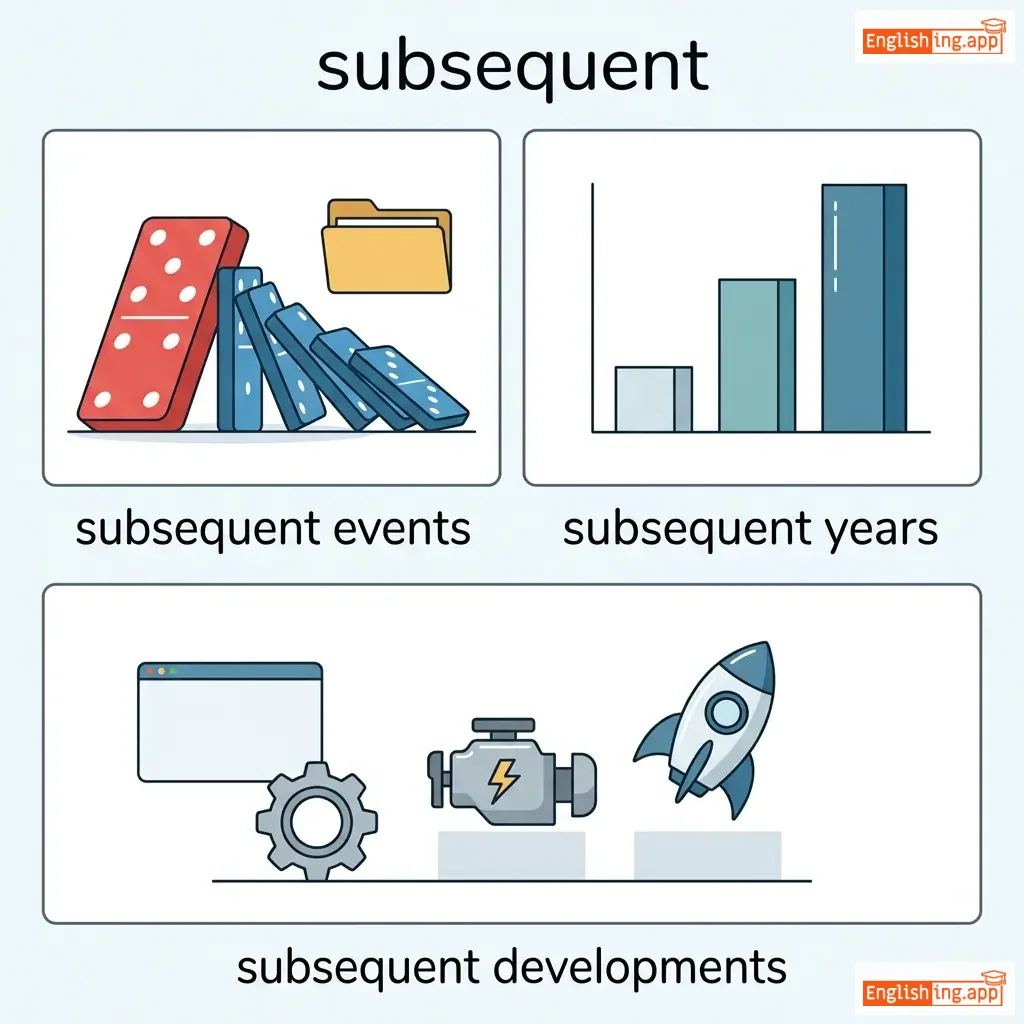
Coming after something in time; following in time or order.
••••••
|
The subsequent meeting was more productive.
下次会议更有效率。
••••••
|
随后的会议更加高效。
Suíhòu de huìyì gèng jiā gāoxiào.
••••••
|
following, succeeding, afterward
••••••
|
preceding, prior, former
••••••
|
Subsequent 的中文意思是跟随,像是下次会议的效果更好。
••••••
|
|
#3968
🎯
|
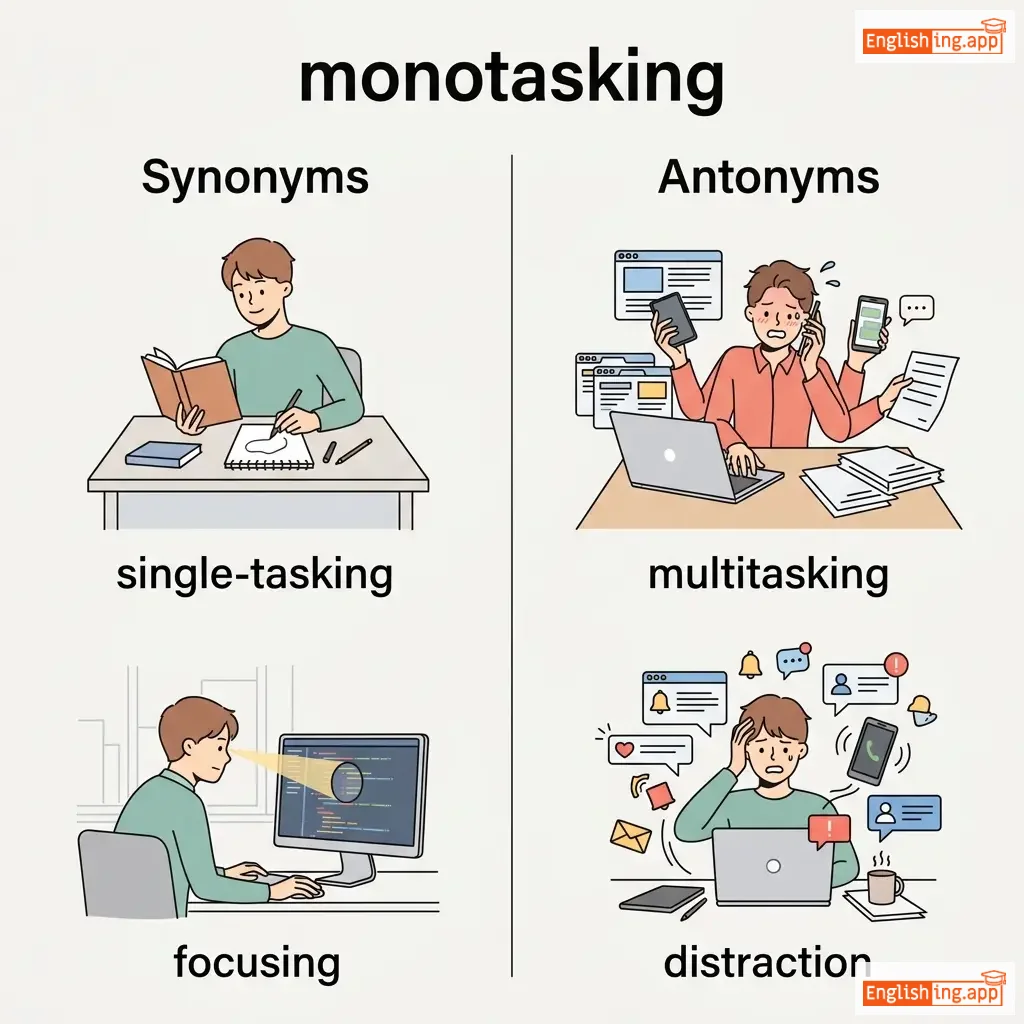
mɒnəˈtɑːskɪŋ
noun
(单任务处理)
••••••
|
|
一次专注于一项任务
yīcì zhuānzhù yú yī xiàng rènwù
••••••
|
The practice of dedicating oneself to a given task and minimizing potential interruptions until the task is completed or a significant period of time has elapsed.
••••••
|
Monotasking can often lead to higher quality work. |
单任务处理通常会带来更高质量的工作。
Dān rènwù chǔlǐ tōngcháng huì dàilái gèng gāo zhìliàng de gōngzuò.
••••••
|
single-tasking, focusing, concentrating
••••••
|
multitasking, distraction, diversion
••••••
|
Monotasking意味着一次专注于一项任务,从而提高工作质量。
••••••
|
|
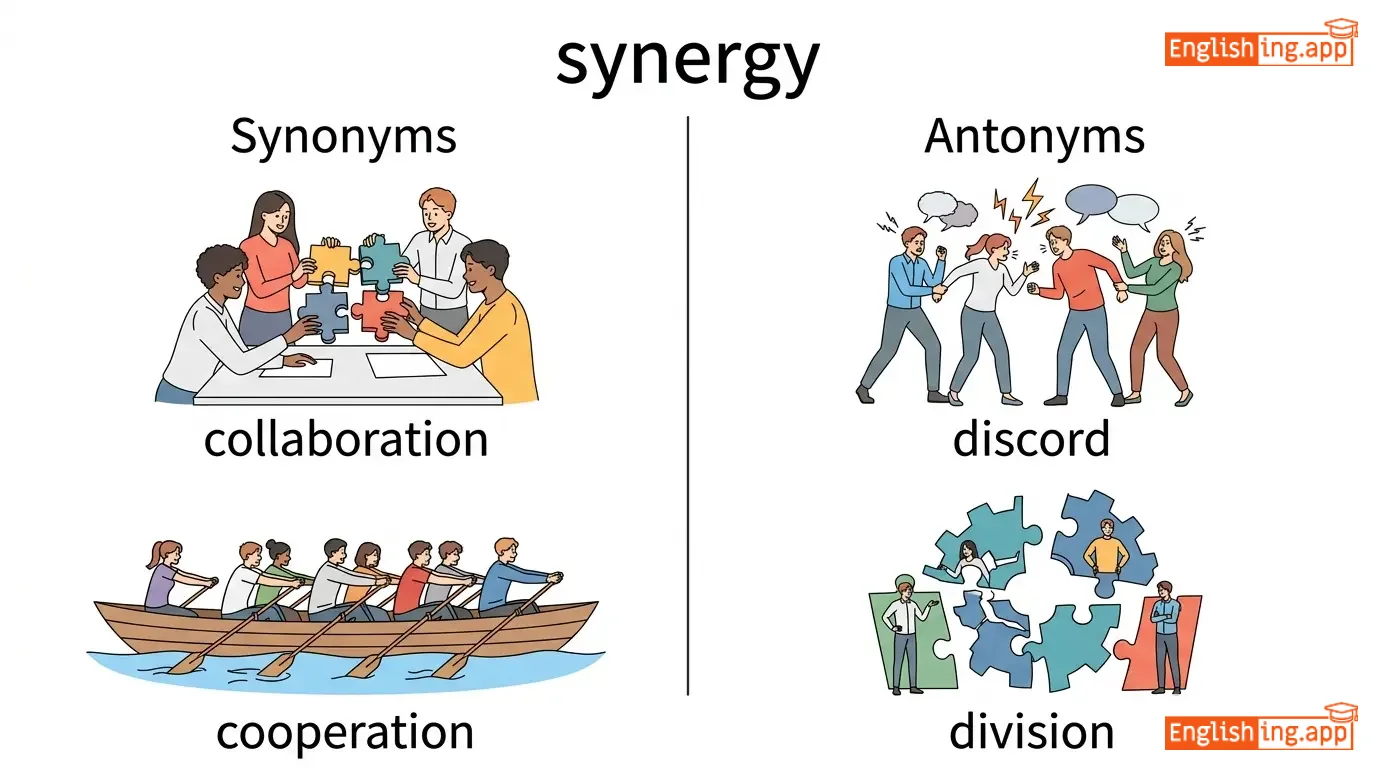
#3969
🤝
|
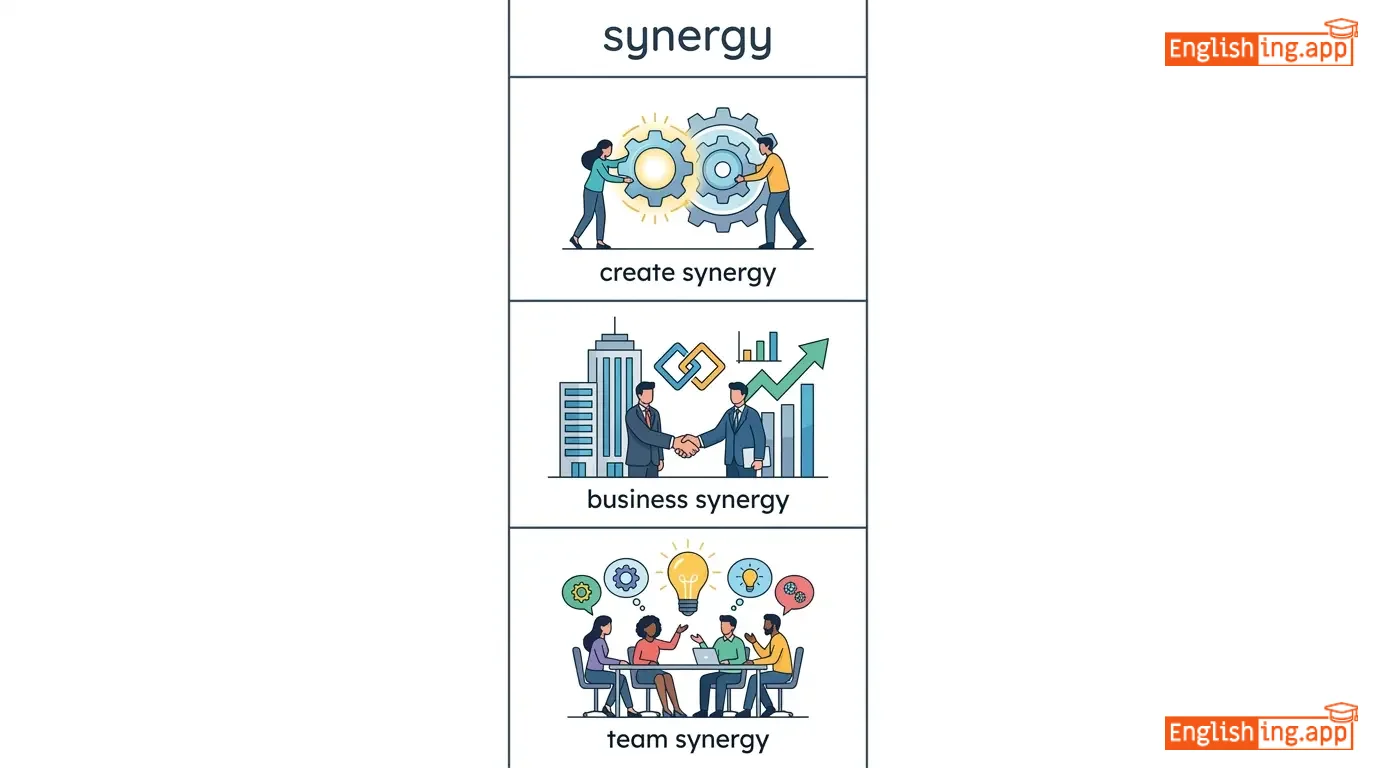
ˈsɪnərdʒi
noun
(sīnéérjì)
••••••
|
|
协同作用, 合力
xiétóng zuòyòng, hélì
••••••
|
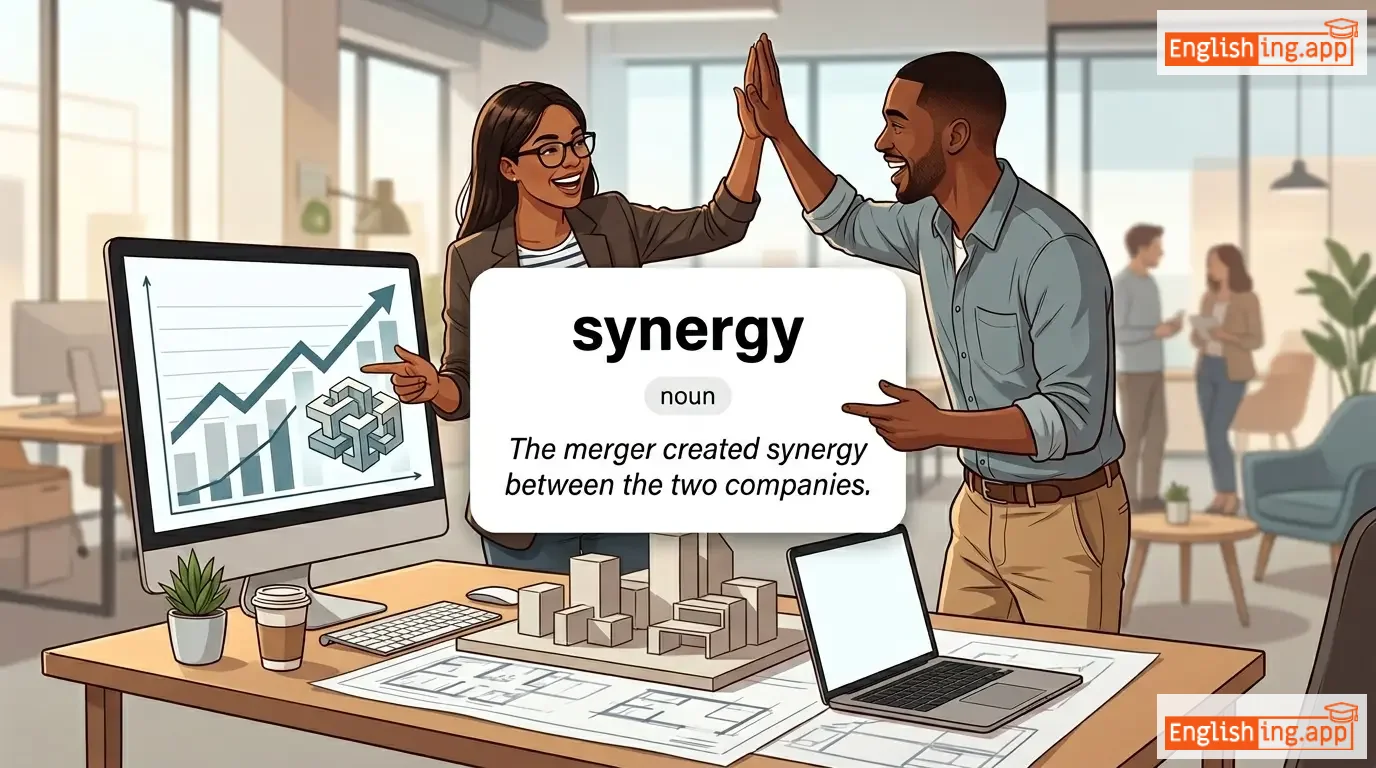
The interaction or cooperation of two or more organizations, substances, or other agents to produce a combined effect greater than the sum of their separate effects.
••••••
|
The synergy between the two teams led to great success. |
两支队伍之间的协同作用带来了巨大的成功。
Liǎng zhī duìwǔ zhī jiān de xiétóng zuòyòng dàilái le jùdà de chénggōng.
••••••
|
cooperation, collaboration, alliance
••••••
|
disagreement, conflict, disunity
••••••
|
协同作用就像合作的力量,能带来超乎想象的效果。
••••••
|
|
#3970
⚙️
|
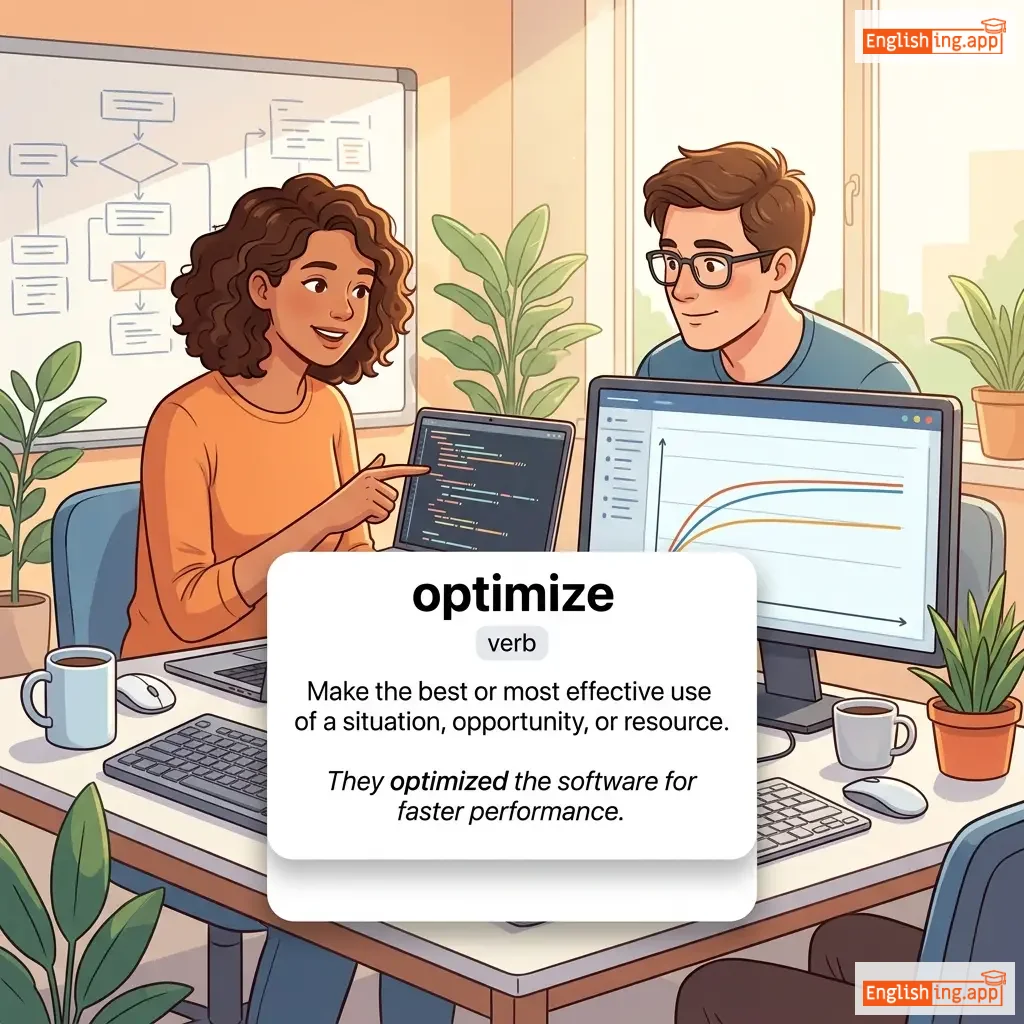
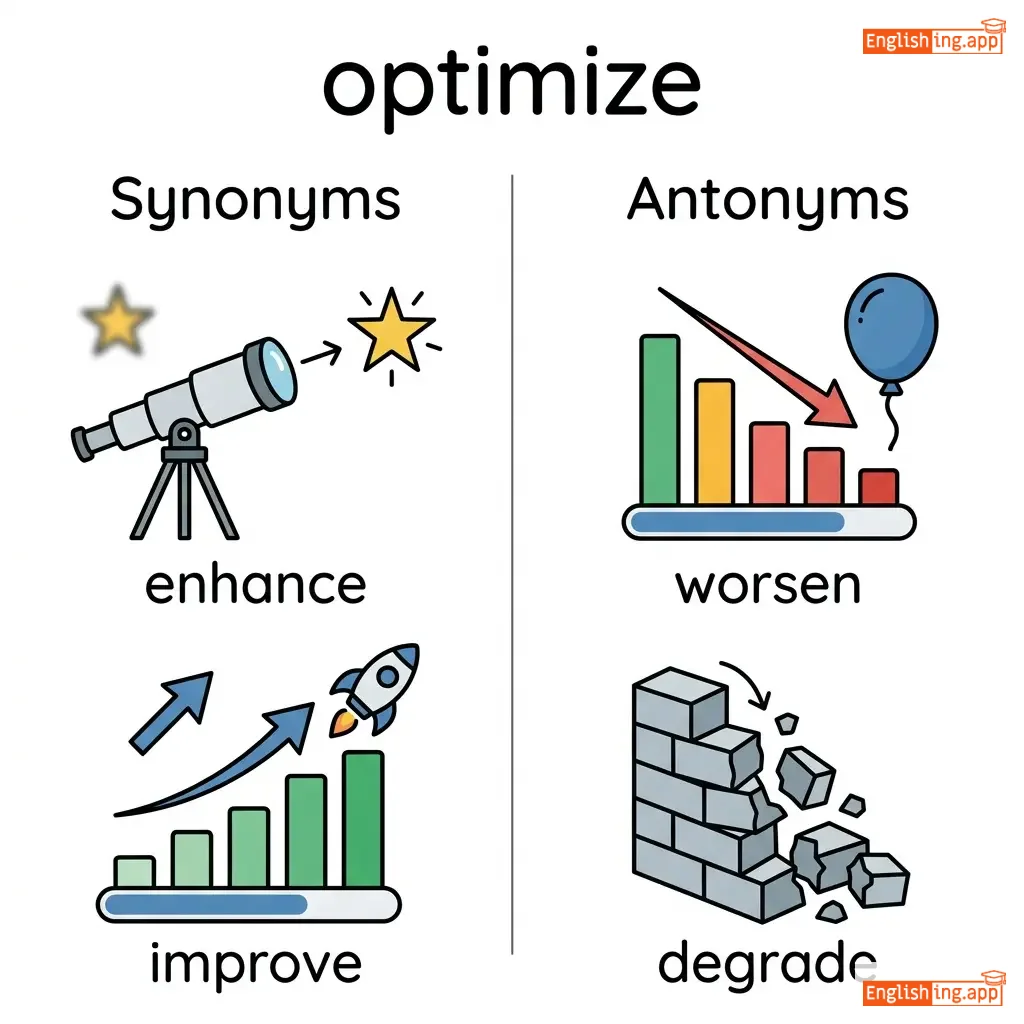
ˈɒptɪmaɪz
verb
(òptìmái)
••••••
|
|
优化, 改善
youhua, gaishan
••••••
|
Make the best or most effective use of a situation, opportunity, or resource.
••••••
|
They optimized the software for faster performance.
他们优化了软件以提高性能。
••••••
|
他们优化了软件,以提高性能。
Tāmen yōuhuàle ruǎnjiàn, yǐ tígāo xìngnéng.
••••••
|
enhance, improve, refine
••••••
|
worsen, degrade, diminish
••••••
|
优化 = 最佳利用资源
••••••
|
|
#3971
💰
|
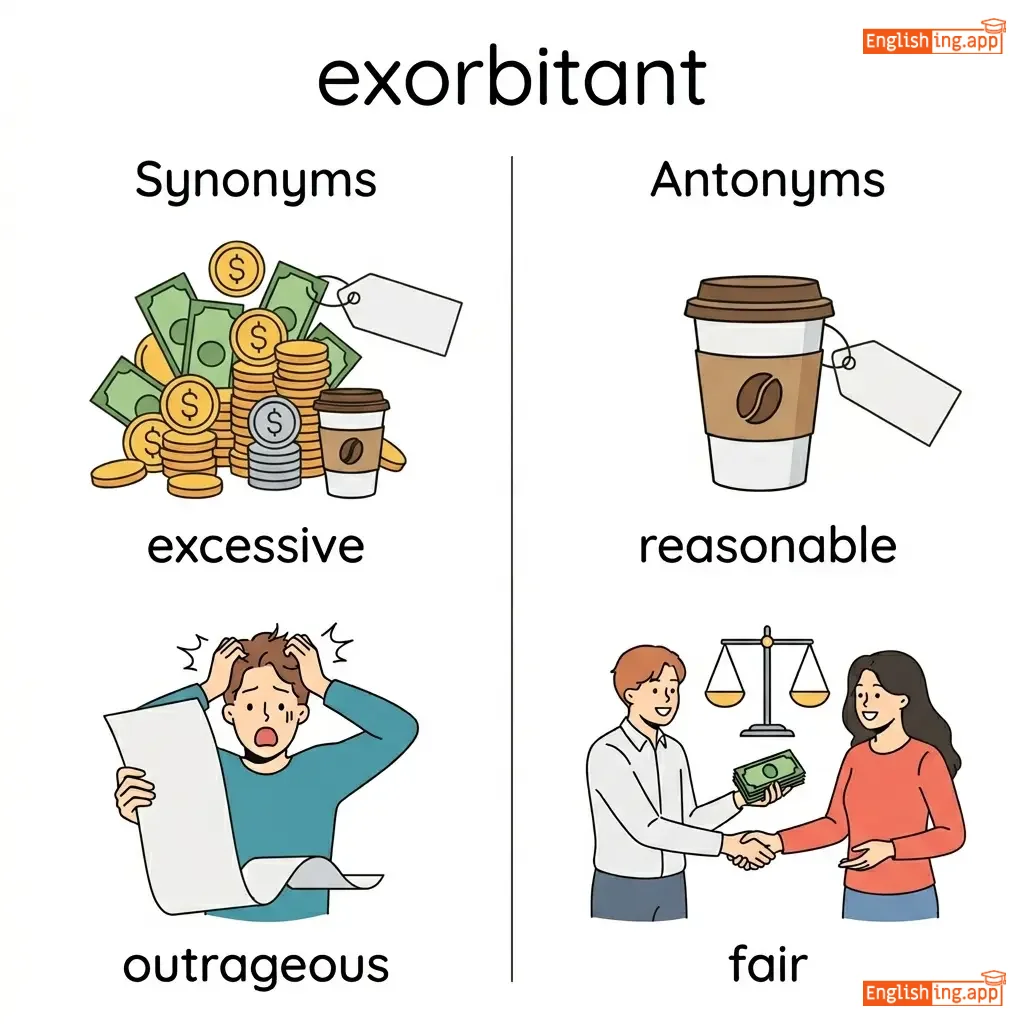
ɪɡˈzɔːbɪtənt
adjective
(埃克索比坦特)
••••••
|
|
过高的, 过分的
guò gāo de, guò fèn de
••••••
|
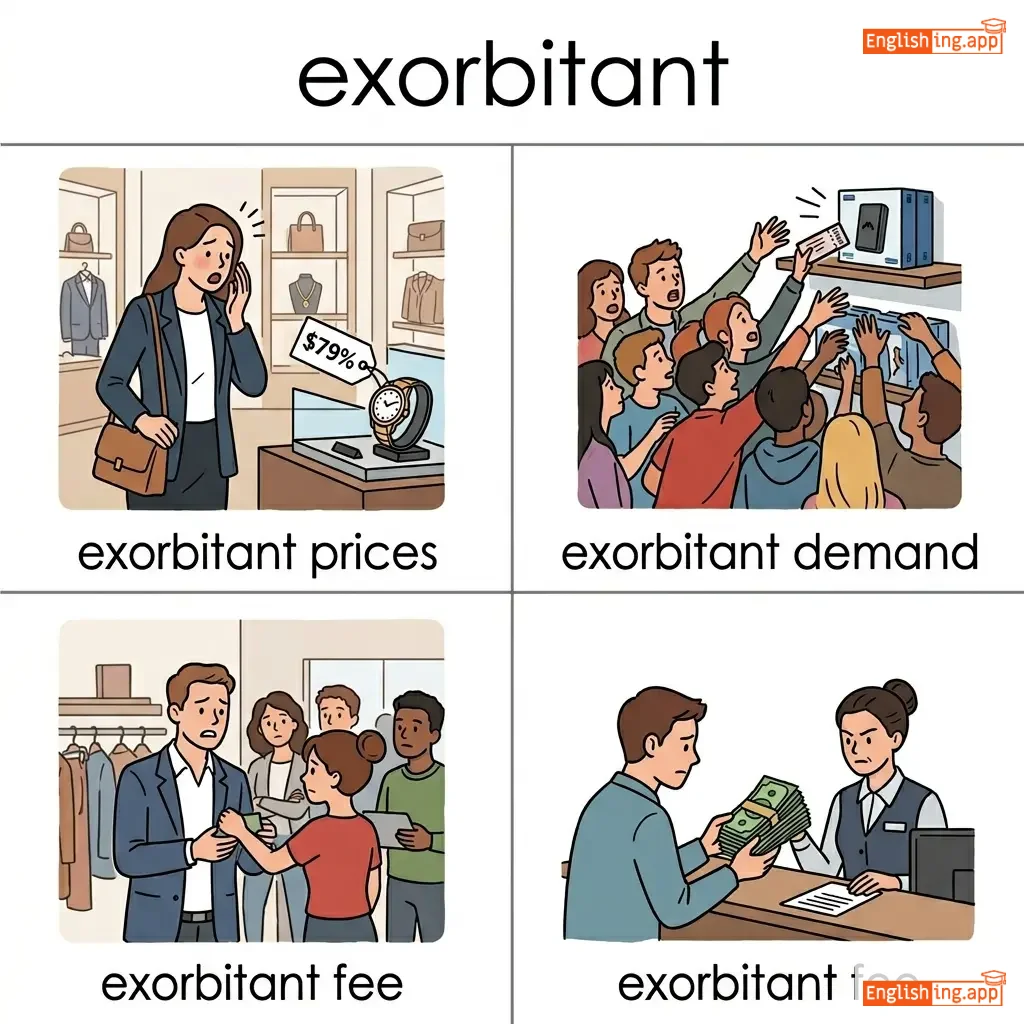
Unreasonably high in price or amount; excessive.
••••••
|
The price of the concert tickets was exorbitant.
音乐会票价过高。
••••••
|
音乐会票价过高。
Yīnyuè huì piàojià guò gāo.
••••••
|
excessive, overpriced, outrageous
••••••
|
reasonable, affordable, modest
••••••
|
A price that’s so high, it’s ‘off the scale,’ just too much.
••••••
|
|
#3972
📊
|
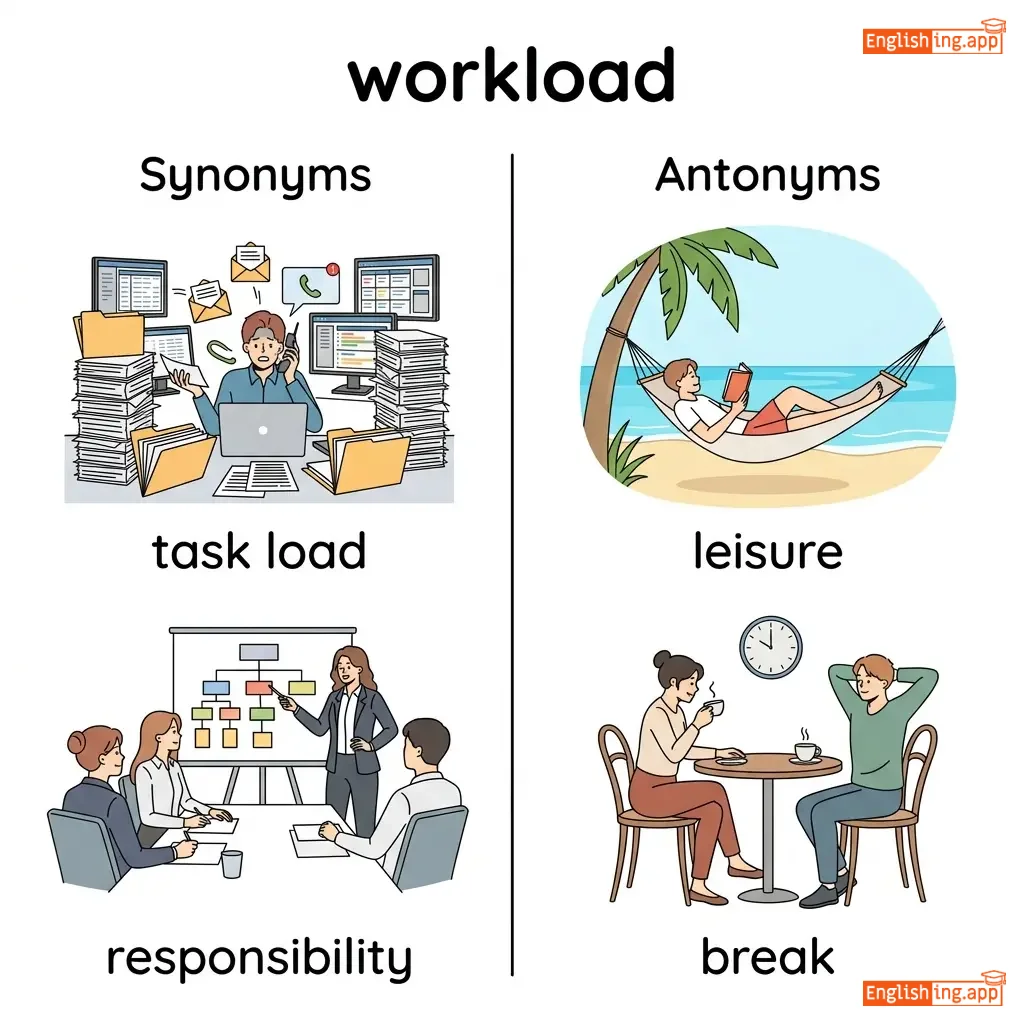
ˈwɜːrkˌləʊd
noun
(wɜːrkˌləʊd)
••••••
|
|
工作量
gongzuoliang
••••••
|
The amount of work to be done by someone or something.
••••••
|
His workload has increased dramatically in the past month.
他的工作量在上个月急剧增加。
••••••
|
他的工作量在上个月急剧增加。
Tā de gōngzuò liàng zài shàng gè yuè jíjù zēngjiā.
••••••
|
task load, responsibility, duty
••••••
|
leisure, break, rest
••••••
|
In Chinese, '工作量' means work load, just like workload in English.
••••••
|
|
#3973
🤔
|
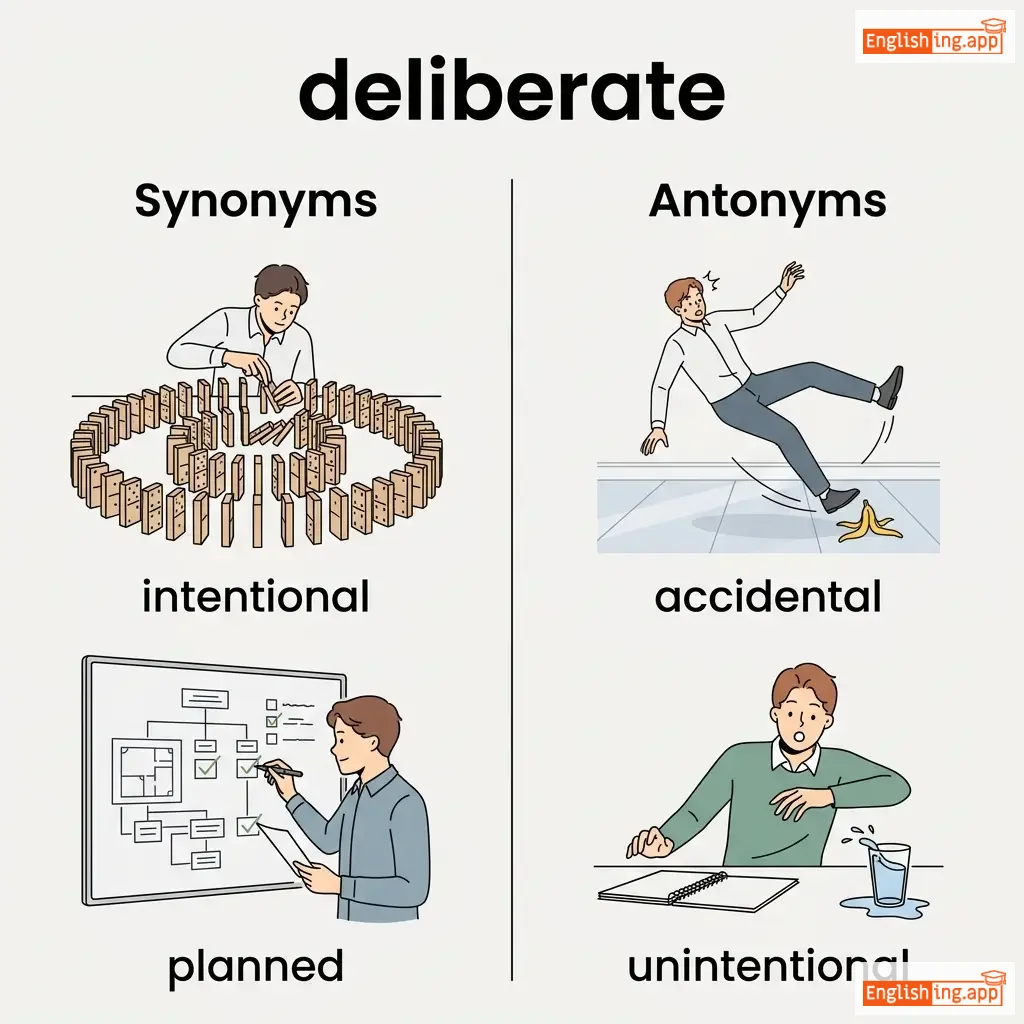
dɪˈlɪbəreɪt
adjective
(dɪˈlɪbəreɪt)
••••••
|
|
故意做的
gùyì zuò de
••••••
|
Done consciously and intentionally; carefully considered.
••••••
|
His deliberate actions showed great care and thoughtfulness. |
他的故意行为表现出极大的关心和深思熟虑。
Tā de gùyì xíngwéi biǎoxiàn chū jí dà de guānxīn hé shēnsī shúlǜ.
••••••
|
intentional, thoughtful, considered
••••••
|
hasty, impulsive, careless
••••••
|
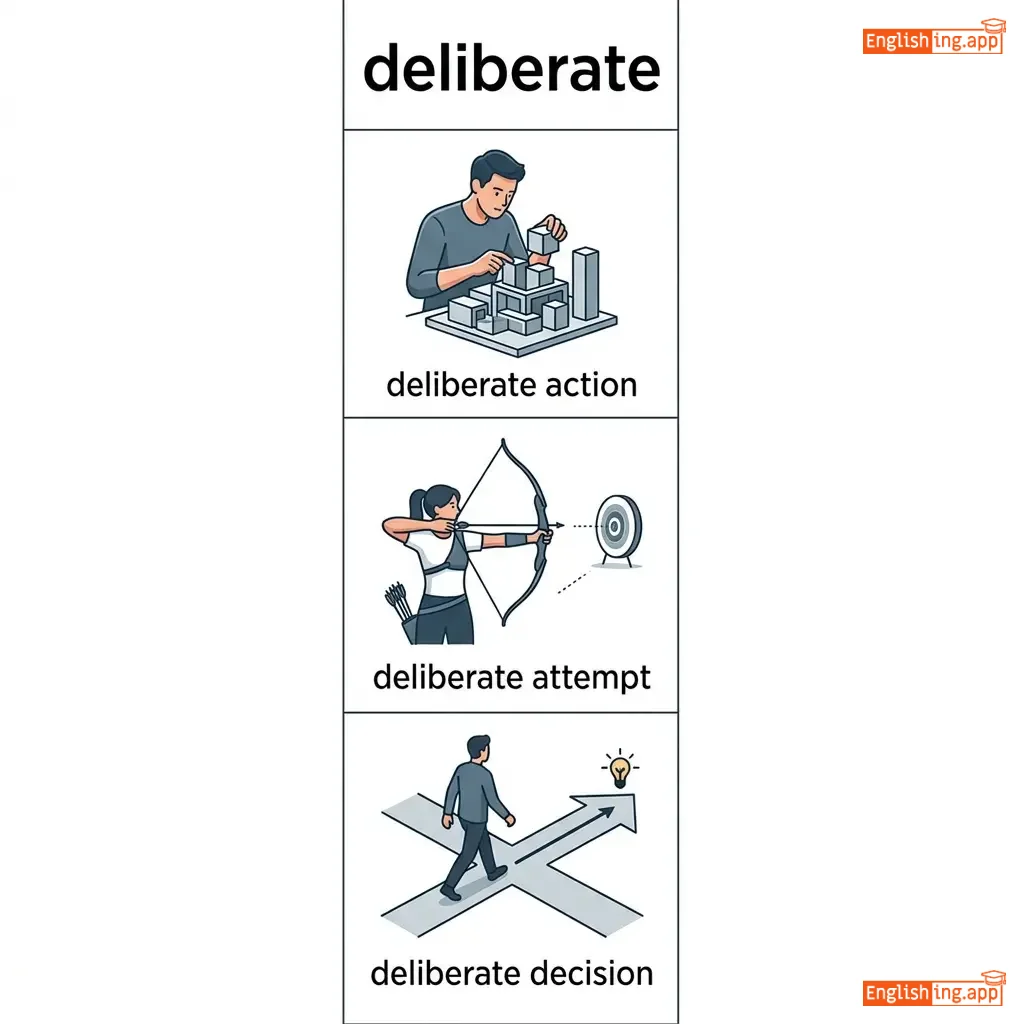
仔细考虑每一个动作,如故意选择走的道路。
••••••
|
Vocabulary Quiz
Test your vocabulary by matching words with their translations or meanings.
Login to take the quiz
Comments (0)
Share your thoughts and join the discussion.
Join the discussion by logging in
Login to CommentNo comments yet
Be the first to share your thoughts!