

如何快速学习一门新语言
How to learn a new language quickly
学习一门新的 language 需要 dedication 和正确的策略。要快速学习一门语言,请遵循以下步骤:
-
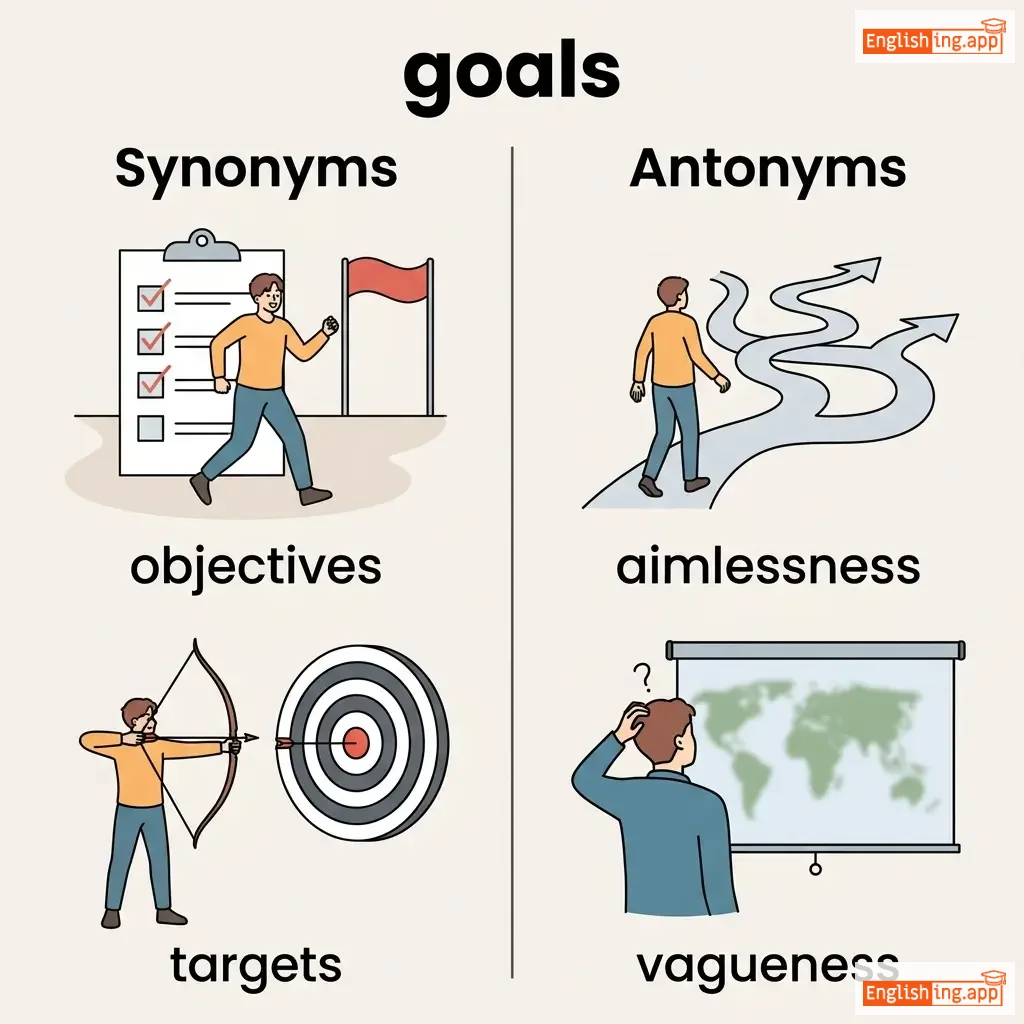
Set clear goals 首先决定你为什么要学习这门 language。可能是为了 travel、work 或学习新的文化。明确的 goals 有助于保持专注。
-
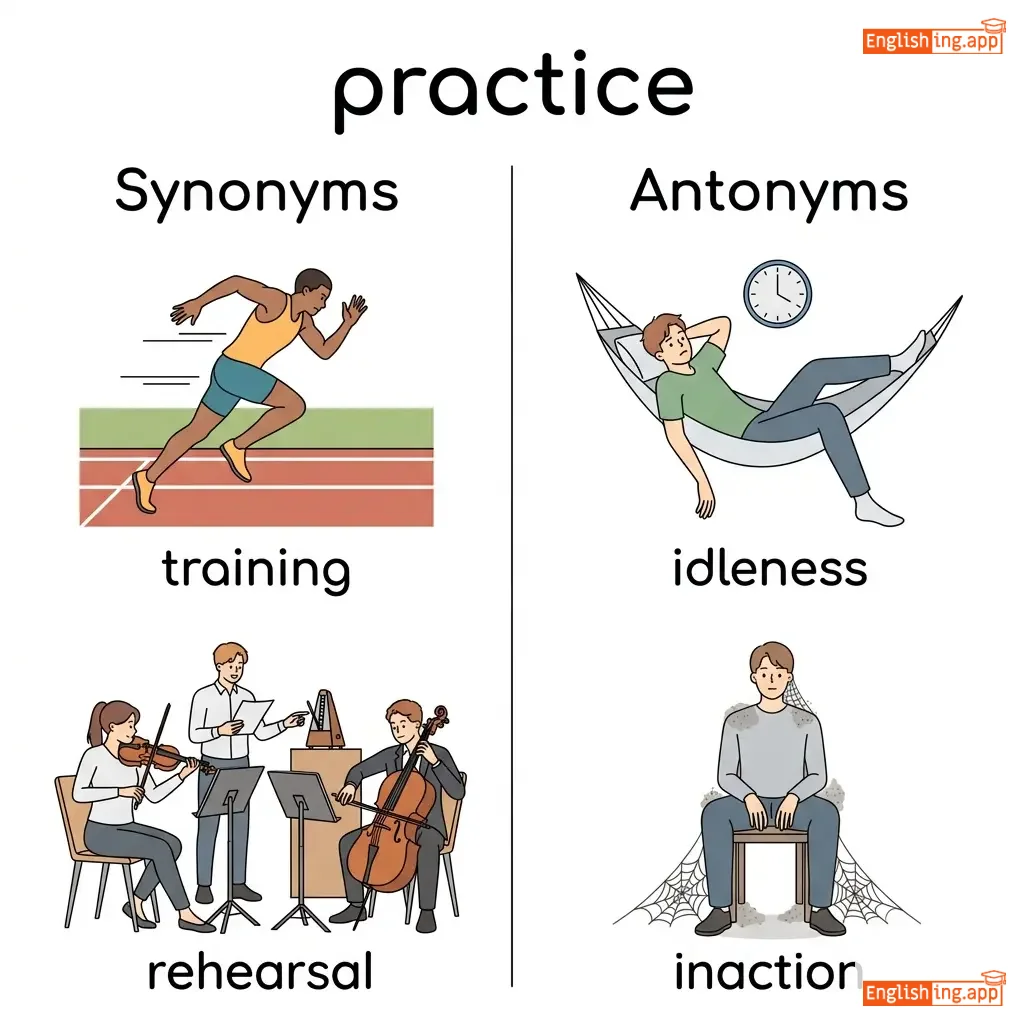
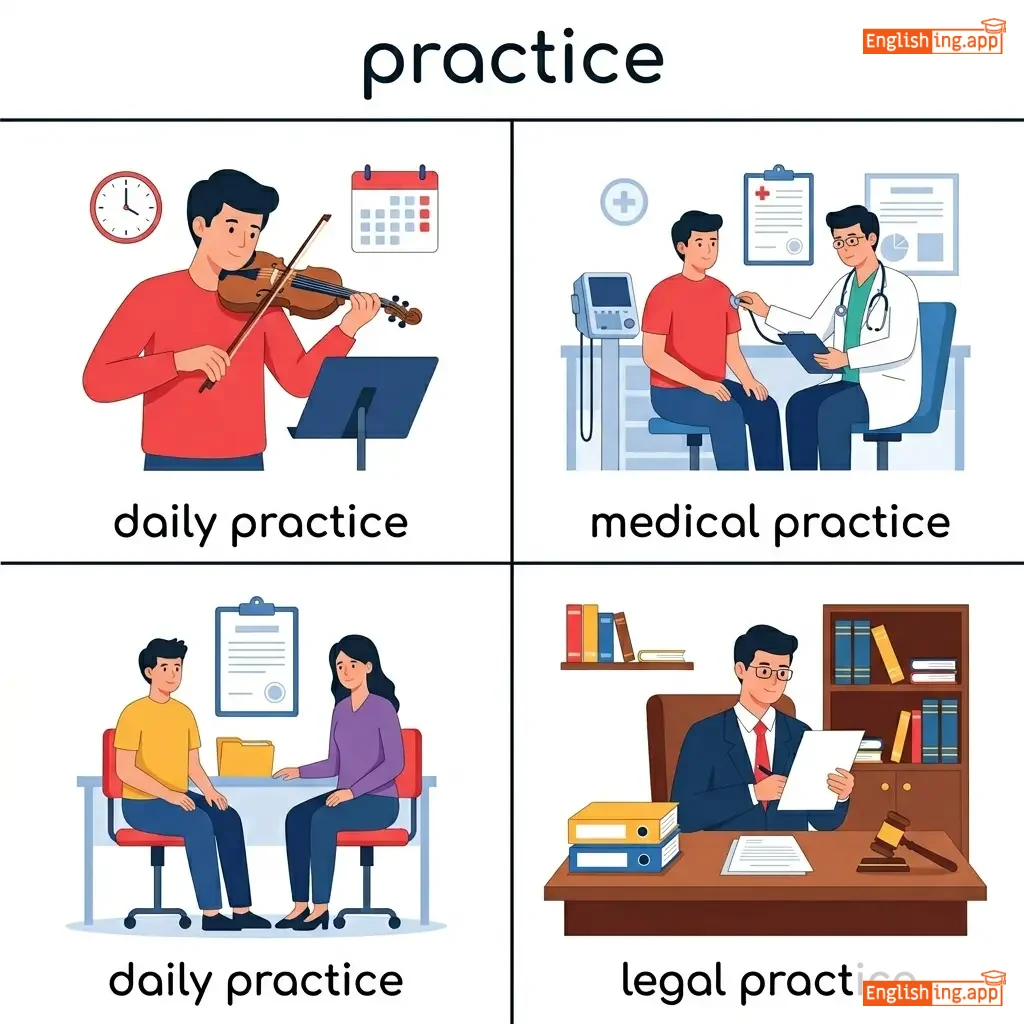
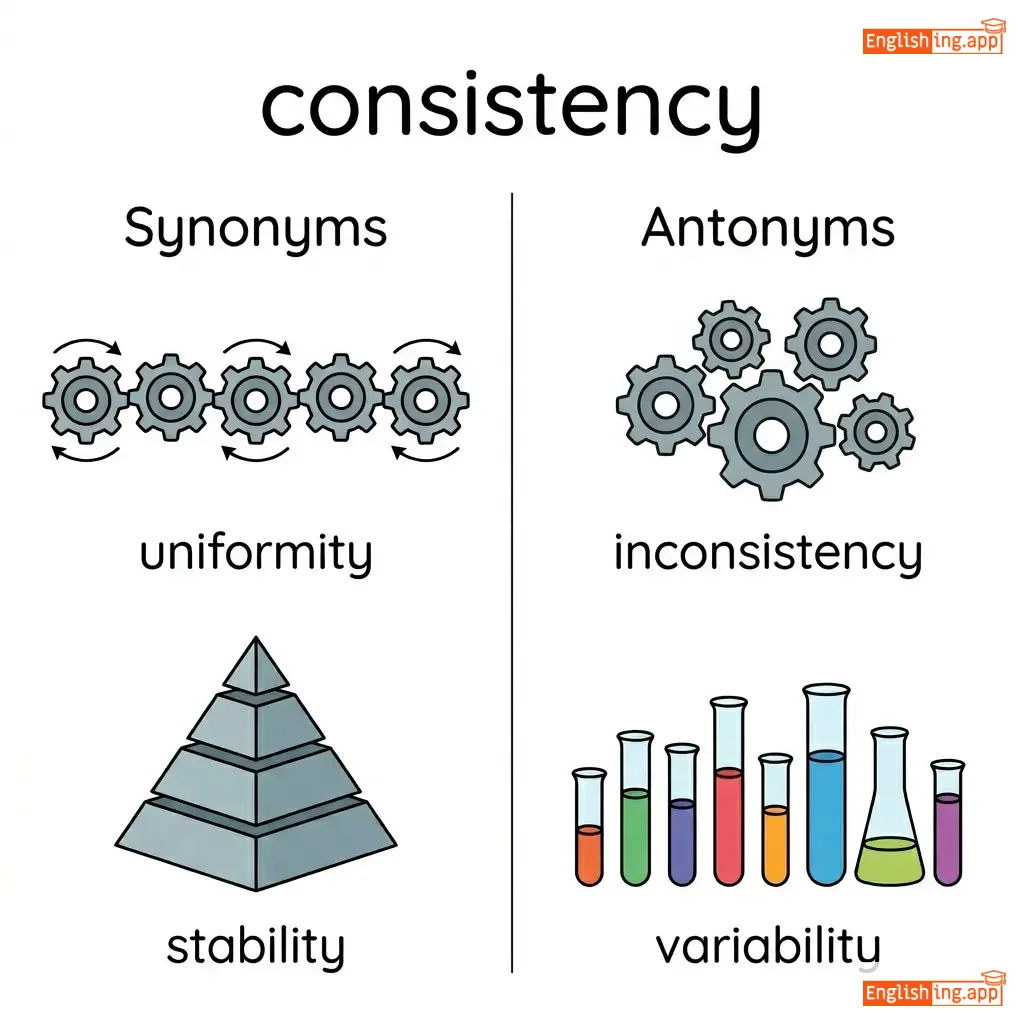
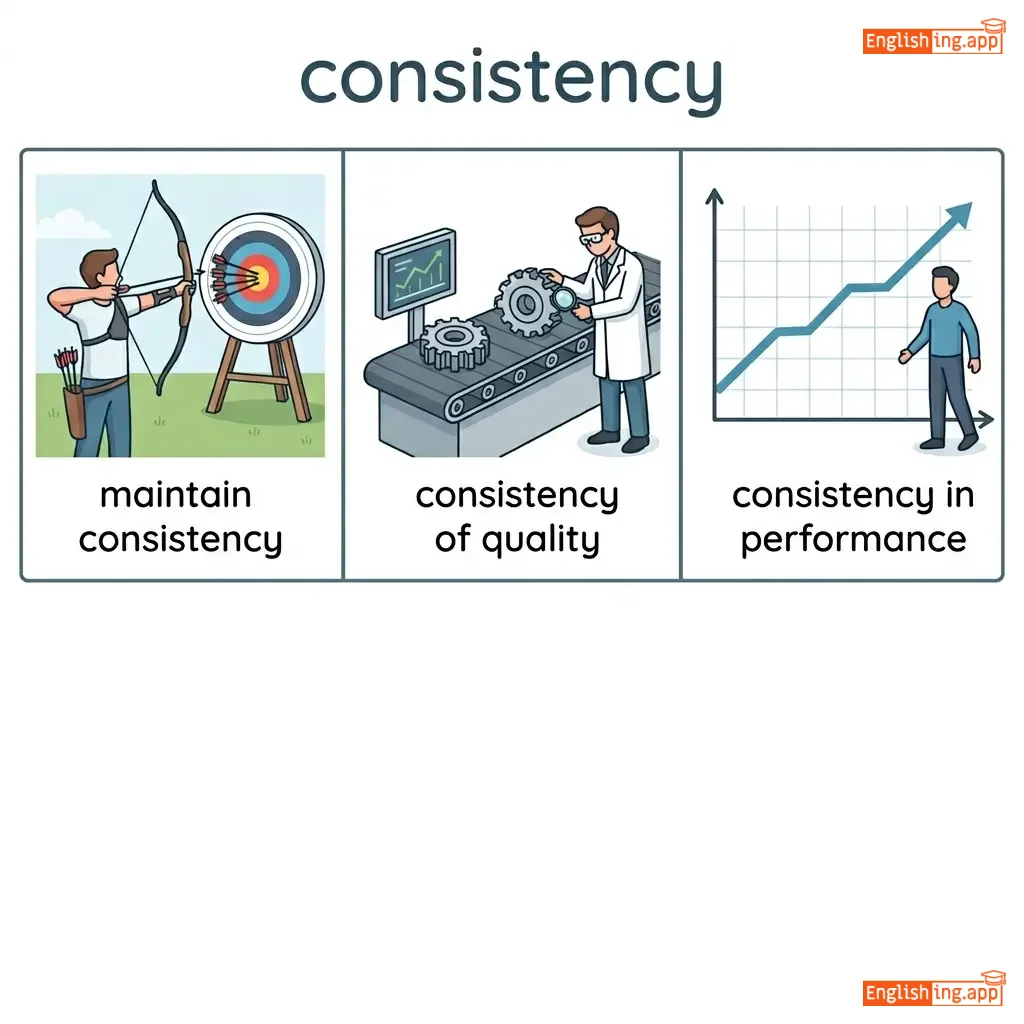
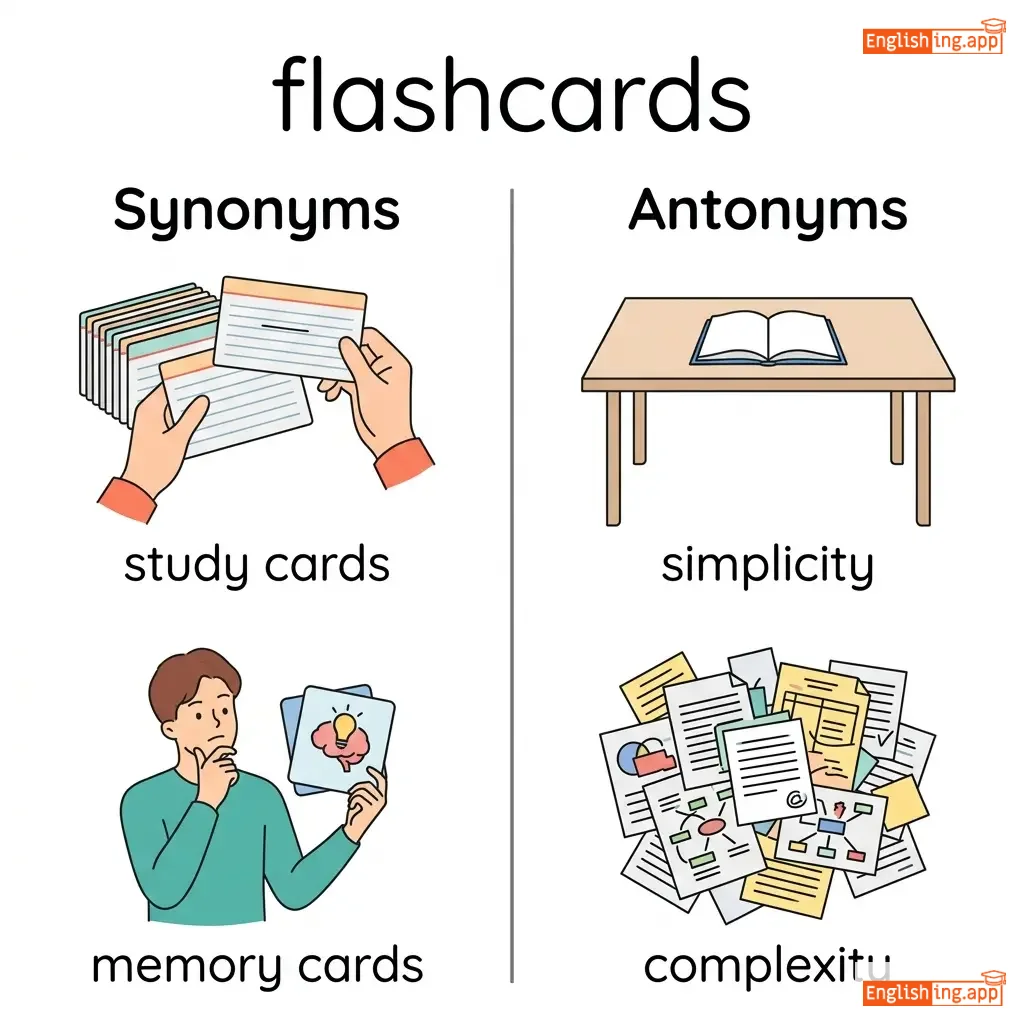
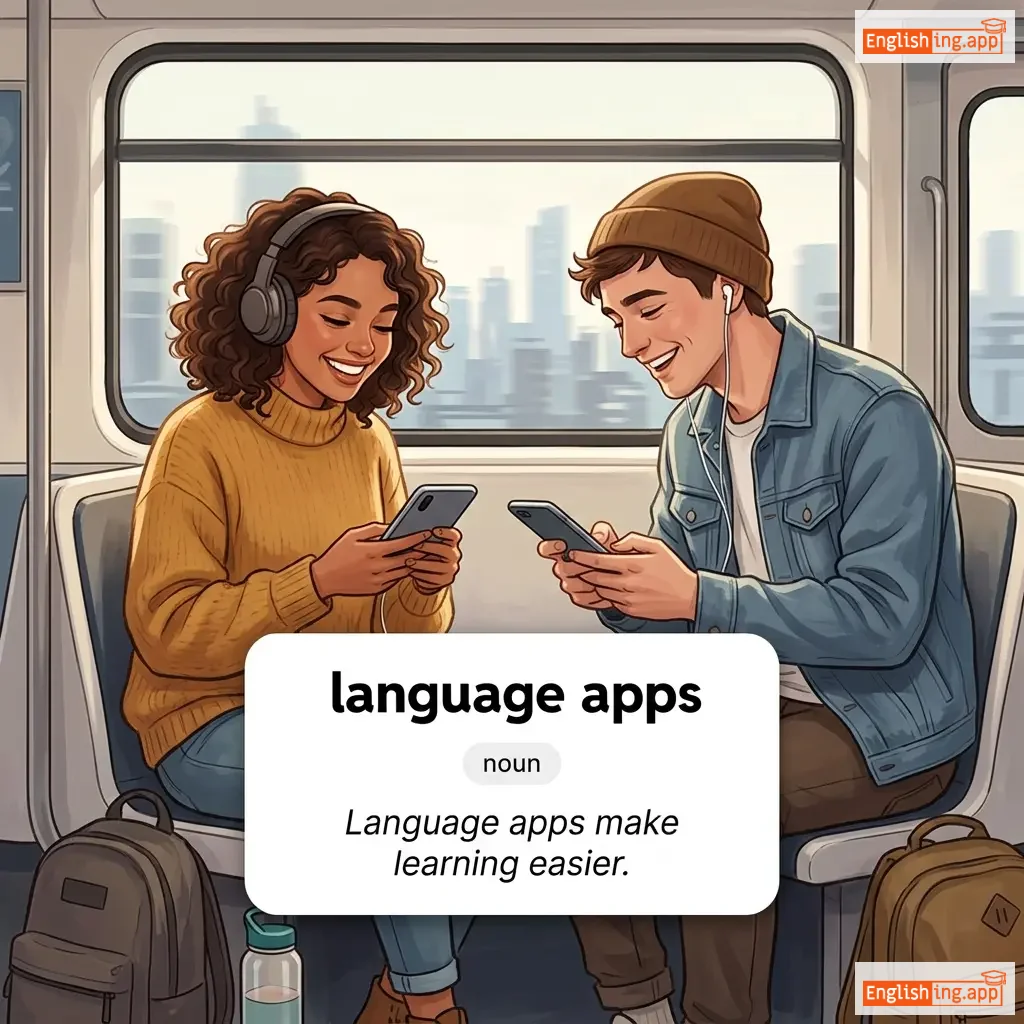
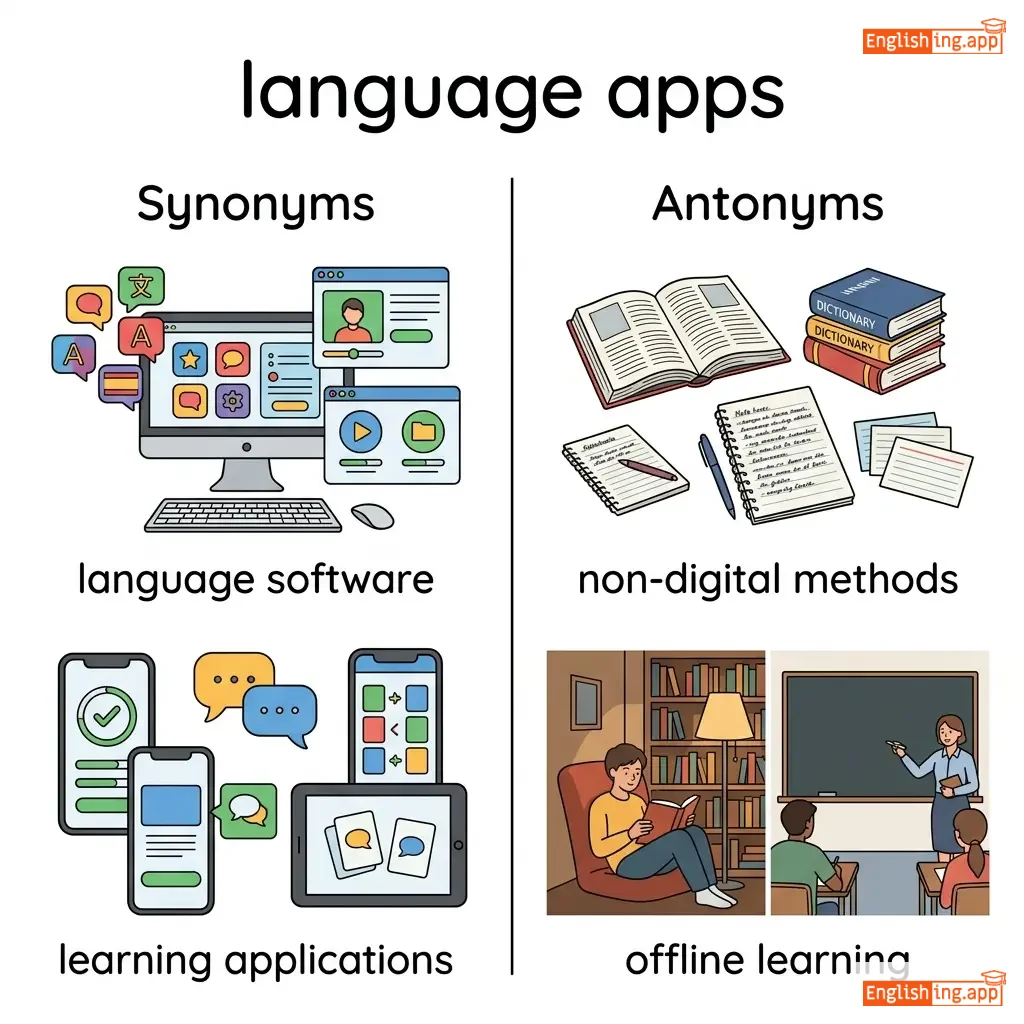
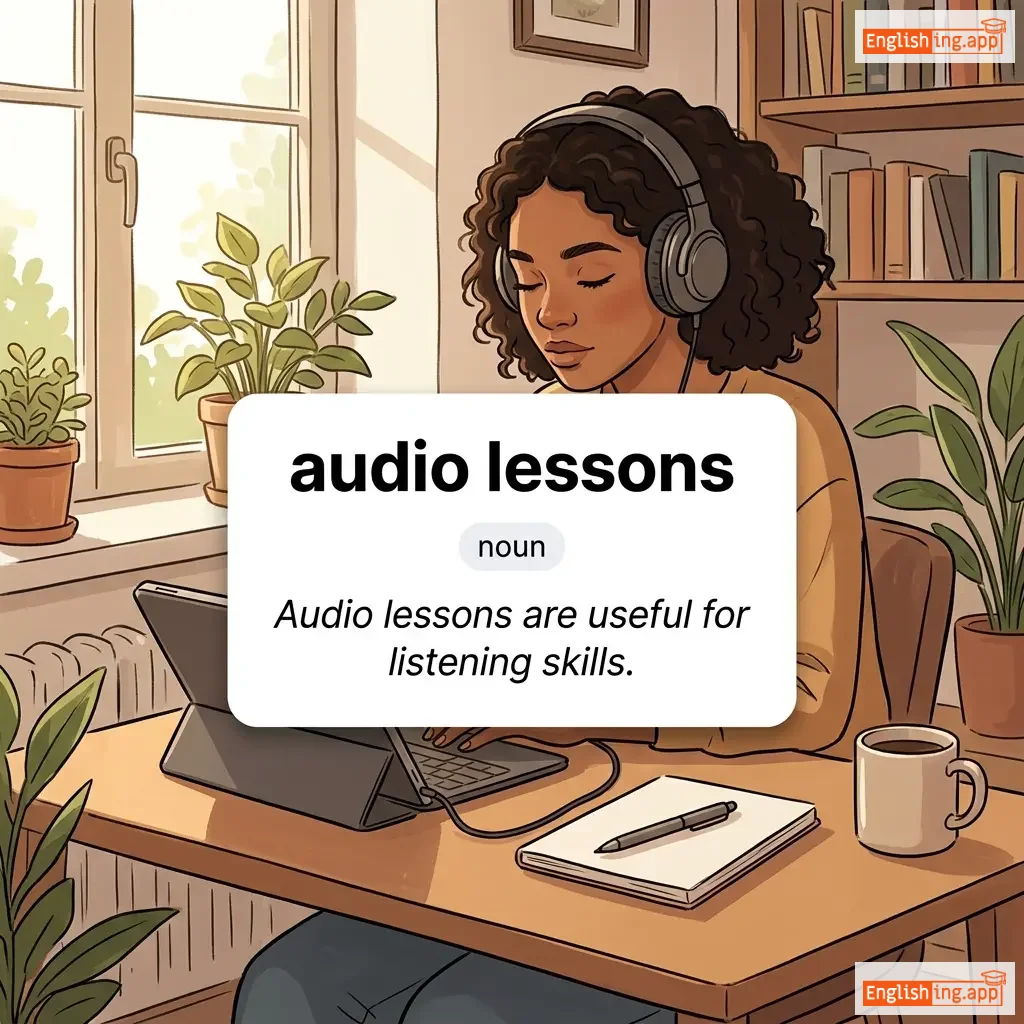
Practice daily 每天花时间练习。即使是 10-15 分钟,consistency 也很重要。Flashcards、language apps 和 audio lessons 让学习更轻松。
-
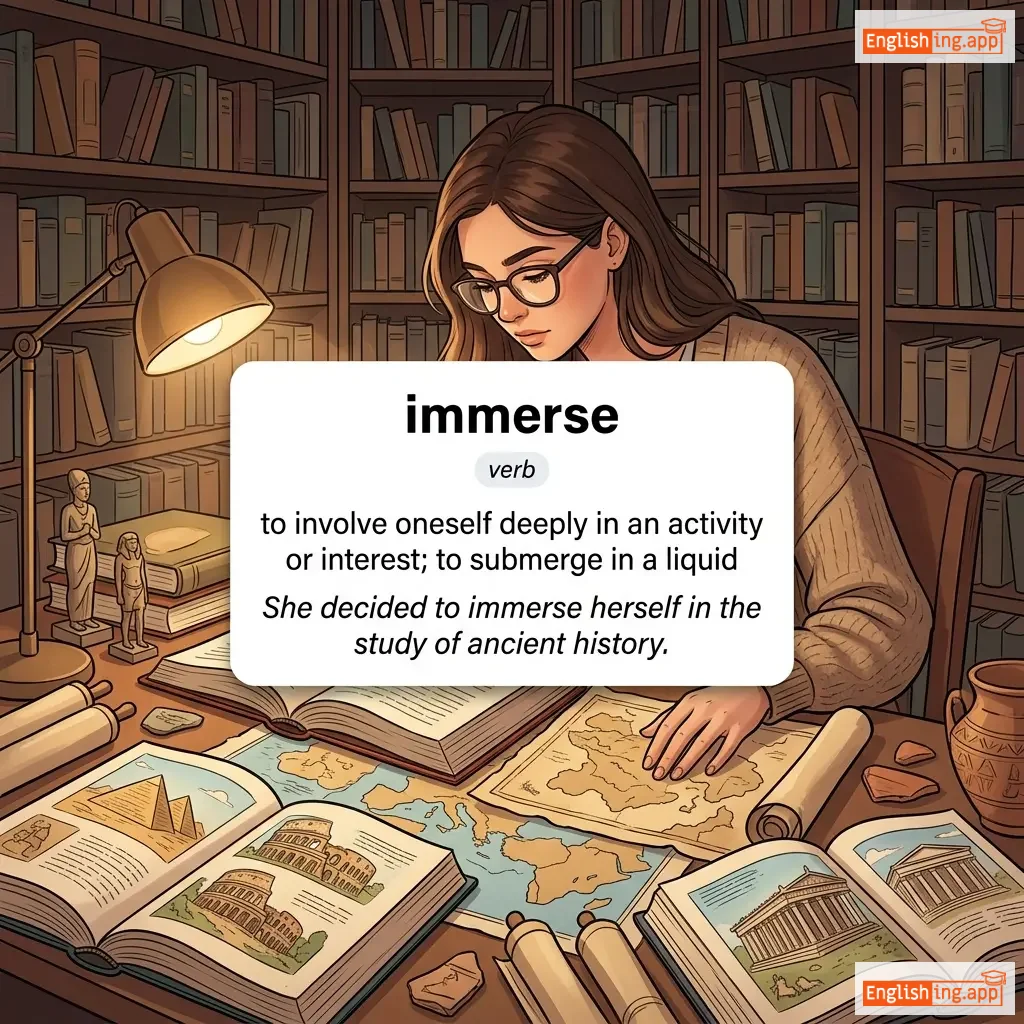
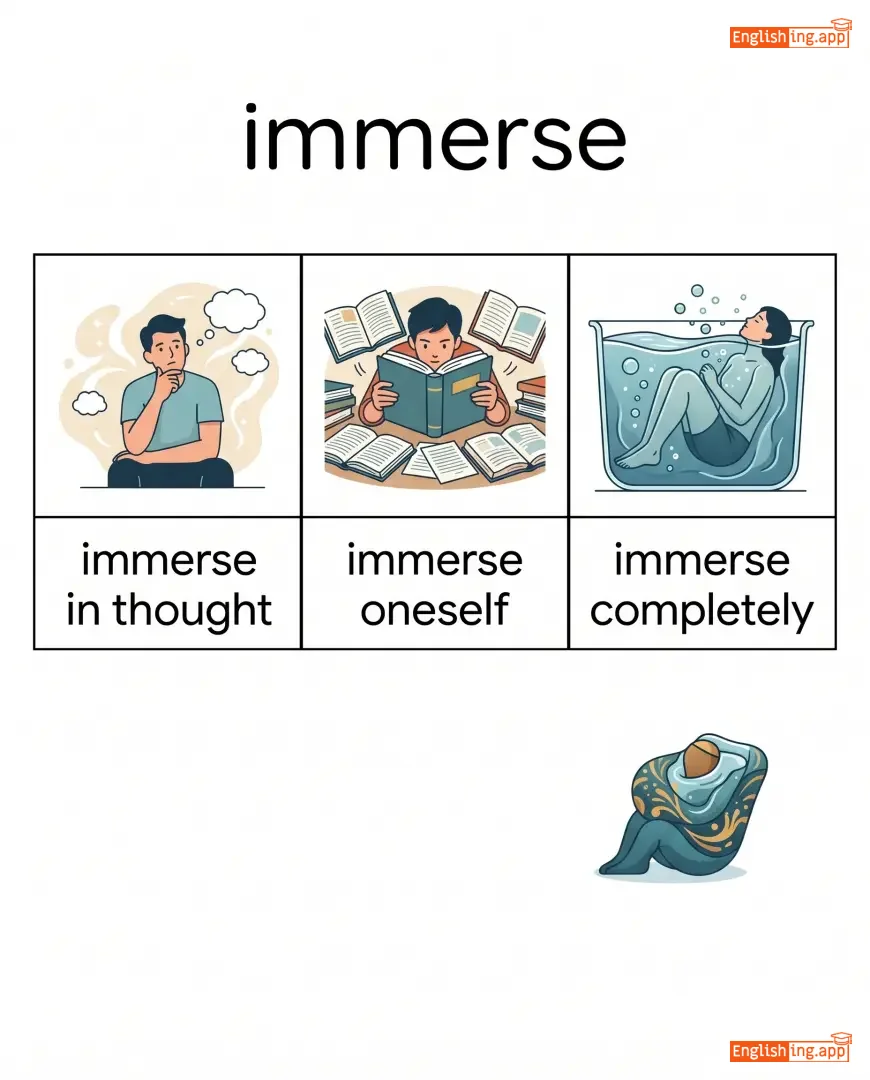
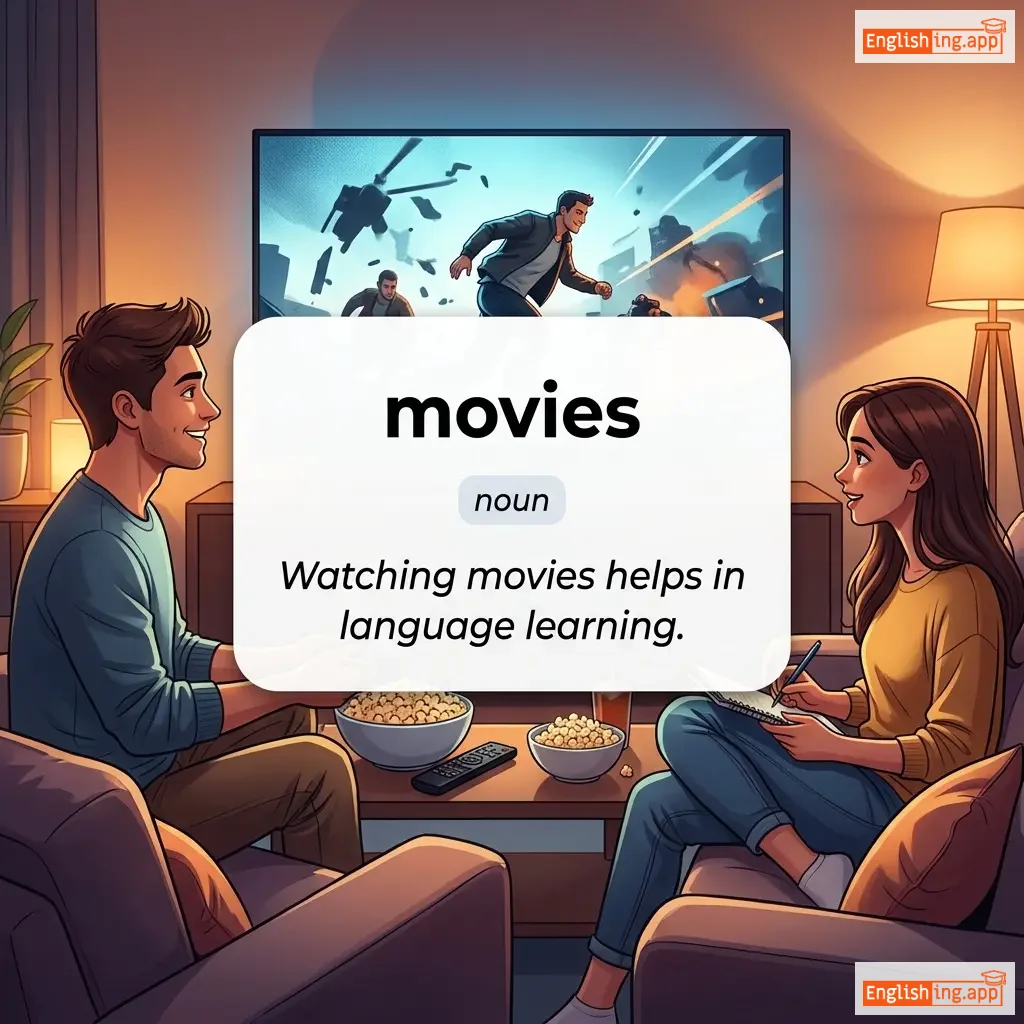
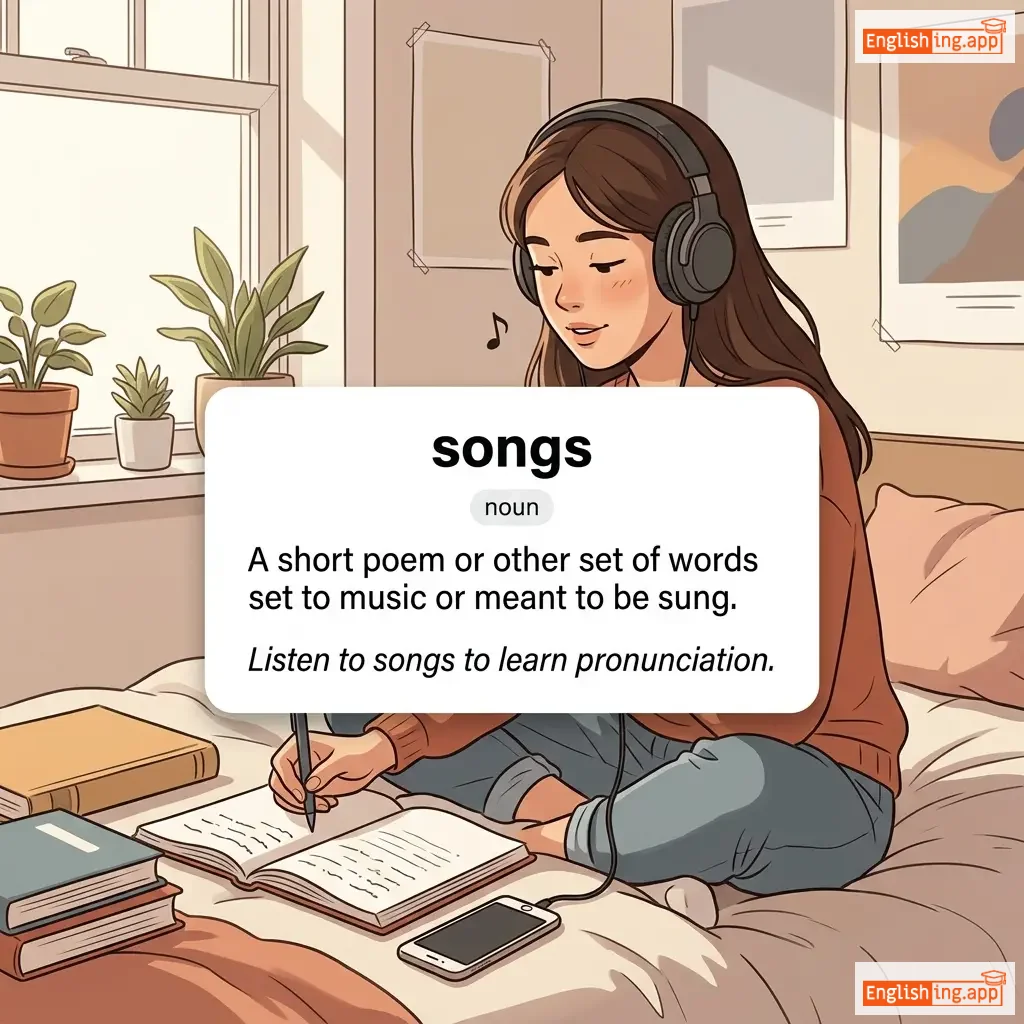
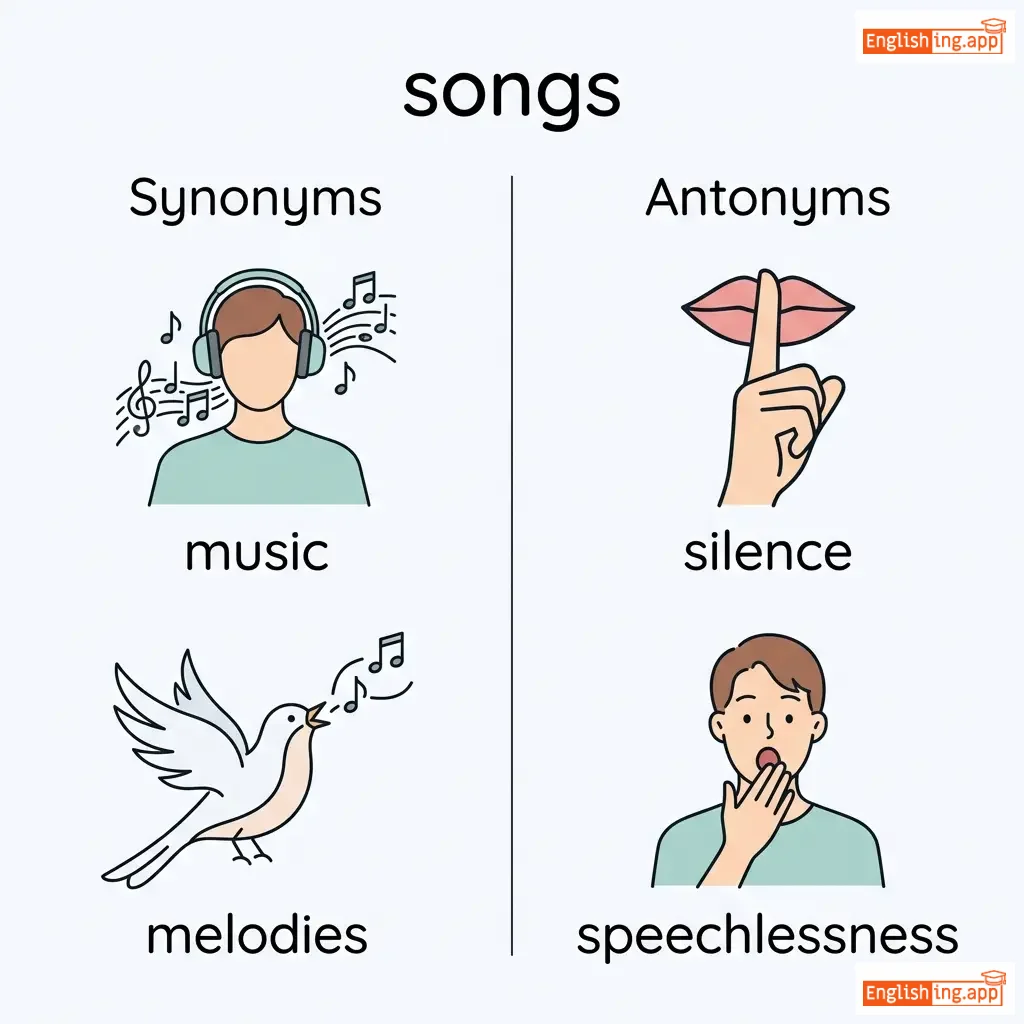
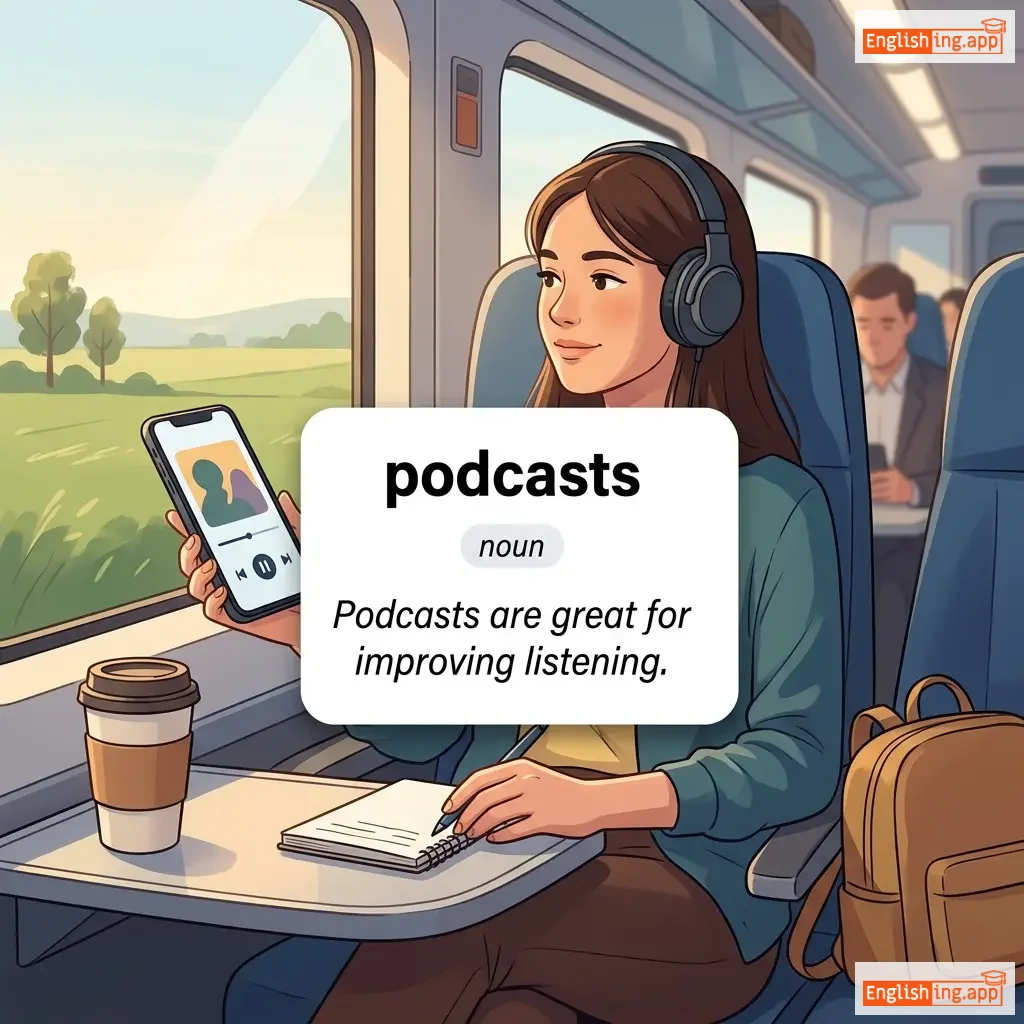
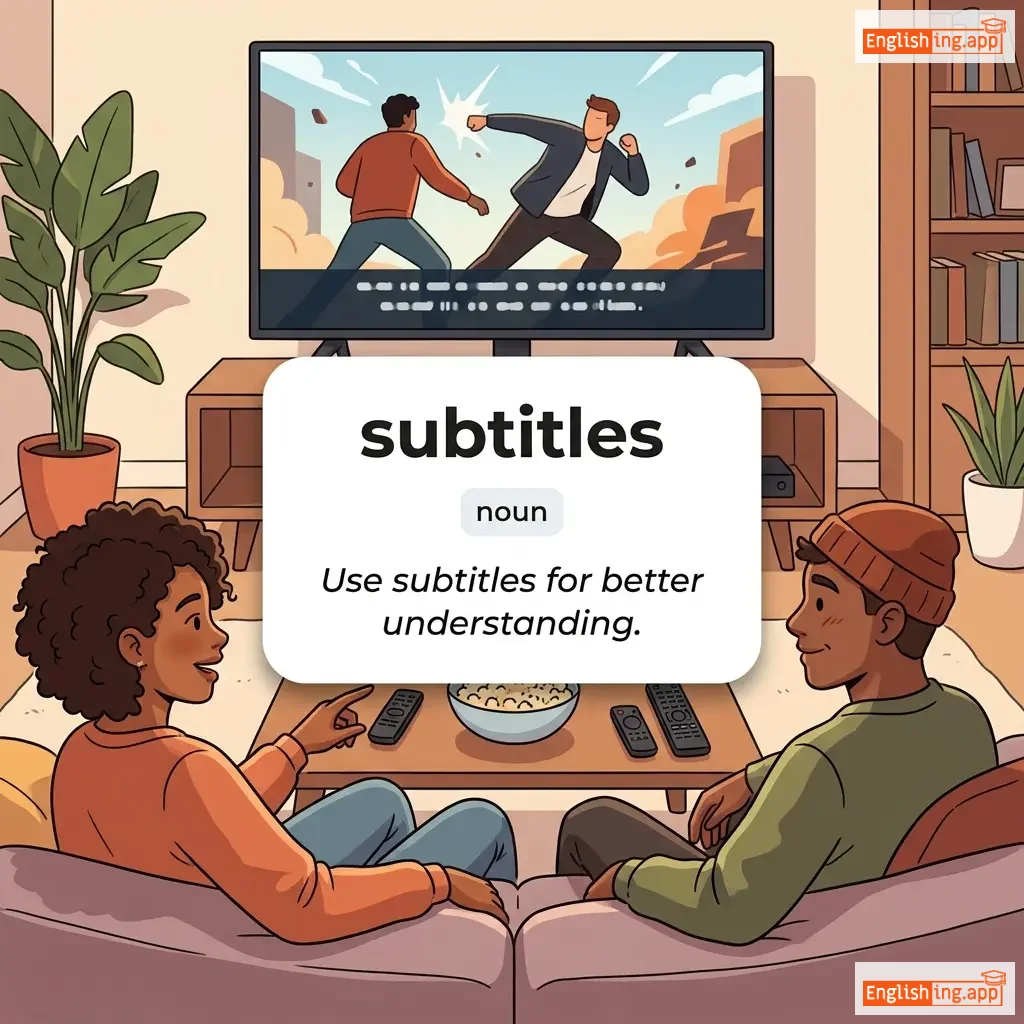
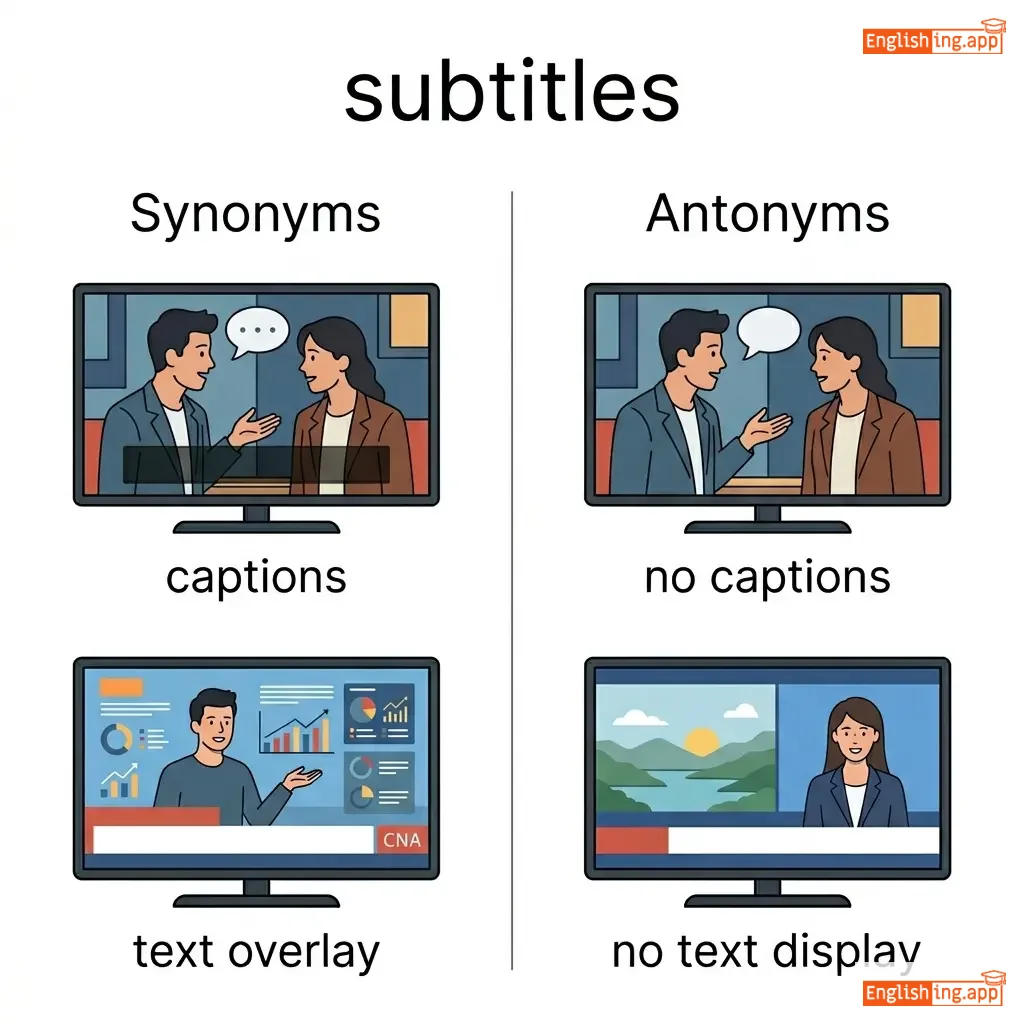
Immerse yourself 在你周围使用新的 language。Movies、songs 和 podcasts 都有帮助。带 subtitles 的电影非常有用。
-
Speak from day one 一学会新的 words 和 phrases 就开始练习说。没有 speaking,掌握一门语言很困难。
-
Find a partner 找一个 language exchange partner。与 native speaker 练习能提高发音和 fluency。
学习一门新的 language 虽然具有挑战性,但采用正确的方法会变得有趣且有收获。开始并保持耐心!







Swipe left or right, or use the buttons. Tap image to zoom.
例句翻译
单词
How to learn a new language quicklyHow to learn a new language quickly - 遮罩切换
|
表情符号
|
单词 | Images | 翻译 | 含义 | 例句 | 例句翻译 | 同义词 | 反义词 | 助记符 |
|---|---|---|---|---|---|---|---|---|---|
|
#2263
🗣️
|
ˈlæŋɡwɪdʒ
noun
(语言)
••••••
|
|
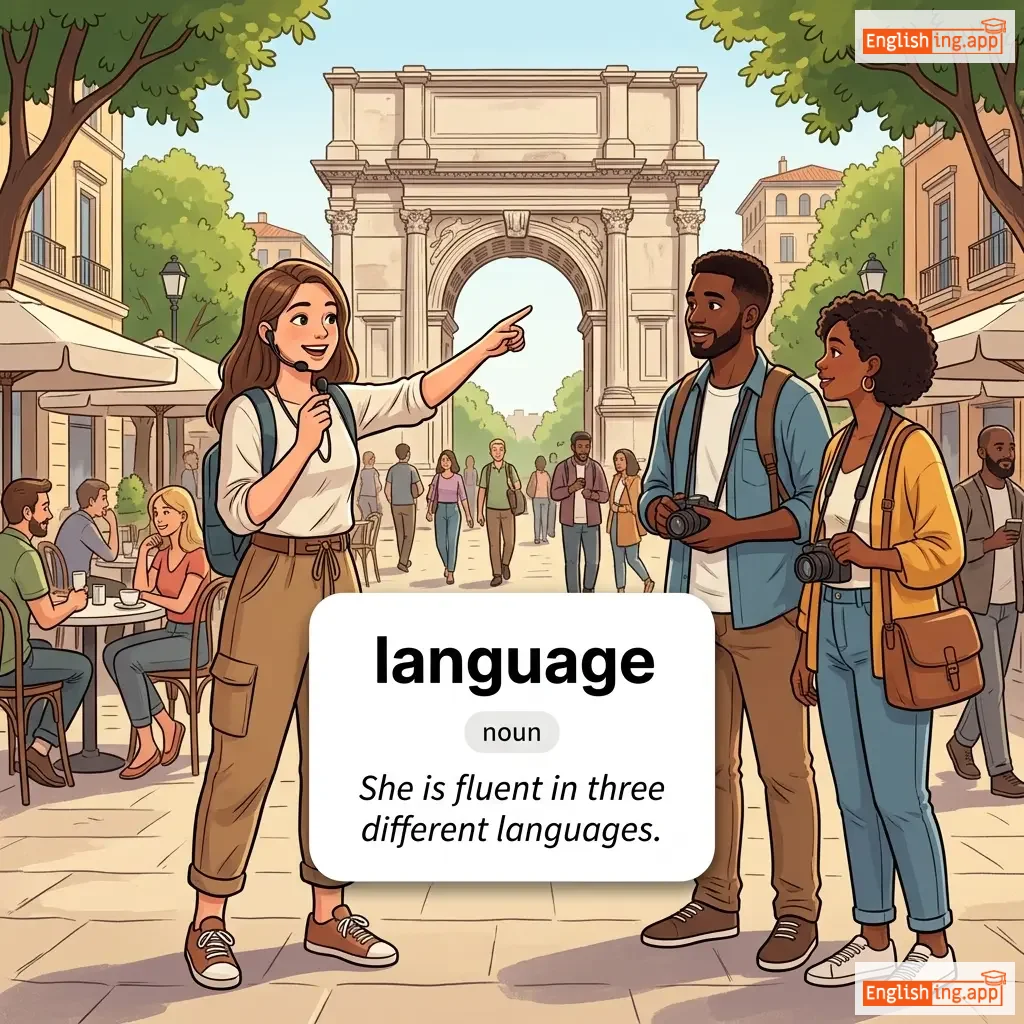
语言
yuyan
••••••
|
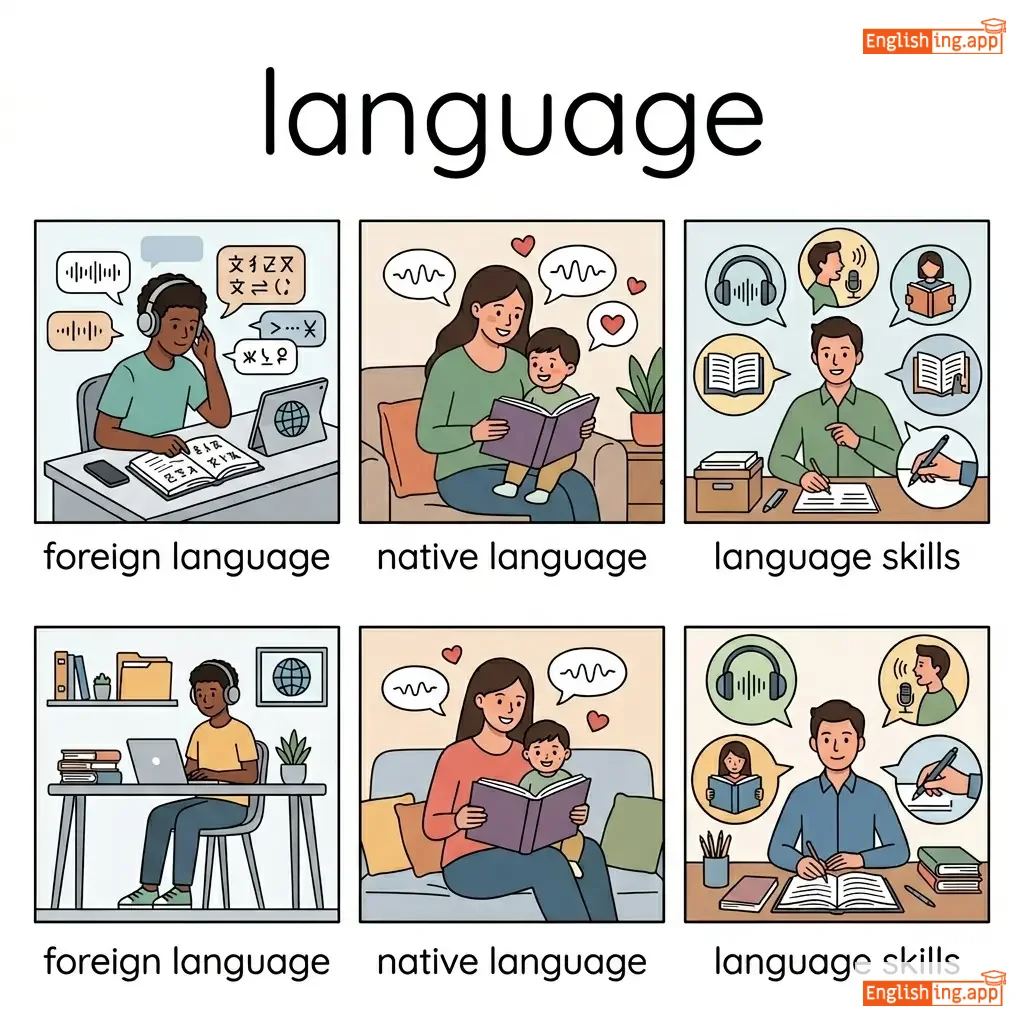
A method of communication used by humans, consisting of spoken and written words structured in specific ways.
••••••
|
Learning a new language can be exciting.
学习一门新语言可能会很兴奋。
••••••
|
学习一门新语言可能会很兴奋。
Xuexi yi men xin yuyan keneng hui hen xingfen.
••••••
|
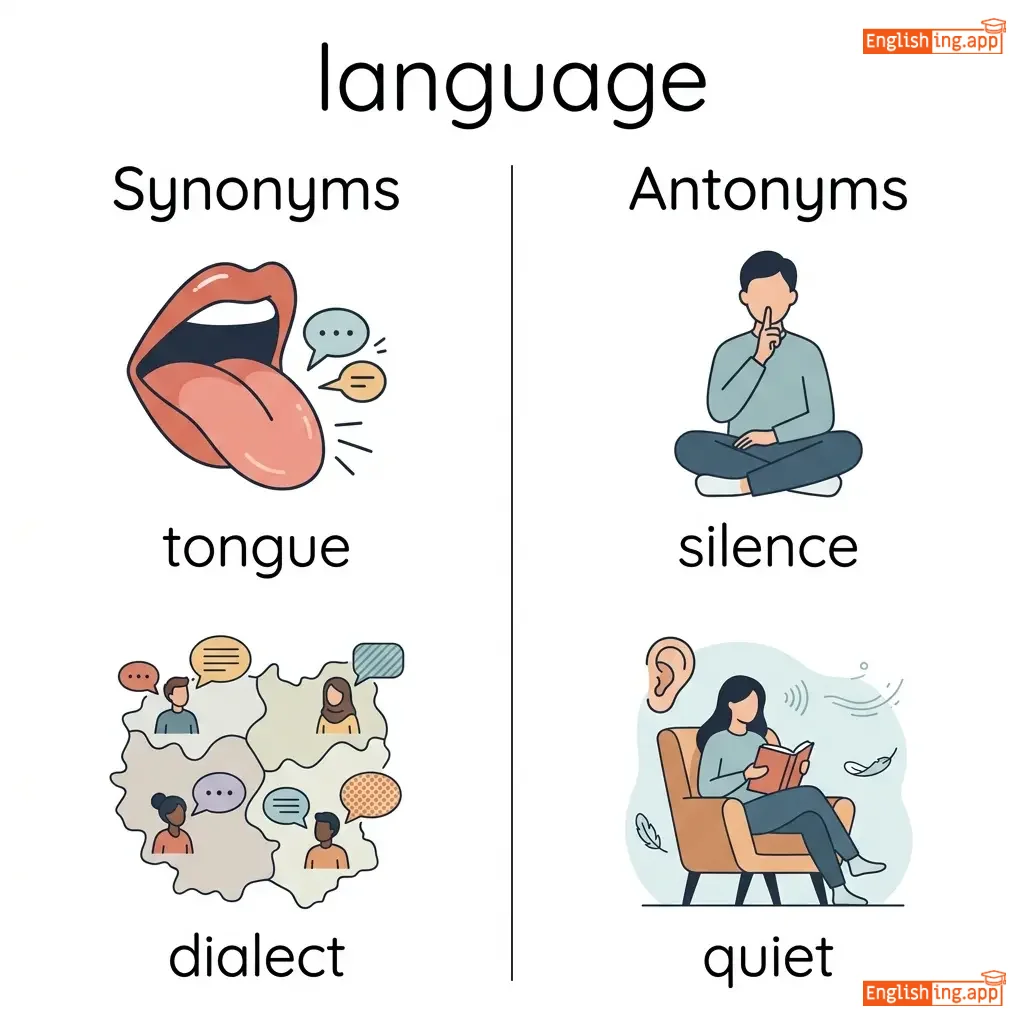
tongue, dialect, speech, communication, vernacular, idiom
••••••
|
silence, inactivity, muteness, speechlessness, quietness, stillness
••••••
|
Language breaks barriers (Chinese mnemonic: 语言打破障碍)
••••••
|
|
#2264
💪
|
ˌdɛdɪkeɪʃən
noun
(dedikeishen)
••••••
|
|
奉献
fengxian
••••••
|
The quality of being committed to a task or purpose; devotion.
••••••
|
Dedication is the key to success. |
奉献是成功的关键。
Fèngxiàn shì chénggōng de guānjiàn.
••••••
|
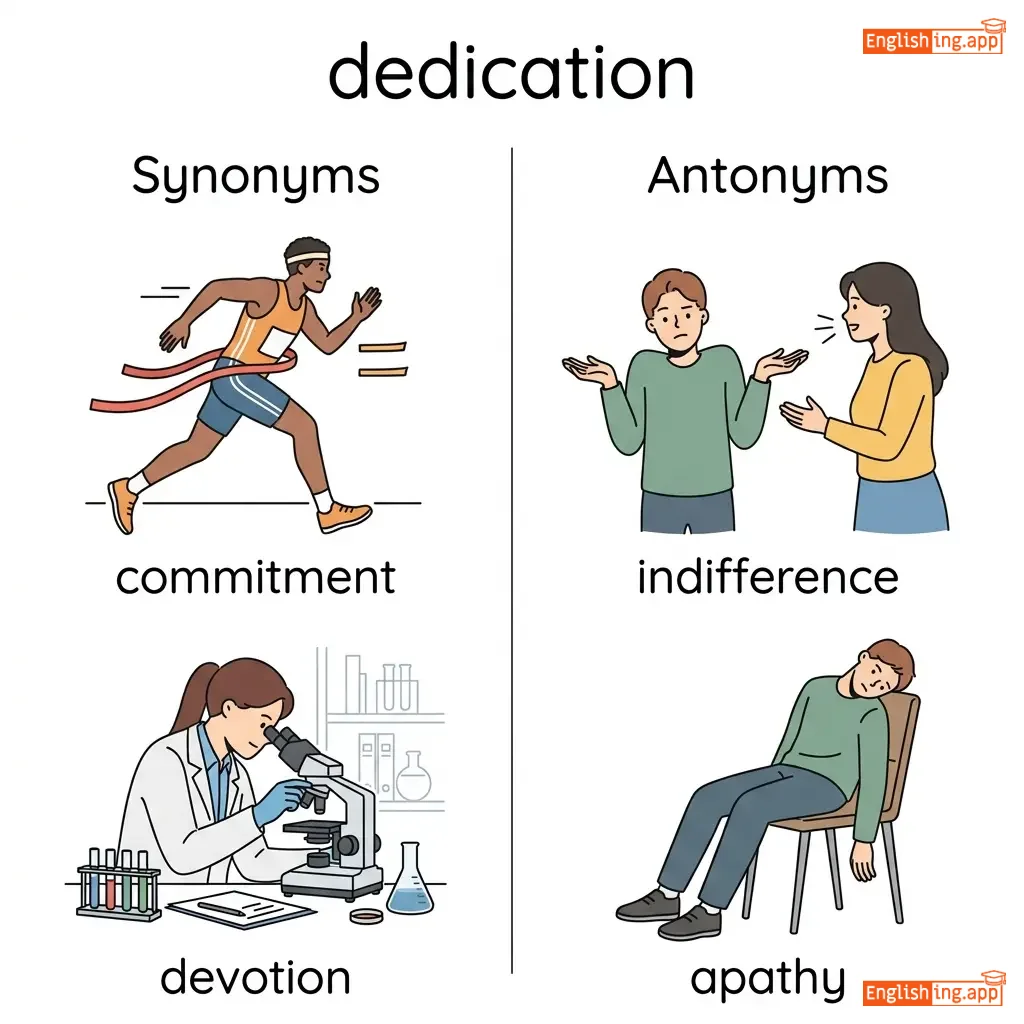
commitment, devotion, loyalty, determination, perseverance, resolve
••••••
|
neglect, indifference, apathy, carelessness, laziness, abandonment
••••••
|
Dedication leads to success = 奉献通向成功
••••••
|
|
#2265
🎯
|
ɡoʊlz
noun
(goals)
••••••
|
|
目标
mùbiāo
••••••
|
The object of a person's ambition or effort; an aim or desired result.
••••••
|
Setting clear goals makes work easier. |
设定明确的目标可以让工作更轻松。
Shèdìng míngquè de mùbiāo kěyǐ ràng gōngzuò gèng qīngsōng.
••••••
|
objectives, targets, aims, purposes, ambitions, intentions
••••••
|
aimlessness, indifference, purposelessness, confusion, randomness, chaos
••••••
|
目标是中文中用来表示目标或愿望的词汇。
••••••
|
|
#2266
🏃
|
ˈpræktɪs
noun
(pràktɪs)
••••••
|
|
练习
lianxi
••••••
|
The actual application or use of an idea, belief, or method; repeated exercise in or performance of an activity or skill.
••••••
|
Daily practice improves fluency.
每天的练习能提高流利度。
••••••
|
每天的练习能提高流利度。
Měitiān de liànxí néng tígāo liúlì dù.
••••••
|
exercise, training, rehearsal, drill, repetition, preparation
••••••
|
inactivity, neglect, abandonment, idleness, inaction, passivity
••••••
|
每天练习,才会有进步!
••••••
|
|
#2267
🔄
|
kənˈsɪstənsi
noun
(kənˈsɪstənsi)
••••••
|
|
一致性
yīzhìxìng
••••••
|
The quality of achieving a level of performance which does not vary greatly in quality over time.
••••••
|
Consistency is essential in learning.
一致性对学习至关重要。
••••••
|
一致性在学习中至关重要。
Yīzhìxìng zài xuéxí zhōng zhìguān zhòngyào.
••••••
|
regularity, uniformity, stability, reliability, steadiness, persistence
••••••
|
inconsistency, irregularity, variability, instability, unreliability, changeability
••••••
|
一致性就像是每天坚持做同样的事情,就像坚持学习。
••••••
|
|
#2268
📇
|
ˈflæʃkɑːrdz
noun
(flashcards)
••••••
|
|
学习卡片
xuéxí kǎpiàn
••••••
|
Cards containing small amounts of information, held up for students to see, as an aid to learning.
••••••
|
Flashcards help in quick memorization.
闪卡帮助快速记忆。
••••••
|
闪卡帮助快速记忆。
Shǎn kǎ bāngzhù kuàisù jìyì.
••••••
|
study cards, memory cards, learning aids, revision cards, prompt cards, cue cards
••••••
|
simplicity, complexity, confusion, disorder, chaos, randomness
••••••
|
学习卡片帮助快速记忆,像闪光一样。
••••••
|
|
#2269
📱
|
ˈlæŋɡwɪdʒ æps
noun
(ˈlæŋɡwɪdʒ æps)
••••••
|
|
语言学习应用
yǔyán xuéxí yìngyòng
••••••
|
Mobile or computer applications designed to help users learn new languages through interactive lessons and exercises.
••••••
|
Language apps make learning easier.
语言应用程序使学习变得更加容易。
••••••
|
语言应用程序使学习变得更加容易。
Yǔyán xuéxí yìngyòng chéngxù shǐ xuéxí biàn dé gèngjiā róngyì.
••••••
|
language software, learning applications, educational apps, language tools, study apps, digital tutors
••••••
|
non-digital methods, offline learning, traditional methods, paper-based learning, classroom teaching, manual instruction
••••••
|
语言学习应用程序让学习变得像游戏一样简单。
••••••
|
|
#2270
🎧
|
ˈɔːdioʊ ˈlɛsənz
noun
(音频课程)
••••••
|
|
音频课程
yinpin kecheng
••••••
|
Educational content delivered through sound recordings, typically used for language learning and skill development.
••••••
|
Audio lessons are useful for listening skills. |
音频课程对于听力技能非常有用。
Yinpin kecheng dui yu tingli jineng feichang youyong.
••••••
|
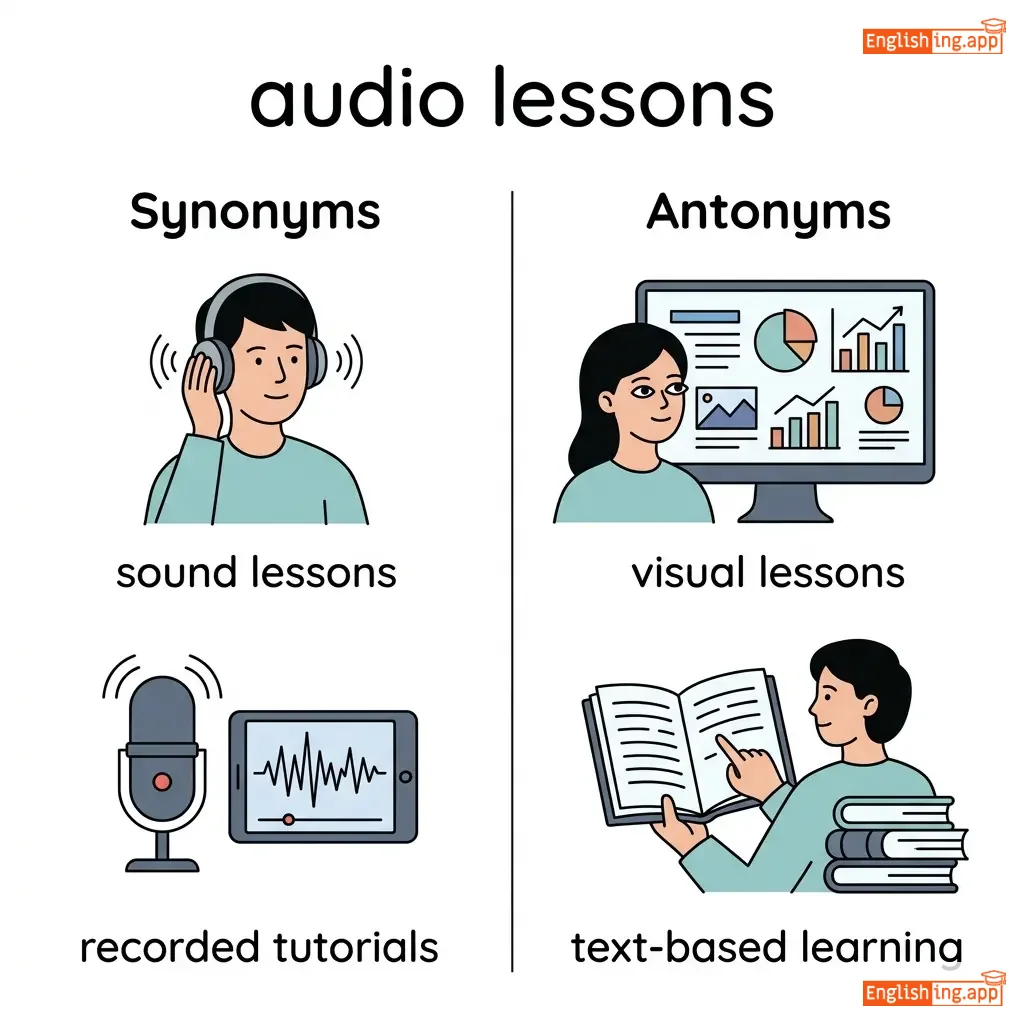
sound lessons, recorded tutorials, listening exercises, audio tutorials, voice lessons, spoken lessons
••••••
|
visual lessons, text-based learning, written instruction, silent study, reading materials, graphic content
••••••
|
音频课程帮助你更好地 '听'。
••••••
|
|
#2271
🏊
|
ɪˈmɜːrs
verb
(īmóu sī)
••••••
|
|
沉浸
chénjìn
••••••
|
To involve oneself deeply in a particular activity or interest; to surround completely.
••••••
|
Immerse yourself in the new language.
沉浸在新的语言中。
••••••
|
沉浸在新的语言中。
Chénjìn zài xīn de yǔyán zhōng.
••••••
|
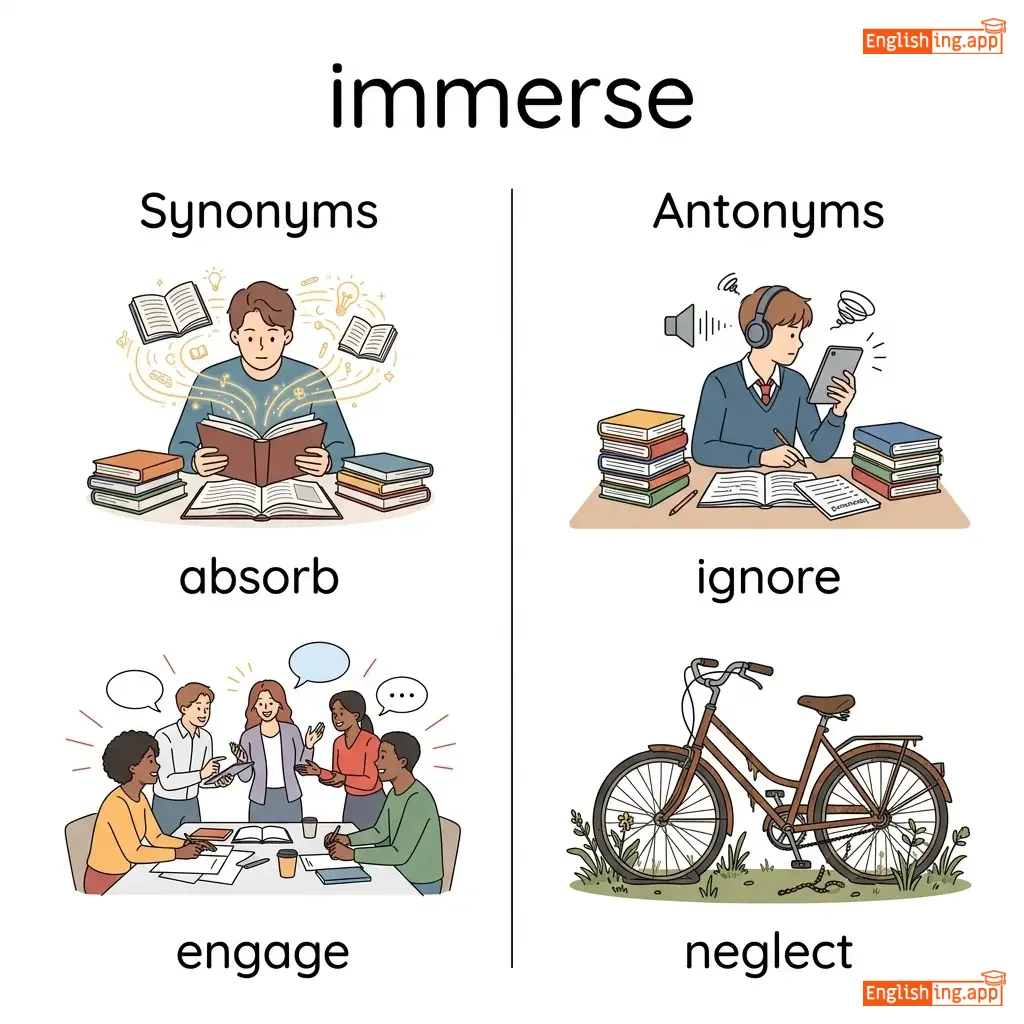
submerge, absorb, engross, involve, engage, surround
••••••
|
detach, withdraw, surface, emerge, separate, distance
••••••
|
Immerse yourself in the new language: 想象自己沉浸在水中,这样你就能沉浸在新的语言里了!
••••••
|
|
#2272
🎬
|
ˈmuːviz
noun
(múbǐs)
••••••
|
|
电影
diànyǐng
••••••
|
A story or event recorded by a camera as a set of moving images and shown in a theater or on television.
••••••
|
Watching movies helps in language learning.
看电影有助于语言学习。
••••••
|
看电影有助于语言学习。
Kàn diànyǐng yǒuzhù yú yǔyán xuéxí.
••••••
|
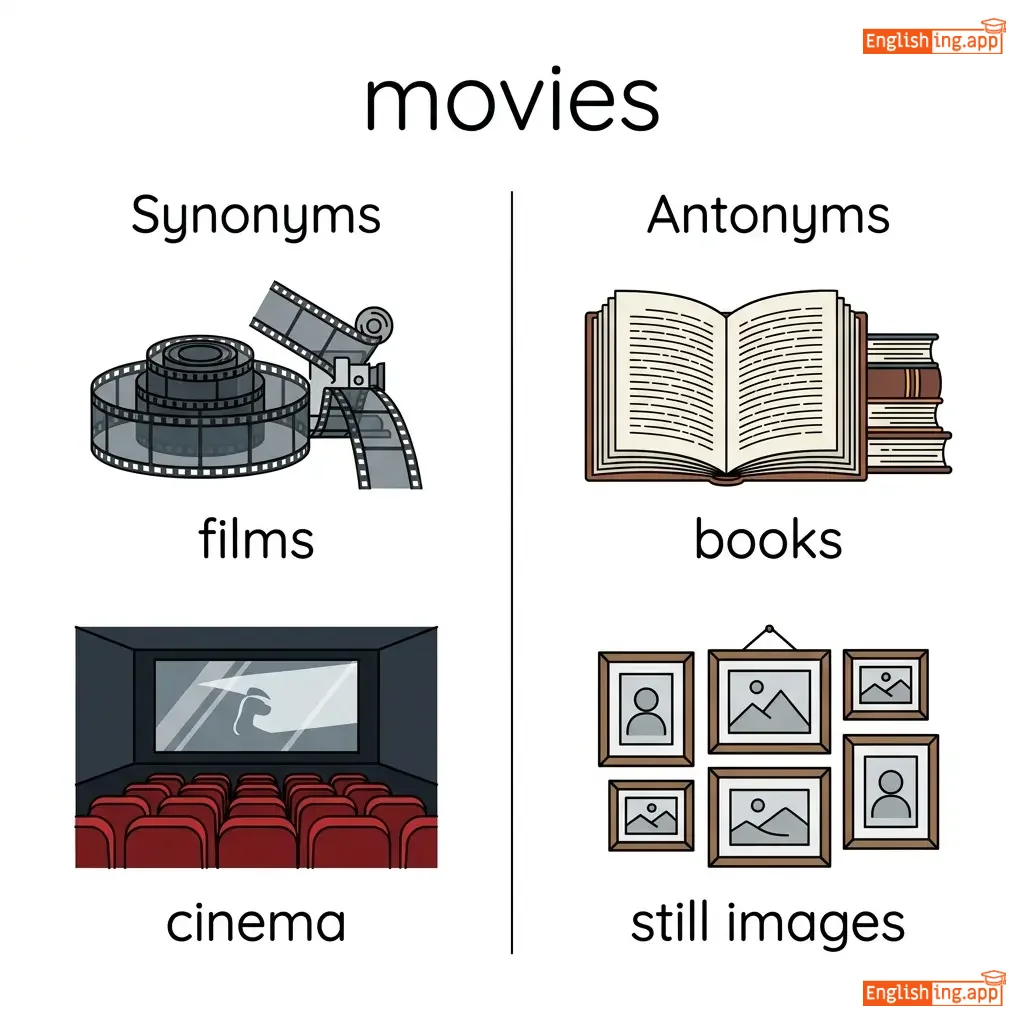
films, cinema, motion pictures, flicks, shows, videos
••••••
|
books, still images, photographs, paintings, static art, silent media
••••••
|
Chinese '电影' sounds like 'dianying', which can be remembered as 'dynamic images' in movies.
••••••
|
|
#2273
🎵
|
sɔːŋz
noun
(sɔːŋz)
••••••
|
|
歌曲
gequ
••••••
|
A short poem or other set of words set to music or meant to be sung.
••••••
|
Listen to songs to learn pronunciation. |
听歌曲来学习发音。
Tīng gēqǔ lái xuéxí fāyīn.
••••••
|
music, melodies, tunes, ballads, hymns, anthems
••••••
|
silence, speechlessness, muteness, quietness, stillness, soundlessness
••••••
|
通过歌曲学习发音,像唱歌一样练习。
••••••
|
|
#2274
🎙️
|
ˈpɒdkɑːsts
noun
(播客)
••••••
|
|
播客
bōkè
••••••
|
A digital audio or video file or recording, usually part of a themed series, that can be downloaded from a website to a media player or computer.
••••••
|
Podcasts are great for improving listening.
播客非常适合提高听力。
••••••
|
播客非常适合提高听力。
Bōkè fēicháng shìhé tígāo tīnglì.
••••••
|
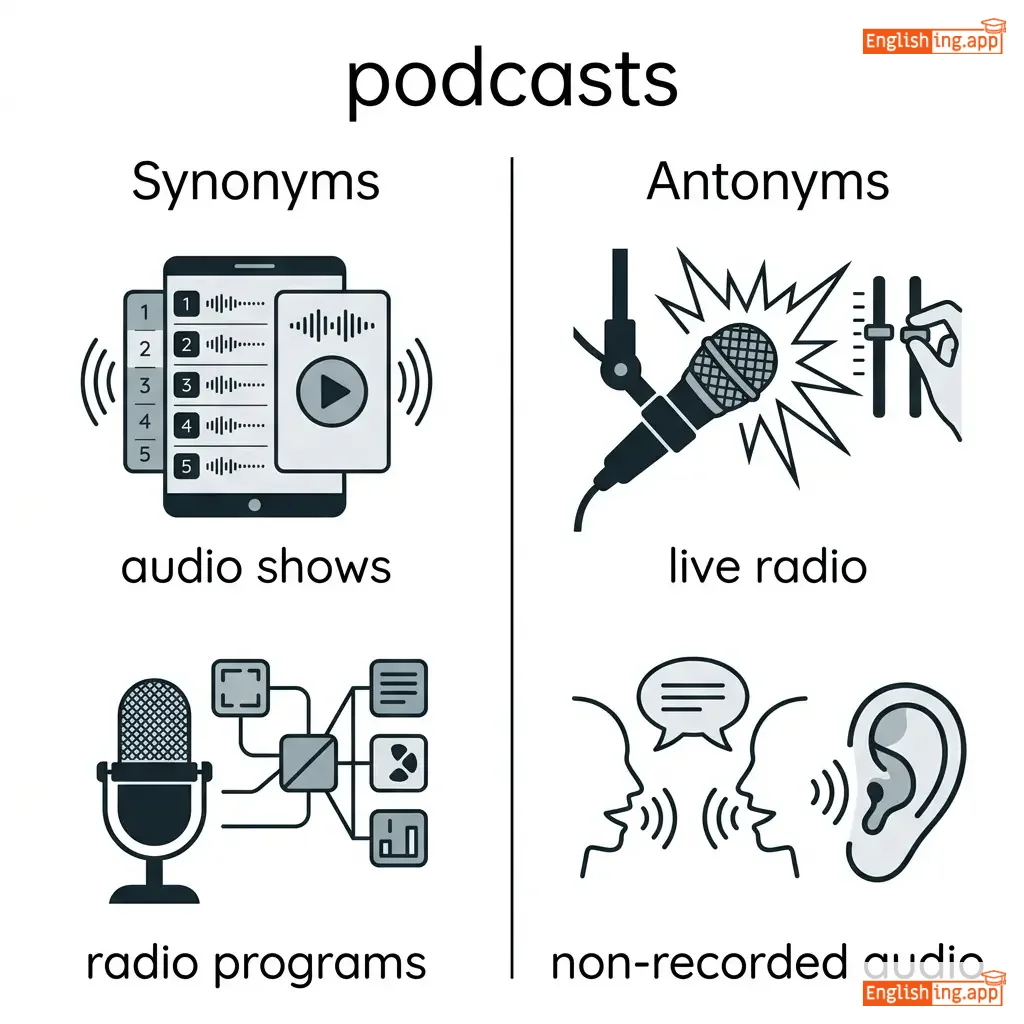
audio shows, radio programs, digital broadcasts, audio series, streaming shows, audio content
••••••
|
live radio, non-recorded audio, live broadcasts, real-time shows, unedited content, spontaneous audio
••••••
|
用播客提高听力技能
••••••
|
|
#2275
📺
|
ˈsʌbˌaɪtəlz
noun
(sʌbˈtaɪtlz)
••••••
|
|
字幕
zìmù
••••••
|
Captions displayed at the bottom of a movie or television screen that translate or transcribe the dialogue or narrative.
••••••
|
Use subtitles for better understanding.
使用字幕以更好地理解。
••••••
|
使用字幕以更好地理解。
Shiyong zimu yi genghao de liajie.
••••••
|
captions, text overlay, closed captions, translations, transcriptions, screen text
••••••
|
no captions, no text display, audio only, visual only, unsubsidized content, pure audio
••••••
|
字幕 - 帮助理解电影
••••••
|
|
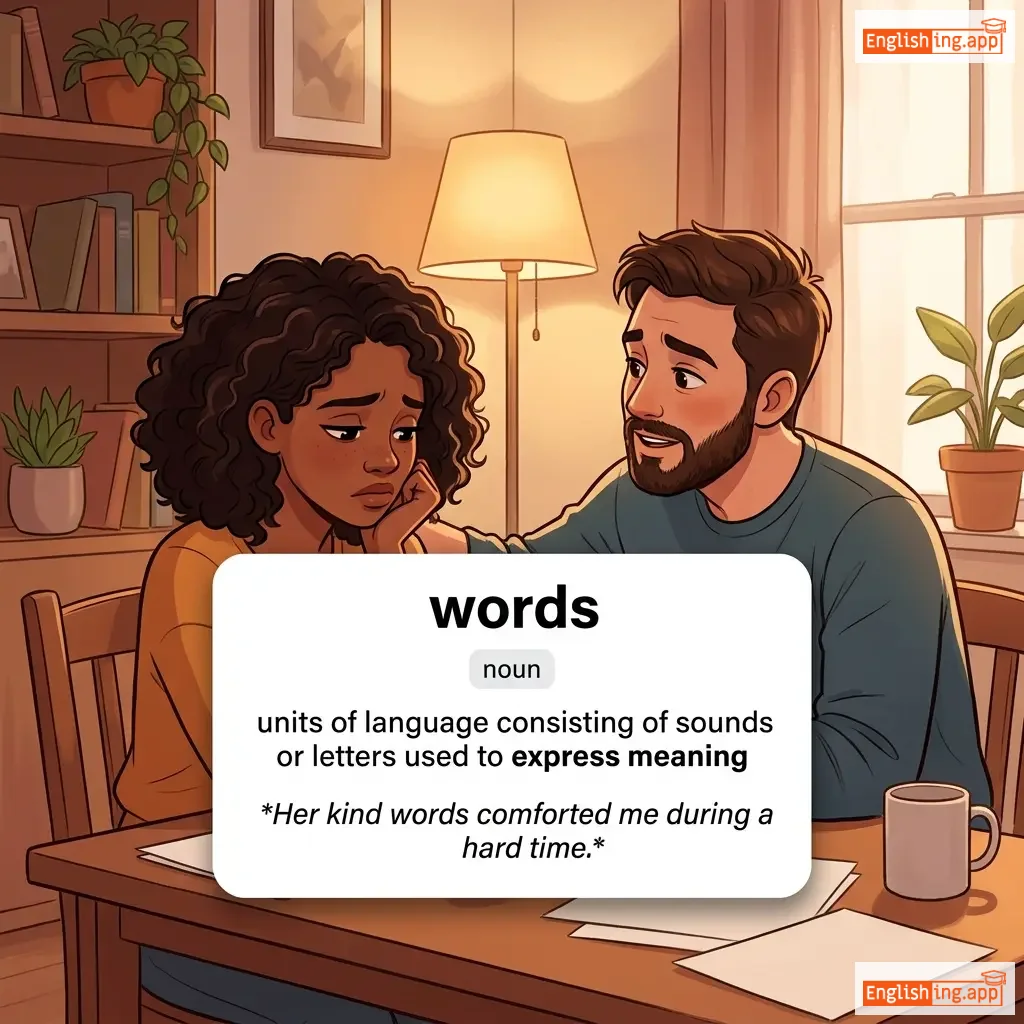
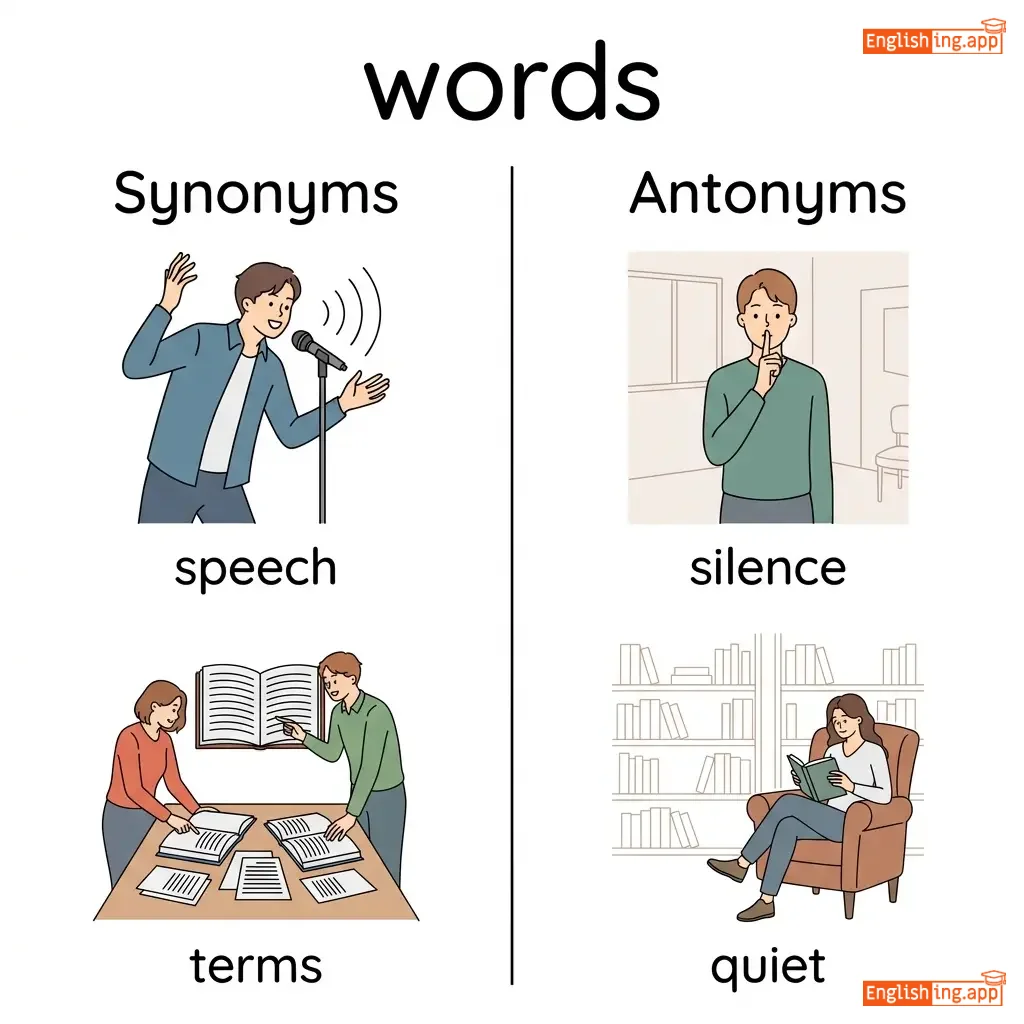
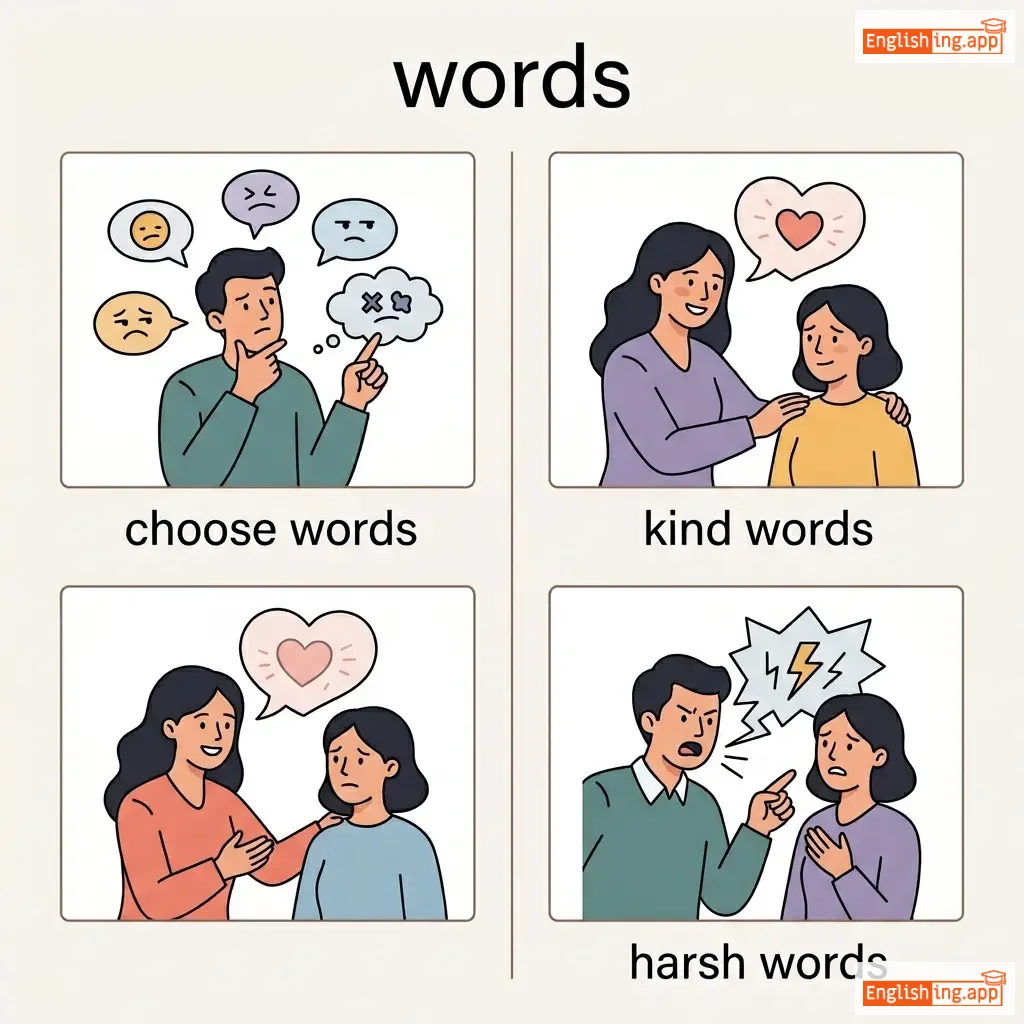
#2276
📝
|
wɜːrdz
noun
(wɜːrdz)
••••••
|
|
词语
ciyu
••••••
|
A single distinct meaningful element of speech or writing, used with others to form communication.
••••••
|
Learning new words expands vocabulary.
学习新单词可以扩展词汇量。
••••••
|
学习新单词可以扩展词汇量。
Xuéxí xīn dāncí kěyǐ kuòzhǎn cíhuì liàng.
••••••
|
terms, vocabulary, expressions, language, lexicon, terminology
••••••
|
silence, no sound, muteness, speechlessness, quietness, wordlessness
••••••
|
词语是交流的基础。
••••••
|
|
#2277
💭
|
freɪzɪz
noun
(freɪzɪz)
••••••
|
|
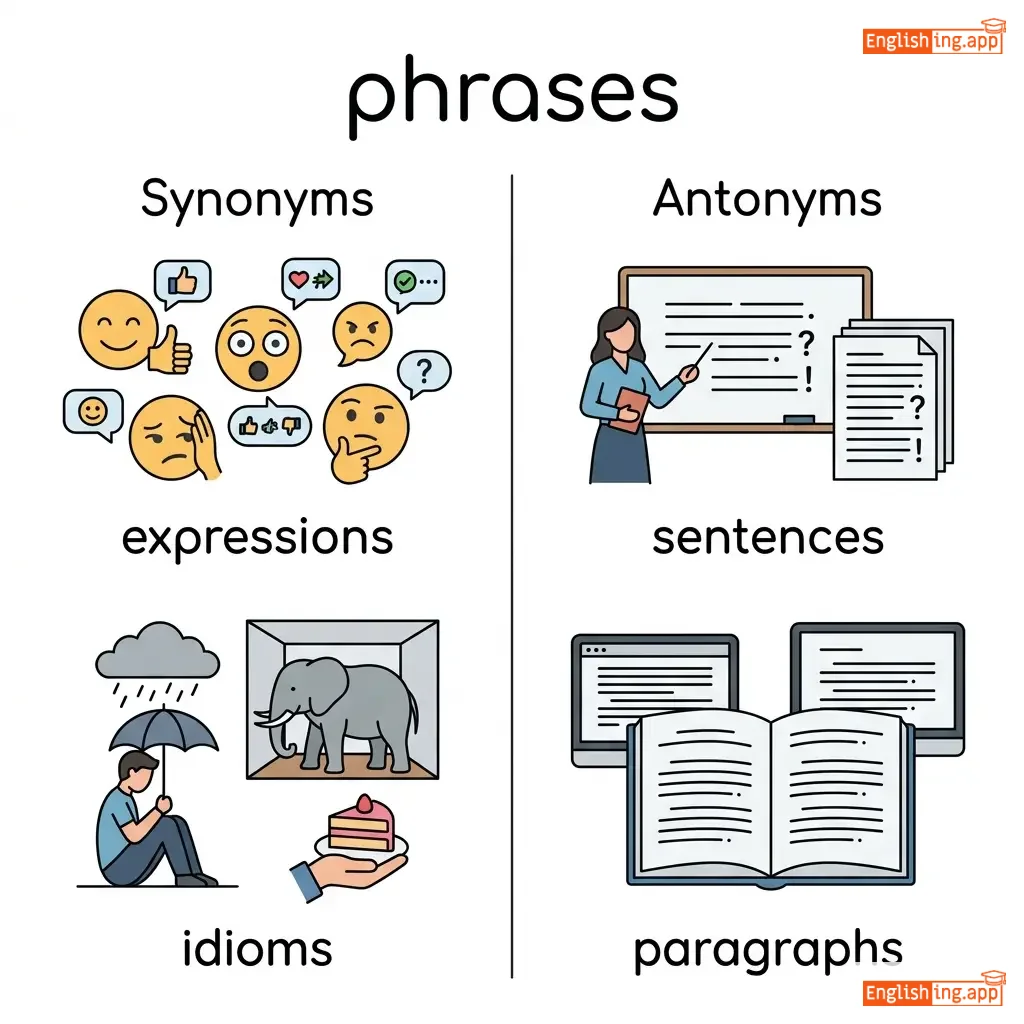
短语
duǎn yǔ
••••••
|
A small group of words standing together as a conceptual unit, typically forming a component of a clause.
••••••
|
Learn common phrases for daily use. |
学习日常使用的常见短语。
Xuéxí rìcháng shǐyòng de chángjiàn duǎn yǔ.
••••••
|
expressions, idioms, sayings, terms, clauses, word groups
••••••
|
sentences, paragraphs, full statements, complete thoughts, long passages, extended text
••••••
|
短语是语言的构建块。
••••••
|
Vocabulary Quiz
Test your vocabulary by matching words with their translations or meanings.
Login to take the quiz
Comments (0)
Share your thoughts and join the discussion.
Join the discussion by logging in
Login to CommentNo comments yet
Be the first to share your thoughts!